Jinta Populus Euphratica Forest and Rainbow Mountains 金塔胡杨林与七彩丹霞
October 12 2025
Our driver recommended that we visit the Jinta Populus Euphratica Forest,……
今天原定的计划是离开嘉峪关,。。。
October 12 2025
Our driver recommended that we visit the Jinta Populus Euphratica Forest(金塔胡杨林), another magnificent desert oasis along the Hexi Corridor, just as the autumn colors were reaching their peak. Although it was not part of our original itinerary and required an extra 100-kilometer detour from Jiayuguan Pass, we gladly agreed to pay the additional cost for the chance to experience it.
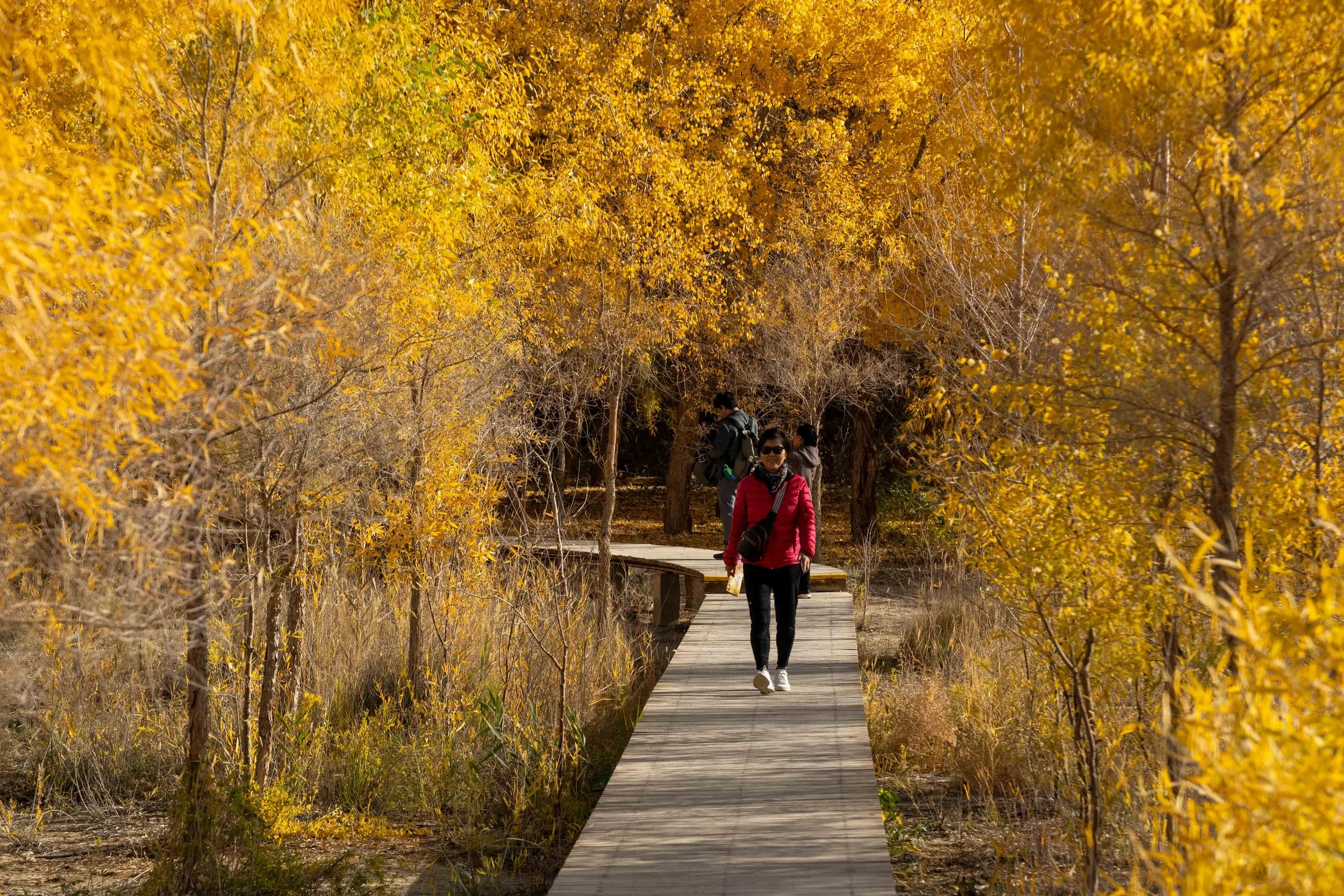
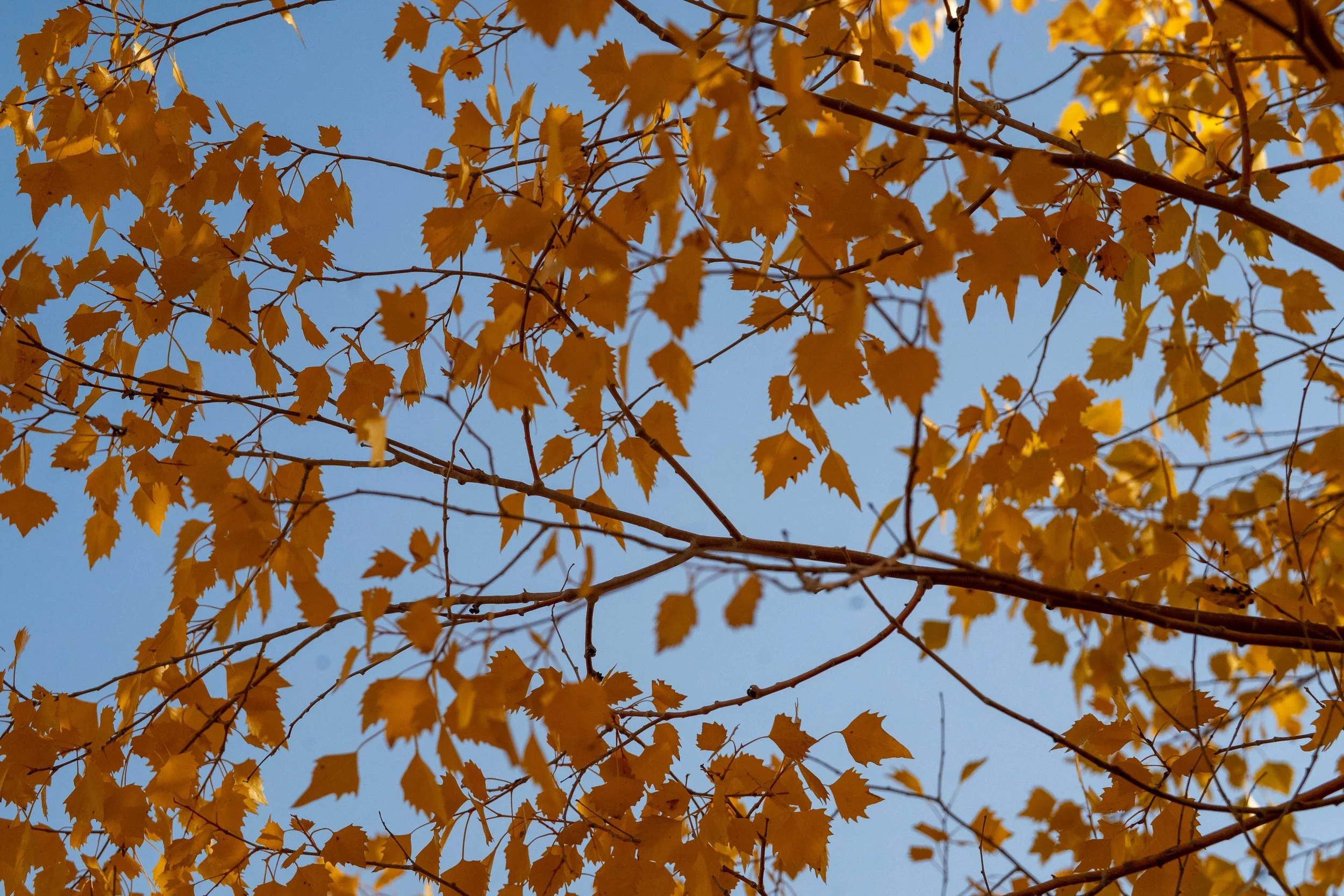
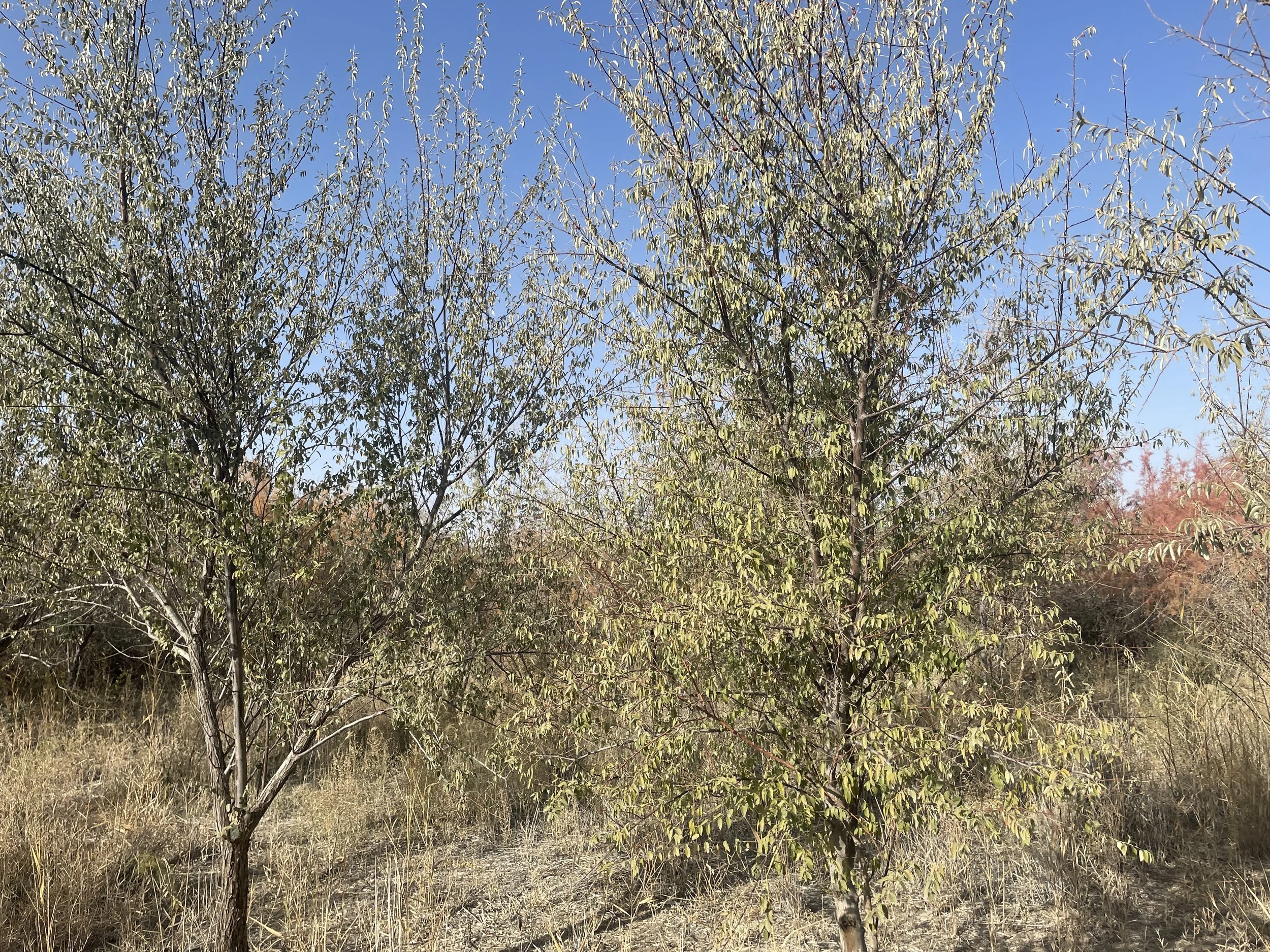
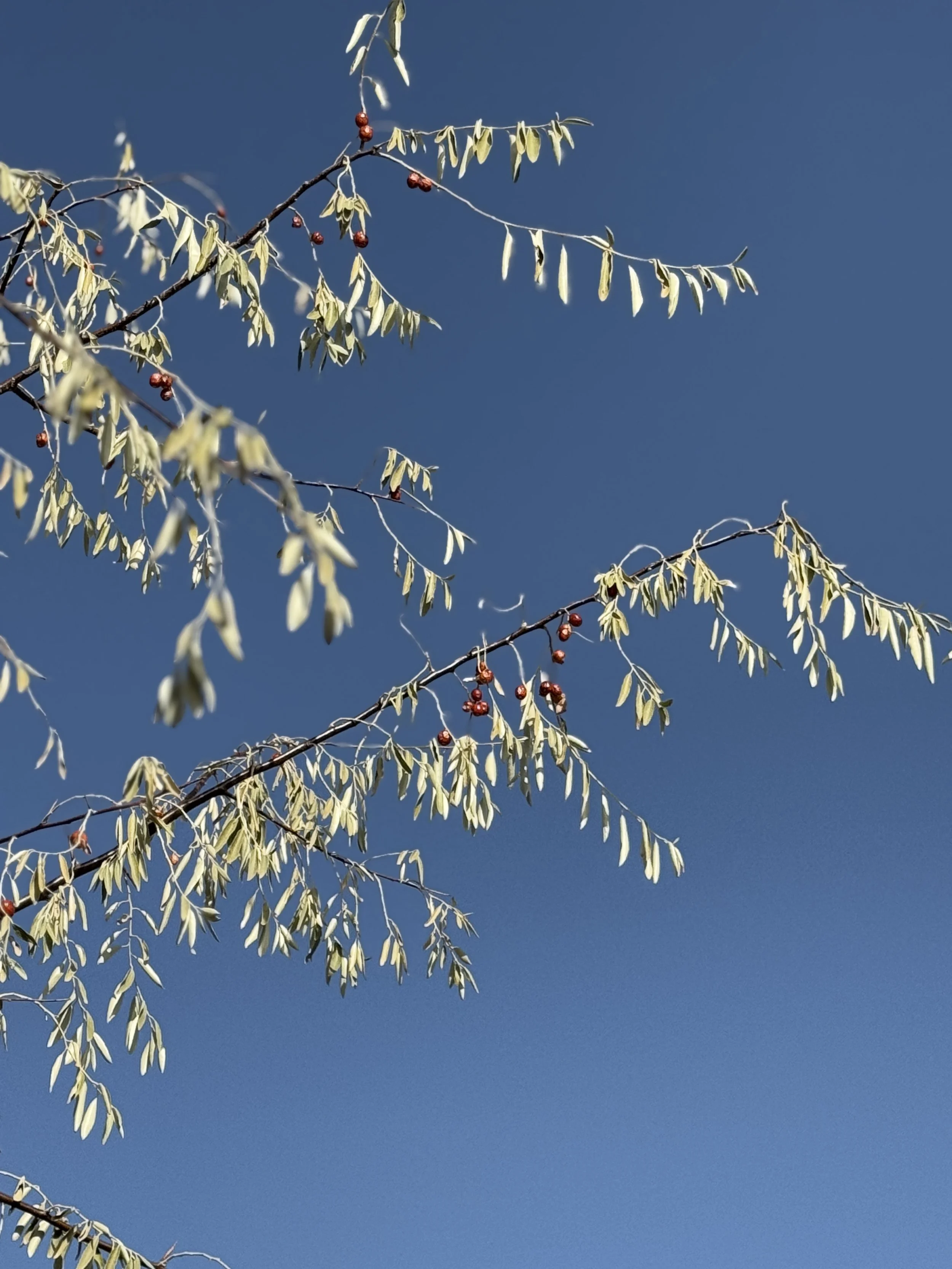
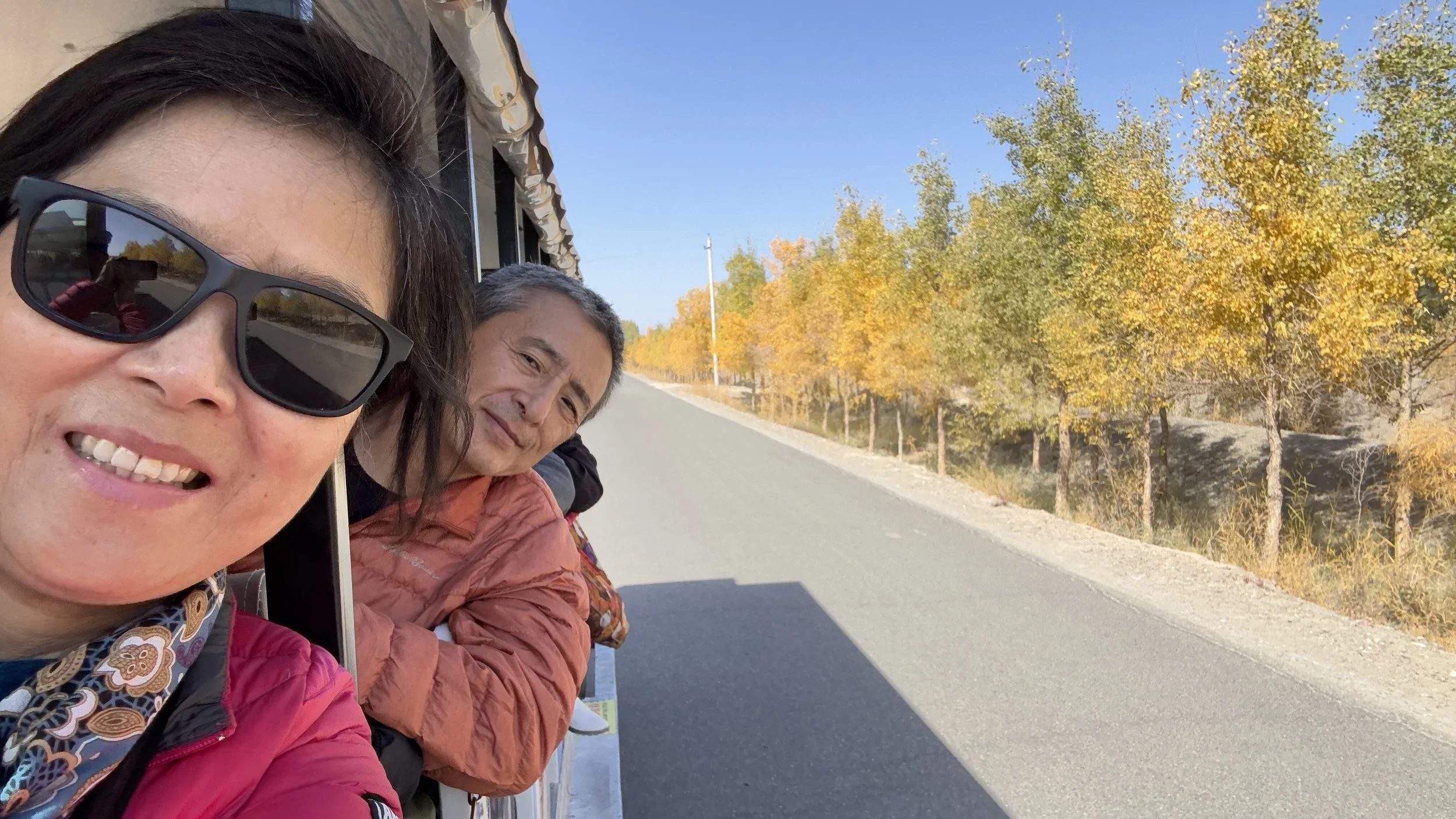
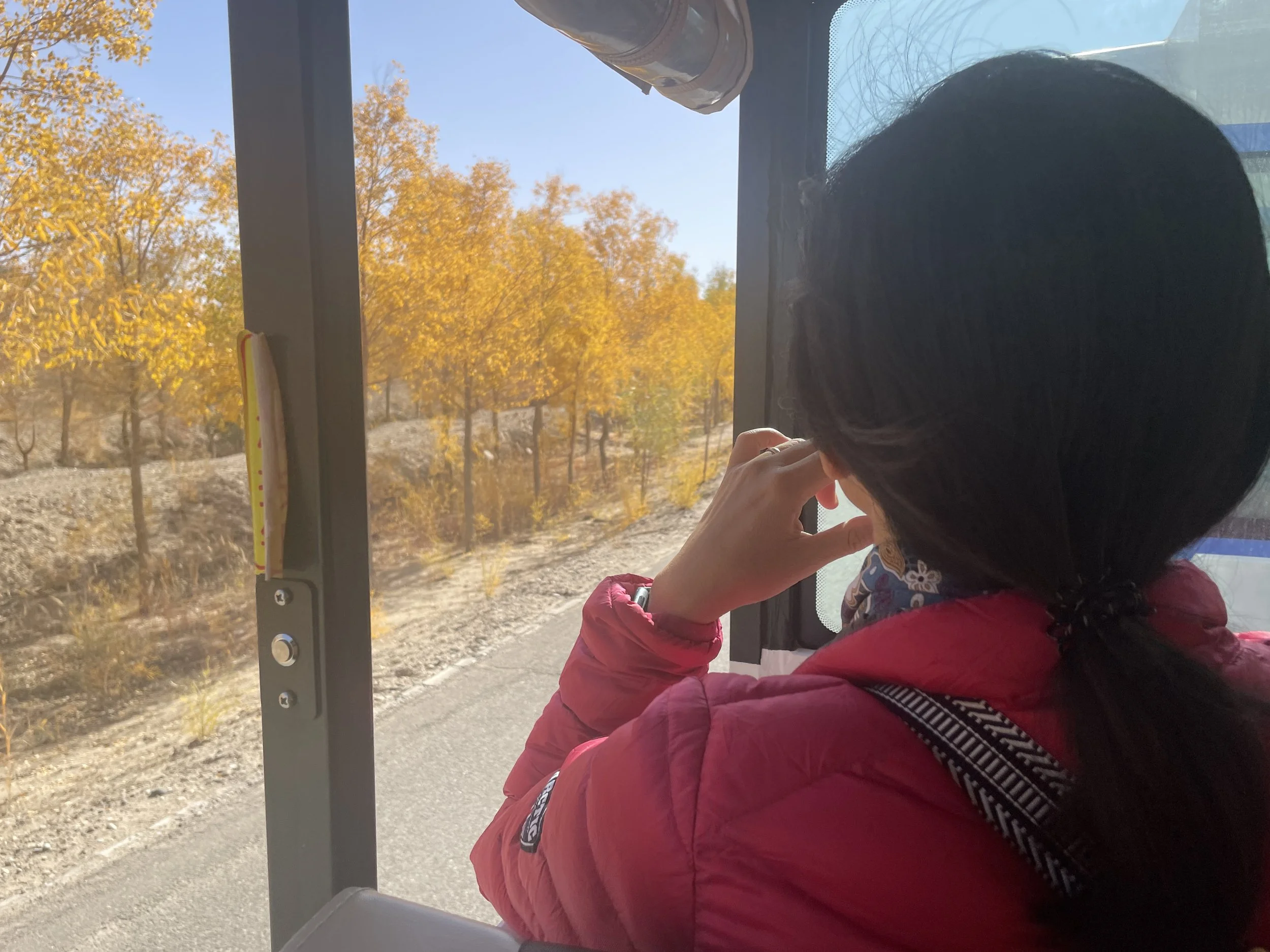
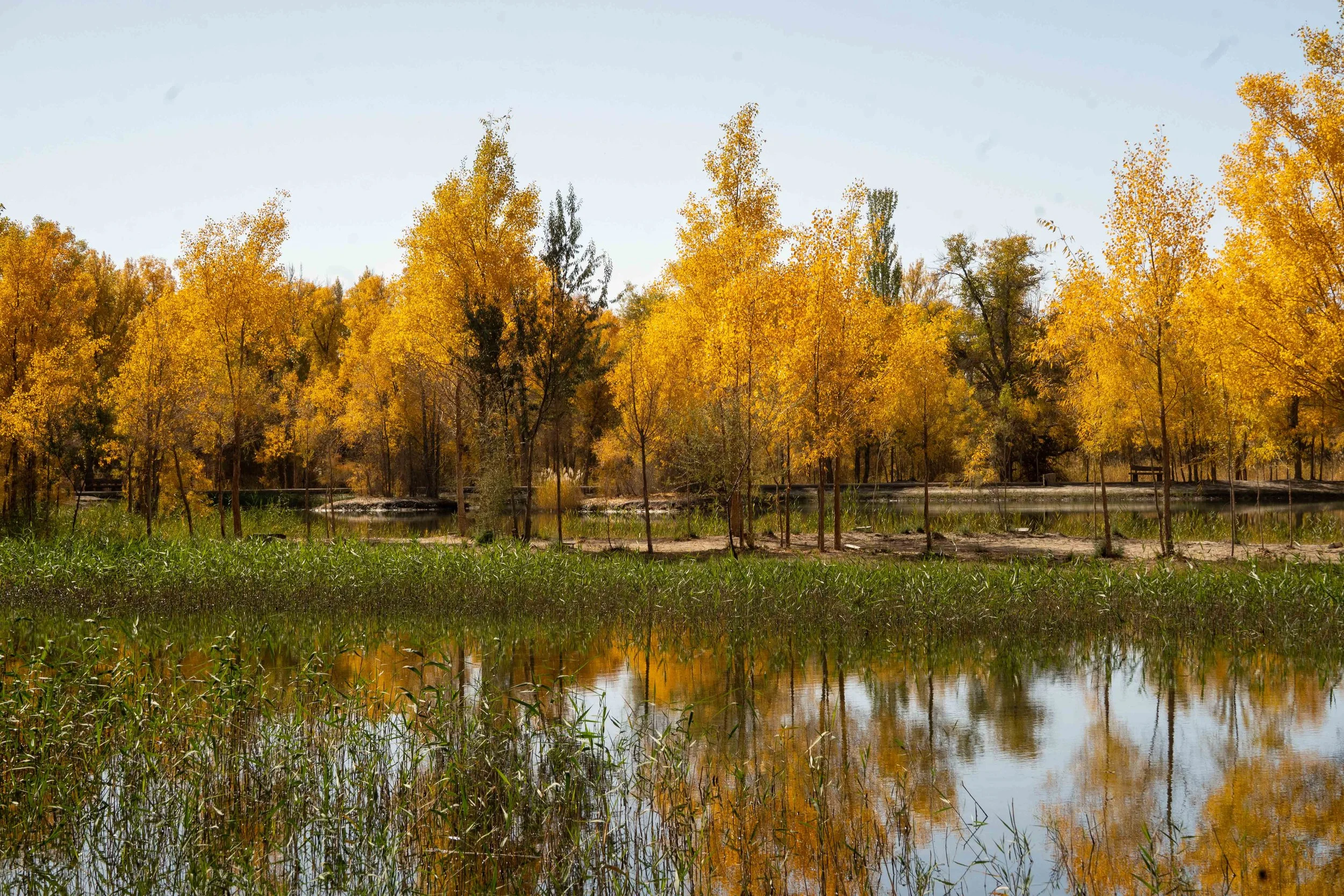
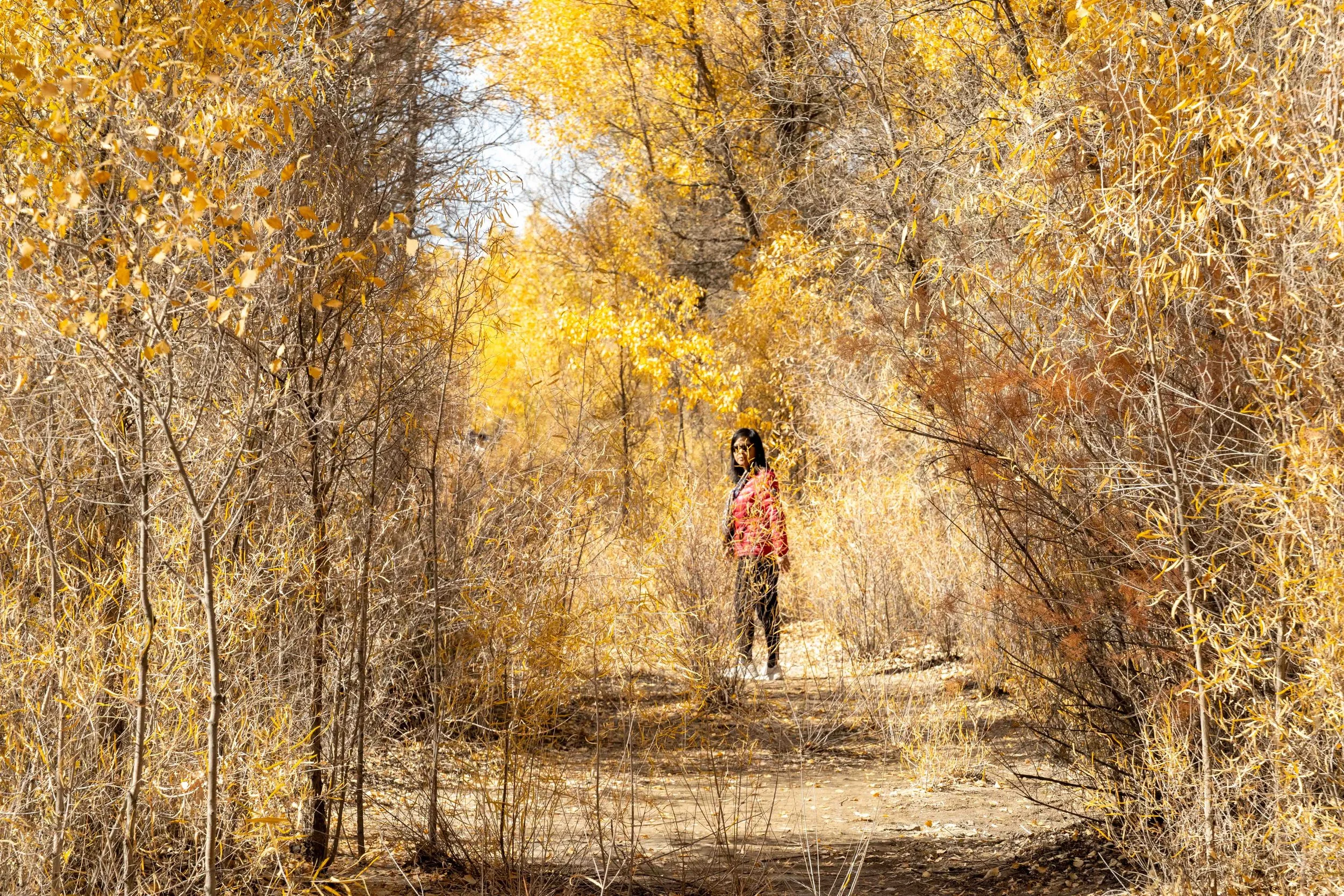
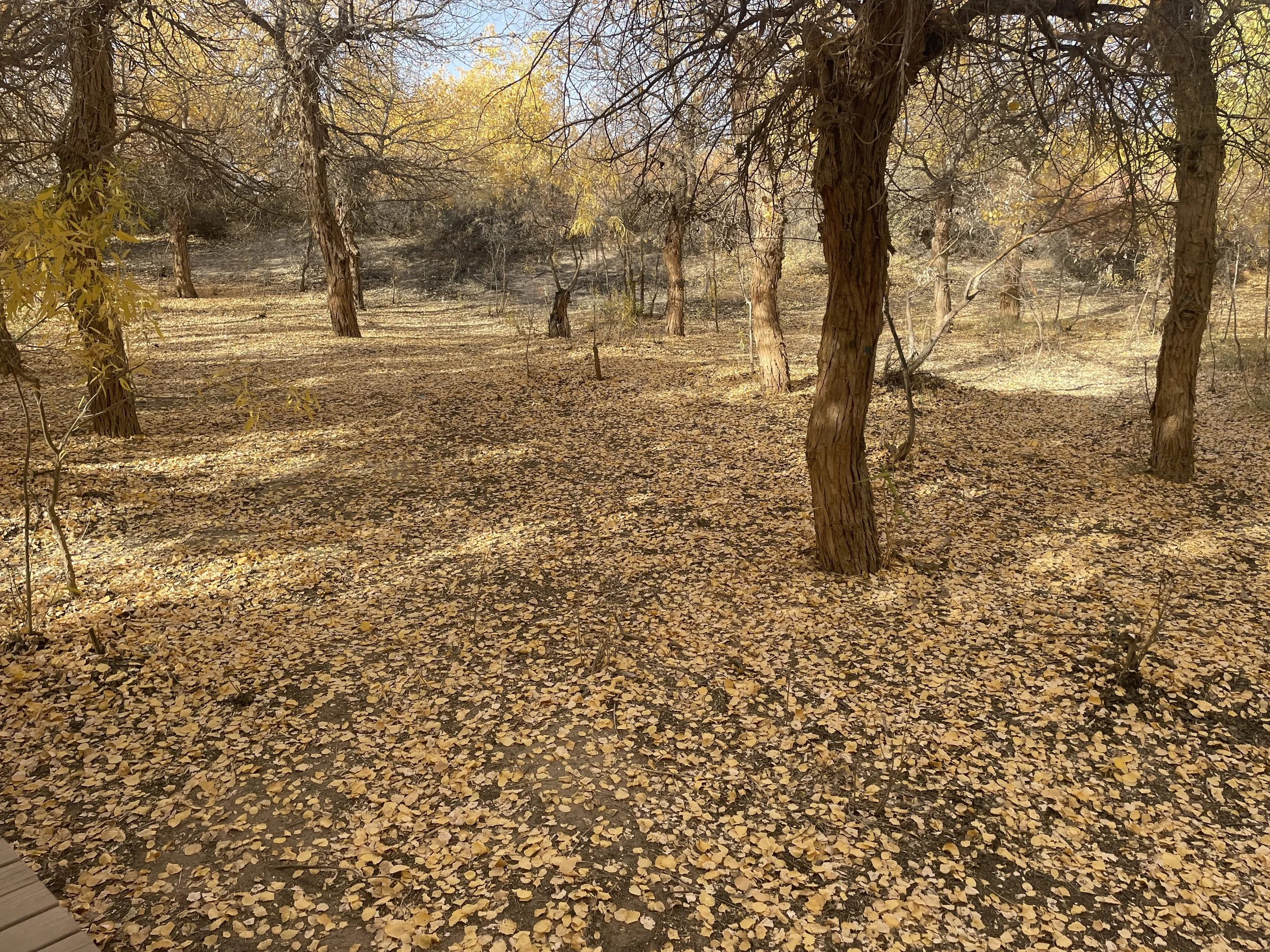
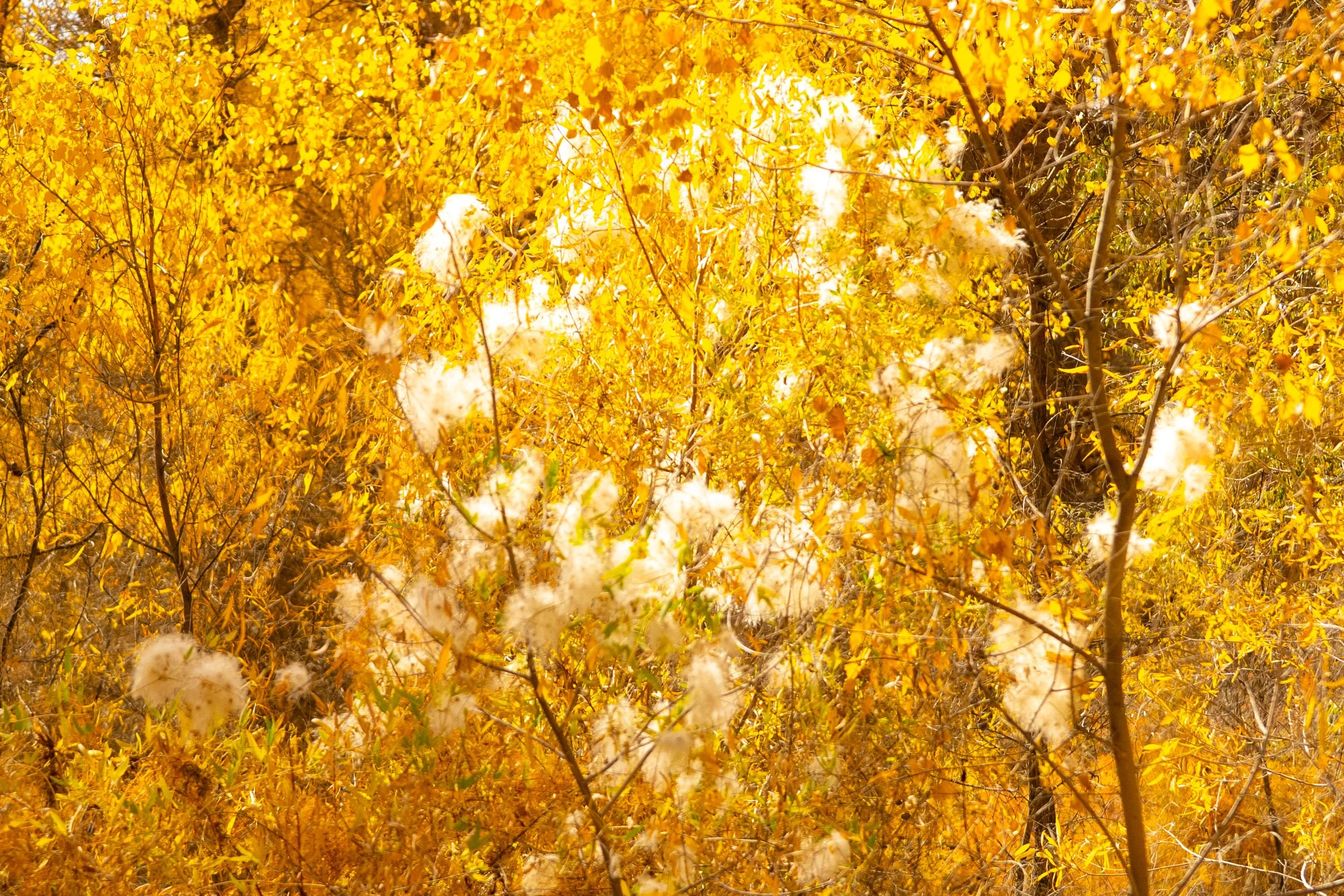
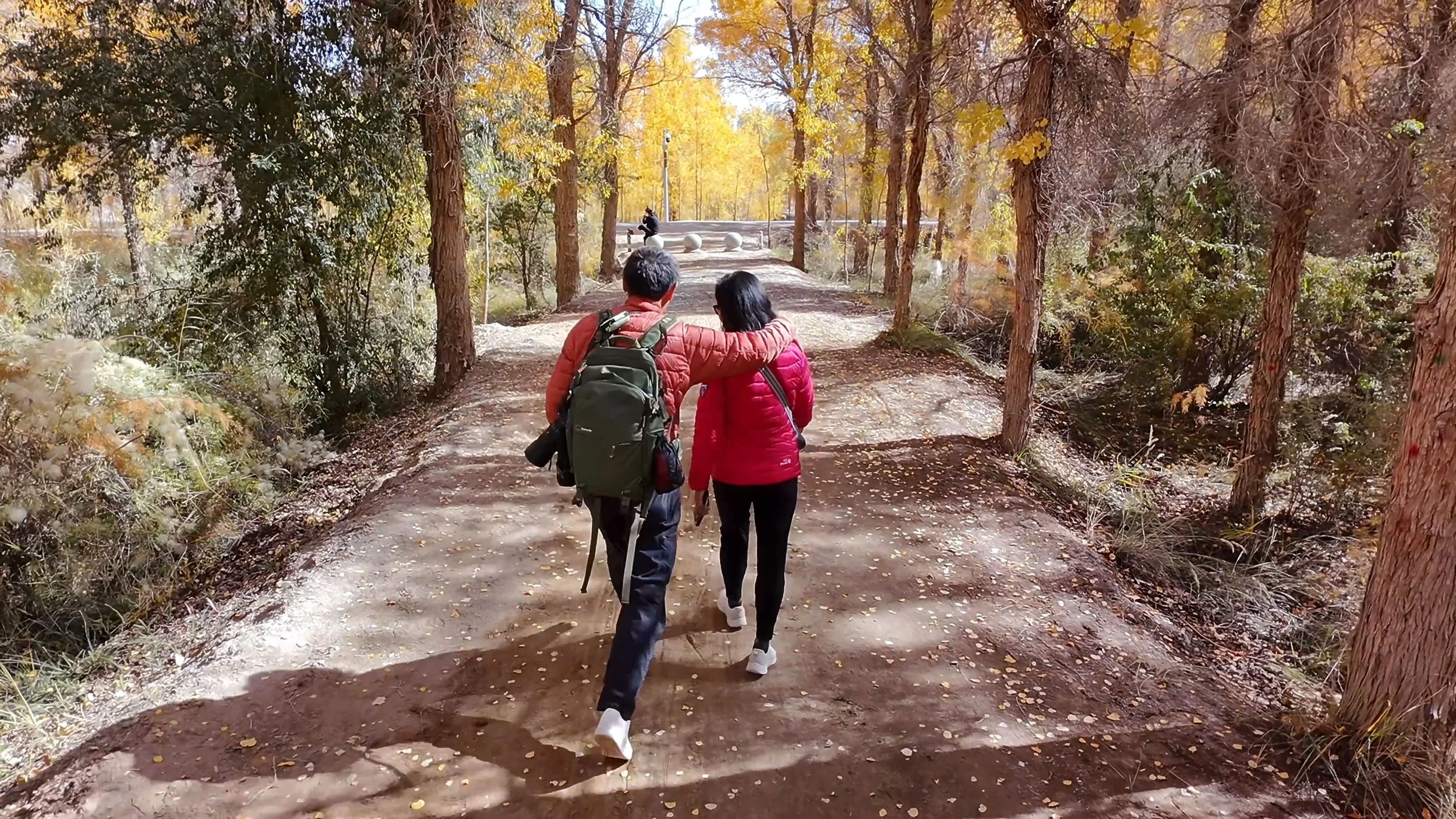
After being dropped off at the entrance, we boarded the park shuttle and got off at the third stop—the main Euphratica Forest area. As sunlight streamed through layers of golden leaves, we followed a winding boardwalk deep into the grove. The Populus euphratica trees stood tall and proud, their gnarled trunks and radiant canopies forming a dazzling contrast against the endless blue sky. We admired the various distinct shapes of their leaves, each glimmering in the warm afternoon light.
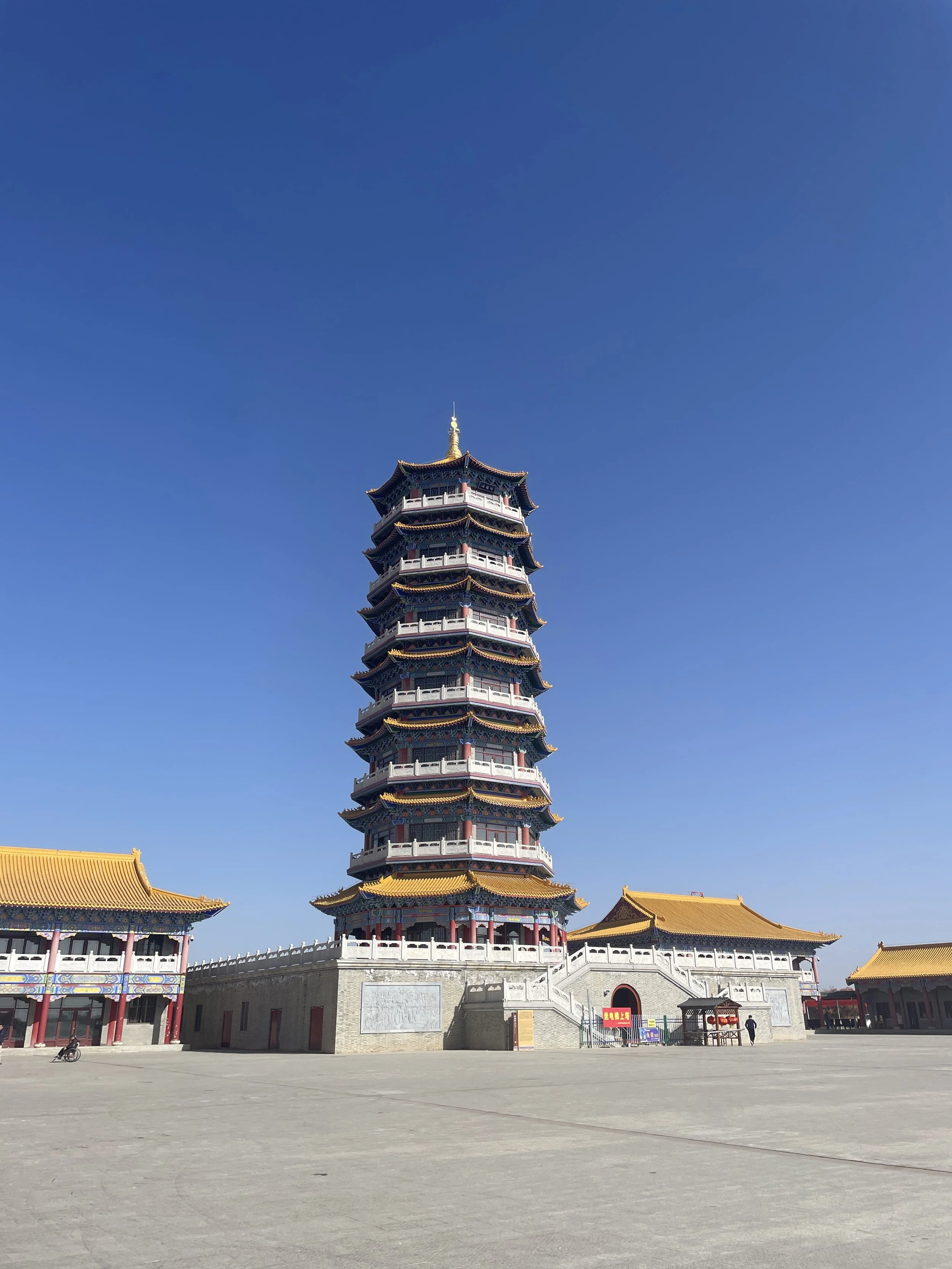
Next, we took another shuttle to the observation tower and paid ¥20 to ride the elevator to the top. From there, a sweeping panorama of the golden forest unfolded beneath us, with a distant view of a solar-power tower shimmering in the desert.
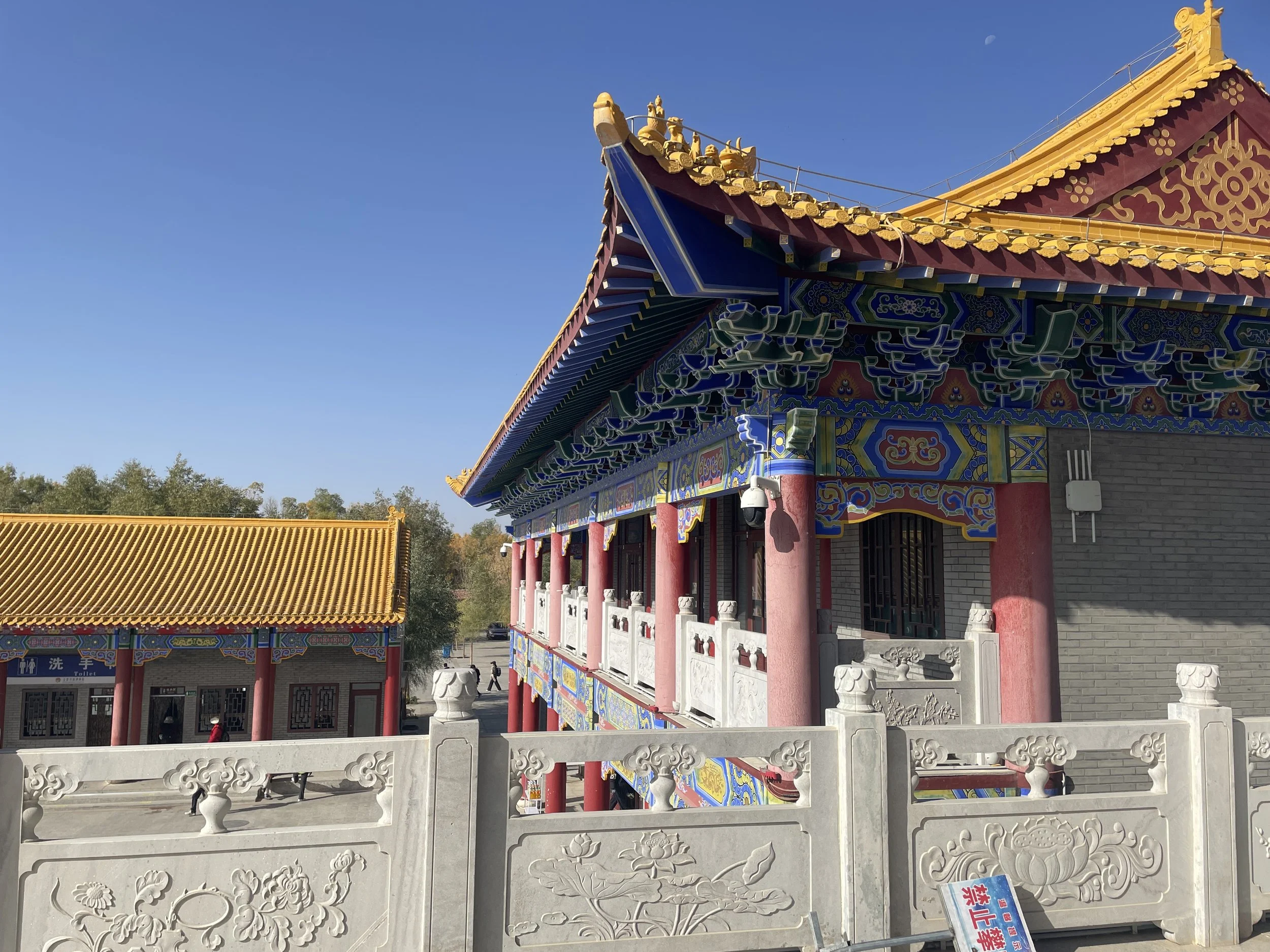
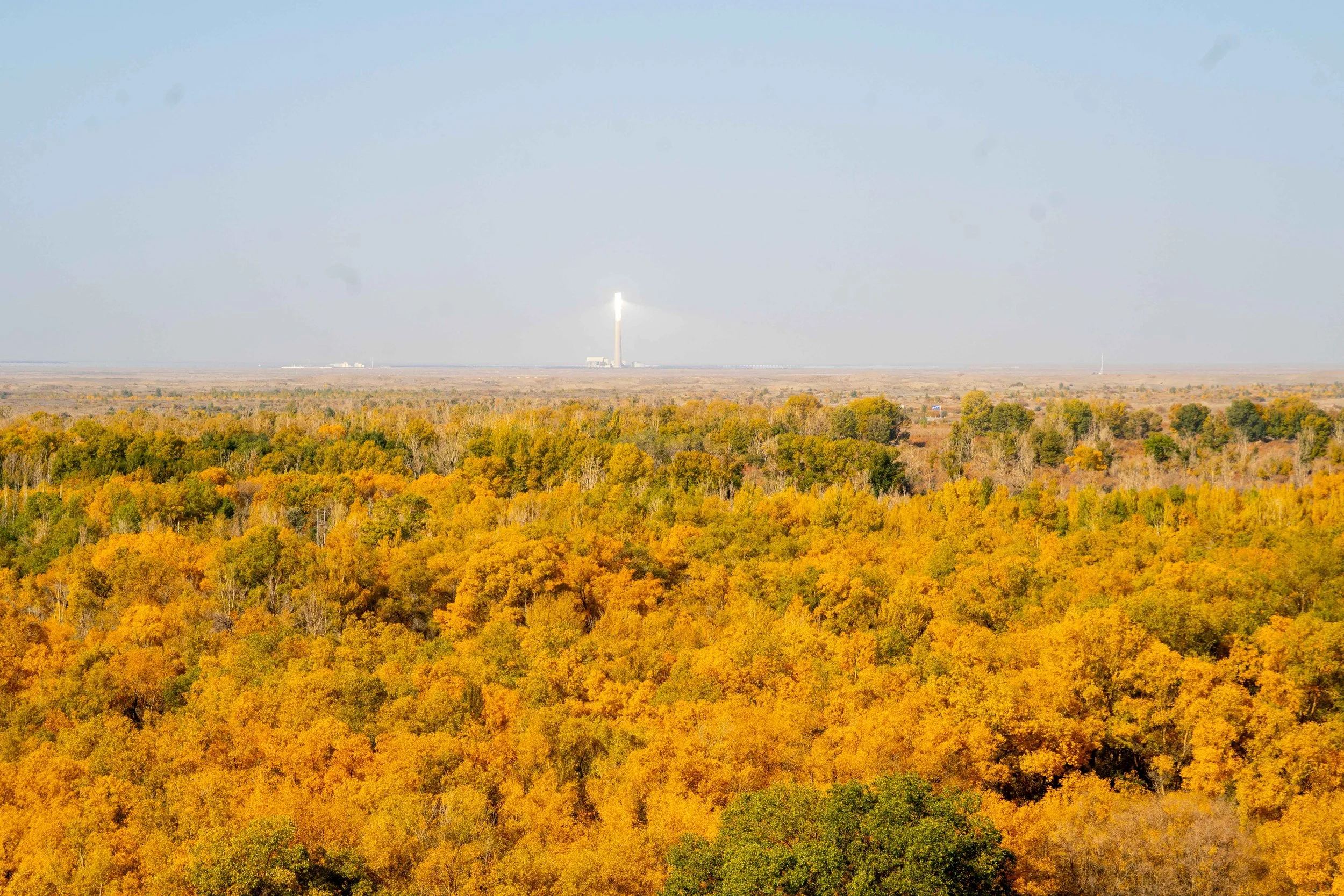
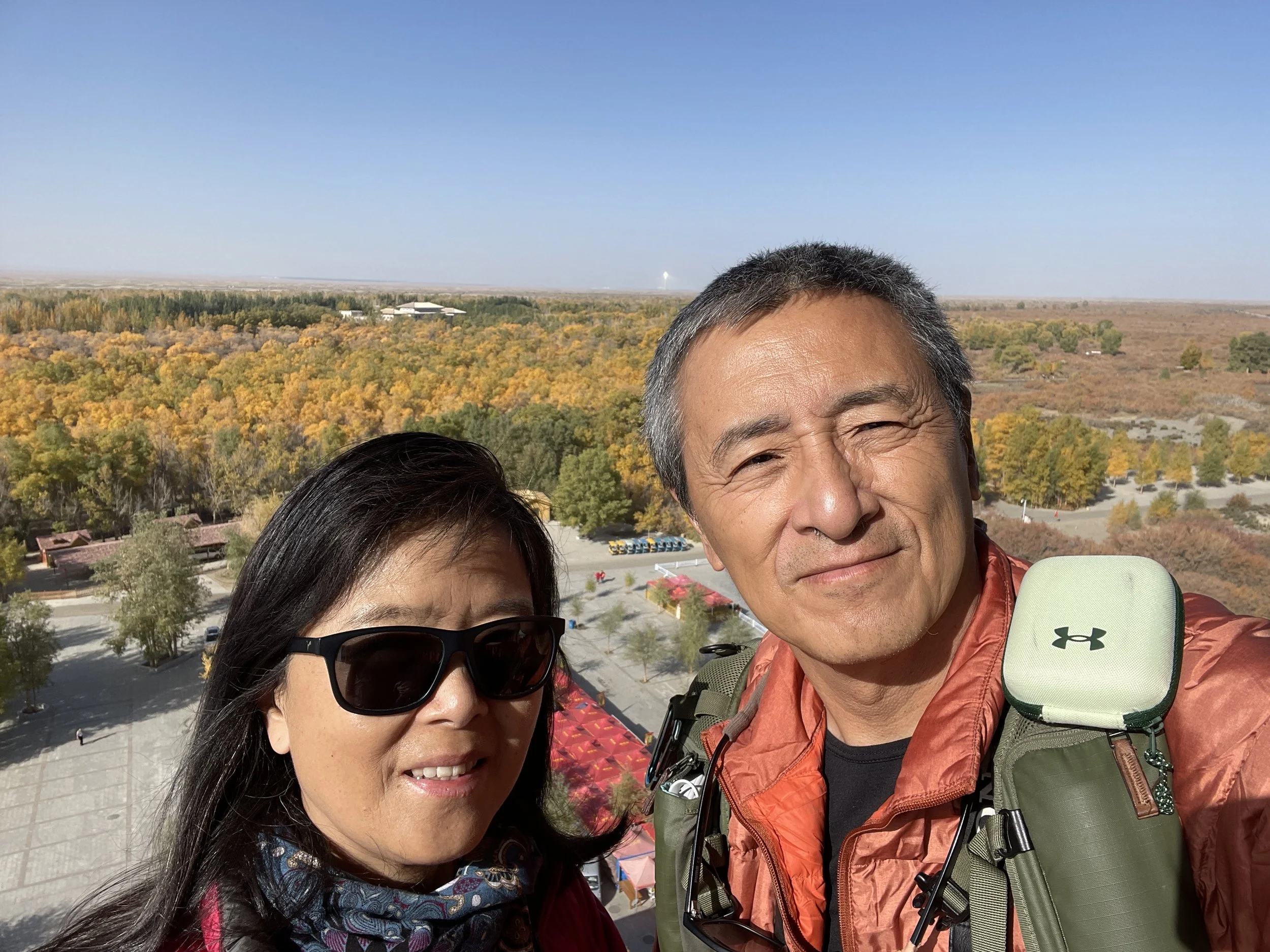
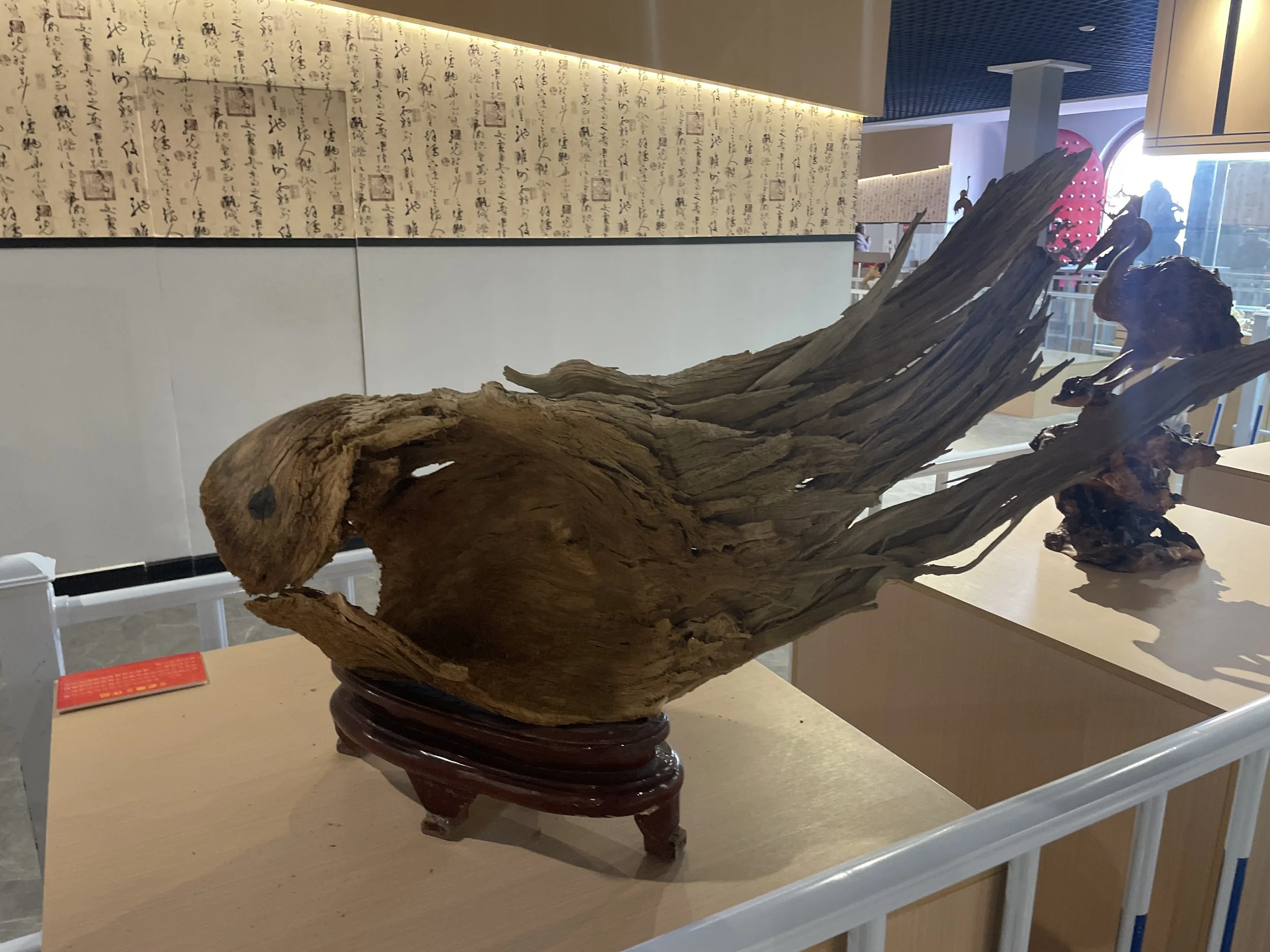
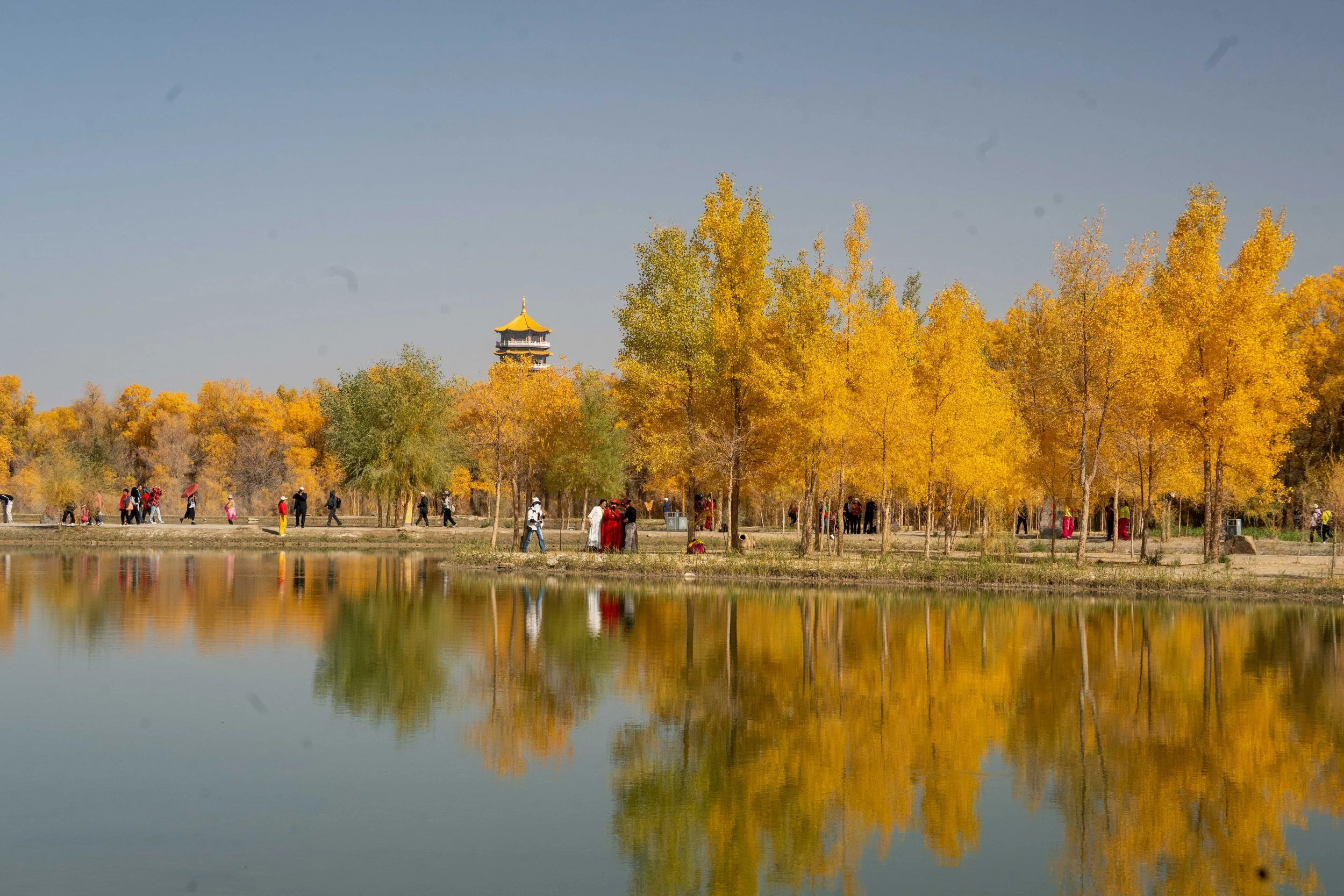
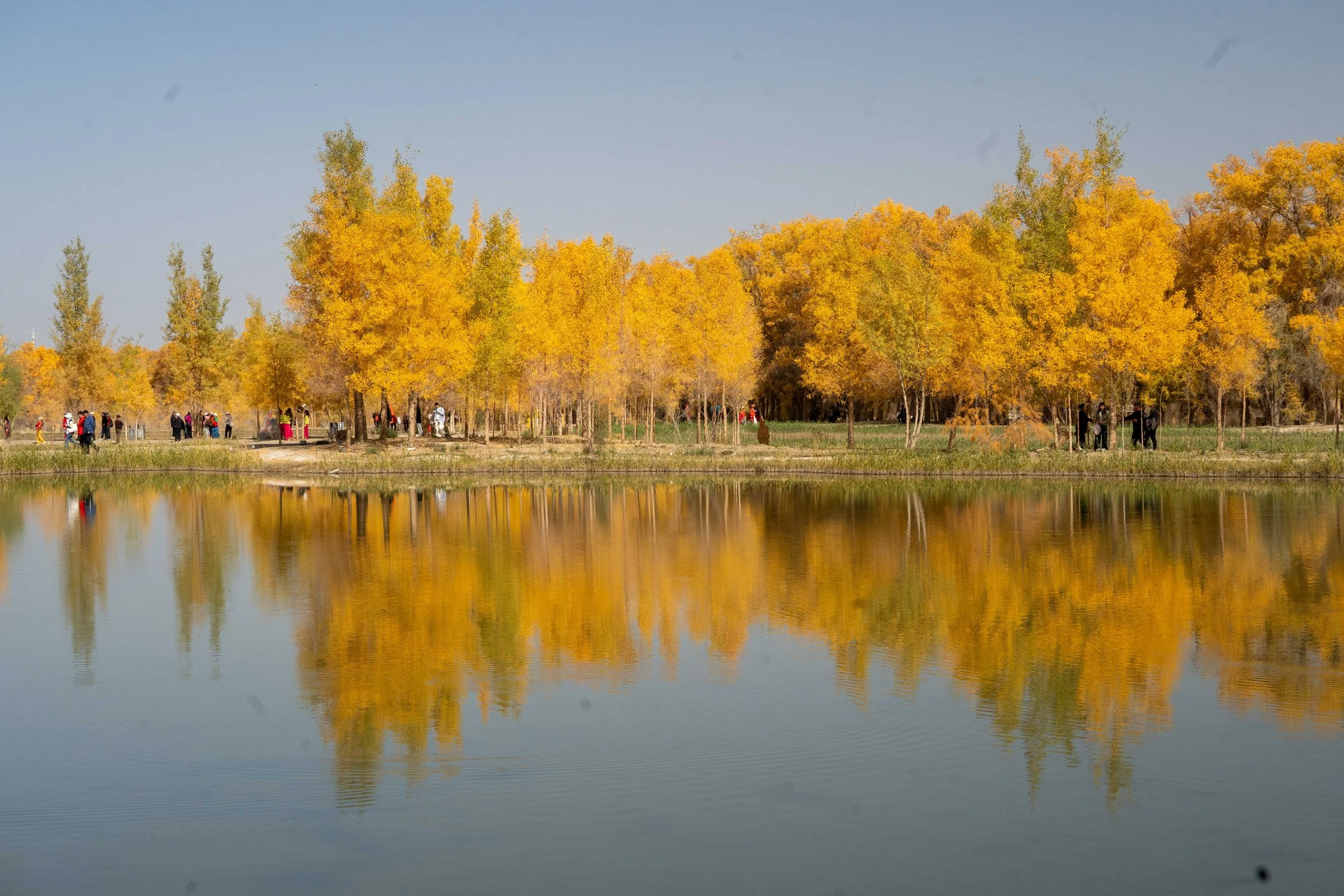
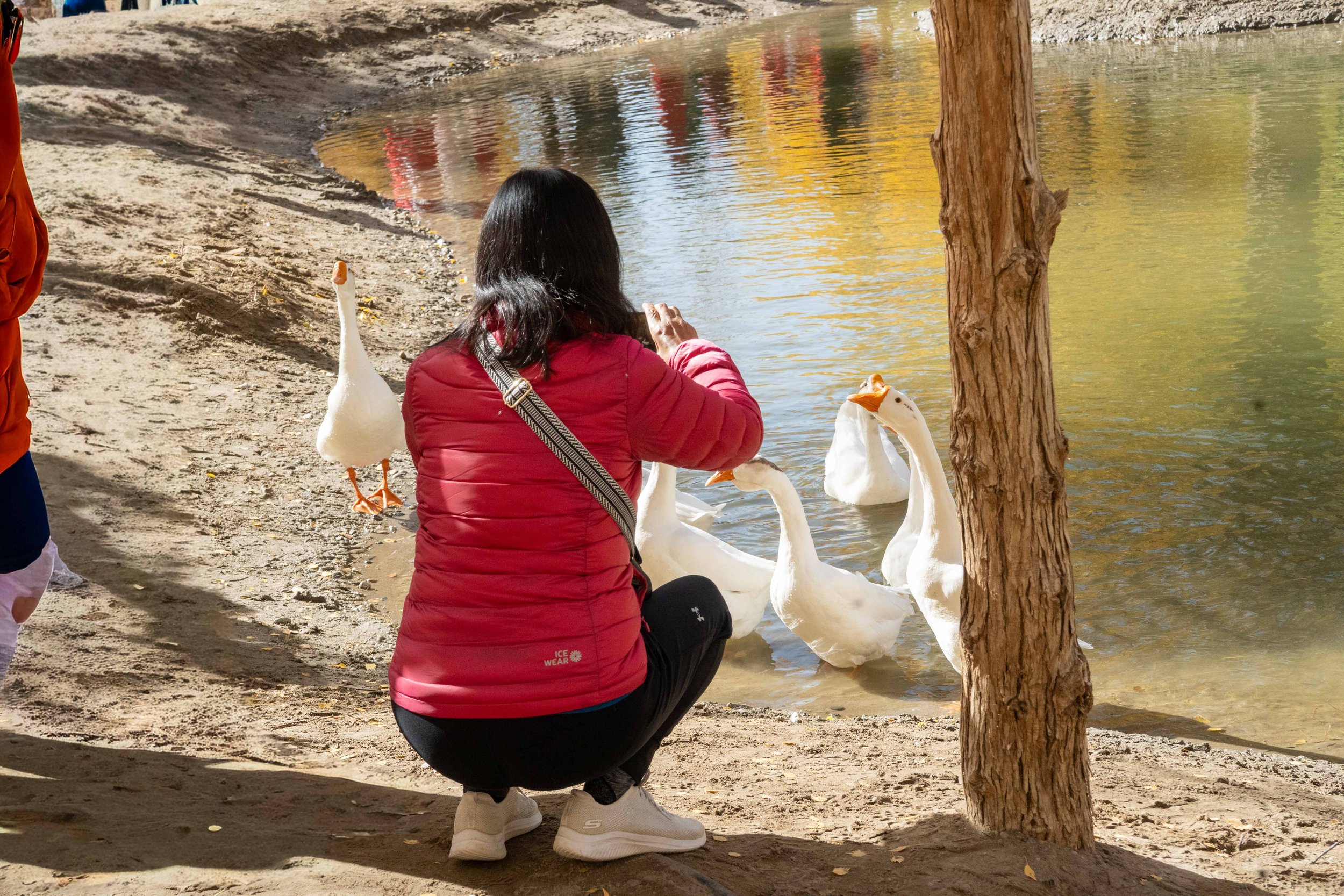
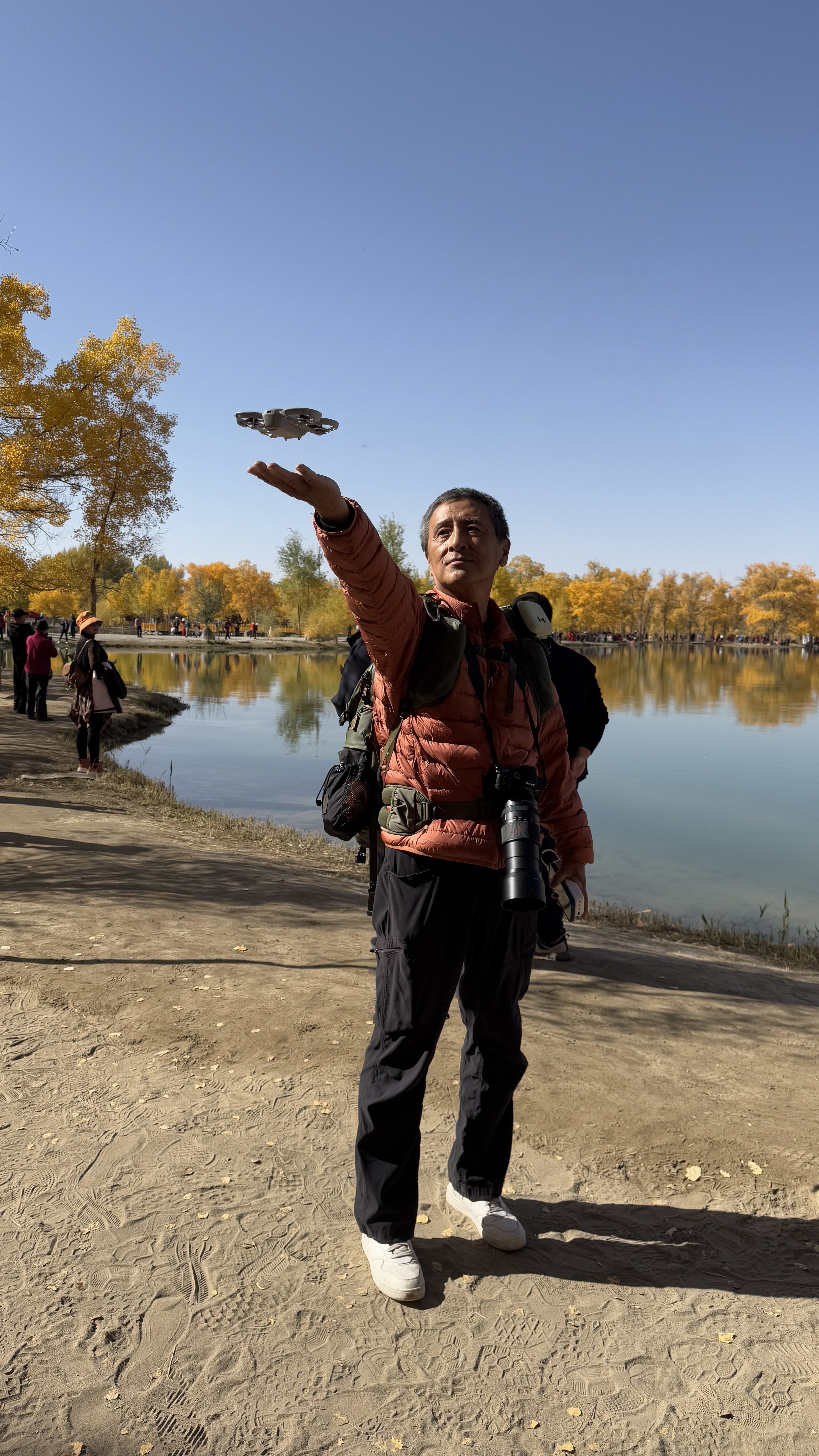
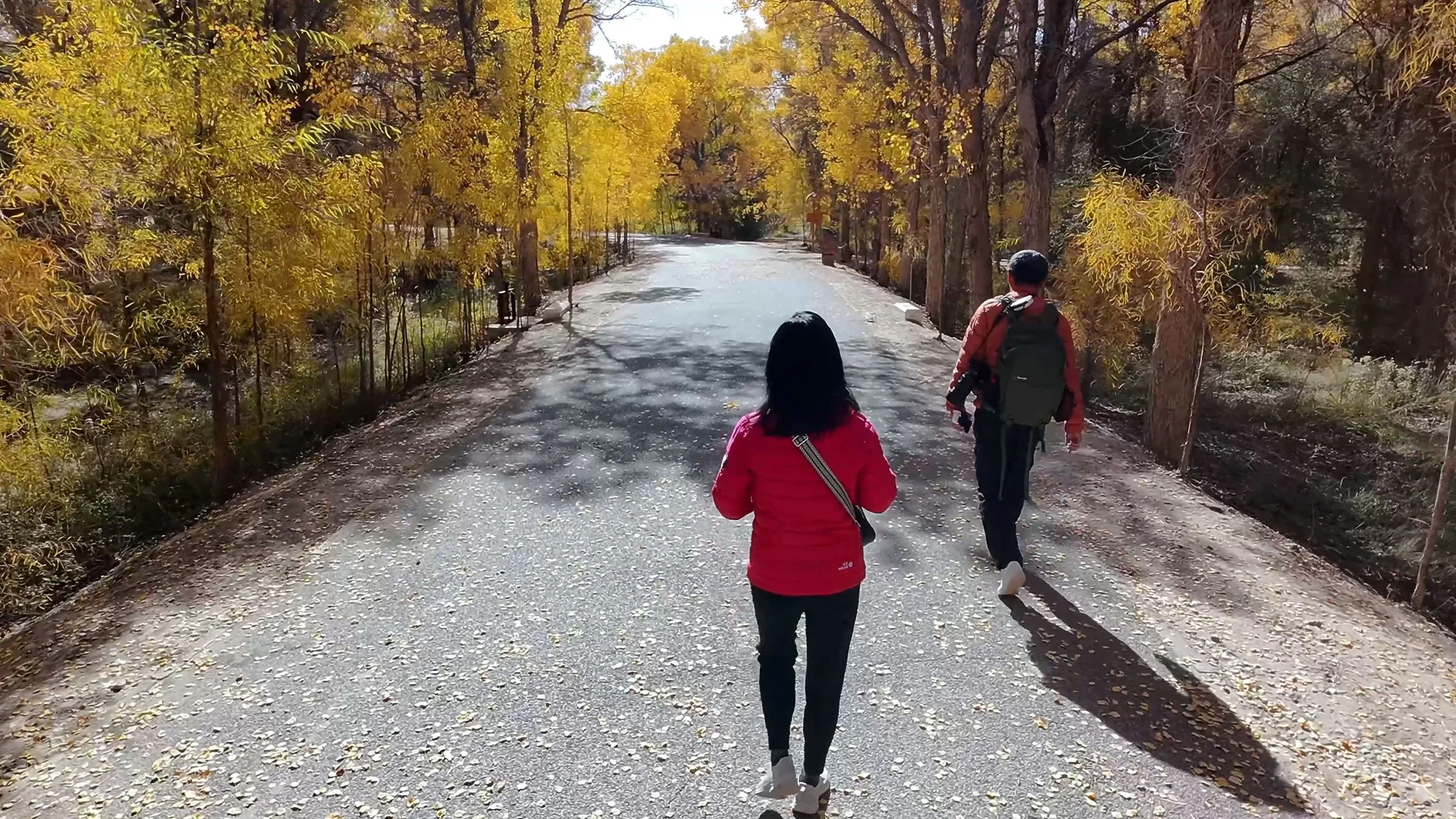
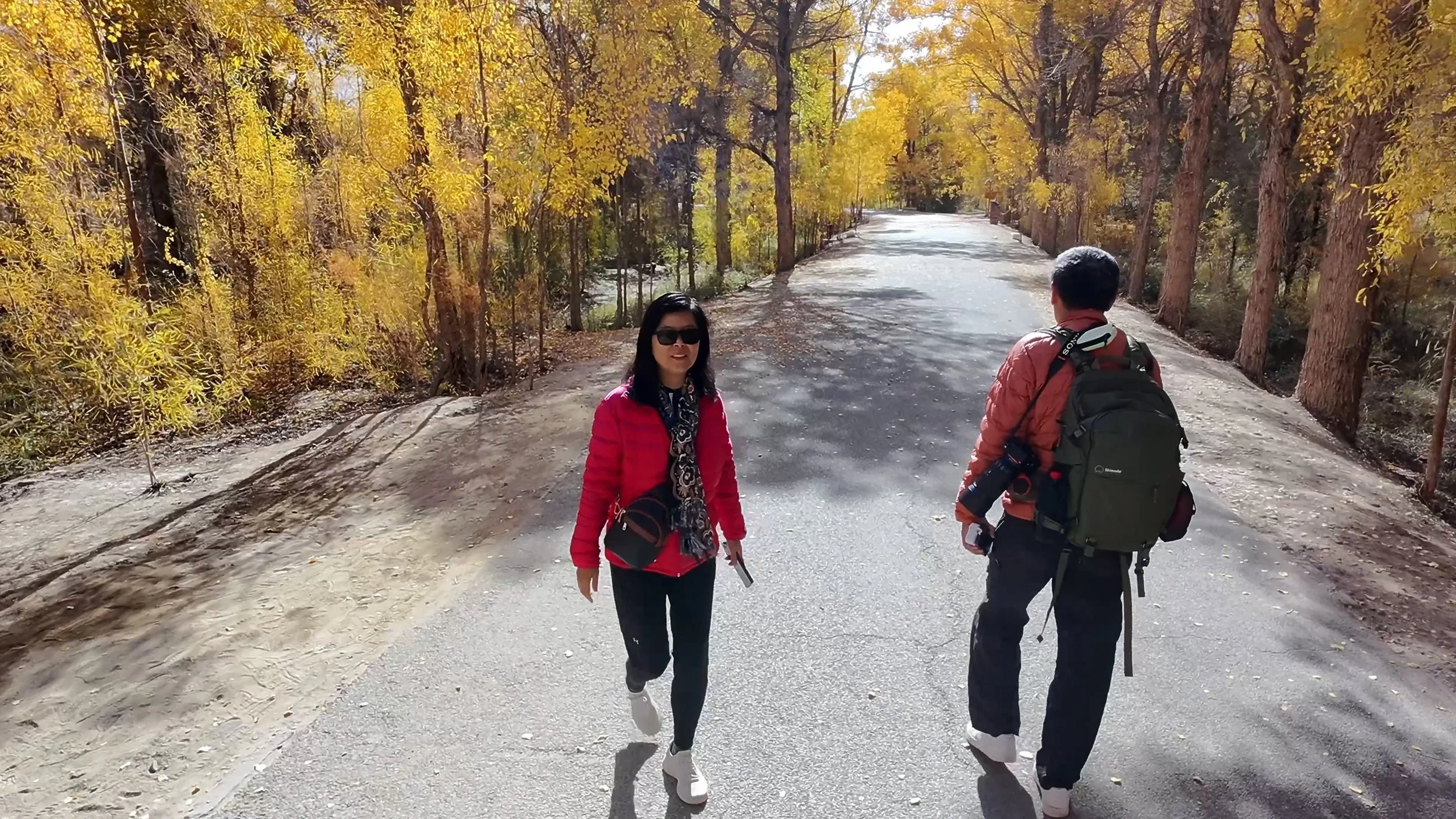
Finally, we arrived at the main lake. The still water mirrored the golden trees so perfectly that the entire scene felt dreamlike and ethereal. While many visitors gathered by the lakeshore for photos, we wandered farther into the quieter parts of the forest and launched our DJI drone to capture aerial footage of ourselves walking beneath the glowing canopy. The golden hues, tranquil reflections, and vast desert backdrop created a truly magical and unforgettable experience.
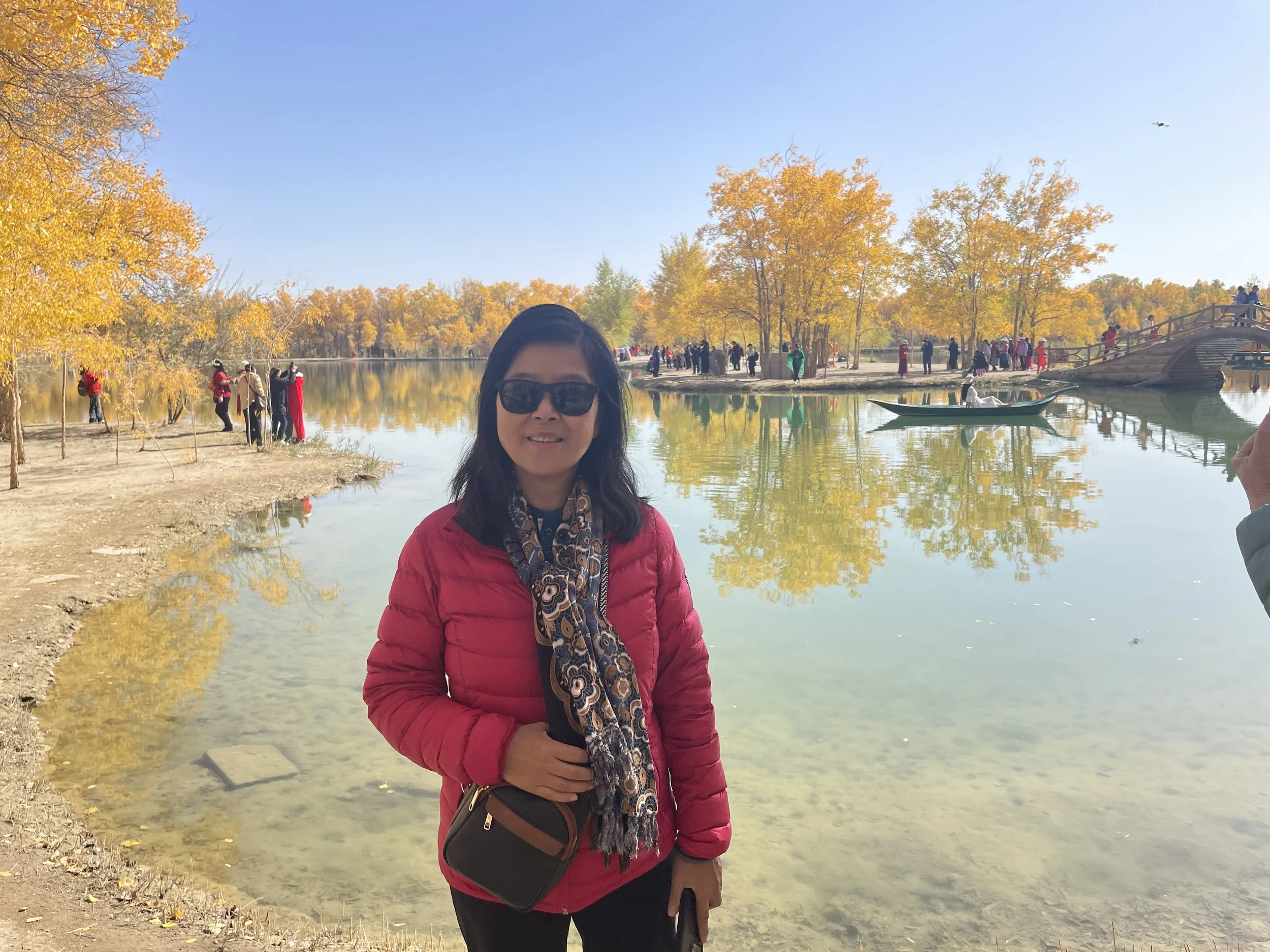
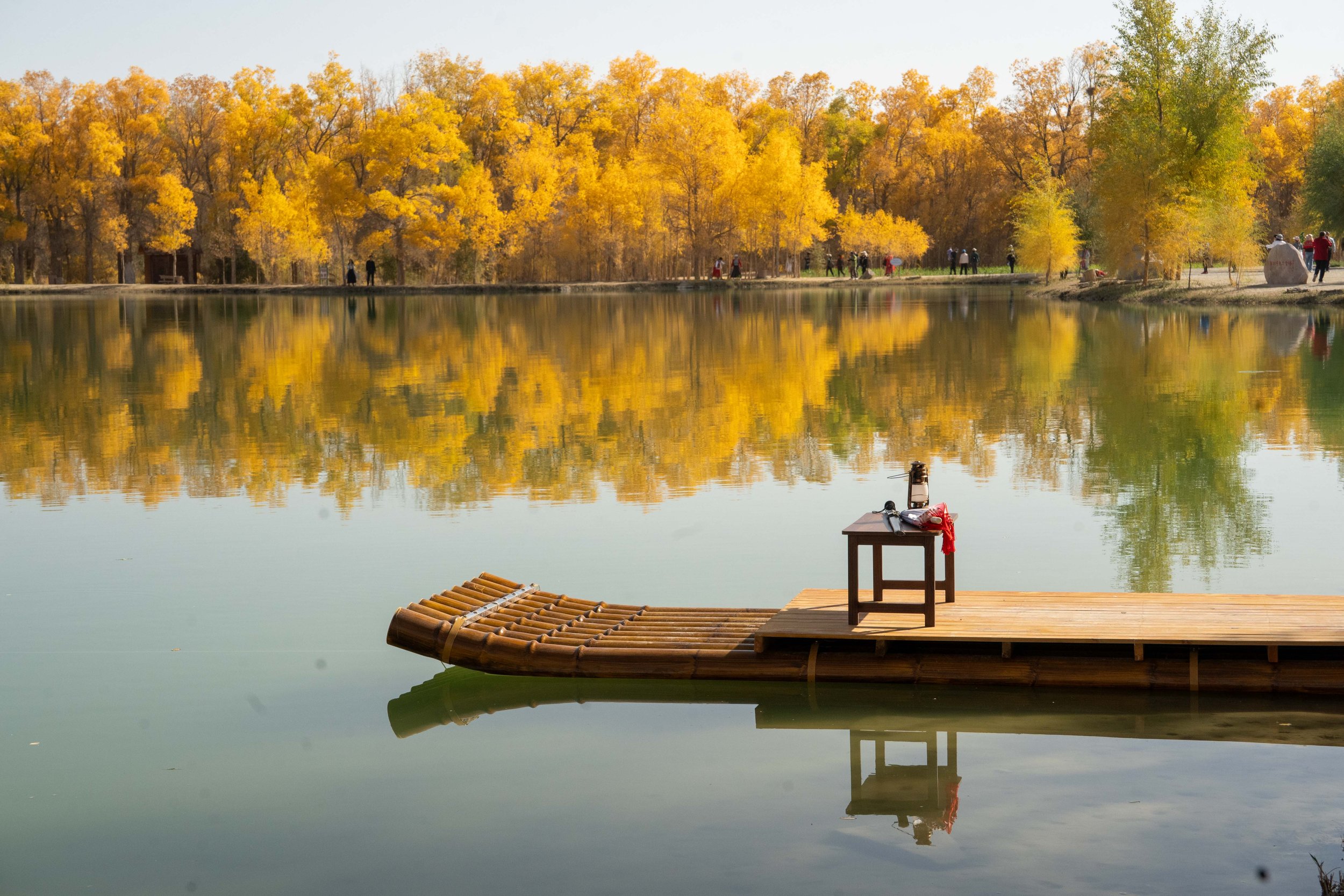
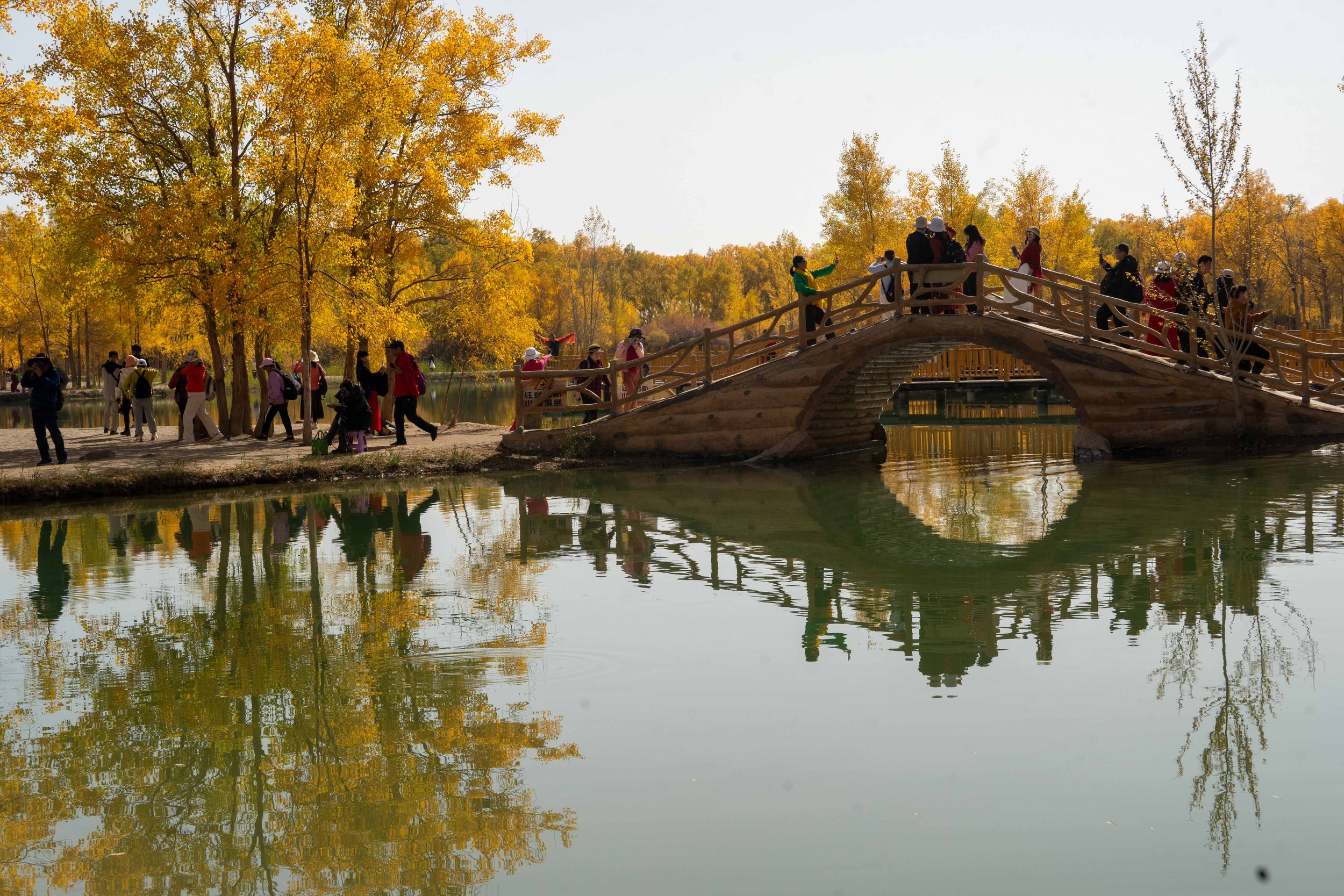
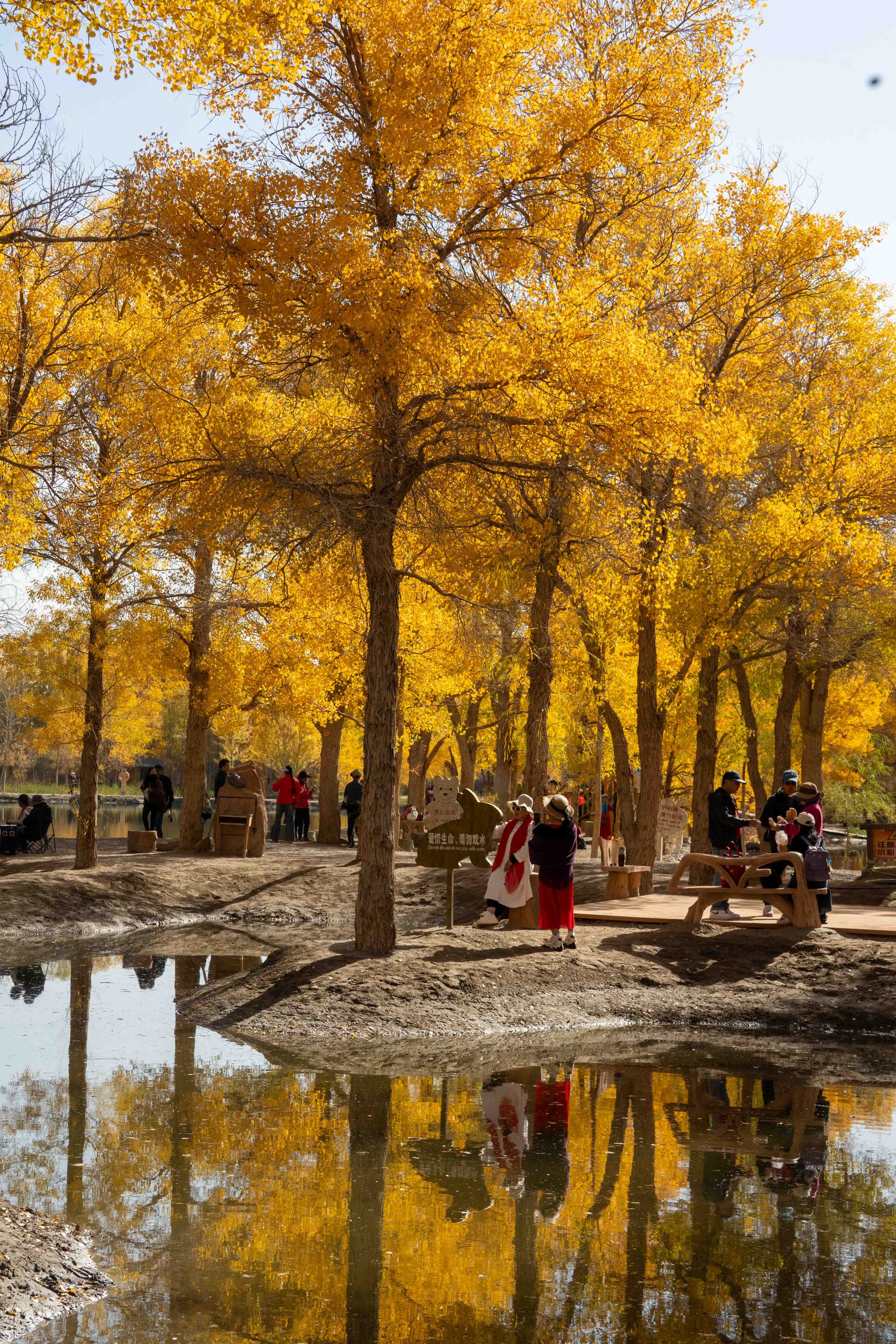
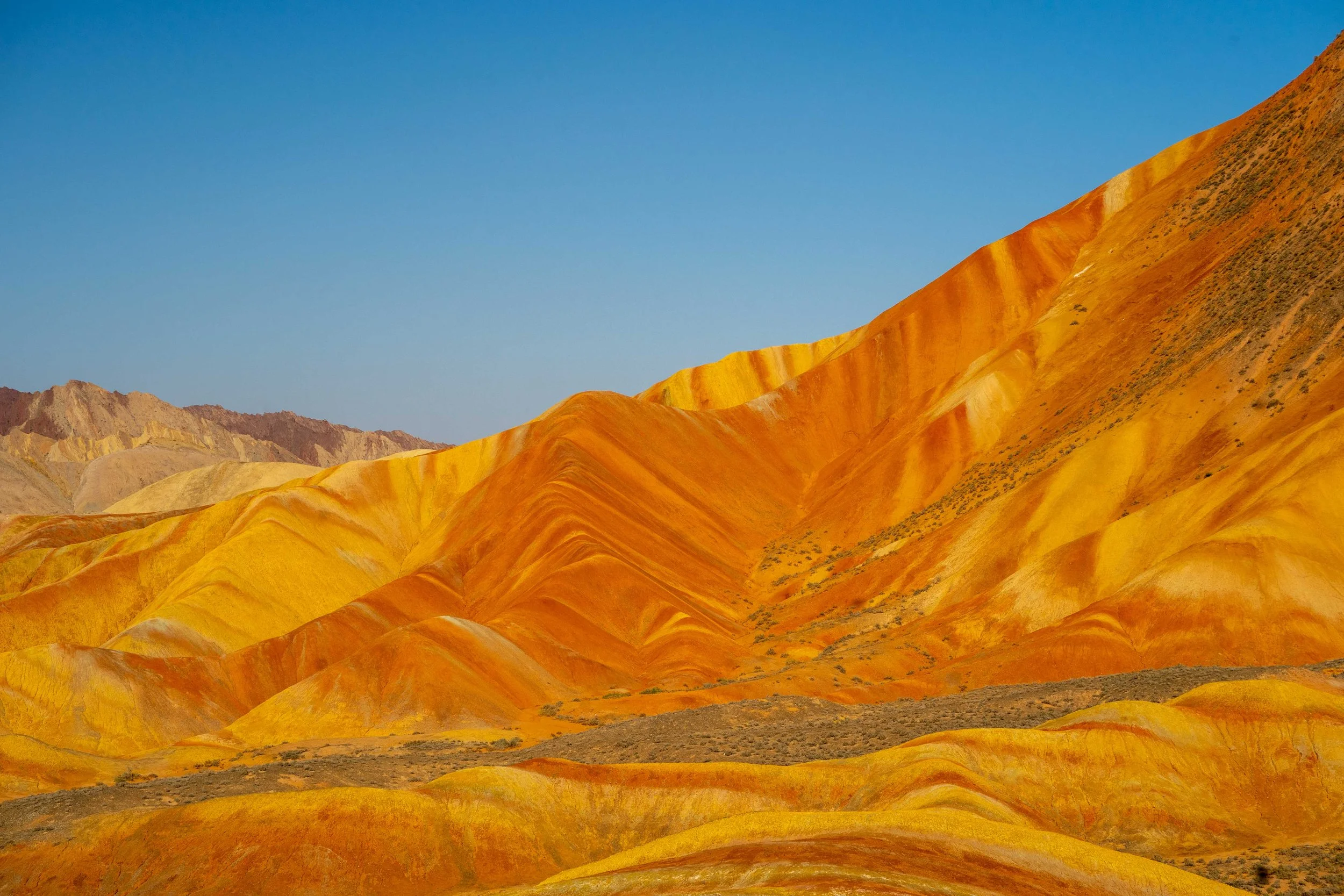
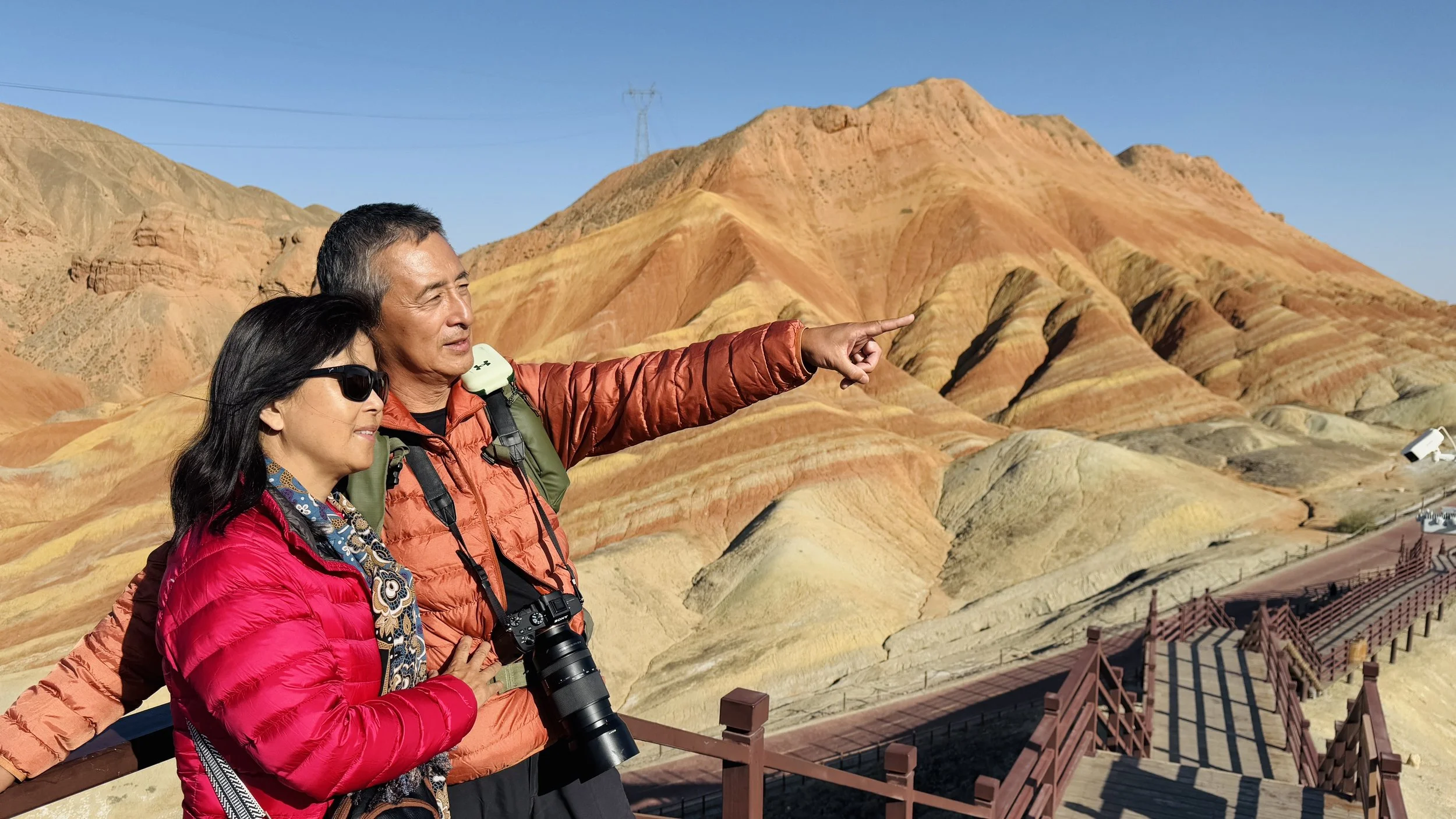
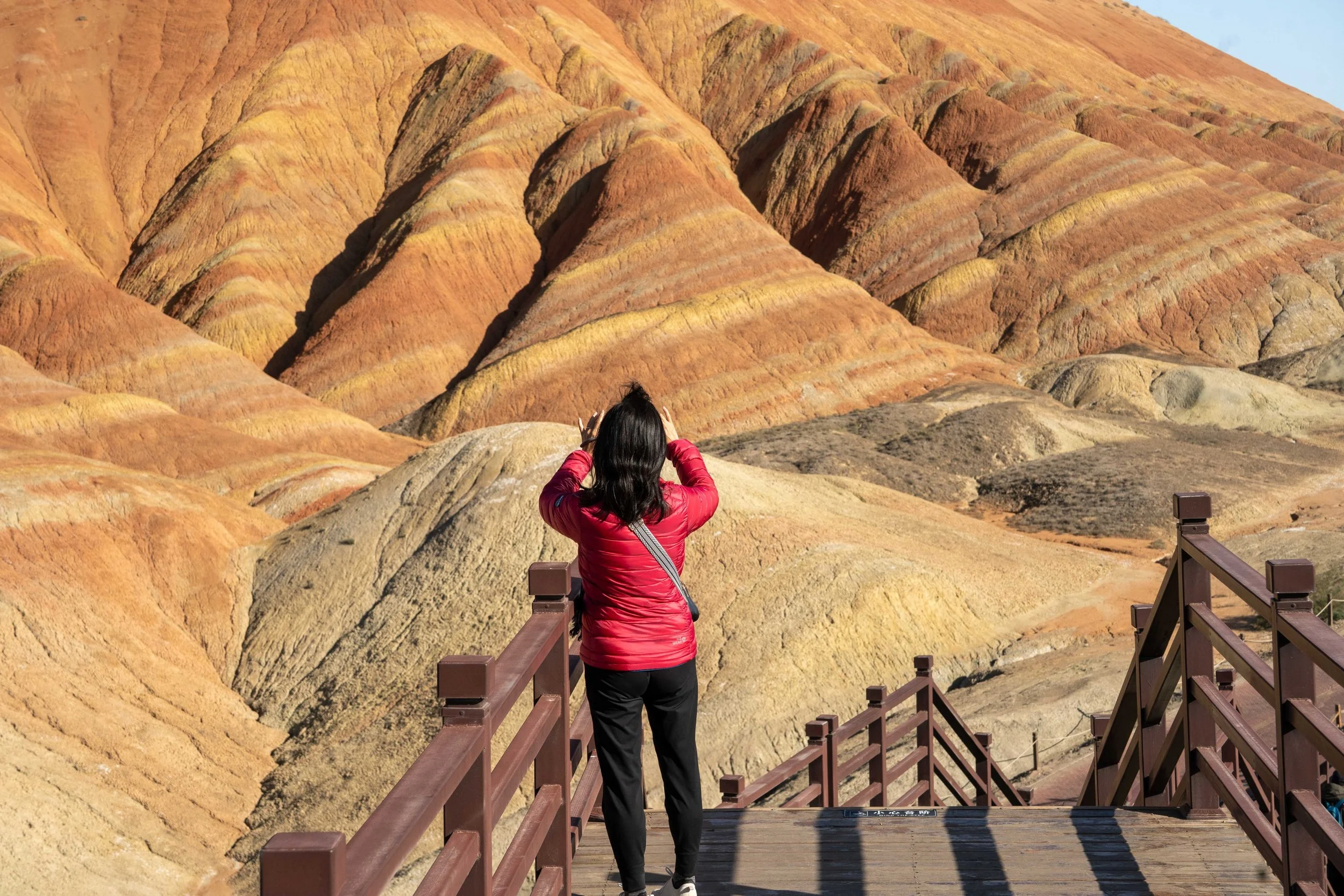
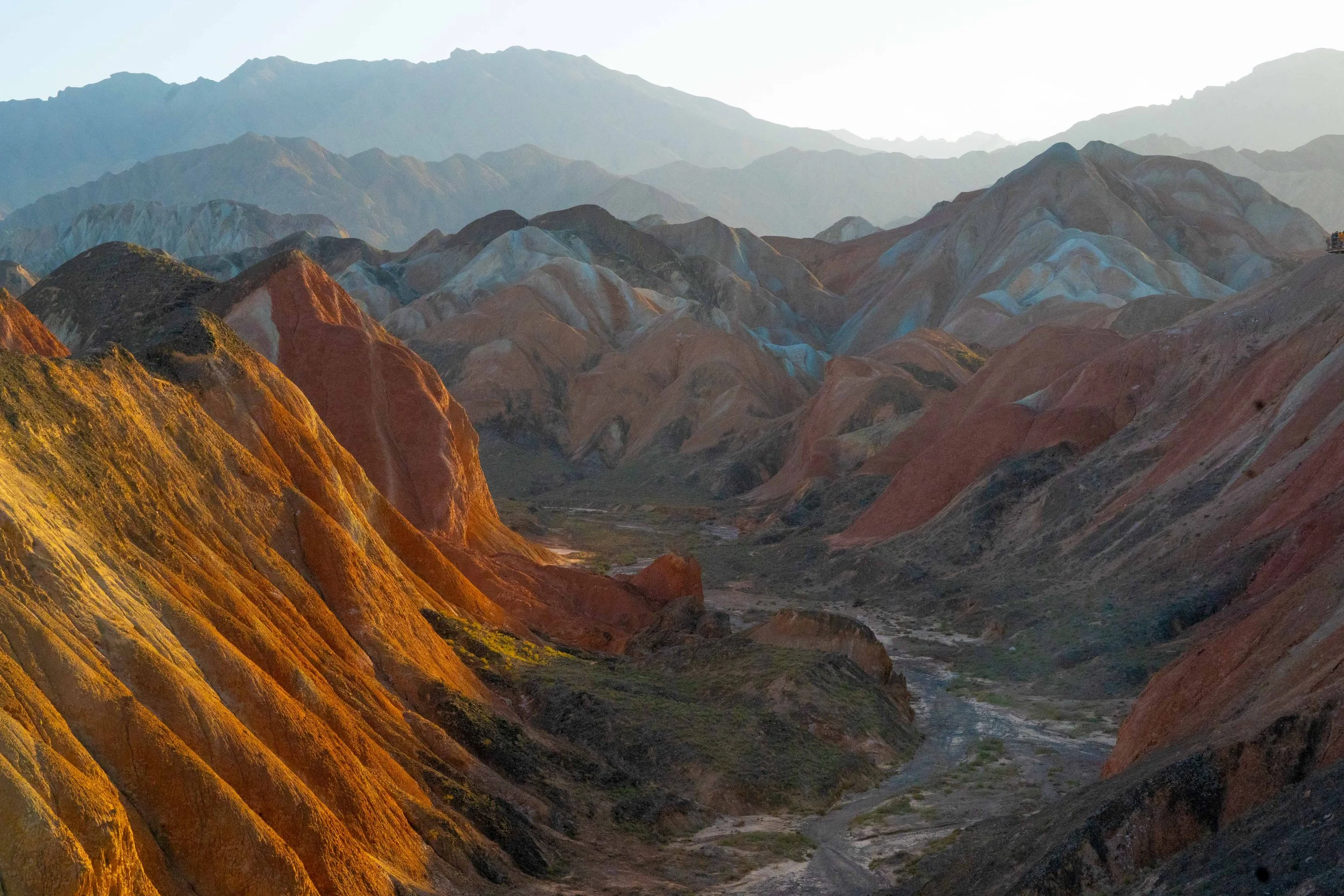
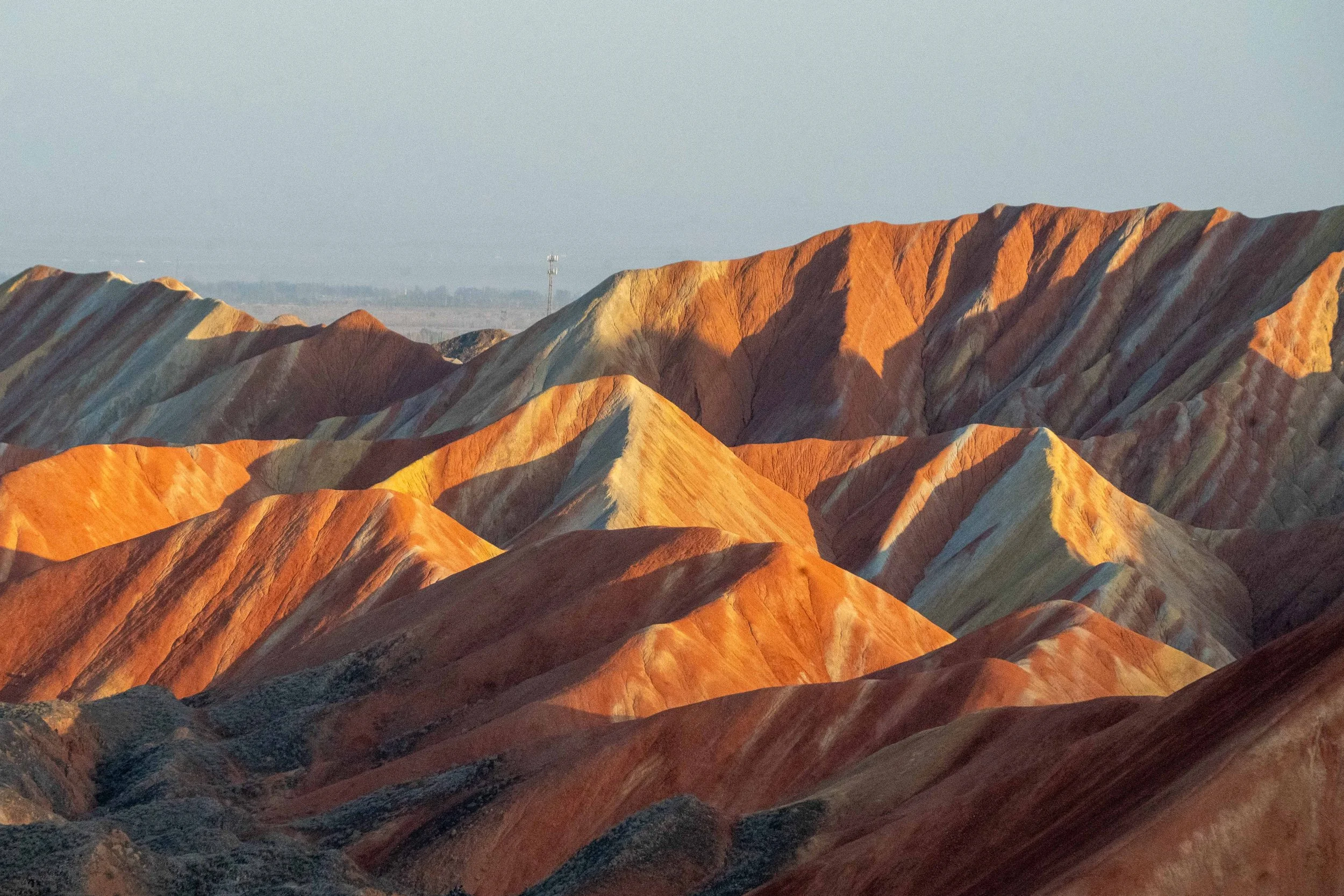
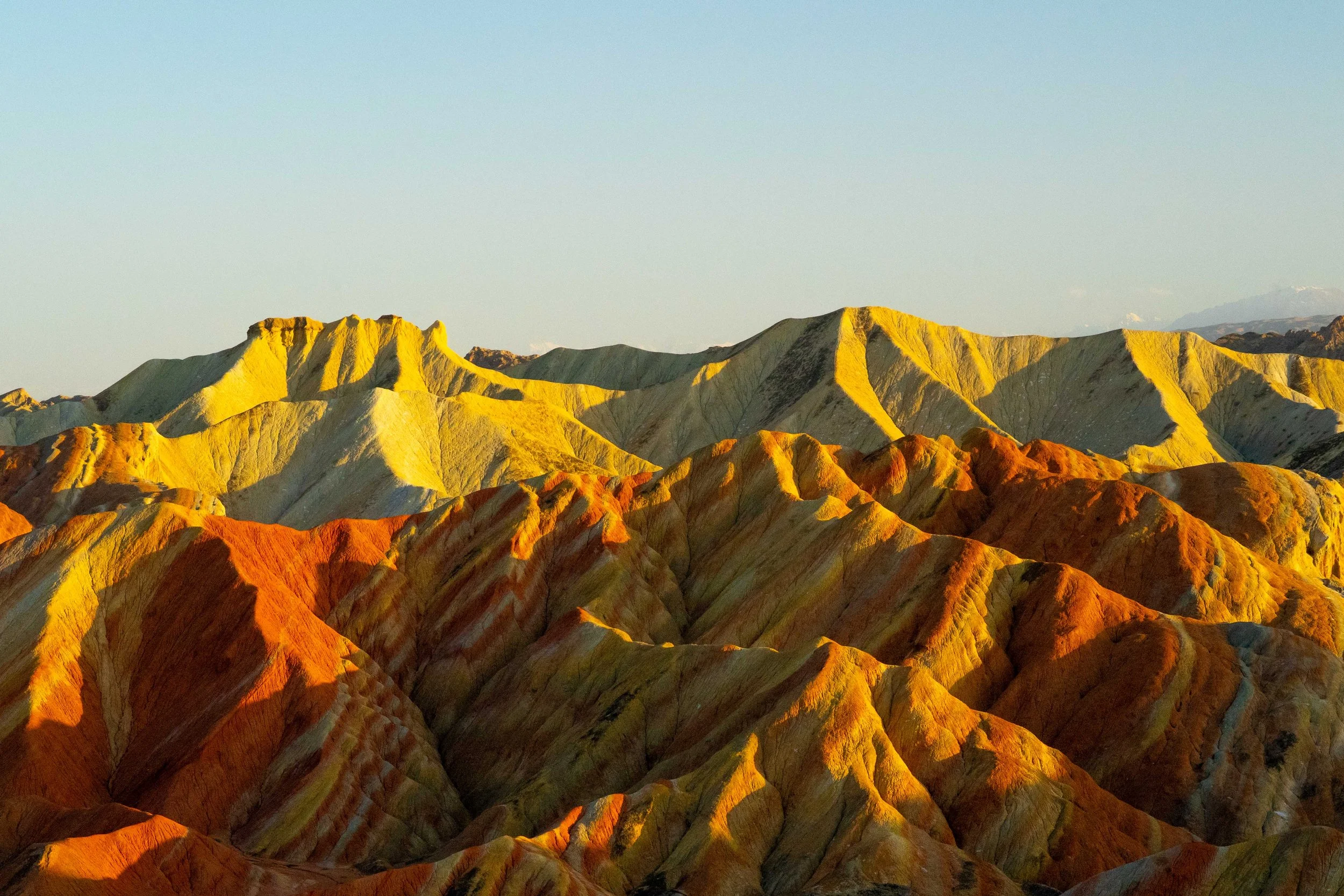
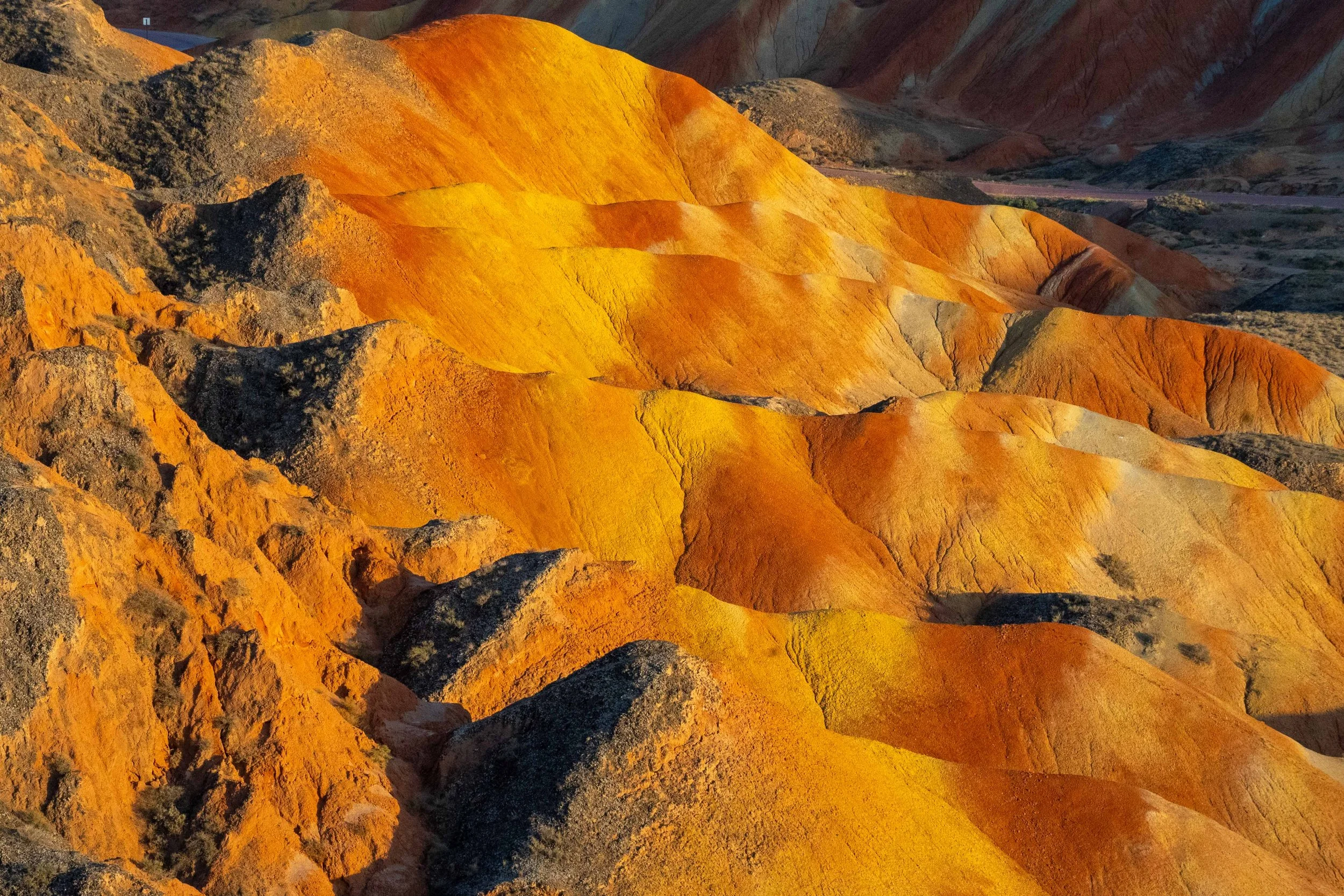
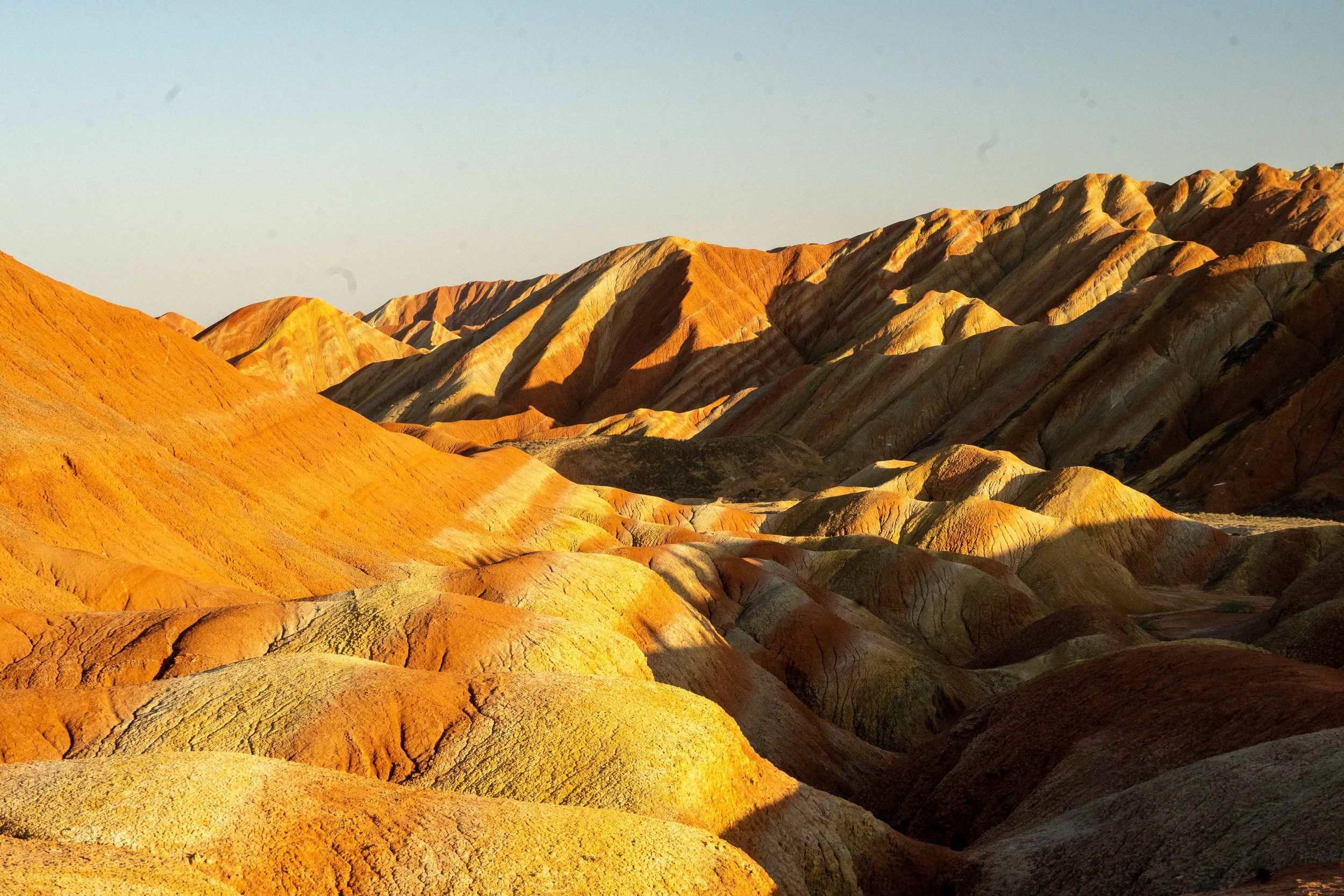
After spending about three hours exploring the park, we drove 200 kilometers to Zhangye National Geopark(张掖国家地质公园), also known as the Rainbow Mountains(七彩丹霞). We entered the park in the late afternoon, when the low sun illuminated the hills in their most vivid hues. The shuttle bus took us to several viewing platforms, each requiring a short walk and offering breathtaking panoramic vistas. The landscape was spectacular—layers of red, orange, yellow, and white sandstone rippled across the terrain like waves of color painted by nature herself.
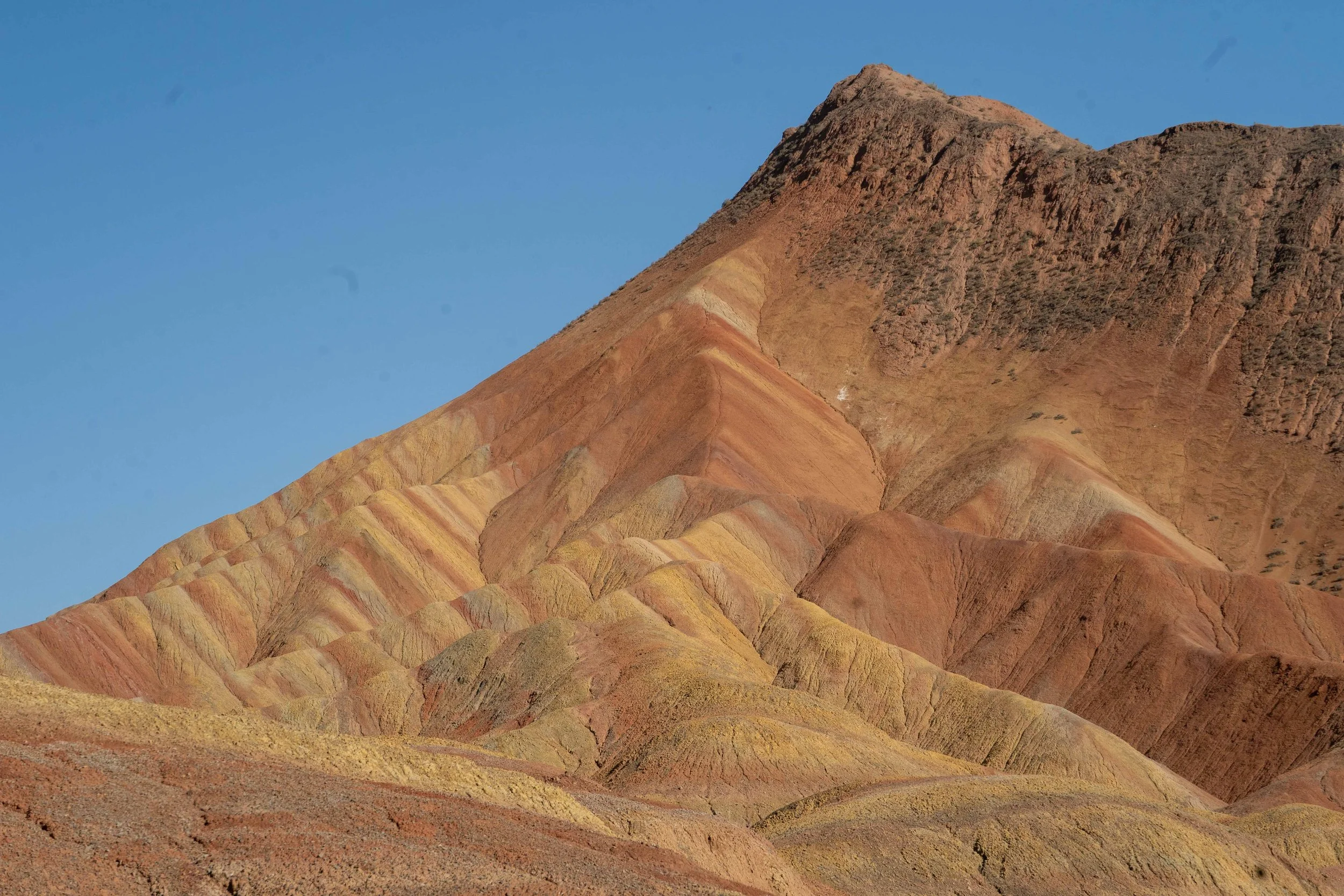
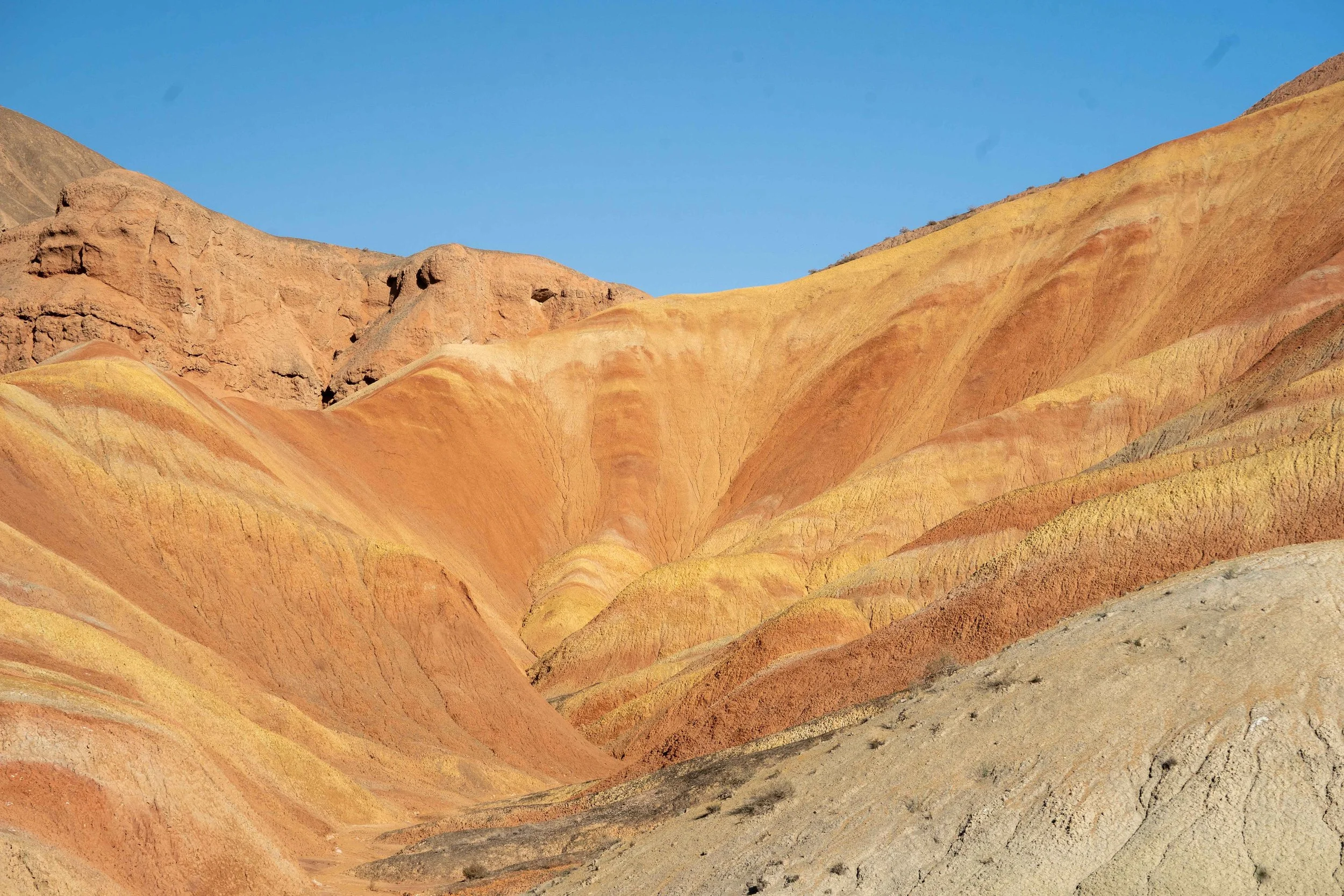
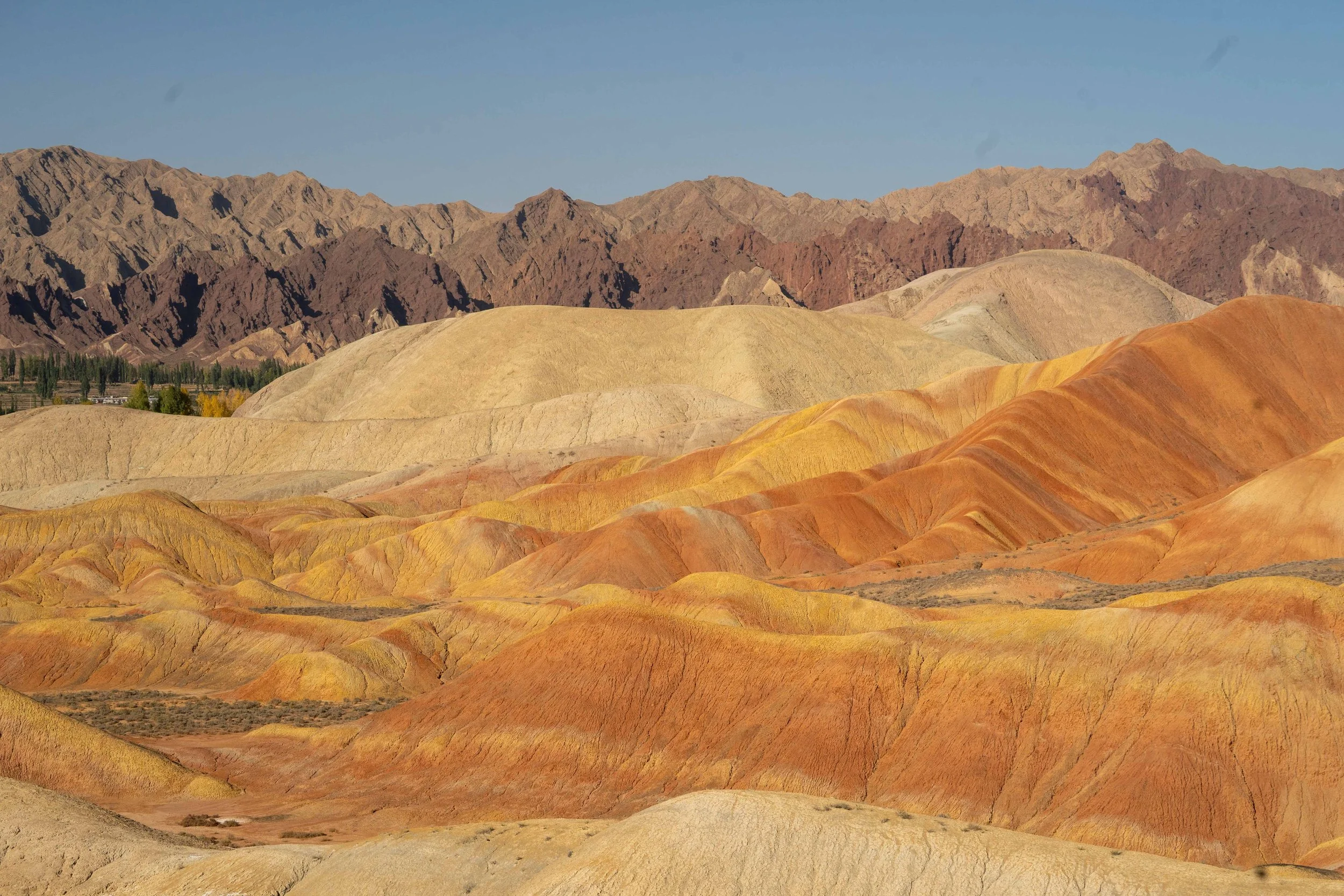
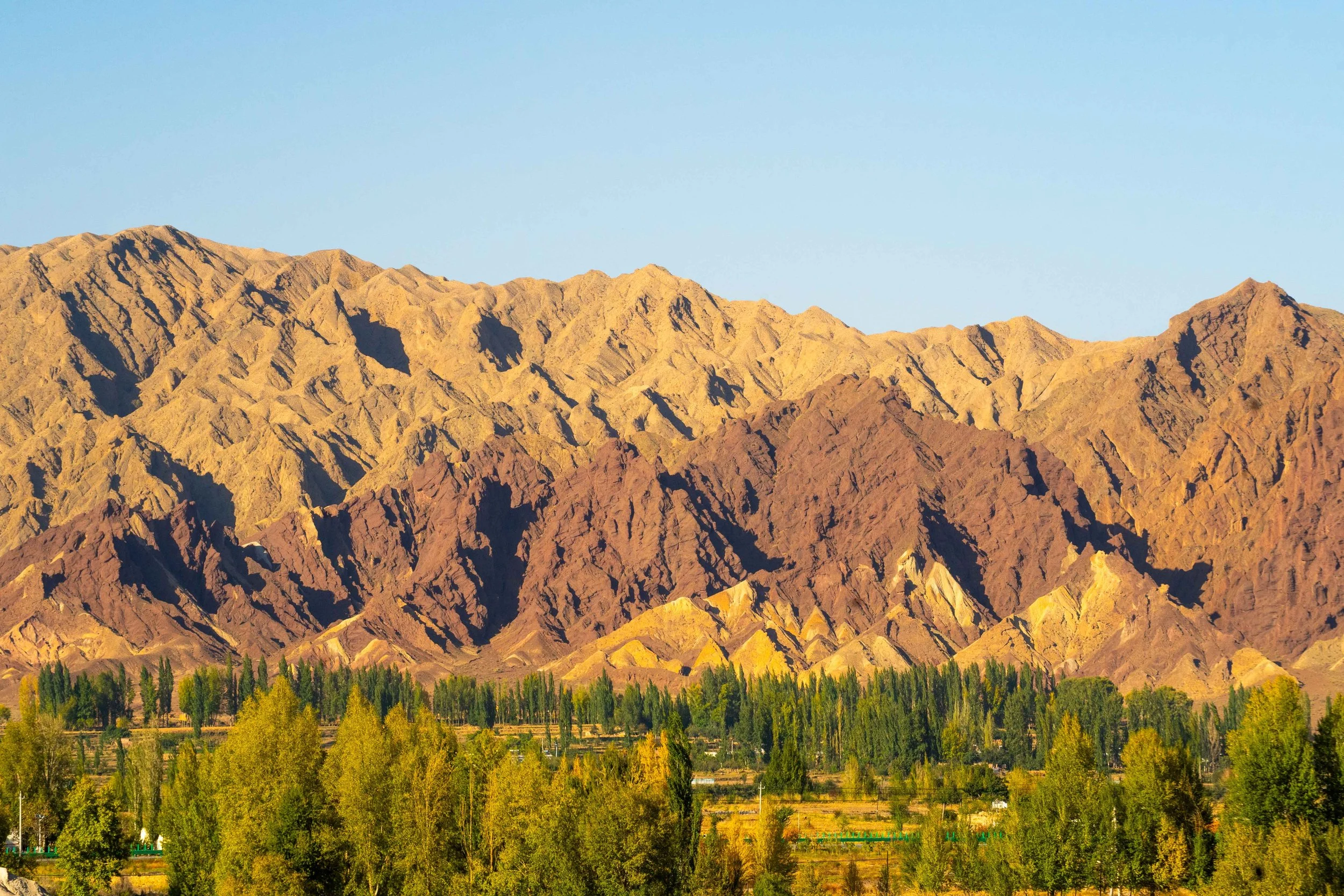
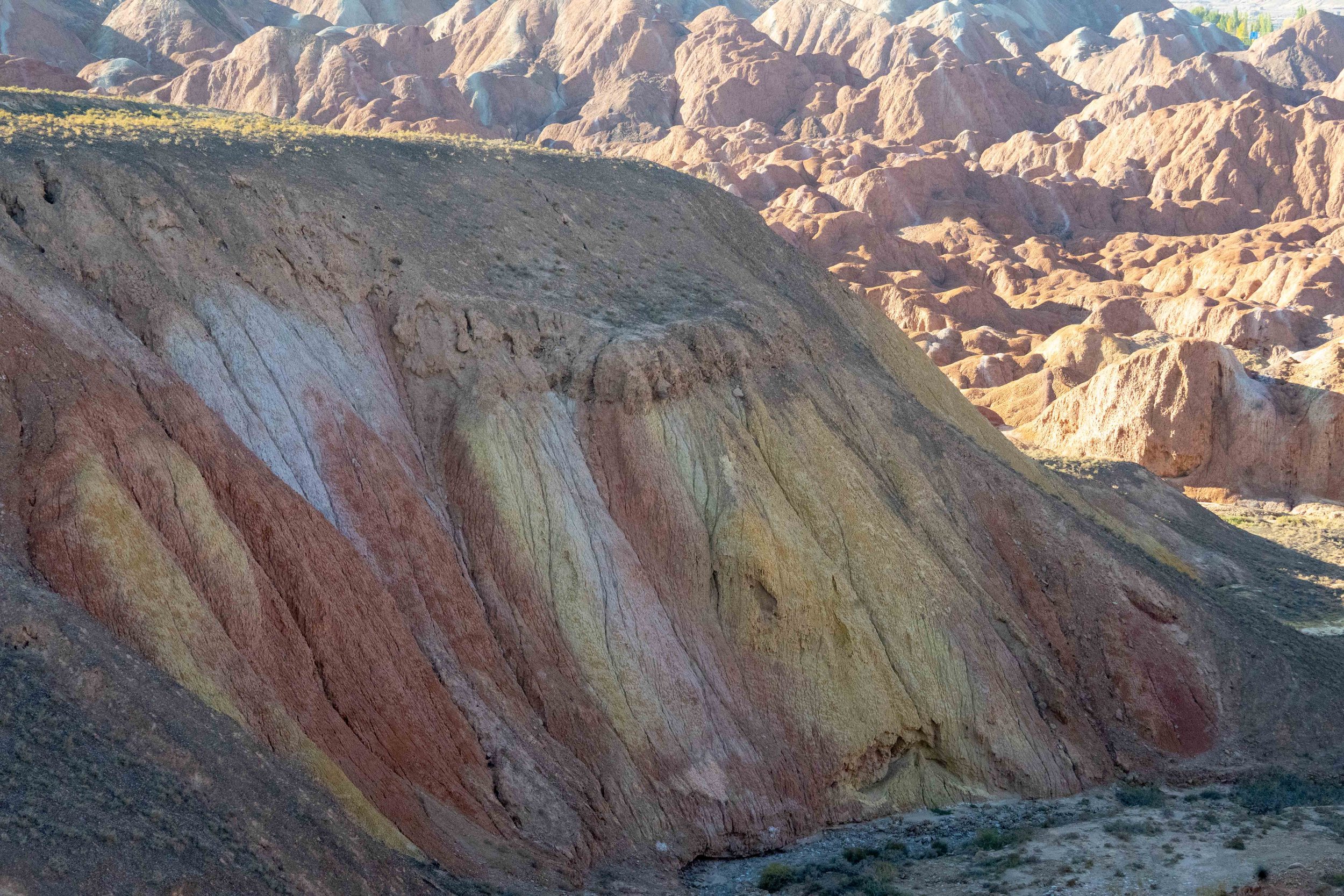
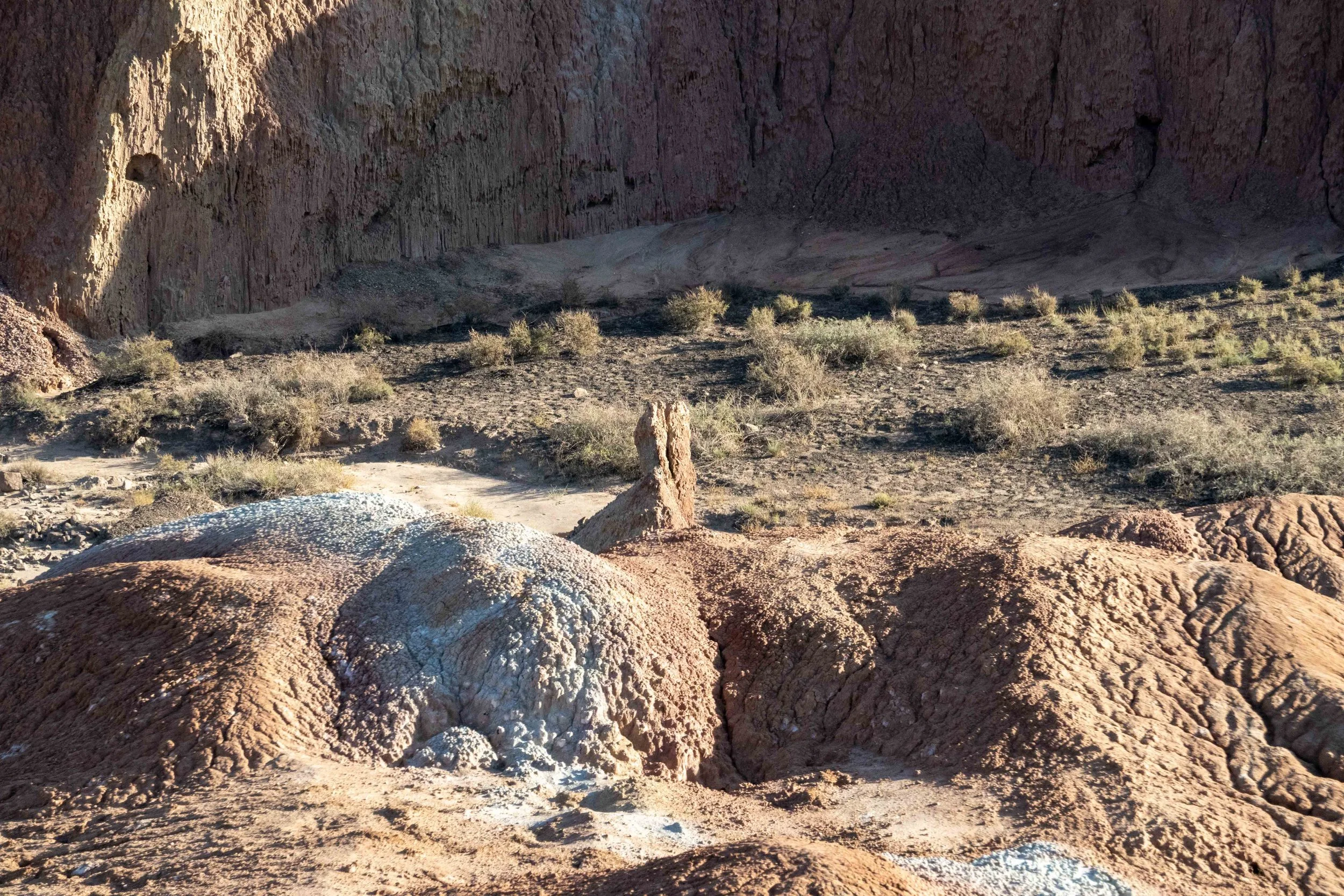
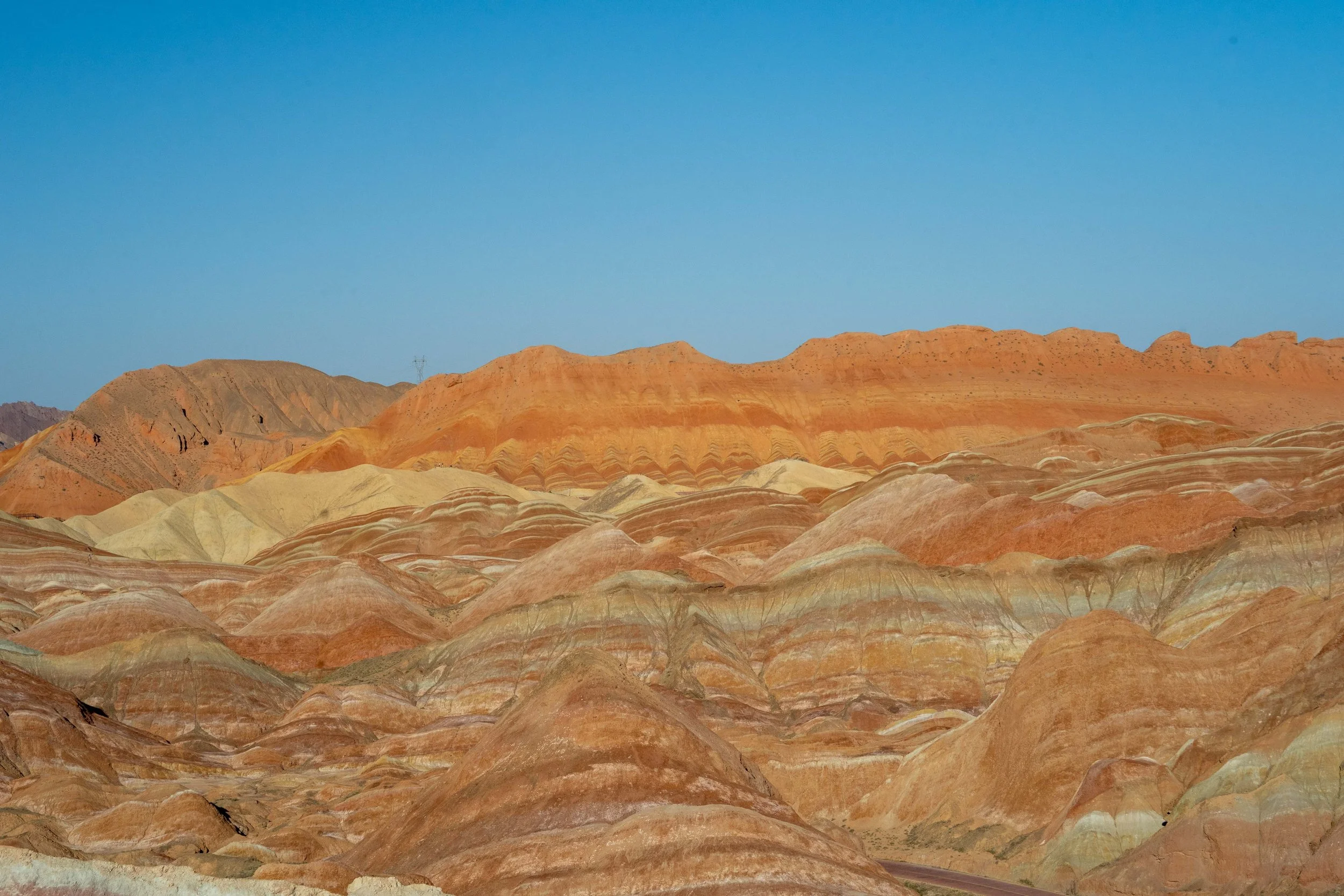
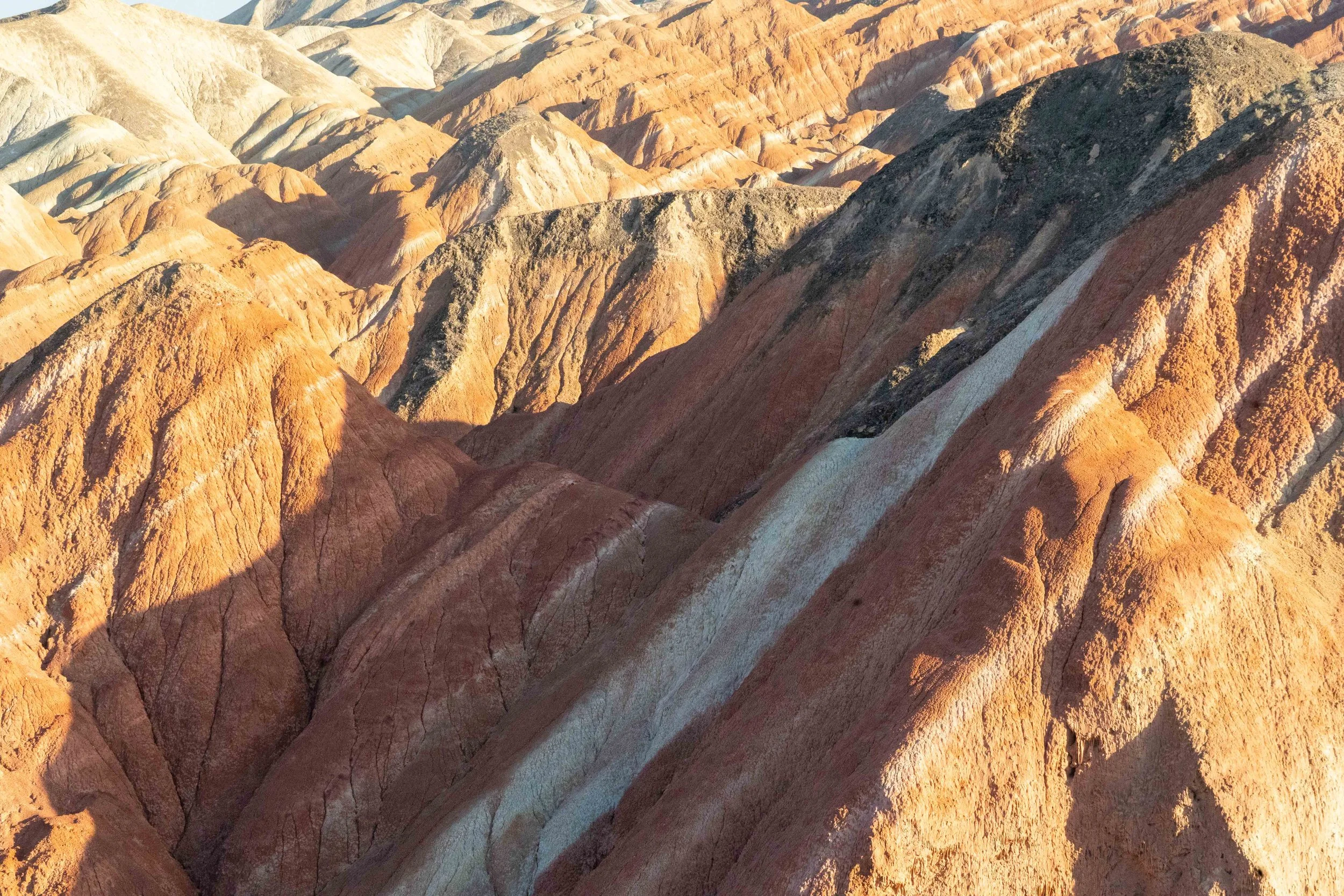
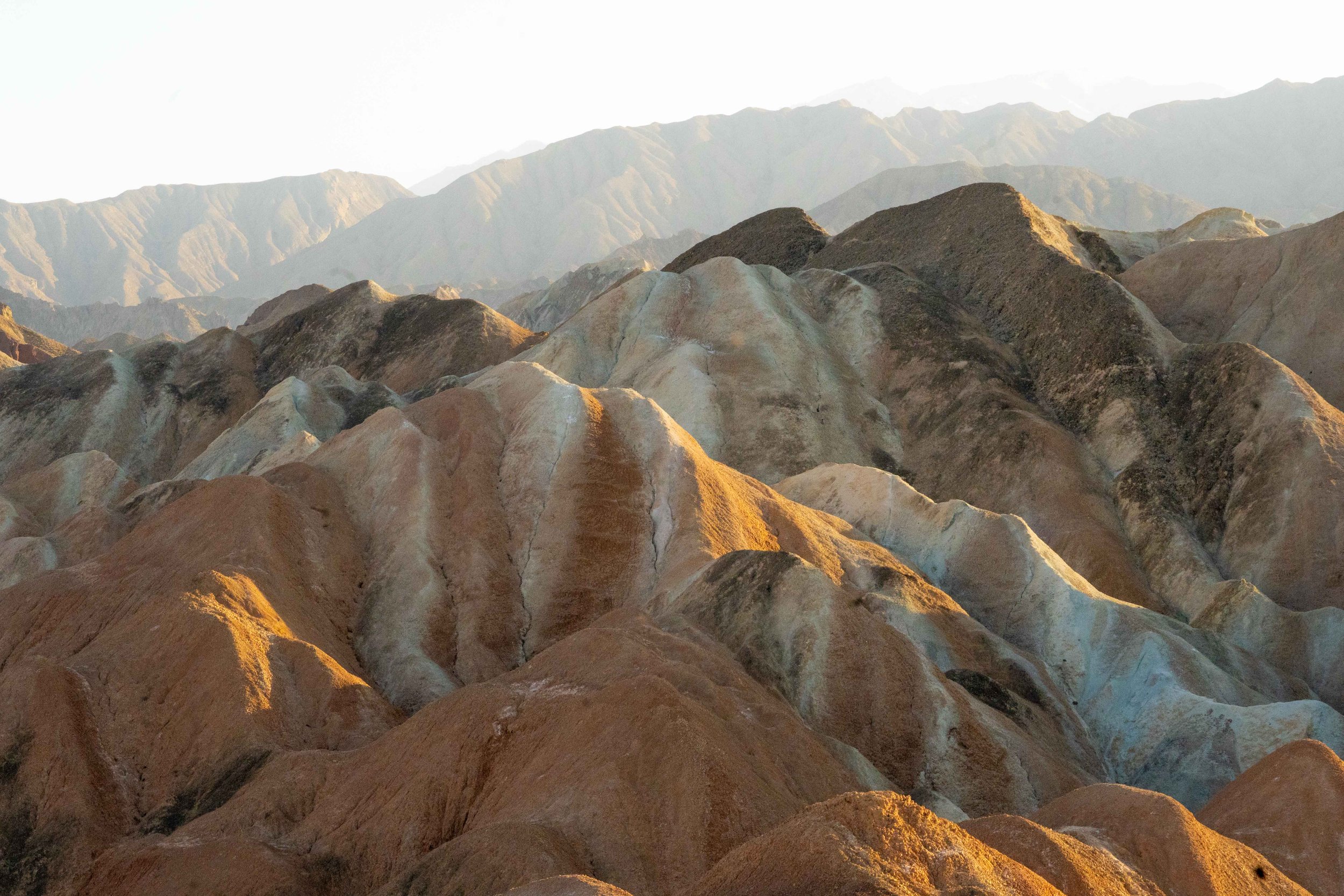
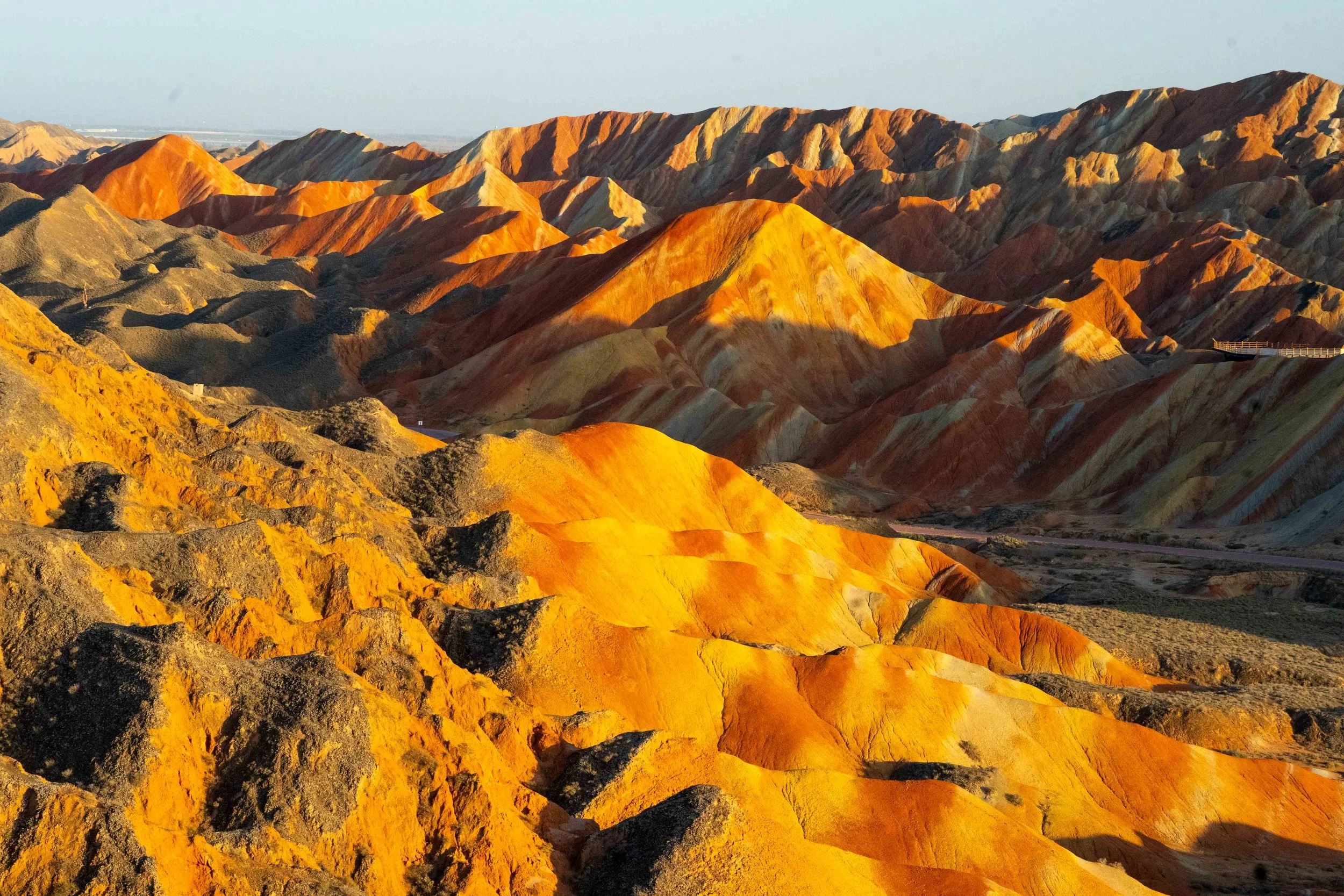
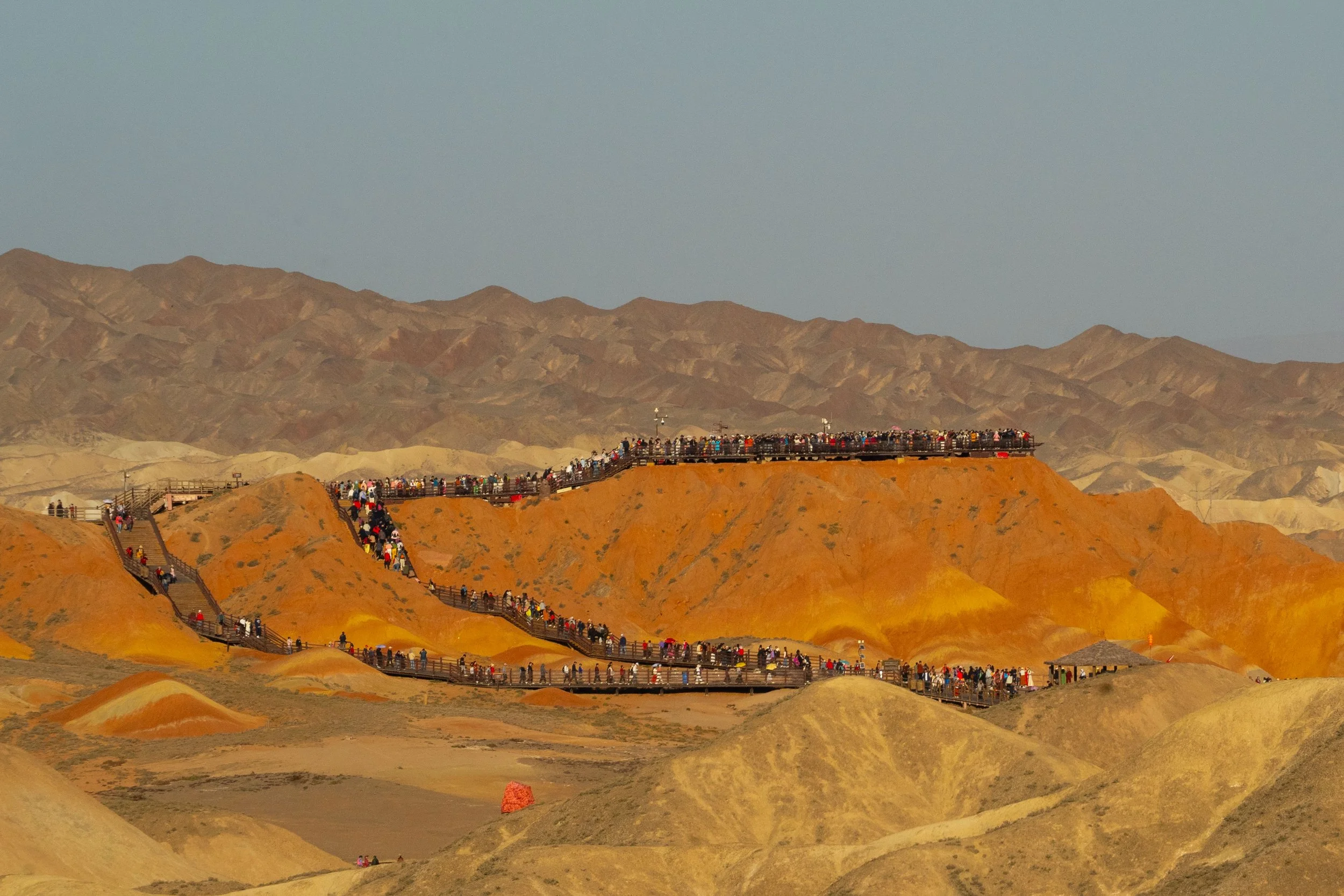
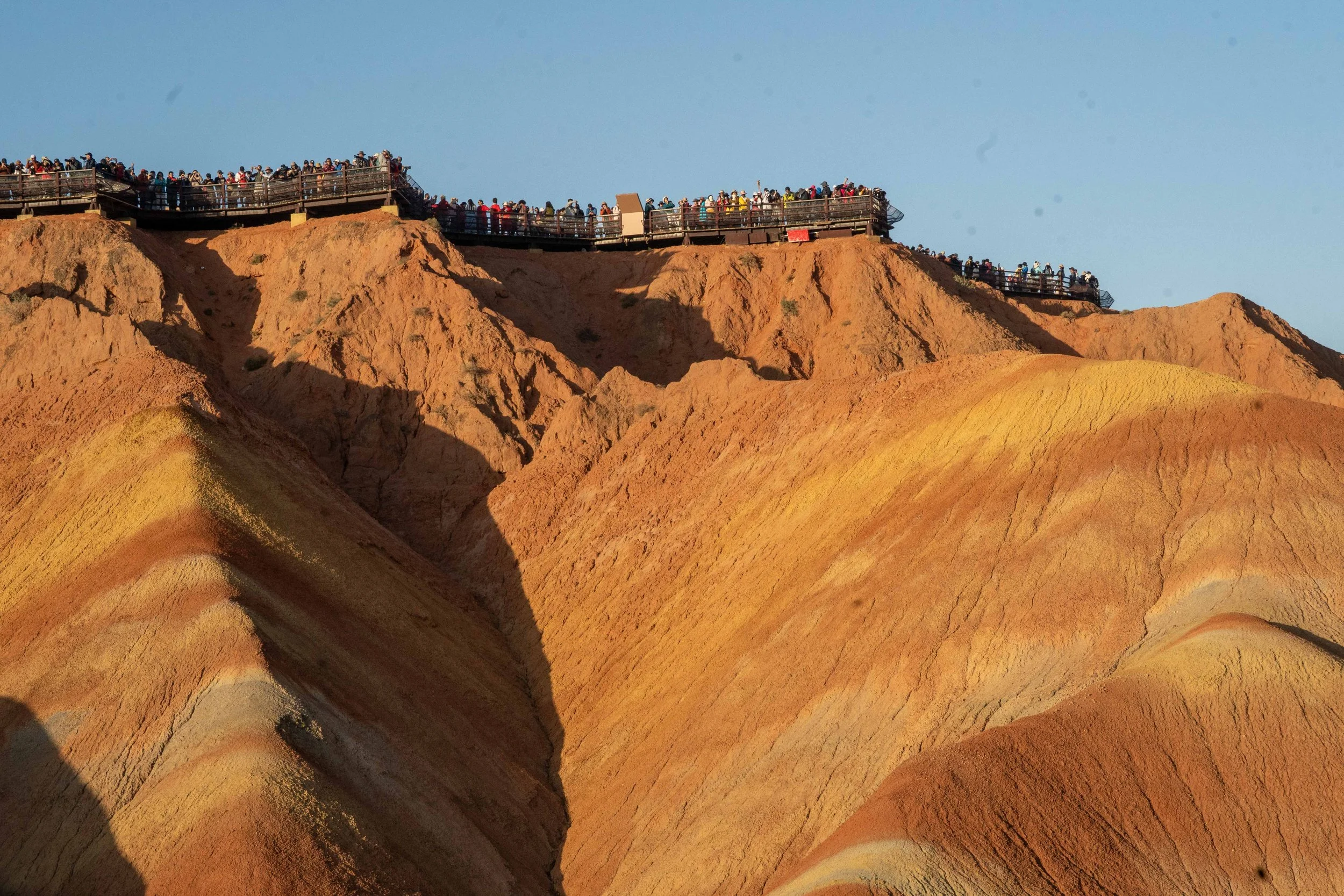
Our final stop was the Seven-Color Terrace(七彩观景台), where the crowds gathered to witness the sunset. As the sun dipped toward the horizon, the hills blazed in fiery shades of gold and crimson, casting a surreal glow over the landscape. We had just ten precious minutes to savor the view before the light faded behind the mountains.
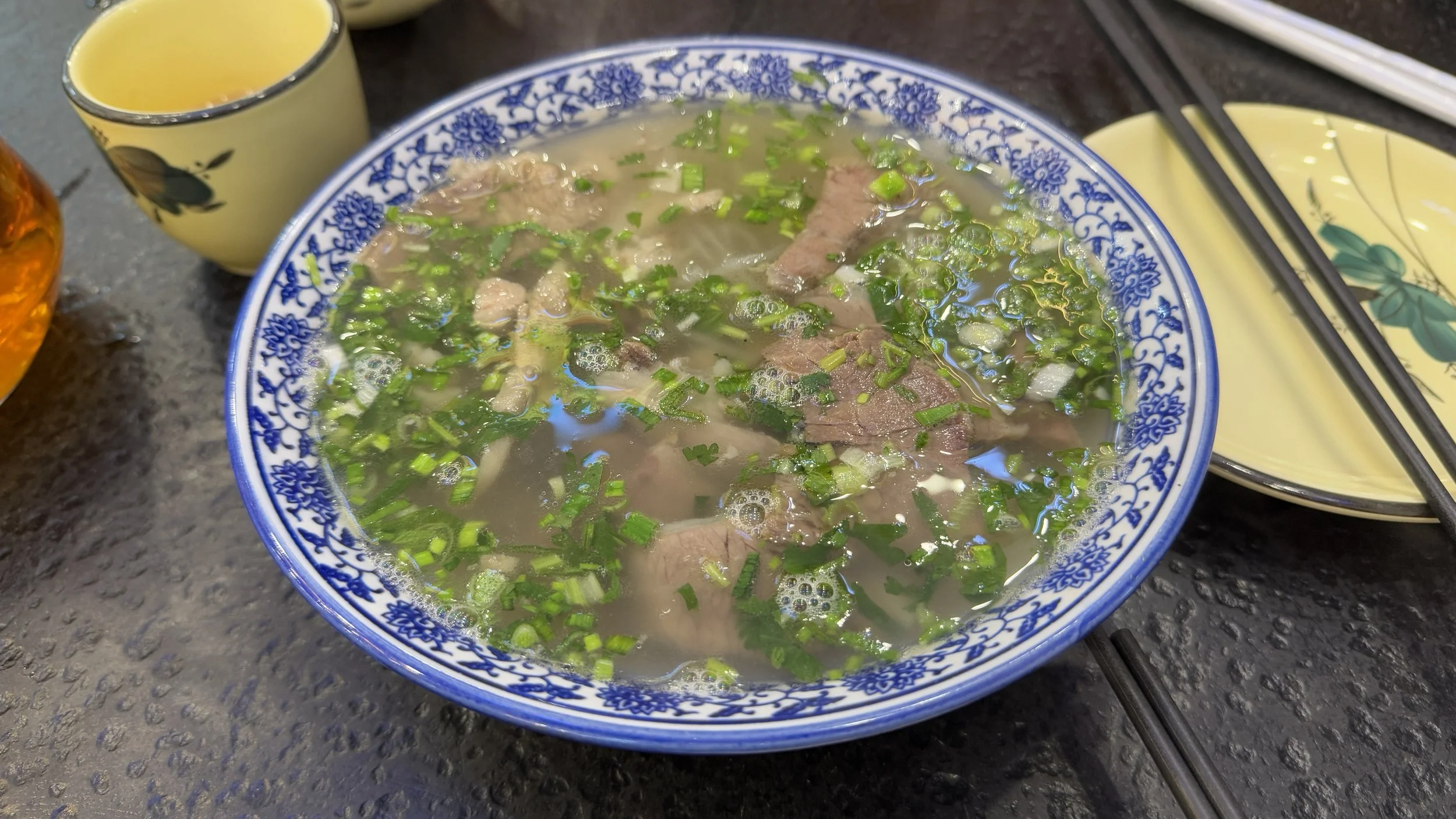
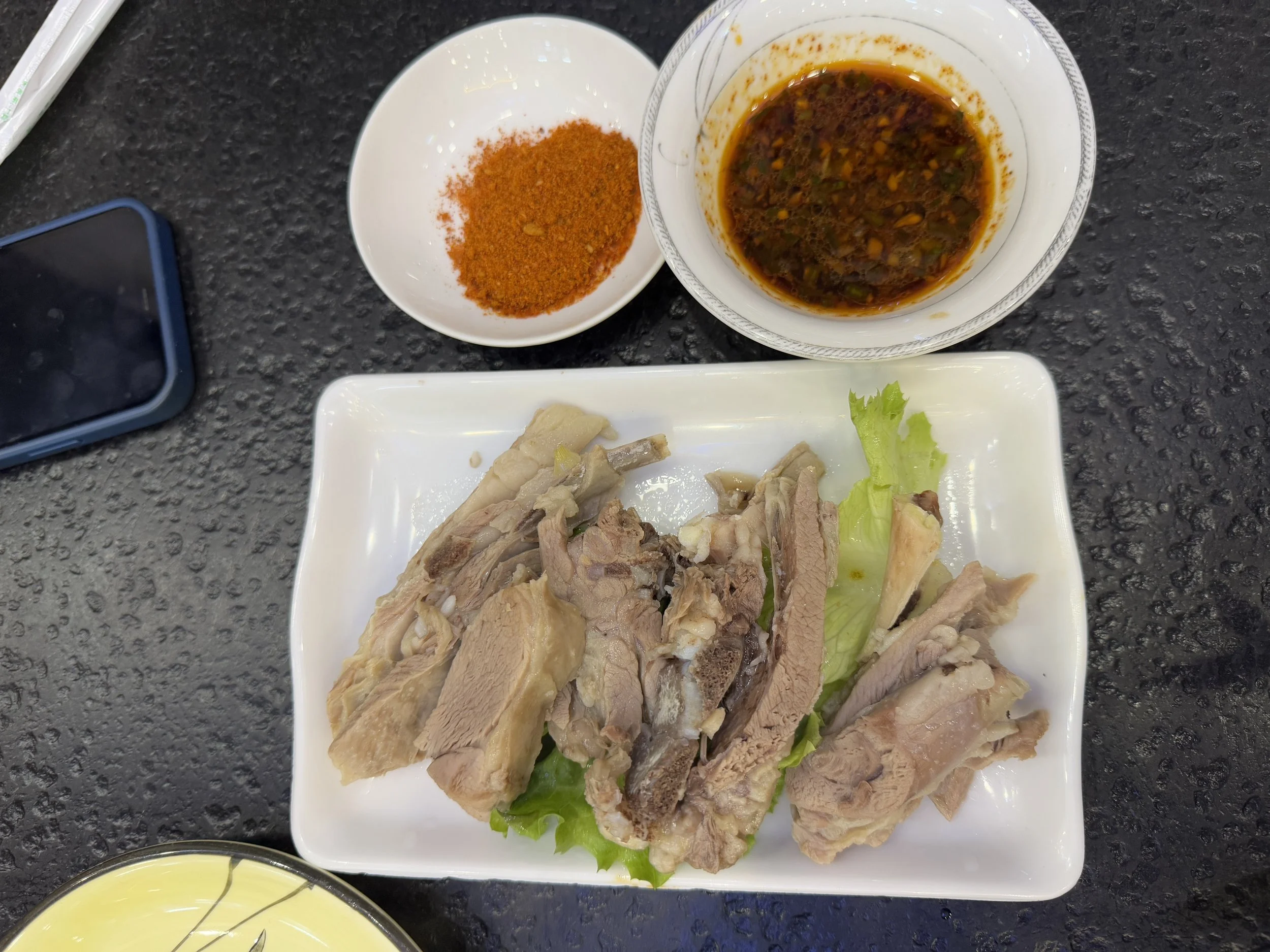
That evening, we stayed overnight in Zhangye and enjoyed a hearty dinner of 手抓羊肉 (hand-pulled mutton)—tender, flavorful, and perfectly satisfying after a long and rewarding day of travel.
2025年10月12日
今天原定的计划是离开嘉峪关,前往下一站张掖国家地质公园,但司机建议我们应该去金塔胡杨林(Jinta Populus Euphratica Forest)看看,那是河西走廊上又一处壮丽的沙漠绿洲,而现在正值胡杨林的金秋盛景。虽然这并不在原定行程中,还需从嘉峪关额外绕行一百多公里,但机会难得,为了能亲眼目睹这片秋色,我们欣然决定支付额外费用前往。
抵达景区入口后,我们换乘景区摆渡车。景区很大,而我们时间有限,只能挑几个点下车。首先我们来到原始胡杨林站,阳光透过层层金黄的树叶洒落下来,我们沿着曲折的木栈道深入林中。成片的原始胡杨树形态各异。我们边走边细细观察胡杨叶——圆的、椭圆的、长条的、三角的、心形的——每一片都在阳光下闪耀着金色光泽。
接着我们乘景区摆渡车前往胡杨塔,每人花二十元乘电梯登顶。俯瞰之下,整片金色林海尽收眼底,远处的发电塔在沙漠中闪烁着耀眼的白光。
最后一站是胡杨湖,也是整个景区最漂亮的地方。湖面如镜般平静,将金黄的树林倒映得如梦似幻。游客们纷纷在湖畔拍照留念,而我们则走向林中较为宁静的区域,放飞 DJI 无人机,从空中记录我们漫步林间、欣赏秋色的画面。那一刻令人陶醉,成为此行最难忘的回忆之一。
在林中流连忘返了三个多小时后,我们驱车两百多公里前往张掖国家地质公园(Zhangye National Geopark),也就是著名的七彩丹霞(Rainbow Mountains)。抵达时已近黄昏,低斜的阳光将山体的色彩渲染得格外浓烈。景区总共有四个观景台,风景各异。景区巴士载着游客穿梭于各个观景台之间,每一处观景台都需步行一小段路,上许多台阶,登高后皆可俯瞰令人震撼的地貌全景。那起伏的山峦,层叠的红、橙、黄、白相间,如同大自然挥洒的调色板,瑰丽无比。
最后一个观景台是人气最旺的七彩观景台(Seven-Color Terrace)。夕阳缓缓西沉,丹霞山体在金红色的余晖中熠熠生辉,宛如燃烧的彩霞,梦幻又永恒。当我们赶到时,仅有十几分钟的时间欣赏这绝美一幕,随后夕阳便隐没在远山之后。
夜幕降临,我们留宿张掖。晚餐在酒店附近的一家餐馆点了当地特色菜——手抓羊肉(hand-pulled mutton)。鲜嫩多汁、香气四溢。正好为这充实而难忘的一天画上完美的句号。
Yulin Grottoes, Jiayuguan Pass, and the Hanging Great Wall 榆林窟、嘉峪关与悬壁长城
October 11, 2025
On the morning of the third day, after checking out of the hotel,……
第三天早晨,我们退房后,。。。
October 11, 2025
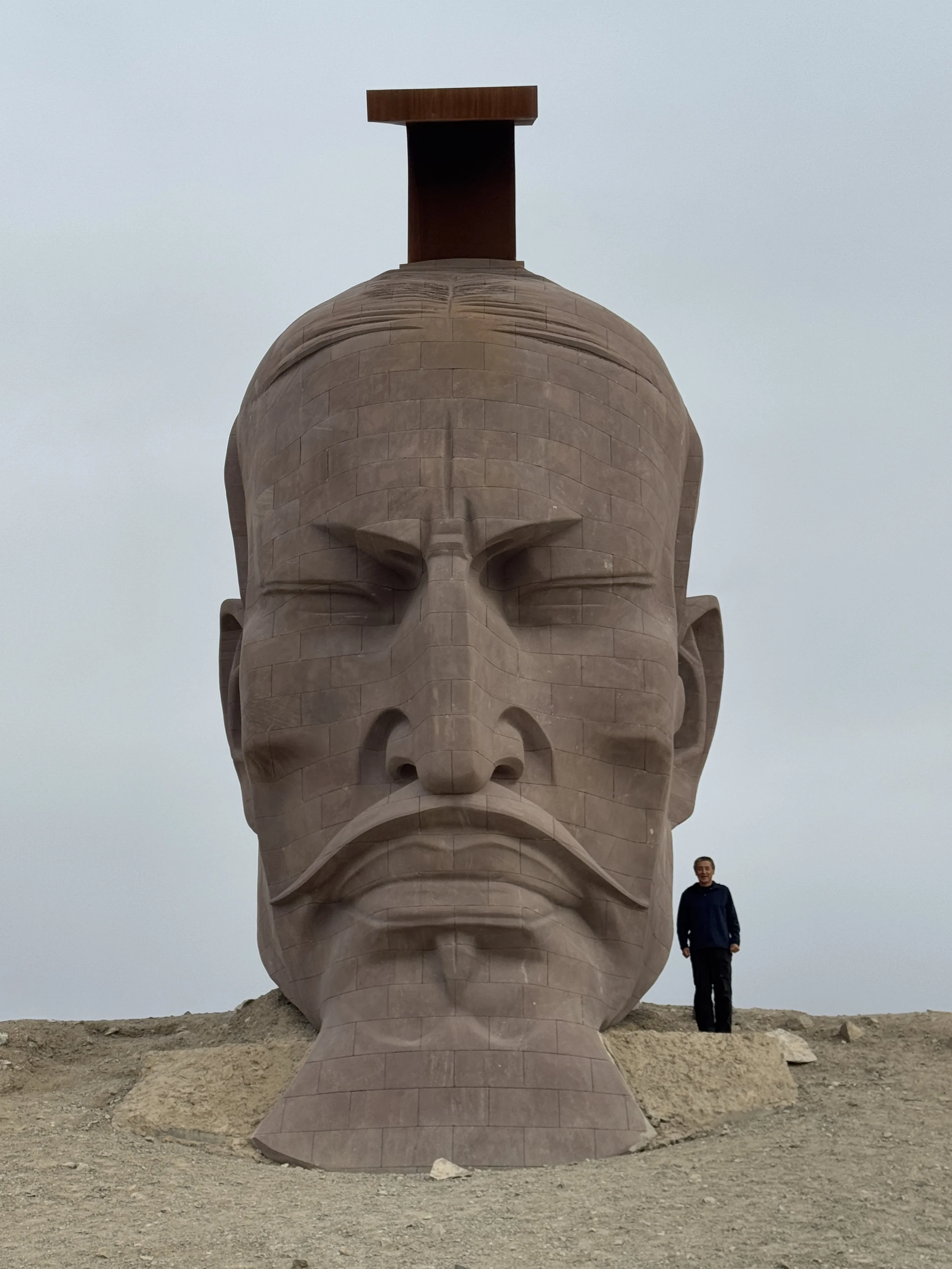
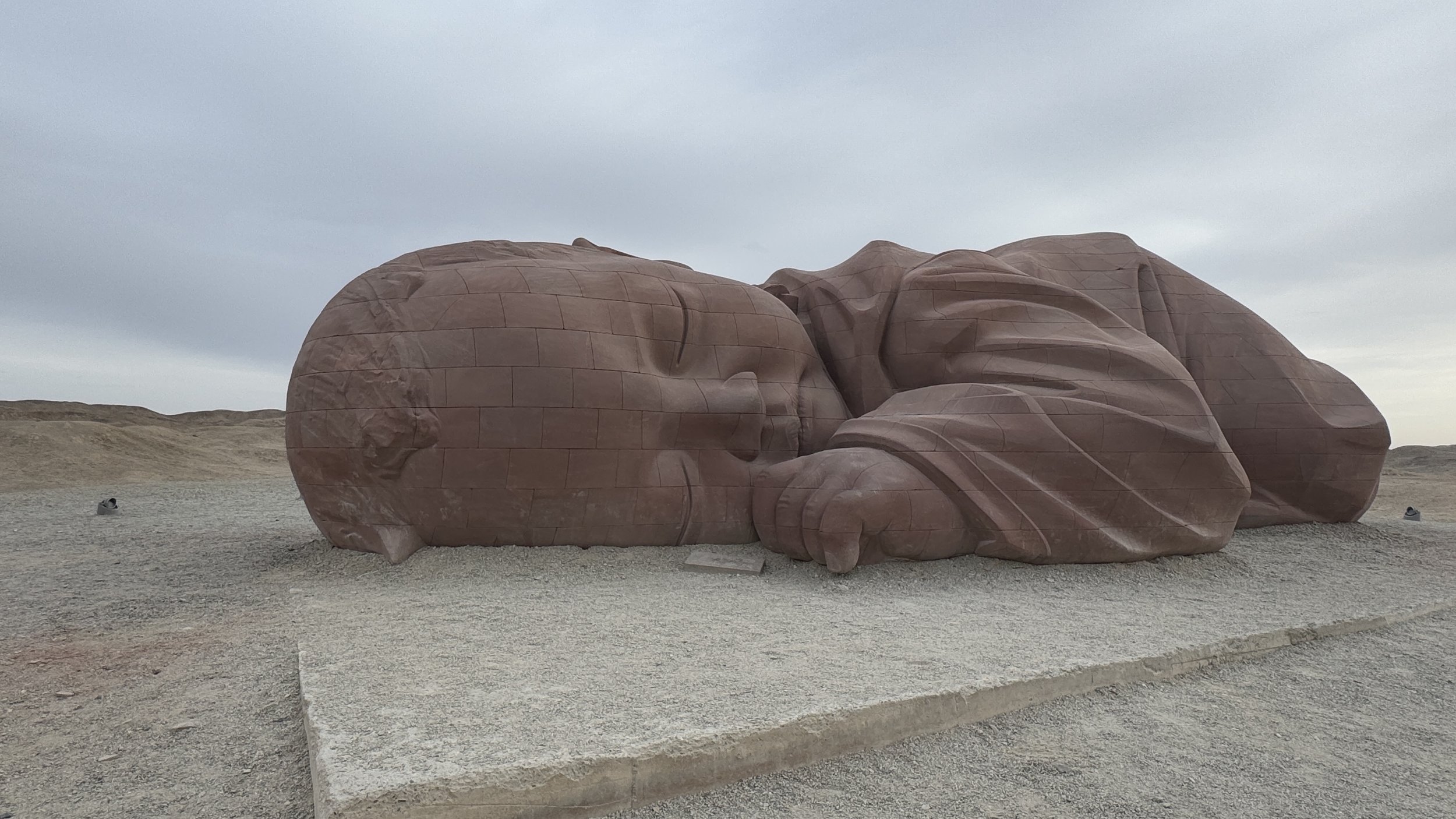
On the morning of the third day, after checking out of the hotel, our driver arrived on time to pick us up and we set off for the day’s itinerary. Our first stop was the Yulin Grottoes, about a little over two hours away by car. Along the way, we made brief stops at two large-scale sculptures—Han Emperor’s Mighty Presence and Son of the Earth—to take photos and admire these grand and striking works of art rising from the Gobi Desert.
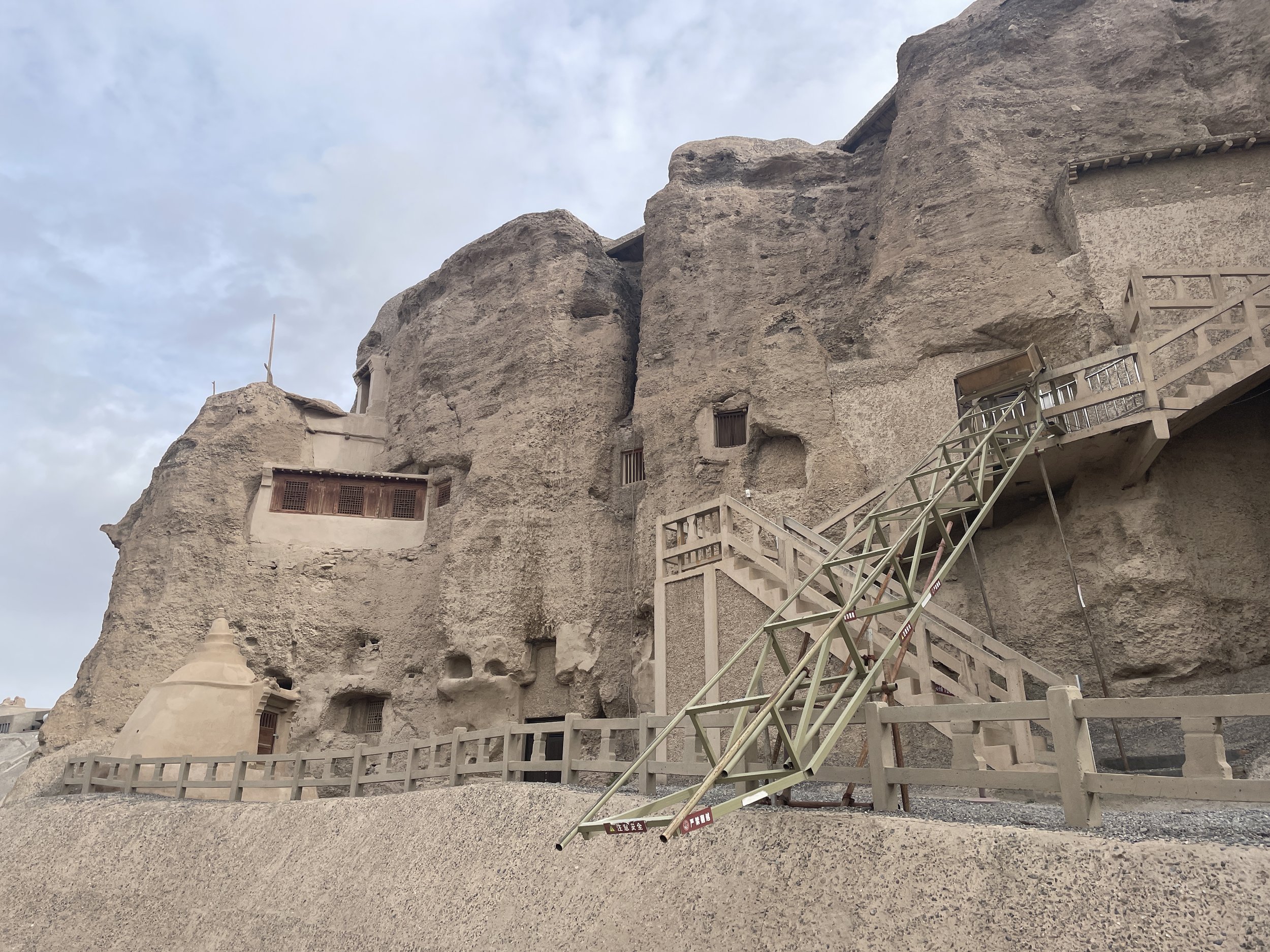
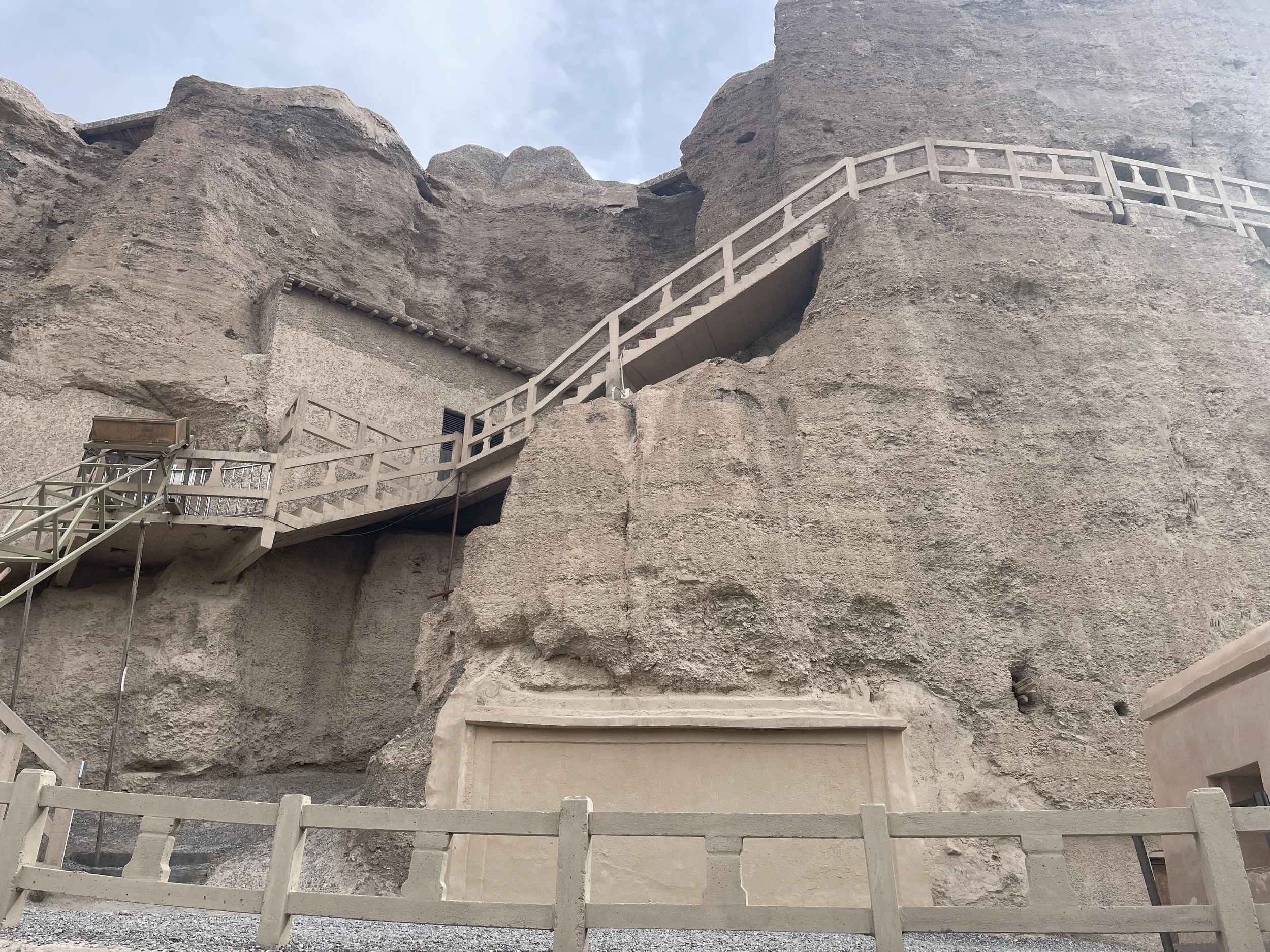
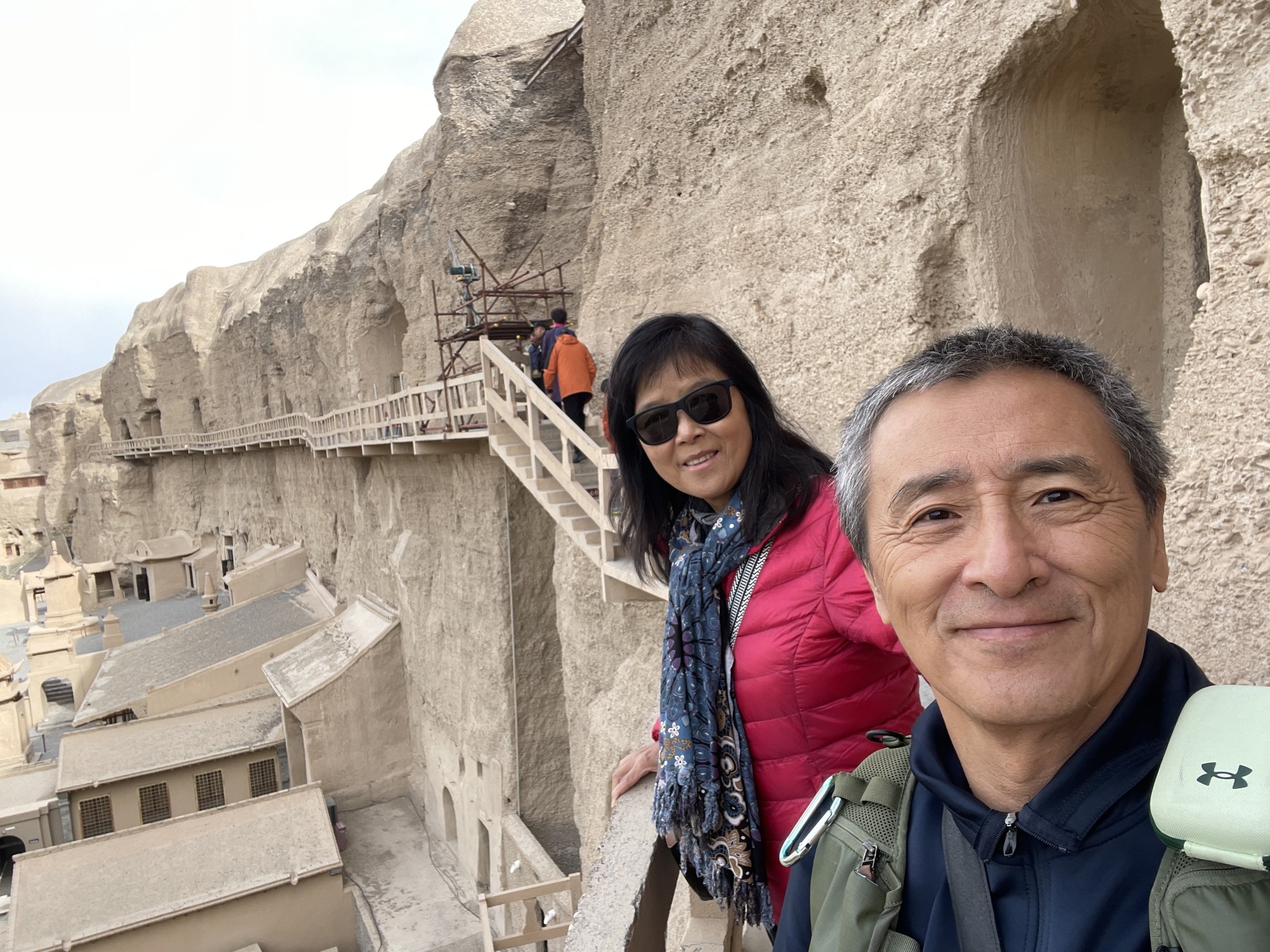
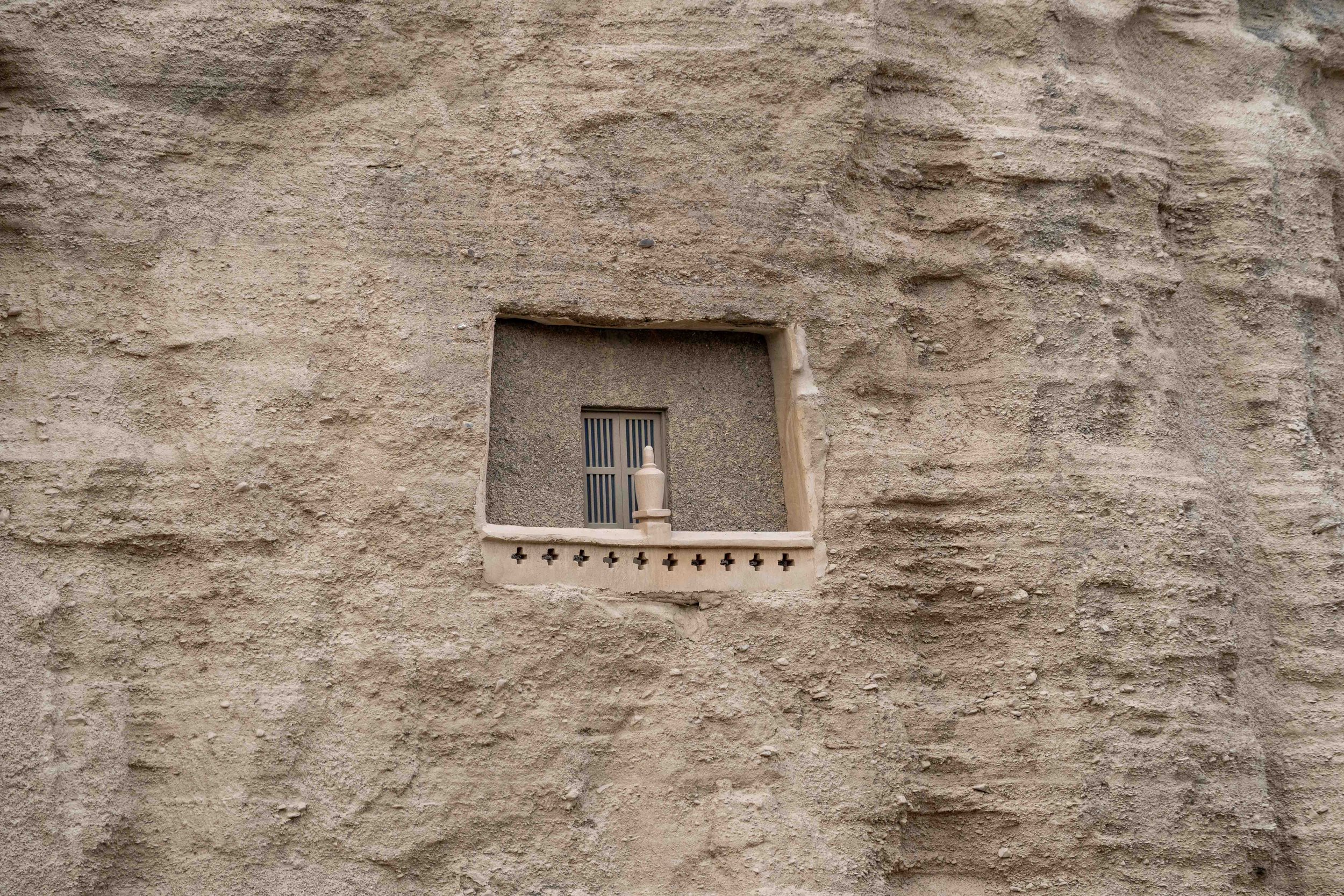
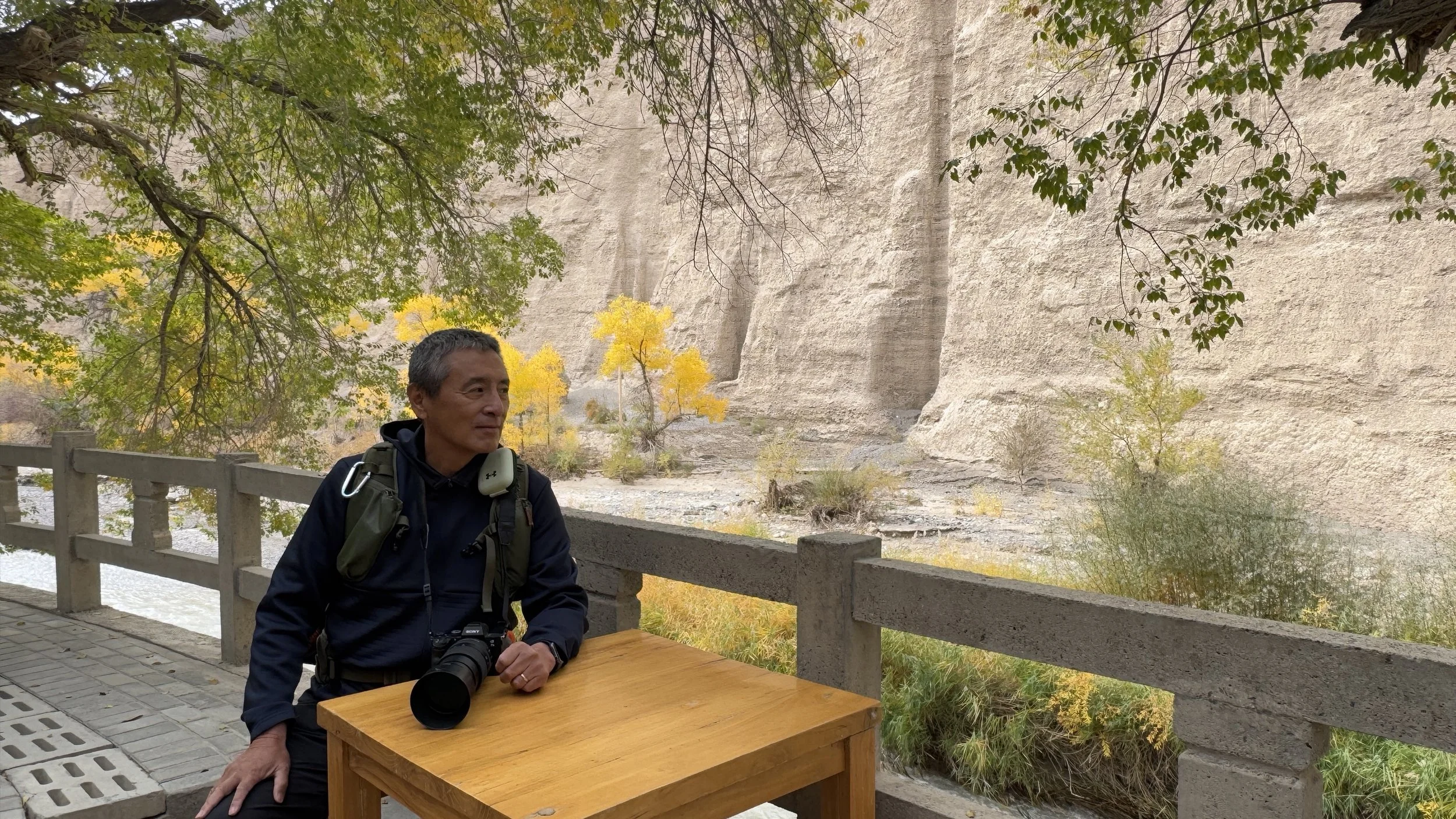
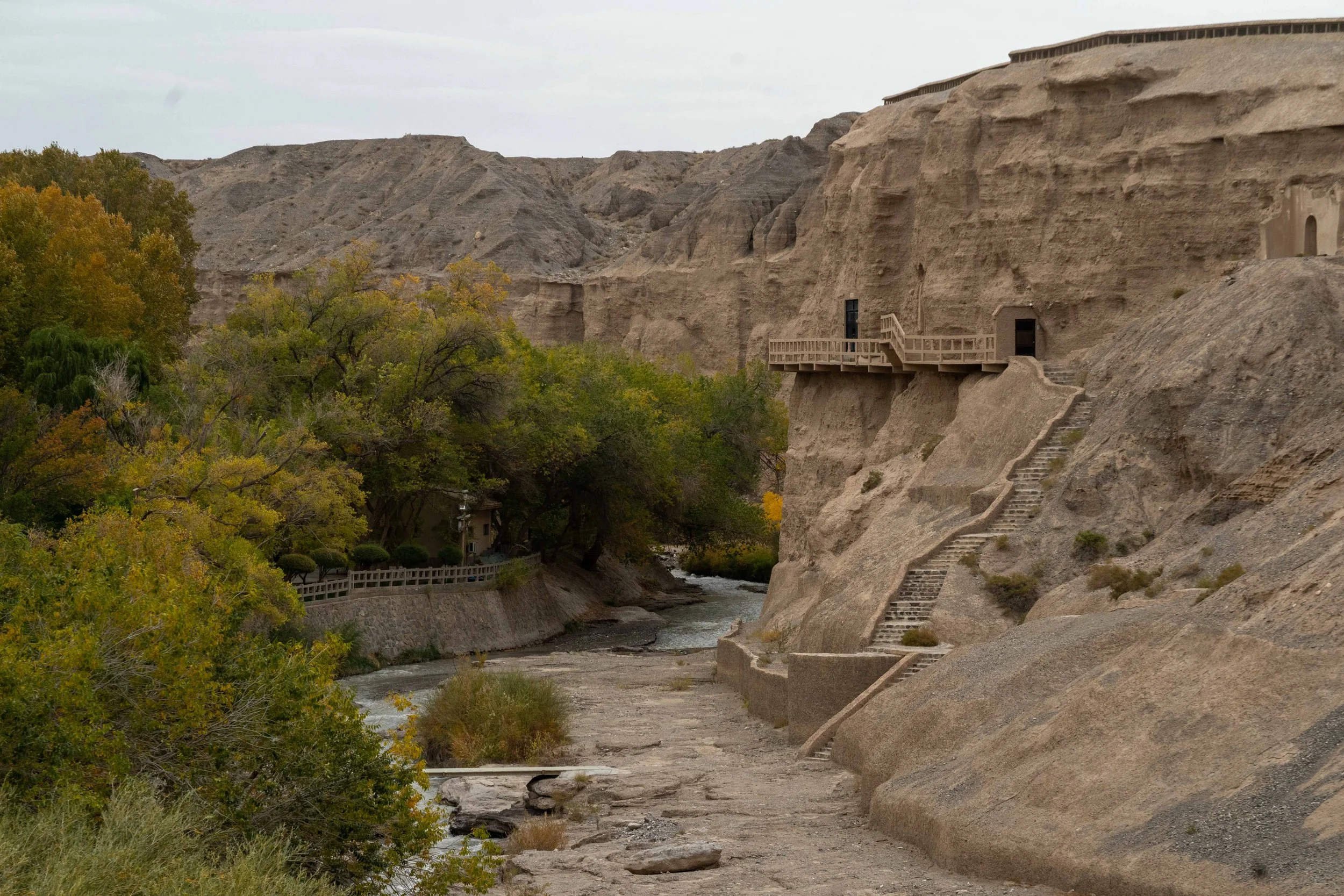
Nestled in a deep, narrow canyon surrounded by wind-carved cliffs and sparse desert vegetation, Yulin felt serene and contemplative, a striking contrast to the often-crowded Mogao Caves. The vivid murals and statues inside the caves, preserved in near-original condition, reflected the same Buddhist devotion seen in Dunhuang but with a quieter, more intimate atmosphere. We thoroughly enjoyed this tranquil visit.
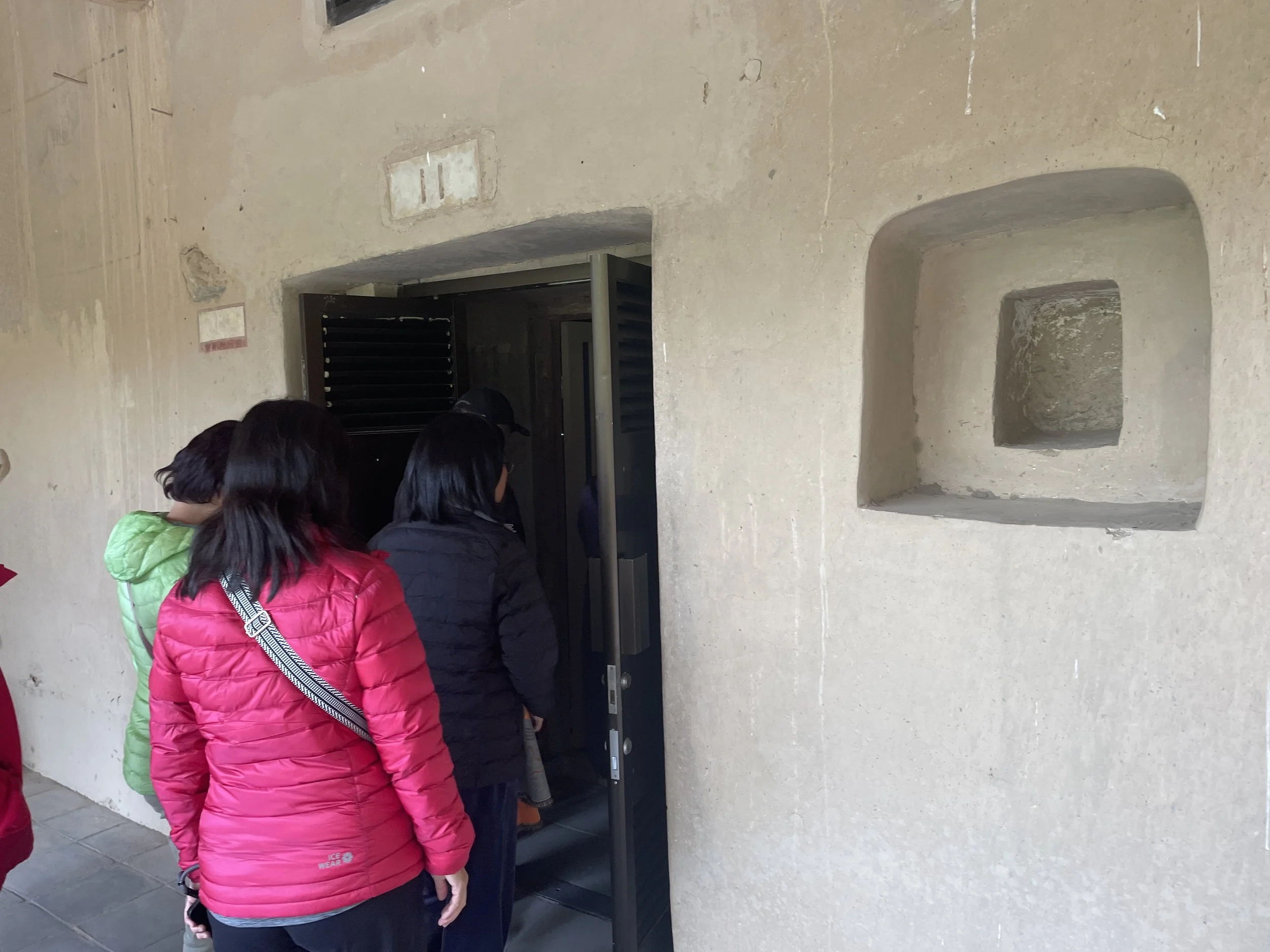
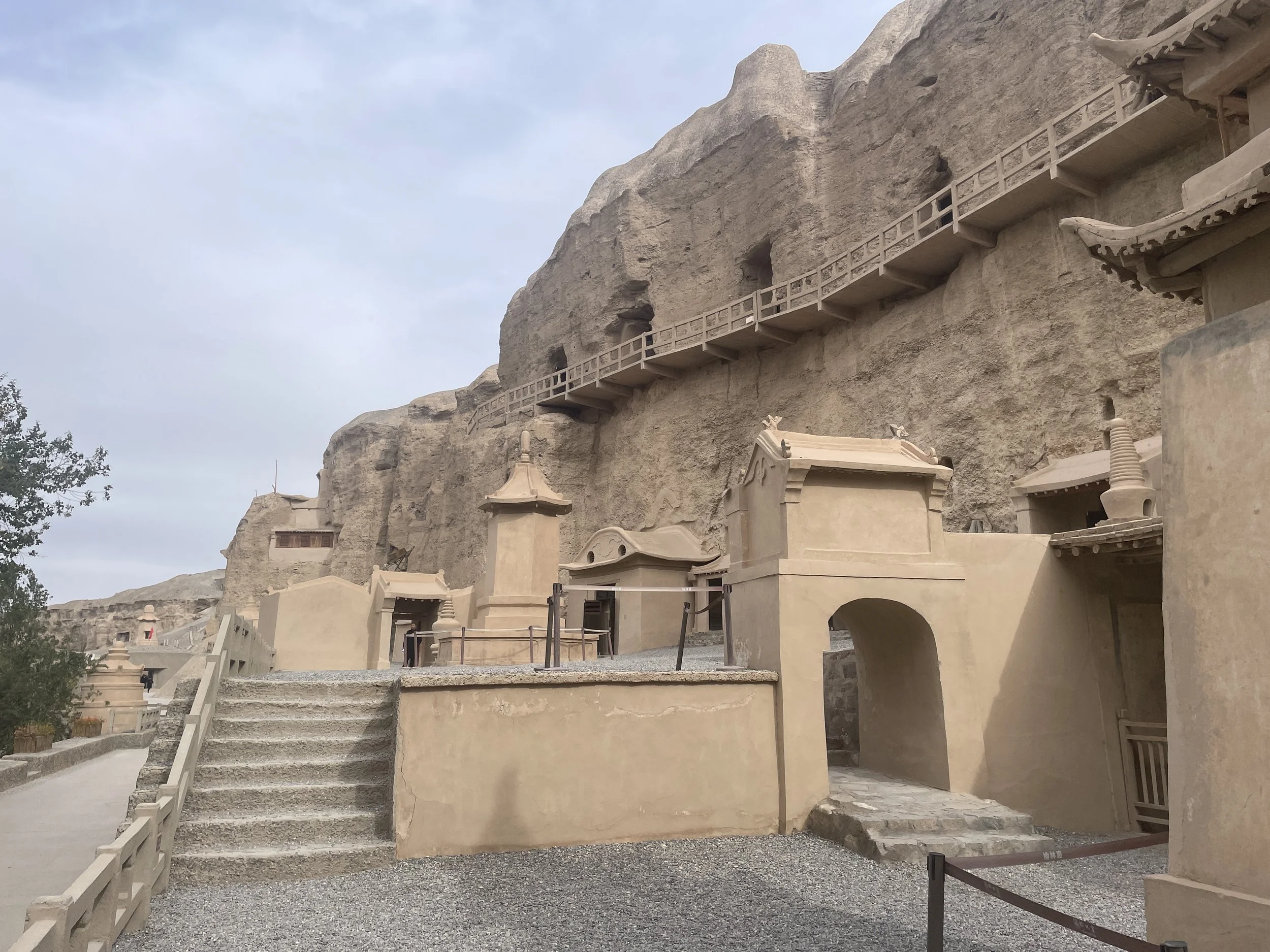
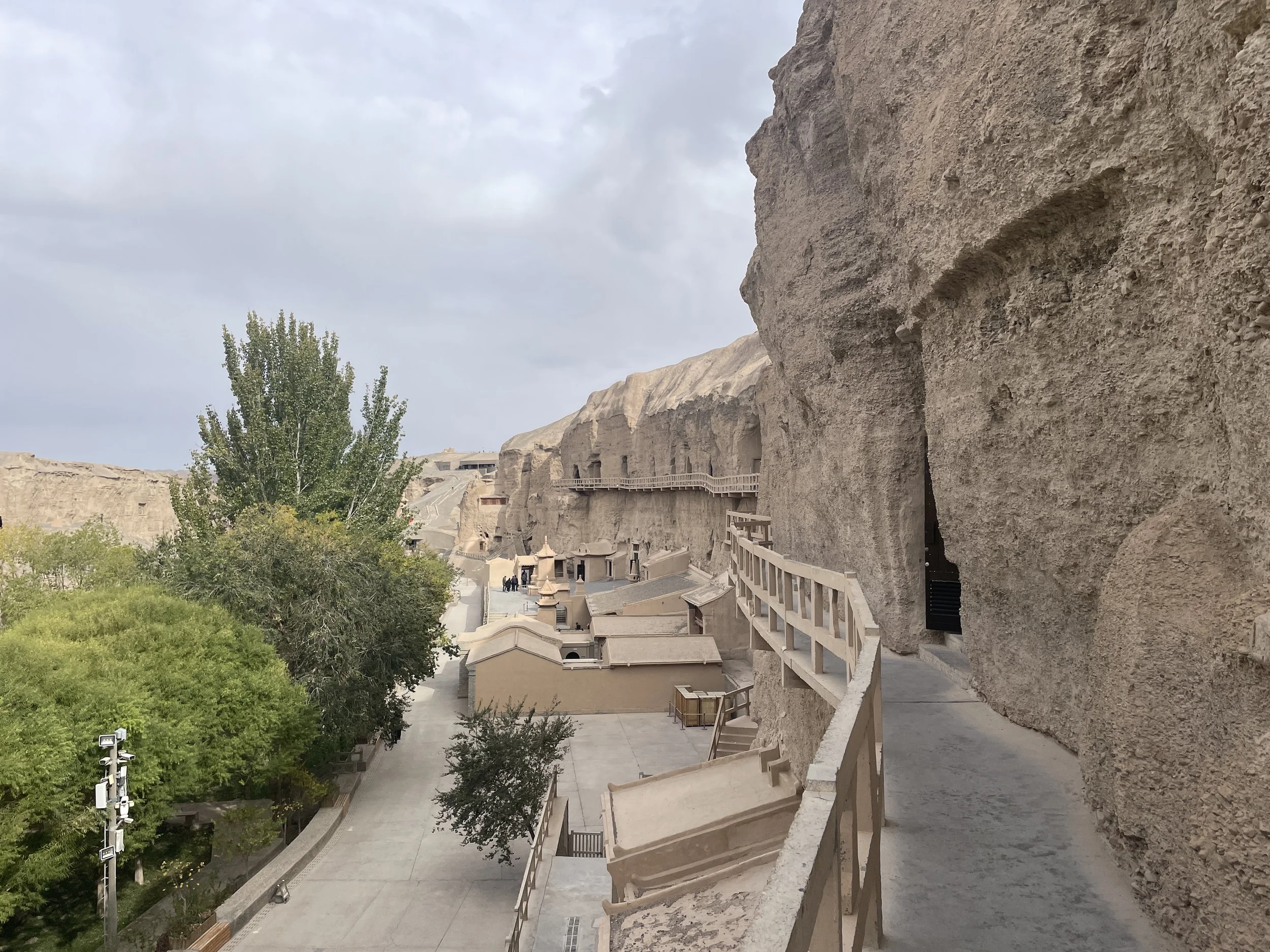
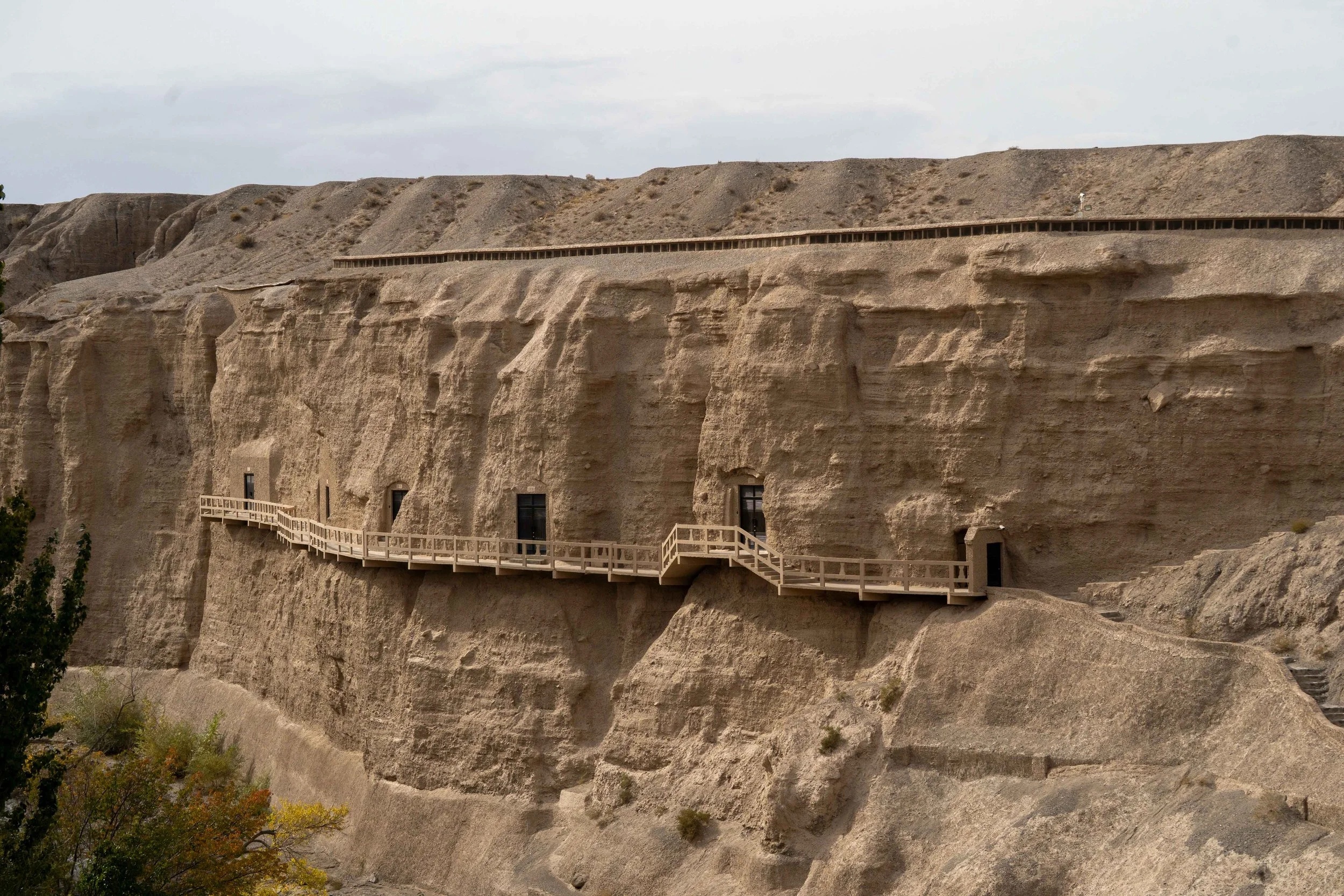
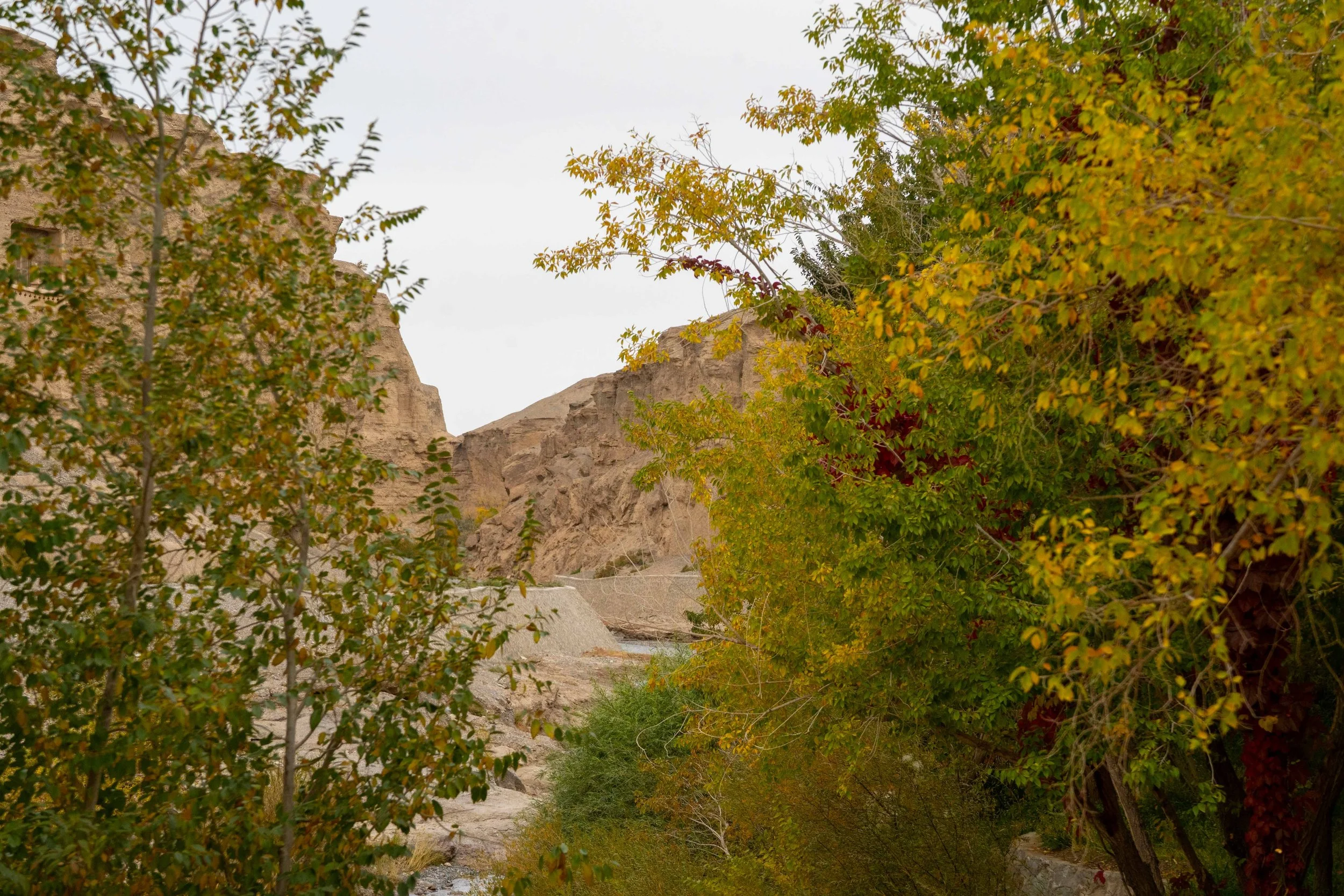
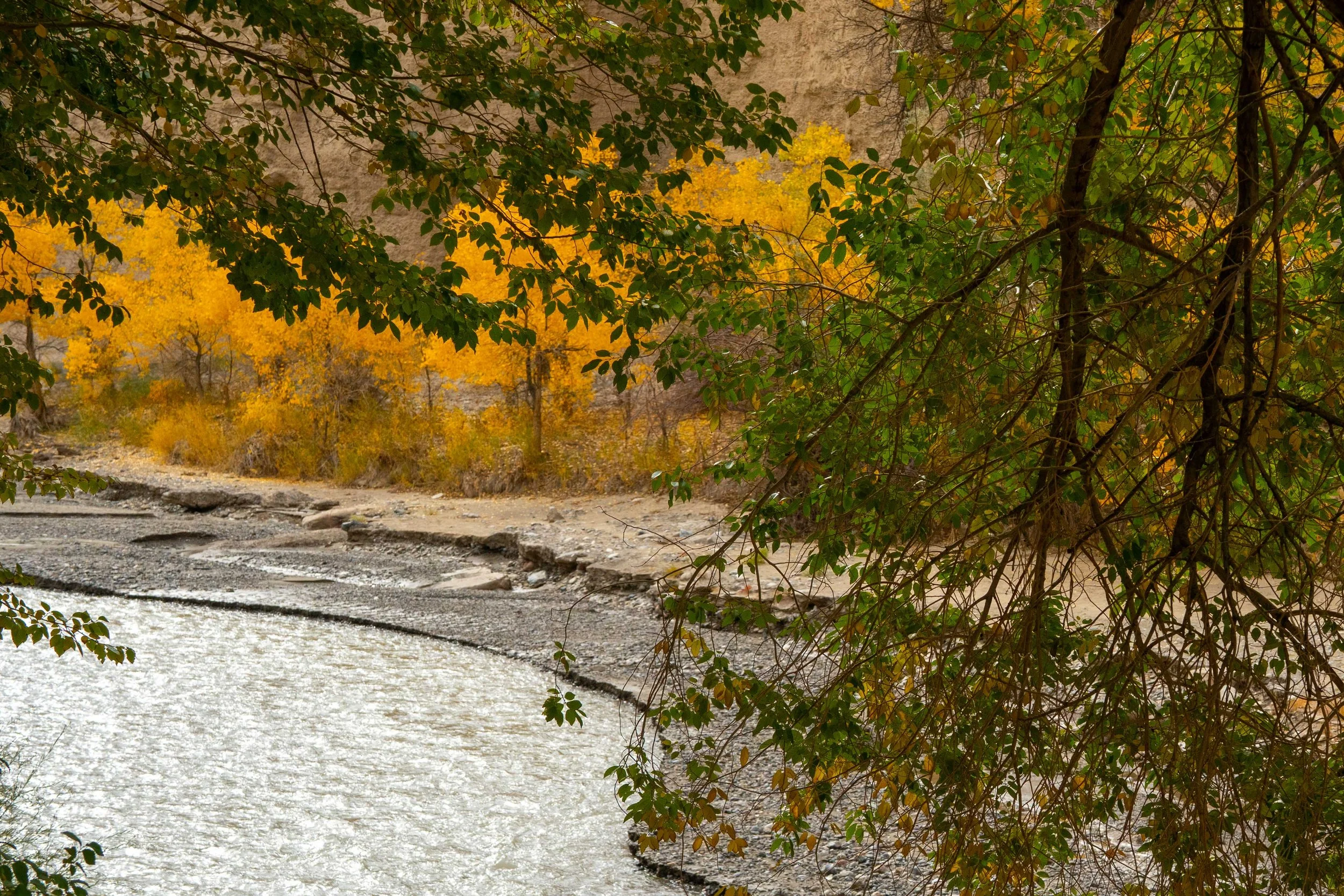
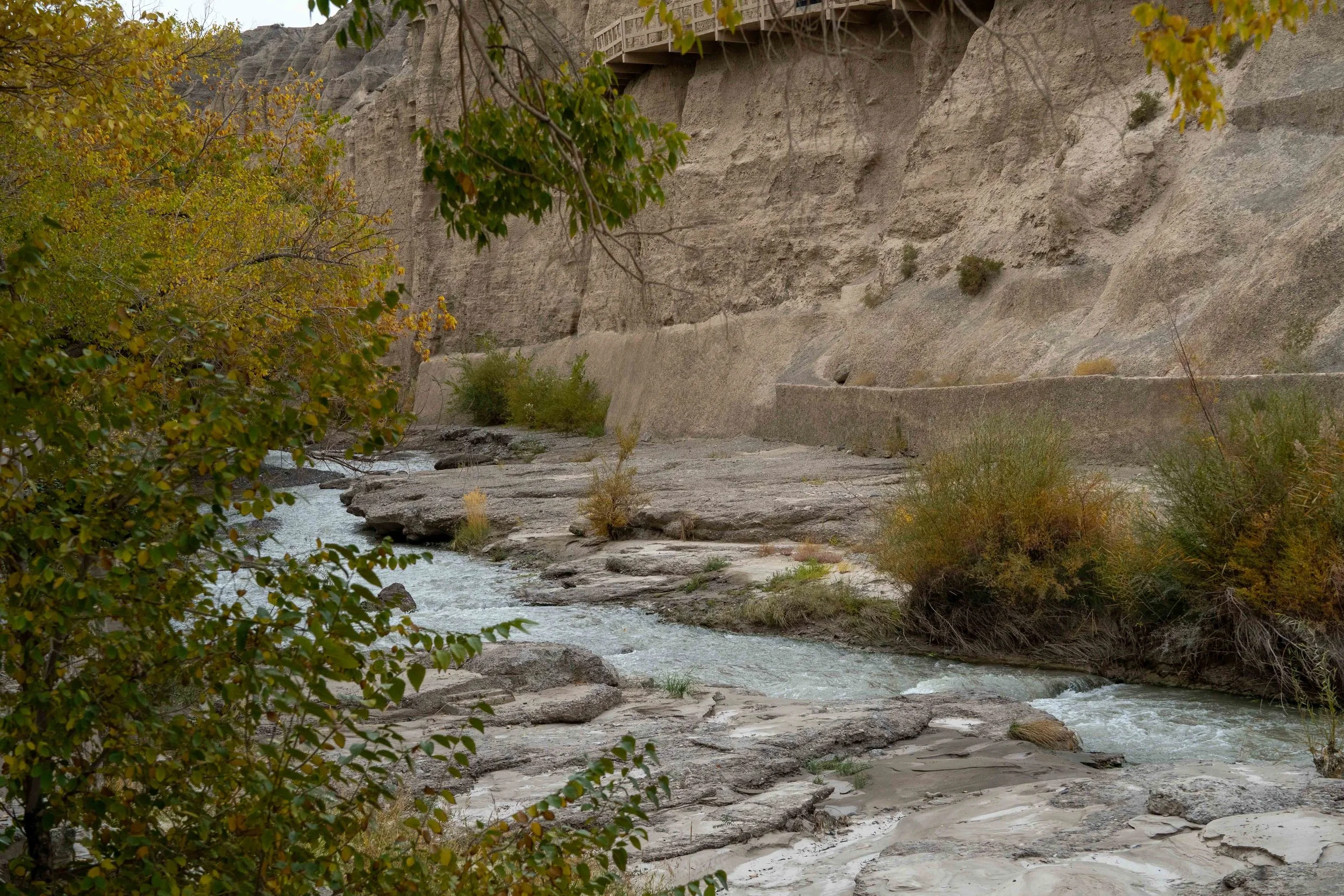
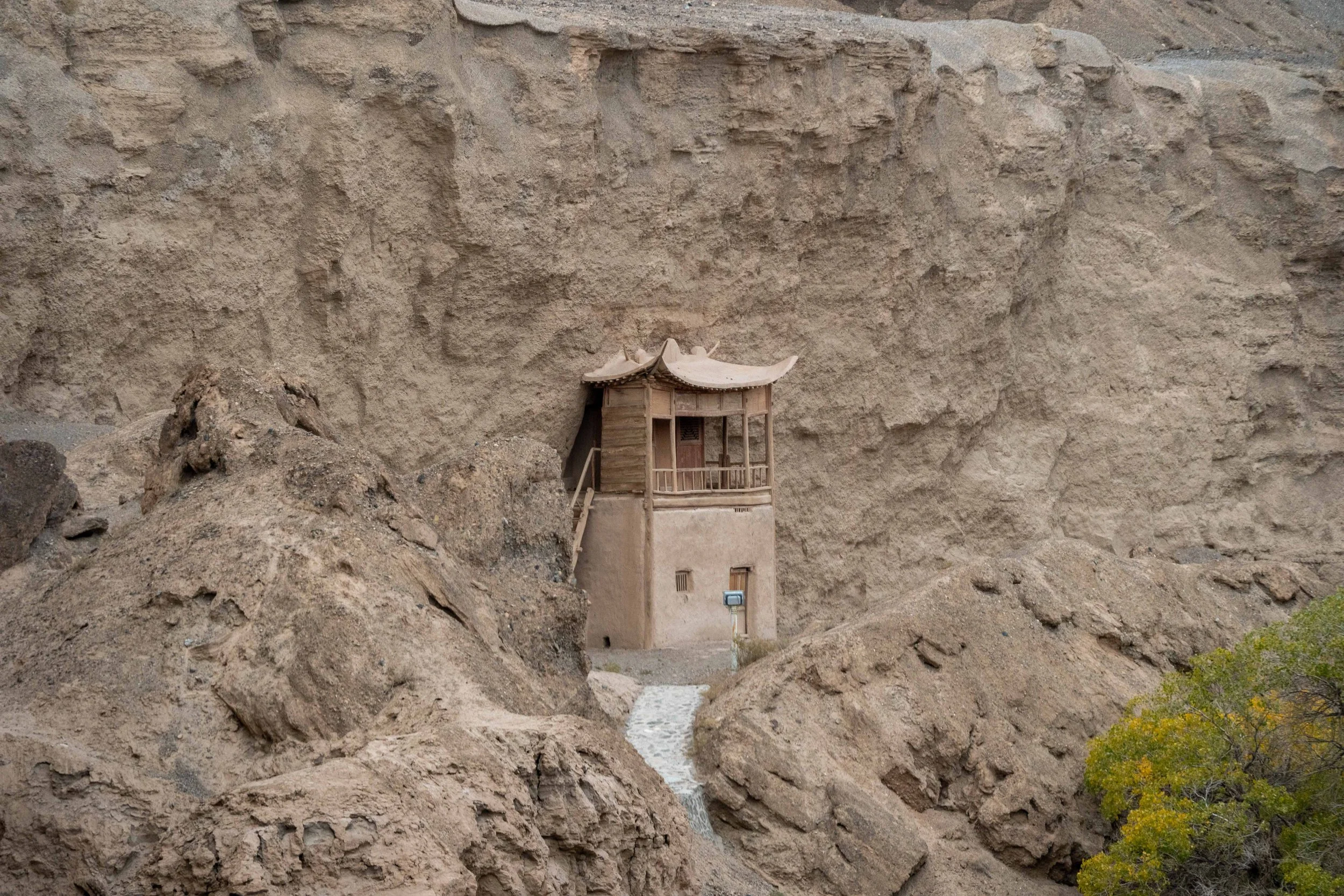
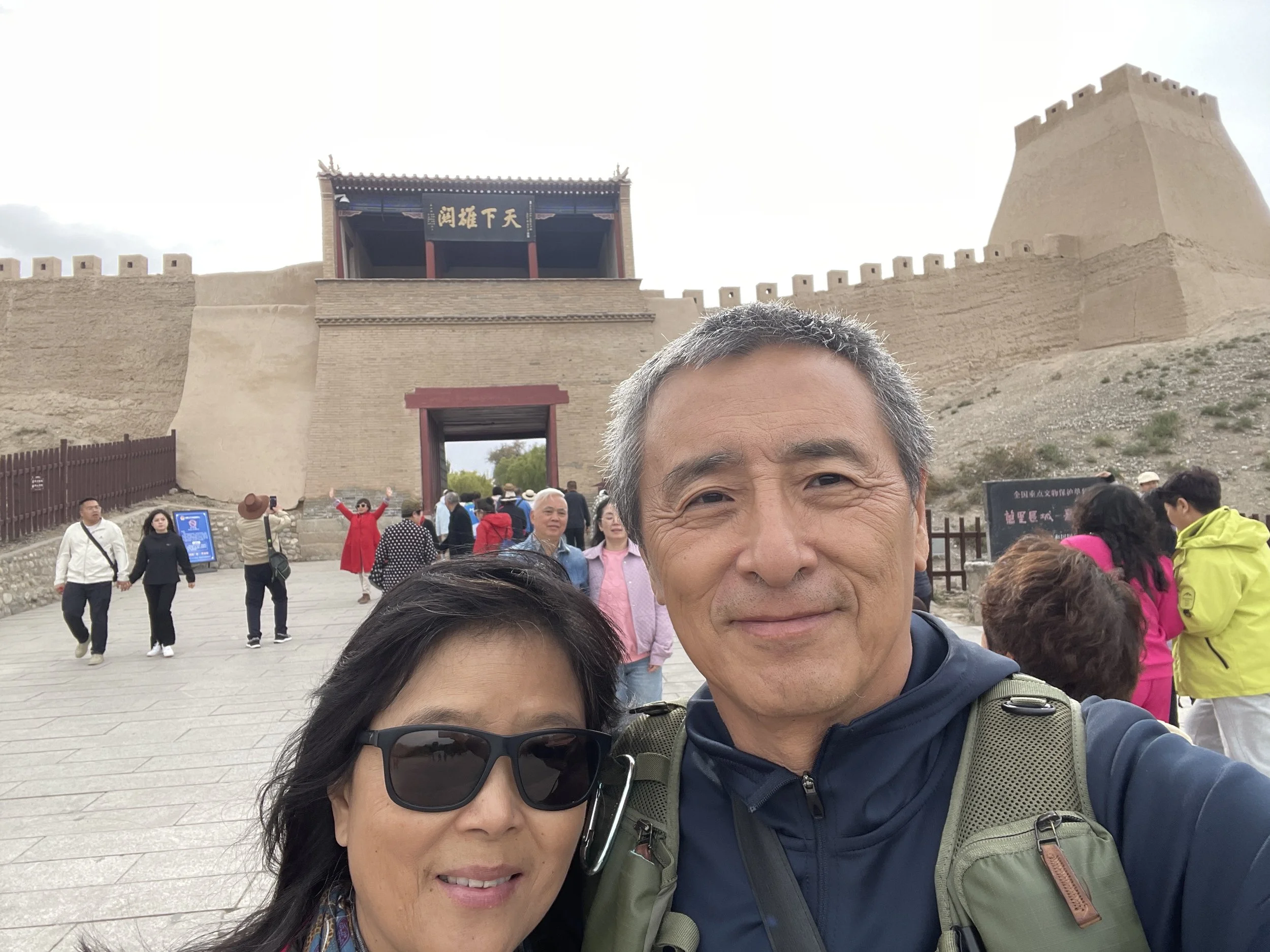
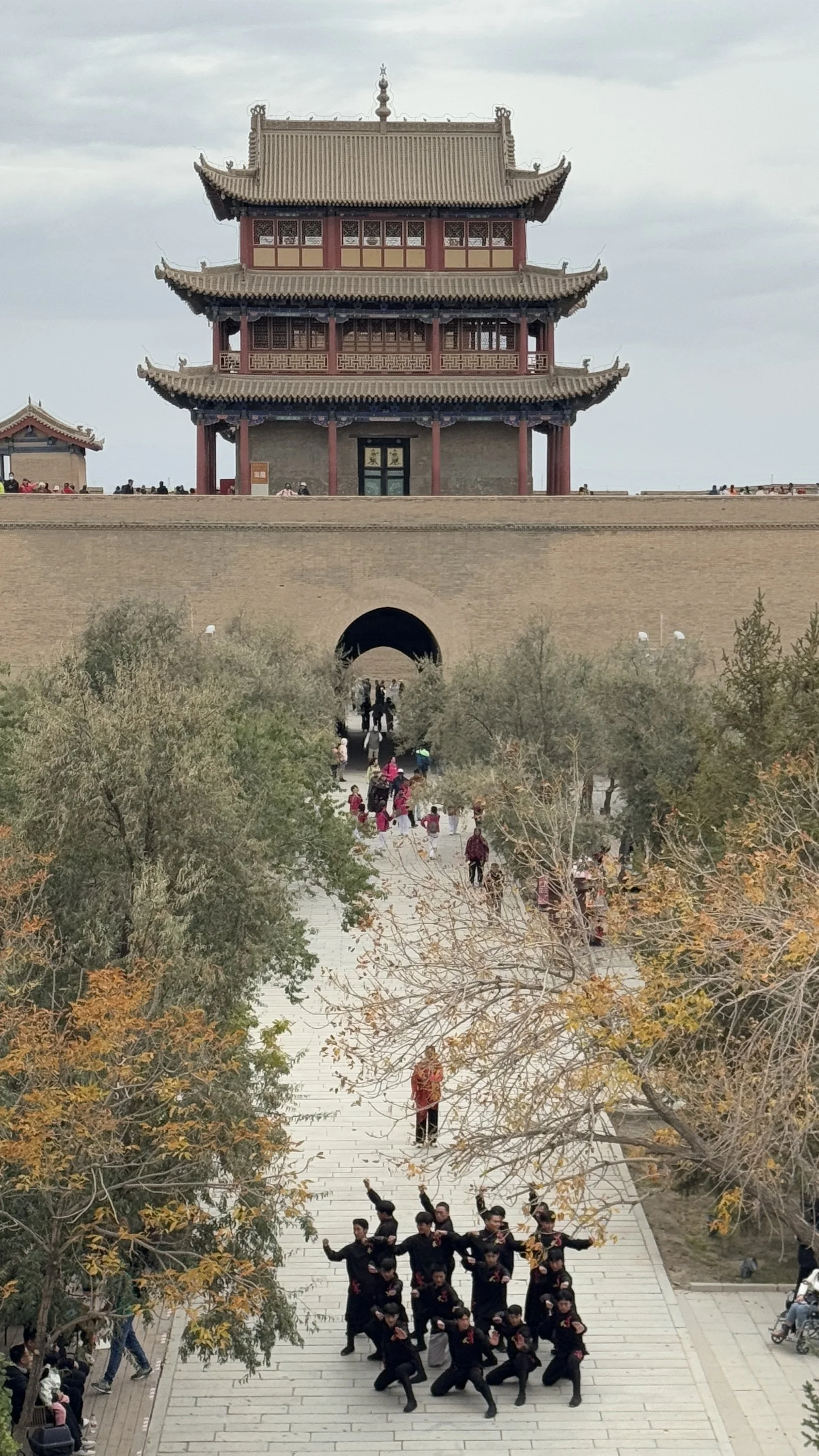
After leaving Yulin, we drove about three hours to Jiayuguan Pass (嘉峪关), known as the “First and Greatest Pass under Heaven” (天下第一雄关)—the western terminus of the Ming Dynasty Great Wall. The scenic area was well maintained and offered sweeping views of the desert landscape.
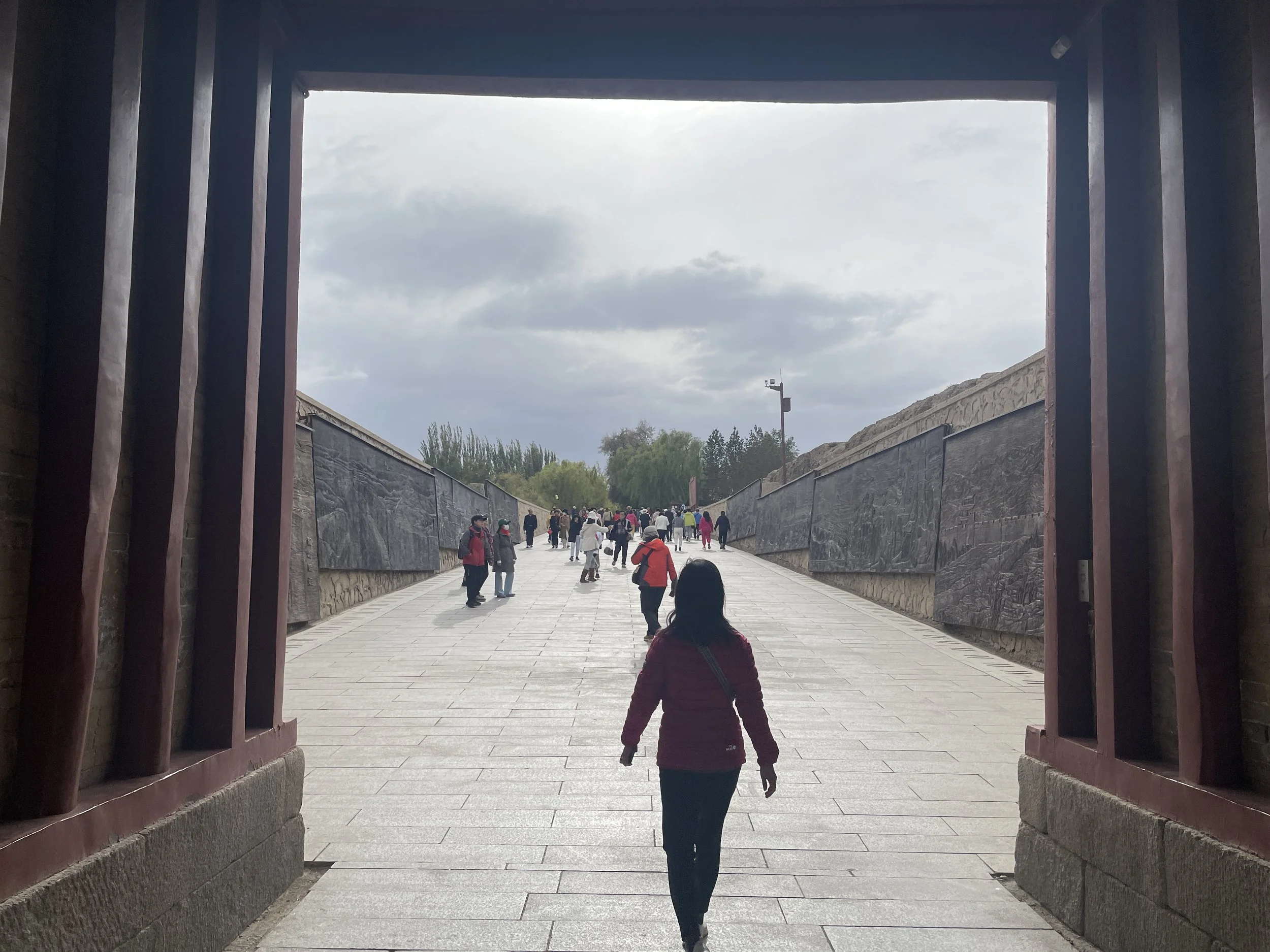
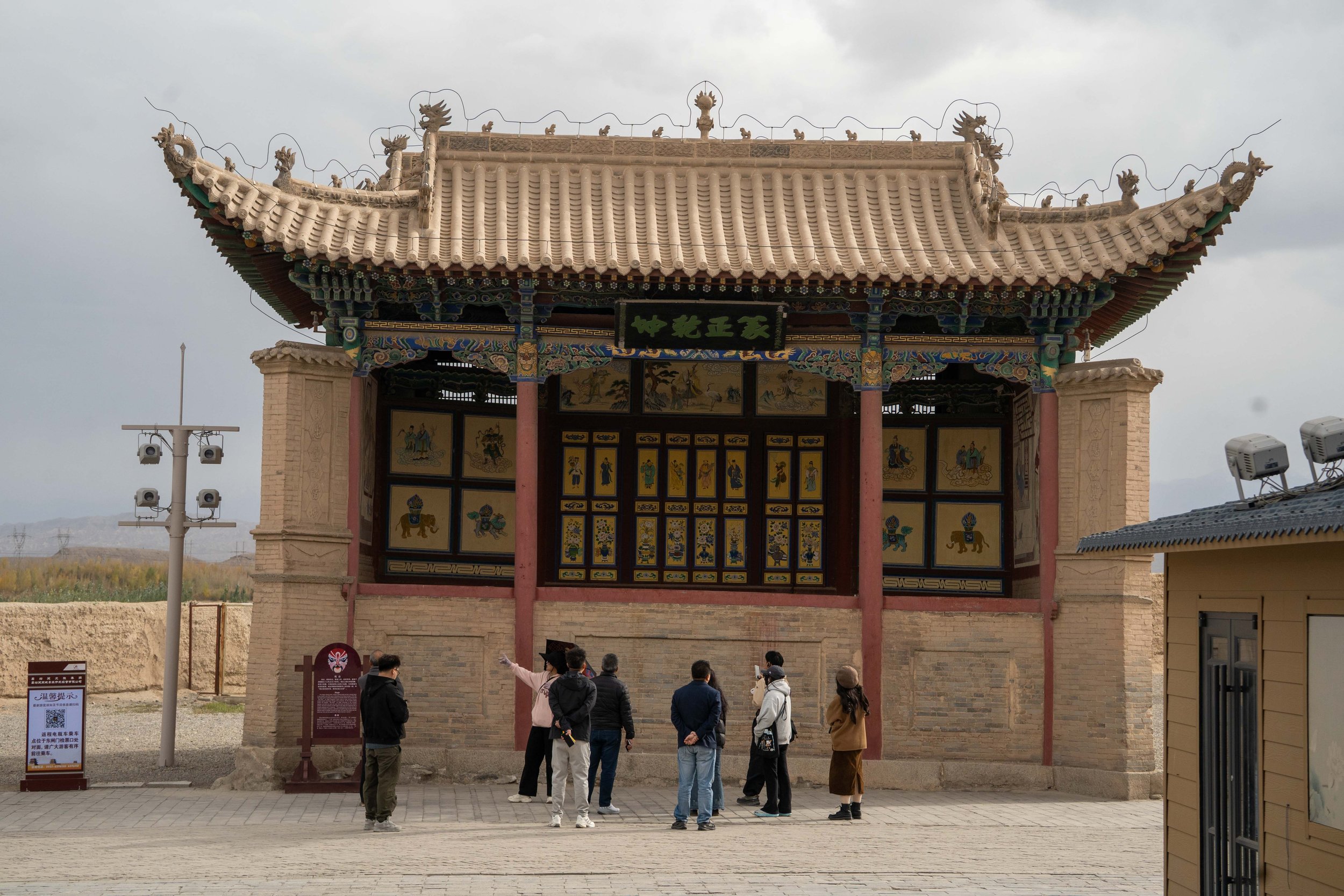
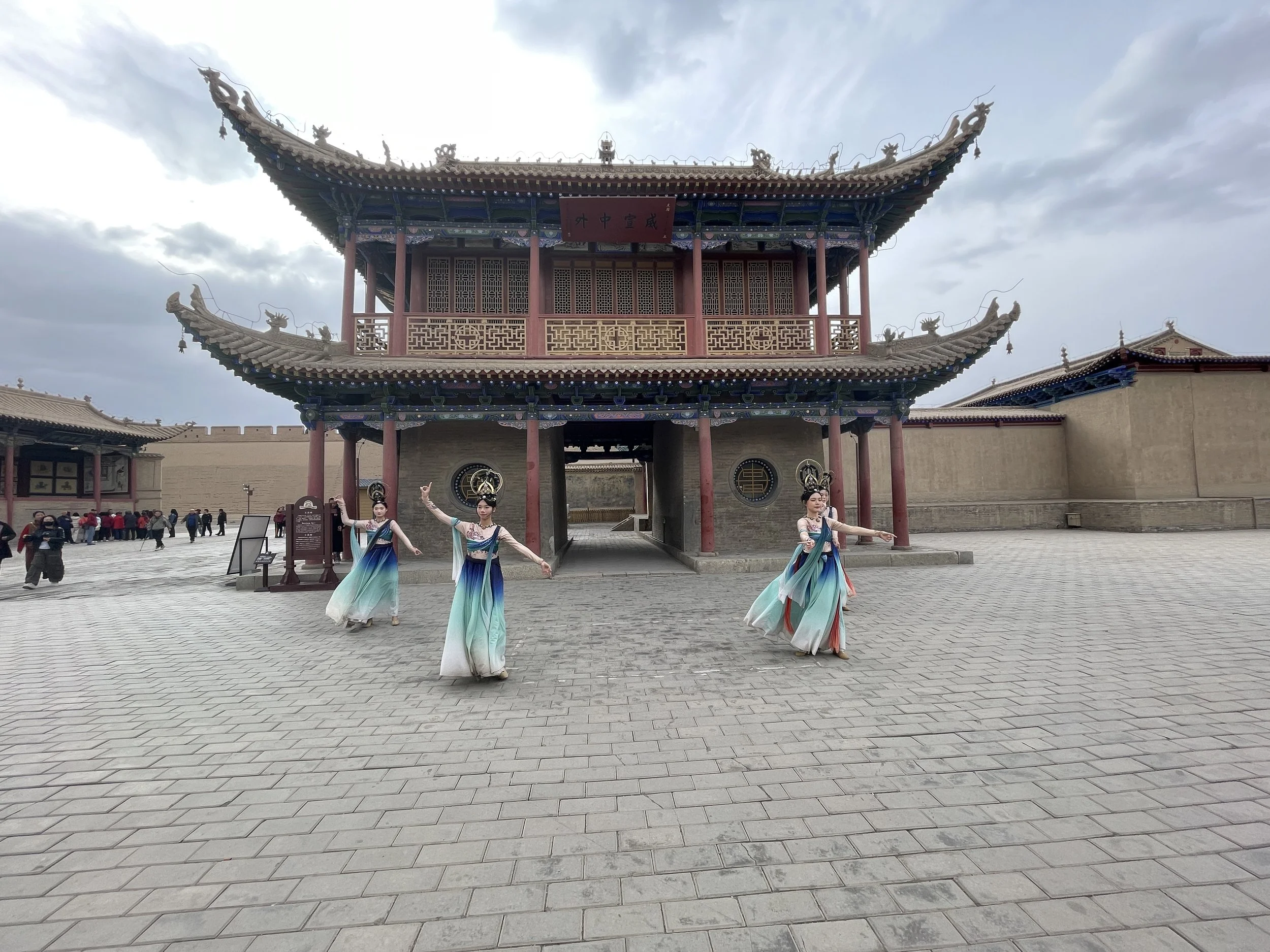
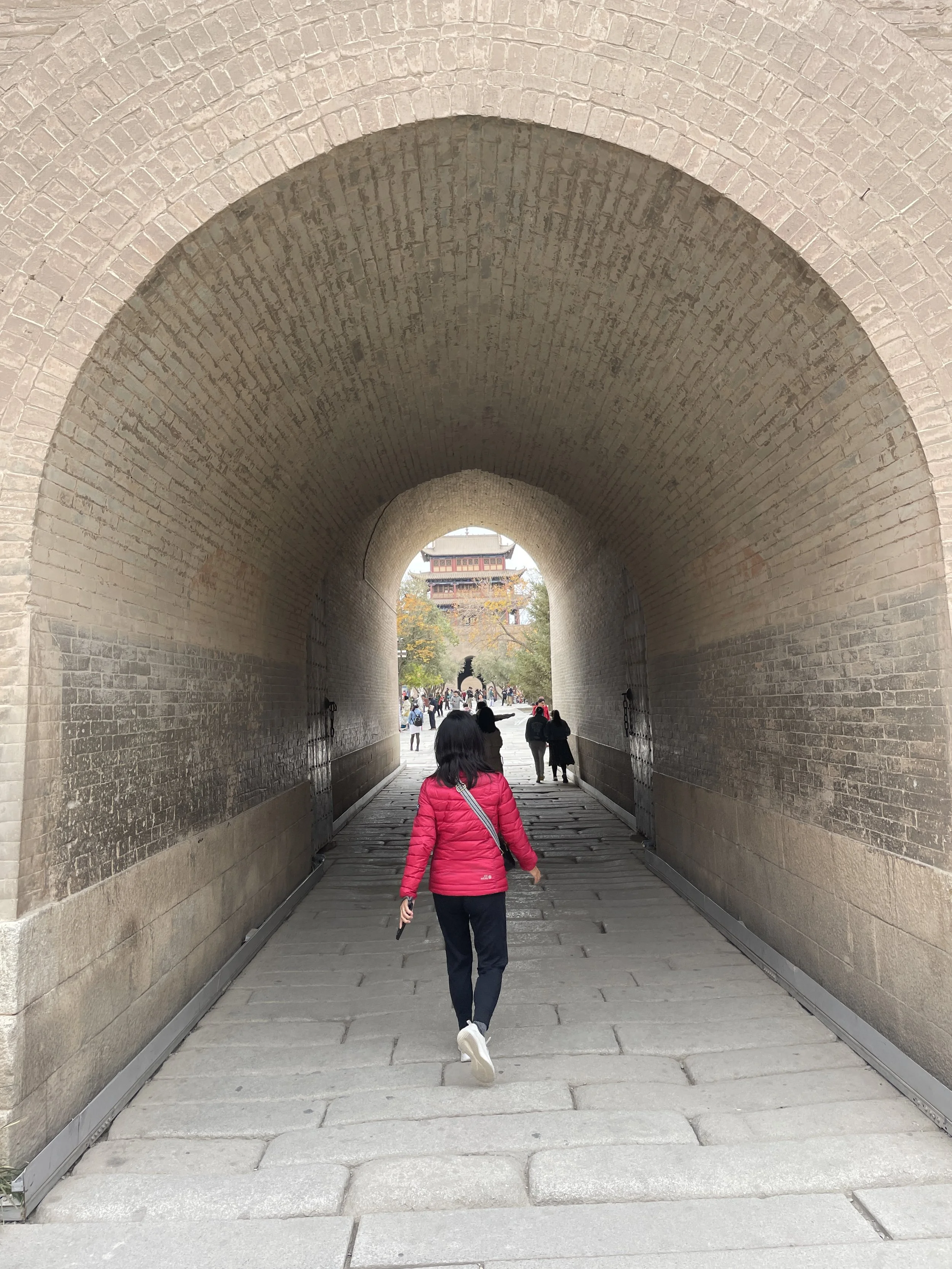
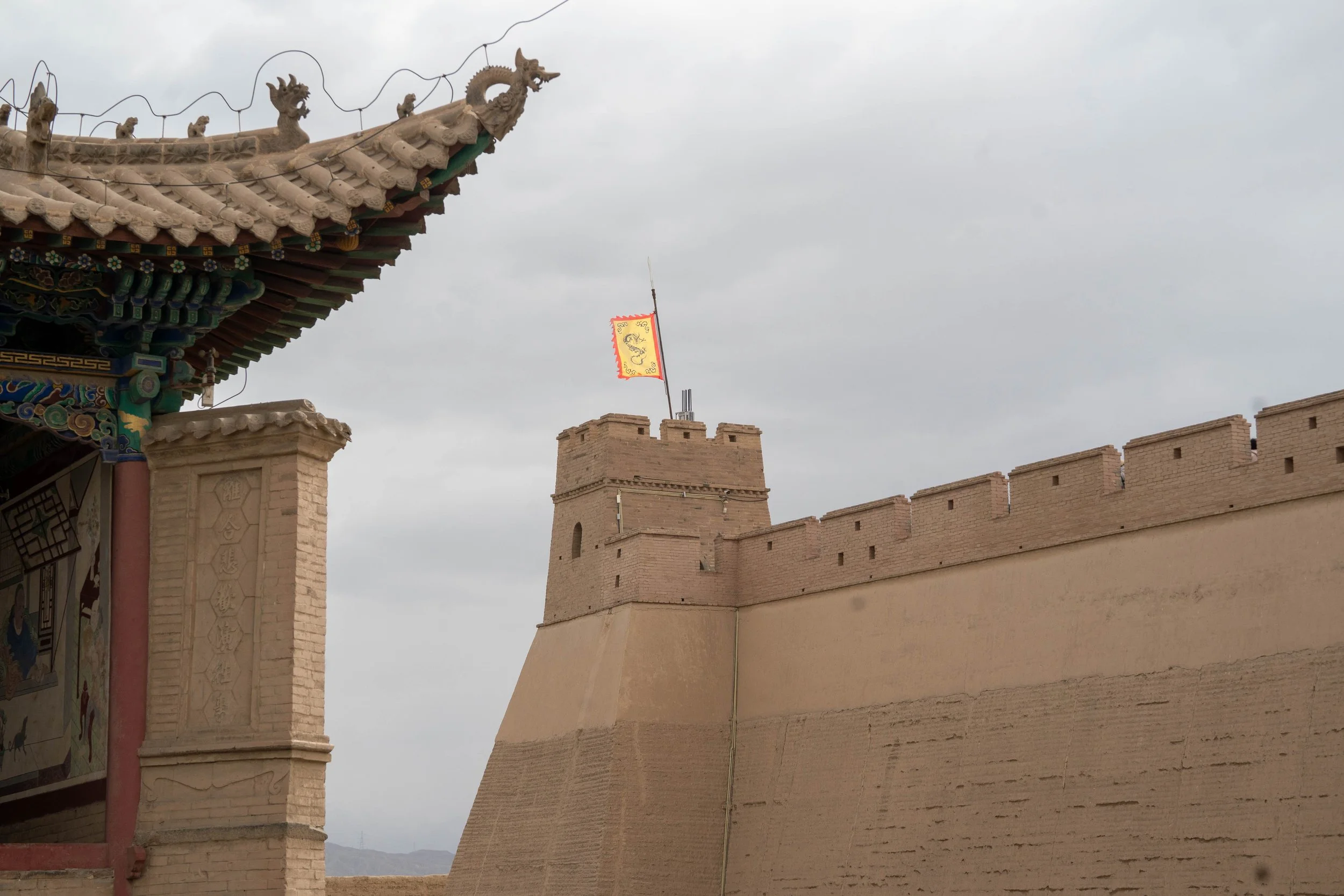
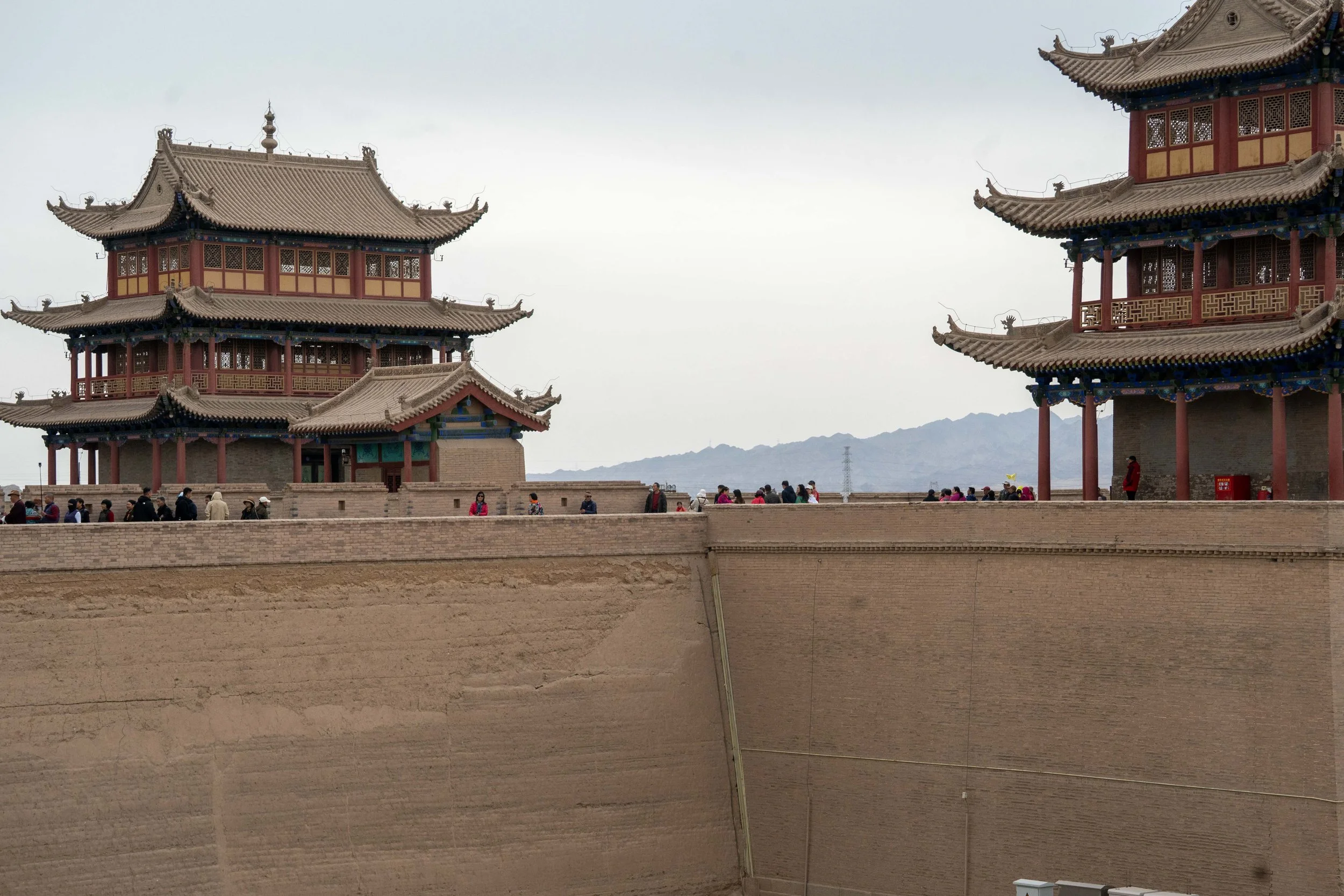
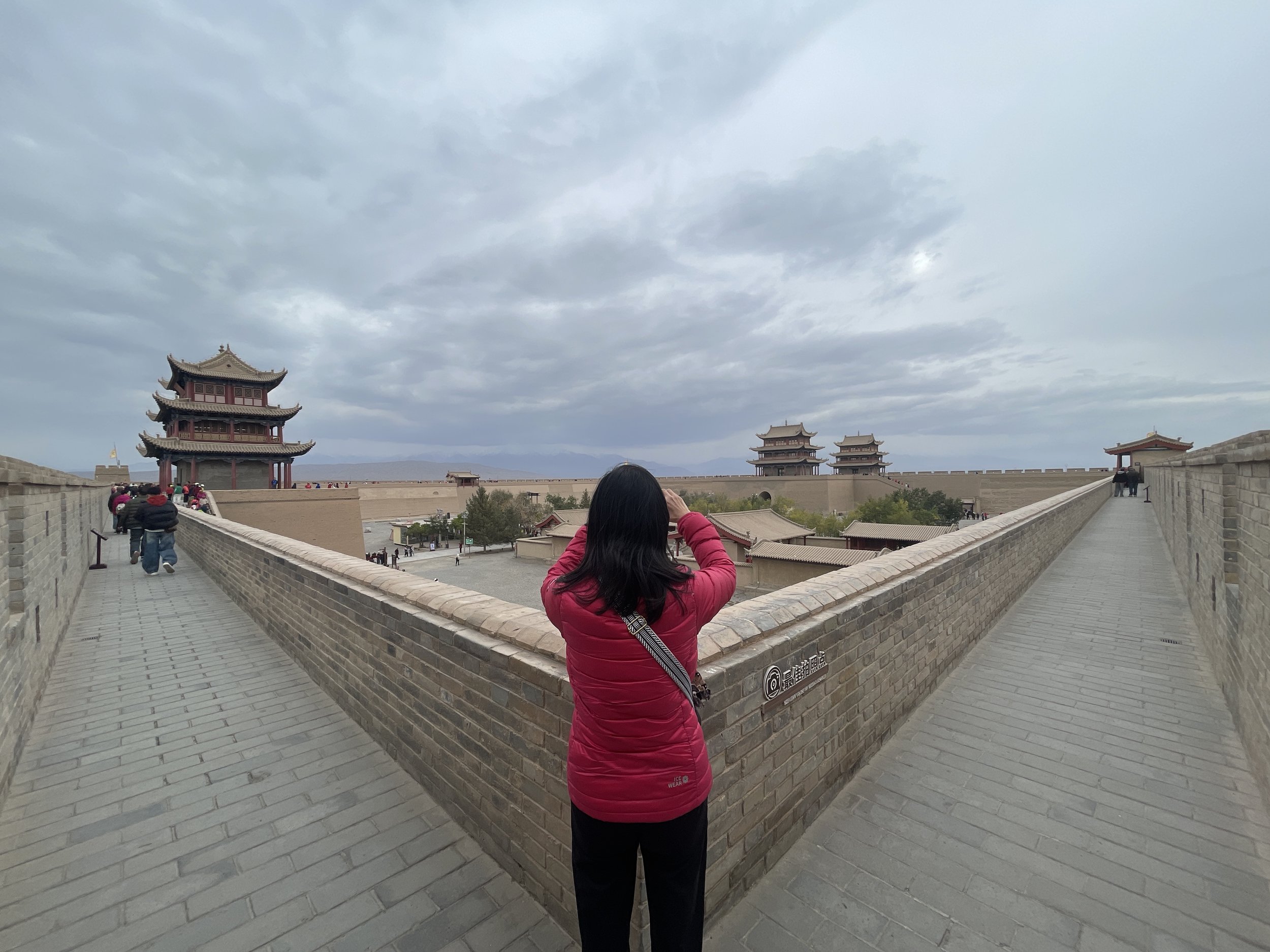
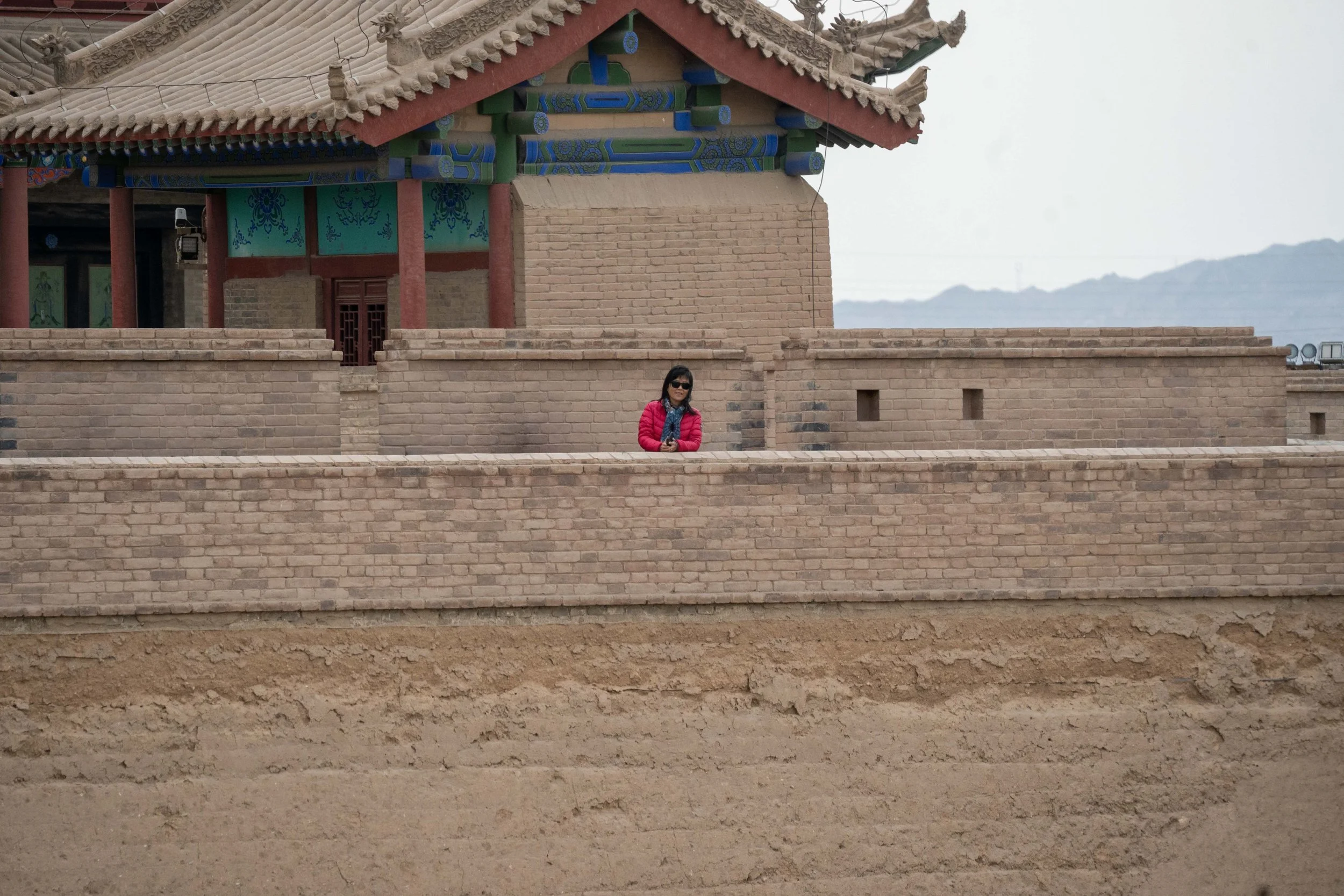
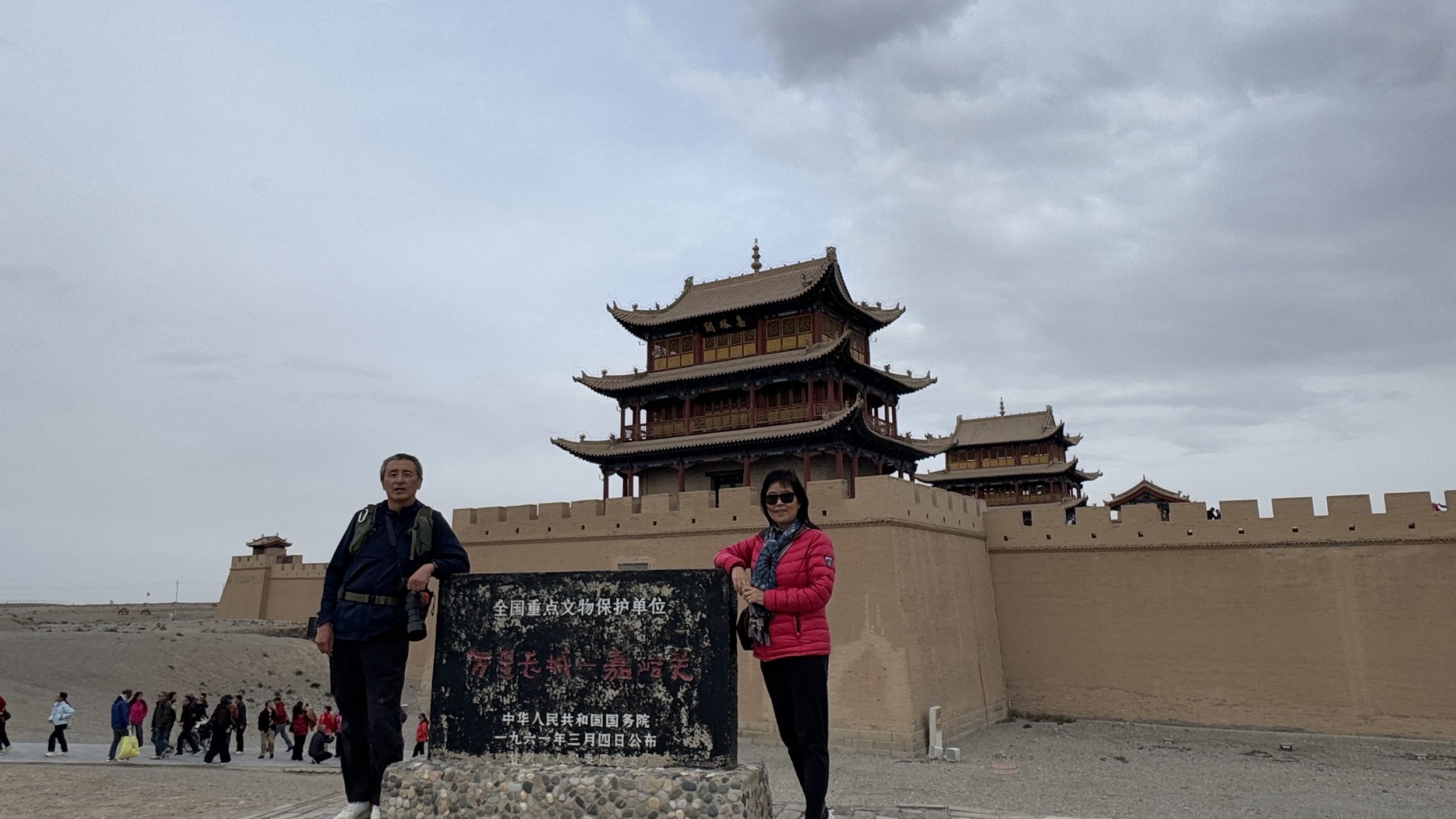
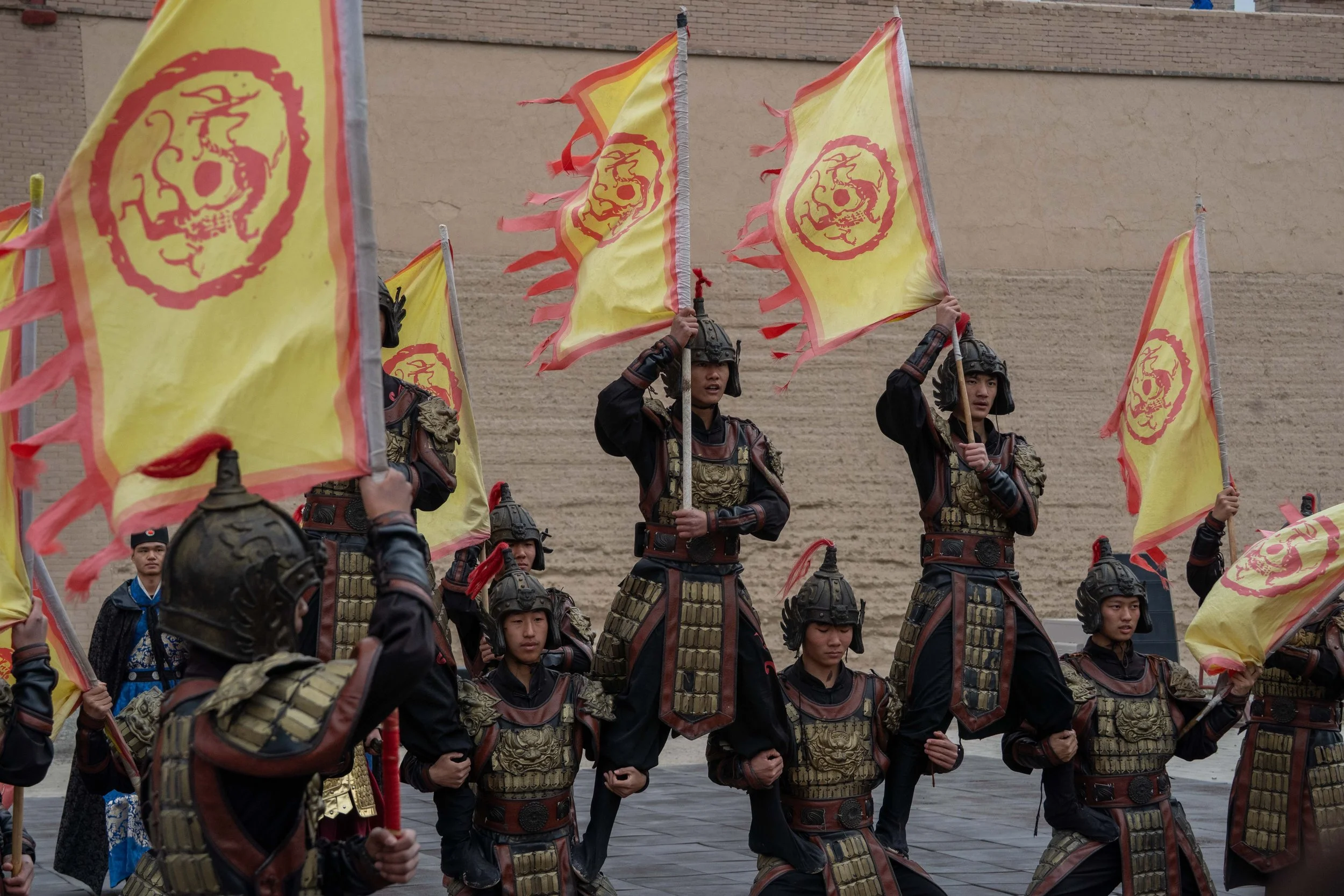
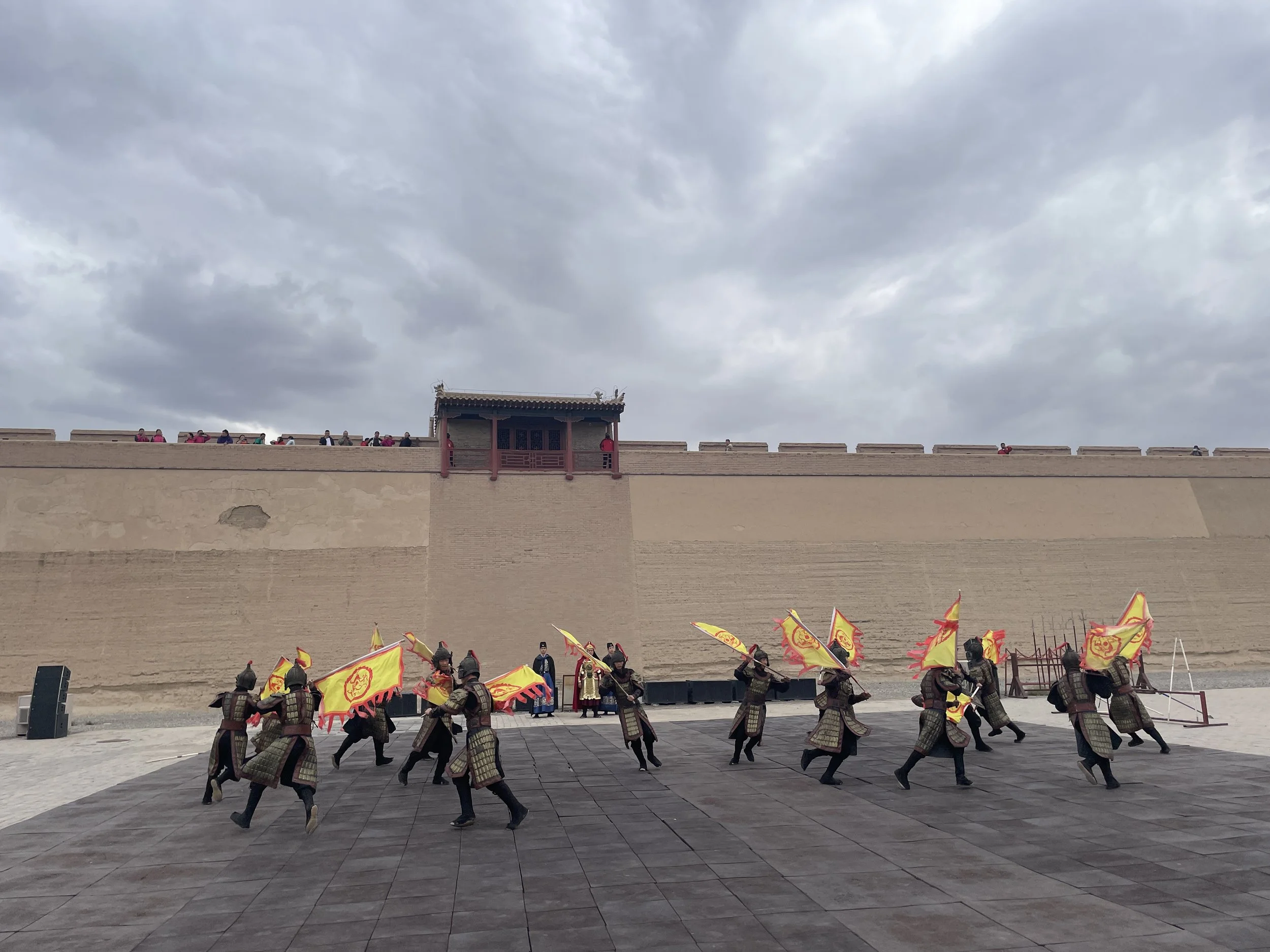
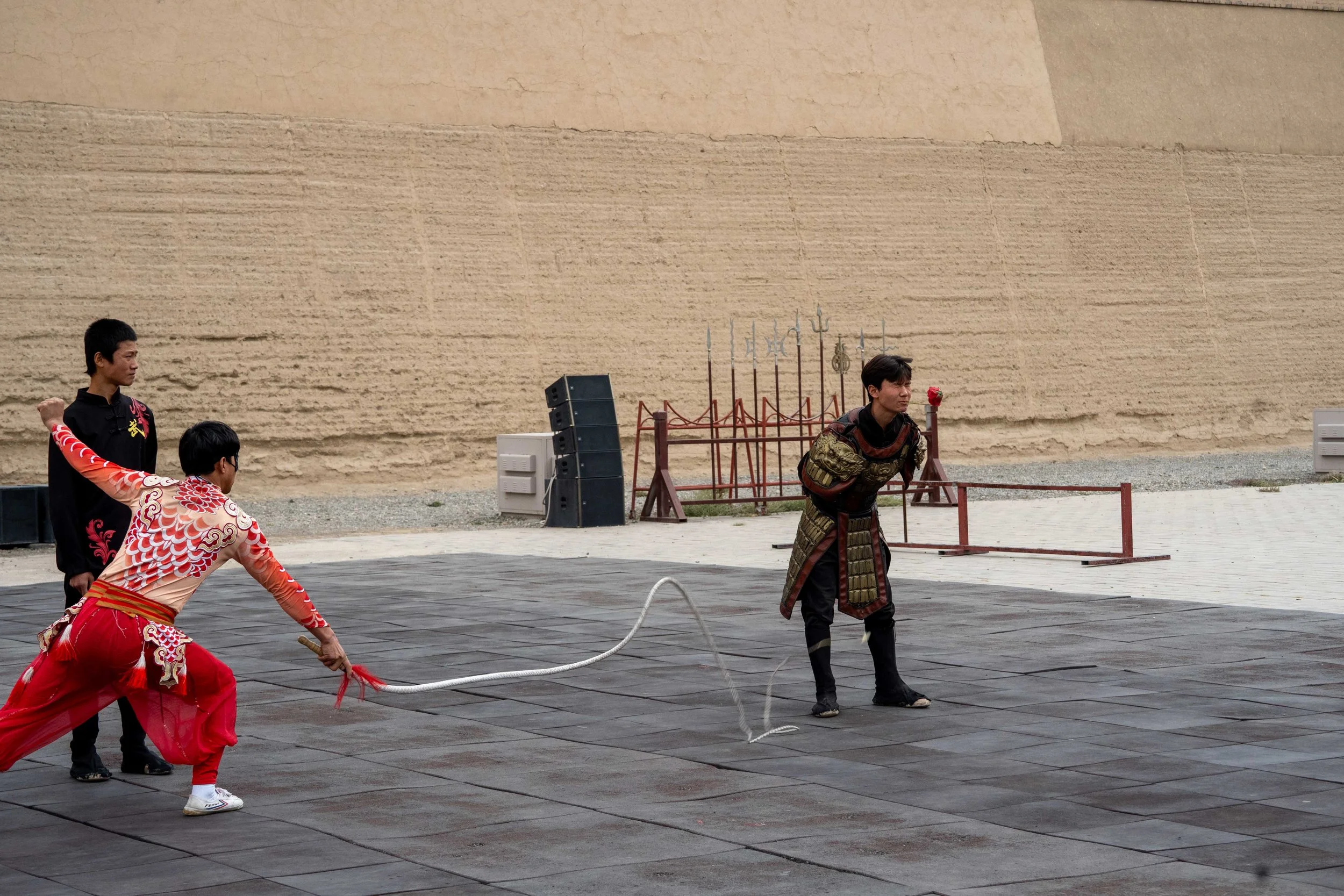
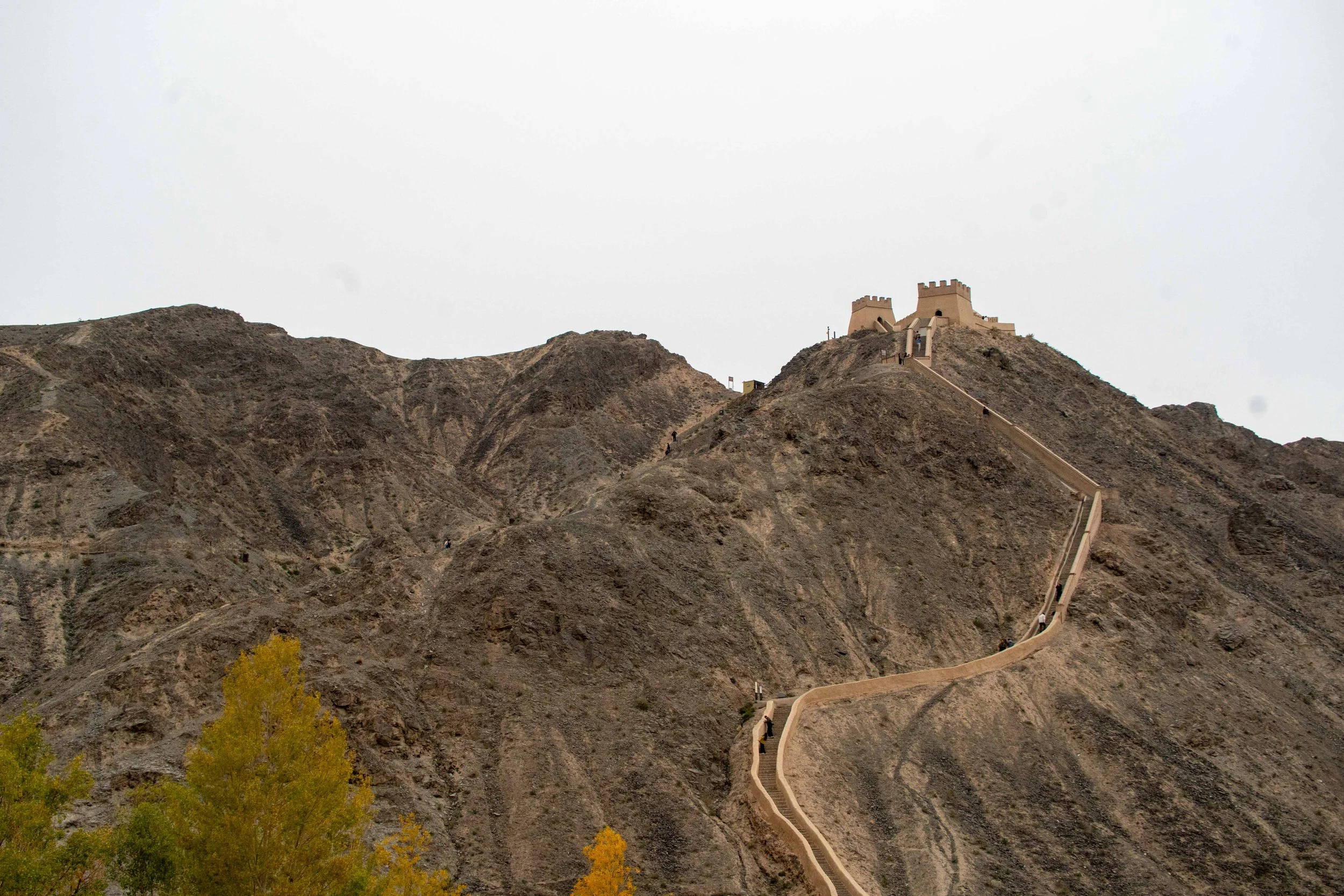
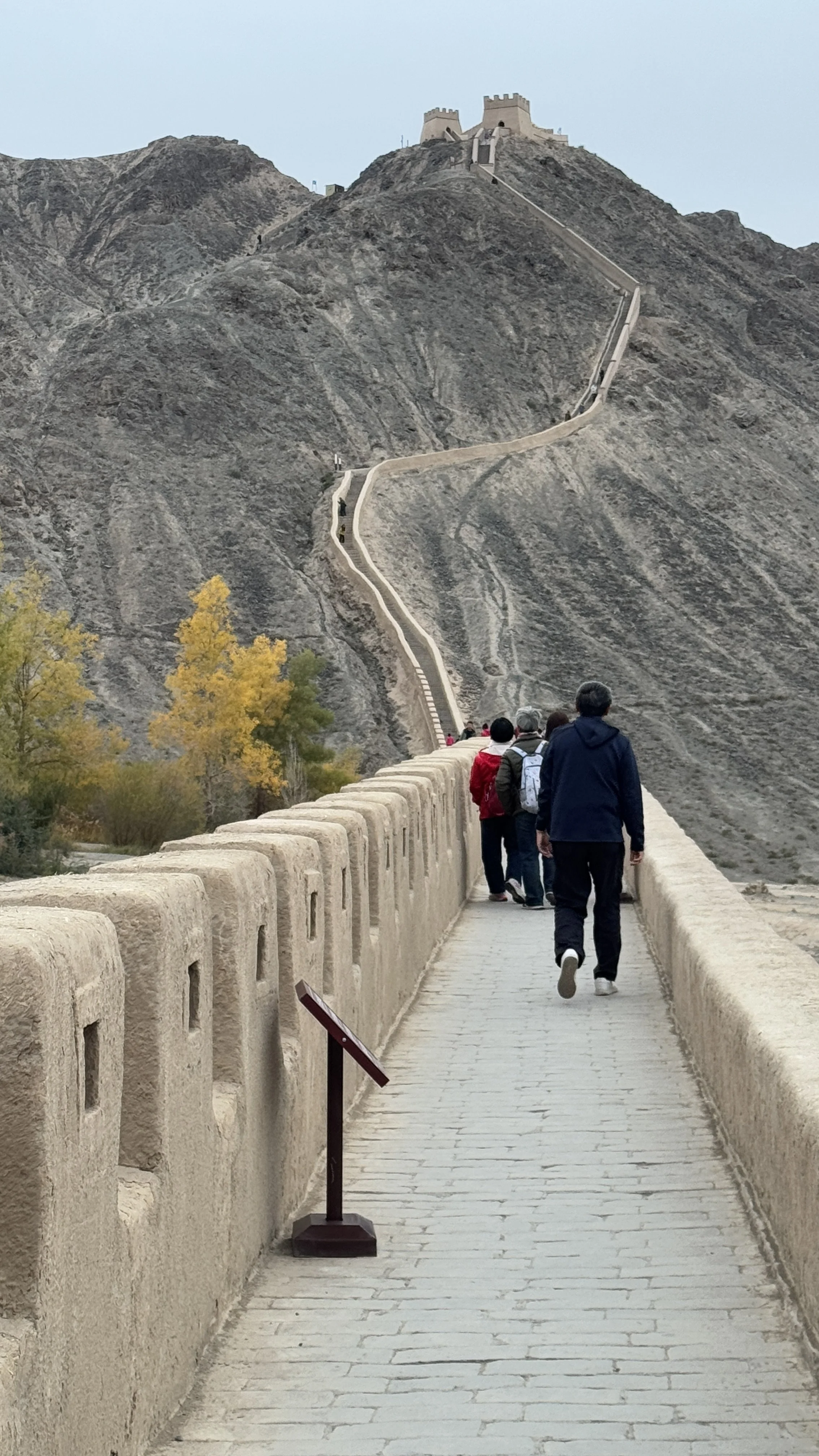
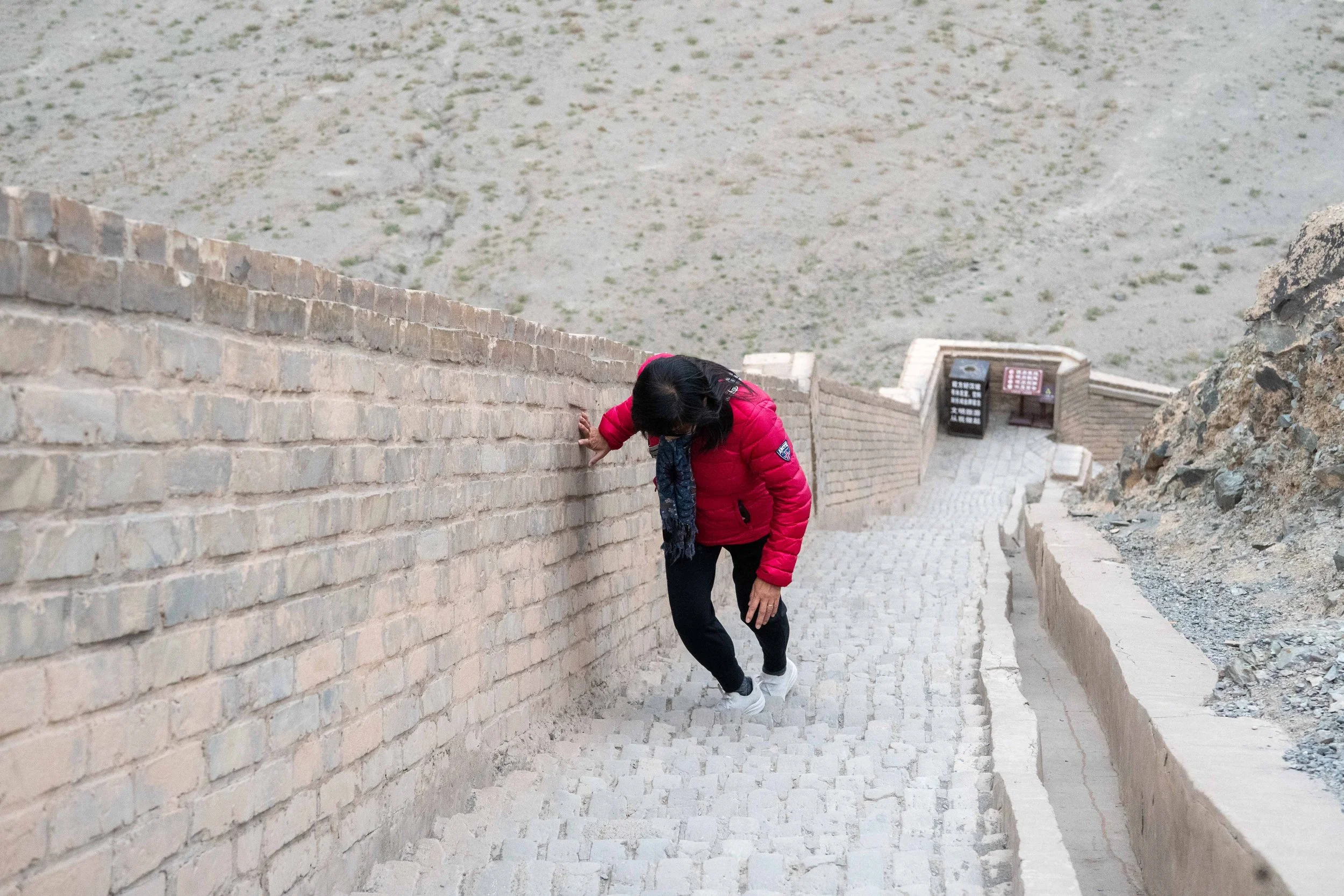
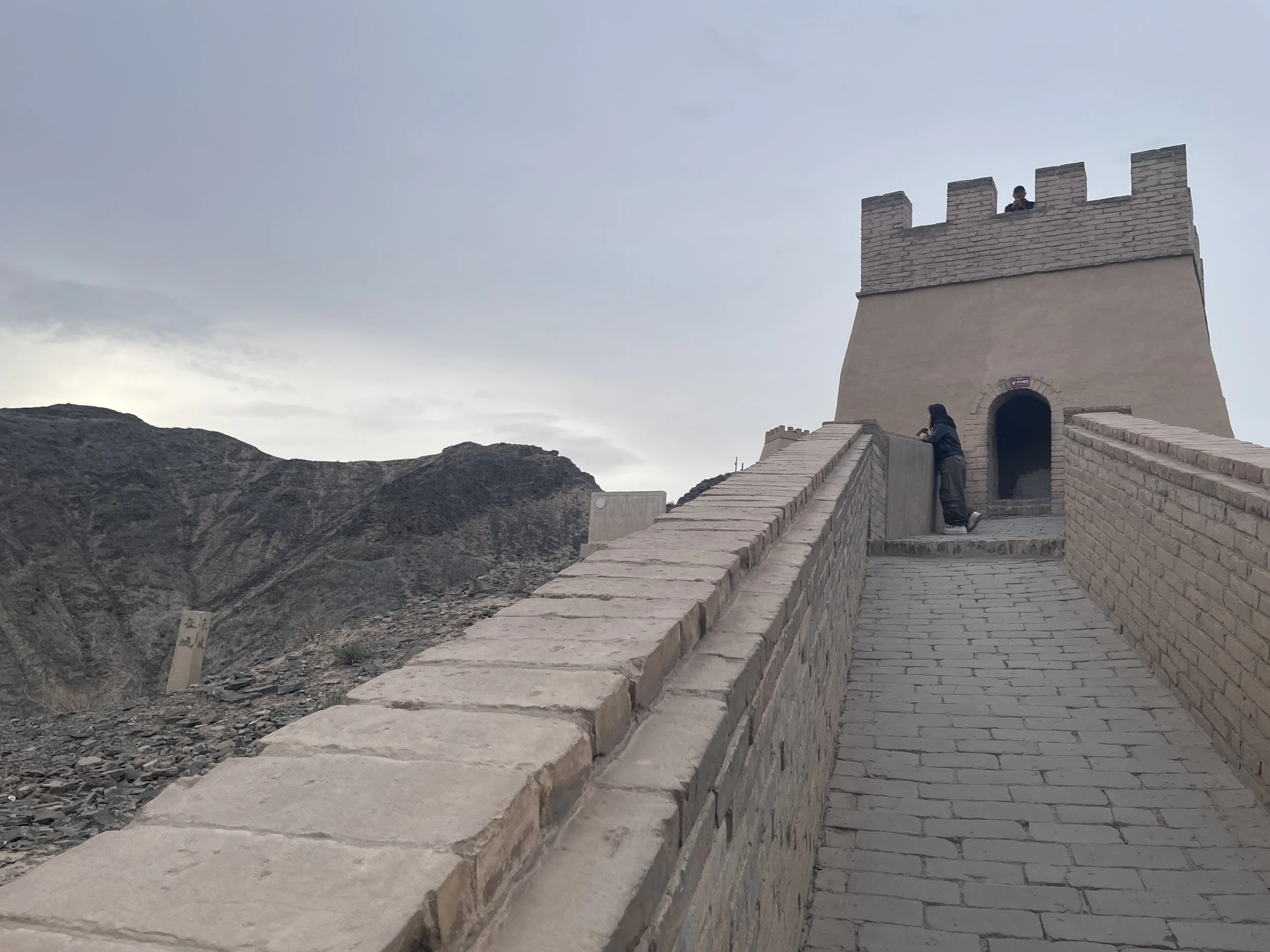
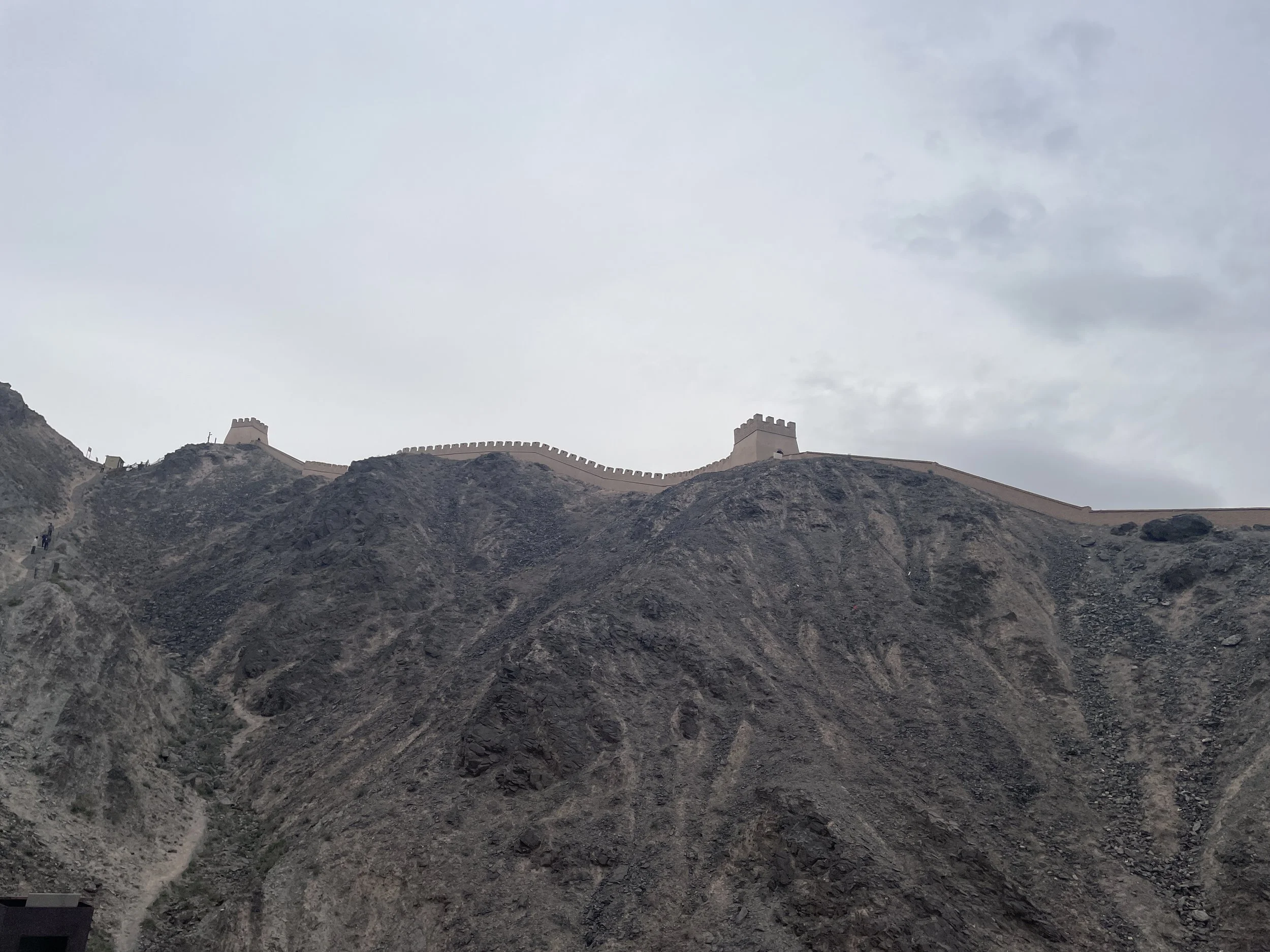
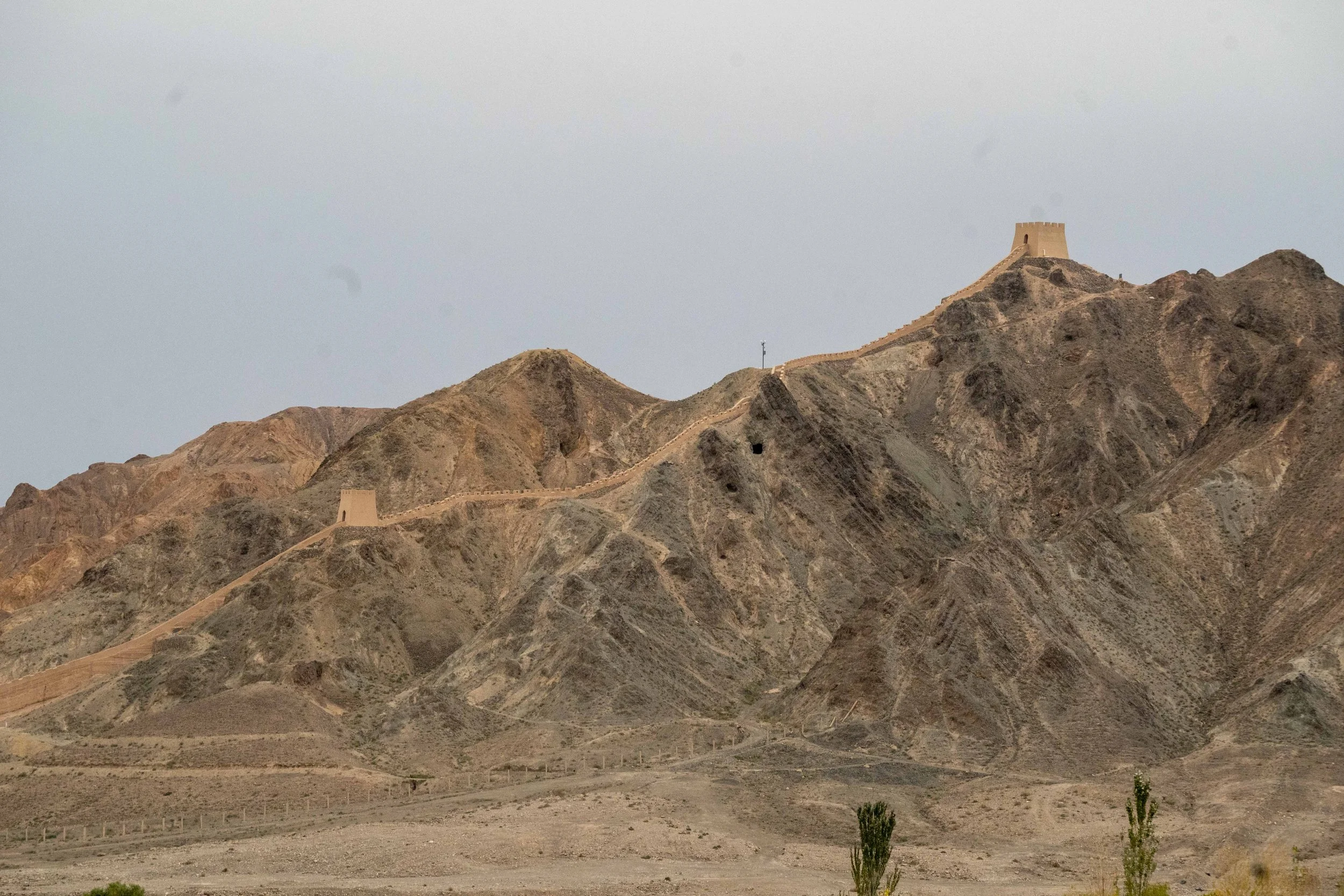
What impressed us most, however, was the nearby Hanging Great Wall (悬壁长城), dramatically built along the steep cliffs north of the pass. We eagerly climbed to the top, standing at the symbolic end of the Ming Great Wall, and marveled at the breathtaking views stretching endlessly toward the west.
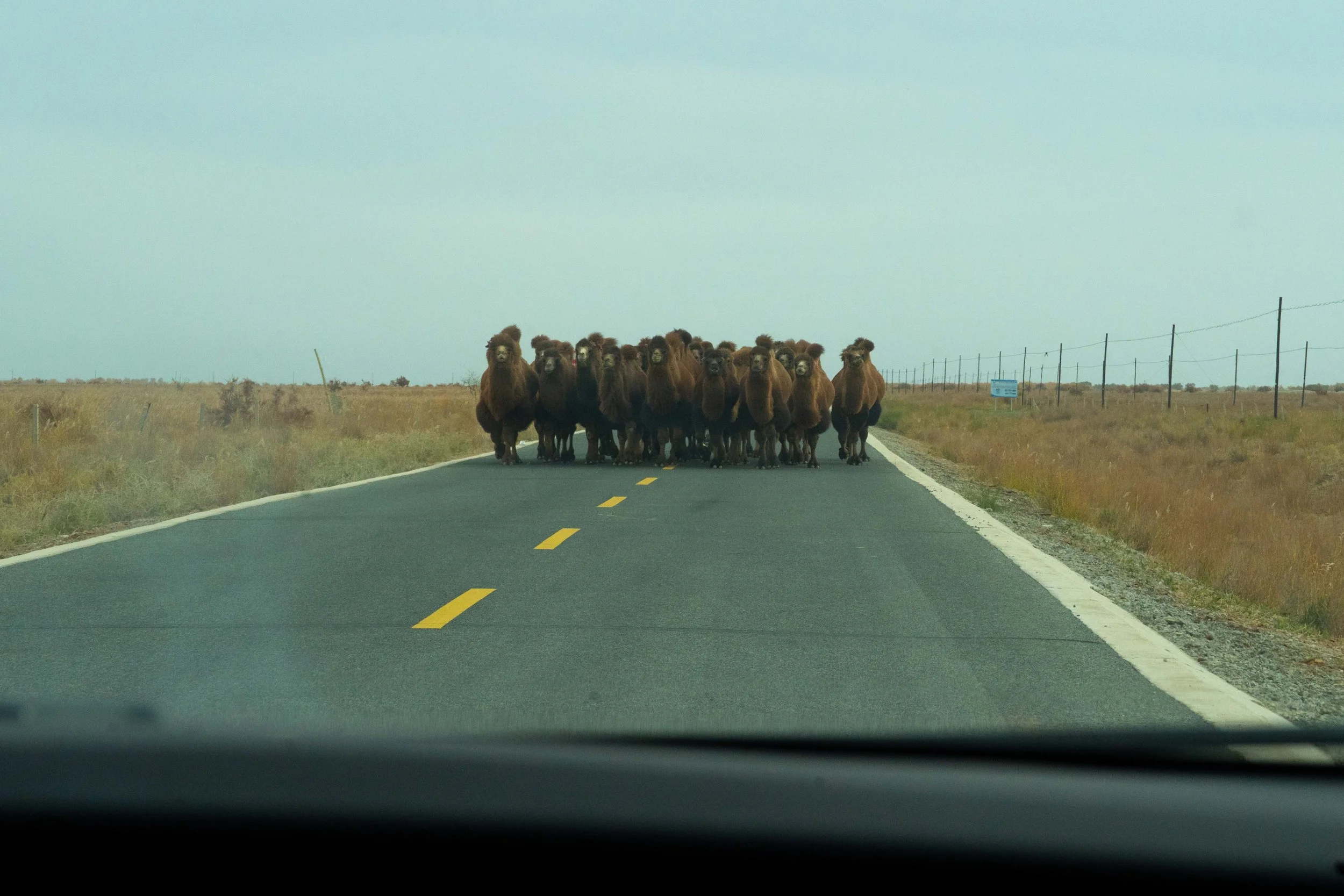
During the long hours on the road, the driver shared many stories from his life. He told us about his previous assignment as a driver for the “800 Li of Flowing Sands” (八百流沙) — a grueling 400-kilometer desert ultramarathon. Before picking us up, he had just completed that job. The first-place runner, an American, finished the entire 400 km in only 69 hours, with almost no sleep. In fact, sleeping more than two hours was considered a violation of race rules. For that event, he was assigned to drive a professional photographer who followed one of the competitors throughout the race.
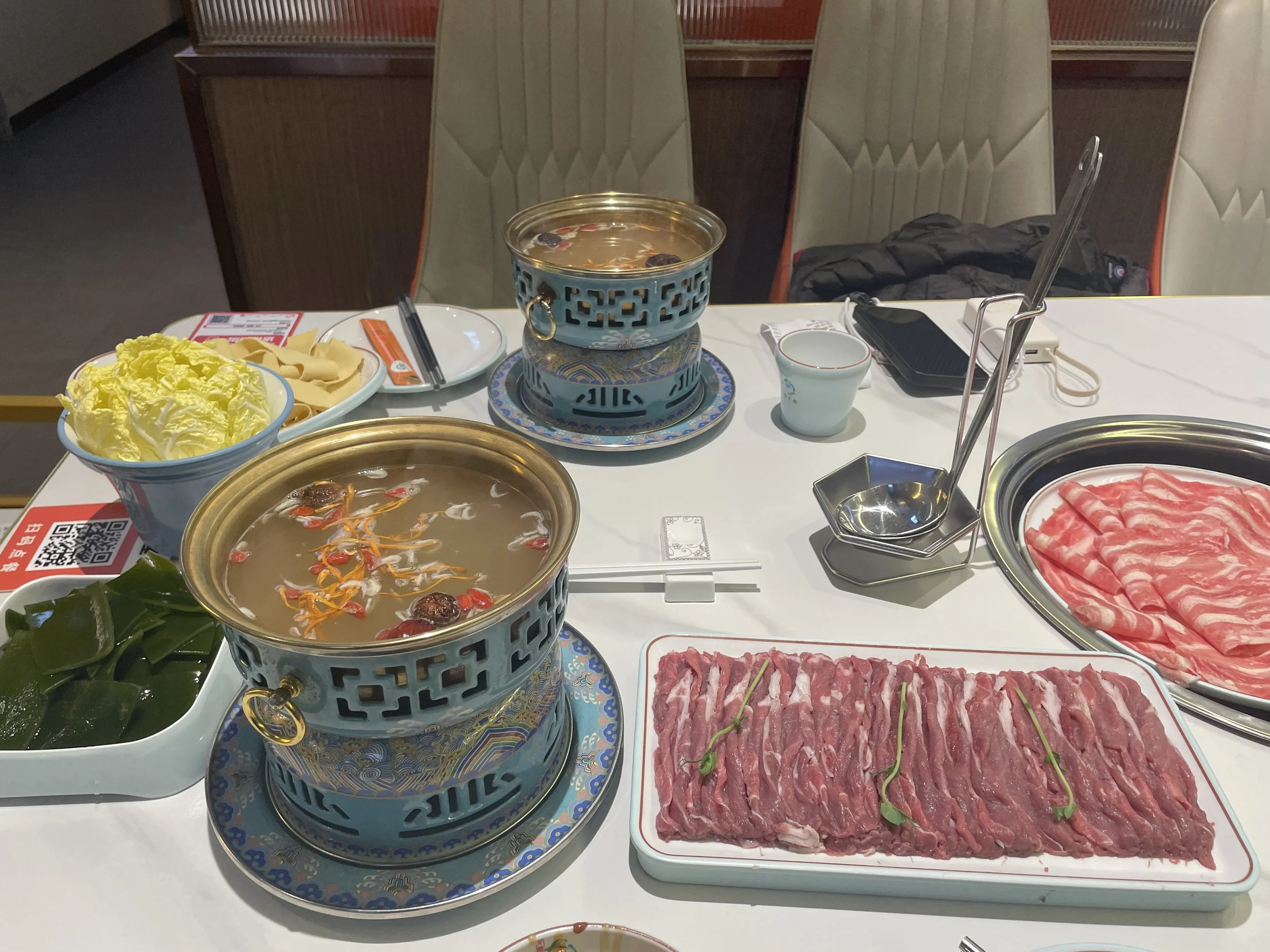
That evening, we stayed overnight in Jiayuguan and enjoyed a hearty hot pot dinner featuring tender lamb and beef—rich, flavorful, and the perfect way to end a long day of adventure.
2025年10月11日
第三天早晨,我们退房后,司机准时来酒店接我们,开始当天的行程。第一站是榆林窟,大约二个多小时的路程,途中我们在《汉帝雄风》和《大地之子》两座大型雕塑前短暂停留,拍照留念,欣赏这些戈壁滩上宏伟壮观 的艺术作品。
榆林窟位于一条幽深狭长的峡谷中,四周环绕着被大风雕刻的陡峭岩壁与稀疏的沙漠。这是我们此次旅程中参观的第三处石窟群,却同样令人难忘。与游客众多的莫高窟相比,这里格外宁静而庄重,令人自然生出一份敬意。因为地势环境的原因,这里许多洞窟内的壁画与彩塑保存完好,色彩依然鲜艳明丽,展现出千年前人们的信仰与艺术追求。
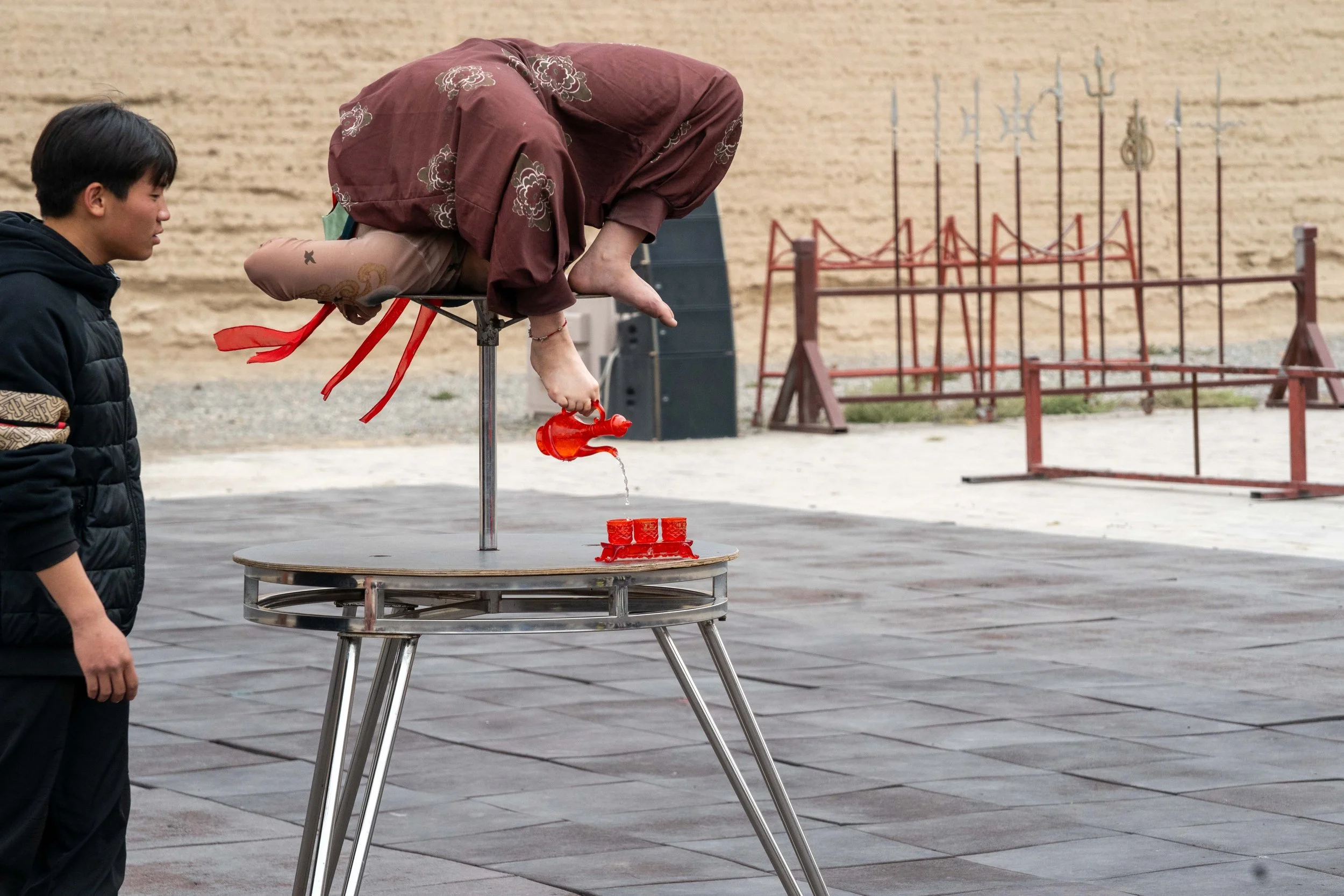
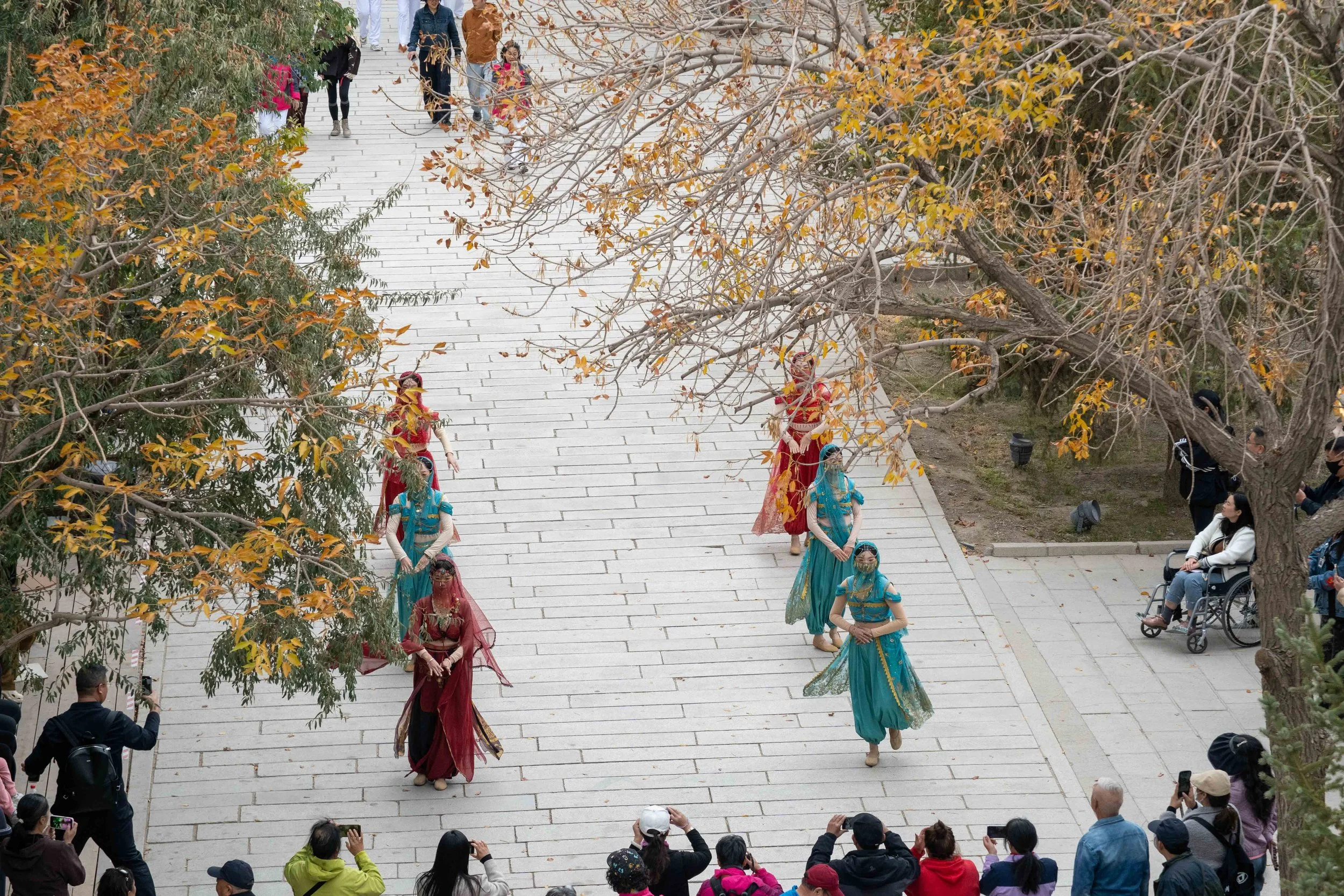
离开榆林后,我们驱车约三小时前往嘉峪关。来到“天下第一雄关”的嘉峪关景区,是明长城的最西端。景区修复良好,我们还赶上了练兵,杂技和各种舞蹈表演。而更令我们印象深刻的,则是位于嘉峪关北侧的悬壁长城。它依山势而建,蜿蜒于陡峭的崖壁之间。我们沿着石阶一路攀登至顶端,站在明长城的尽头,心中涌起一种难以言喻的激动与敬畏。
我们的包车司机在行车途中常常会与我们分享他的许多人生经历。而今天我们前前后后在戈壁滩上开车有三百多公里, 在漫长的行车途中,司机讲途了他刚刚完成的工作——为“八百流沙”这一极限耐力赛事担任司机。这是一场横跨沙漠的400公里超级马拉松,距离几乎是正常全马的十倍,但八百流沙的赛道要艰巨得多,跑者需穿越戈壁、沙漠和荒野。而我们今天沿途开过的一些地方正是这场比赛路线的一部分。第一名选手是一位美国人,仅用69小时便跑完全程,几乎没怎么睡觉。据说,睡觉超过两小时就会被视为违规。我们的司机在这次比赛中被分配为一位随行拍摄选手的专业摄影师开车。去年夏天在欧洲走勃朗峰时我们听说了超级勃朗峰跑步比赛(UTMB),这次又听说了戈壁滩上的八百流沙超长距离极限赛,我们十分钦佩这些参赛者超凡的毅力。
当晚我们留宿嘉峪关,在当地餐馆享用了地道的羊肉、牛肉火锅。大西北的羊肉的确好吃,没有一点膻味。鲜嫩的肉片在滚烫的汤底中翻涌,香气扑鼻,又是充实而精彩的一天。
Buddhist Cave, Han Great Wall and etc 千佛石窟、汉长城及其他
October 10, 2025
Our driver came to pick us up for the second day of the tour……
October 10, 2025
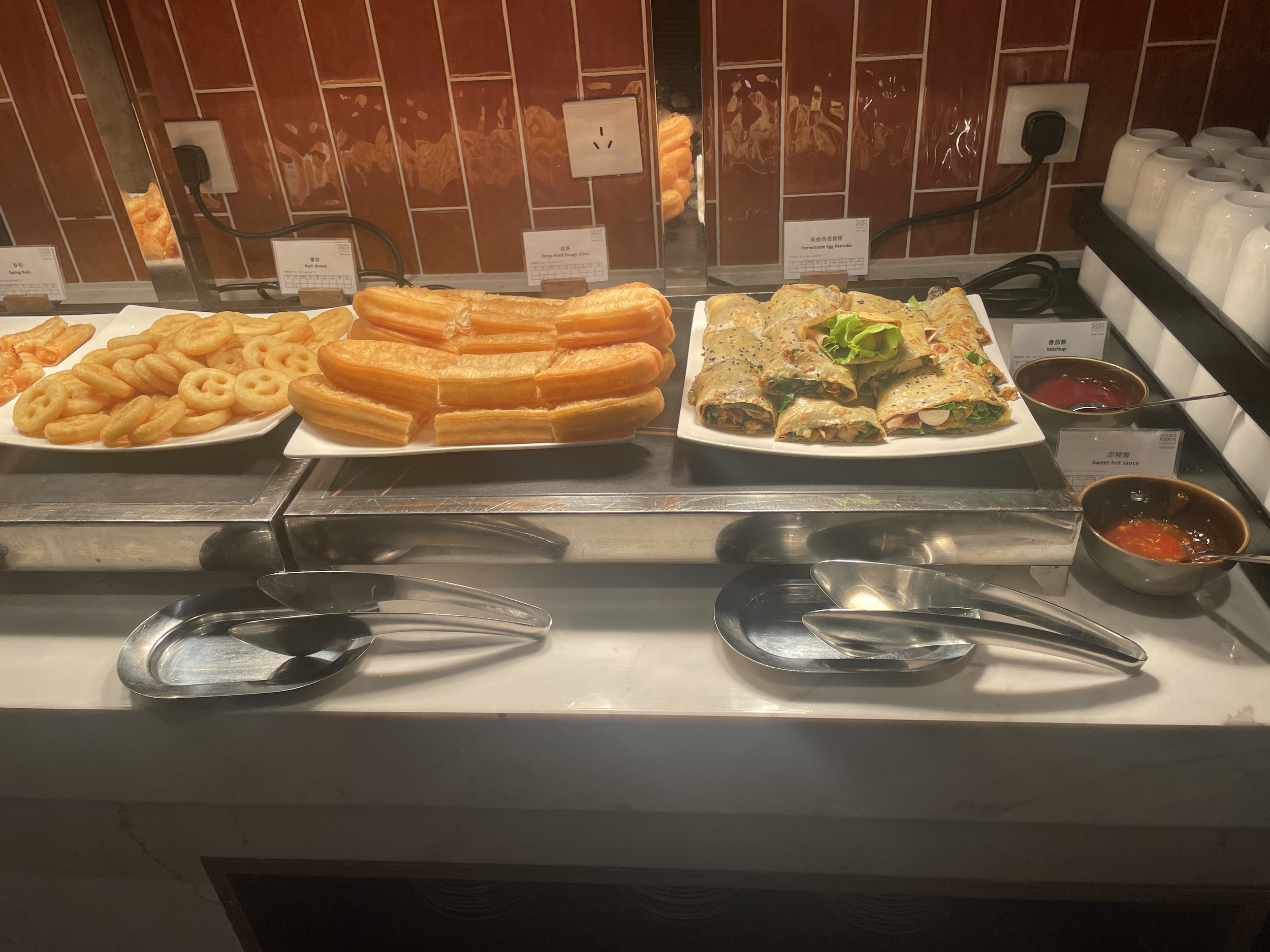
Our driver came to pick us up for the second day of the tour. The hotel breakfast offered a wide variety of options and was quite decent.
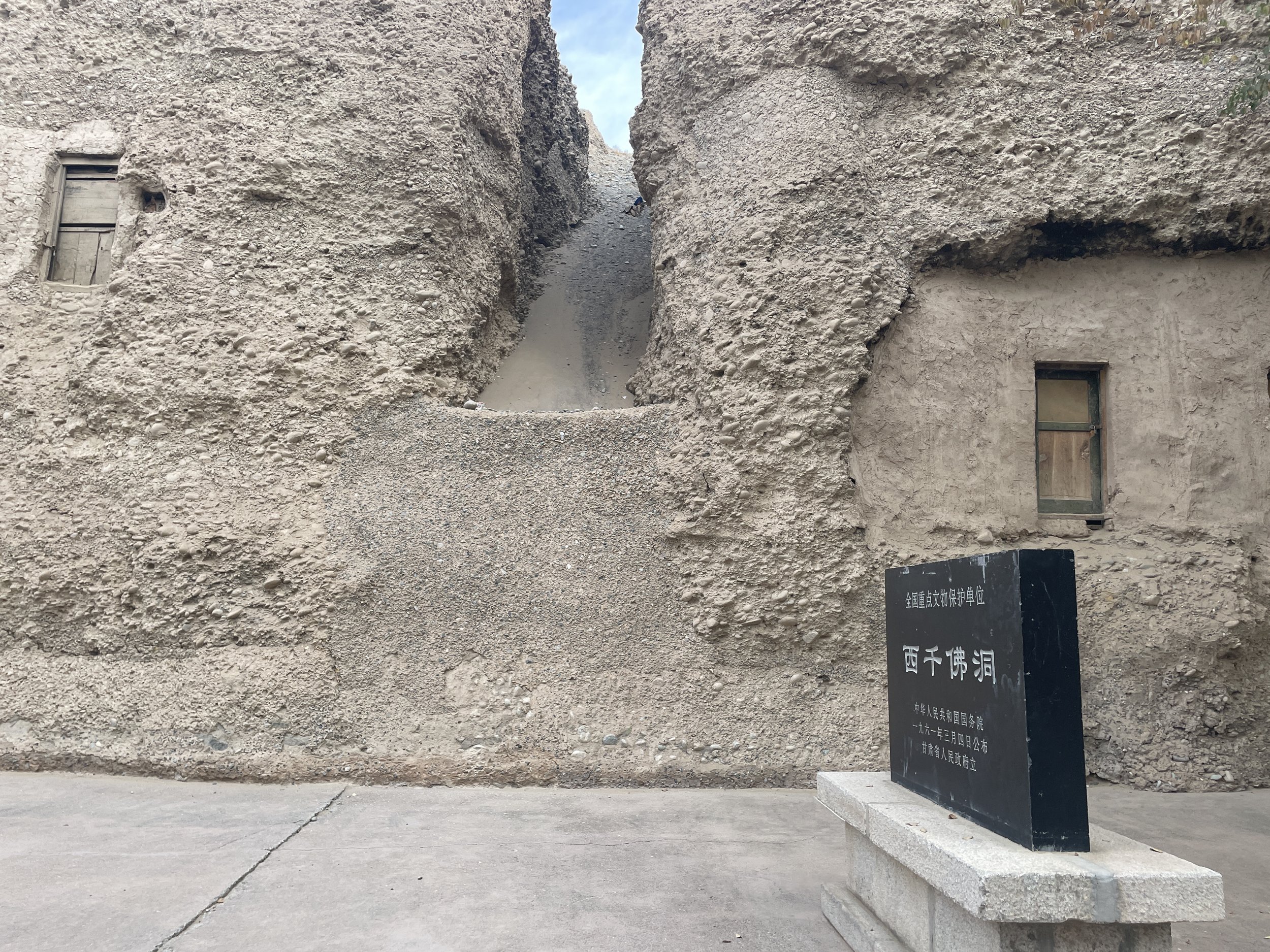
The first destination was Western Thousand Buddha Caves (西千佛洞), located on the opposite side of the mountain from the Mogao Caves. The site contains sixteen caves in total, and our Chinese-only guided tour took us to see four of them. Though smaller and less ornate than Mogao, these caves had far fewer visitors, allowing us to enjoy the visit in peace and take in the art and atmosphere. We tried to absorb all we could about the history, the murals, and the people who created them more than a thousand years ago.
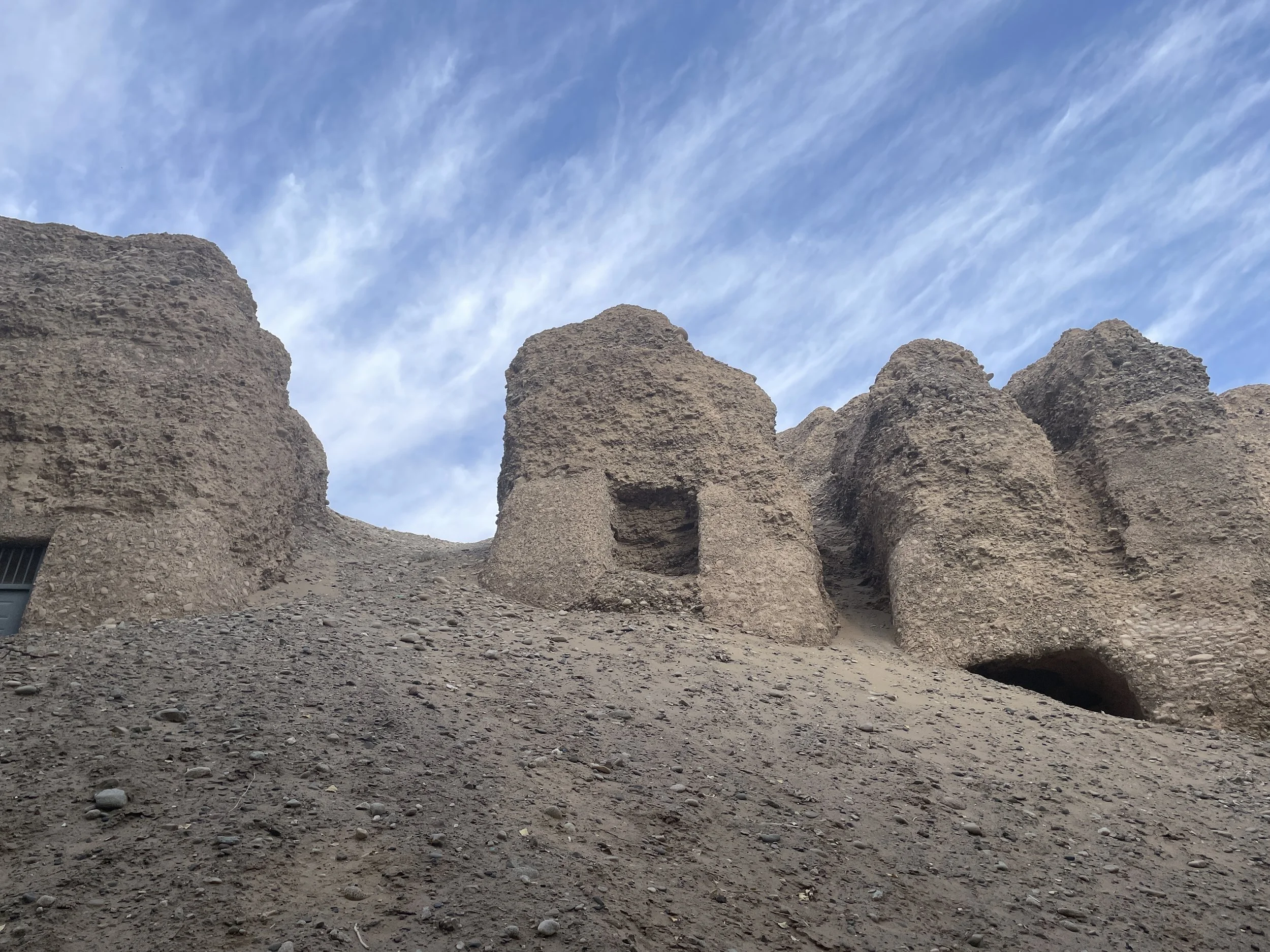
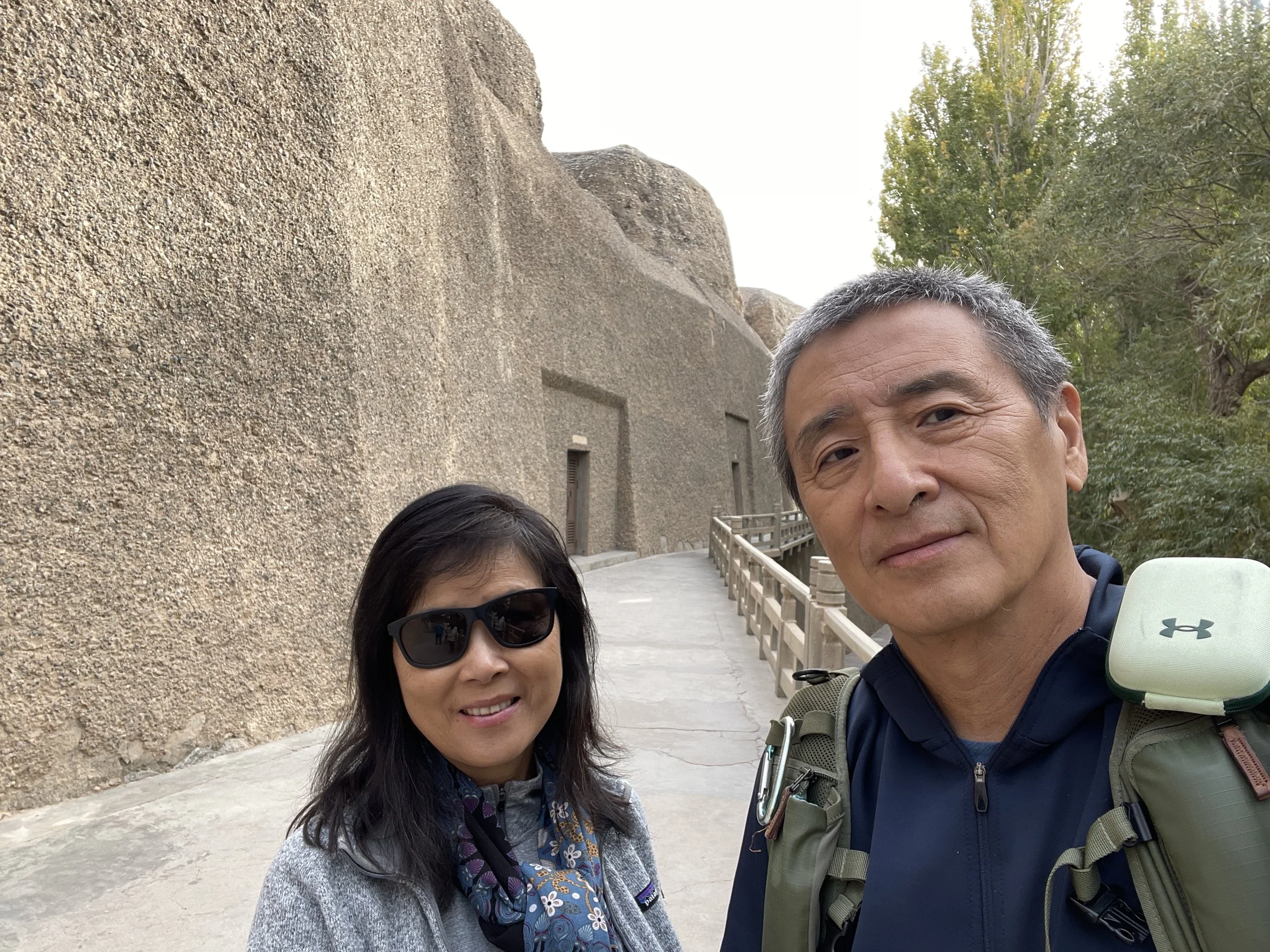
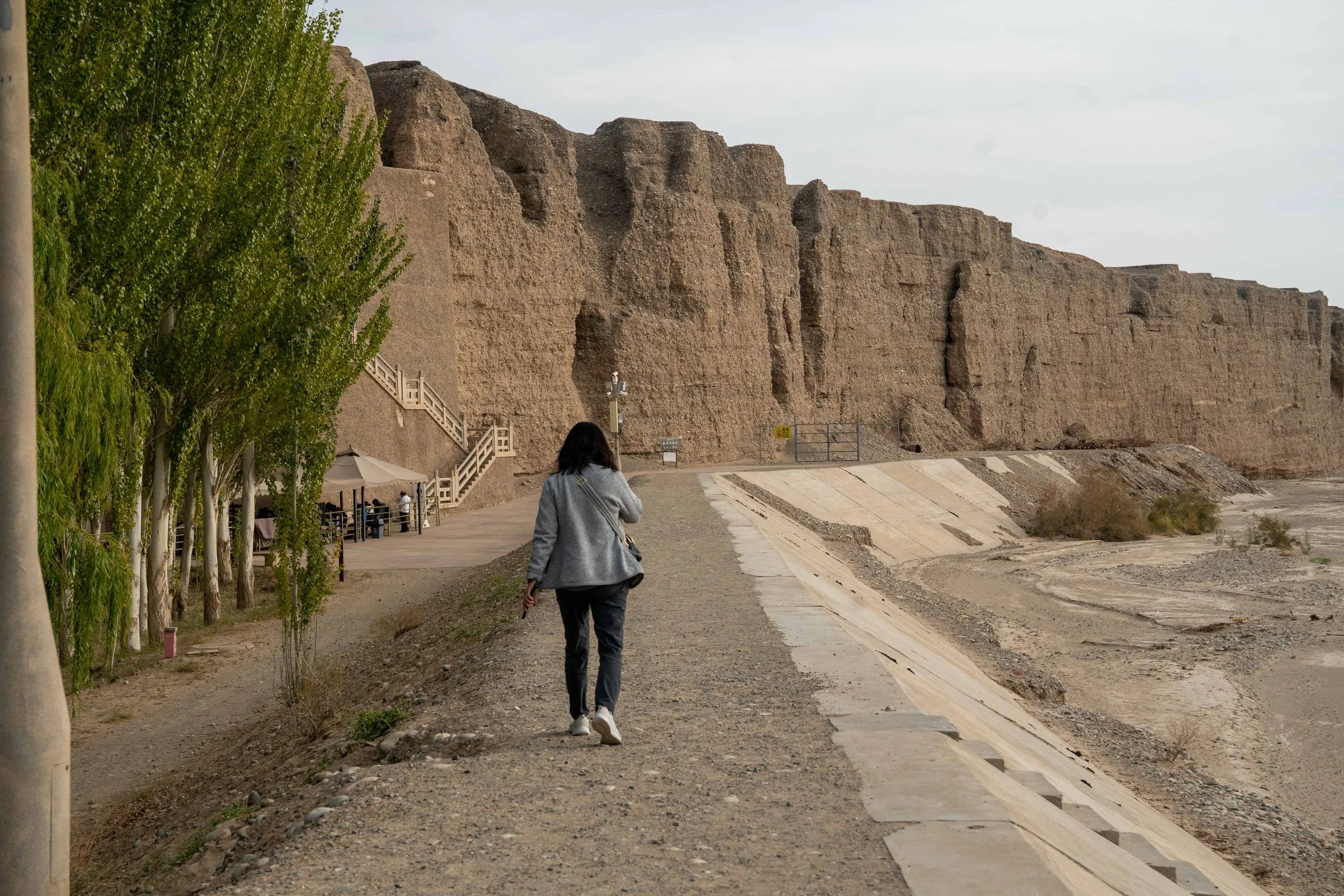
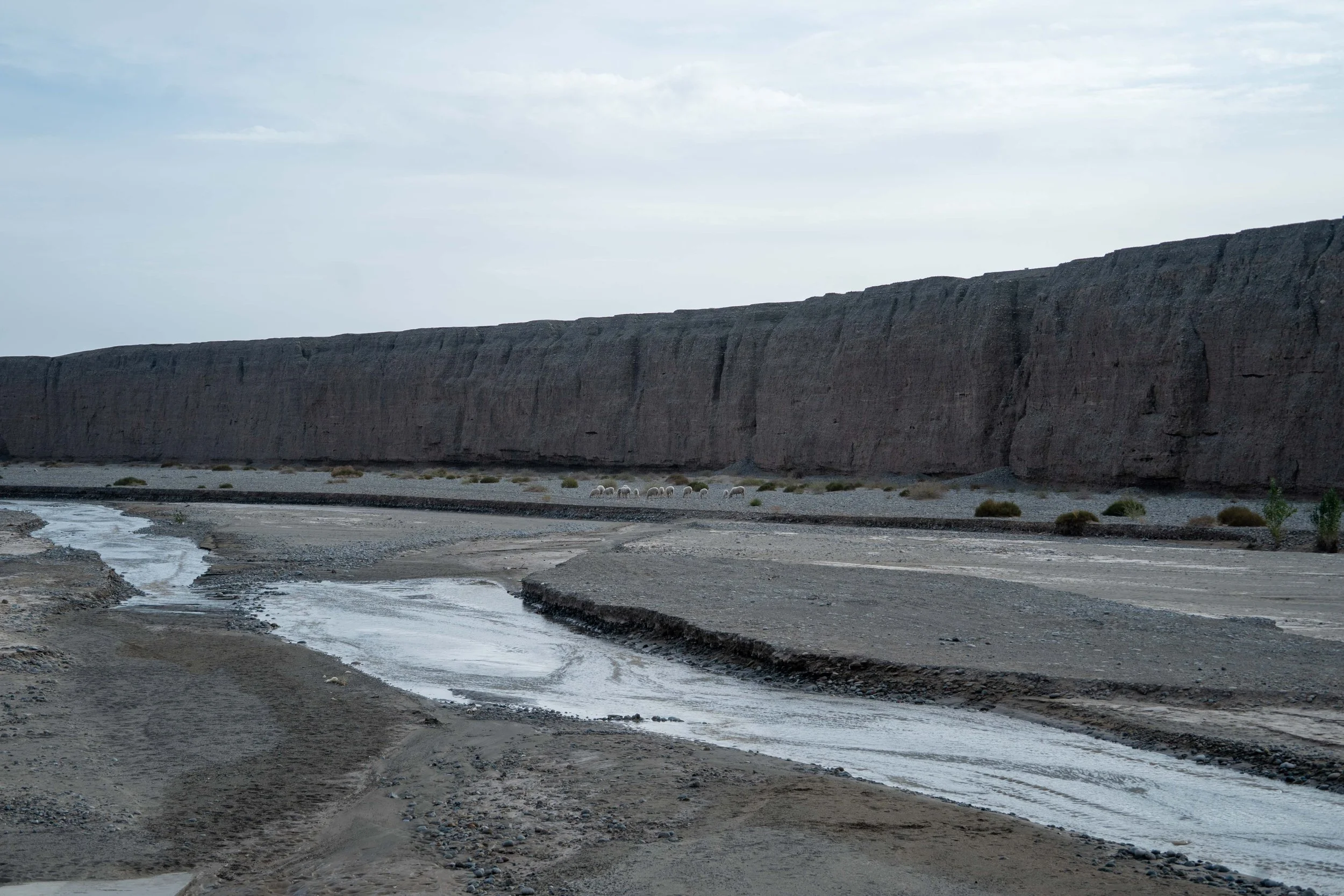
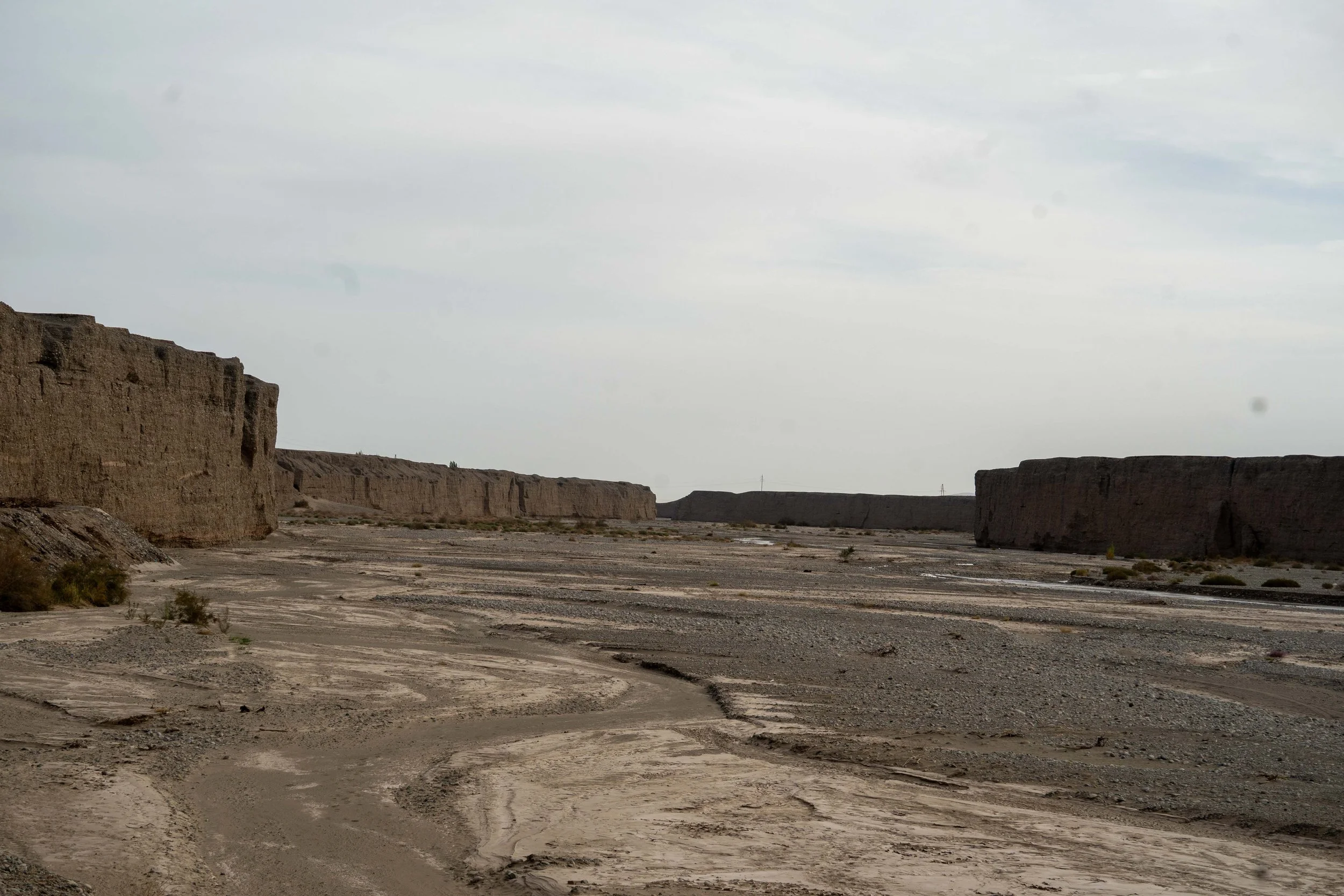
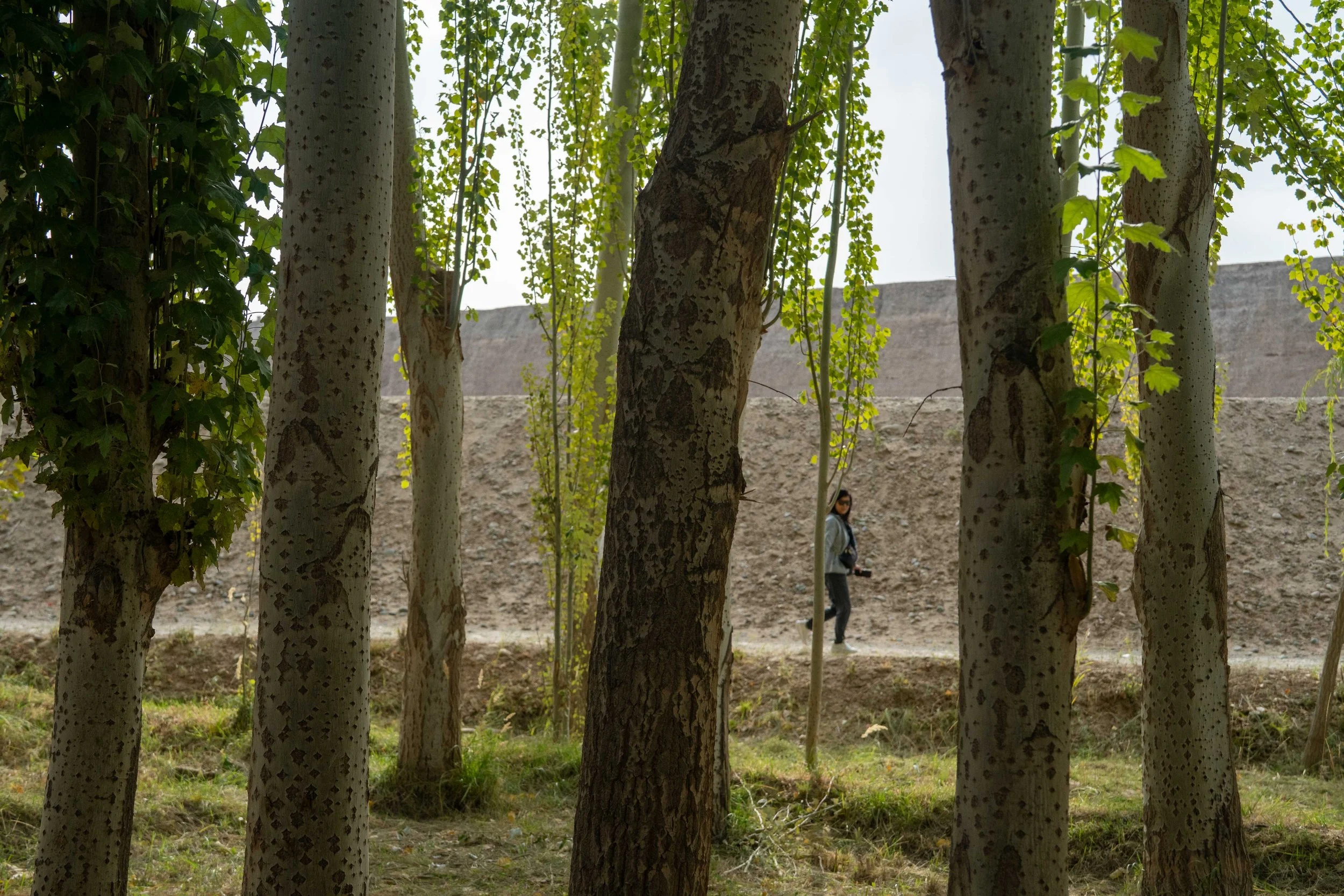
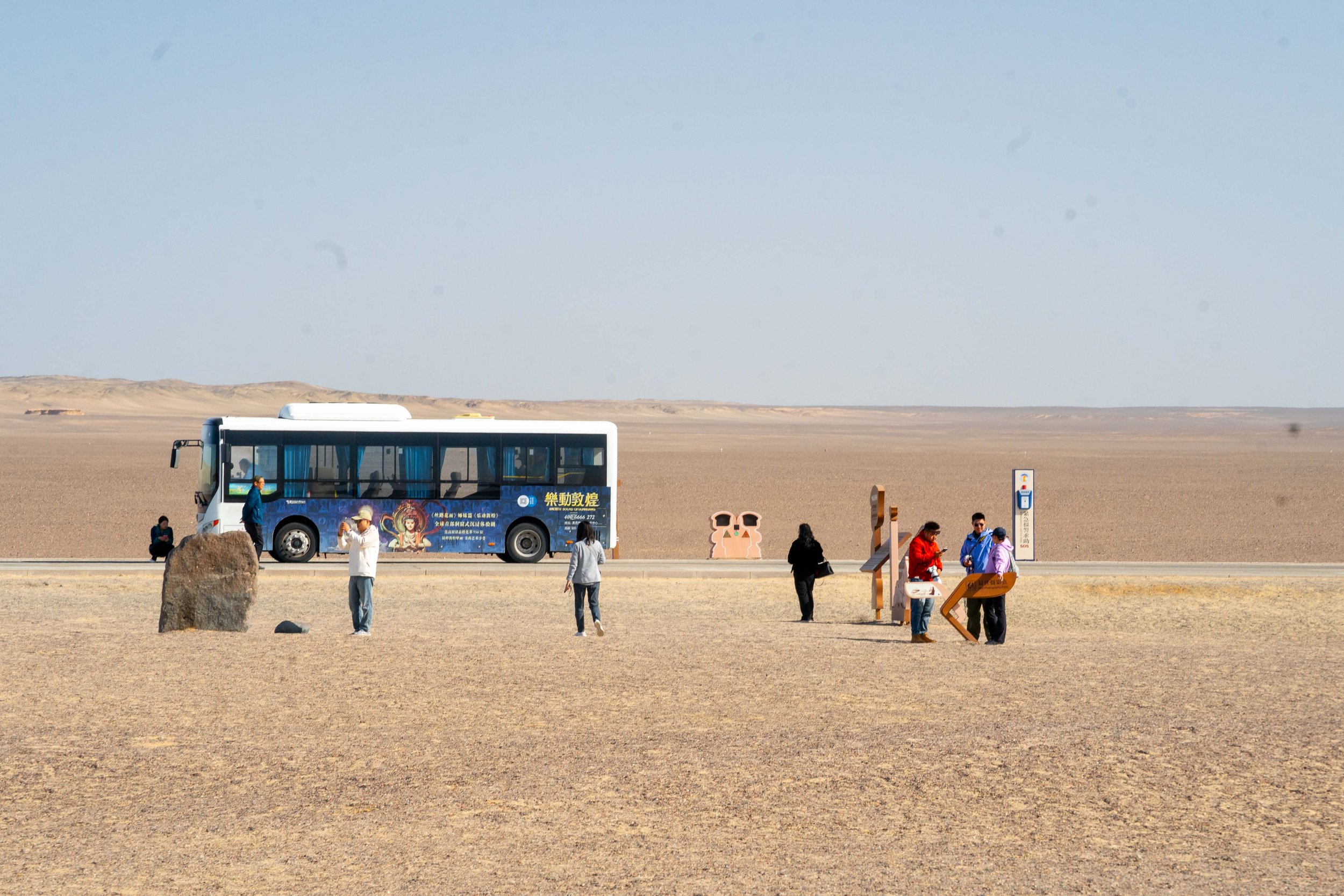
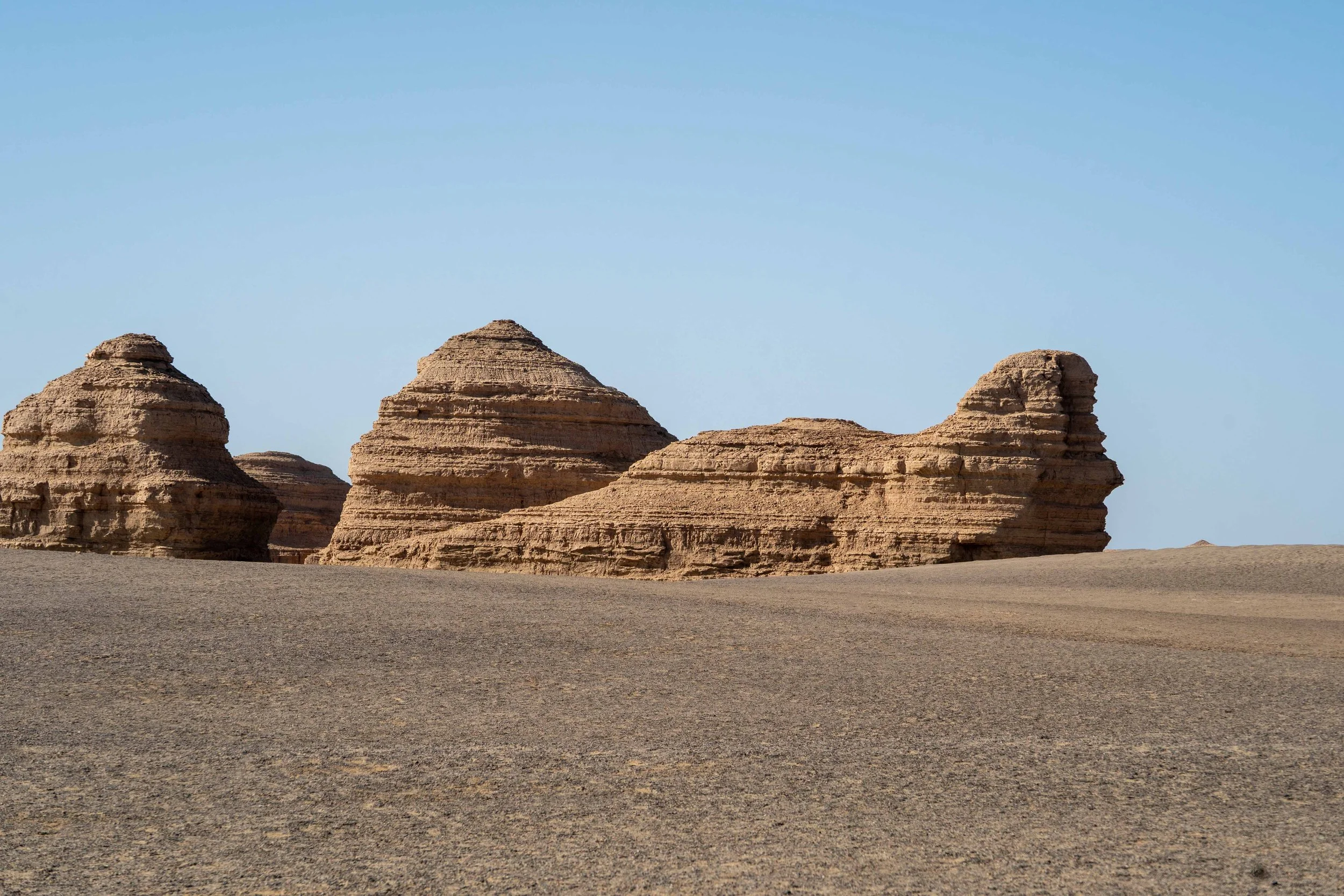
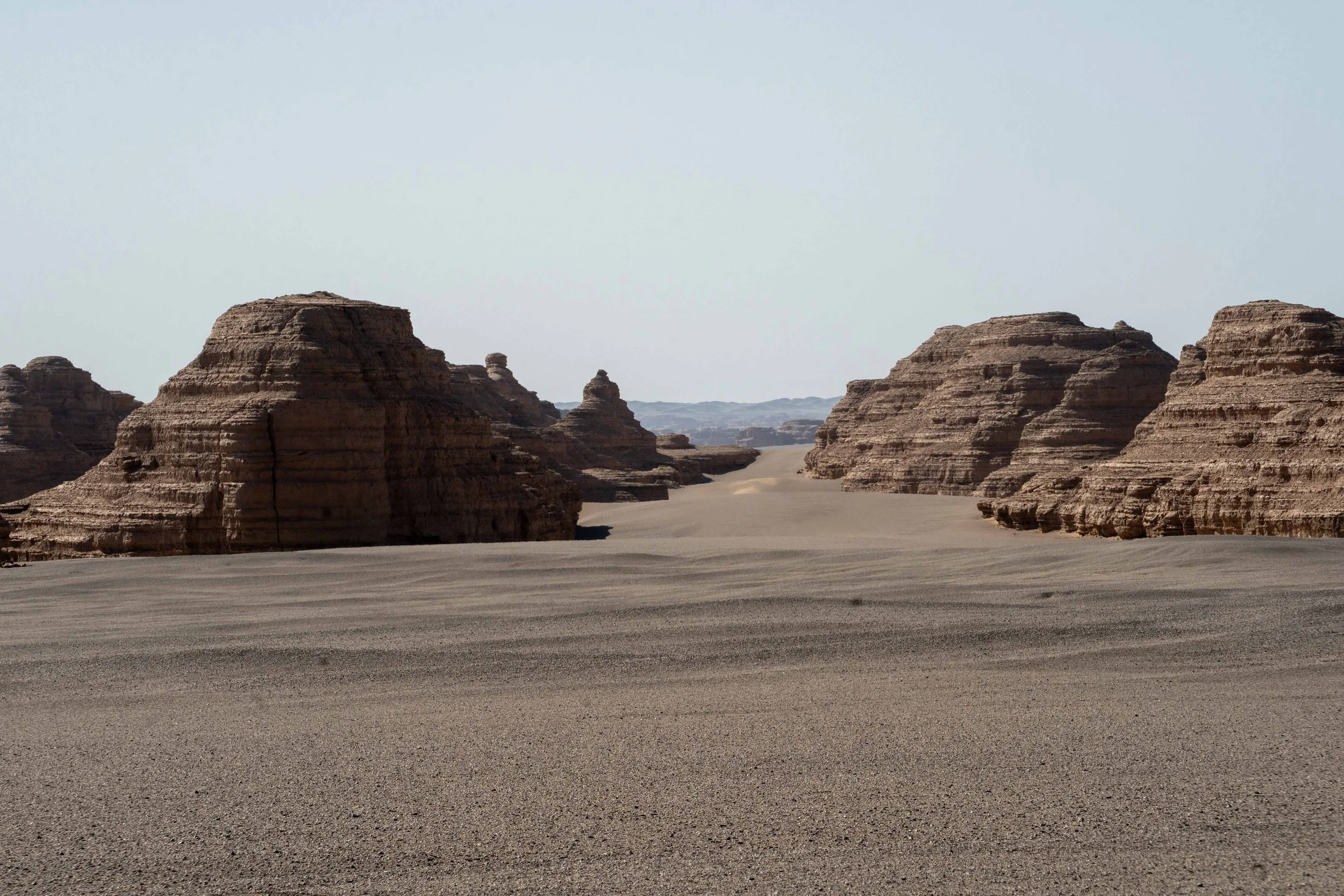
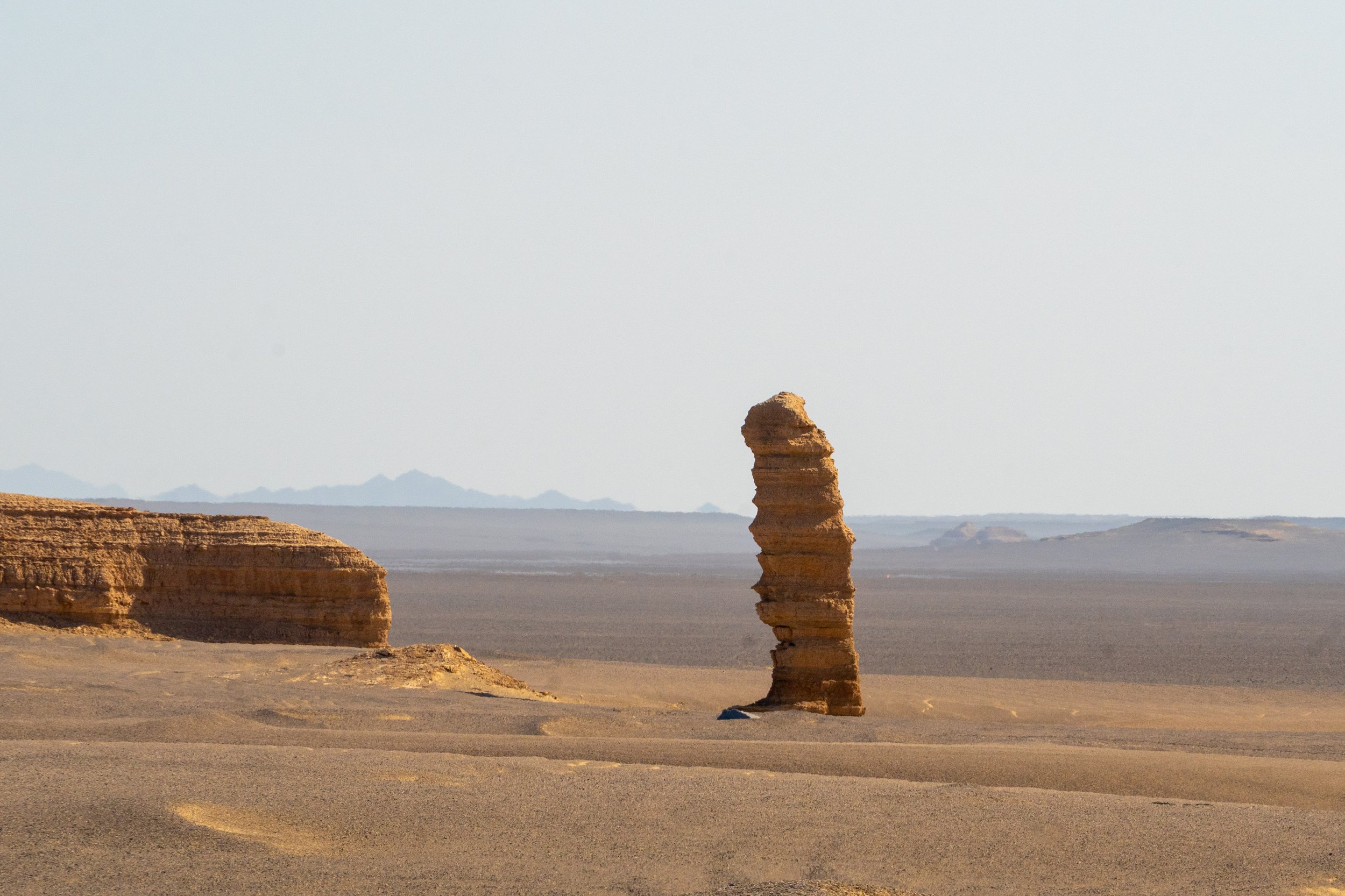
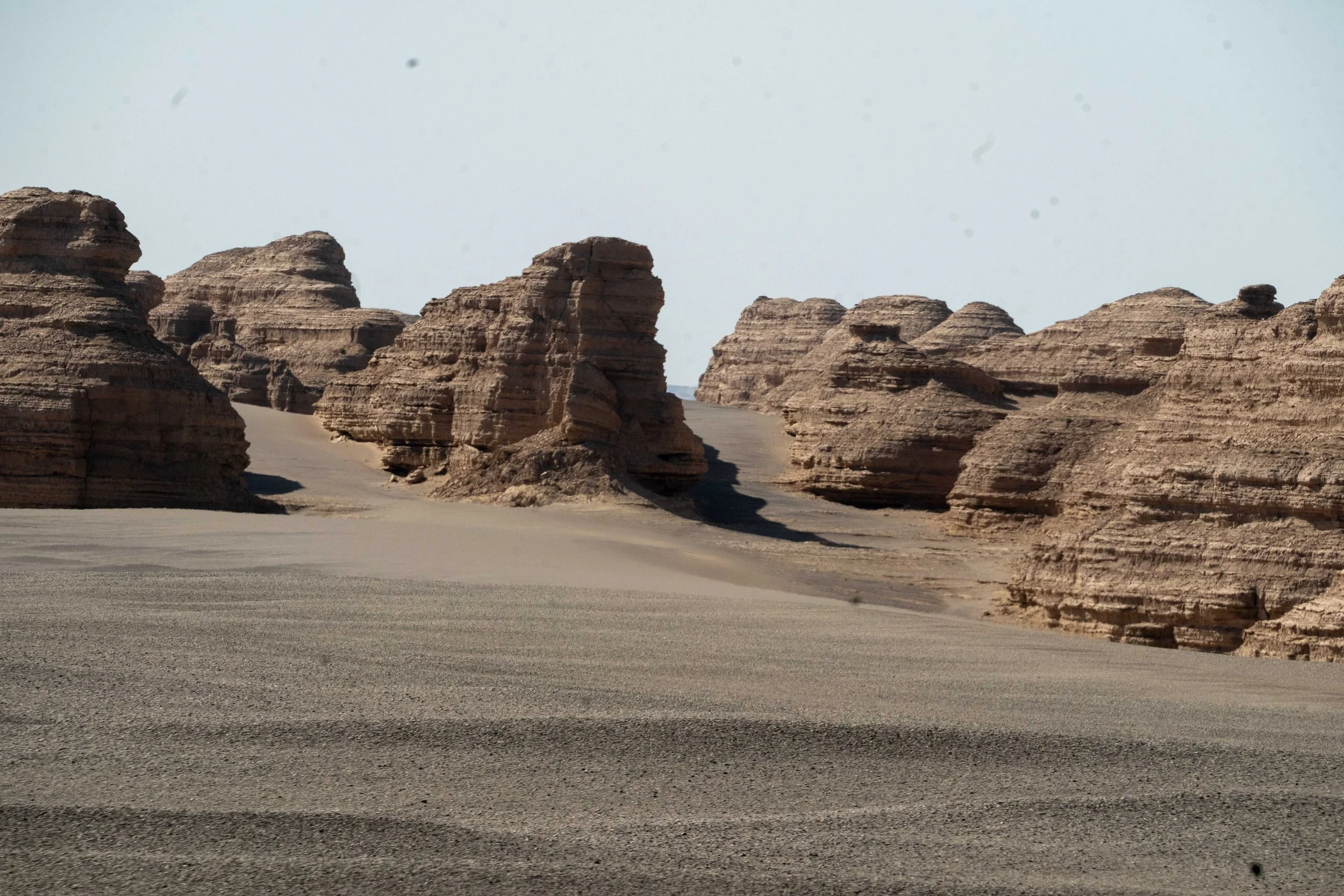
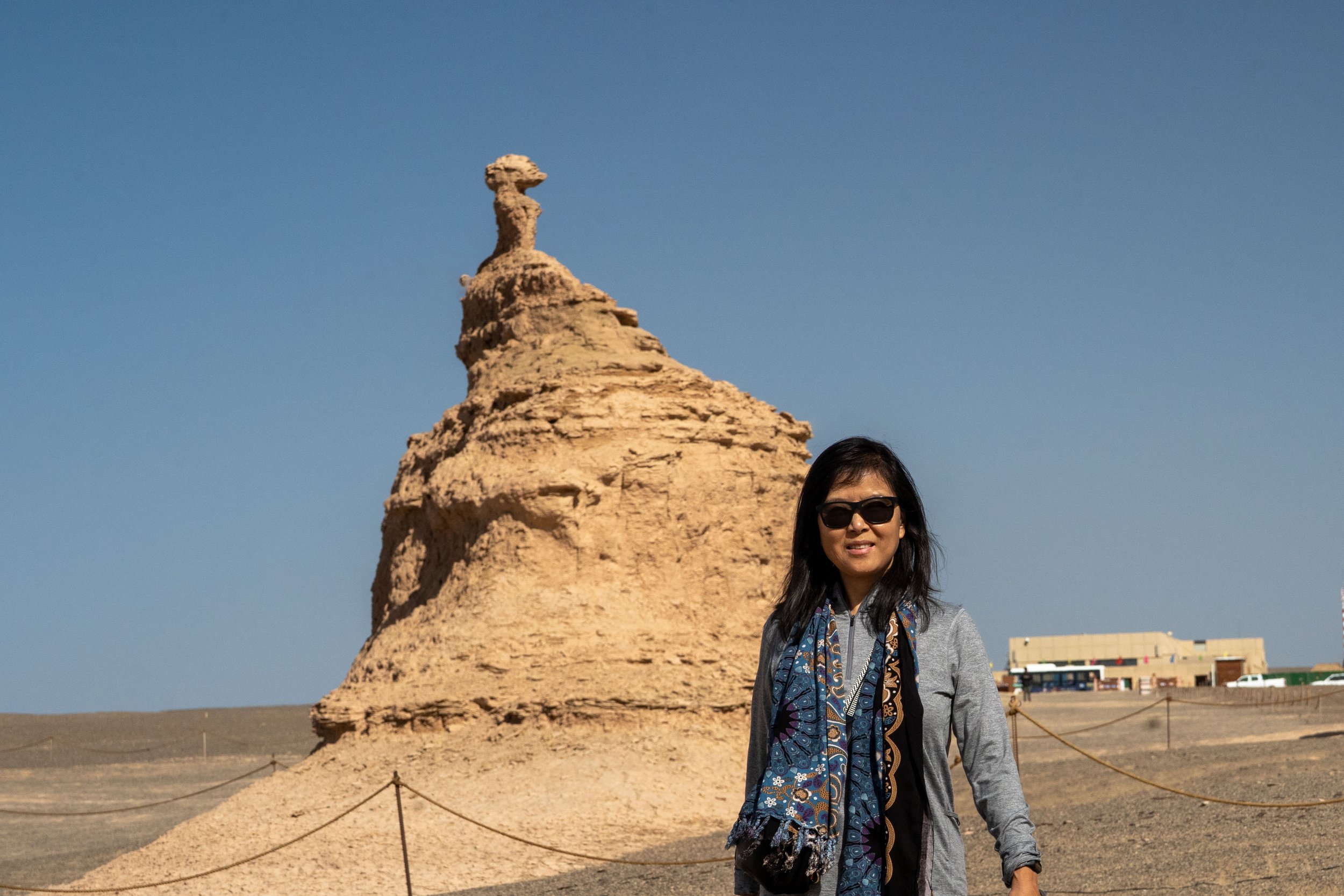
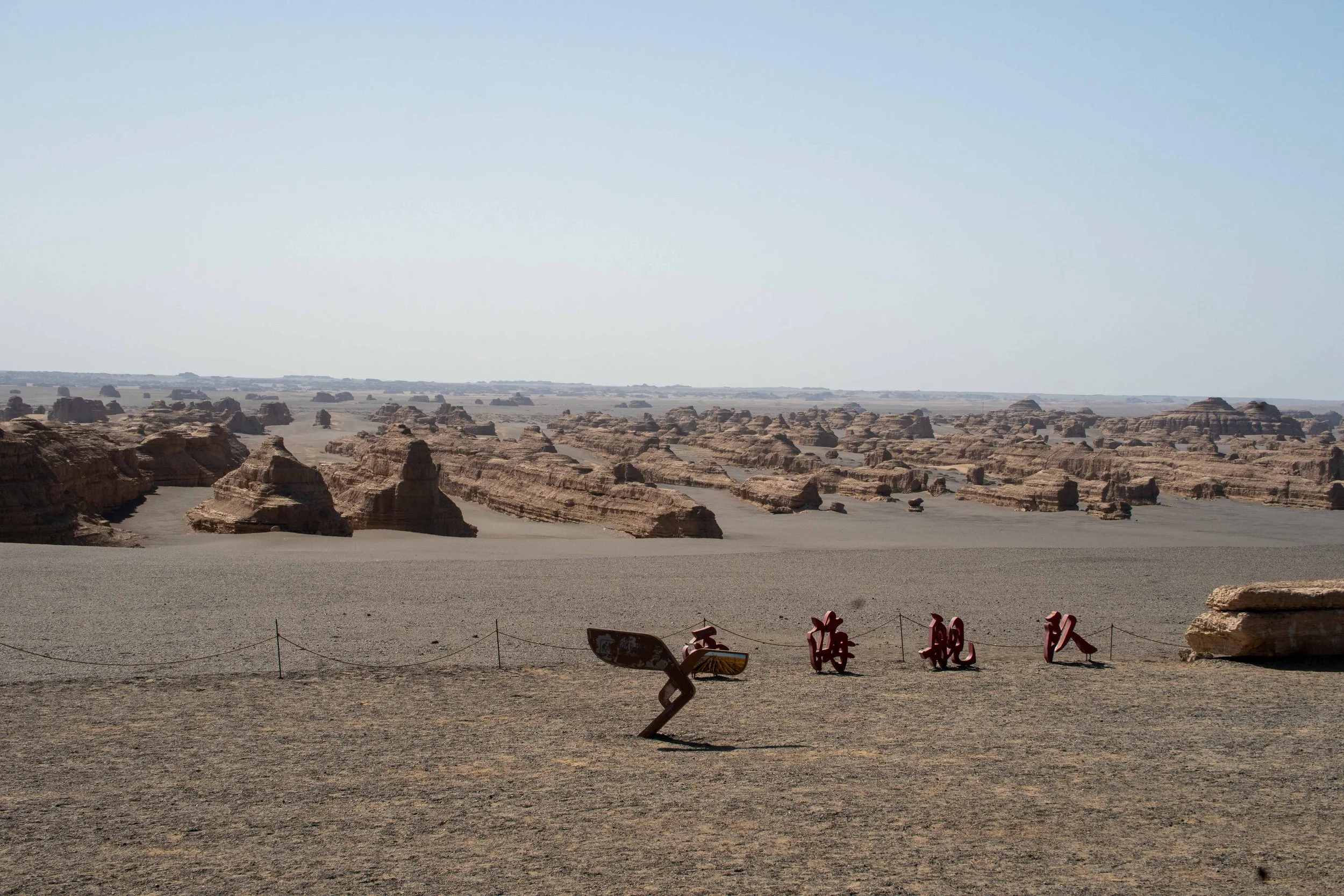
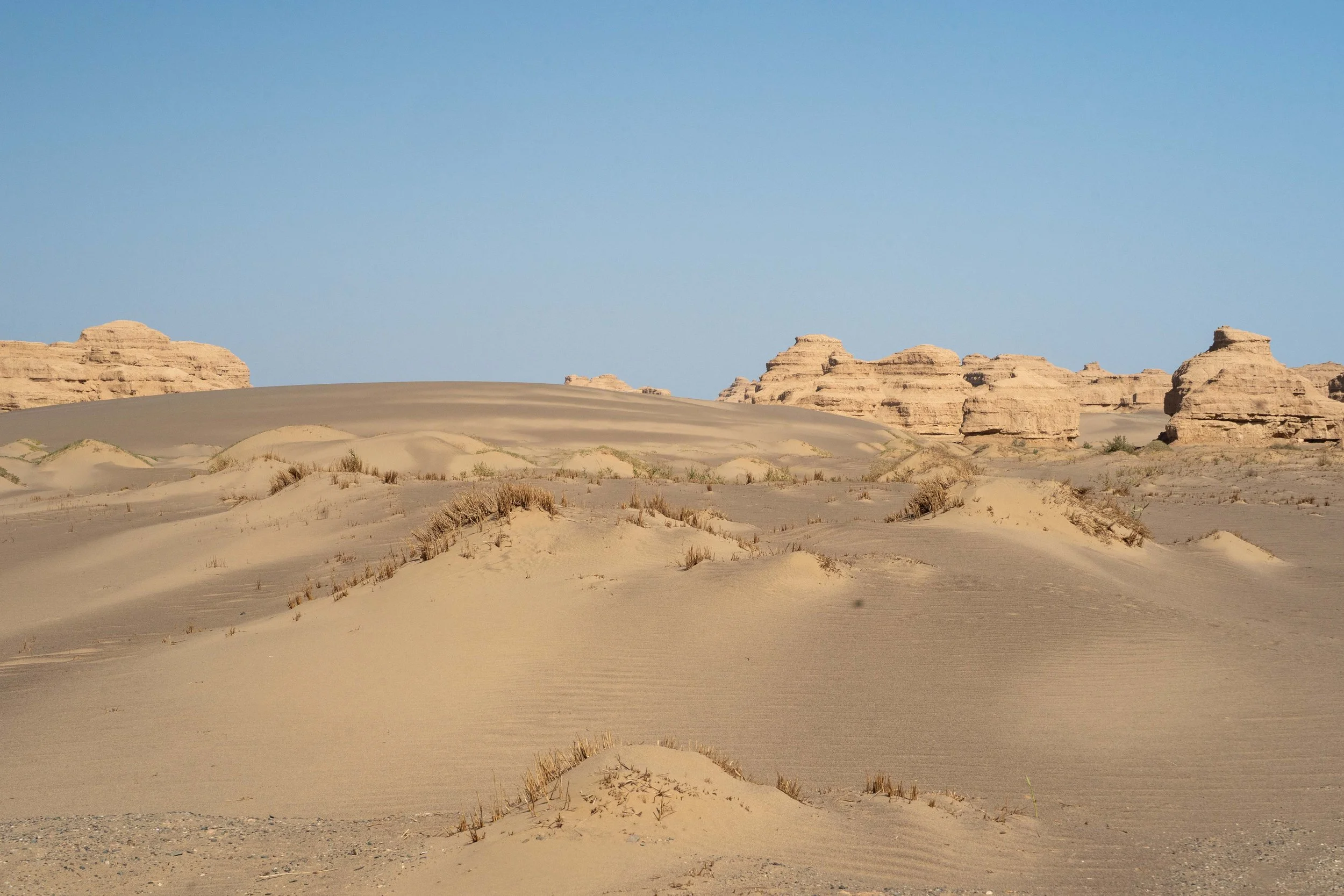
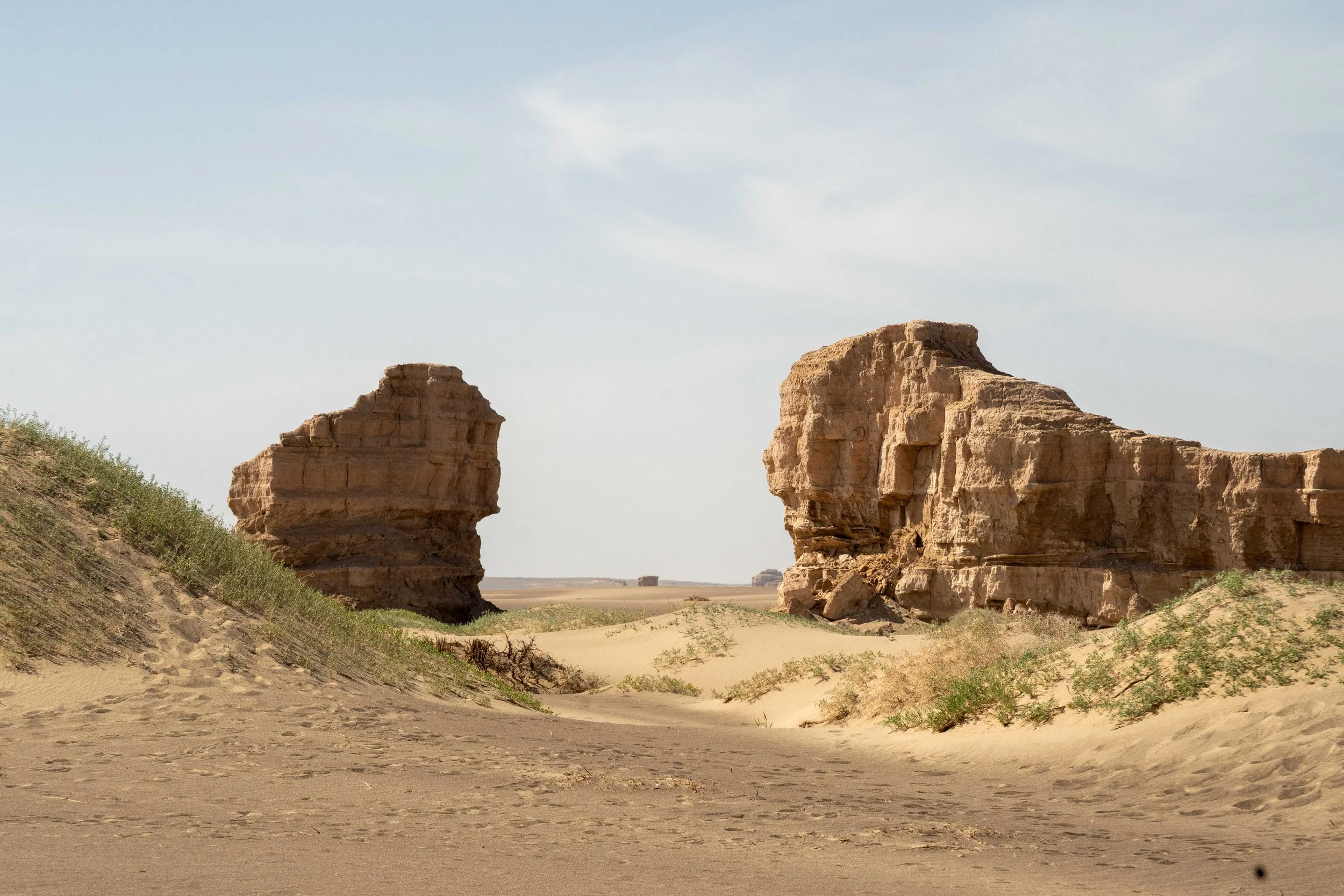
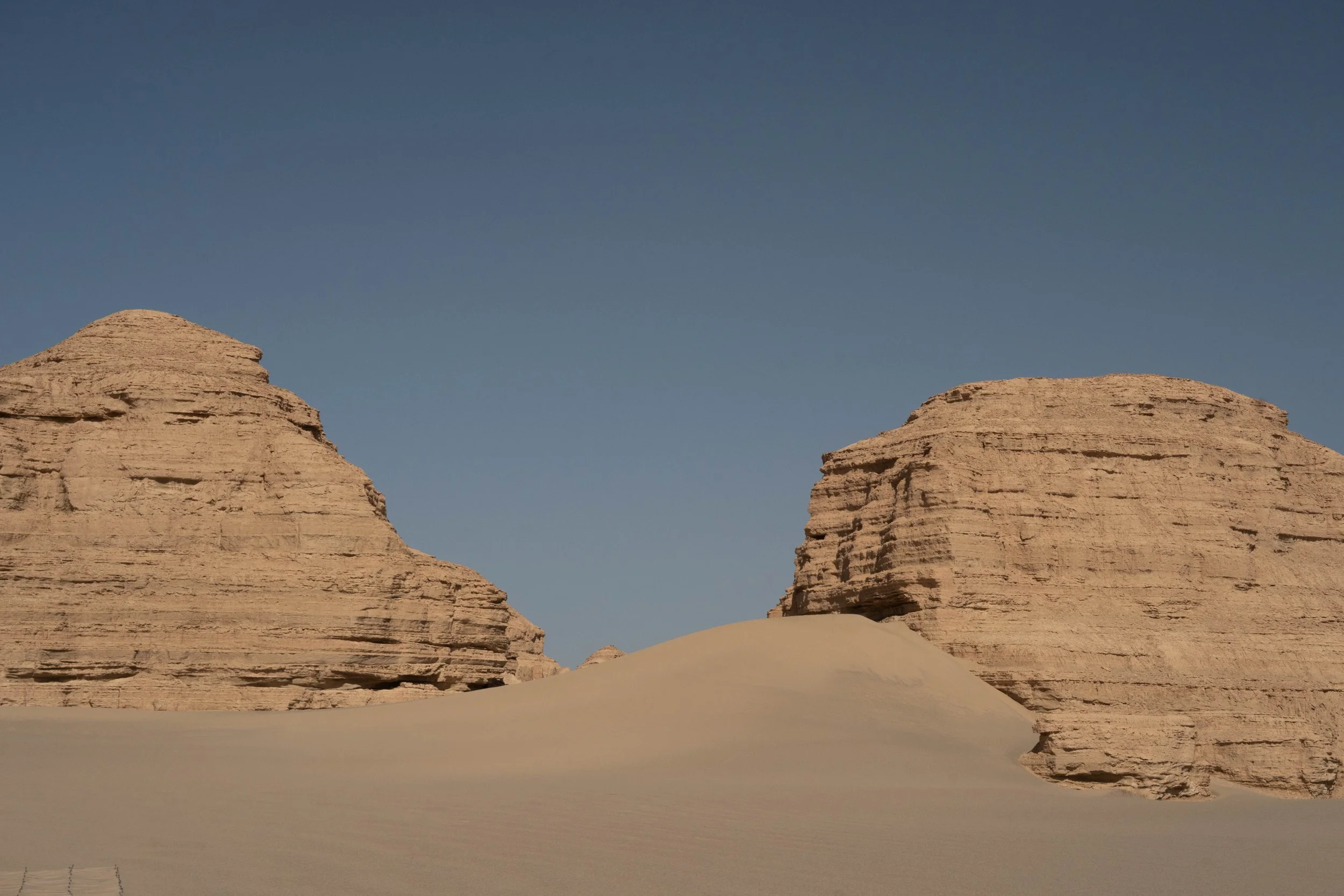
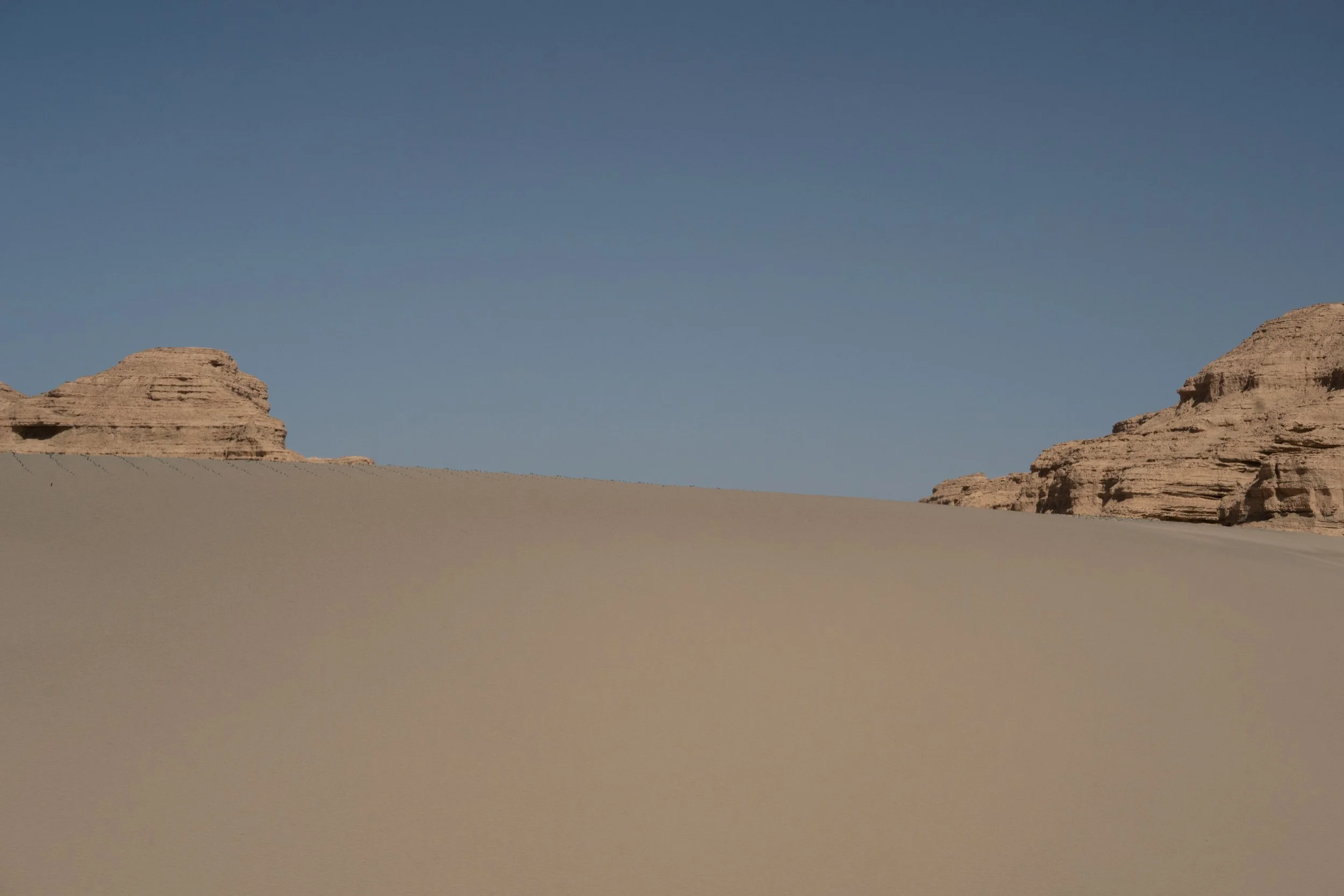
Afterward, we drove about 160 kilometers to Yadan National Geologic Park (雅丹地质公园), near the border between Gansu and Xinjiang. Inside the park, the shuttle bus made several stops for photos and short walks. The scenery was spectacular—vast and wind-sculpted—reminding us of the landscapes in Arizona, Colorado, and Utah, which we were already familiar with.
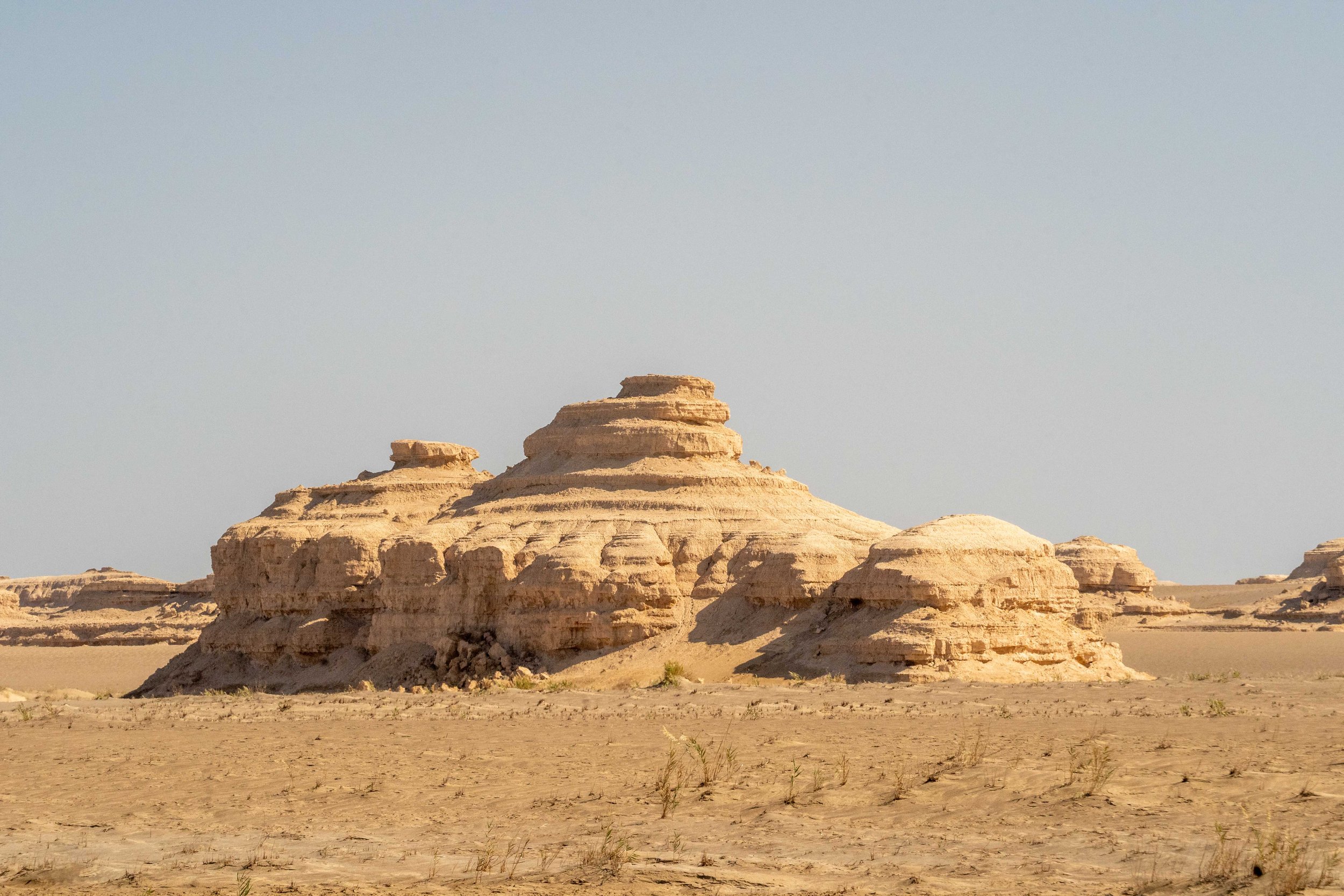
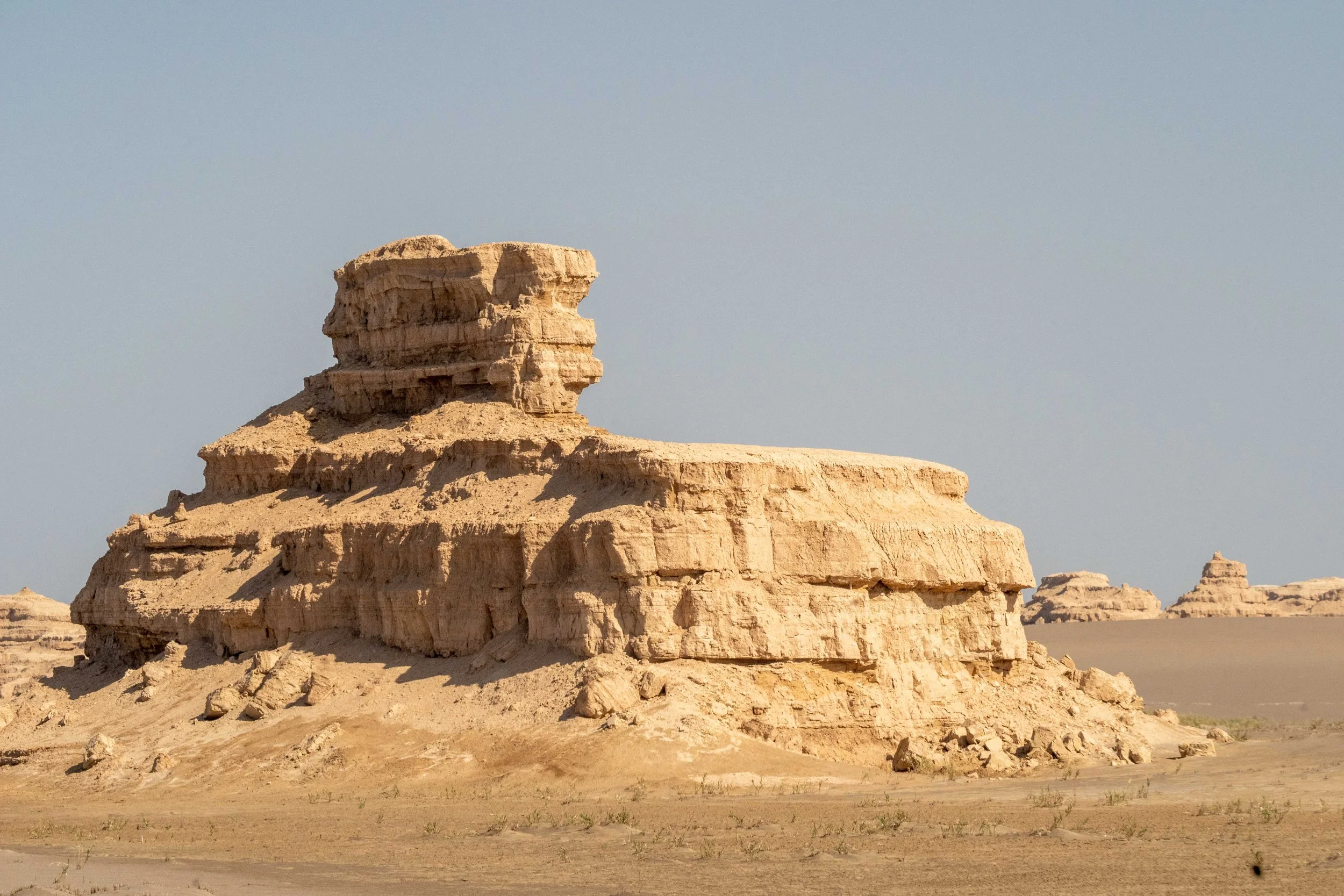
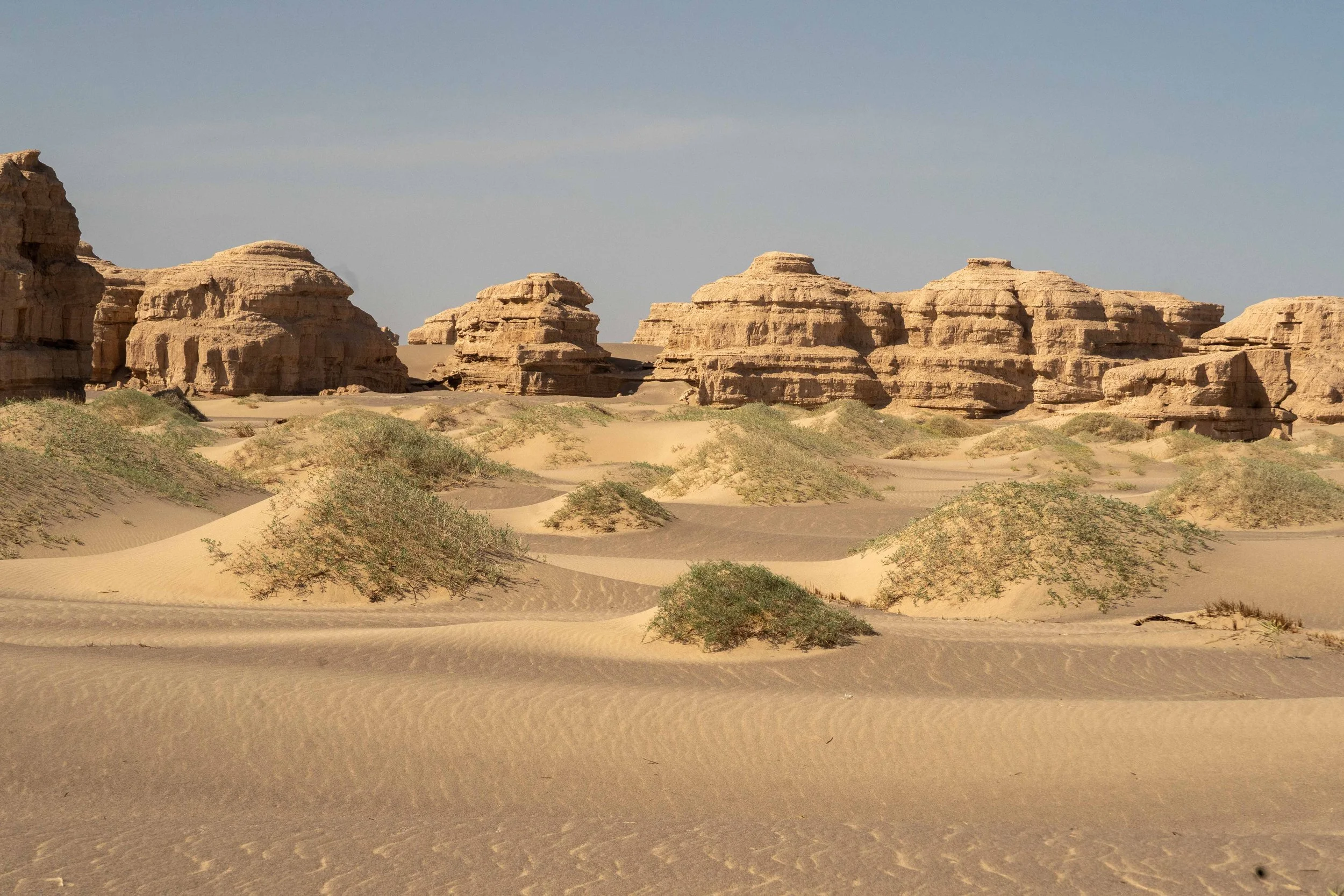
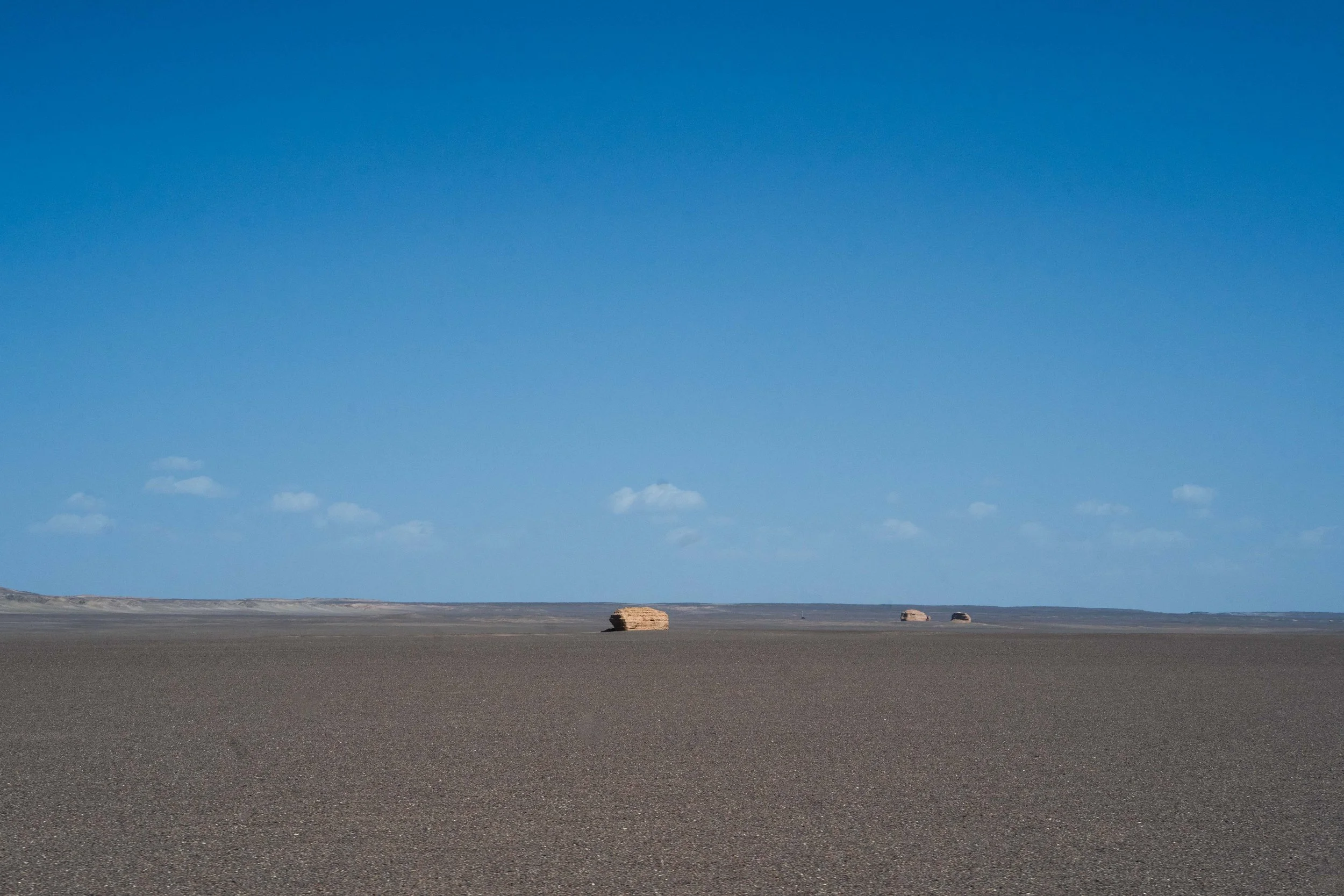
Next, we continued to the Yumen Pass (玉门关) Scenic Park, which includes three major historical sites: the Small Square Castle (小方盘城), the Large Square Castle (大方盘城), and the Han Great Wall (汉长城). We were surprised to find that the park identifies Yumen Pass with the so-called Small Square Castle, a name originally given by two foreign explorers in the early twentieth century.
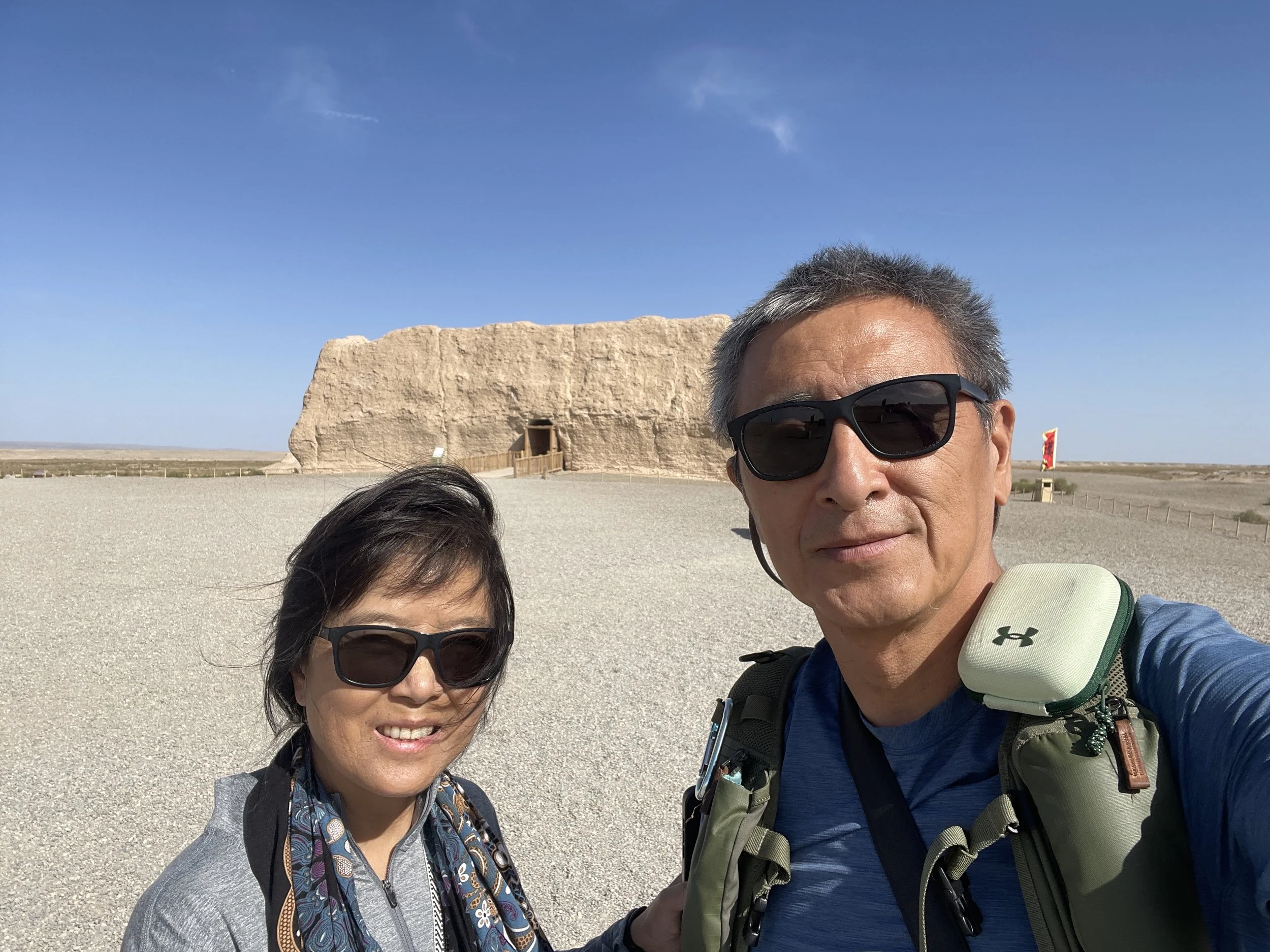
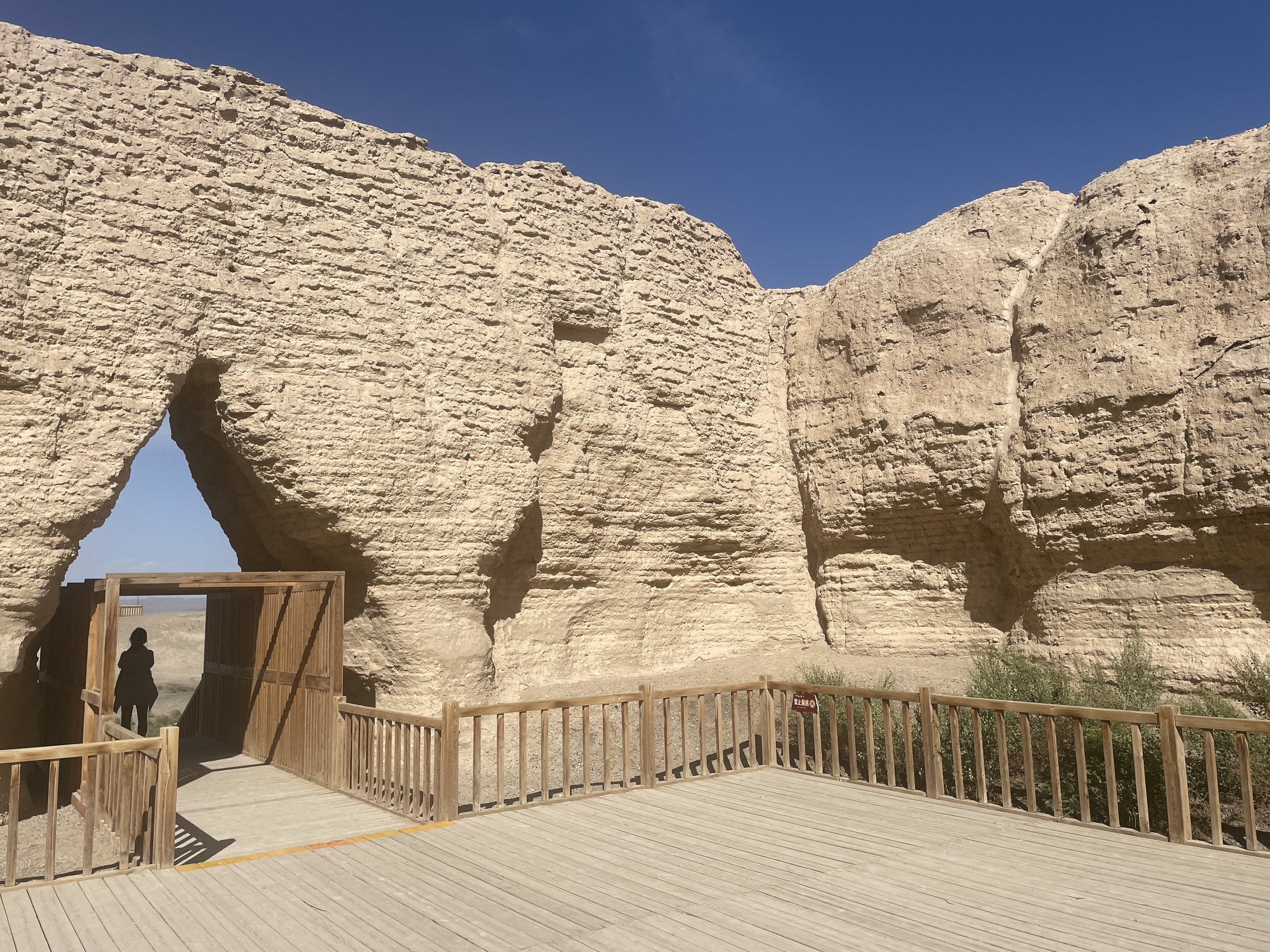
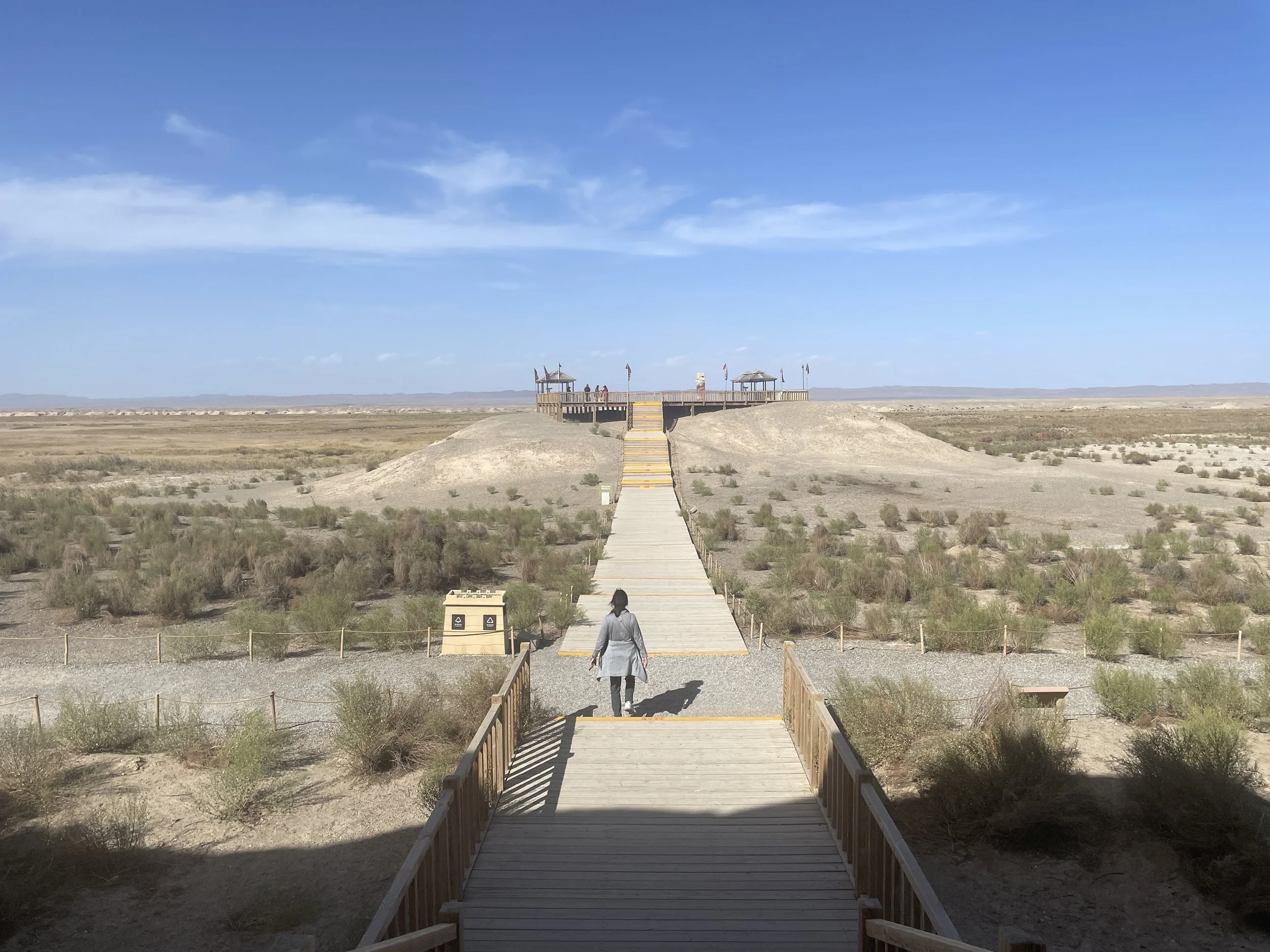
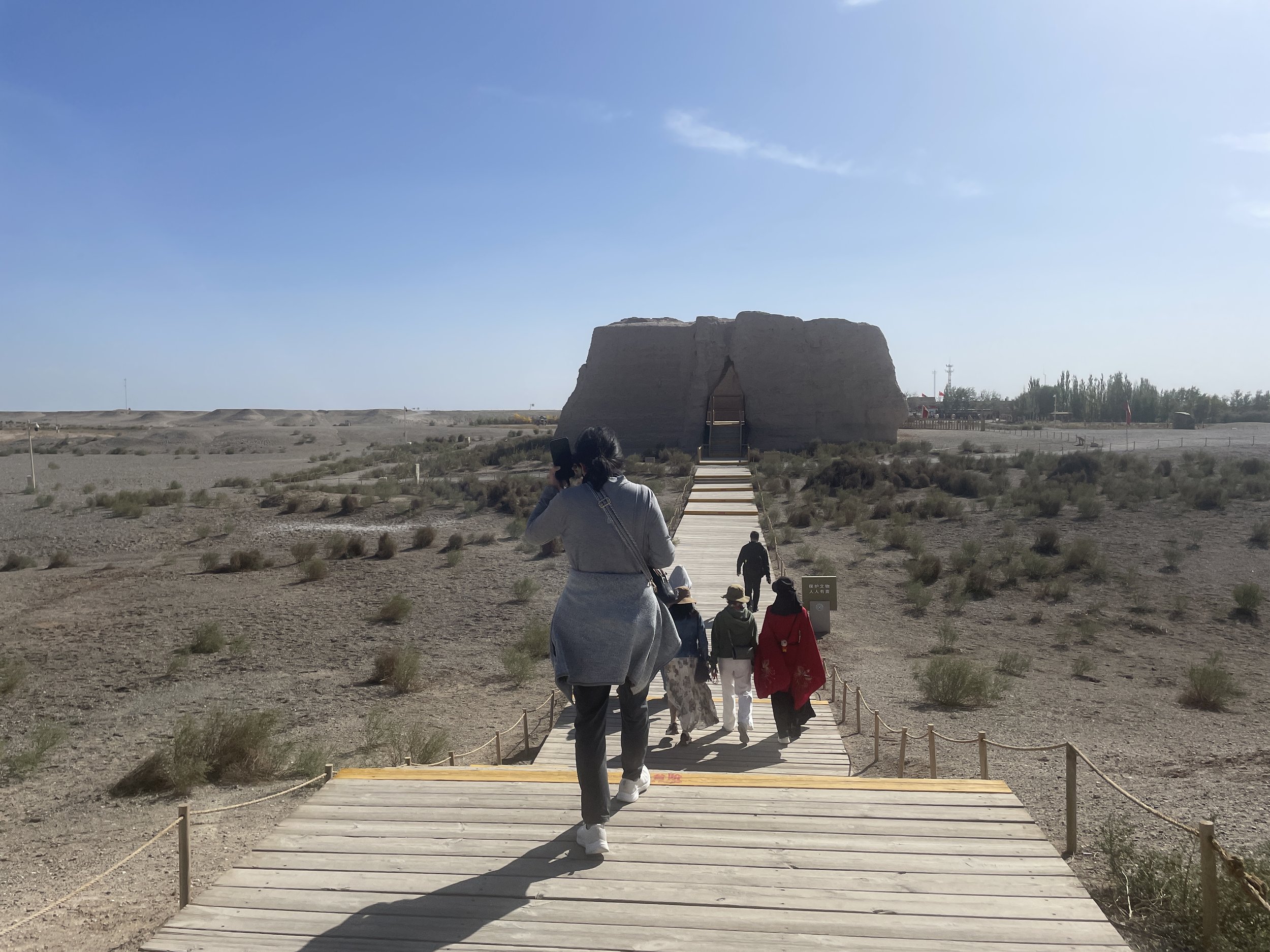
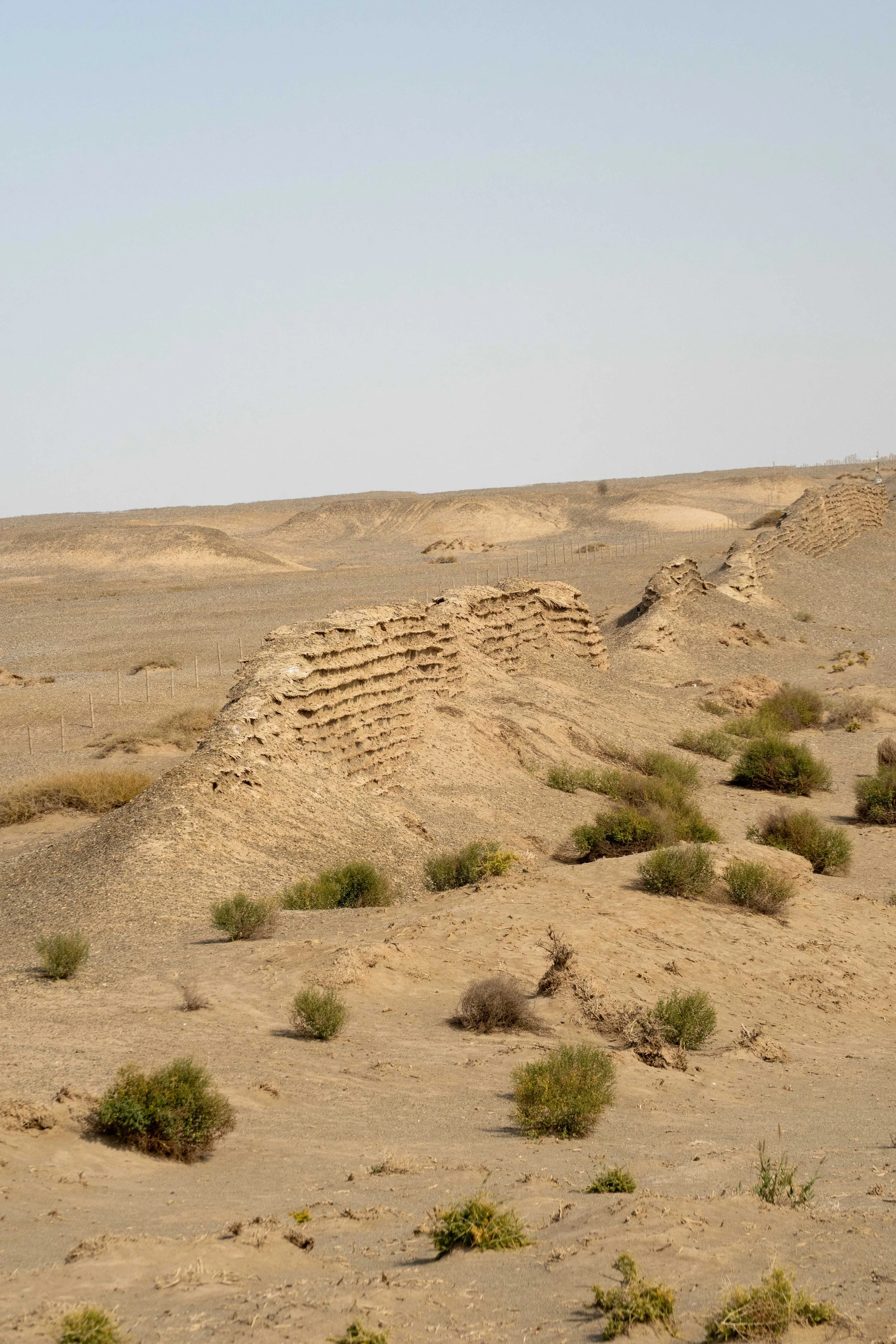
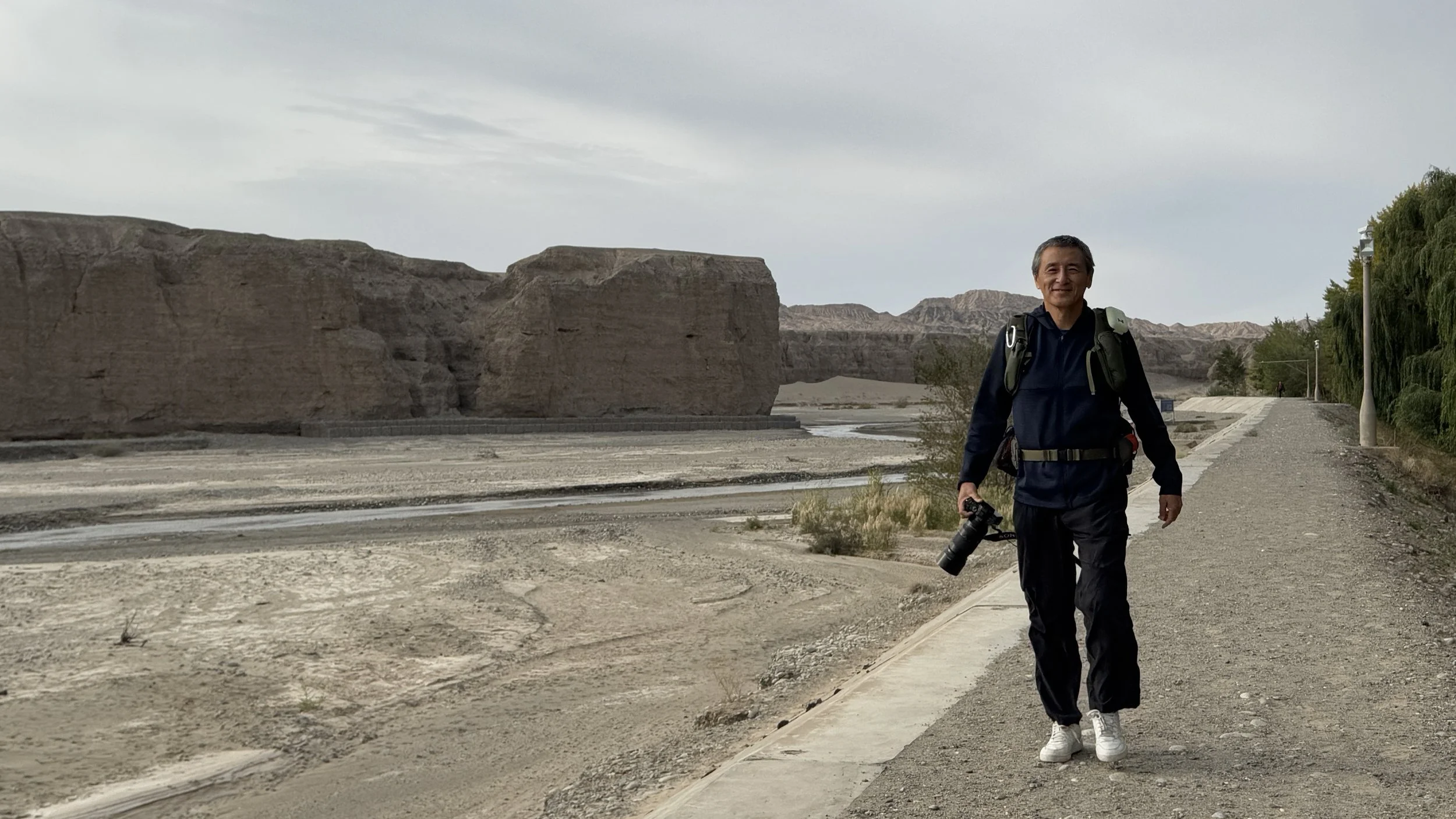
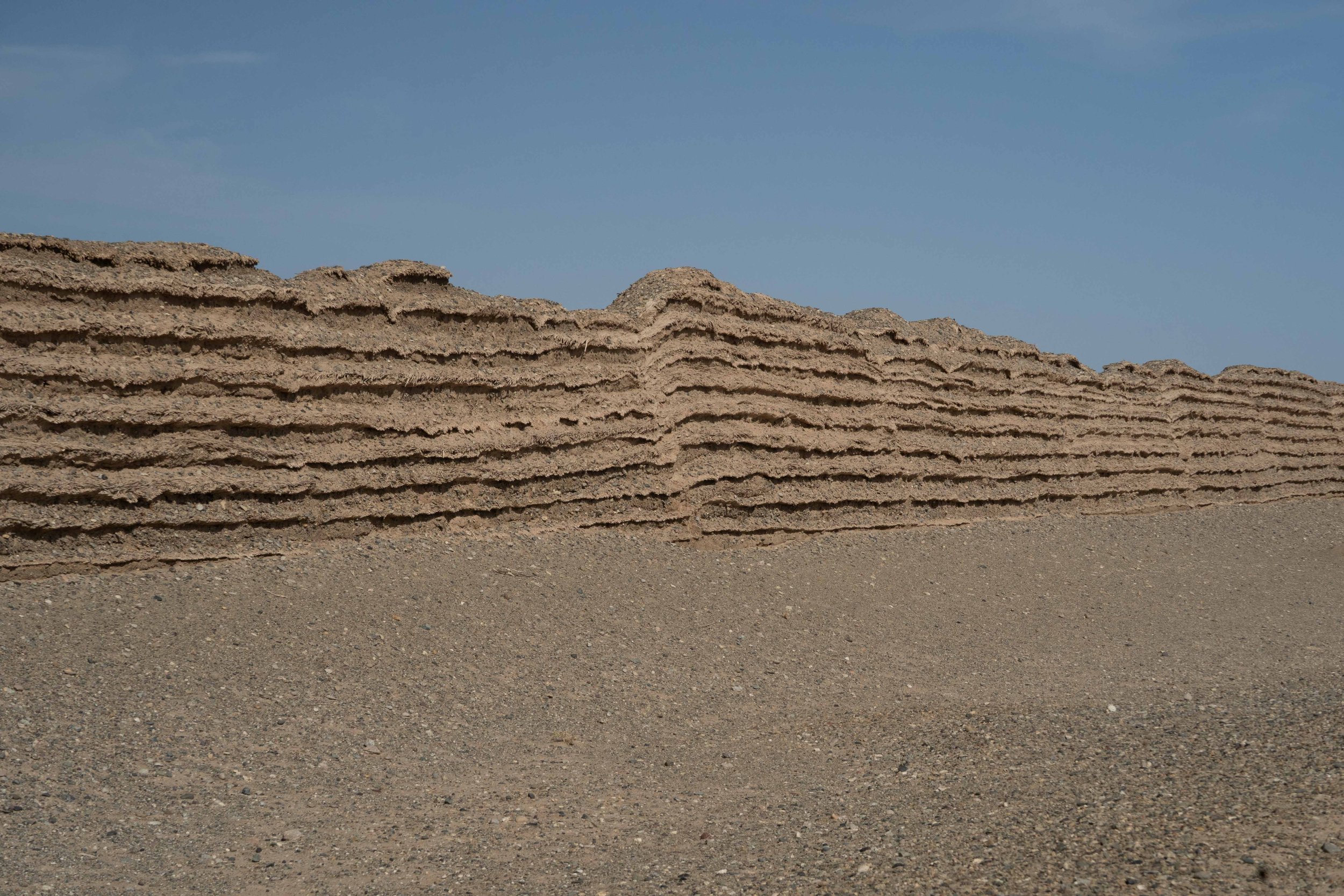
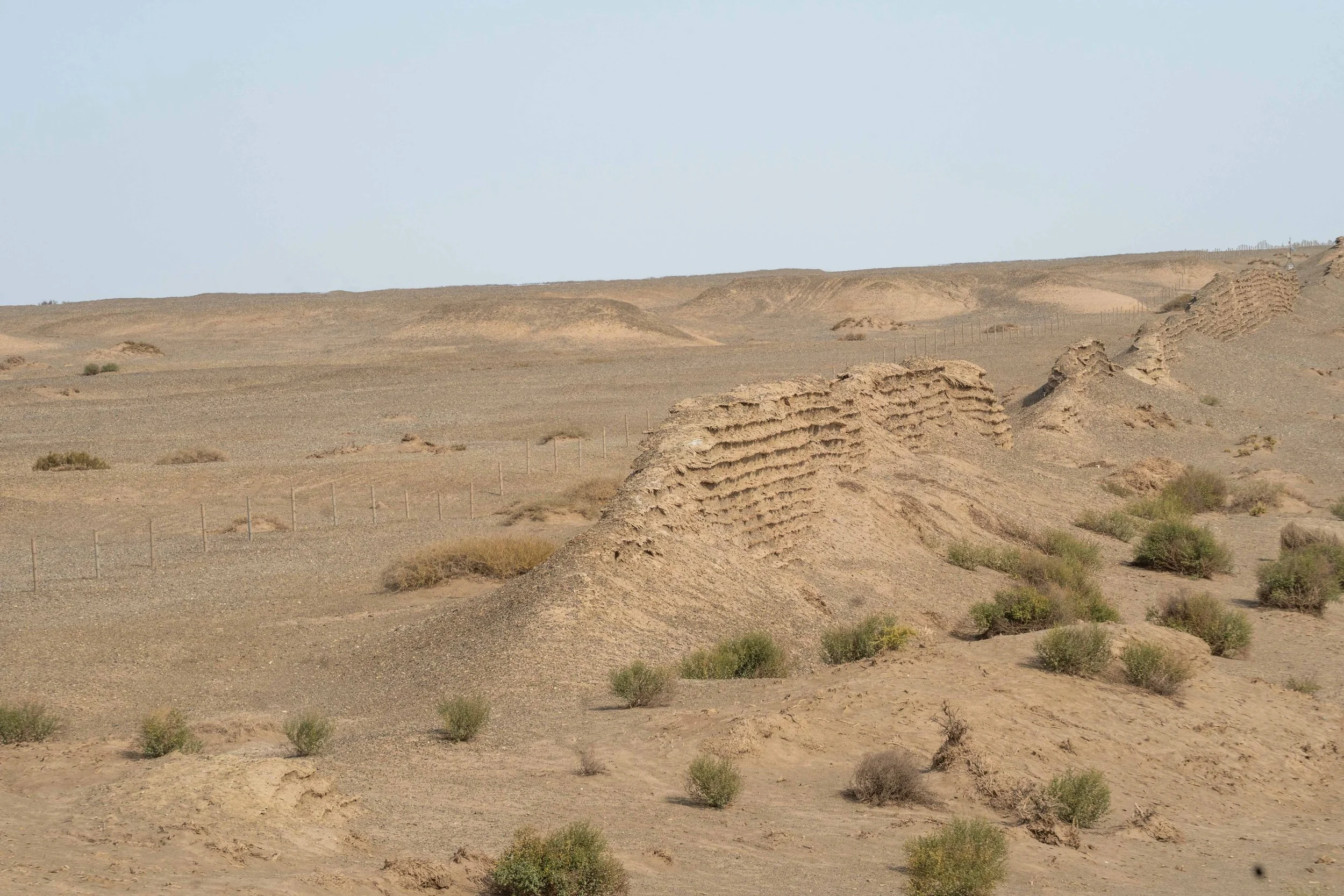
A shuttle took us to the Han Great Wall and the Large Square Castle, which lie at opposite ends of the park. It was astonishing to see portions of the Han-era Great Wall still standing after more than two thousand years—preserved by the dry desert climate and minimal human interference.
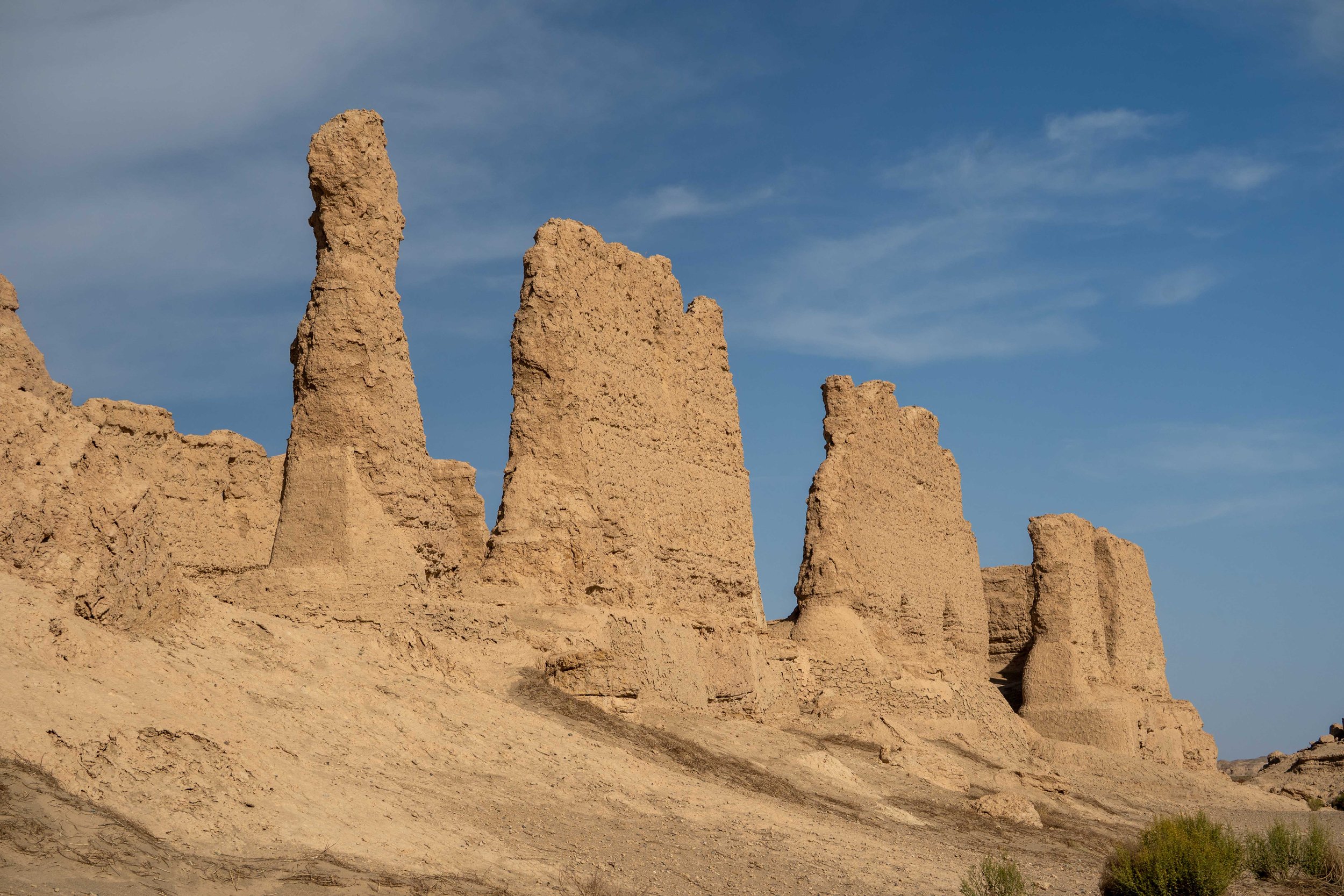
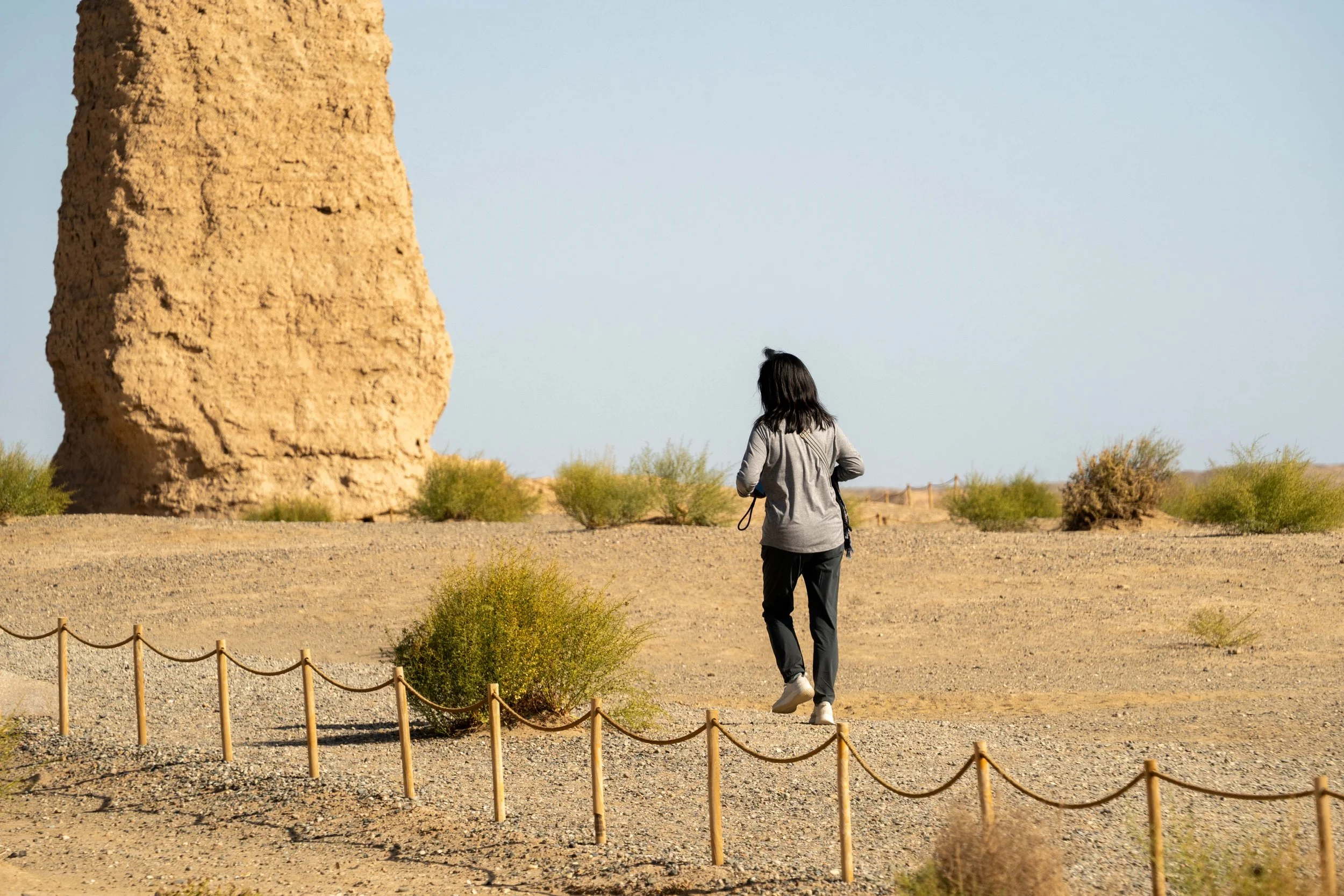
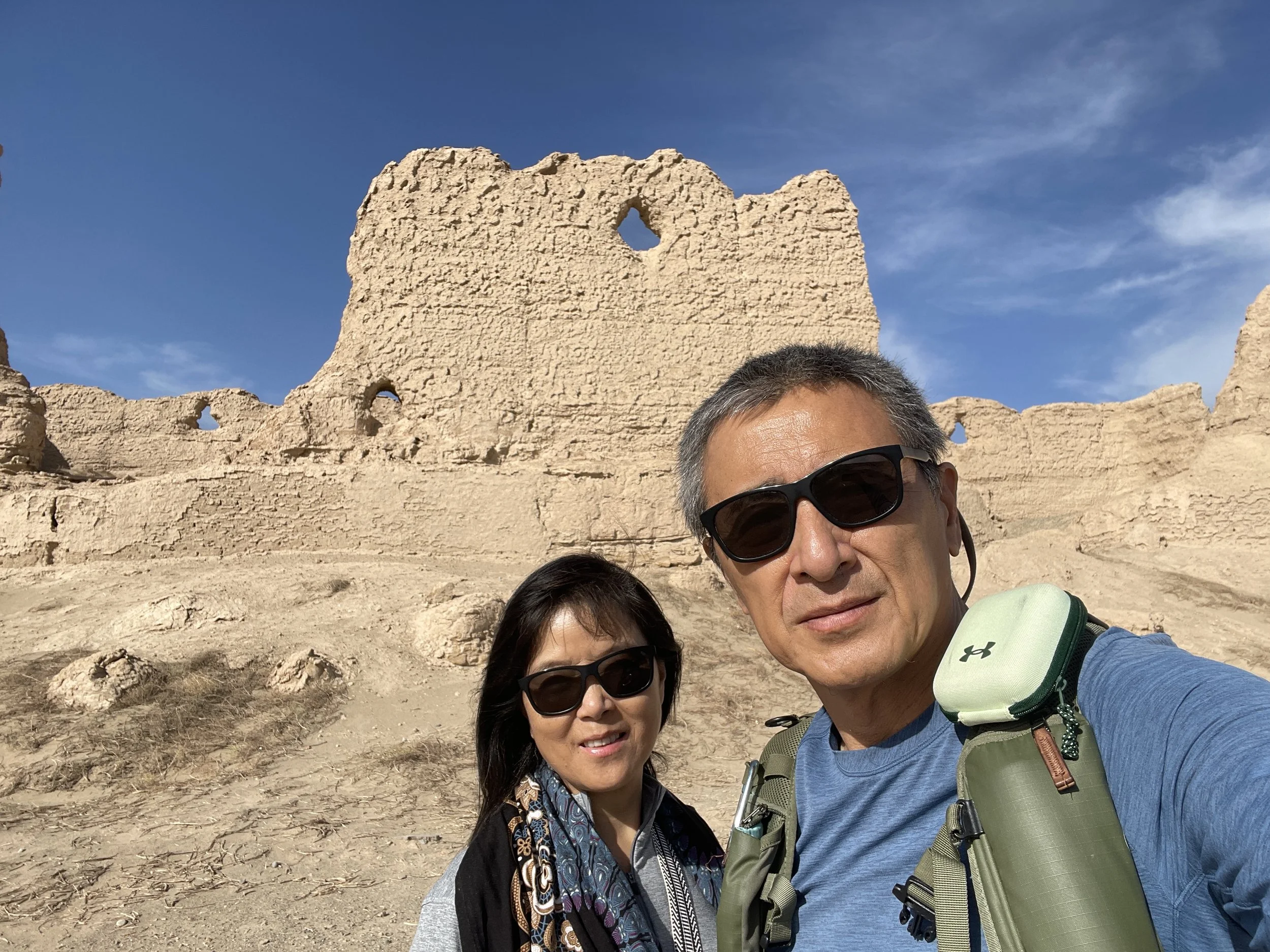
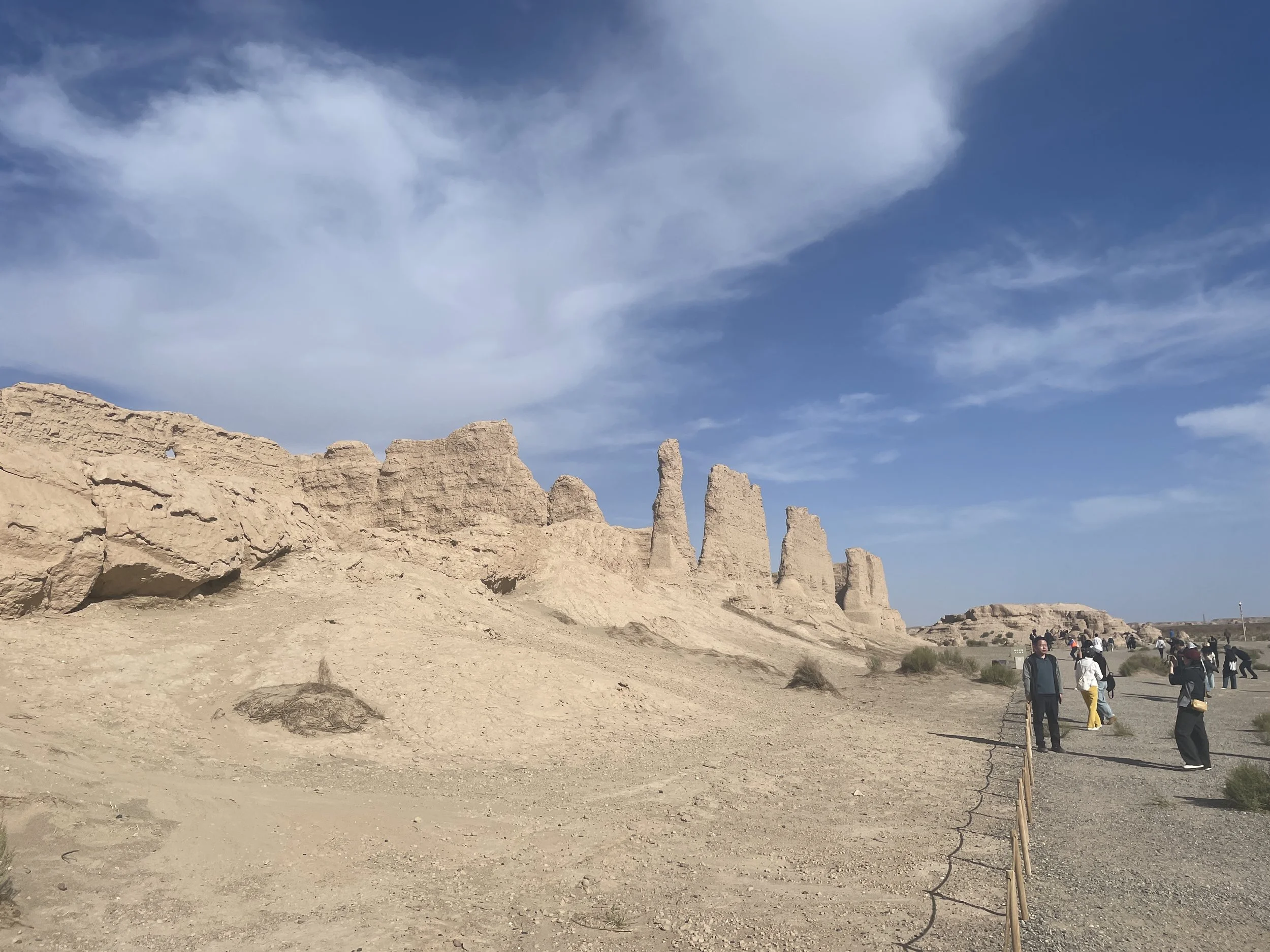
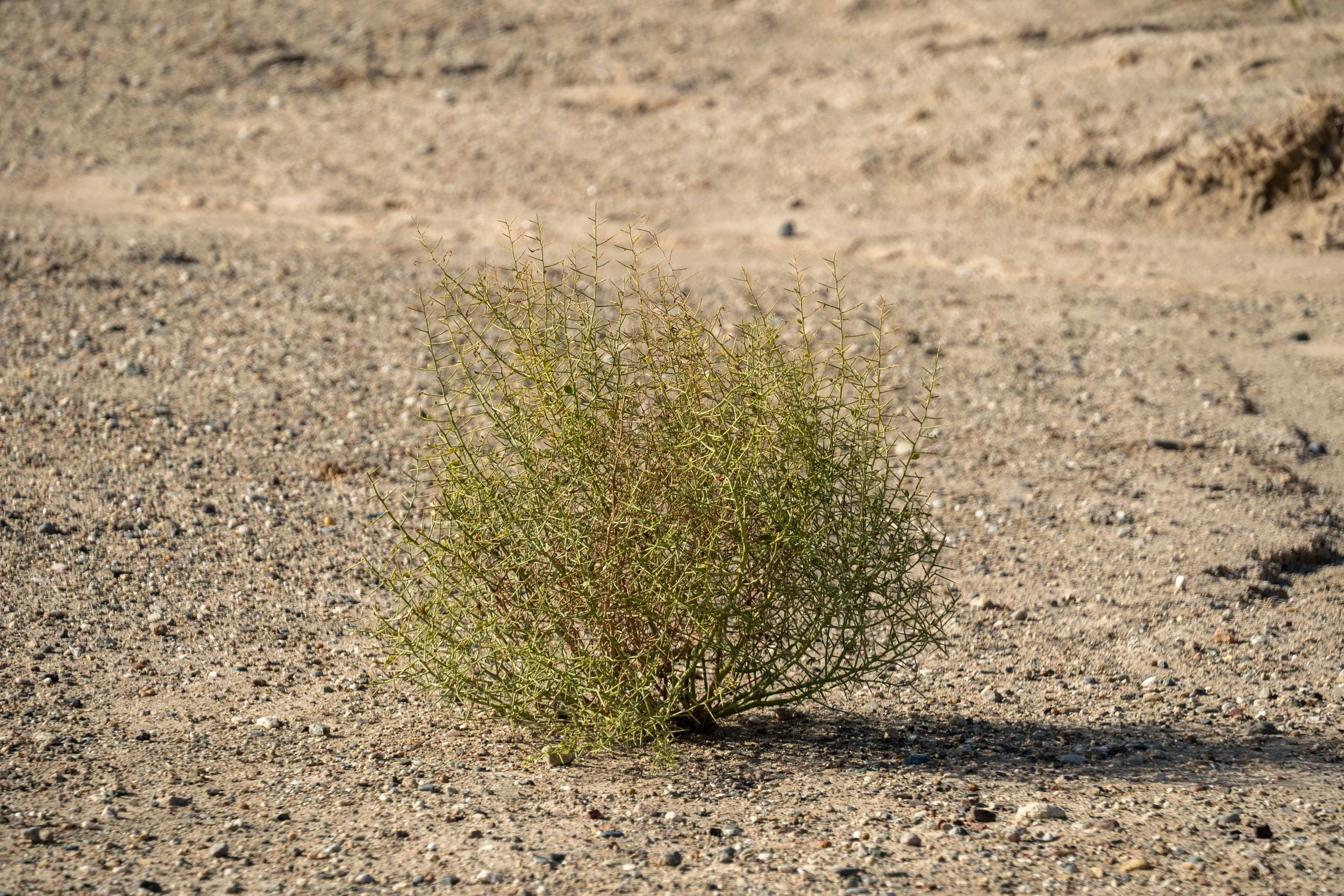
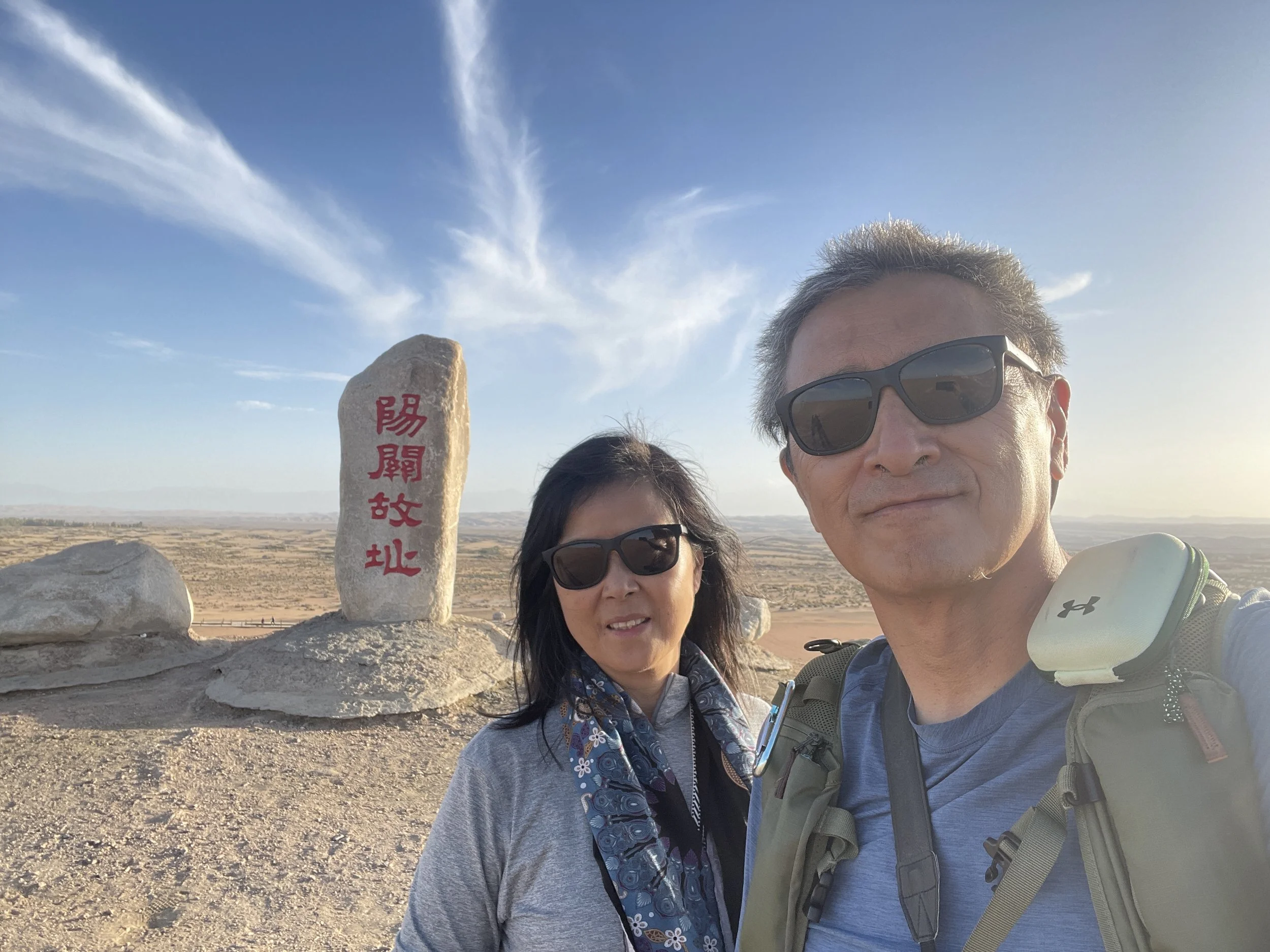
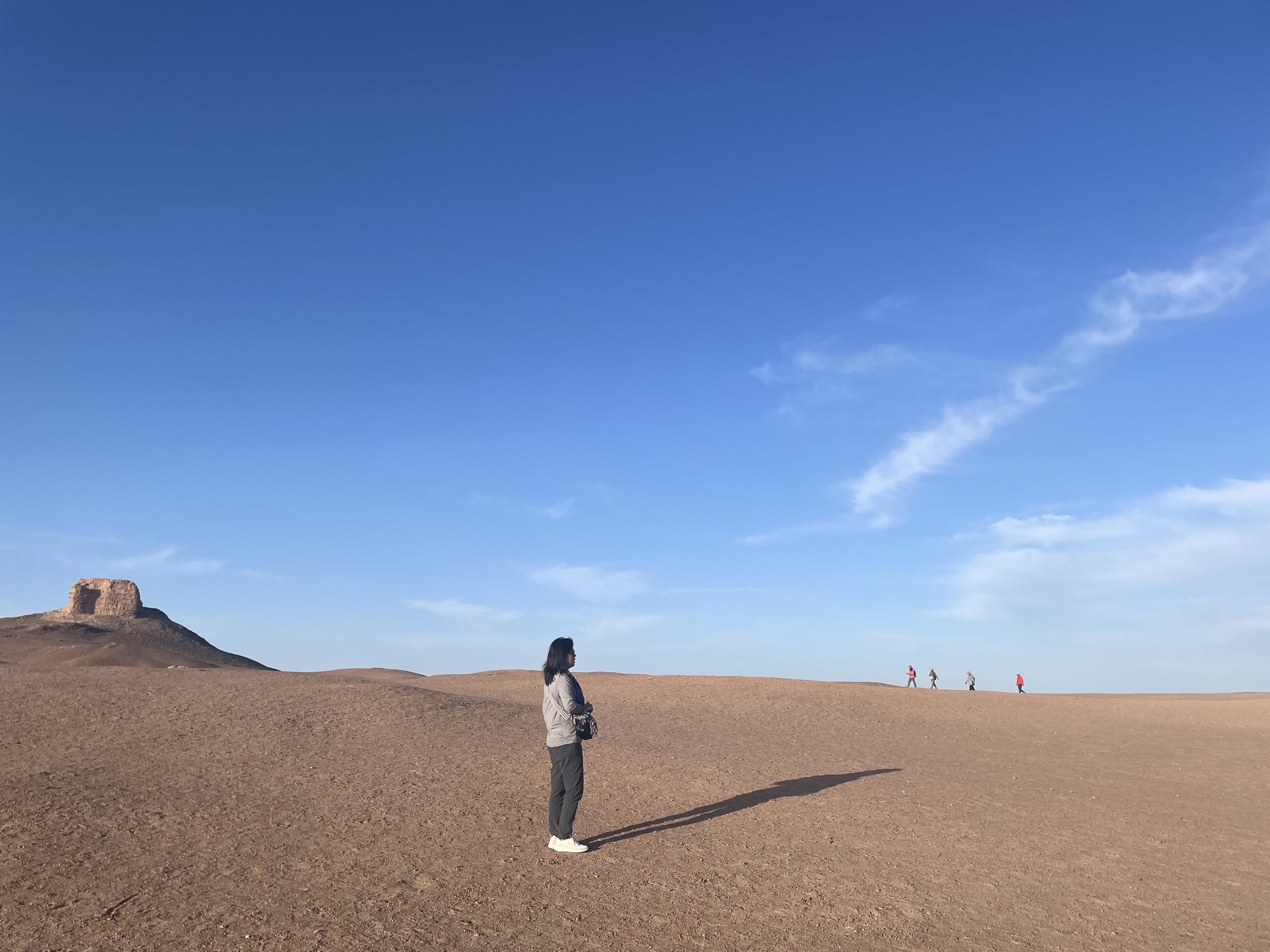
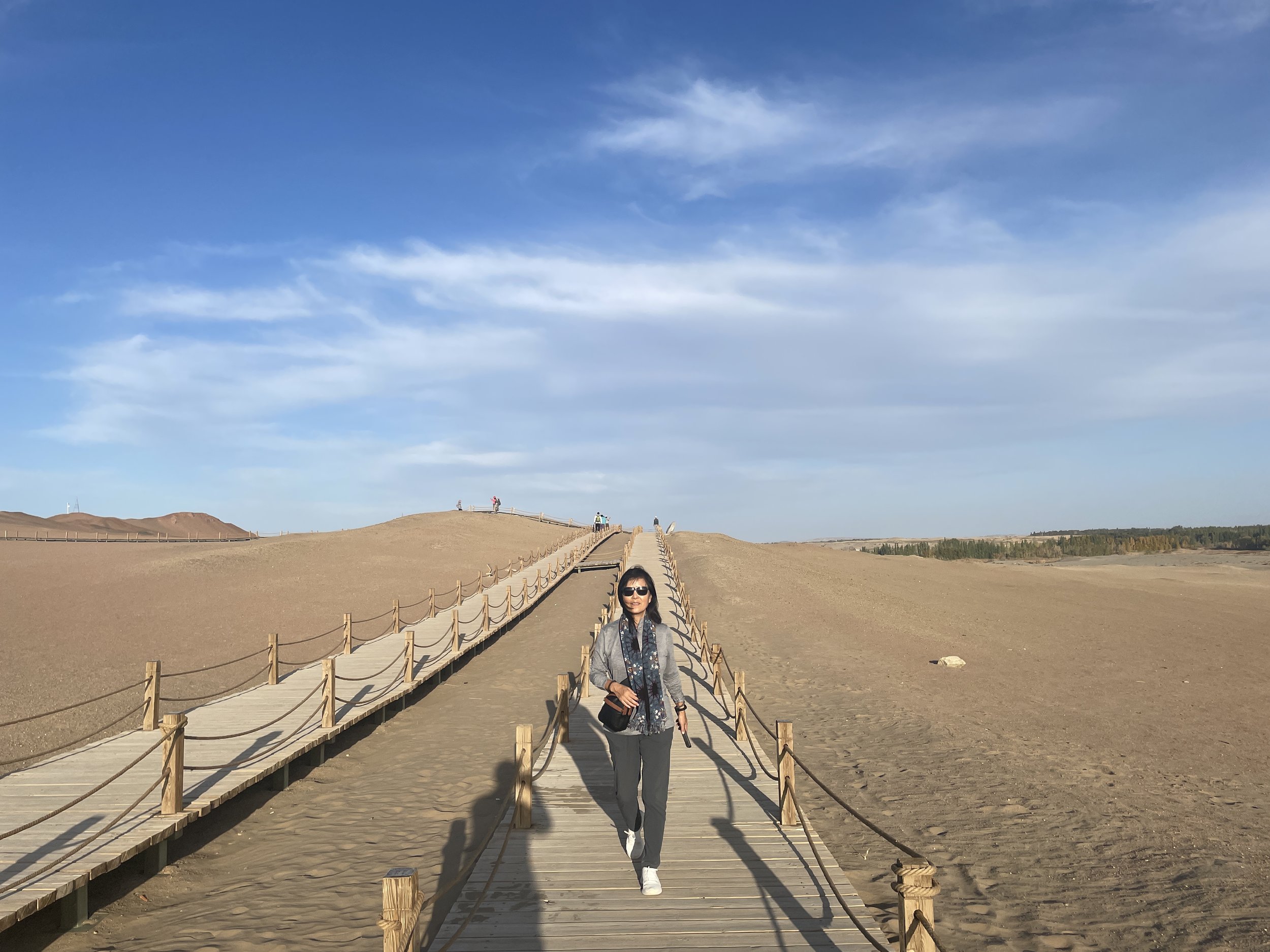
Our final stop of the day was Yang Pass (阳关). As one tourist in the park remarked, almost everything there, except for a pile of earth believed to be the remains of an ancient beacon tower (烽火台), is newly rebuilt. Yet it still felt surreal to walk along the Ancient Yangguan Avenue (阳关大道), imagining caravans and travelers setting out westward on the Silk Road.
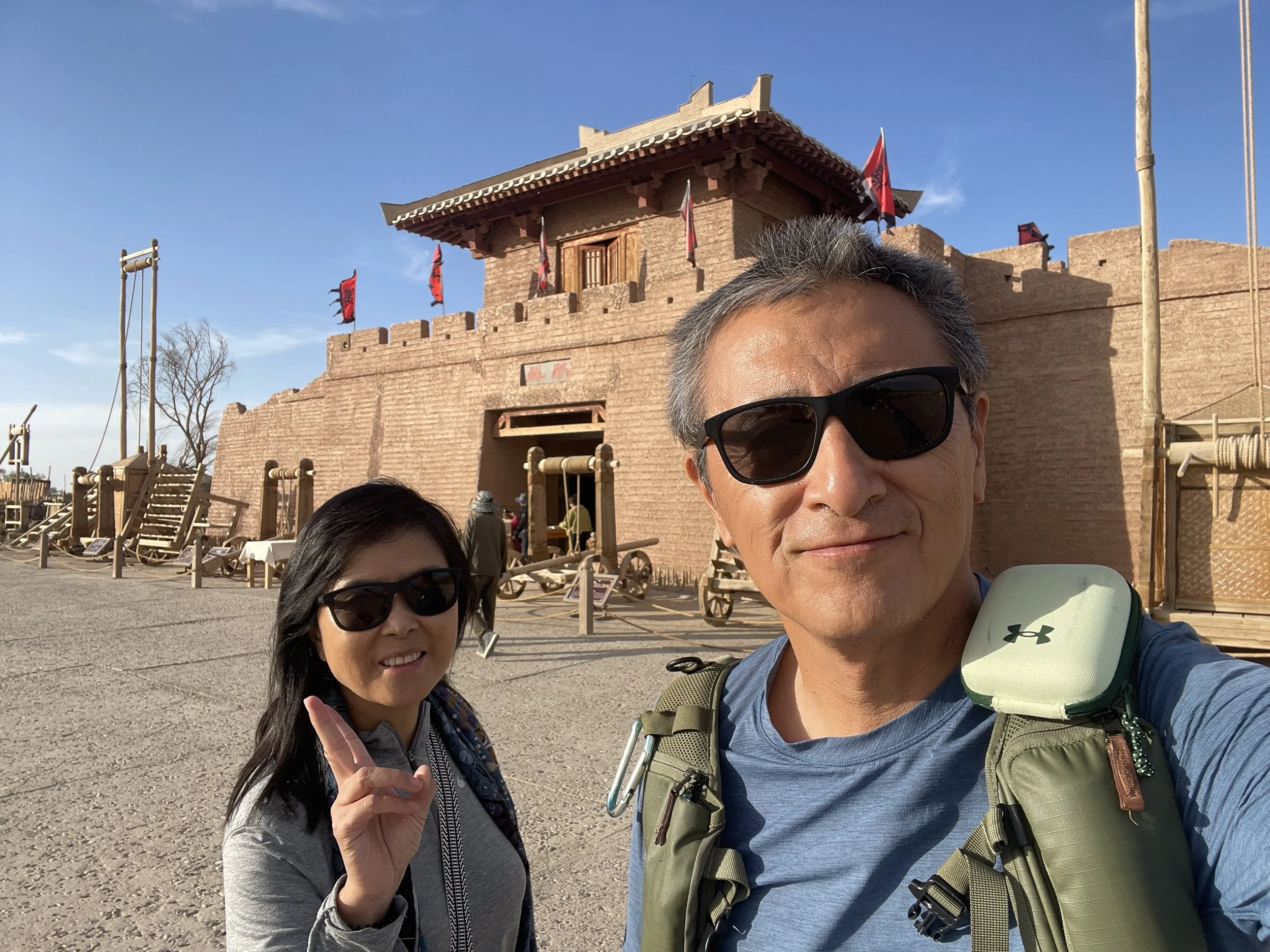
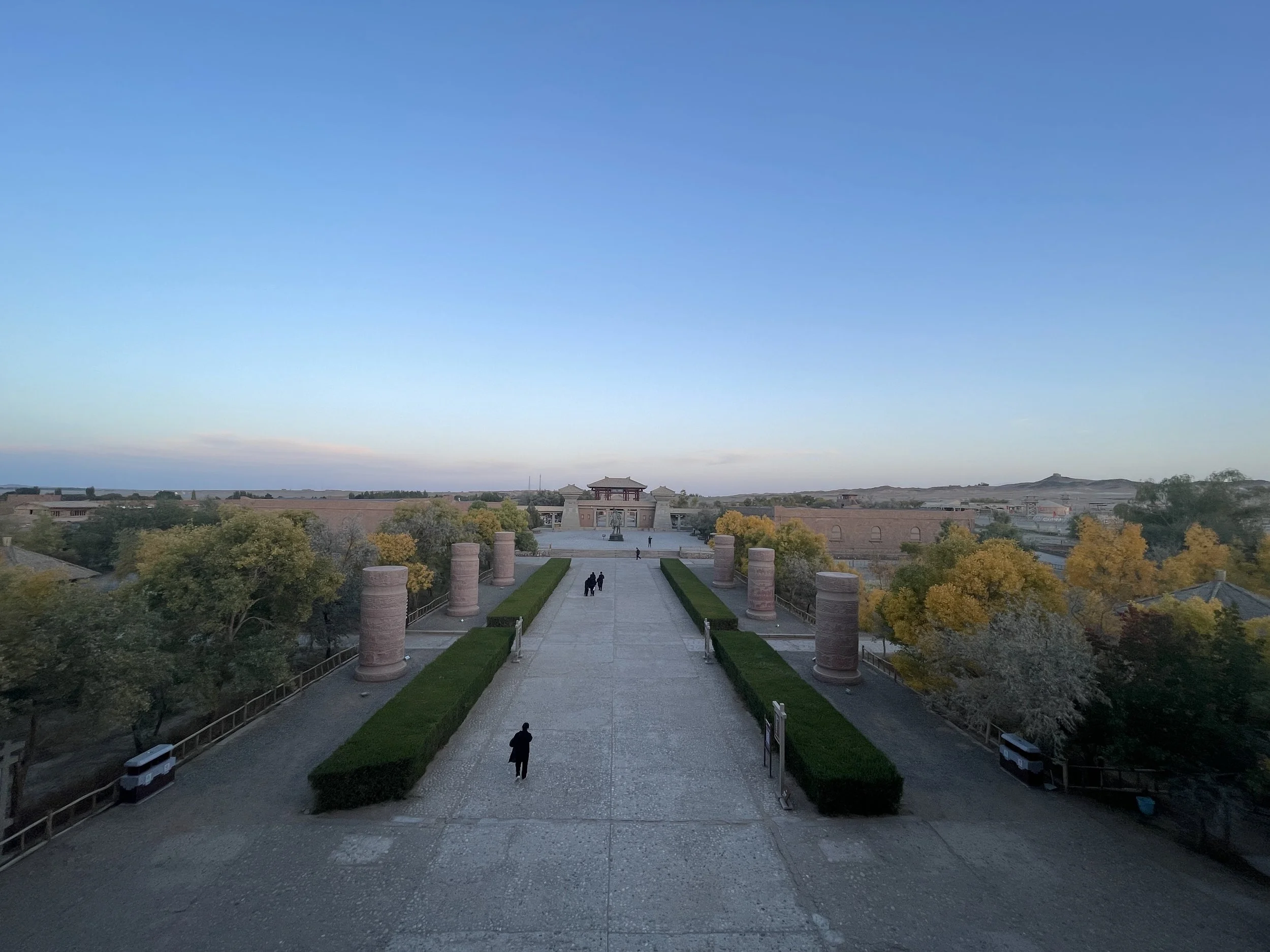
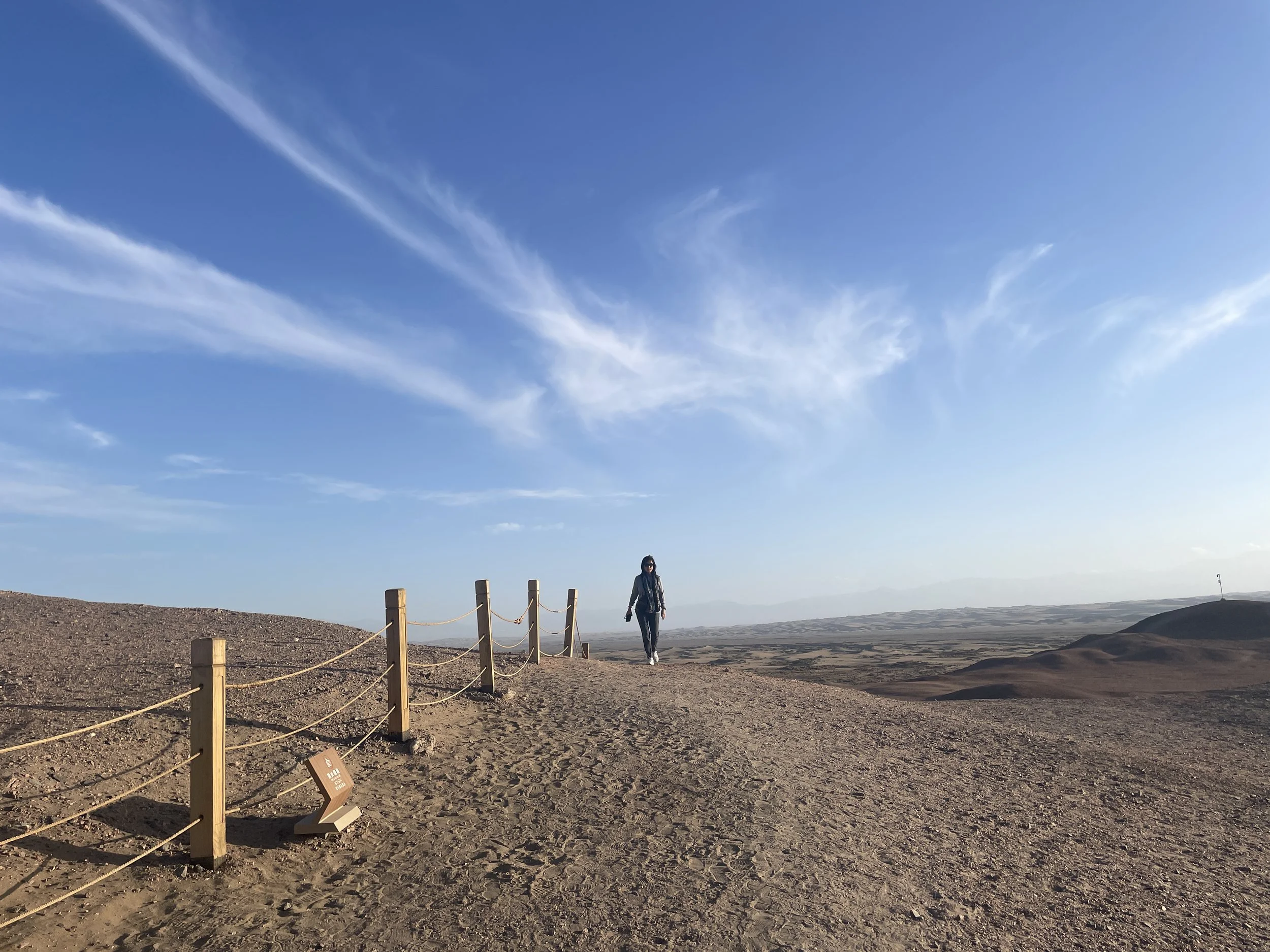
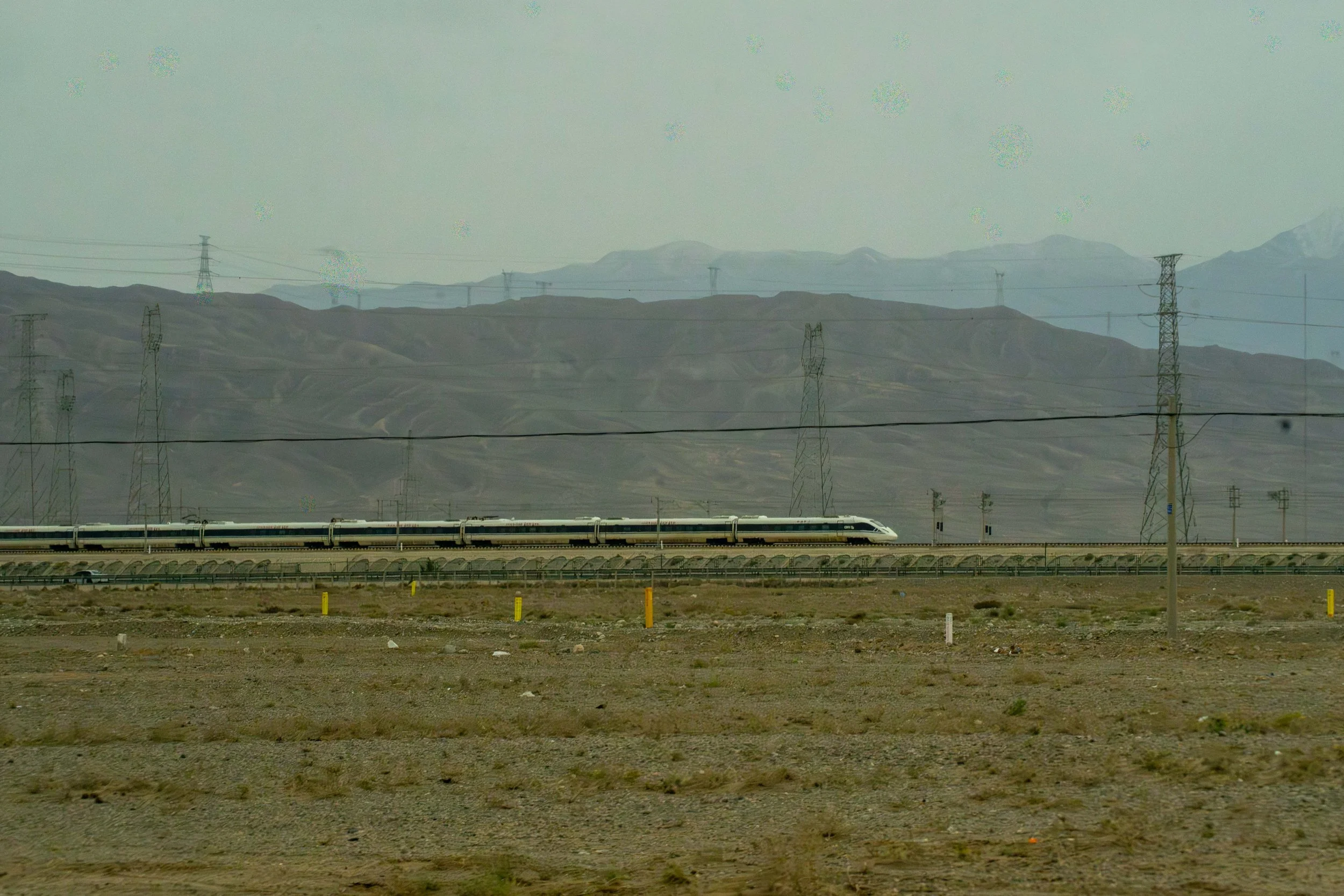
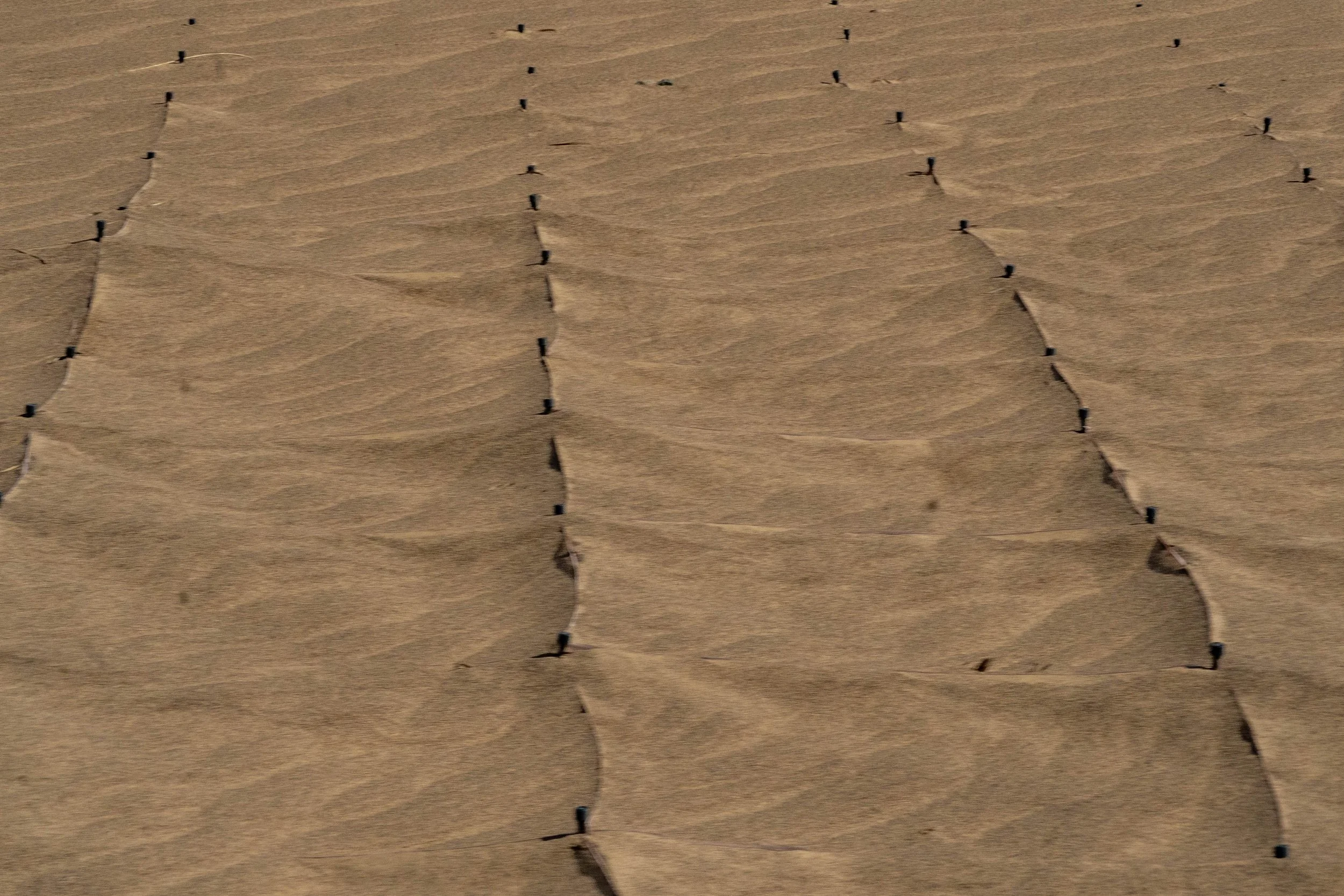
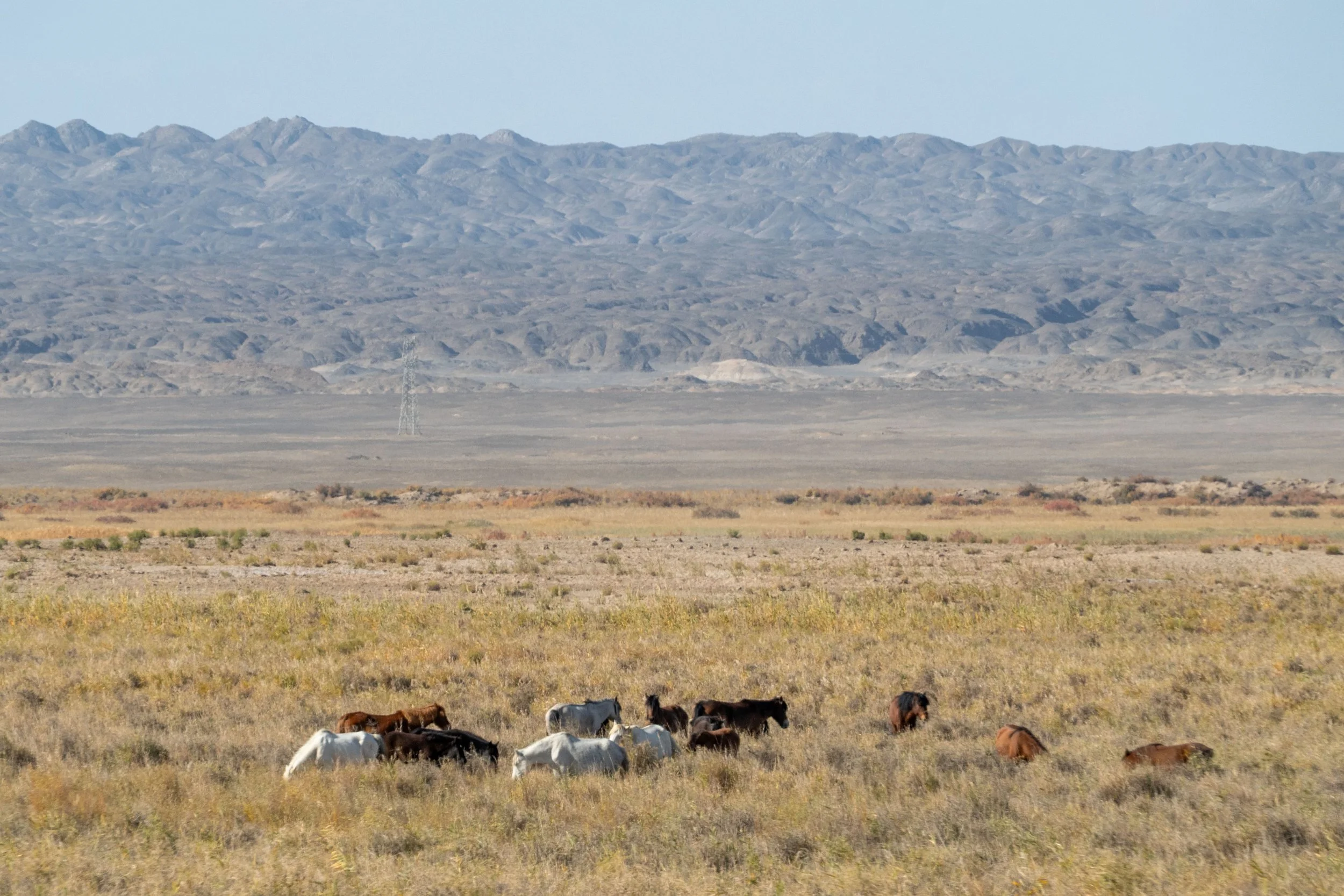
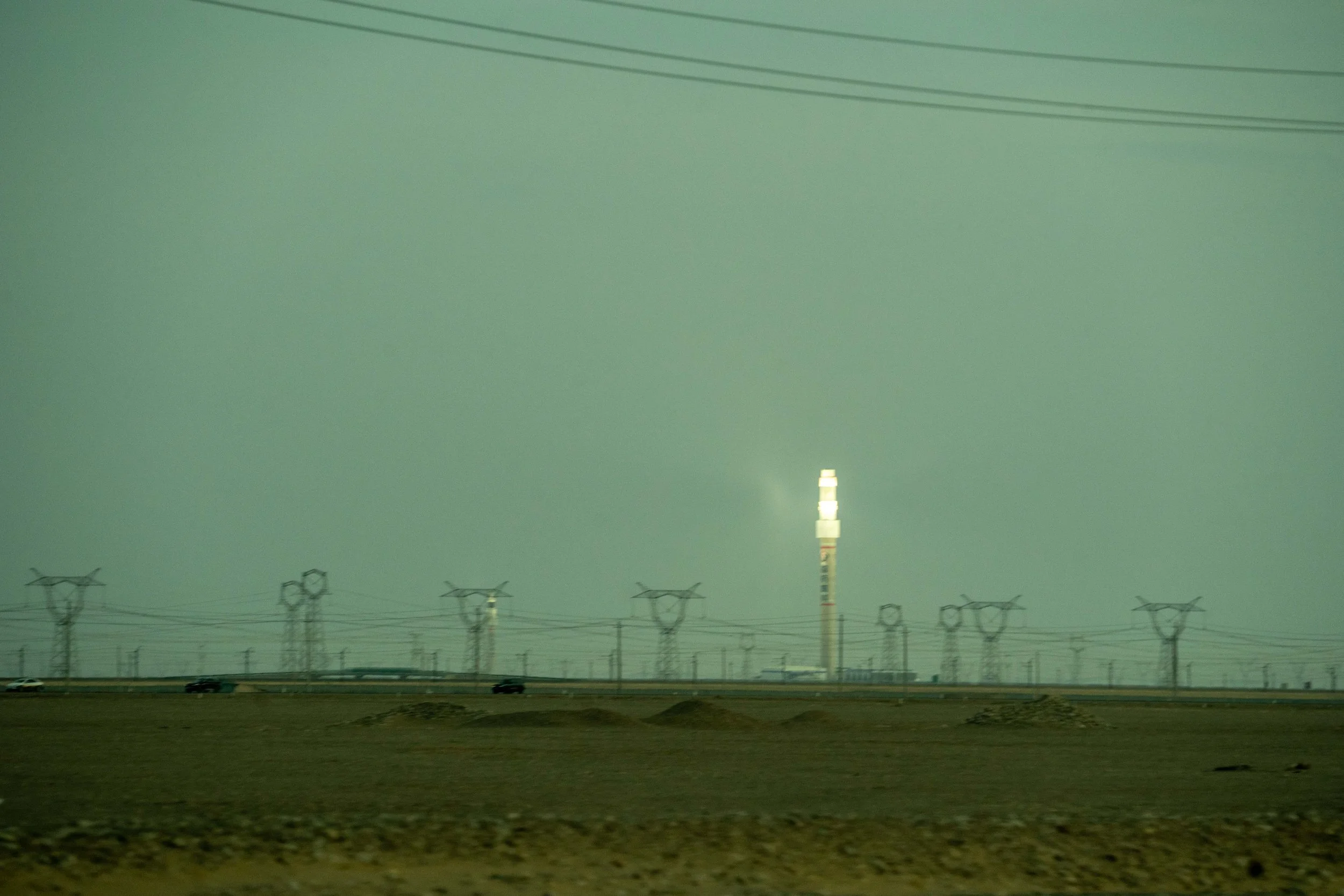
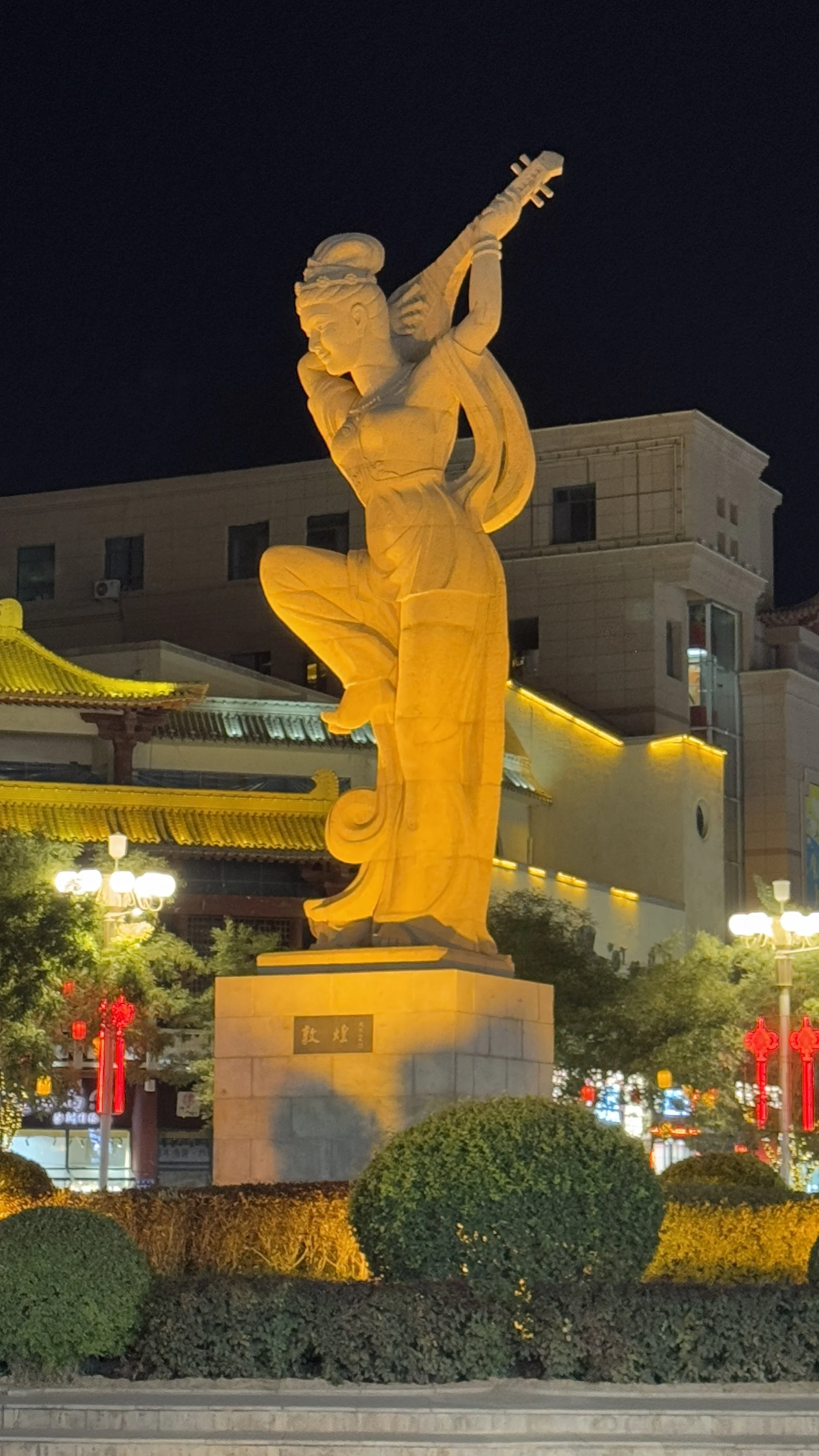
On the way to the scenic area, we could see from a distance a dazzling solar power tower rising from the desert—China’s first 100-megawatt-class solar thermal power station in Dunhuang. Beyond it, across the vast and boundless Gobi, rows of photovoltaic panels stretched endlessly, wind turbines spun steadily in the breeze, and high-voltage transmission towers and communication lines crisscrossed the landscape, forming a magnificent panorama of modern energy development.
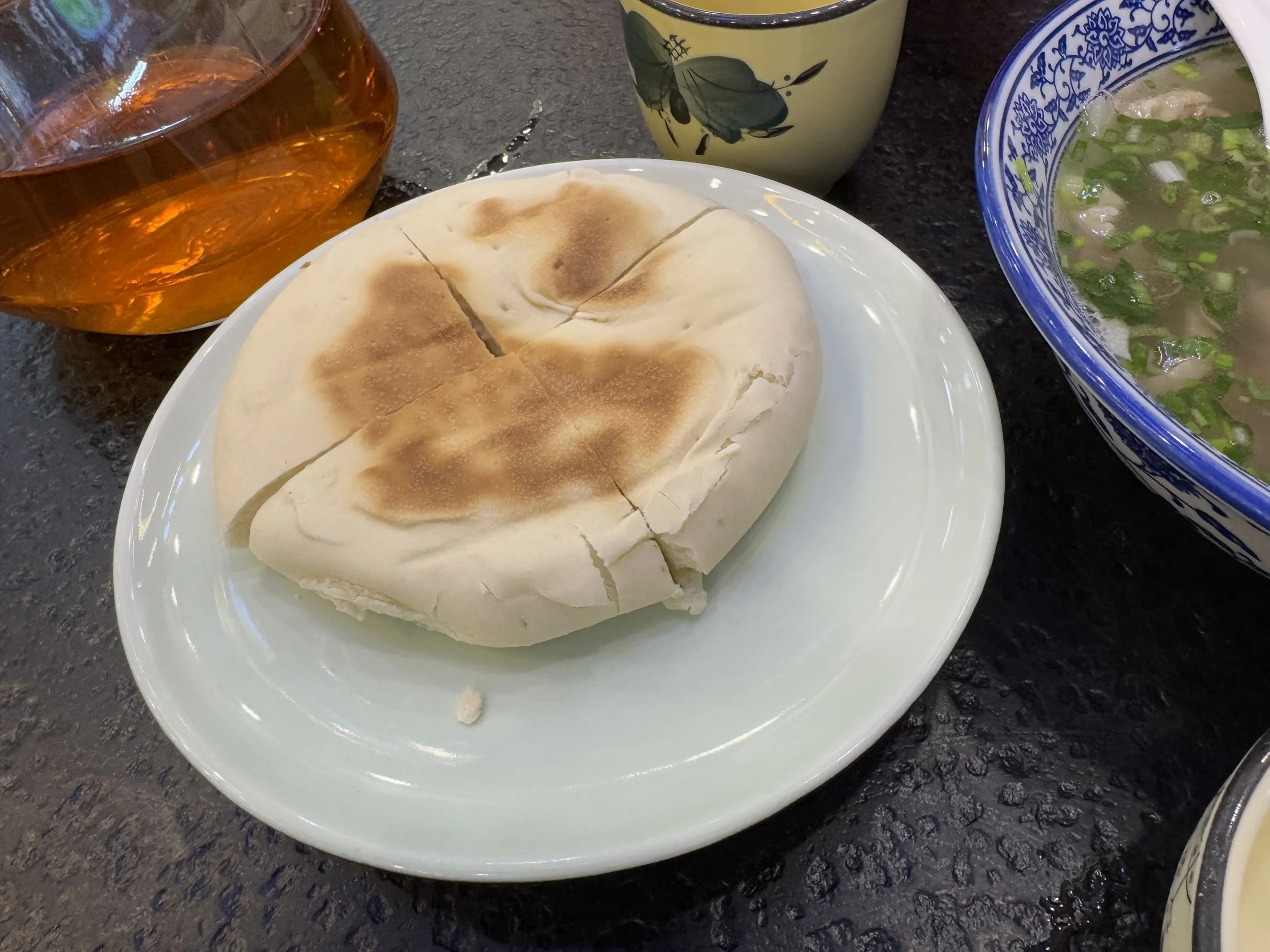
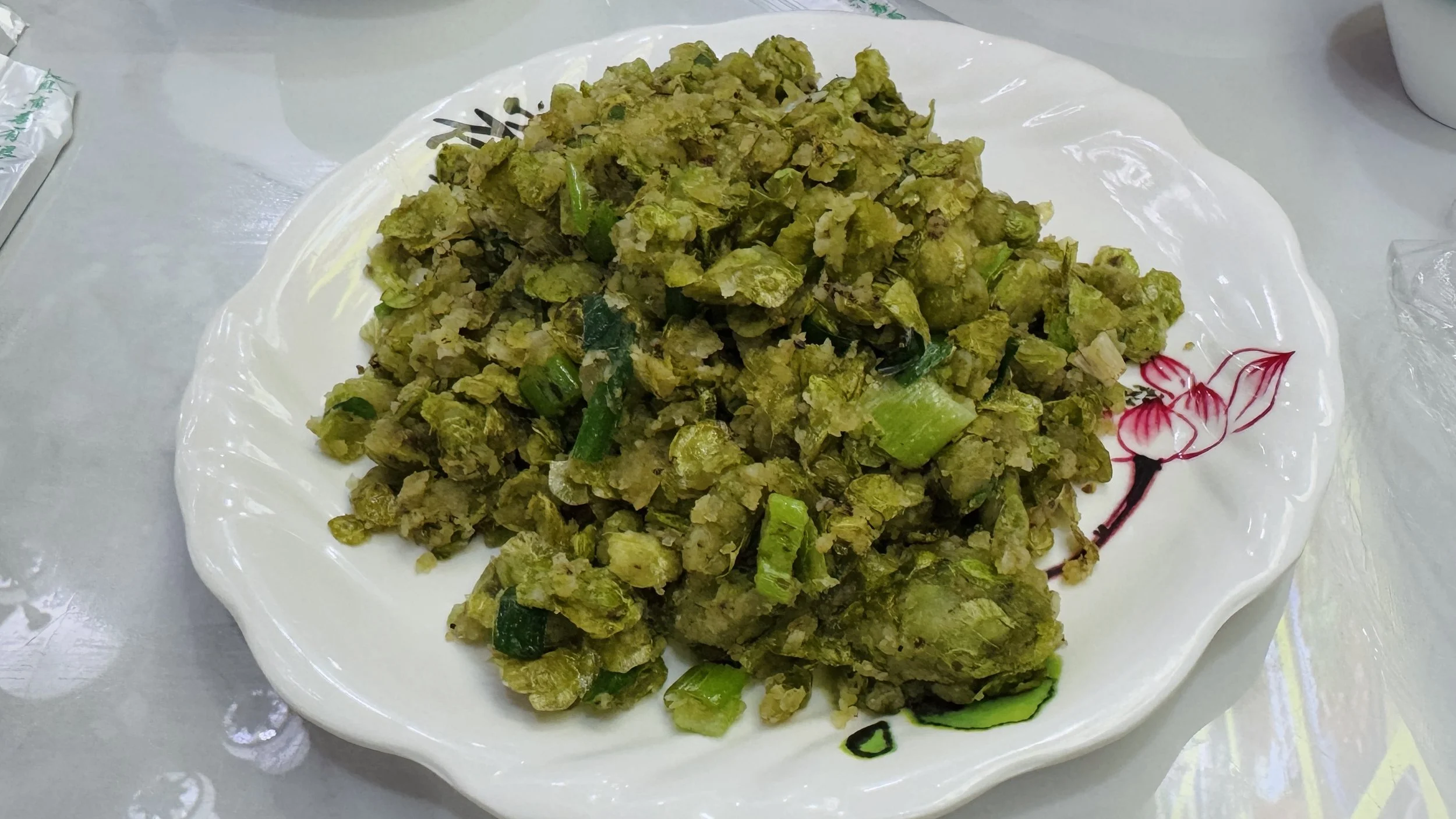
For dinner, we went to a restaurant recommended by our driver and ordered beef and wild chive dumplings, stir-fried elm samara shoots, and a dish called Hu-yang menbing (胡杨焖饼). At first, we assumed the name had something to do with mutton, but later learned that it was actually Hu-yang menbing, named after the desert poplar (hu-yang) wood that was traditionally used as fuel to bake the flatbread—though this primitive method is no longer used today.
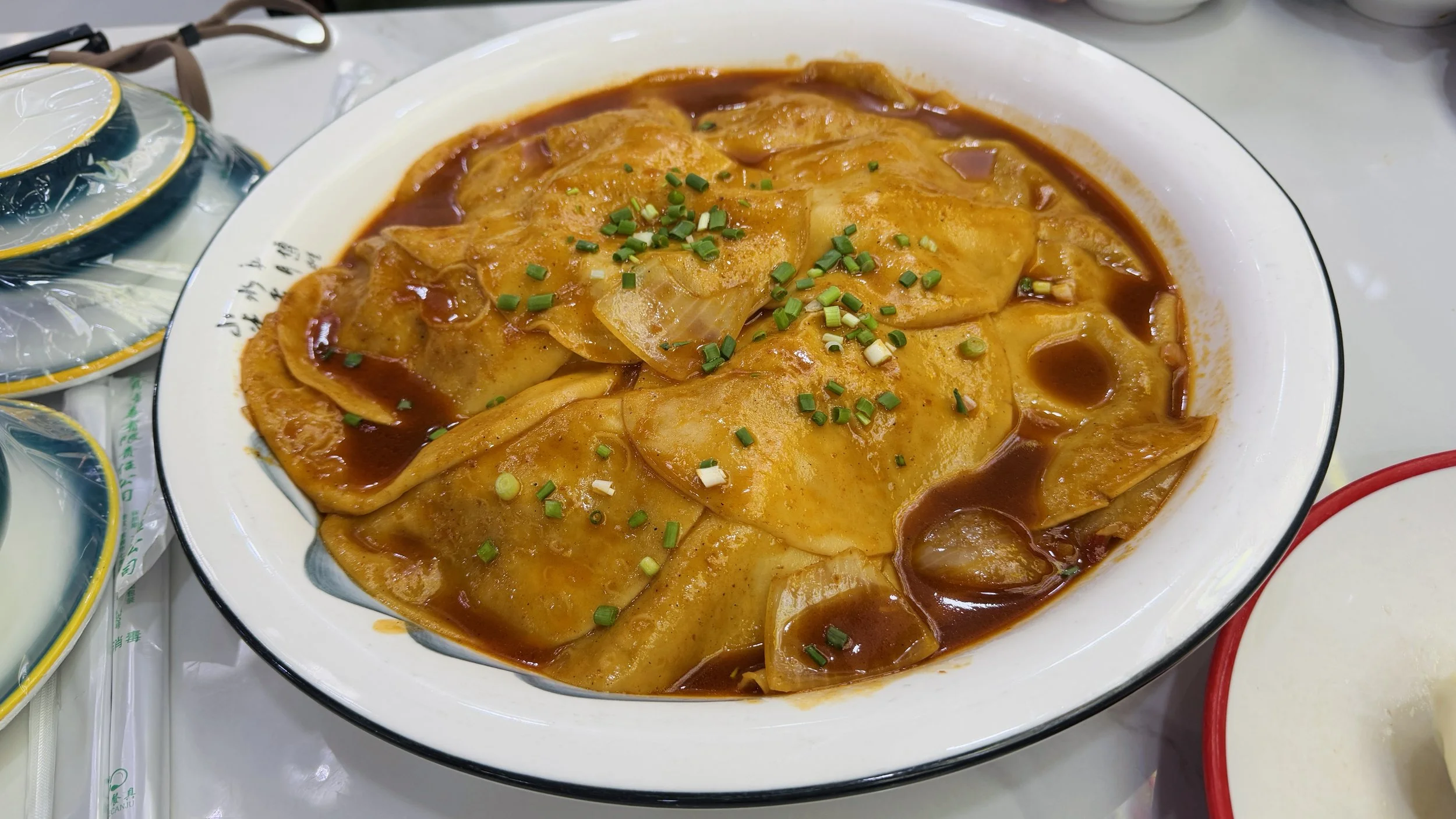
Menbing can be served with a variety of toppings. Locals usually pair it with lamb, but beef, chicken, or pork ribs are also common. We chose a small portion of pork-rib hu-yang menbing. It was rich and flavorful, but even the “small” portion was far too generous for the two of us. We were completely full after finishing barely half of it.
It was a long, fascinating day—each stop offered so much history to absorb that by evening, our minds were full and our hearts deeply moved.
2025年10月10日
今天一早,司机来酒店接我们,开始当天漫长的行程。第一站是西千佛洞,它位于莫高窟所在山体的另一侧。在党河一边的洞窟共有十六个,我们随中文讲解团参观了其中四个。虽然规模和装饰远不如莫高窟宏大精美,但游客寥寥无几,使得参观过程格外安静从容。我们仔细聆听讲解,努力去了解当年开凿这些洞窟的人们及其信仰世界。
随后我们驱车约160公里前往雅丹地质公园,靠近甘肃与新疆的交界地带。进入景区后,换乘观光车,在多个观景点下车拍照、短暂步行。广阔无垠的雅丹地貌在风蚀作用下形成奇特的地形,景色壮丽而荒凉,与我们居住地附近—美国的亚利桑那州、科罗拉多州和犹他州的荒漠景观,颇有几分相似。
接着我们前往玉门关景区。园内主要有三处重要遗迹:小方盘城、大方盘城和汉长城。景区将玉门关遗址命名为“小方盘城”,这一称呼源自二十世纪初两位外国探险家的命名方式,而不是直接称为玉门关。
然后乘坐观光车带我们前往位于景区两端的汉长城遗址和大方盘城。看到两千多年前修筑的汉代长城依然屹立在戈壁滩上,我们感到无比震撼——这全得益于干燥的气候和几乎没有人为破坏的环境。
当天的最后一站是阳关。正如一位游客所说,除了那个古老的烽火台遗迹外,景区里的建筑几乎都是后人重建的。然而,当我们踏上阳关大道时,仍然感到一丝不真实的震撼,仿佛能看见昔日的使者与商旅从这里踏上通往西域的漫漫征途。
在前往景区的路上,远远就能看到一座闪耀夺目的光热发电塔——这正是国内首座100兆瓦级的敦煌光热发电站。除了光热发电外,放眼那无边无际的戈壁滩,光伏电板整齐铺展,风力发电机迎风旋转,高压输电塔与通信电缆纵横交织,构成了一幅壮观的现代能源画卷。
晚餐我们去了司机推荐的一家餐馆,点了沙葱牛肉水饺,风味炒榆钱和胡羊焖饼。原本以为“胡羊焖饼”与羊肉有关,后来才弄明白,其实应为“胡杨焖饼”——最初是用胡杨木生火烙制的饼,如今当然已不再采用这种原始做法。焖饼可以搭配多种底菜,当地人以羊肉为主,但也可以是牛肉、鸡肉或猪排。我们点的是小份排骨胡杨焖饼,味道香浓可口,只是小份对我们俩来说份量也还是太大,吃了一半就已经饱到吃不下了。
这一天的行程漫长而充实,每一处遗迹都蕴含着丰富的历史信息,让人目不暇接、回味无穷。
Mogao Caves and Mingsha Mountain 莫高窟与鸣沙山月牙泉
October 9, 2025
We had booked a four-day private car with a driver through Ctrip.com……
我们在携程上预订了为期四天的包车游。。。
October 9, 2025
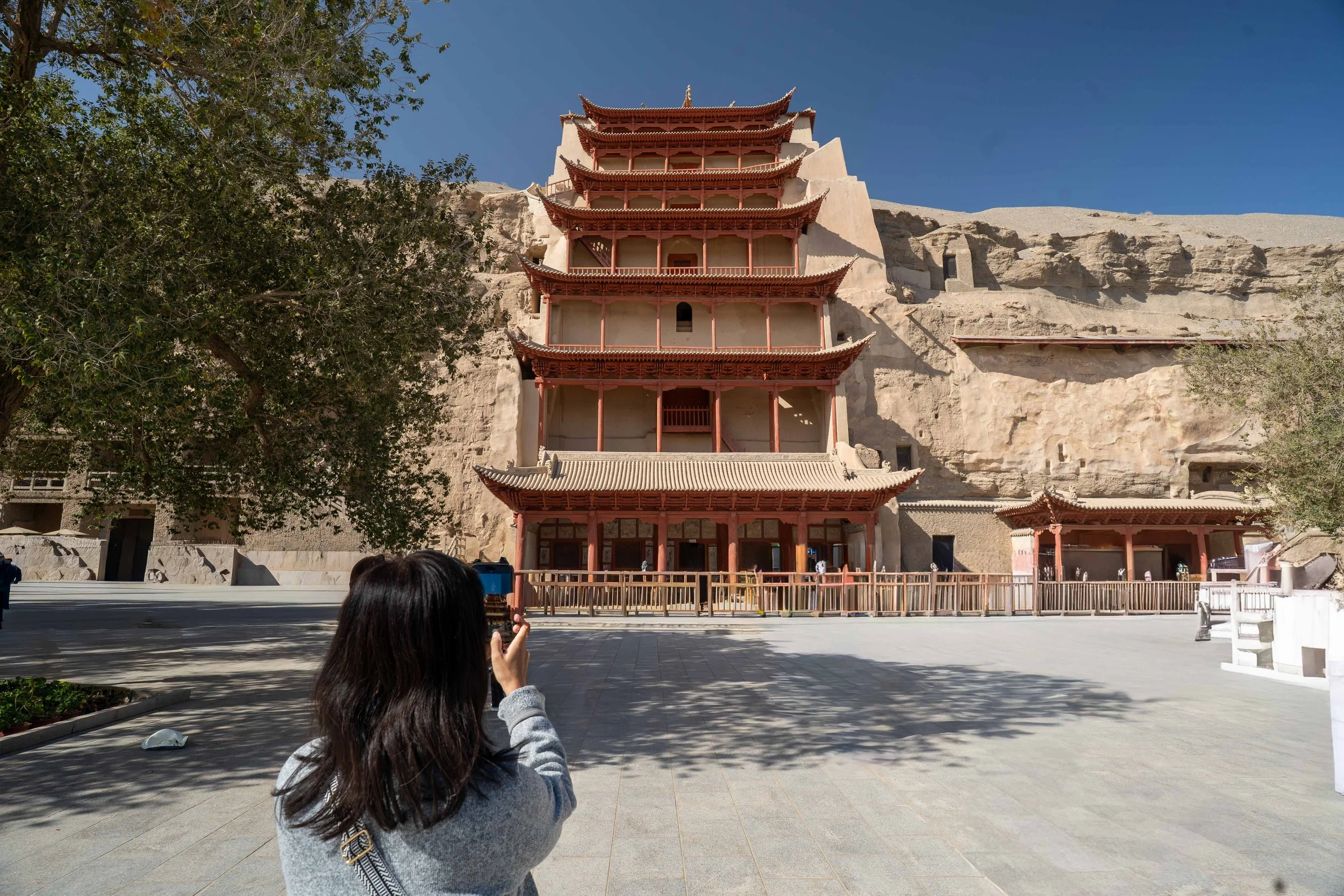
We had booked a four-day private car with a driver through Ctrip.com. Our first day’s itinerary included the Mogao Caves (莫高窟) in the morning and Mingsha Mountain (鸣沙山) in the afternoon.
At 7:50 a.m., the driver’s wife picked us up from the hotel, as our tour for the Mogao Caves was scheduled at 8:30 a.m. For foreign passport holders, tickets must be purchased via Trip.com, with an additional ¥20 service fee for non-Chinese guided tours. Initially, we queued up for the regular Chinese-language tour, but the line was extremely long since most of the standard tickets were sold out. Eventually, we decided to wait for the English-language tour — and it turned out to be a wise choice.
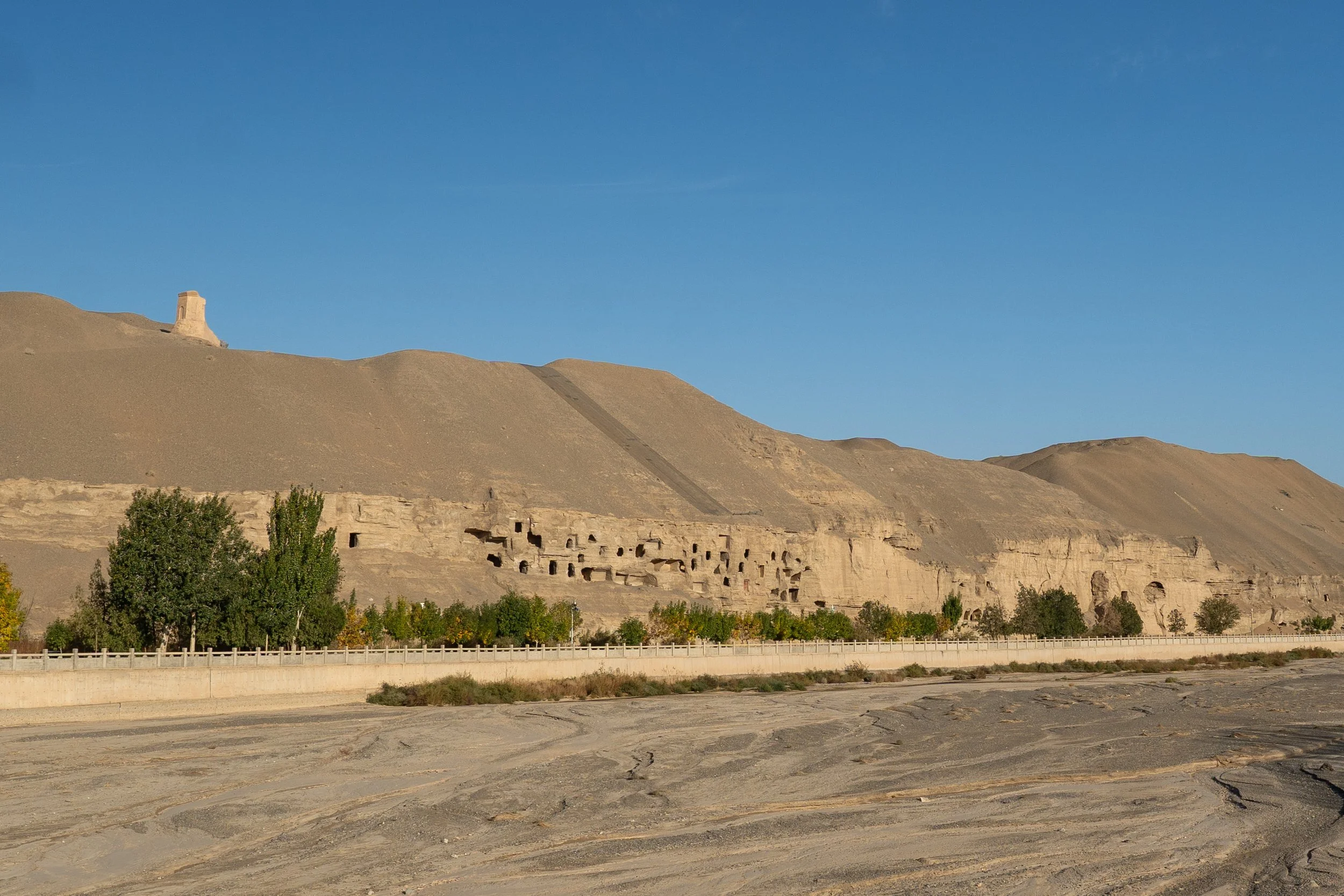
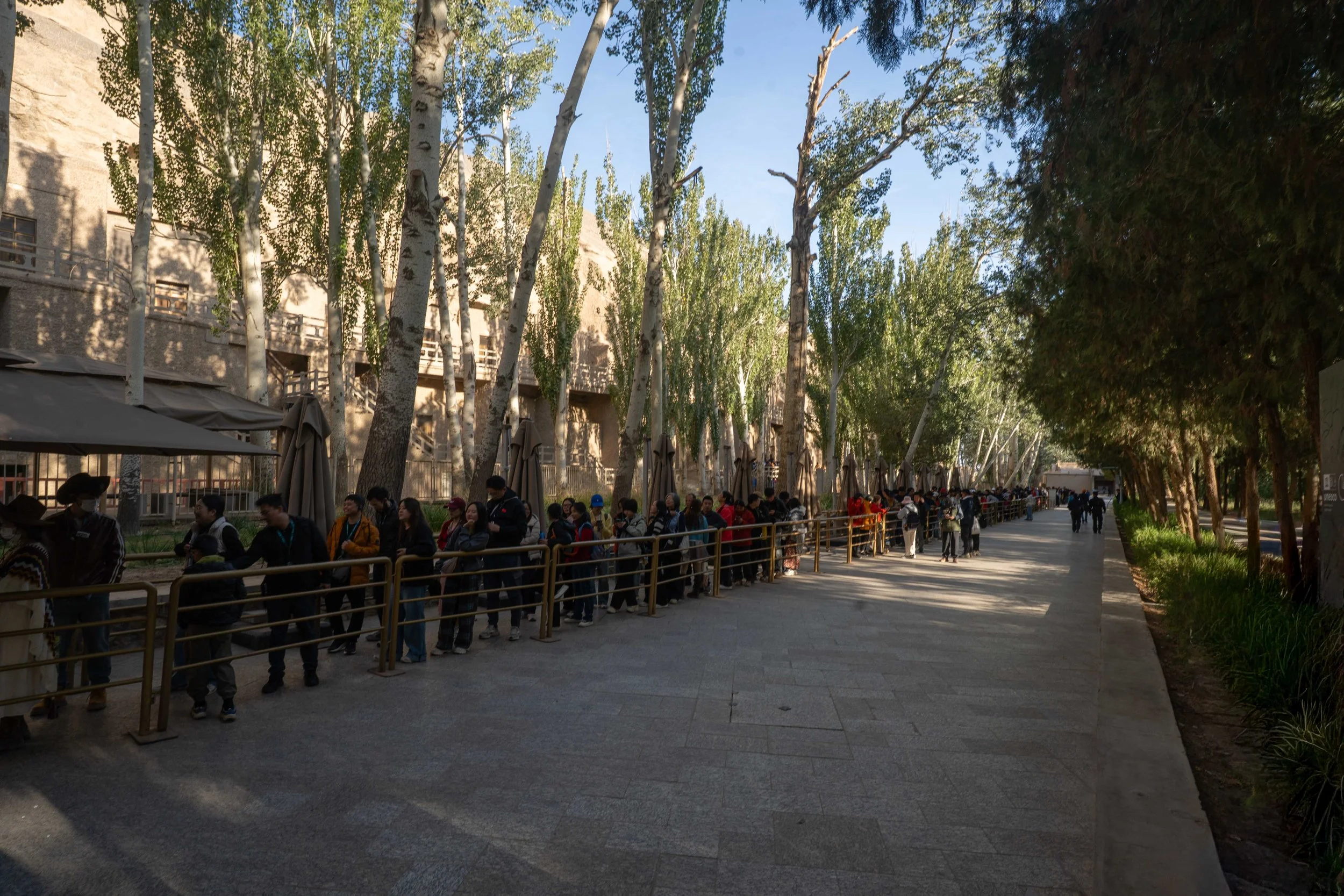
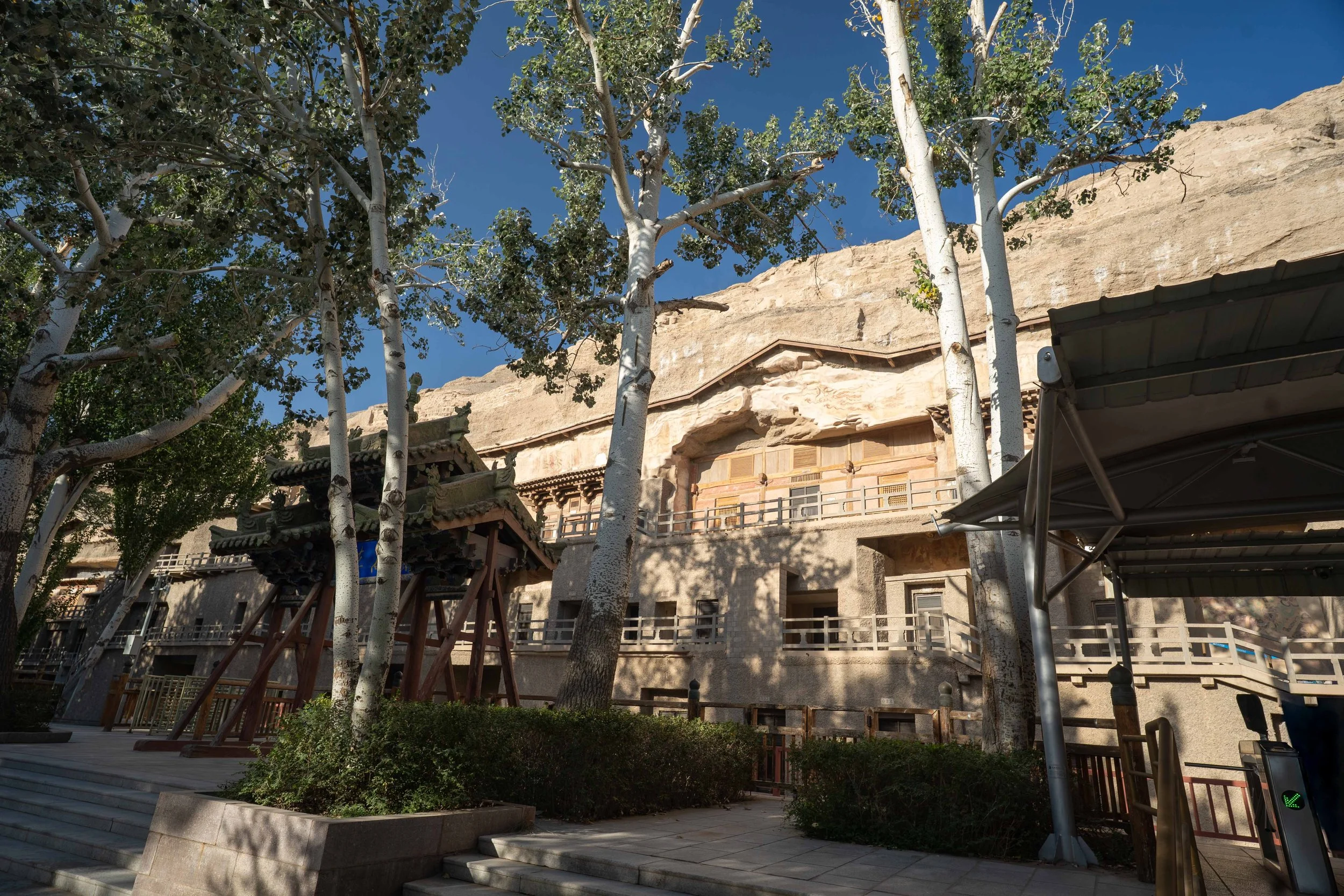
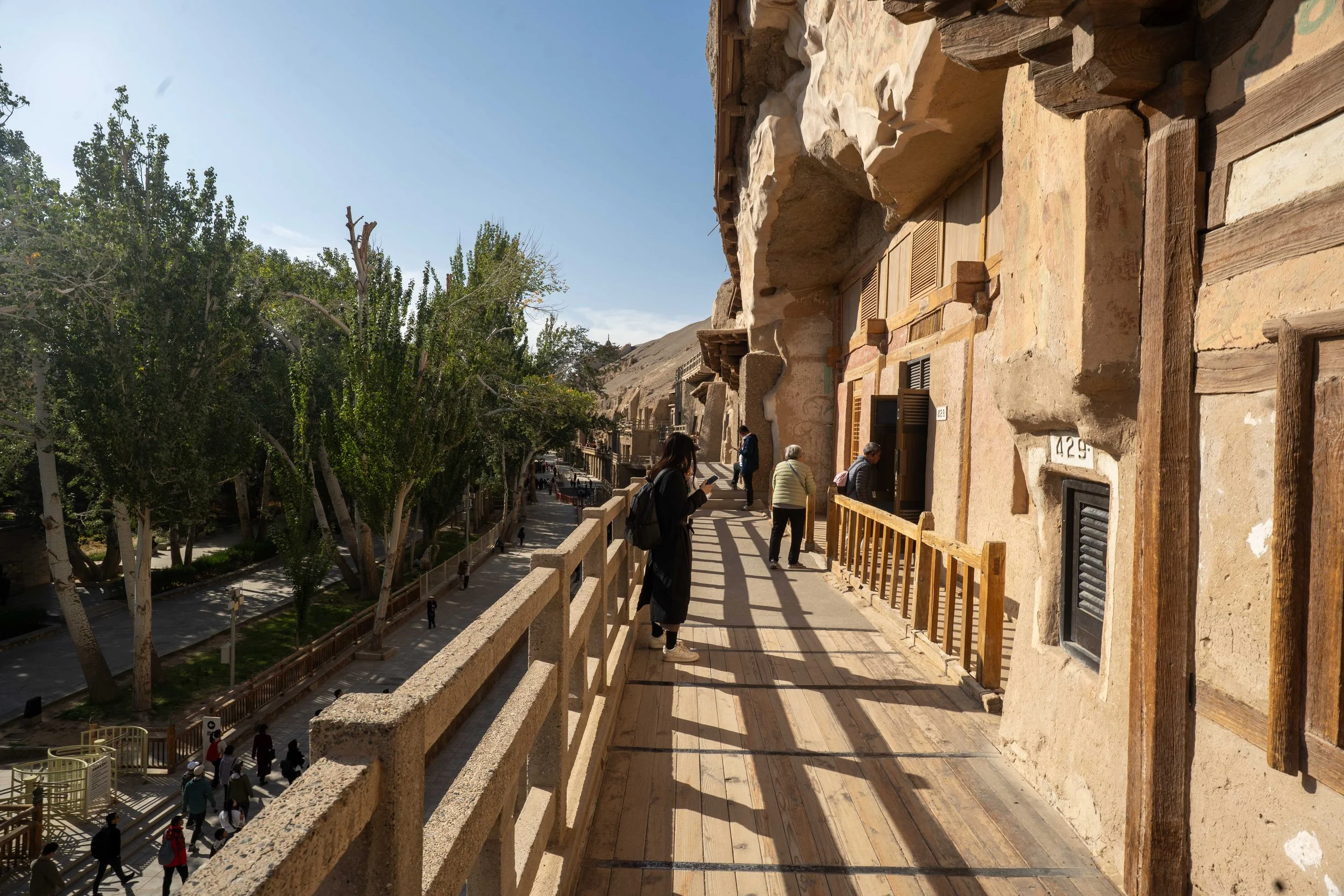
Our small group consisted of only four people, compared with the usual 15–20 in the Chinese groups. The intimate setting allowed us to fully appreciate the artistic details and historical atmosphere. In total, we visited eight caves, each one a masterpiece of Buddhist murals and sculptures, radiating an aura of serenity and devotion. Later, we visited three additional caves that featured giant Buddha statues, open to visitors who couldn’t get regular tour tickets.
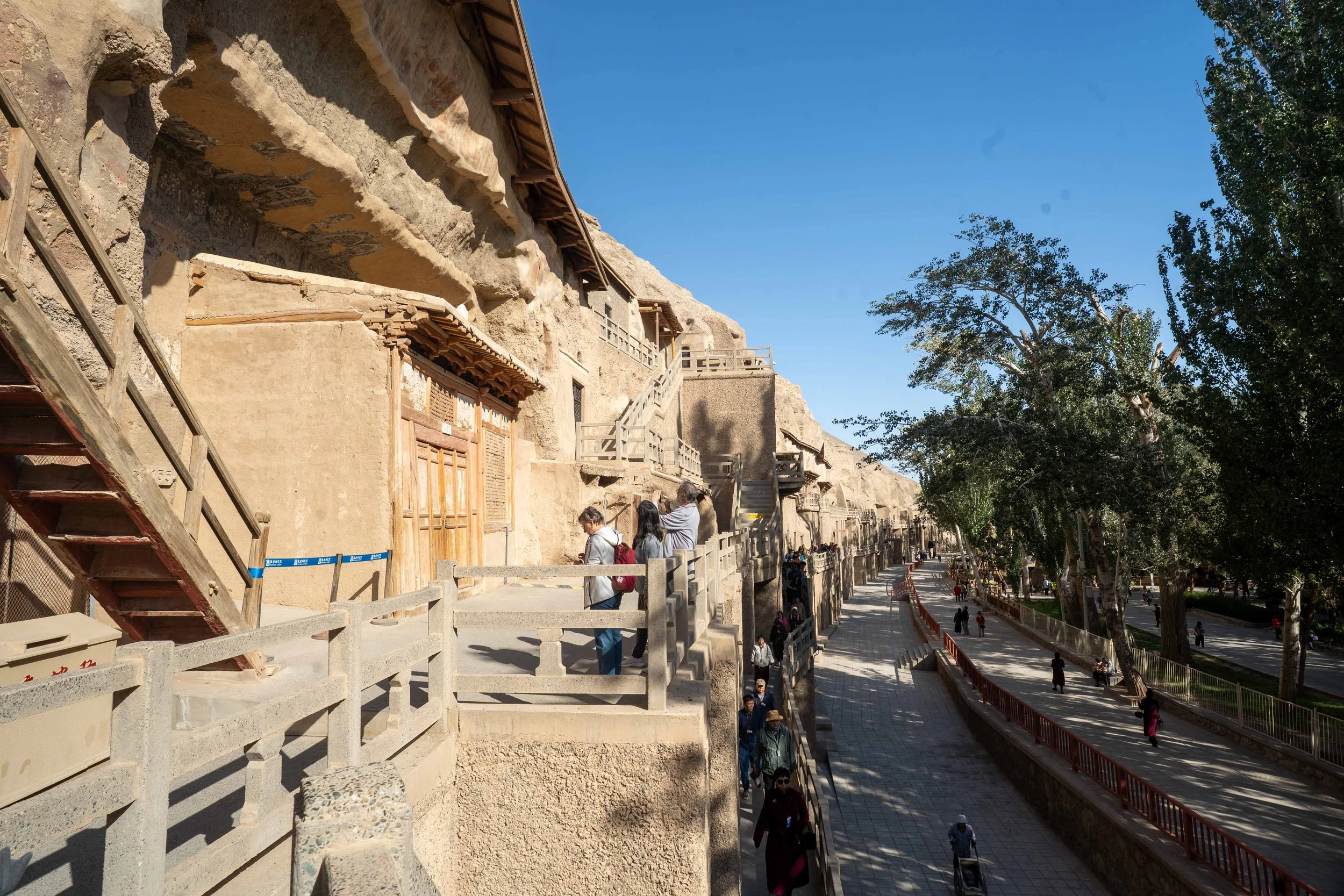
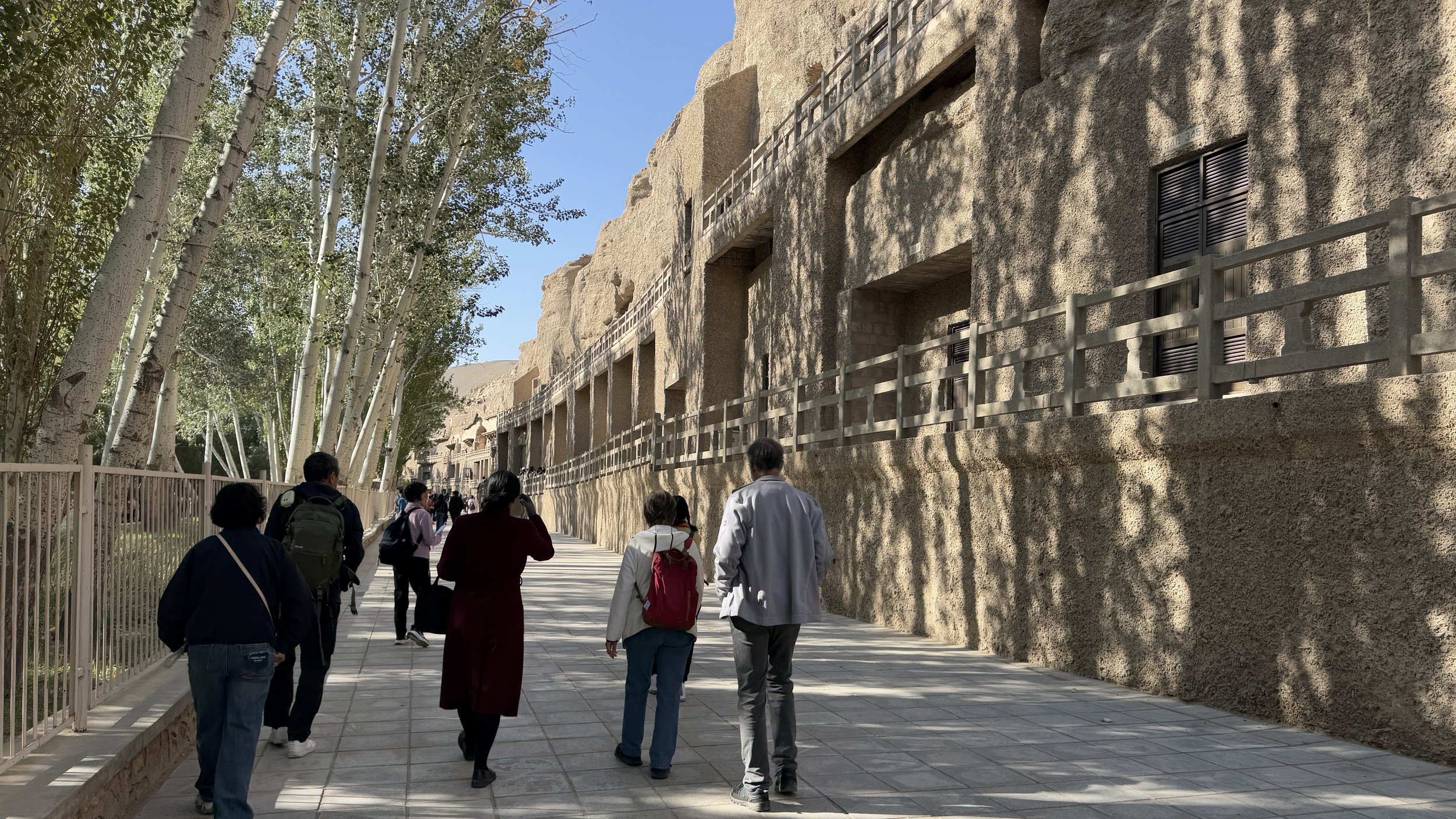
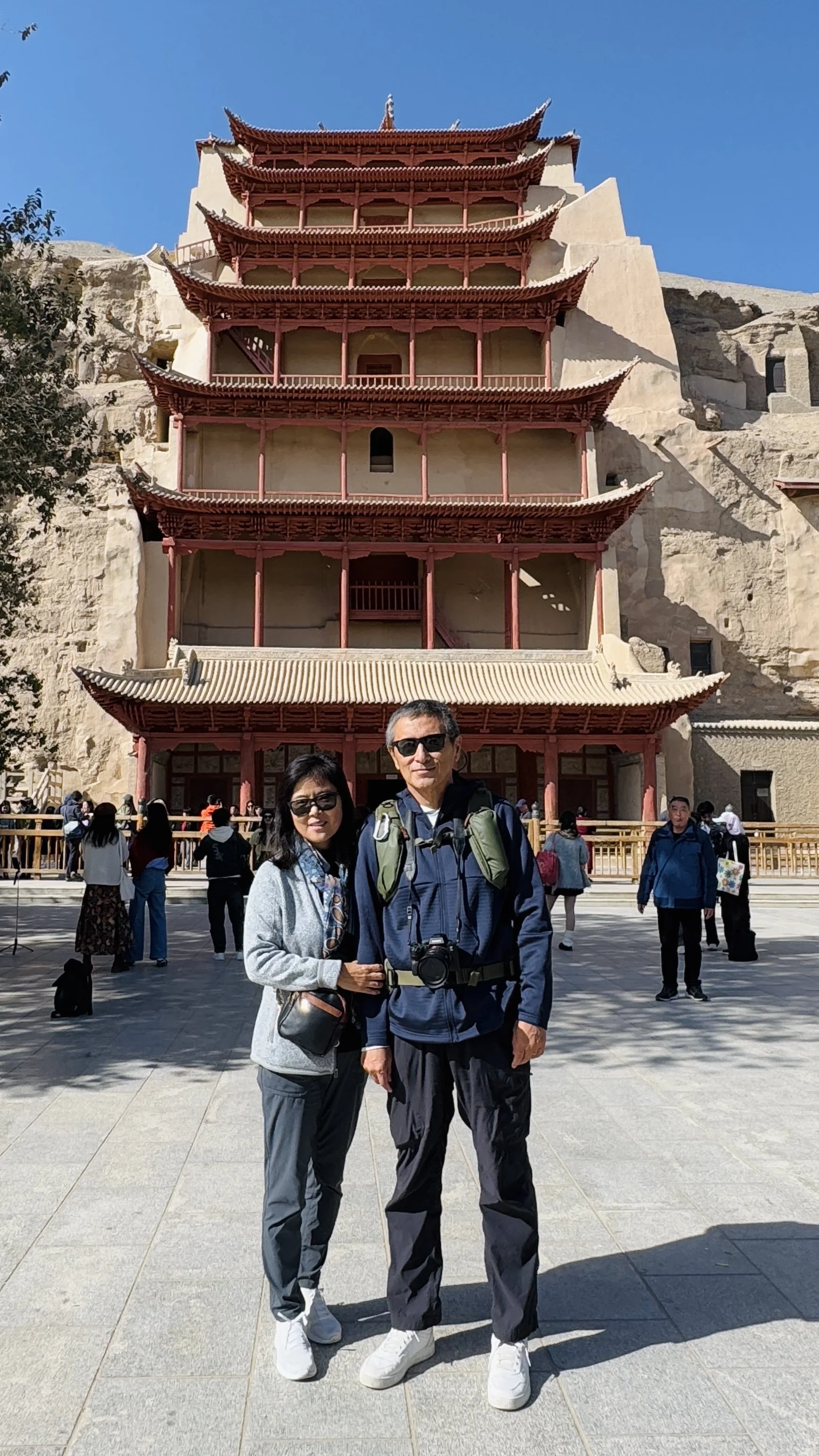
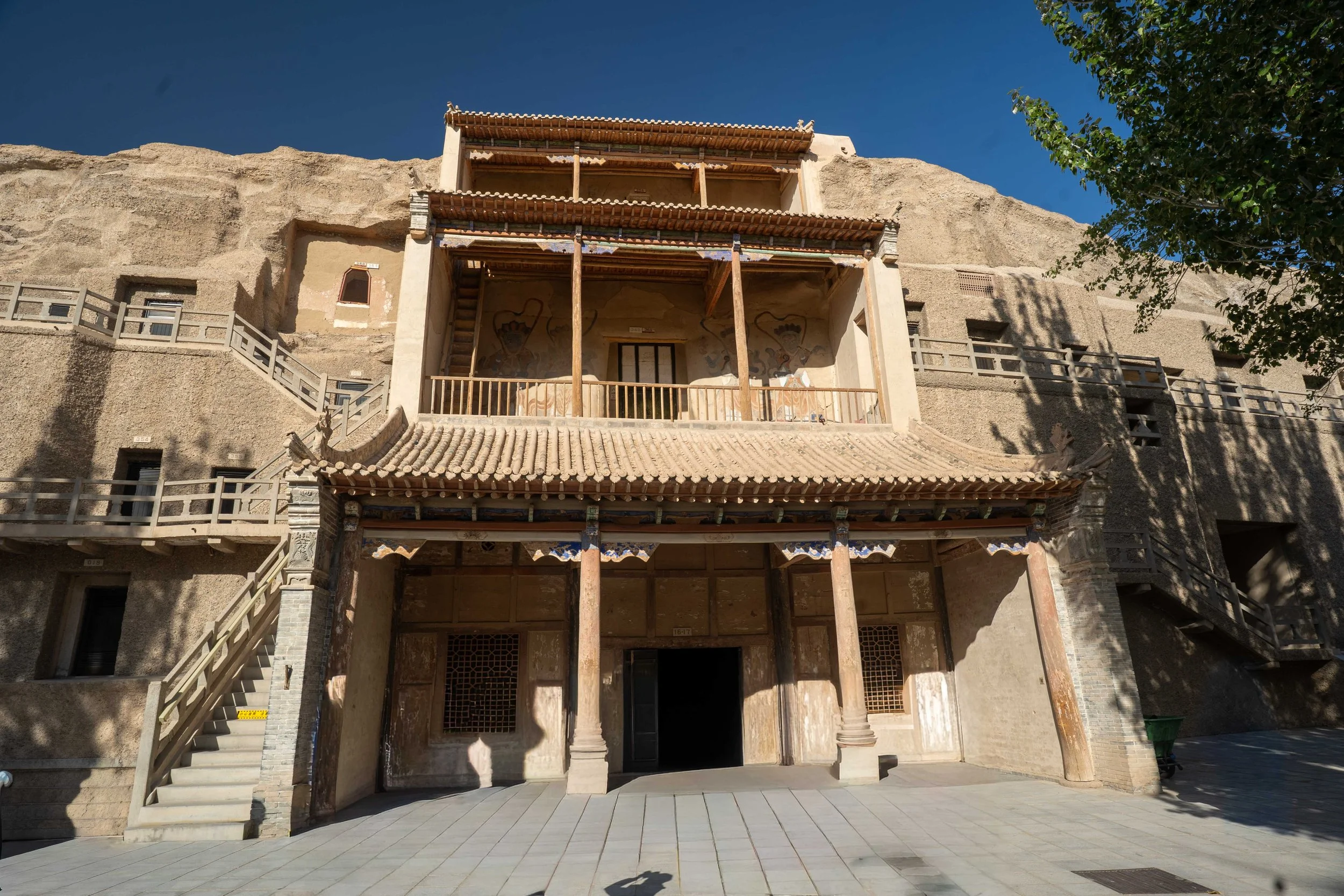
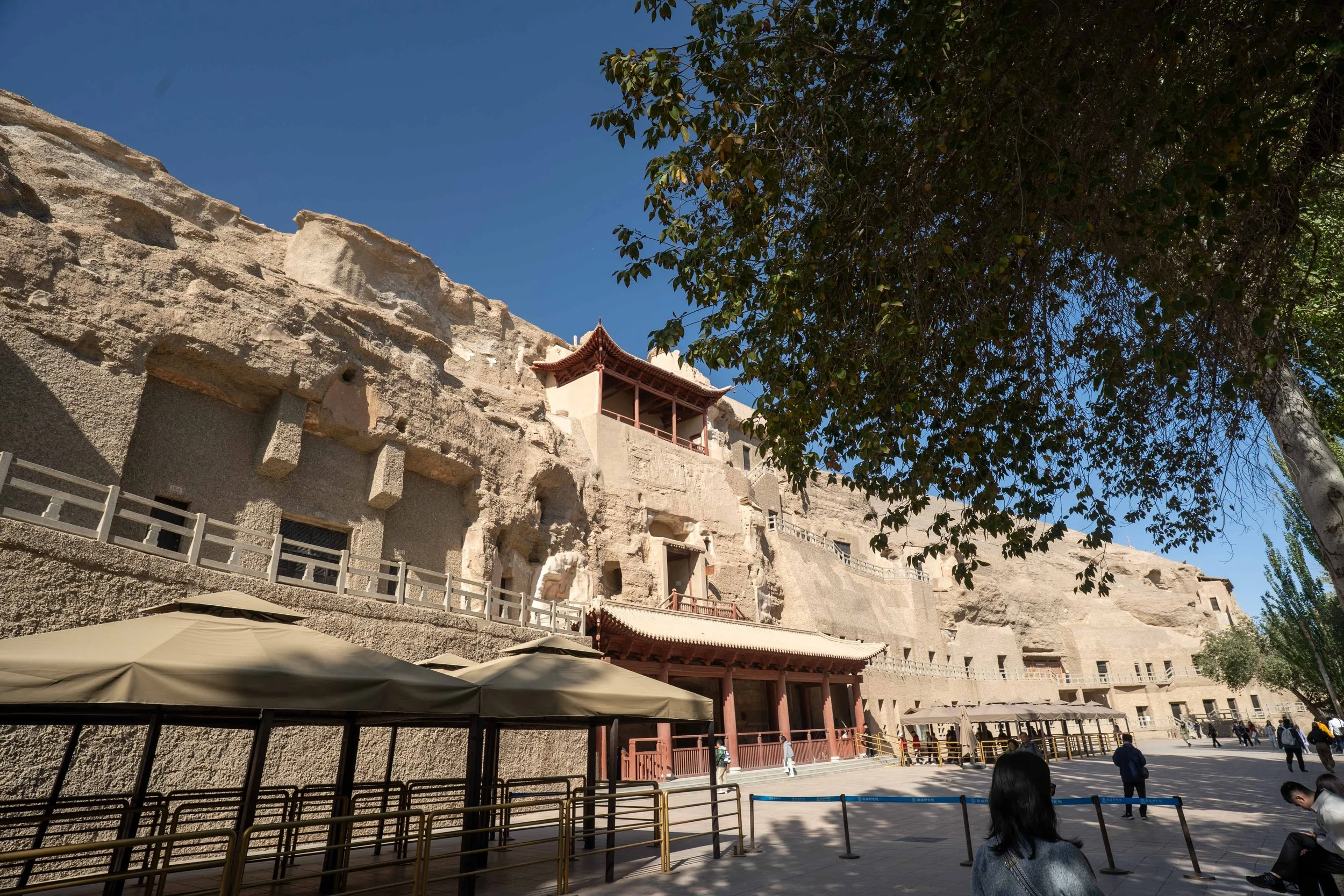
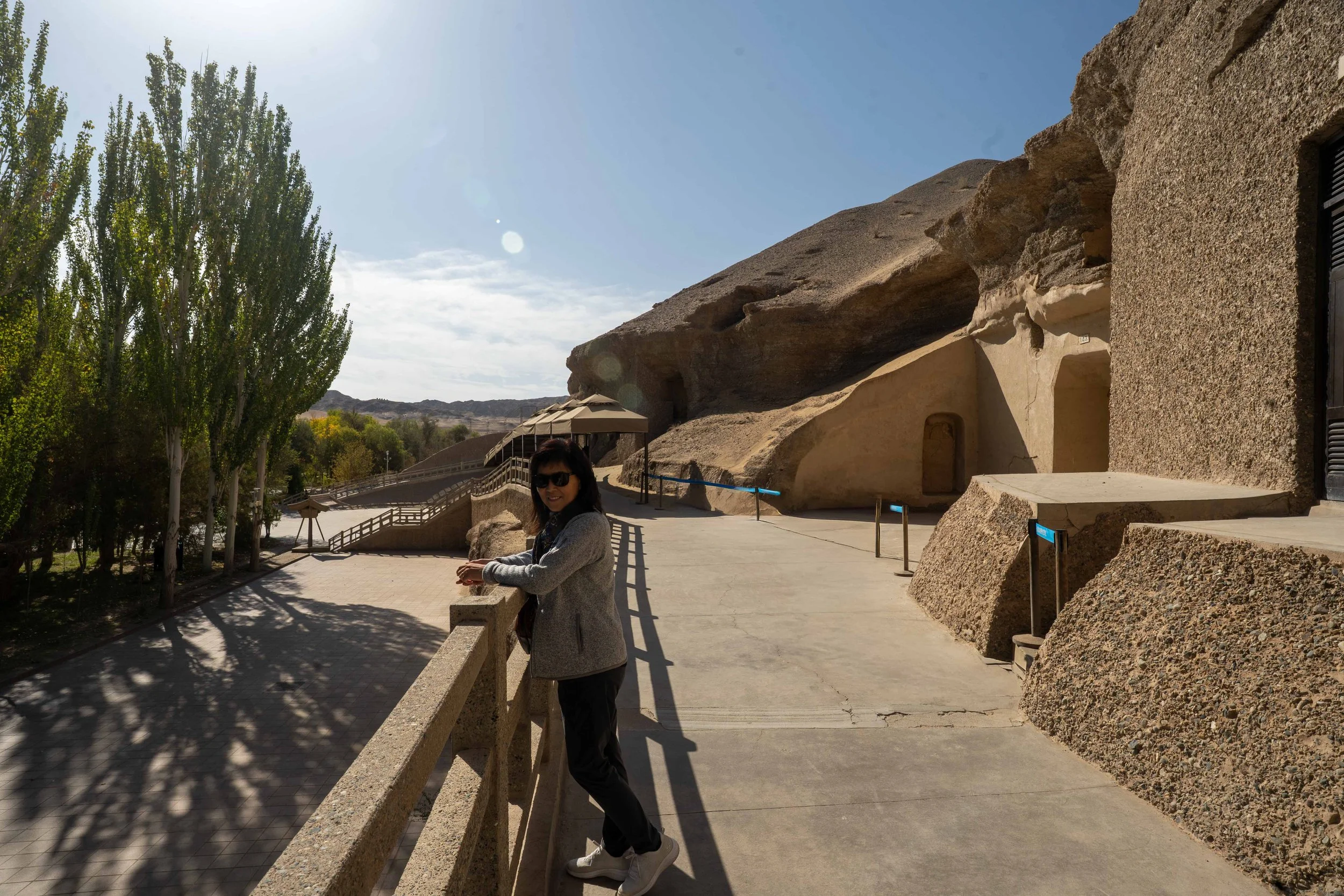
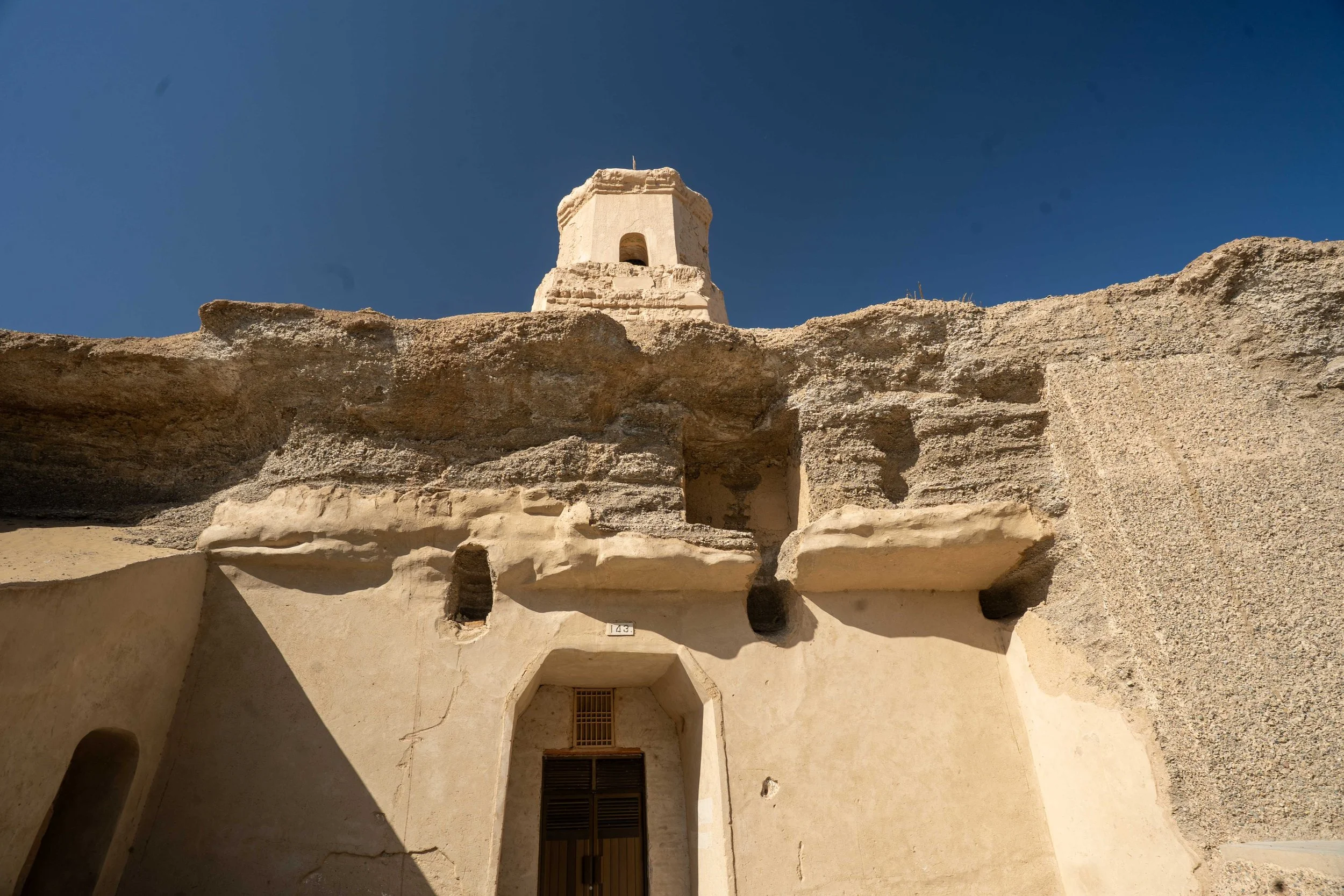
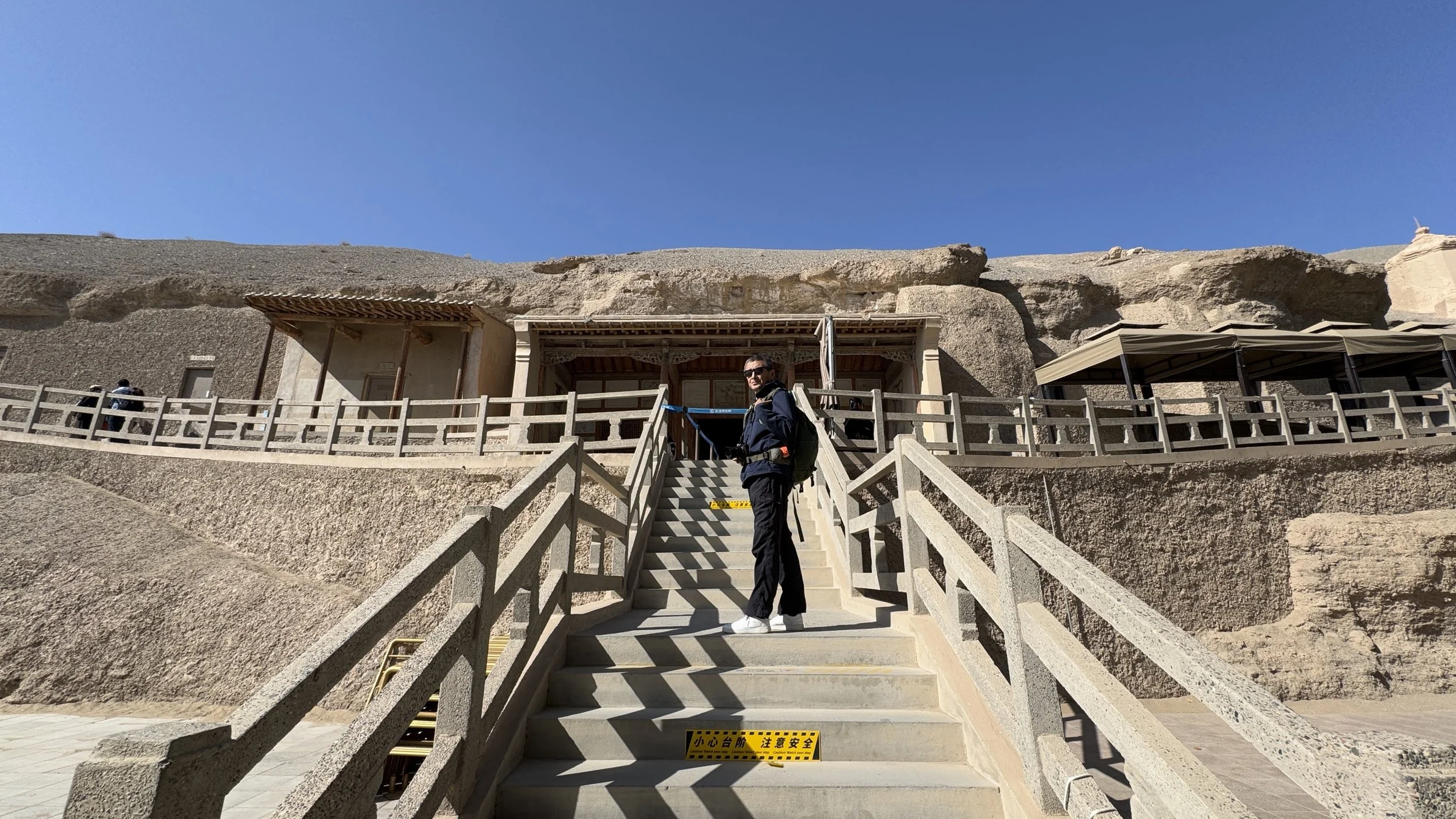
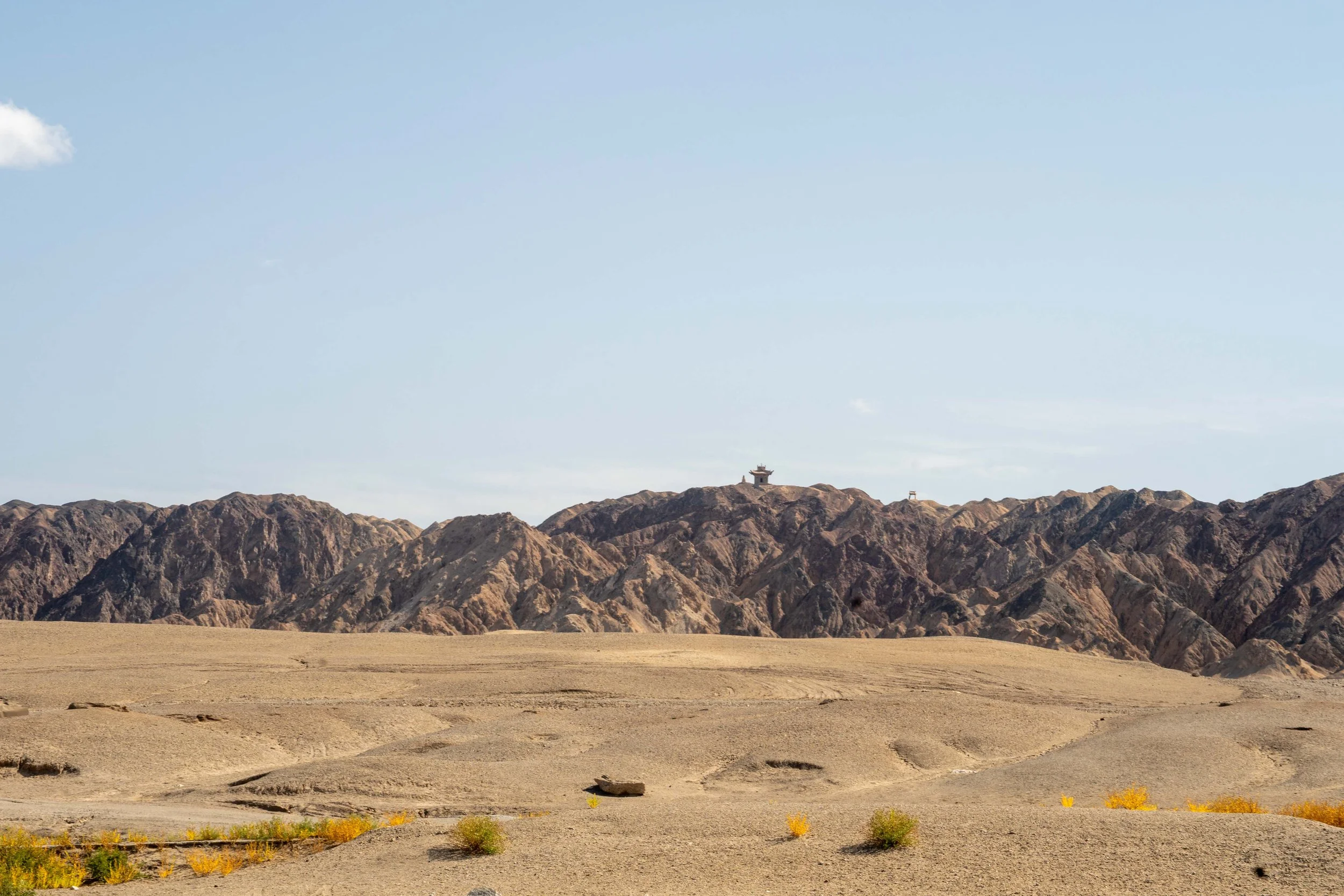
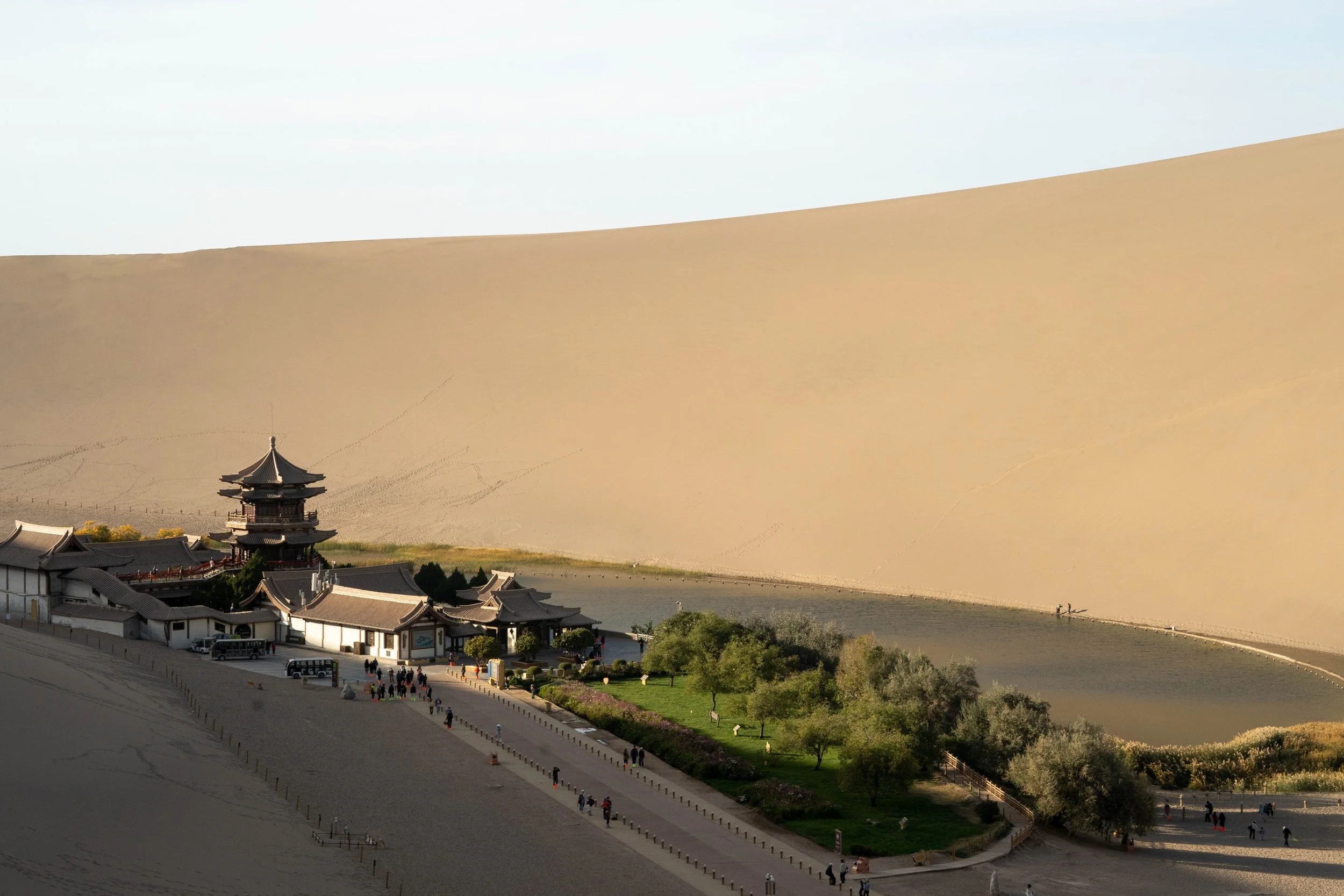
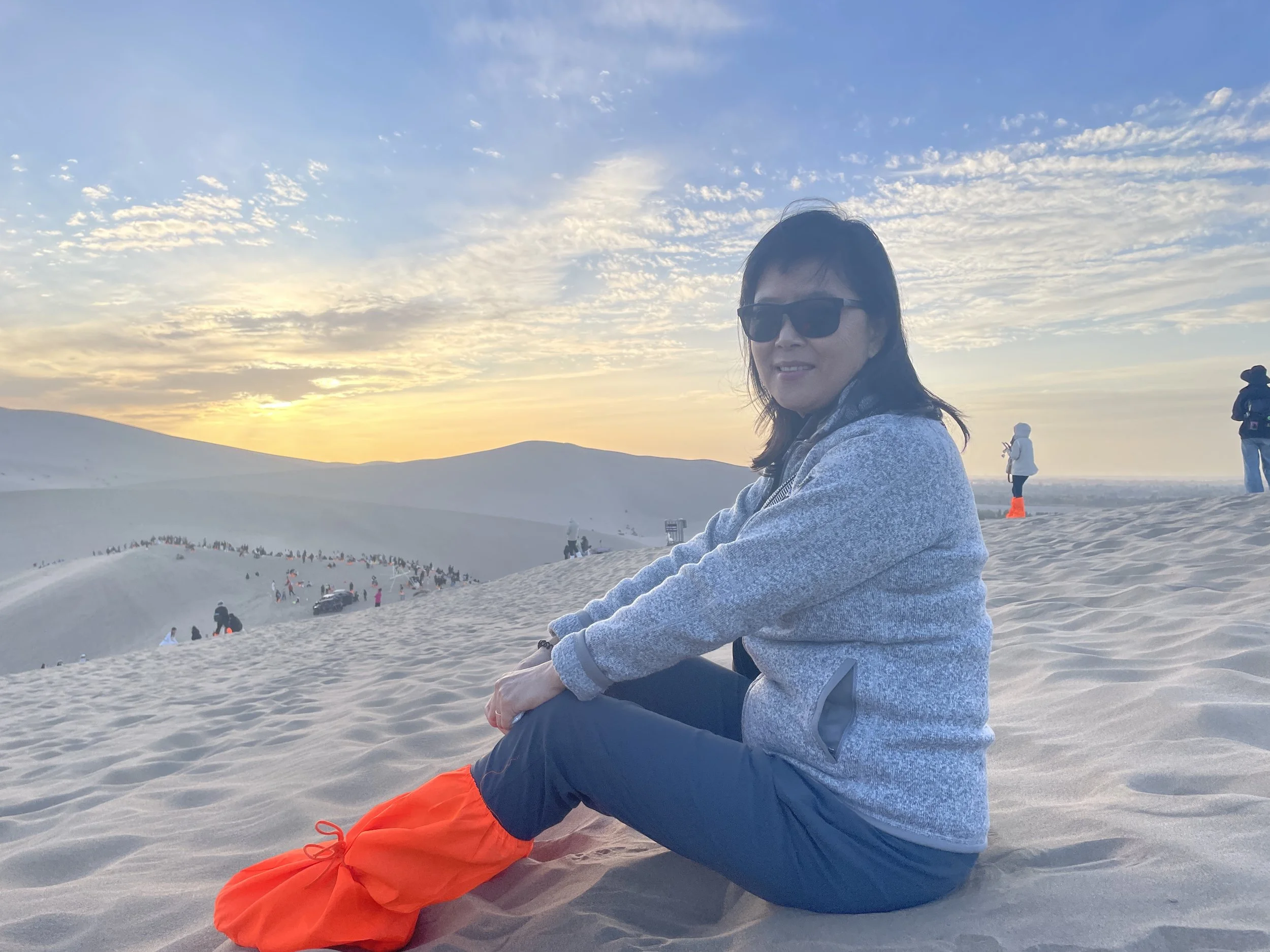
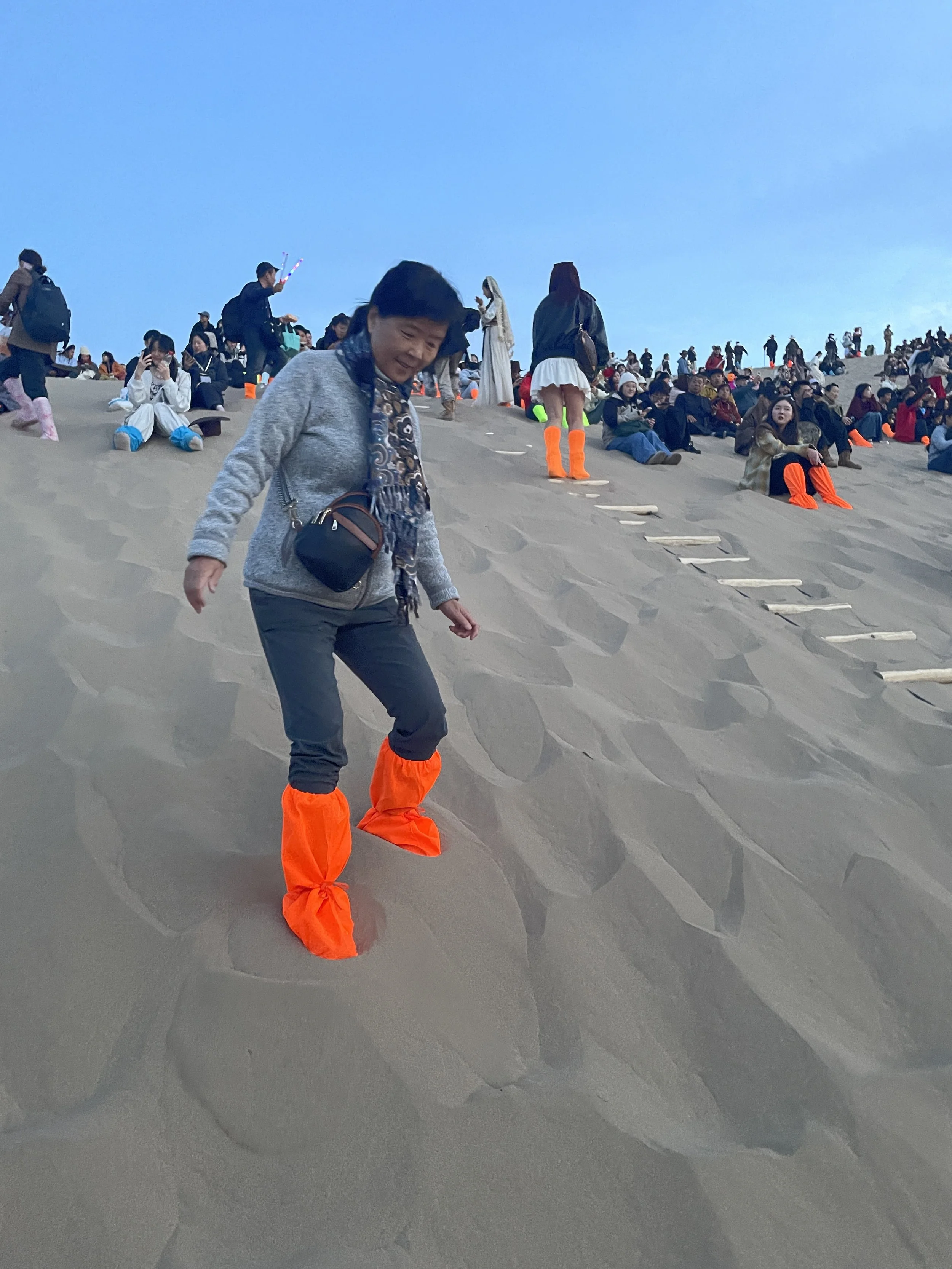
After the cave visit, our driver picked us up and drove us to the Mingsha Mountain Scenic Area, famous for its vast golden dunes. At the entrance, we bought protective sand shoes — successfully bargaining the price down to ¥8 each. The mountain is made up of fine, soft sand that glows under the desert sun, while at its base lies the picturesque Crescent Moon Lake (月牙泉), a natural spring surrounded by dunes.
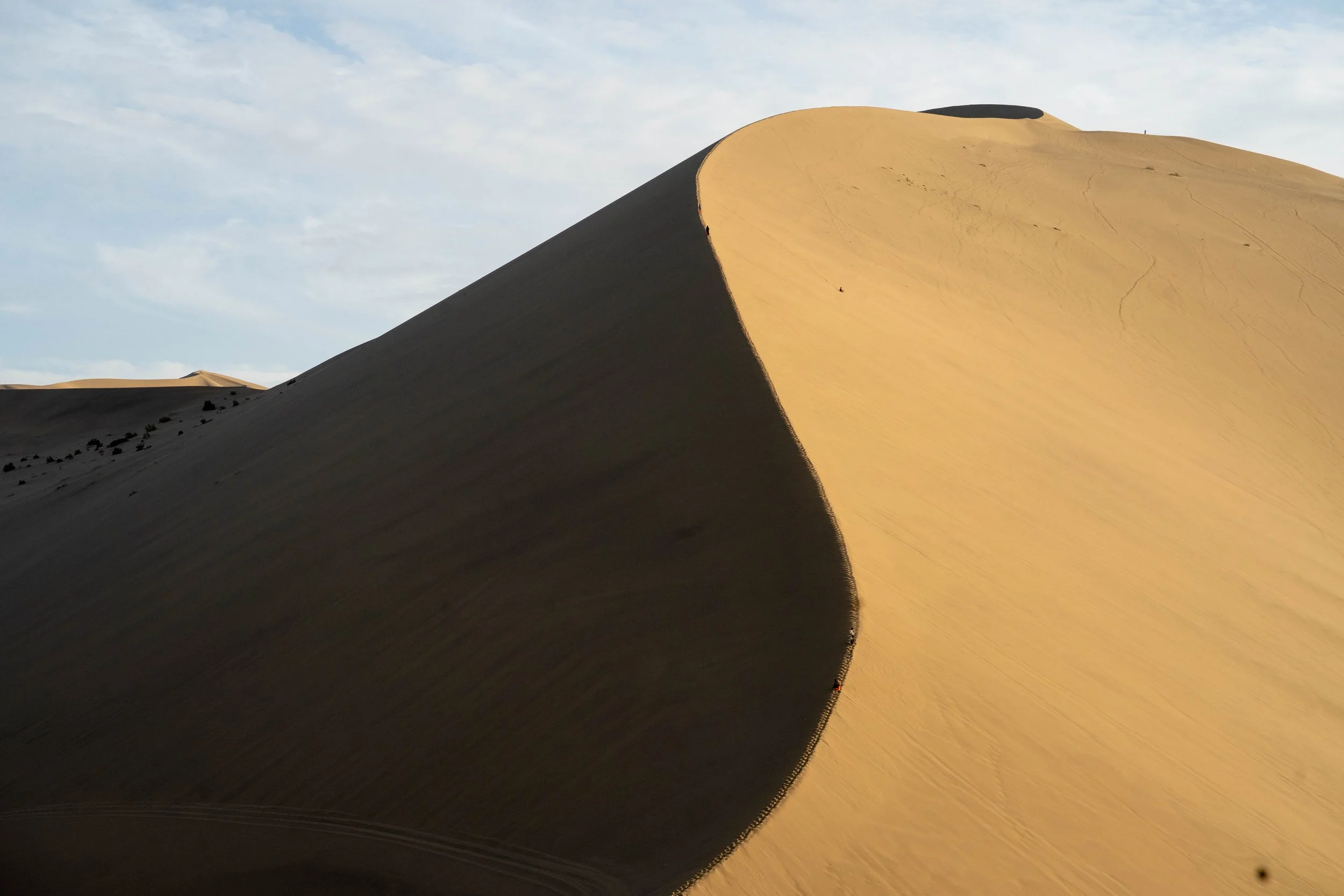
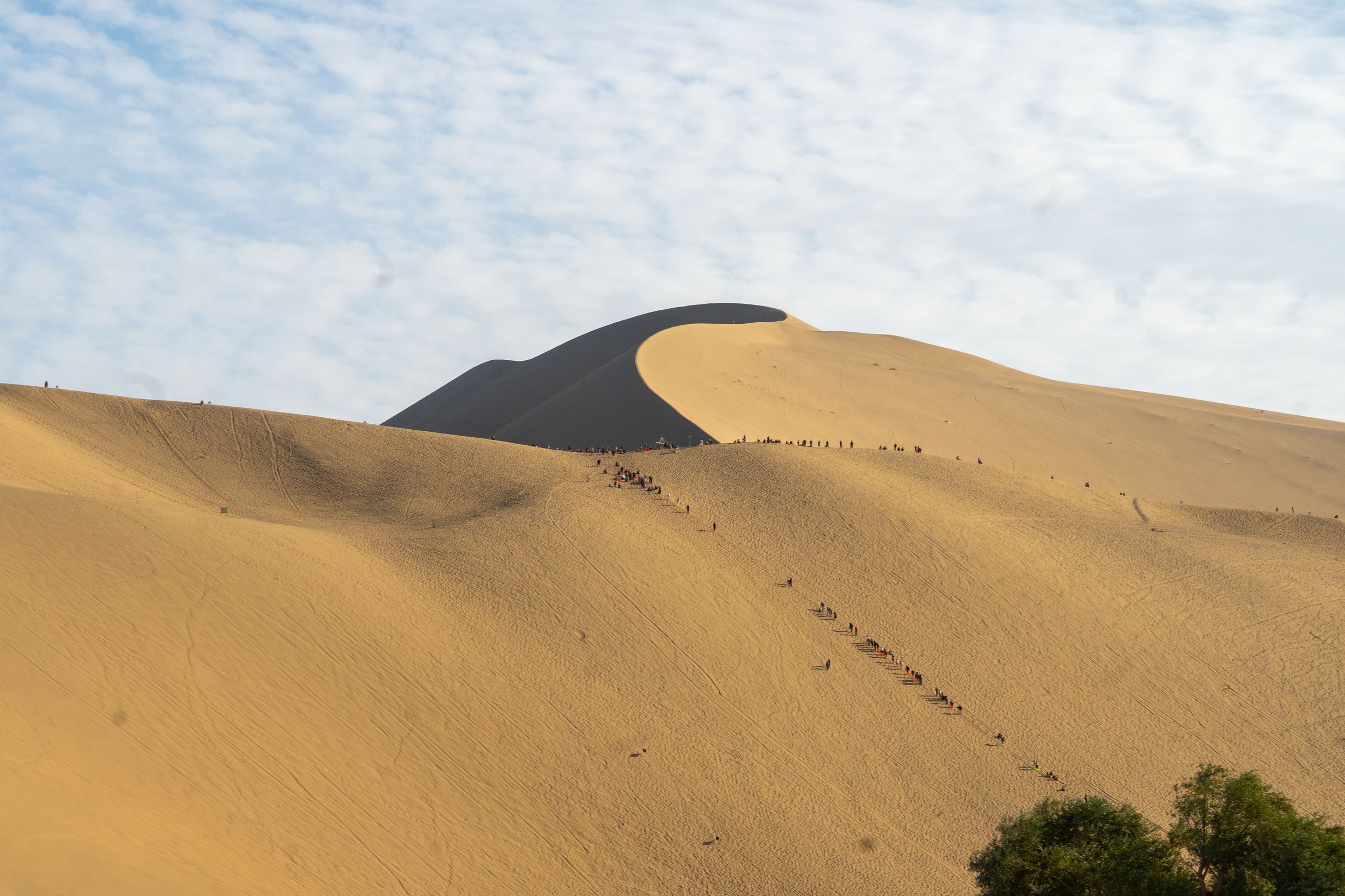
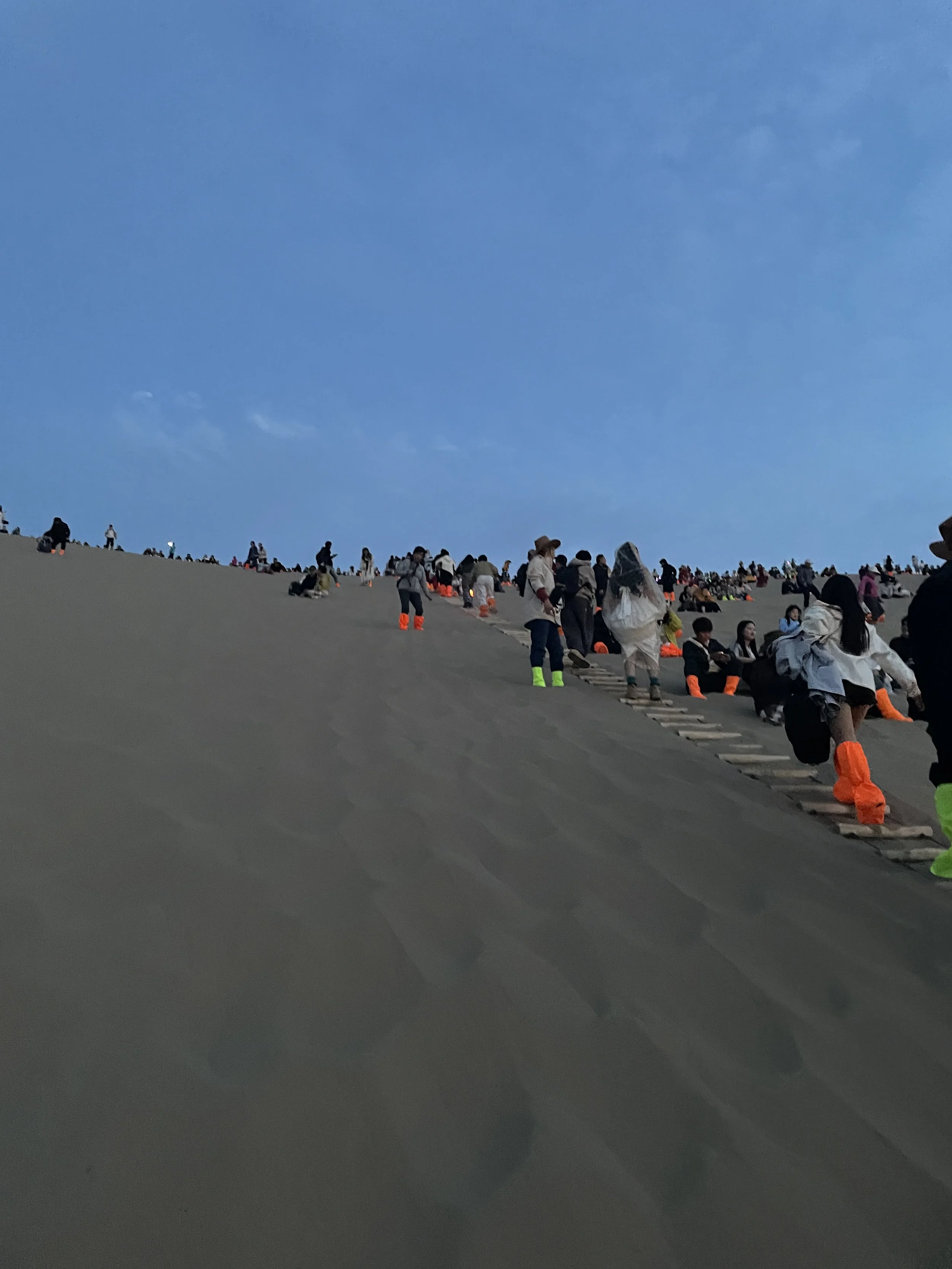
Camel riding is one of the park’s signature attractions, but we preferred to hike — our favorite way to explore nature. To help visitors climb, the park had set up two long wooden ladders across the steep slopes. We first tried to ascend directly on the sand but soon switched to the ladders, which, though easier, still demanded effort.
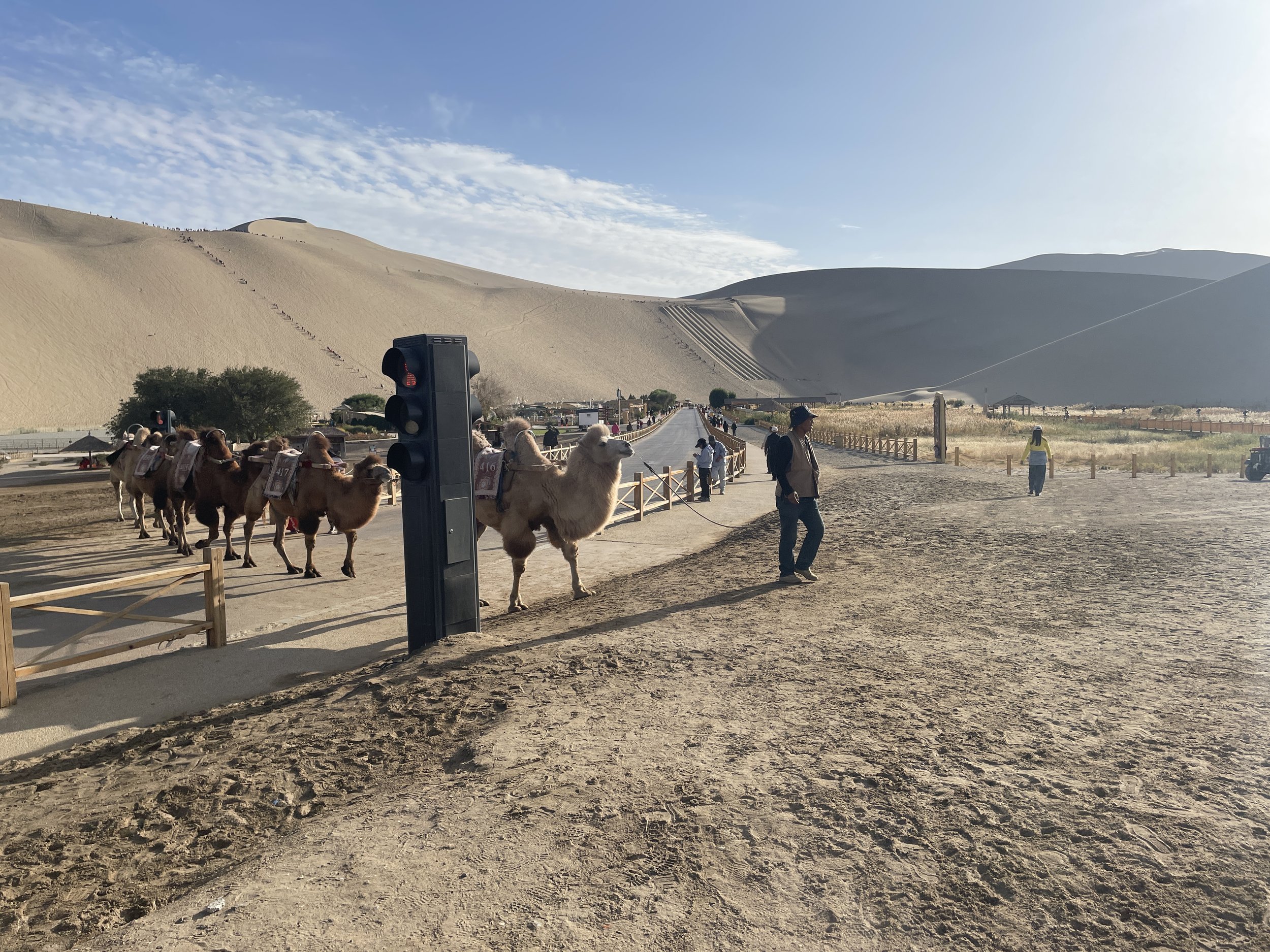
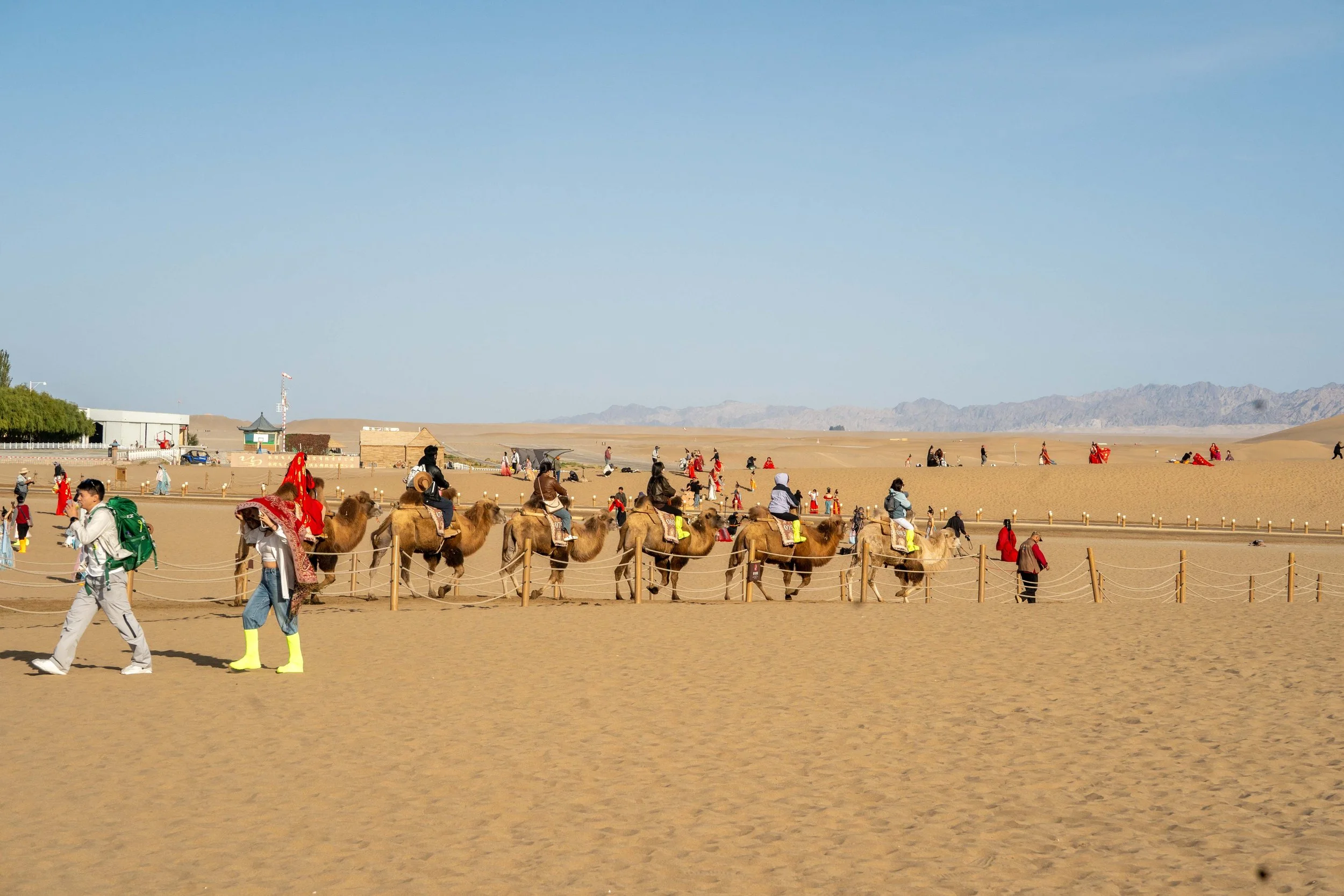
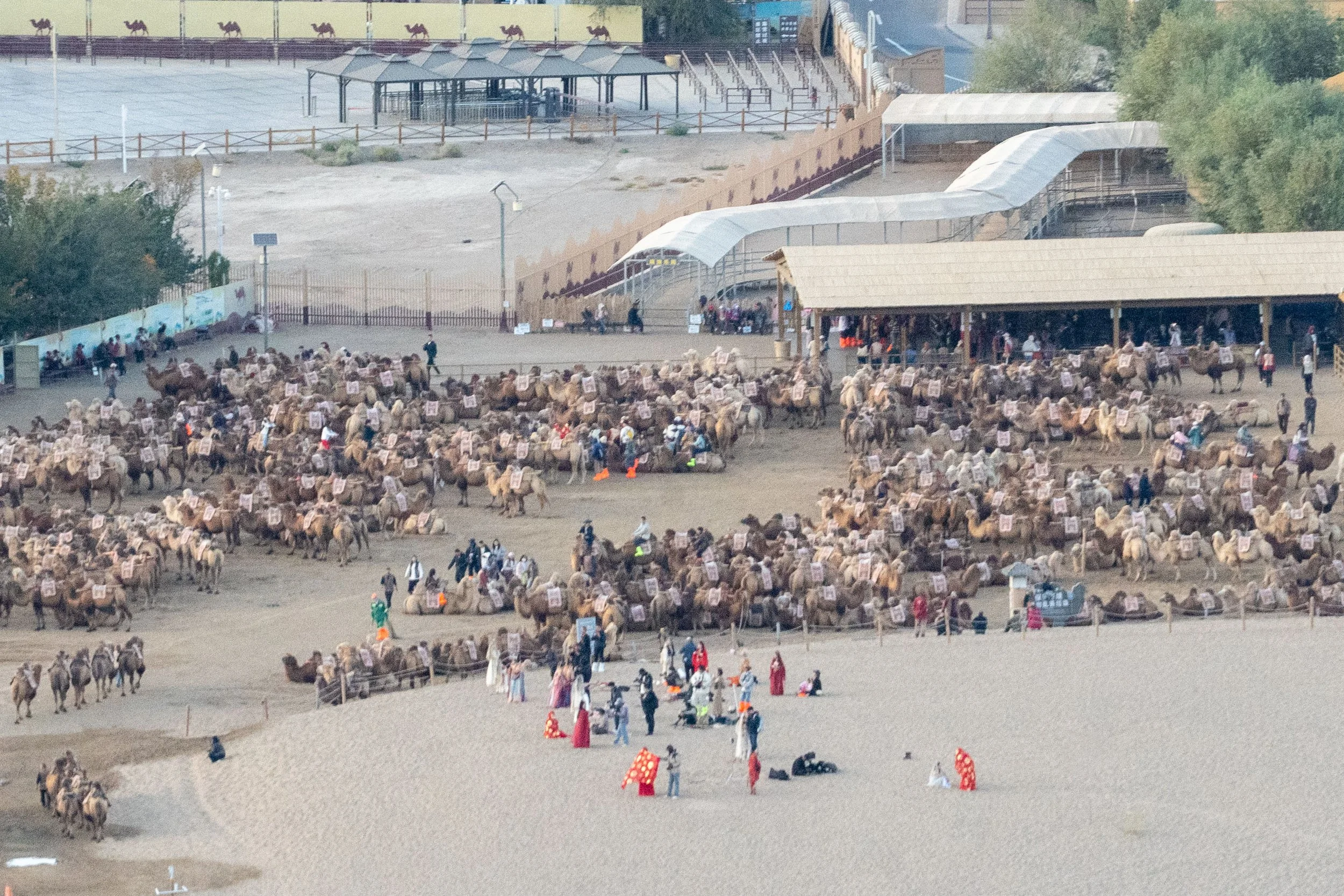
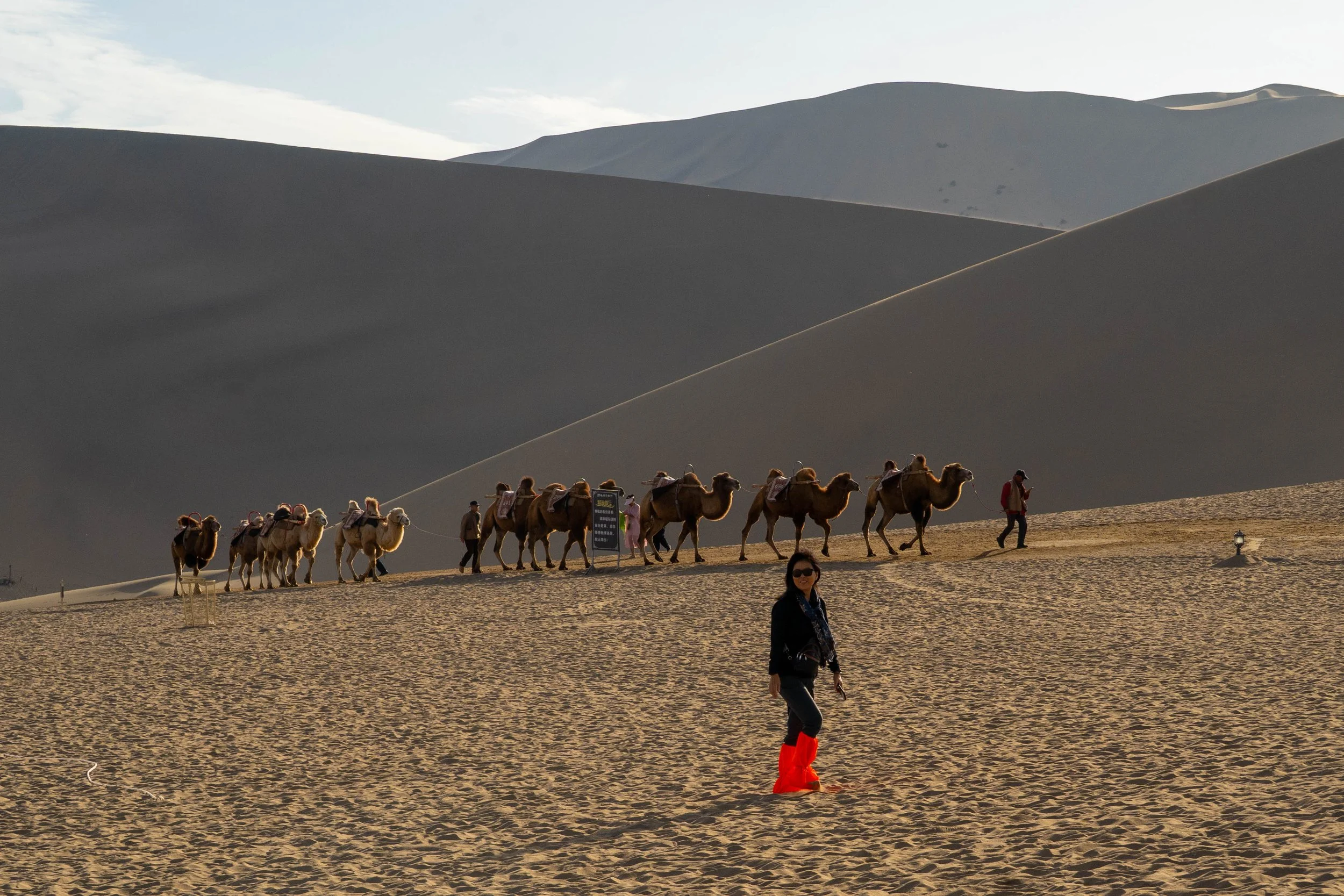
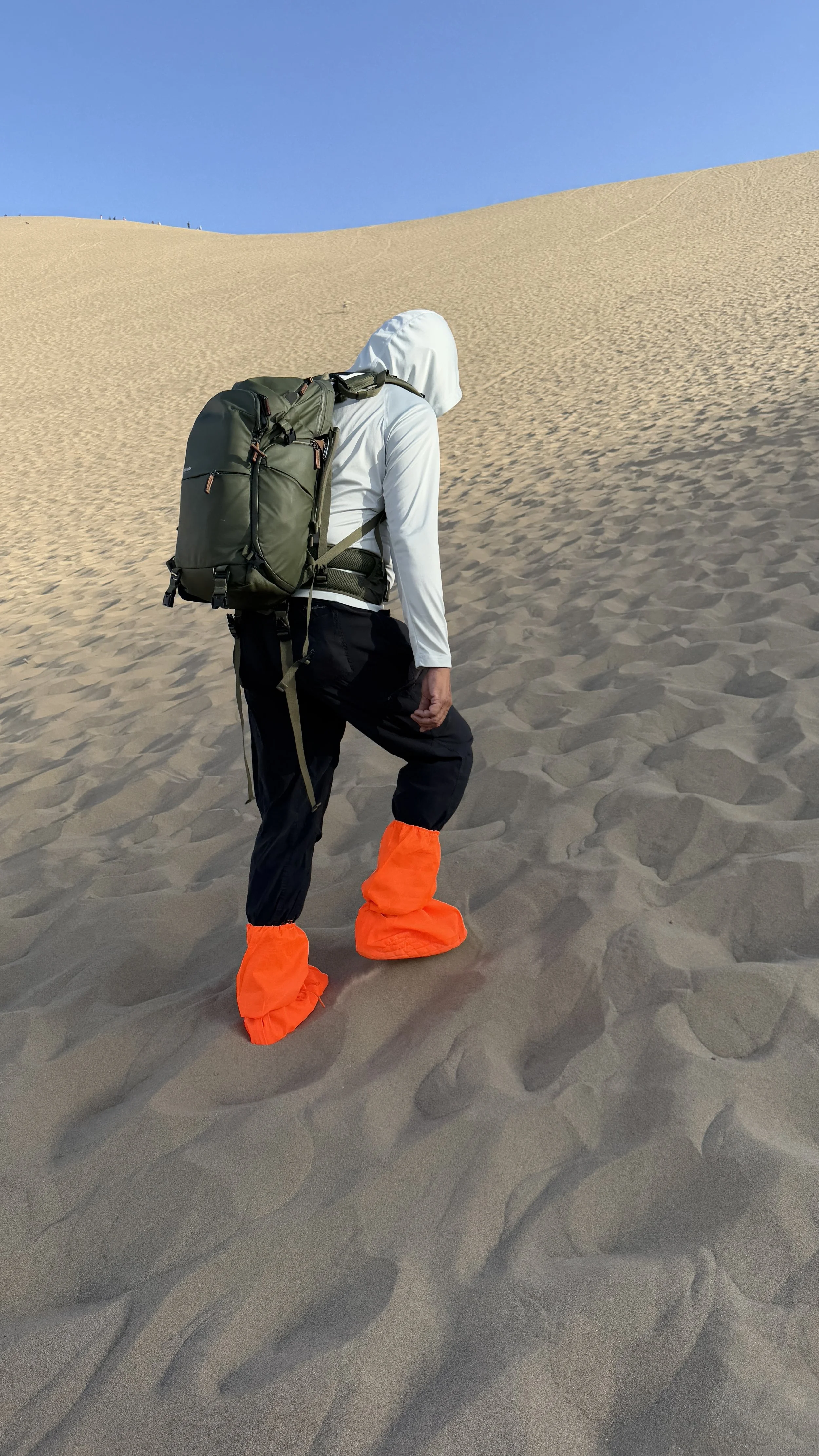
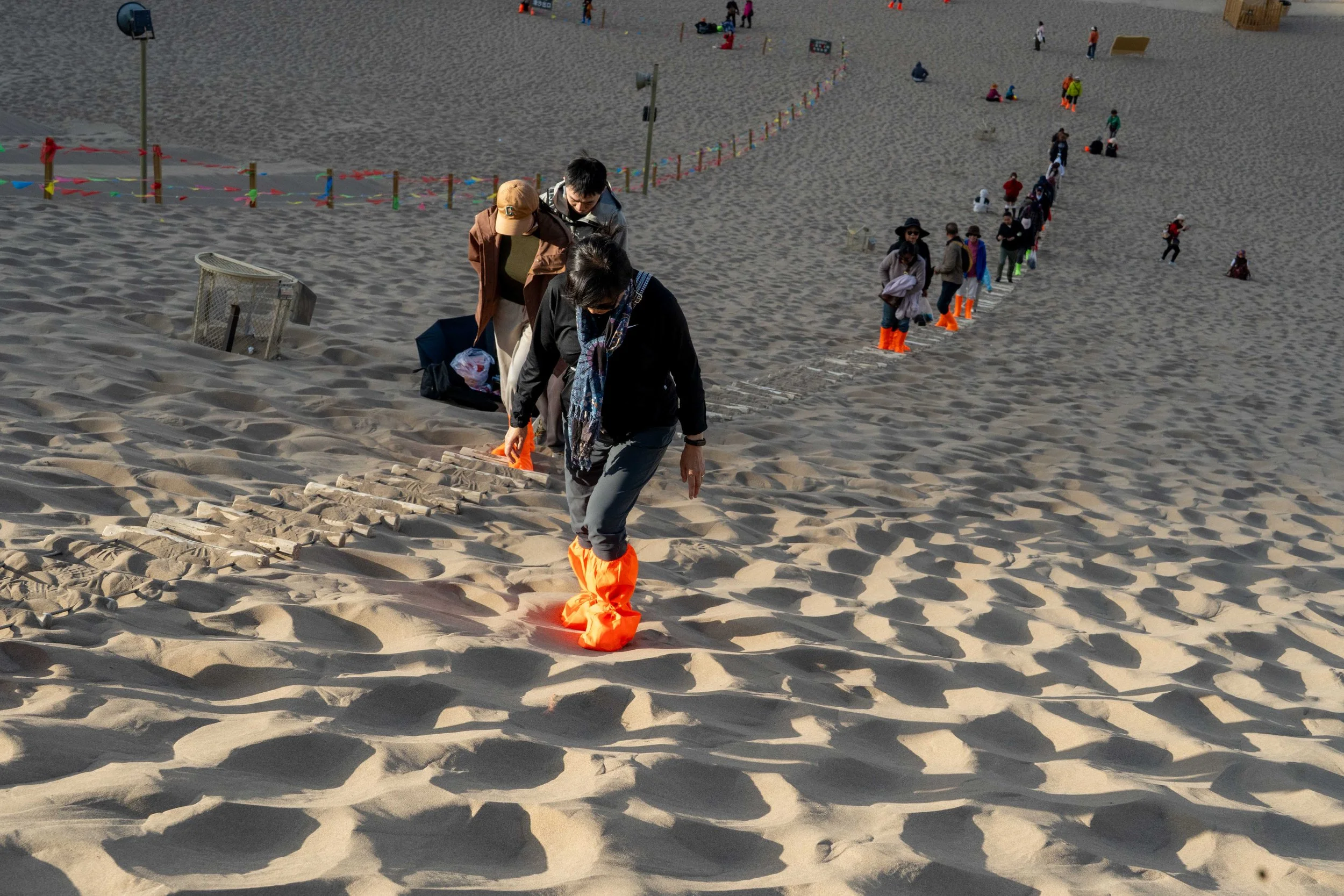
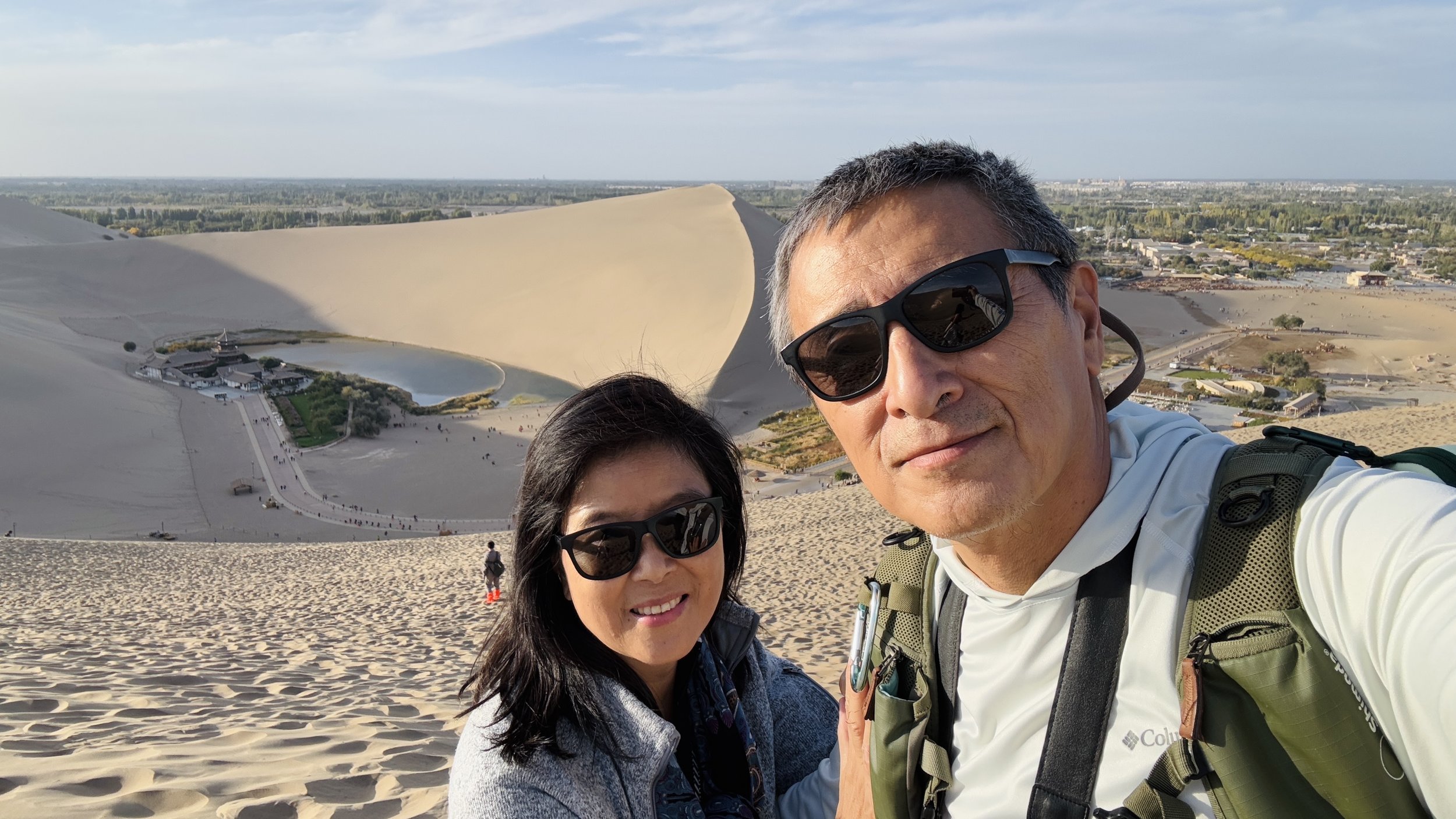
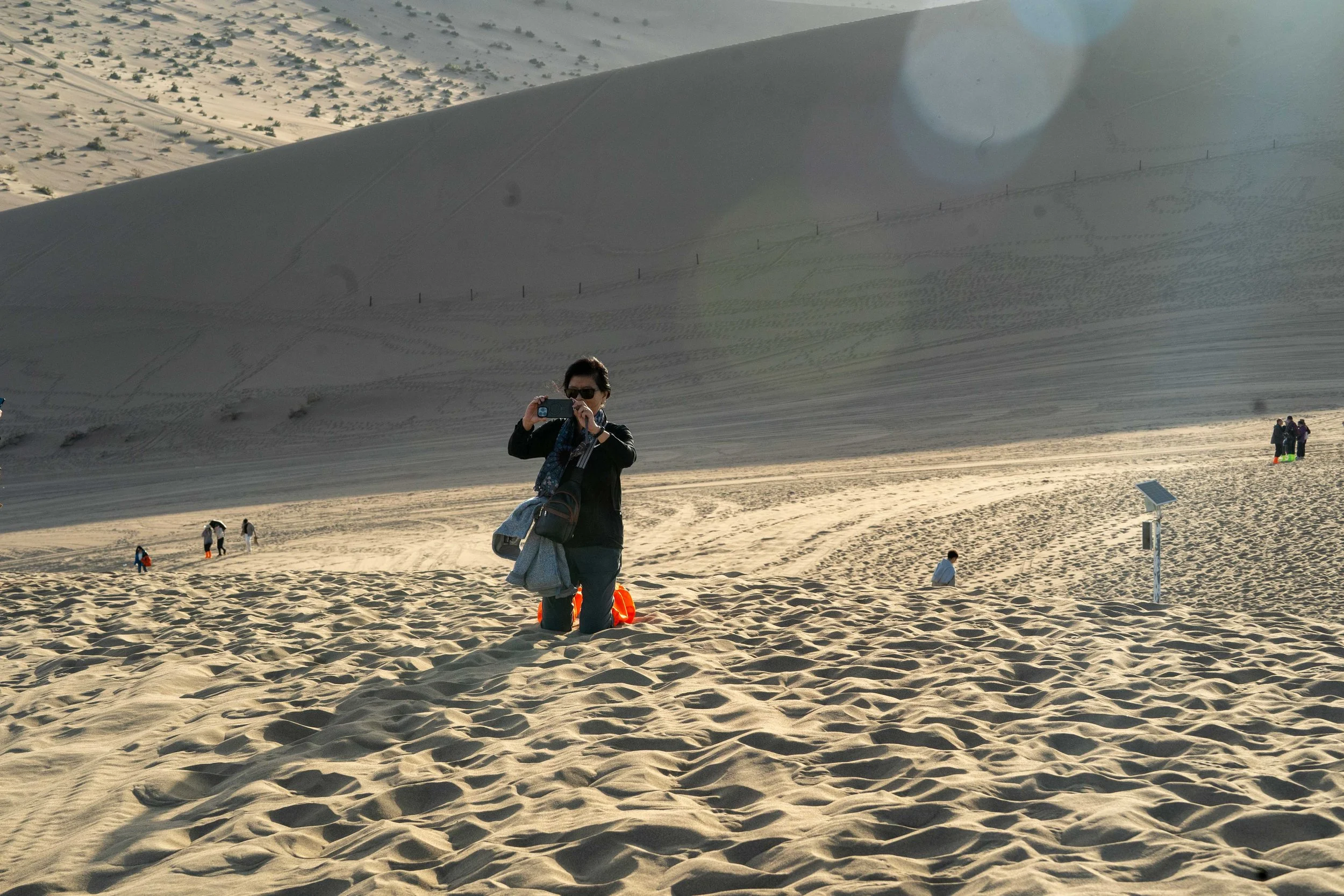
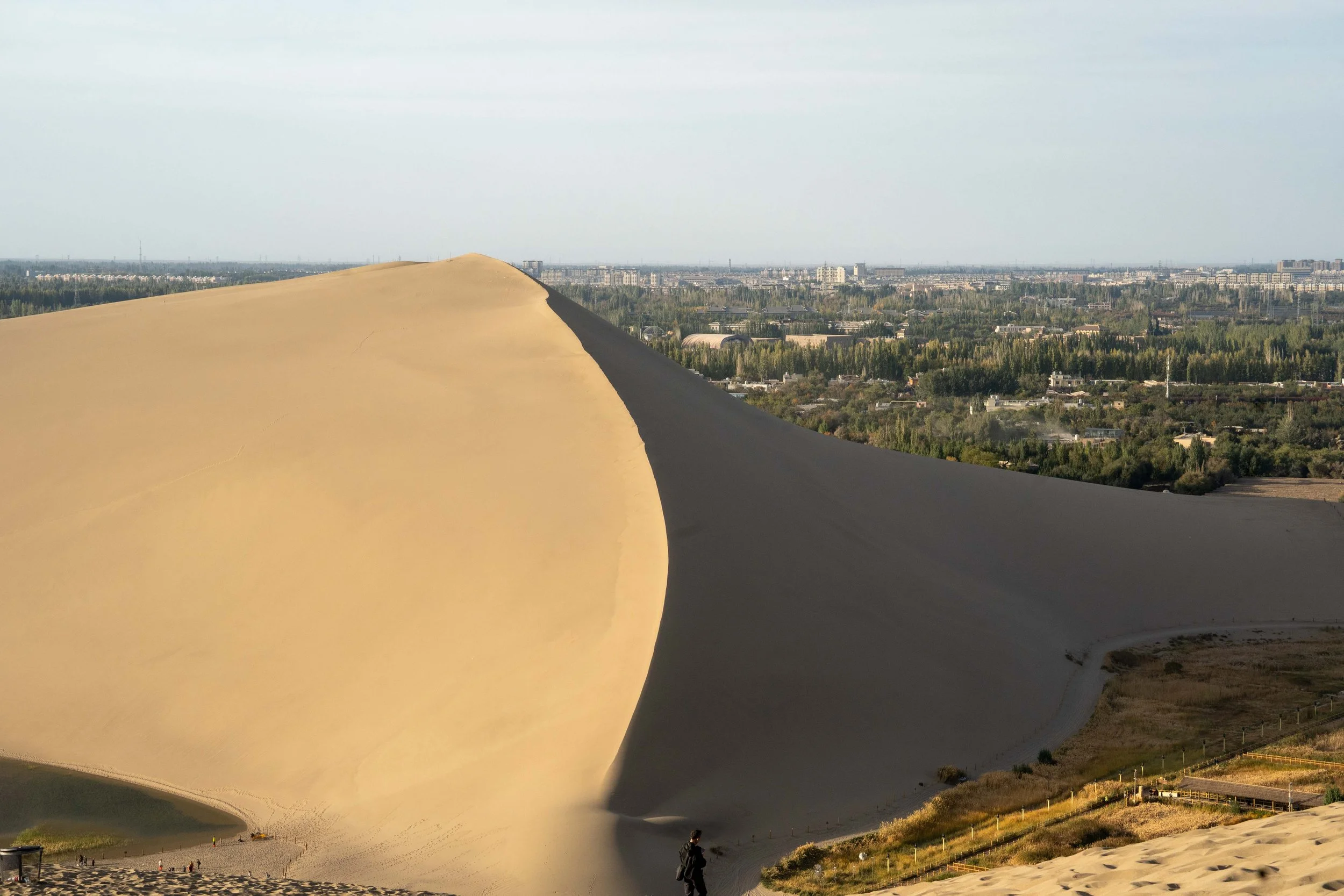
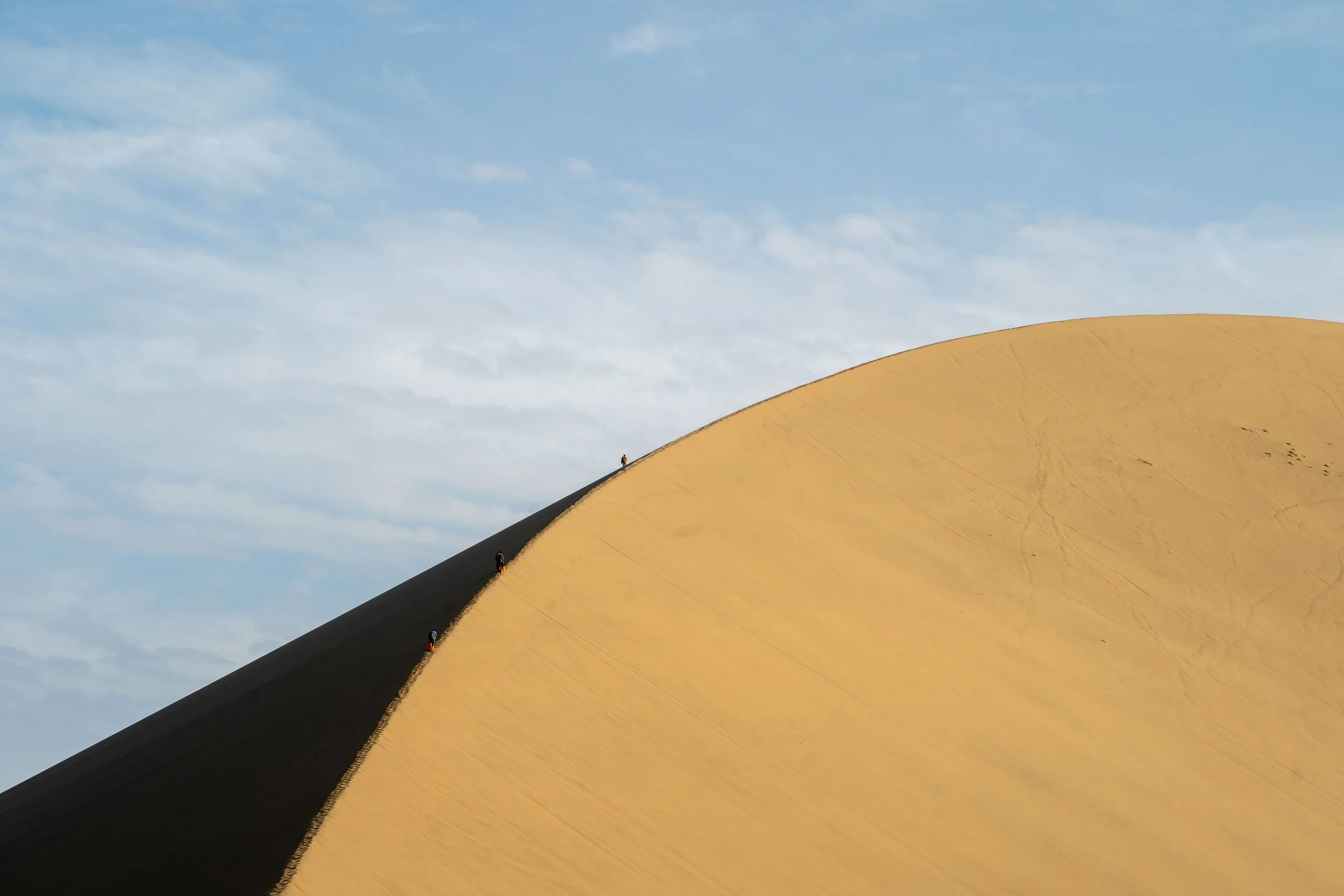
Reaching the summit was immensely rewarding — the panoramic desert views under the afternoon light were stunning.
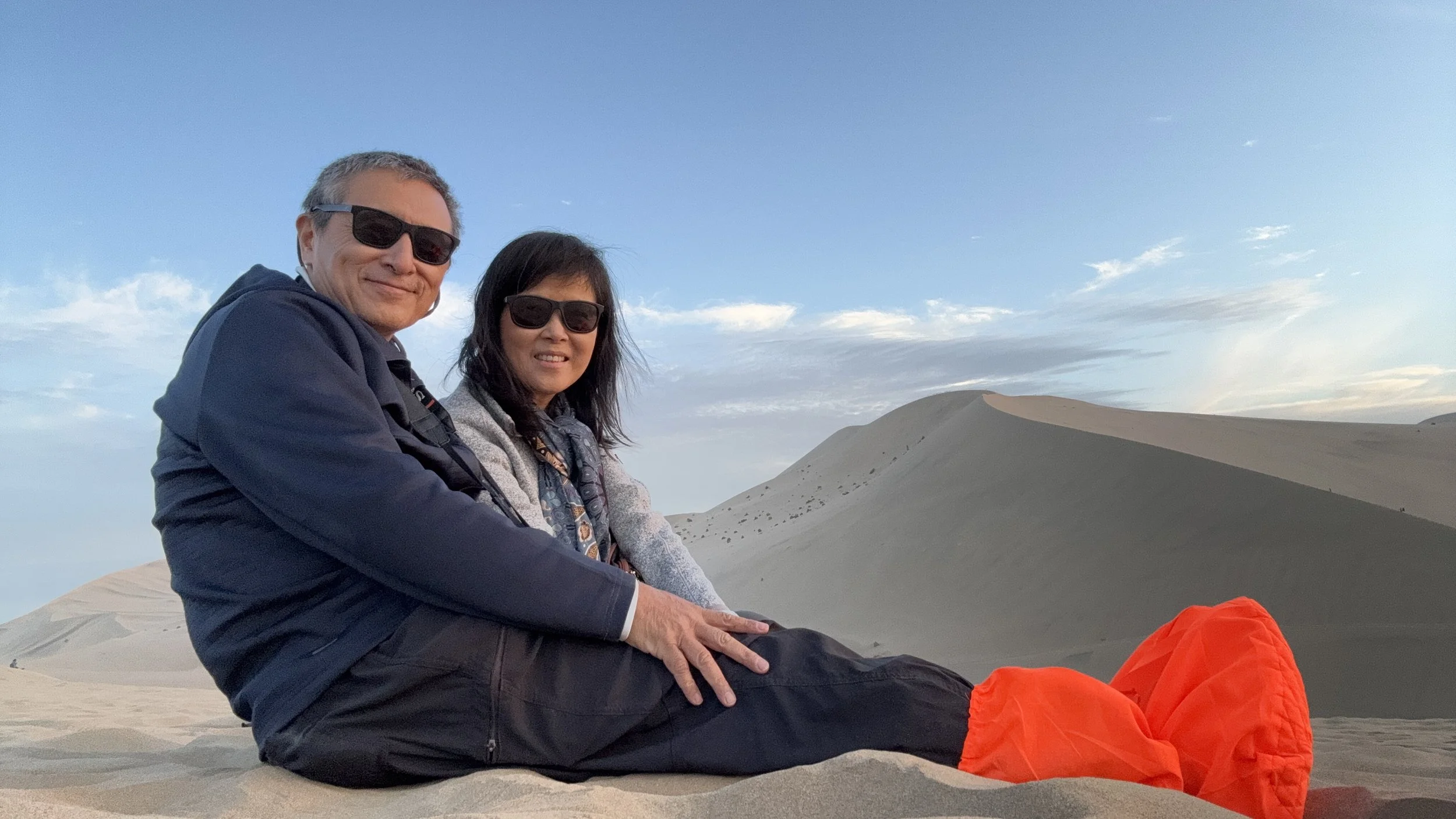
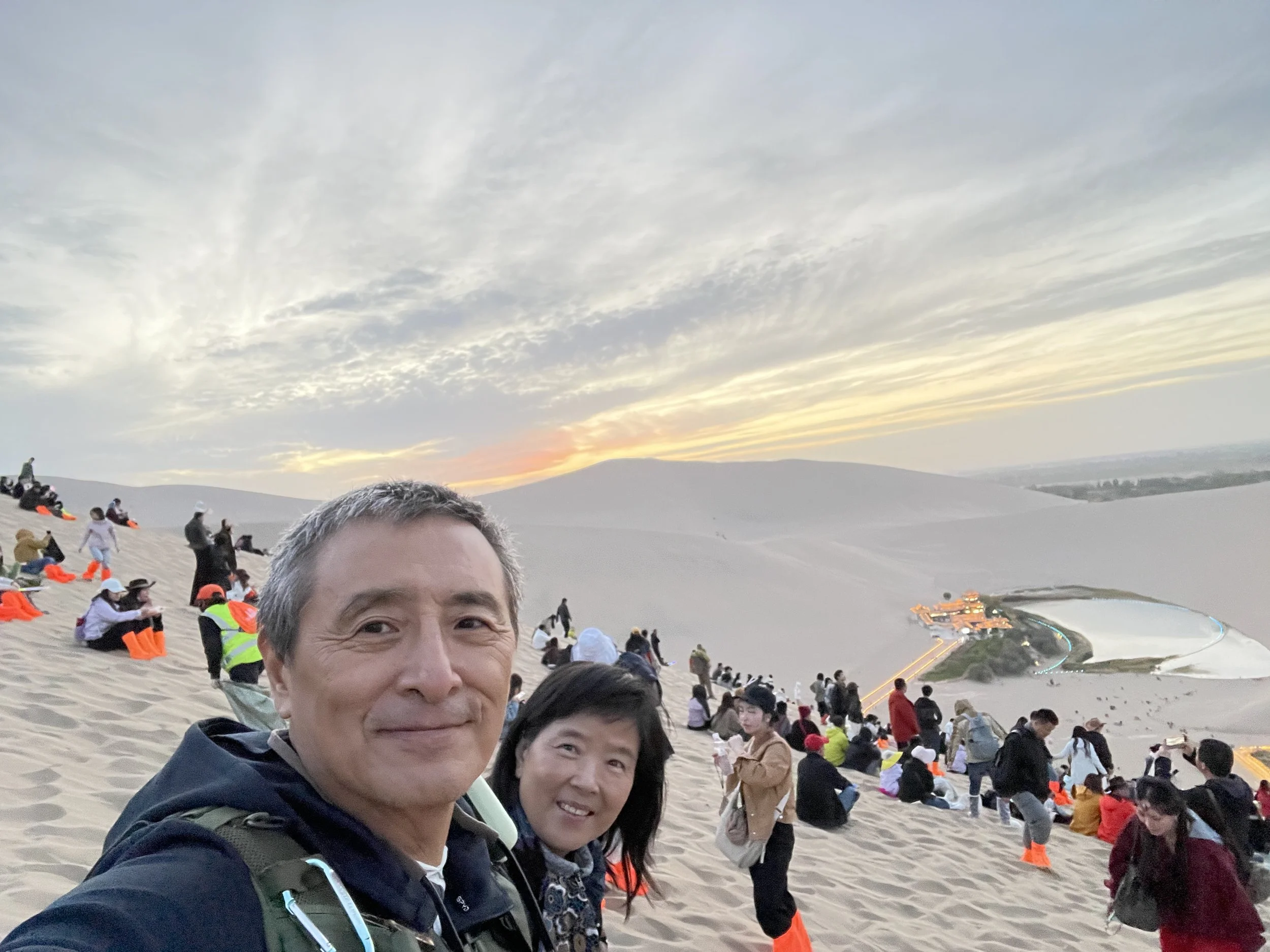
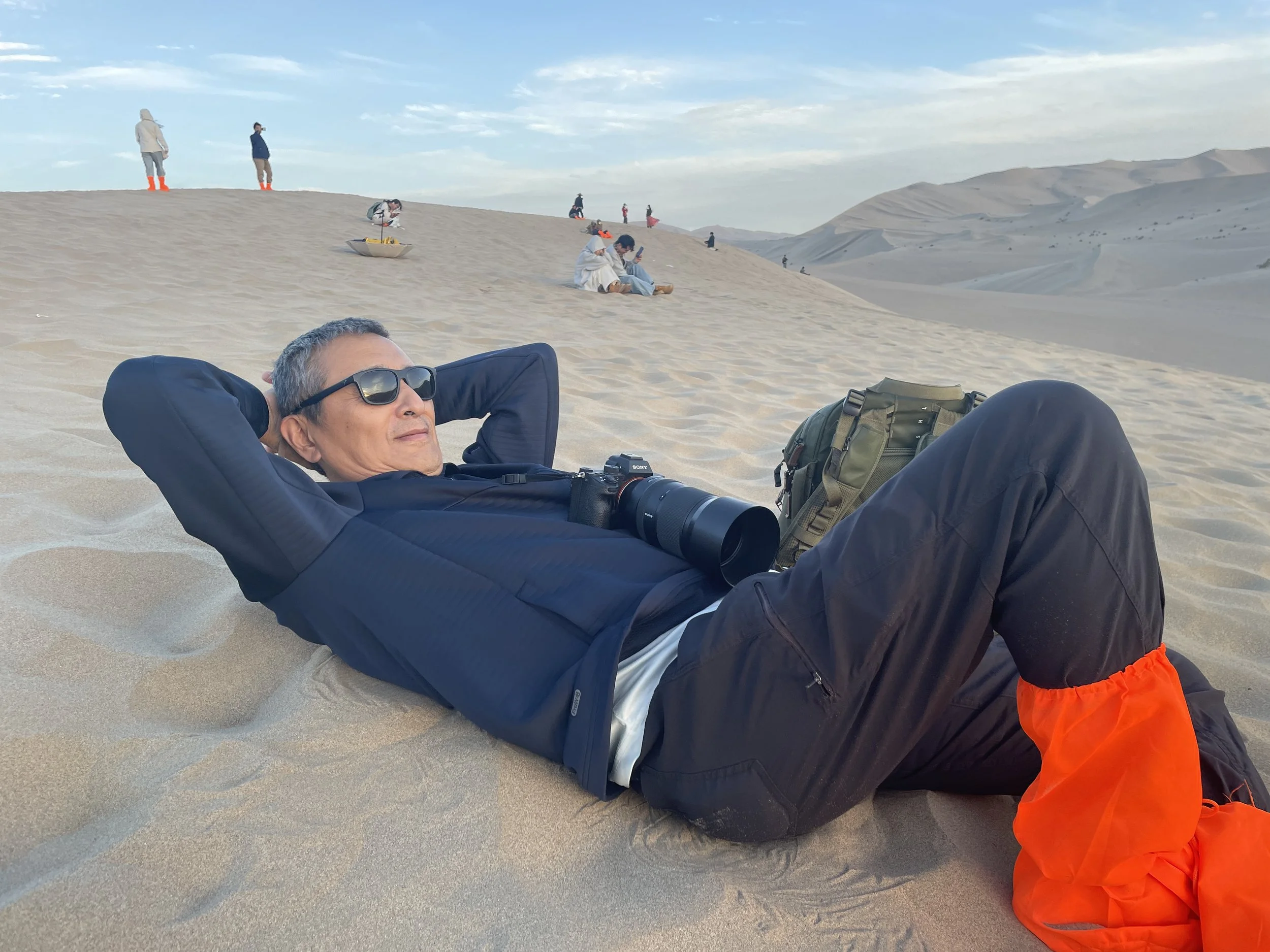
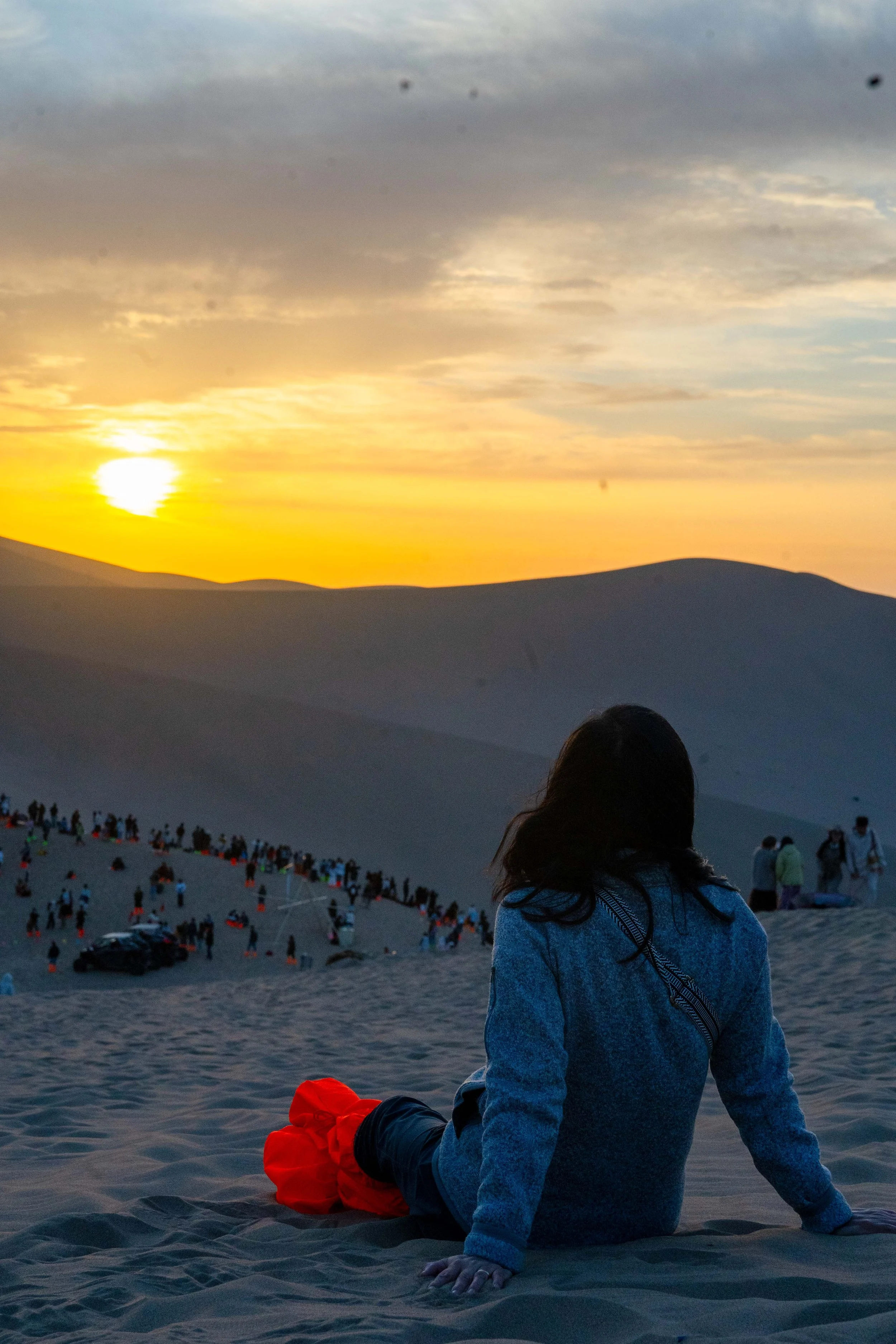
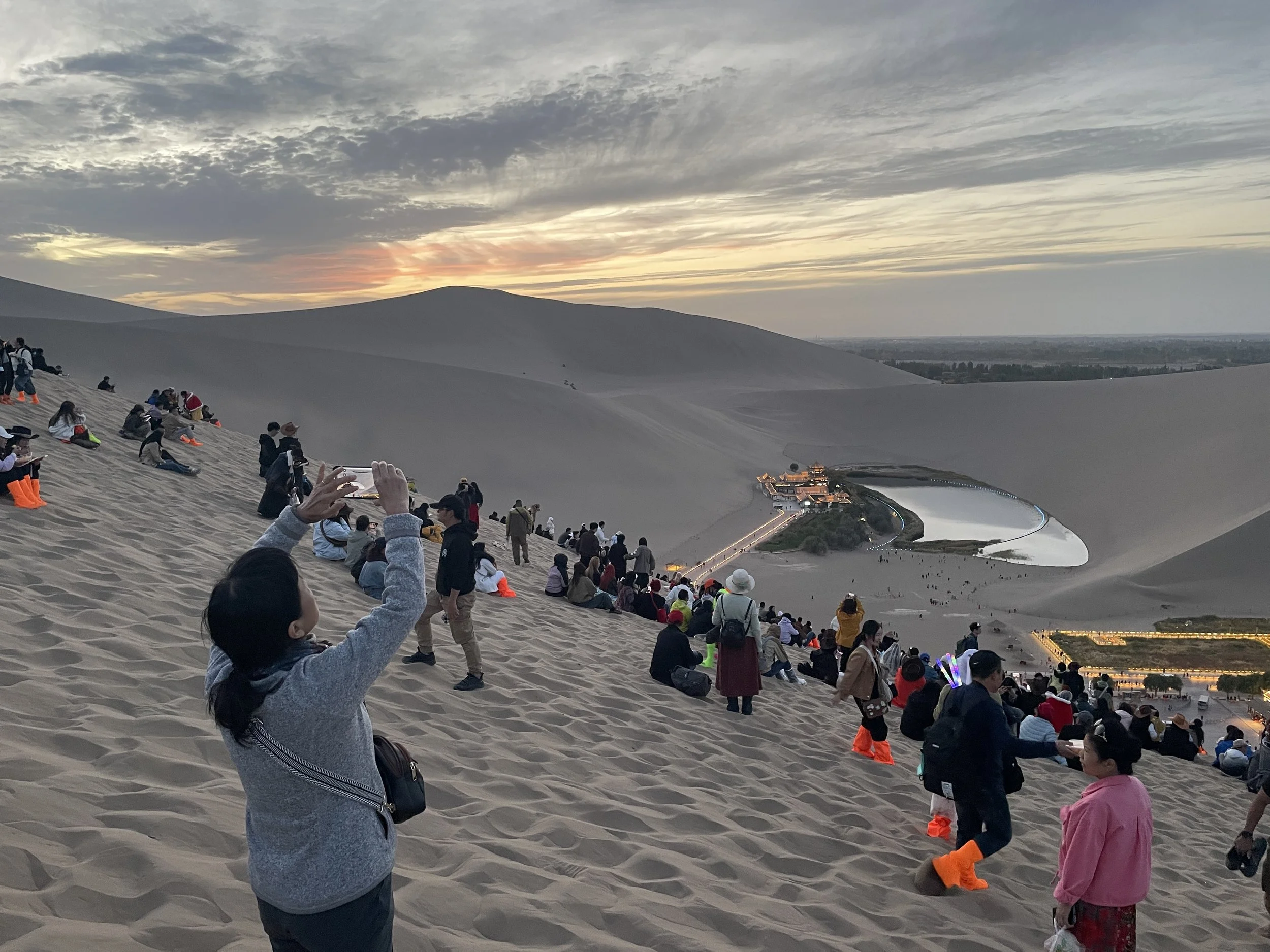
We stayed until nightfall as more visitors gathered on the dunes. At 8 p.m., an extraordinary scene unfolded — a massive open-air singalong began, with thousands of people sitting on the sand, waving glow sticks and phone lights. Lyrics were projected onto the dune itself, turning the desert into a giant karaoke stage. Locals told us that during peak season, as many as 10,000 people join this nightly singing event.
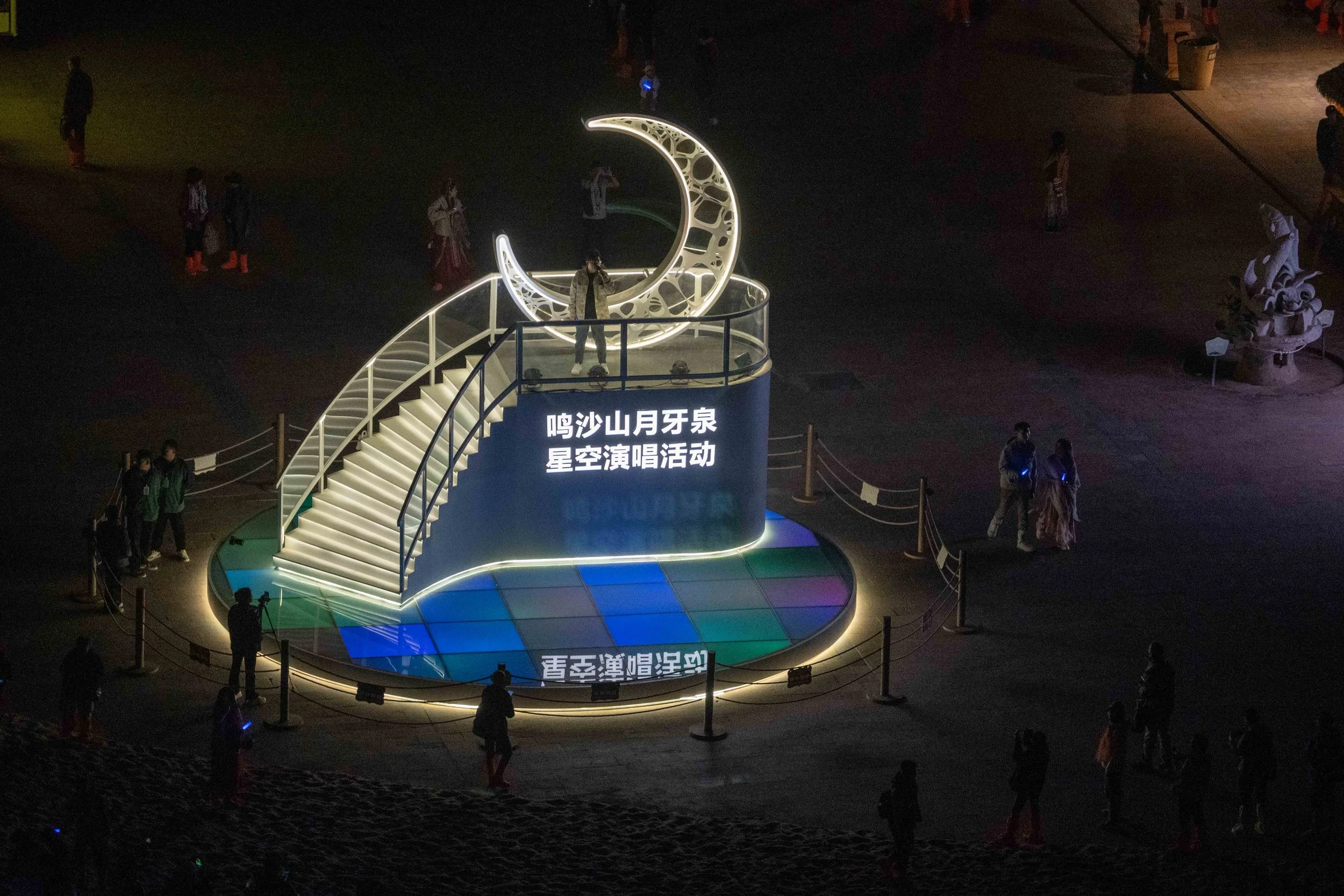
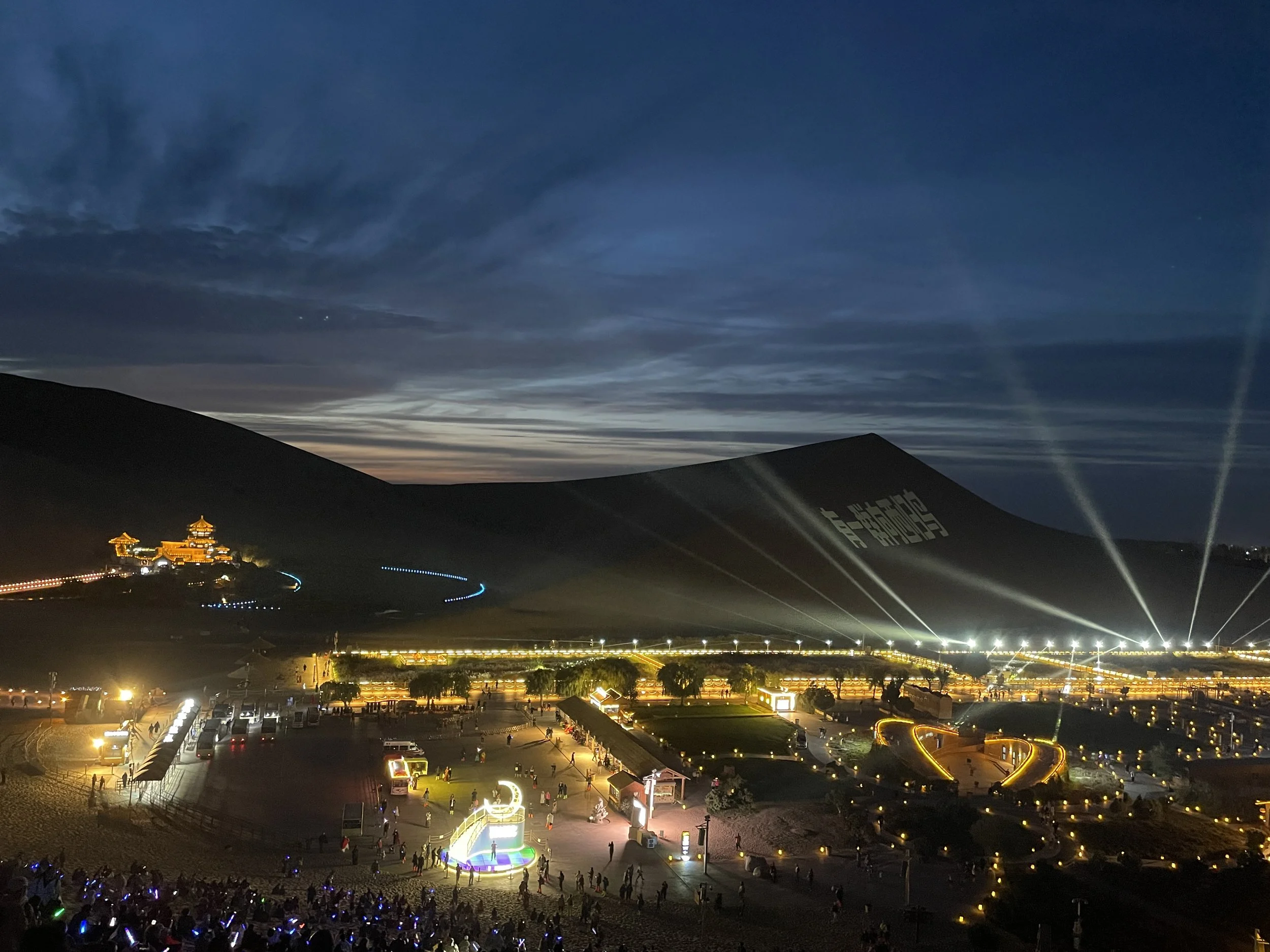
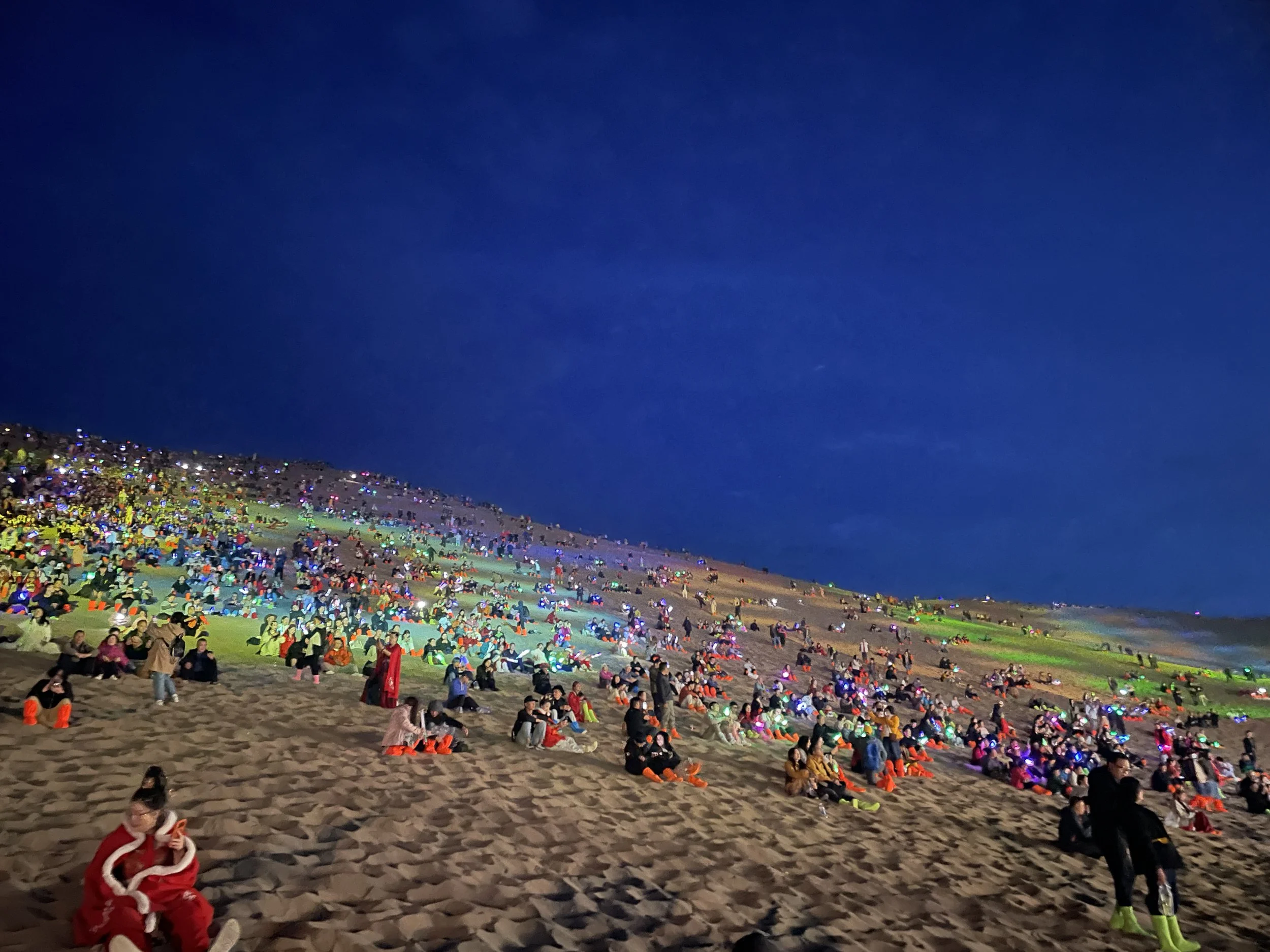
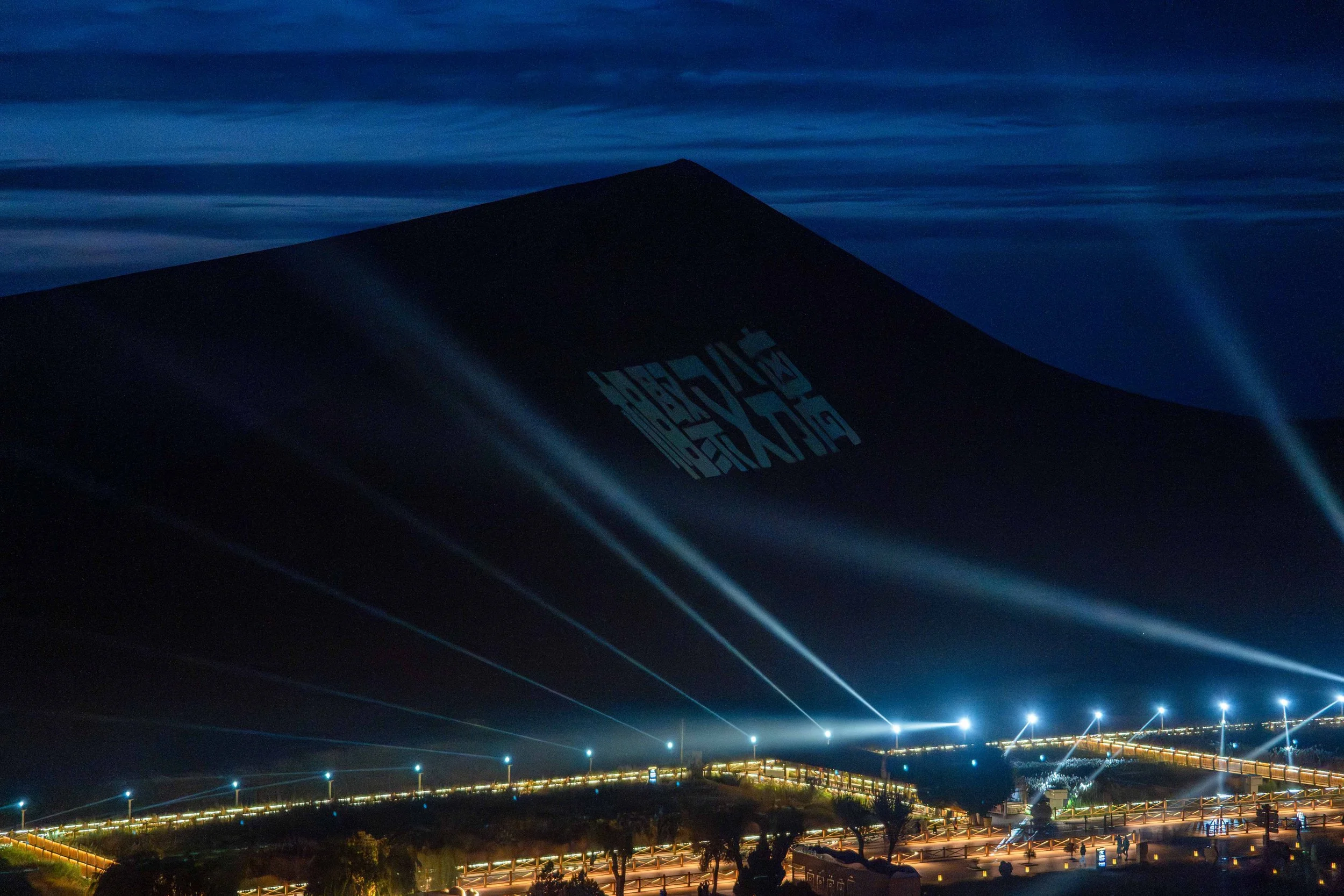
As songs echoed across the sands, we slowly descended the hill under the soft desert breeze, where our driver awaited us at the exit.
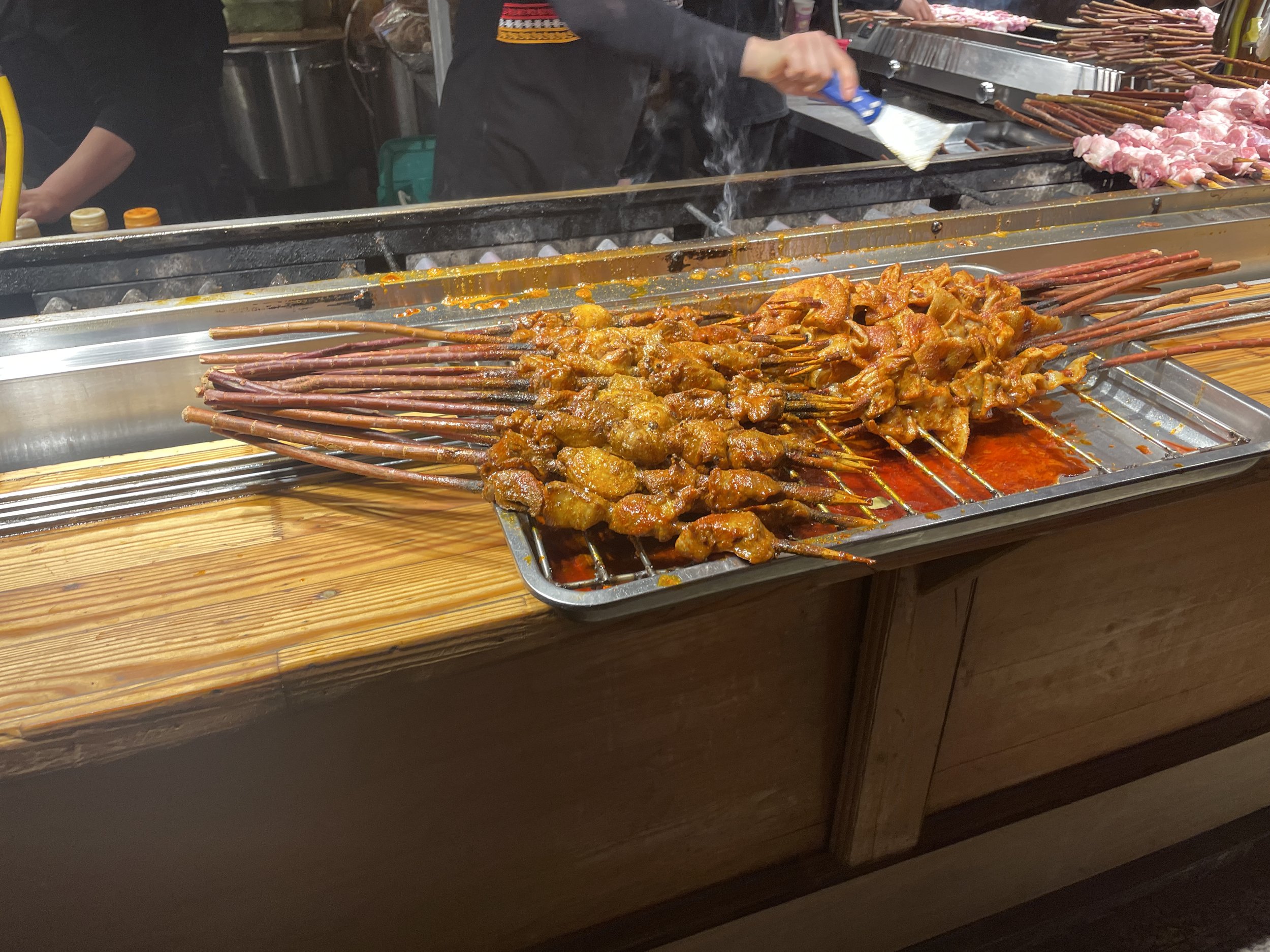
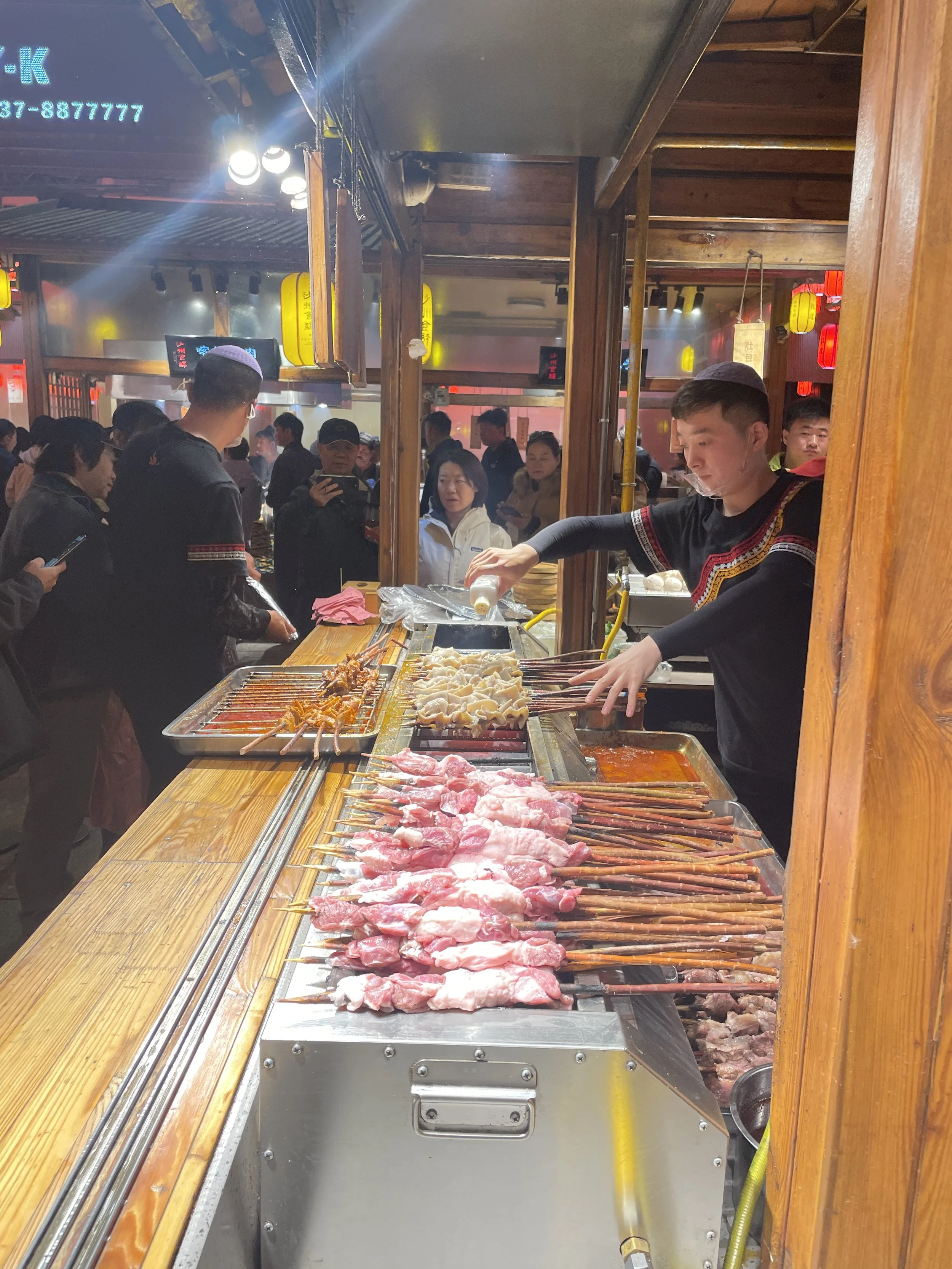
The driver dropped us off at the night market again for another taste of local cuisine. It was a full and unforgettable day — a perfect blend of art, history, and the magic of Dunhuang’s desert landscape.
莫高窟与鸣沙山月牙泉
2025年10月9日
我们在携程上预订了为期四天的包车游。第一天的安排是上午参观莫高窟,下午游览鸣沙山月牙泉。
早上七点五十分,司机的妻子准时到酒店接我们,因为我们的莫高窟参观票是八点半的场次。外国护照游客必须通过 Trip.com 购票,并额外支付二十元的服务费,以安排非中文讲解的团队。当天的正常票全部售罄,景区里的游客特别多,排着长队进入参观。起初我们排在中文团的长队中,后来决定等待英文讲解团,事实证明这是一个明智的选择。
我们的英文团只有四个人,而中文团通常有十五至二十人。这样的小团体让我们能更专注地欣赏壁画和雕塑的细节。我们共参观了八个洞窟,每一座都令人叹为观止:精美的壁画、庄严的佛像、巧妙的结构,无不展现出古代艺术的辉煌与宗教虔诚的力量。随后,我们又参观了三个大型佛像洞窟,这些是为没有买到普通票的游客开放的。
参观结束后,司机在出口接上我们,驱车前往鸣沙山月牙泉景区。在入口处,我们以八元的议价价买到了防沙鞋套。鸣沙山由细腻的黄沙组成,远望金光闪闪,山脚下的月牙泉清泉环沙而成,犹如沙漠中的一弯碧玉。骑骆驼是这里最受欢迎的活动之一,但我们更喜欢徒步登山。景区在沙丘上铺设了两条登山梯,以便游客攀登。我们一开始尝试直接踩沙上坡,几分钟后便放弃,改用木梯。即便如此,登顶依然颇为吃力。然而,当我们站在山顶,俯瞰连绵起伏的沙丘与夕阳映照下的湖水,所有的辛苦都变得值得。
我们一直待到夜幕降临。八点整,一场盛大的“沙漠卡拉OK”在山脚展开——上千人坐在沙地上,挥舞着荧光棒或手机灯,齐声高唱。歌词被投影在沙丘上,气氛热烈而震撼。据说在旅游旺季,参加者多达一万人。
伴随着歌声和夜风,我们缓缓从沙丘上走下,司机早已在出口等候。那一天的行程充实而难忘,既有艺术与历史的洗礼,又有自然与人文的融合,完美展现了敦煌的独特魅力。
Arrival at Dunhuang 抵达敦煌
October 8, 2025
We had long dreamed of exploring China’s vast northwest,……
我们早已向往中国西北的辽阔风光,。。。
October 8, 2025
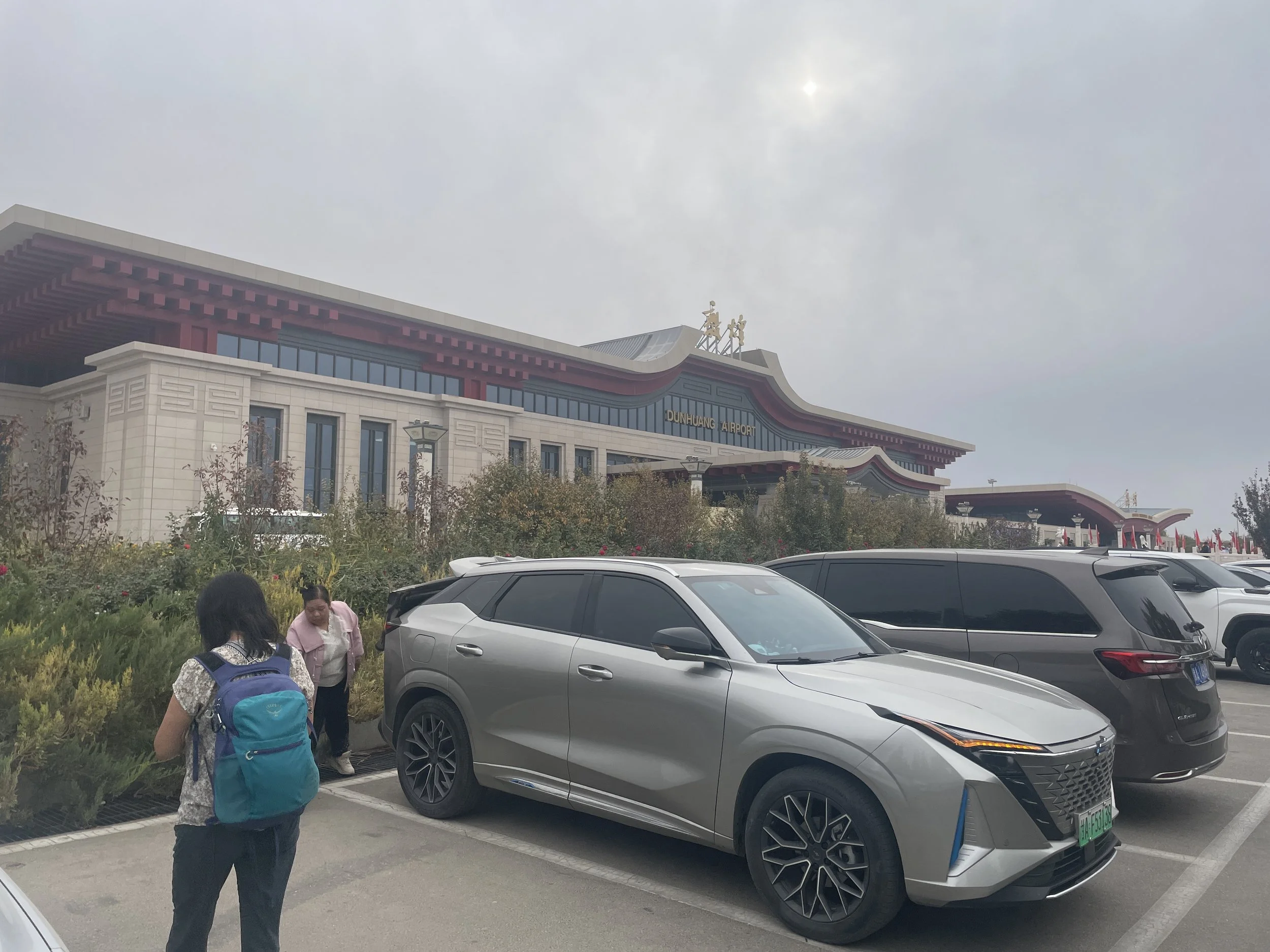
We had long dreamed of exploring China’s vast northwest, and at last, the dream came true. Escaping Shanghai’s lingering October heat and humidity, we boarded a direct four-hour flight to Dunhuang on the final day of the National Day “Golden Week.” The plane was full, but the flight was smooth, and soon we stepped into the crisp, dry air of a Dunhuang autumn.
At the airport, our driver—booked through Ctrip—was already waiting for us. On the way to the hotel, she enthusiastically introduced local sights and even offered us a discount for the tickets for the evening’s show Again See Dunhuang (又见敦煌).
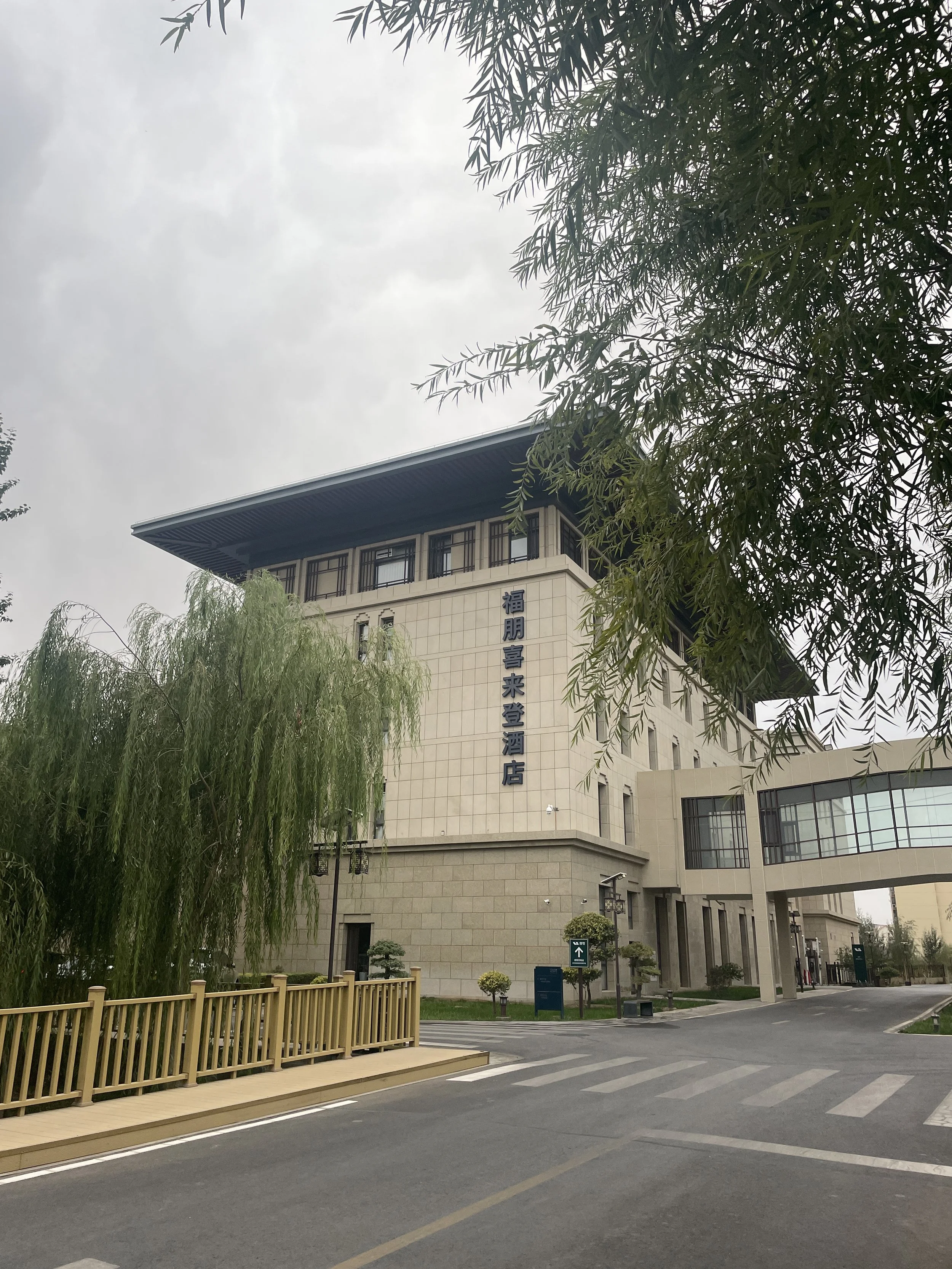
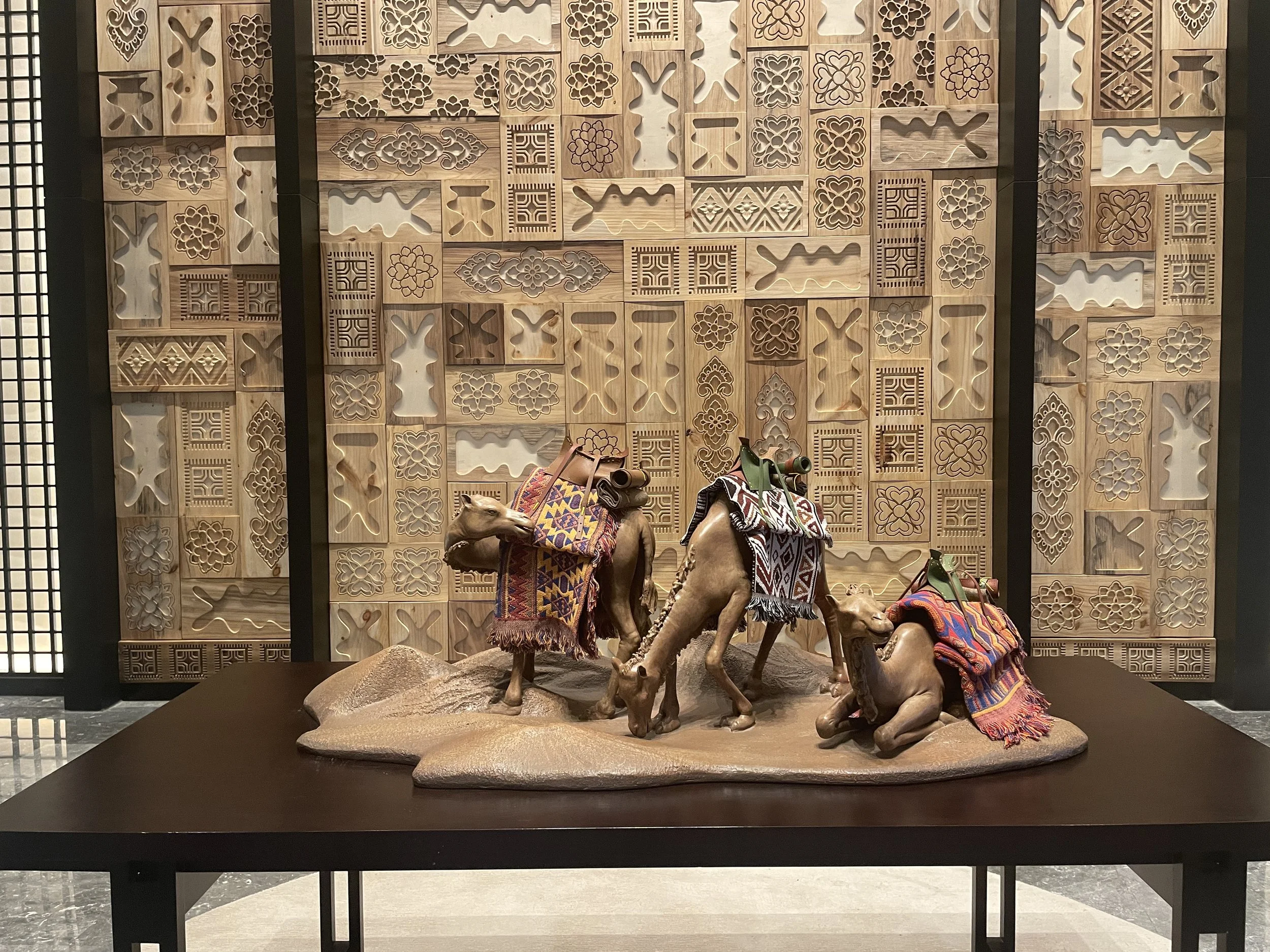
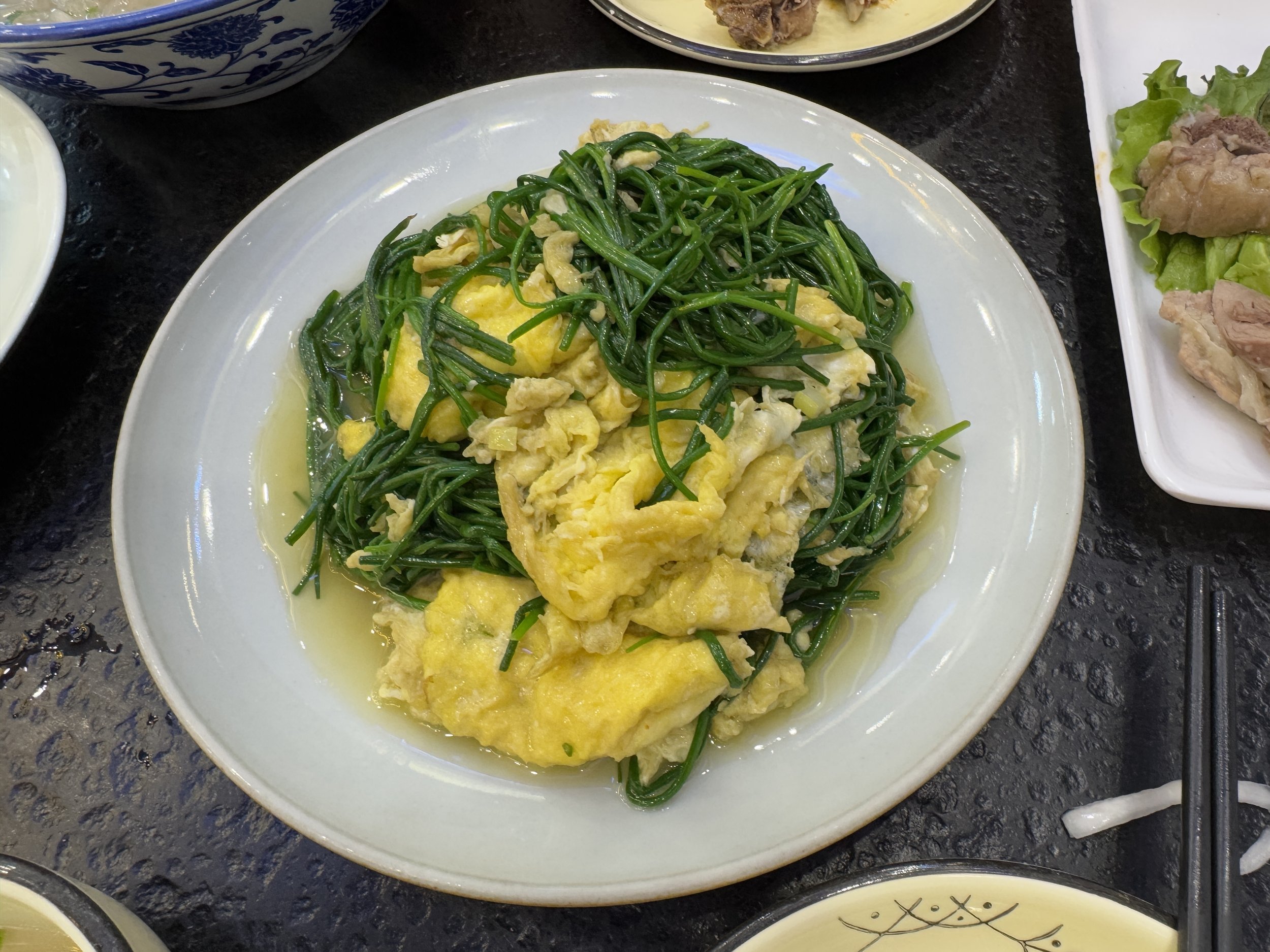
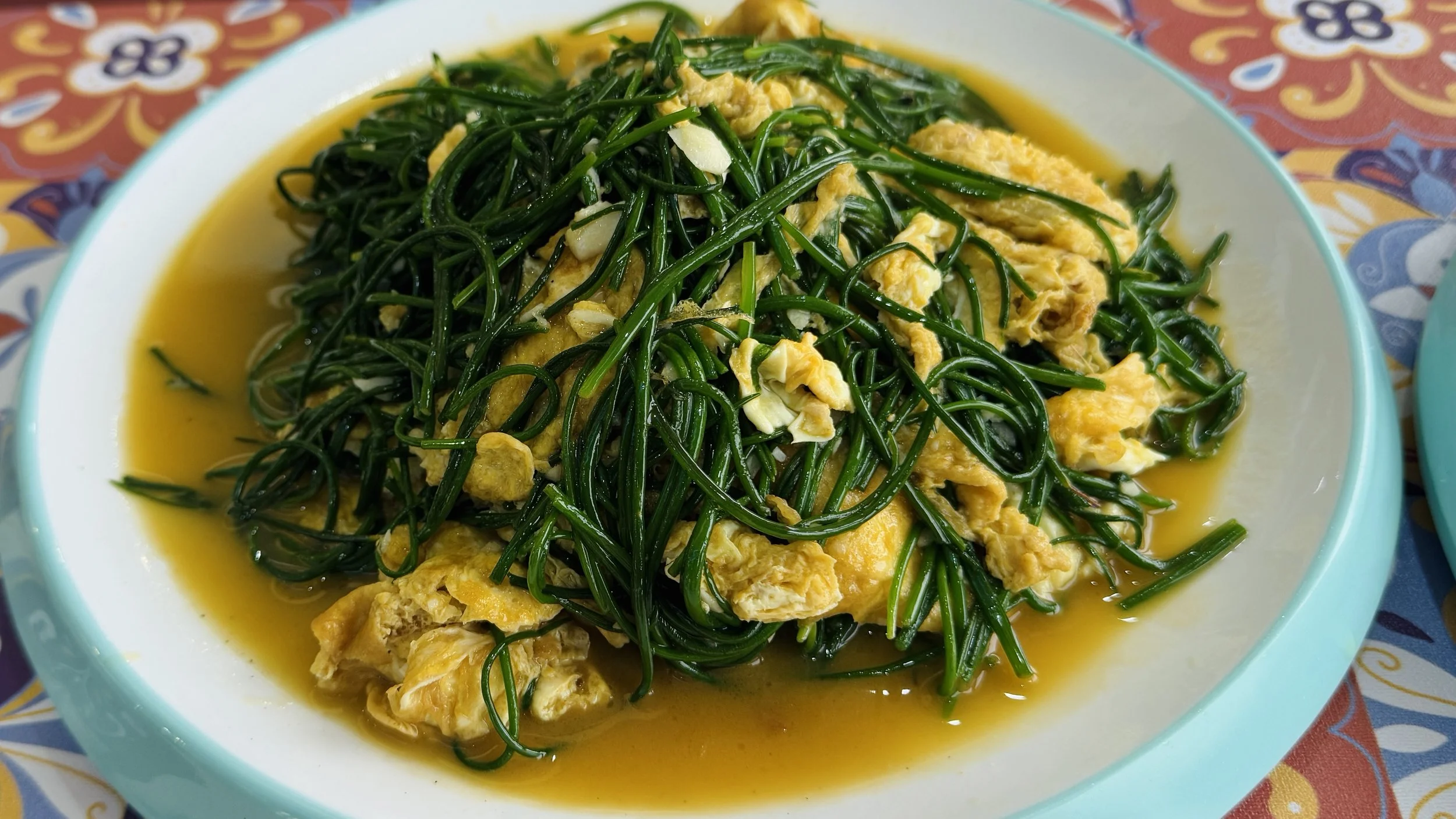
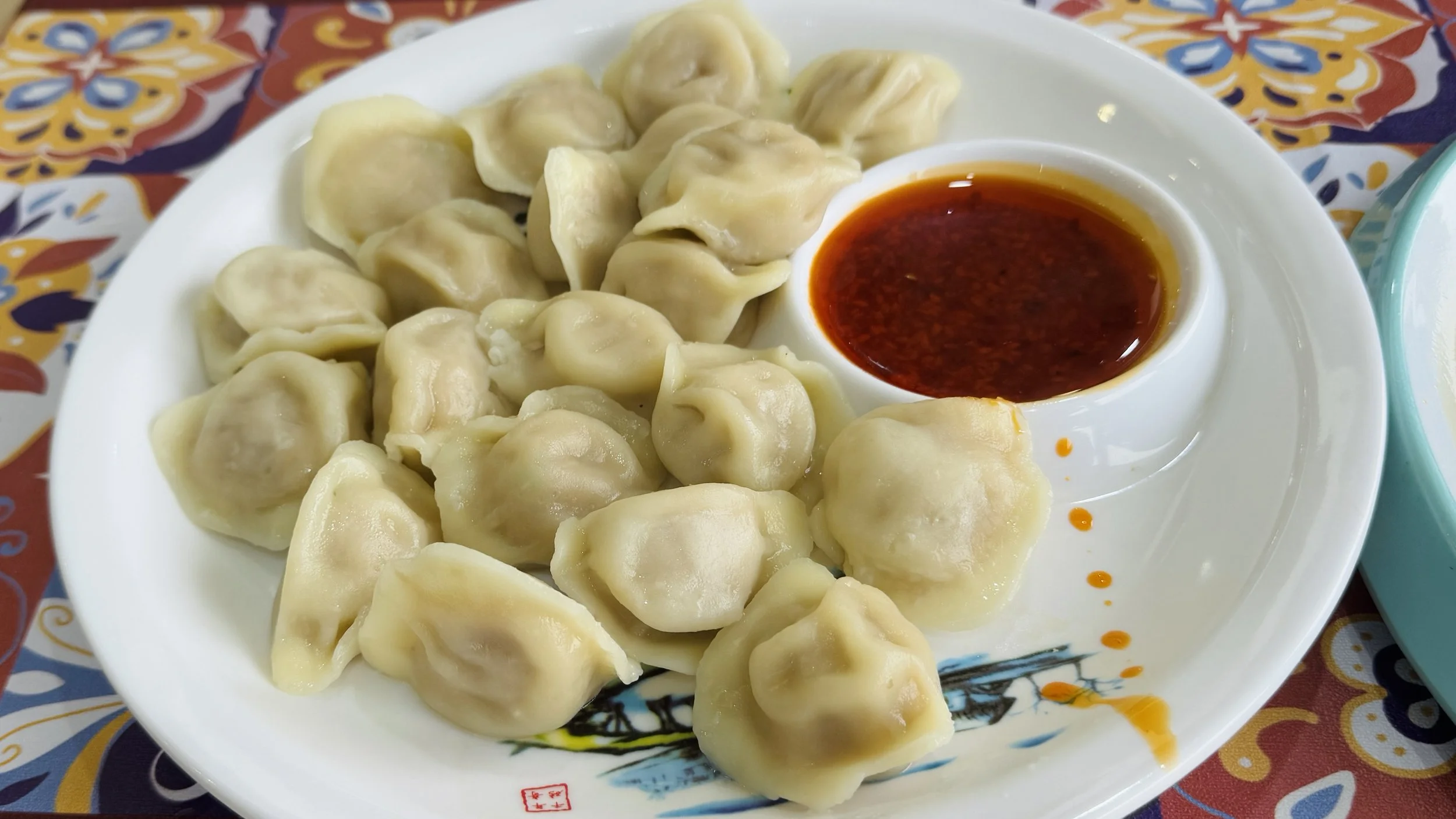
After settling into our hotel, we ventured out for dinner. Our first taste of northwestern cuisine—shacong scrambled eggs (沙葱炒鸡蛋) and beef dumplings (牛肉水饺)—was delightful, both dishes flavorful and hearty.
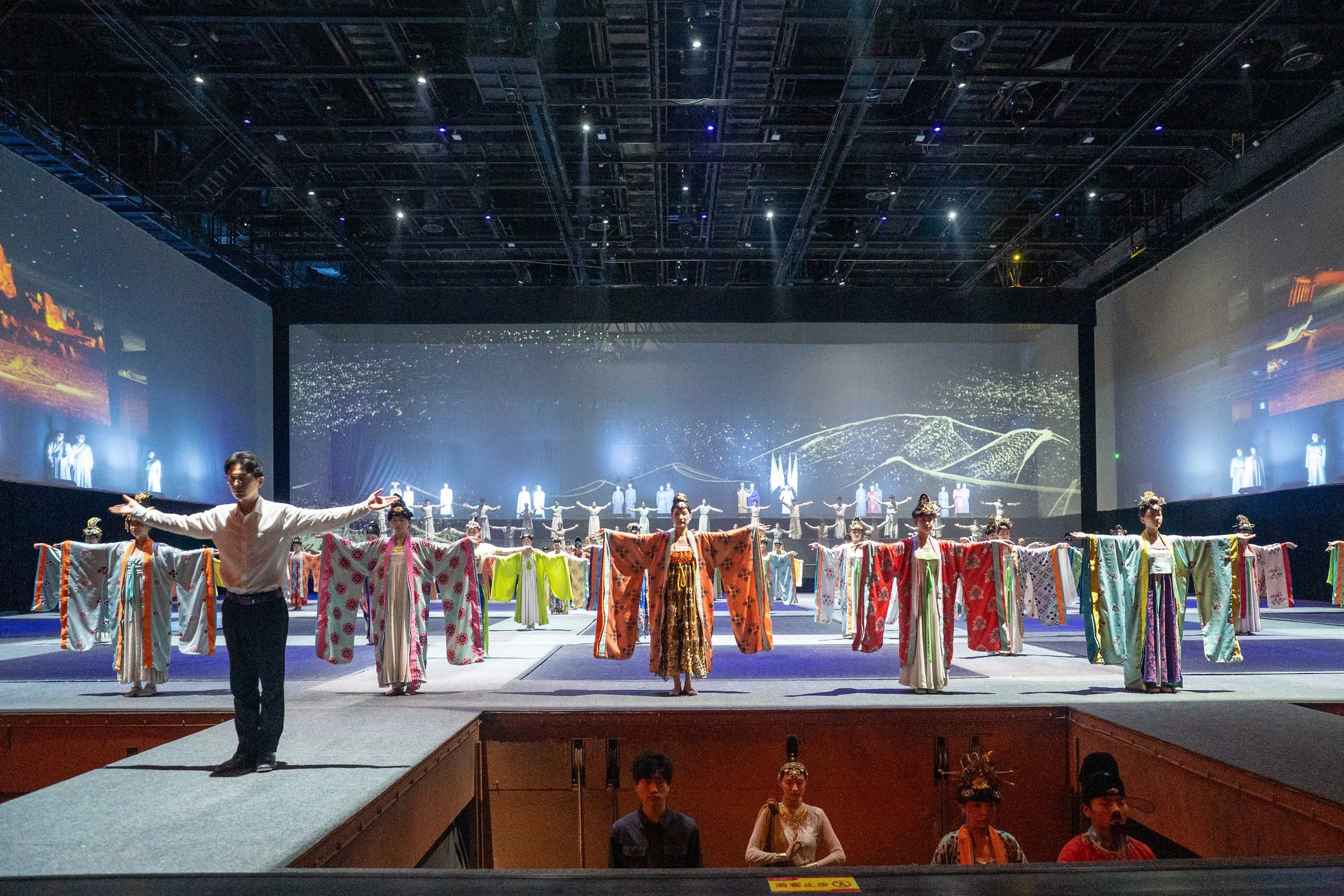
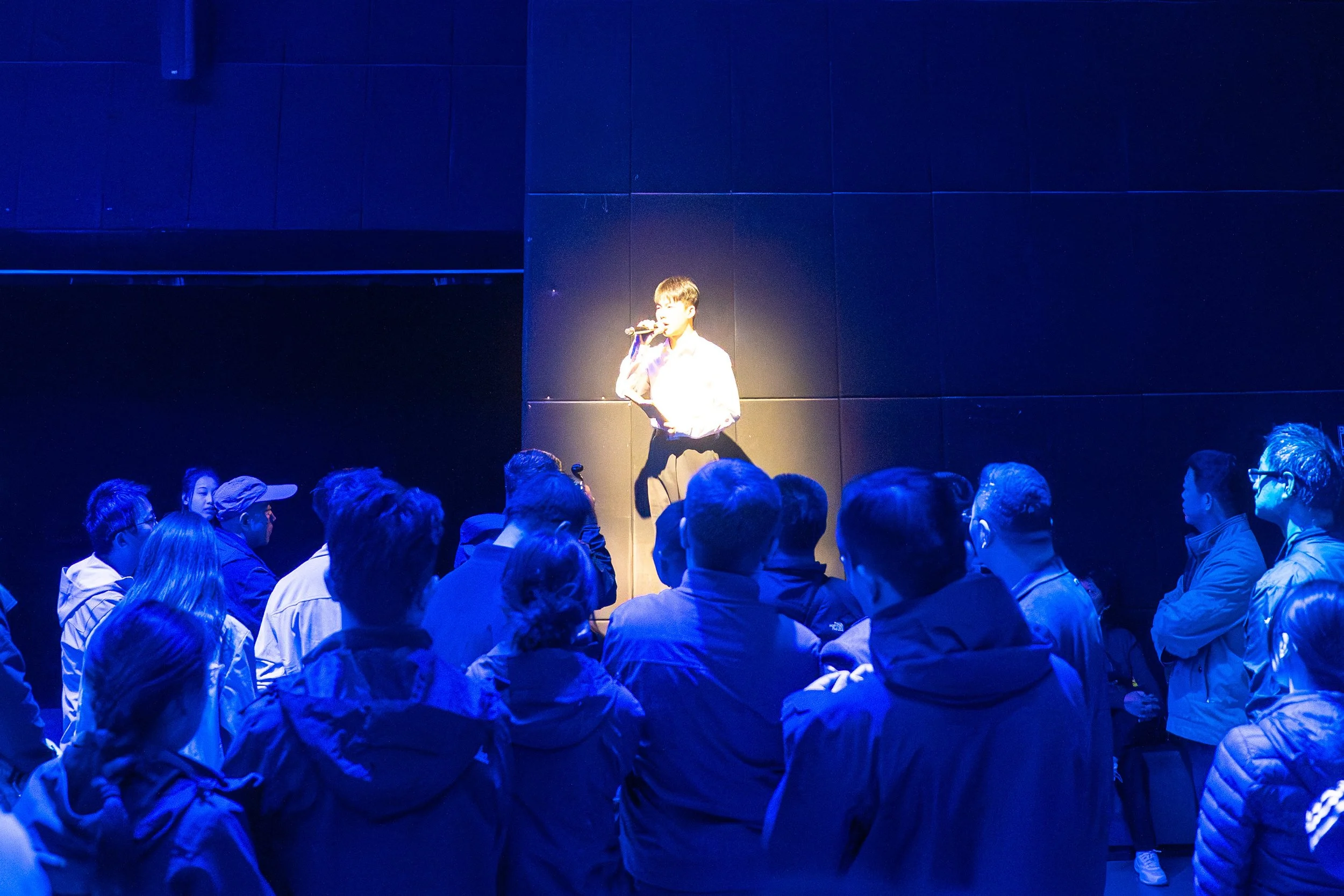
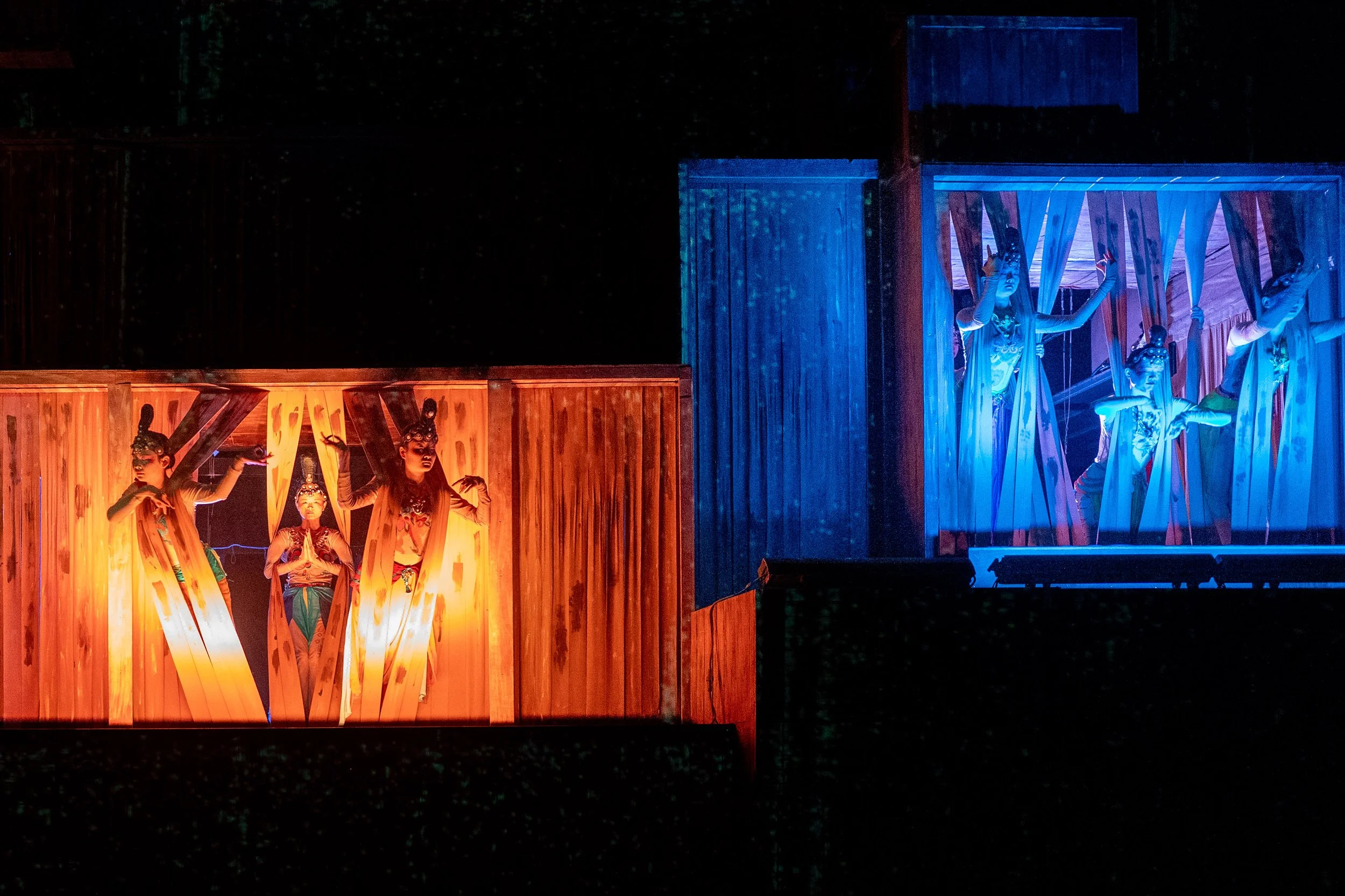
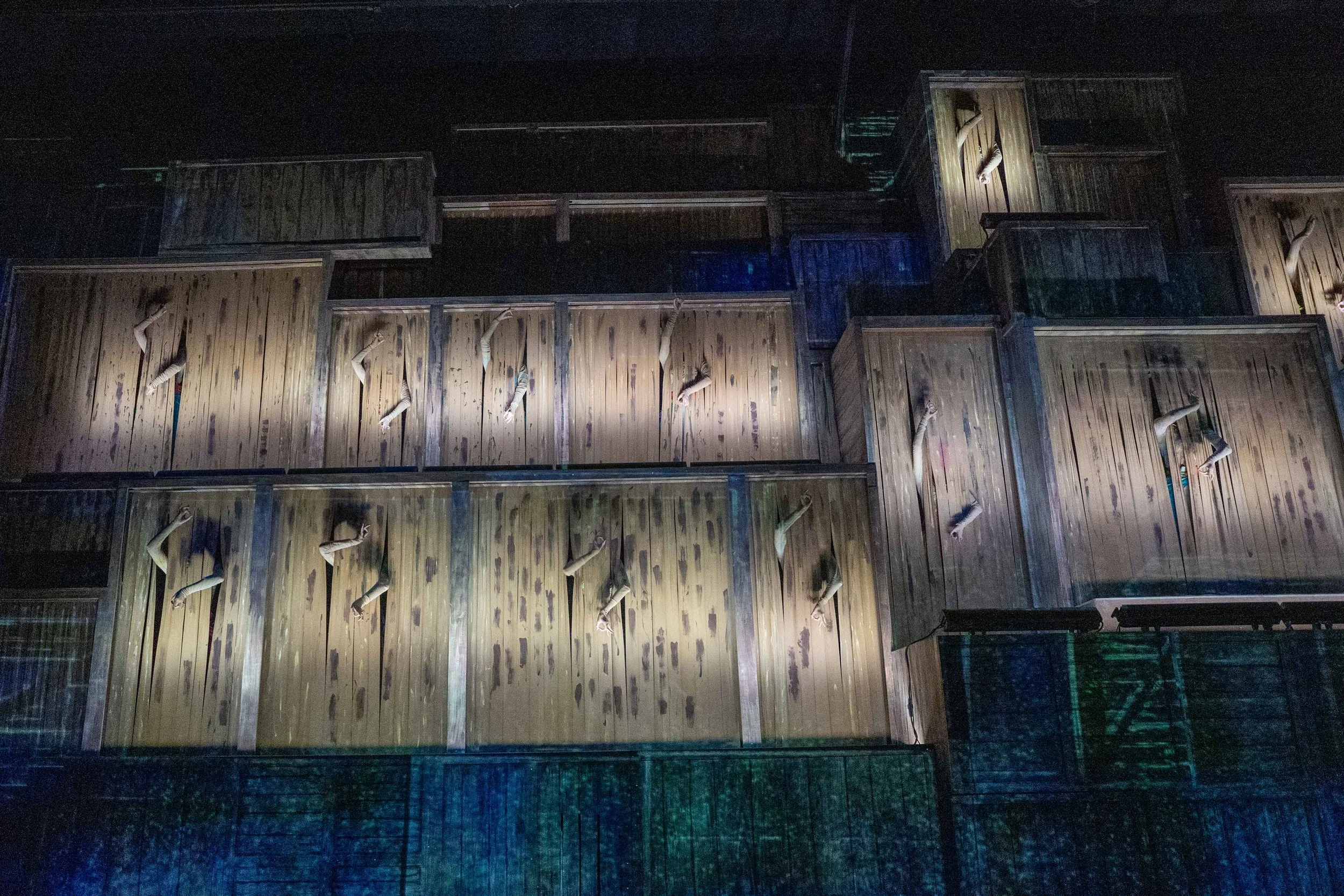
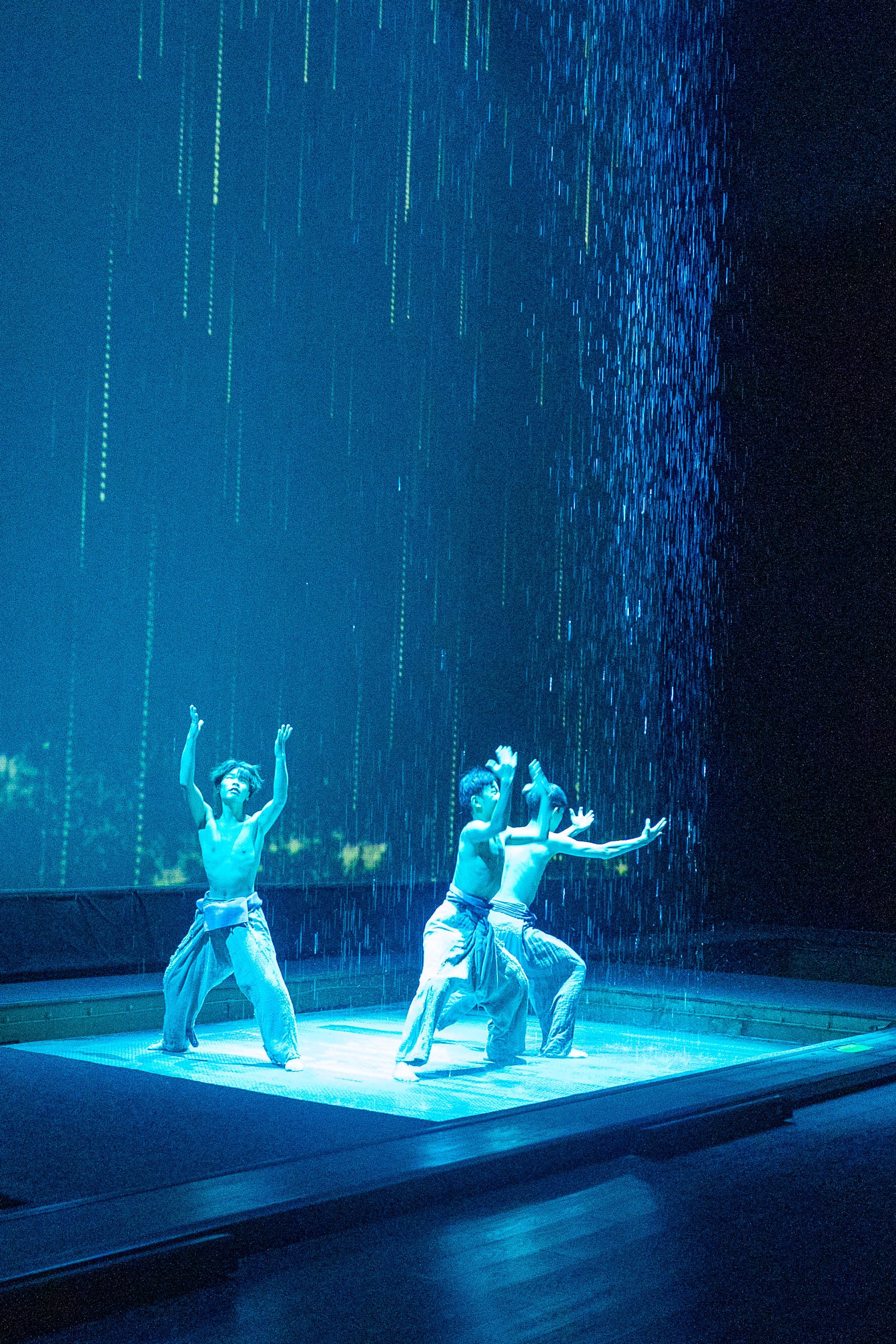
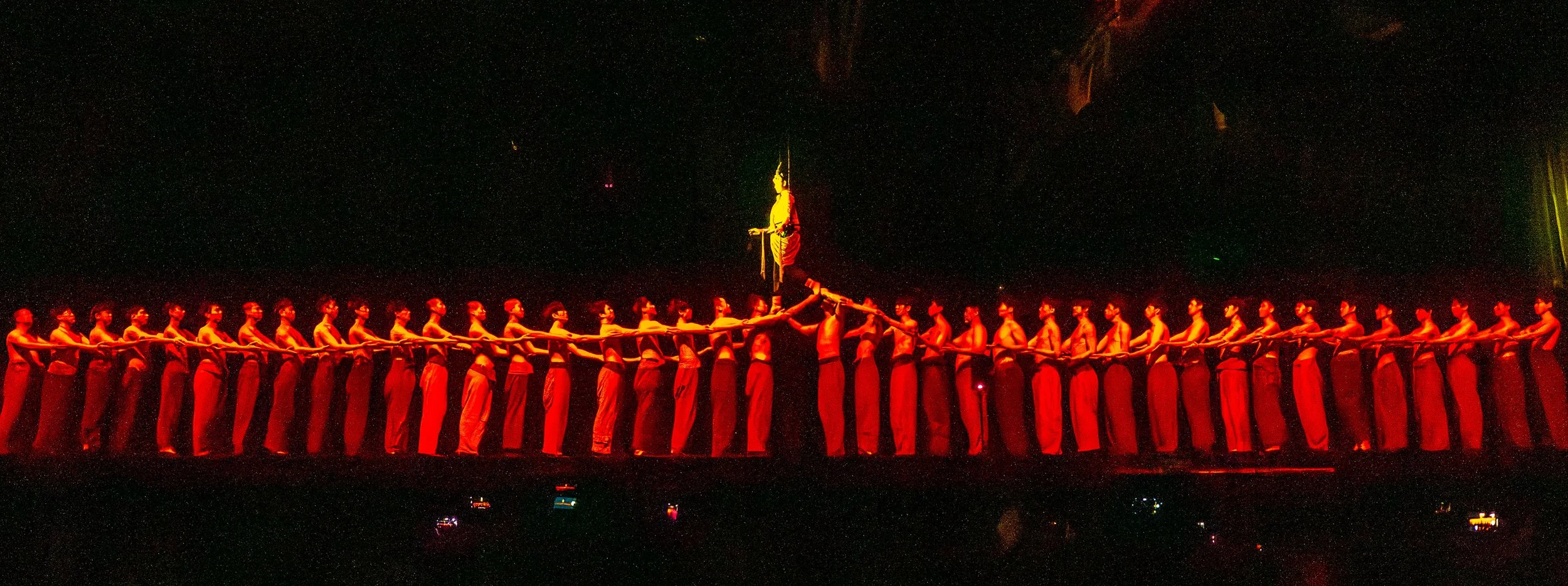
That evening, we attended the 8 p.m. show. It lasted about 90 minutes, the first hour featuring immersive performances where the audience followed actors through several themed stages that told ancient Silk Road stories. In the final half hour, everyone took seats in a theater for the grand finale. The production was unique in concept and scale, though it leaned more on spectacle than artistic depth.
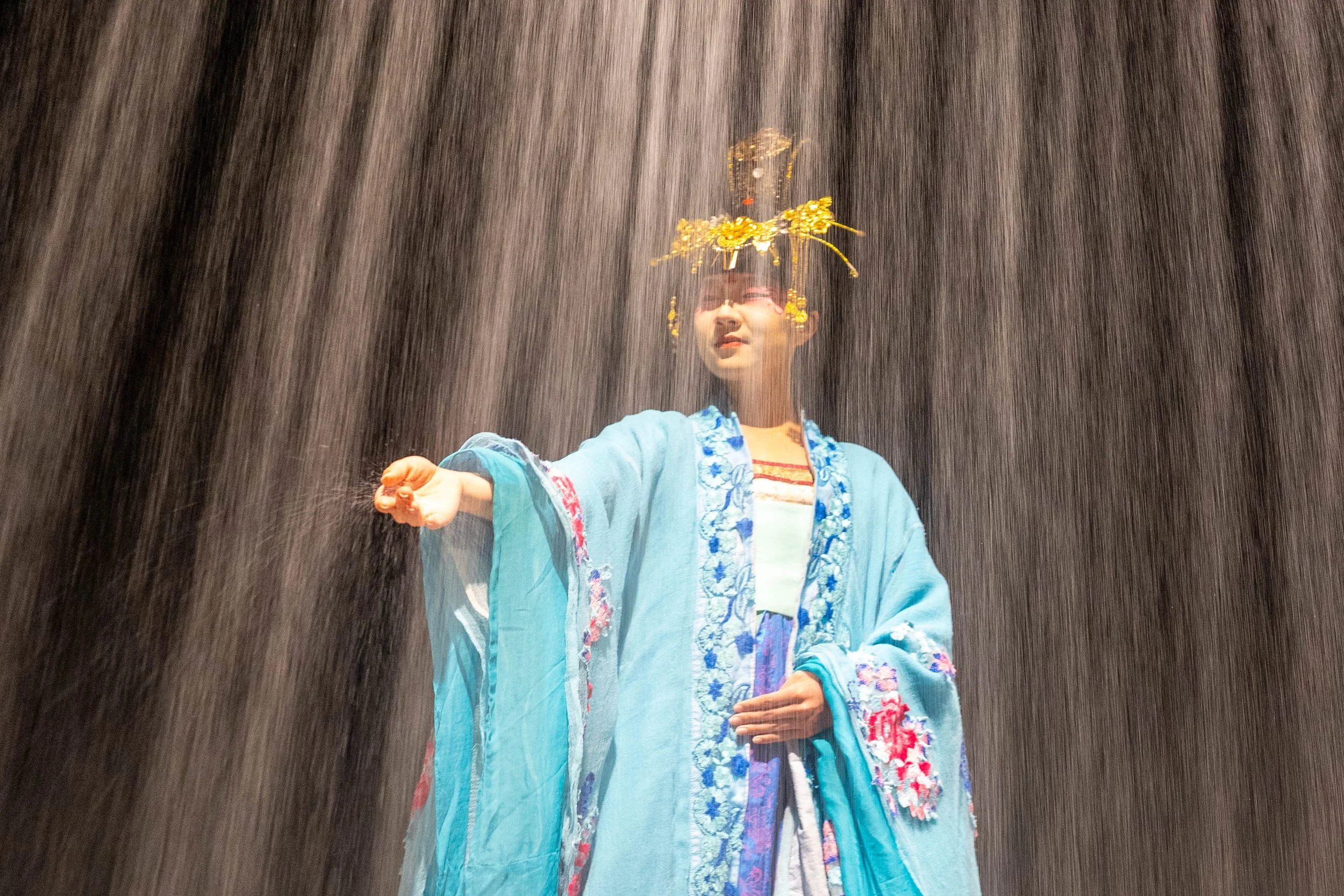

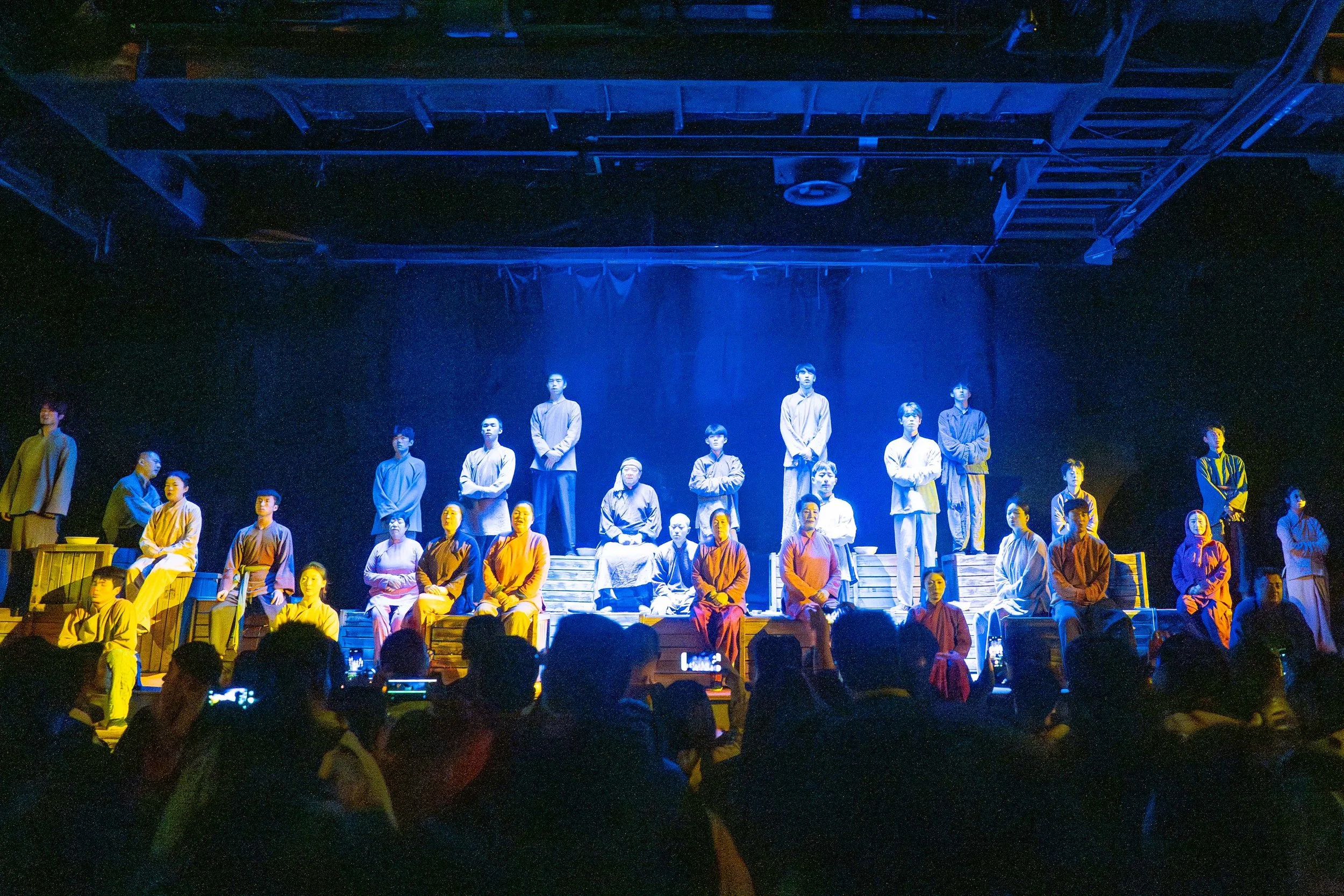
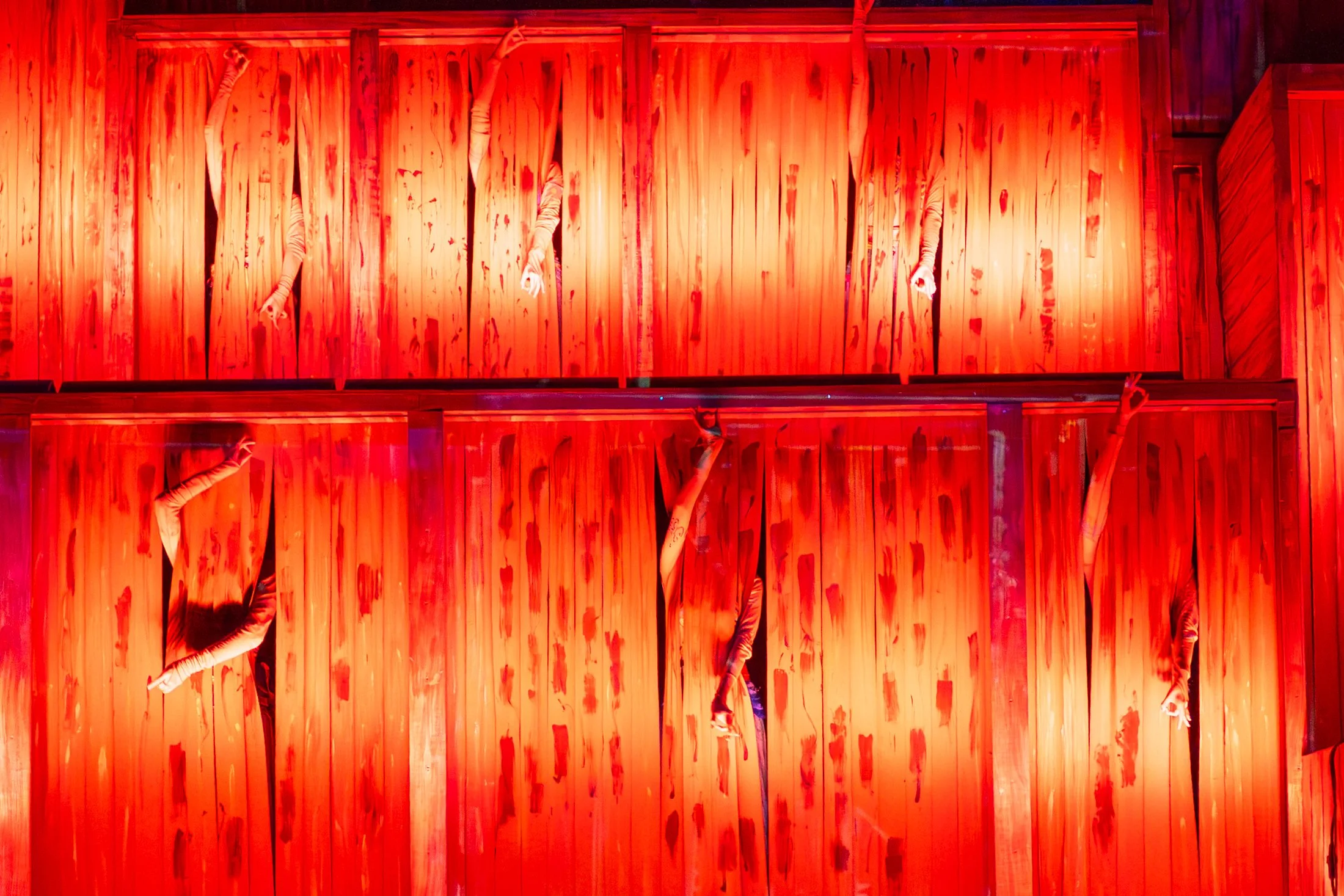
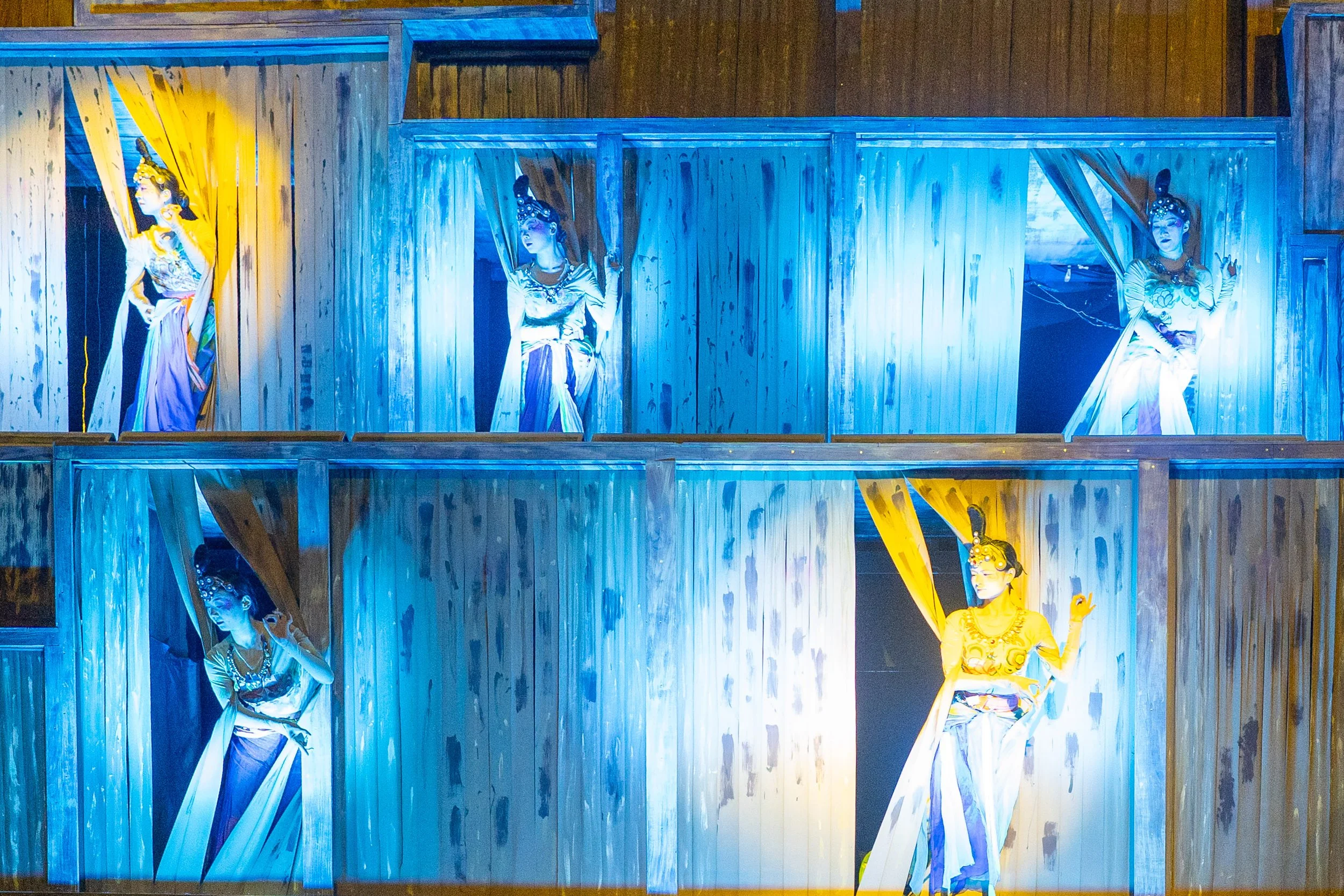
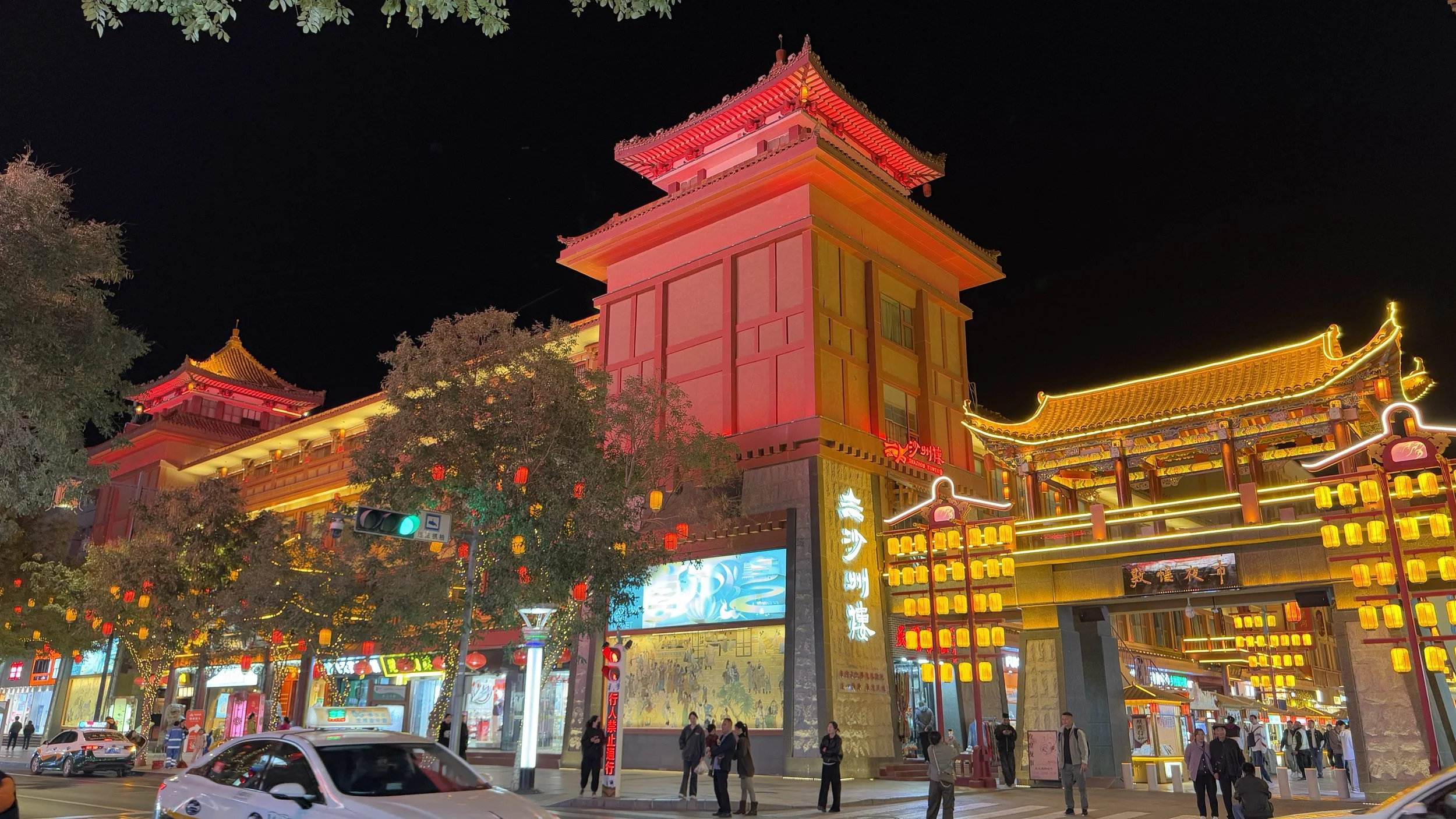
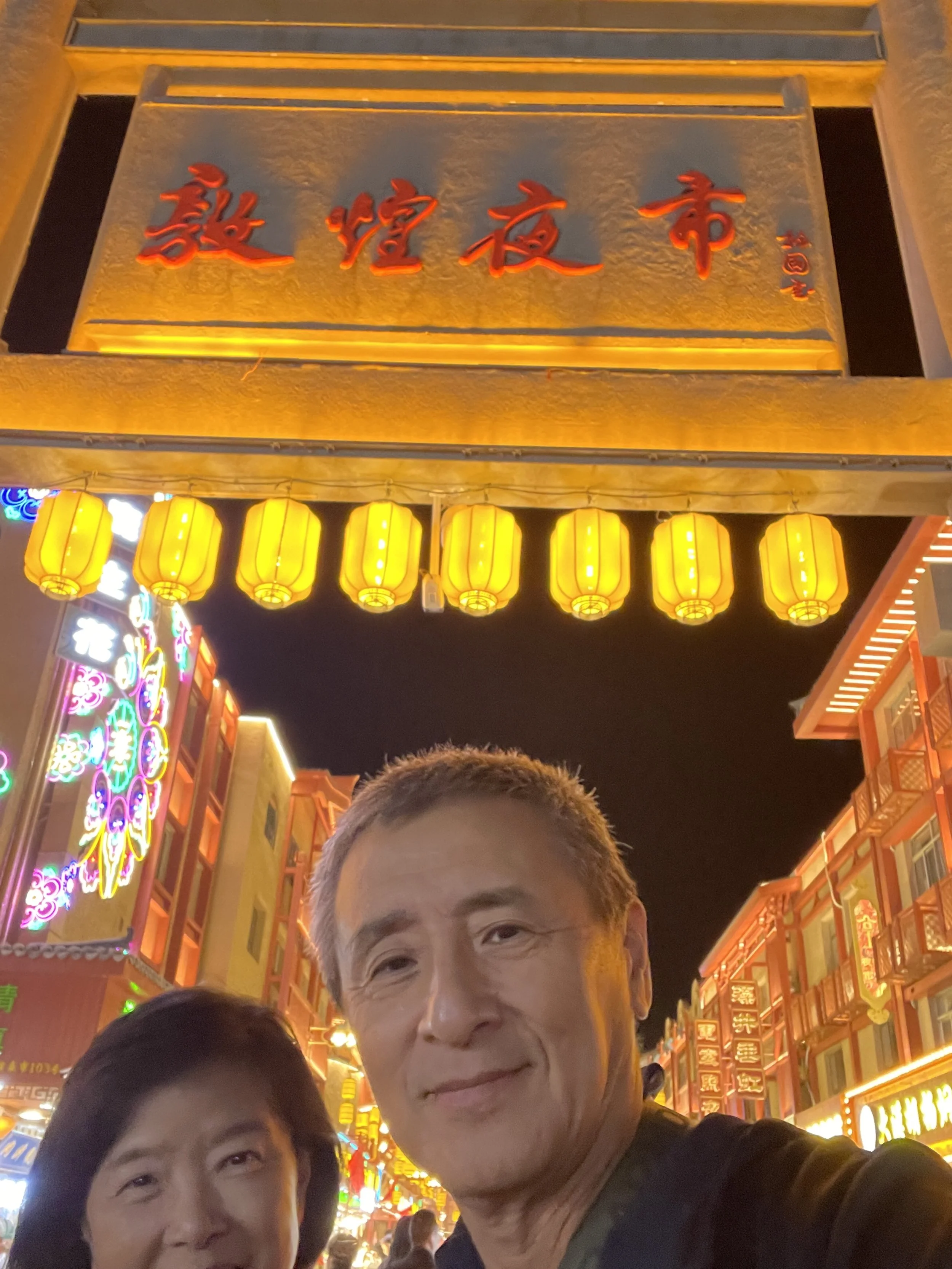
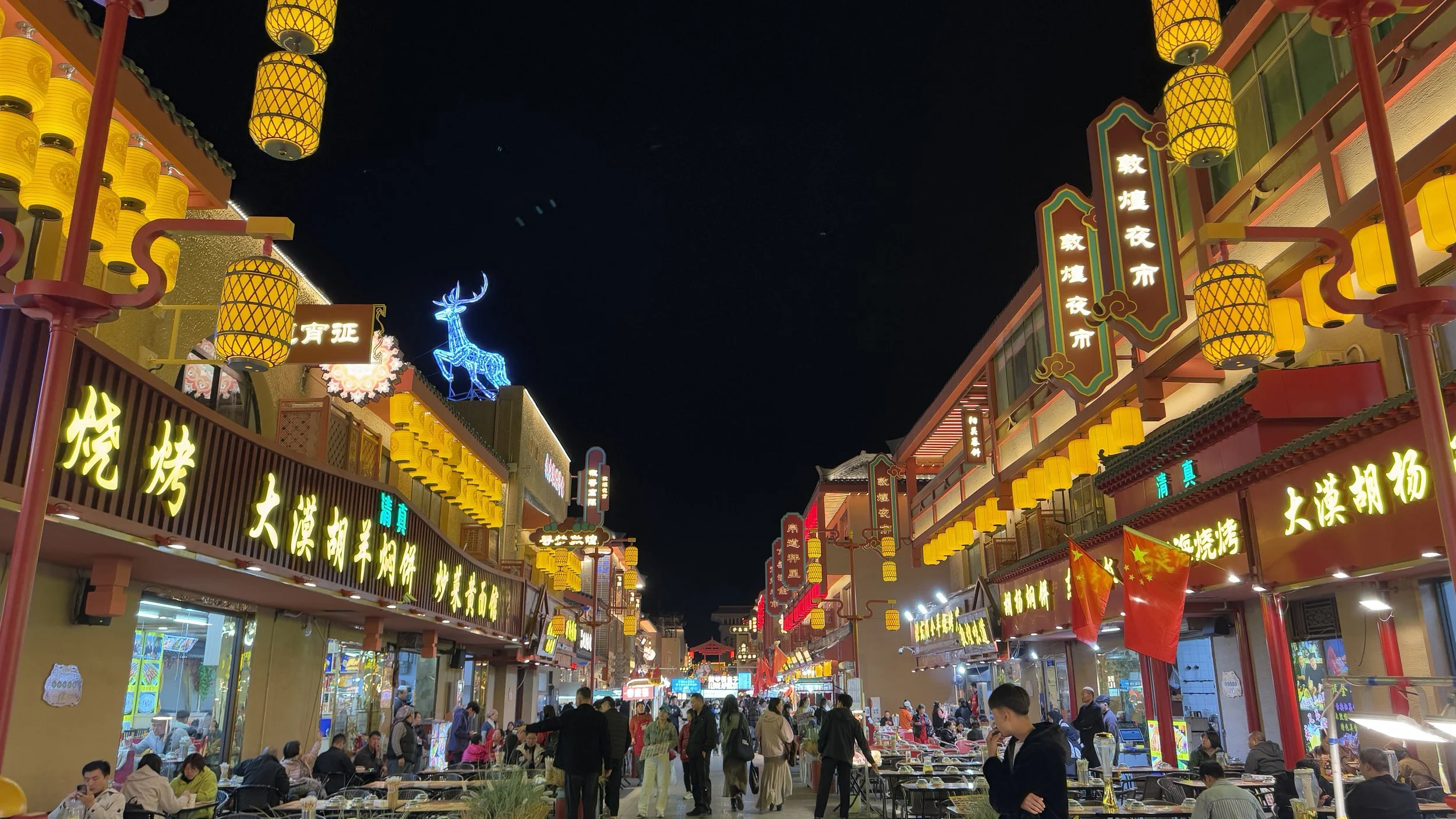
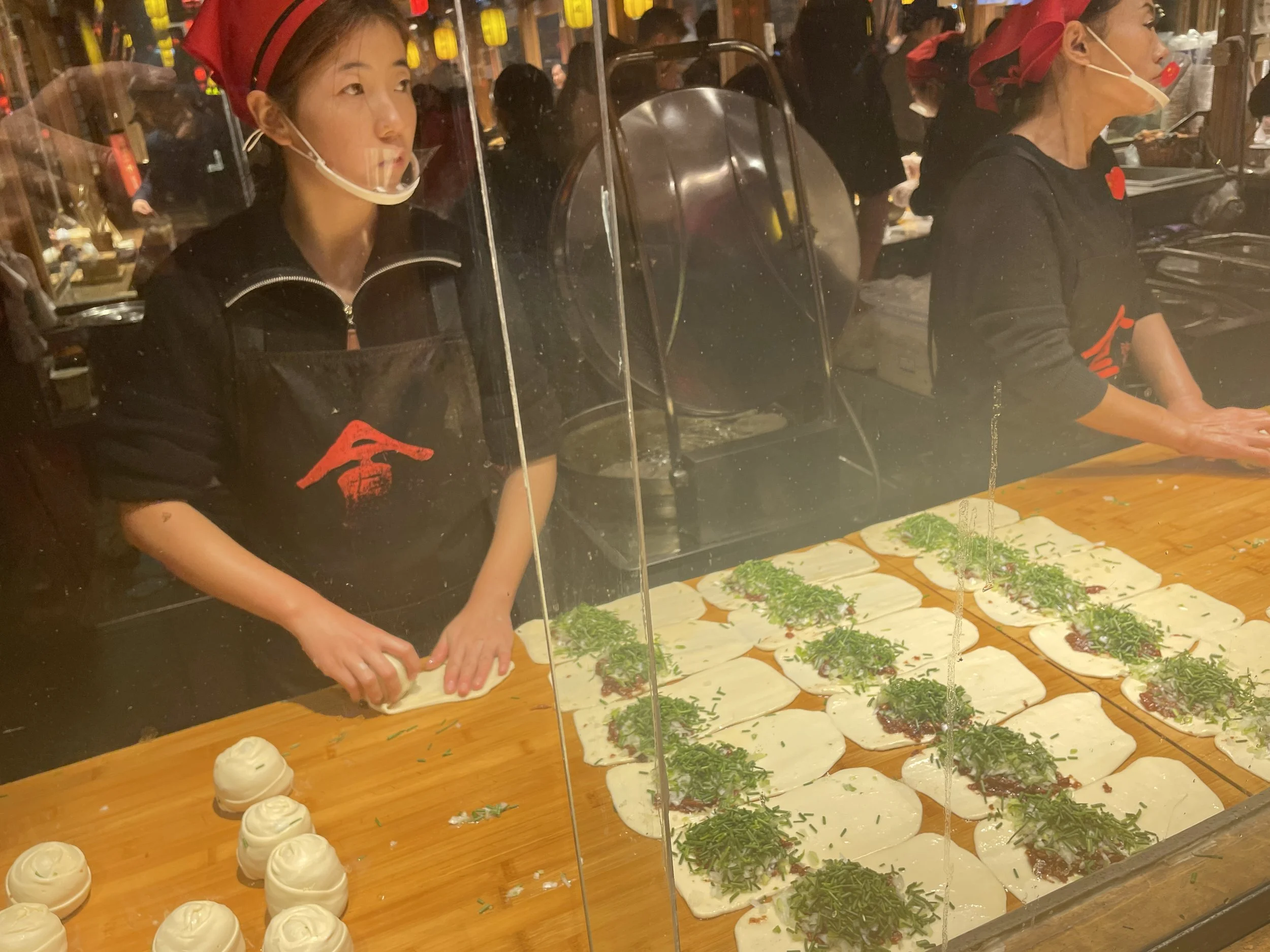
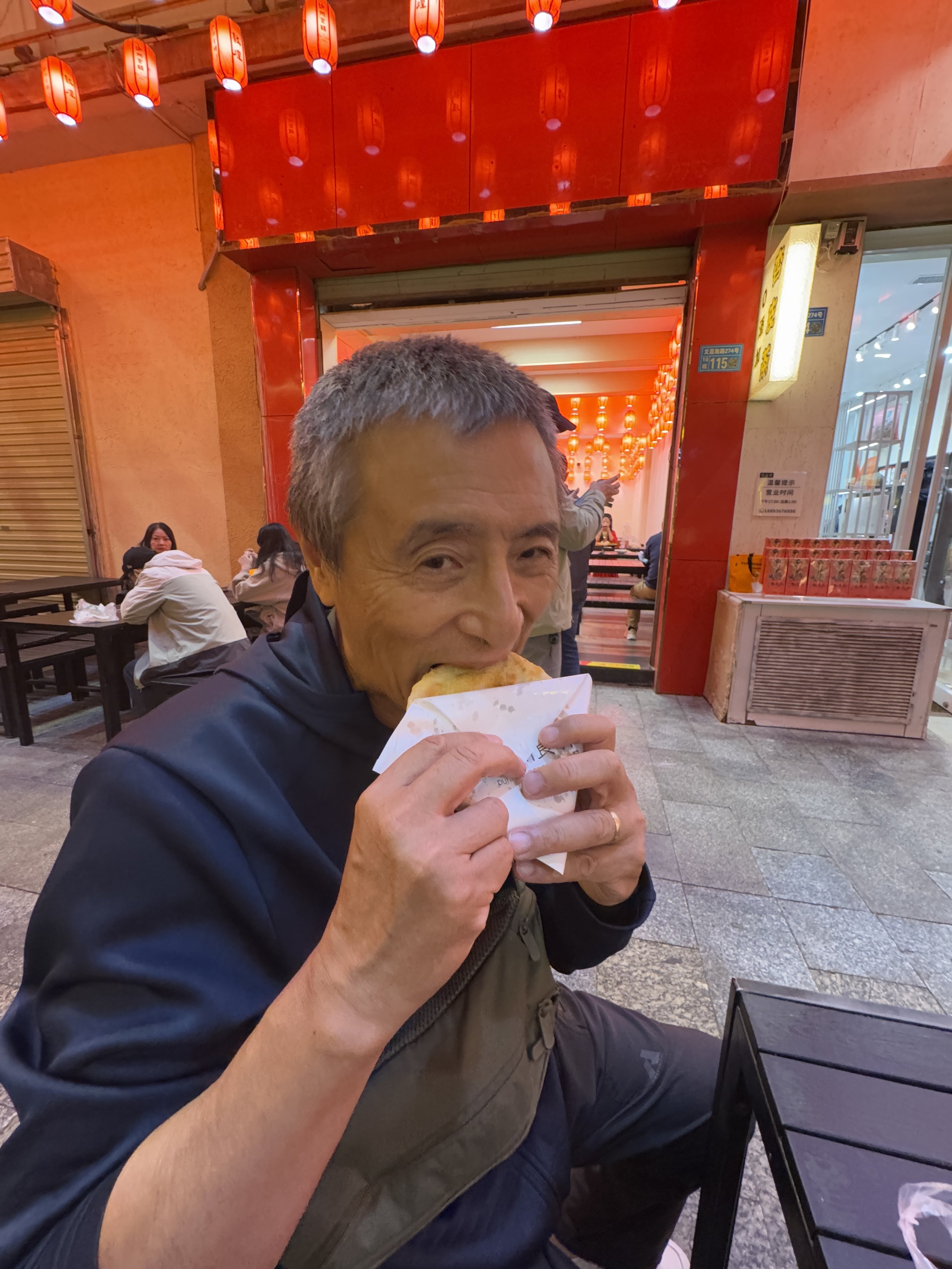
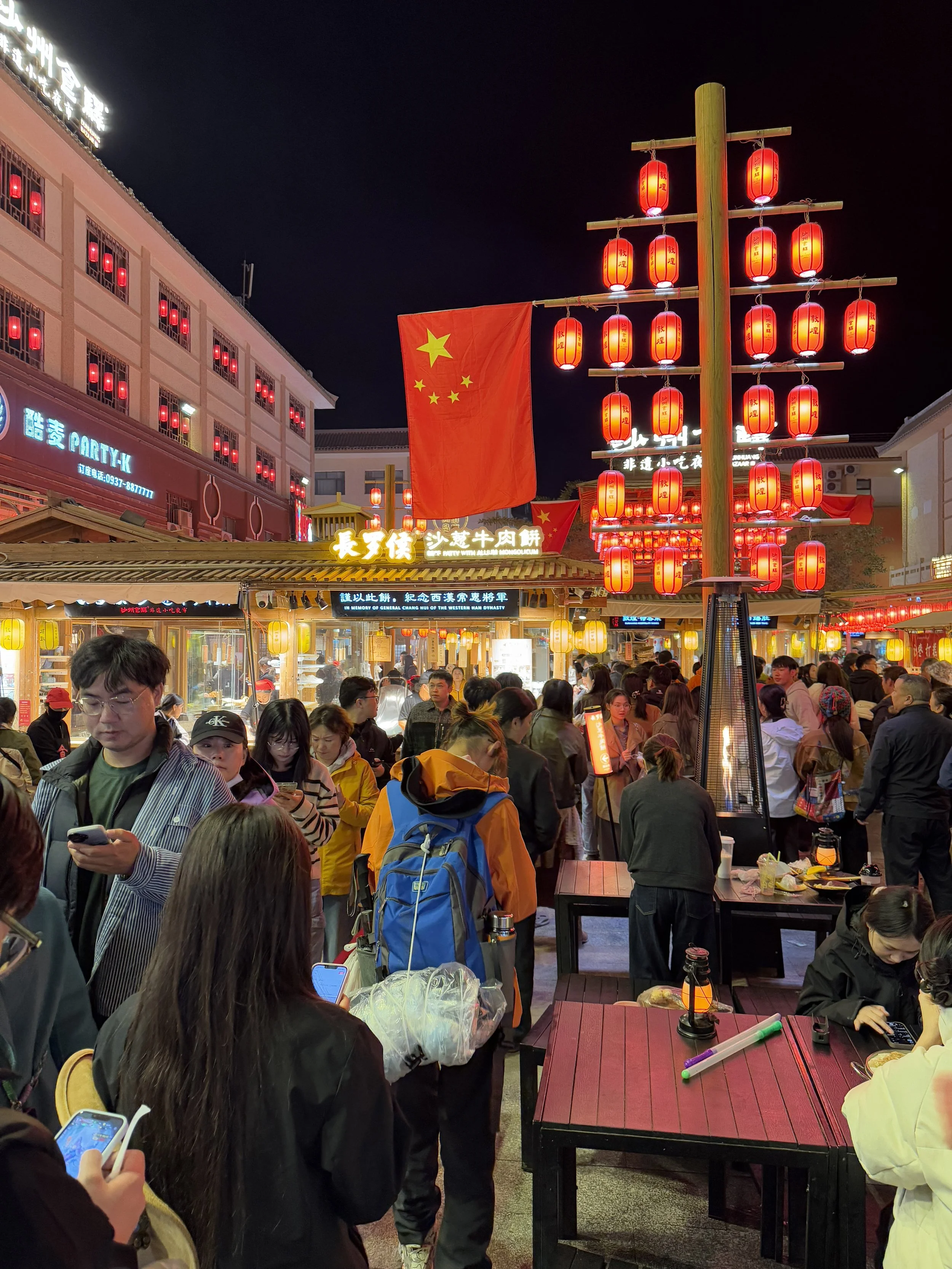
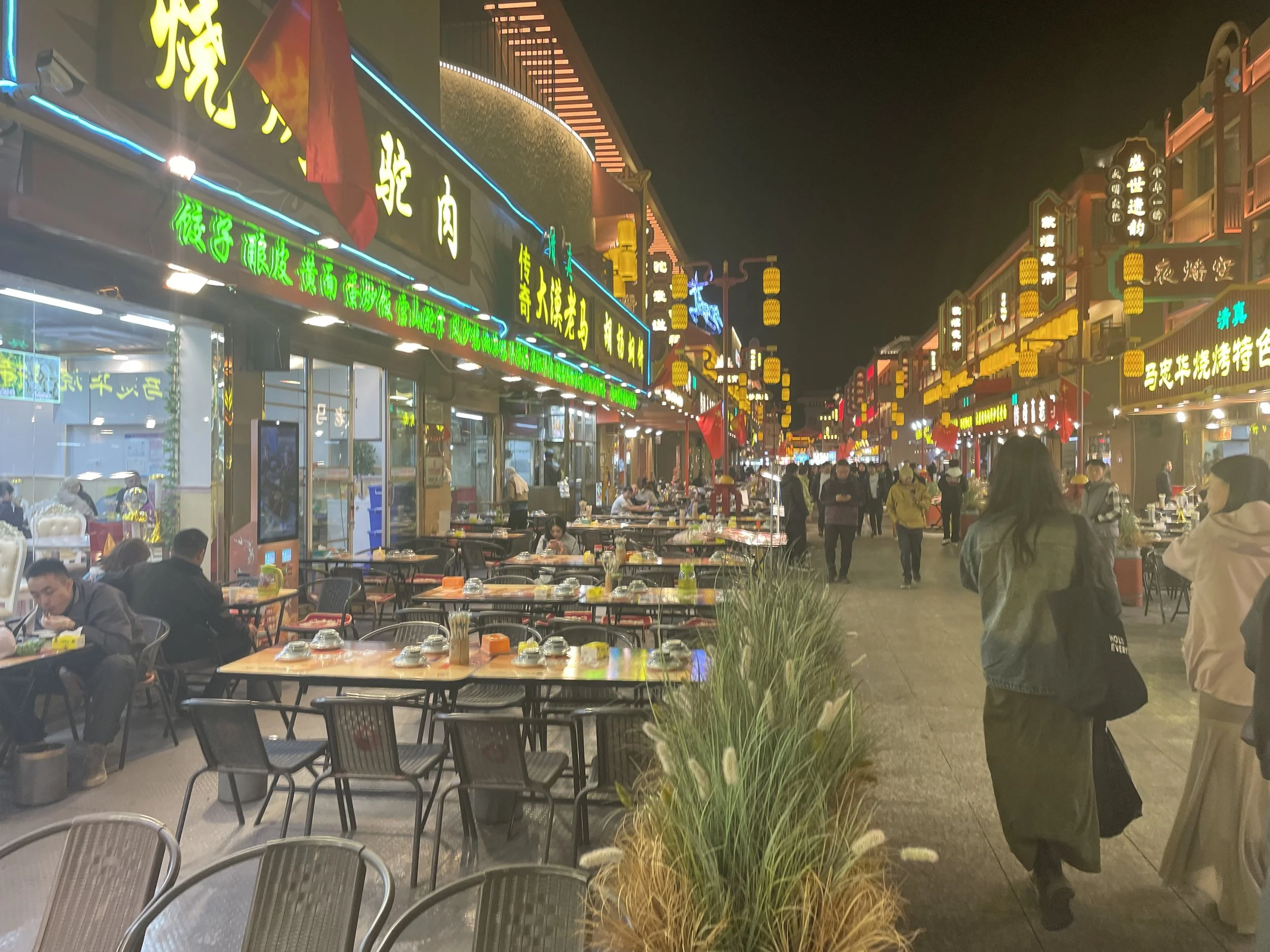
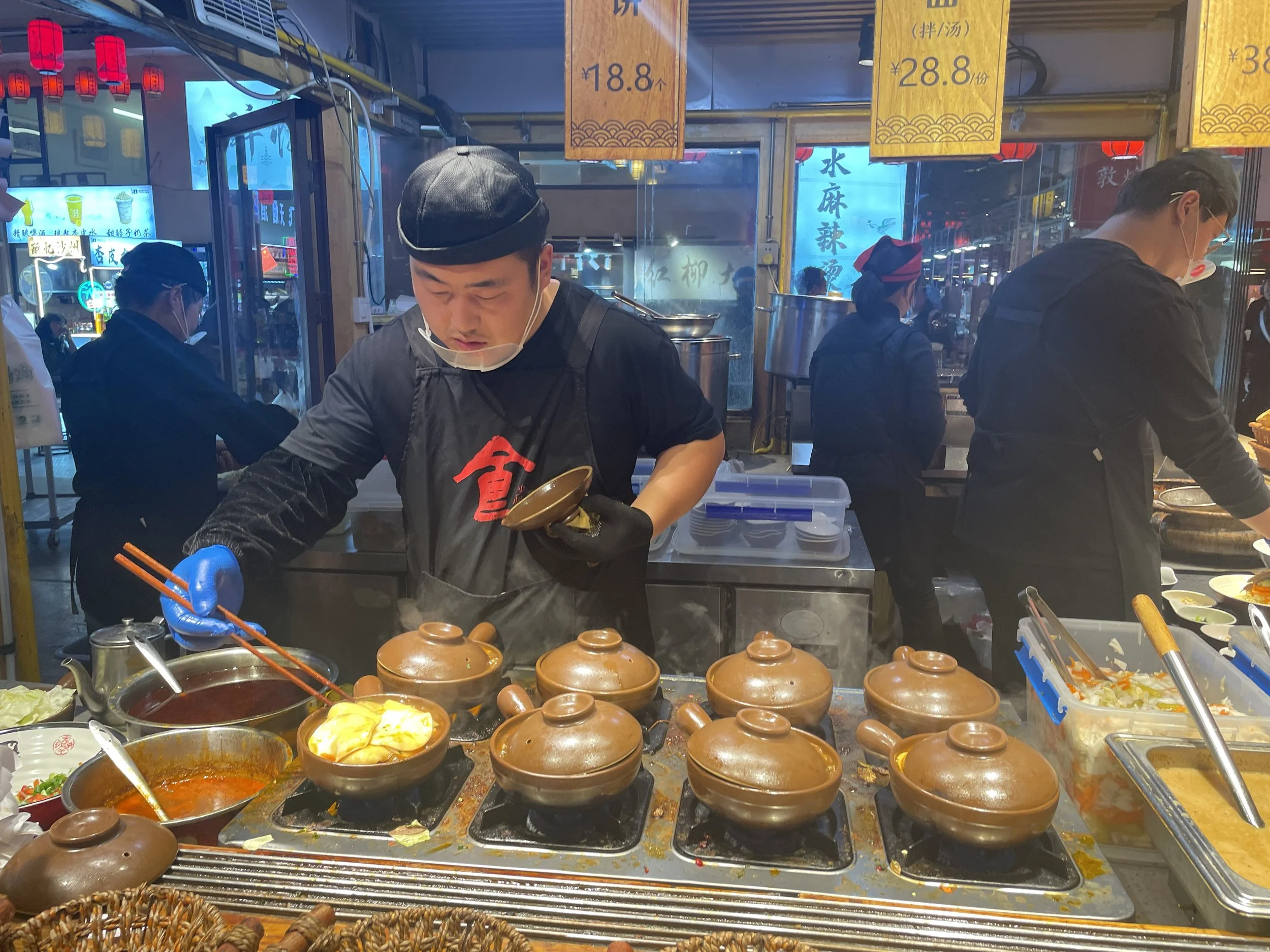
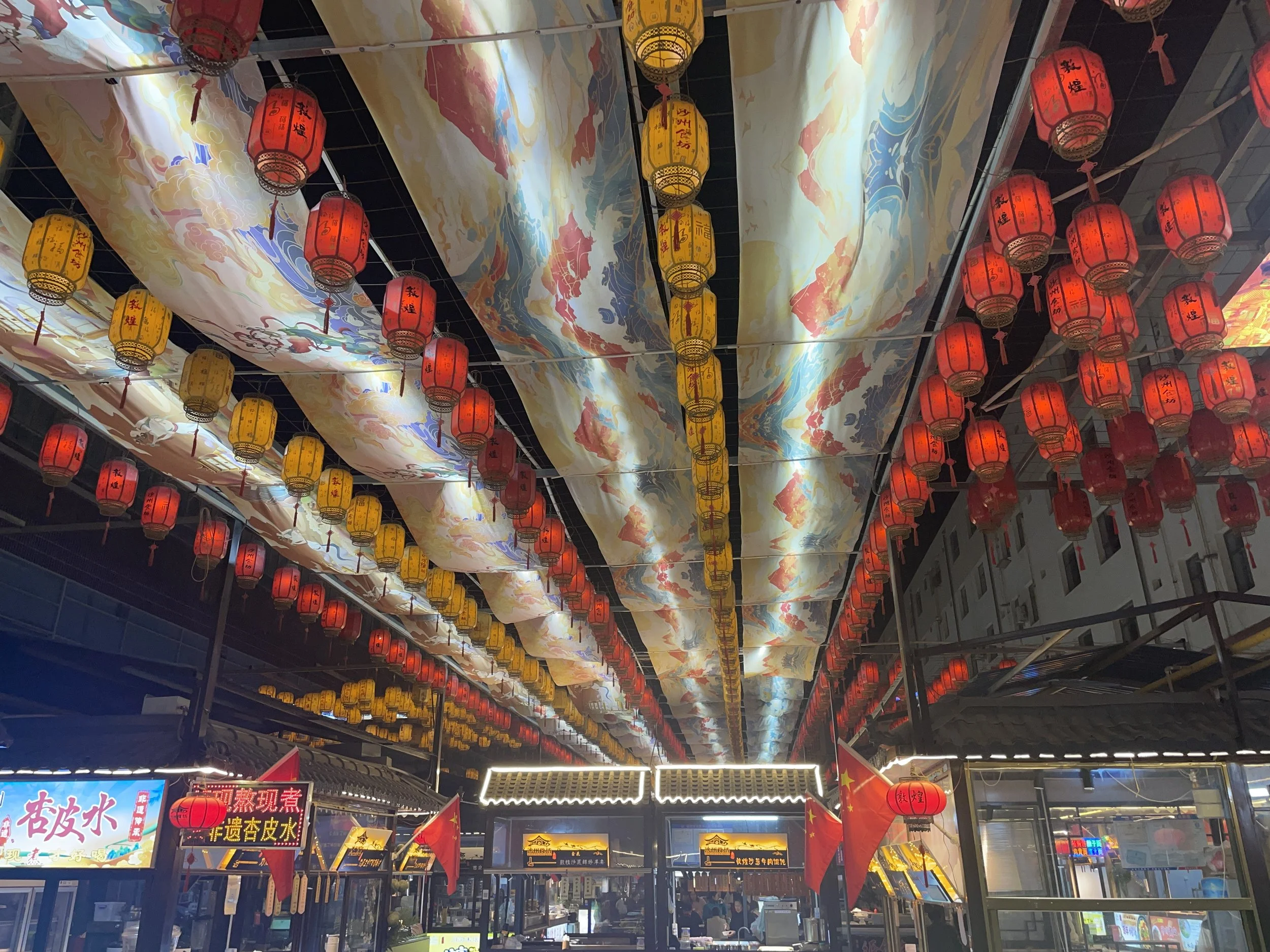
After the show, we strolled through the bustling Dunhuang Night Market—advertised as one of the best in China. The lively stalls, glowing lanterns, and aromas of grilled skewers filled the air. We sampled a shacong beef pie (沙葱牛肉饼), juicy and flavorful, a perfect late-night snack.
Satisfied and tired, we returned to our hotel to rest, ready for the next day’s long-awaited visit to the Mogao Caves and the Singing Sands of Mingsha Mountain.
2025年10月8日
我们早已向往中国西北的辽阔风光,这次终于梦想成真。躲避上海十月初依然闷热潮湿的天气,我们在国庆“黄金周”的最后一天,搭乘了直飞敦煌的航班。四个小时后抵达敦煌,走出机场时,迎面而来的秋风清爽宜人,令人心情顿时舒畅。
机场出口处,提前在携程预订的司机已经等候我们多时,在去酒店路上,我们从她那里购买了当晚的演出票——《又见敦煌》。
入住酒店稍作休息后,我们便外出用餐。第一次品尝当地美食:沙葱炒鸡蛋和牛肉水饺,味道都十分出色,鲜香浓郁,颇具西北风味。
晚上八点,我们前往观看《又见敦煌》。这是一场融合了敦煌壁画、丝绸之路文化和佛教艺术的现代舞台艺术演出,整场演出约九十分钟,前一个小时观众需跟随演员穿梭于多个舞台,敦煌莫高窟文物遗失的情节重现眼前。最后三十分钟则在剧场中落座观赏舞台表演,观众仿佛亲历古丝绸之路的传奇故事。演出形式新颖,规模宏大,虽然艺术表现略显平淡,但依然别具特色。
演出结束后,我们前往热闹非凡的敦煌夜市——据说是全国最有名的夜市之一。摊位林立、灯火通明、香气四溢,我们品尝了沙葱牛肉饼,外酥内嫩、汁多味美,令人回味无穷。
饱餐一顿后,我们回到酒店休息,为明天期待已久的莫高窟与鸣沙山之行养精蓄锐。
Kaohsiung, Taitung 高雄, 台东
September 21, 2025
In the morning, we took a short 5-minute ferry to Ciji Island (旗津岛)……
September 21, 2025
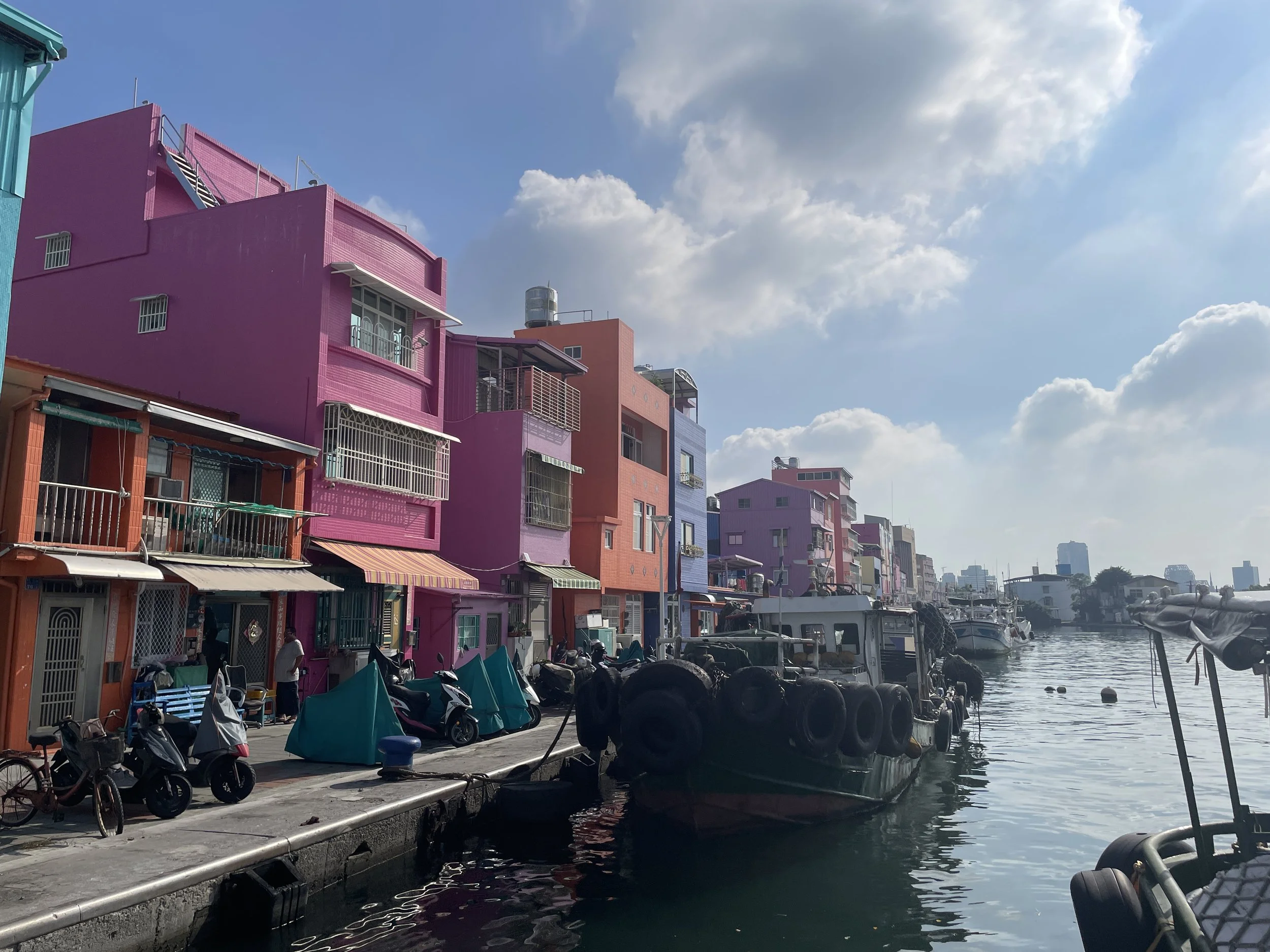
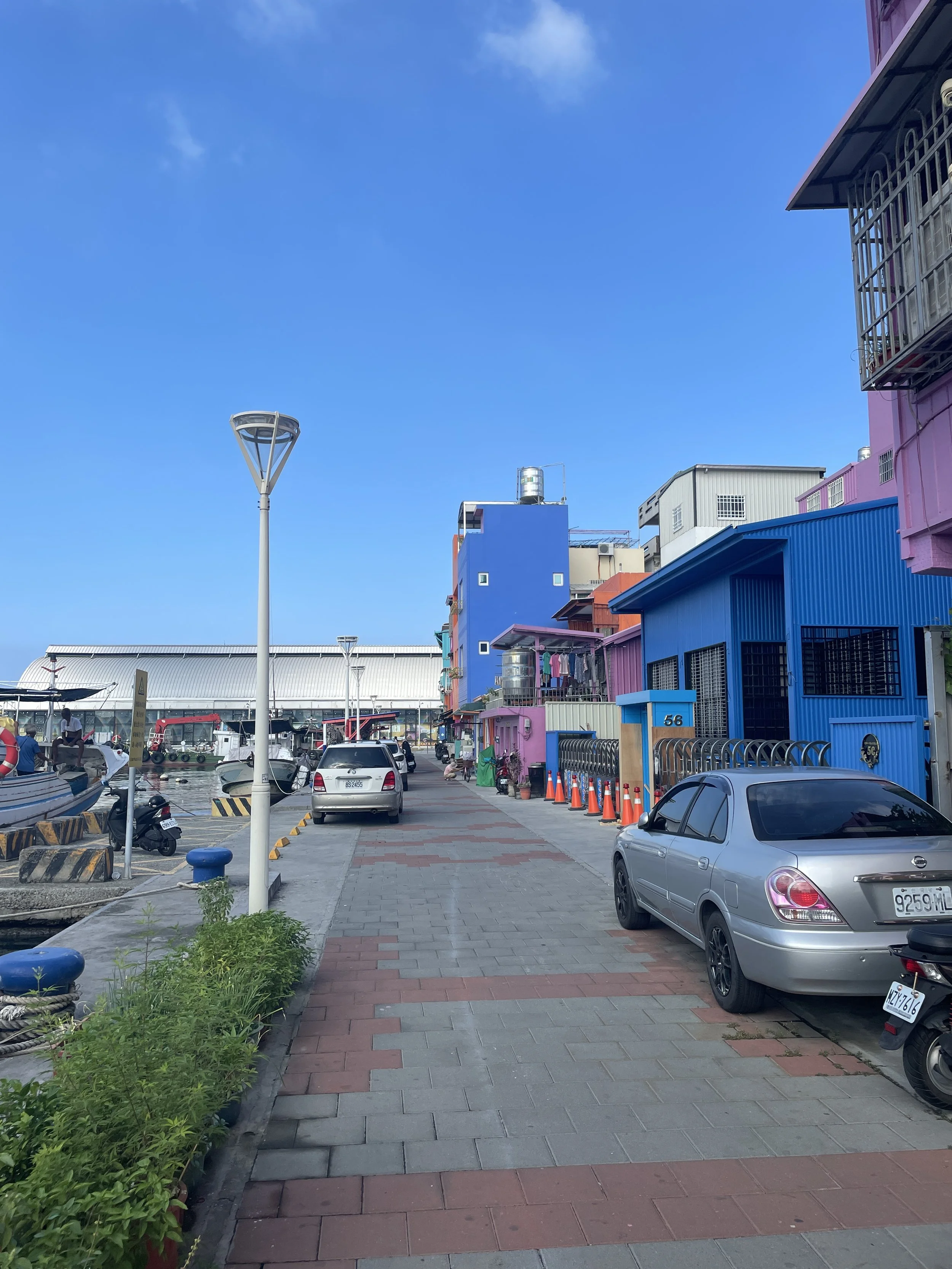
In the morning, we took a short 5-minute ferry to Ciji Island (旗津岛) in Kaohsiung for a brief walk along the beach and through the old town. Unfortunately, we couldn’t find any proper breakfast spots or coffee shops in the area. Instead, we stopped by a 7-Eleven and picked up a banana, a tea egg, and a rice triangle for a simple breakfast.
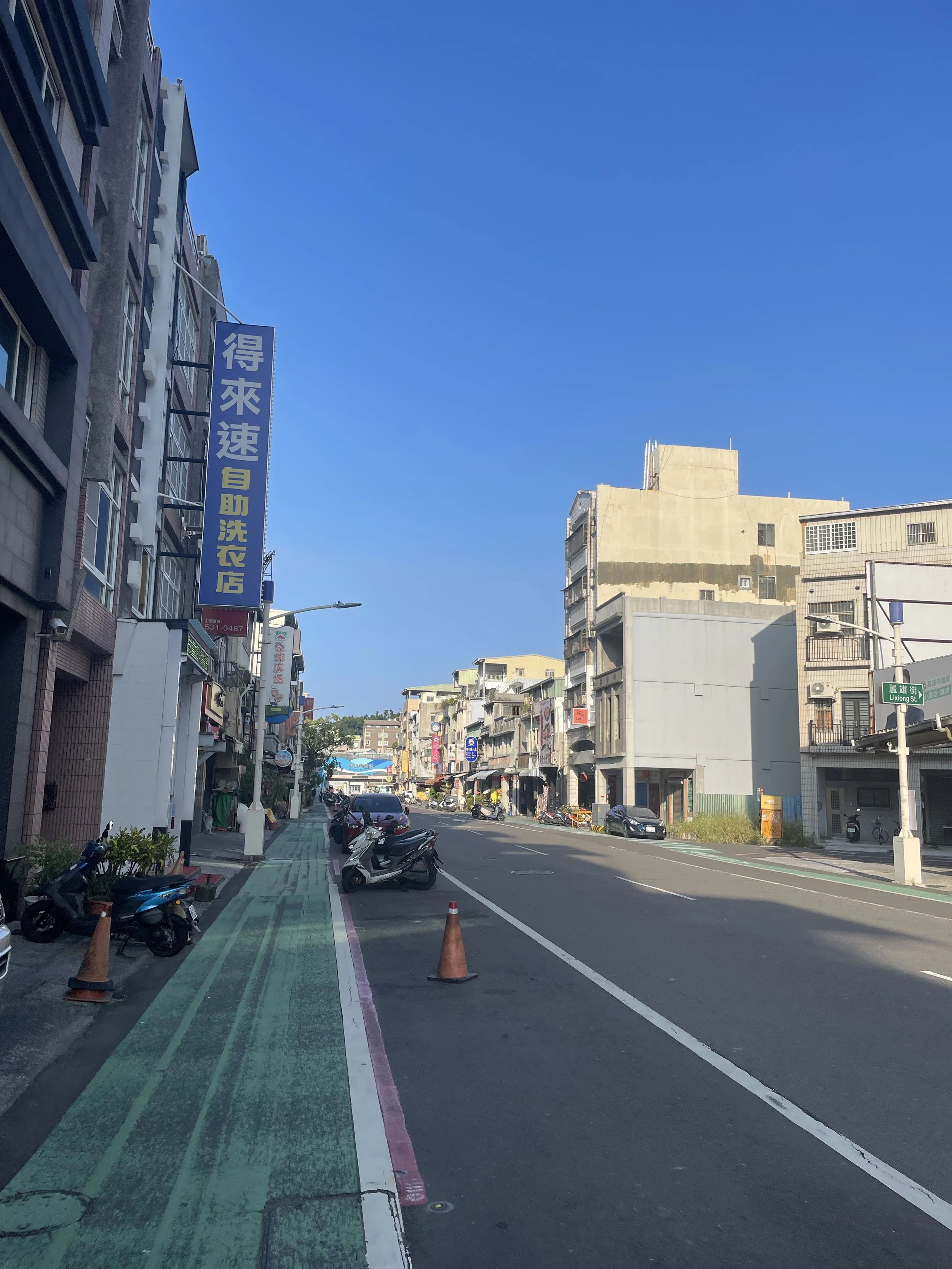
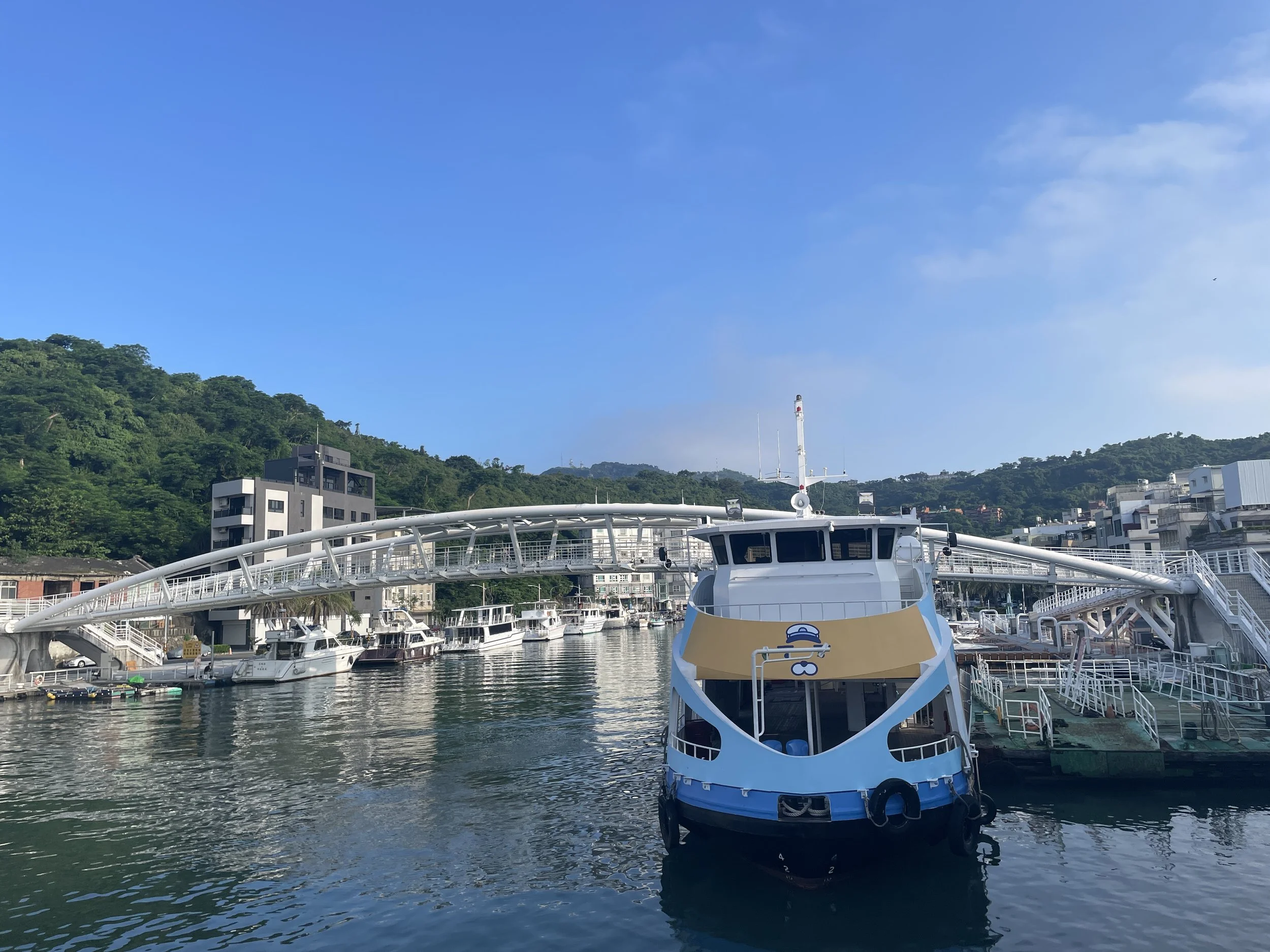
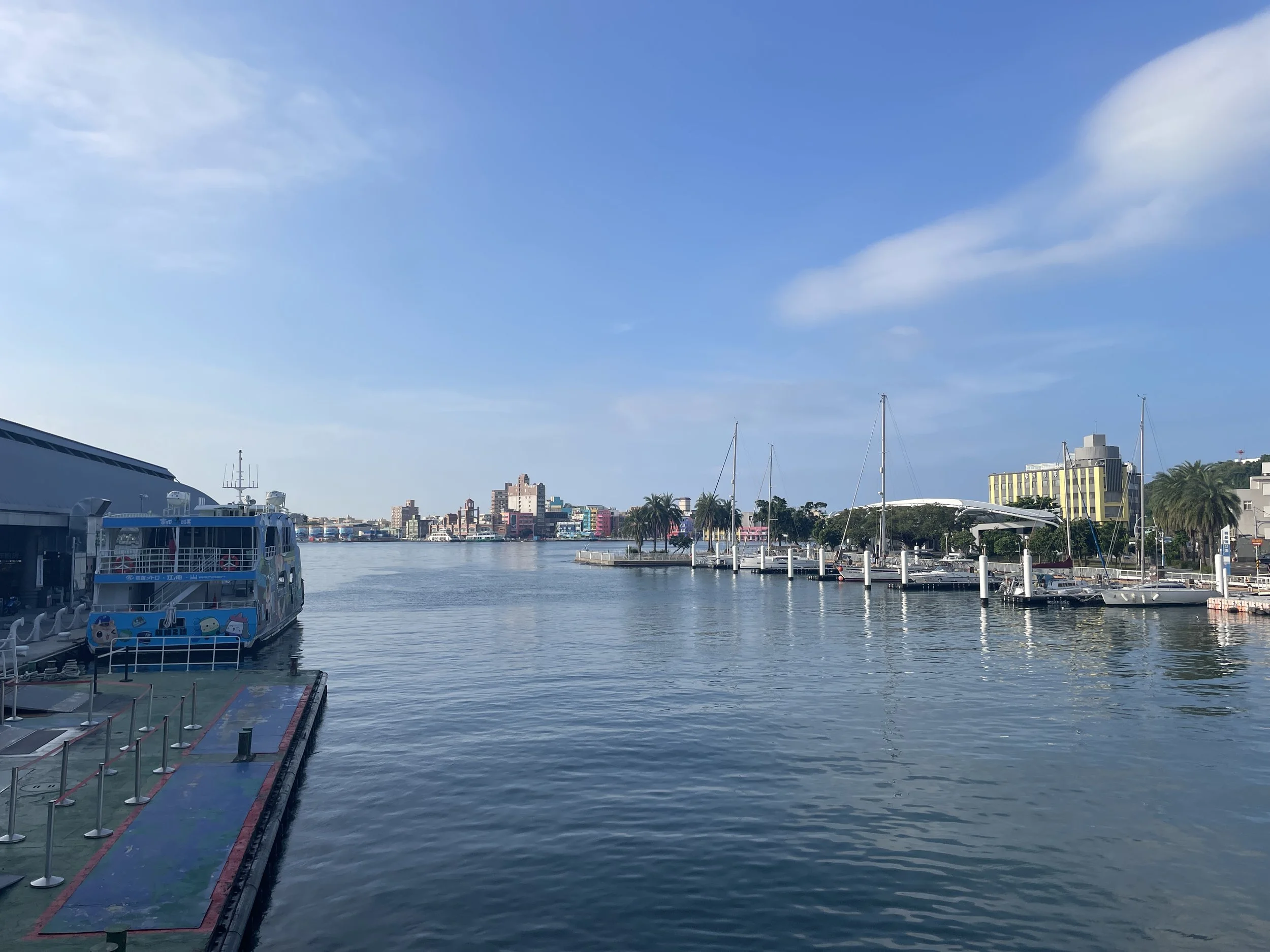
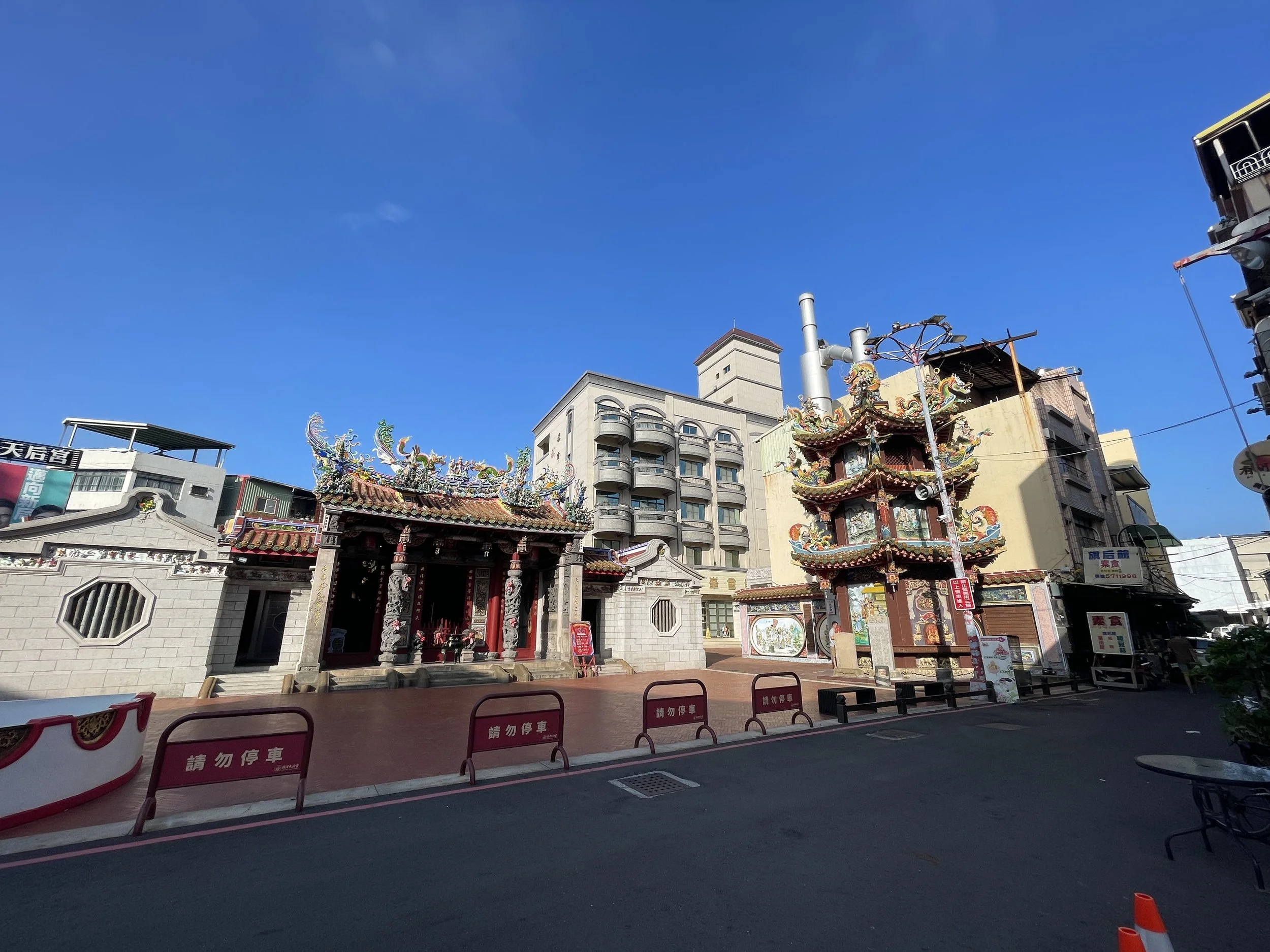
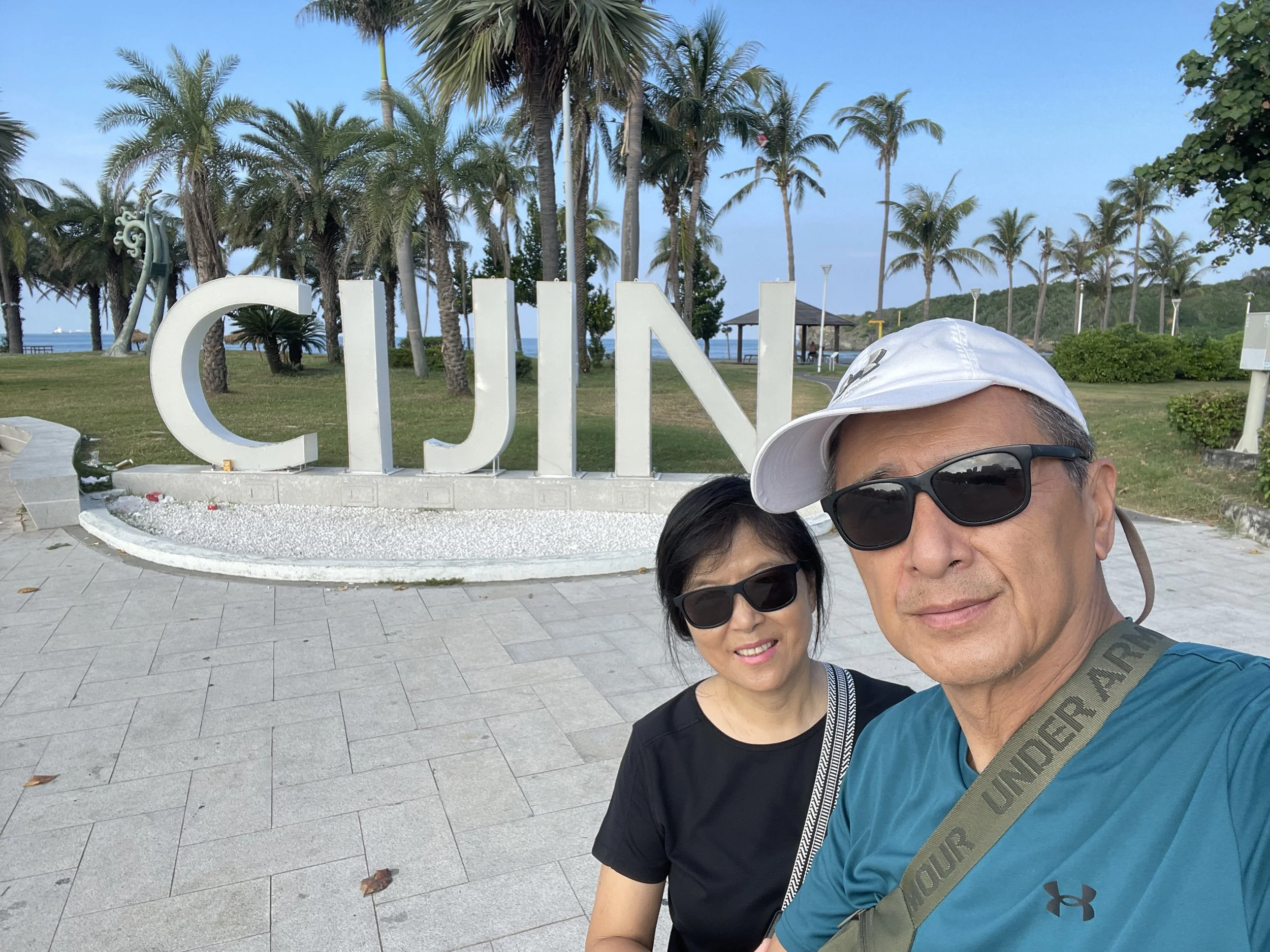
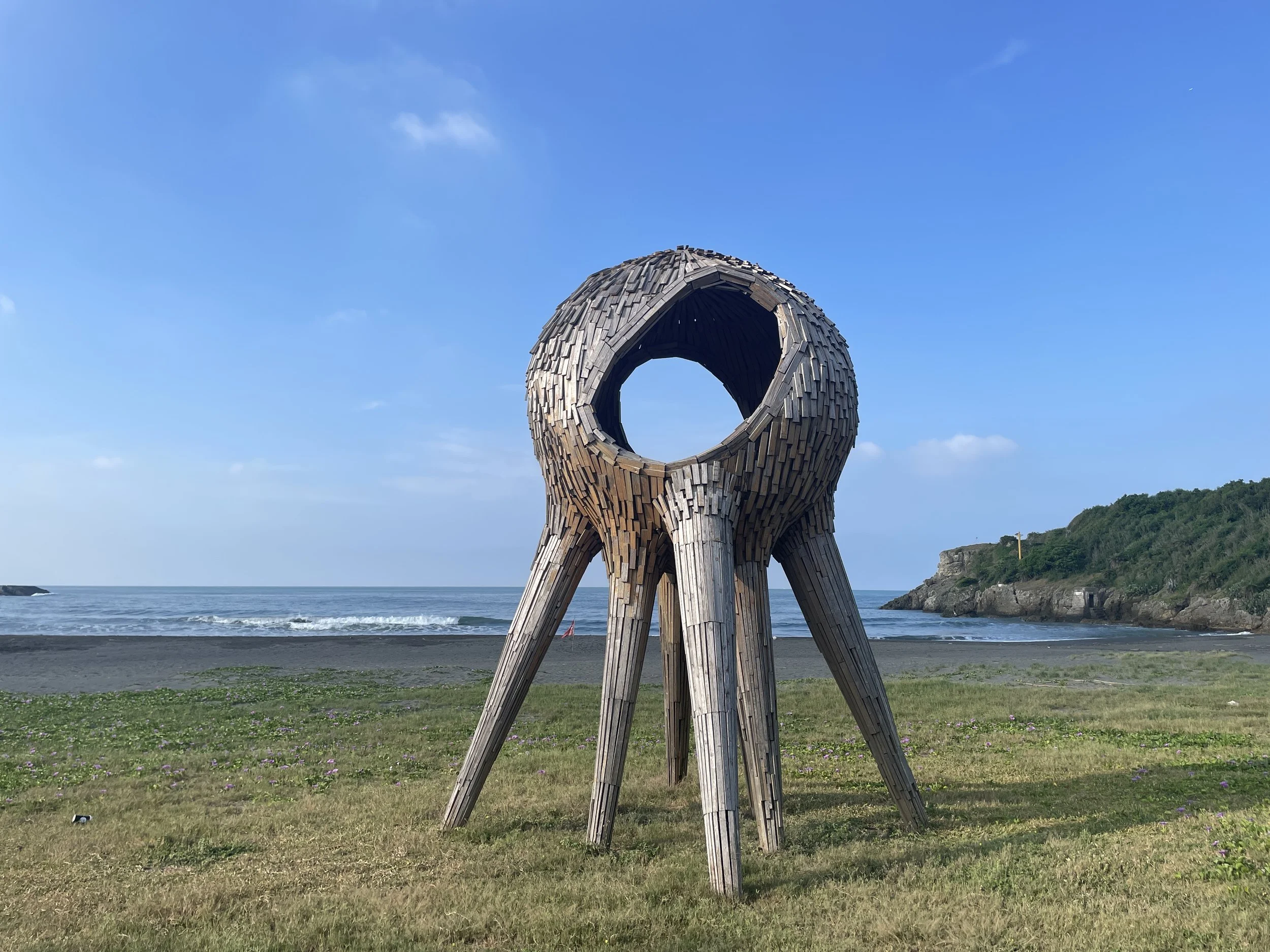
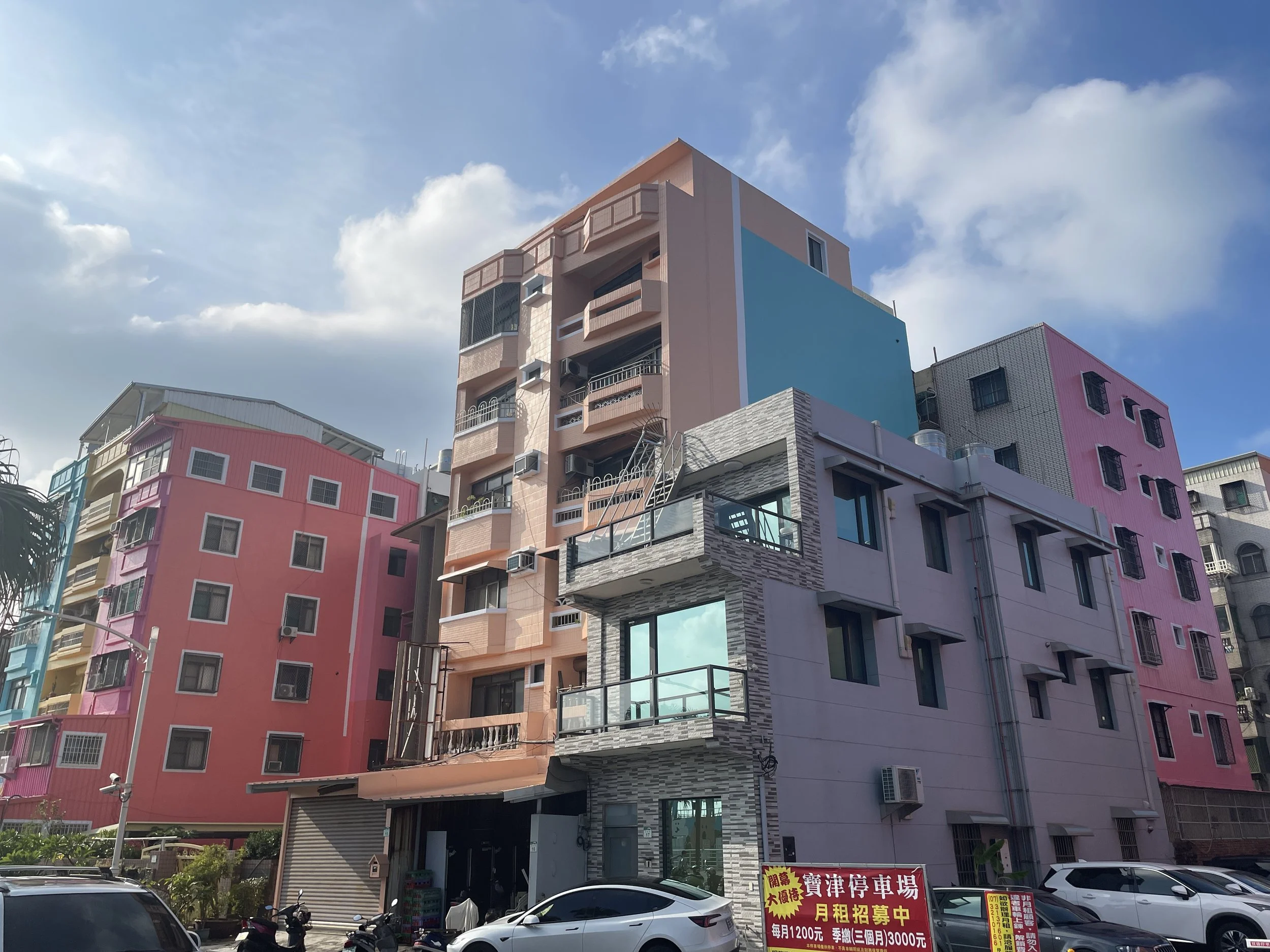
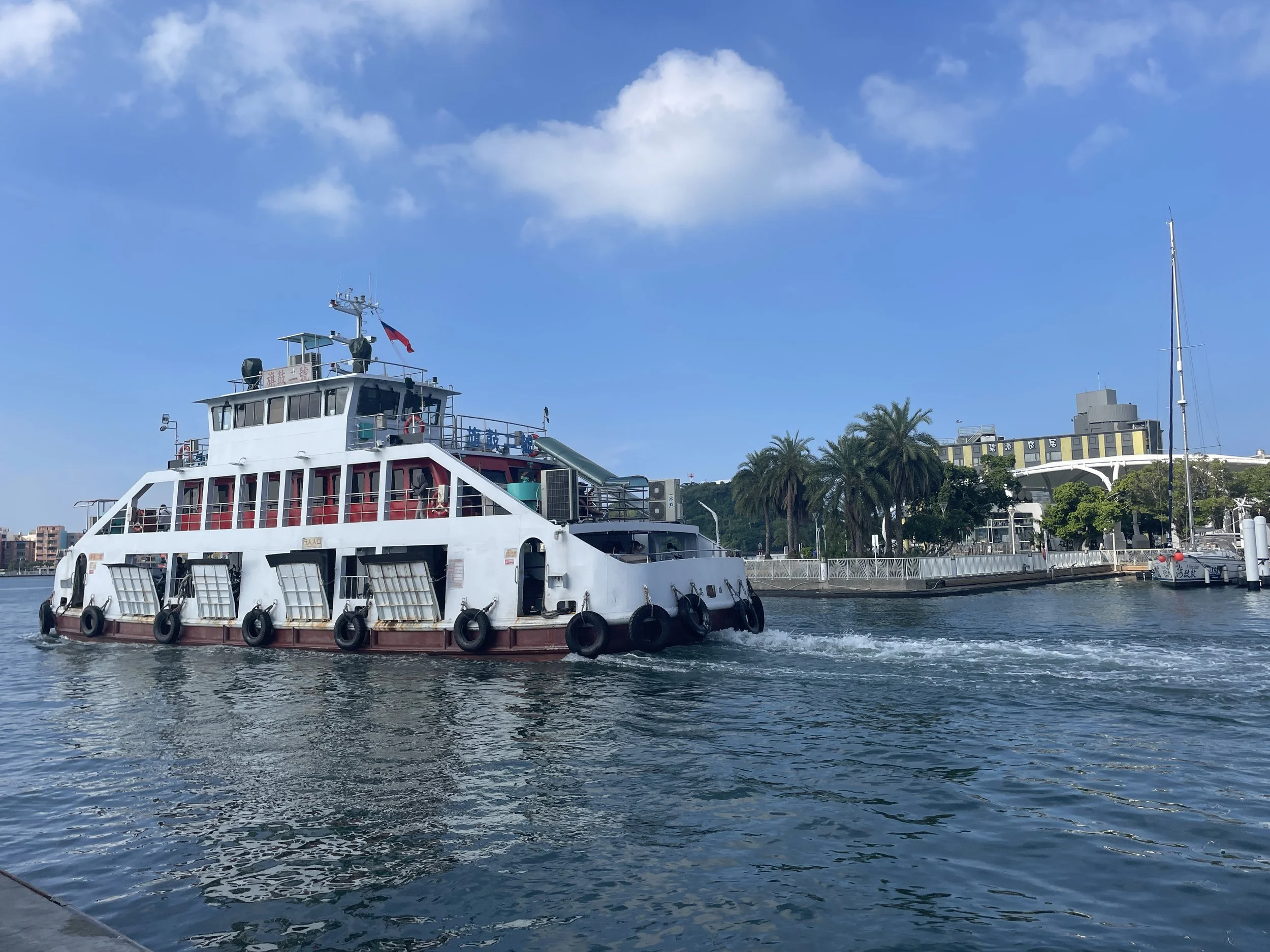
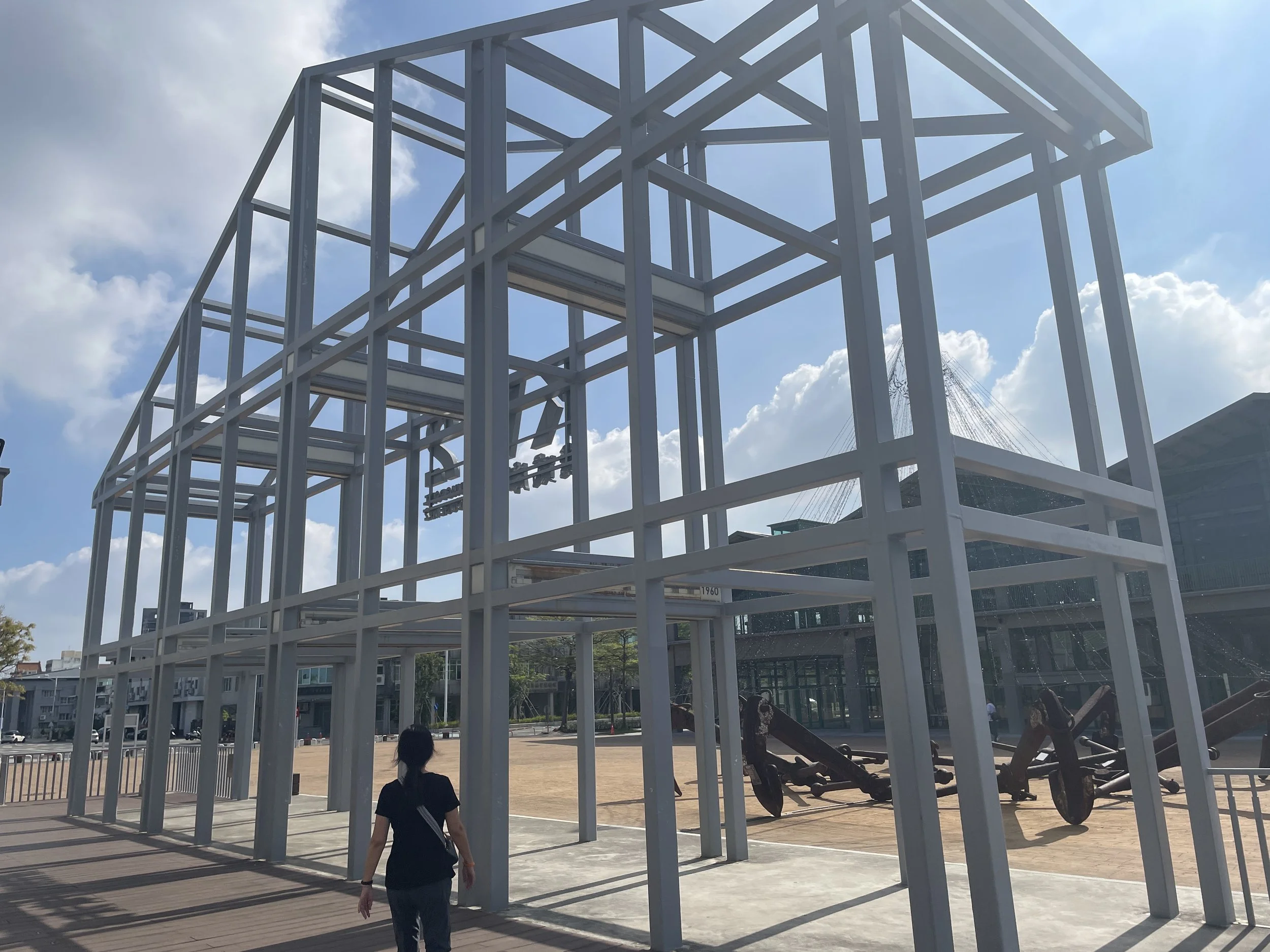
After a quick look around, we returned and strolled through the Pier-2 Art Center district, a former warehouse zone now transformed into a creative hub with art installations and boutique shops. Most shops did not open until 10 a.m., and with the scorching heat becoming unbearable, we soon decided to head back to the hotel.
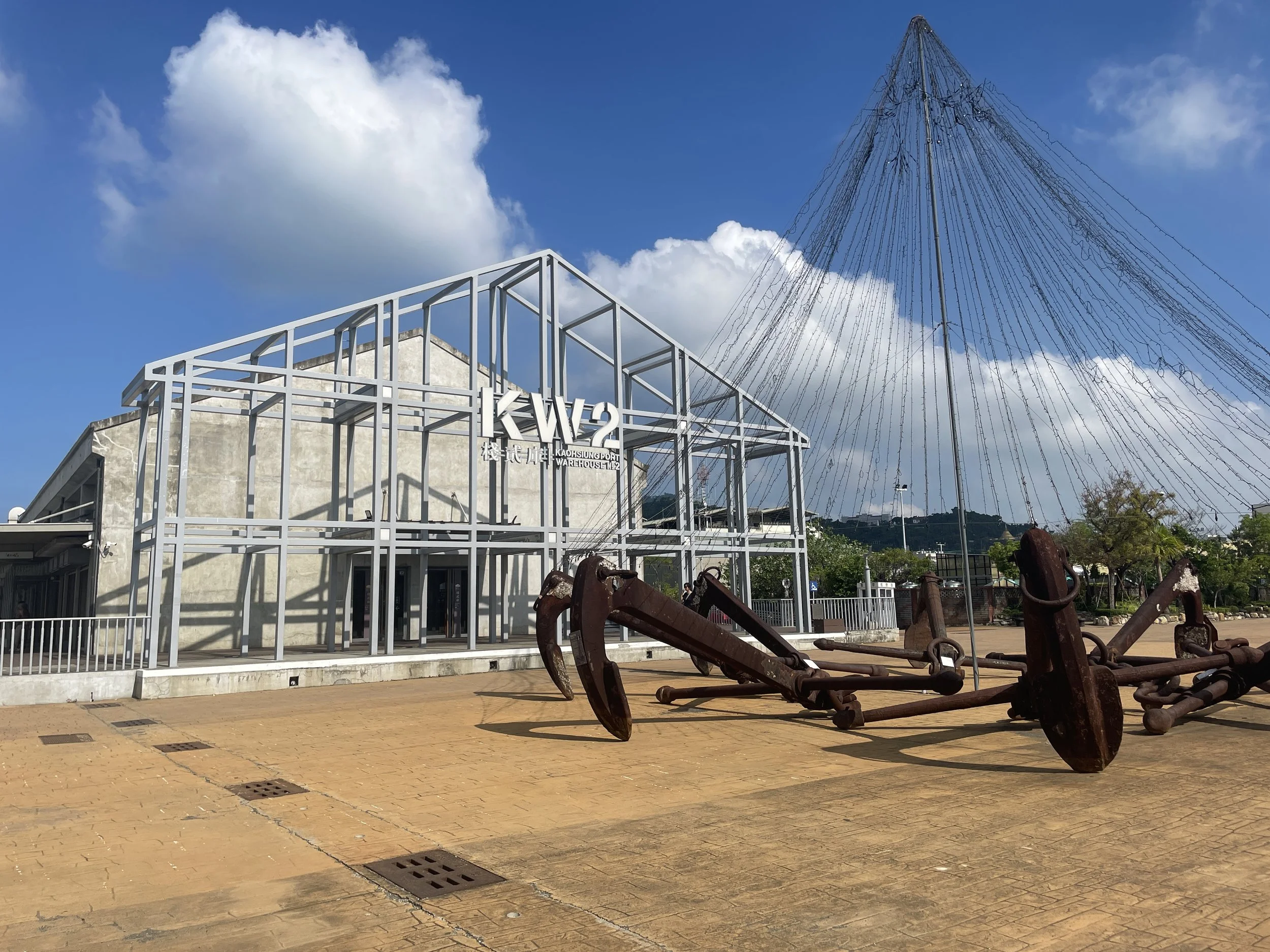
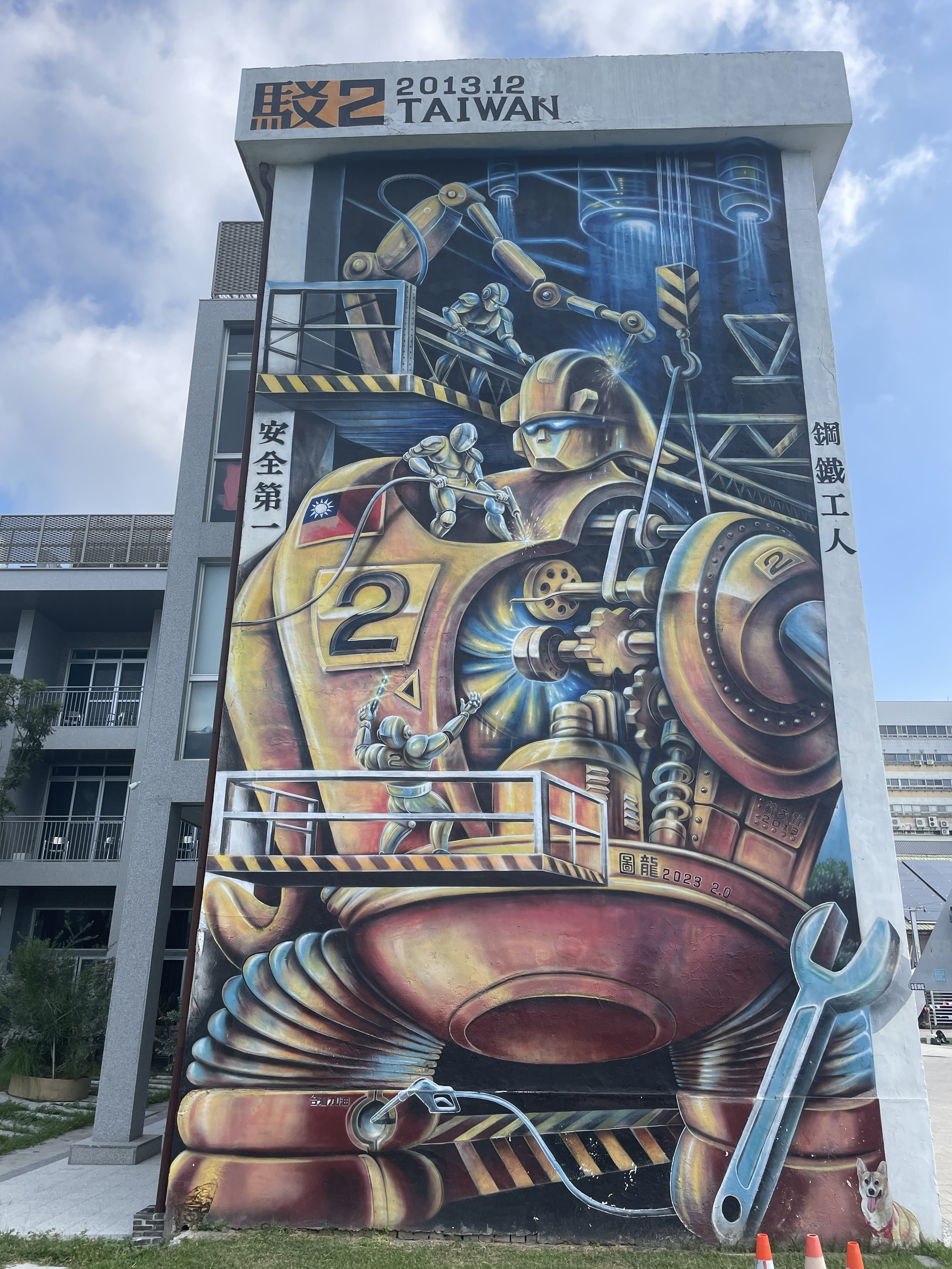
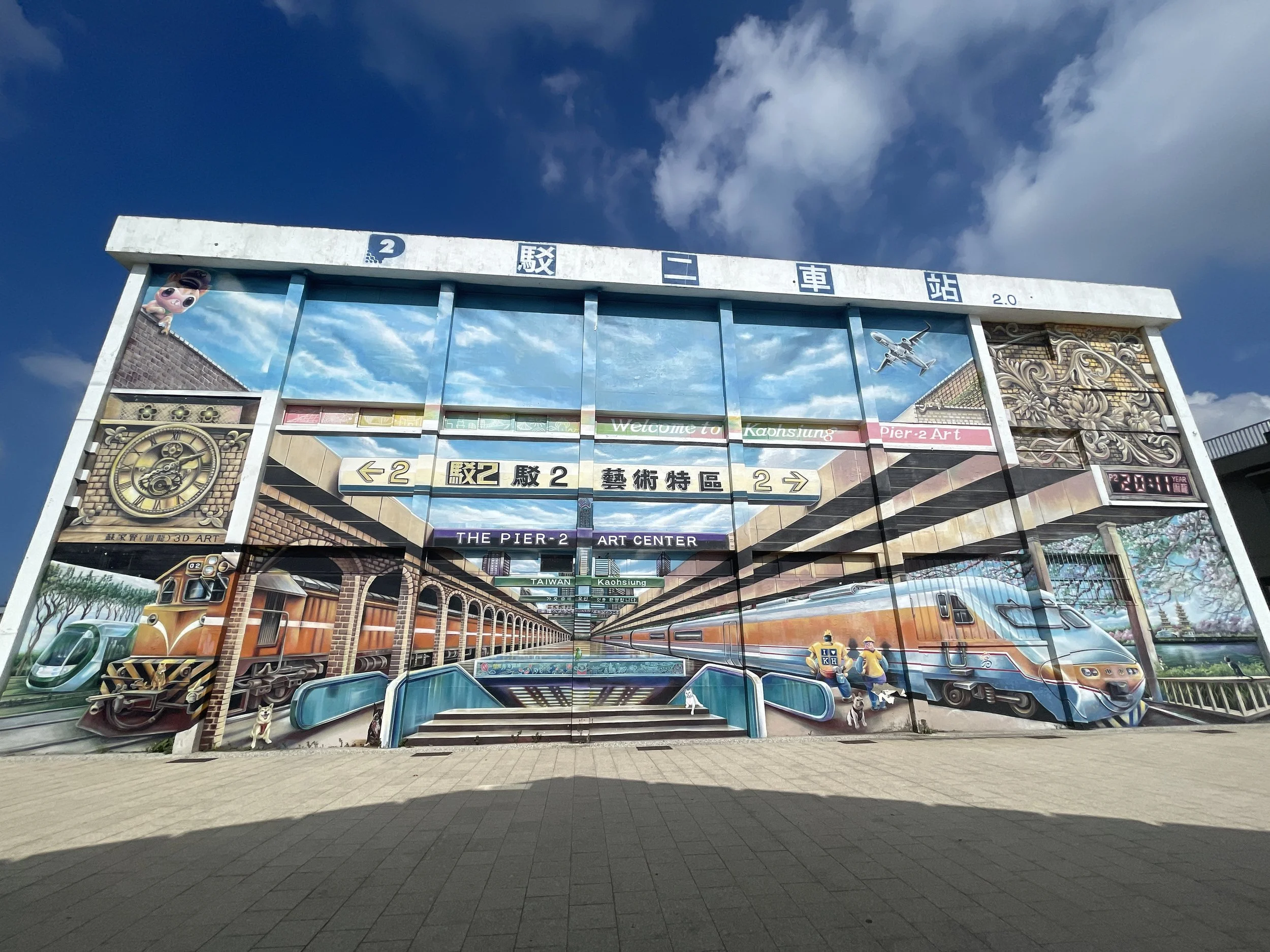
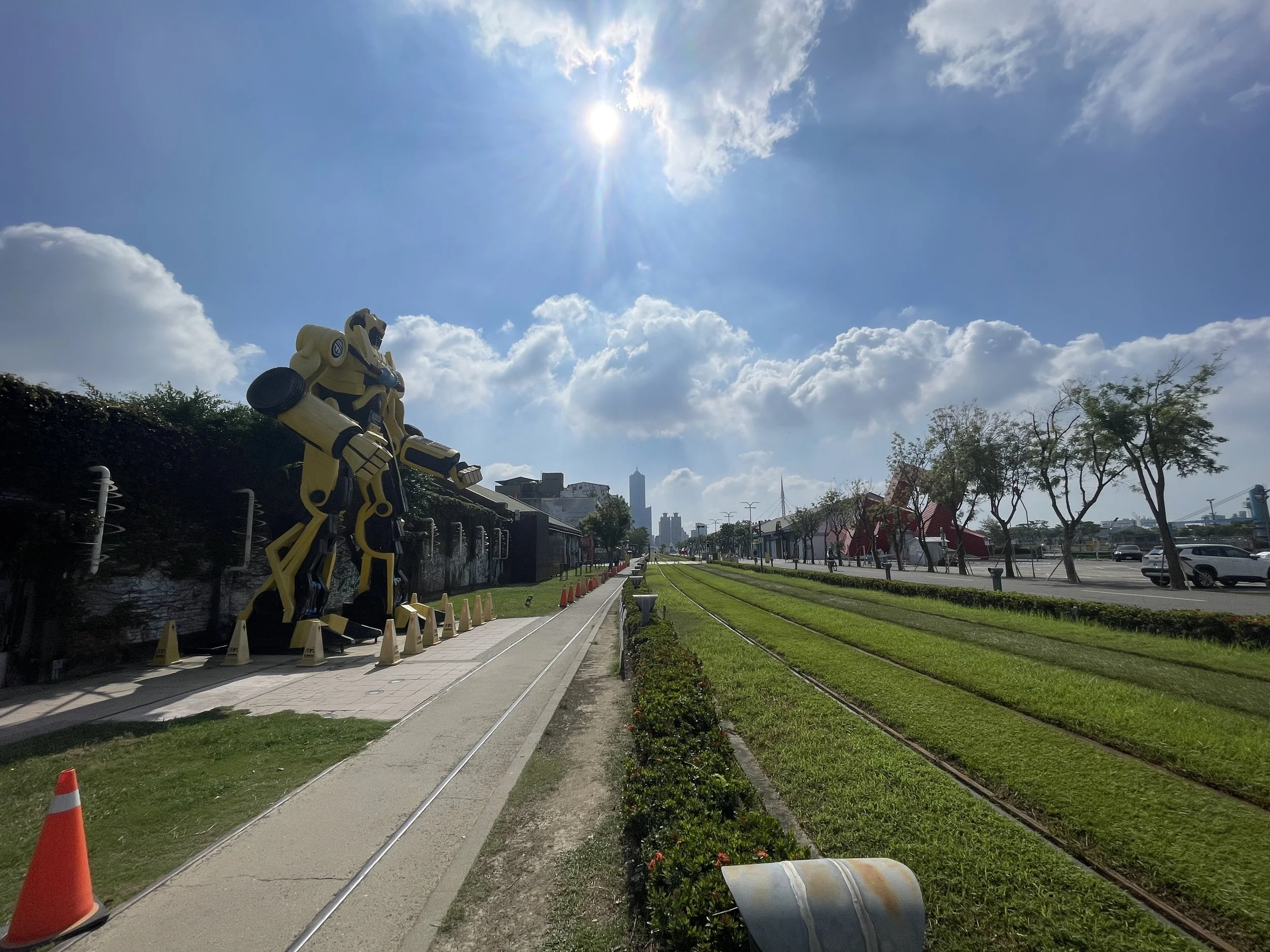
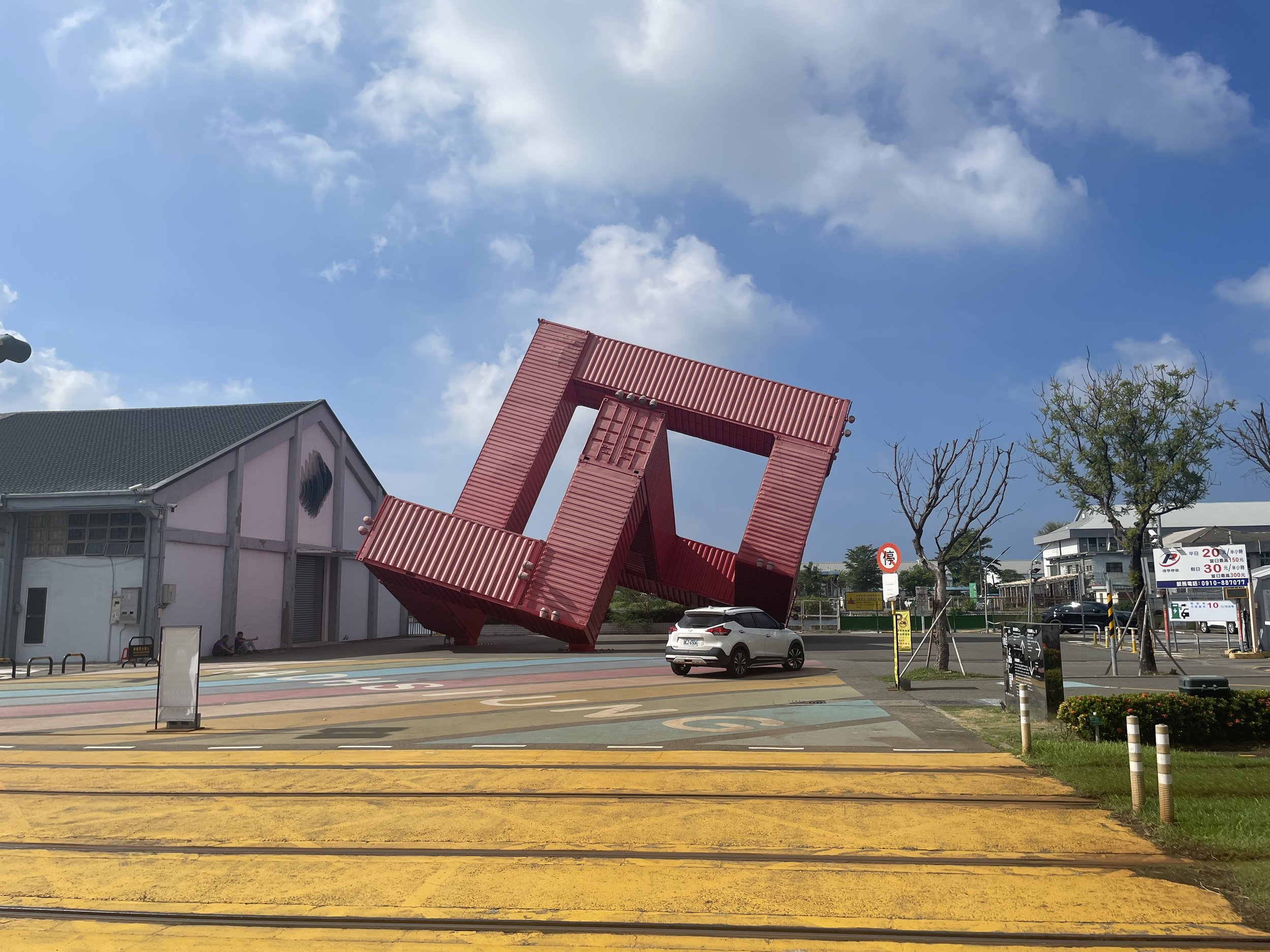
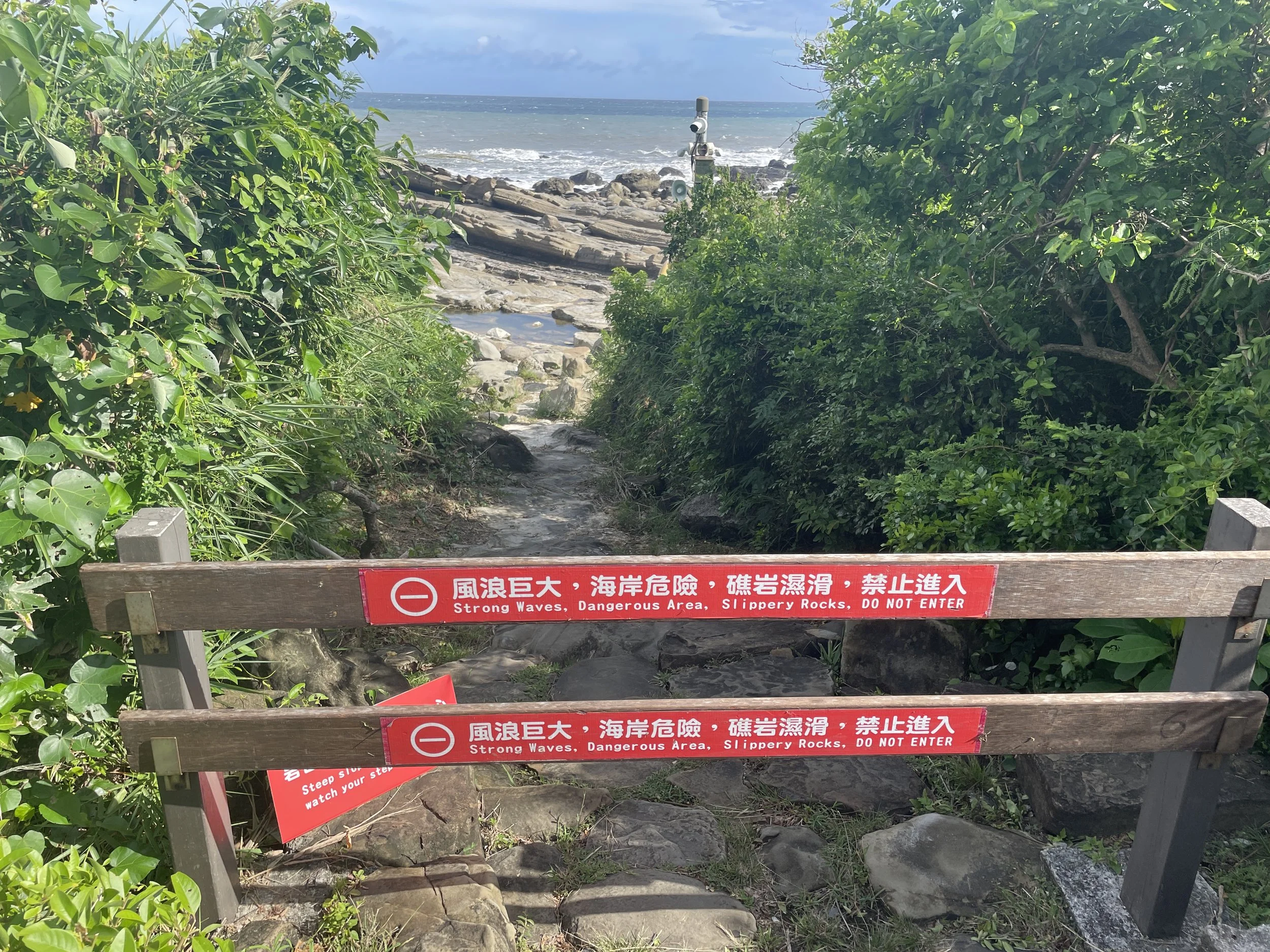
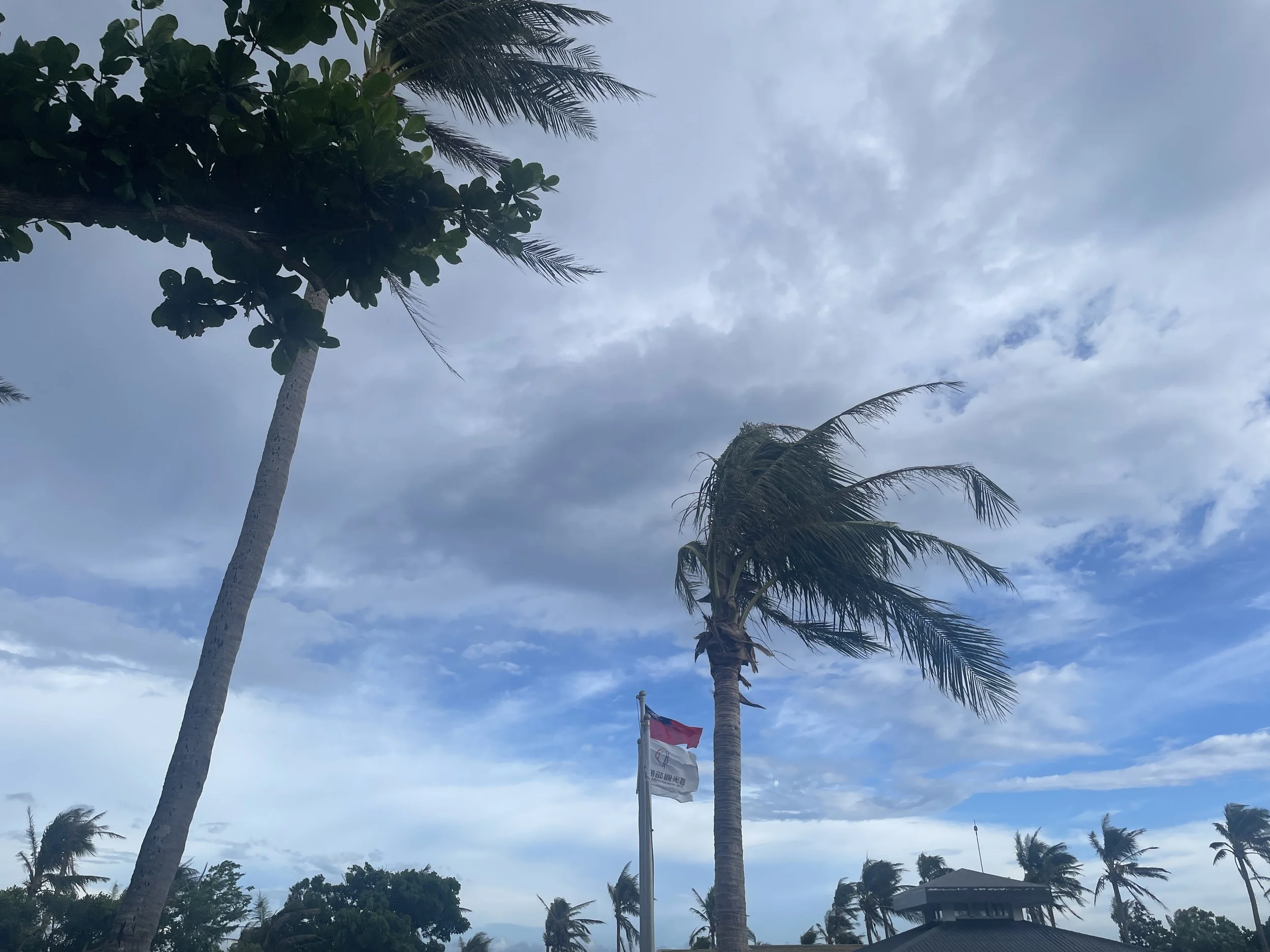
Following a short rest, we checked out and boarded the train to Taitung. Just over an hour later, we arrived, greeted by strong winds — the sign of an approaching super typhoon in the forecast. Despite the weather, we still ventured out by bus to Xiaoyeliu Geopark (小野柳地质公园). However, due to the typhoon warning, all beach access was blocked. We could only admire the unique rock formations from a distance before returning to the city.
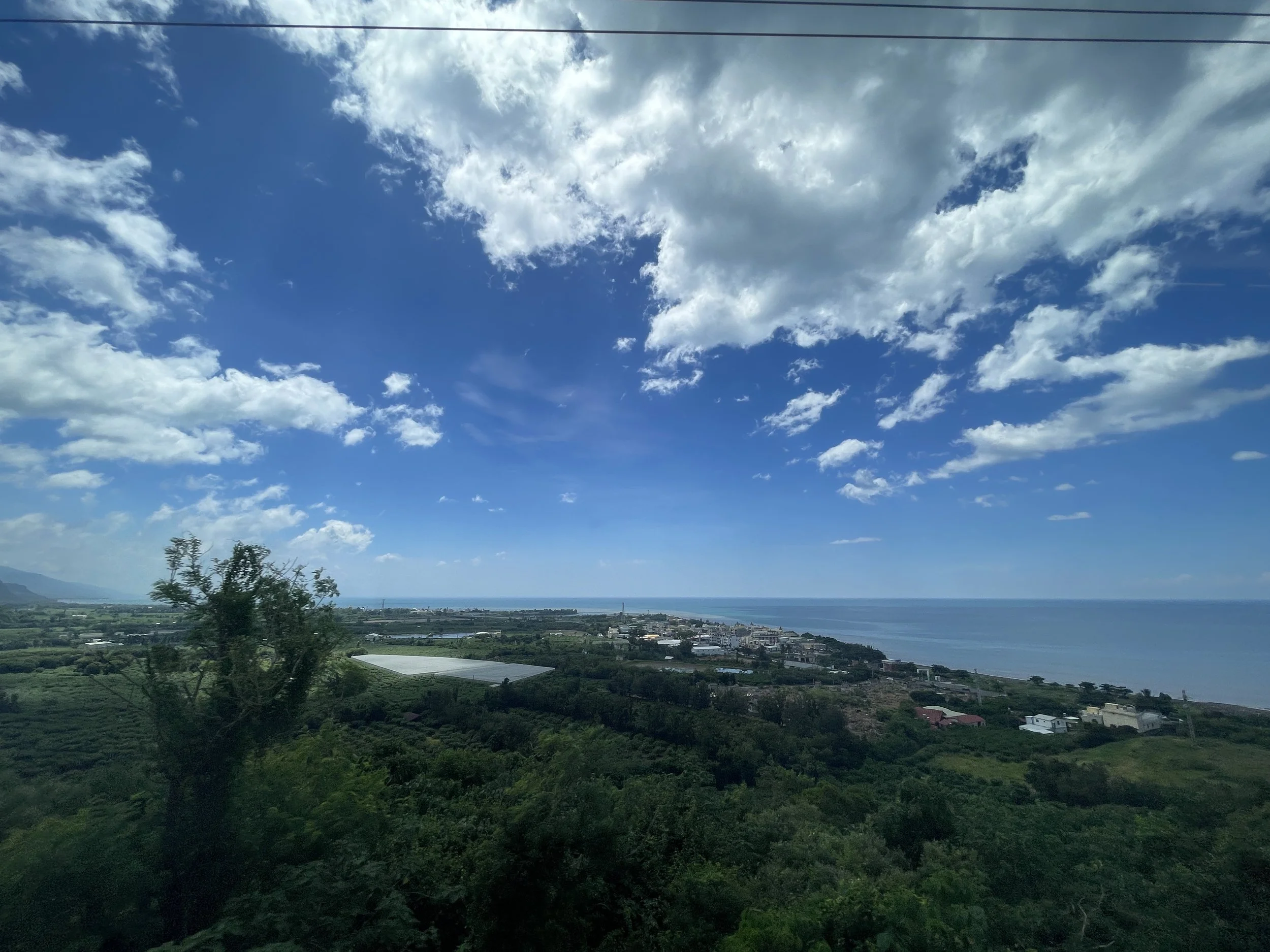
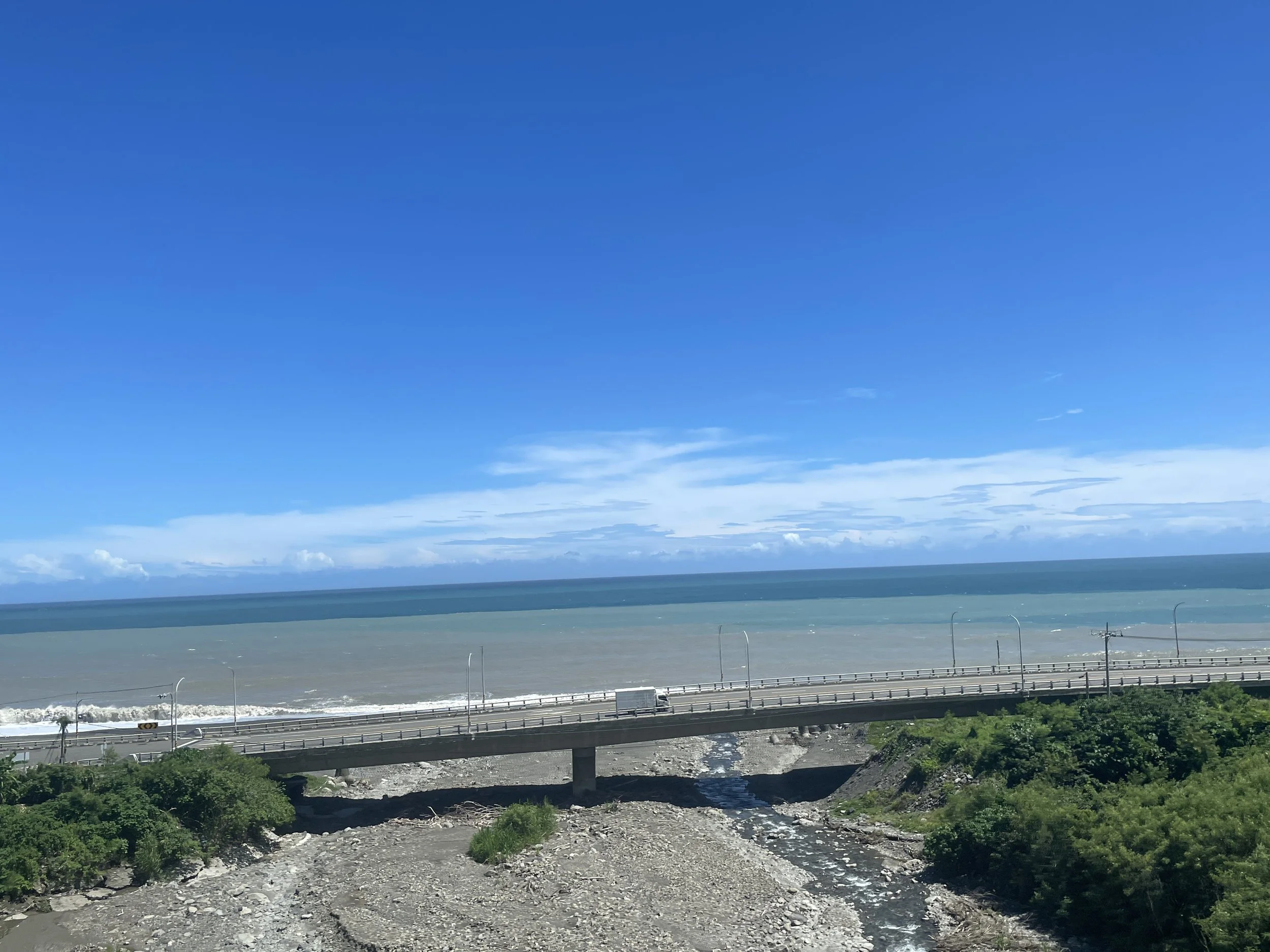
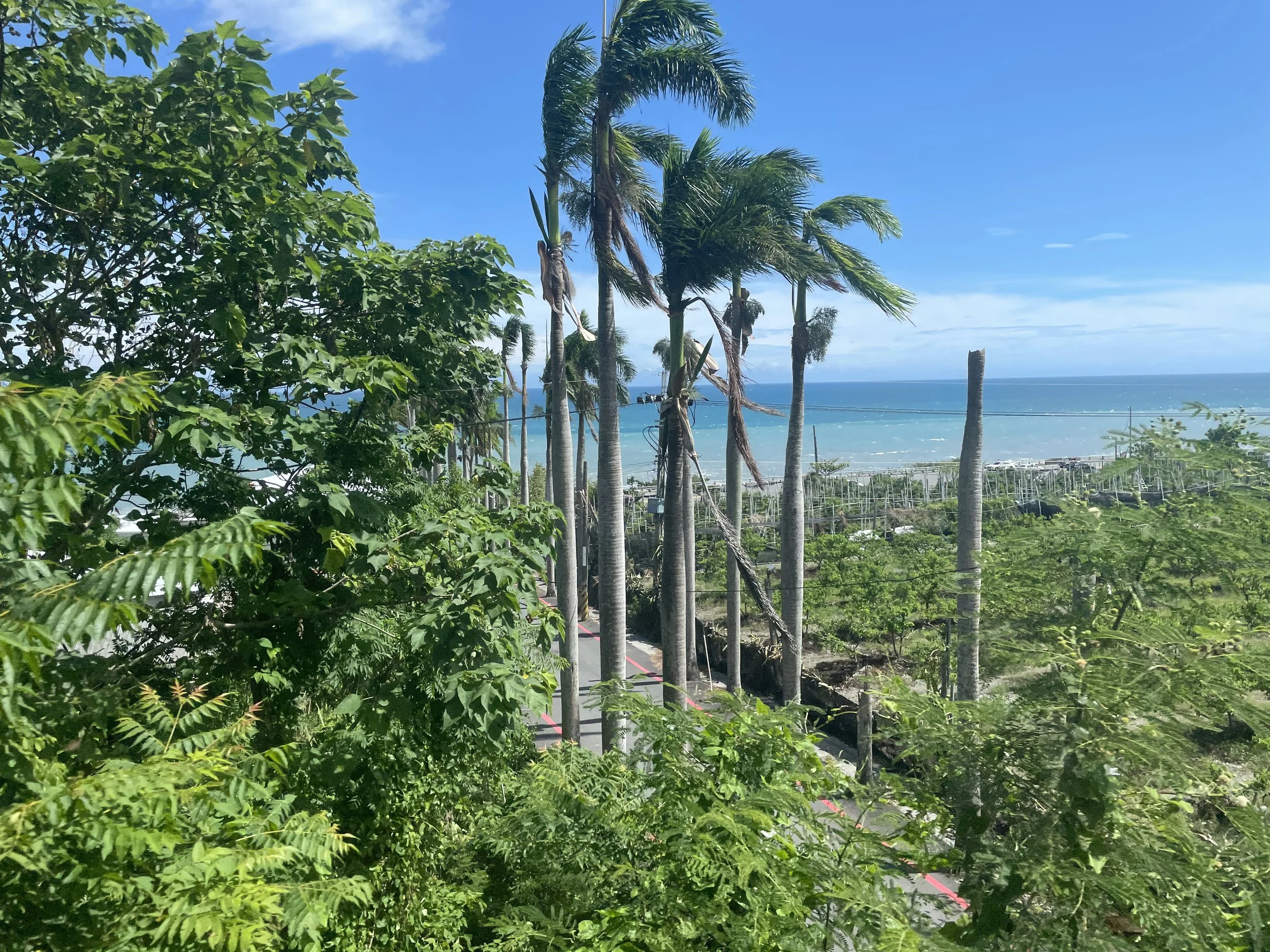
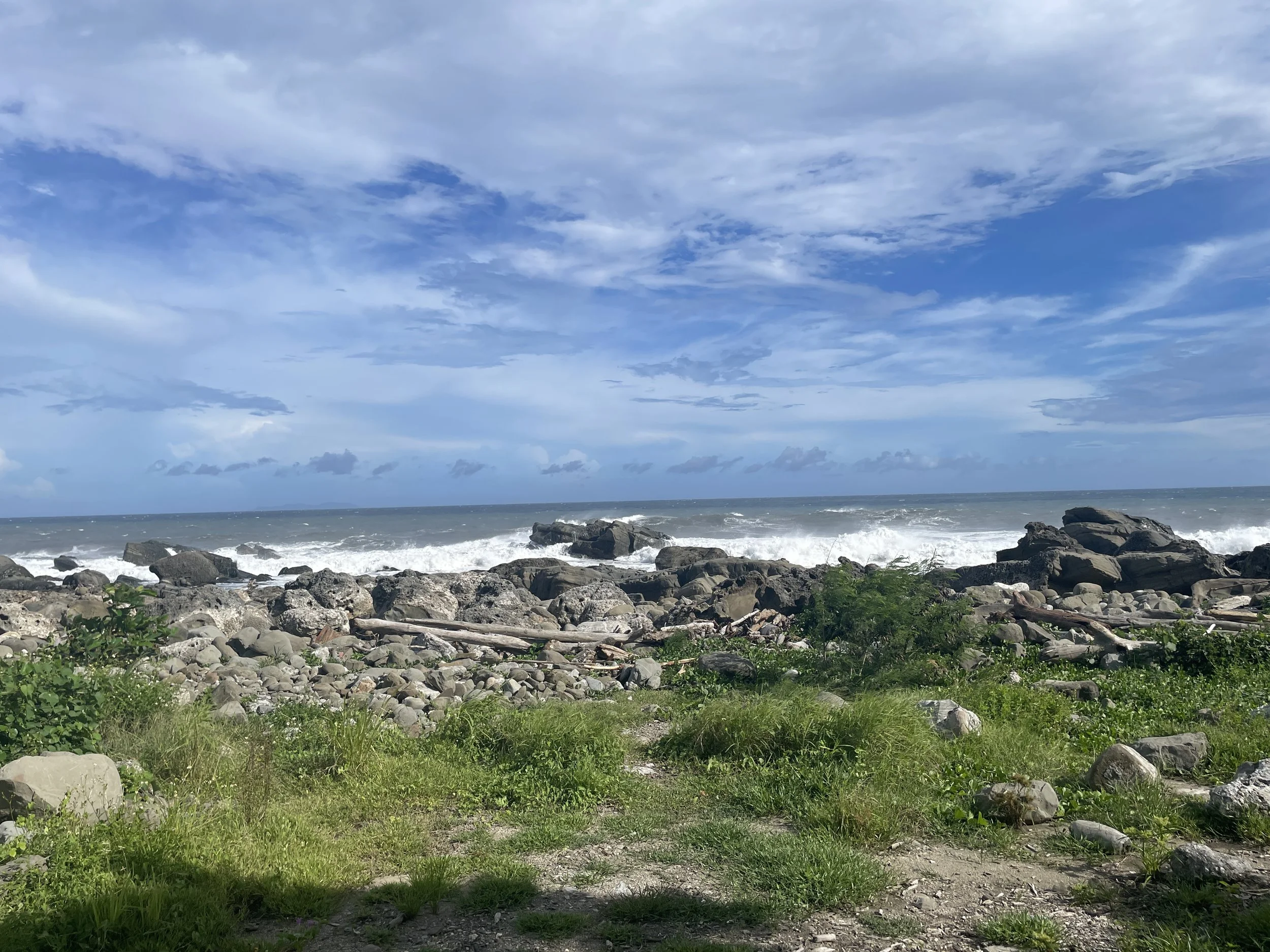
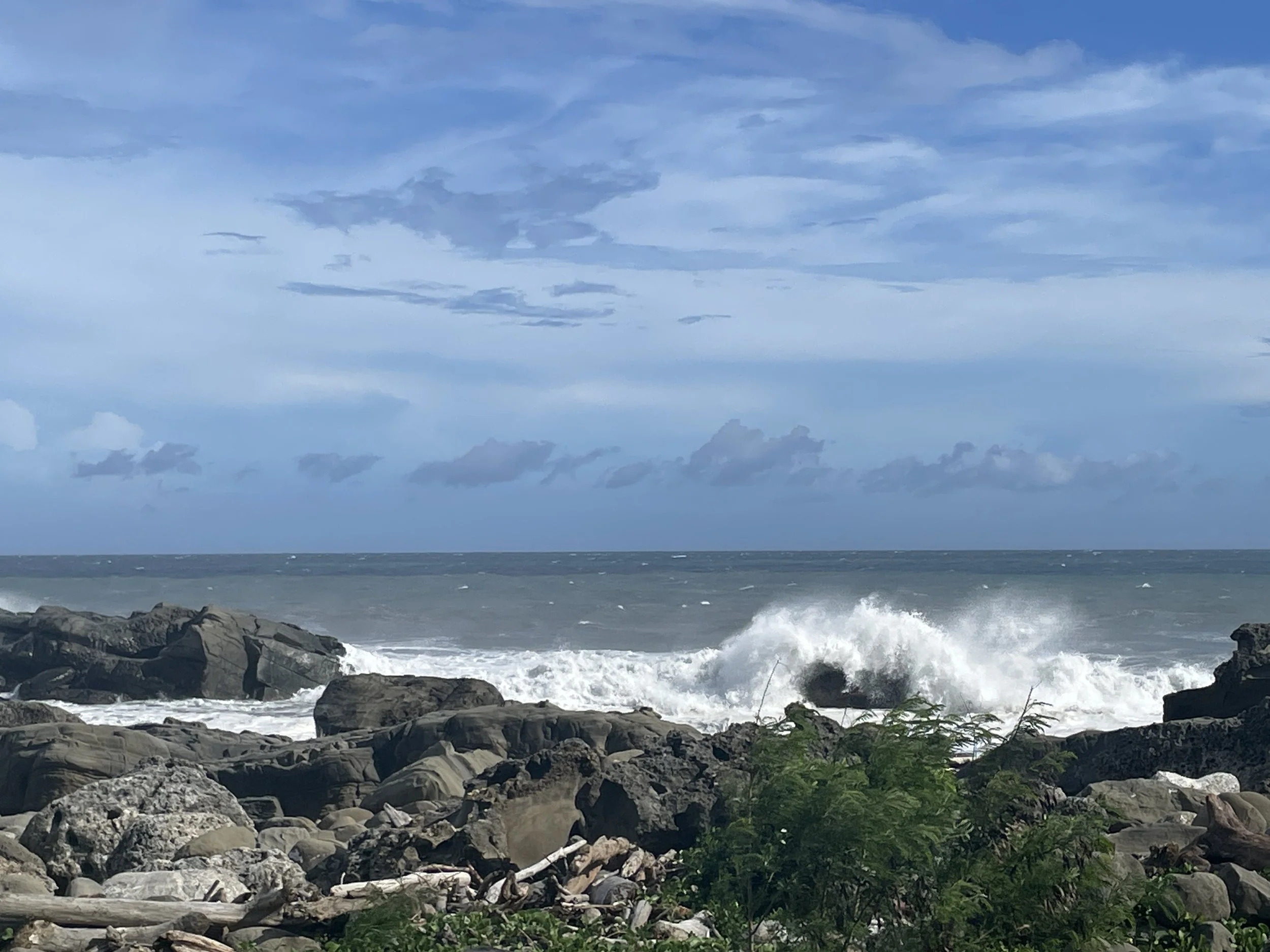
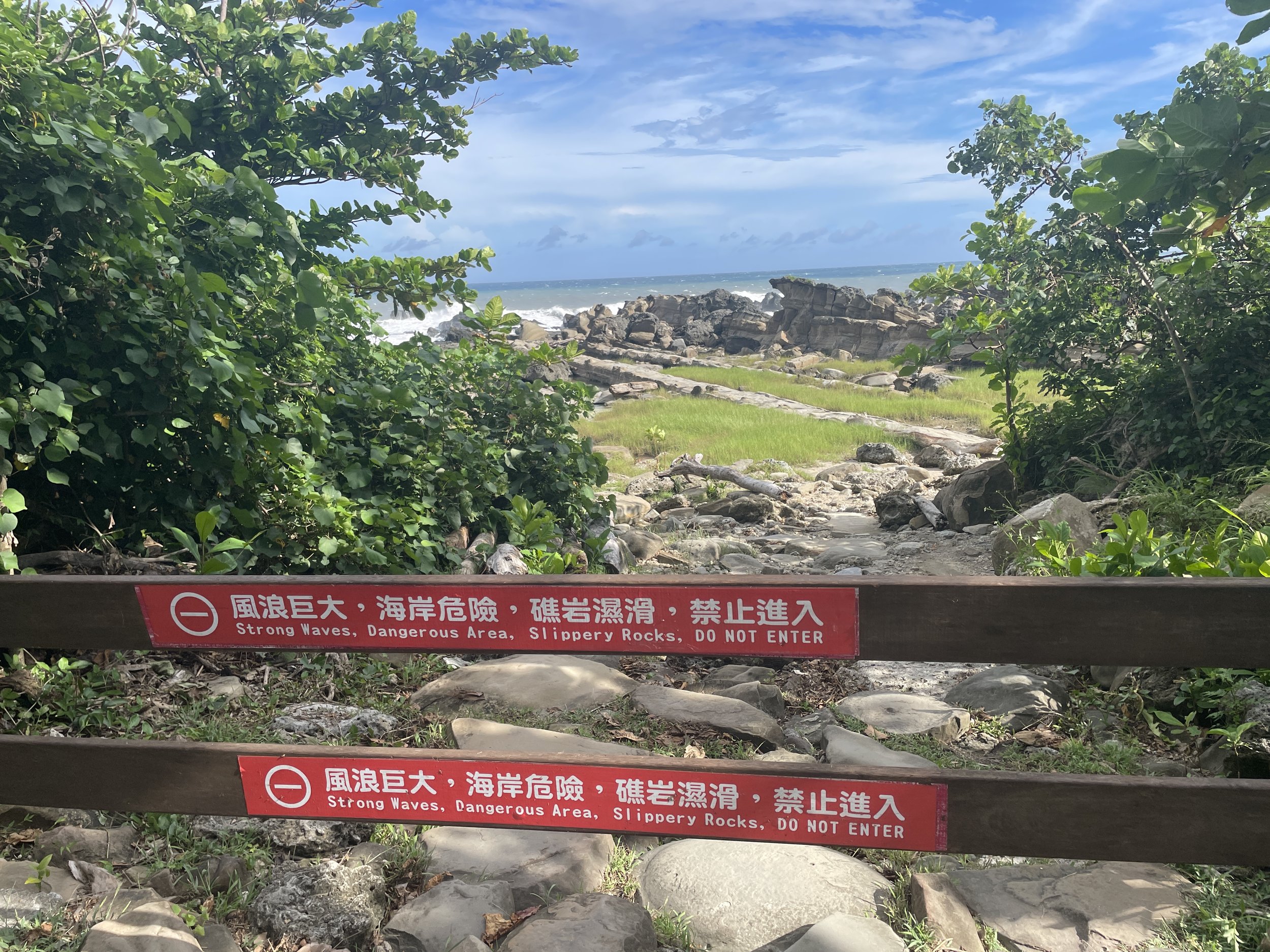
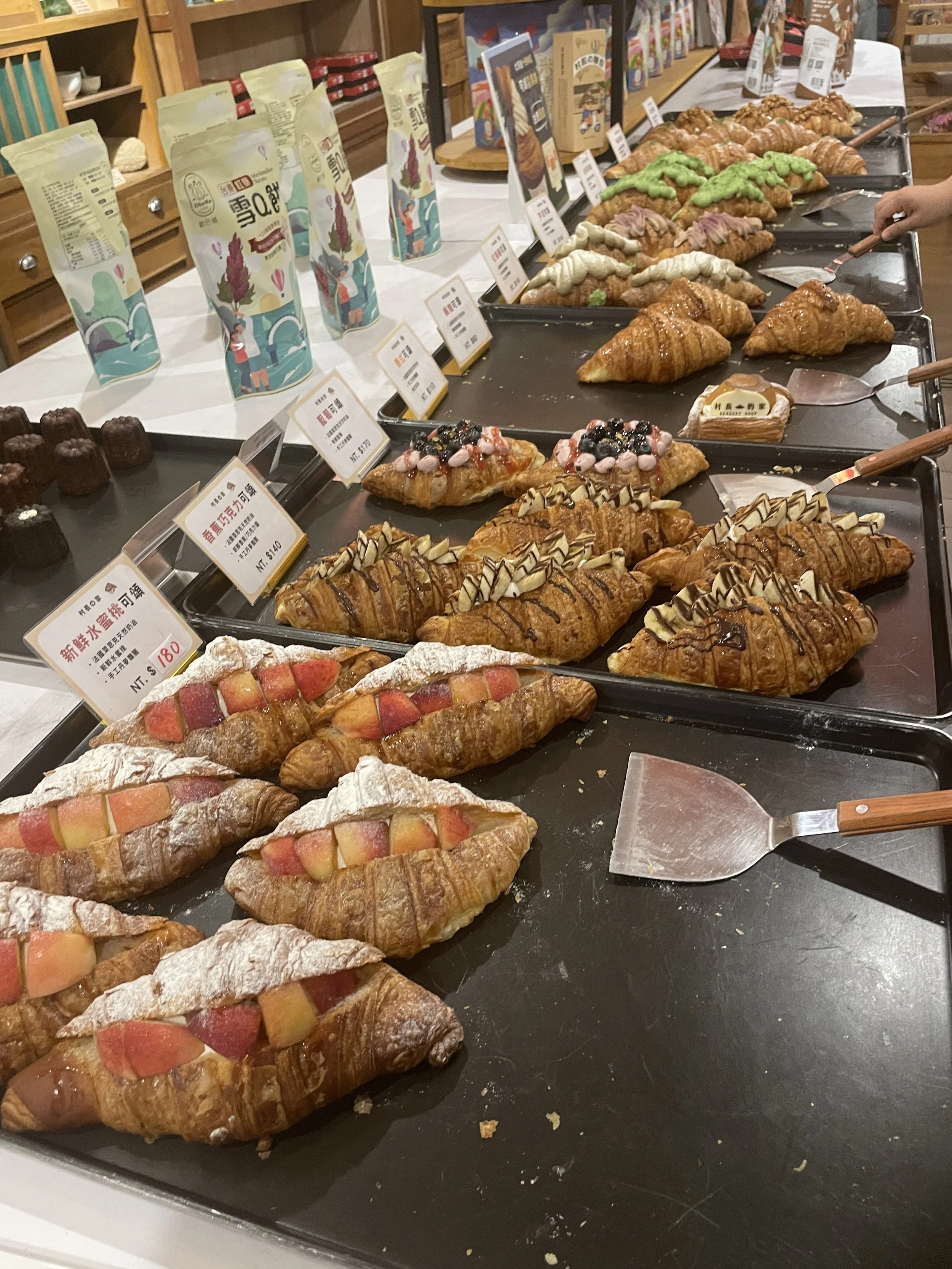
In the evening, we took another bus to Tiehua Village (铁花村音乐集市). Every night, local musicians perform on stage, surrounded by art booths that showcase indigenous culture, crafts, creative goods, specialty and foods. With the typhoon looming, the crowd was thin, yet the setting remained atmospheric and beautiful.
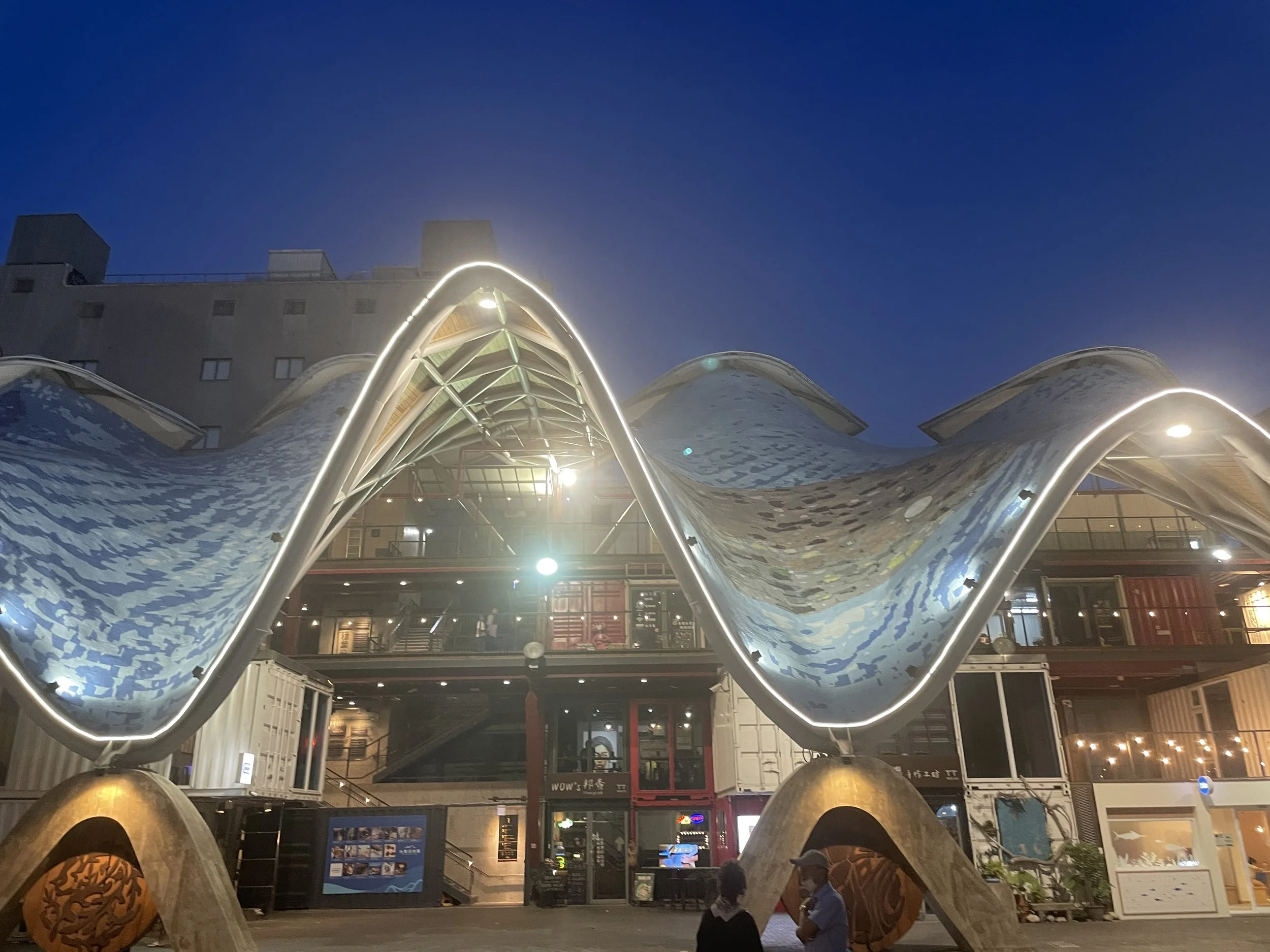
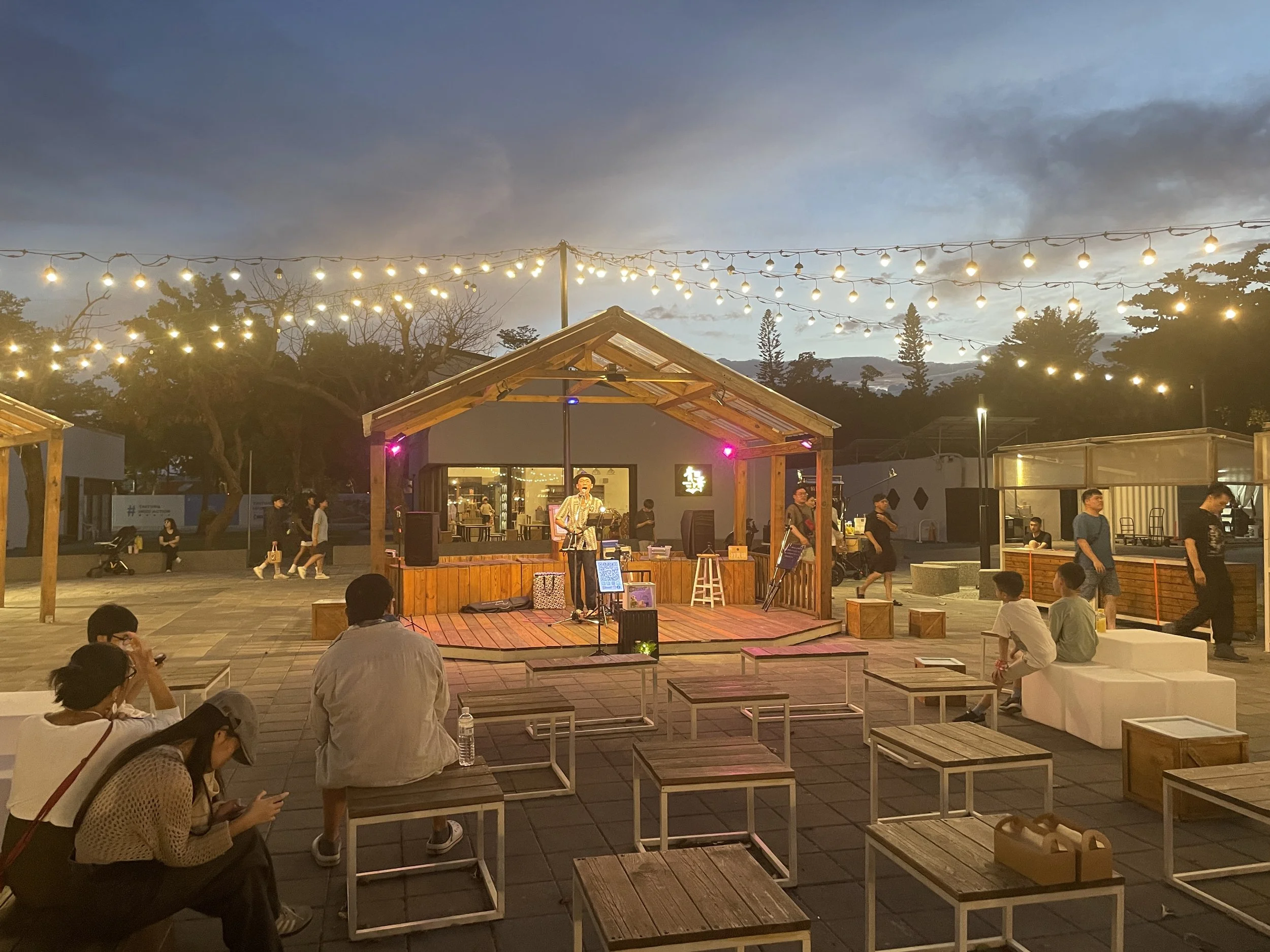
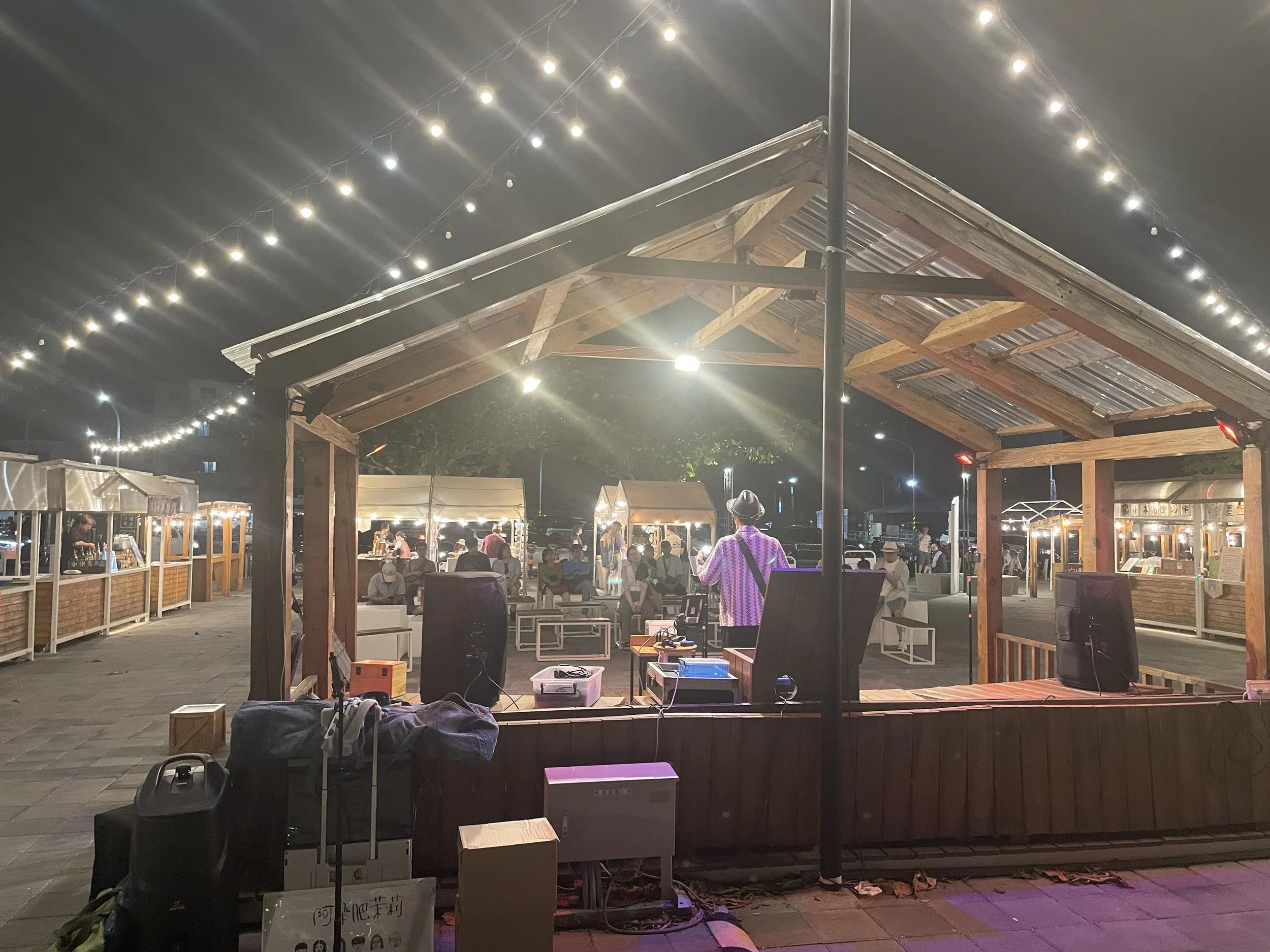
After dinner nearby, we took the bus back to the hotel. Tomorrow, we would board the northbound train once again to Taipei, completing our around-the-island journey.
September 22, 2025
At 6:00 a.m., we checked out of the hotel and headed to the train station to board a northbound train to Taipei. Light rain had already begun to fall when we left the hotel. We repeatedly checked the status of both the train and our flight, and only felt a bit relieved after the train finally departed.
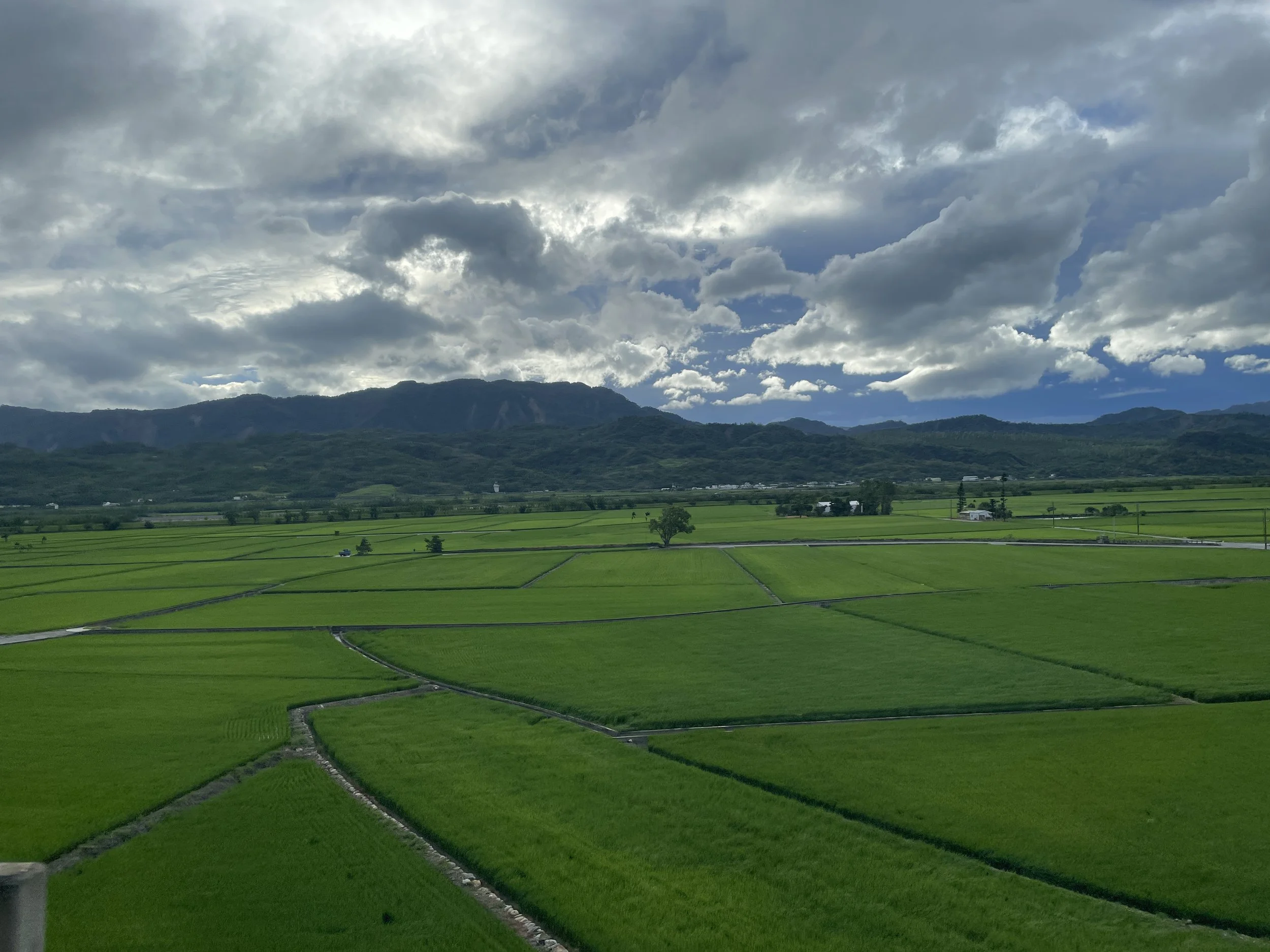
The train traveled north along Taiwan’s east coast for more than four hours, passing through places such as Hualien. While on the train, we received typhoon disaster alerts reporting mudslides and large-scale landslides in the Hualien area.
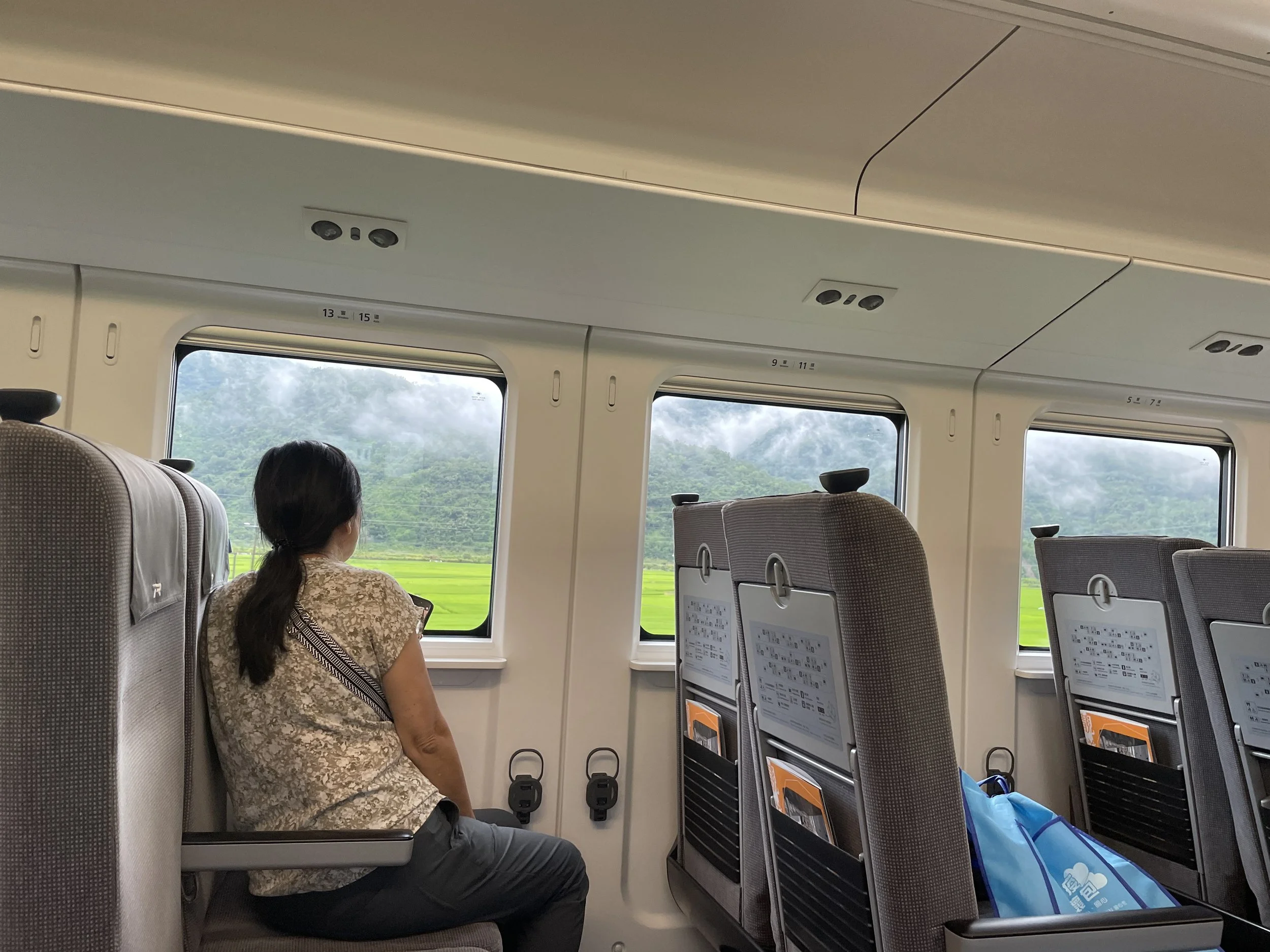
After arriving safely in Taipei, we transferred to the airport MRT and headed to Taoyuan Airport. While waiting to board, we noticed that some flights had already been canceled. It wasn’t until we were finally seated on the plane bound for Shanghai that we truly let out a sigh of relief—our round-island journey had come to a smooth conclusion.
After returning to Shanghai and watching the news, we learned that the powerful typhoon “Haikasa” had severely battered Taiwan, with September 22 being the worst day. Once again, we felt fortunate to have escaped unharmed and narrowly avoided disaster.
高雄, 台东
2025年9月21-22日
高雄的清晨很安静,我们坐地铁来到海边再搭乘5分钟的渡轮前往旗津岛 (Ciji Island),在沙滩与老街间短暂散步。遗憾的是,岛上几乎没有像样的早餐店或咖啡馆。最后我们只好走进 7-Eleven,买了香蕉、茶叶蛋和饭团当作简单的早餐。
稍作停留后,我们回到市区,漫步于驳二艺术特区 (Pier-2 Art Center)。这里原本是仓库区,如今被改造为创意园区,布满艺术装置与文创小店。不过几乎所有商店要到上午十点才会开门,再加上天气实在是炎热难耐,我们只逛了一小会儿便决定返回旅馆。
休息片刻后,我们退房,登上火车前往下一站台东。二个多小时后抵达时,迎面而来的是强劲的海风——气象预报说超强台风“桦加沙”(Ragasa)正逼近。尽管如此,我们还是搭公交去了小野柳地质公园。然而由于台风警报,园区海滩已全面封闭,只能远远欣赏奇特的岩石地貌,随后便返回旅馆。
傍晚,我们再次搭公交前往台东市里的铁花村音乐集市 (Tiehua Village)。这里每晚都有音乐人在舞台上表演,周围是许多艺术摊位,展示着原住民文化、手工艺品、创意作品、以及特色小吃。由于台风将至,一些摊位也已收摊。游客不多,但整体氛围依旧十分迷人。
在附近餐厅用过晚餐后,我们搭车返回。旅馆的大门已用木板和沙袋封住,再次让我们认识到台风将至,且会来势凶猛。心里有些不安,不知明天是否能顺利离开。
第二天临晨6点(9月22号)我们退房然后前往火车站,搭乘北上的列车前往台北。我们离开旅馆时,已经开始飘起小雨。我们反复确认火车及飞机航班的情况,直到火车开启之后才稍微放宽点心。火车沿着东海岸北上4个多小时,沿途经过花莲等地。在火车上我们收到台风灾害警报,花莲地区泥石流及大规模坍塌。
顺利到达台北,再换乘机场快线到桃园机场。候机时有看到一些航班已被取消。当我们终于坐上飞往上海的飞机时才真正舒了口气,这段环岛之旅顺利结束。
回到上海看新闻,这次超强台风“桦加沙”重创台湾,而22号正是最严重的一天。再次庆幸我们有惊无险,逃过一劫。
Sunrise at Alishan and Giant Tree Trail 阿里山日出与巨木群步道
September 20, 2025
We woke up before 4 a.m. to catch the Alishan–Zhushan train for sunrise viewing……
我们在凌晨四点前起床,。。。
September 20, 2025
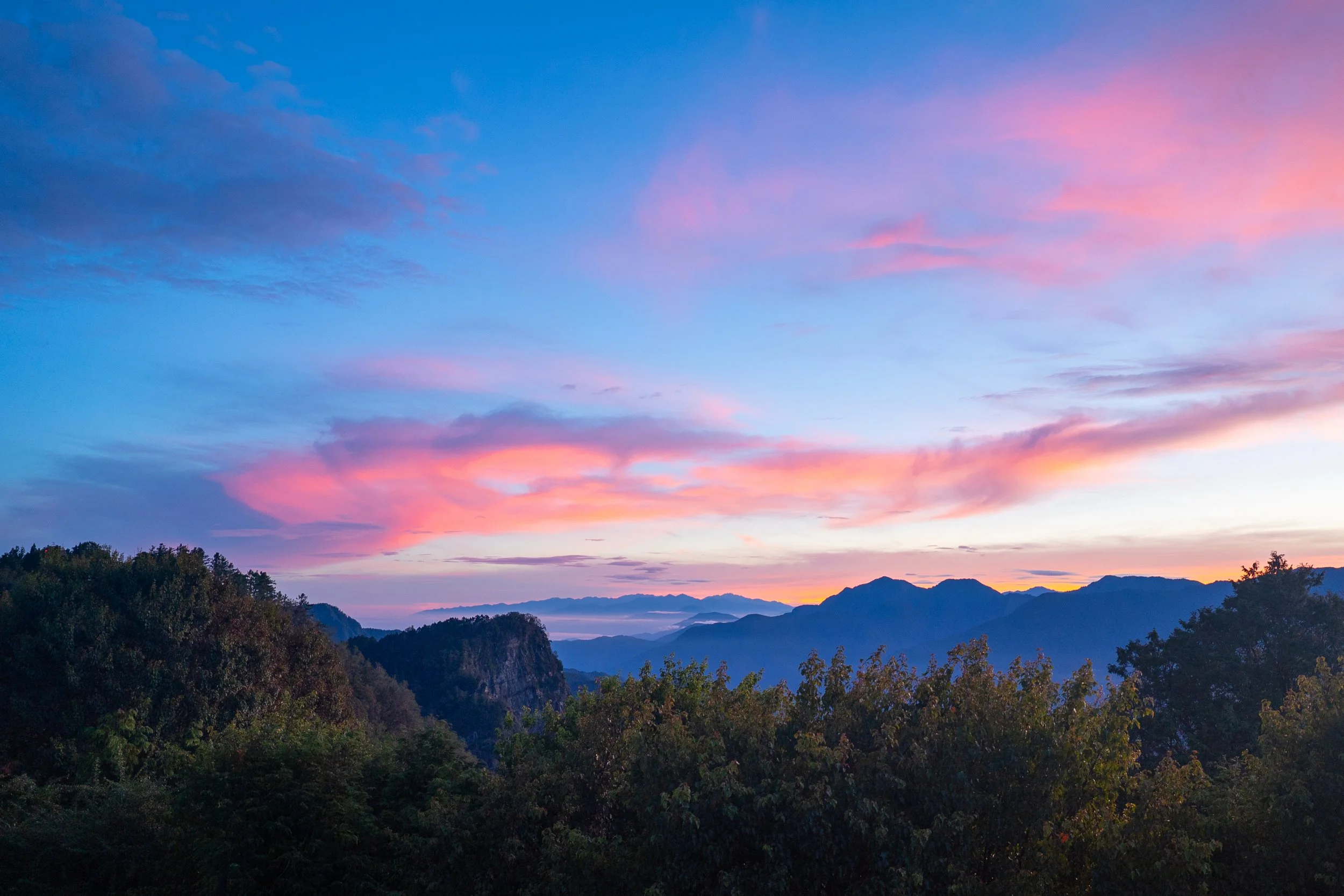
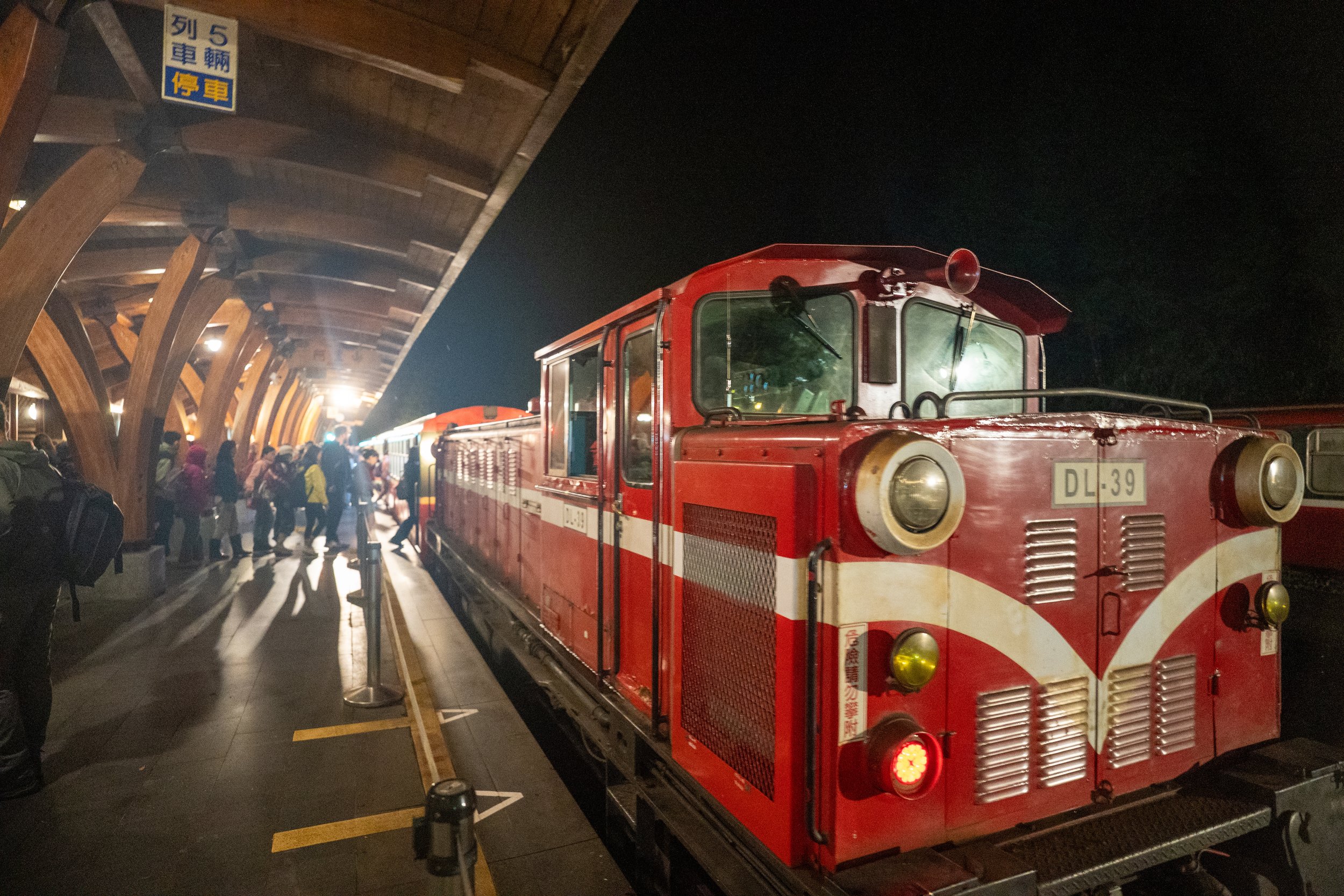
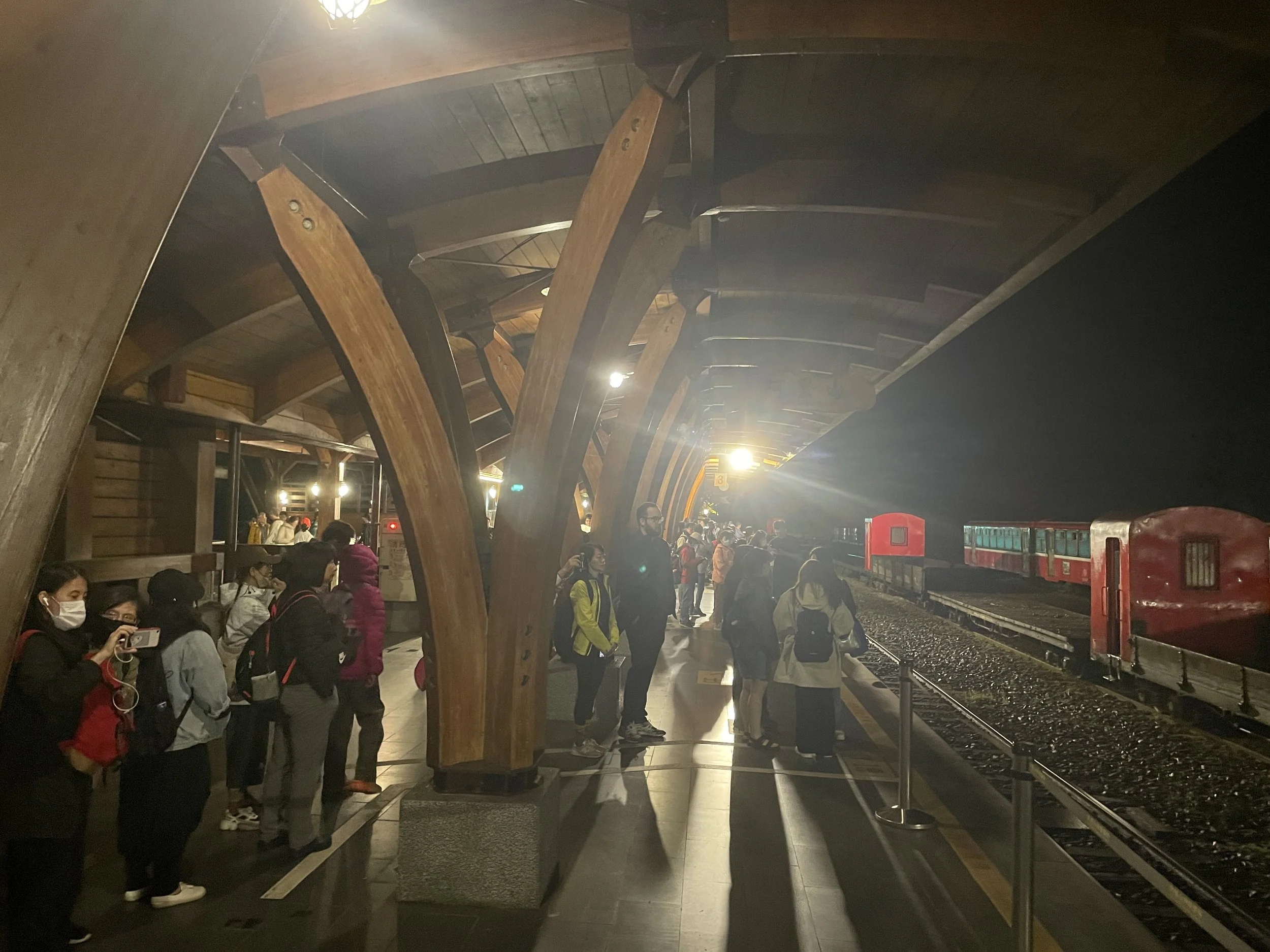
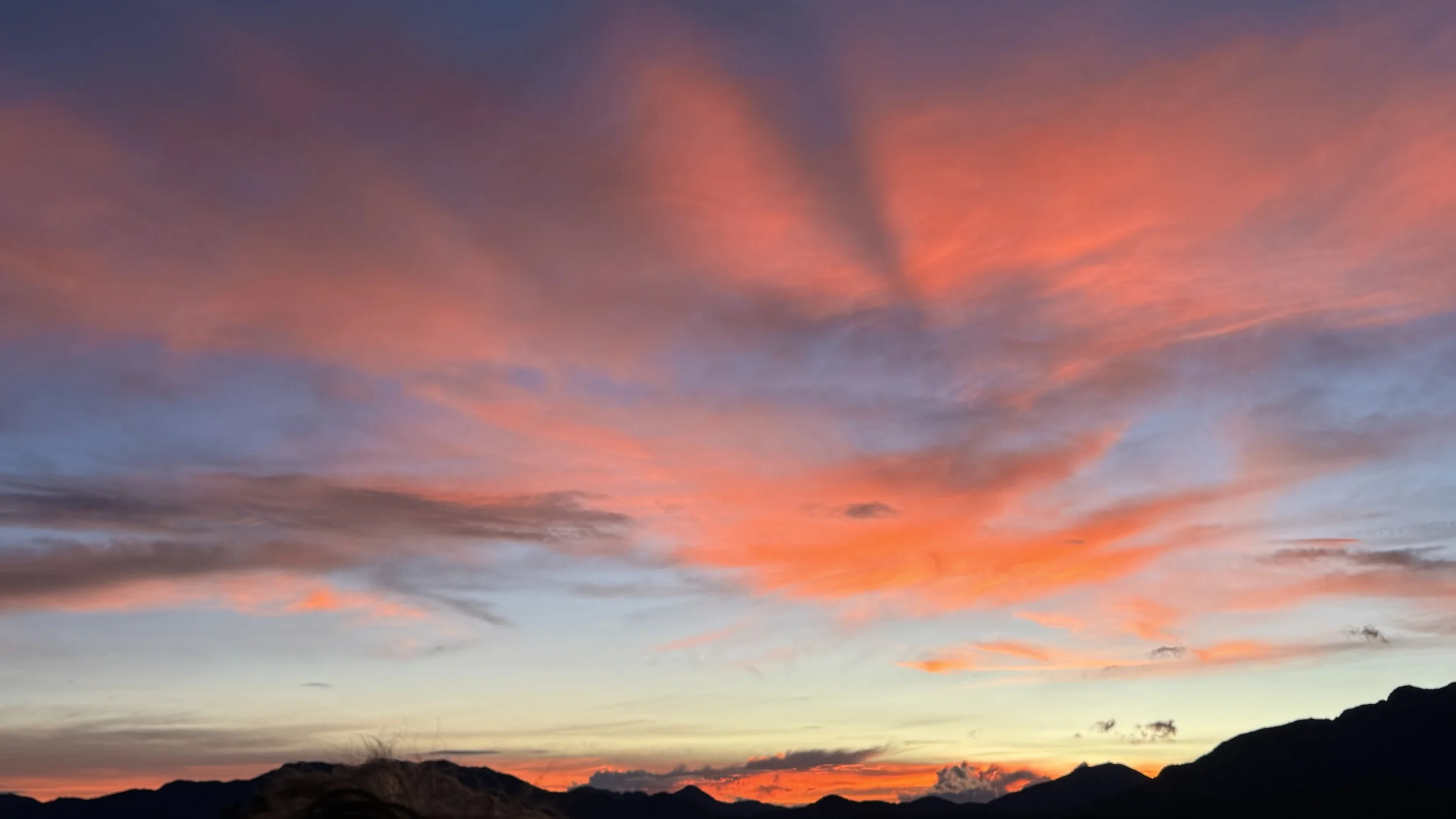
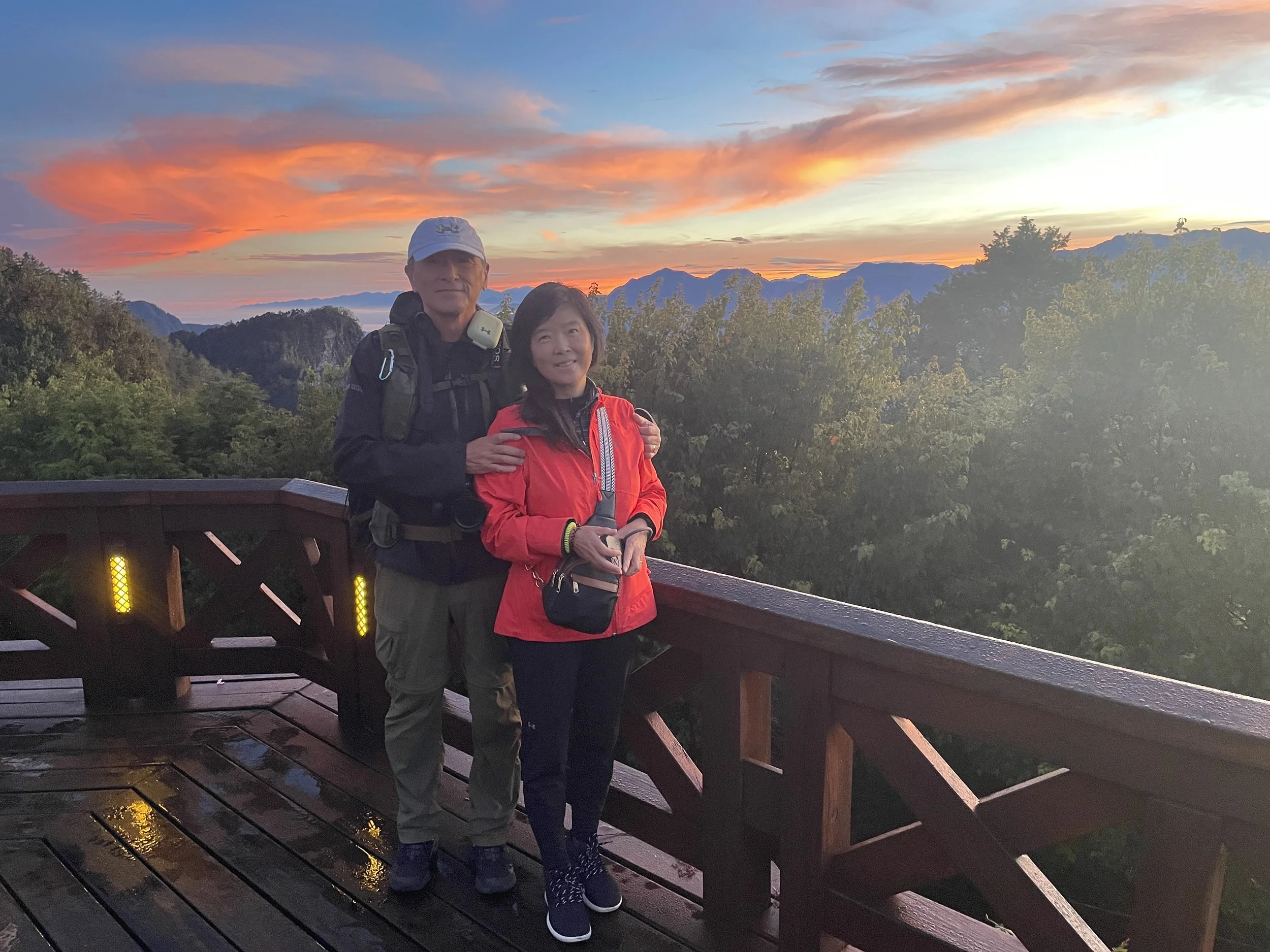
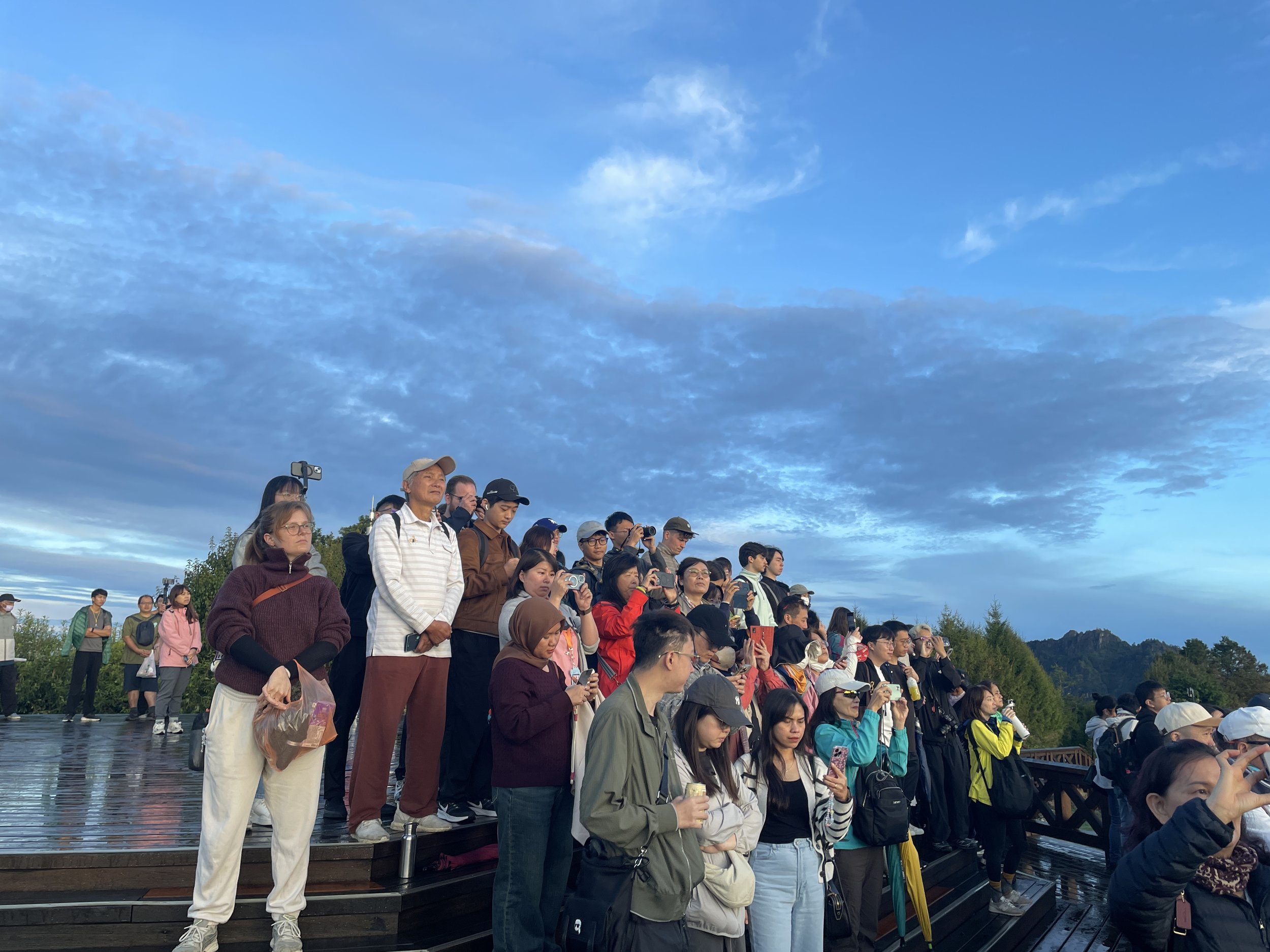
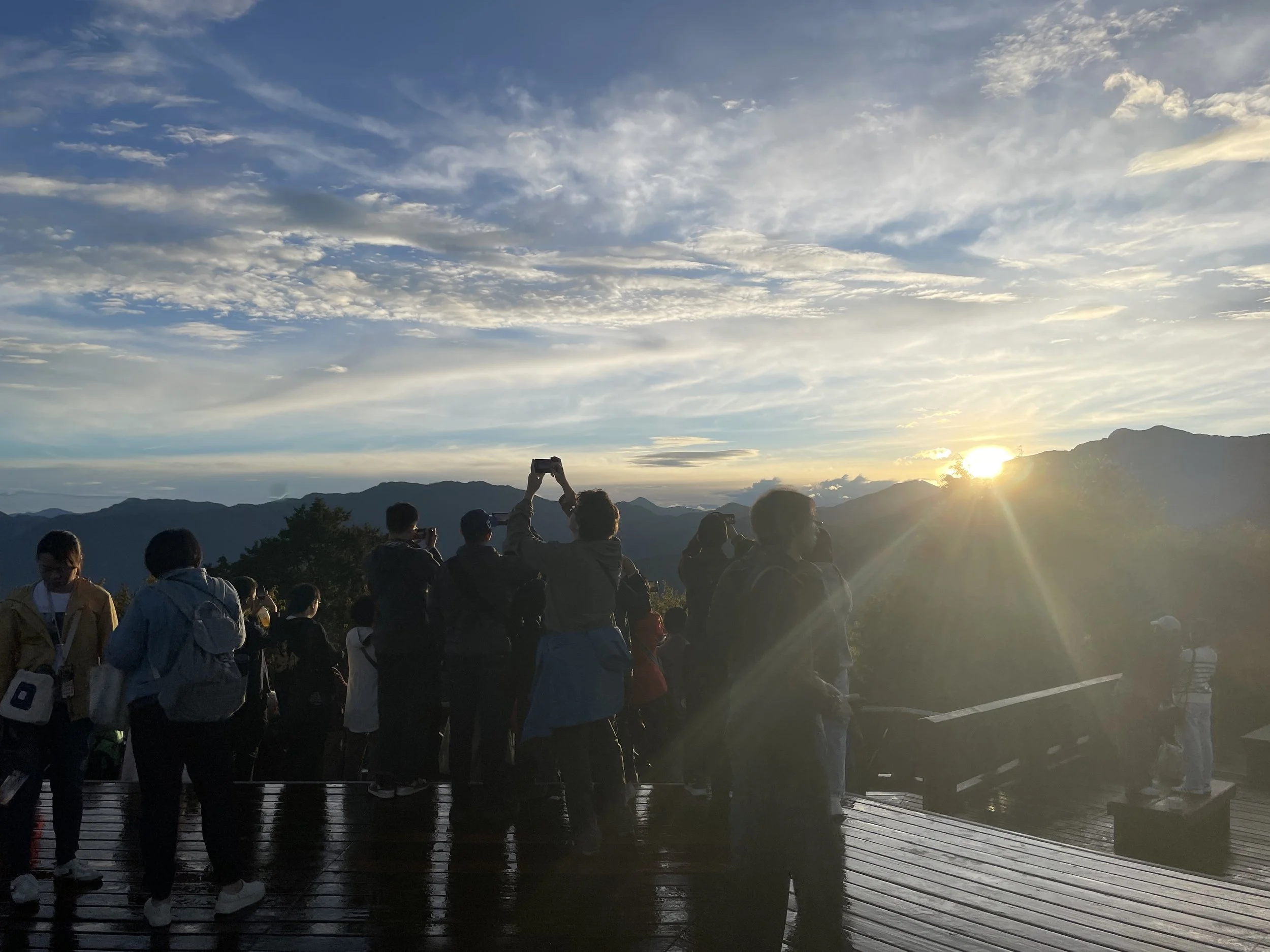
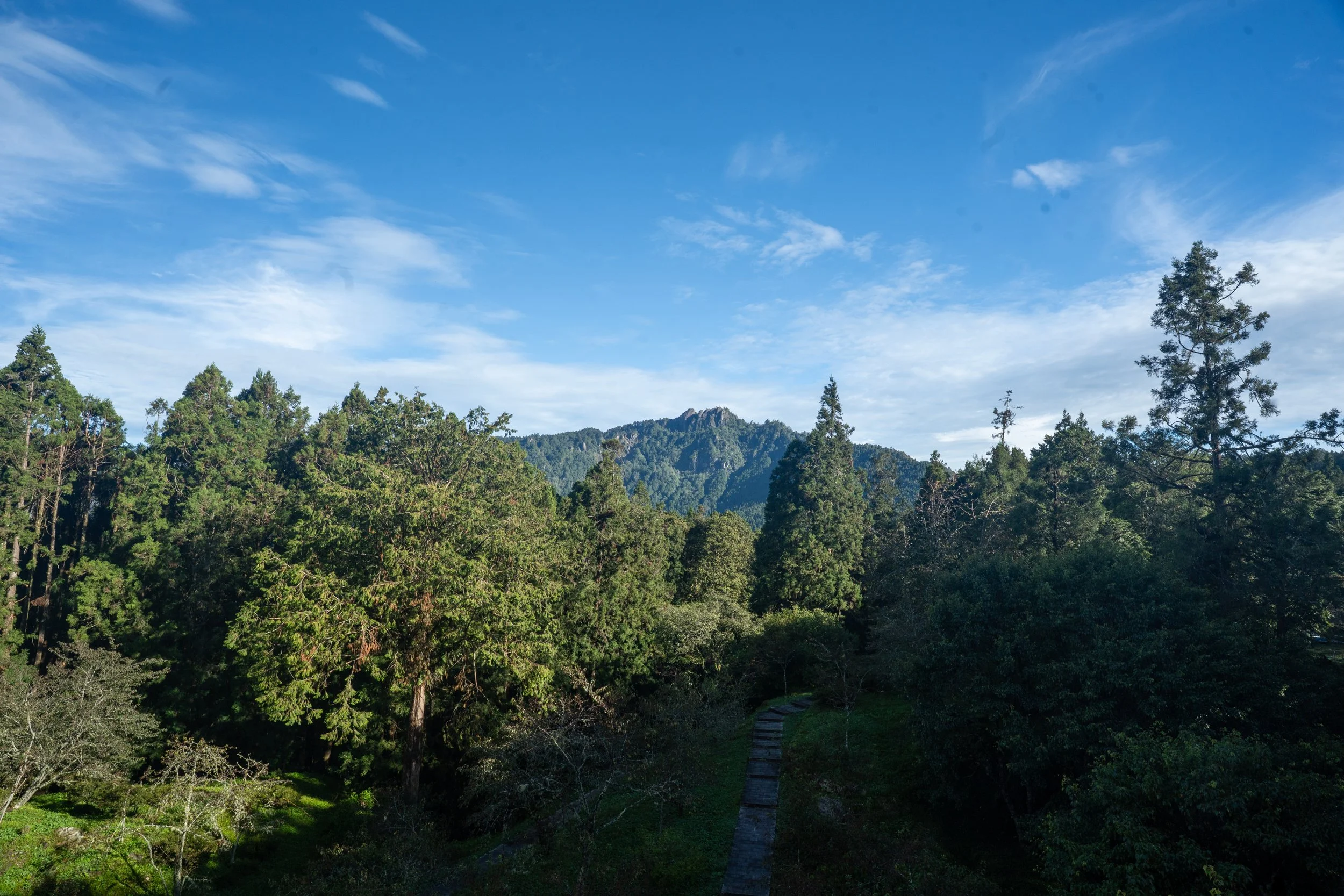
We woke up before 4 a.m. to catch the Alishan–Zhushan train for sunrise viewing. At 4:50 a.m., in complete darkness, five fully packed cars slowly climbed toward Zhushan Station. There were two main observation platforms—360 and another nearby—and we chose the 360 platform. The weather could not have been better. As dawn broke, the sky lit up with a stunning palette of colors. Yet the sunrise itself was less dramatic; the sun rose from behind a mountain ridge, so by the time it appeared, it was already high above the horizon.
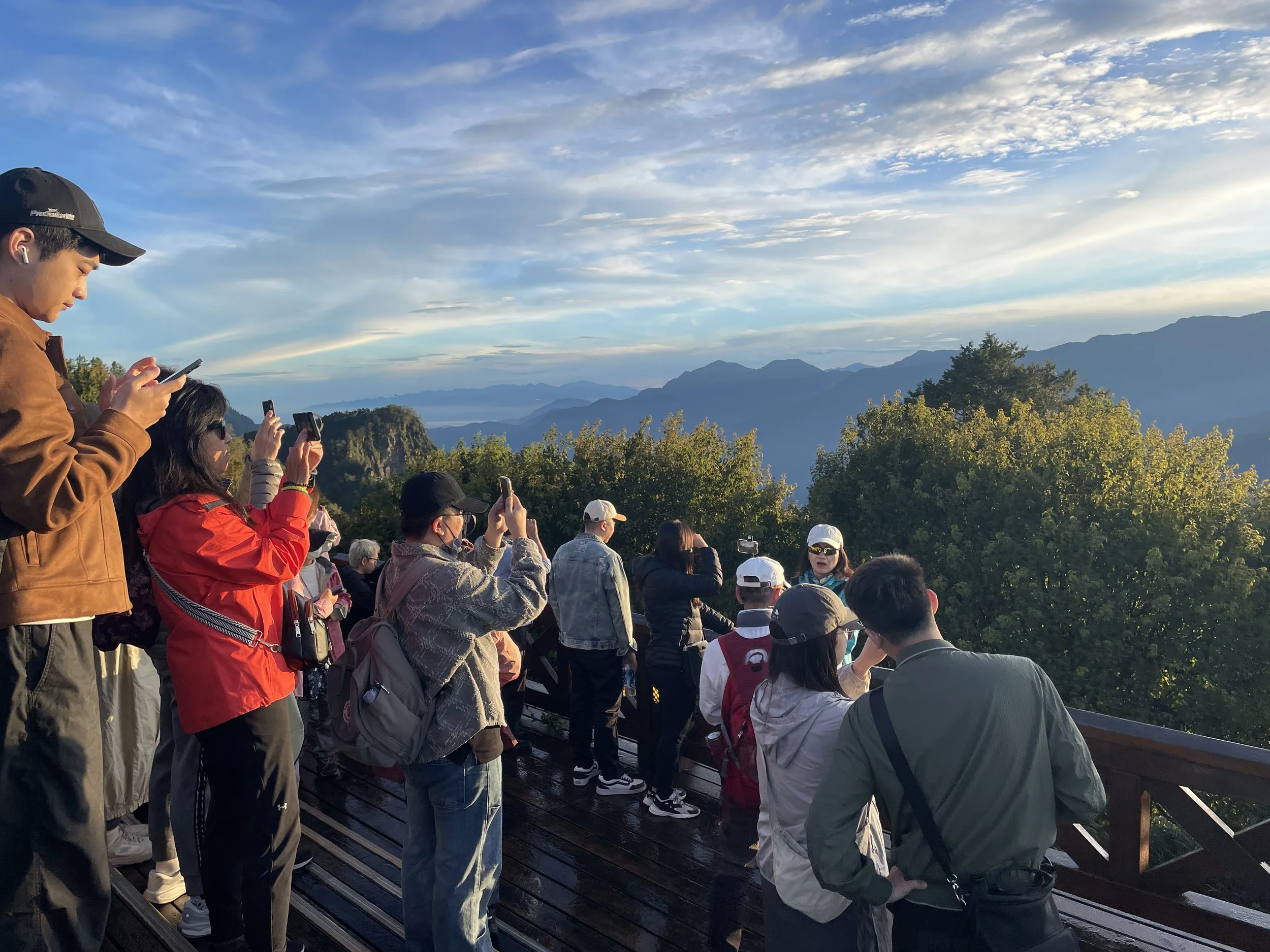
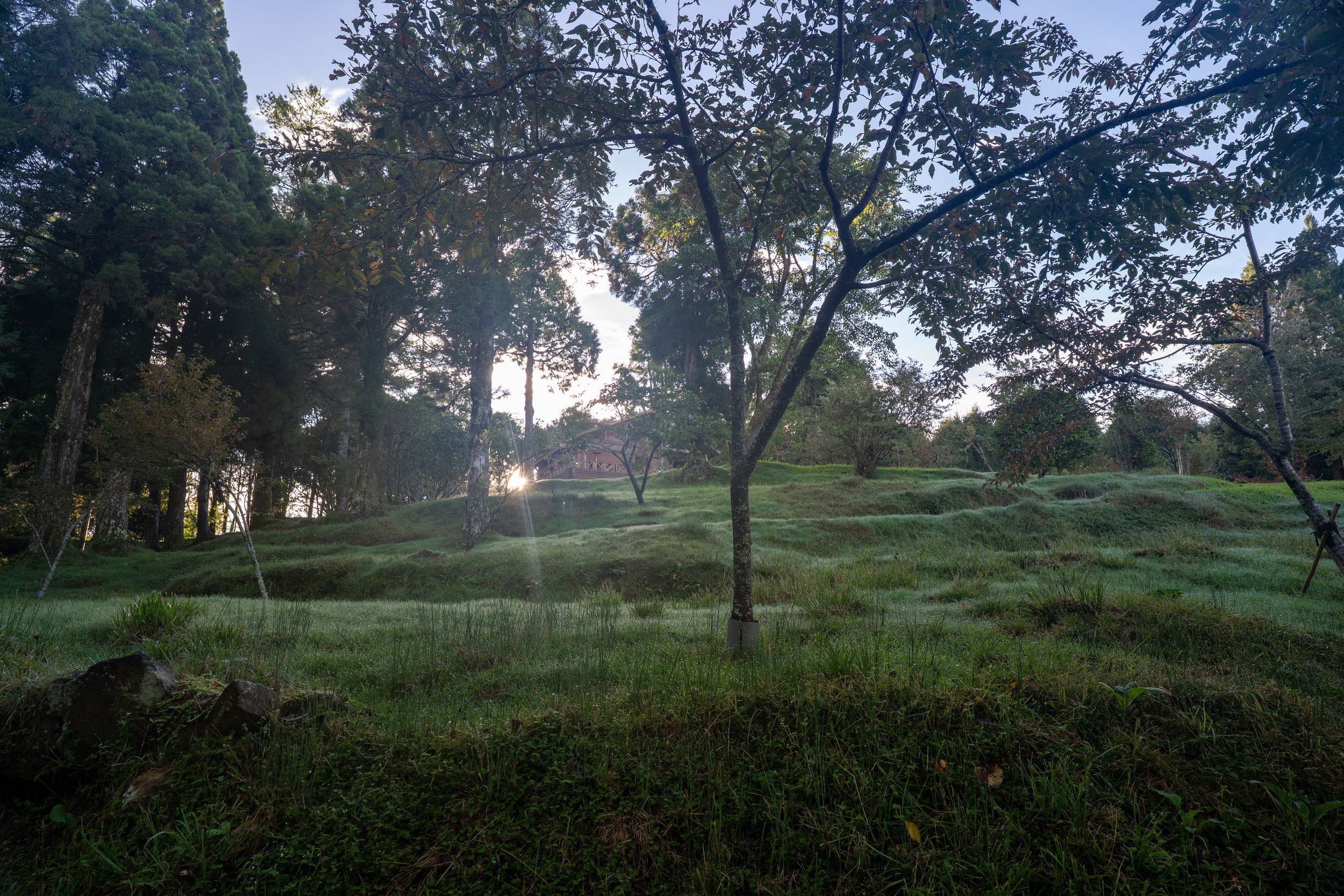
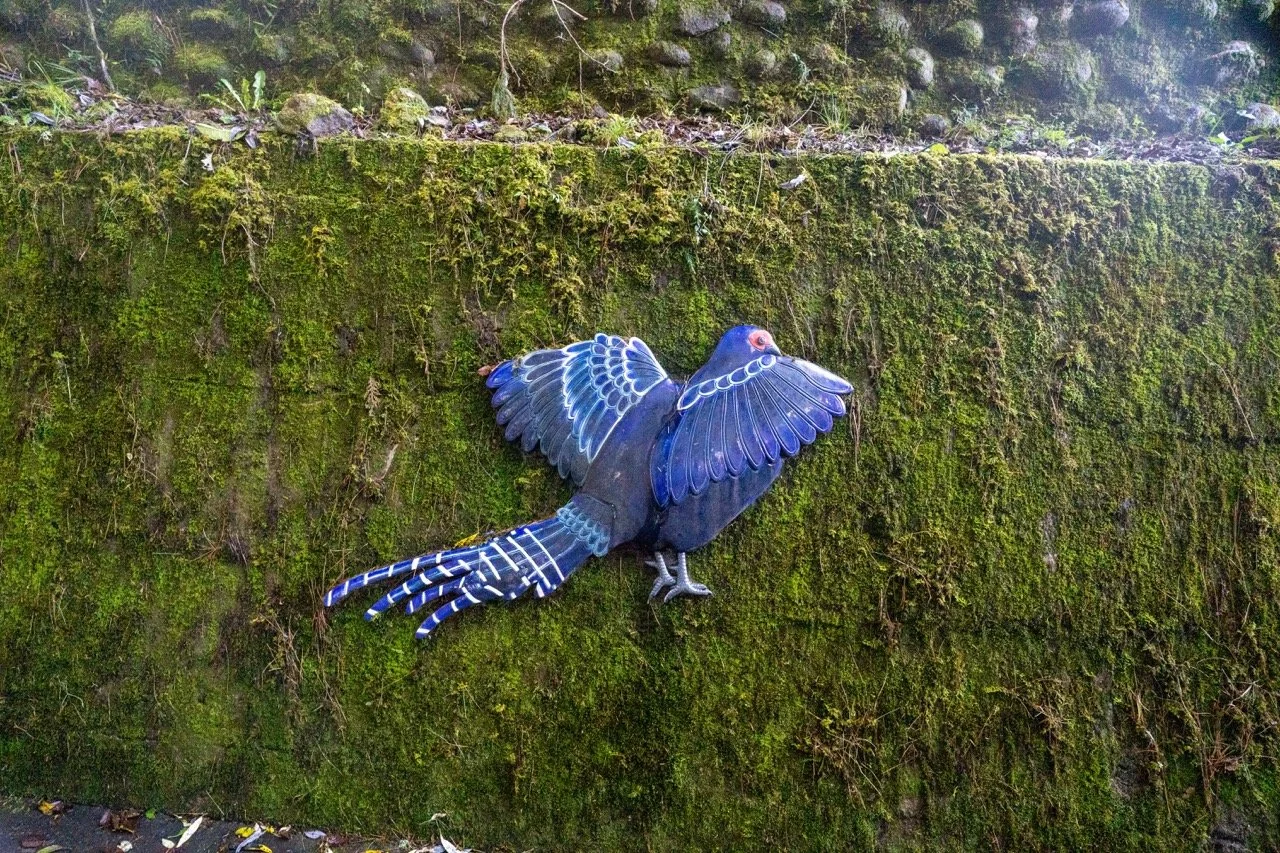
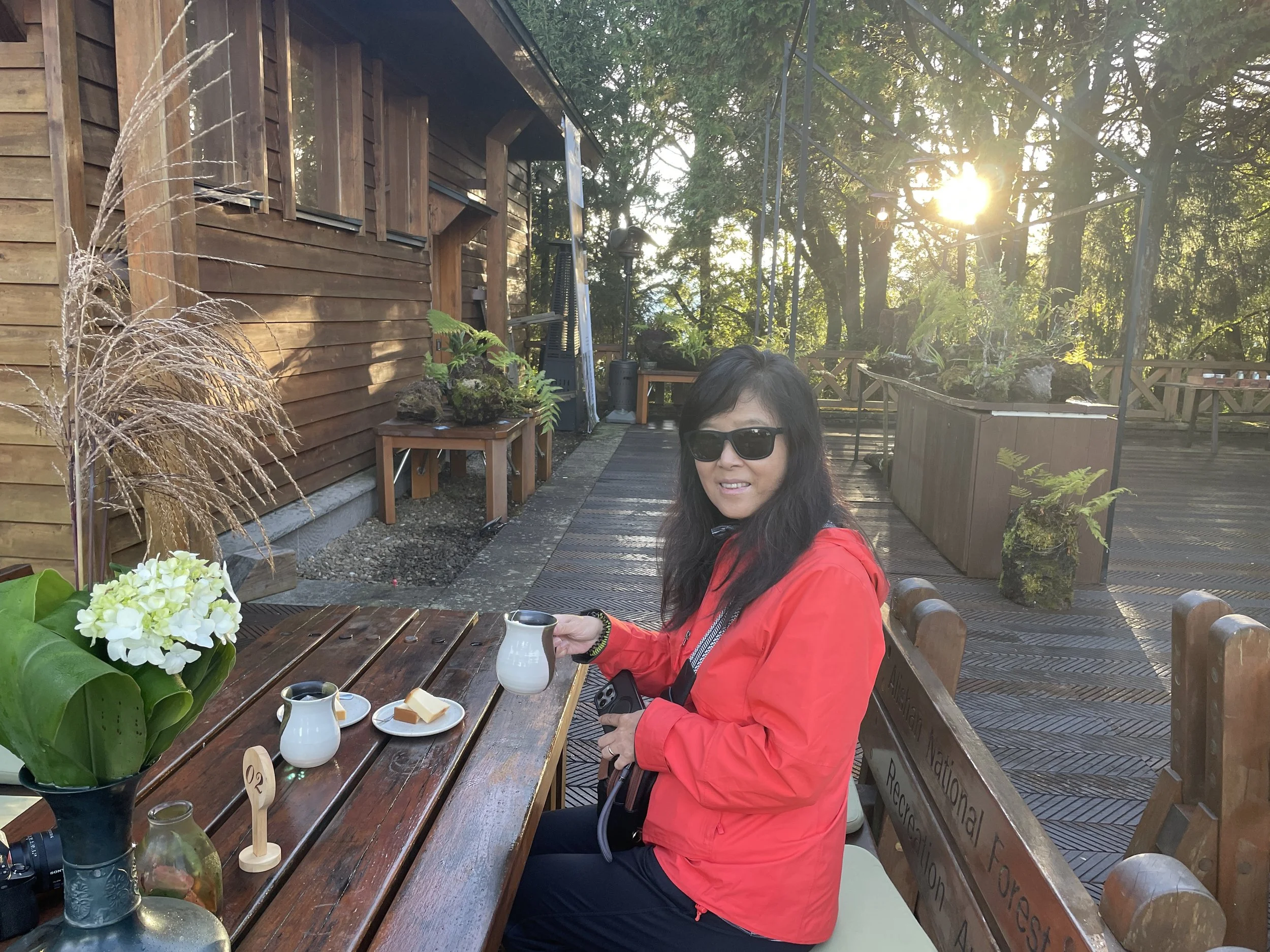
After sunrise, we warmed ourselves with hot tea at a nearby teahouse, enjoying its peaceful setting. Then we followed the pathway downhill into town for the complimentary breakfast included with our accommodation. Unfortunately, it turned out to be one of the poorest breakfasts we have ever had—labeled as “Western and Chinese style,” but the only “Western” part was coffee and square white bread, while the “Chinese” part was plain rice porridge, salted eggs, and cabbage. Service was equally lackluster. We wished they hadn’t offered breakfast at all, so we could have chosen our own, but options in town were scarce.
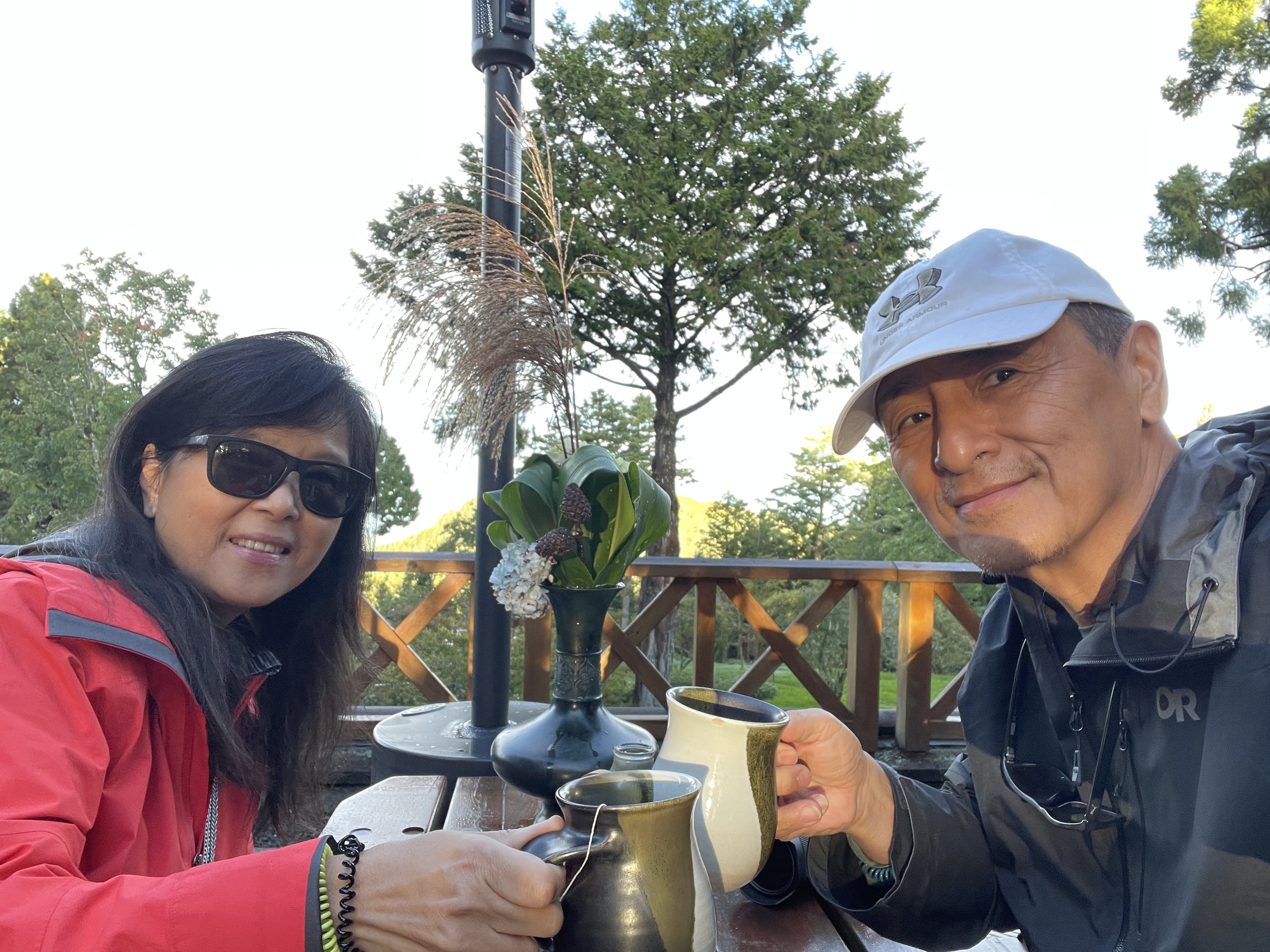
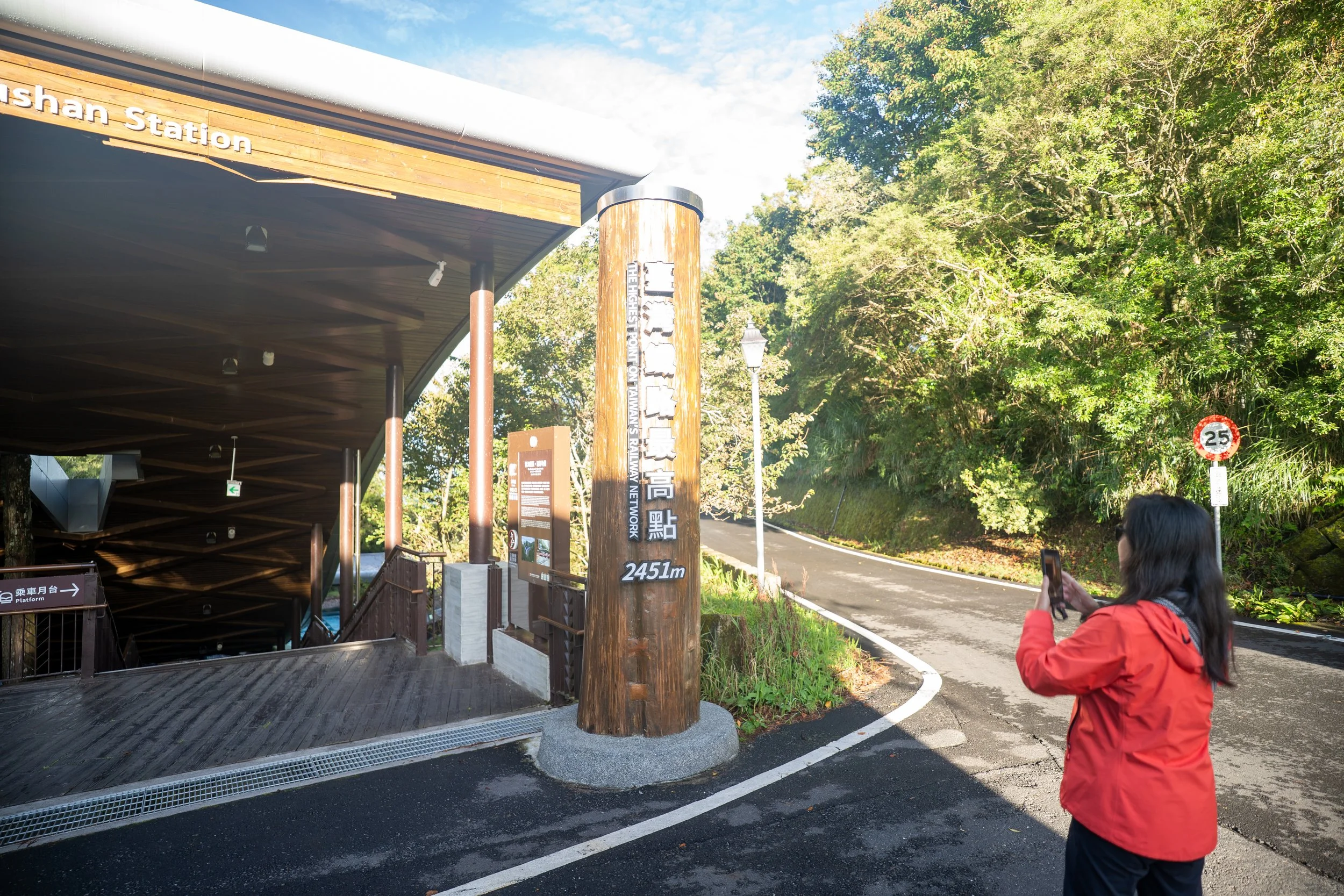
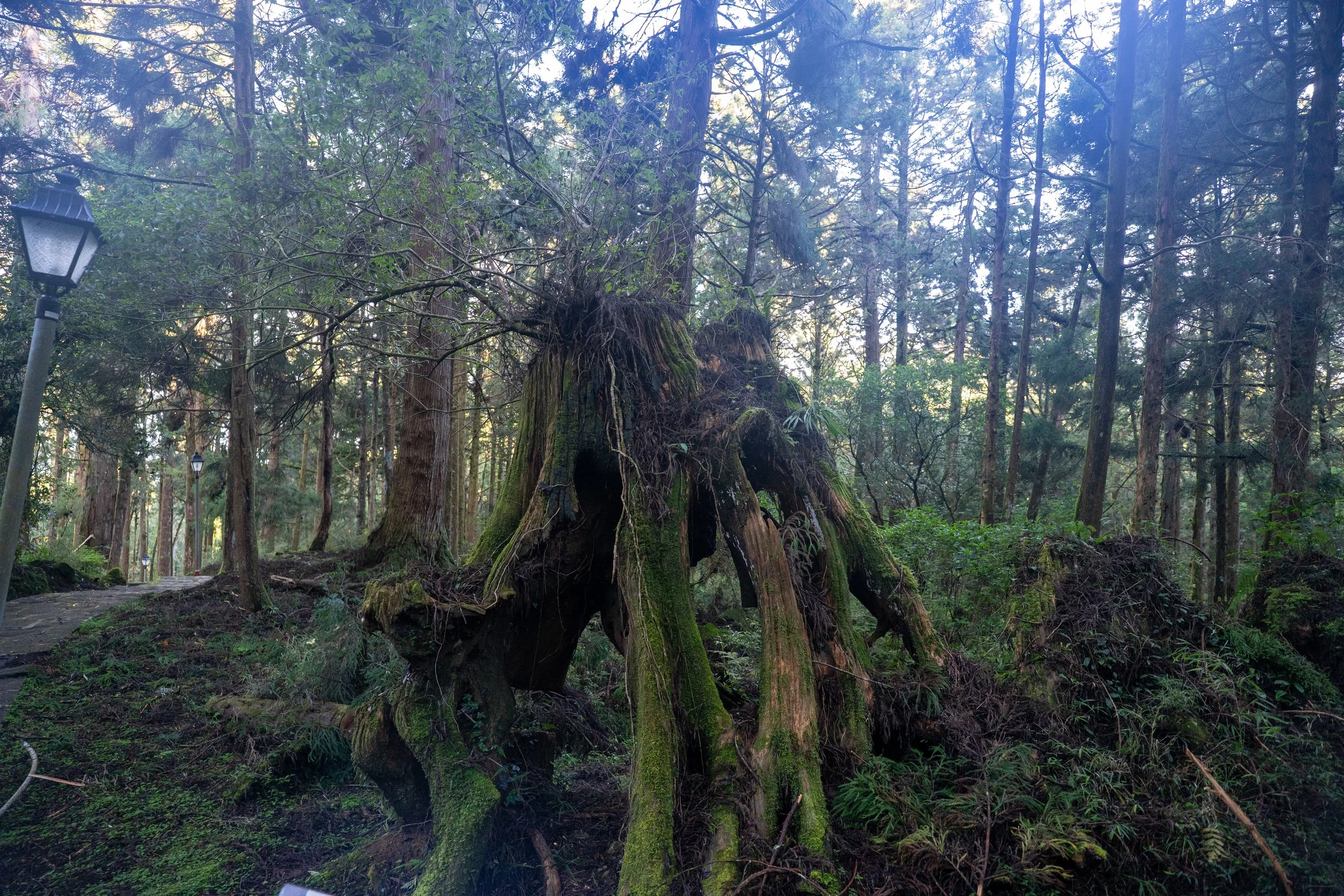
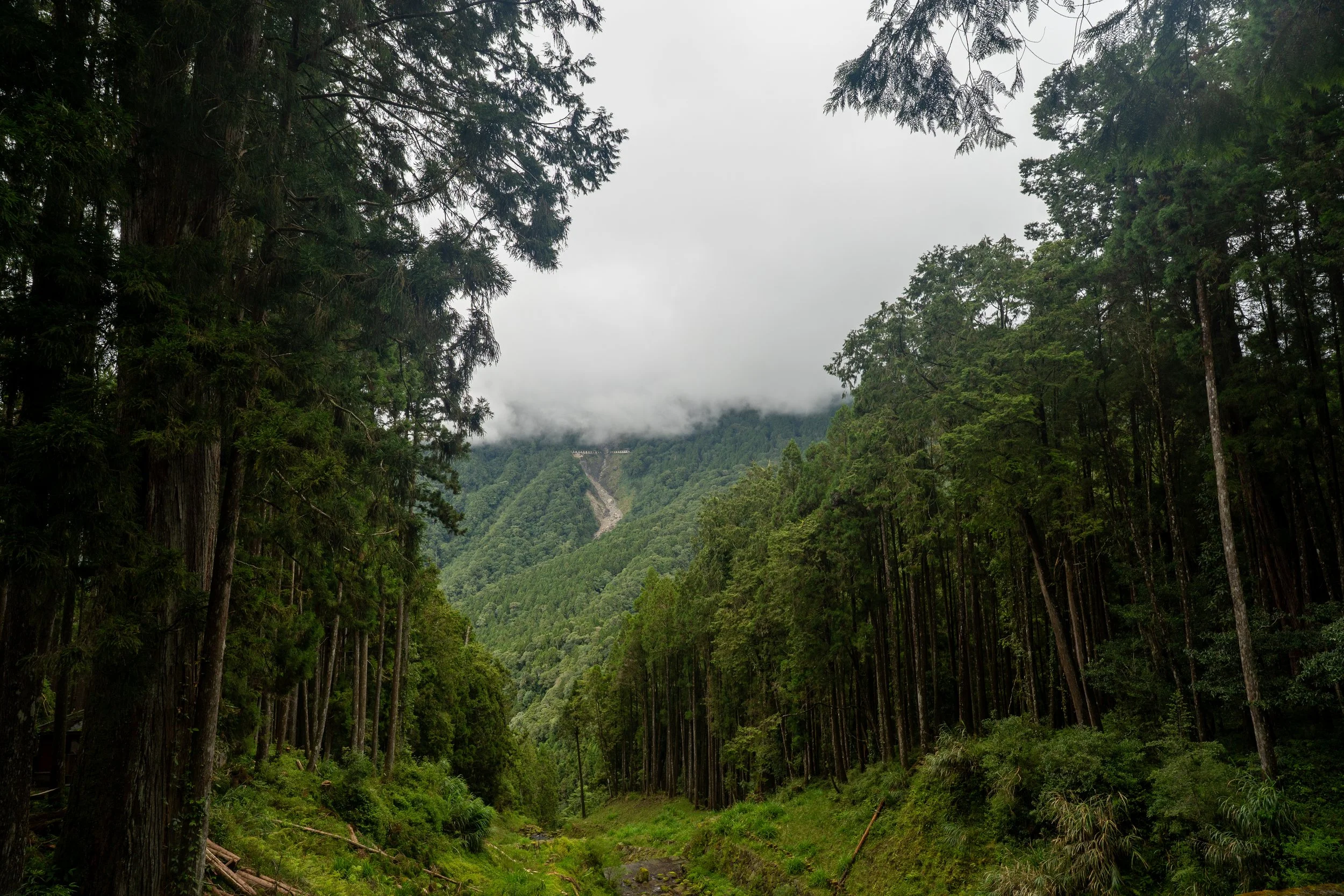

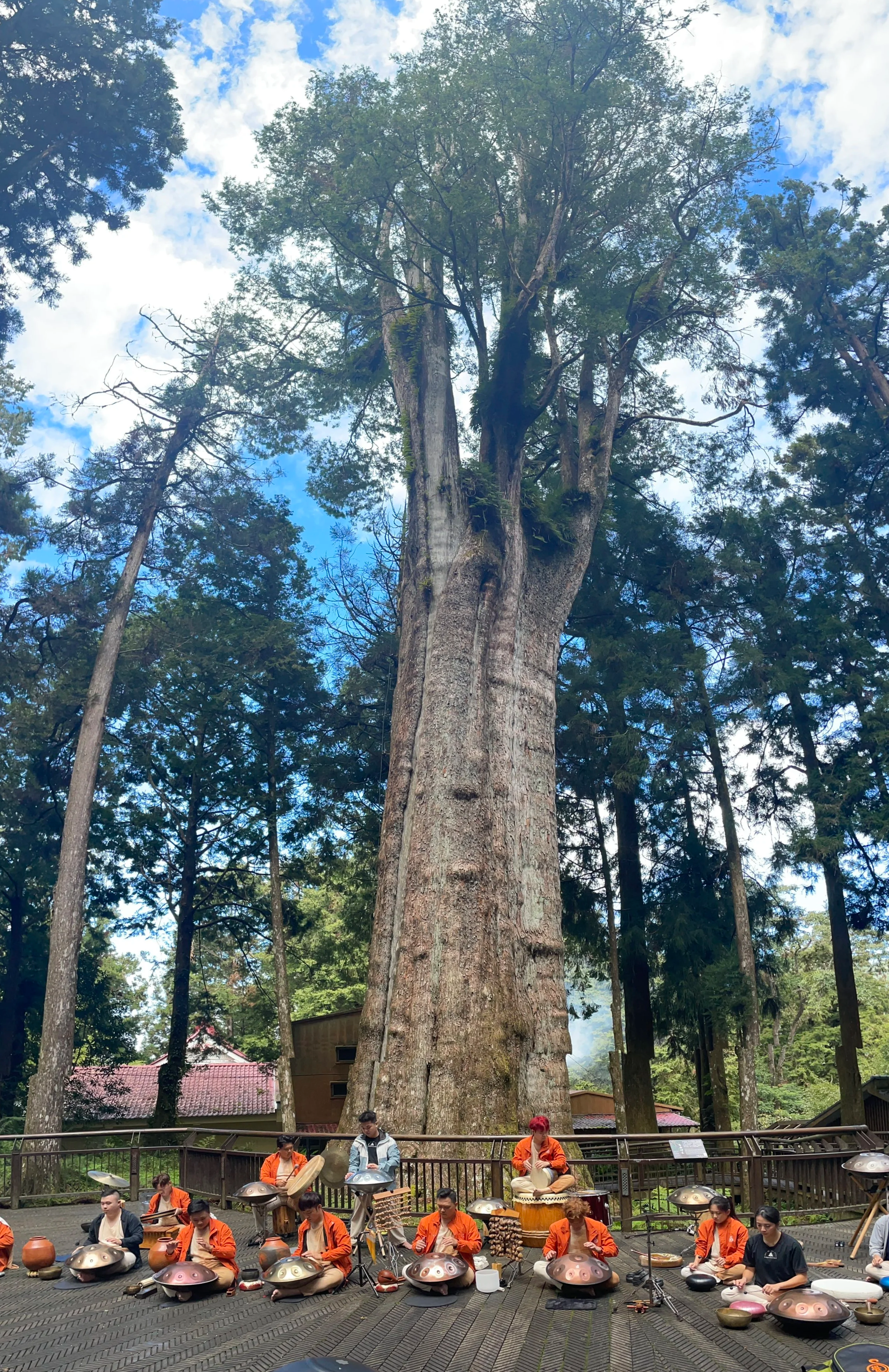
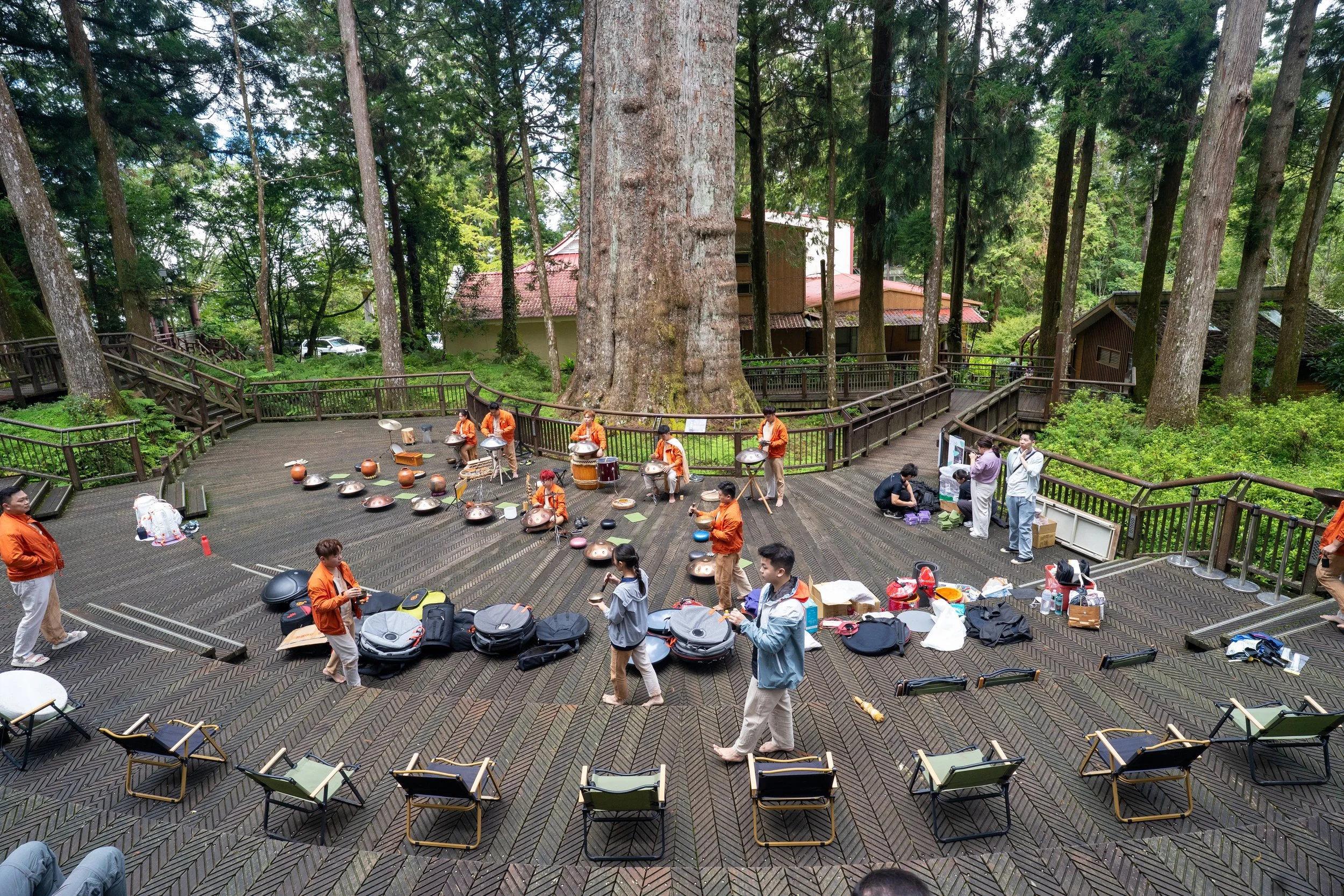
After breakfast, we packed, checked out early, and stored our luggage at the hotel before heading out to explore the Giant Sacred Tree group. The boardwalk through the ancient forest was pleasant and satisfying, especially with the perfect weather and fewer tourists around. Suddenly, we heard enchanting music echoing through the trees. Following the sound, we discovered an outdoor amphitheater in front of a massive sacred tree, where a group of young musicians were rehearsing on handpans—an instrument invented in Switzerland in 2000. The meditative tones resonated beautifully in the forest, creating a surreal experience. They were preparing for a concert later that afternoon; we wished we had time to stay for it.
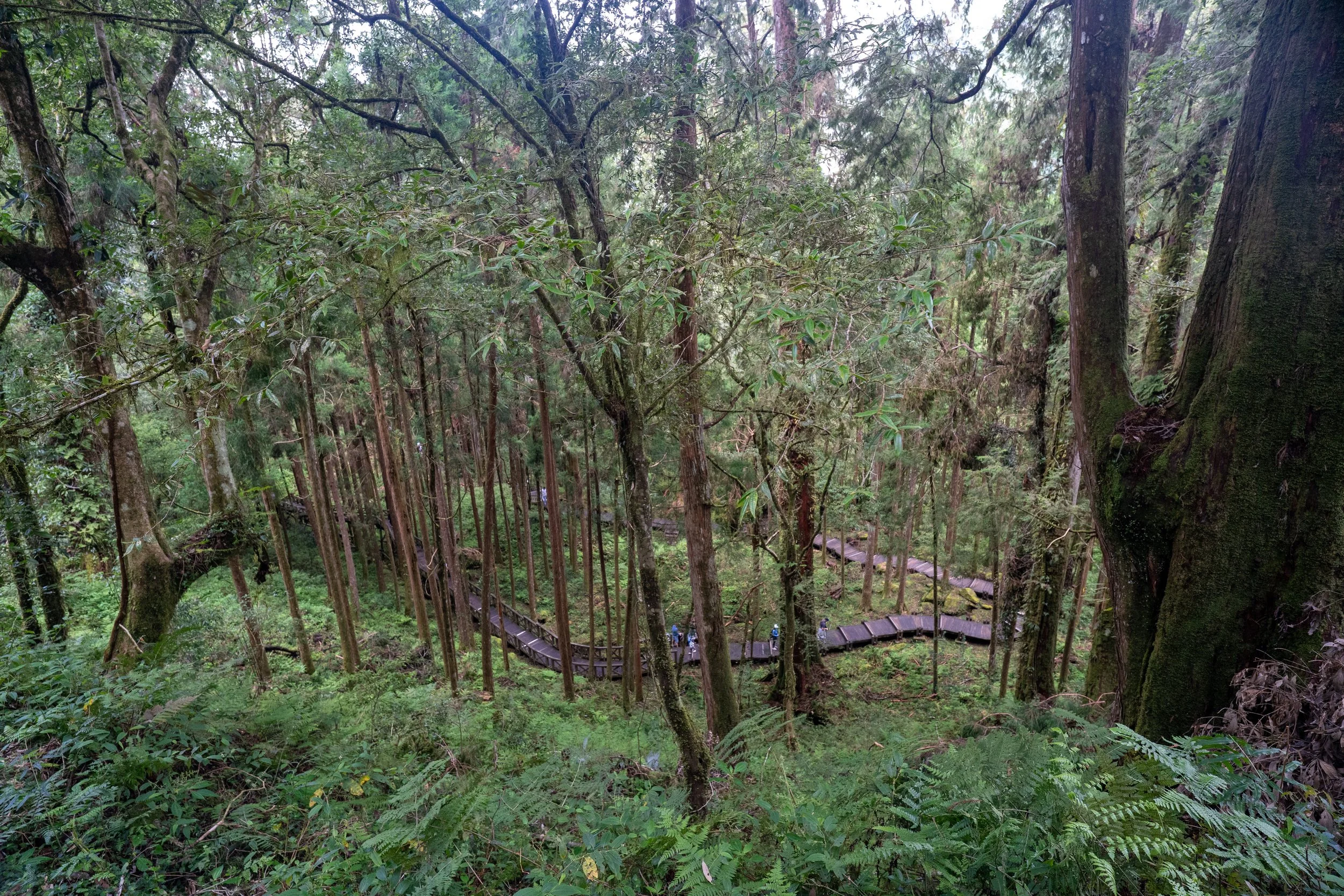
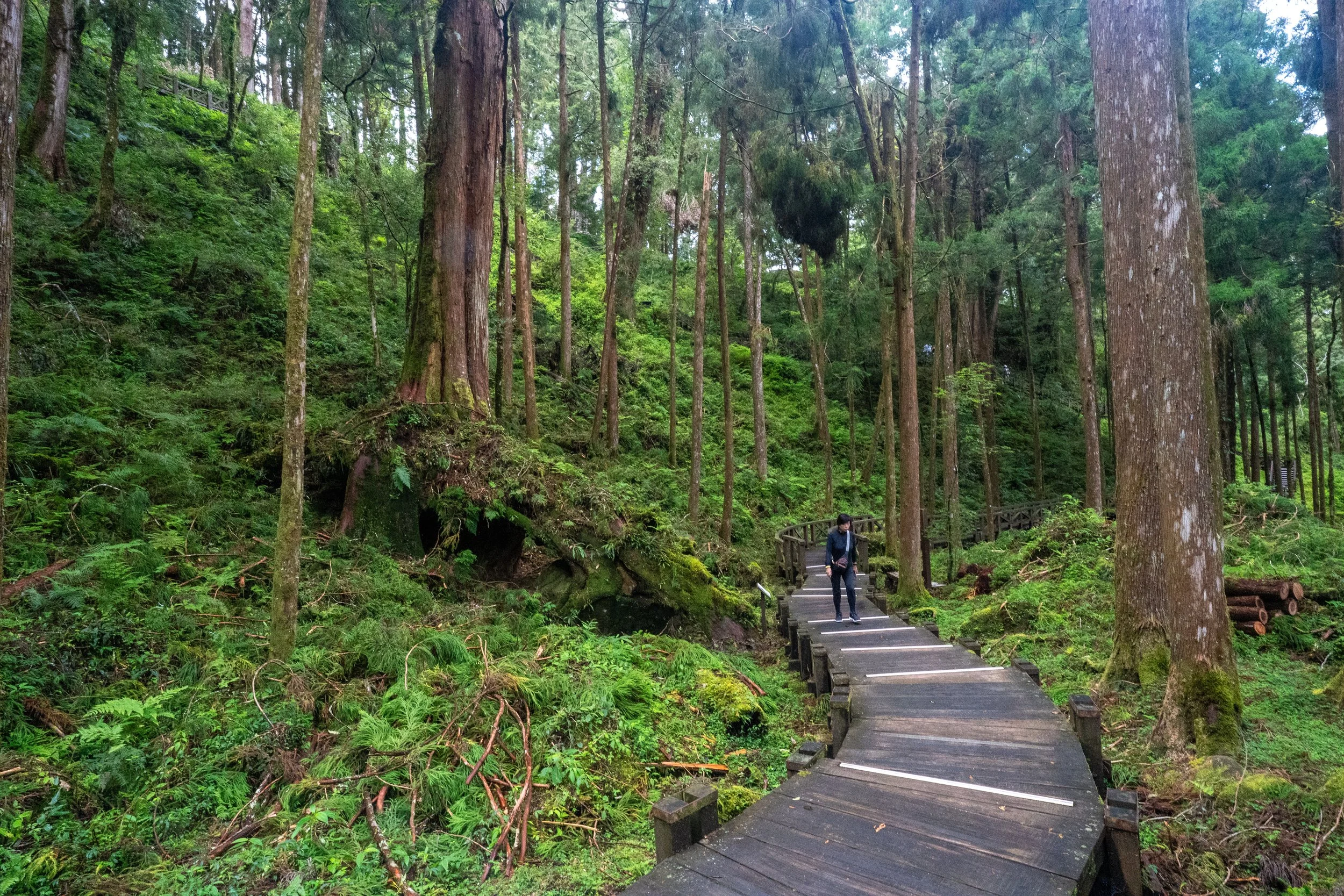
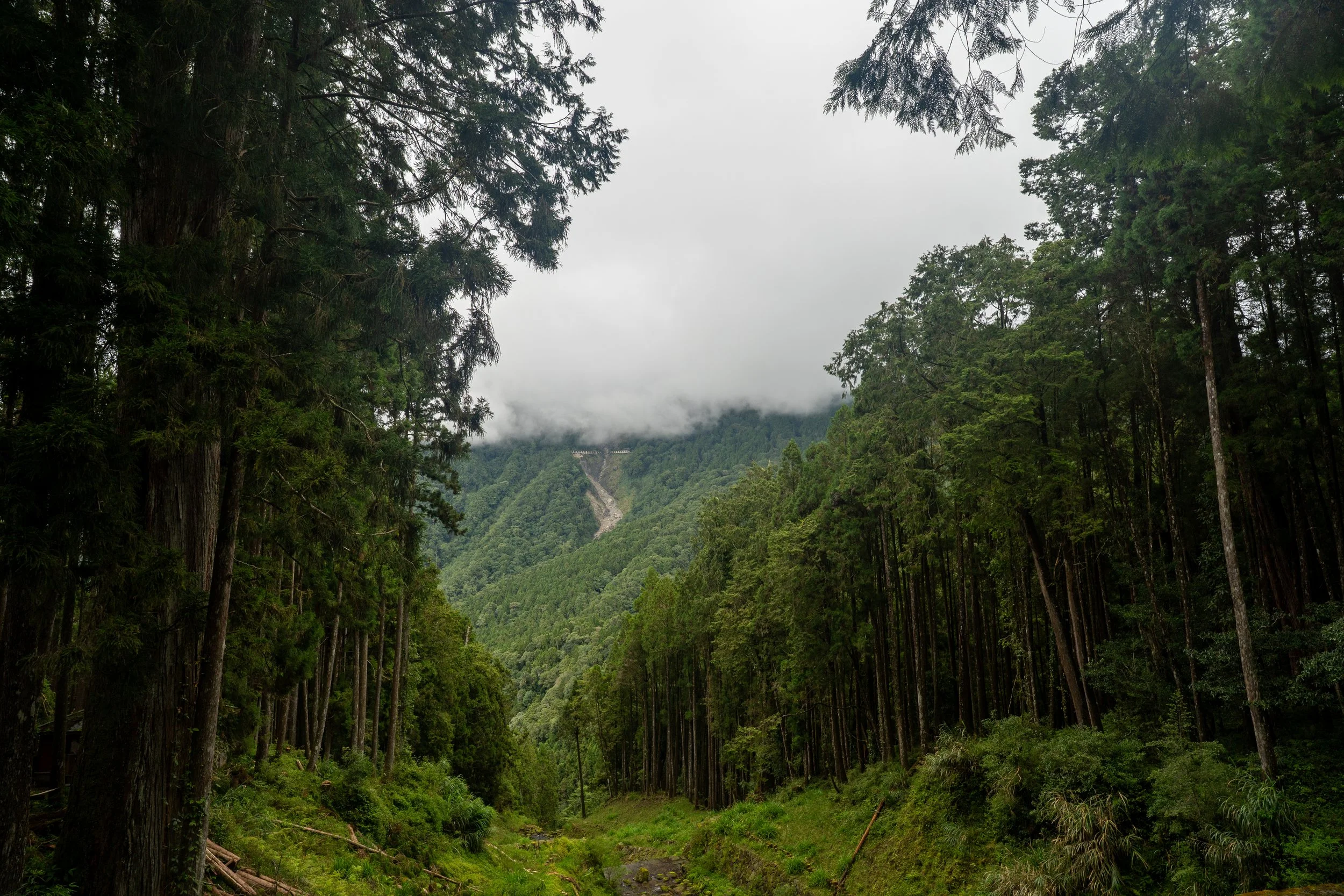
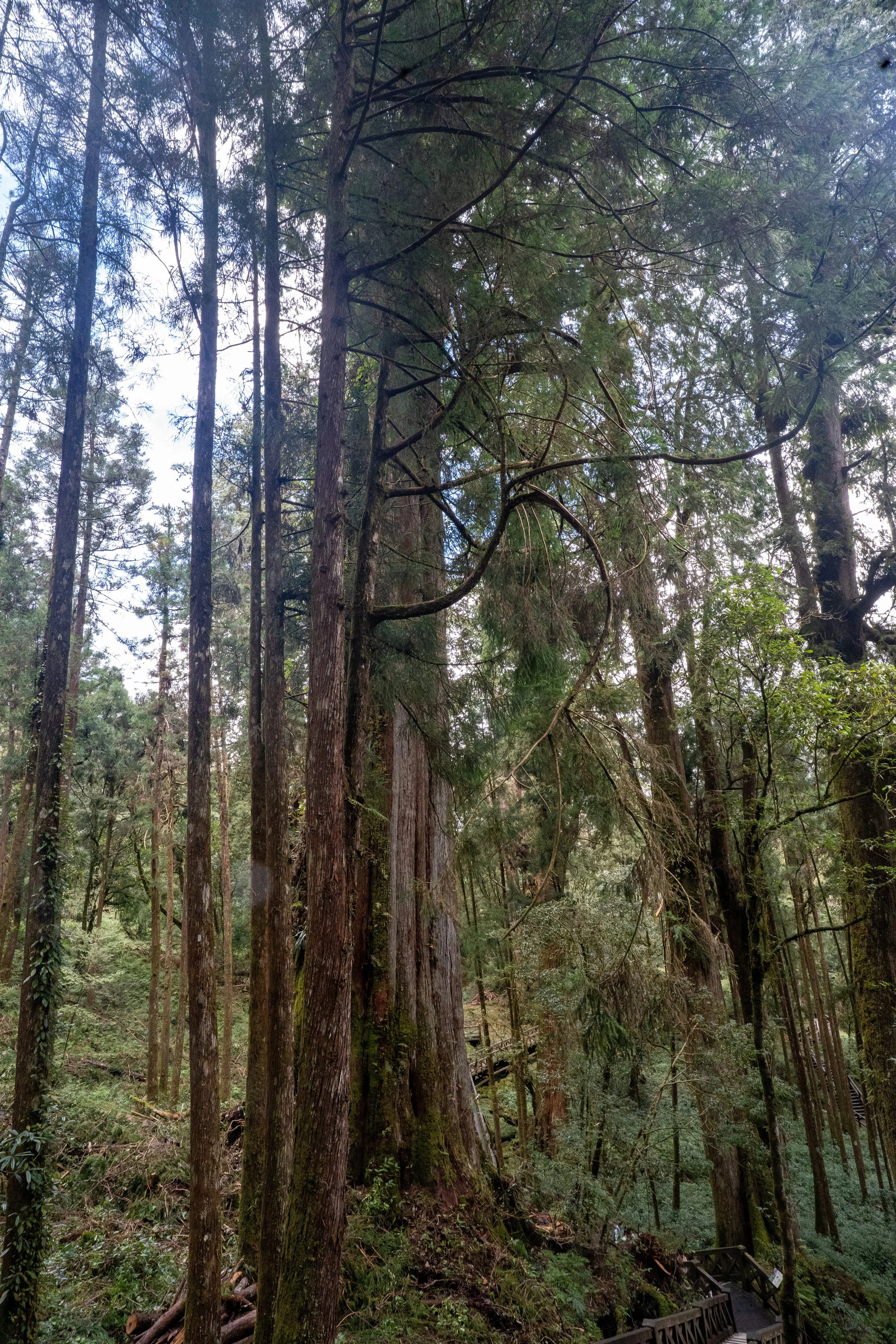
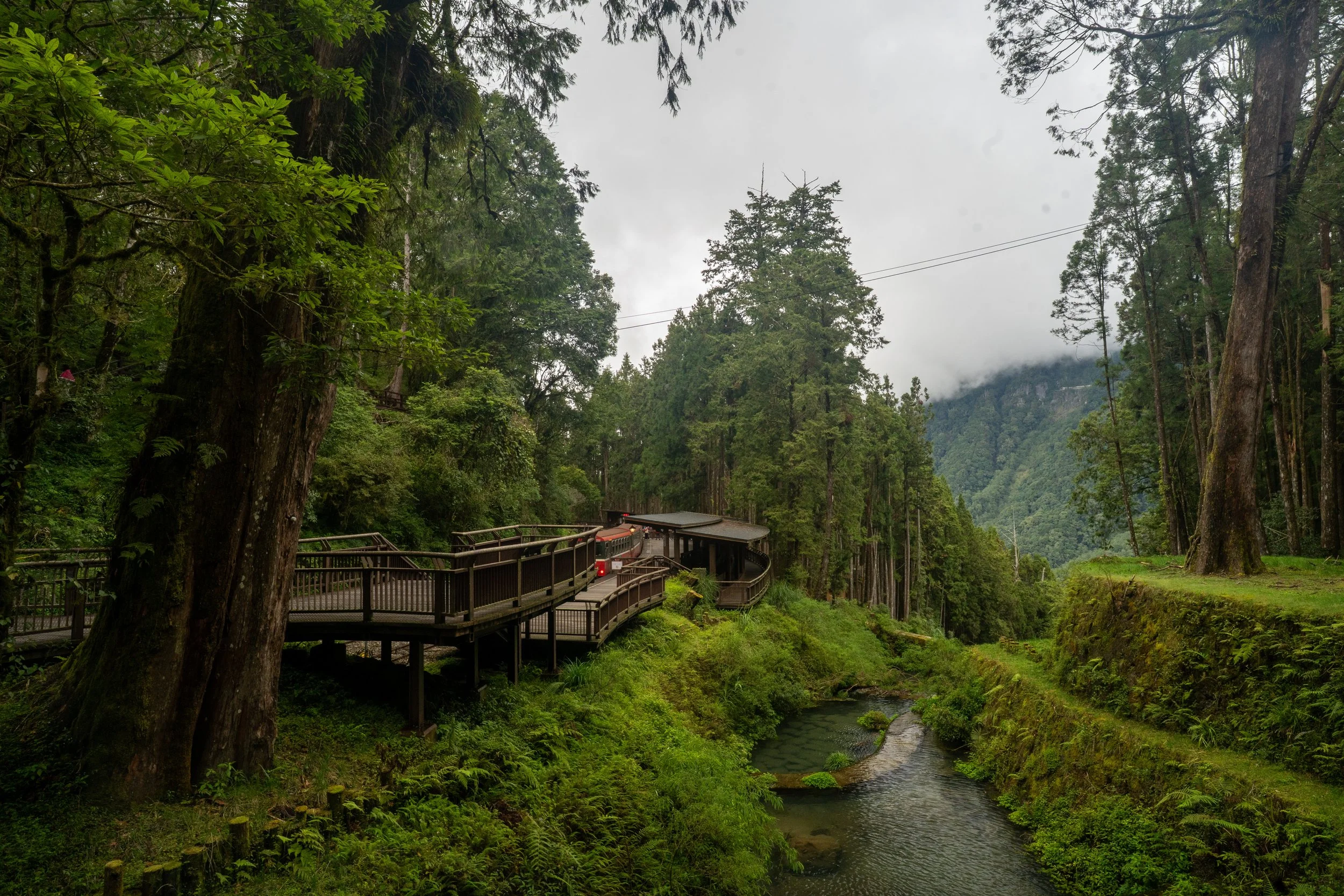
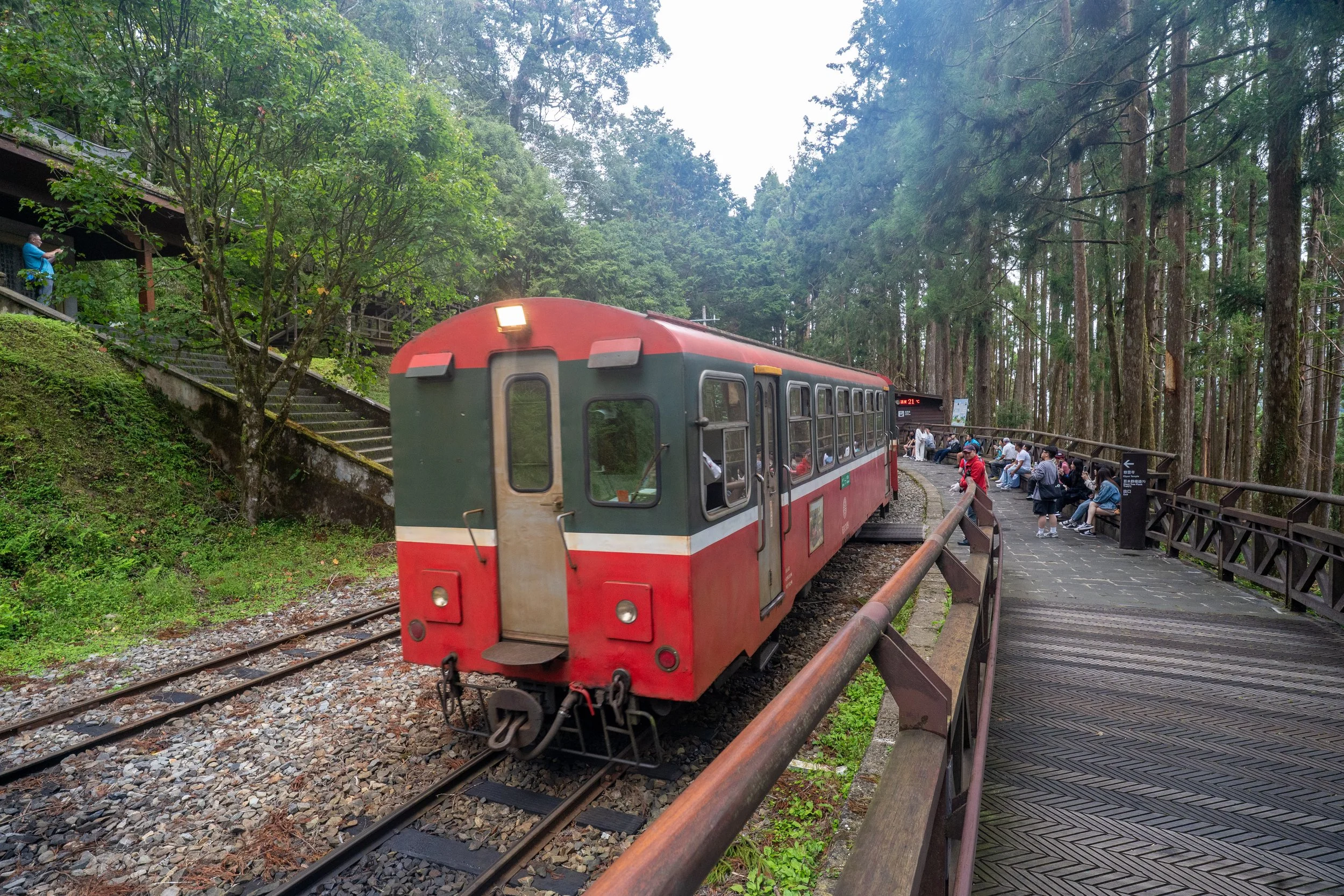
After visiting the key scenic spots, we boarded the narrow-gauge train back to Alishan Station. Our host then dropped us at the bus stop for the two-hour ride back to Chiayi. The first hour was a wild journey—endless sharp curves with hardly a straight stretch of road—leaving us quite motion-sick.
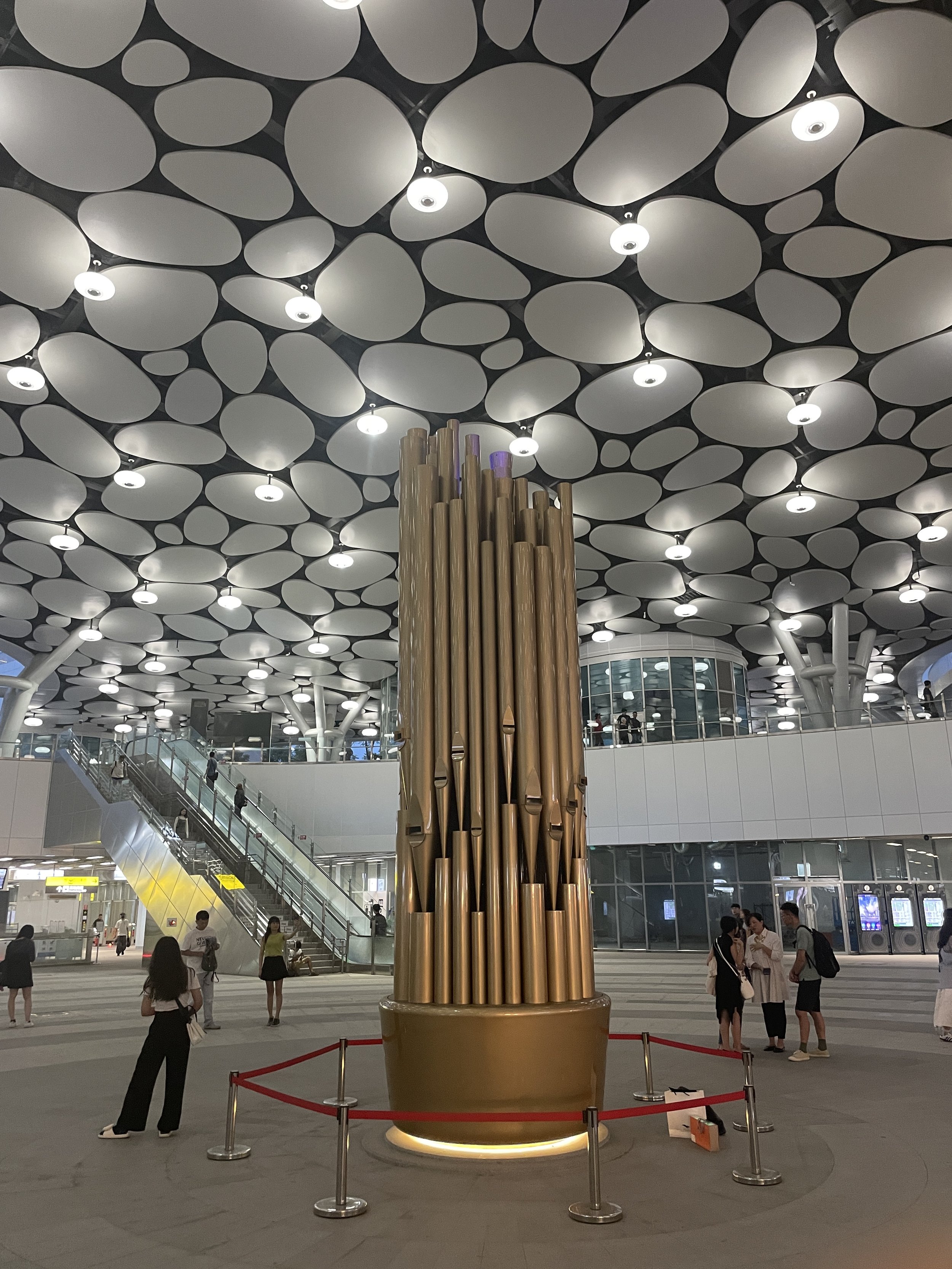
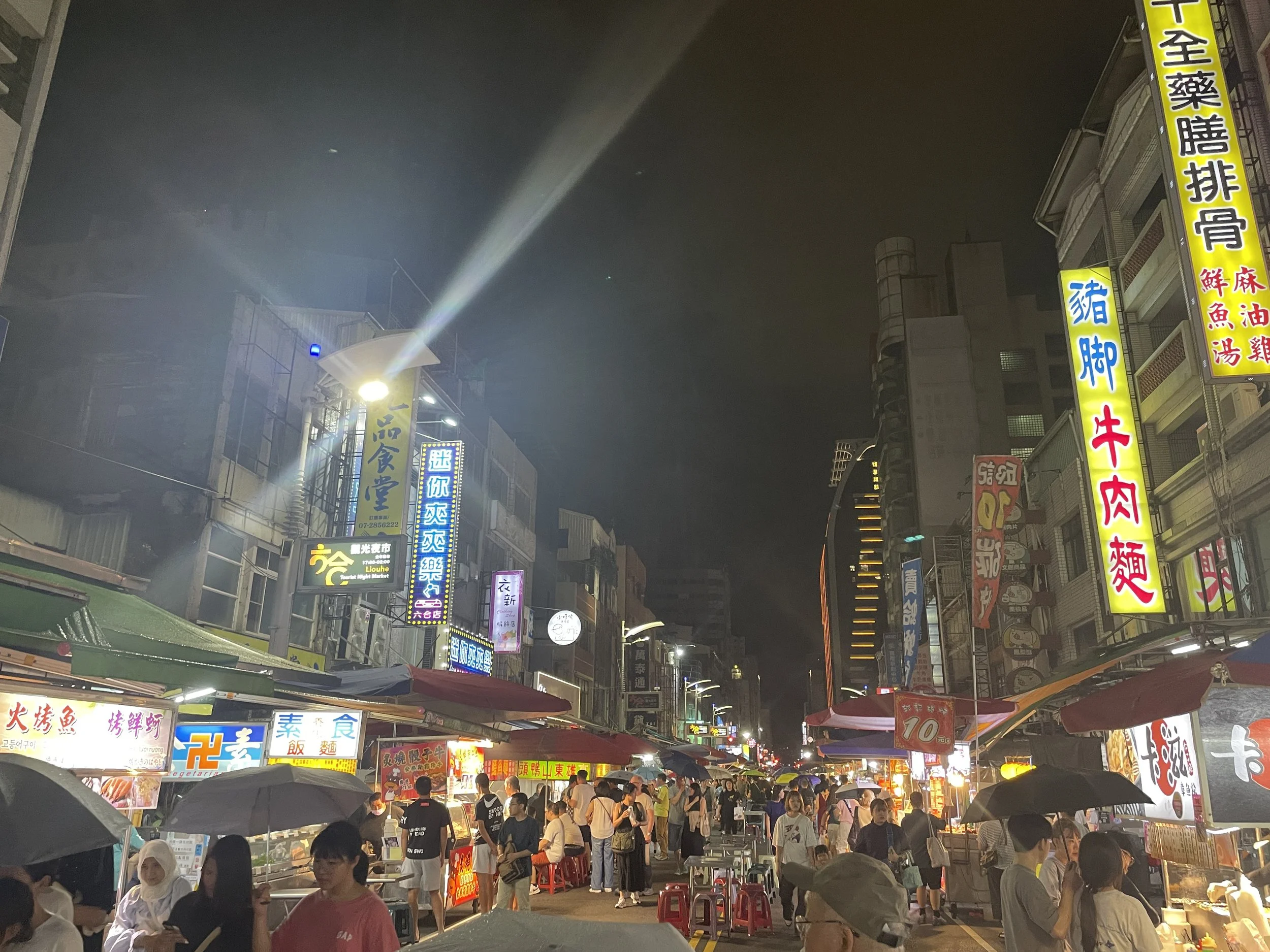
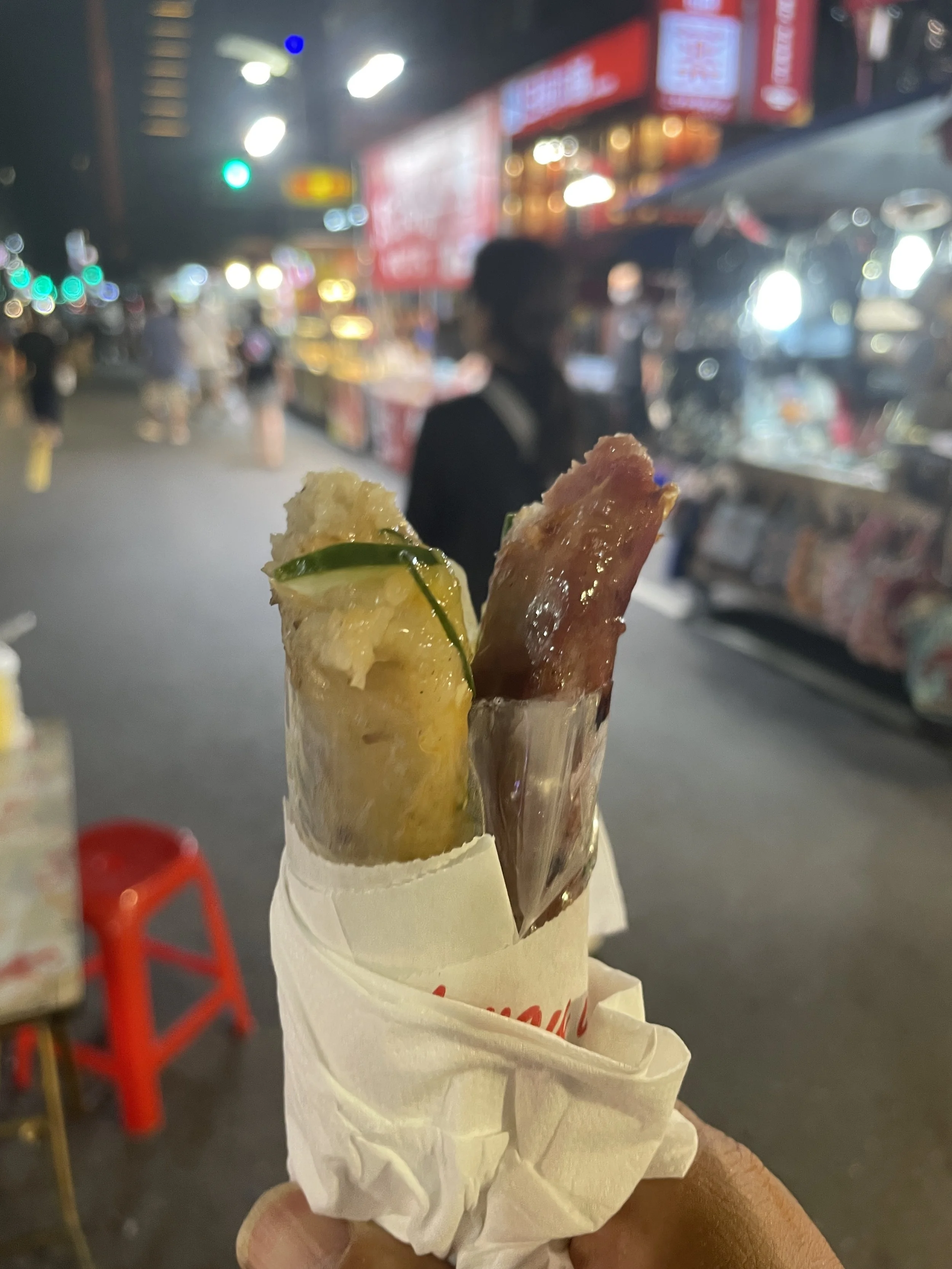
From Chiayi, we continued by train to Kaohsiung. That evening, we visited the Liuhe Night Market (六合夜市). The air was hot and humid, and we found ourselves with little appetite. We sampled stir-fried clams and the famous “big sausage wrapped around small sausage,” then left the market early to return to our hotel and rest.

Although the Alishan Recreation Area offers some of the best-designed walking paths—built both to protect the environment and to ensure comfort for visitors—the overall service in the park felt underwhelming. At night, the town turns quiet and almost deserted, a sharp contrast to the lively atmosphere we often encountered in European mountain destinations. In Europe, the natural parks remain pristine, yet once you return to town, modern amenities and warm hospitality make the stay comfortable. Alishan, by contrast, preserves its untouched beauty in the forest, but the town itself still lacks that same level of service and convenience.
2025年9月20日
我们在凌晨四点前起床,乘坐阿里山–祝山的小火车去看日出。凌晨四点五十分,天还漆黑一片,满载游客的五节车厢缓缓爬升至祝山车站。那里有两个主要观景平台——360度观景台和祝山观日景台,我们选择了360度观景台。据说前几天山顶上一直被雾笼罩,今天我们很幸运,清早的天气再好不过了。黎明时分,天空被渲染成一幅绚丽的色彩画卷。然而日出本身却并不壮观,太阳从山脊后升起,当我们看见它时,它已经高挂在天际。
看完日出后,我们在附近的茶屋喝了热茶,静静享受宁静的氛围。随后沿着小径下行回到小镇,去吃旅馆提供的免费早餐,是在镇上的一家餐厅,这是我们吃过最差的早餐之一。虽然名义上是“中西式早餐”,所谓“西式”只有咖啡和白切片面包,“中式”则是白粥,咸鸭蛋和白菜。服务就更不用说了,完全就没有。只可惜镇上几乎也没有其它选择。
早餐后,我们收拾行李,提前退房并寄存好行李,然后出发去看巨木群。在古老森林中的木栈道修建的非常好,天气晴朗、游客稀少,行走在那里令人心旷神怡。突然,我们听到悠扬的音乐声在林中回荡。循声而去,来到一棵参天巨树前的露天小剧场,一群年轻的音乐家盘腿而坐正在演奏手碟——一种由瑞士音乐人于2000年发明的乐器。那冥想般的音色在森林间回荡,营造出一种超现实的氛围。他们正为下午的音乐会排练,我们真希望能留下来聆听。
Alishan Forest Train 阿里山森林小火车
September 19, 2025
After breakfast, we called an Uber to Chiayi Station and boarded Express 5 at 10 a.m……
早餐后,我们叫了Uber 前往嘉义火车站,。。。
September 19, 2025
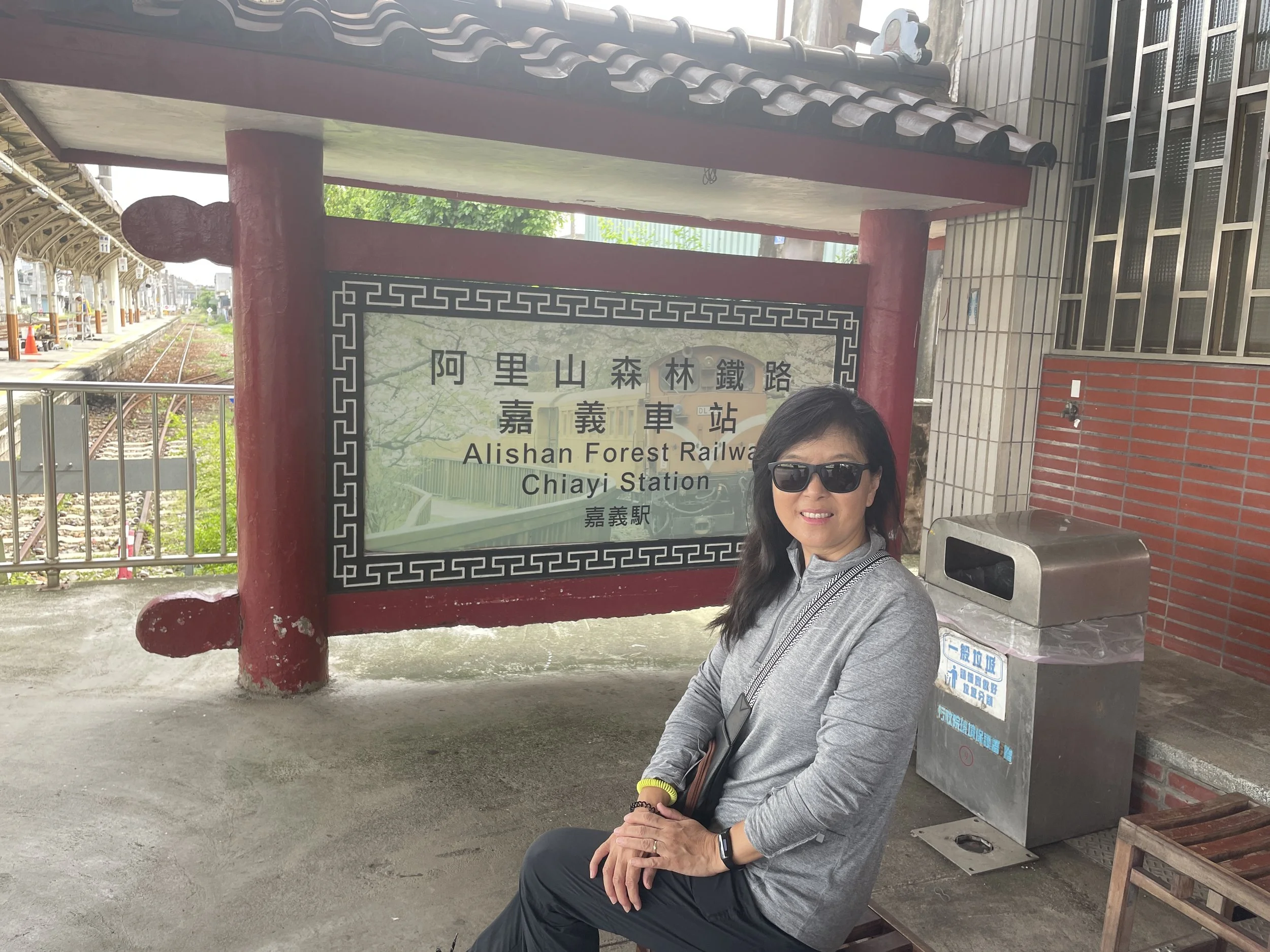
After breakfast, we called an Uber to Chiayi Station and boarded Express 5 at 10 a.m. The ticket for the nearly five-hour ride — climbing from 30 meters above sea level to 2,300 meters — cost about $25, including admission to Alishan National Park.
To our surprise, we were the only two passengers in our carriage. The train had four cars, and the other three seemed reasonably full, but ours was completely empty. We never quite figured out why — perhaps they intentionally left some seats unsold.
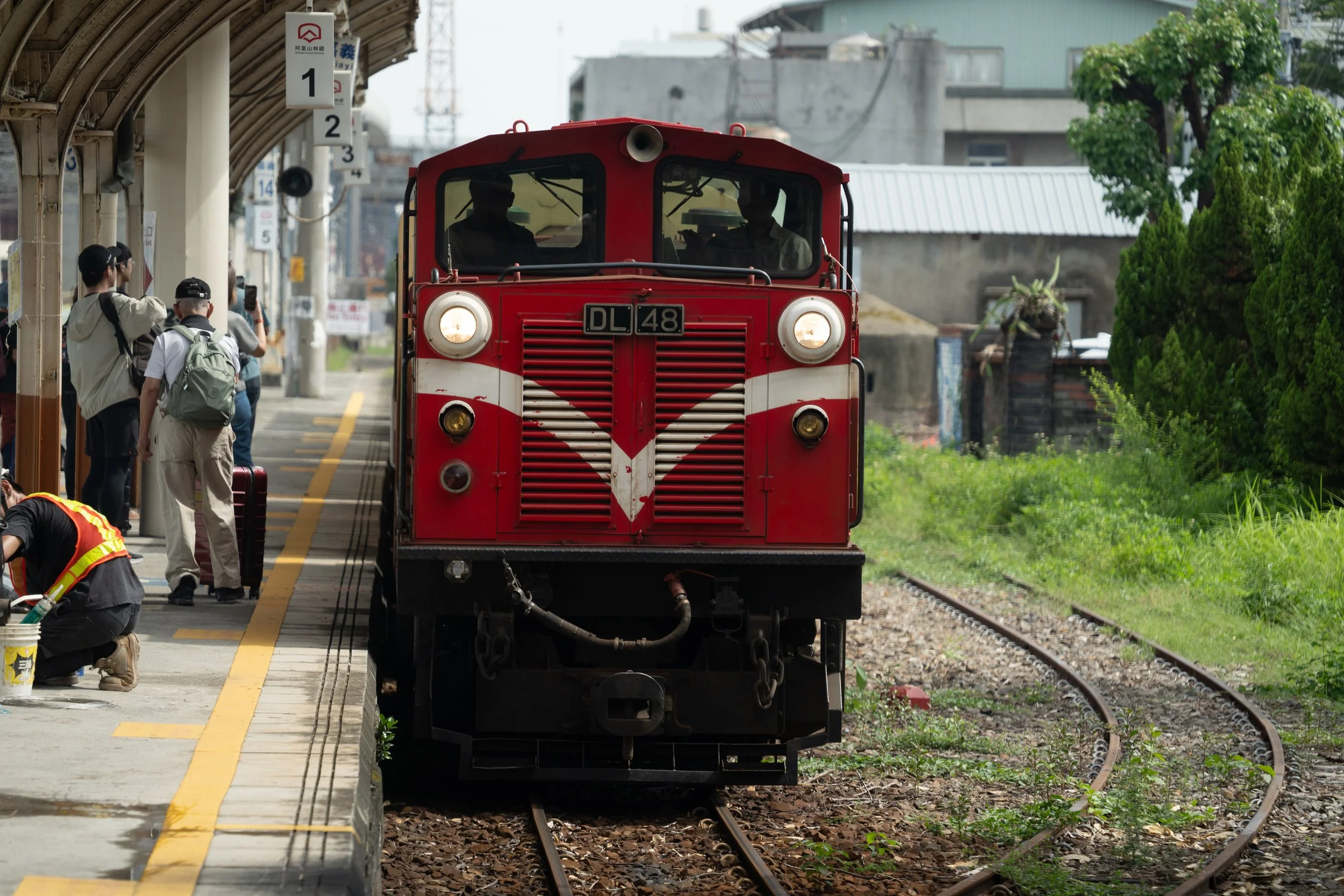
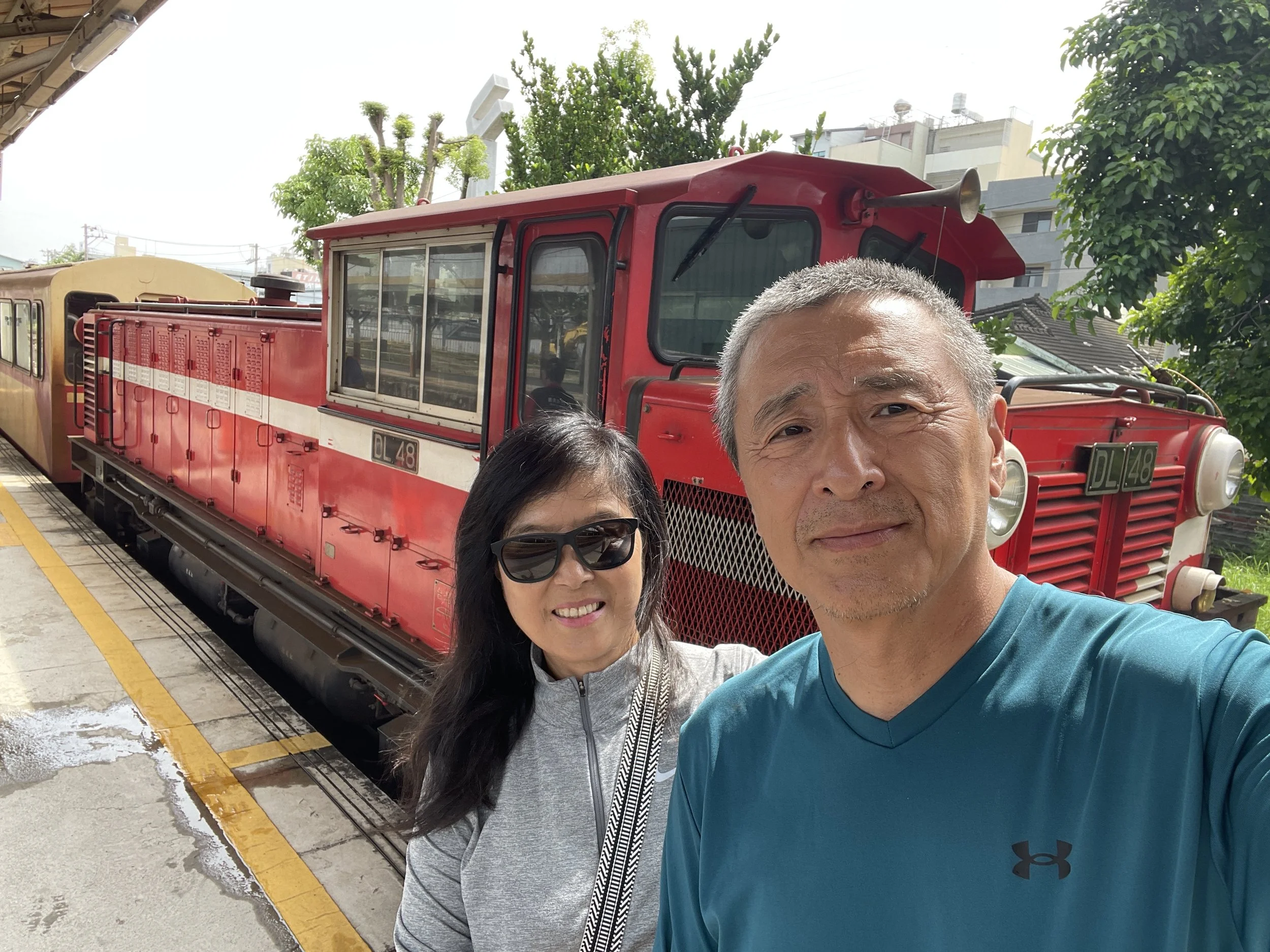
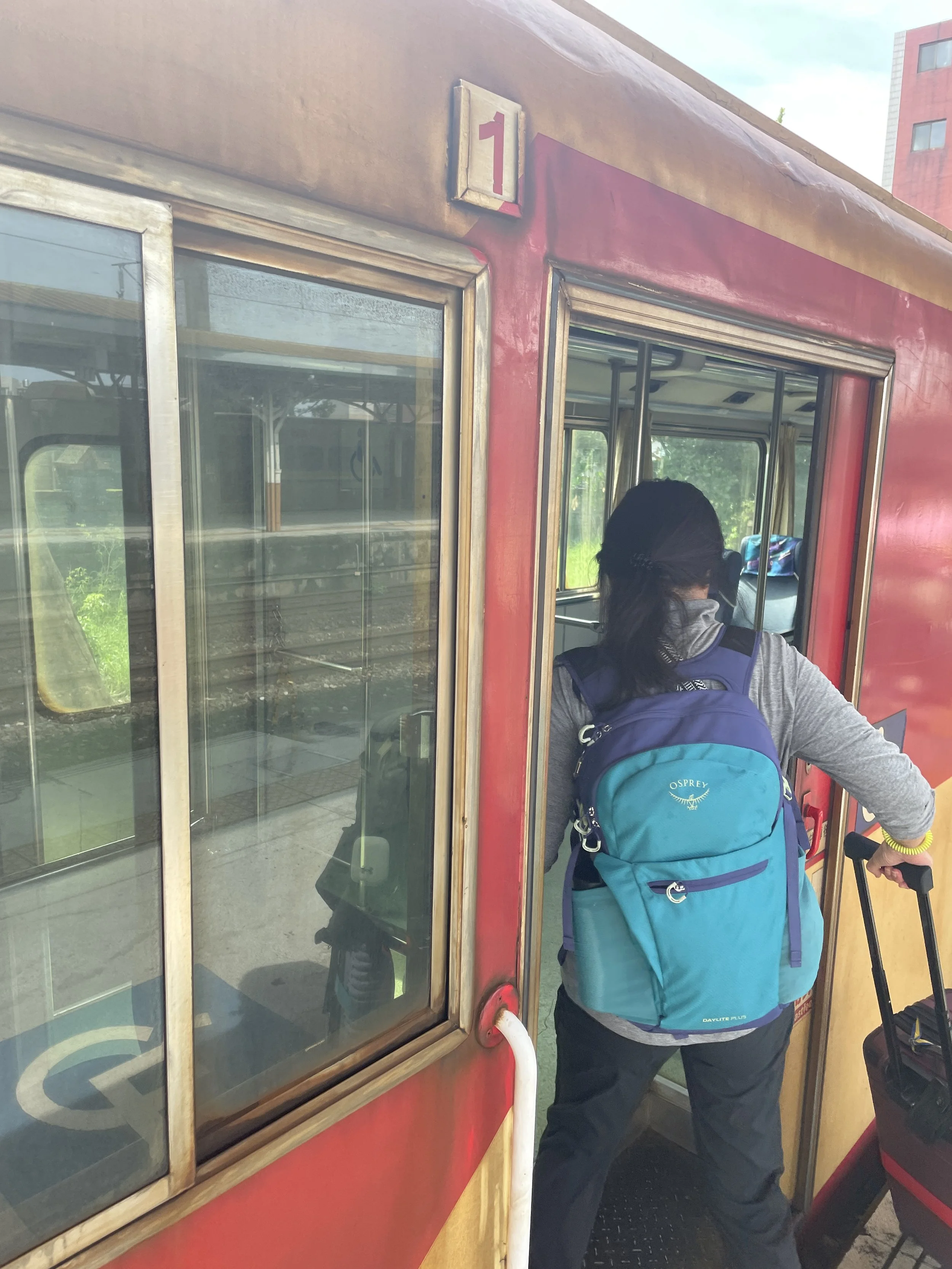
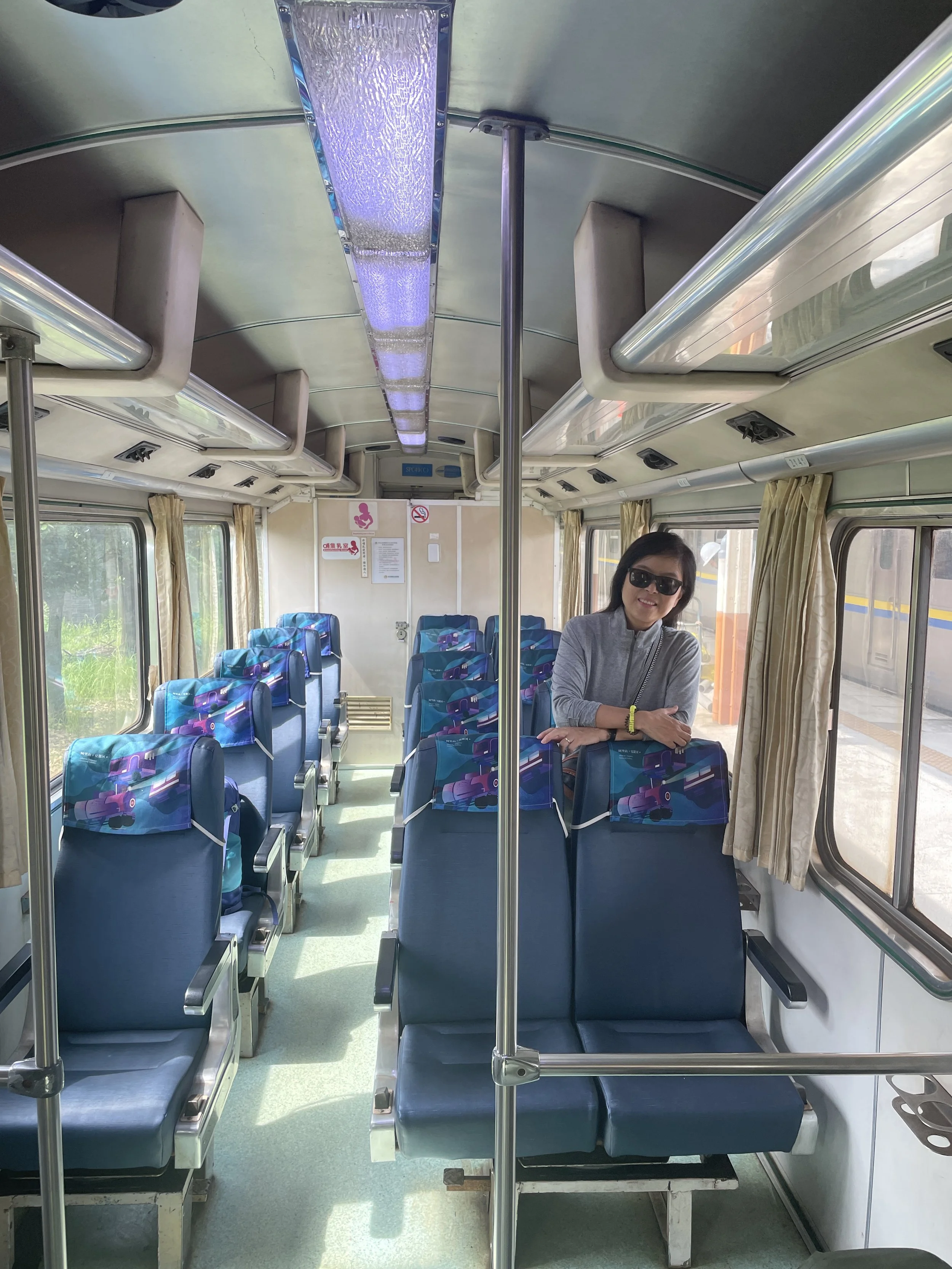
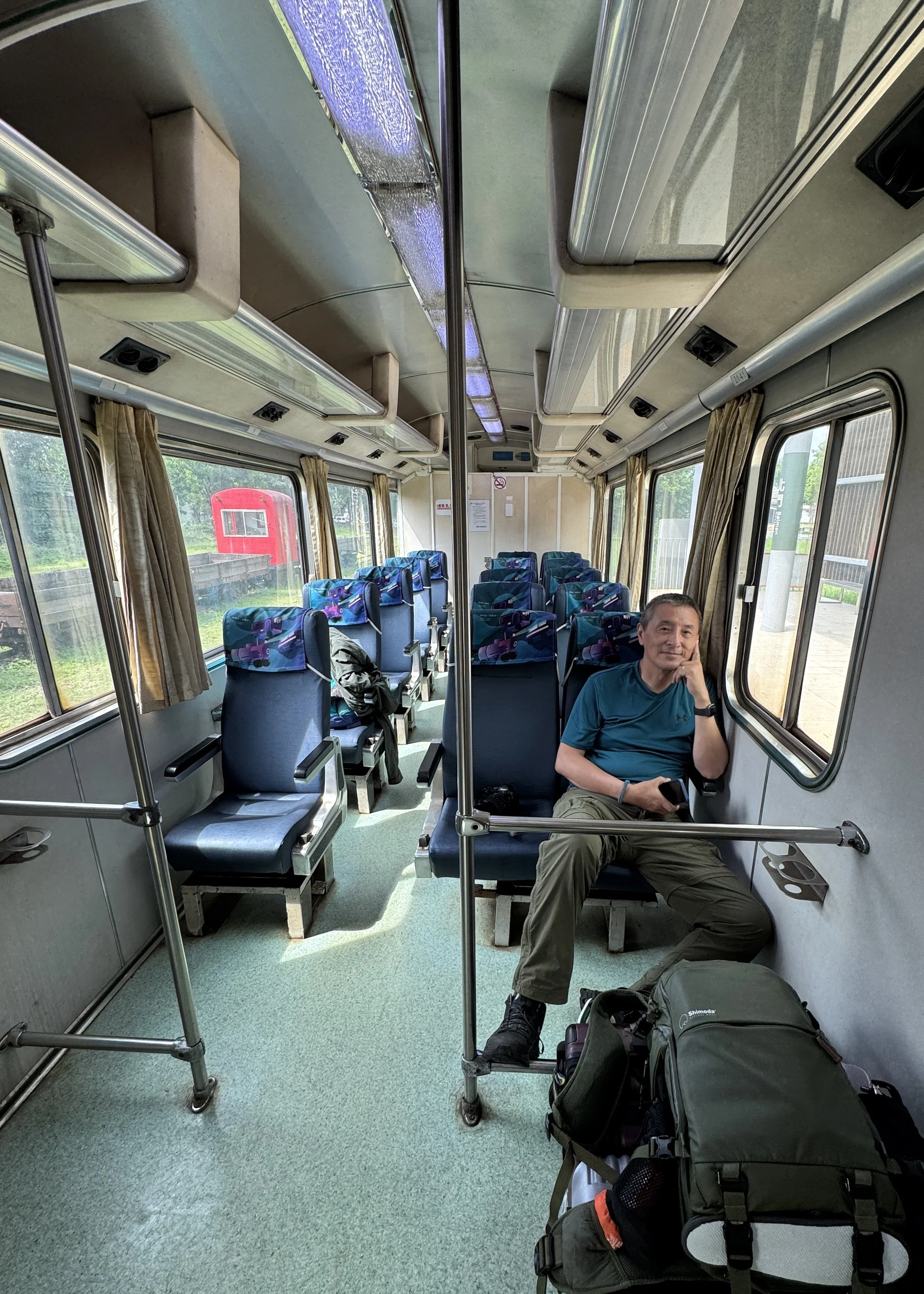
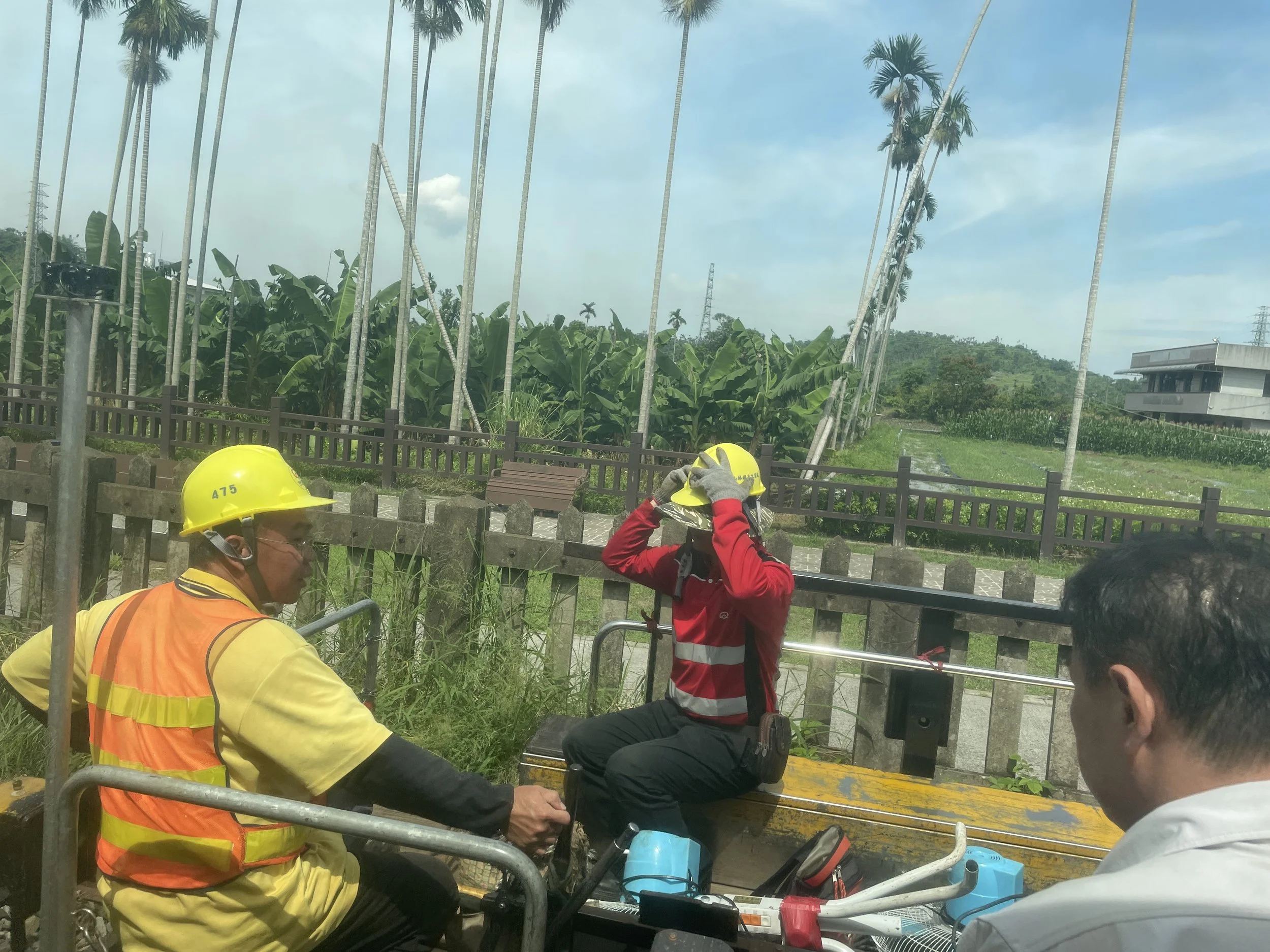
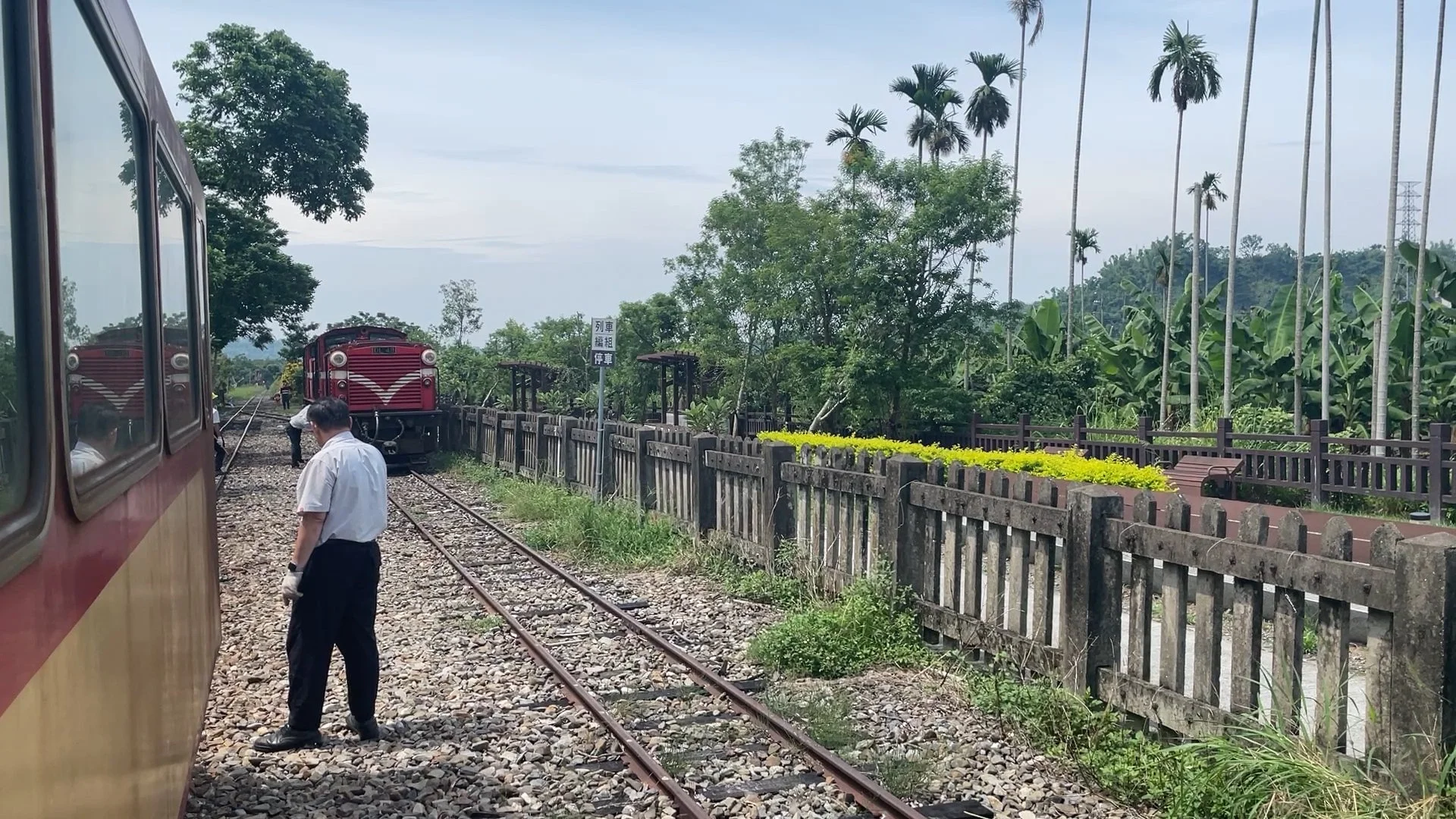
The train departed on time, but about 45 minutes into the journey it came to a halt. We were informed that the power head at the back needed to be replaced with a different unit. After a delay of 45 minutes, the train resumed its climb. What an unexpected twist to start the trip.
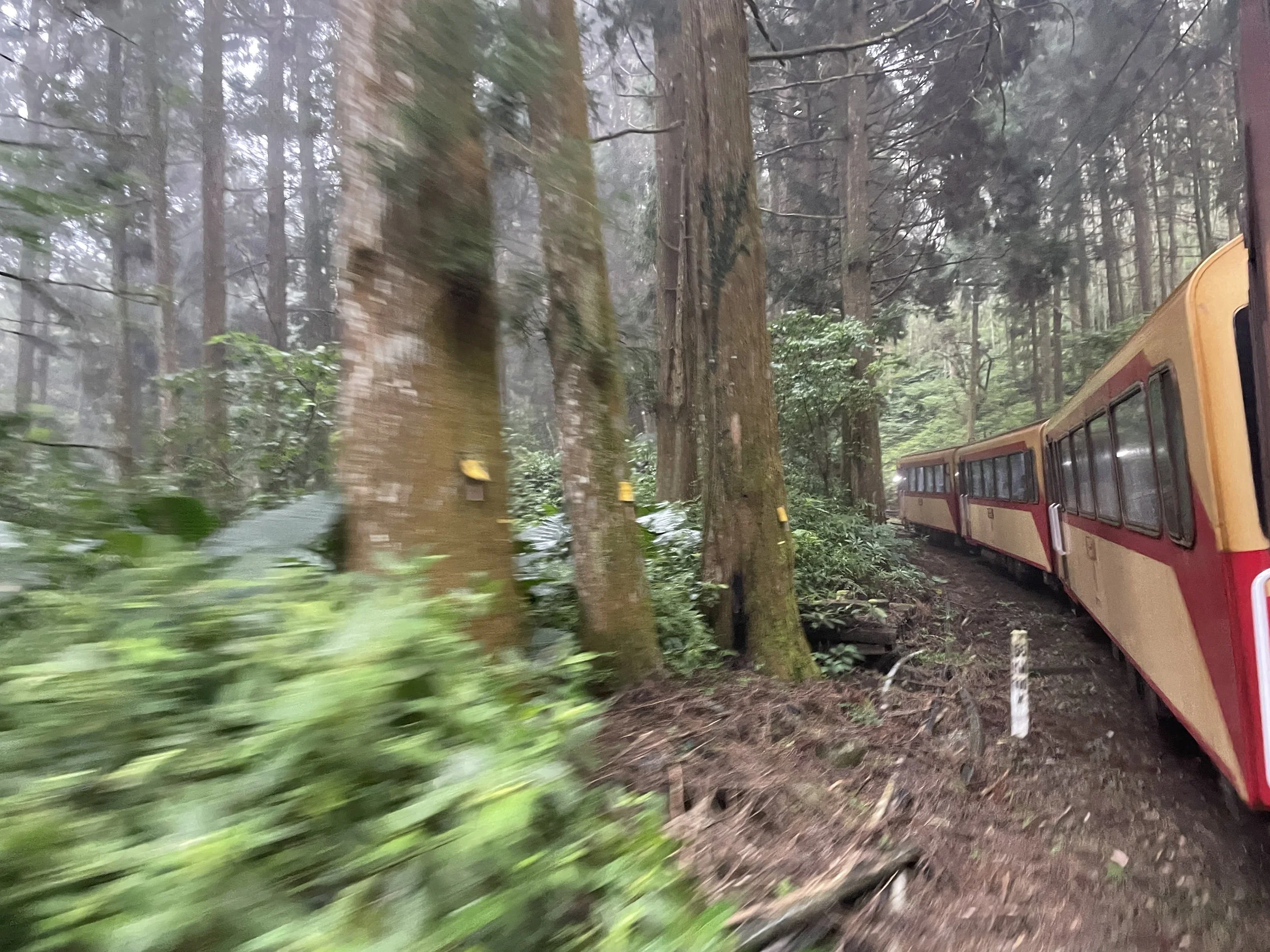
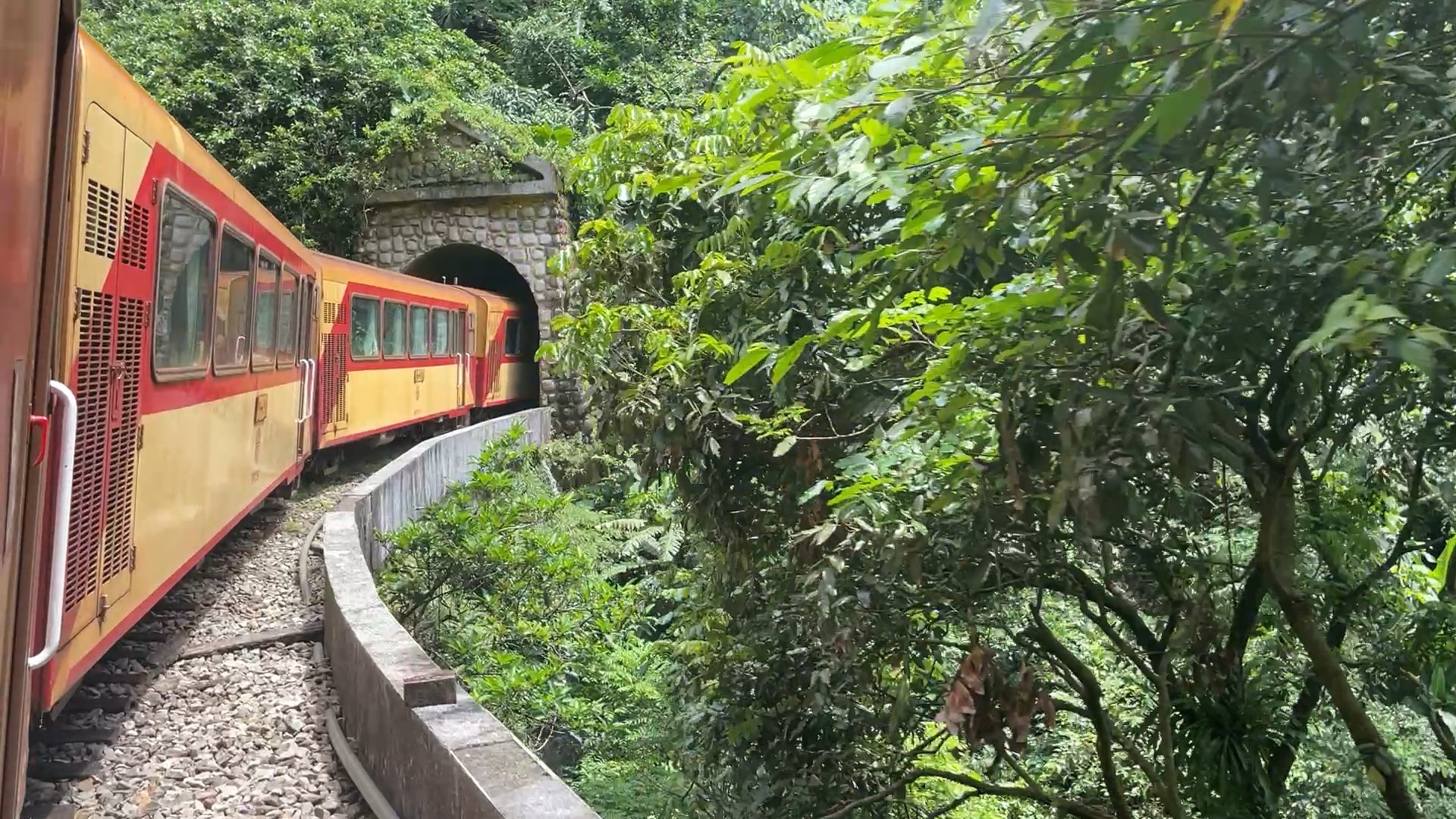
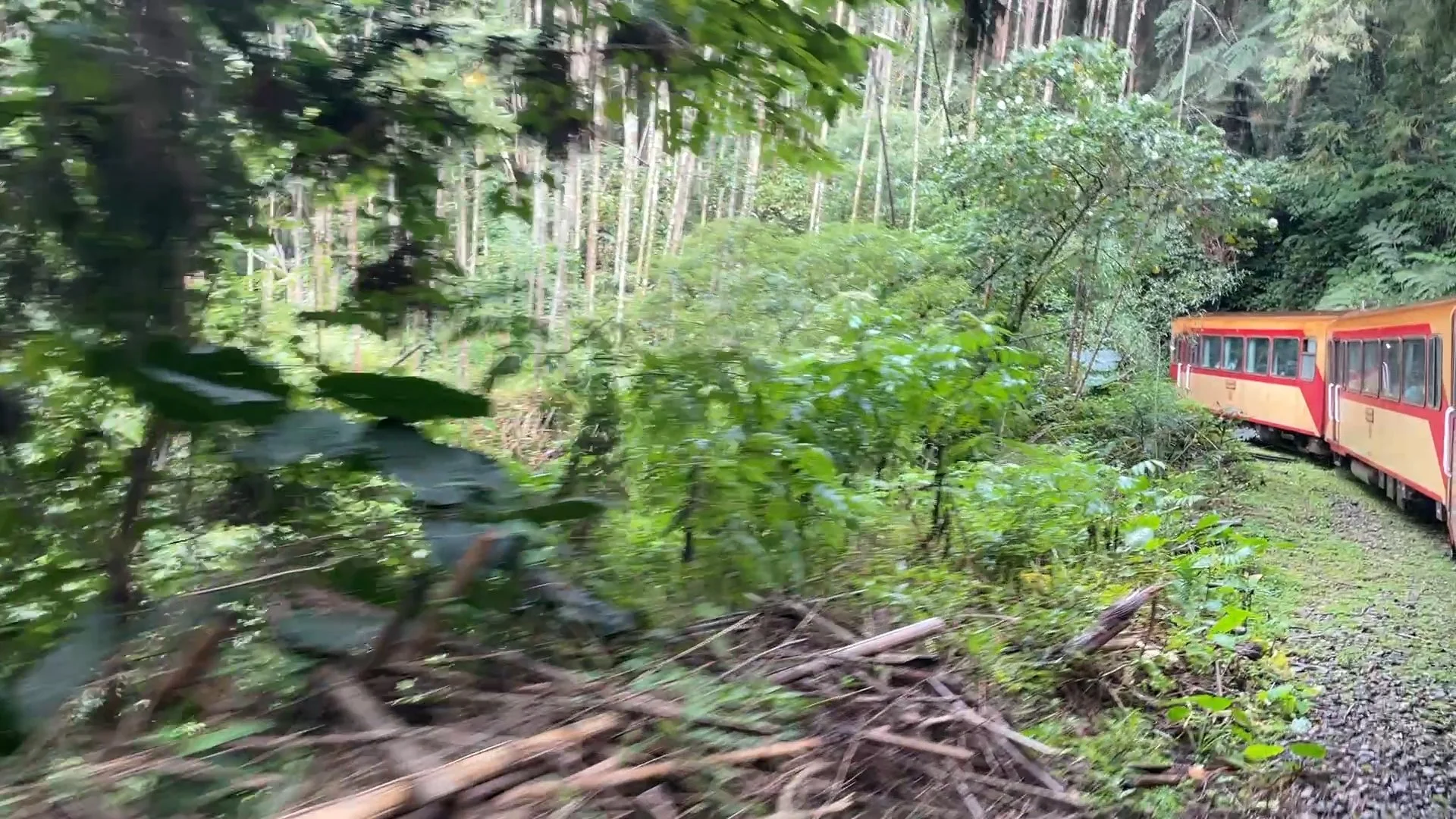
The Alishan Forest Railway is more than 100 years old, originally built by the Japanese during their occupation to haul lumber out of the Alishan mountains. The narrow-gauge line snakes through lush forests, over 40 tunnels and countless bridges. Along the way, the weather shifted constantly — hot and humid at first, then foggy, rainy, and always with the train swaying left and right as it climbed.
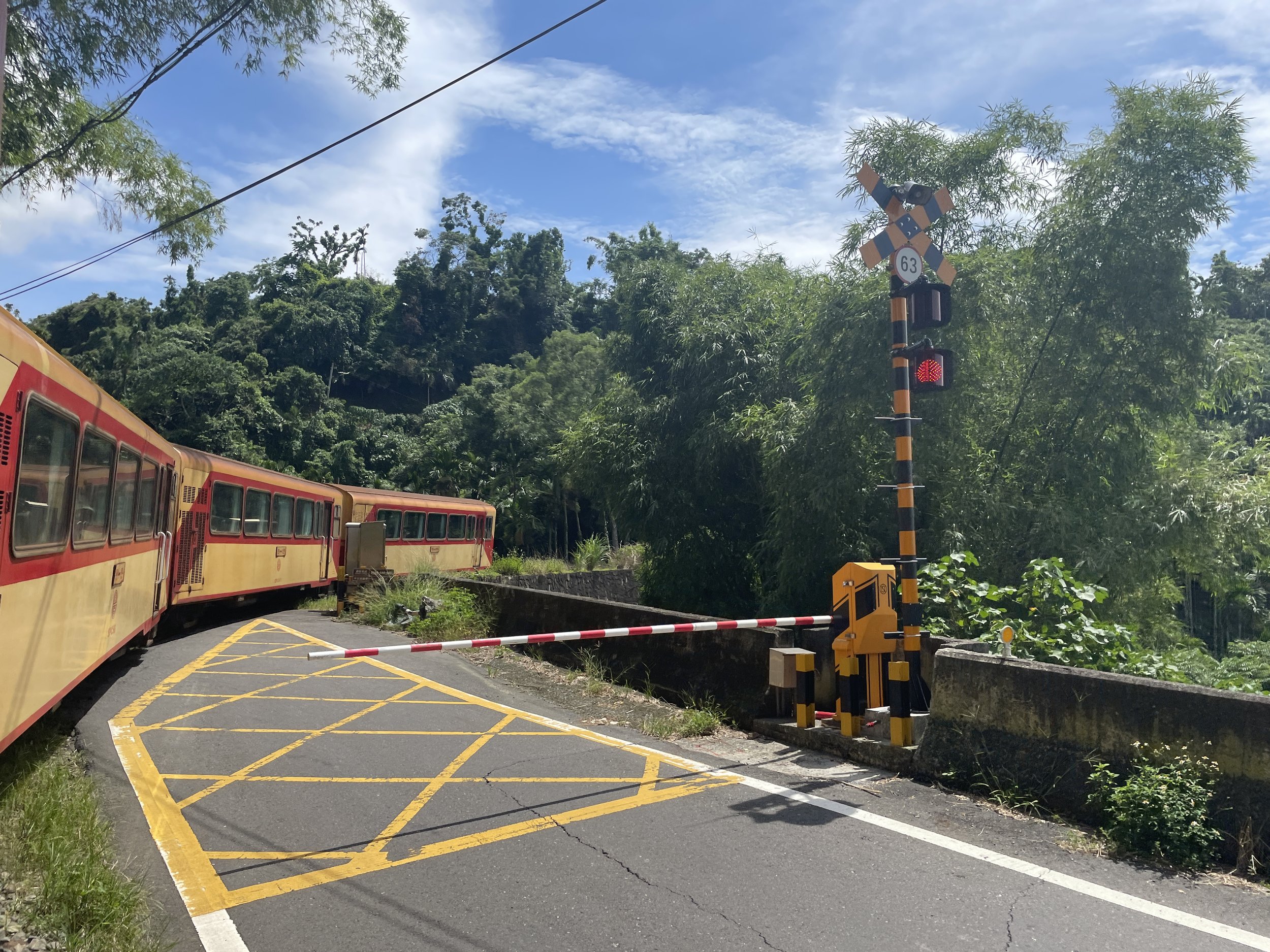
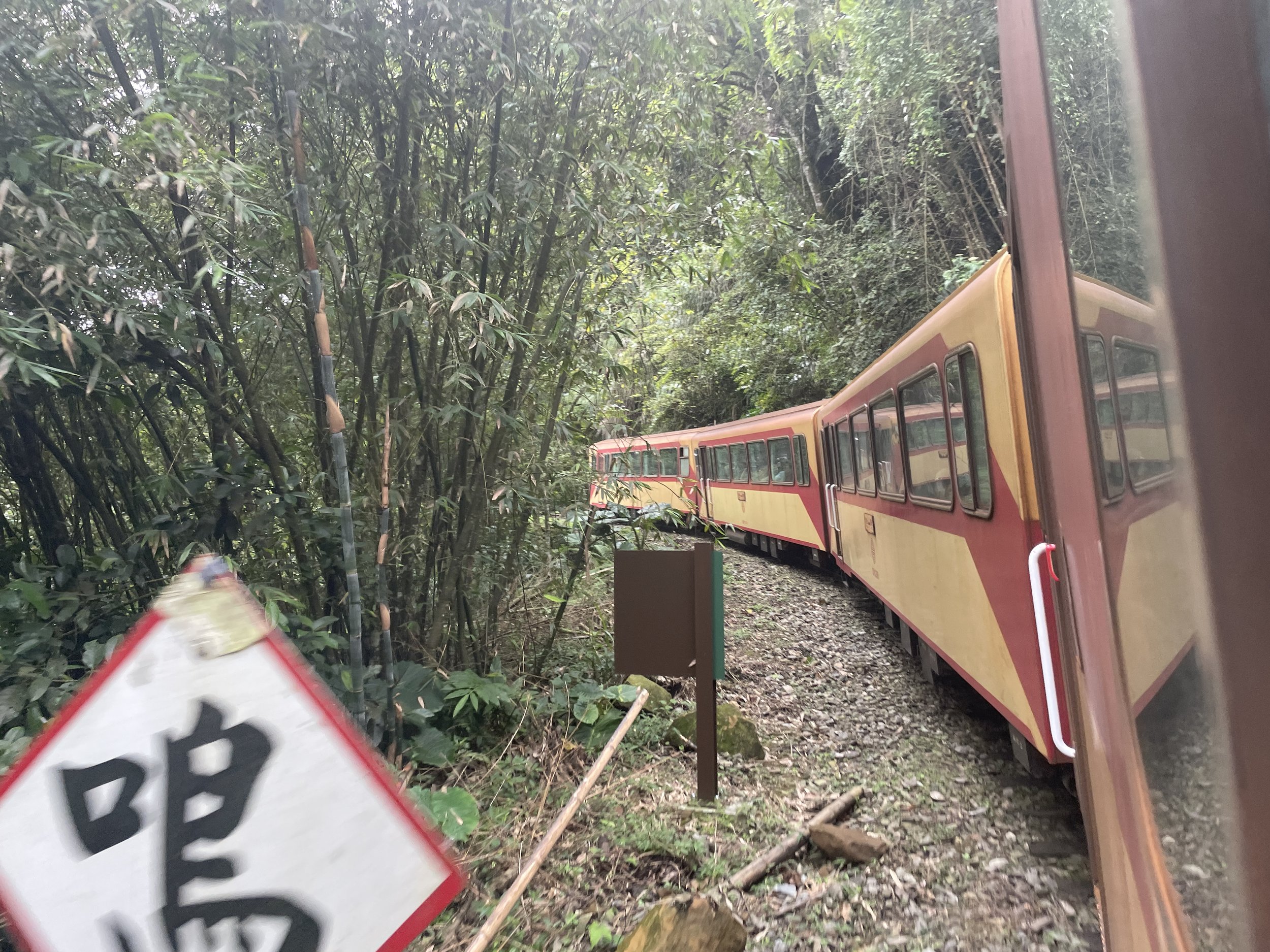
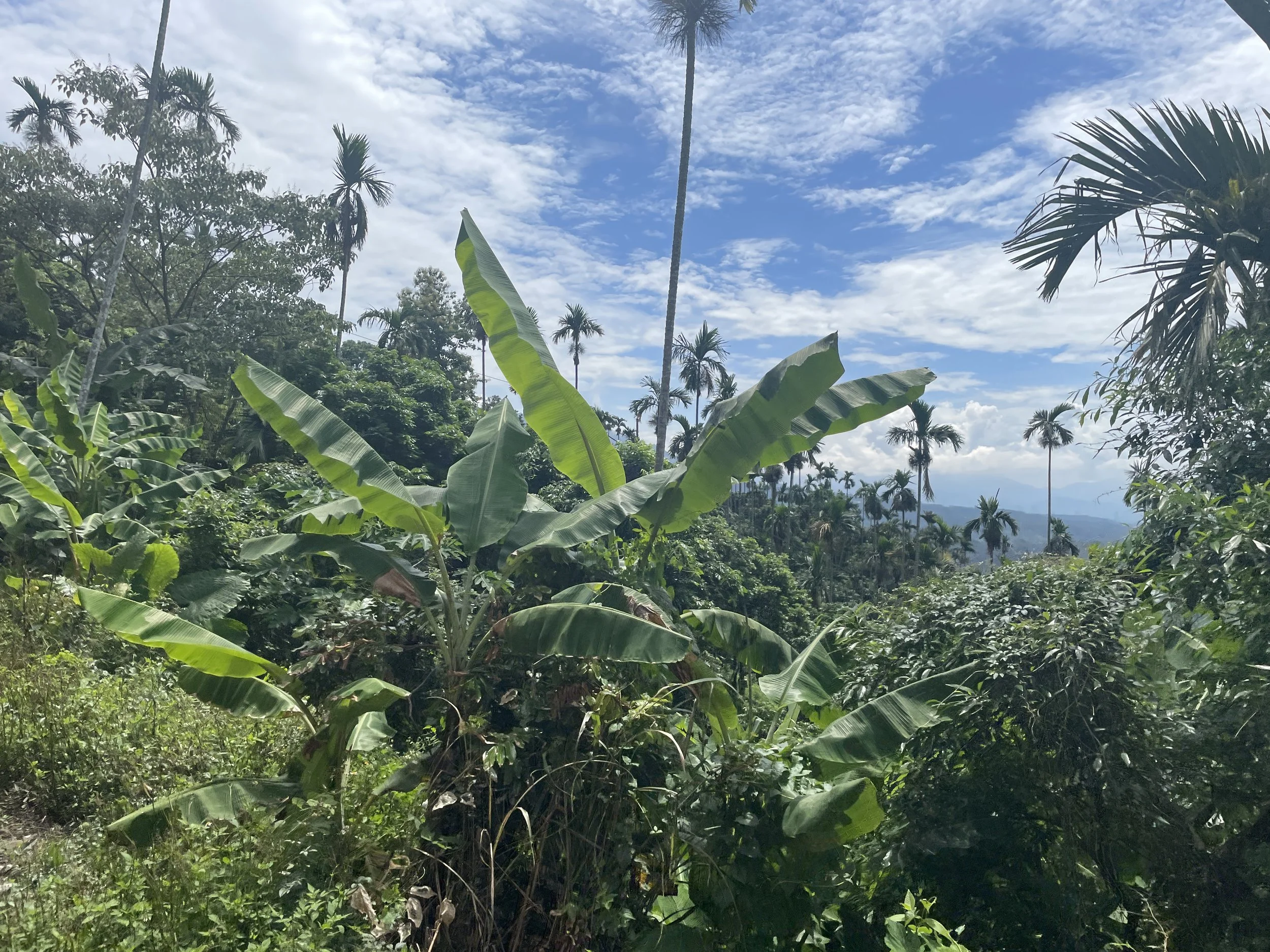
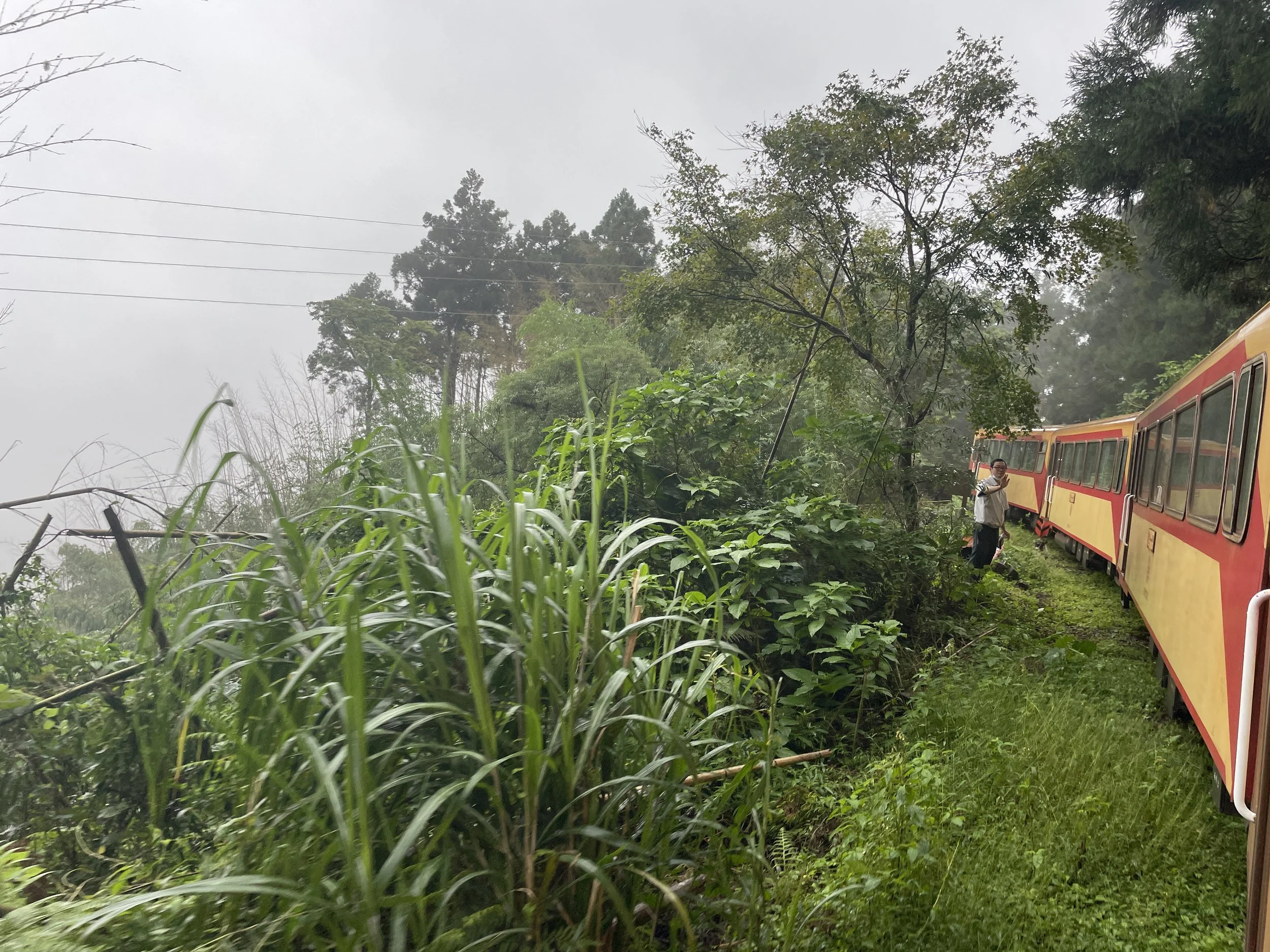
The train made a 30-minute stop at Fenqihu (奮起湖), shorter than the scheduled one hour. There we sampled the famous railway bento box before re-boarding. Despite the earlier delay, the train impressively pulled into Alishan Station on time.
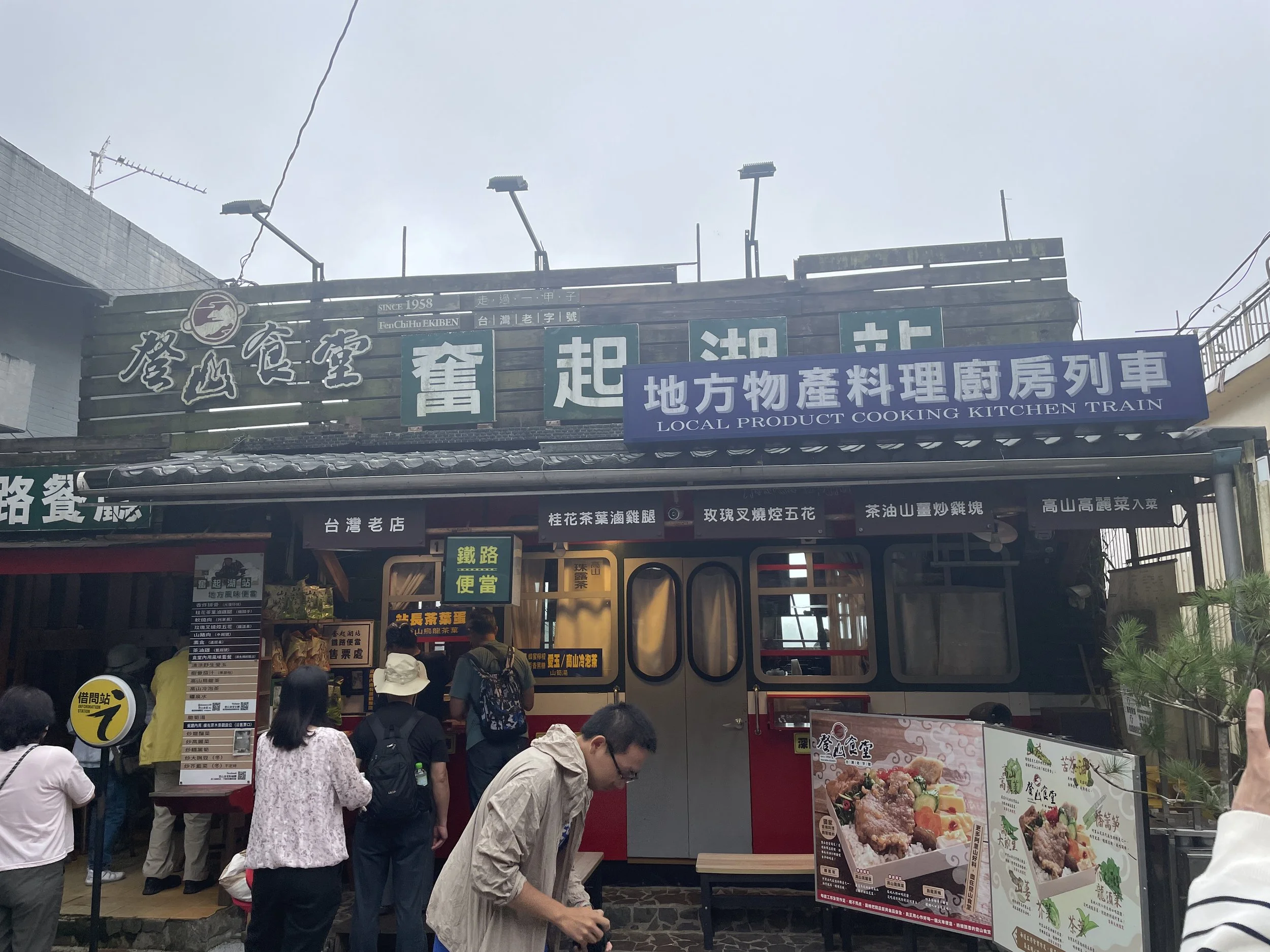
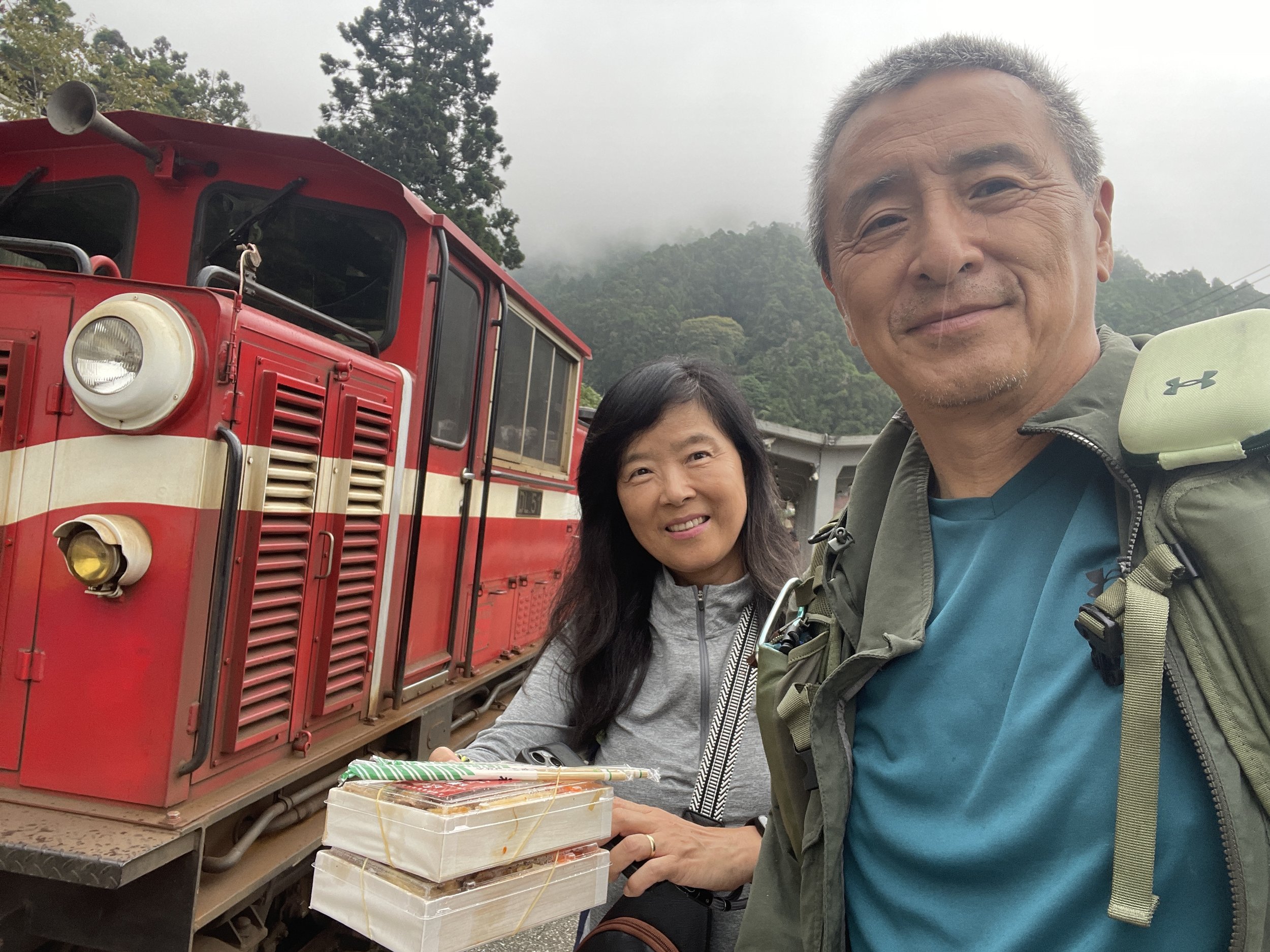
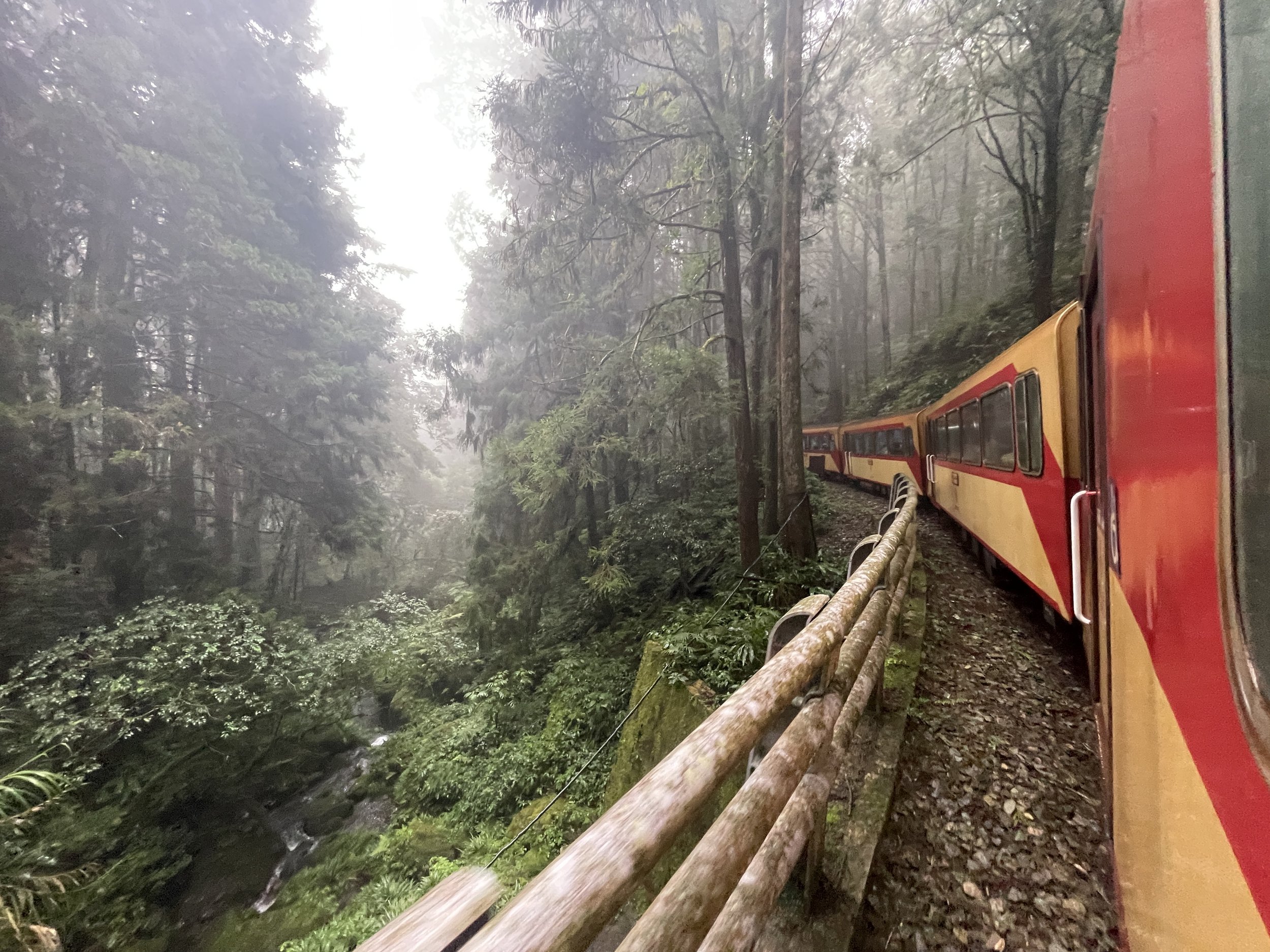
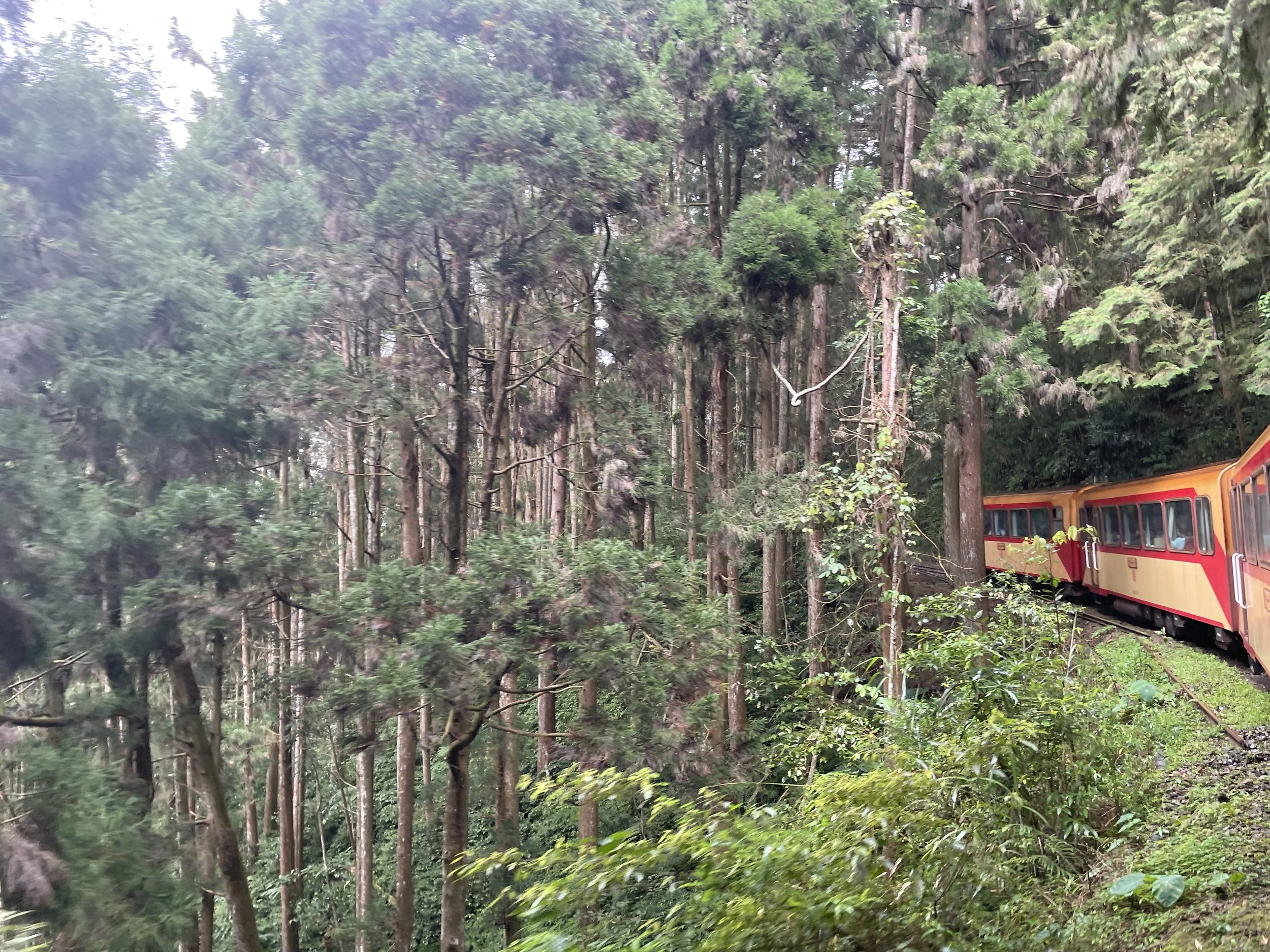
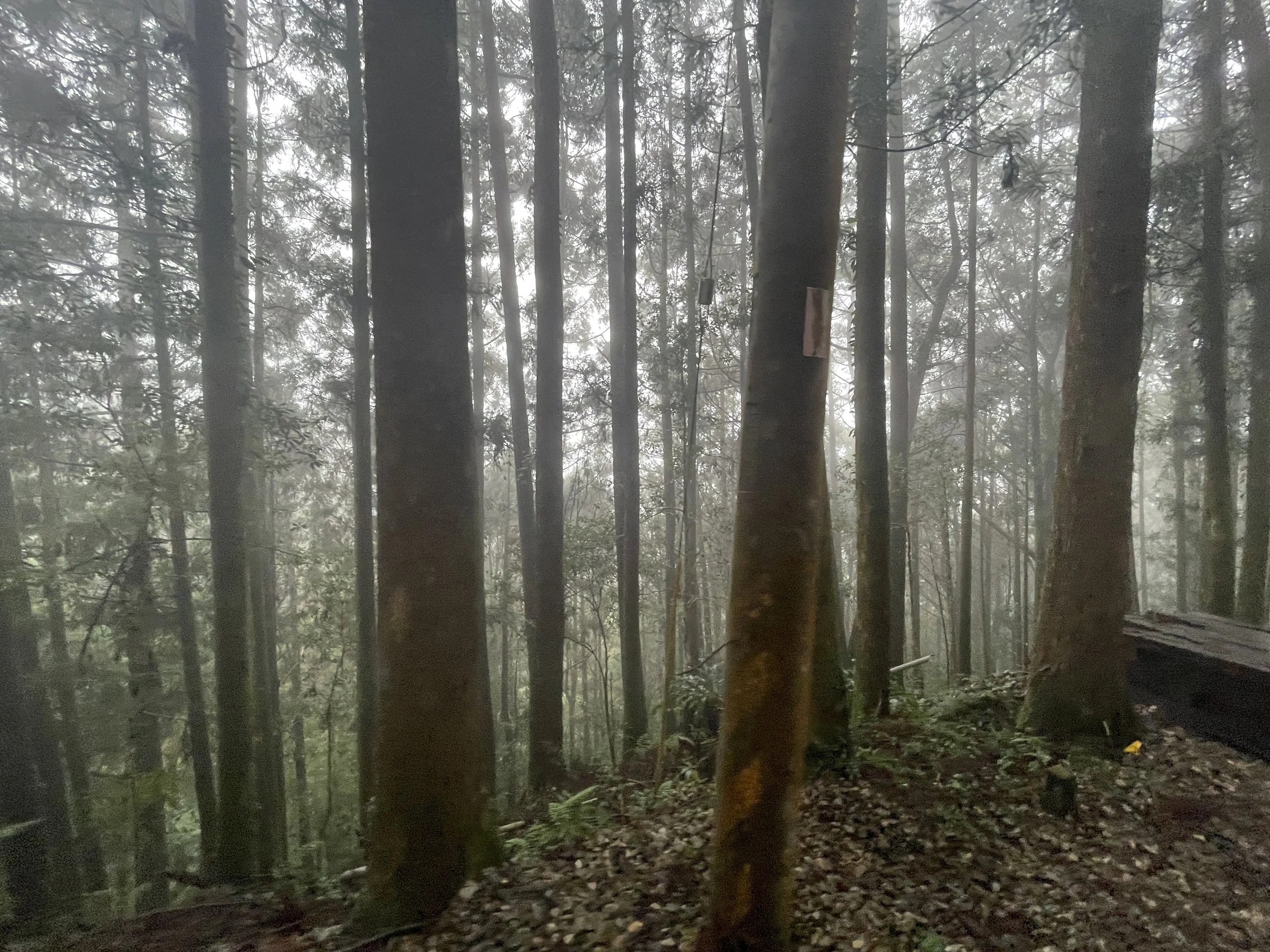
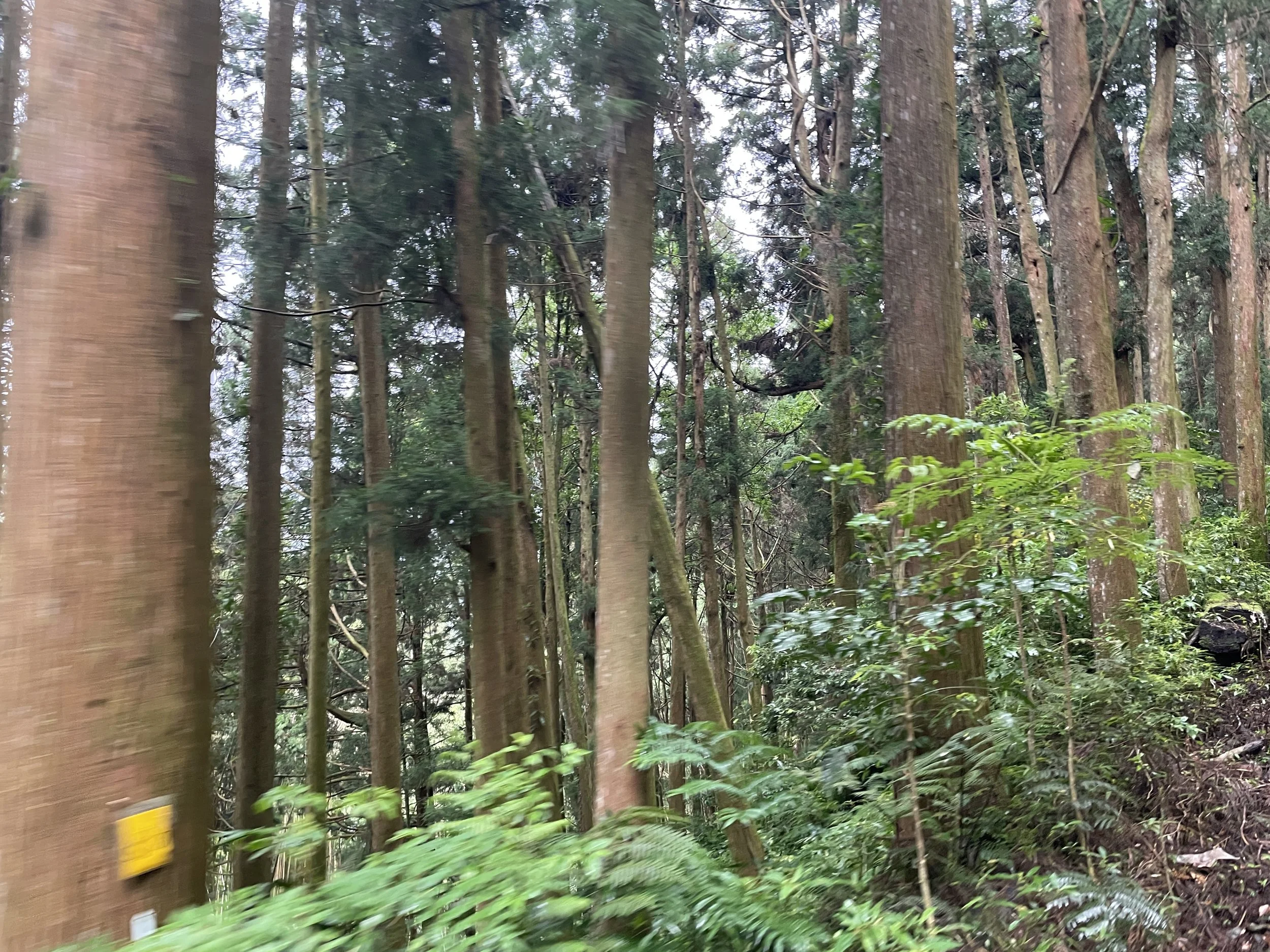
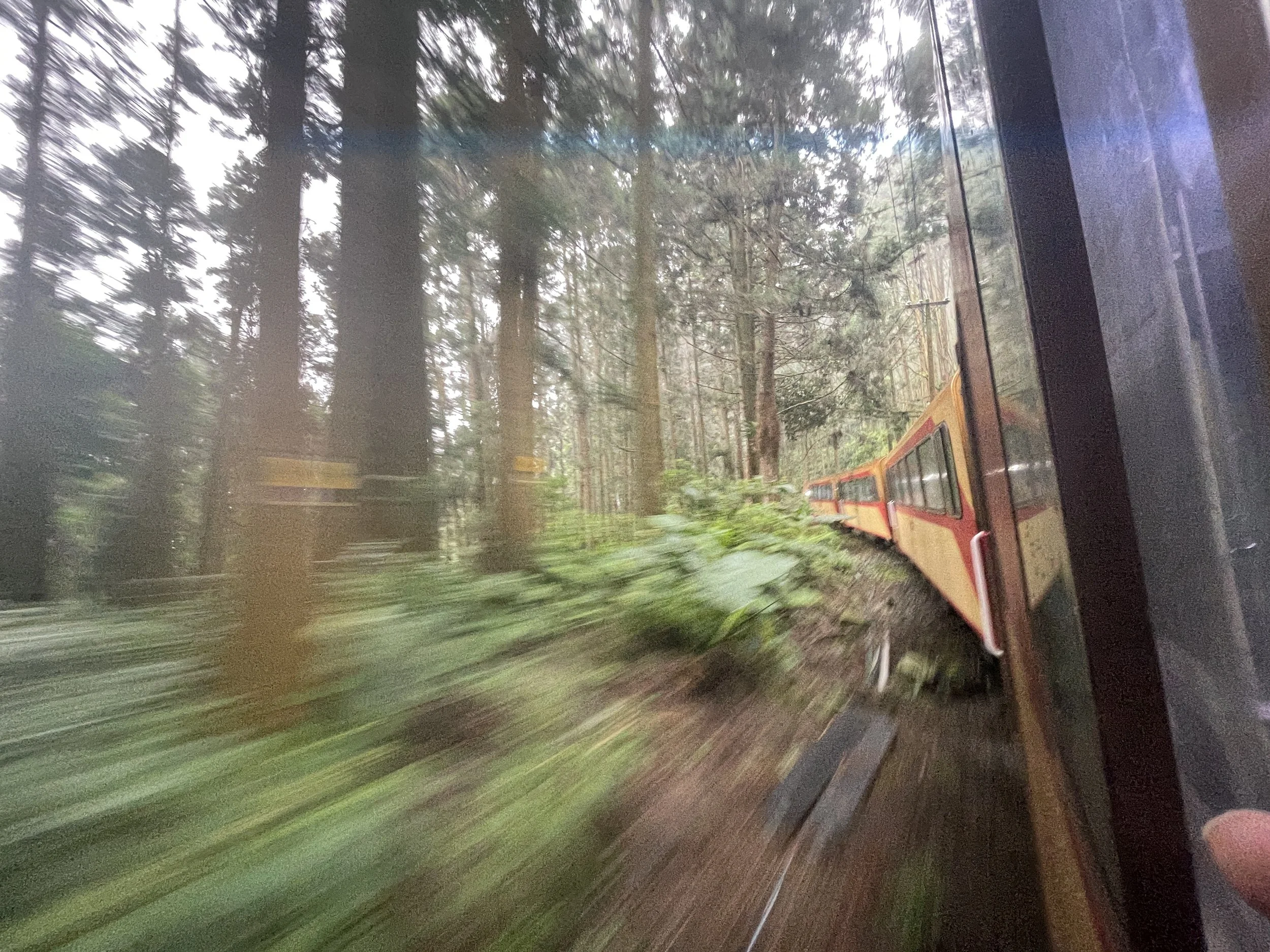
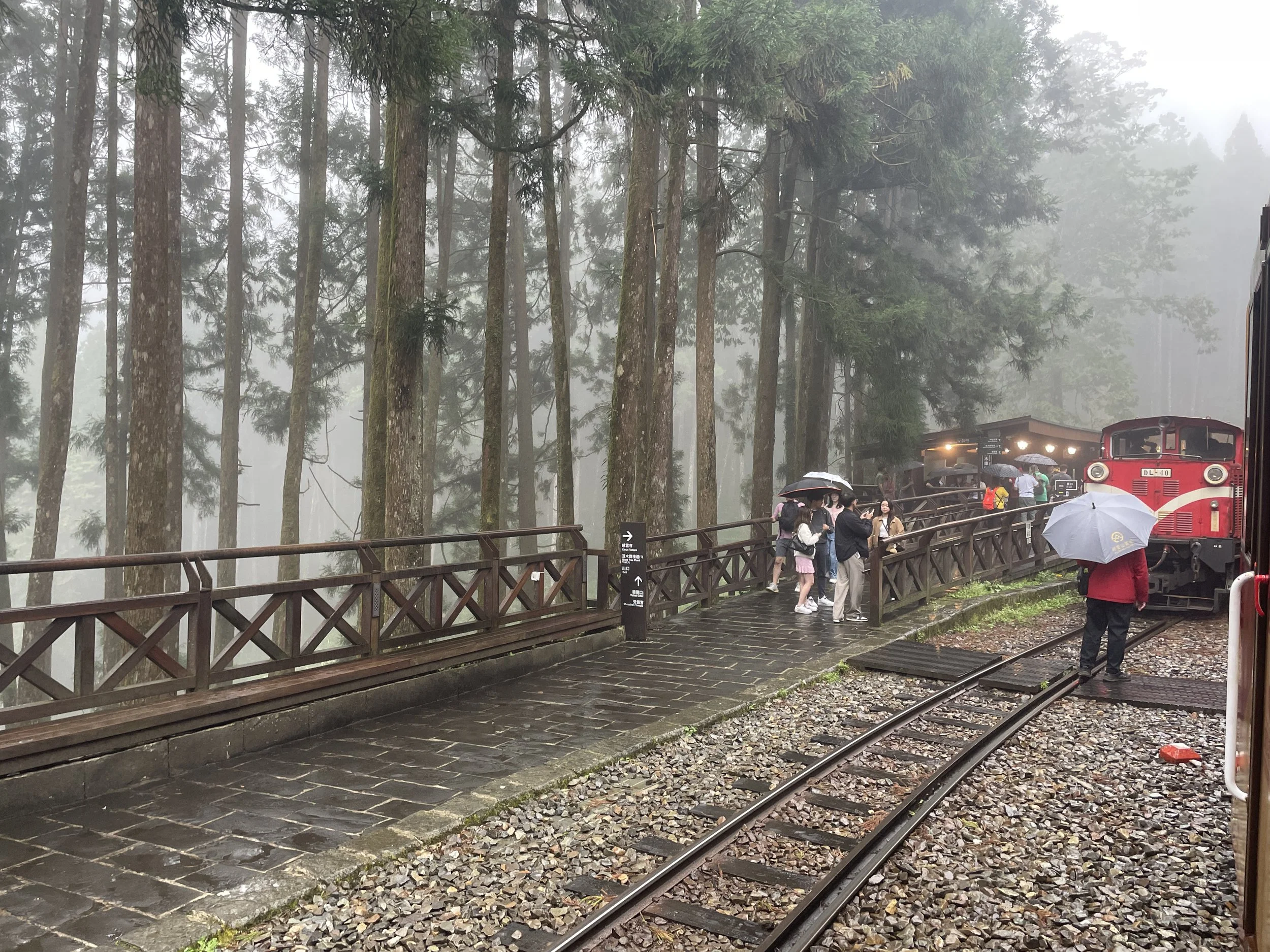
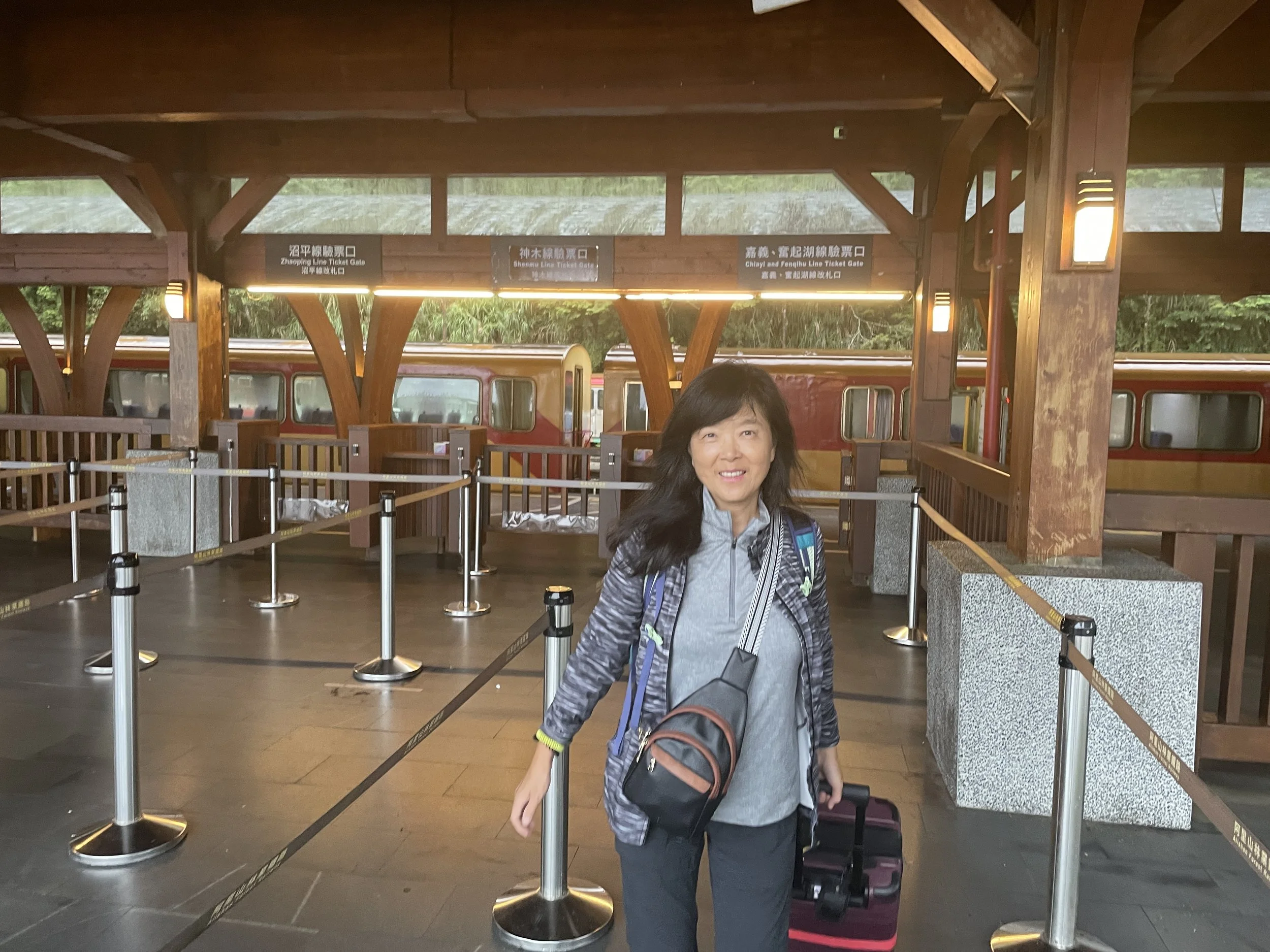
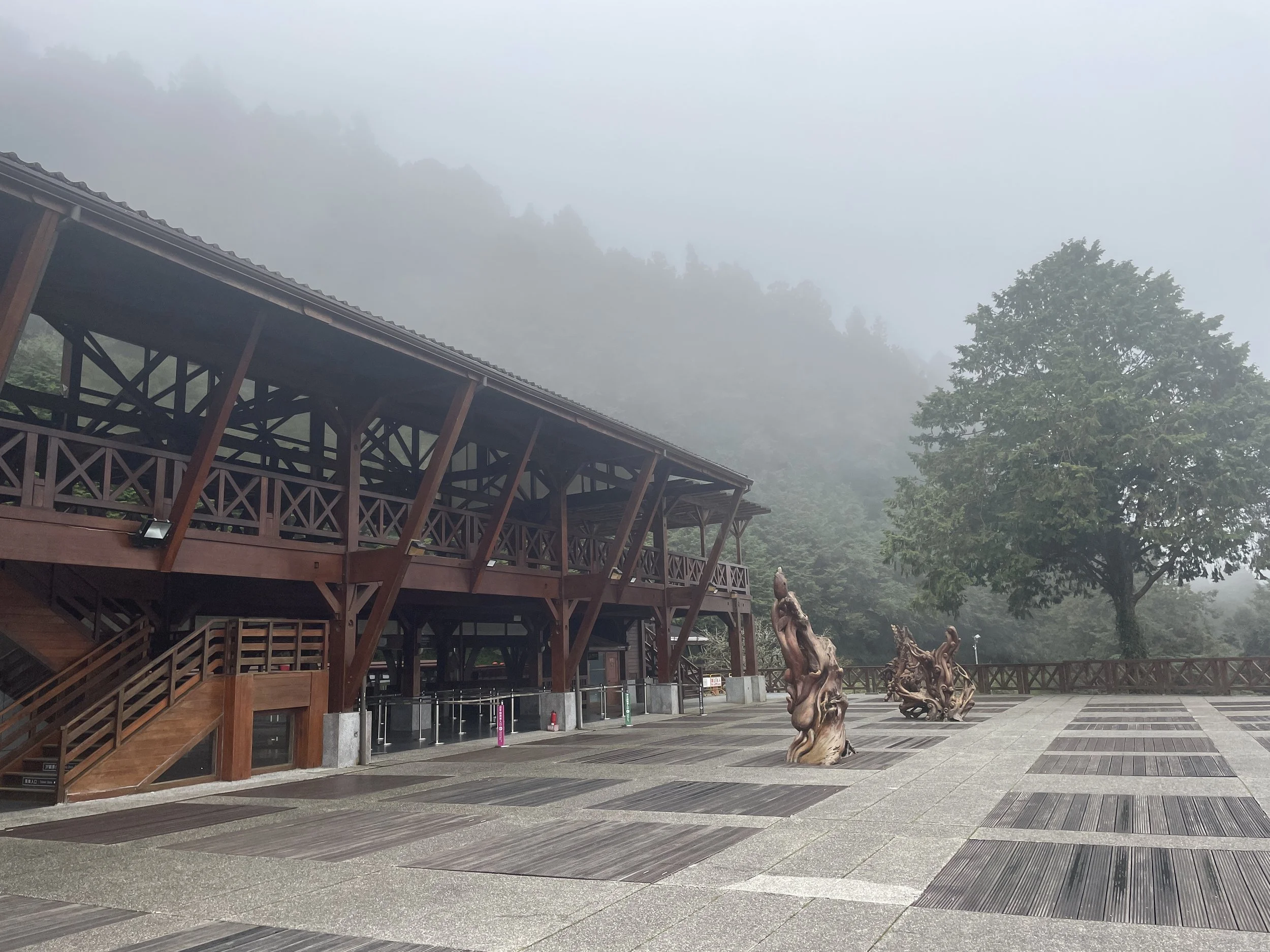
At the station, the hotel receptionist was waiting to pick us up, and just five minutes later we were settled into our room. The sky was overcast, but our excitement to see Alishan wasn’t dampened. We boarded the park shuttle (about $2 per person) to 沼口车站. As soon as we got off the bus, however, the rain poured down. Luckily, we could wait inside a covered rest area.
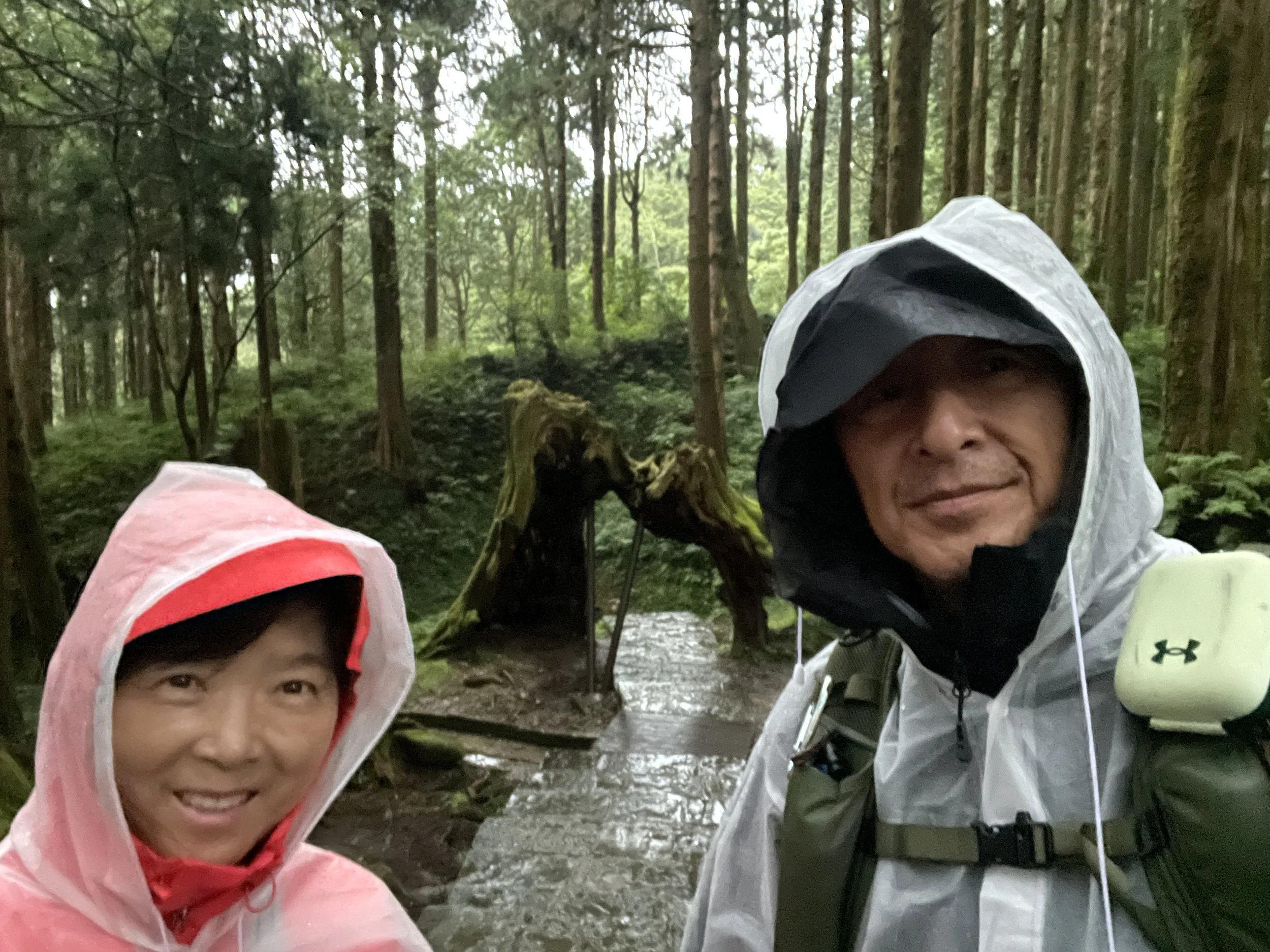
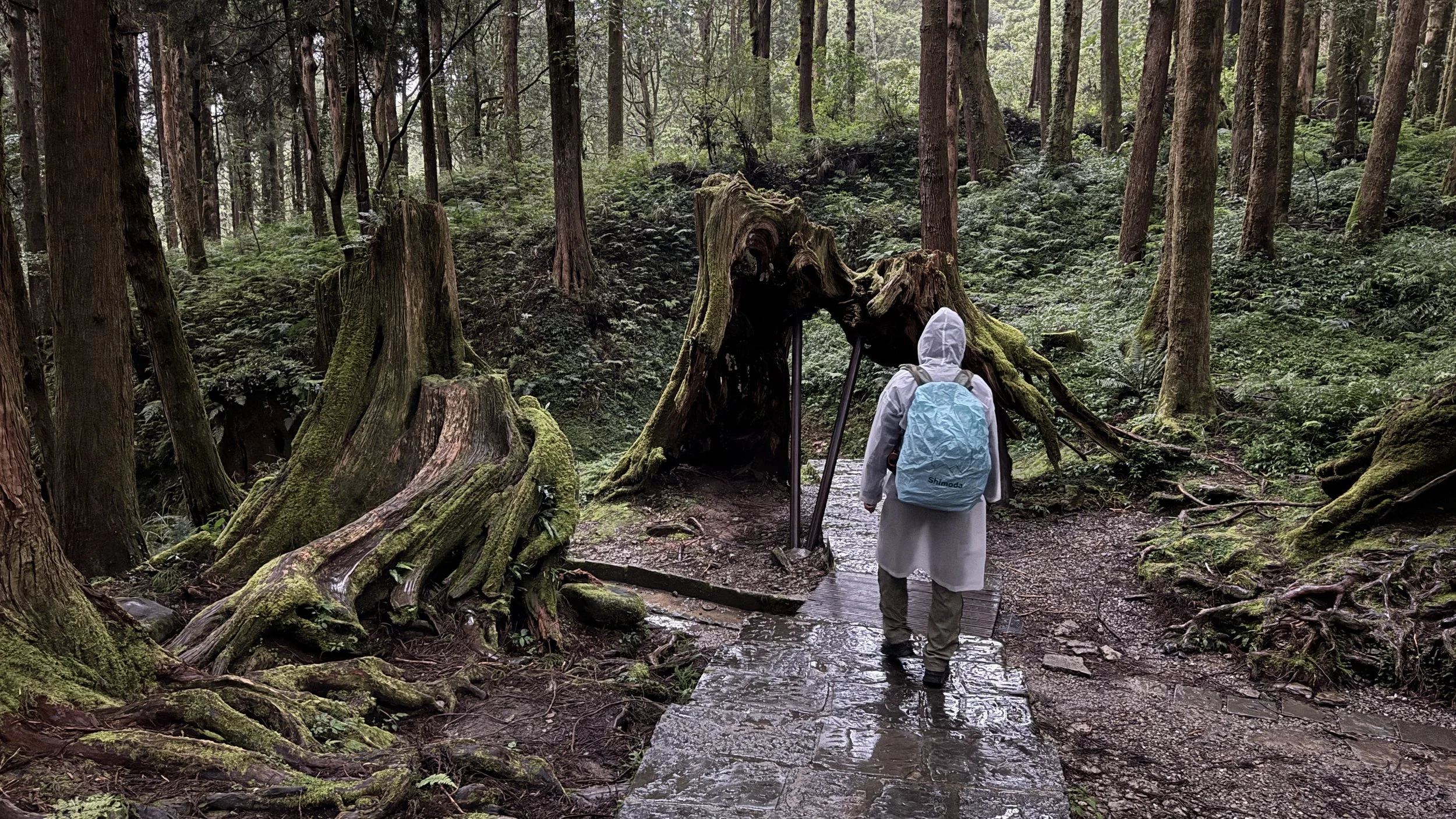
When the sky finally grew dim and the rain eased a little, we decided we couldn’t wait any longer. We headed down the trail toward the Sisters Ponds (姊妹潭). Unfortunately, it wasn’t much fun walking through the dark forest, even on the man-made paths. Soon the rainfall picked up again, and when we spotted a shuttle waiting for a tour group, we abandoned the hike and hopped on board back to the town.
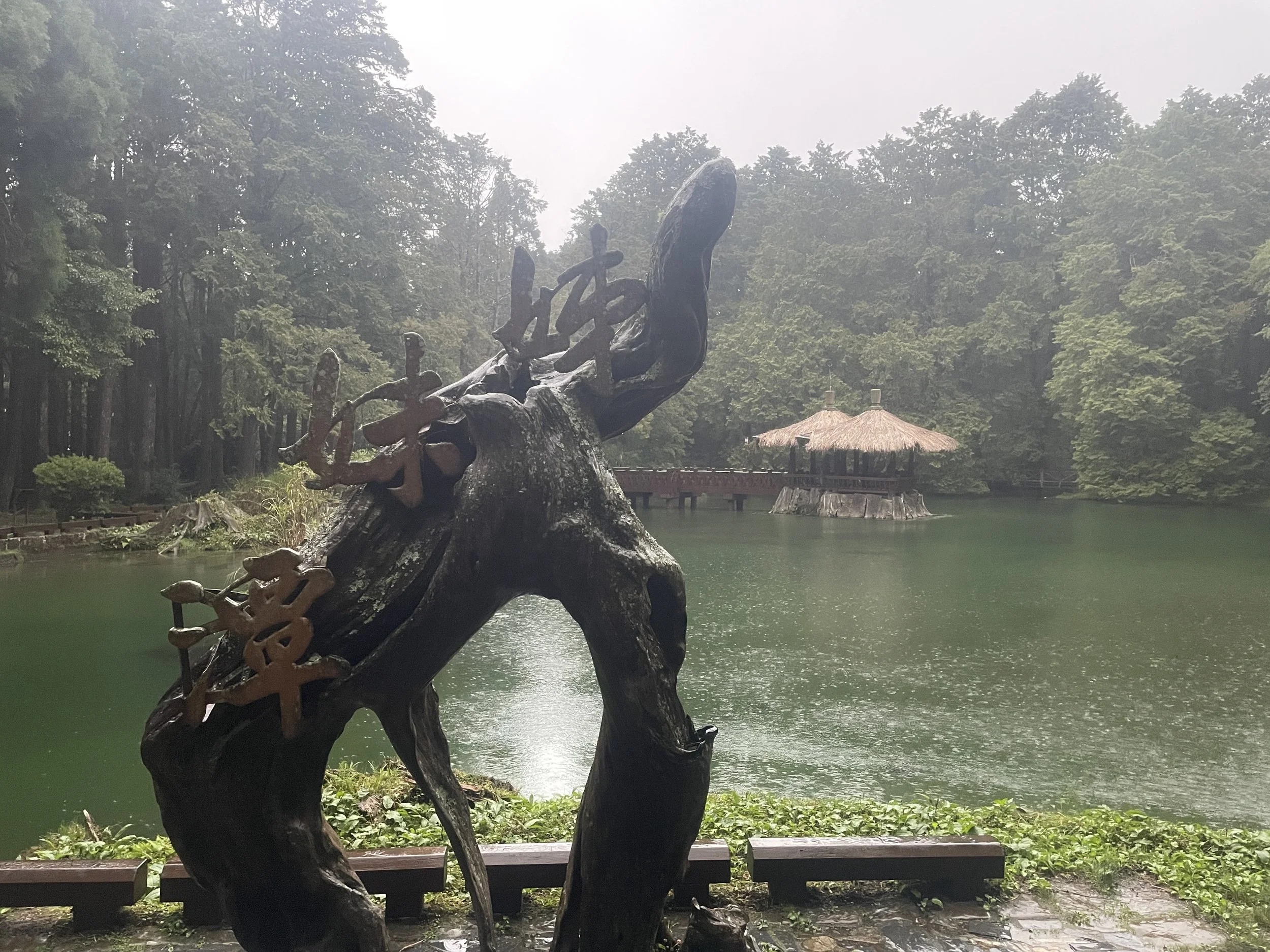
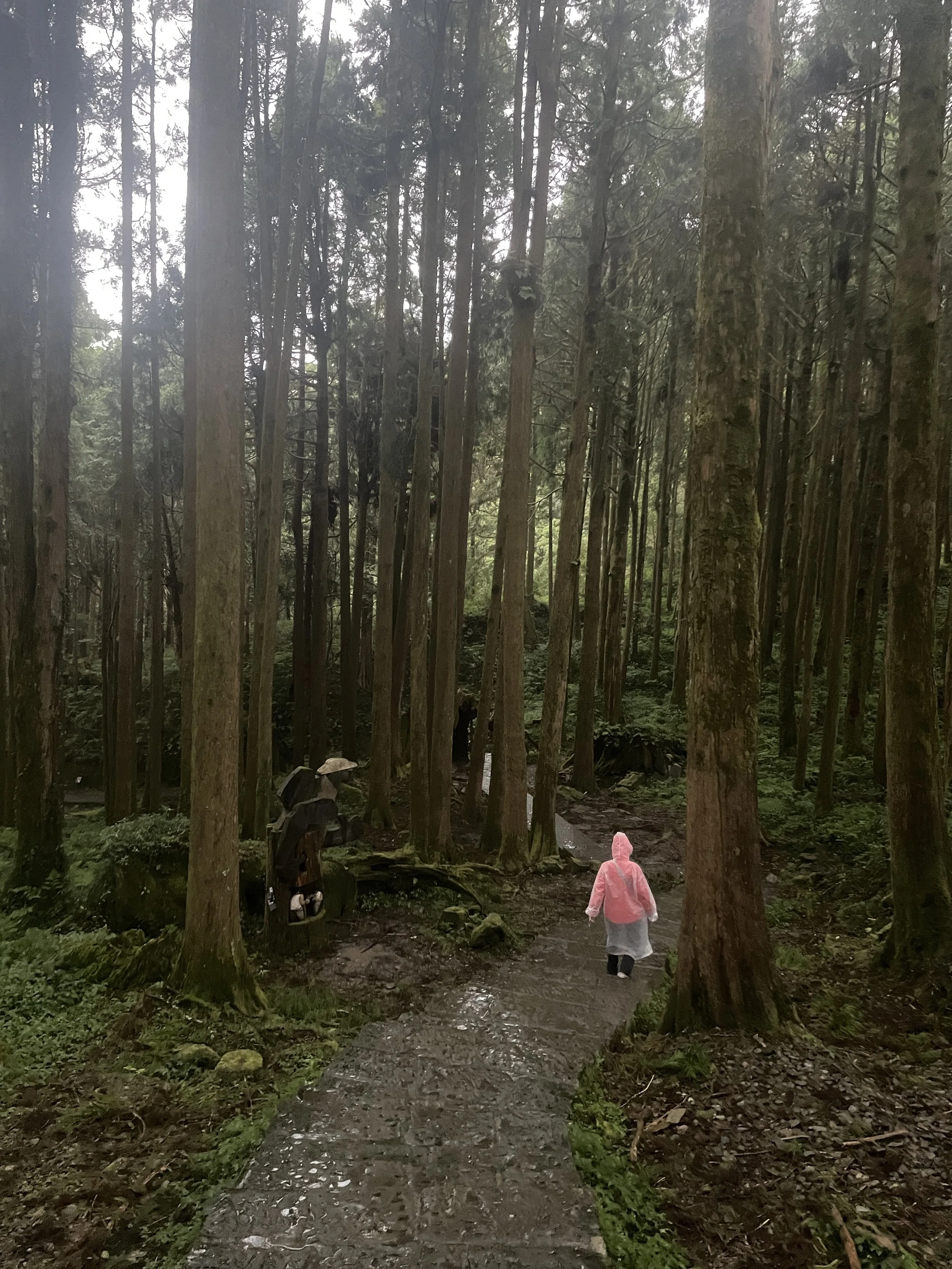
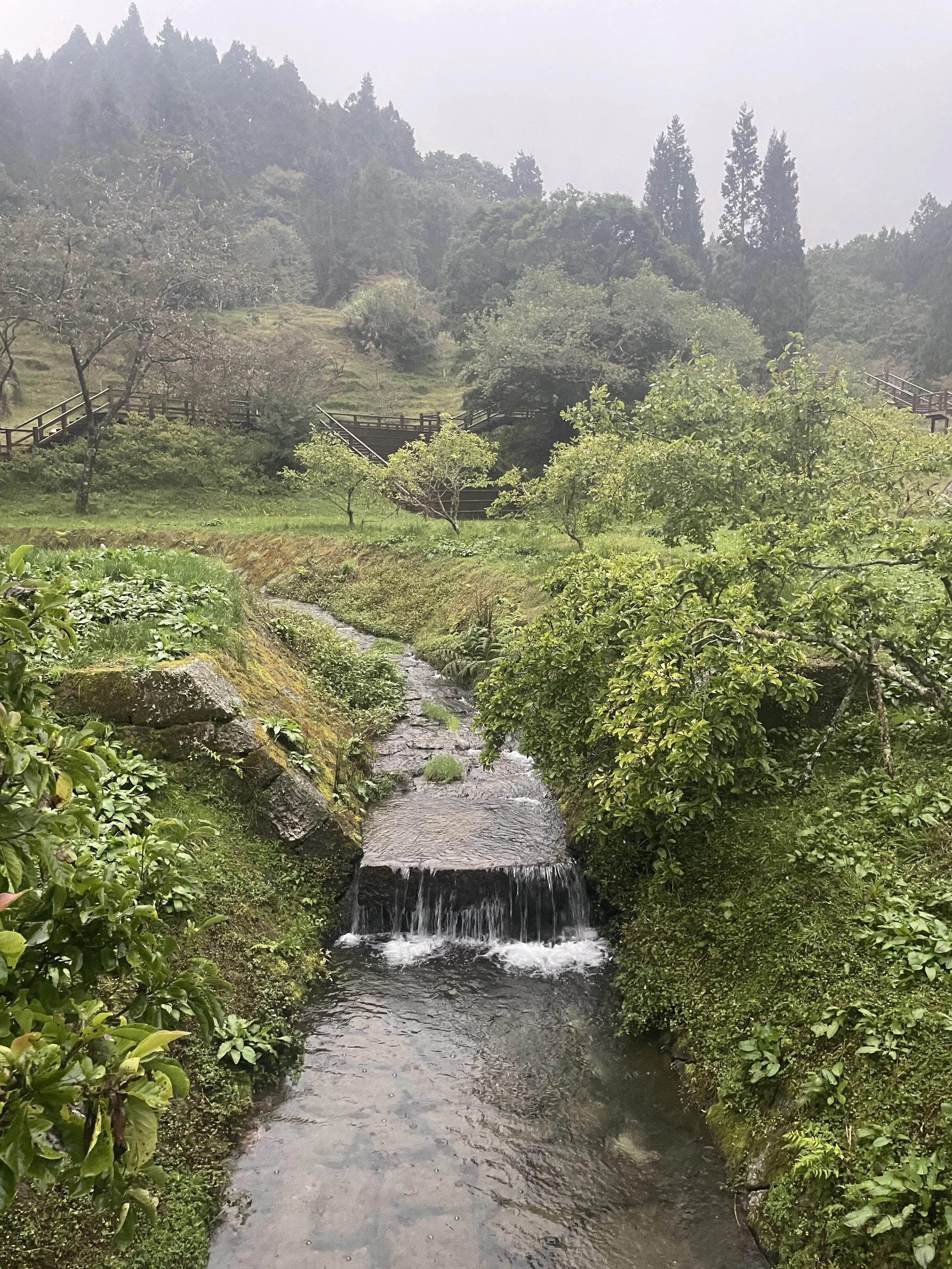
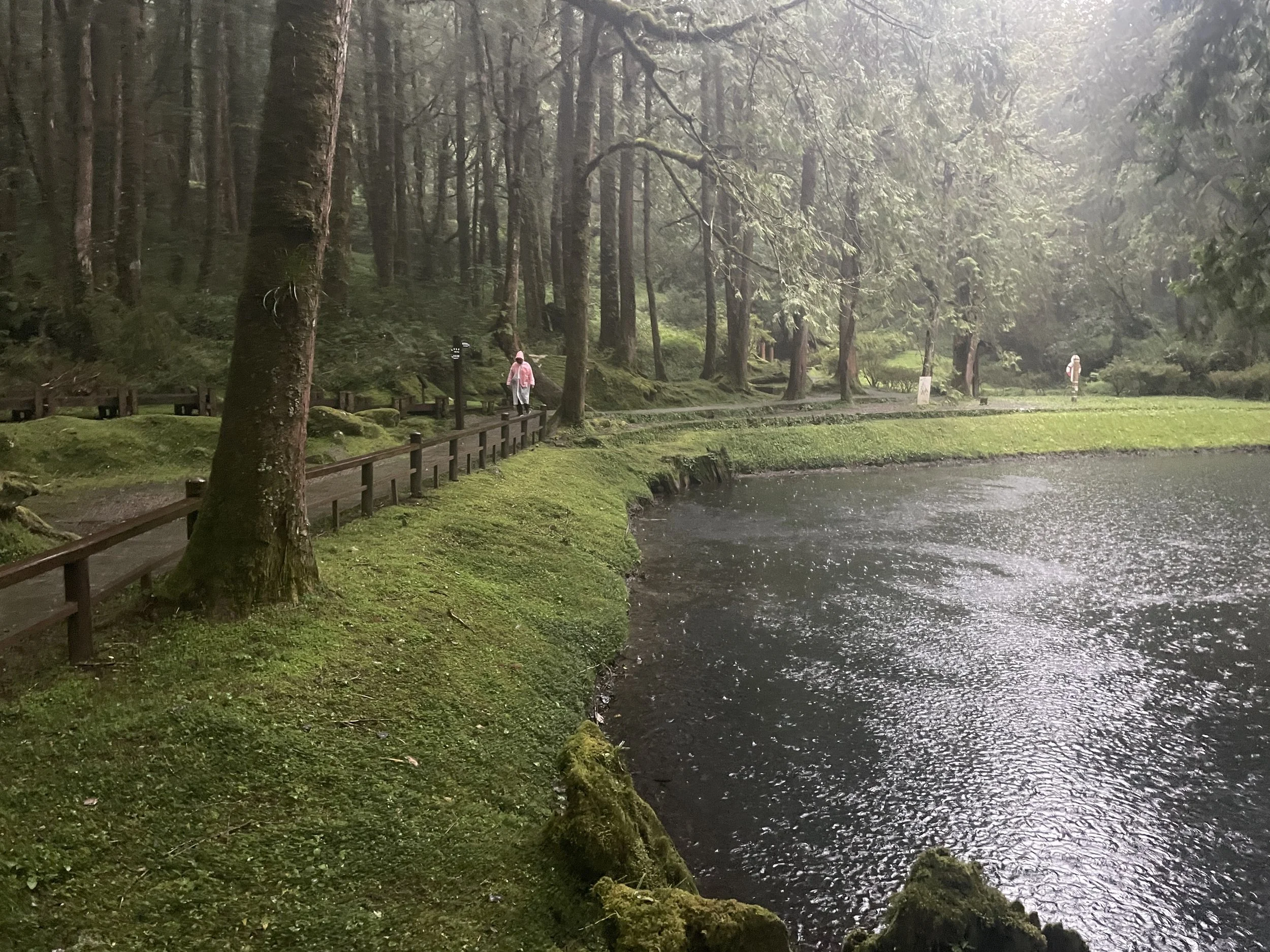
The center of the Alishan tourist area turned out to be small and outdated. Few restaurants were open for dinner, and the one we chose served only mediocre food with cash-only payment and service that was even less appealing.
The rest of the evening was spent drying our shoes and hoping the weather would be kinder to us the next day.
2025年9月19日
早餐后,我们叫了Uber 前往嘉义火车站,搭乘上午十点的阿里山森林小火车。这趟从海拔 30 米一路攀升到 2300 米的近五小时车程,票价约 25 美元,还包含阿里山国家森林游乐区的门票。
小火车一票难求,之前为买票我们花了不少精力。而令我们非常意外的是,全车共有四节小车厢,其他三节都基本满座,唯独我们这节空荡荡的,整节车厢只有我们两位乘客。记得昨天早上抢票时没几分钟就说全部售磬了,也许铁路公司刻意保留了几个座位不出售吧。
列车准时发车,但刚开出约45分钟后就突然停下。工作人员通知我们,后方的动力机组需要更换。经过半个多小时的等待,列车才再次启动,继续缓缓爬升。这真是出乎意料的插曲。
阿里山森林铁路已有百年历史,由日本殖民时期所建,用于运送阿里山的木材。窄轨小火车蜿蜒穿梭在郁郁葱葱的森林之中,沿途经过40多条隧道和无数座桥梁。天气也在不断变化——一会儿闷热潮湿,一会儿起雾或下雨,而列车始终在左右摇晃中艰难爬坡。
途中列车在奋起湖停靠,本应有一小时在那里休息逛老街,却只停了半小时。我们抓紧时间品尝了著名的铁路便当。虽然旅程一开始有延误,但列车最后还是准点抵达阿里山车站,令人惊讶。
到站后,旅馆的接待人员已在等候。五分钟车程后,我们便入住了。天空依旧阴沉,但我们游园的兴致不减,立刻搭乘园区接驳车(每人新台币 60 元)前往 沼口车站。没想到刚一下车,雨就倾盆而下,好在附近有遮蔽的休息区可以暂避。
天色渐暗,雨势稍缓,我们不愿再等,便冒雨走上通往姐妹潭的步道。黑黝黝的森林里行走并没有太多乐趣,哪怕是人工修建的木栈道也有积水。很快雨又大了起来,雨衣防水鞋都不管用。正巧看到一辆接送旅行团的接驳车,我们便果断跳上车,结束行程,返回小镇。
阿里山游客中心一带的商业区并不大,略显陈旧。晚餐选择很有限,最后随便找了一家网上评论还算好的餐馆点了三道菜,不仅只能付现金,味道非常一般,服务更是糟糕。
当晚的主题,就是努力把湿透的鞋子烘干,并期待第二天会有更好的天气。
Chiayi 嘉义
September 17-18, 2025
Just a few days after returning from South America,……
刚从南美回来没几天,。。。
September 17-18, 2025
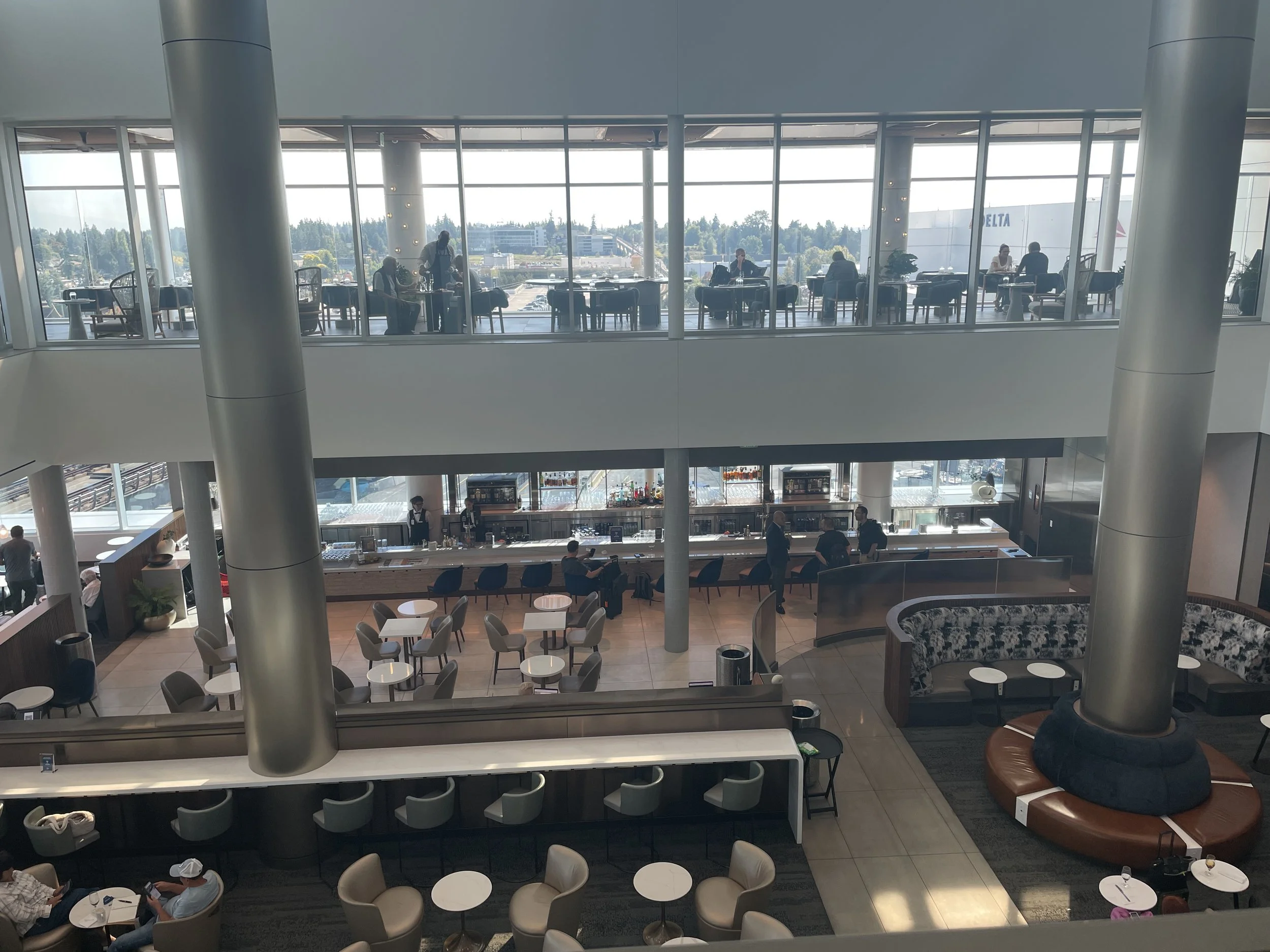
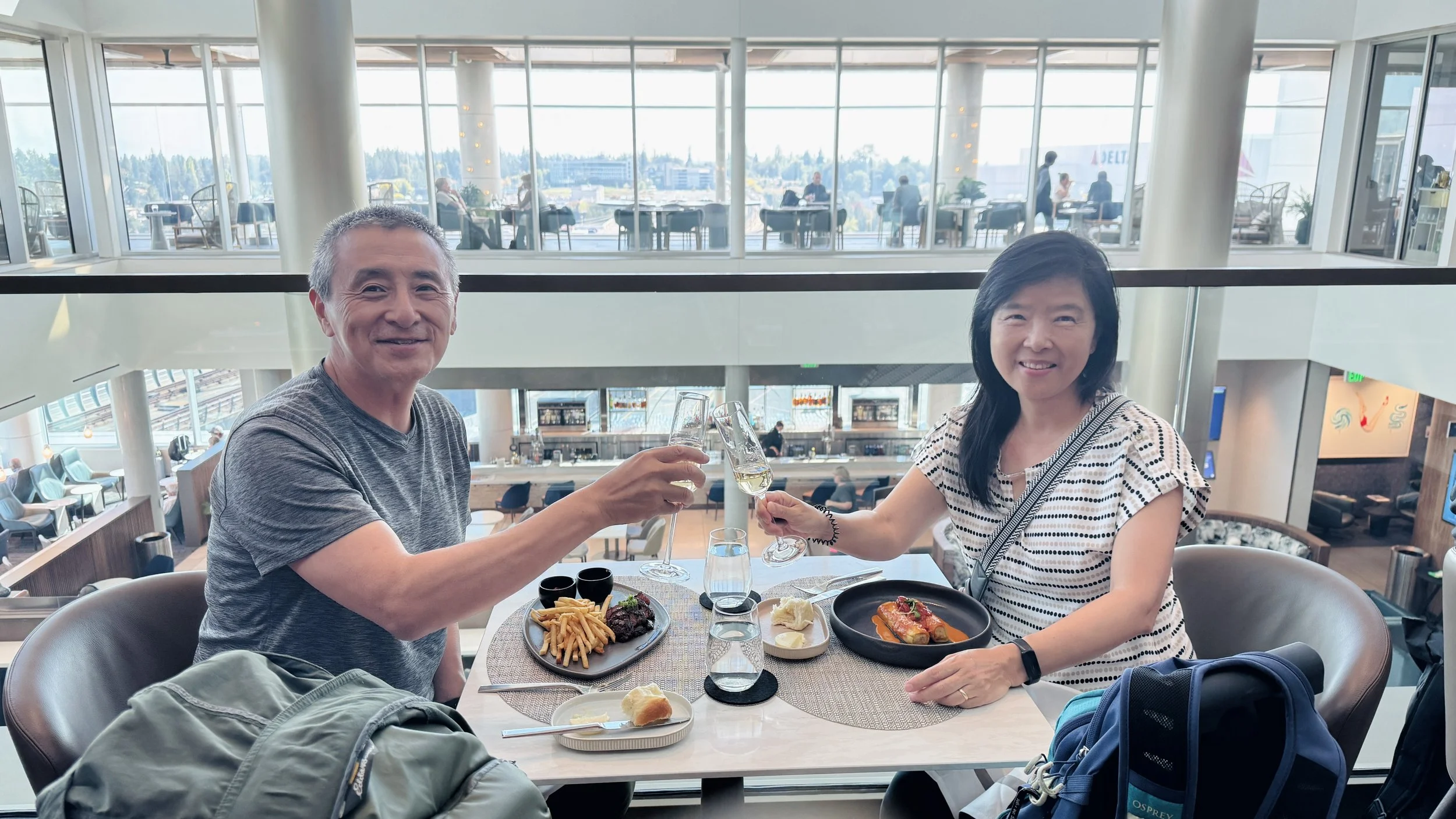
Just a few days after returning from South America, we boarded a Delta flight once again to travel back home to visit our aging parents. During our layover in Seattle, we stopped by the Delta One Lounge, a business-class lounge that Delta opened about two months ago. There are only four of these lounges in the entire United States. Over the years, we’ve traveled all over the world and visited countless airport lounges, but this time the Delta One Lounge truly stood out—both the service and the food offerings were top-notch.
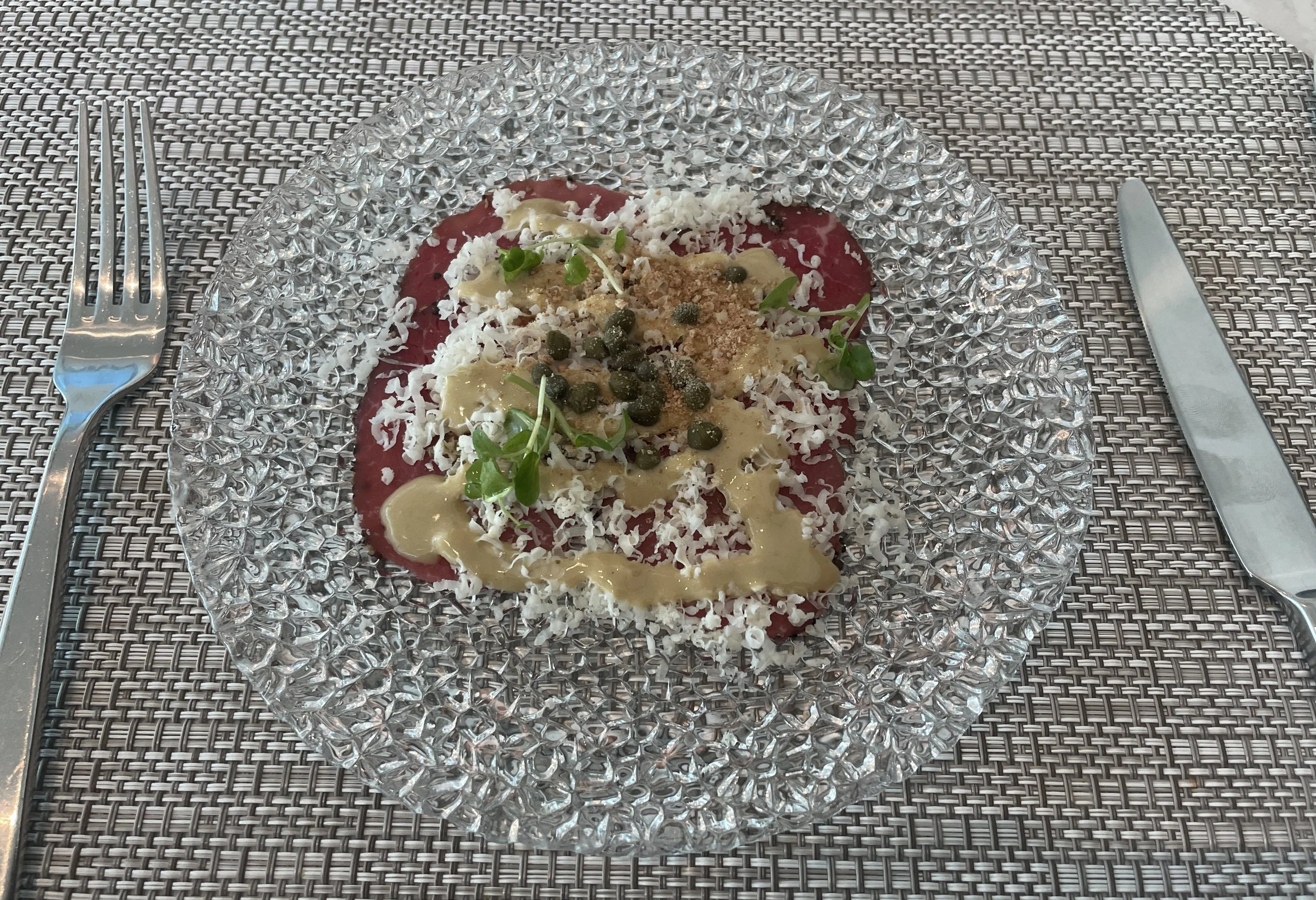
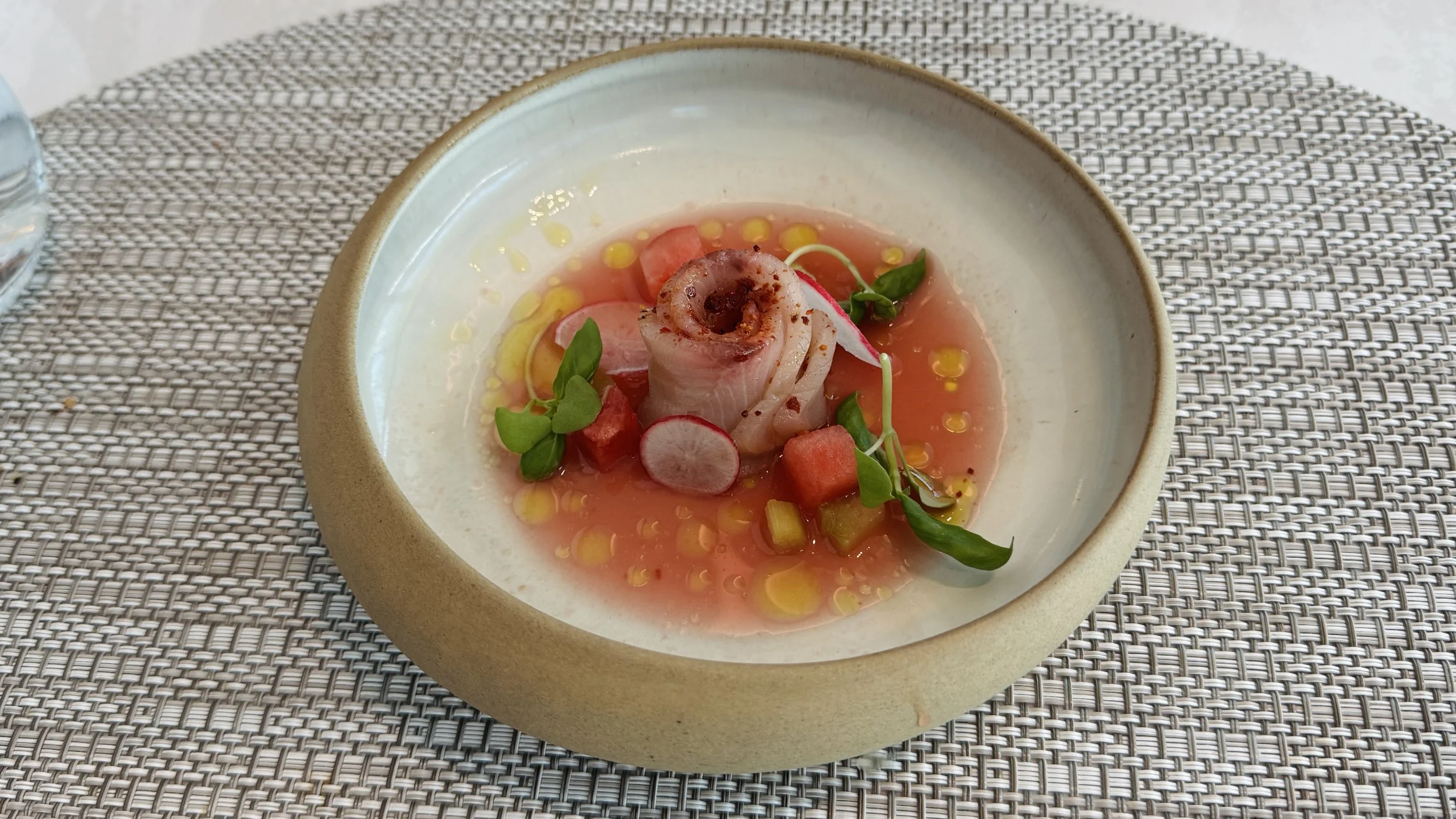
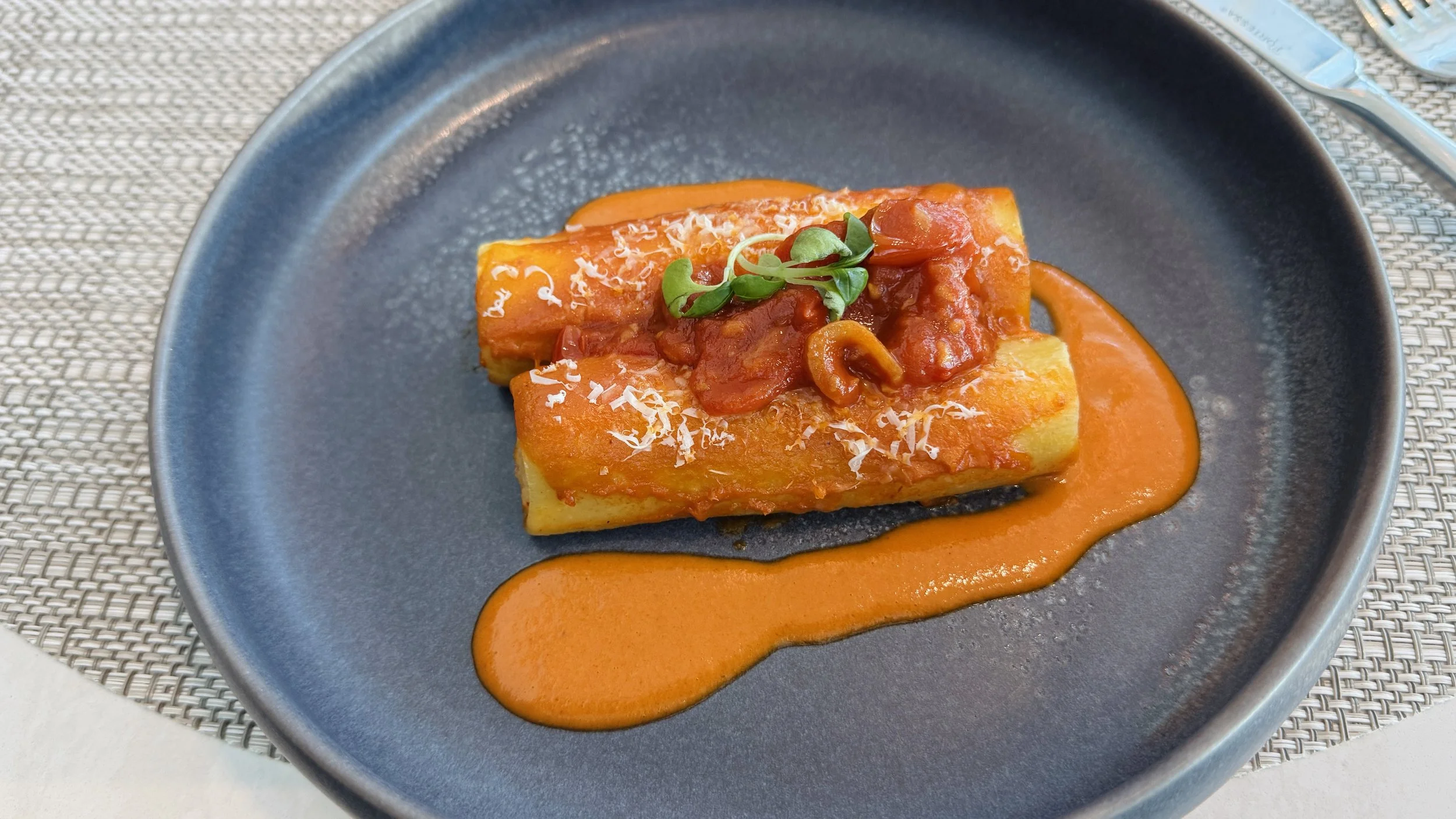
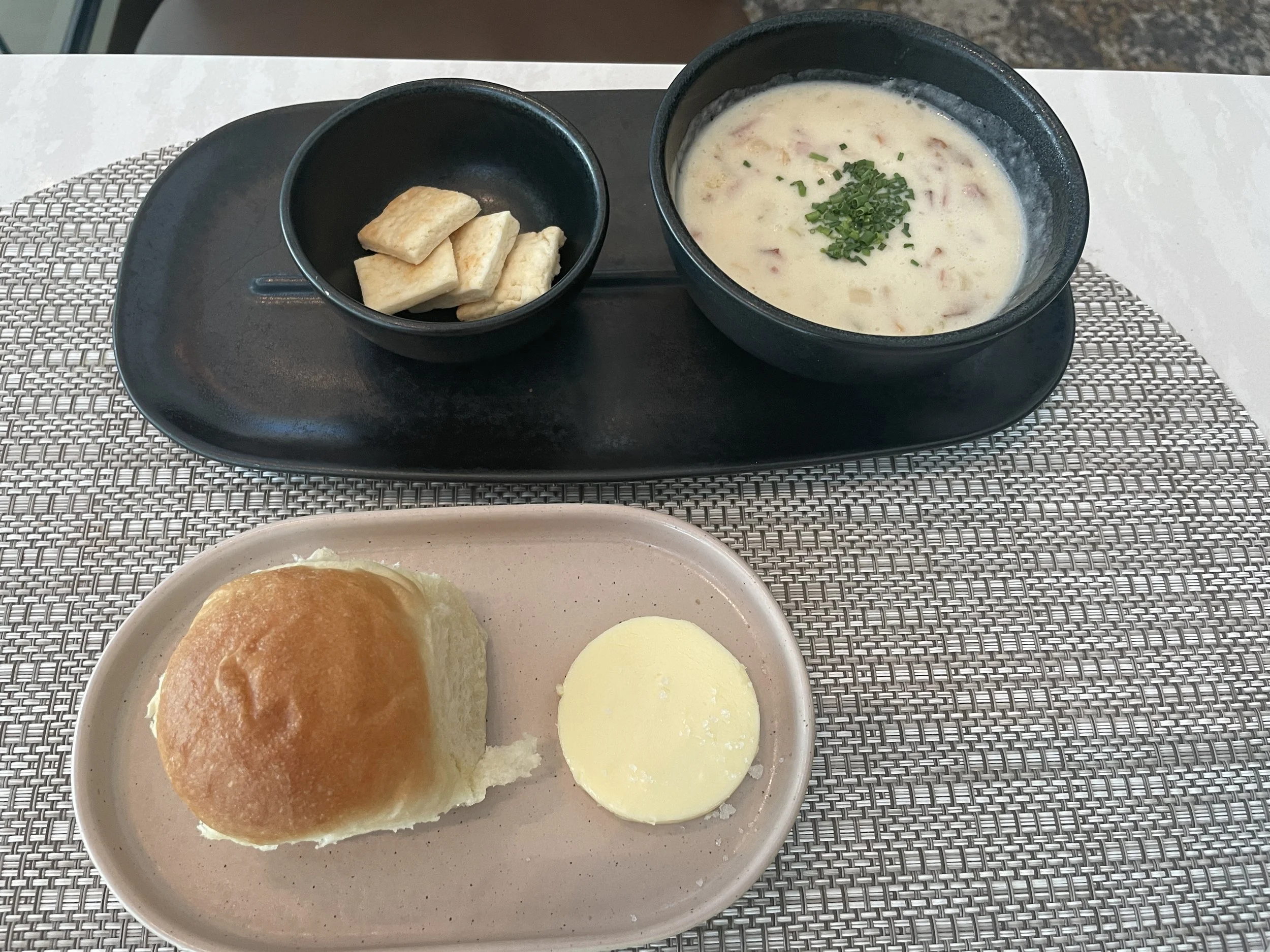
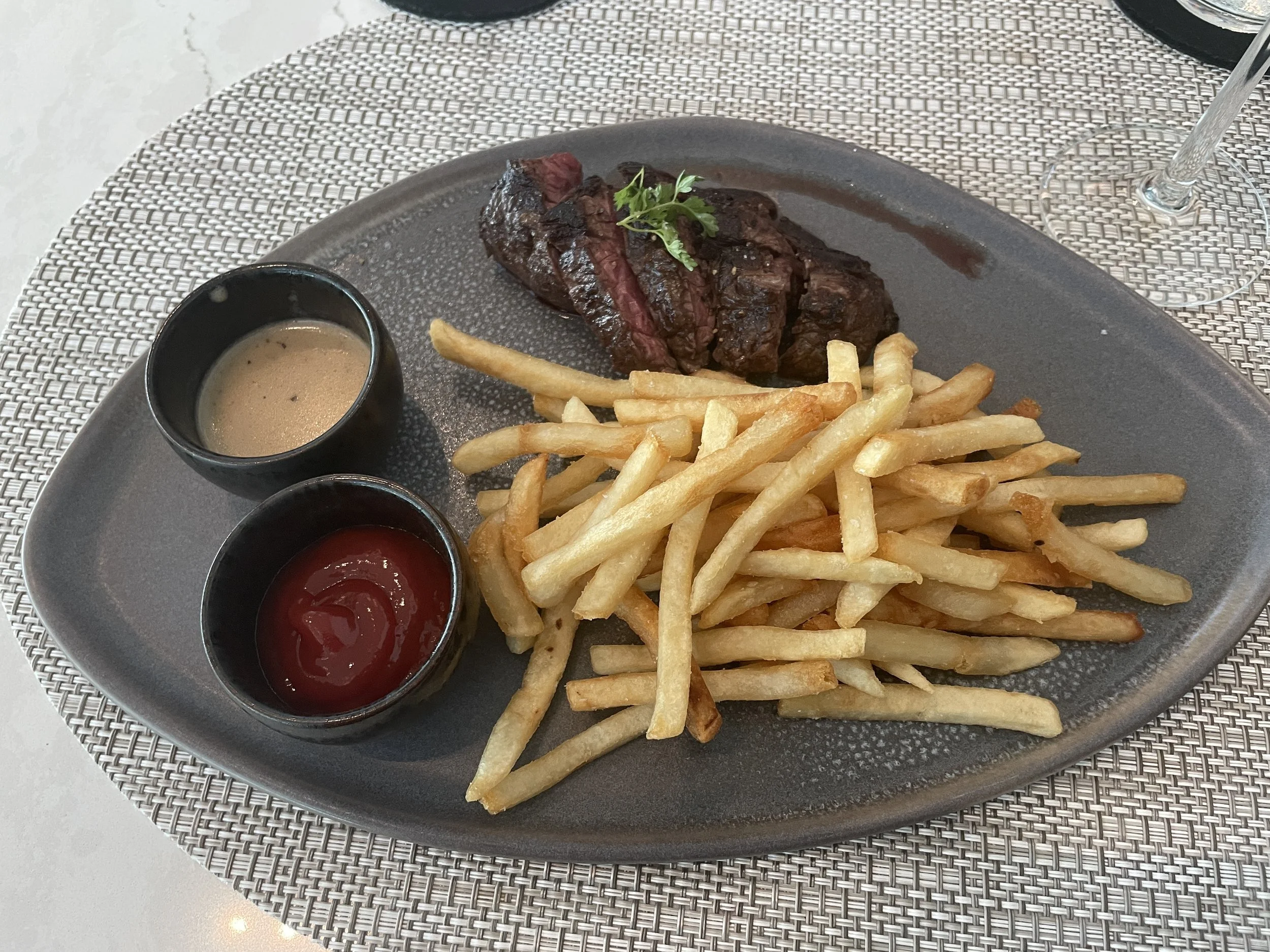
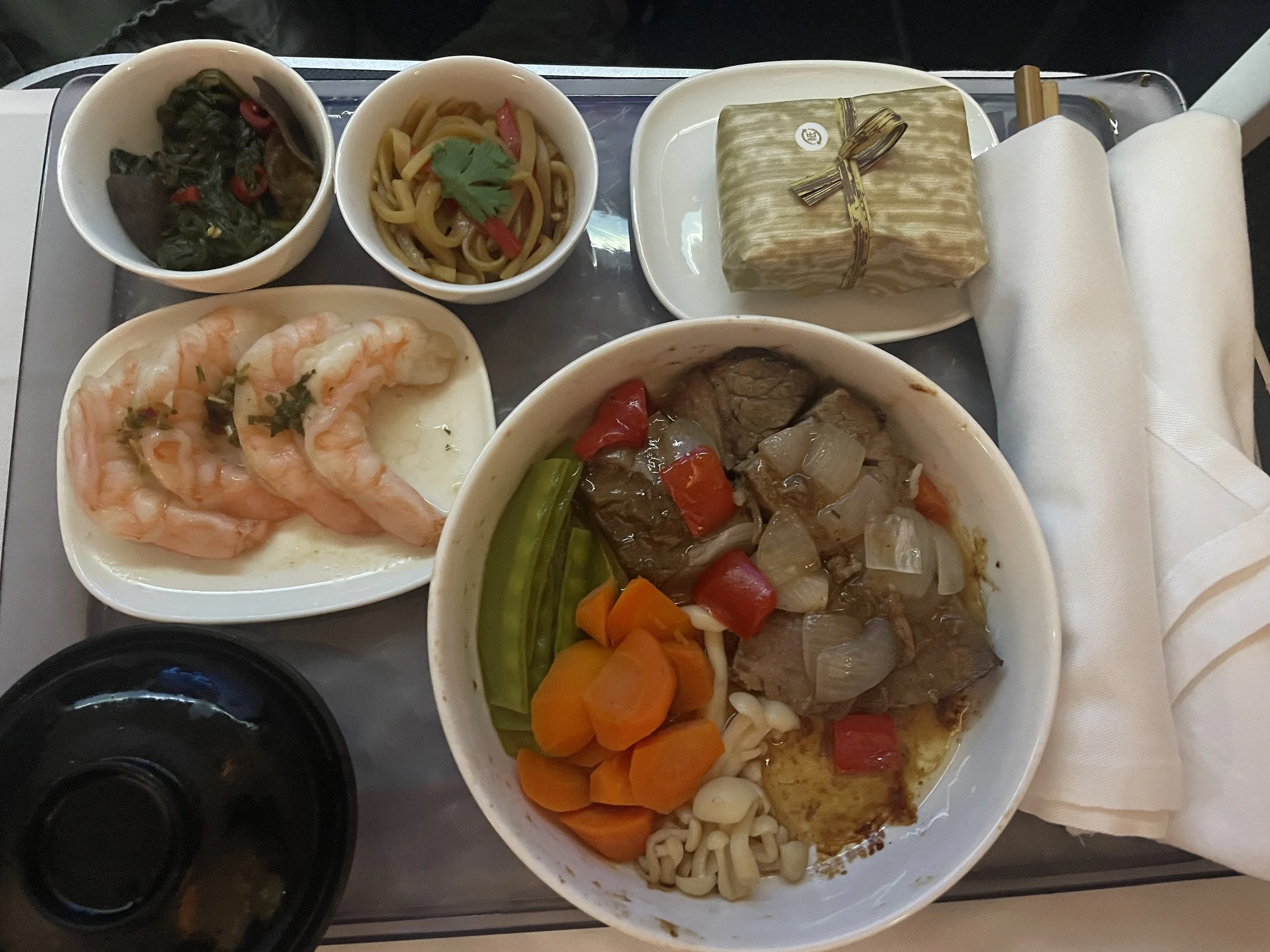
On our way to Shanghai, we stopped in Taipei for a few days. Delta one meals on the plane were also decent. Since we had already visited the capital several times in recent years, we skipped the city itself and headed straight to Chiayi by high-speed rail.
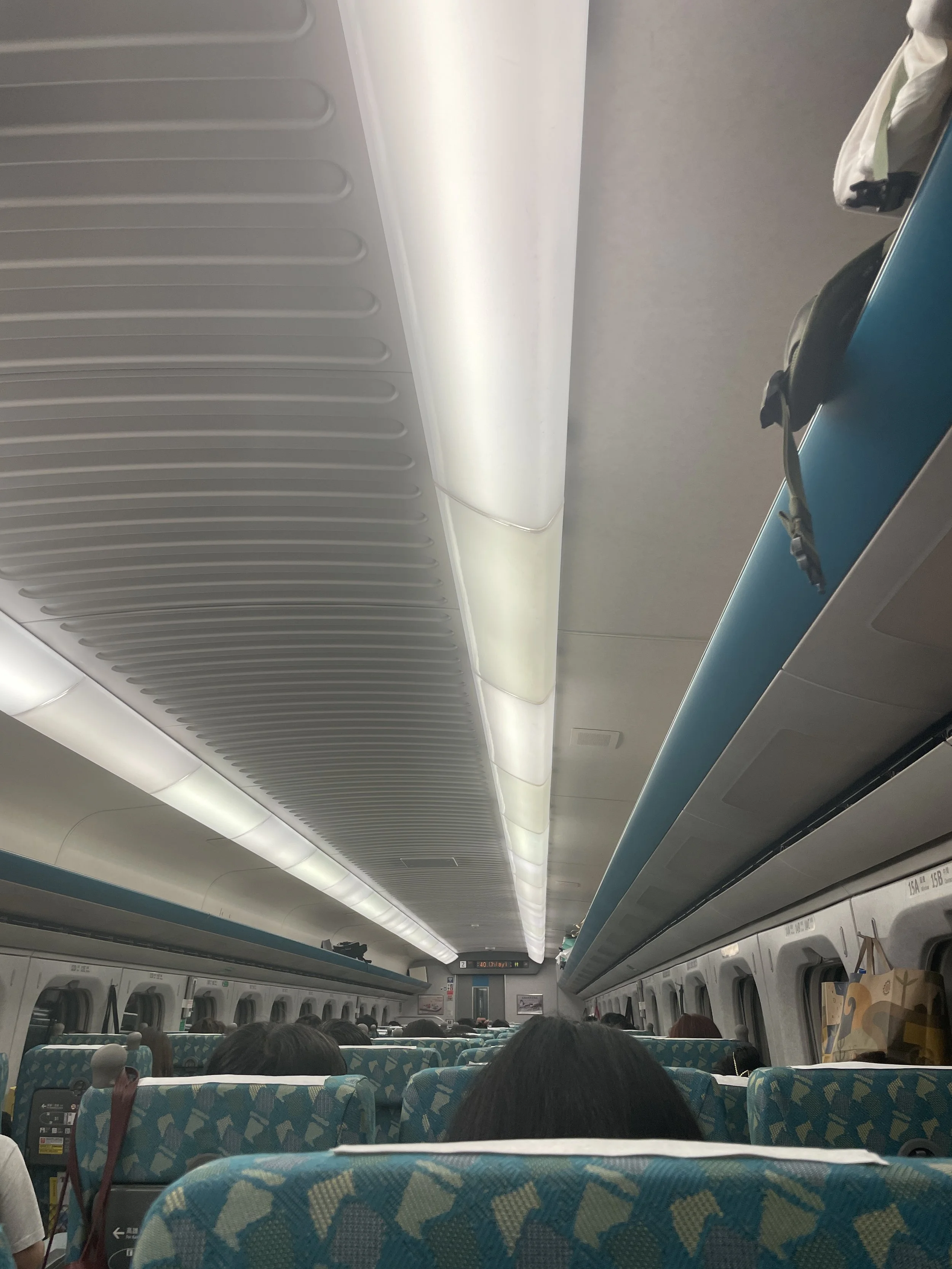
Arrival at Taoyuan Airport was smooth—within 30 minutes of landing, we were already on the airport express to Taoyuan HSR Station. From there we boarded the high-speed train to Chiayi. The Chiayi High Speed Rail Station (HSR) is located in Taibao, about 15 km away from the old Chiayi Train Station in the city center, which was a bit confusing at first. Our hotel was close to the HSR station, so the previous night we simply took an Uber there.
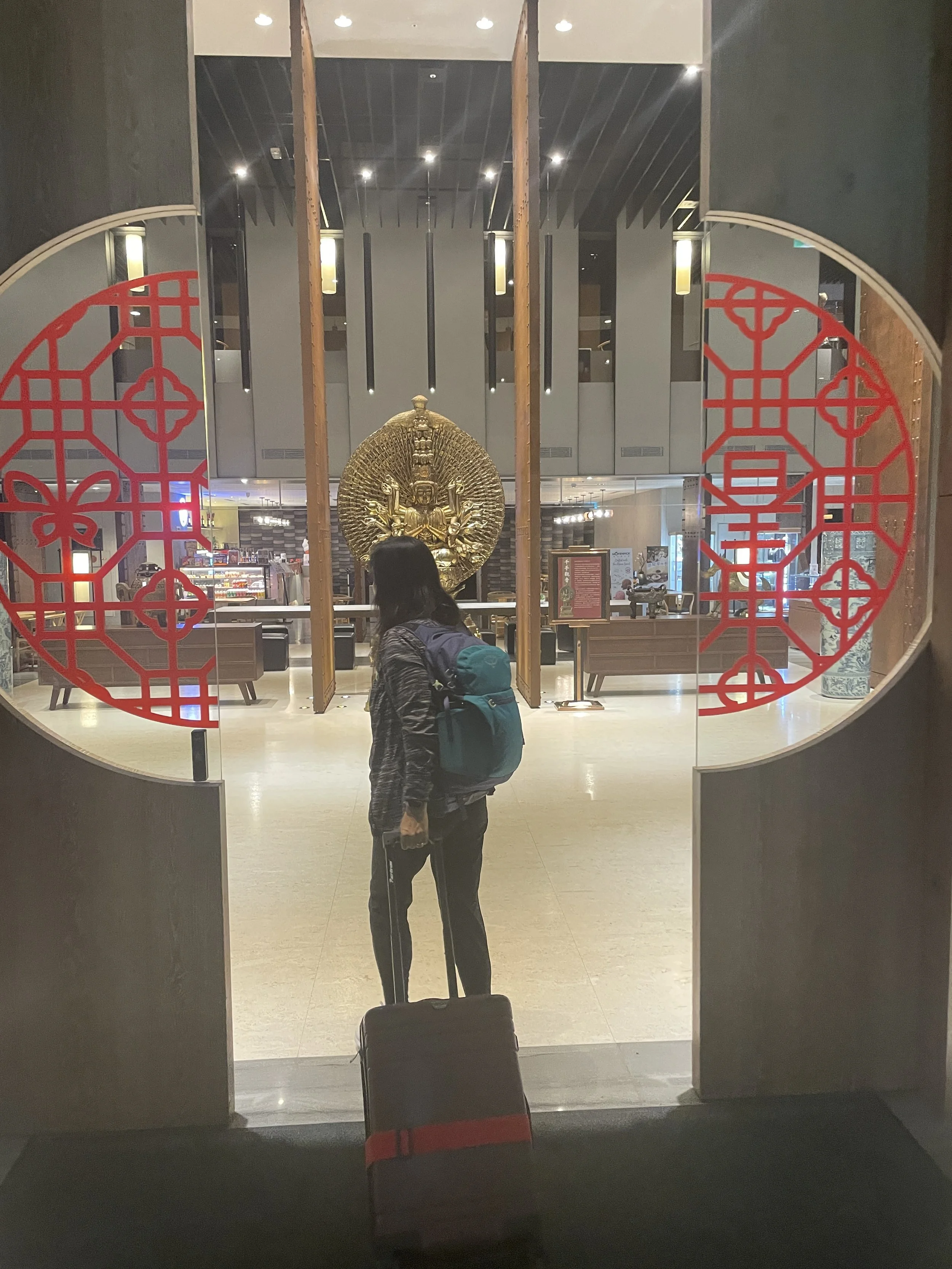
This morning, we got up early and logged in right at 6 a.m. to try our luck at booking tickets for the Alishan Forest Railway. The line, which had been out of service for 15 years, had only reopened last year, making tickets extremely competitive—especially since we had just one day available. Luckily, four tickets were still available when we logged in, but within minutes all were gone.
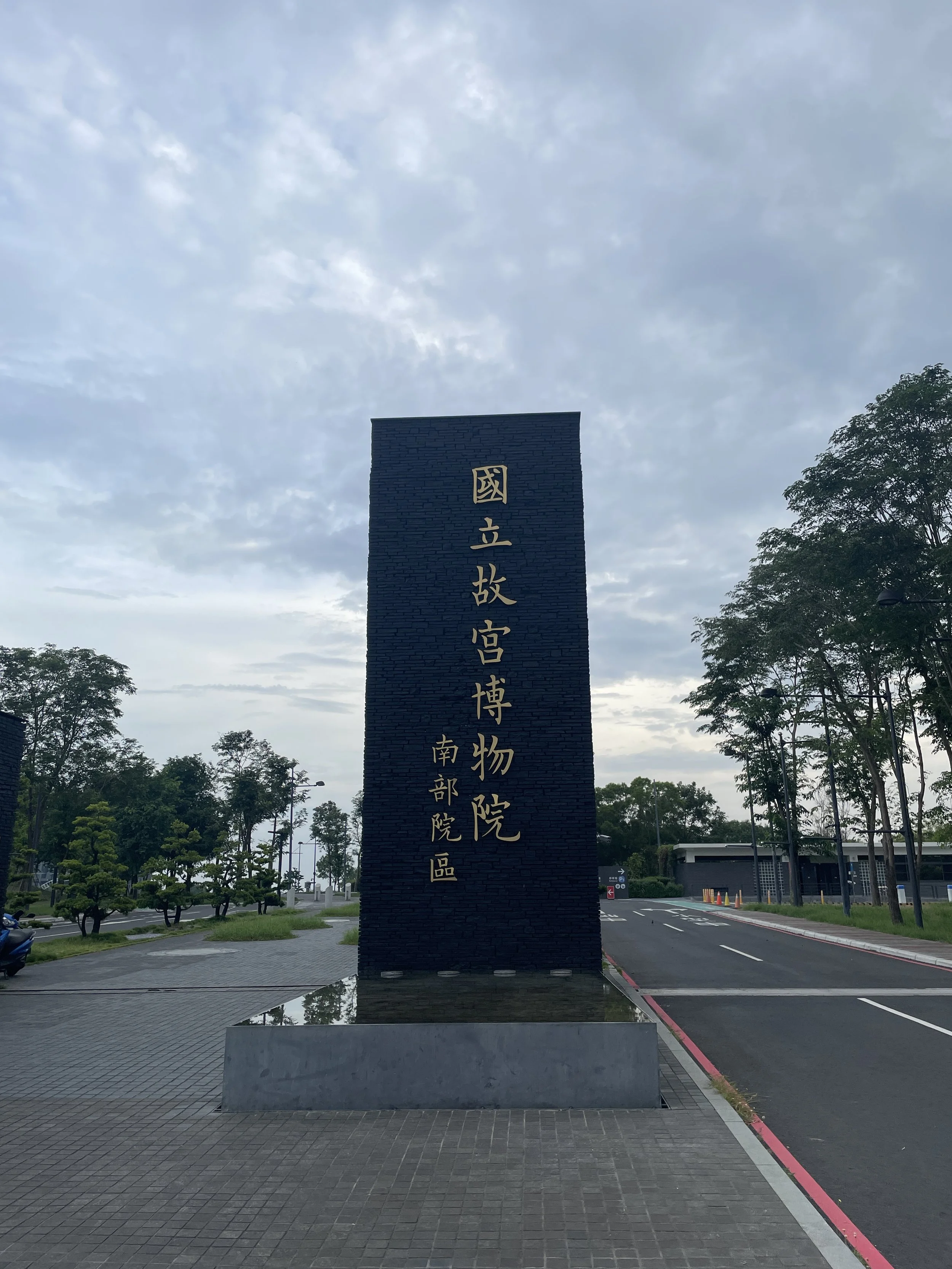
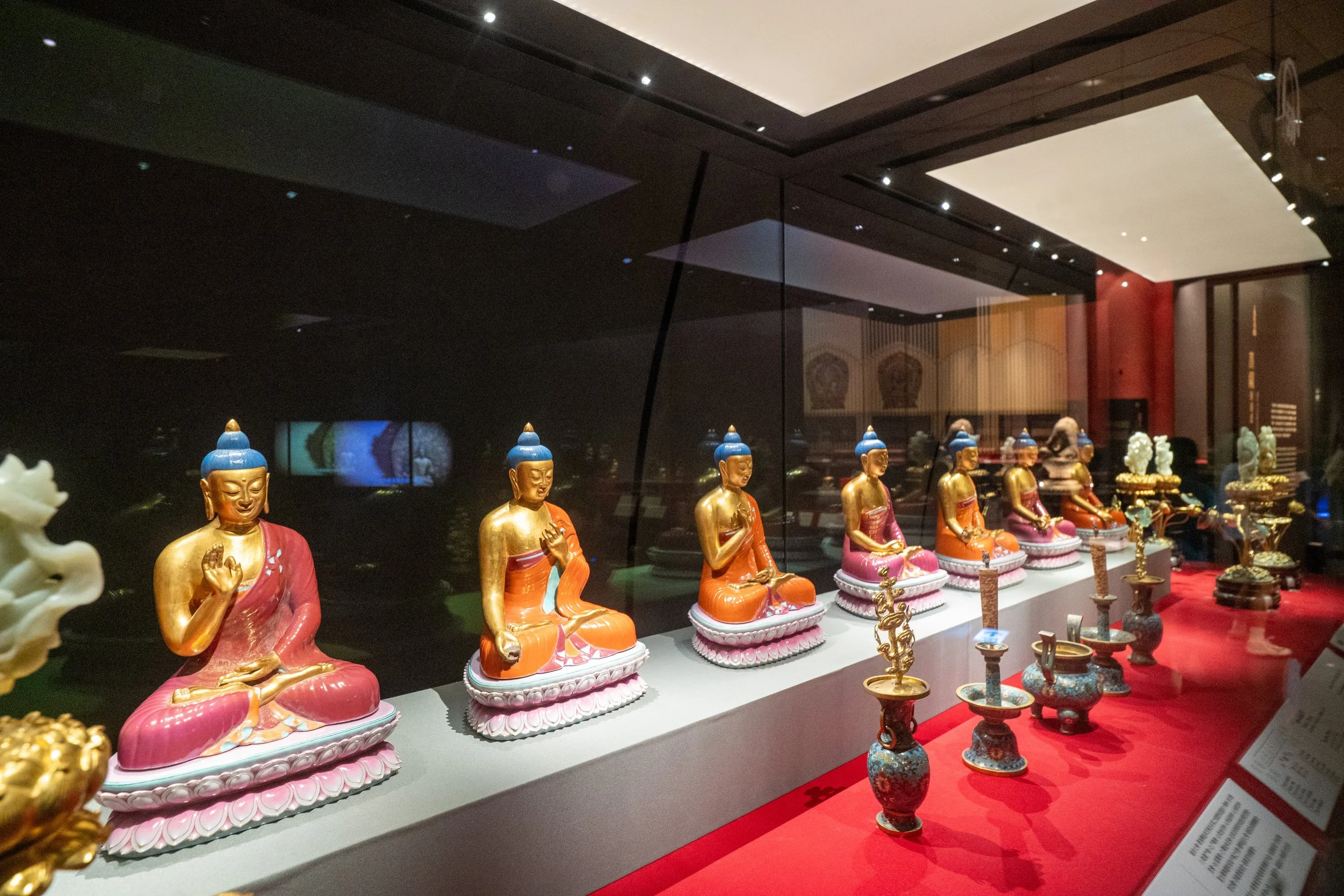
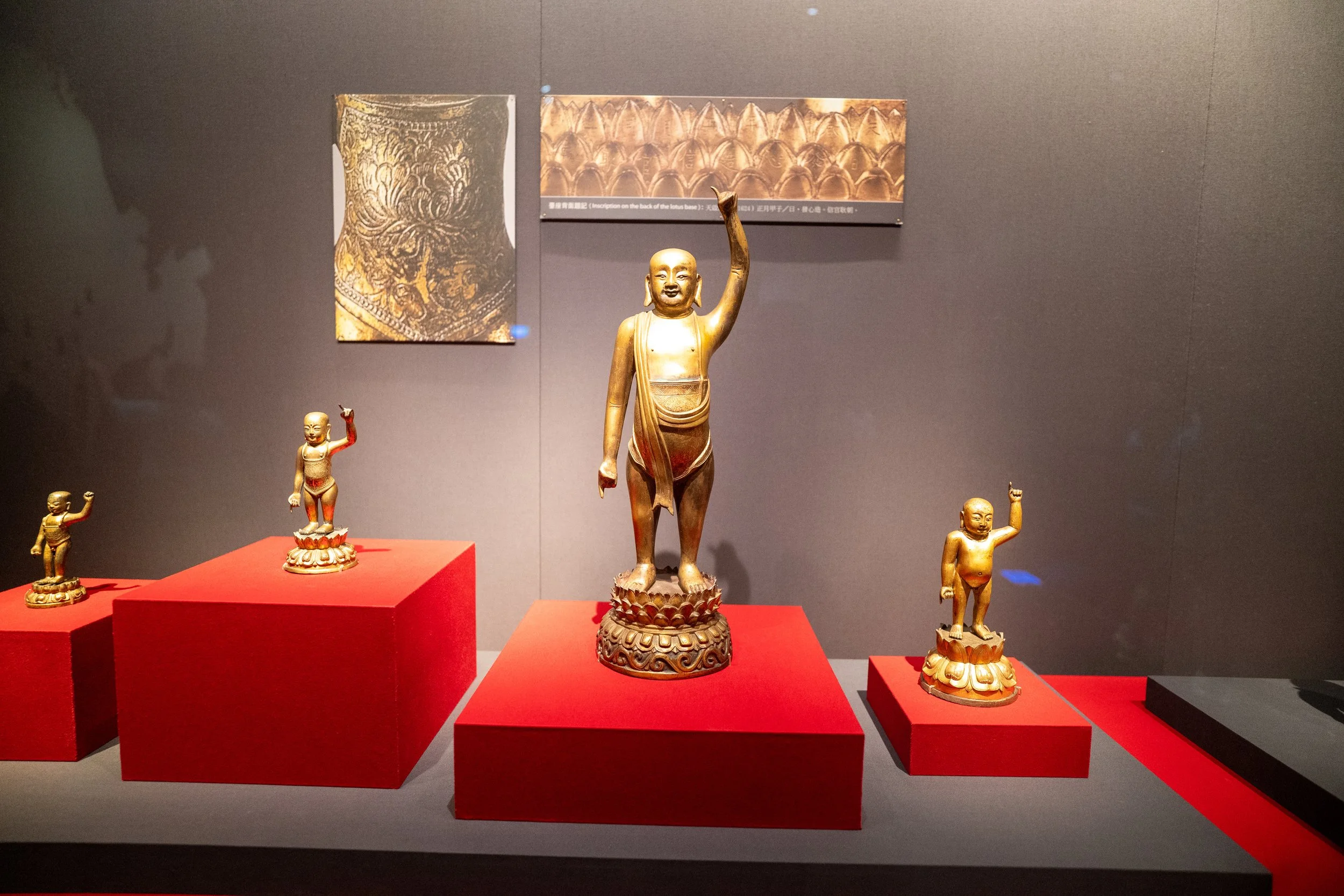
After breakfast at the hotel, we walked across the street to visit the Southern Branch of the National Palace Museum. Unlike the Taipei main museum, this branch is housed in striking modern architecture surrounded by vast landscaped grounds, designed not only for cultural exhibitions but also for leisure and community use. We had first learned of its existence three years ago at the Taipei museum, where we were told the famous Jadeite Cabbage had been moved south. Excited to finally see it, we were disappointed to discover it was on loan to Prague—missed again! Even so, the exhibitions were impressive, though—as always in such museums—far too much to fully take in during a single visit.
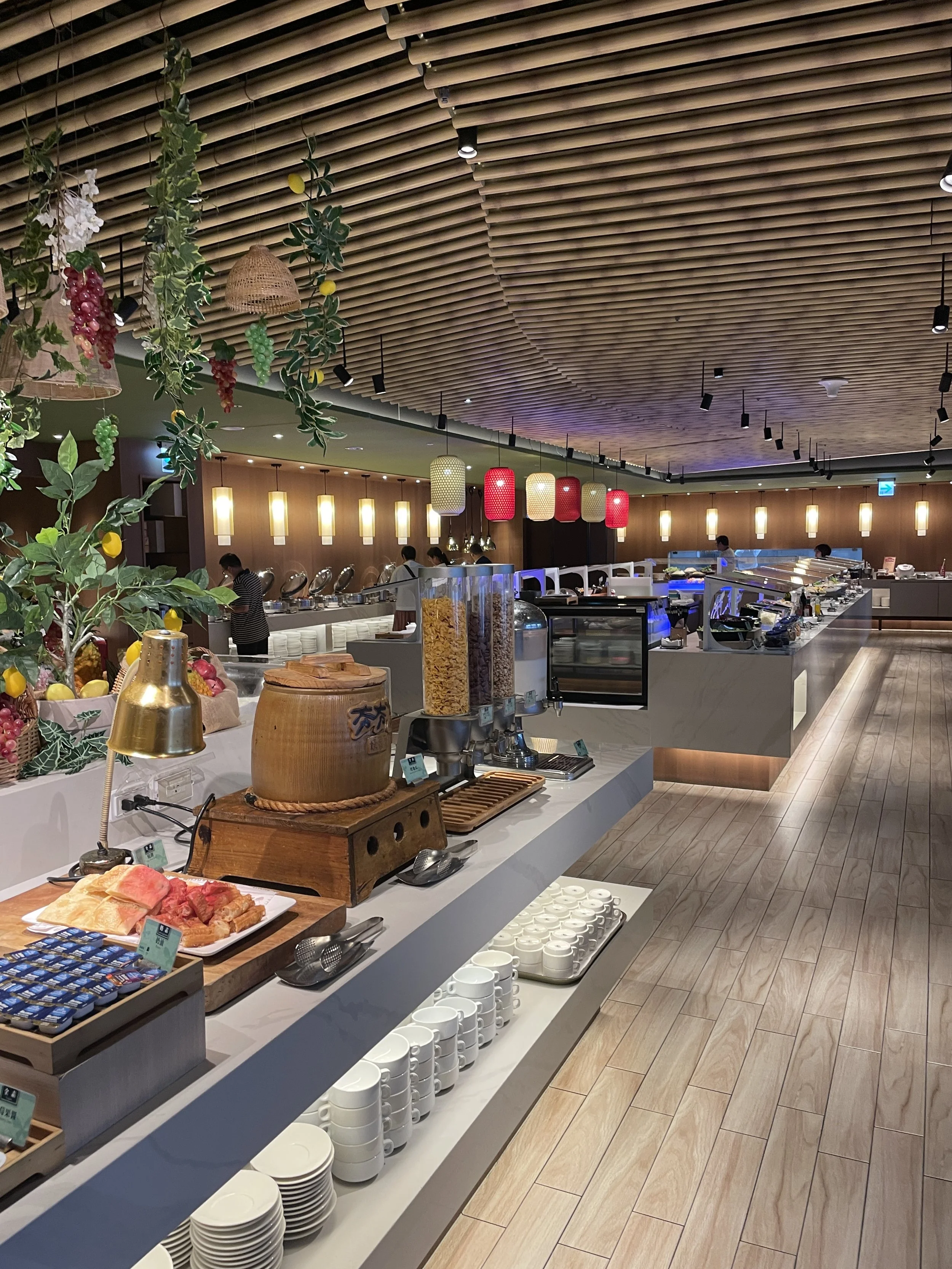
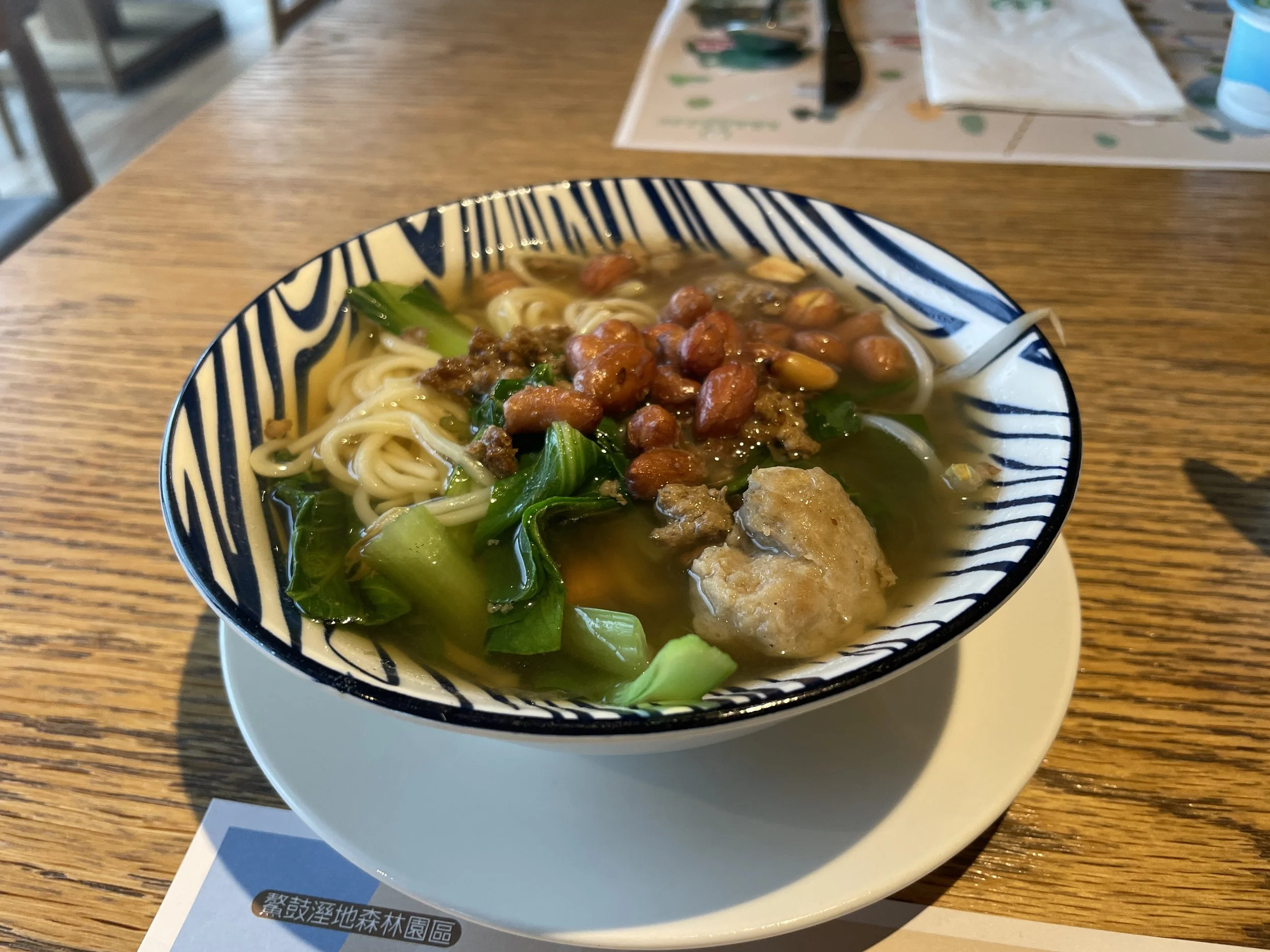
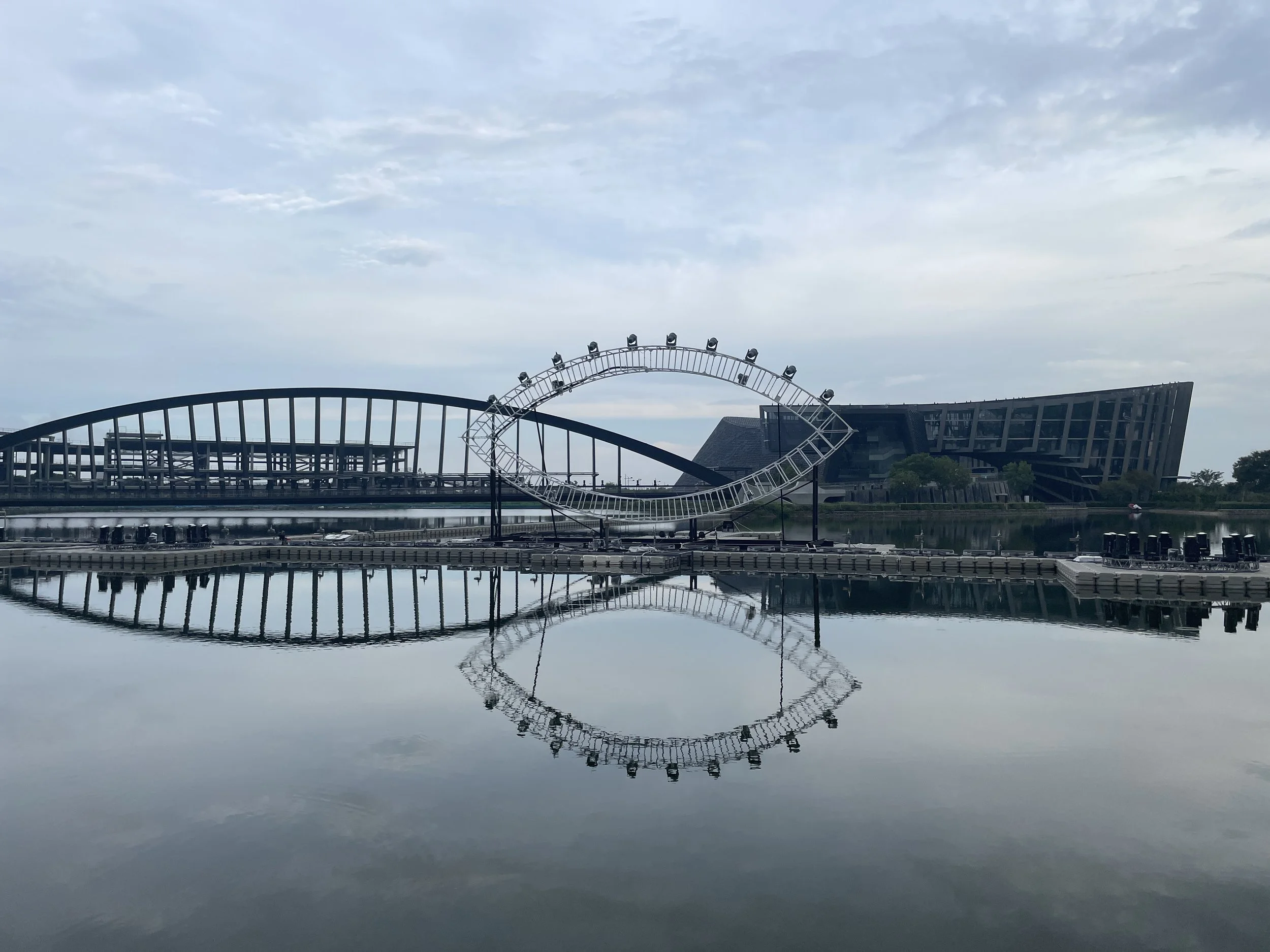
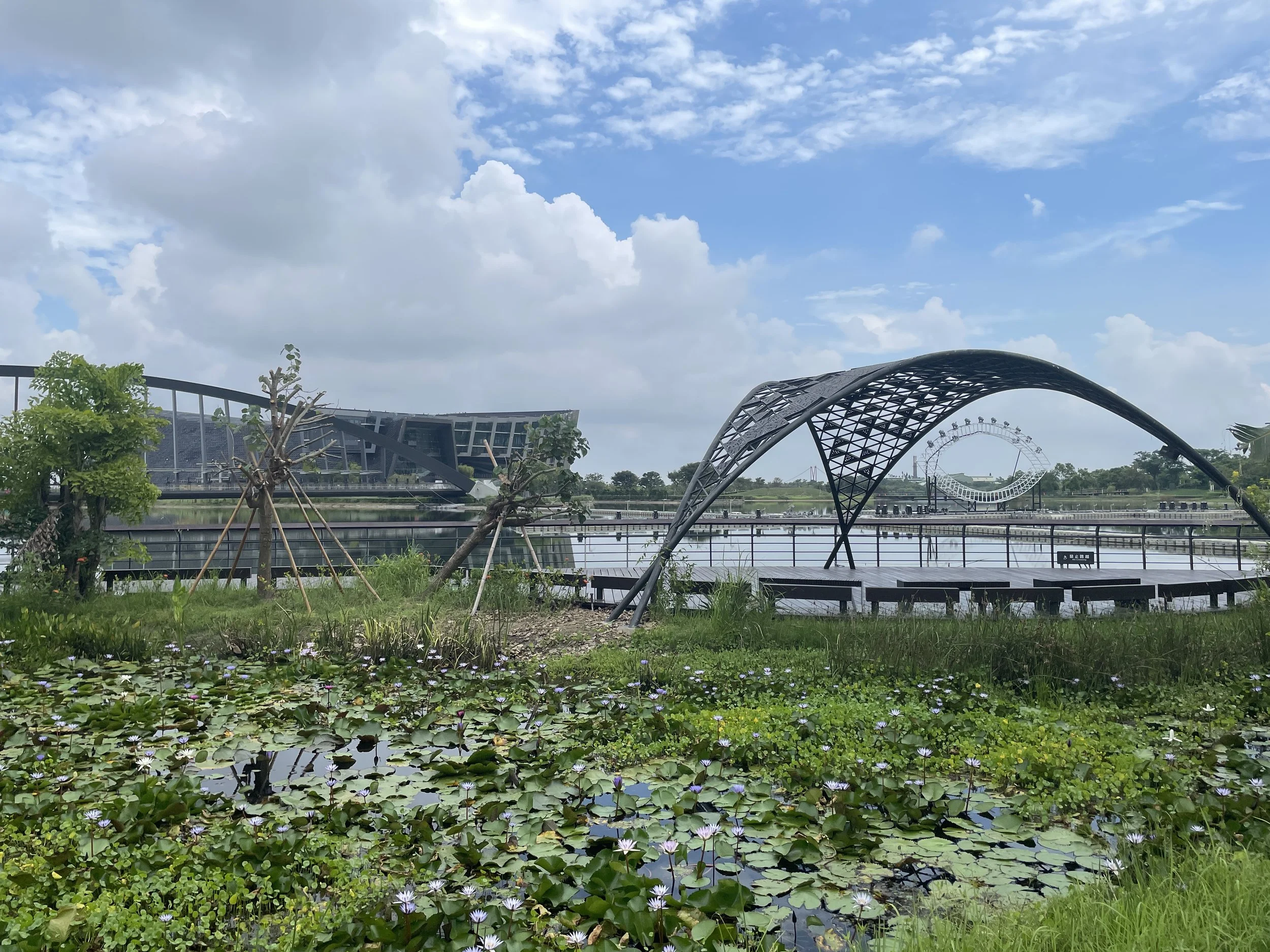
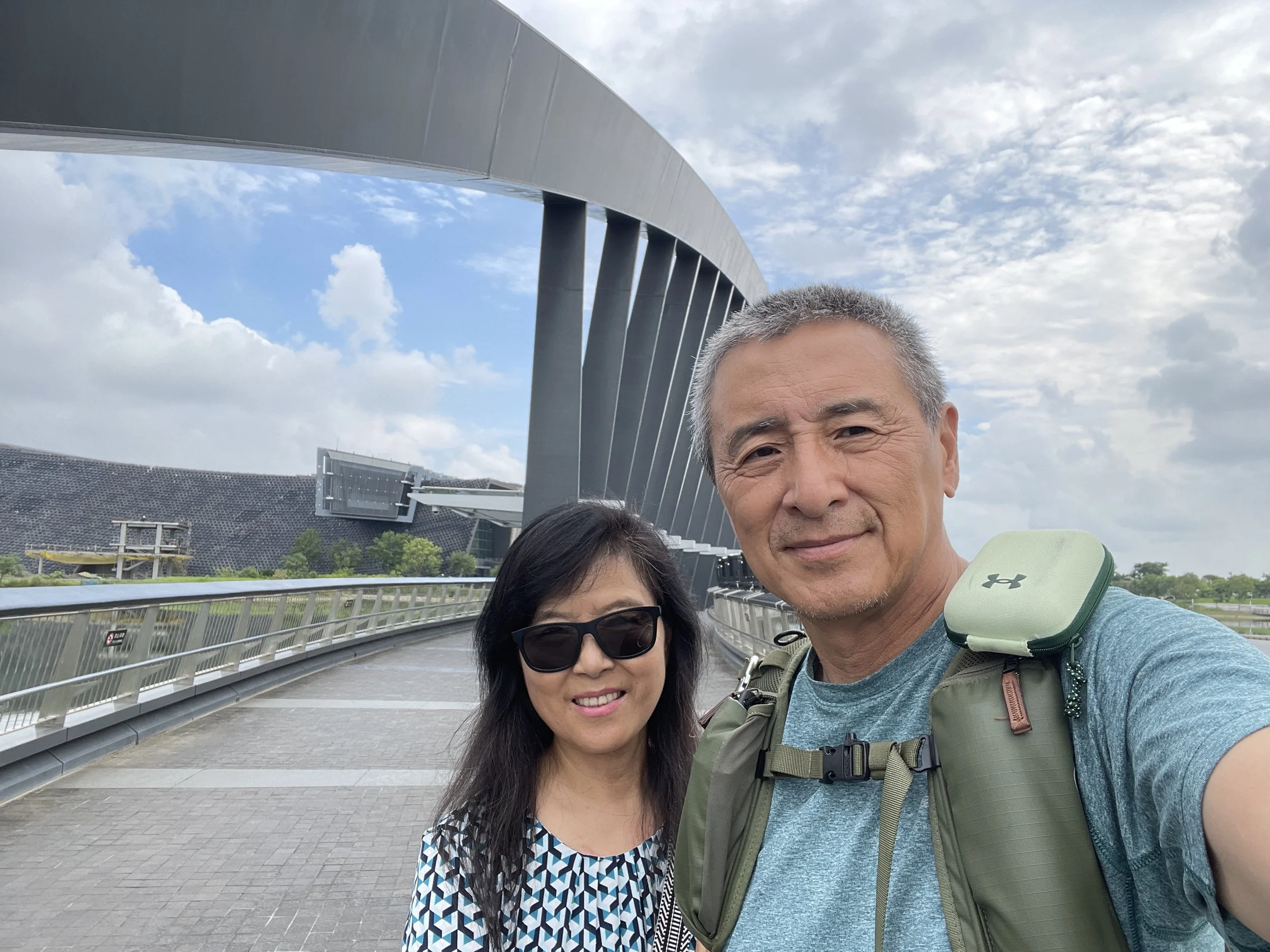
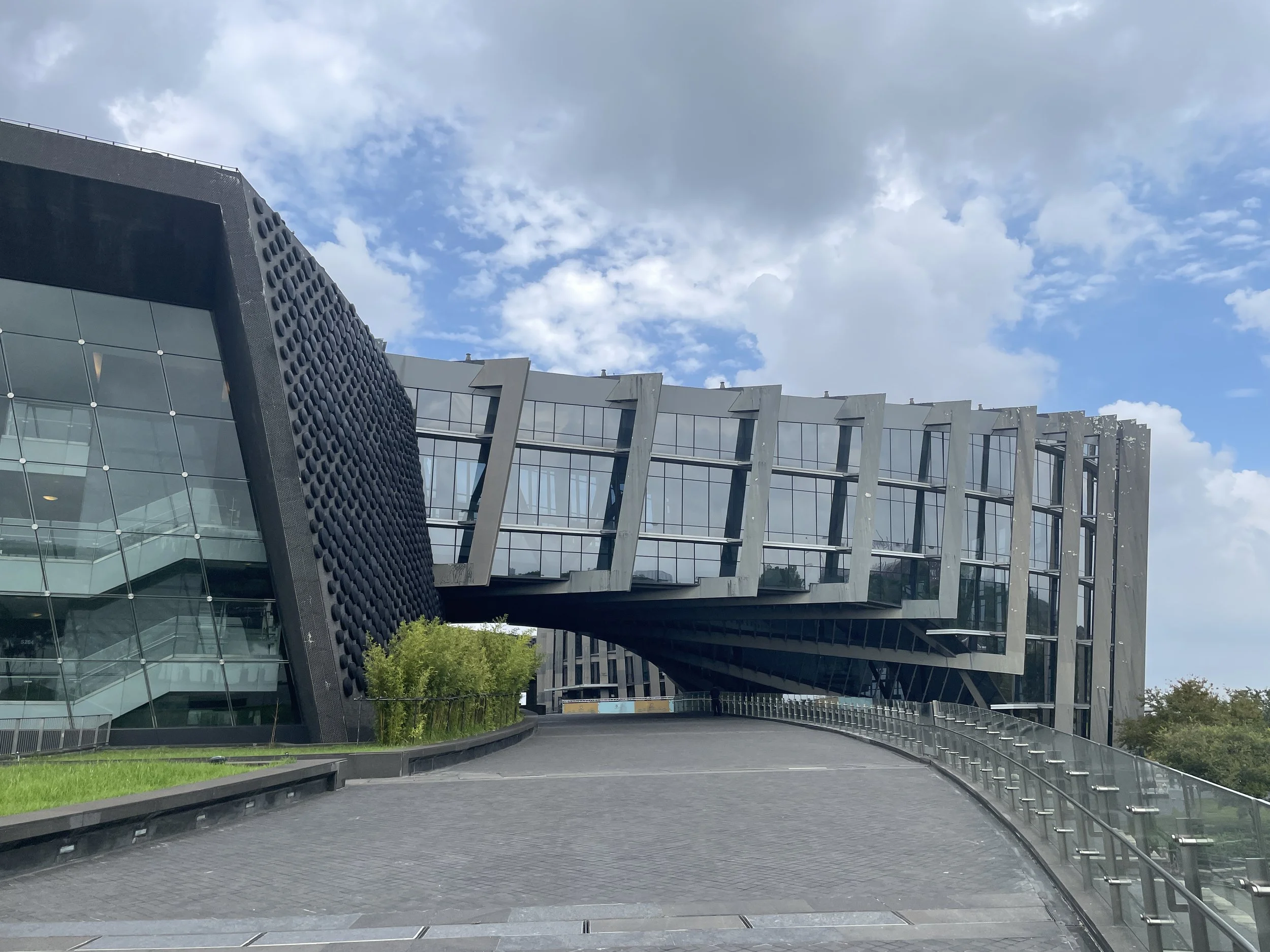
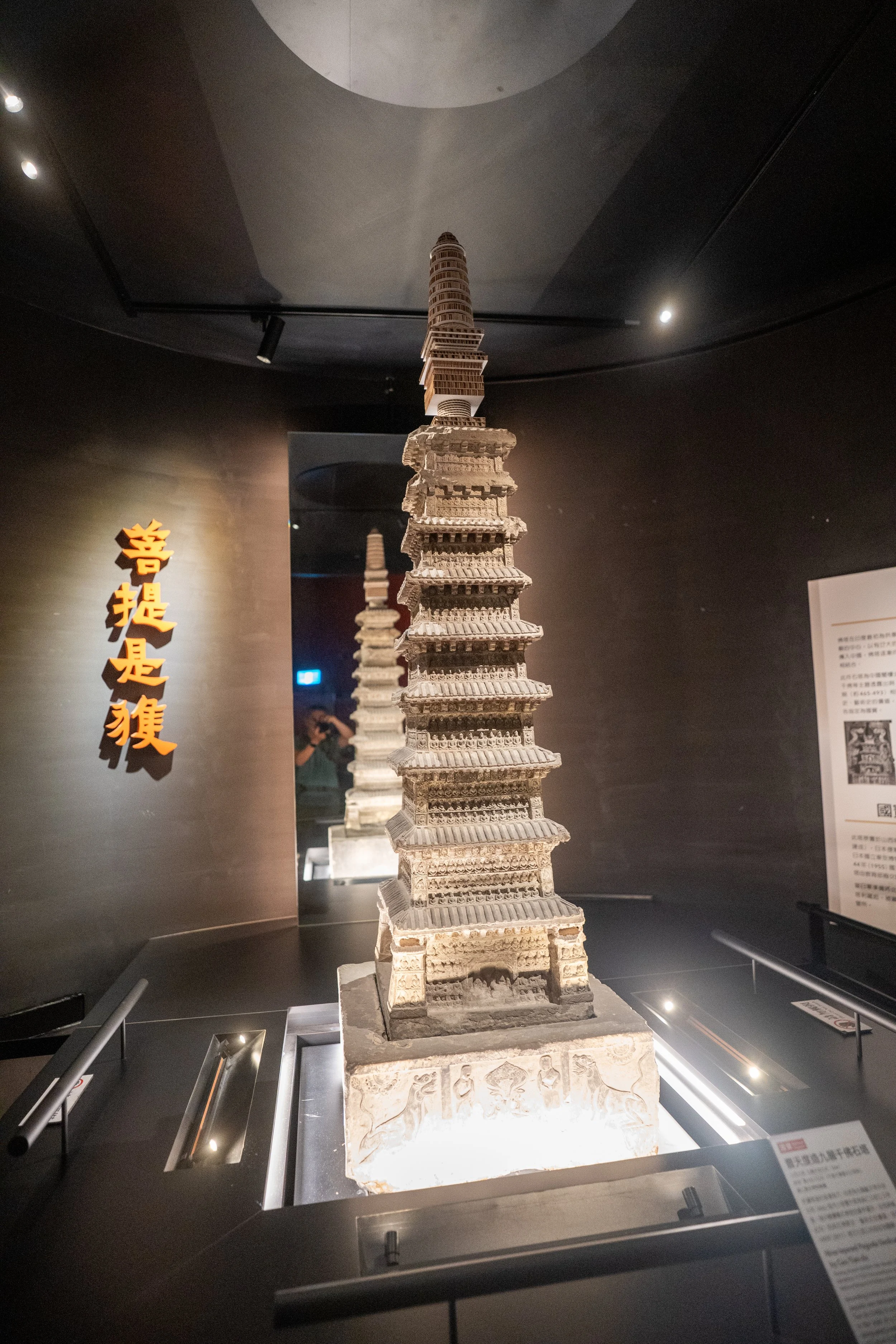
From the museum, we caught the free shuttle bus into Chiayi city. The nearly empty bus felt like our private ride. At the historic Chiayi Railway Station, we picked up our Alishan paper tickets and also purchased return bus tickets from the mountain.
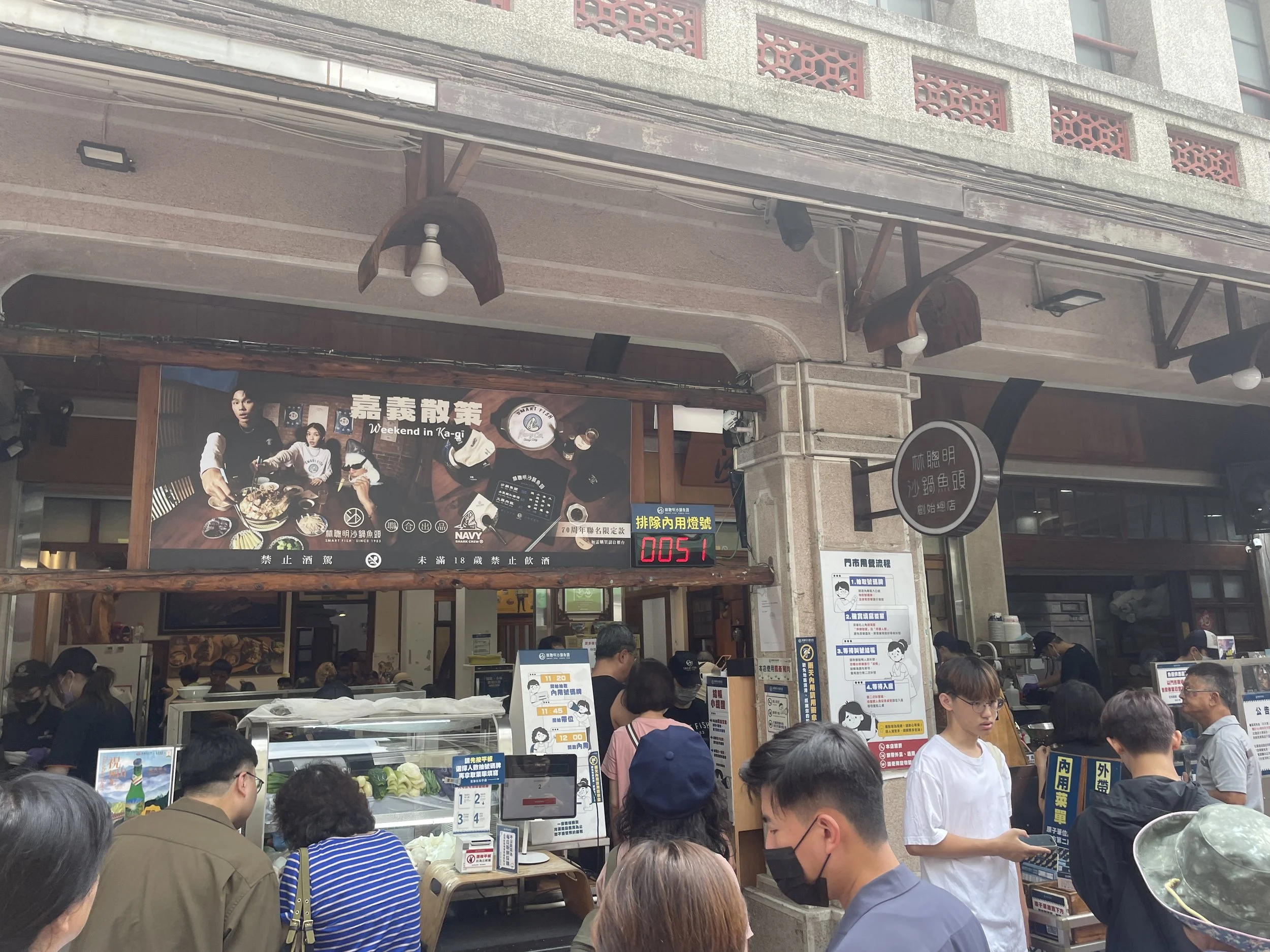
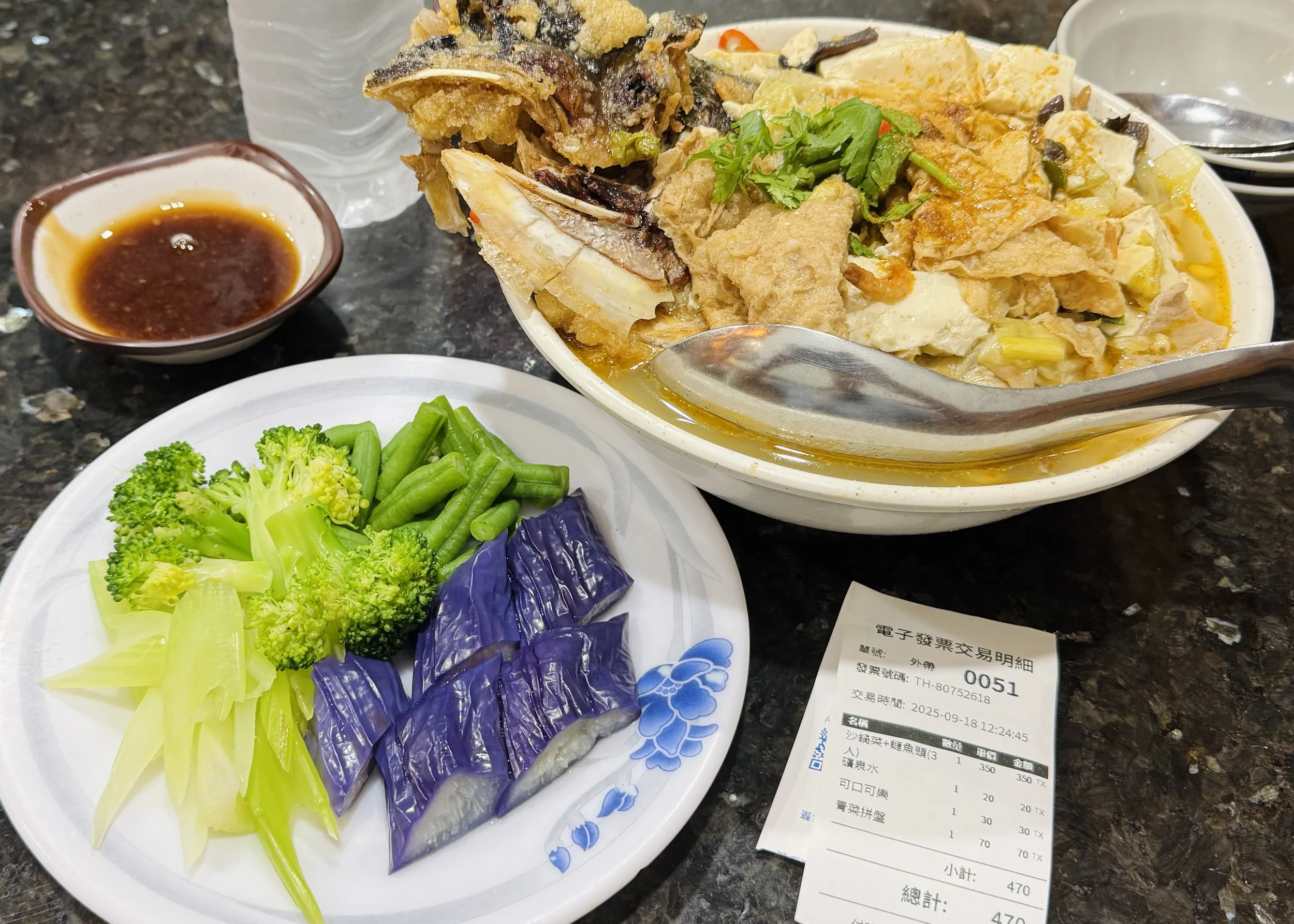
Next, we headed for lunch at Smartfish, a seafood restaurant widely recommended. The walk there was unpleasant under the hot, humid weather and lingering sewage smells, but luckily the restaurant wasn’t too far. After a short wait for a table, we managed to try their signature dish. While tasty, it was a bit too fatty for our liking, and we decided not to return to this area again for the night market.
After lunch, we called an Uber to Hinoki Village, a collection of Japanese colonial-era wooden houses now repurposed as shops. The buildings were beautifully maintained and decorated, but the commercial focus didn’t interest us much.
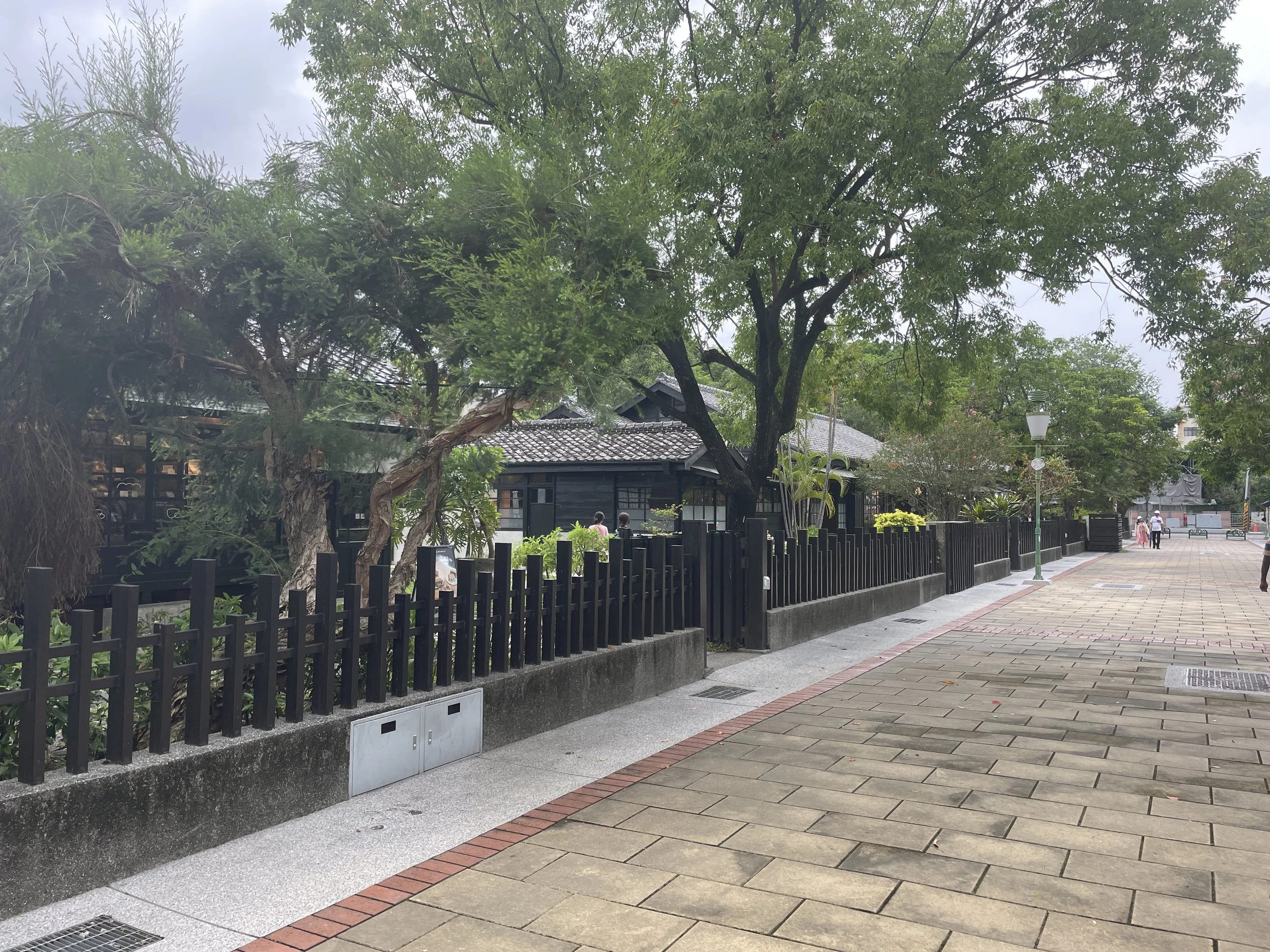
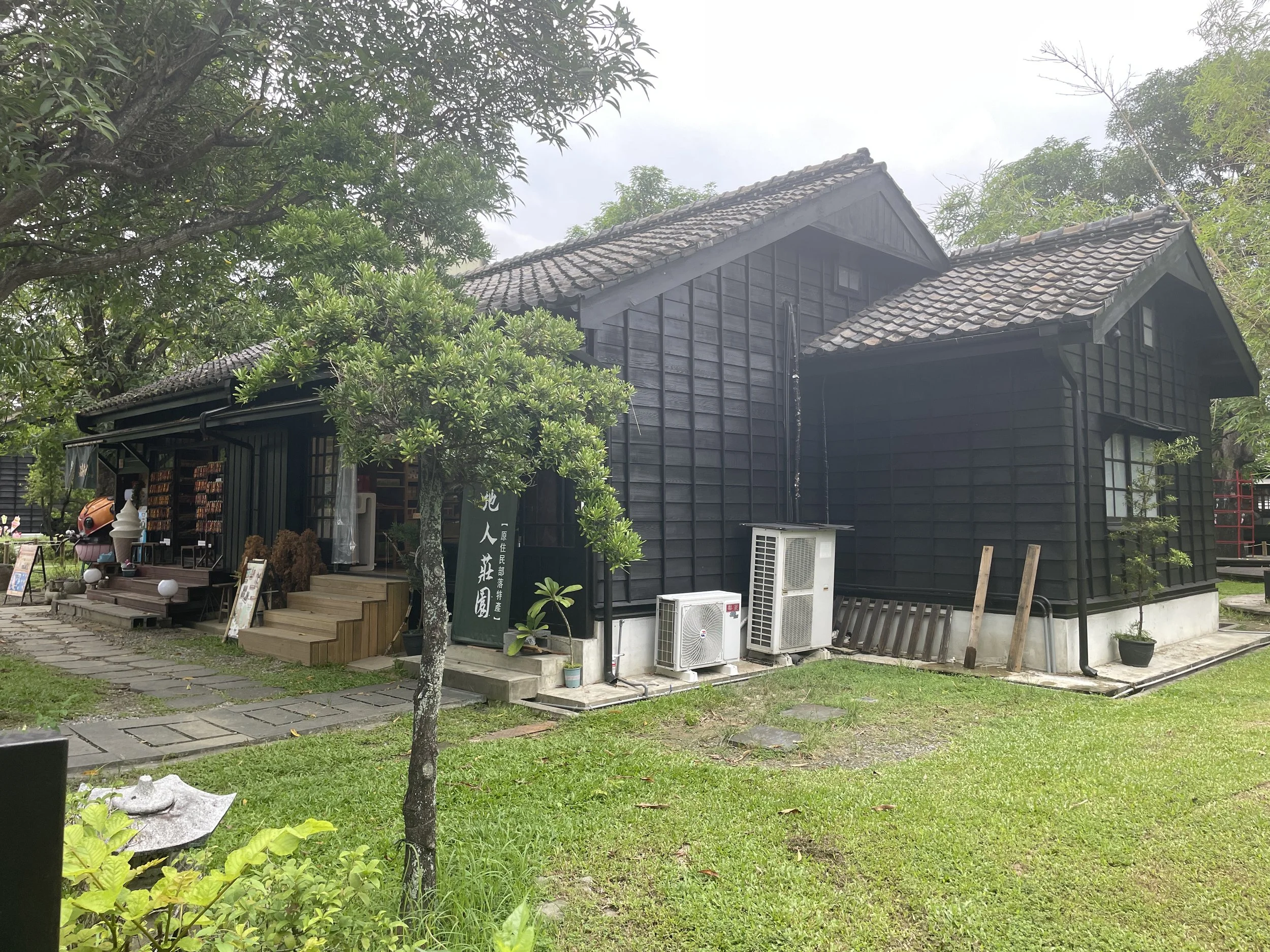
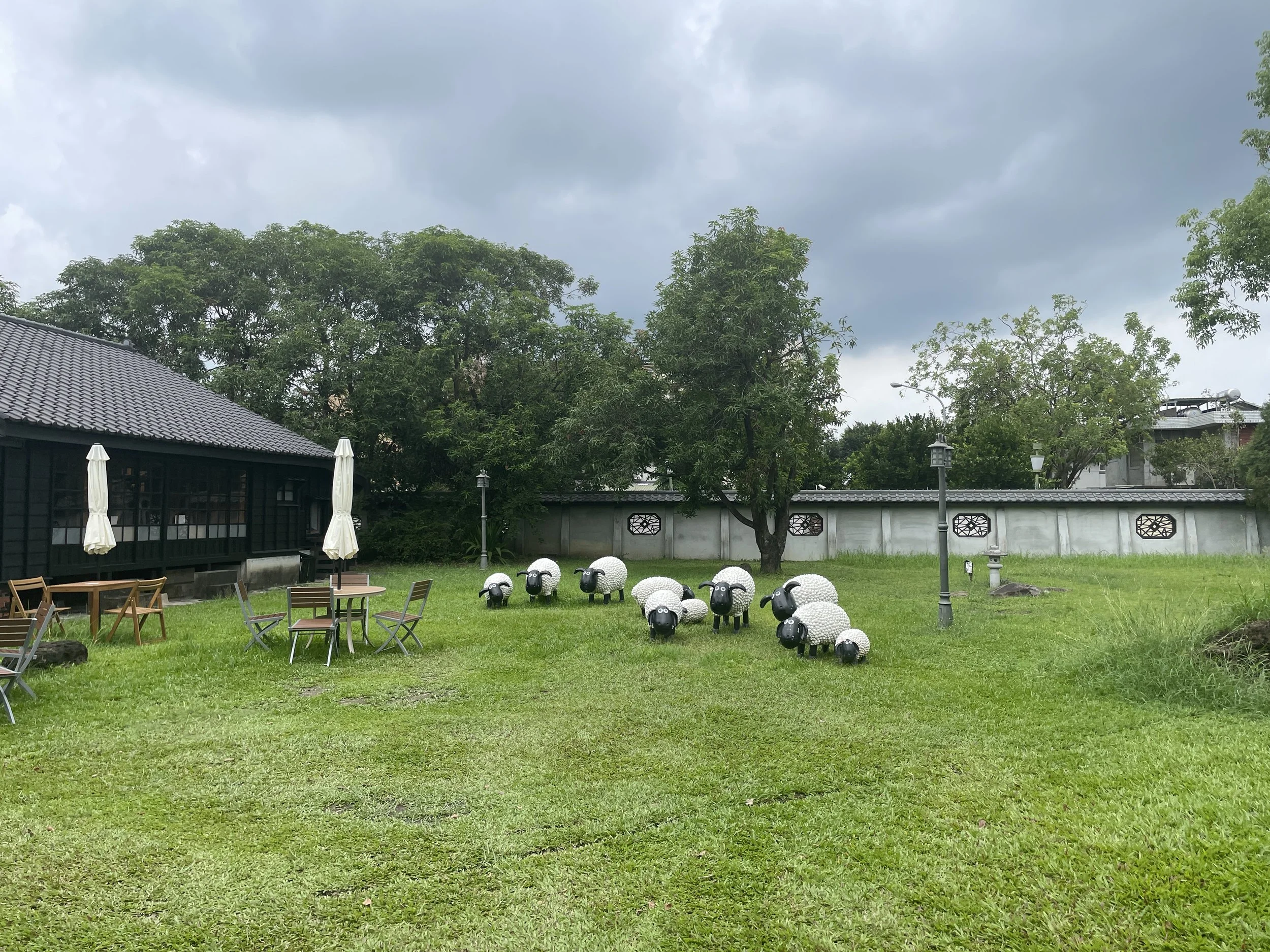
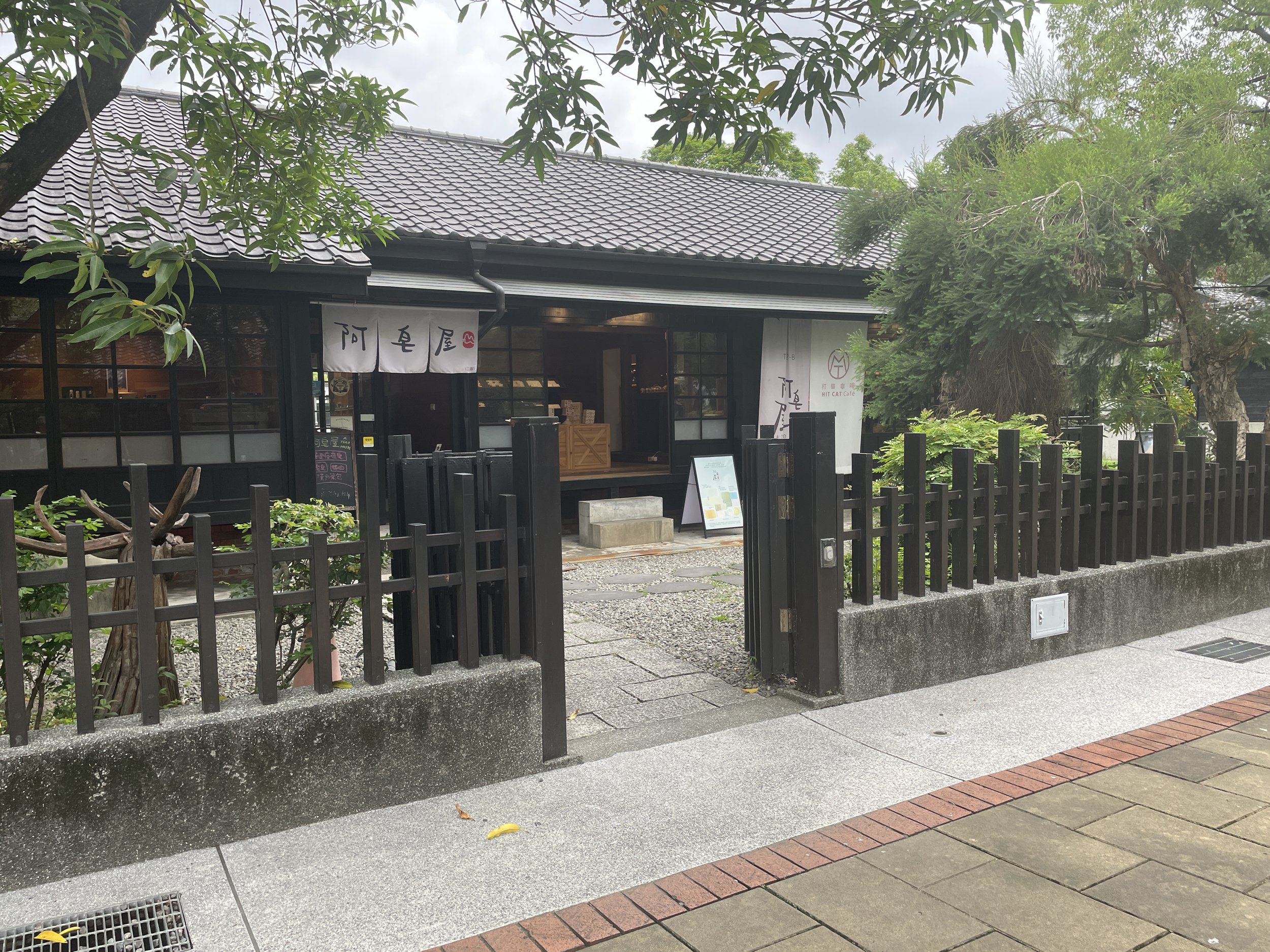
After a short stroll in the village, we returned by shuttle bus to the museum and wandered the park grounds and had coffee break in the museum cafe.
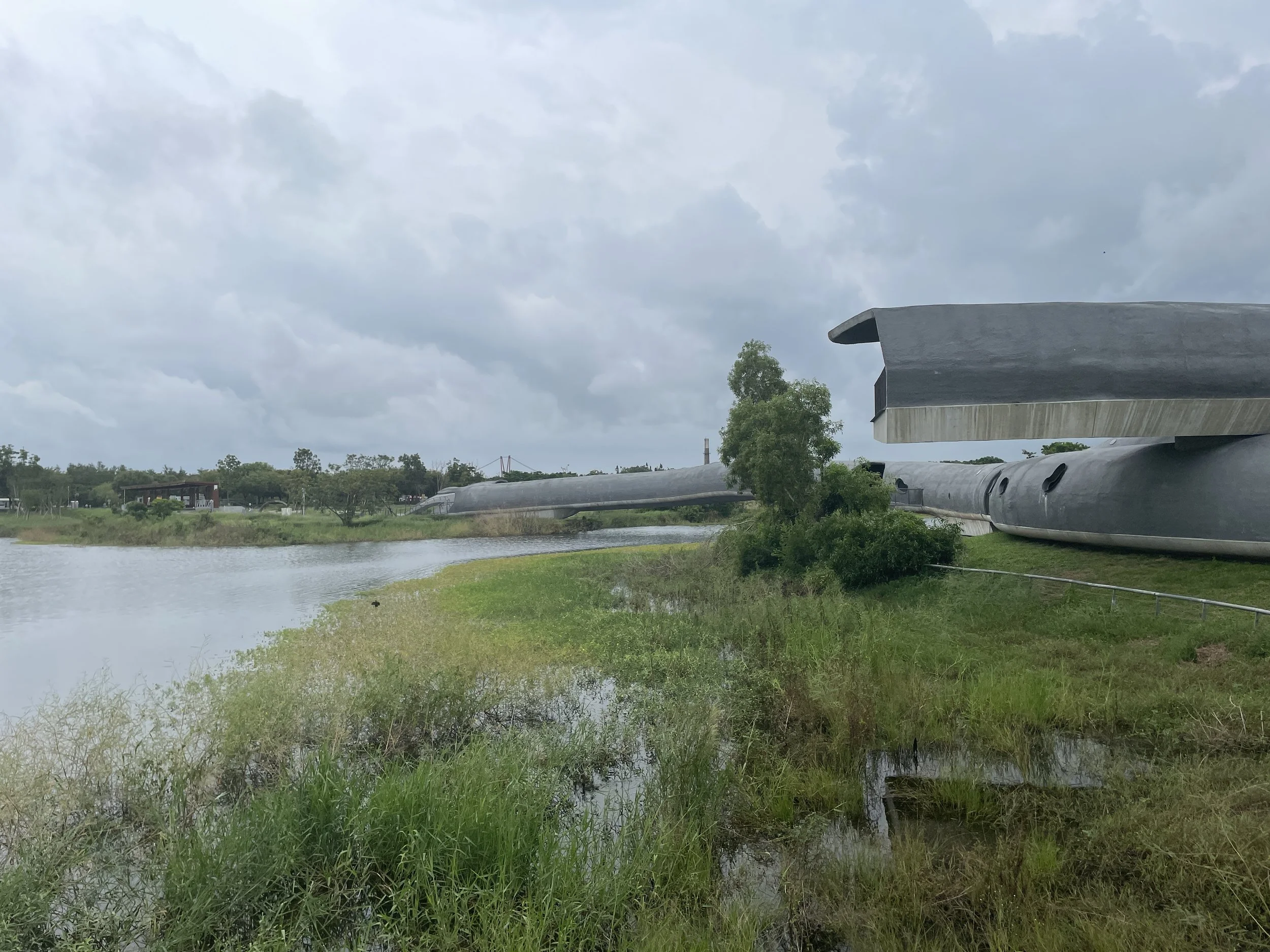
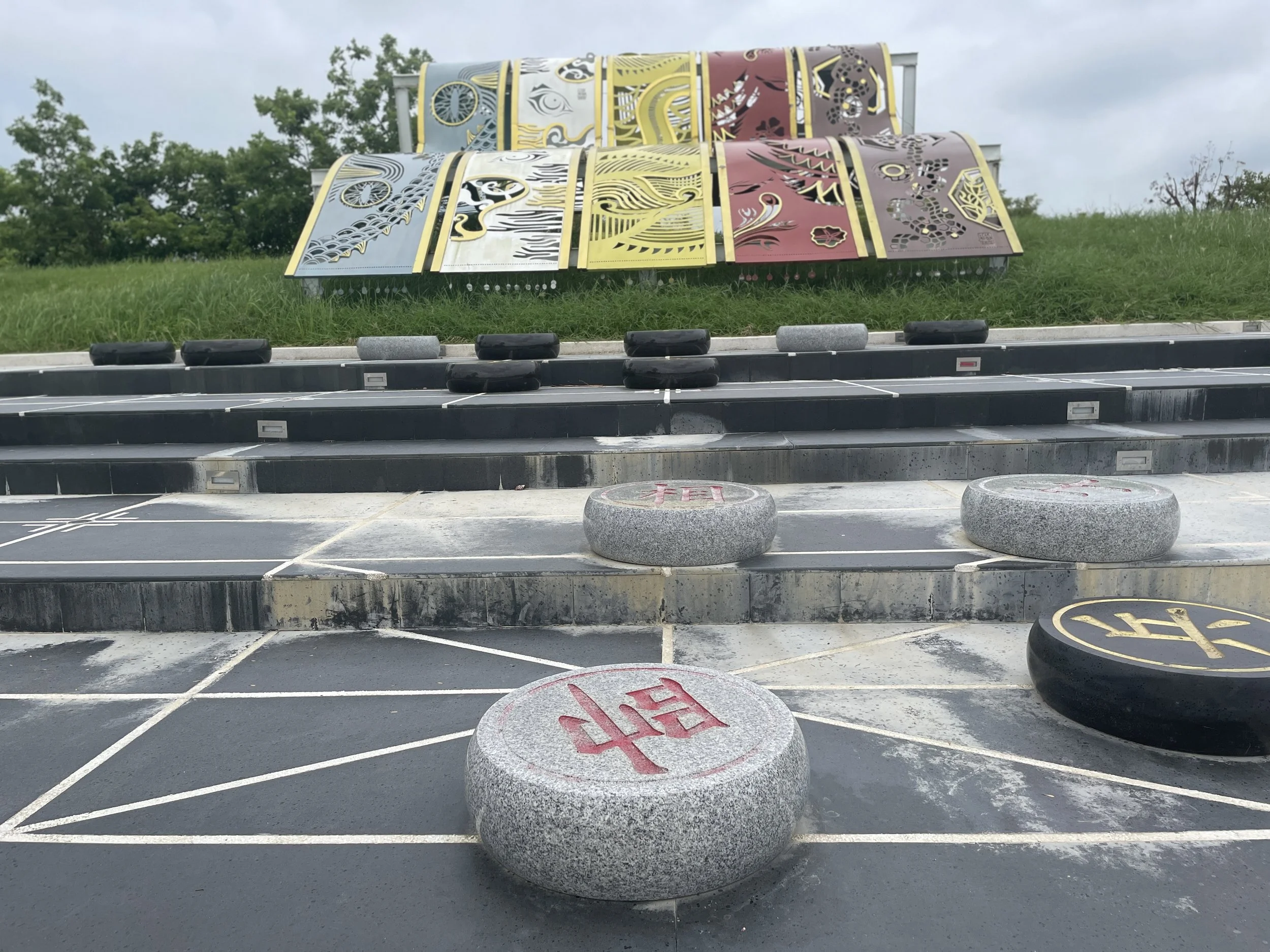
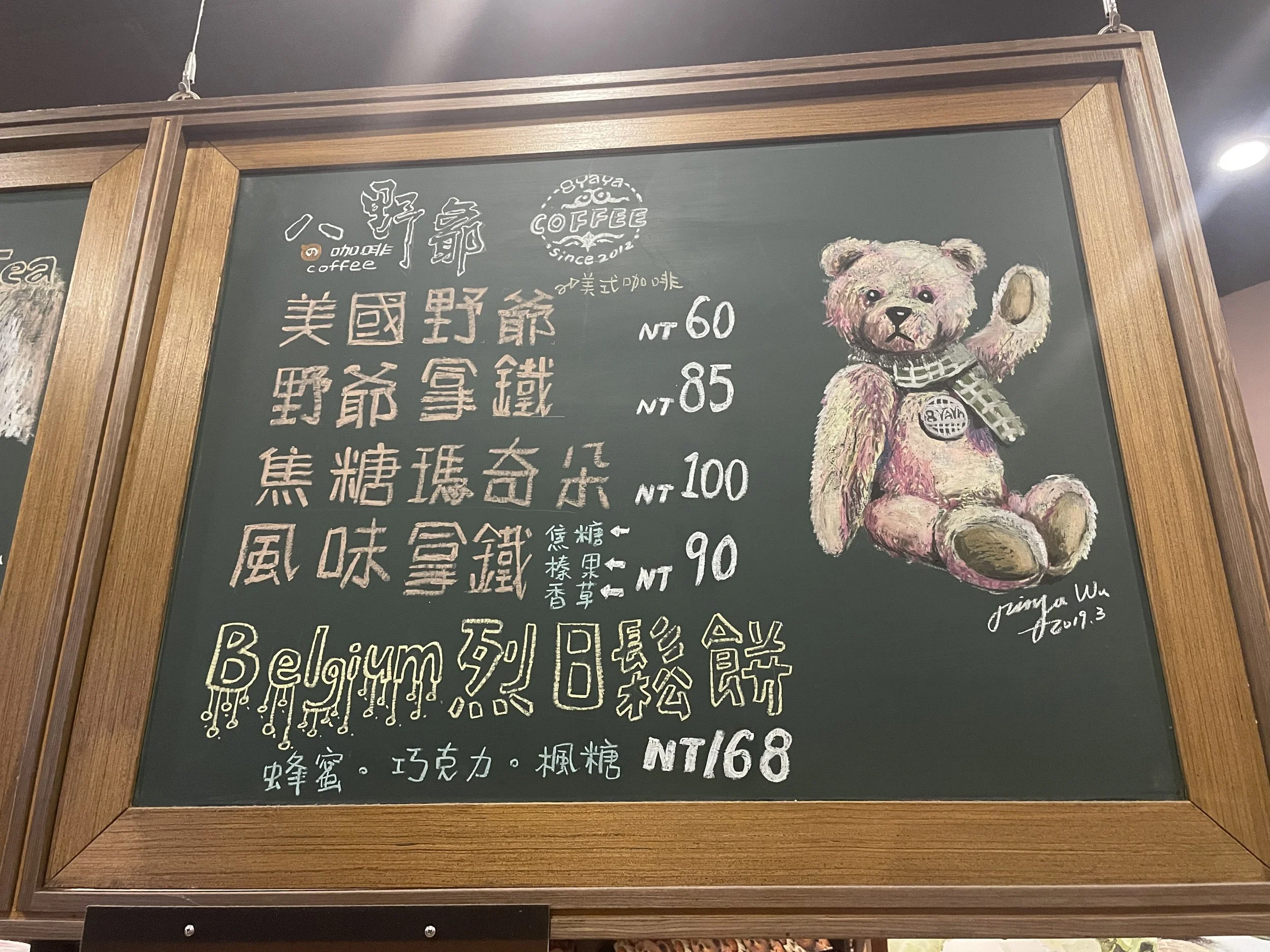
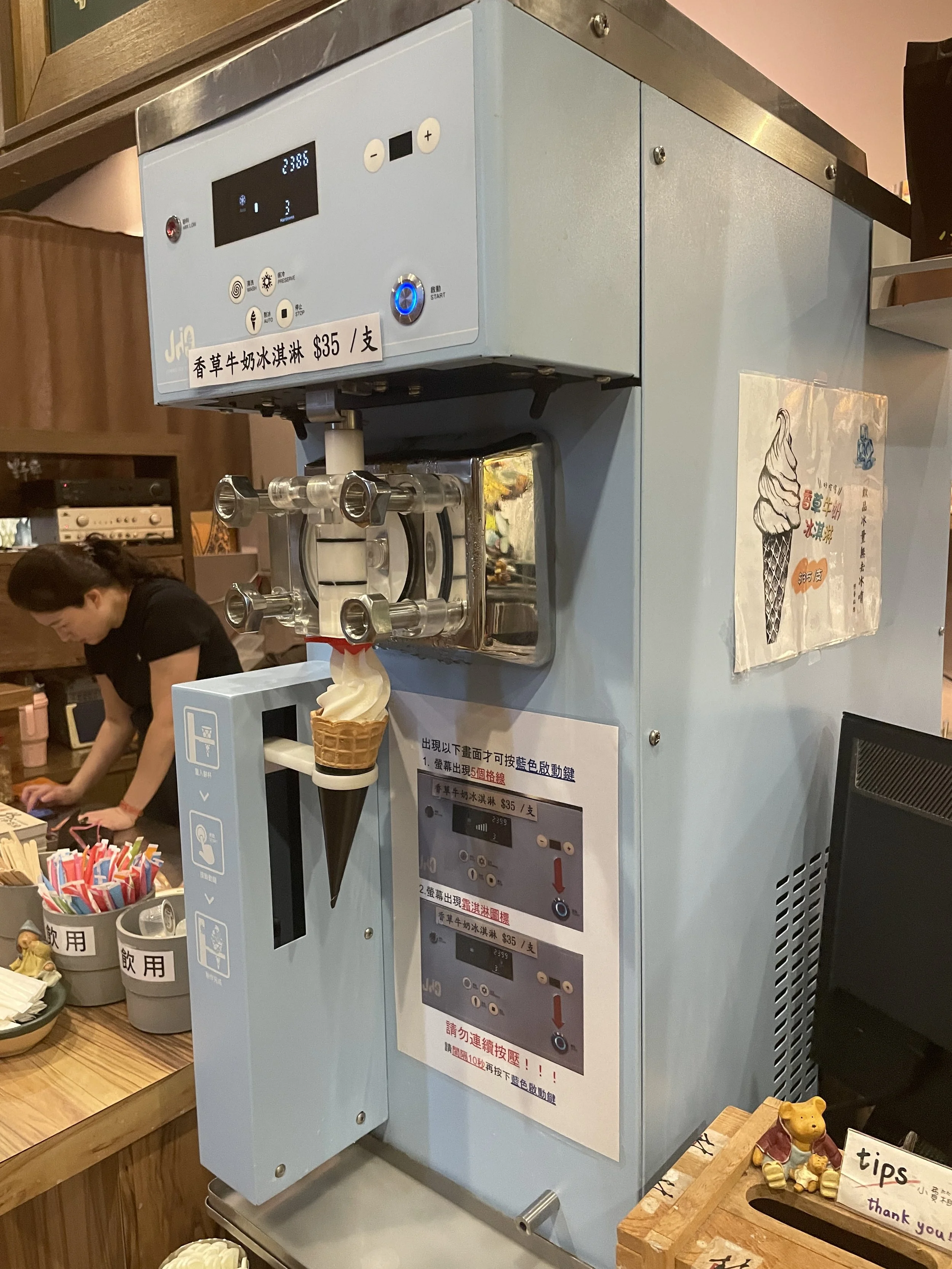
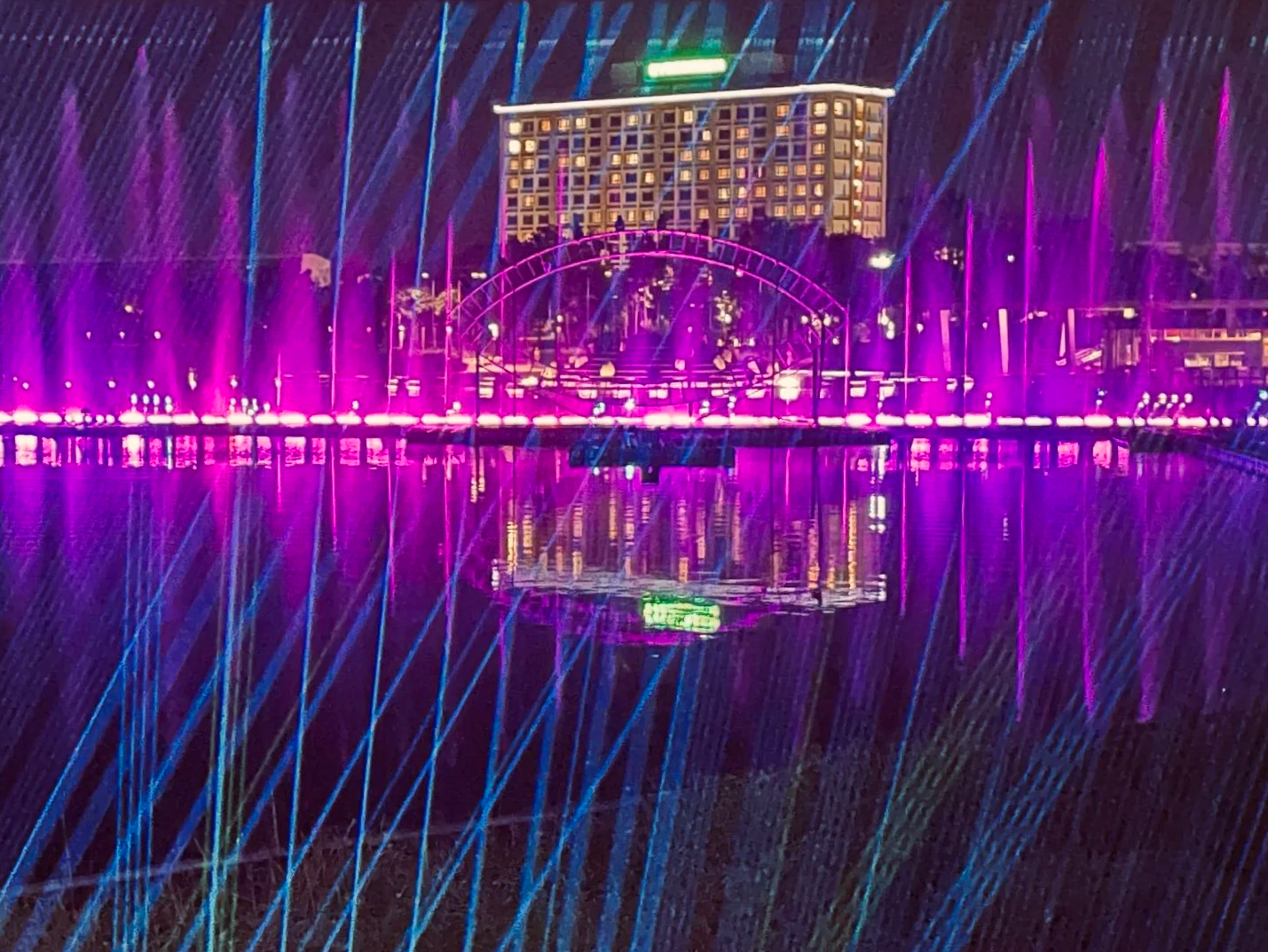
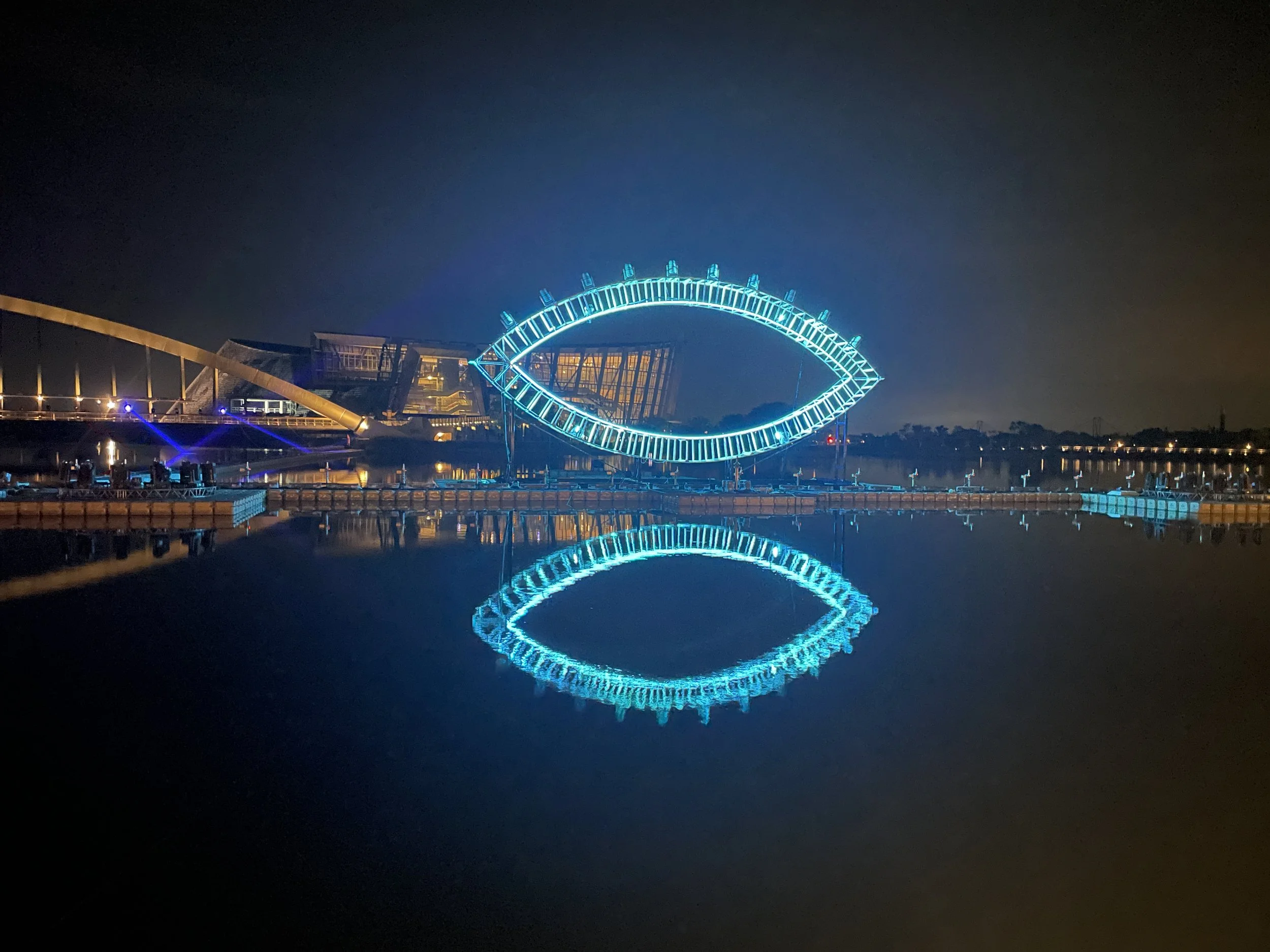
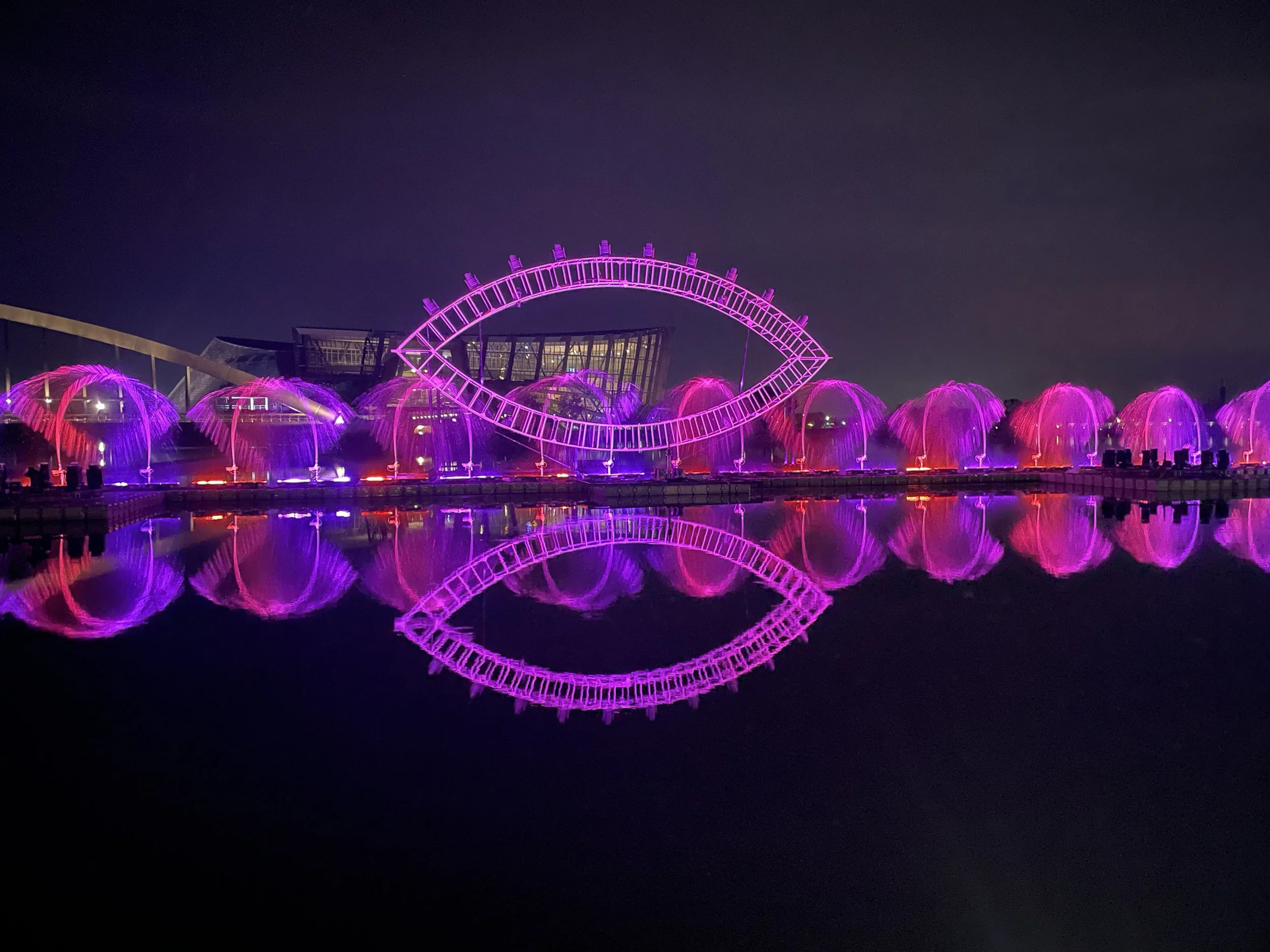
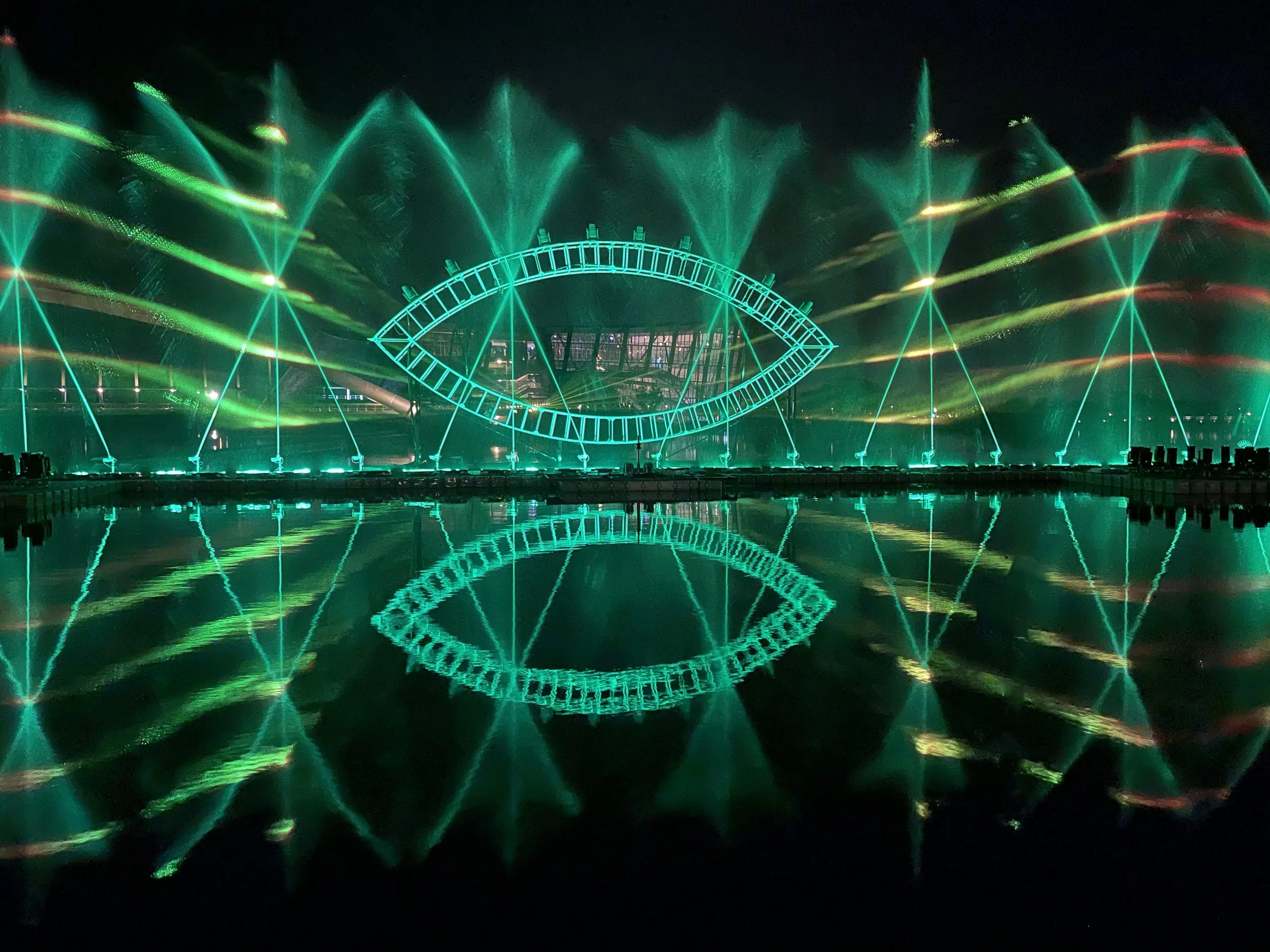
Rain began to fall, so we headed back to our hotel for a rest. Dinner was the hotel buffet, which turned out to be diverse and high quality, with sushi and sashimi among the highlights. Later in the evening, we returned to the museum park to enjoy the lighted fountain shows. With only 10–20 other visitors around, the atmosphere was peaceful, and the rotating themed performances every 15 minutes were a delightful surprise—an unexpectedly charming way to end the day.
台湾故宫南院 · 嘉义
2025年9月17-18日
刚从南美回来没几天,再次坐上达美航空(Delta)回国去看望年迈的父母。在西雅图转机时去了Delta One Lounge, 这是达美航空大概二月前新开的商务贵宾室,全美只有4家。这些年满世界跑,去过无数的贵宾室,但这次的Delta one无论是服务态度还是里面提供的餐饮都是一流的。
前往上海的途中,我们先在台湾停留几天。由于近几年已经多次造访台北,这次便跳过台北,直接搭乘高铁前往嘉义。抵达桃园机场非常顺利——落地不到 30 分钟,我们就已经搭上机场捷运前往桃园高铁站。随后转乘高铁南下到嘉义。嘉义高铁站位于太保市,距离嘉义市区的旧火车站-嘉义站约 15 公里。我们的酒店离高铁站不远,昨晚我们直接叫了 Uber 前往入住。
今天一早,我们6 点准时上线抢购阿里山森林小火车的车票。这条铁路停运了 15 年,去年才重新开通,因此车票异常抢手,尤其是我们只有一天的时间可以上山。这次来台湾前的近二周时间我们一直试图上网买票,但总也买不到。但我们发现一个规律,很多时候在行程前一天网上会出来几张票。所以今天早上5点多就做好准备,等小火车网络系统6点开始运营时二人同时抢。很幸运当我们登入时还有四张余票,赶紧入手,几分钟后便全部售罄。
在酒店吃了丰盛的早餐后,我们走到酒店对面的故宫南院参观。与台北的故宫不同,南院以现代建筑和广阔的园林为特色,不仅是文化展览的场所,也兼具休闲和社区功能。三年前我们在台北故宫时没看到著名的翠玉白菜,当时被告知是在故宫南院展出。这次原本满心期待终于能亲眼一睹,结果发现它又被外借到捷克布拉格去展览——我们再次错过了!南院馆内的展品比台北故宫要少很多,但依然令人印象深刻。只是内容浩瀚,让人难以在短时间内完全消化。
之后我们从故宫南院搭乘免费的接驳巴士前往嘉义市区。车上几乎没有其他乘客,感觉就像包车一般。在嘉义旧火车站,我们取到了明天的阿里山森林小火车的打印车票,并且买好了后天回程的巴士票。
接着我们前往当地极负盛名的鱼头餐厅——林聪明砂锅鱼头(Smartfish)。顶着闷热潮湿的天气,加上空气中难闻的下水道味道,虽然餐厅不算太远,但走过去的过程颇为难熬。餐厅不大,生意兴隆,必须拿号在店外等。好在餐厅几乎只卖鱼头汤,客人周转还比较快,我们只等了一会儿就入座。招牌砂锅鱼头味道确实不错,但油腻感稍重。嘉义的天气和环境让我们我们当下决定不再为了夜市而再回到这一带。
午餐后,我们叫了 Uber 前往桧意森活村。这里保存了一批日治时期的木造建筑,如今被改造成各式小商店。虽然建筑维护得很好,装饰精美,但以商业为主的氛围并不特别吸引我们,所以只停留片刻便离开。随后再次搭乘接驳巴士回到故宫南院,在园区里散步,享受清幽环境,并且在南院里的小咖啡馆享用了咖啡和冰淇淋。
天色渐暗且开始下雨,我们便回酒店休息。晚餐选择了酒店自助餐,种类丰富,品质也很高,寿司和生鱼片尤为出色。饭后,我们再次走到故宫南院,欣赏夜间的灯光水舞表演。喷泉每 15 分钟一场,主题各异,现场只有十几位游客,氛围宁静而舒适。绕着湖走一圈,遍走遍看灯光表演,不同的角度有着不同的感受,很精彩。
Charleston, SC
September 4–8, 2025
After one day of rest at home in Phoenix following our two-week trip to Argentina and Brazil,……
September 4–8, 2025
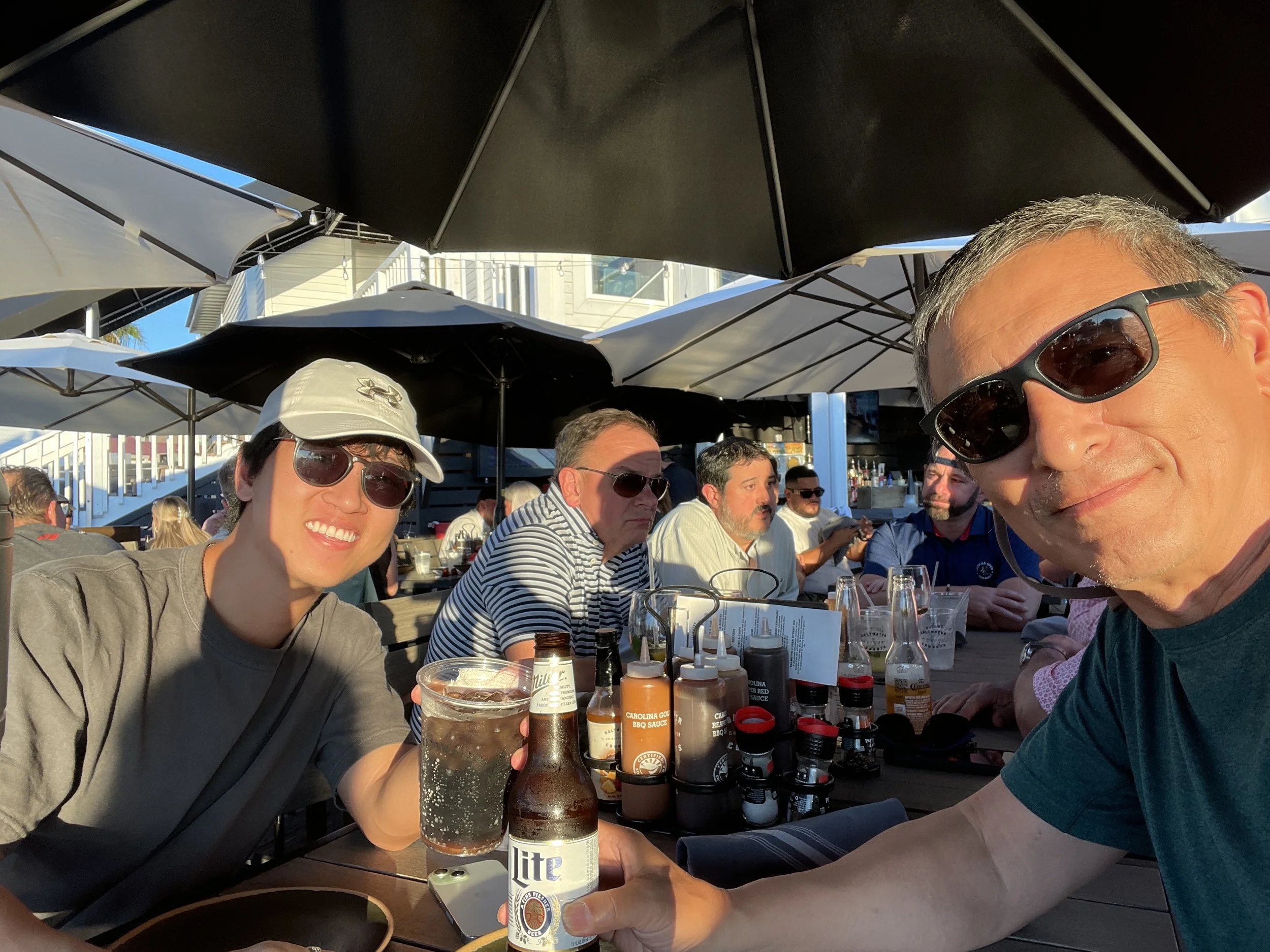
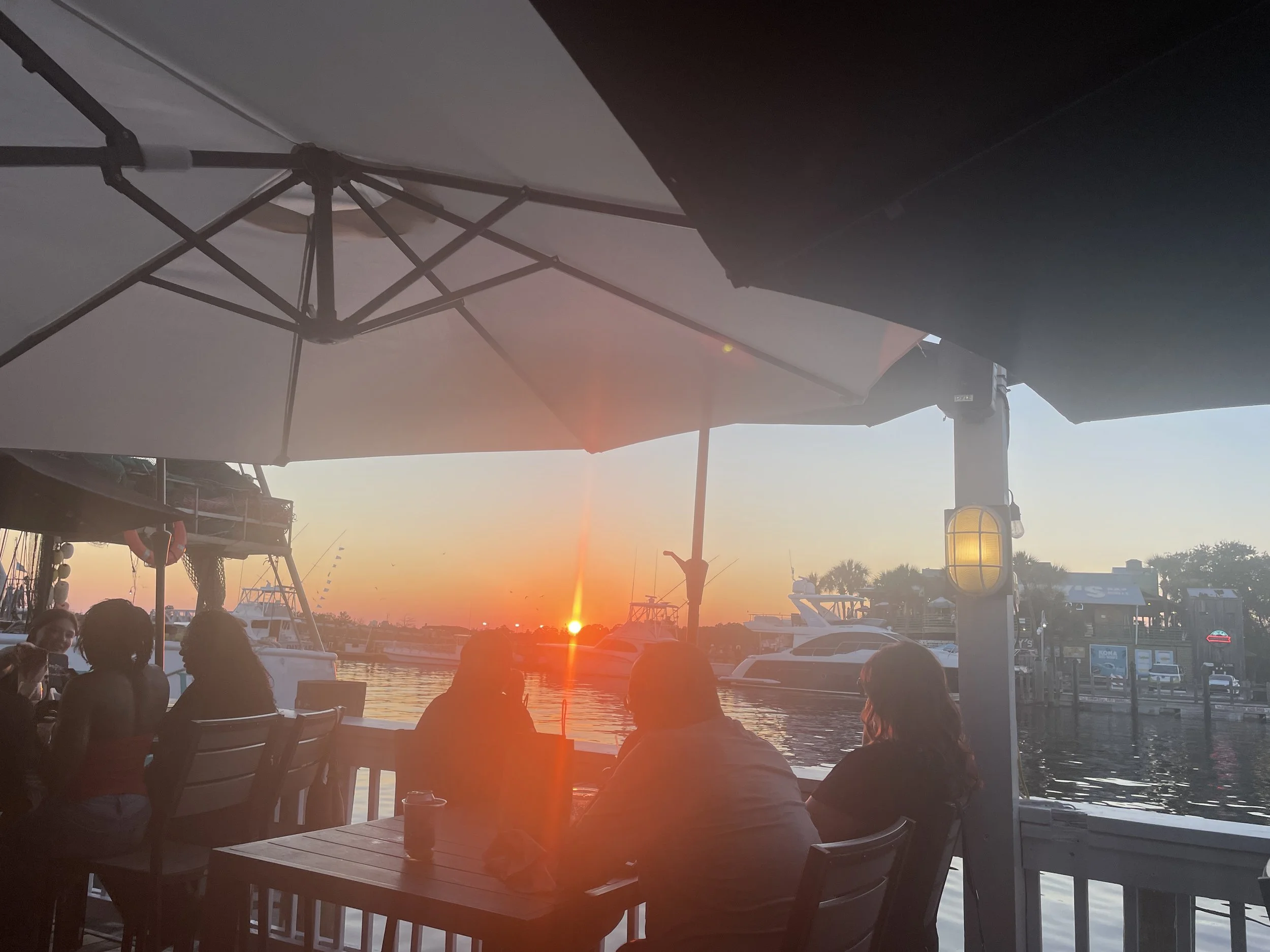
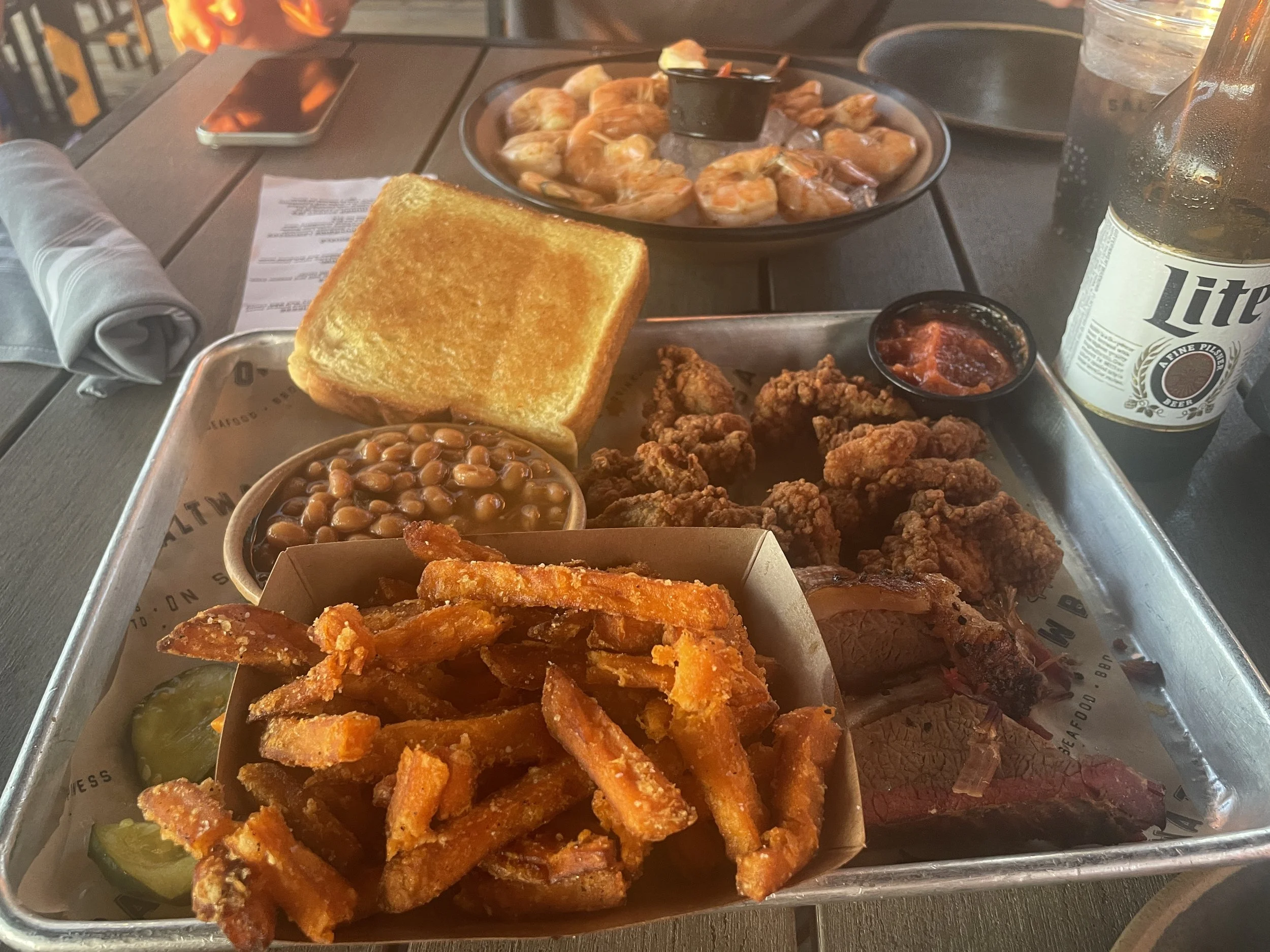
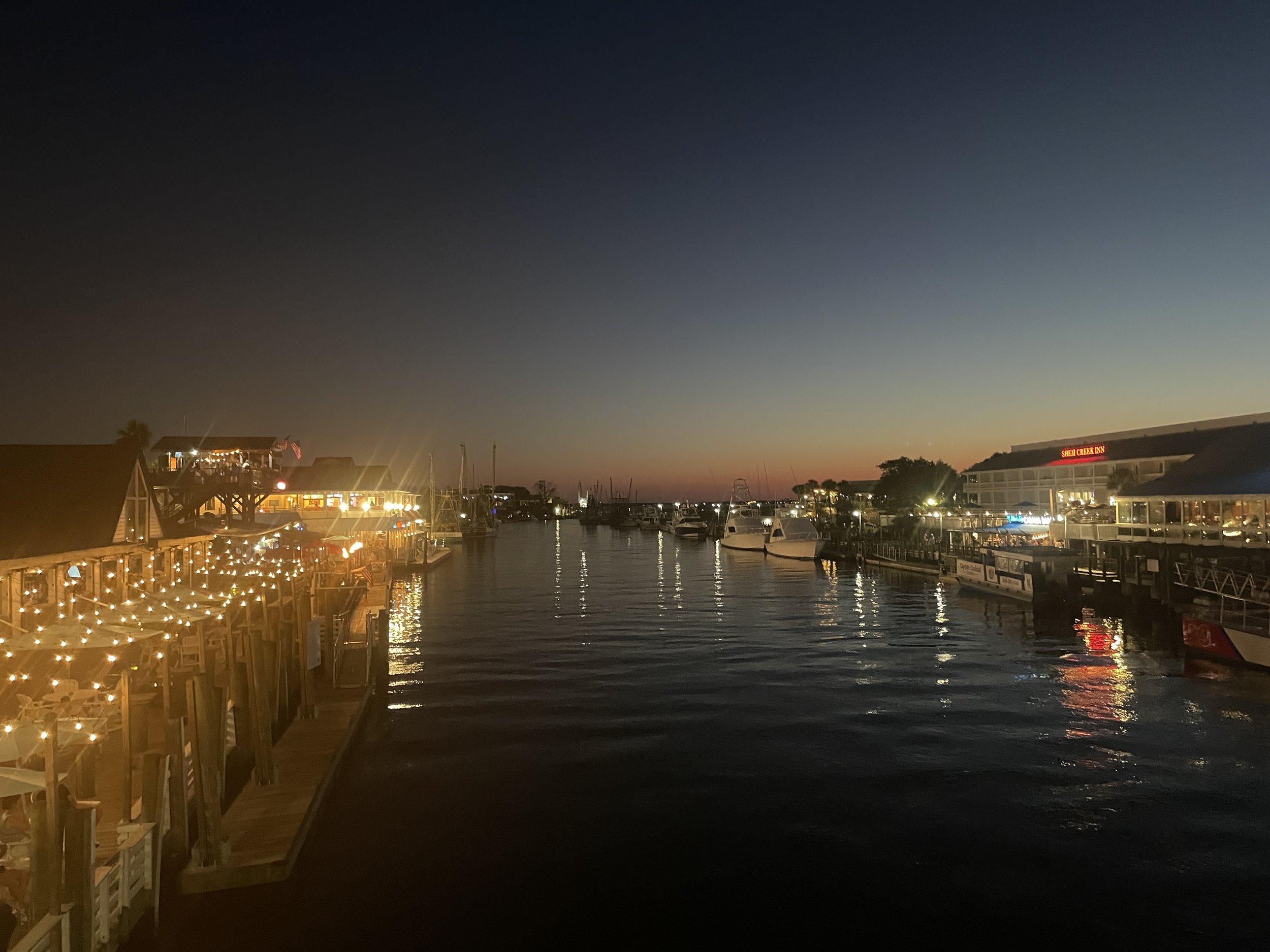
After one day of rest at home in Phoenix following our two-week trip to Argentina and Brazil, I flew to Charleston, South Carolina to meet my son, Cody, for a birthday getaway. We met at the airport, rented a car, and drove to our hotel in Mount Pleasant, a suburb of Charleston. Shortly after settling in, we headed to nearby Shem Creek and enjoyed our first seafood meal at Saltwater Cowboys. As the sun set, the creek shimmered beautifully in the evening light.
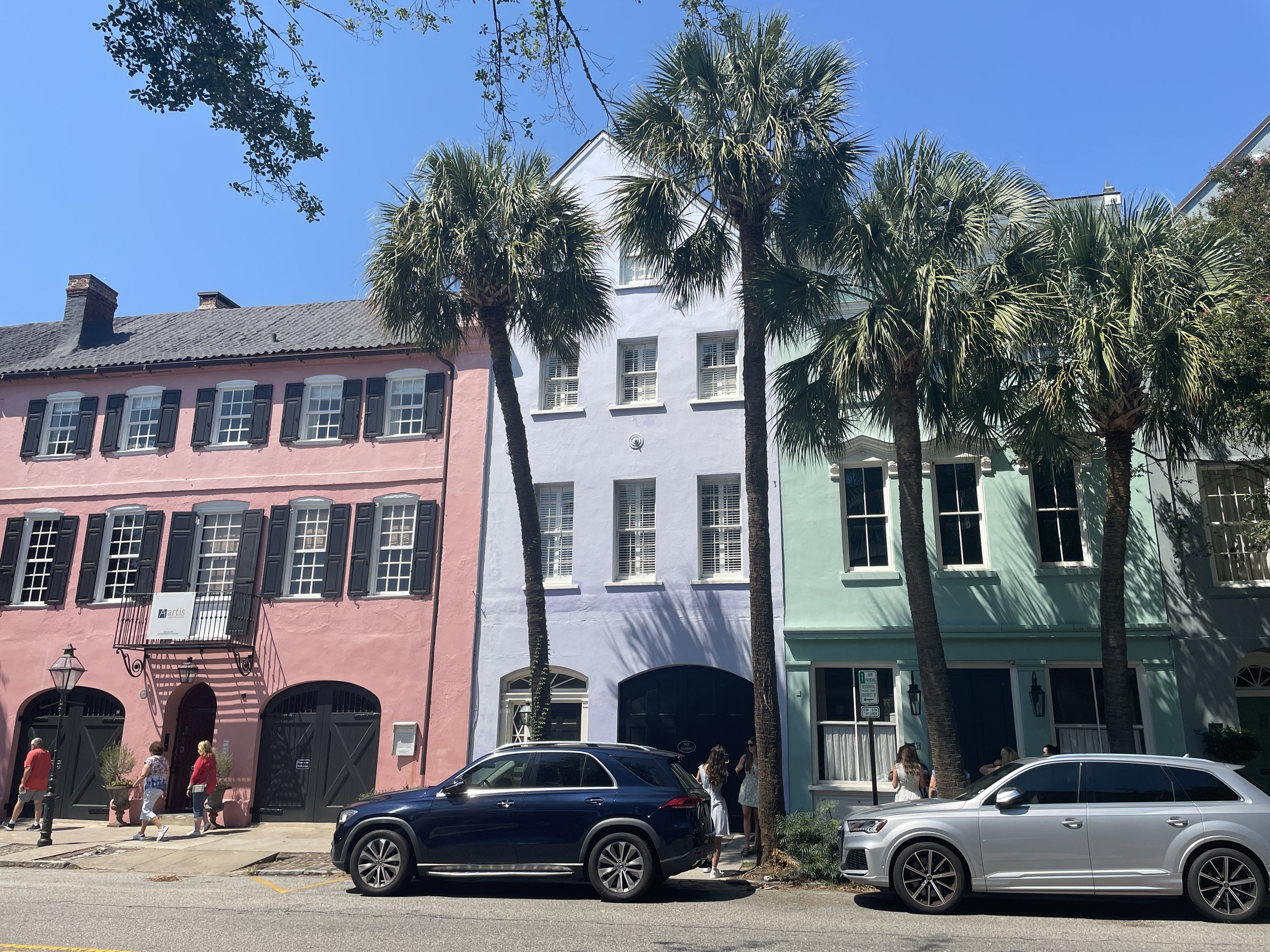
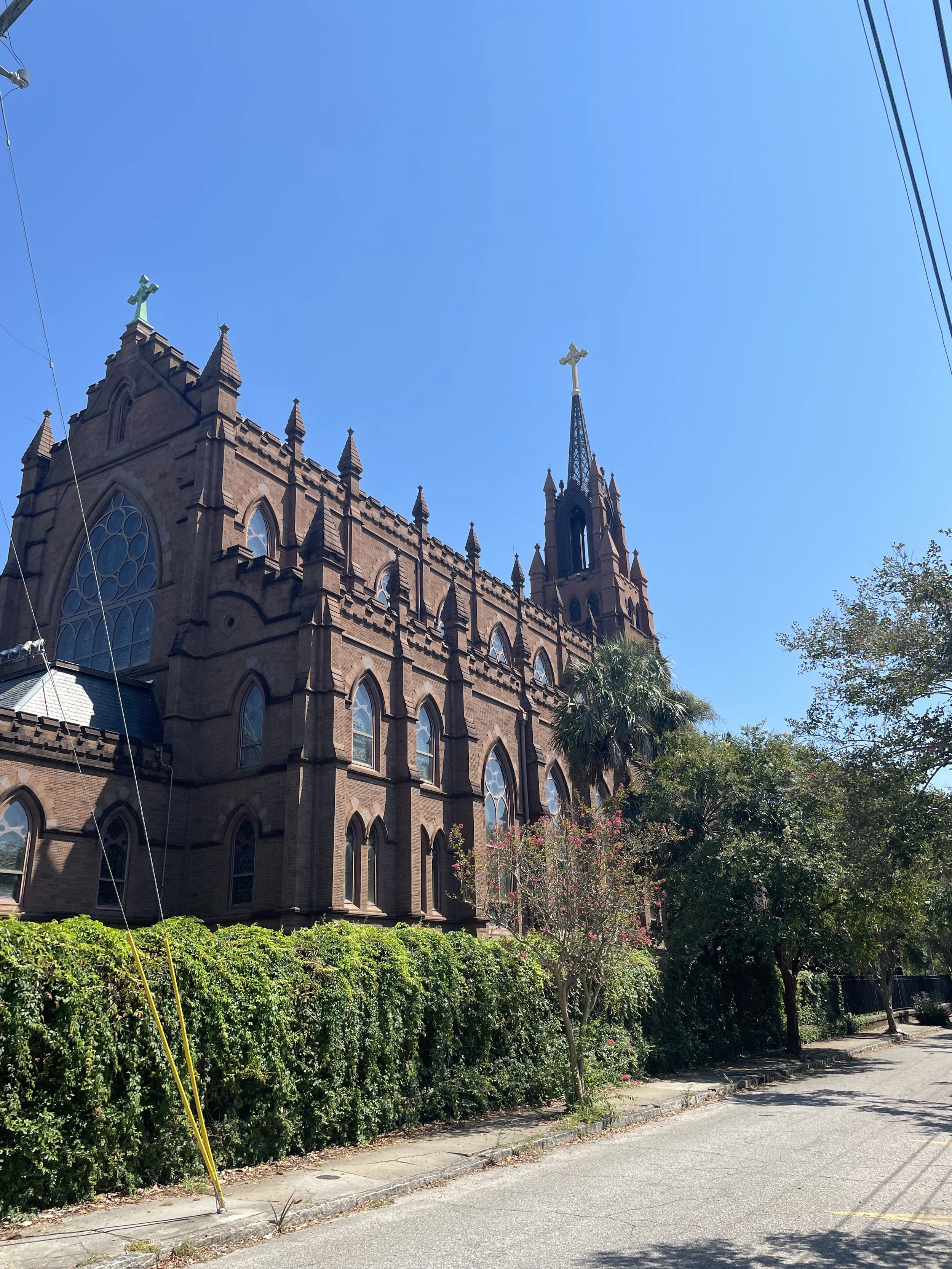
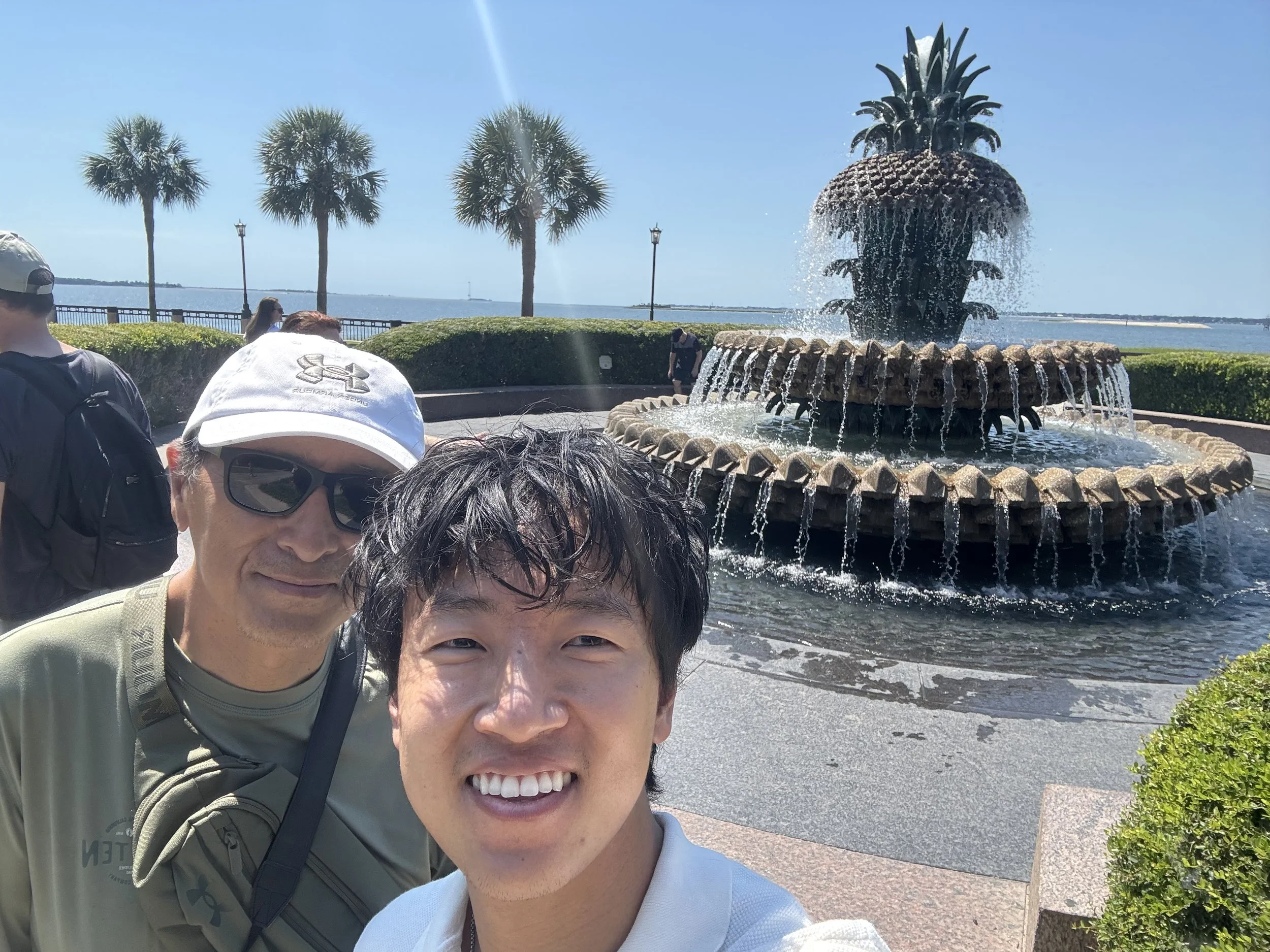
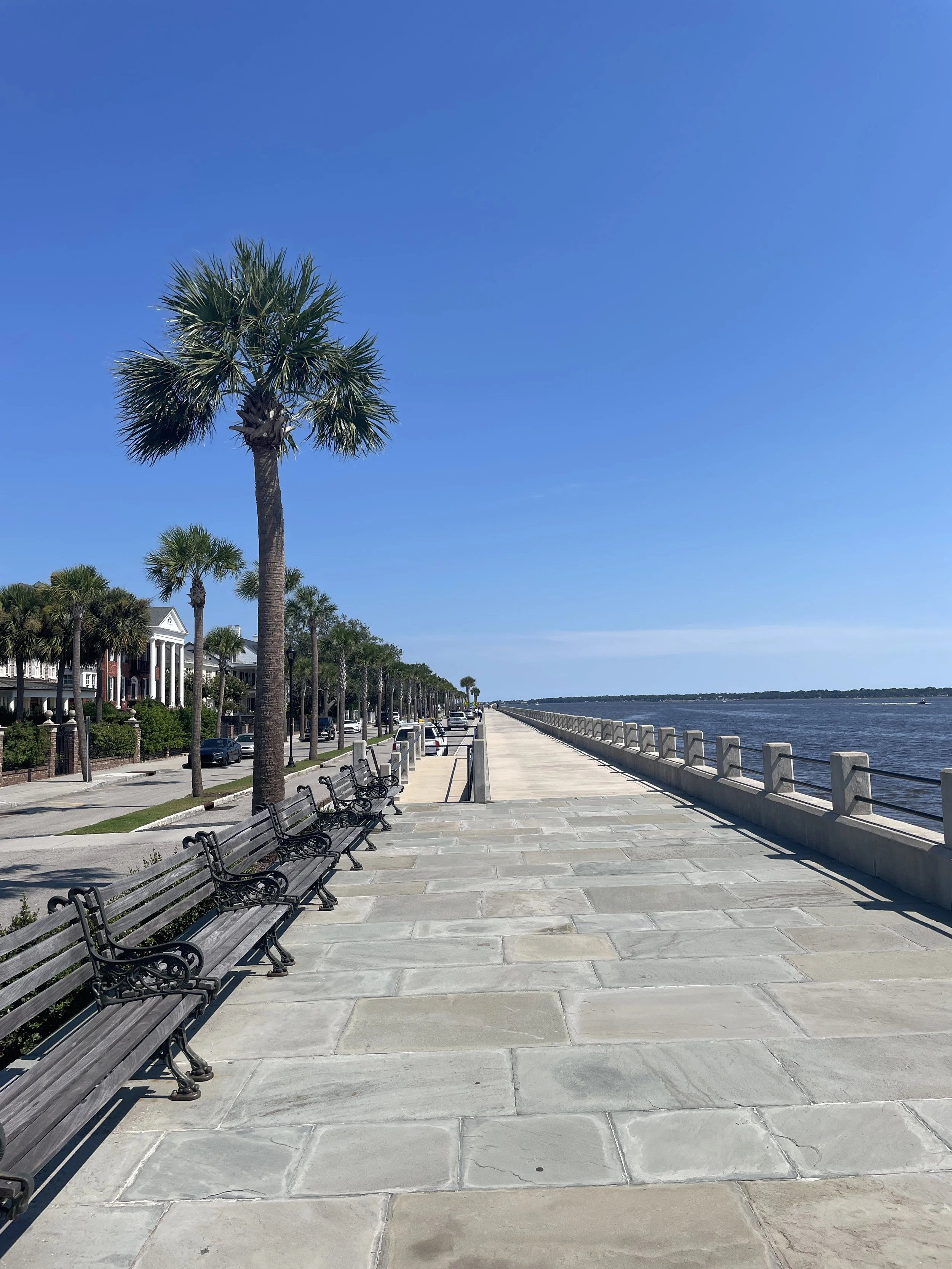
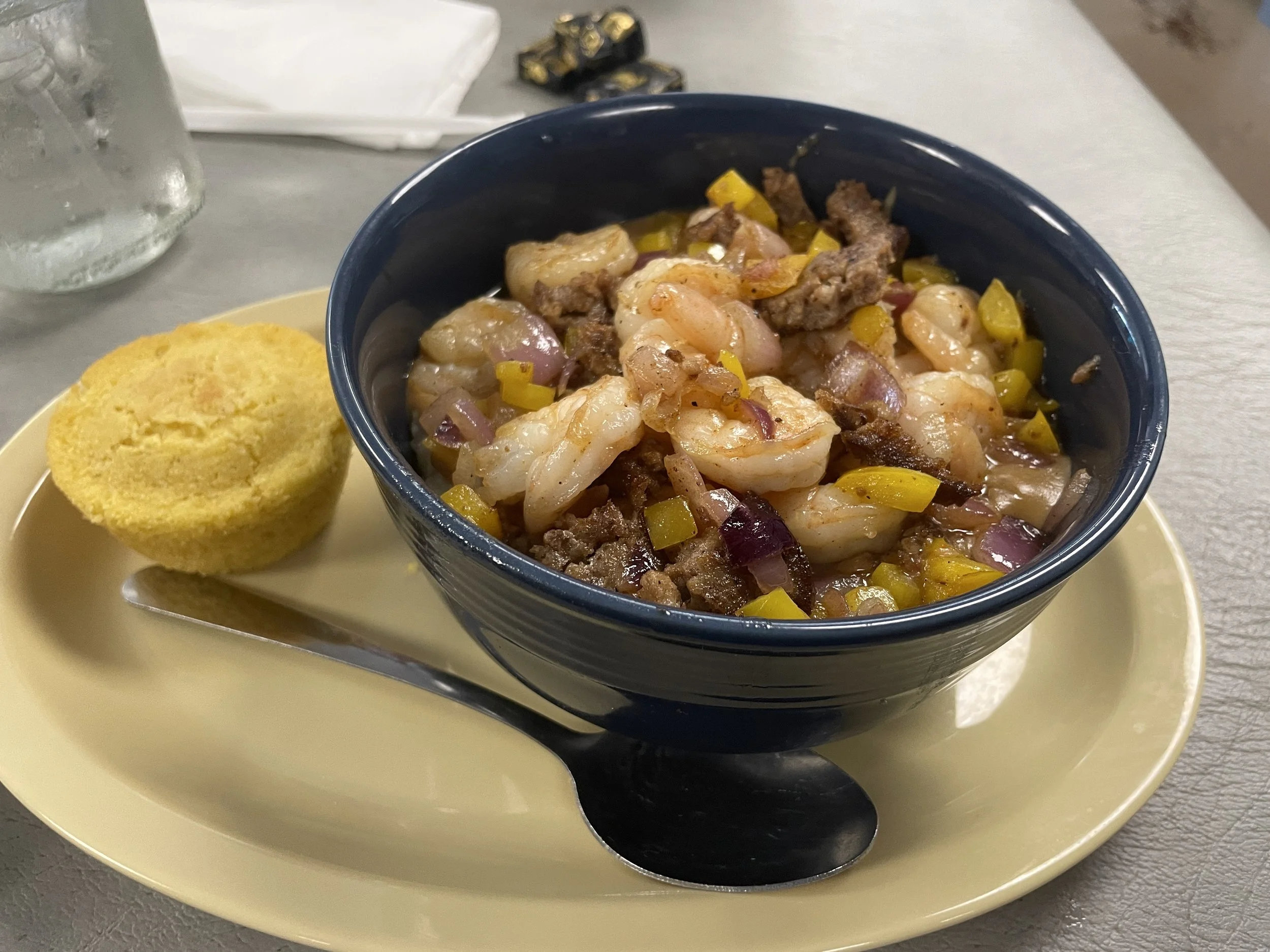
On September 5, we drove into historic downtown Charleston and spent the morning strolling through the charming streets. The surrounding plantations were stunning. For lunch, we stopped at Fleet Landing by the water. Both the Fried Green Tomato Stack and the Charleston Shrimp & Grits were unique and delicious. Afterward, we walked along the Waterfront Park, enjoying the breeze and the views.


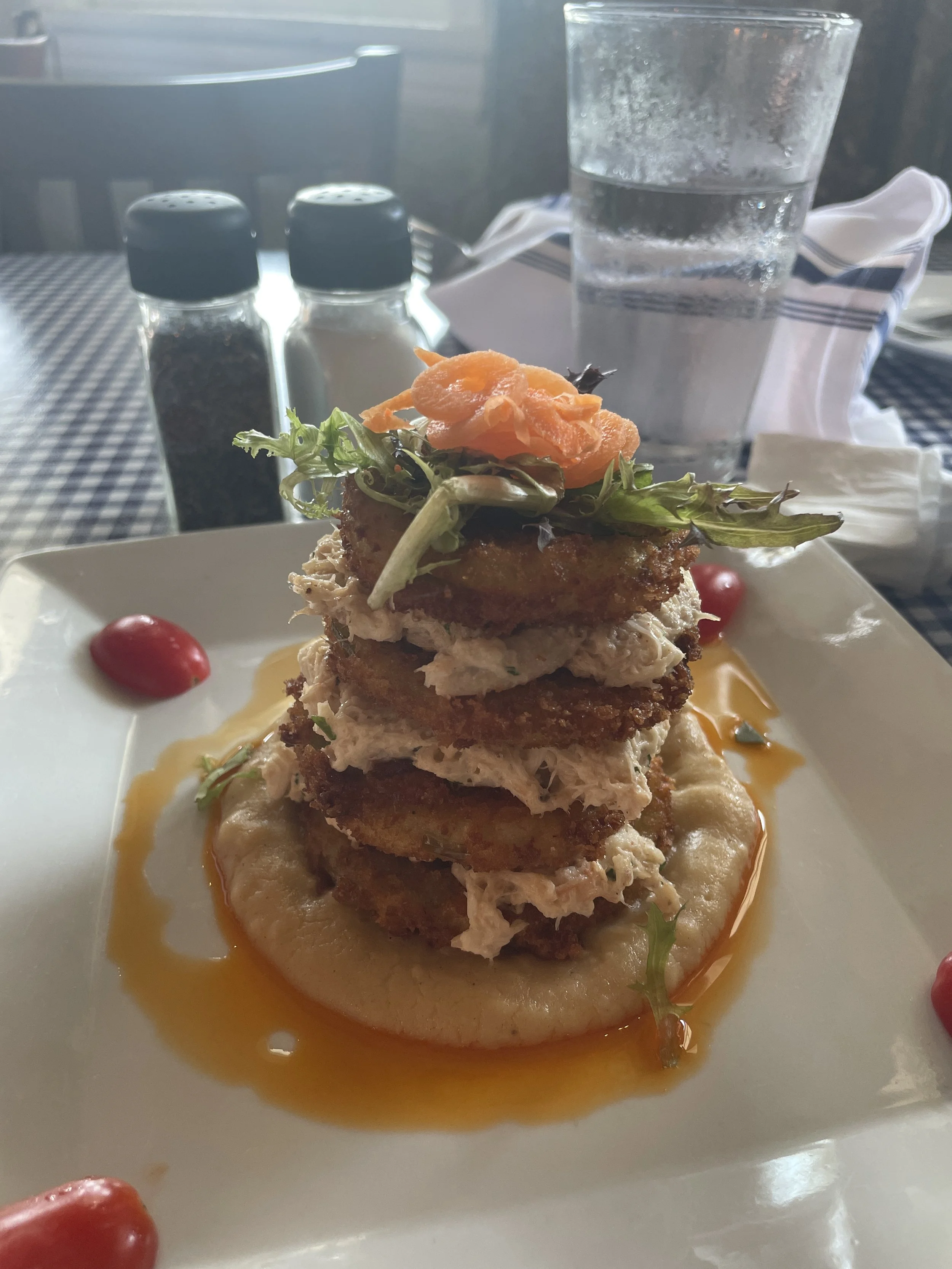
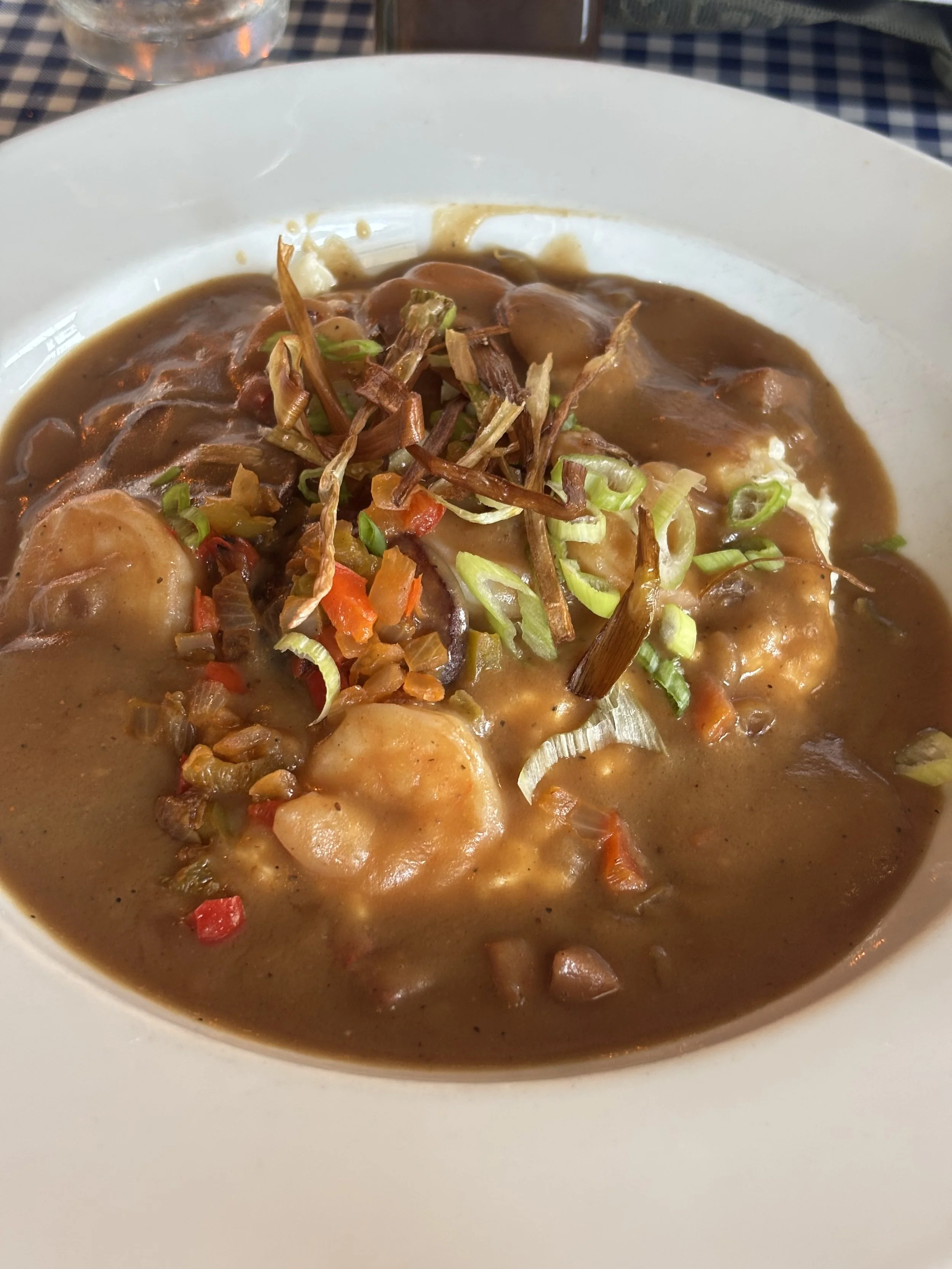
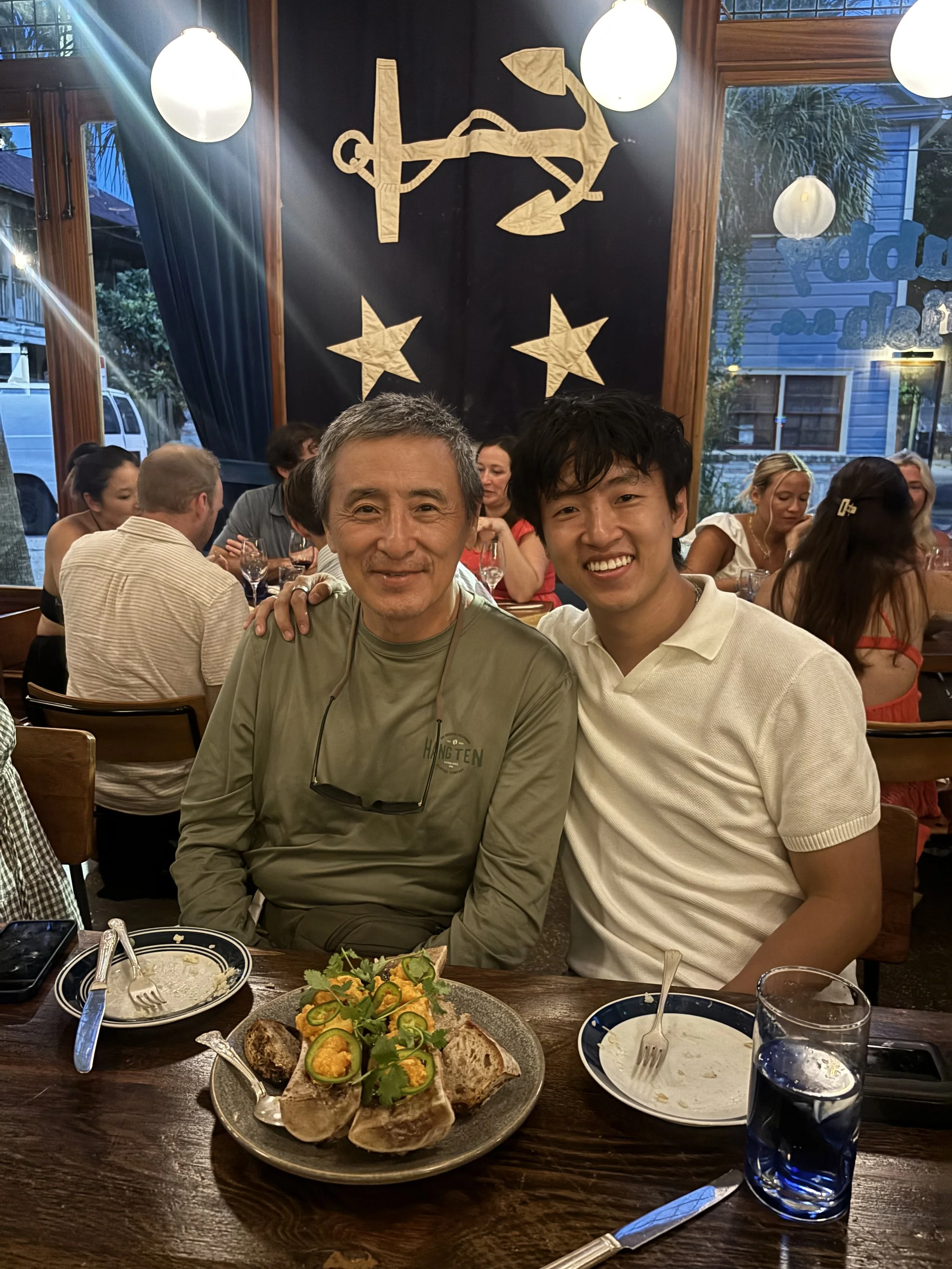
For Cody’s birthday dinner, we had our eyes on one of the most popular seafood restaurants in Charleston—Chubby Fish. The restaurant opens at 5 p.m., takes no reservations, but allows you to put your name down for later seatings. We arrived at 4 p.m. and joined the already-forming line. When the doors opened at 5, we were lucky enough to secure seats for the 6:45 p.m. second seating. With more than an hour to spare, we walked to The Darling Oyster Bar nearby and enjoyed 16 oysters—some costing only $1 each.
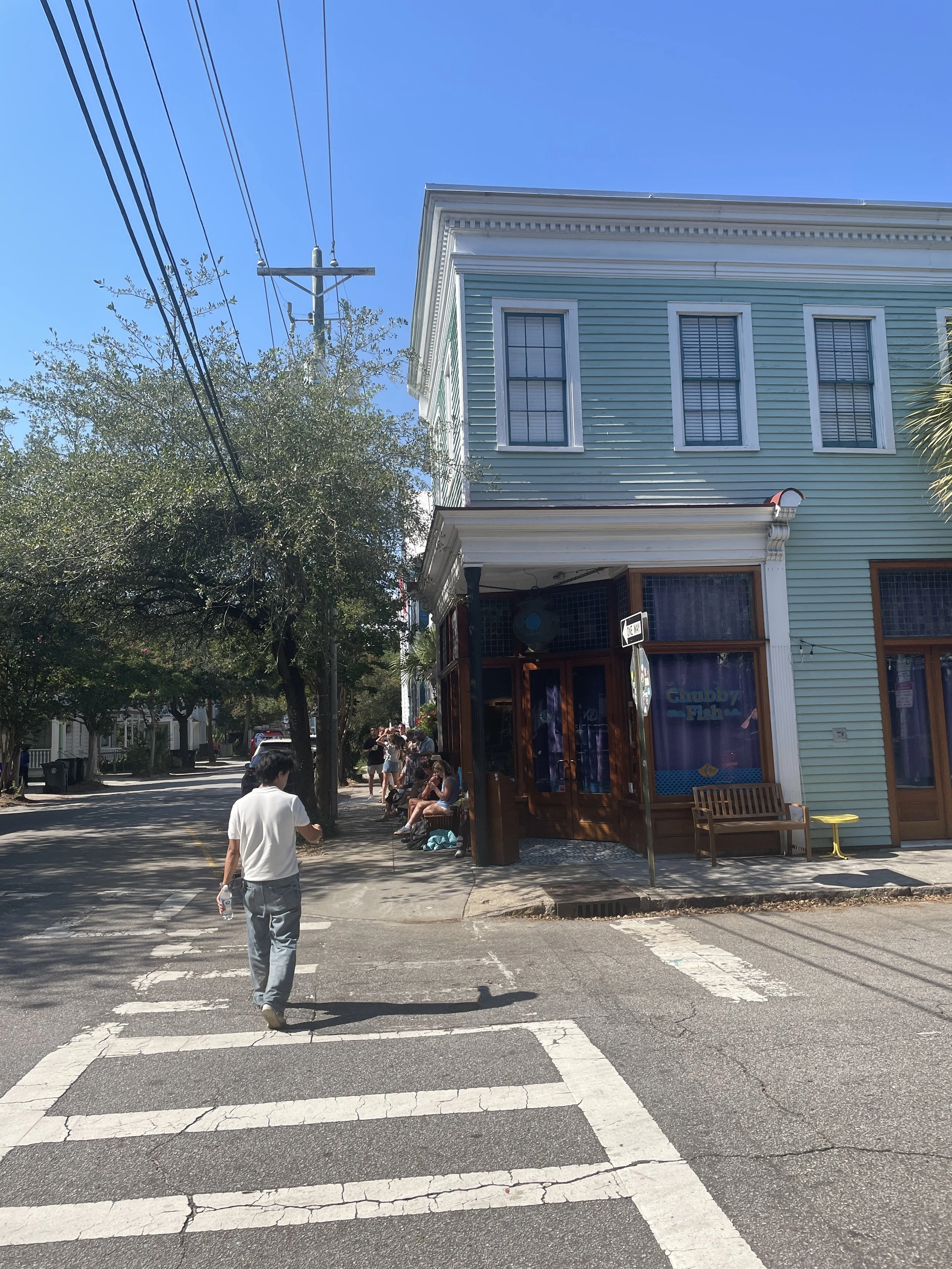
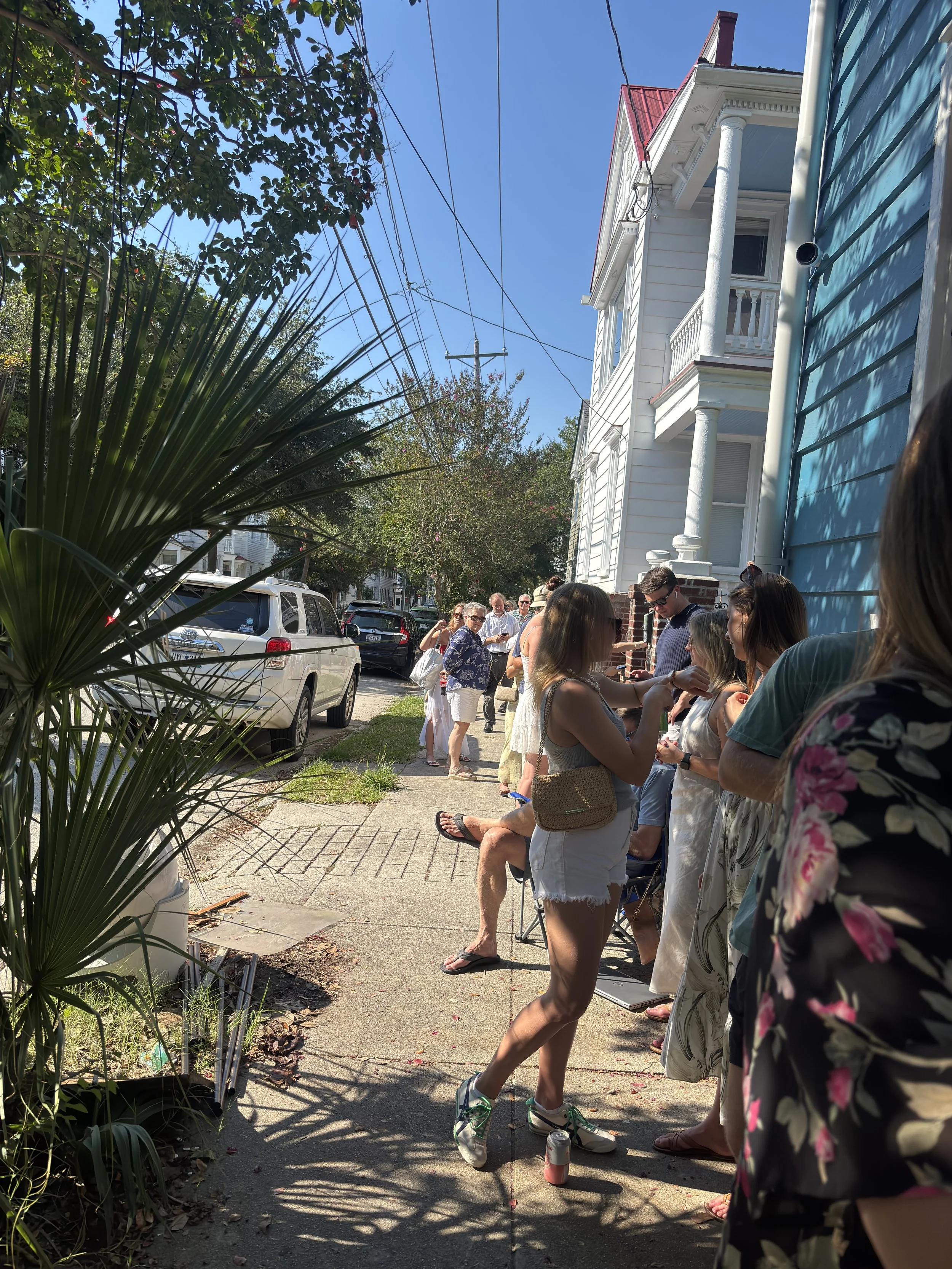
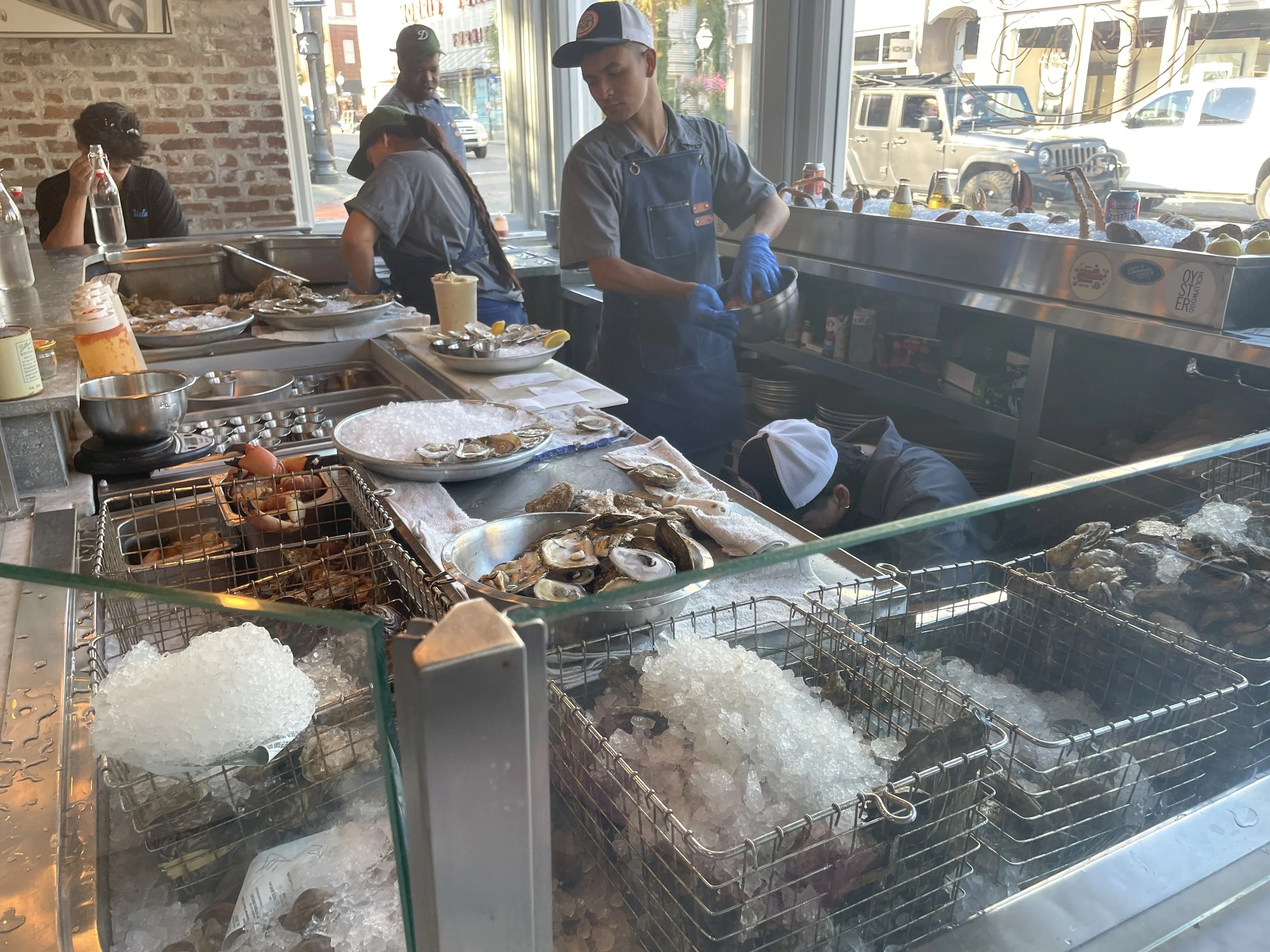
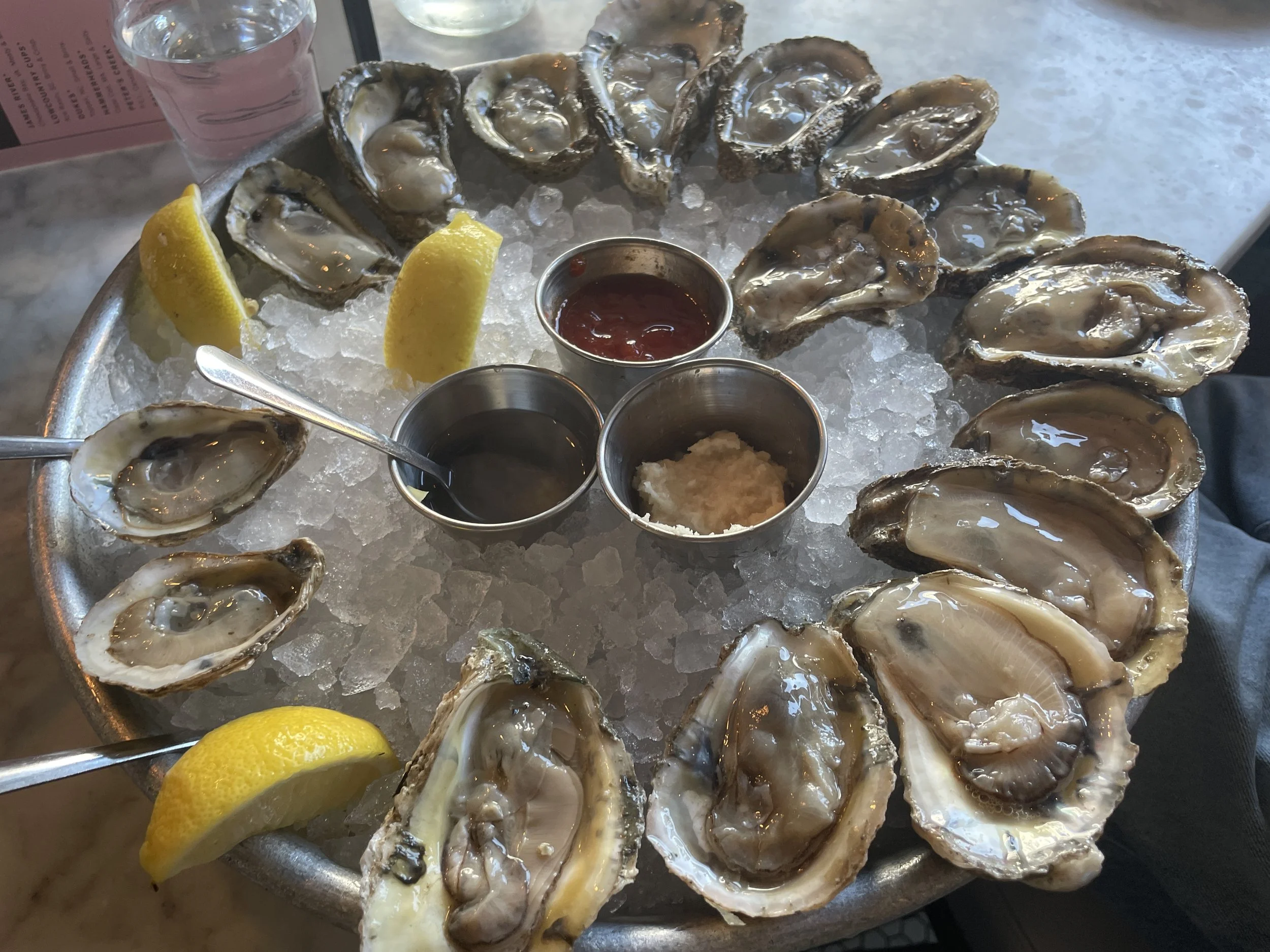
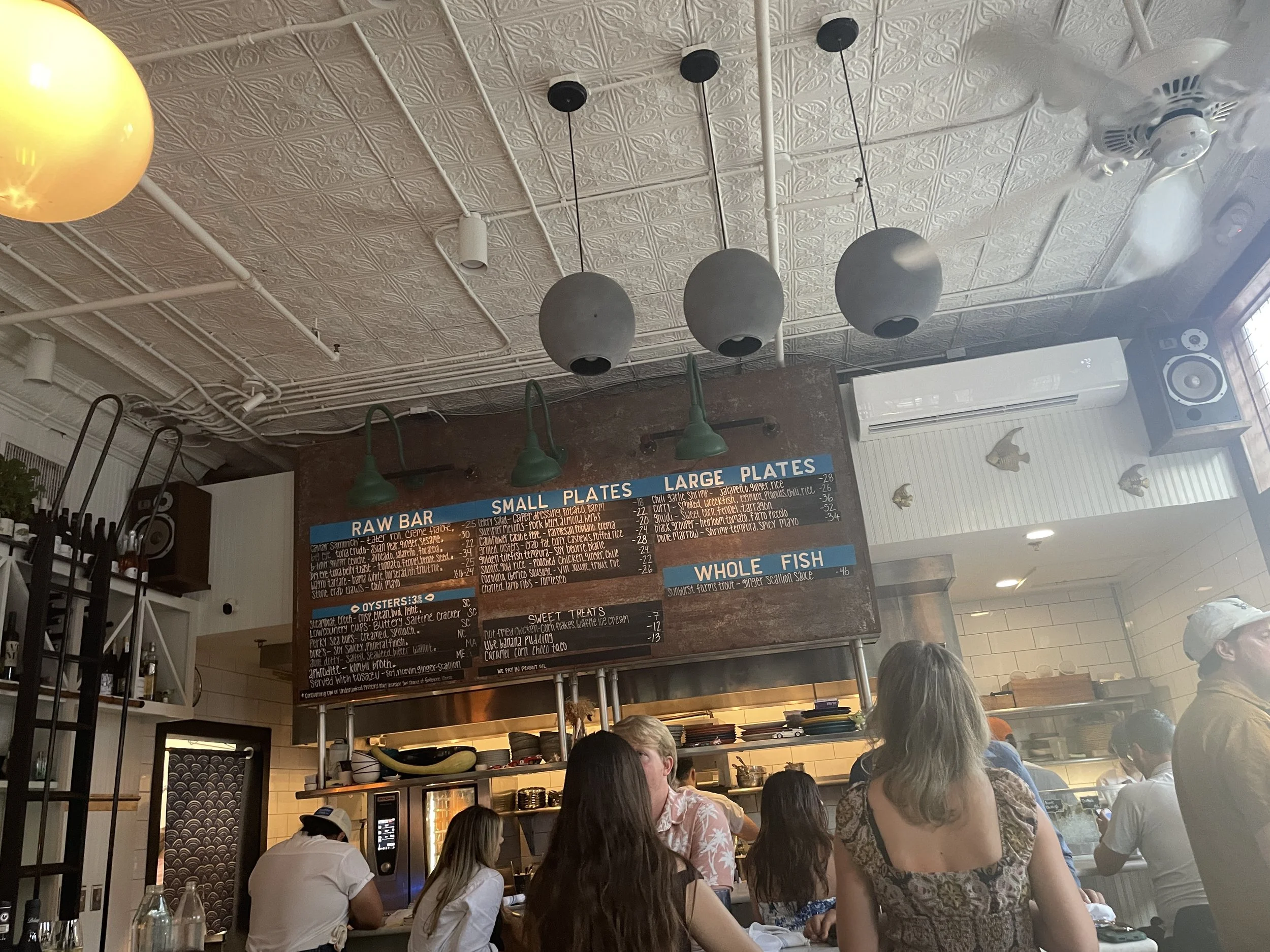
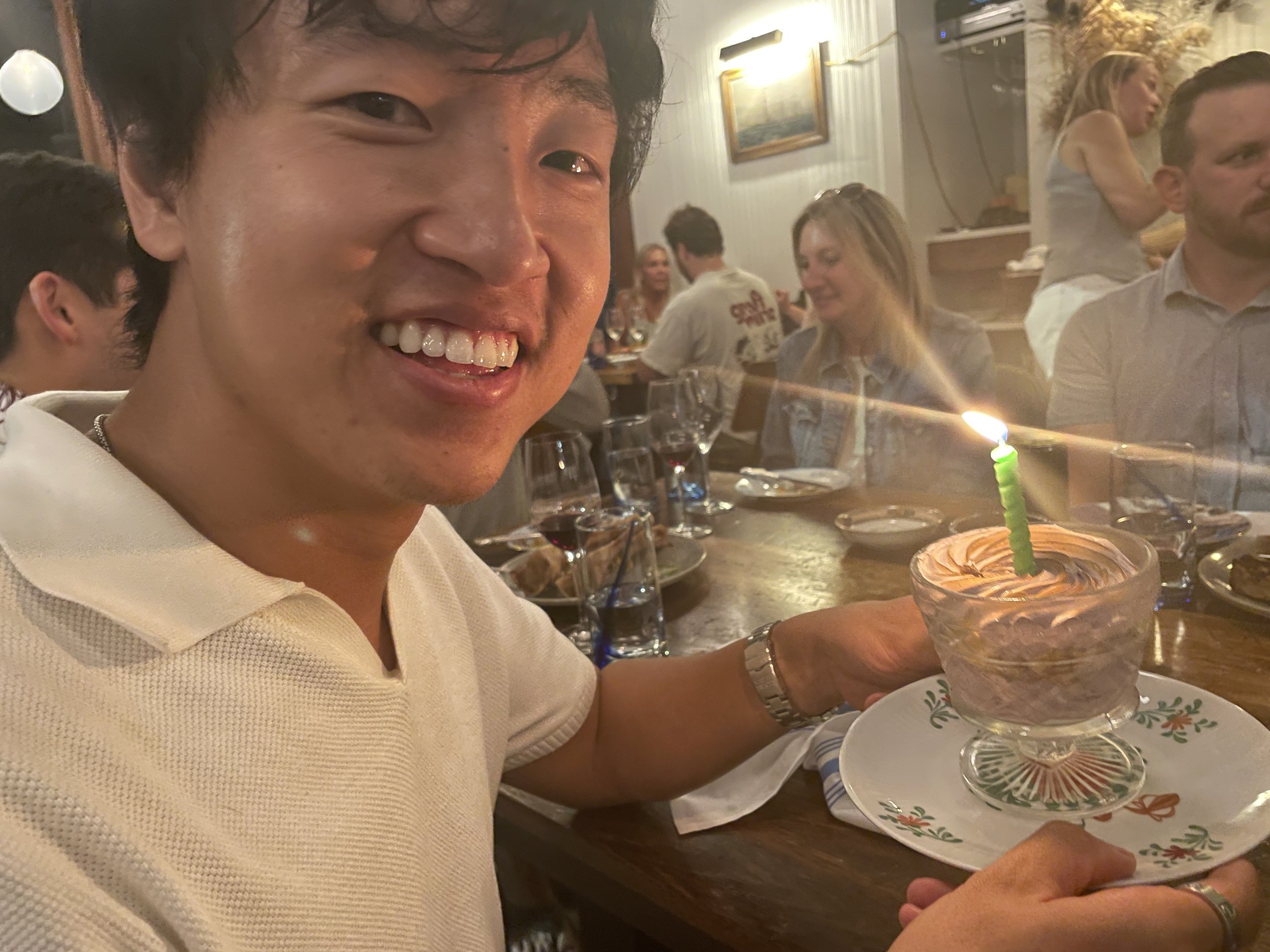
We returned to Chubby Fish for the main celebration. The food did not disappoint: the caviar sandwich, shrimp tempura served on top of bone marrow, and tuna toast were all excellent. The biggest surprise came at the end, when the waitress handed us a $0.01 bill and told us Cody’s sister had called ahead and taken care of the entire meal. It was such a thoughtful, loving gesture—a perfect end to what must have been one of Cody’s best birthday celebrations.
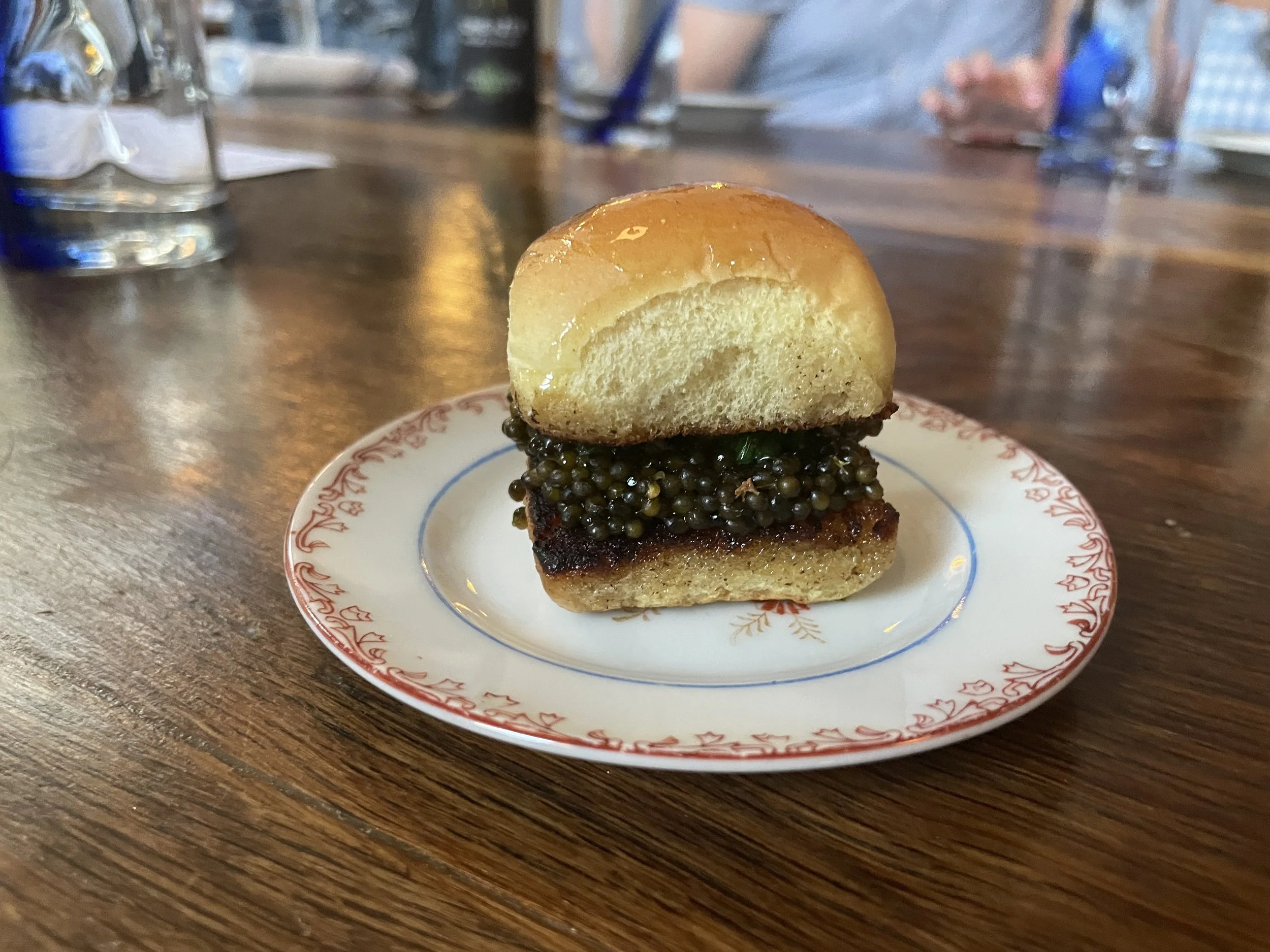
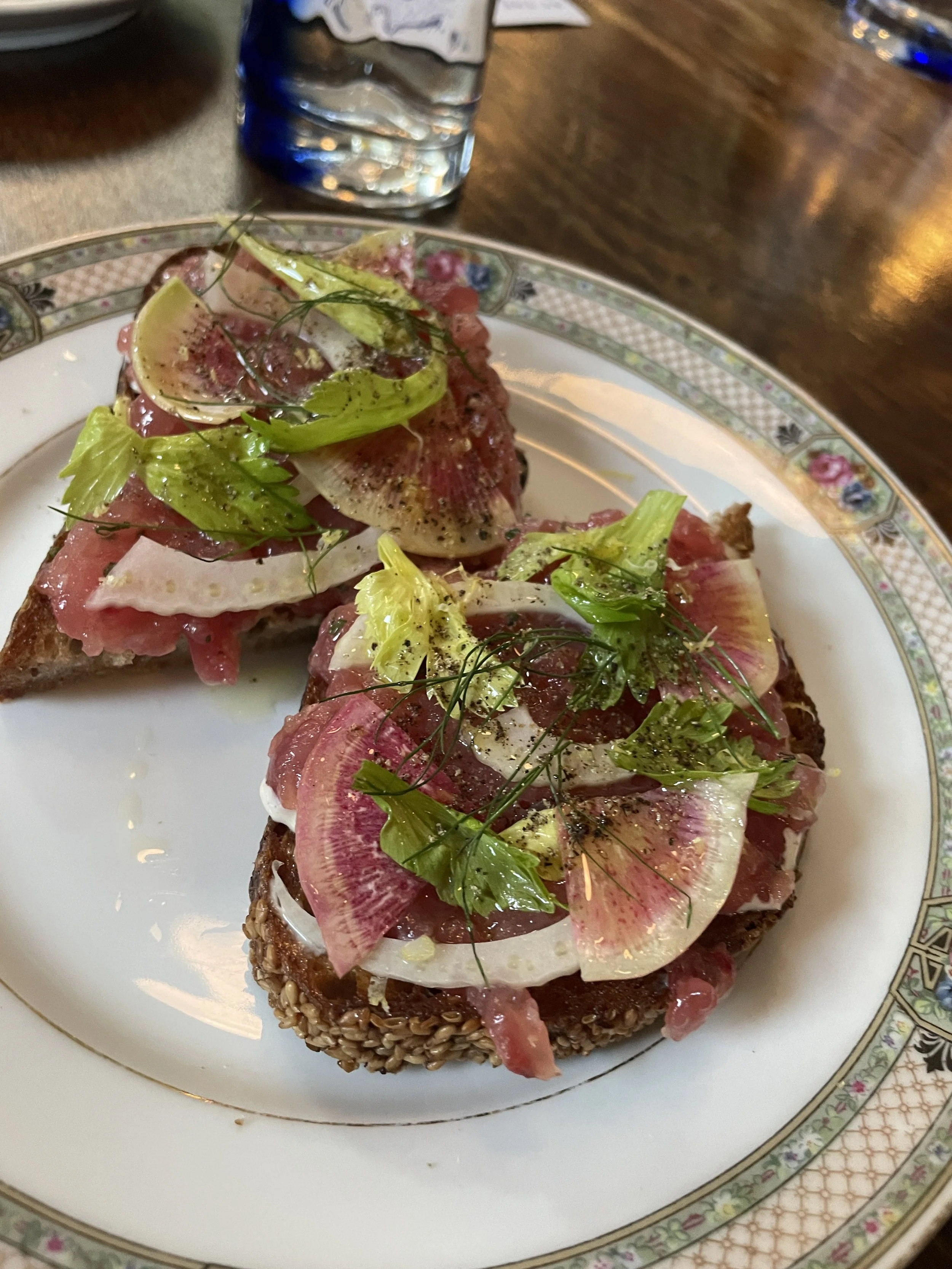

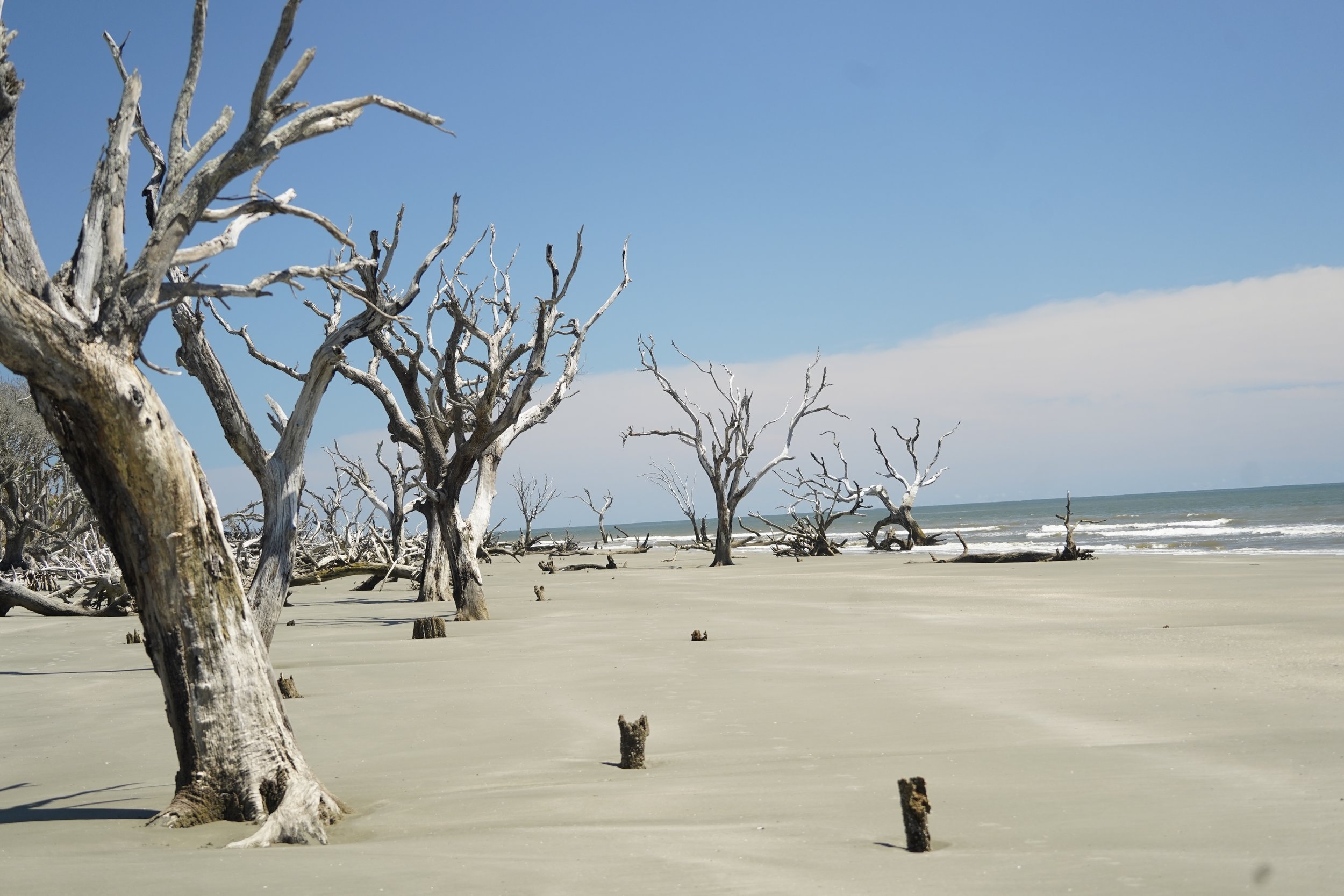
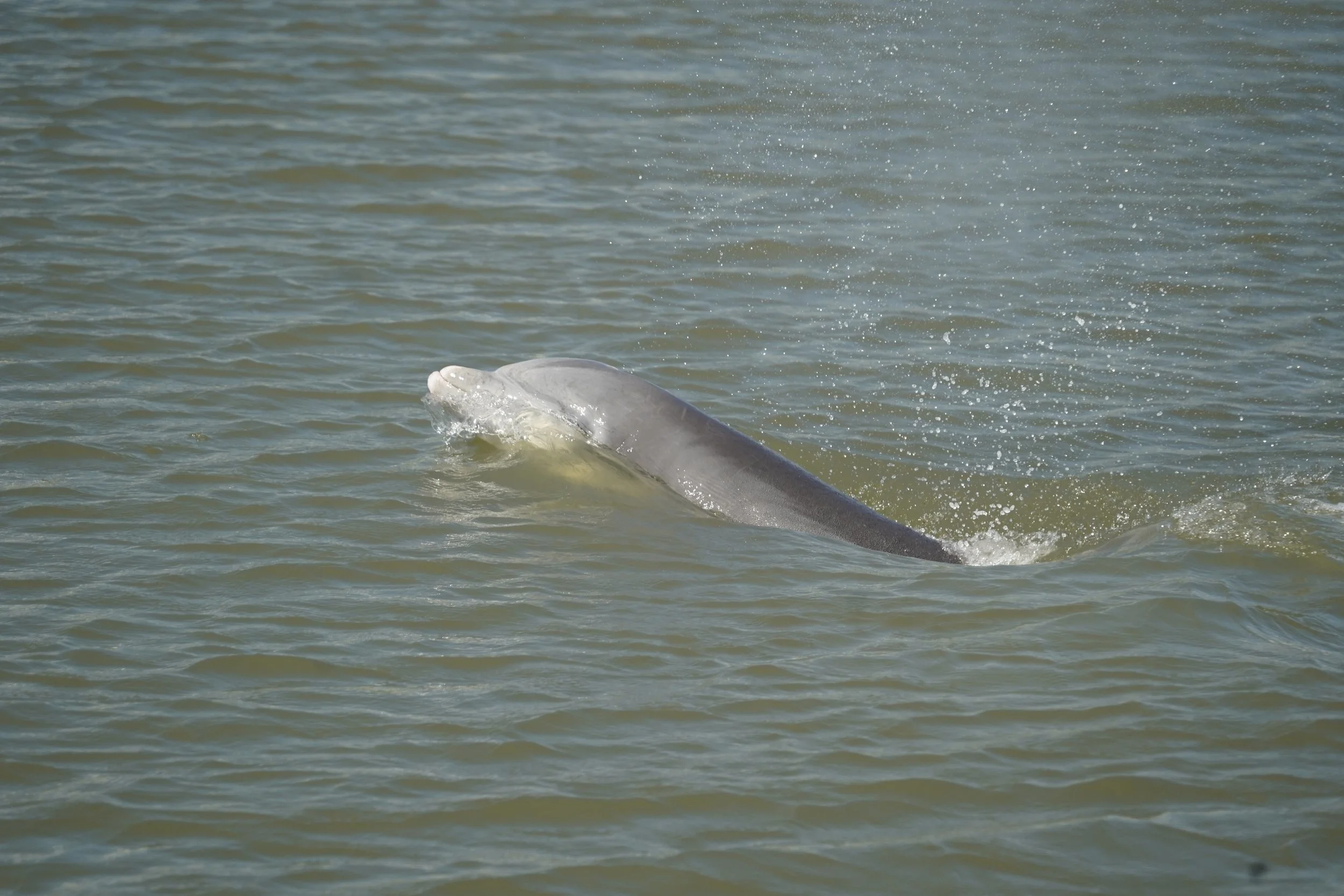
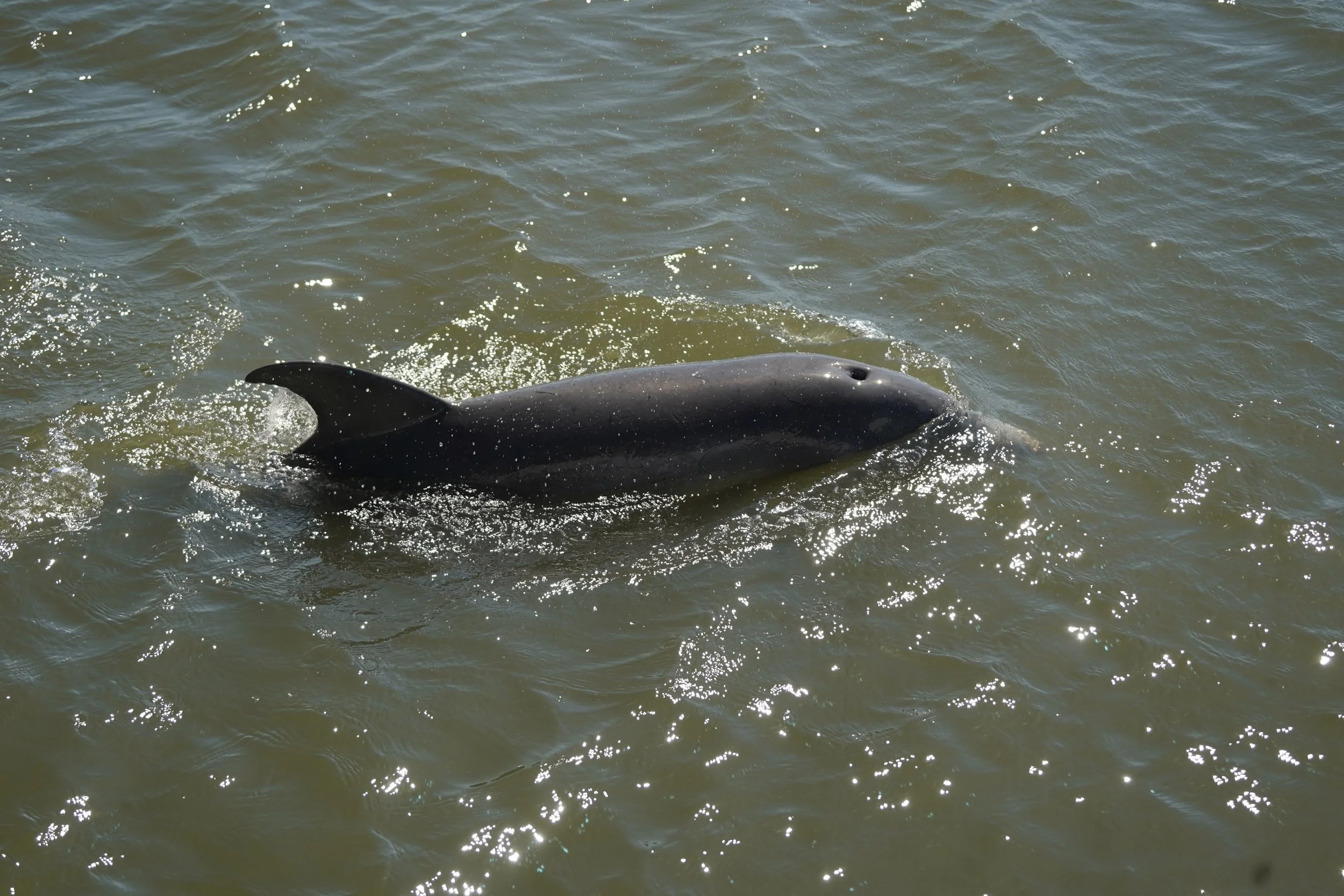
On September 6, we set out for Bulls Island. We boarded a scenic 30-minute ferry ride that wound through tidal creeks before reaching the island in the Cape Romain National Wildlife Refuge. Once ashore, we walked through lush jungle trails and explored Boneyard Beach. Along the way, we searched for sand dollars and collected beautiful shells. The sun was scorching, but we had a wonderful time. On the ferry back, we were greeted by playful dolphins swimming alongside the boat.
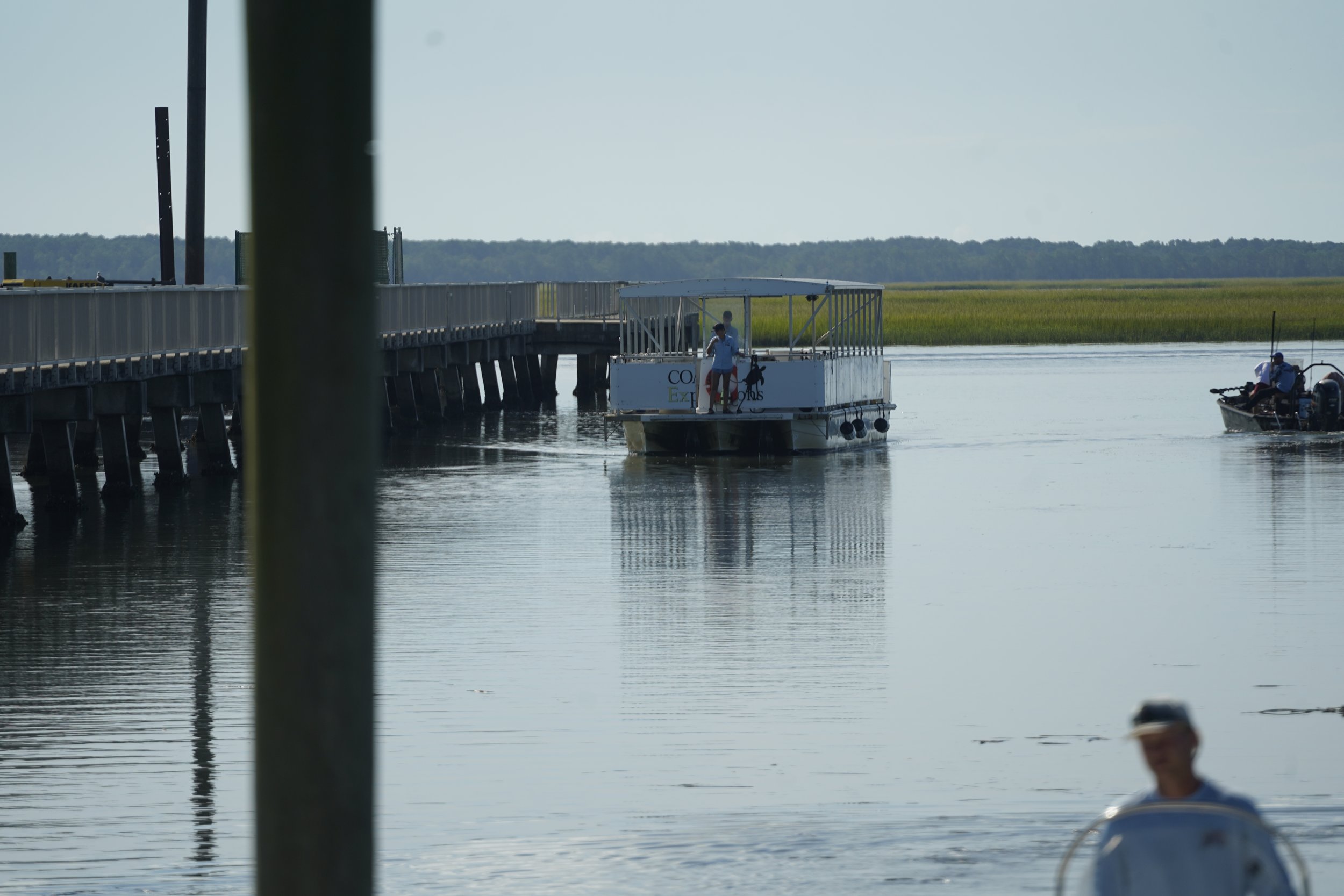
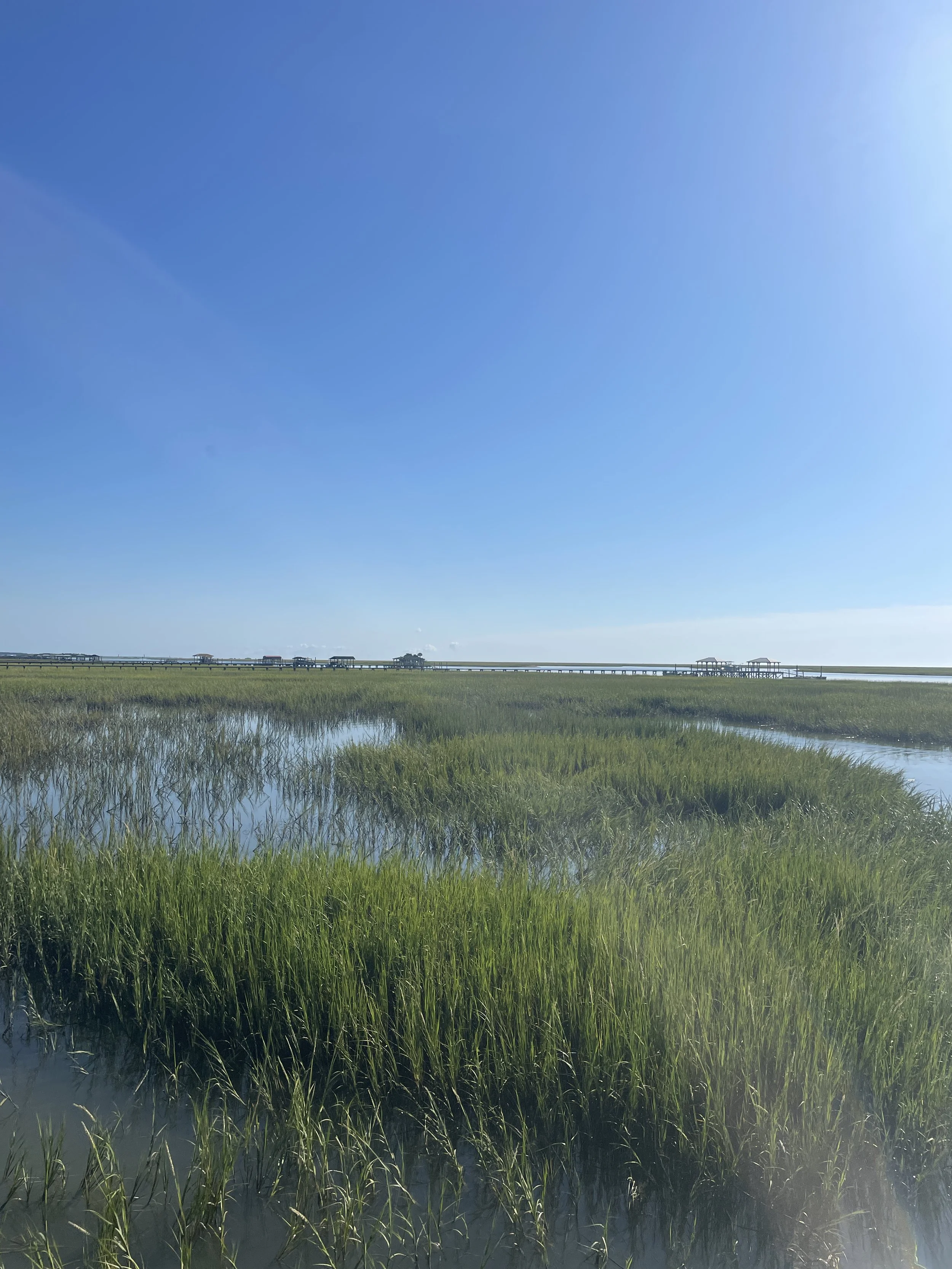
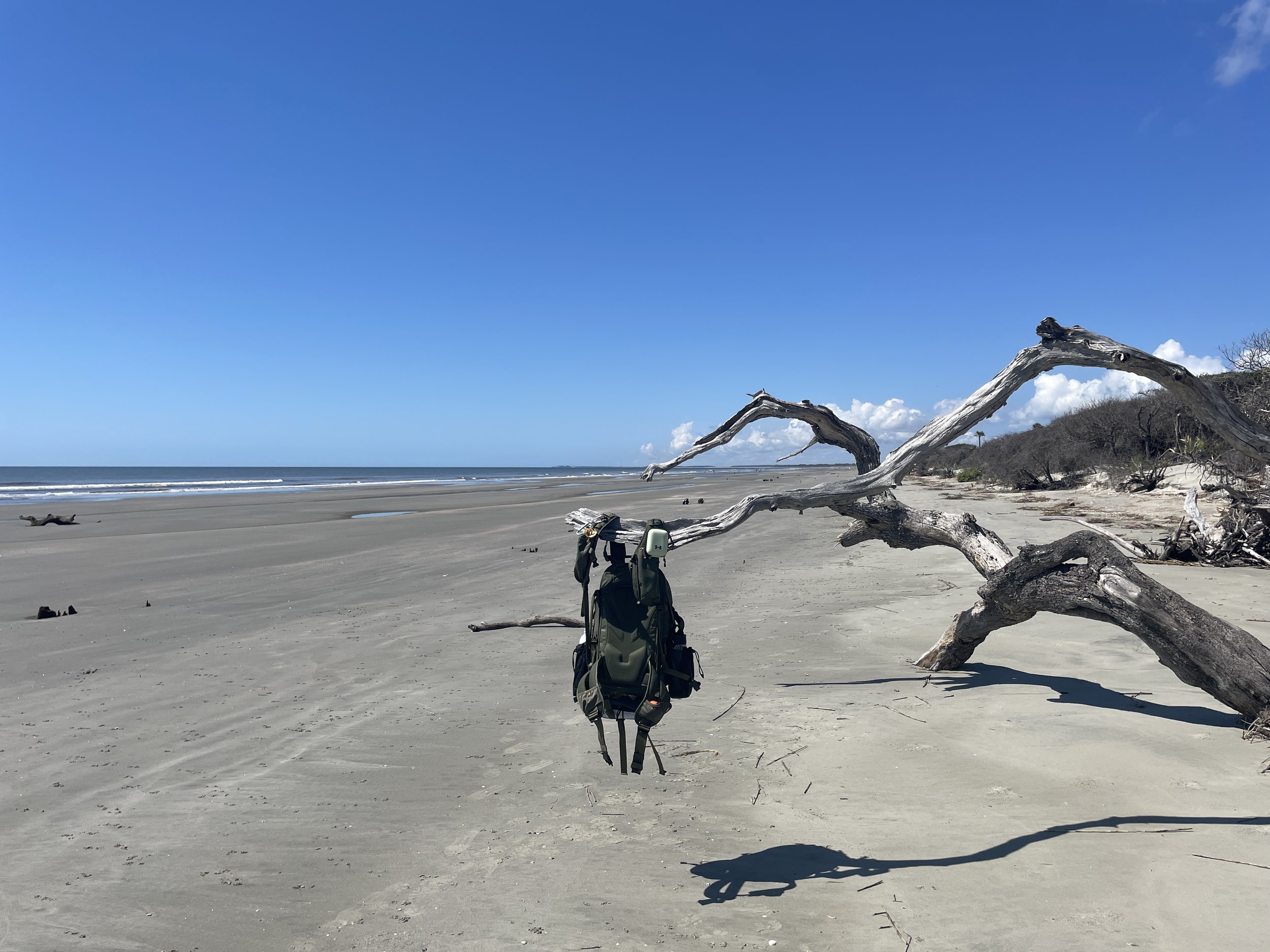
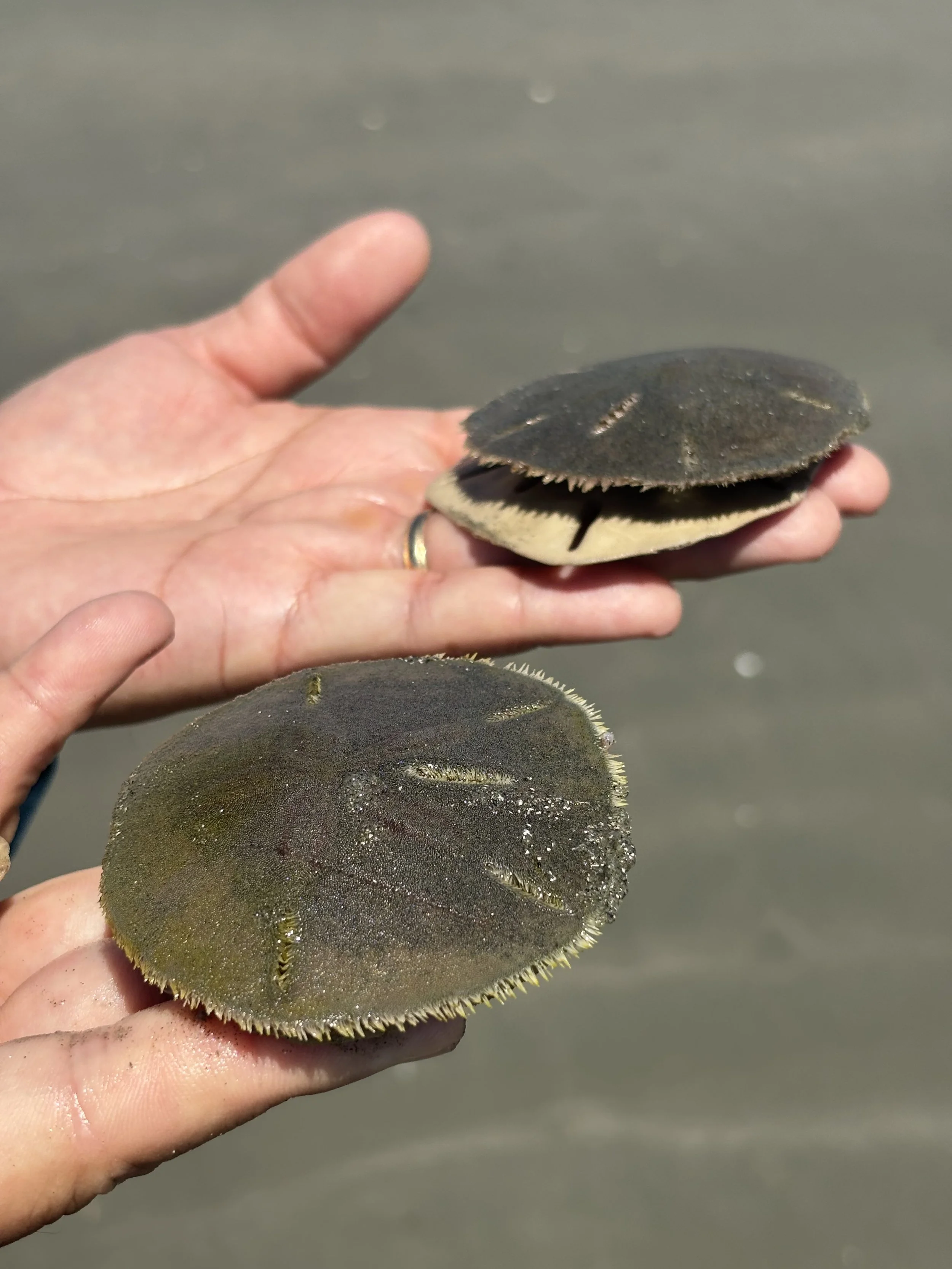
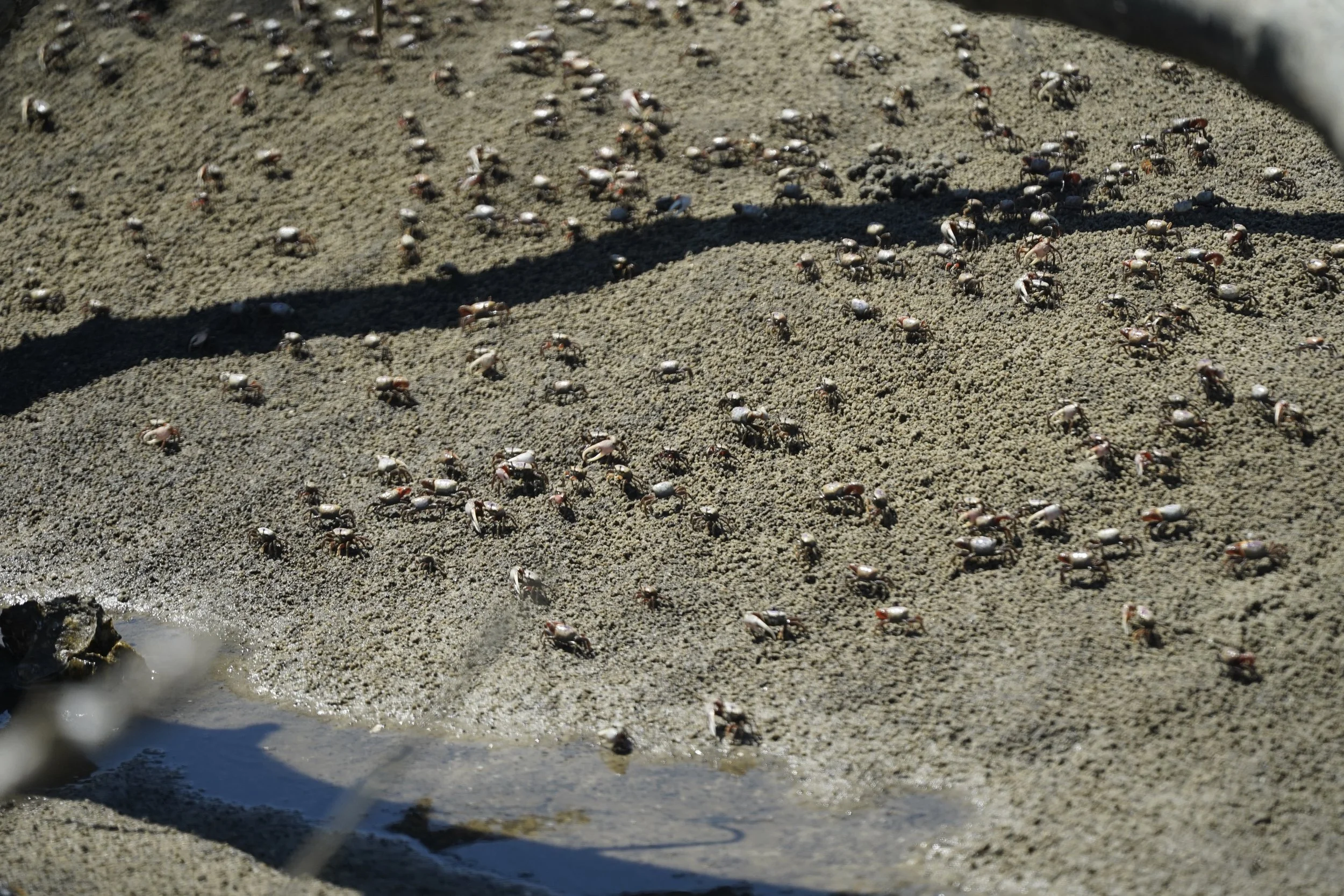
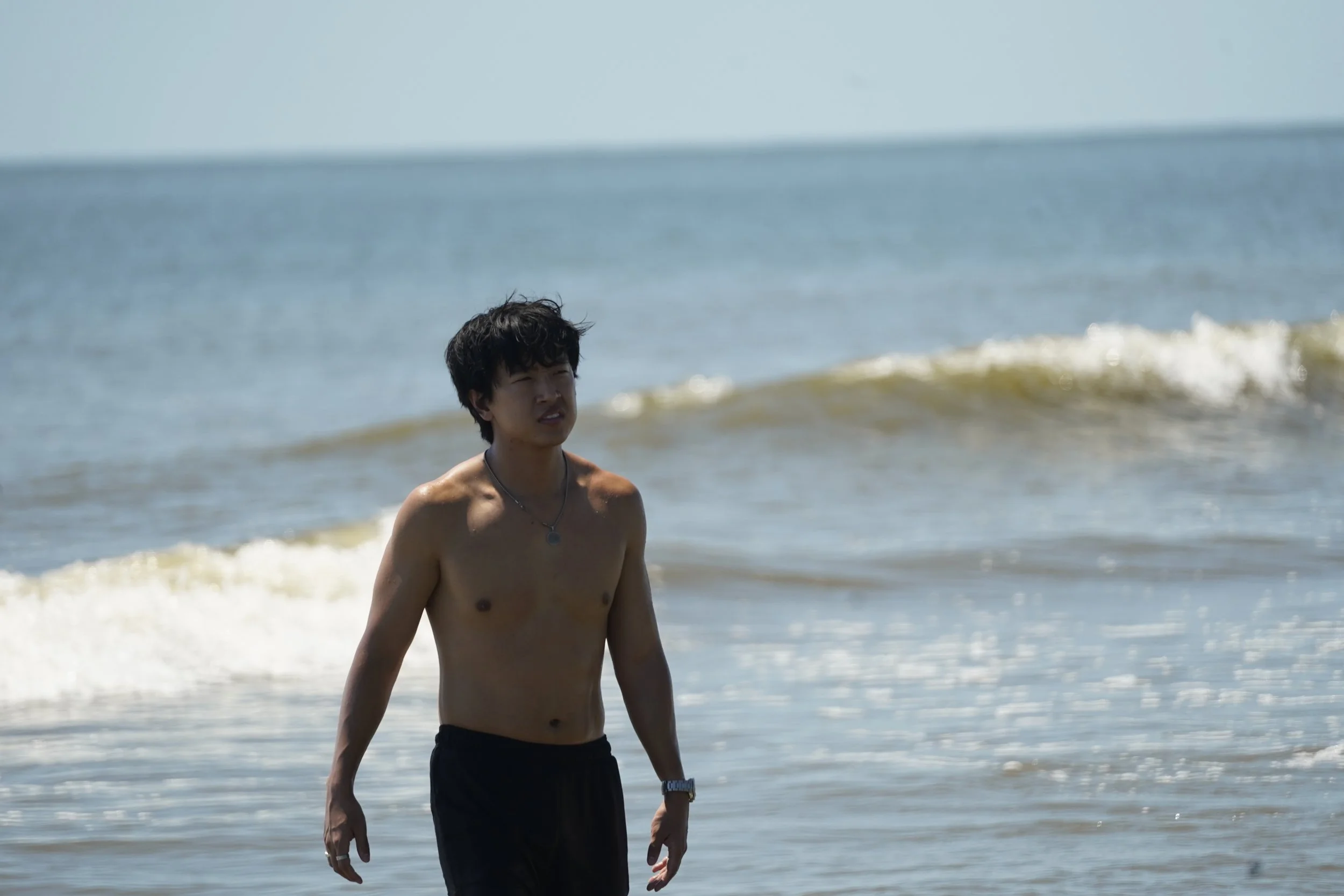
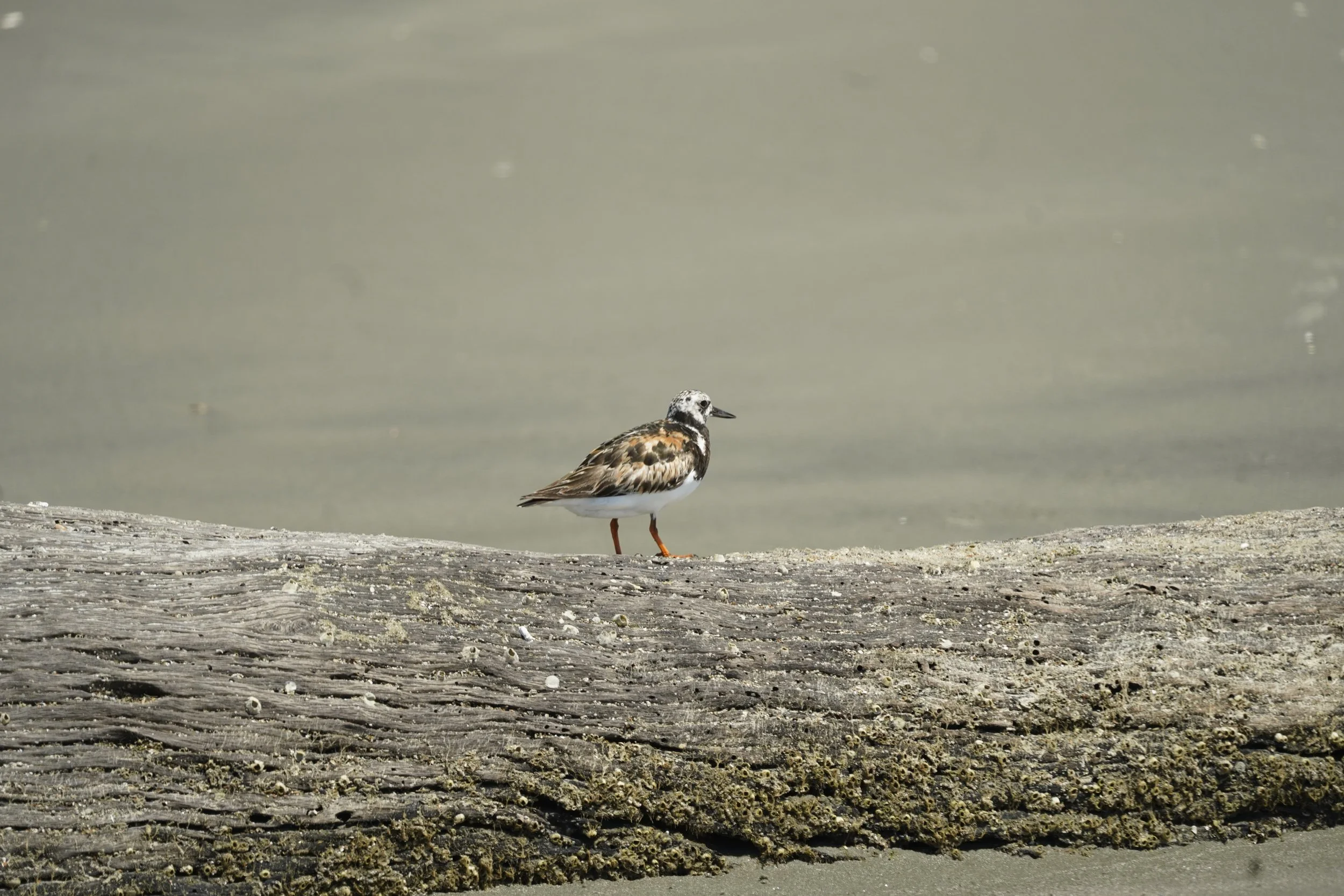
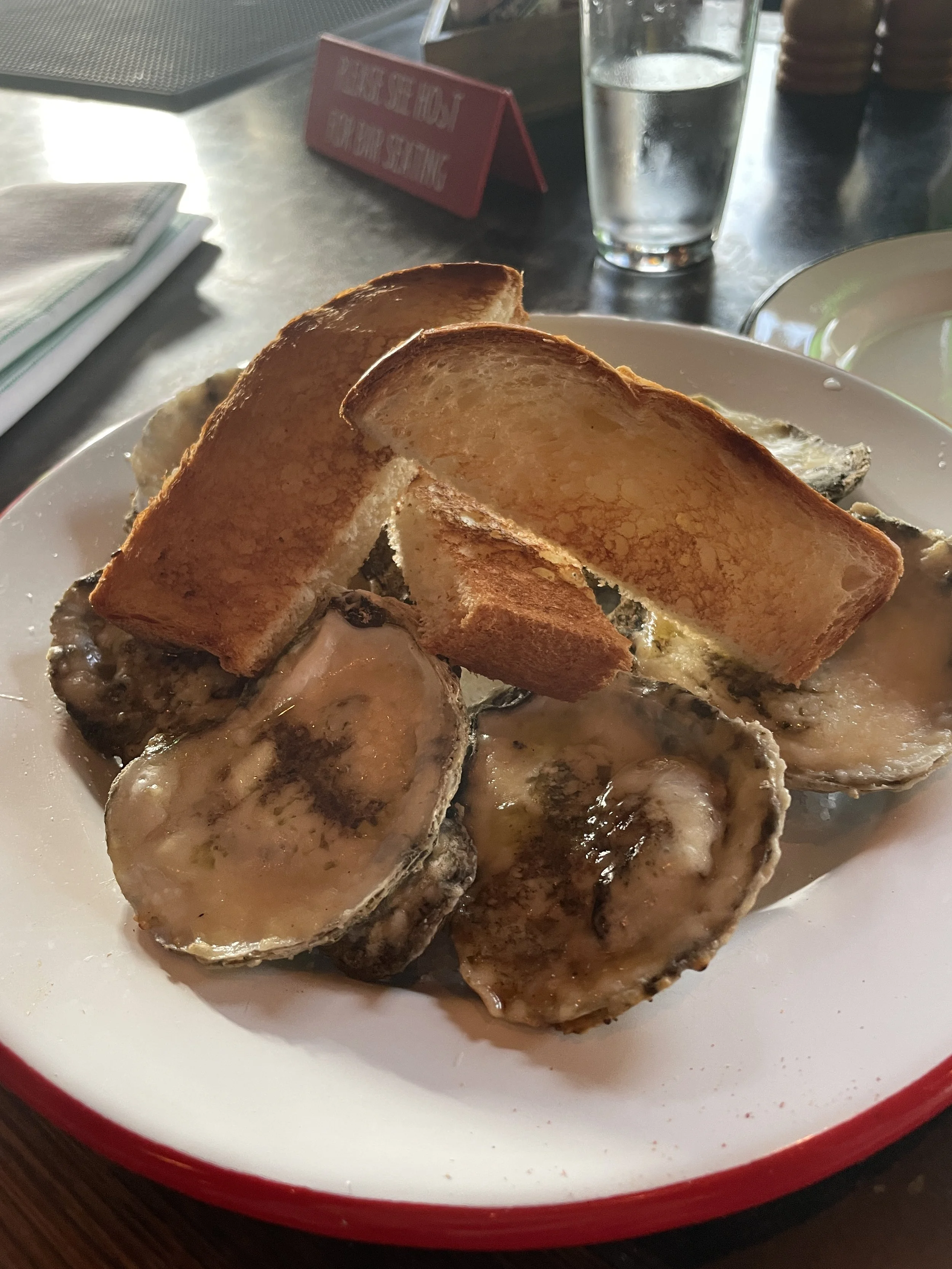
Back in the city, we enjoyed baked oysters before heading to a popular local spot for classic Southern BBQ.

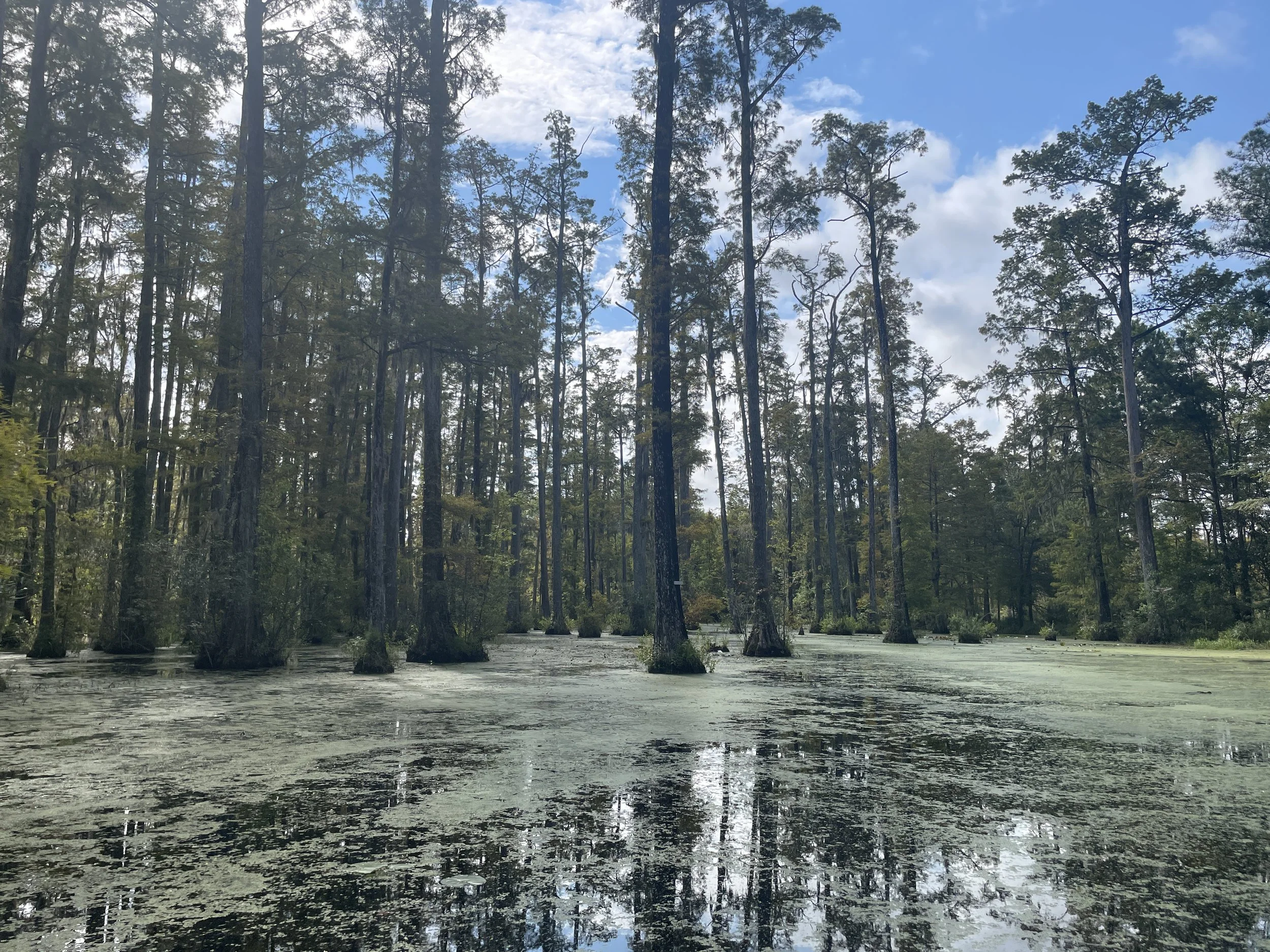
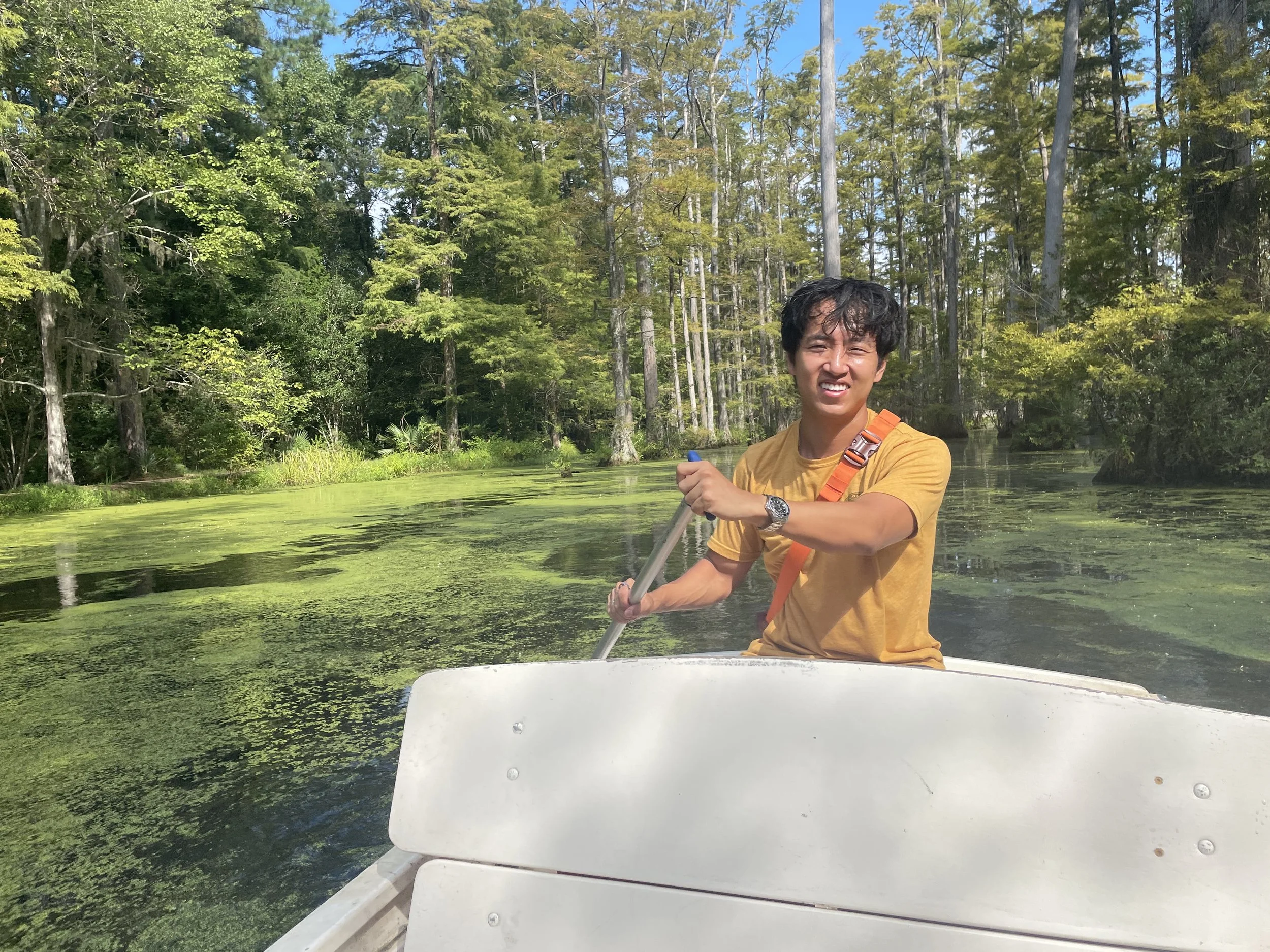
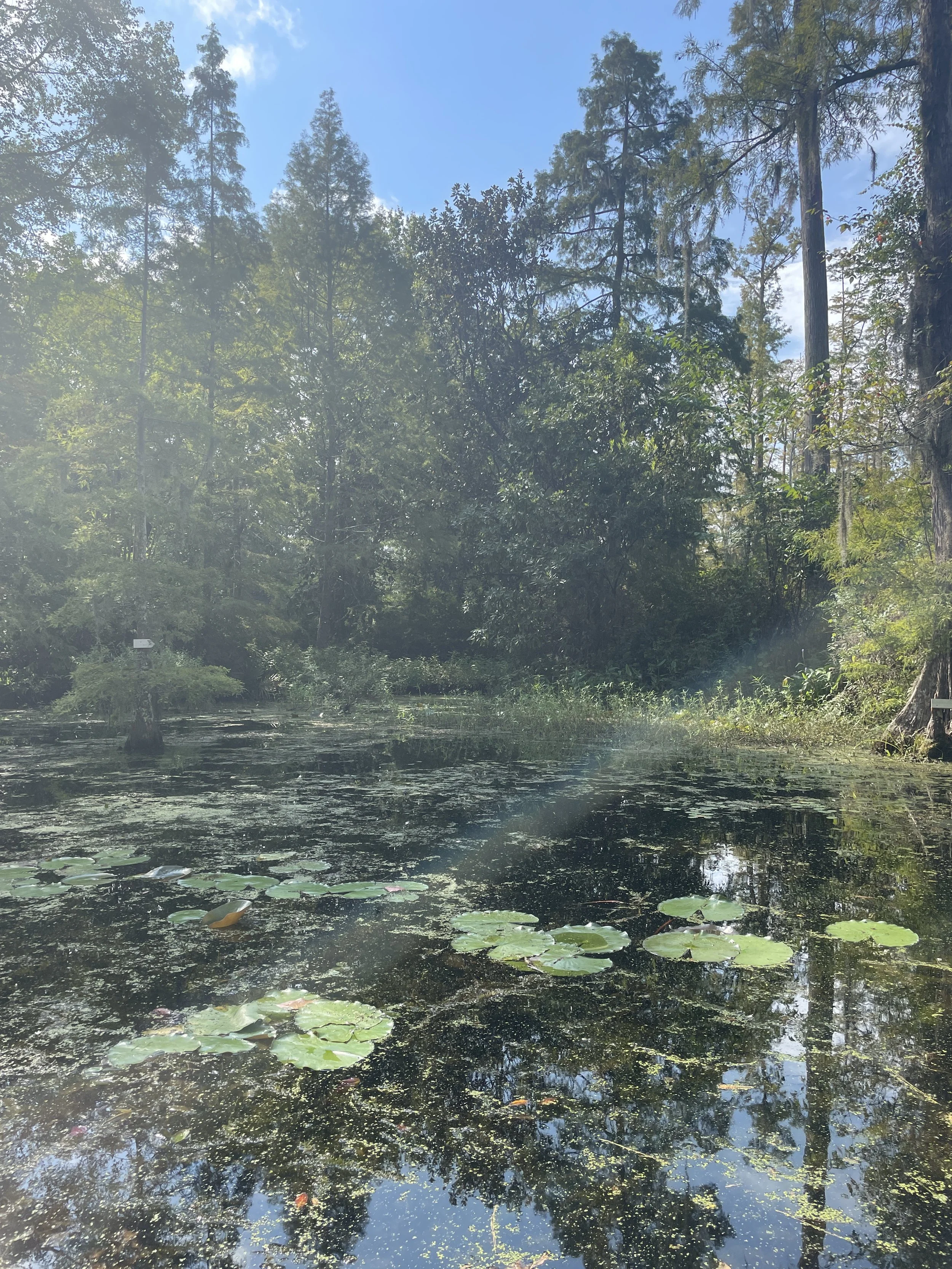
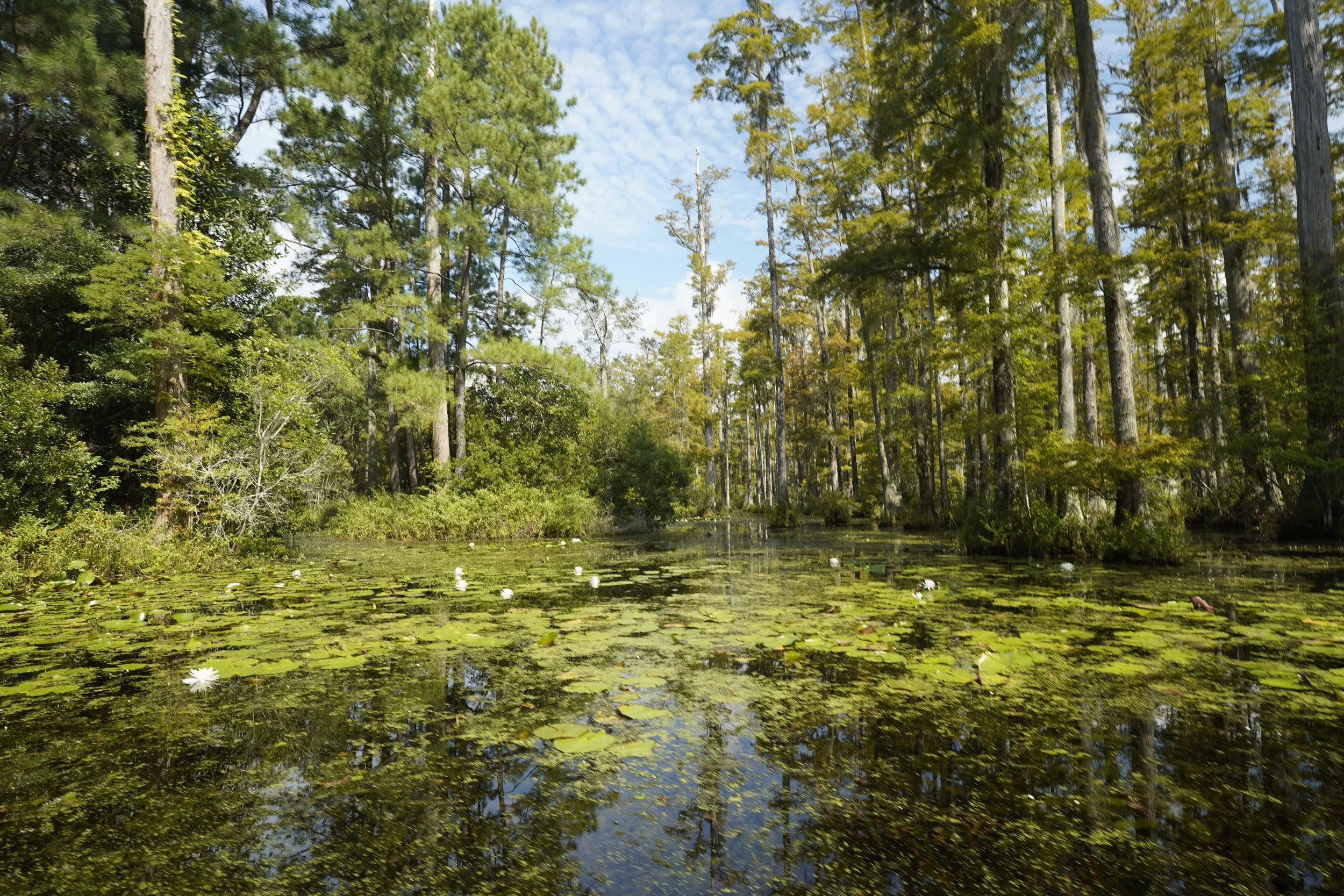
On September 7, we visited Cypress Gardens and rowed a boat across the quiet pond, surrounded by hauntingly beautiful cypress trees—a peaceful and memorable experience. For lunch, we tried a local restaurant and enjoyed another round of shrimp and grits.

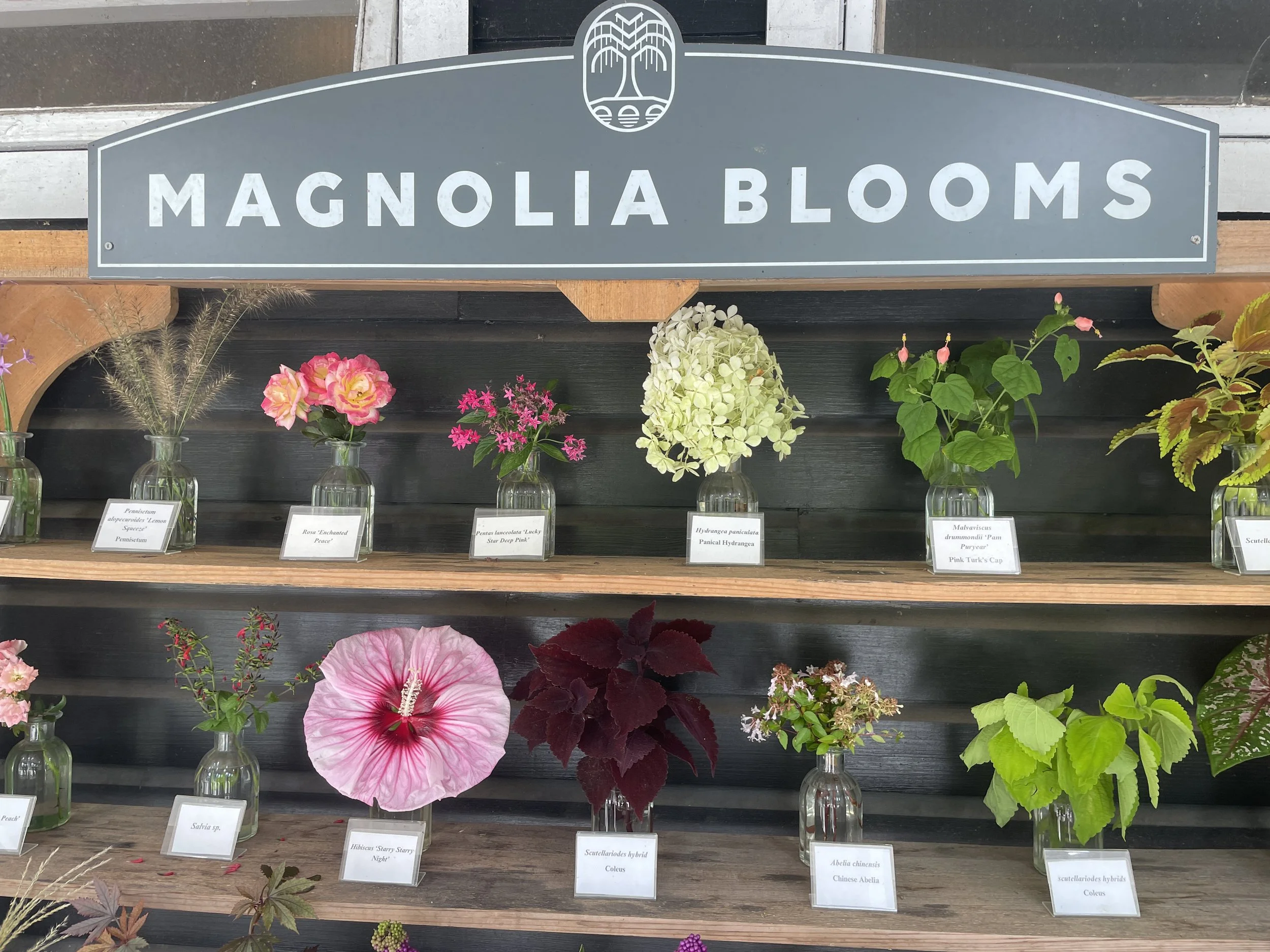
In the afternoon, we toured Magnolia Plantation and Gardens. We took a plantation tour to learn about the family’s history and wandered through the lush estate. Halfway through, a sudden downpour drenched us, but it added a bit of adventure to the day.

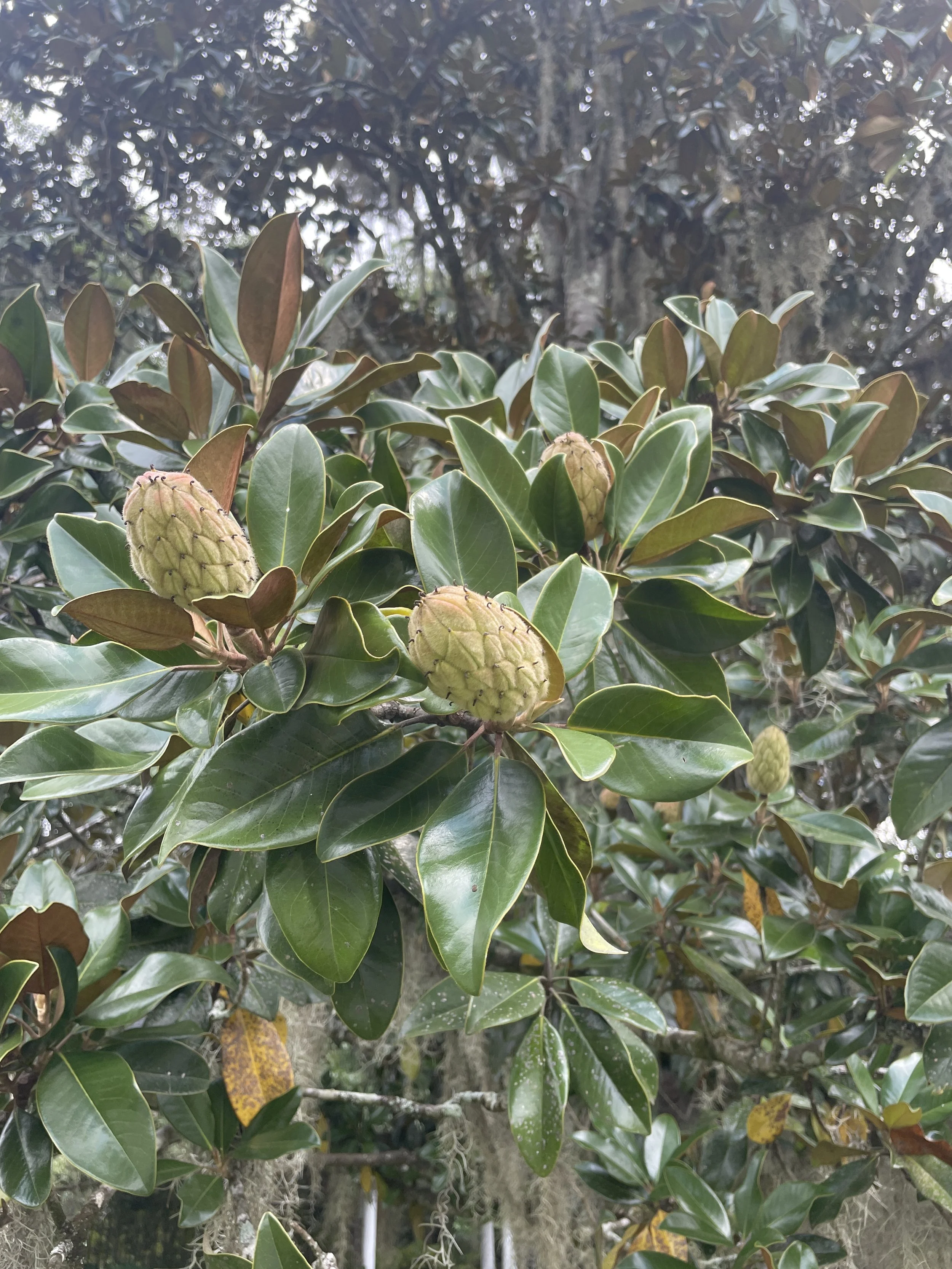

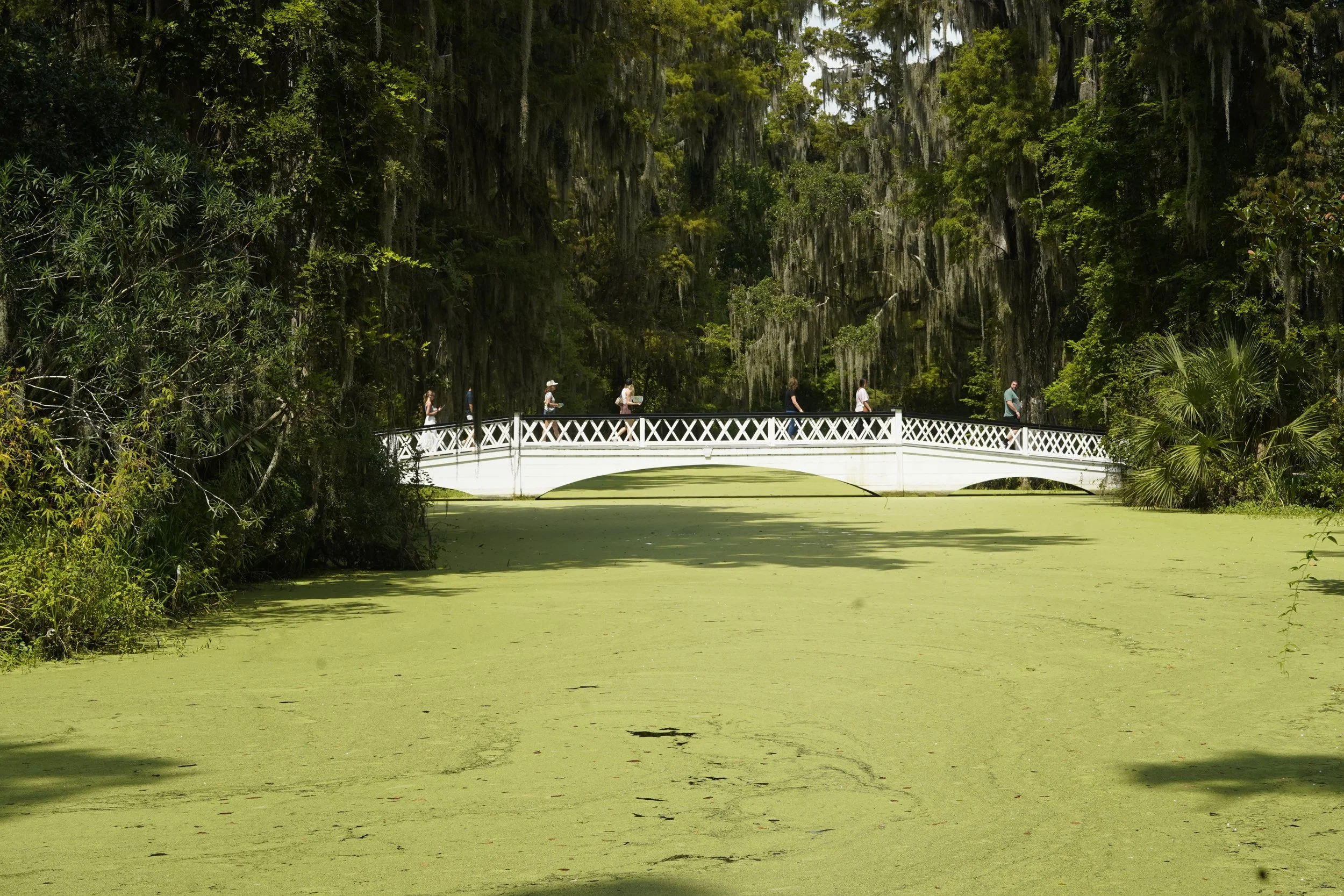

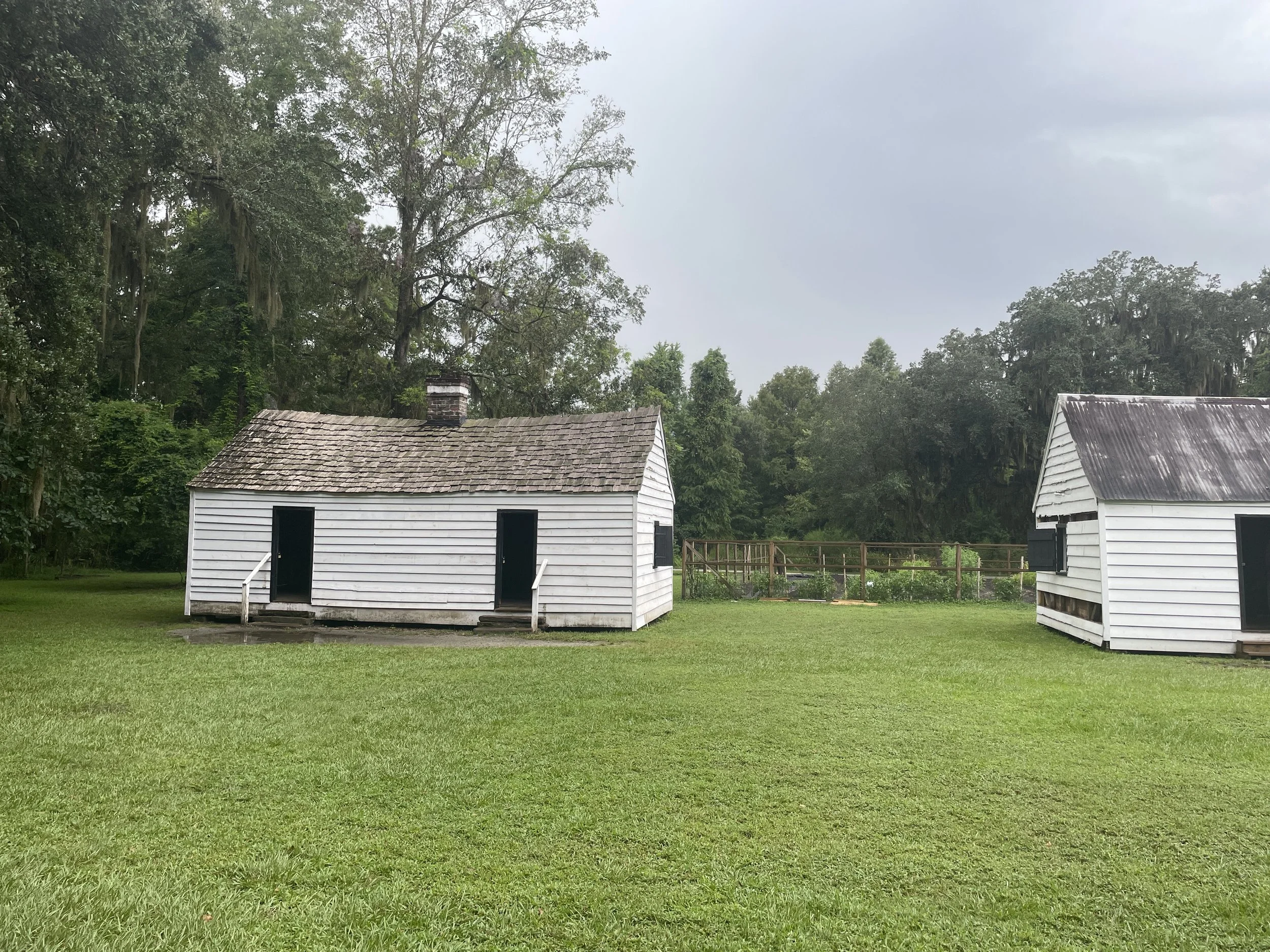
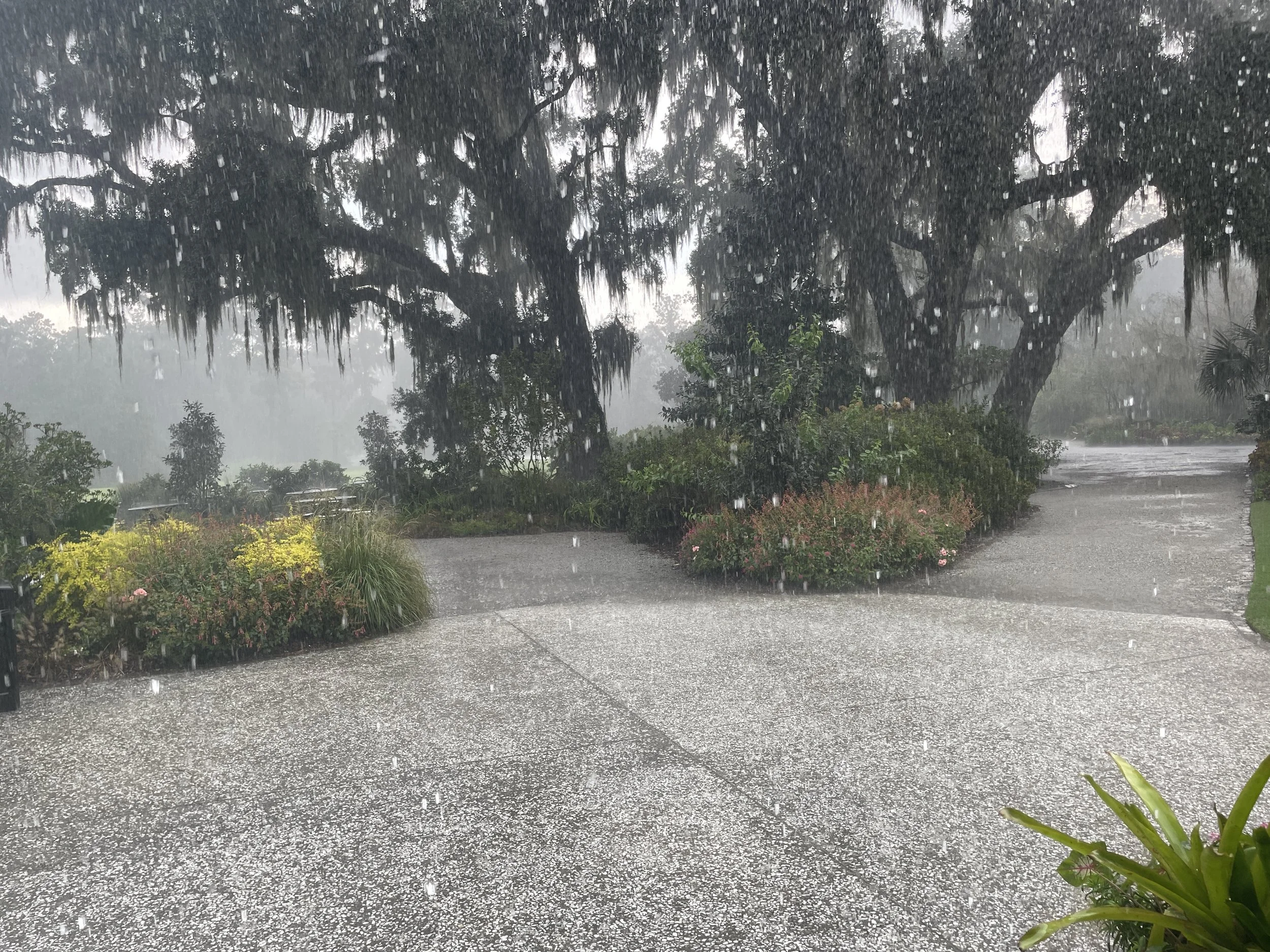
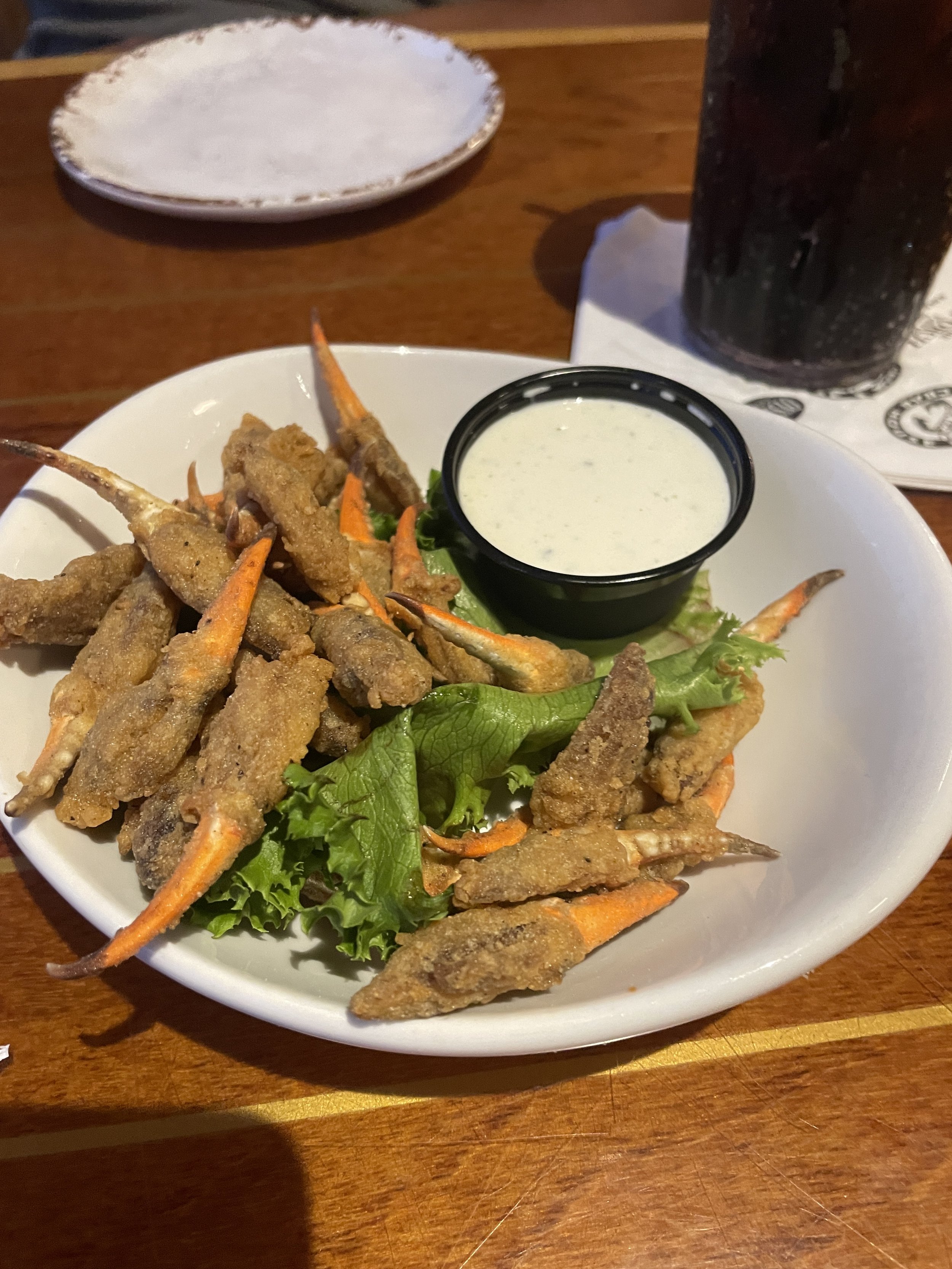
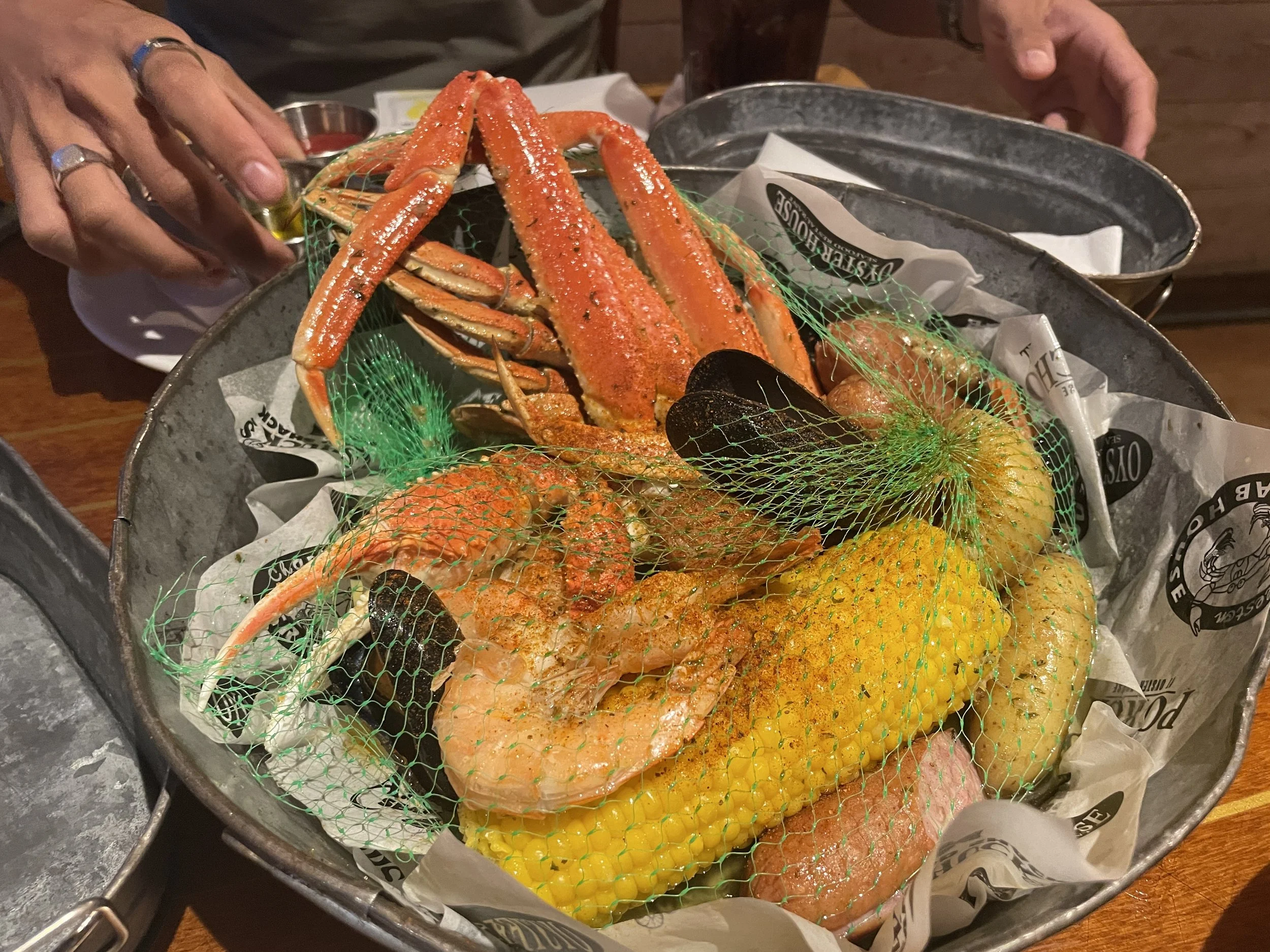
For our final dinner, we returned once more to Shem Creek and enjoyed a delicious seafood meal at Shem Creek Crab House.
On September 8, after breakfast, we returned the car and headed to the airport. Our father-and-son birthday trip came to an end—an unforgettable time filled with great food, nature, and cherished memories together.
Botanic Garden & Going Home 植物园与回家了
September 2, 2025
Today marked the final day of our,……
今天是我们布宜诺斯艾利斯、。。。
September 2, 2025
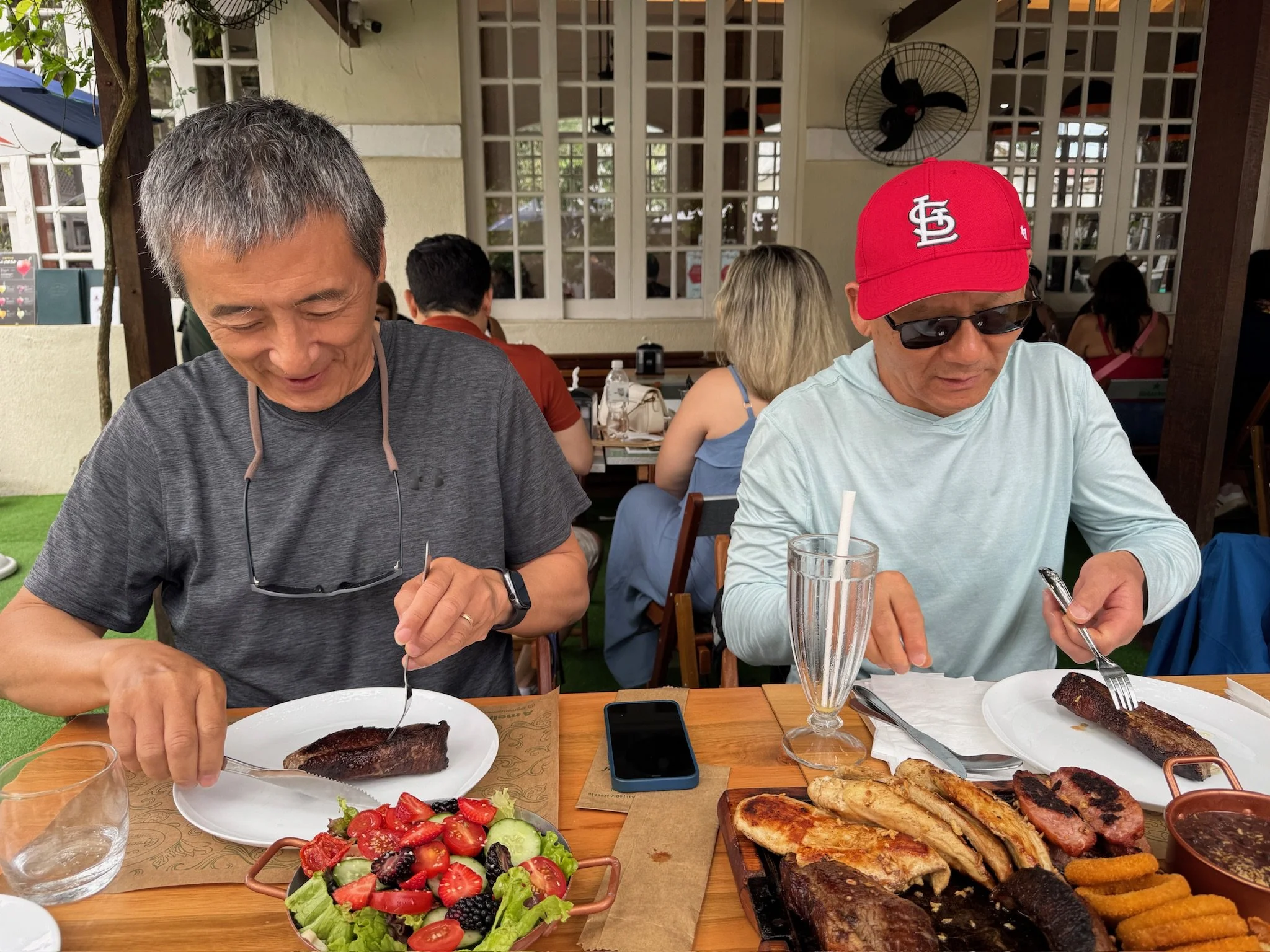
Today marked the final day of our, Buenos Aires, Iguazú Falls and Rio journey. Since our flight was not until the evening, we still had a full day to explore. Believe it or not, during the entire trip we had never sat down for a proper breakfast in a restaurant. We decided to change that this morning and stopped by a local spot on the way to the Rio Botanical Garden. The western-style breakfast was filling, though not particularly Brazilian in flavor.
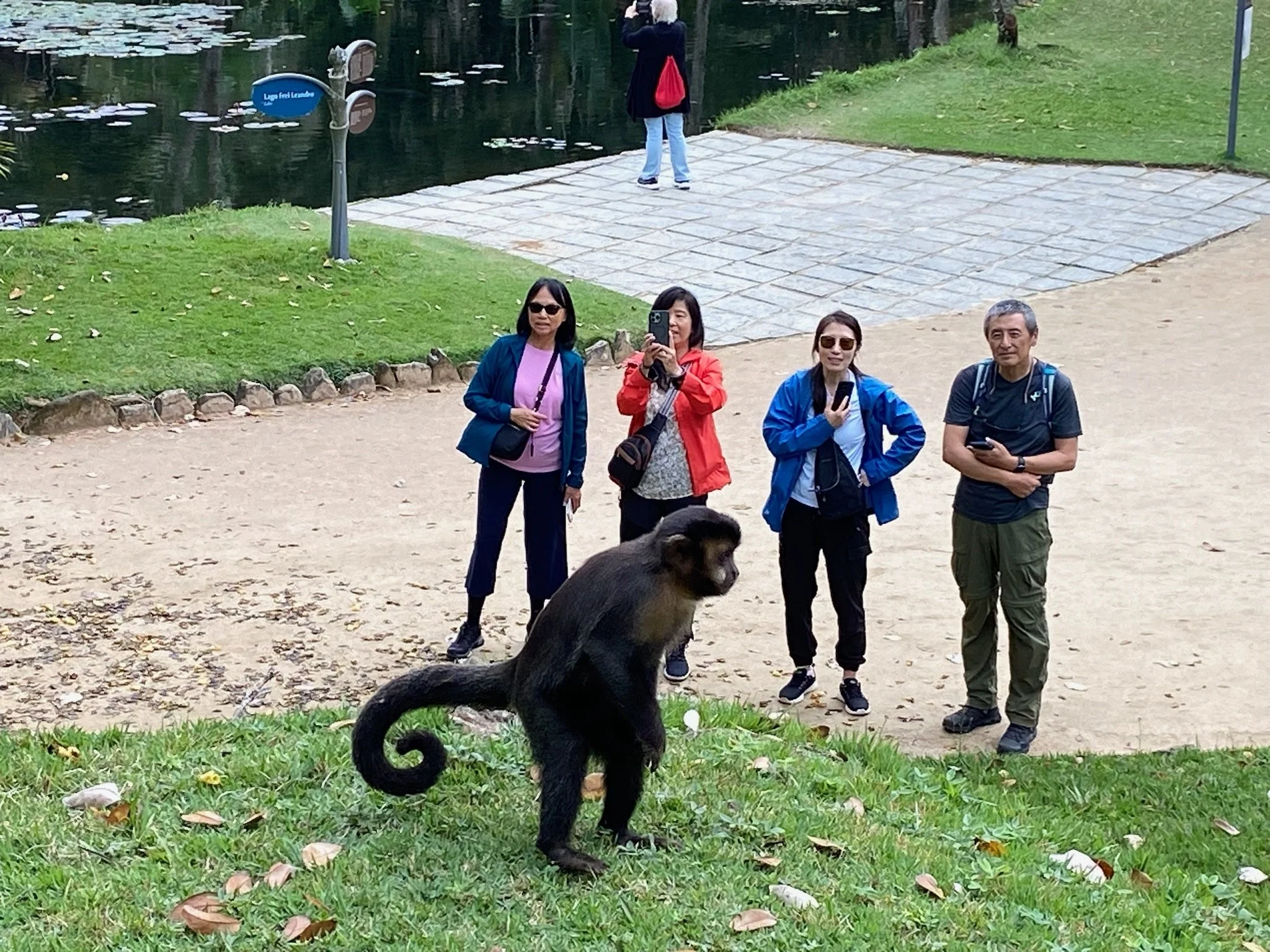
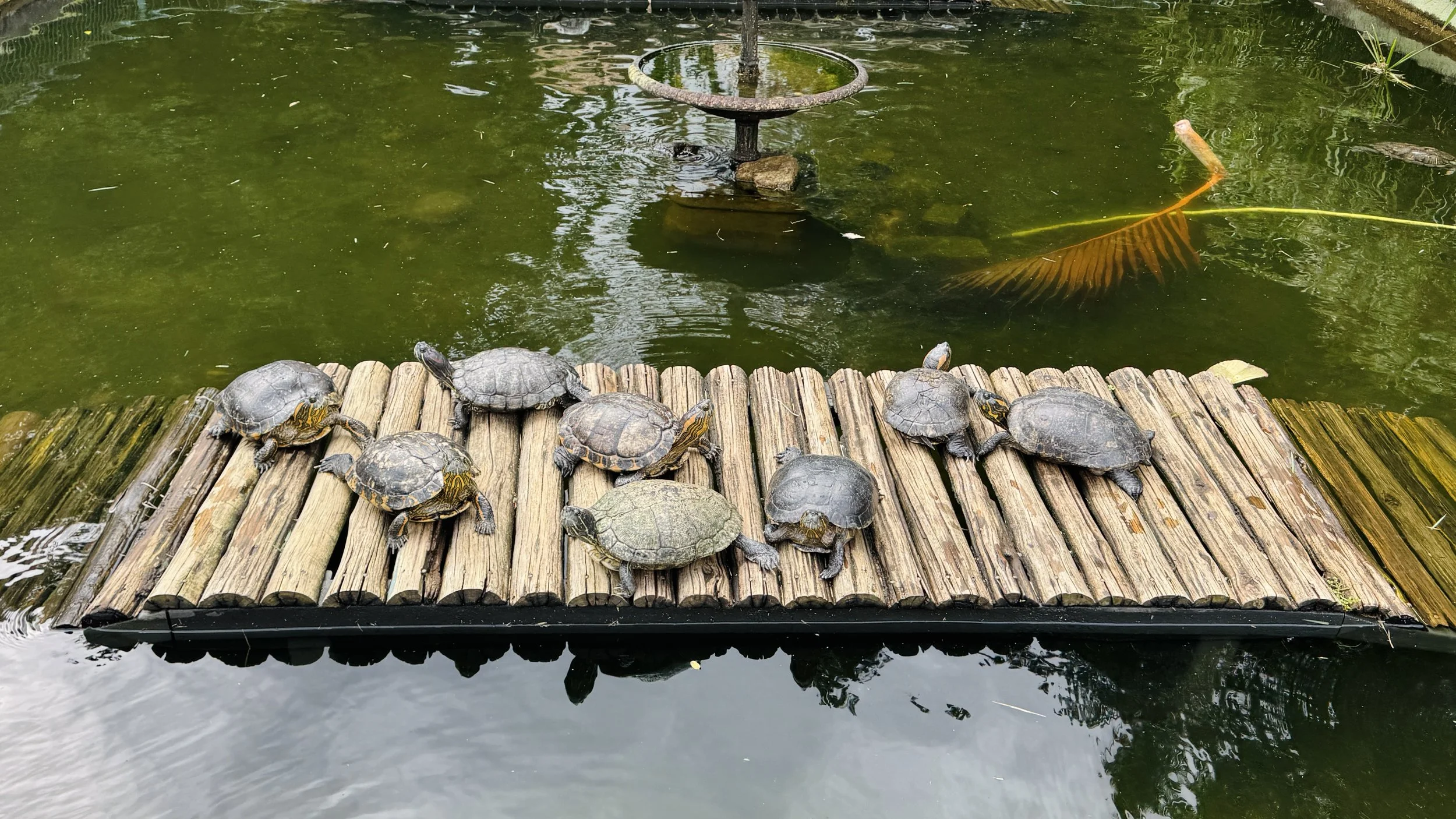
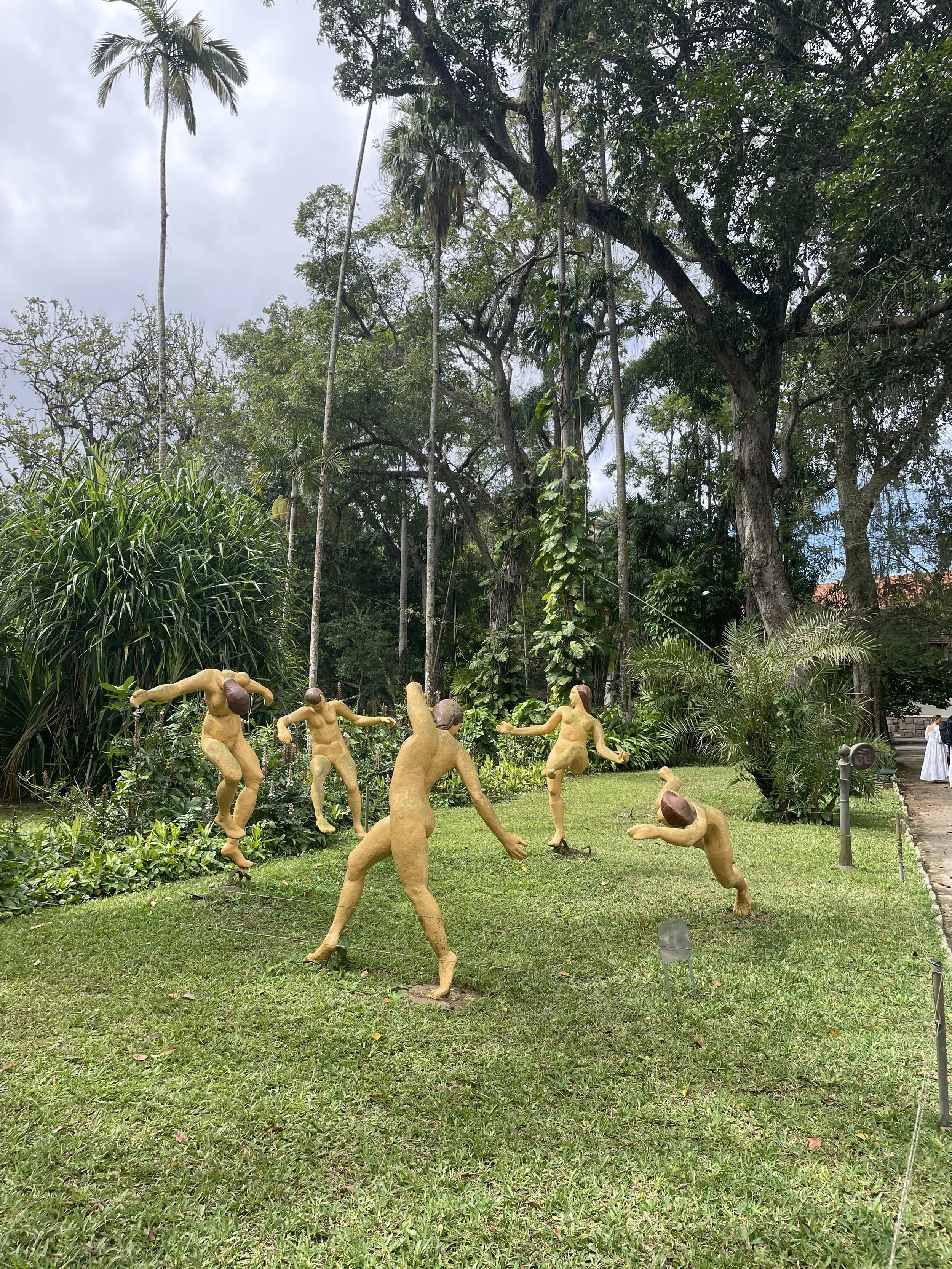
At the Botanical Garden, we enjoyed a leisurely stroll through the marvelous and biodiverse grounds. Lush greenery surrounded us, jackfruit hung from the trees, and playful monkeys caught much of our attention. We lingered there longer than expected, soaking up the peaceful atmosphere, and had a delightful lunch right inside the garden before wrapping up our visit.
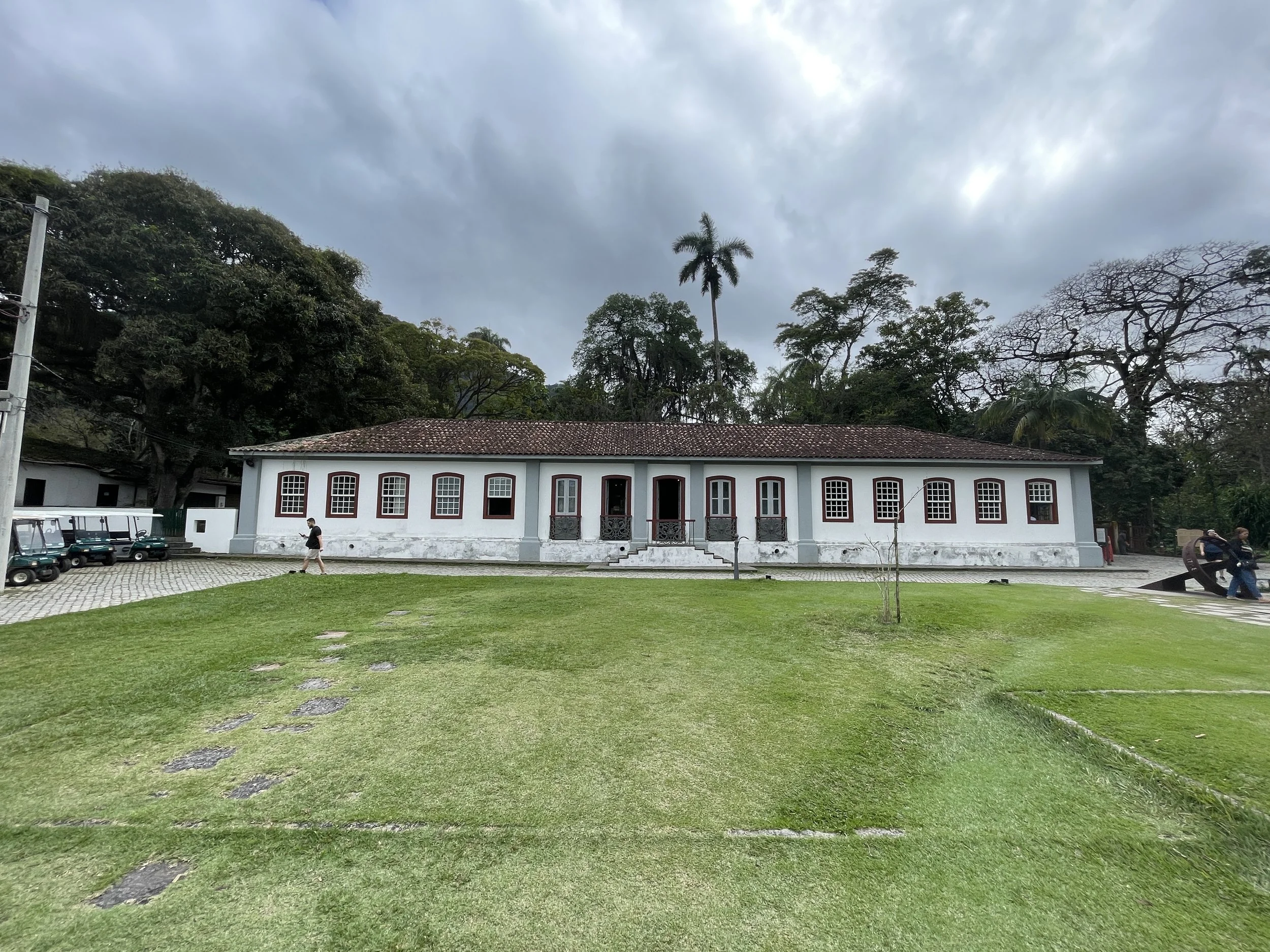
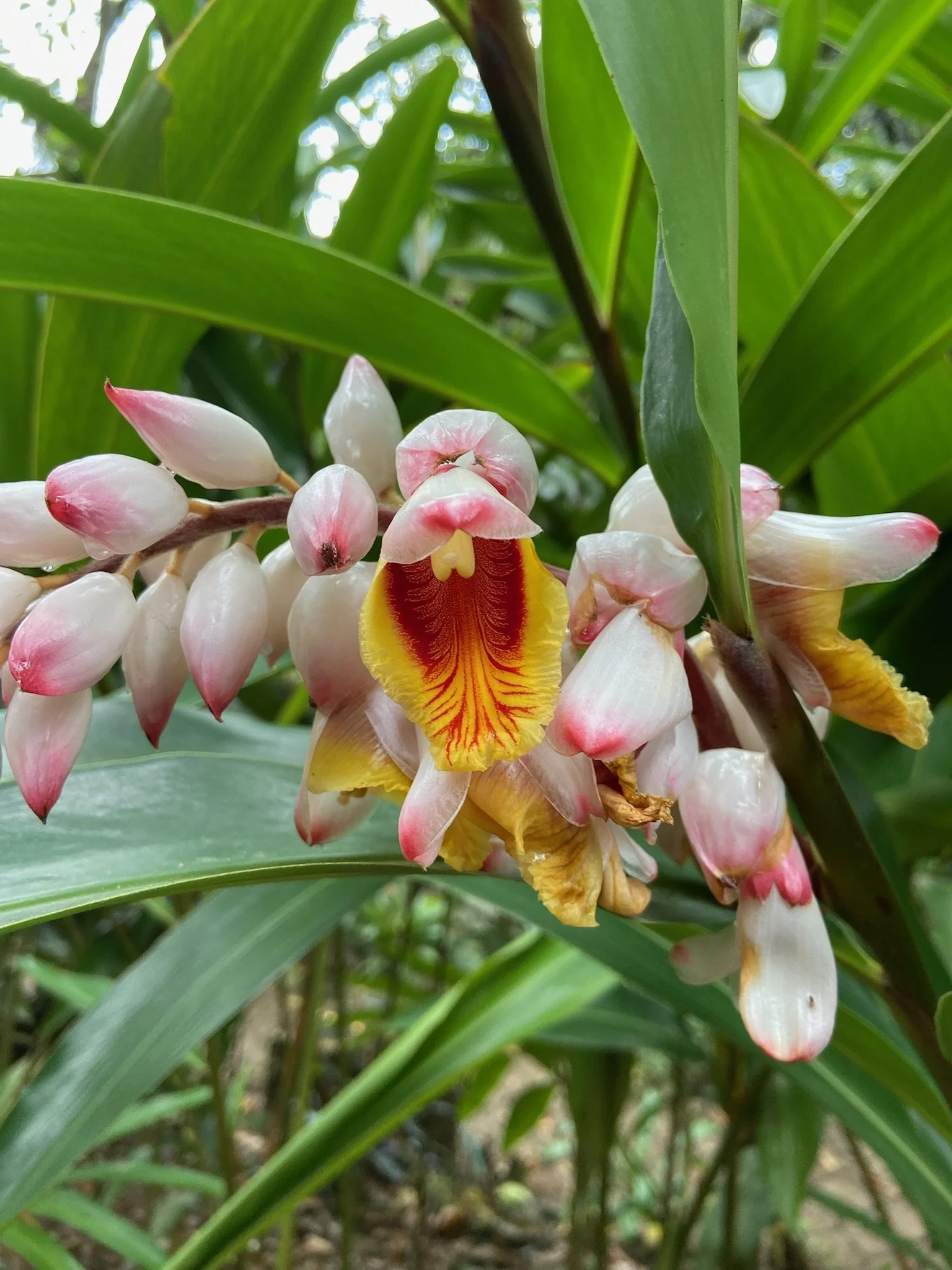
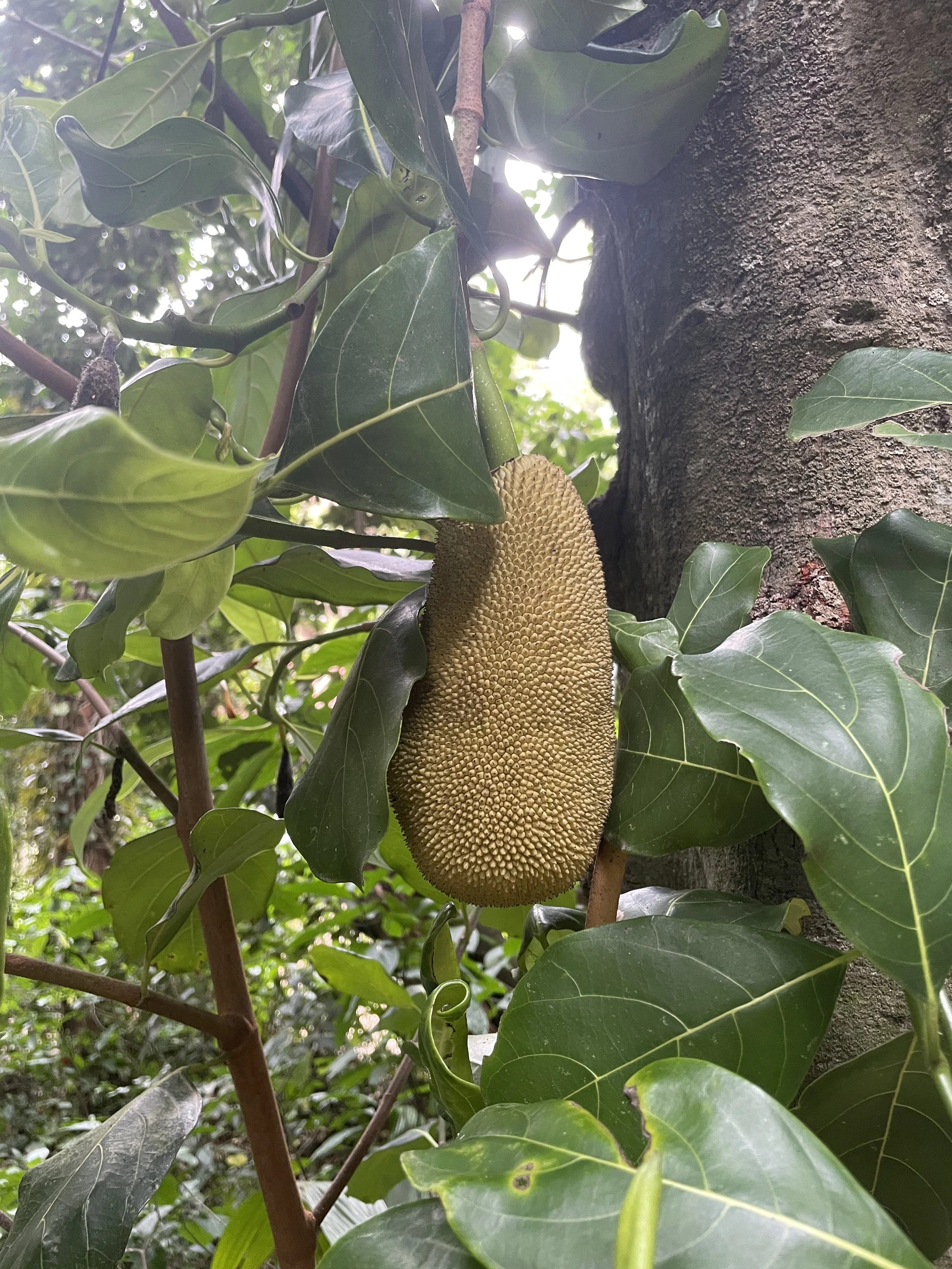
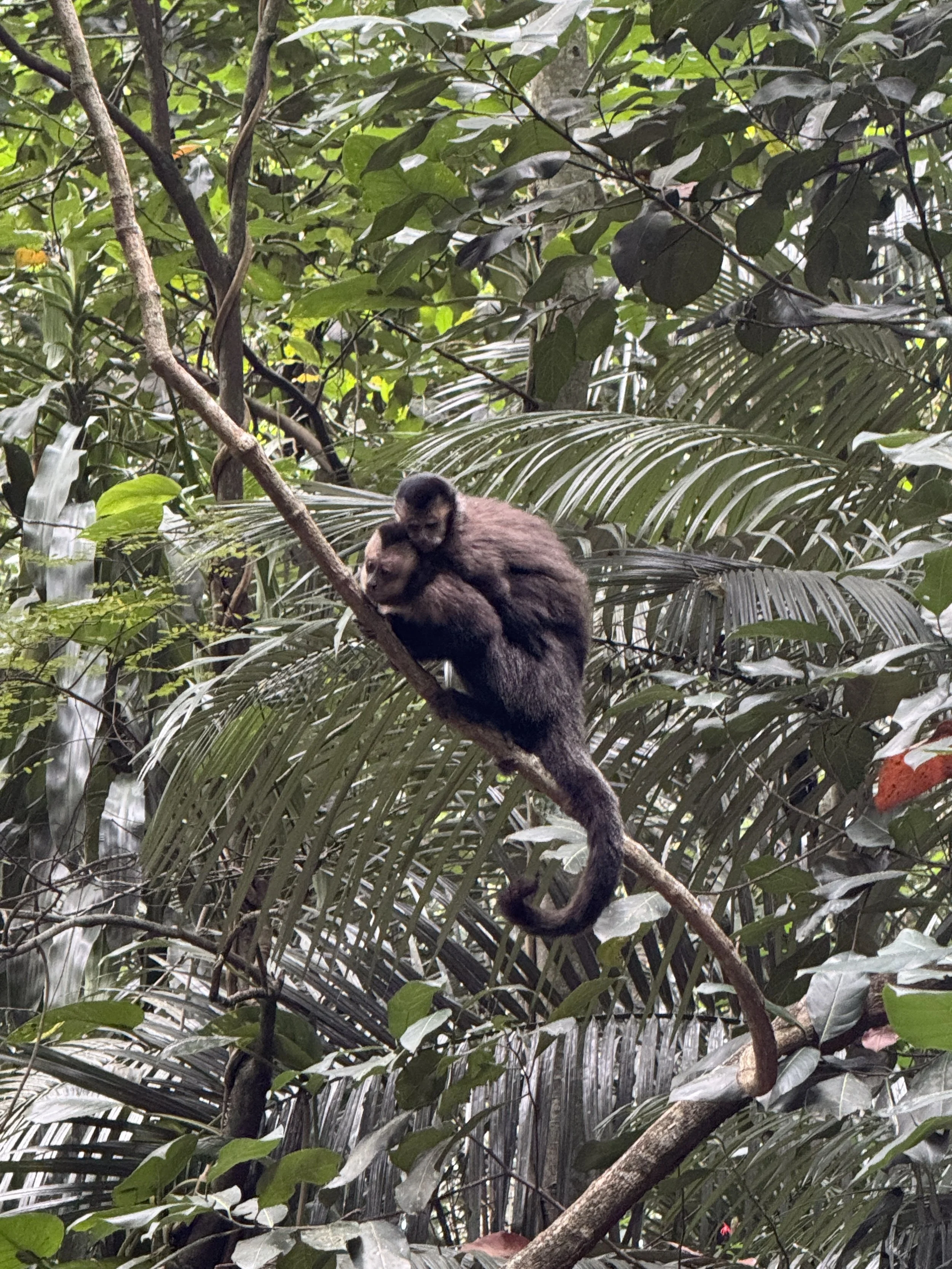
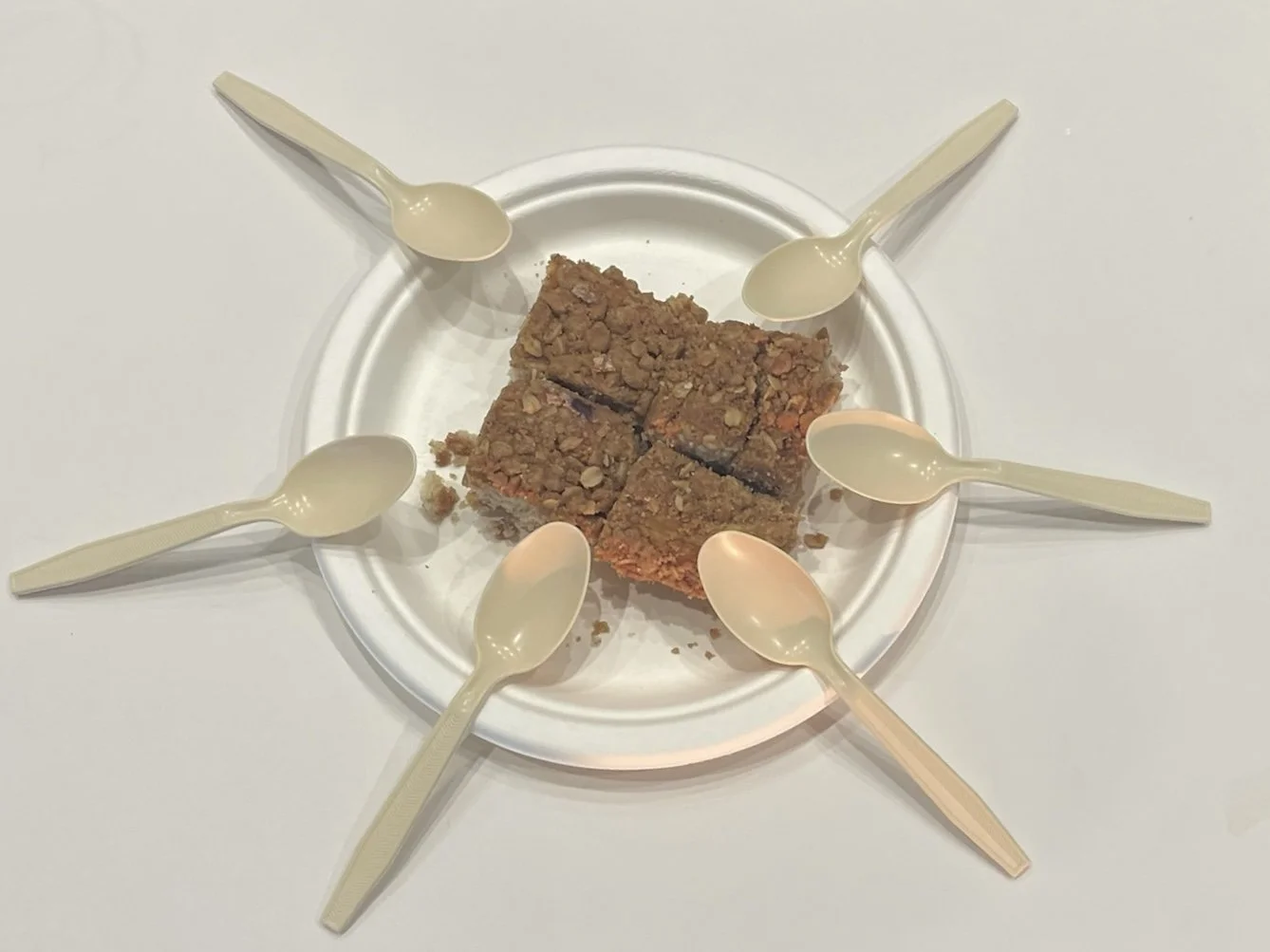
In the afternoon, it was time to head to the airport. We spent a couple of comfortable hours at the Priority Pass Lounge before boarding our overnight flight. By morning, we landed in Atlanta, where we checked into the Delta Sky Club with our travel companions while waiting for our connecting flight to Phoenix. In the lounge, we improvised a little birthday cake and even sang a birthday song for one of our friends—a cheerful and heartfelt way to close the journey.

What a fitting end to this trip: beautiful gardens, shared laughter, and memories to carry home.
二零二五年九月二日
今天是我们布宜诺斯艾利斯、伊瓜苏瀑布和里约热内卢之旅的最后一天。由于航班在晚上才起飞,我们依然有大半天的时间可以探索。在整个旅程中,我们还没在餐厅里正式吃过早餐。于是今天早上,我们决定打破惯例,在前往里约植物园的路上,在一家当地餐馆享用了一顿早餐。虽然是西式风味,分量充足,但并没有多少巴西特色。
在植物园里,郁郁葱葱的绿意环绕四周,树上挂满了菠萝蜜,而顽皮的小猴子更是吸引了大家的目光。我们悠闲地漫步在充满奇妙与生物多样性的园区中。最后还在园区内的餐厅享用了一顿惬意的午餐,才依依不舍地离开。
回到住处打包收拾行李,预定的出租车准时来接我们前往机场。在候机的几个小时里,我们在 Priority Pass 贵宾休息室里舒适地度过。在飞机上好好睡了一觉,夜航班清晨抵达亚特兰大,我们和同行伙伴们一起进入达美航空Sky Club,在那里等待转机前往凤凰城。在休息室里,得知今天正好是其中一位朋友的生日,我们搞了一份小小的生日蛋糕,还为朋友唱起了生日歌——温馨而欢乐的时光,让我们的四国之行有一个完美的结局。同时为我们自己还能像以前一样在外折腾而欣慰。

Christ the Redeemer 基督像
September 1, 2025
Christ the Redeemer is the most iconic landmark in Rio de Janeiro. …...
基督像是里约热内卢最具代表性的地标。。。
September 1, 2025
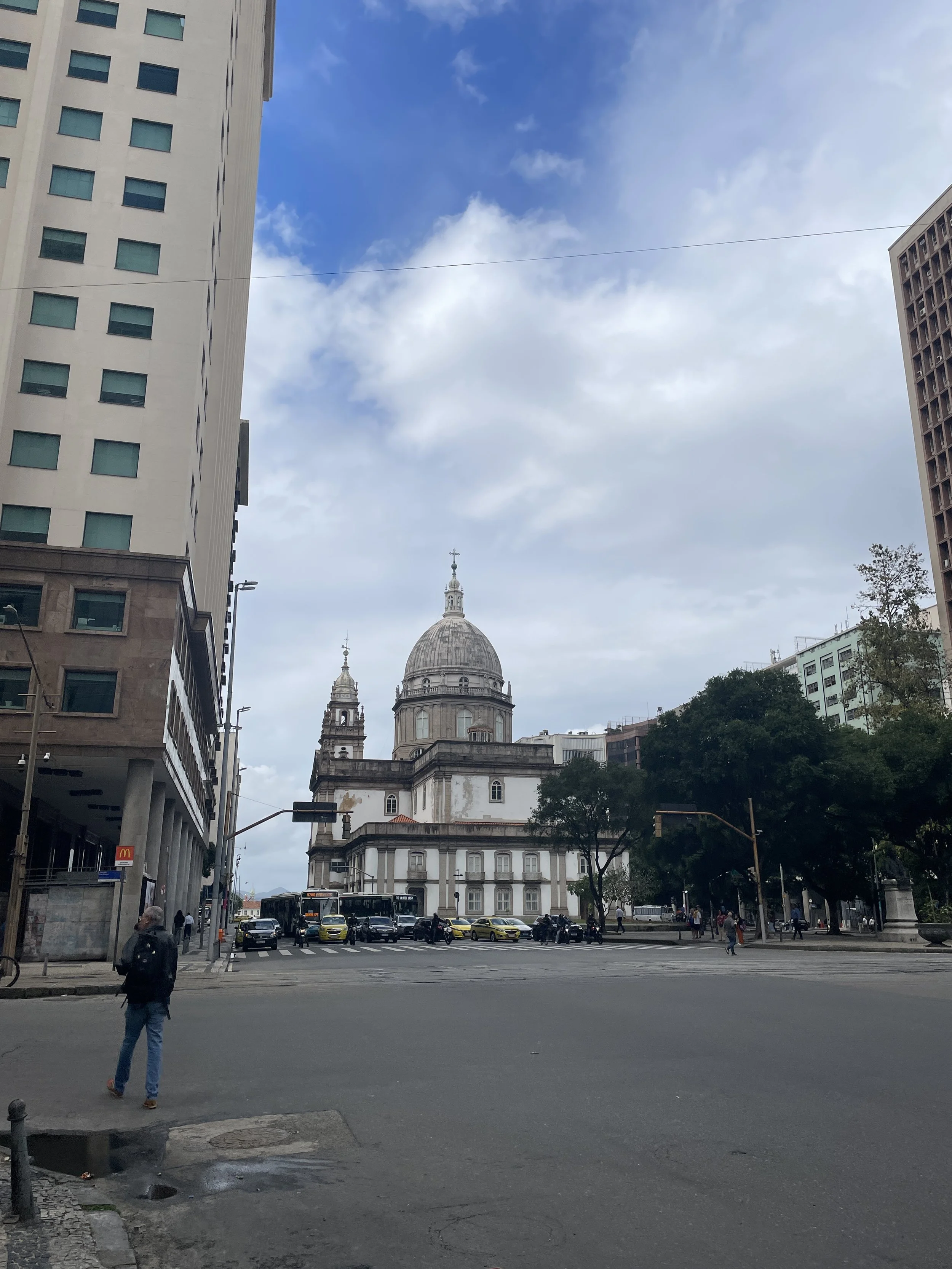
Christ the Redeemer is the most iconic landmark in Rio de Janeiro. There are two main ways to reach the site: by funicular or by van. While riding the funicular would have been our preferred choice, it requires a 40-minute walk from the nearest metro station through unfamiliar streets. To avoid the extra walk, we opted for the official van service that picked us up directly at Botafogo Metro Station. After a short ride, we transferred to another van that carried us up the mountain to the monument.
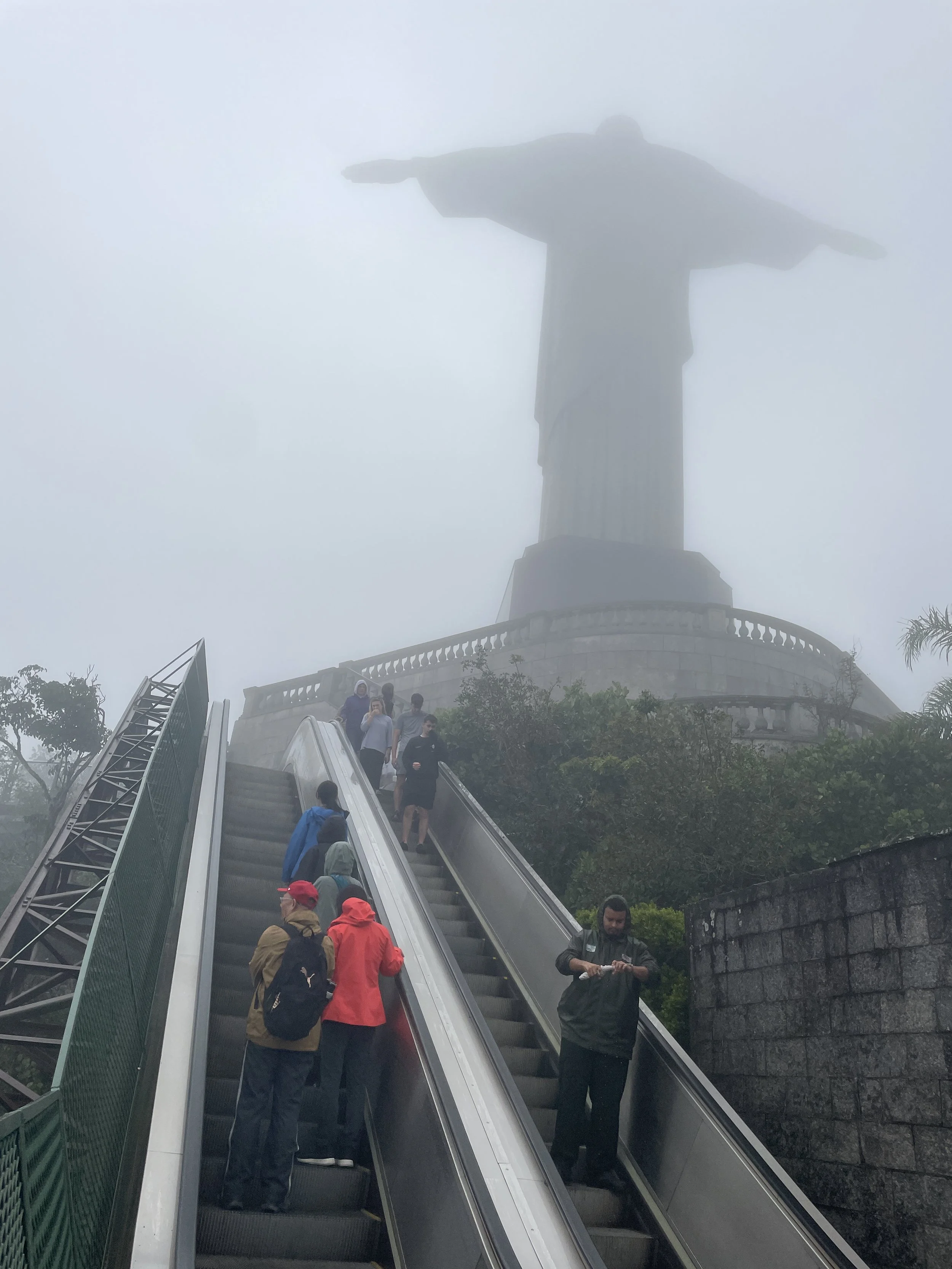
Unfortunately, the weather was not very cooperative today. Clouds covered the sky and light rain came and went. At first, the statue was completely hidden in mist. But as luck has often been with us on this trip, the rain suddenly stopped and the clouds drifted away. Christ the Redeemer appeared dramatically before the cheering crowd—only to vanish again a few minutes later back into the mist, a truly mysterious sight.
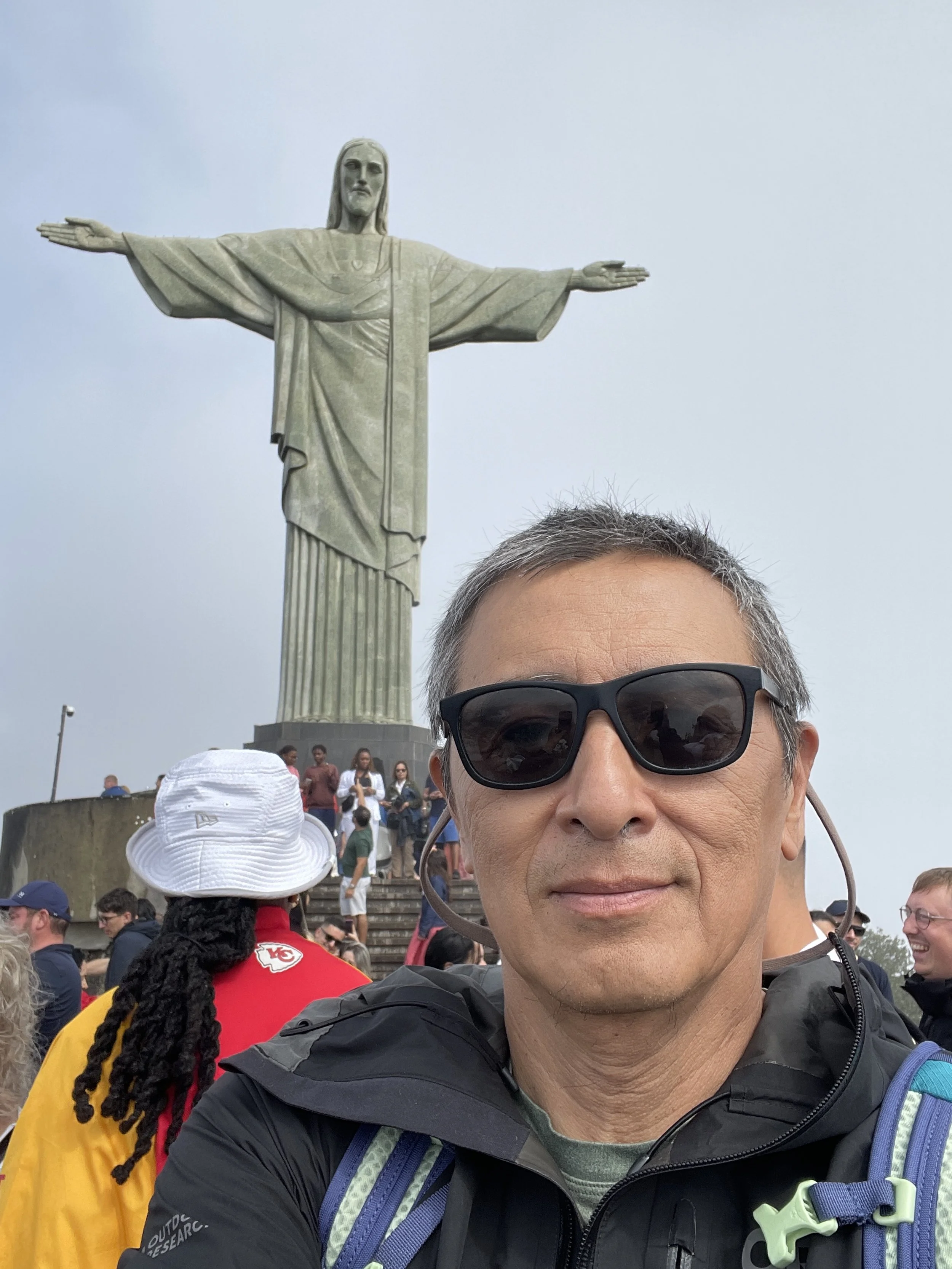
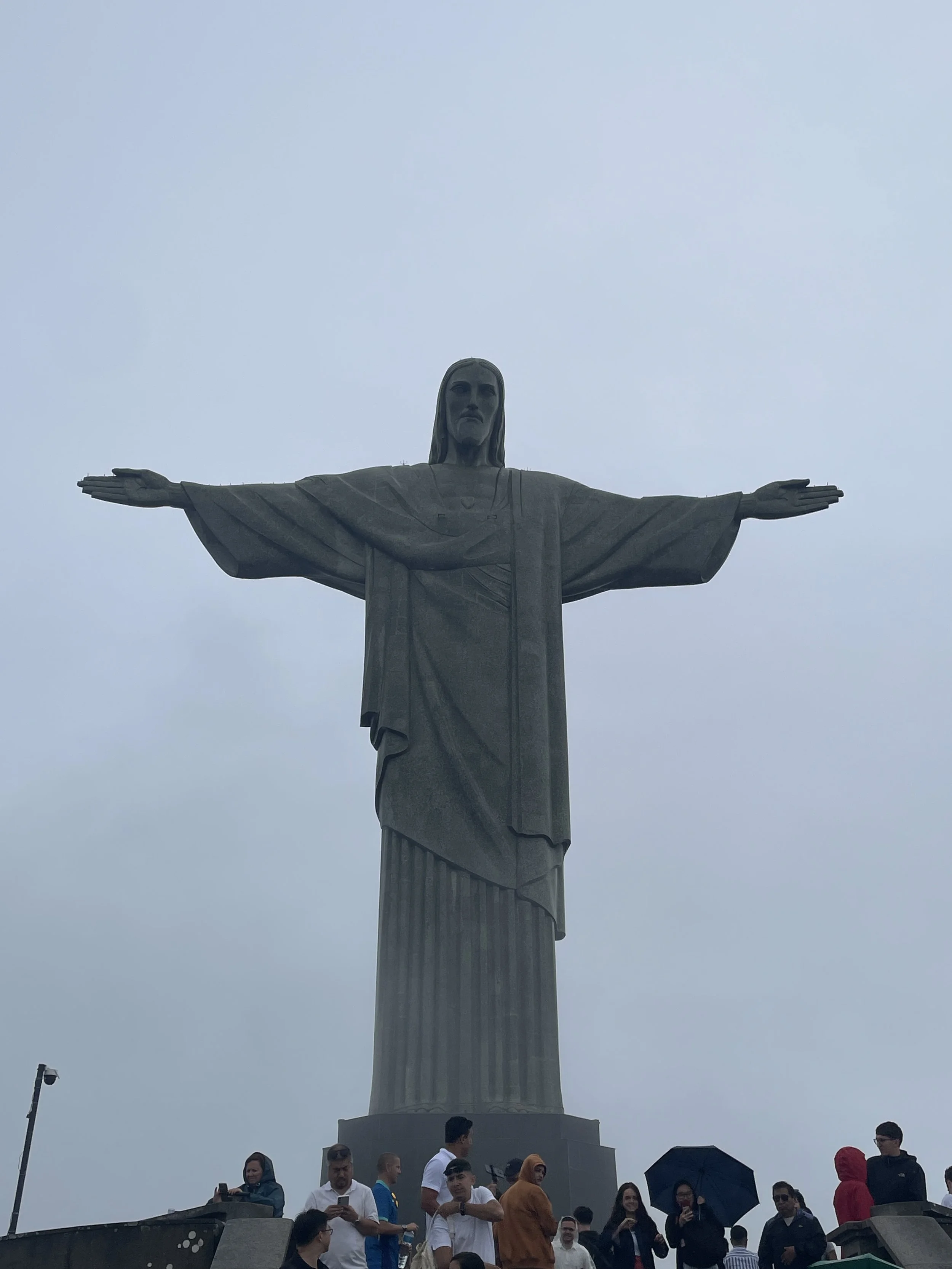
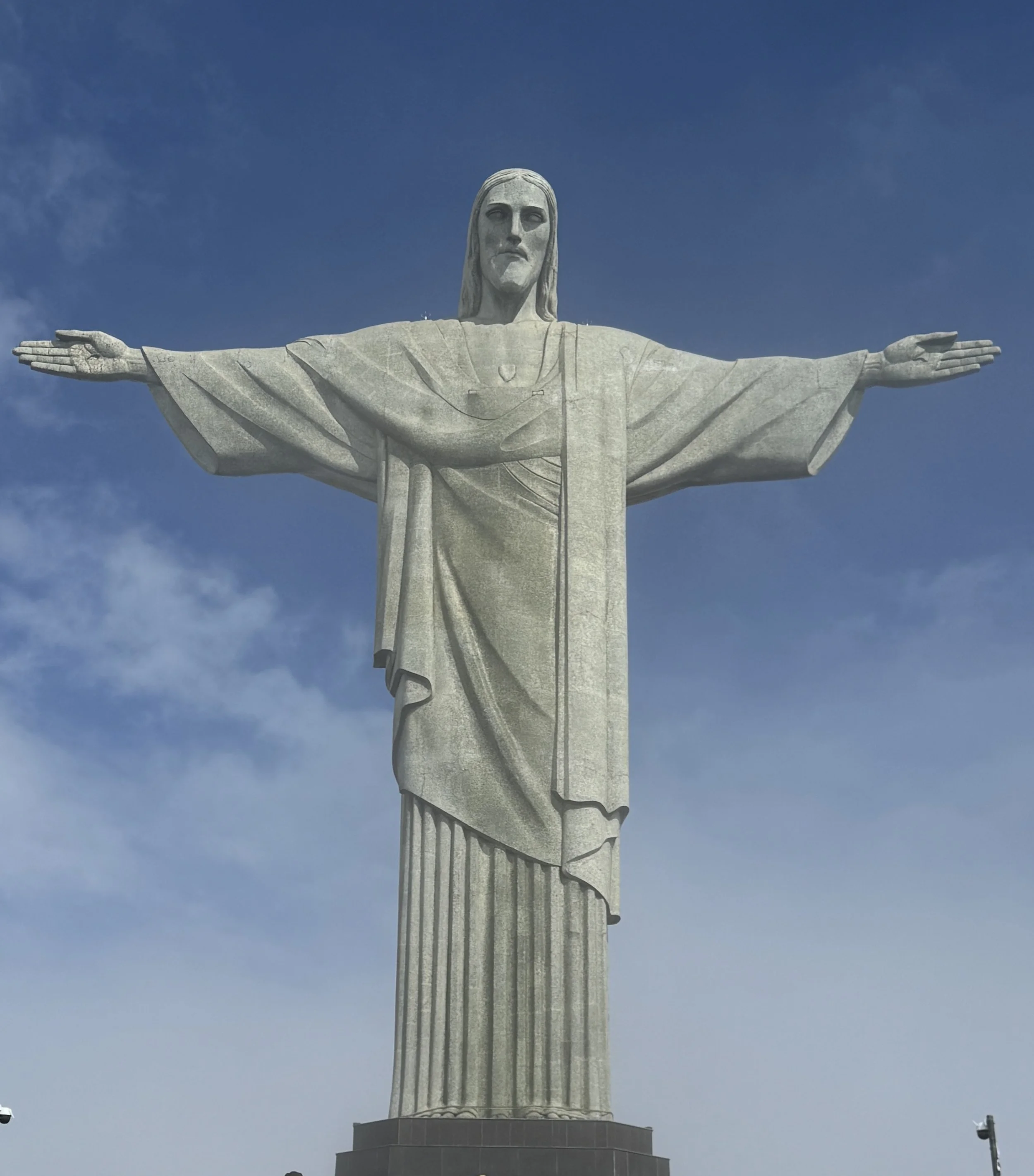
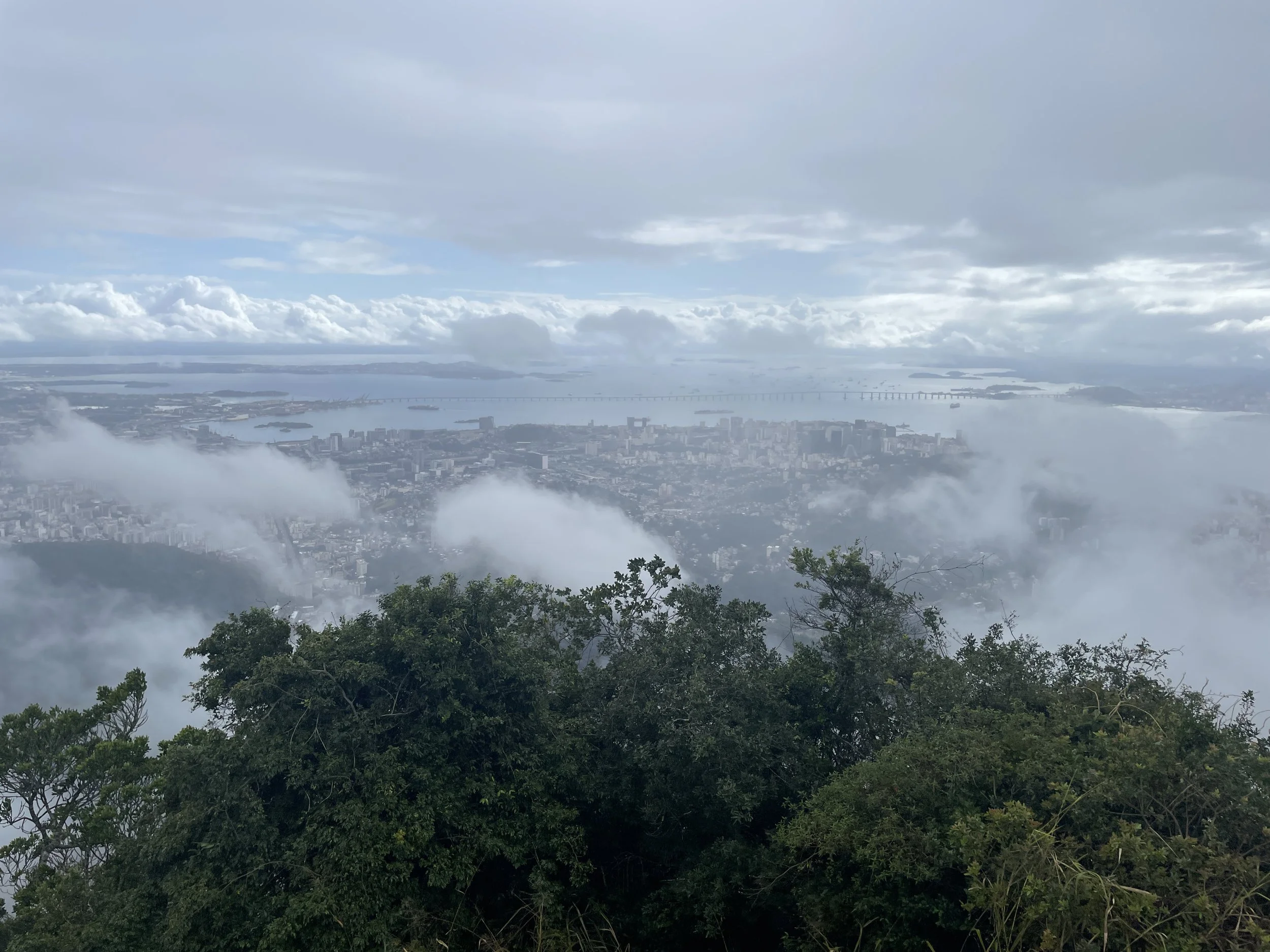
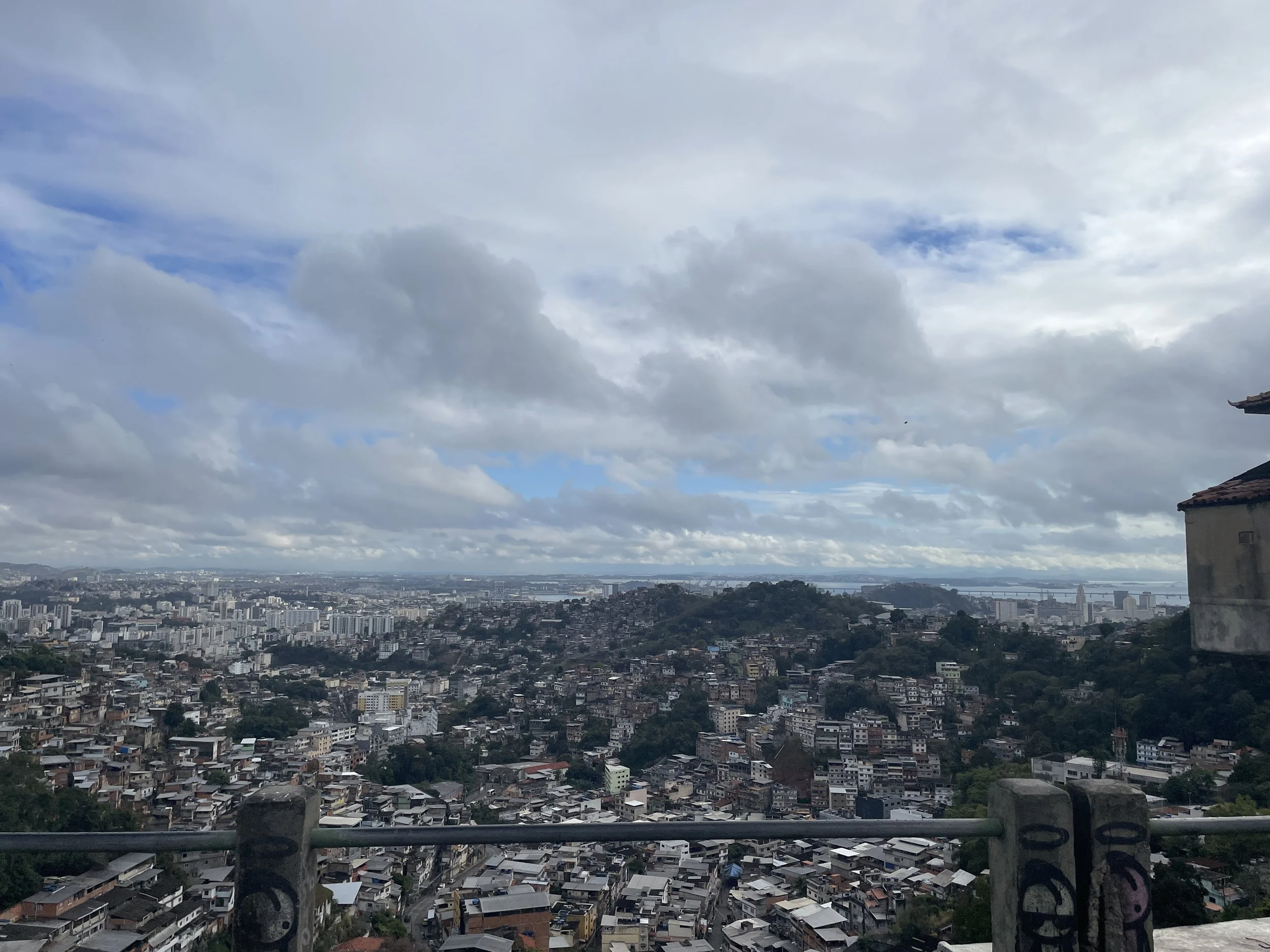
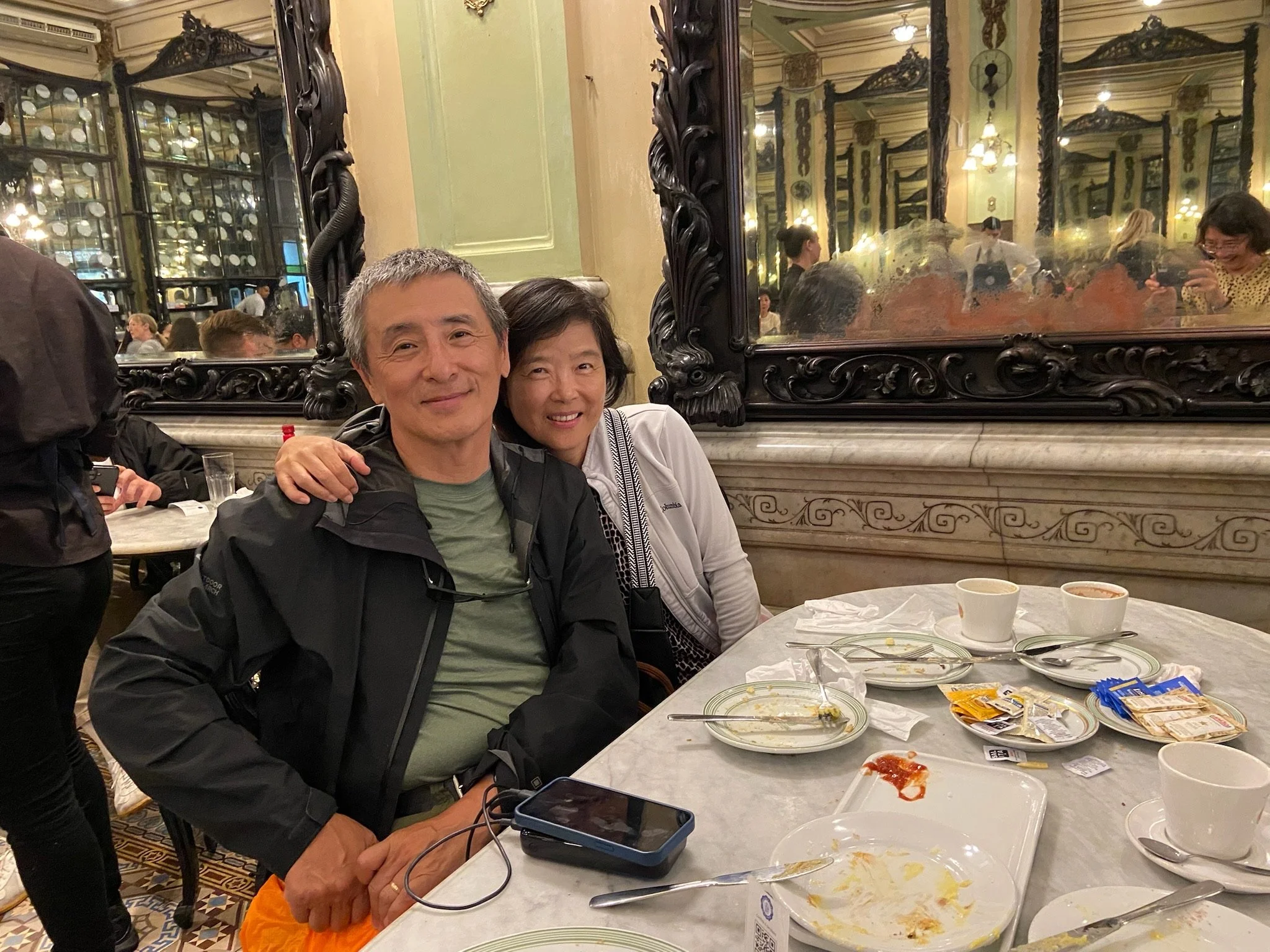
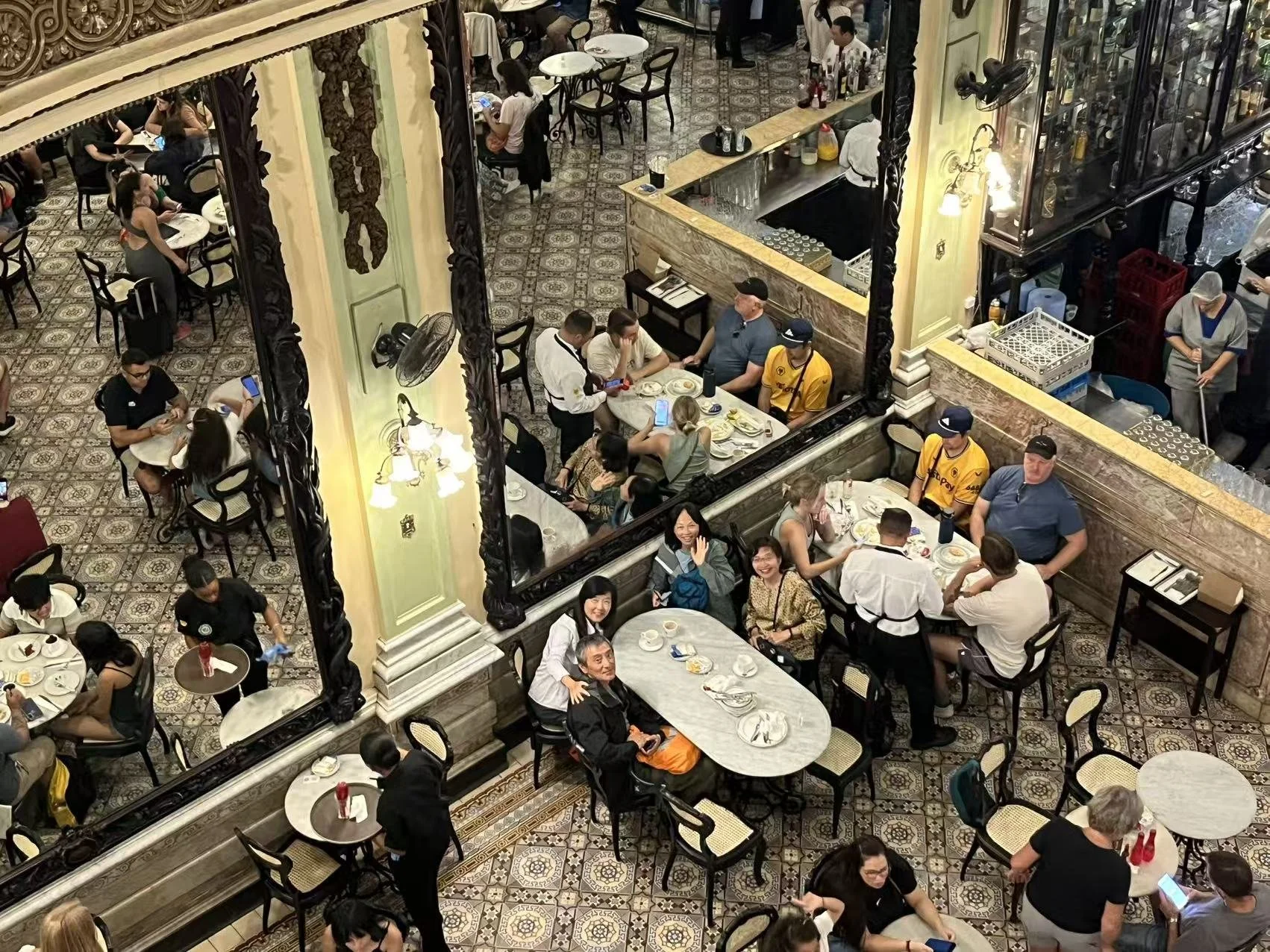
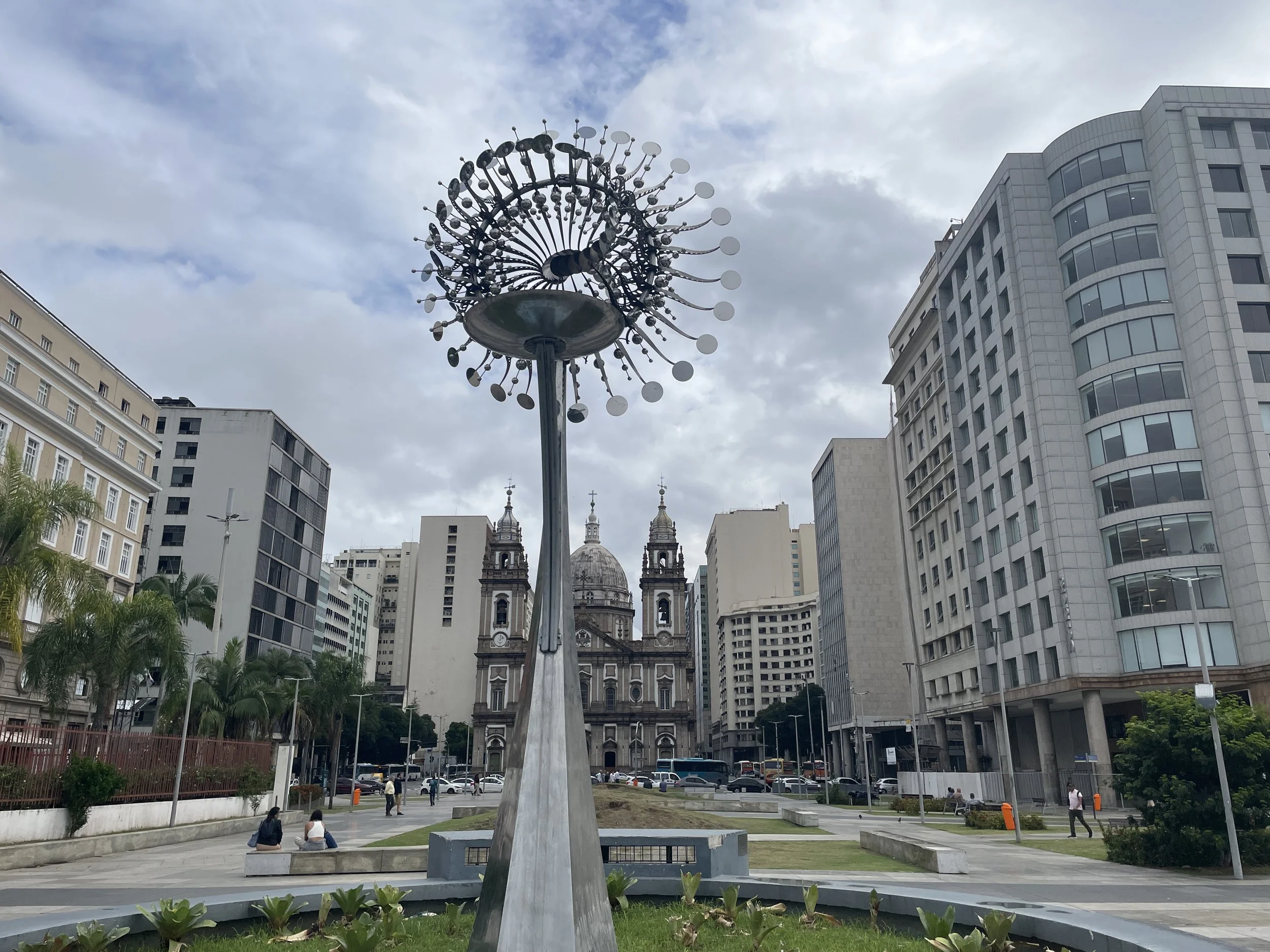
After a short stroll through the small park at the summit, we descended by van back to the metro station and took the train to the city center for lunch at Café Colombo. Two days earlier we had seen long lines there, but this time we walked in without waiting. As Rio’s oldest café, it impressed us with its grand architecture and elegant interior. The food and drinks were satisfying, and the lively atmosphere was heightened by several birthday celebrations taking place around us.
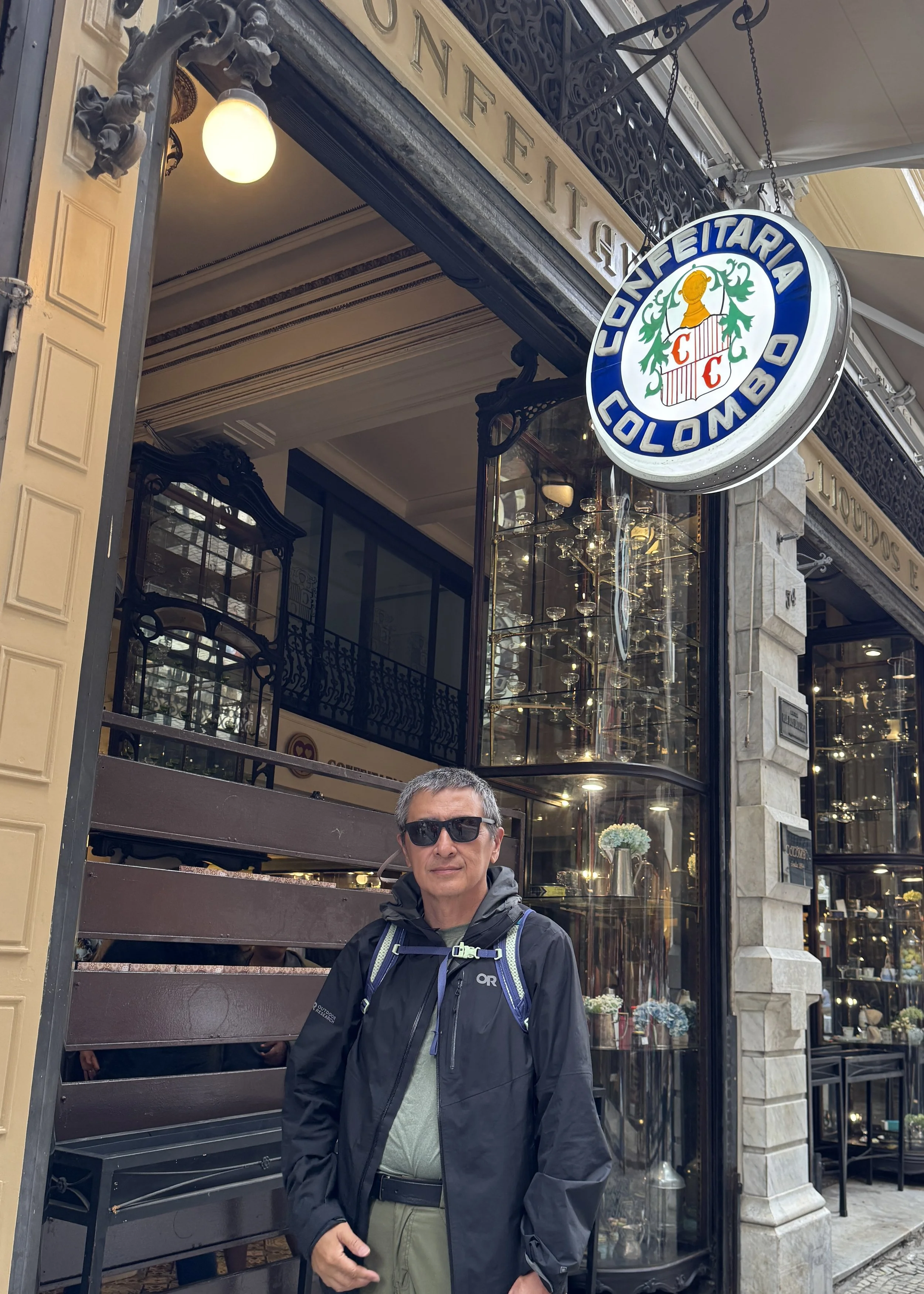
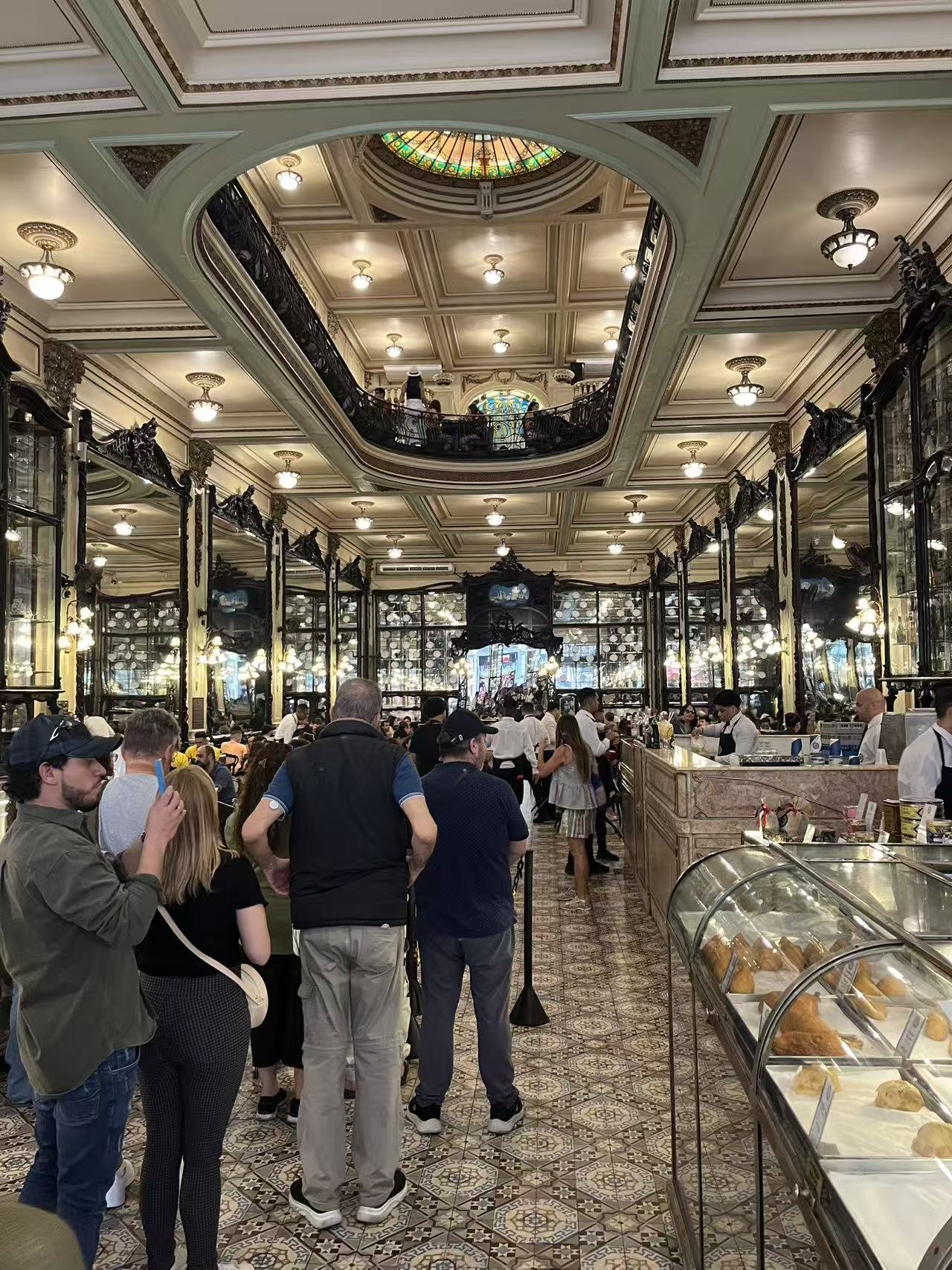
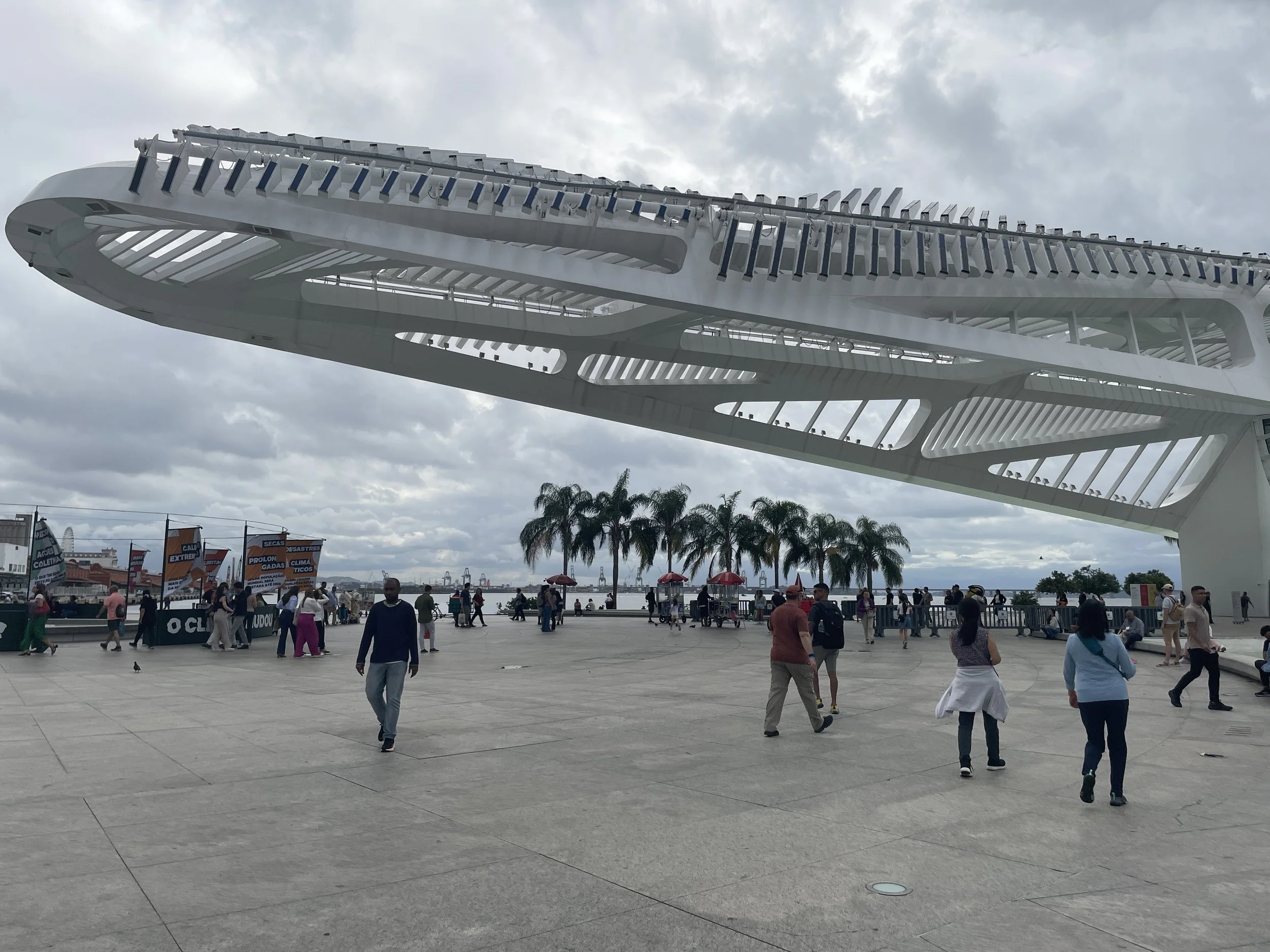
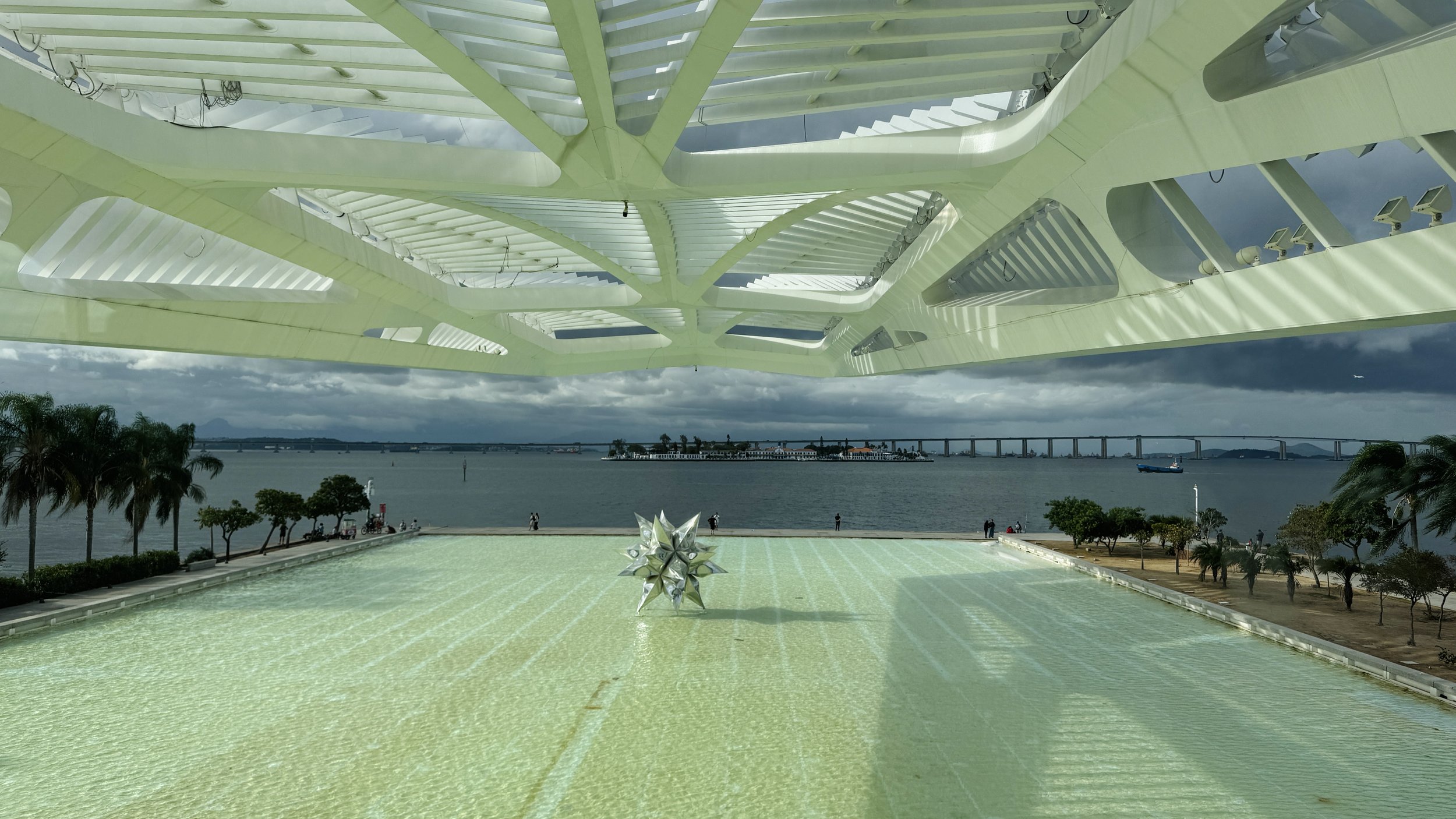
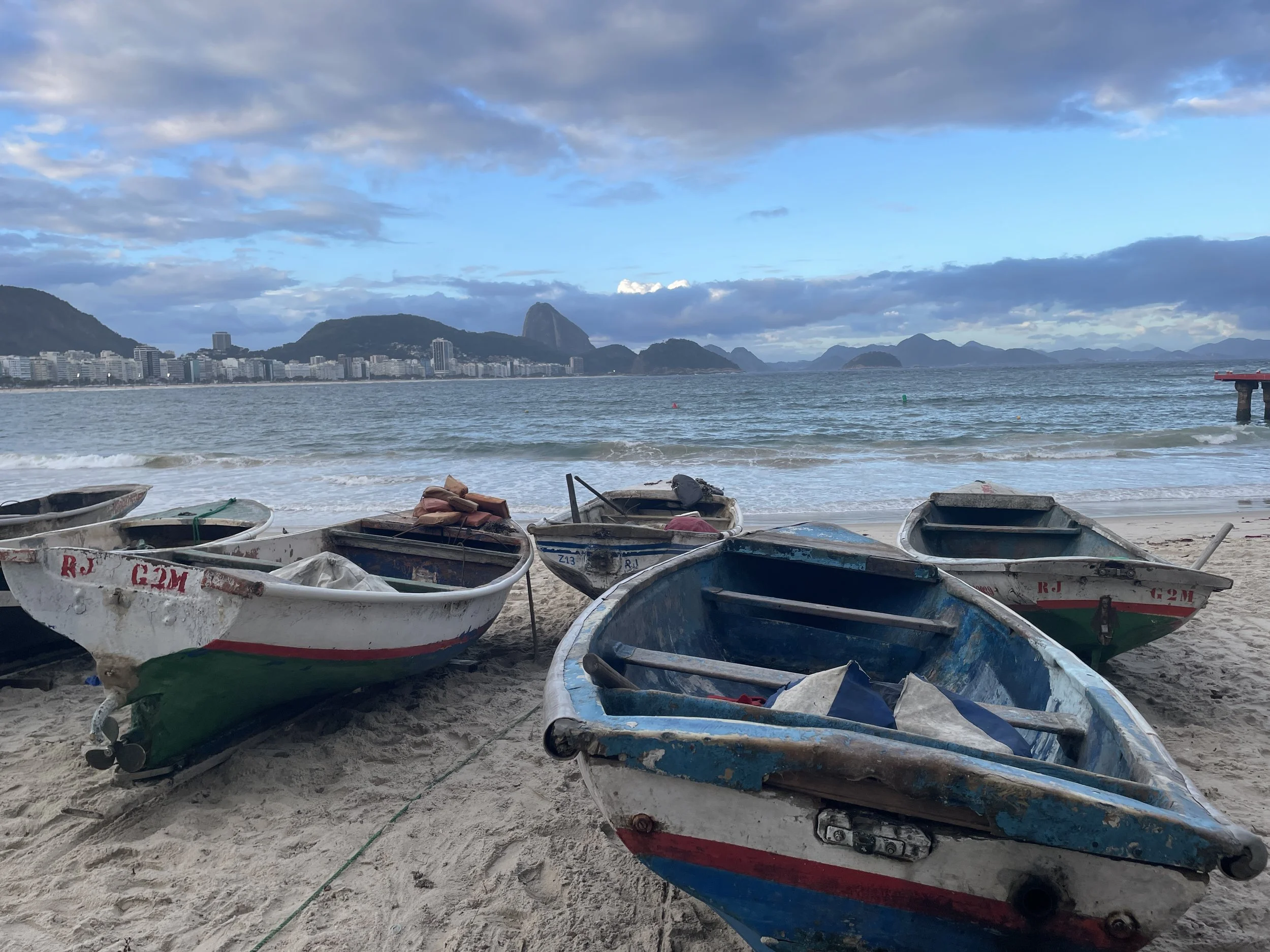
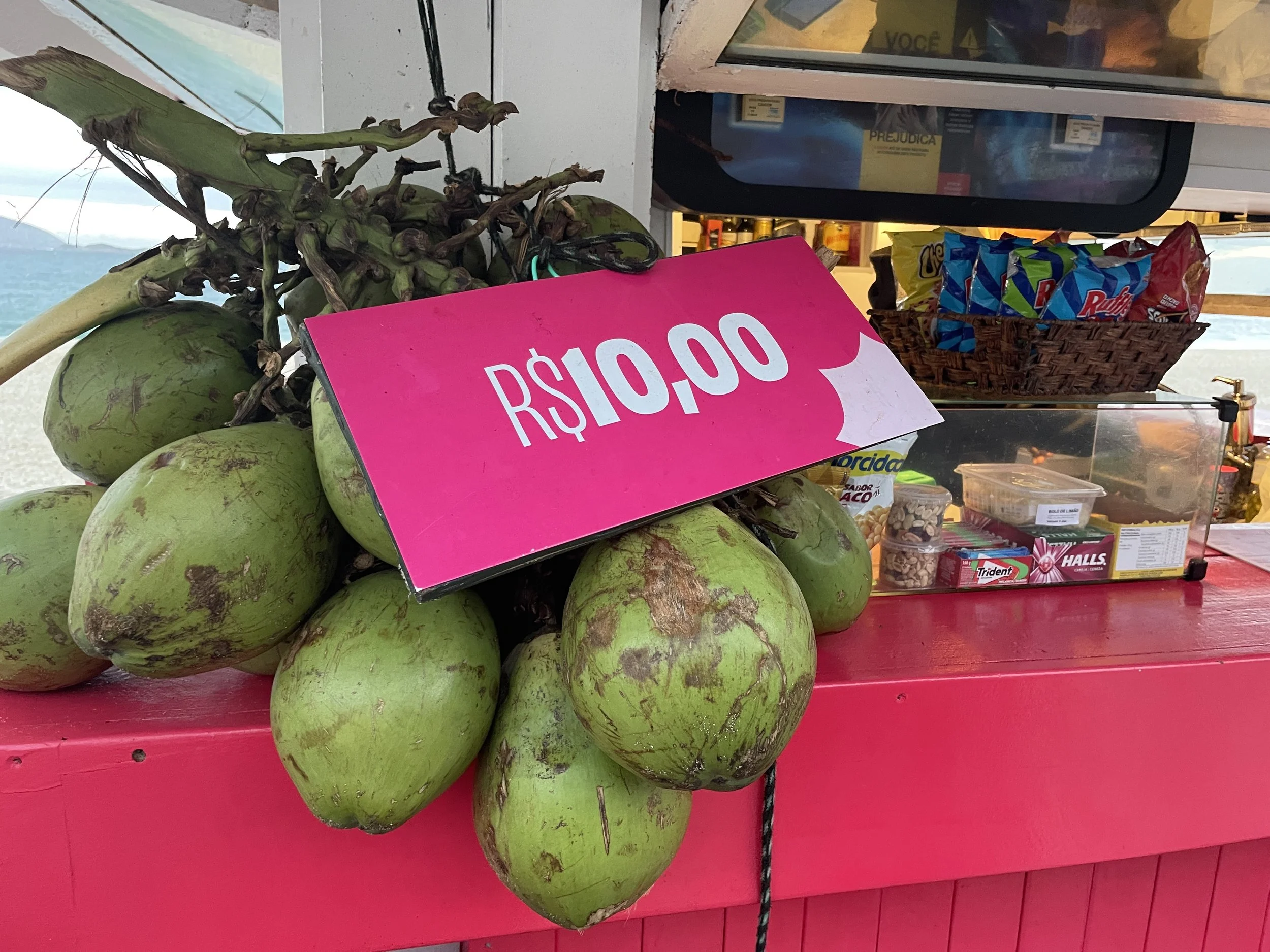
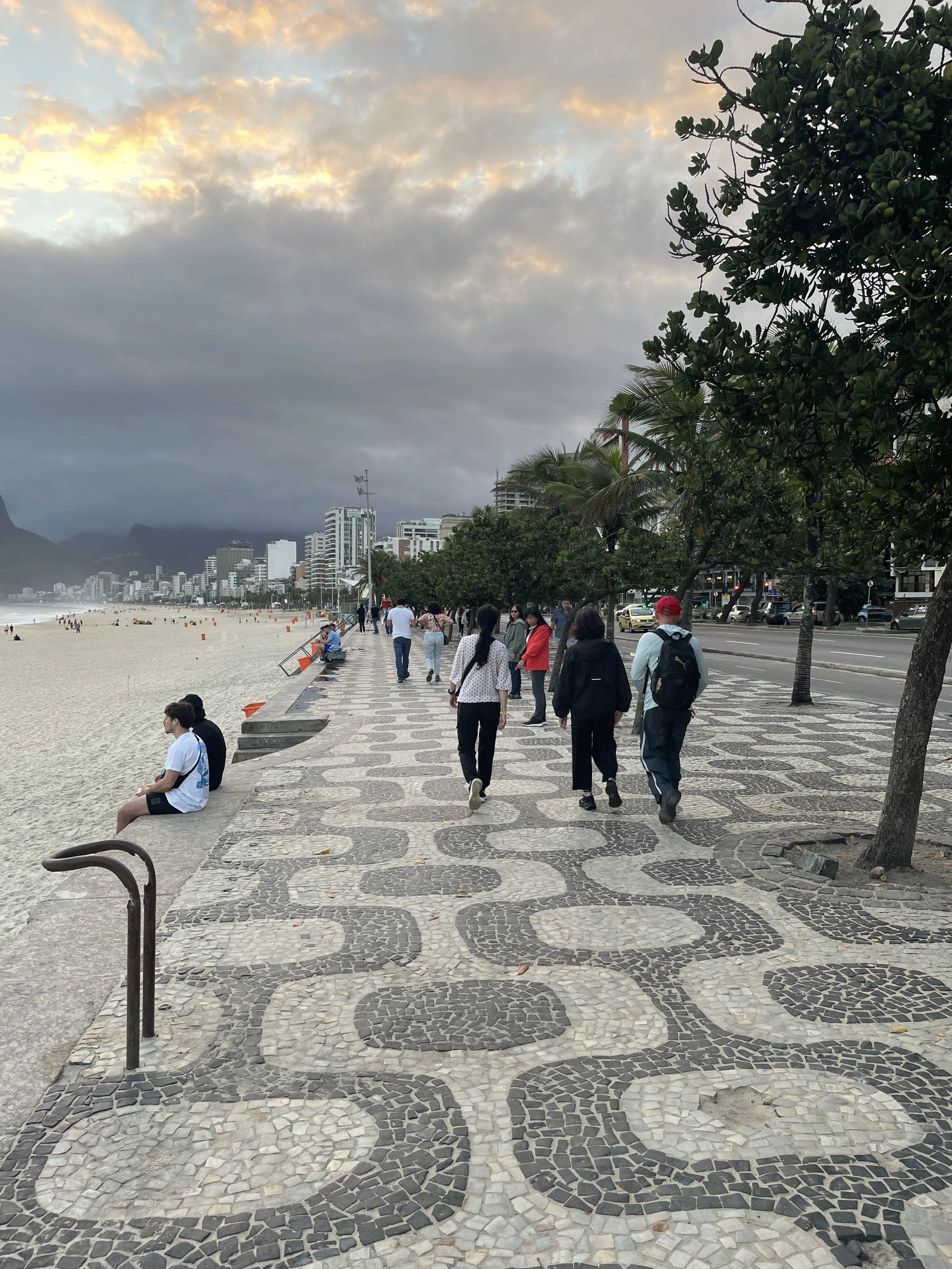
In the afternoon we headed to the Museum of Tomorrow, where we spent a couple of hours exploring its creative exhibitions. The futuristic architecture of the building itself was a highlight. Plus, it was free for elders like us. Afterwards, we took an Uber to Ipanema and strolled along the beach, sipping fresh coconuts and soaking up the vibrant seaside vibe before dinner.
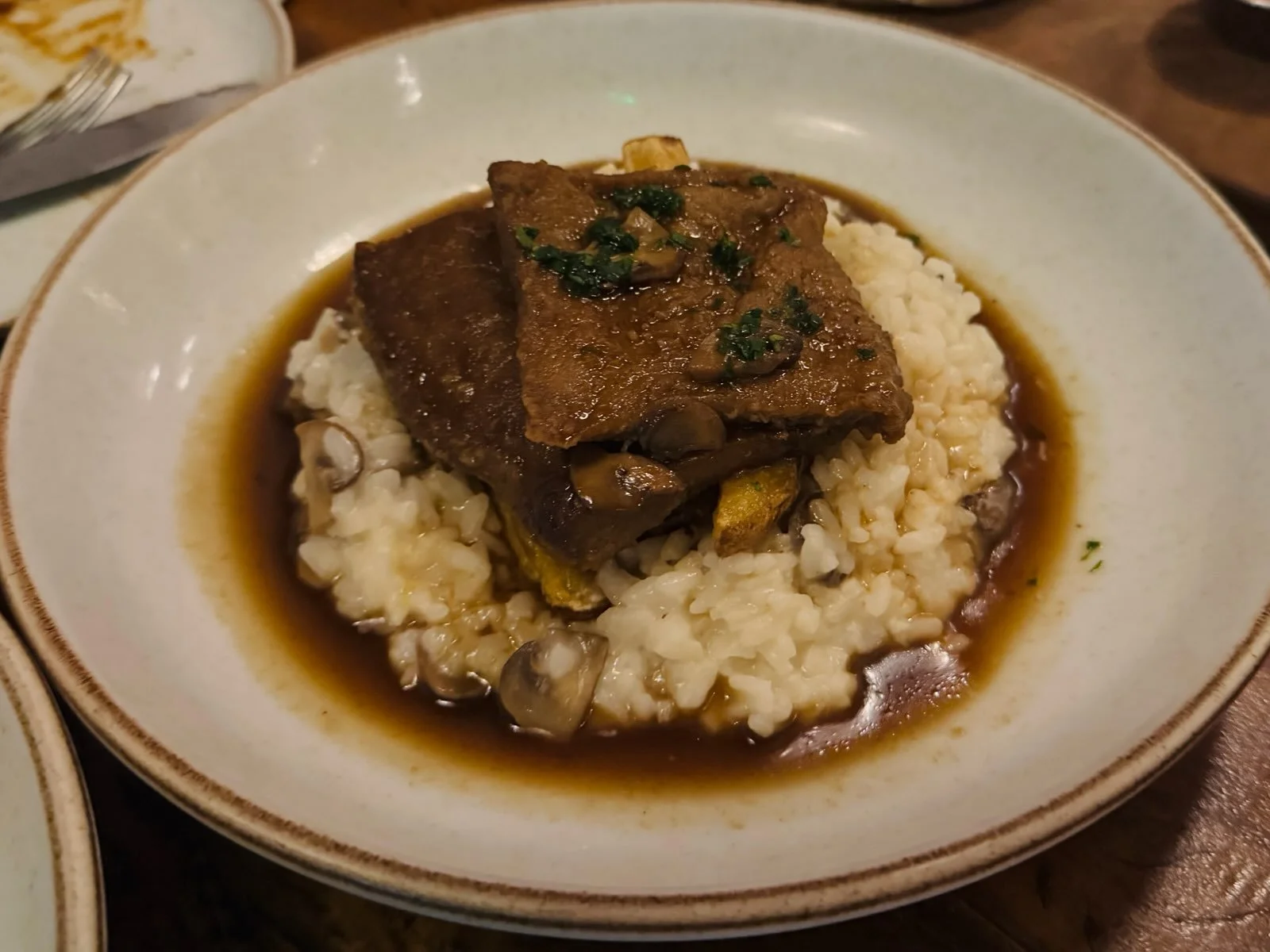
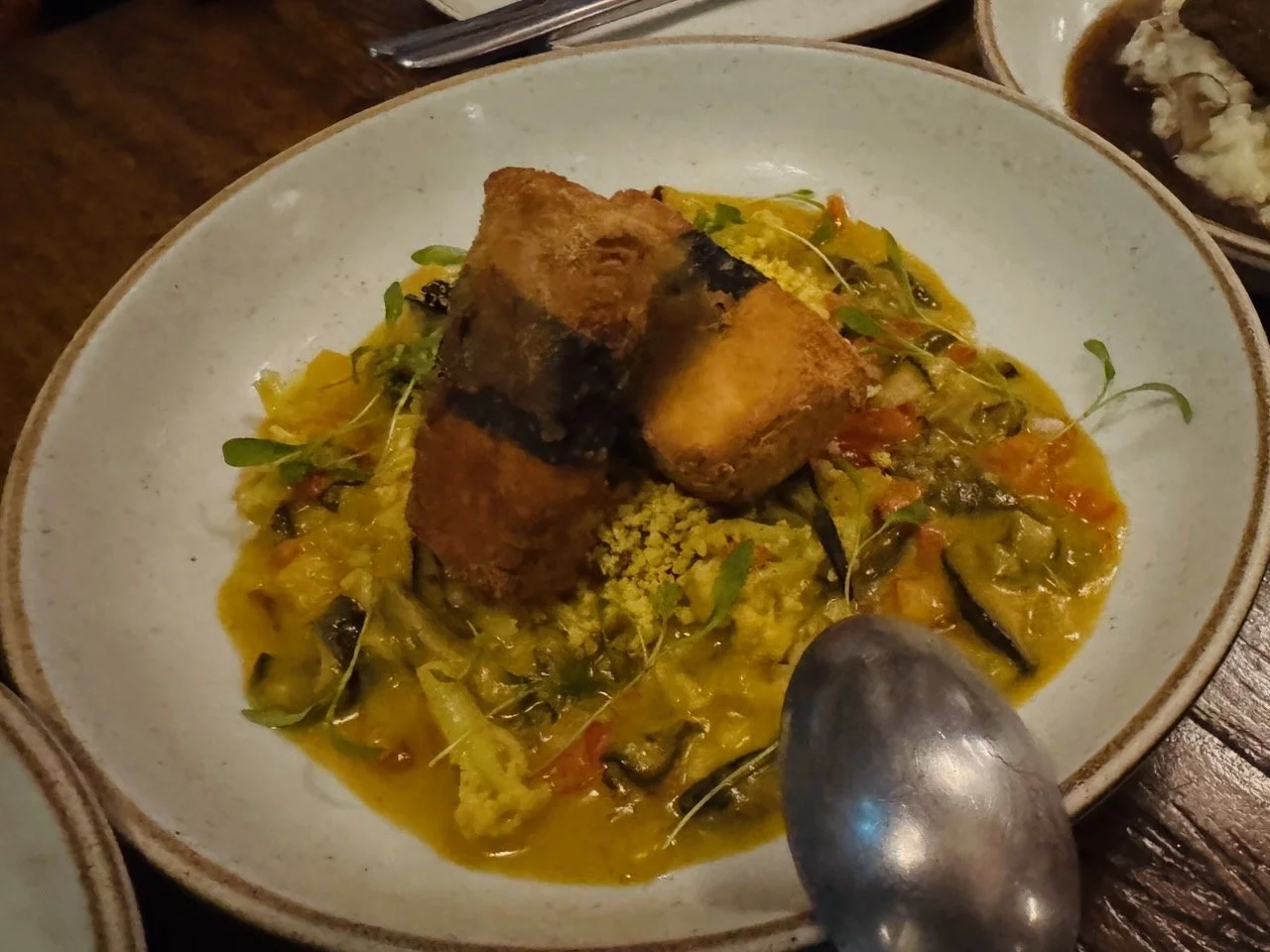
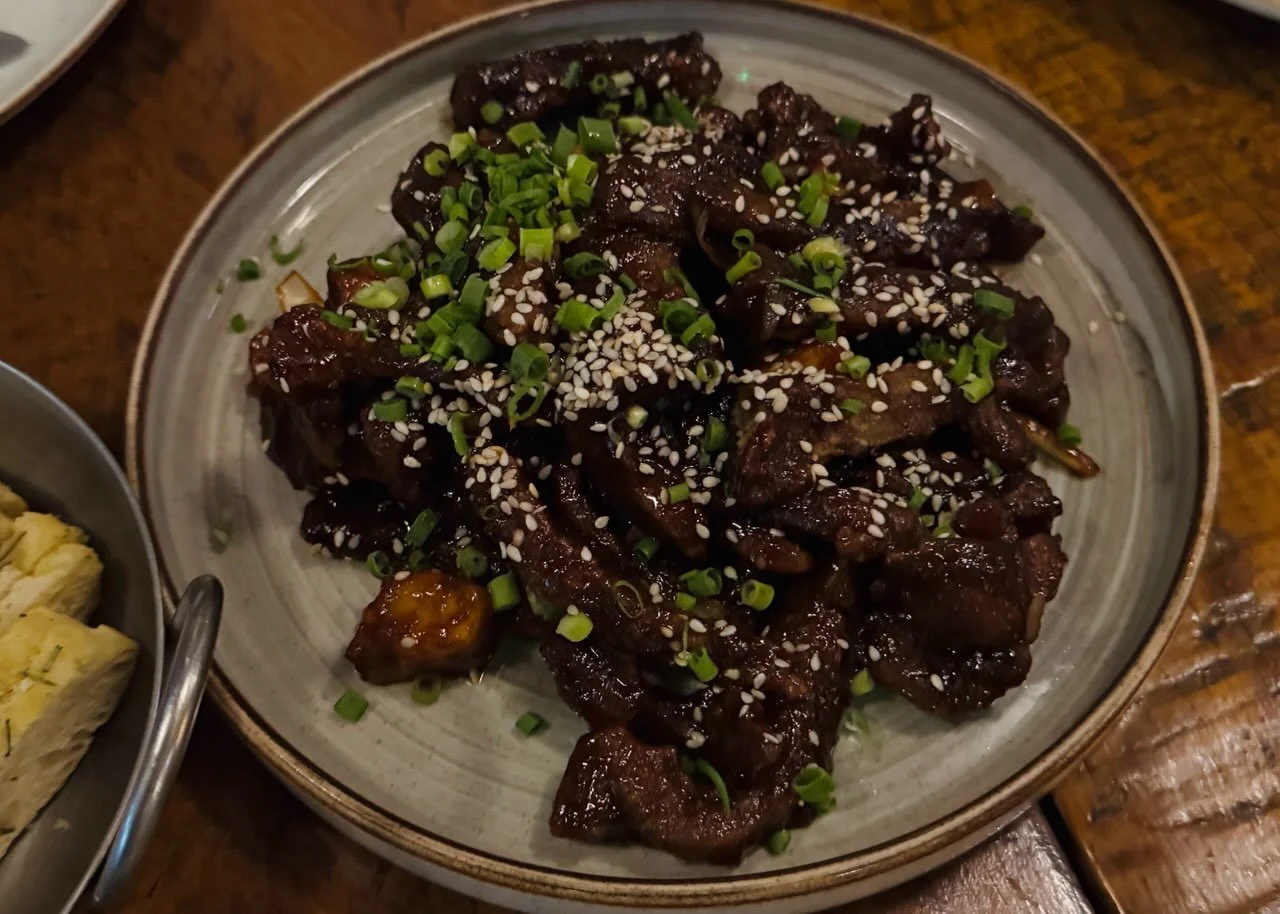
For our final meal in Rio, we wanted to show consideration for one of our travel companions who is vegetarian. She had graciously joined us at many meat-heavy restaurants throughout the trip, so we chose a vegan restaurant for the evening. It turned out to be an excellent choice—not just for her, but for everyone. The dishes were delicious and full of flavor.
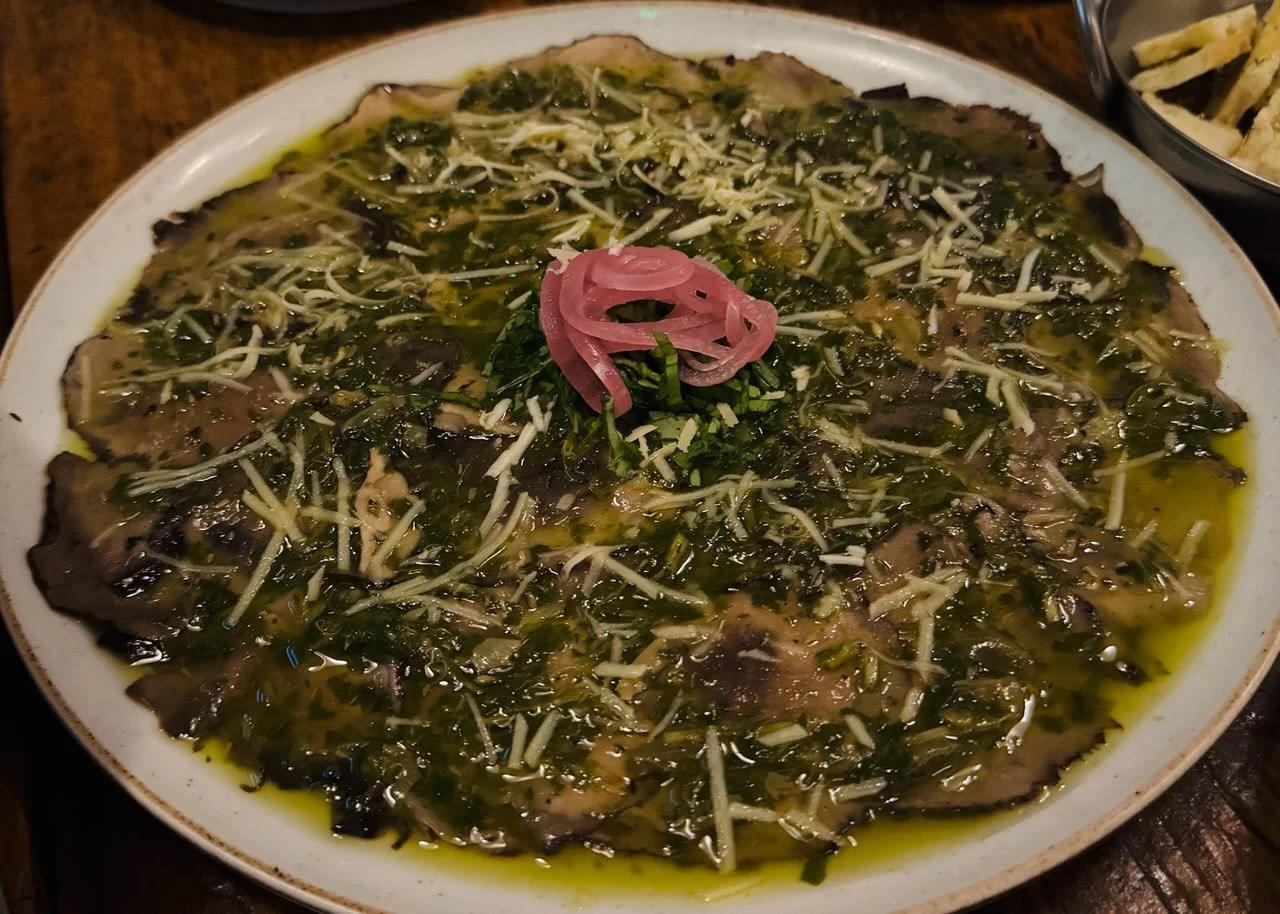
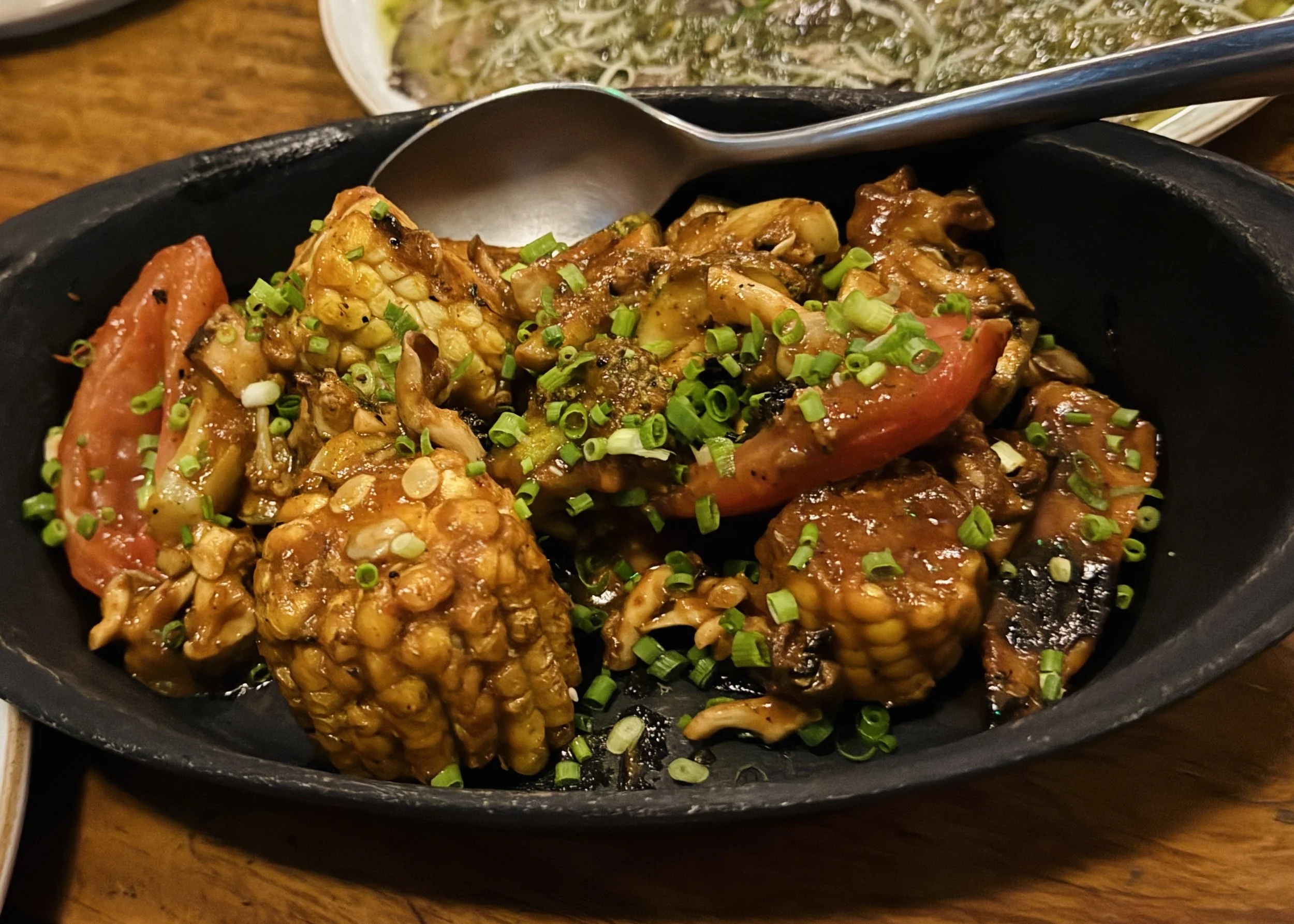
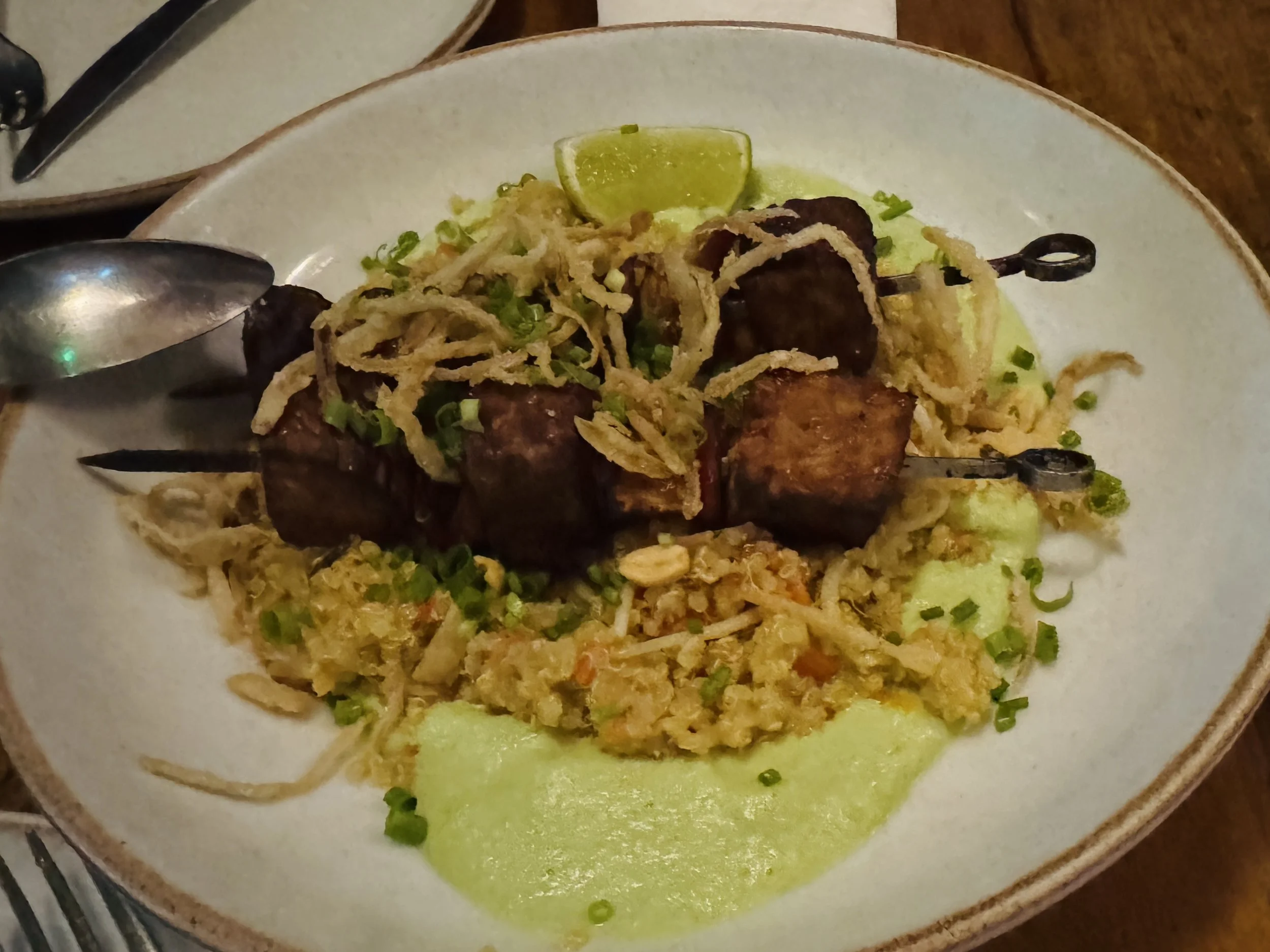
Although the day began with rain, it ended as yet another memorable travel day filled with iconic scenery, rich culture, and great food.
二零二五年九月一日
基督像是里约热内卢最具代表性的地标。前往山顶有两种方式:乘坐登山小火车或开车。我们本来更想搭乘小火车,但从最近的地铁站走过去需要40分钟,而且路不熟。为了避免额外的步行,我们选择了官方面包车服务,在博塔弗戈 (Botafogo) 地铁站直接上车。短途行驶后,我们换乘另一辆面包车,才最终抵达山顶的纪念碑。
今天的天气并不太配合, 早上起来天空就一直布满乌云,时不时还飘着小雨。当我们到达山顶时,起初雕像完全隐没在浓雾之中。但幸运一如既往地伴随着我们的旅程,几分钟后雨突然停了,云层慢慢散开。基督像在欢呼的人群面前戏剧般地显现出来——不到一分钟又神秘地重新消失在雾气之中,场面奇妙而震撼。大家都不愿离开,眼看着基督像就这样云里雾里的忽隐忽现,那种感觉真的是很神奇。功夫不负有心人,我们居然等到被蓝天白云衬托着基督像。
在山顶待了近一小时后,我们乘面包车下山回到地铁站,再搭地铁前往市中心,在科伦布咖啡馆(Café Colombo) 用午餐。两天前我们路过时,这里排着长长的队等开门。今天我们运气好,竟能直接入座,并且正好还是六个人的大桌。作为里约最古老的咖啡馆,它以宏伟的建筑和华丽的内部装饰闻名,令人印象深刻。餐点和饮品也颇为可口,而热闹的气氛更因多场生日聚会而显得格外喜庆。
下午,我们前往明日博物馆 (Museum of Tomorrow),花了两个小时参观创意十足的展览。未来感十足的建筑本身就是一大亮点,而且对我们这样的“长者”还是免费入场。之后我们叫了 Uber 去到伊帕内玛 (Ipanema),沿着海滩散步,一边喝着新鲜的椰子水,一边感受充满活力的海边氛围。
在里约的最后一顿晚餐,我们特别为同行的一位素食伙伴挑选了一家素食店。从阿根廷到巴西,一路以来她都毫无怨言地陪我们大家在以肉食为主的饭店用餐,因此今晚我们大家决定陪她一起吃素食。结果证明这一选择非常明智——不仅仅是她,我们每一位都觉得菜肴非常美味可口,是一次很不错的体验。
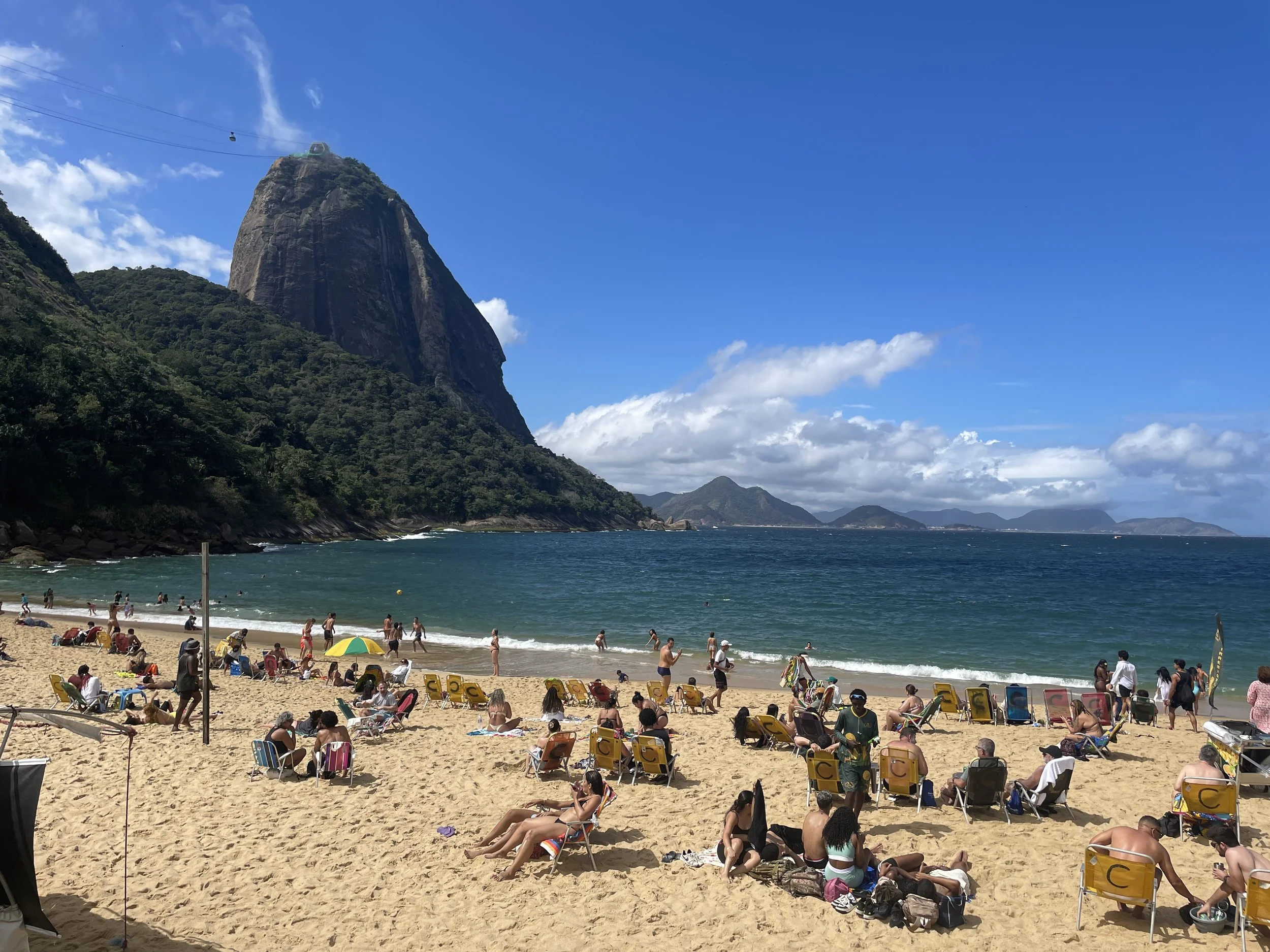
Sugar Loaf Mountain and Sunset Cruise 面包山与日落游船
August 31,2025
After a healthy breakfast in our rental unit, we set out early,……
在租住公寓享用了一顿健康的早餐后,。。。
August 31,2025
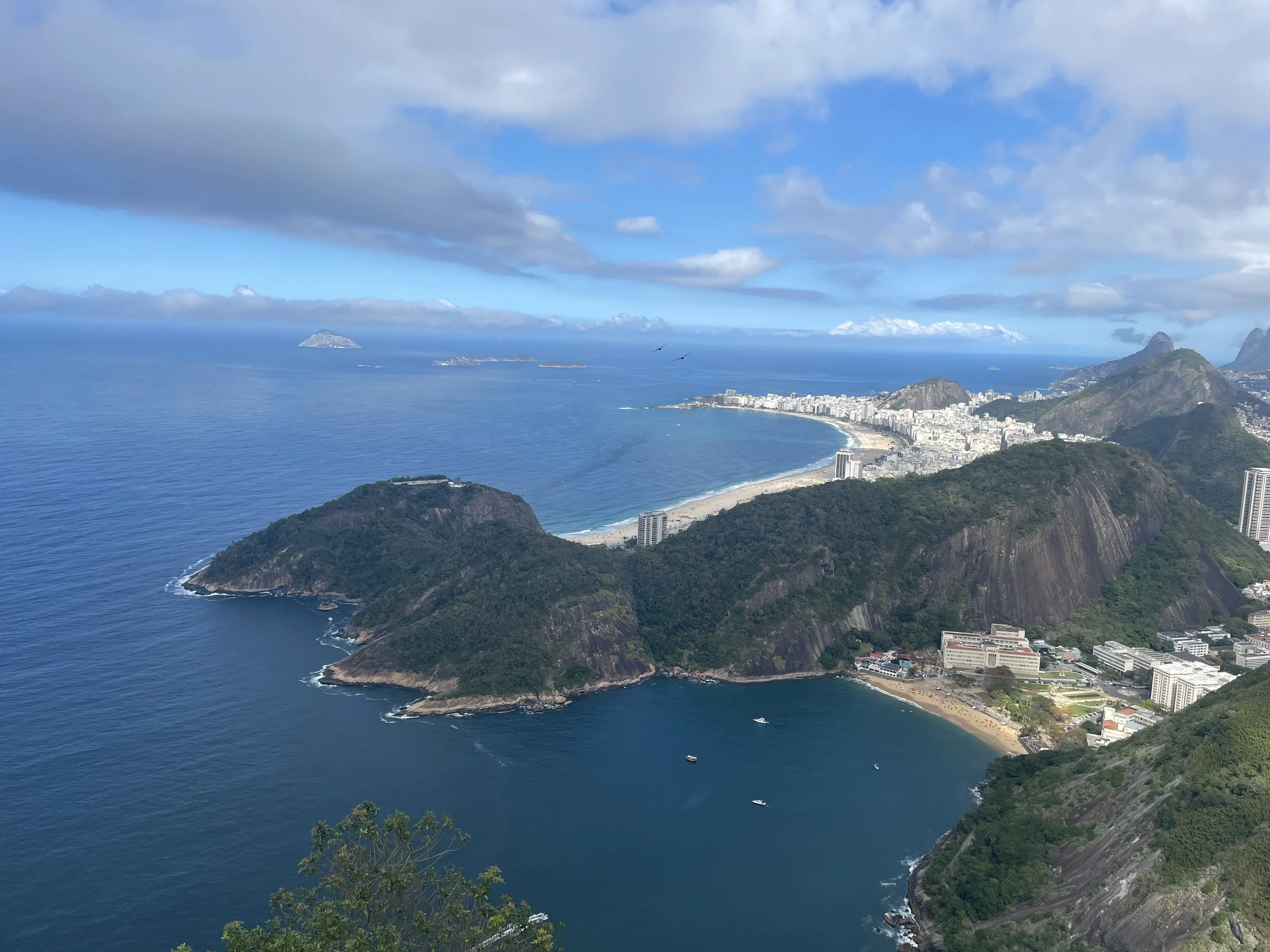
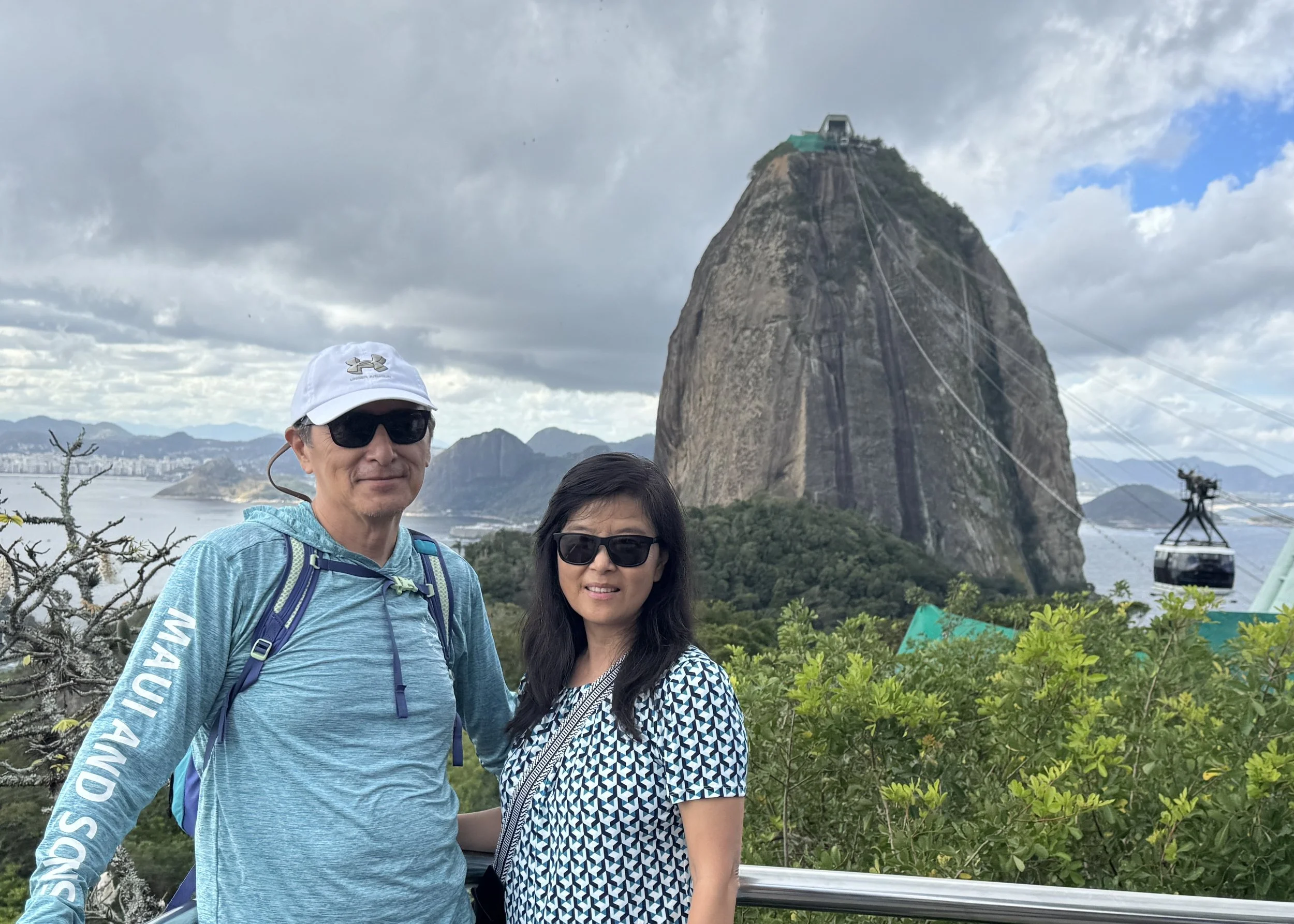
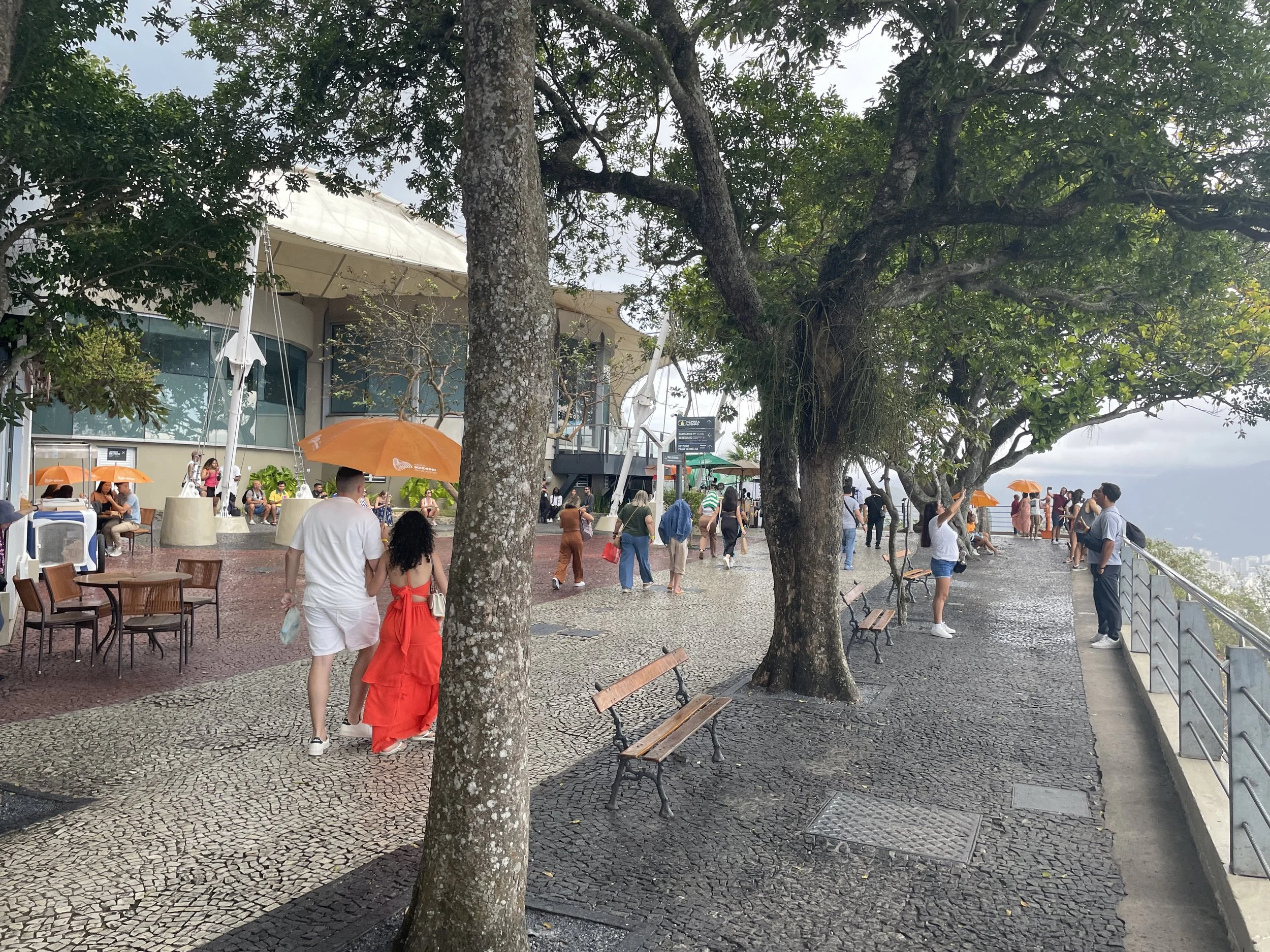
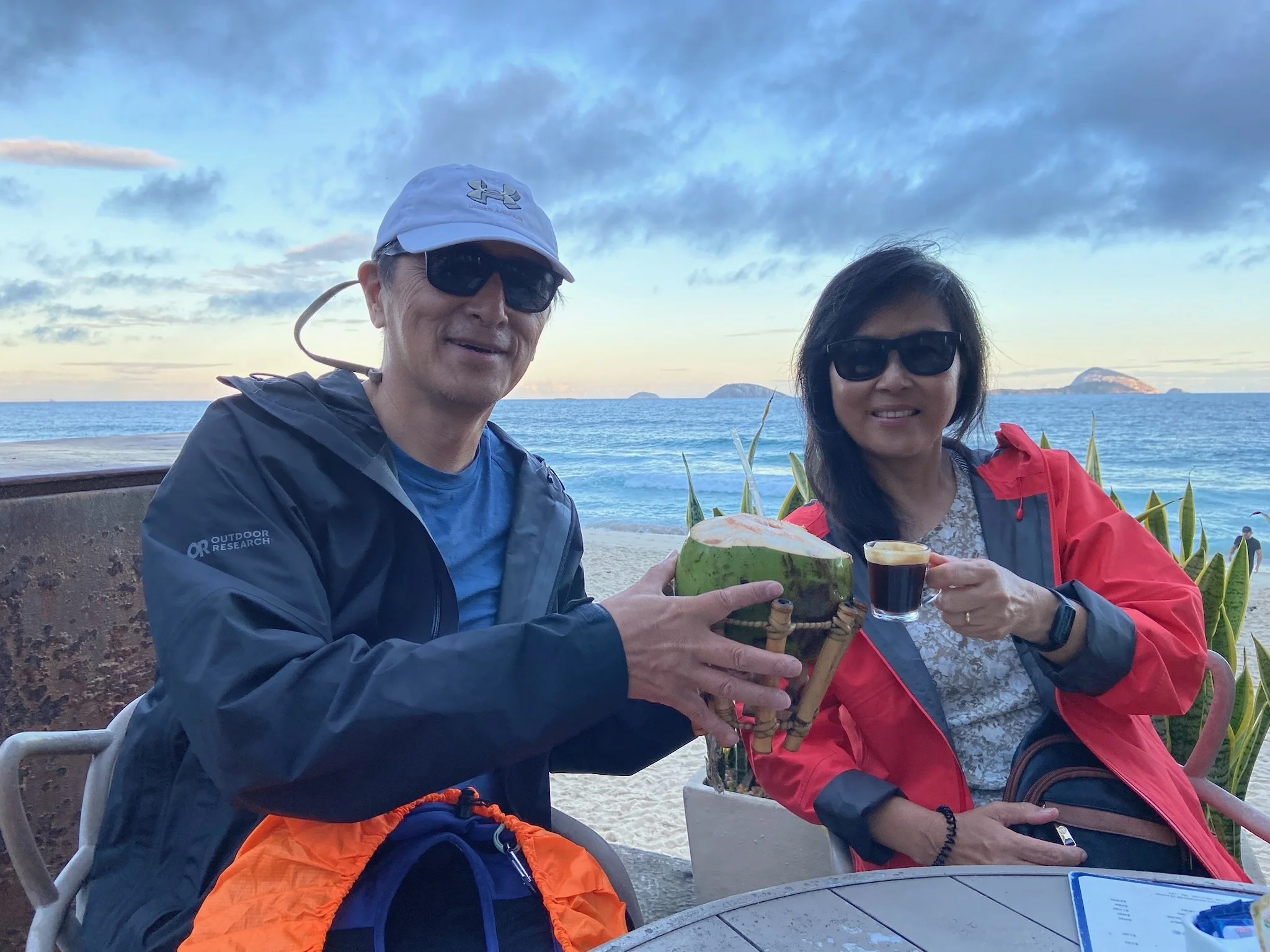
After a healthy breakfast in our rental unit, we set out early, catching the Metro and then walking about 30 minutes to the Sugar Loaf Mountain cable station. Thanks to the early start, we avoided the crowds and easily boarded the two connecting cable cars. At the summit, the view was simply breathtaking—sweeping 360-degree panoramas of sea, city, and steep green peaks blended together to form one of the most striking urban landscapes in the world.

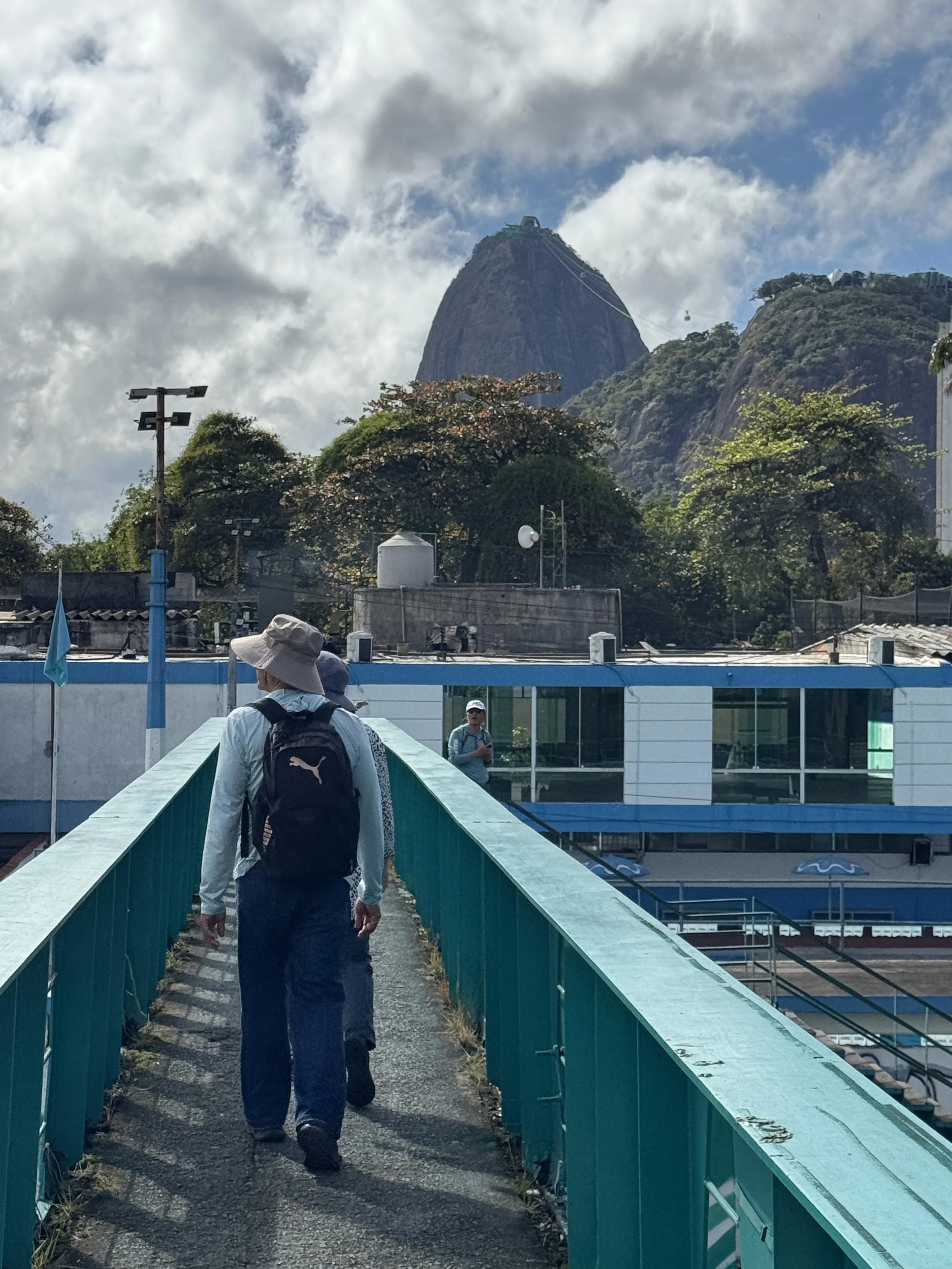
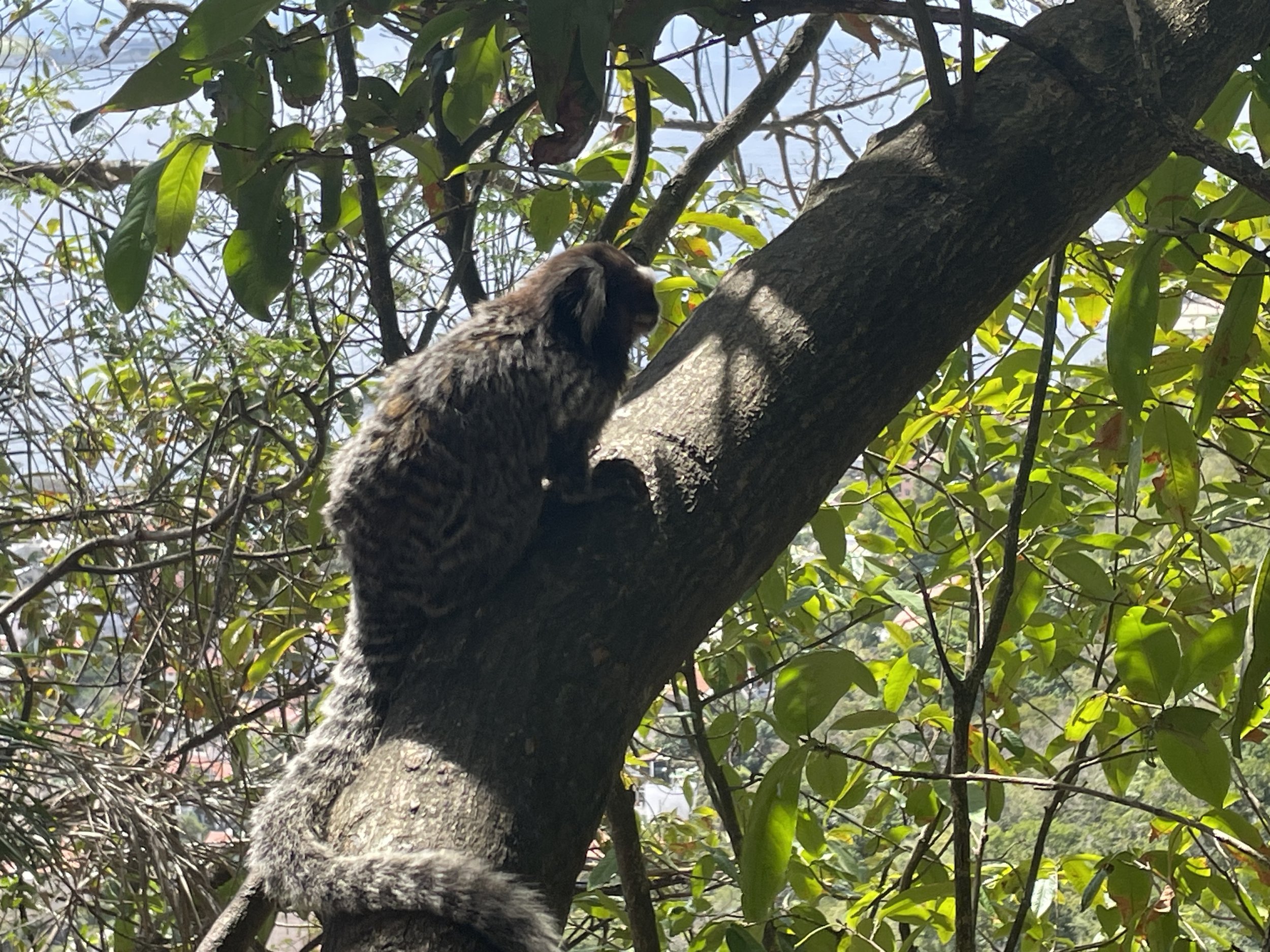
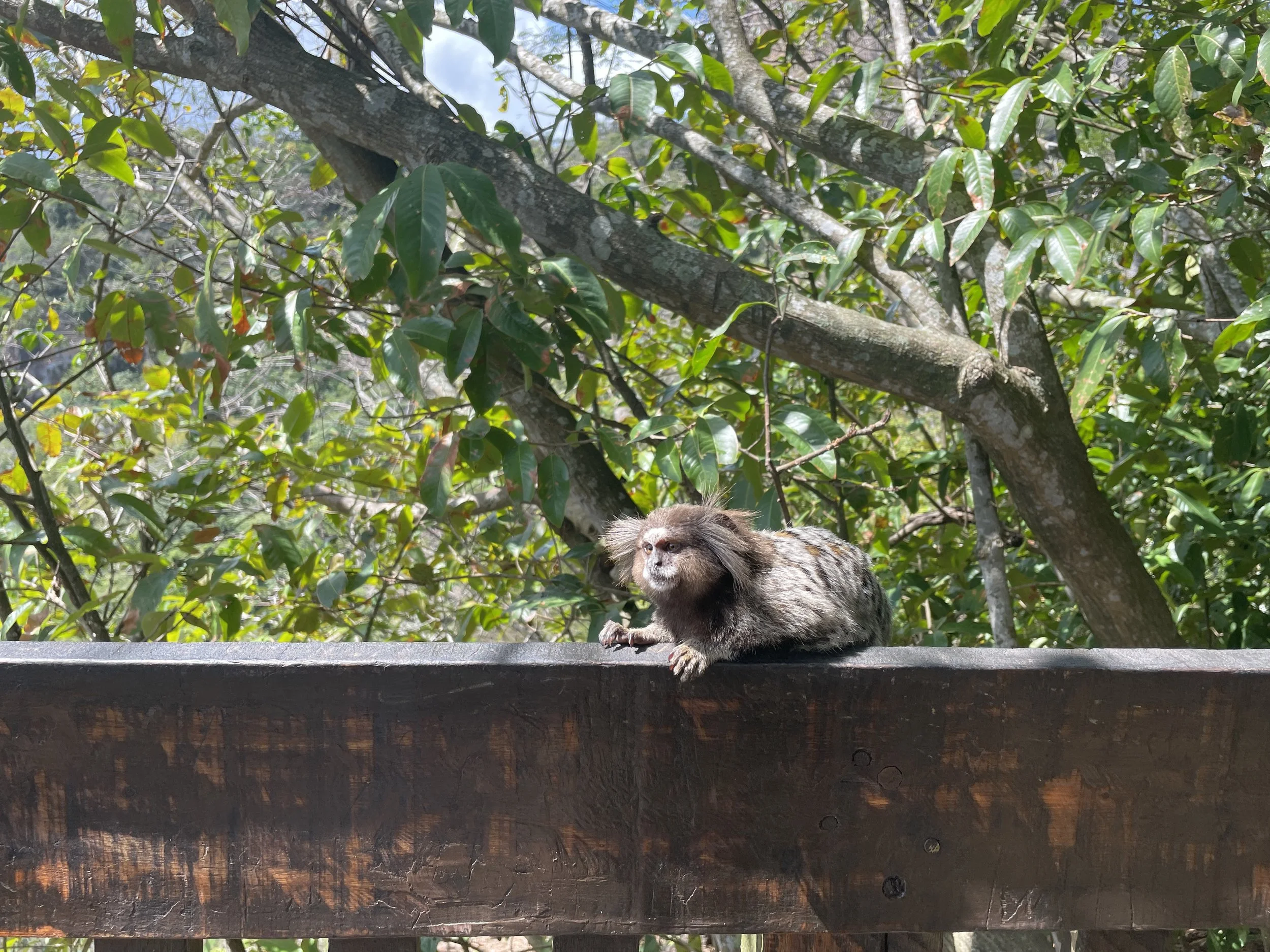
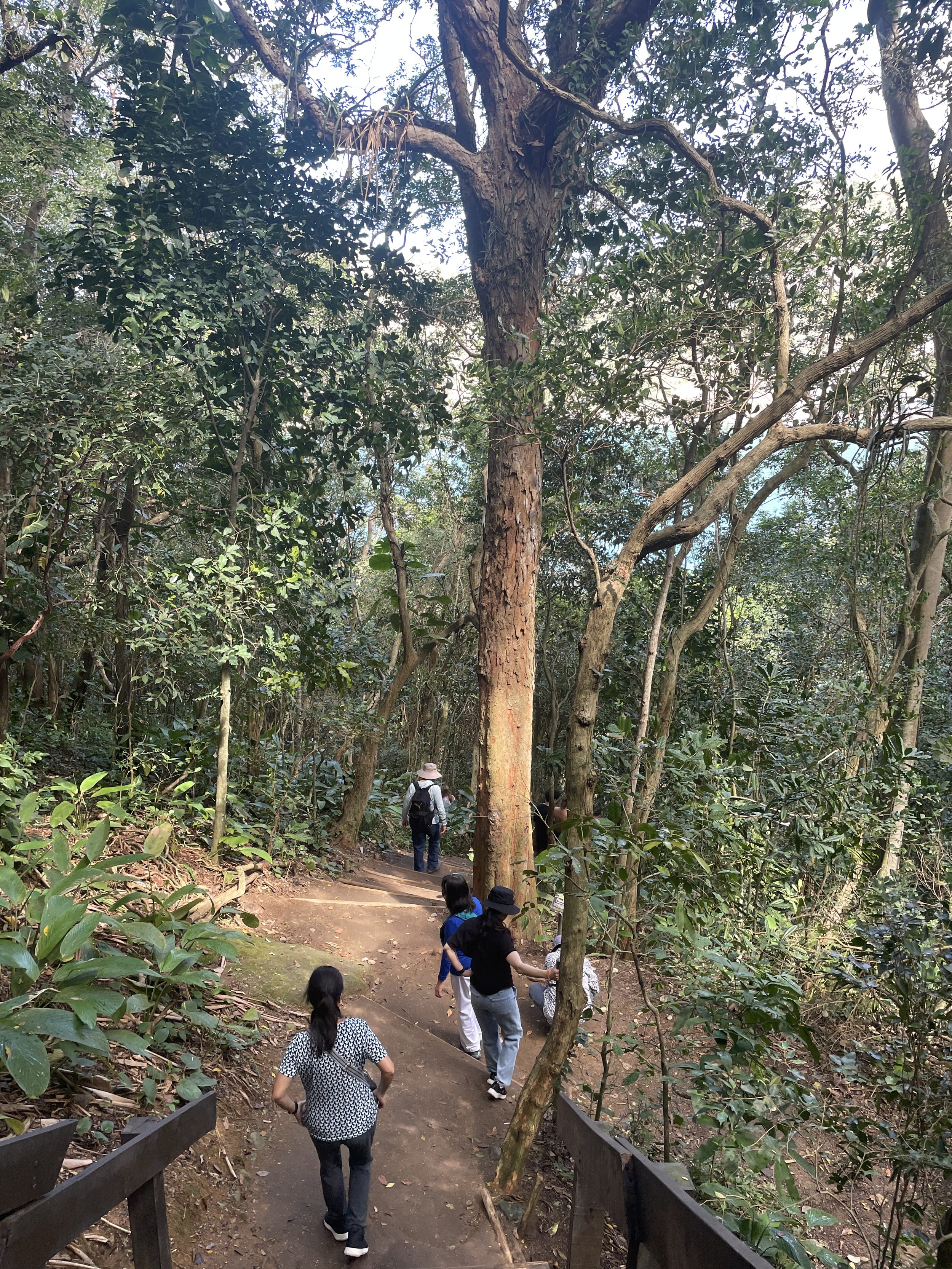
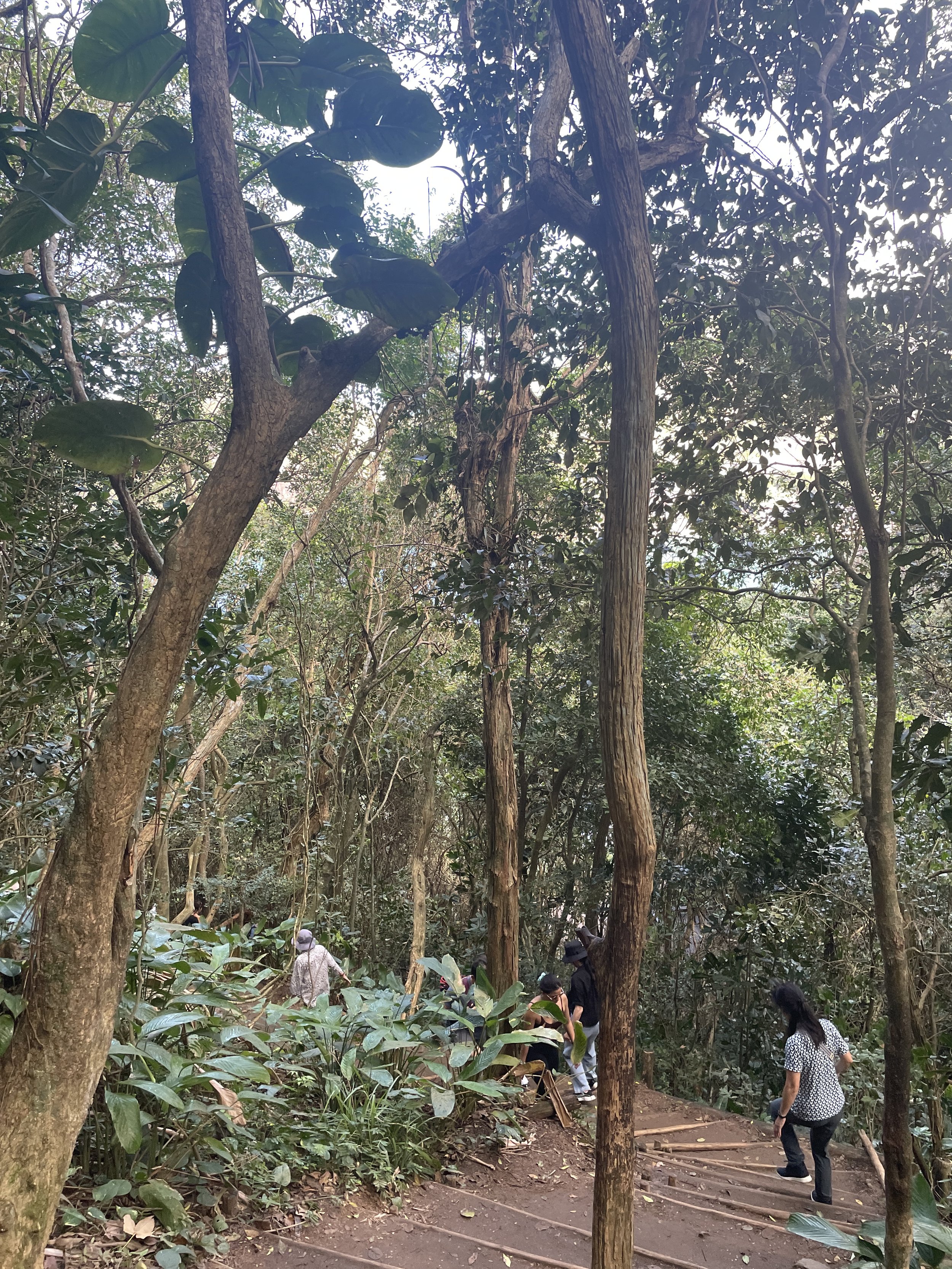
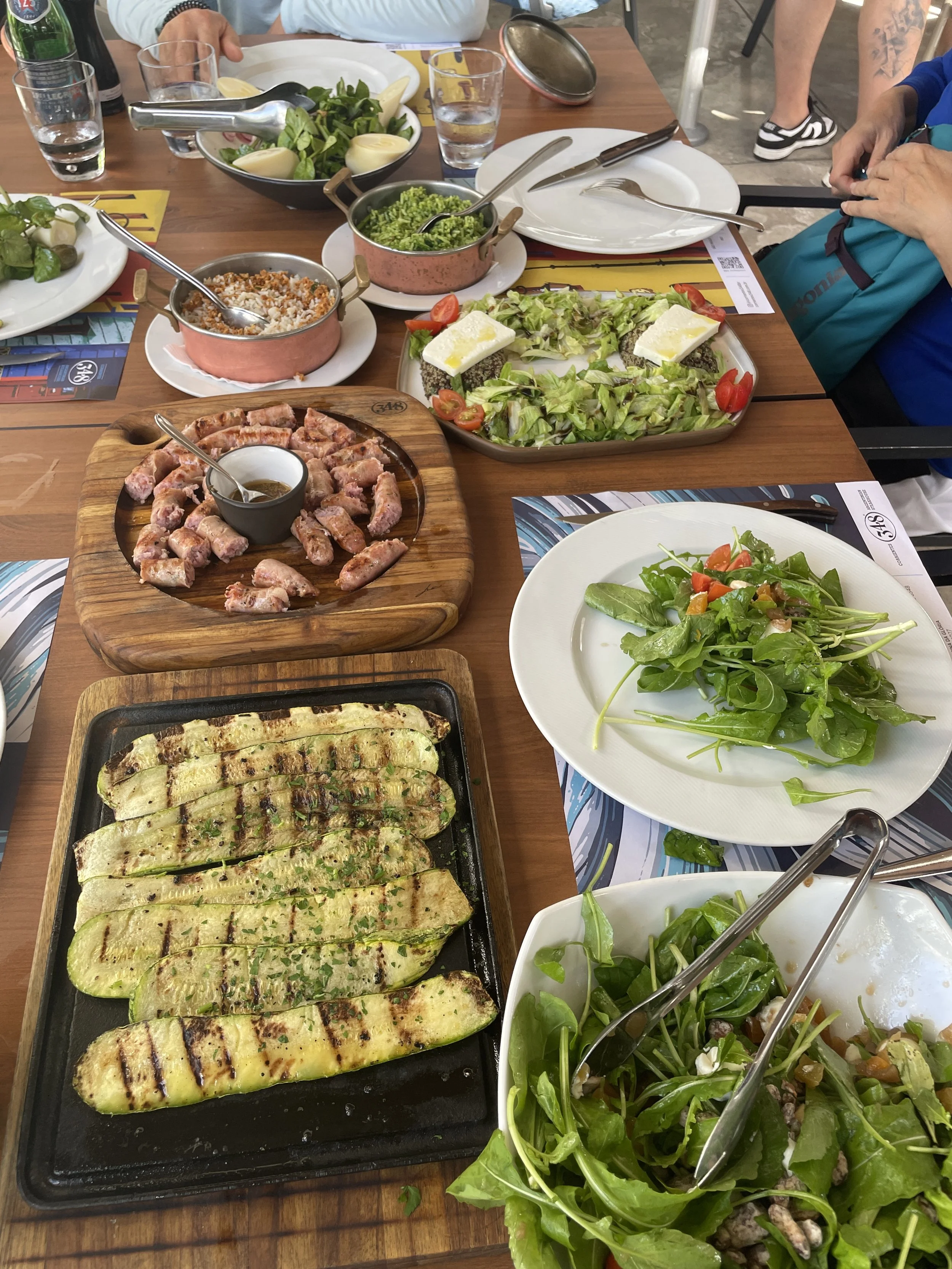
We spent a couple of hours strolling around the top before descending to the middle station. Instead of continuing down by cable car, we chose to hike through the dense forest trail. Along the way, we were lucky to spot small monkeys darting among the trees. At the base, we eyed a popular beachfront restaurant near Sugar Loaf, but the wait was over an hour. Instead, we called an Uber to Café Marinas, our next scheduled stop. There we found an Argentinian steakhouse—one of Michael’s recommendations—and enjoyed a relaxed lunch outdoors. The food was delicious, and we savored the flavors of Argentina one more time while soaking in the perfect weather.
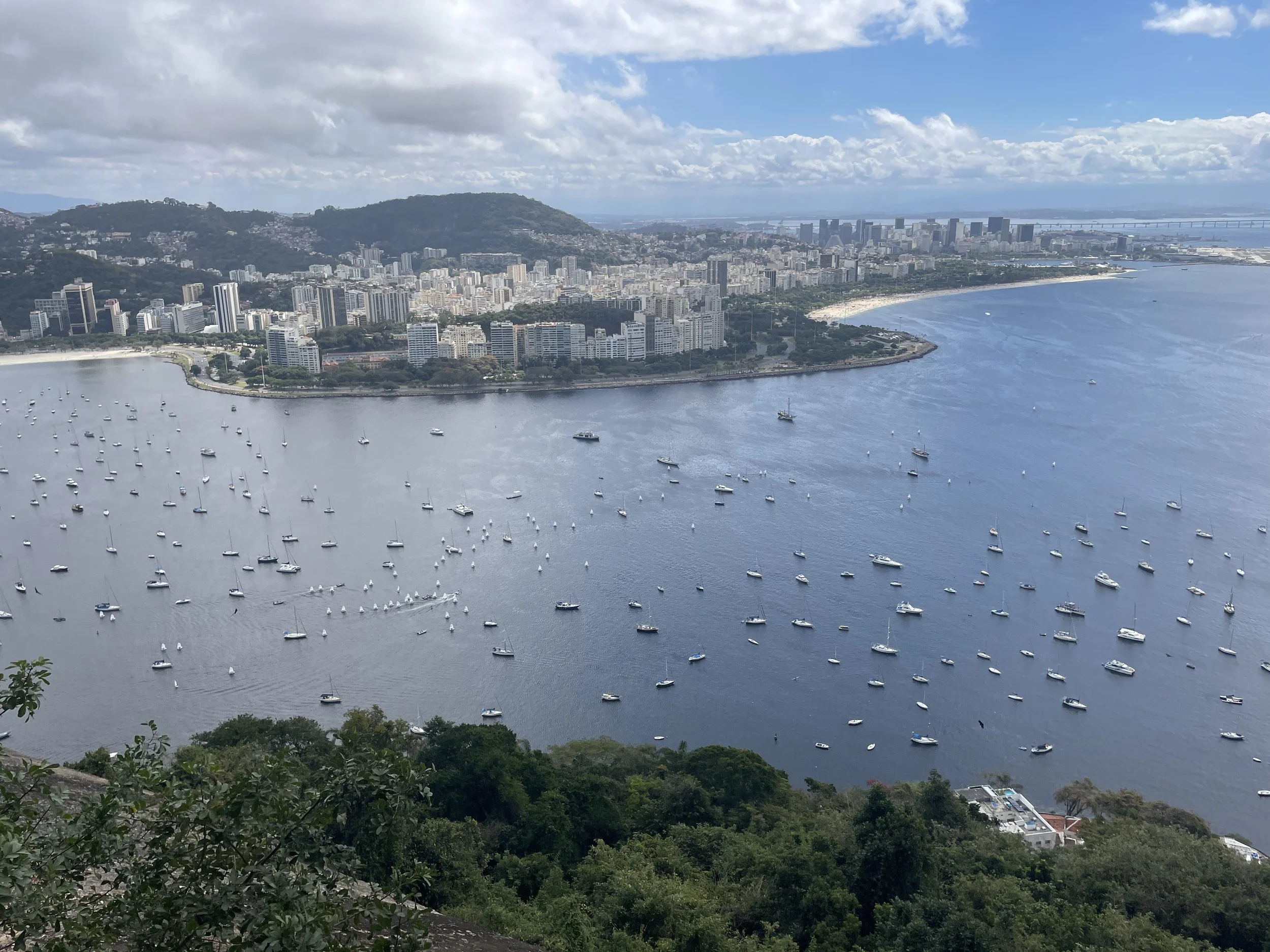


In the afternoon, we walked to the nearby dock for our 4:00 pm sunset cruise. Although the sun was a little shy, hiding behind the clouds, the scenery was still magnificent. As the boat glided along Guanabara Bay, we passed striking landmarks such as the Museum of Contemporary Art, the futuristic Museum of Tomorrow, and a small white seaside church beloved by us.
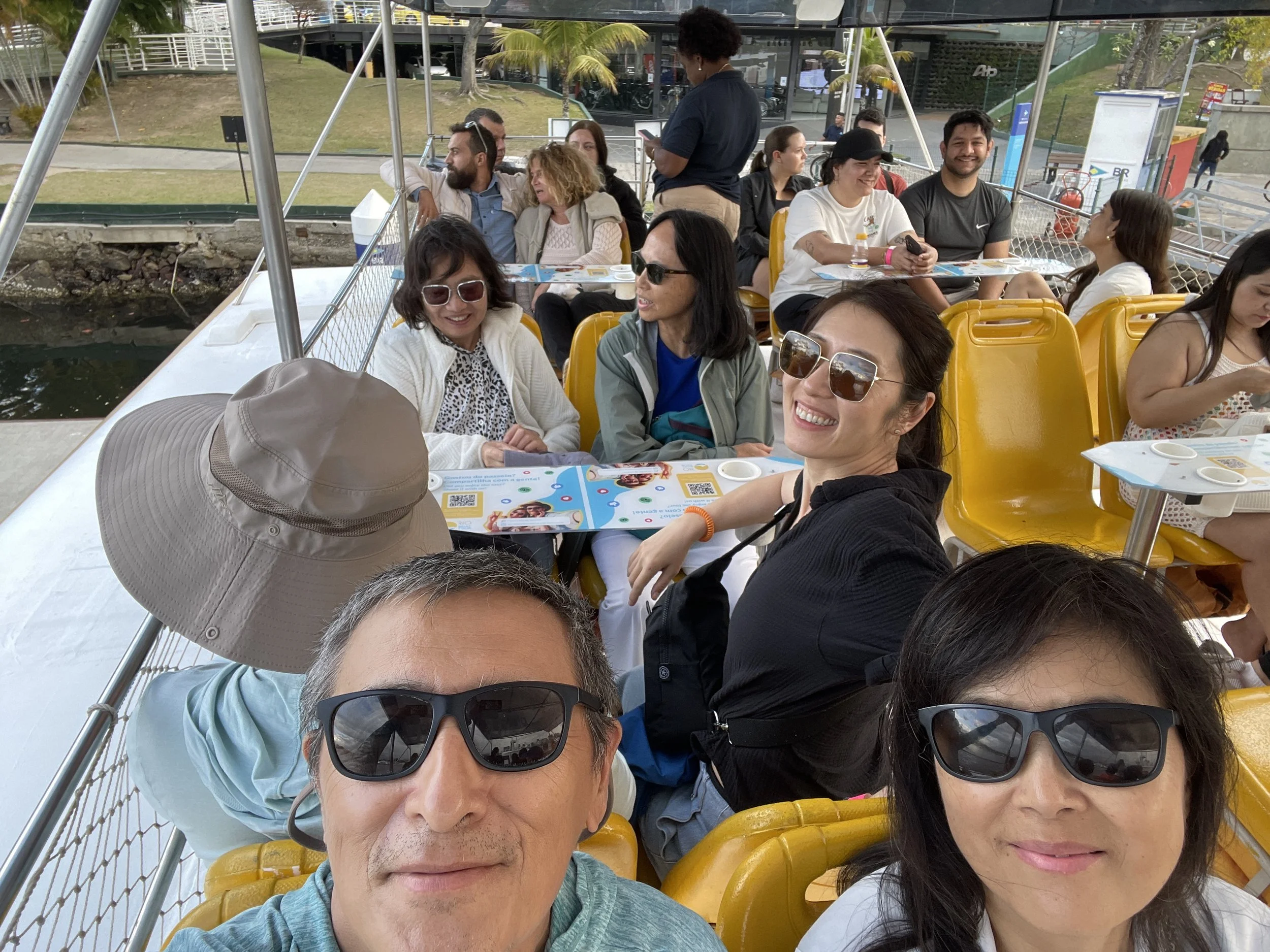
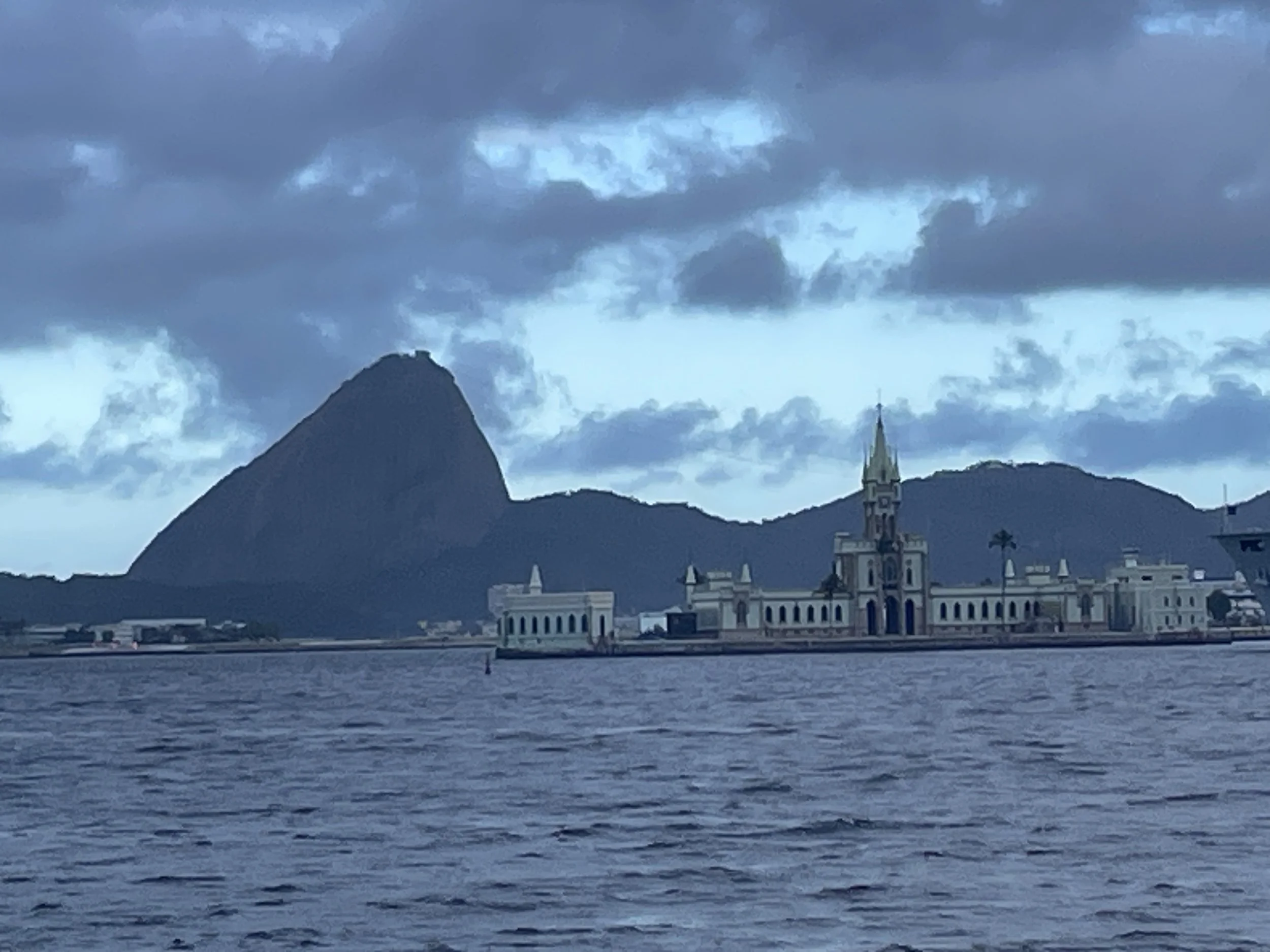
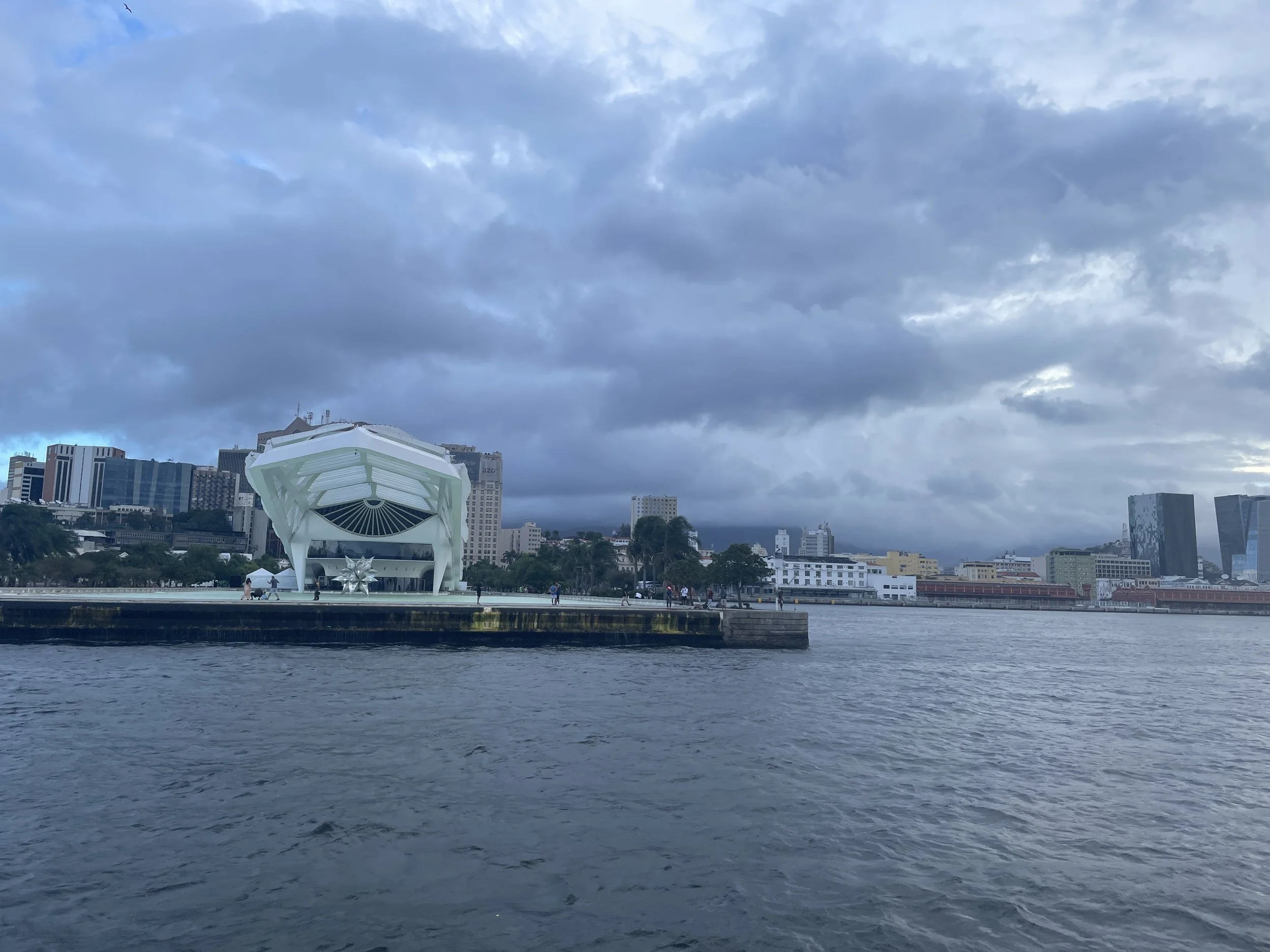
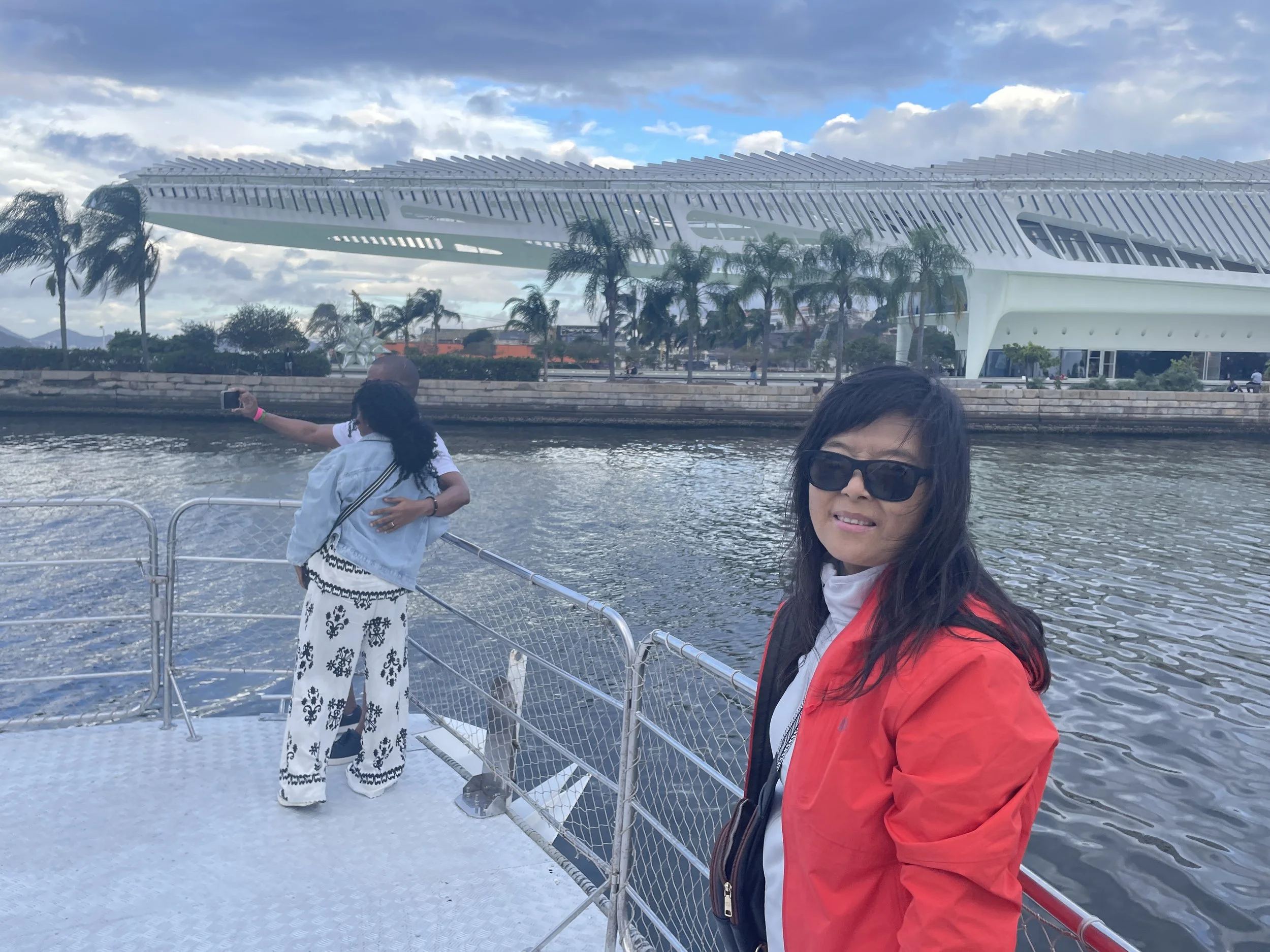
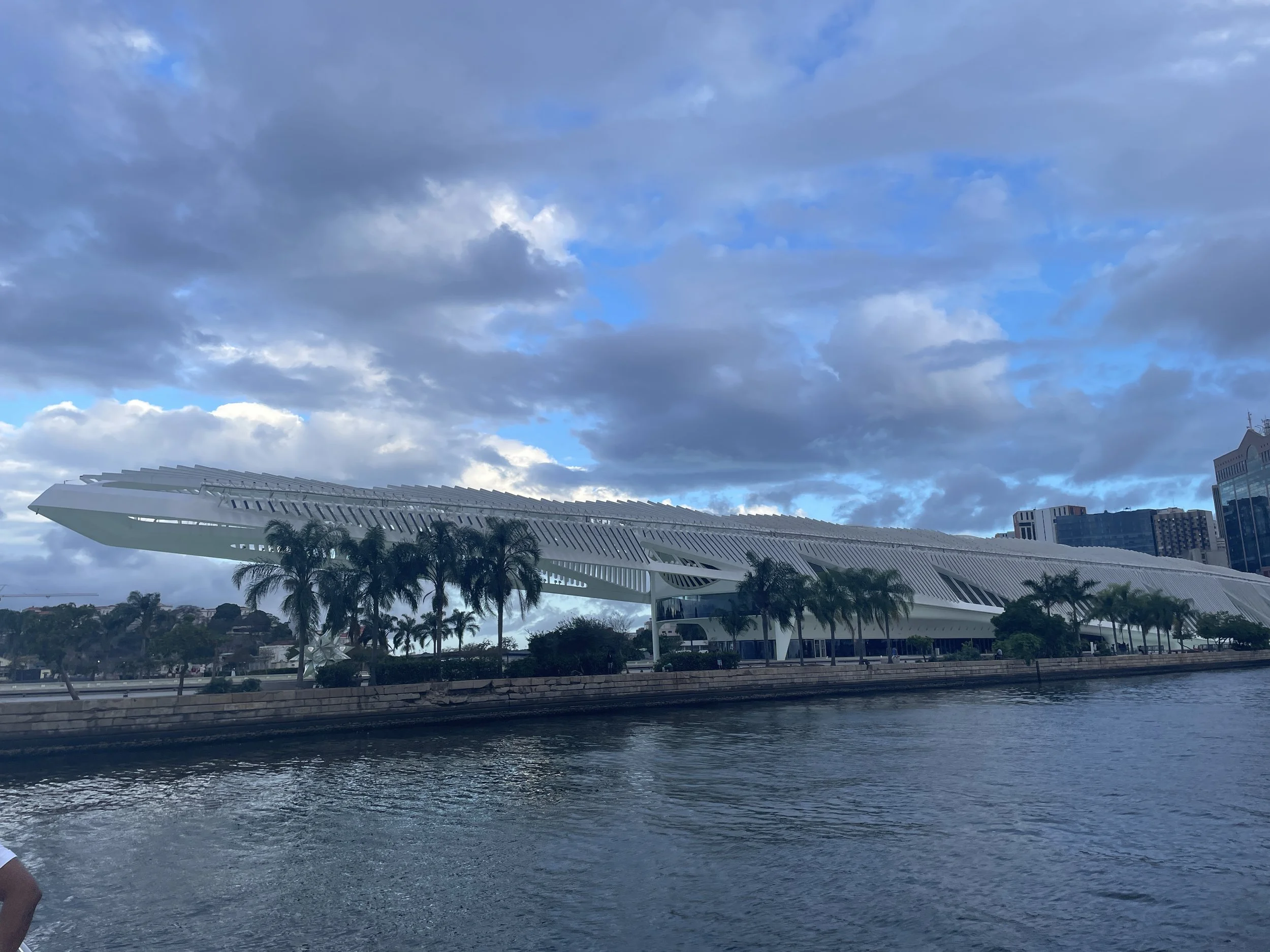
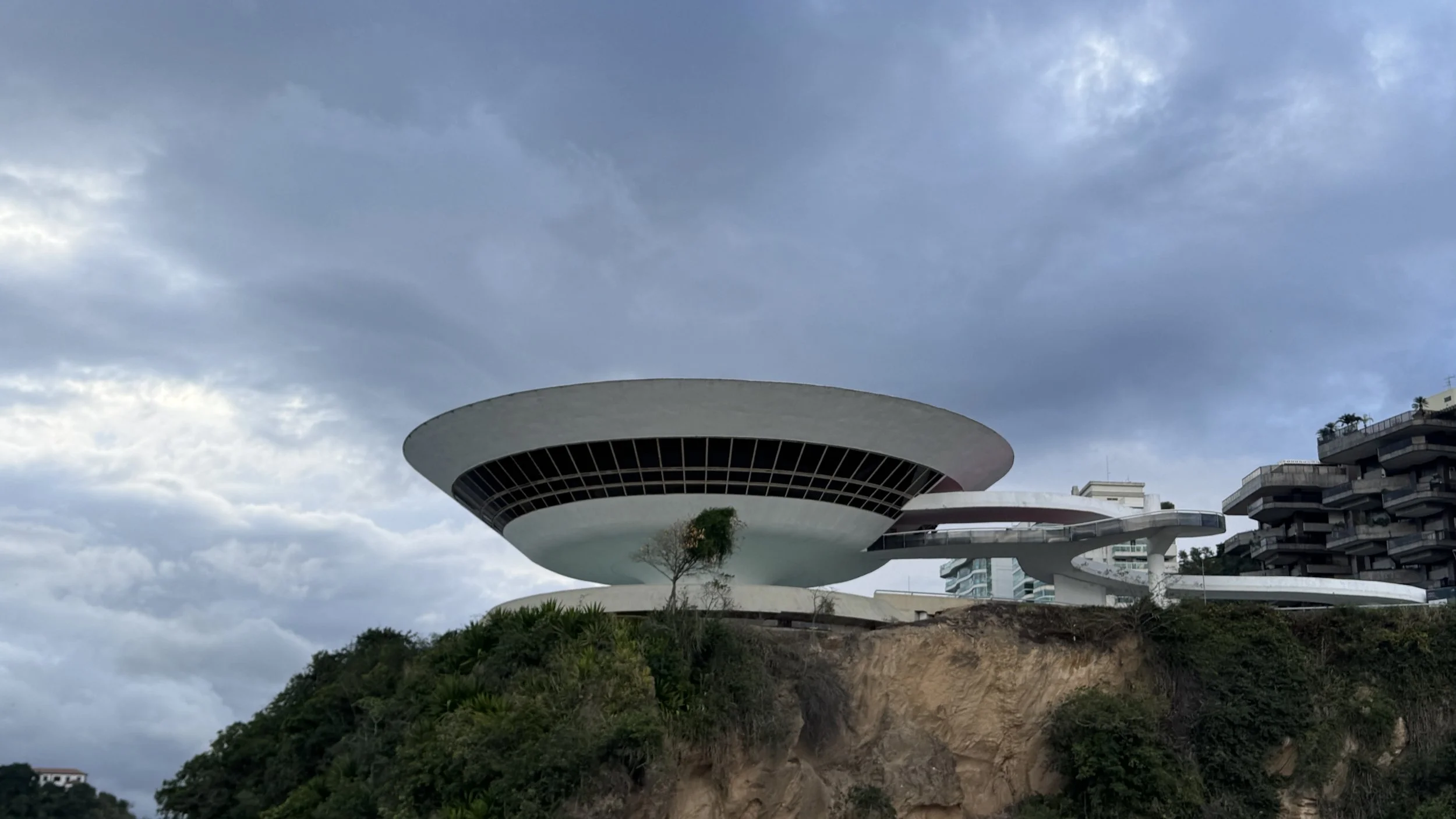
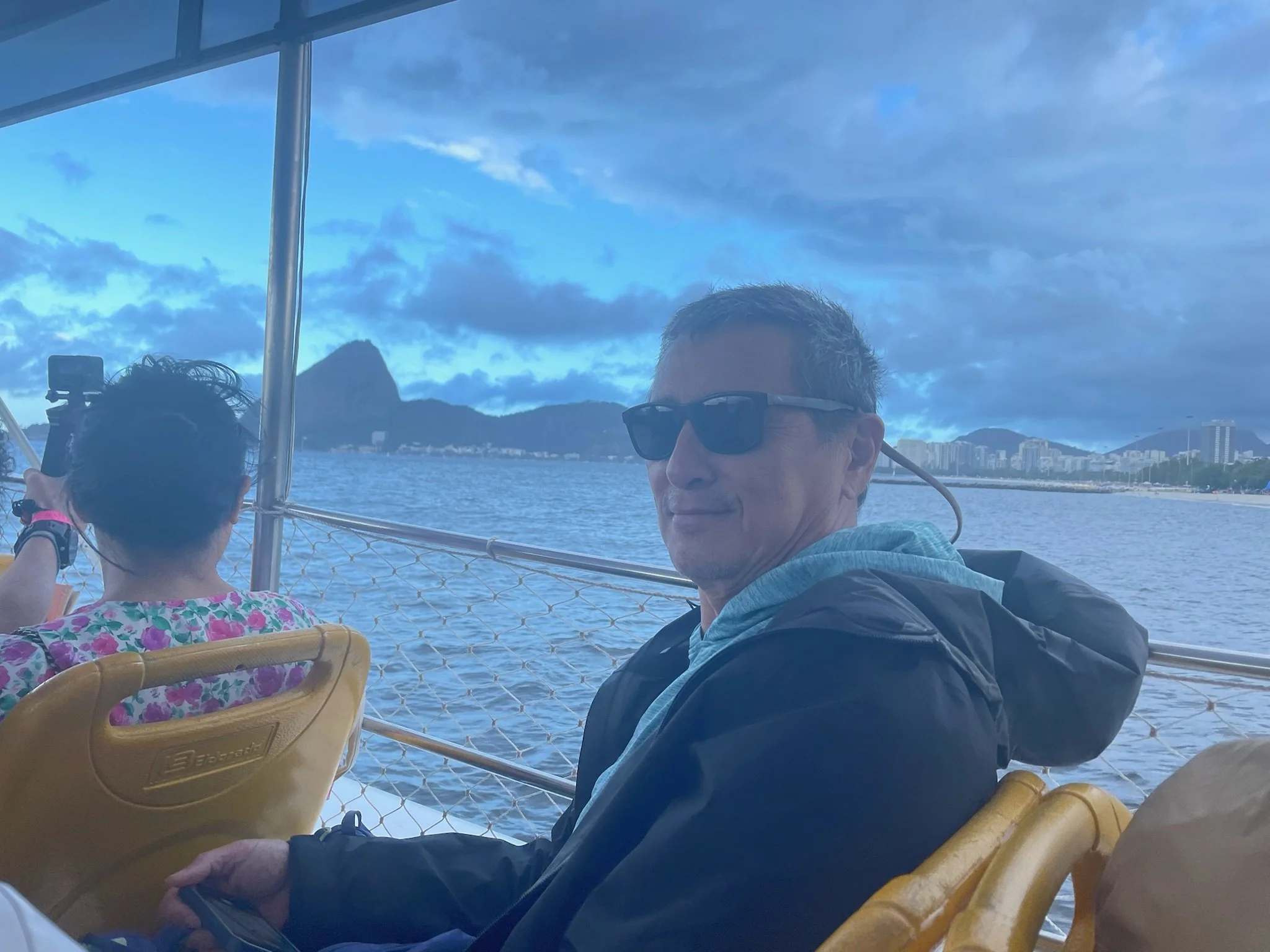

For dinner, we treated ourselves to Giuseppe Grill Leblon, a high-end Brazilian steakhouse. The service was impeccable, though the food itself did not quite meet our expectations.
Overall, it was a wonderful day in Rio—soaking up the spectacular views from Sugar Loaf Mountain, admiring the city from the water on a scenic cruise through Guanabara Bay, and ending with a taste of Brazil’s upscale dining scene.
二零二五年八月三十一日
在租住公寓享用了一顿健康的早餐后,我们早早出发,乘坐地铁再步行约 30 分钟,来到面包山 (Sugar Loaf Mountain) 的缆车站。我们提前在网上买好了票,由于时间尚早,没有任何排队。顺利乘了两段缆车登顶之后,眼前的景色令人屏息——360 度全景尽收眼底:大海、沙滩,城市与陡峭的青翠山峰交织在一起,构成了一幅壮丽的景观。
我们在山顶悠闲漫步了两个多小时,随后坐一程缆车下到中途站,没有继续乘第二程缆车,而是选择徒步穿行在茂密的森林小径中下山。一路上幸运地遇见了几只在树间跳跃的小猴子。抵达山脚后,来到我们之前看中的一家临海餐厅,但等位时间要超过一小时,于是改叫 Uber 前往下一个目的地 —— Café Marinas。在那里,我们发现了一家阿根廷牛排馆,这是家米其林推荐的餐厅。因为晚上要吃大餐,中午我们就以素食为主,当然既然坐在牛排馆,阿根廷烤肉还是要来一点的。我们坐在户外,享用正宗的阿根廷美食,再次沉浸于完美的天气之中。
饭后我们步行至附近码头,参加下午四点的日落游船。虽然太阳有些害羞,时常躲在云层里,但景色依然很美。游船缓缓驶在瓜纳巴拉湾 (Guanabara Bay),沿途经过当代艺术博物馆、充满未来感的明日博物馆,以及一座小巧洁白的海边教堂。
晚餐我们来到位于 Leblon 的 Giuseppe Grill,这是一家高档巴西牛排馆。来之前期望很高,但也许是这些天来阿根廷烤肉吃多了,今晚的大餐虽然服务无可挑剔,但食物本身并没有让我们十分惊艳。
总体而言,今天在里约度过了美好的一天 —— 登顶面包山欣赏壮丽景色,在瓜纳巴拉湾乘船领略城市风光,并体验了巴西高端餐厅的风味。
Rio de Janeiro 里约热内卢
August 29,2025
On the Brazil side, we stayed near the border,……
在伊瓜苏巴西一侧,我们的旅馆离边境很近,。。。
August 29,2025
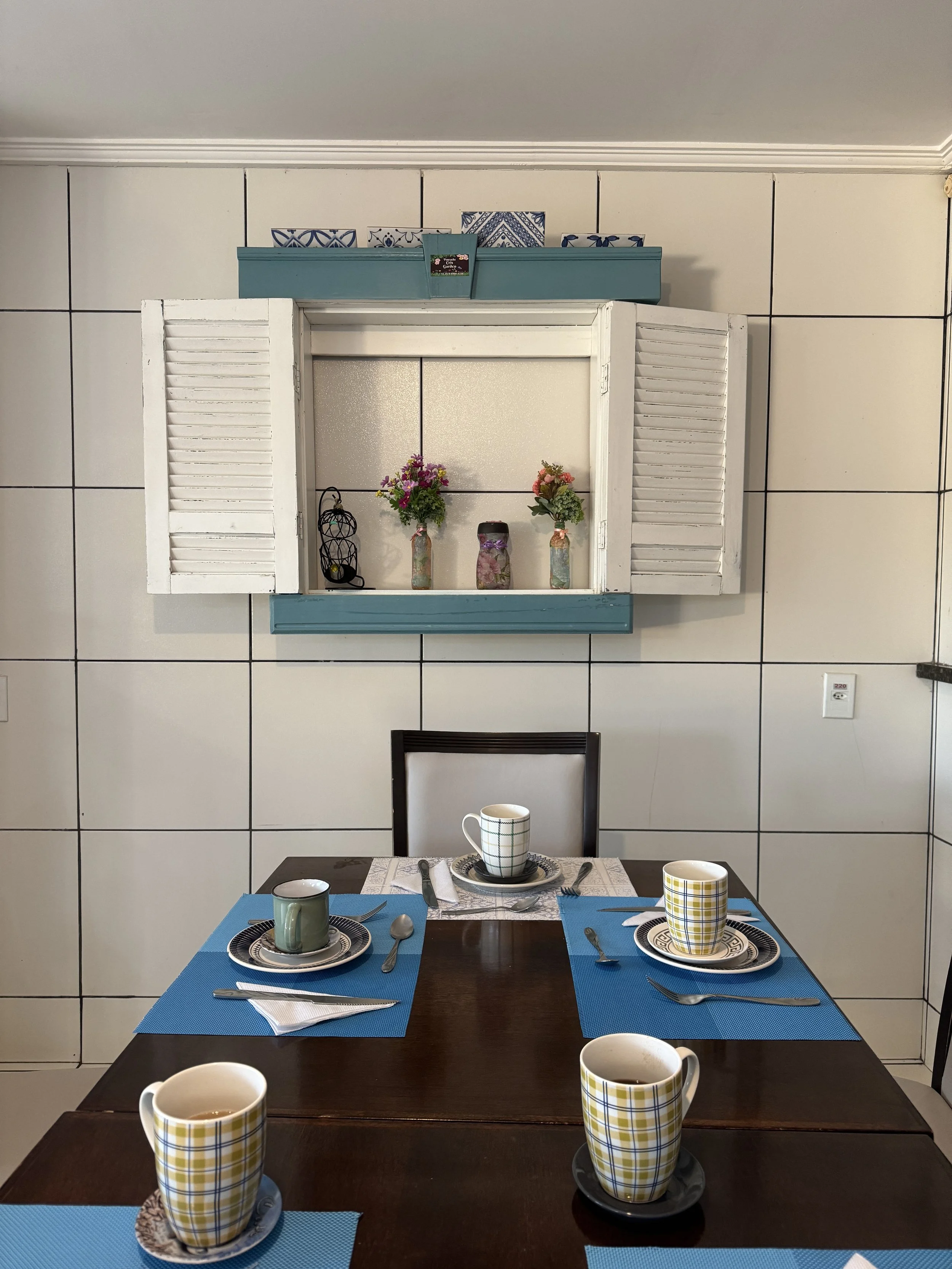
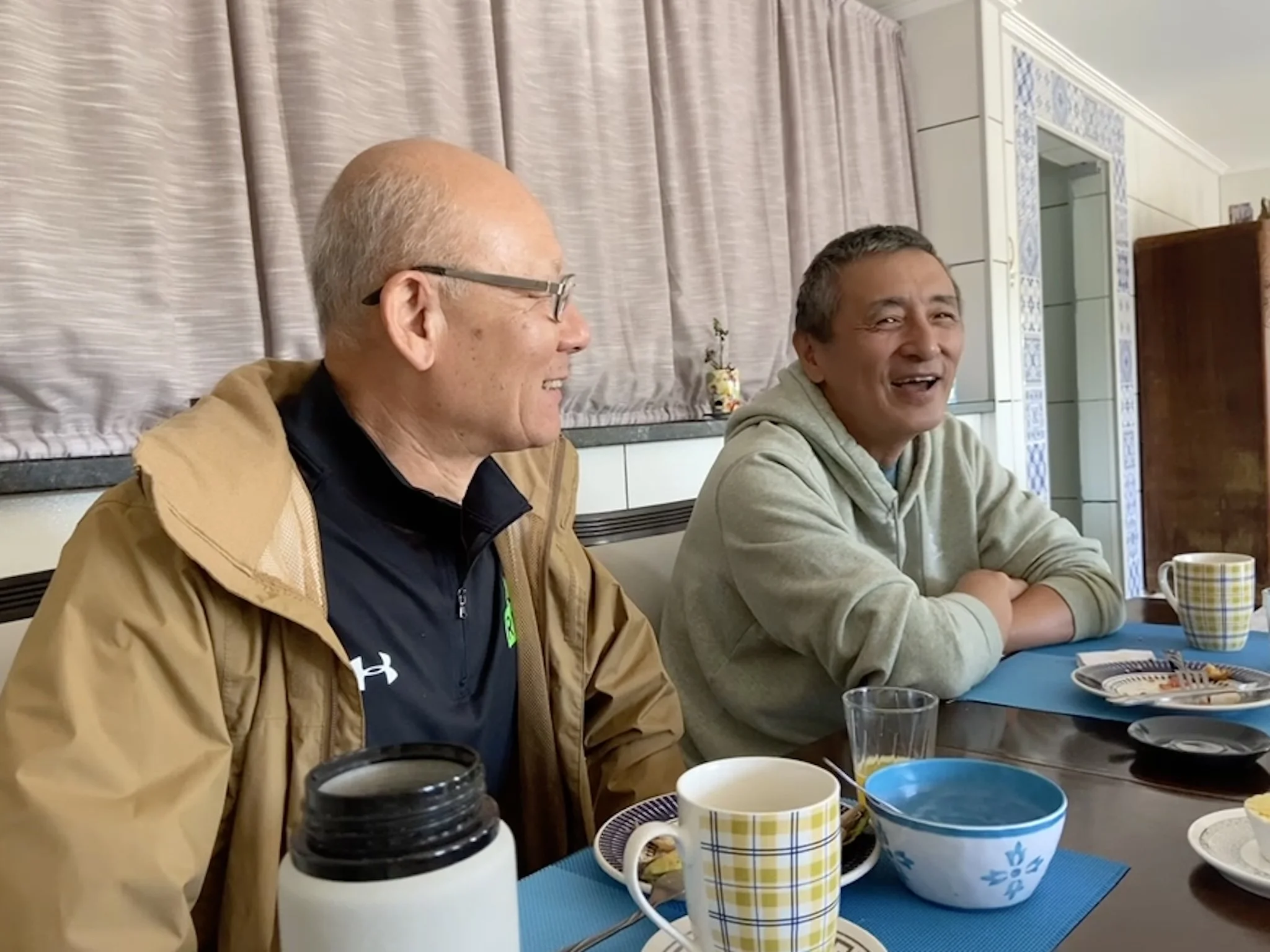
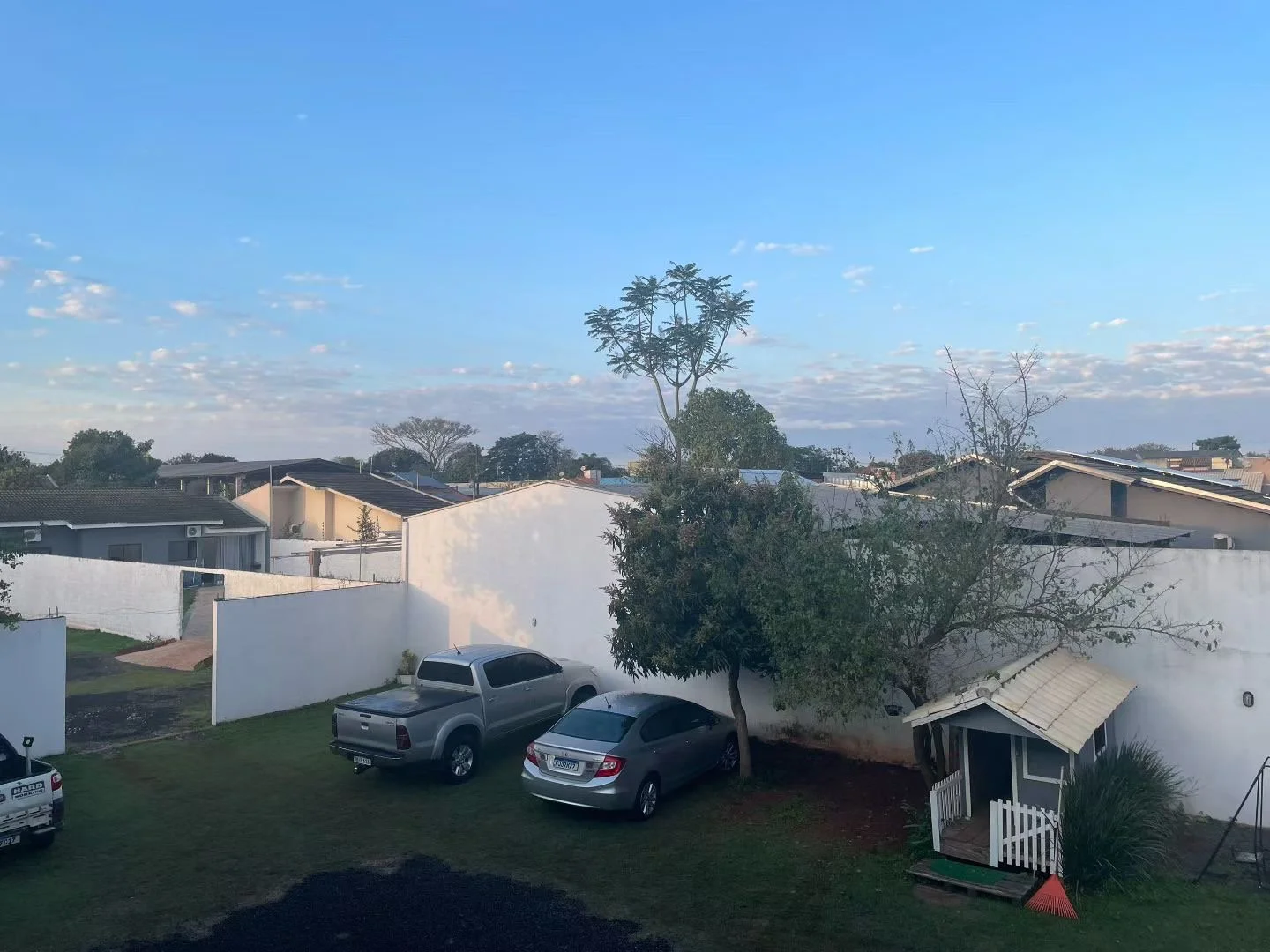
On the Brazil side, we stayed near the border, far from the town of Foz do Iguaçu and any commercial district. After returning from the park last night, we ordered home delivery from a Japanese restaurant. The food was decent. This morning, we had breakfast at the hotel. The property was simple: rooms on the second floor, with an open parking garage and a small sitting area below. Our host, who lived in the same compound, was very kind and welcoming.
After check-out, our Brazil driver picked us up and took us to the airport. We arrived a few hours early and were pleasantly surprised to find a comfortable Priority Pass lounge. Since both of us had membership, we could treat our friends as guests. Even better, we discovered a small private room that fit all six of us—perfect for chatting in Chinese without disturbing anyone.
Looking back, our visit to Iguazú Falls was flawless: perfect weather, perfect scenery, and perfect car service.
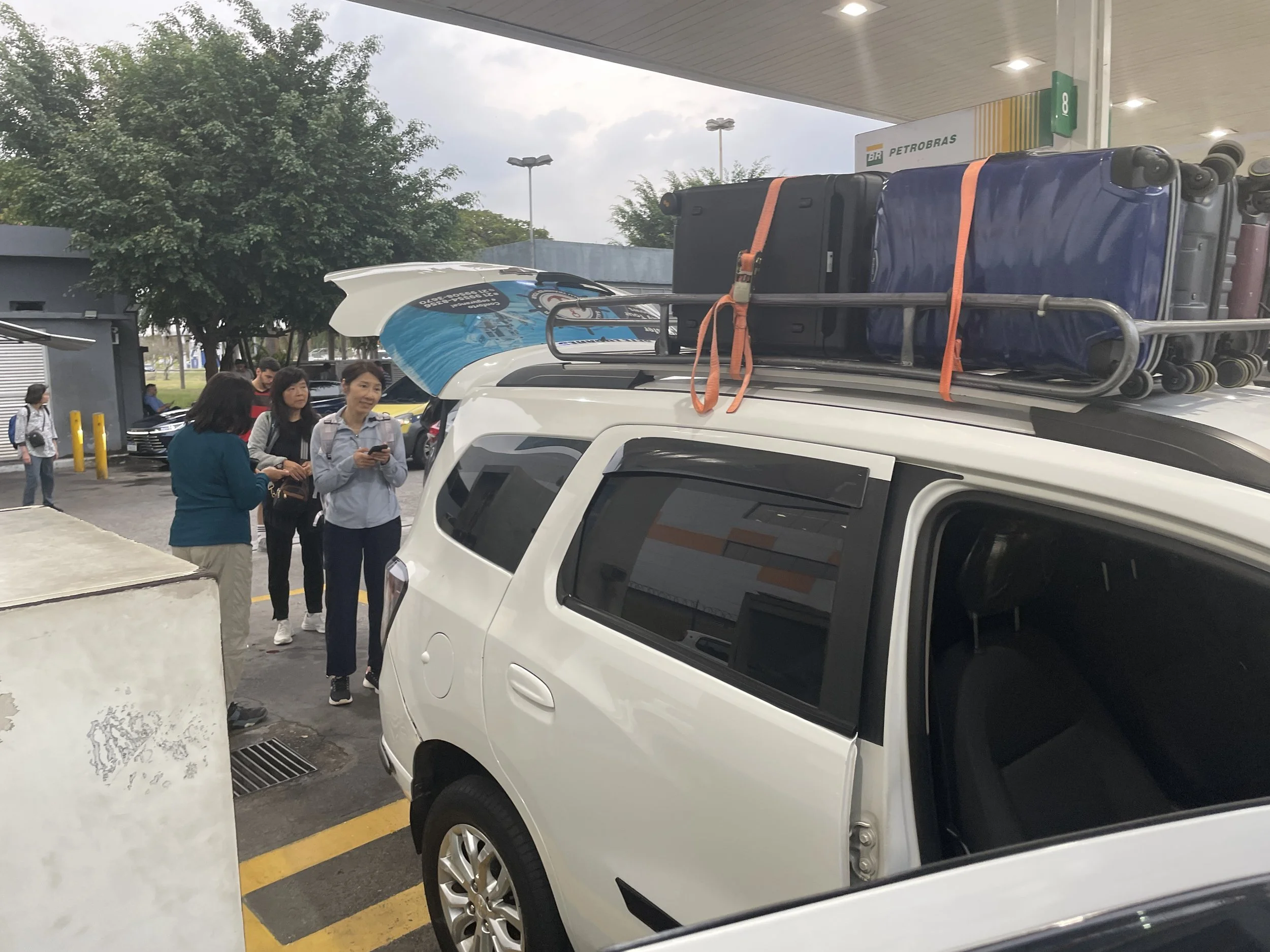
Upon arrival in Rio de Janeiro, we met a representative from the transfer company we hired from booking.com at the exit. She led us to a waiting area where our hired van pulled up. Because there was no space inside for luggage, the driver secured our bags on the roof rack. Soon we were on our way to our Airbnb in Leblon.
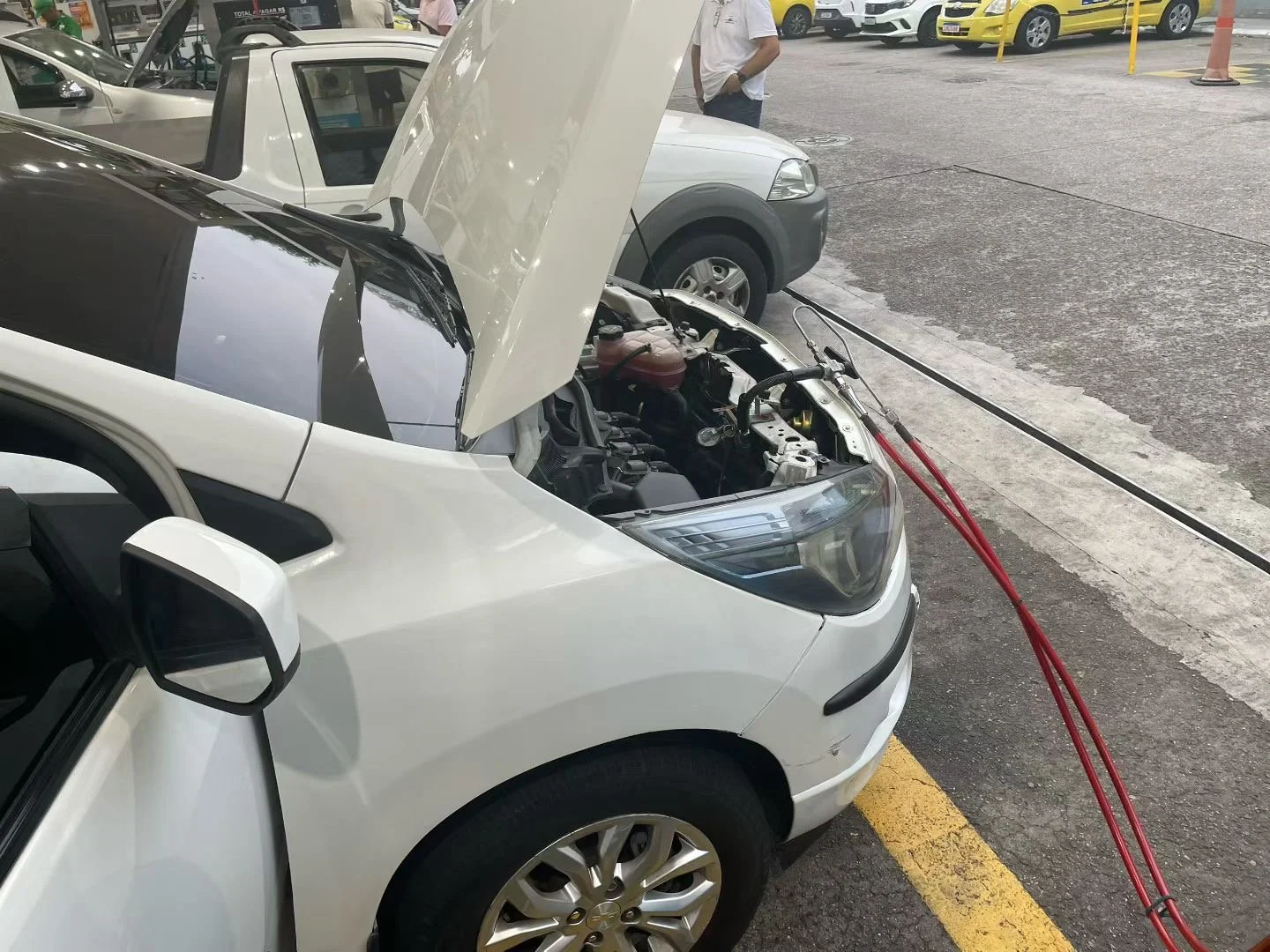
Not long after departing, the driver pulled into a fuel station and asked us all to step out. A worker opened the front hood to fill the car with ethanol gas. Although he could have refueled before picking us up, we didn’t mind—this small moment gave us a glimpse into everyday life in Brazil. The rest of the ride was smooth. Despite our giving him the wrong street number, the driver went out of his way to ensure we were dropped off at the correct address.
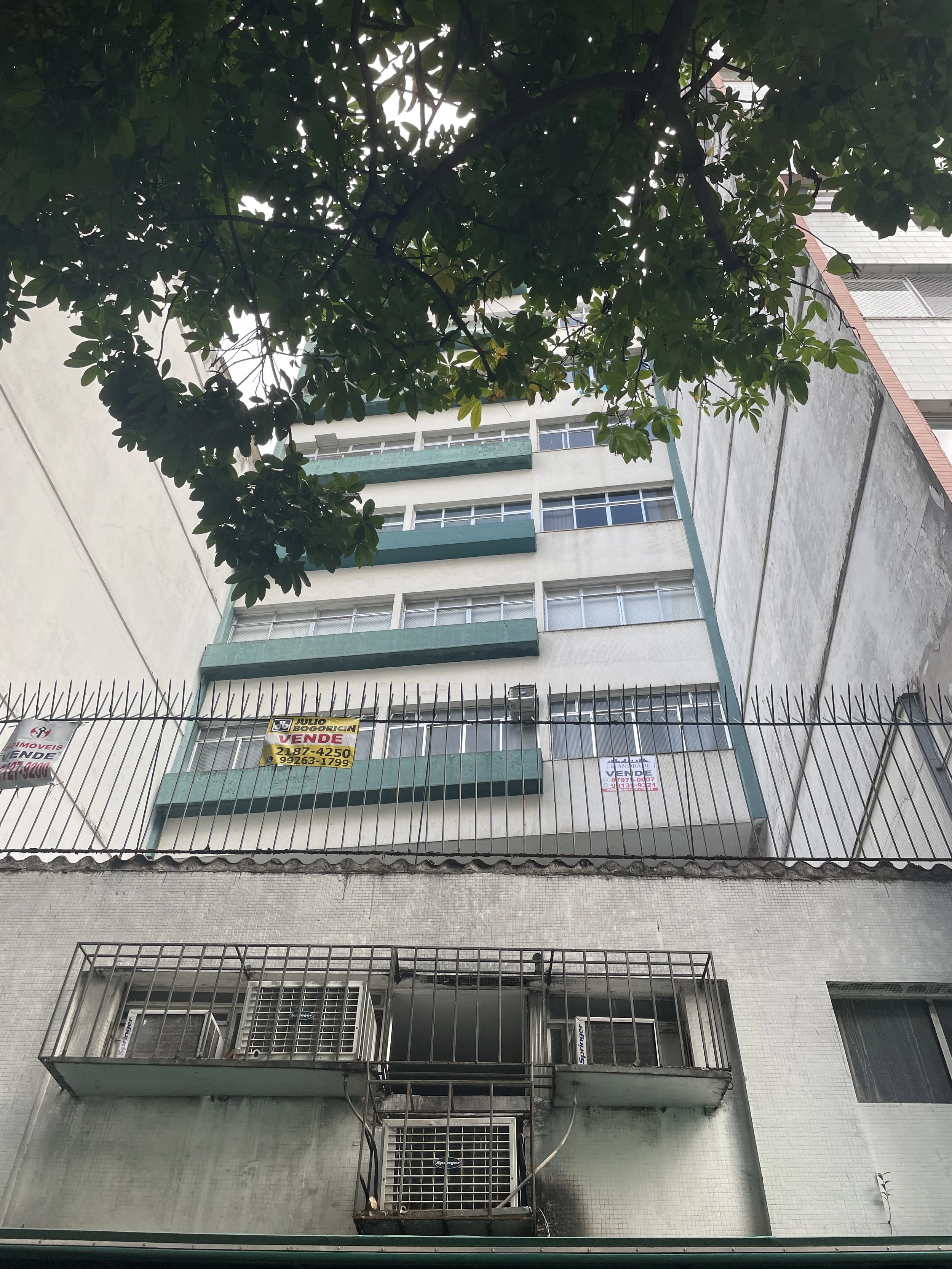
Our Airbnb unit was on the ninth floor. After settling in, we headed next door to an Italian restaurant for dinner. We indulged in hearty Italian cuisine—though still no pizza.

August 30,2025
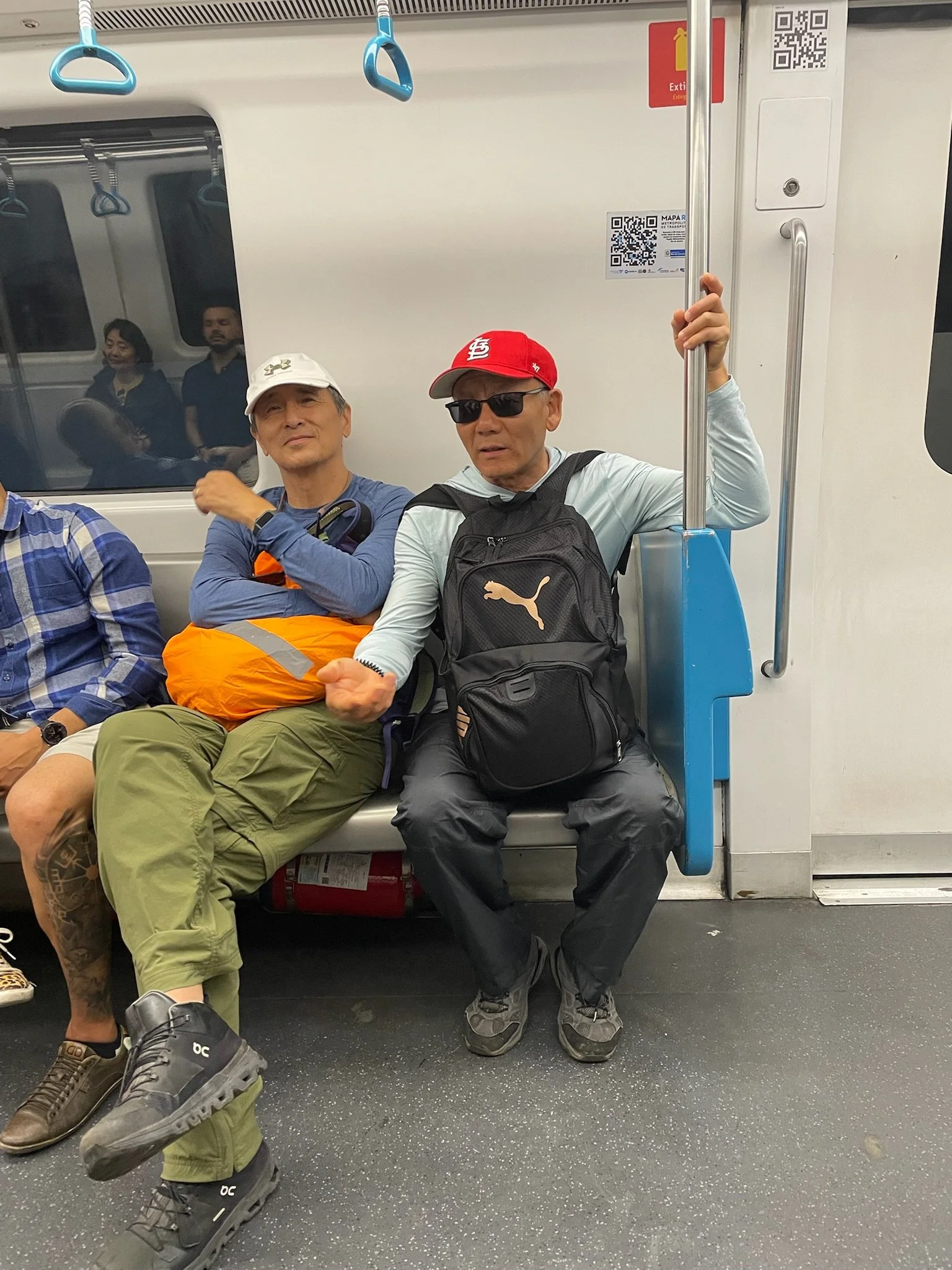
We joined a “free” walking tour of the historic center of Rio de Janeiro. Taking Metro Lines 4/1, we got off at Carioca Station, where the meeting point was just a short walk away. Our first impressions of the city were positive: the subway was clean and comfortable, and the streets were tidy and inviting.
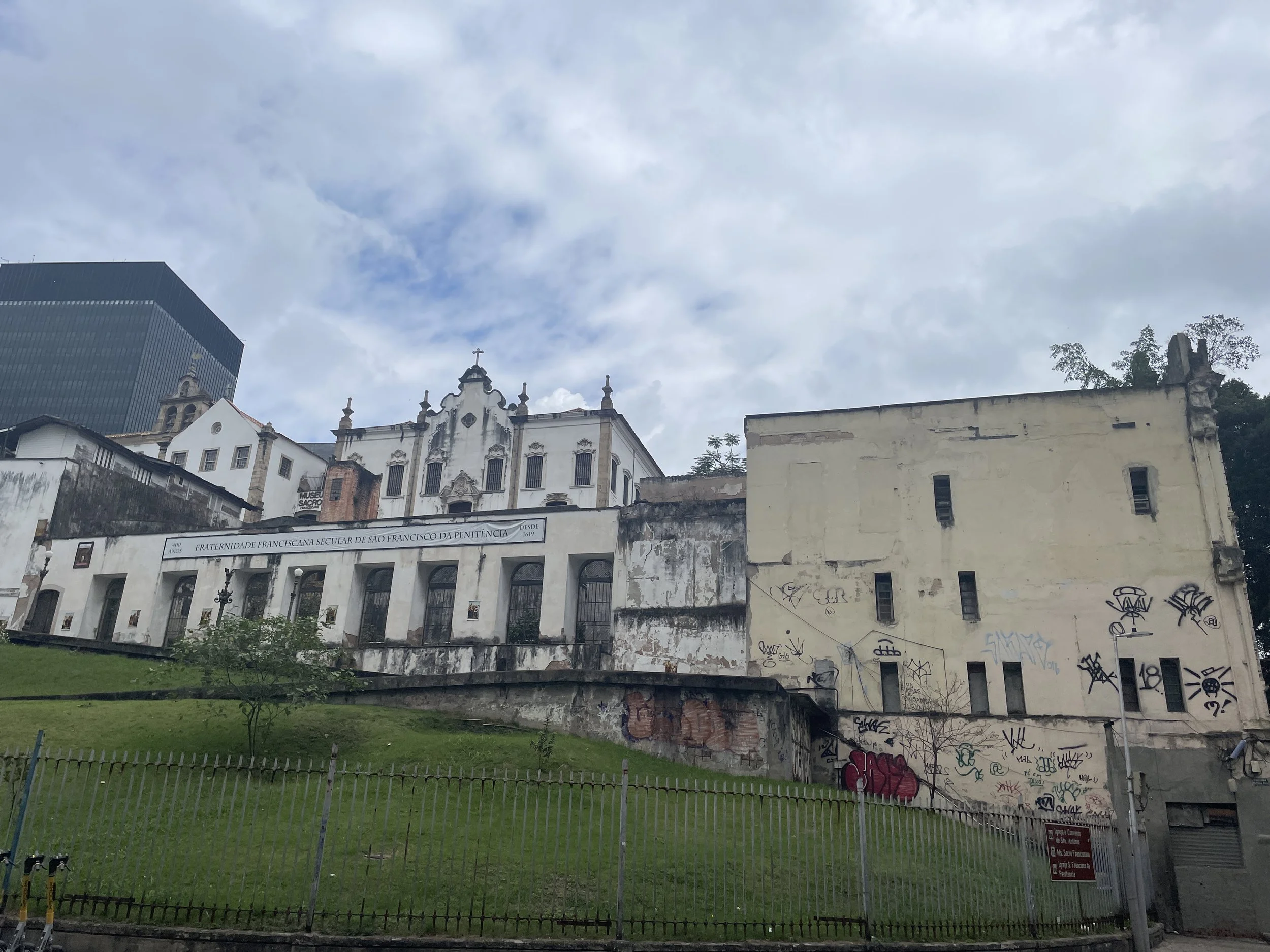
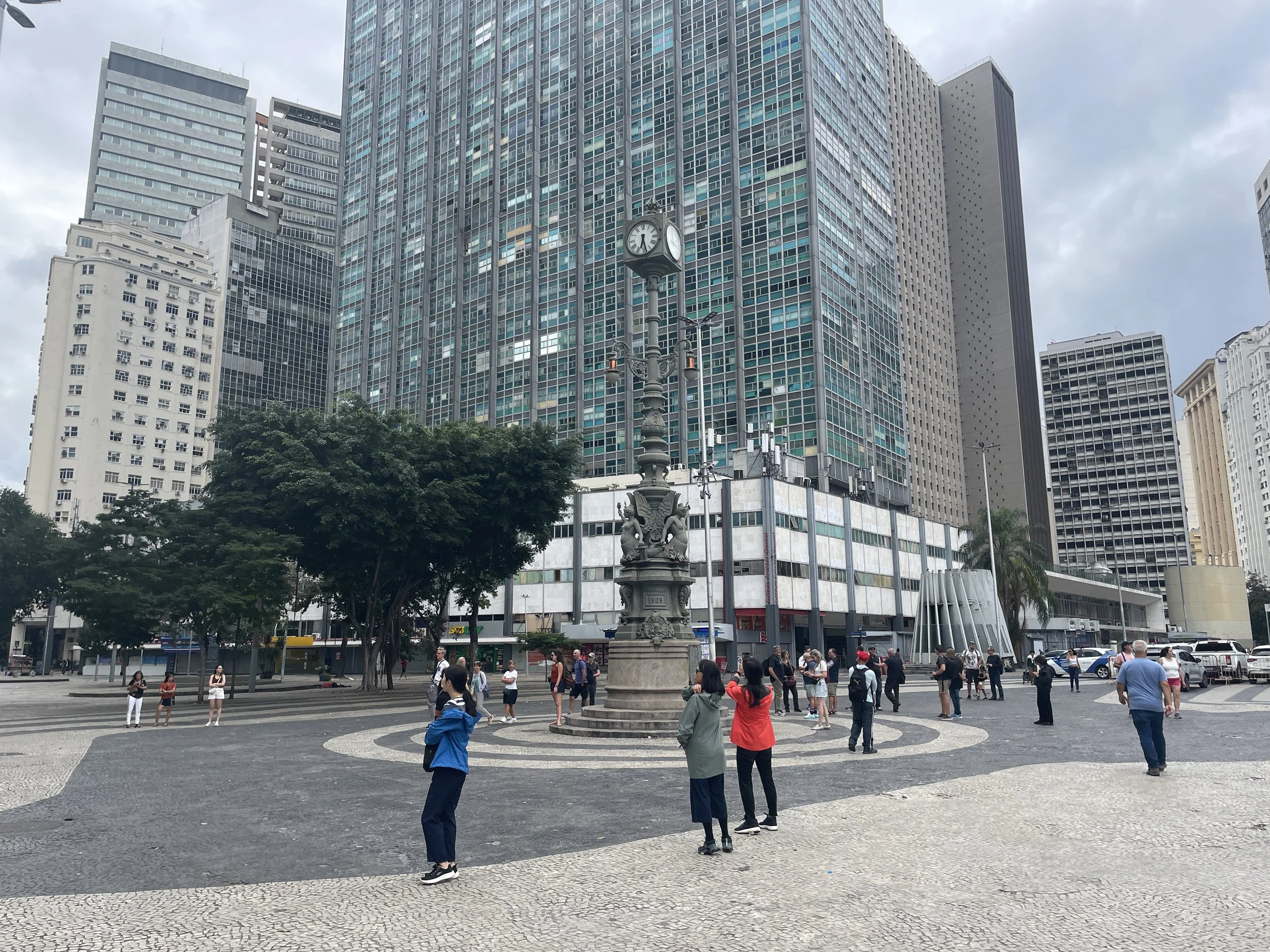
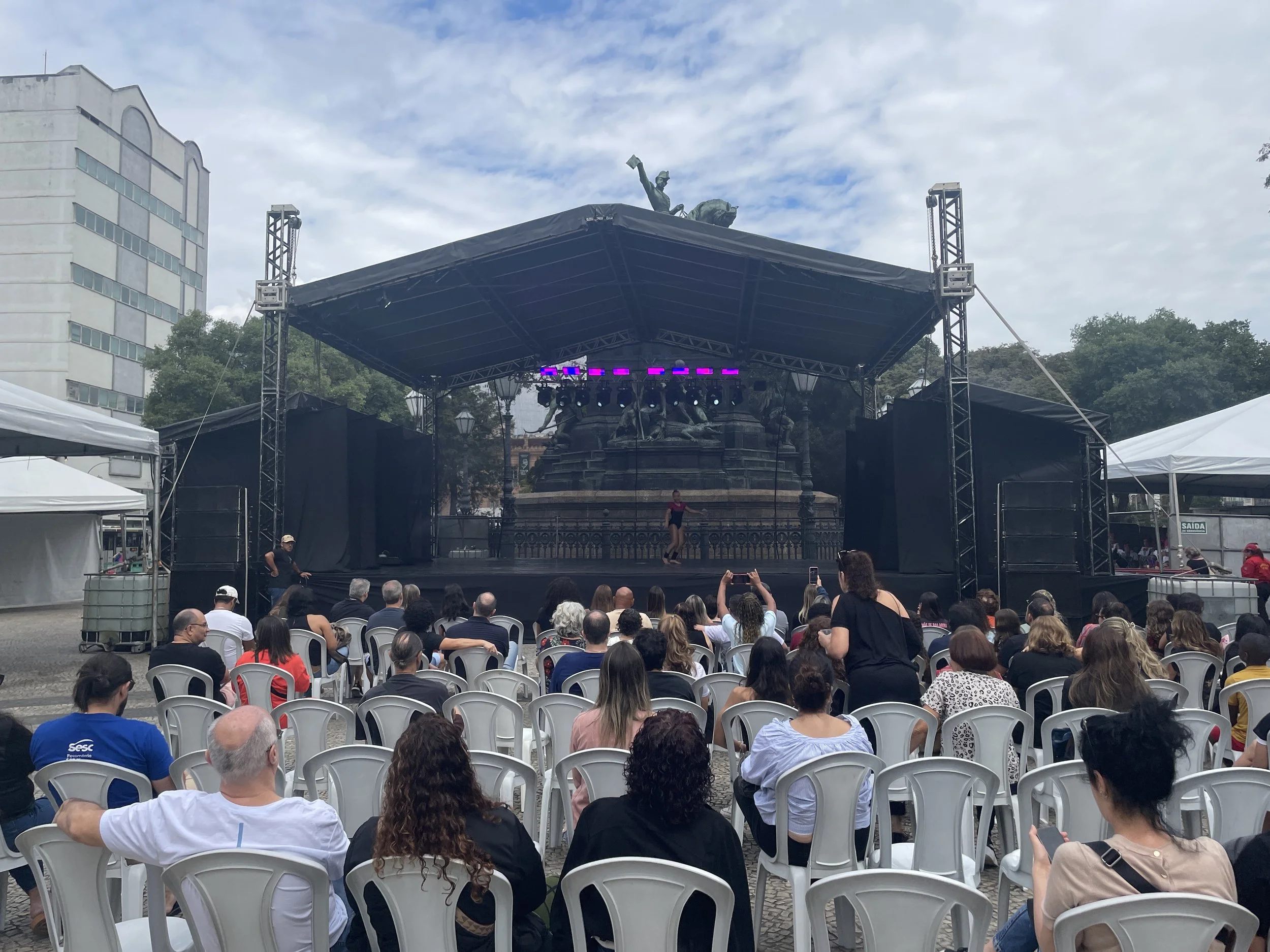
The guide led us through several city blocks, with the tour ending at the grand Municipal Theater. Along the way, we picked up small but memorable facts—for example, “Carioca” means people from Rio. The guide also planted seeds for a future visit, such as recommending Café Colombo, considered one of the best cafés in the world.
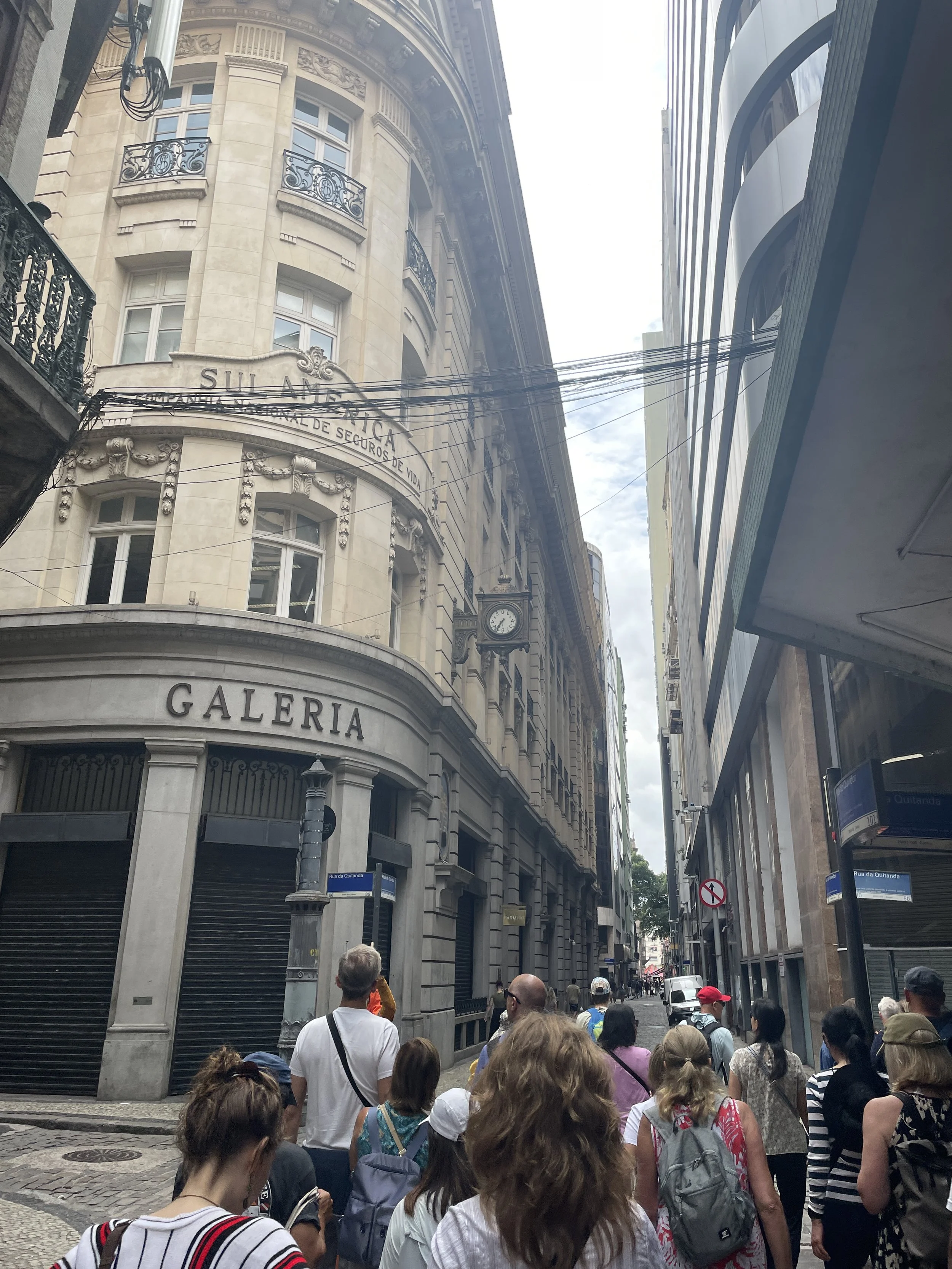
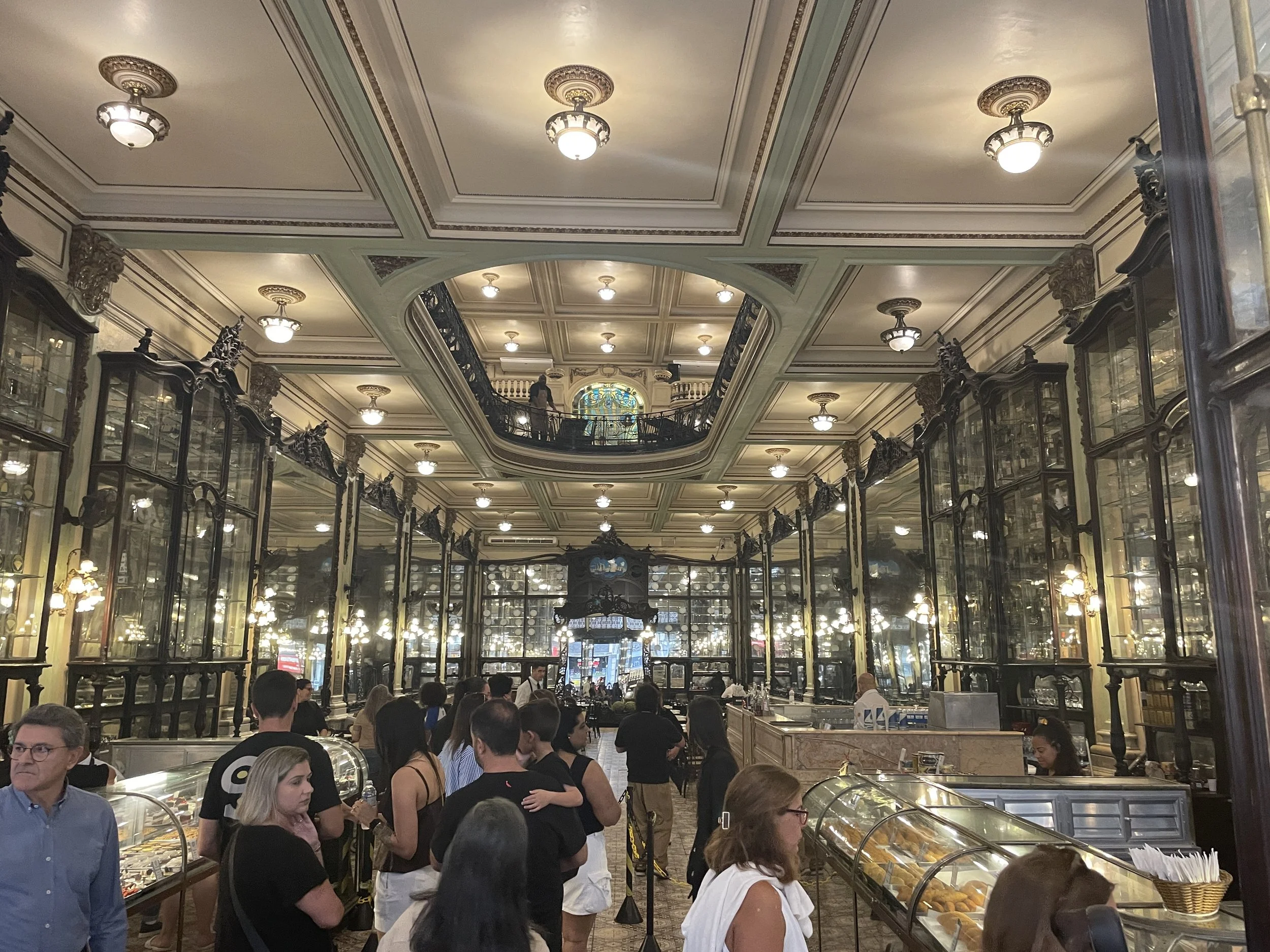
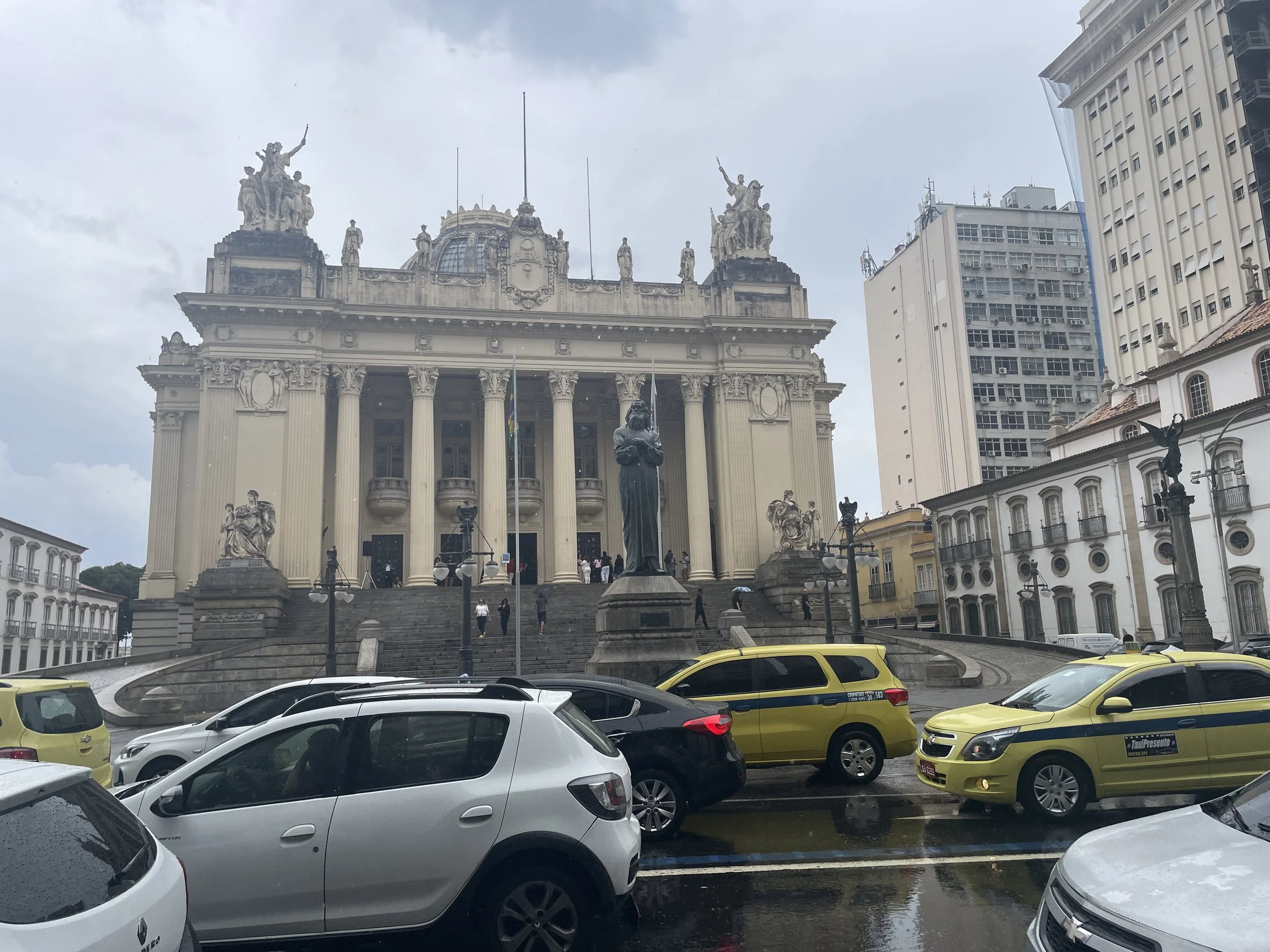
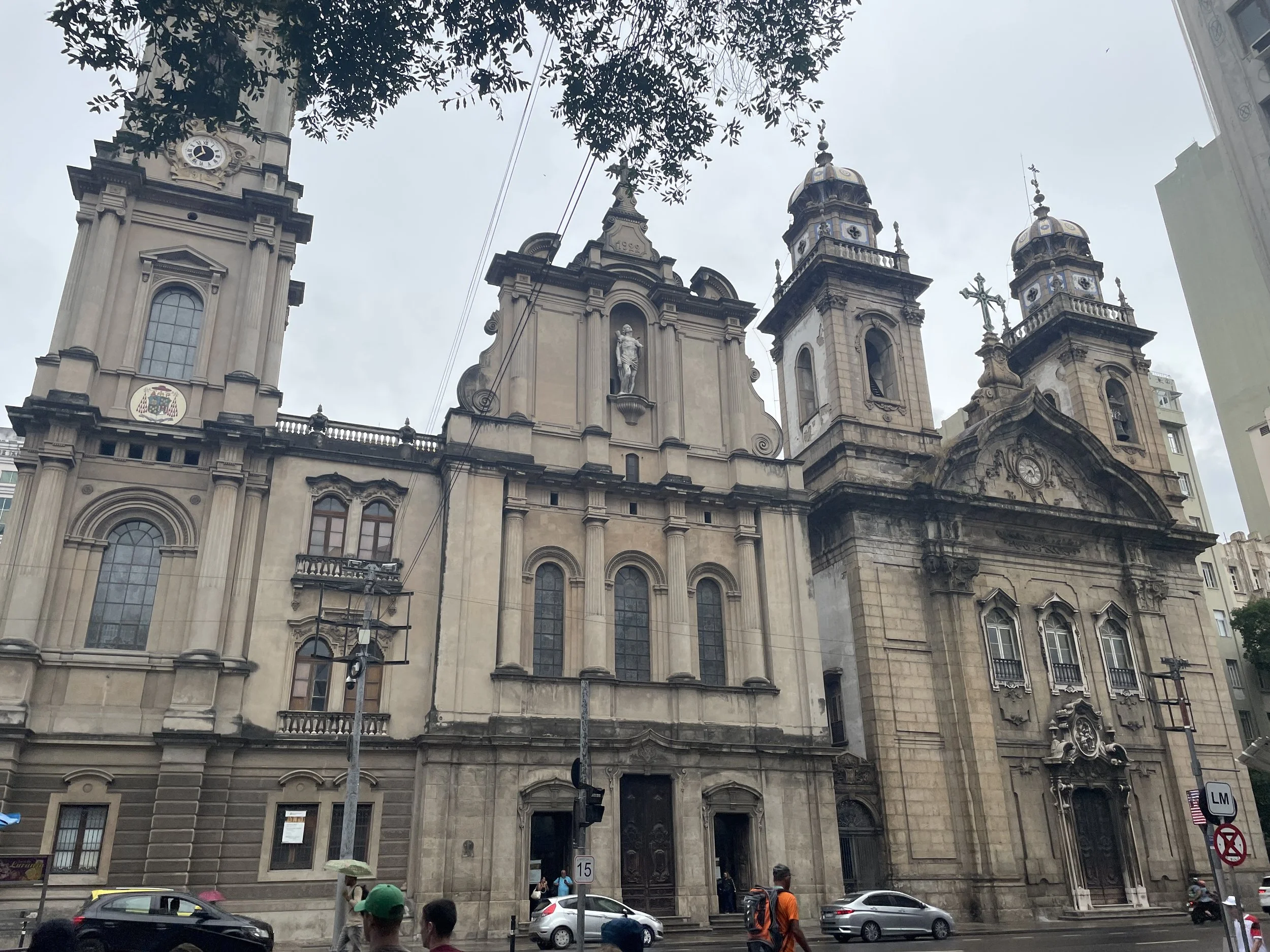
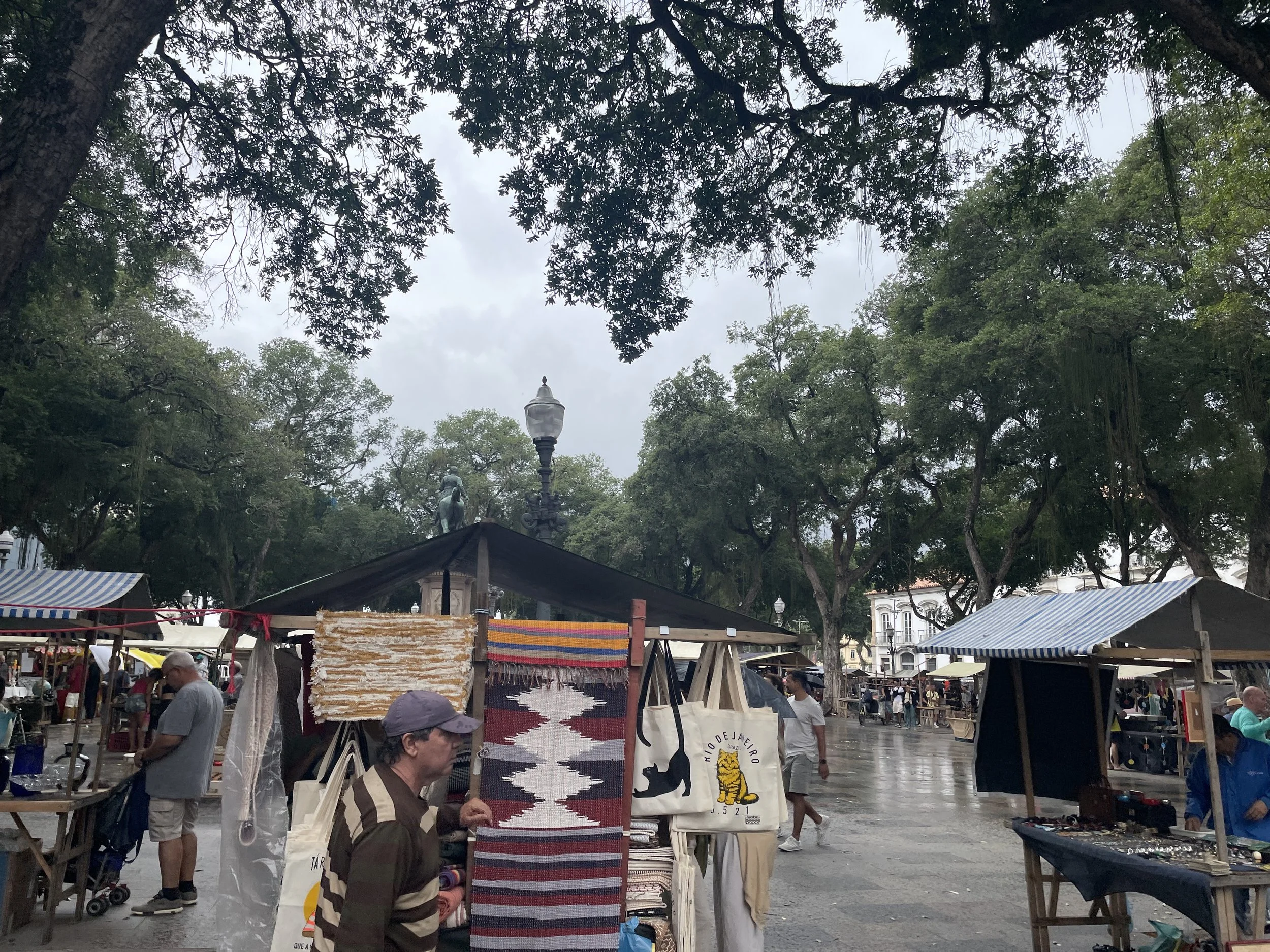
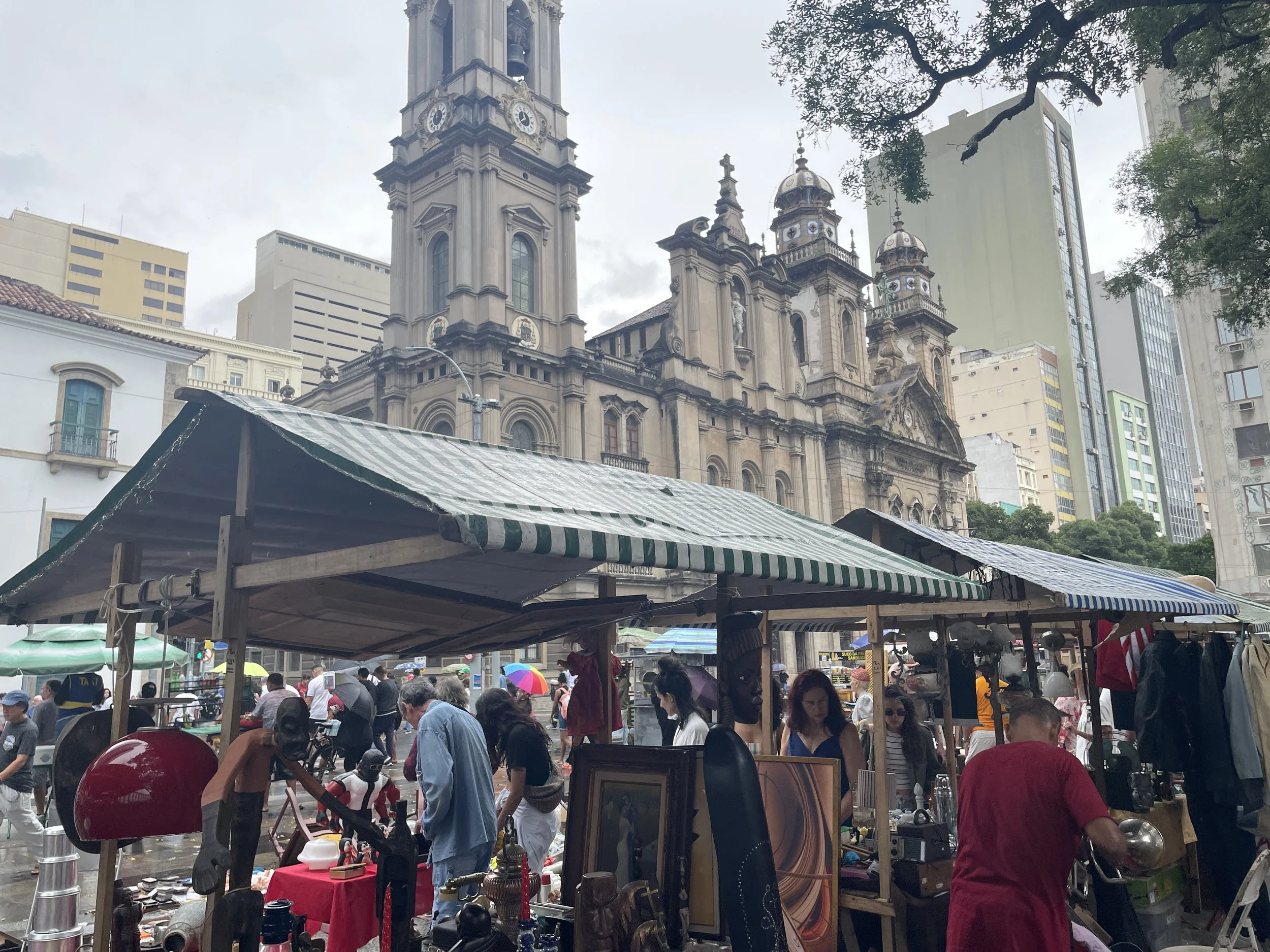
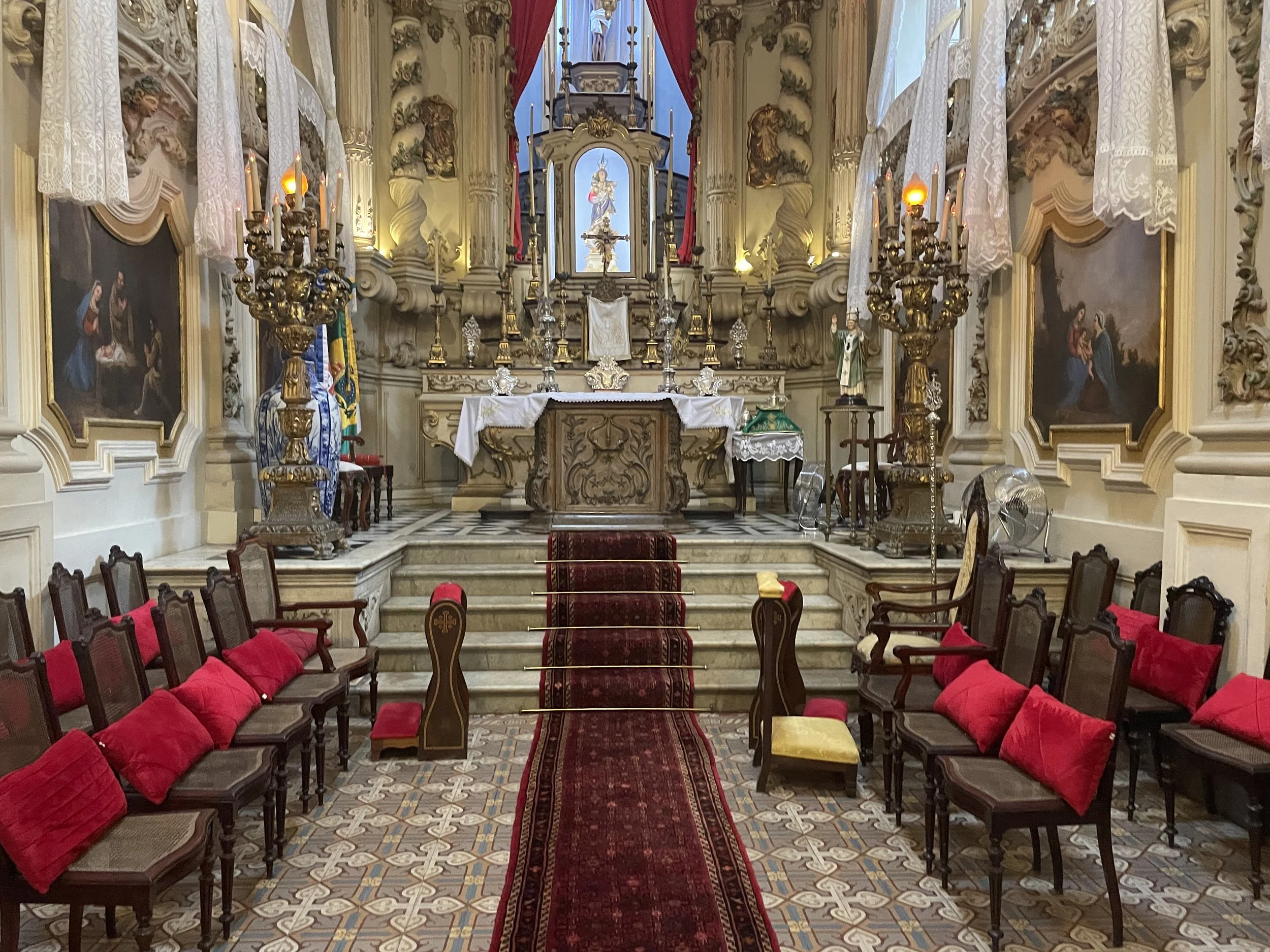
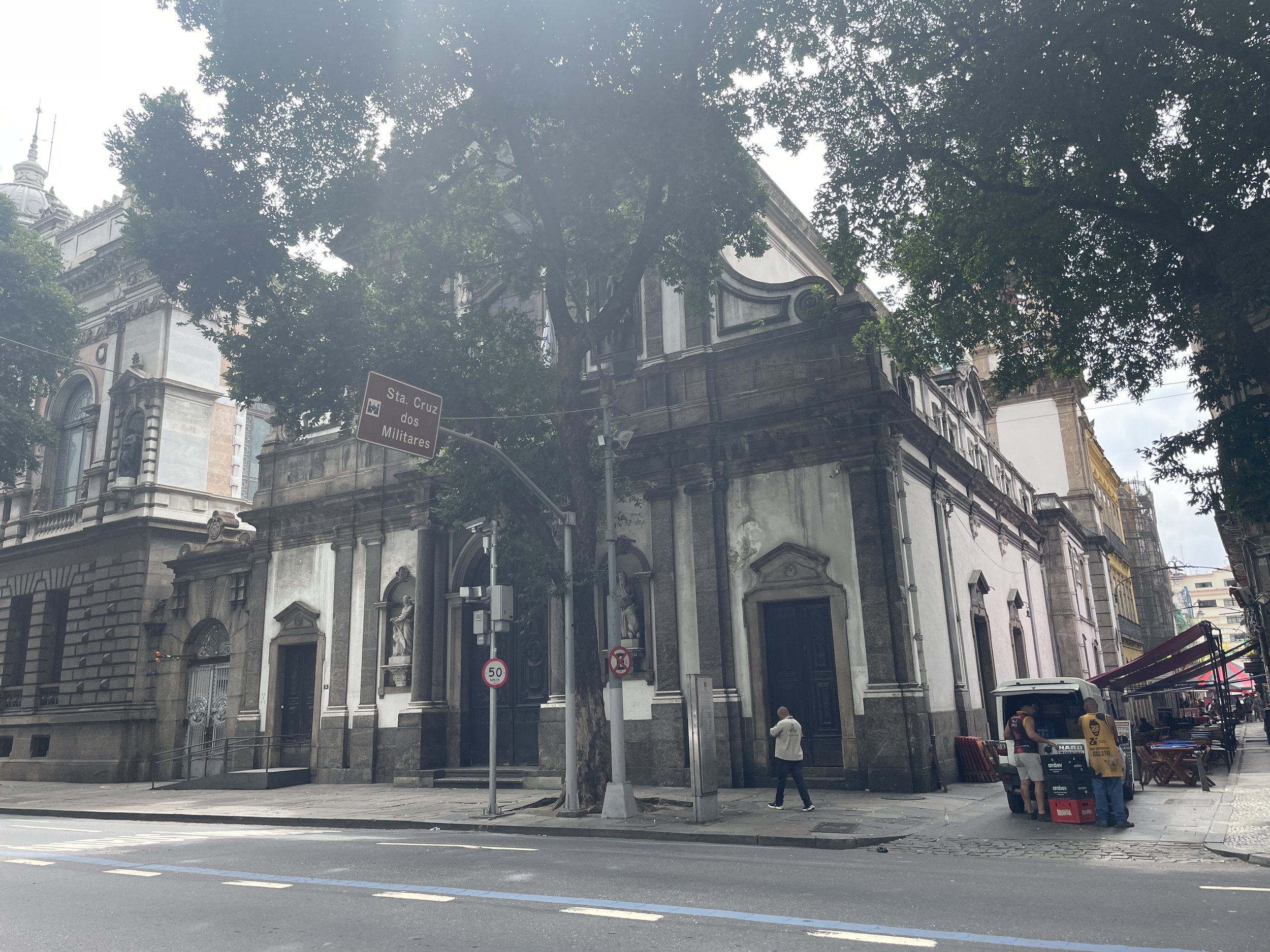
After the tour, we treated ourselves to a cozy Brazilian restaurant, where we enjoyed several delicious local dishes. Energized, we continued on foot to our next destination: Rio de Janeiro Cathedral. While its pyramid-like exterior might appear “ugly” to some, the vast interior space, flooded with colorful stained light, was both powerful and inspiring.
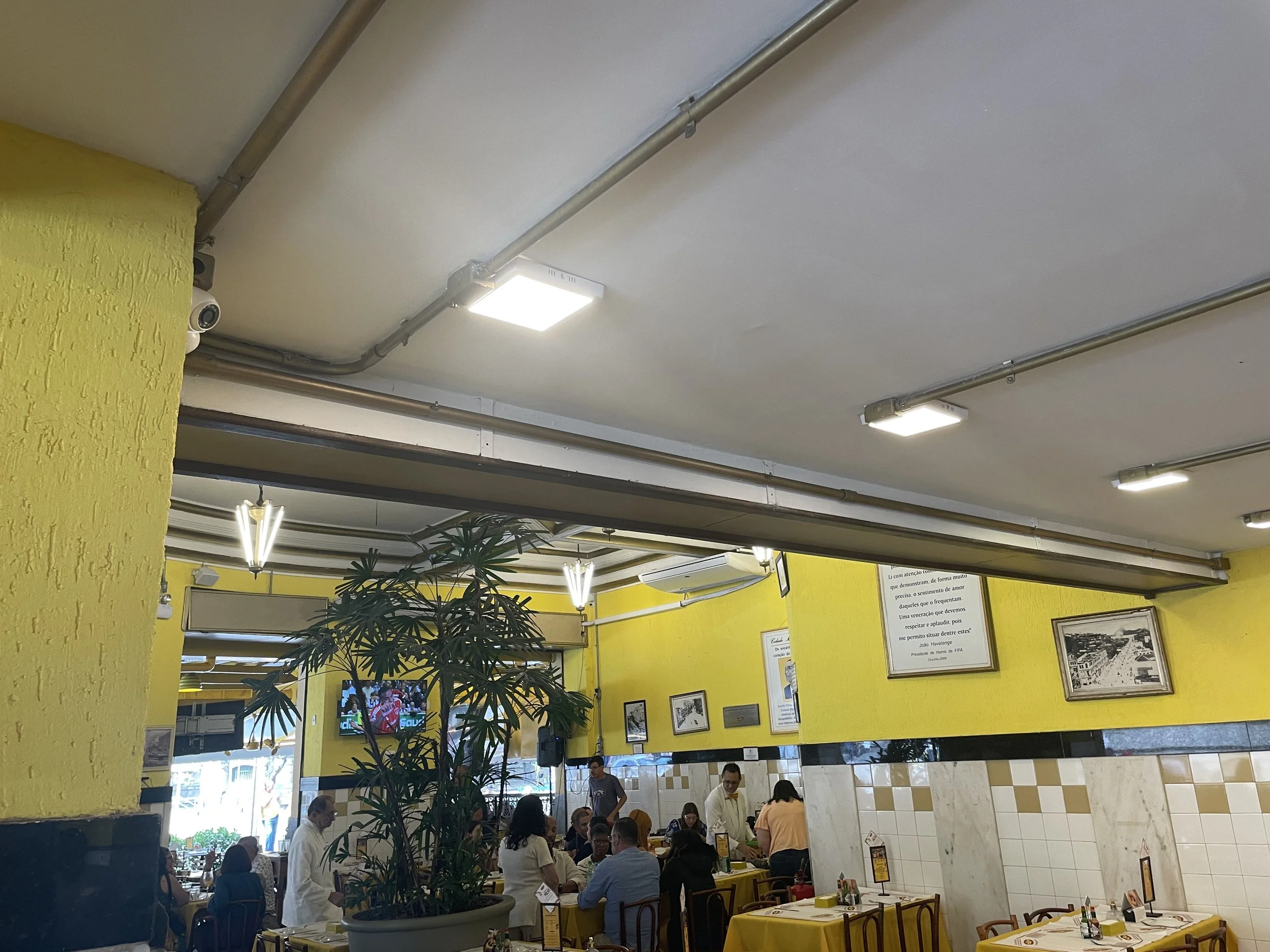
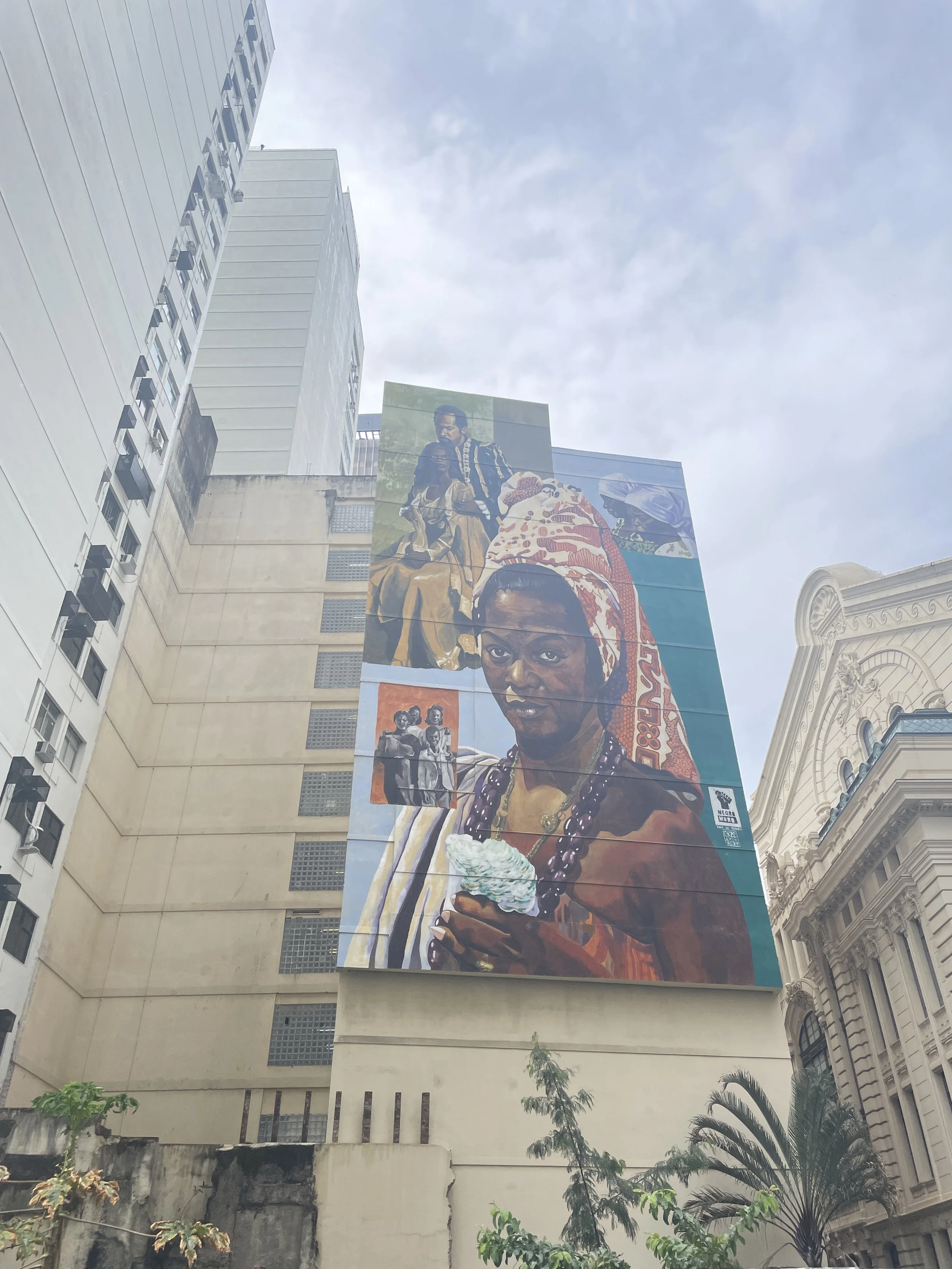

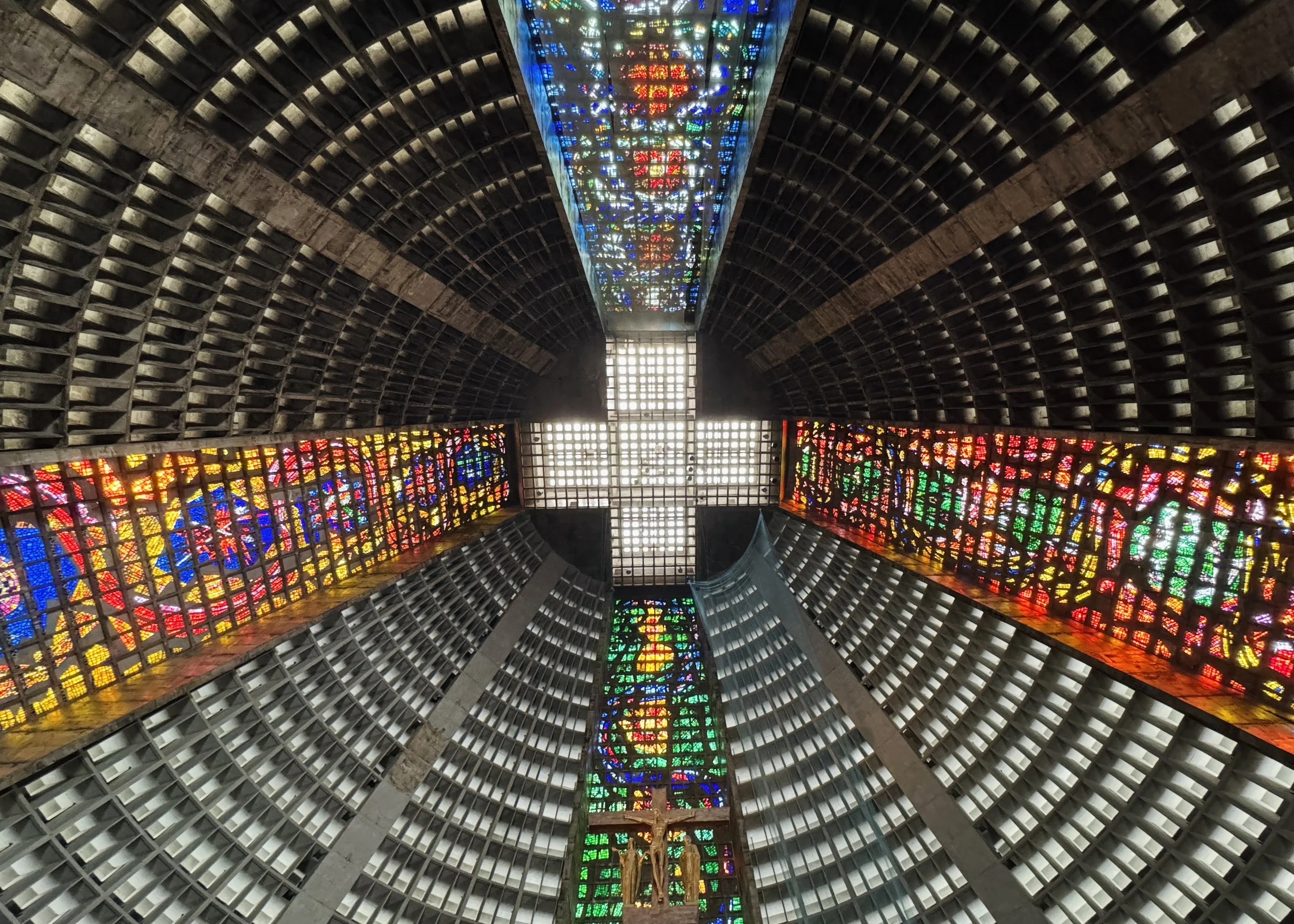
From there, it was only a short walk to the Escadaria Selarón. This iconic staircase, decorated with a kaleidoscope of ceramic tiles from around the world, was buzzing with visitors snapping photos. It was easy to see why it’s one of Rio’s most beloved landmarks.
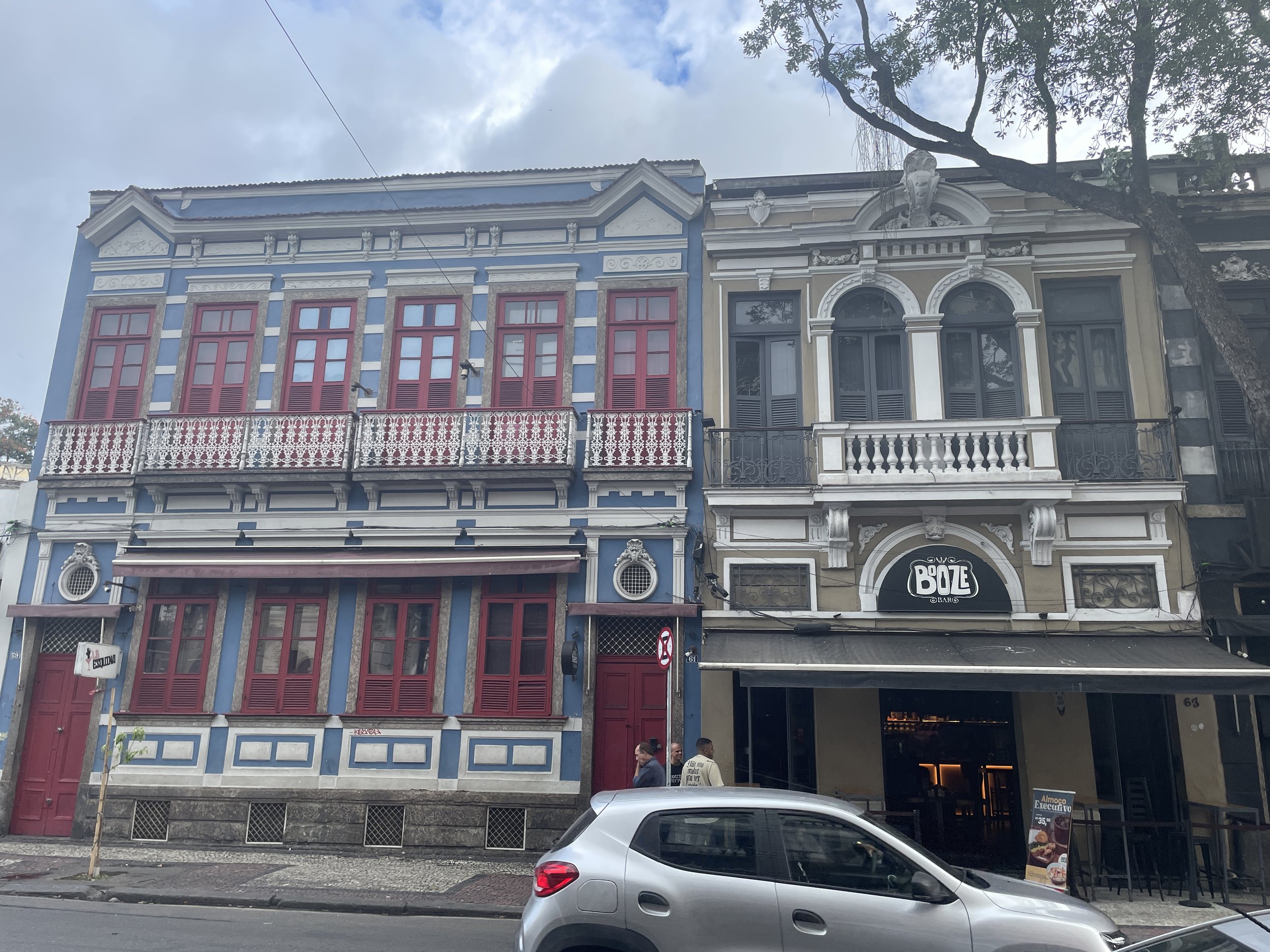
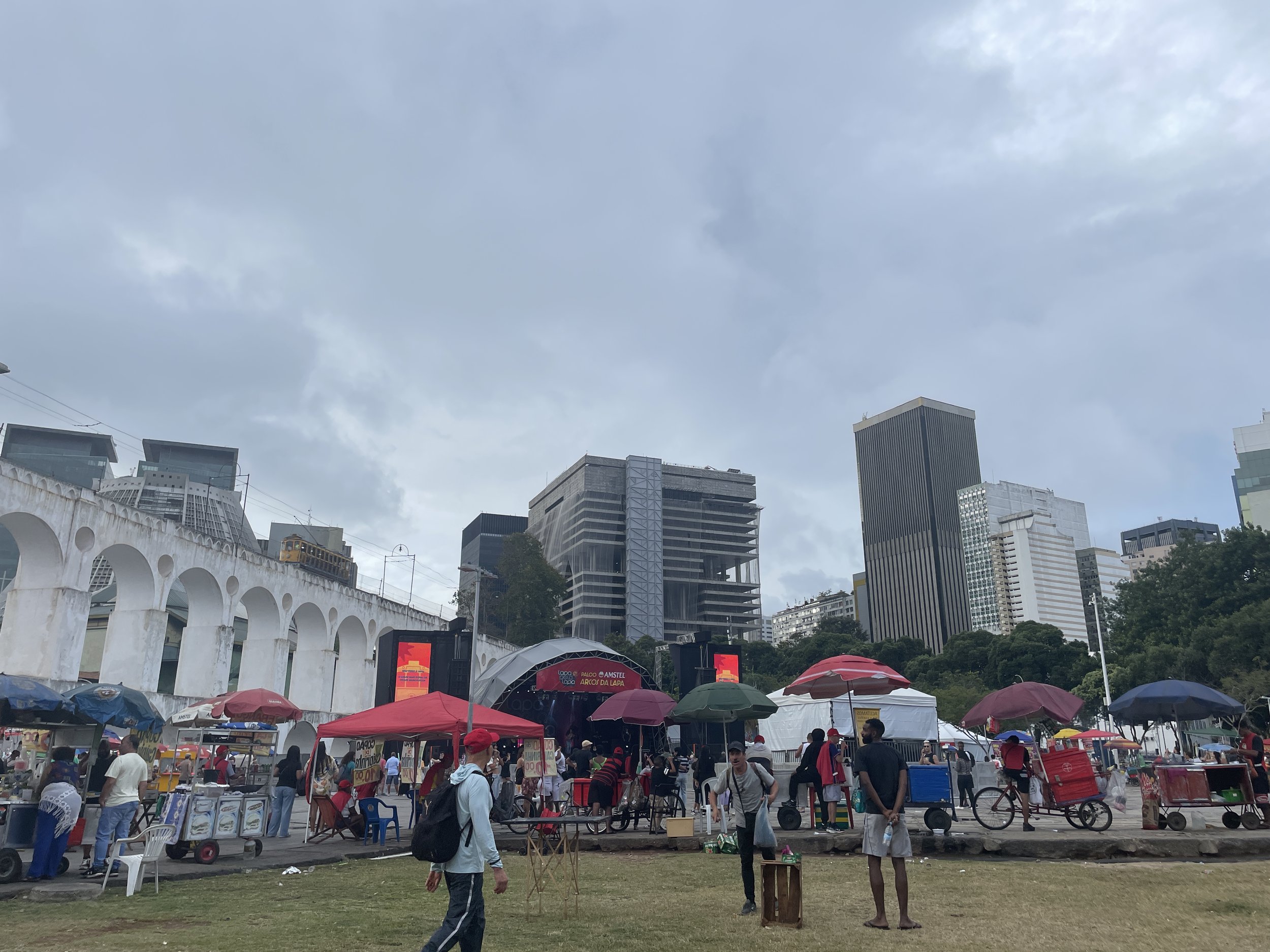
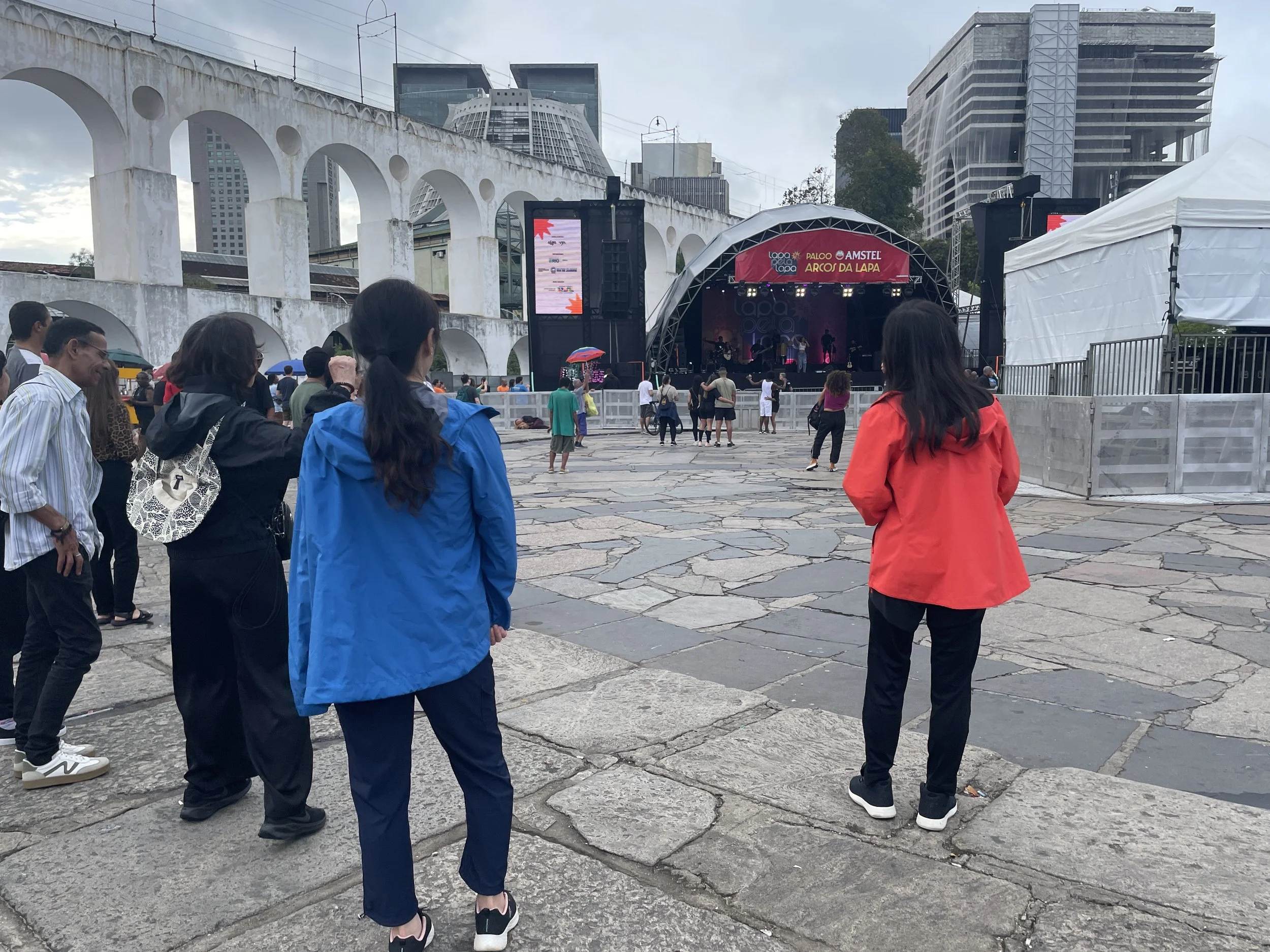
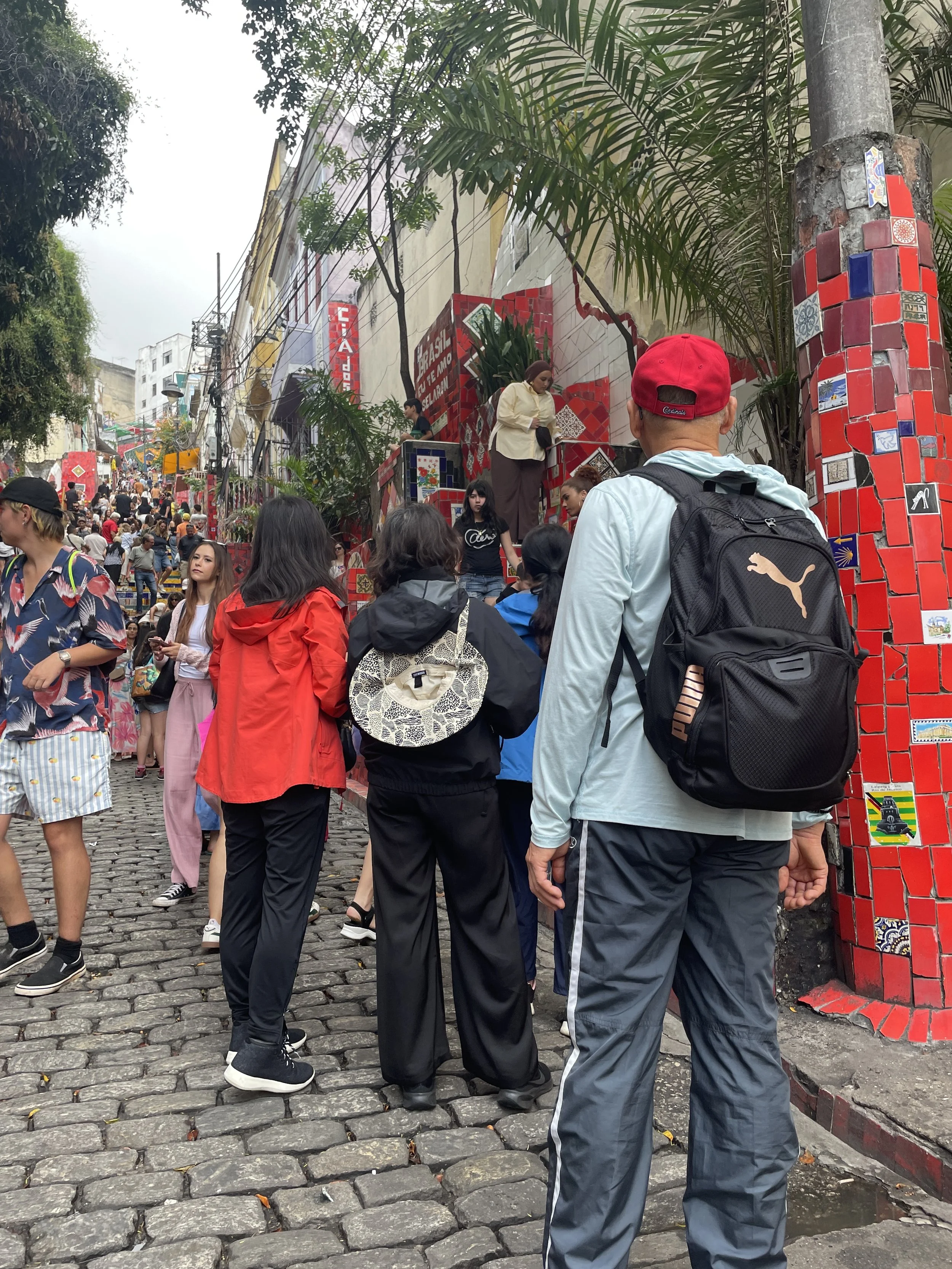
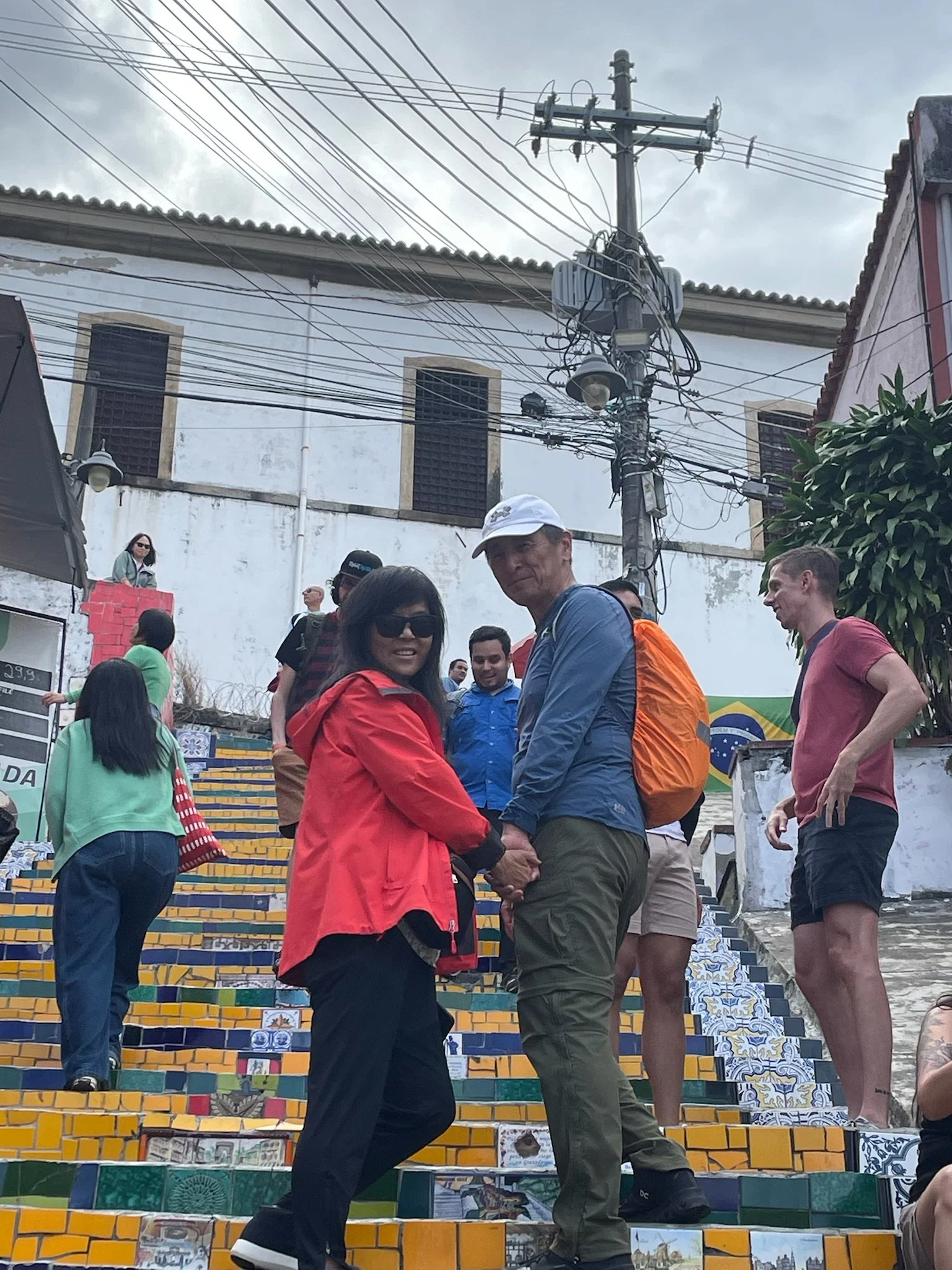
Later, we hopped back on the metro and headed to Leblon Beach. There we indulged in simple pleasures: people-watching, sipping fresh coconut water, coffee, and beer with the sound of the waves as our backdrop.
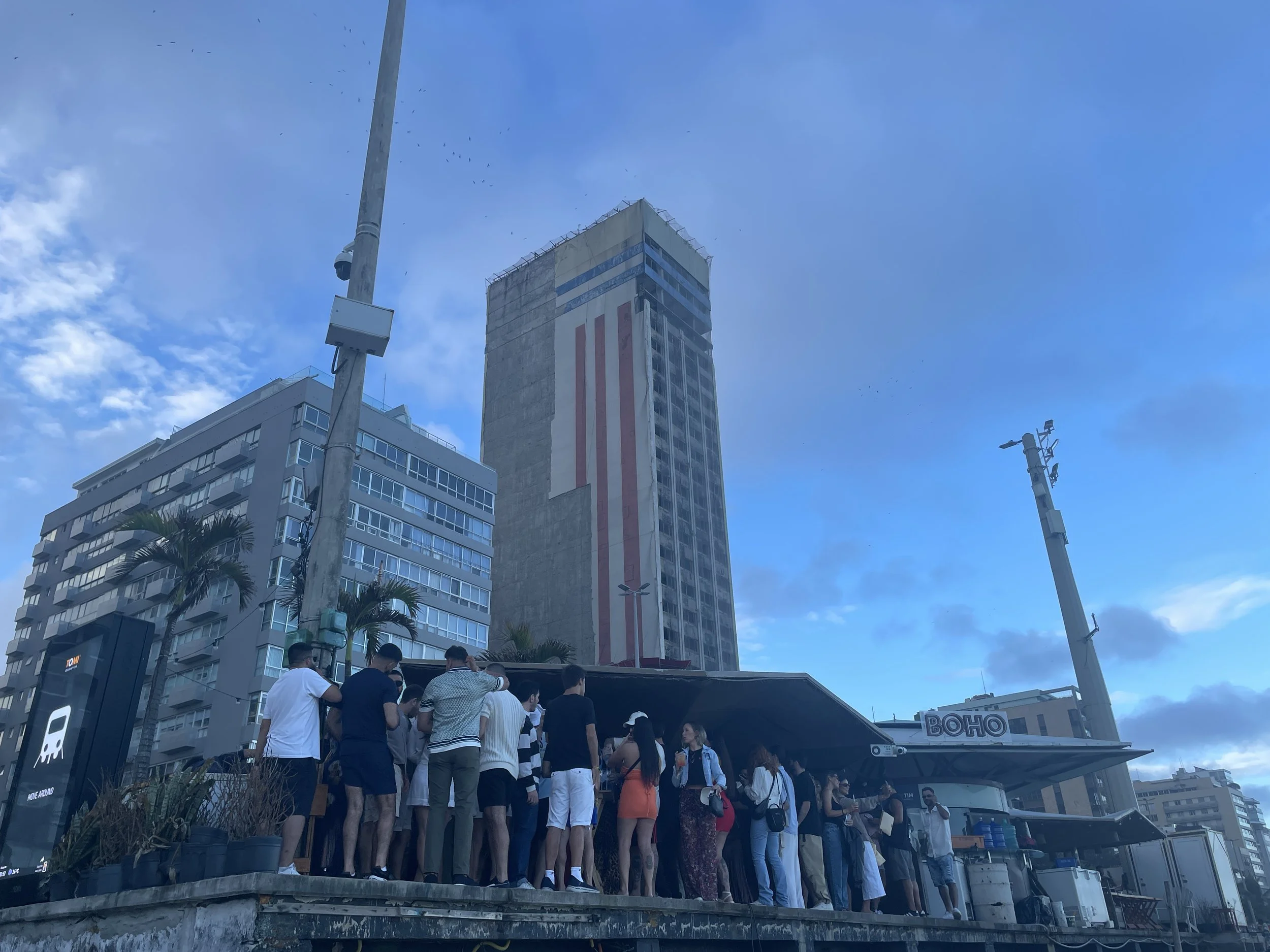
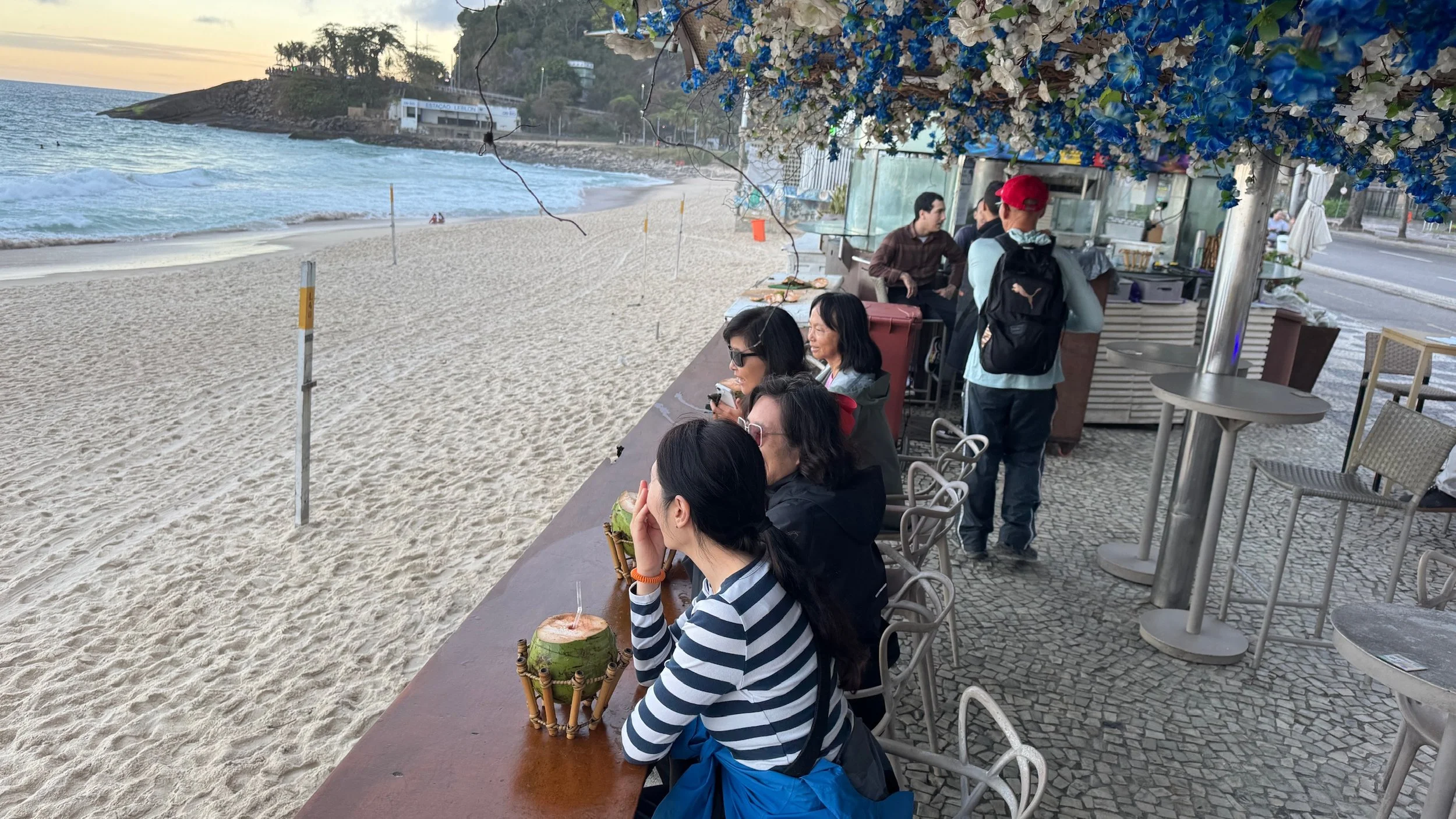
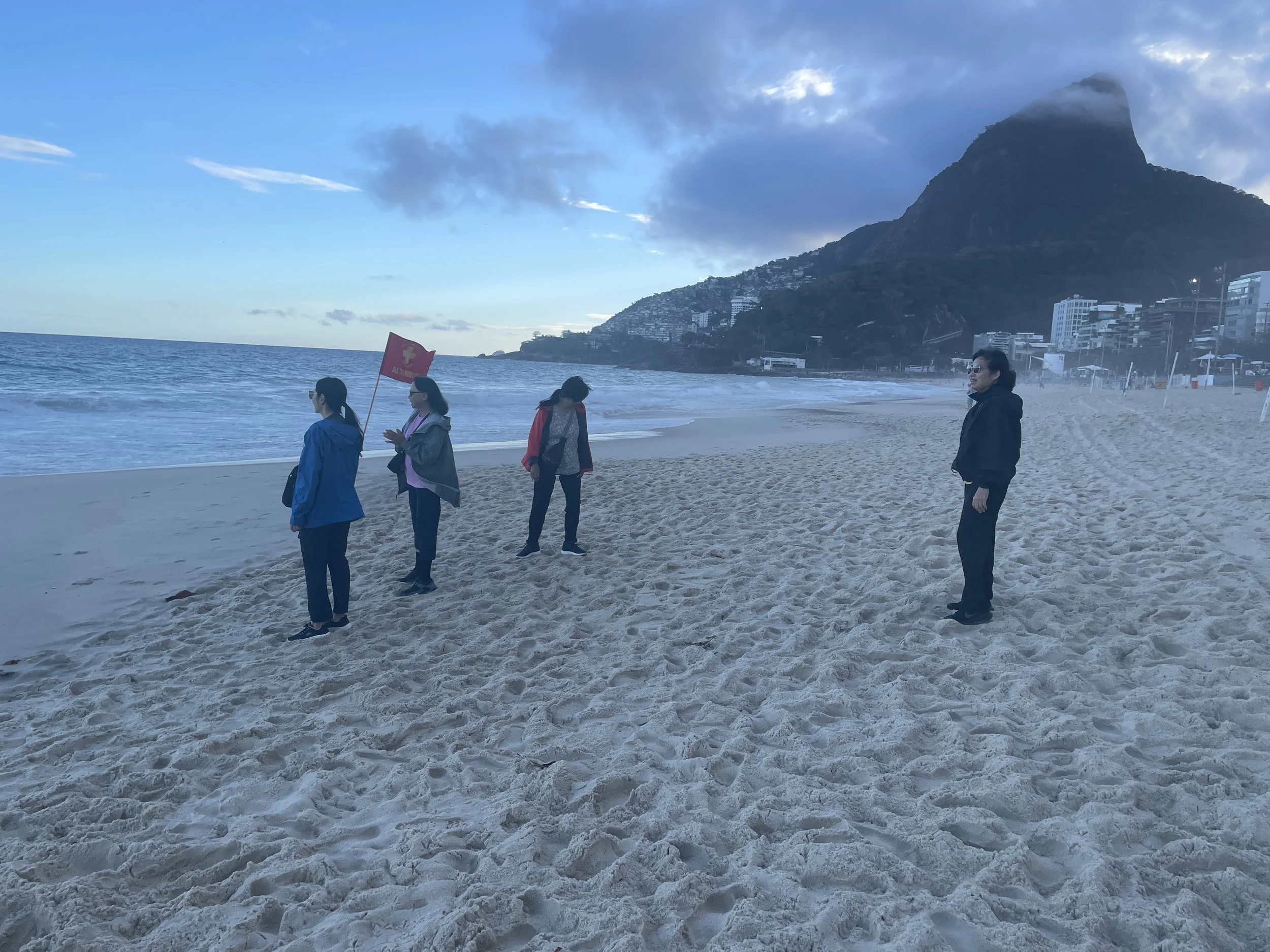
As evening settled in, we strolled back to our rental unit. For supper, we finally gave in to a supermarket pizza—a playful “broken promise,” since we had resisted pizza until now. Locals would have paired it with a bottle of wine, but for us it was just a light, easy meal.
We called it a day—a very good day. Rio had left us with a warm and lasting first impression.
二零二五年八月二十九日
在伊瓜苏巴西一侧,我们的旅馆离边境很近,开车没几分钟就到了,但离伊瓜苏市 (Foz do Iguaçu) 的市区和商业区还是有点距离。旅馆很简朴,有点像中国的农家乐。十几个客房在二楼,一楼是开放式停车场,一个小小的休息区和早餐厅。女主人非常热情,她就住在同一处院落里。昨晚从公园回来后,考虑到不想天黑在外面走,在女主人的推荐和帮助下我们点了一家日本餐厅的外卖,味道还算可以。今天早晨,女主人亲自下厨为客人们准备了早餐。我们今天不赶路,大家终于可以多睡会儿再好好吃顿早餐。
退房后,包车司机来接我们去机场。我们提前几小时抵达,惊喜地发现机场里有一家舒适的 Priority Pass 贵宾室。因为我们两人都持有会员卡,能带朋友一起进入。更巧的是,我们找到了一间可以容纳六个人的小房间,这样大家就能自在地用中文聊天而不用担心打扰别的客人。吃饱喝足上飞机,下一站里约热内卢。
回想起这次伊瓜苏大瀑布的旅程,真是完美:完美的天气,完美的环境,完美的接送服务。
飞机抵达里约热内卢后,我们在出口处遇到接送公司的工作人员。她带我们到等候区,我们通过 booking.com 预订的面包车很快就开了过来。因为车内没有放置行李的空间,司机把六个行李箱固定在车顶的行李架上。这让我们想起今年上半年在印度也有一次类似的经历。
车子往里约热内卢市区方向开去。没过多久,司机转进一家加油站,让我们先下车。一名工作人员打开车头盖,开始往车里灌注乙醇燃料。虽然他完全可以在来接我们之前就加好油,但这小小的插曲也让我们多了一份了解巴西日常生活的机会。之后的路程十分顺利。尽管我们在预订车时填错了门牌号,司机依然尽心确保把我们送到正确的地址。
我们的 Airbnb 公寓在莱布隆 (Leblon) 区,公寓在九楼,楼下有保安。安顿好之后,我们就去了楼下旁边的一家意大利餐厅享用晚餐。餐点丰盛美味,因为还在为前些天在布宜诺斯艾利斯的最后一顿披萨耿耿于怀,虽在意大利饭店,今晚依然没有点披萨。晚餐后我们走去附近一家超市买了各种水果。
二零二五年八月三十日
来巴西之前就一直听说这里治安不好,曾来过这里的好友也一再提醒要我们注意安全,保护好自己的随身物品。我们把Airbnb选择在莱布隆(Leblon)区也是出于对安全的考虑。另外我们决定在里约热内卢不坐公交车,而是坐地铁或Uber。
今天早上我们参加了一场里约热内卢历史中心的“免费”徒步游。乘坐地铁 4/1 号线,在 Carioca 站下车,集合点离地铁站不远。对这座城市的第一印象十分美好:地铁干净舒适,街道整洁宜人。
参加徒步游的人不少,大家来自世界各地。分成英语,葡萄牙语和西班牙语三组。导游带领我们穿过几条街区,讲述了许多关于城市的历史。途中我们也学到了一些有趣的知识,比如“Carioca”指的是里约人;她还让我们为未来几天的行程种了草——推荐了被誉为“世界上最好的咖啡馆”之一的科伦坡咖啡馆 (Café Colombo)。徒步行在宏伟的市政剧院 (Theatro Municipal) 前结束。
行程结束后,我们在附近找了一家温馨的巴西餐厅,点了几道地道的巴西菜,味道令人十分满足。随后我们步行前往下一个目的地——里约热内卢大教堂 (Catedral Metropolitana)。这座教堂的外观造型很独特,在一些人眼里或许很“丑陋”,但内部设计却极具震撼力,彩色玻璃透入的光线让整个空间显得很庄严。
接着我们继续步行来到塞拉隆台阶 (Escadaria Selarón)。这座由五彩瓷砖拼贴装饰的台阶,是里约热内卢最受欢迎的景点之一。到处都是游客拍照留念,热闹非凡,也难怪它会成为这座城市的地标。
下午,我们再次搭乘地铁前往莱布隆海滩 (Leblon Beach)。在海边,我们享受着最简单的乐趣:听着海浪的声音,看人来人往,喝新鲜的椰子汁、咖啡和啤酒,格外惬意。
傍晚时分,我们悠闲地散步回到住宿。晚餐就随意在超市买了二个现烤的披萨——算是一个“小小的破戒”,因为我们之前一直坚持不点披萨。当地人通常会配上一瓶红酒,而我们则以这份简单的餐食轻松结束一天。
Iguaçu Falls & Paraguay 巴西伊瓜苏瀑布与巴拉圭
August 28,2025
This morning we said goodbye to Argentina……
今天我们与阿根廷道别。。。
August 28,2025
This morning we said goodbye to Argentina. Our Argentine driver picked us up at 8:00 a.m. and drove us to the border. At the Argentine customs, we met our Brazilian driver who guided us through the exit process. There was no queue and the whole procedure took just five minutes, although we noticed a long line of cars and taxis waiting to cross. Once cleared, we transferred our luggage into a van and drove toward the Brazilian side. There, we had to step out and enter the customs building to get our passports stamped. Again, the process was quick and painless.
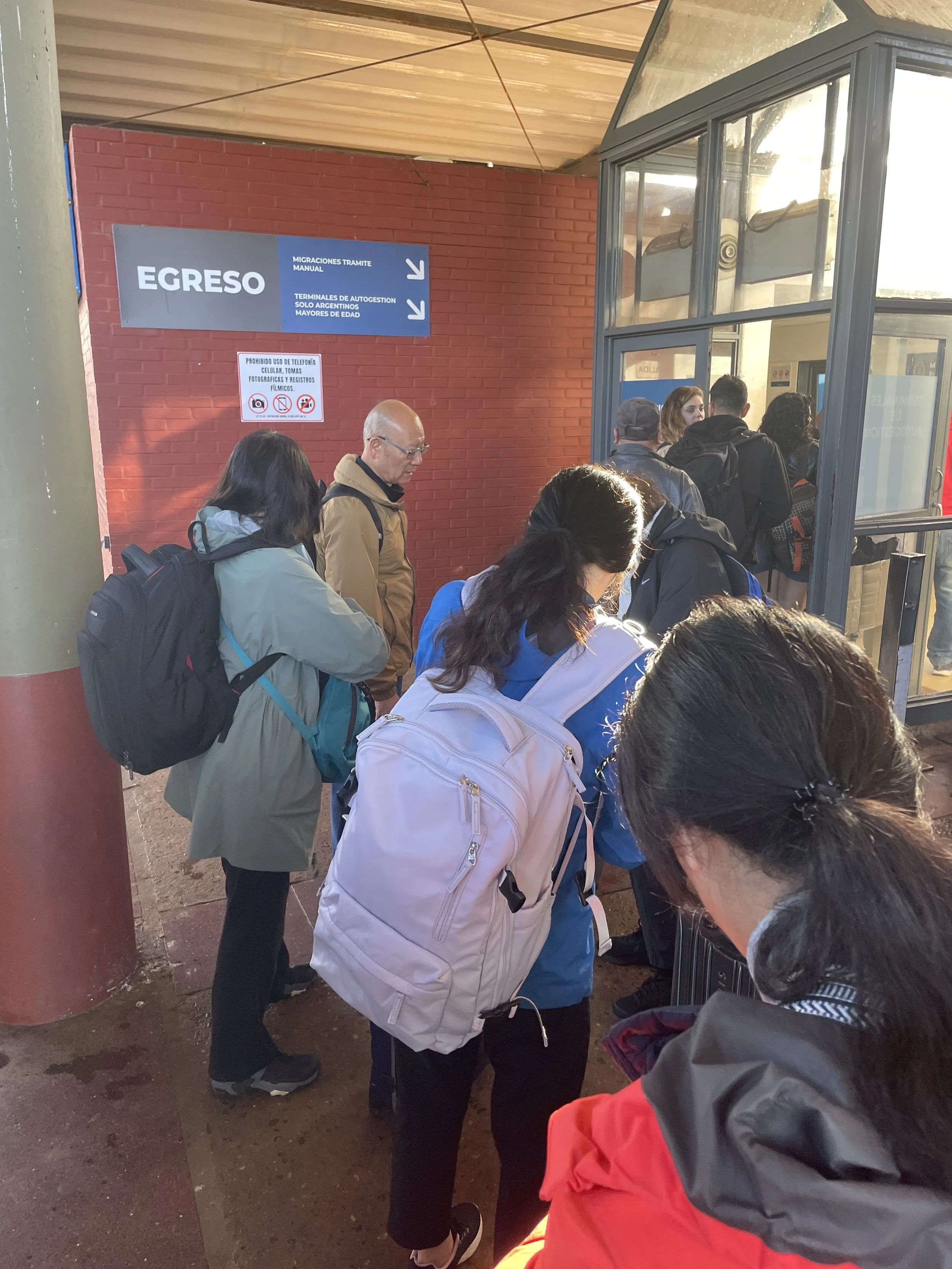
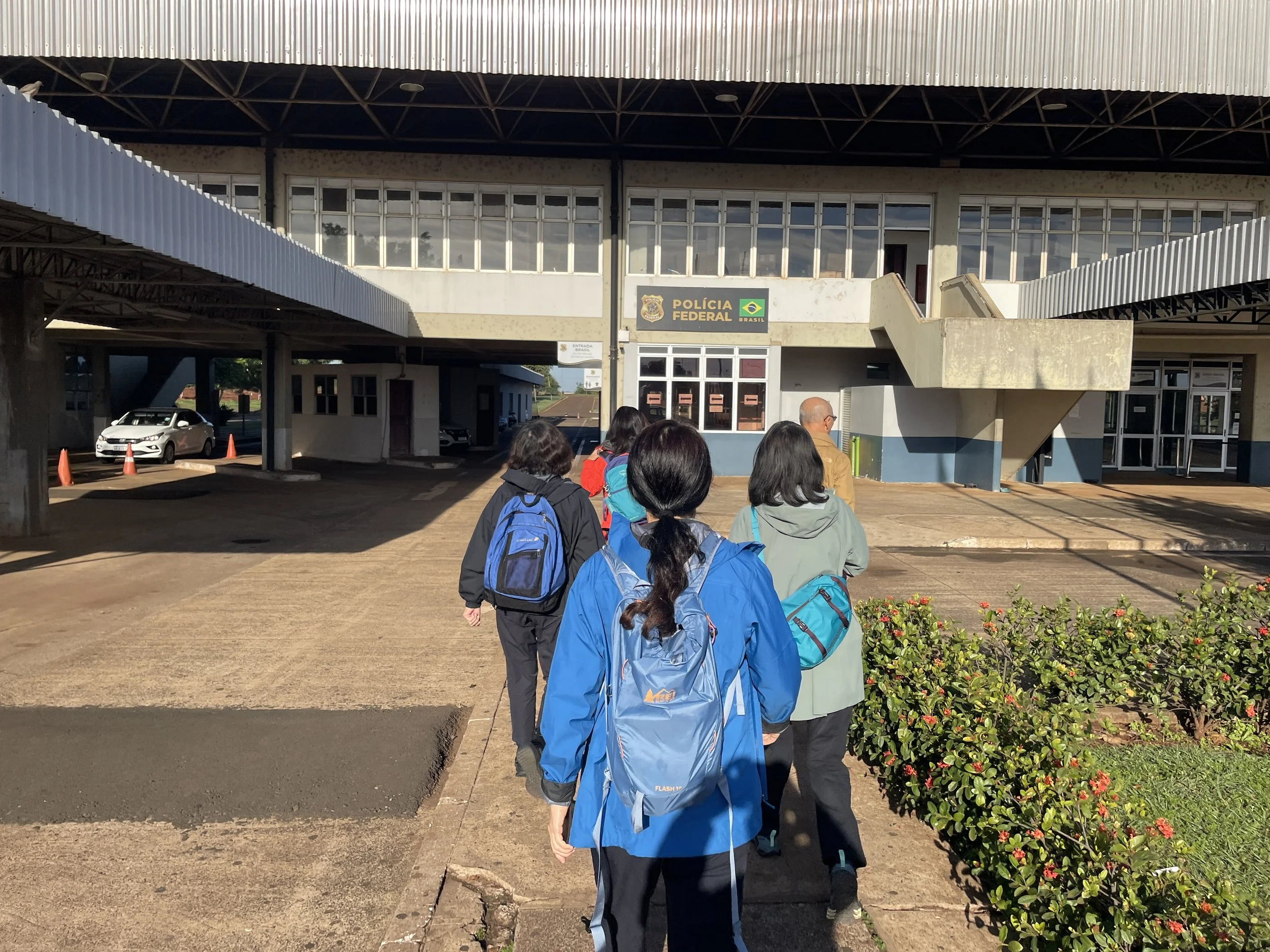
Afterward, we dropped our bags at our hotel near the border before heading directly to Iguaçu National Park on the Brazilian side. Being among the first tourists to enter, we boarded the park bus and rode to the trailhead.
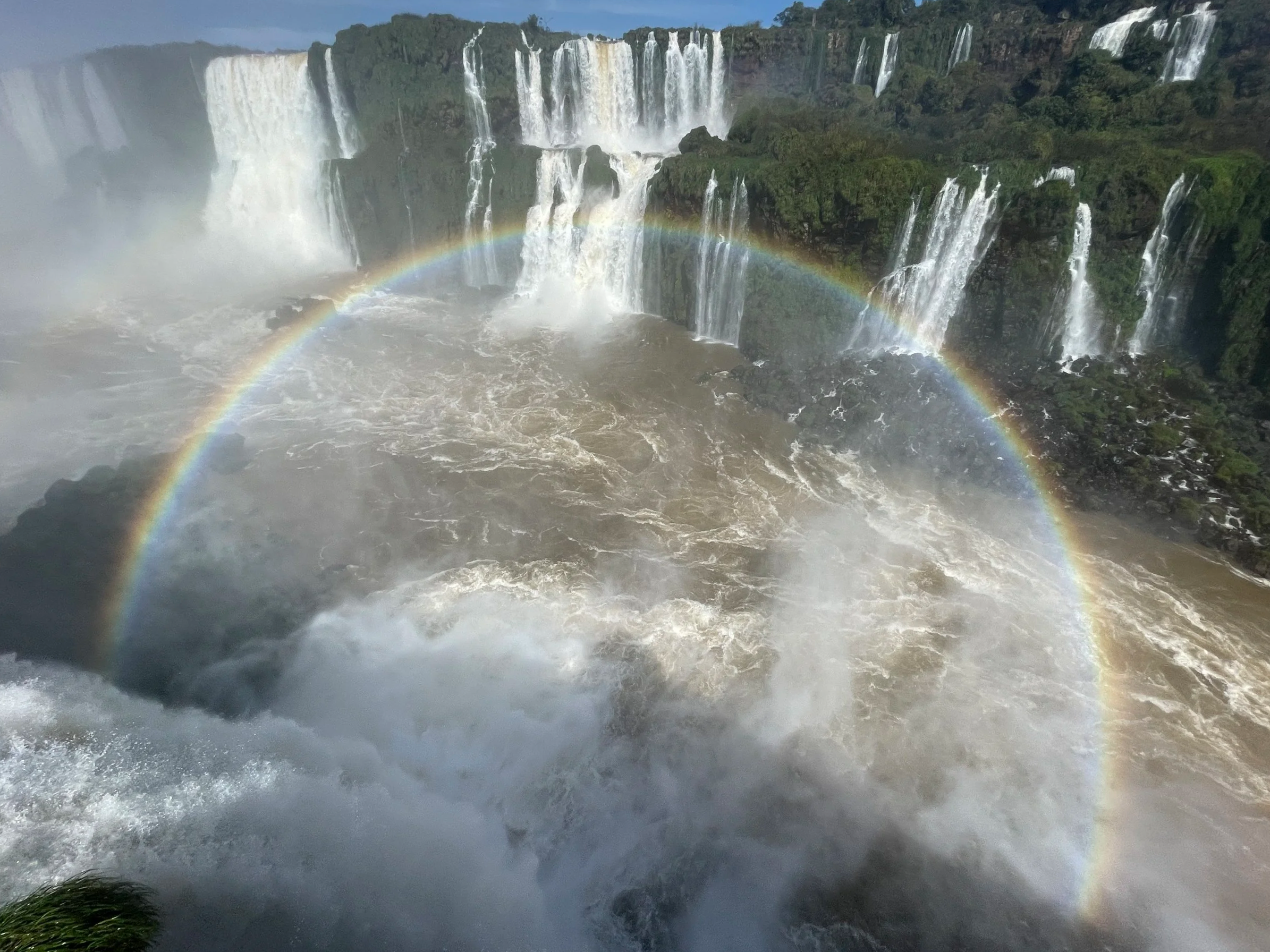
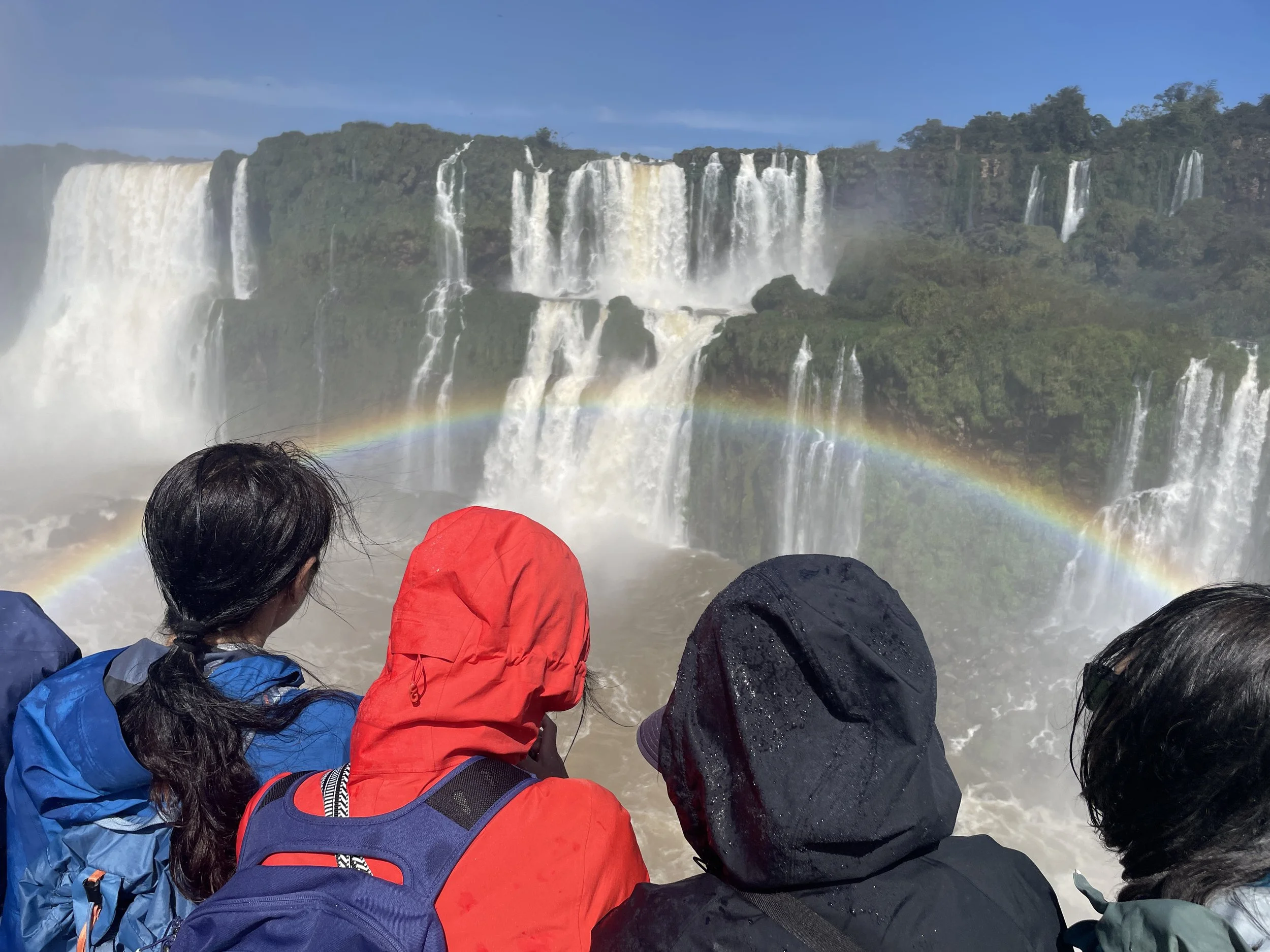
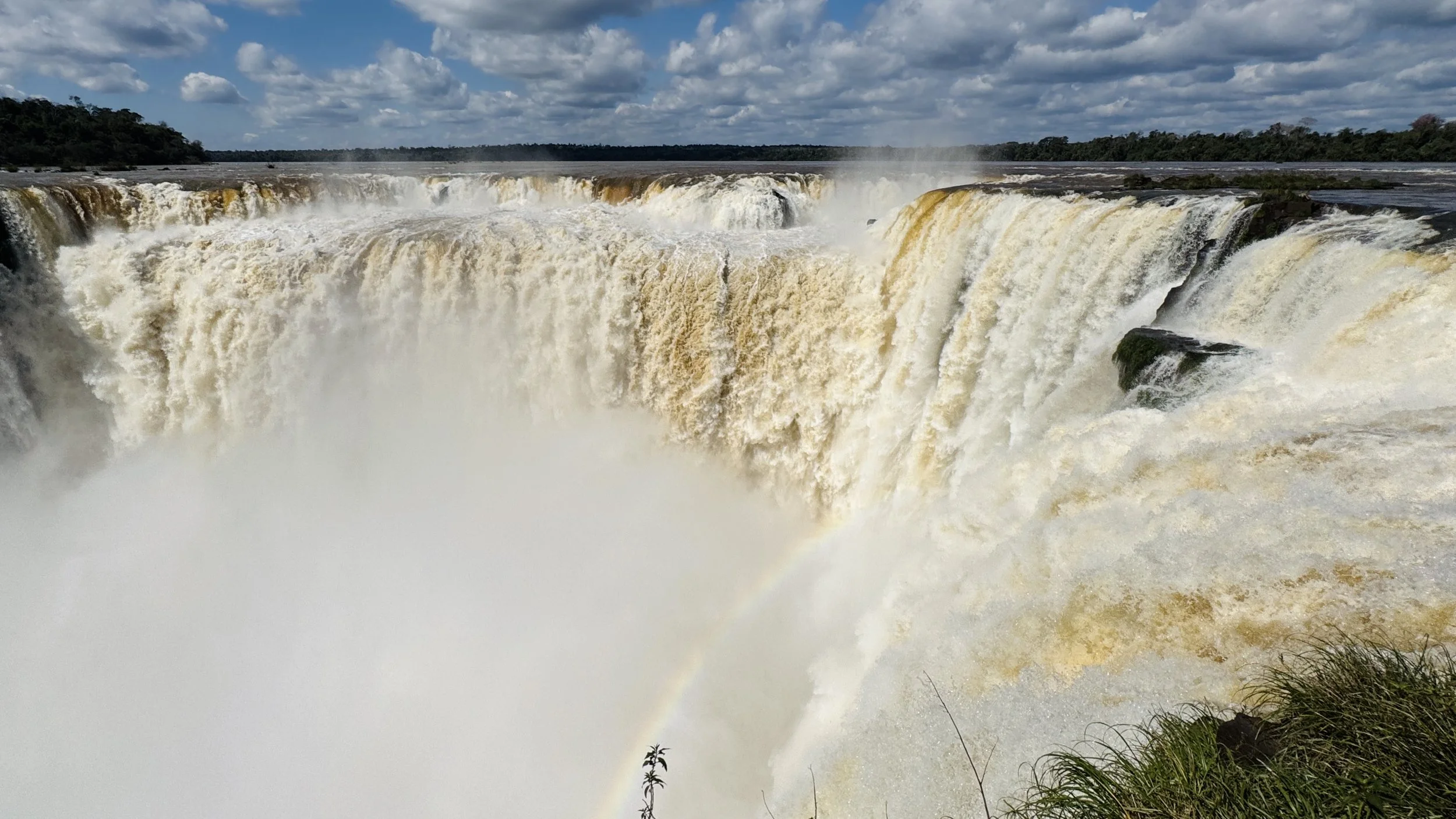
The view was absolutely breathtaking. A massive wall of waterfalls stretched before us, roaring with energy. As we walked along the trail toward the platform extending to the Devil’s Throat viewpoint, rainbows arched above the mist and the spray soaked us through. Watching speedboats dart into the thundering falls, just as we had the day before, only heightened the drama.
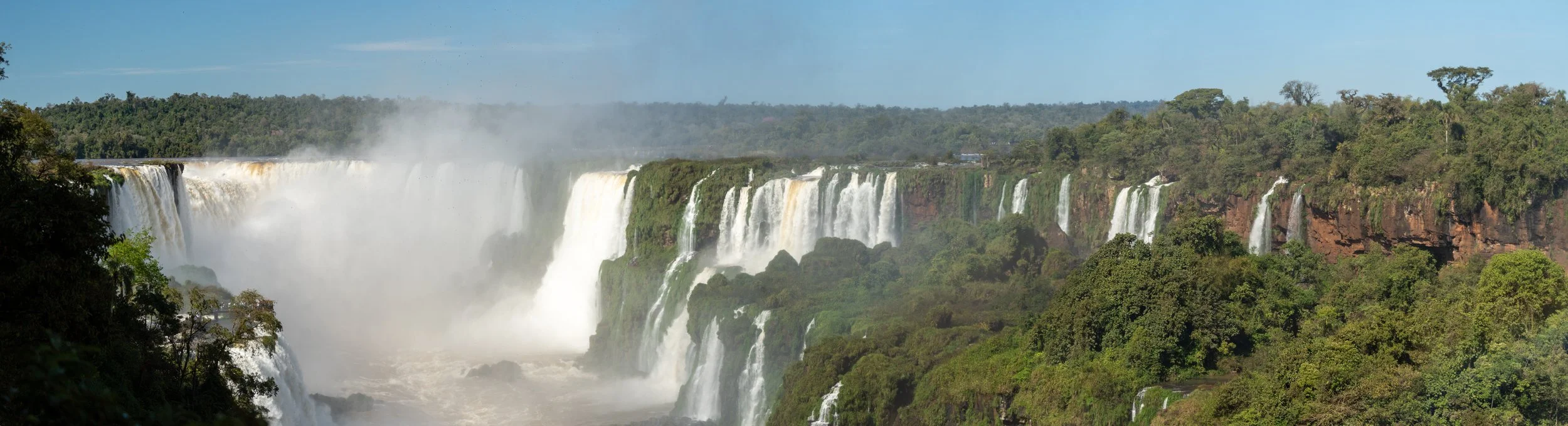
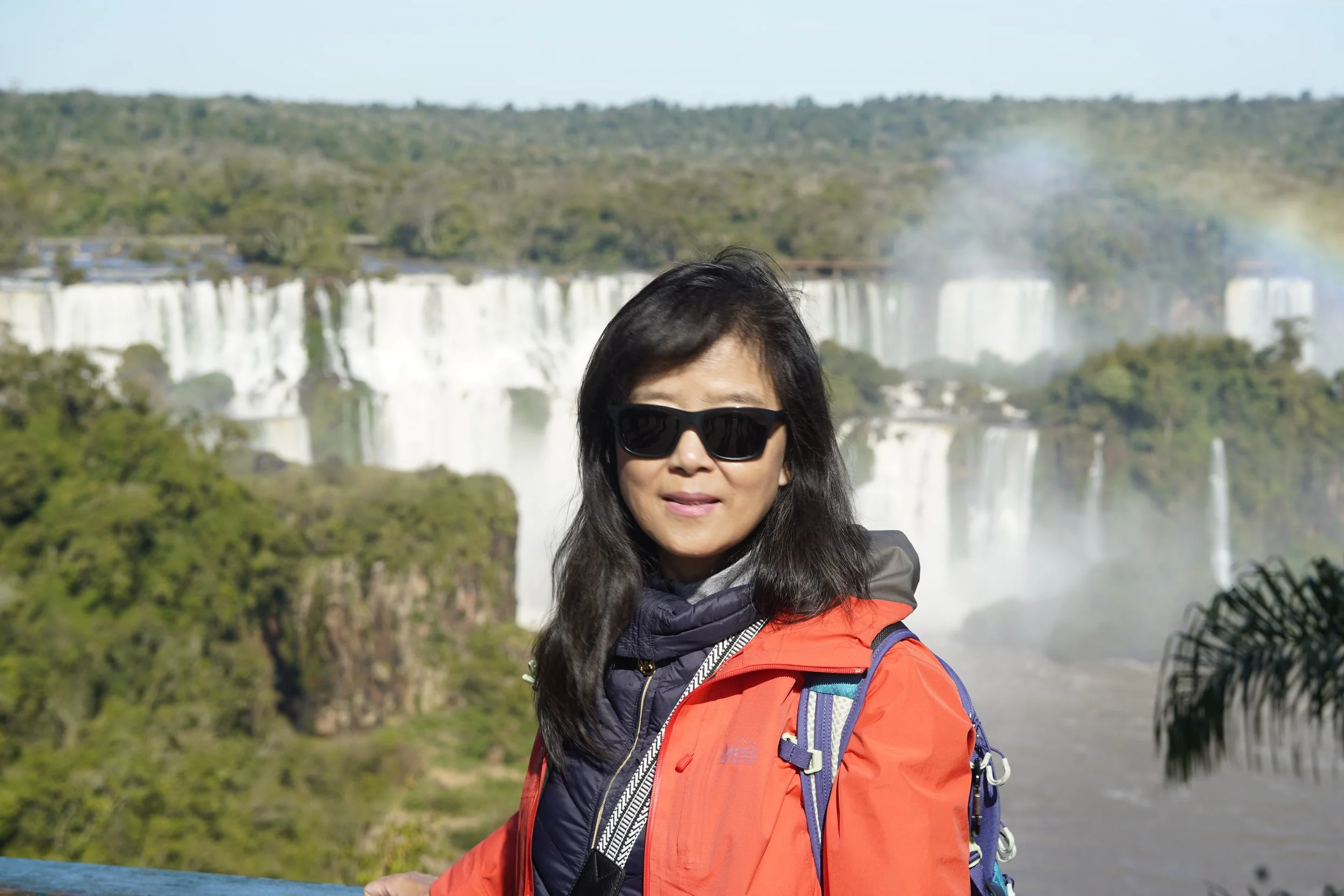


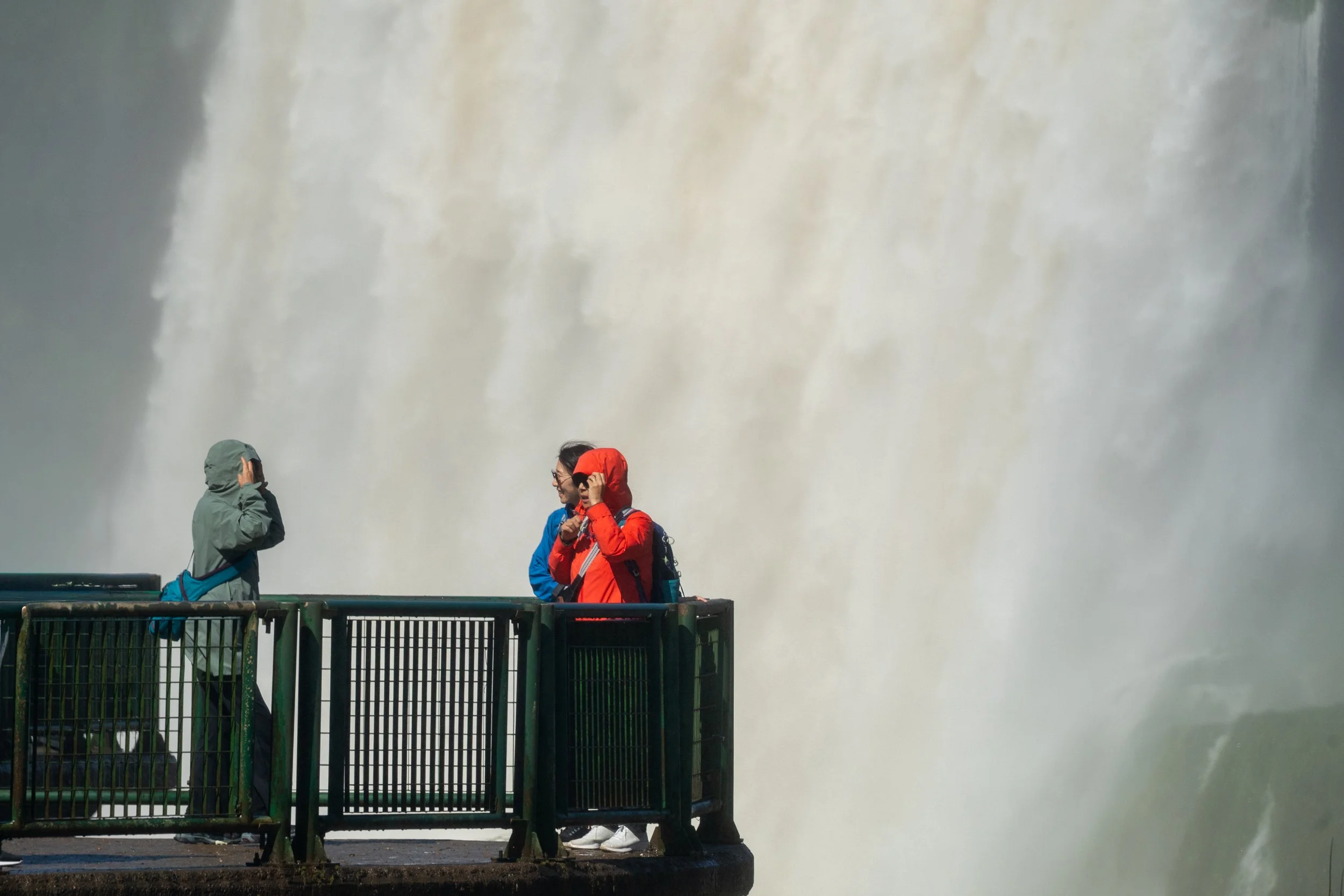

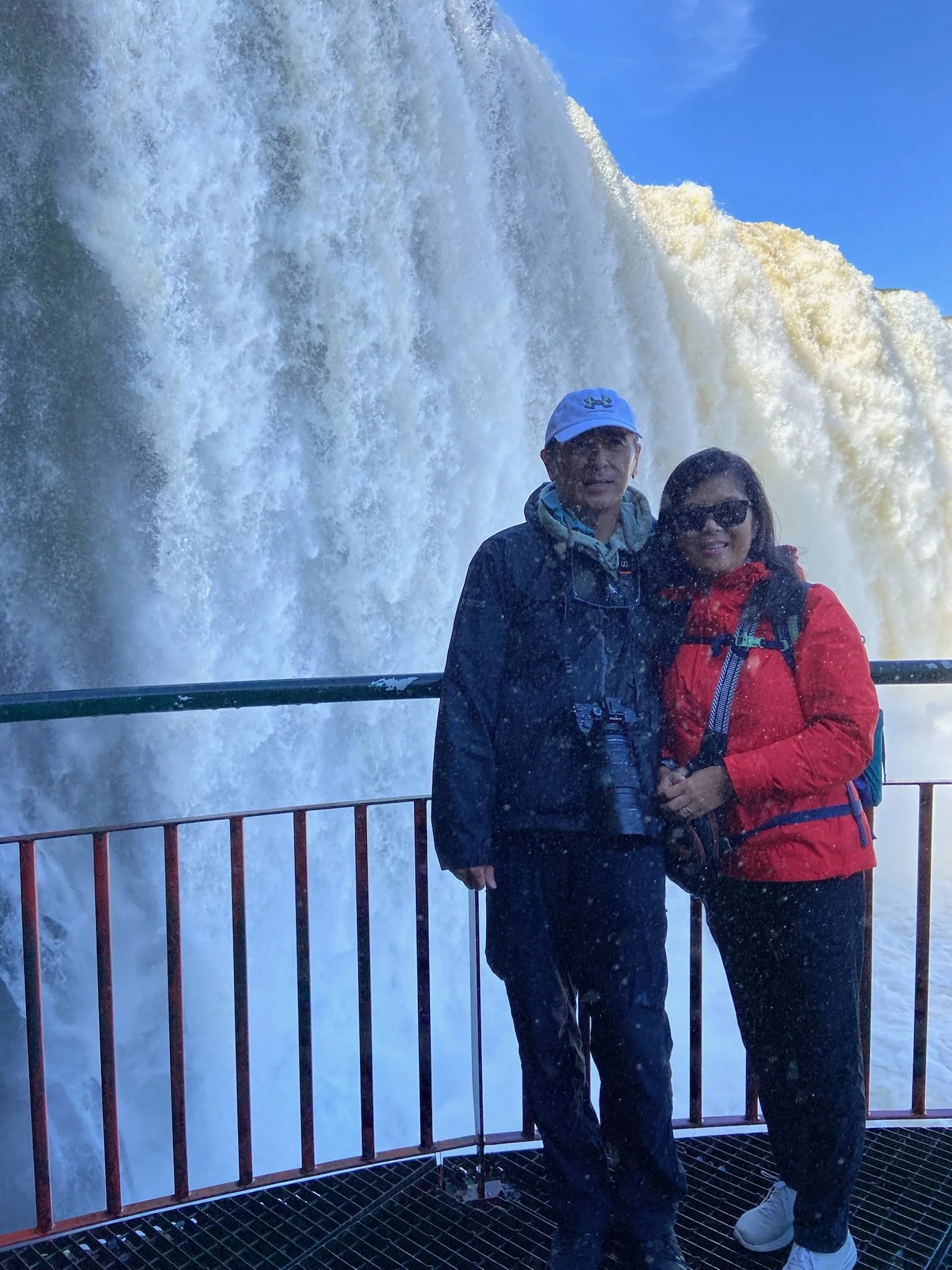
No words could truly capture the experience of seeing so many cascades and rainbows all in one place—it was unforgettable.

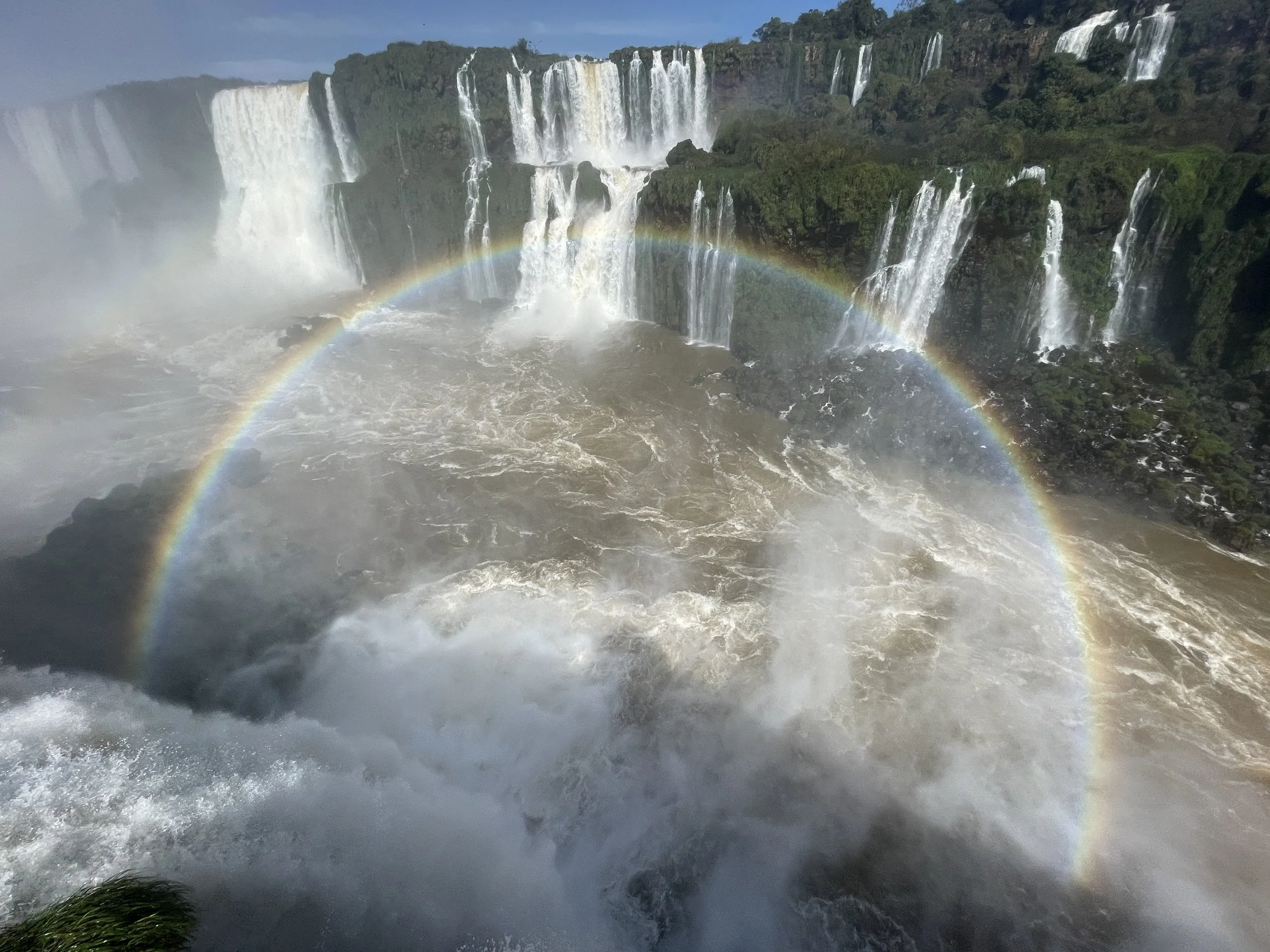
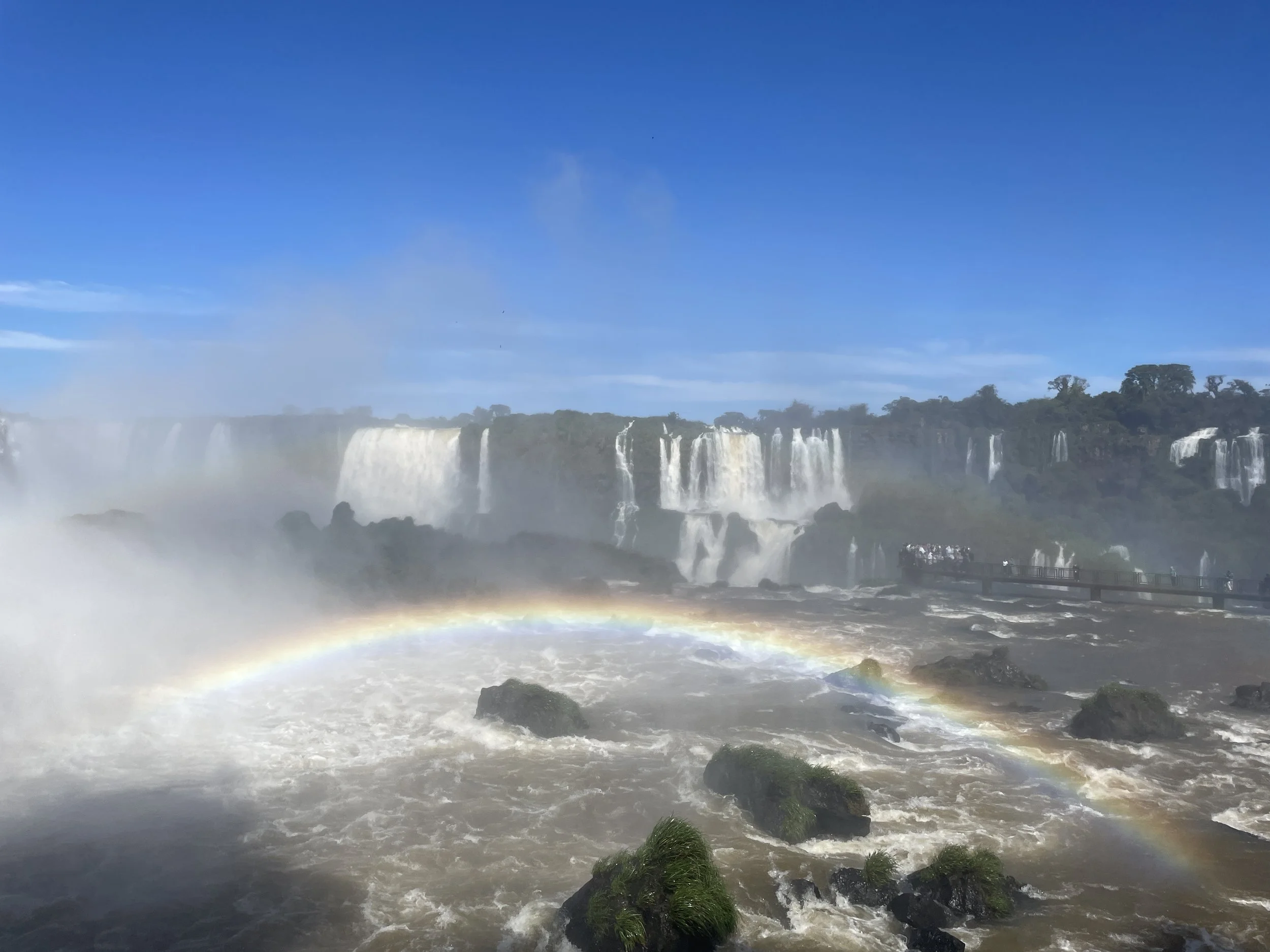


After the hike, we settled for a simple lunch of fish and chips on a terrace with a distant view of the falls. The Brazilian park is much smaller than the Argentine side, and most visitors can explore it comfortably in three to four hours.
At 1:30 p.m., our driver returned to take us across yet another border—into Paraguay. Once we realized Paraguay was just a bridge away, we had contacted Iguazufalls.Travel to add it to our itinerary. Because of the country’s low sales taxes, many Brazilians cross over to shop in modern malls near the border. With an open day-trip policy, our driver simply drove us across the congested bridge without customs checks.

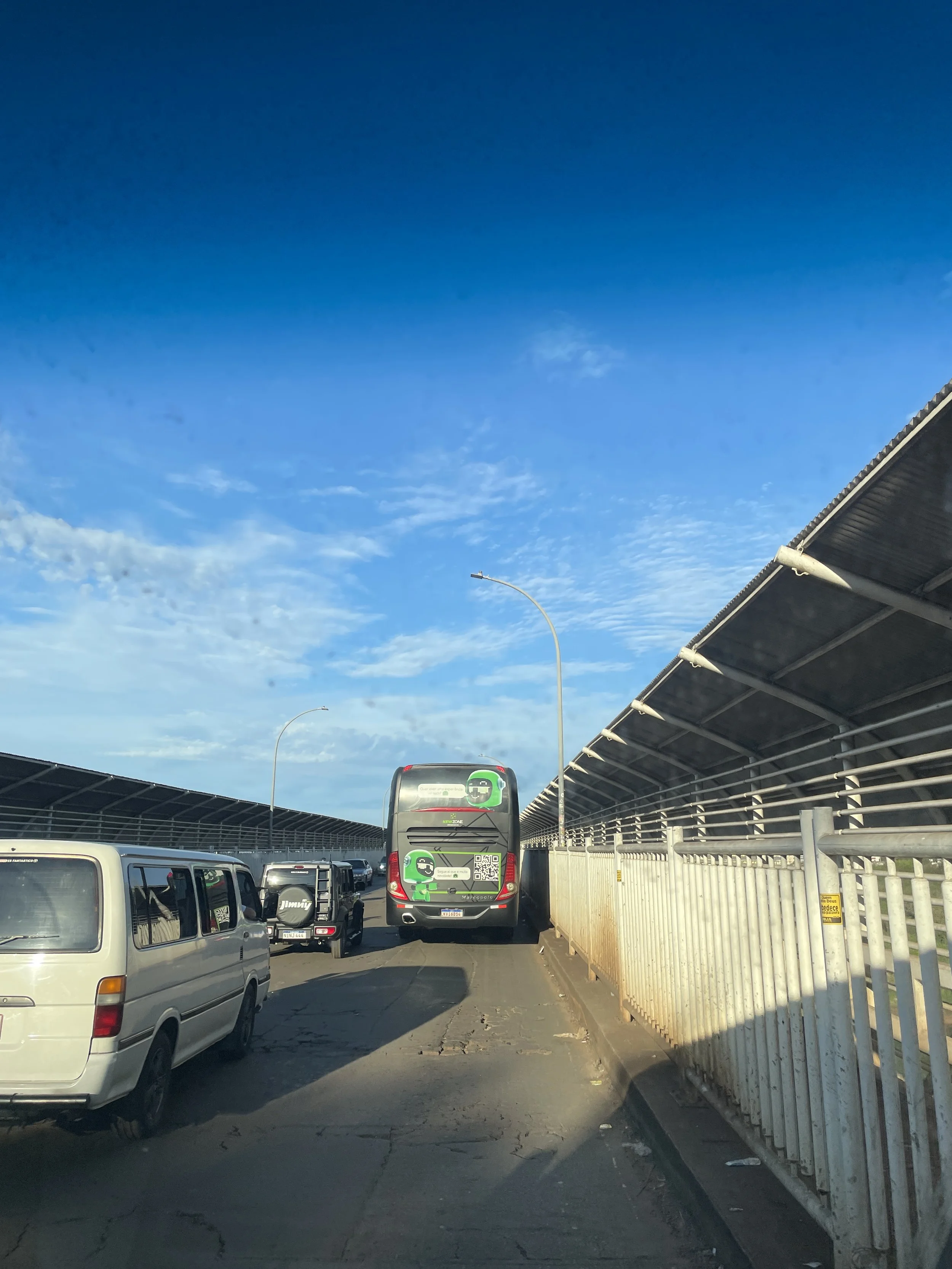
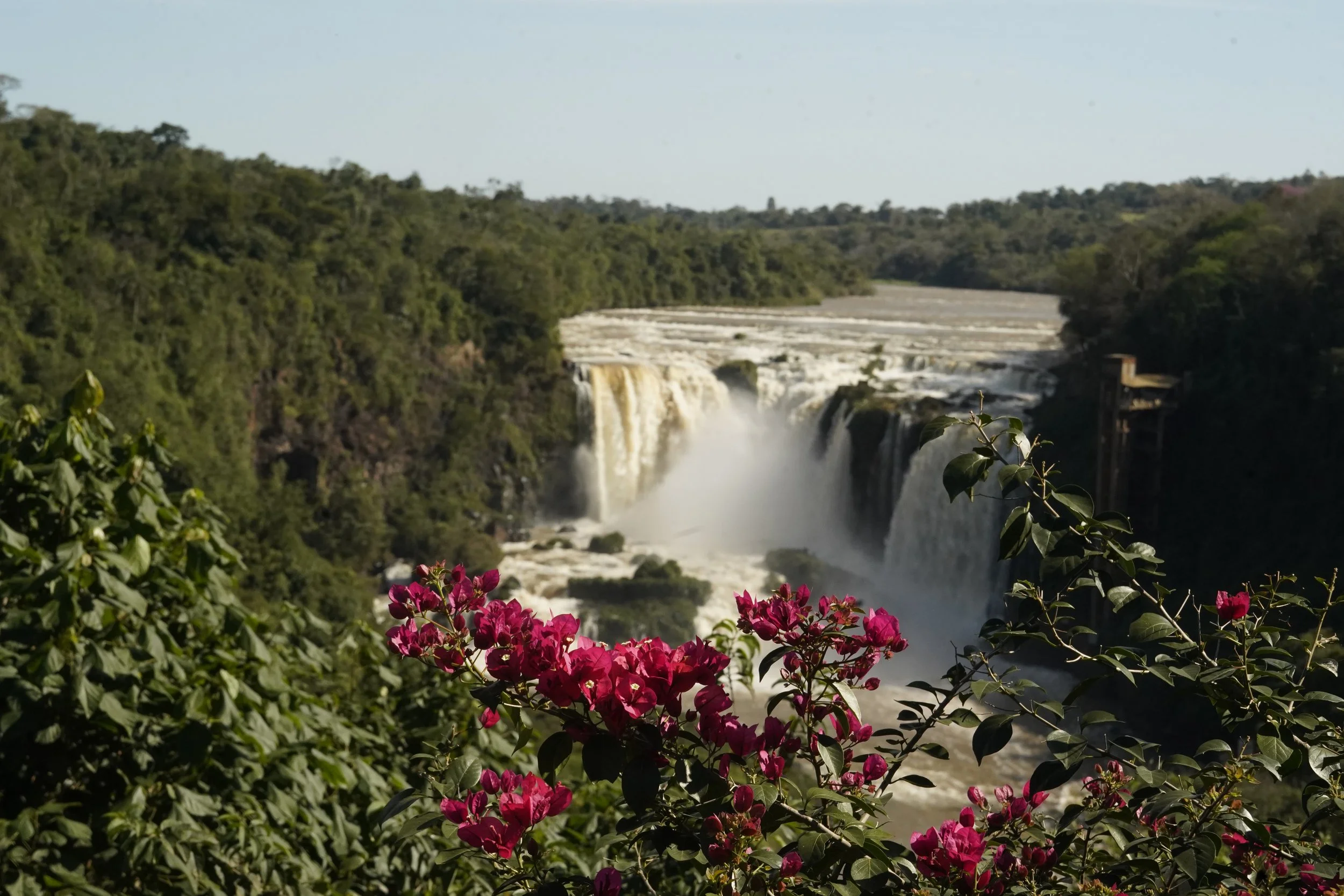
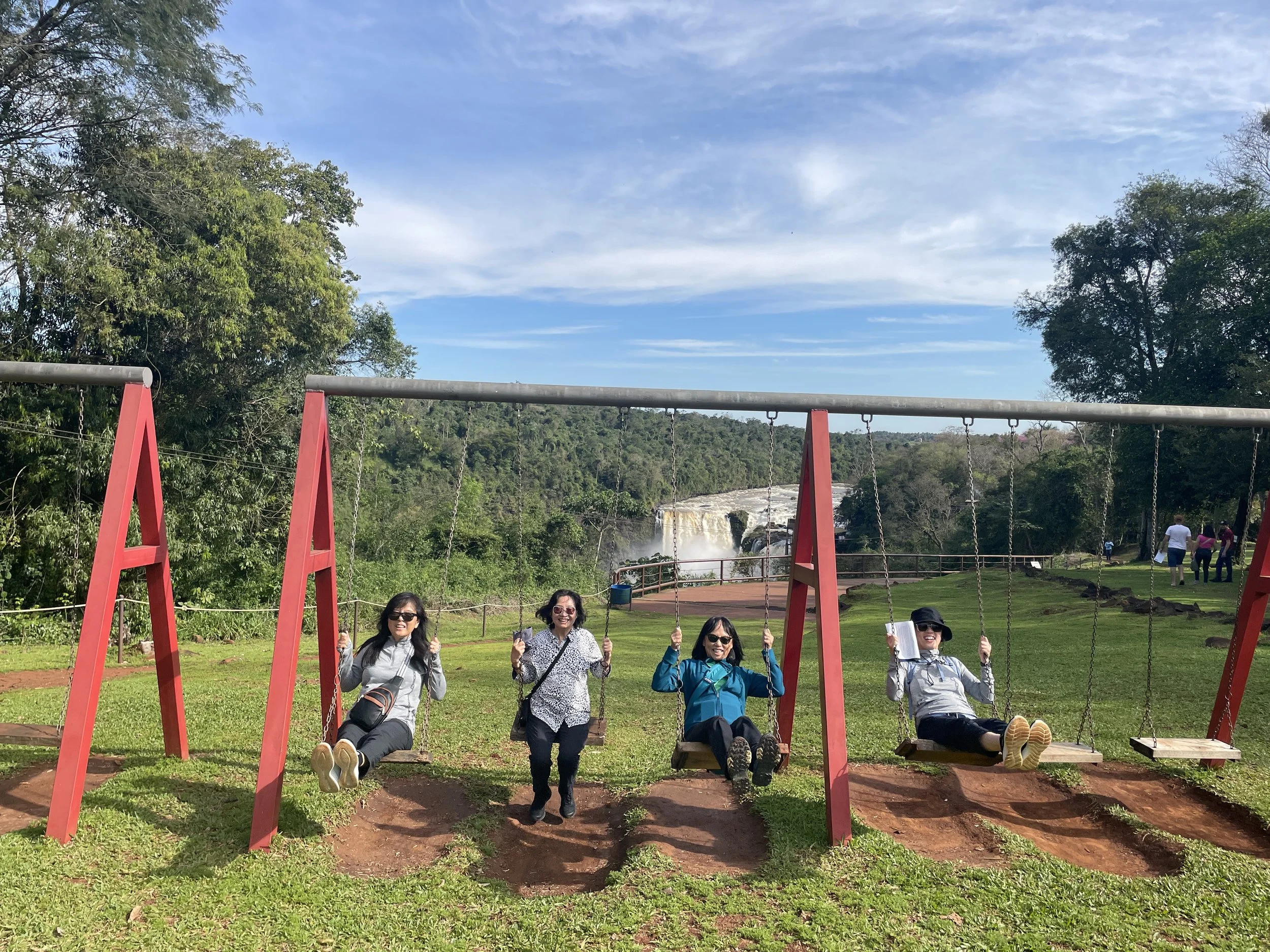
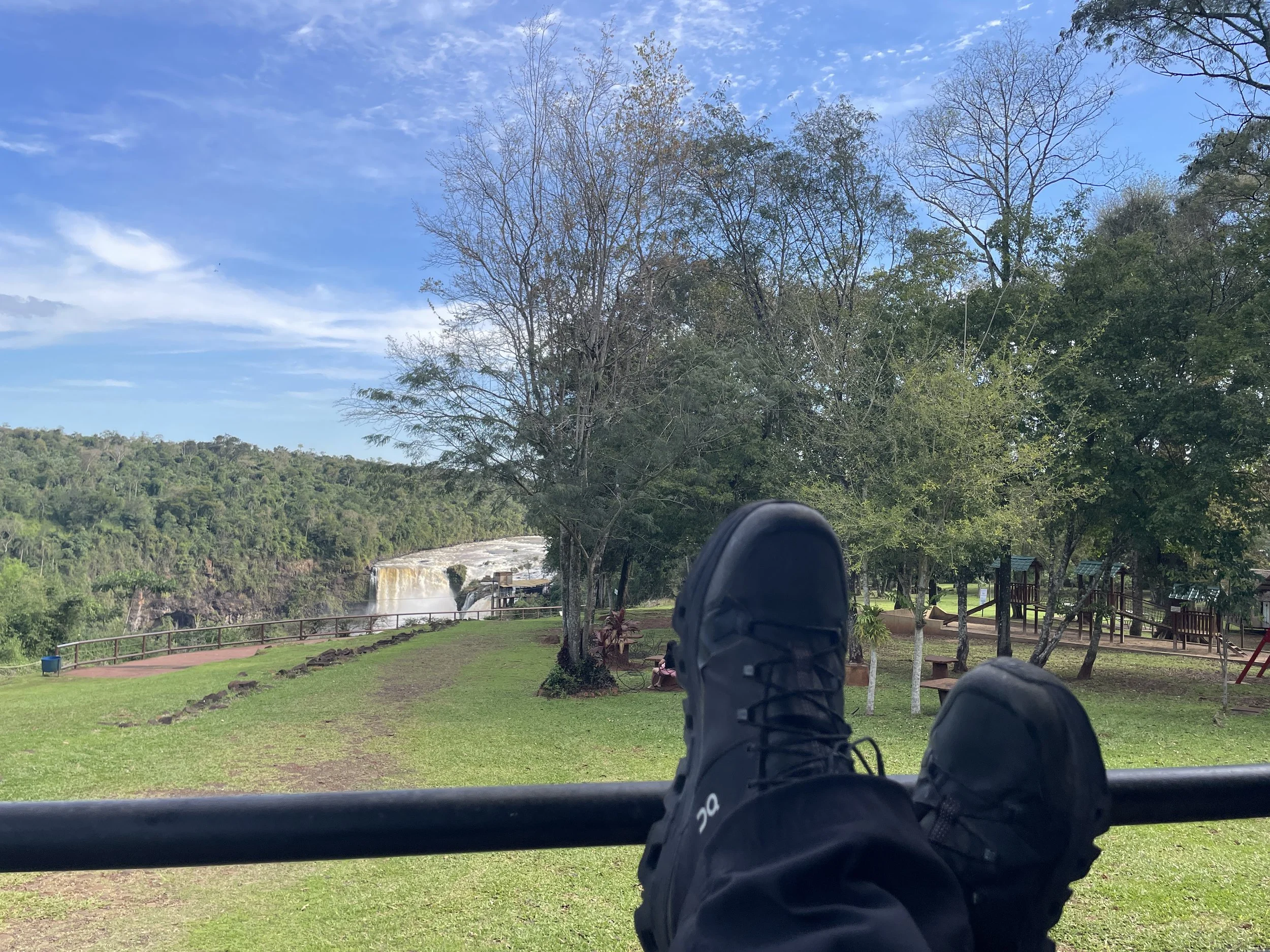
Instead of shopping, we continued 15 kilometers inland to visit Monday Falls. Although marvelous in its own right—comparable perhaps to Huangguoshu Waterfall (黄果树大瀑布) in China—it felt like a miniature compared to the grandeur of Iguazú. Still, the peaceful park, nearly empty of tourists, gave us time to enjoy the cascades at our own pace.
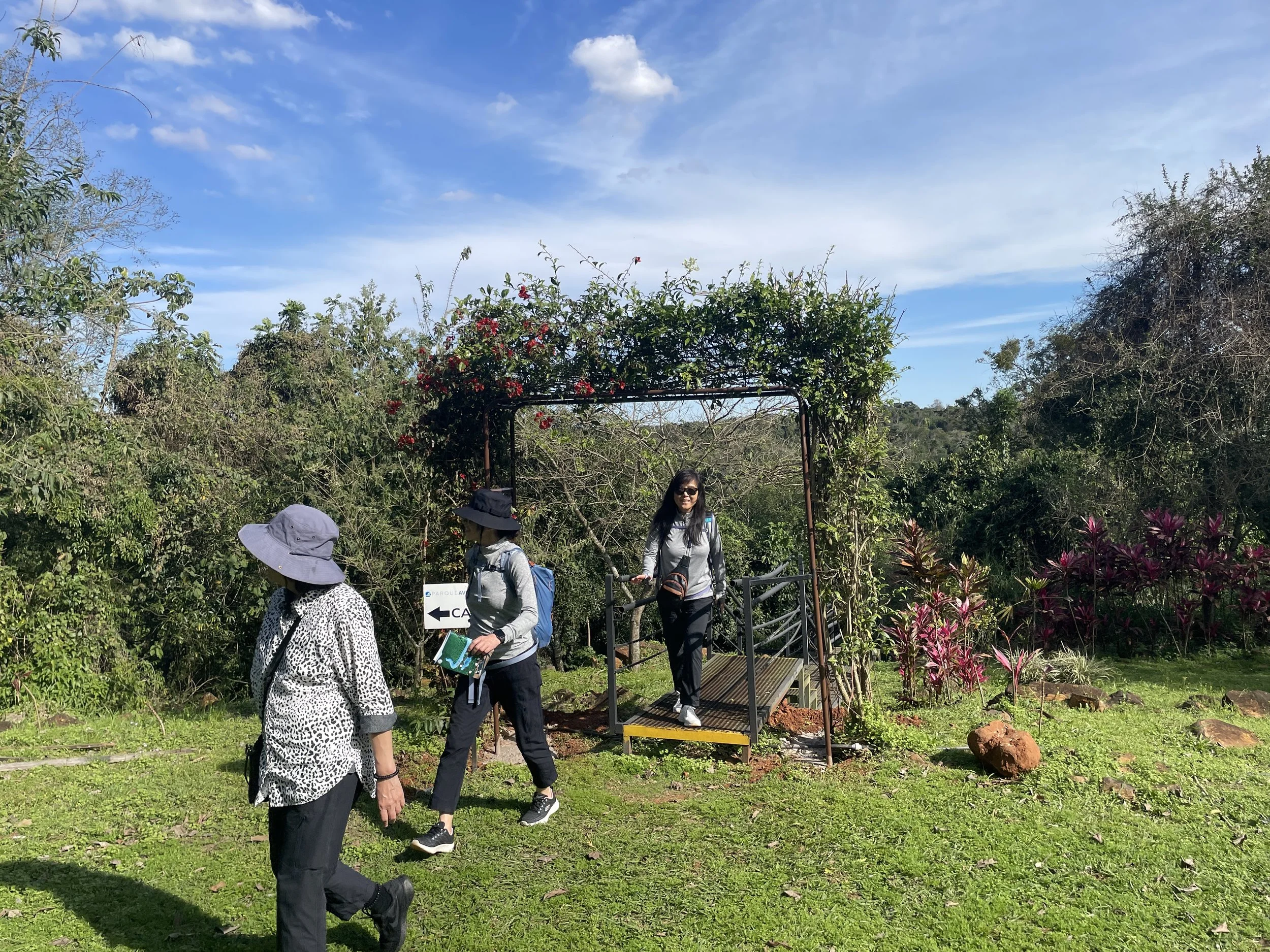


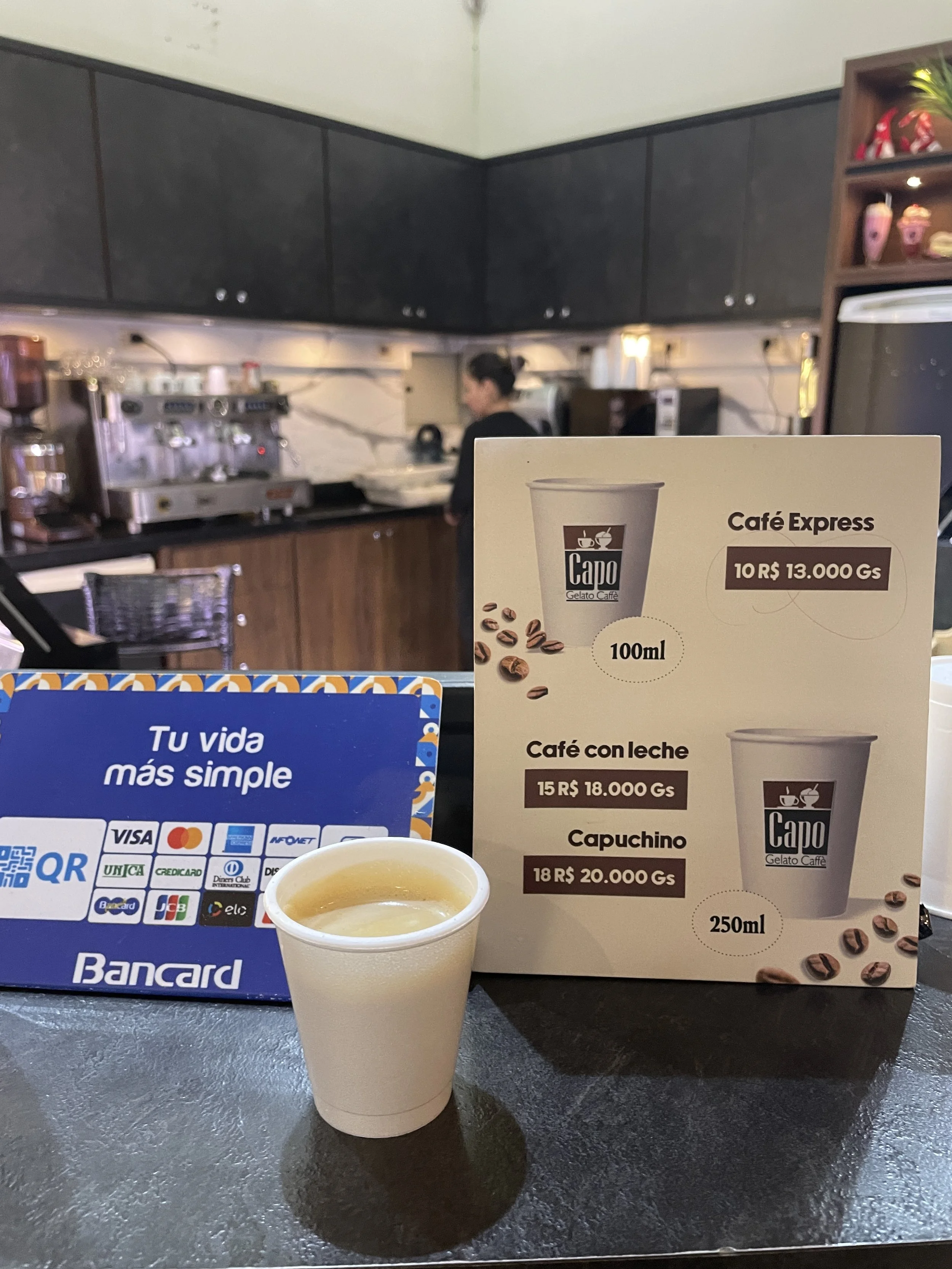
On the way back, we stopped at a shopping mall for local ice cream, beer, and coffee, celebrating the thrill of adding a new country to our journey.
二零二五年八月二十八日
今天我们与阿根廷道别。在旅馆吃了早餐,八点司机准时来接,送我们到边境。我们选用的包车公司阿根廷和巴西二边的服务真是无缝衔接。公司在巴西的包车司机在阿根廷海关迎接我们,他详细告知我们如何办理出境手续。因为我们是包车,几乎没有排队,仅五分钟就完成过境。但我们看到自驾车和出租车过境却排起了长队。
换上巴西司机的车后,我们过桥进入巴西一侧,美国公民进巴西需要提前申请签证。下车进海关盖上入境章,手续同样简便顺利。接着先把行李放到今晚入住的旅馆,然后司机载着我们直奔巴西一侧的伊瓜苏国家公园。
我们是最早入园的一批游客,搭上公园的双层巴士来到步道口。巨大的瀑布群扑面而来,轰鸣如雷,水雾弥漫。沿着步道走到魔鬼喉观景平台,眼前是汹涌的水流和缤纷的彩虹。由于步道修建得极其接近瀑布,我们全身湿透,但这种“身临其境”的体验非常震撼无以言表。瀑布与彩虹交织的画面,令人屏息,永远留在记忆中。
结束徒步后,我们在瀑布上面的露台上享用简单的炸鱼,炸鸡和薯条午餐,远眺瀑布。相比阿根廷一侧,巴西公园面积更小,通常三到四小时就能游览完毕。
下午一点半,司机再次来接我们,载着我们跨过另一条国界——进入巴拉圭。前几天得知它只隔一座大桥,我们临时决定增加这一站。这又是包车的好处,包车公司可以按照我们的要求随时作调整。司机告诉我们巴拉圭这里因低税率而成为巴西人的购物天堂,边境一带遍布现代化商场。一日游开放政策两岸人员自由来往,无需通关。
到达巴拉圭后,我们没有停留购物,而是驱车15 公里前往“星期一瀑布”。瀑布本身壮丽,或许堪比中国的黄果树瀑布,但与伊瓜苏相比只能算“小字辈”。园区内游客稀少,几乎被我们“包场”,反而倍感惬意。
返程途中,我们决定在边境旁的巴拉圭商场小憩,尝了当地的冰淇淋、啤酒和咖啡,为旅途中意外多踏足一个新国家举杯庆祝。
Iguazú Falls 阿根廷伊瓜苏瀑布
August 27, 2025
After a hearty breakfast, our driver met us promptly at 8 a.m……
在享用过丰盛的早餐后,包车司机准时在早上 8 点来到旅大堂接我们。。。
August 27, 2025
After a hearty breakfast, our driver met us promptly at 8 a.m. in the lodge lobby and drove us to the entrance of Iguazú National Park on the Argentine side. Thanks to arriving early and having purchased tickets online, we breezed through the gates without delay.
Our adventure began with Gran Aventura, a thrilling combination of a jungle truck ride and a speedboat journey up the Iguazú River. The boat roared straight into the spray beneath several mighty cascades, including San Martín and Tres Mosqueteros. From the river, the view of the waterfalls was absolutely breathtaking—walls of water crashing all around us. Within minutes we were completely drenched, as if caught under a giant natural shower.
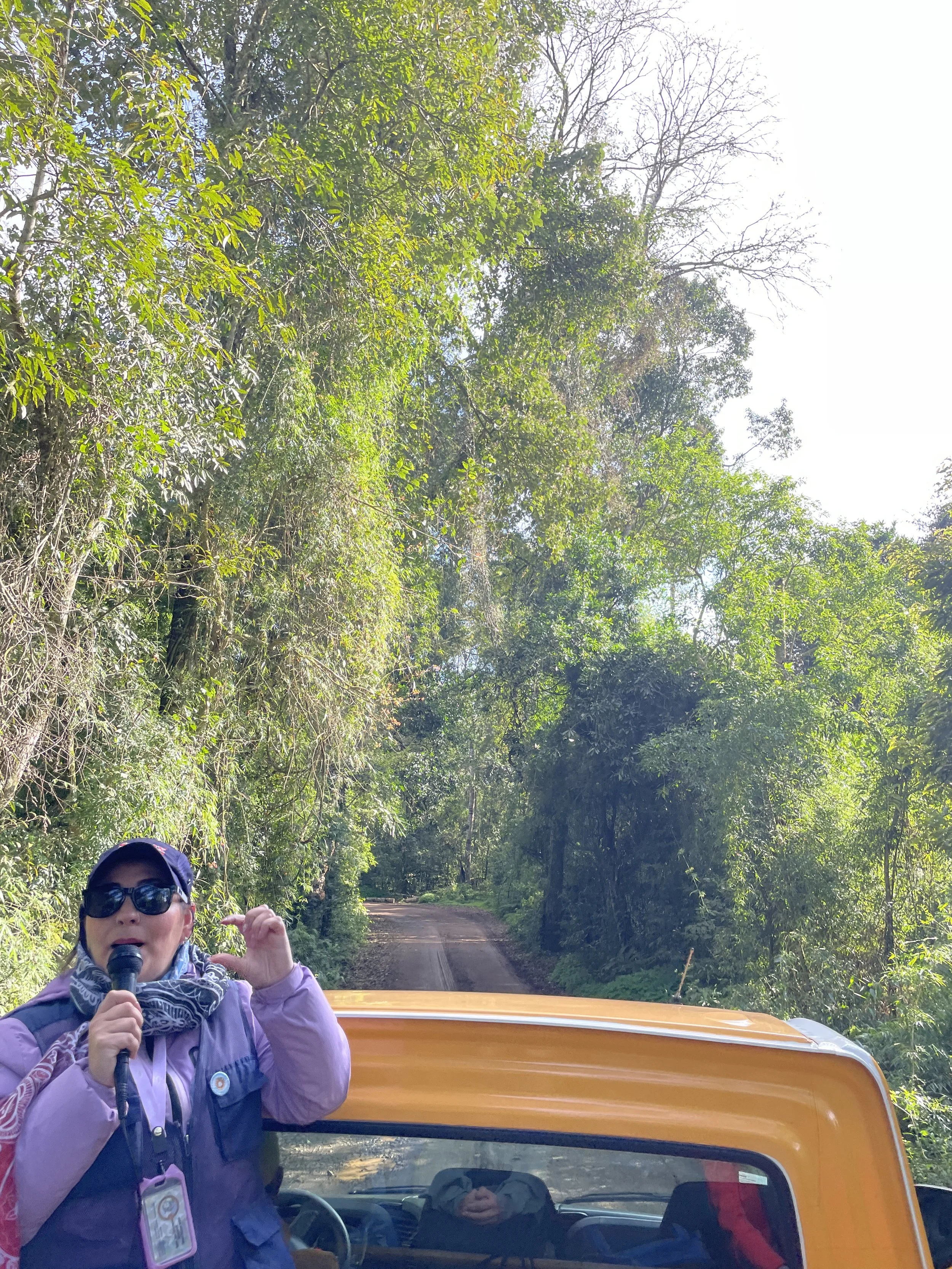


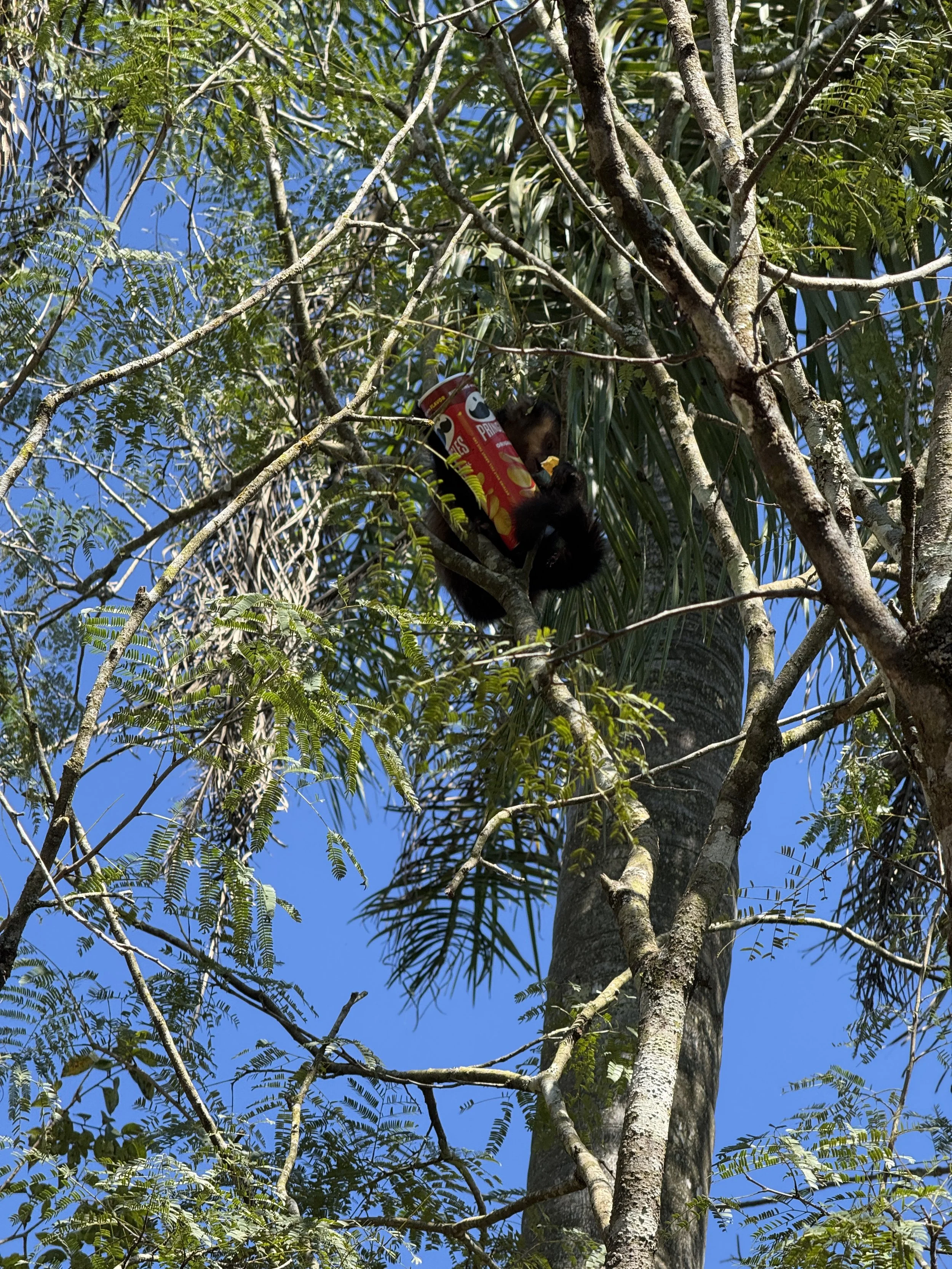
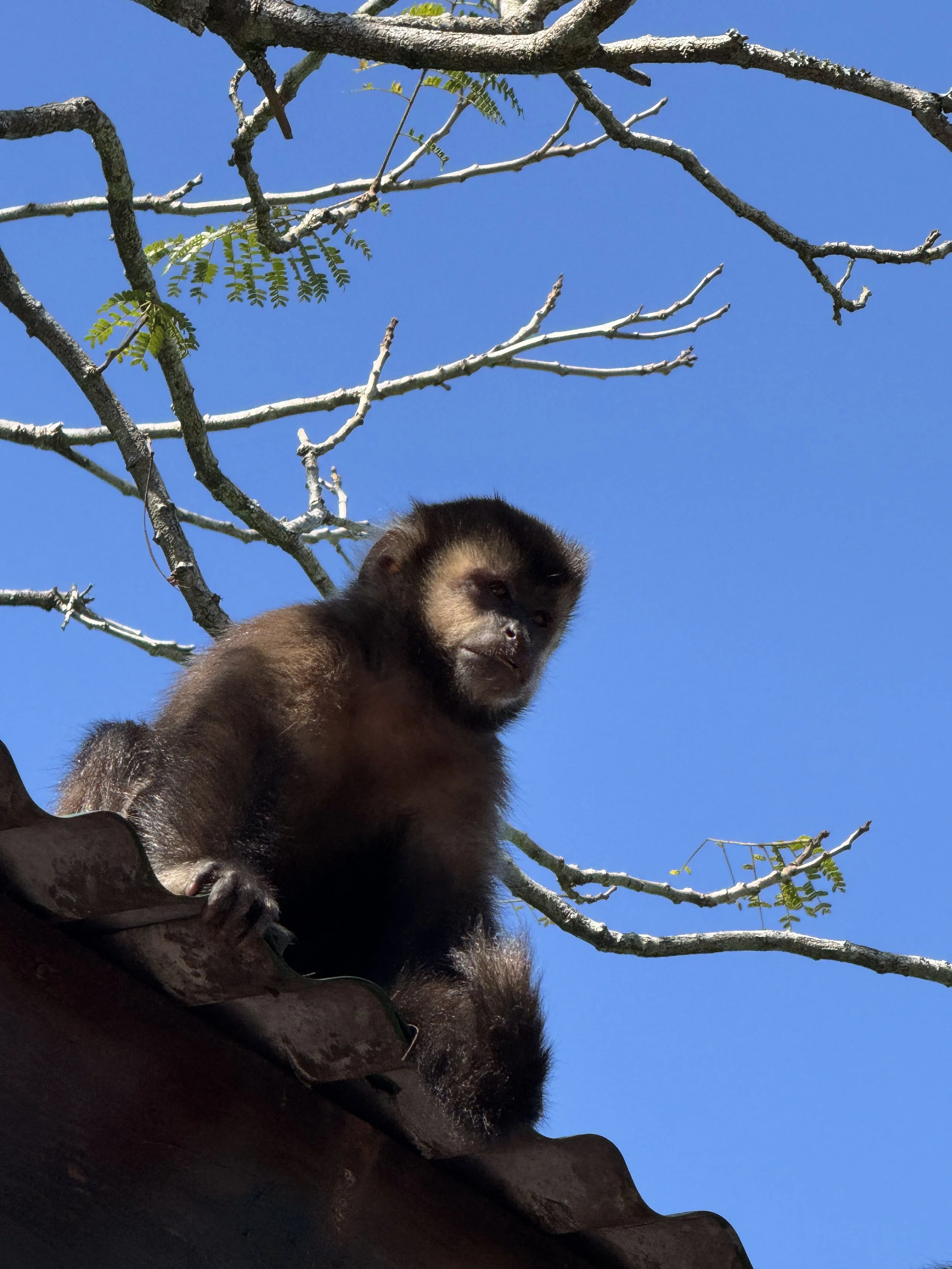
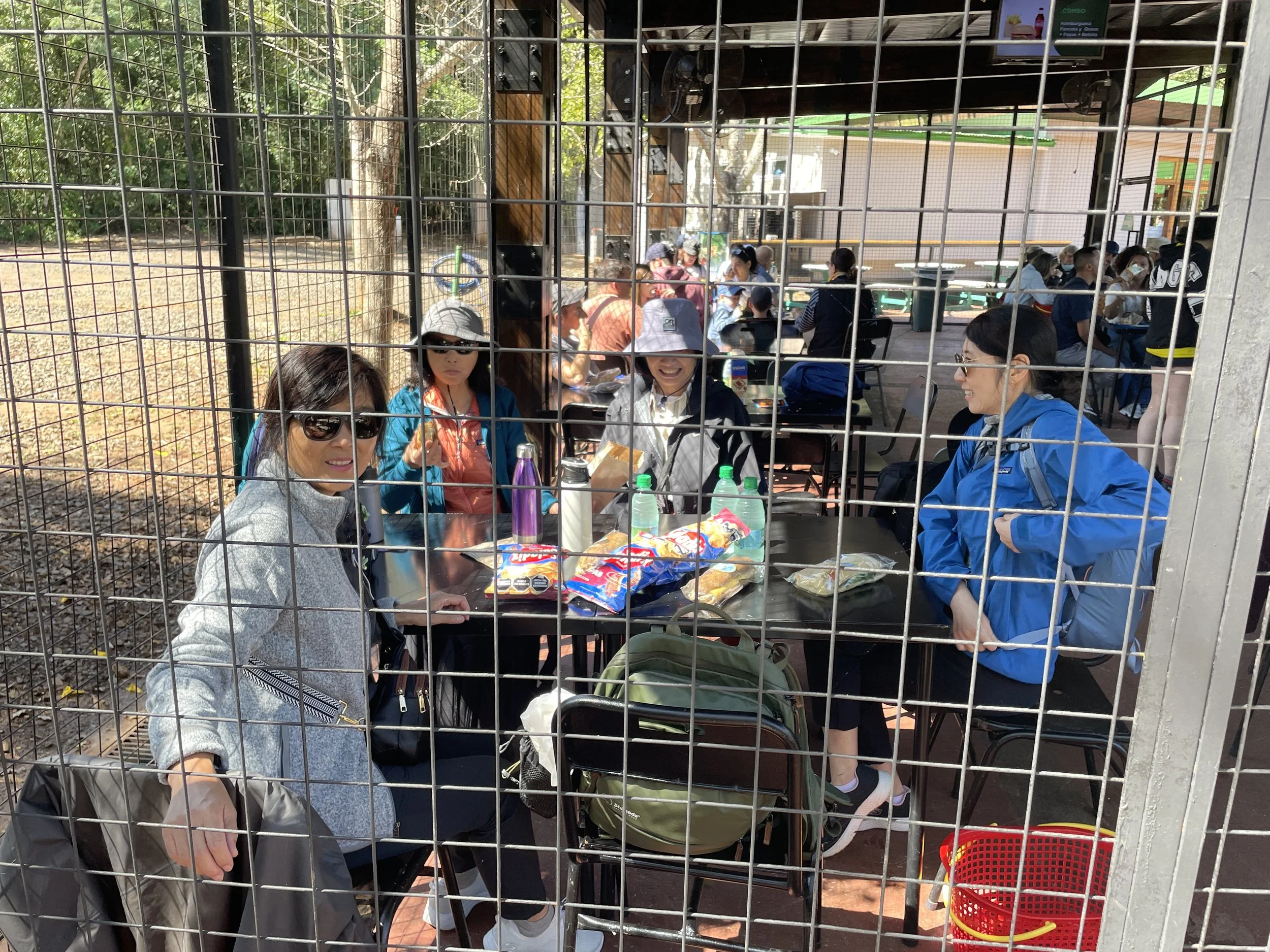
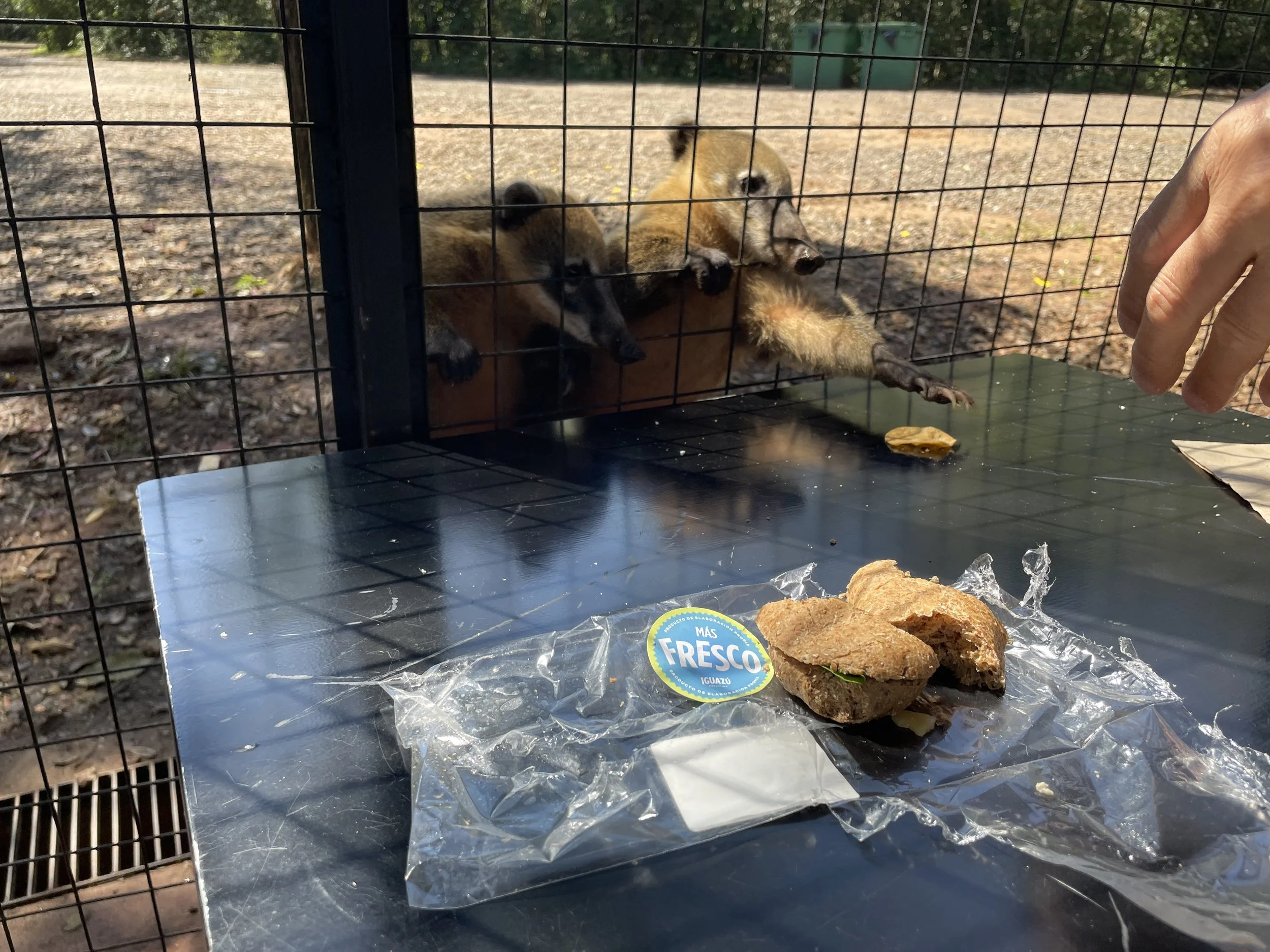
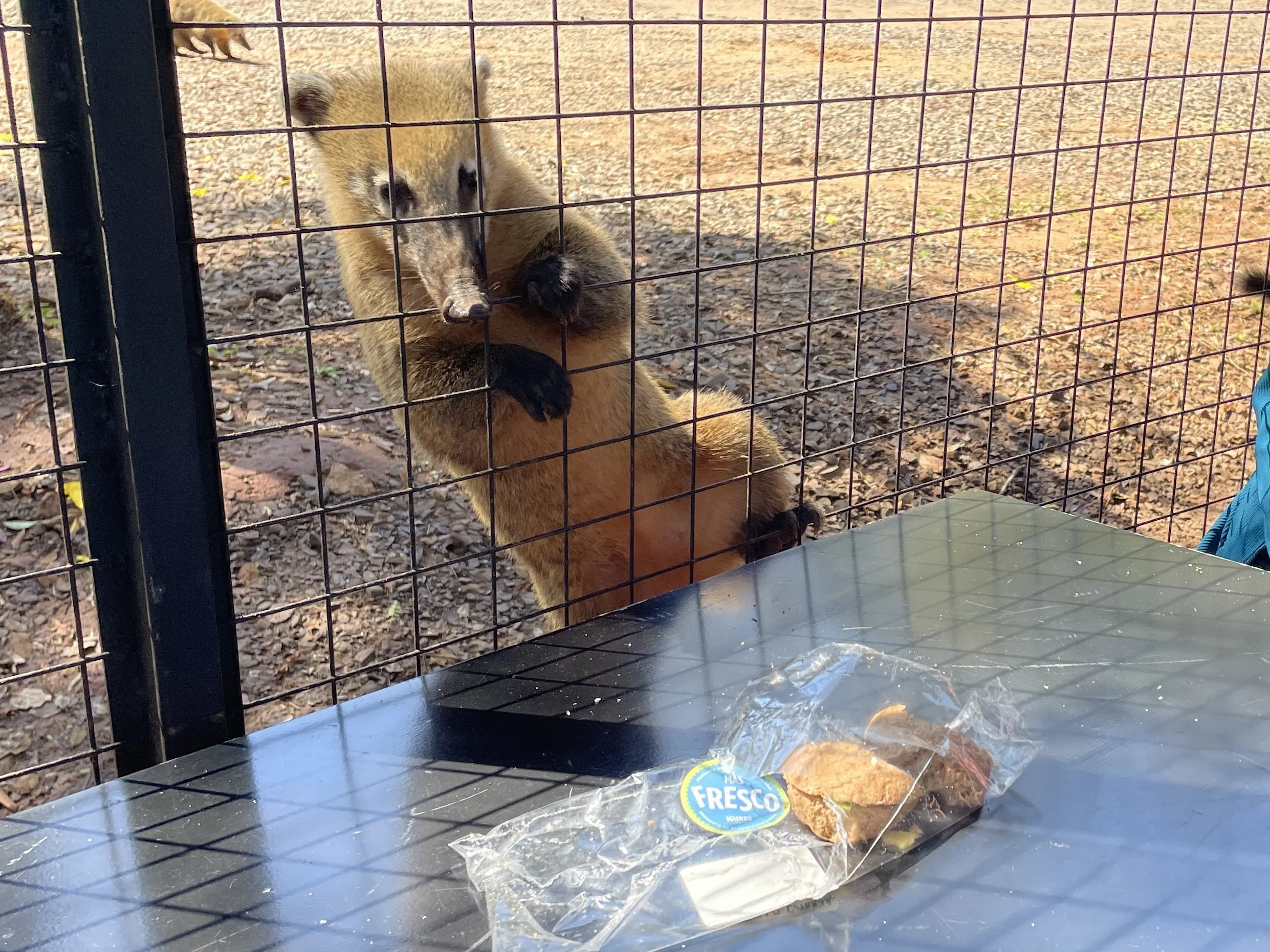
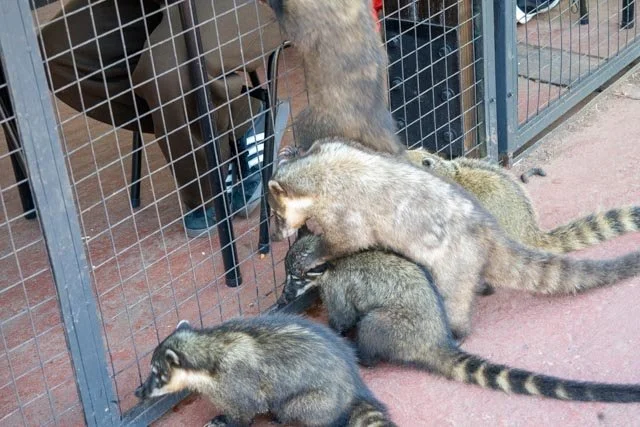
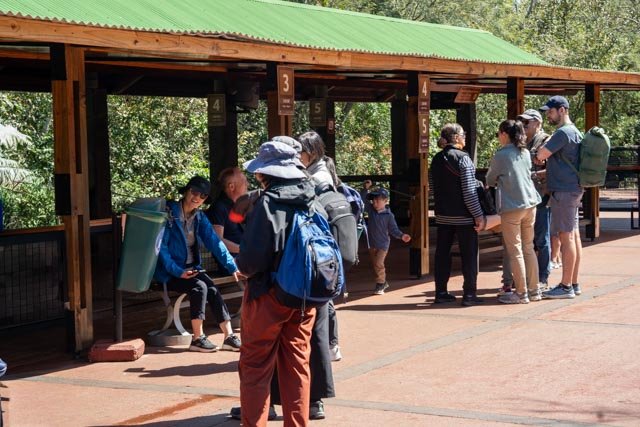
Back on land, we changed into dry clothes and walked over to the train station for the trip to Devil’s Throat (Garganta del Diablo). Even though the ride is included in the park admission, we still had to pick up tickets for specific time slots. With an hour to spare, we grabbed a simple lunch—though we quickly realized we were not alone. Mischievous monkeys and bold coatis swarmed the picnic area, constantly scheming to snatch tourists food. We had to sit inside the wired cage to protect us. At times it felt as if we were the ones inside the zoo enclosure, watching them poke their paws through the wire mesh to steal a bite. Amusing and chaotic, it turned lunch into quite a show.



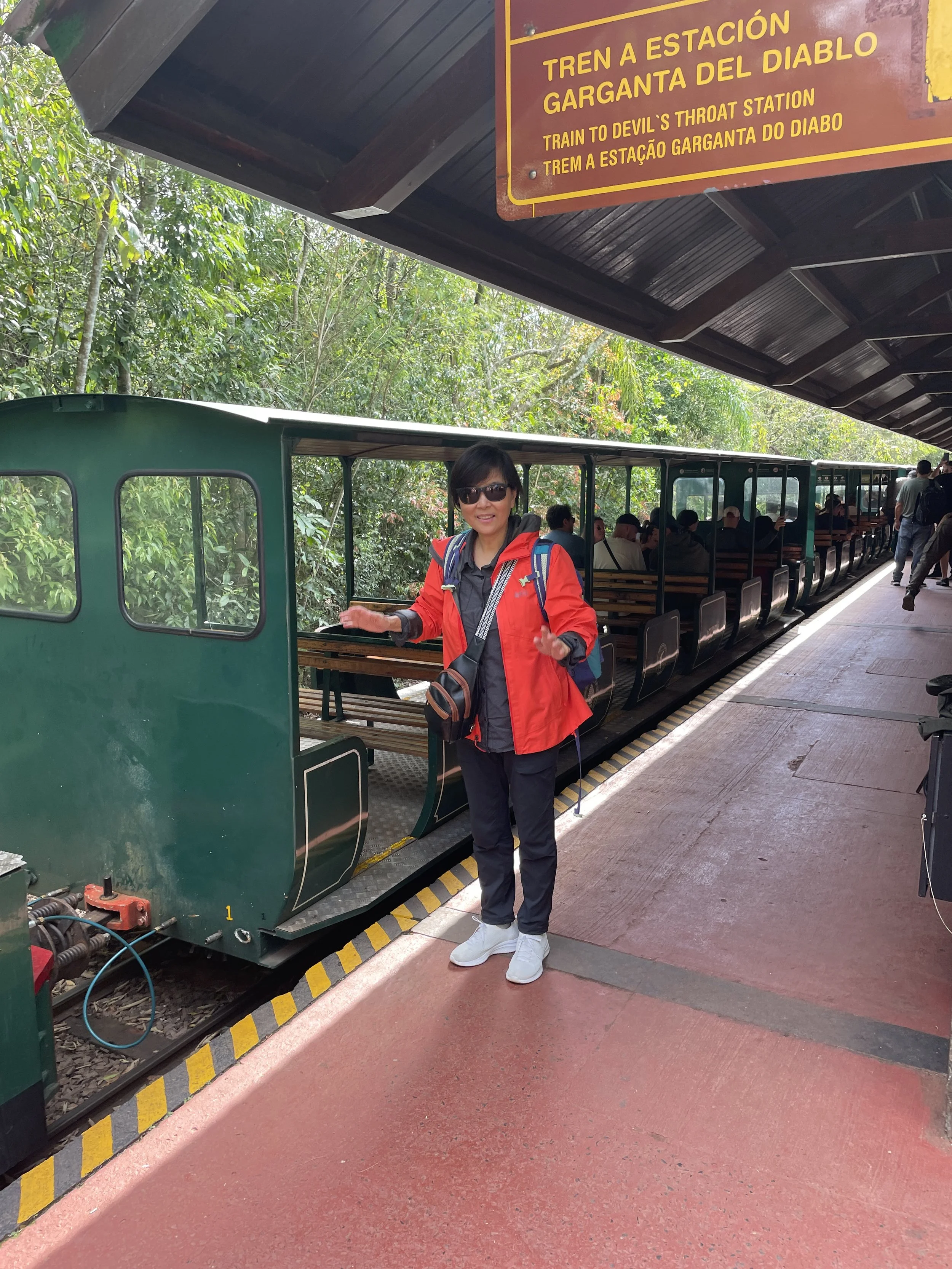
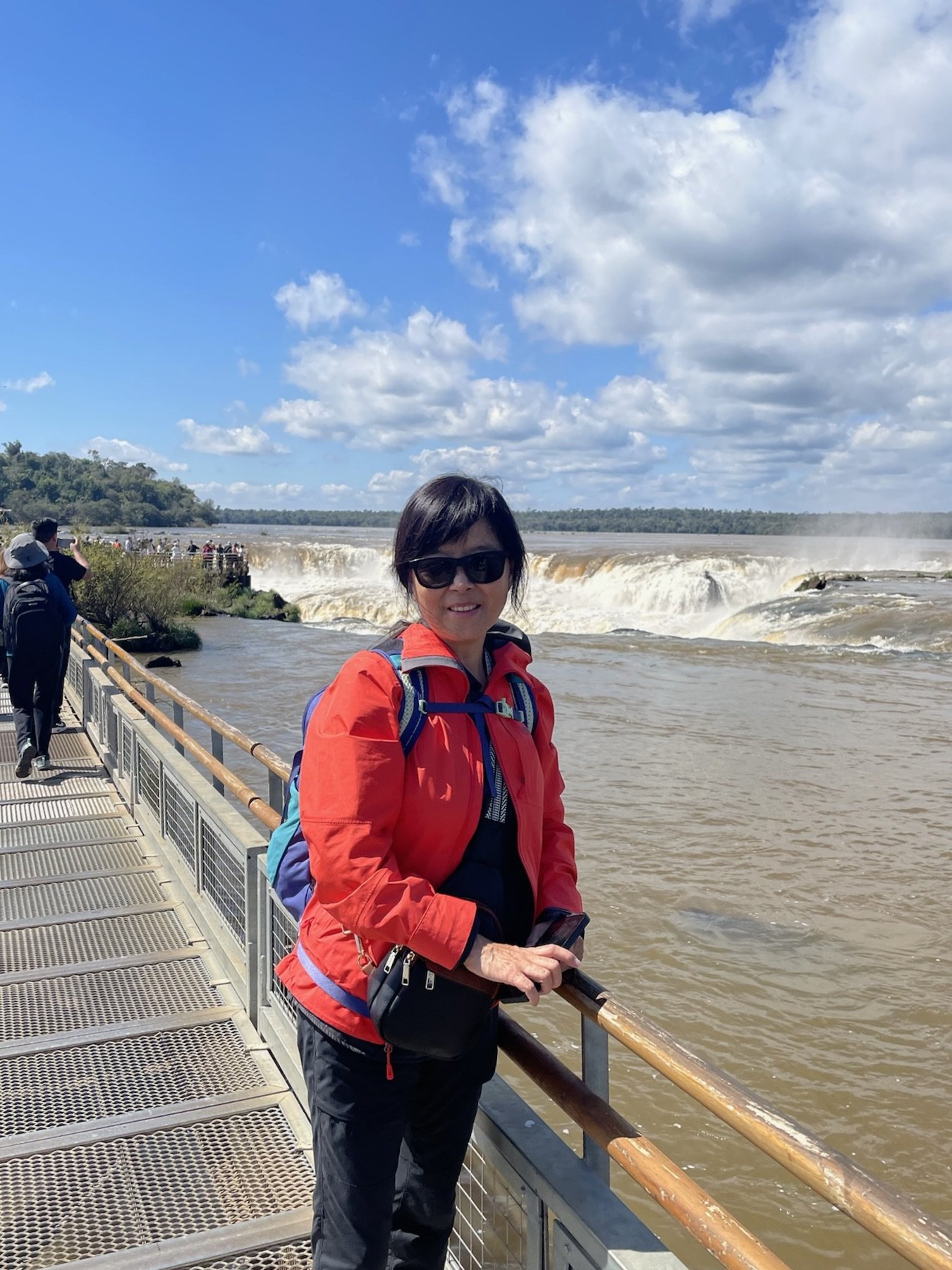
The train eventually dropped us at the trailhead for Devil’s Throat. The walkway stretched across shimmering wetlands, leading us to a massive platform directly above the roaring chasm. Although the trail itself was only about 1.4 miles long, it took us two hours to complete, as we lingered at every turn for photos of the magnificent panorama. Standing at the edge, with spray rising like smoke from the thunderous gorge, was nothing short of awe-inspiring.

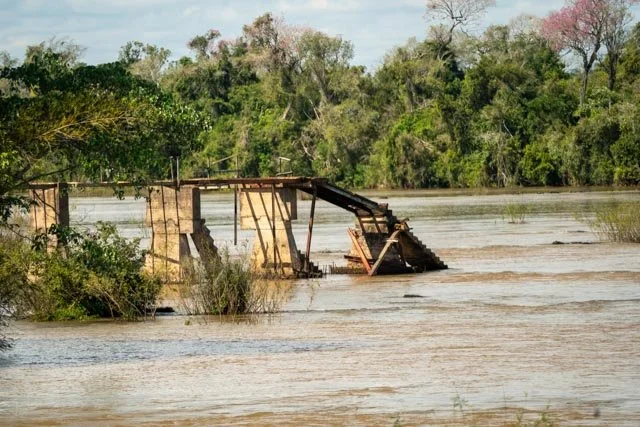
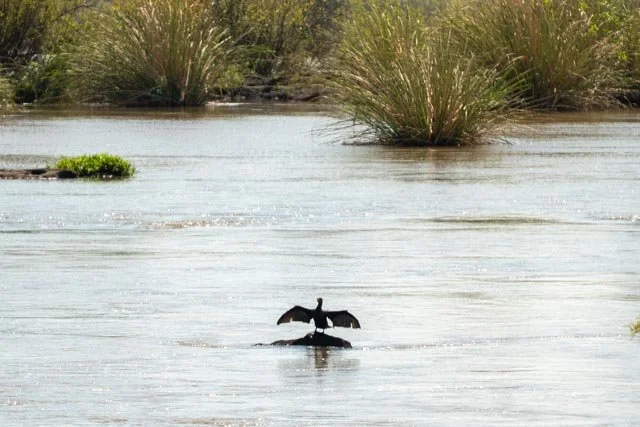

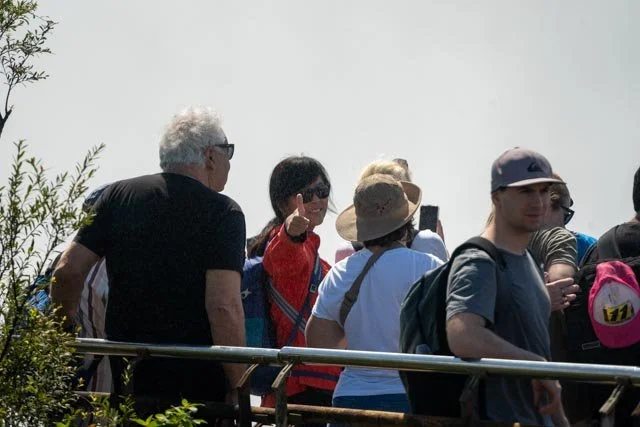
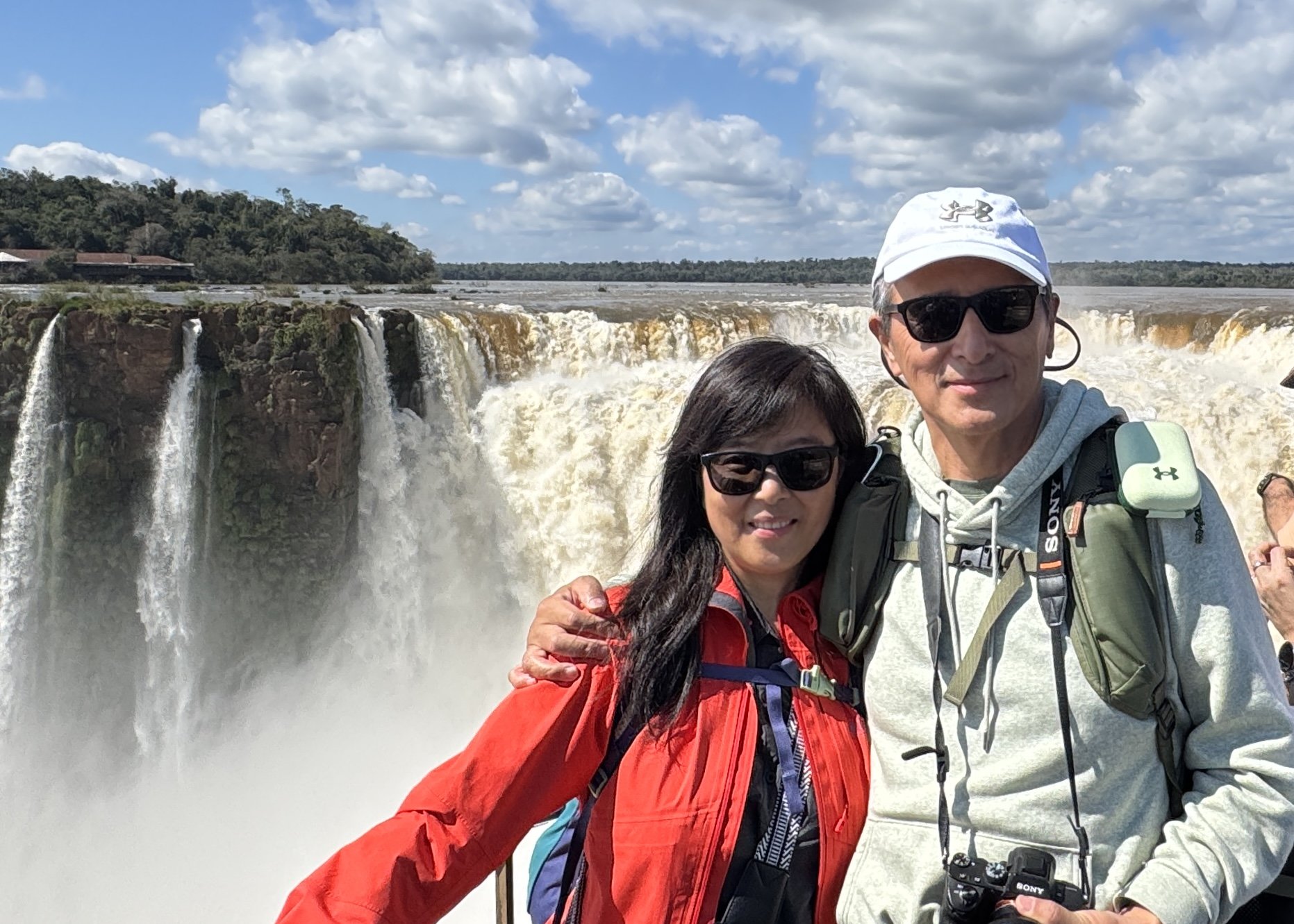


After returning by train to the central station, we set out on both the Upper Circuit and Lower Circuit trails. Each offered unique perspectives of the waterfalls, equally stunning in their own way. Losing track of time, we messaged our driver to extend pickup by an hour—a luxury of having private transportation. That extra time allowed us to soak in the park’s beauty without rushing.
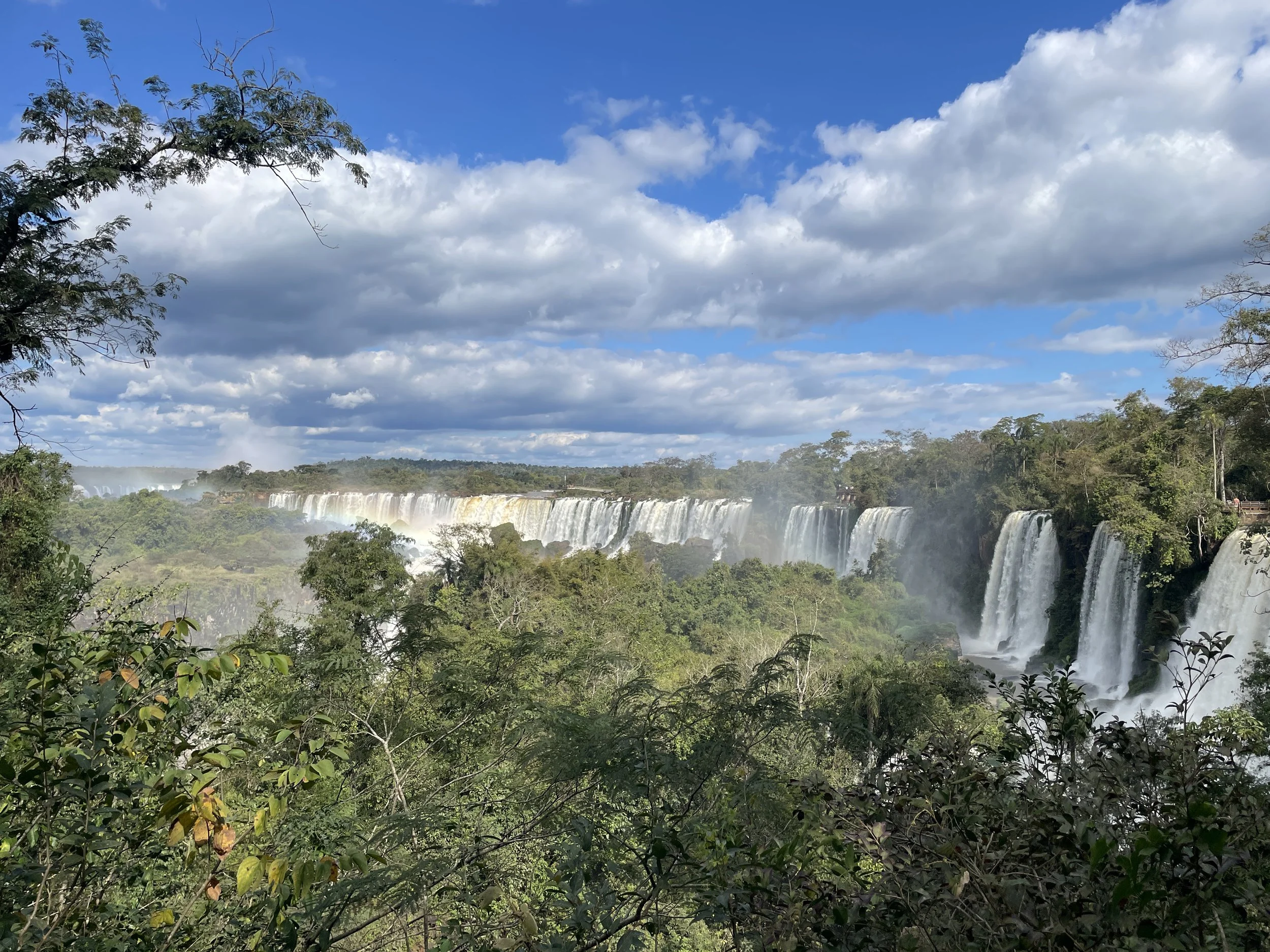

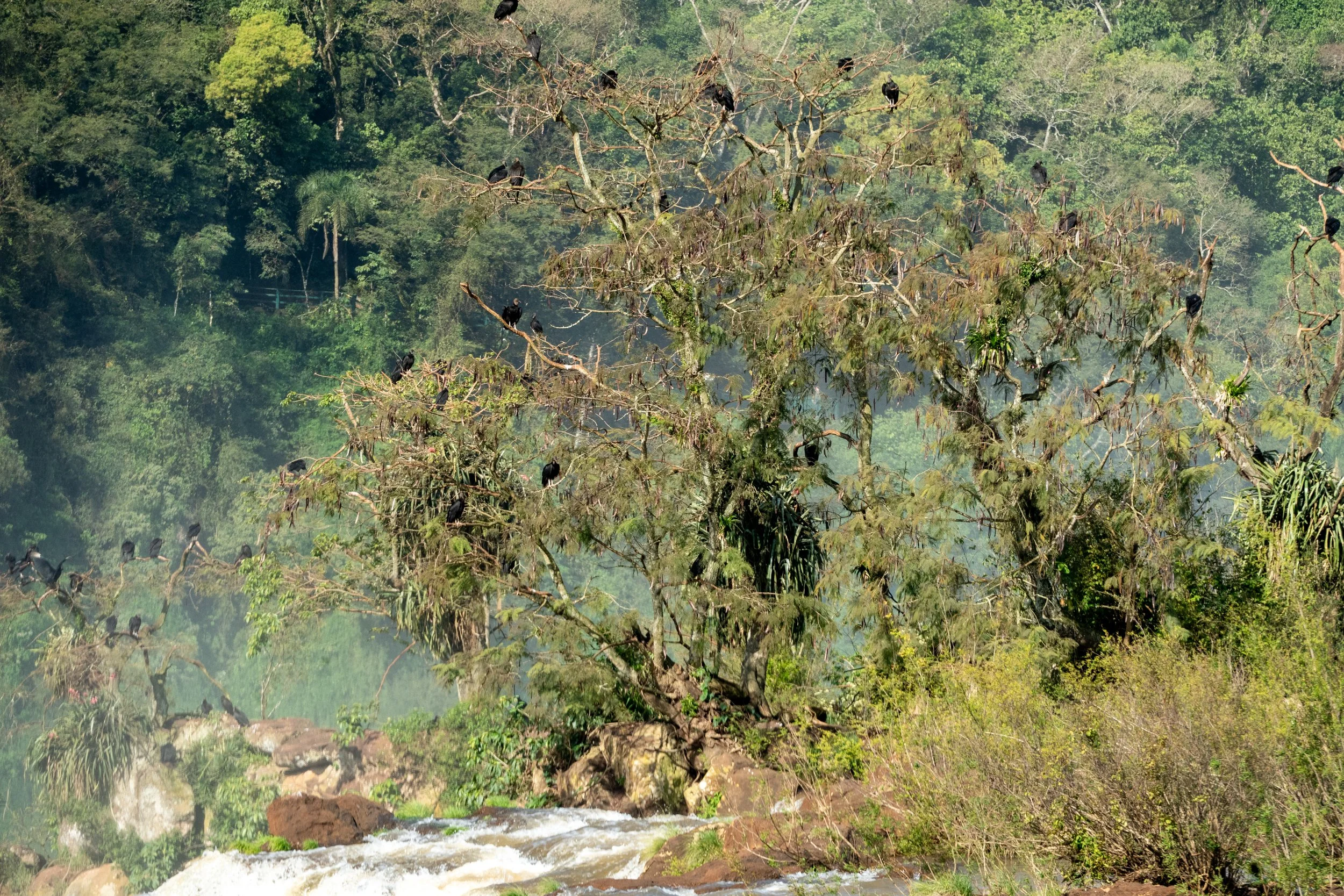
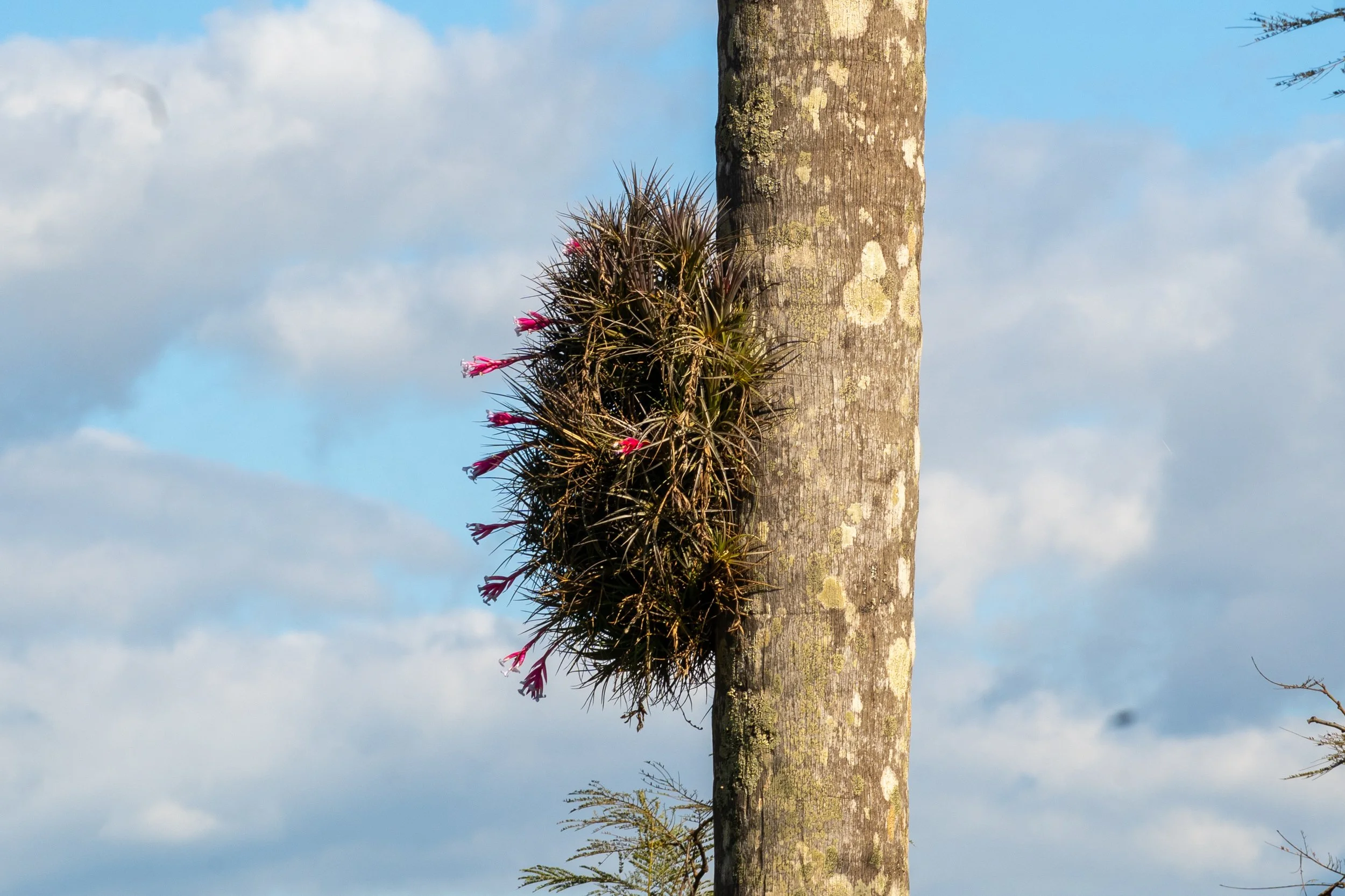
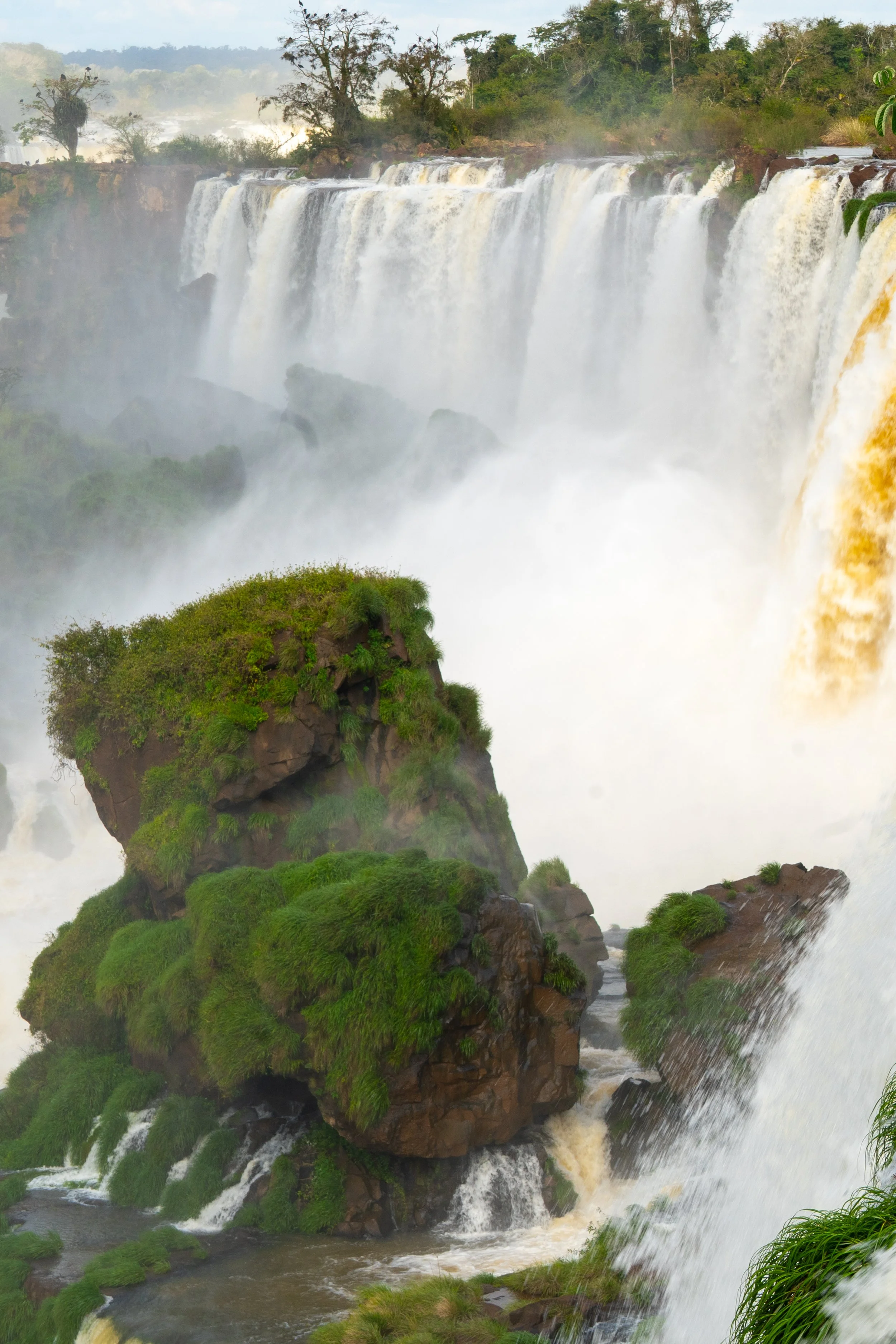
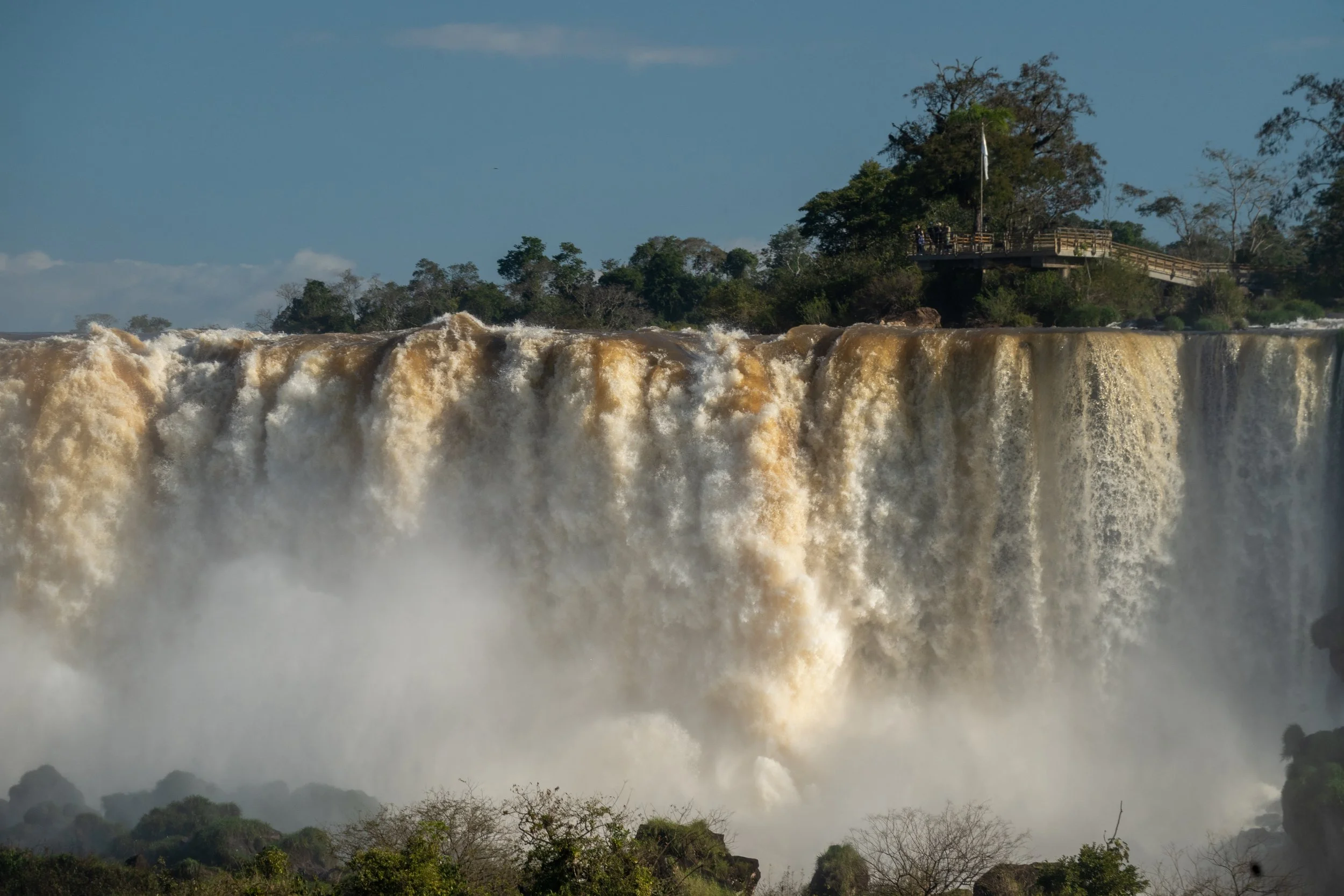


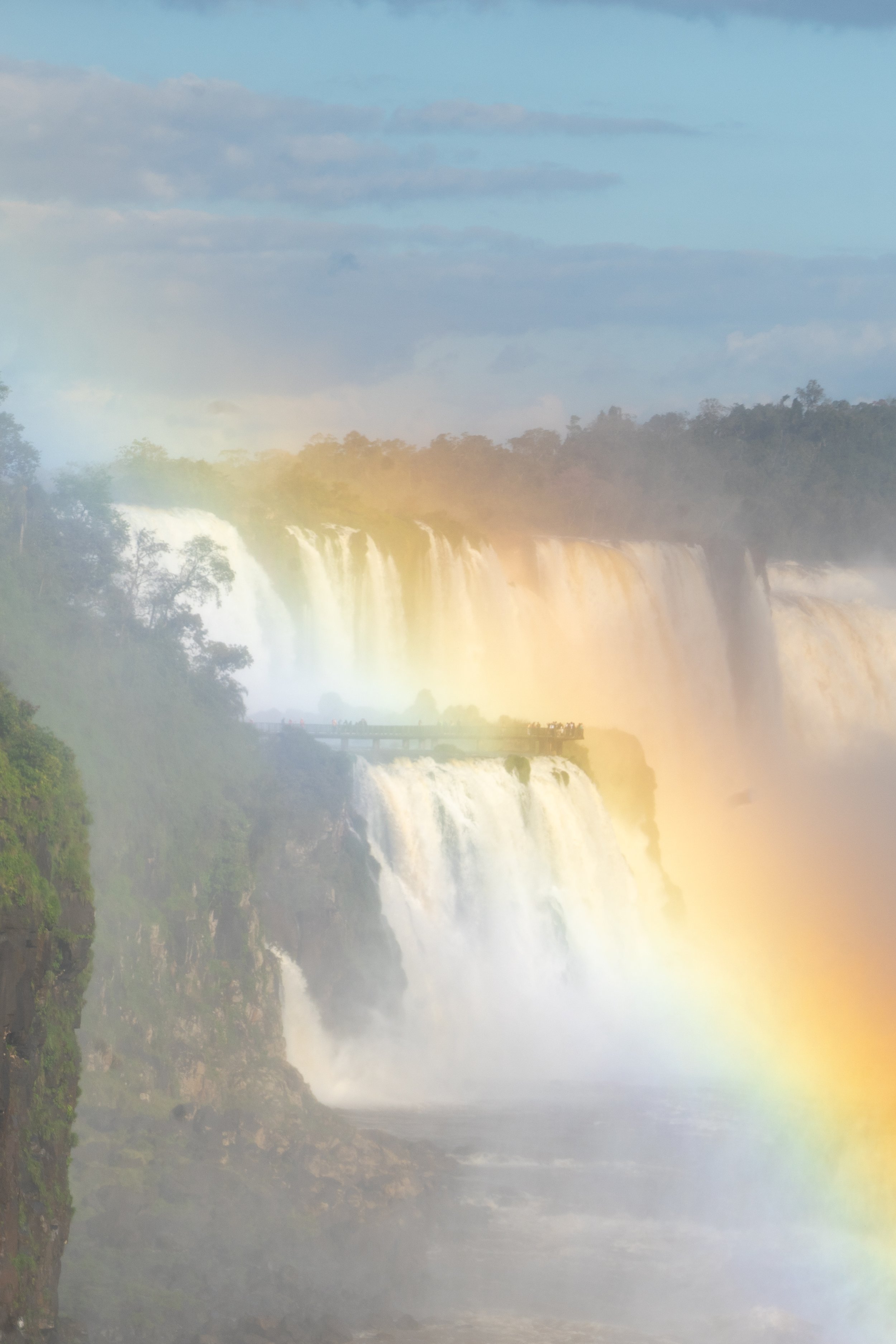
Back at the lodge, we rested briefly before heading into town for dinner. At Aqva Restaurant, we savored one final indulgence in Argentine cuisine, raising a toast to a day filled with adventure, nature, and unforgettable memories.
二零二五年八月二十七日
在享用过丰盛的早餐后,包车司机准时在早上 8 点来到旅大堂接我们,驱车前往阿根廷一侧的伊瓜苏国家公园 (Iguazú National Park)。因为到得早,又提前在网上买好了门票,我们顺利而快捷地进入了园区。
我们的行程从 Gran Aventura 开始,我们也是提前在网上买好了票。这是一项结合丛林卡车与快艇冲锋的探险项目。去看瀑布之前,与朋友们一起讨论是否要参加坐船冲瀑布(阿根廷)还是坐船看瀑布(巴西),最后大家一致认为要体验一下更刺激阿根廷边的坐船冲瀑布。丛林卡车带着我们来到水边,每人发一个防水袋将自己的物品放入其中。快艇逆流而上,没多久便来到瀑布前,先转着让大家看看,然后就直接冲入圣马丁瀑布 (San Martín) 和三剑客瀑布 (Tres Mosqueteros) 的水雾之中。瀑布如白色巨墙般从天而降,气势磅礴,令人震撼。不到几分钟,我们就被彻底淋透,好似置身于大自然的豪华淋浴间。
回到岸上换好衣服后,我们走到小火车站,准备前往著名的魔鬼喉 (Devil’s Throat / Garganta del Diablo)。虽然车程已包含在门票里,但仍需领取对应时段的车票。在等待的一小时里,我们随便吃了点午餐,却被一群“捣蛋鬼”打扰——调皮的猴子和大胆的南美浣熊 (coatis) 四处徘徊,伺机抢夺游客的食物。为了安全,公园专门设置了铁丝网围起的大笼子让游客用餐,坐在里面仿佛成了动物园里的“展品”。那些南美浣熊很有攻击性,甚至会伸爪穿过铁网来偷食,闹剧般的场面既混乱又充满笑料。
小火车最终将我们送到魔鬼喉步道的起点。全程约 2.2 公里 (1.4 英里,往返) 的栈道横跨湿地,通向巨大的观景平台,俯瞰轰鸣的深壑。虽然路不长,但我们足足走了两个小时,因为一路上不停驻足拍照。站在平台边缘,瀑布水雾翻腾,宛如白烟冲天,声势震撼,令人屏息凝神。
返回中心车站后,我们又走了两条环线步道。上环线 (Upper Circuit,1.75 公里 / 1.1 英里) 提供居高临下的全景视角,而 下环线 (Lower Circuit,2.7 公里 / 1.7 英里) 则蜿蜒深入瀑布脚下,带来更加直接的震撼感。两条步道各有特色,同样令人惊叹。因流连忘返,我们只好给司机发讯息,将预定接我们的时间延后一小时——包车的灵活性尽显无疑。
回到旅馆稍作休息后,我们傍晚出门走到镇上,在 Aqva 饭店享用丰盛的晚餐。这是我们此行最后一次品尝阿根廷美食,我们举杯庆祝这一天的探险与奇景,也为阿根廷之行的圆满结束而干杯。
Hito Tres Fronteras 三国交界点
August 26, 2025
We had fallen in love with Buenos Aires,……
布宜诺斯艾利斯,这座城市优雅的建筑与干净整洁的街道令人着迷。。。
August 26, 2025
We had fallen in love with Buenos Aires, with its elegant architecture and clean, vibrant streets. Over five days, we fully embraced the city’s extensive bus system, hopping on and off like locals. At first, we were puzzled whenever drivers asked us something we didn’t understand—only later did we realize they were asking where we would get off so they could charge the correct fare. Instead, we were always charged the maximum price. Another discovery came too late: if we had registered our SUBE card, we would have received significant discounts. Valuable lessons for a future visit.
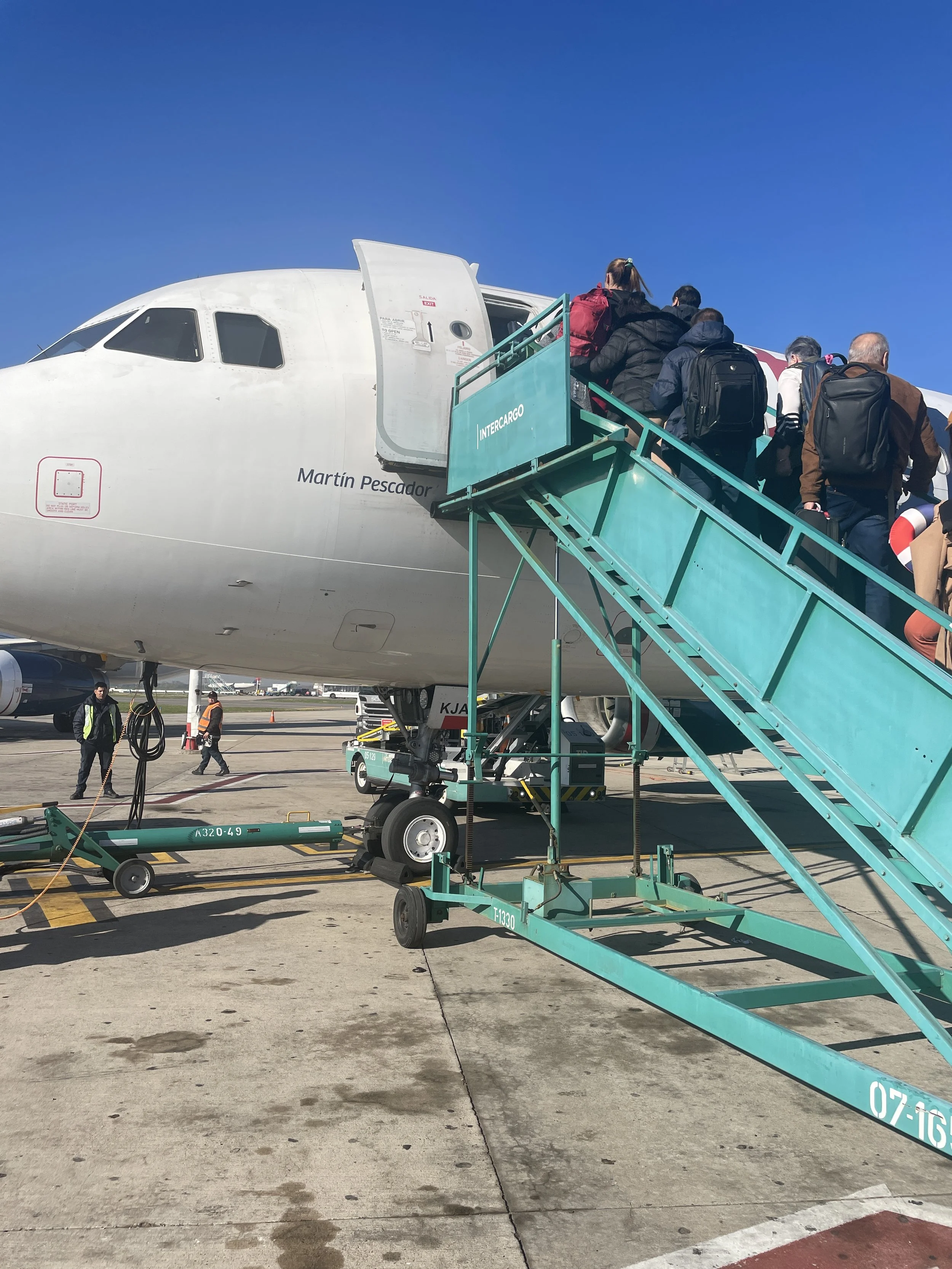
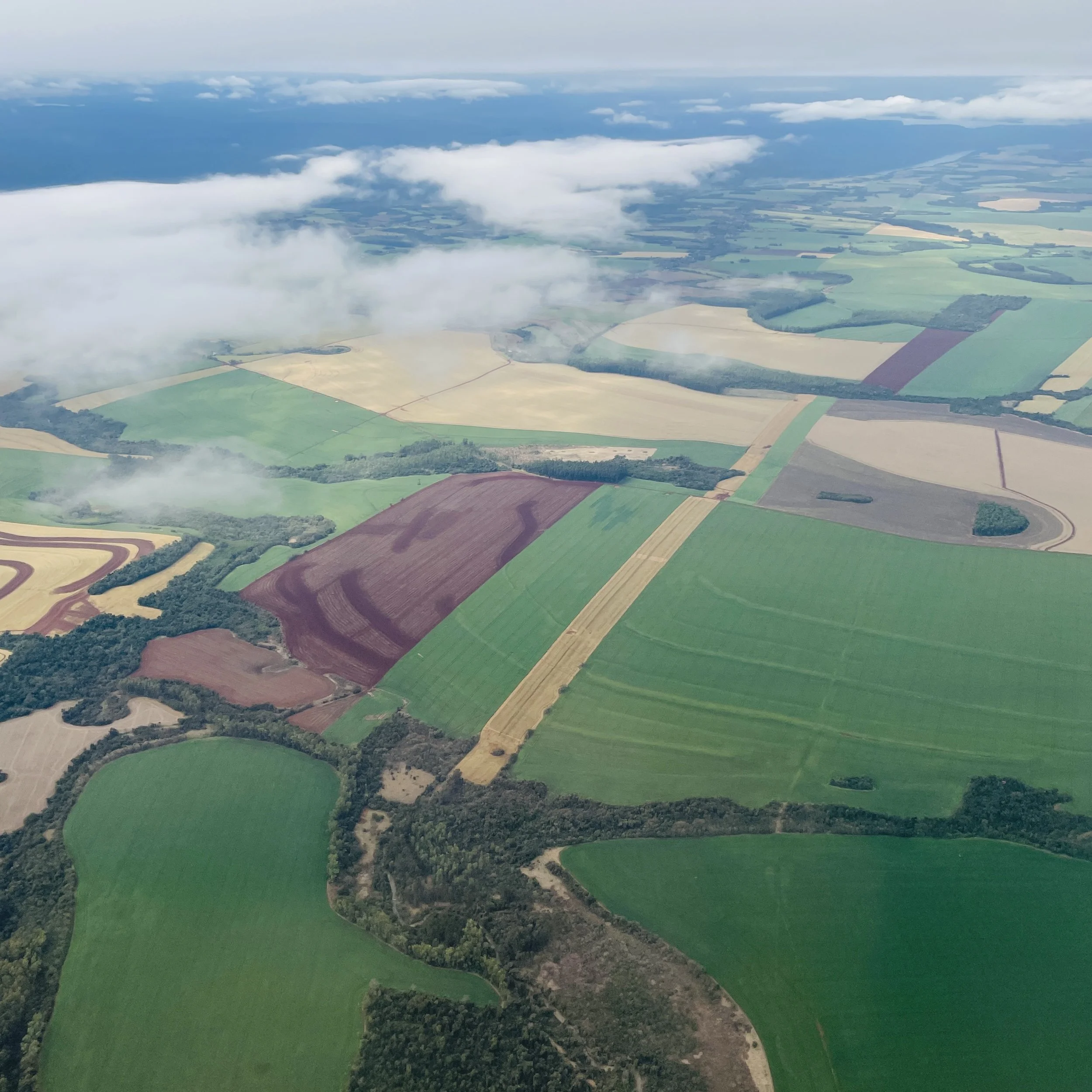
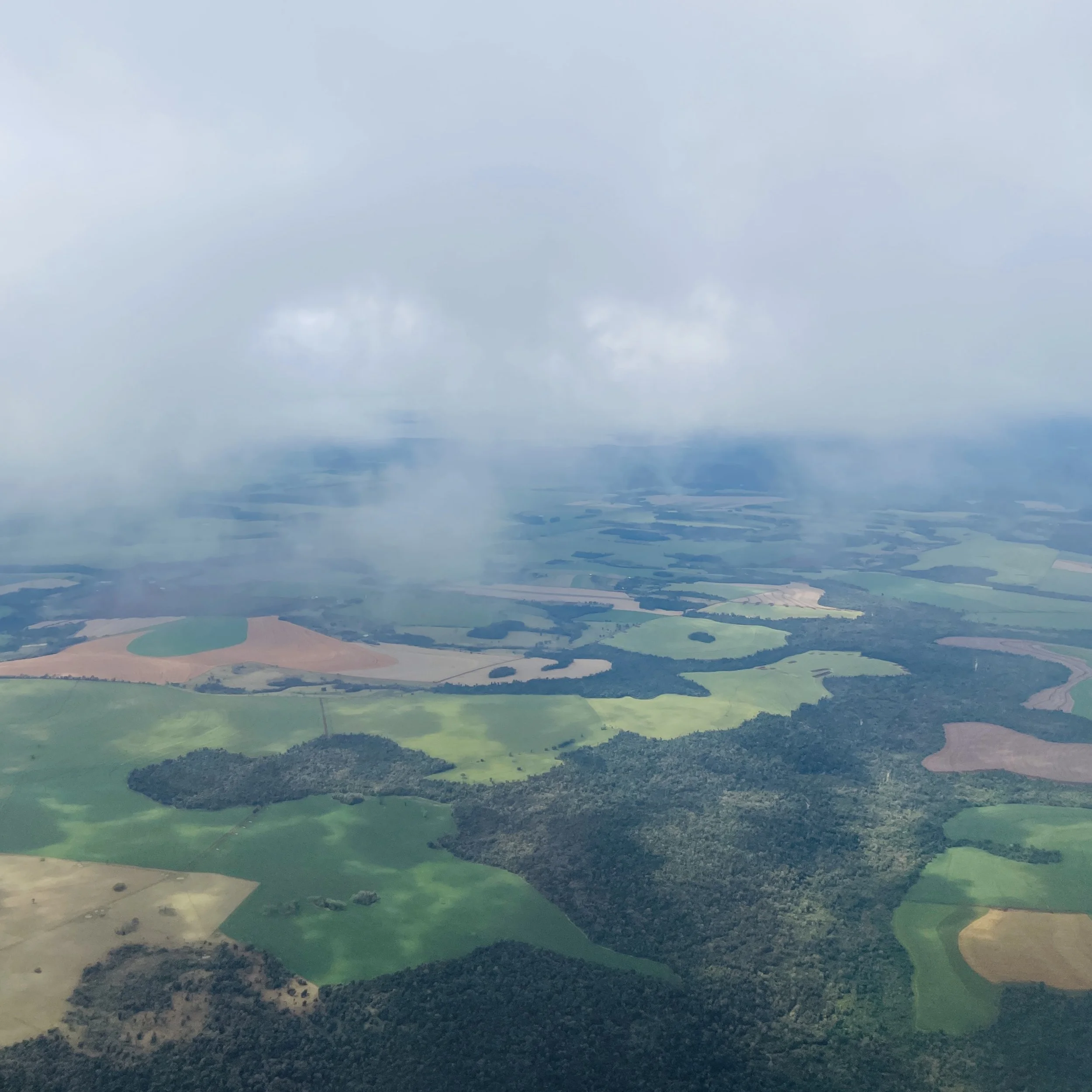
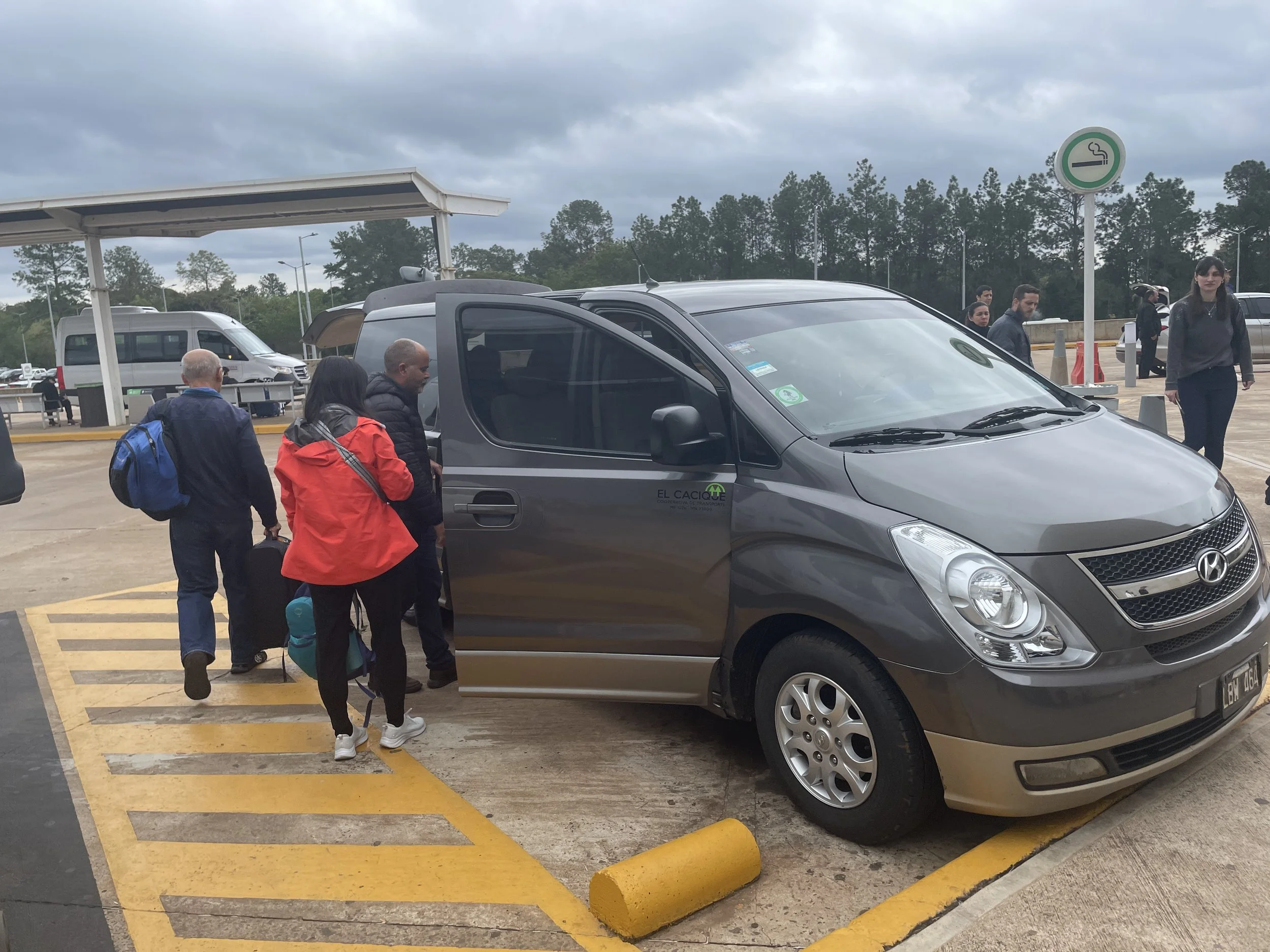
Our flight to Puerto Iguazú was smooth and lasted just over an hour. Upon arrival, we spotted a driver outside the terminal holding a paper with my name—our prearranged pickup. For our time in Iguazú, rather than joining group tours, we decided to hire Iguazufalls.Travel to provide private transportation. This proved to be both affordable and flexible.
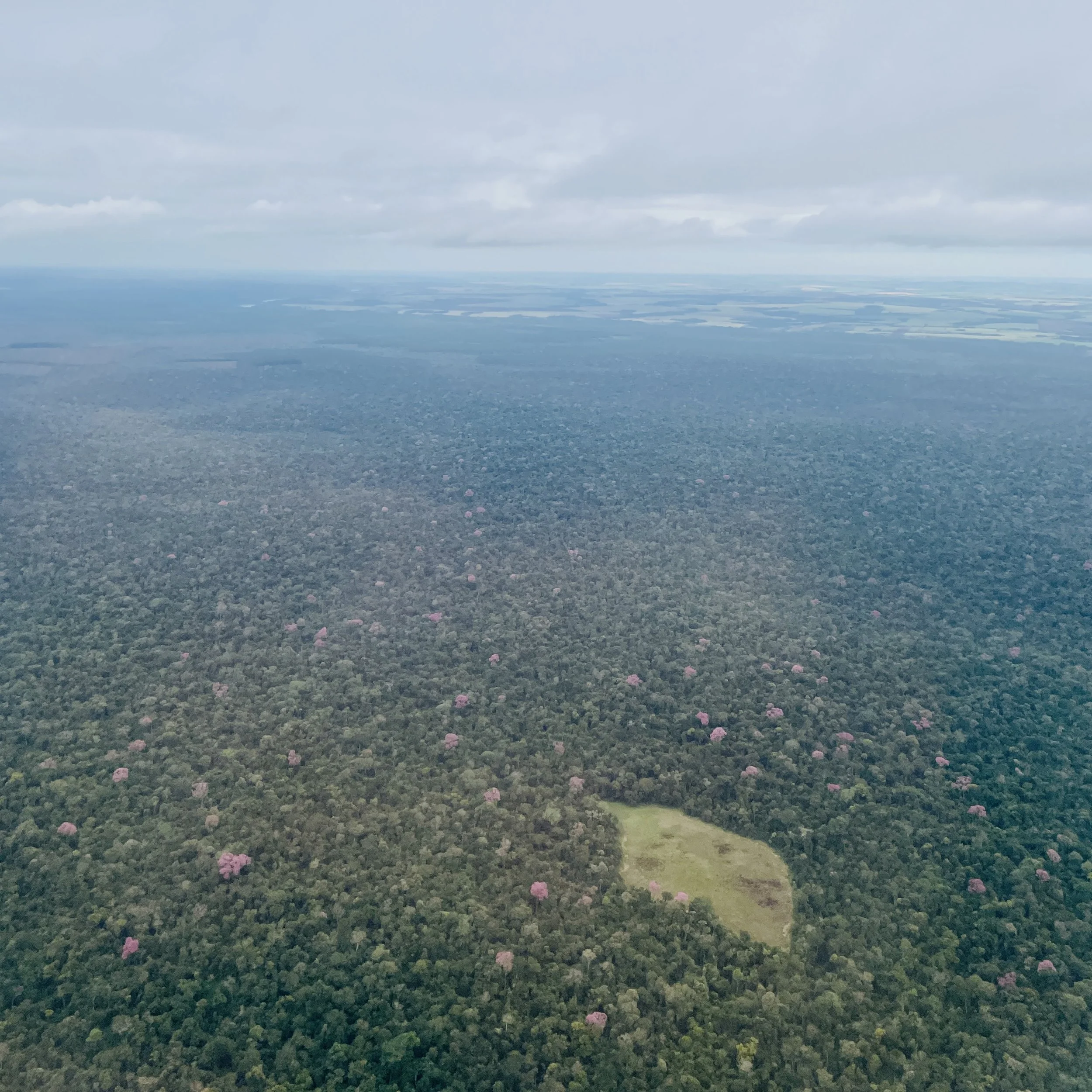
Our driver led us to a comfortable van and soon dropped us at our hotel for the next two nights, the Iguazú Jungle Lodge. Nestled on the outskirts of Puerto Iguazú, the lodge felt more like a resort than a hotel, with every room facing dense jungle and dotted with small waterfalls. After settling in, we walked into town for a hearty lunch featuring Argentina’s famous steak.


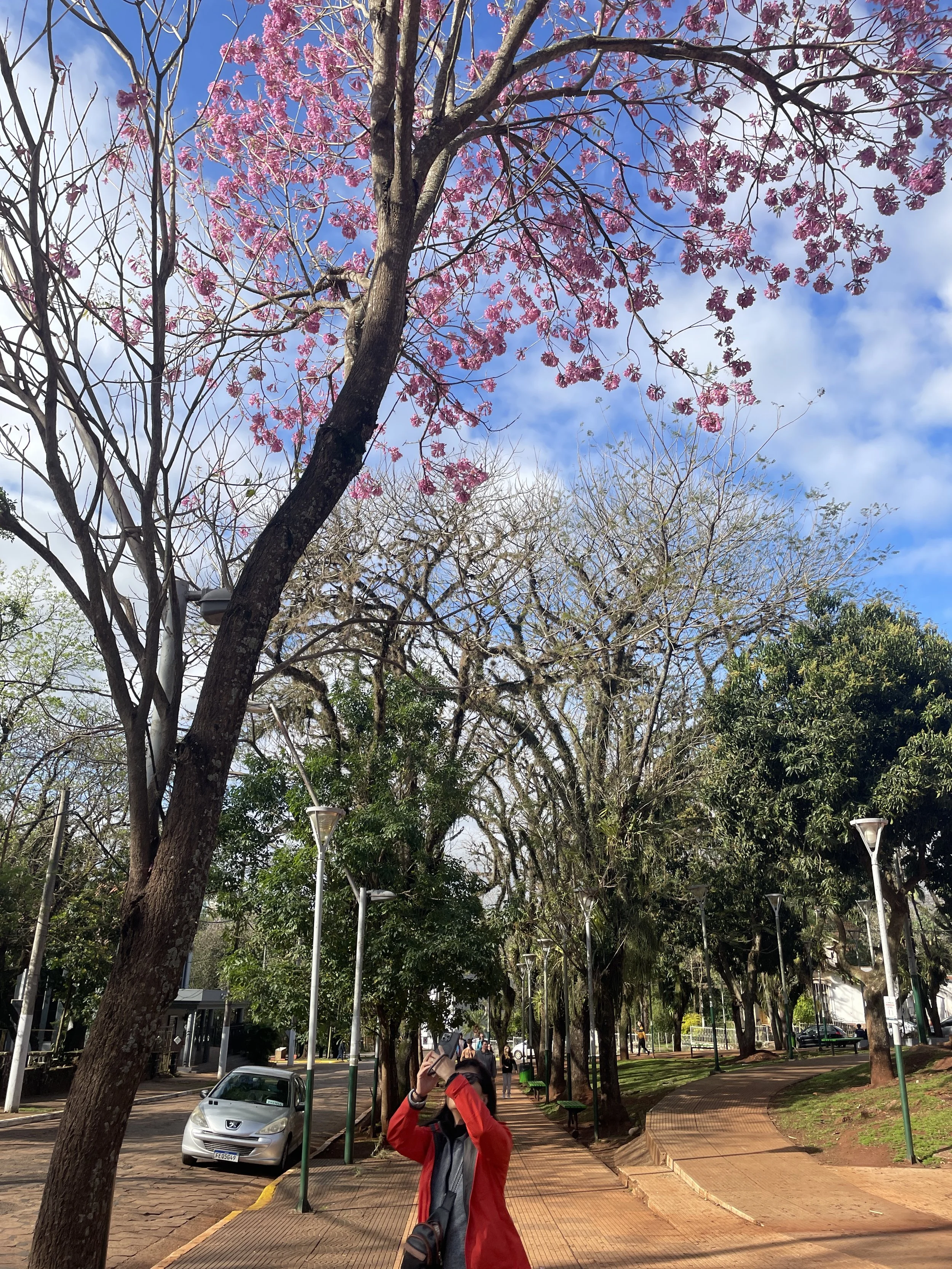
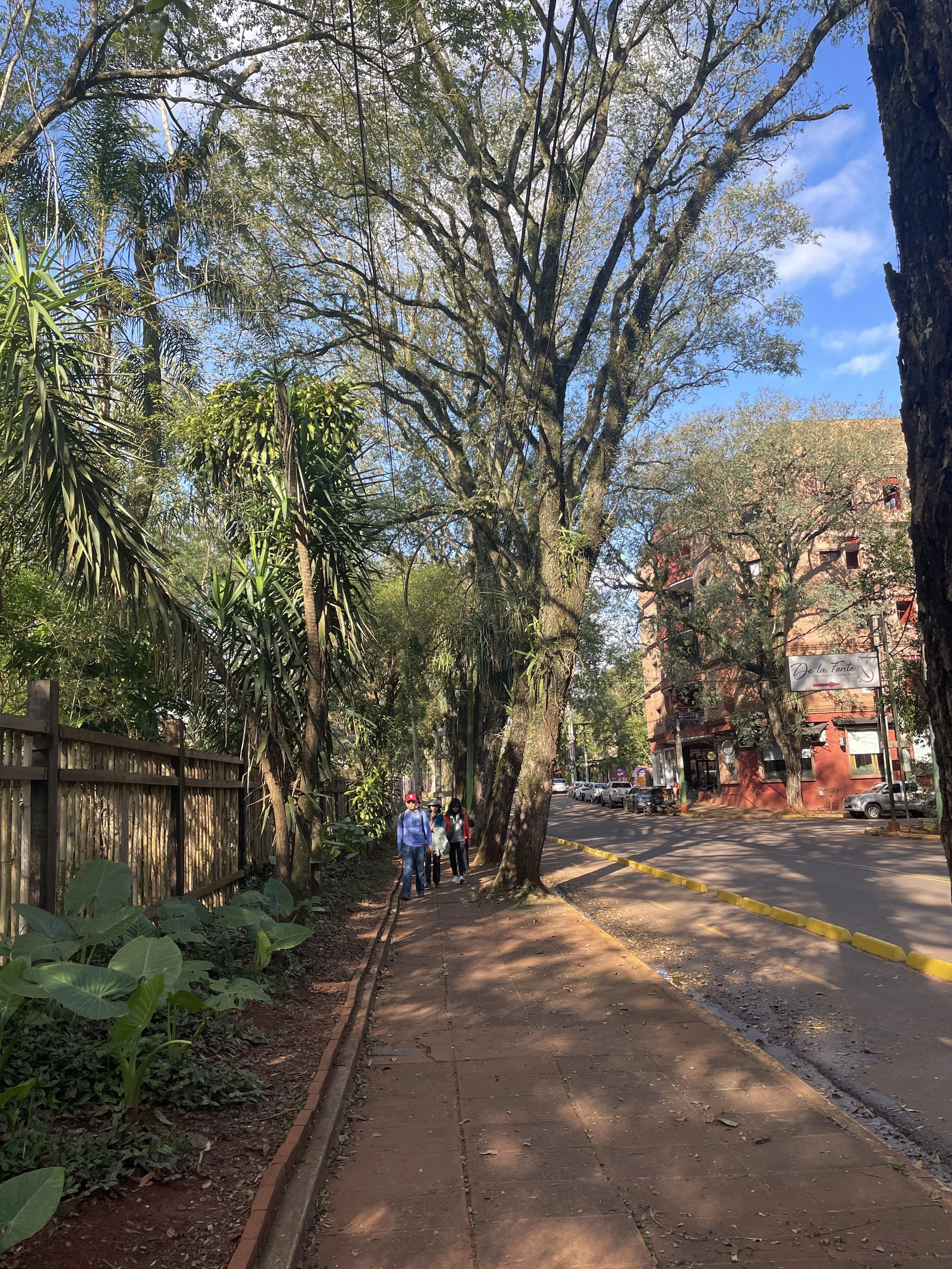
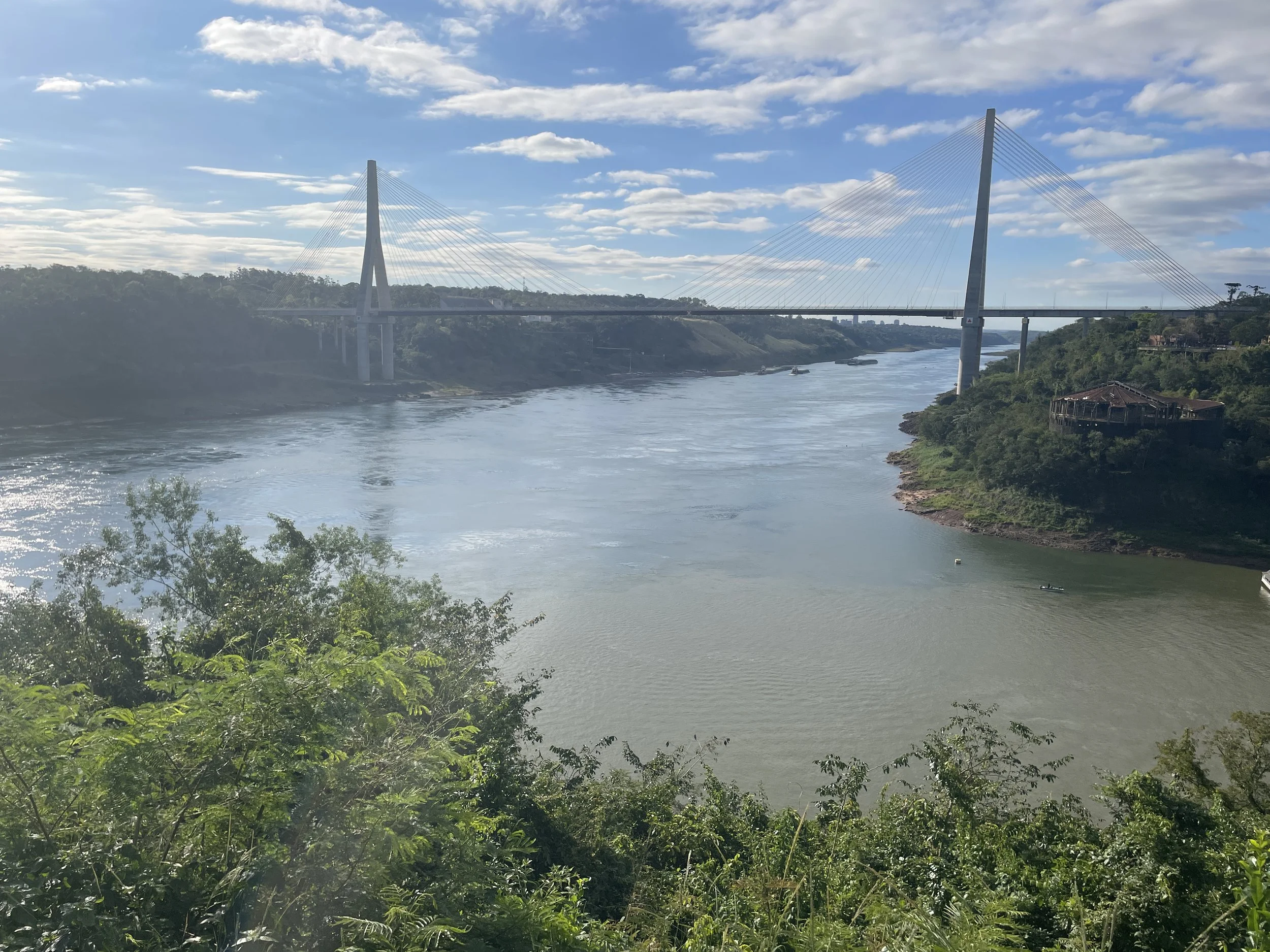
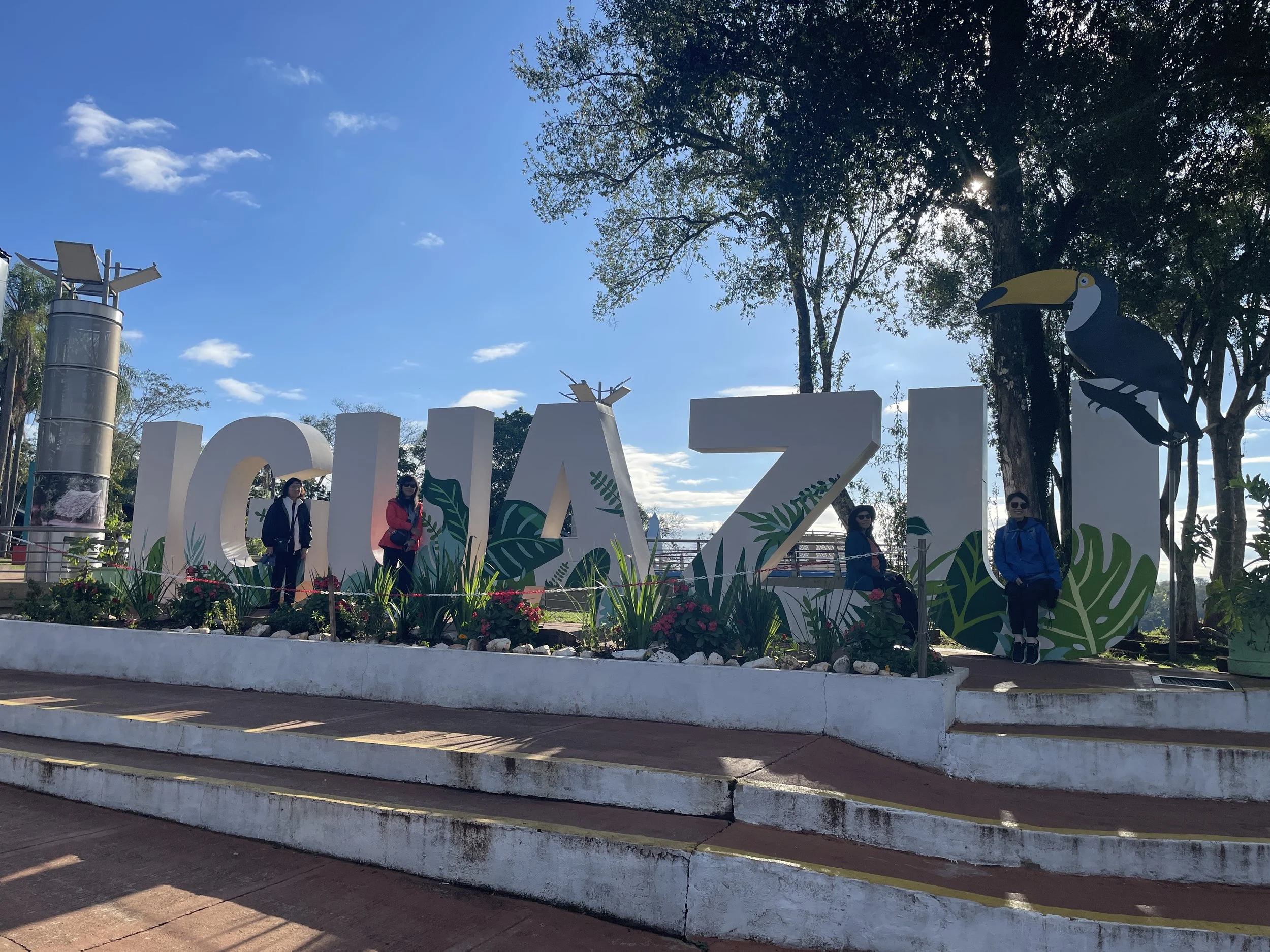
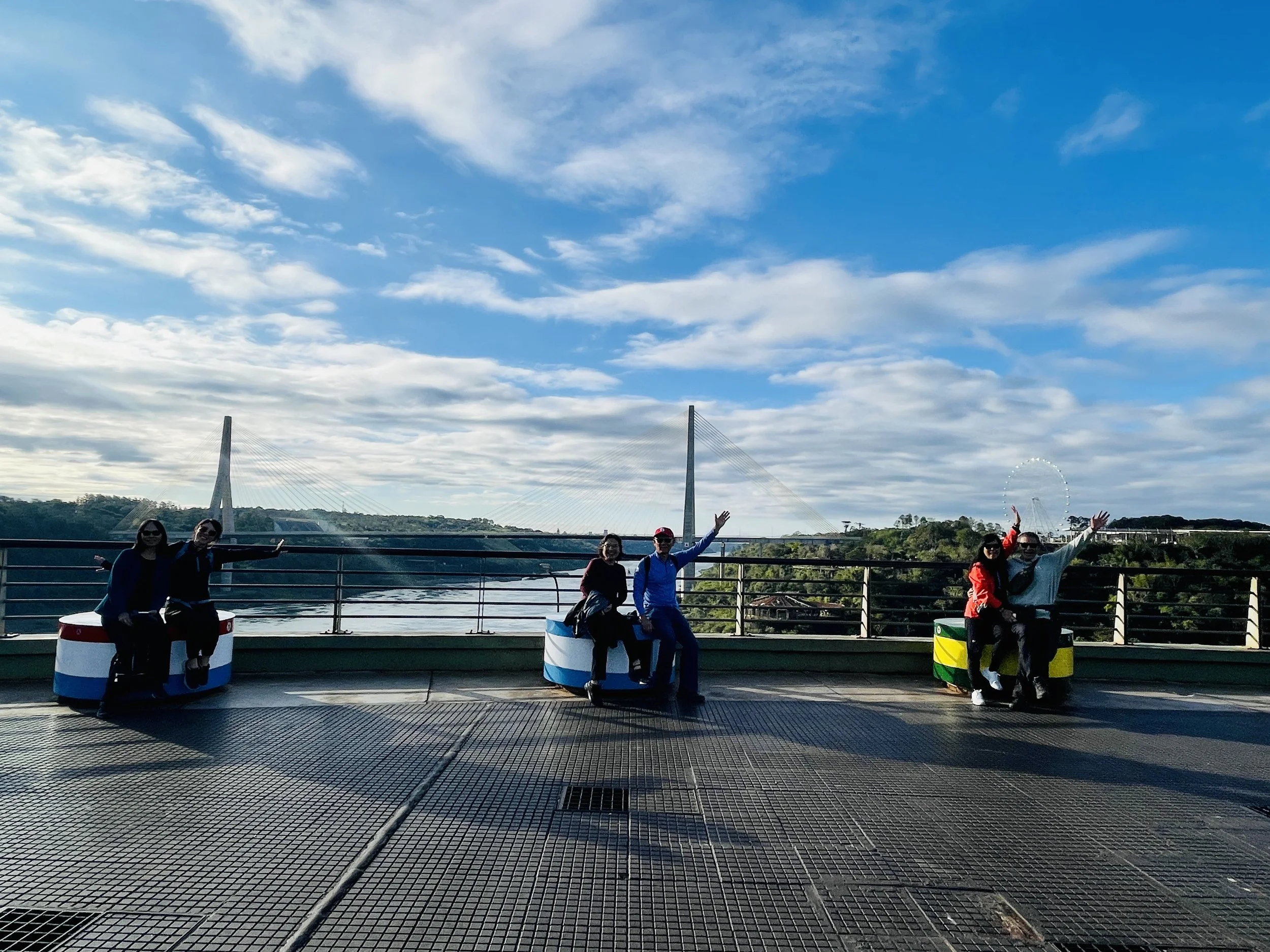
In the afternoon, we continued our journey to Hito Tres Fronteras, the point where Argentina, Brazil, and Paraguay meet, separated by the flowing rivers. Standing at the landmark, we could see across the borders, a symbolic spot where three nations share a single view.

From there, we strolled back to the lodge and enjoyed a lovely dinner. We went to bed filled with anticipation—tomorrow, we would finally see the mighty Iguazú Falls.
二零二五年八月二十六日
布宜诺斯艾利斯,这座城市优雅的建筑与干净整洁的街道令人着迷。五天里,我们充分体验了便捷的公交系统,几乎和当地人一样自由穿梭在城市的各个角落。来布宜诺斯艾利斯之后我们每天都要坐几趟公交车,交通卡有过几次刷卡时变负值,终于在最后一天才搞明白为什么。有时候上车刷卡时司机会对我们叽哩咕噜说西班牙语,让我们感到困惑。后来才明白,他们其实是想知道我们在哪里下车,好按距离收取正确的车费。因为听不懂无法回答,我们总是被收取最高票价。这也是为什么卡上的钱总比我们预期的用得快。因为买SUBE卡时除了交通费,还有一部分是卡本身的定金,所以上车刷到一定的负值也是可以的。另一个遗憾的发现是,如果提前注册 SUBE 卡,就能享受不少折扣。只能留待下次再访时改进了。
昨晚被临时换机场一事搞得心惊胆颤,天没亮就起床,预订的Uber准时来接我们。在航空公司柜台确认值机且拿了打印的登机牌,过安检后终于在候机厅里安心地吃了顿早餐。
飞往伊瓜苏港(Puerto Iguazú)的航班平稳顺利,仅一个多小时。抵达后,我们在航站楼外看到一位男士手举写有我名字的纸牌,他正是我们预约的接机司机。为了在伊瓜苏的几天能更加灵活自在,我们没有选择跟团,而是聘请了 Iguazufalls.Travel 提供私人交通服务,事实证明既经济又方便。
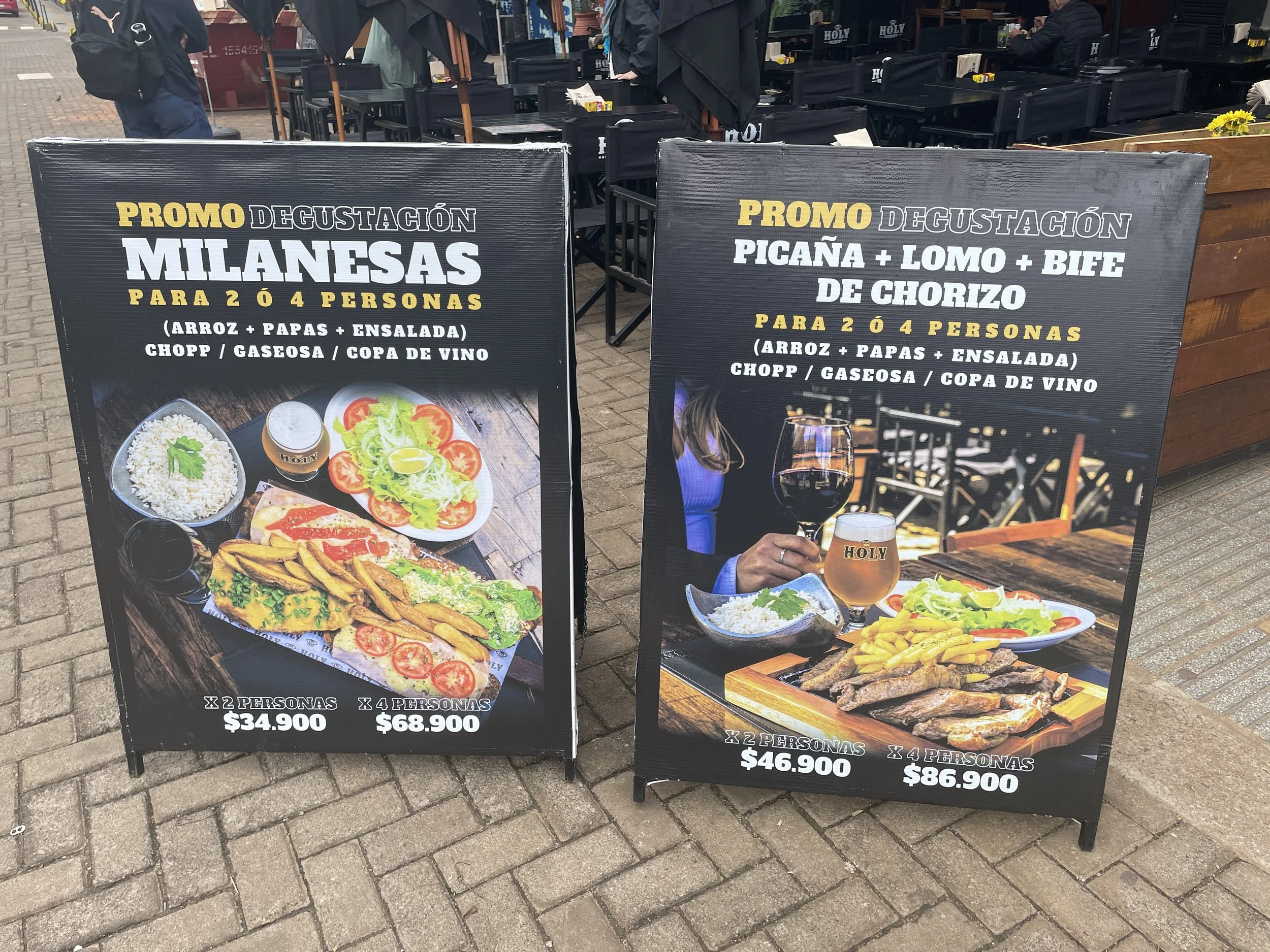
司机把我们送到 Iguazú Jungle Lodge。这家旅馆坐落在小镇边缘,四周被浓密的热带雨林包围,房间面向绿意盎然的丛林,还点缀着小瀑布。它更像是一处静谧的度假村,而非普通酒店。安顿好后,我们步行到镇中心,享用了一顿丰盛的午餐,当然少不了阿根廷最地道的牛排。
下午,我们前往三国交界点(Hito Tres Fronteras)。在这里,阿根廷、巴西和巴拉圭三国以河流分界,三方在此交汇。站在纪念碑旁极目远眺,可以同时望见三国,这是一个充满象征意义的地点。之后,我们慢慢走回旅馆,在旅馆的餐厅里享受了一顿非常惬意的晚餐。
夜幕降临,我们带着满心期待入睡——明天,将迎来此行最令人激动的时刻:壮丽的伊瓜苏大瀑布。
Street Art, Chinatown, and Puerto Madero 街头艺术、中国城与普埃尔托马德罗
August 25, 2025
Early in the morning, Chenggang stepped out by himself to the small café next door,……
在布宜诺斯艾利斯待了几天后,。。。
August 25, 2025
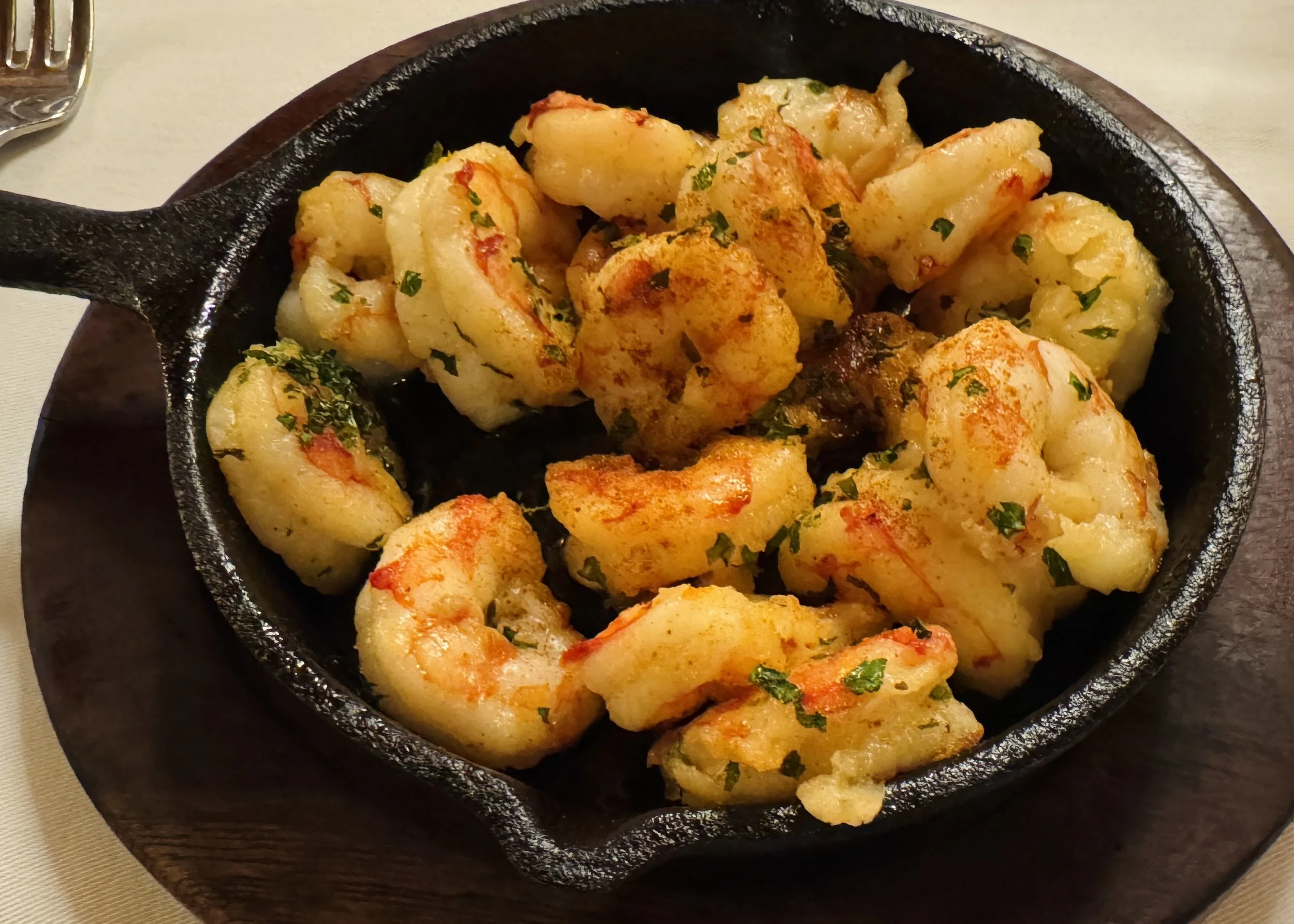
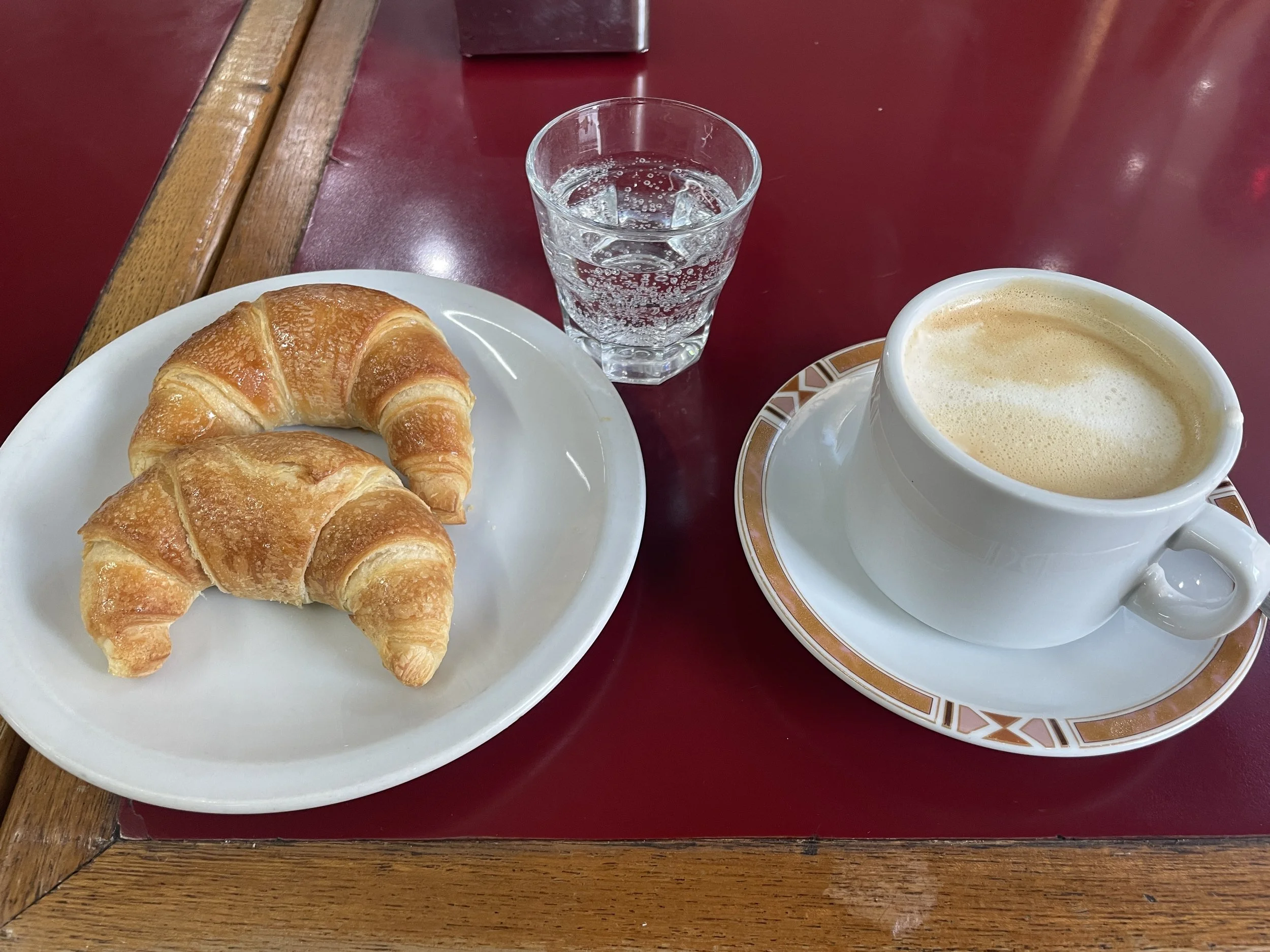
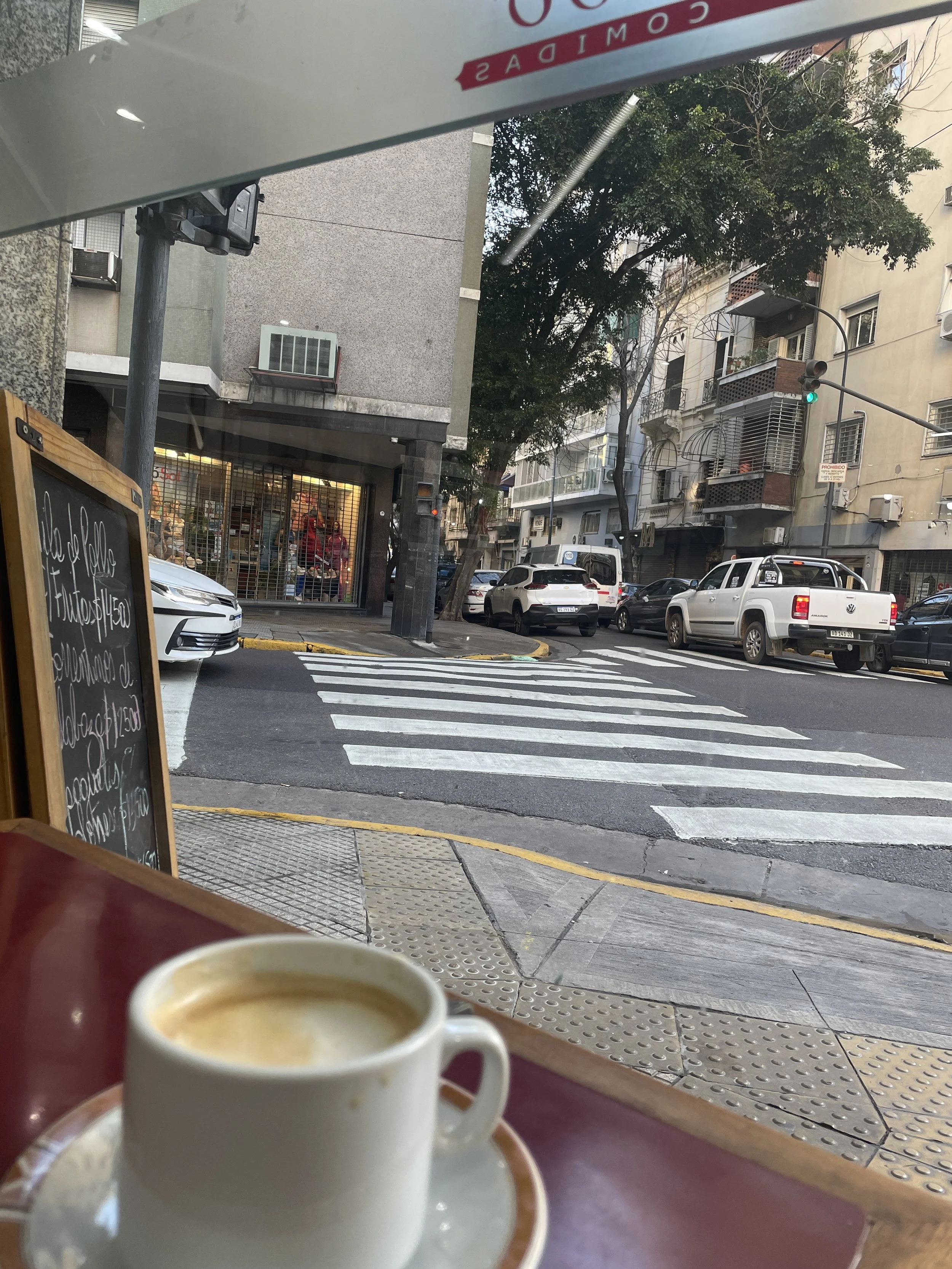
Early in the morning, Chenggang stepped out by himself to the small café next door, enjoying two medialunas and a cup of coffee with milk — a simple yet delightful local breakfast that cots $4.
After several days in Buenos Aires, we felt we had checked off most of the must-see sights. Today was our last full day in the city, with plans to explore the Palermo area, have lunch in Chinatown, and end the day with a leisurely stroll through Puerto Madero.
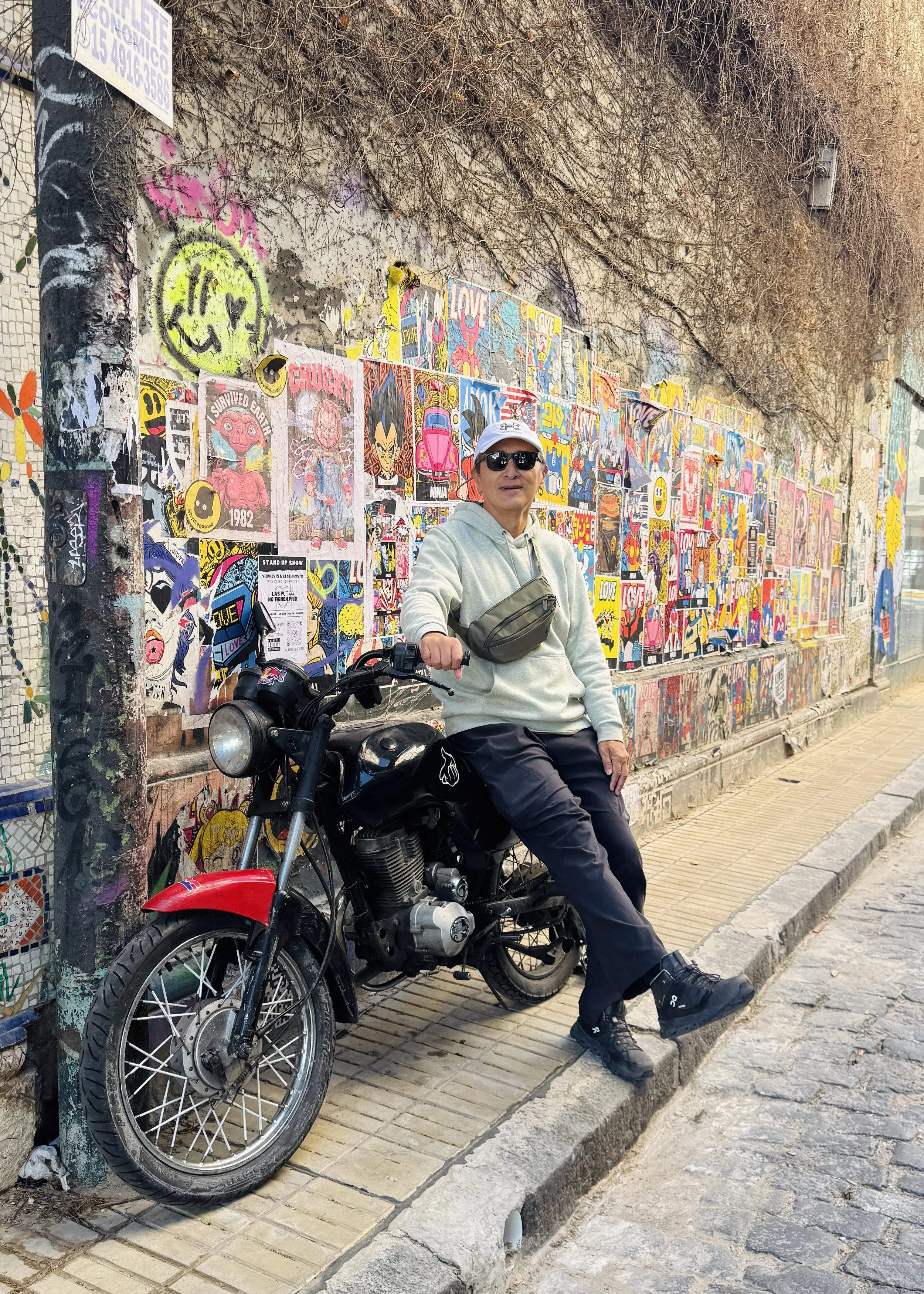
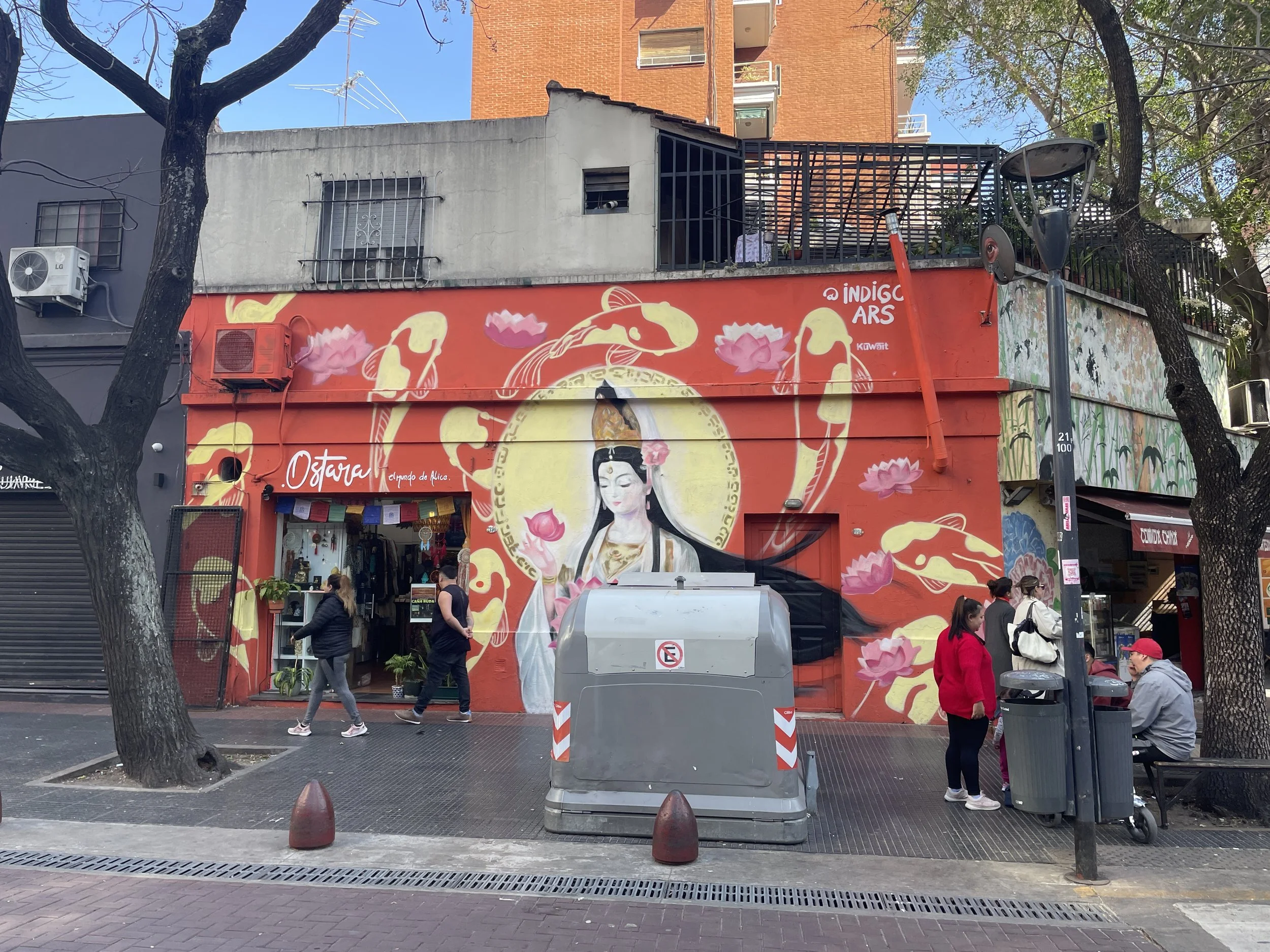
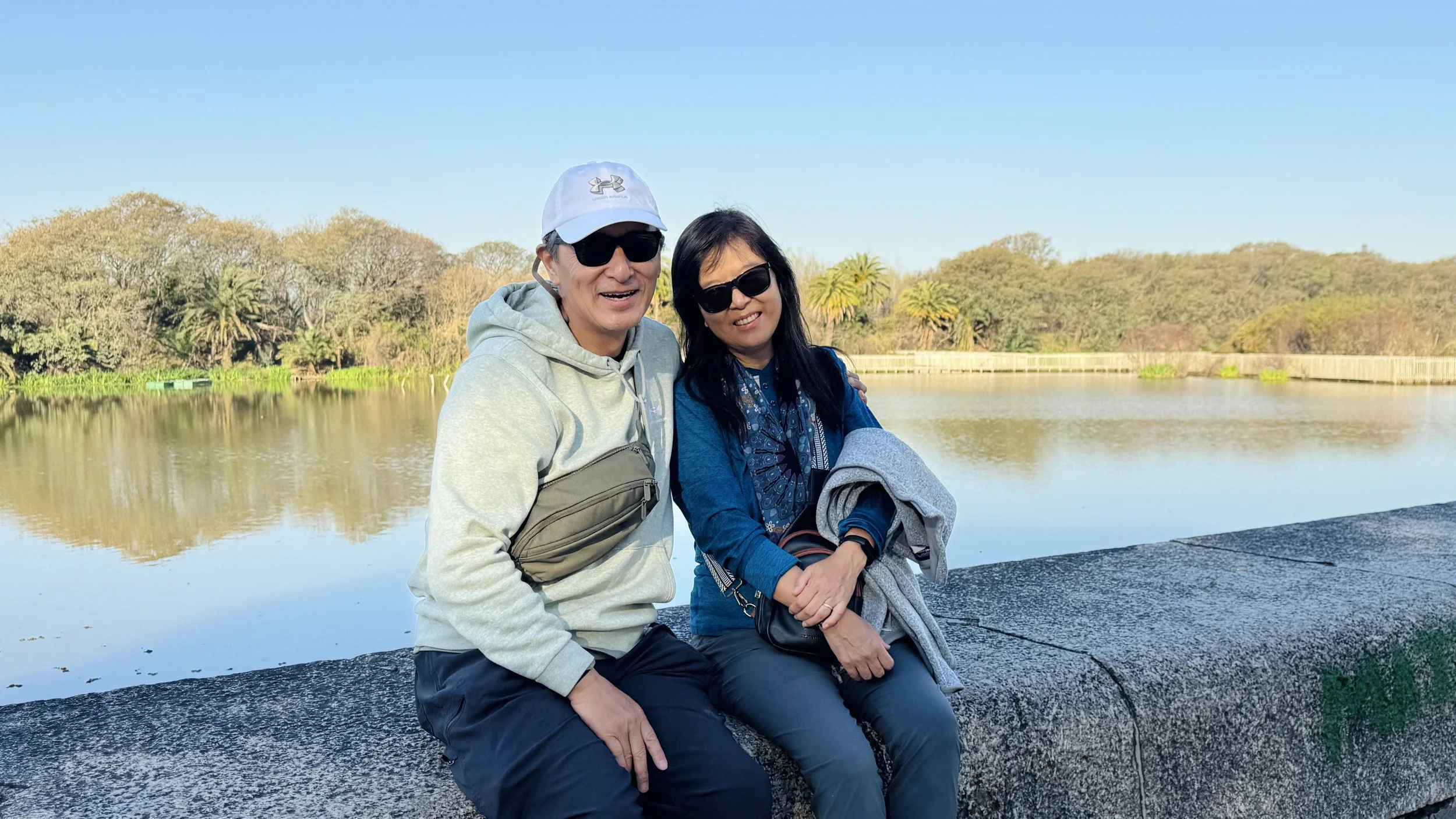
Palermo is both a high-end residential and commercial district, but it is also known for having some of the best street art in the city. We rode the bus there and spent the morning wandering its streets, admiring colorful murals and creative designs painted across walls and buildings.

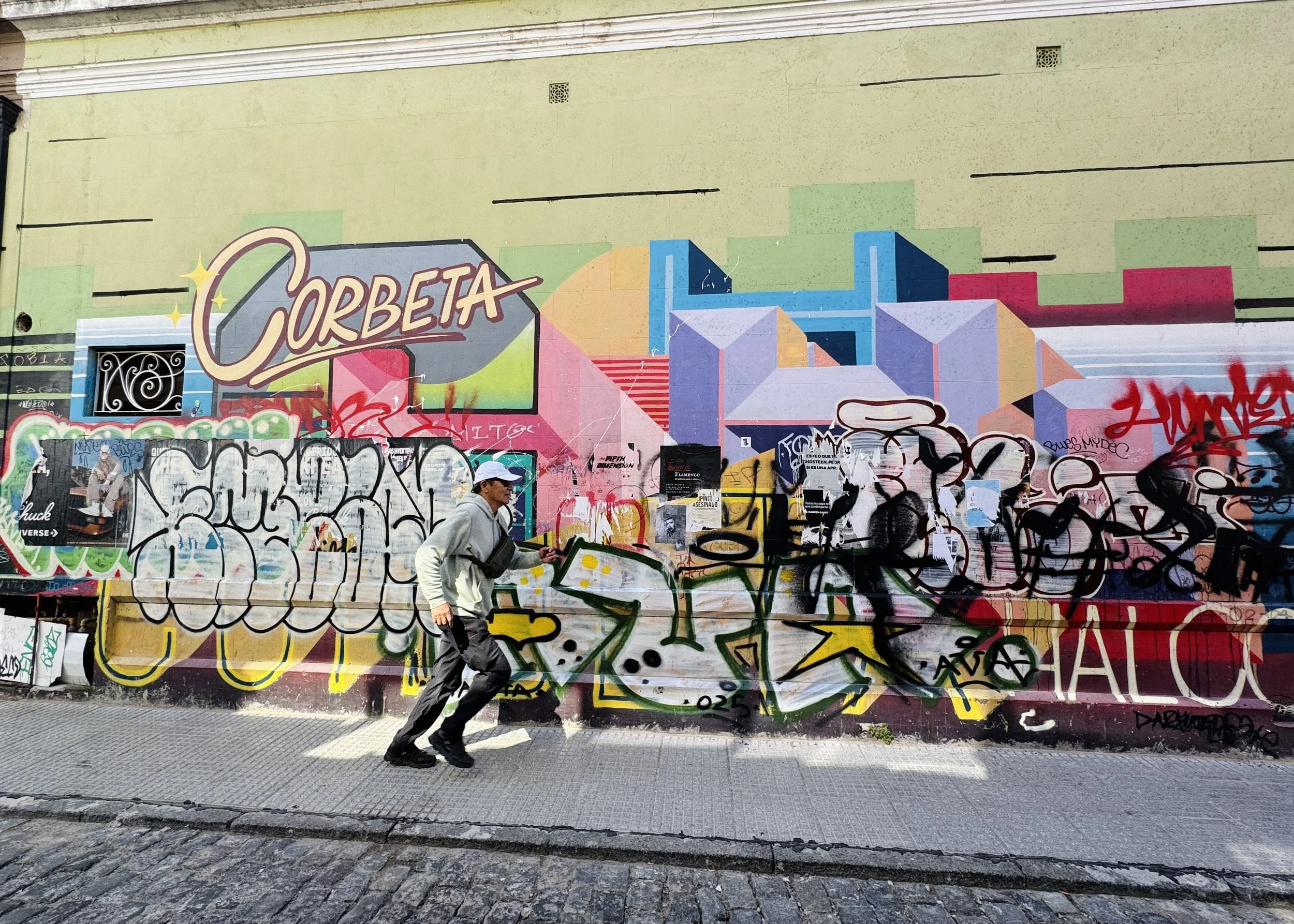
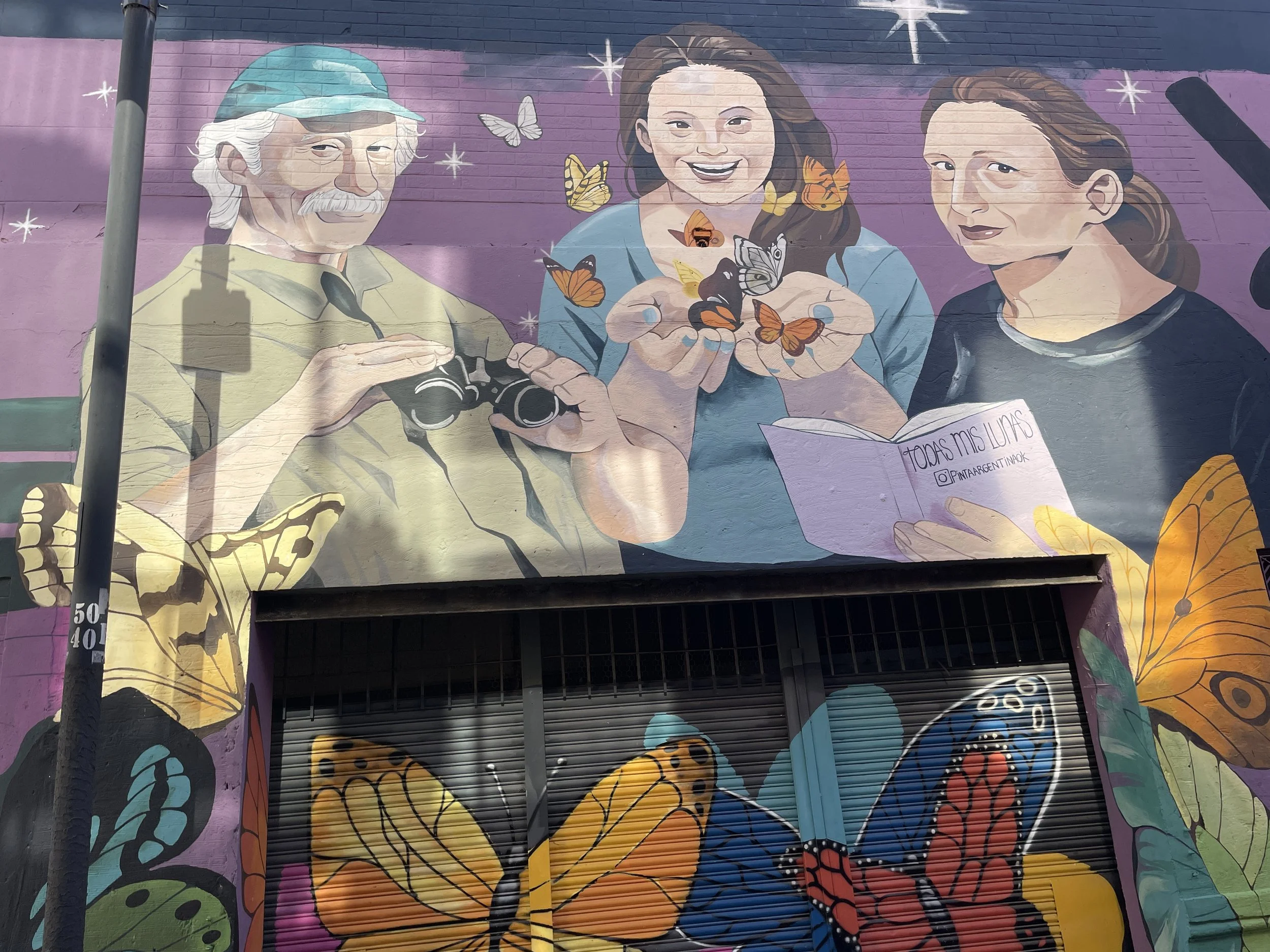
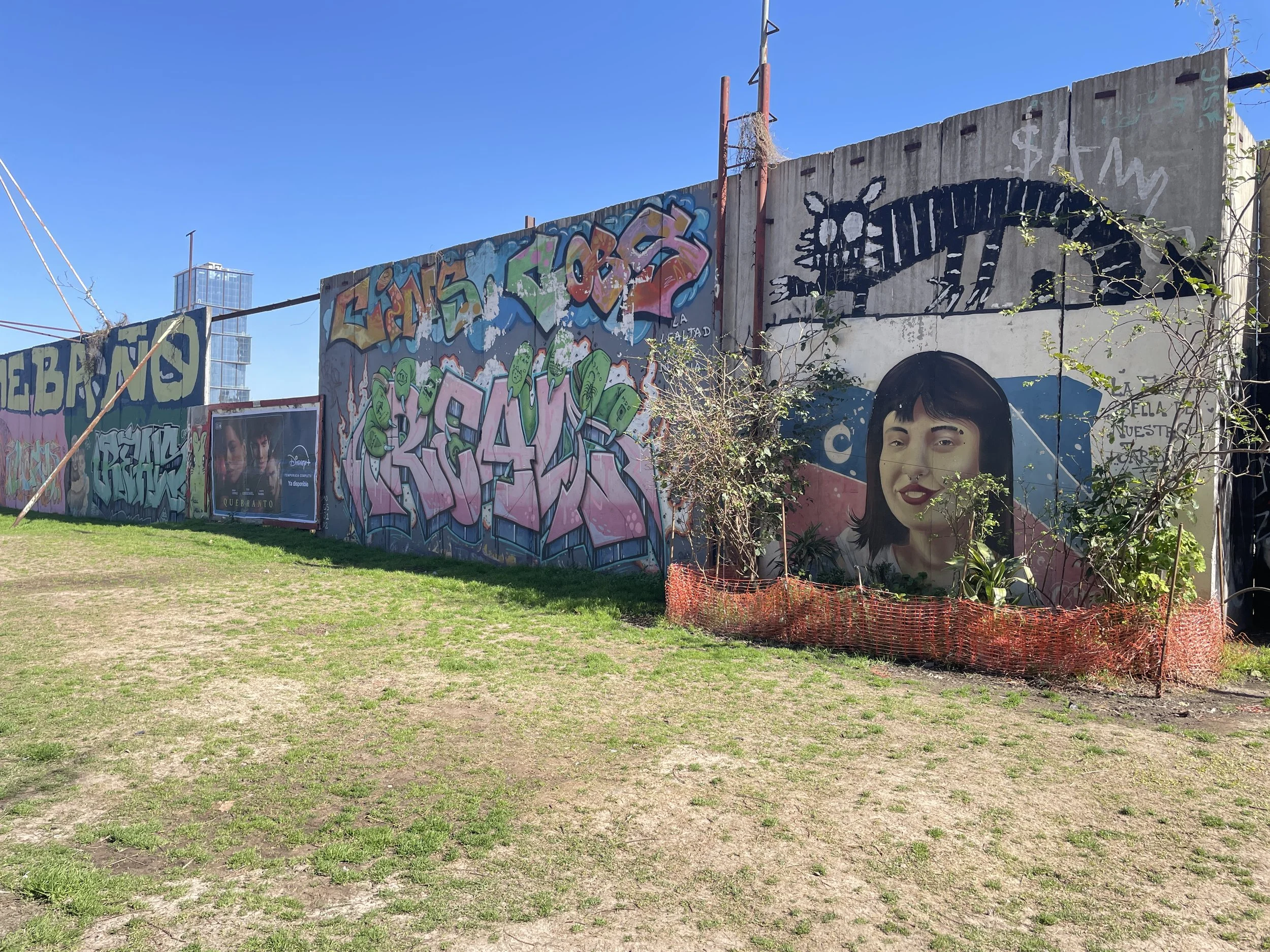
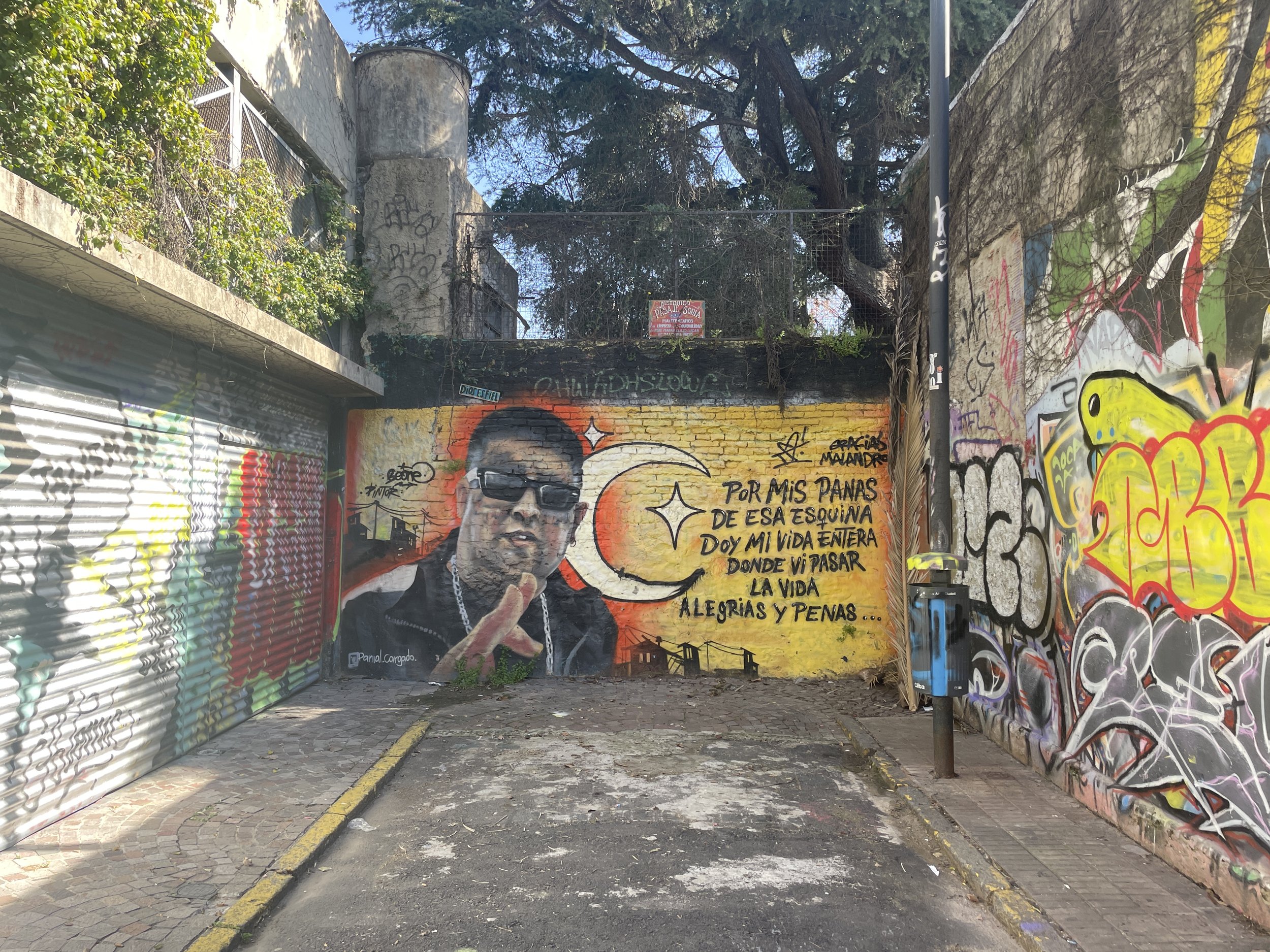
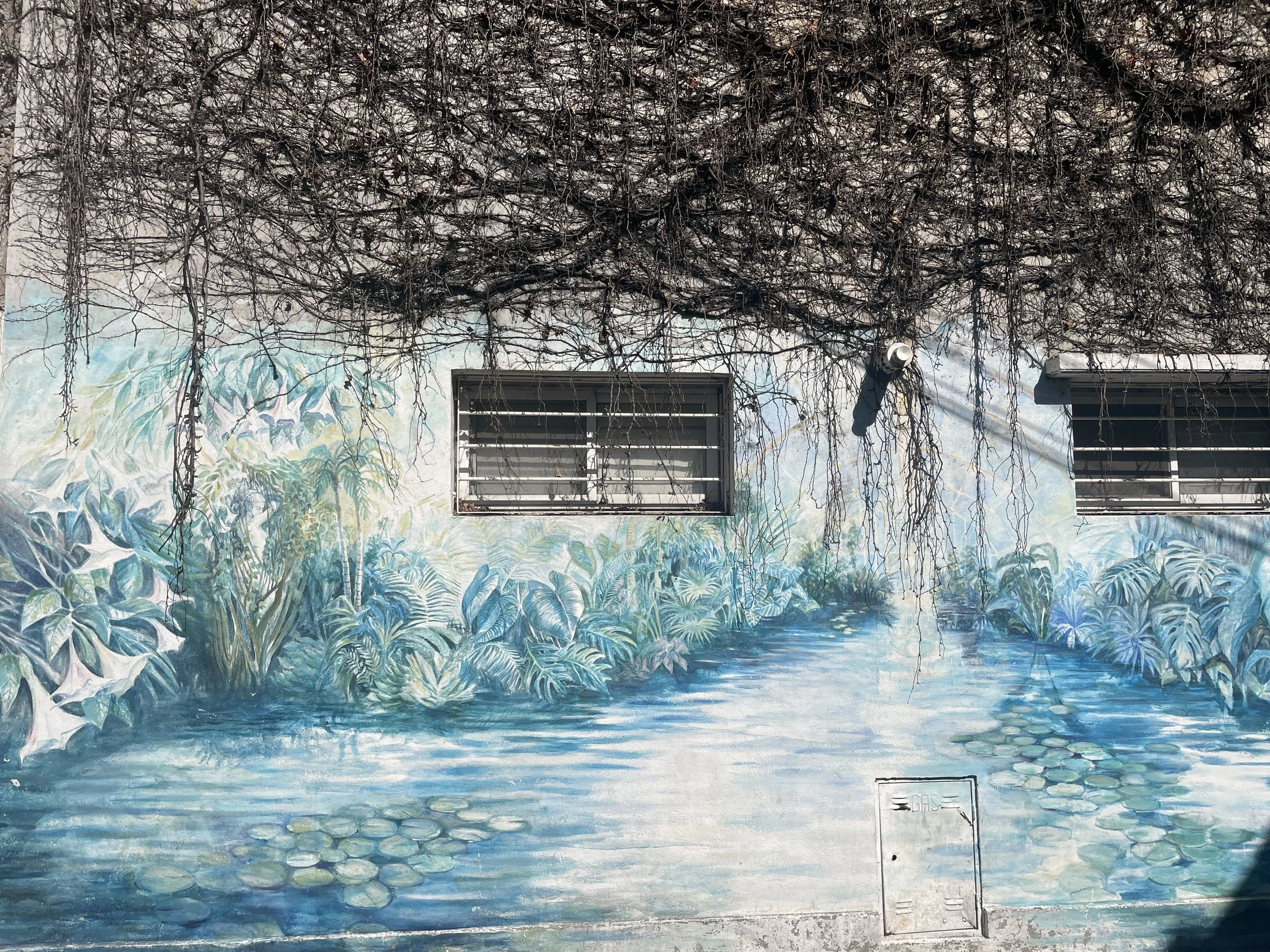
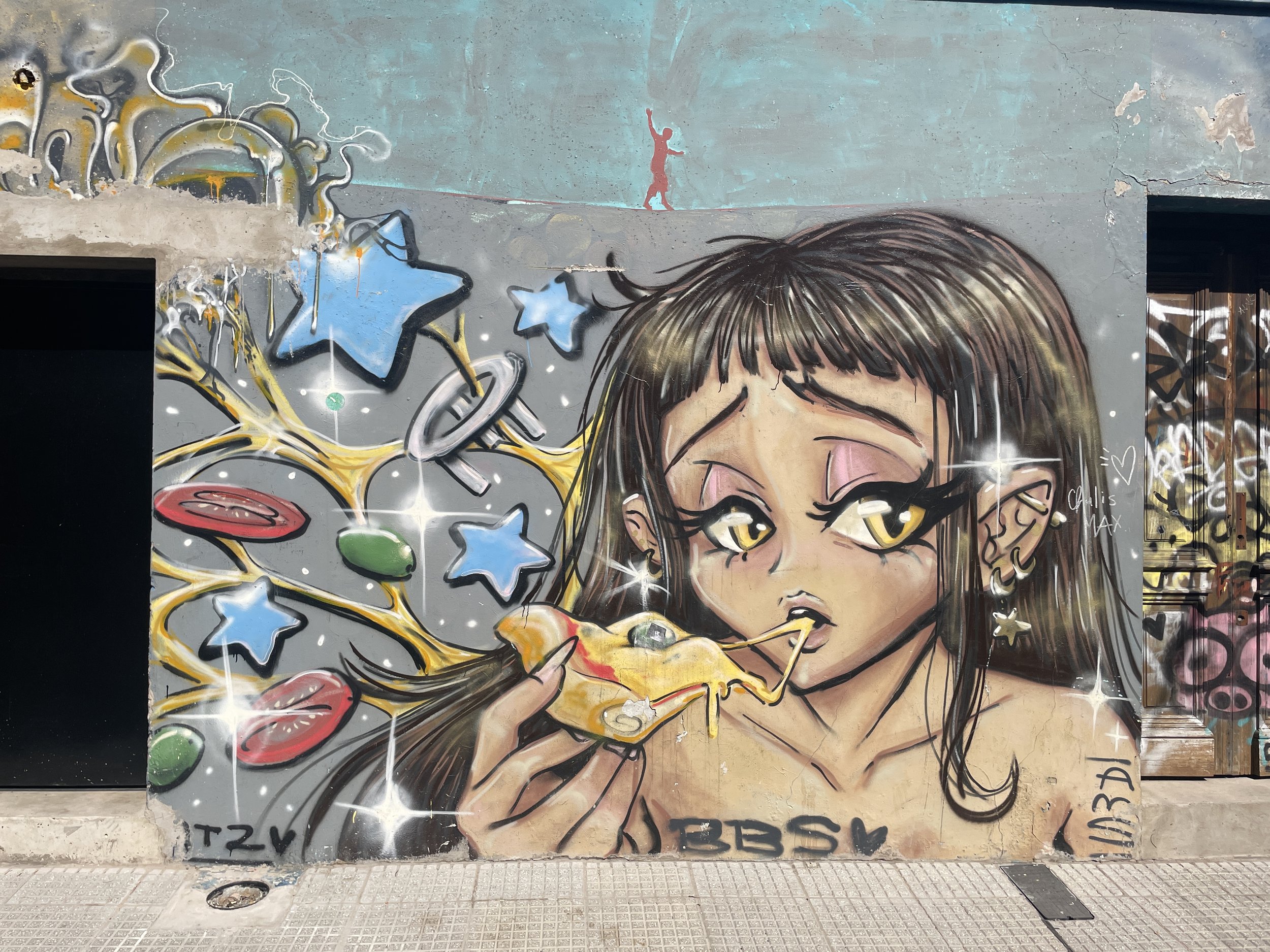

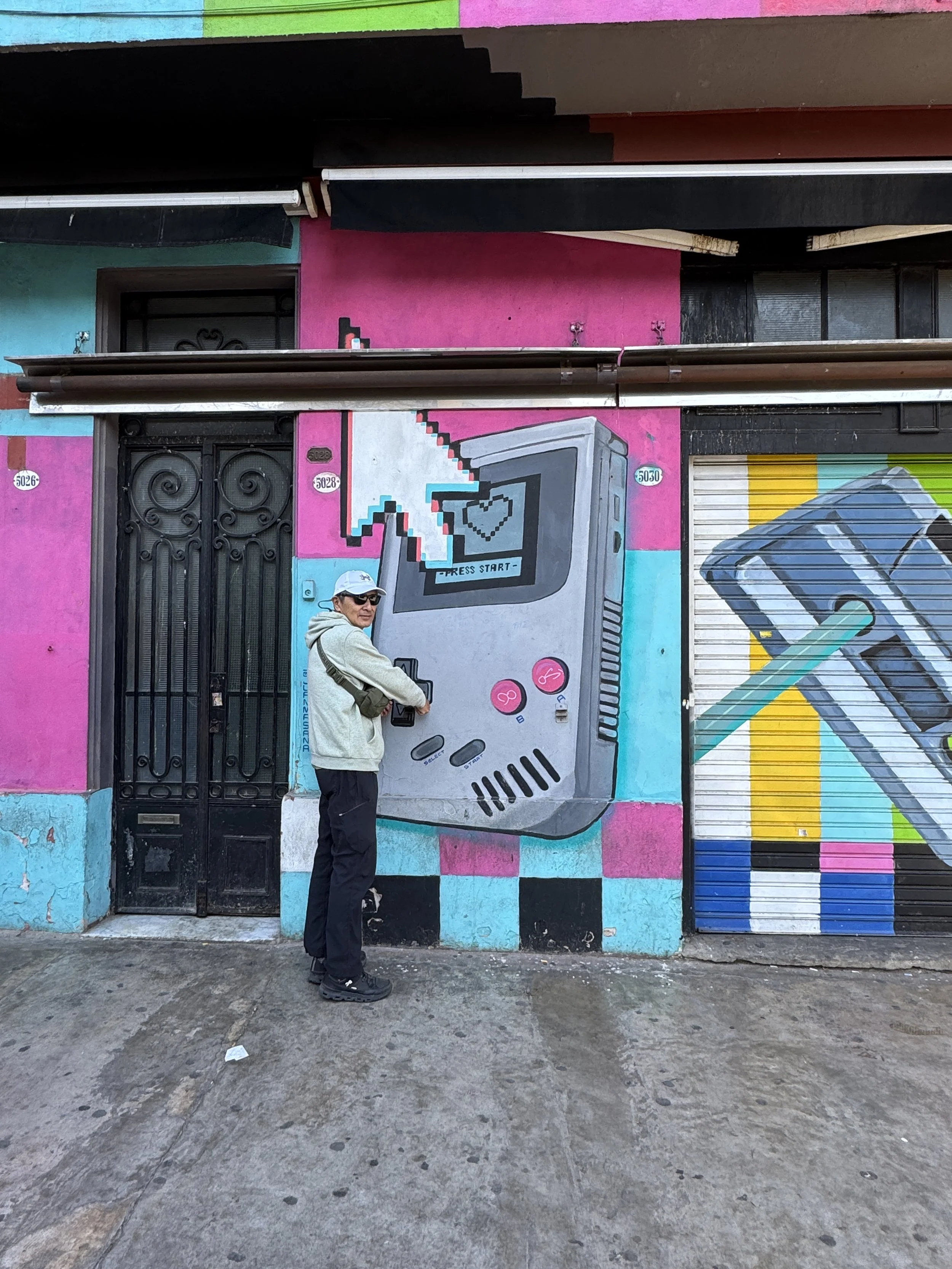
Afterwards we took another bus to Chinatown. Since it was Monday, many restaurants were closed, but we managed to find one open spot serving decent dim sum.

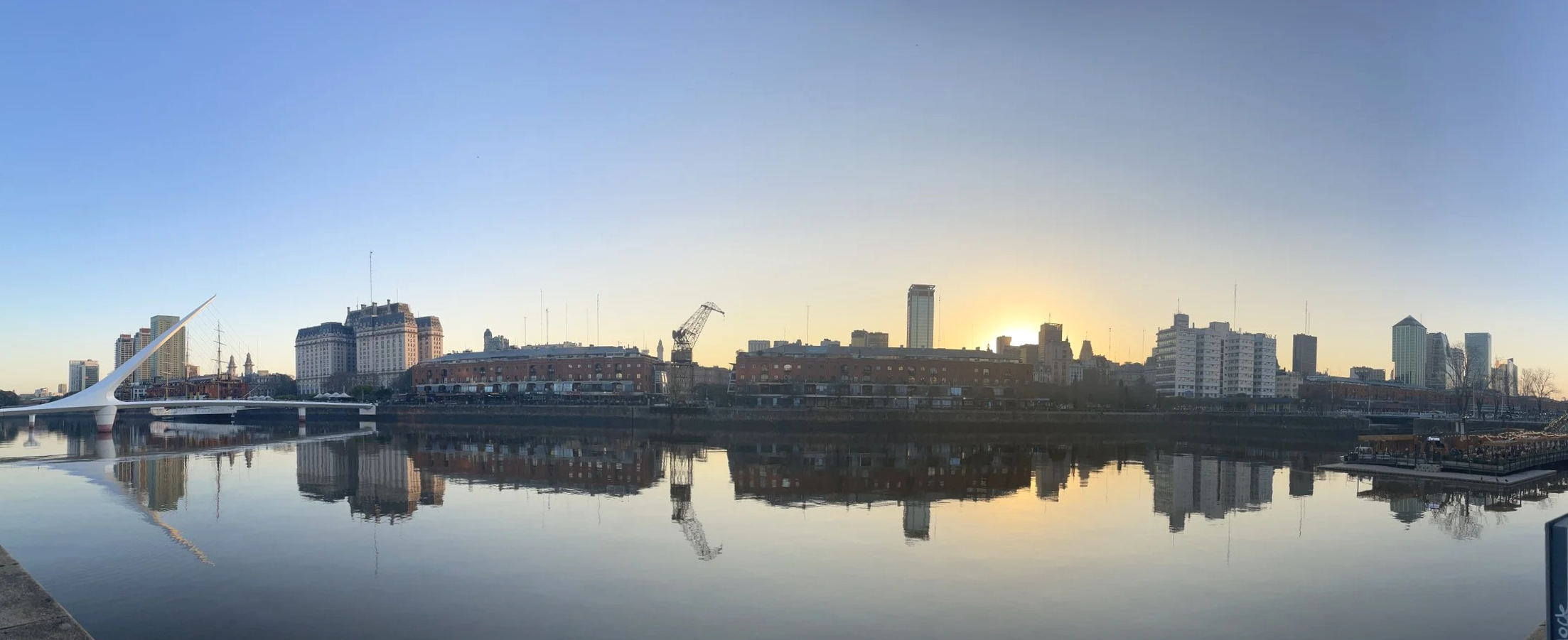
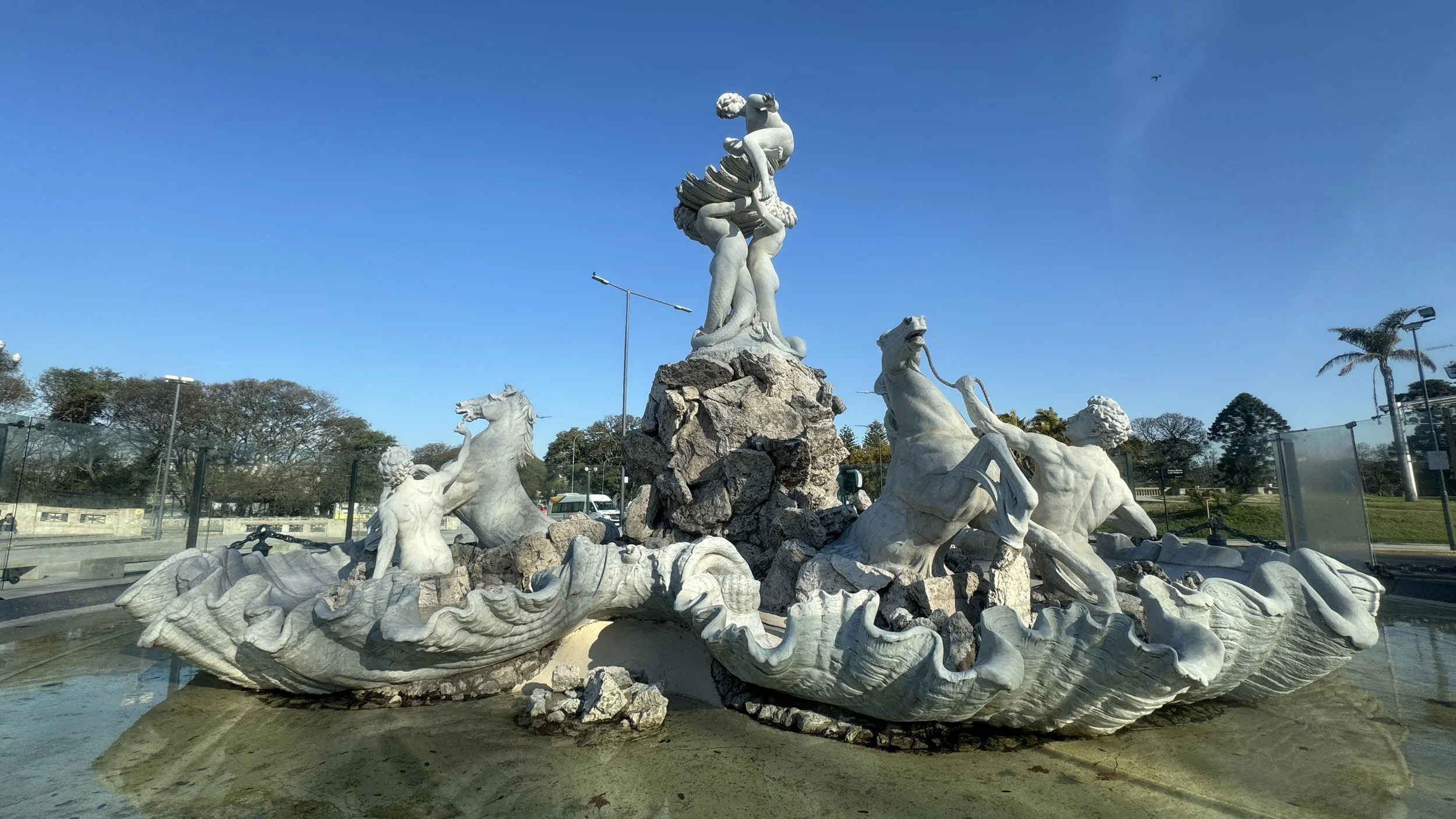
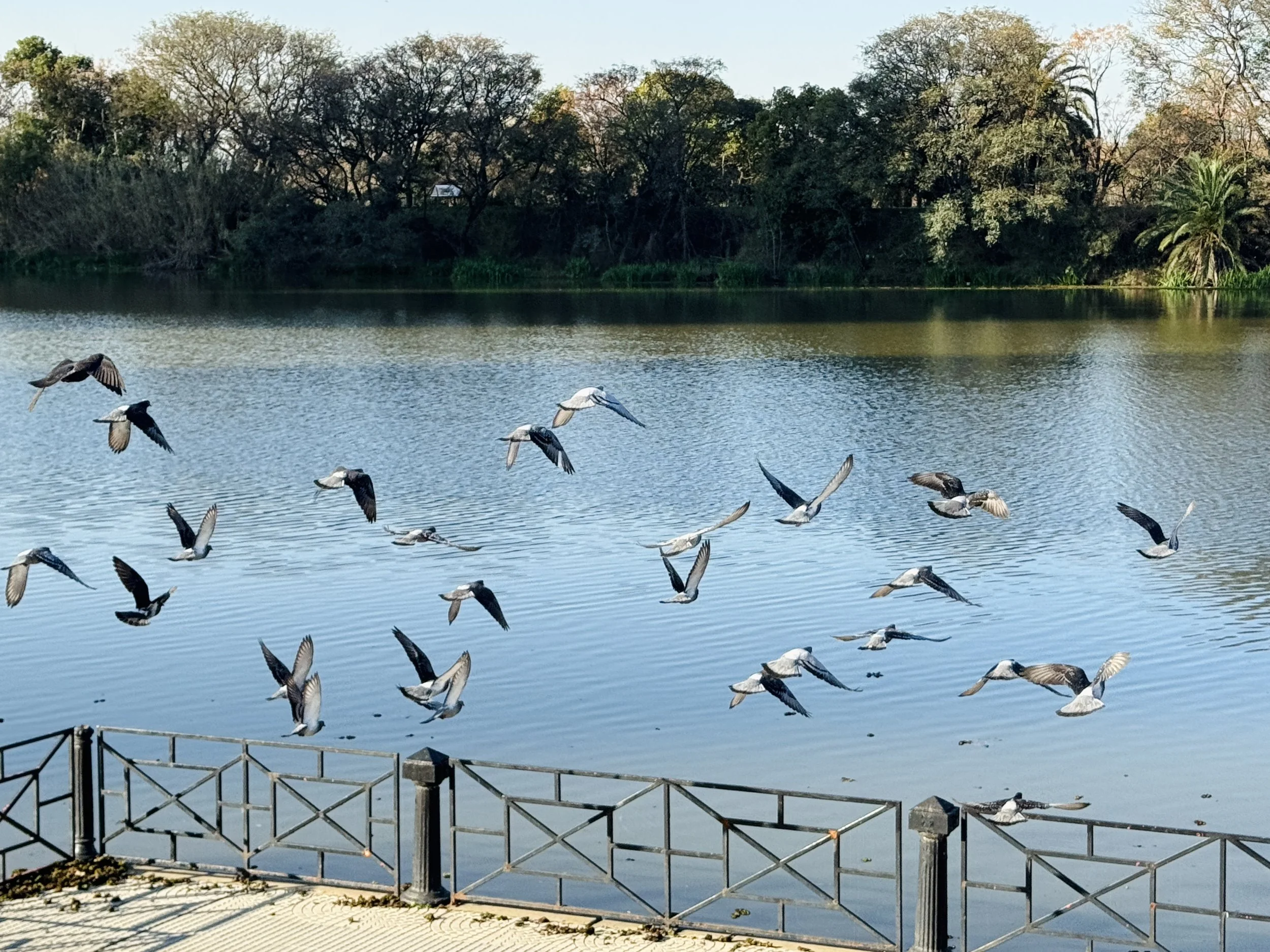
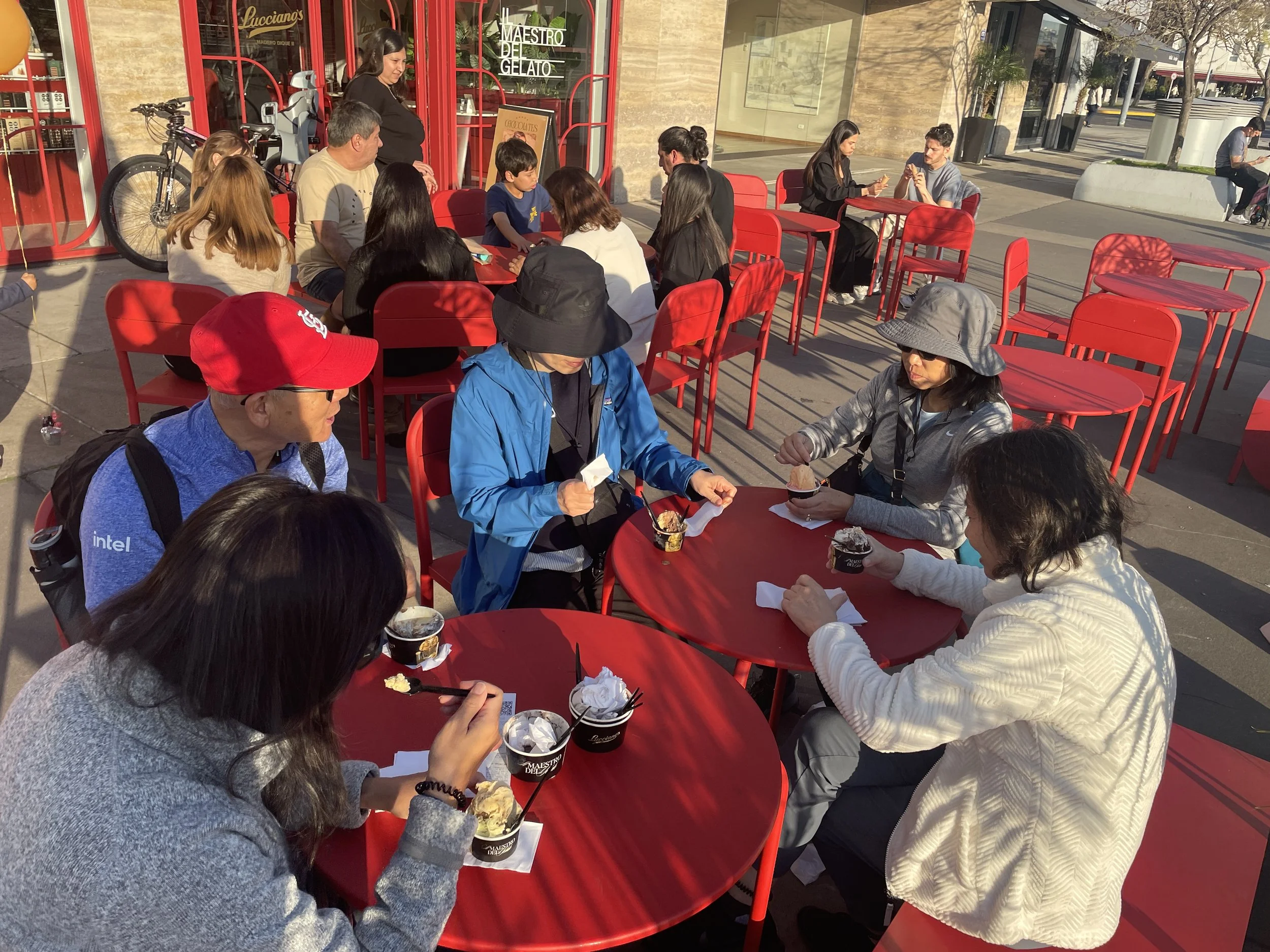
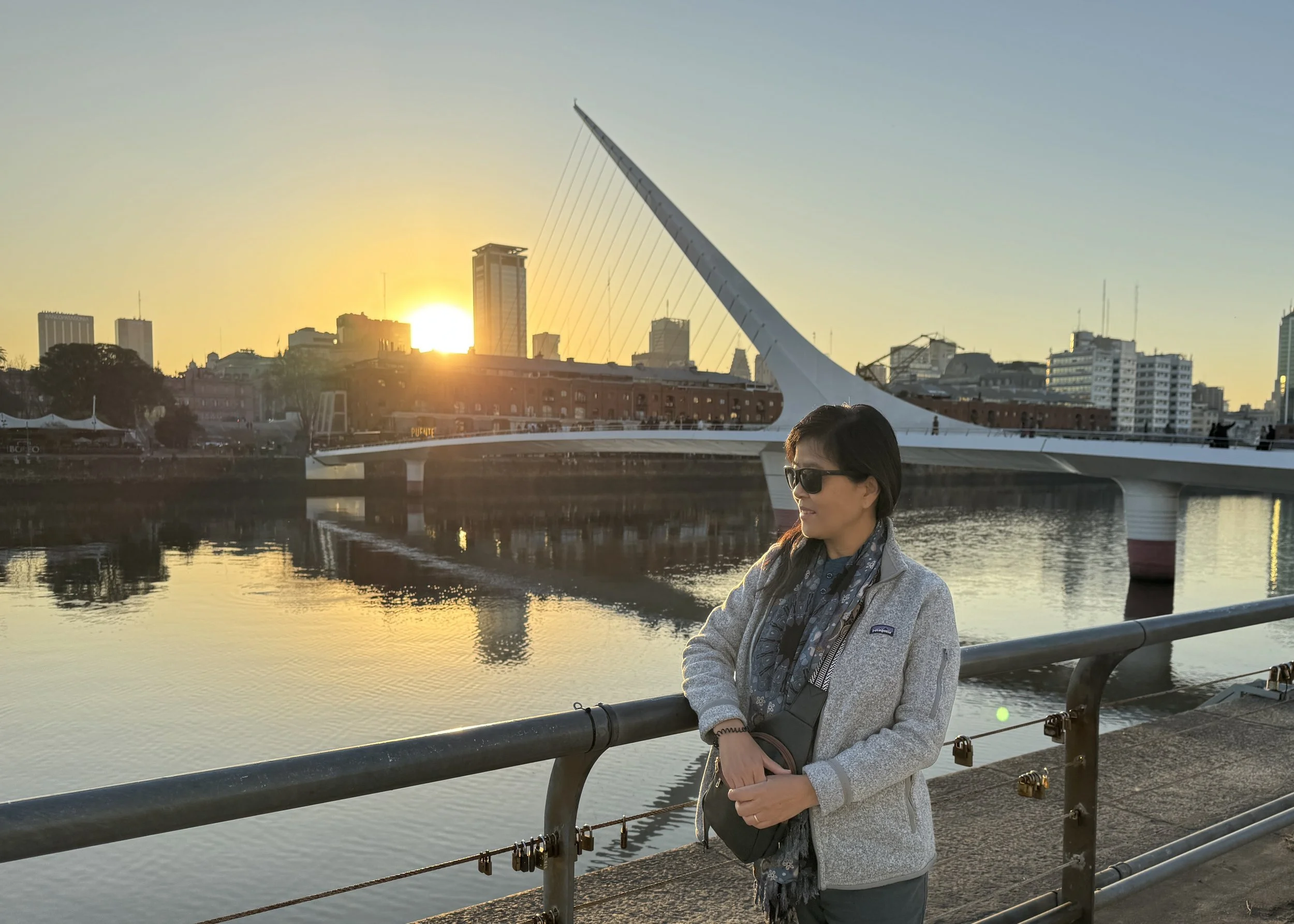
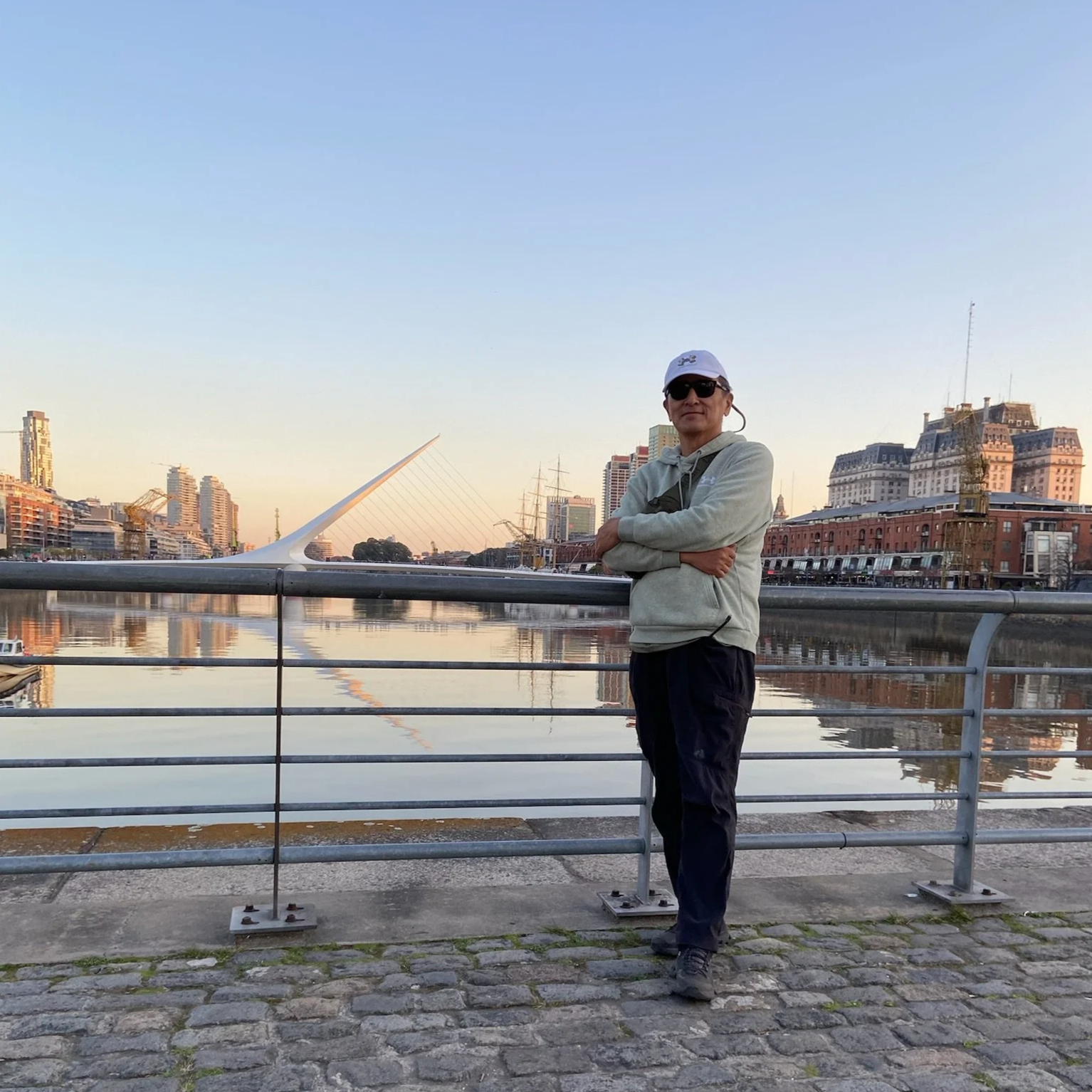
In the afternoon, we headed to Puerto Madero, the modern waterfront district, and spent a few hours walking along the docks and soaking up our final impressions of the city.


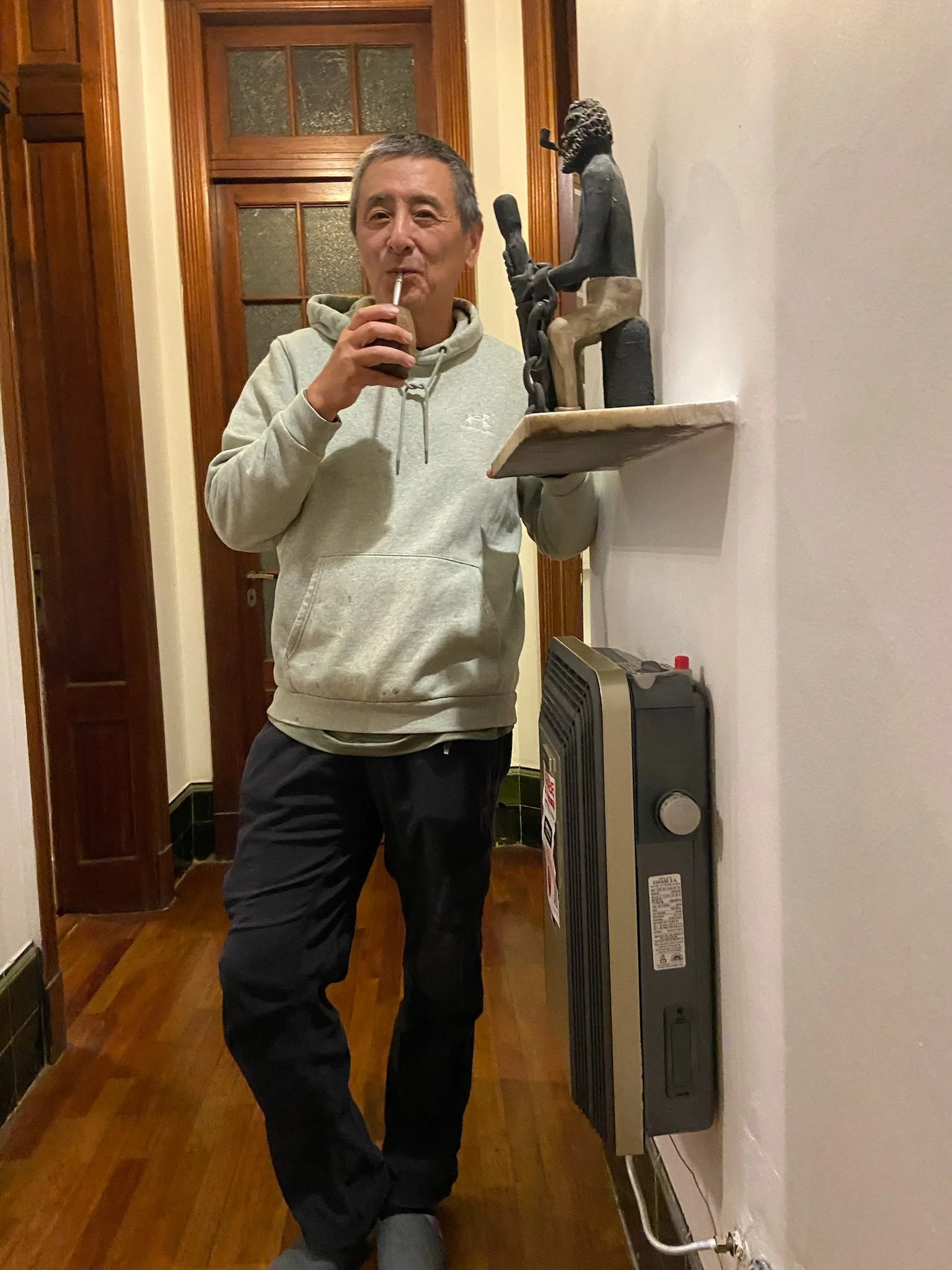
That evening we enjoyed a simple homemade dinner back at our rental, chatting and packing for tomorrow’s departure. Chenggang tired out Mate tea set he bought in the market yesterday.
Late at night, one of our friends translated an email we had all received earlier from JetSmart in Spanish, only to discover that due to a strike, our departure had been switched to a different airport. Thankfully, they woke everyone up in time, and we quickly rebooked our Uber to the new airport. We couldn’t imagine what would have happened if we had shown up at the wrong one.

二零二五年八月二十五日
在布宜诺斯艾利斯待了几天后,我们觉得大多数必看景点都已经打卡了。今天是我们在这座城市的最后一整天,计划先去 巴勒莫 (Palermo) 区走走,然后到 中国城 (Chinatown) 吃午餐,最后去普埃尔托马德罗 (Puerto Madero) 逛逛。
巴勒莫既是高档的住宅和商业区,同时也是欣赏街头艺术的最佳地点。我们乘公交前往,在街区间随意闲逛,欣赏着五彩斑斓、充满创意的壁画与涂鸦。
之后我们又坐车来到 中国城。因为是星期一,大部分餐馆都关门了,但我们还是找到了一家营业的餐馆,吃到了还不错的广式早茶。
下午,我们去了普埃尔托马德罗,这座现代化的滨水区是城市的另一张面孔,我们在那里走了几个小时,也品尝了当地的冰淇淋和咖啡,享受在布宜诺斯艾利斯最后的时光。
傍晚回到住处,我们做了一顿简单的家常晚餐,边吃边聊天,并开始整理行李,为明天的离开做准备。深夜时,同行的一位朋友把大家之前都收到但忽略的来自JetSmart航空的西班牙语邮件翻译出来,才发现由于罢工,明天一早的航班起飞机场临时改到了另一个机场。幸好朋友及时发现,把大家都叫醒。我们赶紧重新预订了去新机场的 Uber。新机场很远,我们必须更早出发。真不敢想象如果去了错误的机场,会是怎样一番局面。 几天来我们常开玩笑,说这位同行的朋友是我们的福星,每次有他在总能帮我们化险为宜,今天再次证明了这一点。
La Boca, San Telmo Market, and Werther 拉博卡、圣特尔莫市场与《维尔特》
August 24, 2025
Today we visited the most colorful street in Buenos Aires — Caminito in La Boca……
今天一早我们坐公交车来到了布宜诺斯艾利斯最色彩斑斓的街道。。。
August 24, 2025
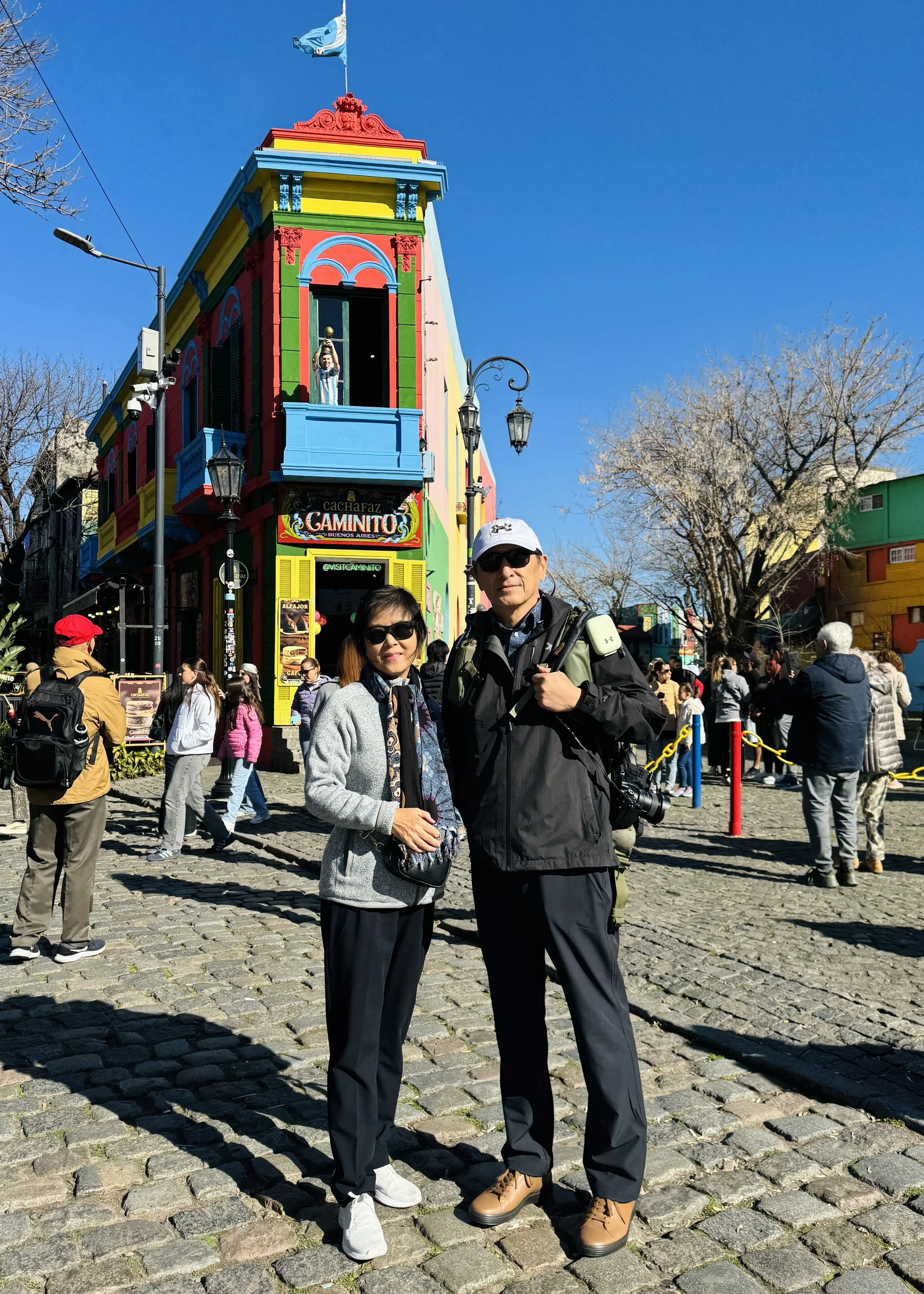
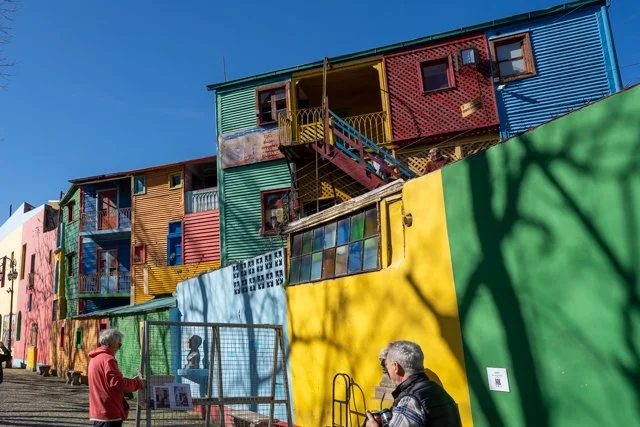
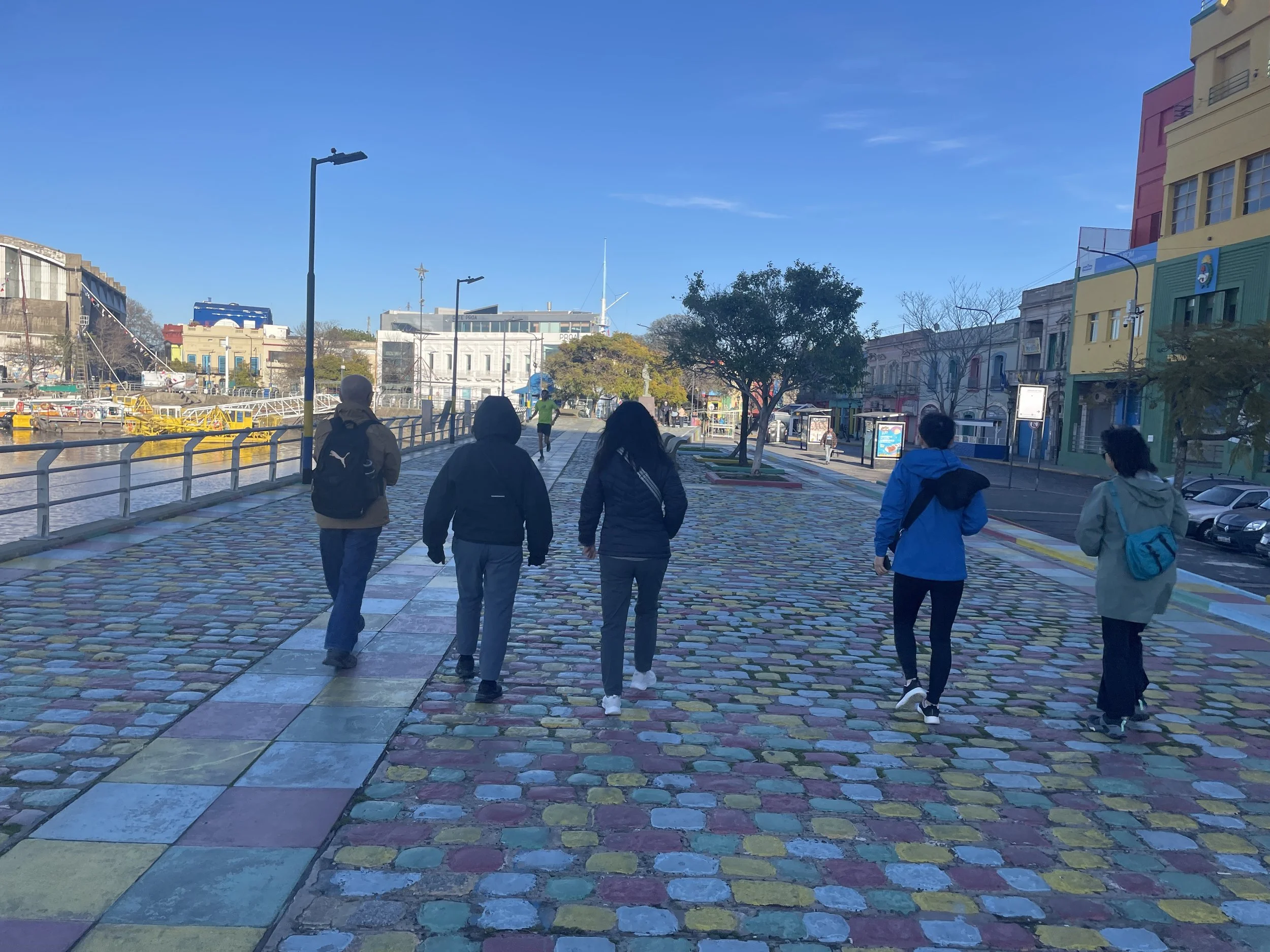
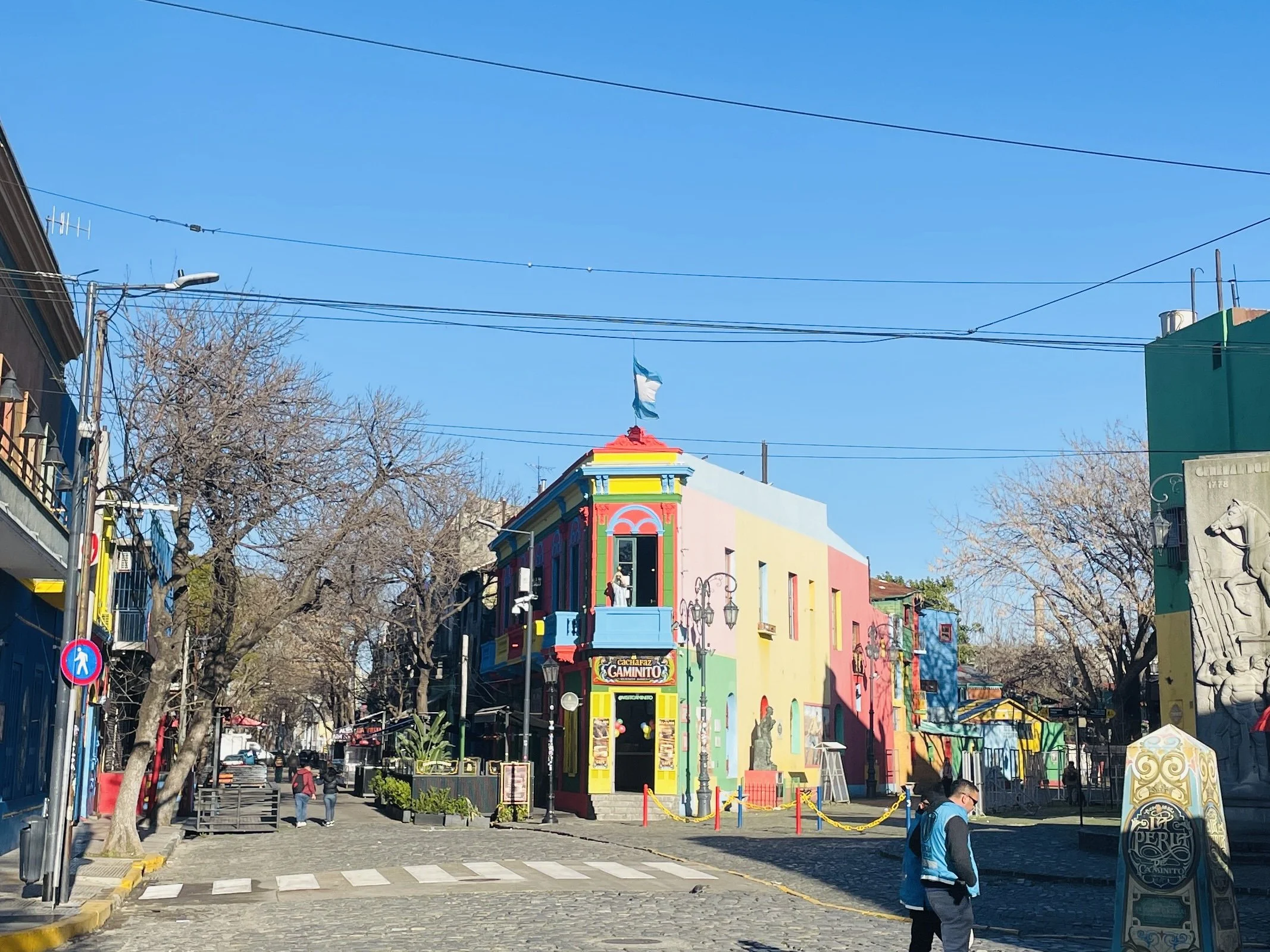
Today we visited the most colorful street in Buenos Aires — Caminito in La Boca. Unlike the quiet early morning scene yesterday, the area was now alive with tourists, open shops, and music in the air. Famous for its brightly painted houses, street tango performances, craft stalls, and lively cafés, Caminito exuded vibrant energy and unmistakable charm.


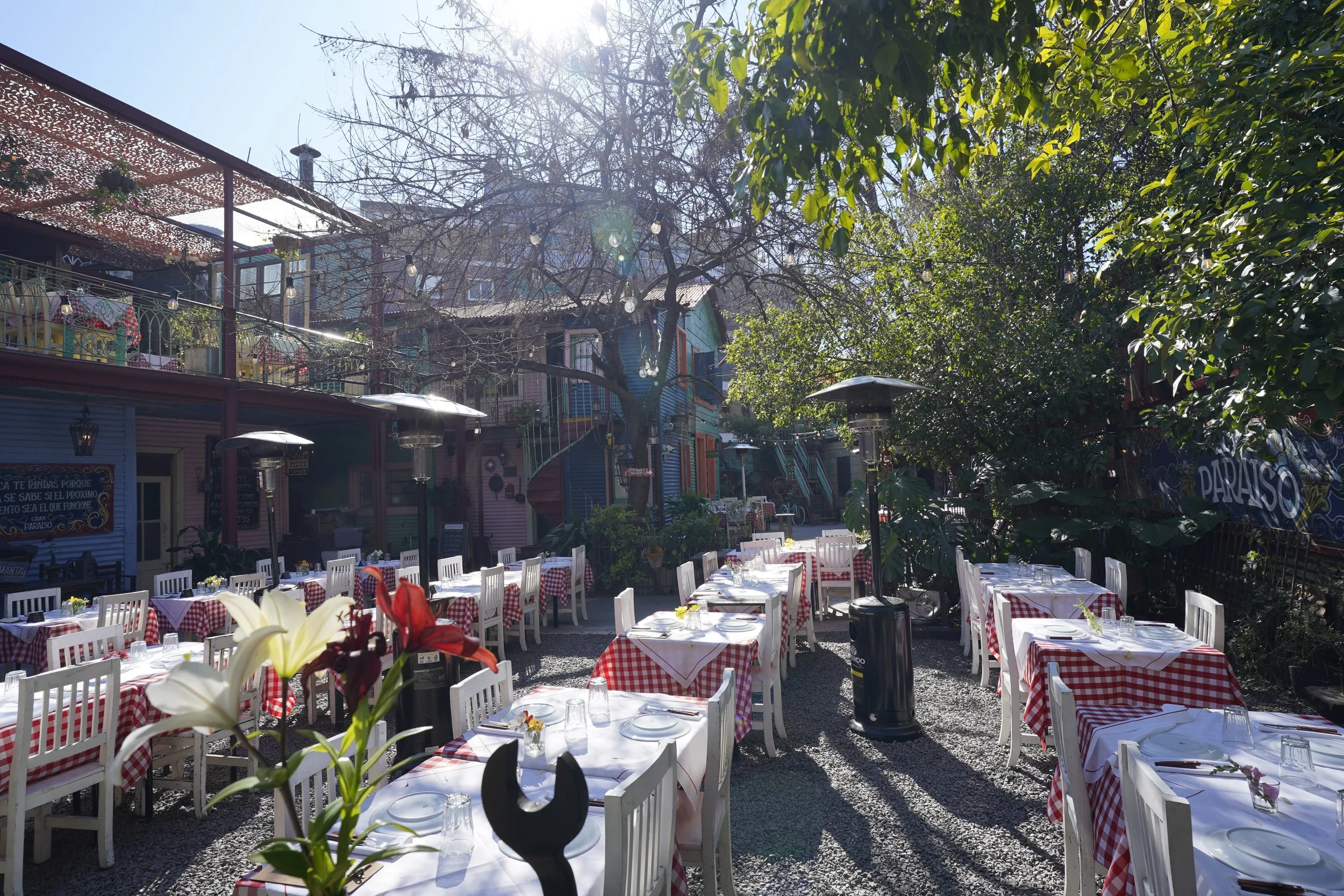

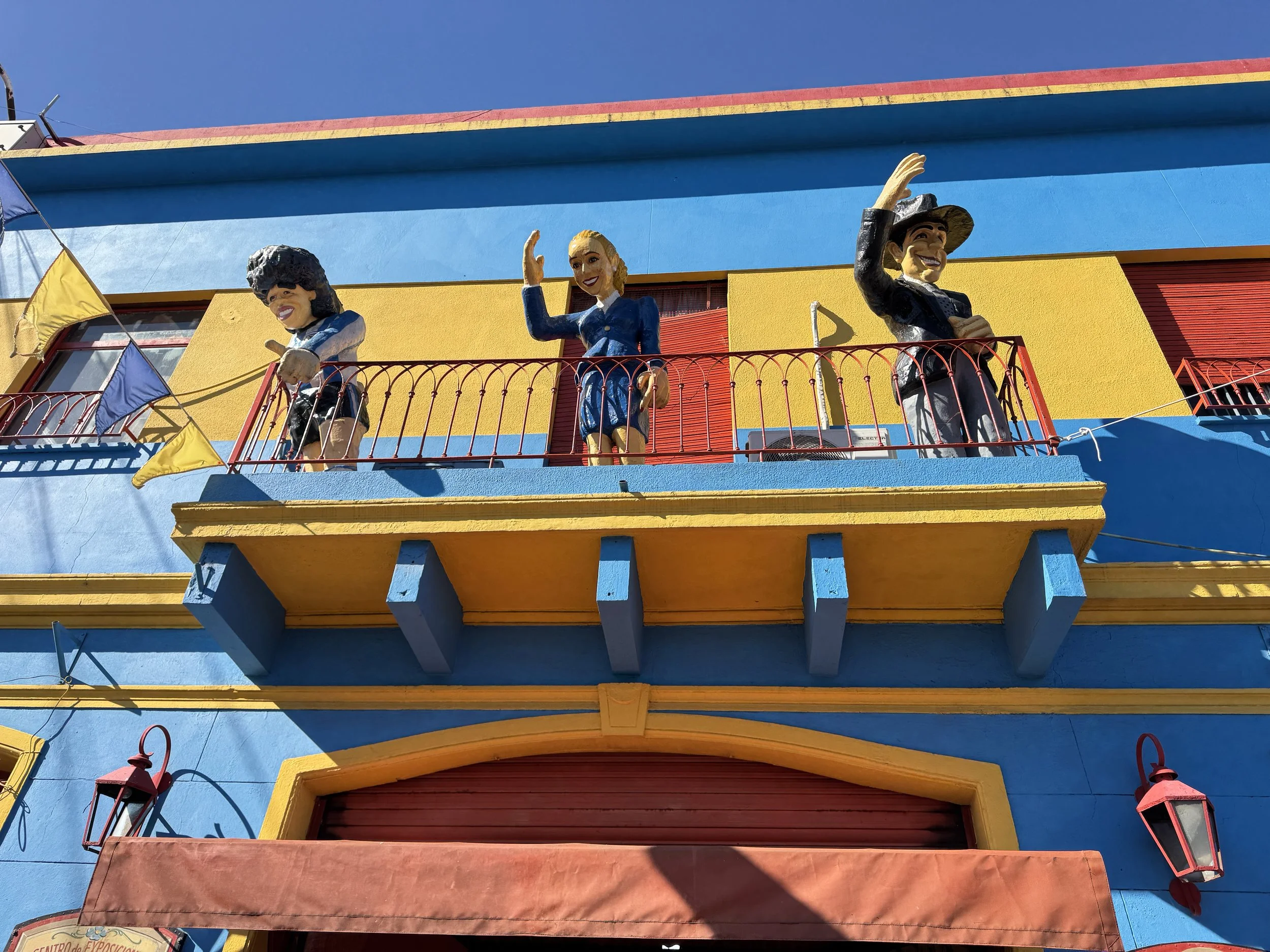
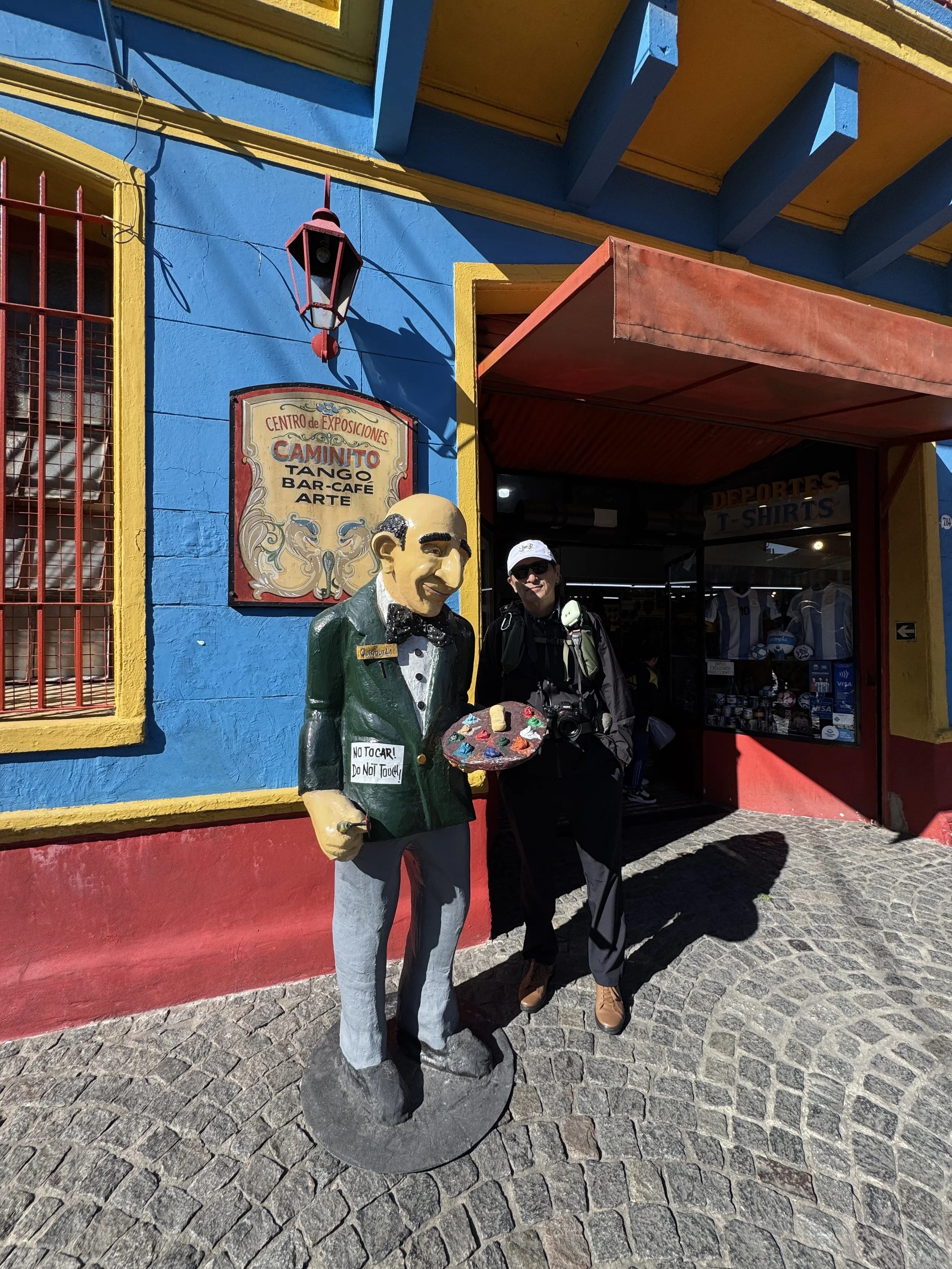
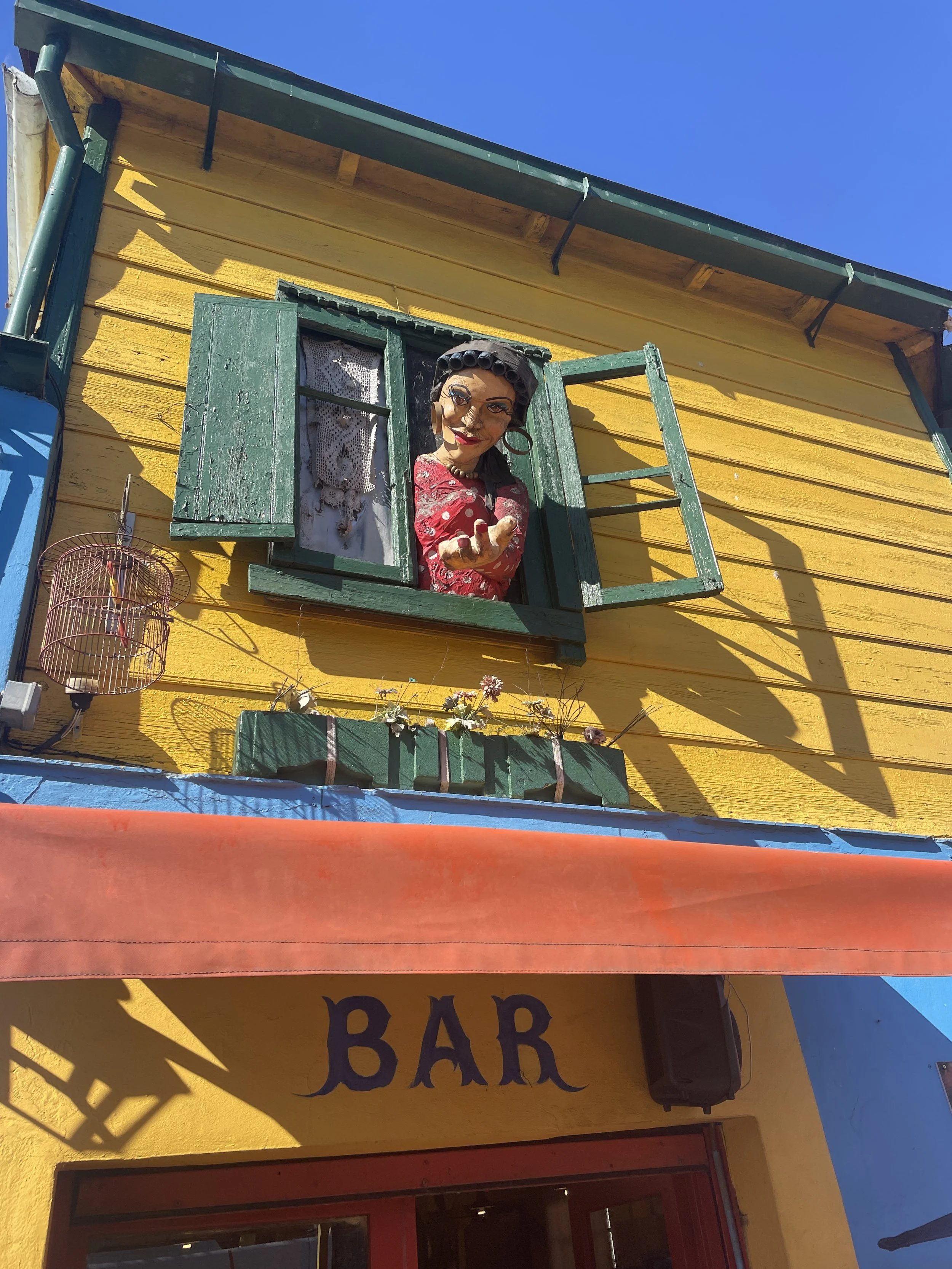
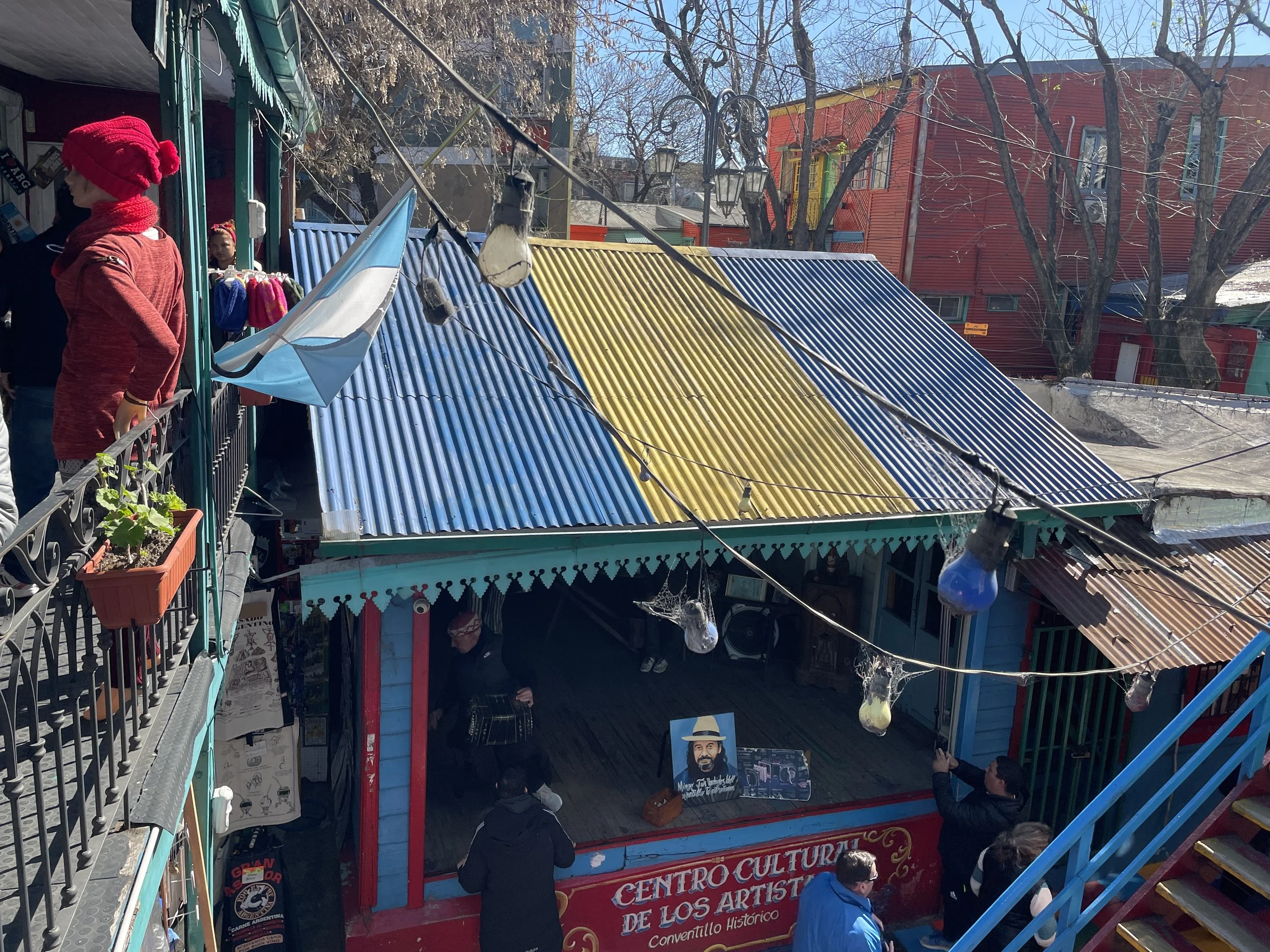
From there we took the bus to San Telmo for the weekly Sunday market. The long street was packed with vendors, booths, locals, and tourists, creating a vivid scene of bustling city life.


After arriving in Buenos Aires, we noticed many locals carrying a cup filled with tea leaves and a metal straw, often accompanied by a thermos of hot water. Some even carried special bags just for their mate set. On the ferry yesterday we learned this is mate tea, a beloved tradition throughout South America. At the market today, we were drawn to a booth selling mate cups and accessories, and we bought a set engraved with our names.
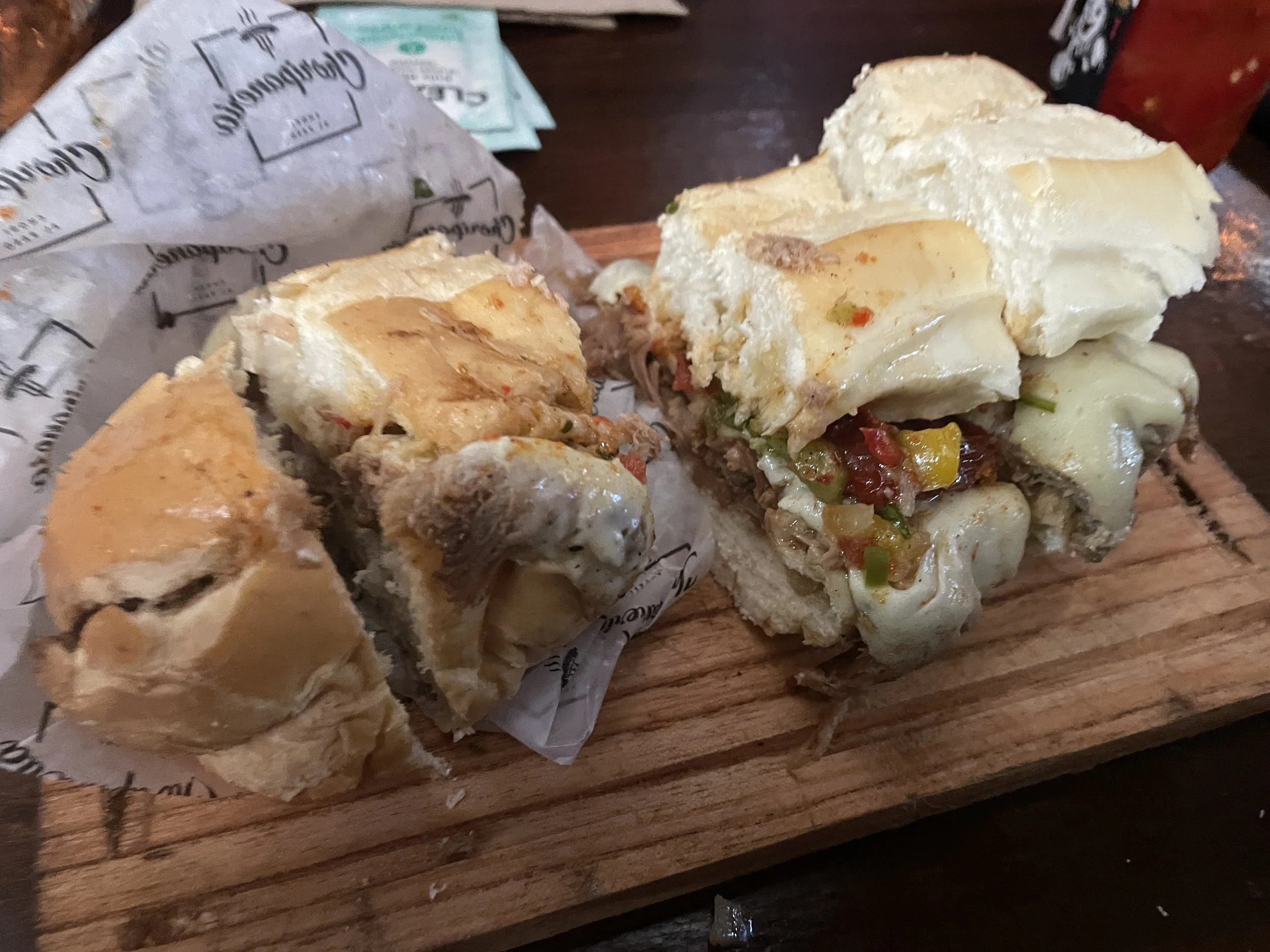
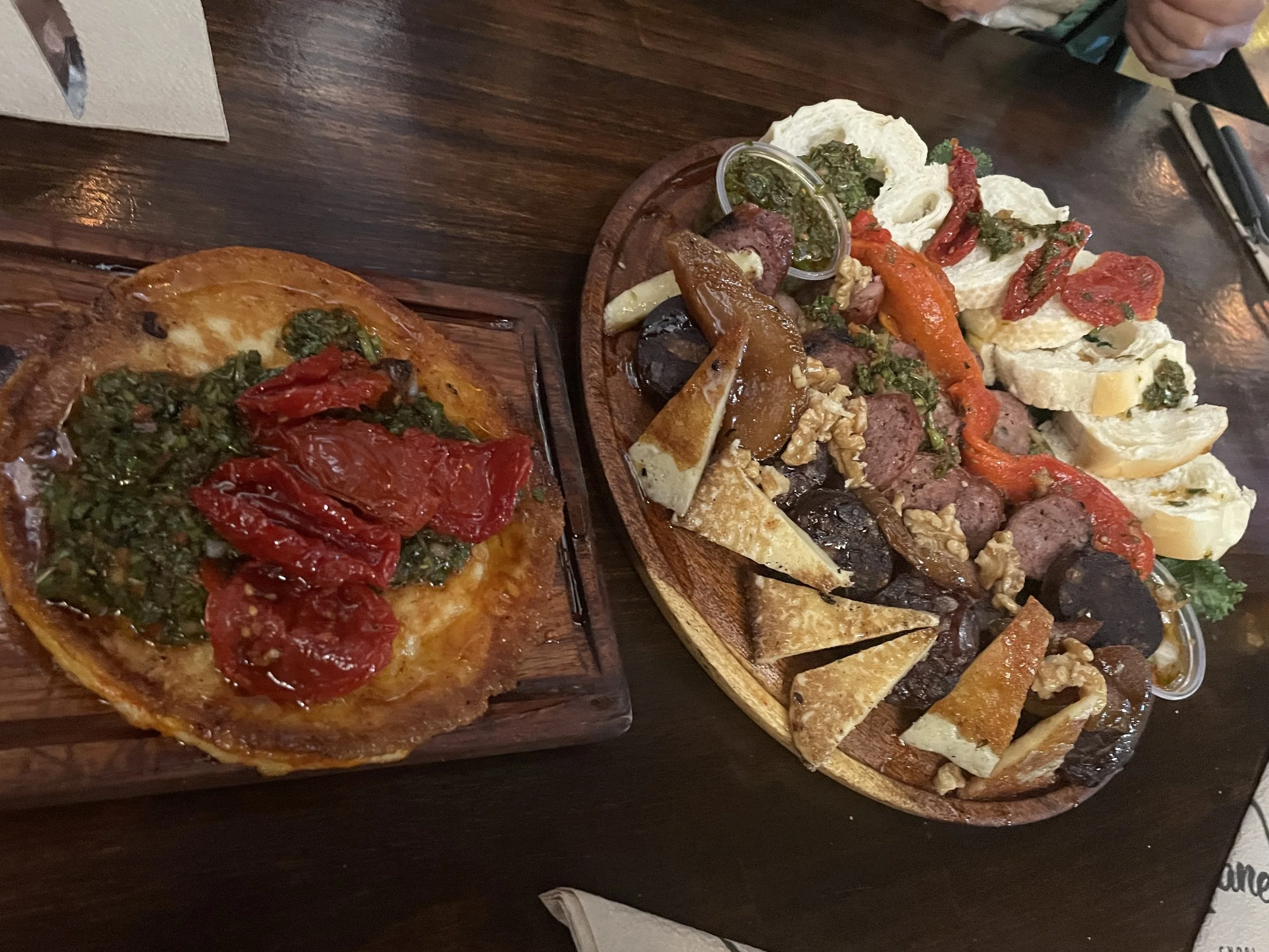
We also stepped into the San Telmo indoor market, which was much livelier than two days ago when we arrived too late. This time every café was packed, and finding seats for six was nearly impossible. Instead of sampling different stalls, we waited for a table at La Choripanería, a highly recommended spot inside the market, and shared a traditional Argentine platter that included black sausage.
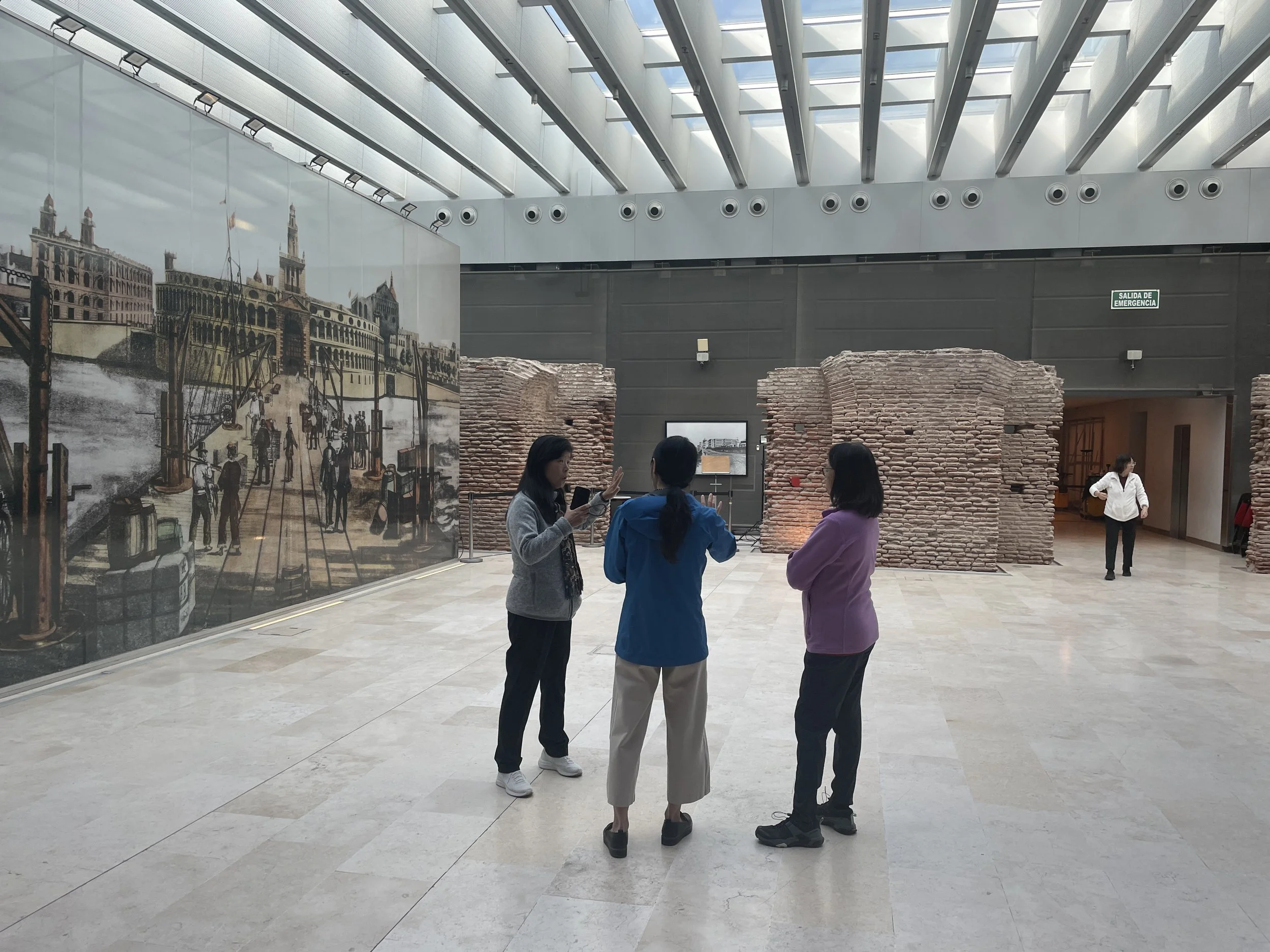
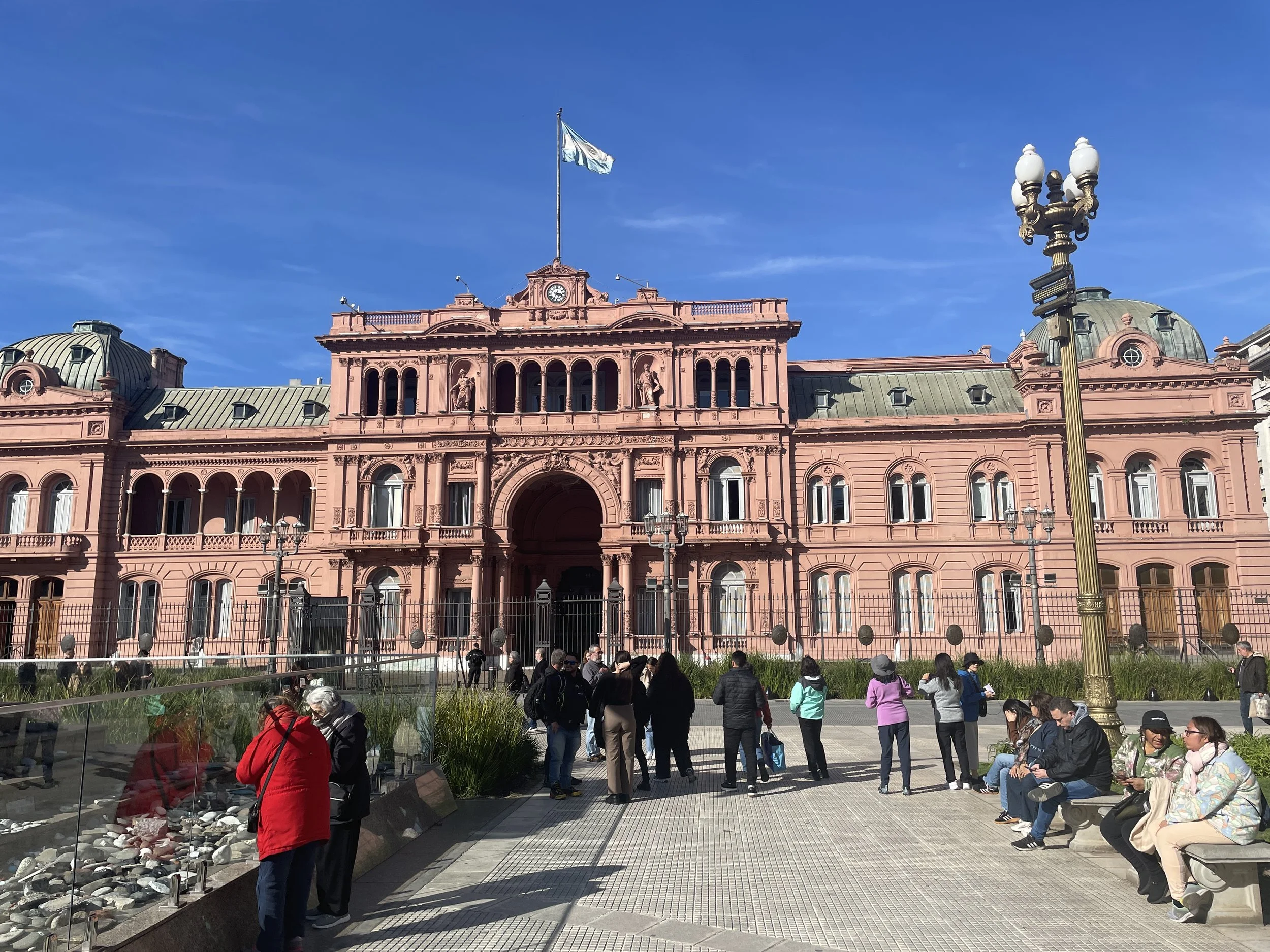
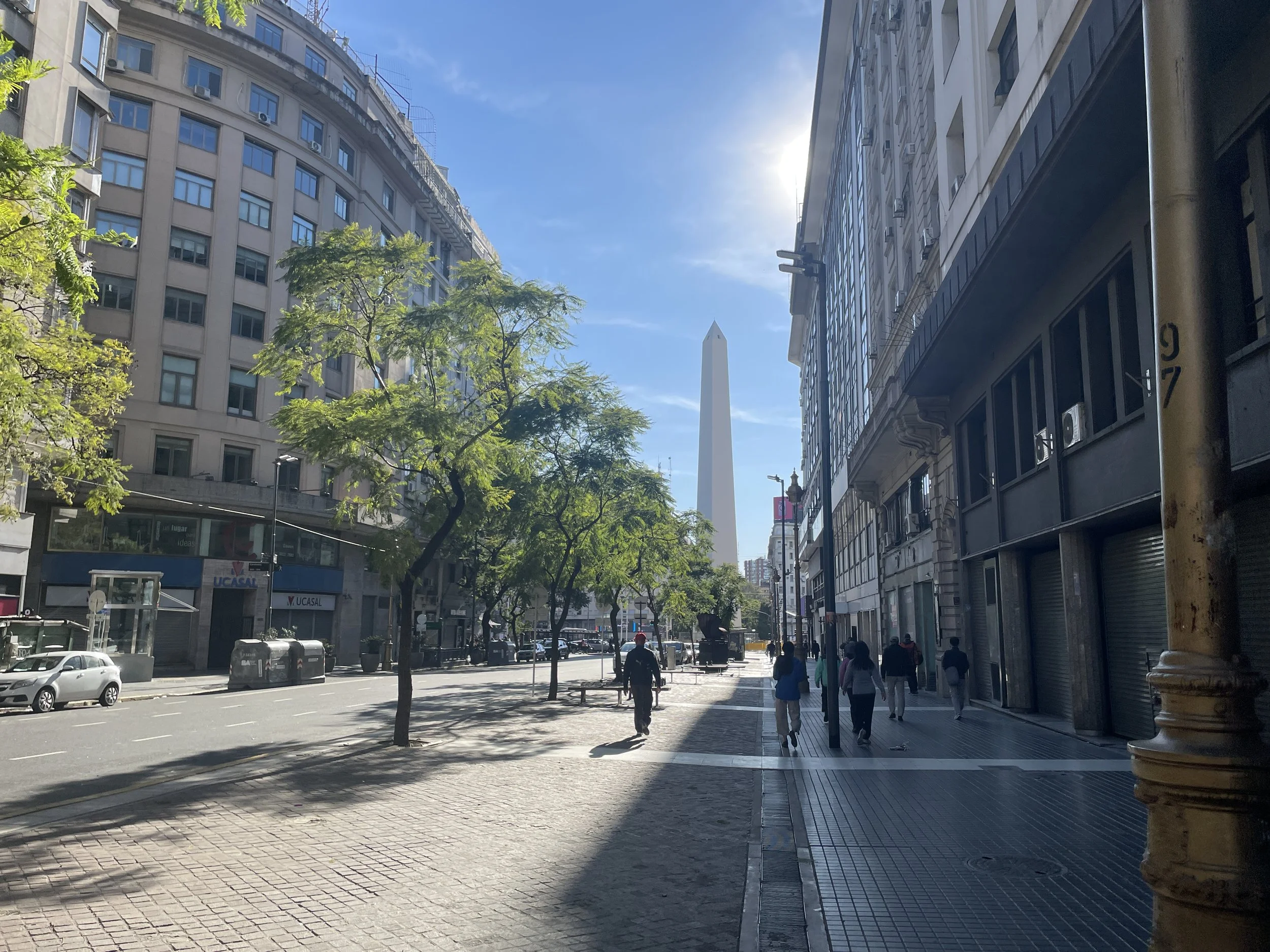
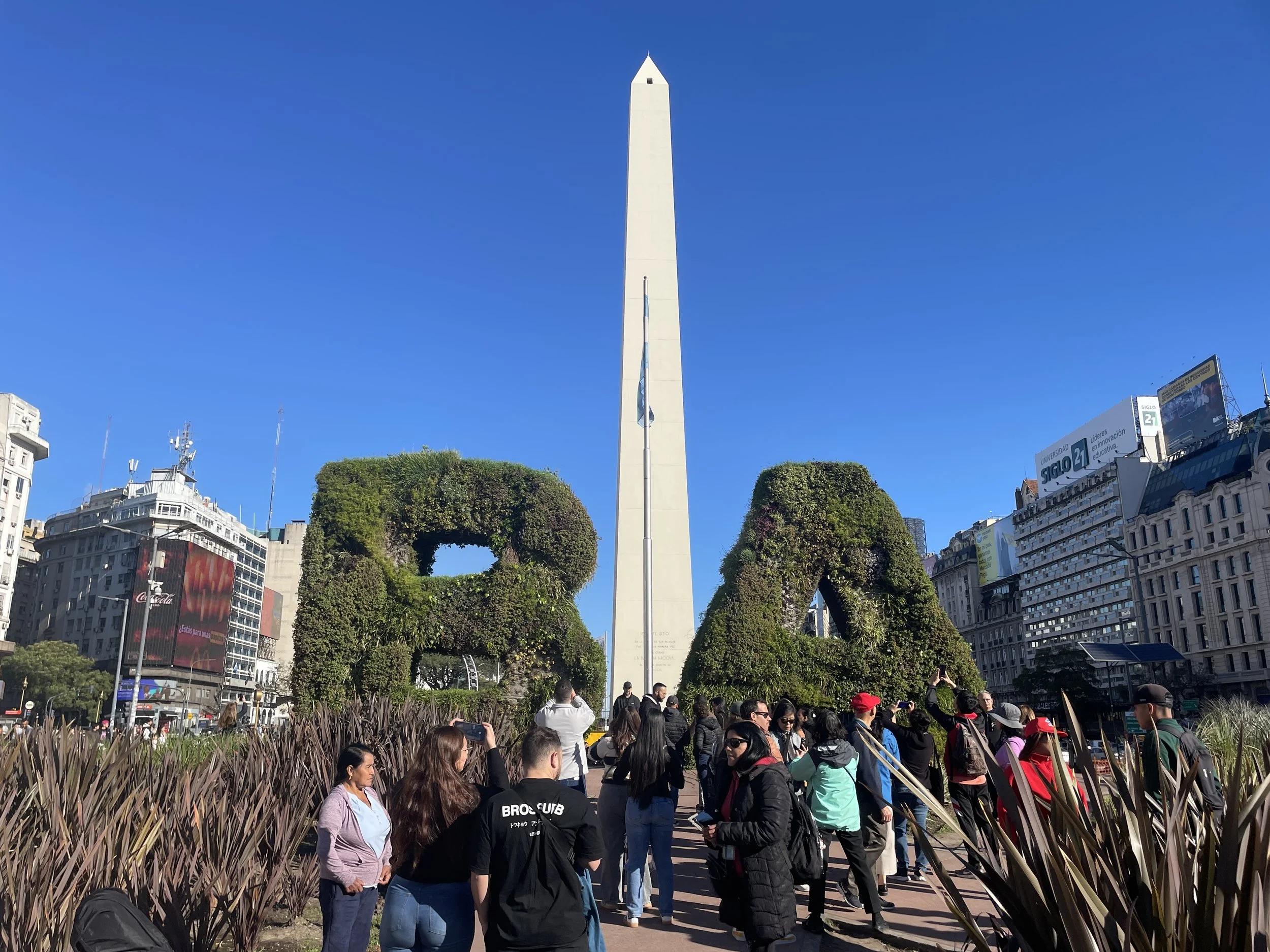
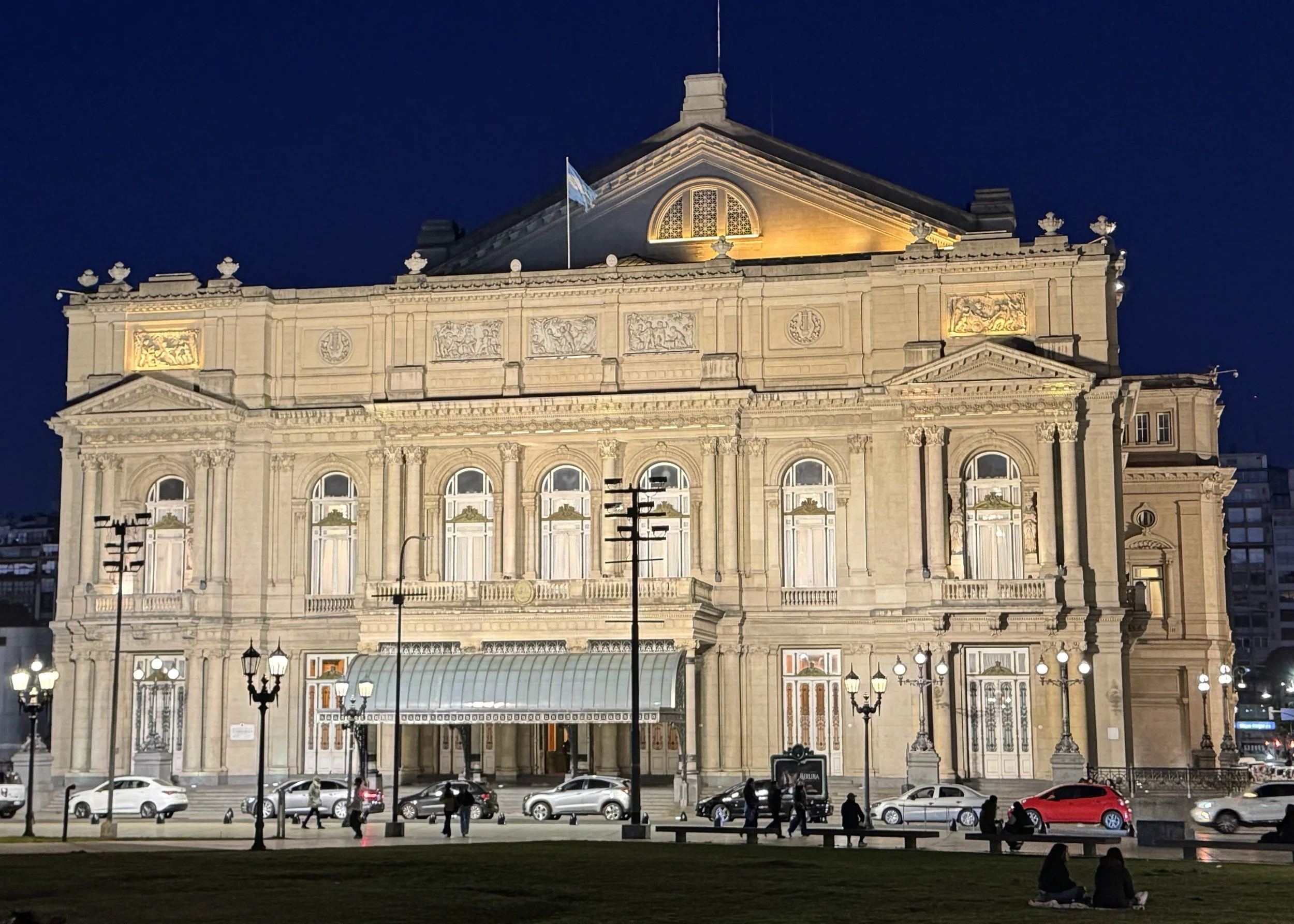
After lunch we walked to the museum of the Casa Rosada (Pink House) to learn more about this significant national landmark. We then stopped by the Obelisco de Buenos Aires, the city’s most iconic monument built in 1936 to celebrate the 400th anniversary. Standing tall at the intersection of Avenida 9 de Julio and Avenida Corrientes, it made the perfect backdrop for a group photo before we continued on to the Teatro Colón.
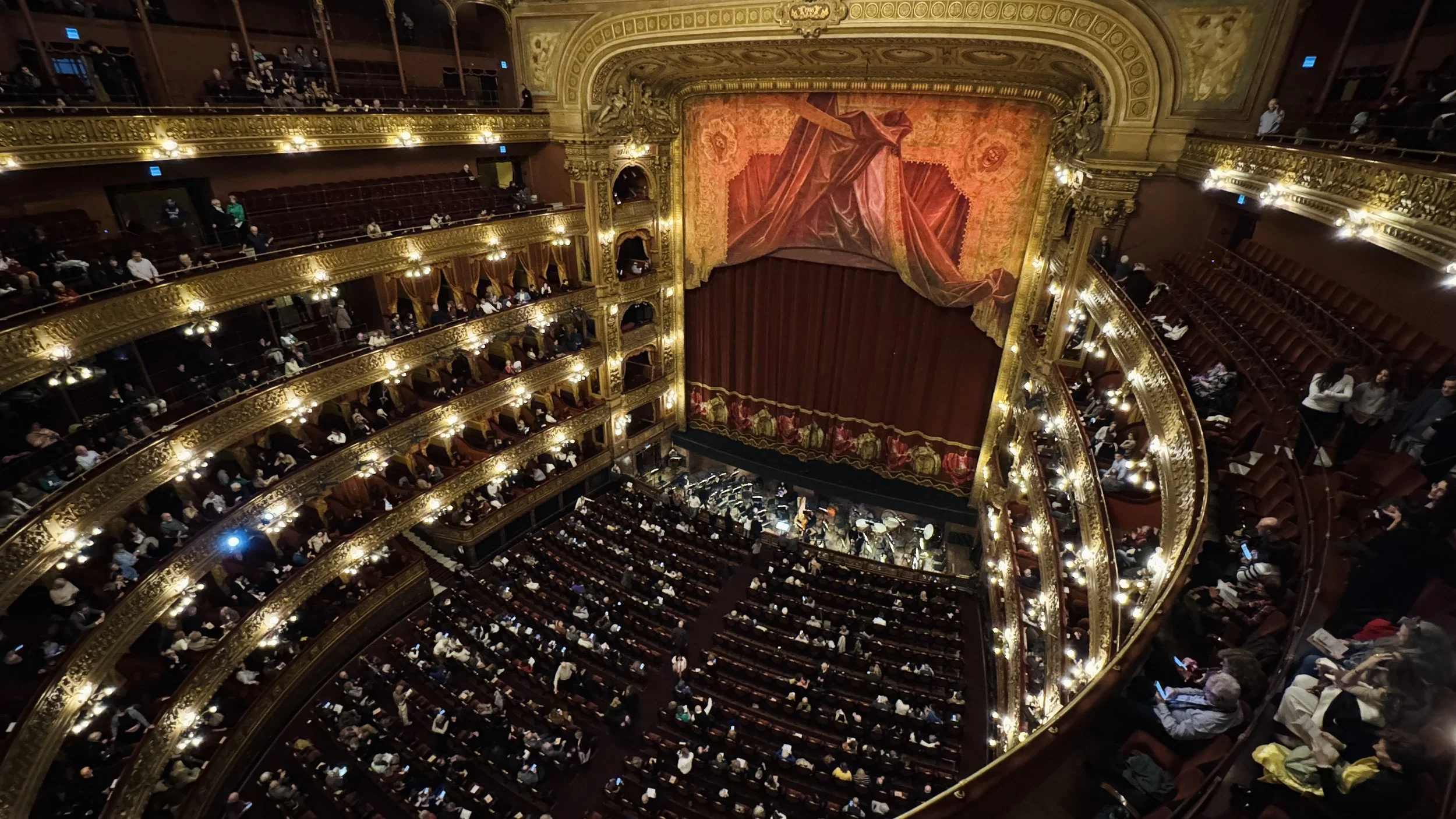
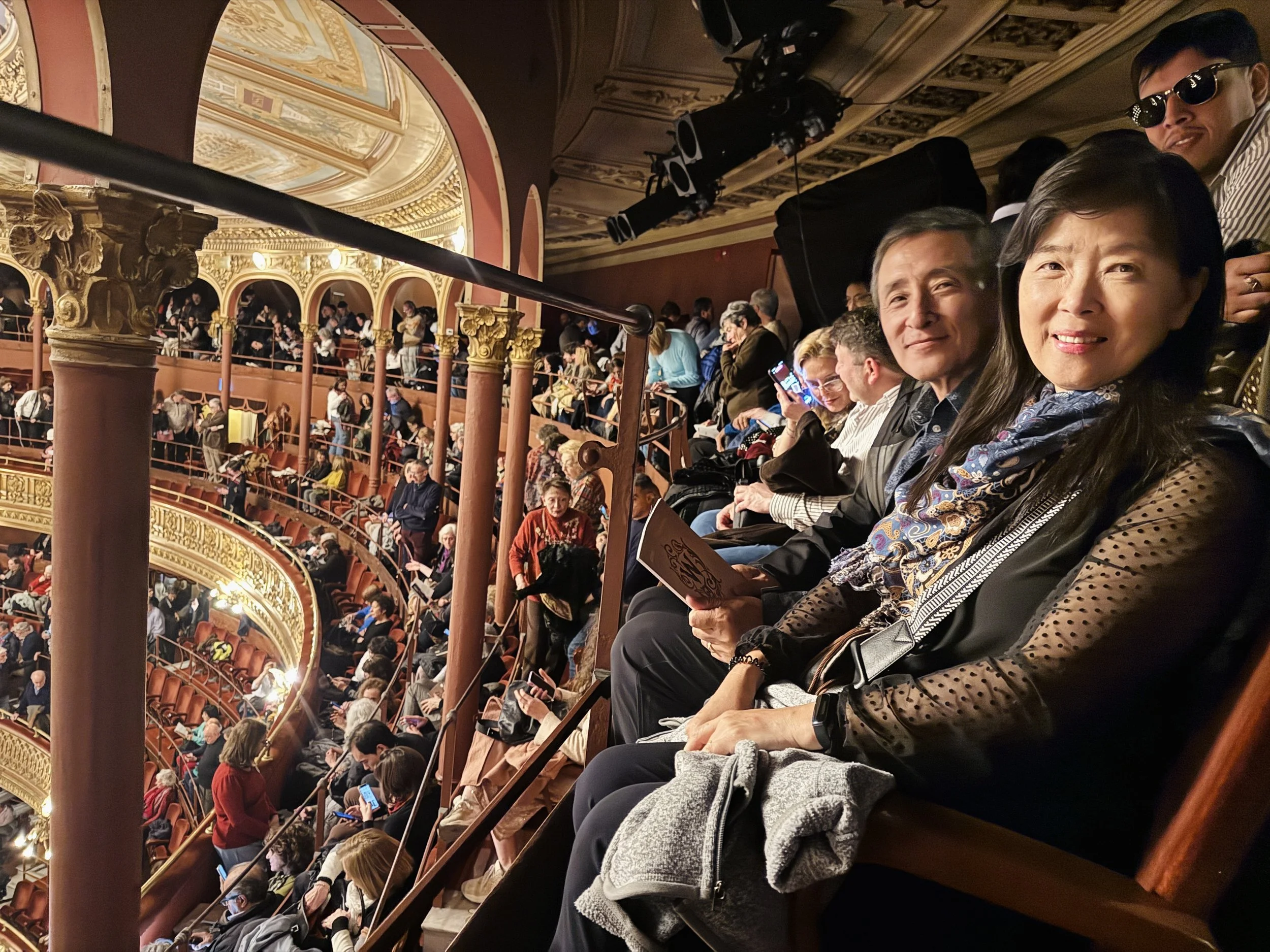
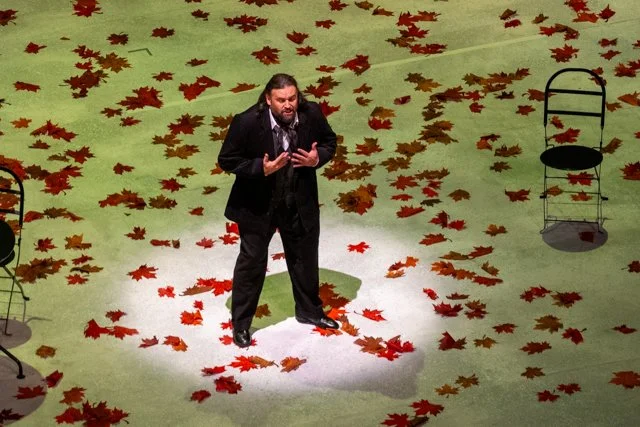
In the evening, we attended the opera Werther at the Teatro Colón, one of the world’s great opera houses. Since all the seats were sold out, we managed to get standing tickets, which still gave us the chance to enjoy the performance in this magnificent venue. Massenet’s Werther, based on Goethe’s The Sorrows of Young Werther, tells the tragic story of a poet destroyed by unrequited love. The world-class performance, combined with the theater’s remarkable acoustics, made it truly unforgettable. Although the opera ran for more than three hours, we decided to leave after the second intermission.


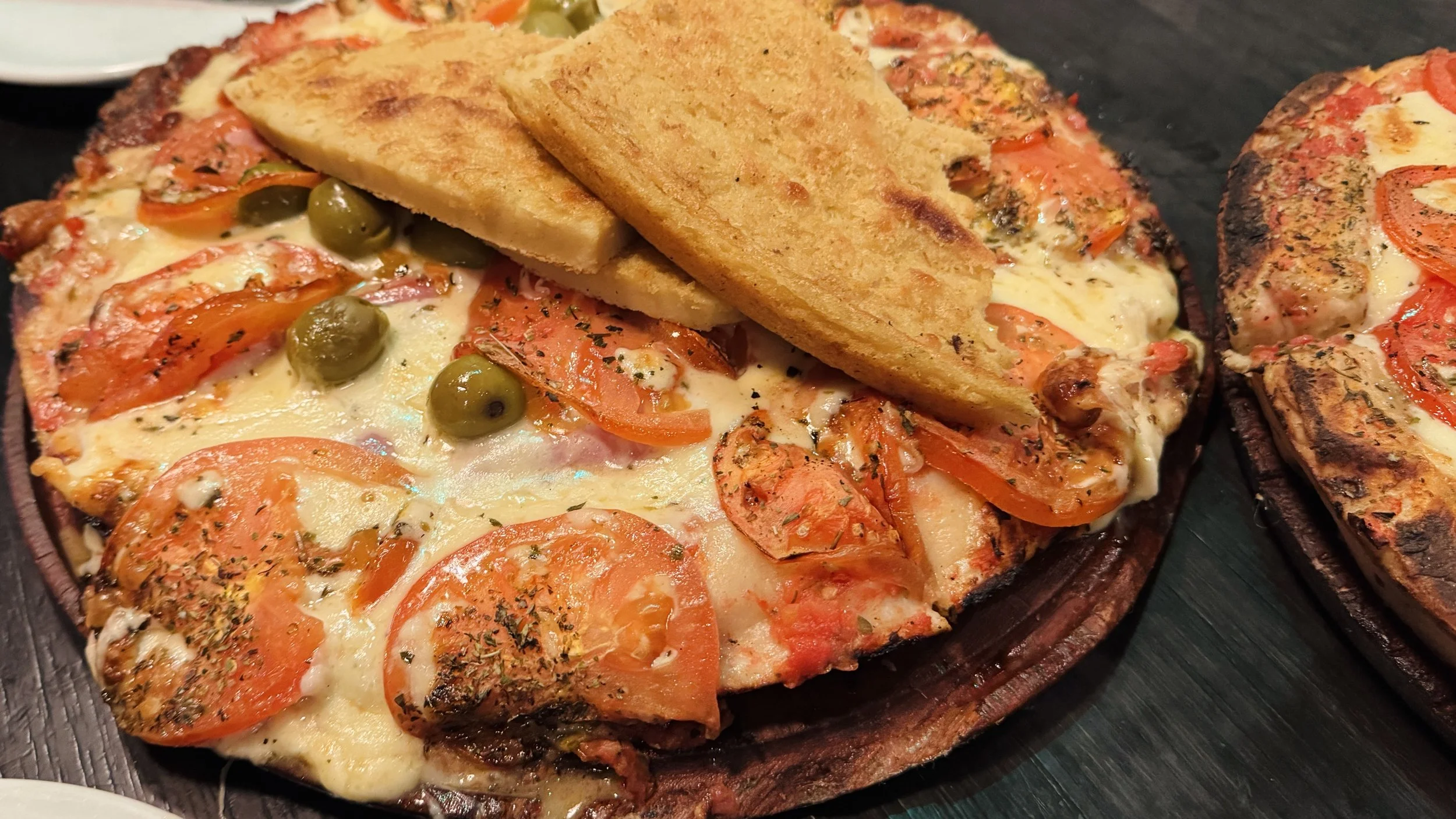
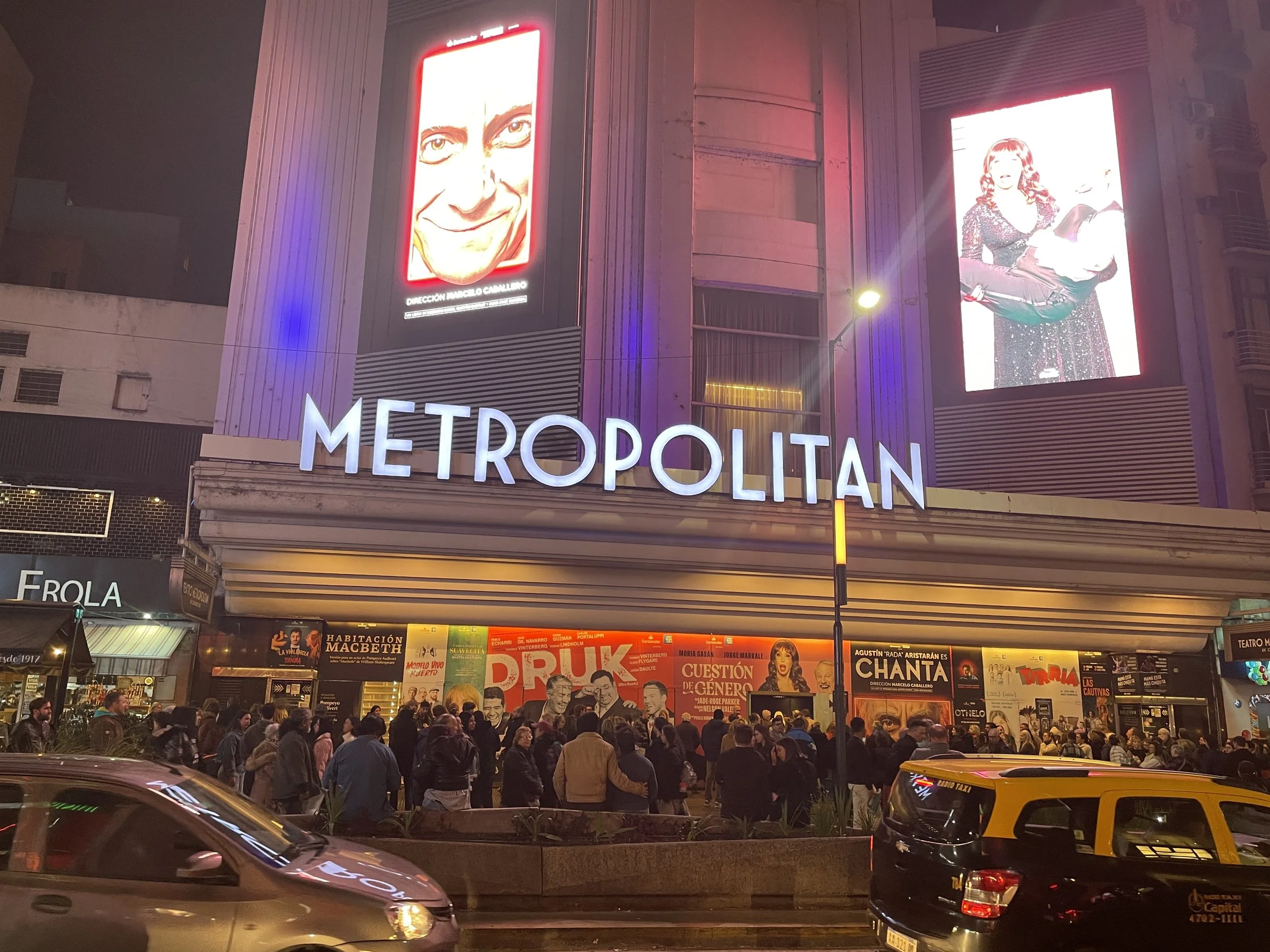
We ended the day walking through the lively theater district and had dinner at Pizzería Güerrín, the most famous pizza place in the city. The thick, cheesy pizza was heavy, and even the classic Buenos Aires twist of pairing it with a slice of chickpea flatbread (fainá) wasn’t to our taste. We didn’t finish and took the leftovers home, all agreeing that this would be our last pizza stop of the trip.
拉博卡、圣特尔莫市场与《维尔特》
二零二五年八月二十四日
今天一早我们坐公交车来到了布宜诺斯艾利斯最色彩斑斓的街道——拉博卡 (La Boca) 的 卡米尼托 (Caminito)。这里以五颜六色的房屋、街头探戈表演、手工艺摊位和热闹的小餐馆而闻名,充满活力与独特魅力。我们去的早,游客还不算太多。
随后我们乘公交来到 圣特尔莫 (San Telmo),赶上了每周一次的周日集市。整条街道被摊贩,本地人和游客挤得水泄不通,热闹非凡。
自从抵达布宜诺斯艾利斯,我们就常看到当地人手里端着一个杯子,里面是茶叶和金属吸管,另外还带着热水瓶,有的甚至配着专门的茶具袋。昨天在渡轮上我们才知道,这是南美盛行的 马黛茶 (Mate)。今天在市场上被一个售卖茶具的摊位吸引,我买下了一套马黛茶具,商家当场在茶杯上刻上我的姓氏。
我们还走进了圣特尔莫室内市场。两天前晚上来时很冷清,大部分已关门,而今天却人声鼎沸,走路都必须人推人。市场里的小餐馆几乎都客满,六个人想找座位极为困难。于是我们放弃了逐个小摊品尝的想法,选择在一家口碑很好的小餐馆 La Choripanería 等位。短暂等待后终于入座,我们点了几份餐馆的特色菜包括一份传统的阿根廷拼盘,其中有黑血肠。
午餐后,我们步行前往 玫瑰宫 (Casa Rosada) 博物馆,了解这座布宜诺斯艾利斯最具代表性的地标。随后来到 布宜诺斯艾利斯方尖碑 (Obelisco de Buenos Aires)。这座纪念碑建于 1936 年,为庆祝建城 400 周年而建。我们在此拍下合影后,继续走向 科隆剧院 (Teatro Colón)。
晚上,我们在科隆剧院观看歌剧 《维特》(Werther)。来阿根廷前我们就上网买票,由于座位全部售罄,我们买了站票,有机会在这座世界一流的歌剧院中欣赏演出。歌剧《维特》改编自歌德的小说《少年维特之烦恼》,讲述了一位诗人因单恋而走向毁灭的悲剧。虽然听不懂,但世界级的表演与剧院无与伦比的音响效果相得益彰,使这次体验难以忘怀。
一天的行程在热闹的剧院区画下句点。我们来到布宜诺斯艾利斯最著名的披萨店 Pizzería Güerrín 用餐。厚重多芝士的披萨相当油腻,即便搭配上当地经典的 鹰嘴豆饼 (fainá) 却不合我们的口味。没吃完的部分我们打包带走,并一致决定这将是此行最后一次尝试披萨。
Uruguay and Tango Show 乌拉圭与探戈之夜
August 23, 2025
Although we had only been in Buenos Aires for two days,……
在布宜诺斯艾利斯 (Buenos Aires) 仅停留两天后,。。。
August 23, 2025
Although we had only been in Buenos Aires for two days, we were eager to add a new stamp to our travel memories and set out on a day trip to Uruguay. To reach the ferry terminal, we took buses with a transfer at La Boca, saving ourselves a 30-minute walk through an unfamiliar neighborhood.
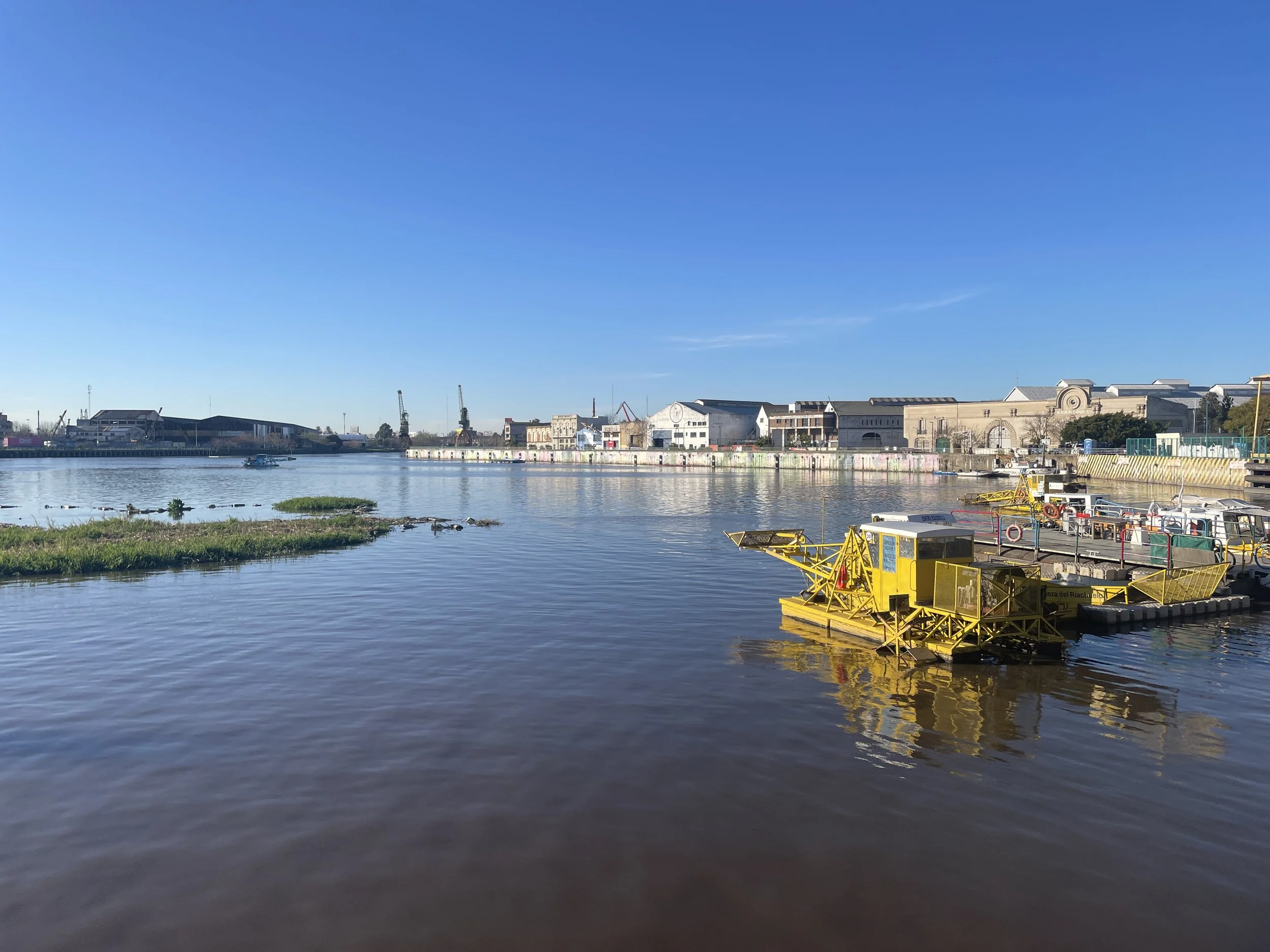
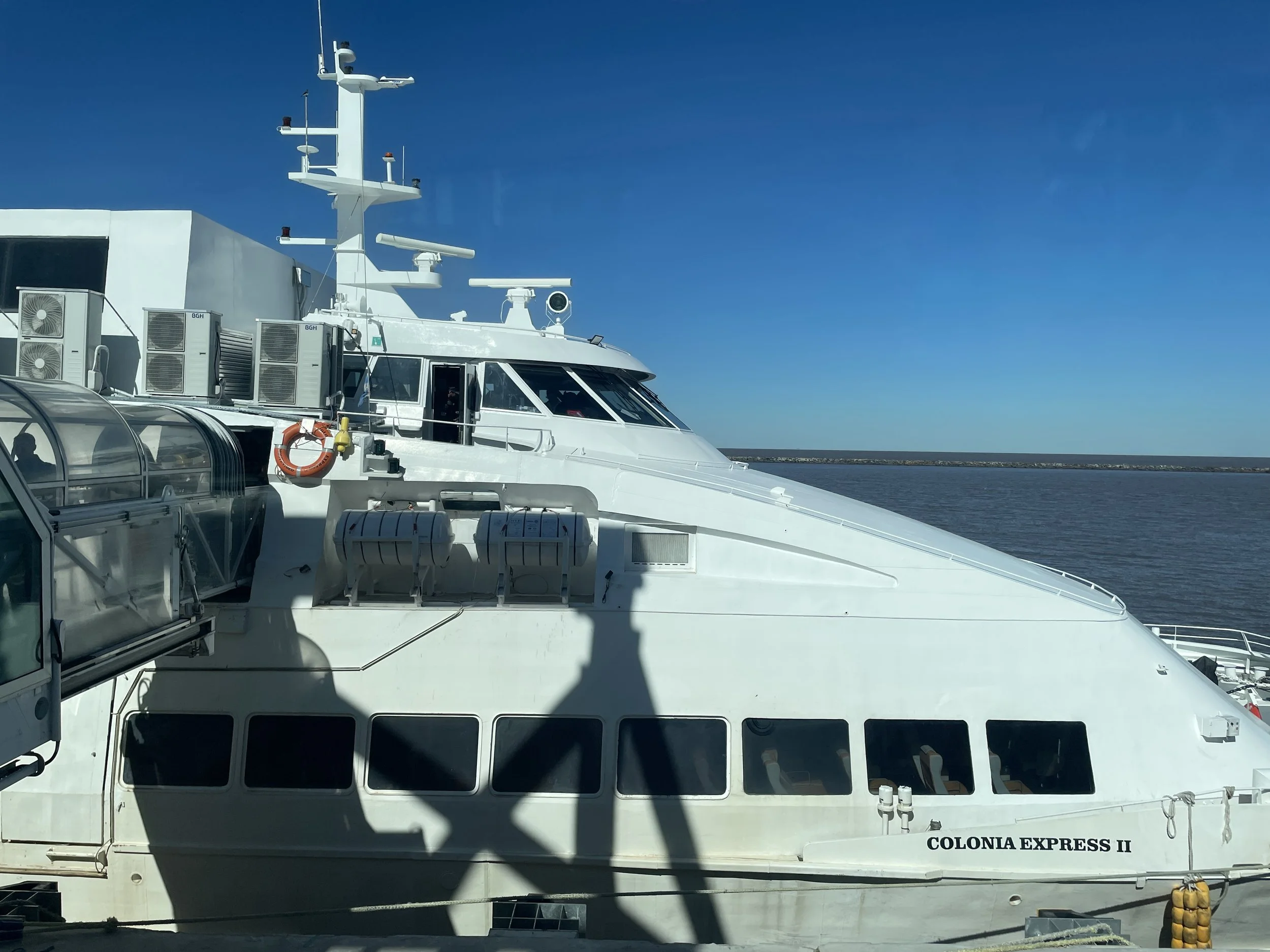
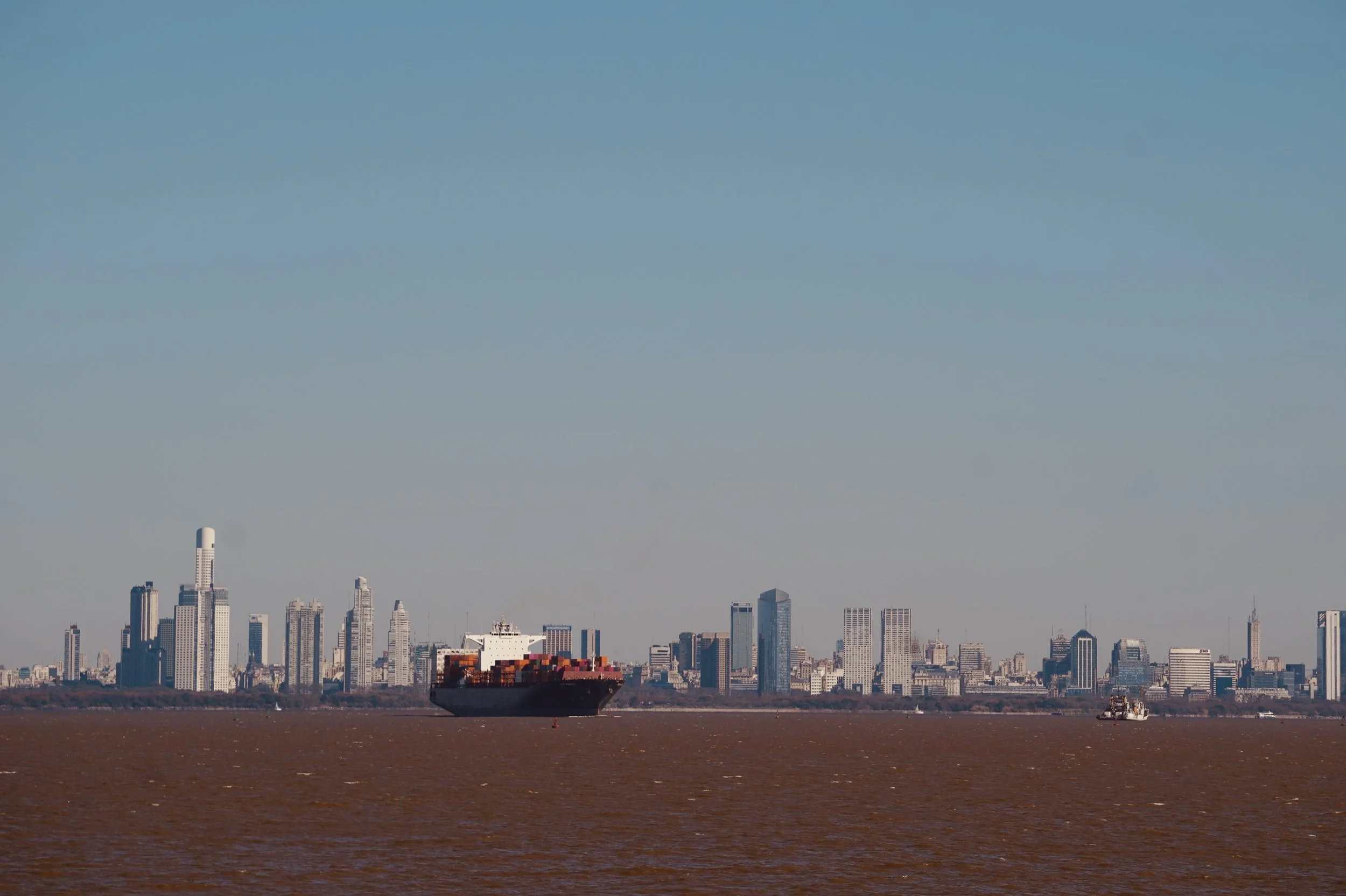
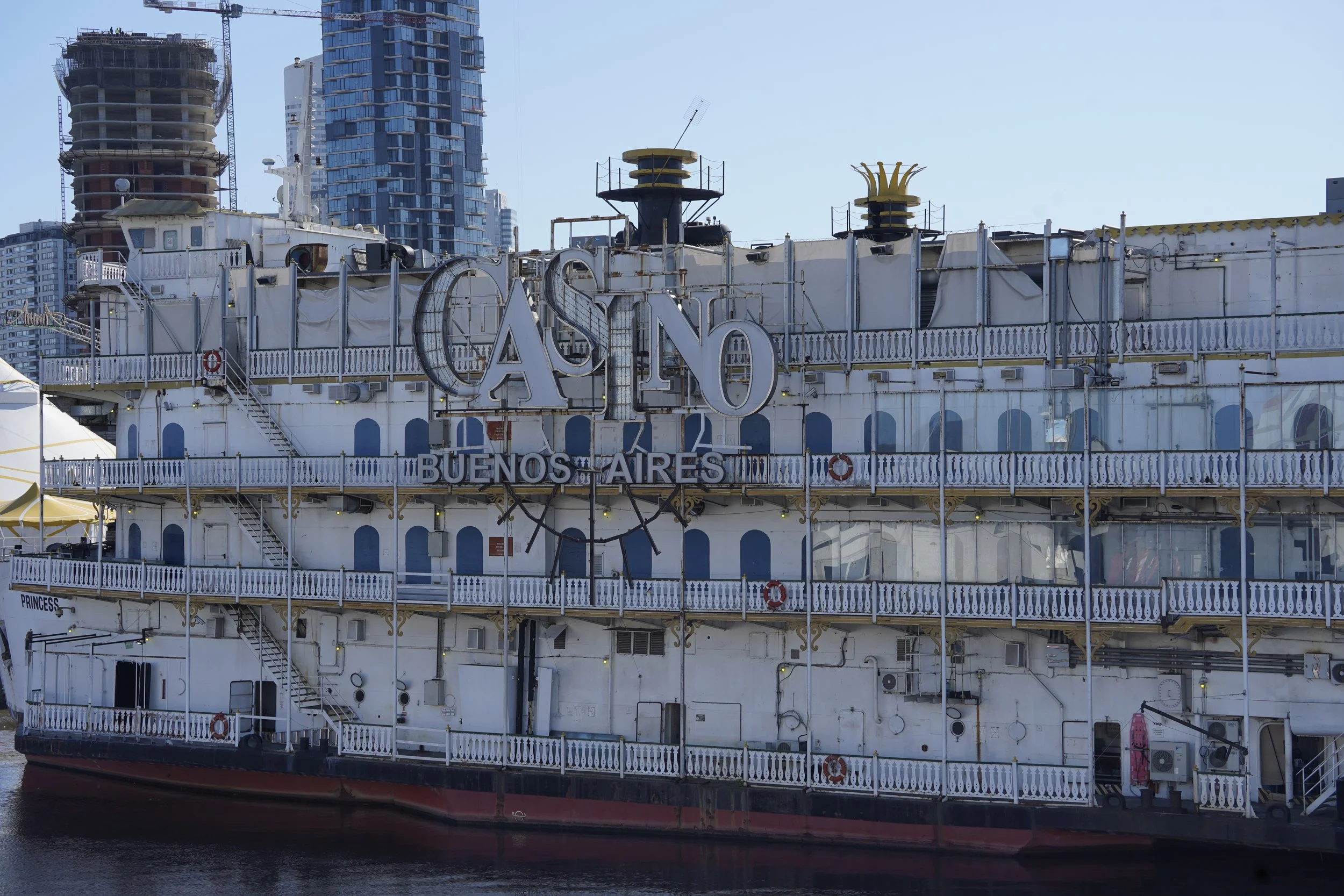
The check-in process and customs at the terminal were smooth and efficient. After a quick breakfast of coffee and croissants, we boarded the 10:30 am Colonia Express ferry. The crossing over the Río de la Plata lasted about an hour and fifteen minutes, carrying us across the wide, brown waters to the shores of Uruguay.
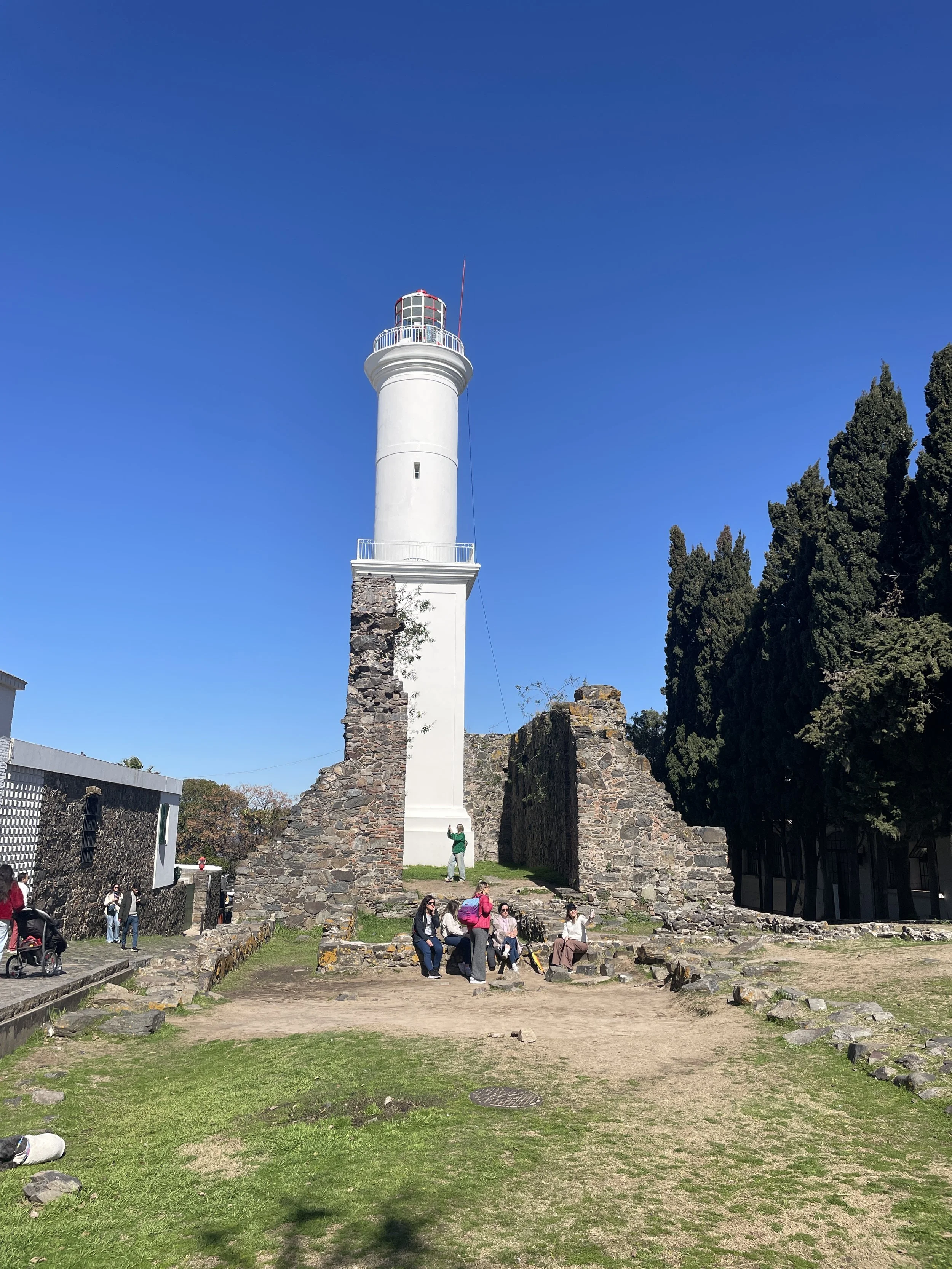
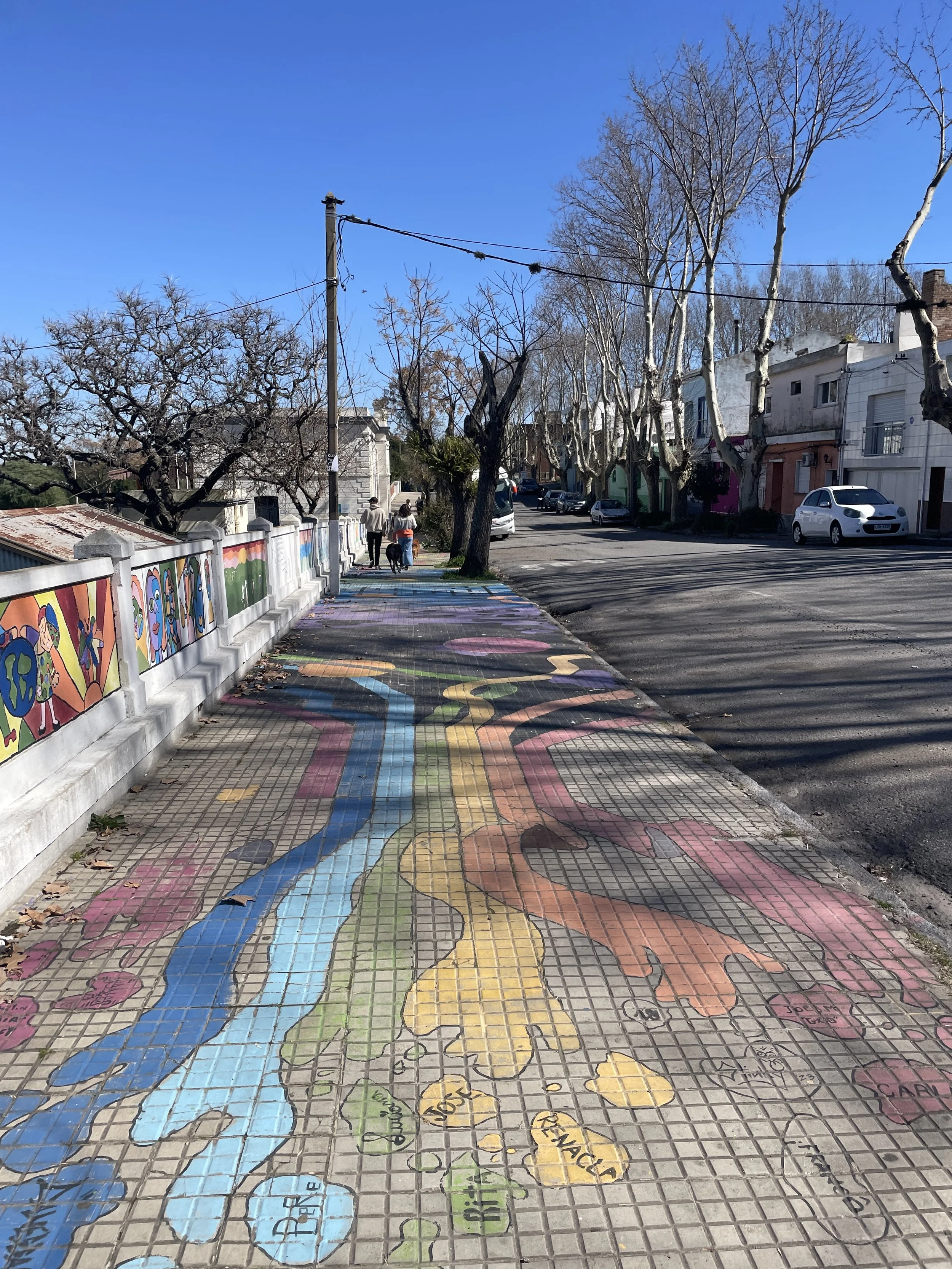
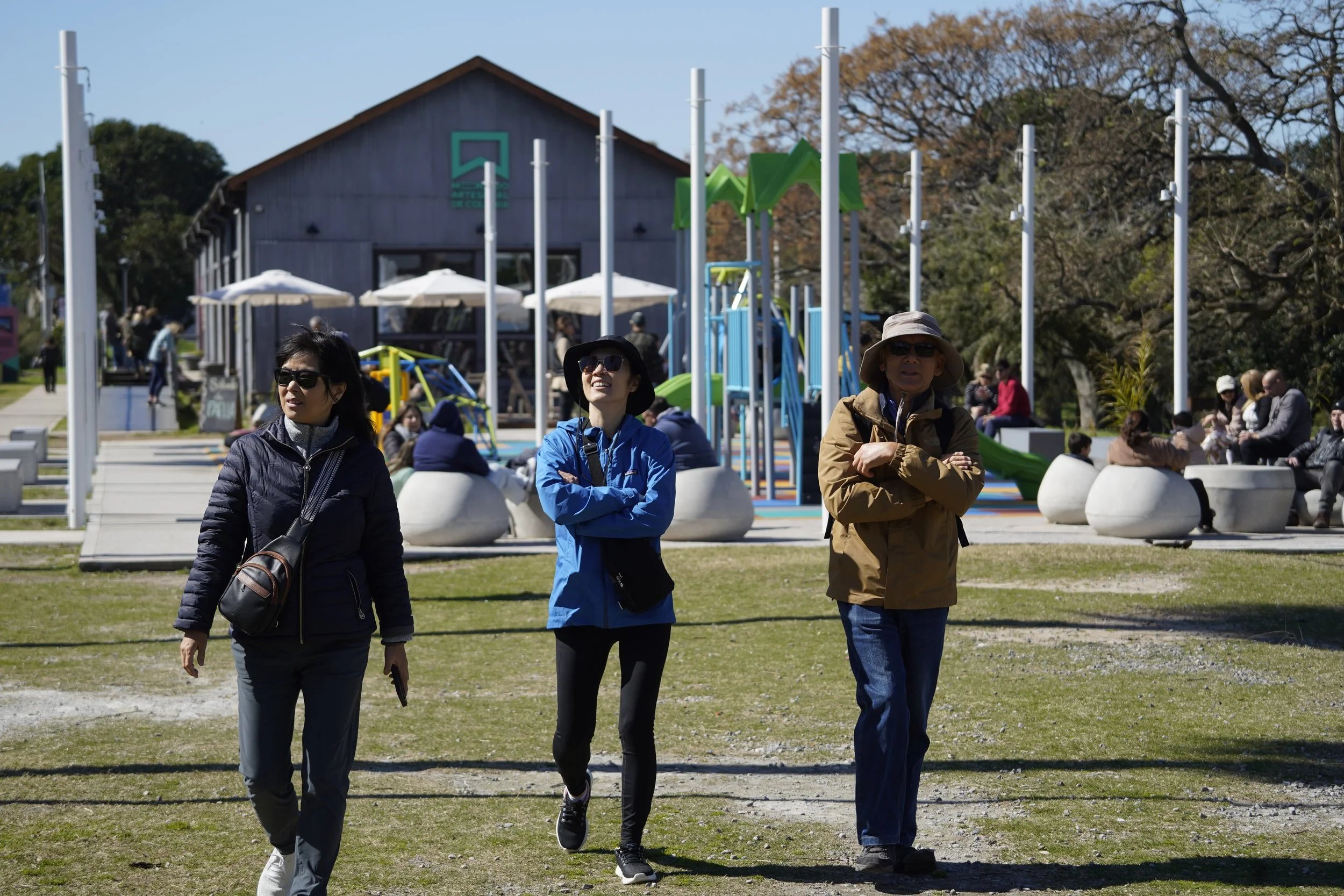
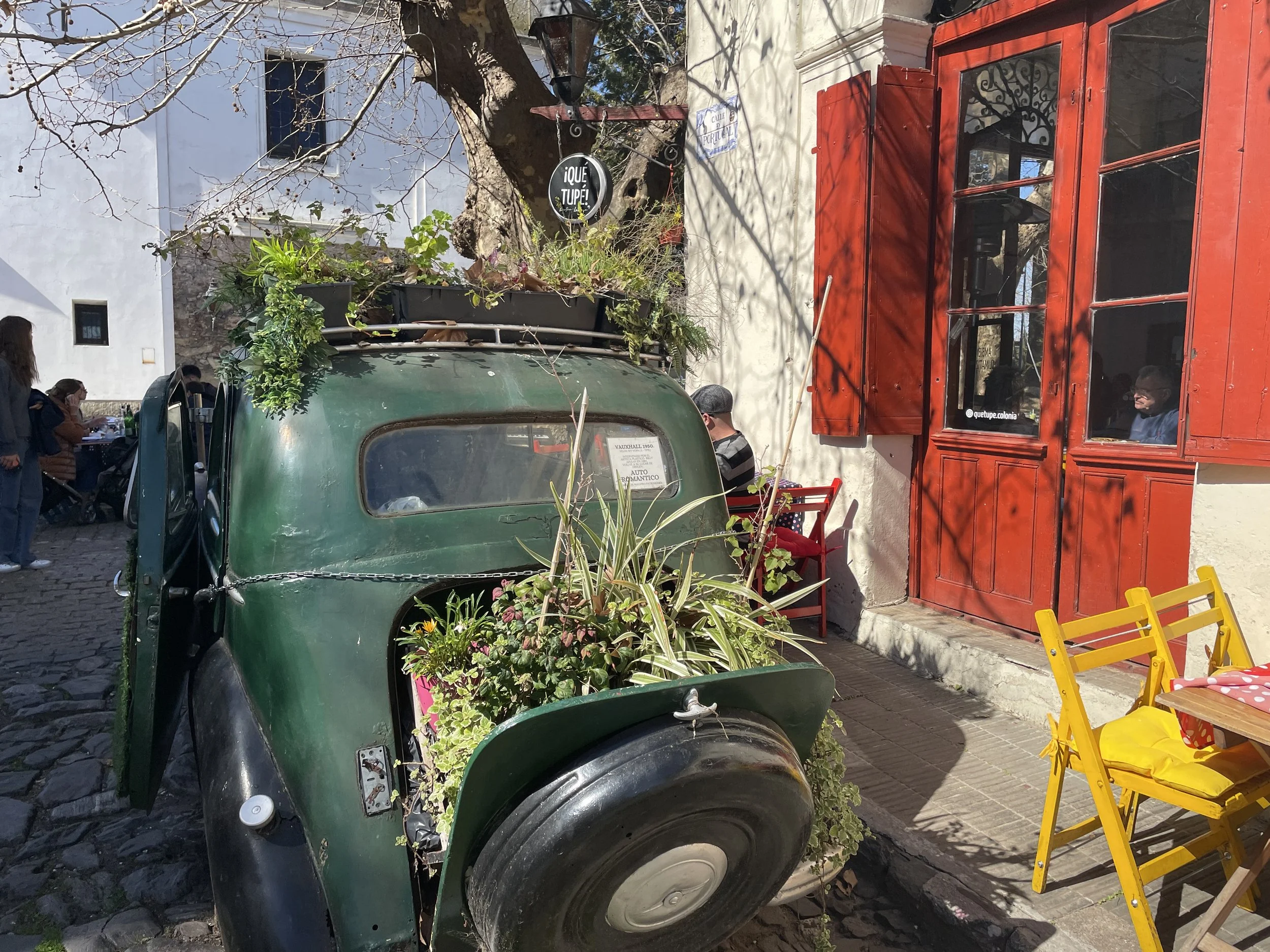
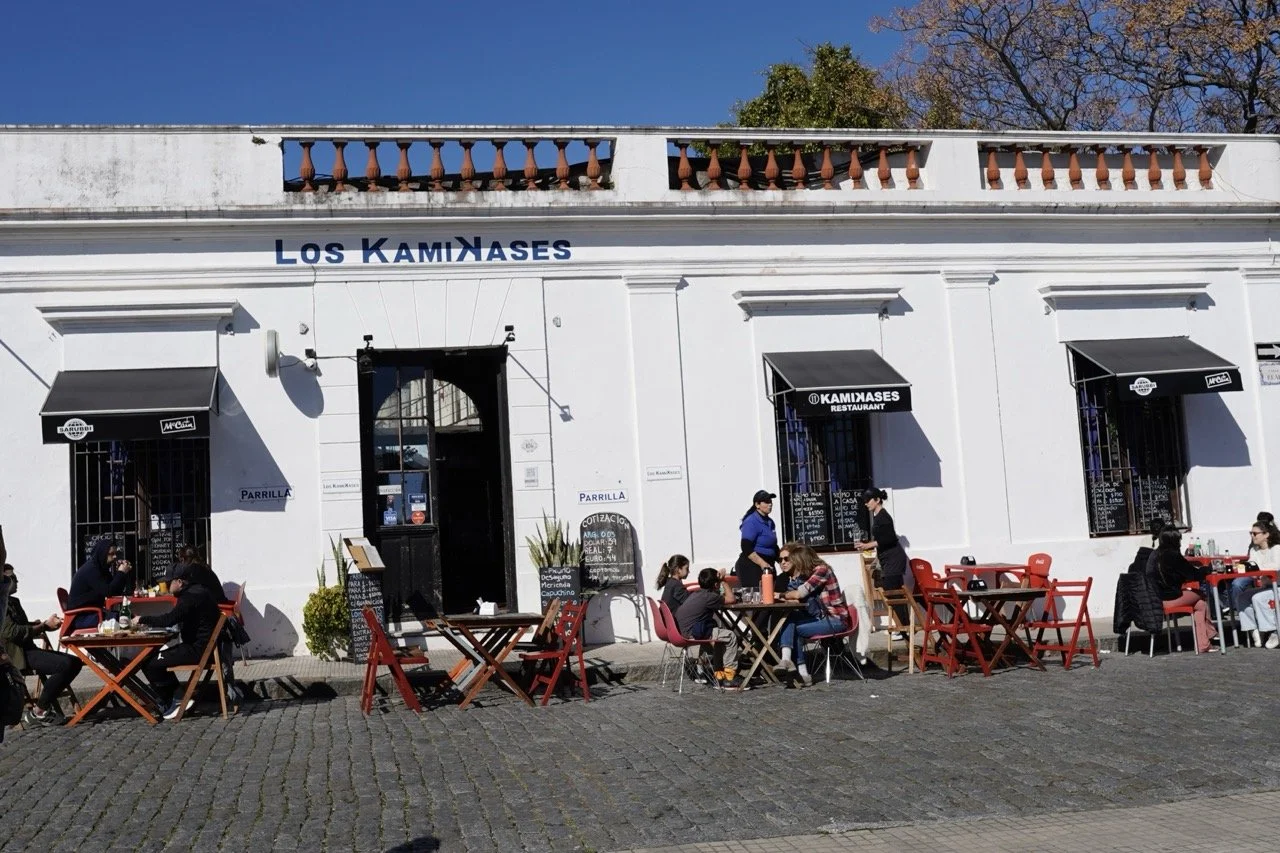
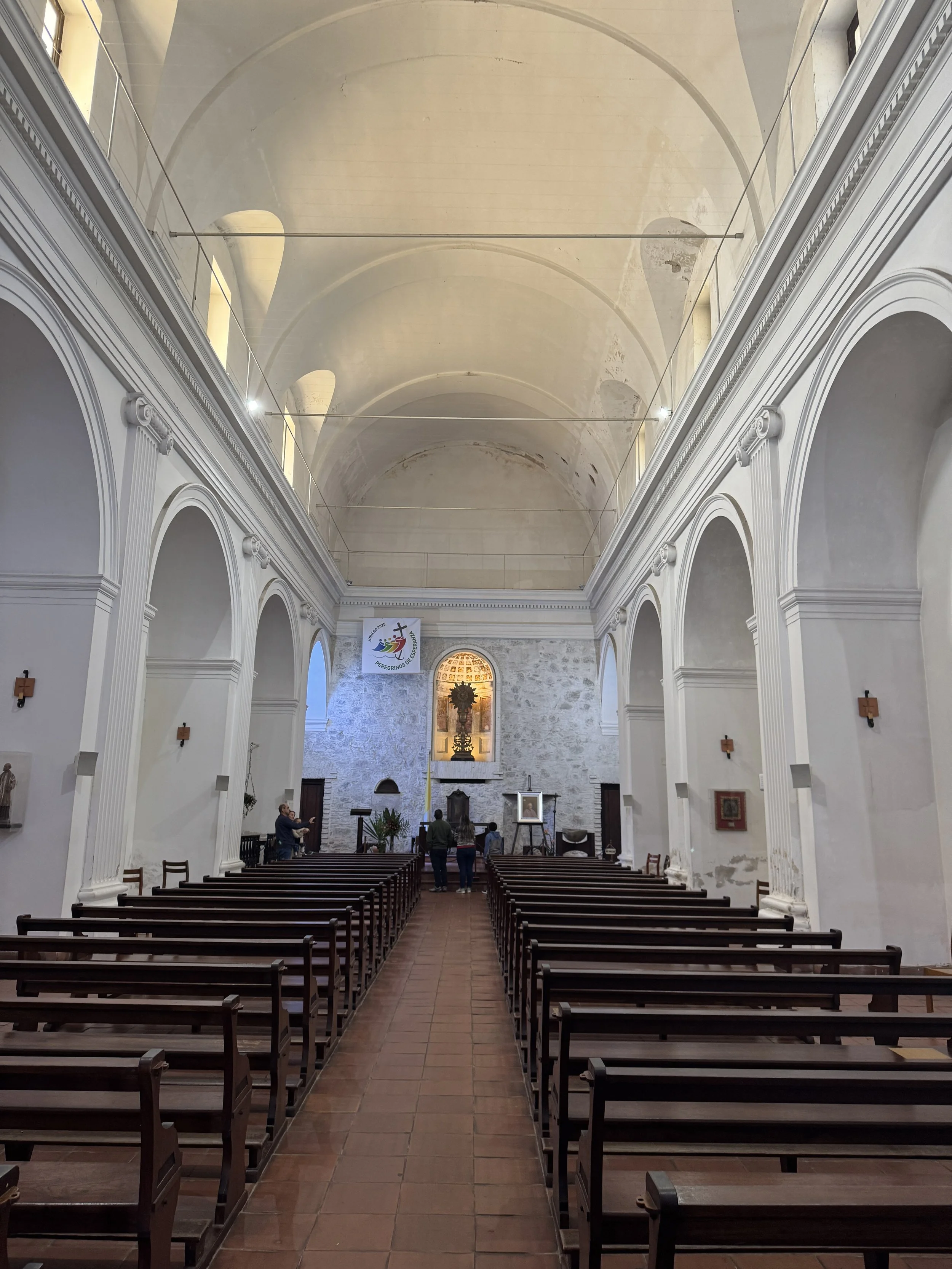
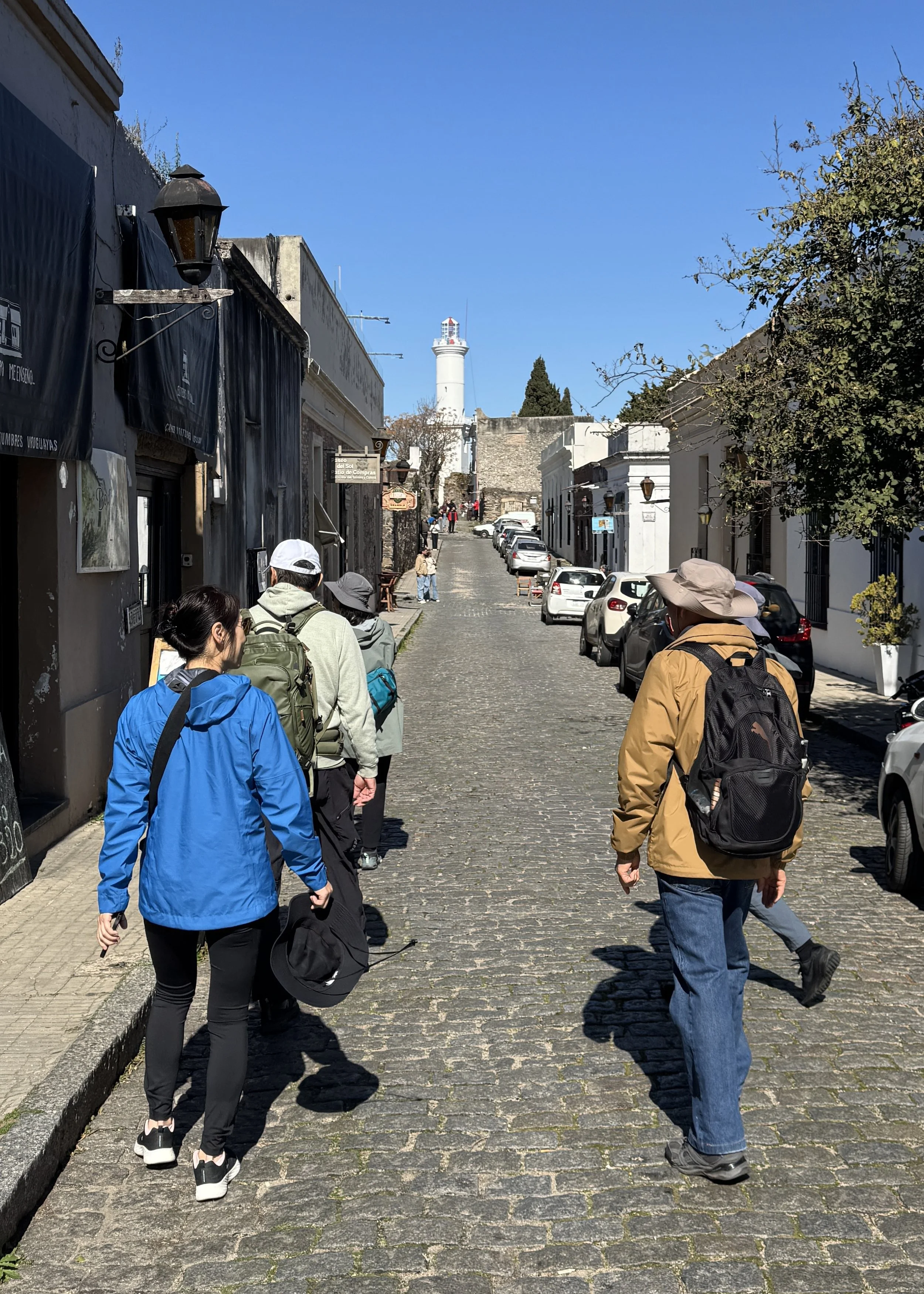
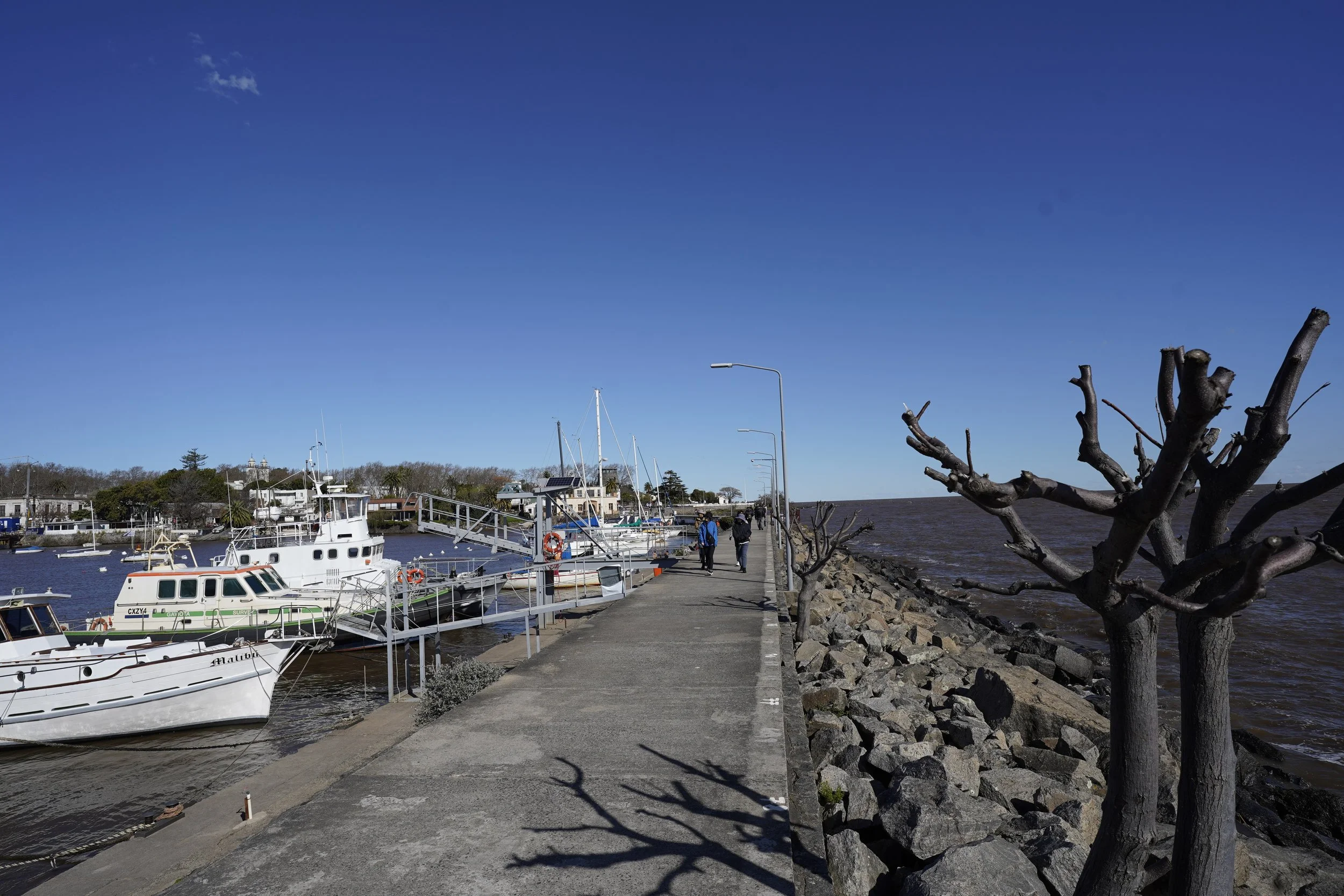
In Colonia del Sacramento, we strolled leisurely through the old town, admiring its cobblestone streets, colonial-era houses, and sweeping coastal views. The town’s tranquil atmosphere set a gentle pace for the day. After a pleasant lunch, we continued exploring until it was time to return.



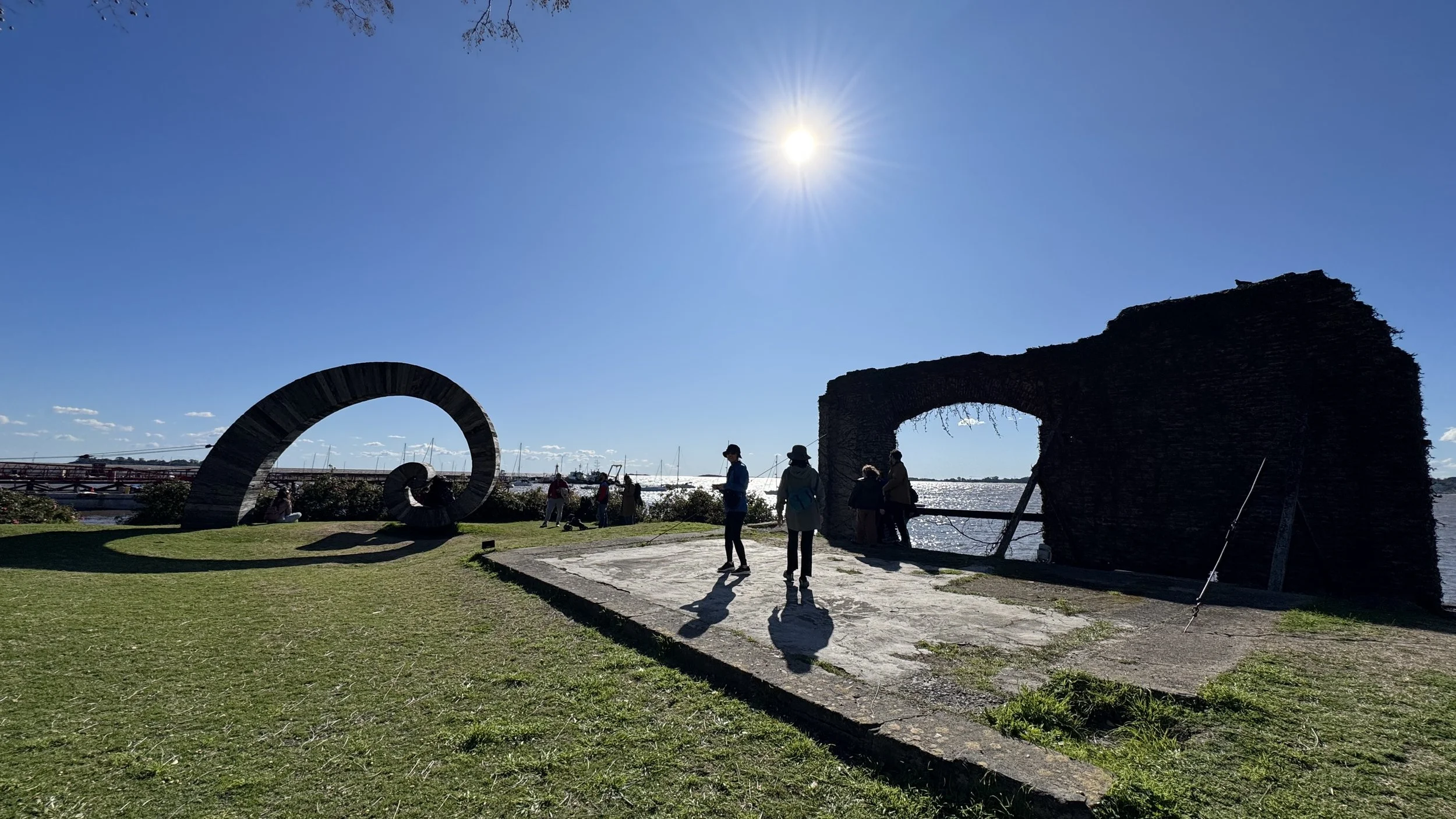
Back at the ferry terminal, however, we discovered that check-in time was one hour prior to departure—not forty minutes as suggested by ChatGPT. At first, the staff was reluctant to let us through, but after we explained we had an evening event planned, they kindly made an exception, even allowing us to bypass the security line. A fellow passenger later helped us pass through passport control quickly, and in the end we boarded with plenty of time to spare.
The ferry brought us back to Buenos Aires around 6 pm. This time, we chose to walk through the neighborhood to reach the bus stop and return to our rental. For dinner, the group split tastes: while the ladies prepared vegetarian dishes, the men insisted on meat. A quick trip across the street to the butcher shop yielded two ribeye steaks and two breaded chicken fillets. Together with homemade tomato soup and fresh vegetables, the meal turned into a hearty feast.
Later, we dressed up slightly and set out for a tango show. We had booked the “show plus drink” option, without dinner, and worried our seats might be poor since dinner guests were seated two hours earlier. To our surprise, the six of us were placed right in front of the stage. With red wine and Argentine appetizers in hand, we spent the evening captivated by the intensity and elegance of tango.
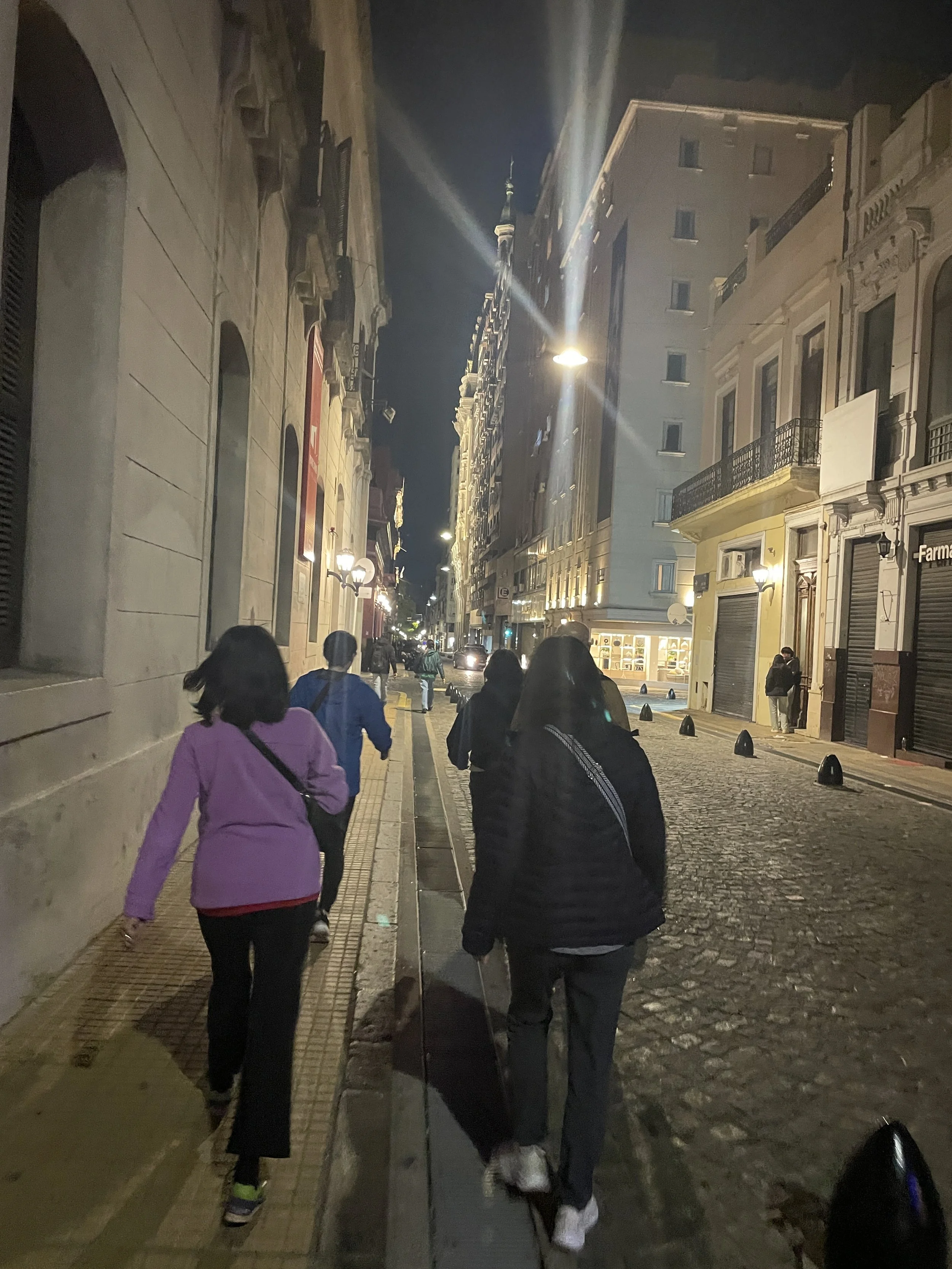
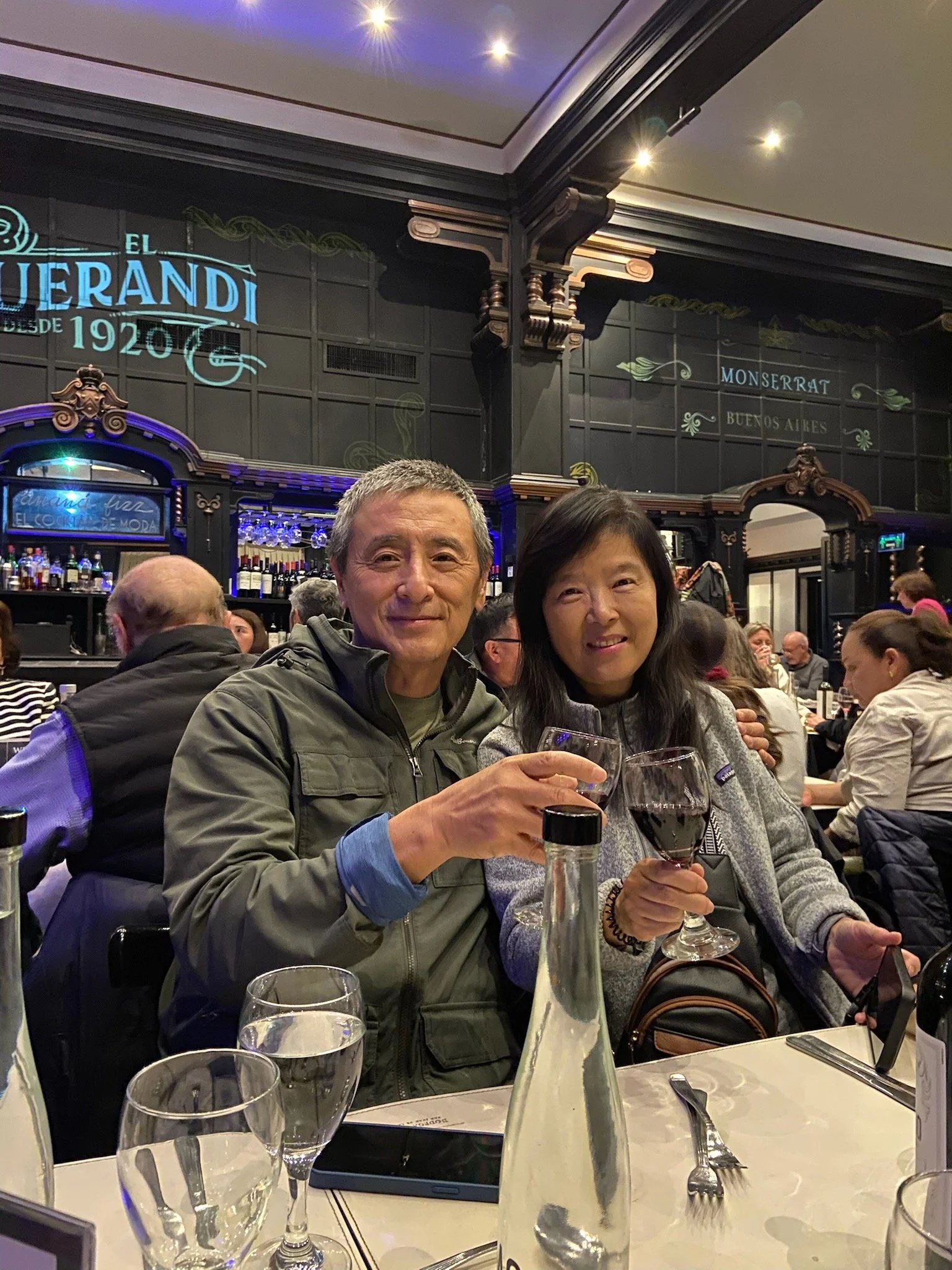


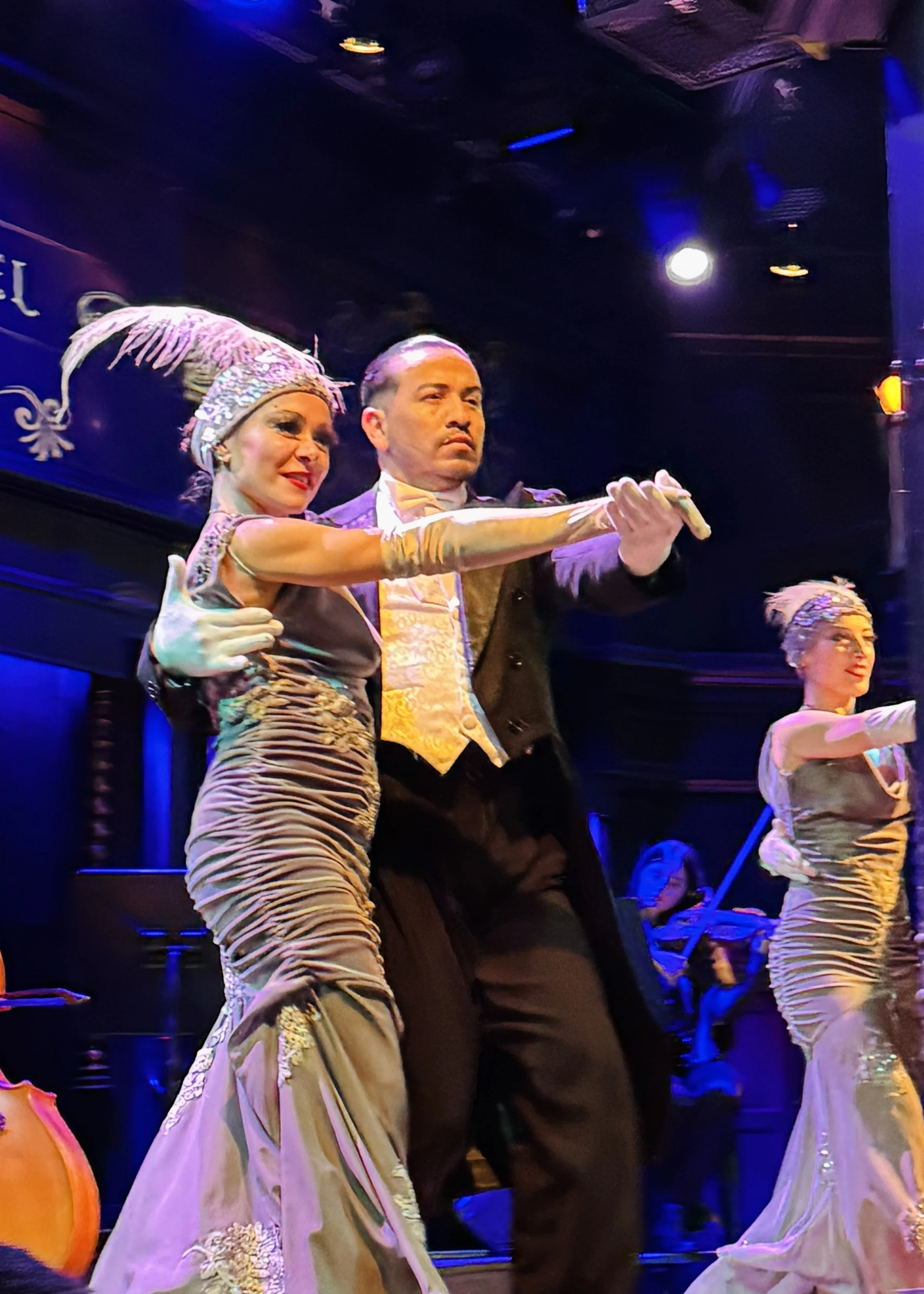


After midnight, we caught the bus back to our accommodation. By now, moving around Buenos Aires by bus and on foot felt safe and surprisingly comfortable, closing the day with both adventure and cultural immersion.
二零二五年八月二十三日
在布宜诺斯艾利斯 (Buenos Aires) 仅停留两天后,我们便迫不及待地想为旅程增添新的印记,前往邻国乌拉圭 (Uruguay) 来一个一日游。为了到达渡轮码头,我们选择乘坐公交车并在拉博卡 (La Boca) 转车,省去了穿越陌生街区的 30 分钟步行。
码头的值机和海关手续井然有序,出奇地高效。在候船厅内享用了一份咖啡与羊角面包作为早餐后,我们登上了Colonia Express 渡轮。船只缓缓驶入拉普拉塔河 (Río de la Plata),褐色而宽阔的河面在阳光下泛着微光,一个多小时后便抵达乌拉圭。
我们走进这座始建于 1680 年的古镇——科洛尼亚·德尔·萨克拉门托 (Colonia del Sacramento)。历史城区 (Barrio Histórico) 的鹅卵石小路与低矮房屋,展现出葡萄牙与西班牙交织的独特风情。漫步在 叹息街 (Calle de los Suspiros) ,走进圣礼大教堂 (Basilica del Santísimo Sacramento),处处弥漫着宁静而古朴的气息。街边偶尔停放的古董汽车,更为这座古城增添了一份怀旧的韵味。
中午在小镇享用了当地的美食后,我们沿着河畔长廊悠然散步,远眺拉普拉塔河 (Río de la Plata) 的宽阔水面,心境也随之开阔。路过一家饭店,被户外现场音乐表演吸引。爱跳舞的同伴情不自禁地随着歌声跳了起来,不一会儿他身后便跟上了一串游客,最后Connie 也加入,大家随着音乐兴高彩烈地绕圈圈,气氛一时达到高潮。
返程时遇到了个小插曲——来到渡轮公司前台取票时才被告知渡轮的值机需在出发前一小时完成,而不是 ChatGPT 提示的 40 分钟。工作人员起初不愿放行,所幸的是在听到我们解释晚上有重要安排后,允许我们通过,还让我们免去安检的长队。随后,一位好心的乘客又在海关护照检查时帮忙让我们走当地人的通道。最终我们顺利登船。
傍晚六点,我们再次回到布宜诺斯艾利斯。这一次,我们选择穿过街区步行至公交站,坐公交车返回住处。晚餐女士们忙于准备素食,男士们无肉不欢,走到街对面的肉铺,买回两块肉眼牛排和两块裹粉鸡排。搭配自制的番茄汤和新鲜蔬菜,这顿丰盛的晚餐让人心满意足。
稍作休息后,我们前往观看探戈表演。在来阿根廷之前我们就已买好了票。原本担心因为只选择了“表演加饮品”的票而非包晚餐票,会被安排在不佳的位置,毕竟晚餐客人提前两小时就入座了。没想到我们六人竟被安排在舞台正前方。红酒在杯中荡漾,阿根廷小食散发着浓郁香气。台上舞者的步伐如火焰般热烈、如流水般优雅。整个夜晚,我们完全沉浸在探戈的魅力之中。