Yulin Grottoes, Jiayuguan Pass, and the Hanging Great Wall 榆林窟、嘉峪关与悬壁长城
October 11, 2025
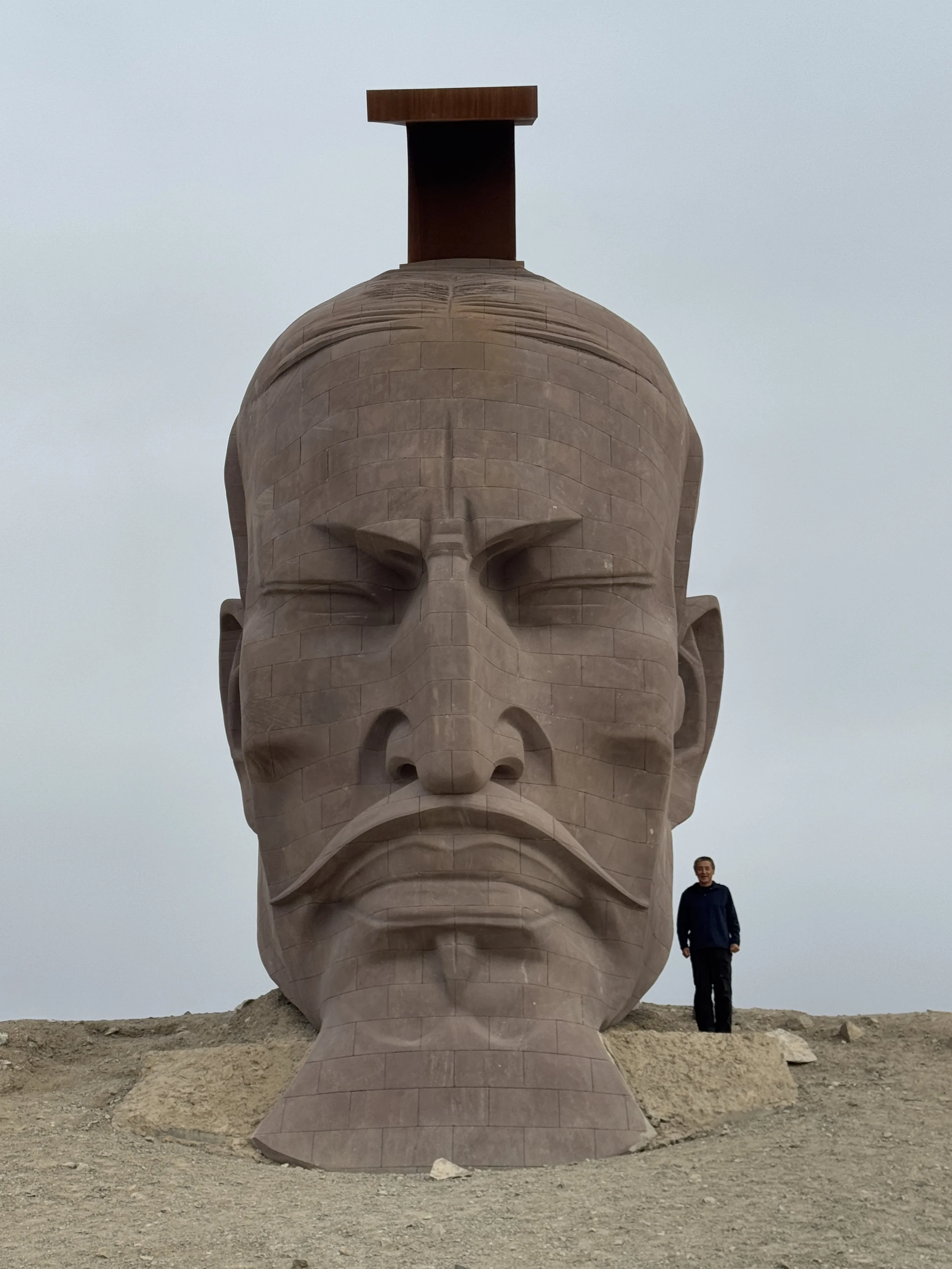
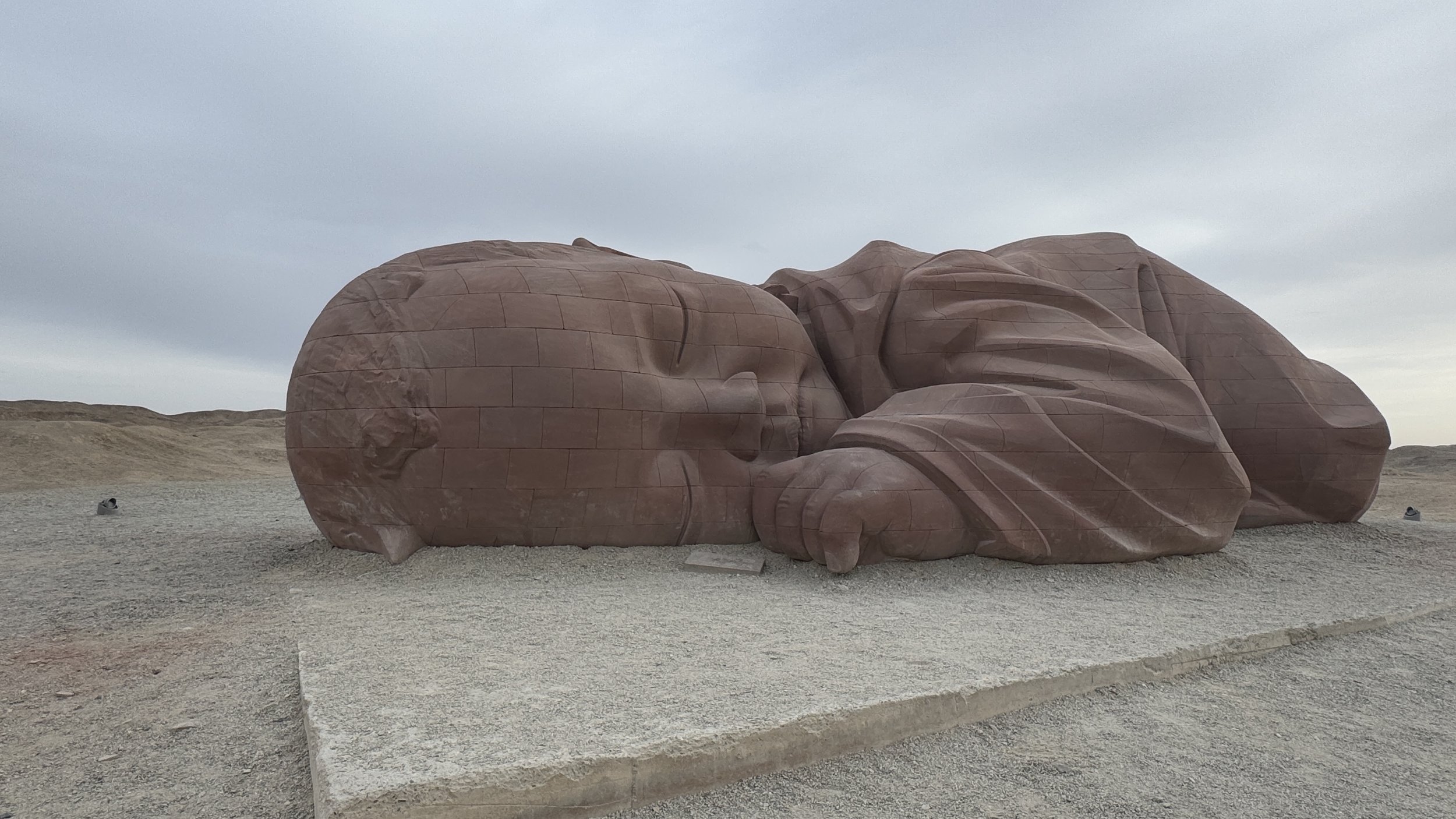
On the morning of the third day, after checking out of the hotel, our driver arrived on time to pick us up and we set off for the day’s itinerary. Our first stop was the Yulin Grottoes, about a little over two hours away by car. Along the way, we made brief stops at two large-scale sculptures—Han Emperor’s Mighty Presence and Son of the Earth—to take photos and admire these grand and striking works of art rising from the Gobi Desert.
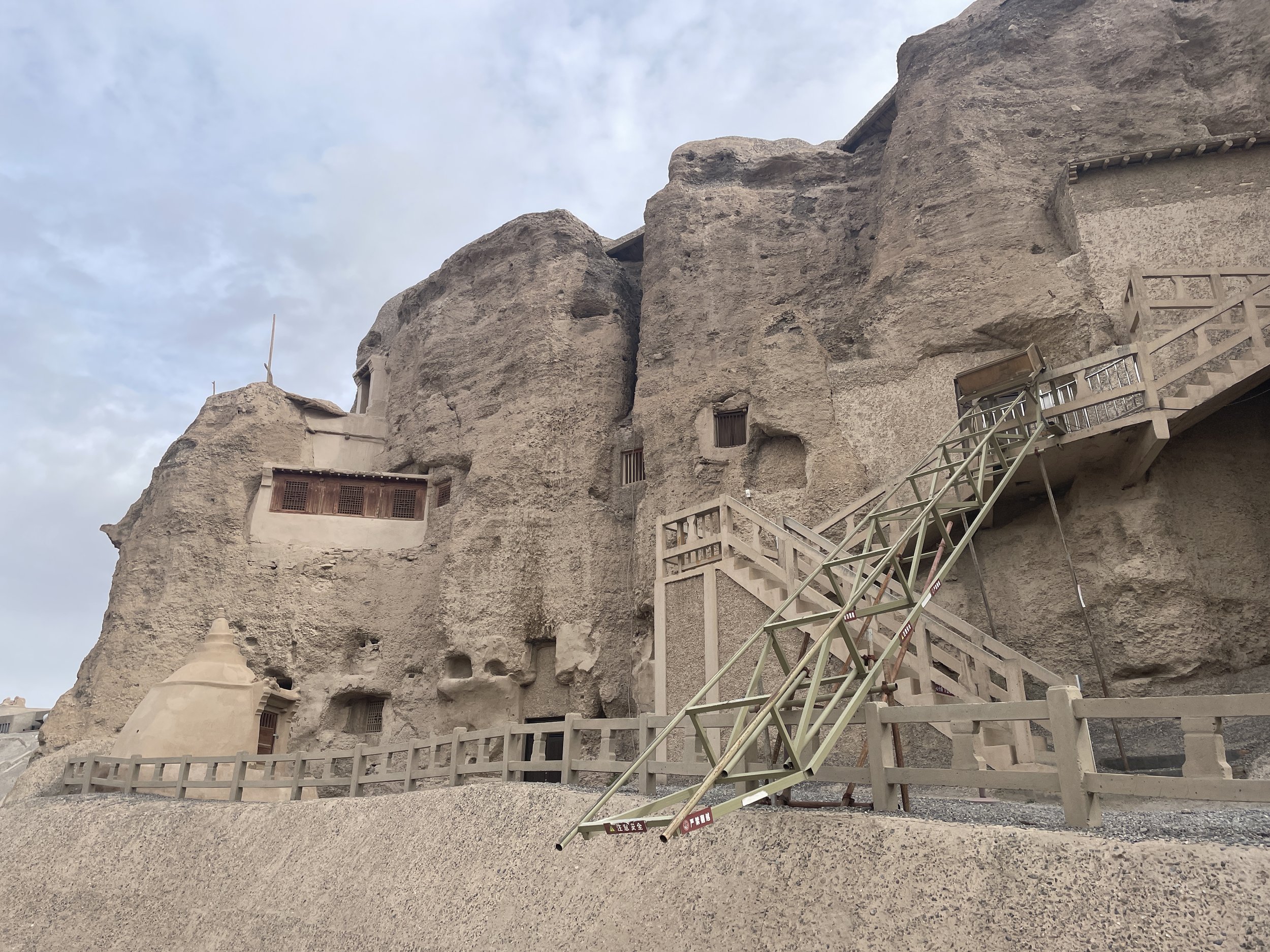
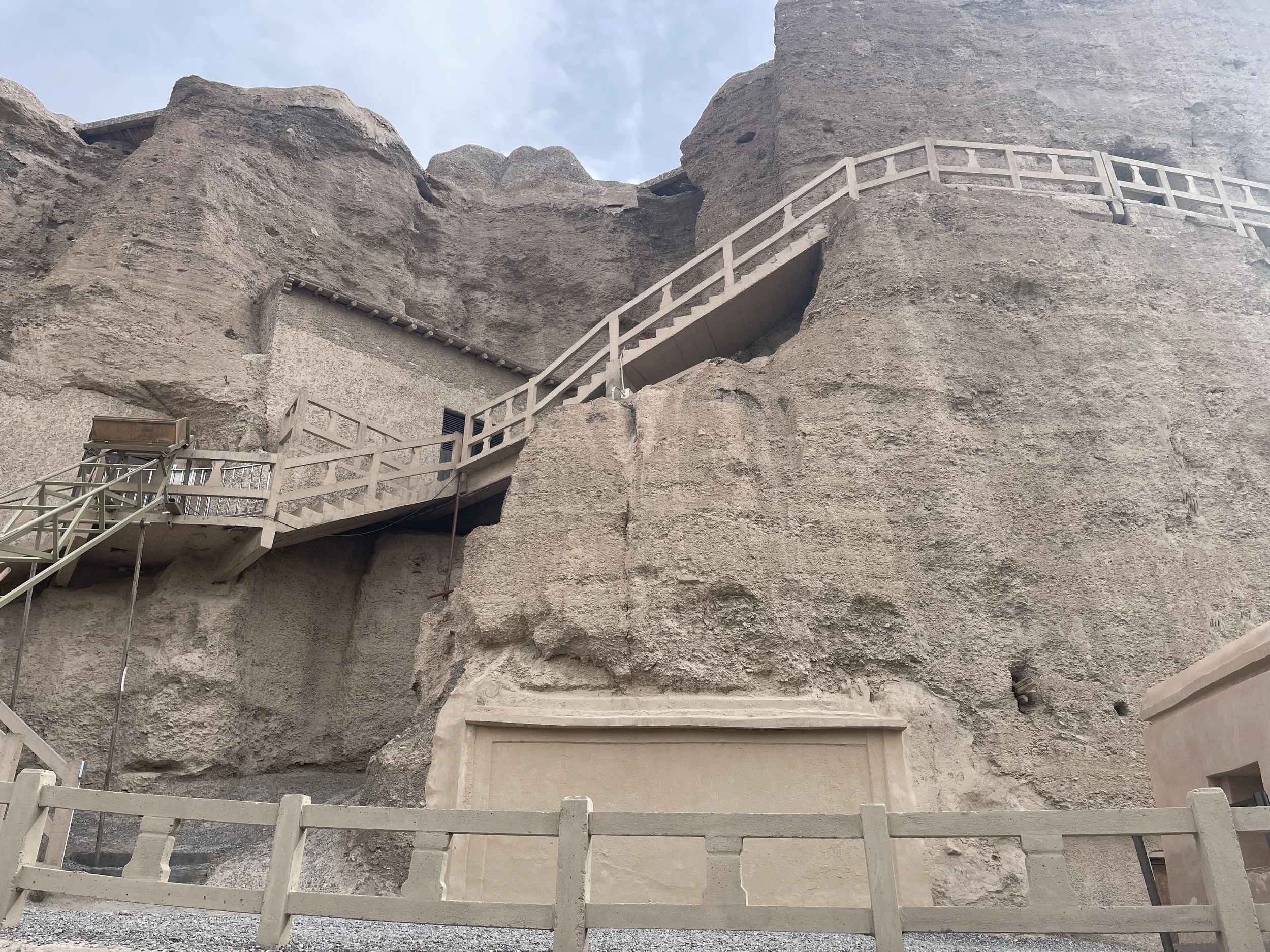
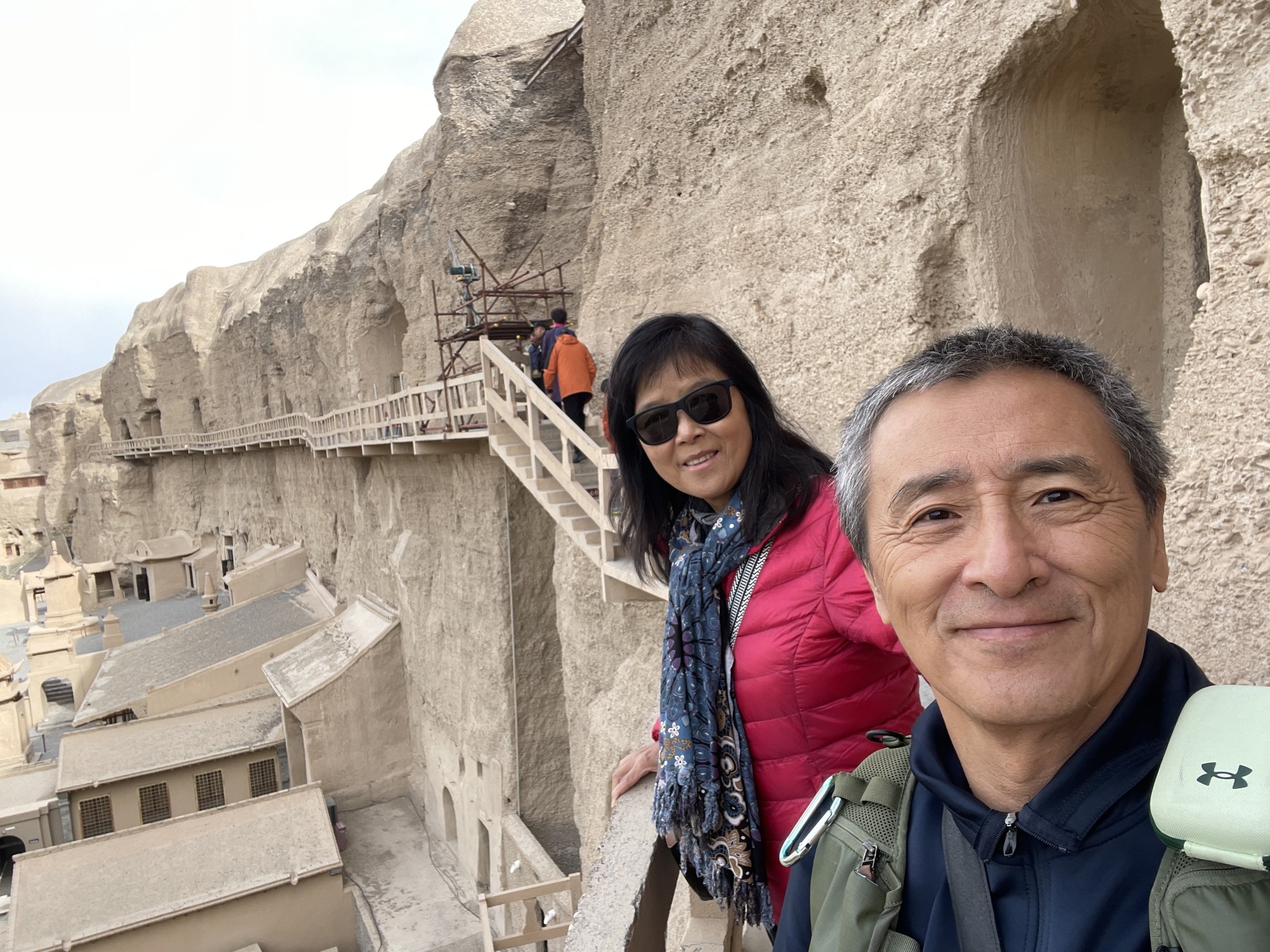
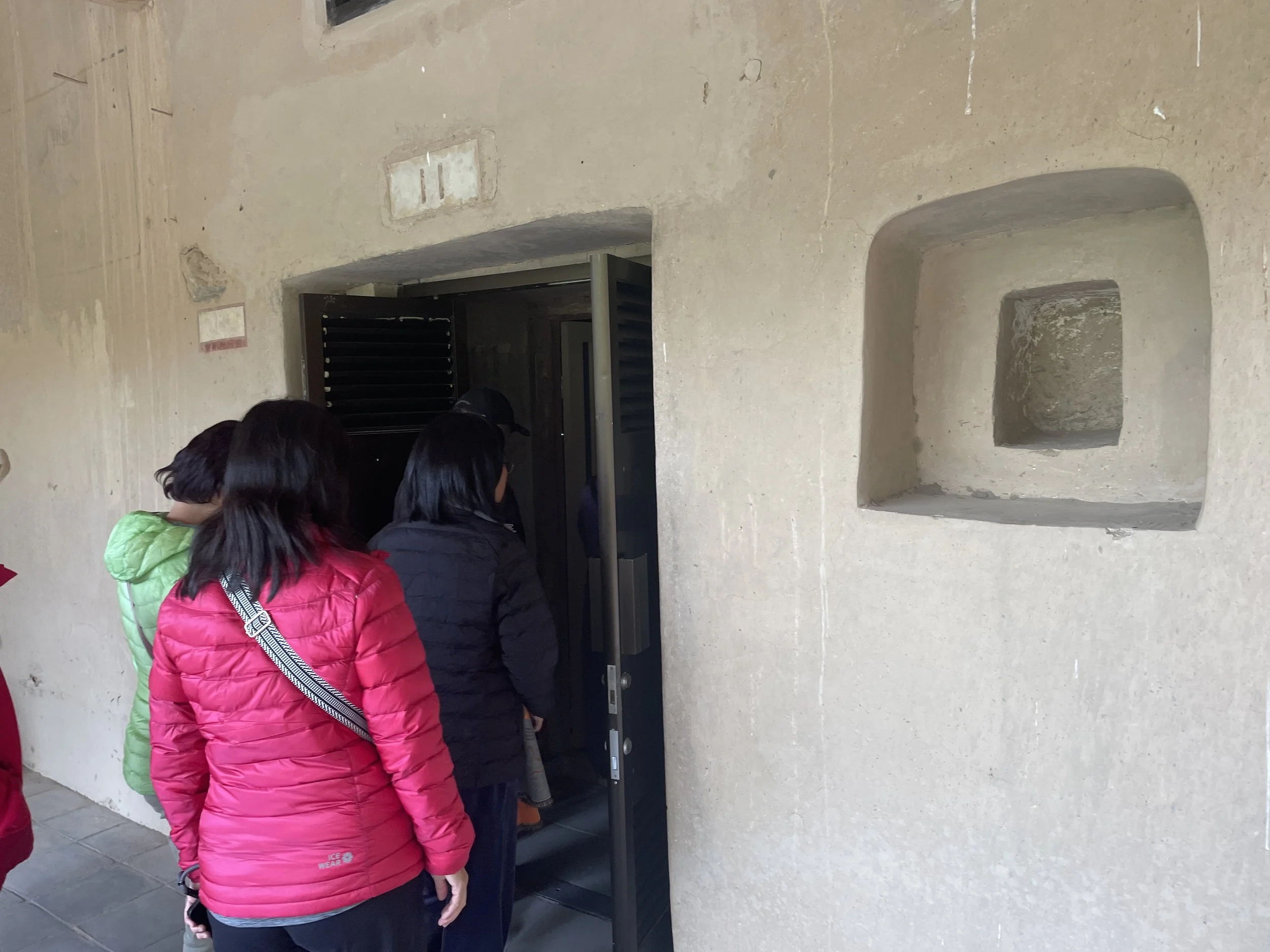
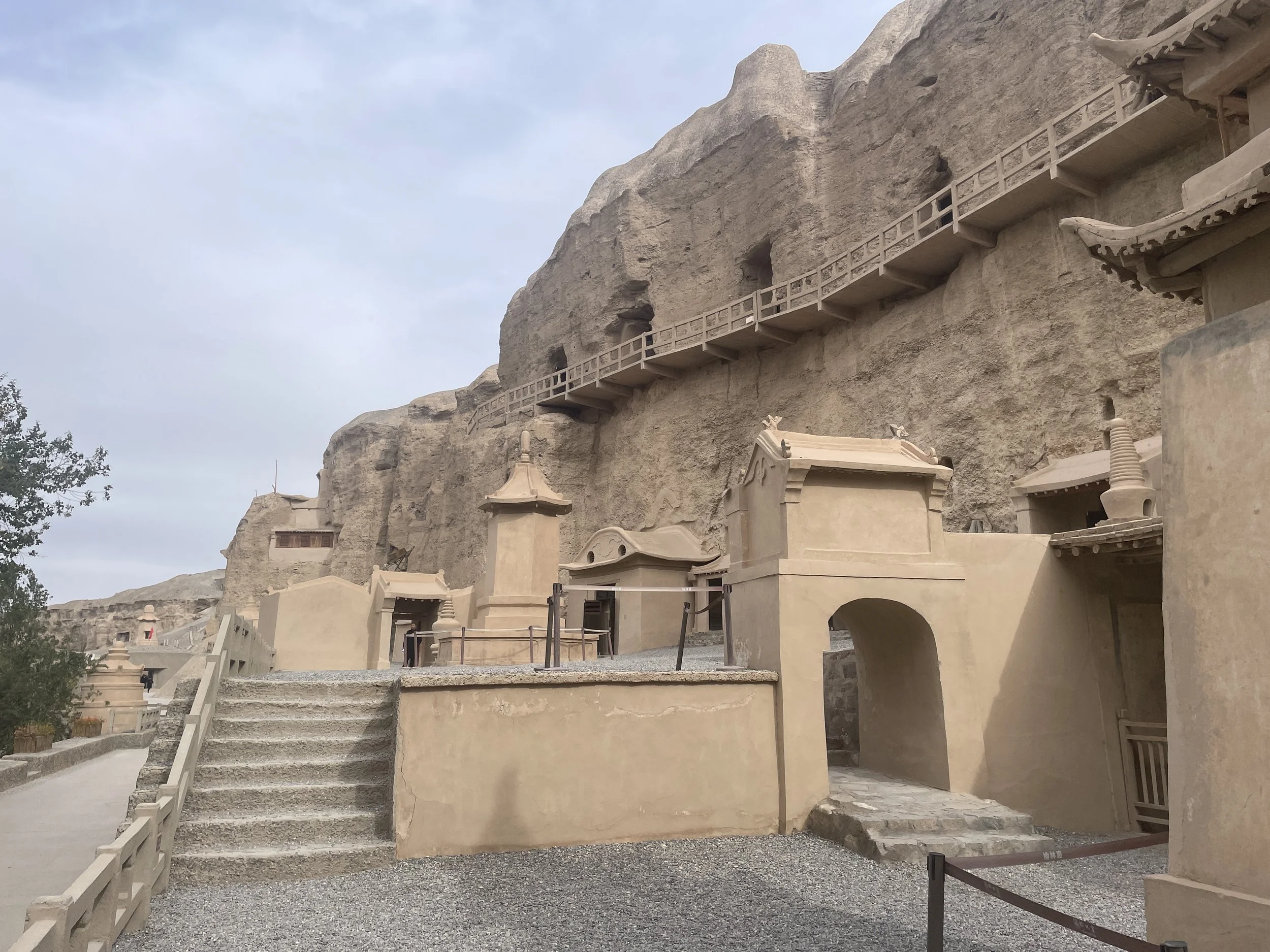
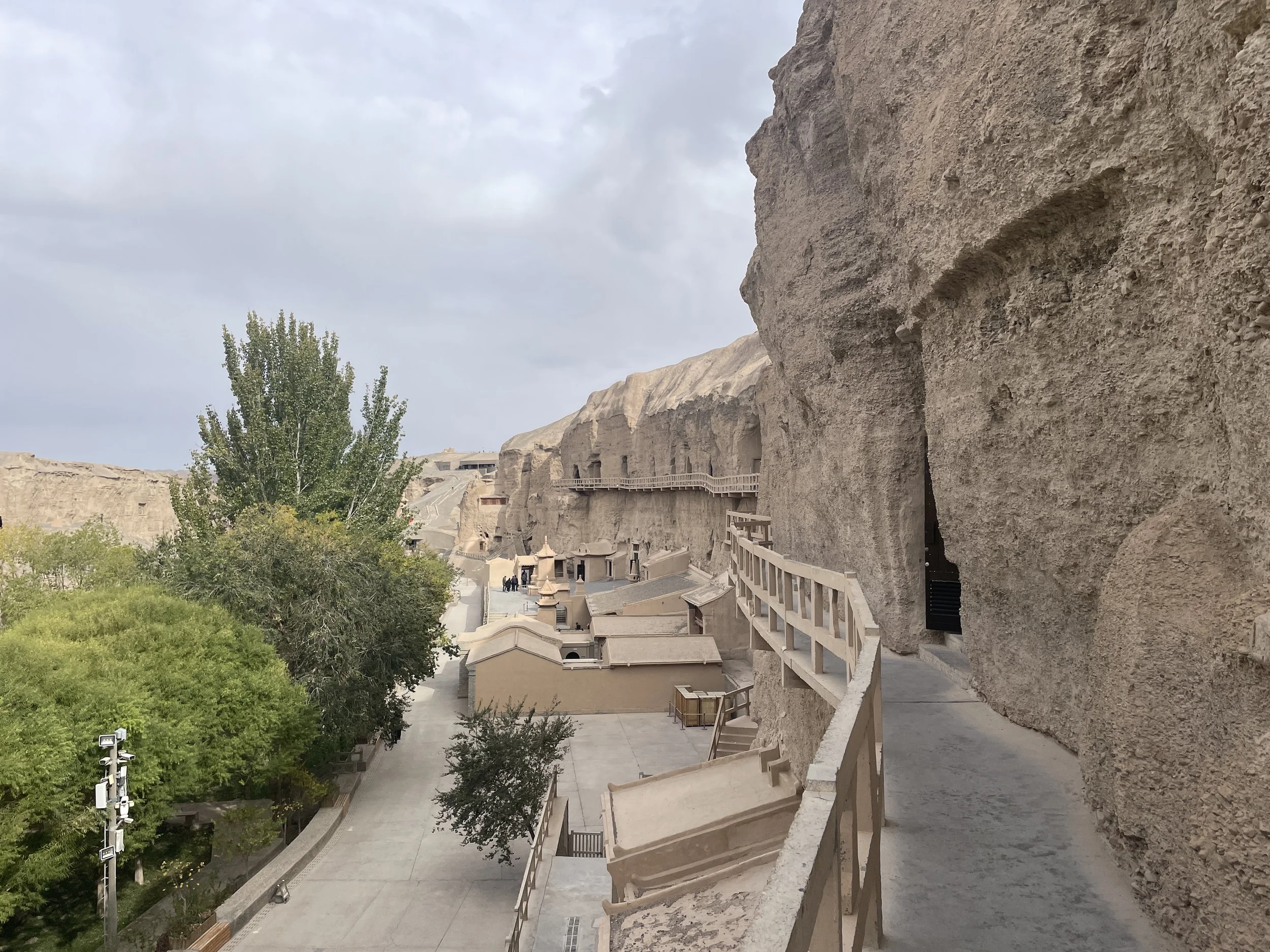
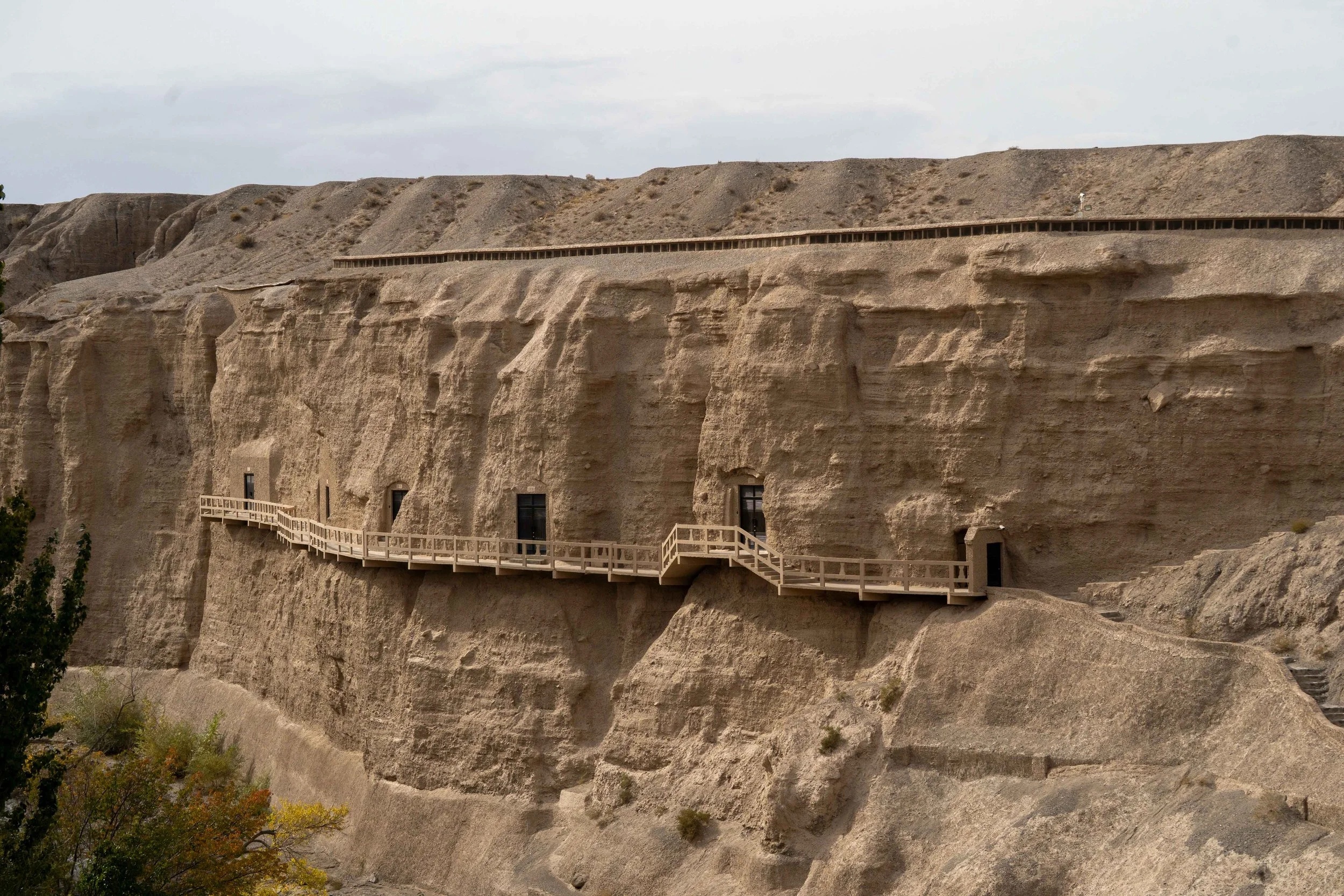
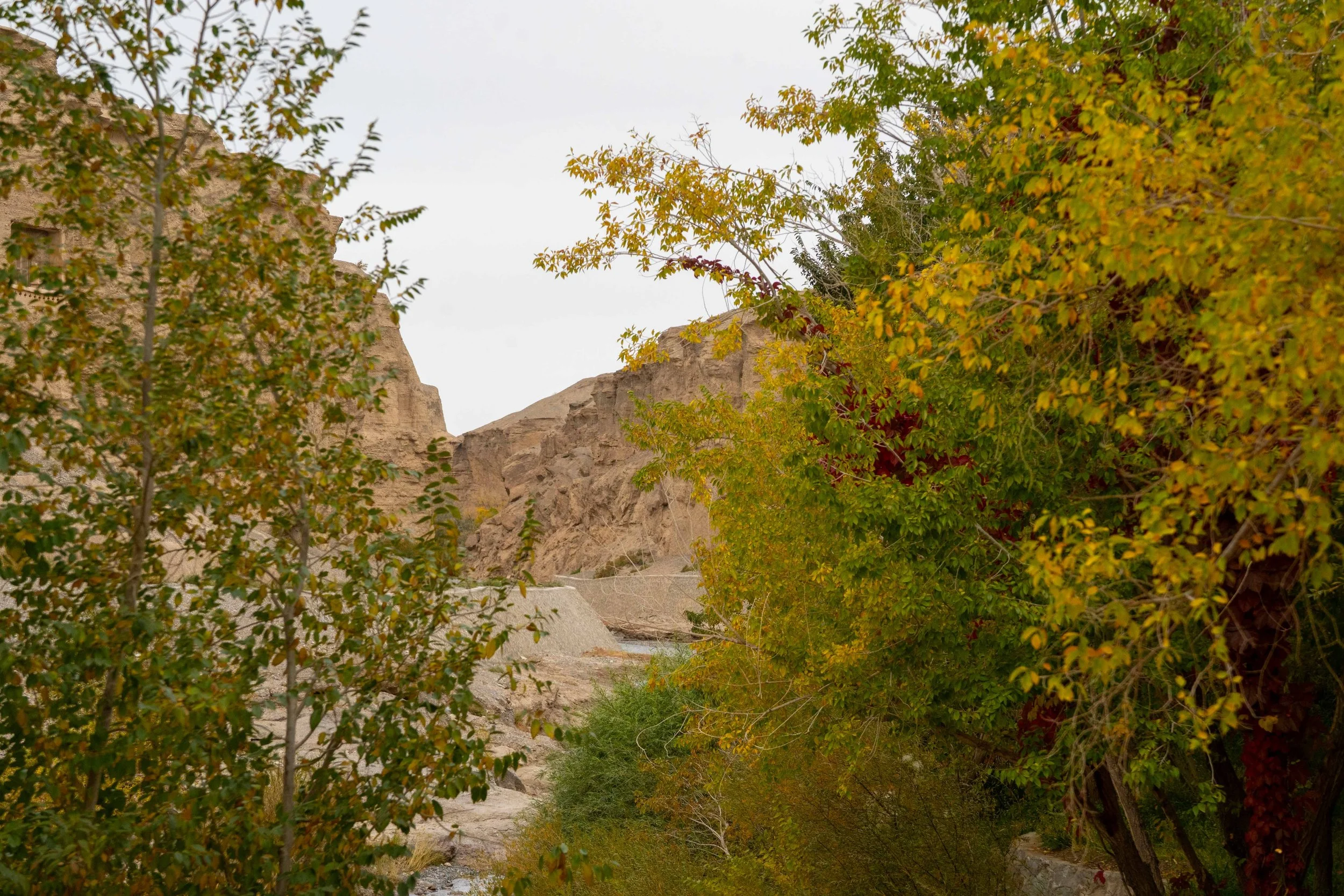
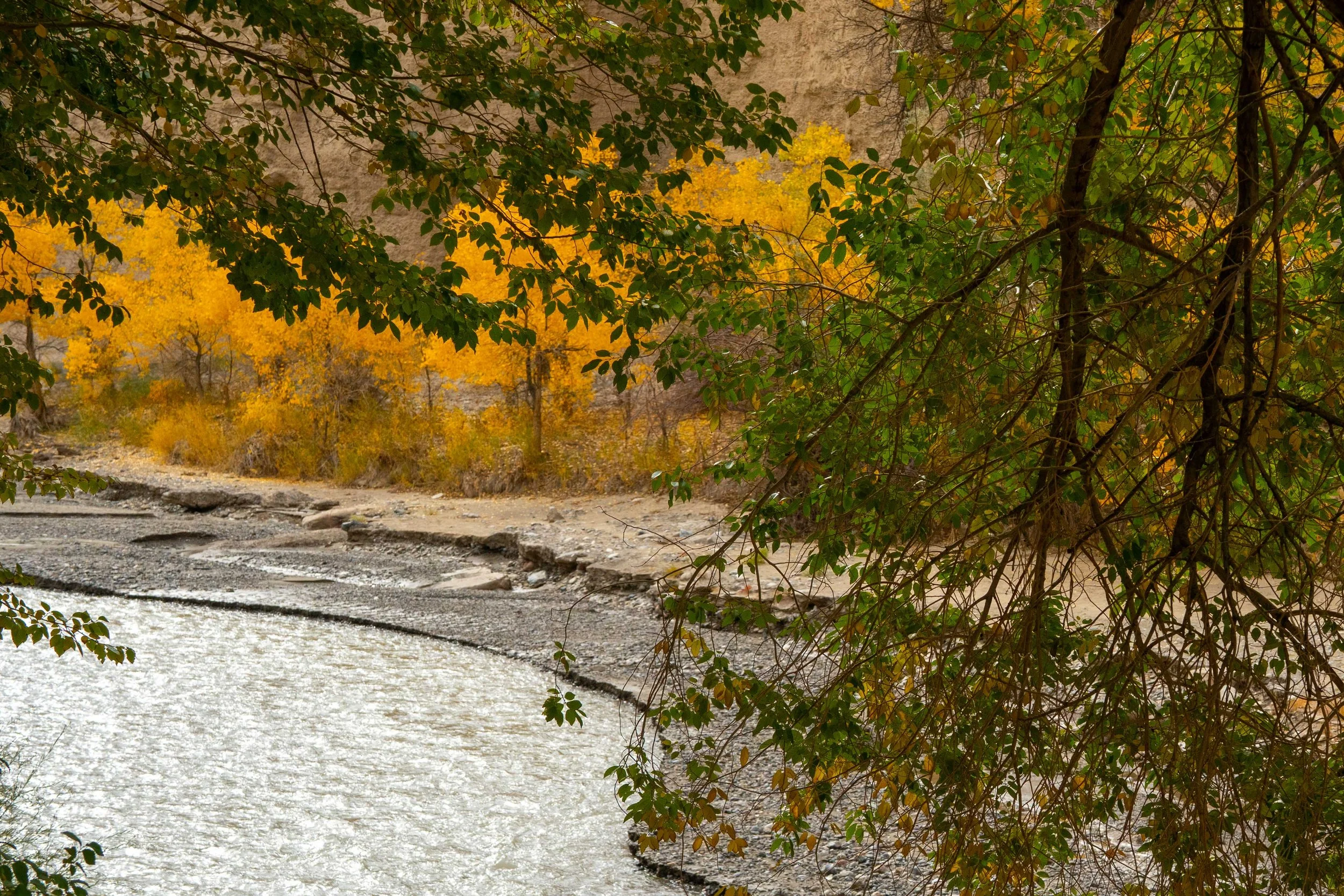
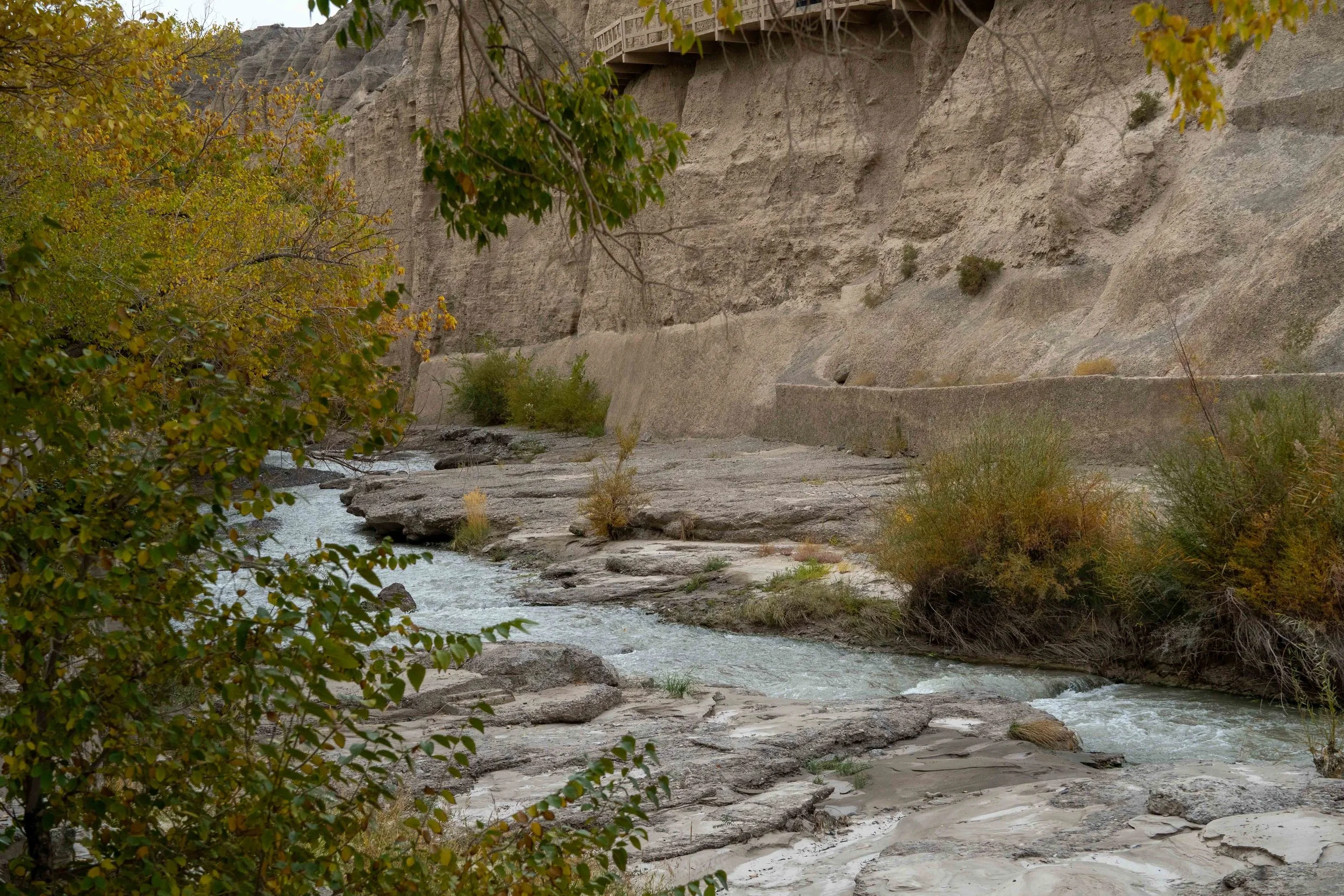
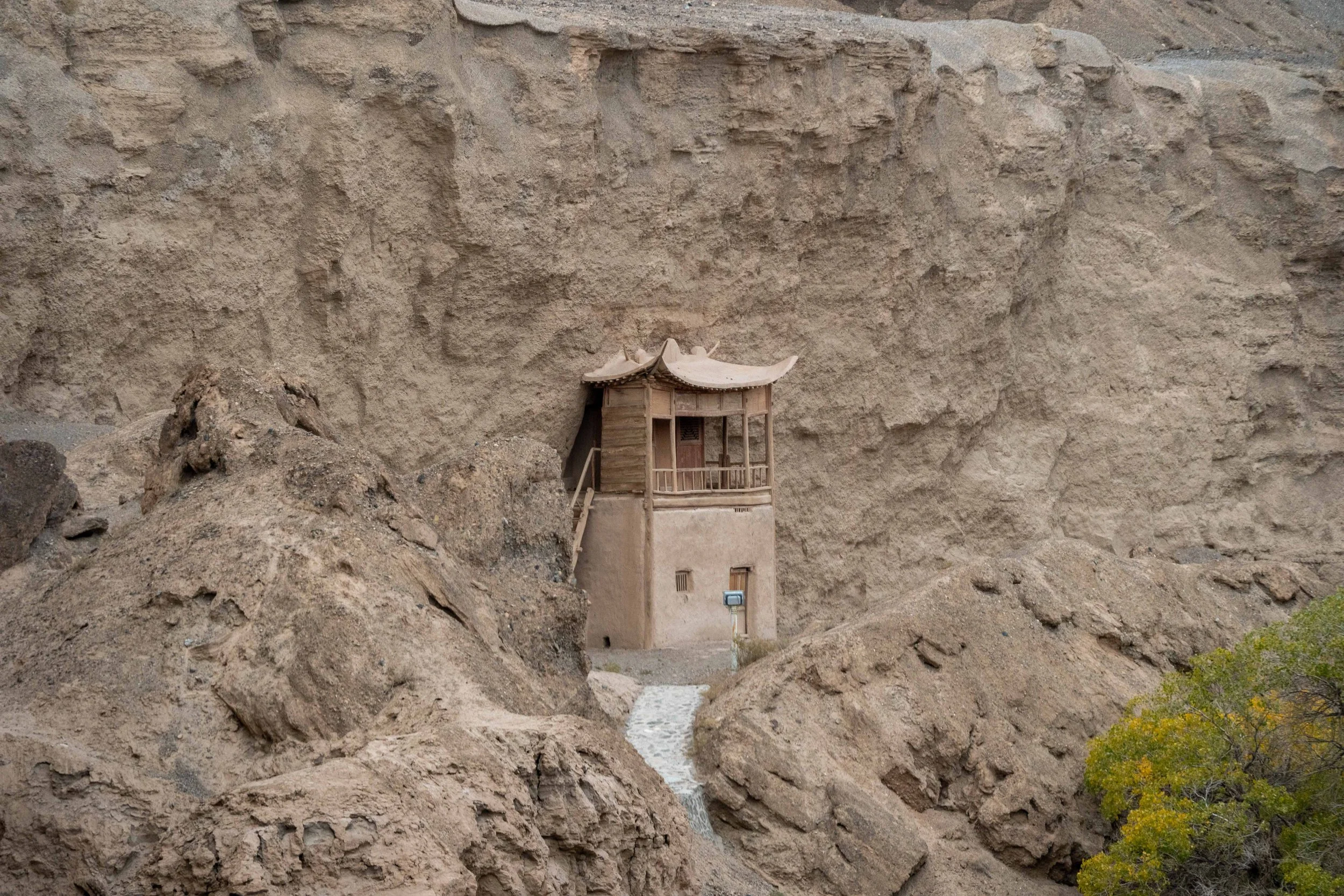
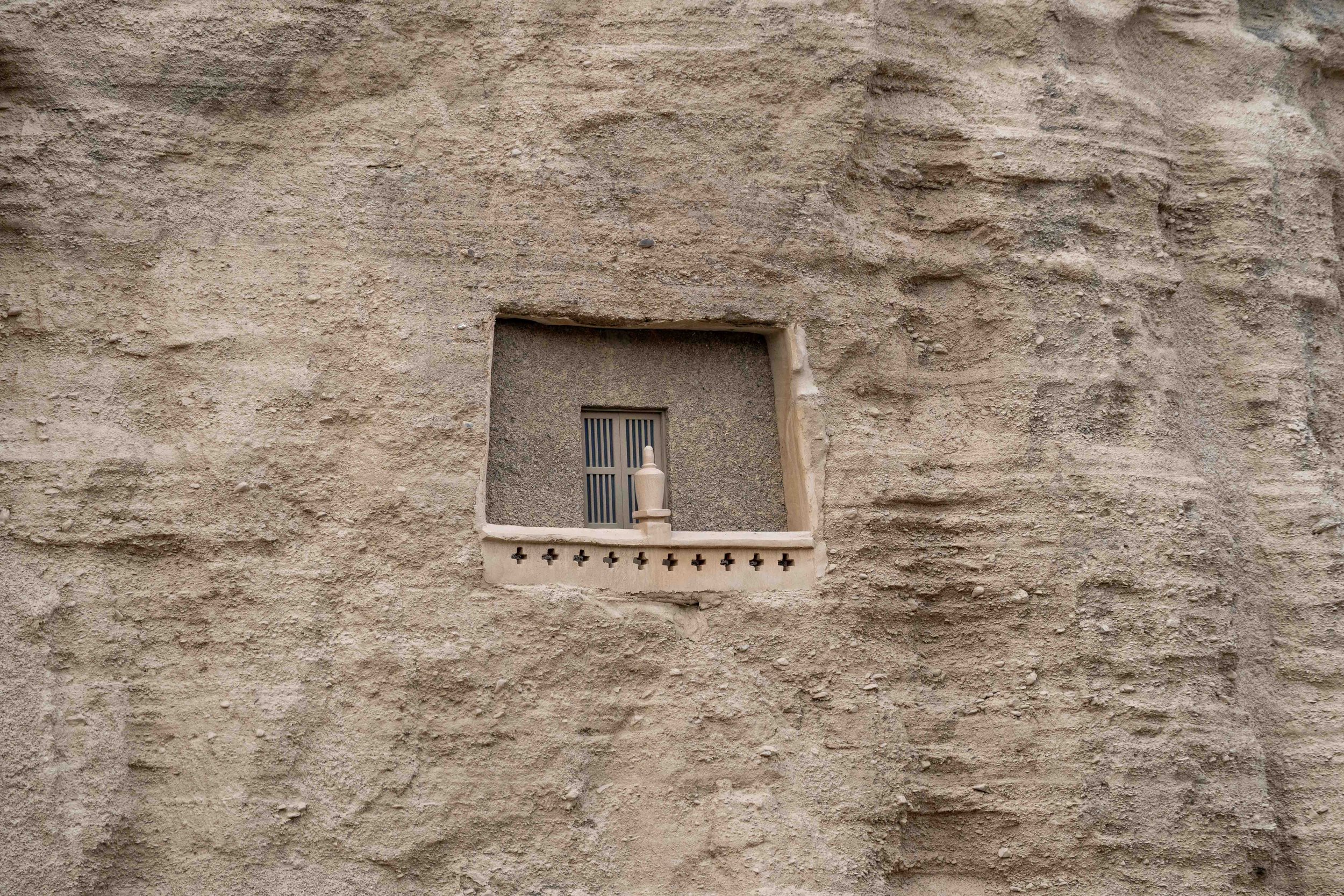
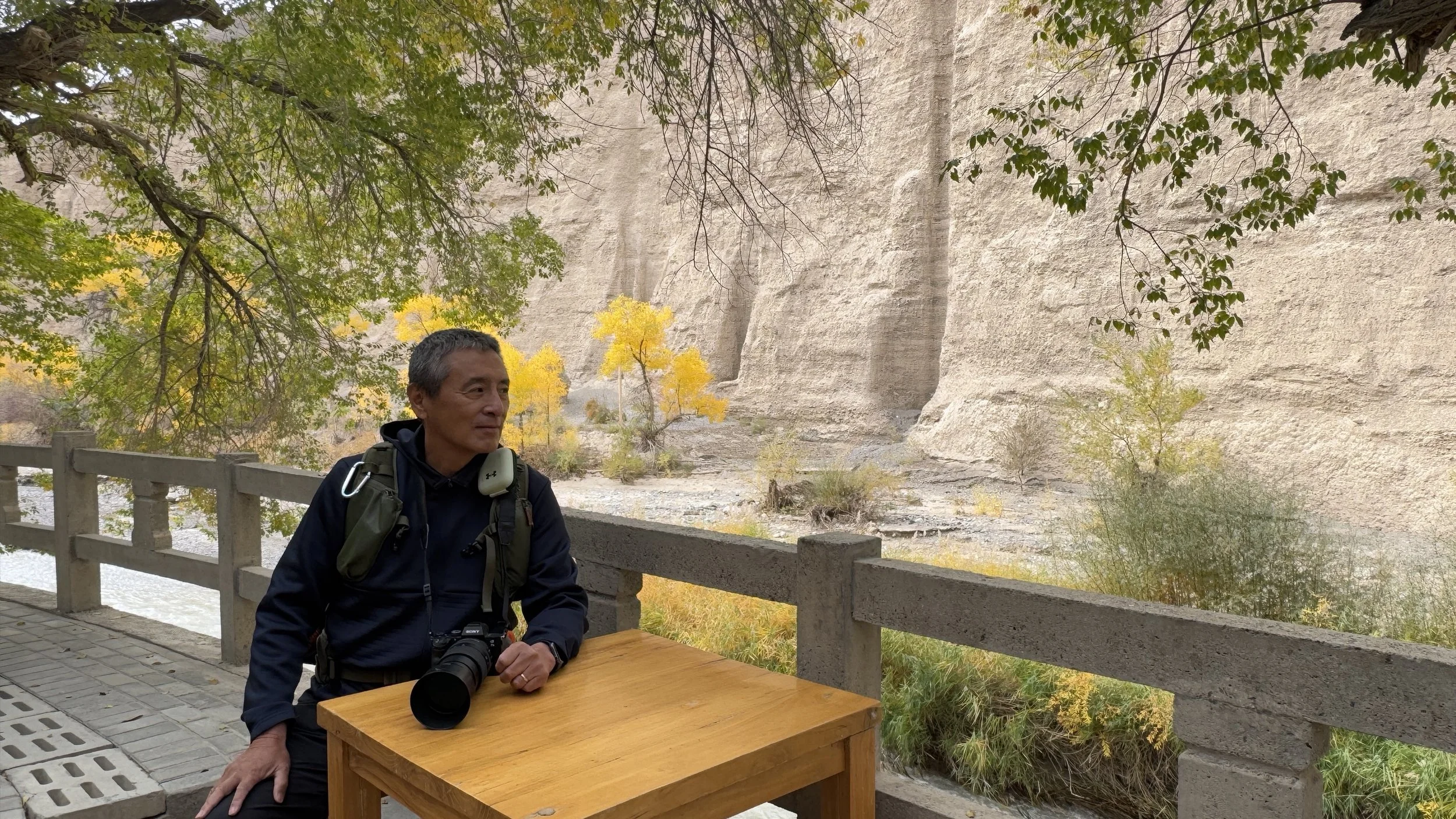
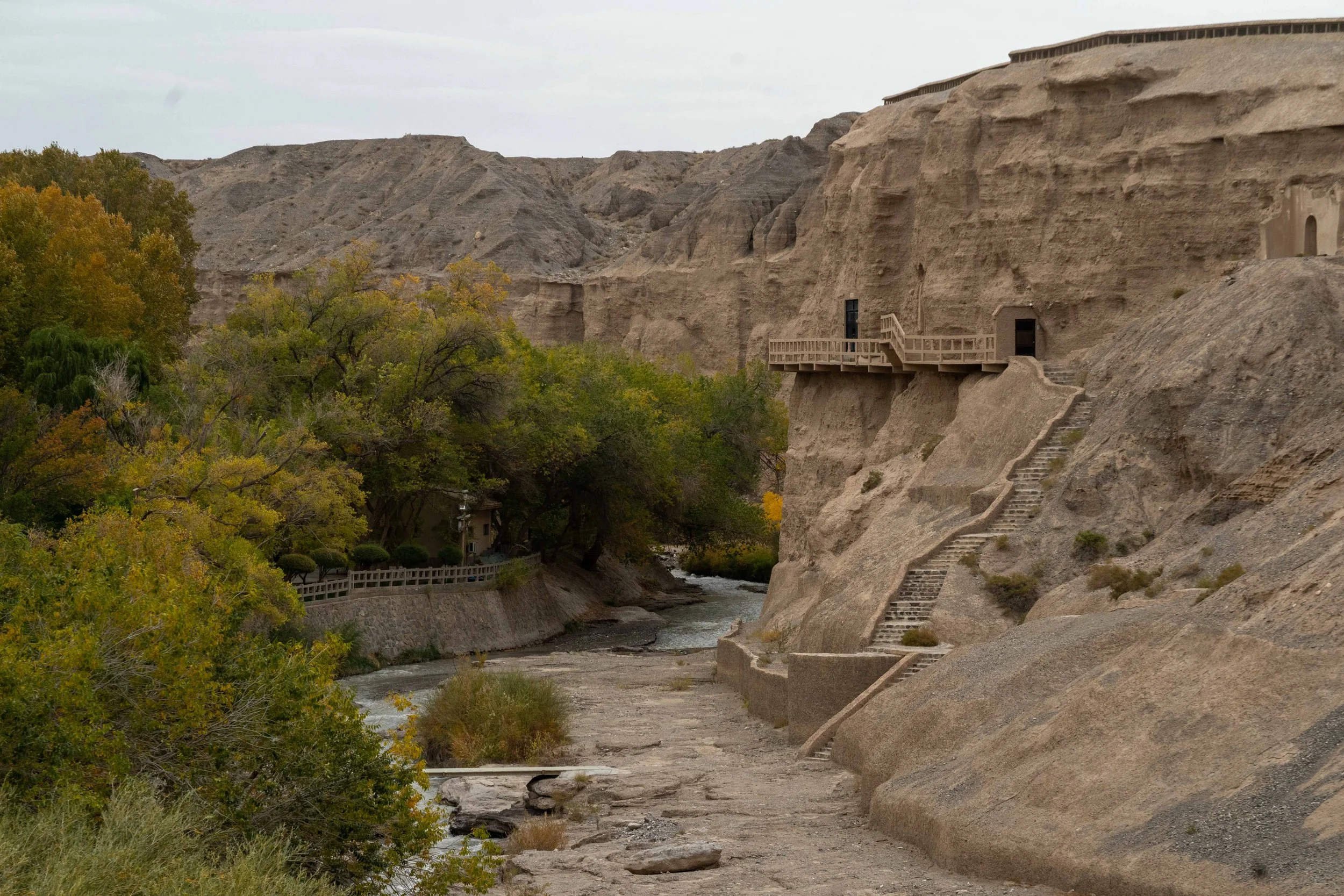
Nestled in a deep, narrow canyon surrounded by wind-carved cliffs and sparse desert vegetation, Yulin felt serene and contemplative, a striking contrast to the often-crowded Mogao Caves. The vivid murals and statues inside the caves, preserved in near-original condition, reflected the same Buddhist devotion seen in Dunhuang but with a quieter, more intimate atmosphere. We thoroughly enjoyed this tranquil visit.
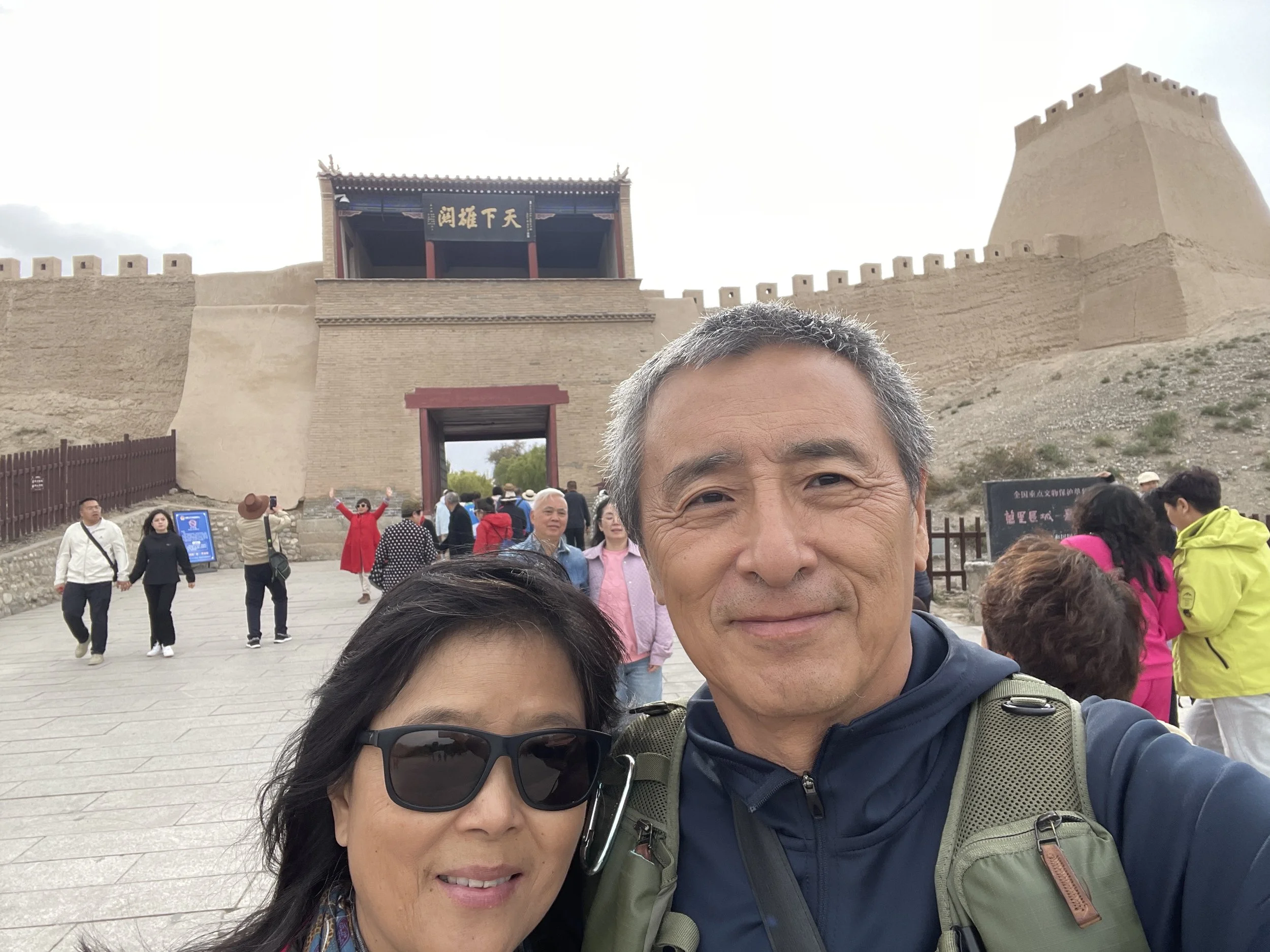
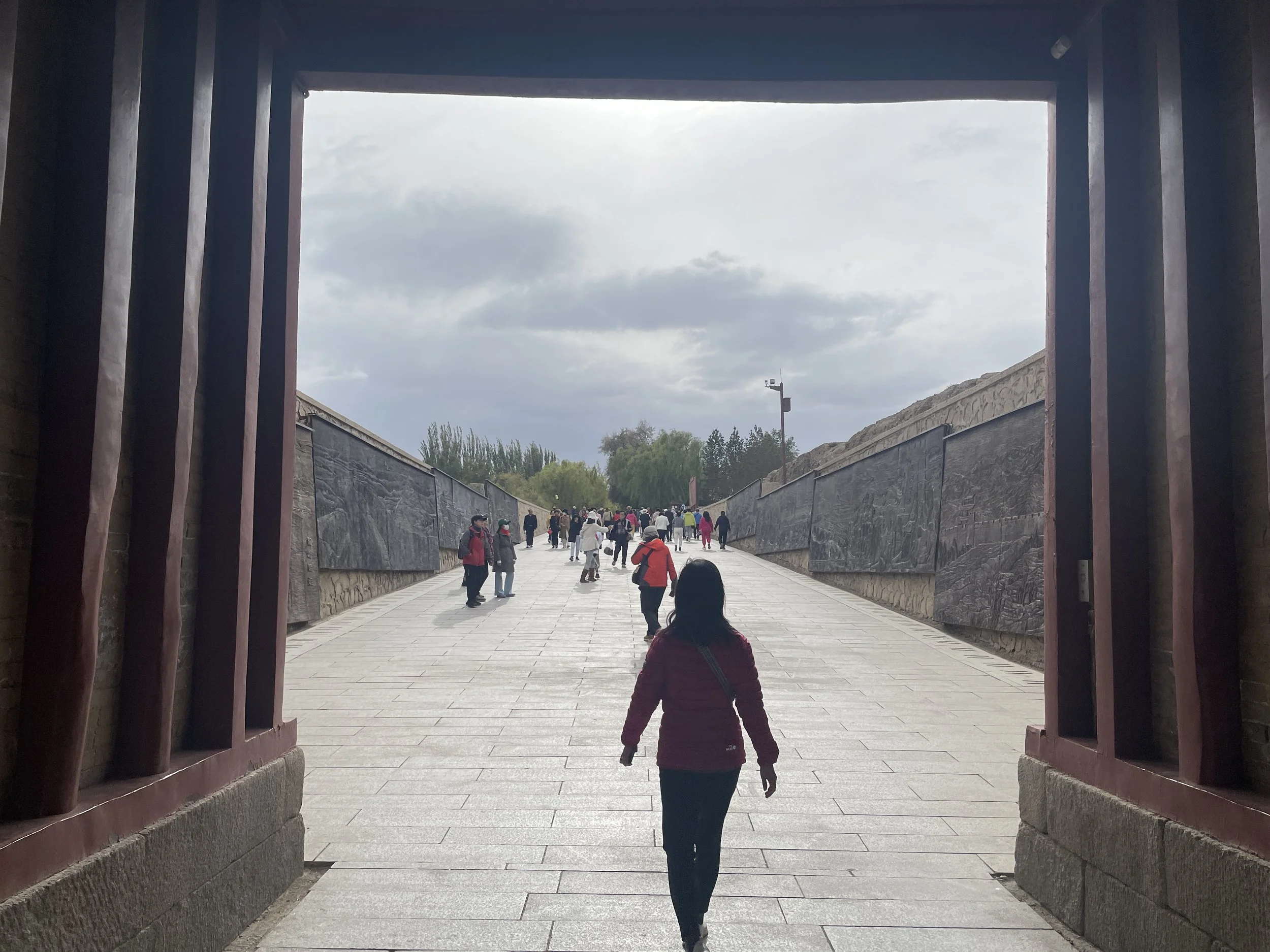
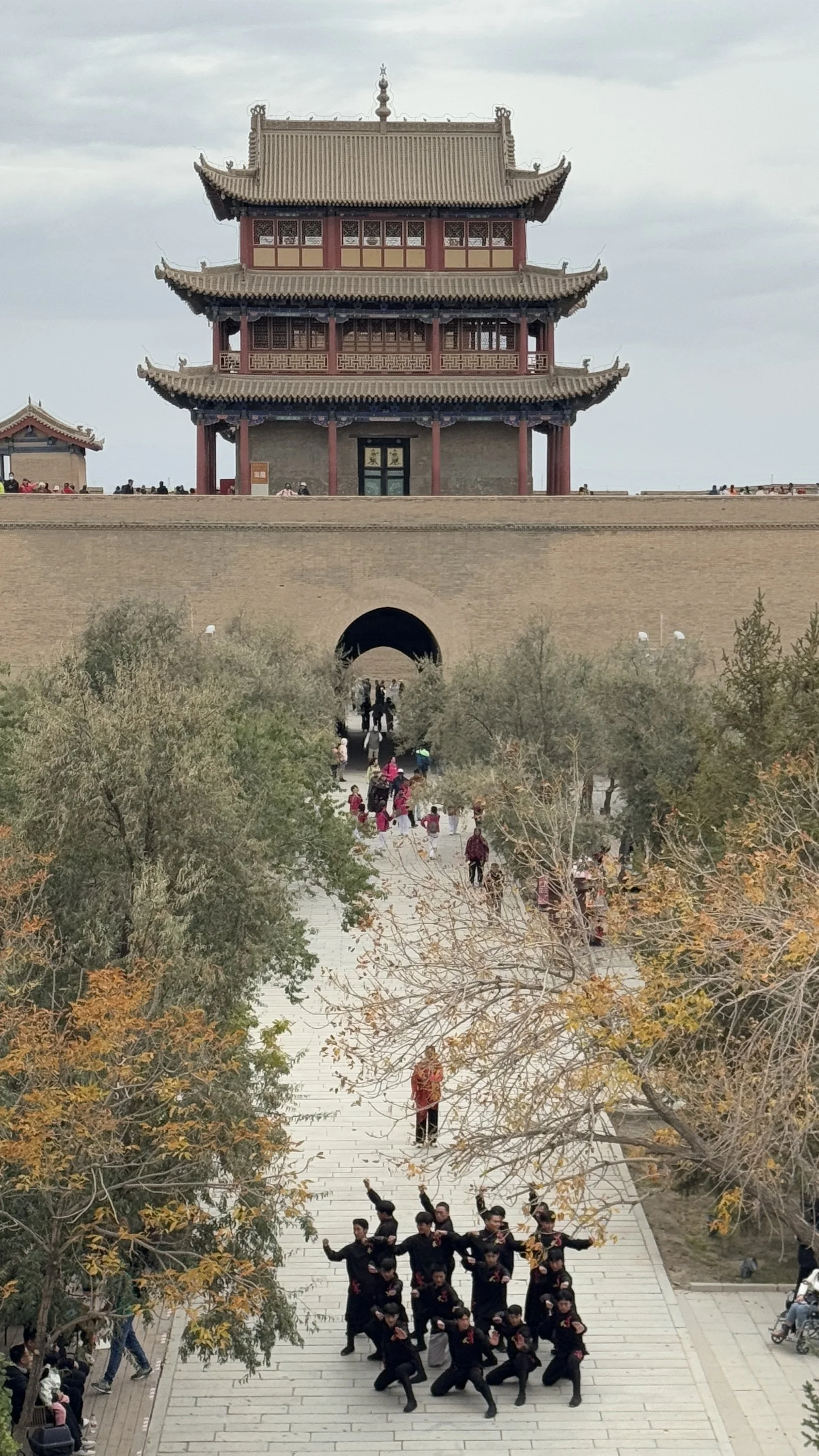
After leaving Yulin, we drove about three hours to Jiayuguan Pass (嘉峪关), known as the “First and Greatest Pass under Heaven” (天下第一雄关)—the western terminus of the Ming Dynasty Great Wall. The scenic area was well maintained and offered sweeping views of the desert landscape.
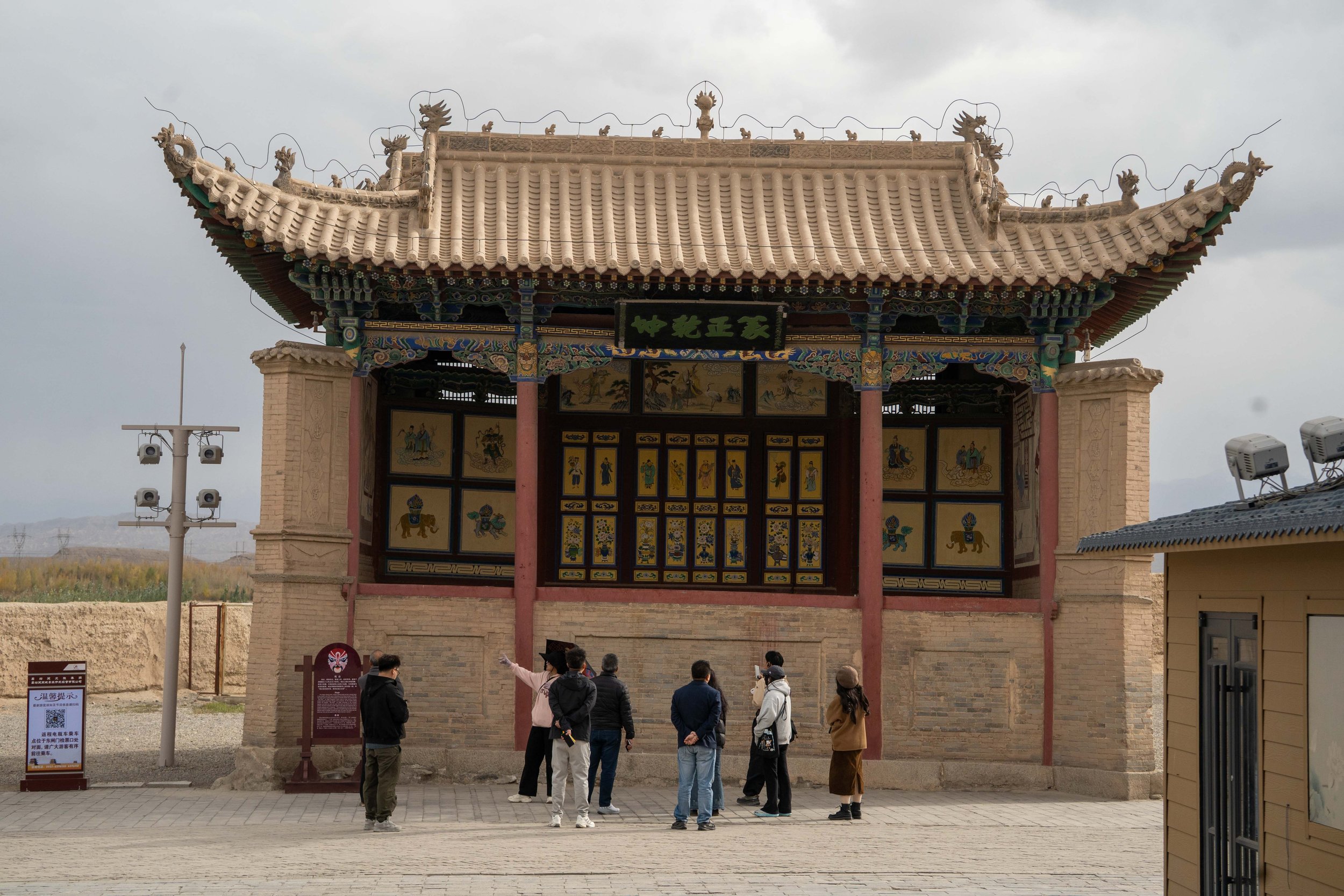
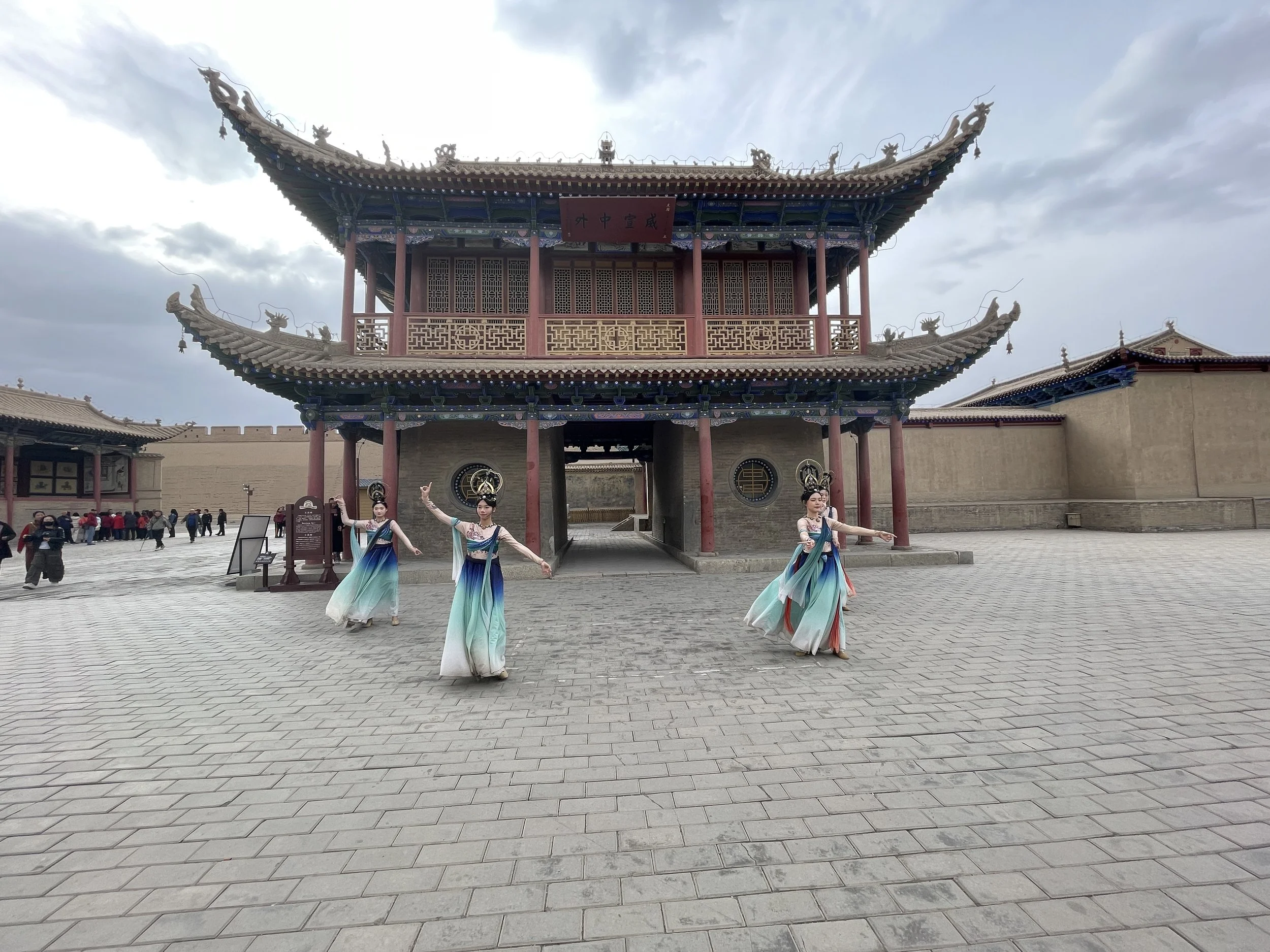
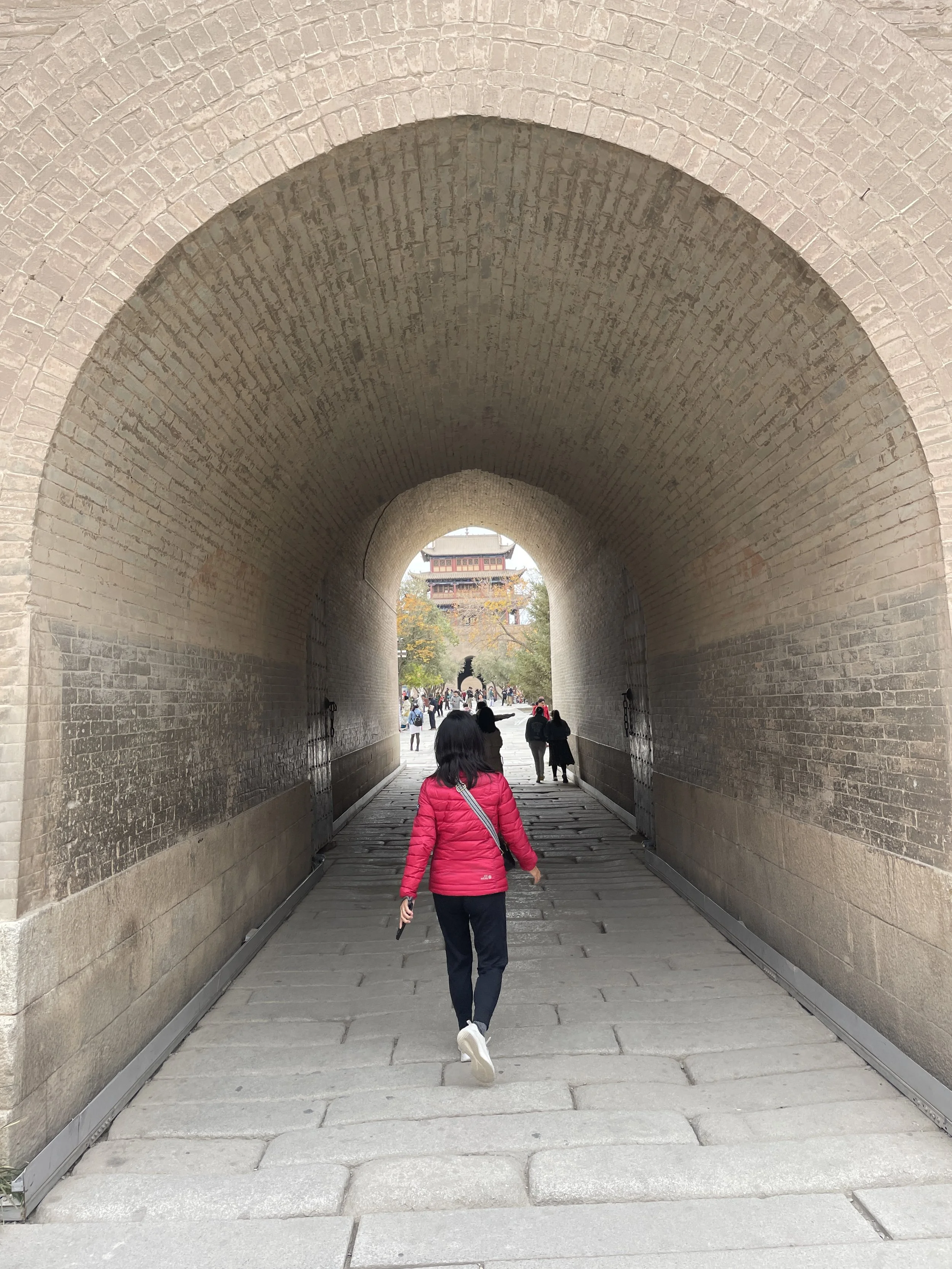
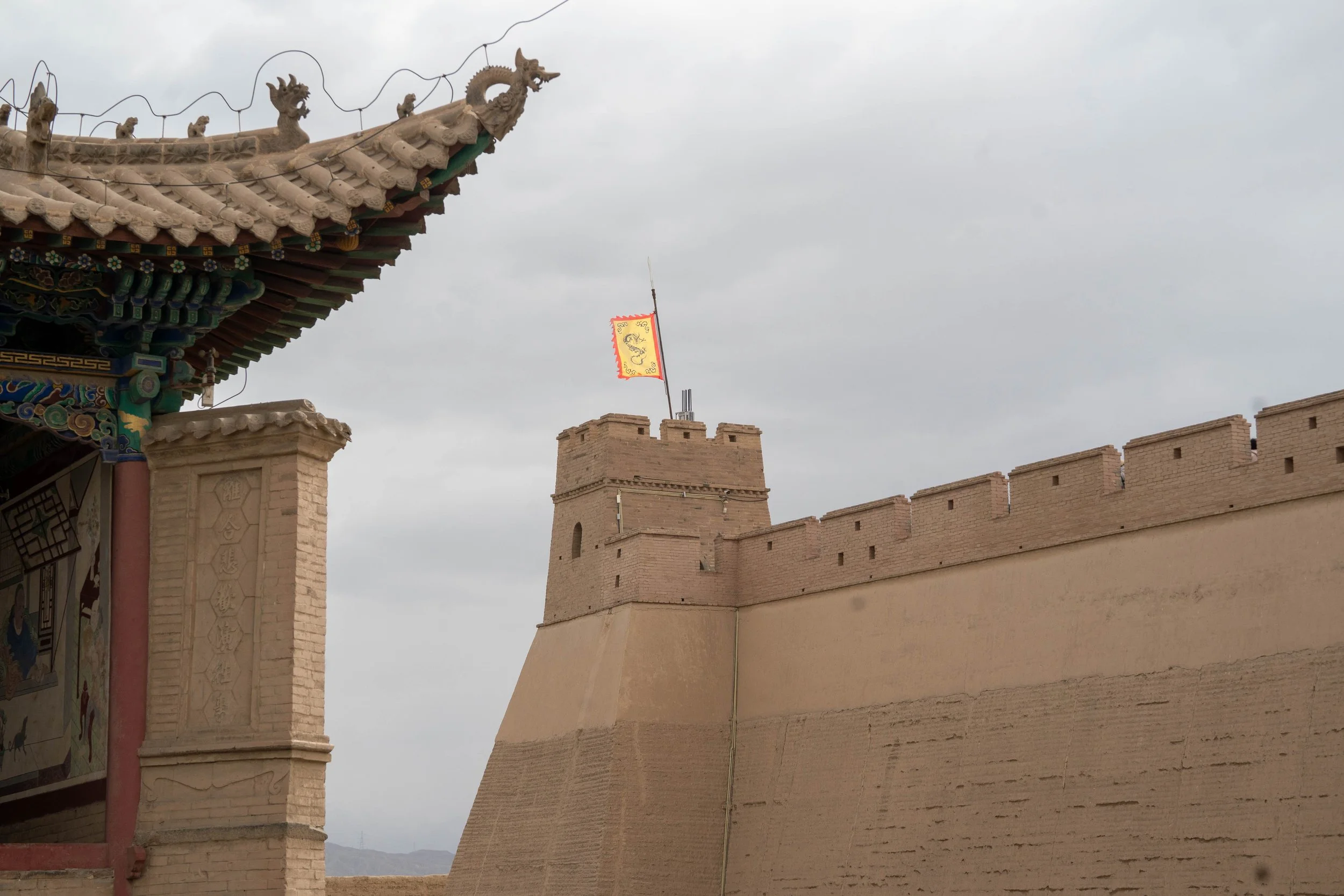
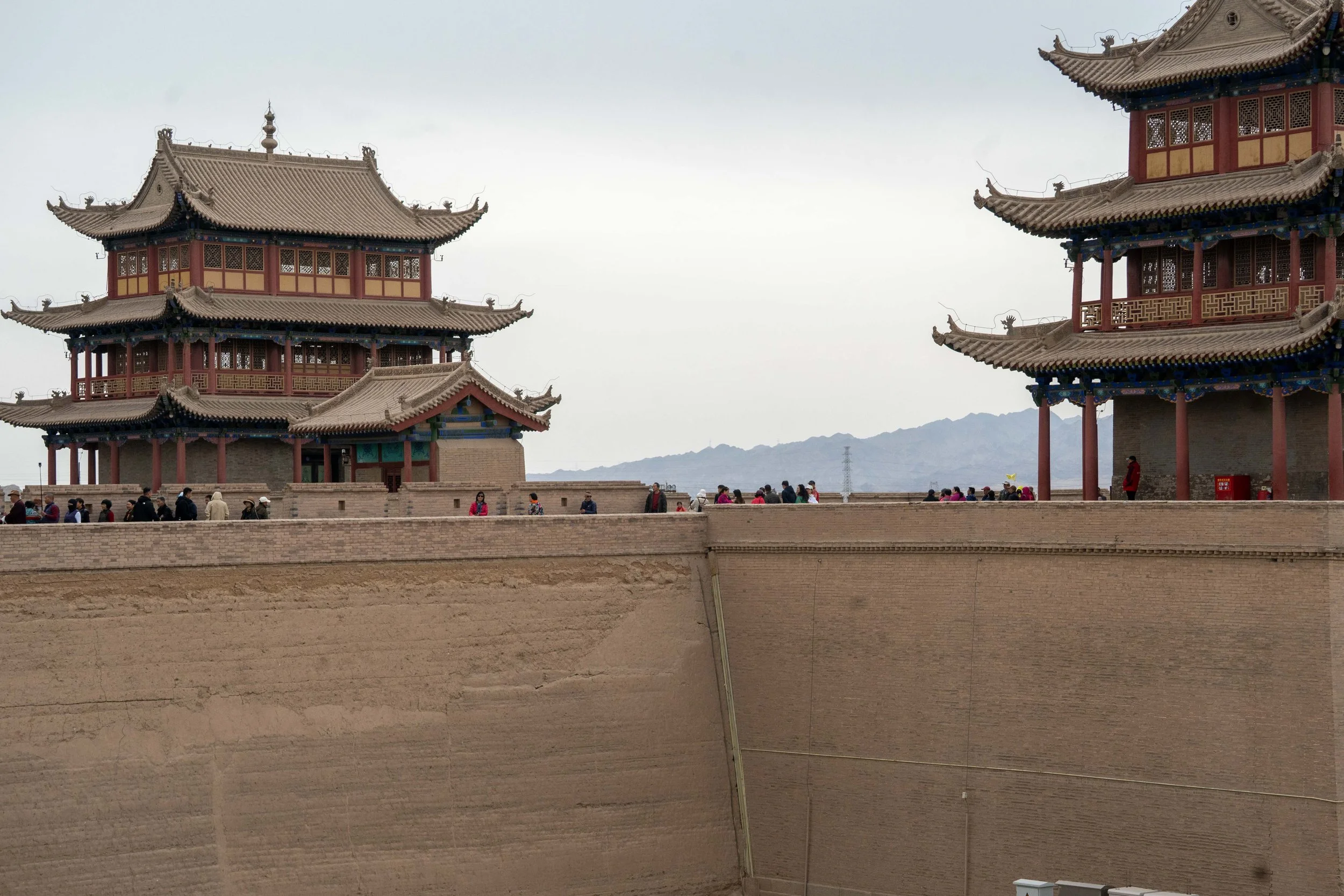
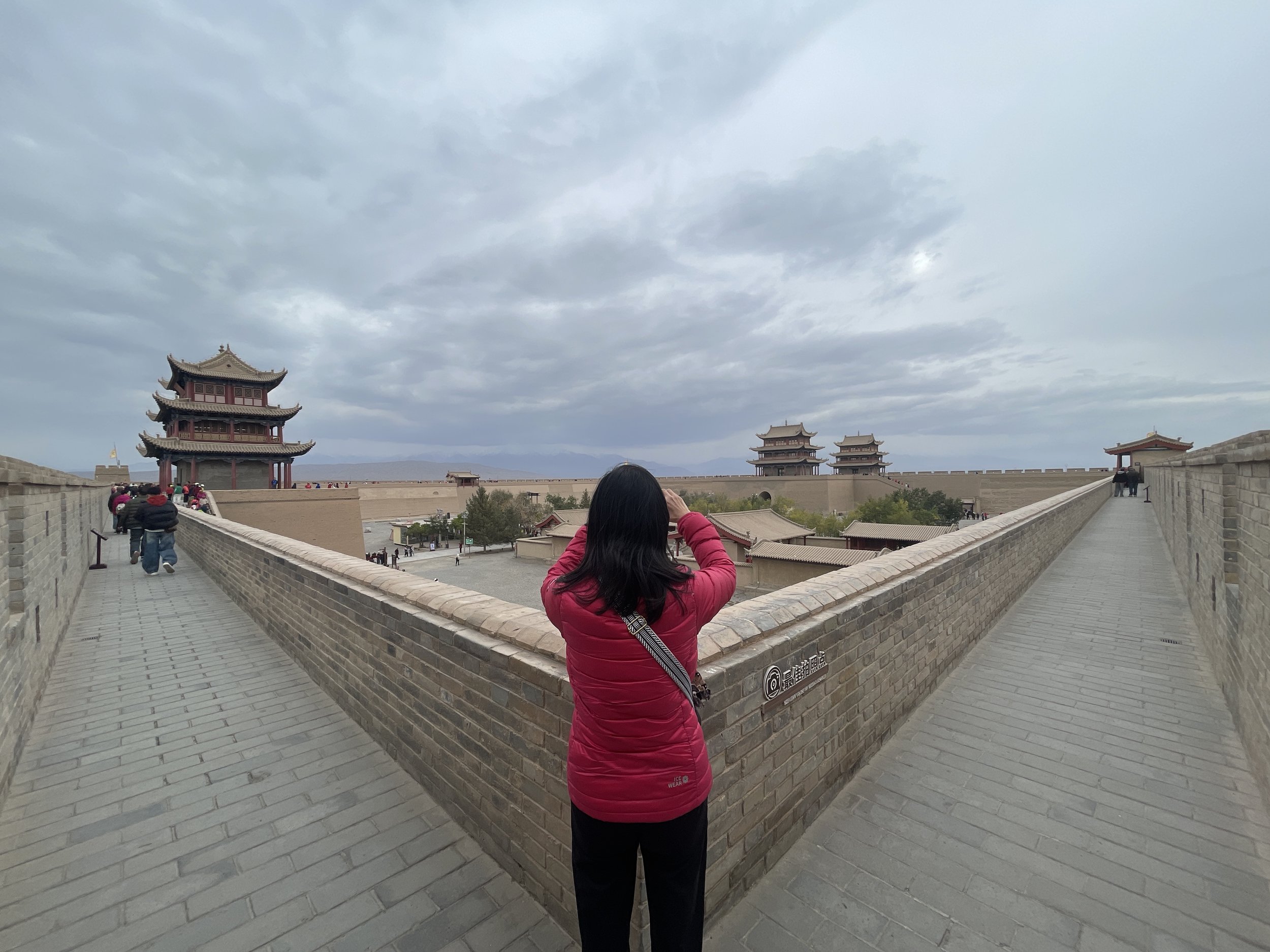
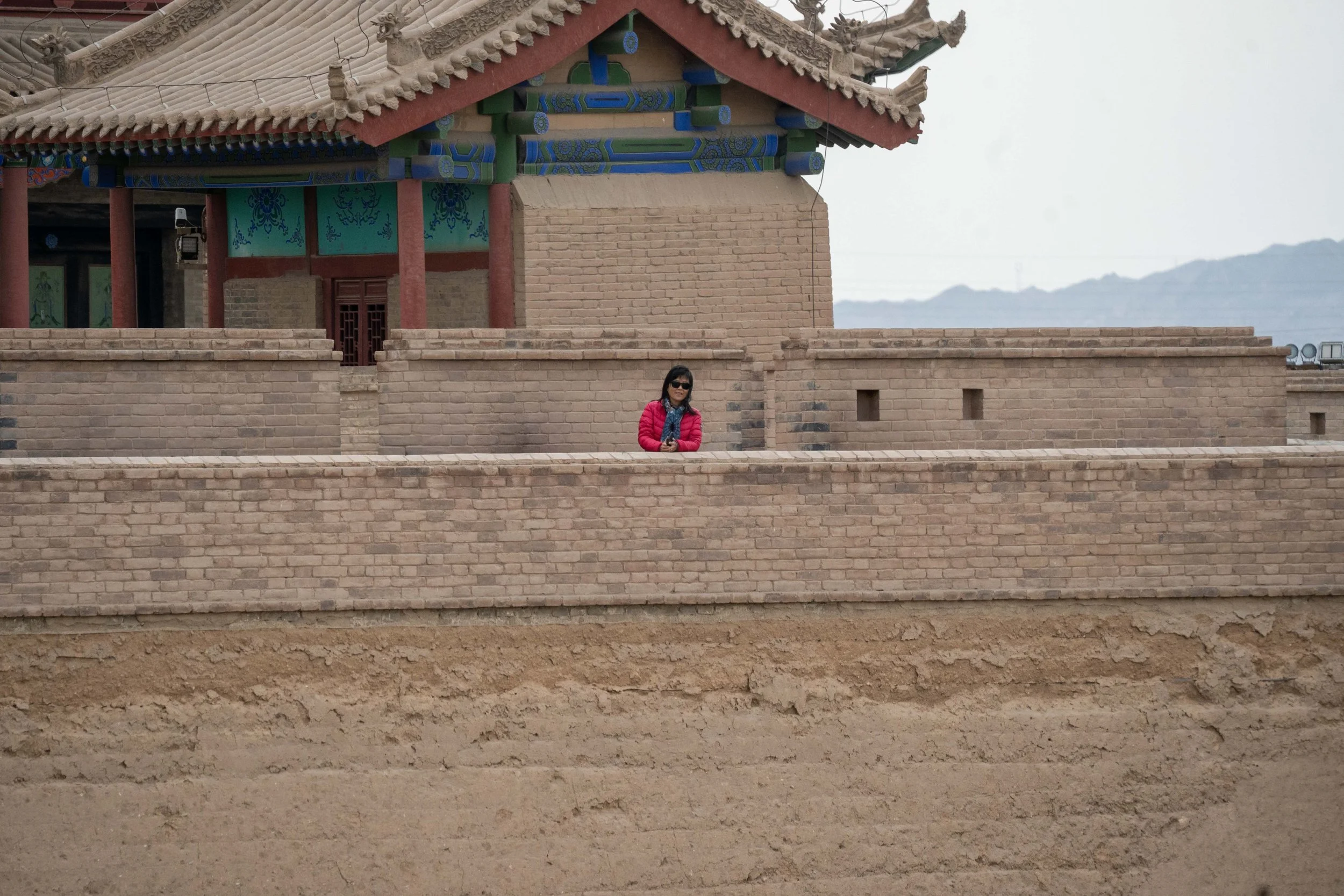
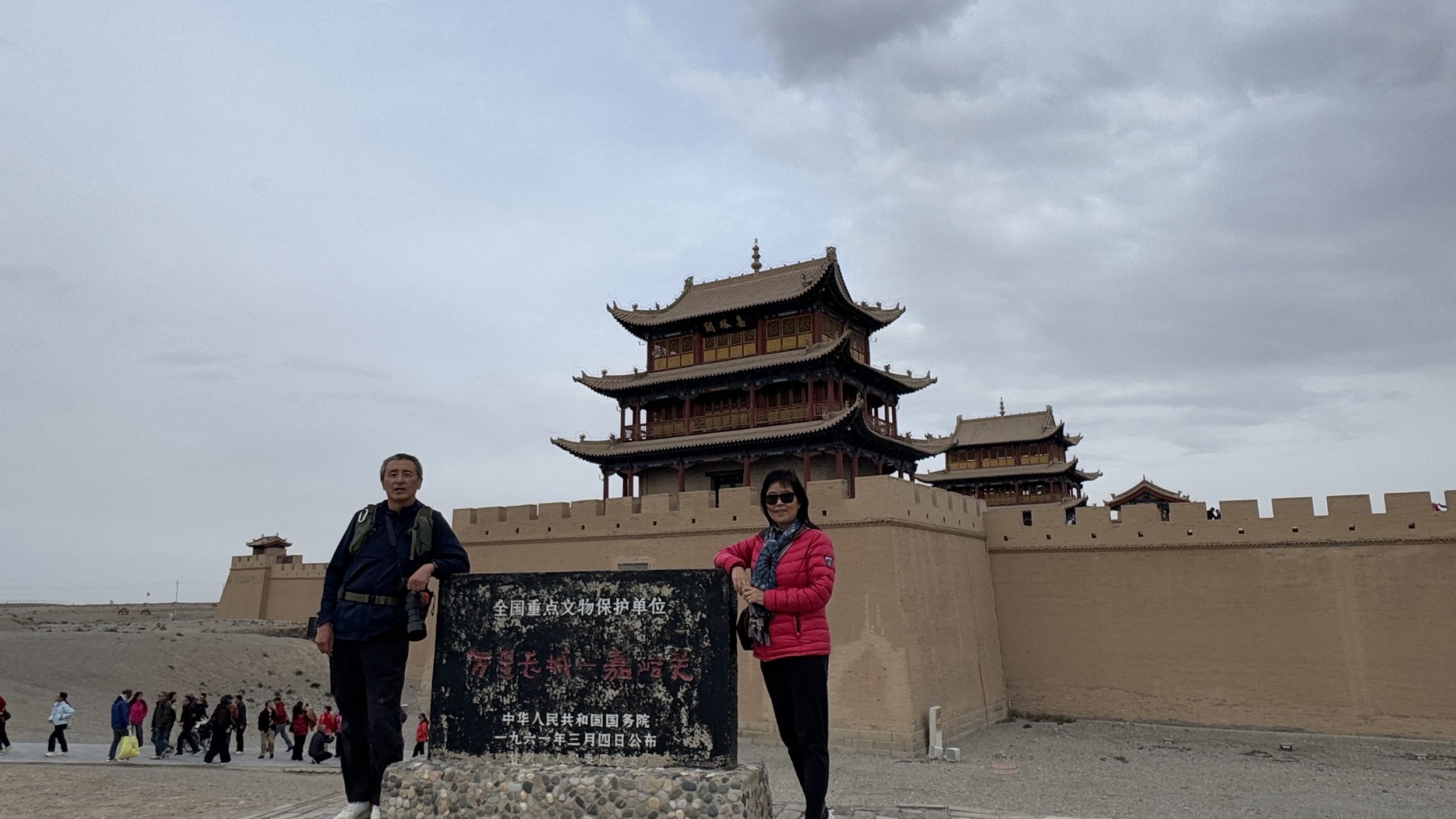
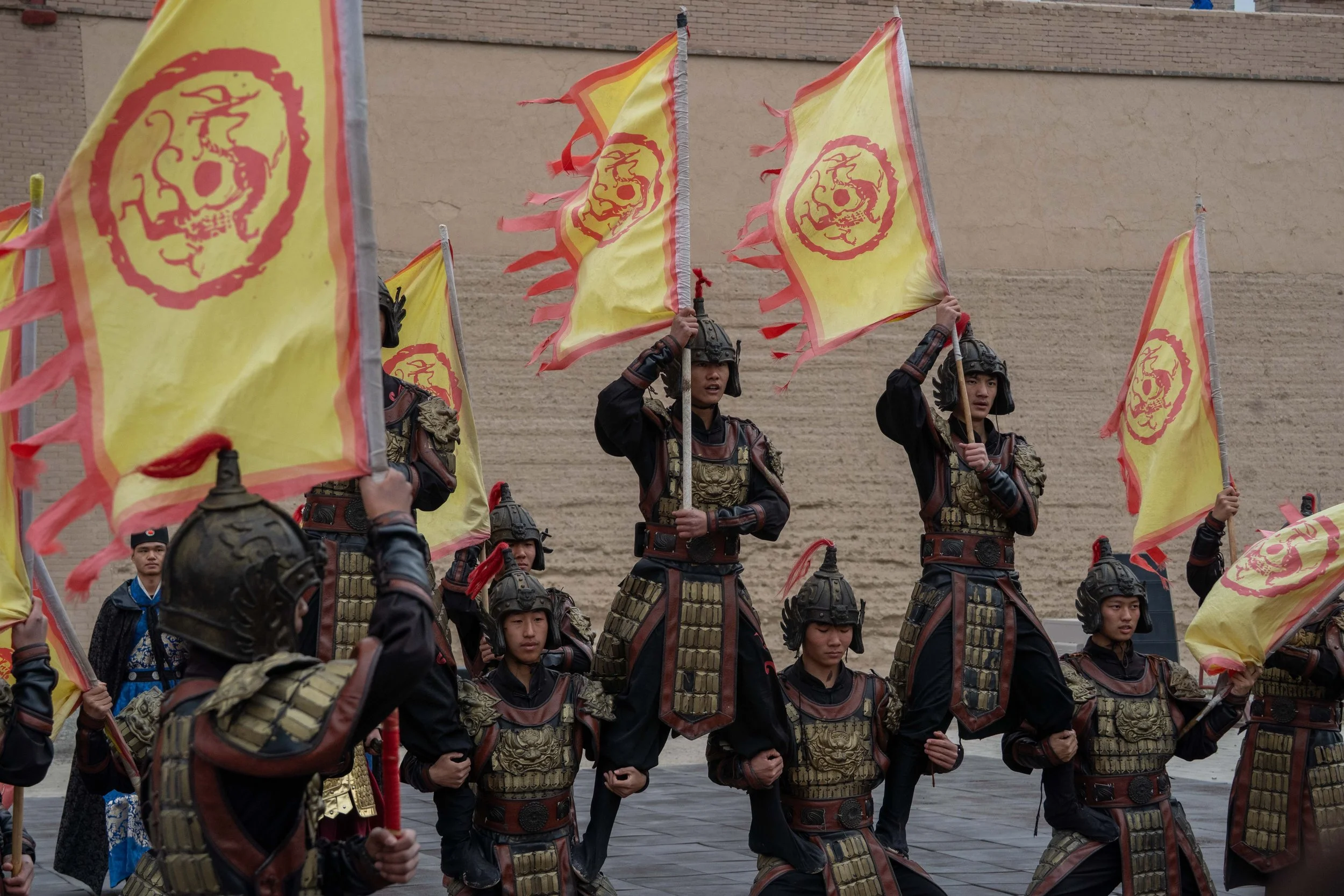
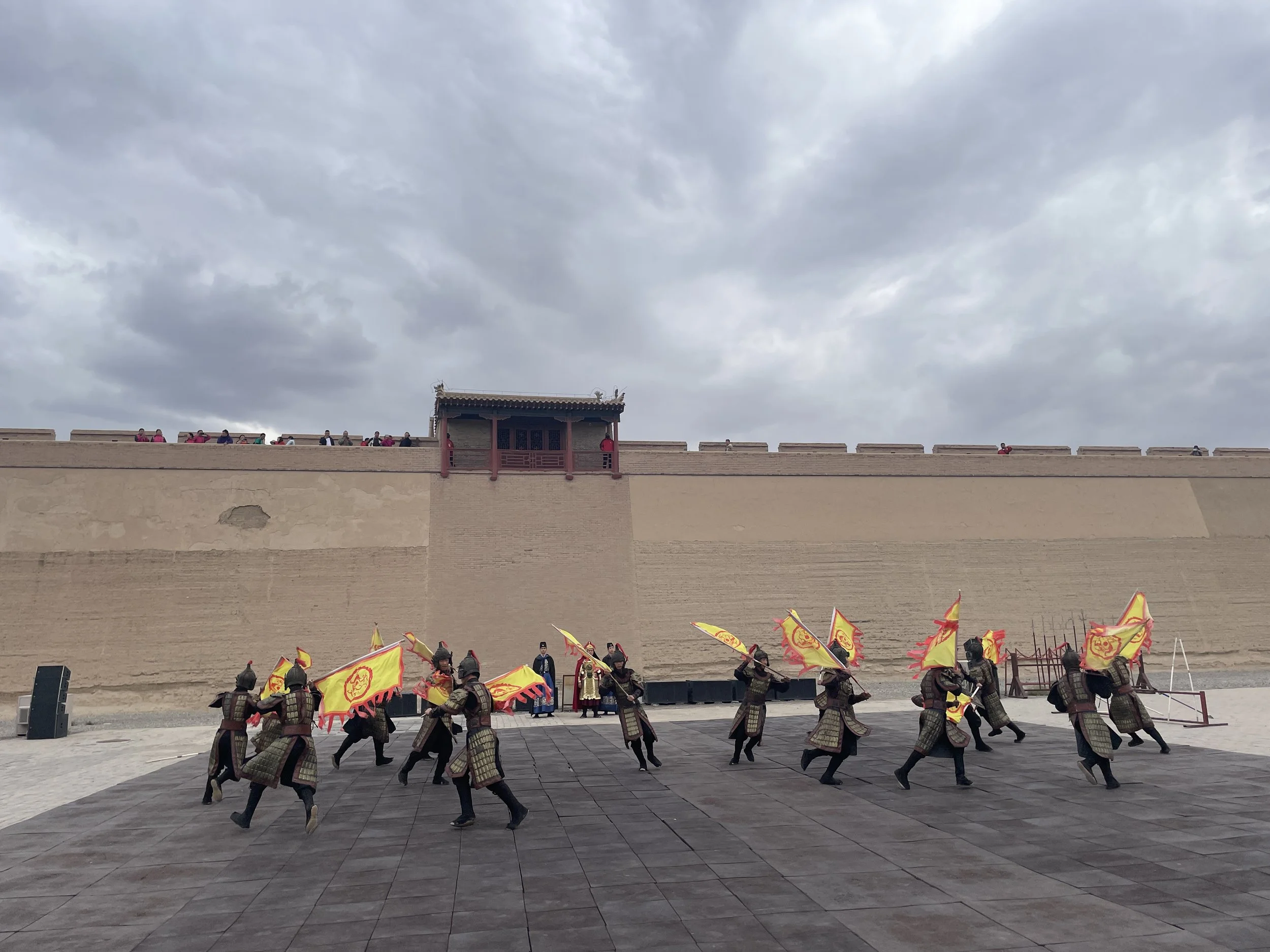
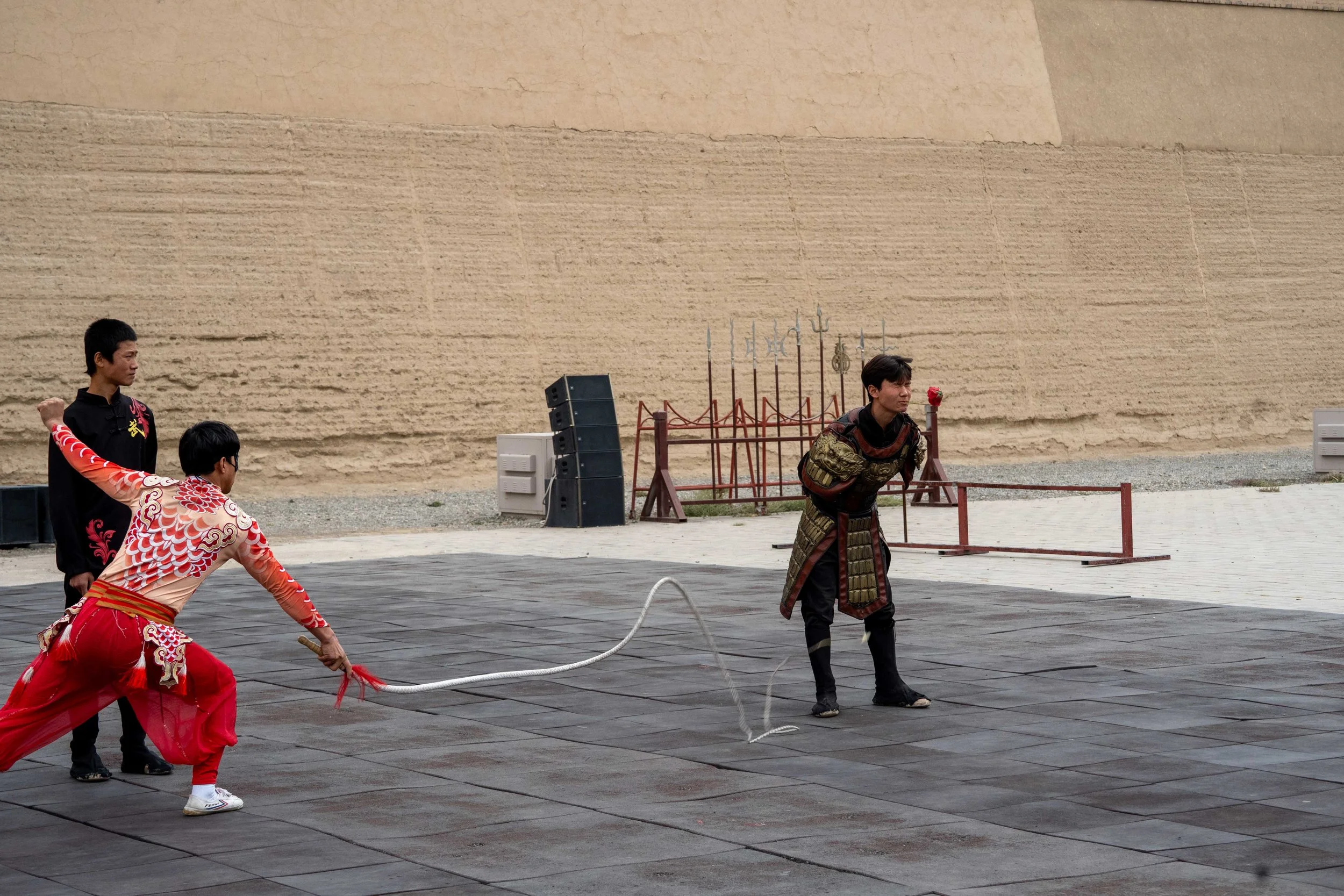
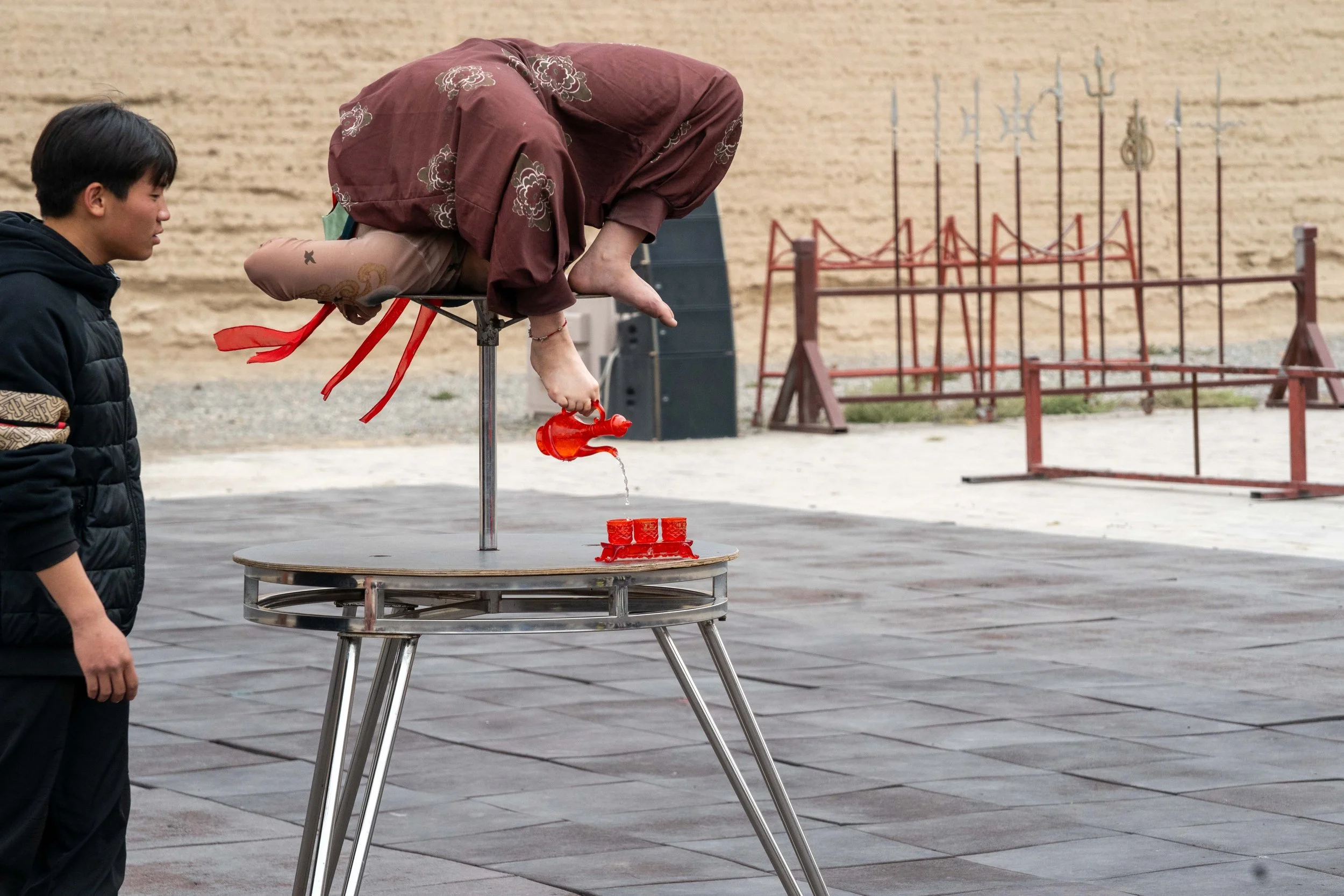
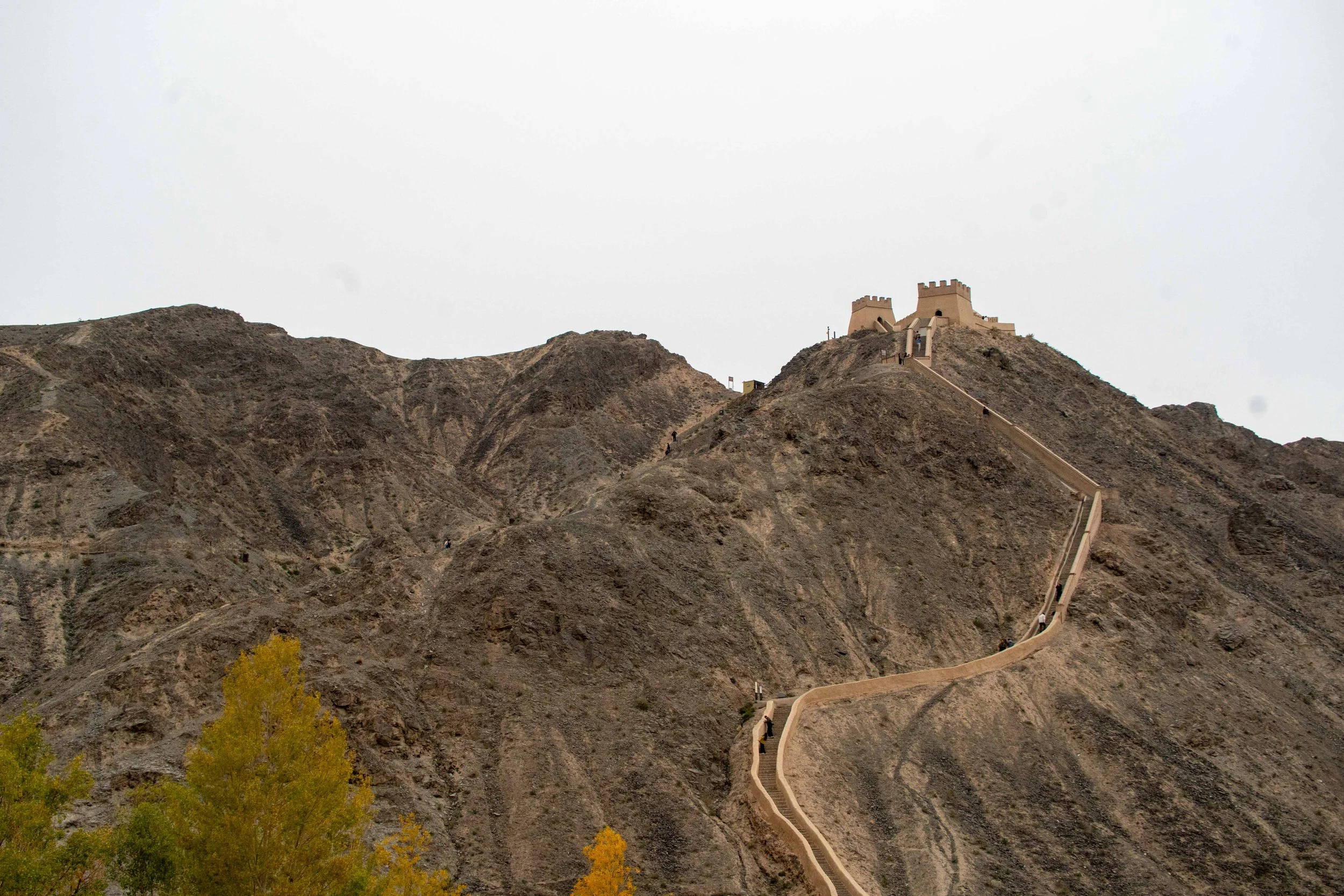
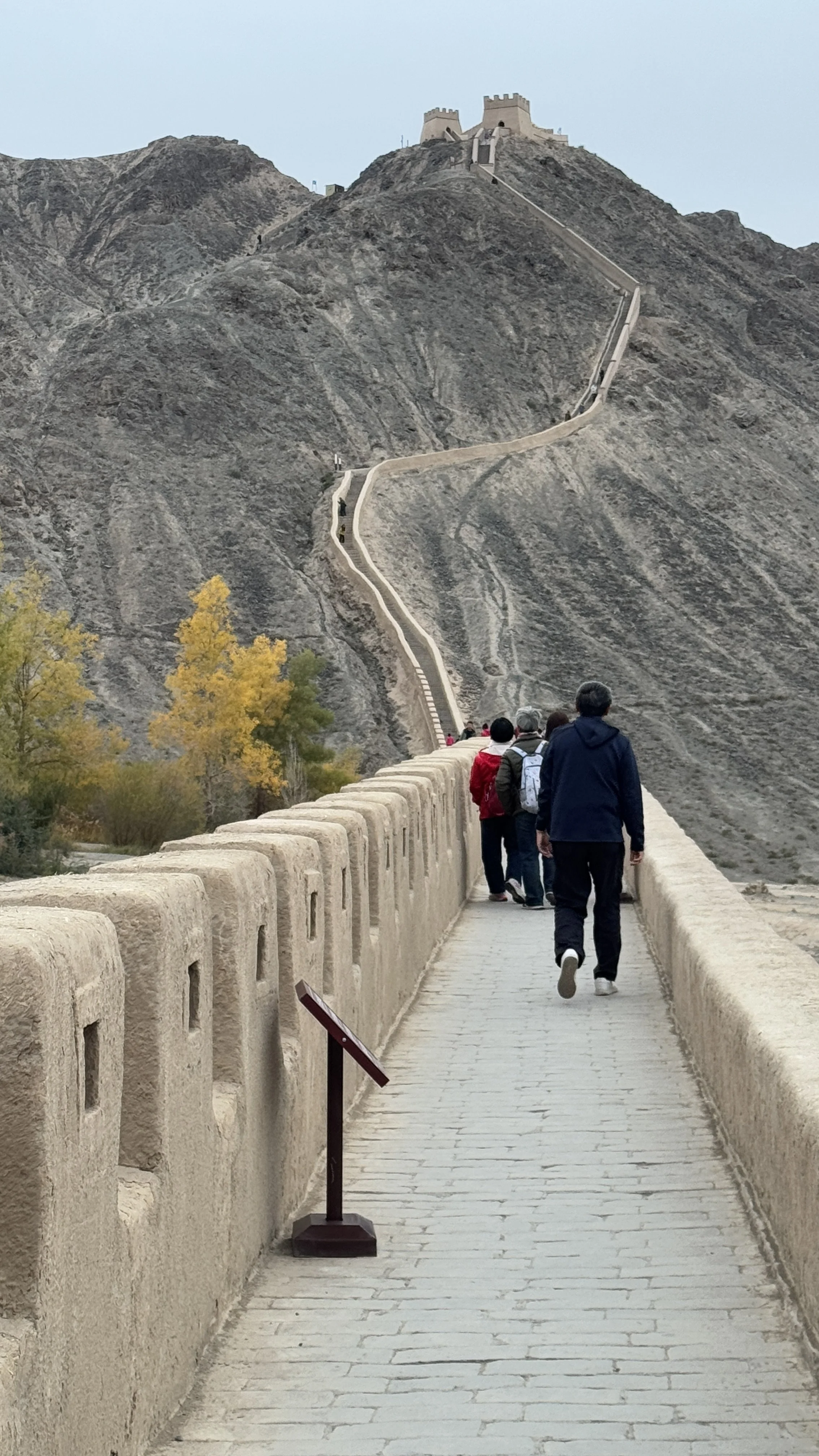
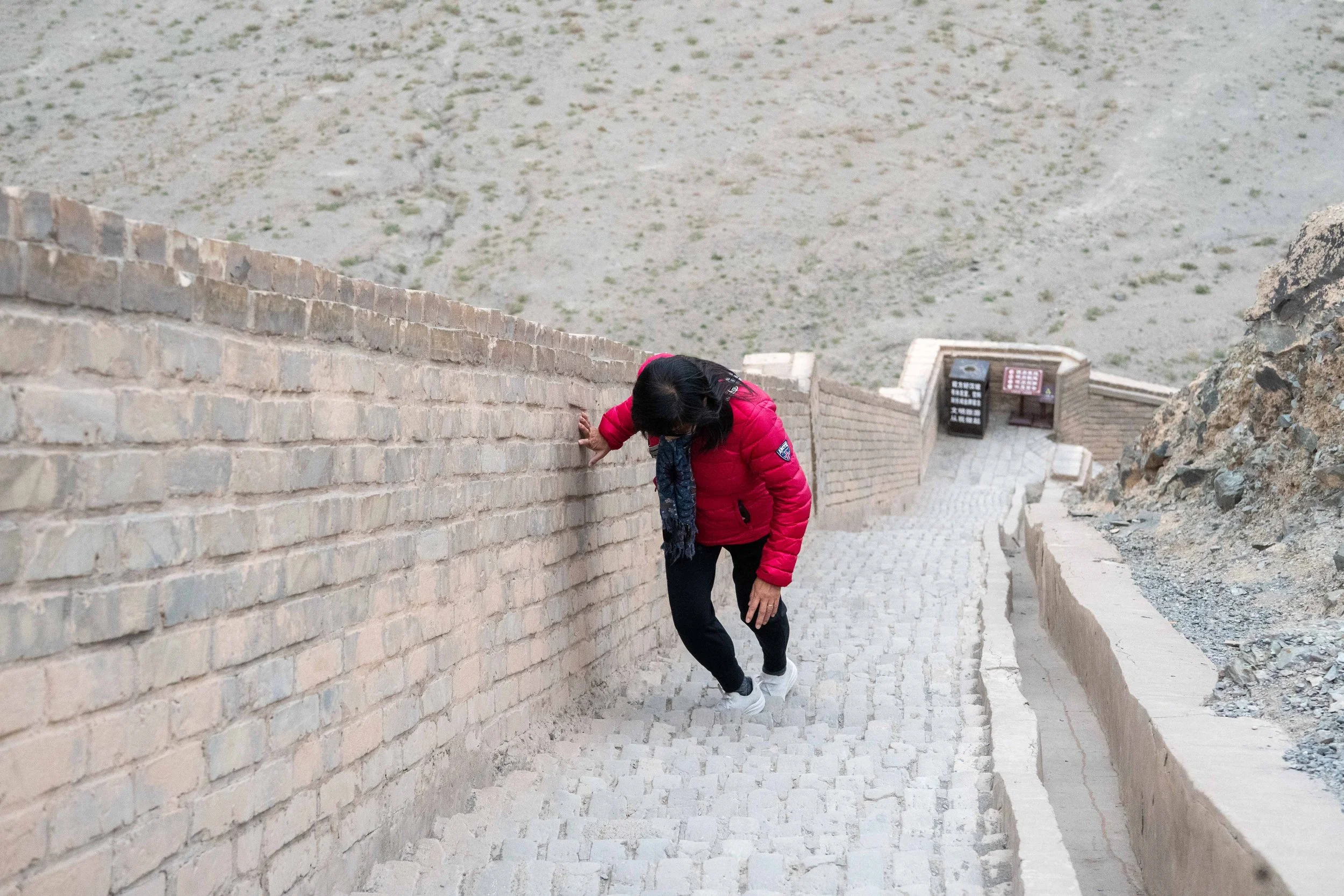
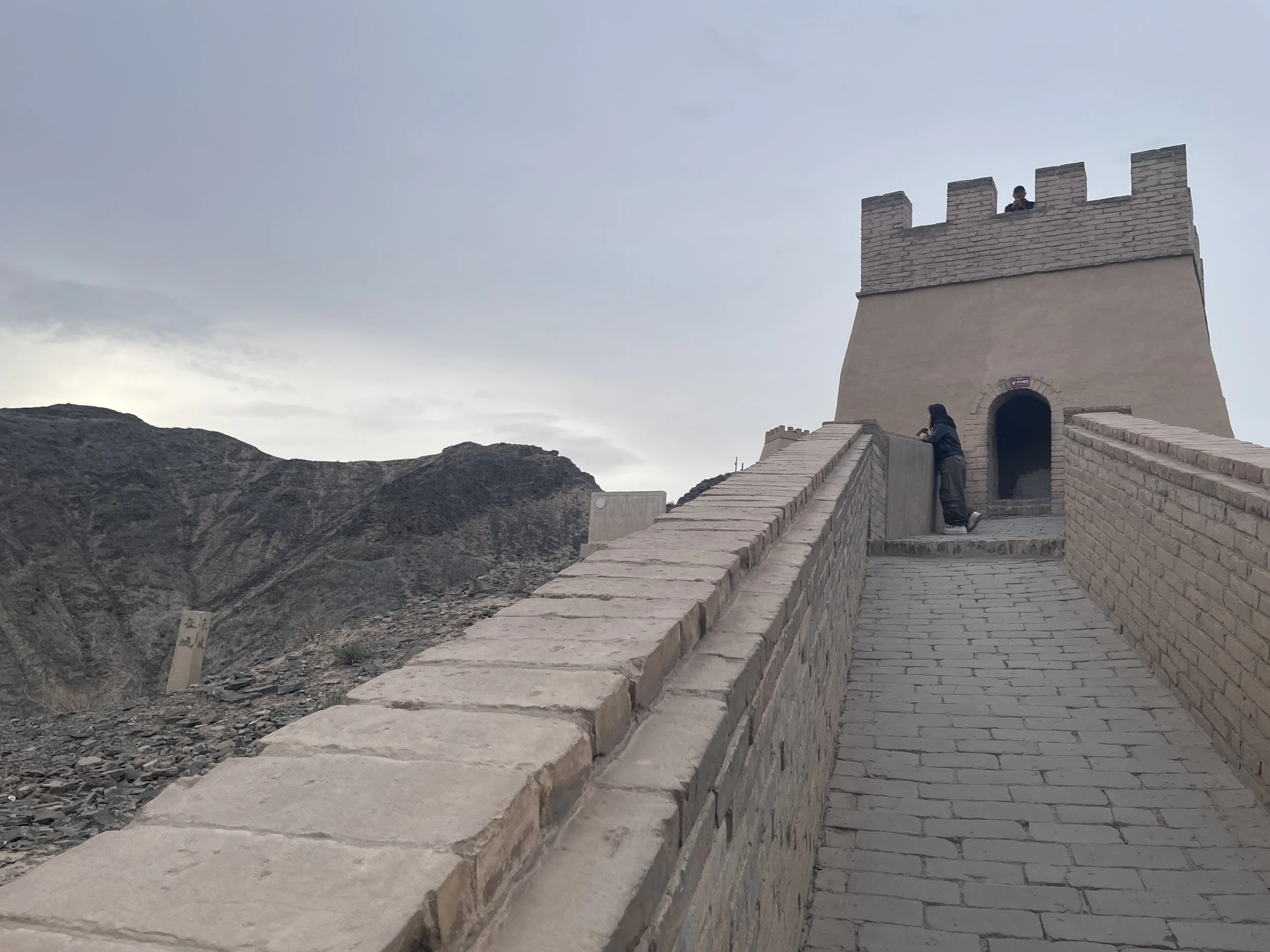
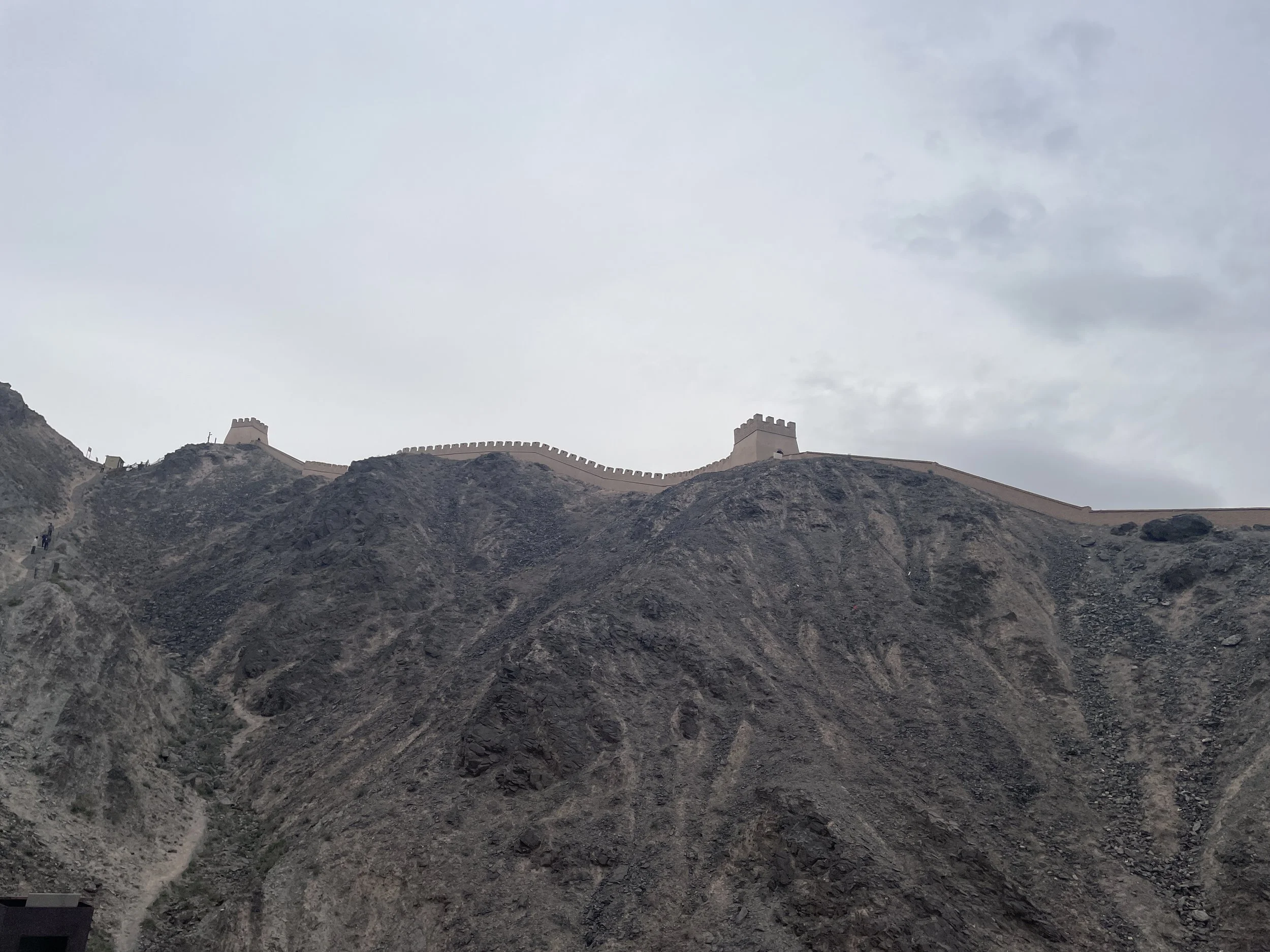
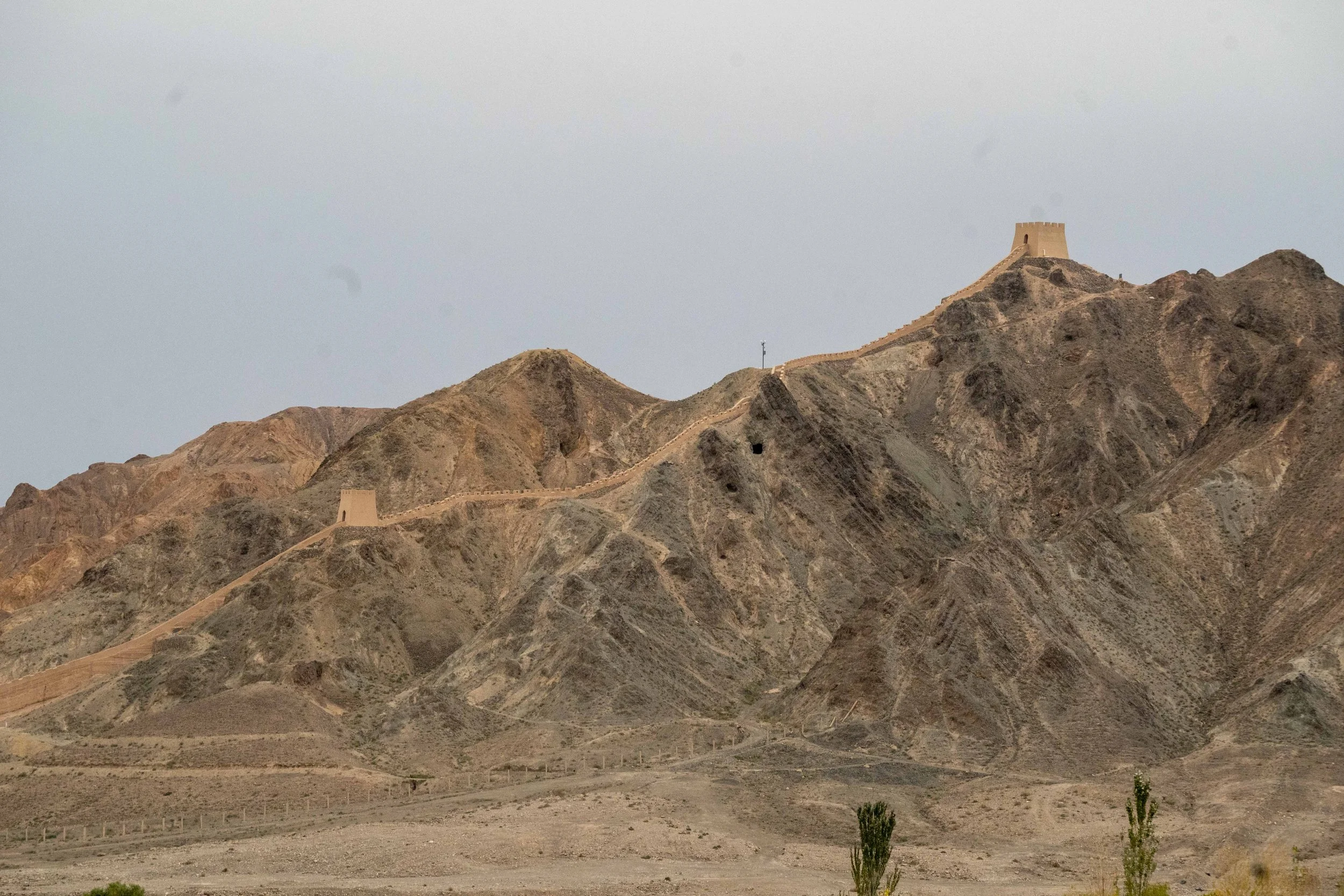
What impressed us most, however, was the nearby Hanging Great Wall (悬壁长城), dramatically built along the steep cliffs north of the pass. We eagerly climbed to the top, standing at the symbolic end of the Ming Great Wall, and marveled at the breathtaking views stretching endlessly toward the west.
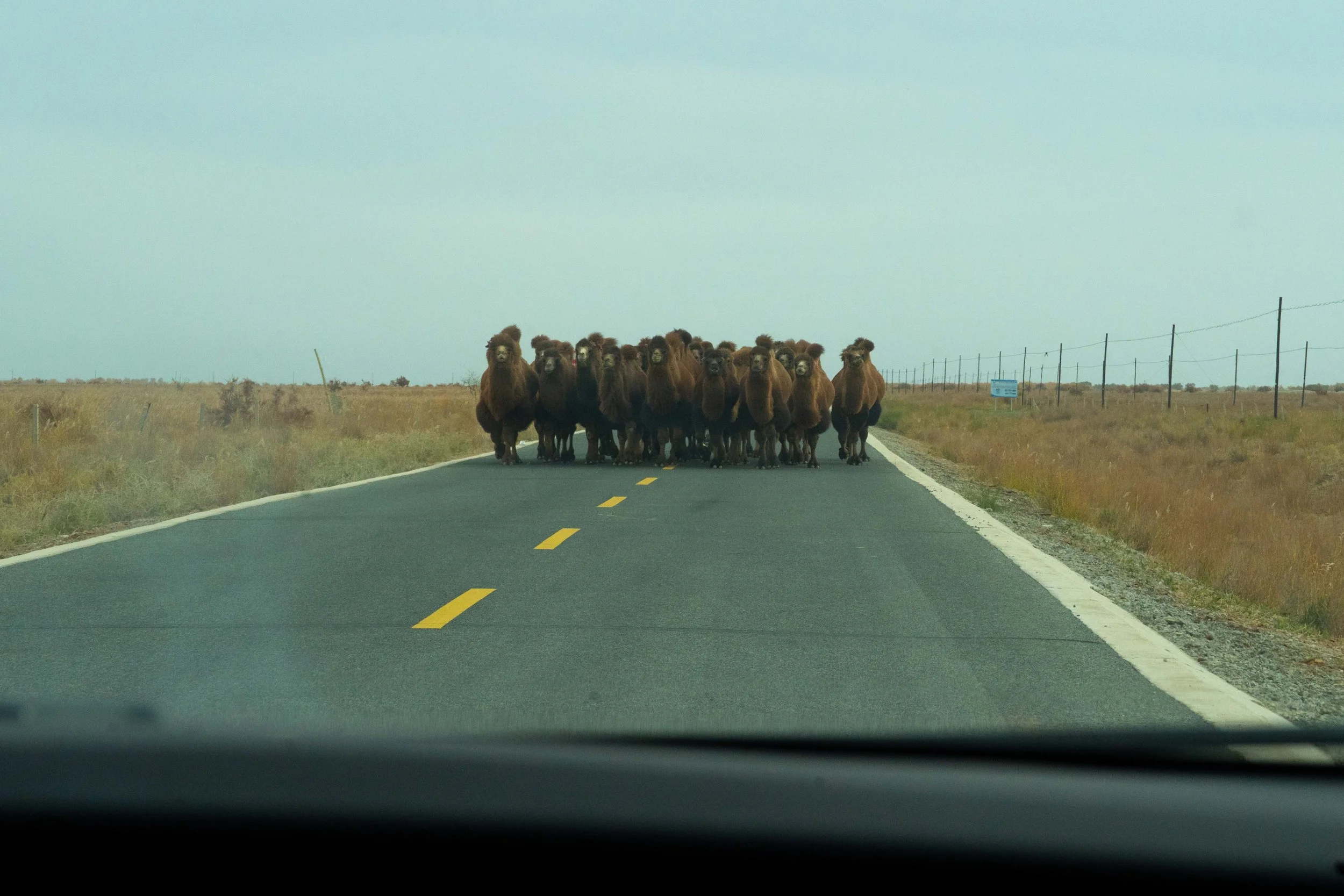
During the long hours on the road, the driver shared many stories from his life. He told us about his previous assignment as a driver for the “800 Li of Flowing Sands” (八百流沙) — a grueling 400-kilometer desert ultramarathon. Before picking us up, he had just completed that job. The first-place runner, an American, finished the entire 400 km in only 69 hours, with almost no sleep. In fact, sleeping more than two hours was considered a violation of race rules. For that event, he was assigned to drive a professional photographer who followed one of the competitors throughout the race.
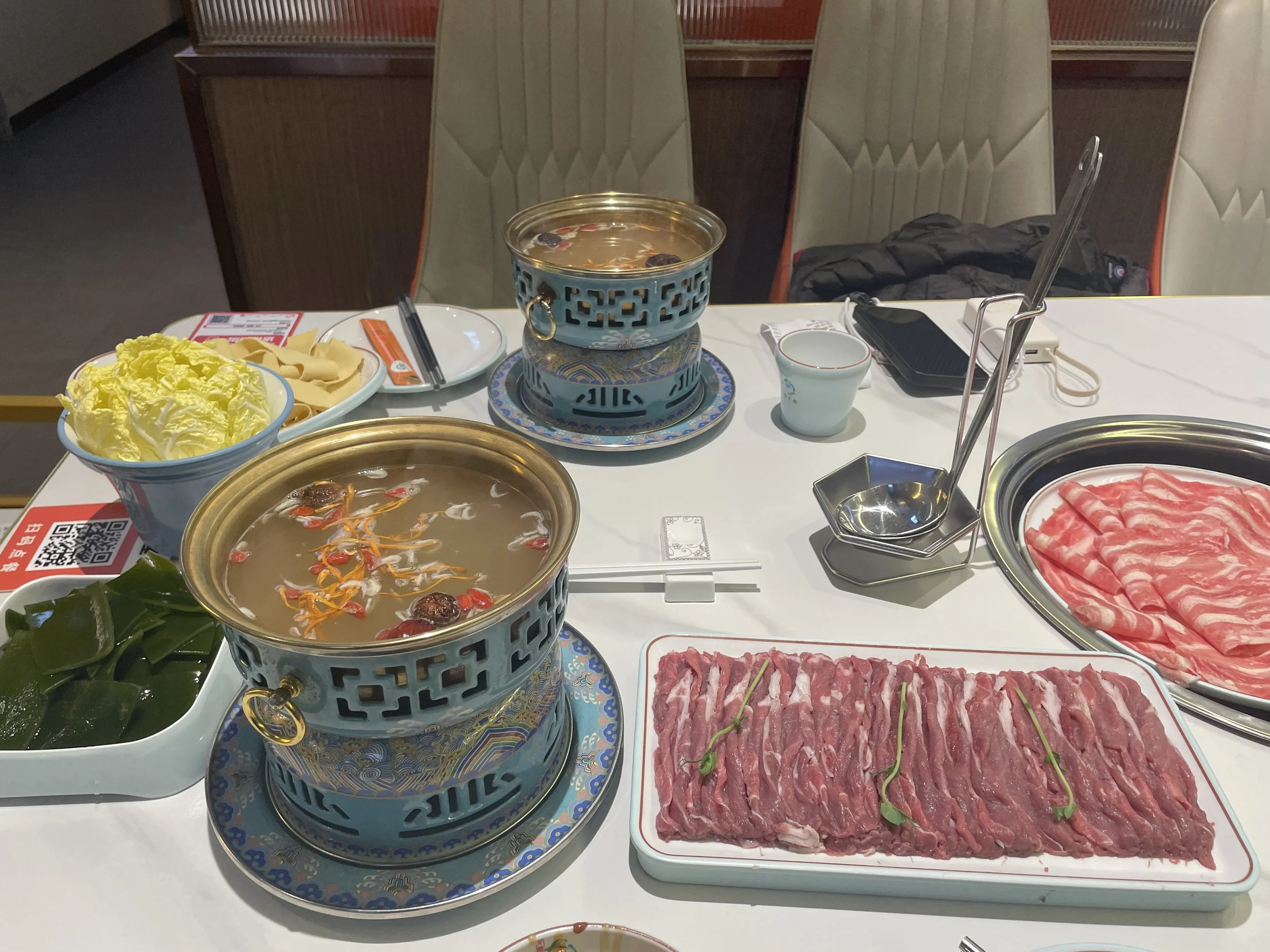
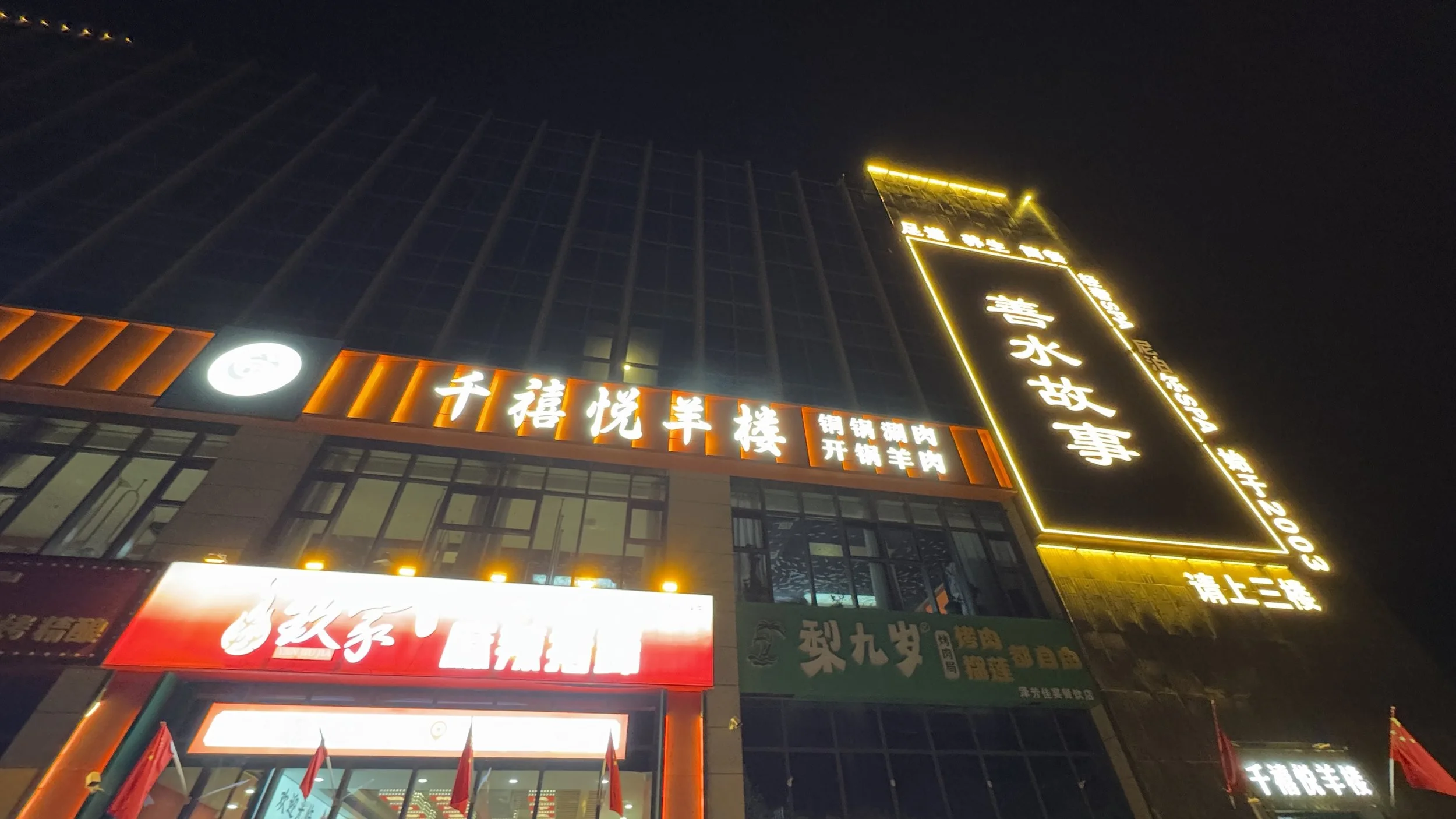
That evening, we stayed overnight in Jiayuguan and enjoyed a hearty hot pot dinner featuring tender lamb and beef—rich, flavorful, and the perfect way to end a long day of adventure.
2025年10月11日
第三天早晨,我们退房后,司机准时来酒店接我们,开始当天的行程。第一站是榆林窟,大约二个多小时的路程,途中我们在《汉帝雄风》和《大地之子》两座大型雕塑前短暂停留,拍照留念,欣赏这些戈壁滩上宏伟壮观 的艺术作品。
榆林窟位于一条幽深狭长的峡谷中,四周环绕着被大风雕刻的陡峭岩壁与稀疏的沙漠。这是我们此次旅程中参观的第三处石窟群,却同样令人难忘。与游客众多的莫高窟相比,这里格外宁静而庄重,令人自然生出一份敬意。因为地势环境的原因,这里许多洞窟内的壁画与彩塑保存完好,色彩依然鲜艳明丽,展现出千年前人们的信仰与艺术追求。
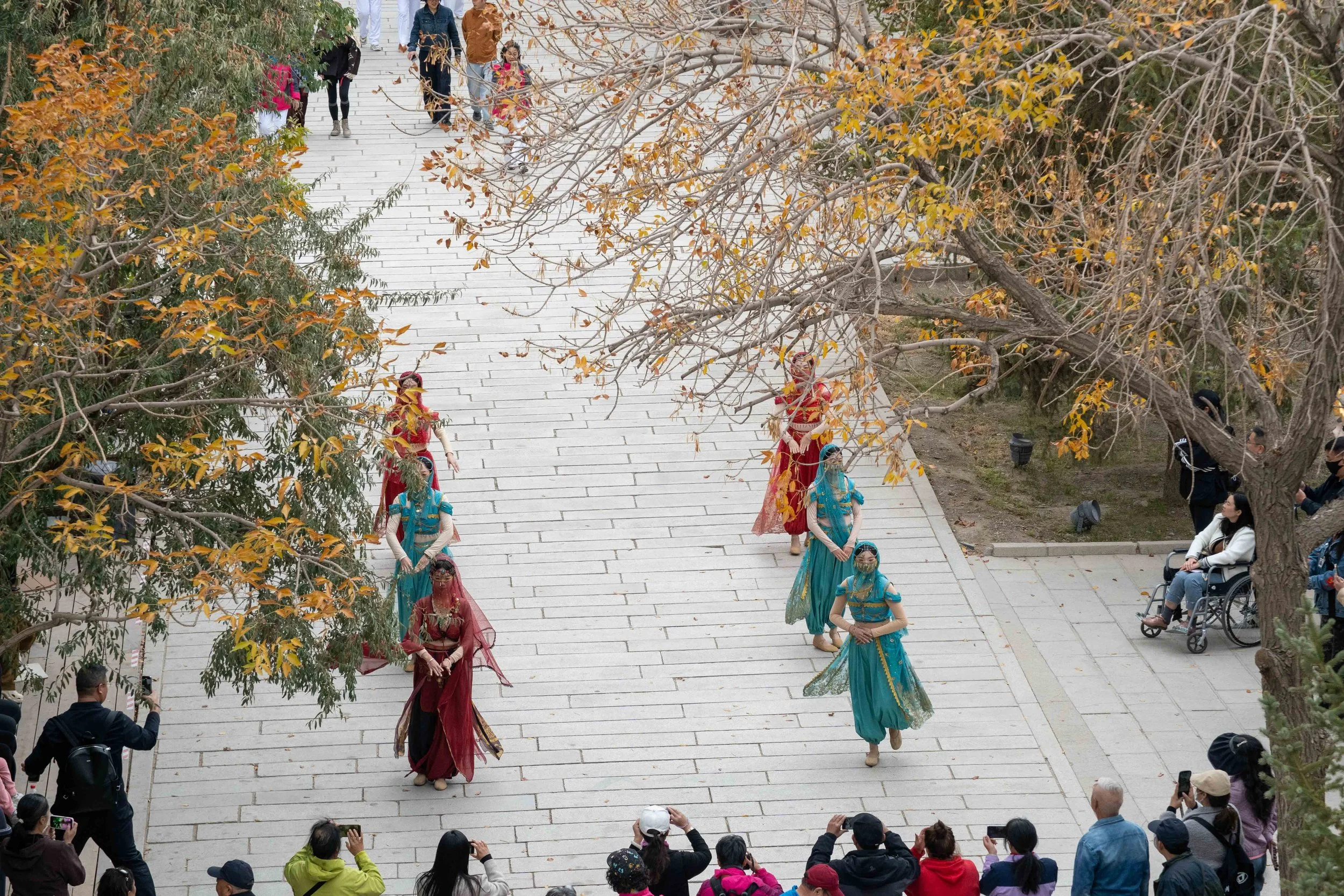
离开榆林后,我们驱车约三小时前往嘉峪关。来到“天下第一雄关”的嘉峪关景区,是明长城的最西端。景区修复良好,我们还赶上了练兵,杂技和各种舞蹈表演。而更令我们印象深刻的,则是位于嘉峪关北侧的悬壁长城。它依山势而建,蜿蜒于陡峭的崖壁之间。我们沿着石阶一路攀登至顶端,站在明长城的尽头,心中涌起一种难以言喻的激动与敬畏。
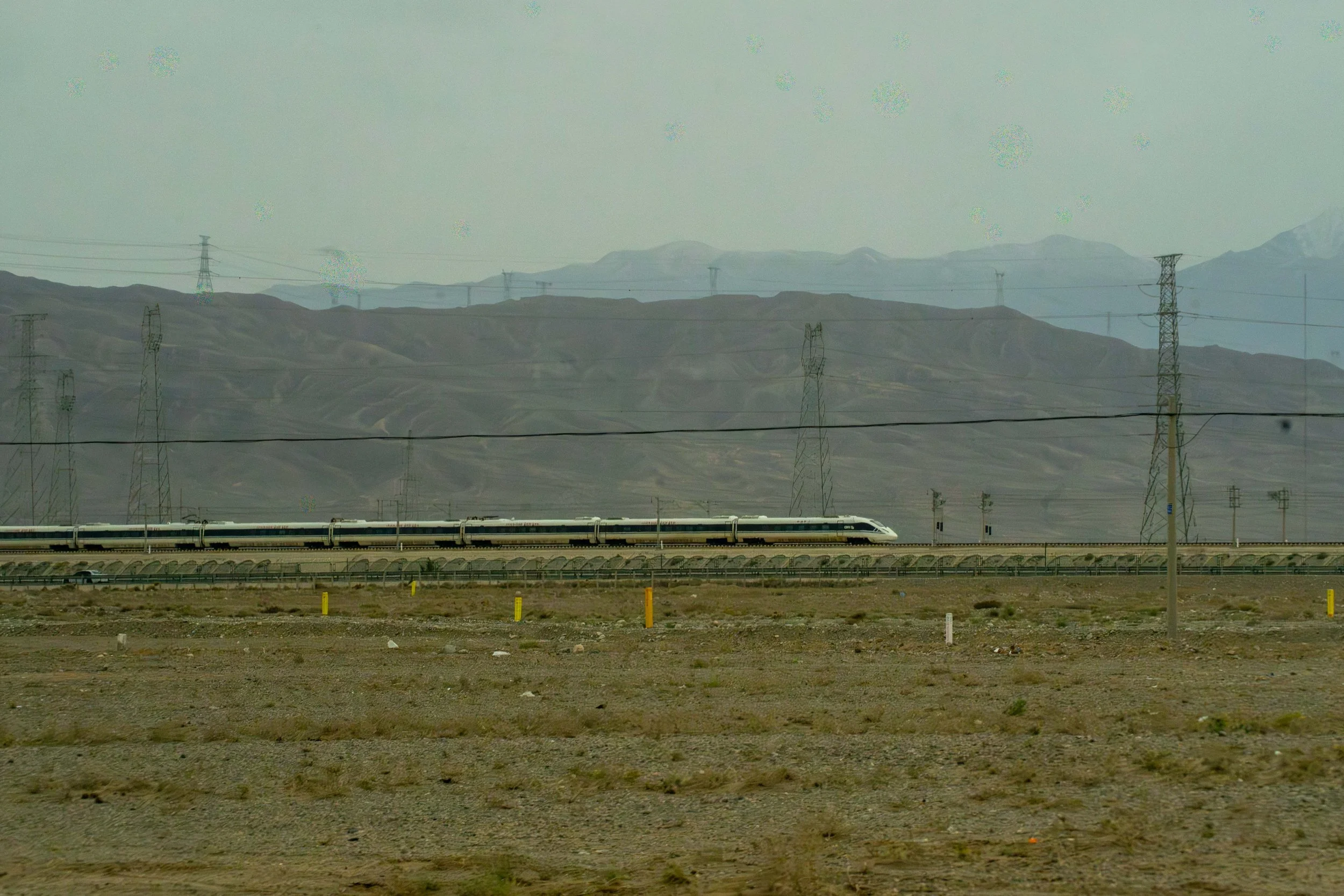
我们的包车司机在行车途中常常会与我们分享他的许多人生经历。而今天我们前前后后在戈壁滩上开车有三百多公里, 在漫长的行车途中,司机讲途了他刚刚完成的工作——为“八百流沙”这一极限耐力赛事担任司机。这是一场横跨沙漠的400公里超级马拉松,距离几乎是正常全马的十倍,但八百流沙的赛道要艰巨得多,跑者需穿越戈壁、沙漠和荒野。而我们今天沿途开过的一些地方正是这场比赛路线的一部分。第一名选手是一位美国人,仅用69小时便跑完全程,几乎没怎么睡觉。据说,睡觉超过两小时就会被视为违规。我们的司机在这次比赛中被分配为一位随行拍摄选手的专业摄影师开车。去年夏天在欧洲走勃朗峰时我们听说了超级勃朗峰跑步比赛(UTMB),这次又听说了戈壁滩上的八百流沙超长距离极限赛,我们十分钦佩这些参赛者超凡的毅力。
当晚我们留宿嘉峪关,在当地餐馆享用了地道的羊肉、牛肉火锅。大西北的羊肉的确好吃,没有一点膻味。鲜嫩的肉片在滚烫的汤底中翻涌,香气扑鼻,又是充实而精彩的一天。