Mosque, Baščaršija and Tunnel of Hope 清真寺, 老城 和 希望隧道
April 28, 2026
Sarajevo was already a very familiar name to many of us who grew up in China during the 1970s because of the famous Yugoslav war movie Walter Defends Sarajevo. Long before we ever arrived here, the city already carried a certain sense of mystery and history in our minds.
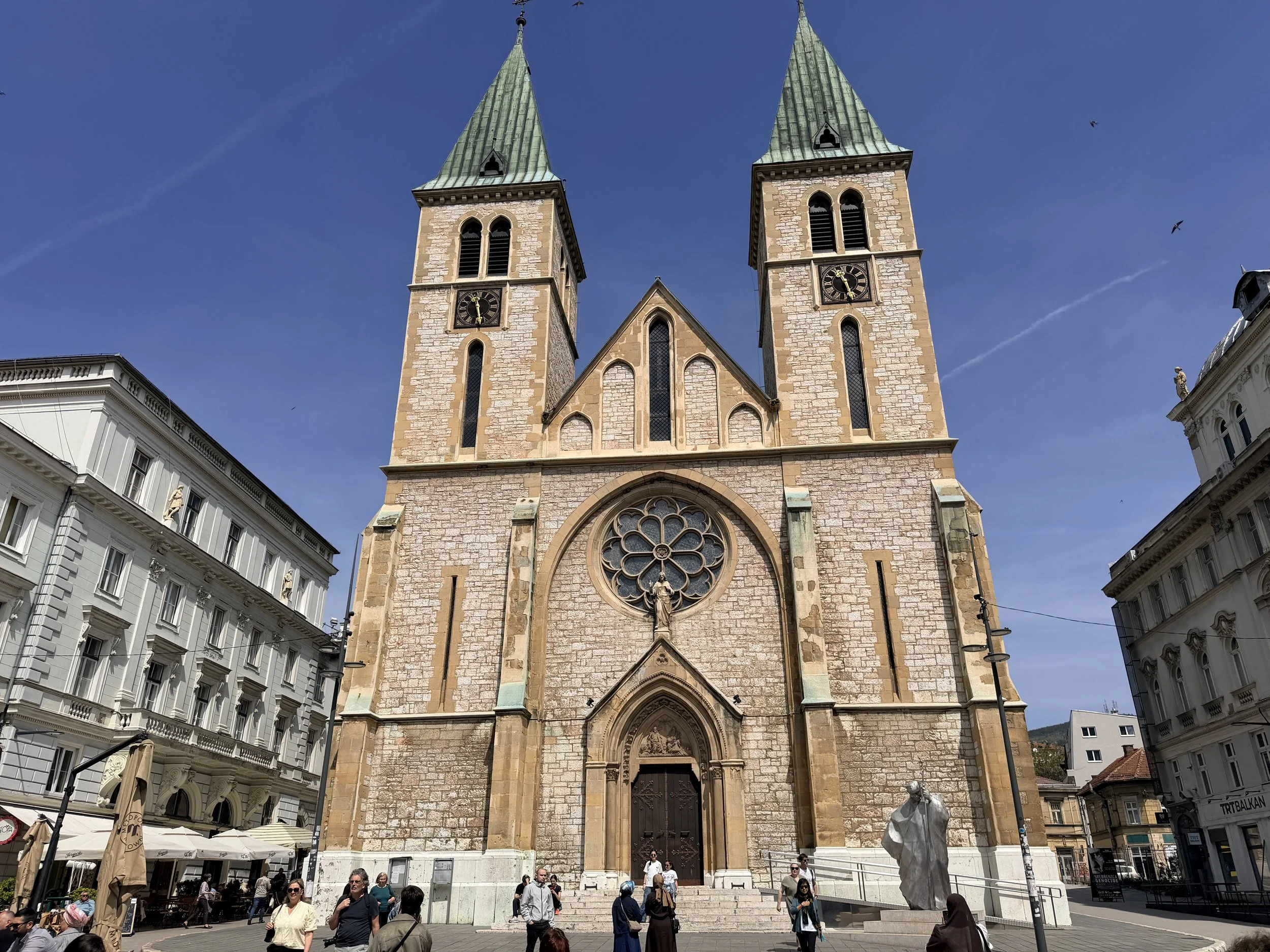
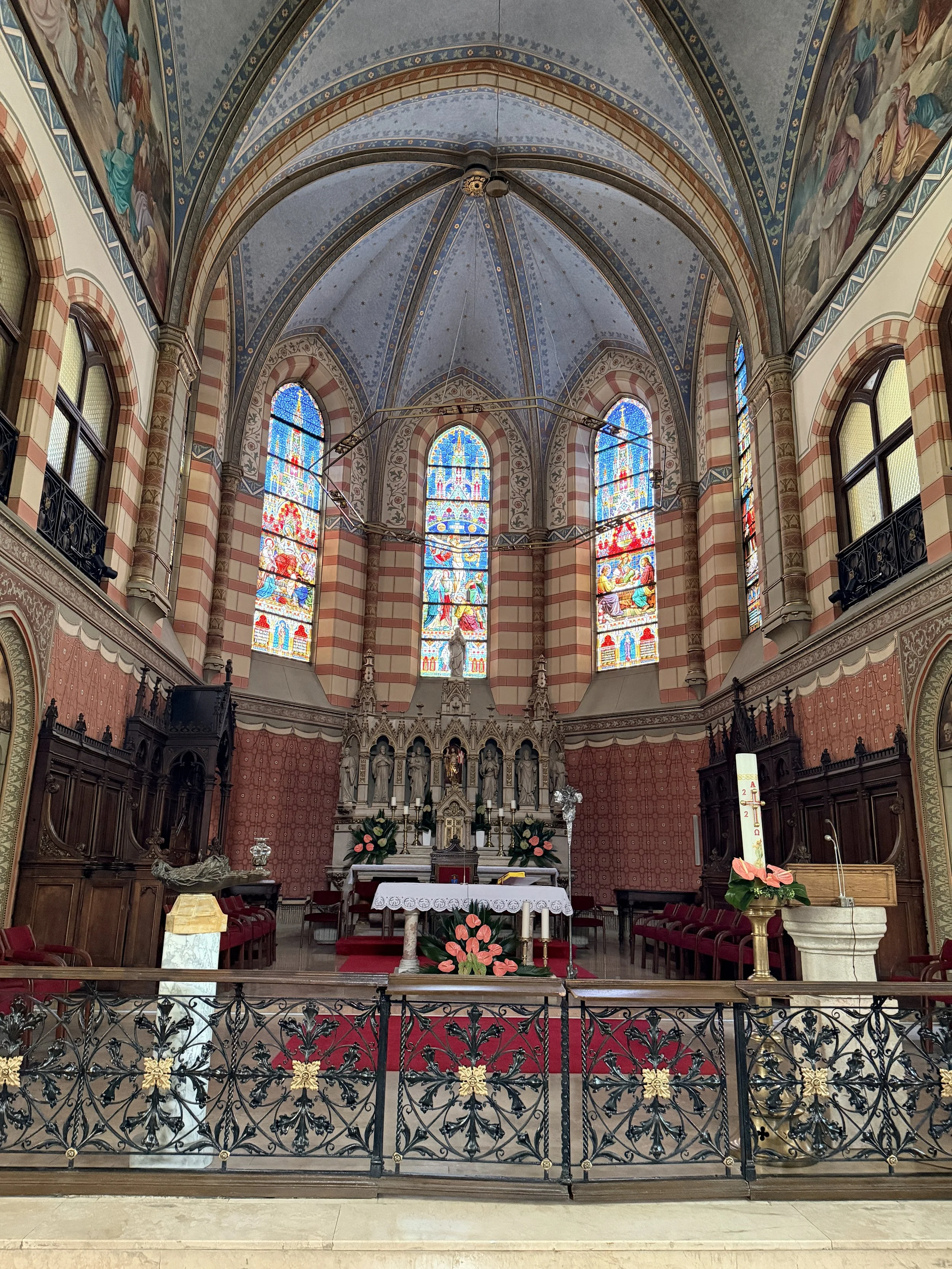
This morning, we began our sightseeing near our accommodation with a visit to the Sacred Heart Cathedral, the most important Catholic church in Sarajevo. Built in a Neo-Gothic style, the cathedral is distinguished by its twin bell towers, which have become one of the city’s most recognizable landmarks.
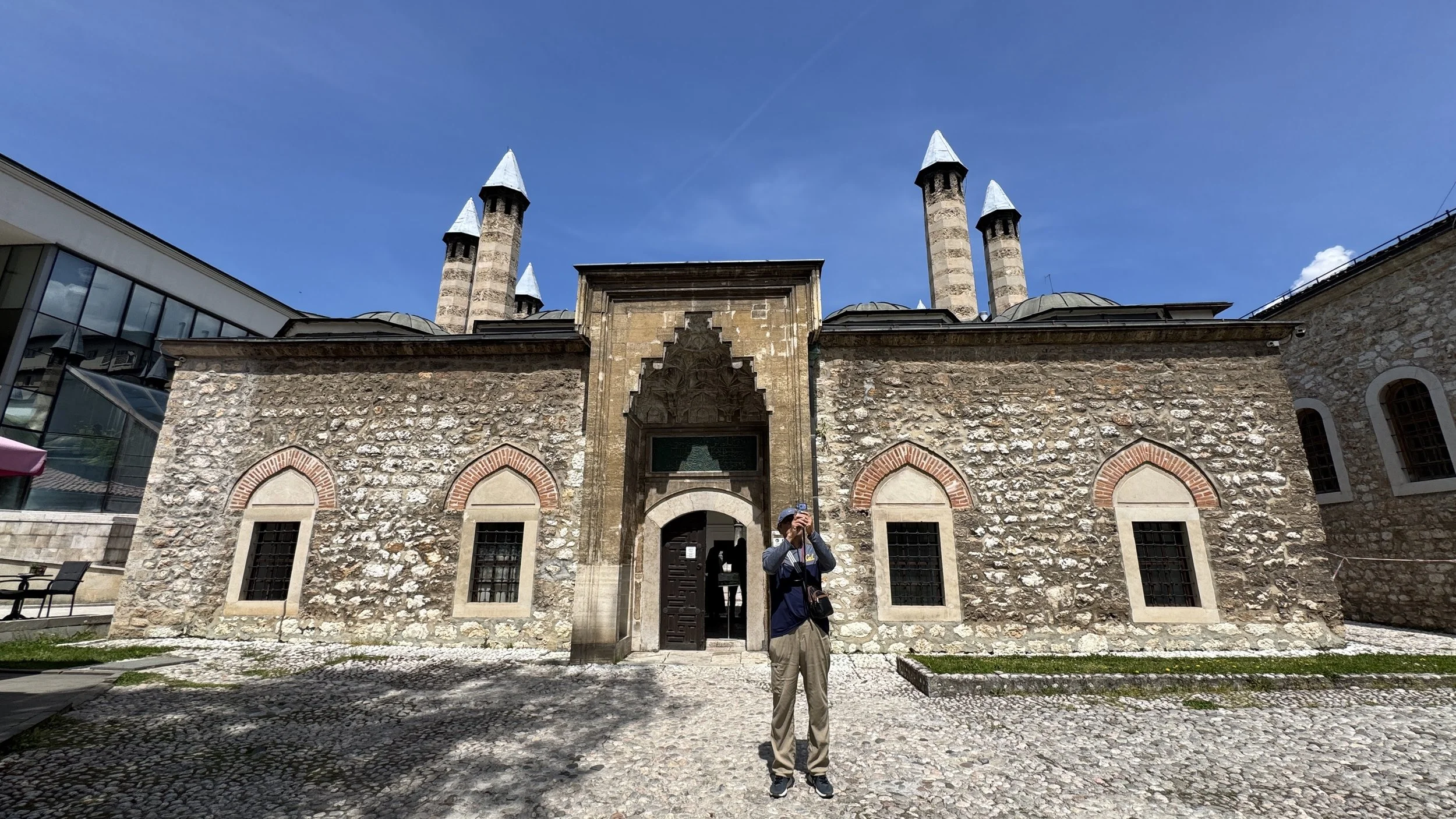
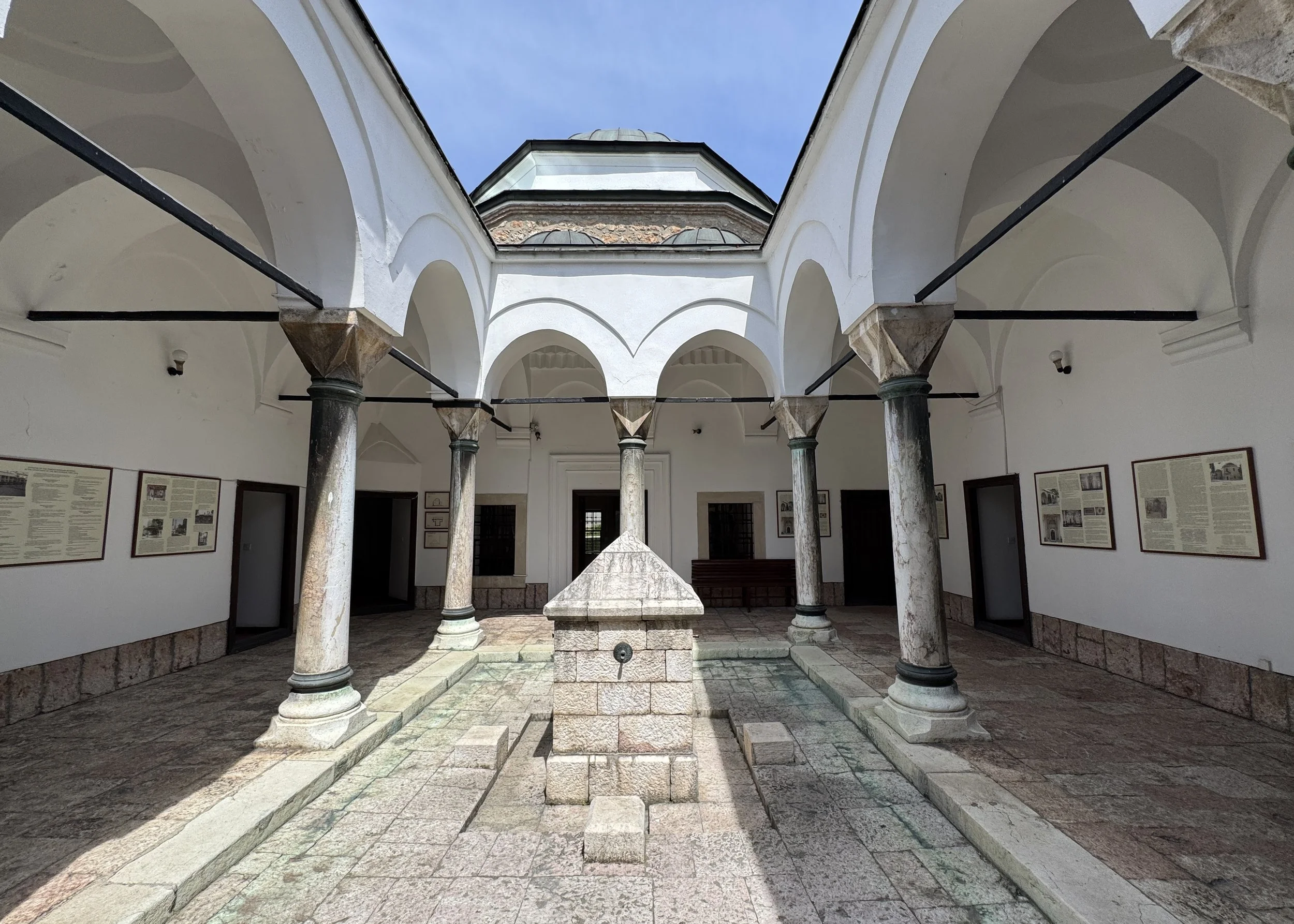
Next, we visited the Gazi Husrev-beg Mosque and its museum. Gazi Husrev-beg was an influential Ottoman governor and military leader whose contributions played a major role in the development of Sarajevo. Through the Islamic tradition of waqf (charitable endowment), he donated much of his wealth and land to support the mosque as well as various public institutions, educational facilities, and charitable projects throughout the city.
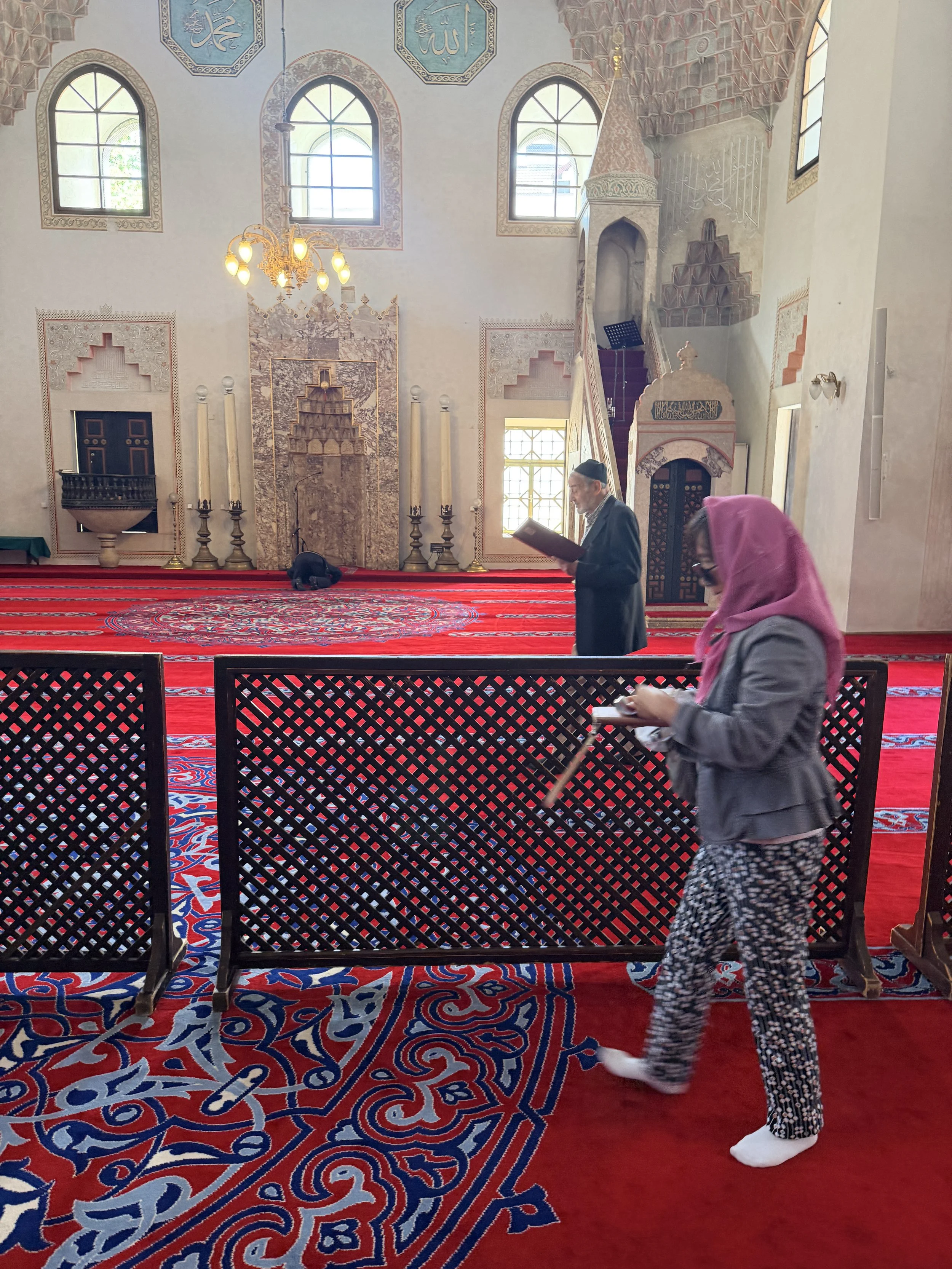
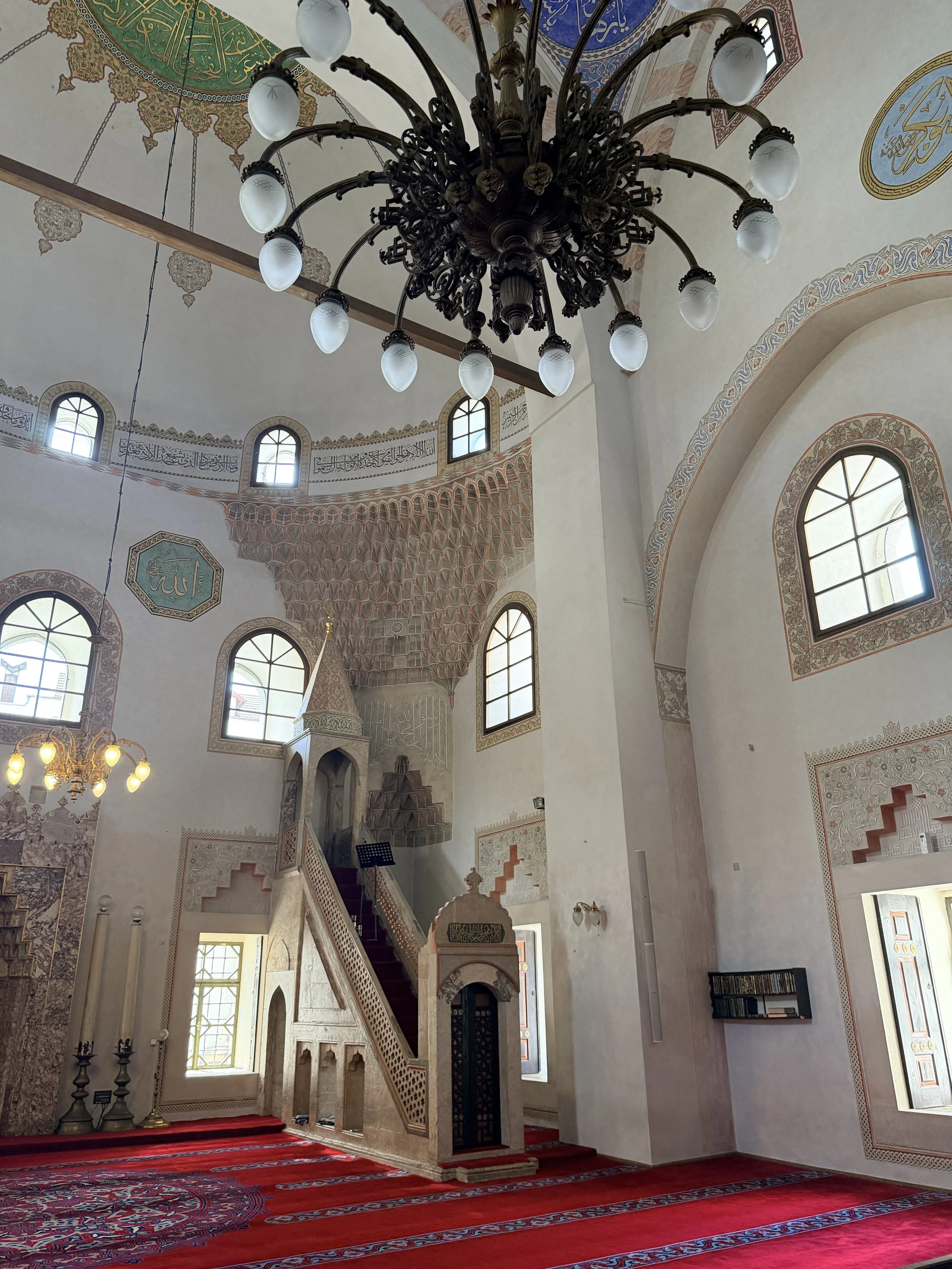
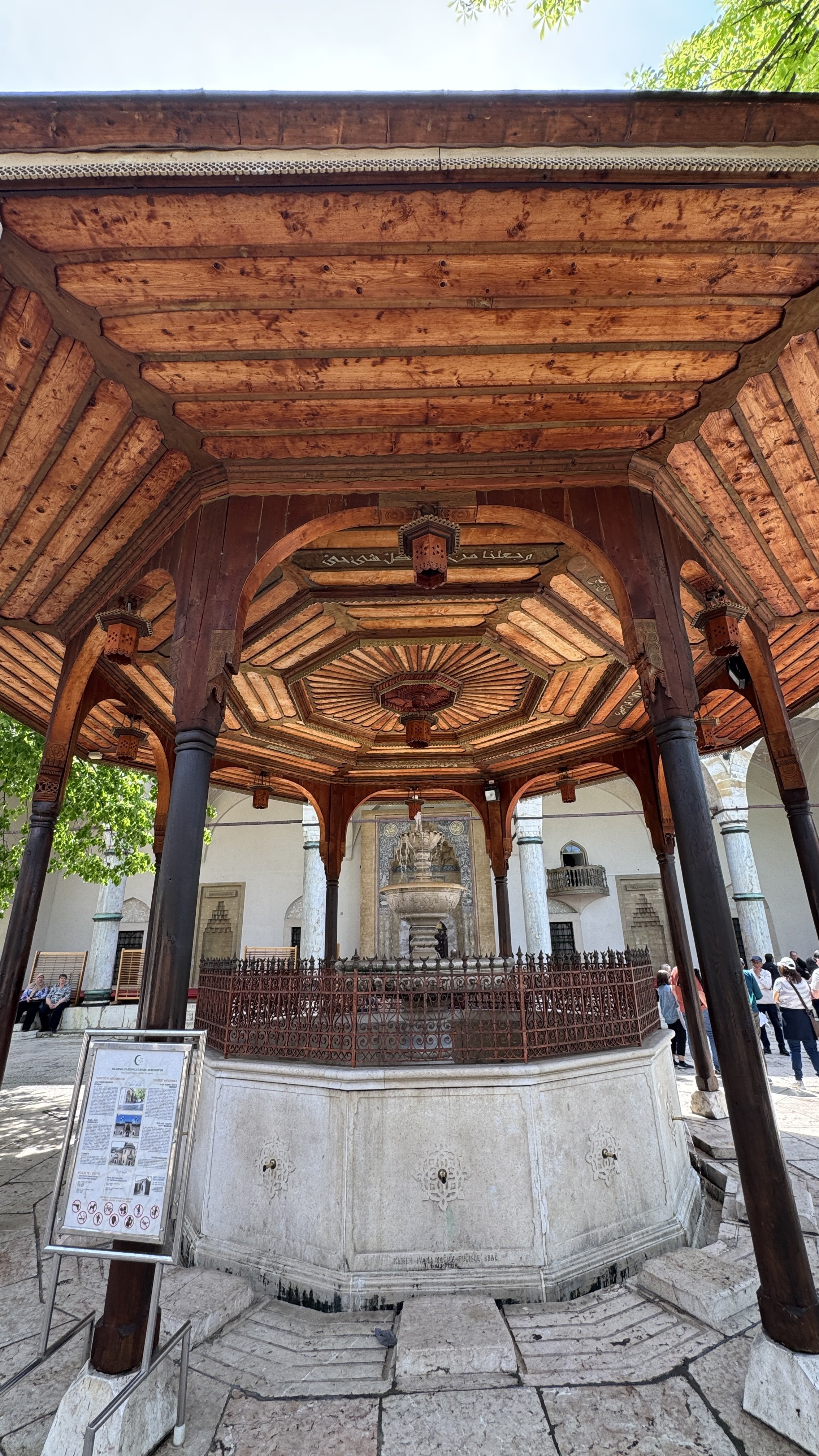
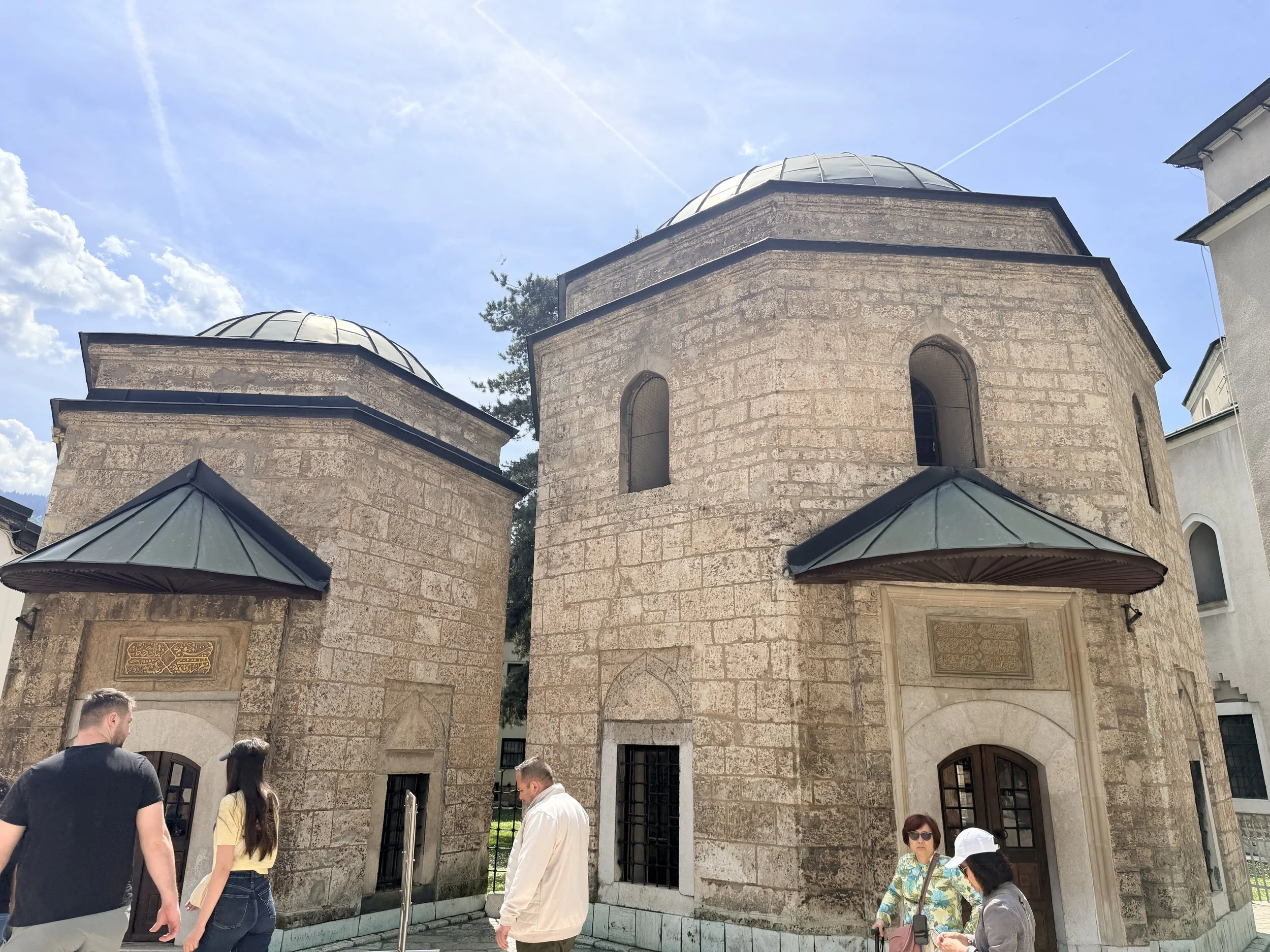
The museum, located directly across from the mosque, occupies a building that originally served as a school founded by Gazi Husrev-beg. Today, it houses exhibits on his life, legacy, and the history of Sarajevo during the Ottoman period, providing valuable insight into the man whose vision helped shape the city for generations.
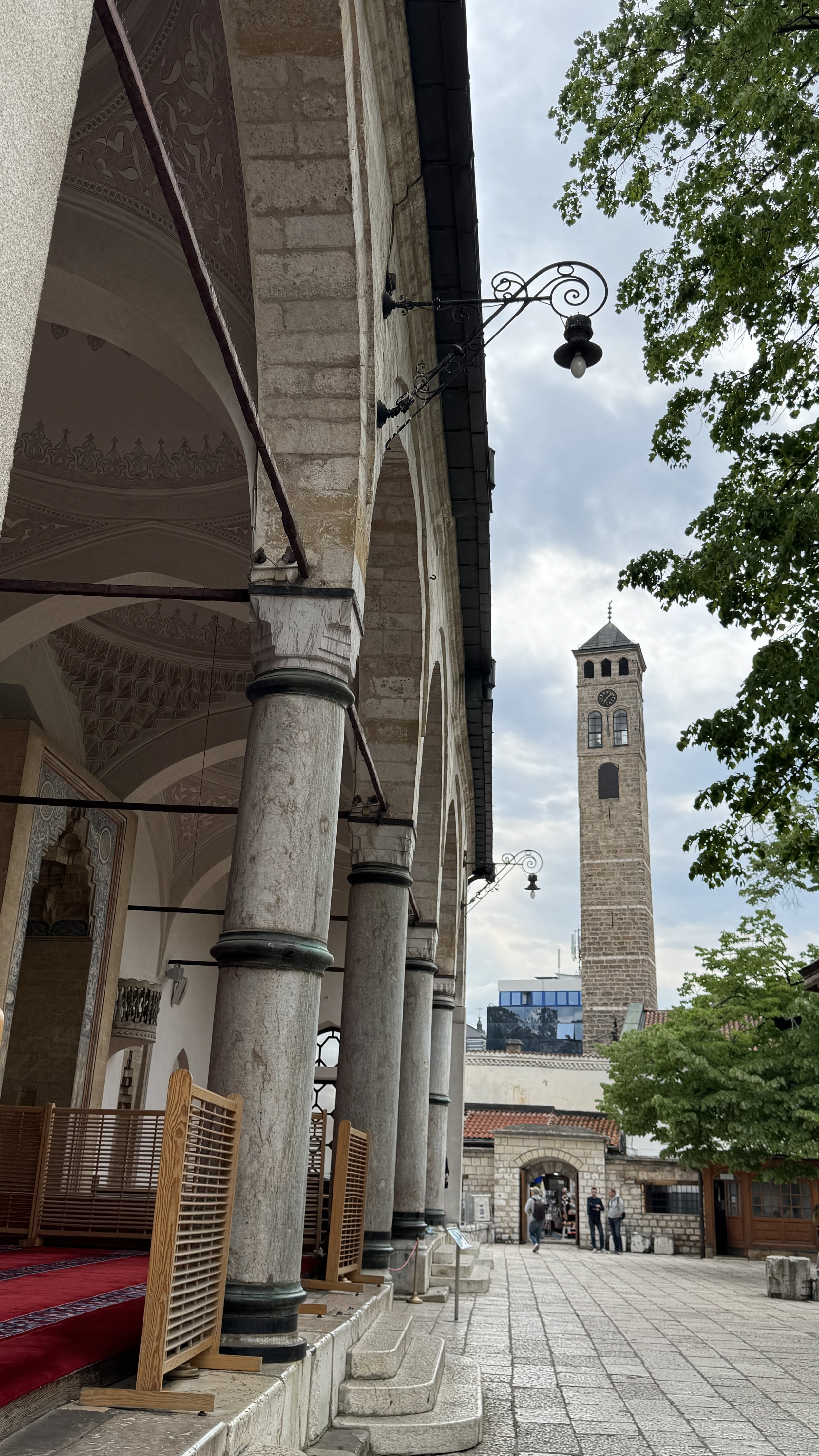
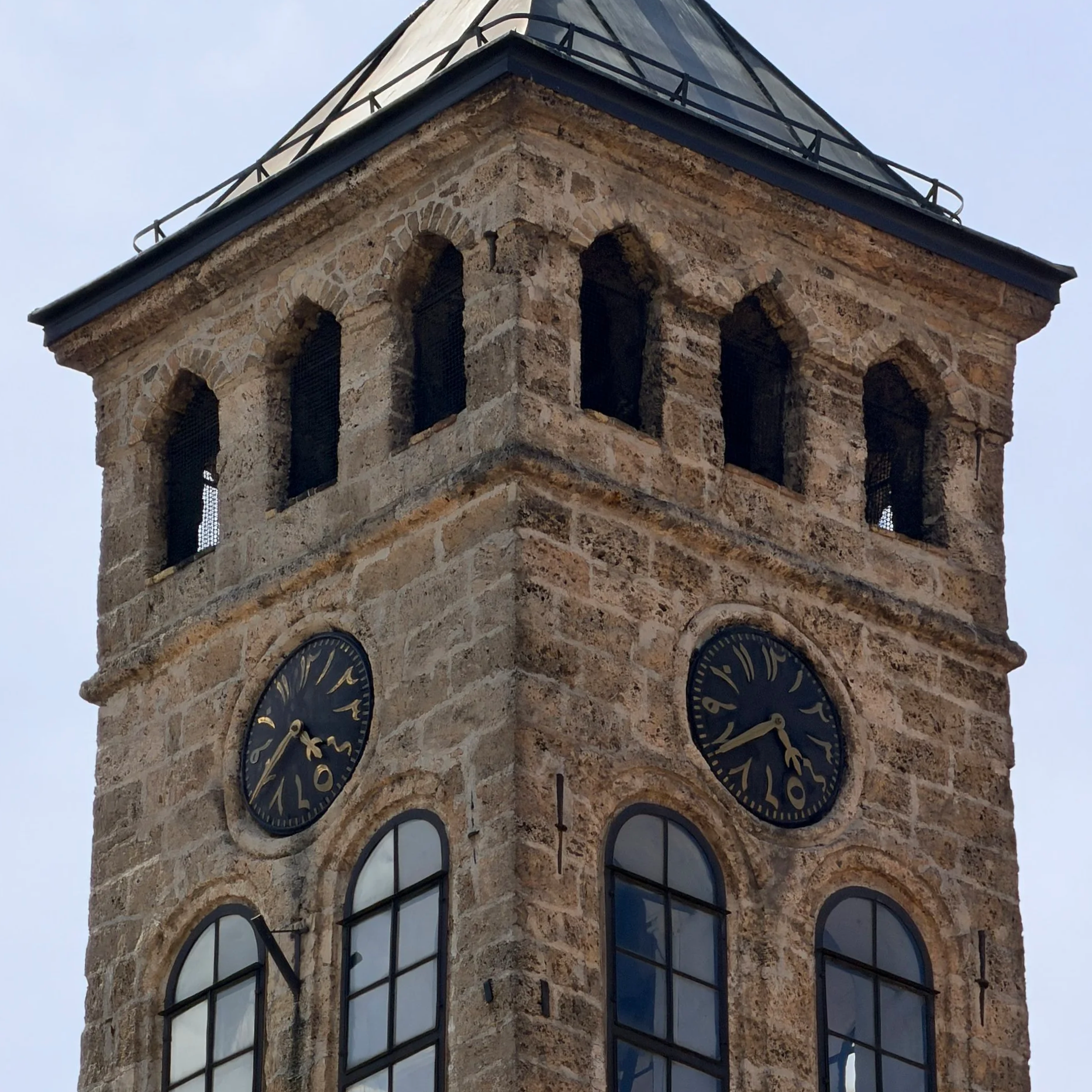
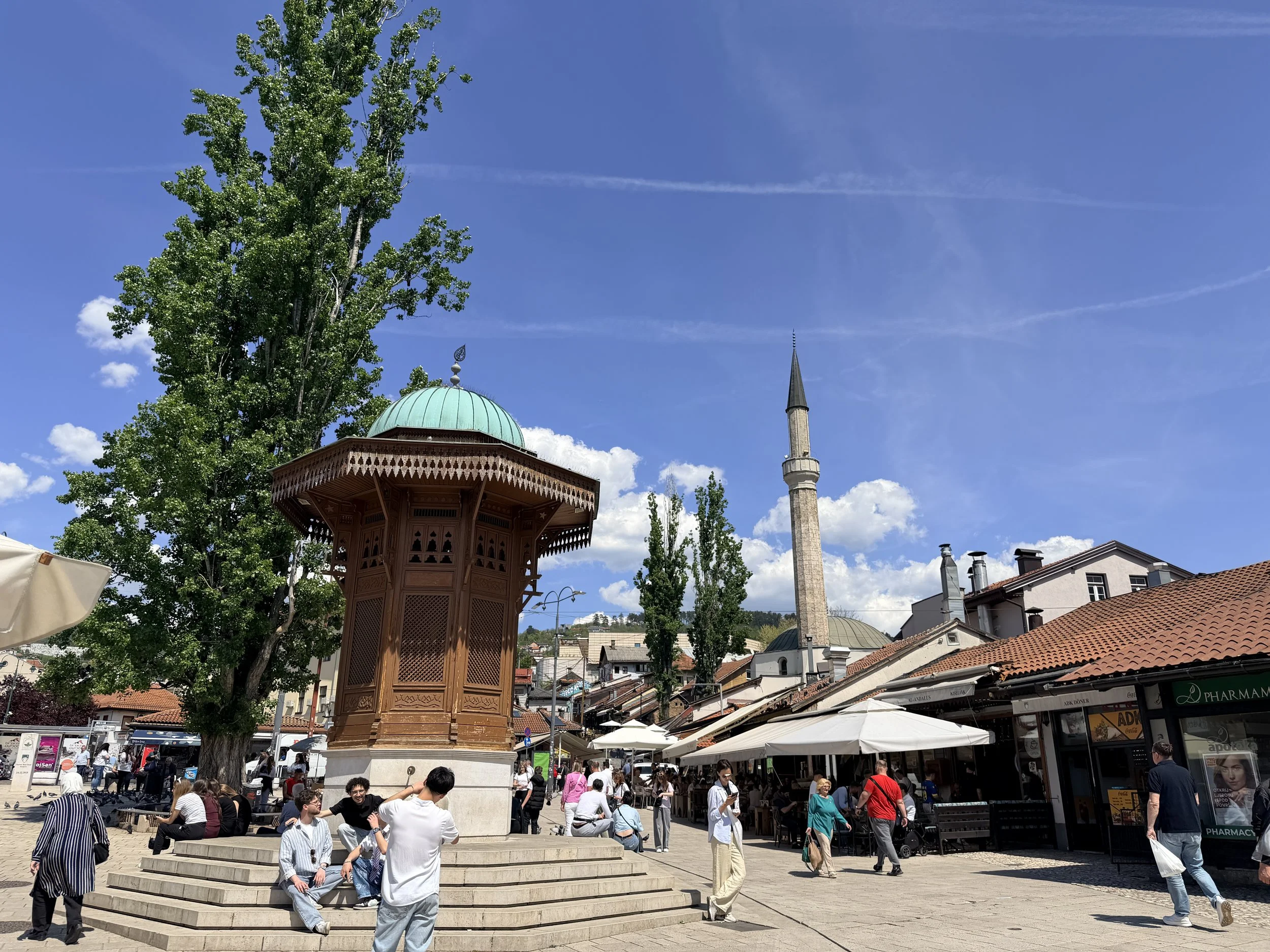
Next to the mosque stands Sarajevo’s old clock tower, known as the Sahat-kula. Although it looks like an ordinary clock tower at first glance, it is believed to be the world’s last publicly operating lunar clock, still manually adjusted according to sunset time just as it was during the Ottoman era. In this old system, sunset marks the beginning of a new day. The picture below on the right was taken at 12:31 pm and the lunar clock should be 16:14 since the sunset time on 4/28/2026 was 7:46 pm.
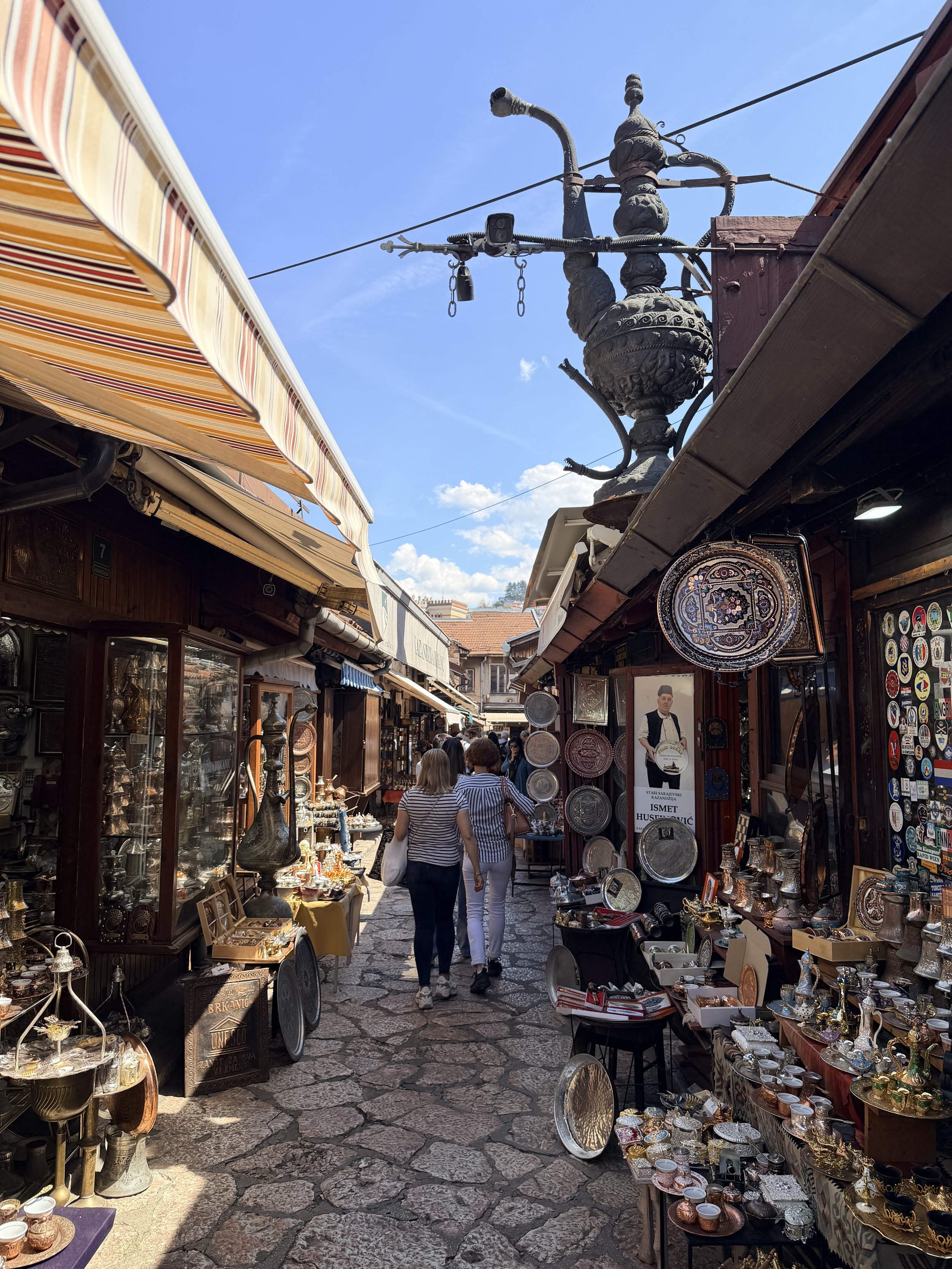
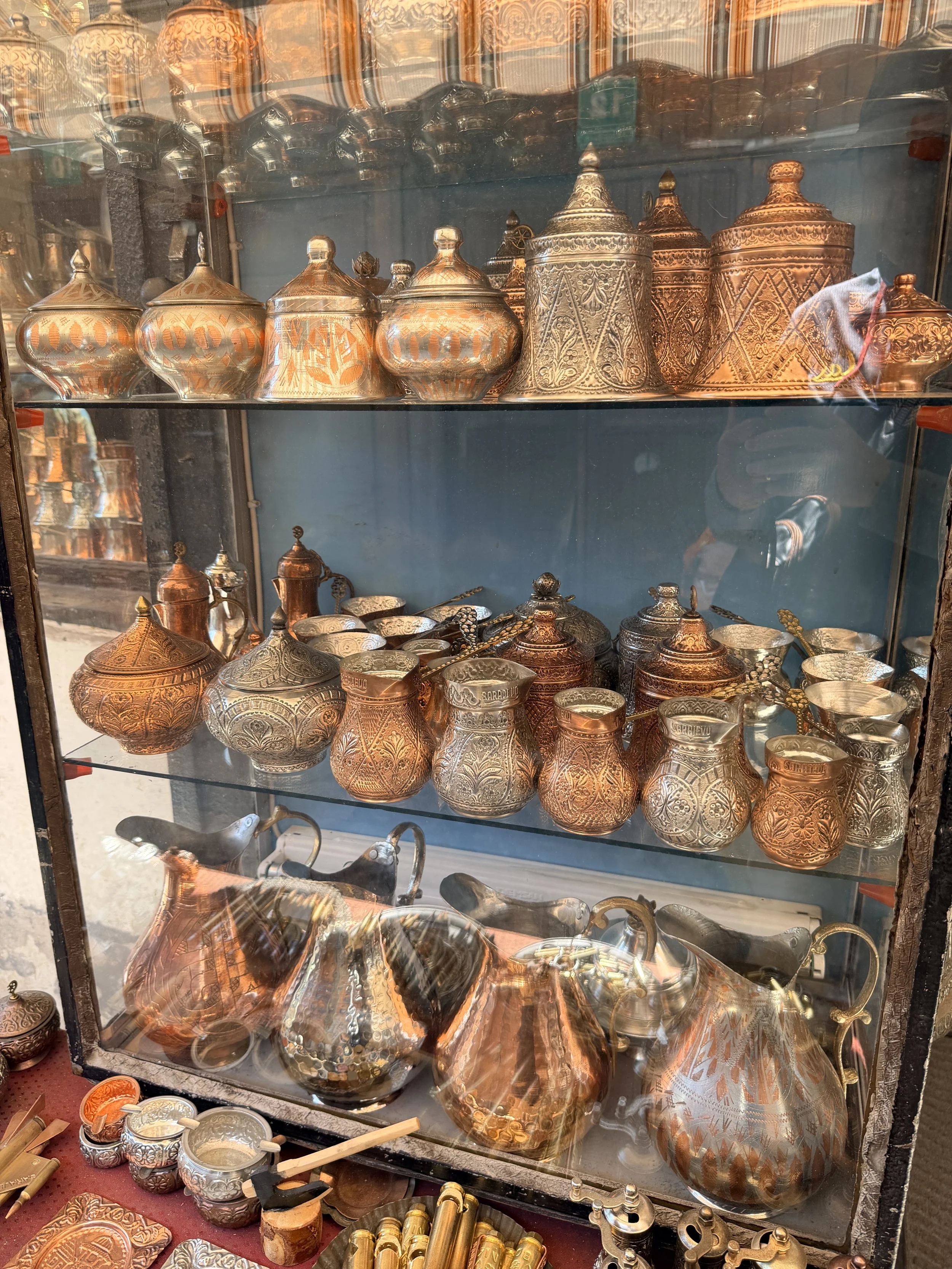
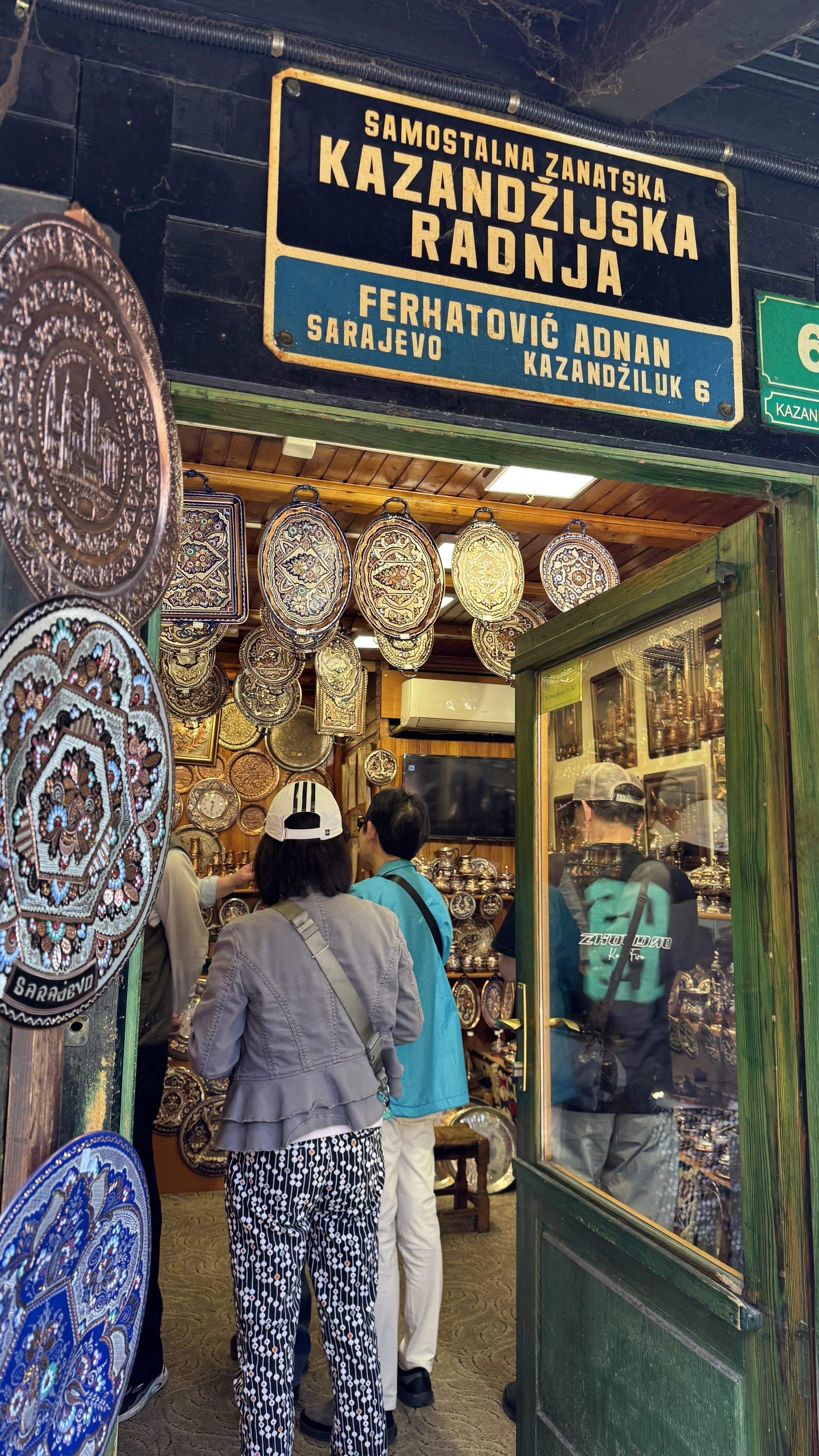
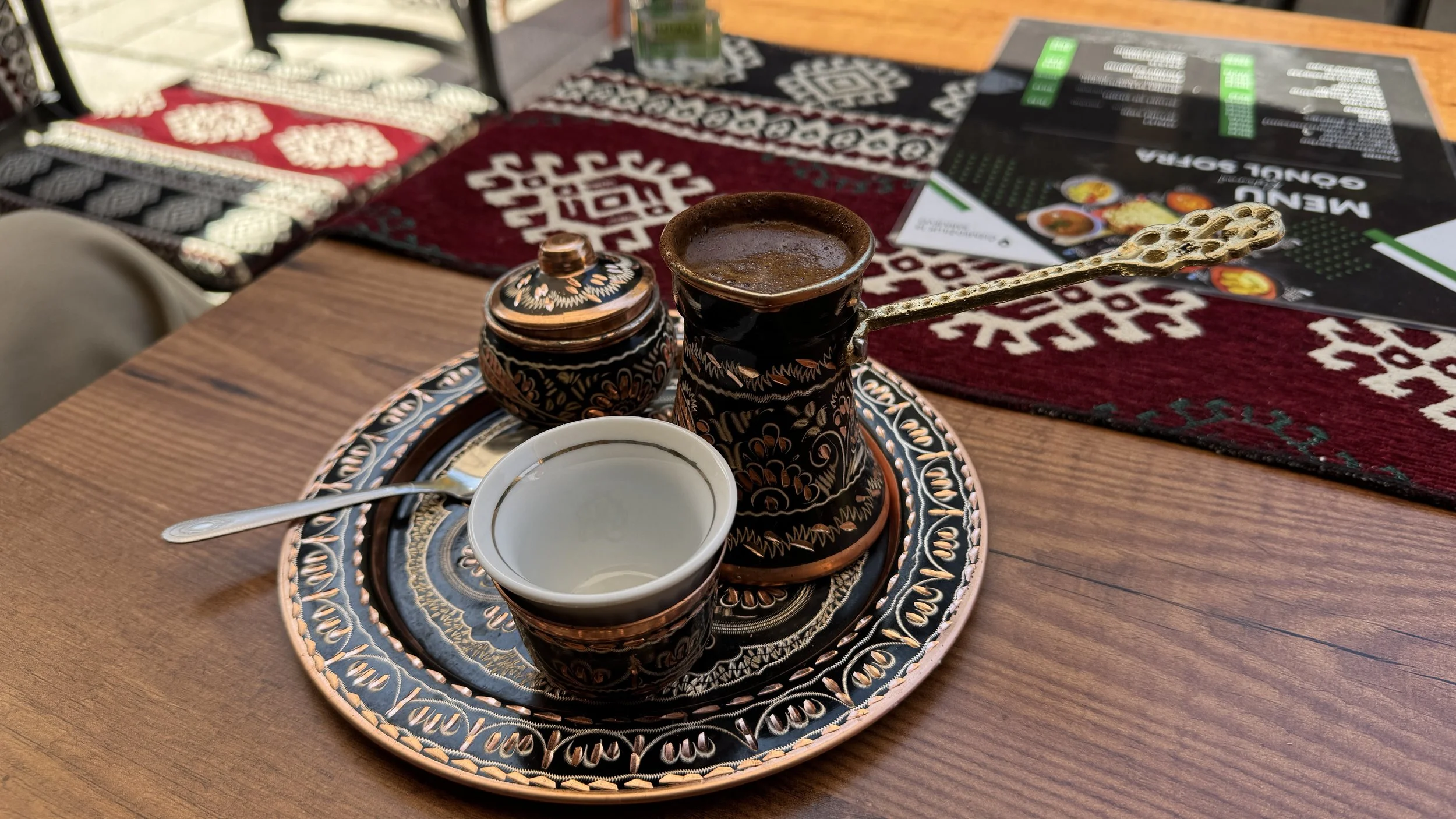
We then walked through the old copperware streets of Baščaršija. In earlier times, the district would have been filled with the constant rhythmic hammering of craftsmen shaping copper by hand. Today, much of that sound has disappeared, replaced instead by neatly manufactured coffee sets and souvenirs displayed for tourists.
For lunch, we had a simple meal at a small street-side restaurant before taking a taxi to the Tunnel of Hope.
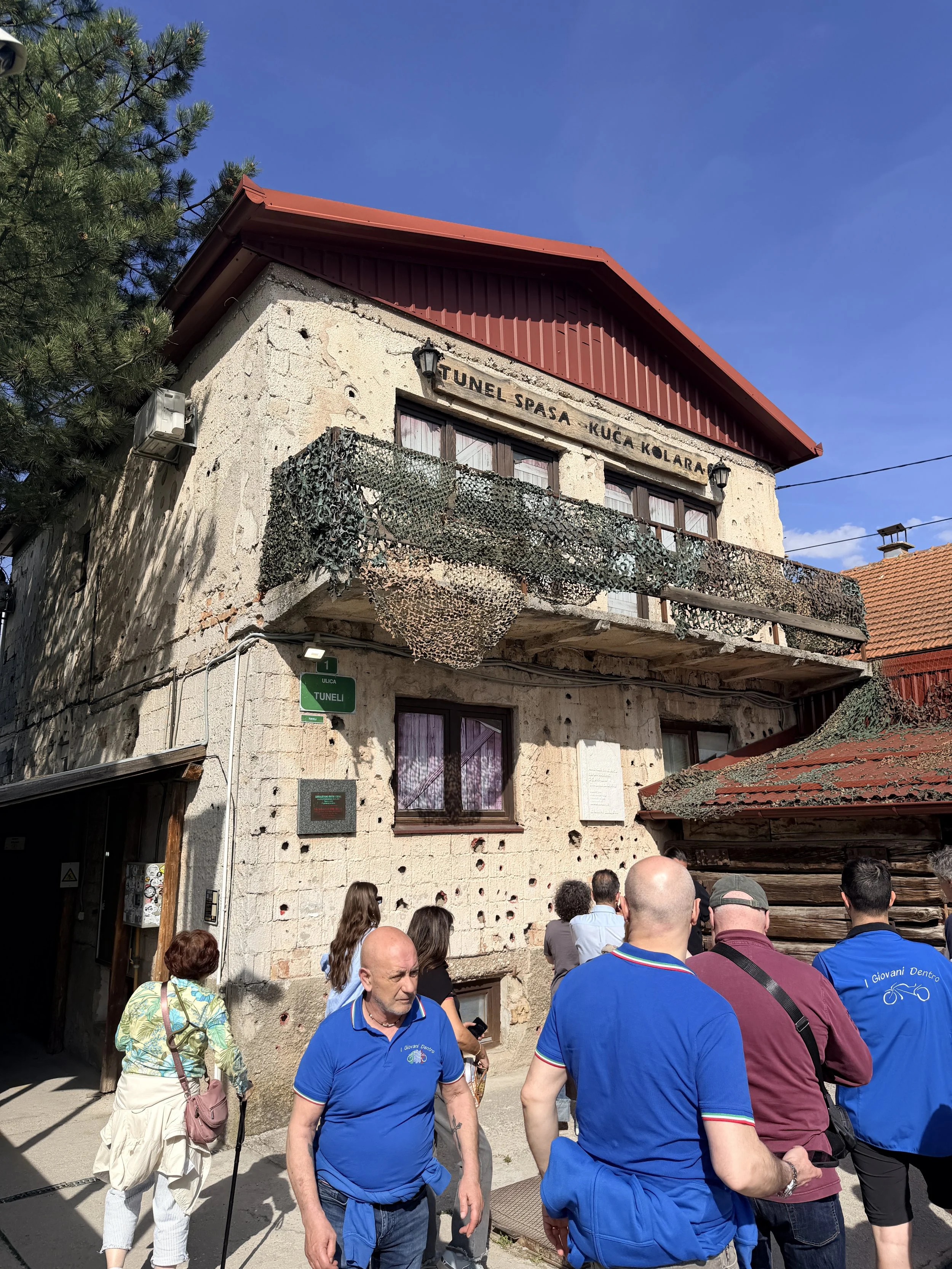
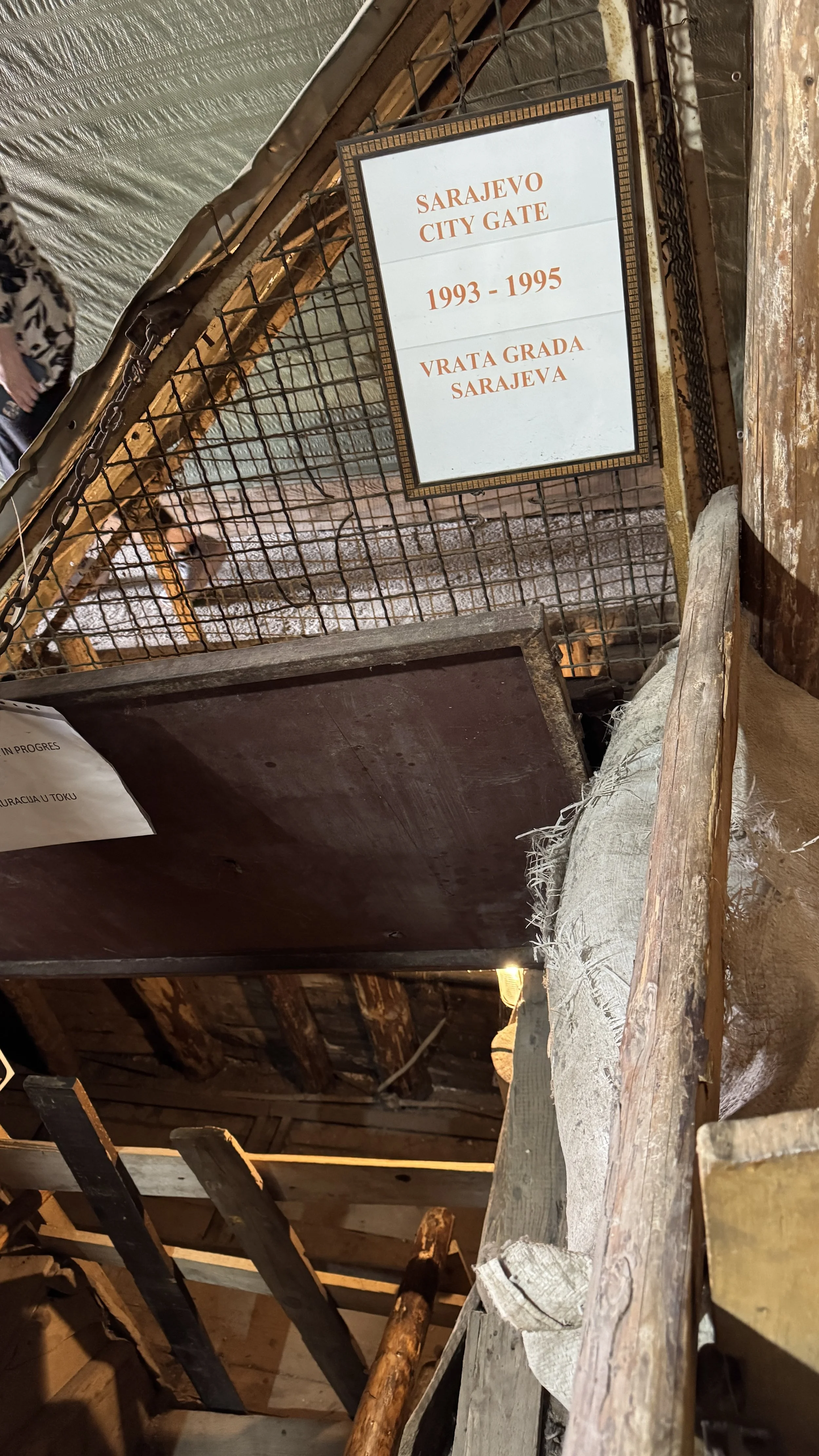
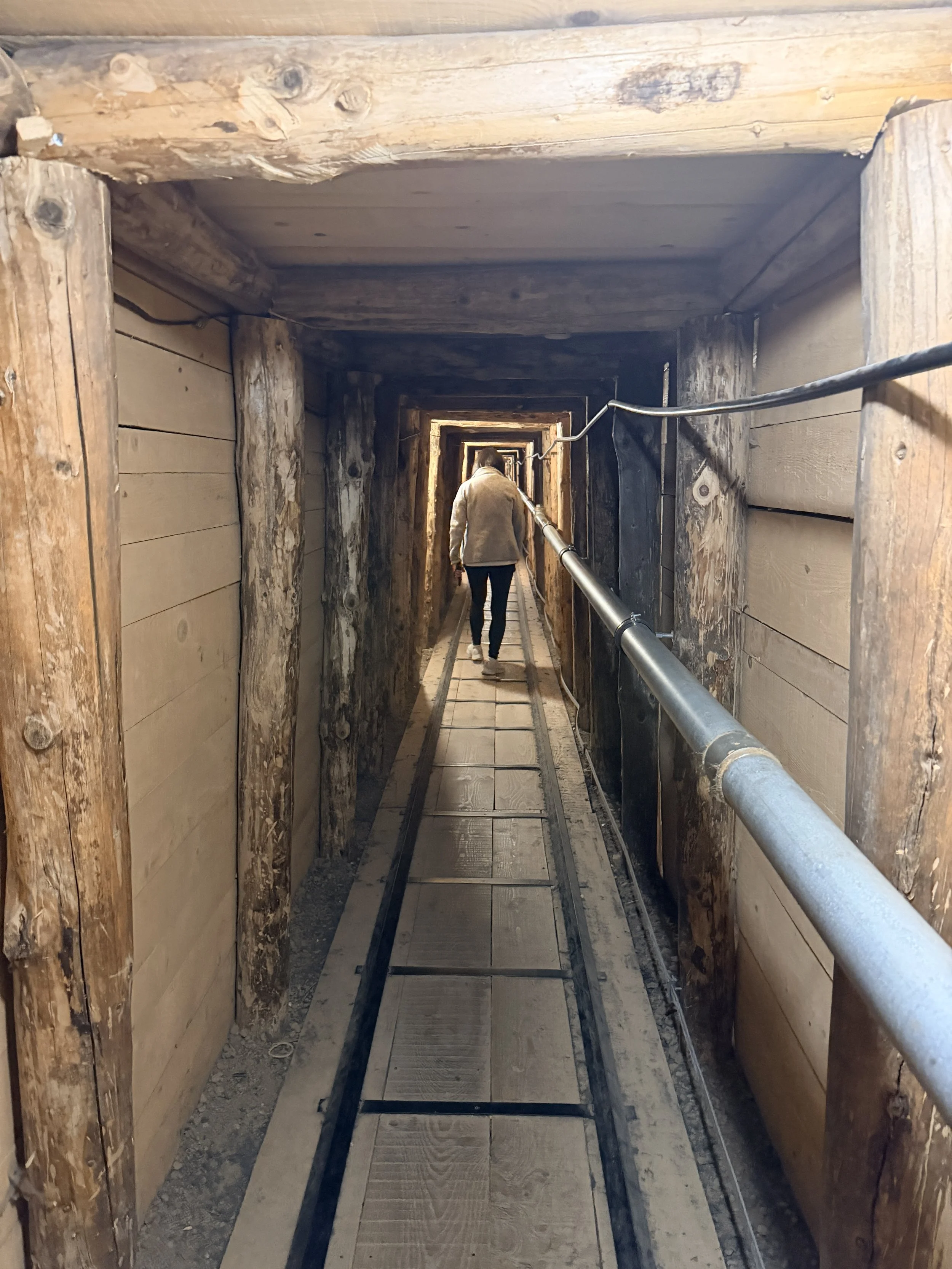
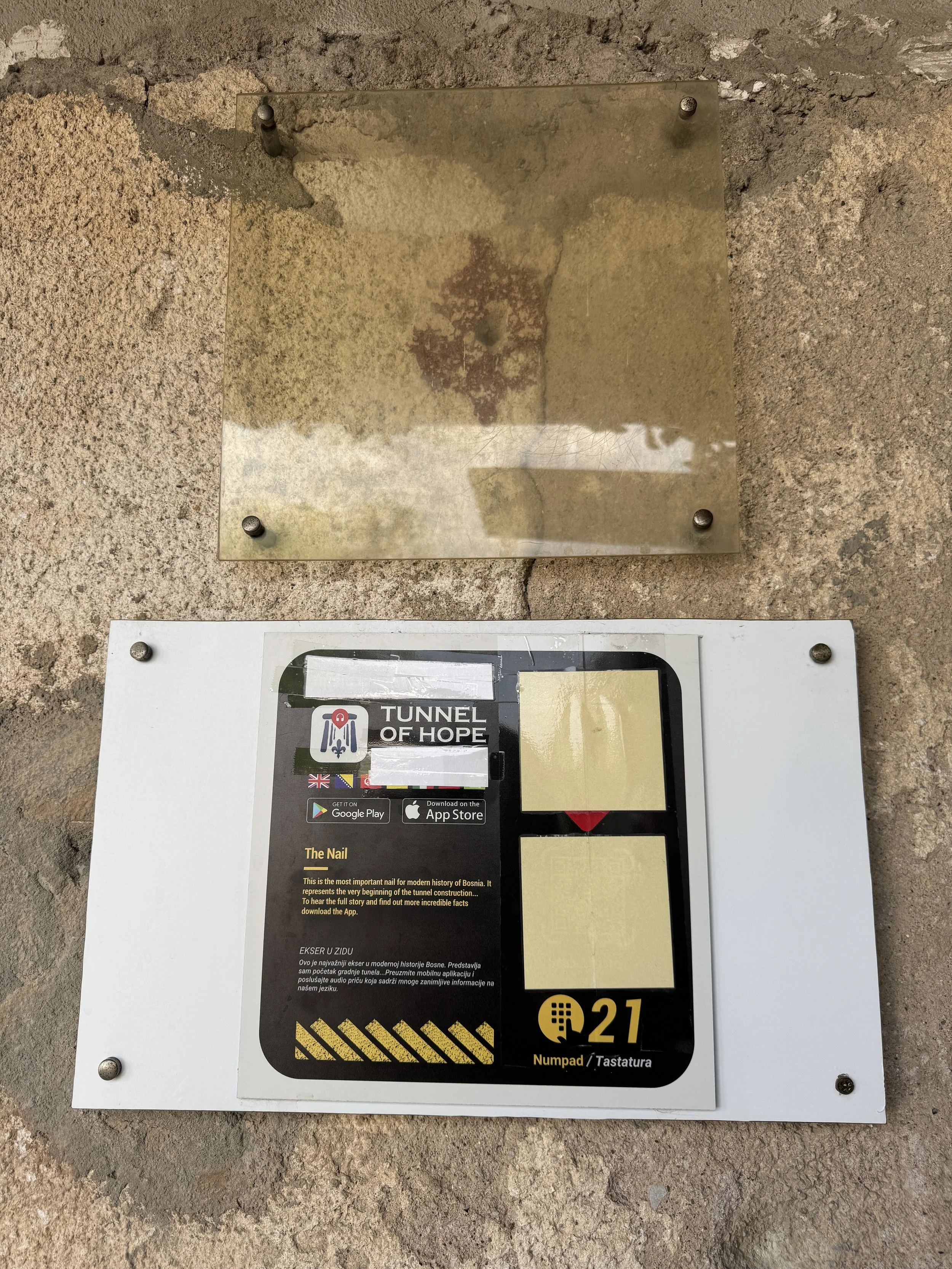
During the Siege of Sarajevo in the 1990s, the city was almost completely surrounded. The tunnel was secretly dug underneath the UN-controlled airport runway to connect the besieged city with Bosnian-held territory outside the blockade. Through this narrow underground passage came food, medicine, weapons, fuel, and people. It became Sarajevo’s lifeline during the war. Even today, many buildings nearby still bear visible bullet scars, silent reminders of the conflict.
After visiting the tunnel, we returned to the old town determined to finally try Bosnia’s famous spit-roasted lamb. Earlier, while driving from Mostar to Sarajevo, our Bosnian driver told us that spit-roasted lamb was one of the country’s most beloved traditional foods. He mentioned that a small town along the route was especially famous for it. Ever since then, we had been searching for a place to try it in Sarajevo.
Our first restaurant claimed on its website to serve spit-roasted lamb, but when we arrived, we discovered they no longer offered the dish. Still determined, we called another taxi and headed uphill to Kibe Mahala.
Kibe Mahala was highly rated, and photographs of well-known visitors and celebrities lined the walls. Fortunately, a table for four was still available. As we entered the dining area, we immediately saw whole lambs roasting slowly on spits and became excited that we might finally get to taste the famous dish. But when we asked, we were told the lamb had already sold out for the evening. Apparently, reservations and advance orders were necessary.
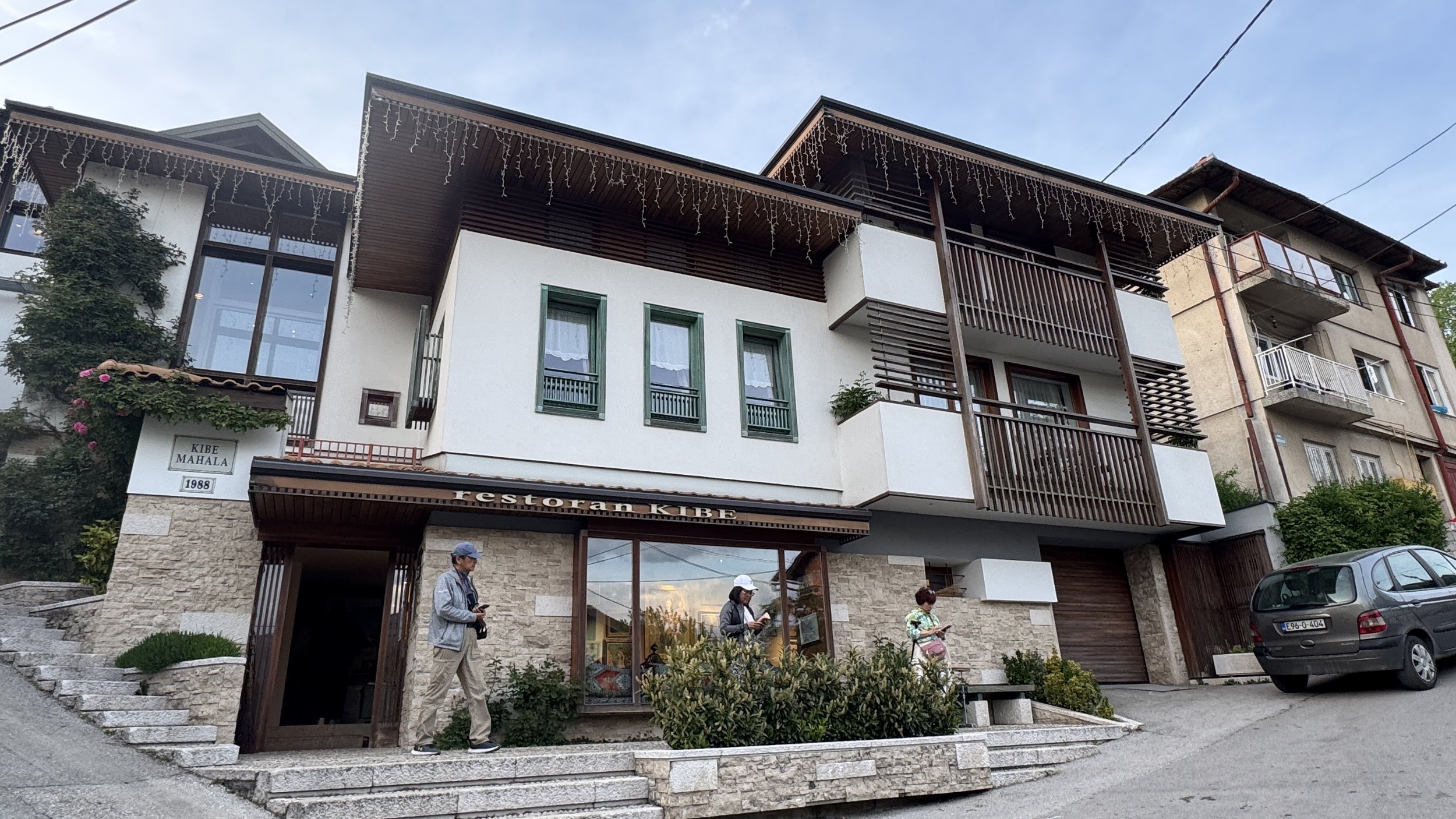
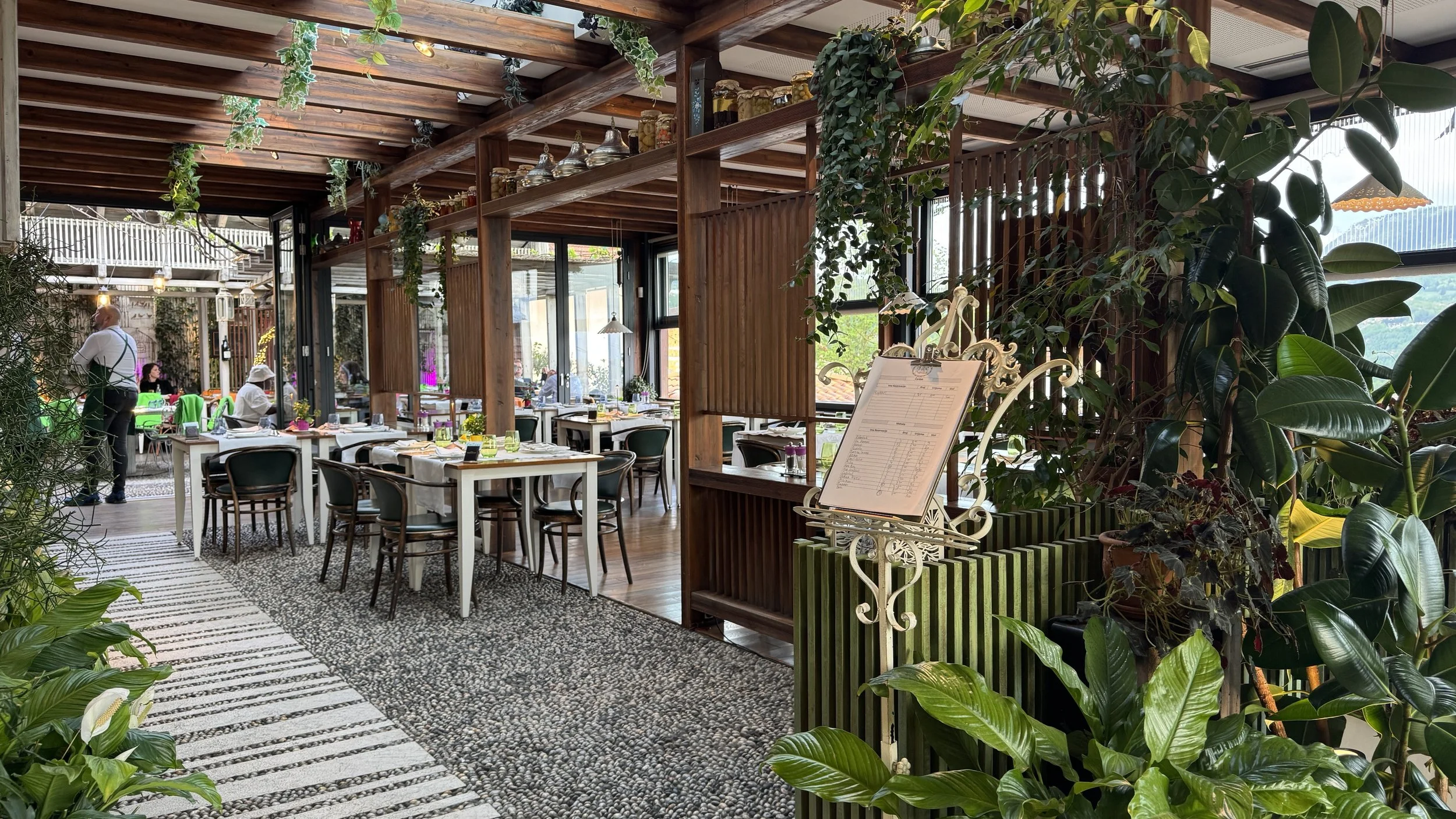
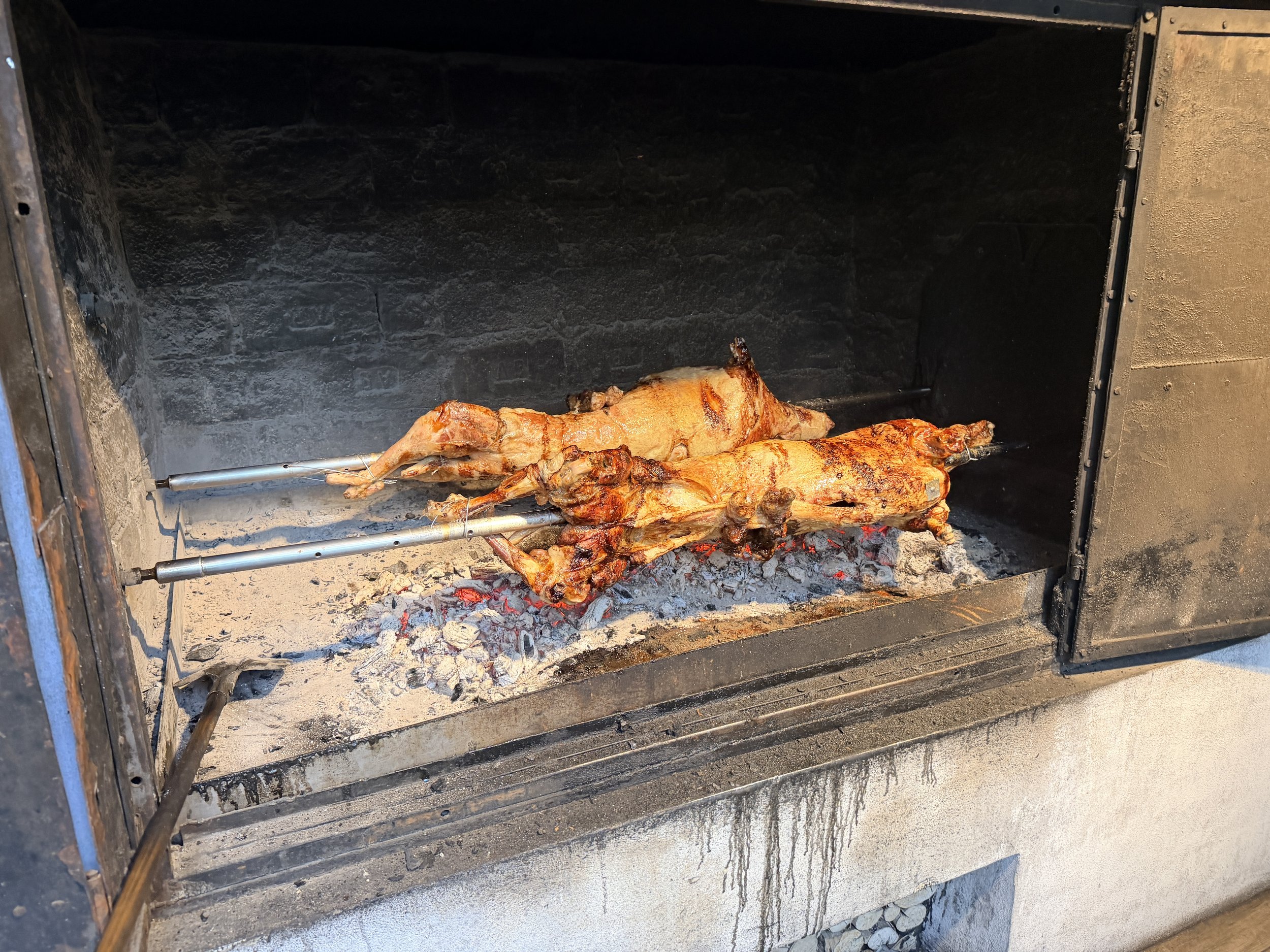
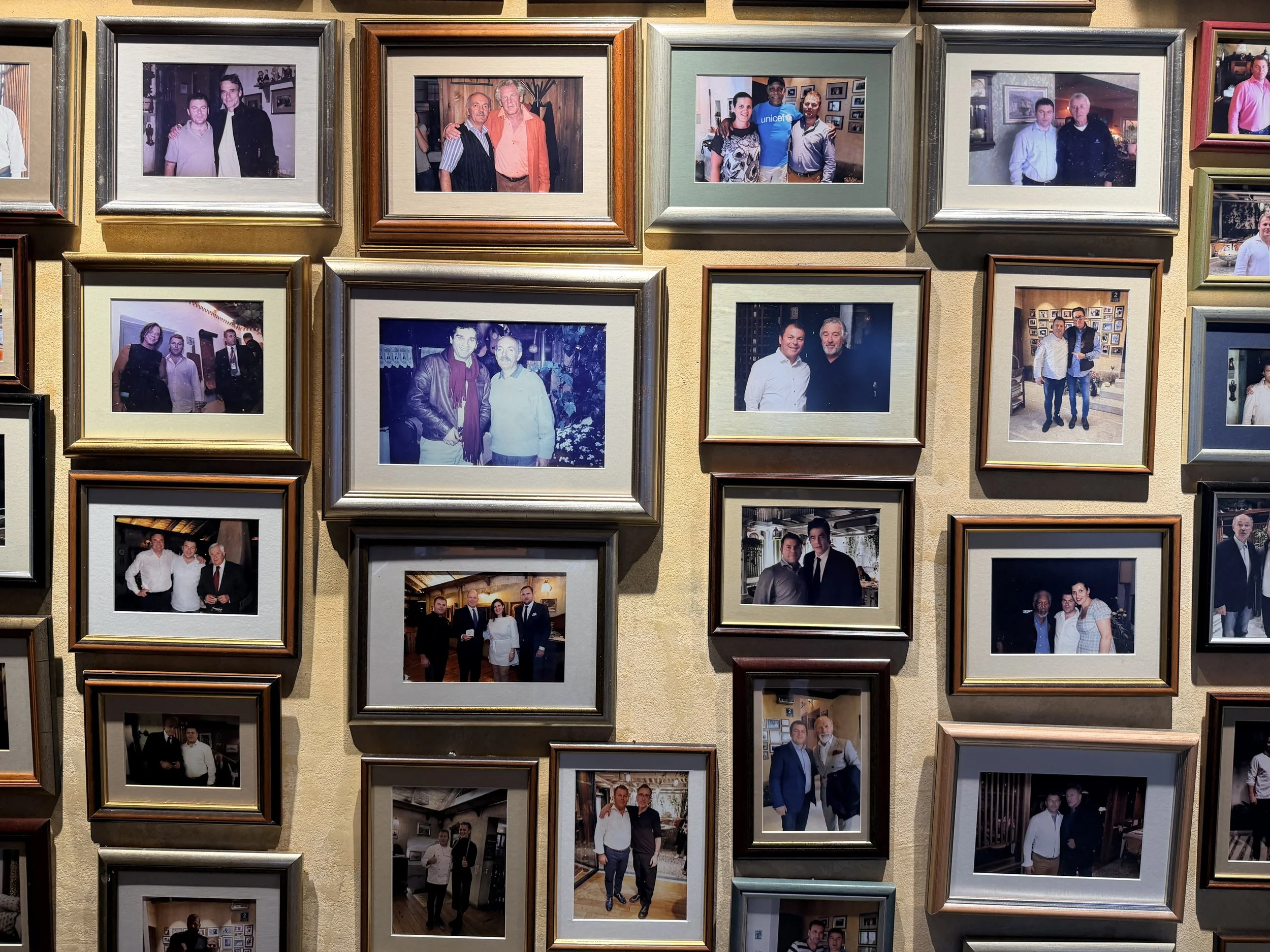
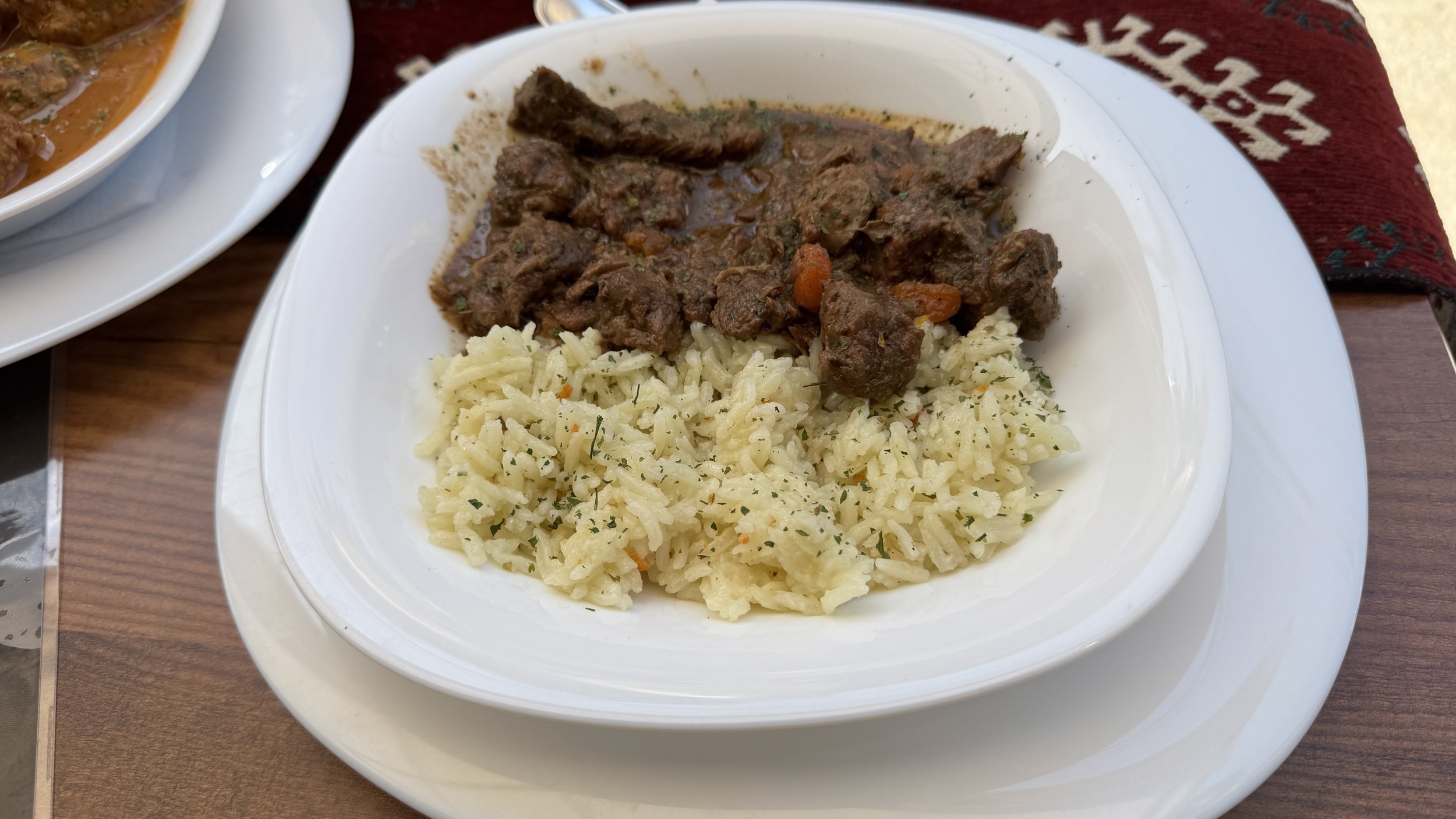
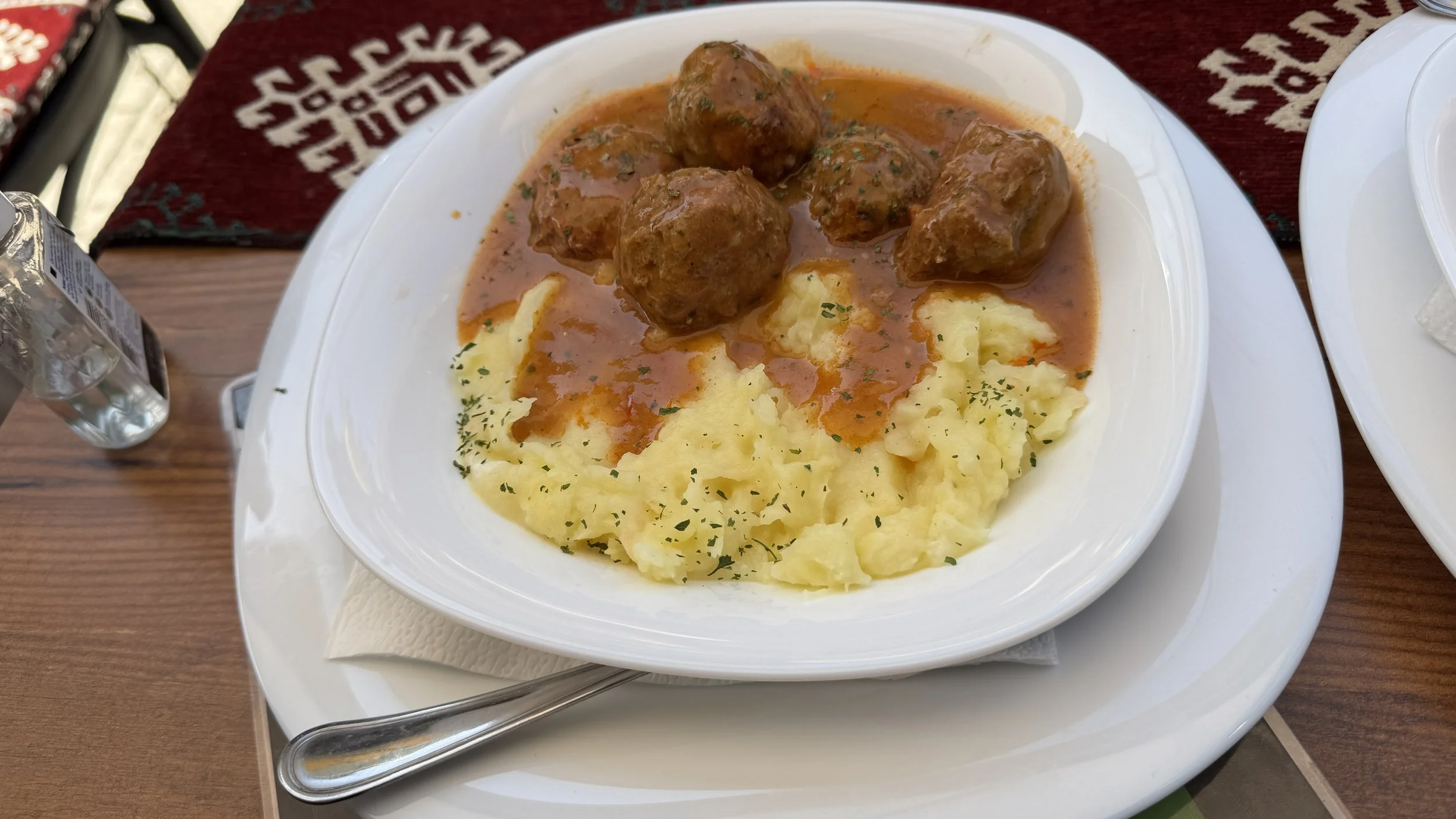
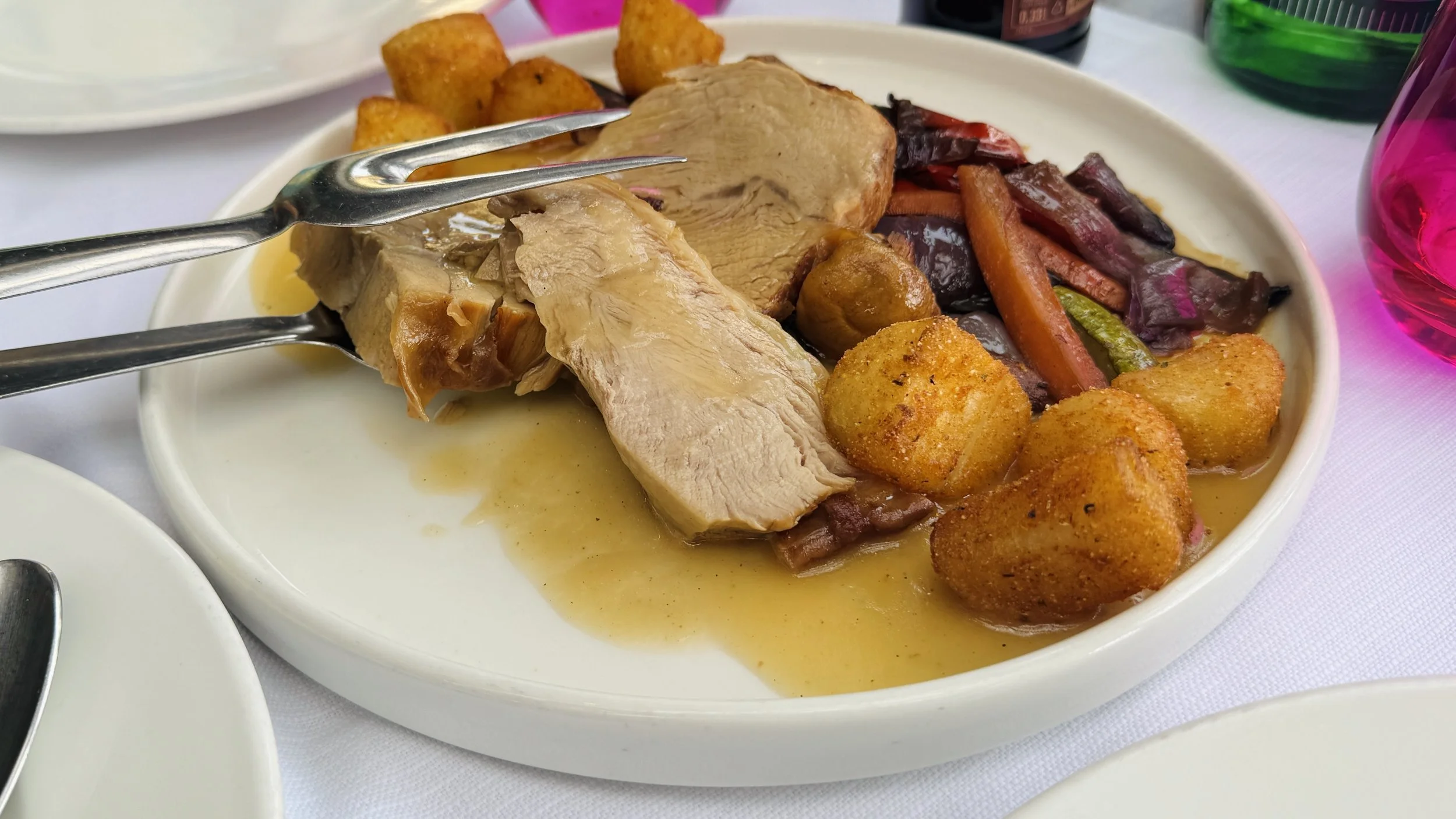
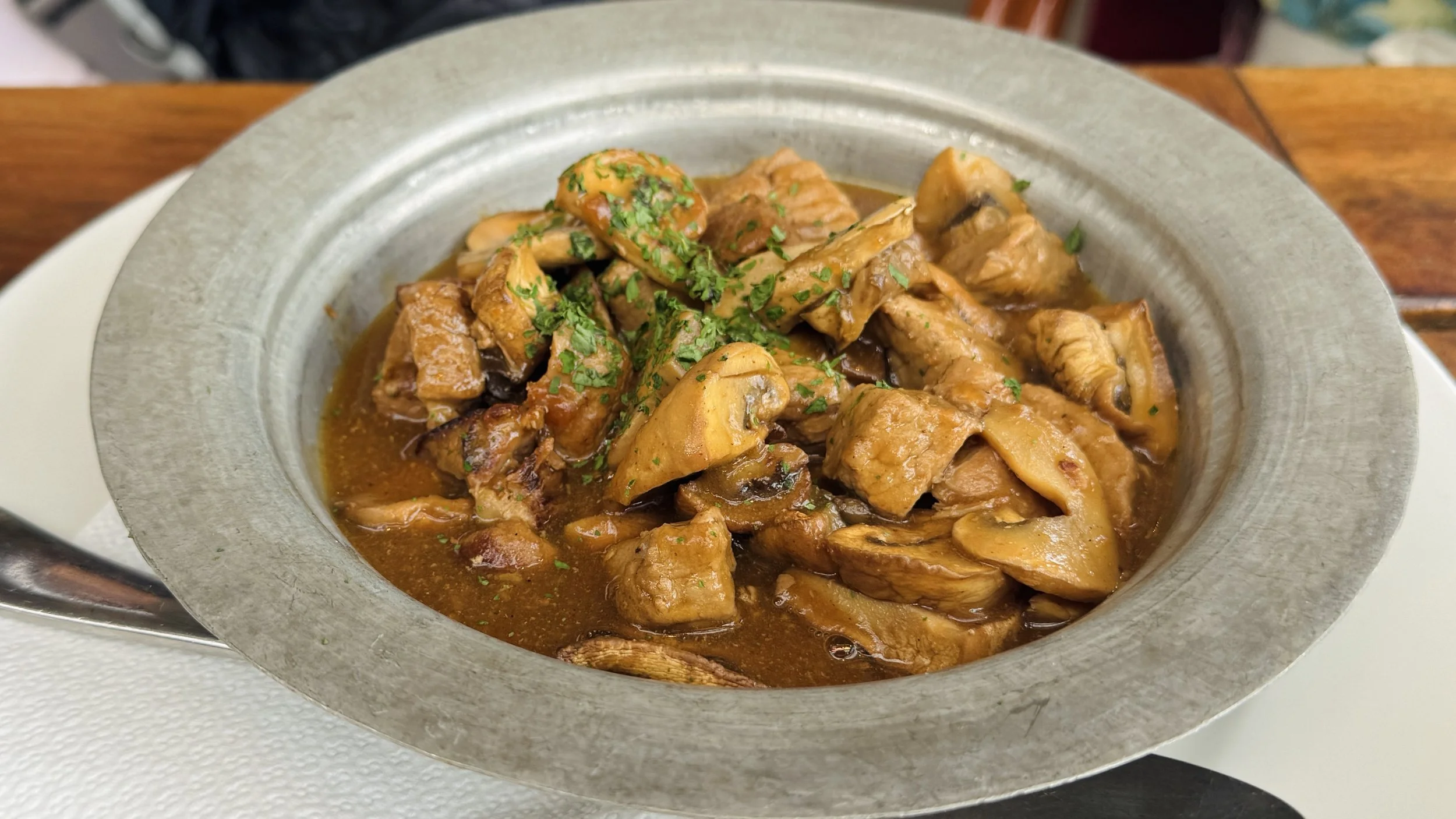
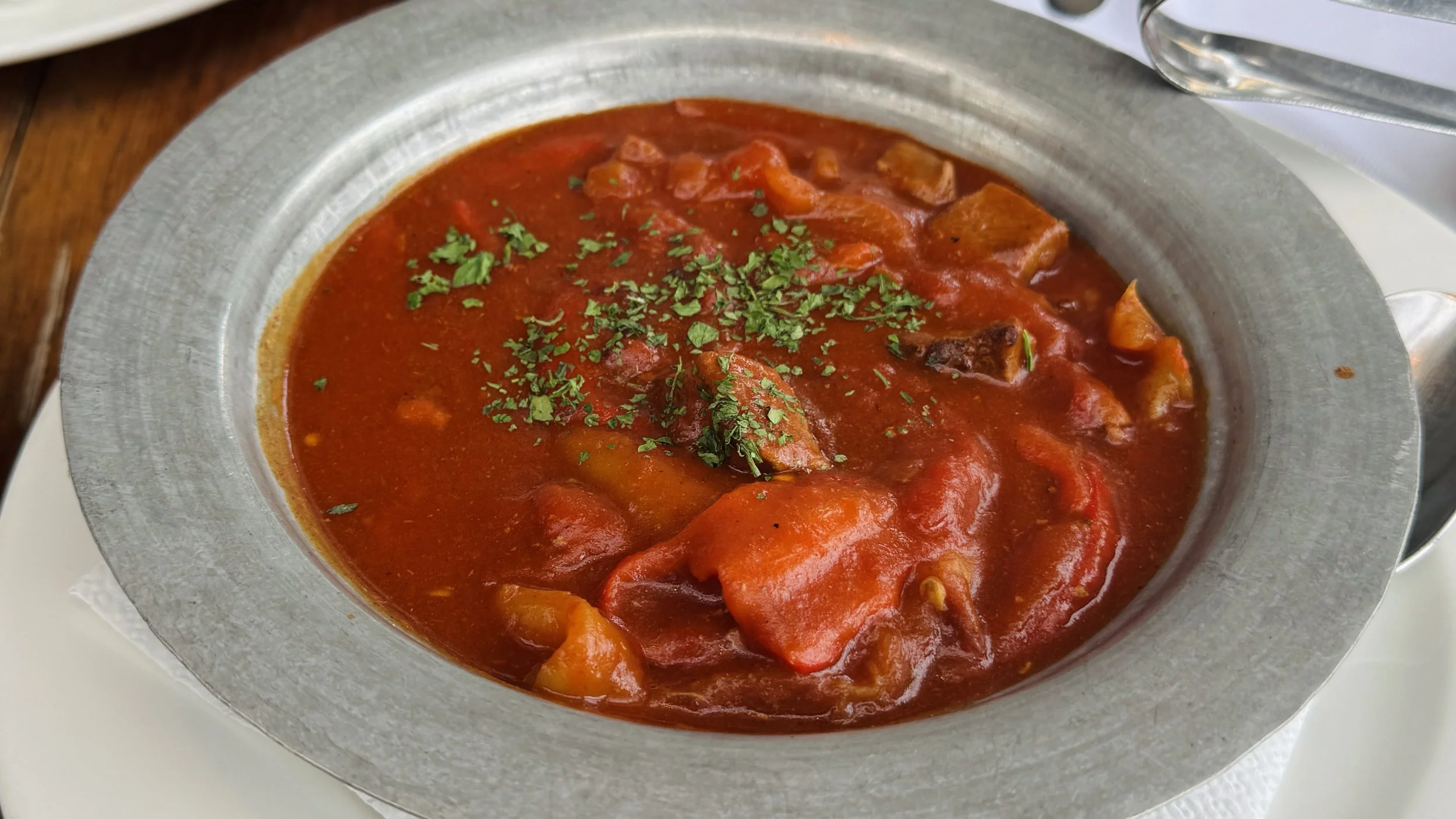
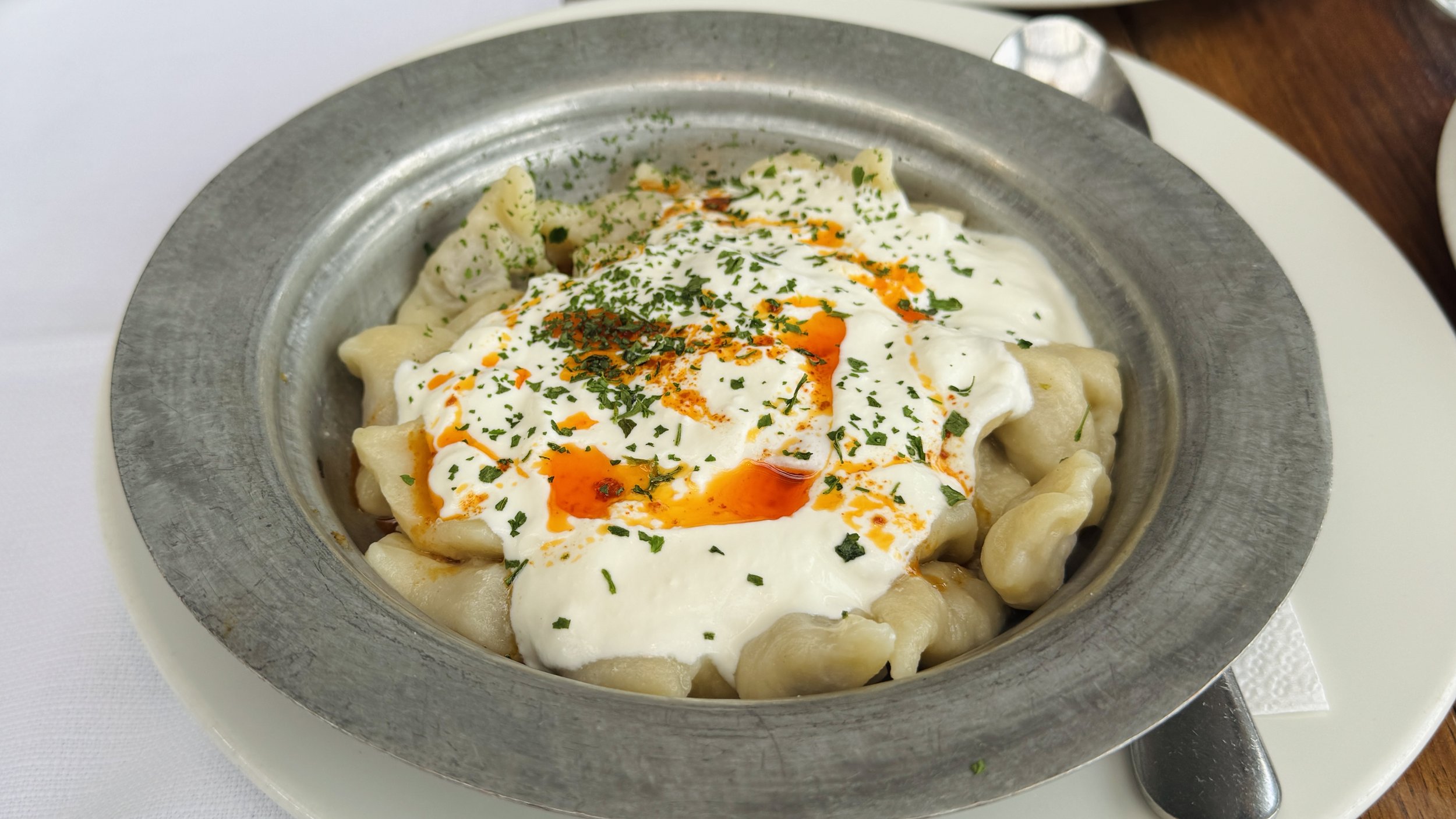
Disappointed but hungry, we stayed and ordered several other dishes from the menu, which turned out to be excellent. The panoramic view over Sarajevo from the restaurant was also spectacular.
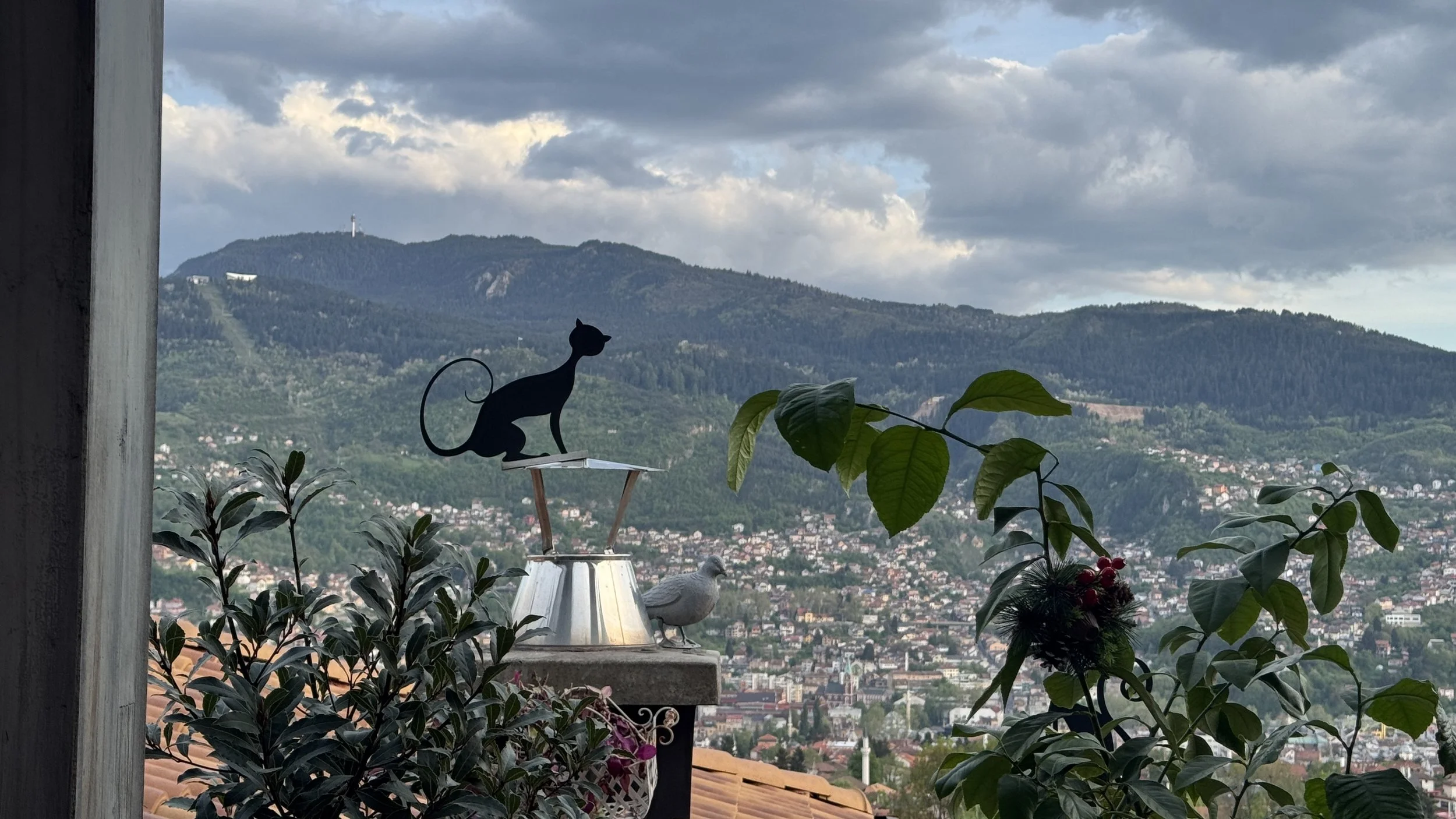
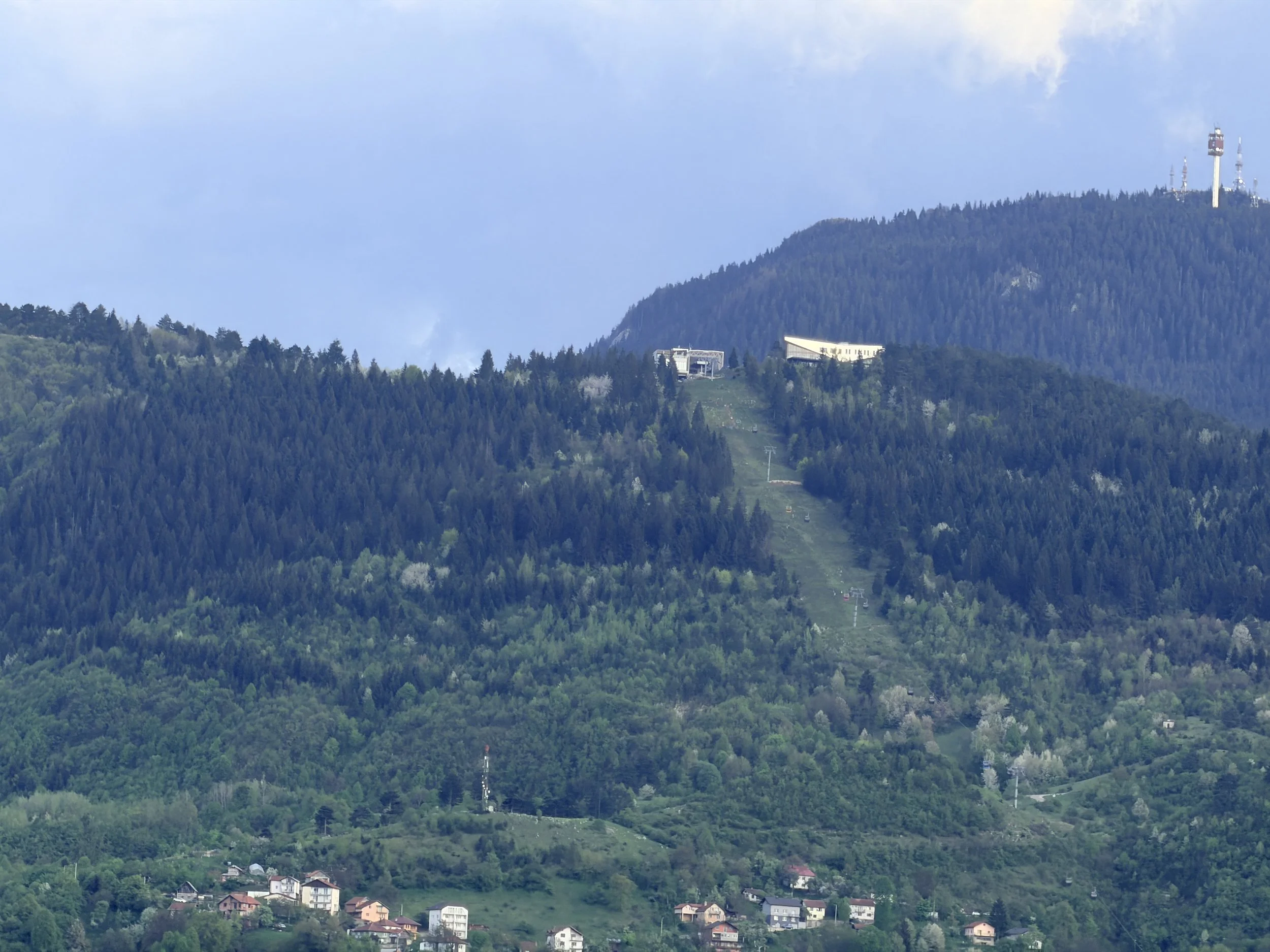
After dinner, we took another taxi to the Yellow Fortress to watch the sunset. Unfortunately, the weather was poor, and the sun never really appeared through the clouds.
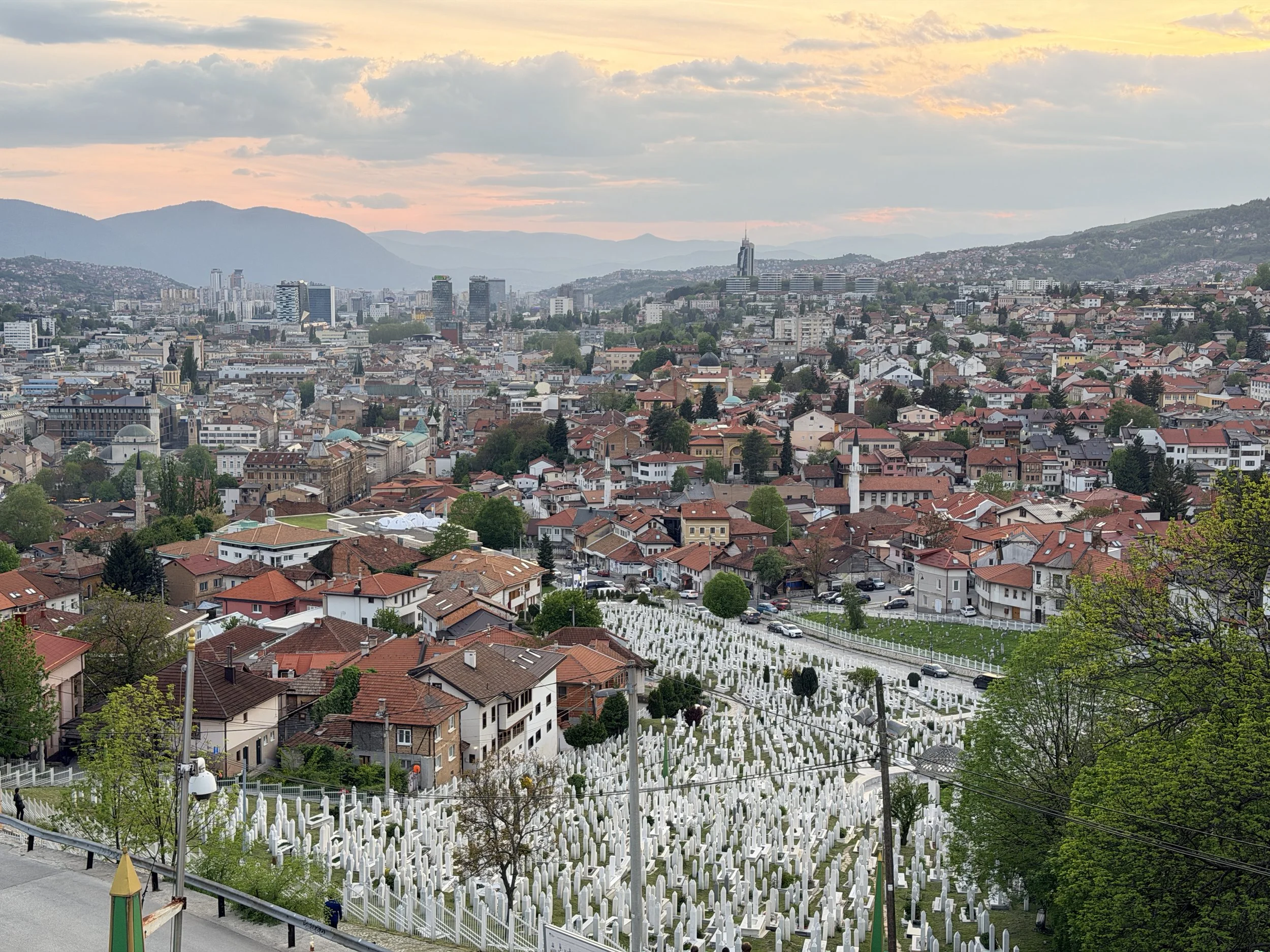
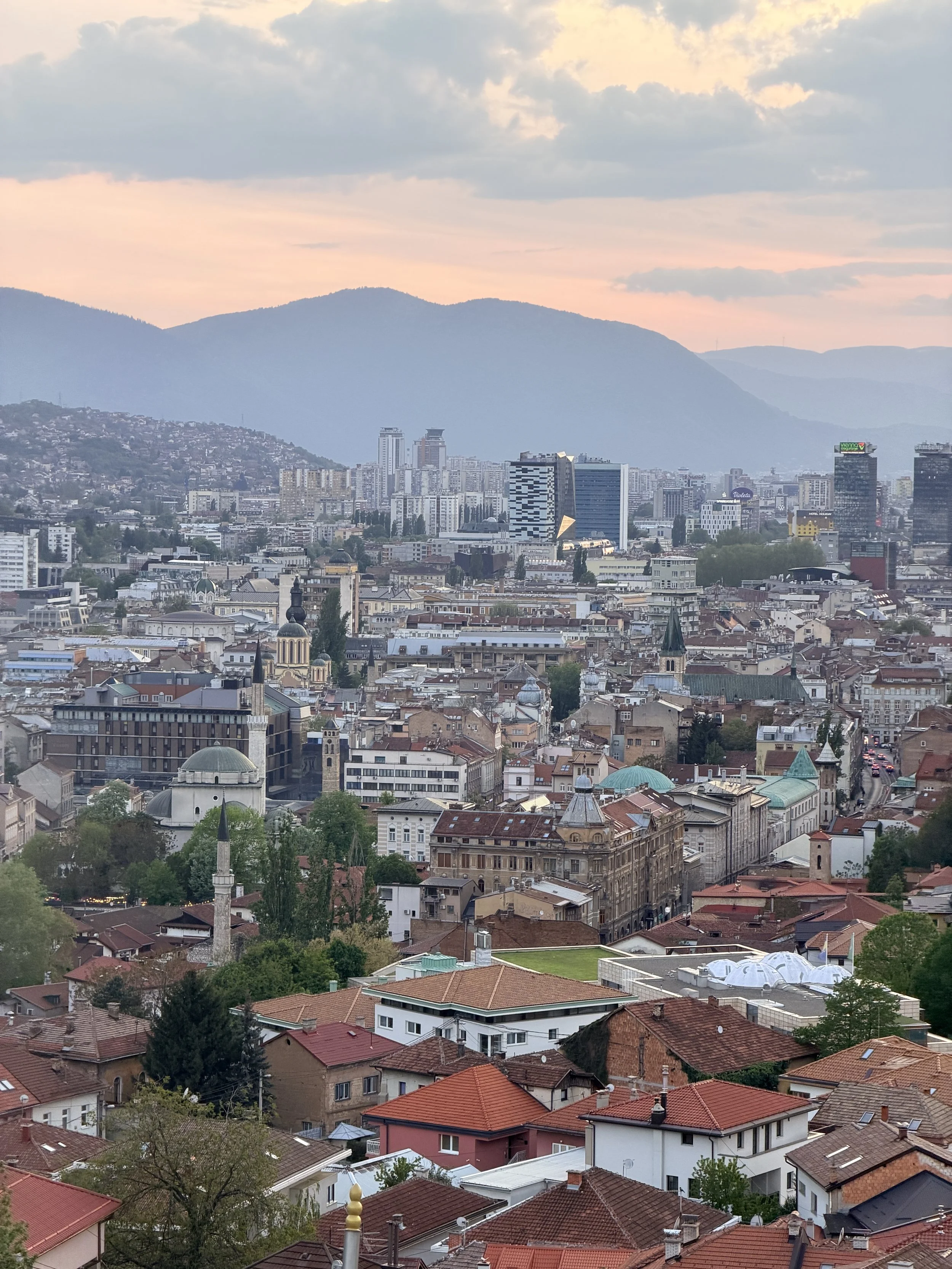
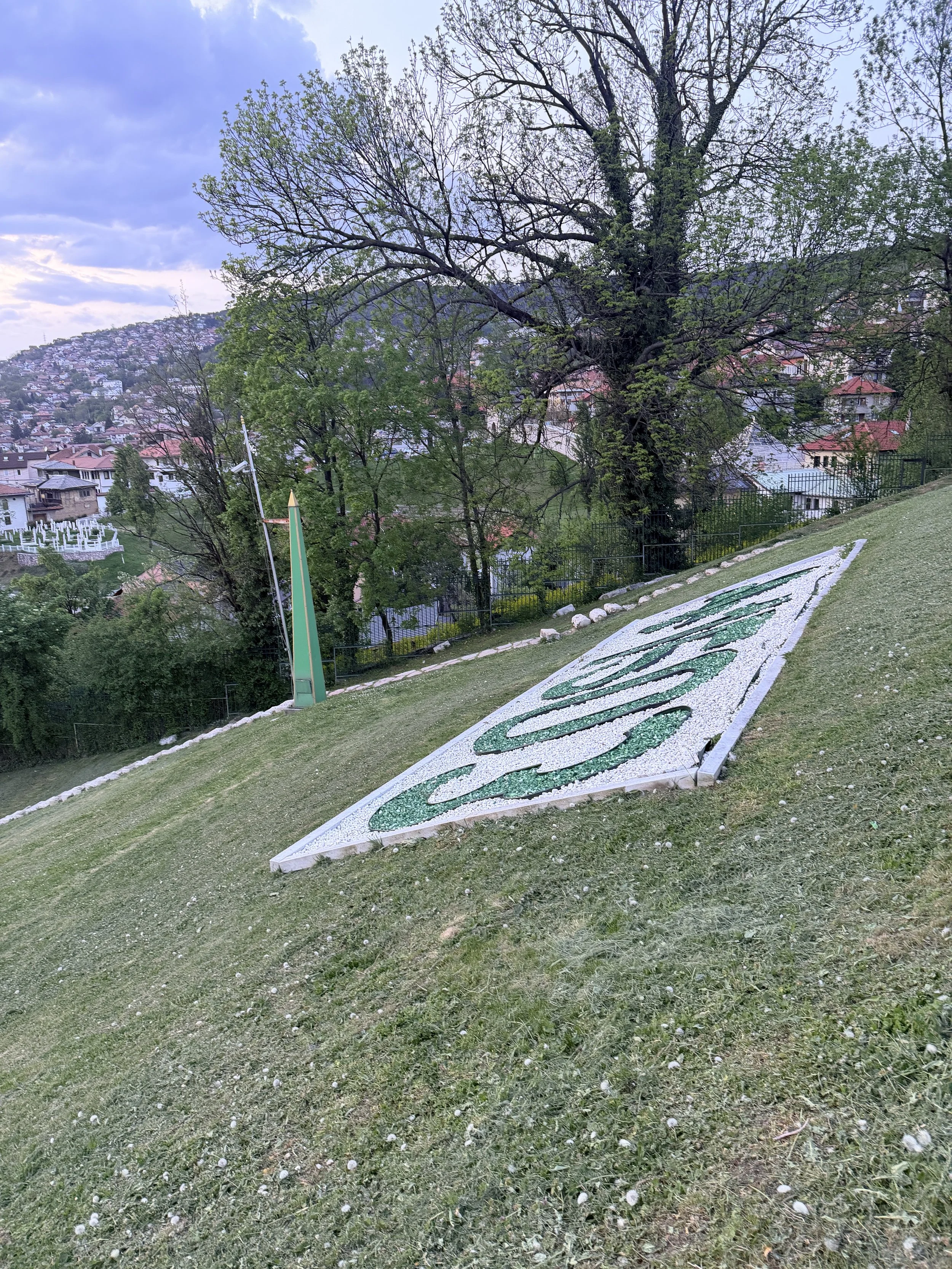
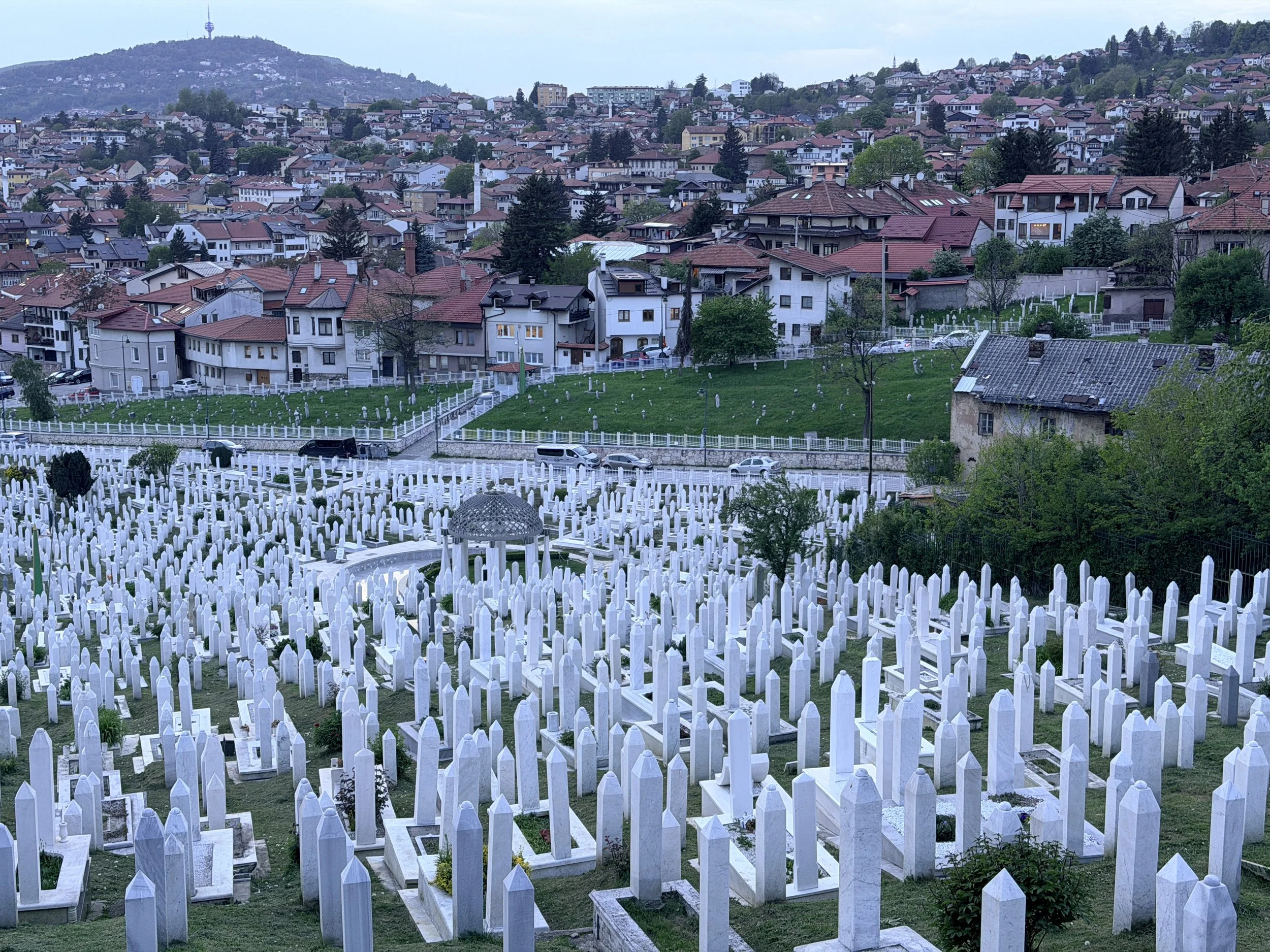
We then slowly walked downhill past the vast Kovači Memorial Cemetery, where 1,503 soldiers killed during the Bosnian War are buried. Row after row of white gravestones stretched across the hillside. It was a sobering reminder of the sacrifices and suffering brought by war.
2026年4月28日
对于许多在上世纪七十年代中国长大的人来说,萨拉热窝这个名字并不陌生。早在来到这里之前,我们就已经通过那部著名的南斯拉夫电影《瓦尔特保卫萨拉热窝》认识了这座城市。它在记忆中一直带着一种神秘而特殊的历史感。
今天上午,我们先参观住宿附近的萨拉热窝圣心主教座堂(Sacred Heart Cathedral Sarajevo)。它是萨拉热窝最重要的天主教堂,正面有两座钟楼。接下来我们参观了加齐·胡斯雷夫贝格清真寺(Gazi Husrev-beg Mosque)和博物馆。加齐·胡斯雷夫贝格是奥斯曼时期一位重要的总督和军事领袖,对萨拉热窝的发展贡献巨大。他通过伊斯兰传统中的“瓦克夫”(waqf)制度,将自己大量的财产和土地捐献出来,用于支持清真寺以及城市中的各种公共设施和慈善事业。而博物馆就在清真寺对面,当初是加齐·胡斯雷夫贝格所创办的一所学校,如今展示着有关他的生平及历史。
清真寺旁边矗立着萨拉热窝著名的钟楼——萨哈特库拉钟楼(Sahat-kula)。它外表看起来像一座普通的古老钟楼,但实际上却极为特别,被认为是世界上最后一座仍在公开运行的“月亮钟(lunar clock)”。这座钟至今仍按照奥斯曼时代的传统,根据每天日落时间进行人工调整。在这种古老计时方式中,日落便意味着新一天的开始。
随后,我们漫步穿过老城巴什察尔希亚(Baščaršija)的铜器街。过去这里曾经回荡着铜匠们敲打铜器的清脆声响,而如今,那种叮叮当当的声音已经少了许多,取而代之的是摆放整齐、专门面向游客出售的精美波斯尼亚咖啡器具和纪念品。
中午,我们在街边简单吃了顿当地午餐以及波斯尼亚咖啡,然后乘出租车前往希望隧道(Tunnel of Hope)。1990年代波黑战争期间,萨拉热窝长期遭到围困,几乎与外界完全隔绝。这条秘密修建的地下隧道从联合国控制的机场跑道下方穿过,将被围困的城区与外部控制区连接起来。食物、药品、燃料、武器以及人员都通过这条狭窄的通道进入城内,它成为当时萨拉热窝维持生存的重要生命线。直到今天,附近许多房屋墙面上仍然留着密密麻麻的弹痕,无声地提醒着人们那段战争岁月。
之前从莫斯塔尔(Mostar)前往萨拉热窝途中,我们的波斯尼亚司机告诉我们,当地人最喜欢的传统食物之一就是炭火慢烤的转炉羊肉(spit-roasted lamb)。他说沿途有个小镇甚至专门以烤羊闻名。从那以后,我们便一直惦记着一定要在萨拉热窝尝尝。参观完希望隧道后,我们回到老城,去了网上找的一家餐厅。网站上说有波斯尼亚著名的烤全羊,但到了之后却被告知早已不再提供这道菜。我们依旧不死心,继续上网查,又叫了一辆出租车,前往另一家在山上的基贝·马哈拉餐厅(Kibe Mahala)。
这家高级餐厅评价很高,墙上挂满了许多我们所熟悉的名人与老板的合影。幸运的是,当晚还有四人桌空位。刚走进用餐区时,我们立刻看到几只整羊正在火炉上缓慢旋转烤制,顿时兴奋起来,以为终于可以吃到了。然而服务员却告诉我们,当晚的烤羊已经全部售罄,需要提前预订。
虽然非常失望,但我们还是坐下点了几道菜单上的其它菜肴,结果味道都相当不错。而且餐厅位于山坡高处,可以俯瞰整个萨拉热窝,景色非常漂亮。
晚饭后,我们又乘出租车前往黄色堡垒(Yellow Fortress)观看日落。可惜天气不佳,厚厚的云层始终遮住了太阳。
之后,我们沿着山路慢慢步行下山,经过了规模巨大的科瓦契纪念公墓(Kovači Memorial Cemetery)。这里埋葬着1503名在波黑战争中阵亡的士兵。山坡上一排排白色墓碑密密麻麻地延伸开去,让人强烈感受到战争带来的伤痛。