Sarajevo City Hall萨拉热窝市政厅
April 29, 2026
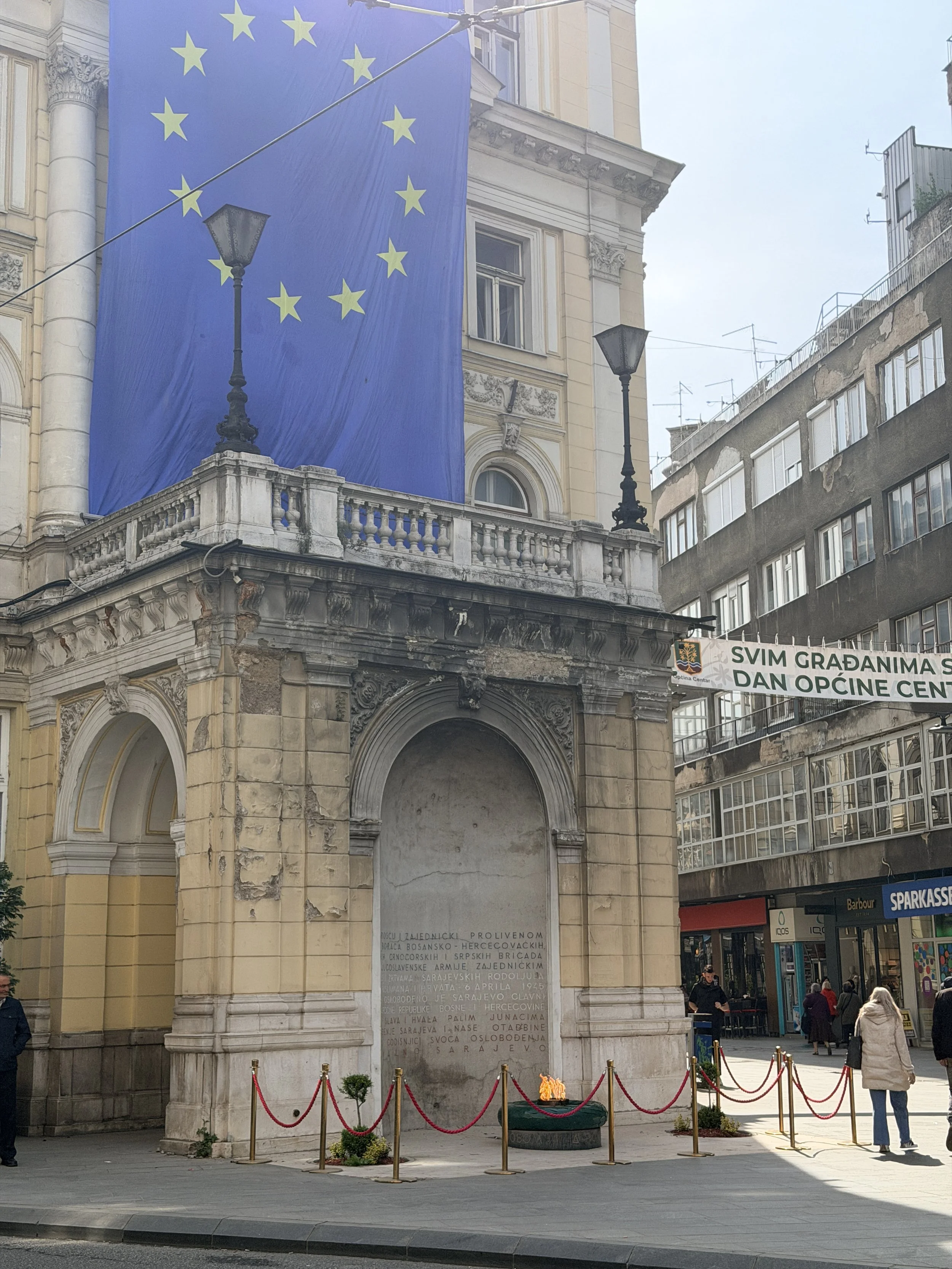
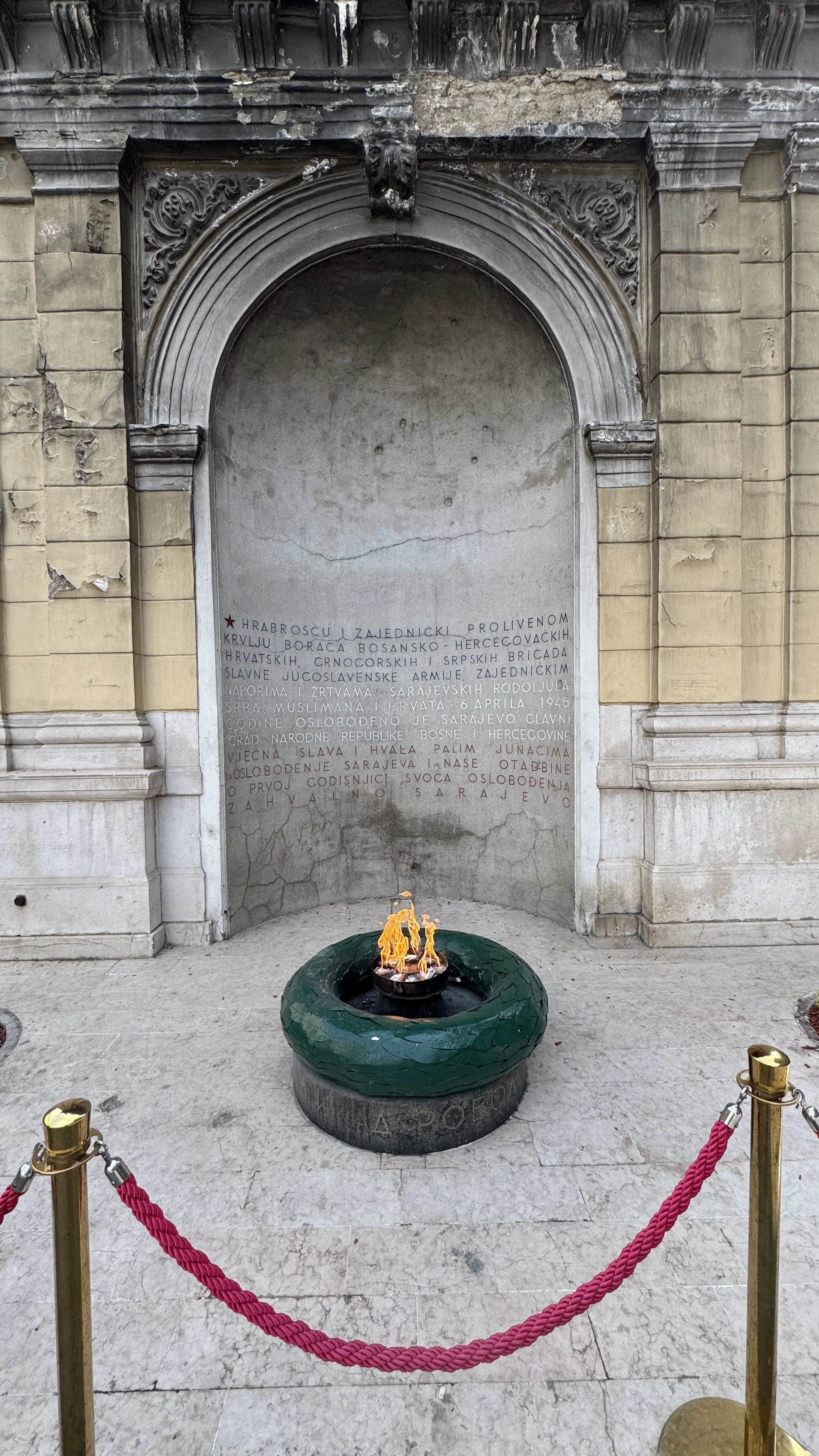
Today we continued exploring Sarajevo. Our first stop was the city’s famous Eternal Flame (Vječna Vatra), a memorial built after World War II. The flame burns continuously in honor of those who lost their lives during the war and remains one of Sarajevo’s most meaningful monuments.
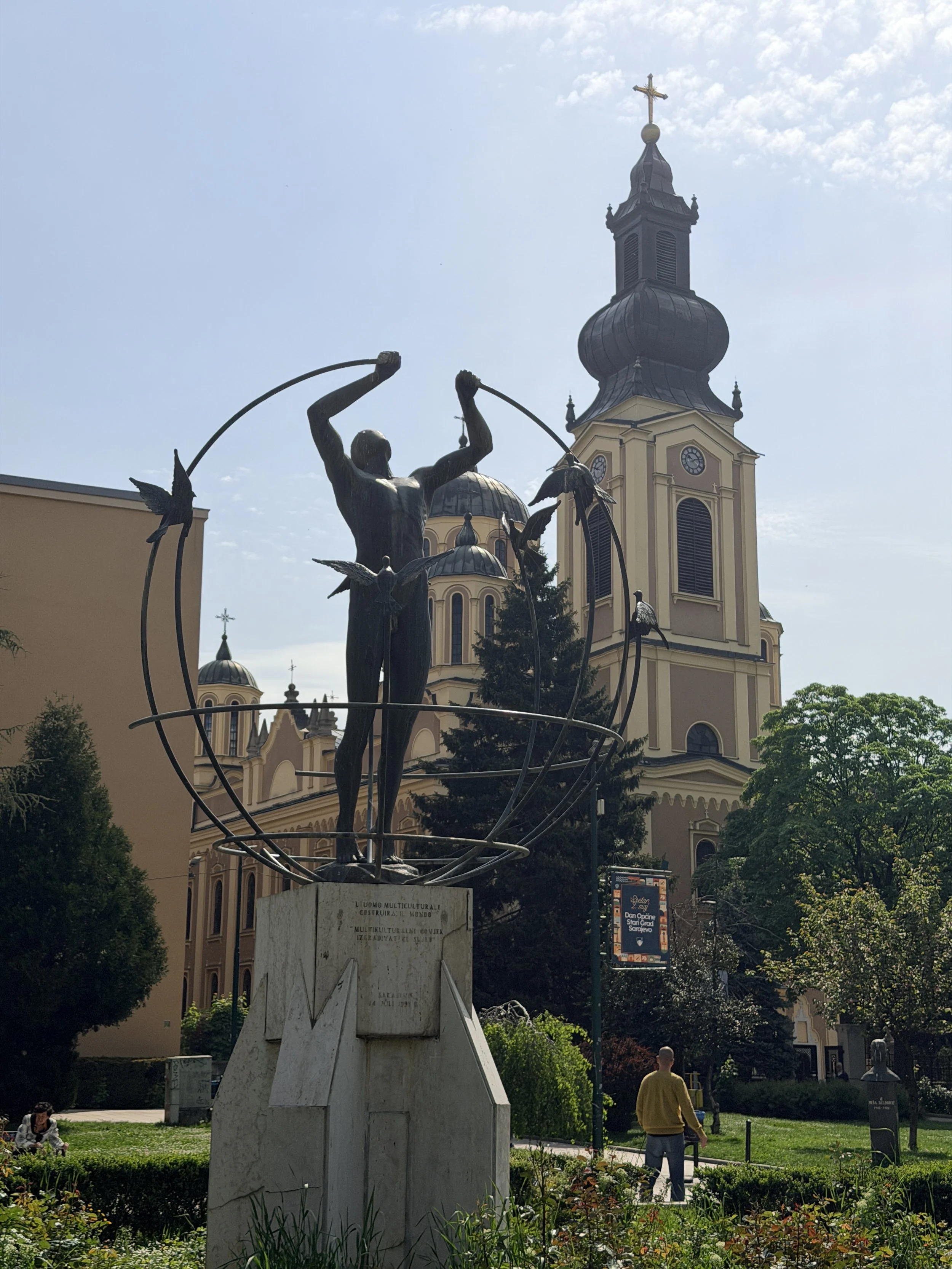
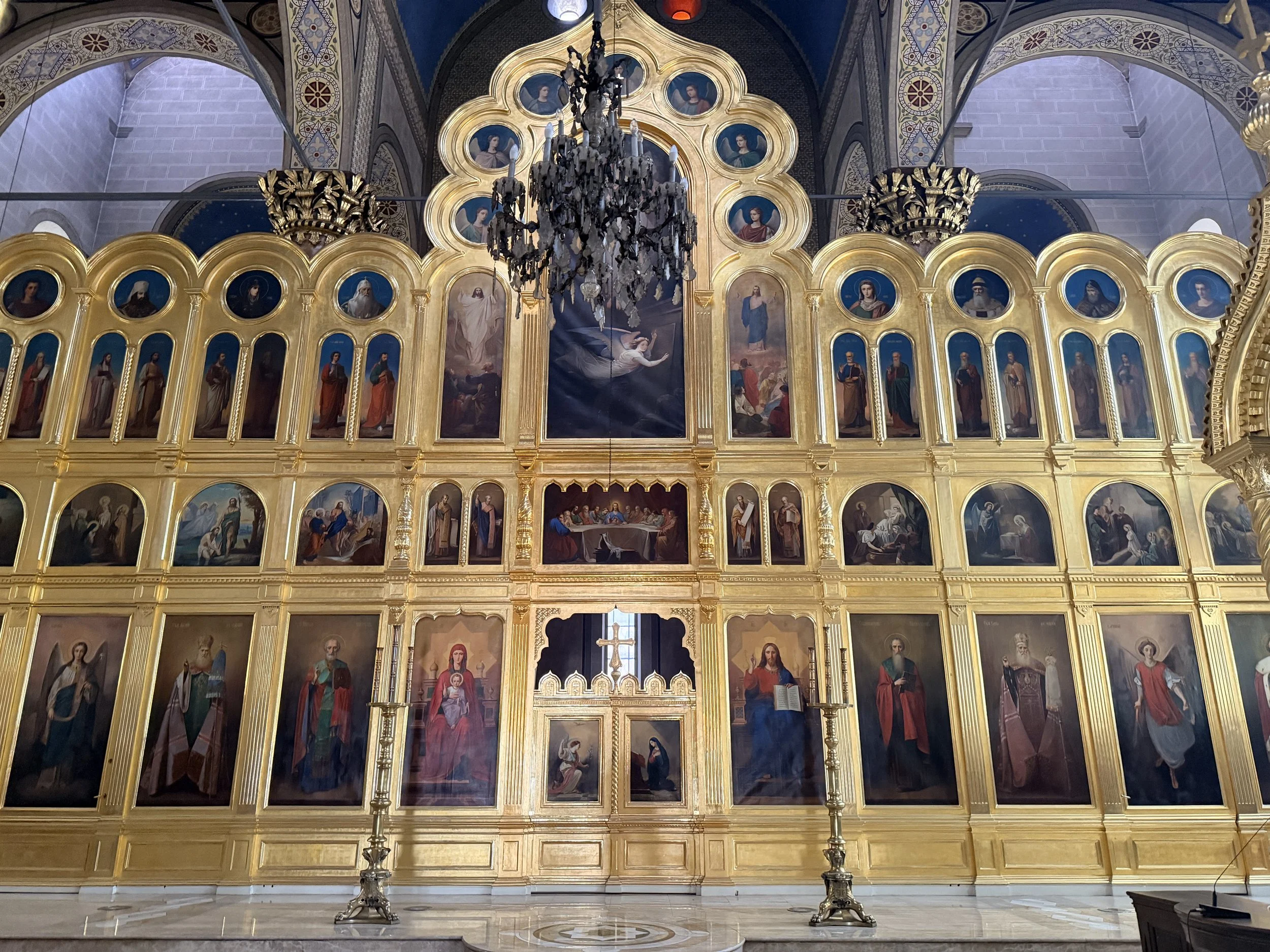
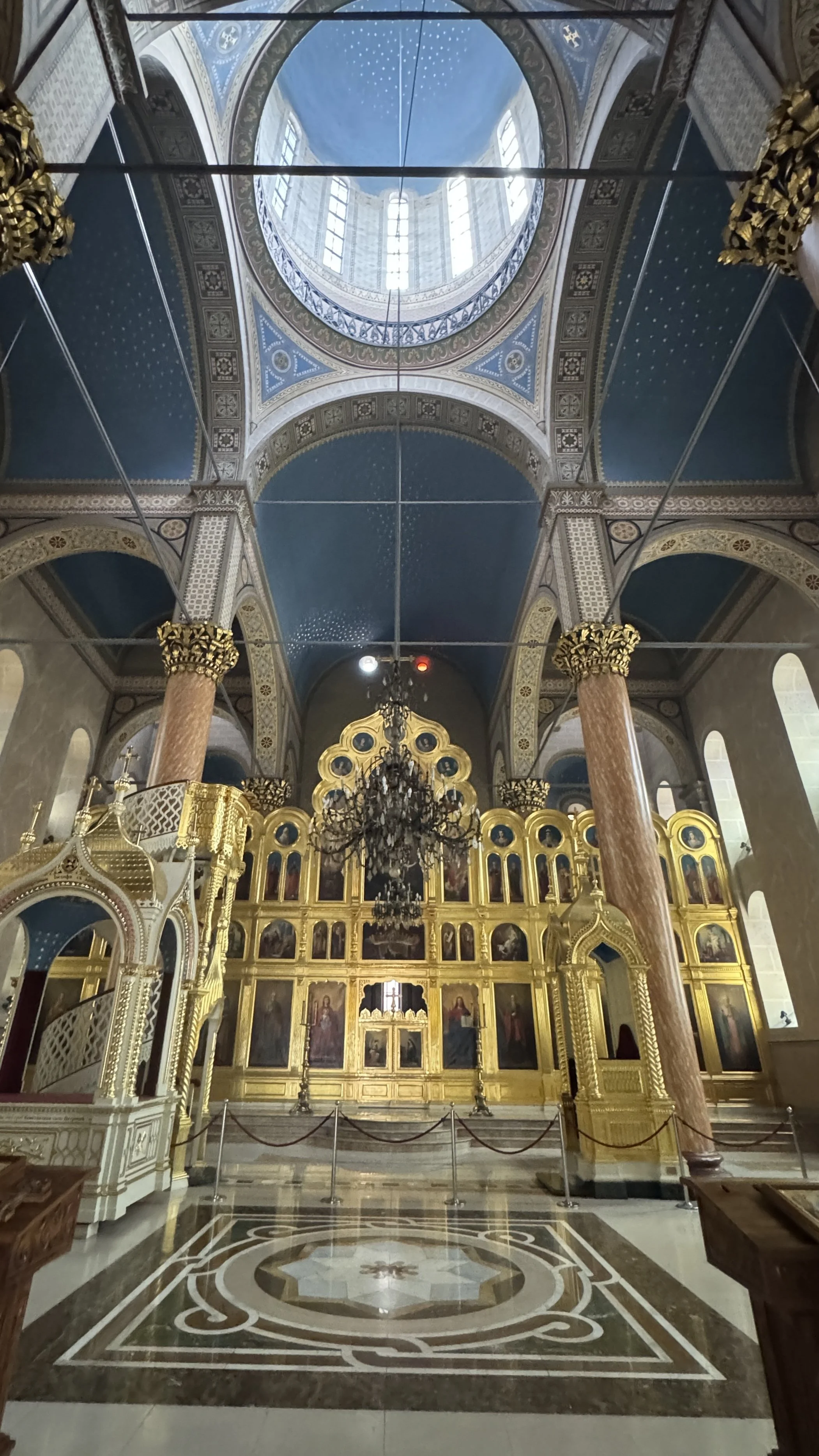
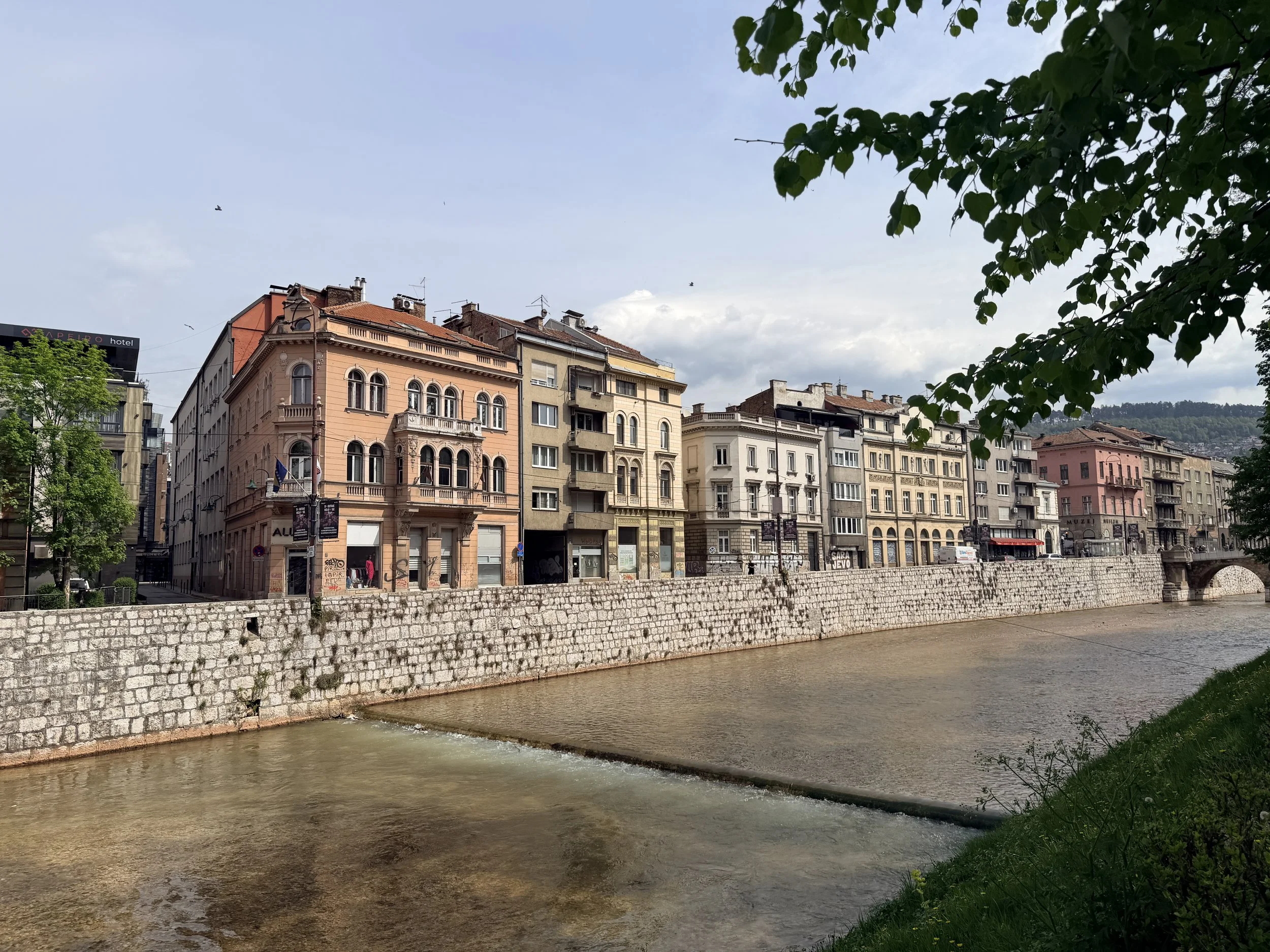
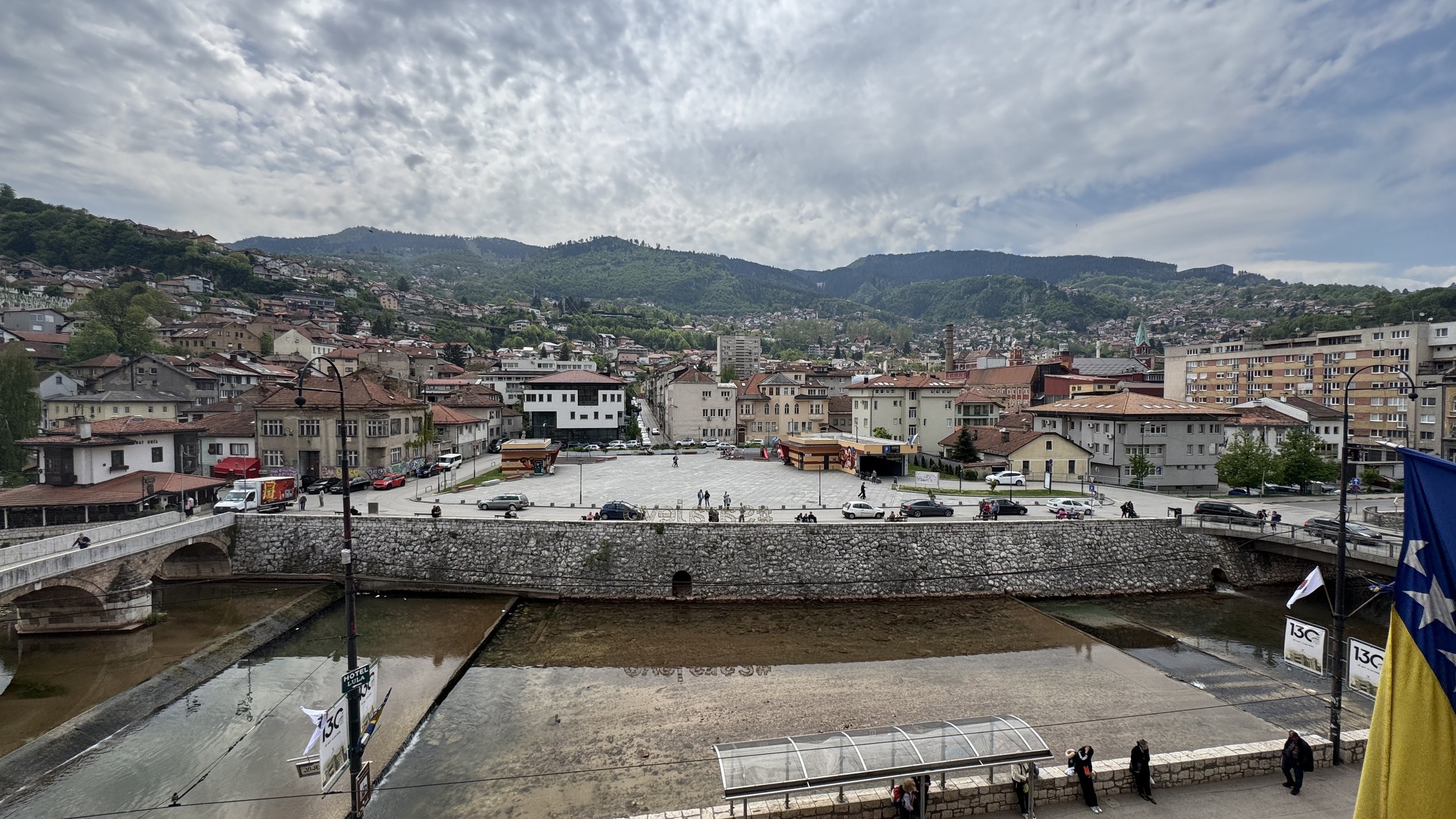
From there, we walked to the Orthodox Church, admiring its distinctive architecture and the important role it plays in the city’s religious and cultural heritage. We then spent some time strolling back and forth across several bridges spanning the Miljacka River, enjoying views of the old town and the mix of Ottoman, Austro-Hungarian, and modern influences that give Sarajevo its unique character.
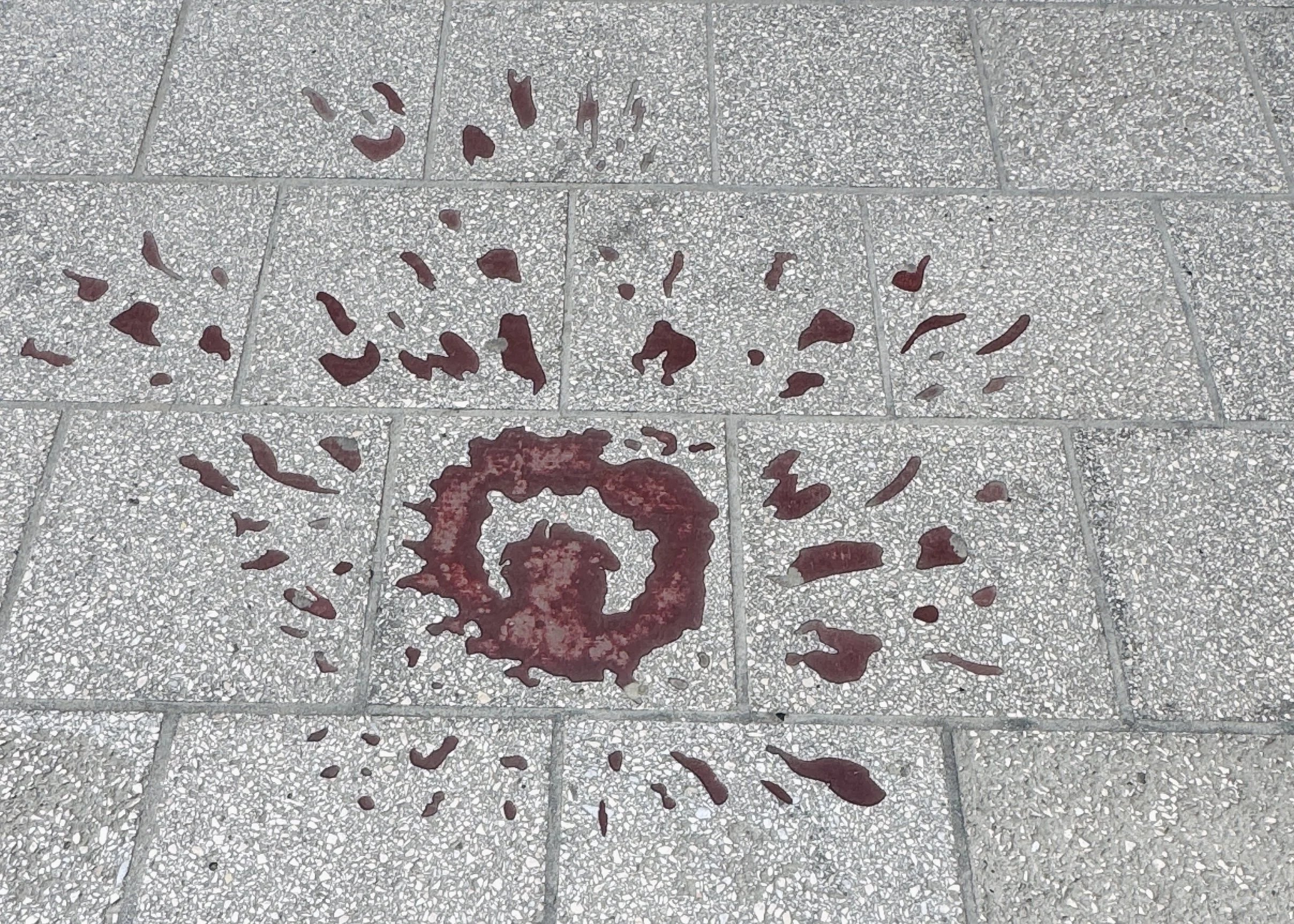
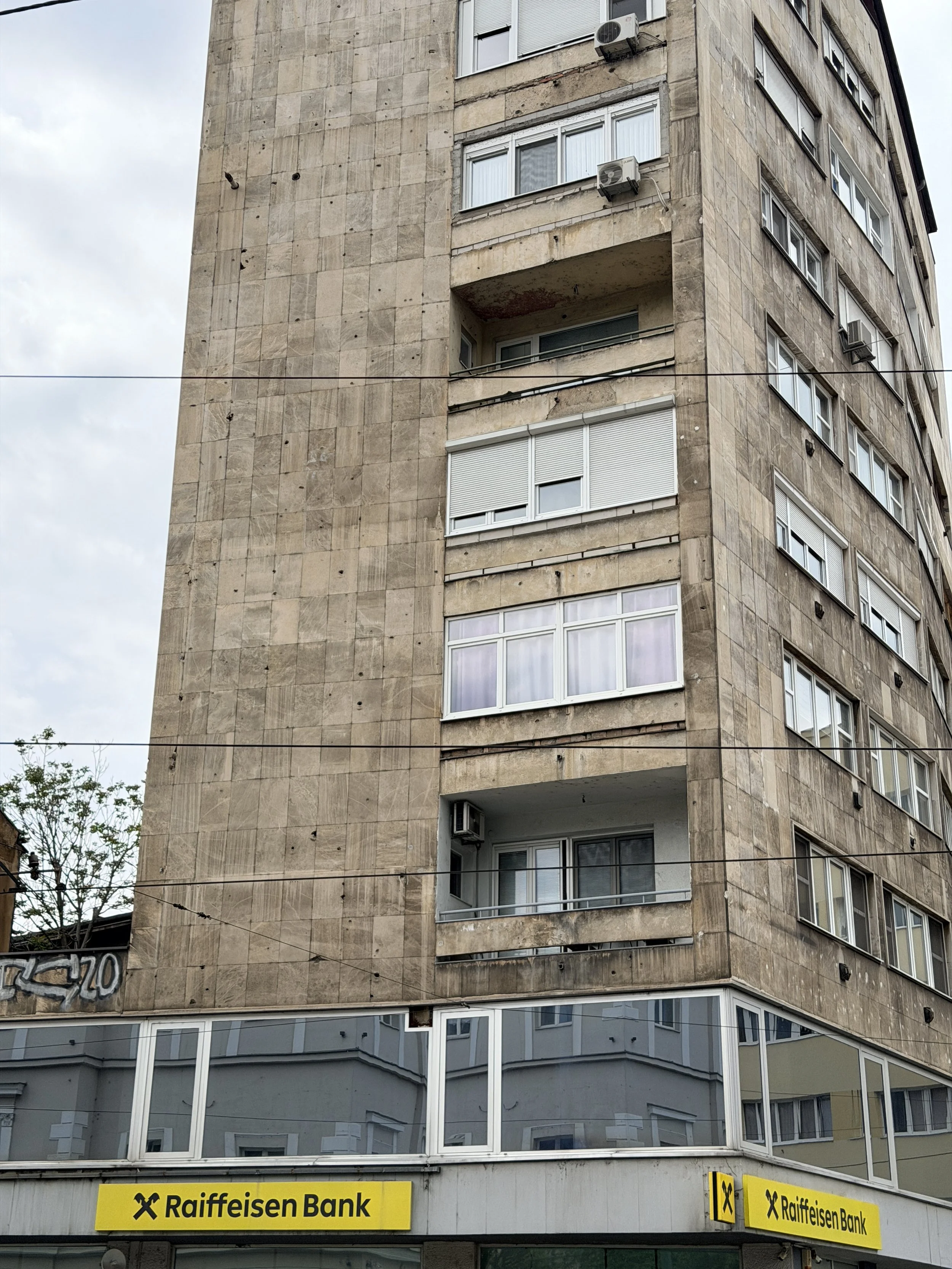
Throughout the city, we frequently noticed the so-called “Sarajevo Roses.” These are scars left by mortar explosions during the Bosnian War that have been filled with red resin to resemble flower petals. Each “rose” marks a place where people were killed during the conflict, serving as a silent and poignant reminder of the suffering endured by the city and its residents. Even decades later, these memorials remain woven into the streets of Sarajevo, ensuring that the memories of those tragic years are not forgotten.
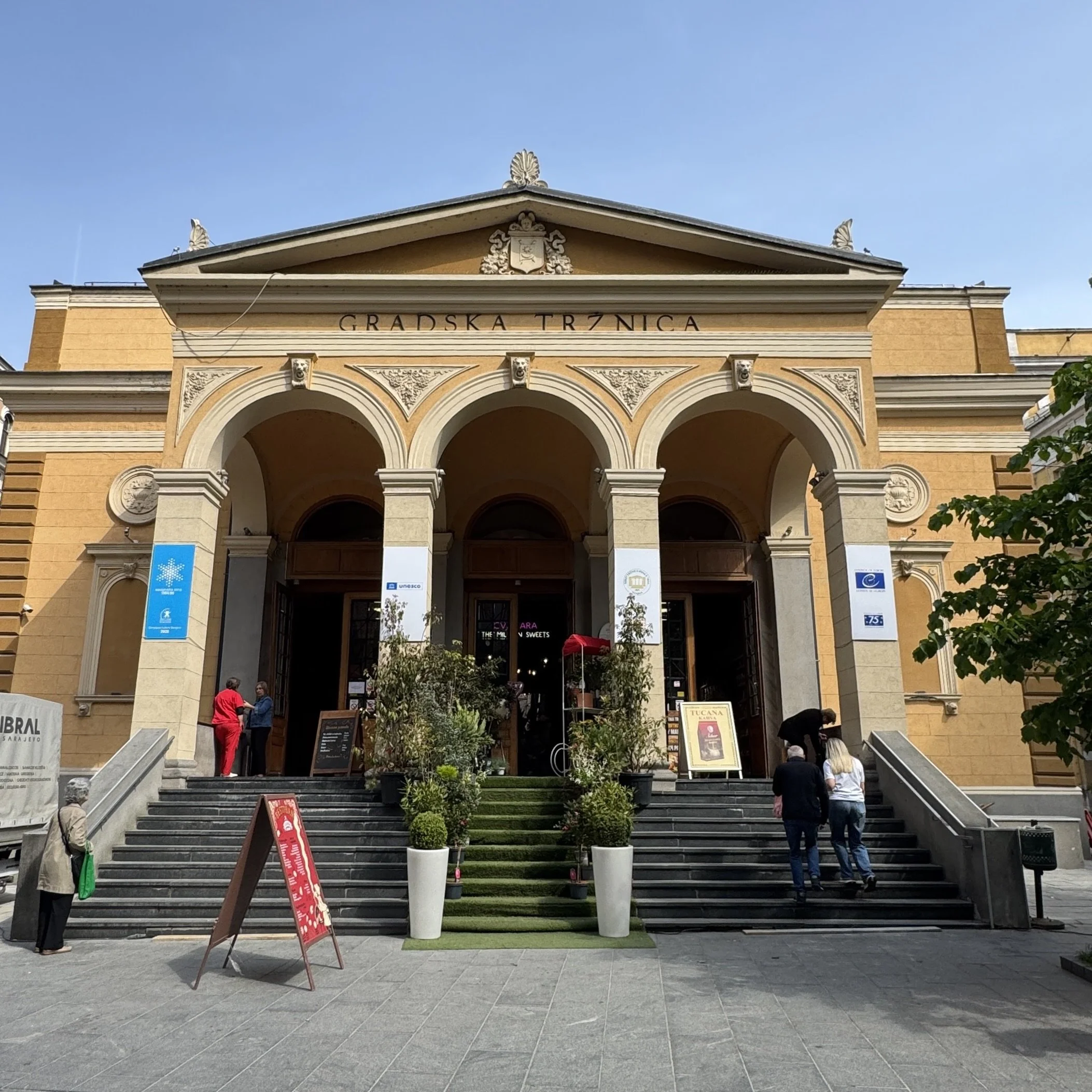
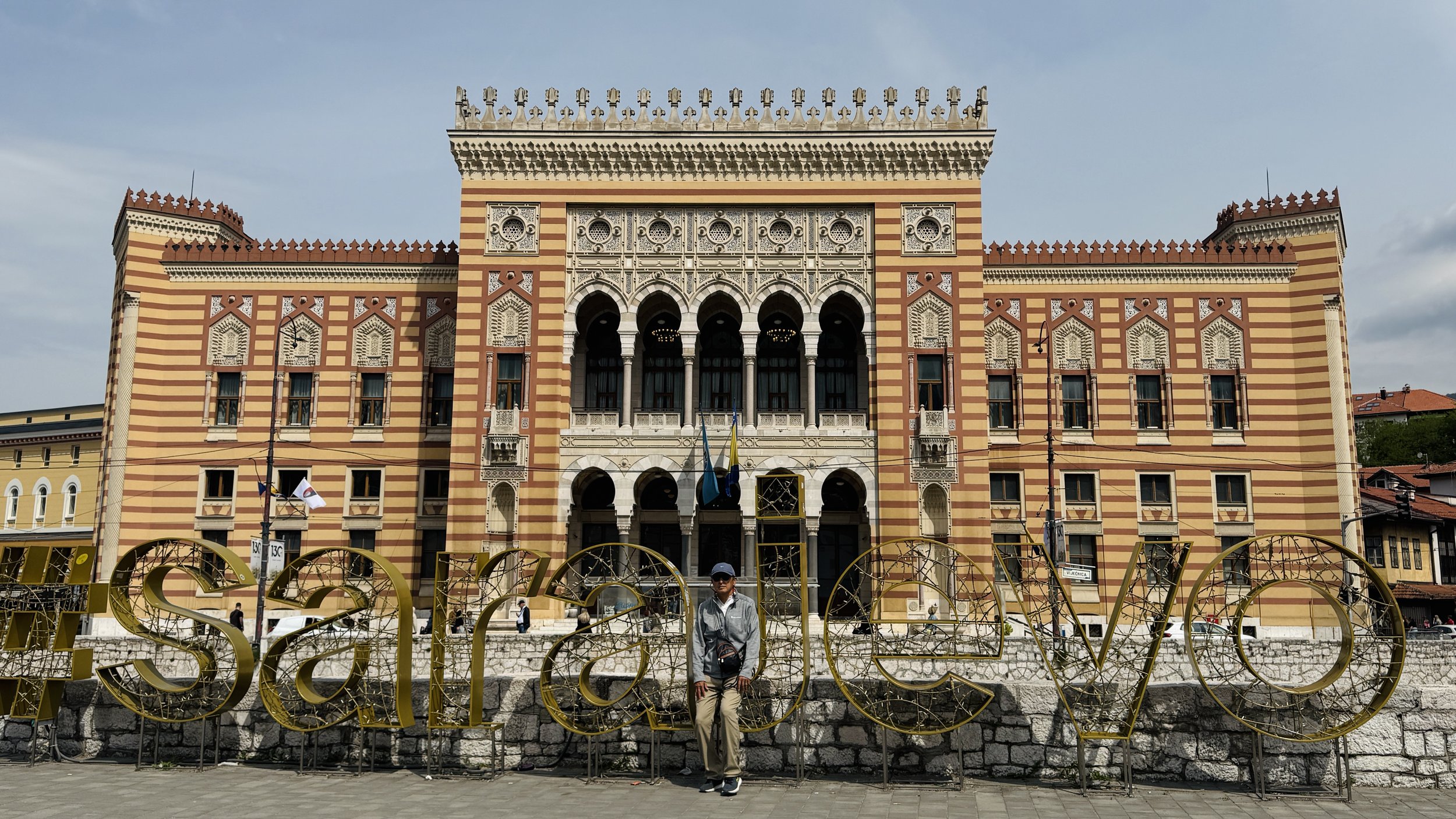
During the Bosnian War in the 1990s, much of Sarajevo was heavily damaged and thousands of civilians were killed during the long siege of the city. One of the most tragic losses was Sarajevo’s City Hall, known as Vijećnica, which was destroyed by shelling and fire in 1992. The building later underwent a long reconstruction, carefully integrating surviving original elements with newly restored sections. Today, the reborn City Hall stands once again as one of Sarajevo’s most beautiful landmarks and a symbol of the city’s resilience.
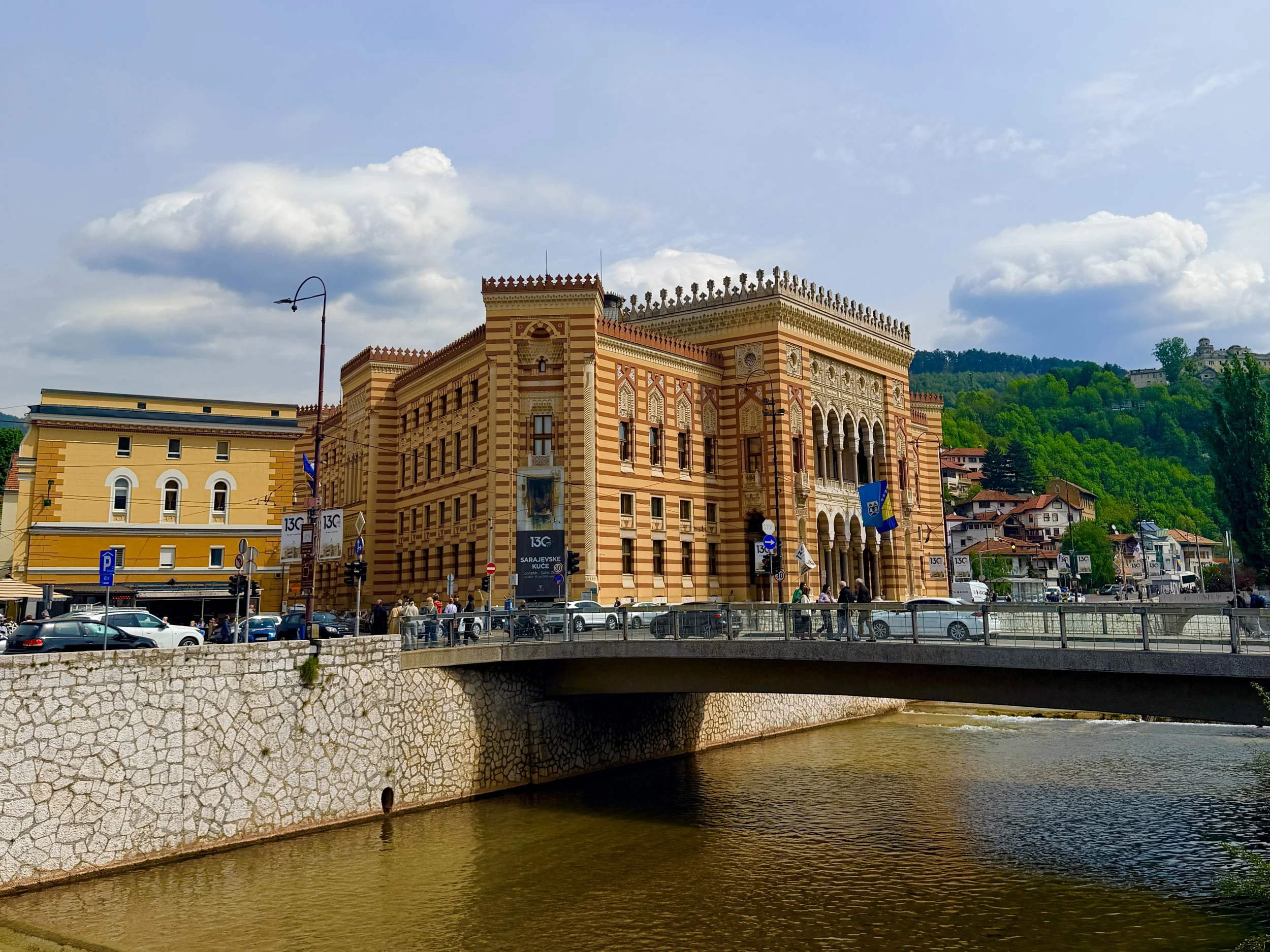
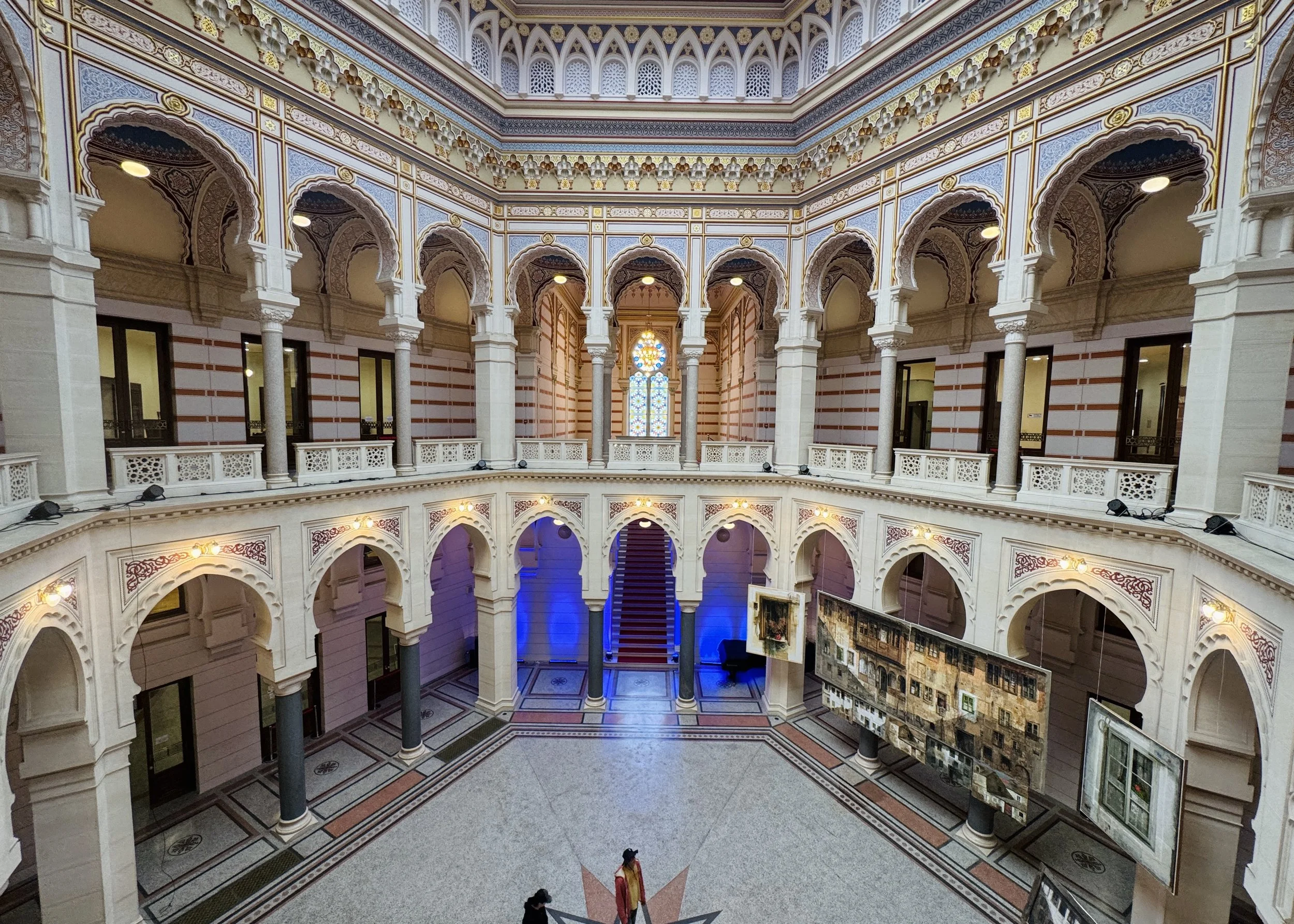
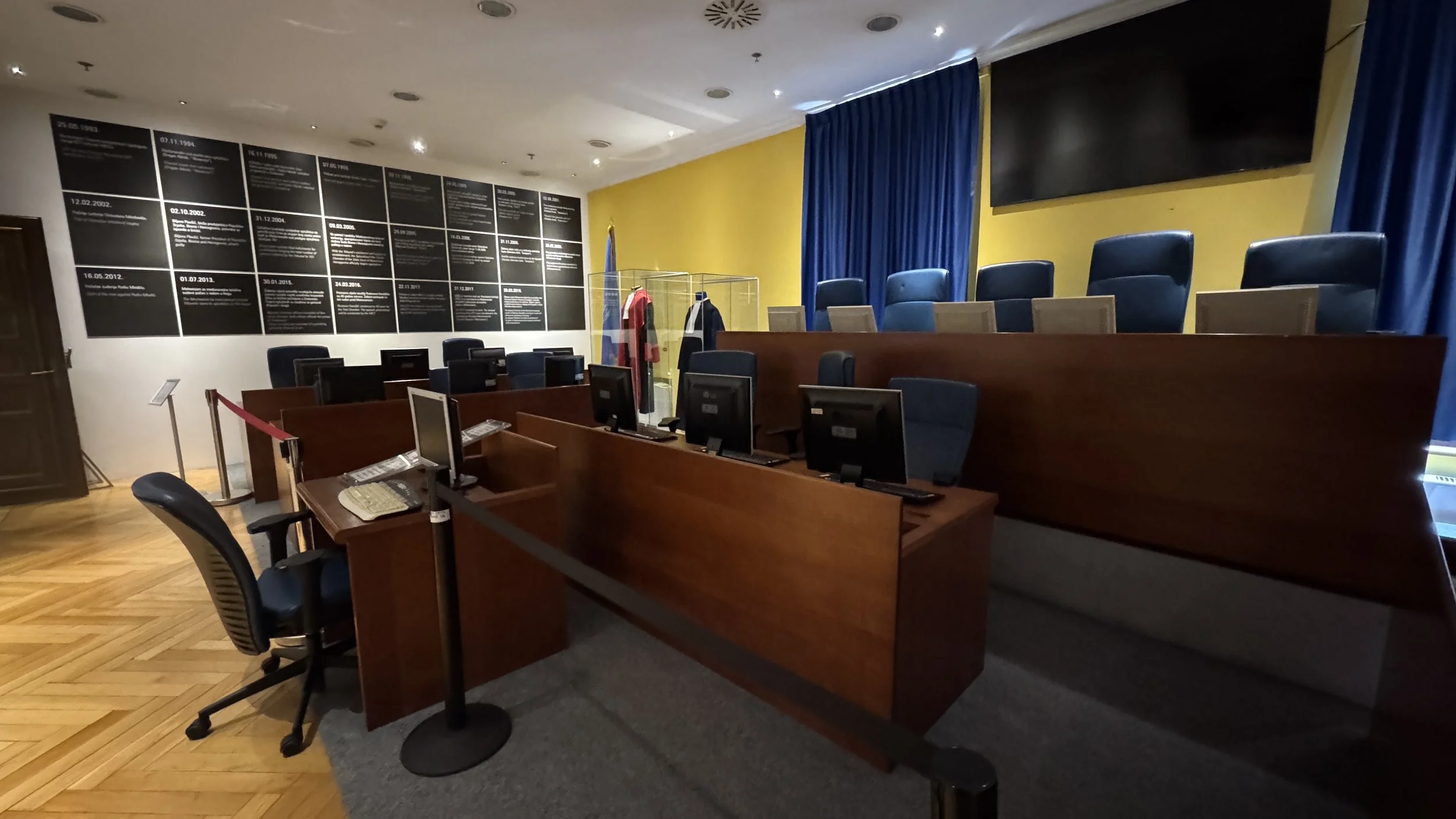
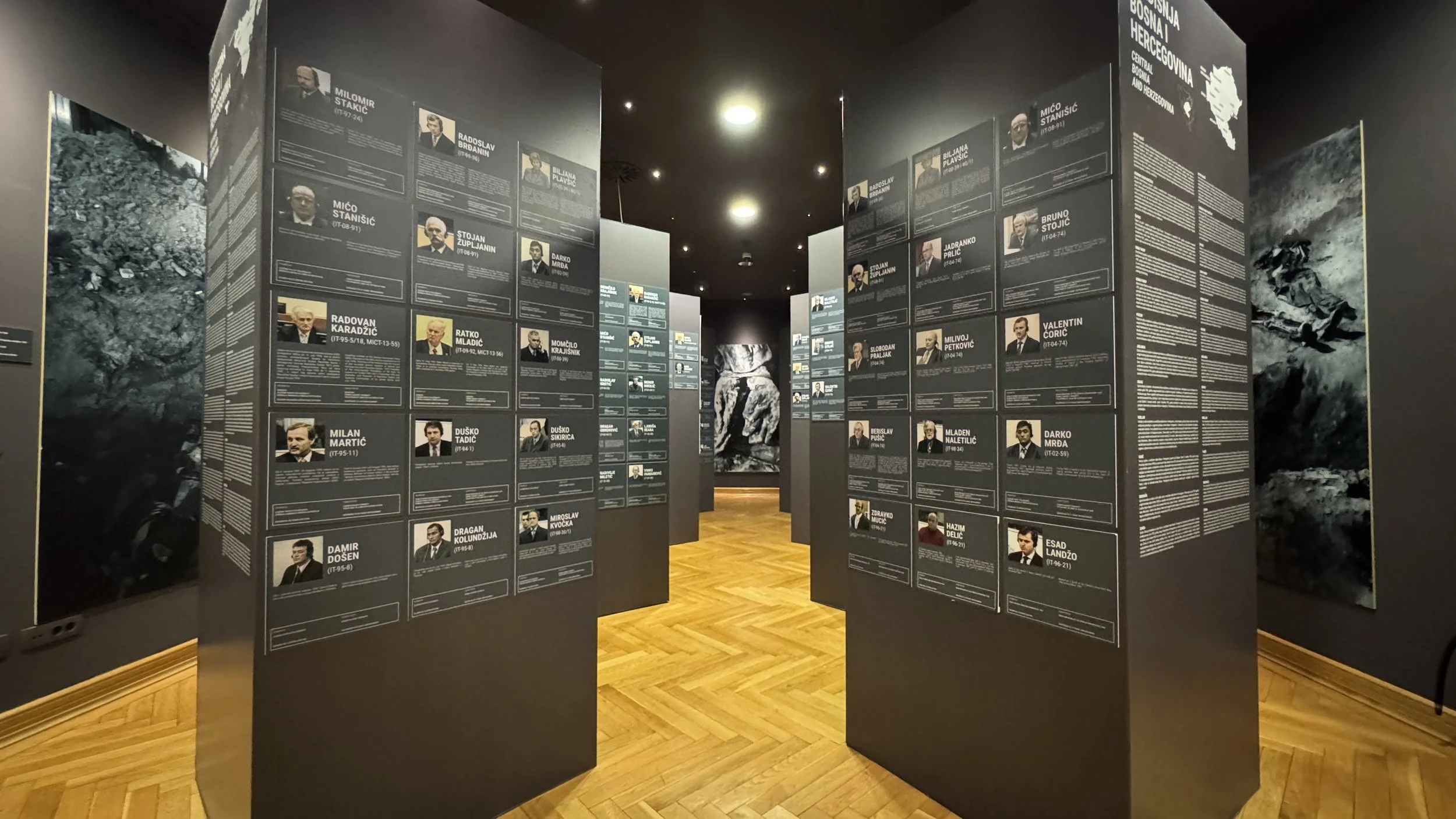
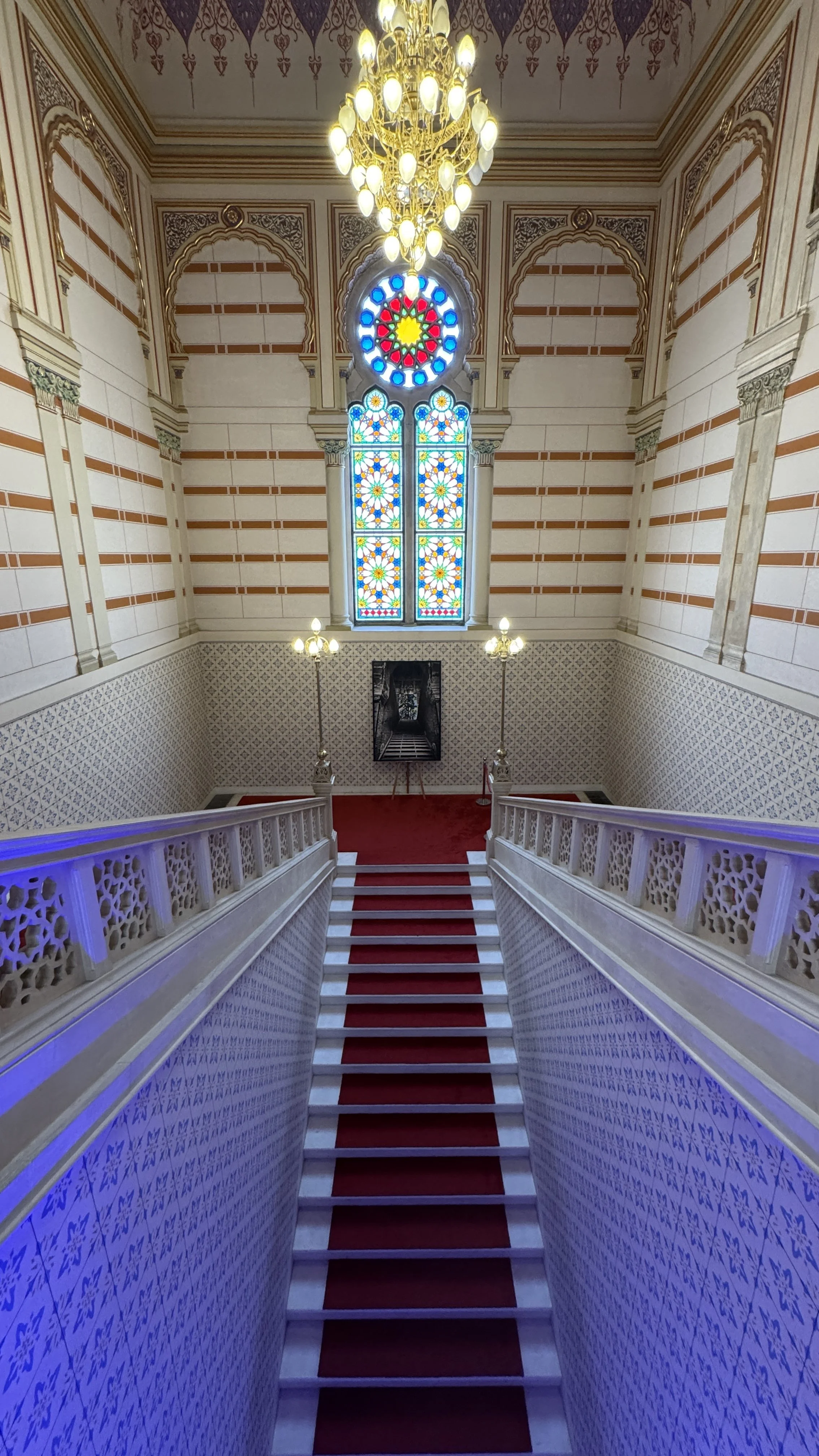
The architecture of the building was stunning. Built during the Austro-Hungarian period in a pseudo-Moorish style, the exterior was decorated with colorful geometric patterns, arches, and ornate details that immediately stood out from the surrounding buildings. Inside, the grand central hall rose several stories high beneath a glass roof, filled with symmetrical staircases, intricate painted decorations, and richly colored walls and ceilings. The combination of Islamic, Byzantine, and European influences created a unique atmosphere unlike any other city hall we had visited. During our visit, an exhibition about war crimes trials was being displayed inside, adding another emotional reminder of the suffering Sarajevo endured during the war.
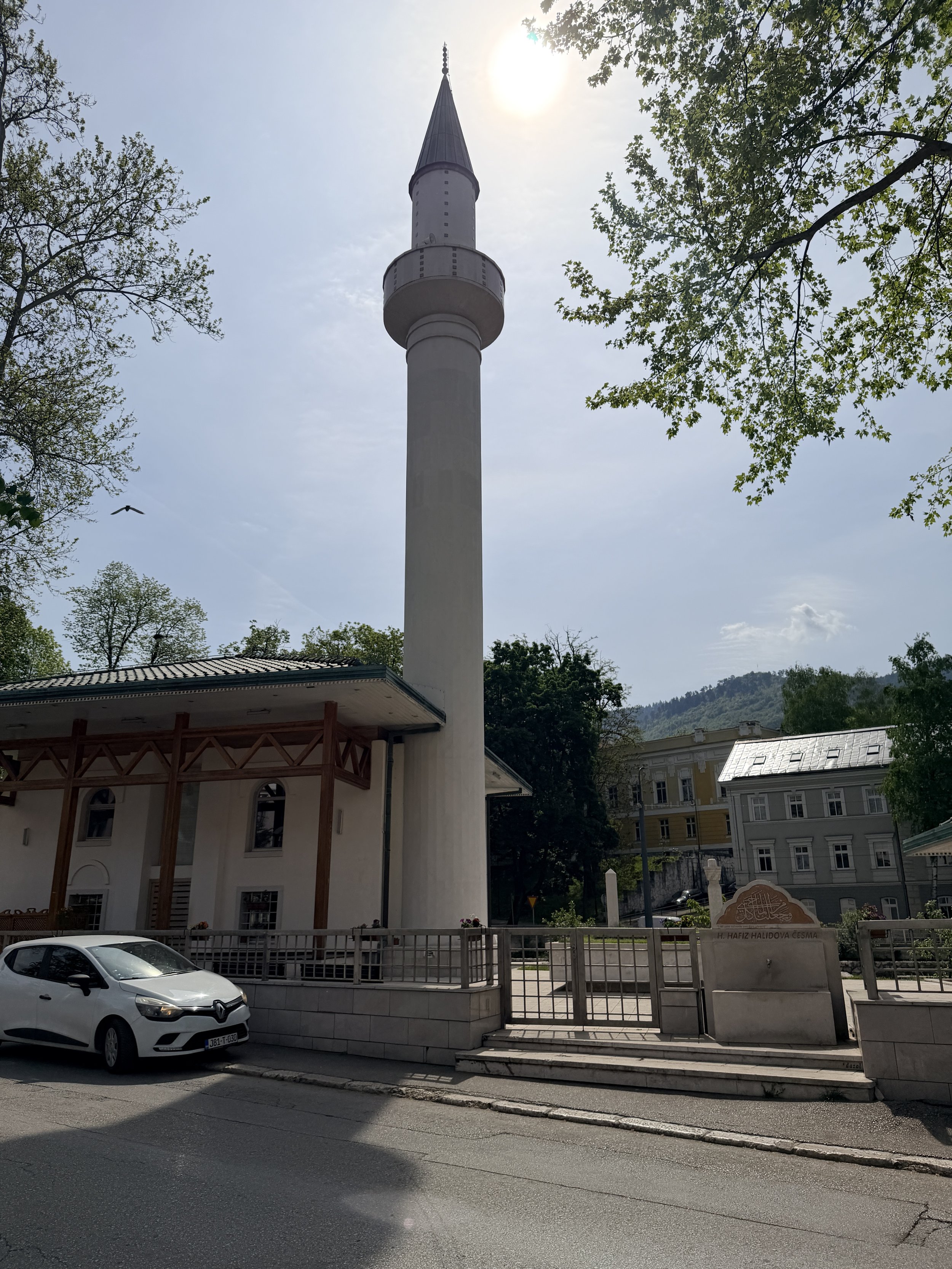
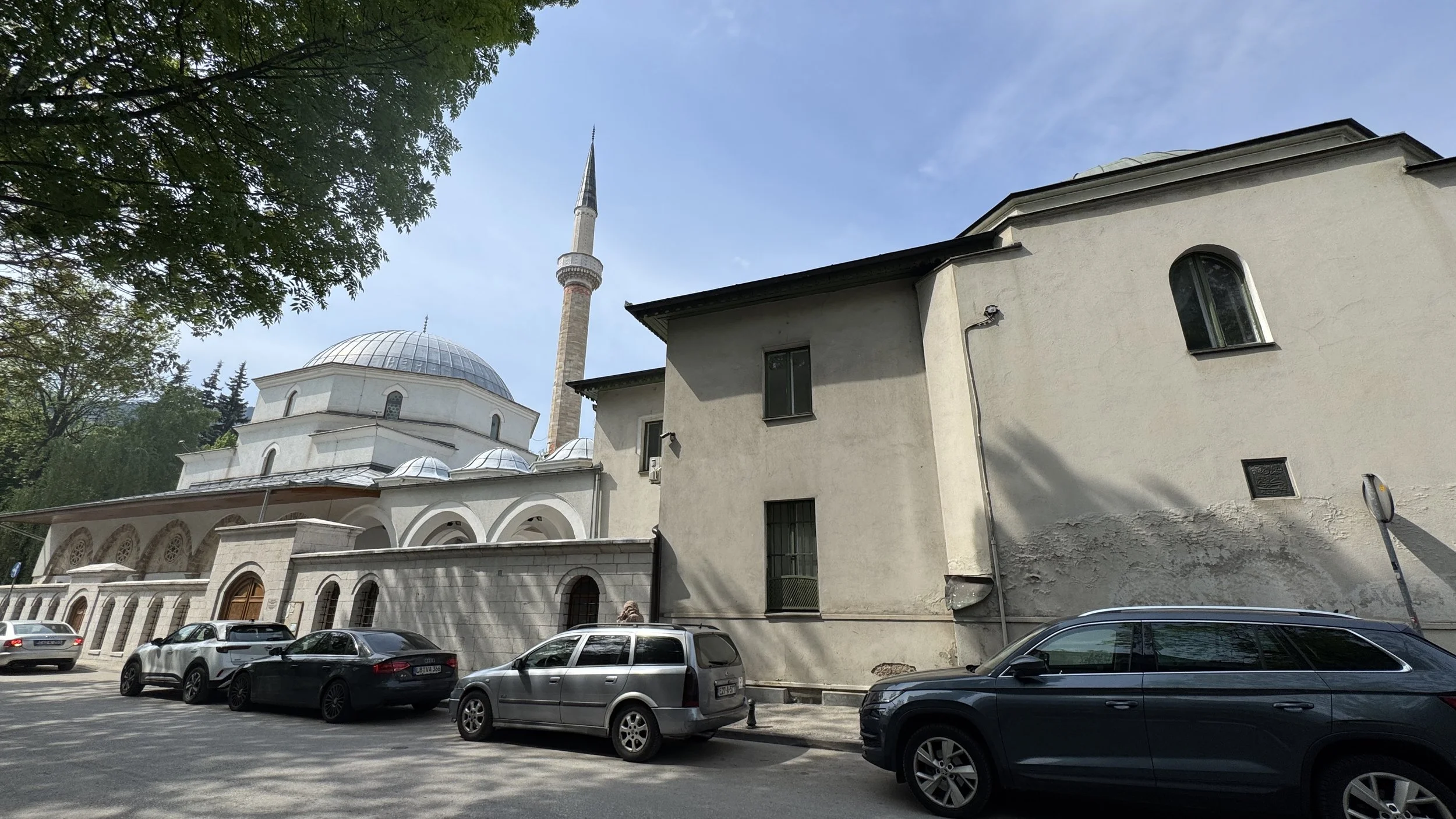
We then made a short photo stop at the Emperor’s Mosque before continuing our walk toward the lower station of the cable car. A few blocks before reaching the station, however, we realized there was still a steep uphill climb ahead. Considering our friend’s knee injury, we decided it would be wiser to take a taxi up the mountain instead.
But first things first — we took a break at a small local café for a light lunch. There we tried burek once again, and surprisingly, it turned out to be the best burek we had during the entire trip.
After lunch, we took a taxi to the 1984 Olympic site. Our driver was talkative, friendly, and clearly proud of his city. When we asked him where to find good spit-roasted lamb, he immediately recommended a restaurant, even calling ahead to confirm they still had lamb available.
At the top of the mountain, he kindly drove us farther along a rough path directly to the old Olympic bobsleigh track, saving us about ten minutes of walking. He then waited patiently while we explored the area.
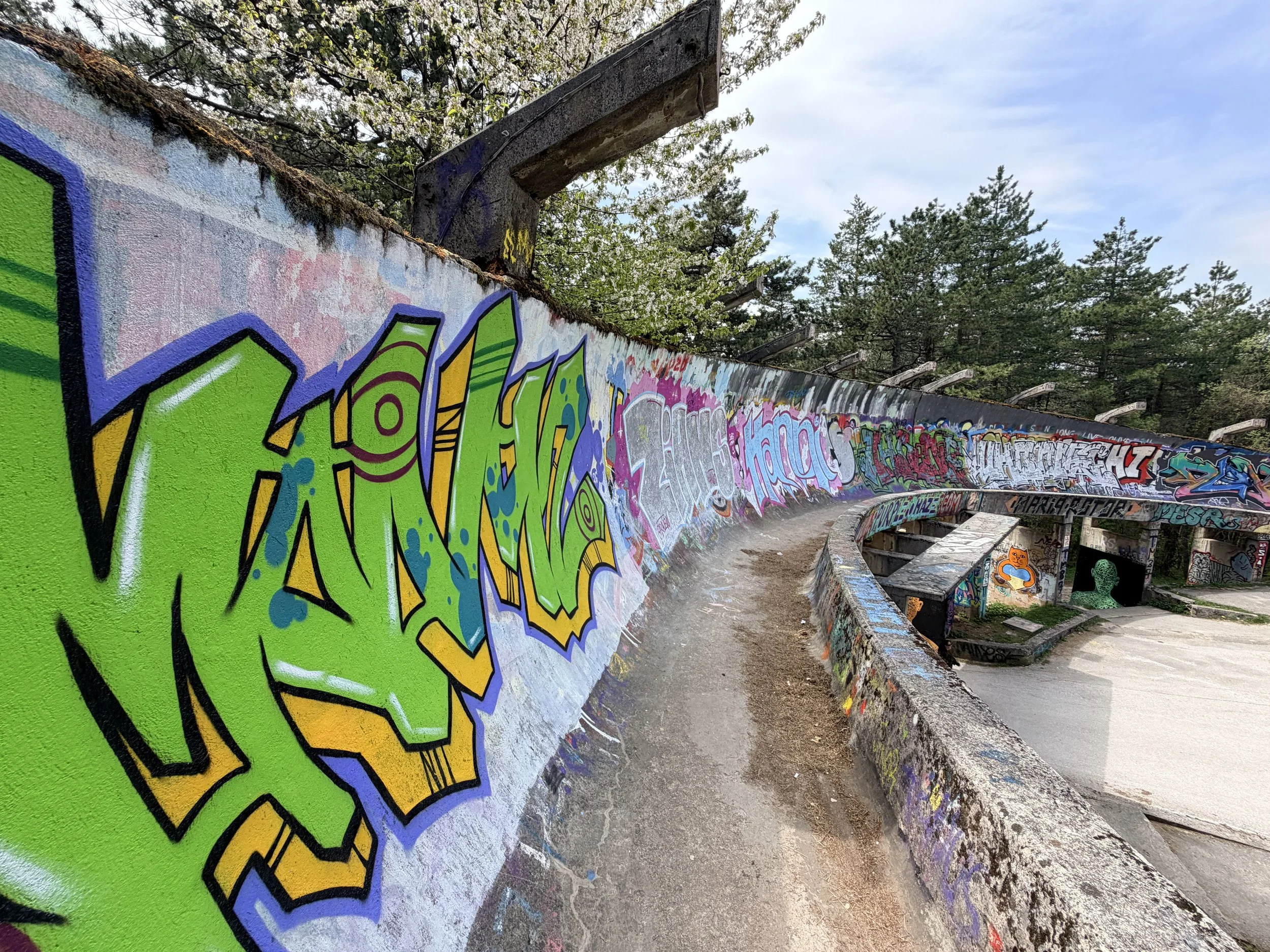
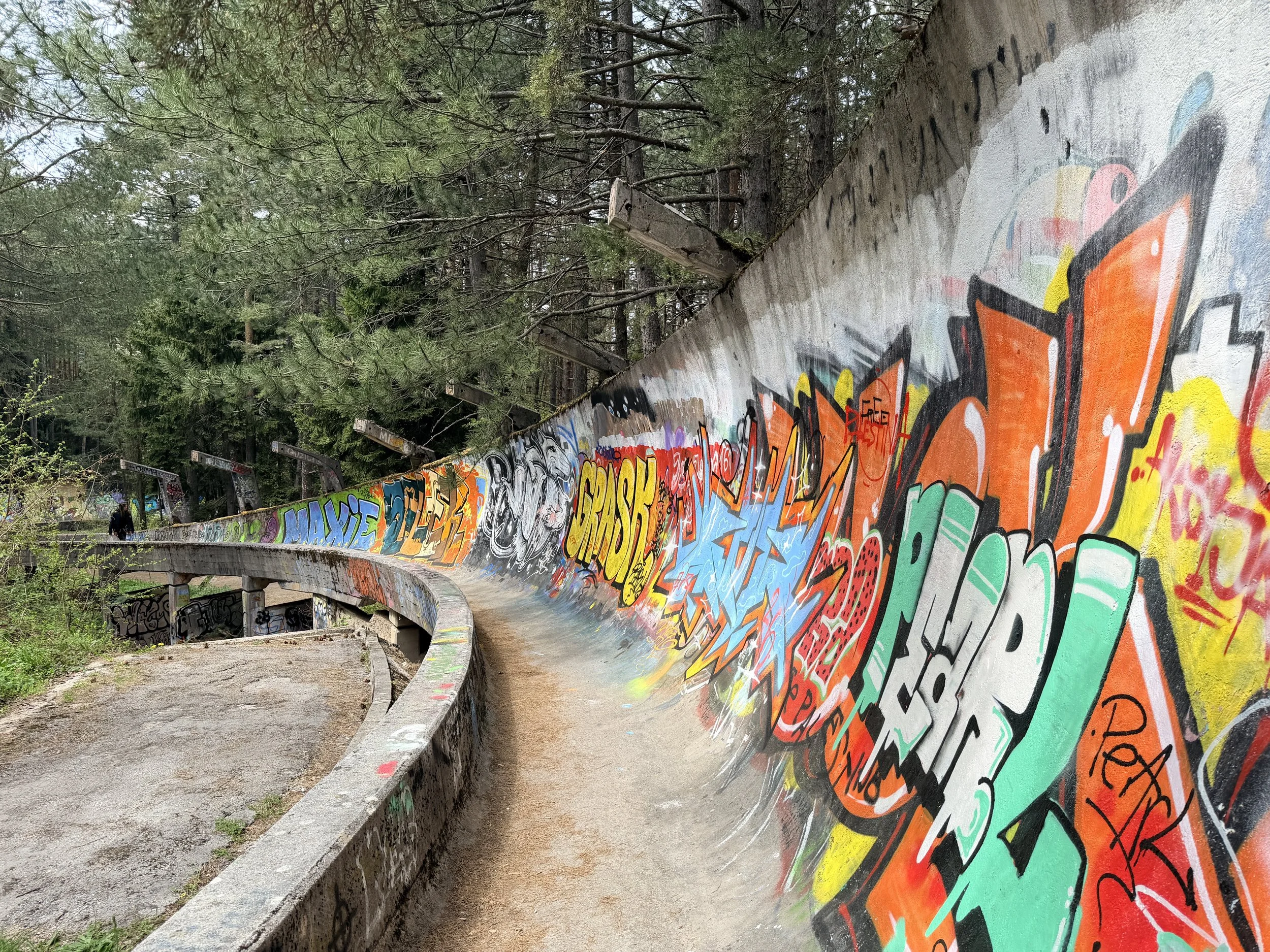
The abandoned bobsleigh track was another haunting reminder of Sarajevo’s wartime history. Originally built for the 1984 Winter Olympics, it was later heavily damaged during the siege and used as a military position. Today the concrete track is covered with colorful graffiti from artists around the world, transforming a former war-scarred site into something strangely artistic and alive again.
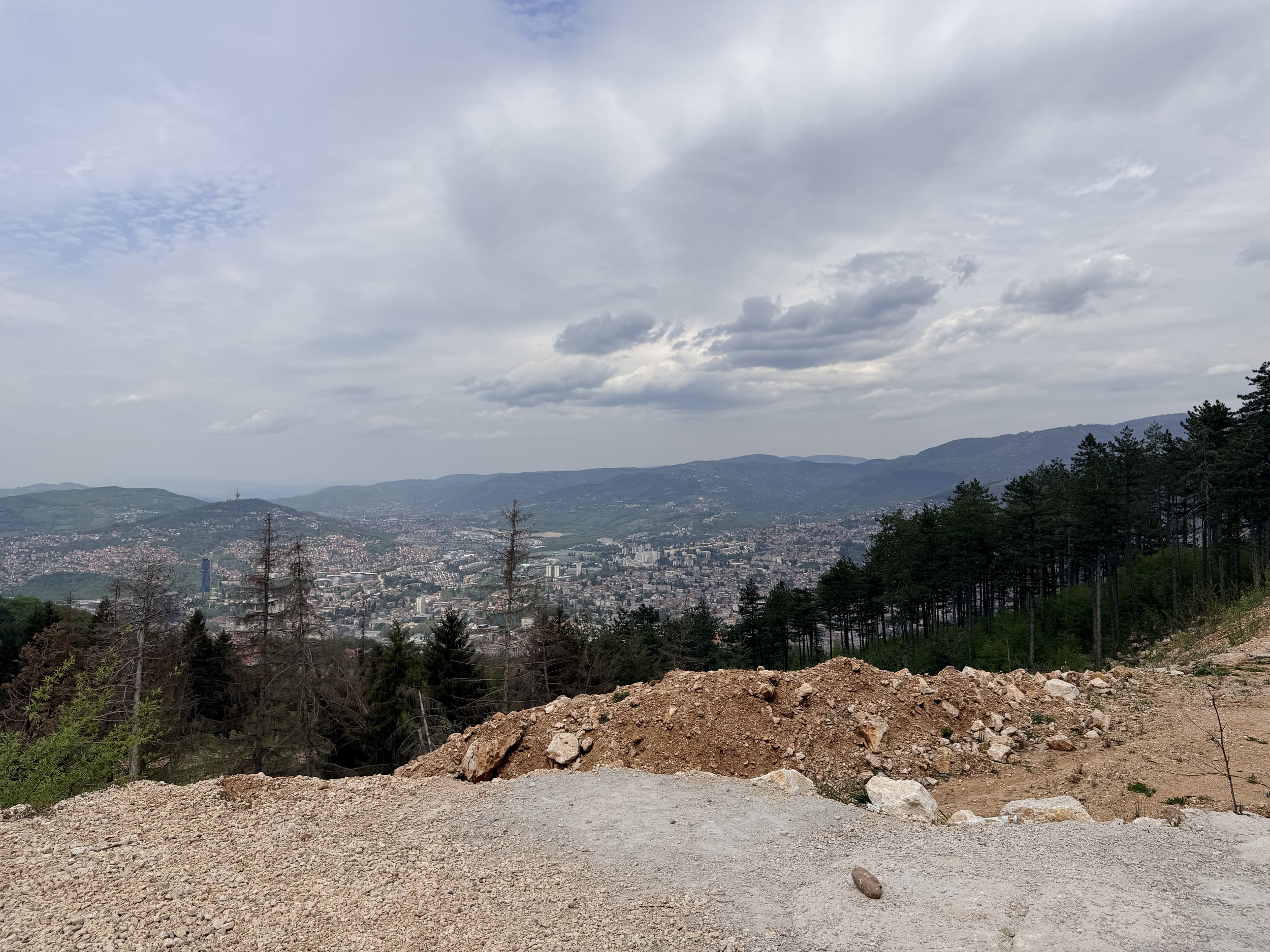
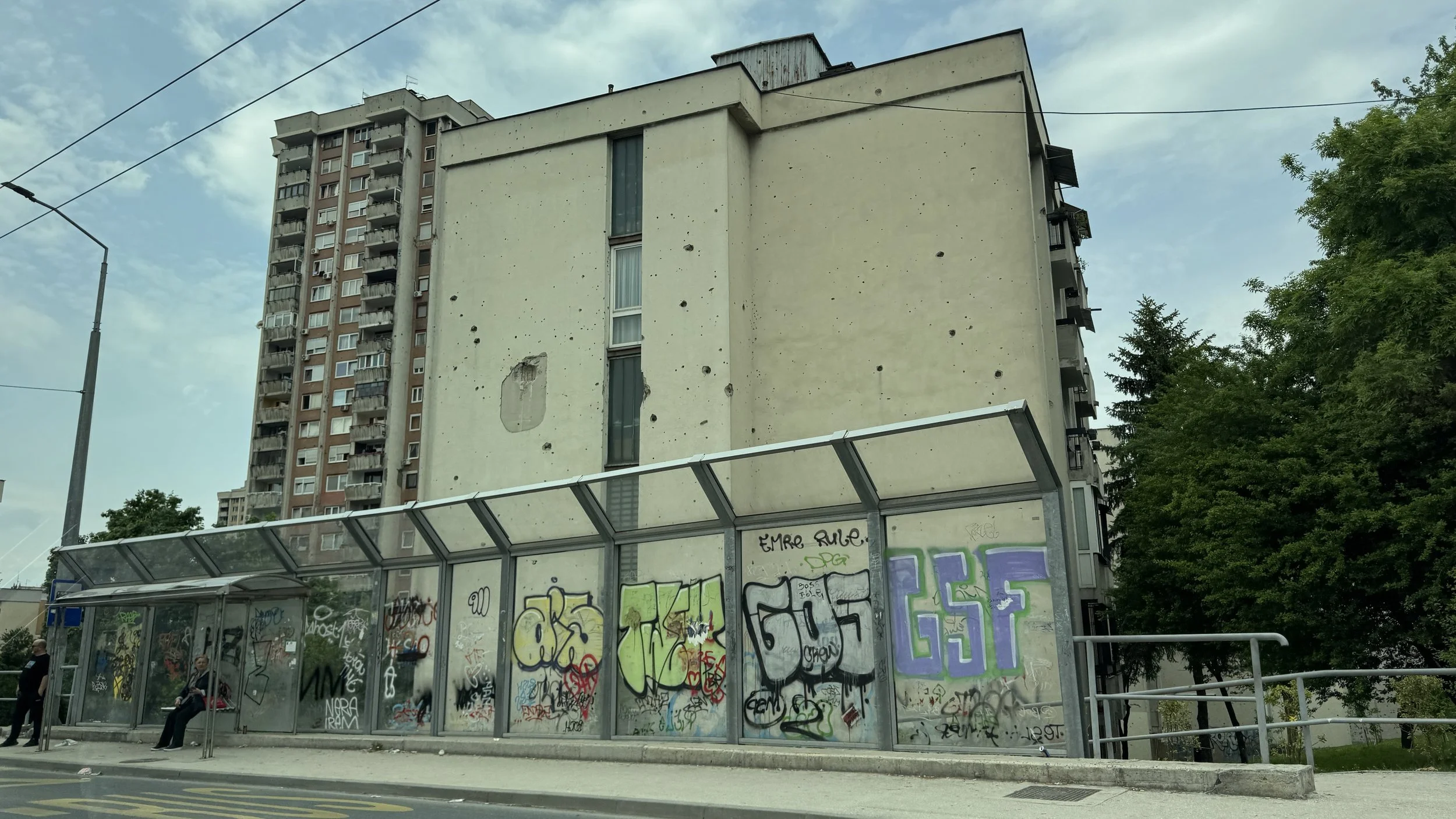
Afterward, the driver took us to the lamb restaurant. Along the way, he pointed out former sniper positions and hills from which the city had been bombarded during the siege. Once again, we were reminded how terrible and senseless the war had been.
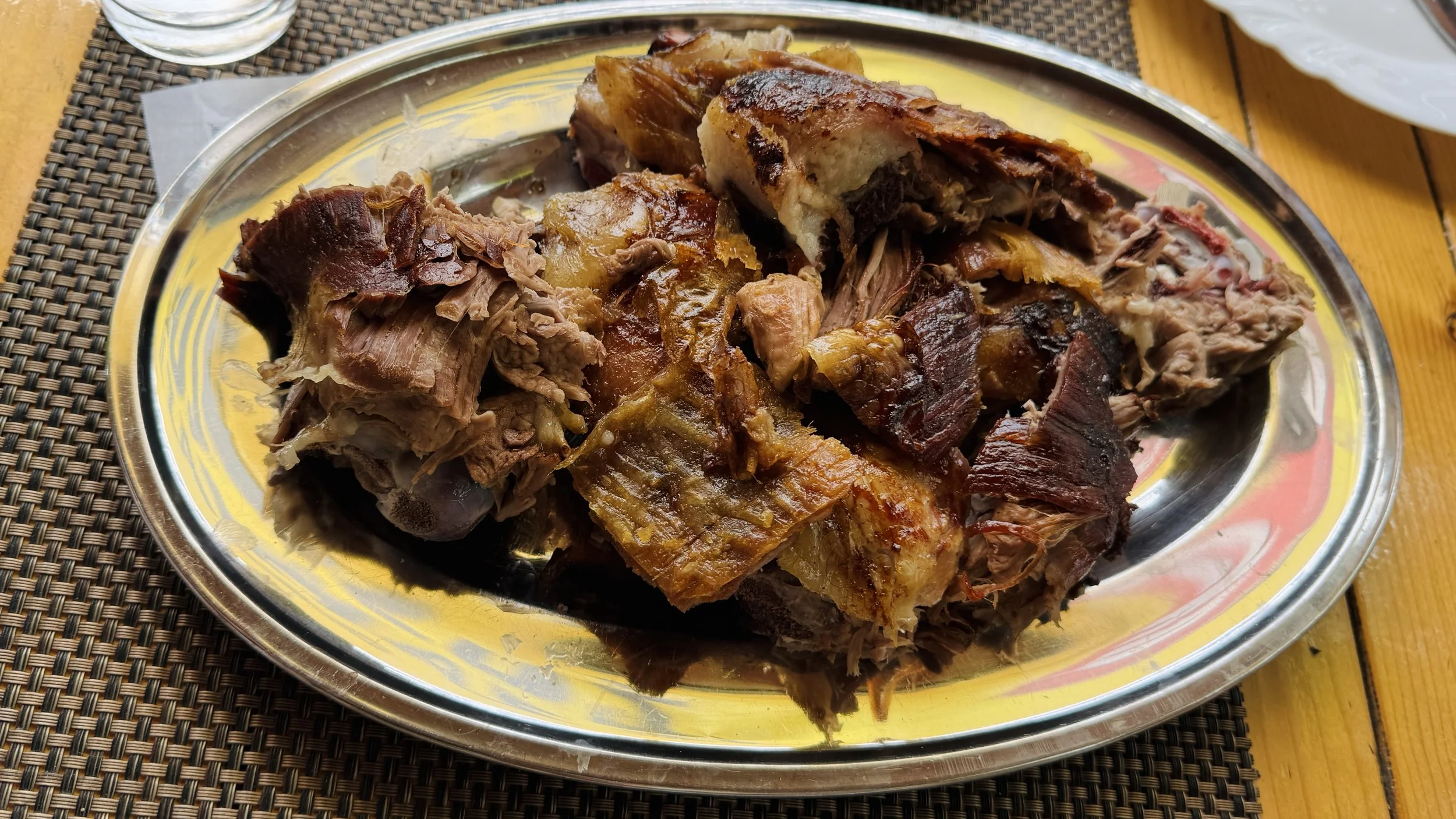
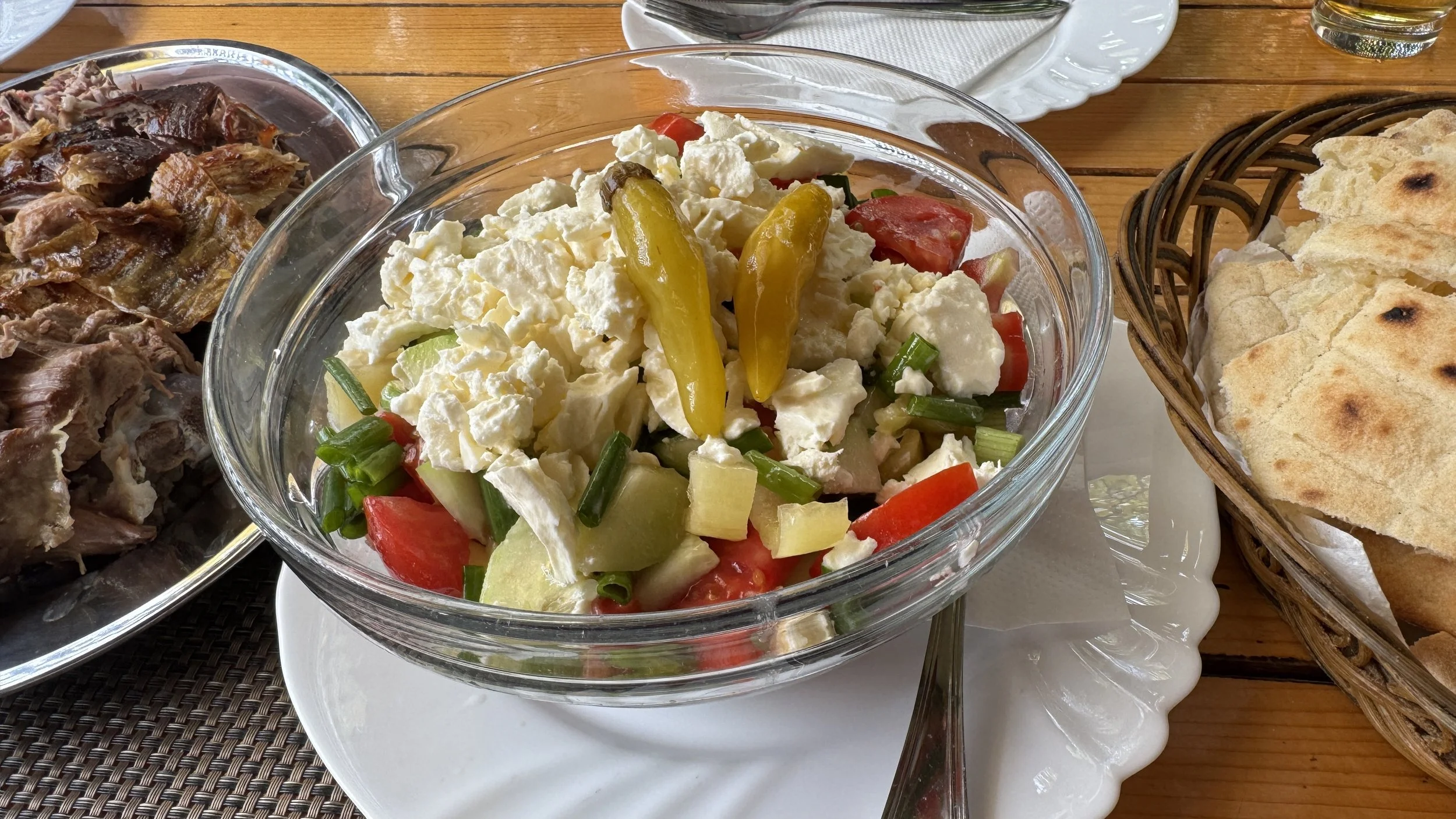
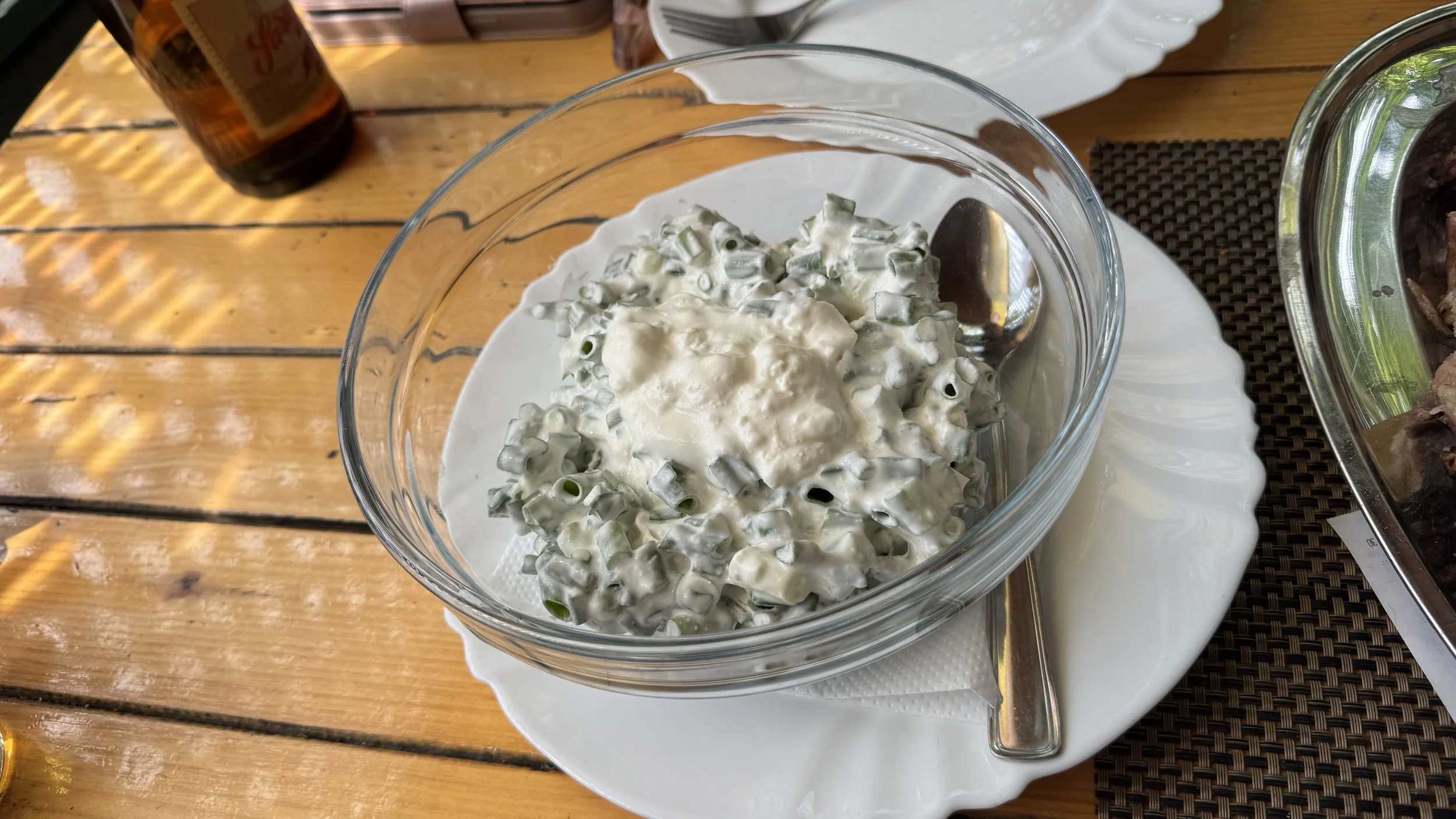
The restaurant, Stari Orah, was a century-old establishment located in an older residential neighborhood outside the tourist center. We ordered one kilogram of spit-roasted lamb along with several salads. The lamb itself was mild and simple in flavor, without heavy seasoning, letting the natural taste of the meat stand out. The atmosphere there felt completely different from the busy Old Town. Almost all the customers were older local men quietly eating and chatting together. In the end, we managed to finish the entire kilogram of lamb.
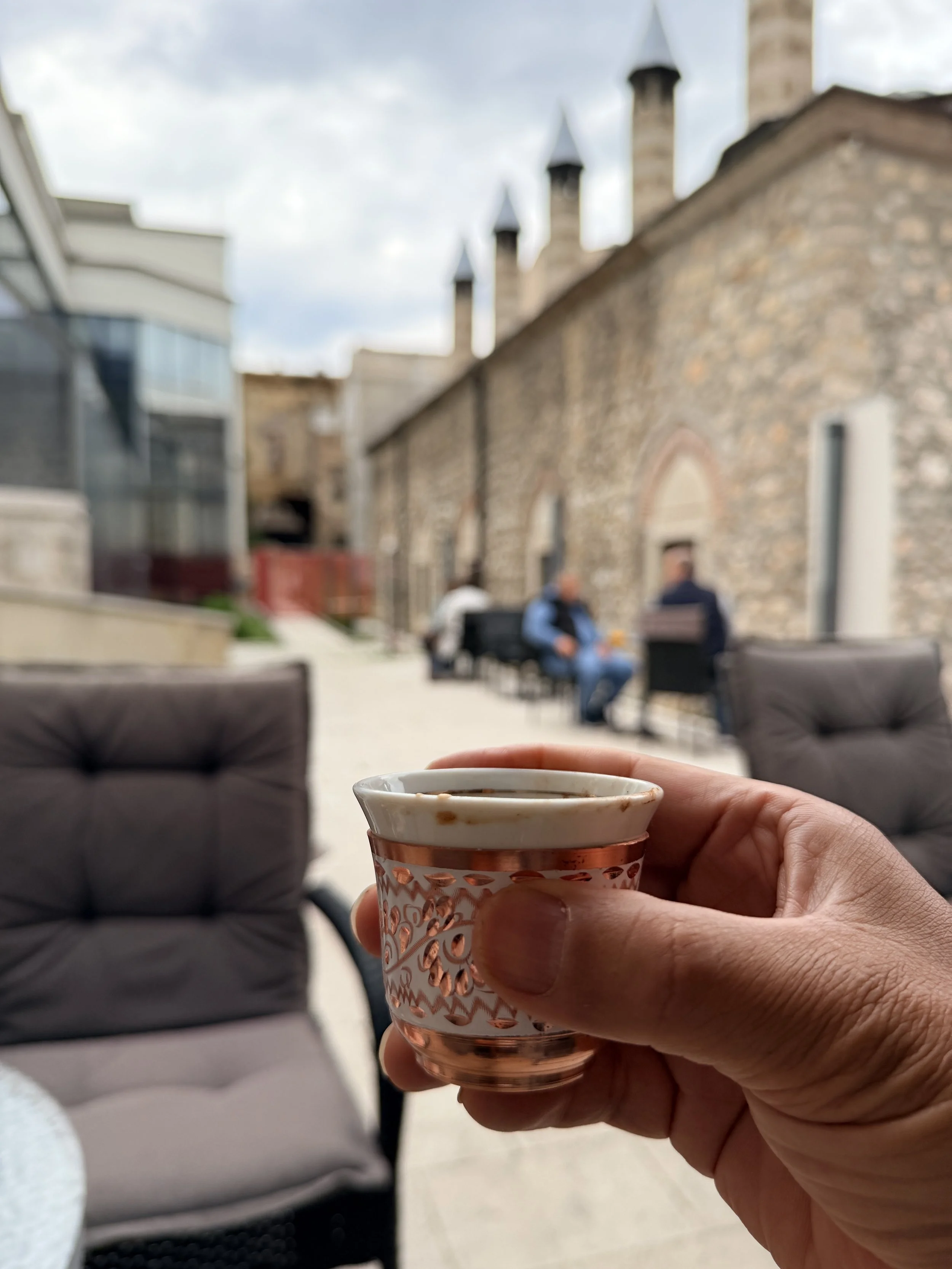
The same driver later picked us up and brought us back to the Old Town once again. Before ending the day, we visited the library of the mosque, our final landmark in Sarajevo. Tomorrow, we would move on once again.
2026年4月29日
今天继续逛萨拉热窝。我们先去了萨拉热窝著名的“永恒之火”(Vječna vatra)。这座纪念碑建于二战结束后,火焰长年燃烧,纪念在战争中牺牲的人们。然后走到东正教教堂(Orthodox Church),随后沿着米利亚茨卡河(Miljacka River)上的几座桥来回散步,欣赏老城区景色。城里地面上常能看见”萨拉热窝玫瑰”(Sarajevo Roses),每一处“玫瑰”都代表波黑战争中曾有人在这里遇难,是这座城市对战争伤痛的无声纪念。
在1990年代的波黑战争期间,萨拉热窝遭受了严重破坏,长期围城造成大量平民伤亡。其中最令人痛惜的建筑之一,就是萨拉热窝市政厅(Vijećnica)。这座建筑在1992年的炮火中被焚毁,后来经过多年修复,才重新恢复昔日风貌。修复过程中,建筑尽量保留并整合了原有的部分结构,如今重新开放的市政厅,不仅是萨拉热窝最美丽的地标之一,也象征着这座城市经历战争后的重生与坚韧。
整座建筑的设计极为华丽。它建于奥匈帝国时期,采用伪摩尔式(Pseudo-Moorish)建筑风格,外墙布满鲜艳的几何图案、拱门与繁复装饰,在周围建筑中显得格外醒目。走进内部,中庭高高挑起,顶部是巨大的玻璃天窗,两侧对称楼梯向上延伸,墙壁与天花板上布满精细彩绘与装饰图案。伊斯兰、拜占庭与欧洲建筑元素融合在一起,形成一种非常独特的气氛,与我们以往参观过的任何市政厅都不太一样。馆内还举办了一场关于战争罪审判的展览,再次提醒人们这座城市曾经历过的苦难。
之后我们在皇帝清真寺(Emperor’s Mosque)稍作停留拍照,然后继续步行前往缆车站准备去山上。可走到距离车站还有几条街时,我们才发现前方还需要爬一段相当陡的上坡台阶。考虑到朋友的膝盖受伤,我们决定改乘出租车上山。
不过,第一件事还是先满足一下自己的胃,于是我们就近在一家小餐厅吃了简单午餐,点了一些不同口味的波黑传统馅饼(Burek)。没想到,这竟成了我们整个旅途中吃到最好吃的一次Burek。
午餐后,我们搭乘出租车前往山上的1984年冬奥会遗址。司机非常健谈,也很热情,对自己的城市显然十分自豪。到达山顶后,他又特意沿着一条小路直接把我们送到冬奥会雪车滑道(Bobsleigh Track)旁边,替我们省去了大约十分钟的步行路程。之后他就在原地等我们慢慢参观。
废弃的雪车滑道同样是战争留下的伤痕之一。这里原本是1984年萨拉热窝冬奥会的重要比赛场地,后来在围城期间被军队占据并遭到严重破坏。如今,整个混凝土滑道上布满了来自世界各地的涂鸦艺术作品,让这个曾经充满战争痕迹的地方,又重新带上了一种奇特而鲜活的生命力。
当我们问起司机哪里能吃到烤全羊时,他立刻推荐了一家餐厅,甚至还主动帮我们打电话确认当天是否还有羊肉供应。之后,司机载我们前往那家烤羊餐厅。一路上,他不断指着山坡与建筑,告诉我们当年哪些地方是狙击手位置,哪些地方曾用来炮击城市。战争虽然早已结束,但这些痕迹依然存在,也再次提醒我们那段历史有多么残酷。
这家名为“Stari Orah”的小餐厅已有一百多年历史,位于一片远离游客区的老社区里。我们点了一公斤烤羊肉以及几份沙拉。羊肉的味道比较清淡,没有太多调味,更强调肉本身的风味。餐厅里的气氛也与热闹的老城区完全不同,几乎所有顾客都是当地年长男性,大家吃饭,喝咖啡聊天,充满了一种真实的日常生活气息。最后,我们竟然把整整一公斤羊肉全部吃完了。接着司机又赶来餐厅,把我们送回老城区。
当天最后我们参观了清真寺的图书馆,这也是我们在萨拉热窝参观的最后一个景点。明天,我们又将继续踏上新的旅程。