Kota Kinabalu, East Malaysia 东马的哥打京那巴鲁
March 7, 2026
Today we had an even earlier shore excursion than yesterday,……
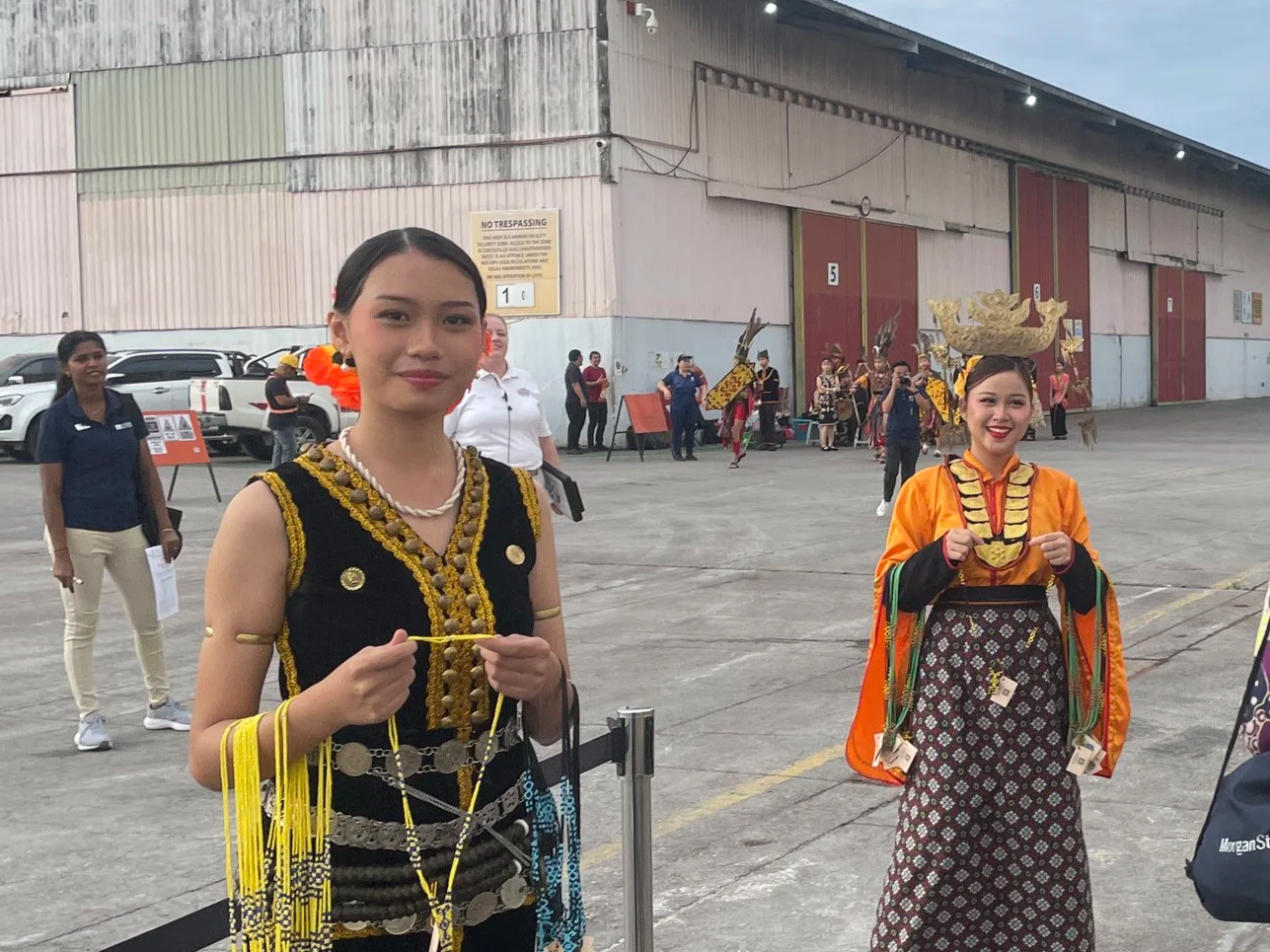
今天我们的船来到了东马的哥打京那巴鲁。。。
March 7, 2026
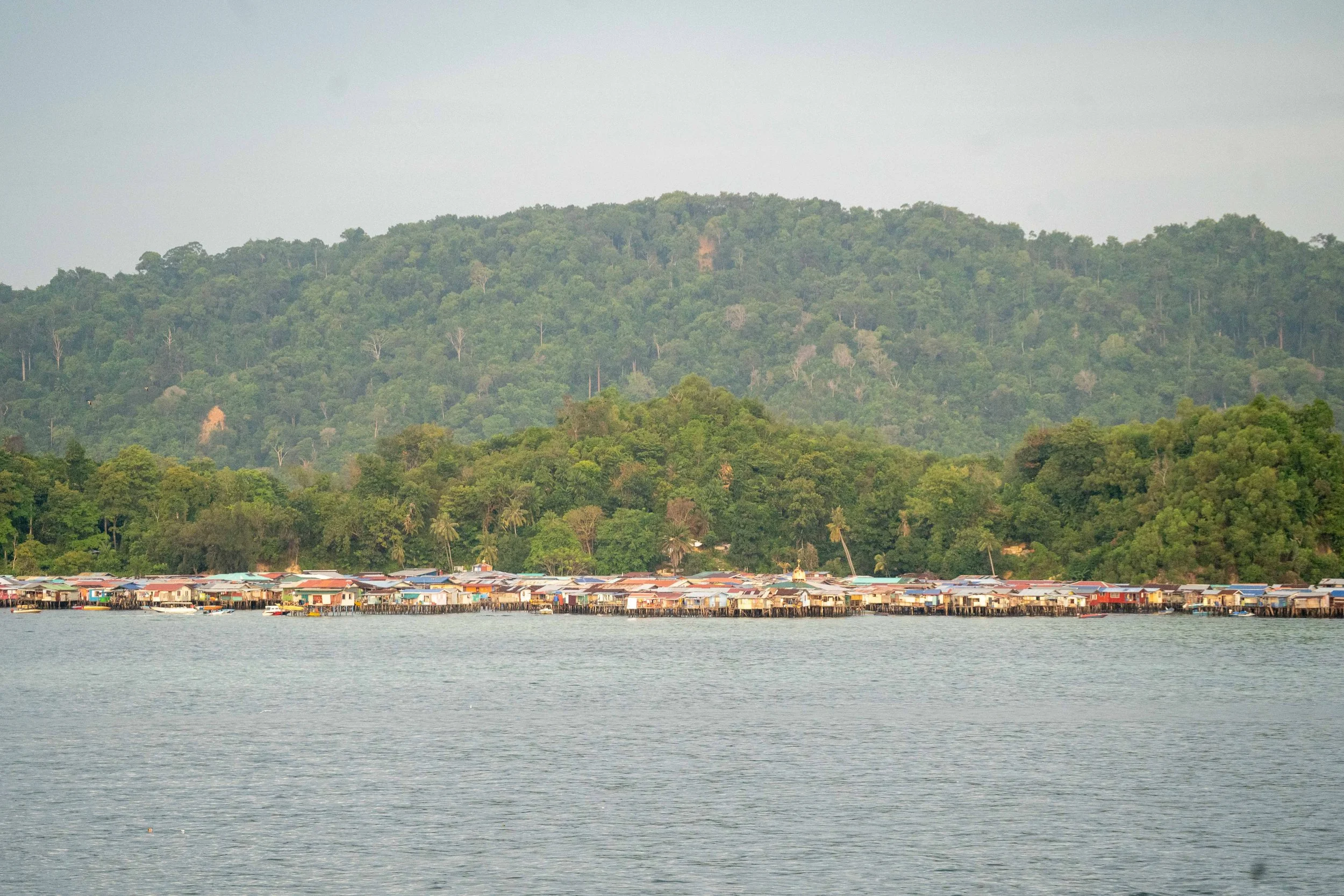
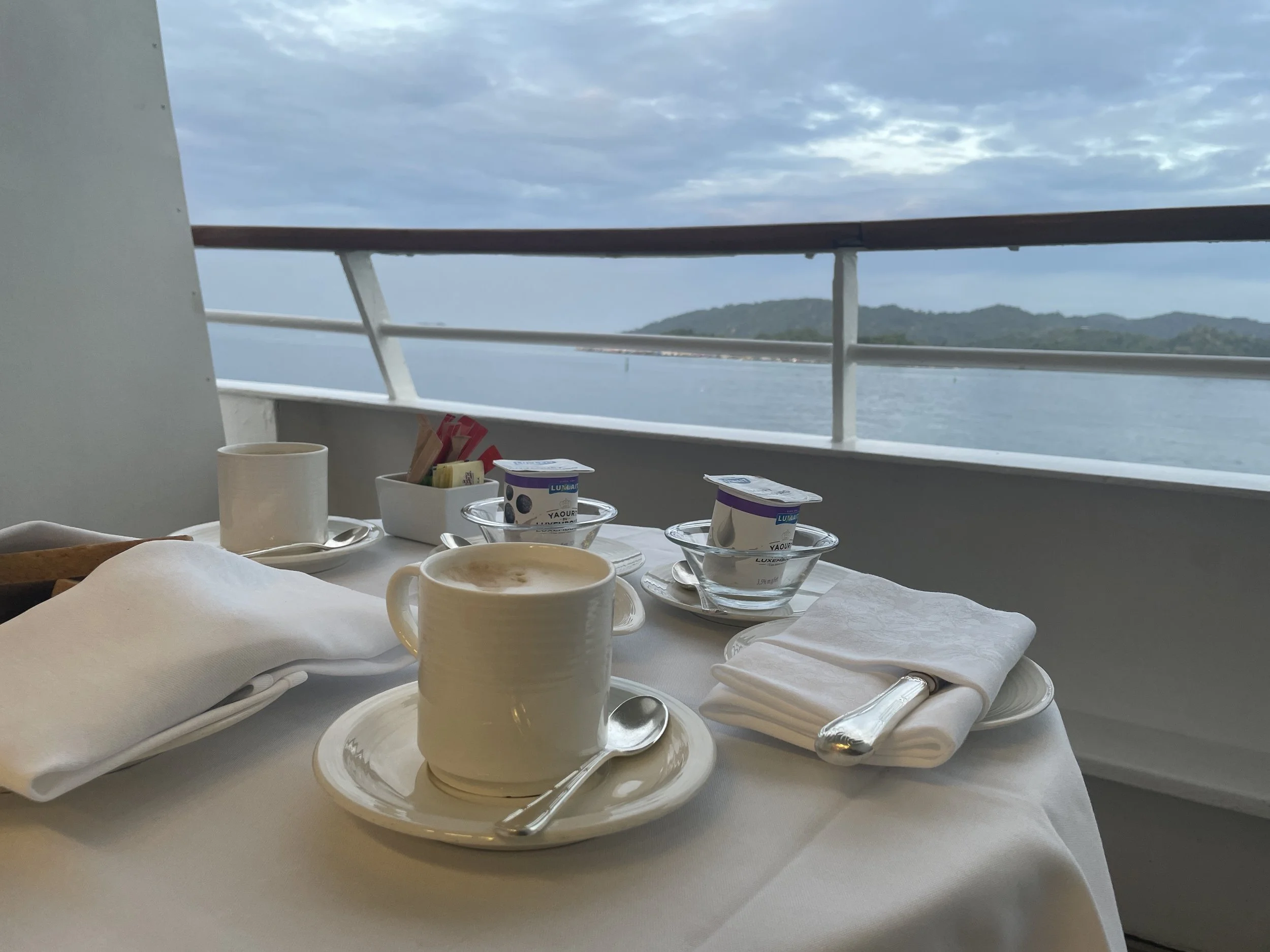
Today we had an even earlier shore excursion than yesterday, so we had breakfast on the balcony before 7 a.m.
The two of us joined different excursions today — one to Kinabalu Park and the other exploring Kota Kinabalu city.
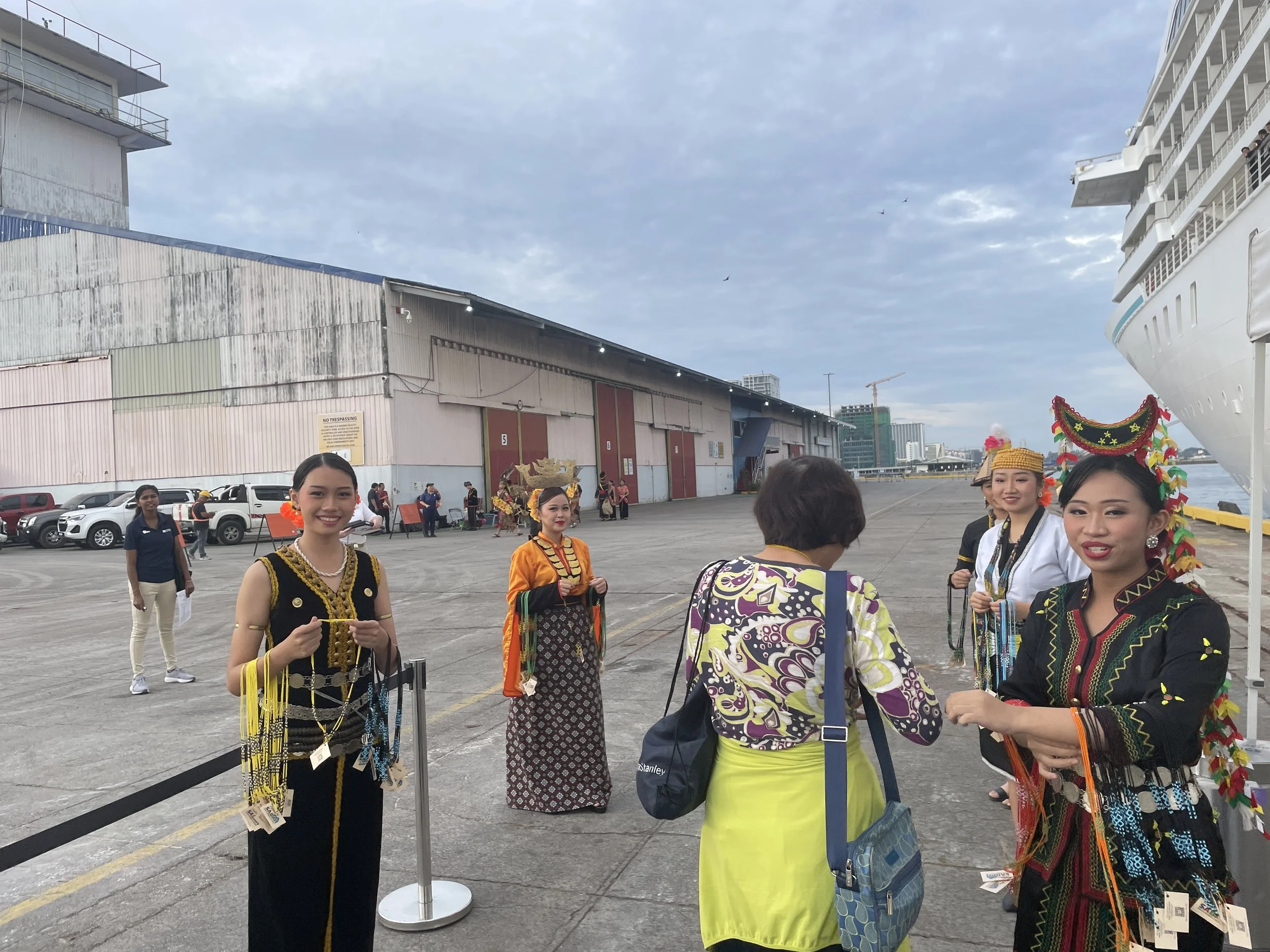
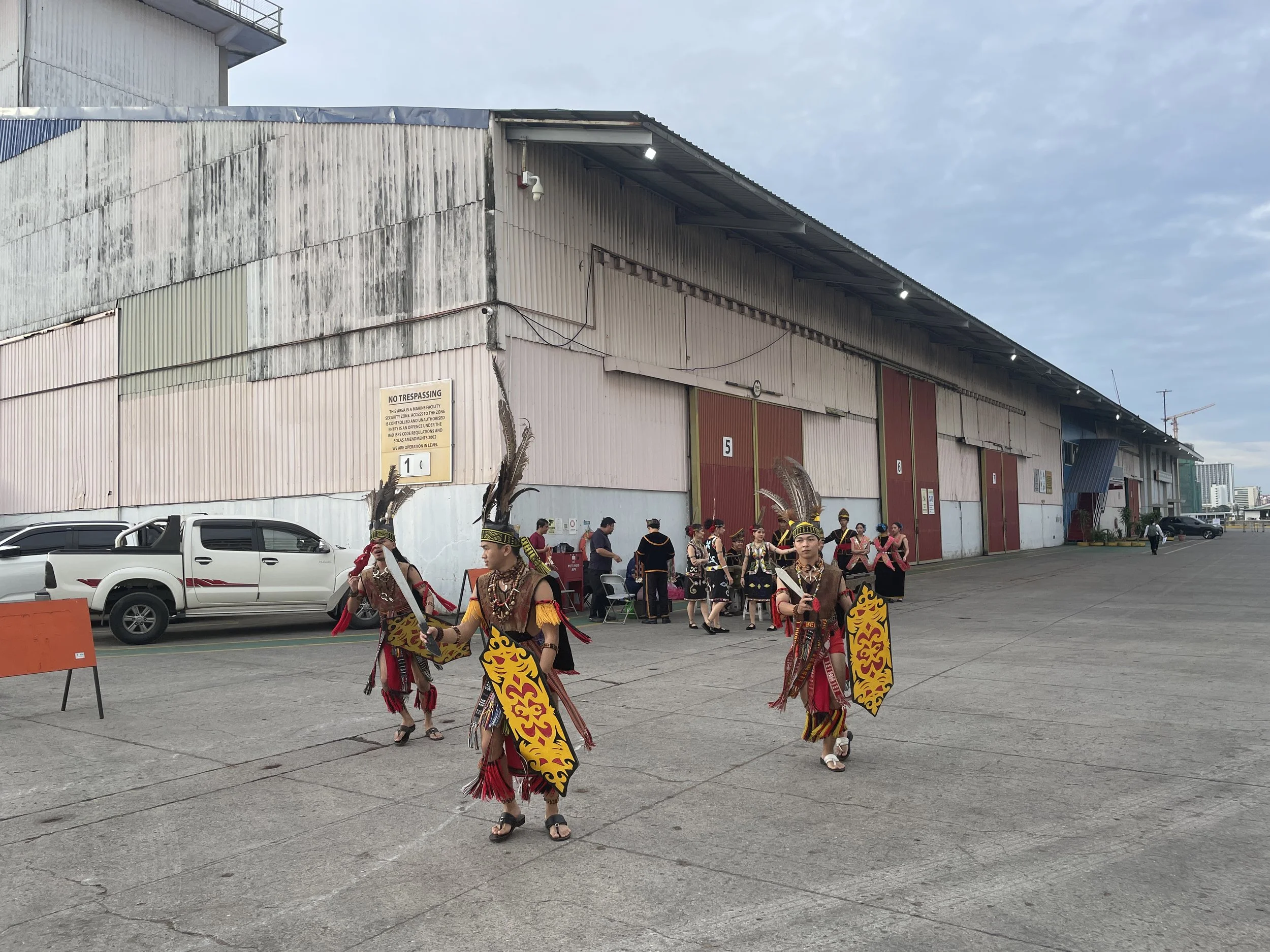
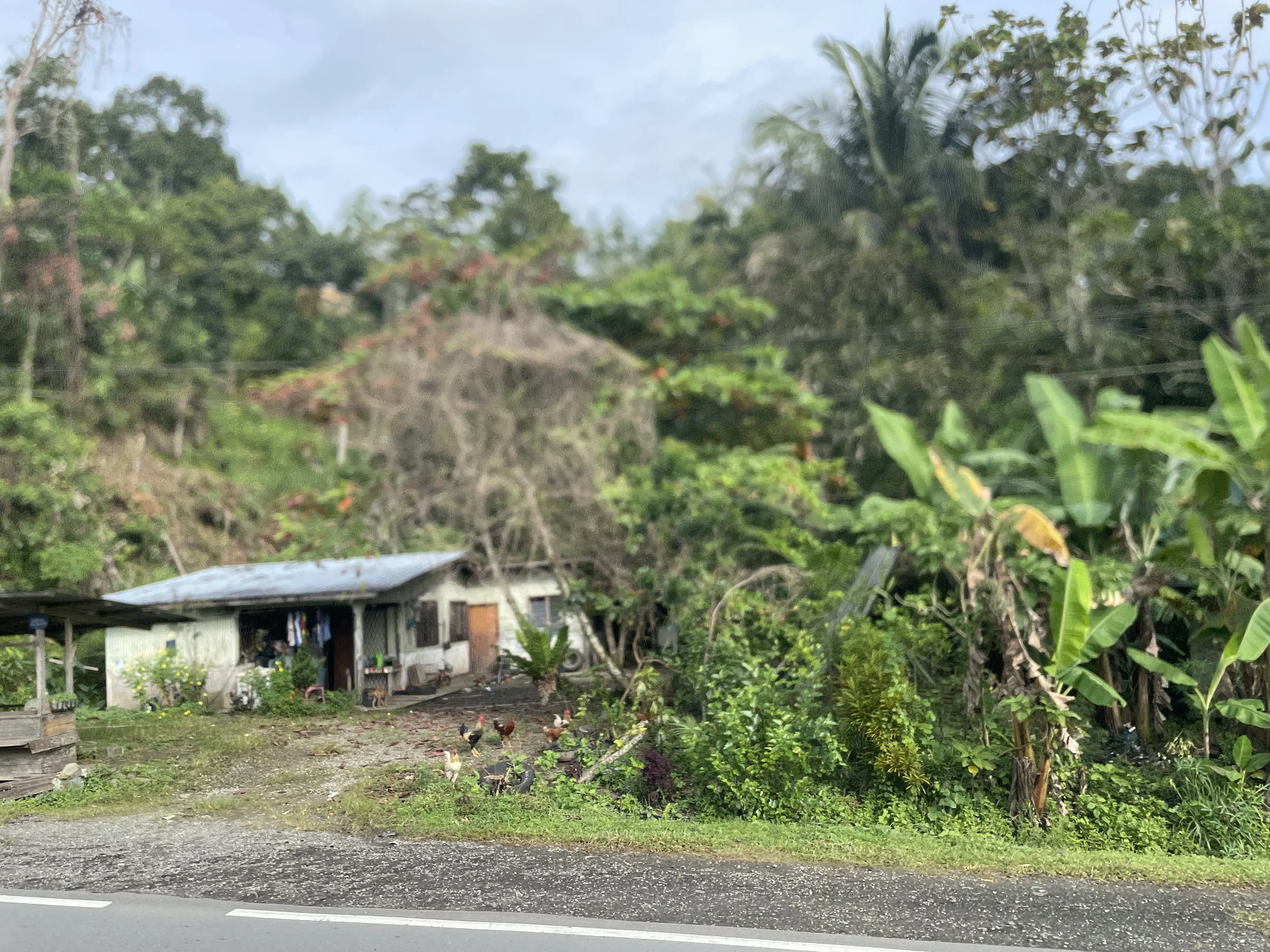
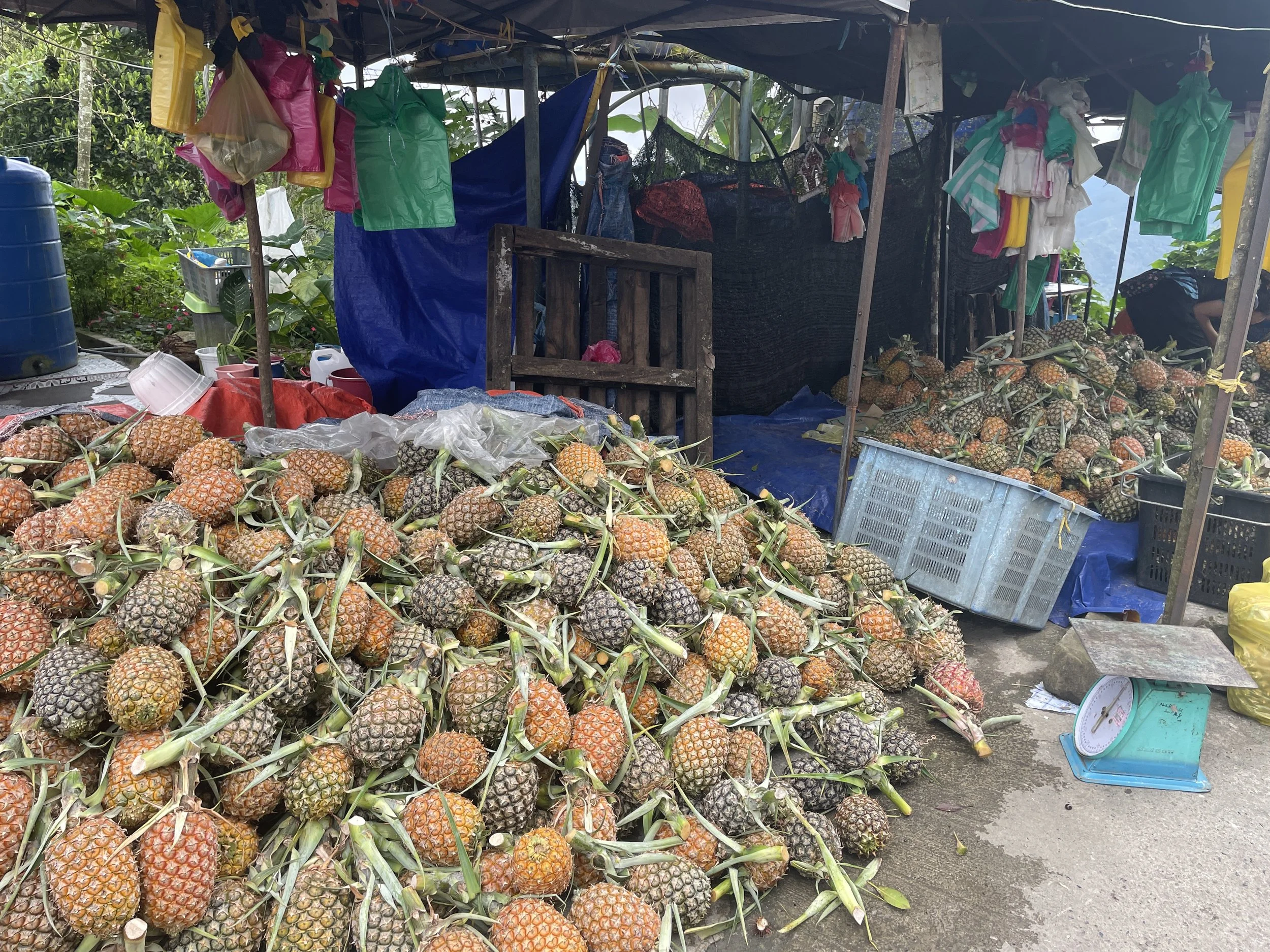
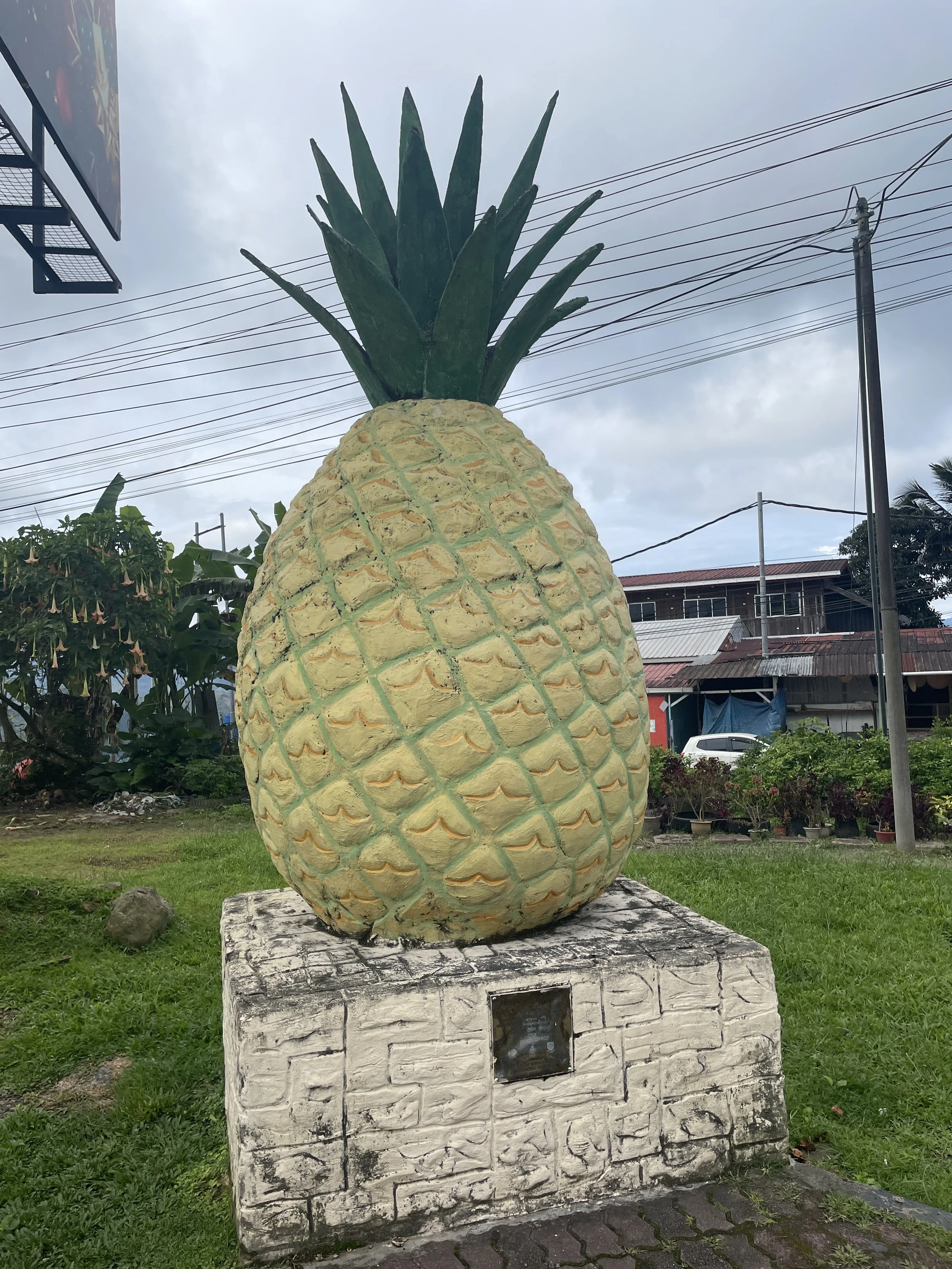
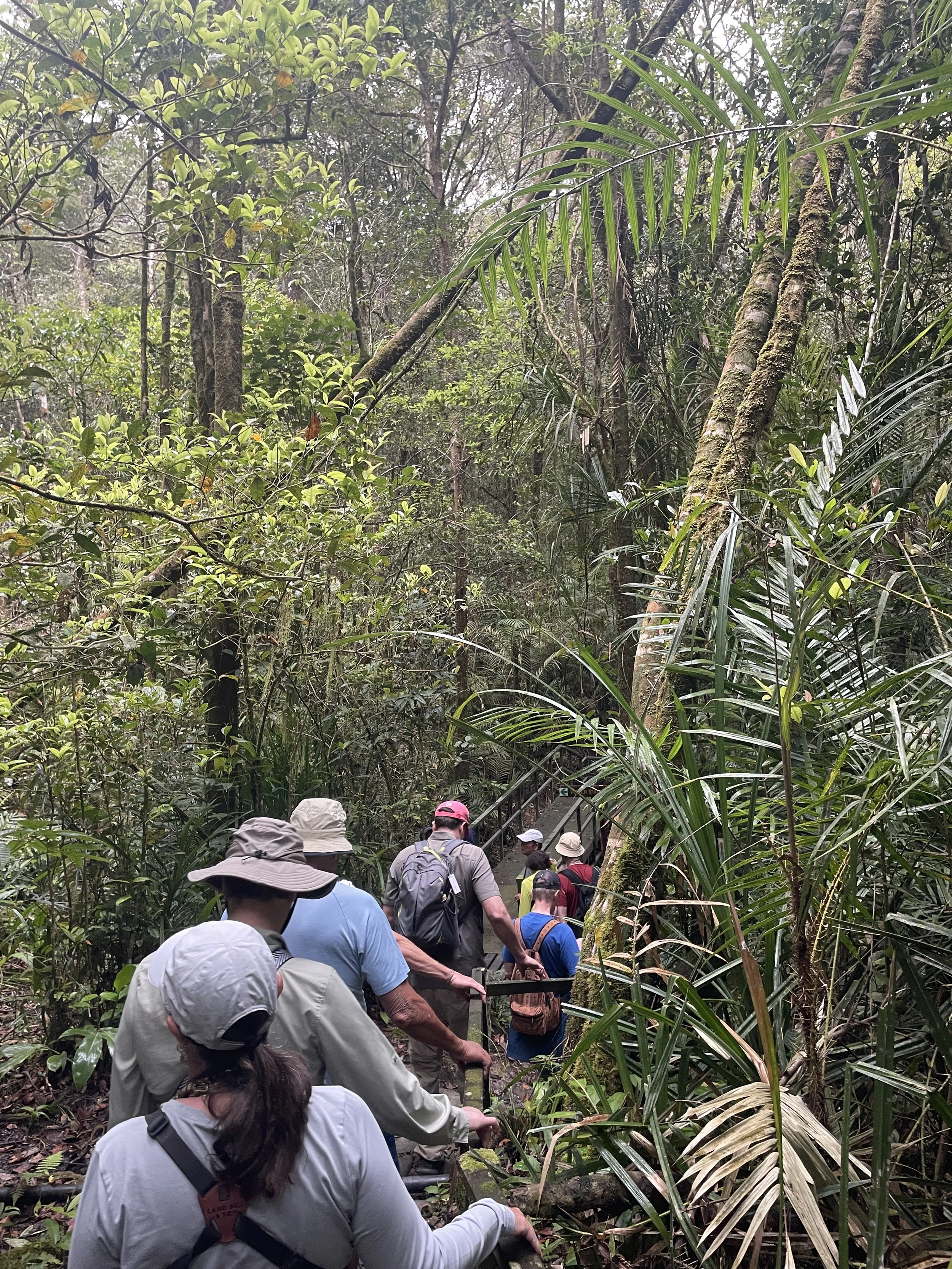
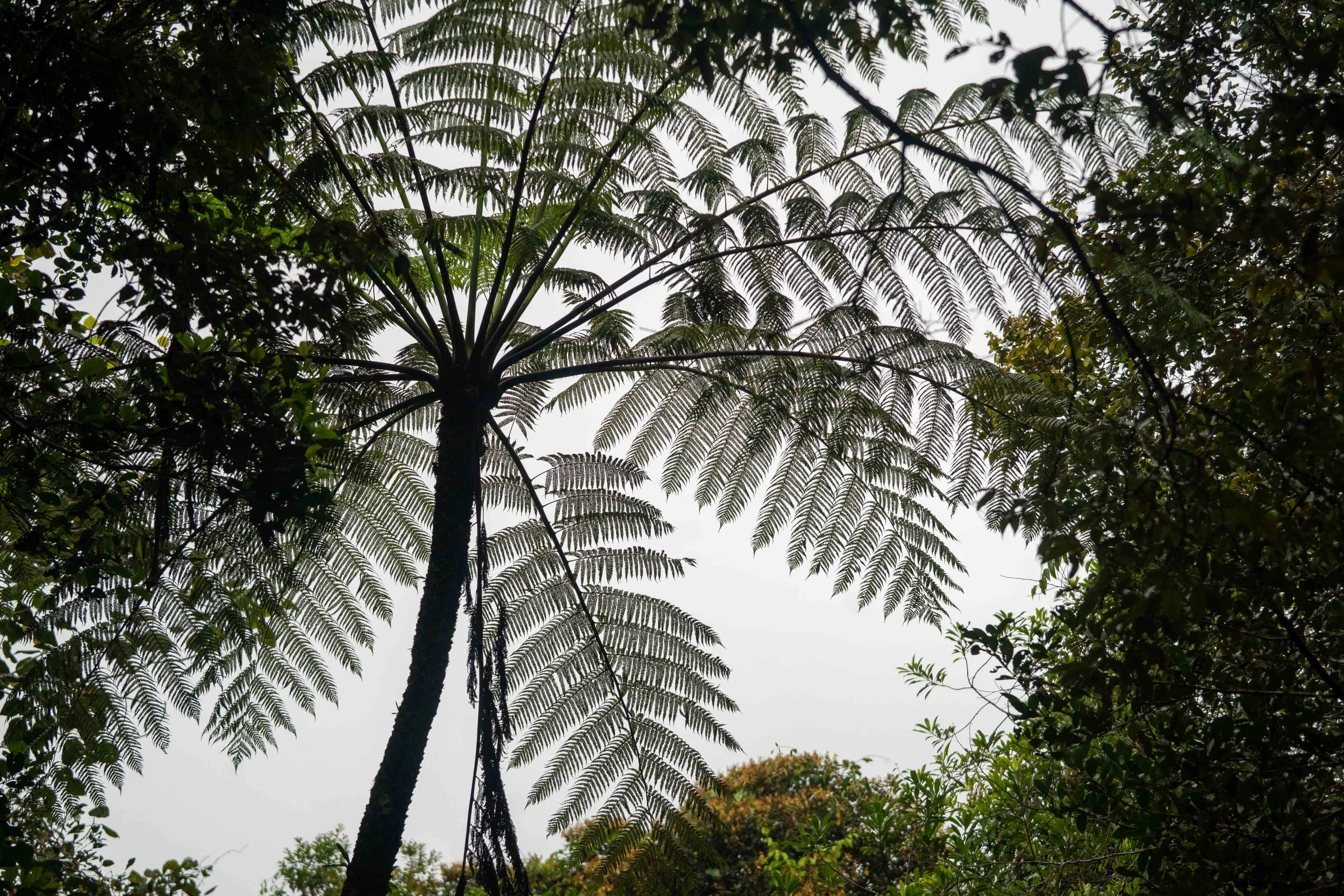
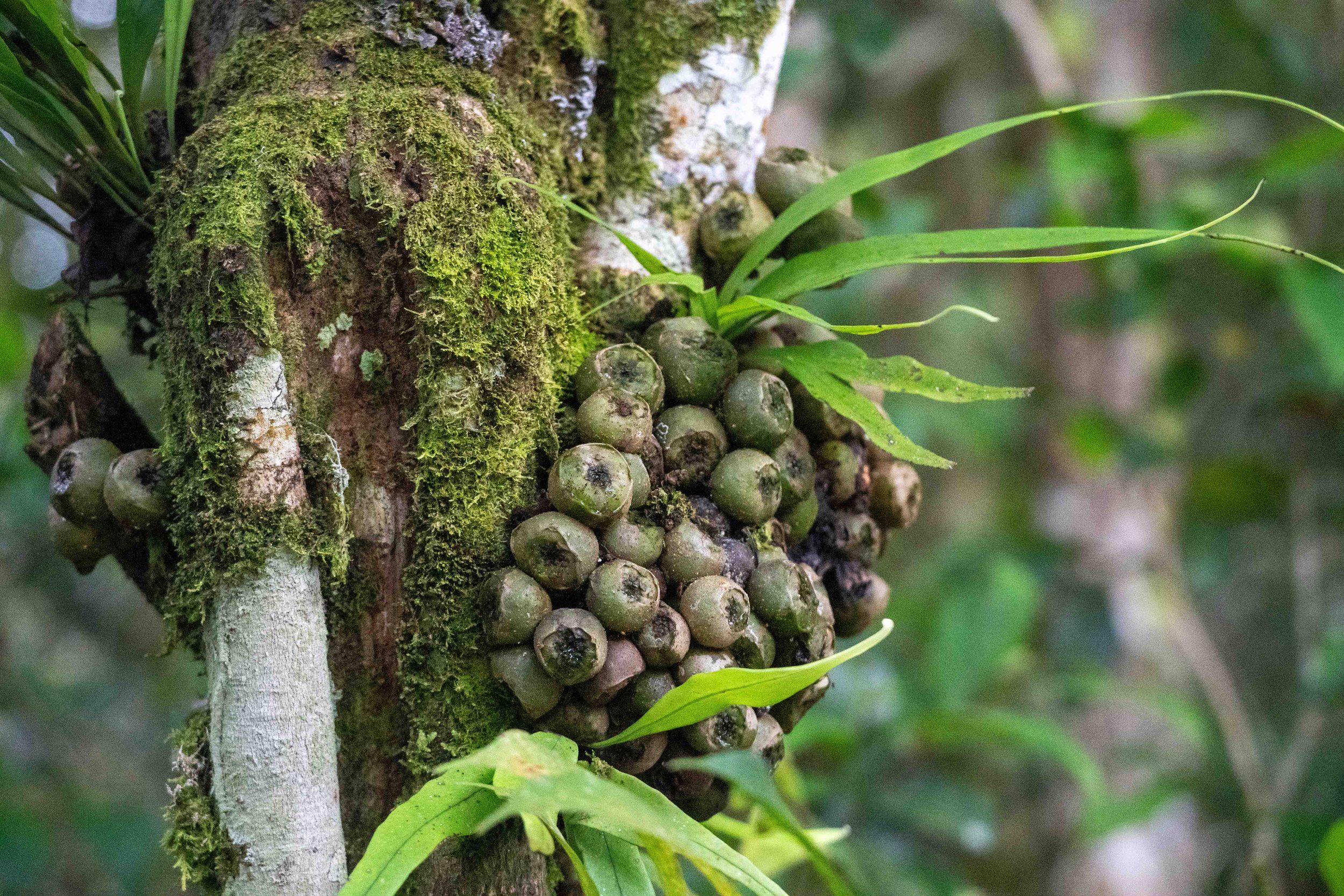
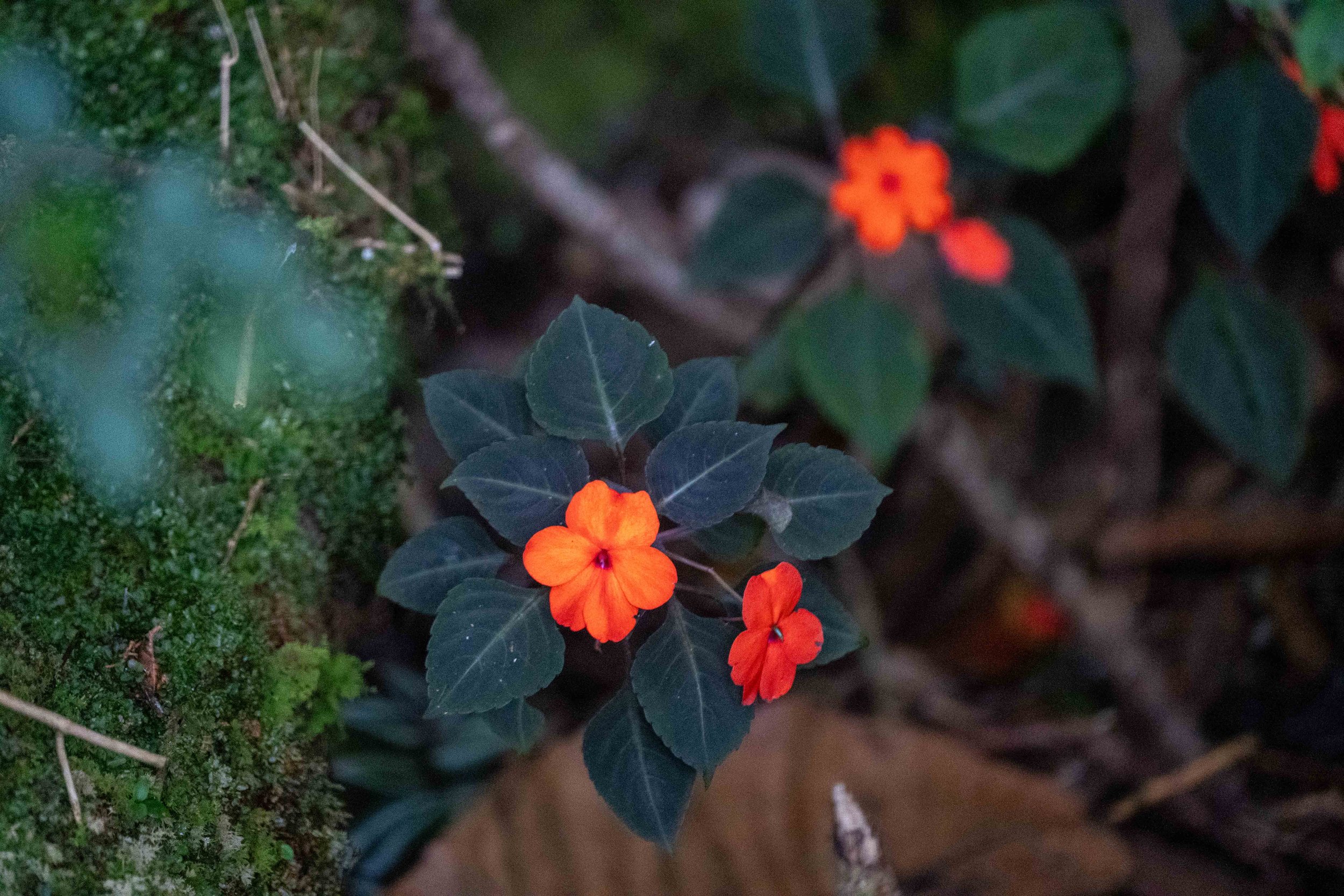
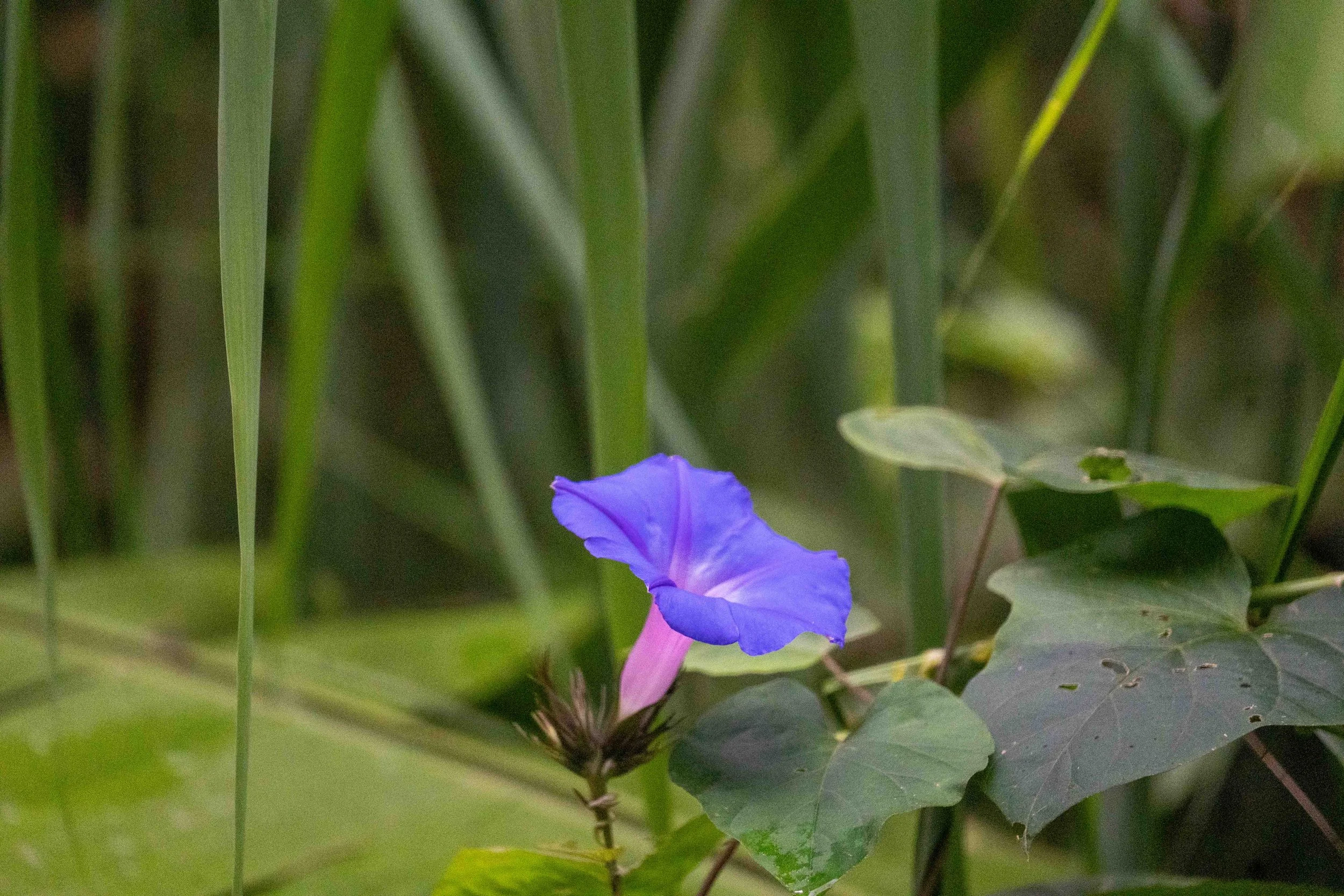
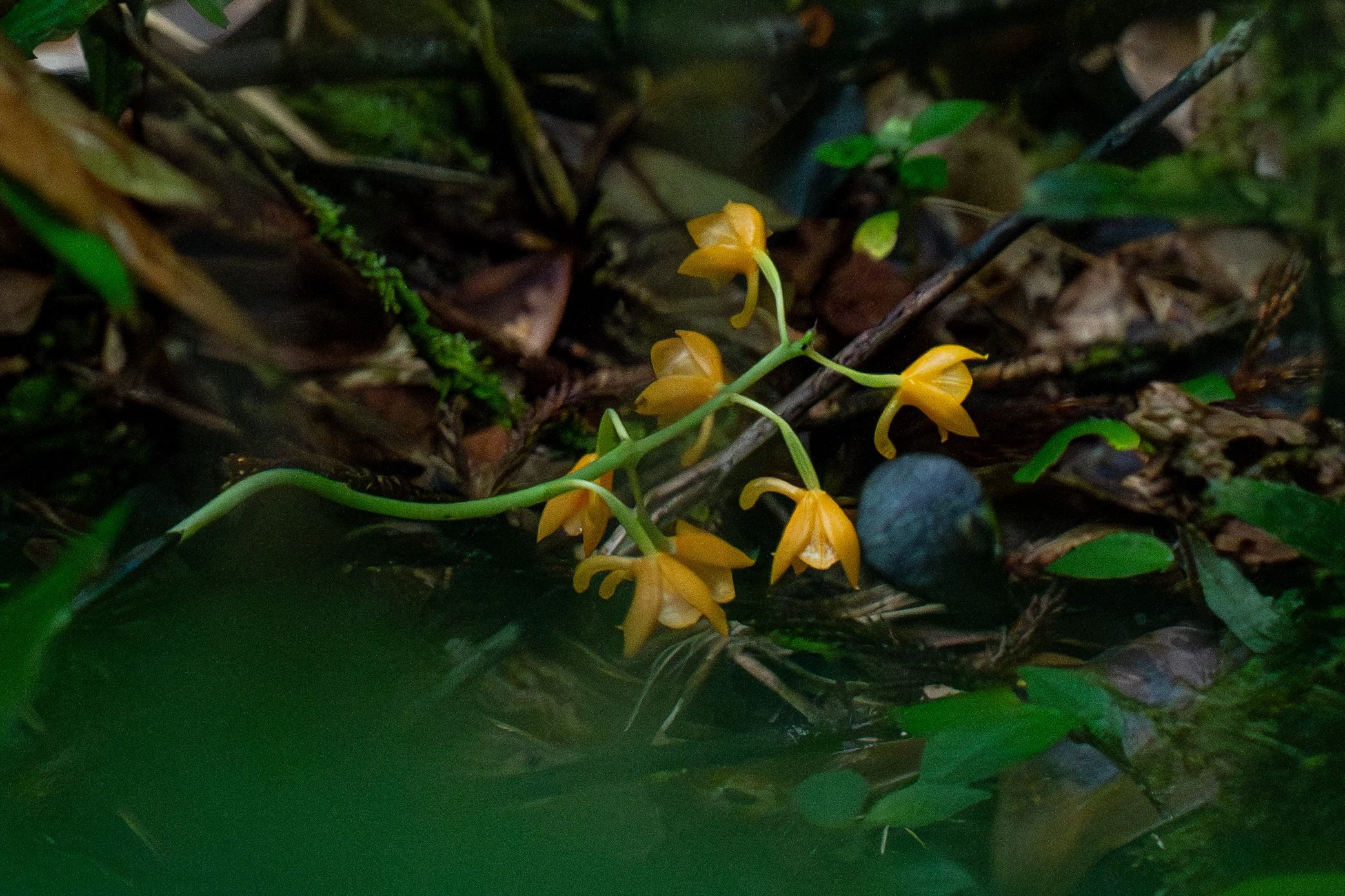
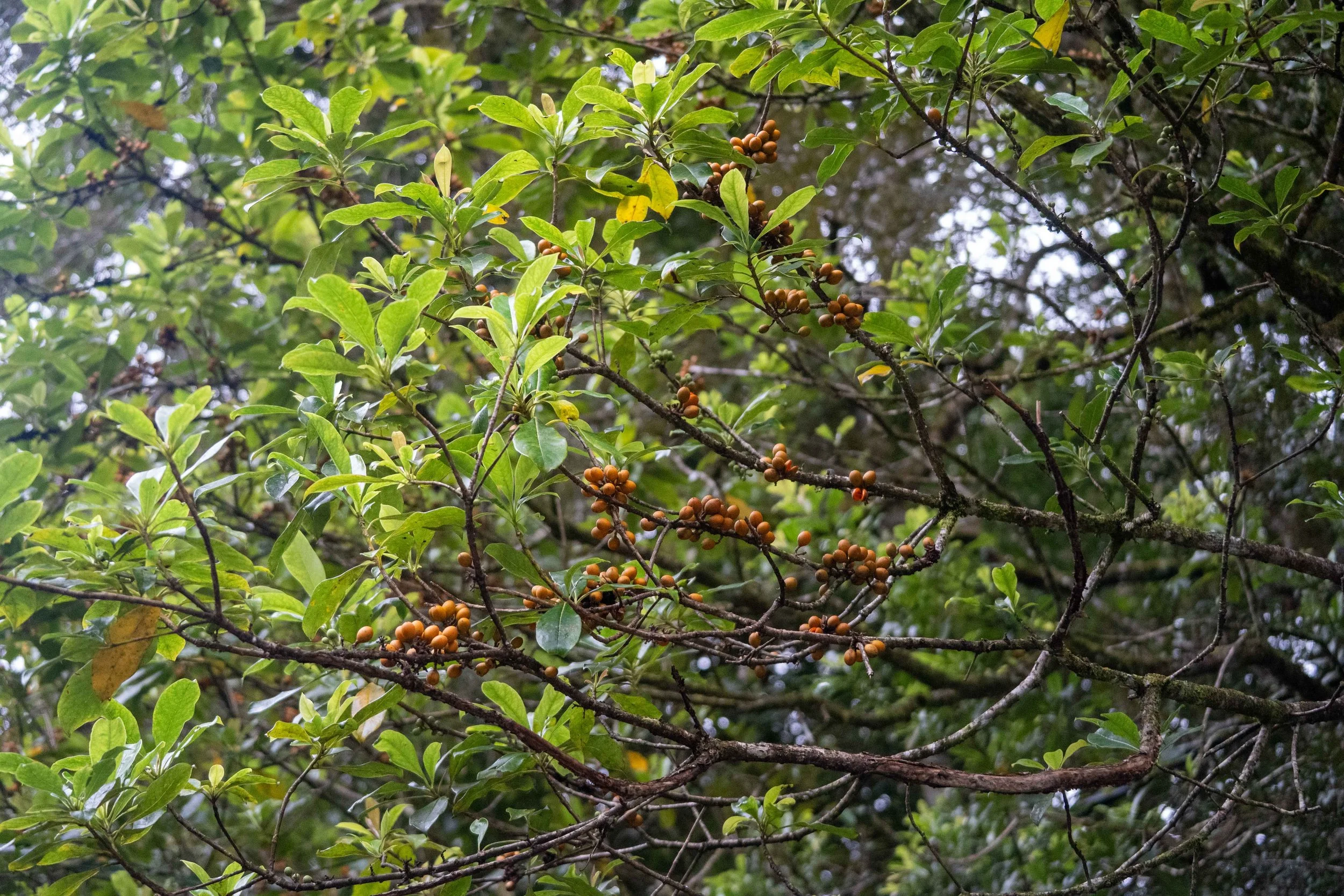
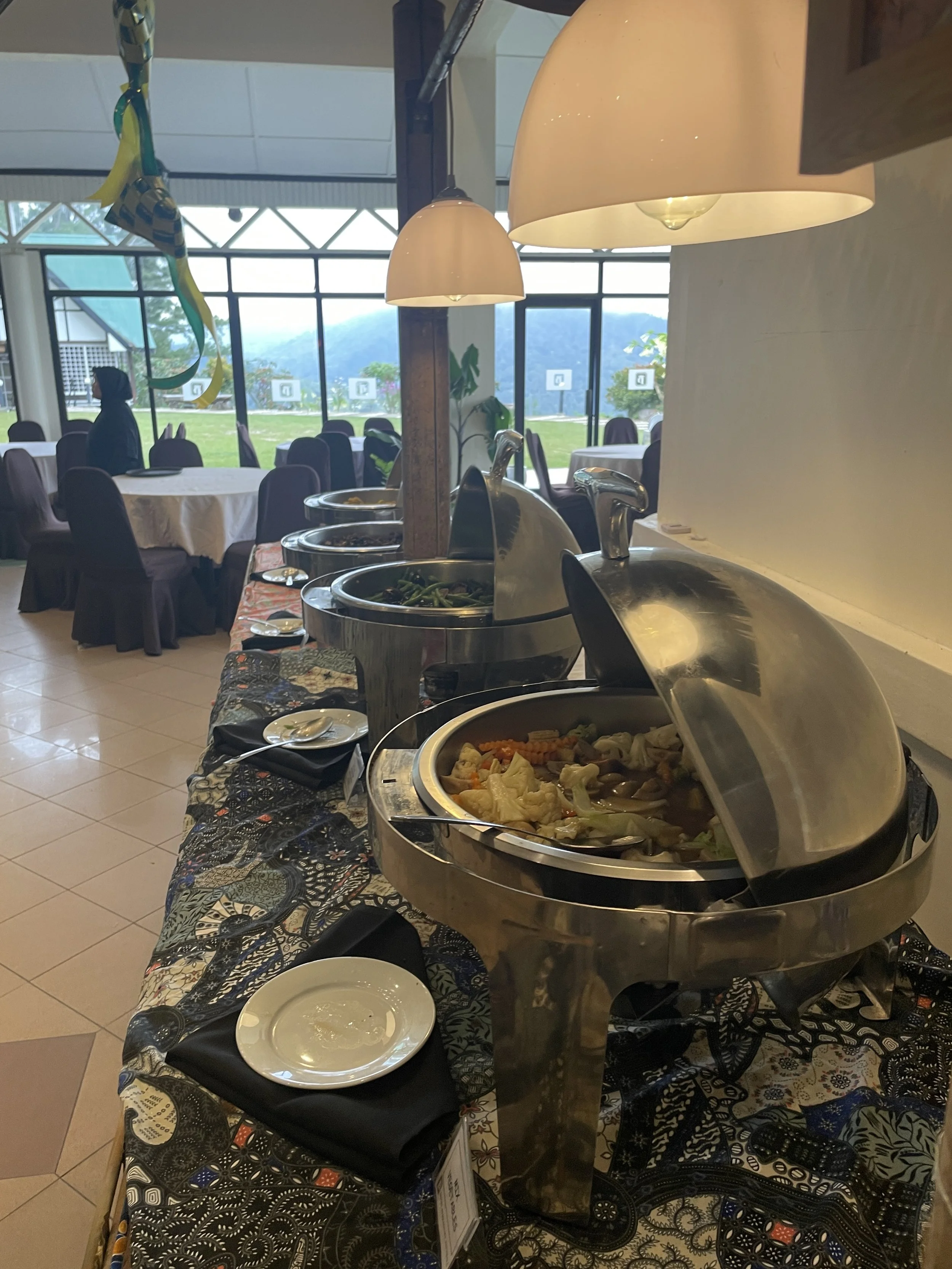
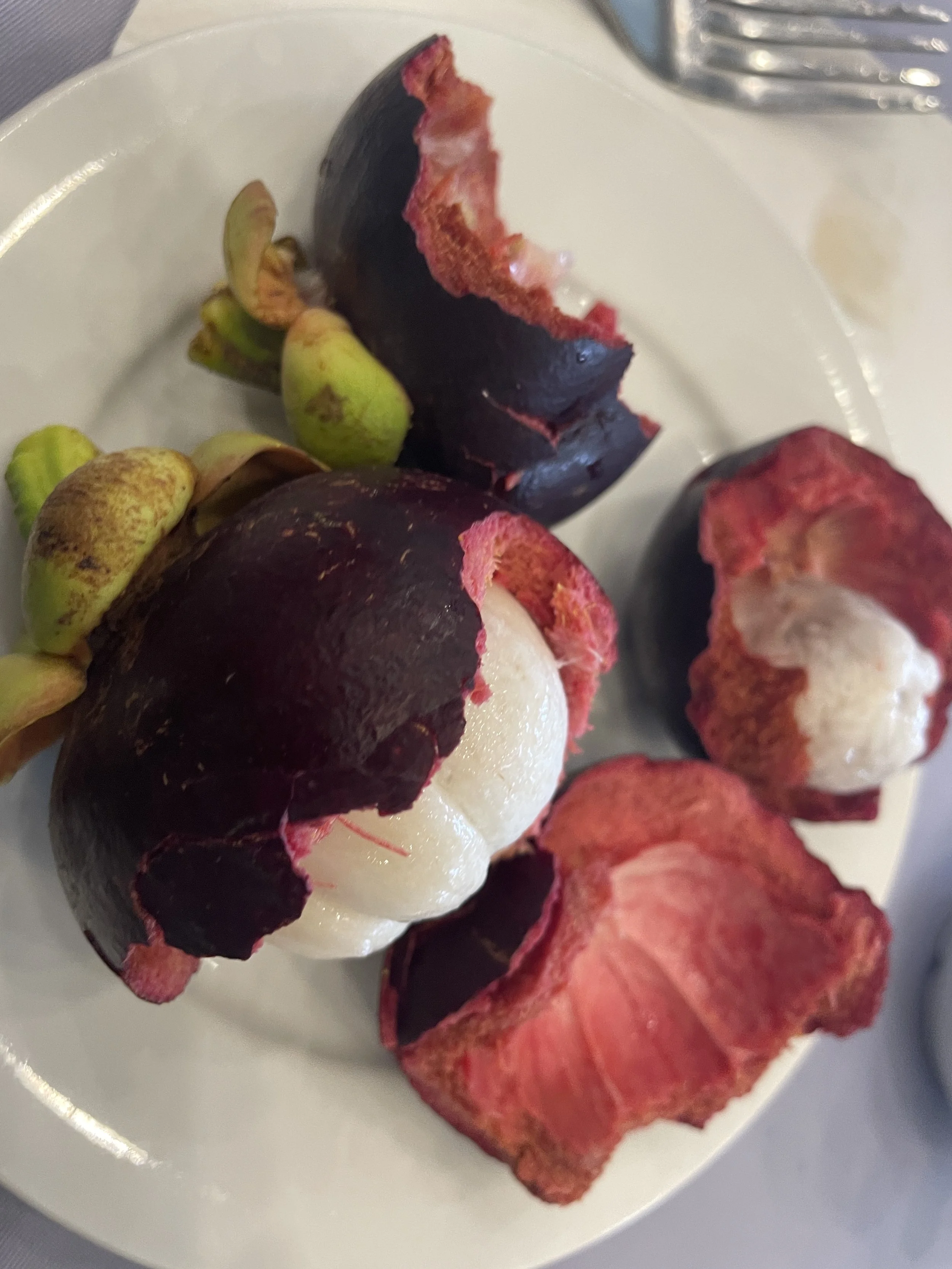
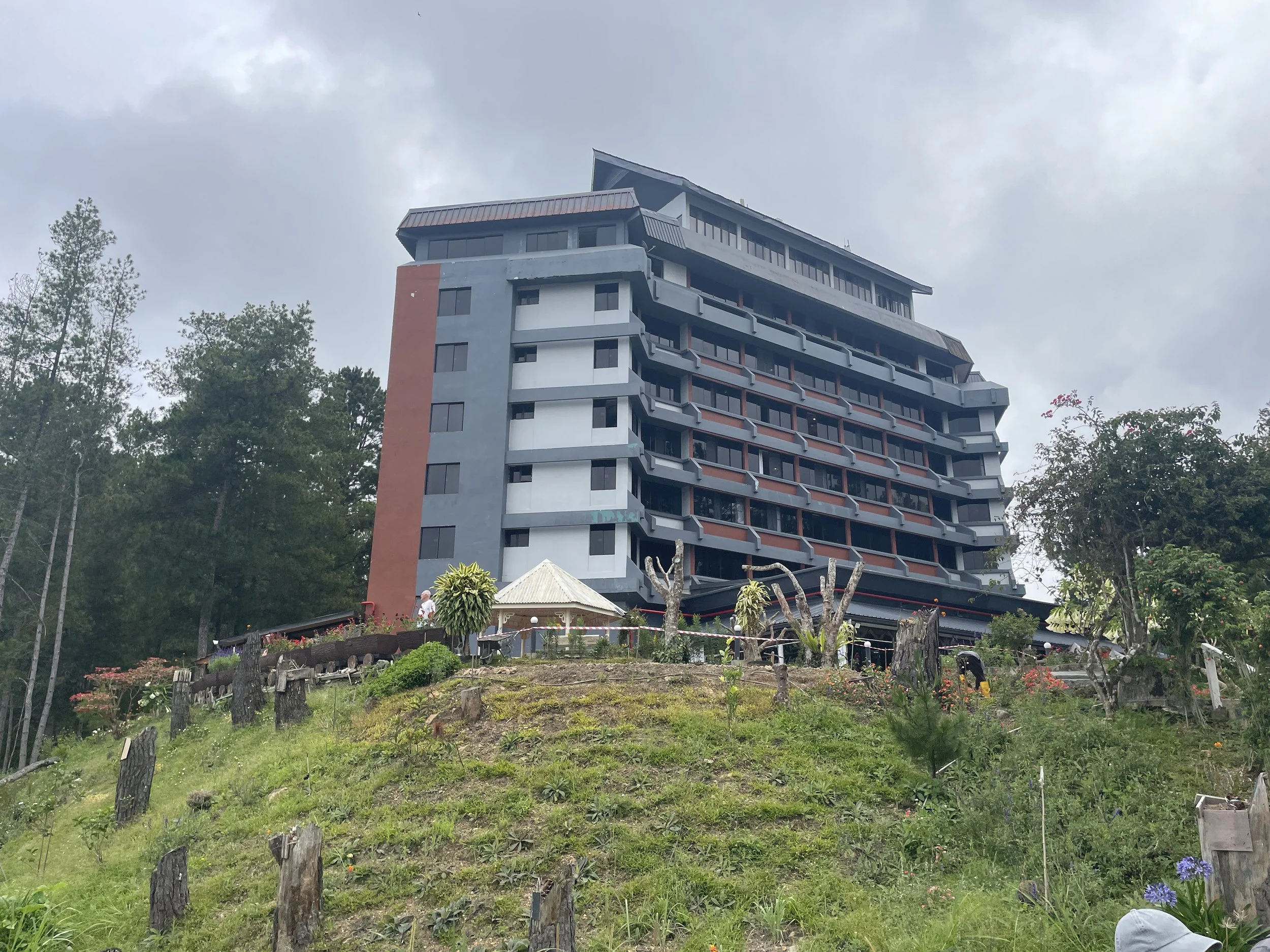
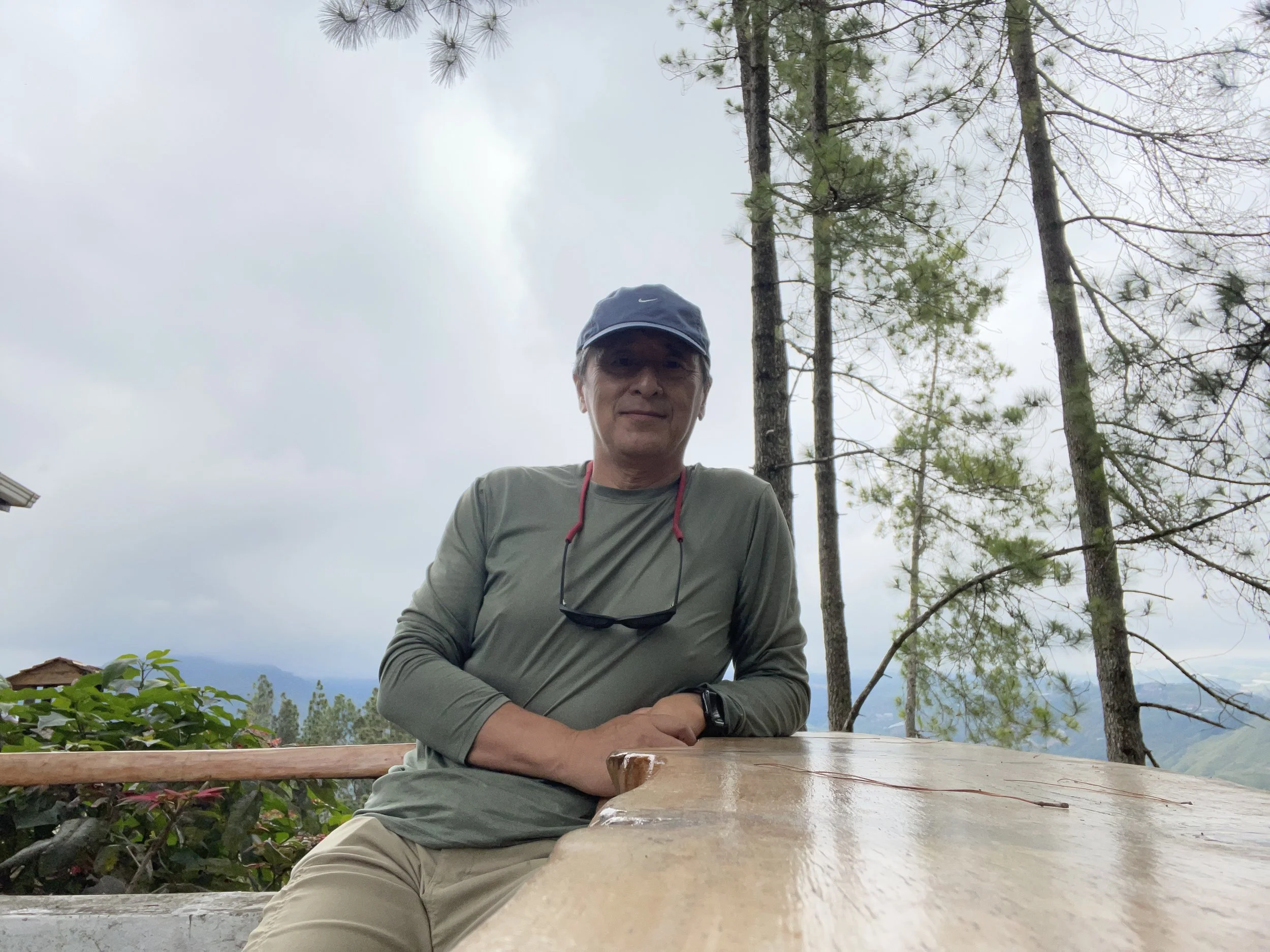
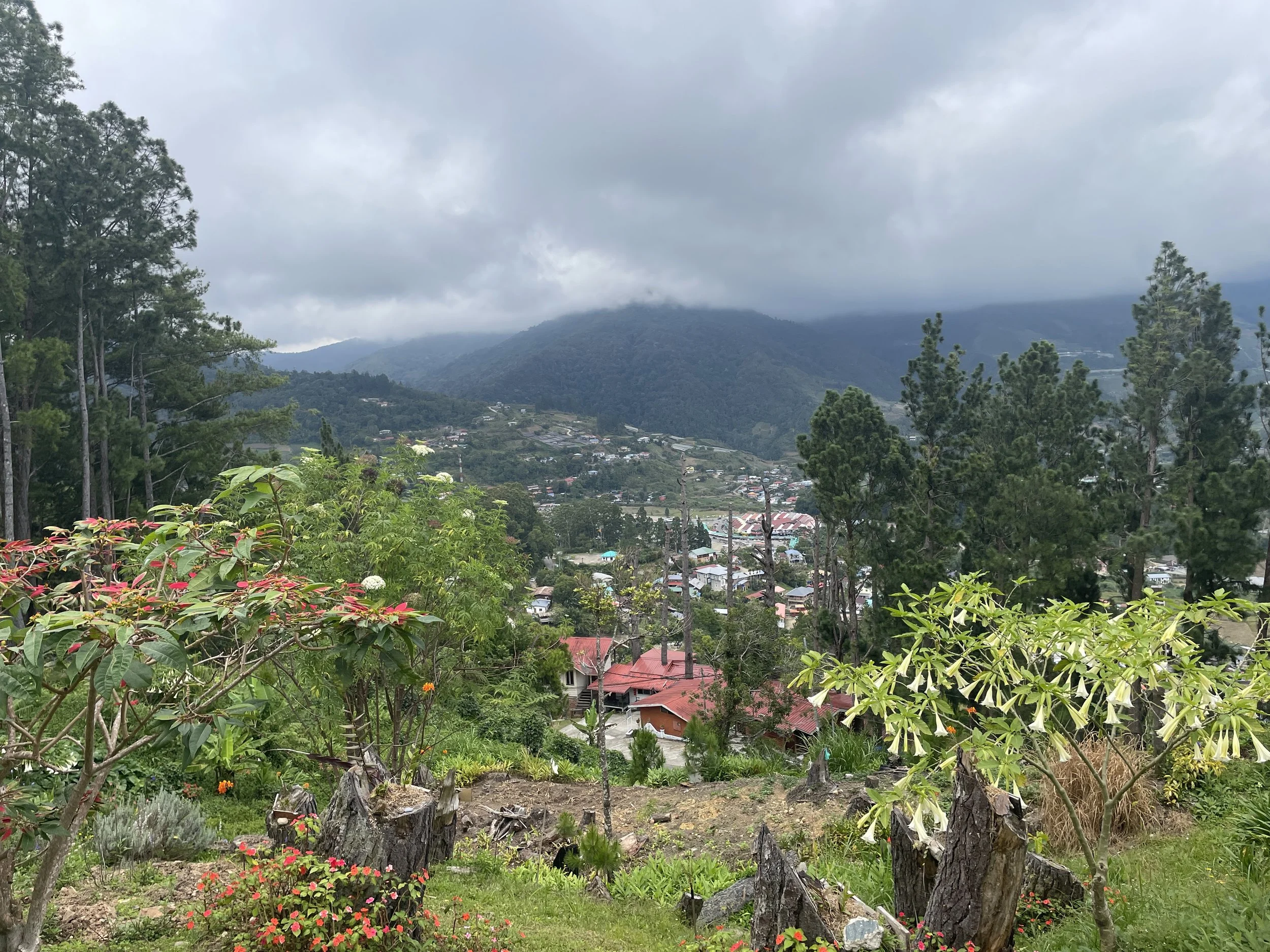
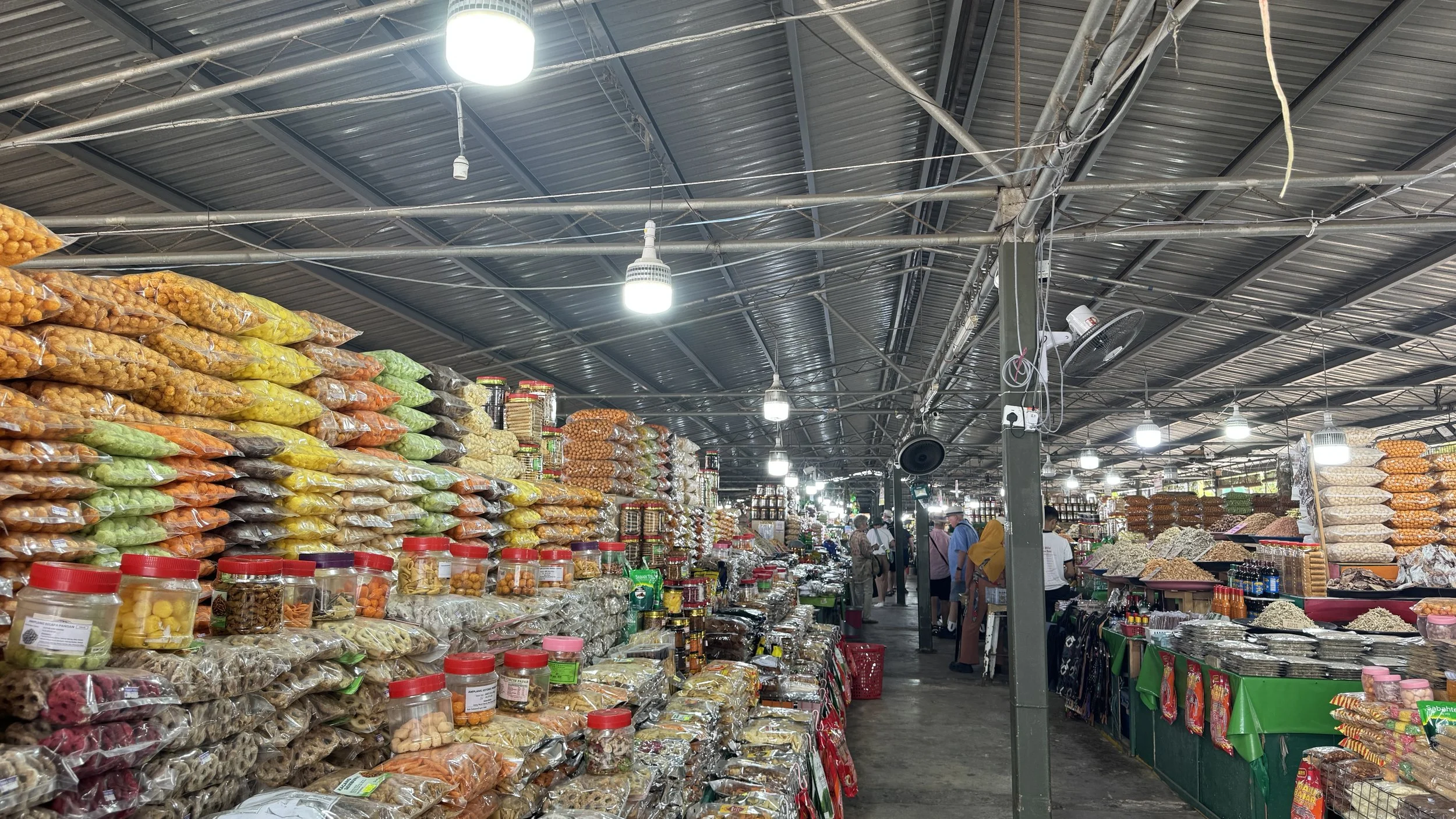
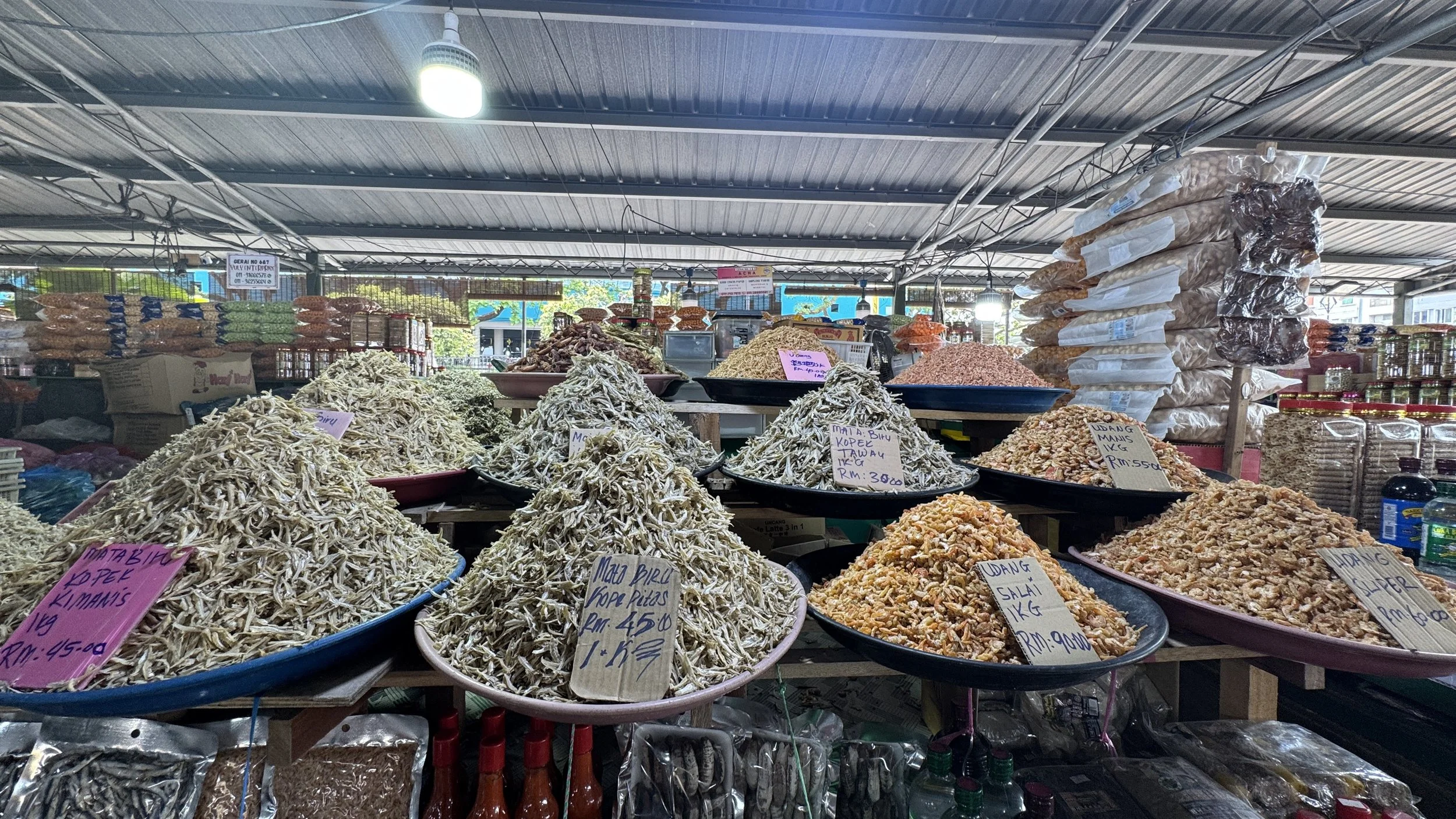
Kinabalu Park is Malaysia’s first UNESCO World Heritage Site. We took a two-hour bus ride from the port to the park, making a brief stop at a local open market along the way. At the park we did a short hike through the rainforest. Although the weather was pleasant and comfortable, we did not see much wildlife. Lunch was served at a hotel on a hilltop, where a buffet was provided. It was decent, and I tried mangosteen for the first time — surprisingly delicious. The entire excursion lasted about seven hours, but overall it did not offer anything particularly unique for me.
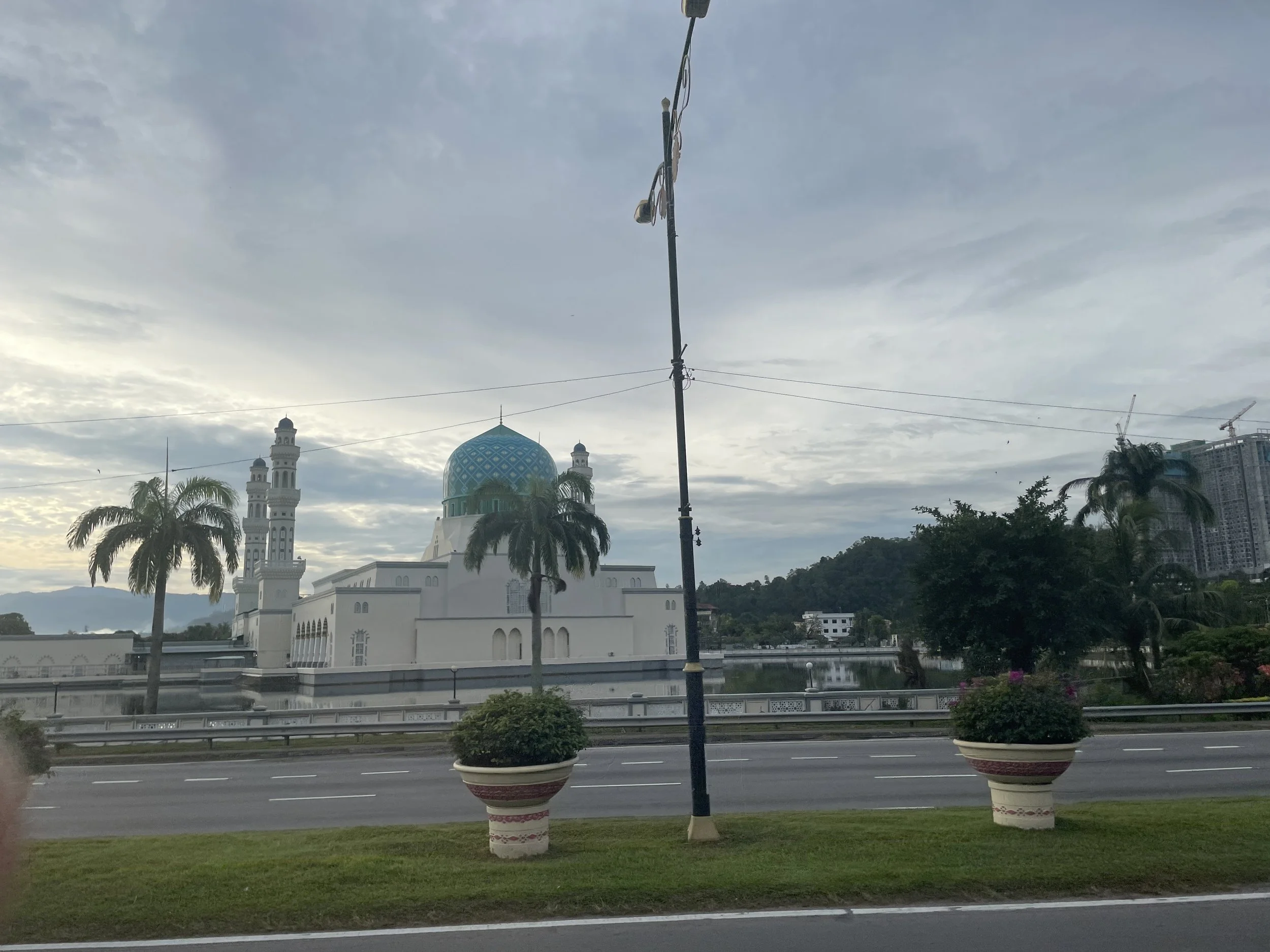
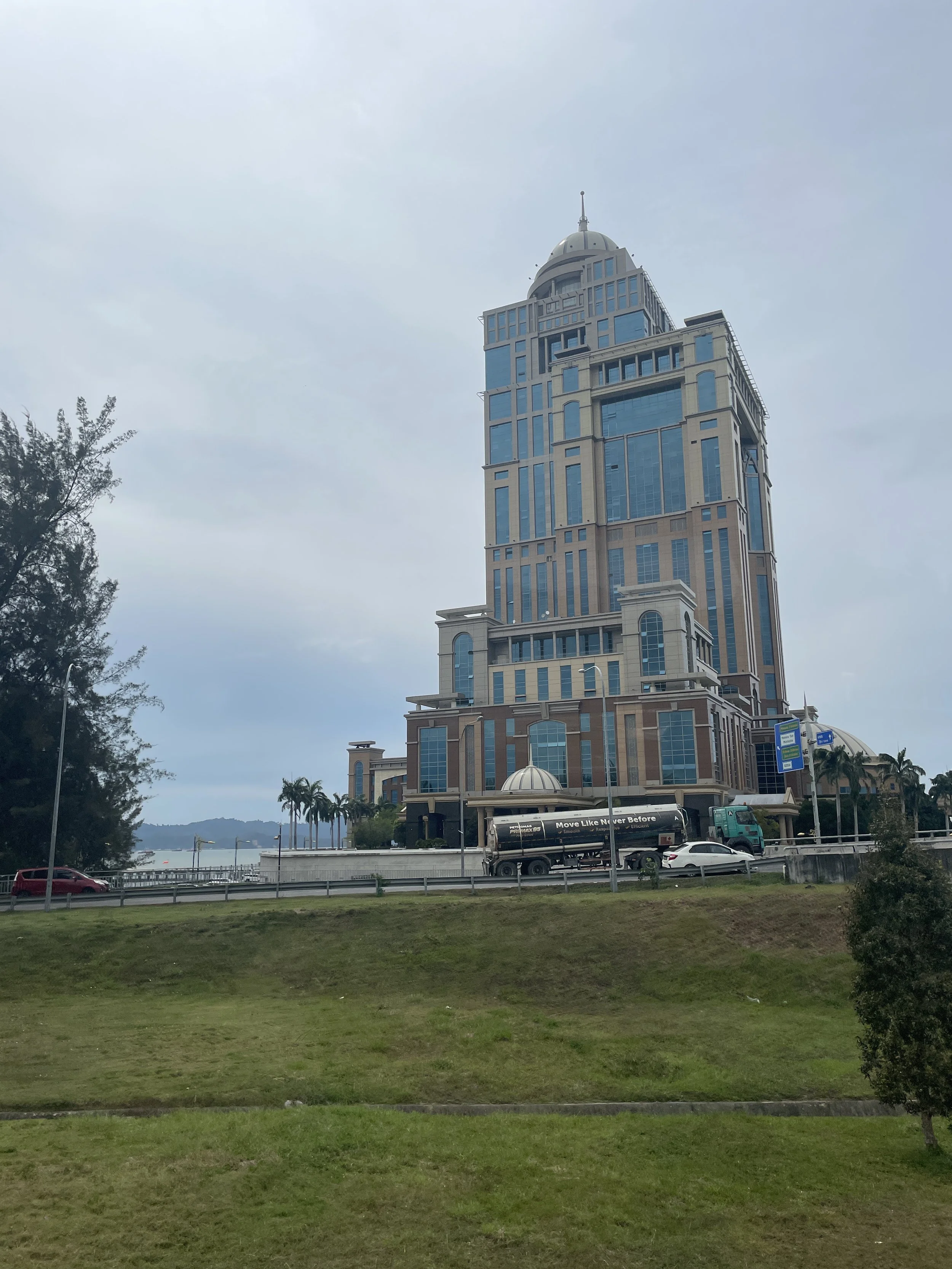
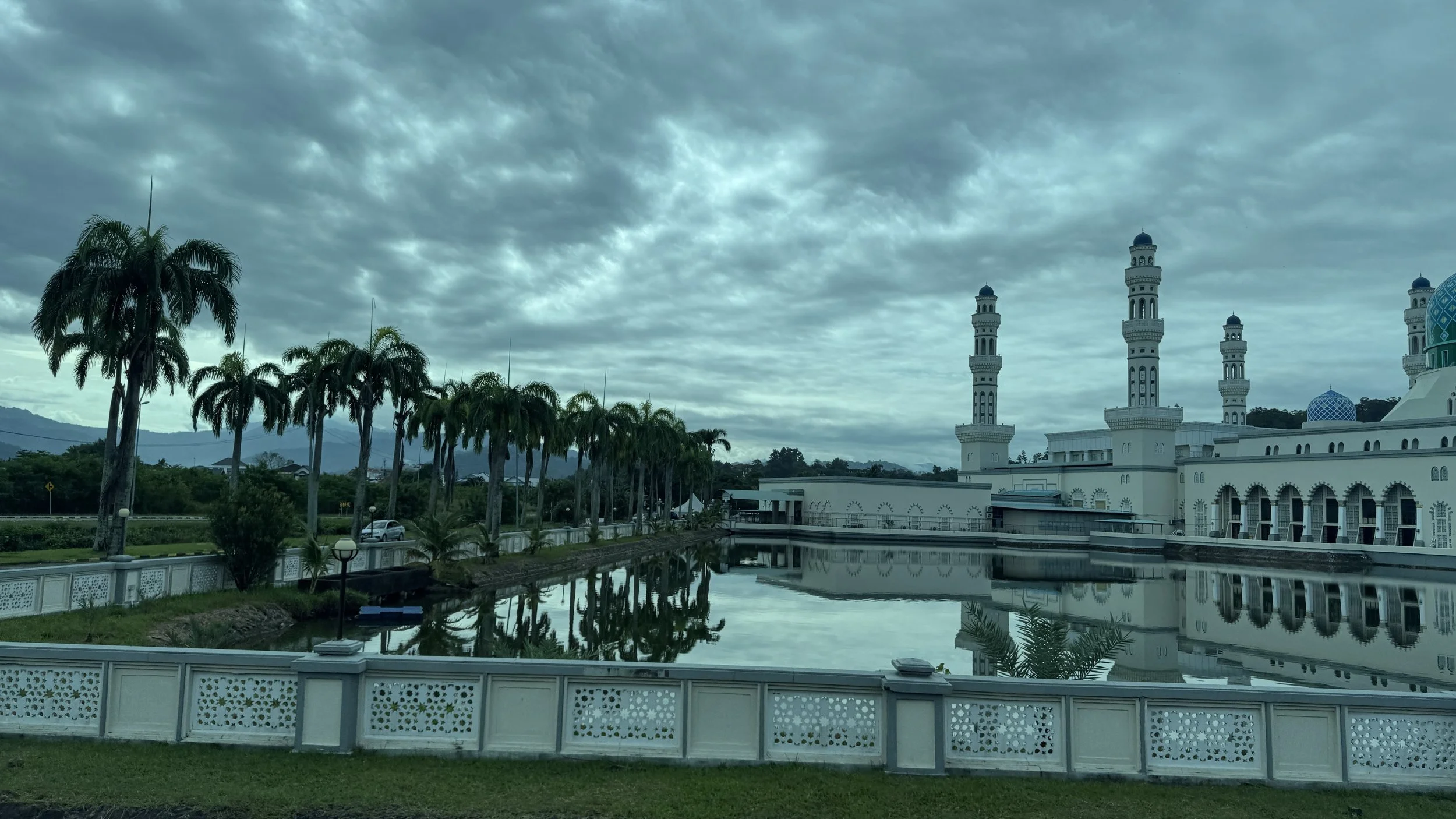
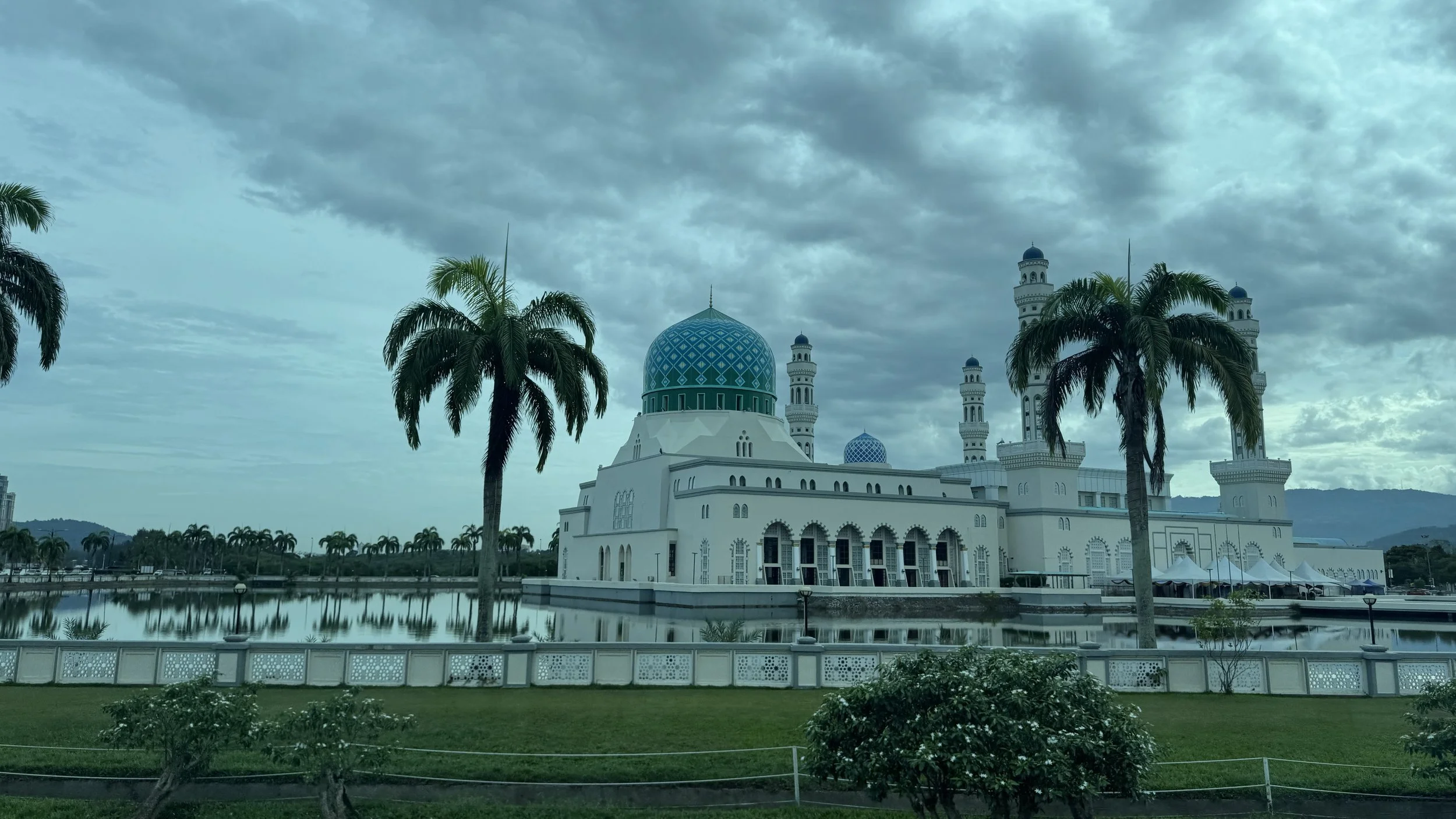
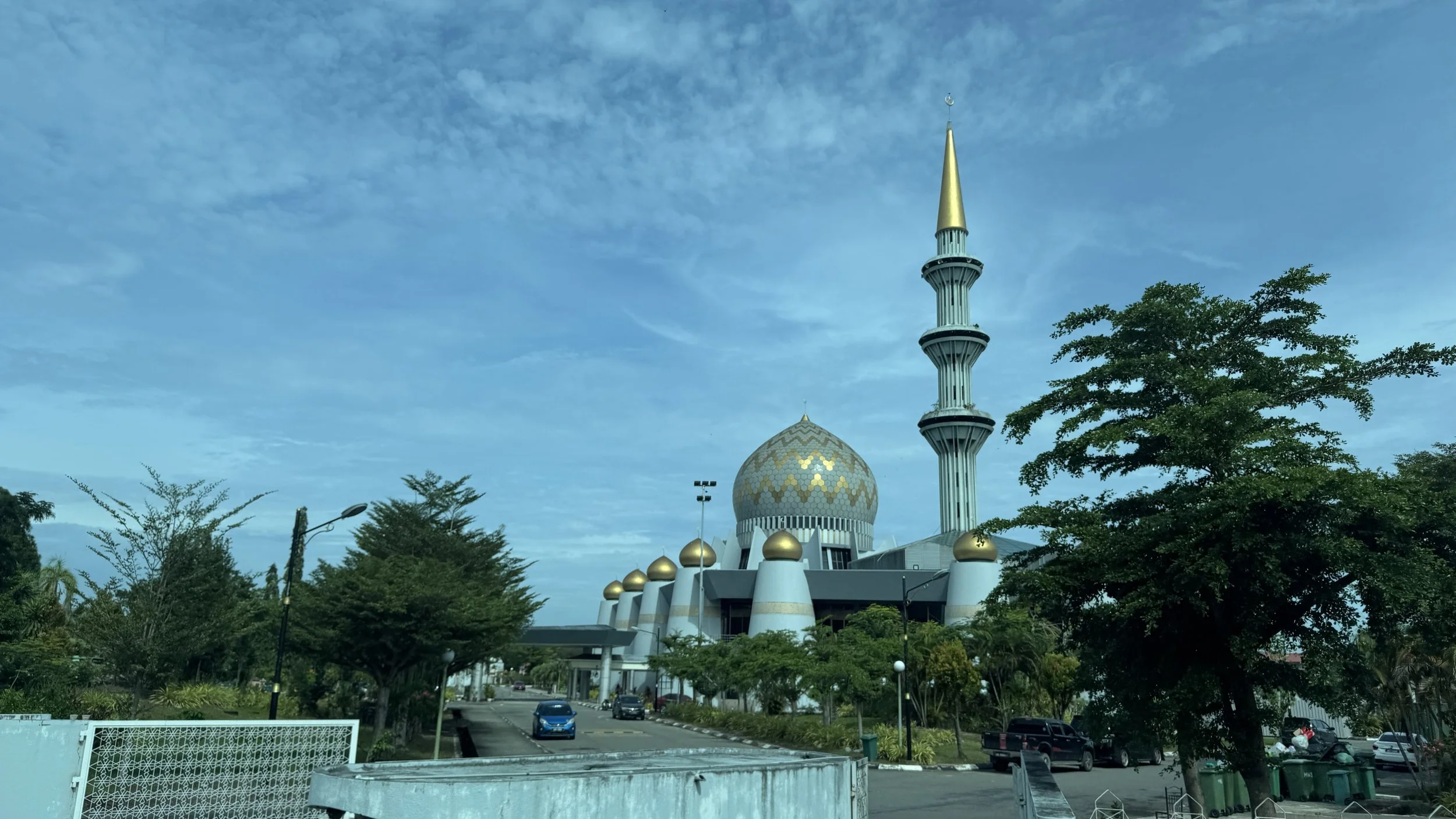
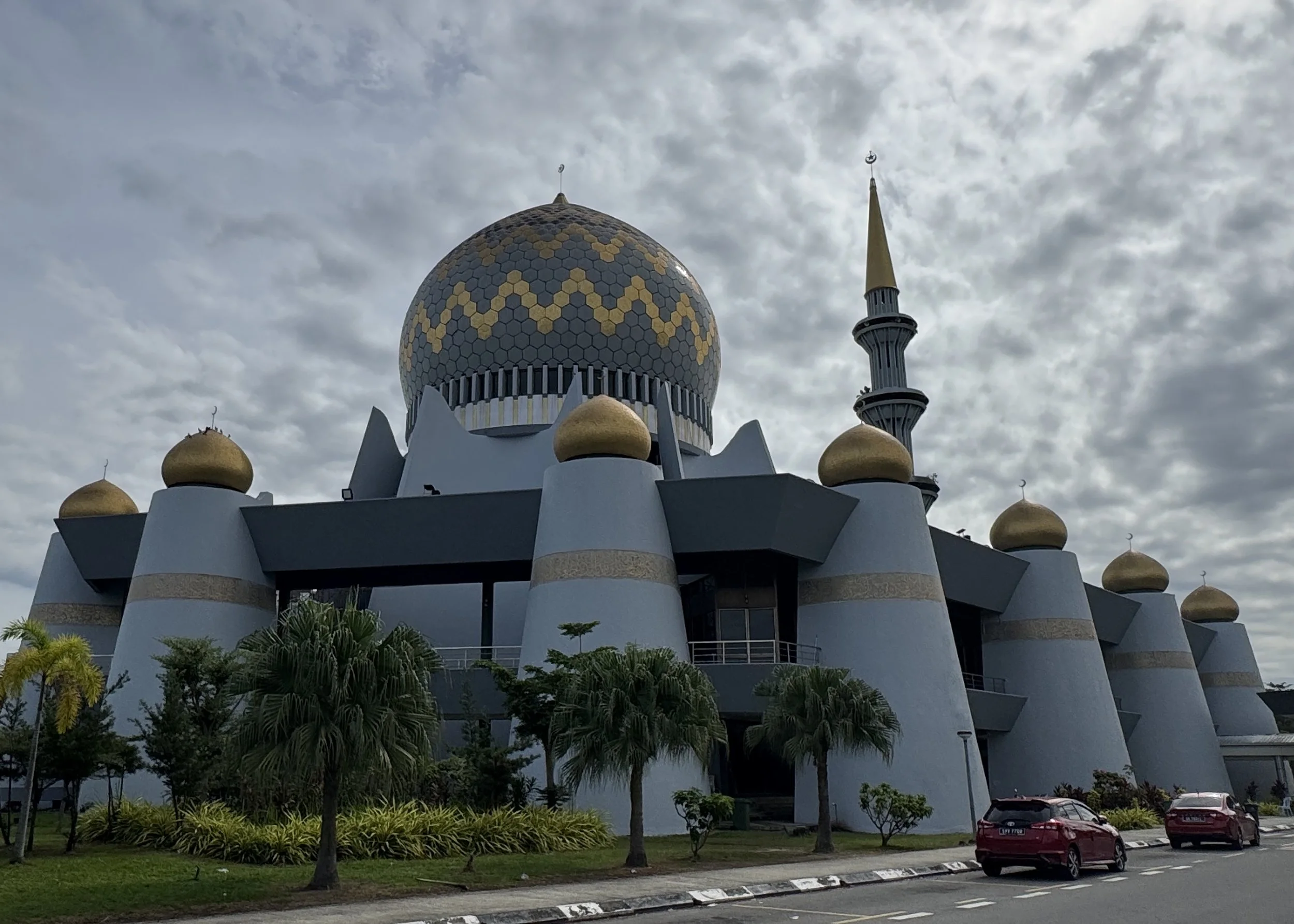
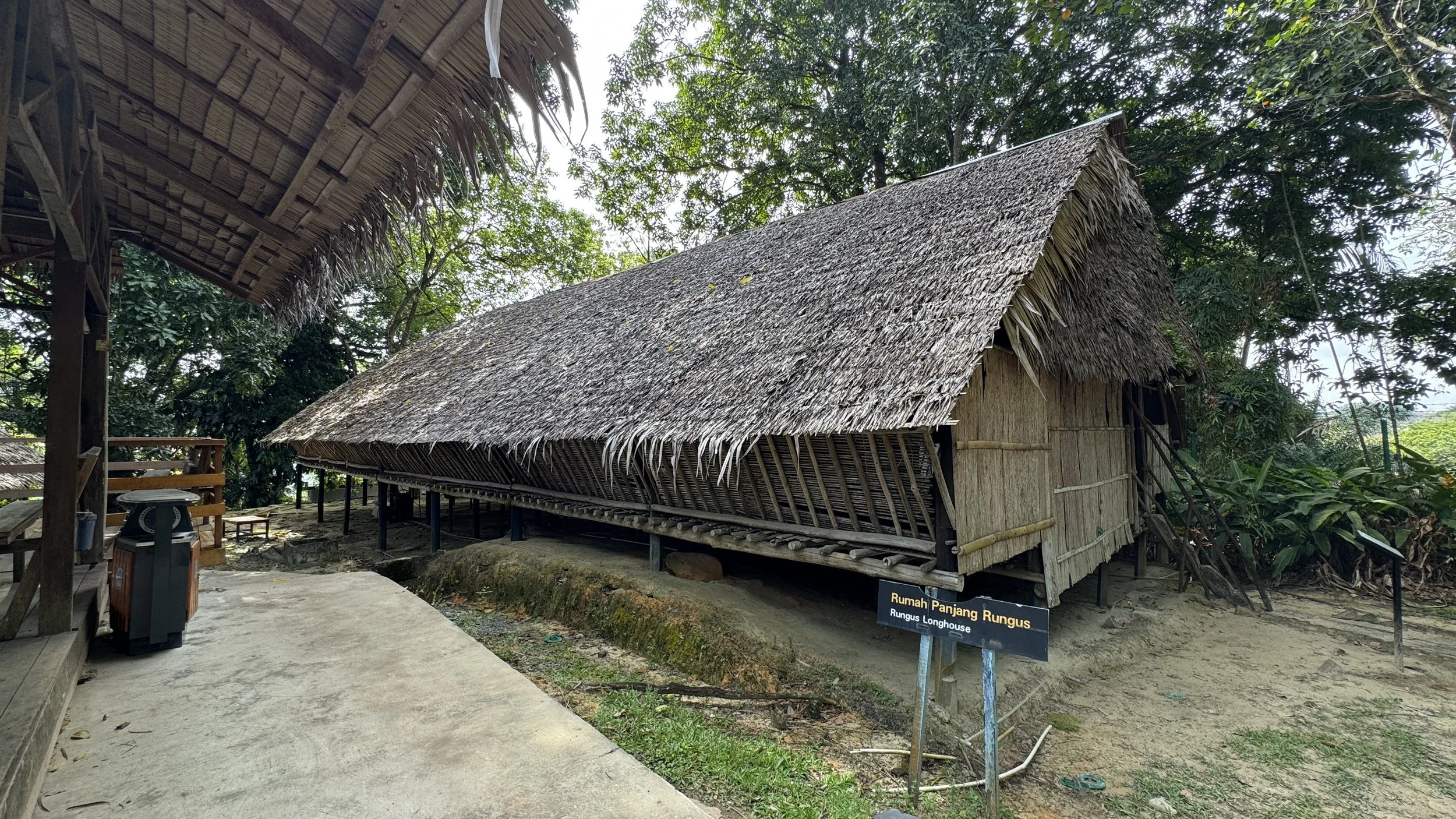
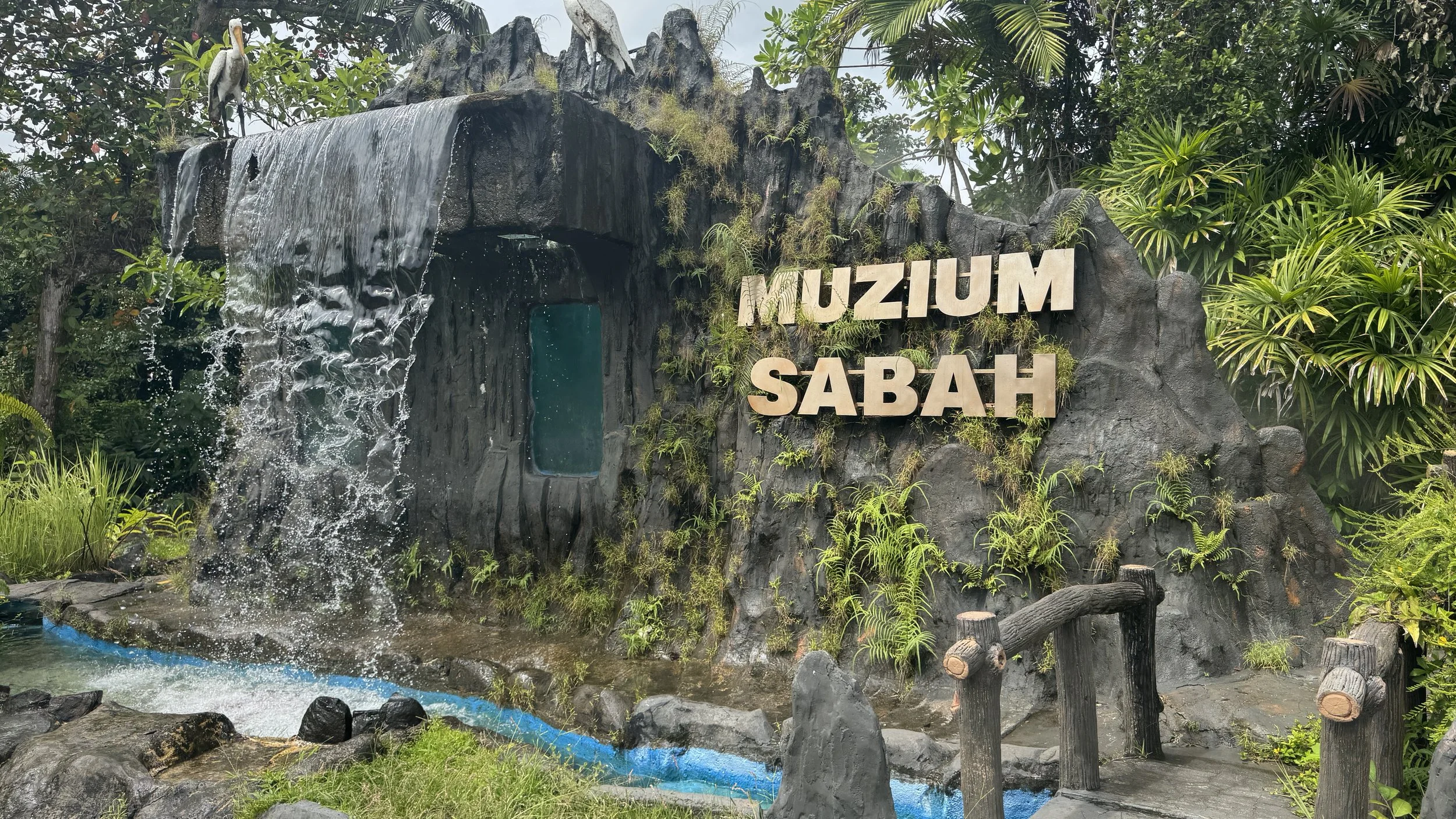
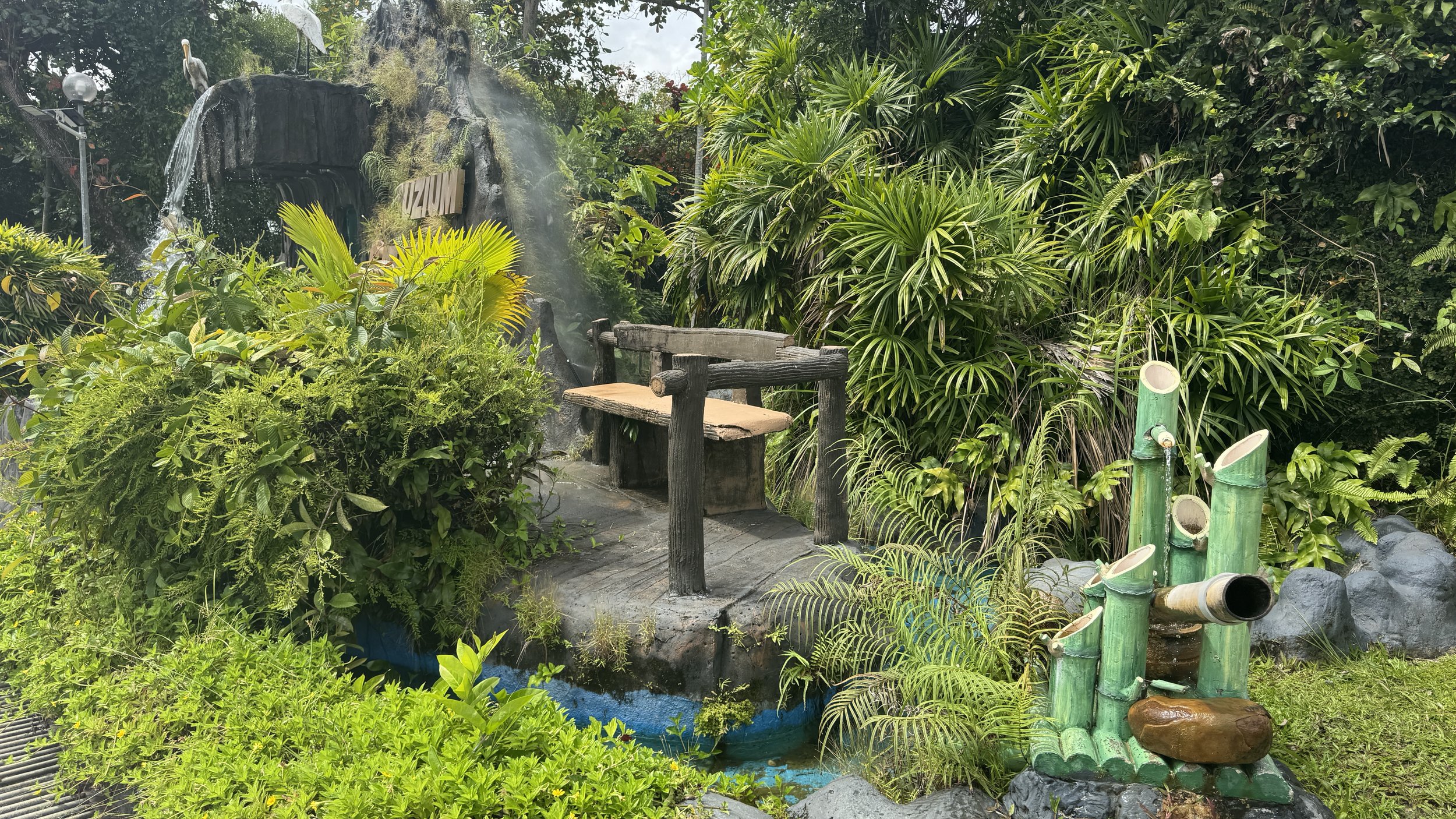
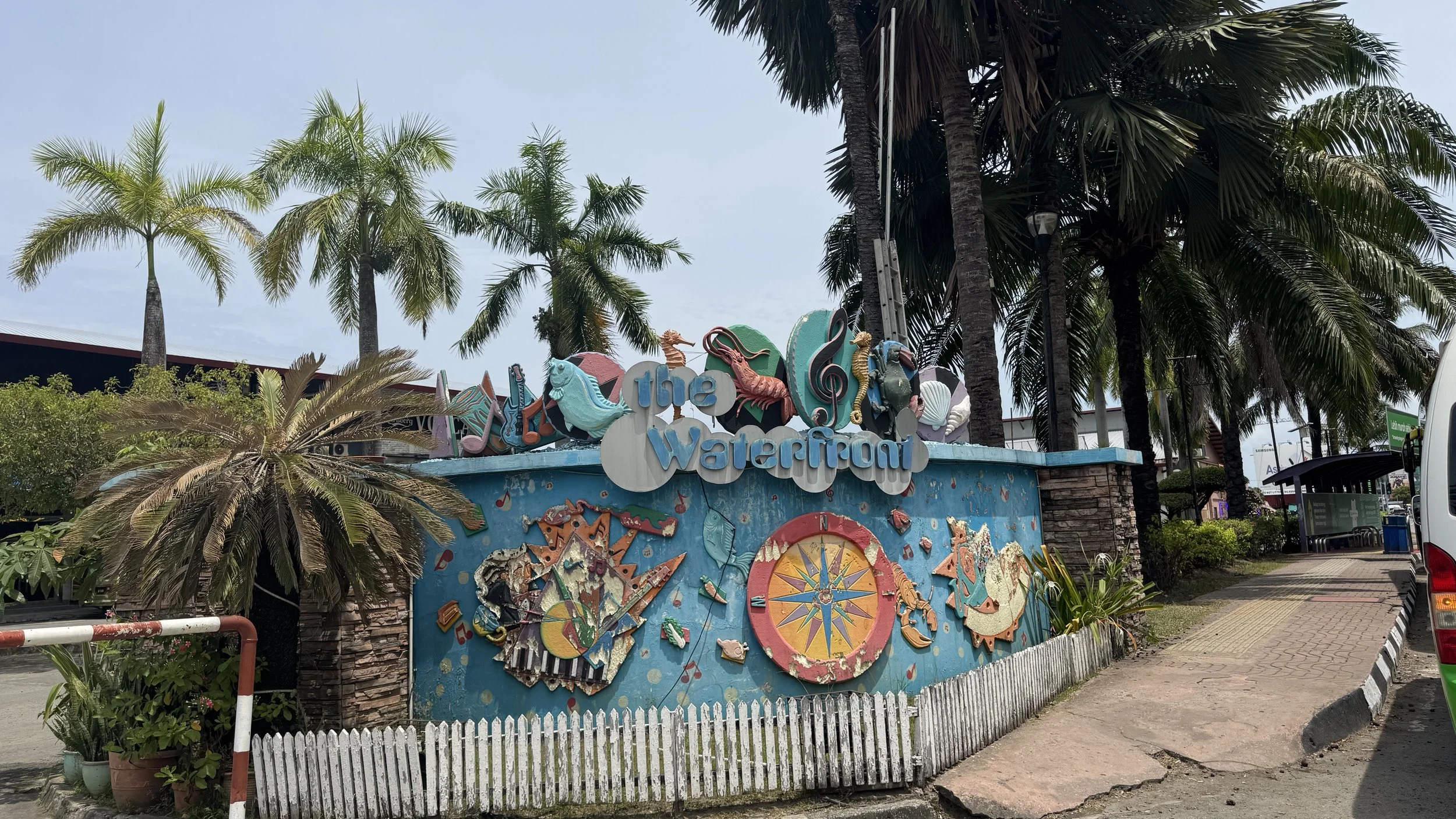
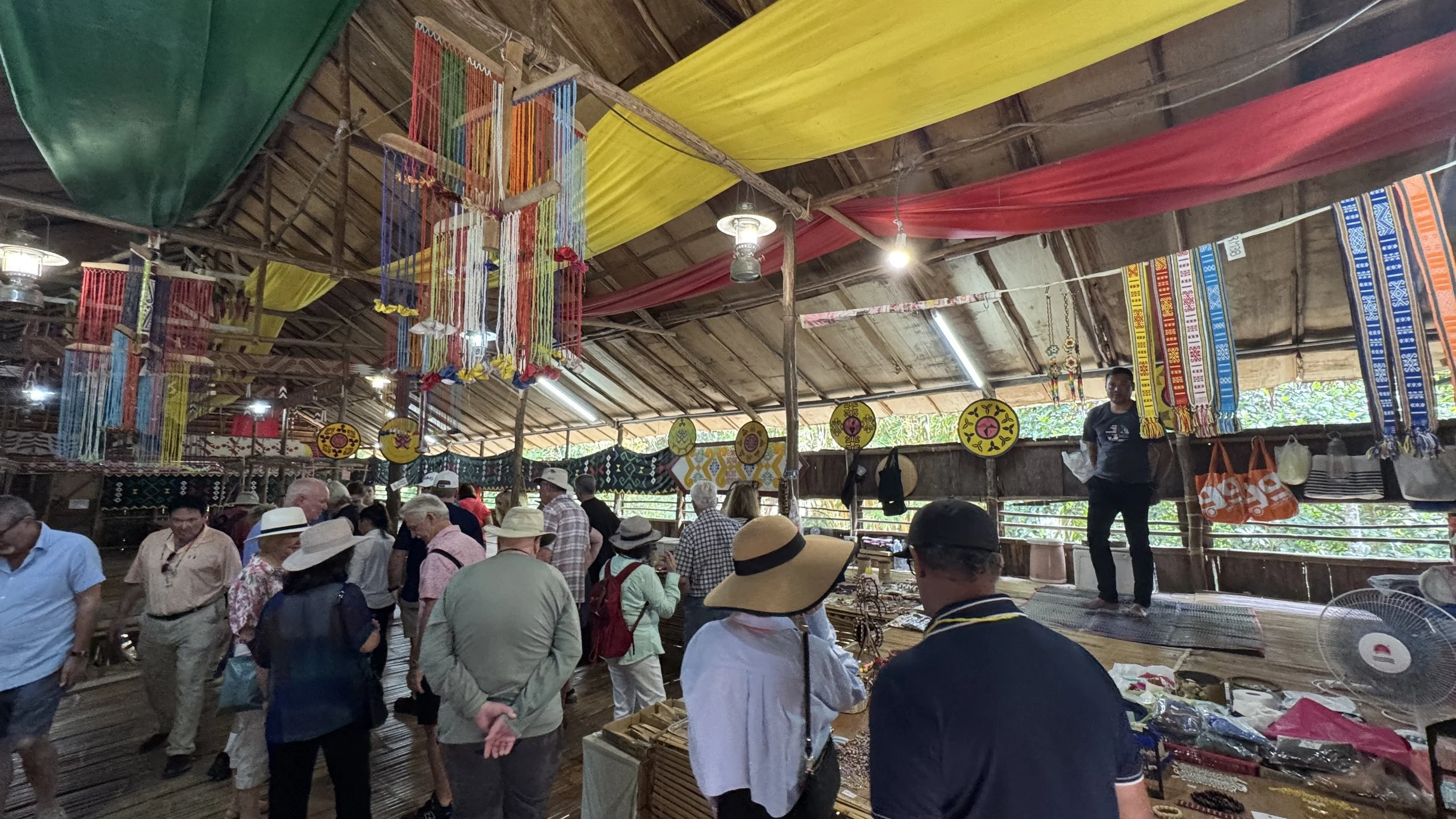
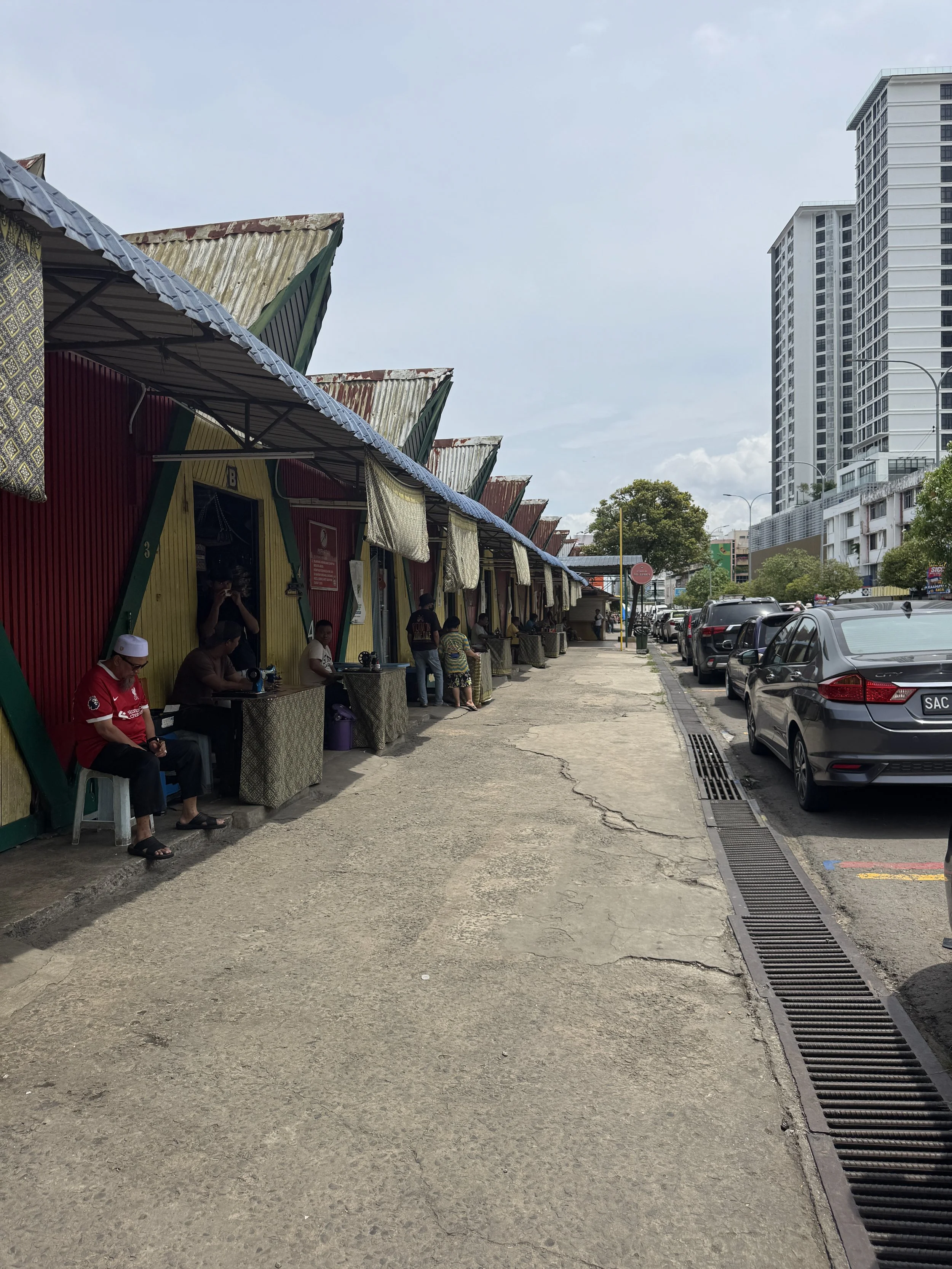
Connie joined a different excursion from the ship — a guided city tour exploring the cultural highlights of Kota Kinabalu, the vibrant capital of the Malaysian state of Sabah. The tour began with a photo stop at the iconic Tun Mustapha Building, although visitors are not allowed inside. The next stop was the impressive Sabah State Mosque. From there, the tour continued to the Sabah Heritage Village, where traditional bamboo houses provide insight into the lifestyles of Sabah’s diverse indigenous communities. The final stop was the local handicraft market, where visitors can find Sabah’s well-known freshwater cultured pearls.
Overall, it was not the most exciting day of the trip — just an average day of exploration along the journey.
2026年3月7日
今天我们的船来到了东马的哥打京那巴鲁。我们还是参加邮轮组织的岸上活动,时间比昨天还要更早一些,因此我们再次让管家送餐,早上七点前就在阳台上吃了早餐。
我们两个人分别参加了不同的岸上游,成刚前往神山公园(Kinabalu Park),Connie则是哥打京那巴鲁的市区游。
神山公园是马来西亚第一个联合国教科文组织世界遗产地。从码头出发,乘坐大约两个小时的巴士前往公园,途中在一个当地的露天市场短暂停留。到达公园后,我们在雨林中进行了一个简短的徒步。虽然天气凉爽舒适,但并没有看到多少野生动物。午餐安排在山顶一家酒店的餐厅,以自助餐形式提供,味道还算不错。成刚第一次品尝了山竹,味道出乎意料地好。之后又是二个小时巴士回来,整个行程大约持续七个小时,不过总体来说,感觉并没有特别独特的体验。
Connie参加了邮轮安排的另一条岸上游——哥打京那巴鲁城市观光之旅,探索沙巴州首府这座充满活力的城市。大巴带着大家首先来到标志性的敦慕斯塔法大厦(Tun Mustapha Building)停留拍照,不过游客不能进入大楼内部。接着前往气势宏伟的沙巴州清真寺,同样因为斋月的缘故,游客只能在外面看看拍照留念,而不能进清真寺参观。随后大巴带着大家来到沙巴文化村(Sabah Heritage Village),那里用传统竹屋展示了沙巴各个原住民族群的生活方式。最后一站是当地的手工艺市场,不计其数的摊位都在卖沙巴著名的淡水养殖珍珠首饰。手工艺市场旁边是当地的一个水果食品市场,新鲜芒果排得整整齐齐,非常诱人。另外还有各种土特产等等。
今天的二个岸上游都比较一般,东马明显感觉比西马落后。对我们来说也算是到此一游吧,也只有坐邮轮才会来到这地方。
回到船上,下午去听了个讲座,是关于明天要去的一个港口城市,先大概了解一下情况。
Johor Bahru, Malaysia 柔佛新山
March 2, 2026
This morning, we boarded the electric train from KL Sentral to JB Sentral……
今天早上7:55,。。。
March 2, 2026
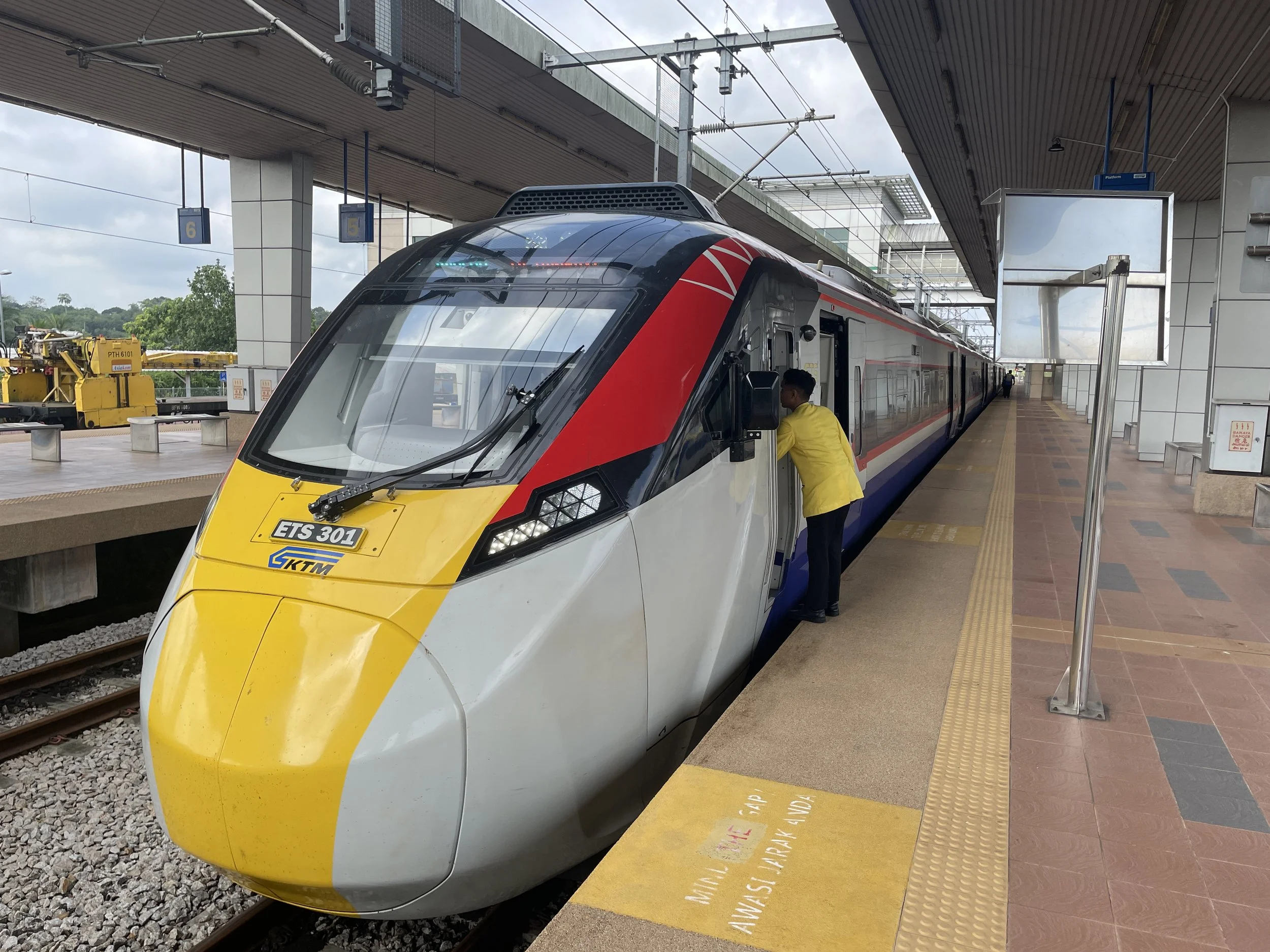
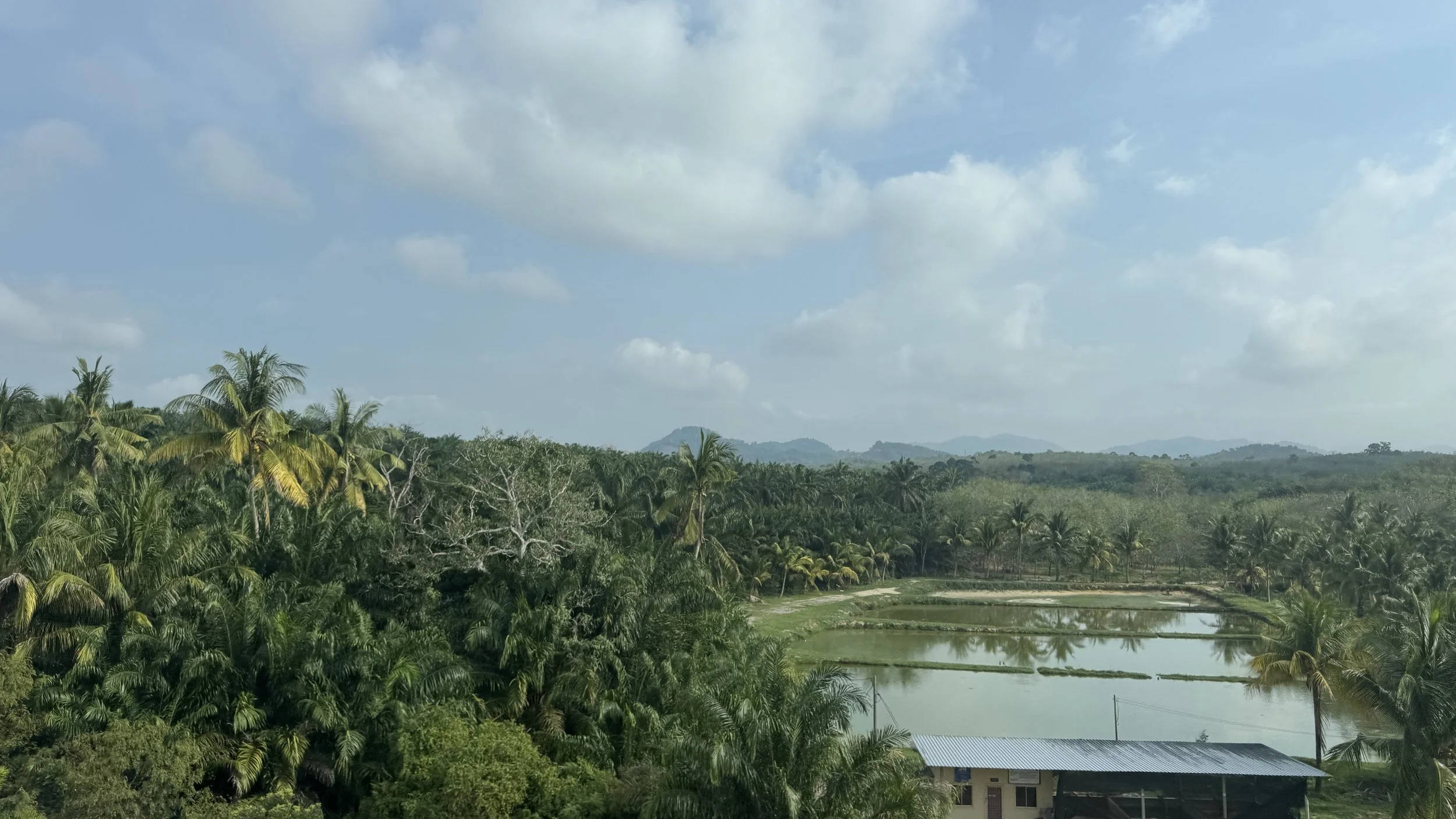
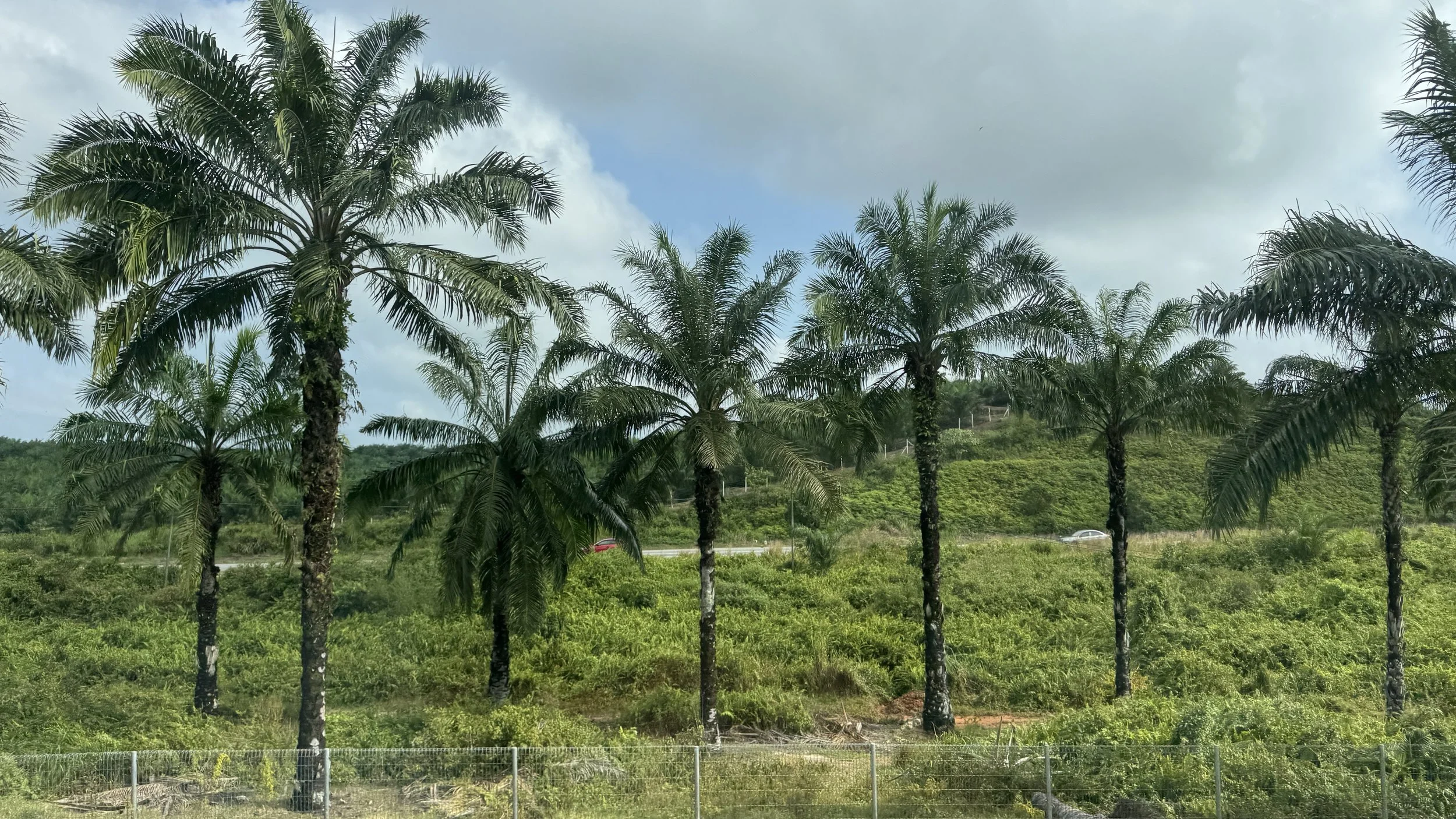
This morning, we boarded the electric train from KL Sentral to JB Sentral at 7:55 a.m. The new direct route, opened last December, has made travel between Kuala Lumpur and Johor Bahru much easier and more convenient.
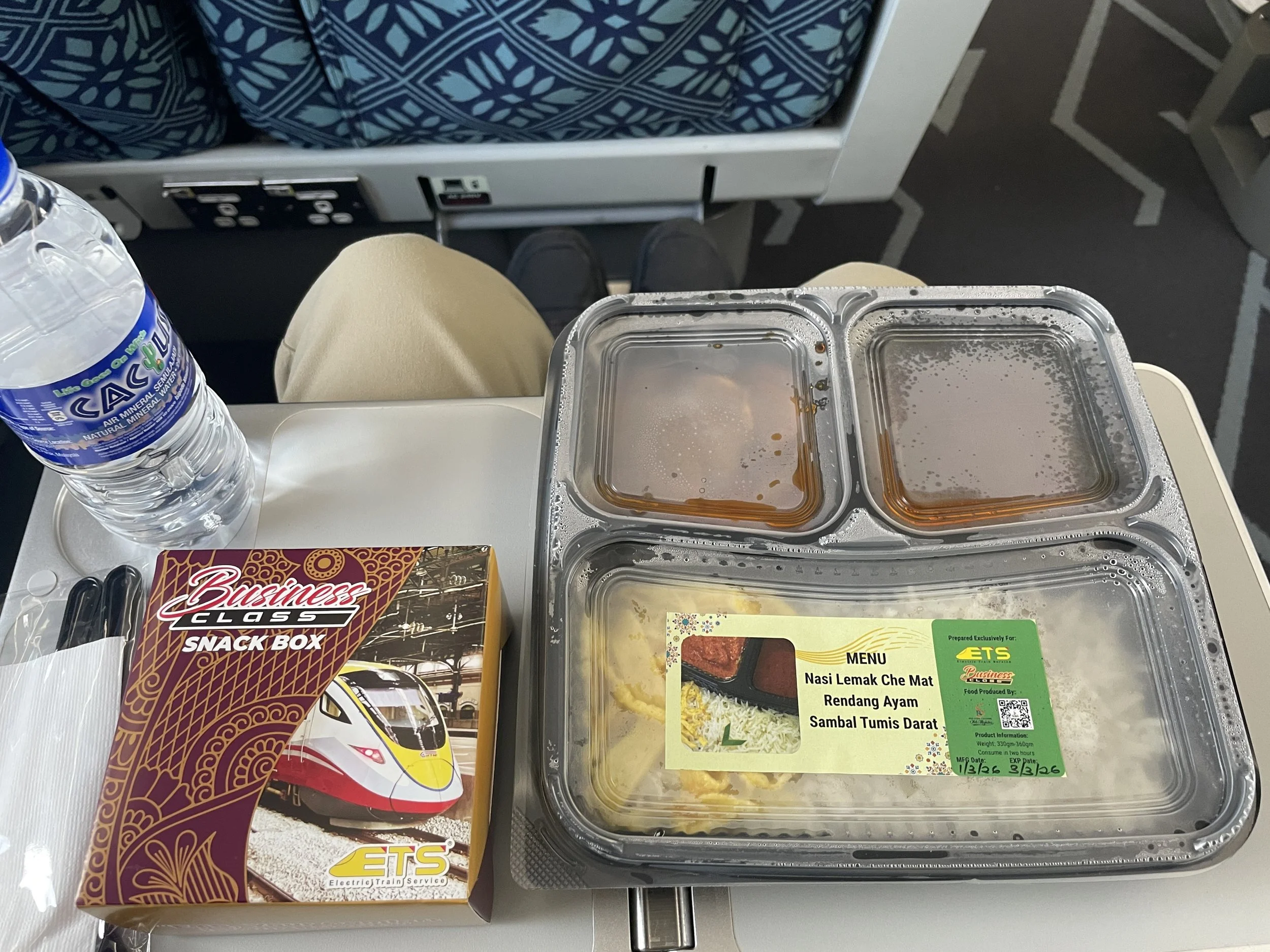
We booked first class, which featured a comfortable 2+1 seat configuration — among the best we’ve experienced. Complimentary drinks(water, coffee & juice), snacks, and a light meal were provided. Although the ride was not as smooth as high-speed trains in Japan or China, the overall experience was still very pleasant.
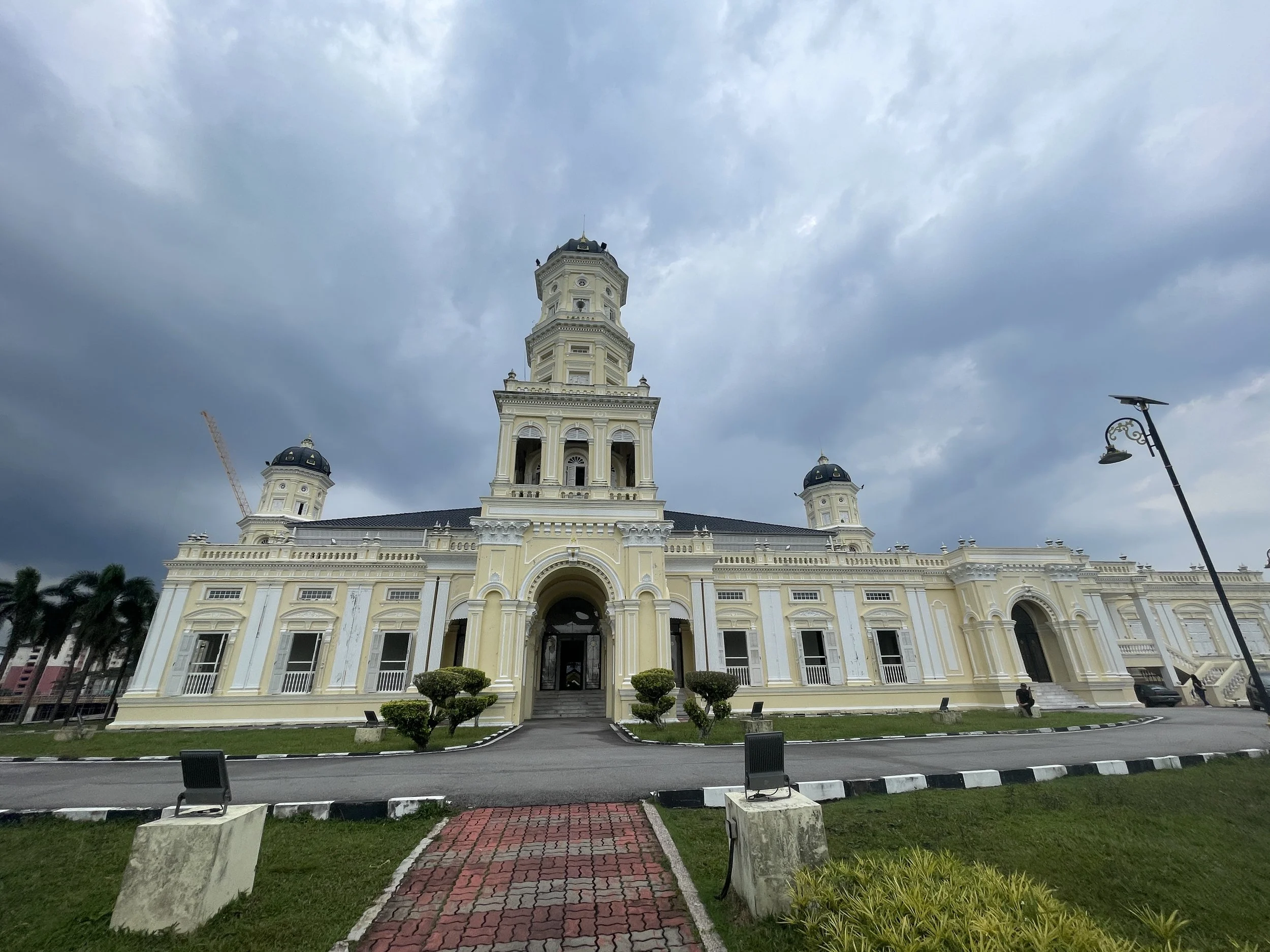
After settling into our hotel, we headed out to explore the city. Our first stop was the Sultan Abu Bakar State Mosque, perched on a hill overlooking the Straits of Johor. Unlike typical mosque architecture, this one features a unique blend of Victorian, Moorish, and Malay styles. Unfortunately, it was not open to non-Muslim visitors. After taking a few photos, we called a Grab to visit the Sultan Abu Bakar Royal Palace Museum.
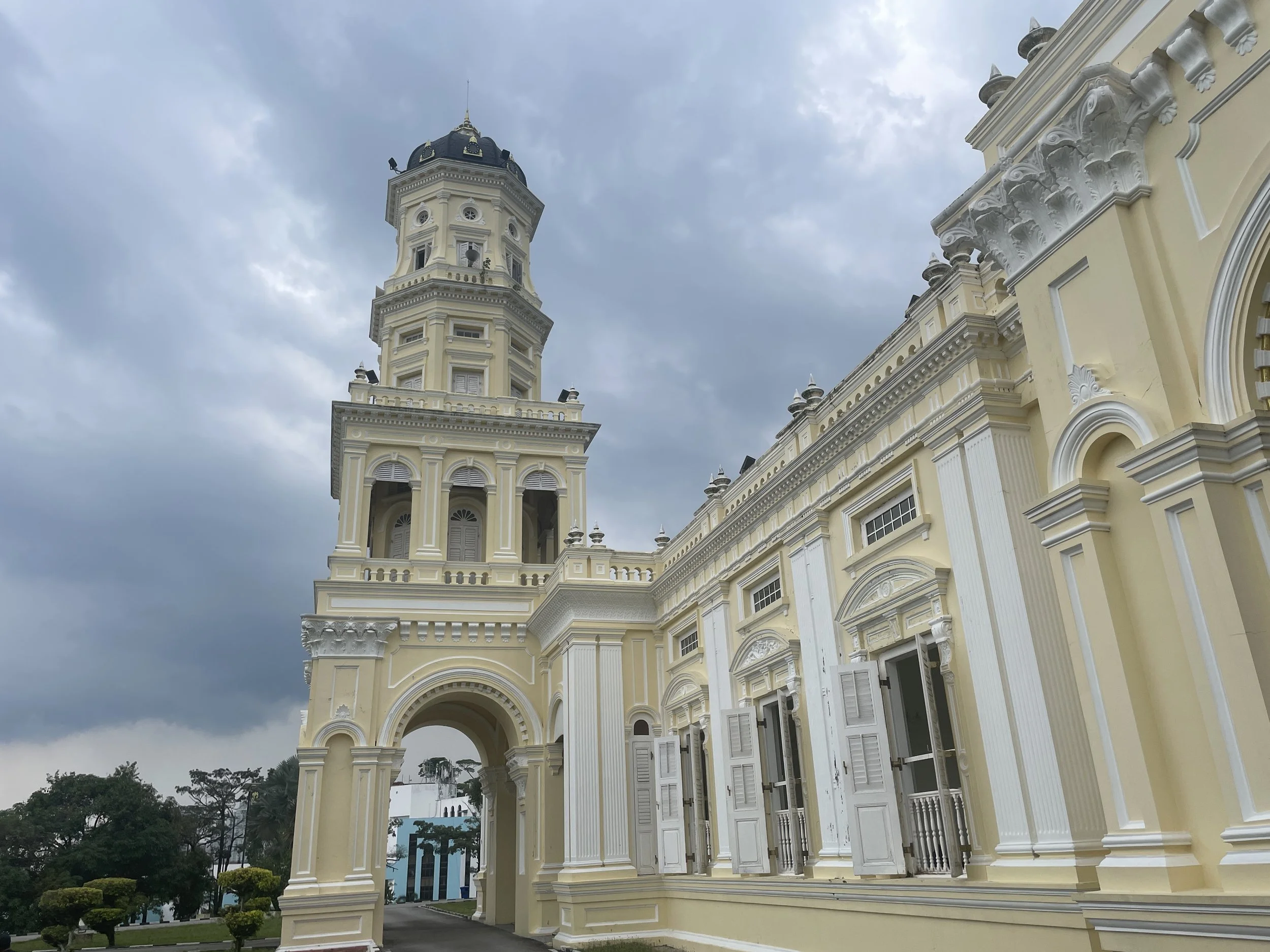
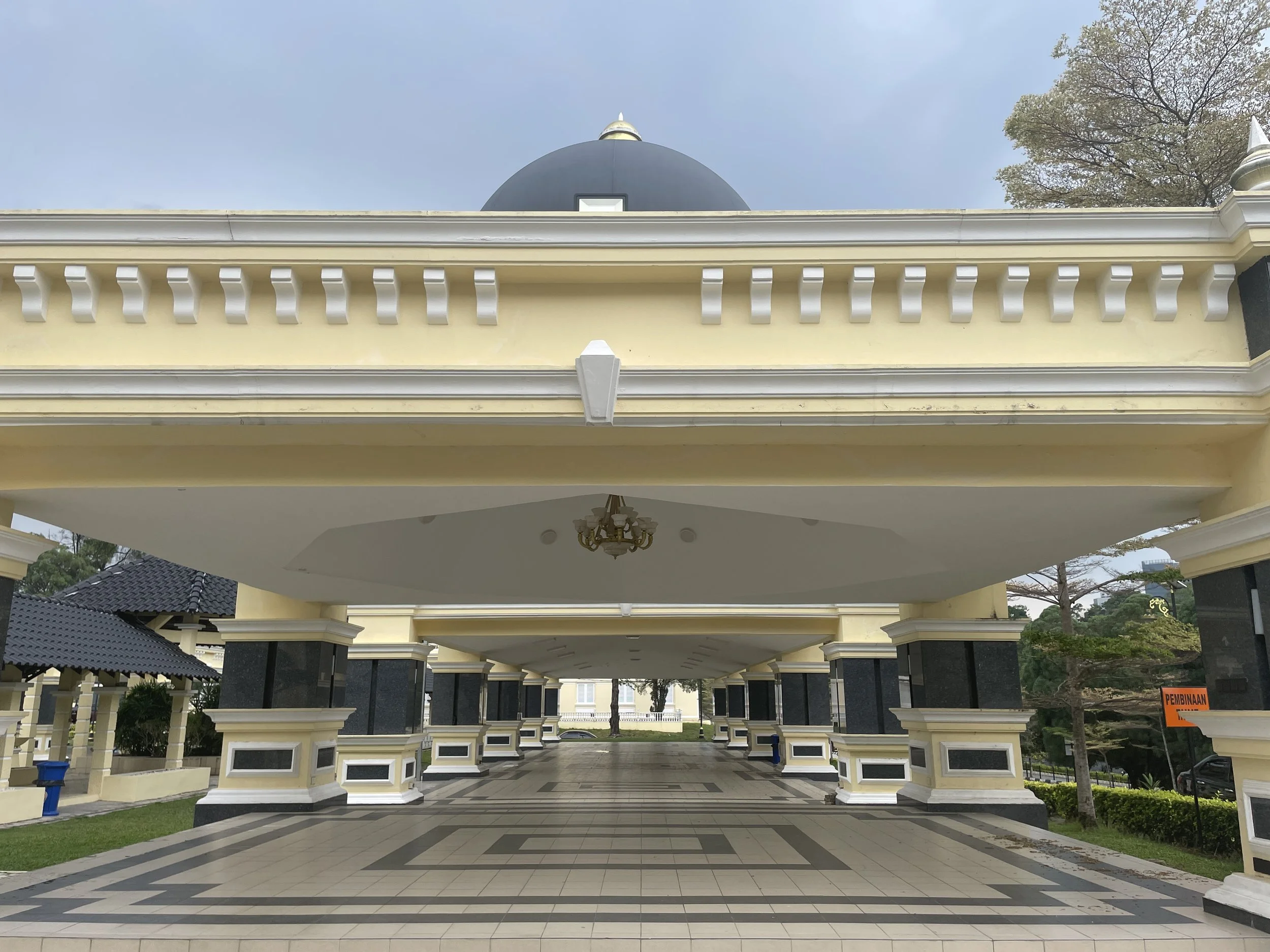
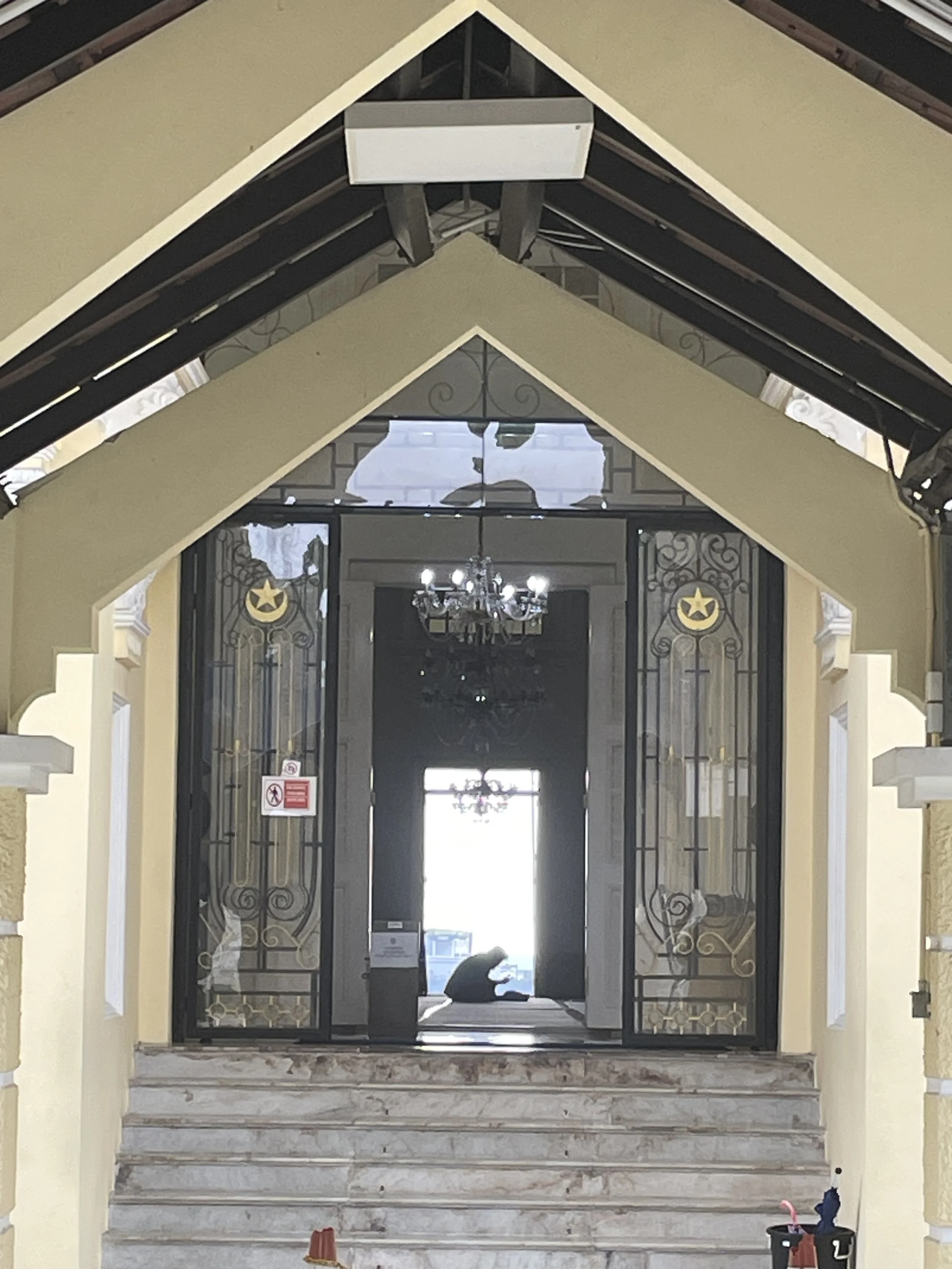
The driver dropped us at the front gate just as heavy rain began to pour. To our surprise, we discovered that the museum had been closed for several years. With no shelter nearby, we hurried through the downpour to a nearby bus stop to wait it out.
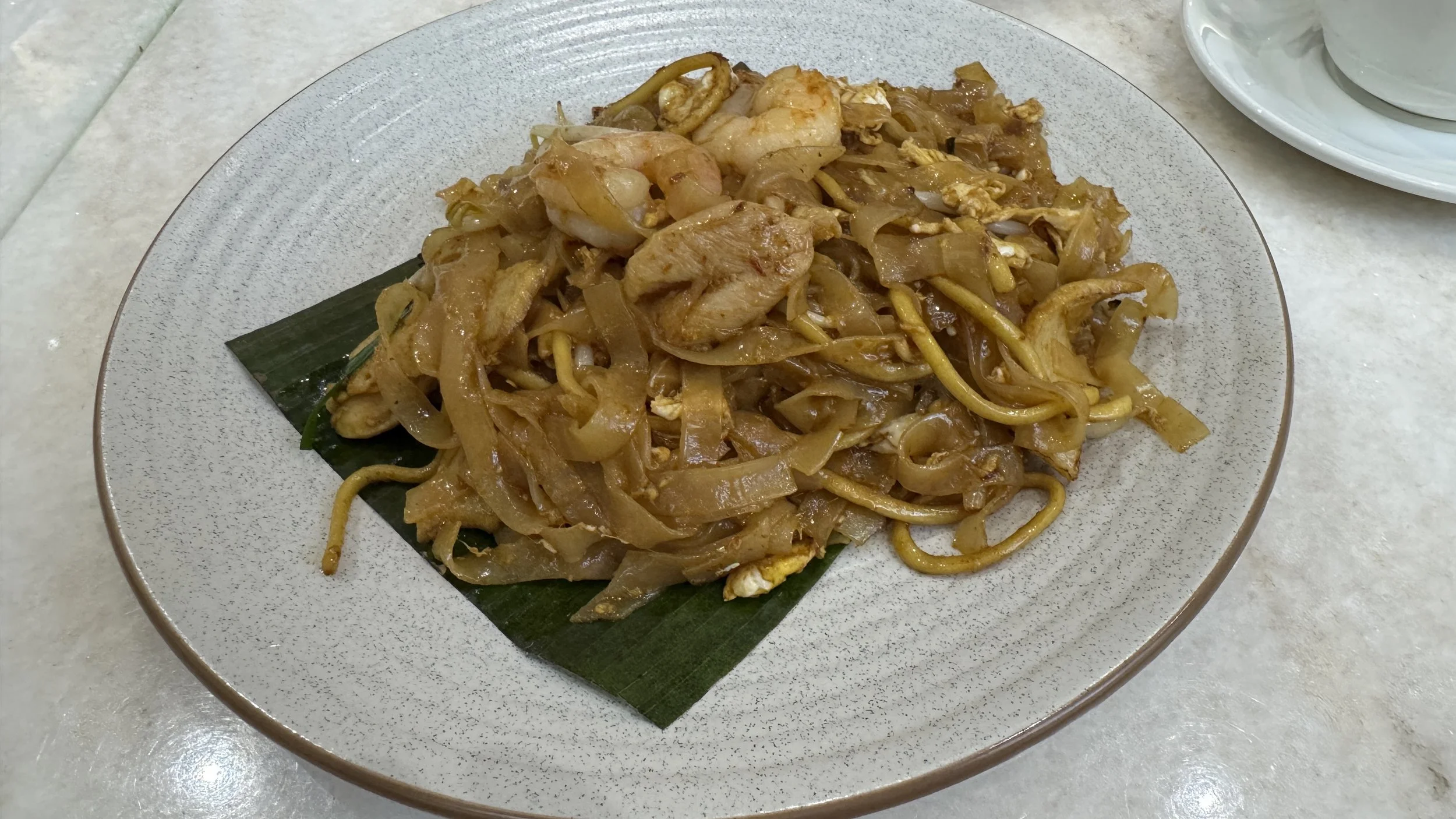
Once the rain subsided, we walked toward the Chinese heritage streets for an early dinner. Throughout our time in Malaysia, we had made it a habit to order at least one familiar dish at every meal — fried kway teow (炒粿条) — and once again, it did not disappoint. Each version we tried had its own character, but all were satisfying.
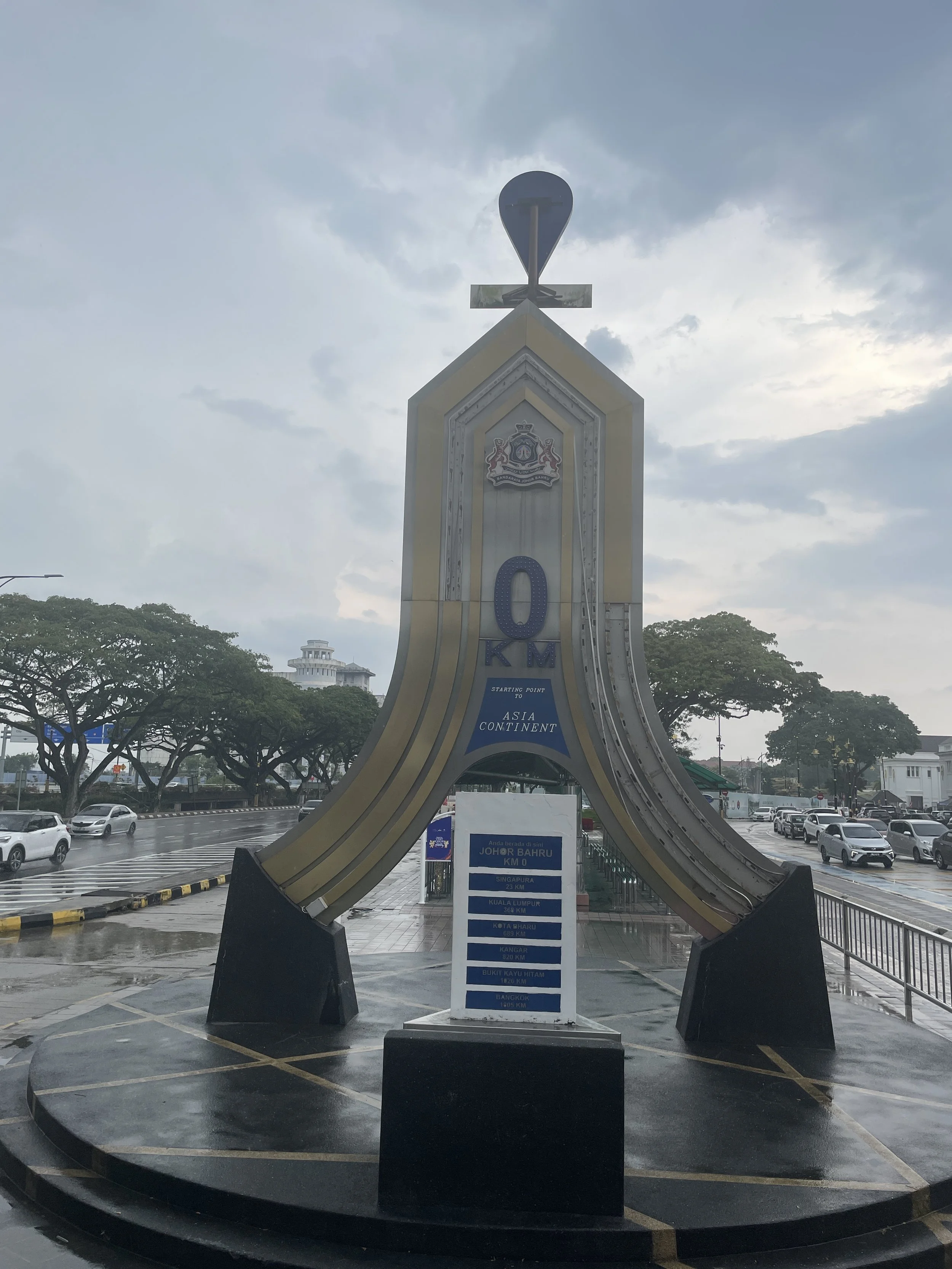
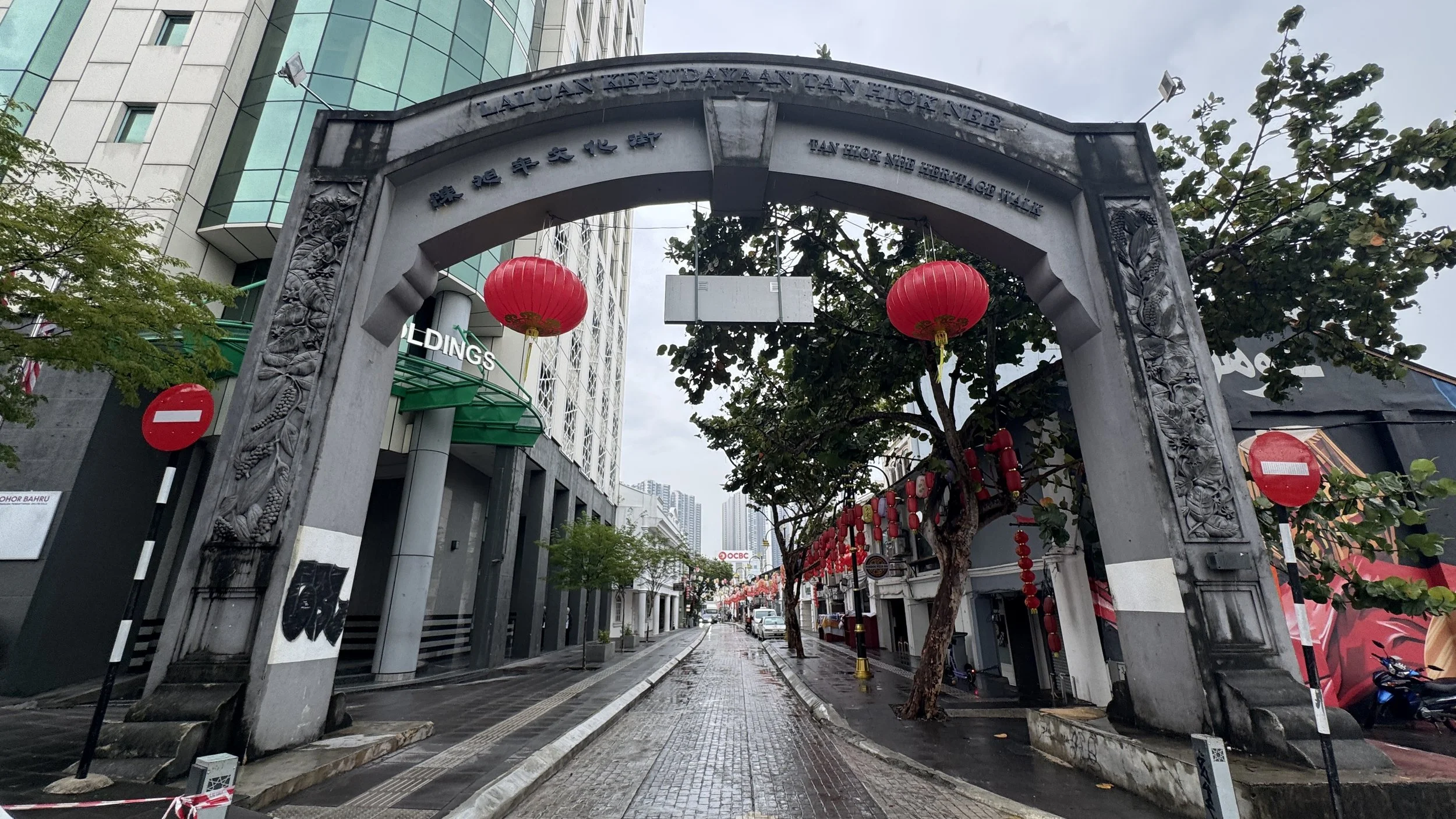
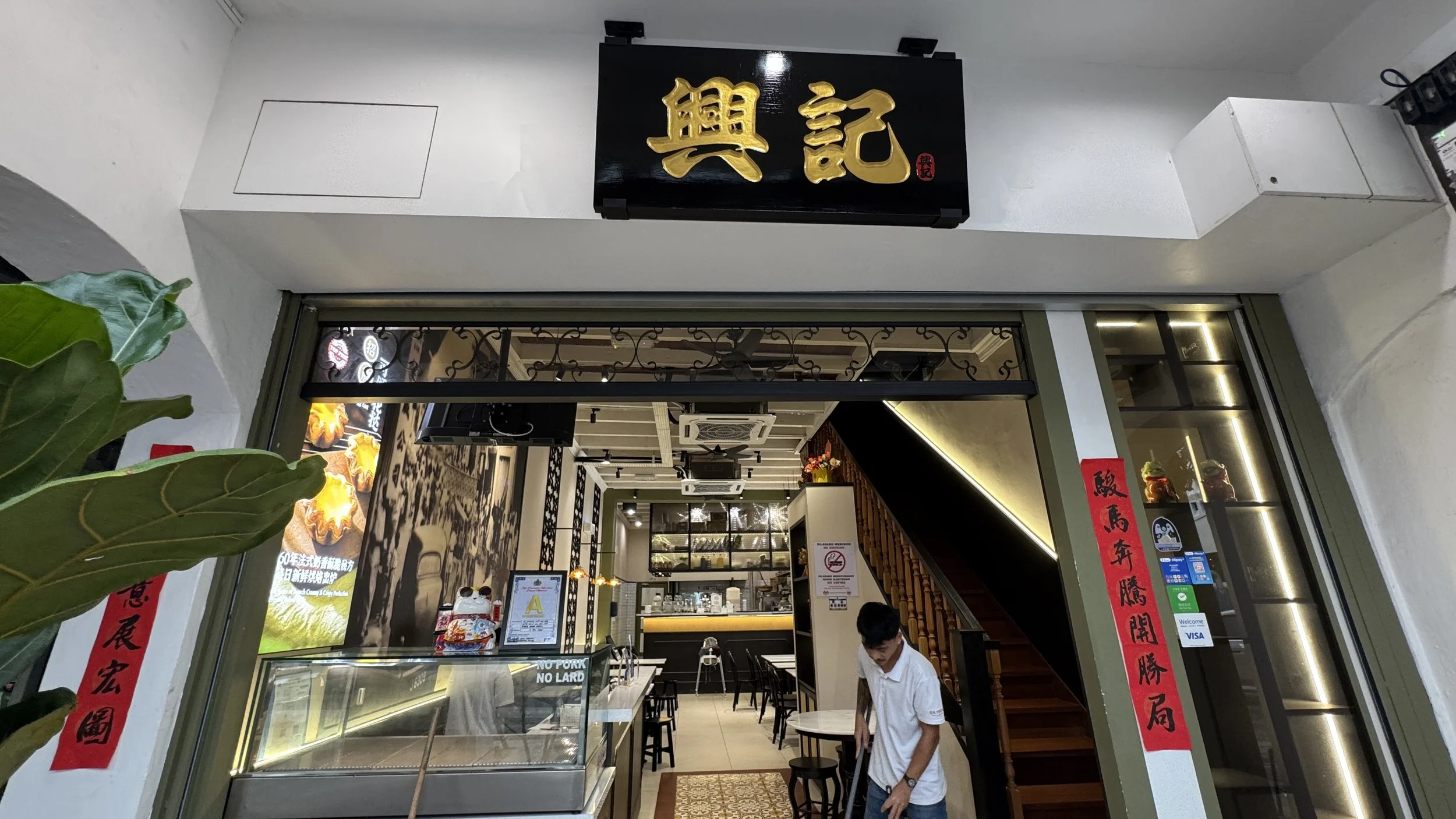
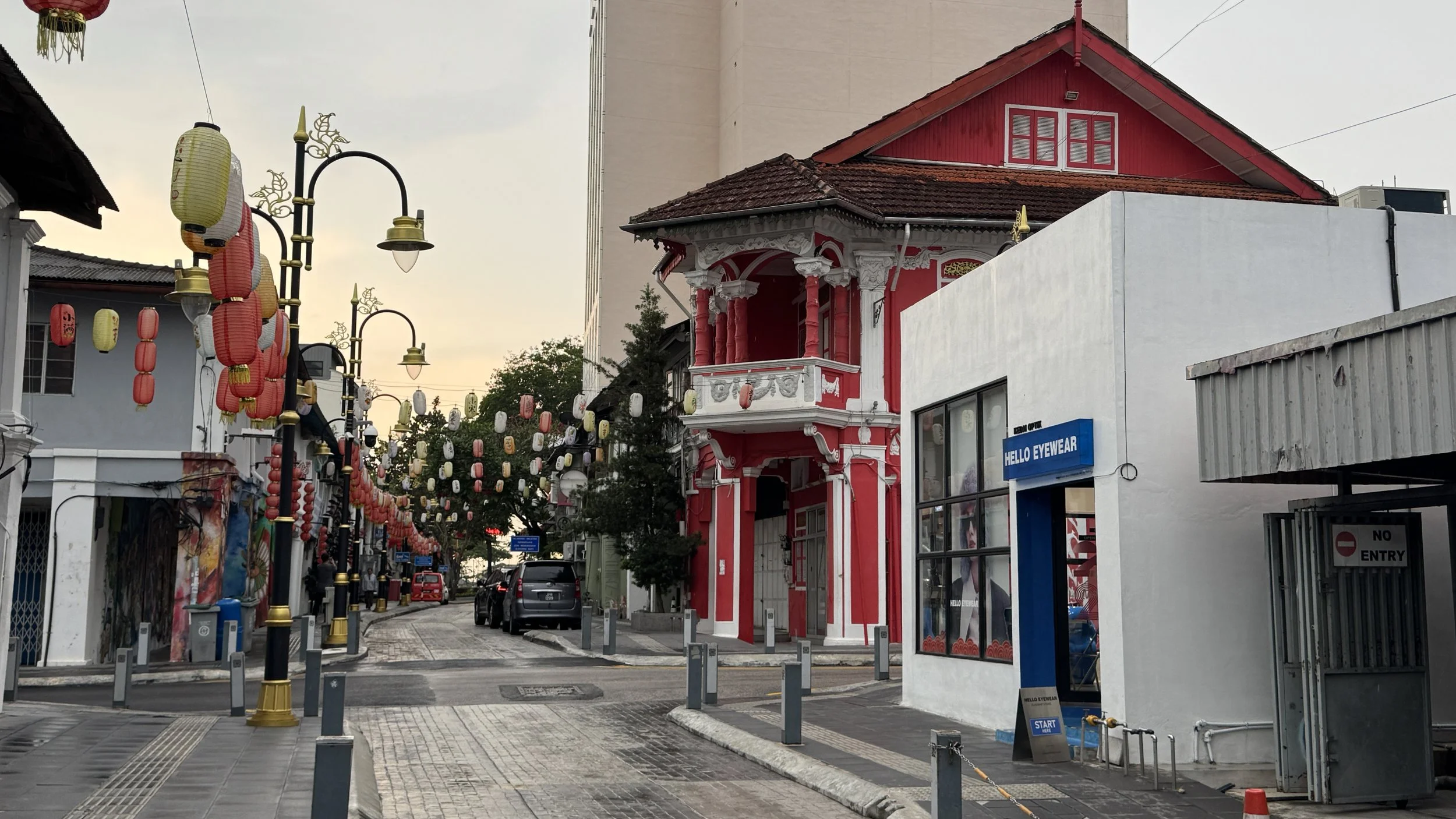
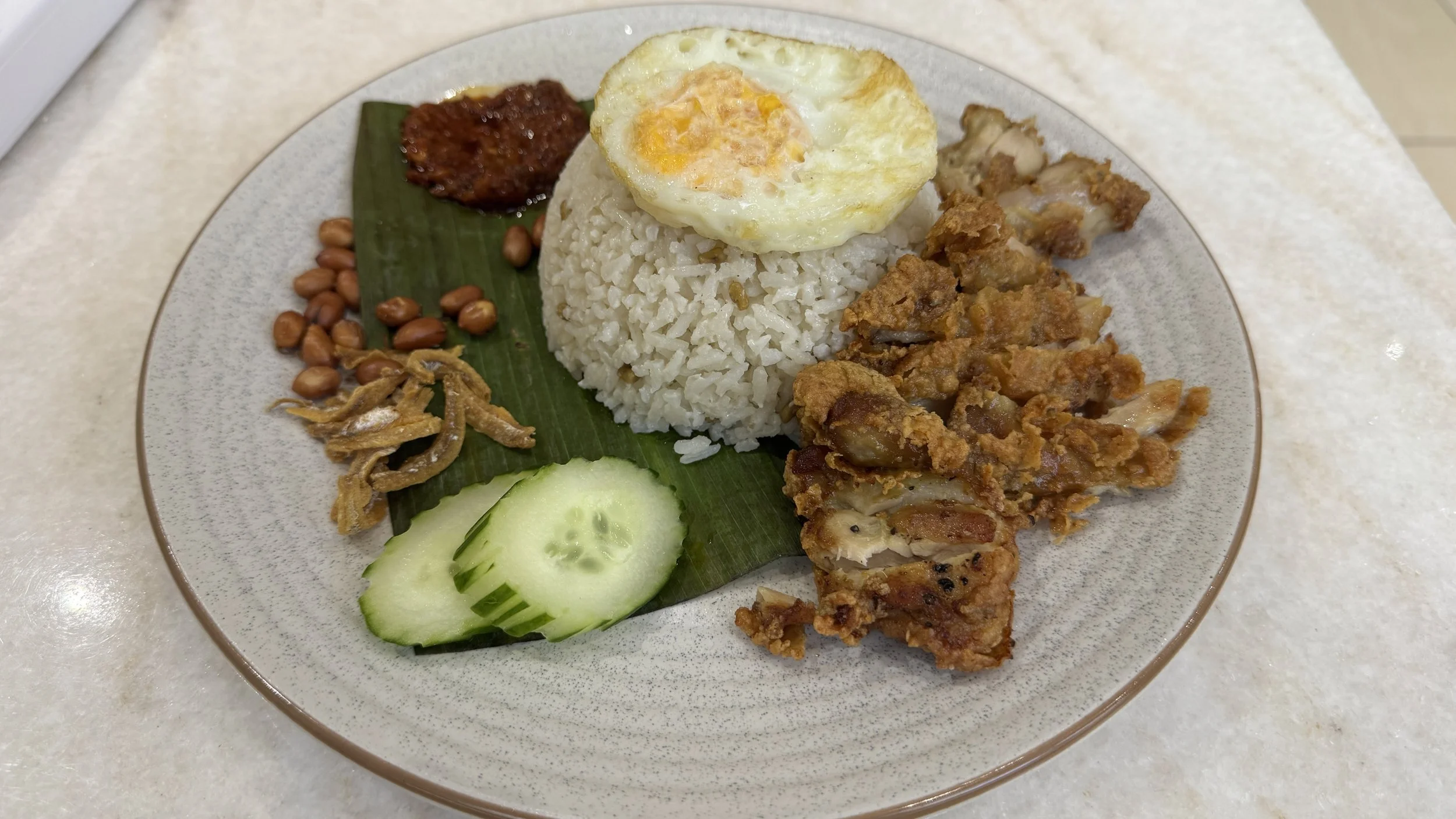
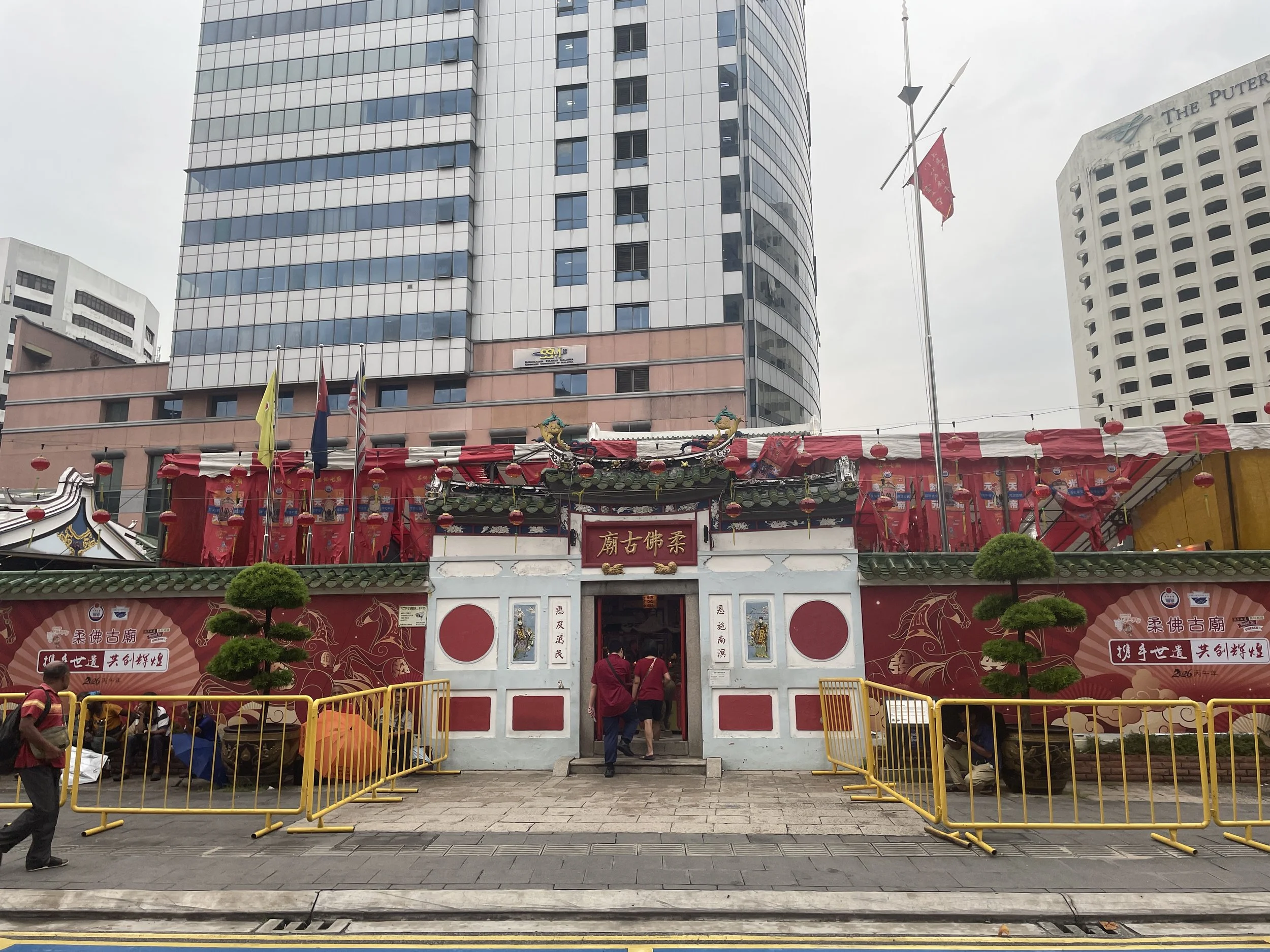
Later, we called a Grab back to the hotel. With a few remaining Malaysian ringgit notes in our wallets, we stopped to buy two egg tarts to enjoy one last local treat. On the way, we stopped the oldest Chinese Temple and a city landmark.
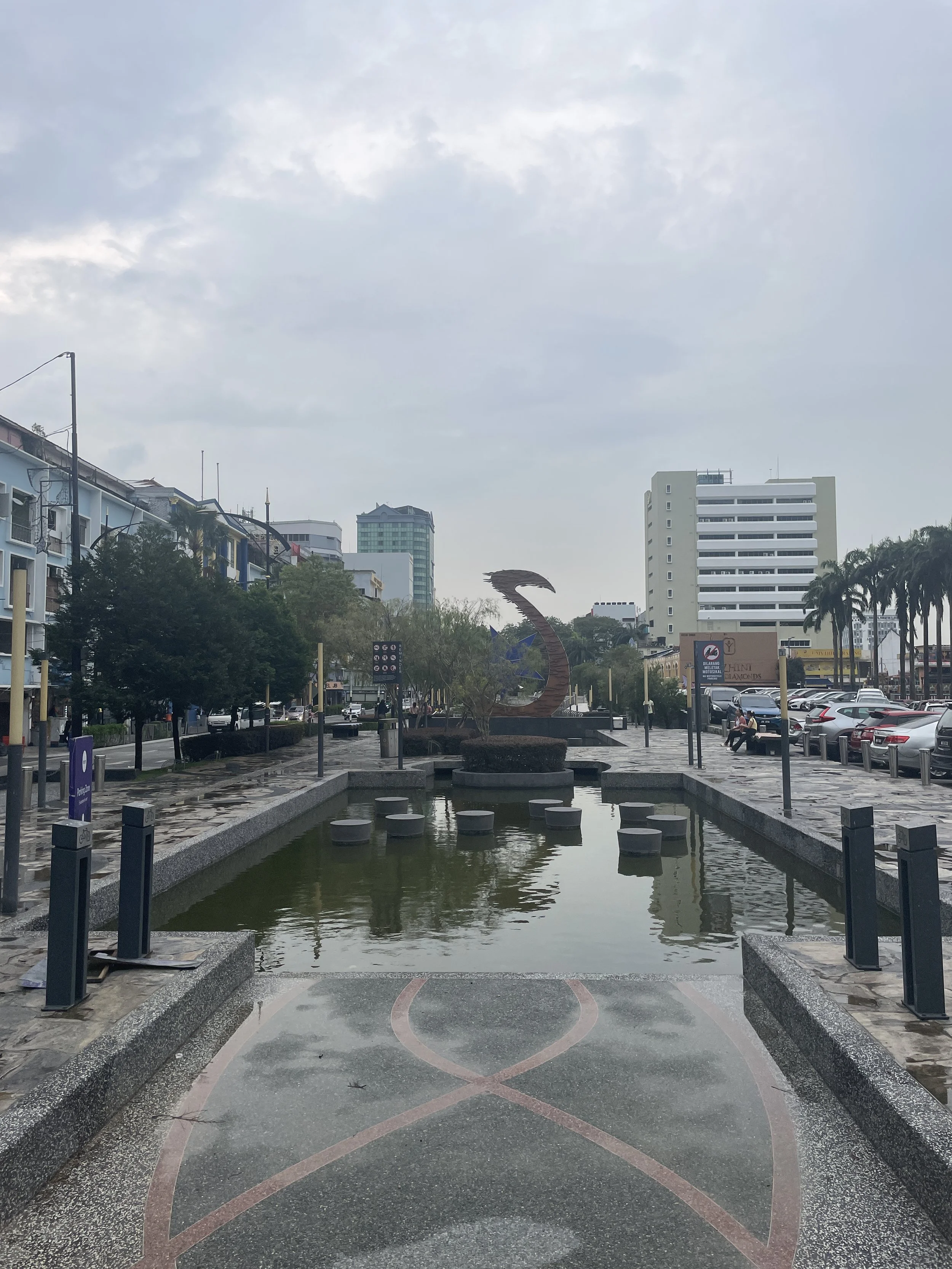
As our trip to Malaysia came to an end, we realized how much we had enjoyed every moment — the food, the culture, the history, and the unexpected encounters along the way.
2026年3月2日
今天早上7:55,我们从吉隆坡中央车站(KL Sentral)搭乘电动列车前往柔佛新山中央车站(JB Sentral)。去年12月才刚开通的直达线路,使吉隆坡与新山之间的往返变得更加便捷高效。
我们在好几个星期之前就购买好了一等座车票,车厢采用2+1的座位布局,是我们体验过的最舒适的配置之一,车上还提供免费的饮料,零食和简餐。虽然行驶的平稳度不如日本或中国的高铁那样,但整体乘坐体验依然令人满意。
四个多小时之后火车准点到达新山。入住酒店,安顿好行李后,我们便出门探索这座边境城市。第一站是位于山丘上的苏丹阿布峇卡清真寺,俯瞰柔佛海峡。与传统清真寺不同,它融合了维多利亚、摩尔与马来建筑风格,外观独特而优雅。可惜不对非穆斯林人员开放。我们简单拍照后,叫了Grab前往苏丹阿布峇卡皇宫博物馆。
司机刚把我们送到大门口,大雨便倾盆而下。更让人意外的是,博物馆已关闭多年。无奈之下,我们只好冒雨跑到附近的公交站避雨。
雨停后,我们步行前往华人传统街区吃早晚餐。整个马来西亚之行,我们每顿饭都会点一道熟悉的菜——炒粿条,而每一家都不错。不同店家风味各异,却都令人满意。
来马来西亚几天,今天是唯一一天下雨的。本来吃完饭还想继续走走,但天公不作美,不想再次被雨淋,于是我们叫了Grab返回酒店。钱包里还剩几张马币,于是顺路买了两个蛋挞,作为旅程最后的小小甜点。
马来西亚之旅即将结束。回望这几天的经历,无论是美食、文化、历史,还是旅途中那些不期而遇的瞬间,都让我们心生满足。我们享受这段旅程的每一个时刻。
Islam in Malaysia 伊斯兰教的马来西亚
March 1, 2026
From the moment we stepped into Malaysia two days ago,……
两天前踏入马来西亚的那一刻,。。。
March 1, 2026
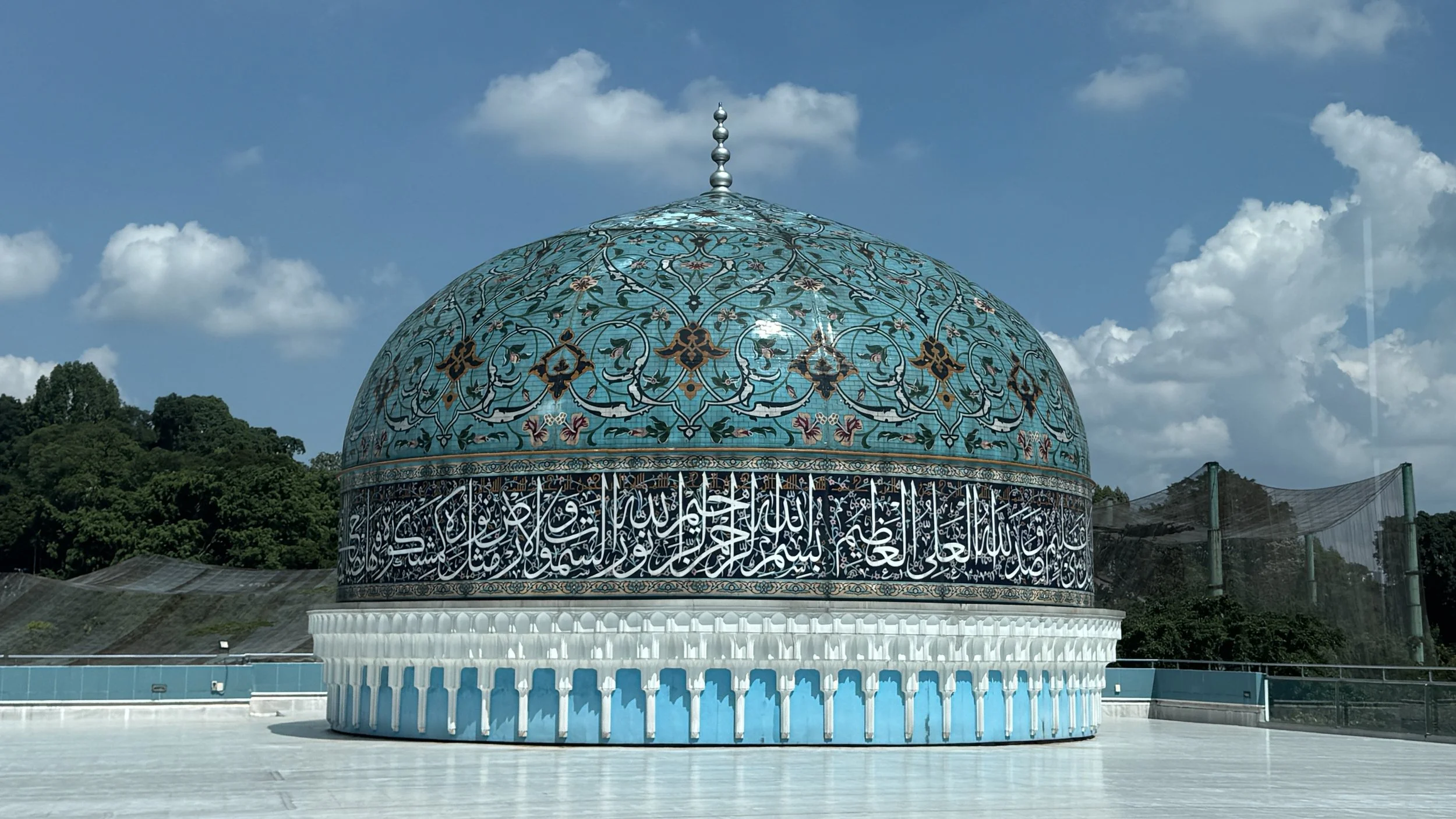
From the moment we stepped into Malaysia two days ago, we could immediately feel the strong presence of Islam in daily life. The call to prayer echoed through public loudspeakers. Currently it’s in the middle of the Ramada, and our hotel offers the nightly Ramadan buffet dinners. More than half of the women we saw on the street wore headscarves. With temperatures in the 90s and humidity just as high, we decided today would be a museum day — a chance to better understand Malaysia and the role of Islam in the country.
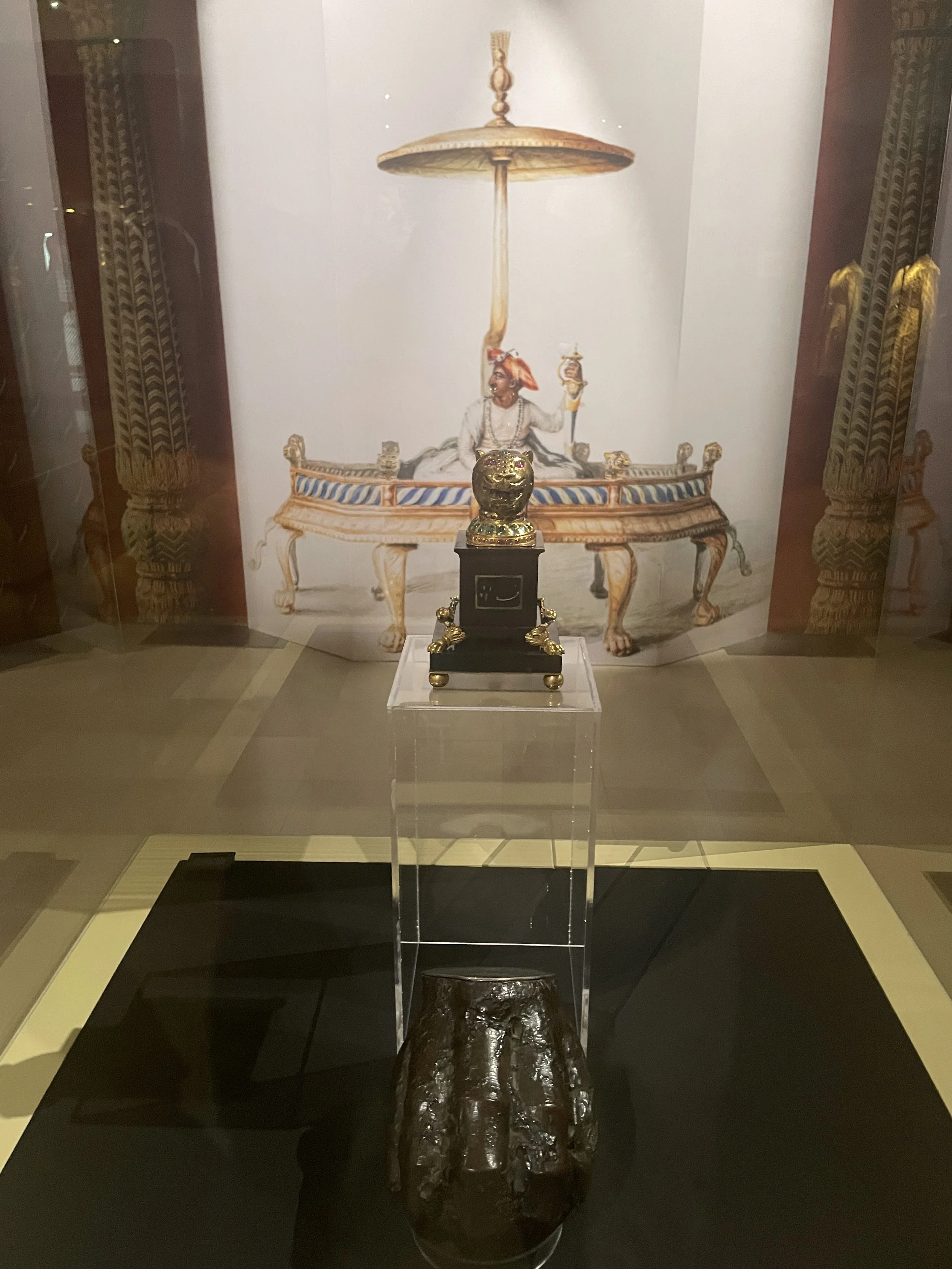
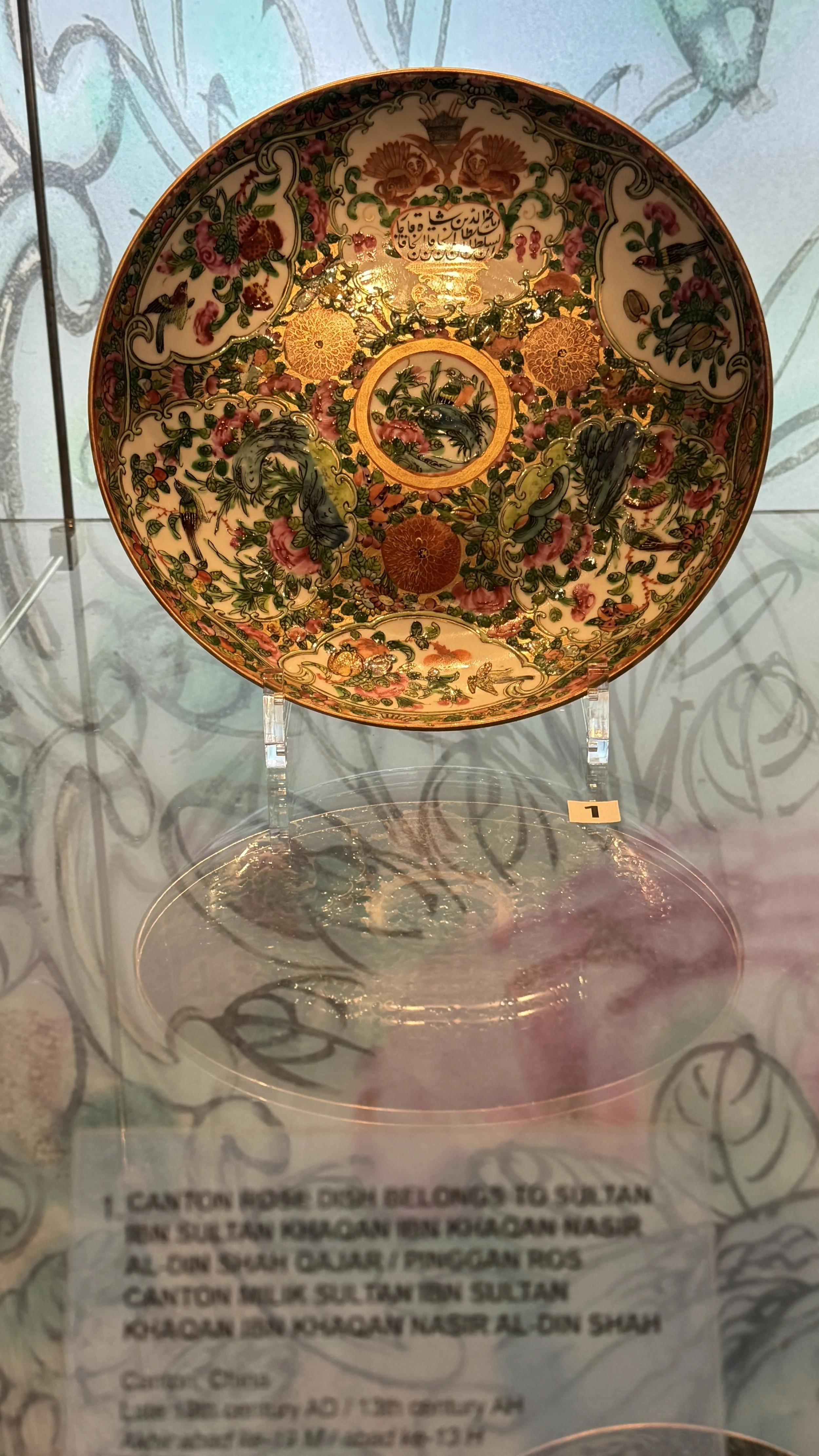
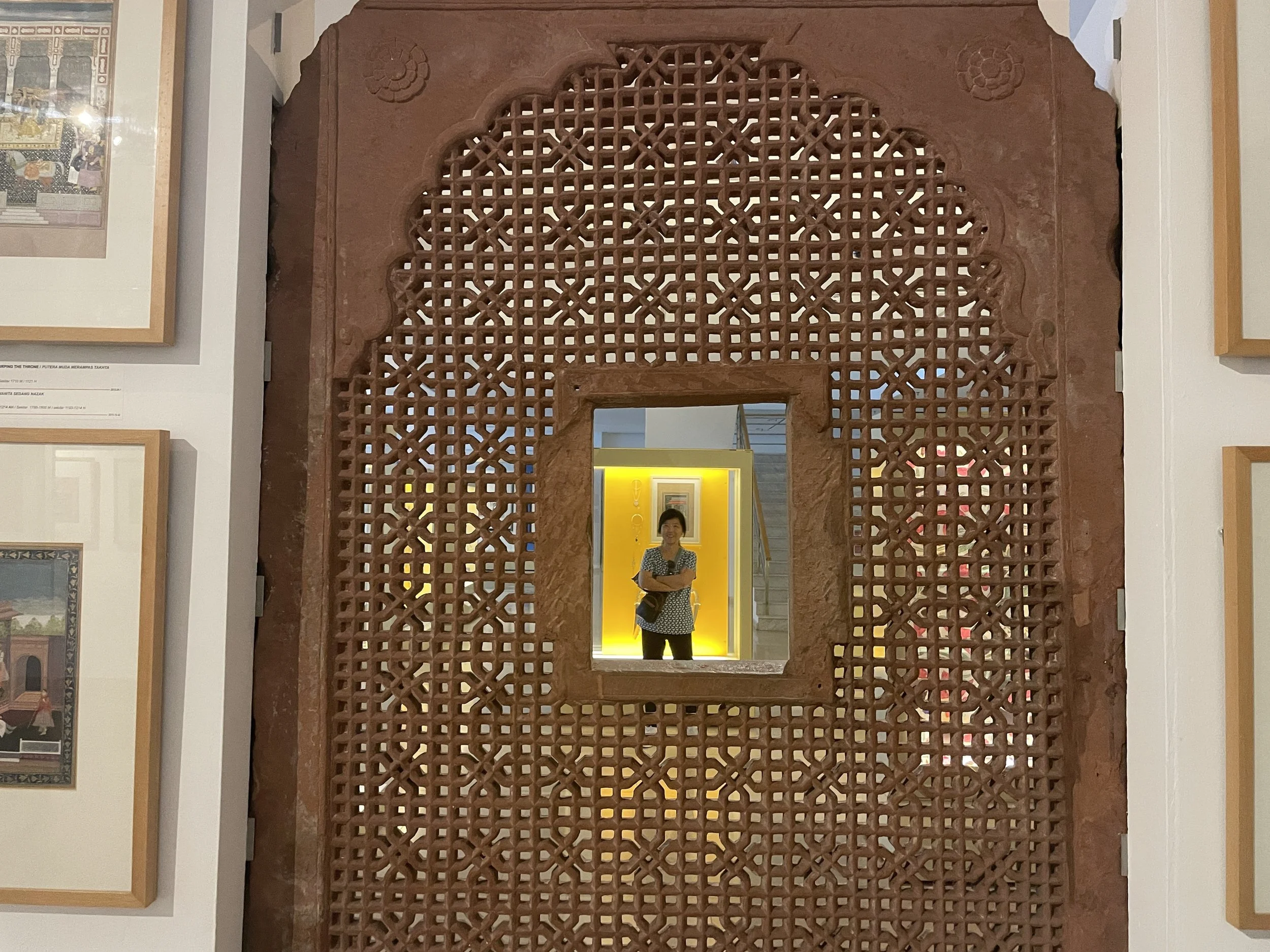
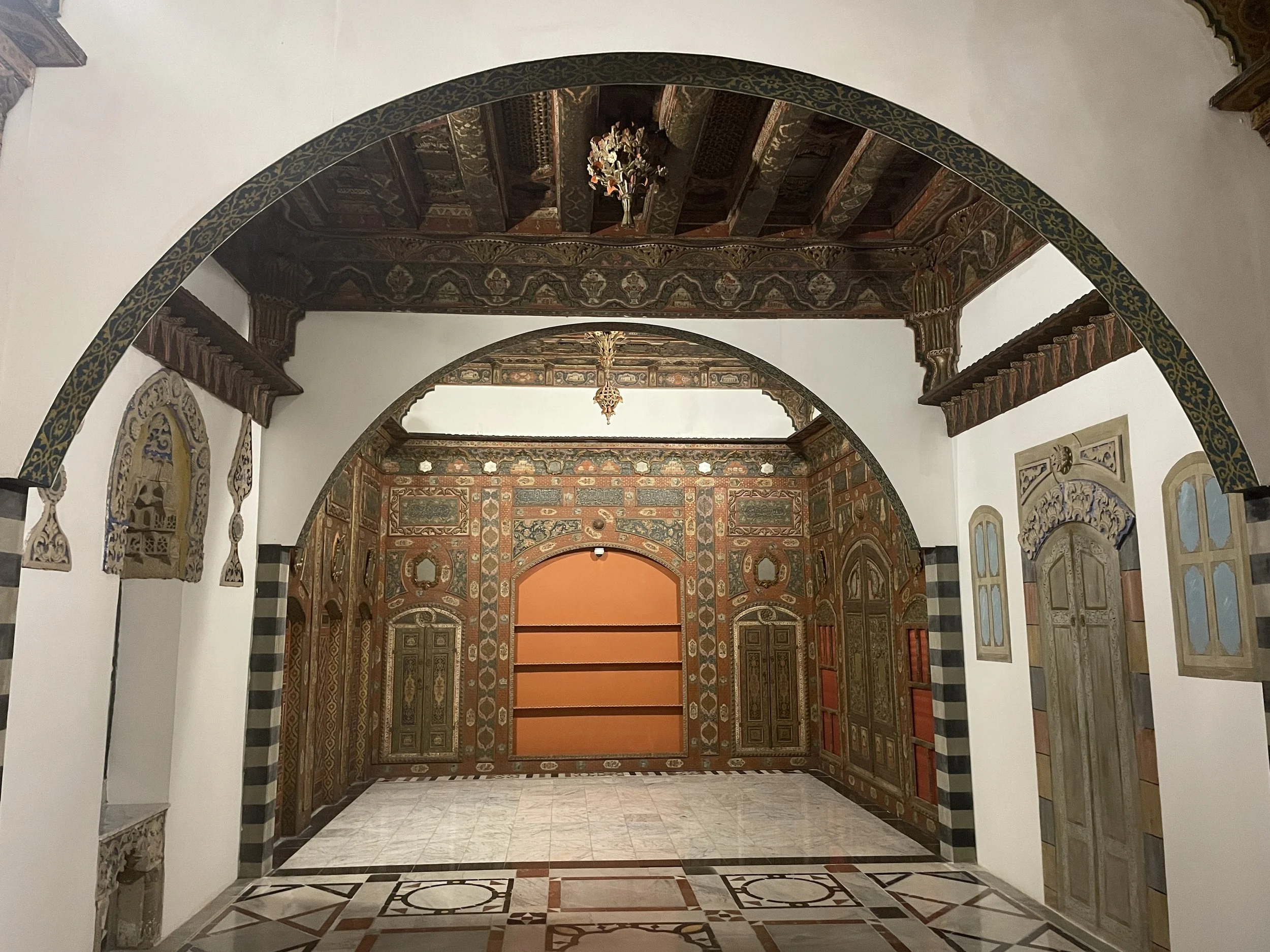
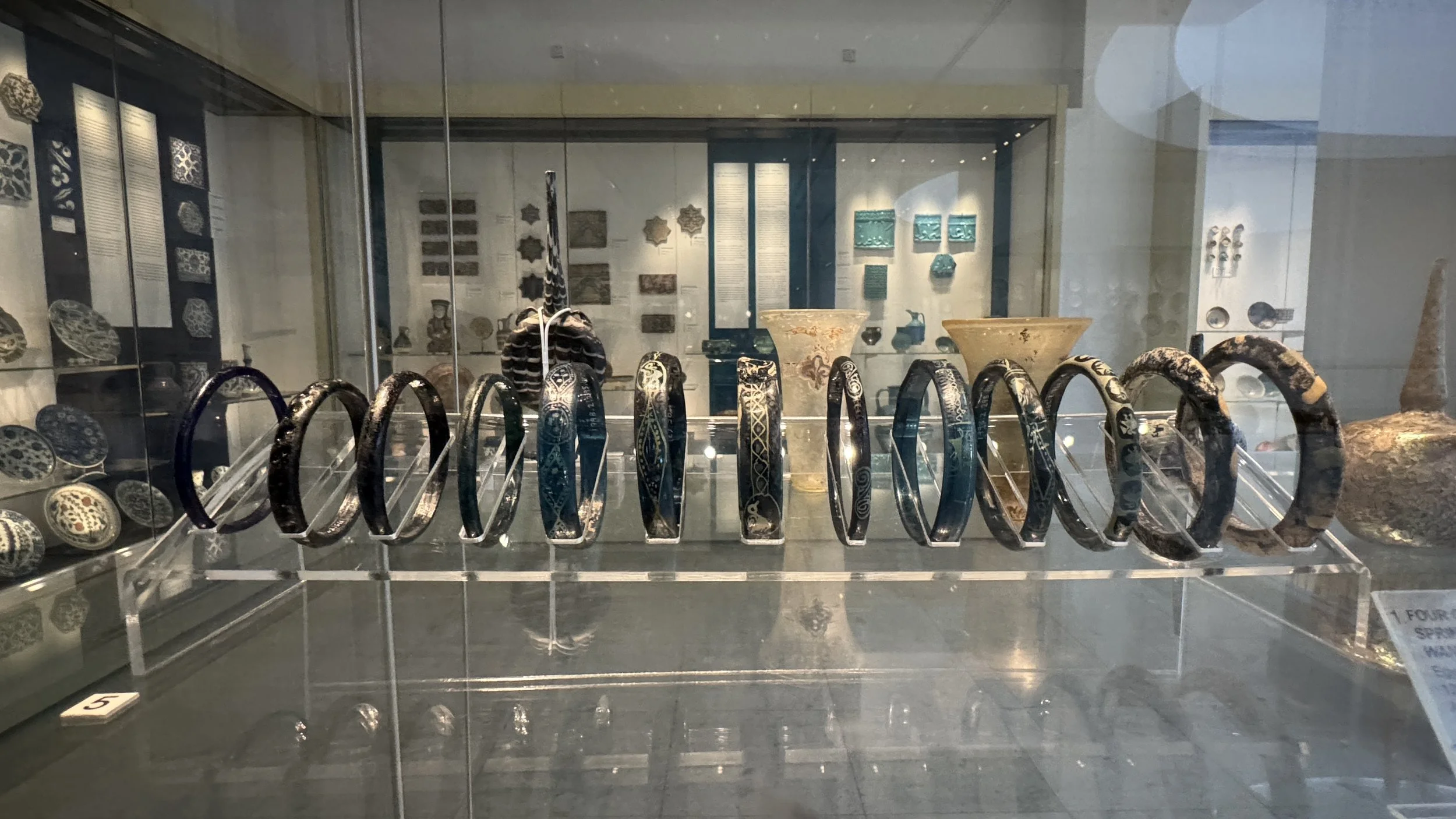
Our first stop was the Islamic Arts Museum Malaysia, where we explored beautifully curated galleries of calligraphy, architectural models, ceramics, textiles, and Qur’anic manuscripts. The exhibits were elegant and thoughtfully presented, offering insight into the artistic and cultural dimensions of Islamic civilization.
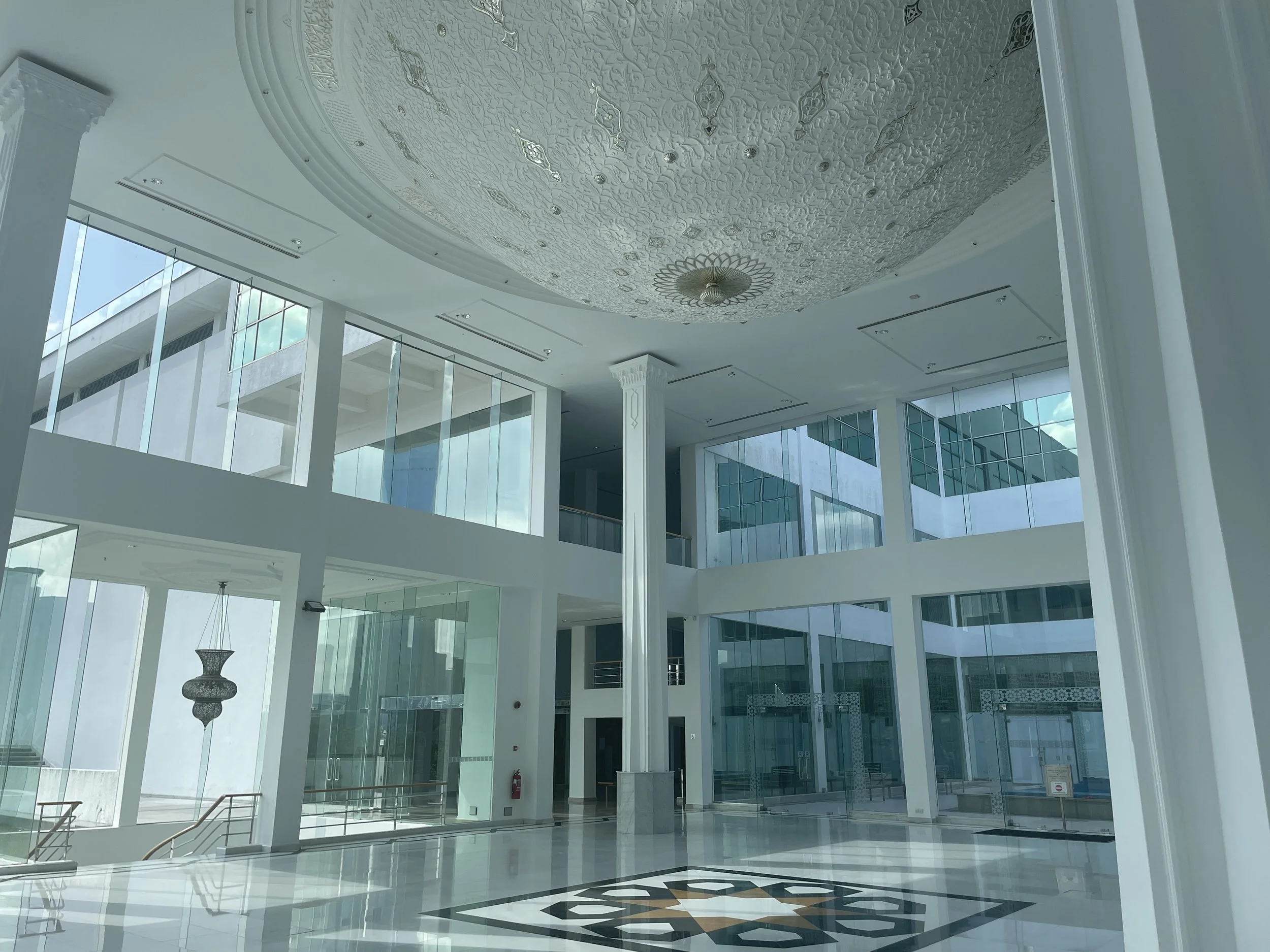
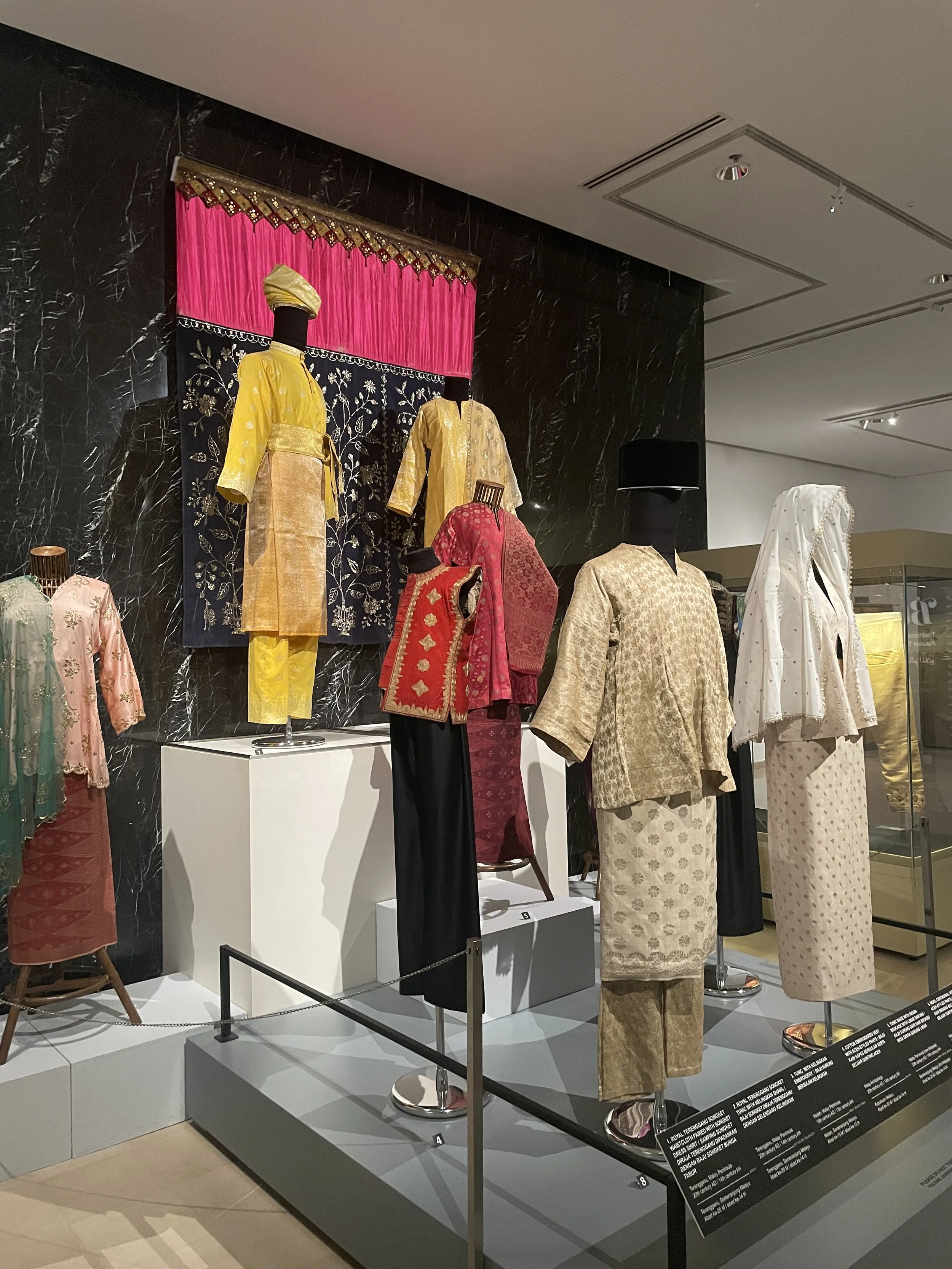
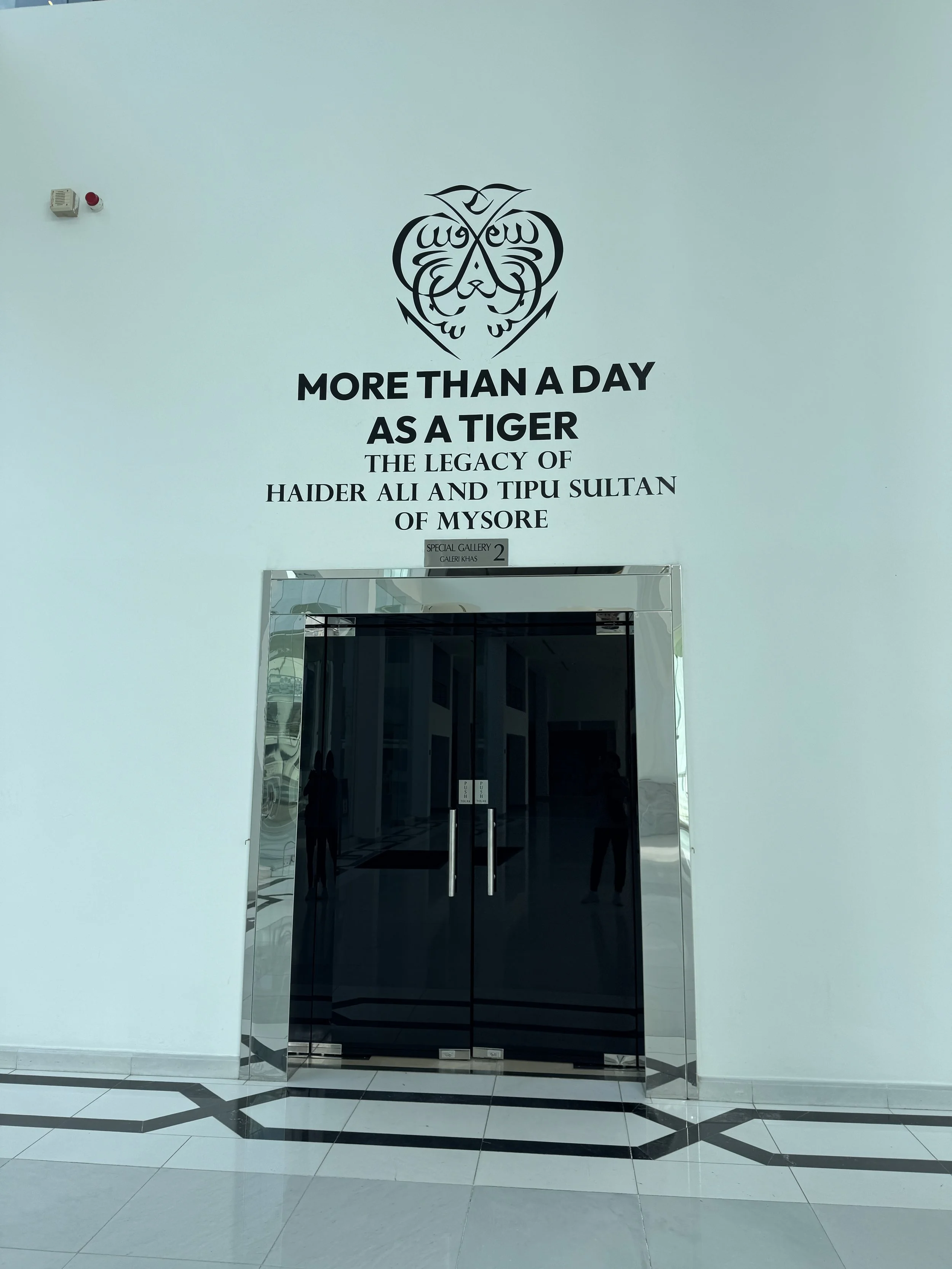
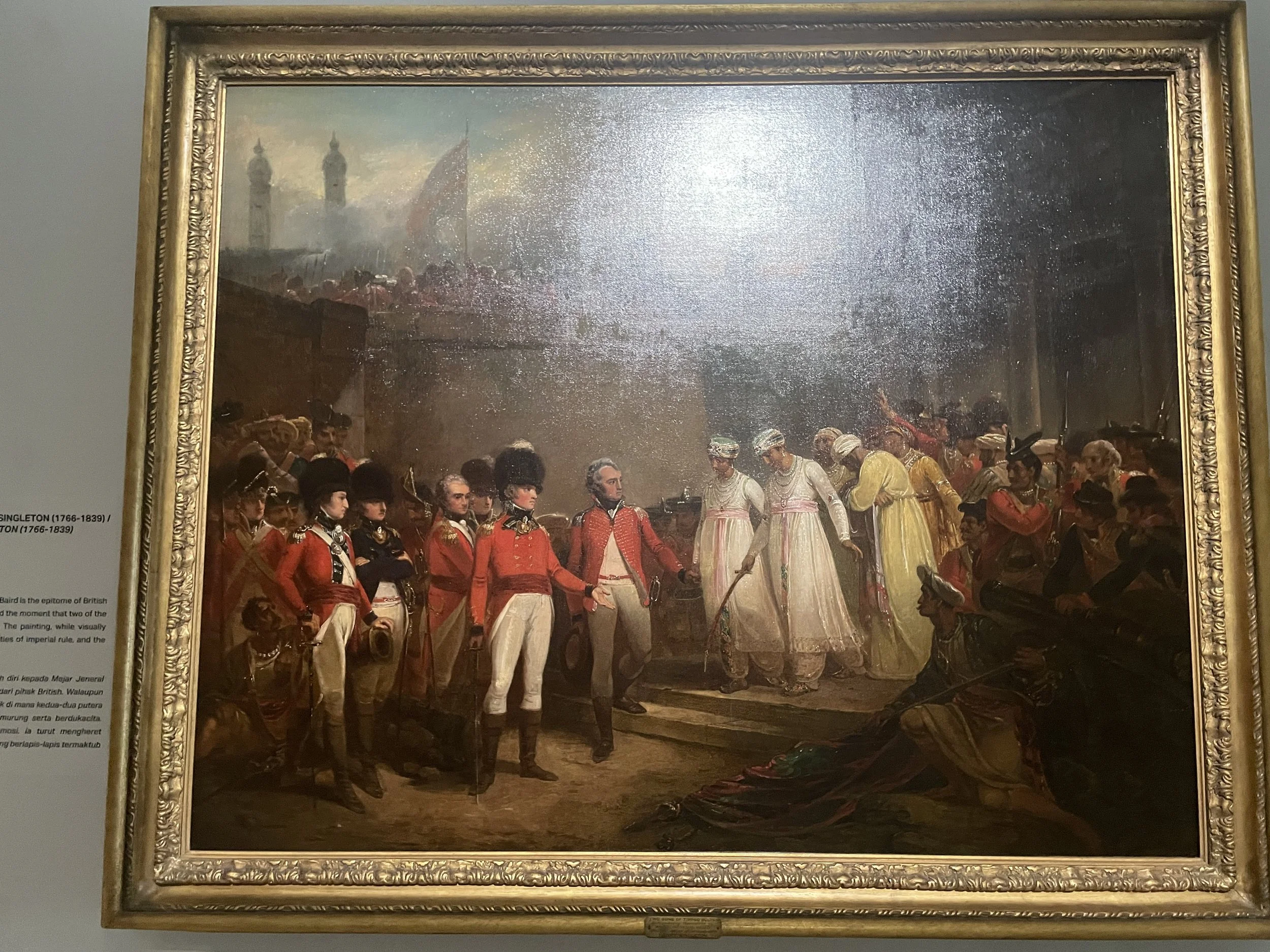
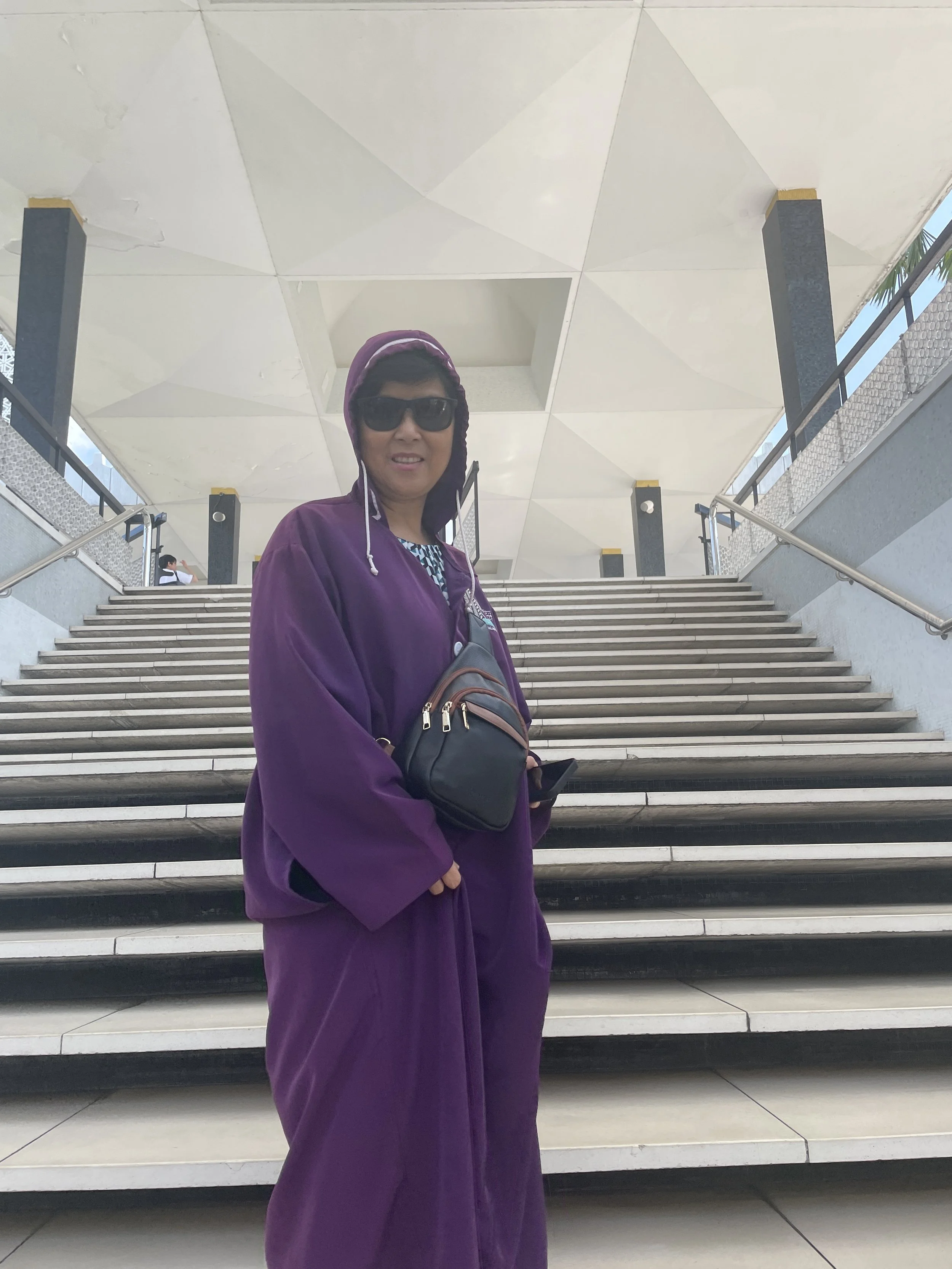
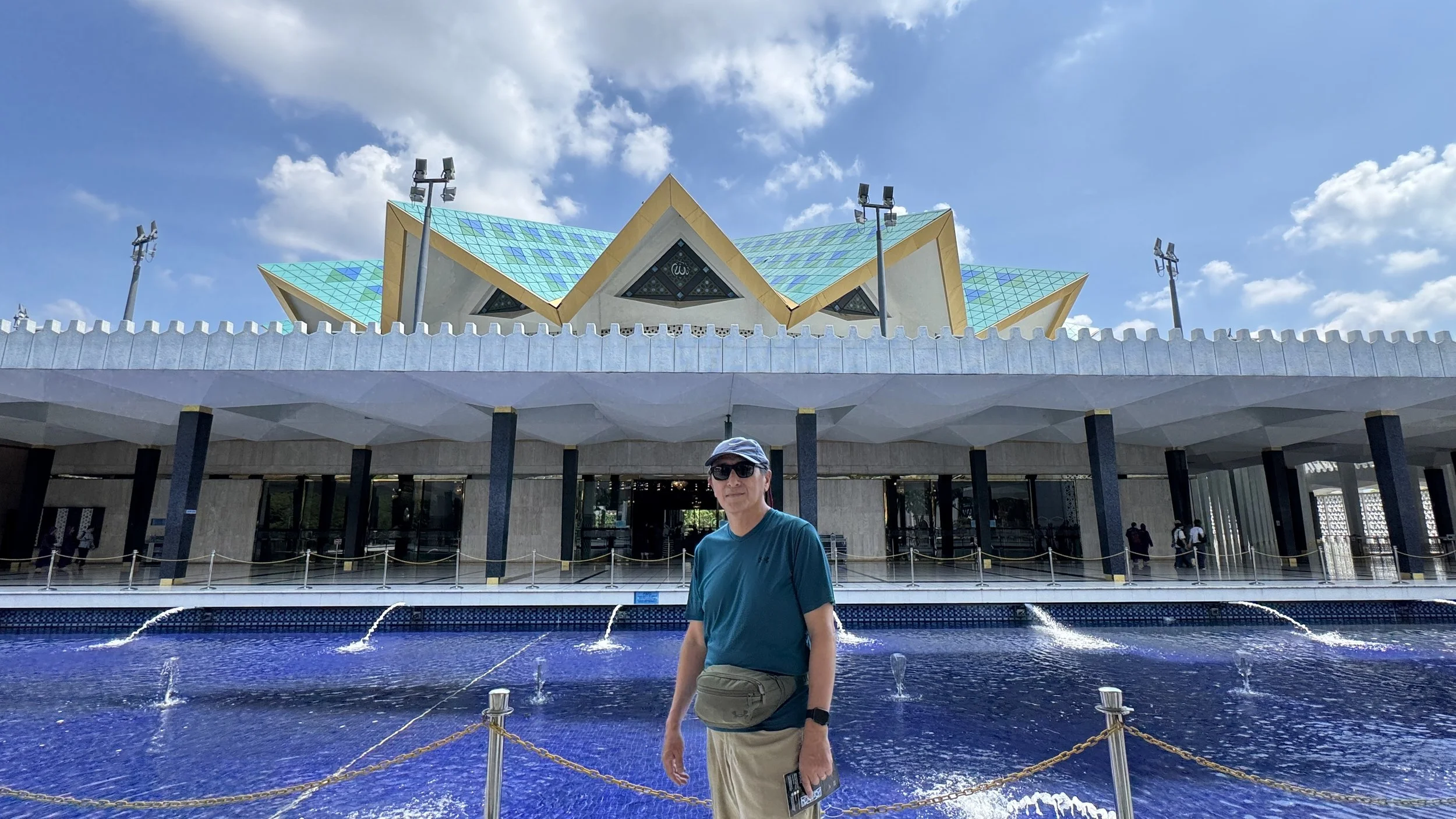
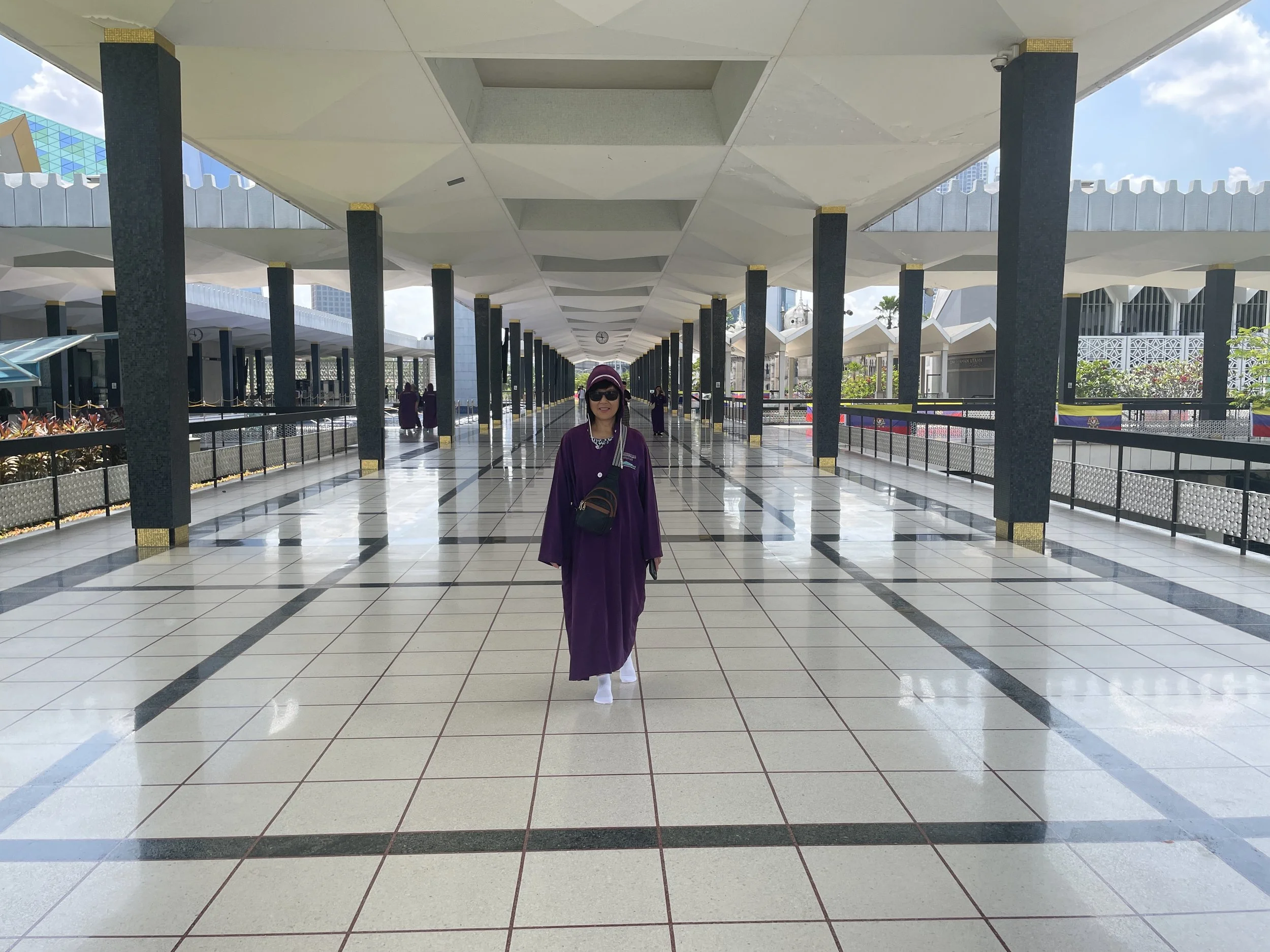
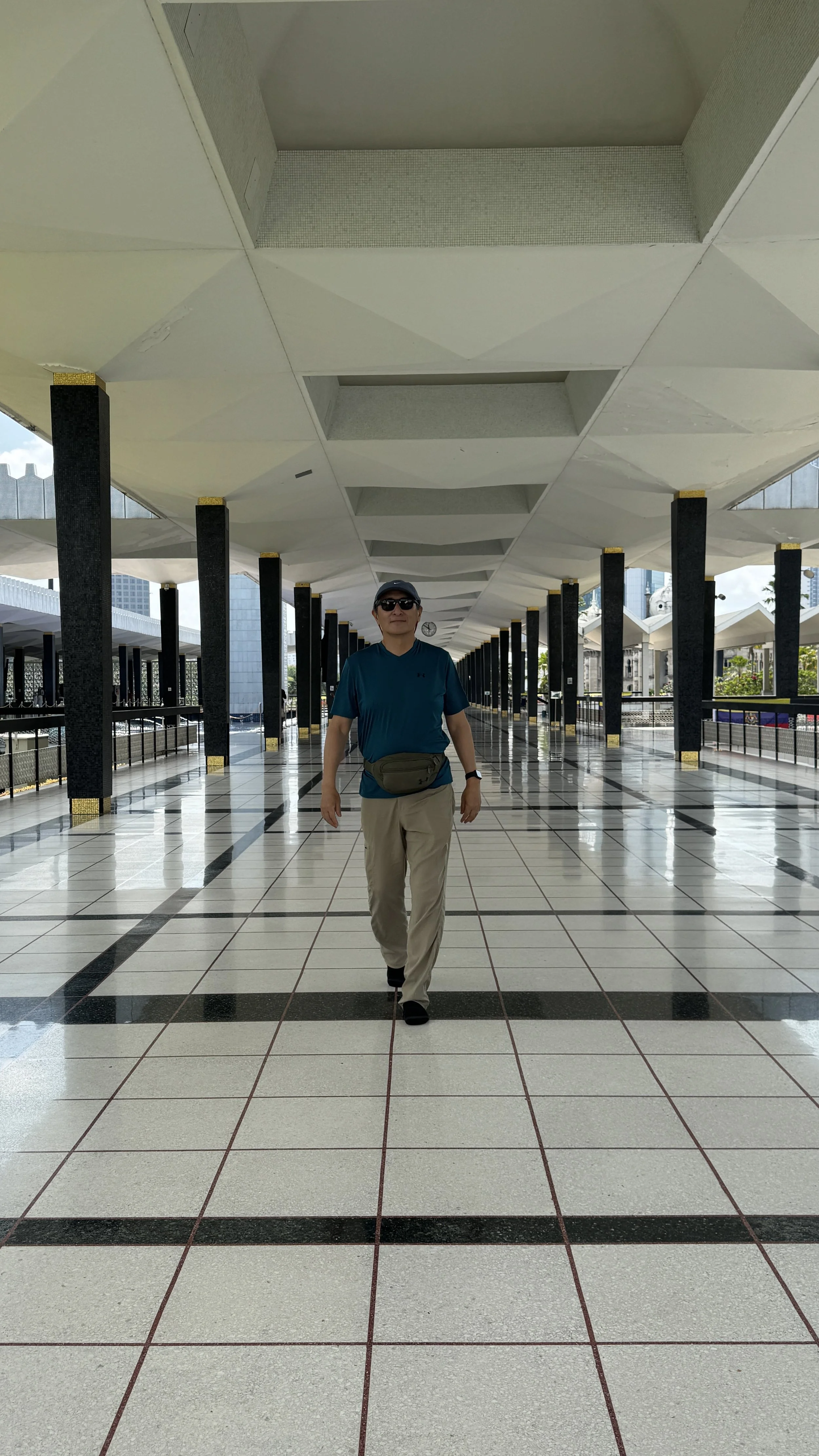
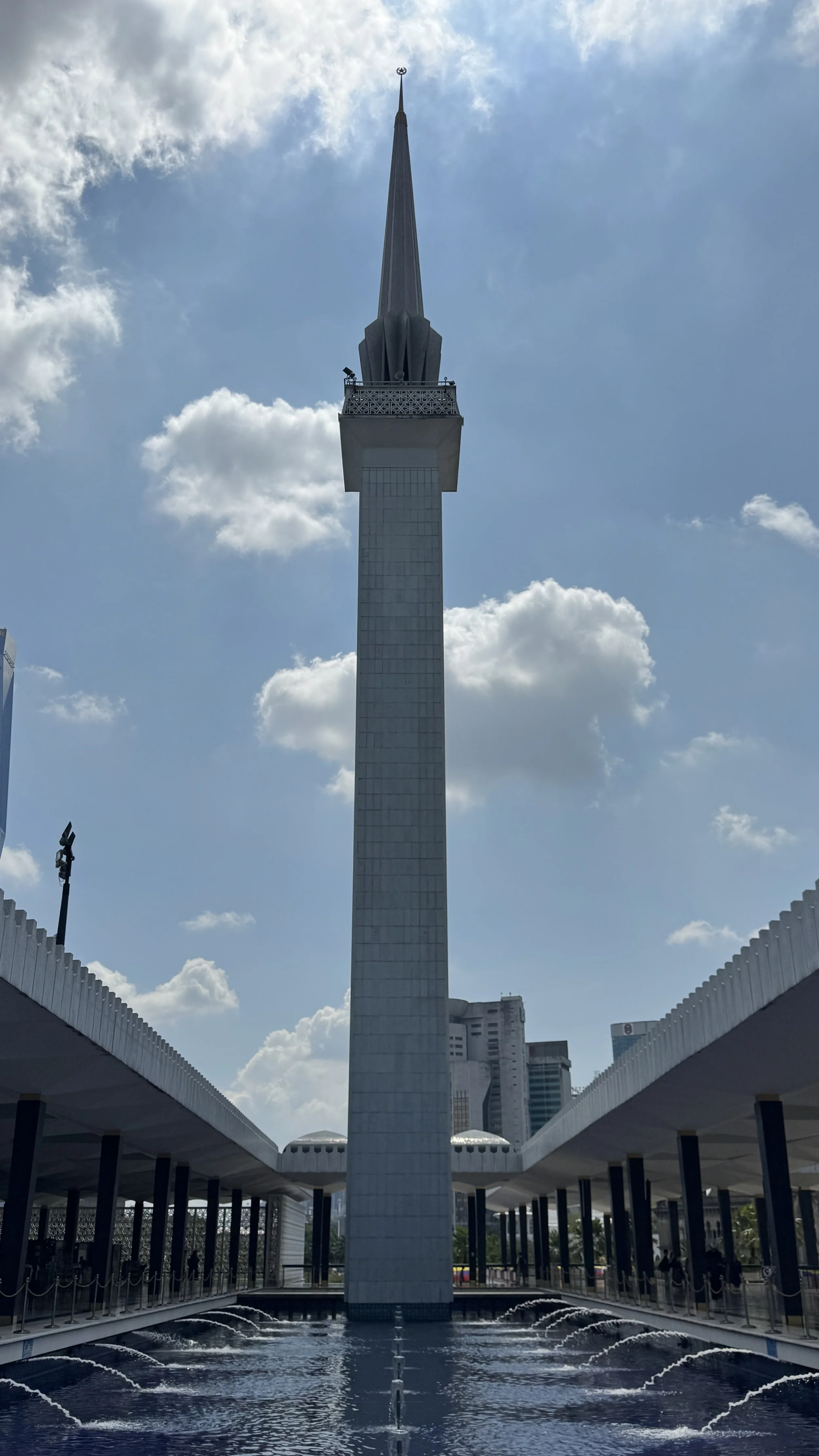
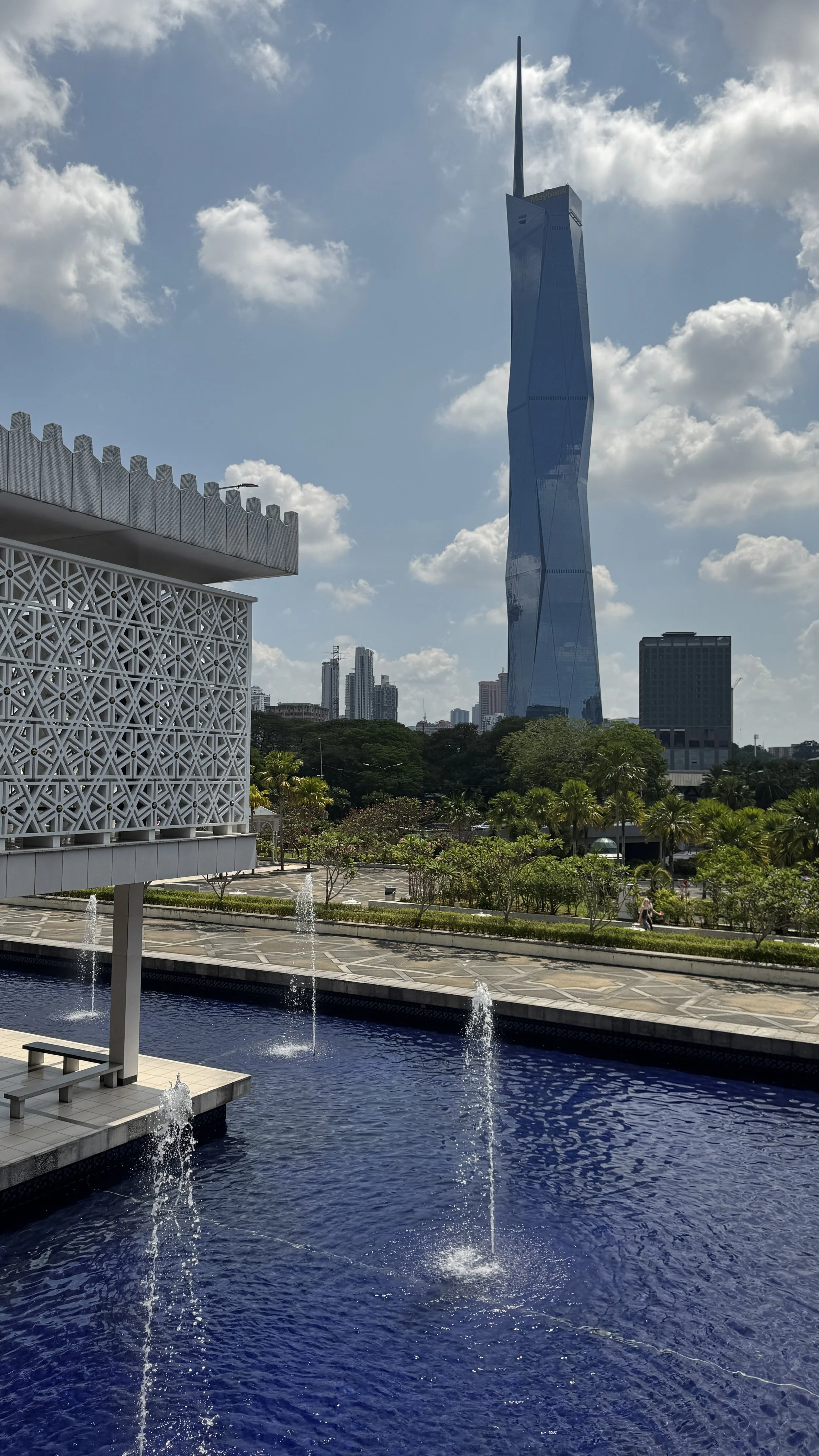
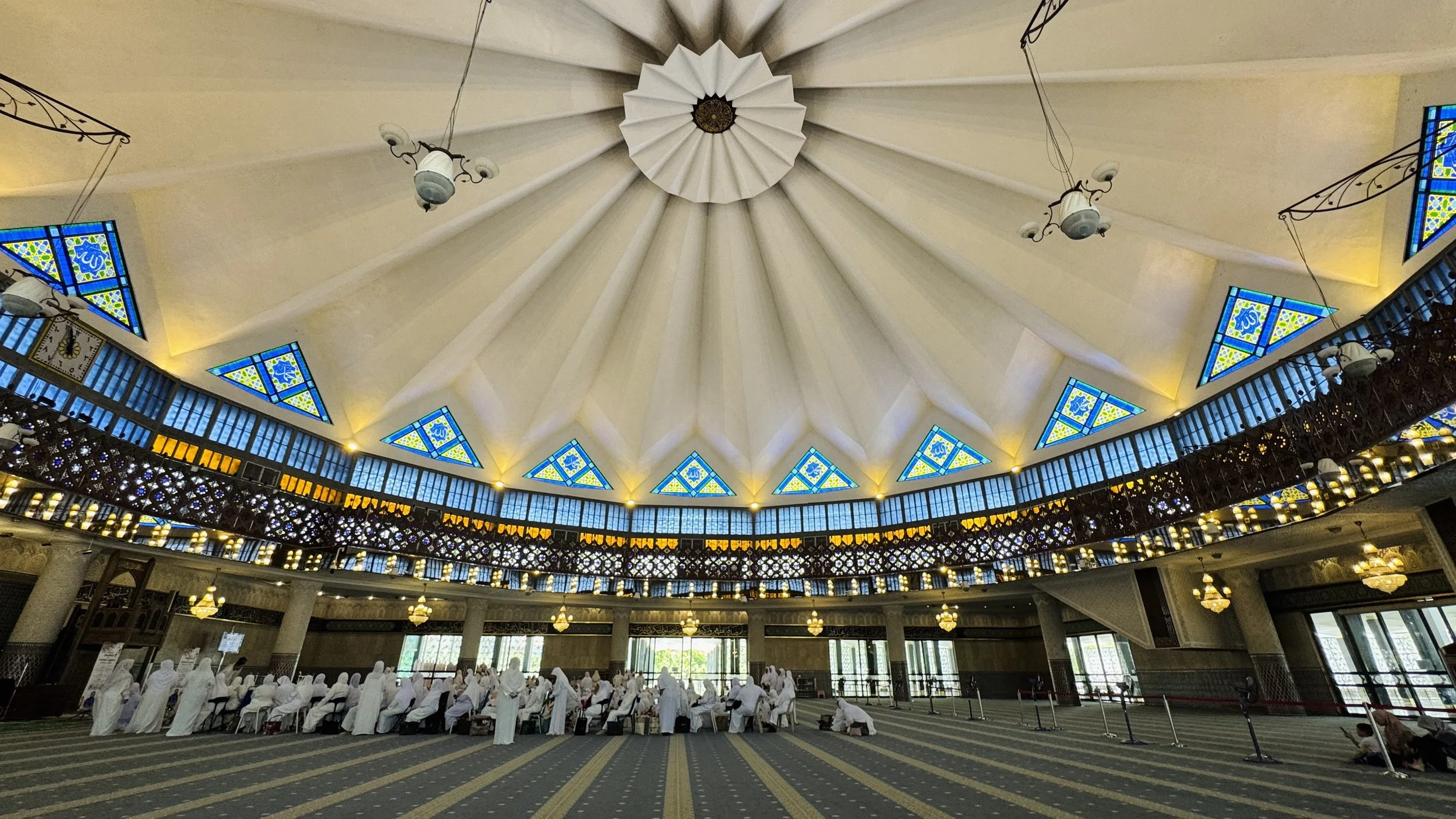
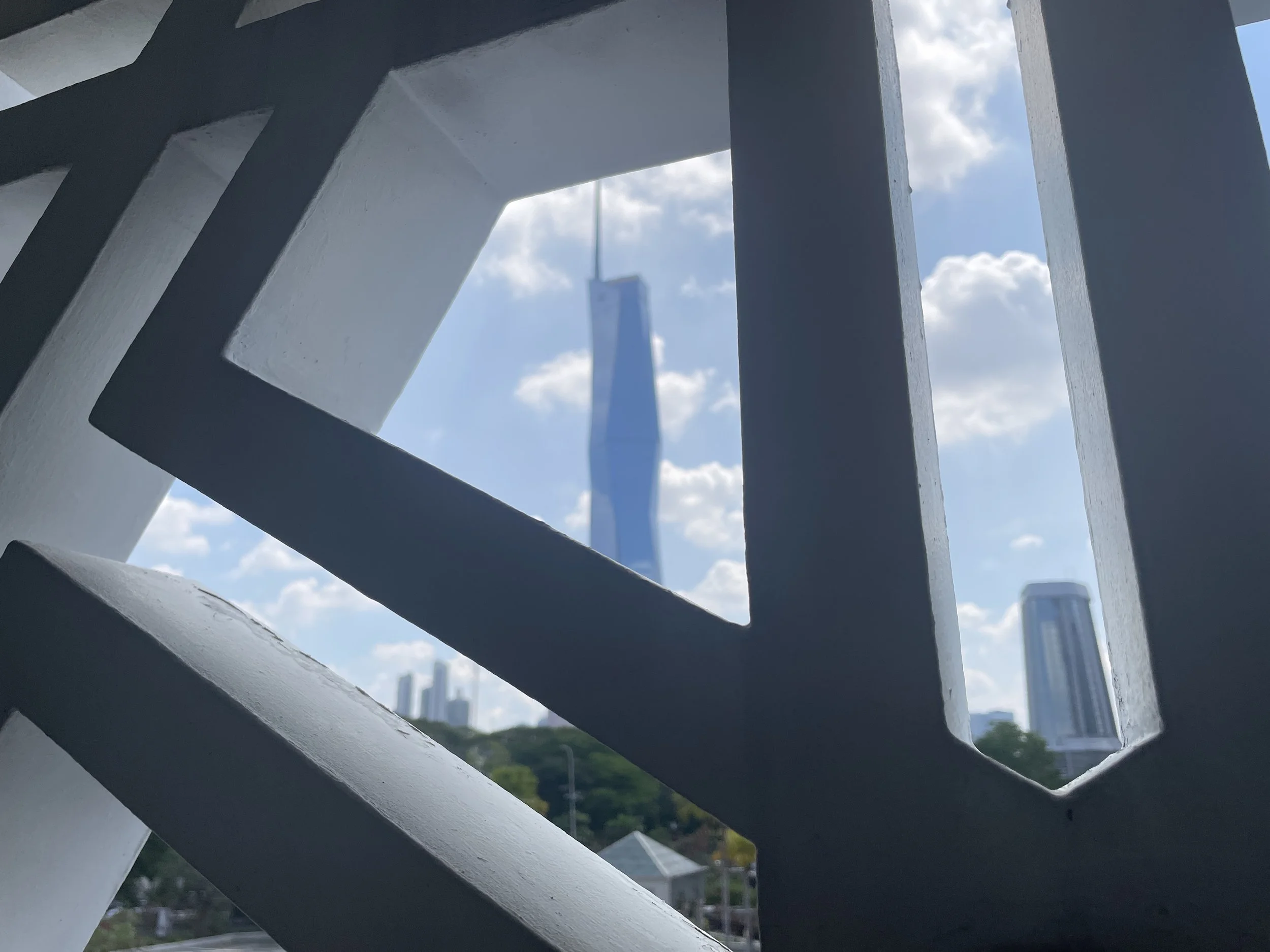
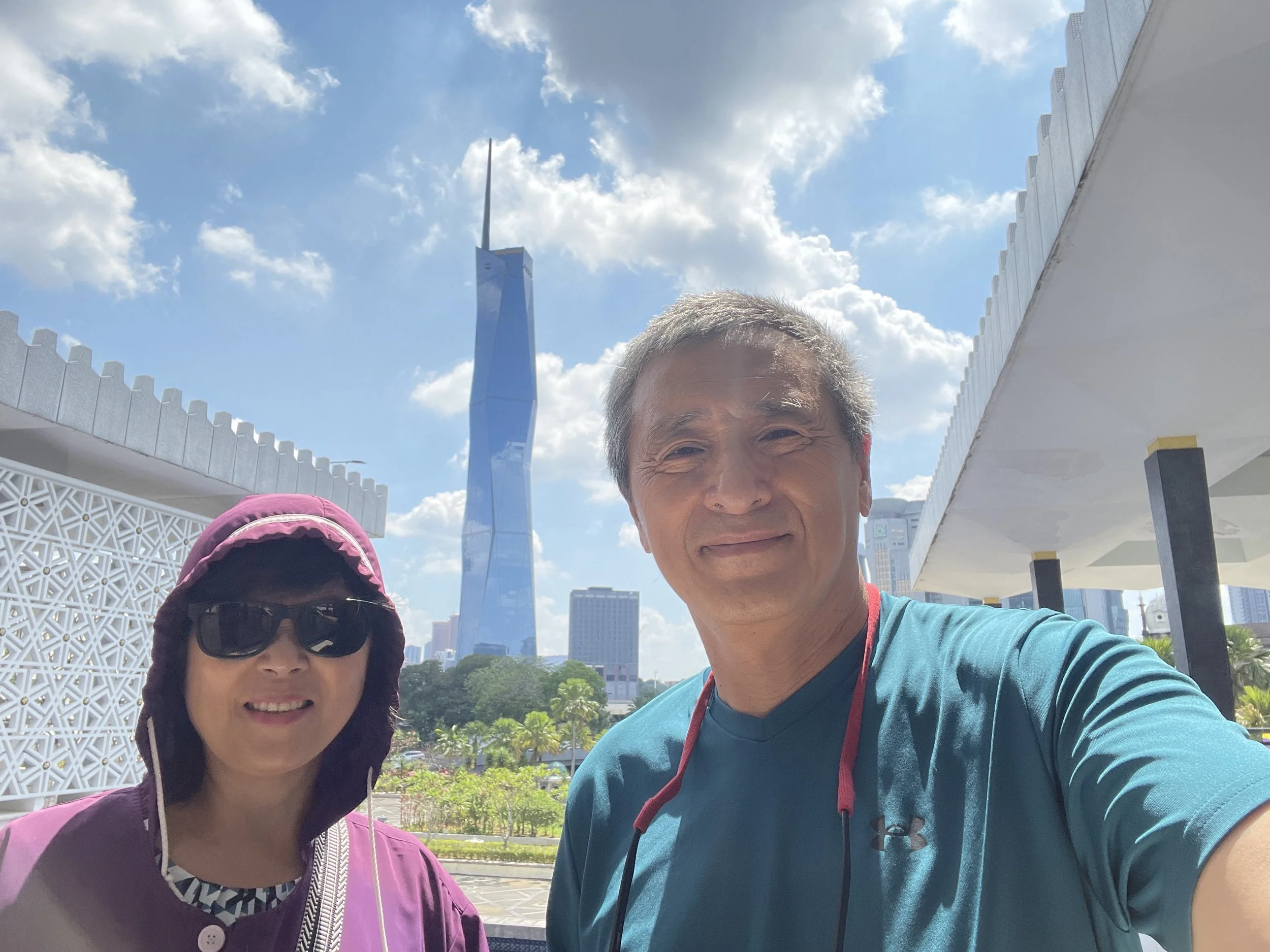
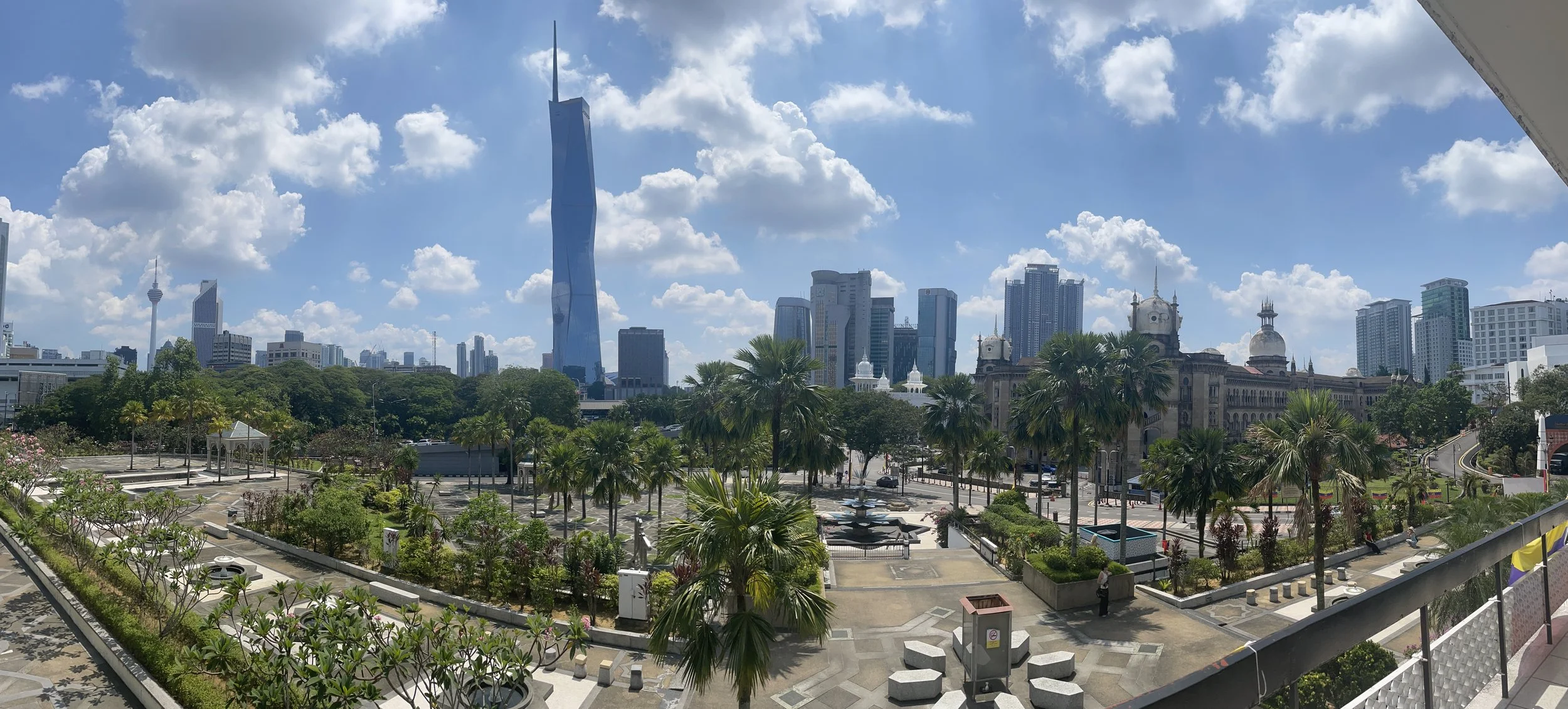
From there, we walked to the National Mosque of Malaysia (Masjid Negara). After registering at the entrance, we were provided with appropriate coverings for women and proceeded on a self-guided visit. Compared with some mosques we have visited in other countries, the atmosphere felt relatively relaxed and welcoming. The modern architecture and open courtyard design were impressive.
Next, we visited the National Museum of Malaysia to learn about the country’s long history, its path to independence, and its unique political system that blends sultanates with parliamentary democracy. Although the building itself felt somewhat dated, the exhibits were informative and provided useful context for understanding Malaysia’s federal structure and monarchy.
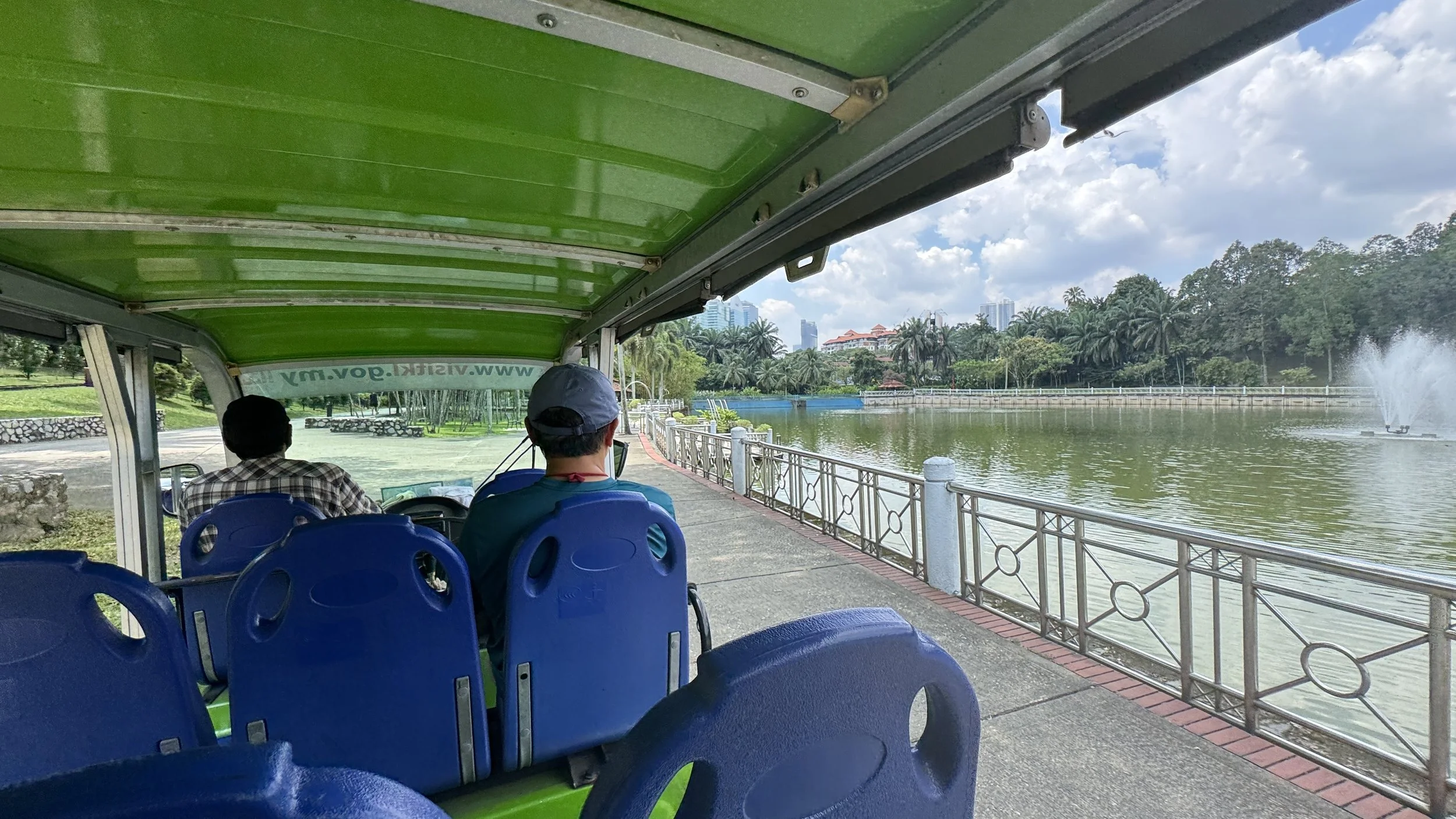
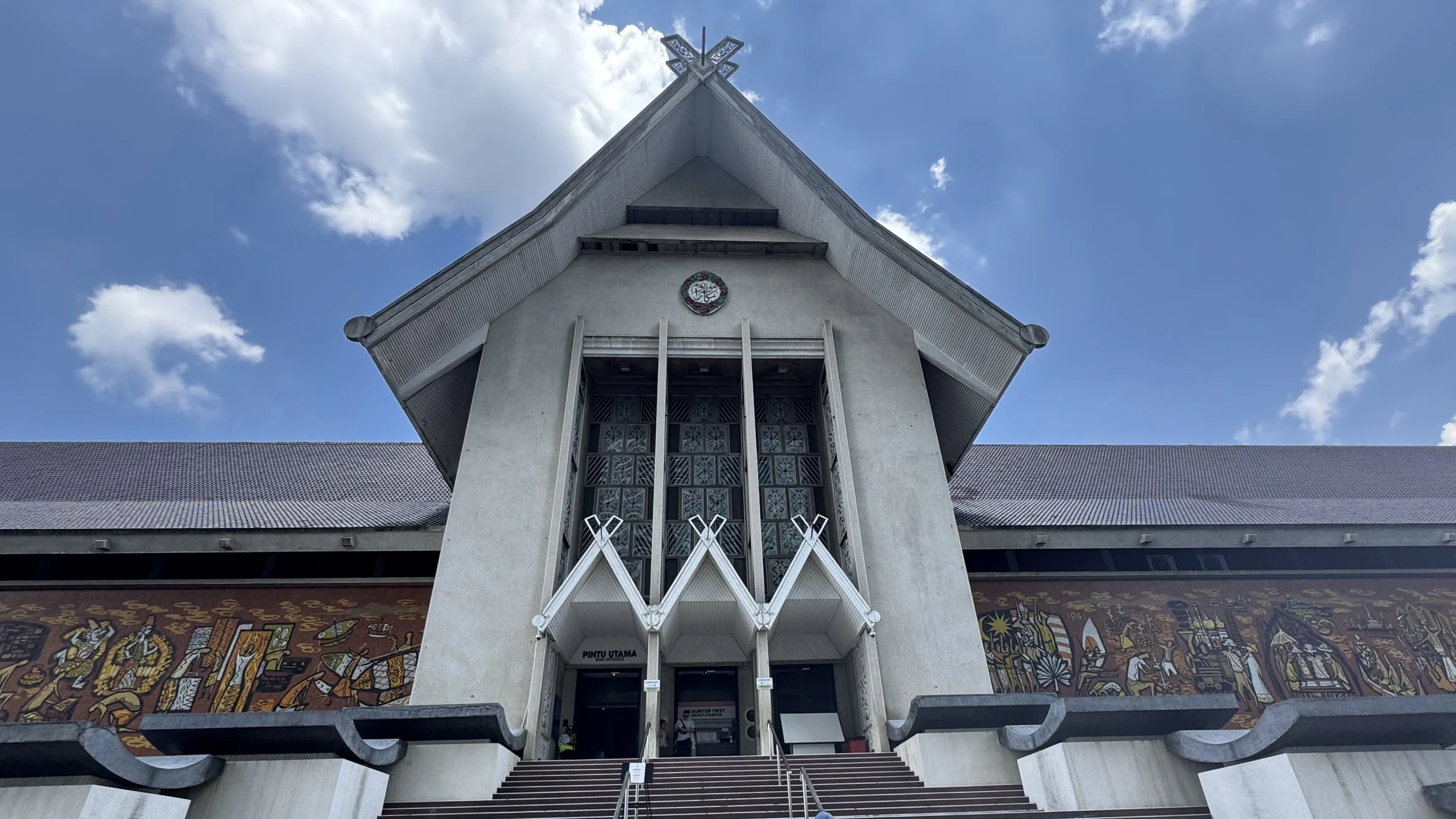
By mid-afternoon, the heat and humidity once again sent us back to the hotel for a short nap.
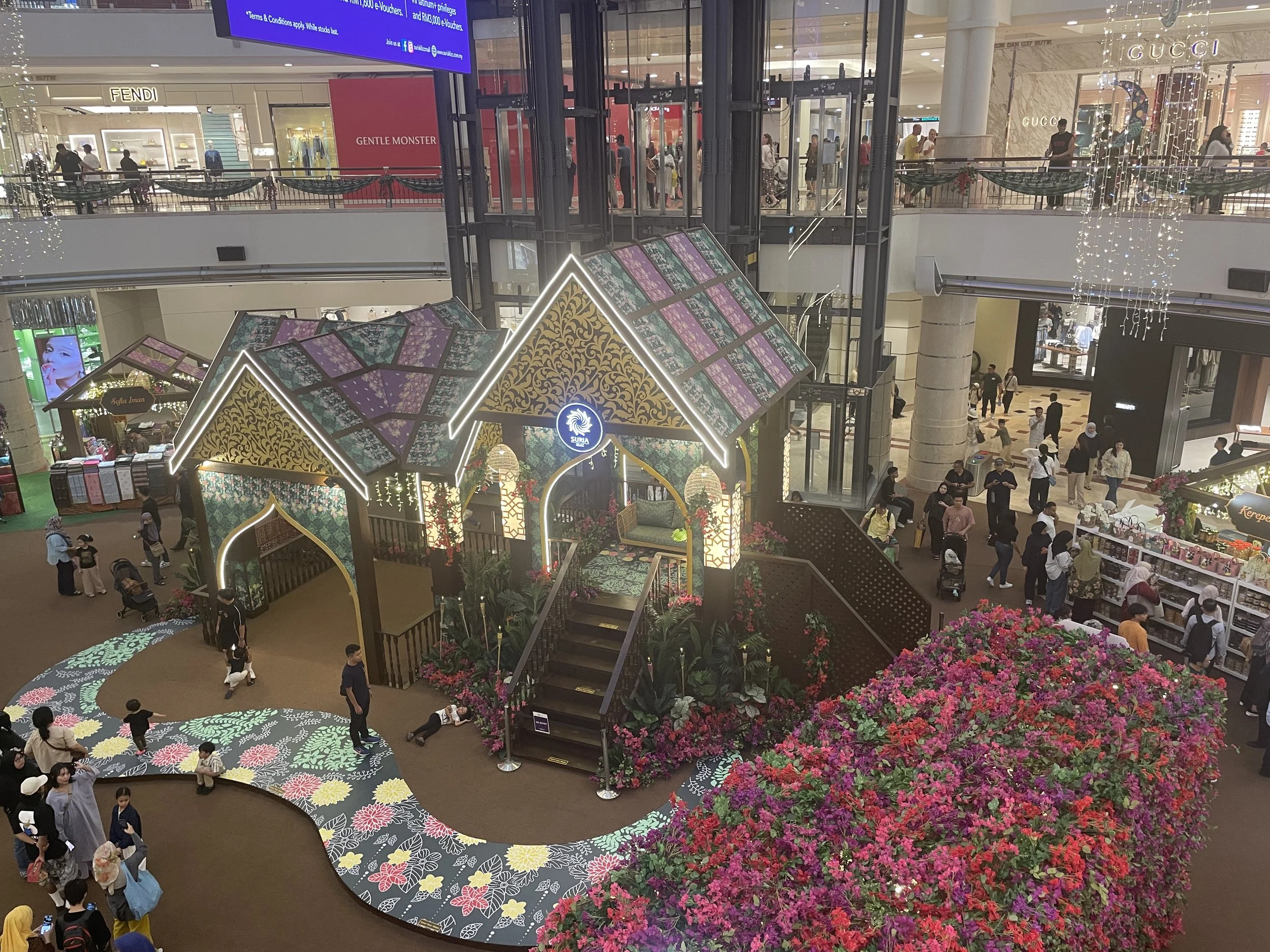
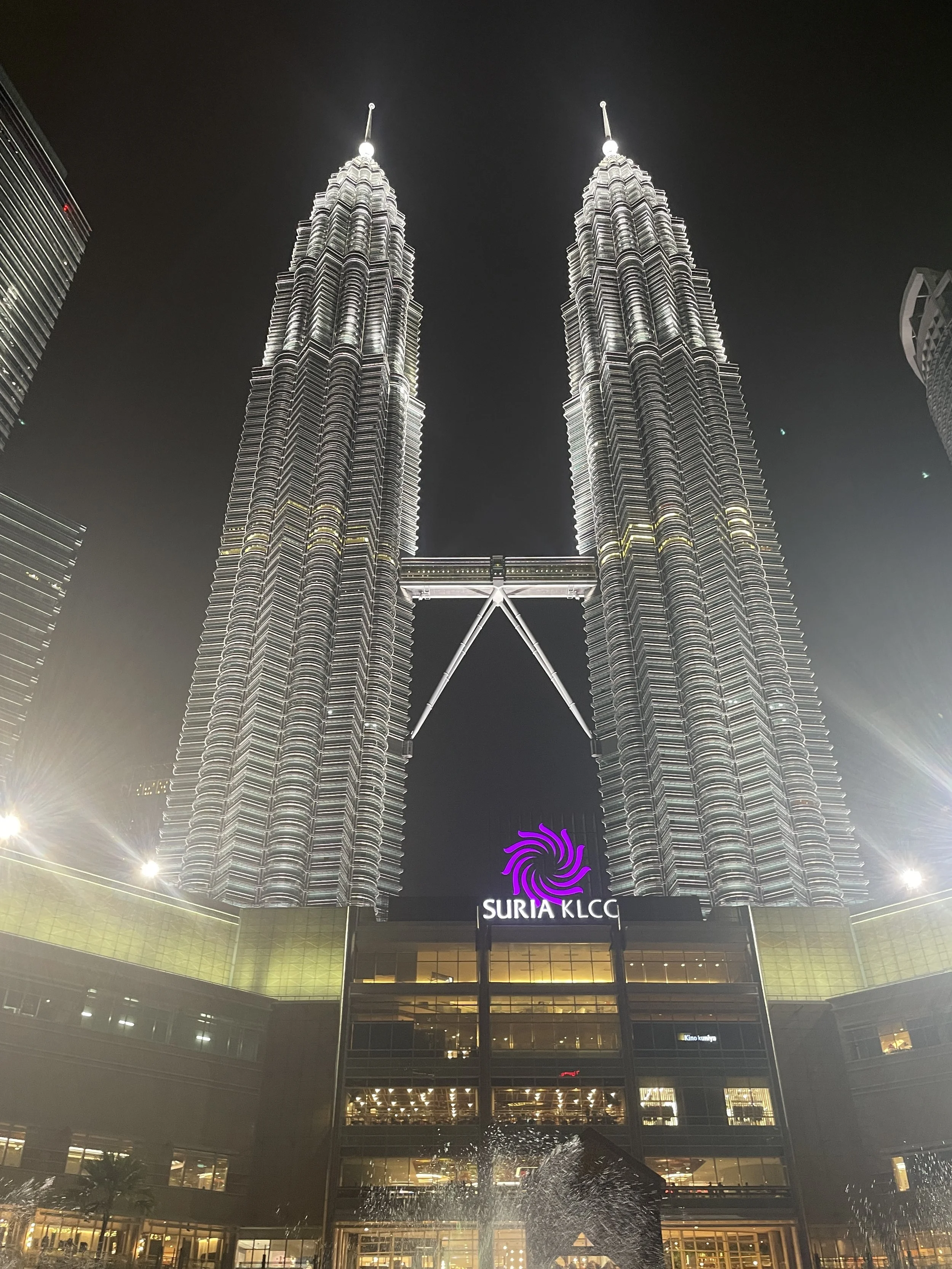
In the early evening, we walked to Suria KLCC Mall at the base of the Petronas Twin Towers to have dinner at a restaurant where we had seen long queues the previous night. We ordered their famous egg tarts, pineapple buns, noodles, and white coffee. Everything was delicious — and we would even say the egg tarts were better than the ones we tasted in Portugal.
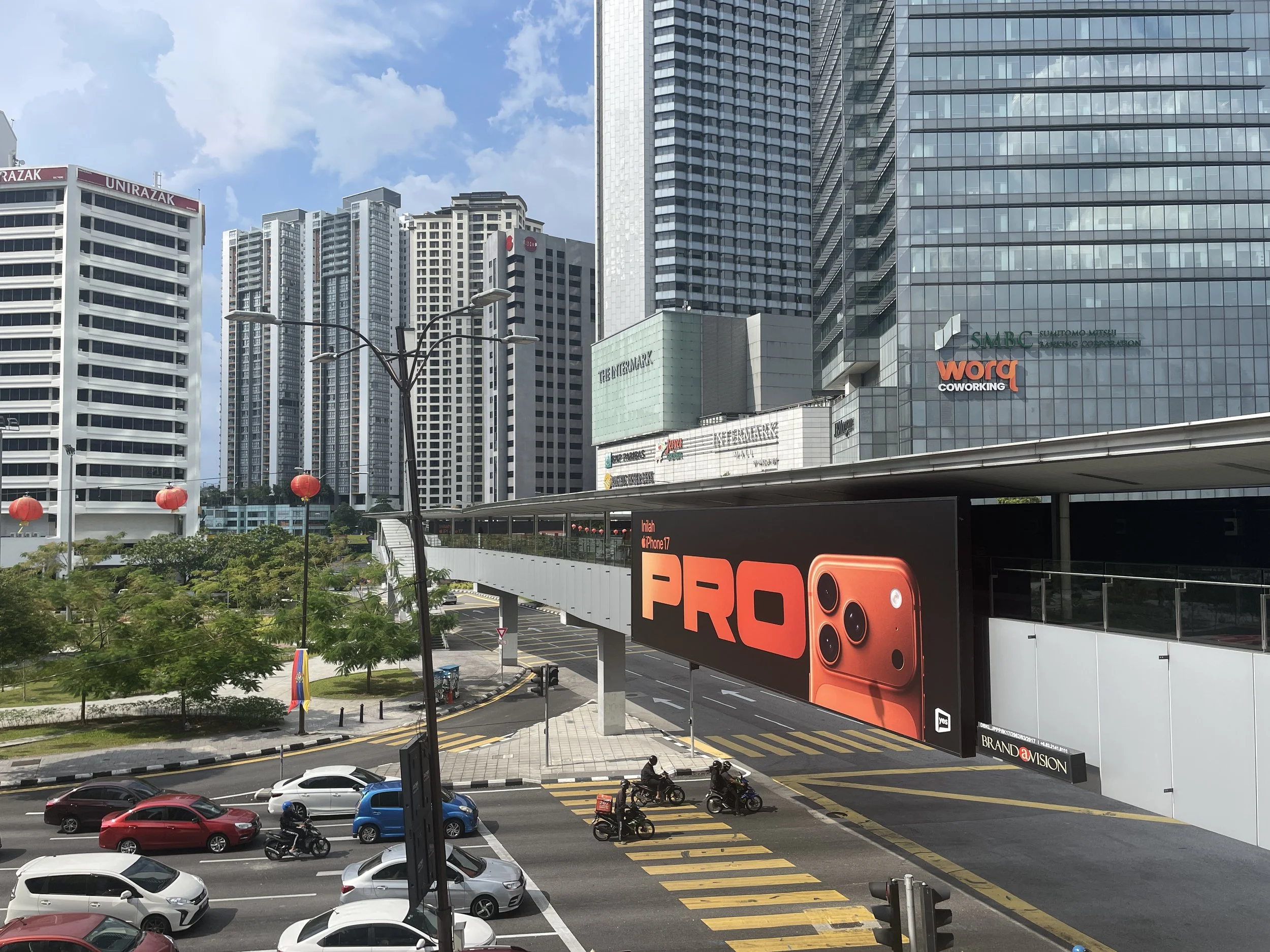
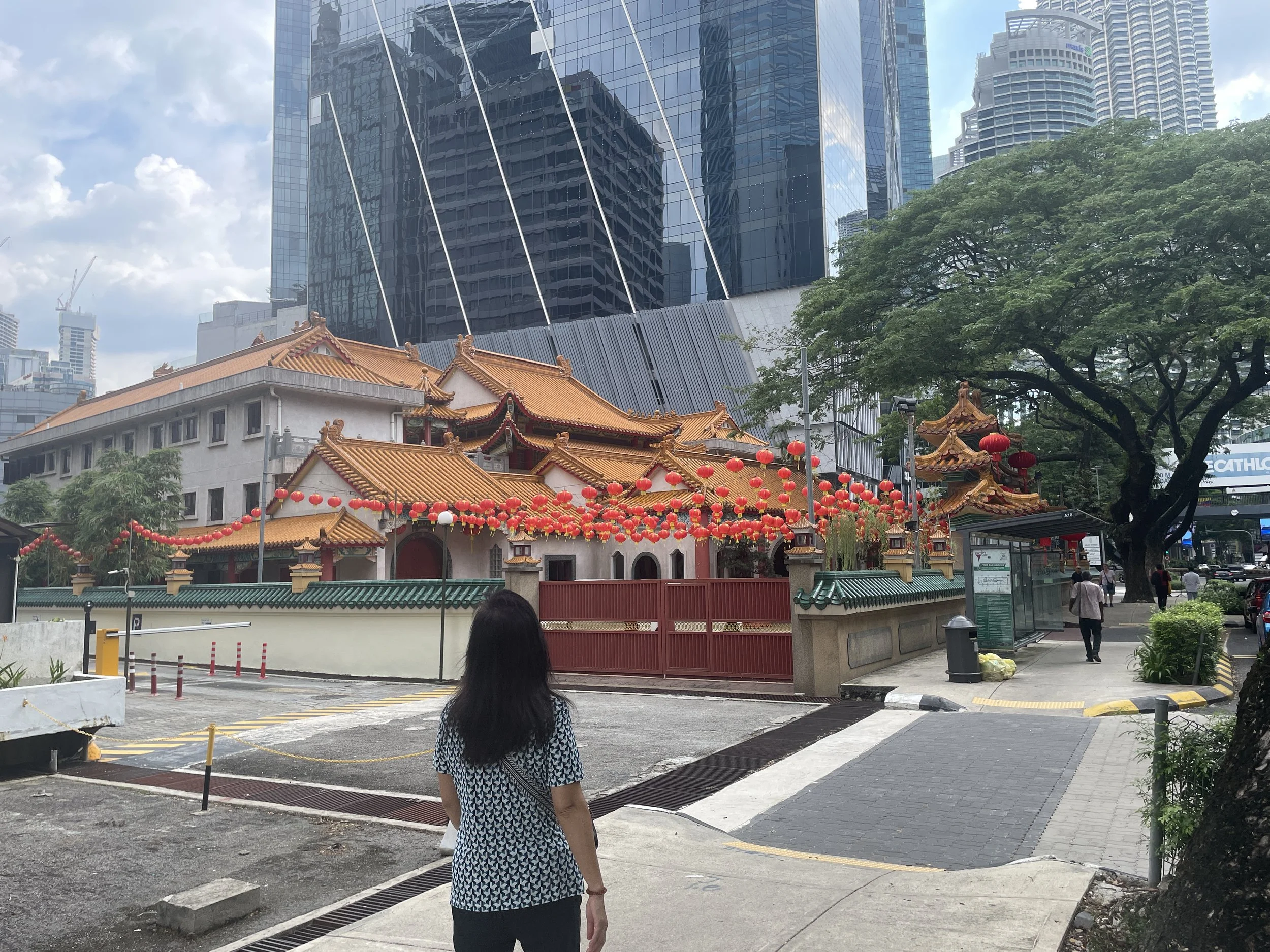
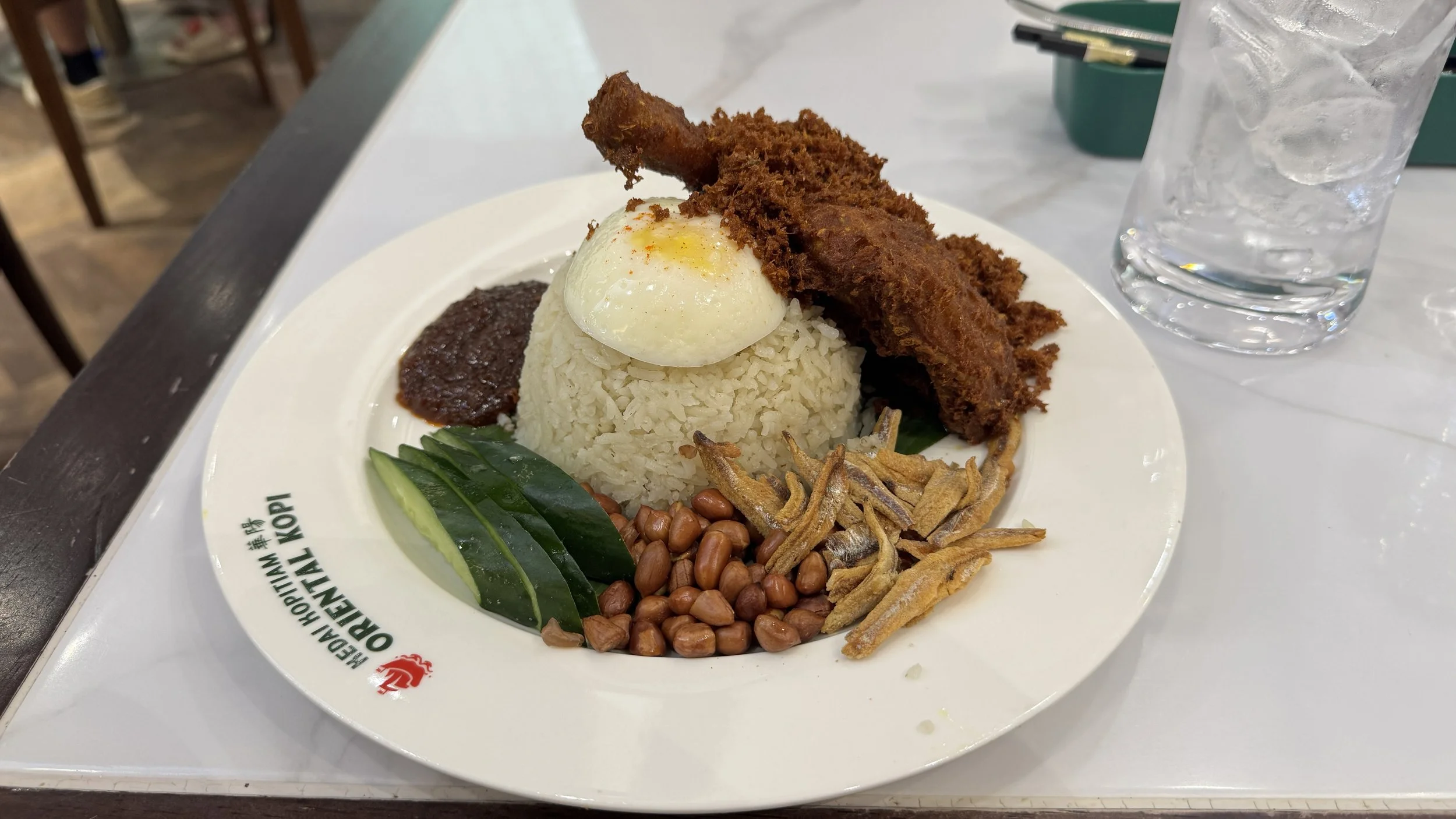
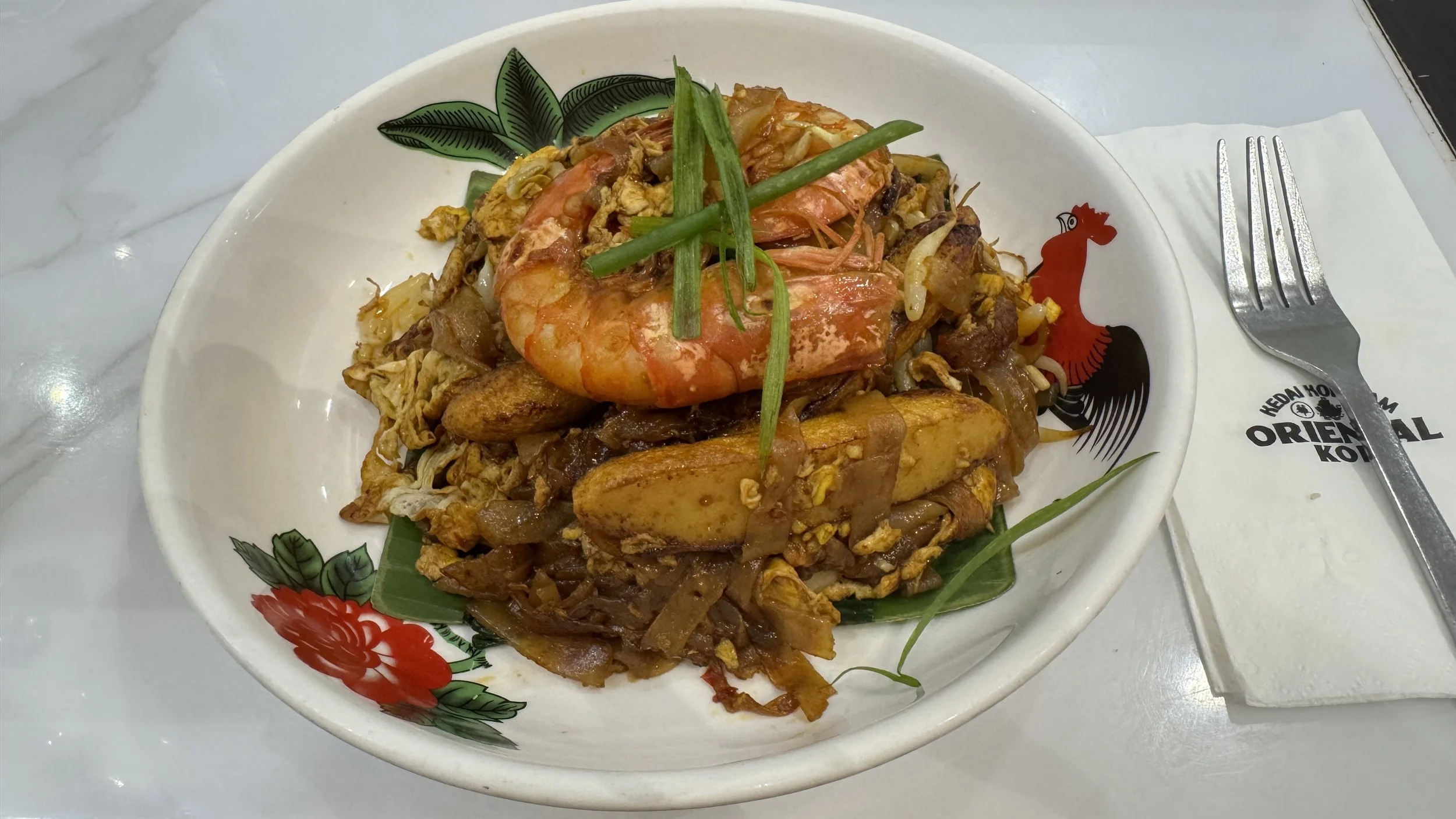
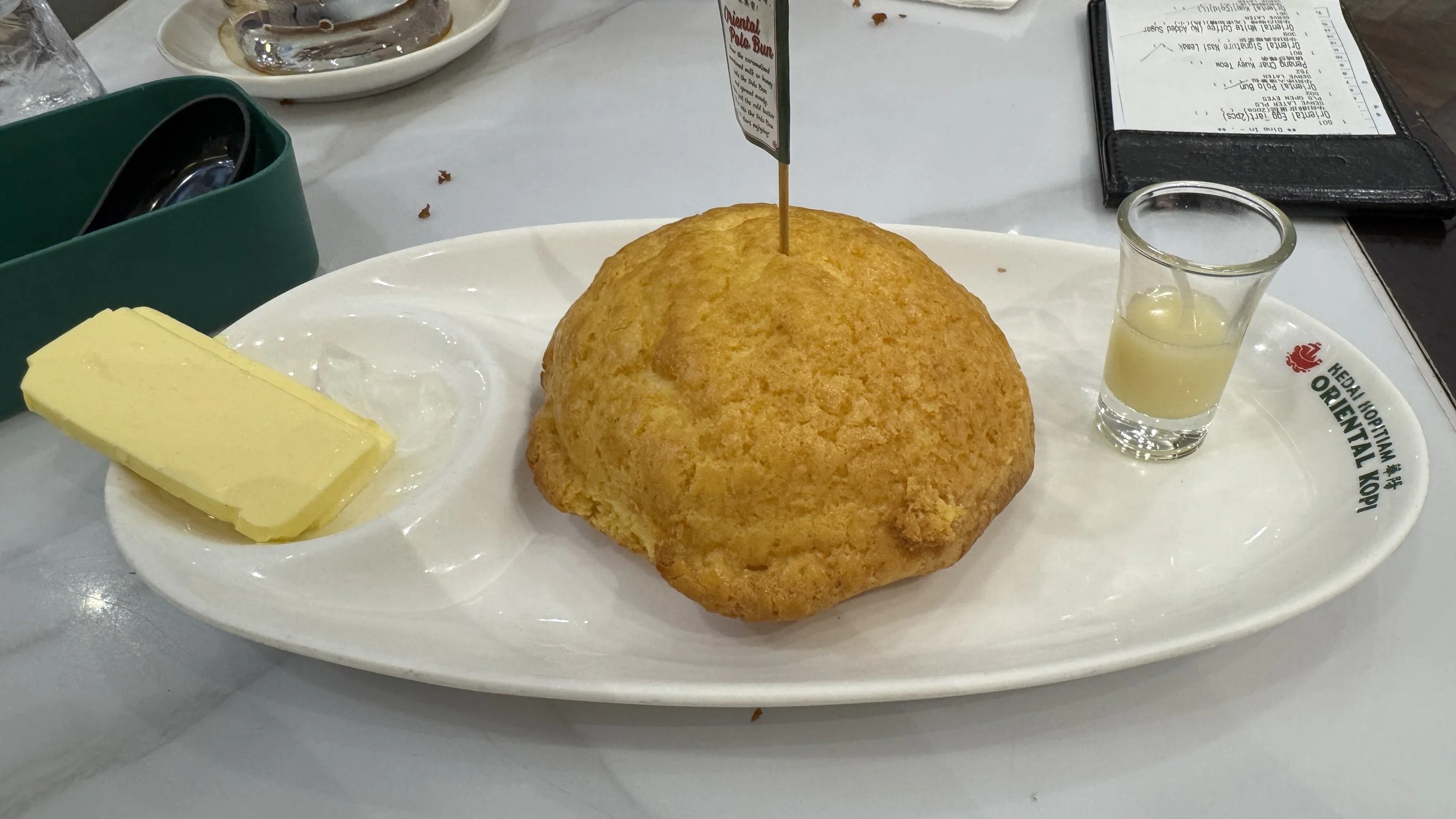
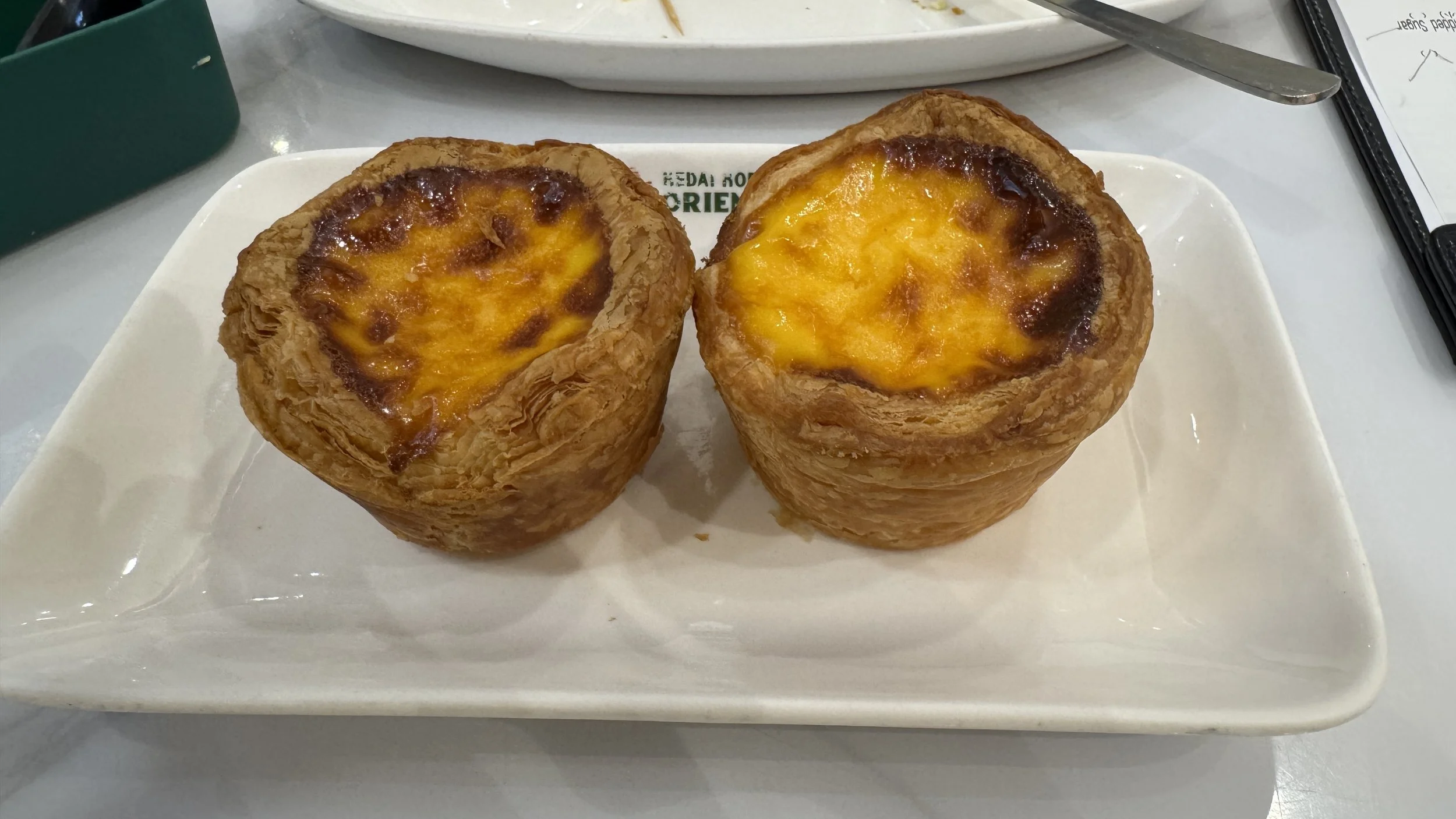
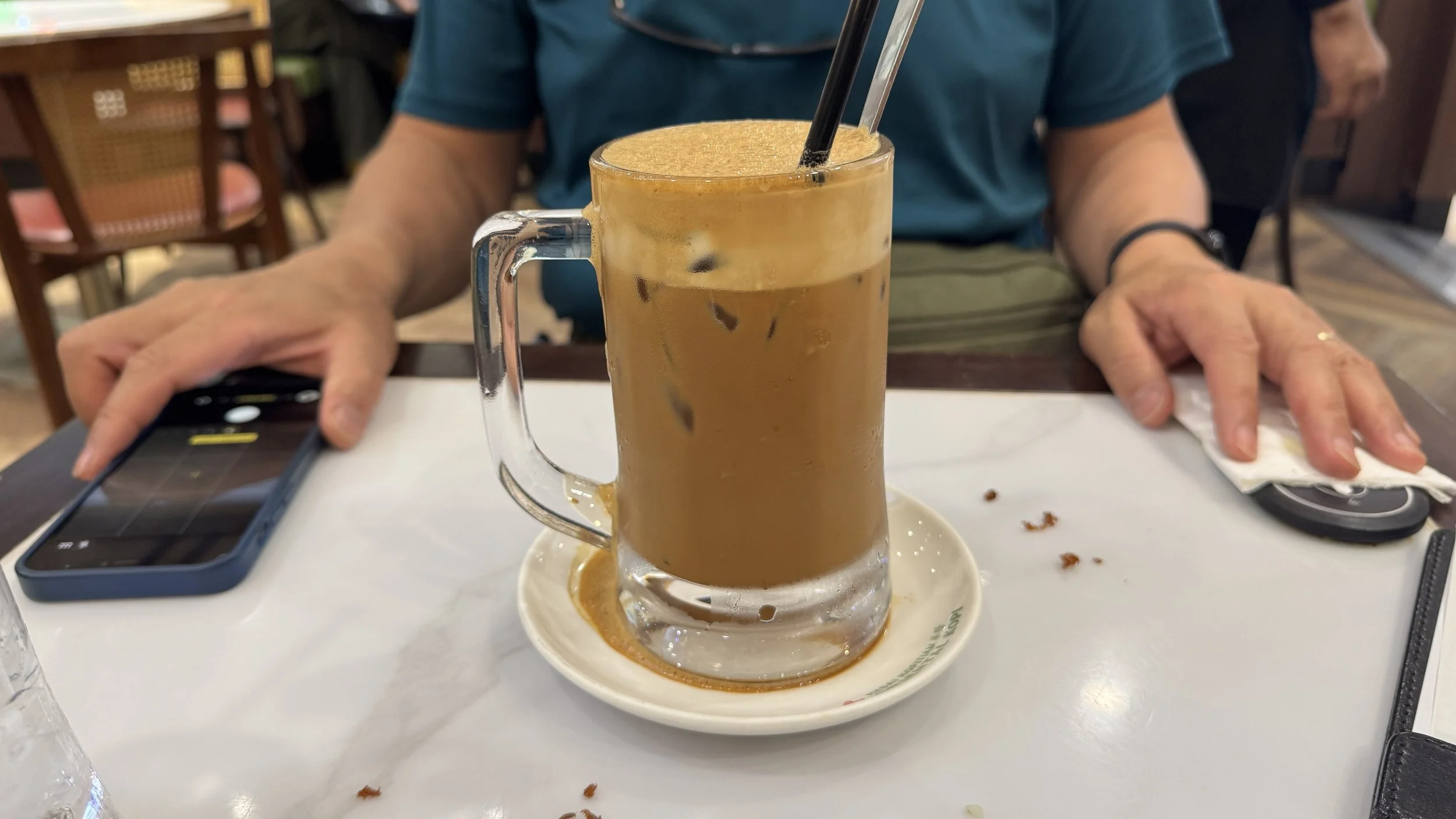
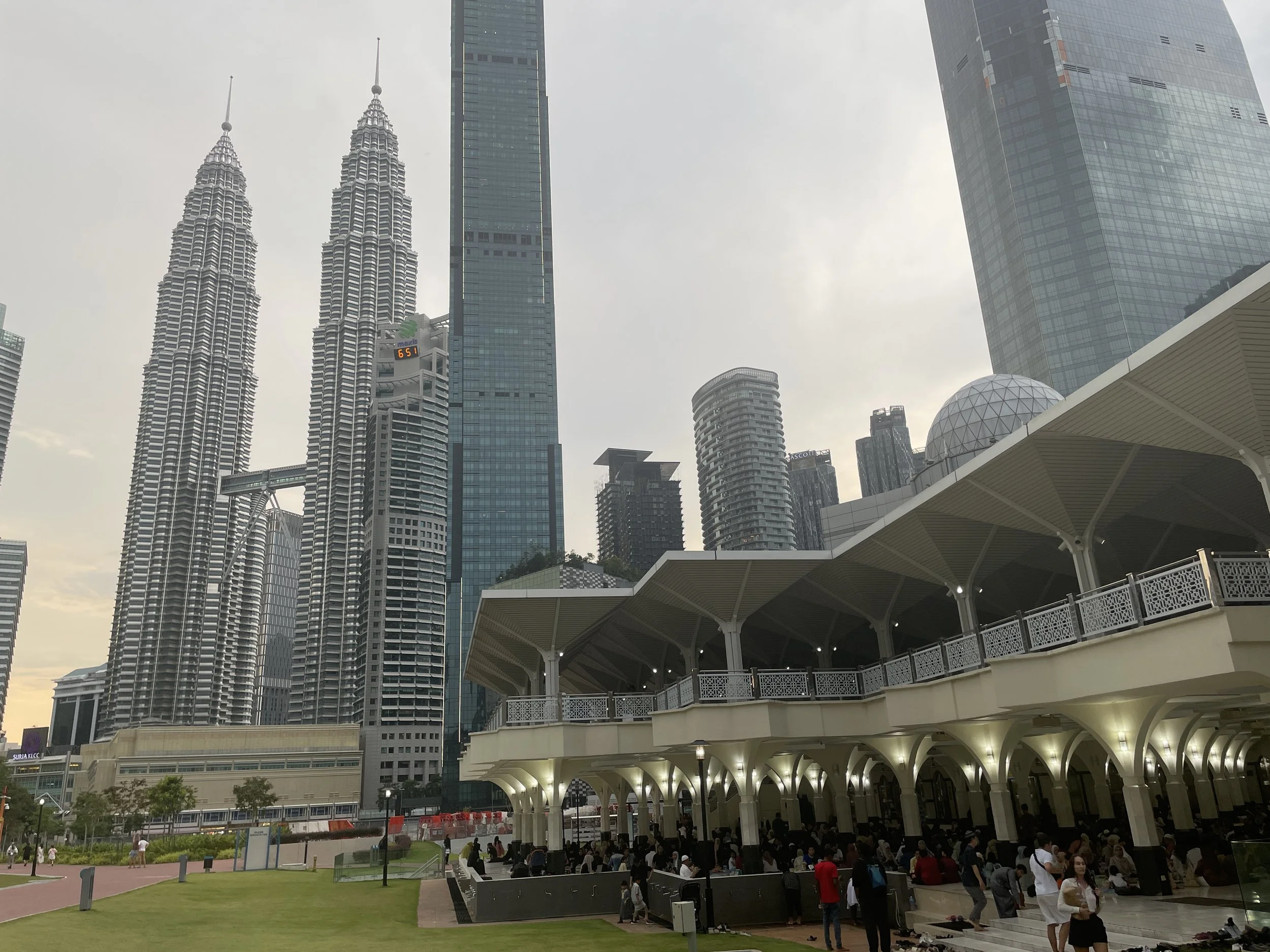
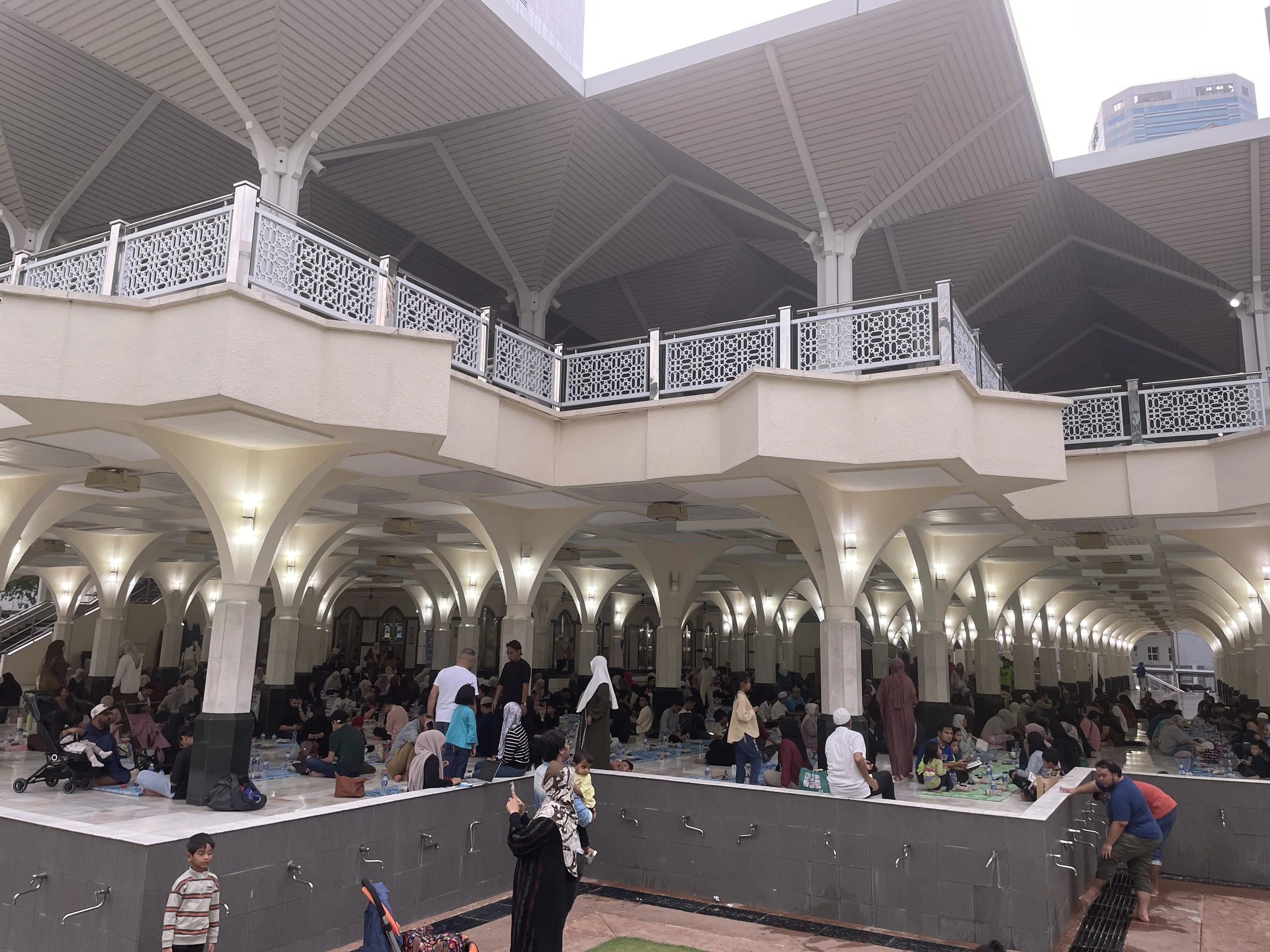
After indulging in more carbohydrates and fats than we needed, we took a leisurely walk through KLCC Park on our way back to the hotel. Along the way, we stopped near a mosque inside the park to observe people preparing to break their fast at sunset. Hundreds of devoted worshippers sat in orderly rows on the floor, bottles of water and food boxes placed in front of them, waiting patiently after more than twelve hours without food or water. The scene was quiet, disciplined, and deeply moving.
As the sun set, we strolled slowly back to the hotel. It was a meaningful day — one that allowed us not only to see Kuala Lumpur, but to better understand the cultural and spiritual fabric that shapes this beautiful city.
2026年3月1日
两天前踏入马来西亚的那一刻,我们便强烈地感受到伊斯兰教在这个国家日常生活中的影响。清真寺的宣礼声通过公共广播在城市上空回荡,我们入住的酒店每晚也提供斋月自助晚餐。街头所见,超过一半的女性戴着头巾。在摄氏三十多度、湿度同样居高不下的闷热天气中,我们决定把今天安排为“博物馆日”,借此更系统地了解马来西亚与伊斯兰文化。
第一站是马来西亚伊斯兰艺术博物馆。馆内陈列精美,从书法、建筑模型到陶瓷、纺织品和古兰经手稿,展品优雅而细致,展示了伊斯兰文明在艺术与文化层面的深厚底蕴。
随后我们步行前往马来西亚国家清真寺(Masjid Negara)。登记后,工作人员为女性提供了适当的长袍,我们便开始自助参观。我们去过不少清真寺,与我们曾参观过的其它国家清真寺相比,这里气氛较为轻松友好。现代感十足的建筑设计与开阔的庭院空间令人印象深刻。
接着我们来到马来西亚国家博物馆,了解国家的独立历史、悠久传统,以及融合苏丹制度与议会民主的政治体系。虽然建筑略显陈旧,但展览内容详实,为理解马来西亚的联邦结构与君主制度提供了良好的背景。
午后炎热难耐,我们回到酒店小憩片刻。
傍晚时分,我们步行至双子塔下的吉隆坡城市中心商场 (Suria KLCC),在昨晚上看到排队很长的一家餐厅用餐。我们品尝了这家店著名的蛋挞、菠萝包、面食和白咖啡。味道相当不错,甚至觉得蛋挞比在葡萄牙里斯本吃到的还要出色。
摄入了过量的碳水与脂肪之后,我们沿着KLCC公园慢慢散步走回酒店。途中在公园内的一座清真寺旁停下脚步,看到人们正准备在日落时分开斋。数百名虔诚的信徒整齐地坐在地上,面前摆放着水和食物盒,安静地等待着。经过十多个小时不进食不饮水,他们依然秩序井然,神情平静而坚定。那一刻令人动容。
夕阳西下,我们缓缓走回酒店。这一天不仅让我们看见了吉隆坡的城市面貌,也让我们更深入地体会到塑造这座城市的文化与信仰脉络。吉隆坡,是一座美丽而多元化的城市。
Kuala Lumpur, Malaysia 吉隆坡,马来西亚
February 28, 2026
After spending three wonderful weeks with family……
在上海与家人团聚三周、。。。
February 28, 2026
After spending three wonderful weeks with family and celebrating Chinese Lunar New Year together in Shanghai, we began another detoured adventure on our way back to Phoenix. Yesterday, we flew with Singapore Airlines, transiting in Singapore before continuing on to Kuala Lumpur. The entire journey took about fourteen hours from door to door.
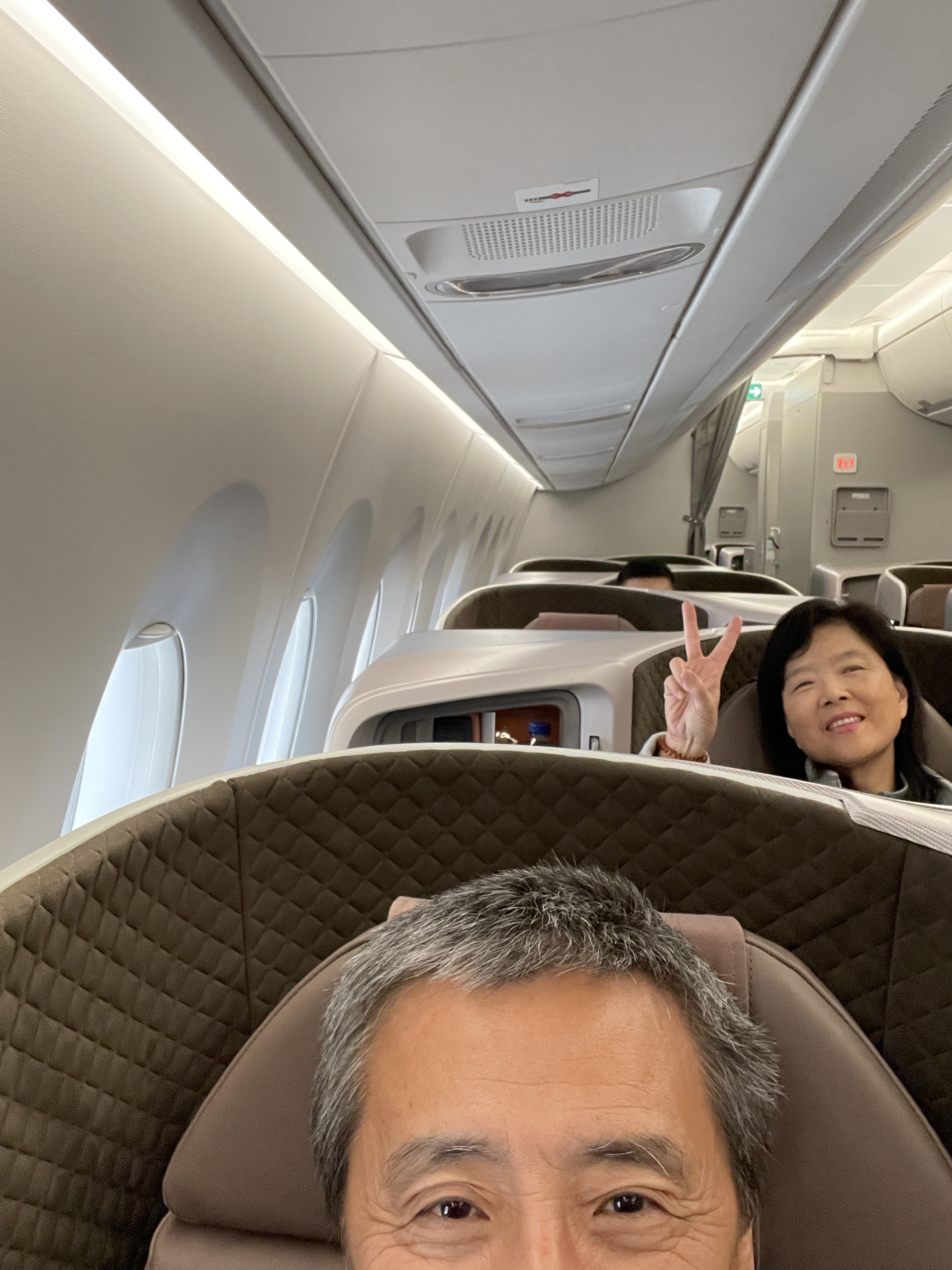
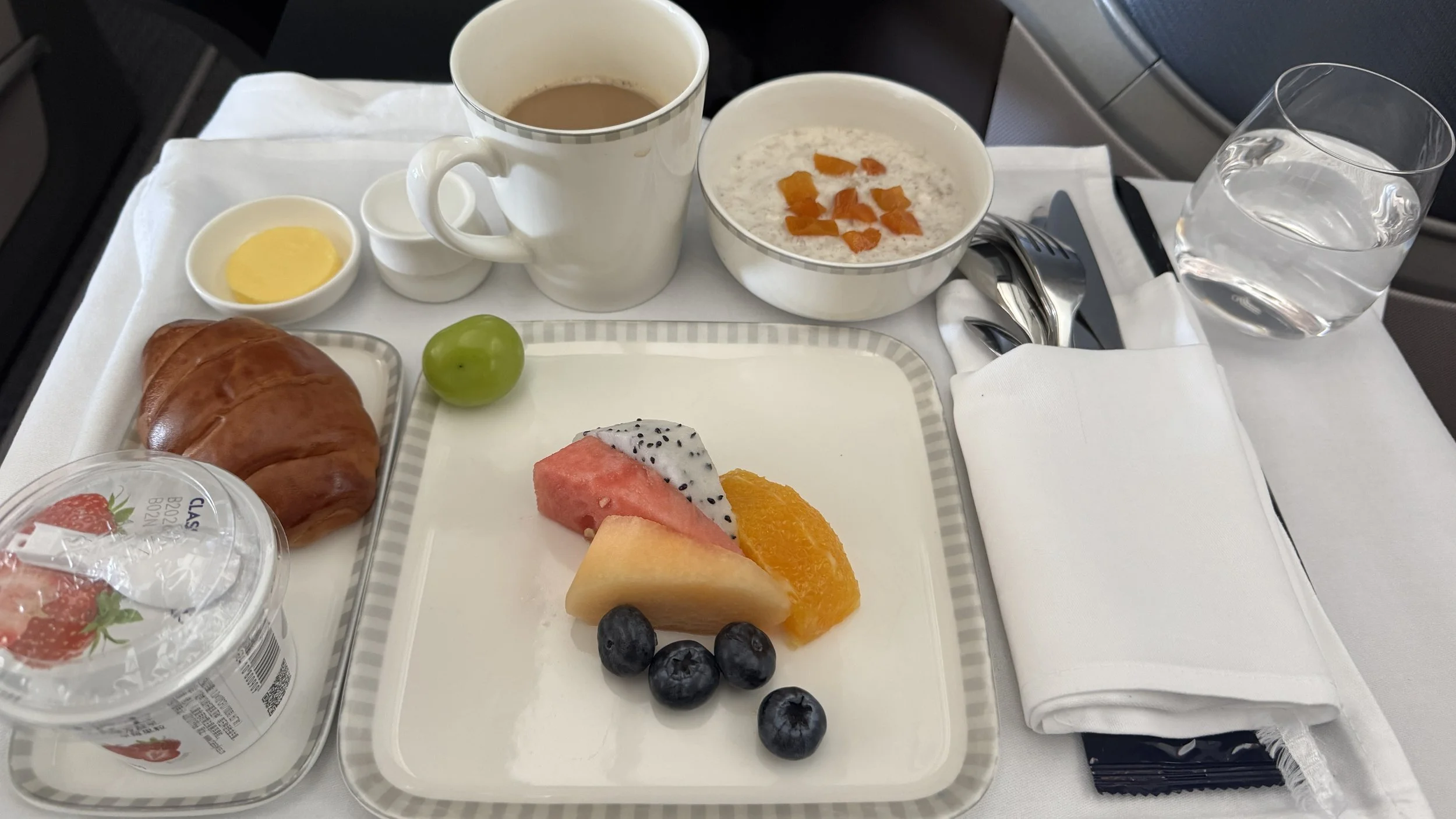
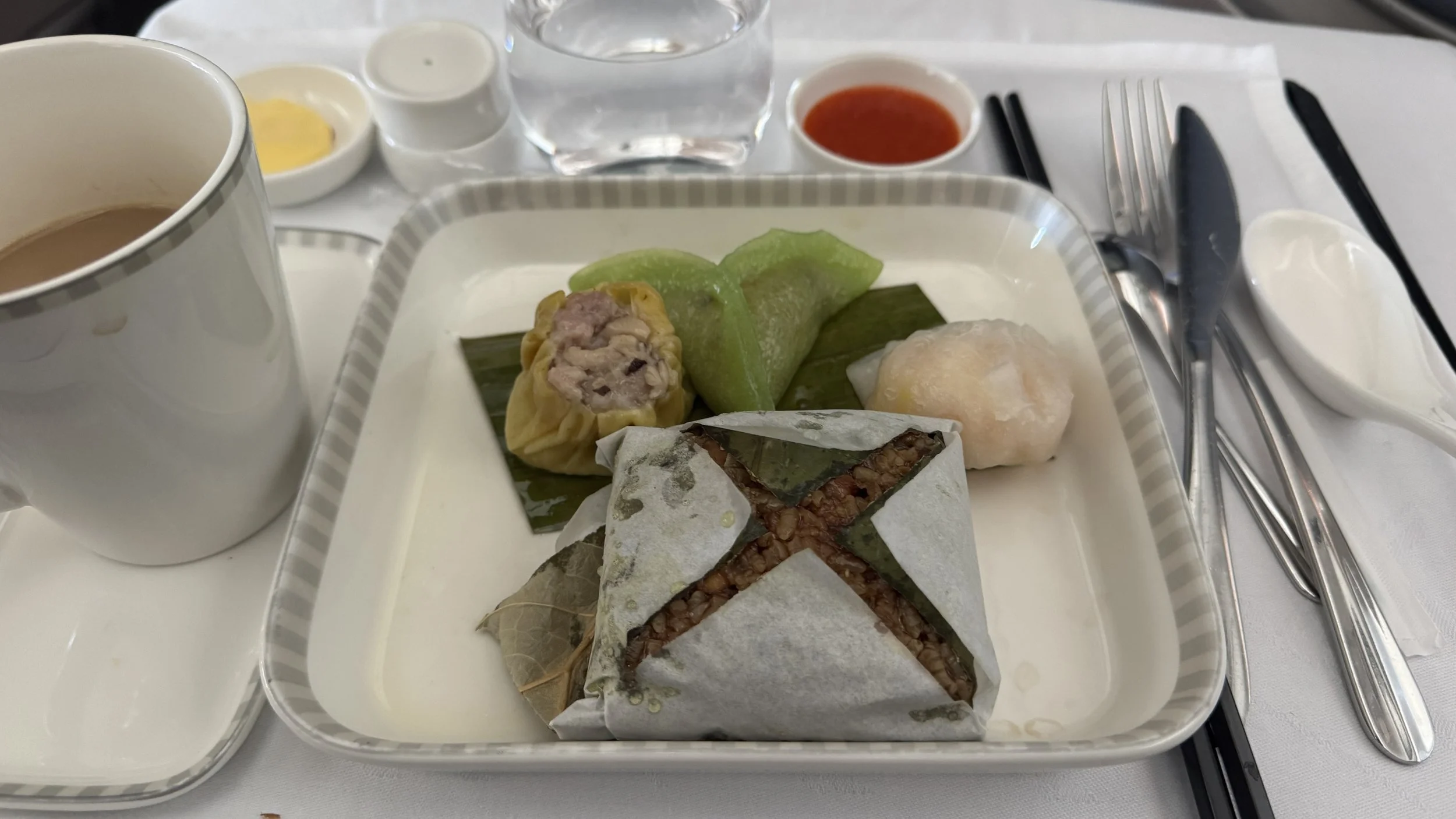
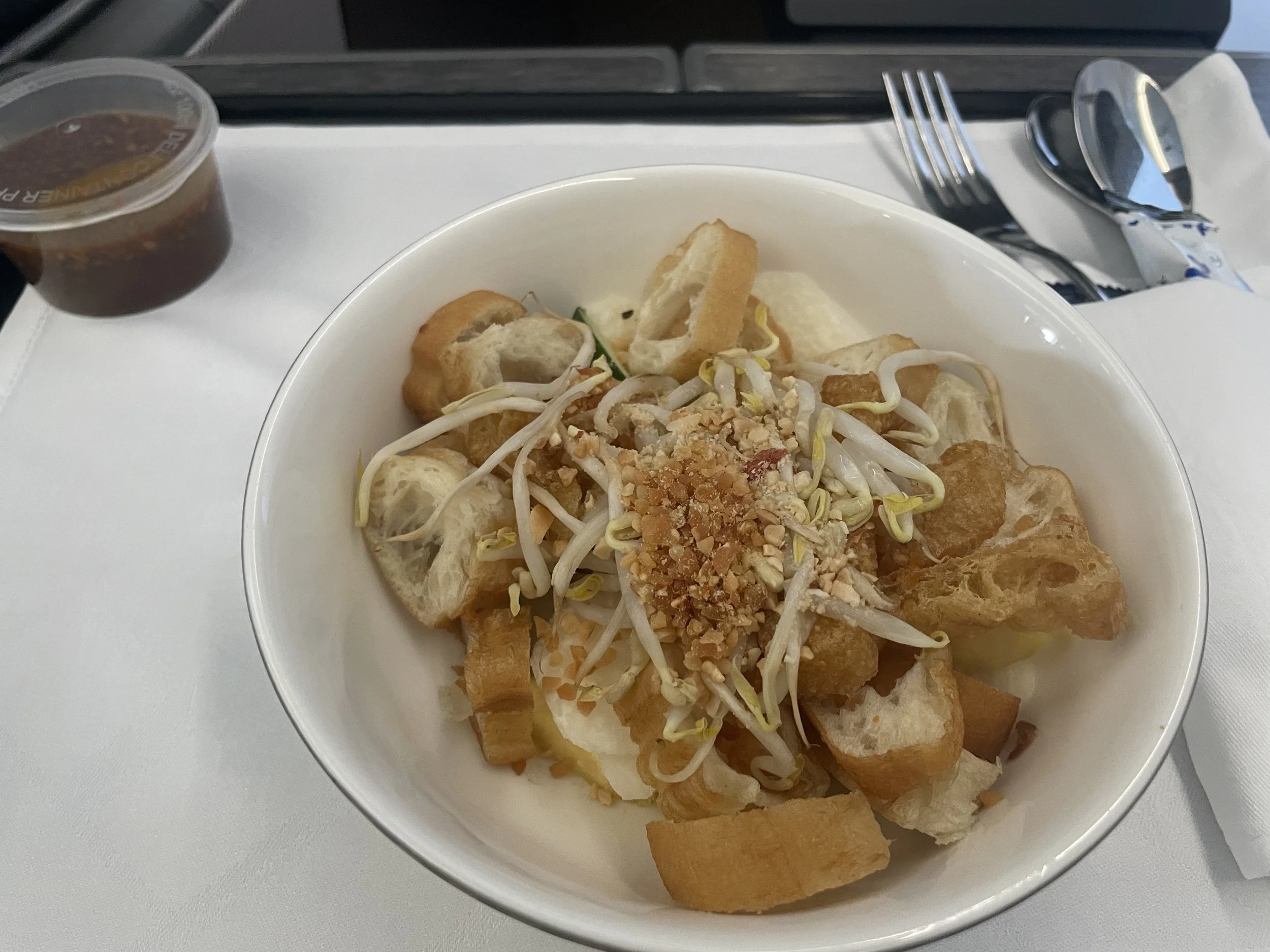
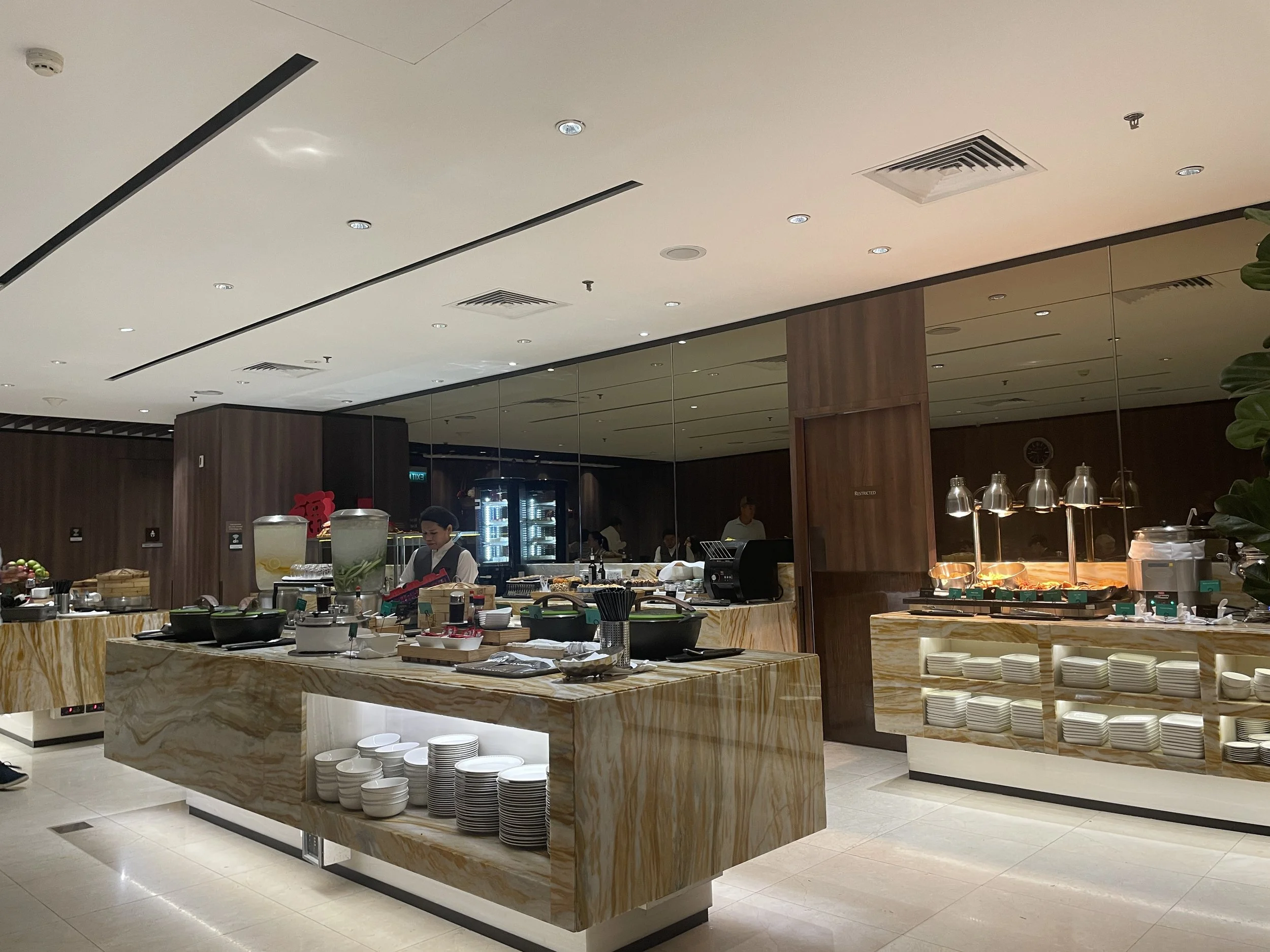
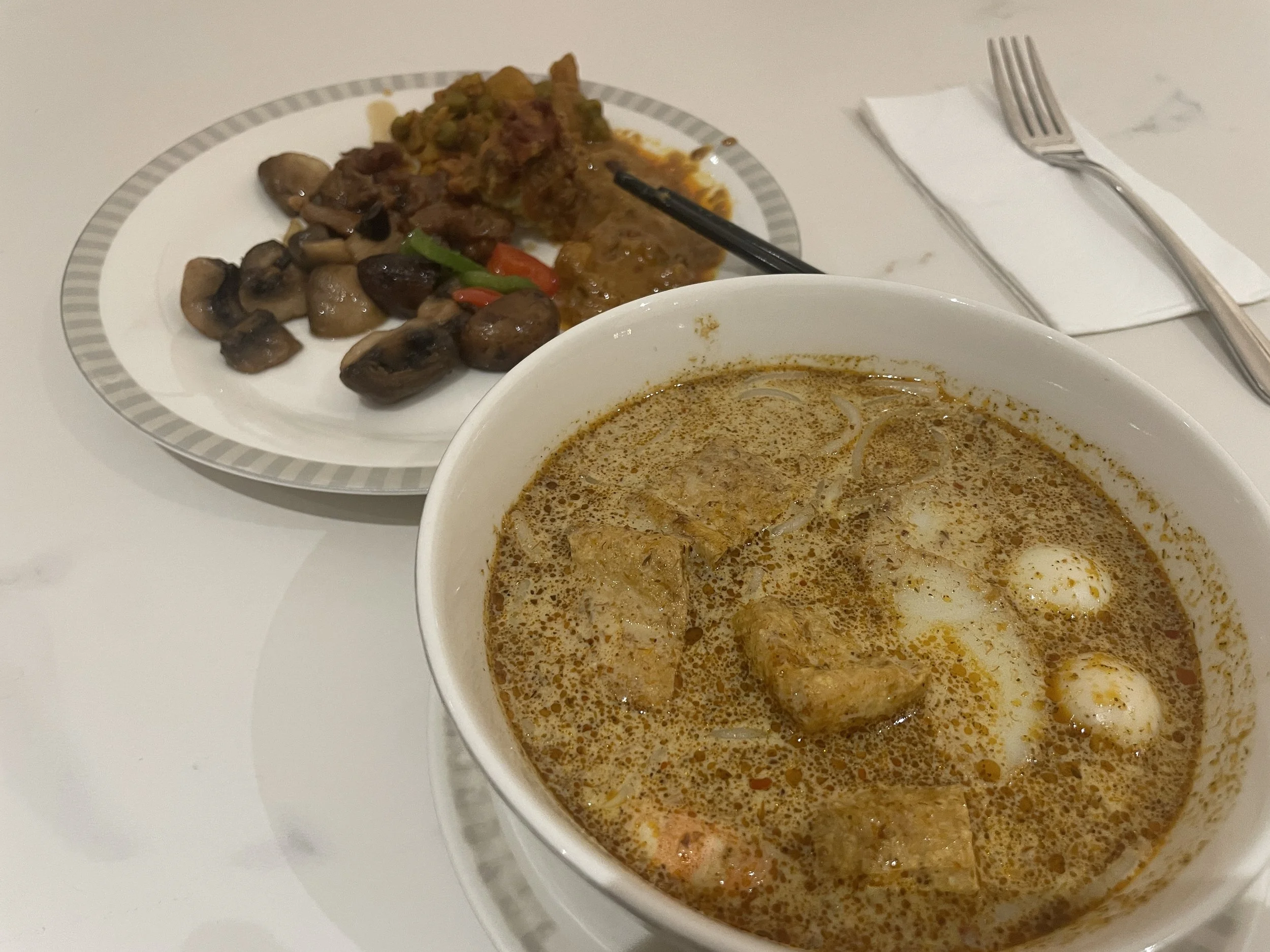
With access to airport lounges and excellent food served onboard, we were not particularly hungry upon arrival, so we kept dinner simple — just a light meal at a café downstairs from the hotel.
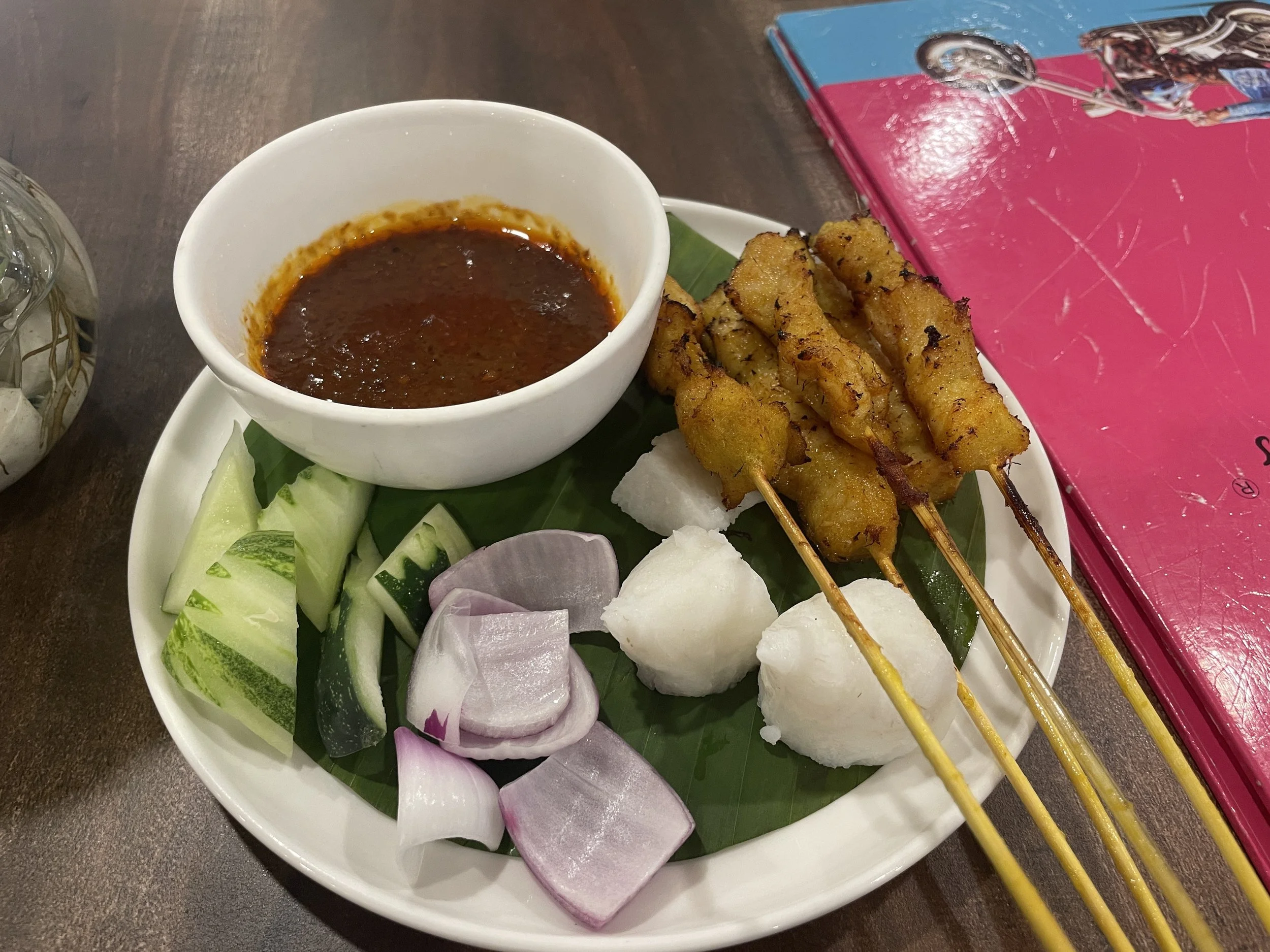
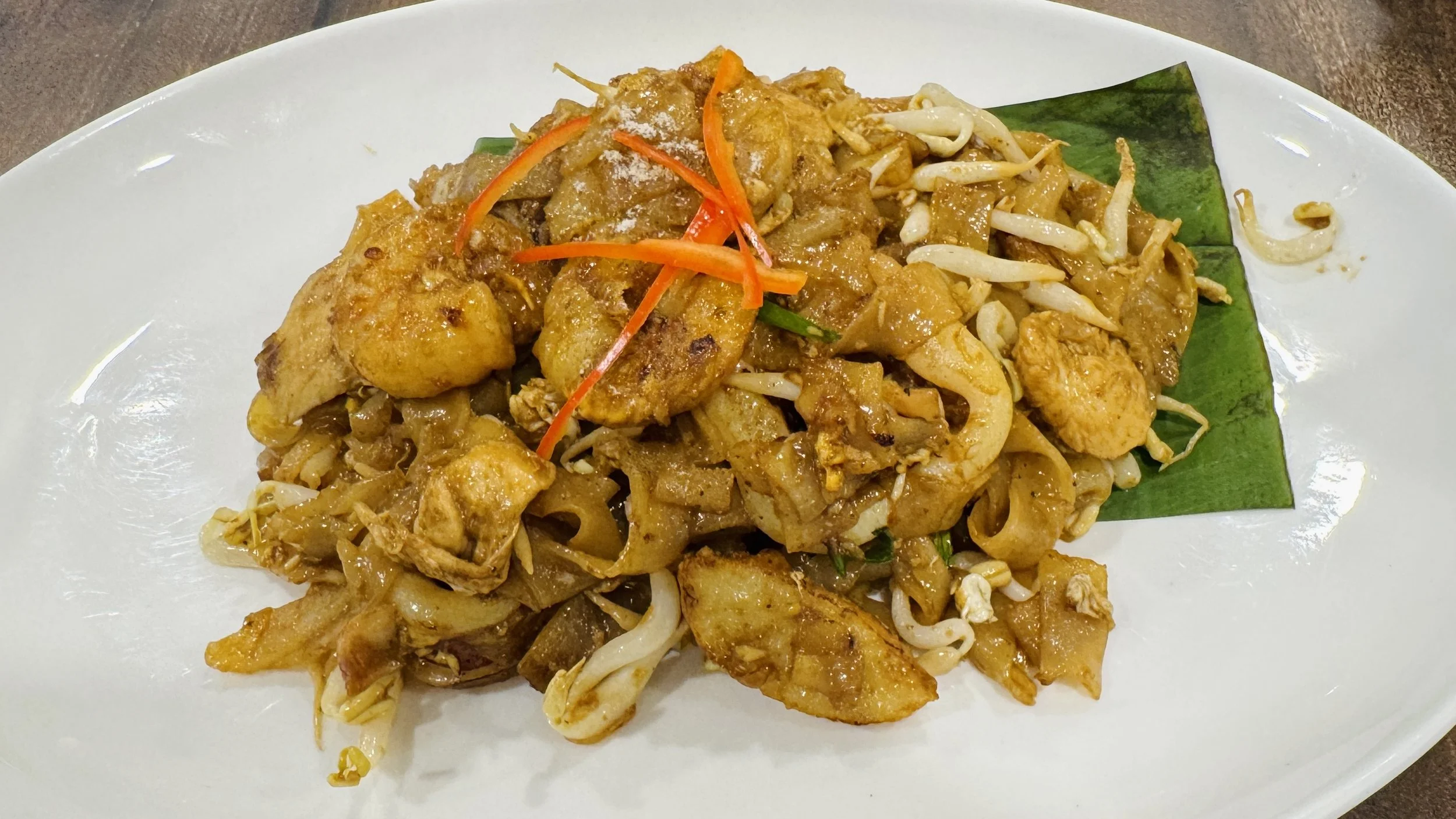
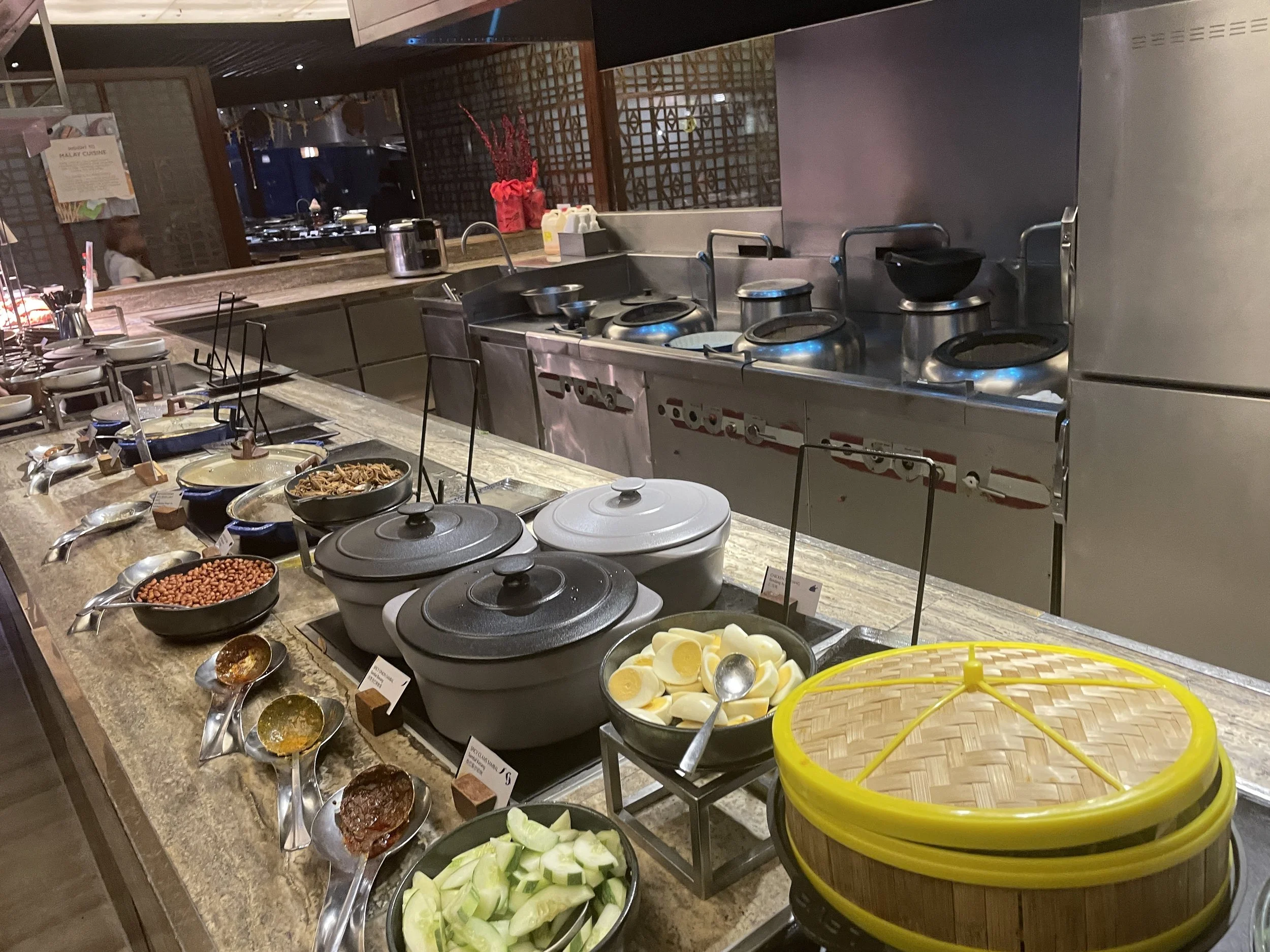
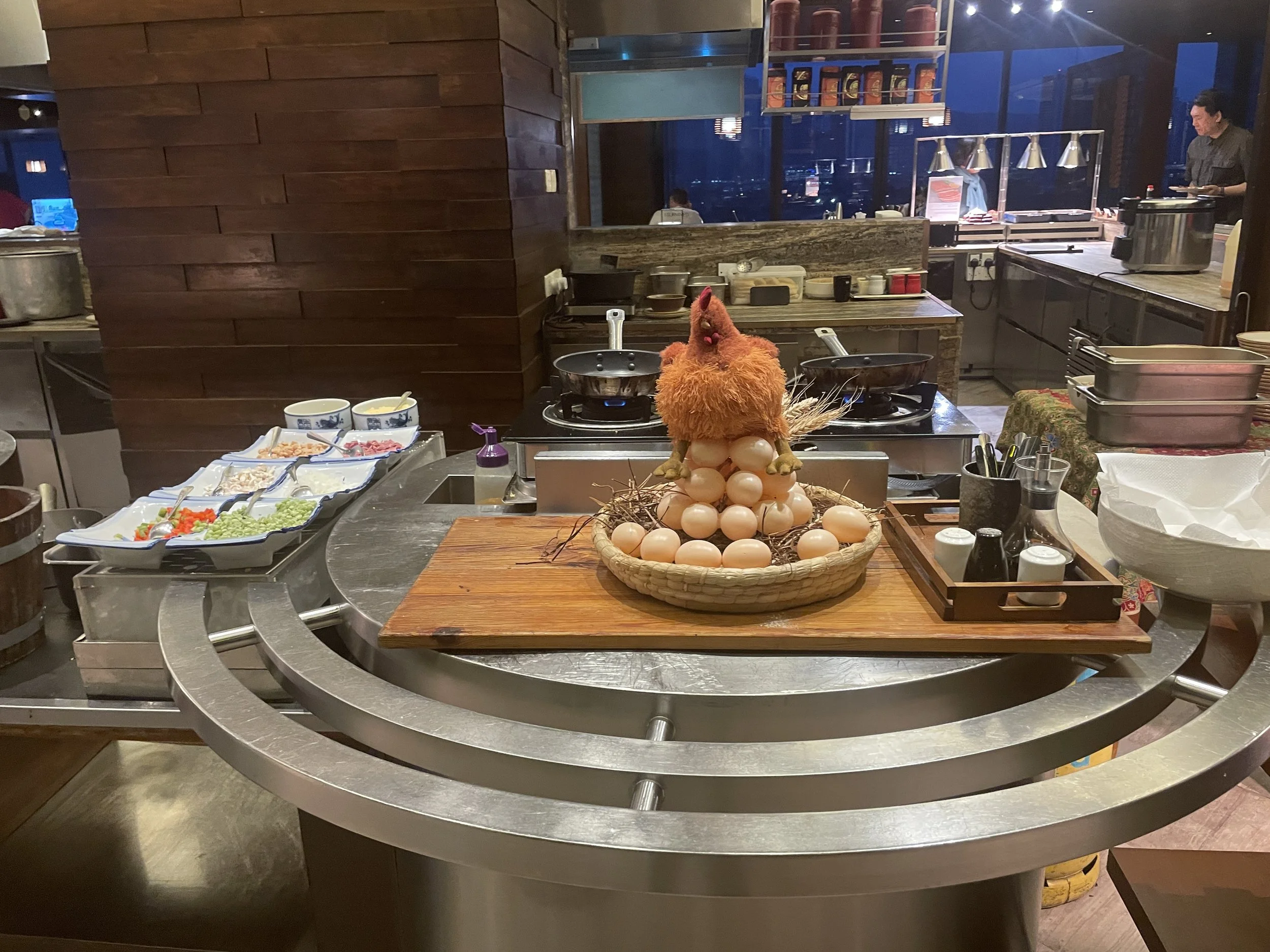
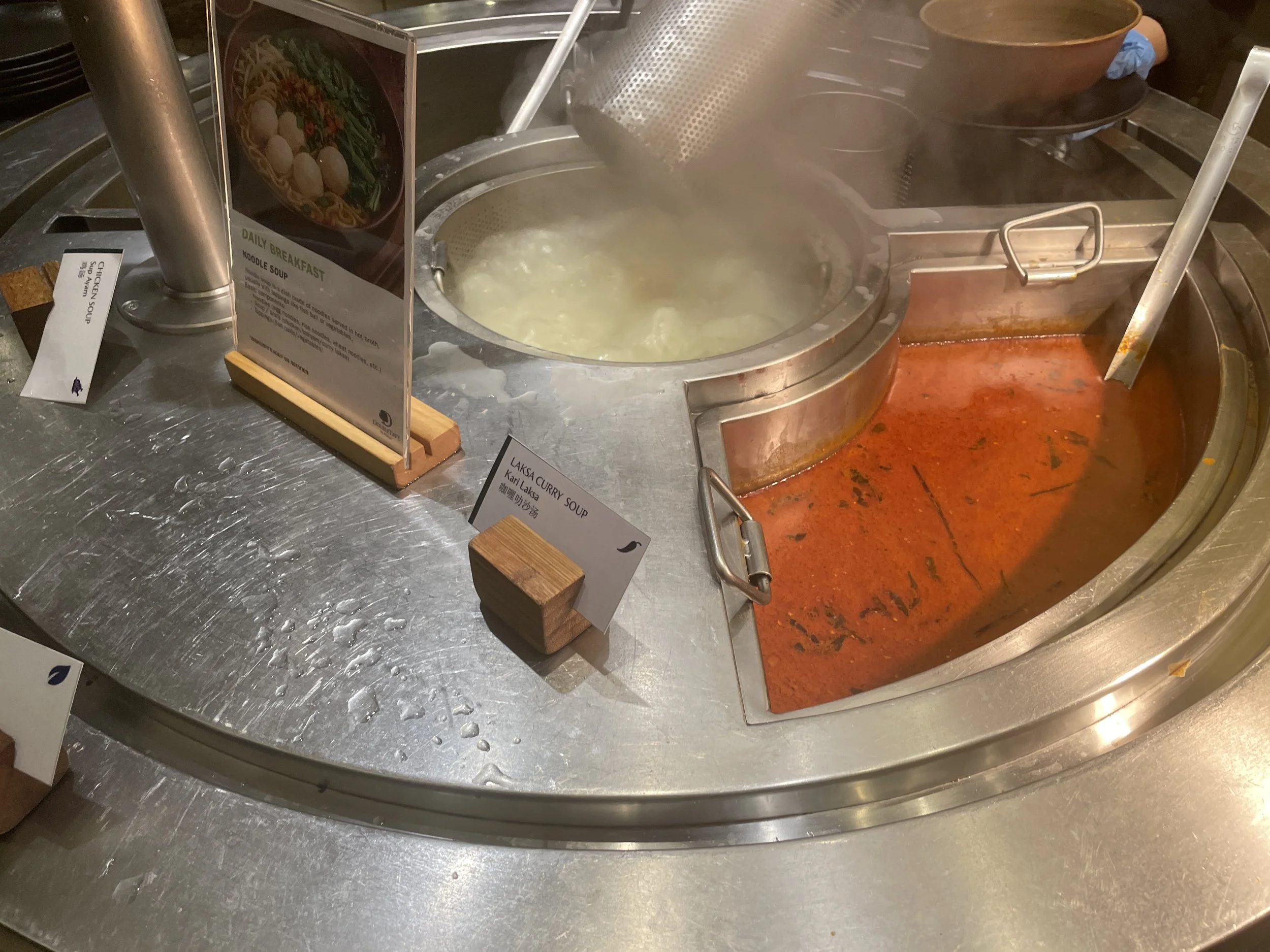
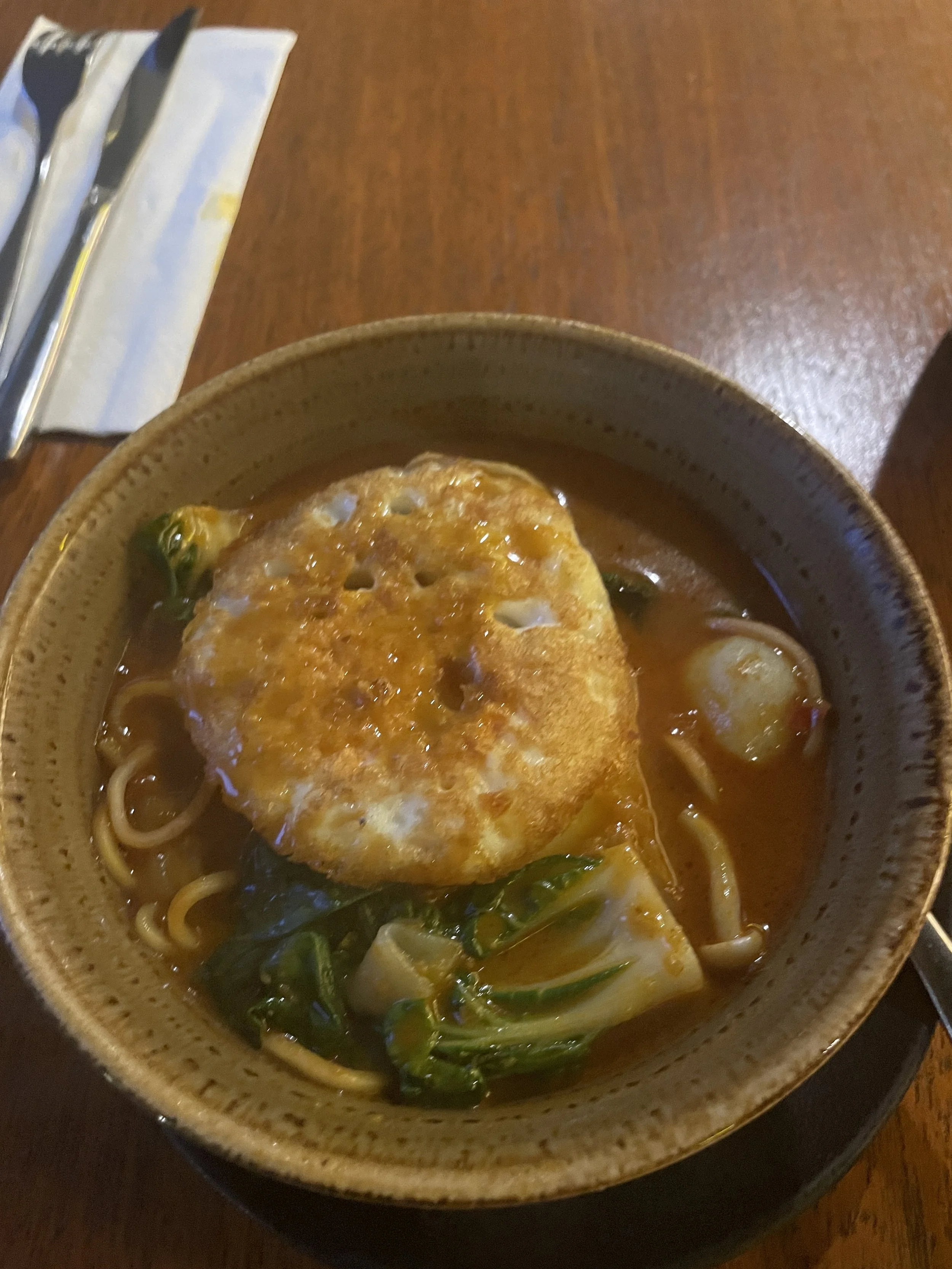
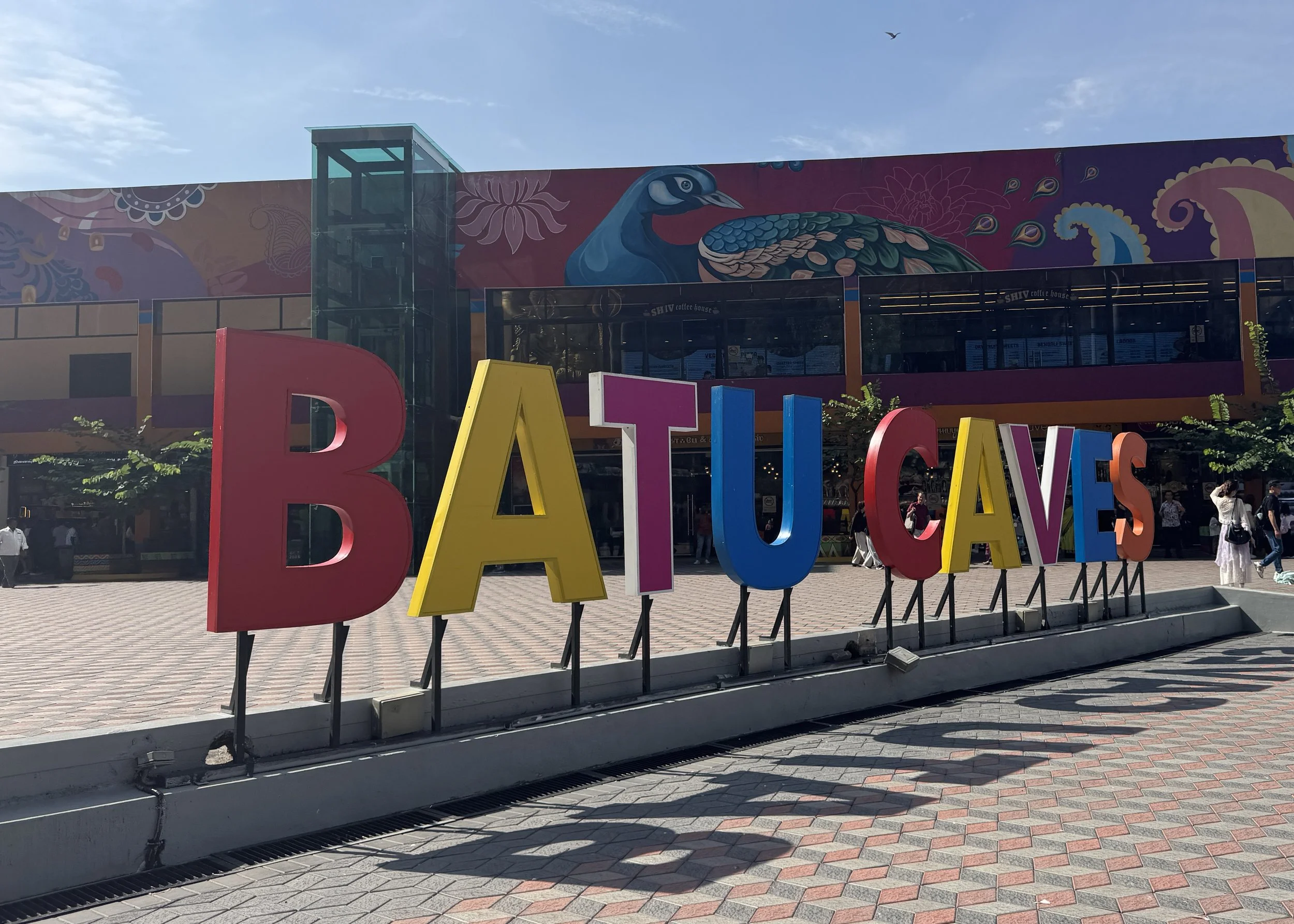
This morning, we enjoyed a generous hotel breakfast featuring Malaysian flavors — curry, coconut, and a variety of local dishes — before calling a Grab to visit Batu Caves.
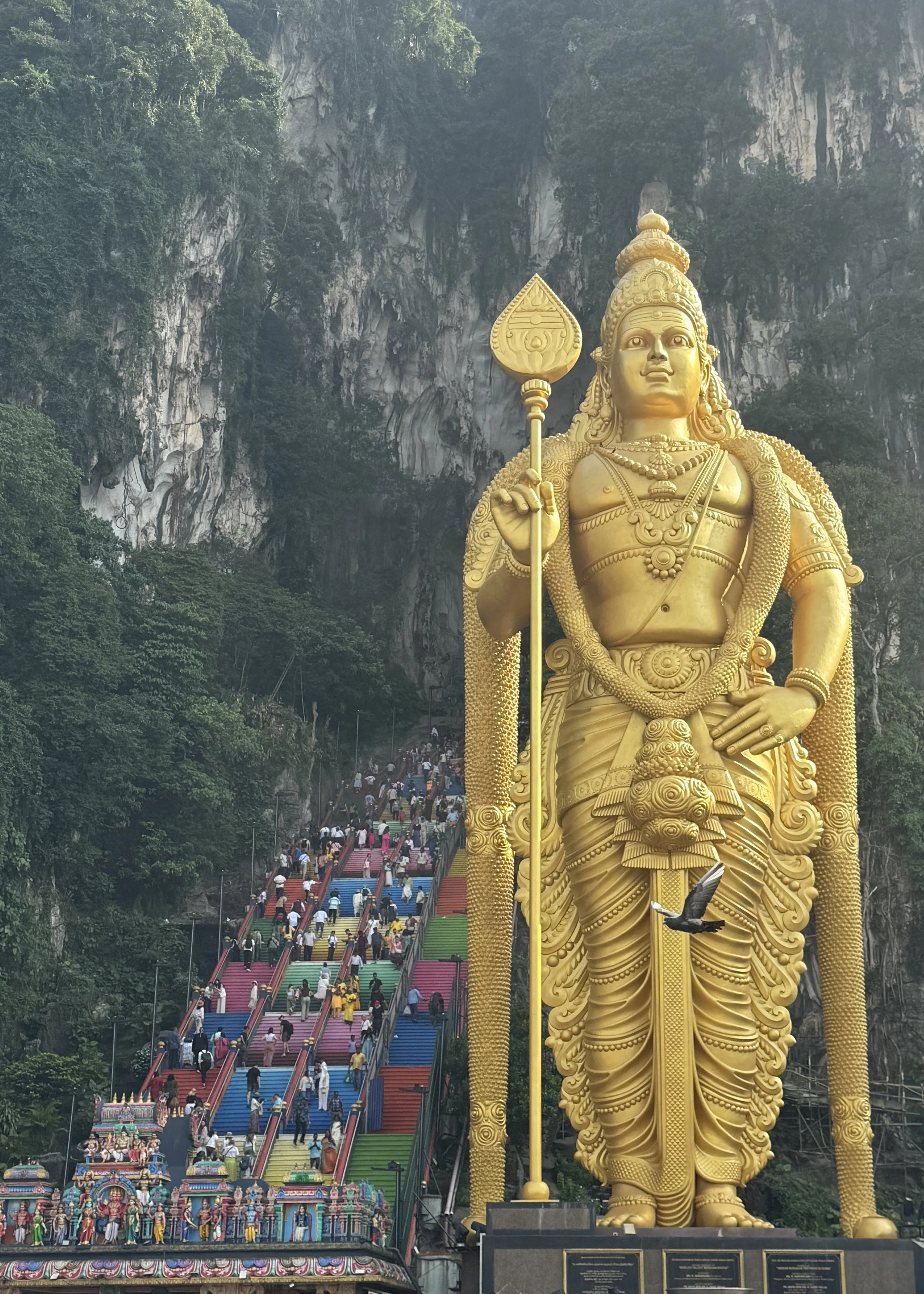
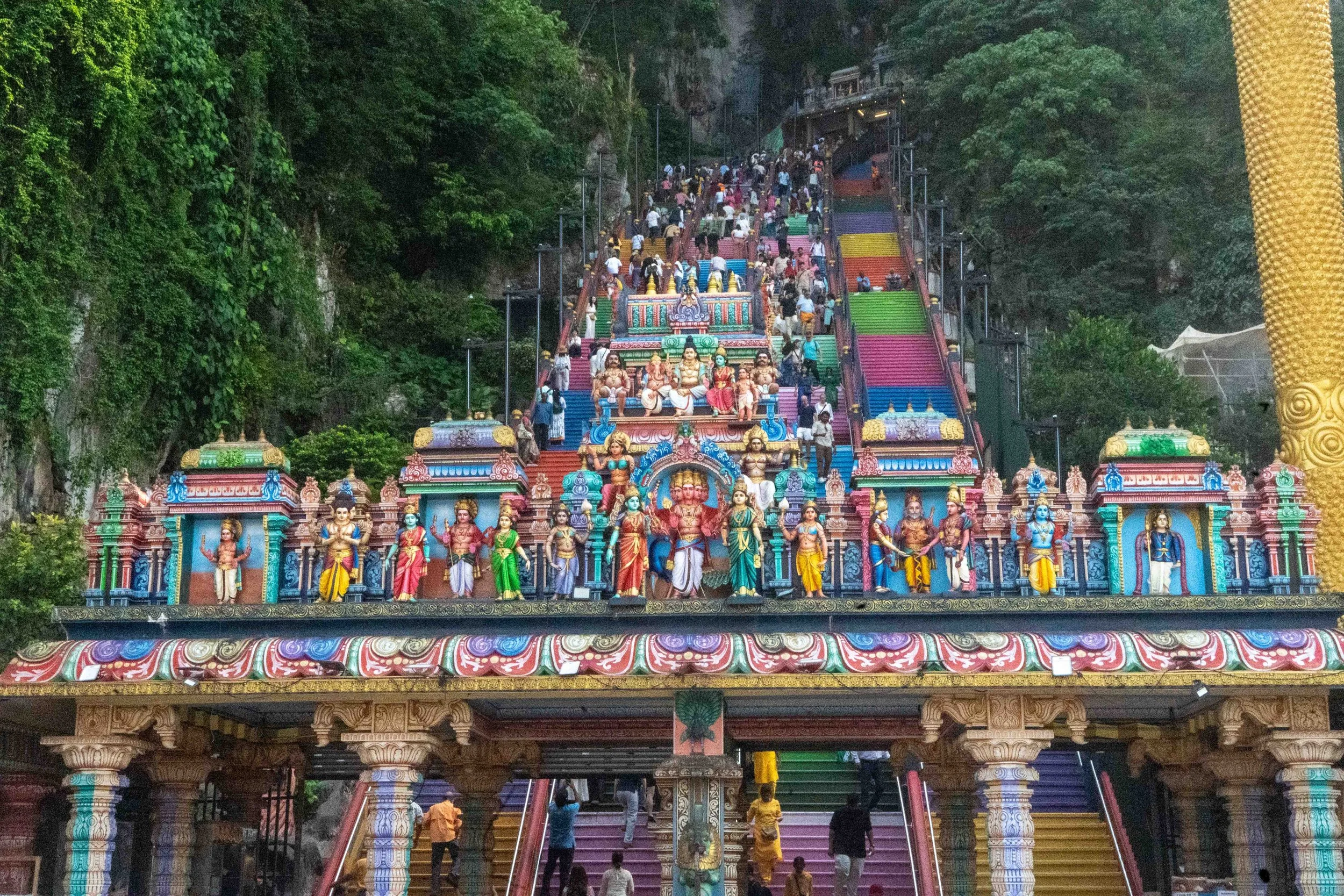
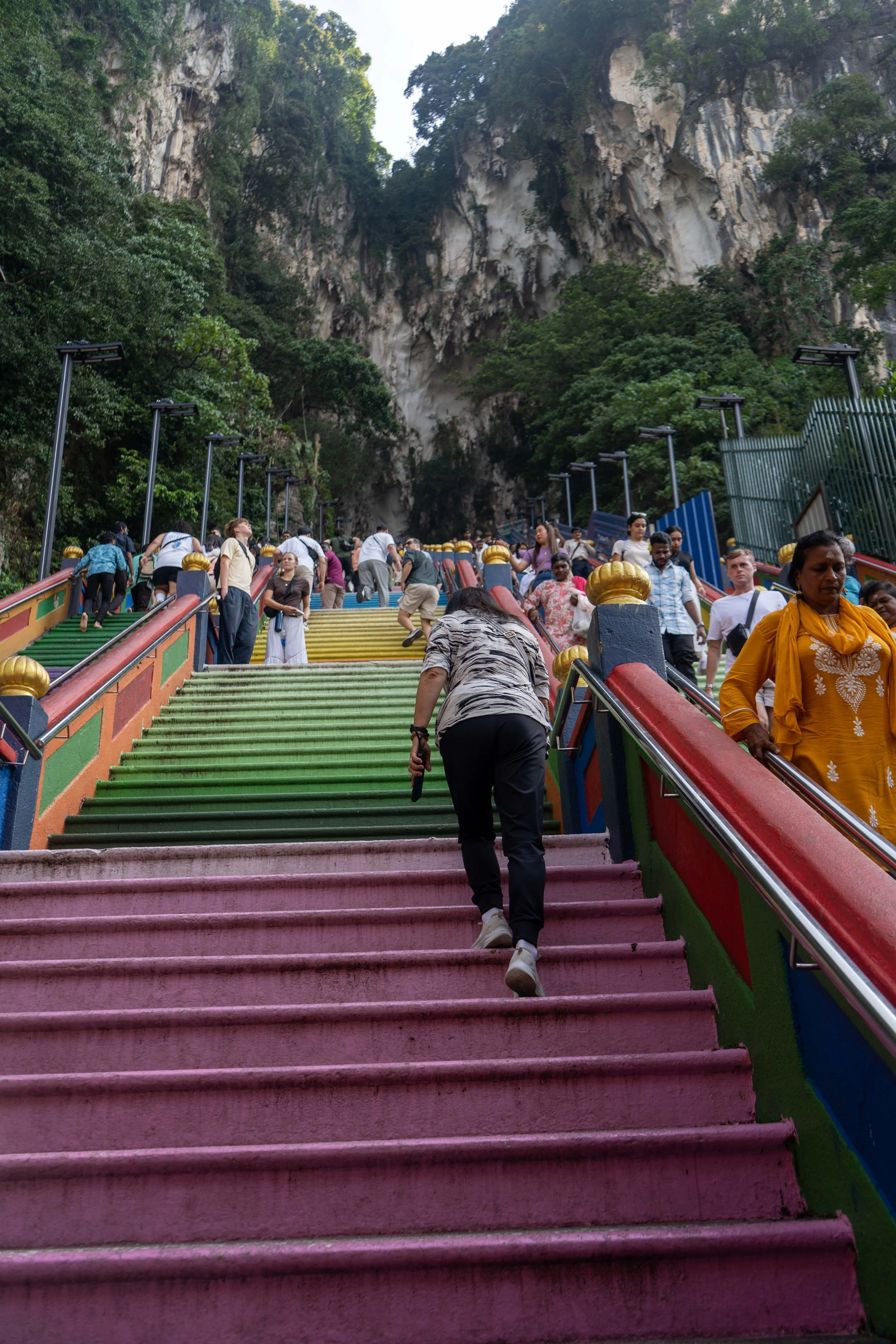
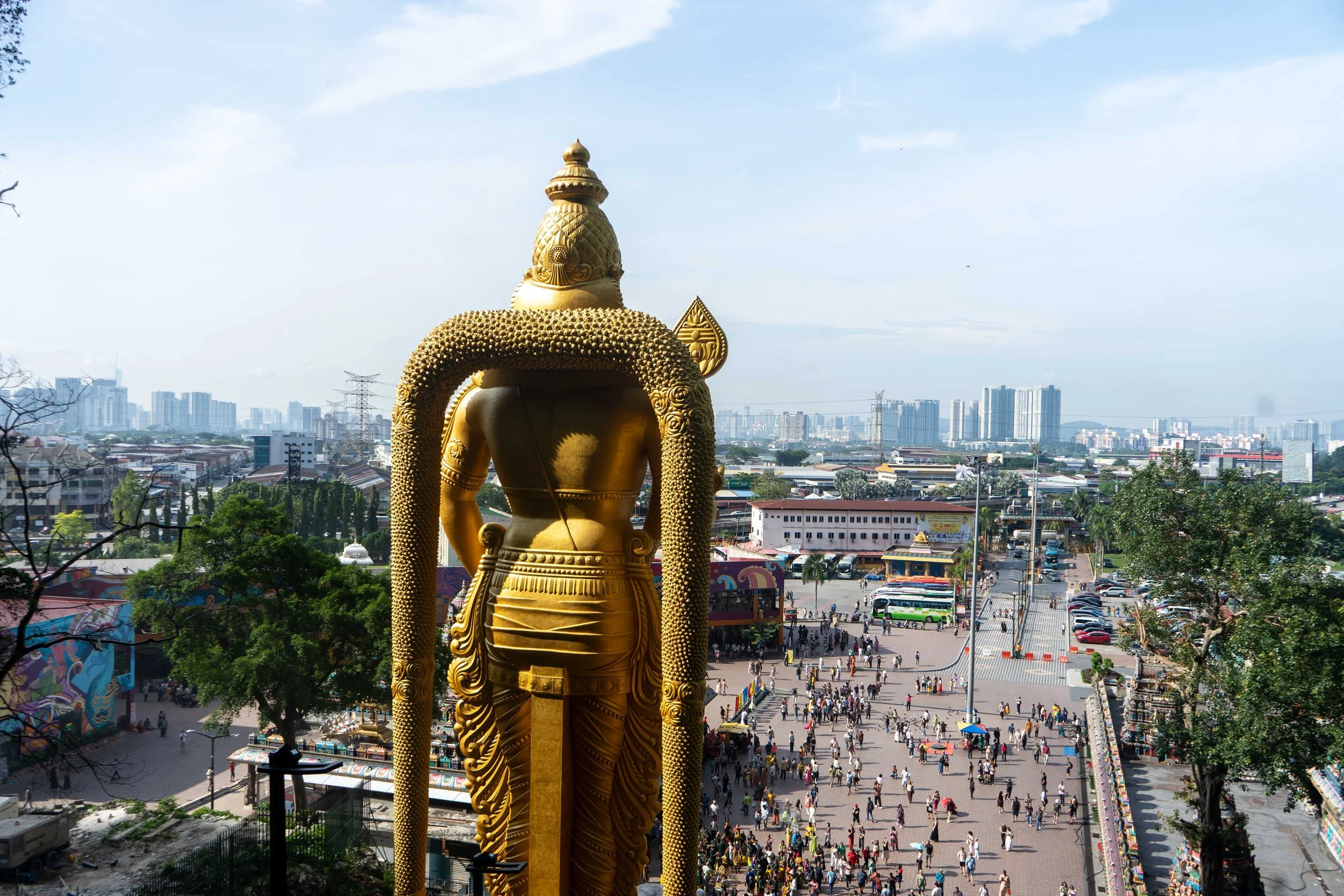
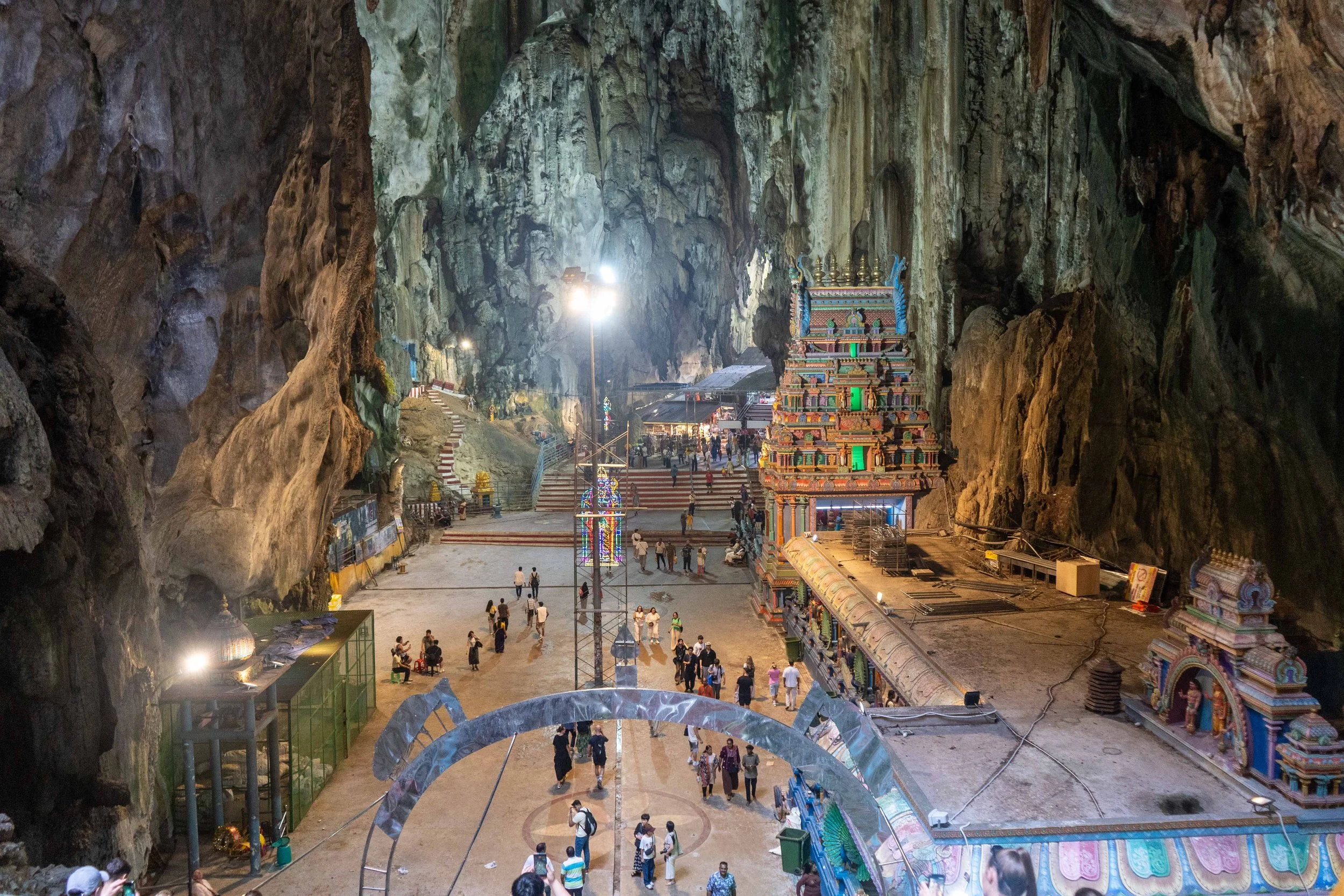
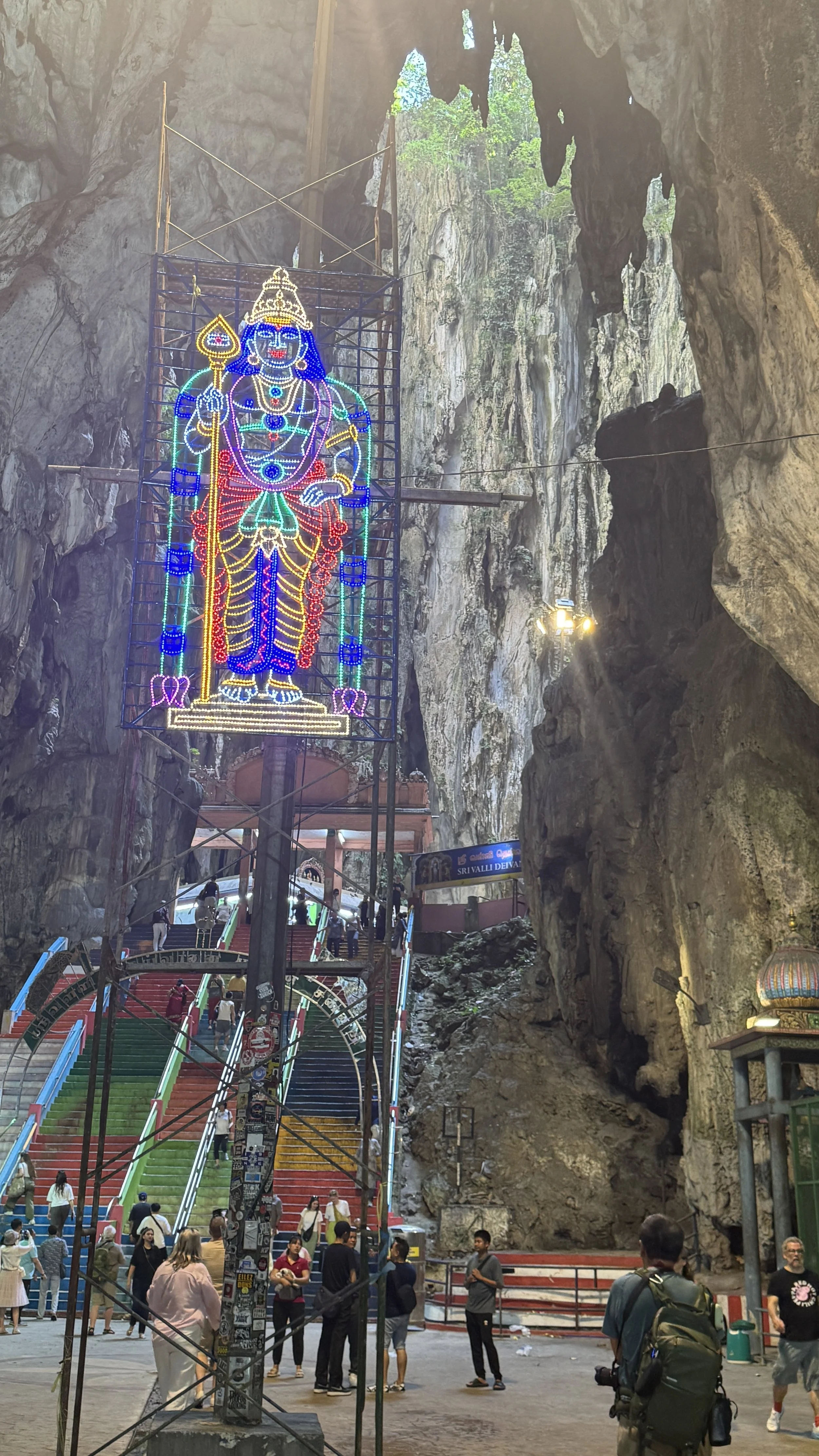
Batu Caves is a famous limestone hill complex housing several Hindu temples. The main Temple Cave is reached by climbing 272 dramatic, brightly colored steps.
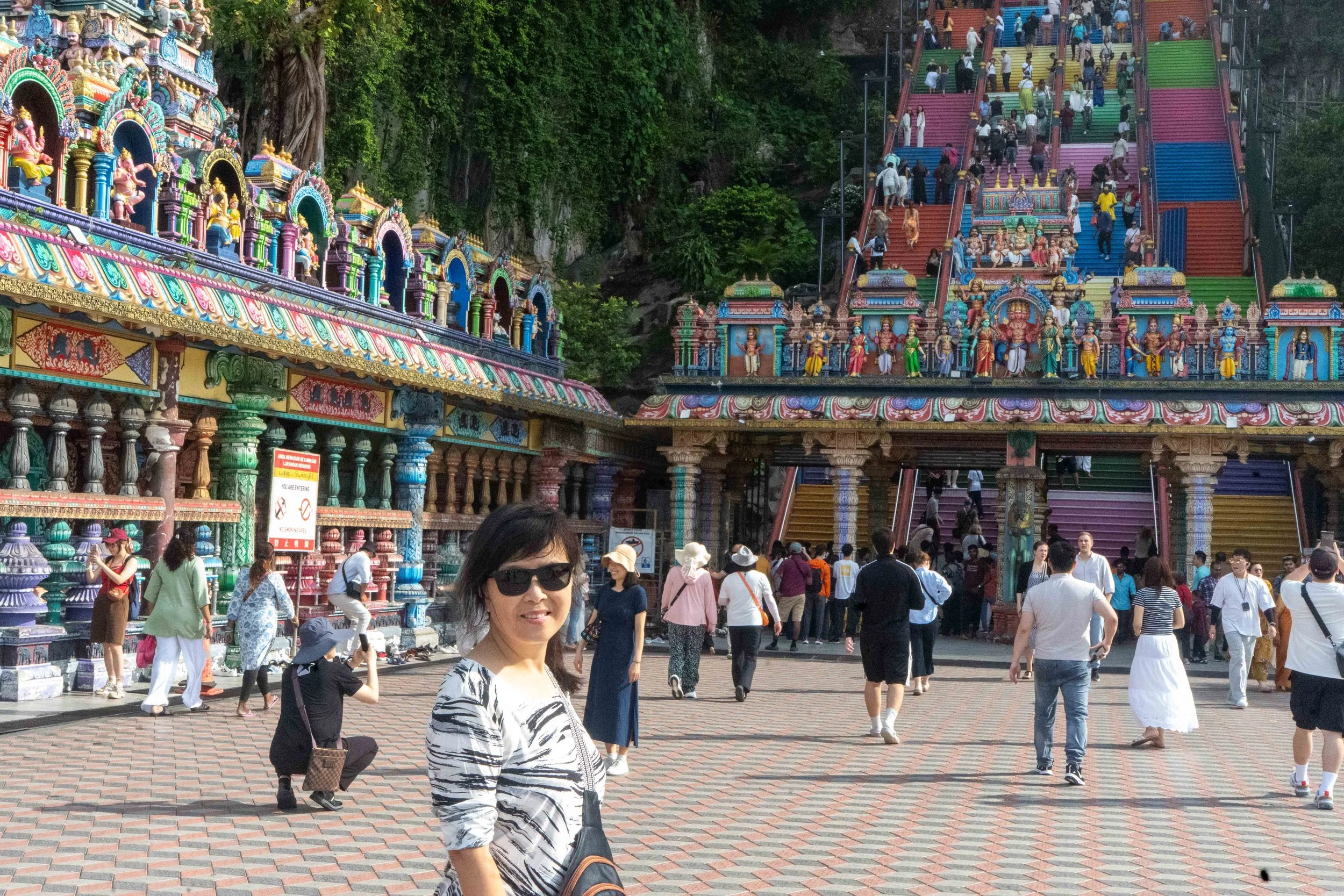
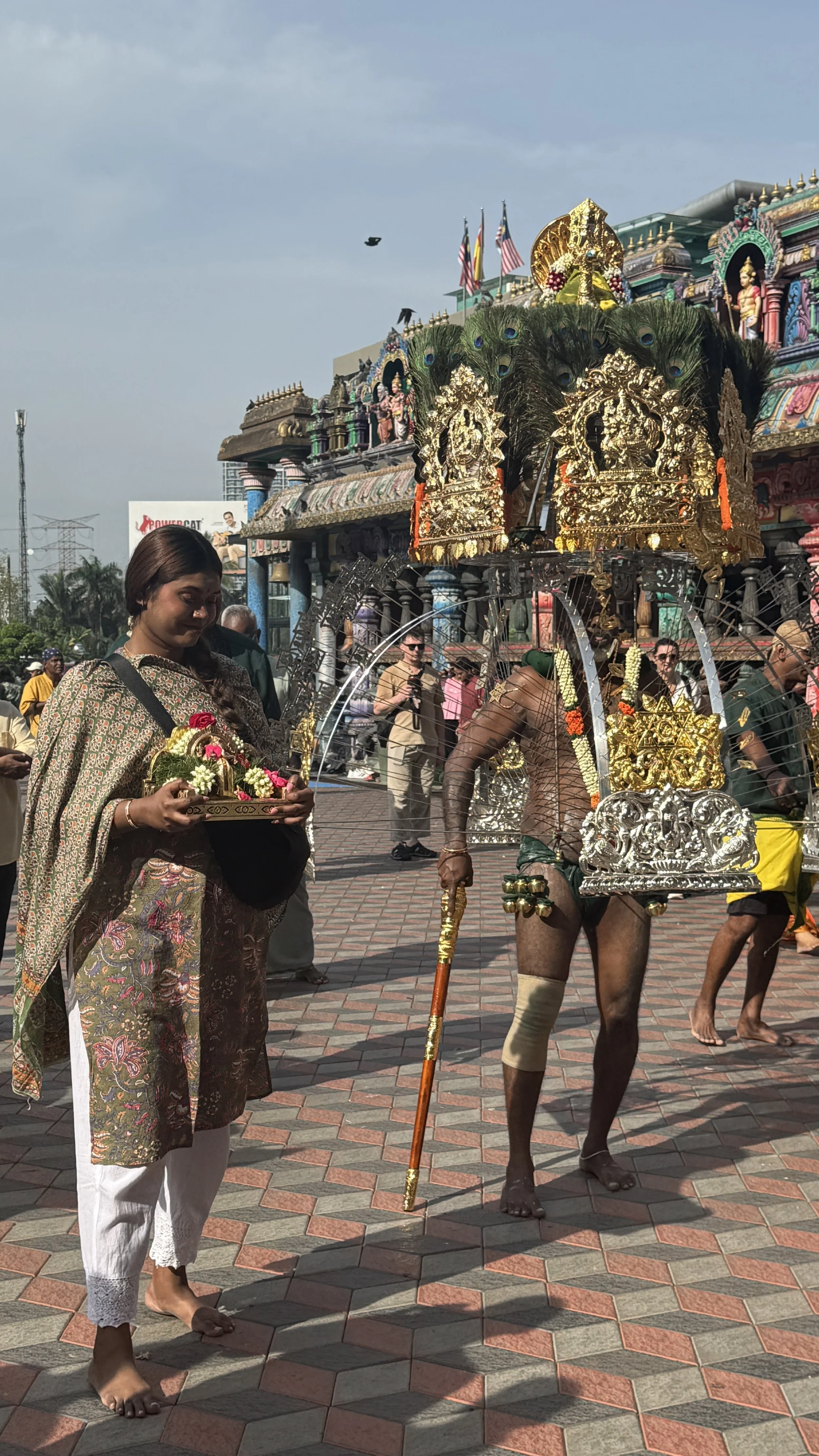
Perhaps because it was the weekend, there were ongoing religious activities, including devotees carrying kavadi.
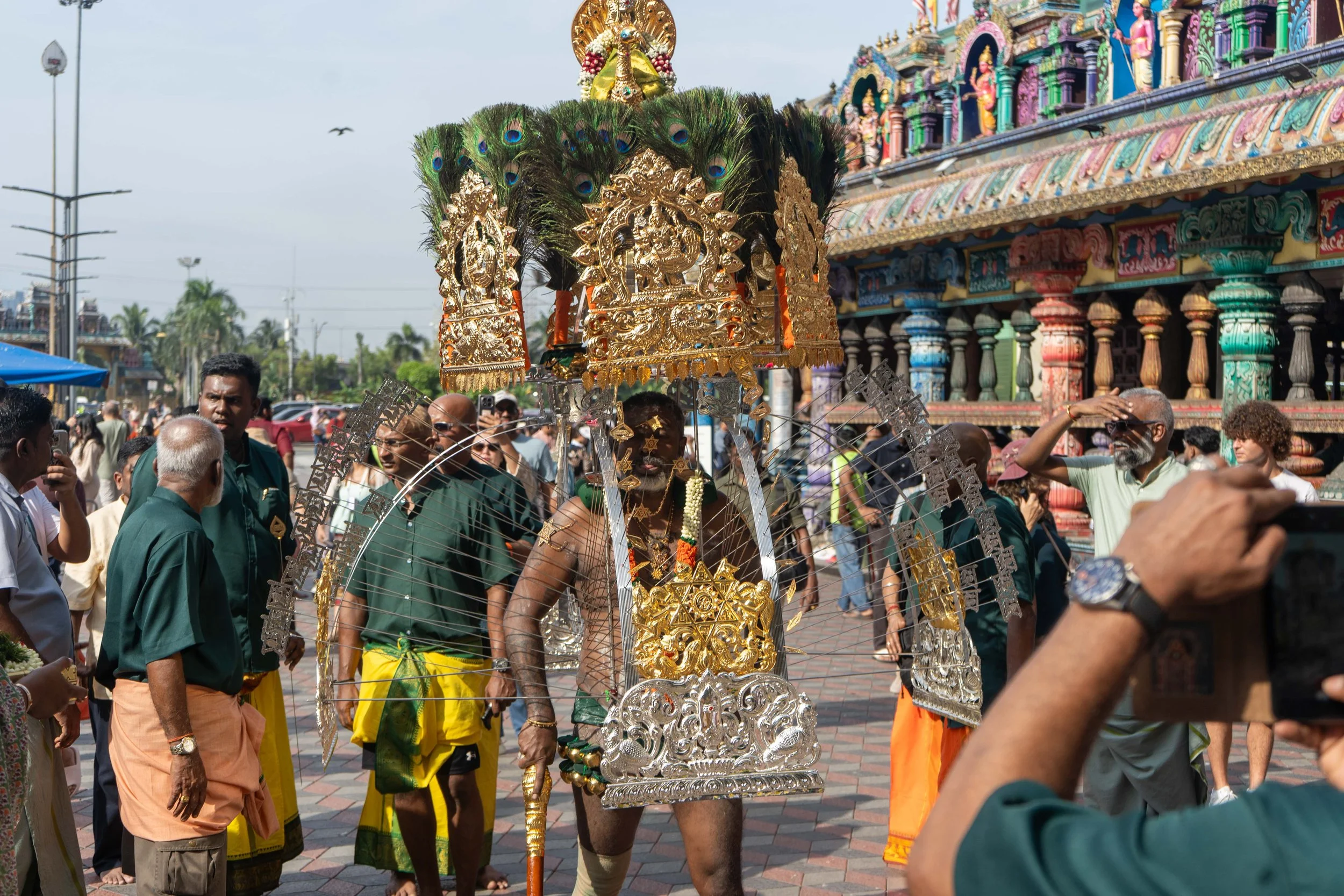
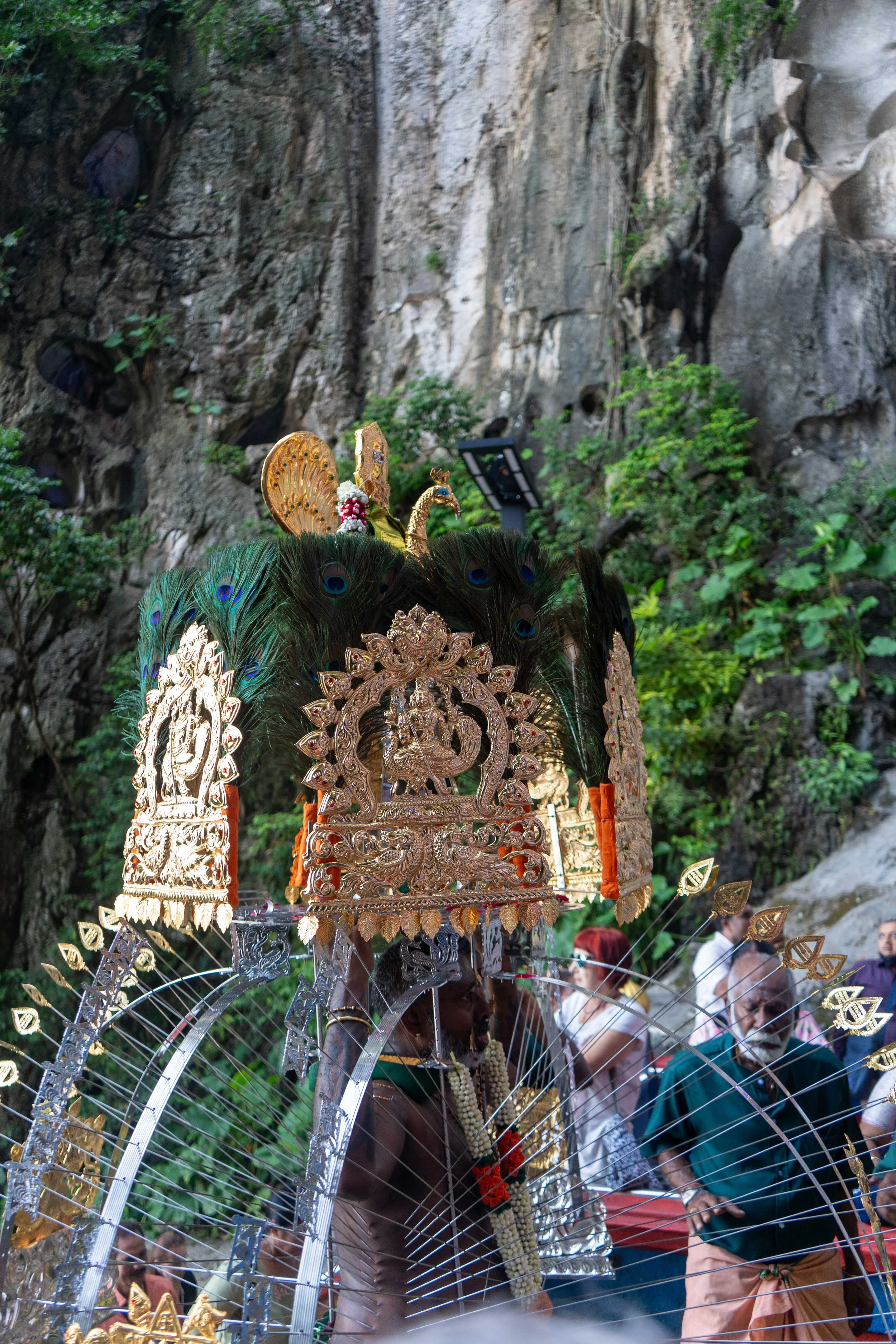
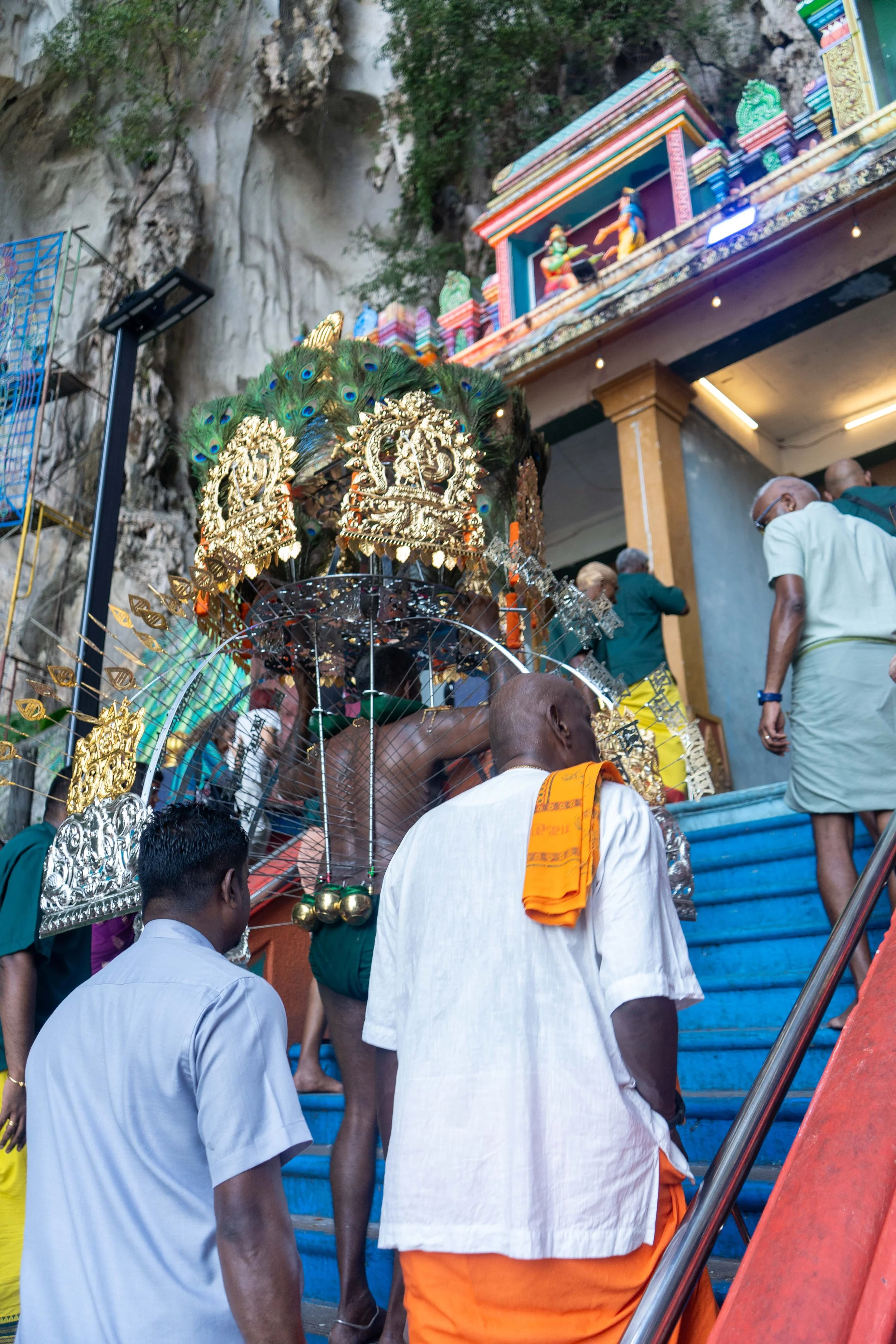
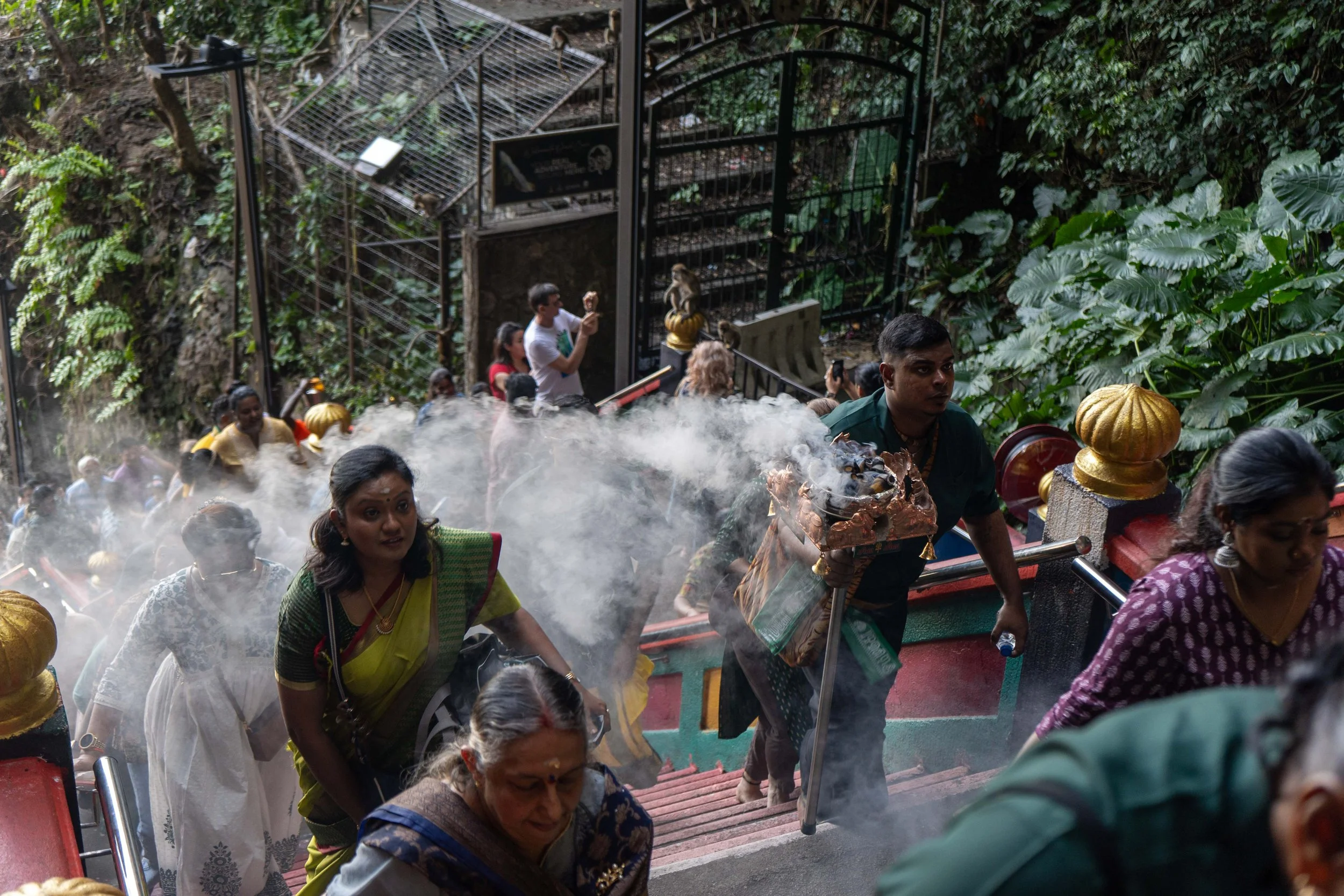
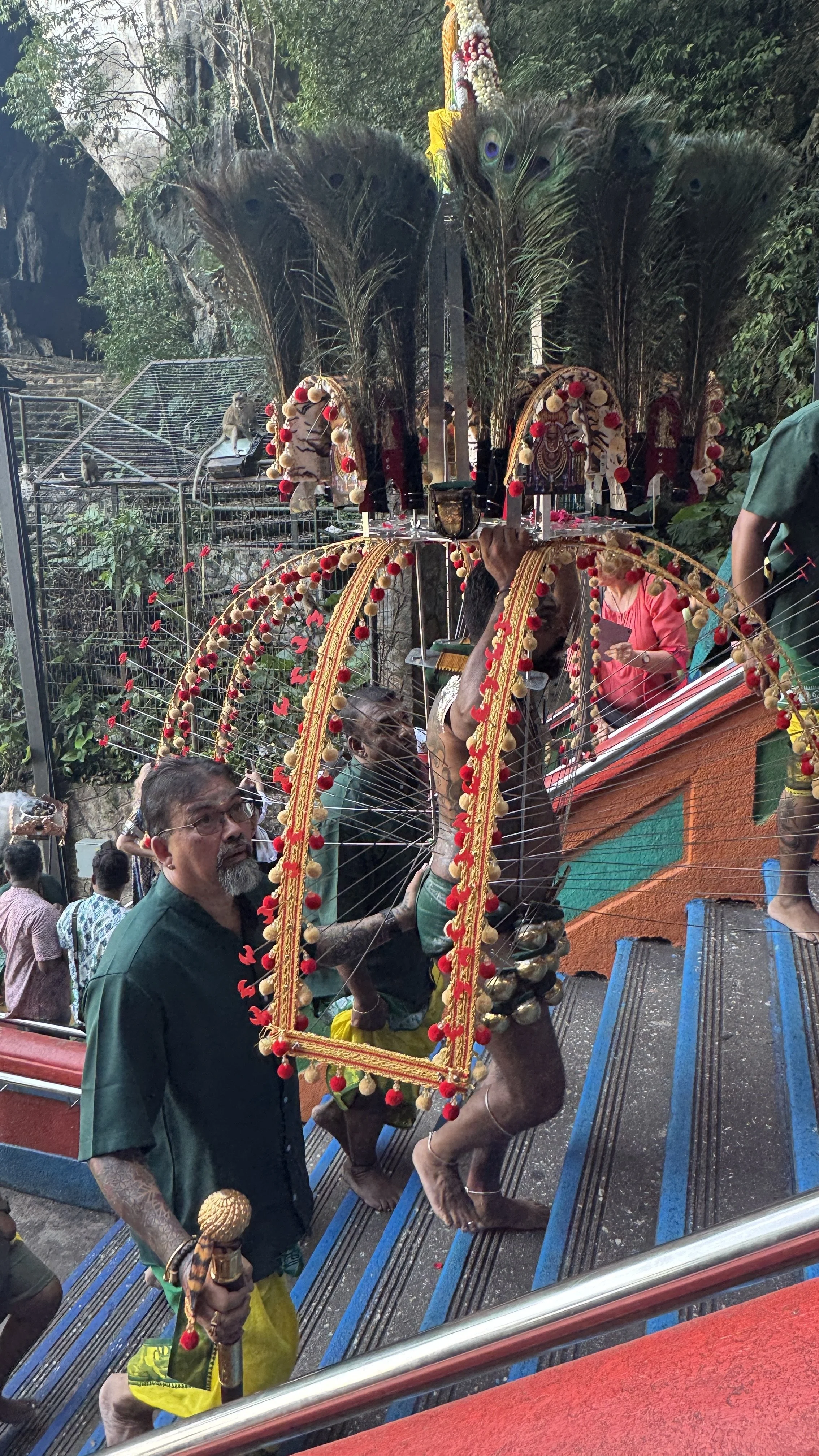
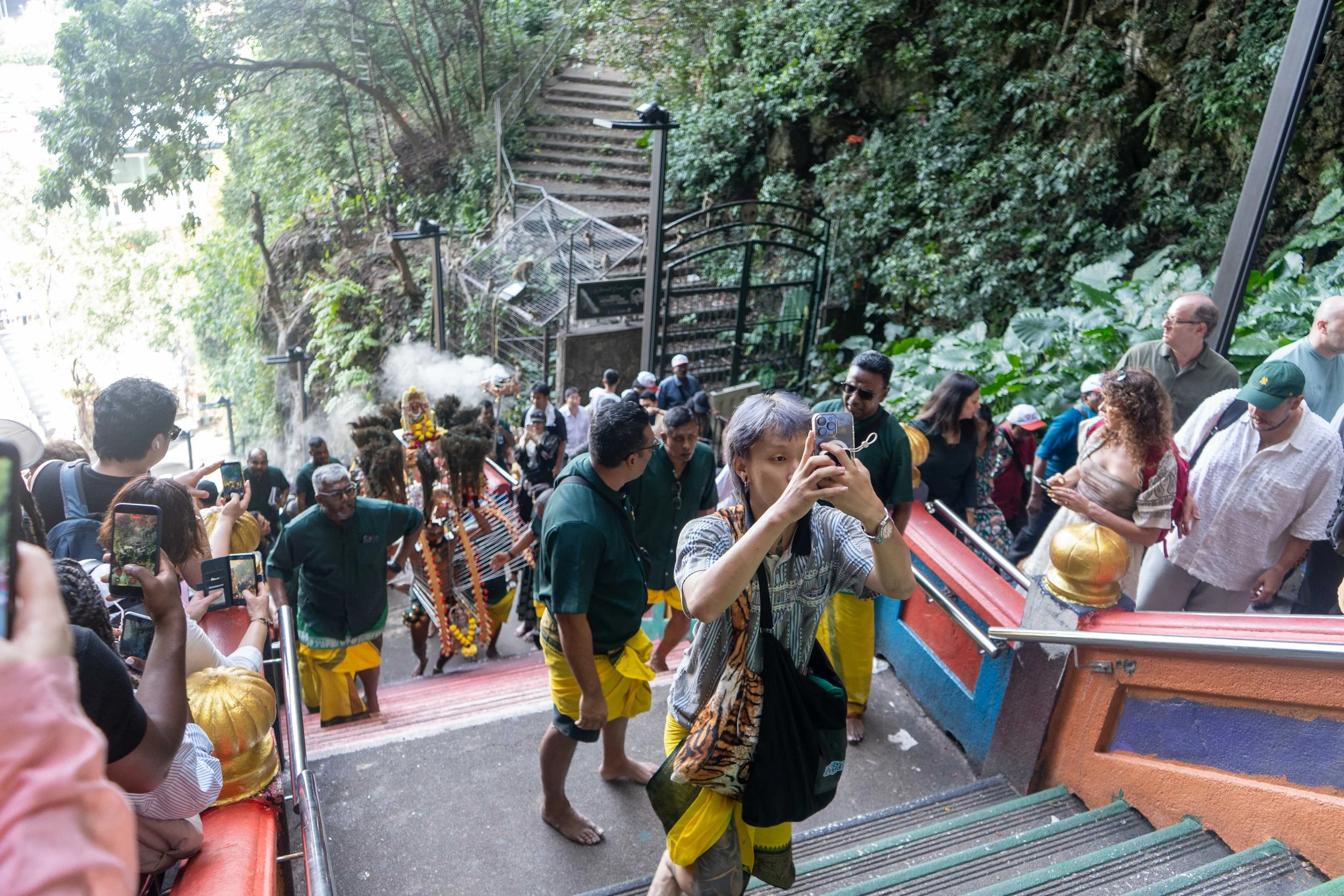
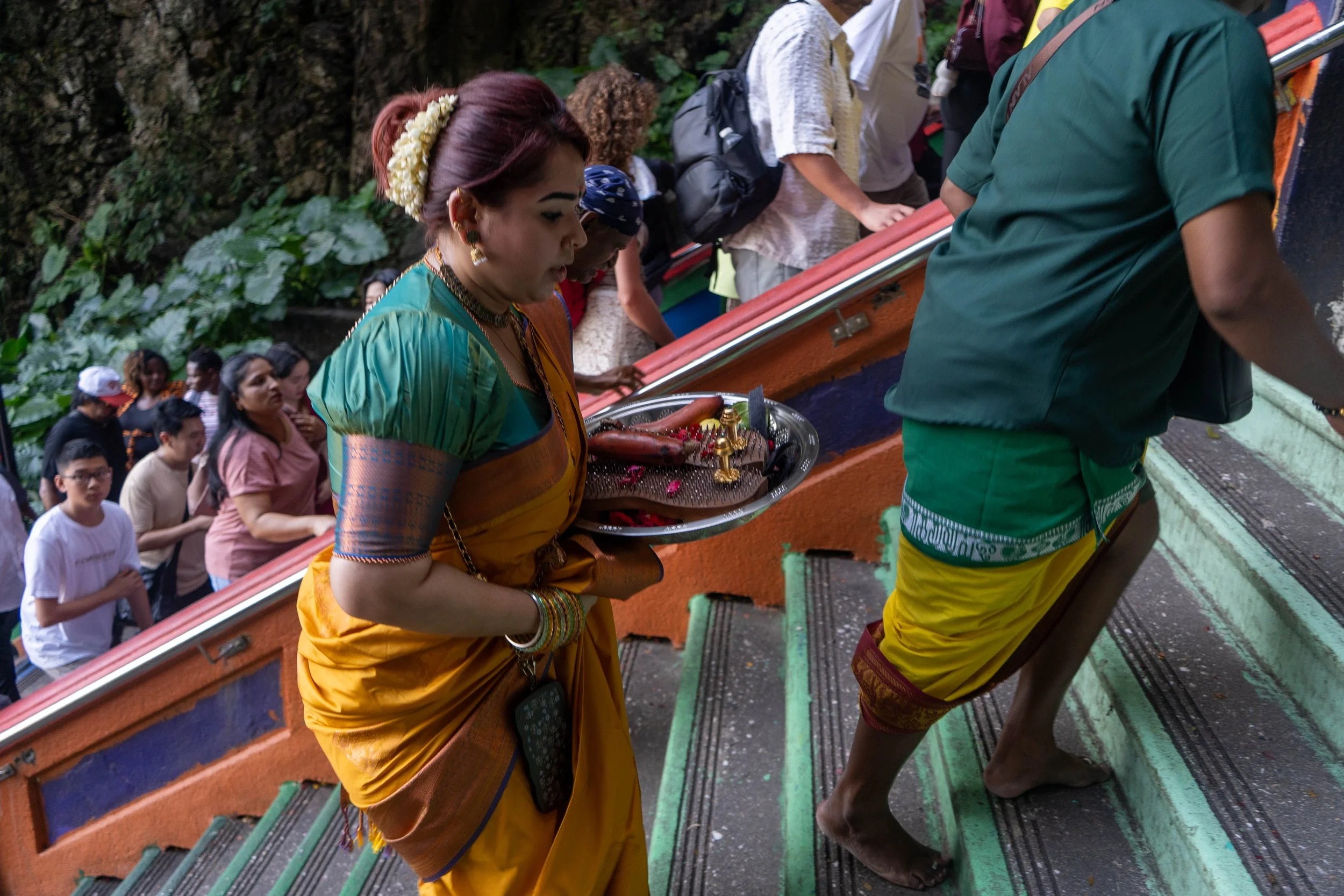
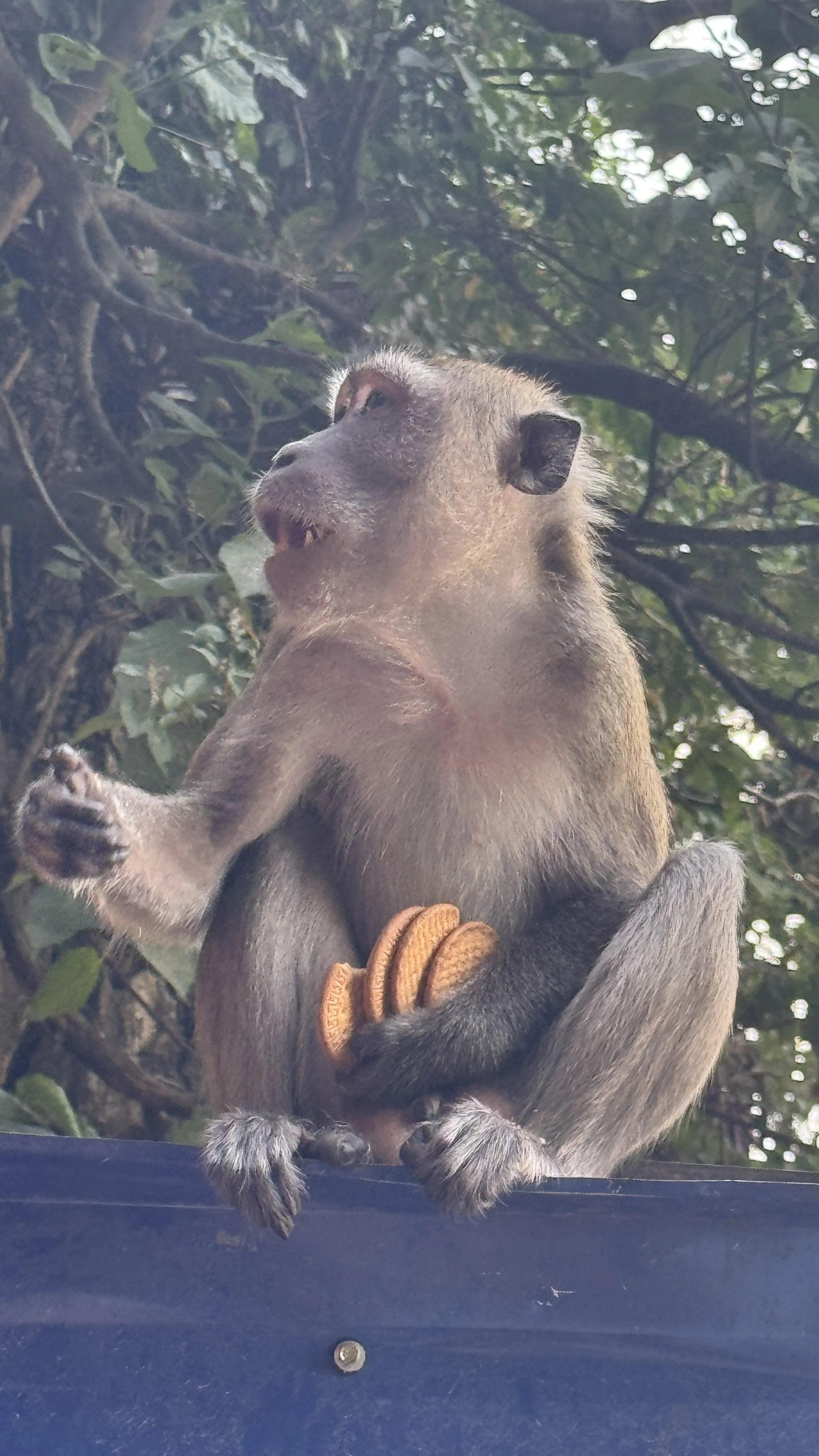
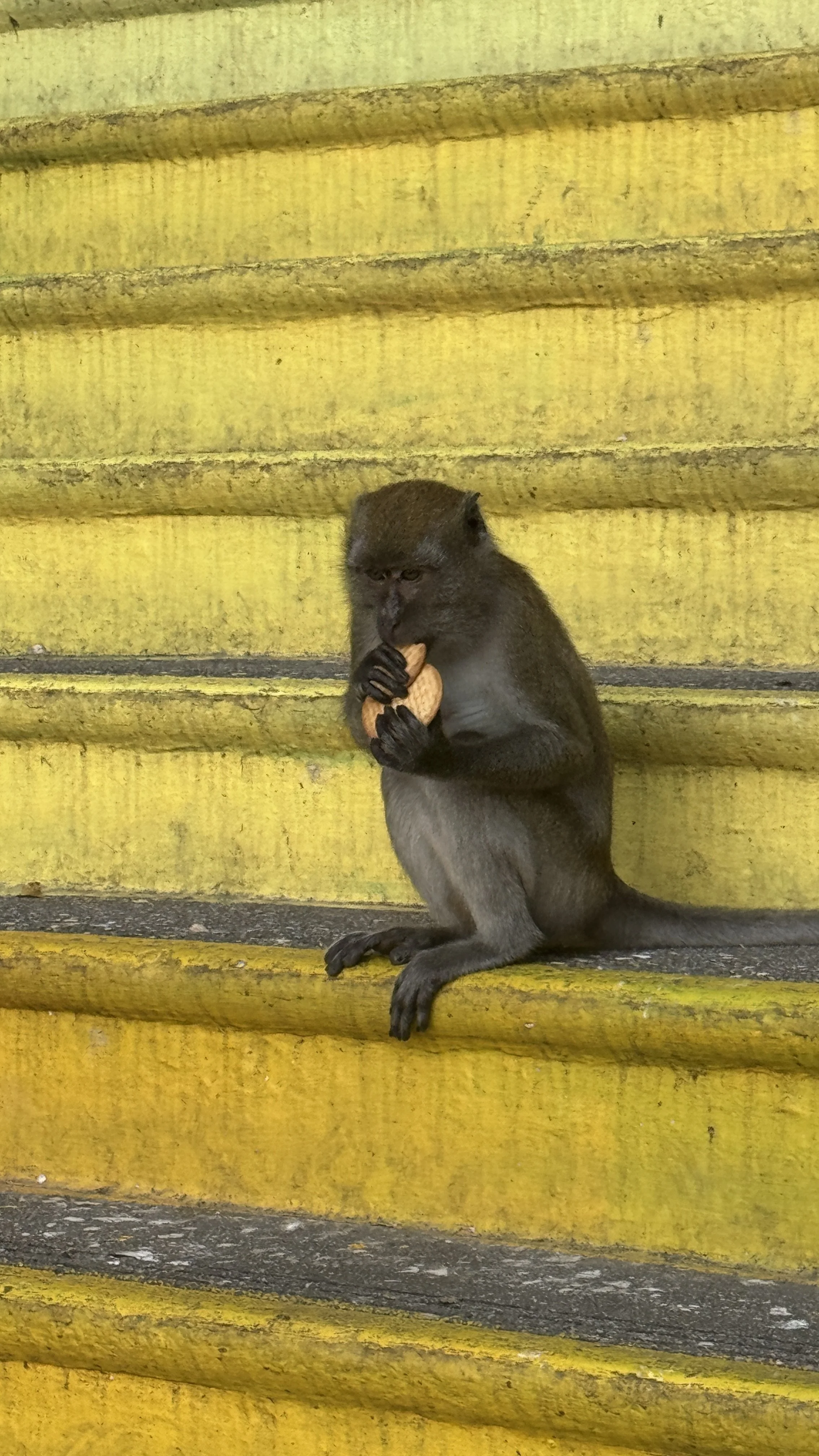
Monkeys were everywhere, weaving along the stairs as visitors fed them.
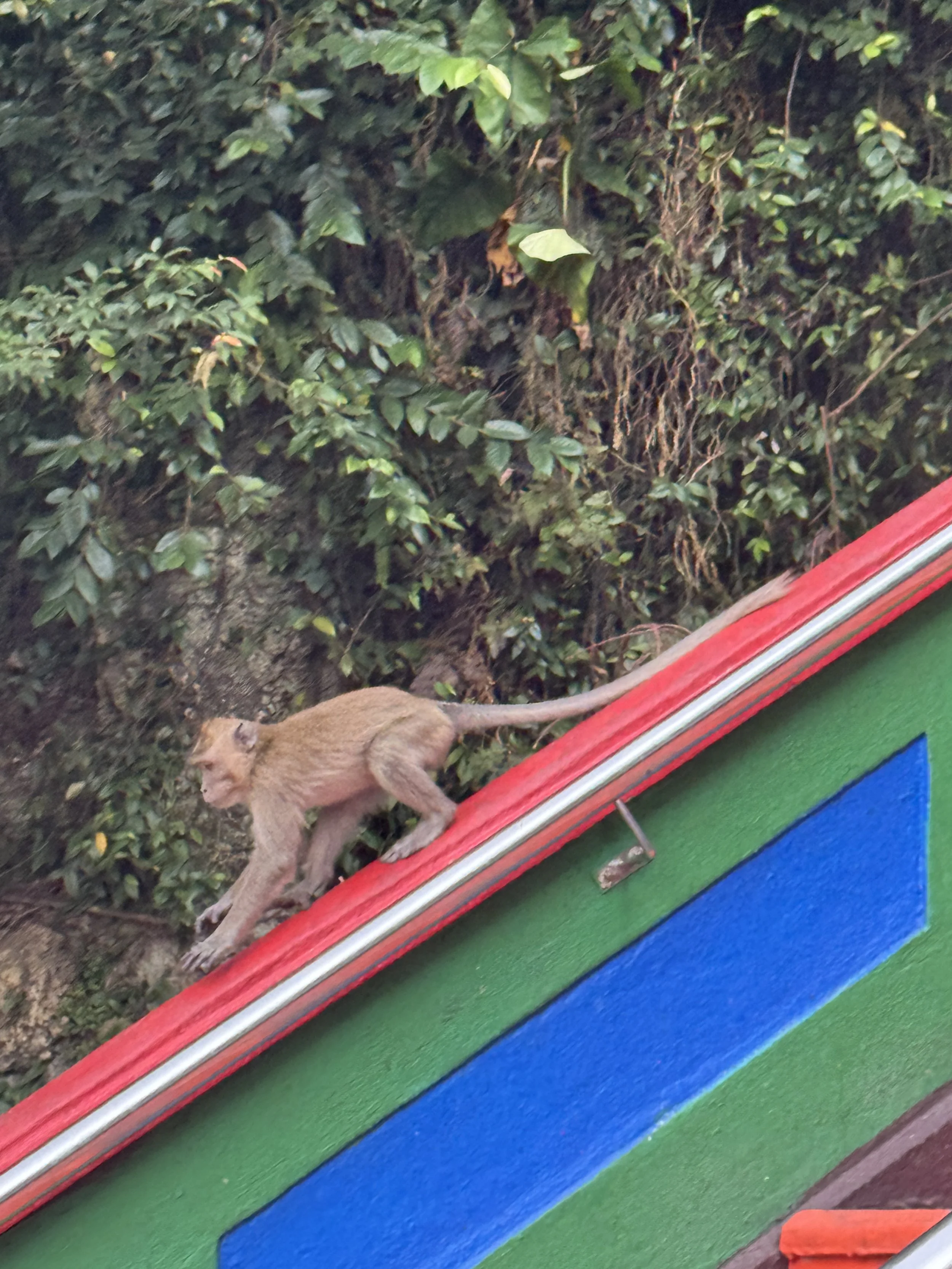
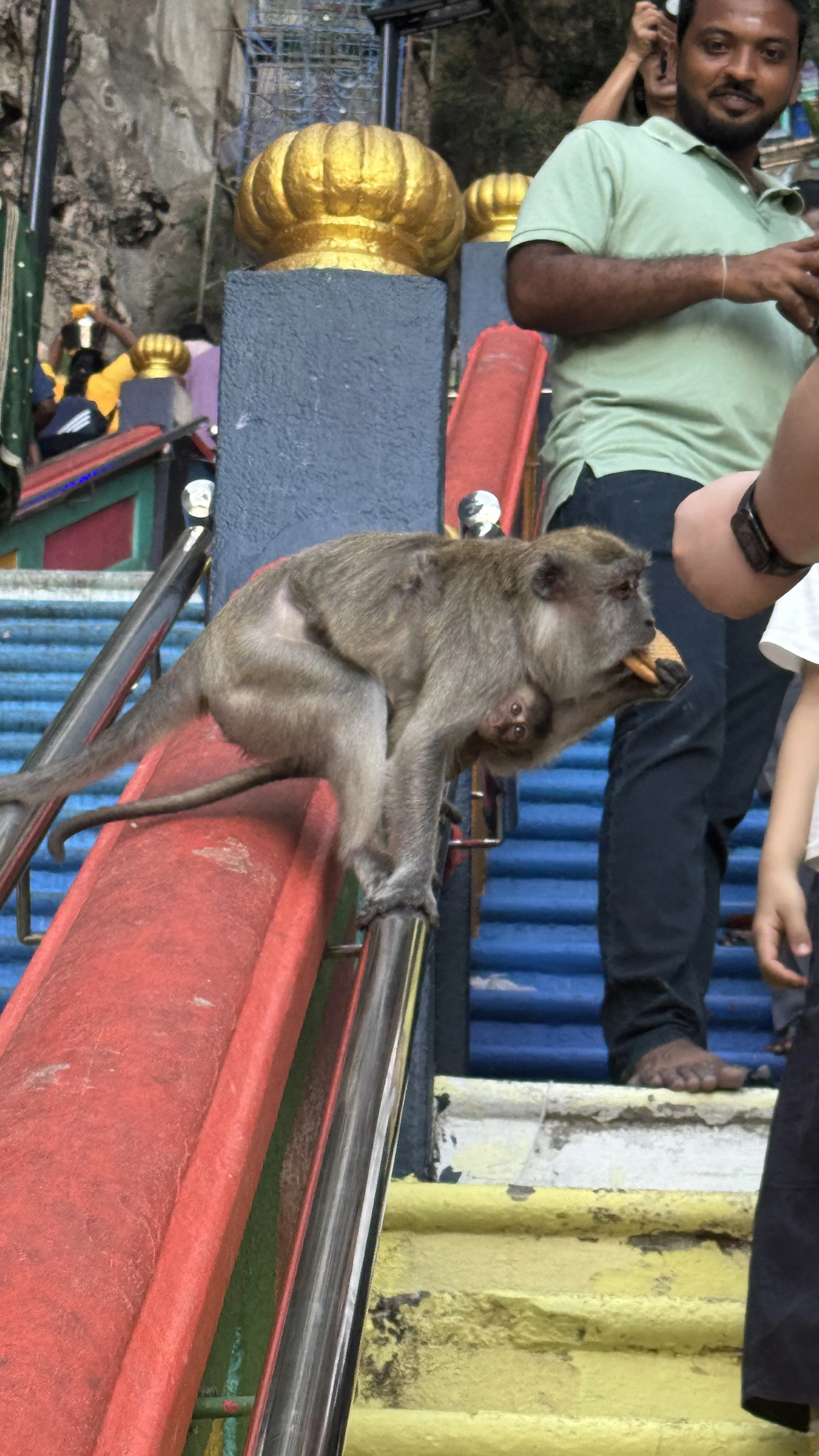
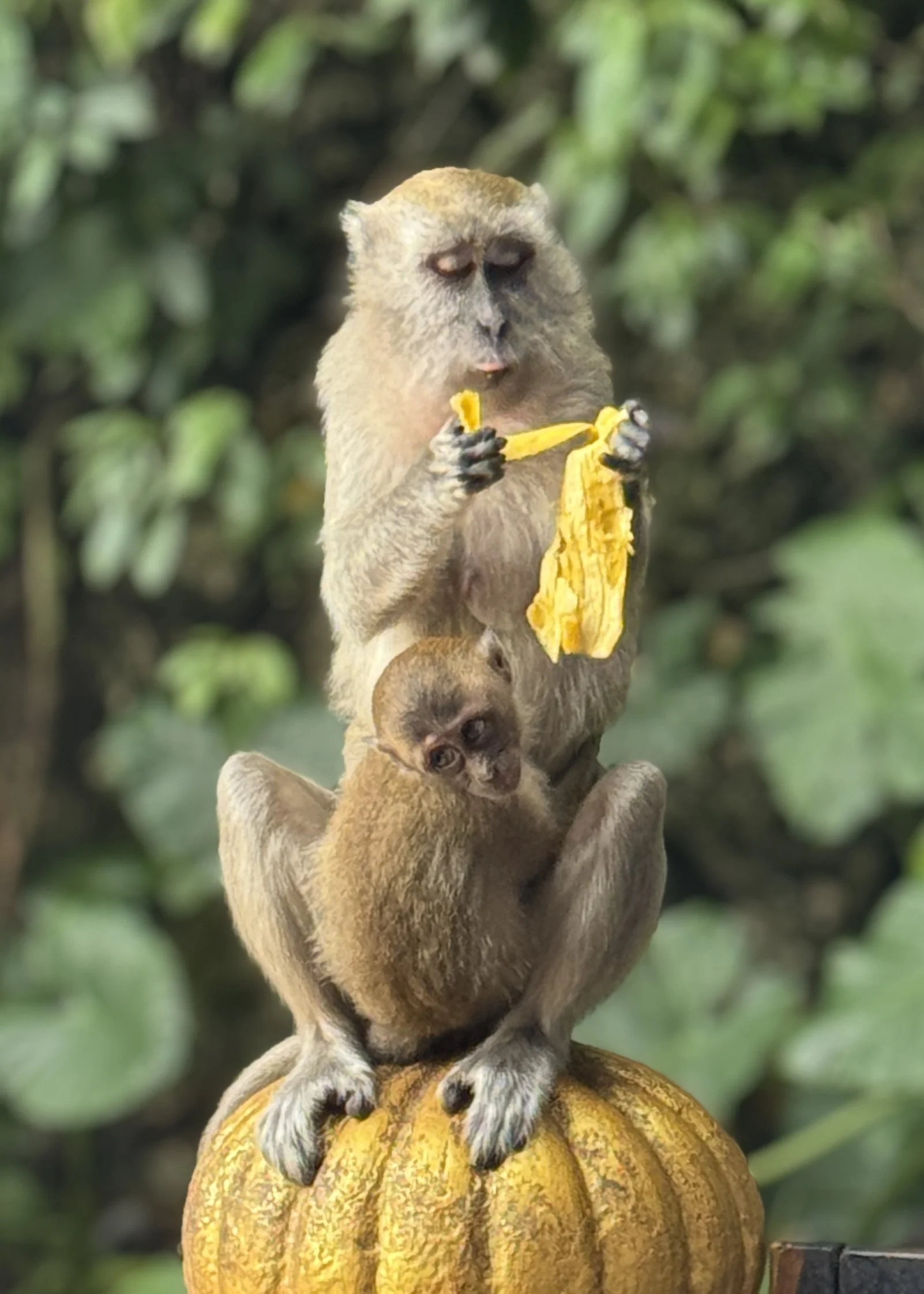
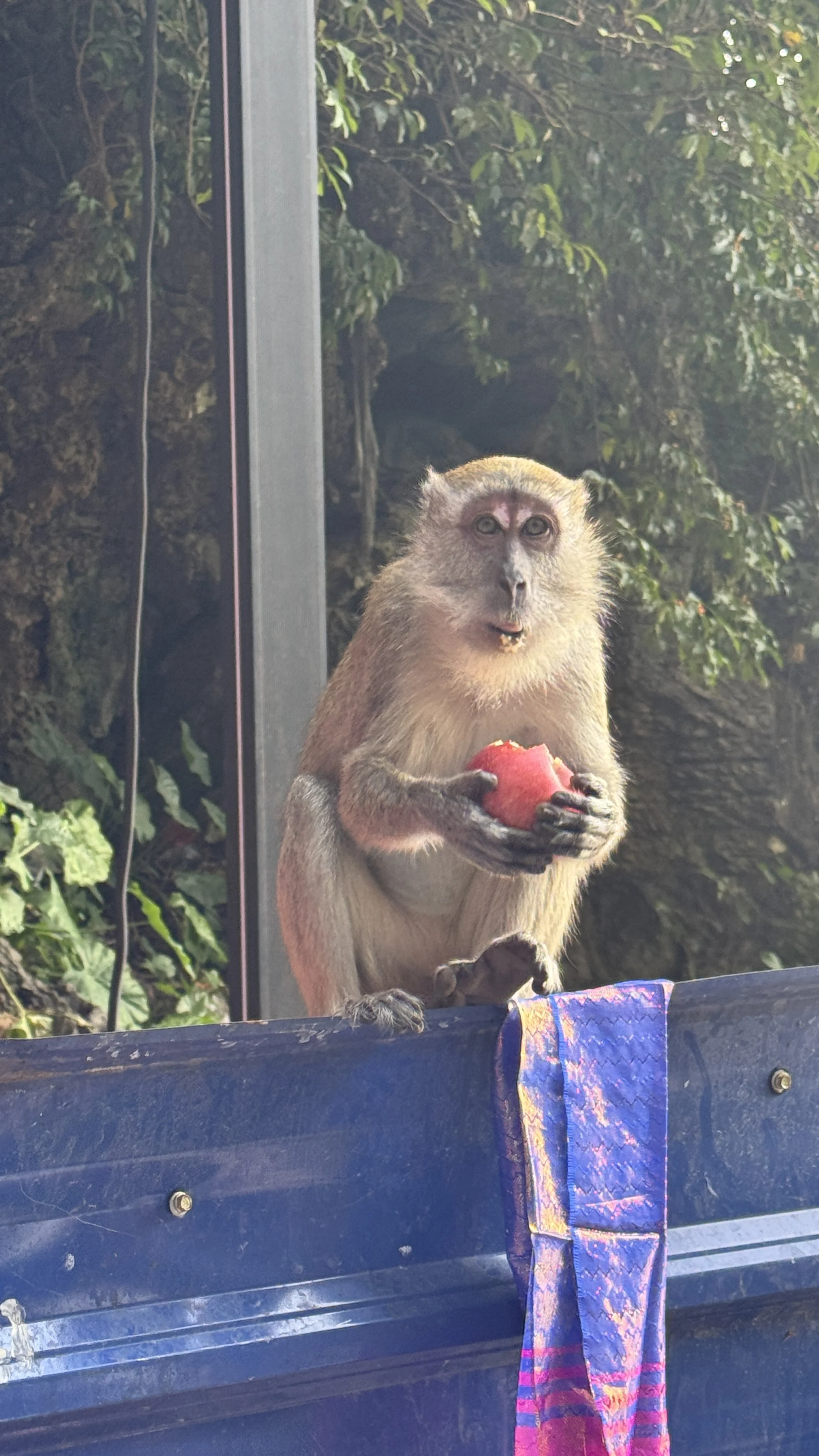
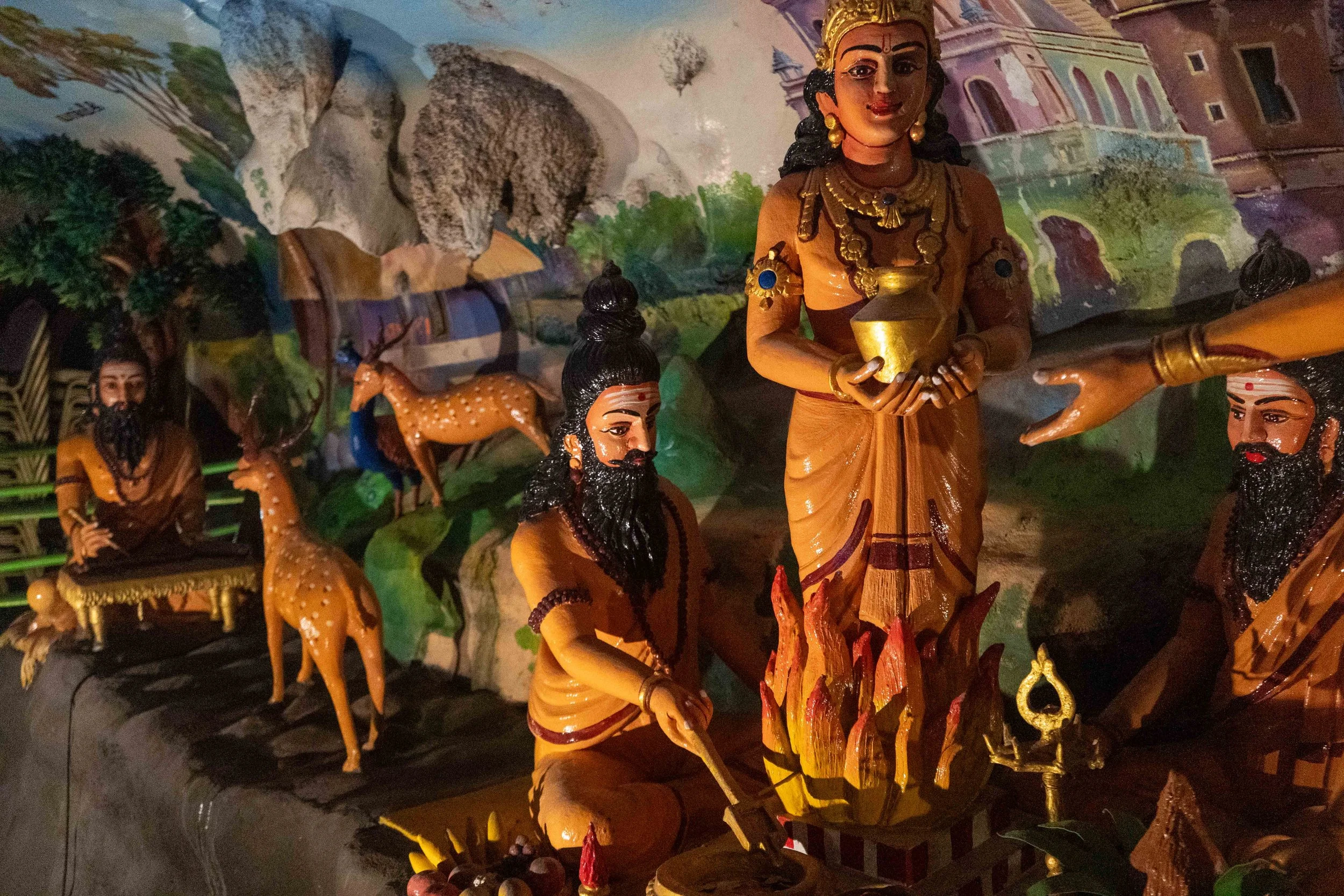
We also visited the Ramayana Cave, which depicts the story of Rama.
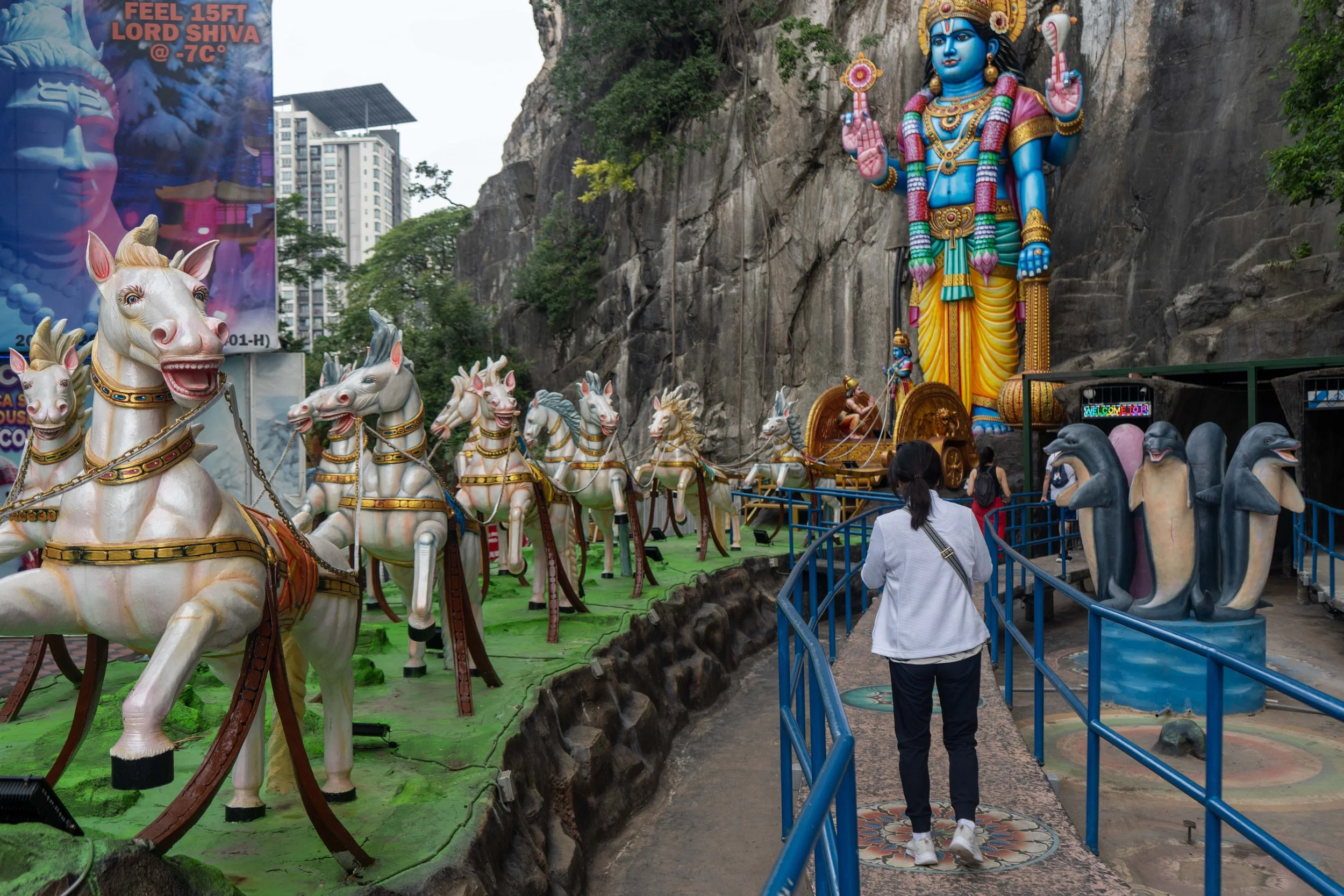
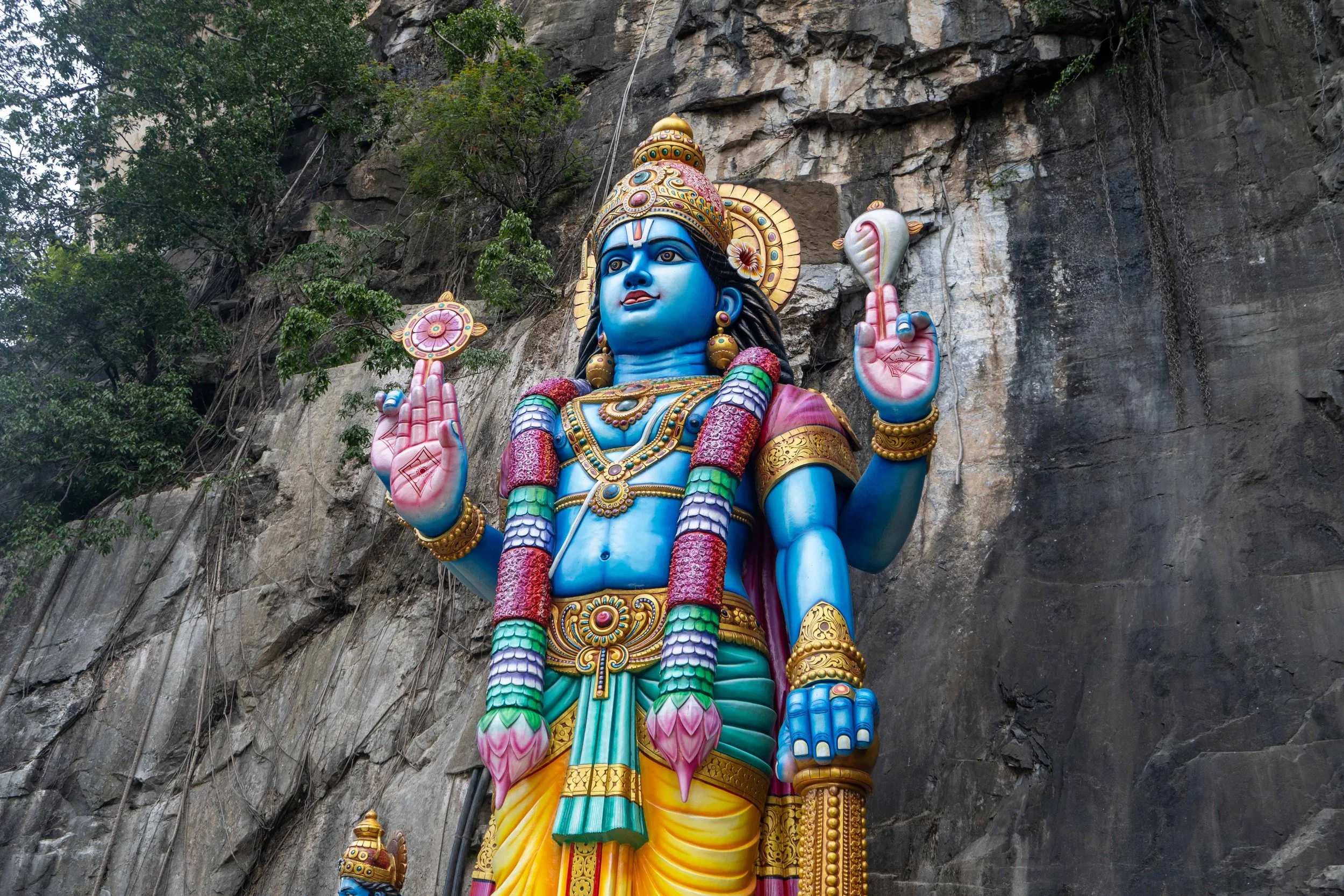
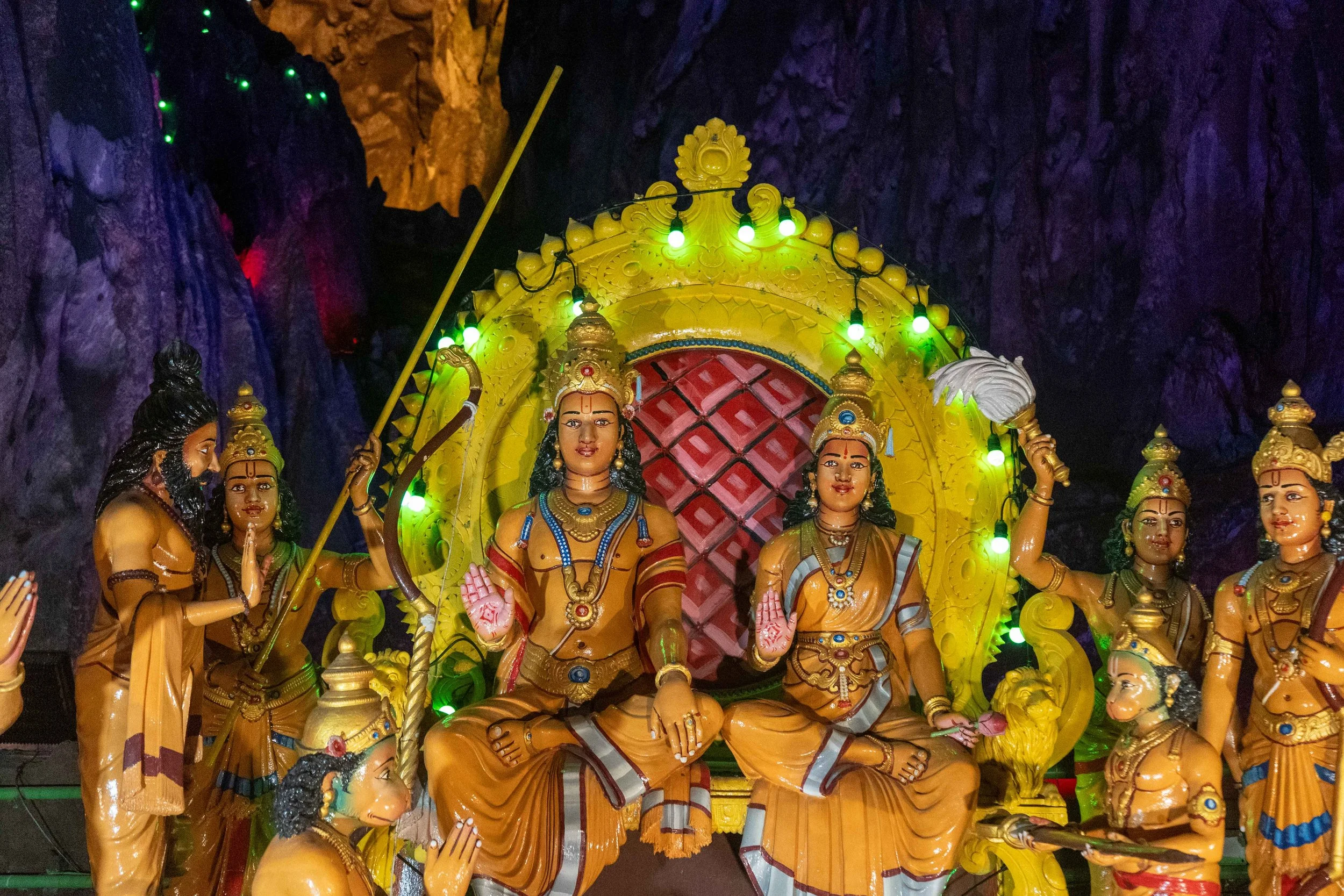
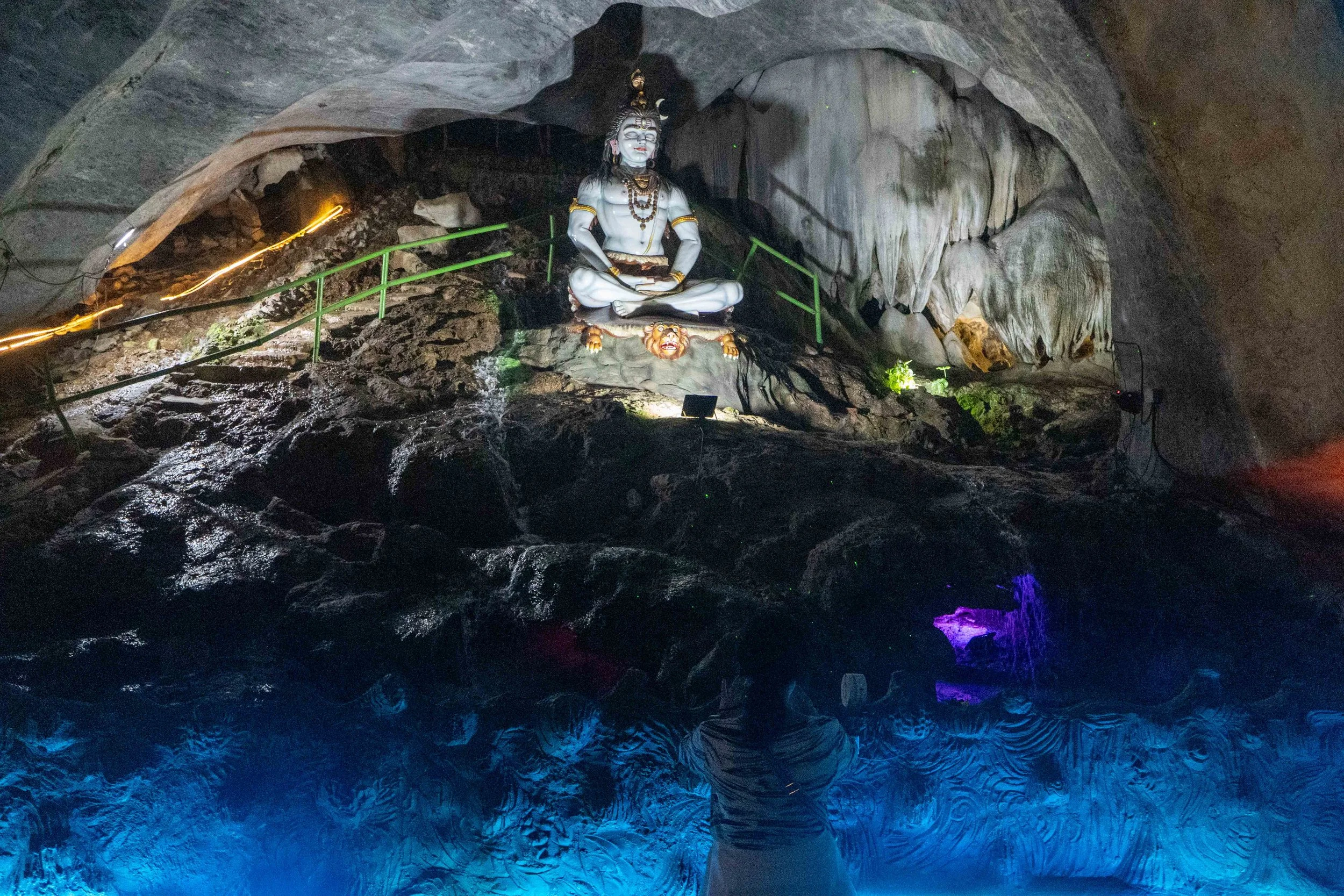
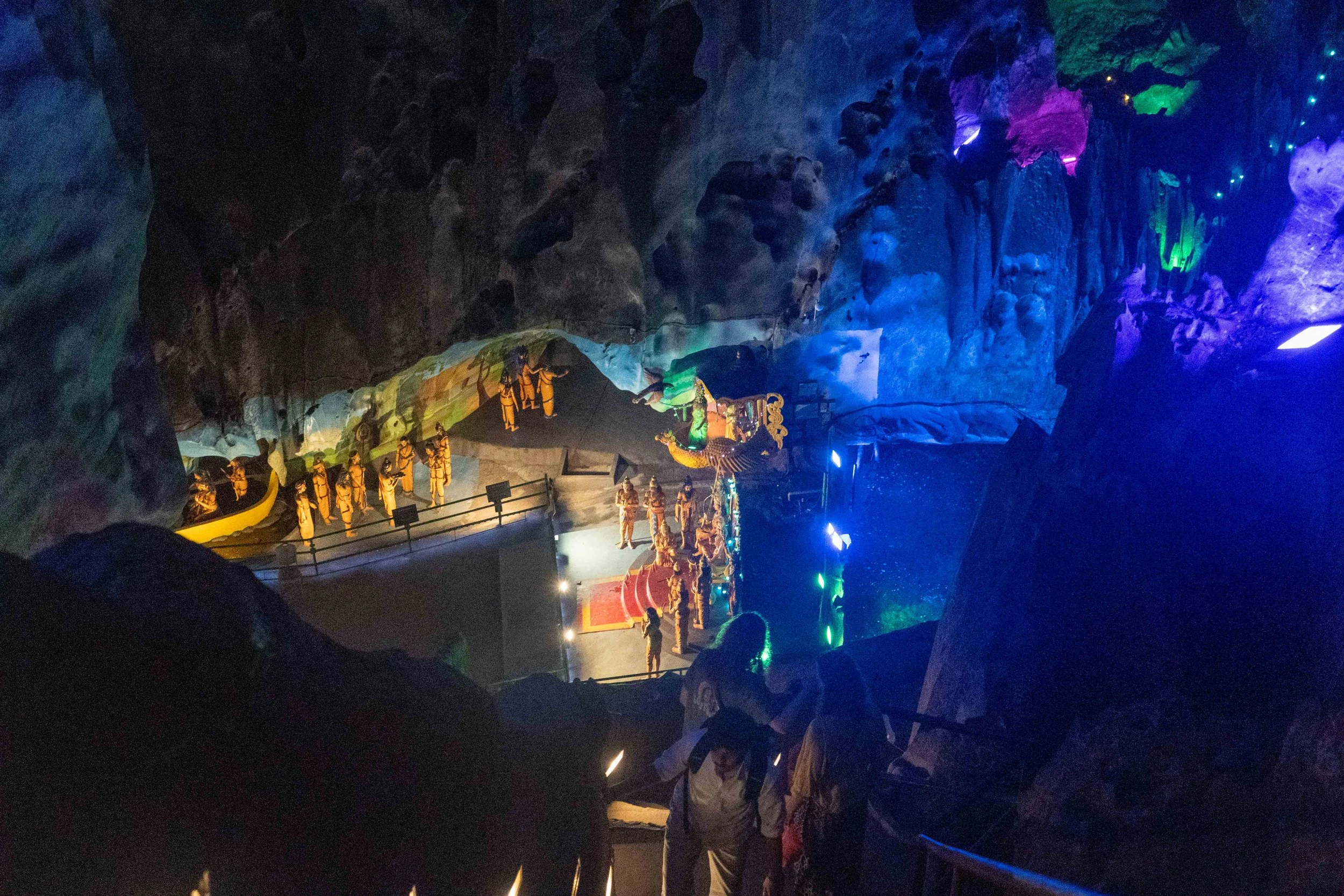
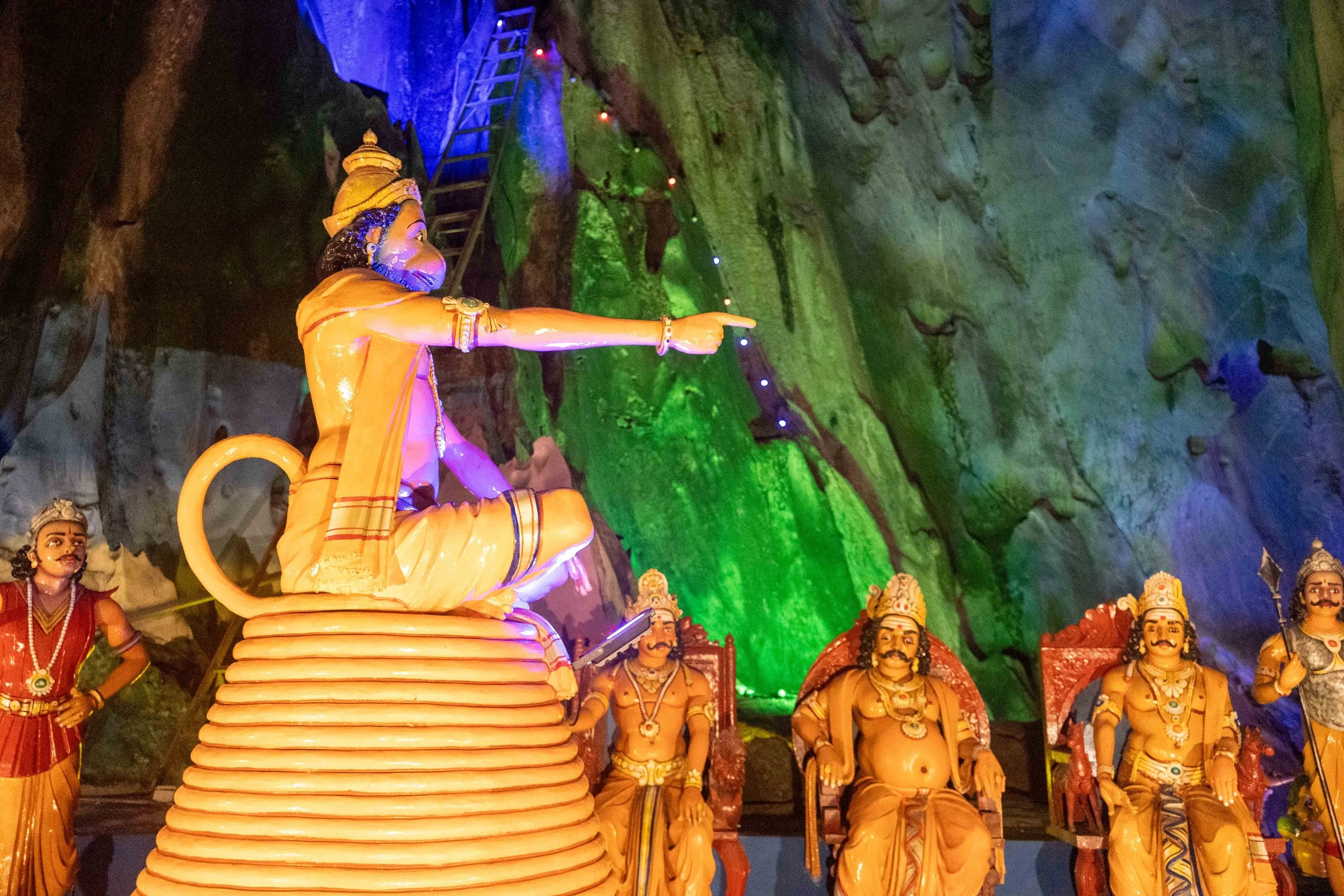
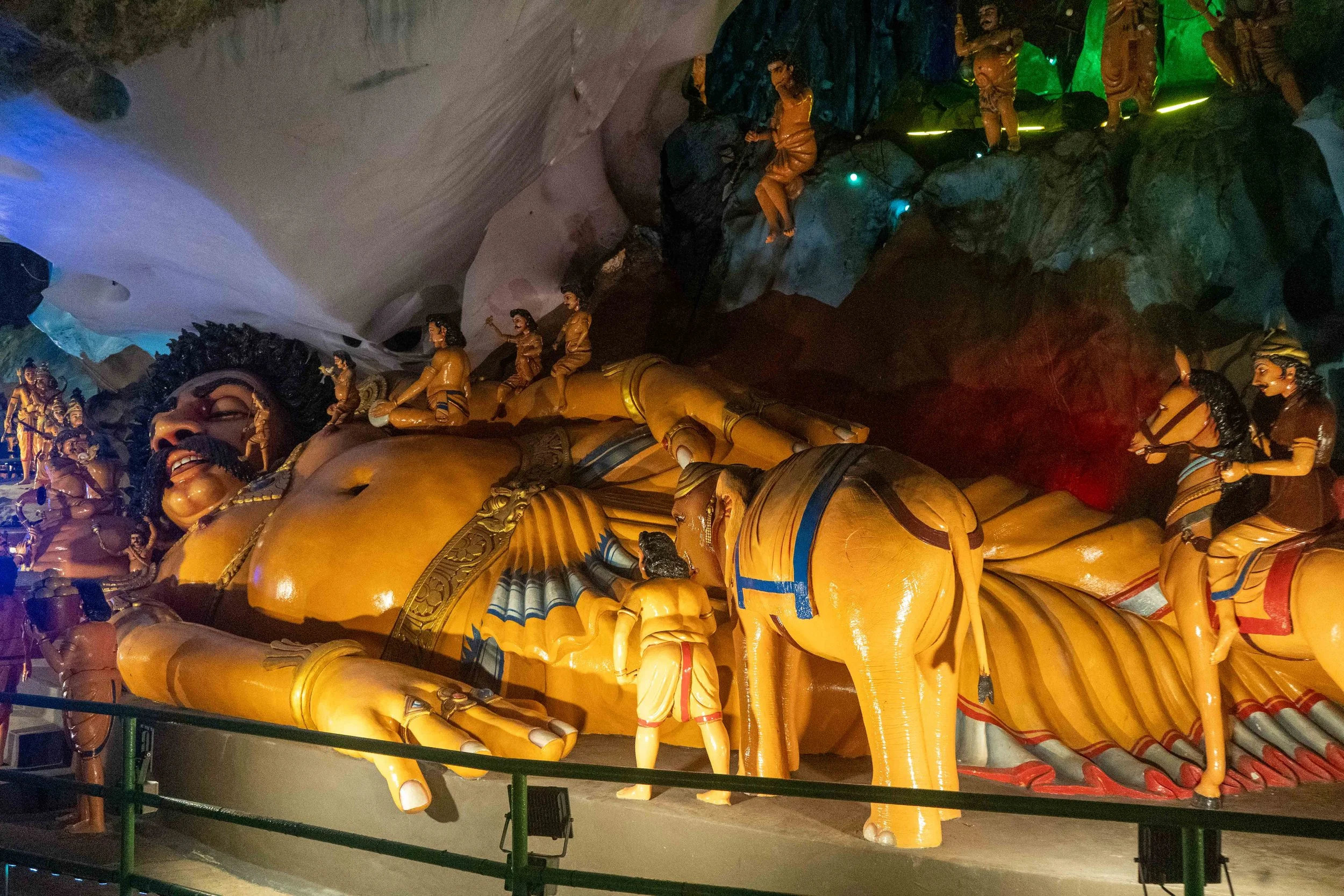
The visit was both interesting and informative, offering a vivid glimpse into Malaysia’s Hindu culture.
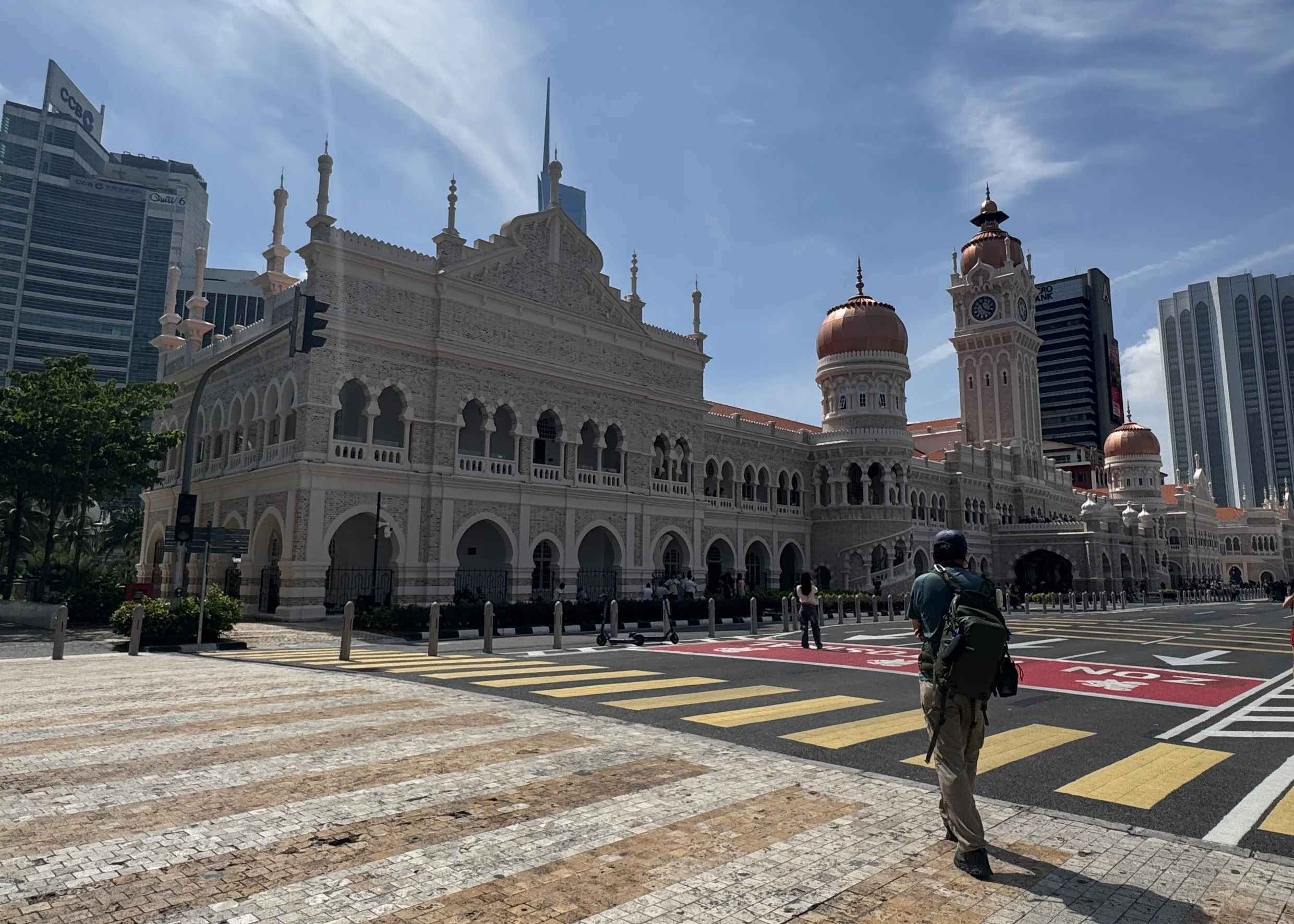
Afterward, we took another Grab into the city center to visit Merdeka Square and the Sultan Abdul Samad Building. The architecture was elegant, and the galleries detailing the city’s history were engaging and educational. However, the weather was extremely humid and hot, and we eventually retreated into an air-conditioned café for a much-needed coffee break.
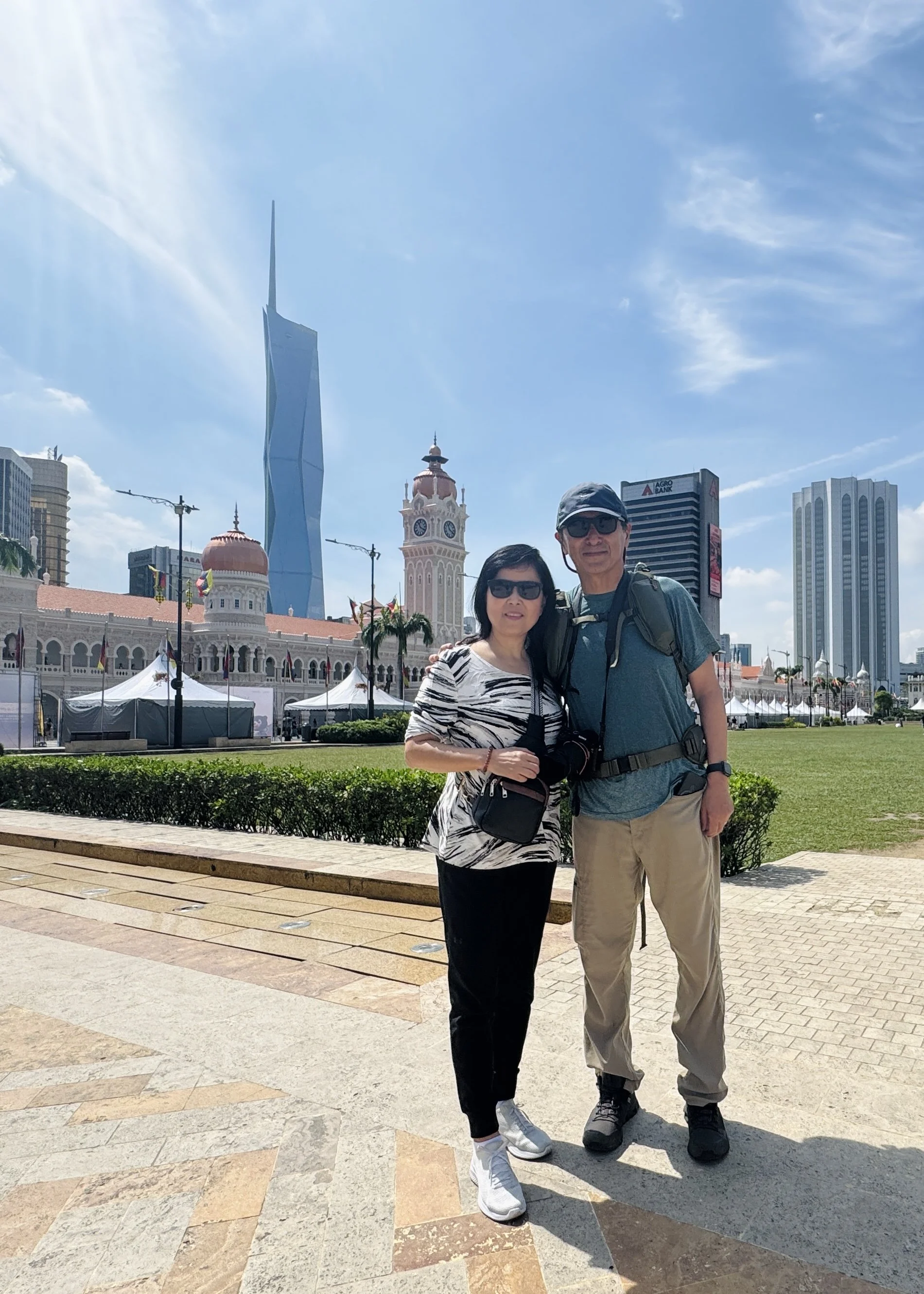
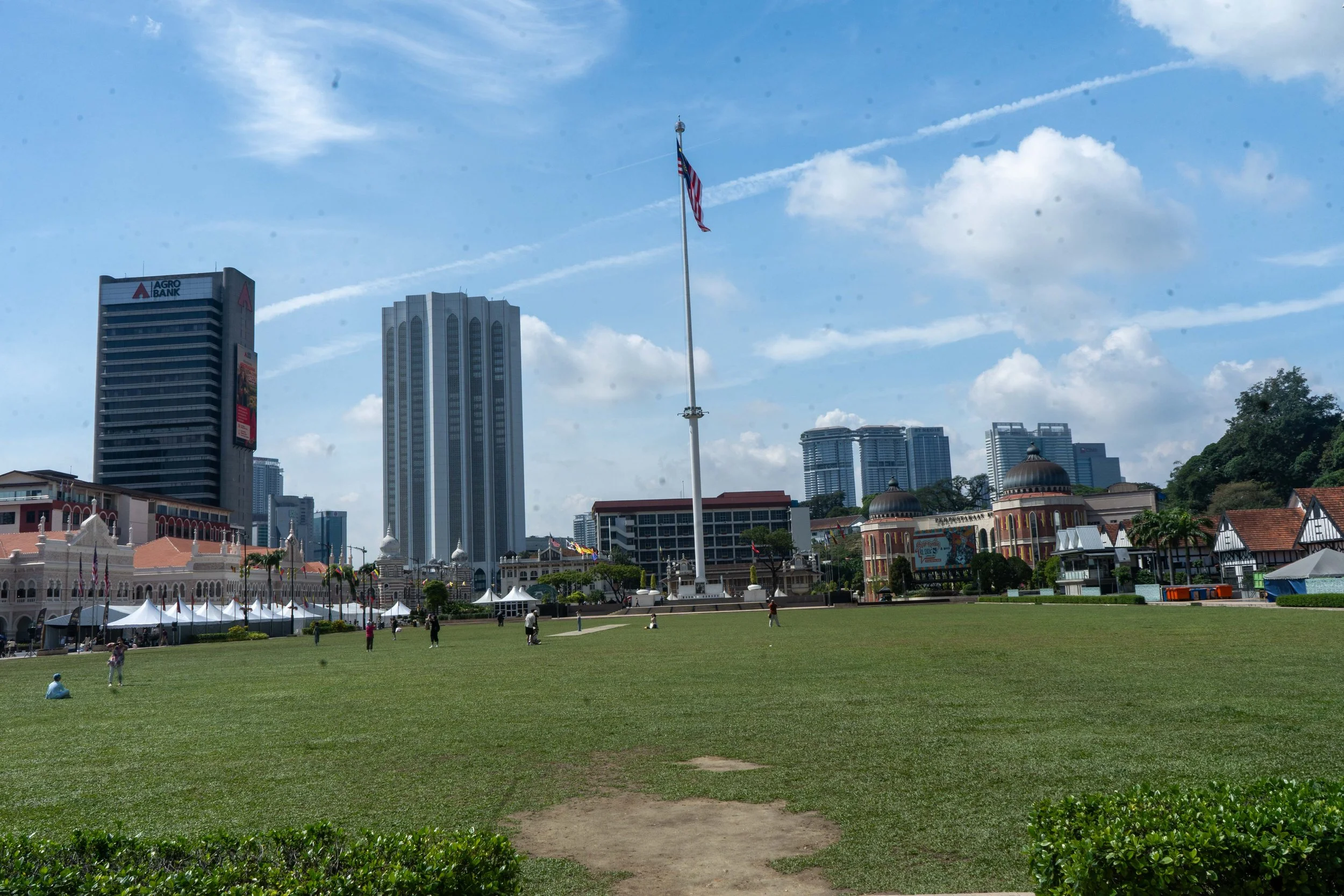
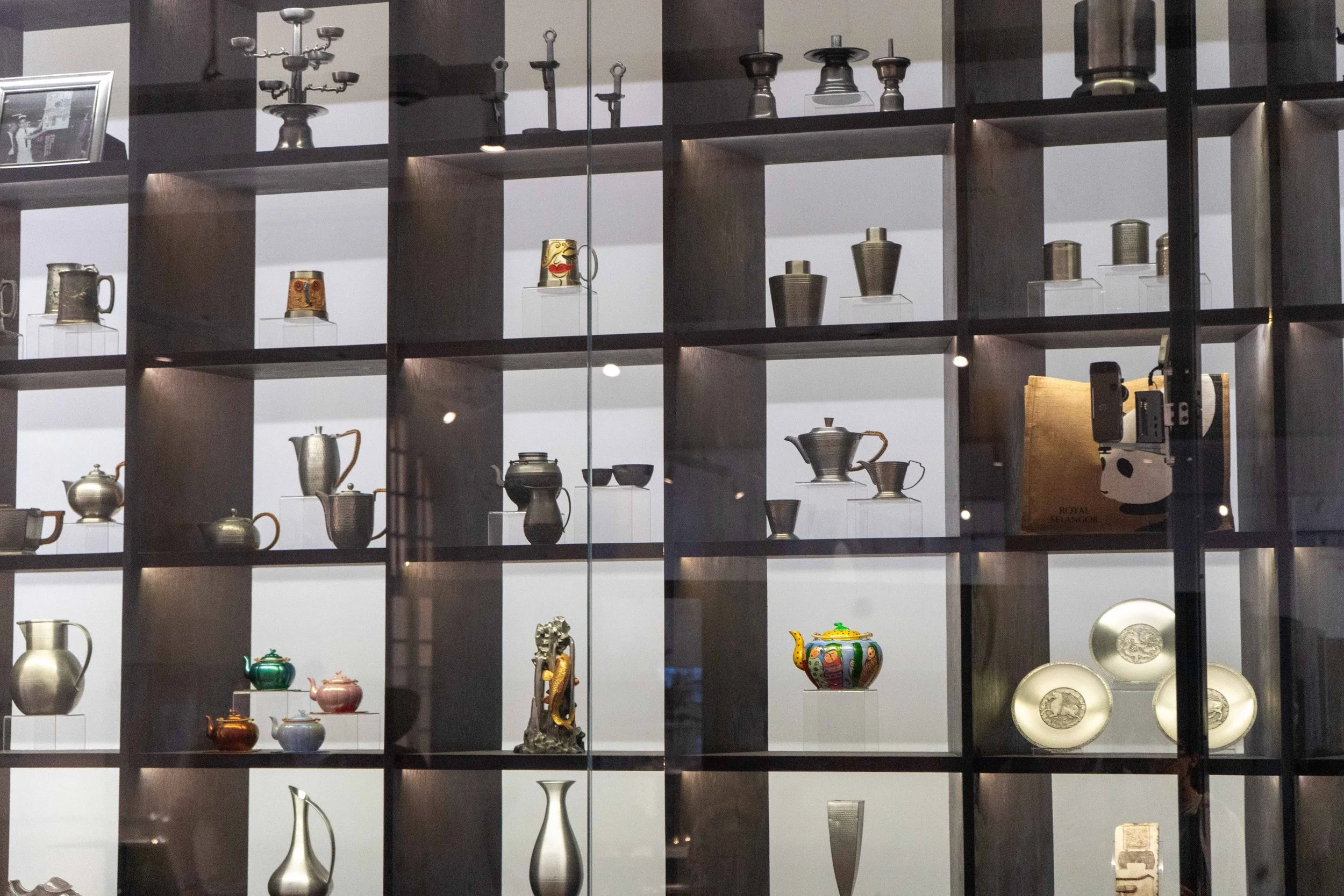
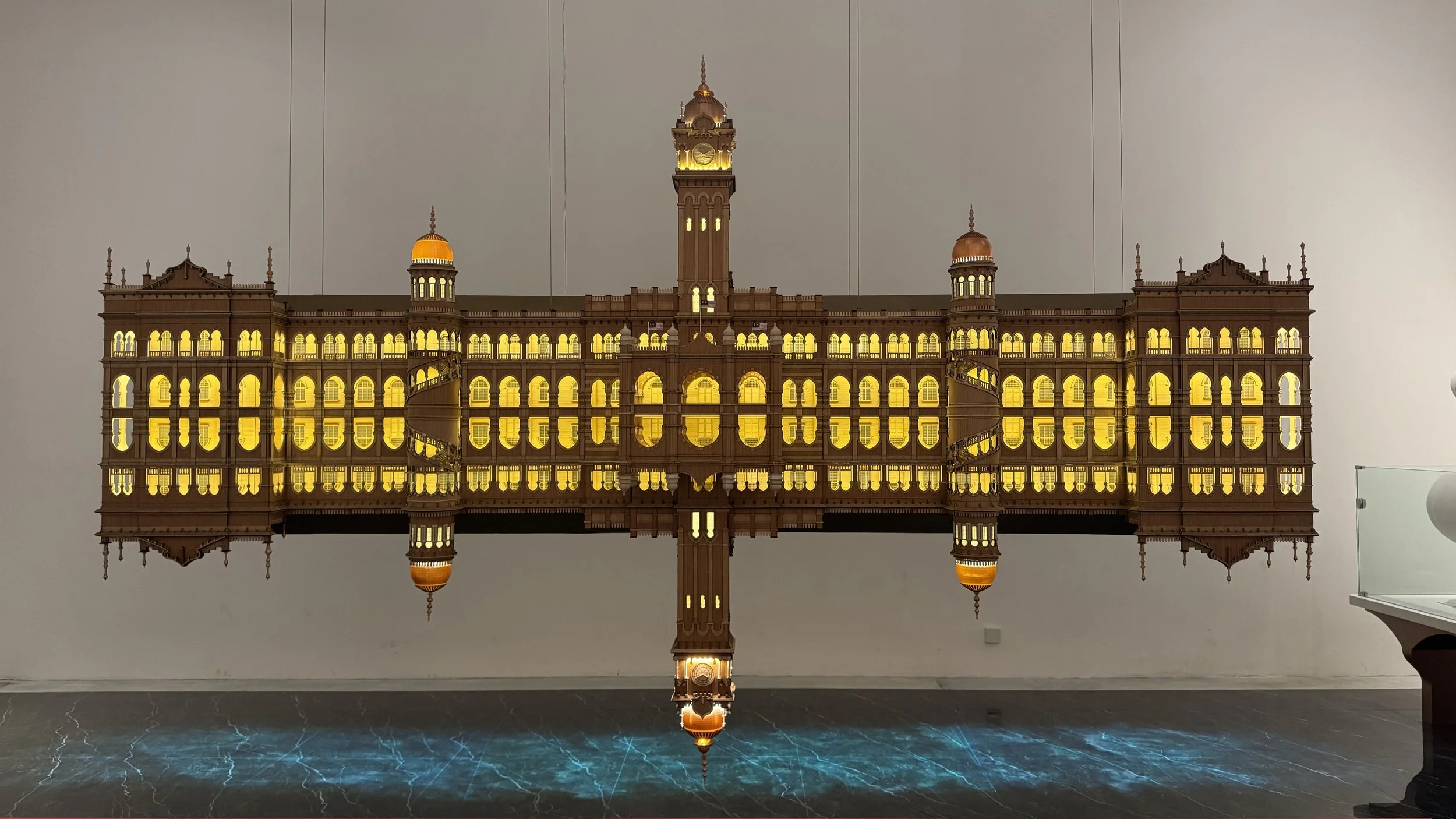
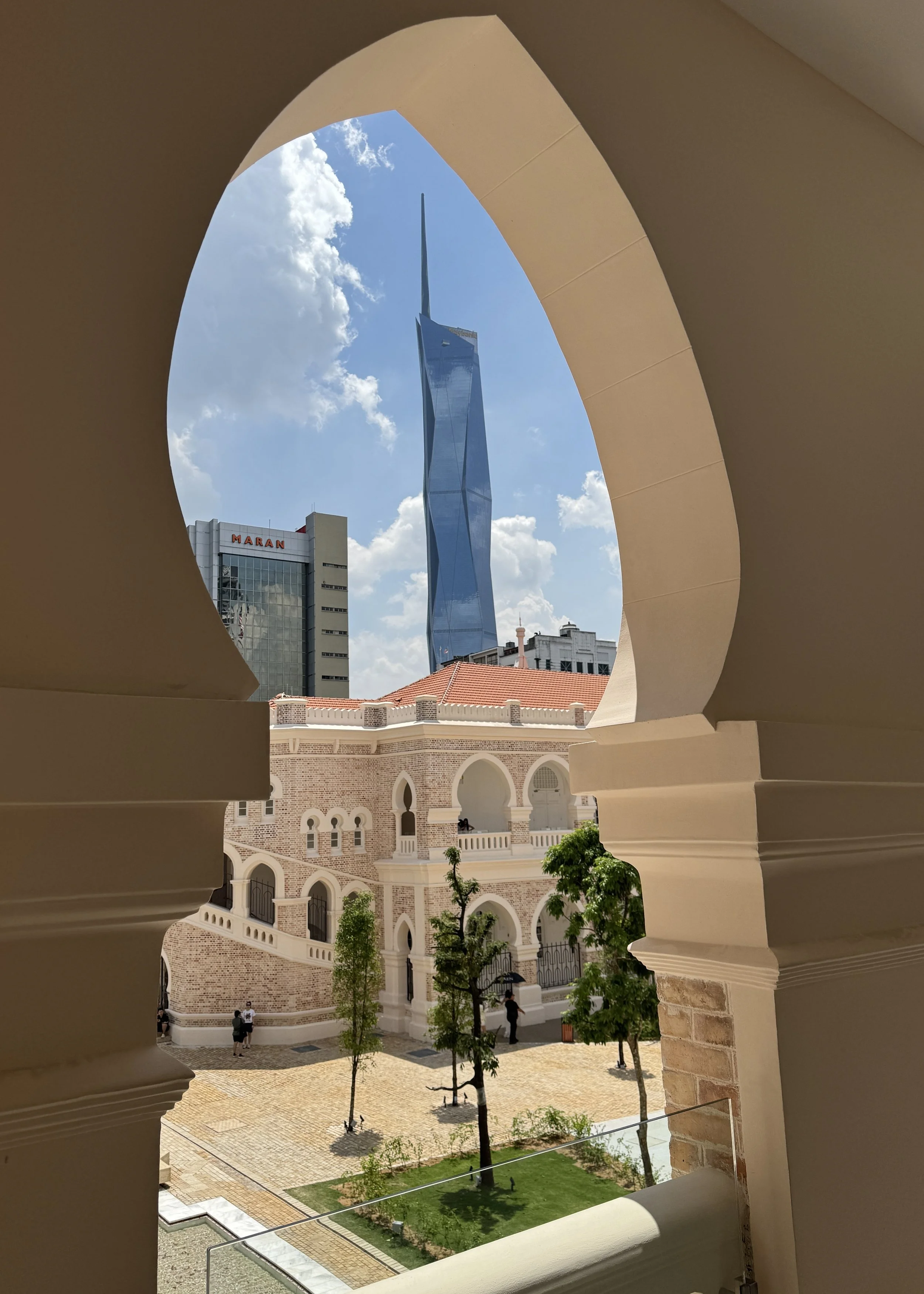
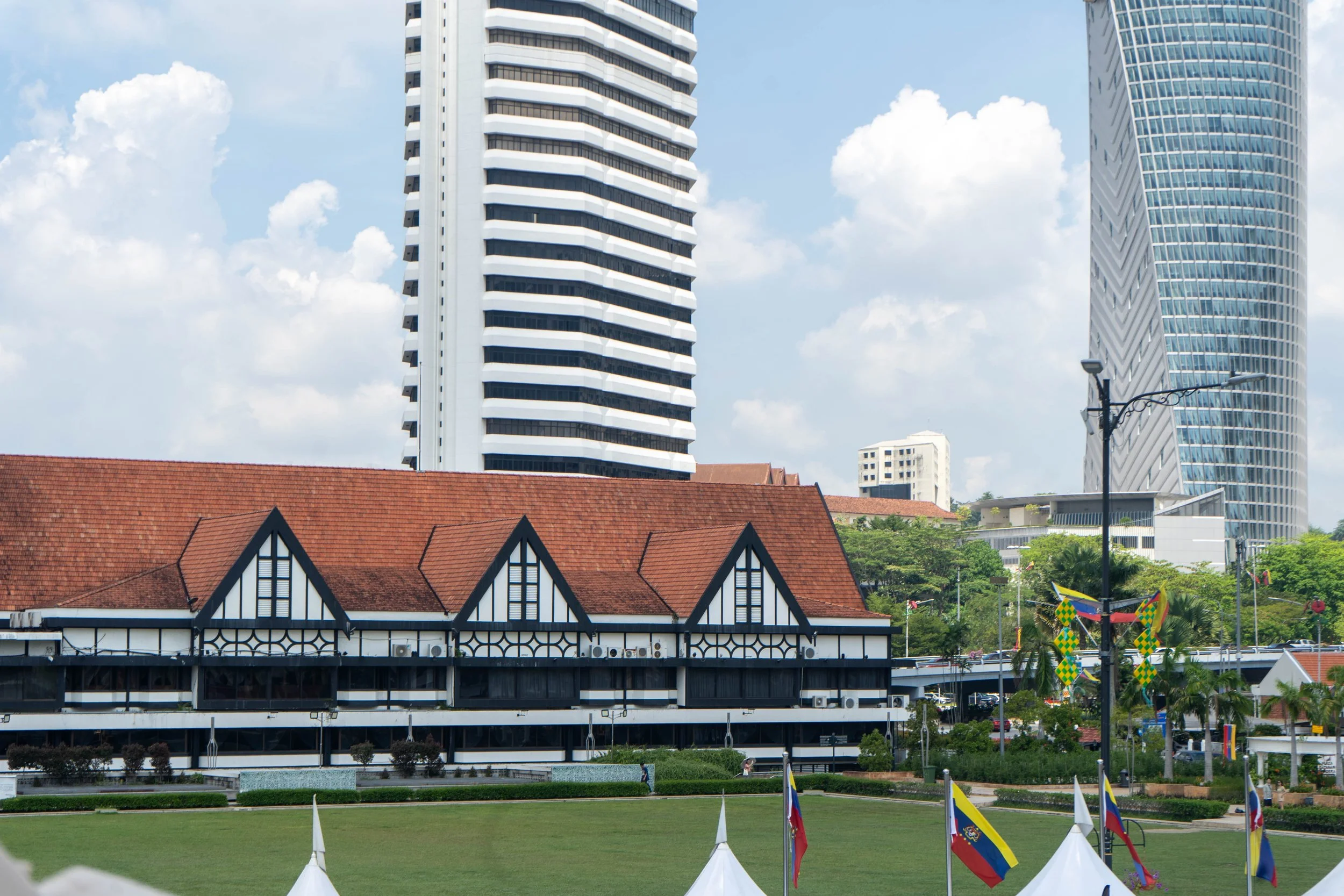
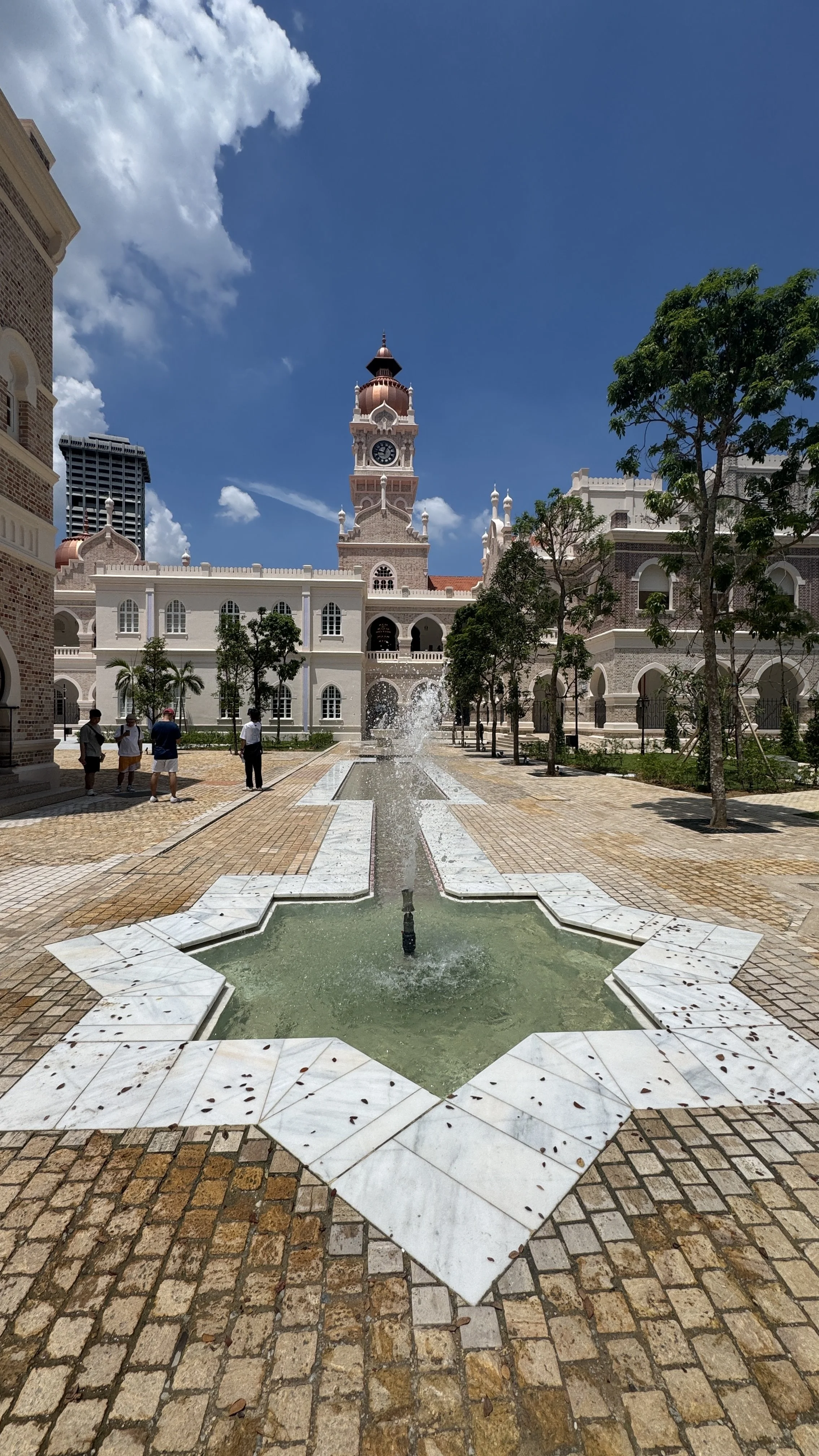
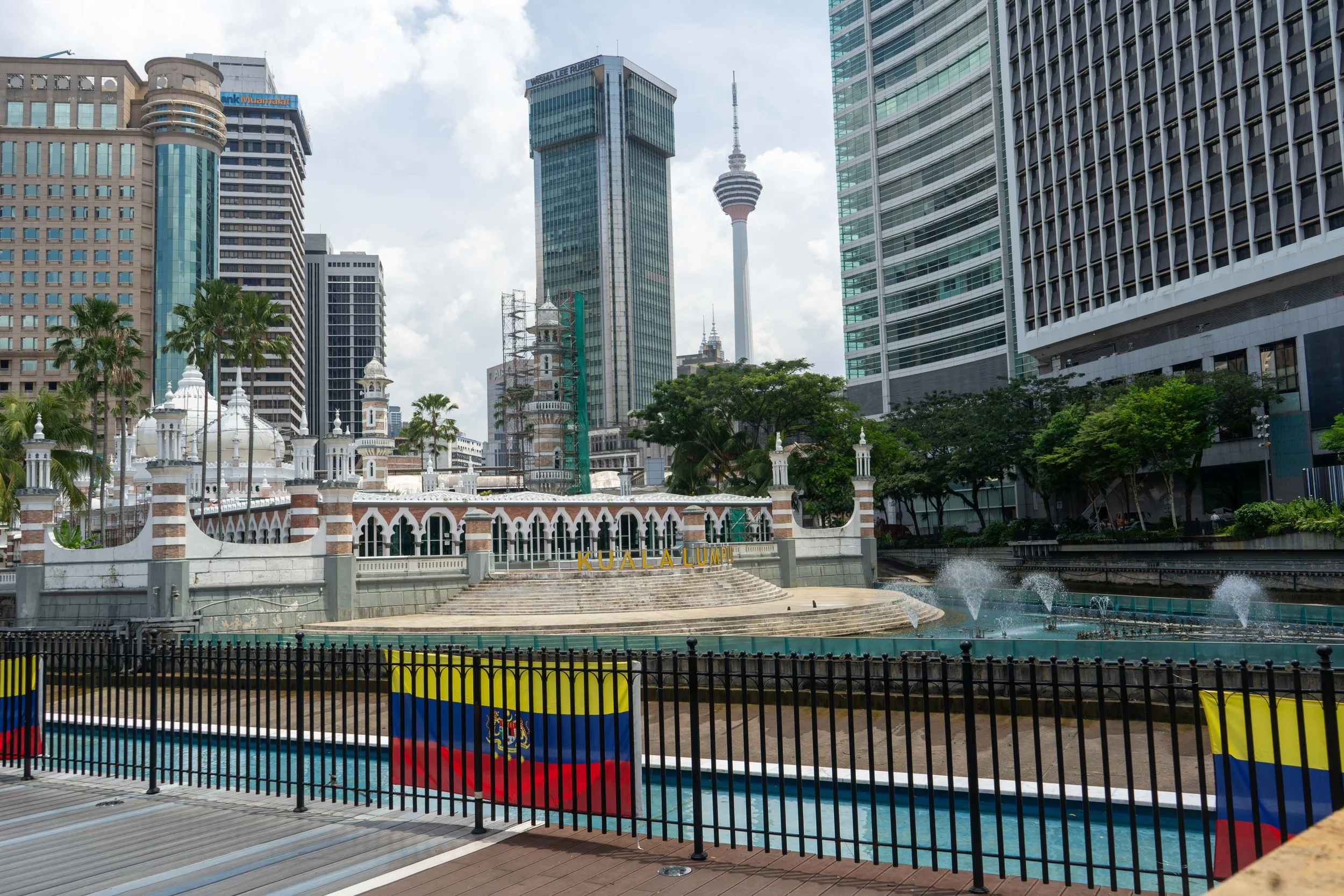
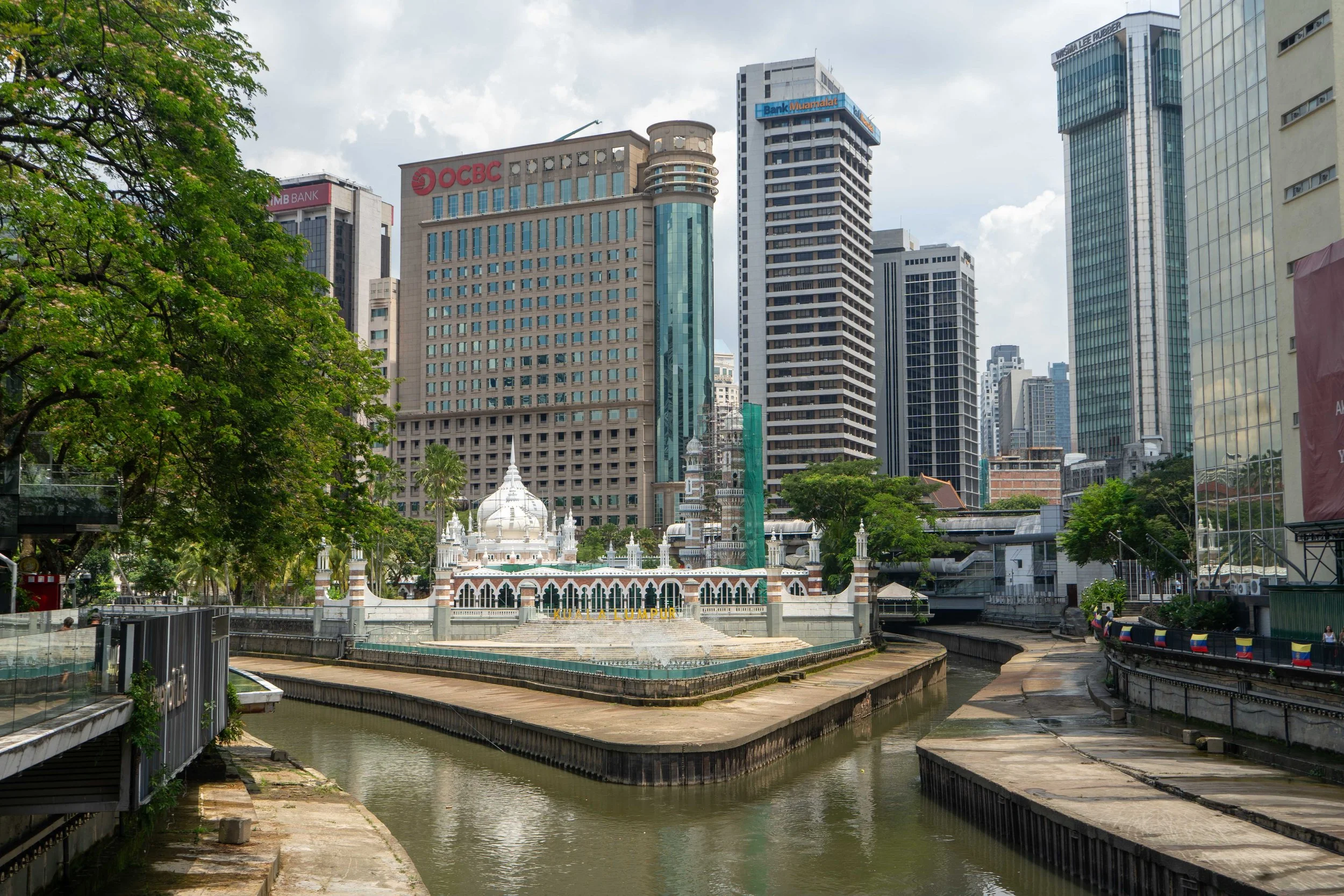
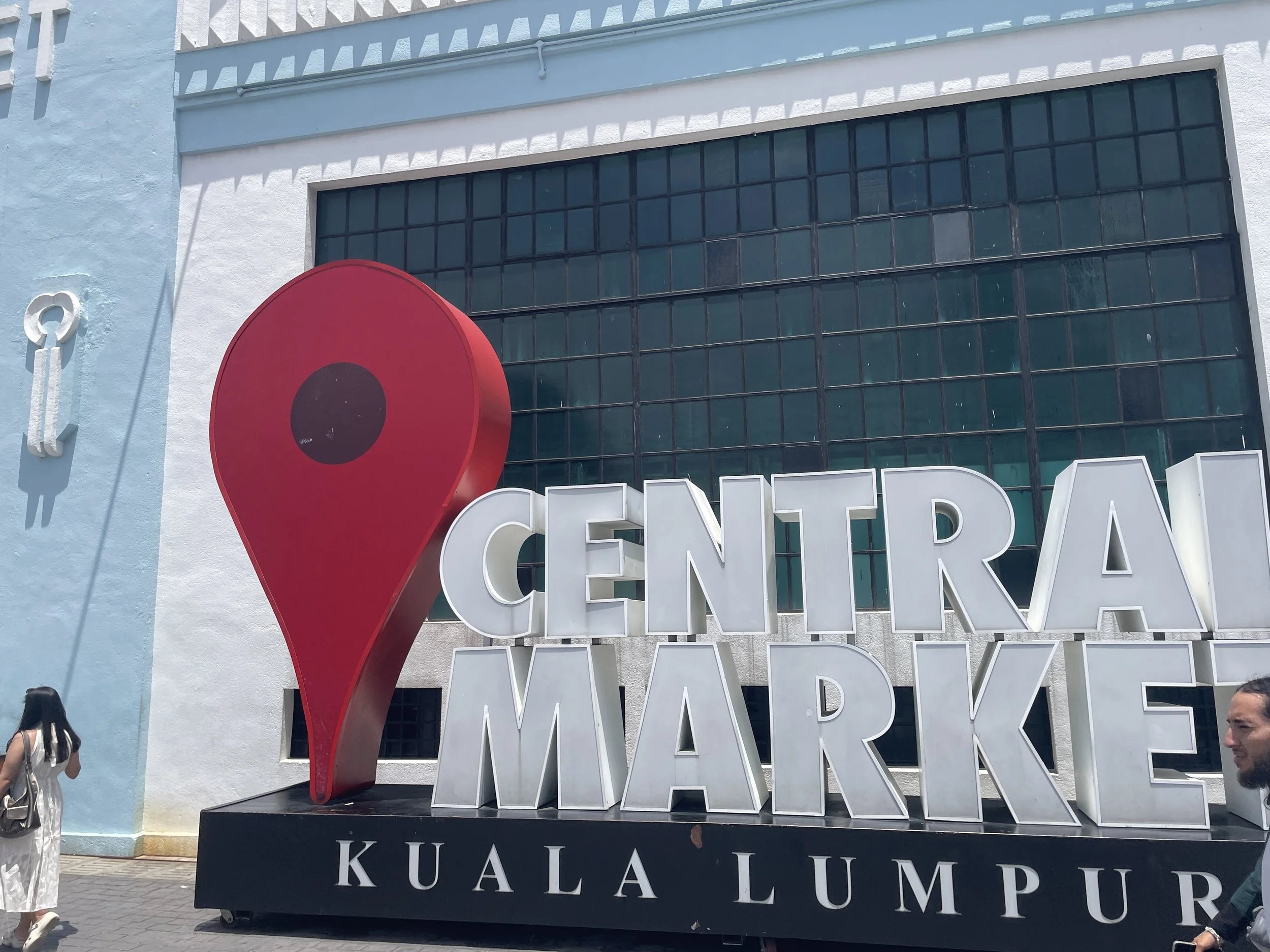
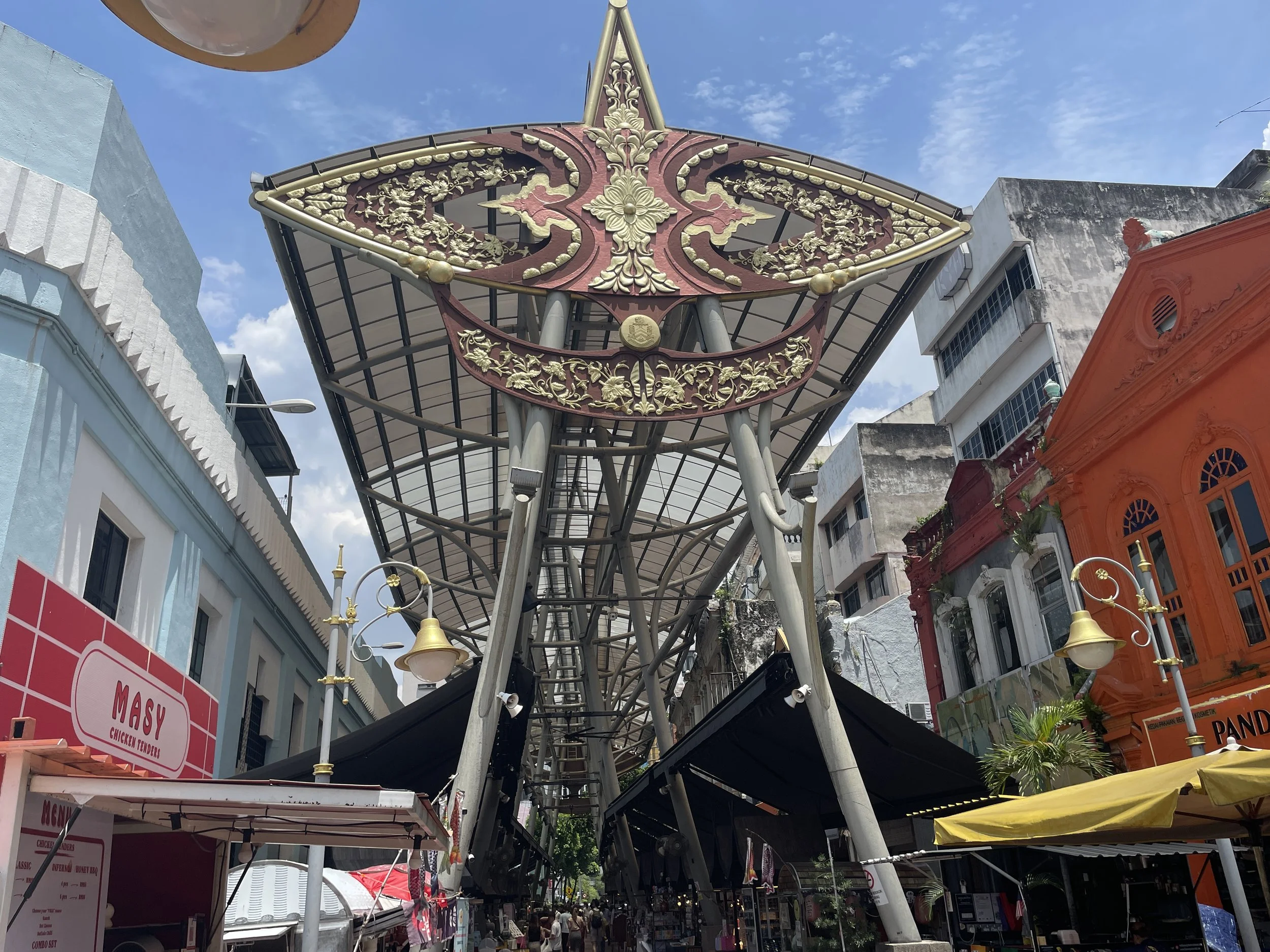
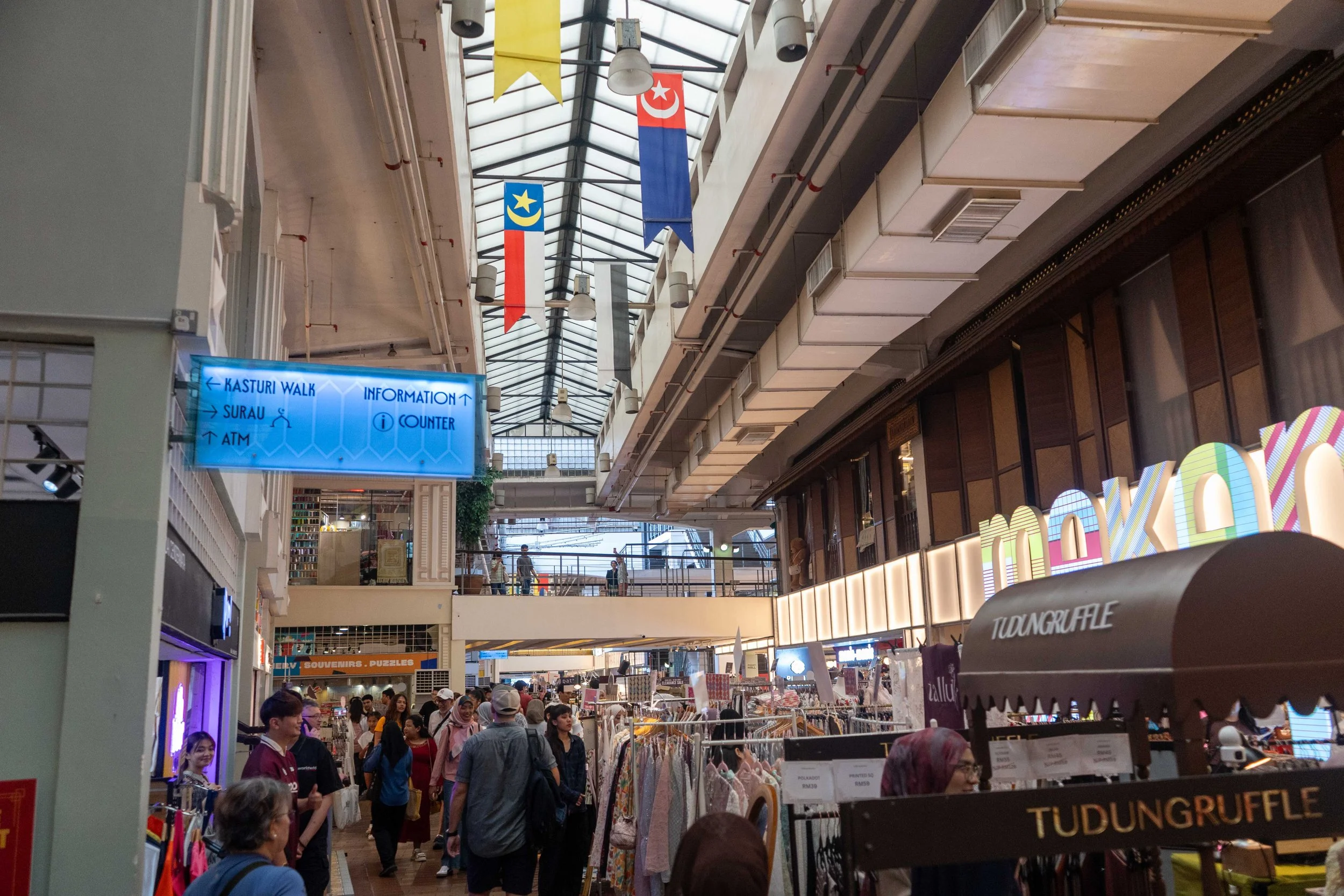
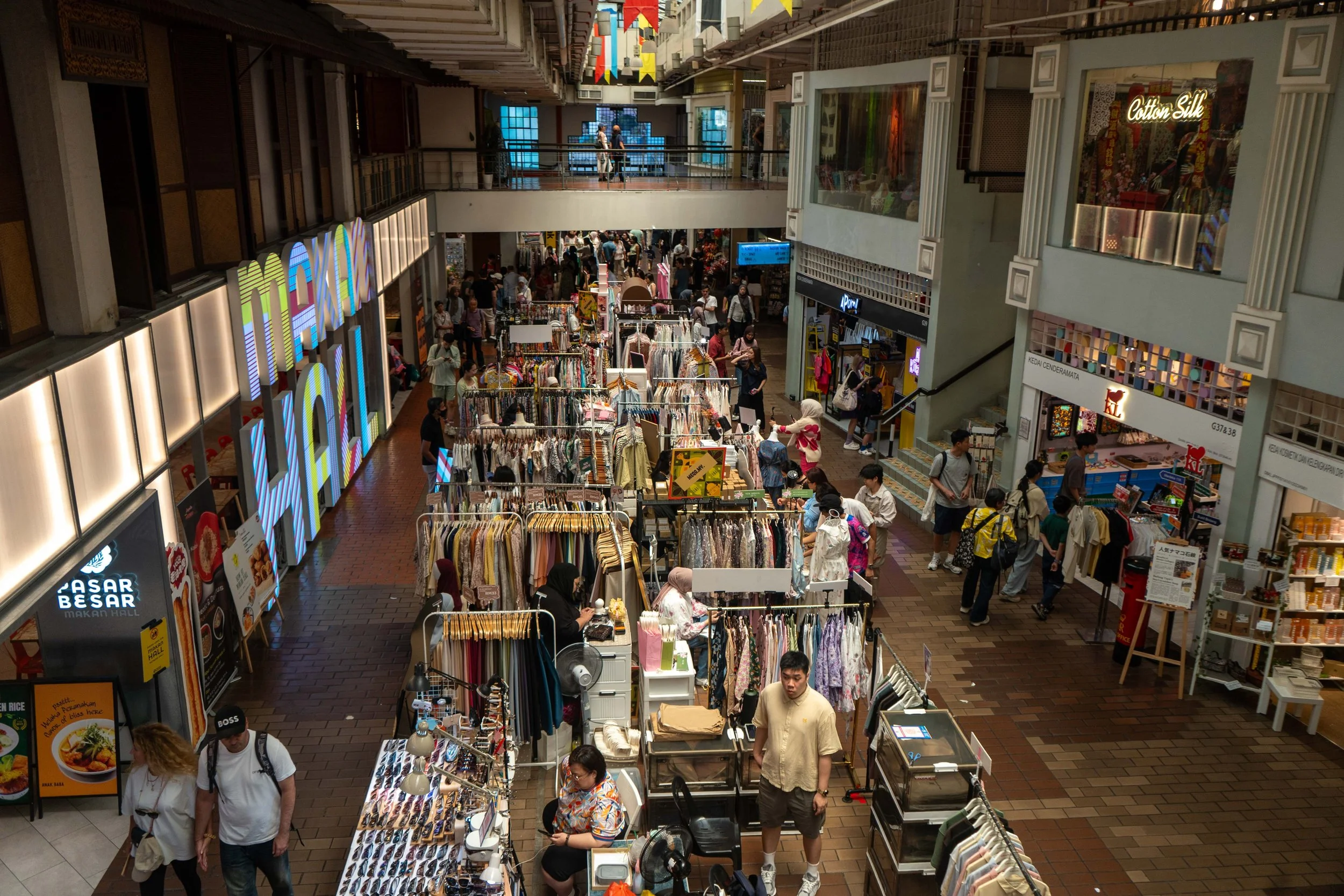
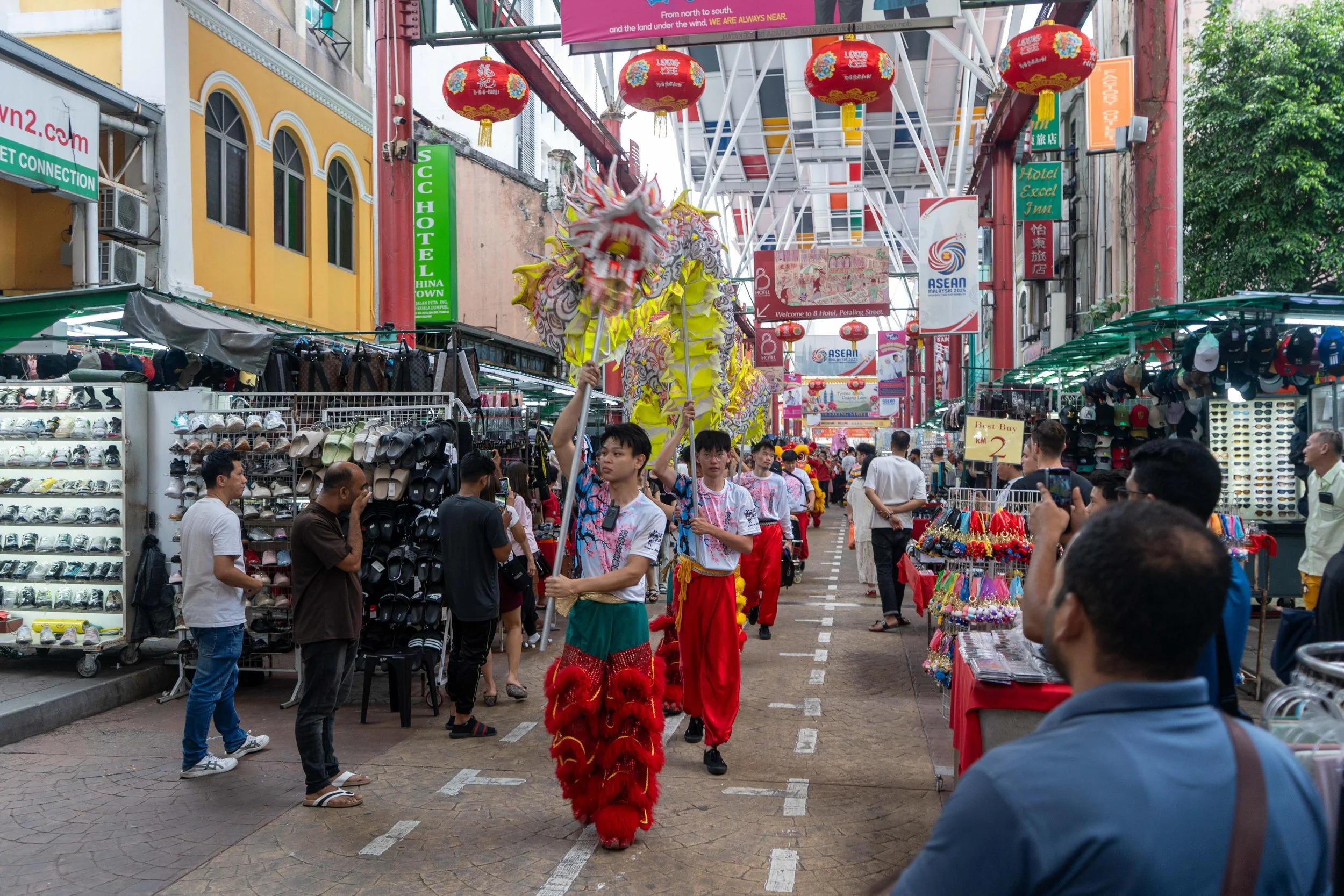
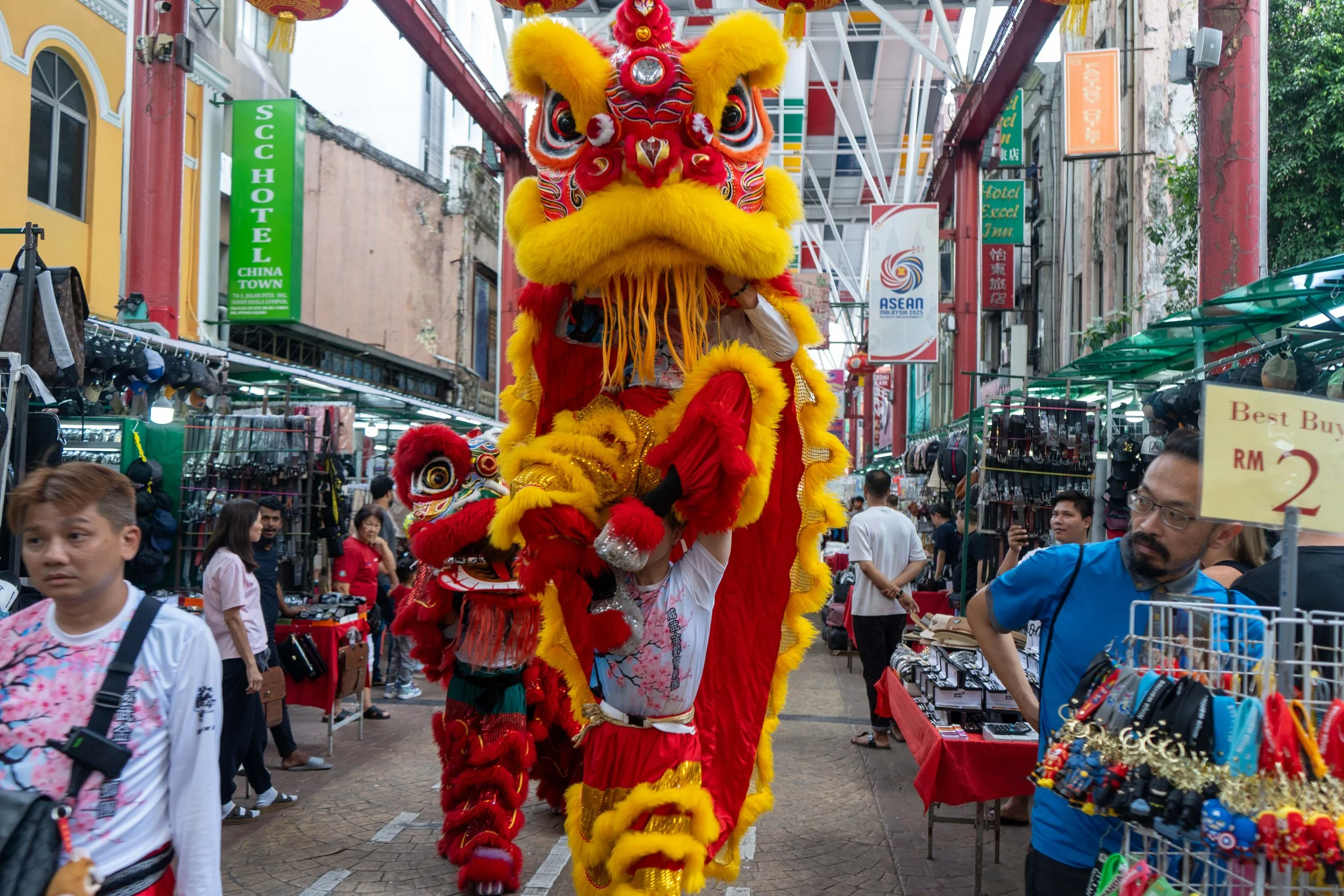
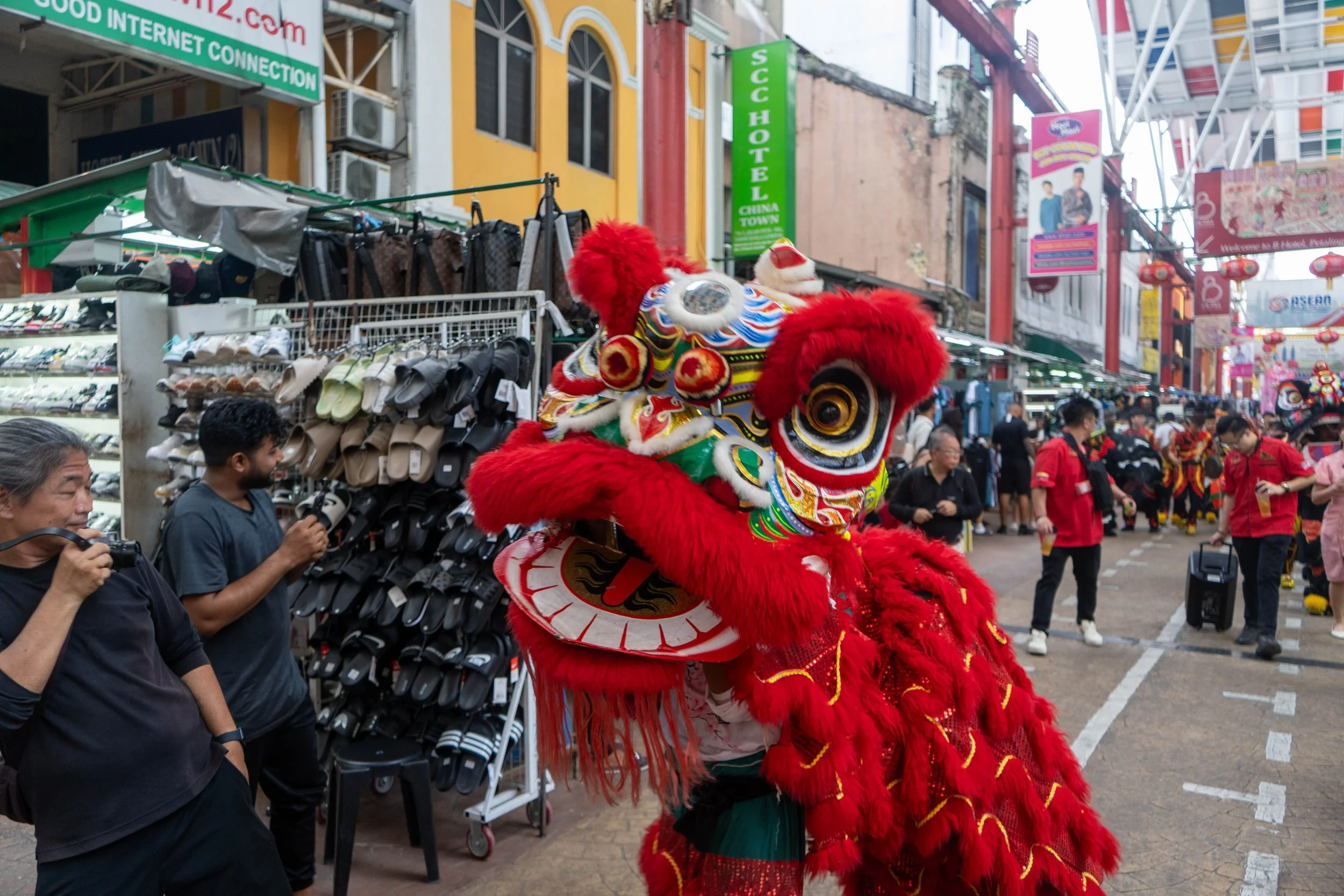
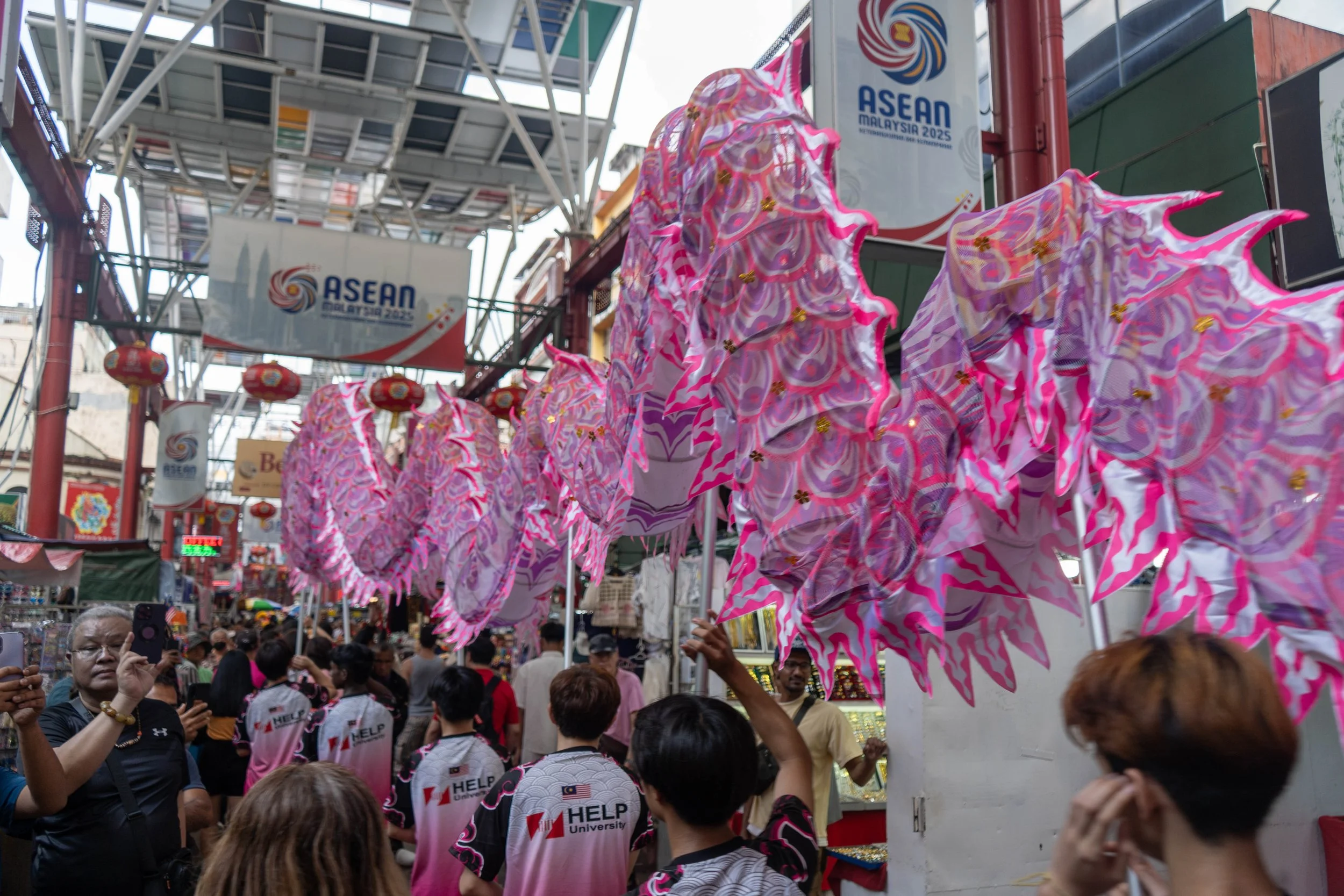
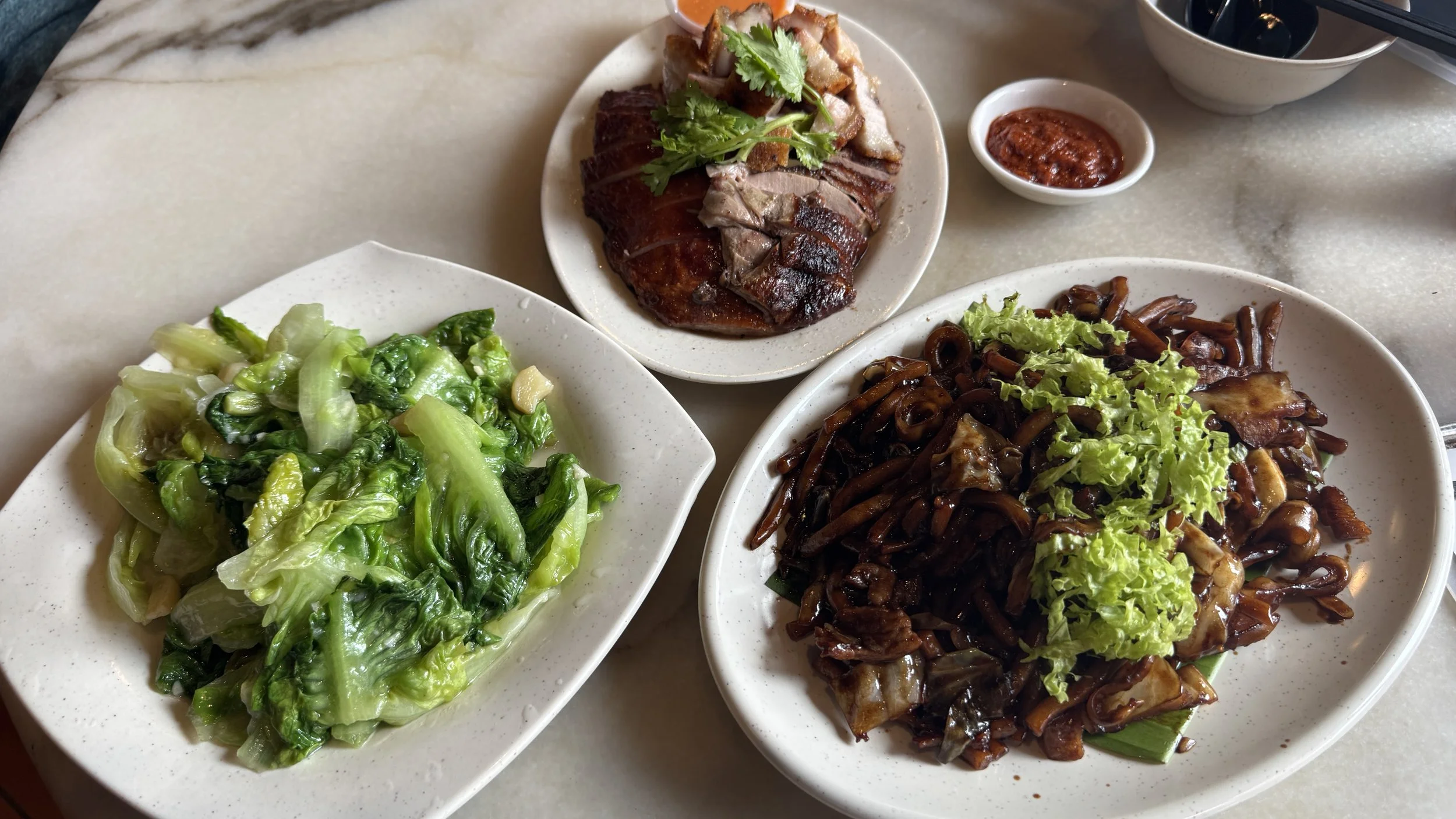
Later, we walked to Central Market and Chinatown, where we had a Chinese lunch. The food was decent, though a bit salty. By then, fatigue had set in, and we decided to call a Grab back to the hotel for some rest.
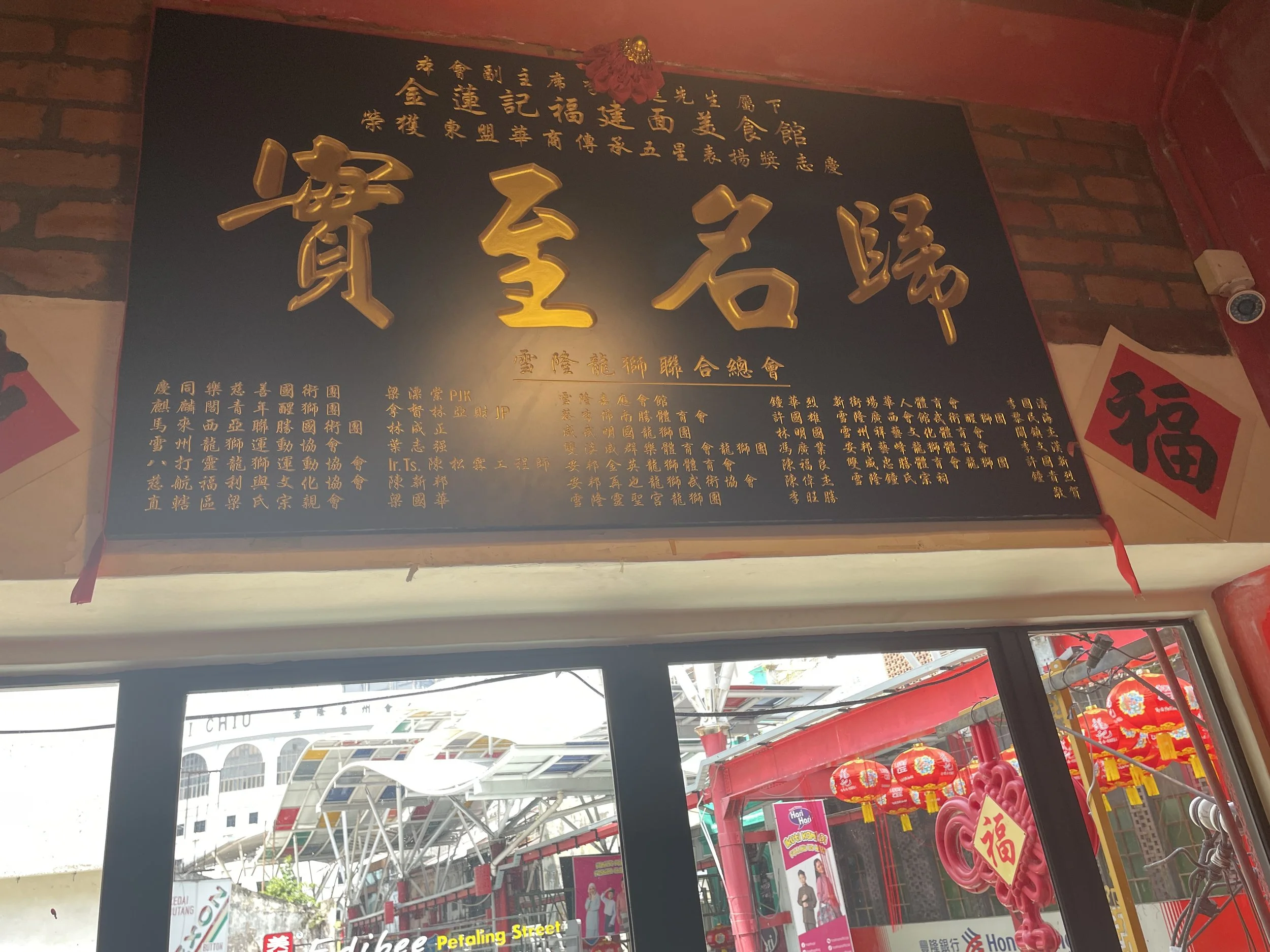
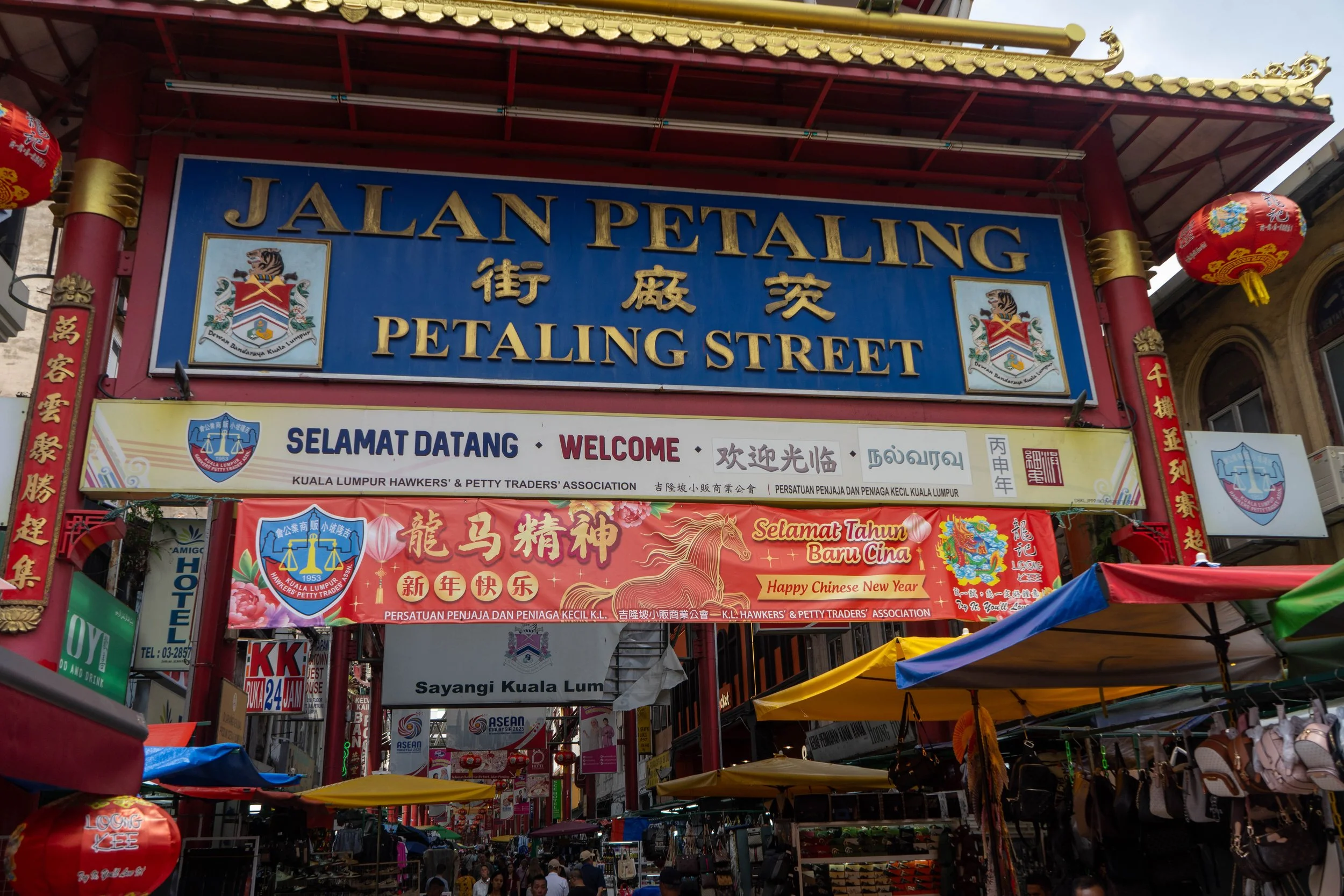
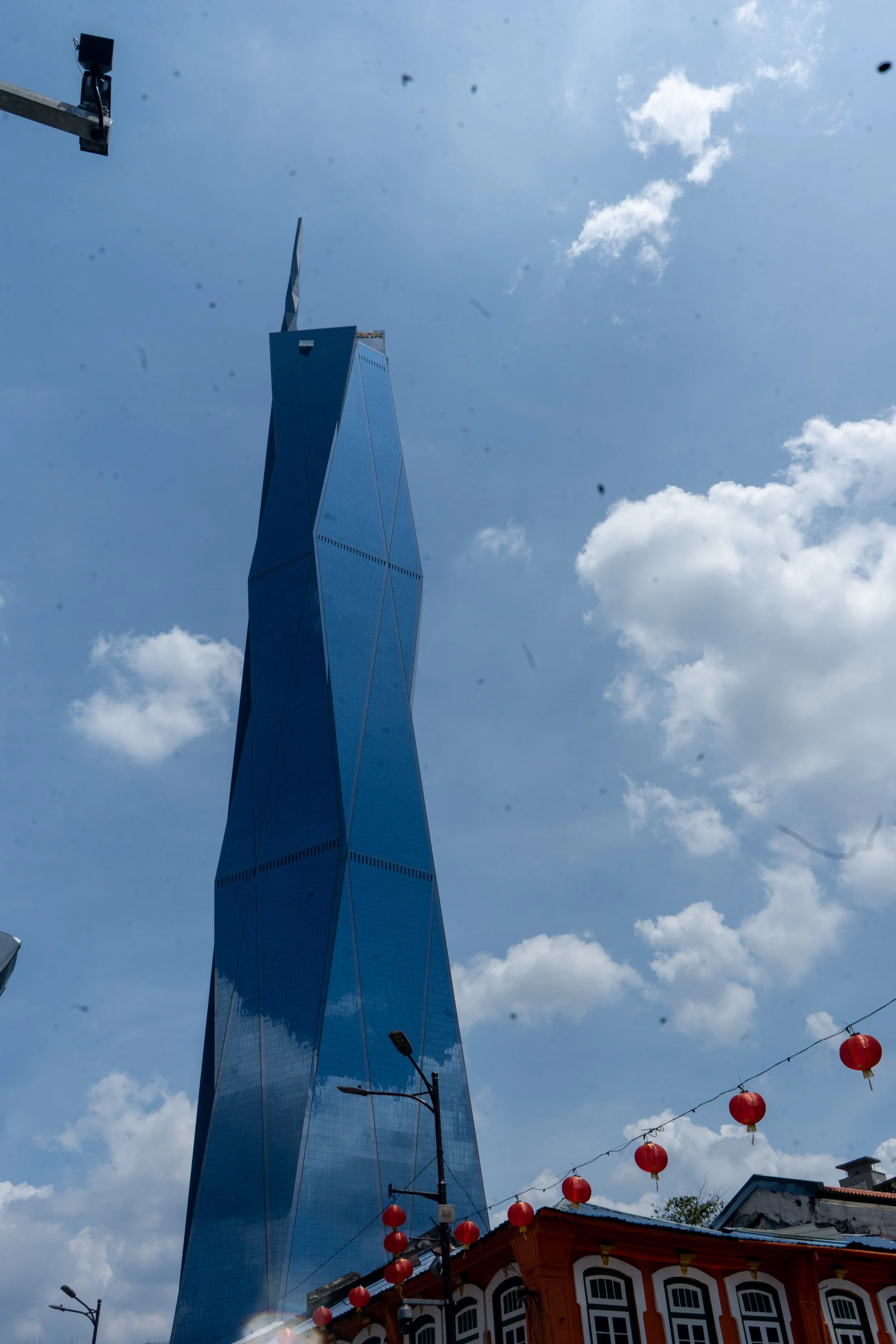
After a short nap, we casually sent a message to a friend and former colleague from Iowa — originally from Malaysia and now retired in Washington State — to let him know we were enjoying our time here in Kuala Lumpur. To our surprise, he replied immediately, asking whether we were still in the city. He was here too.
Within minutes, we arranged a reunion. That evening, we met him and his son for dinner. They introduced us to authentic Malaysian cuisine, and we spent hours laughing, sharing stories, and reconnecting.
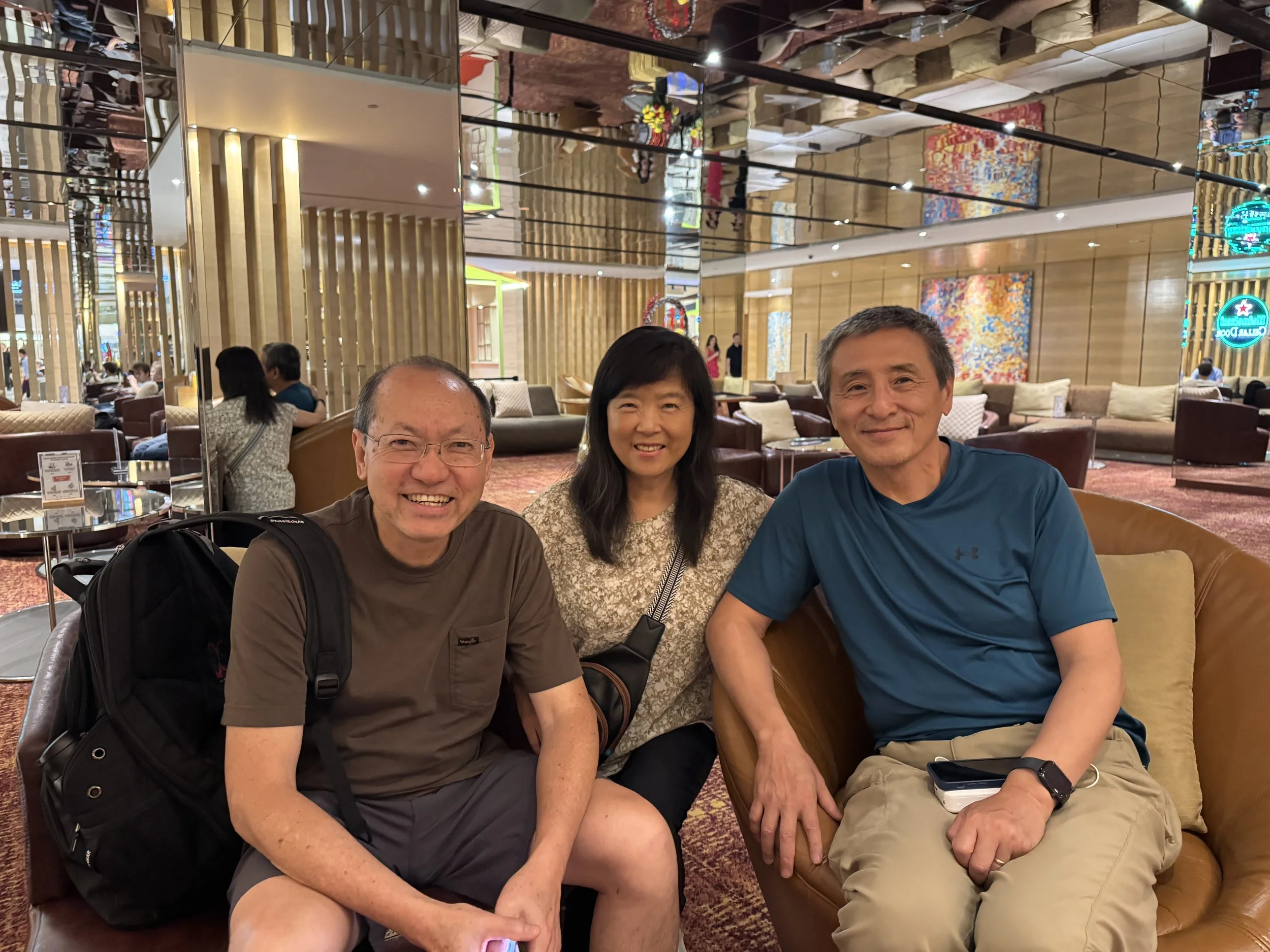
It was an unexpected and delightful reunion — a reminder that one of the greatest gifts of travel is the joy of crossing paths again in distant places.
2026年2月28日
在上海与家人团聚三周、一起庆祝农历新年之后,我们又开始了一段绕道而行的返程之旅。昨天,我们搭乘新加坡航空,经新加坡转机飞往吉隆坡。从家门到酒店,整个行程大约十四个小时。
由于在机场贵宾室享用了不错的餐食,飞机上的餐食也相当丰富,抵达后我们并不觉得饿,只是在酒店楼下的小餐厅里简单吃了点作为晚餐。
今早在酒店享用了丰盛的自助早餐,咖喱、椰香等浓郁的马来风味令人印象深刻。随后我们叫了Grab前往黑风洞。
黑风洞是一座著名的石灰岩洞穴群,内有多座印度教寺庙。主洞需沿着272级色彩鲜艳的阶梯攀登而上,气势颇为壮观。也许因为是周末,现场有一些宗教活动,看到信徒背负“卡瓦迪”(Kavadi)还愿。我们还参观了讲述《罗摩衍那》故事的洞穴。猴子也是这里的一部分,在阶梯间穿梭跳跃,不少游客给它们投喂食物。整个参观过程既生动又富有文化气息。
随后我们再次乘坐Grab前往市中心,参观独立广场和苏丹阿都沙末大厦。建筑典雅庄重,介绍城市历史的展览也十分详尽。不过天气闷热潮湿,我们不得不躲进一家有空调的咖啡馆休息片刻。
之后步行前往中央市场和唐人街,在唐人街吃了一顿中餐。味道尚可,只是略咸。此时体力已明显下降,我们决定叫车返回酒店休息。
小睡之后,我们随意给一位在爱荷华州共事过的朋友发了条短信。他原籍马来西亚,如今已退休定居华盛顿州,只是想告诉他我们正在马来西亚旅行。没想到他几乎立刻回复,问我们是否还在城里——原来他也正好在吉隆坡。
于是我们立刻约好见面。当晚与他和儿子共进晚餐,他们带我们品尝地道的马来西亚美食。我们畅谈往事,笑声不断,度过了一个愉快而温馨的夜晚。
这场意外的重逢,让旅途多了一份惊喜与温暖。也再次提醒我们——旅行带来的,不只是风景,更是人与人之间跨越时空的相遇与连接。