Islam in Malaysia 伊斯兰教的马来西亚
March 1, 2026
From the moment we stepped into Malaysia two days ago, we could immediately feel the strong presence of Islam in daily life. The call to prayer echoed through public loudspeakers. Currently it’s in the middle of the Ramada, and our hotel offers the nightly Ramadan buffet dinners. More than half of the women we saw on the street wore headscarves. With temperatures in the 90s and humidity just as high, we decided today would be a museum day — a chance to better understand Malaysia and the role of Islam in the country.
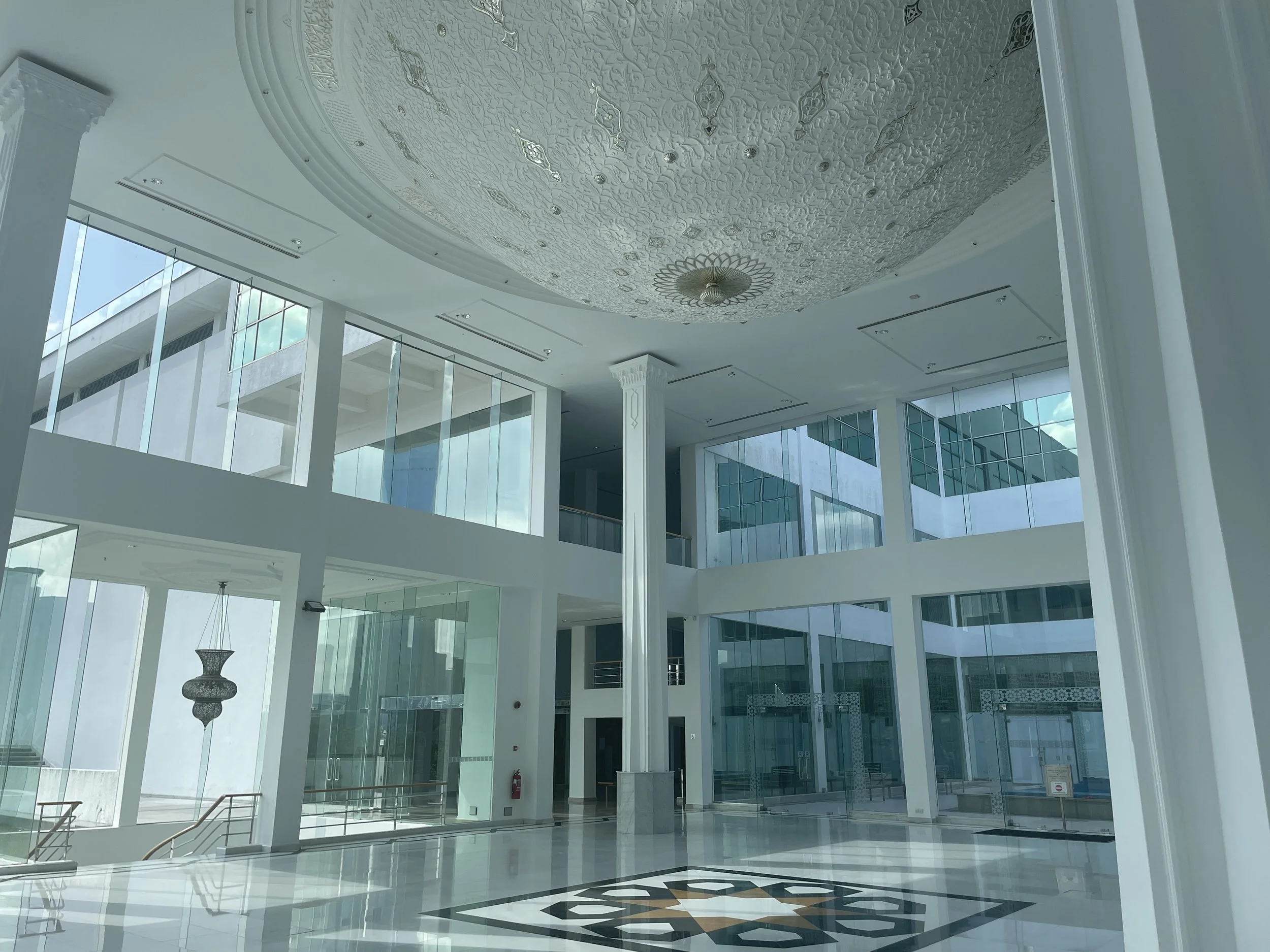
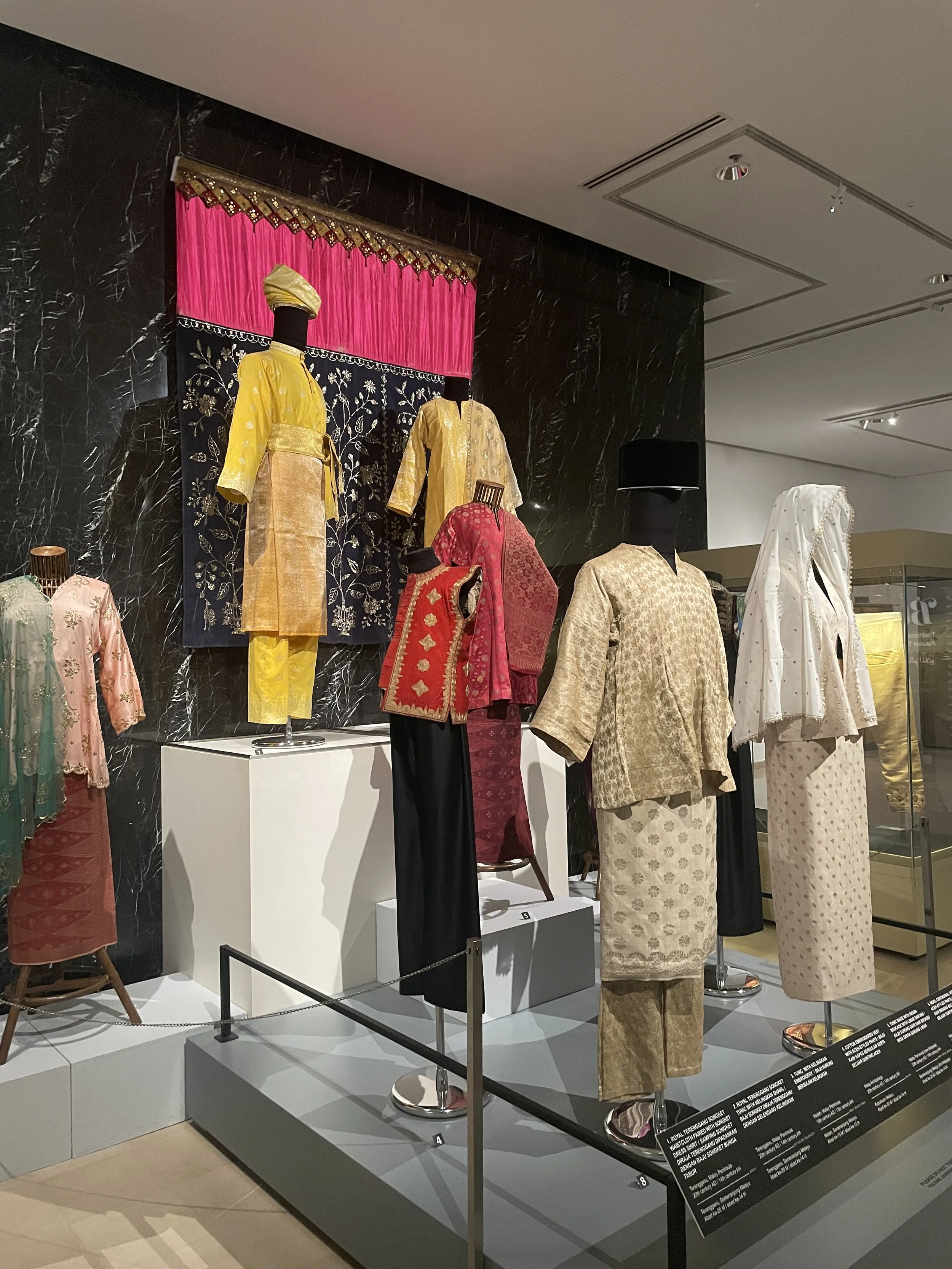
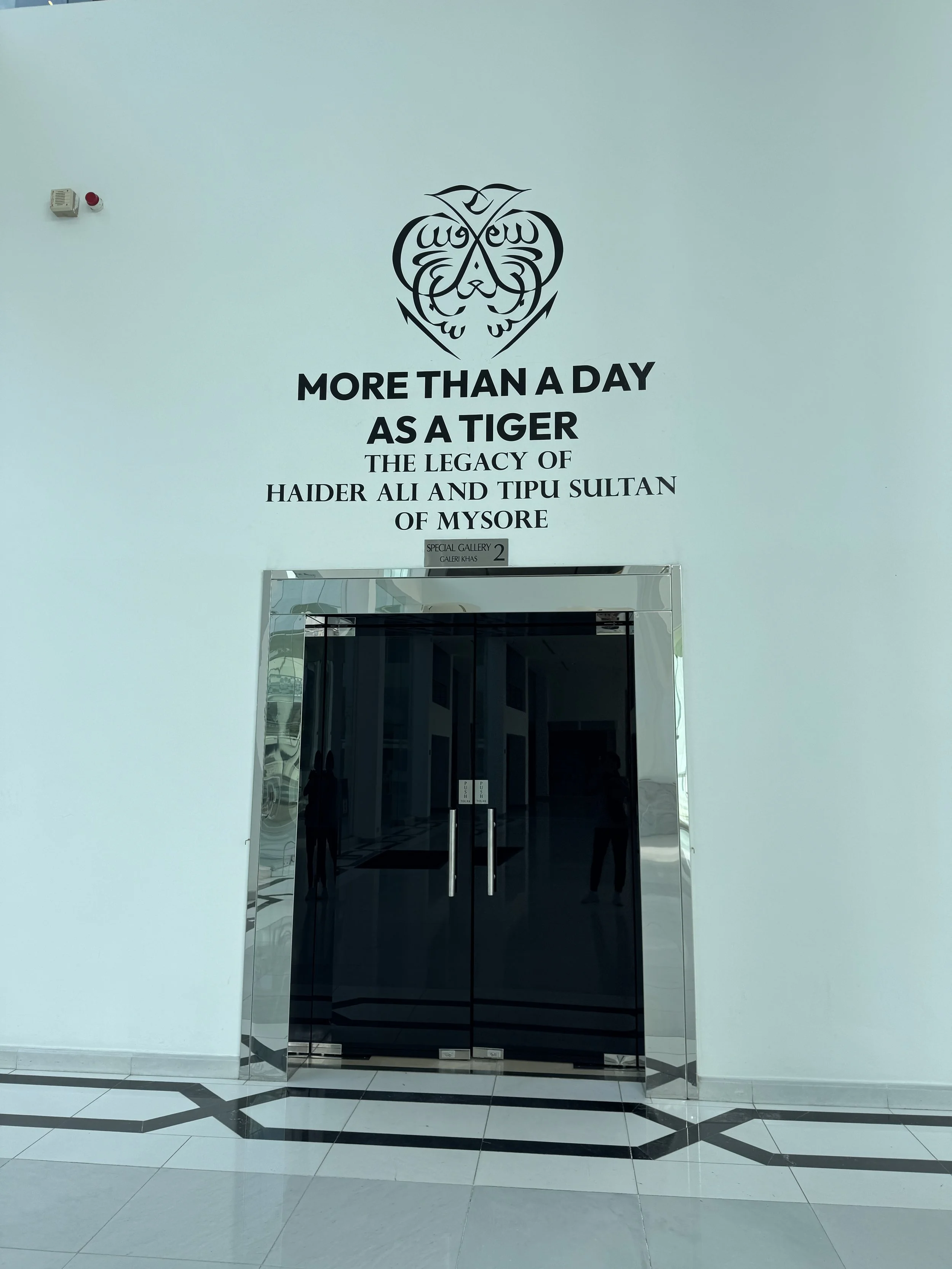
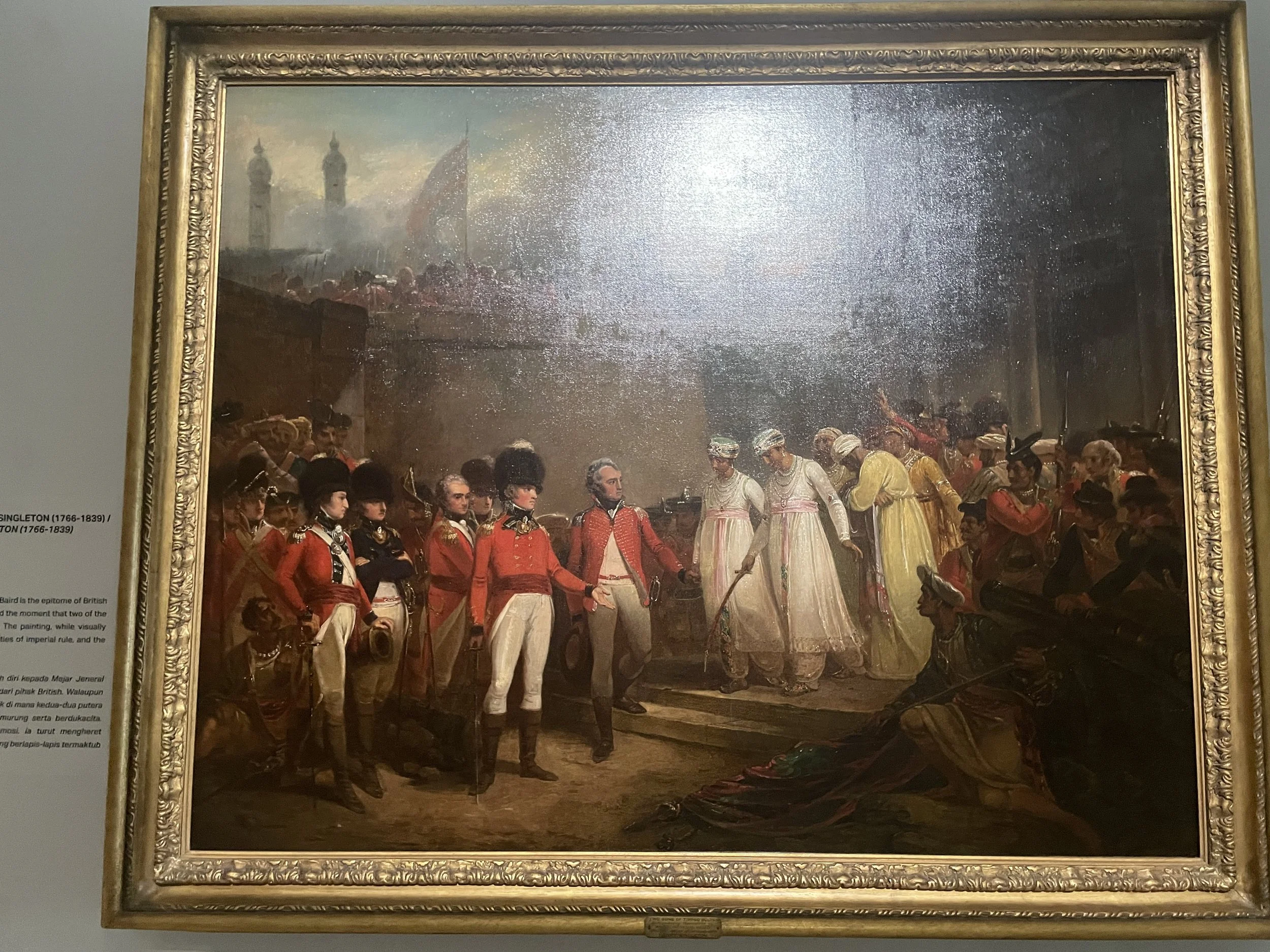
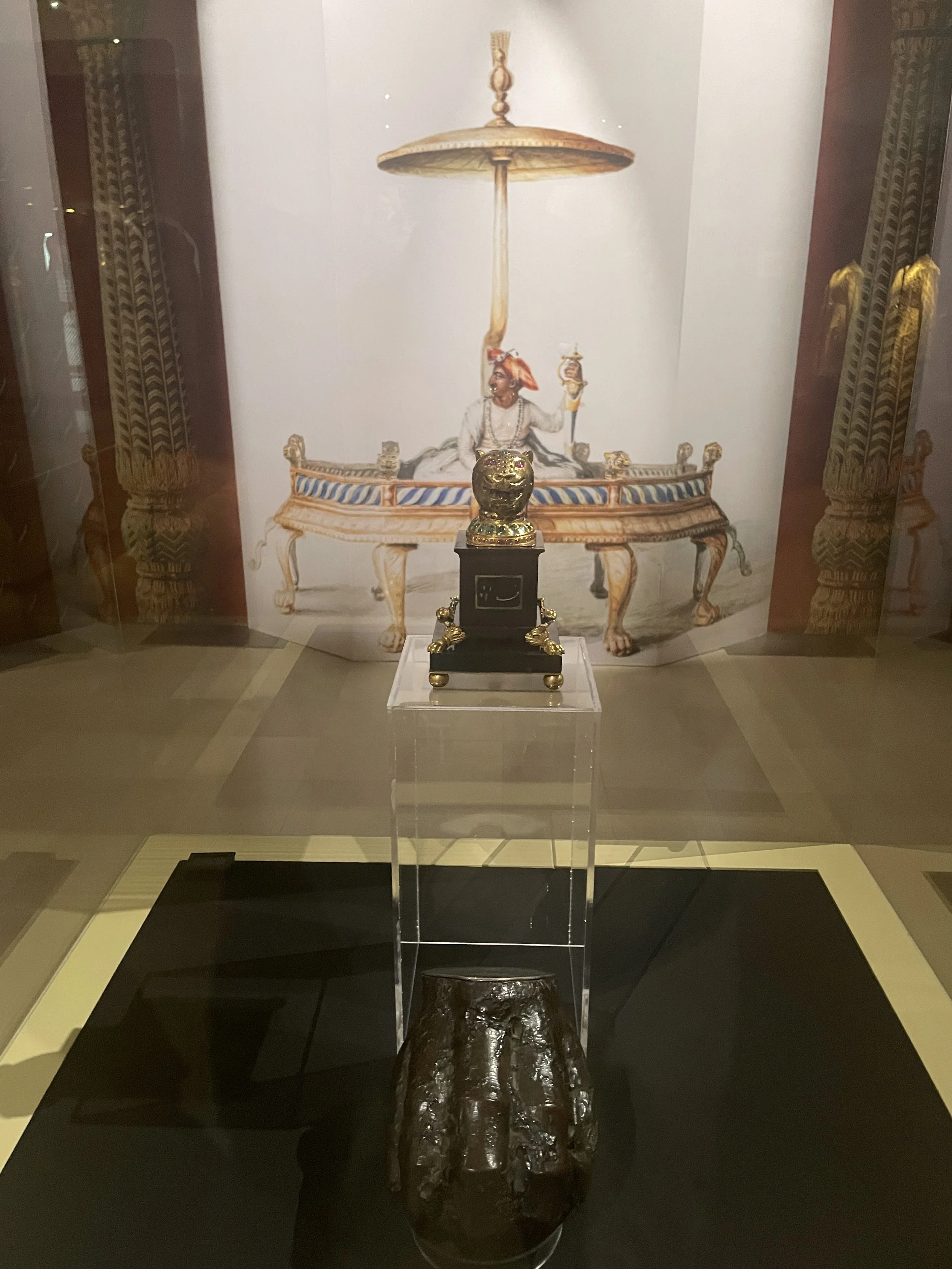
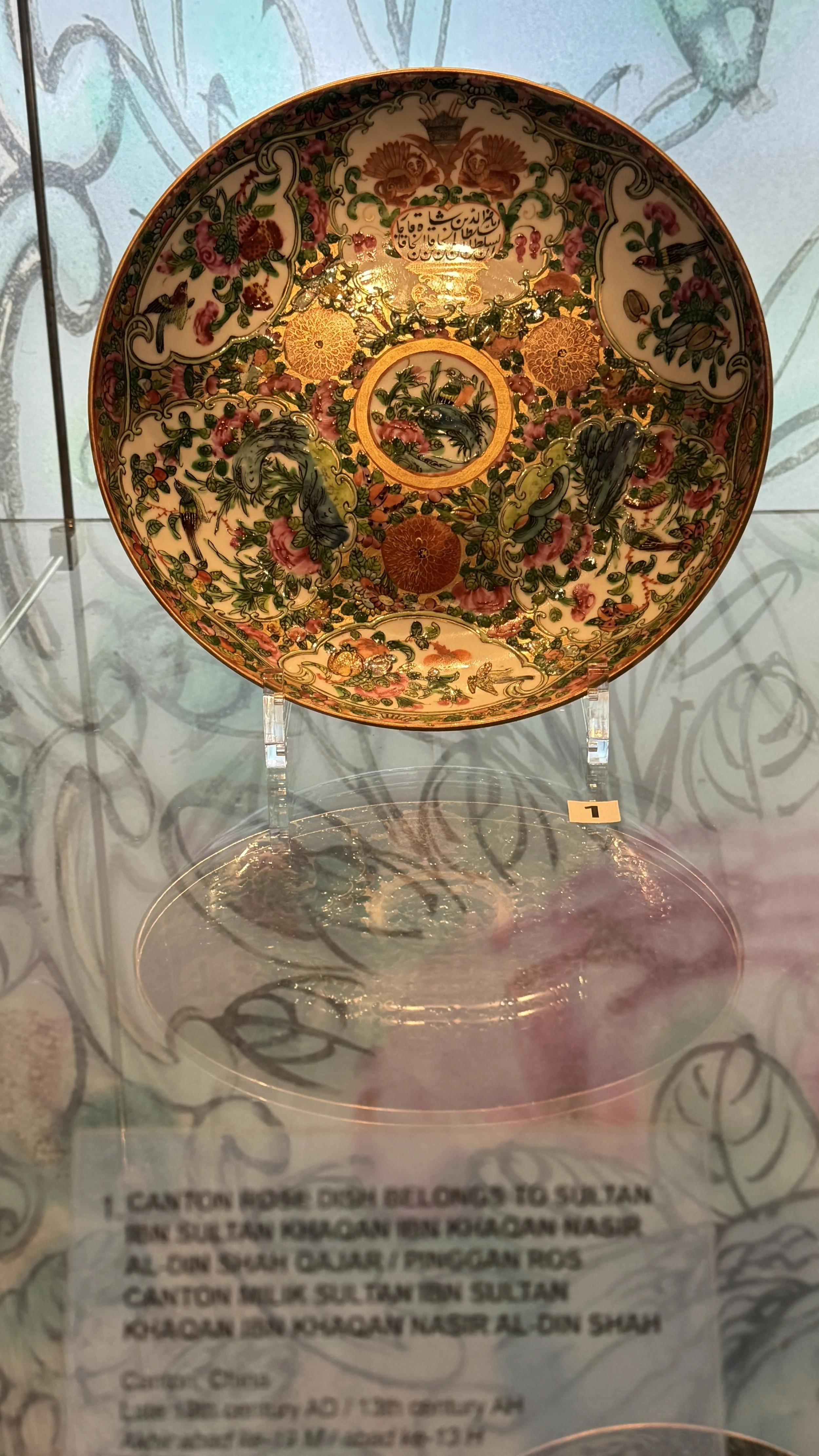
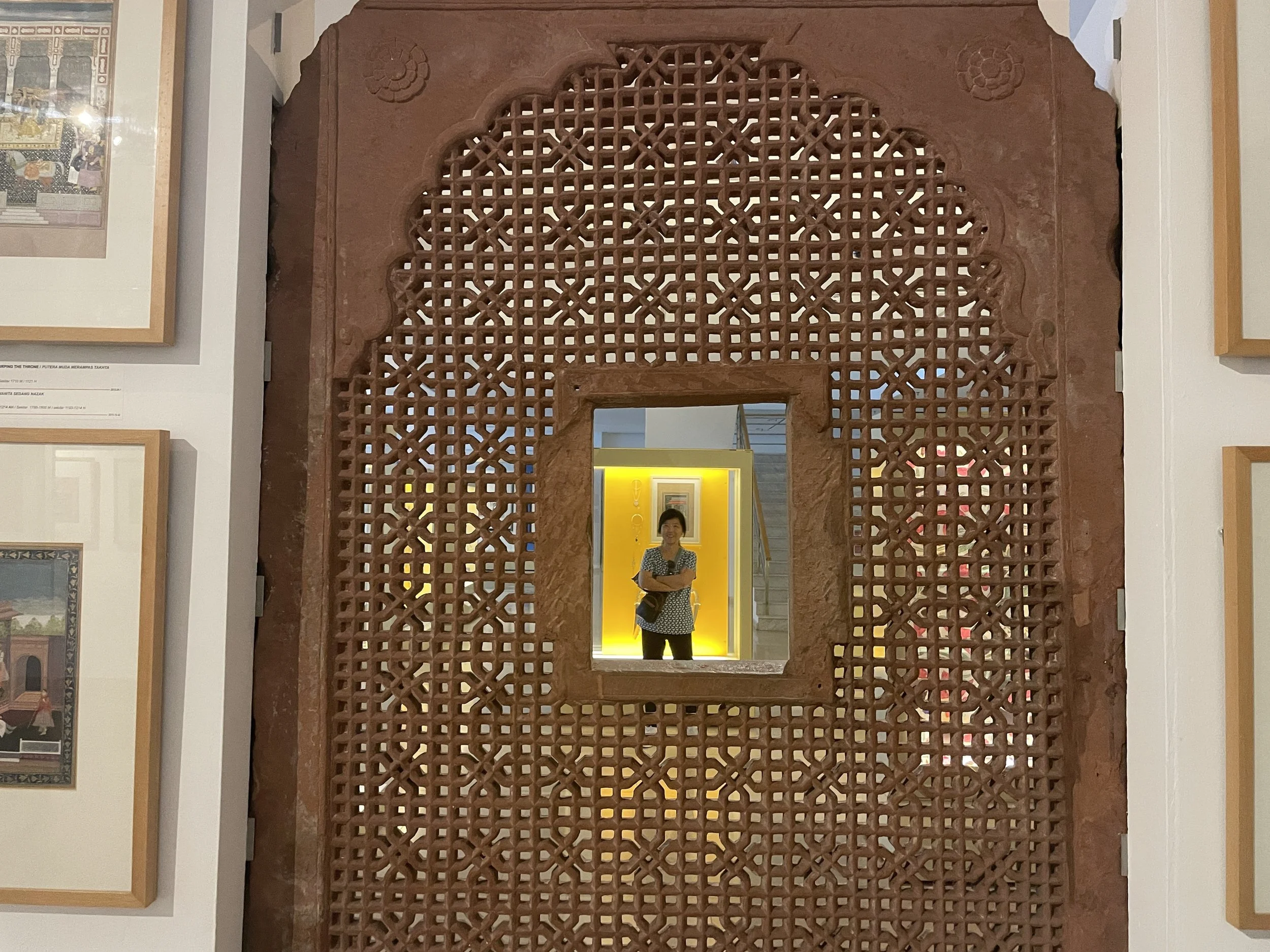
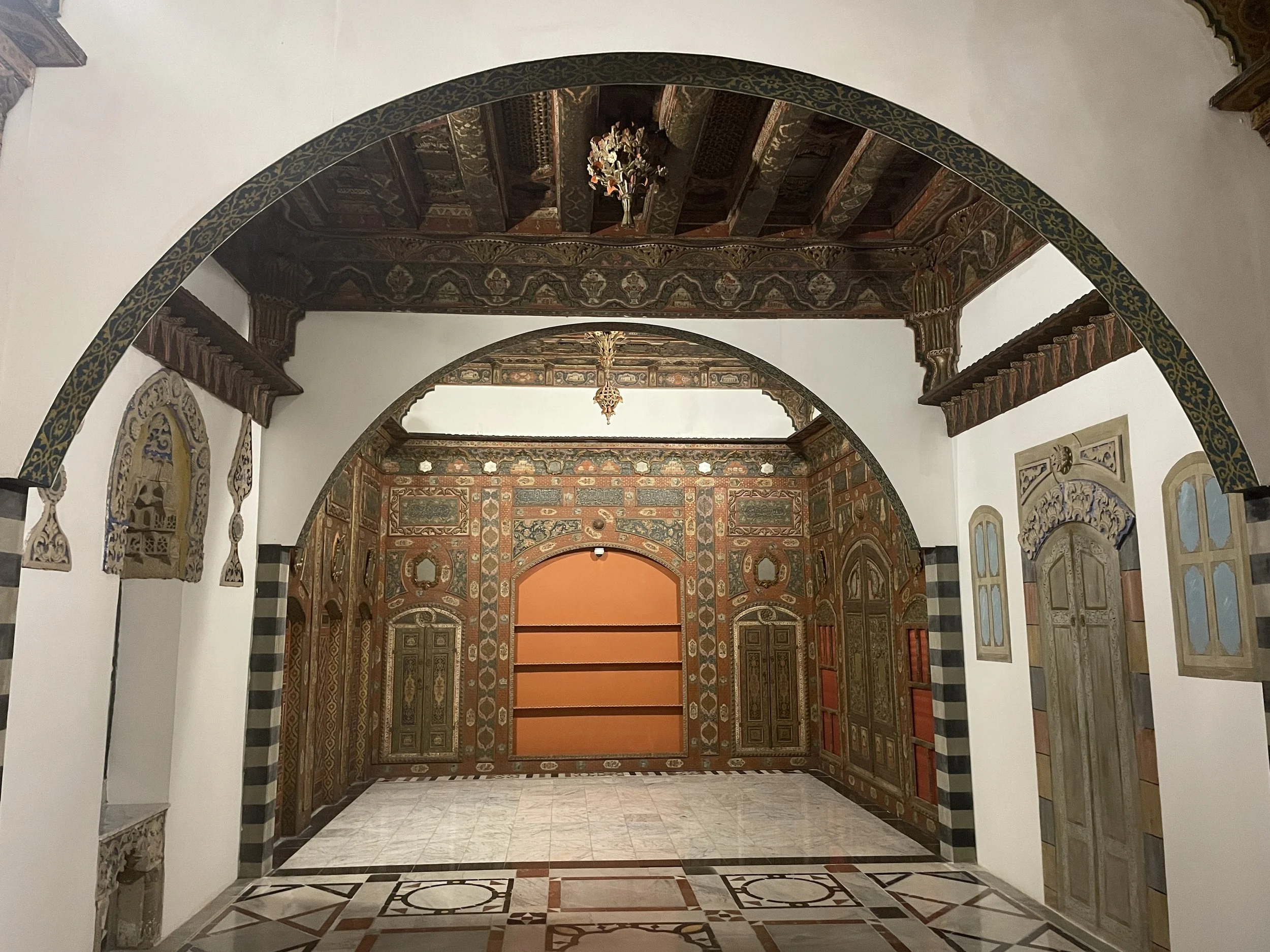
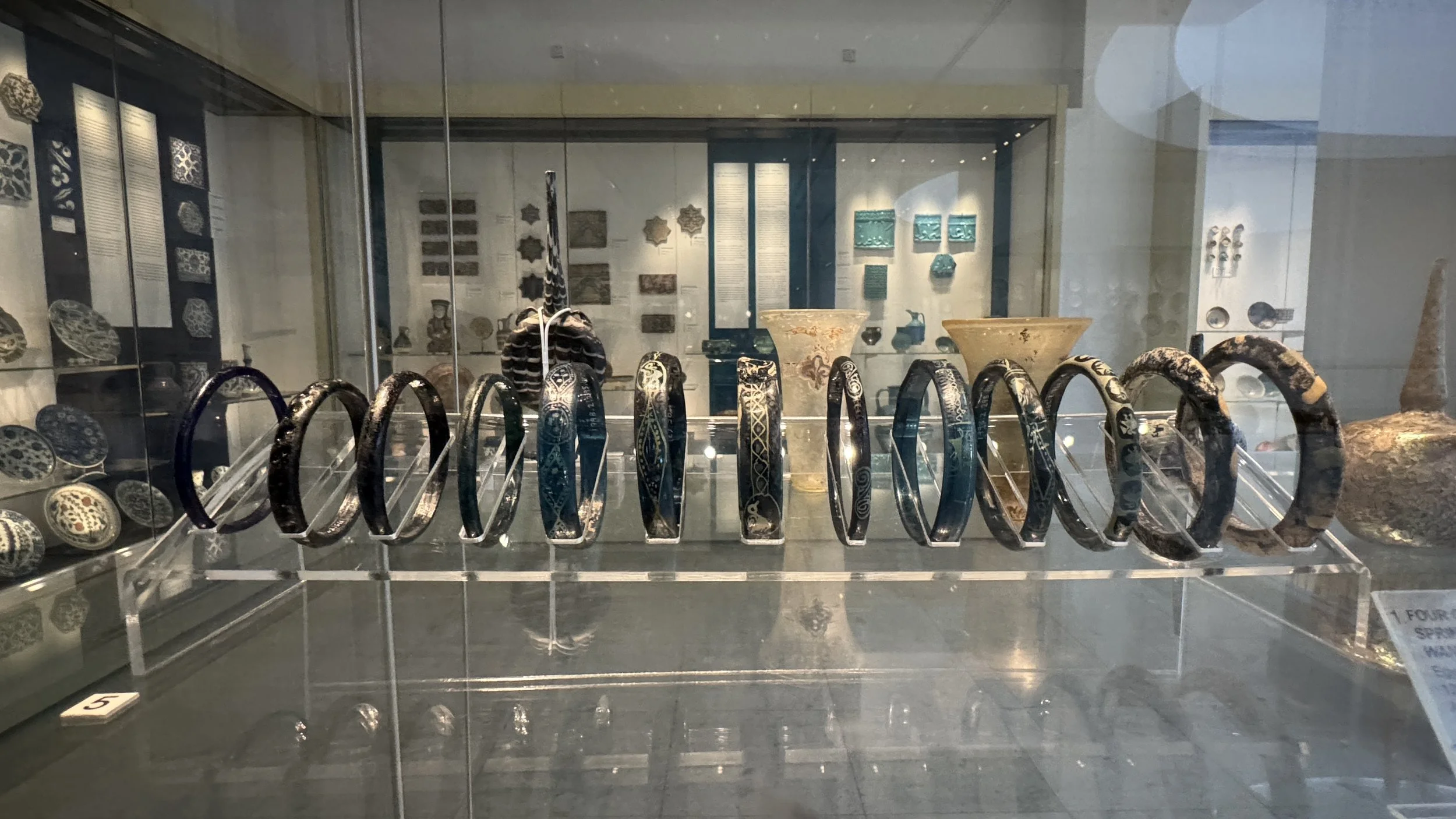
Our first stop was the Islamic Arts Museum Malaysia, where we explored beautifully curated galleries of calligraphy, architectural models, ceramics, textiles, and Qur’anic manuscripts. The exhibits were elegant and thoughtfully presented, offering insight into the artistic and cultural dimensions of Islamic civilization.
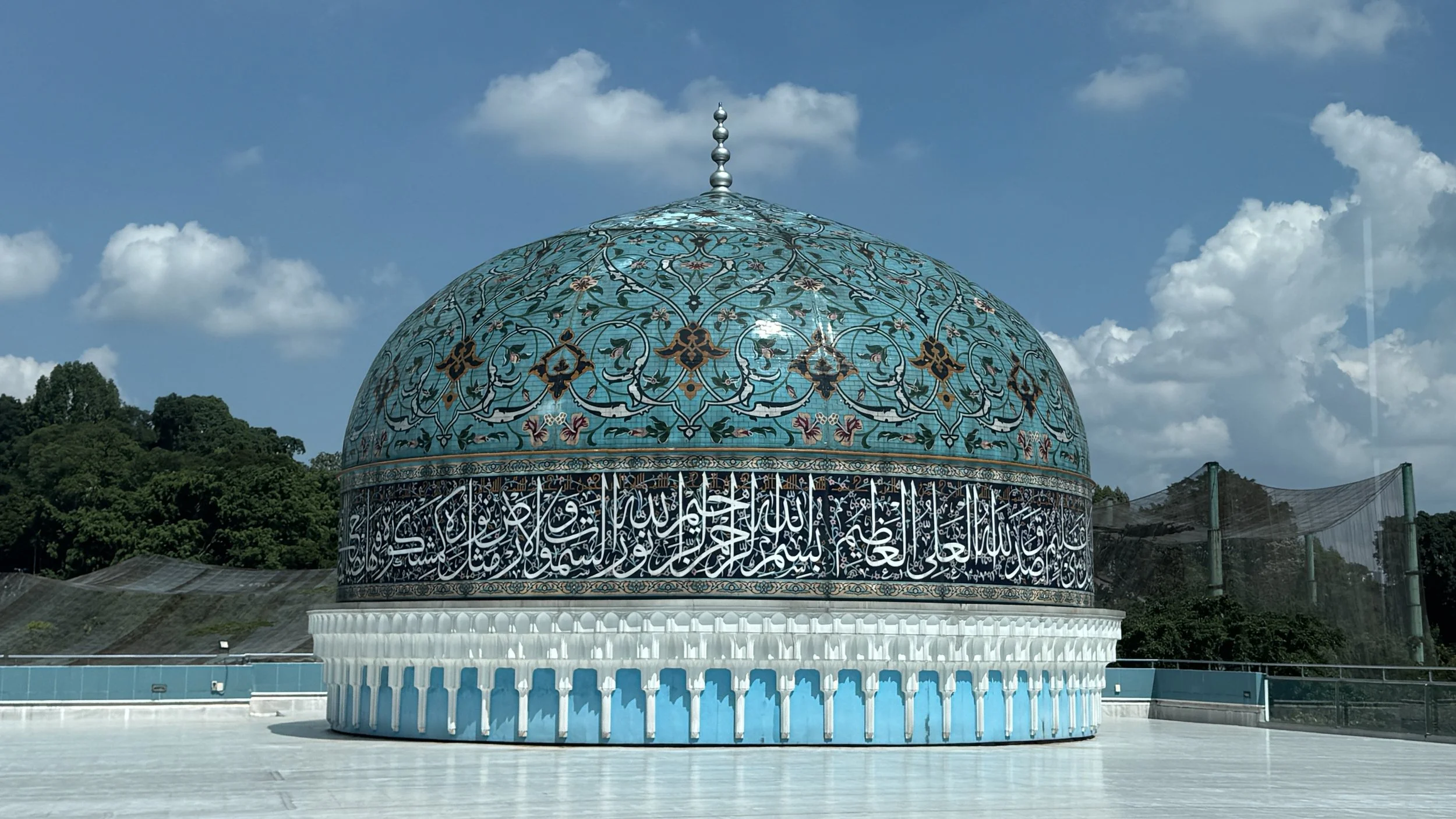
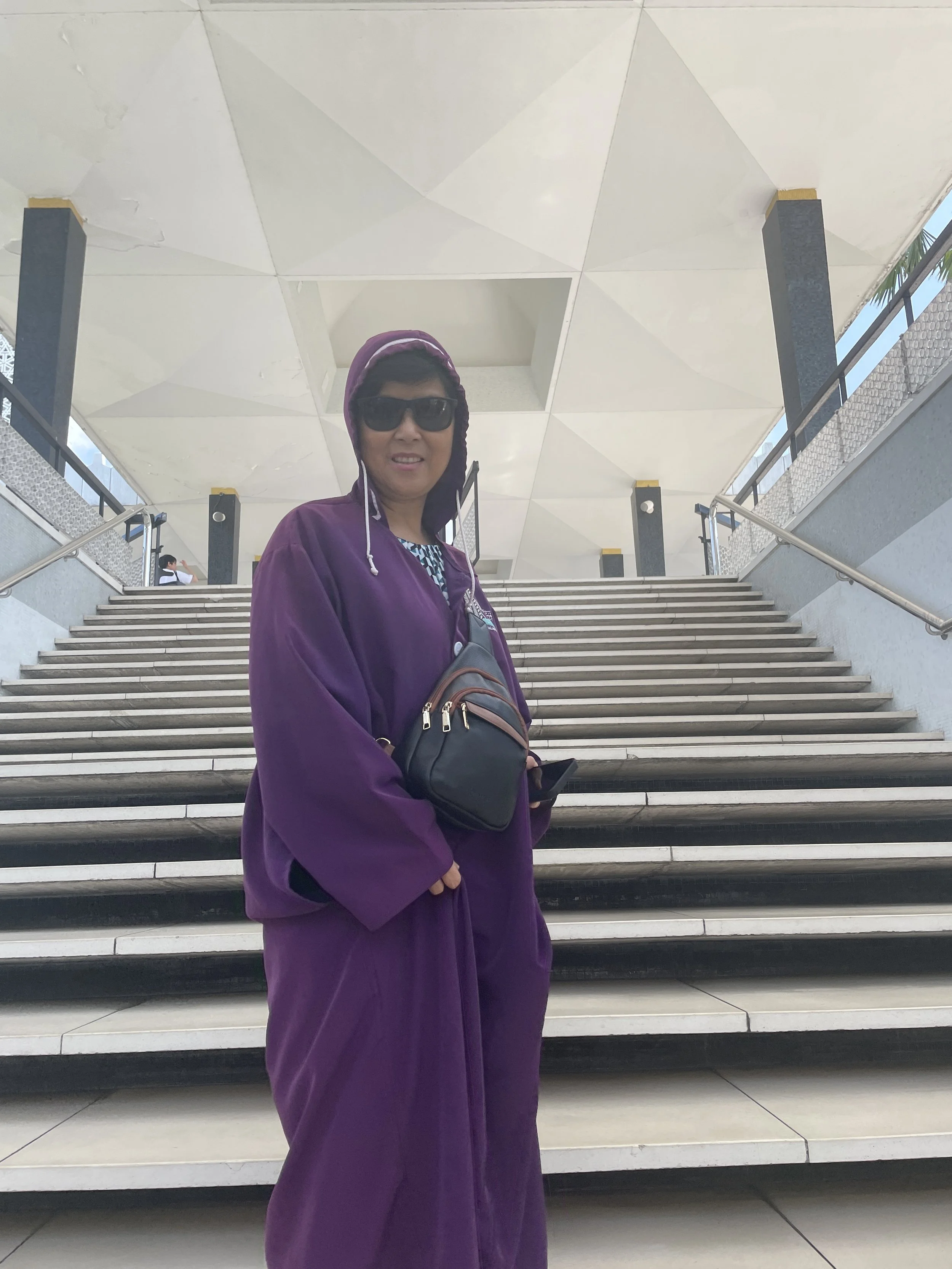
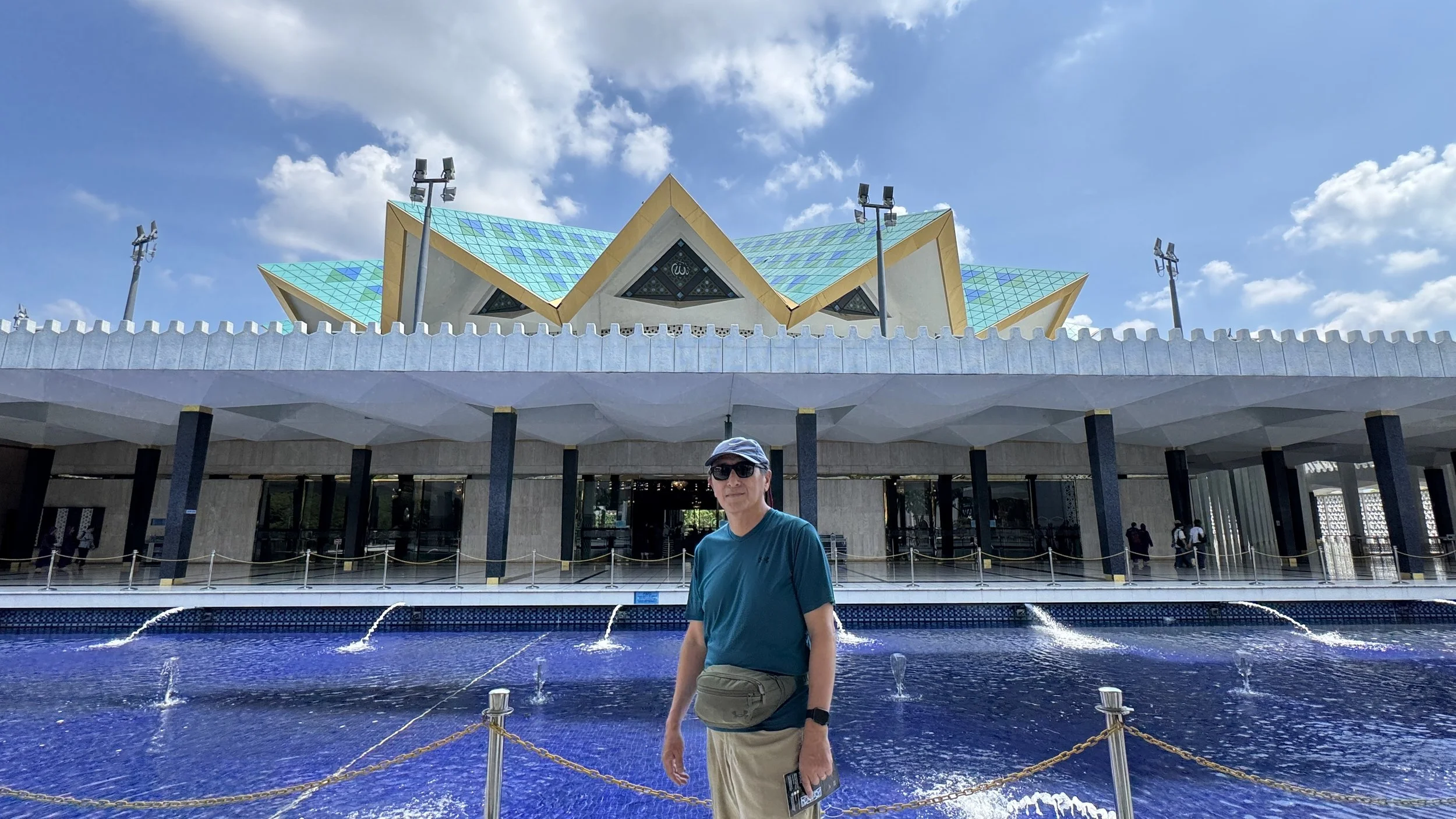
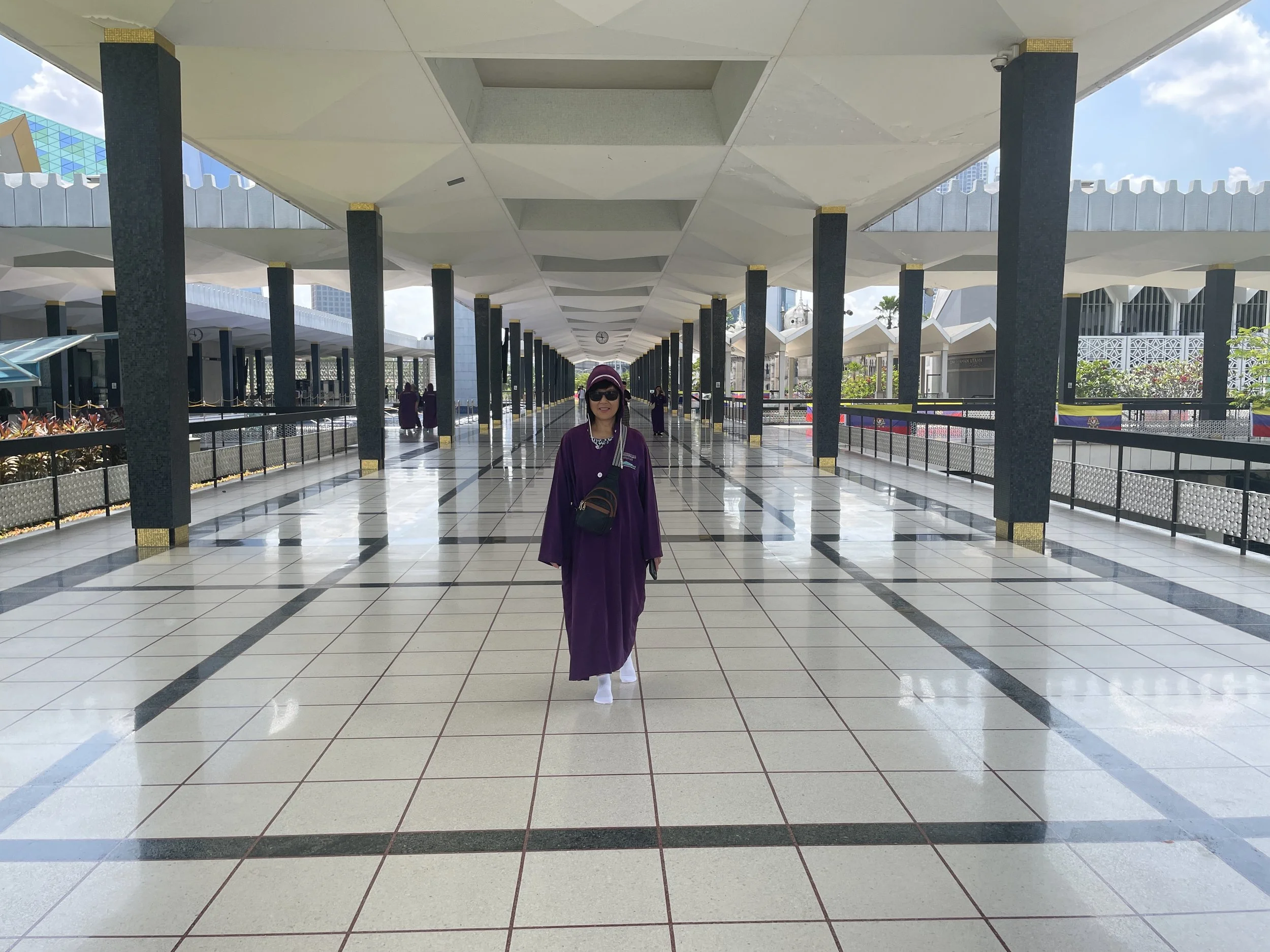
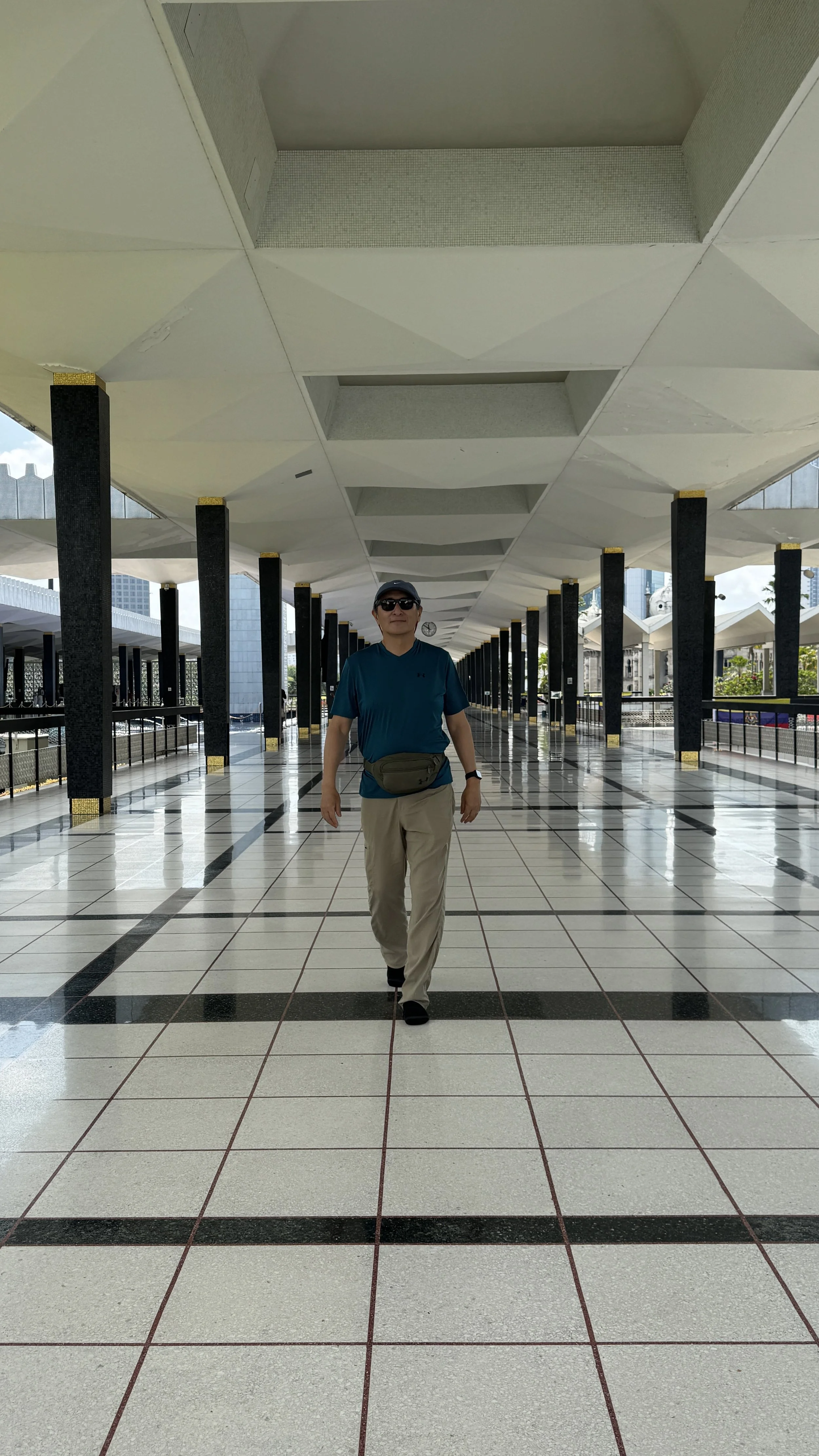
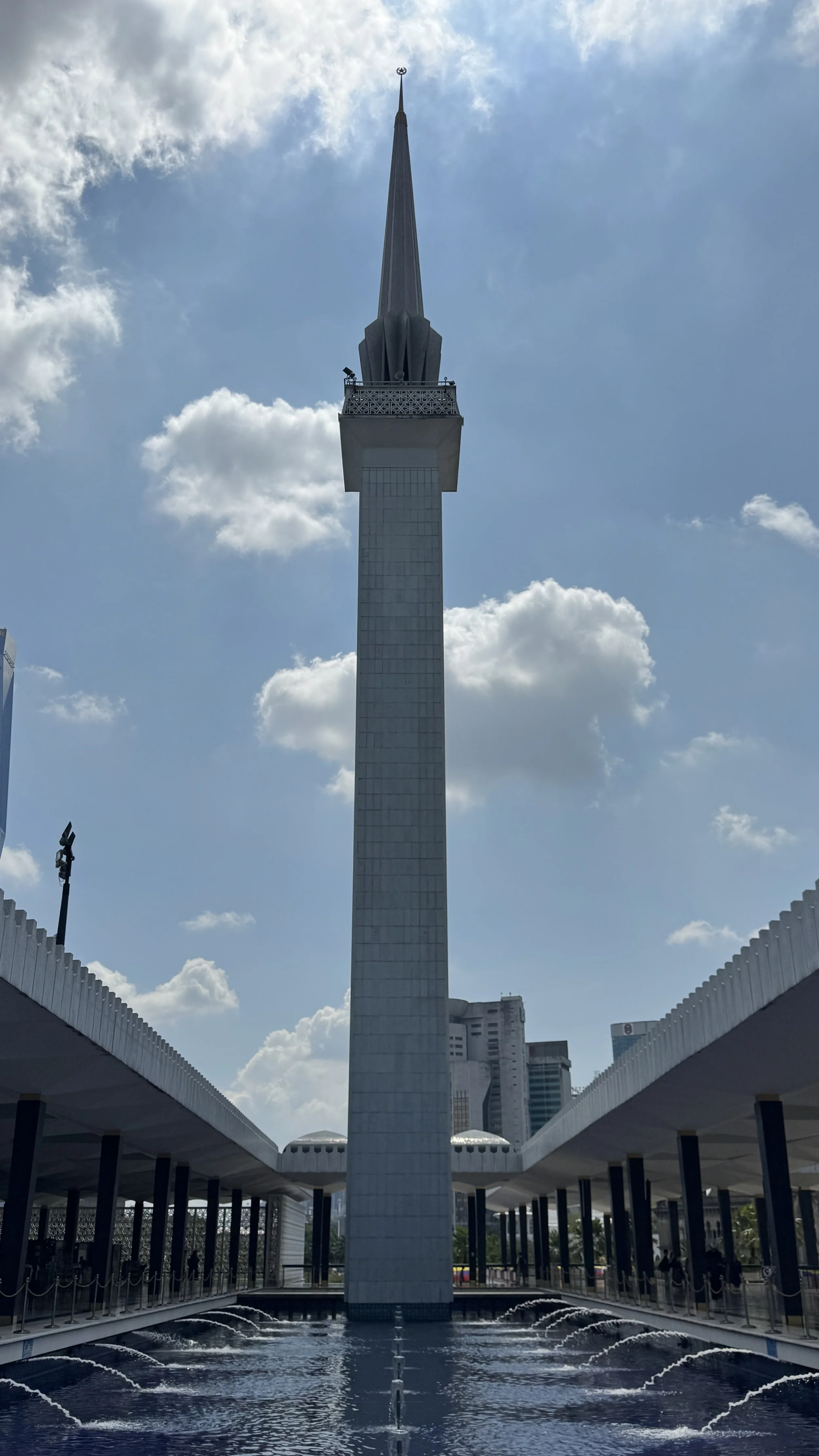
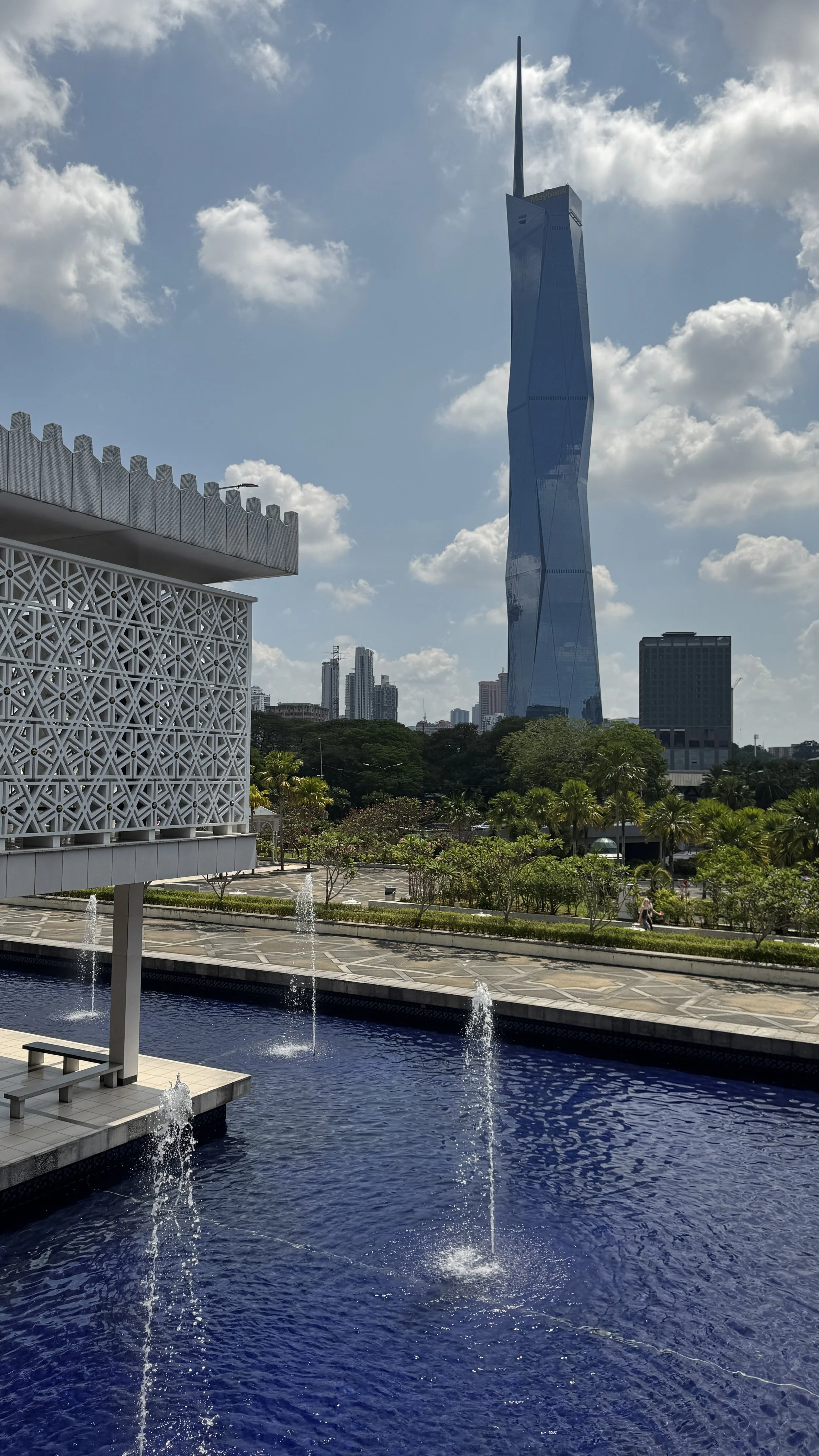
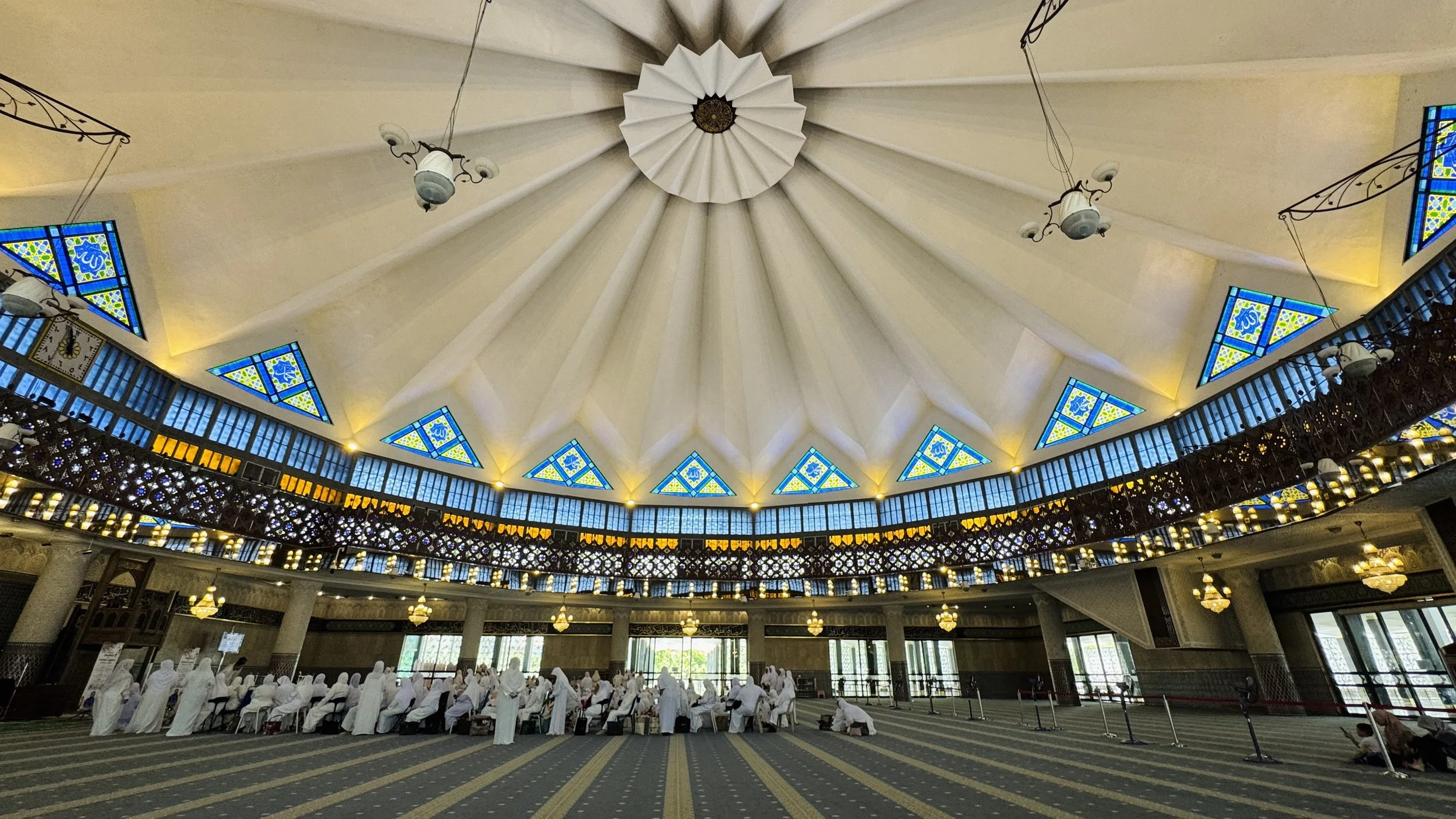
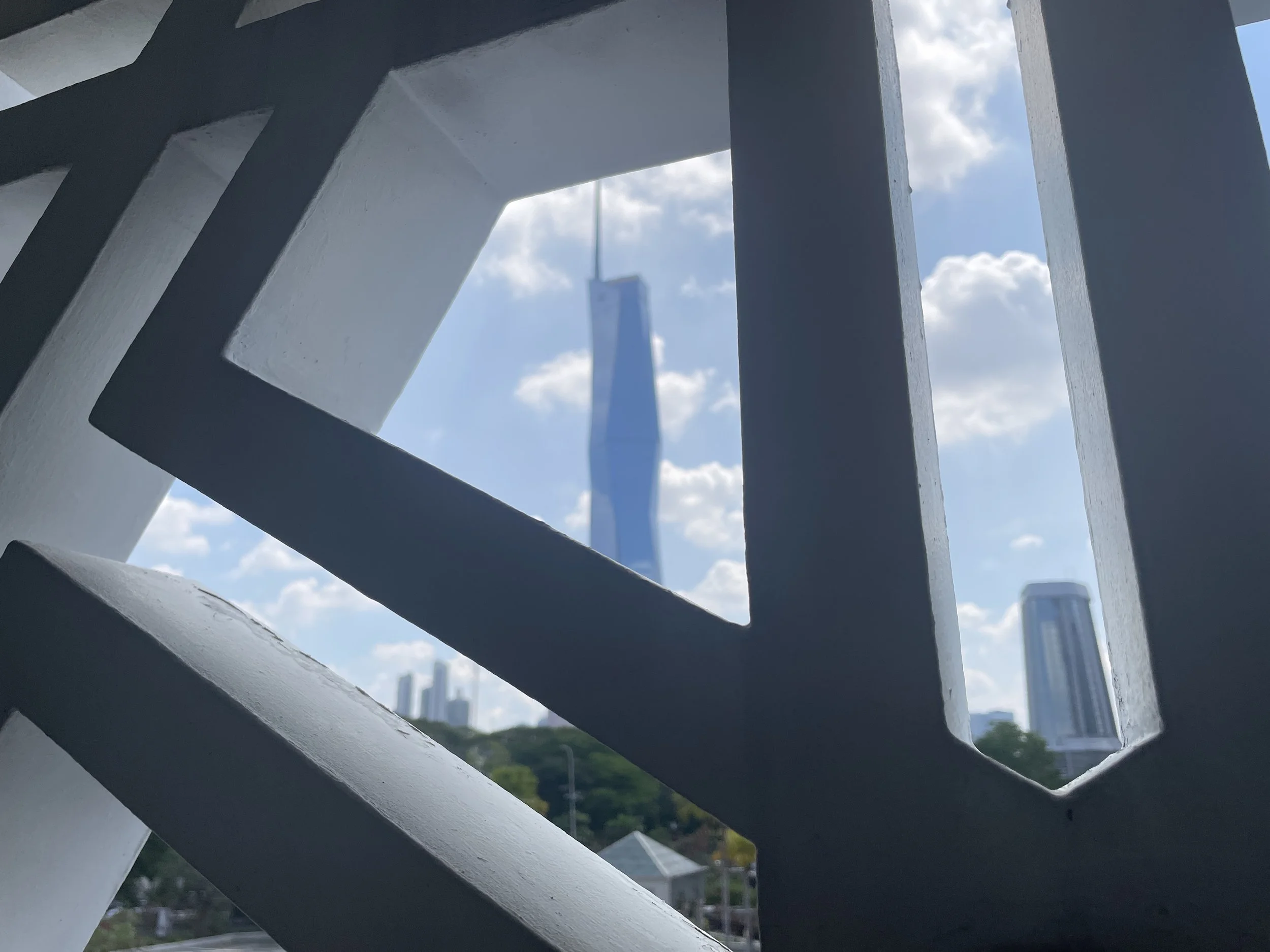
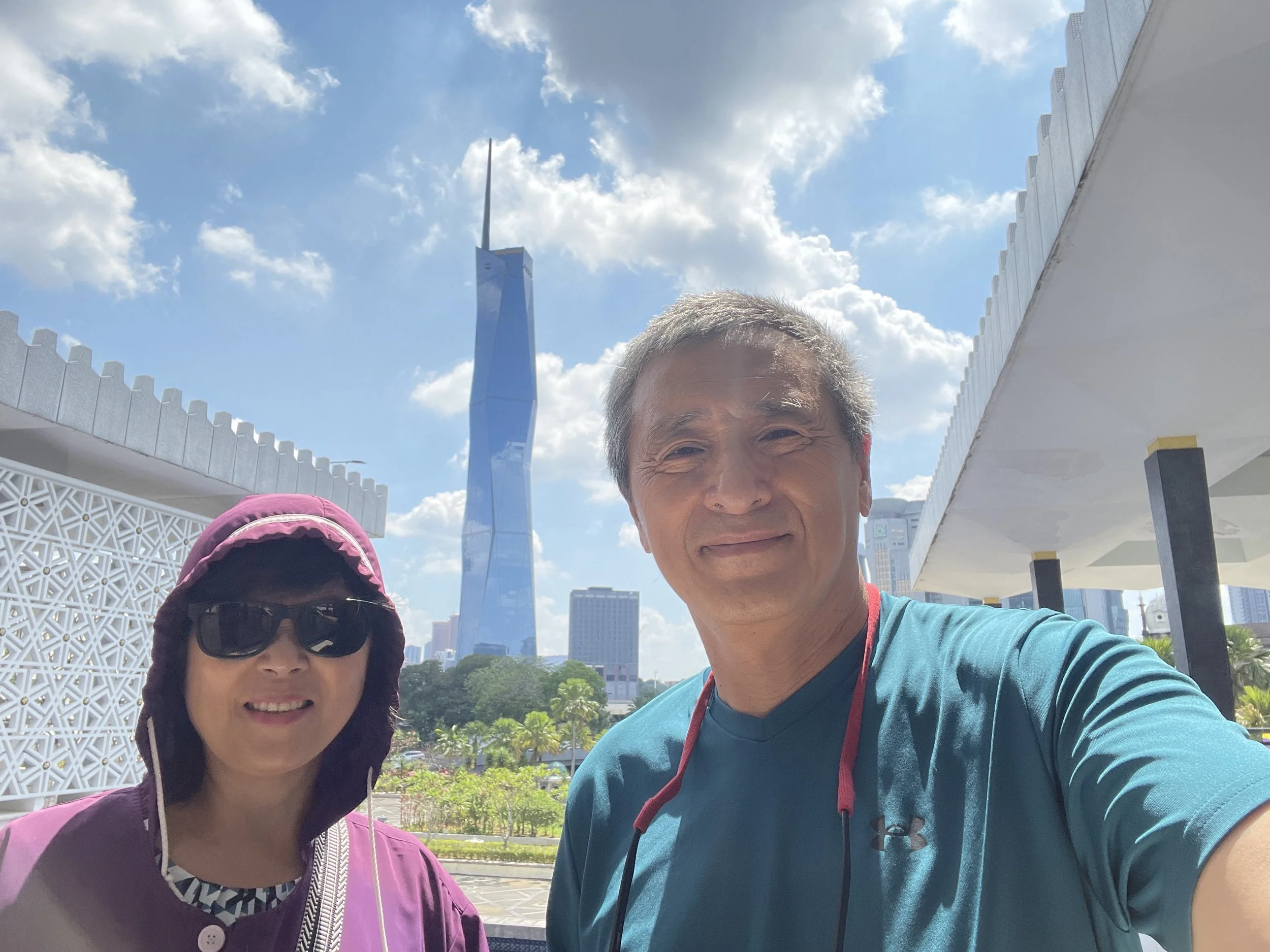
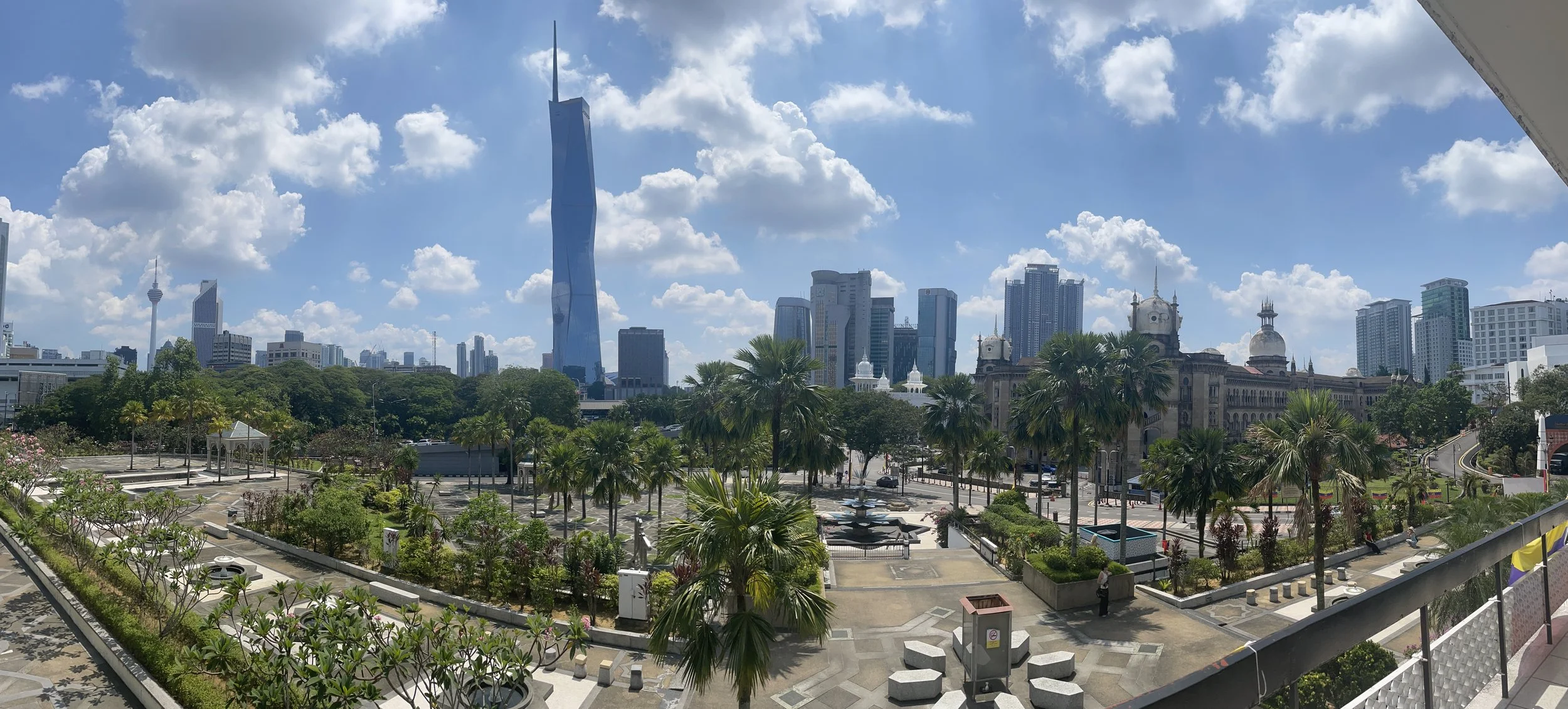
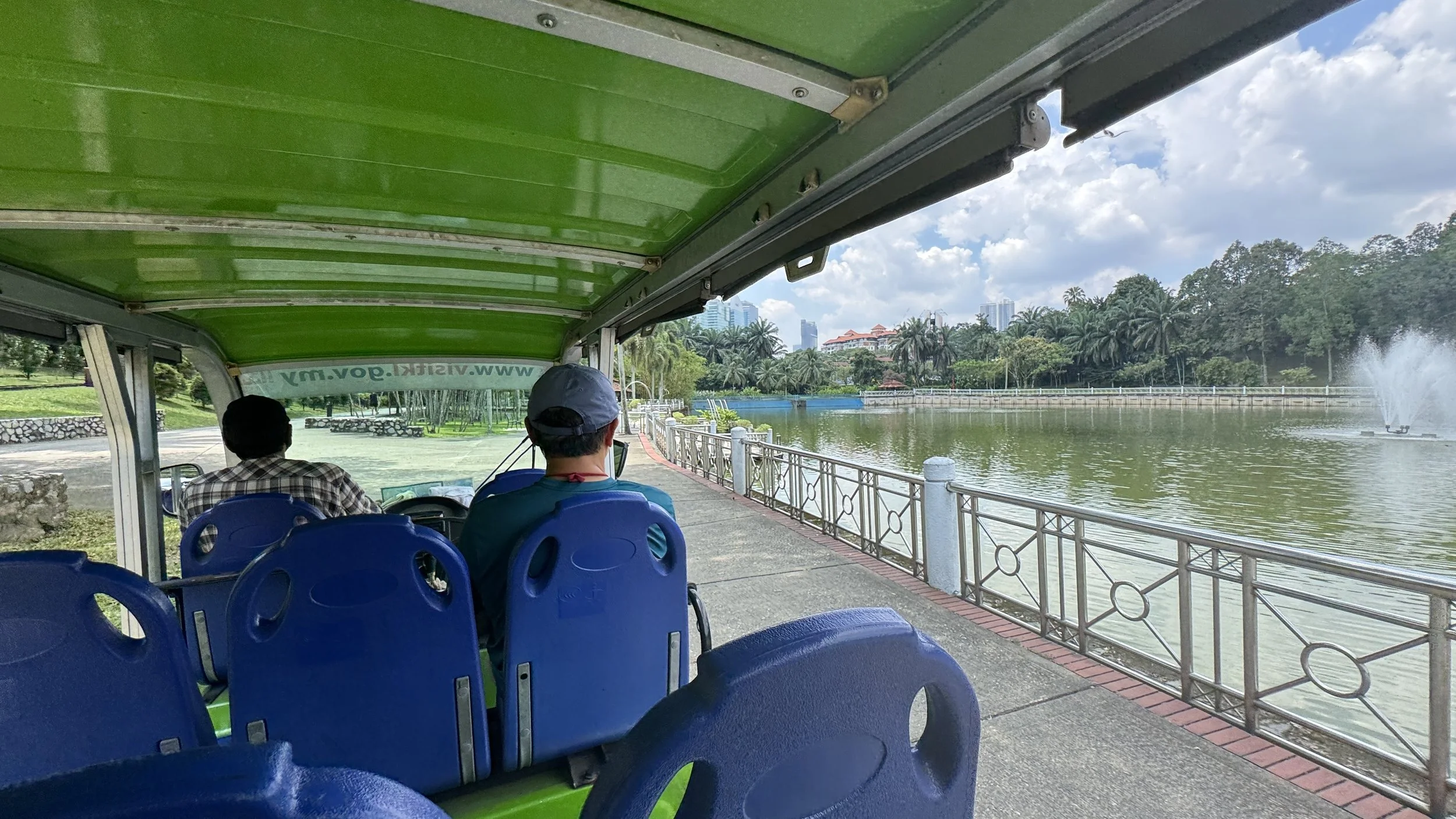
From there, we walked to the National Mosque of Malaysia (Masjid Negara). After registering at the entrance, we were provided with appropriate coverings for women and proceeded on a self-guided visit. Compared with some mosques we have visited in other countries, the atmosphere felt relatively relaxed and welcoming. The modern architecture and open courtyard design were impressive.
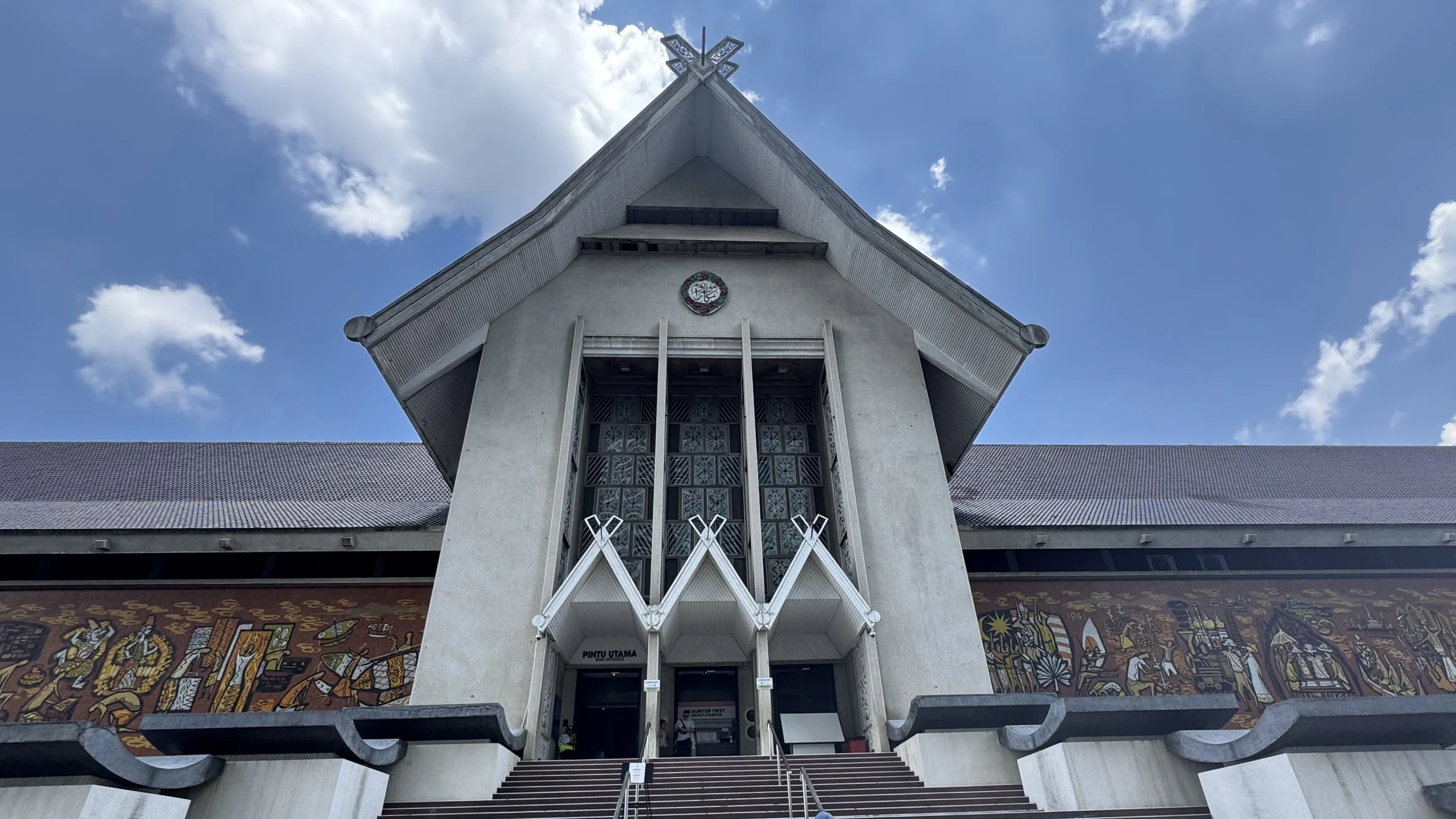
Next, we visited the National Museum of Malaysia to learn about the country’s long history, its path to independence, and its unique political system that blends sultanates with parliamentary democracy. Although the building itself felt somewhat dated, the exhibits were informative and provided useful context for understanding Malaysia’s federal structure and monarchy.
By mid-afternoon, the heat and humidity once again sent us back to the hotel for a short nap.
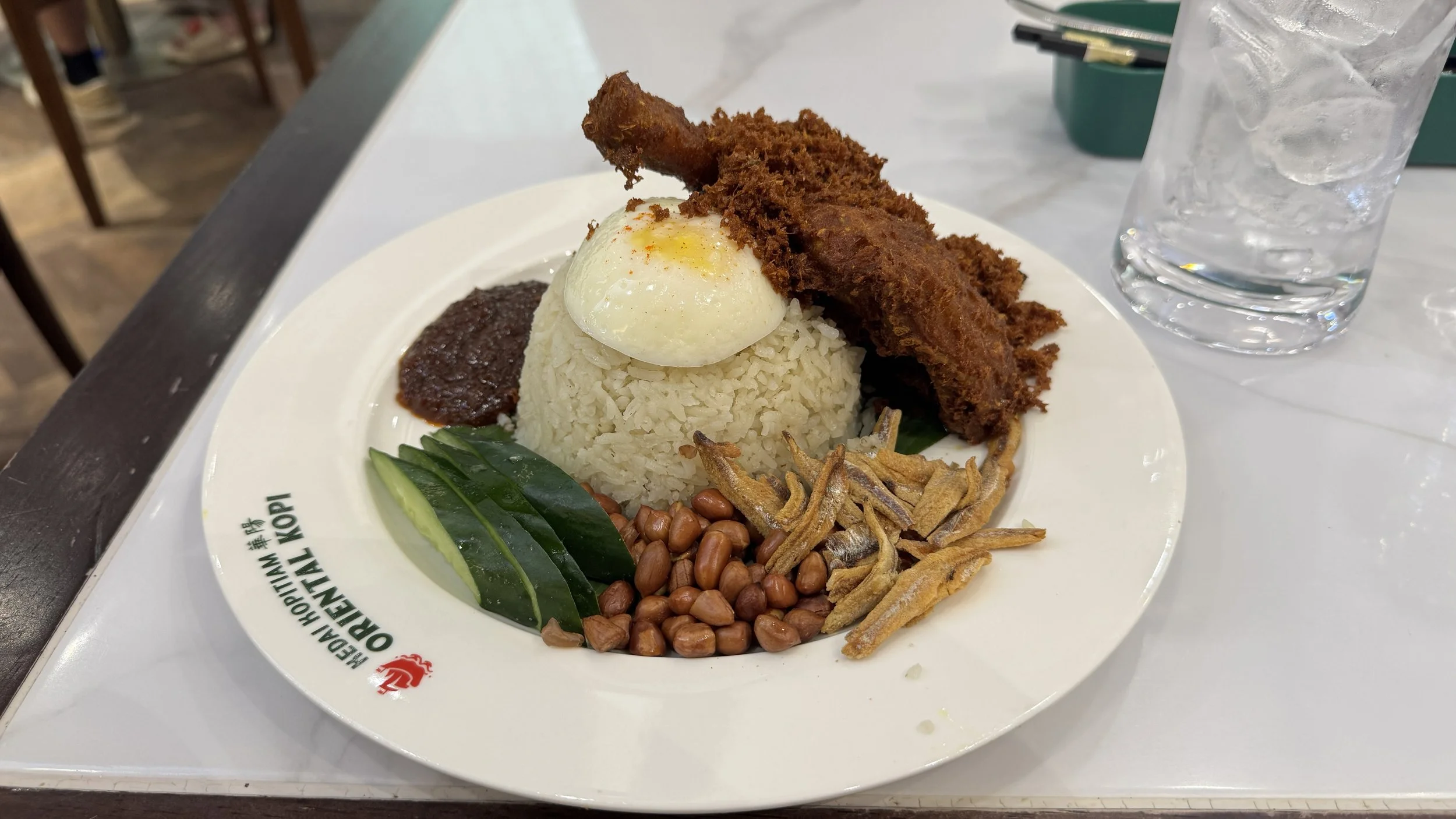
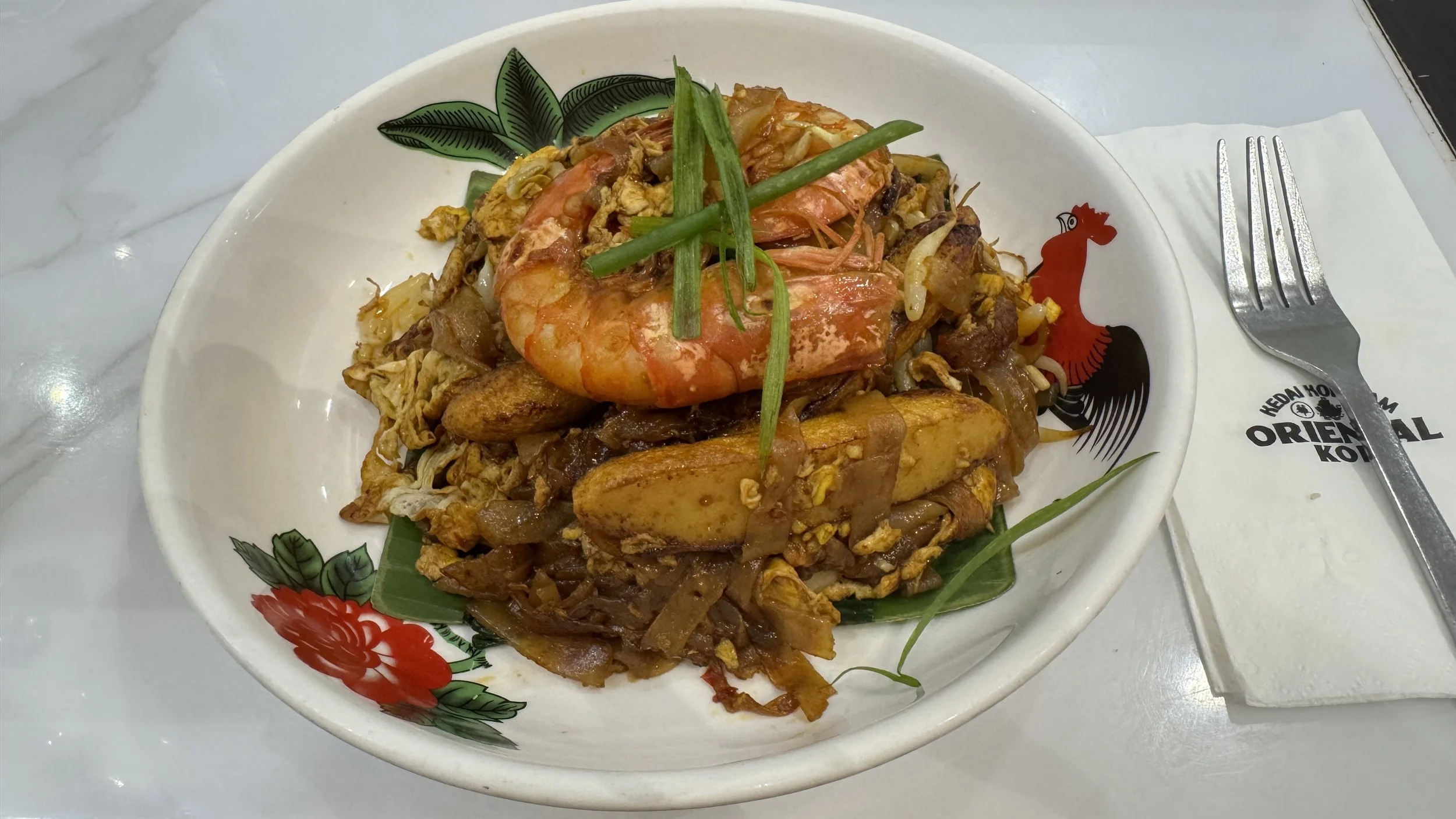
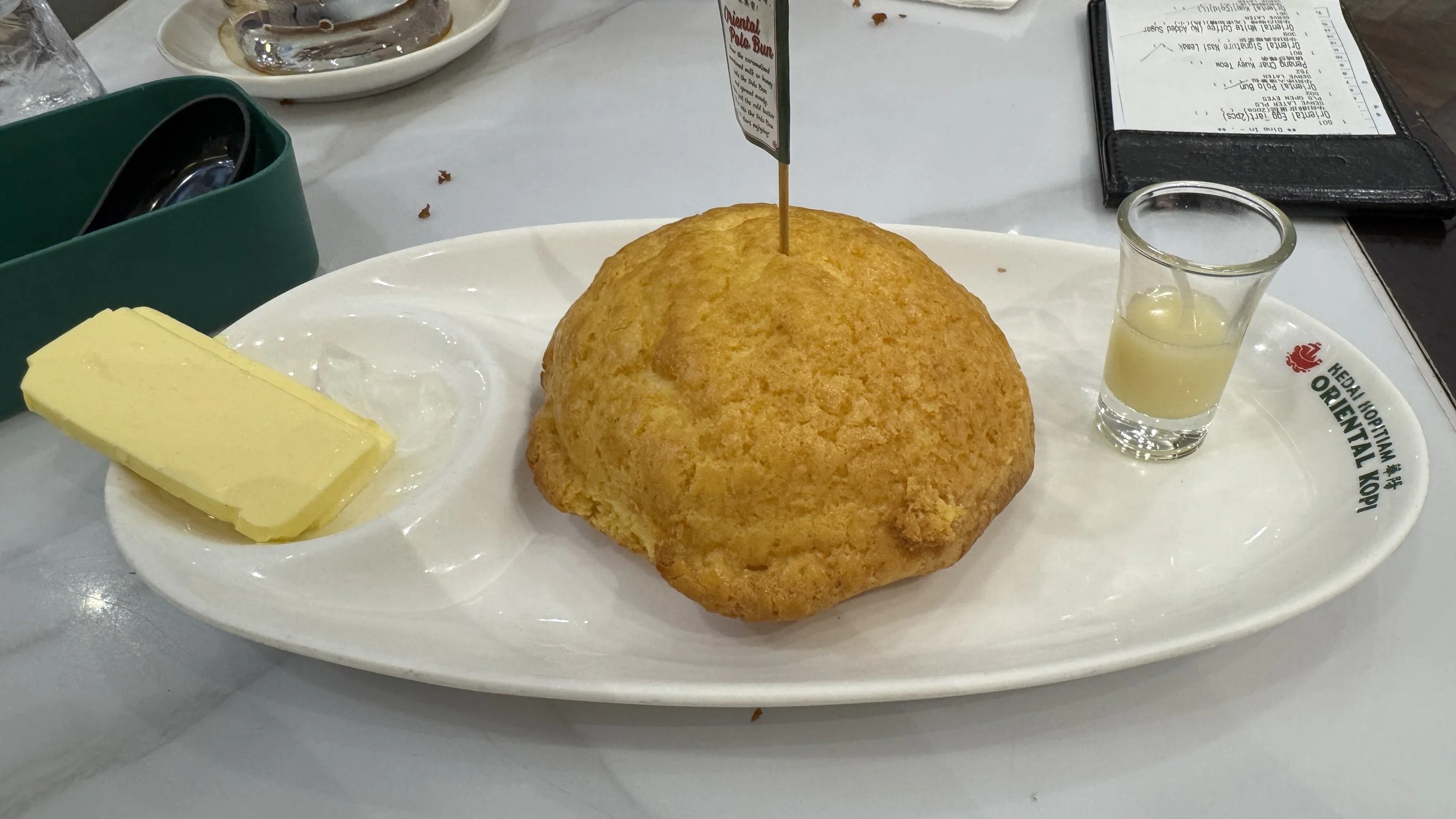
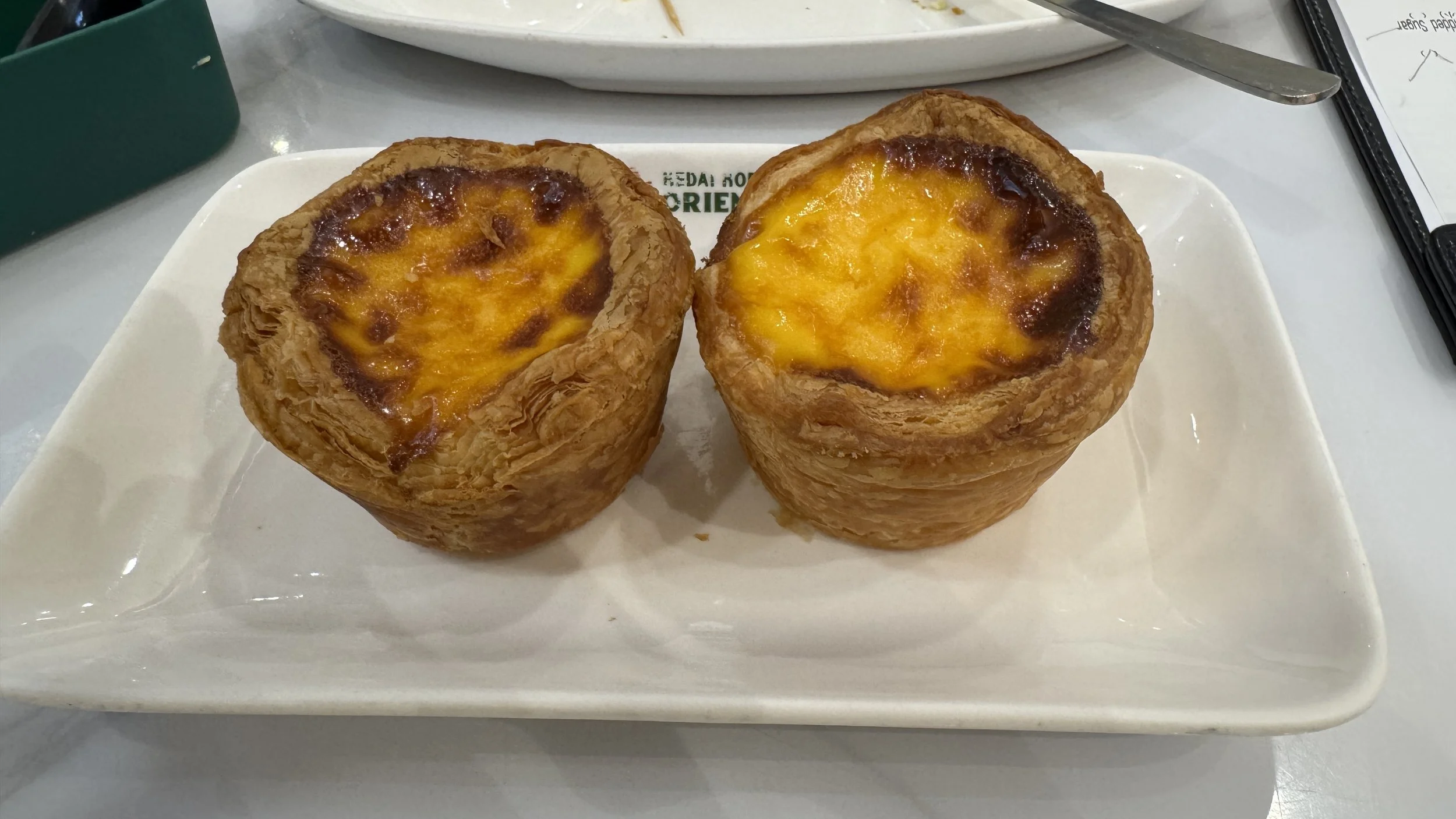
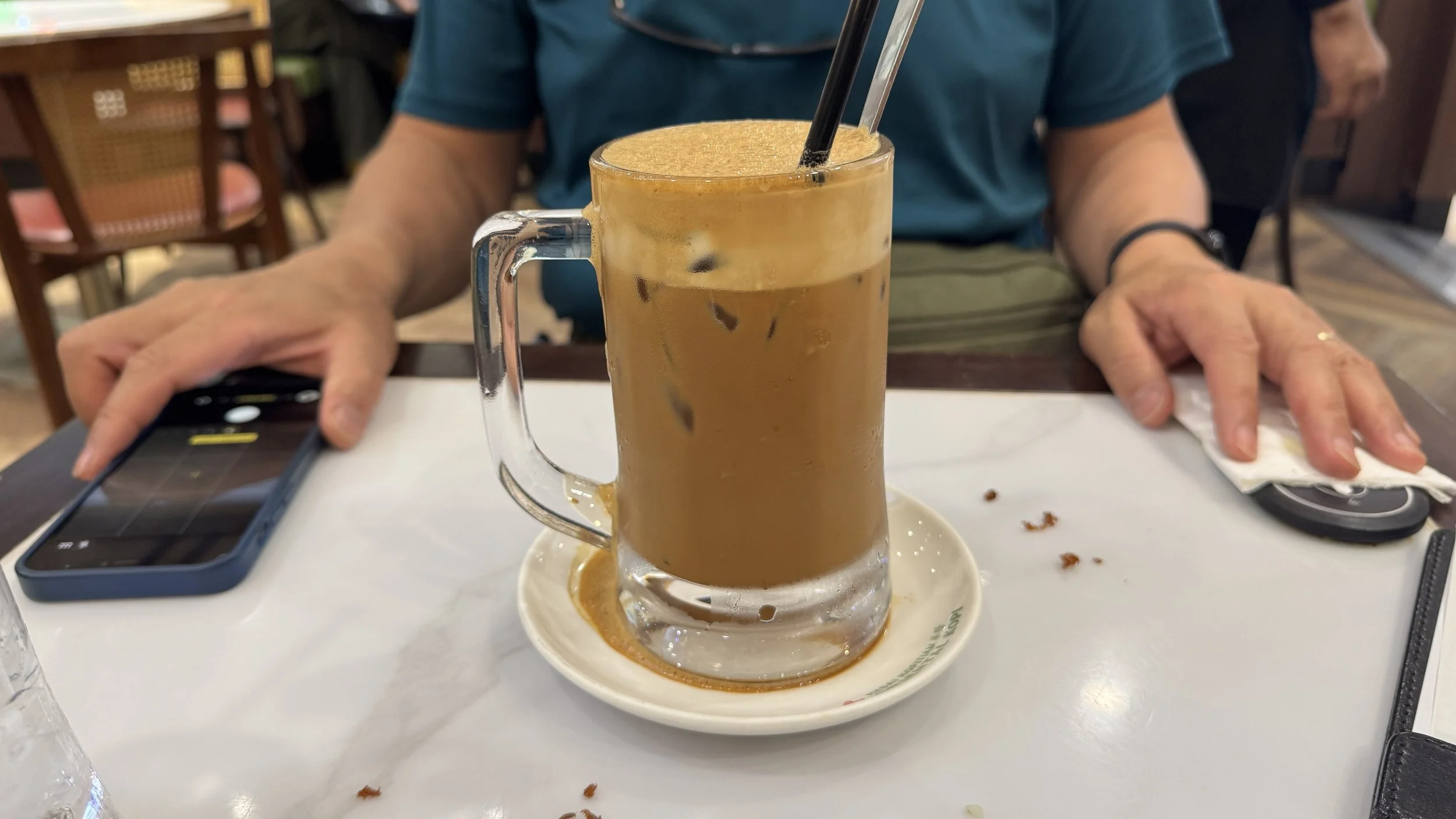
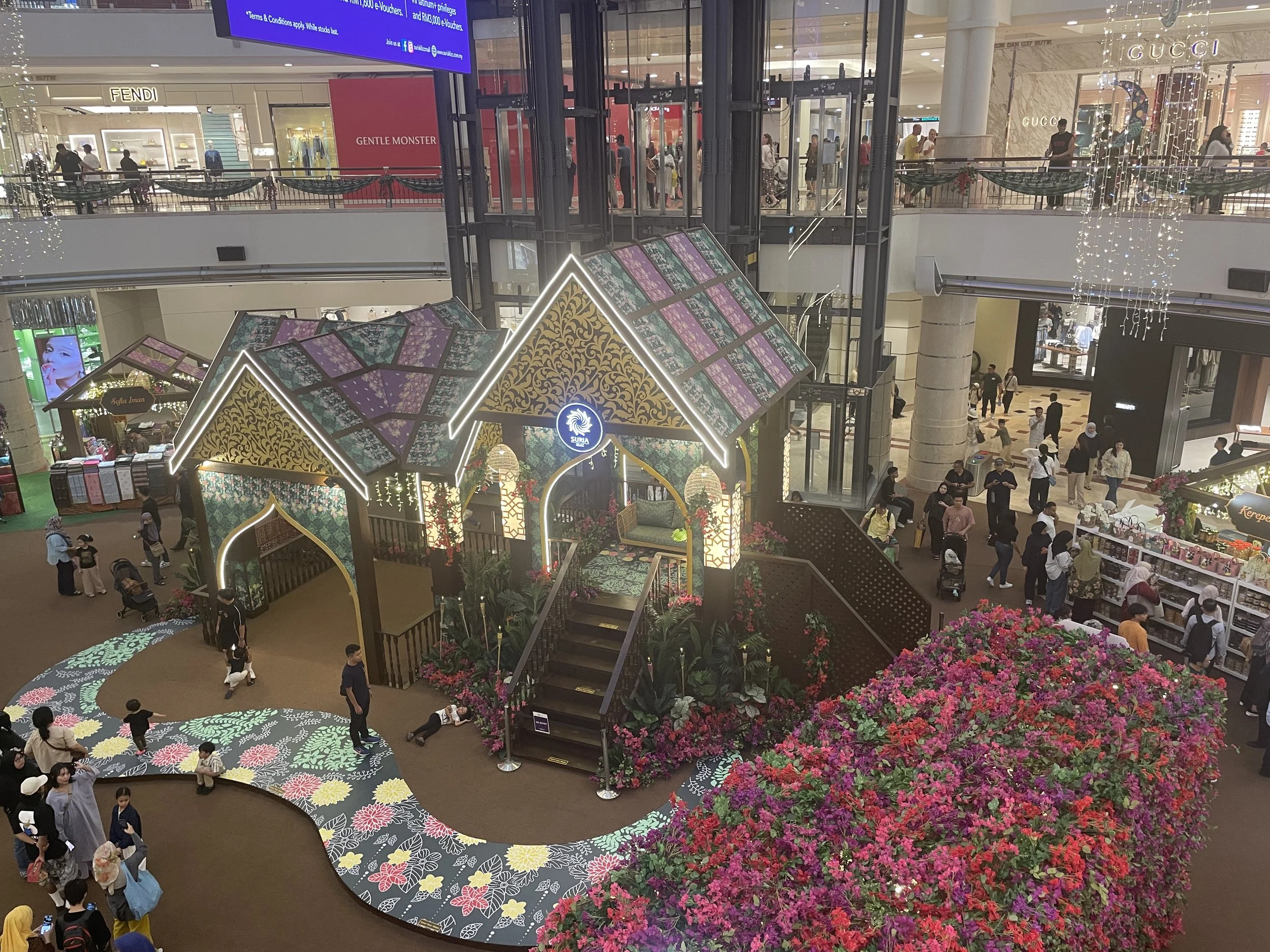
In the early evening, we walked to Suria KLCC Mall at the base of the Petronas Twin Towers to have dinner at a restaurant where we had seen long queues the previous night. We ordered their famous egg tarts, pineapple buns, noodles, and white coffee. Everything was delicious — and we would even say the egg tarts were better than the ones we tasted in Portugal.
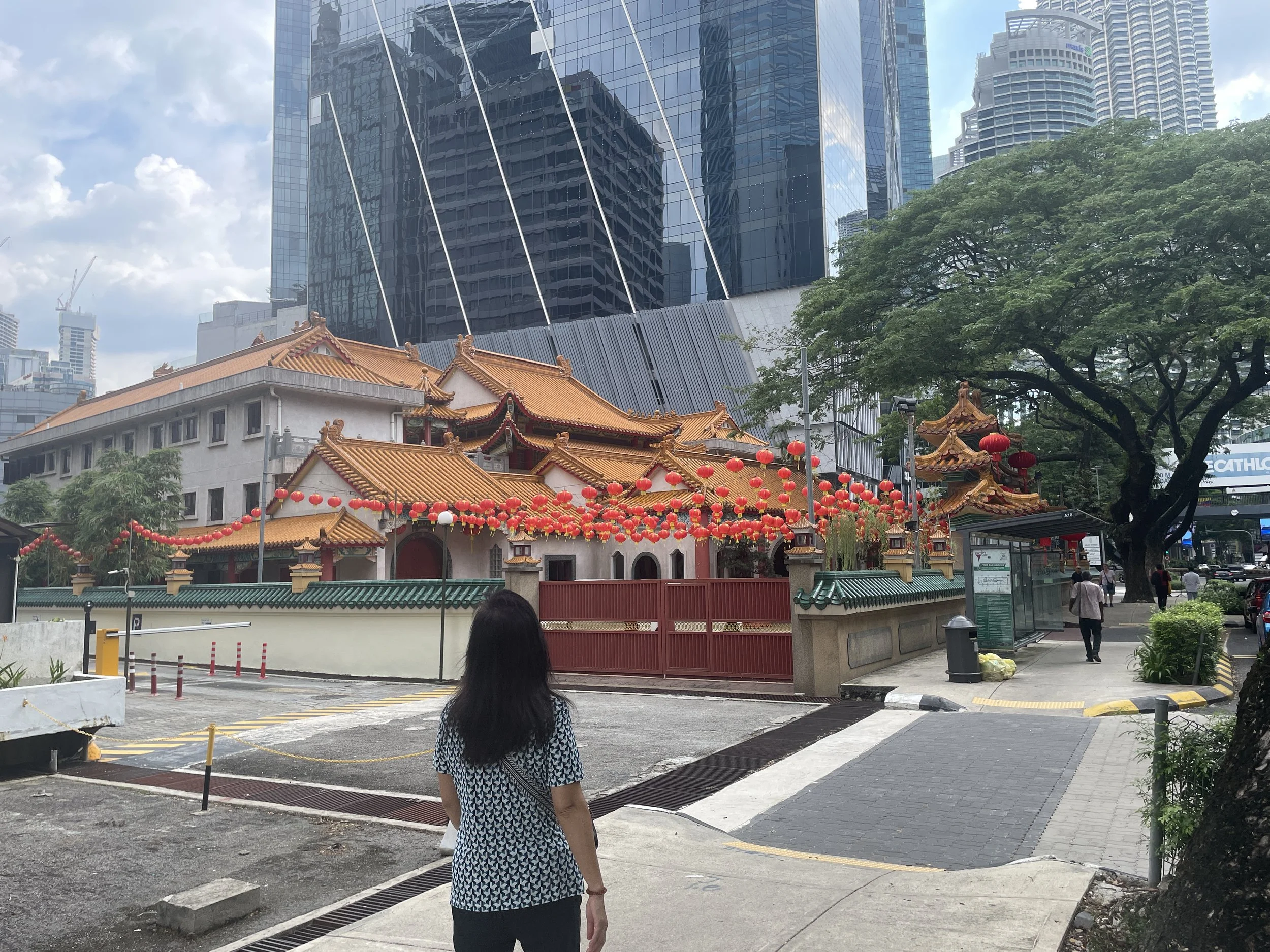
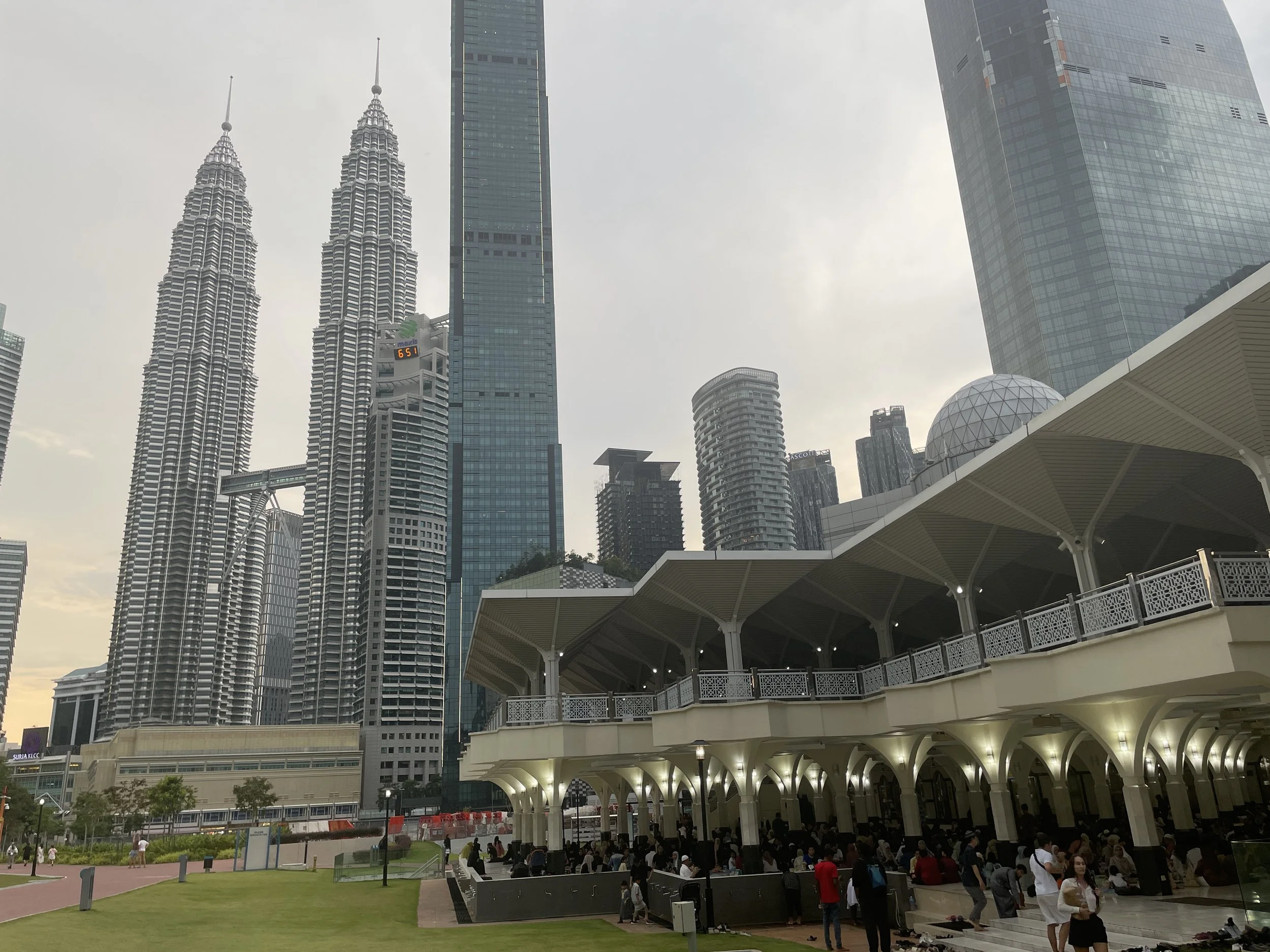
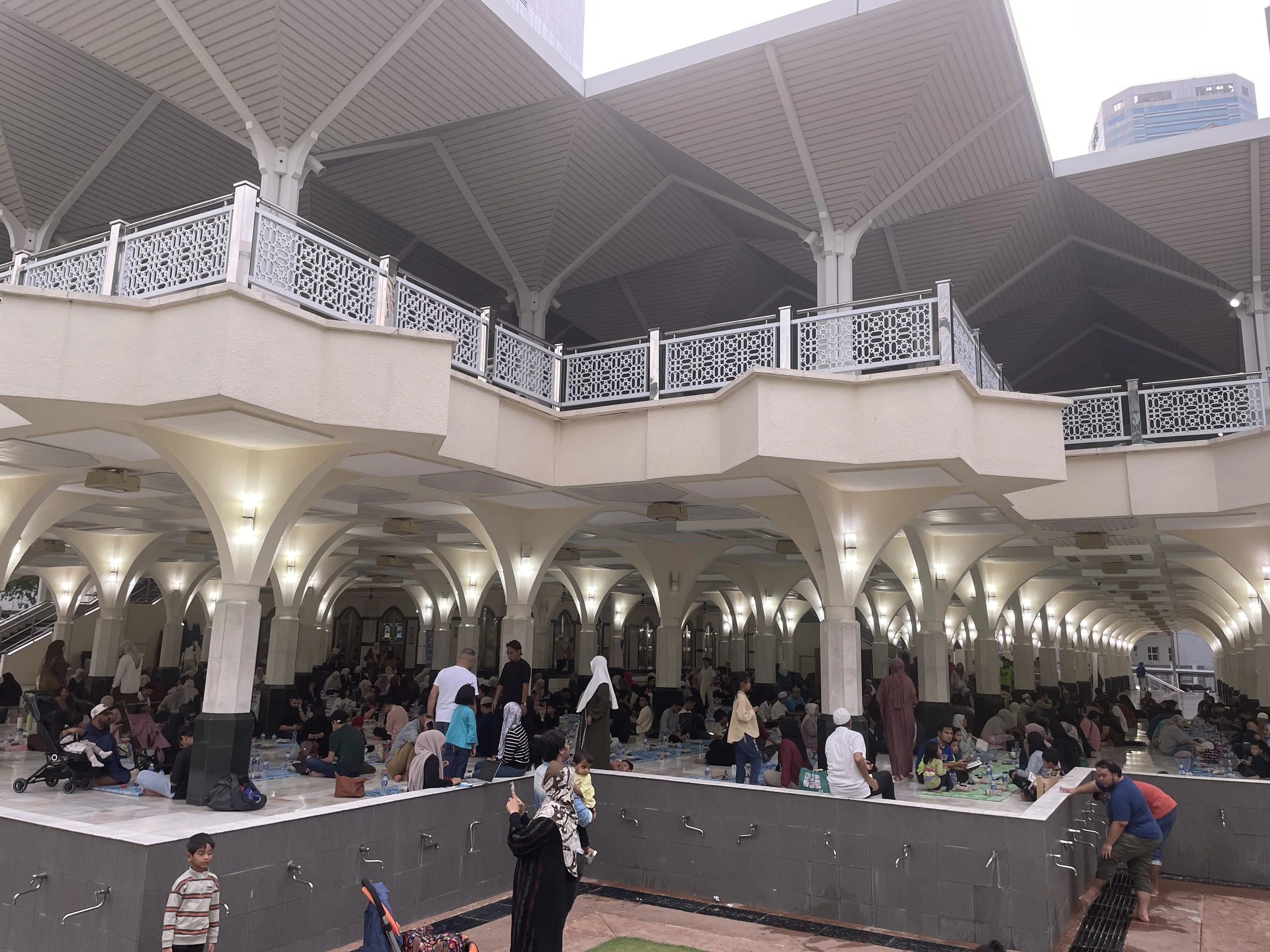
After indulging in more carbohydrates and fats than we needed, we took a leisurely walk through KLCC Park on our way back to the hotel. Along the way, we stopped near a mosque inside the park to observe people preparing to break their fast at sunset. Hundreds of devoted worshippers sat in orderly rows on the floor, bottles of water and food boxes placed in front of them, waiting patiently after more than twelve hours without food or water. The scene was quiet, disciplined, and deeply moving.
As the sun set, we strolled slowly back to the hotel. It was a meaningful day — one that allowed us not only to see Kuala Lumpur, but to better understand the cultural and spiritual fabric that shapes this beautiful city.
2026年3月1日
两天前踏入马来西亚的那一刻,我们便强烈地感受到伊斯兰教在这个国家日常生活中的影响。清真寺的宣礼声通过公共广播在城市上空回荡,我们入住的酒店每晚也提供斋月自助晚餐。街头所见,超过一半的女性戴着头巾。在摄氏三十多度、湿度同样居高不下的闷热天气中,我们决定把今天安排为“博物馆日”,借此更系统地了解马来西亚与伊斯兰文化。
第一站是马来西亚伊斯兰艺术博物馆。馆内陈列精美,从书法、建筑模型到陶瓷、纺织品和古兰经手稿,展品优雅而细致,展示了伊斯兰文明在艺术与文化层面的深厚底蕴。
随后我们步行前往马来西亚国家清真寺(Masjid Negara)。登记后,工作人员为女性提供了适当的长袍,我们便开始自助参观。我们去过不少清真寺,与我们曾参观过的其它国家清真寺相比,这里气氛较为轻松友好。现代感十足的建筑设计与开阔的庭院空间令人印象深刻。
接着我们来到马来西亚国家博物馆,了解国家的独立历史、悠久传统,以及融合苏丹制度与议会民主的政治体系。虽然建筑略显陈旧,但展览内容详实,为理解马来西亚的联邦结构与君主制度提供了良好的背景。
午后炎热难耐,我们回到酒店小憩片刻。
傍晚时分,我们步行至双子塔下的吉隆坡城市中心商场 (Suria KLCC),在昨晚上看到排队很长的一家餐厅用餐。我们品尝了这家店著名的蛋挞、菠萝包、面食和白咖啡。味道相当不错,甚至觉得蛋挞比在葡萄牙里斯本吃到的还要出色。
摄入了过量的碳水与脂肪之后,我们沿着KLCC公园慢慢散步走回酒店。途中在公园内的一座清真寺旁停下脚步,看到人们正准备在日落时分开斋。数百名虔诚的信徒整齐地坐在地上,面前摆放着水和食物盒,安静地等待着。经过十多个小时不进食不饮水,他们依然秩序井然,神情平静而坚定。那一刻令人动容。
夕阳西下,我们缓缓走回酒店。这一天不仅让我们看见了吉隆坡的城市面貌,也让我们更深入地体会到塑造这座城市的文化与信仰脉络。吉隆坡,是一座美丽而多元化的城市。