Johor Bahru, Malaysia 柔佛新山
March 2, 2026
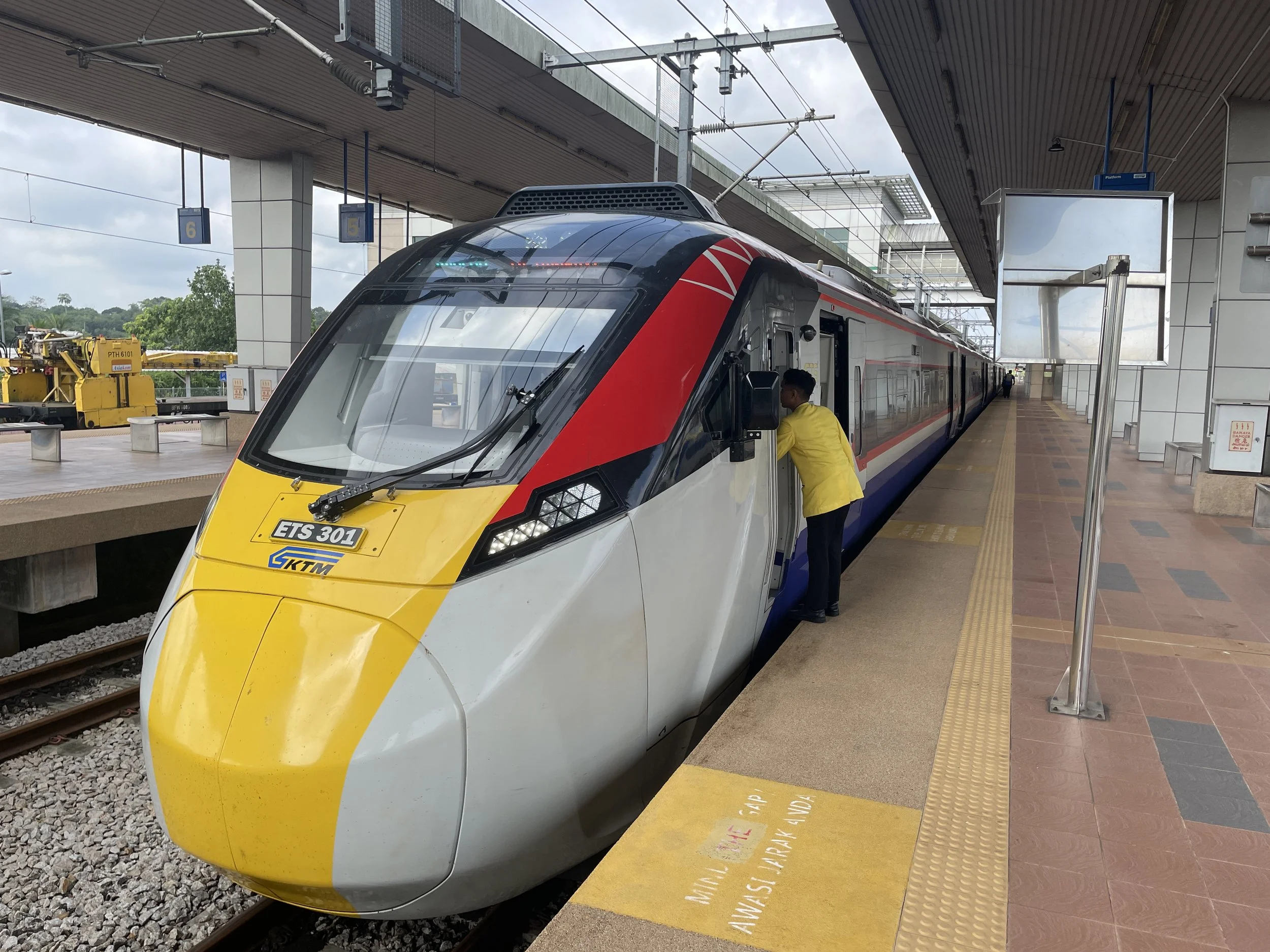
This morning, we boarded the electric train from KL Sentral to JB Sentral at 7:55 a.m. The new direct route, opened last December, has made travel between Kuala Lumpur and Johor Bahru much easier and more convenient.
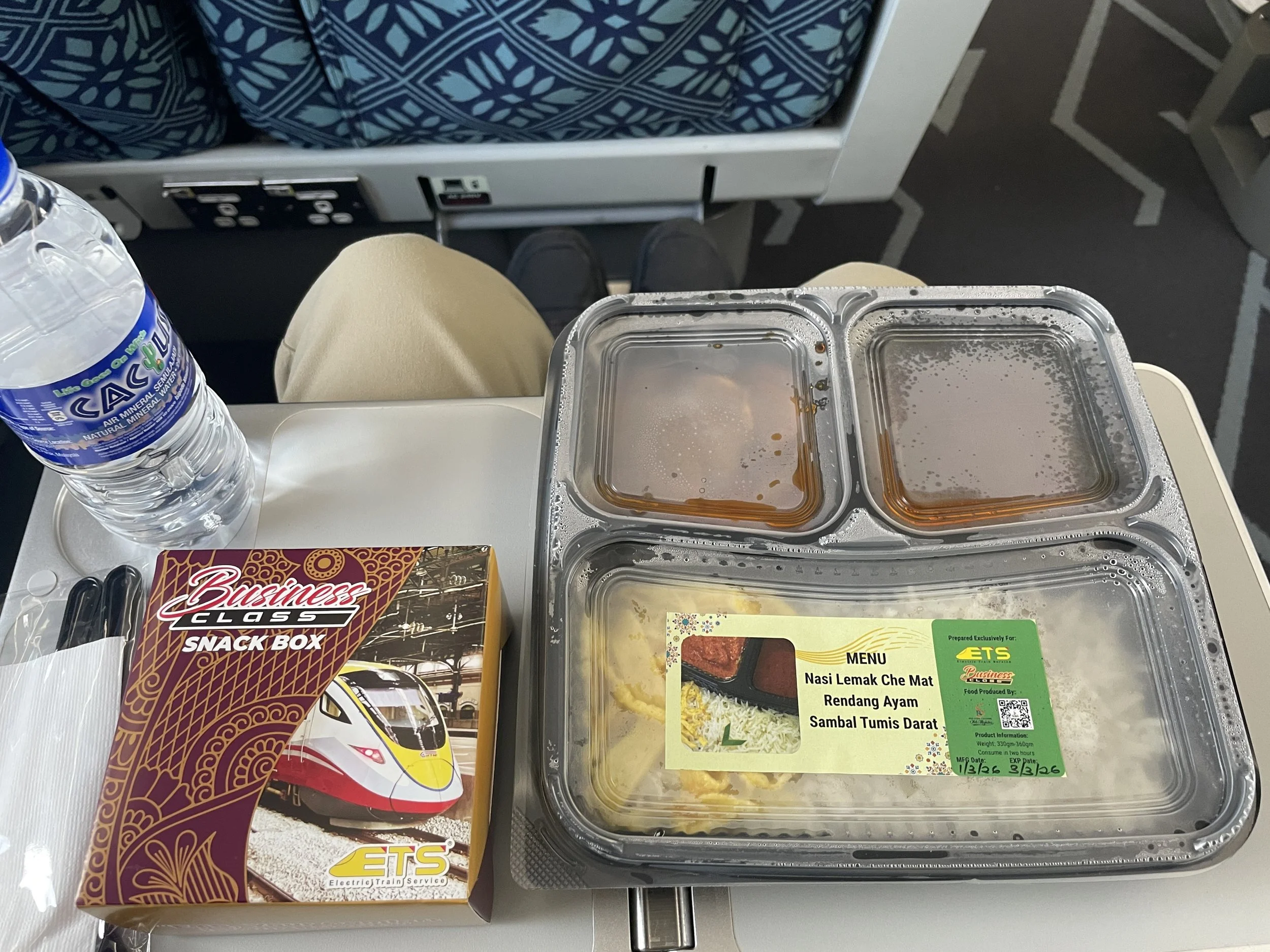
We booked first class, which featured a comfortable 2+1 seat configuration — among the best we’ve experienced. Complimentary drinks(water, coffee & juice), snacks, and a light meal were provided. Although the ride was not as smooth as high-speed trains in Japan or China, the overall experience was still very pleasant.
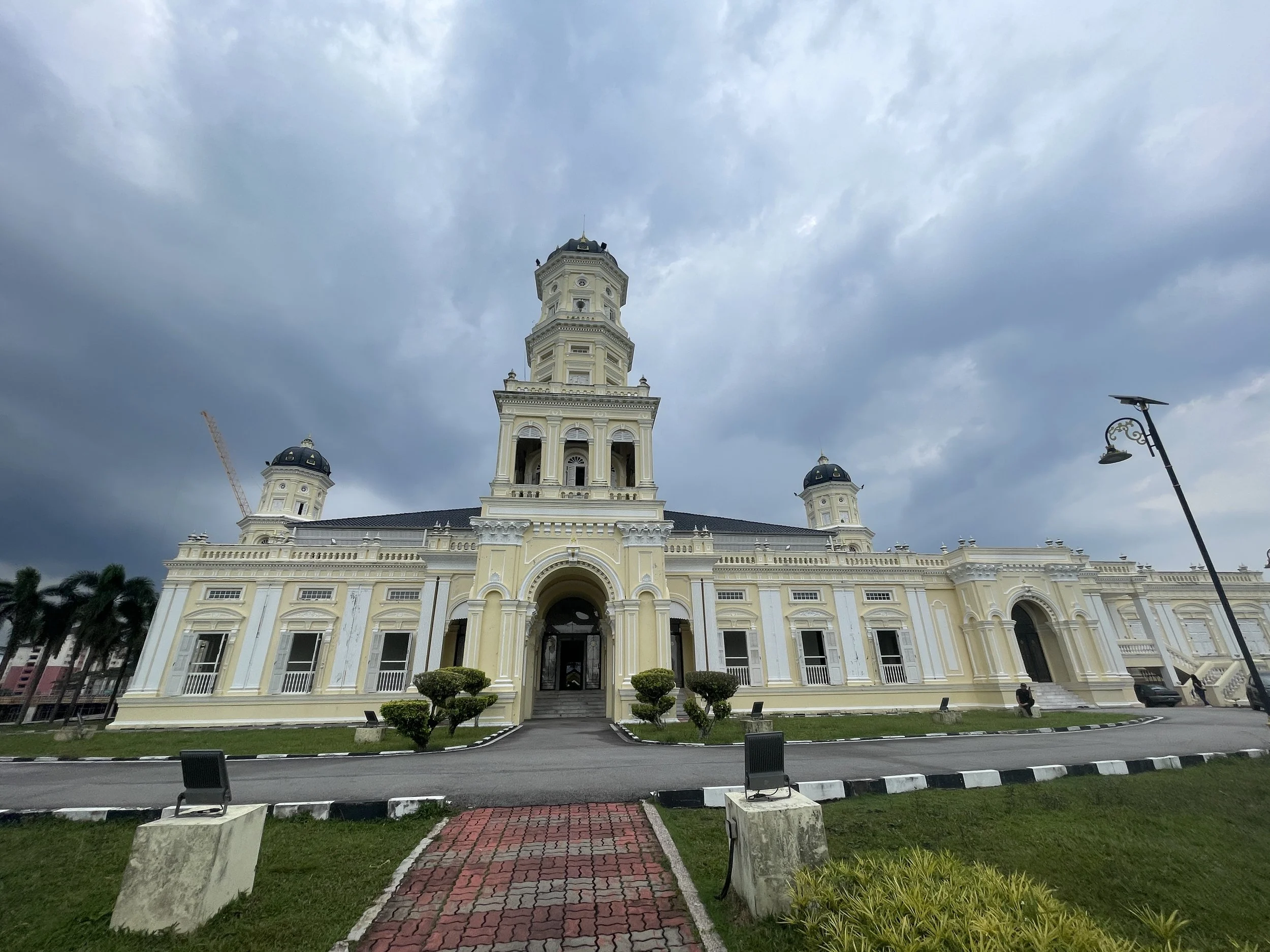
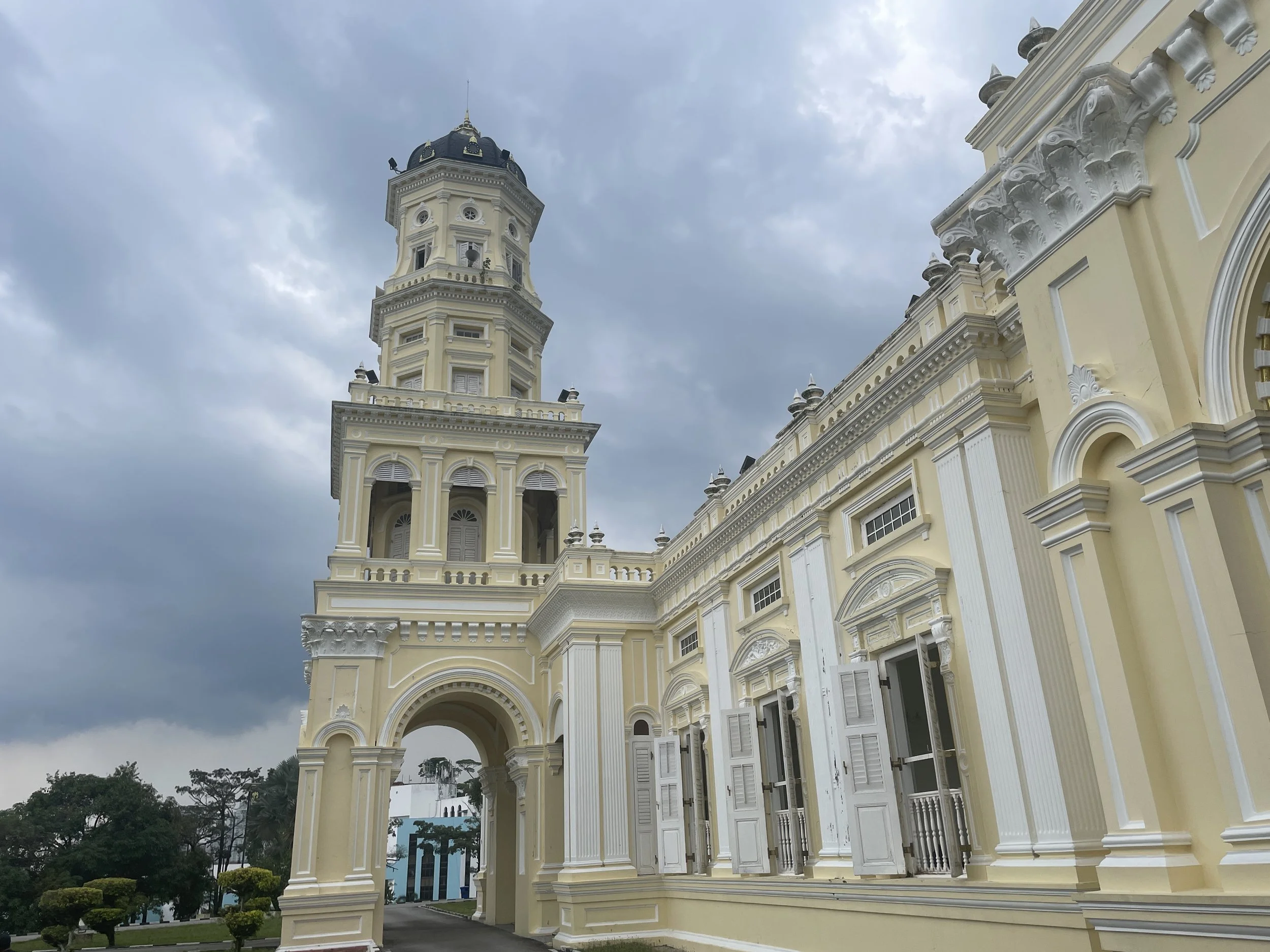
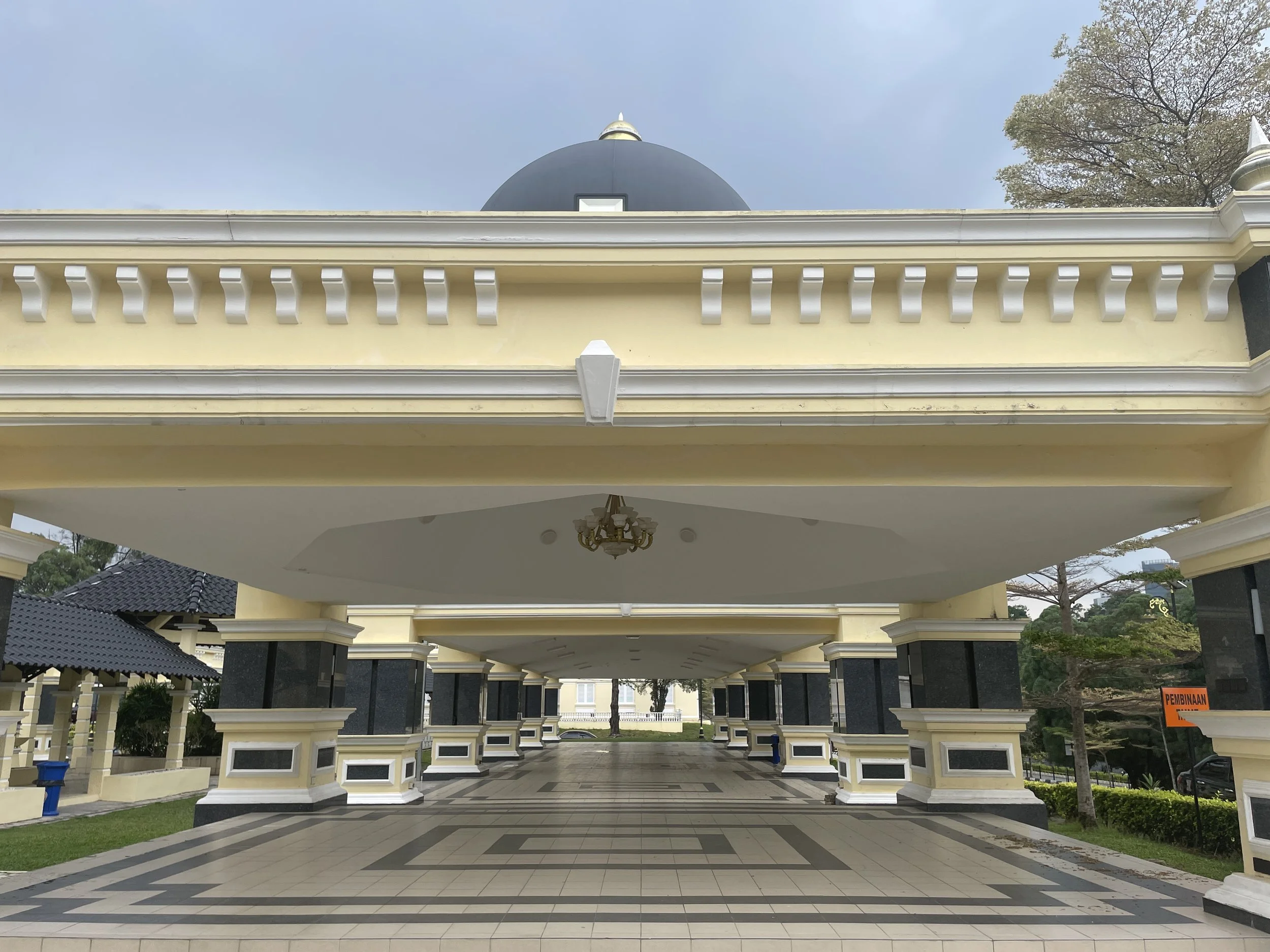
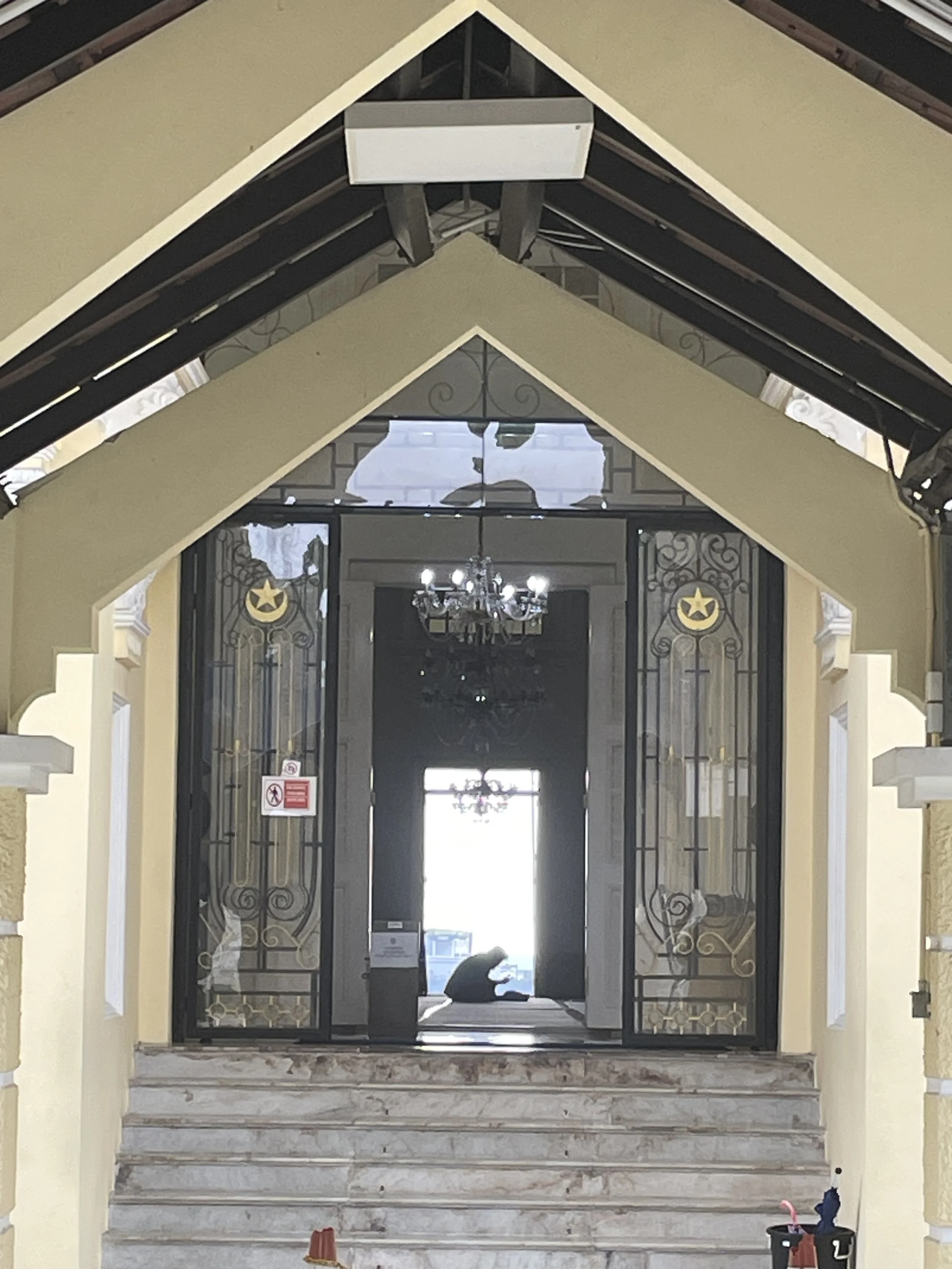
After settling into our hotel, we headed out to explore the city. Our first stop was the Sultan Abu Bakar State Mosque, perched on a hill overlooking the Straits of Johor. Unlike typical mosque architecture, this one features a unique blend of Victorian, Moorish, and Malay styles. Unfortunately, it was not open to non-Muslim visitors. After taking a few photos, we called a Grab to visit the Sultan Abu Bakar Royal Palace Museum.
The driver dropped us at the front gate just as heavy rain began to pour. To our surprise, we discovered that the museum had been closed for several years. With no shelter nearby, we hurried through the downpour to a nearby bus stop to wait it out.
Once the rain subsided, we walked toward the Chinese heritage streets for an early dinner. Throughout our time in Malaysia, we had made it a habit to order at least one familiar dish at every meal — fried kway teow (炒粿条) — and once again, it did not disappoint. Each version we tried had its own character, but all were satisfying.
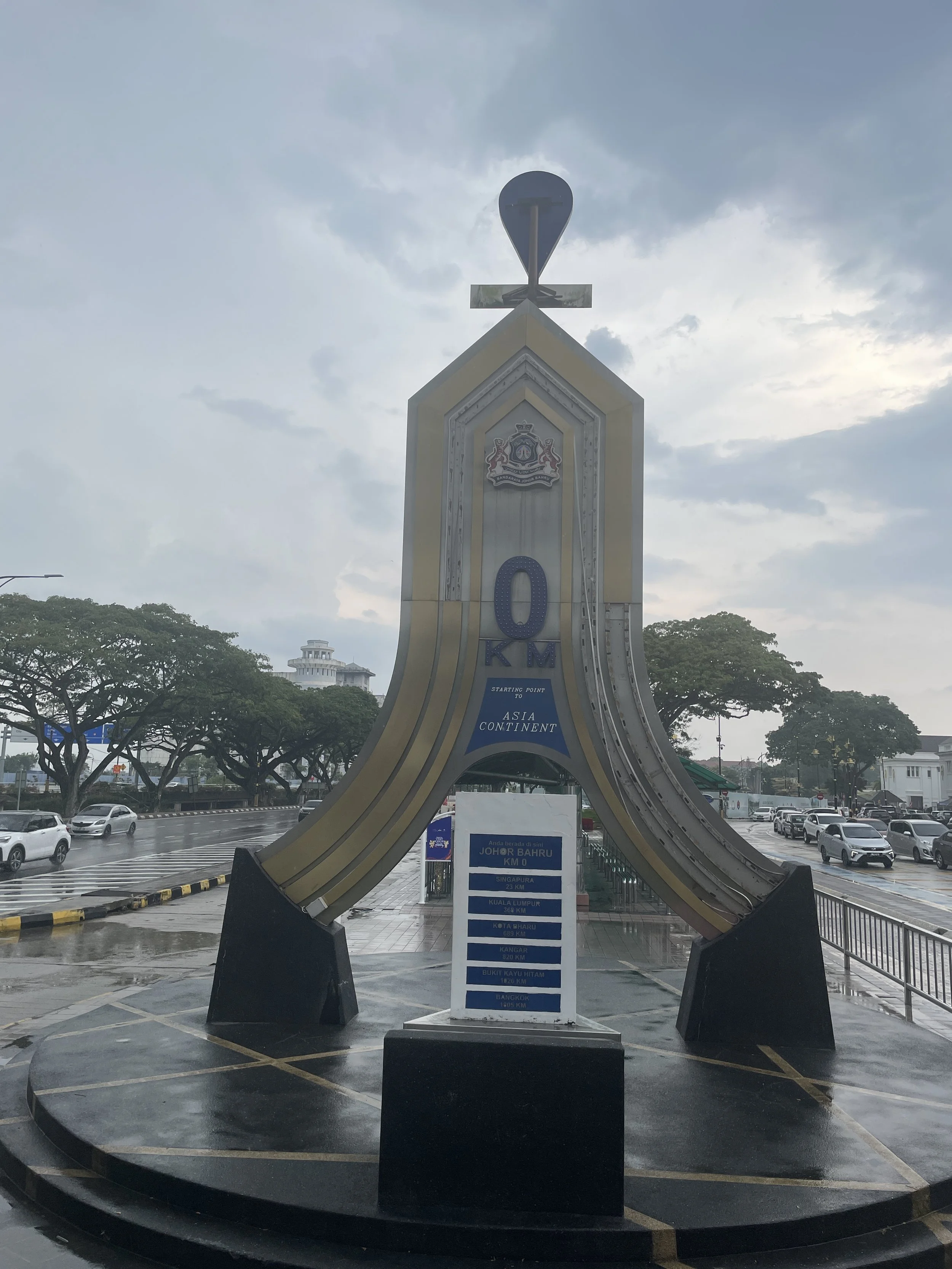
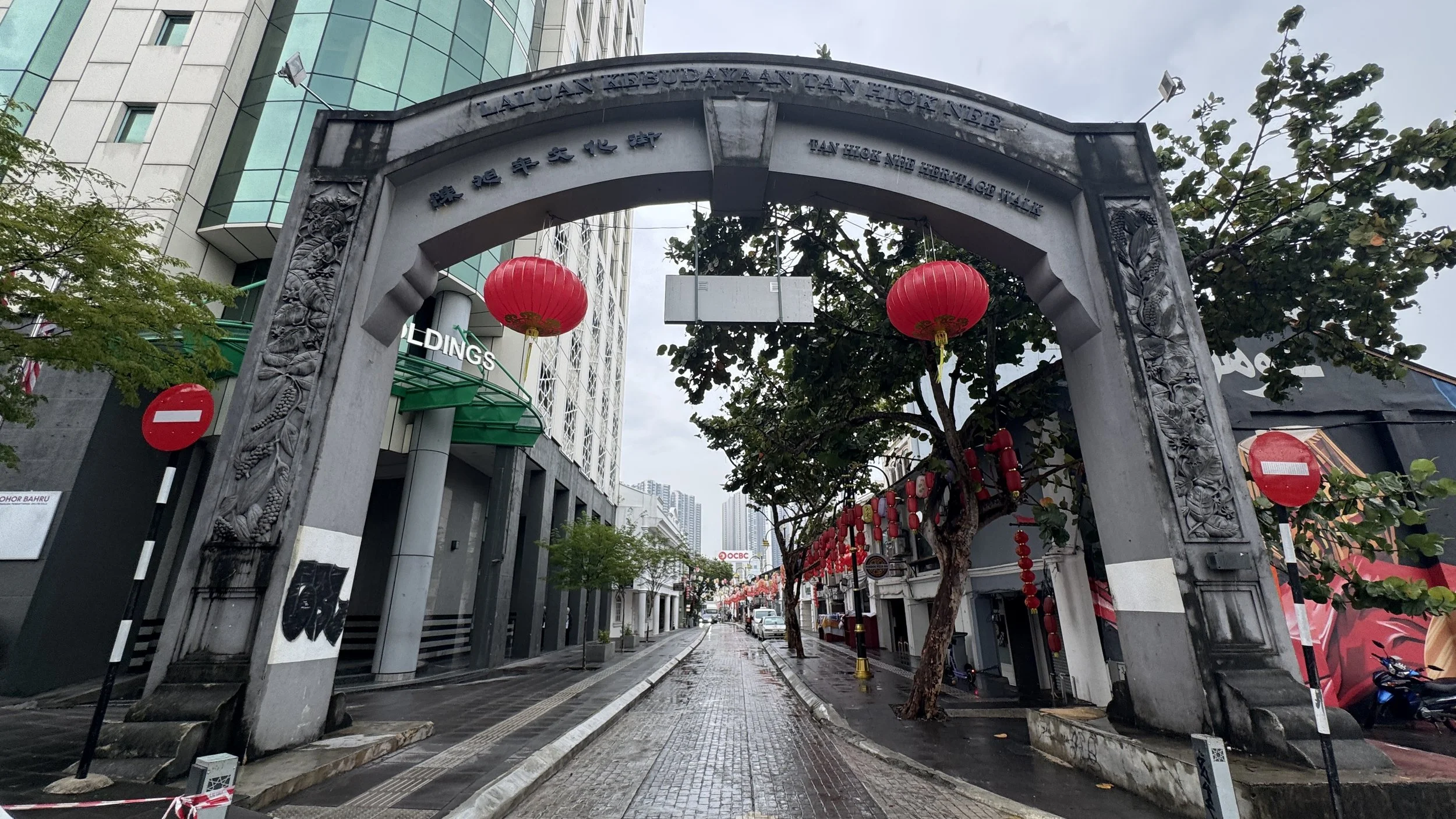
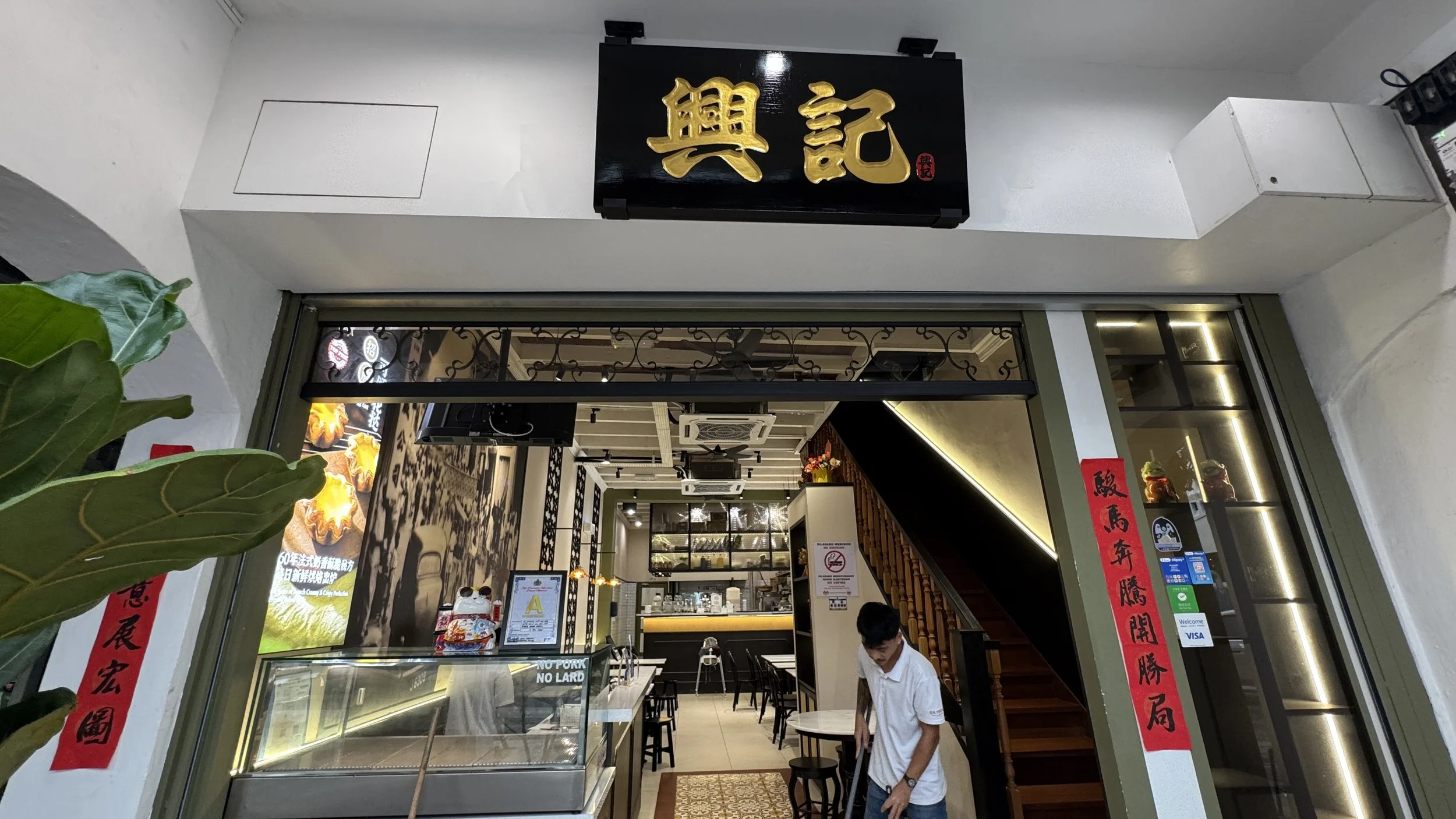
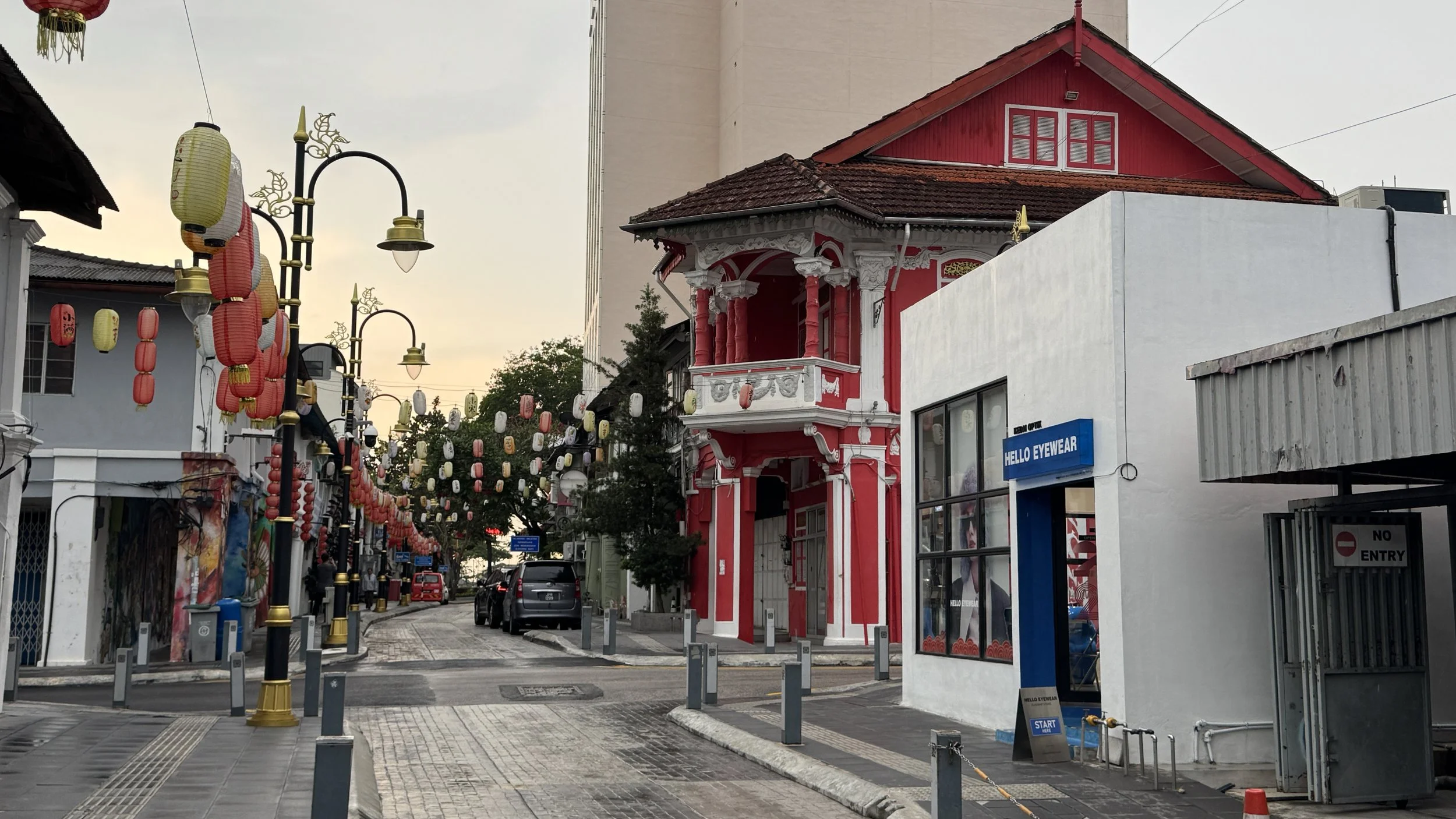
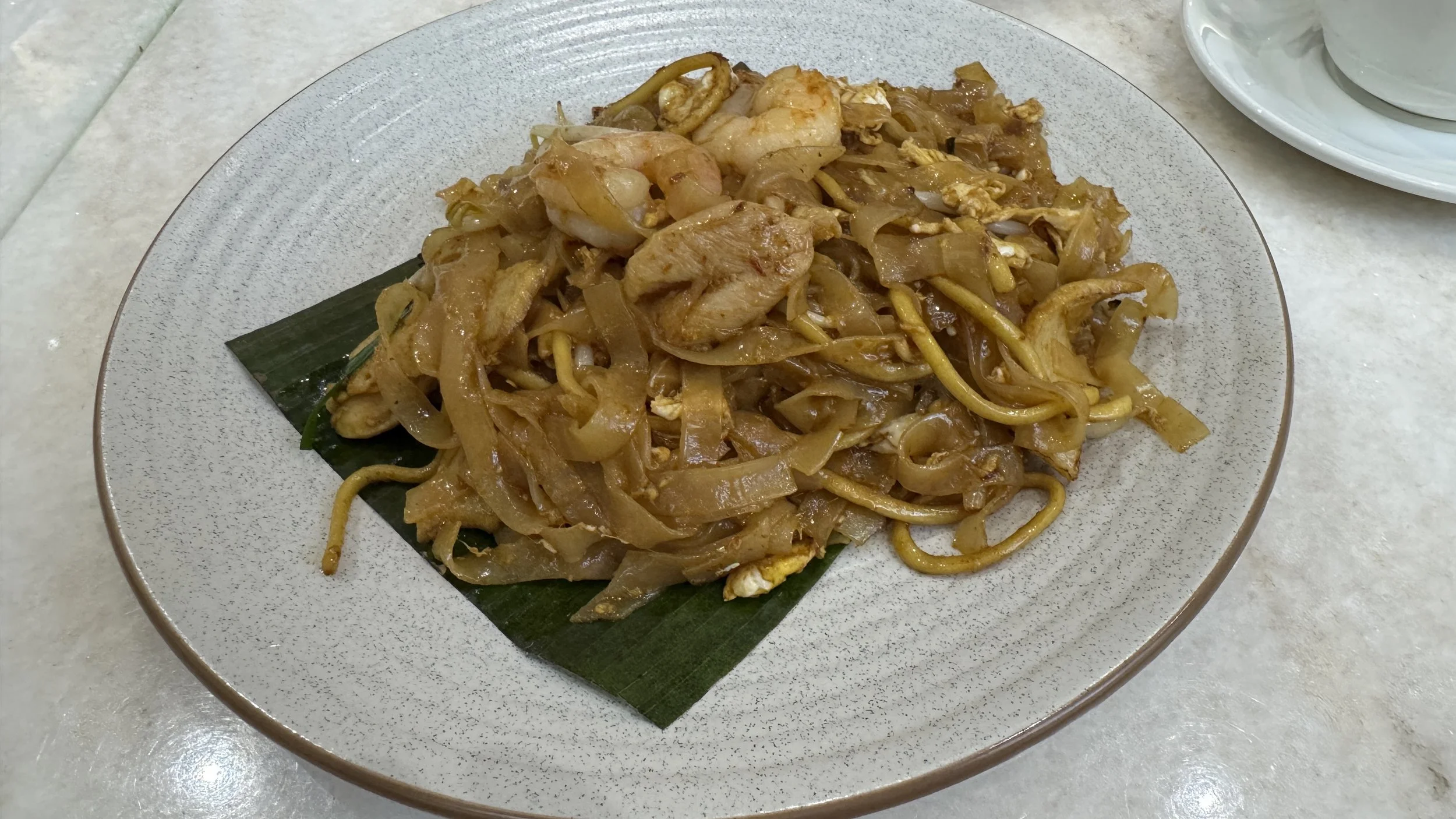
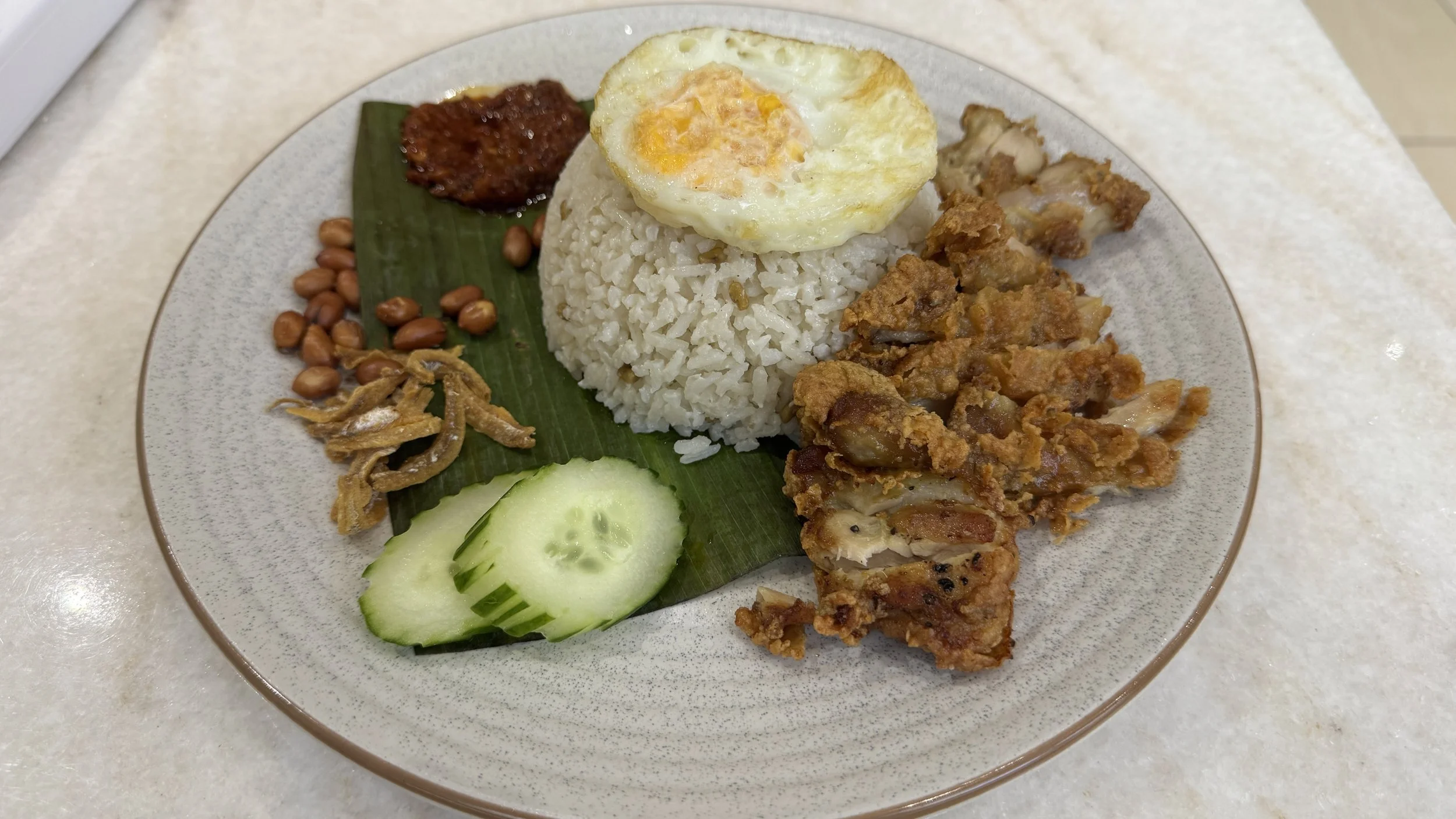
Later, we called a Grab back to the hotel. With a few remaining Malaysian ringgit notes in our wallets, we stopped to buy two egg tarts to enjoy one last local treat. On the way, we stopped the oldest Chinese Temple and a city landmark.
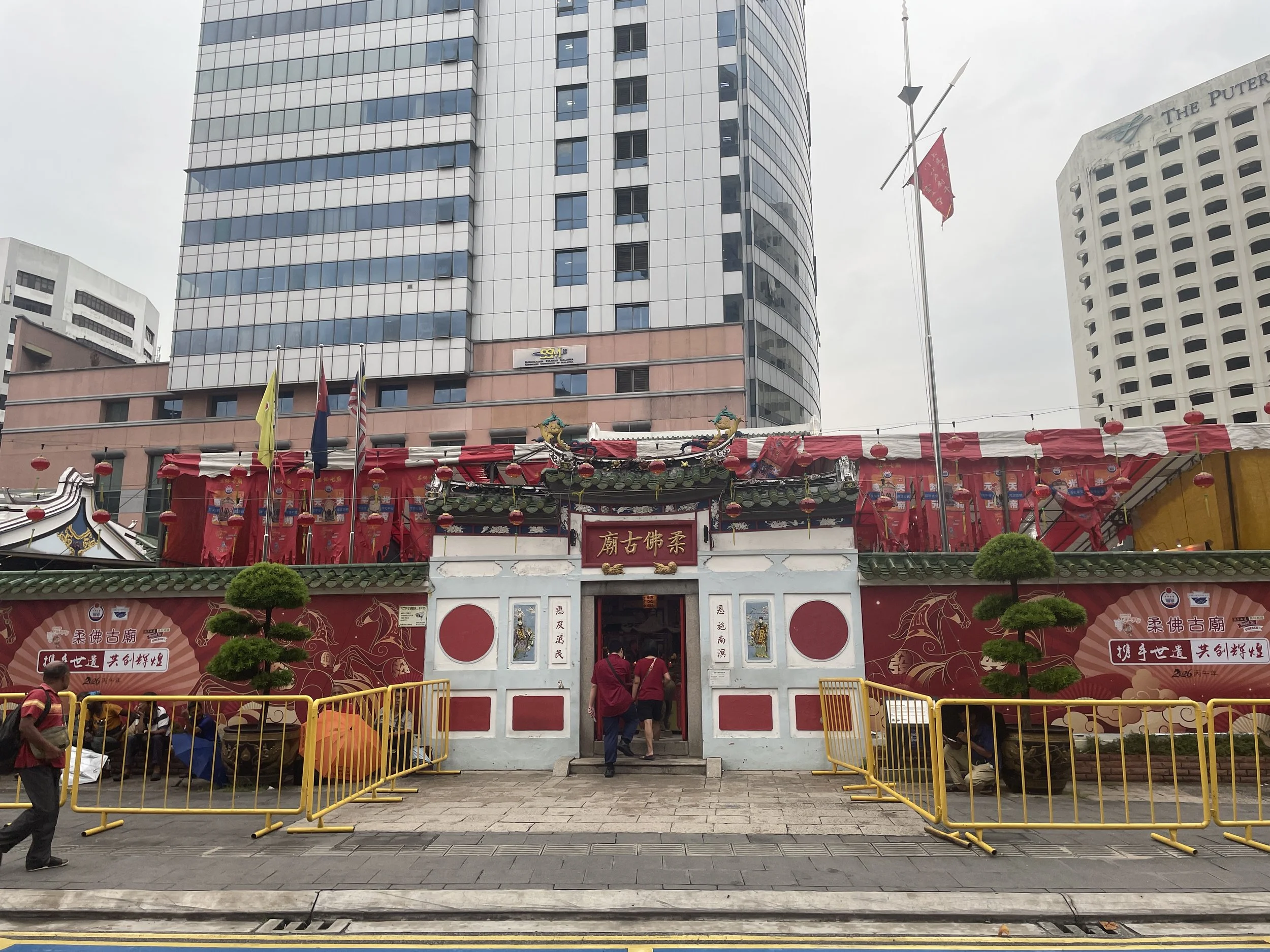
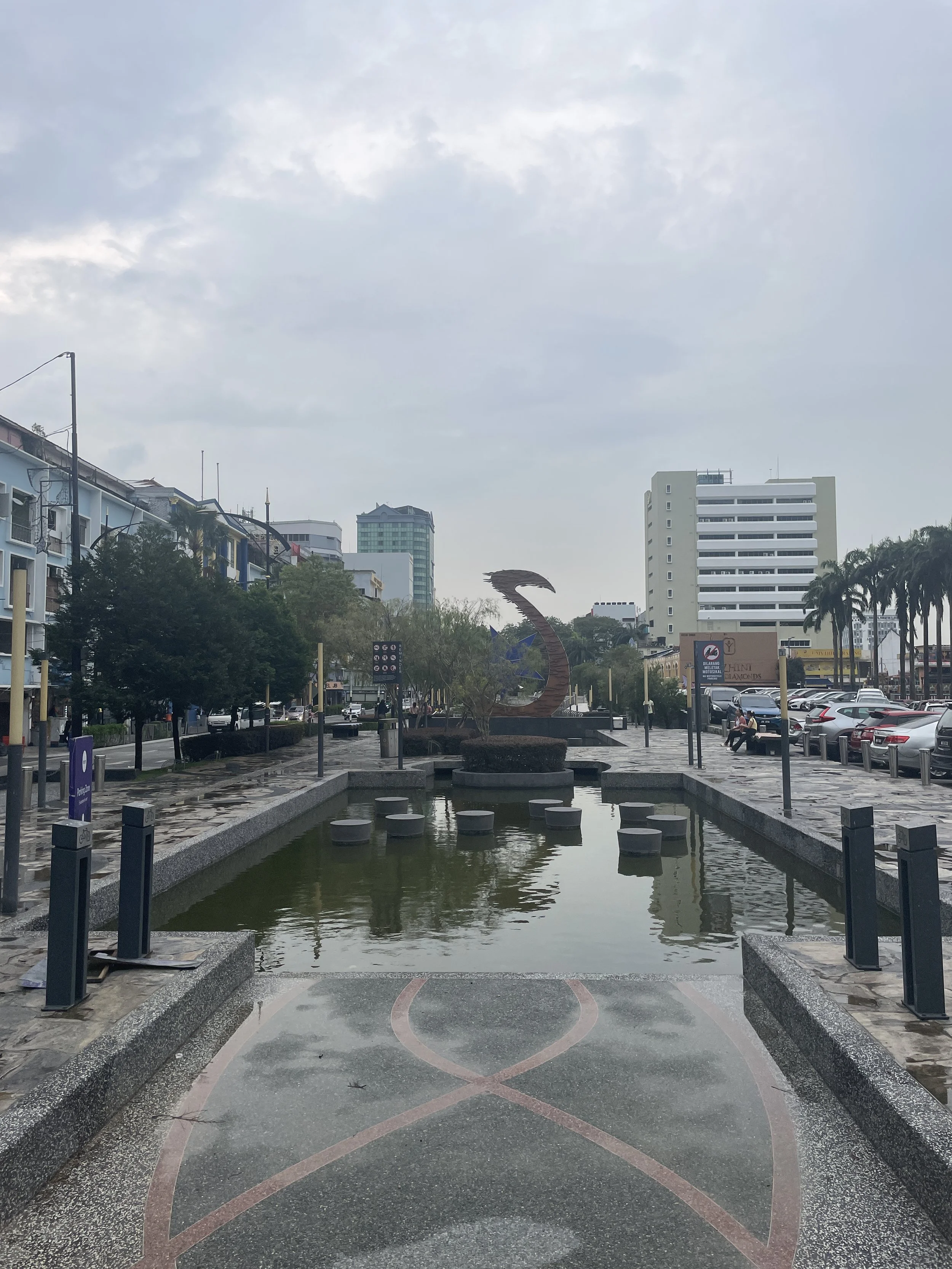
As our trip to Malaysia came to an end, we realized how much we had enjoyed every moment — the food, the culture, the history, and the unexpected encounters along the way.
2026年3月2日
今天早上7:55,我们从吉隆坡中央车站(KL Sentral)搭乘电动列车前往柔佛新山中央车站(JB Sentral)。去年12月才刚开通的直达线路,使吉隆坡与新山之间的往返变得更加便捷高效。
我们在好几个星期之前就购买好了一等座车票,车厢采用2+1的座位布局,是我们体验过的最舒适的配置之一,车上还提供免费的饮料,零食和简餐。虽然行驶的平稳度不如日本或中国的高铁那样,但整体乘坐体验依然令人满意。
四个多小时之后火车准点到达新山。入住酒店,安顿好行李后,我们便出门探索这座边境城市。第一站是位于山丘上的苏丹阿布峇卡清真寺,俯瞰柔佛海峡。与传统清真寺不同,它融合了维多利亚、摩尔与马来建筑风格,外观独特而优雅。可惜不对非穆斯林人员开放。我们简单拍照后,叫了Grab前往苏丹阿布峇卡皇宫博物馆。
司机刚把我们送到大门口,大雨便倾盆而下。更让人意外的是,博物馆已关闭多年。无奈之下,我们只好冒雨跑到附近的公交站避雨。
雨停后,我们步行前往华人传统街区吃早晚餐。整个马来西亚之行,我们每顿饭都会点一道熟悉的菜——炒粿条,而每一家都不错。不同店家风味各异,却都令人满意。
来马来西亚几天,今天是唯一一天下雨的。本来吃完饭还想继续走走,但天公不作美,不想再次被雨淋,于是我们叫了Grab返回酒店。钱包里还剩几张马币,于是顺路买了两个蛋挞,作为旅程最后的小小甜点。
马来西亚之旅即将结束。回望这几天的经历,无论是美食、文化、历史,还是旅途中那些不期而遇的瞬间,都让我们心生满足。我们享受这段旅程的每一个时刻。