Ston, Pocitelj, Bunski, Blagaj 斯通 波奇泰利 布恩斯基 布拉加伊
April 25, 2026
We said goodbye to my little sister and her husband, who would continue their journey back to Italy. The four of us would travel onward together through Bosnia, Montenegro, and Albania.
Since the driver did not have a permit to pick us up near the Old Town, we once again had to drag our luggage about 400 meters uphill to meet the car.
As we drove away from Dubrovnik, I could not stop thinking about the Ston oysters we had eaten the night before. I later learned that the famous “Ston oysters” actually came from nearby Mali Ston, not far from the town itself. I checked the map and realized that Ston and Mali Ston were only slightly off our route, requiring perhaps just ten extra minutes. We asked the driver whether we could make a stop there, and he happily agreed.
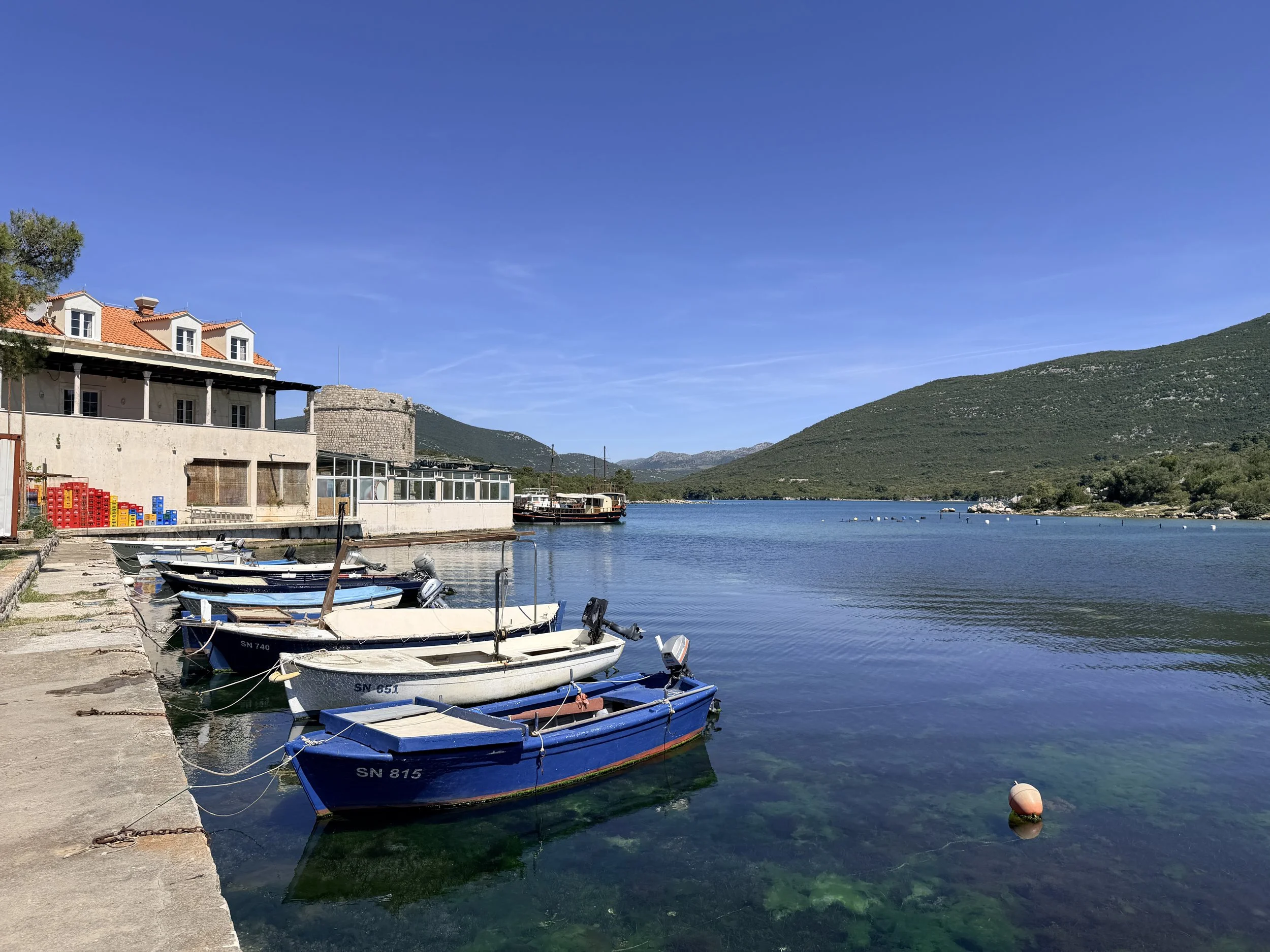
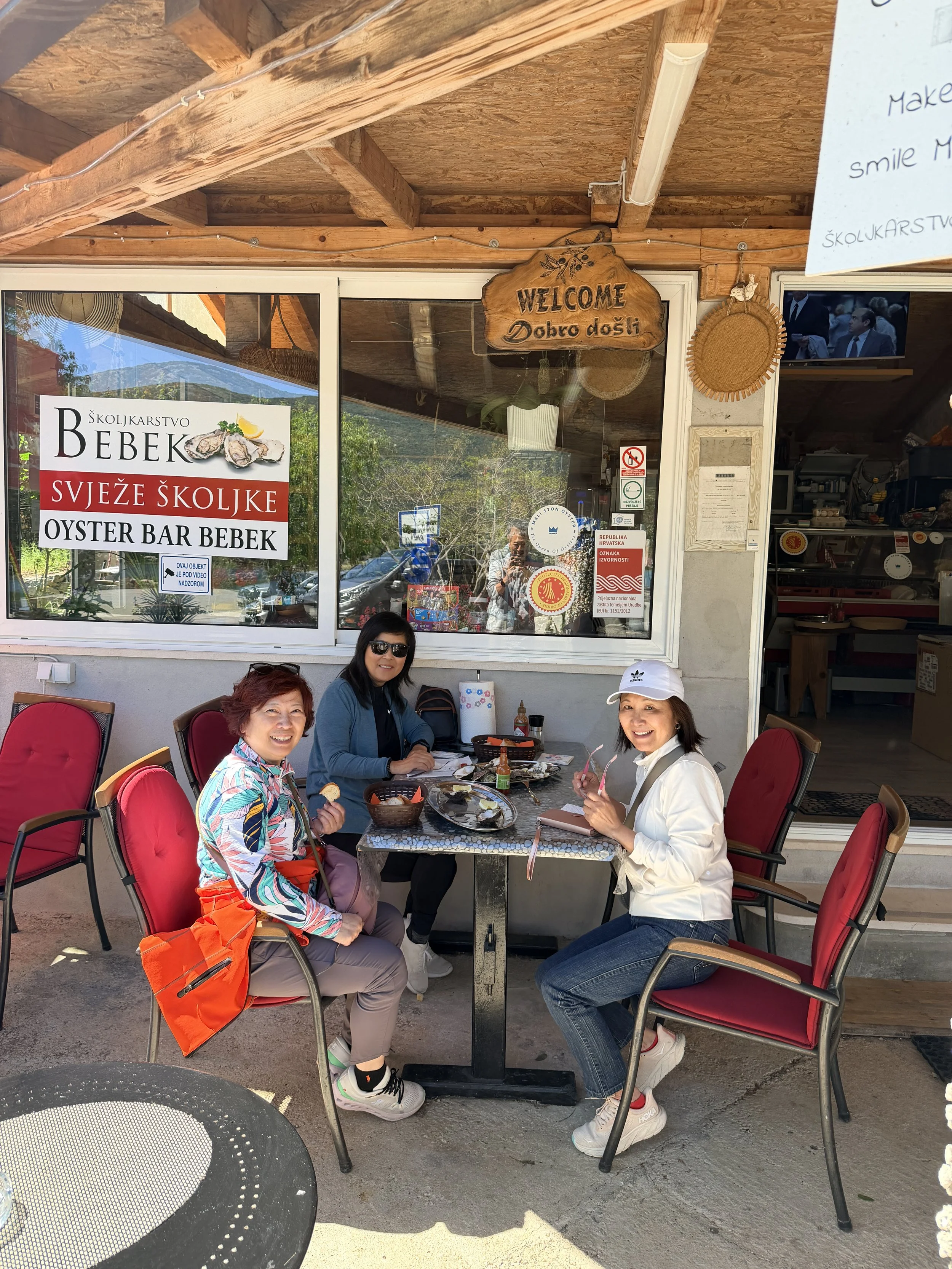
We drove straight to a restaurant beside the bay at Mali Ston. Unfortunately, it would not open until 11 a.m., another thirty minutes away. The staff pointed us instead to a small roadside oyster bar nearby.
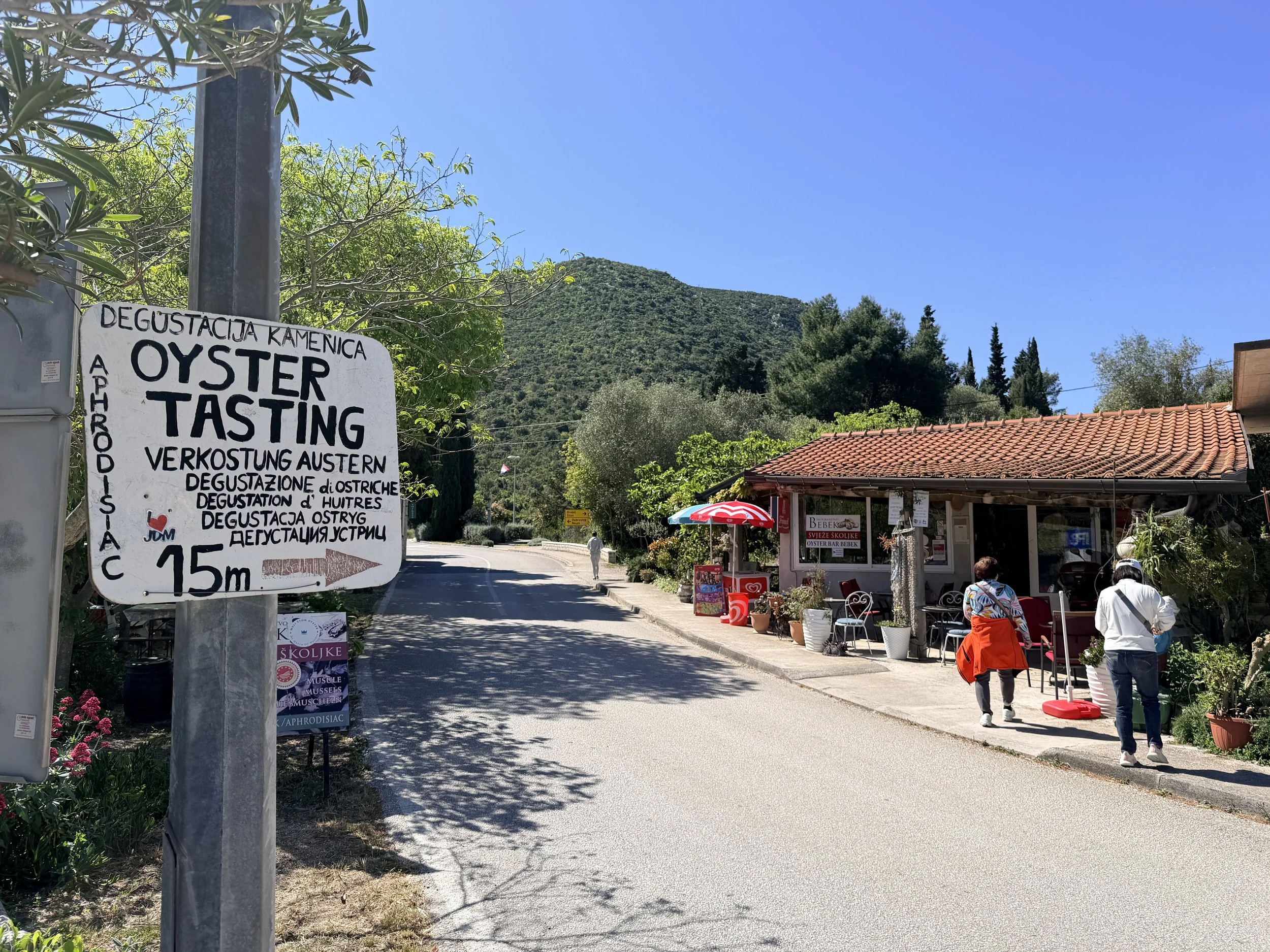
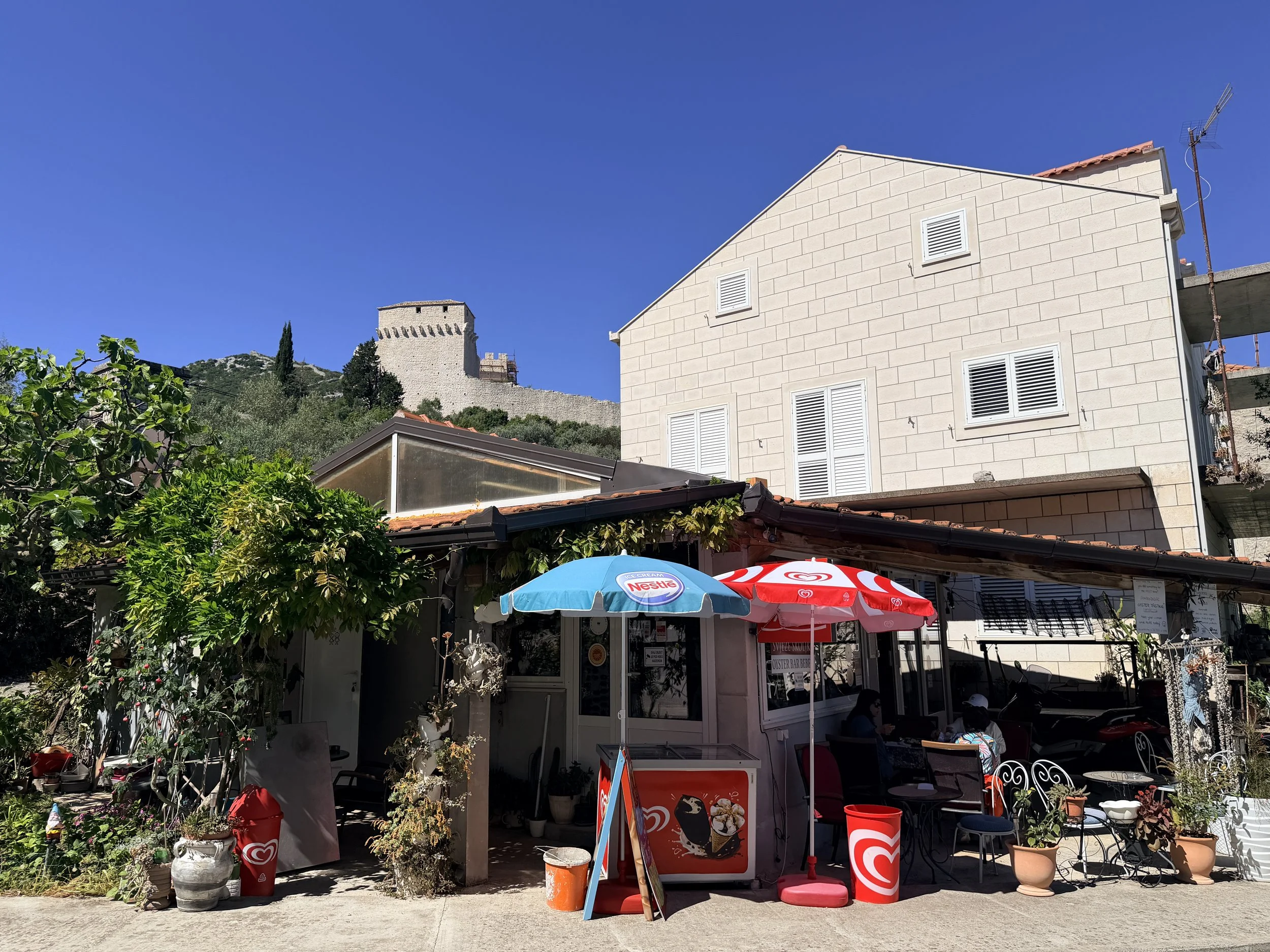
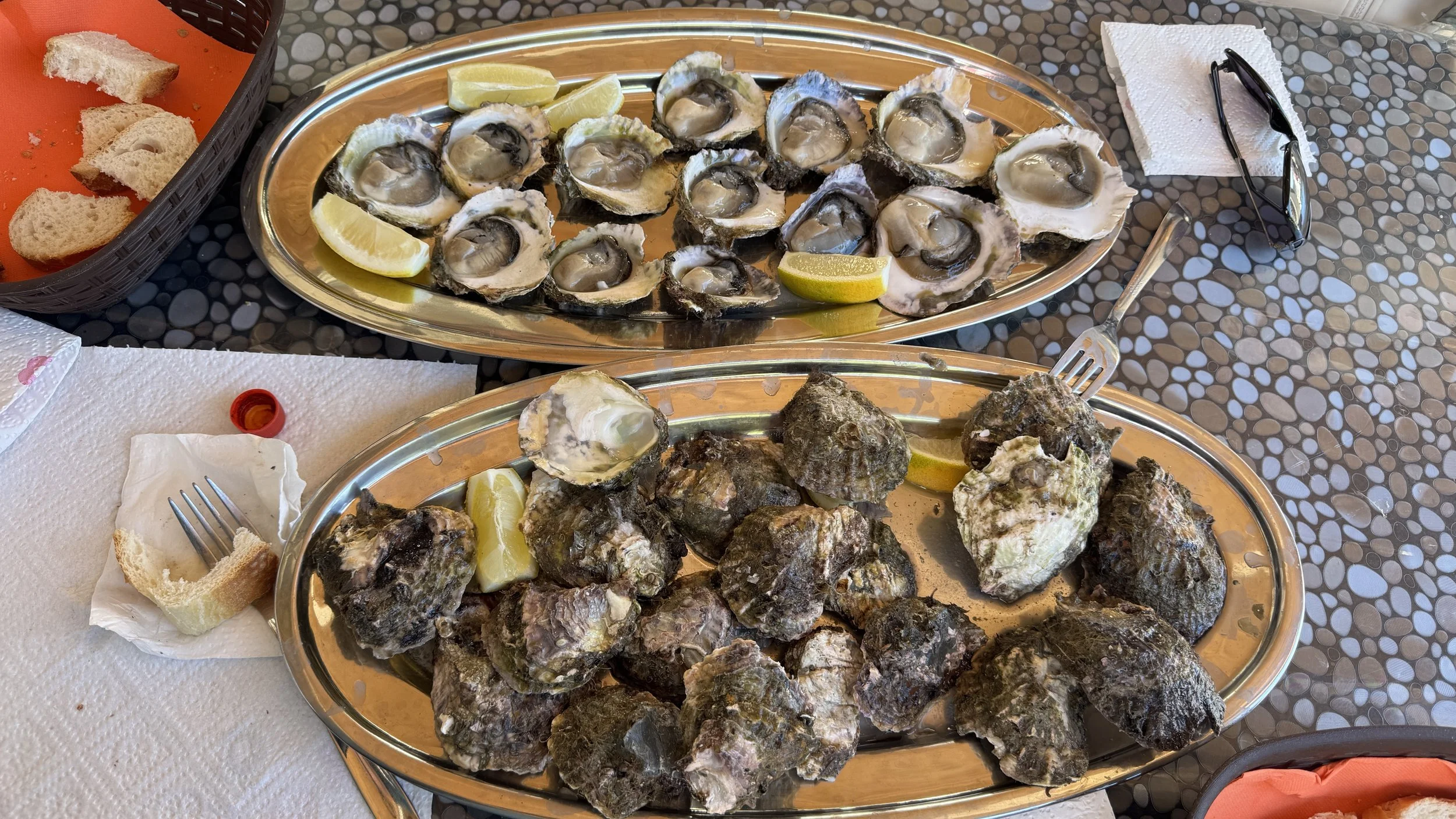
The oyster bar was nothing more than a simple roadside shed, but it was already open. They offered oysters of different ages and prices: €2 each for two-year-old oysters, €3 for three-year-old, €4 for four-year-old, and €5 each for seven-year-old oysters. The older the oyster, the larger it became. This was the first time we had ever heard oysters described and sold by age.
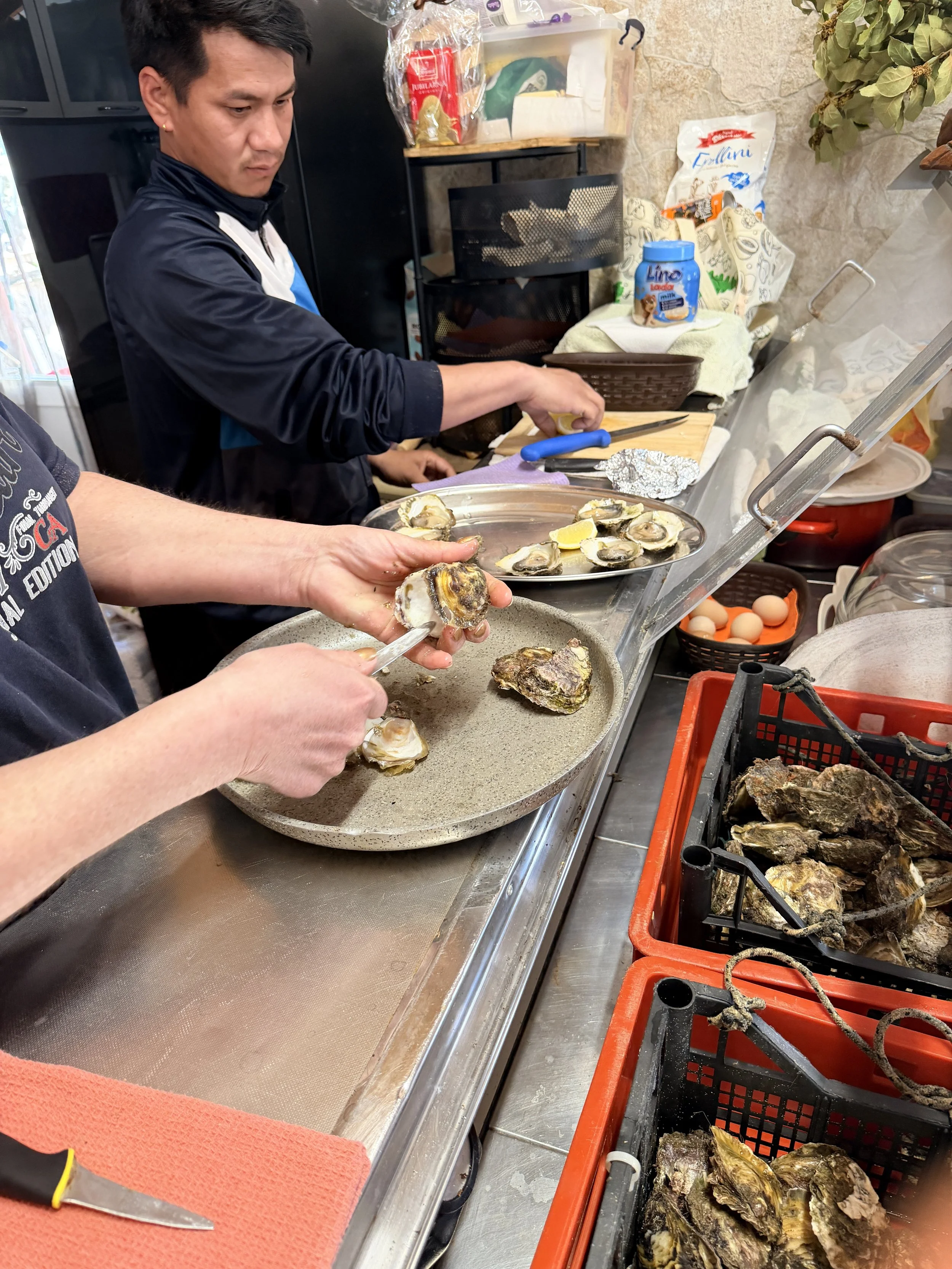
We ordered ten two-year-old oysters, three three-year-old, three four-year-old, and three seven-year-old oysters. They were excellent. The seven-year-old oysters, especially, were incredibly large, meaty, and flavorful. I am not usually a big fan of raw oysters, so I only tried some of the smaller ones, but even I could tell how fresh they were.
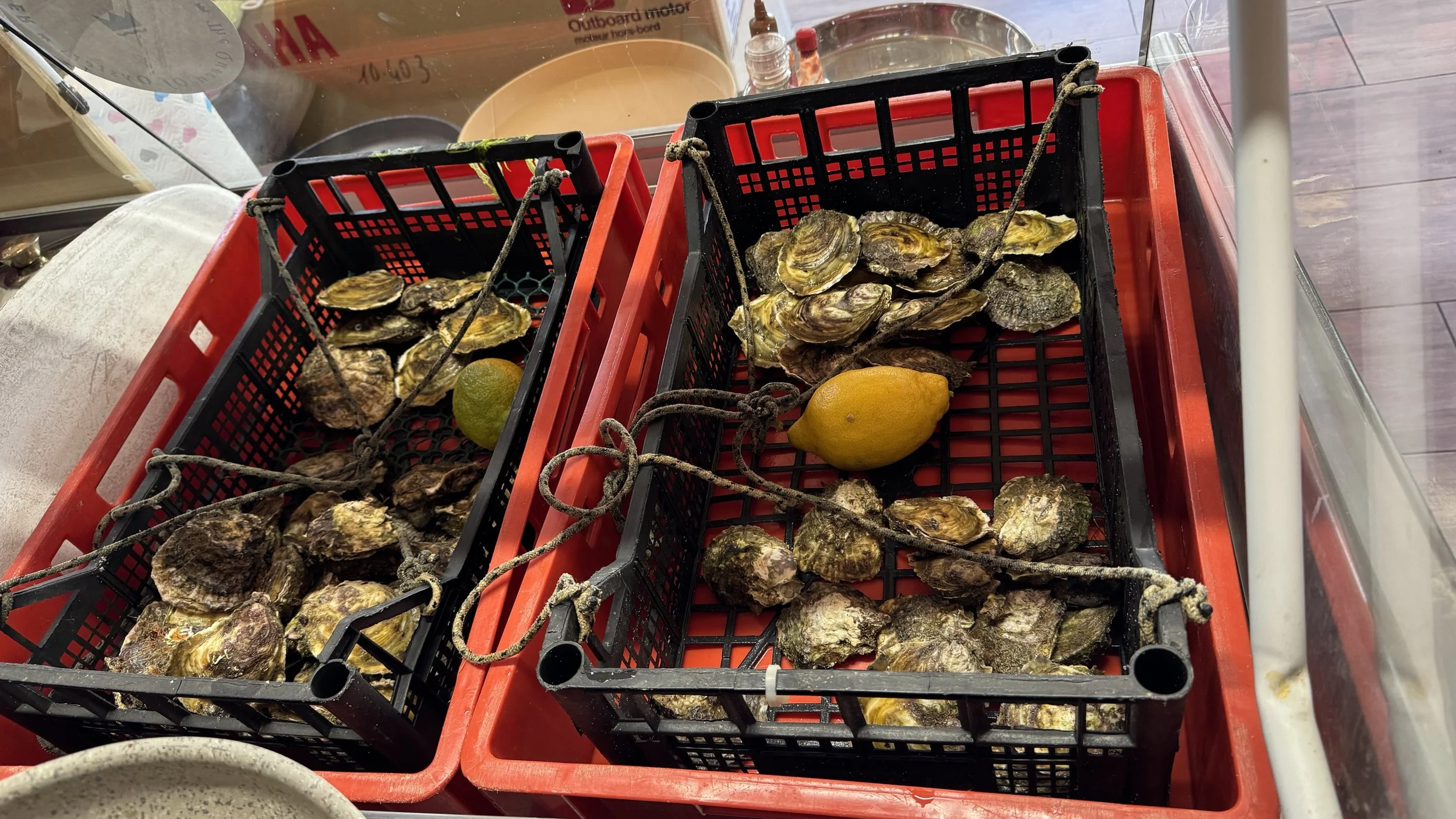
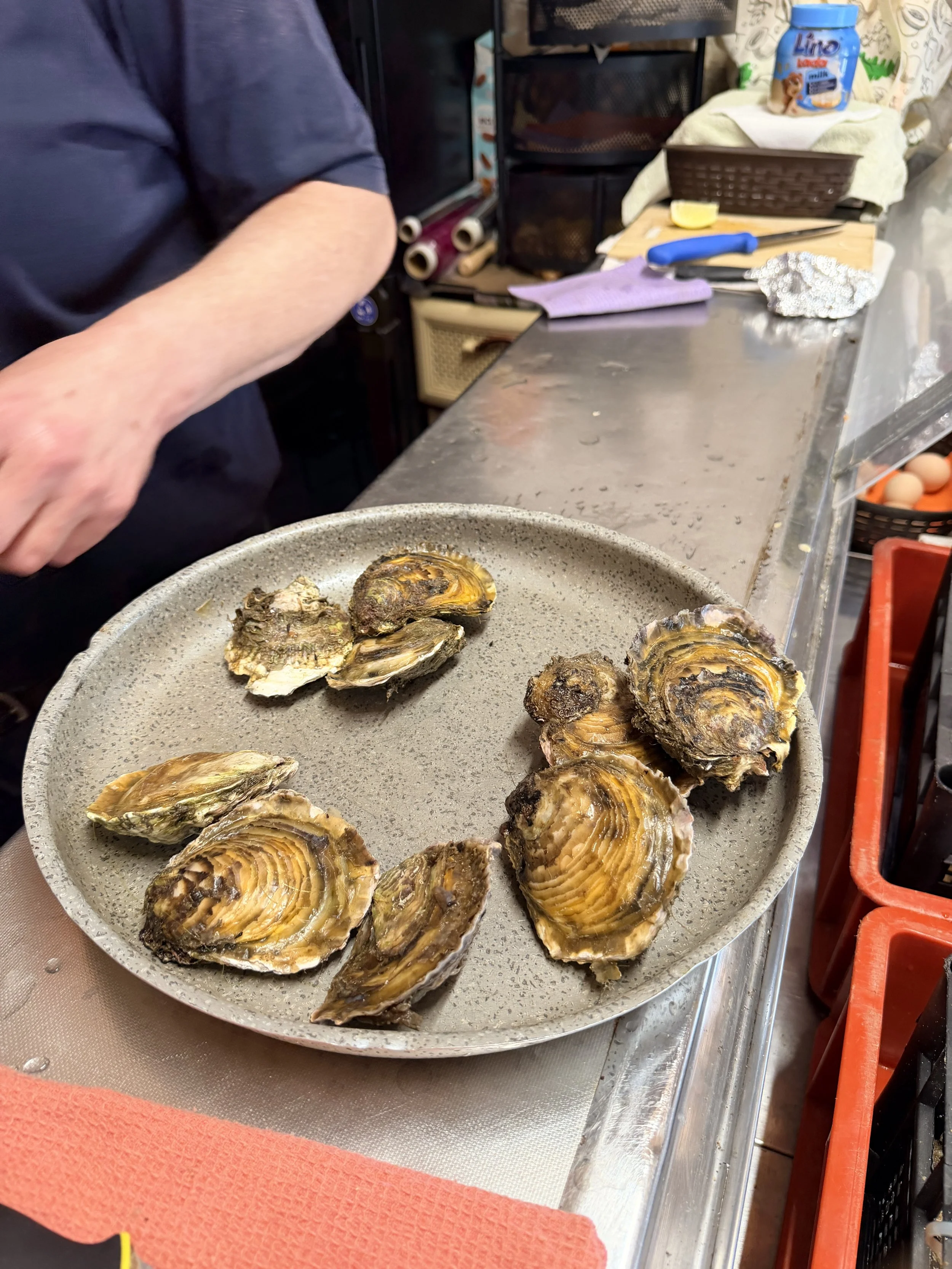
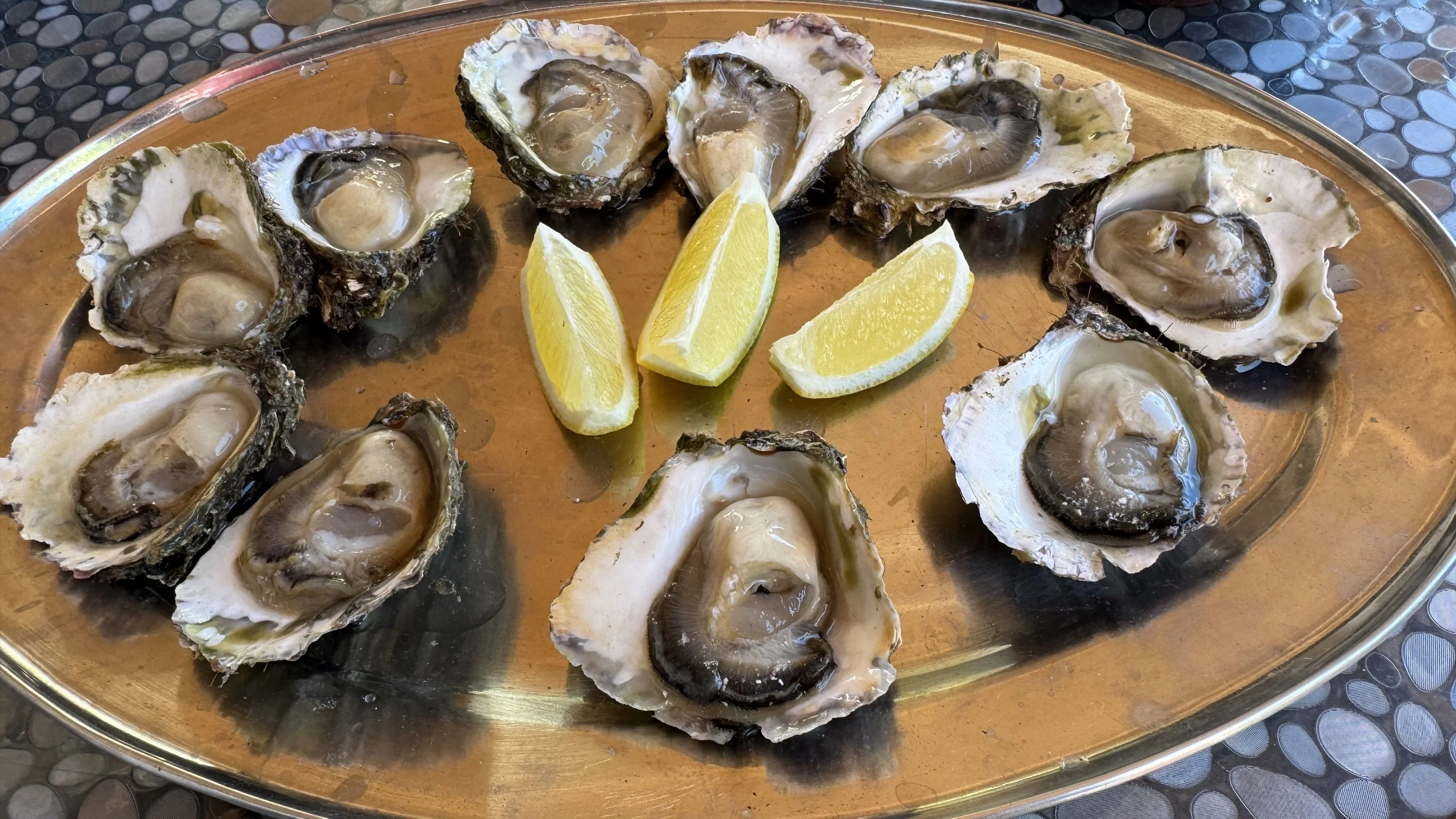
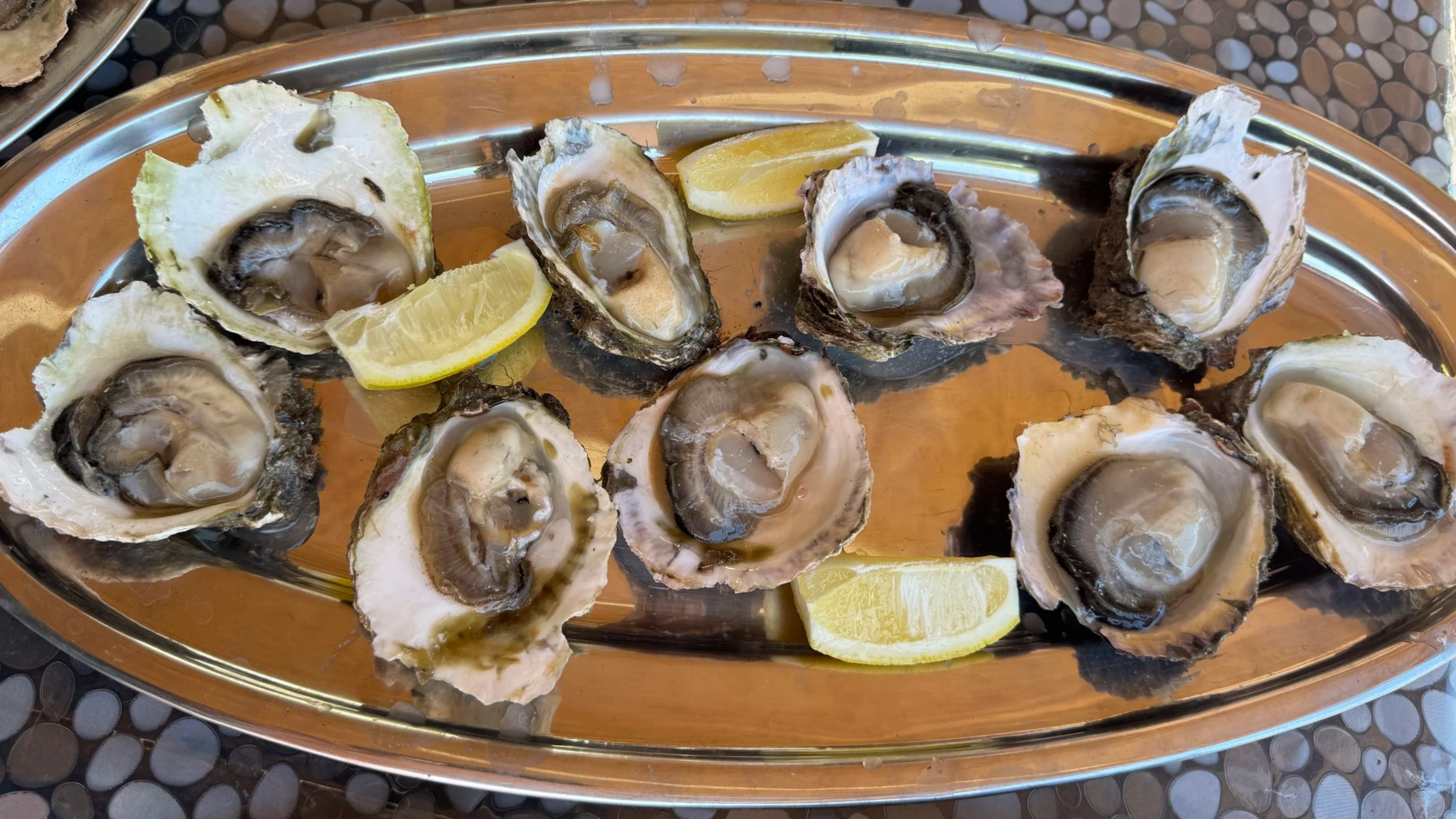
The oysters still were not enough for the ladies, so we ordered eight more two-year-old oysters and three additional seven-year-old ones. After thirty-two oysters altogether, everyone finally seemed satisfied, and we continued on our journey.
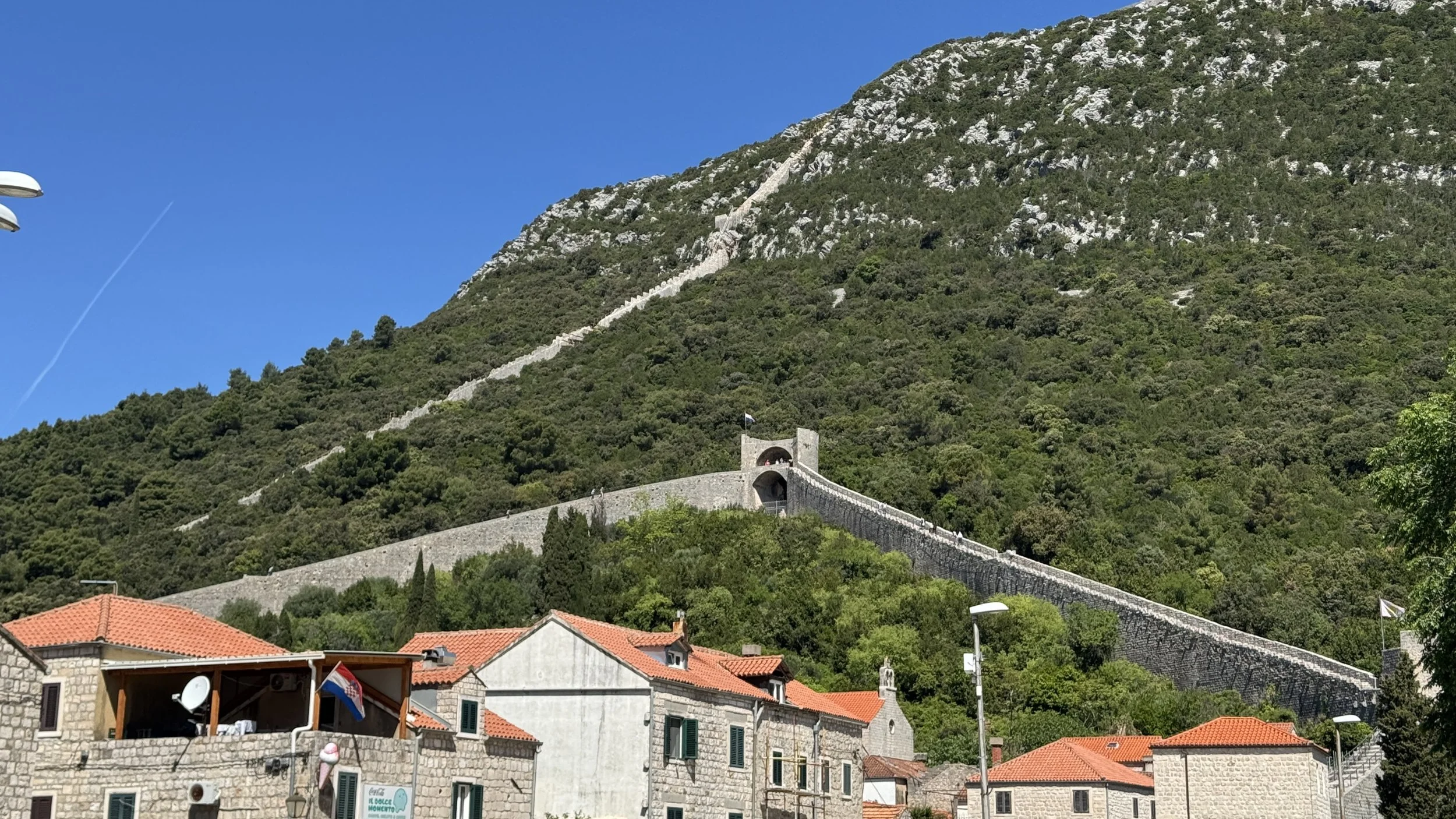
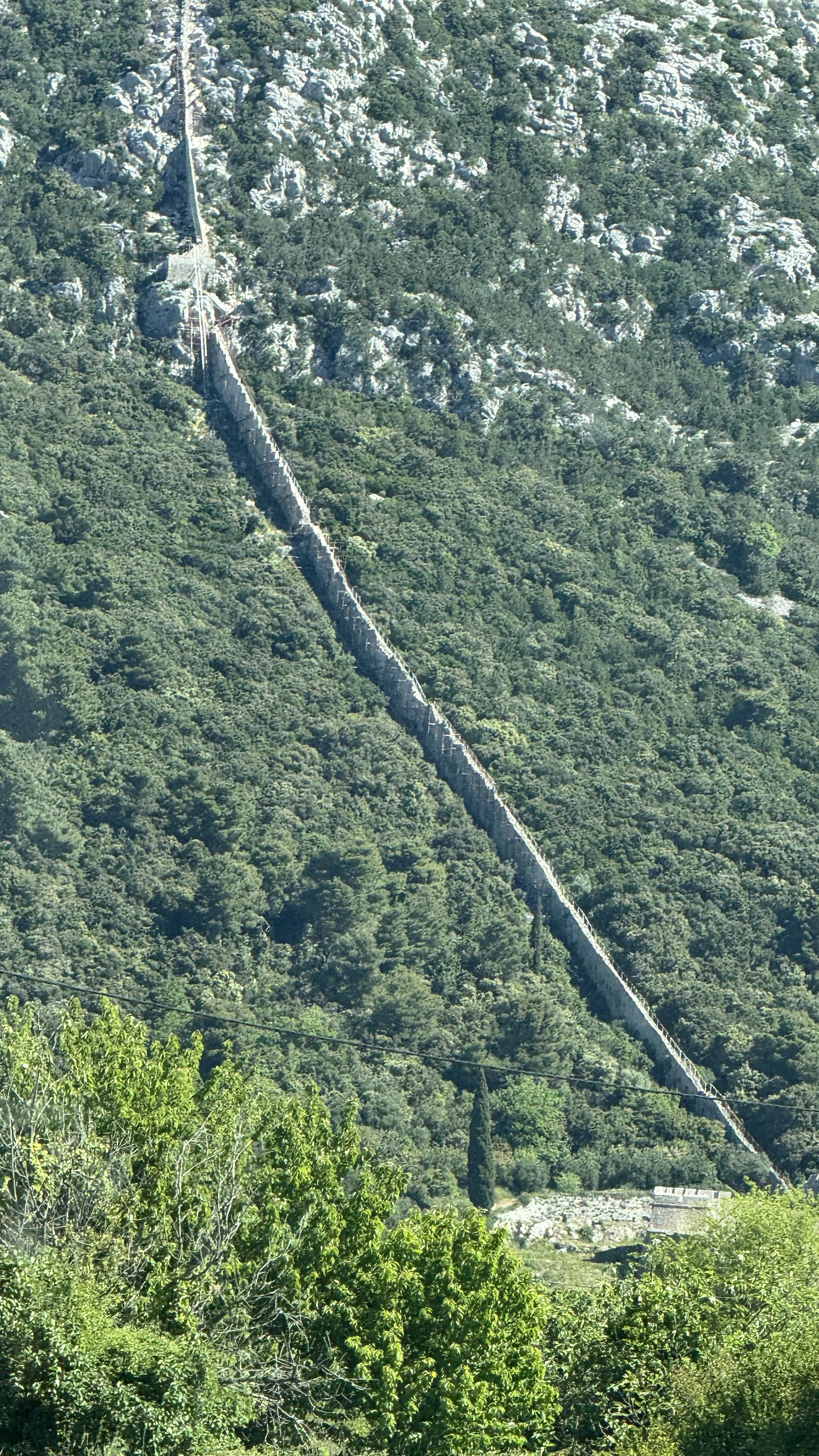
The town of Ston itself was also historic, famous for its massive defensive walls, sometimes nicknamed the “Great Wall of Europe.” We stopped briefly for photos before continuing.
Crossing from Croatia into Bosnia and Herzegovina was completely uneventful. We simply showed our passports, stepped out of the car for a few photos, and continued on. The only amusing part was that the border camera was mounted unusually high, forcing some of us to stand farther back and awkwardly look upward.
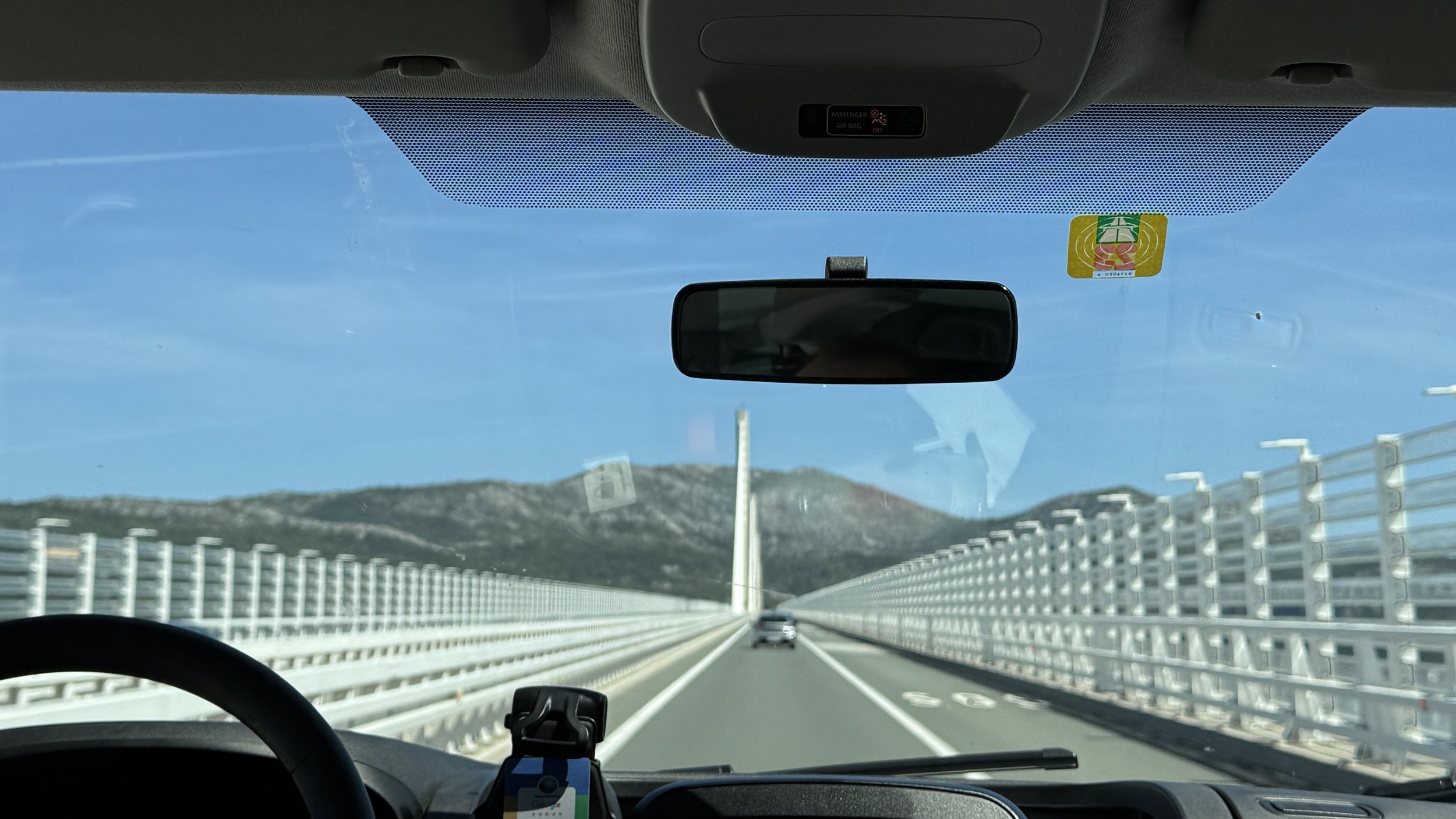
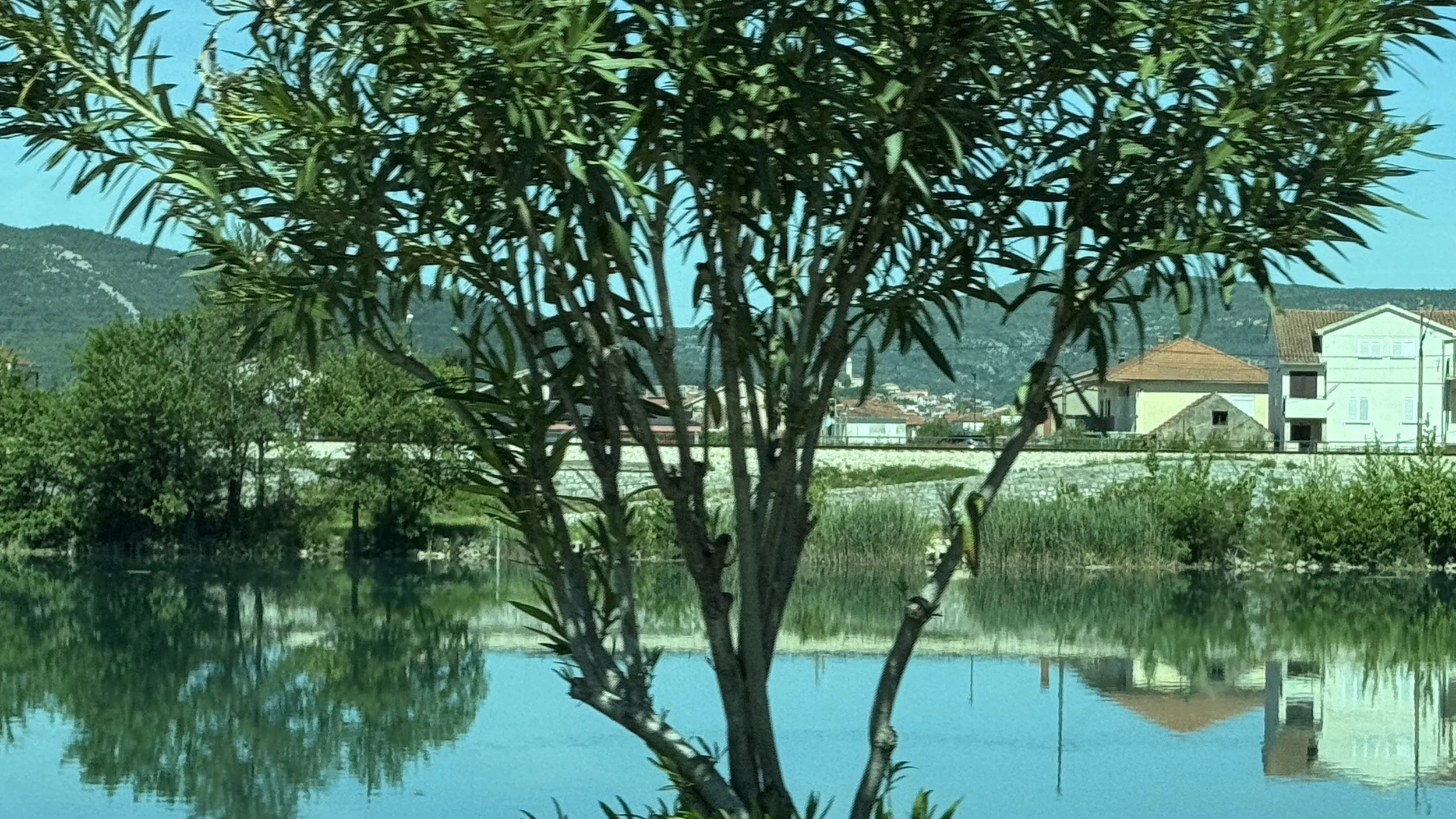
Driving through Bosnia was beautiful and peaceful. Crystal-clear rivers wound through forested mountains, and the scenery immediately made us feel this was a country we would like to explore more deeply in the future.
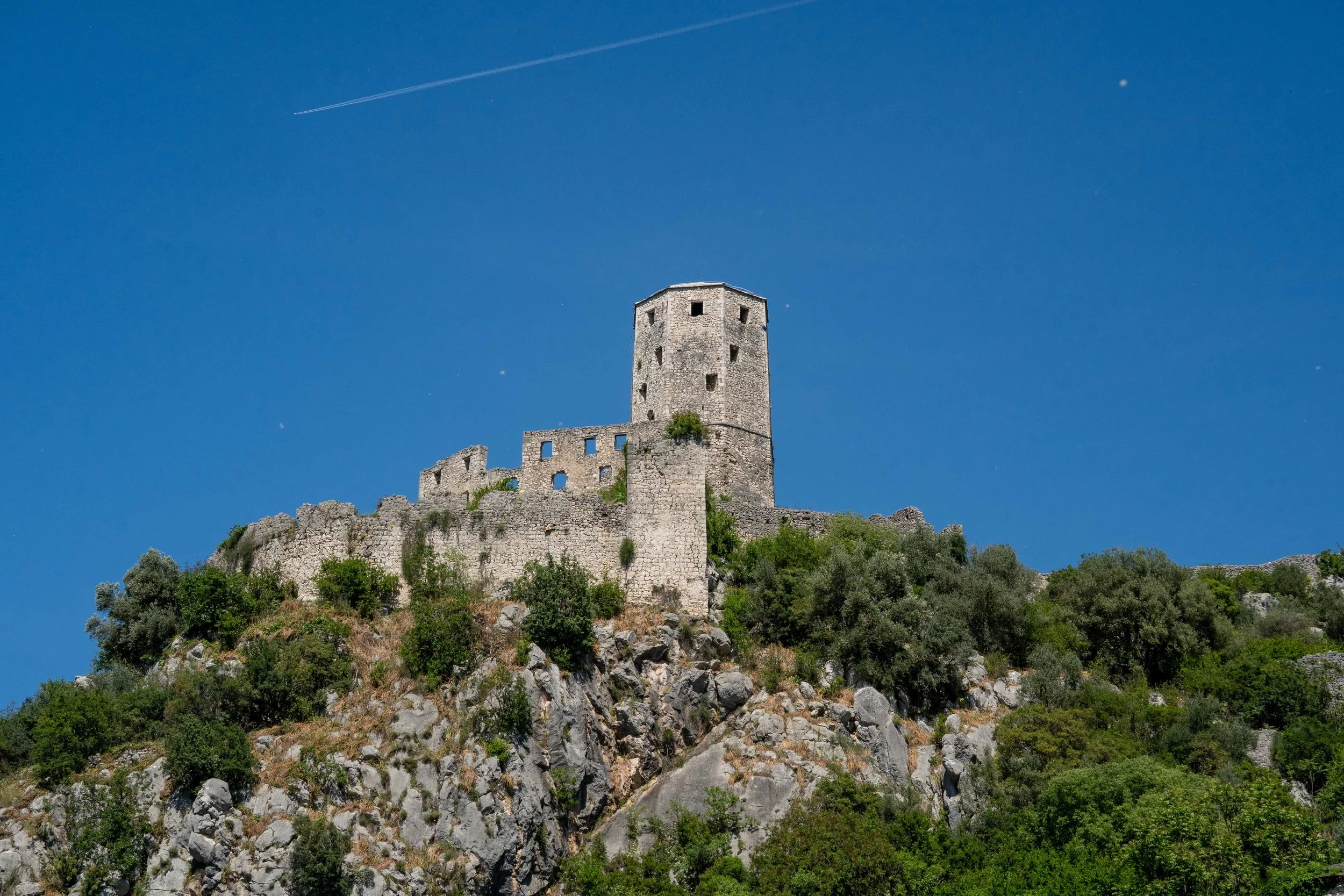
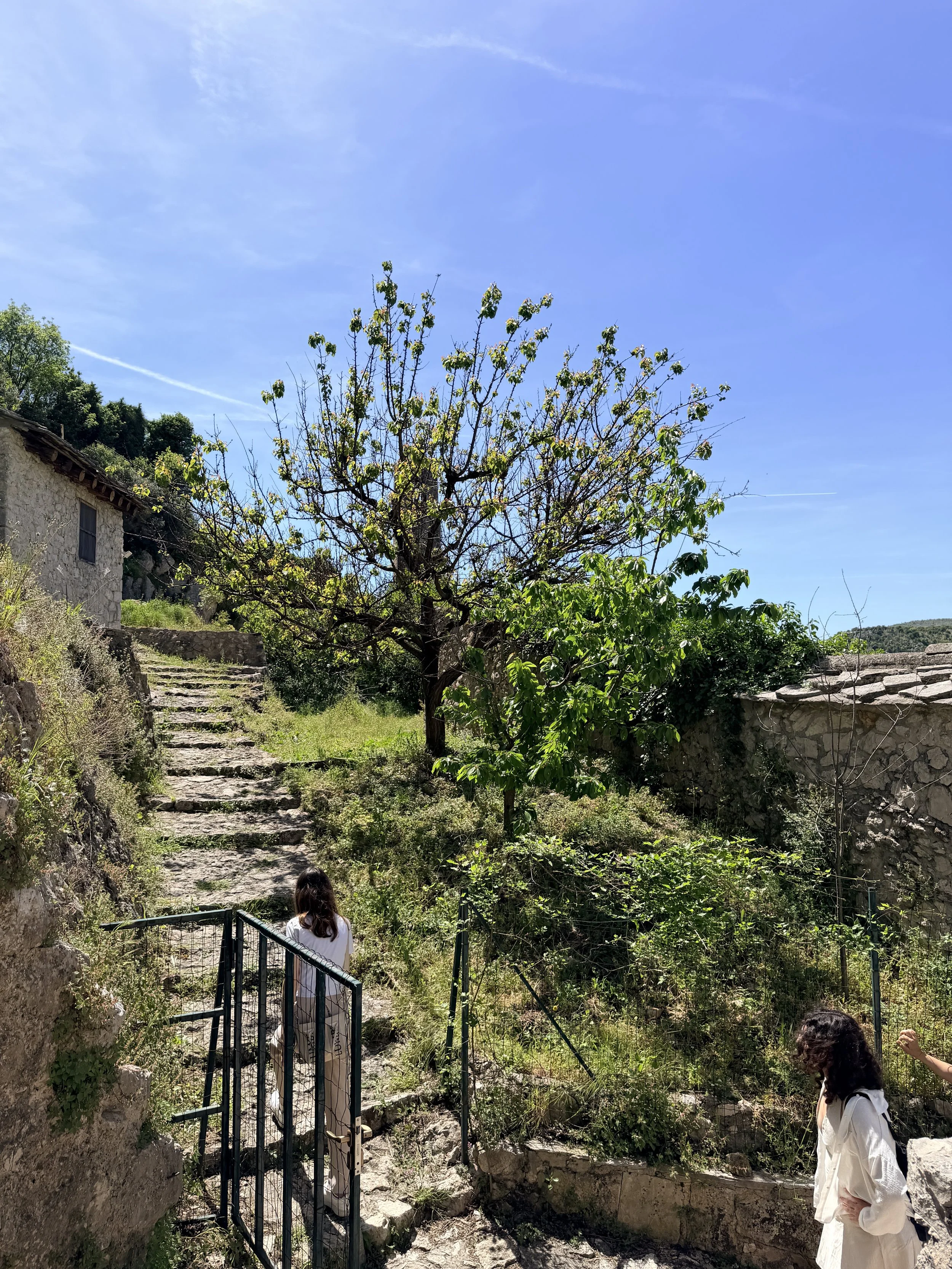
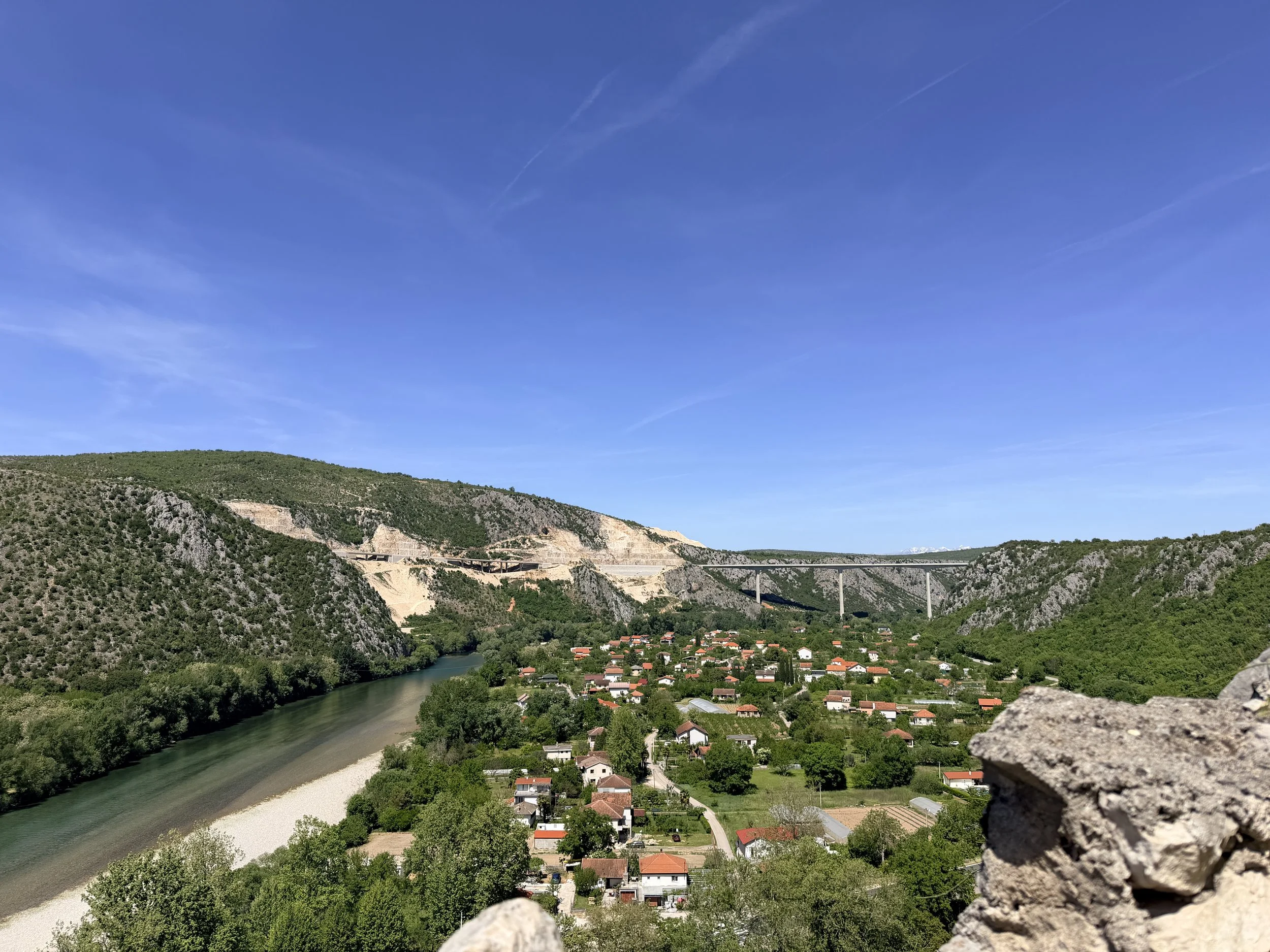
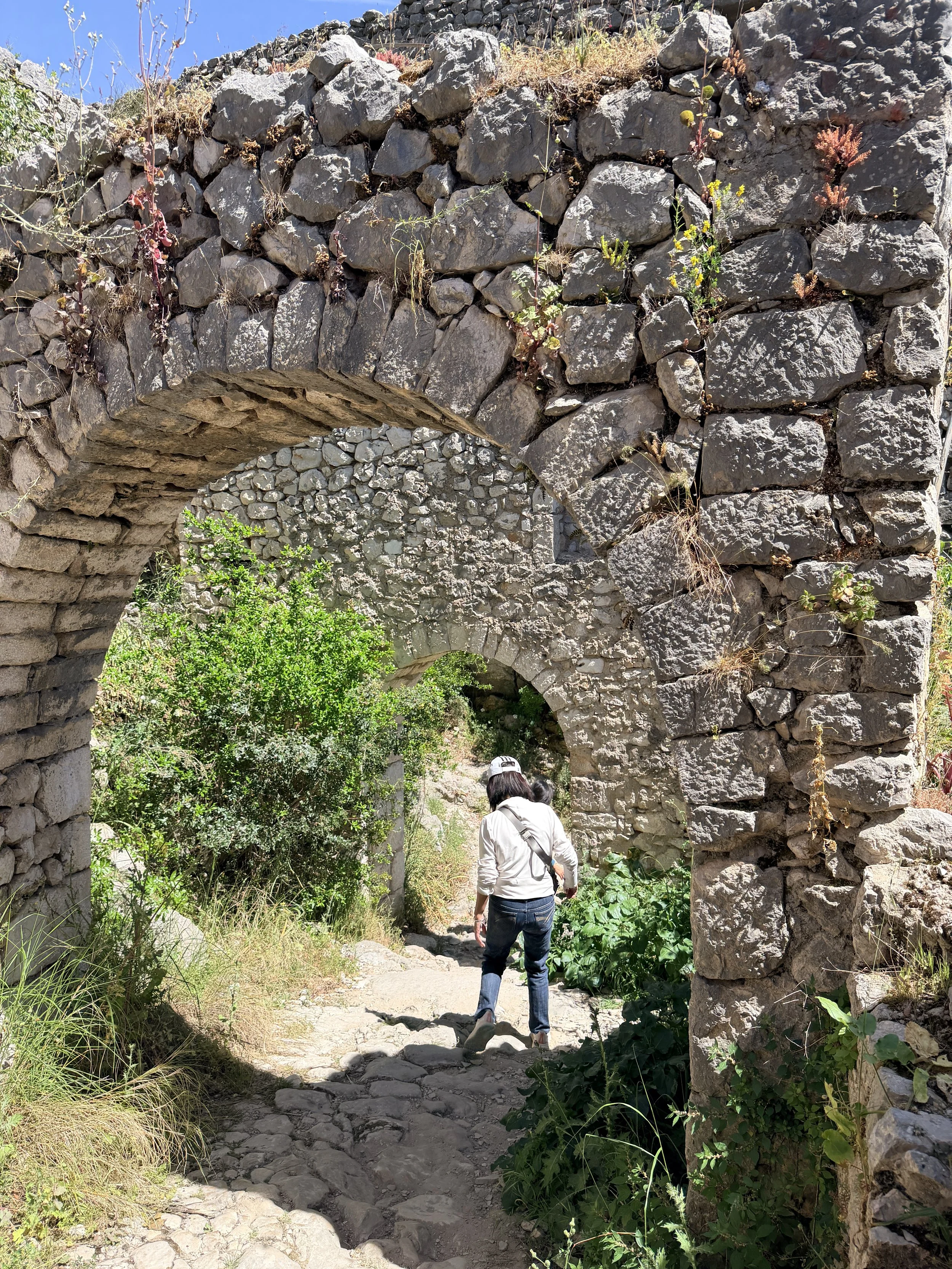
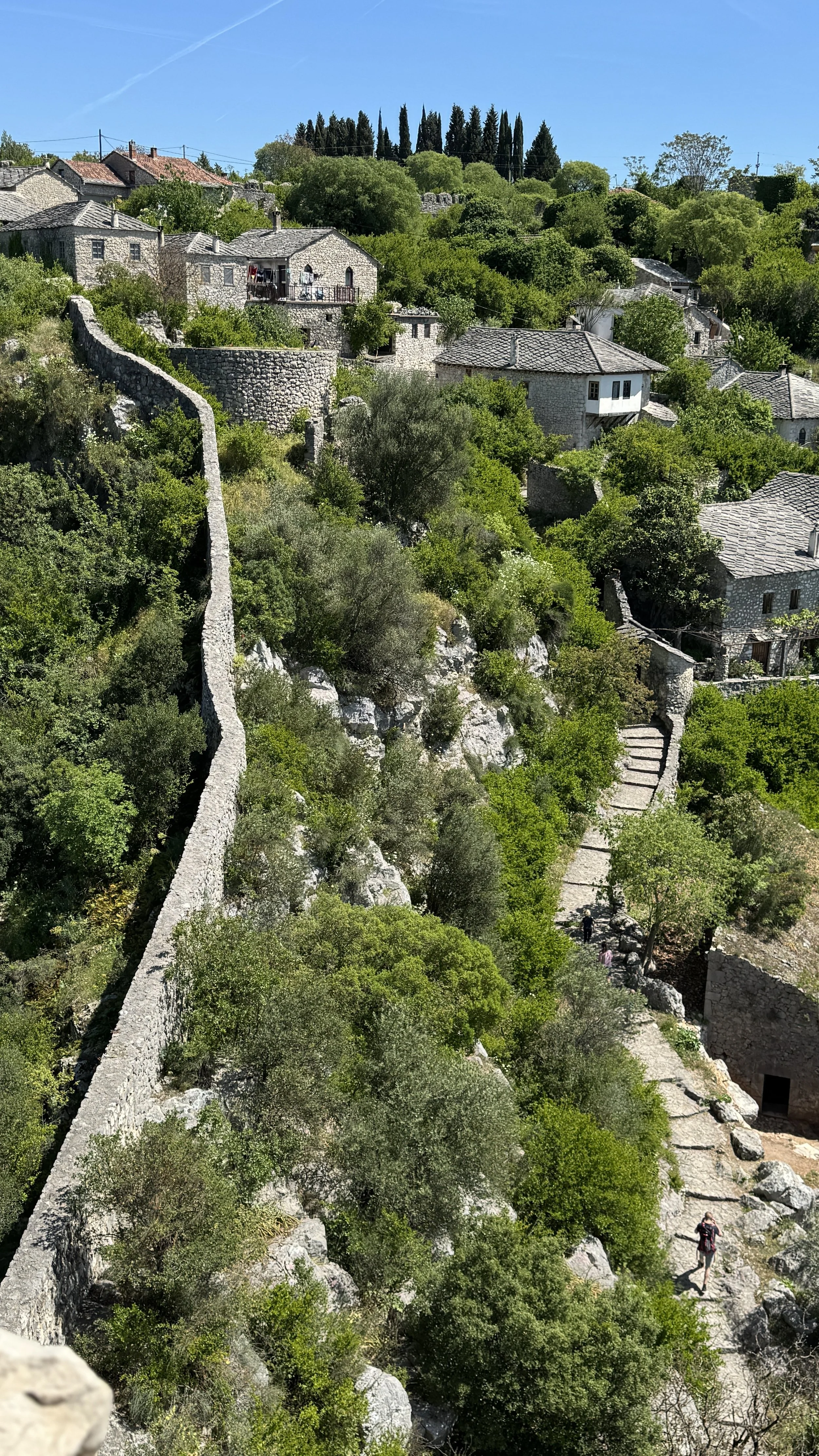
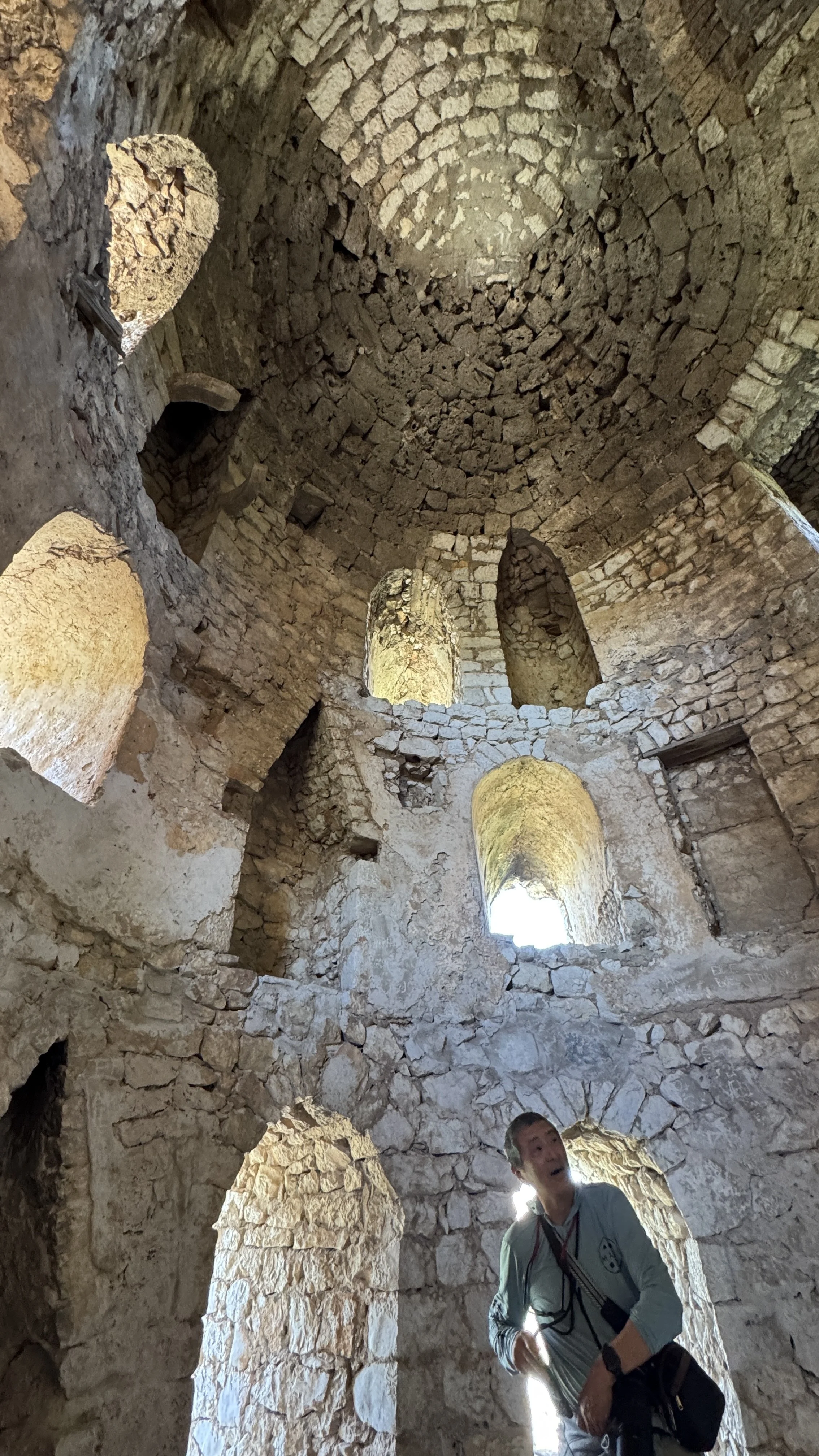
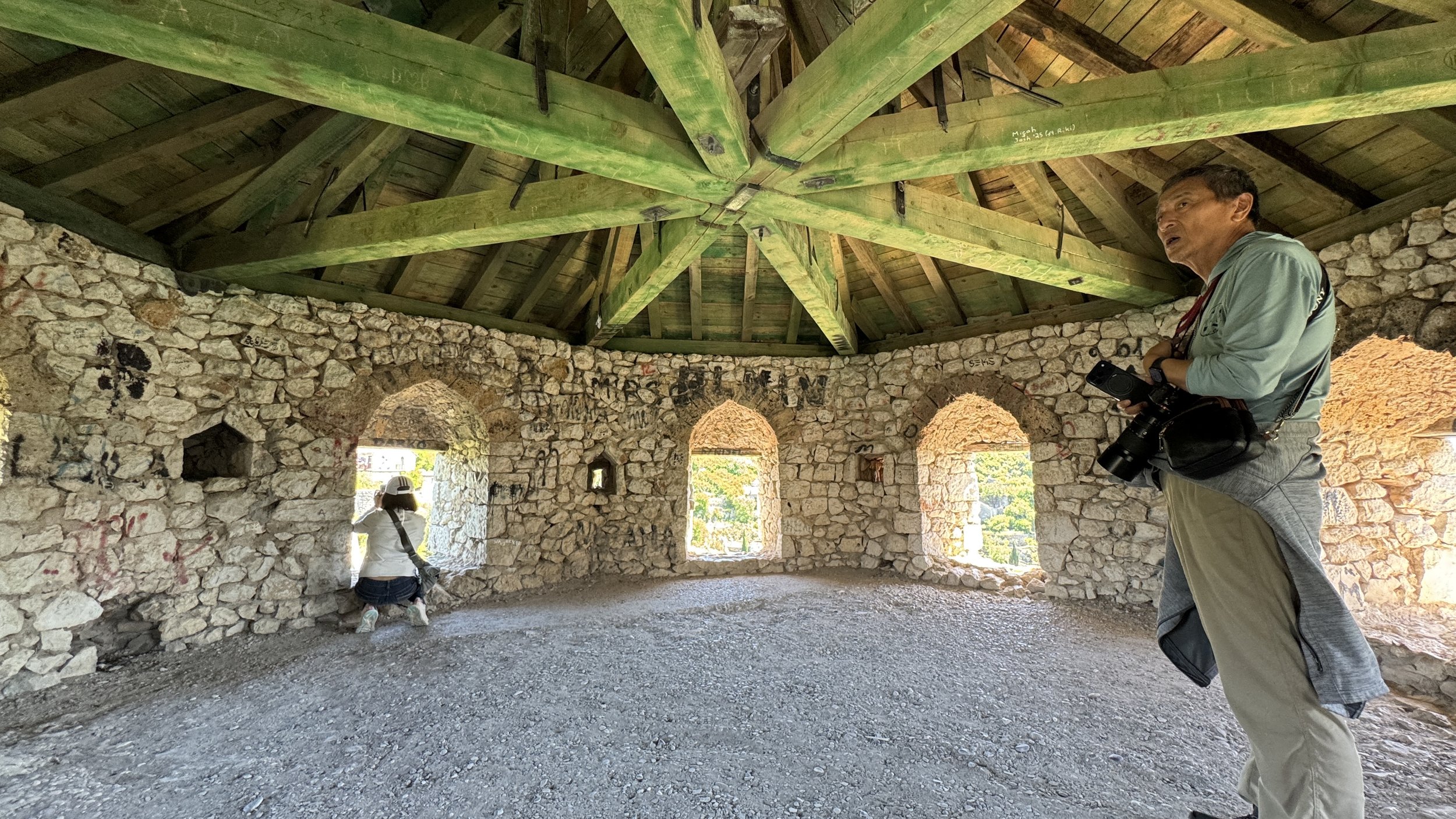
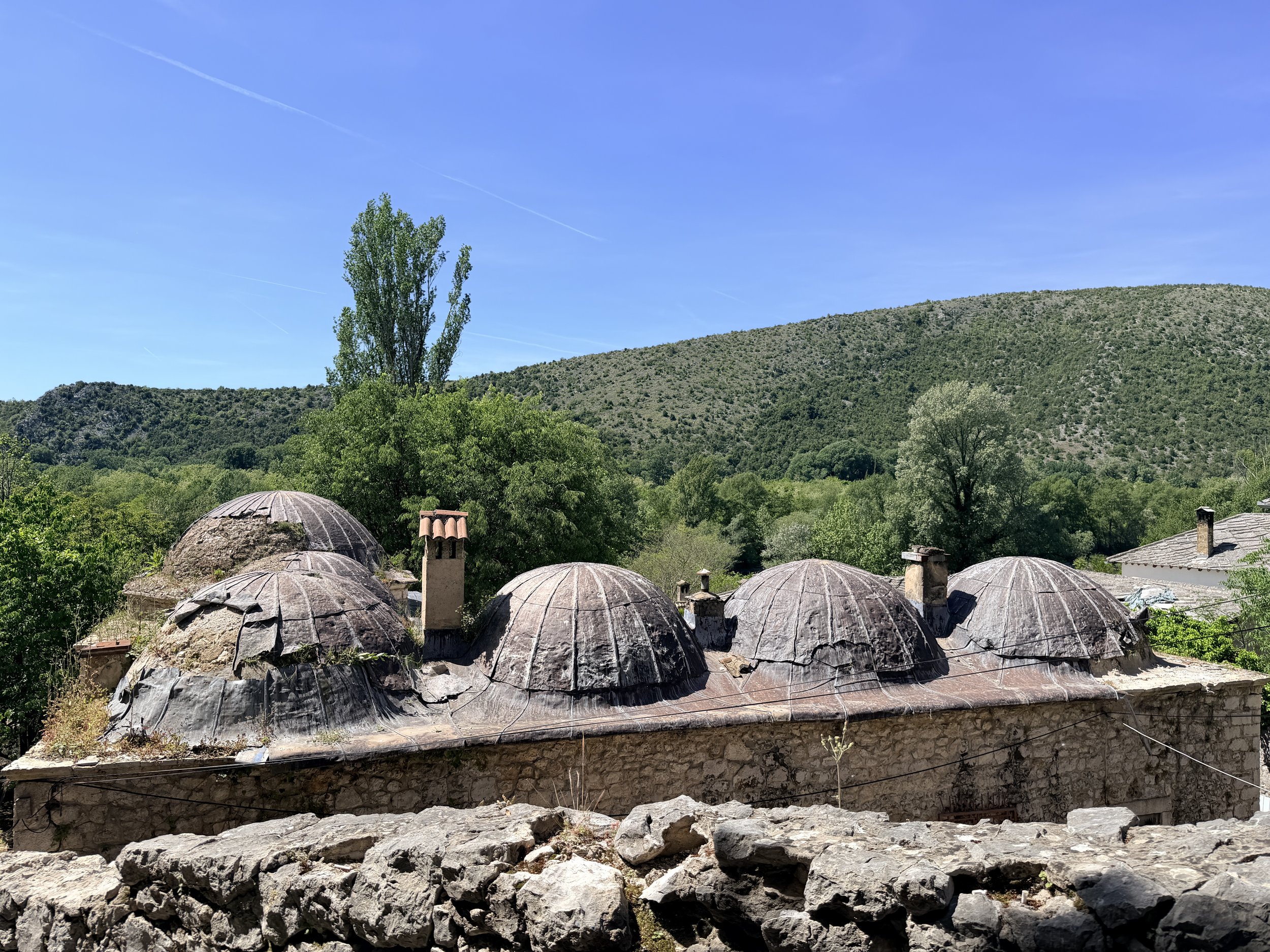
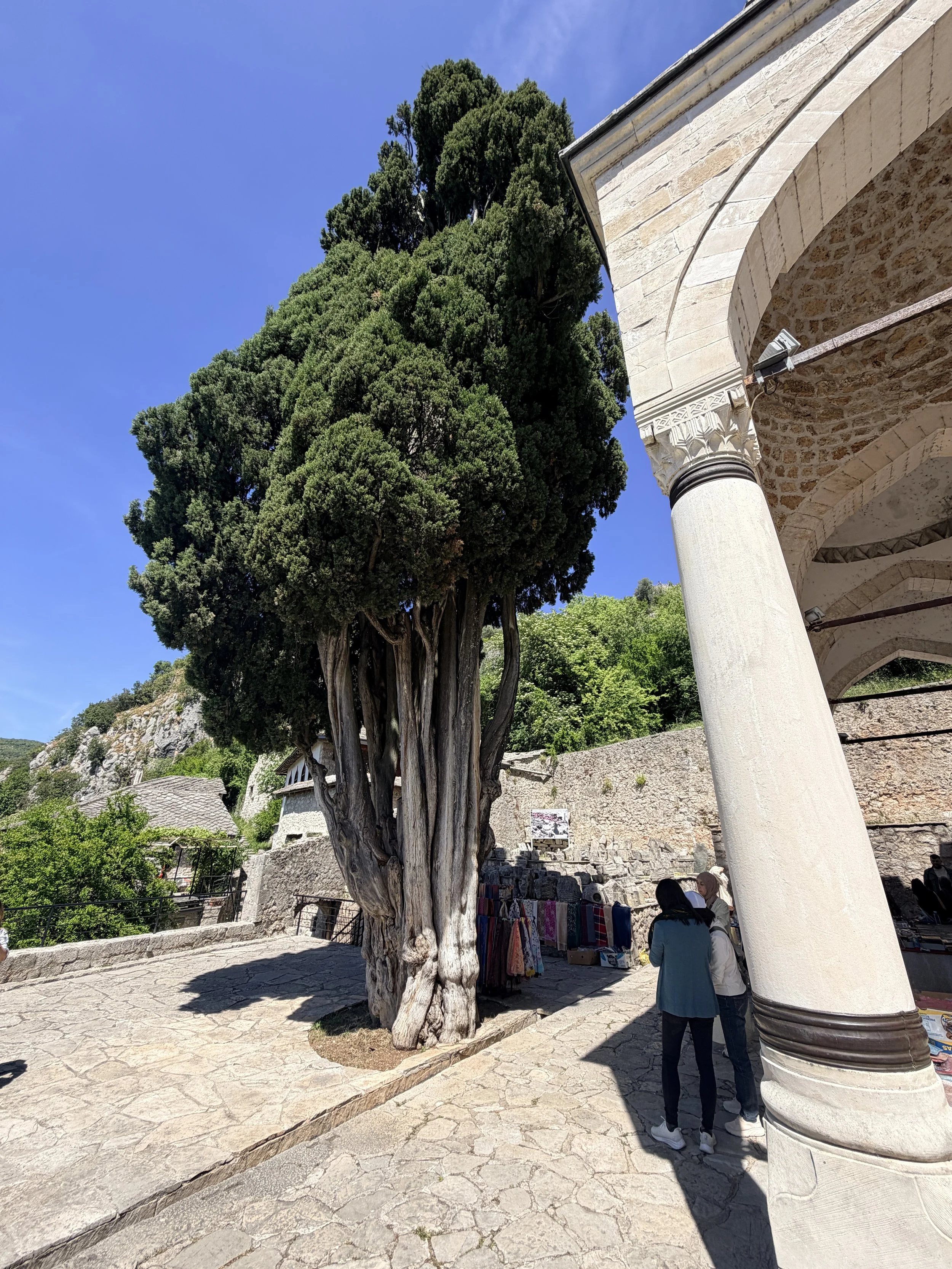
Our next stop was the historic stone village of Počitelj. Built on a steep hillside overlooking the Neretva River, Počitelj felt almost frozen in time. We climbed the ancient stone stairways all the way up to the old watchtower, carefully exploring the structure along the way. The tower remained in very original condition, with narrow passages, uneven steps, and almost no modern safety protections. We joked that in the United States visitors would probably never be allowed inside under such conditions. There were very few tourists, which made the experience even more atmospheric. The stone roofs, old Ottoman-style houses, and quiet pathways gave the village an authentic feeling that we rarely encounter anymore.
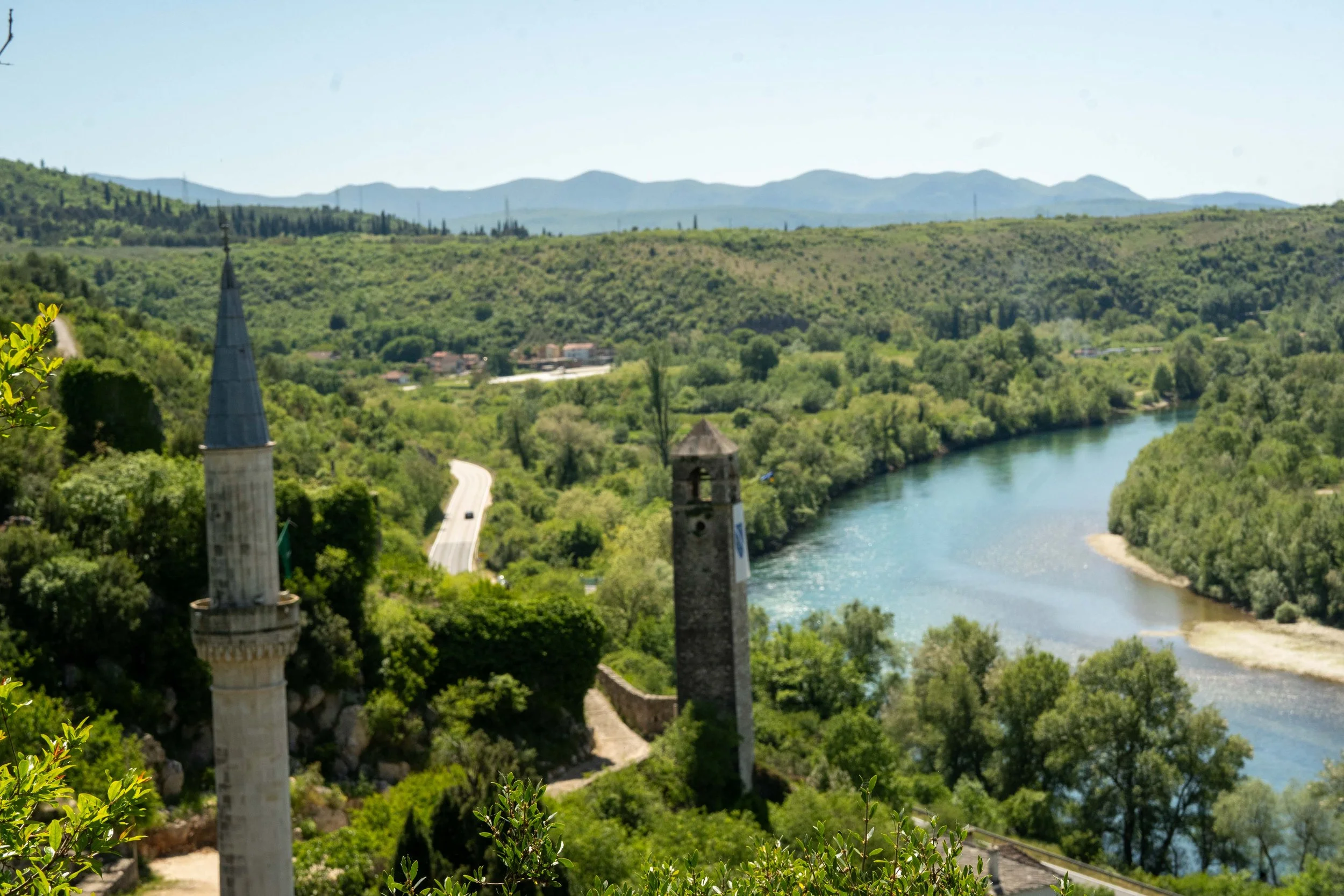
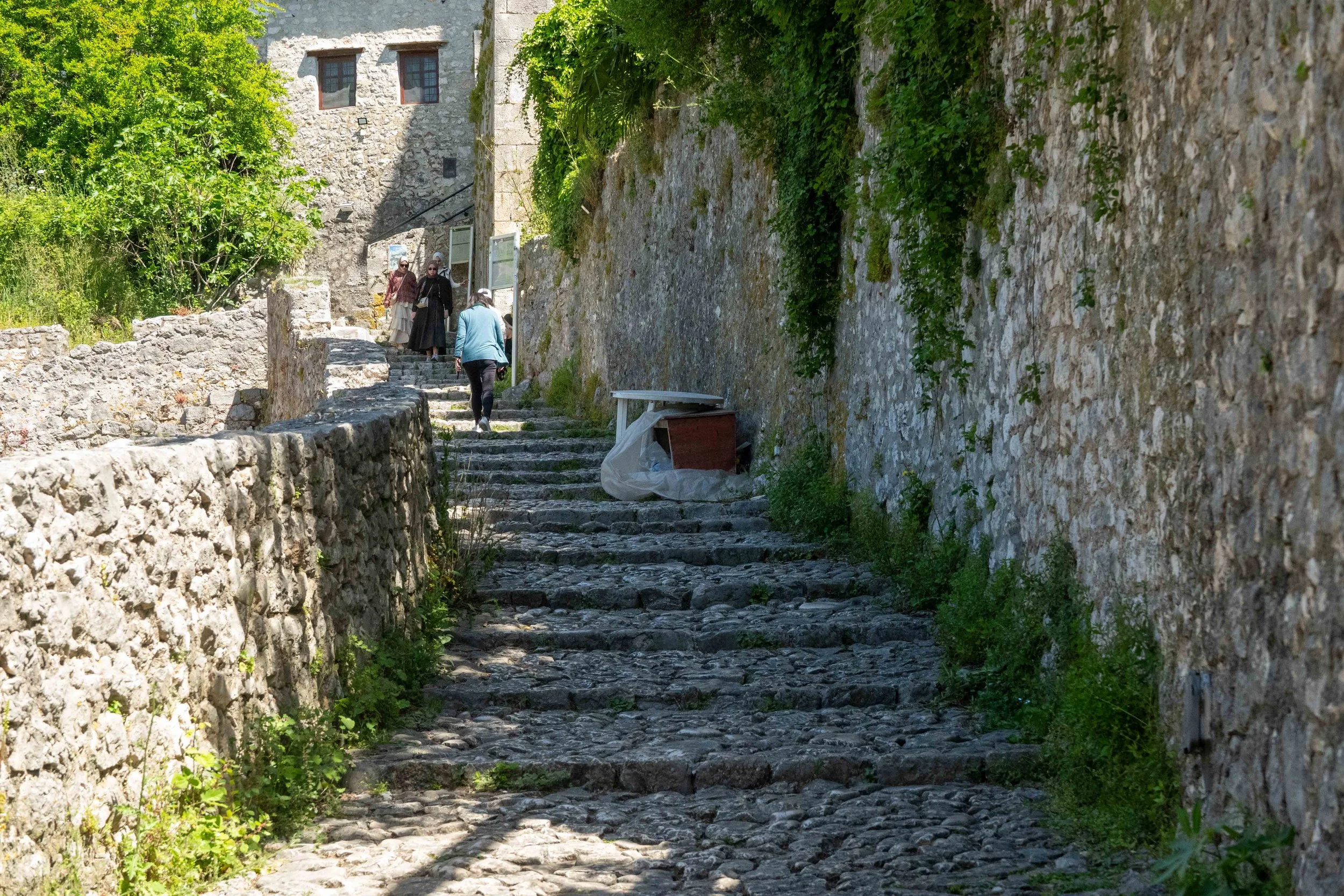
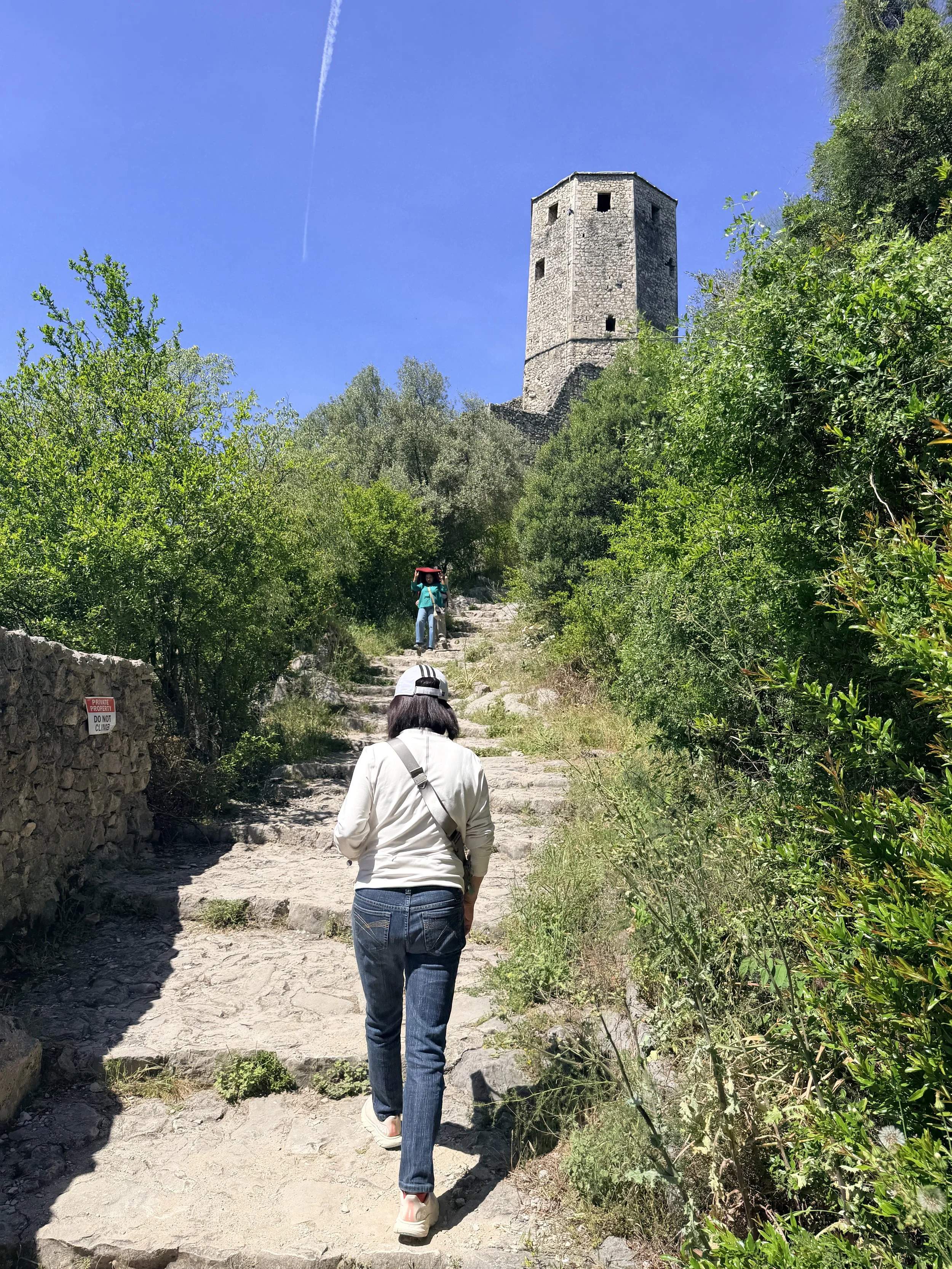
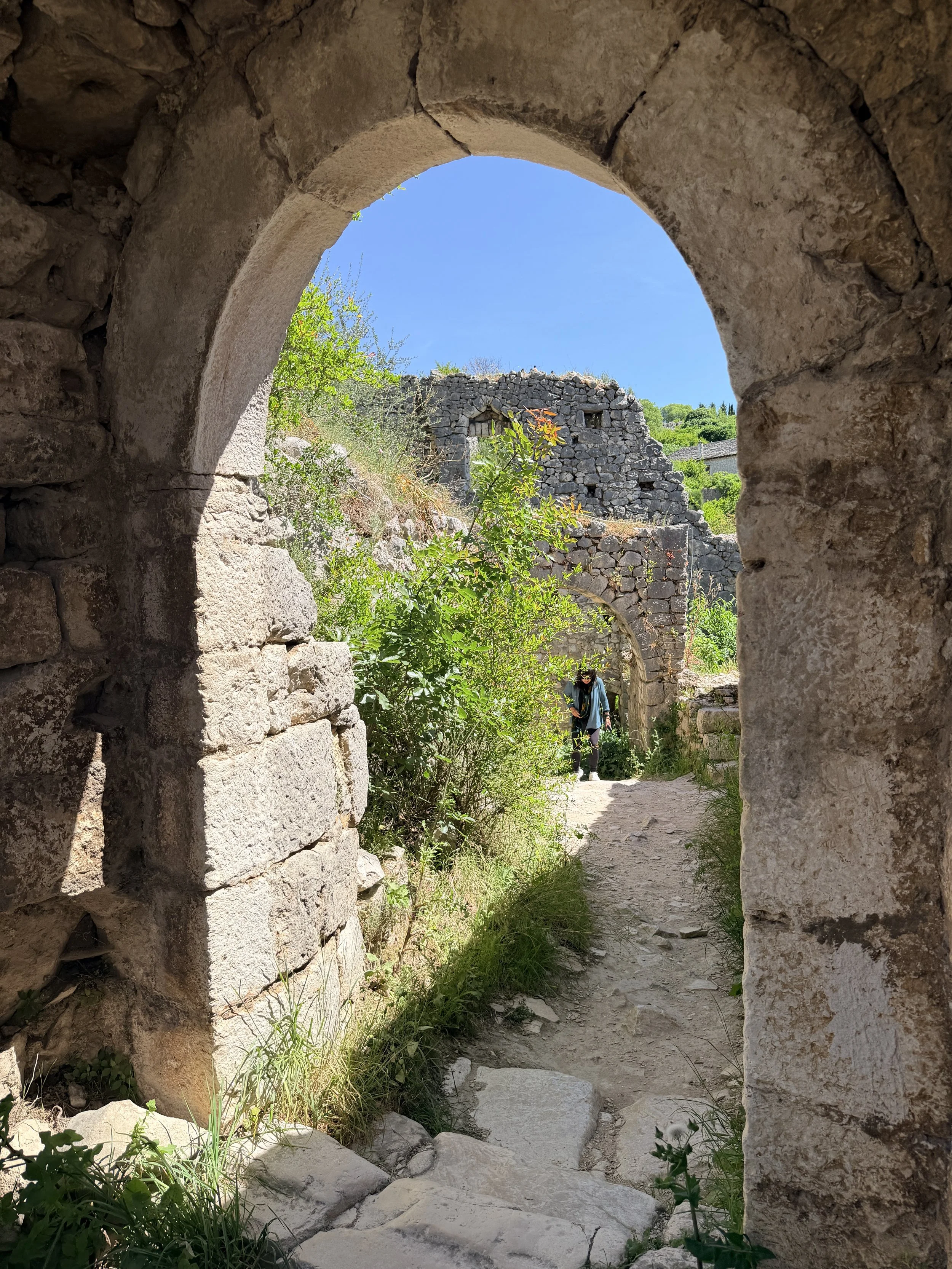
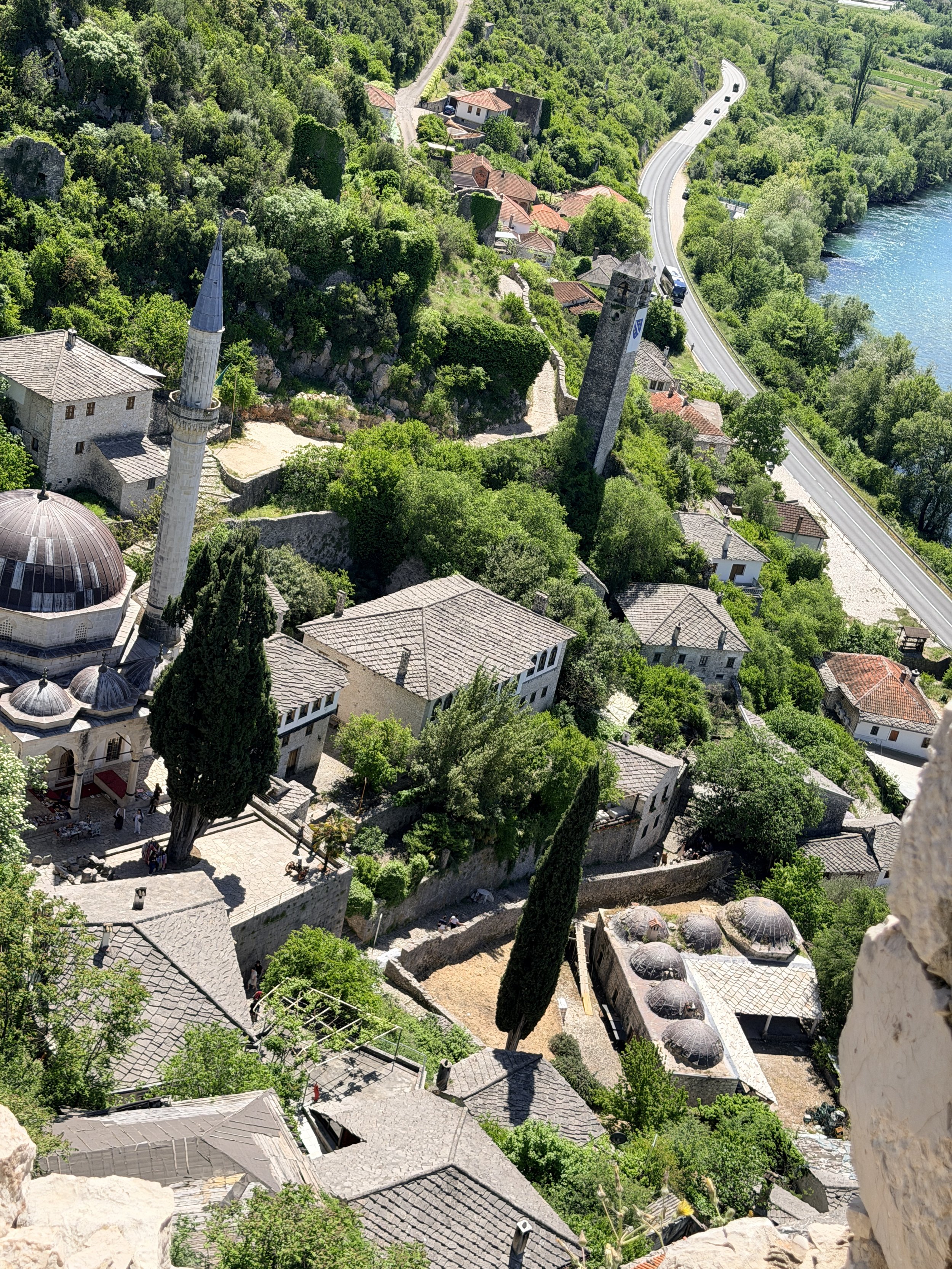
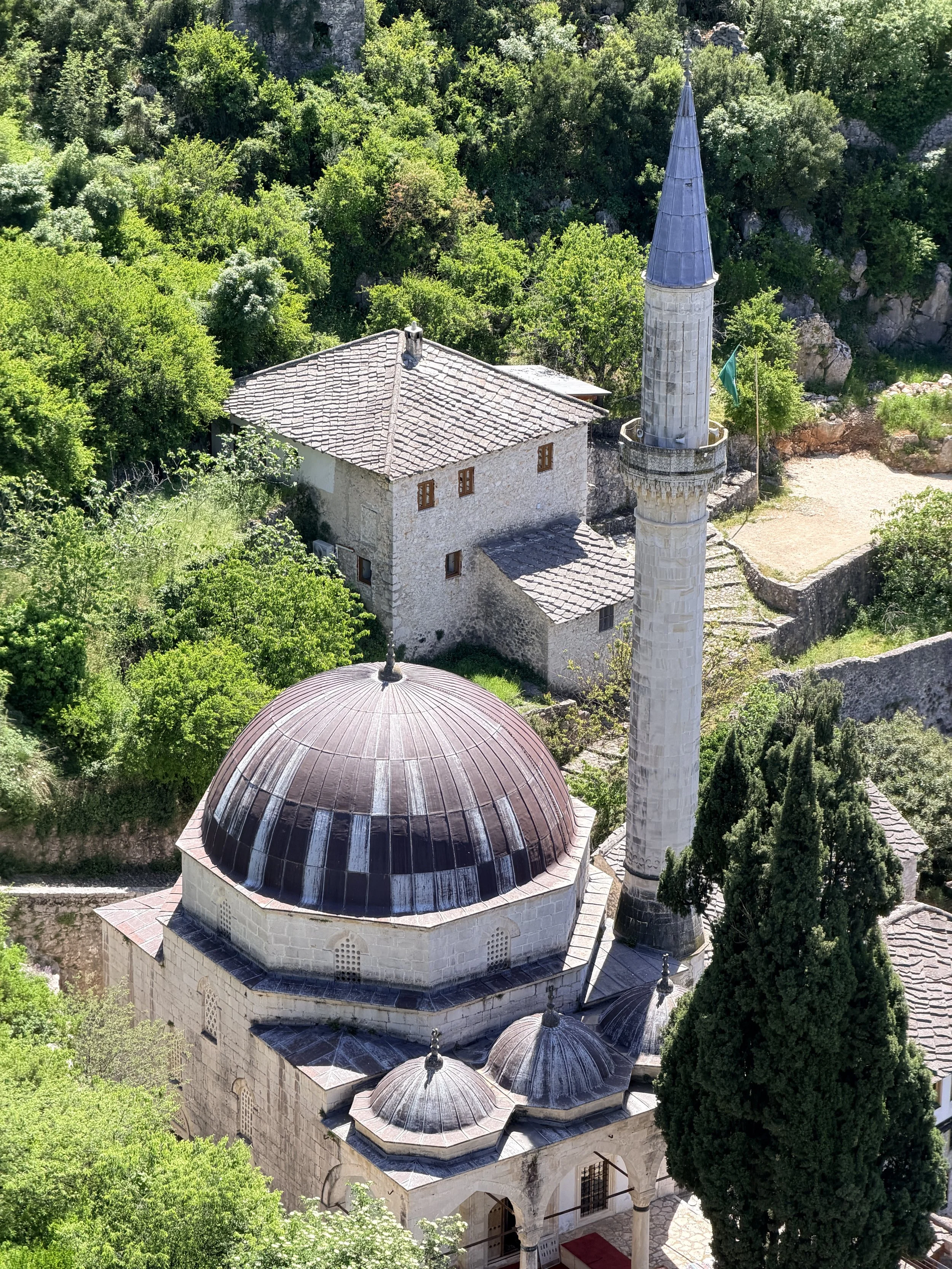
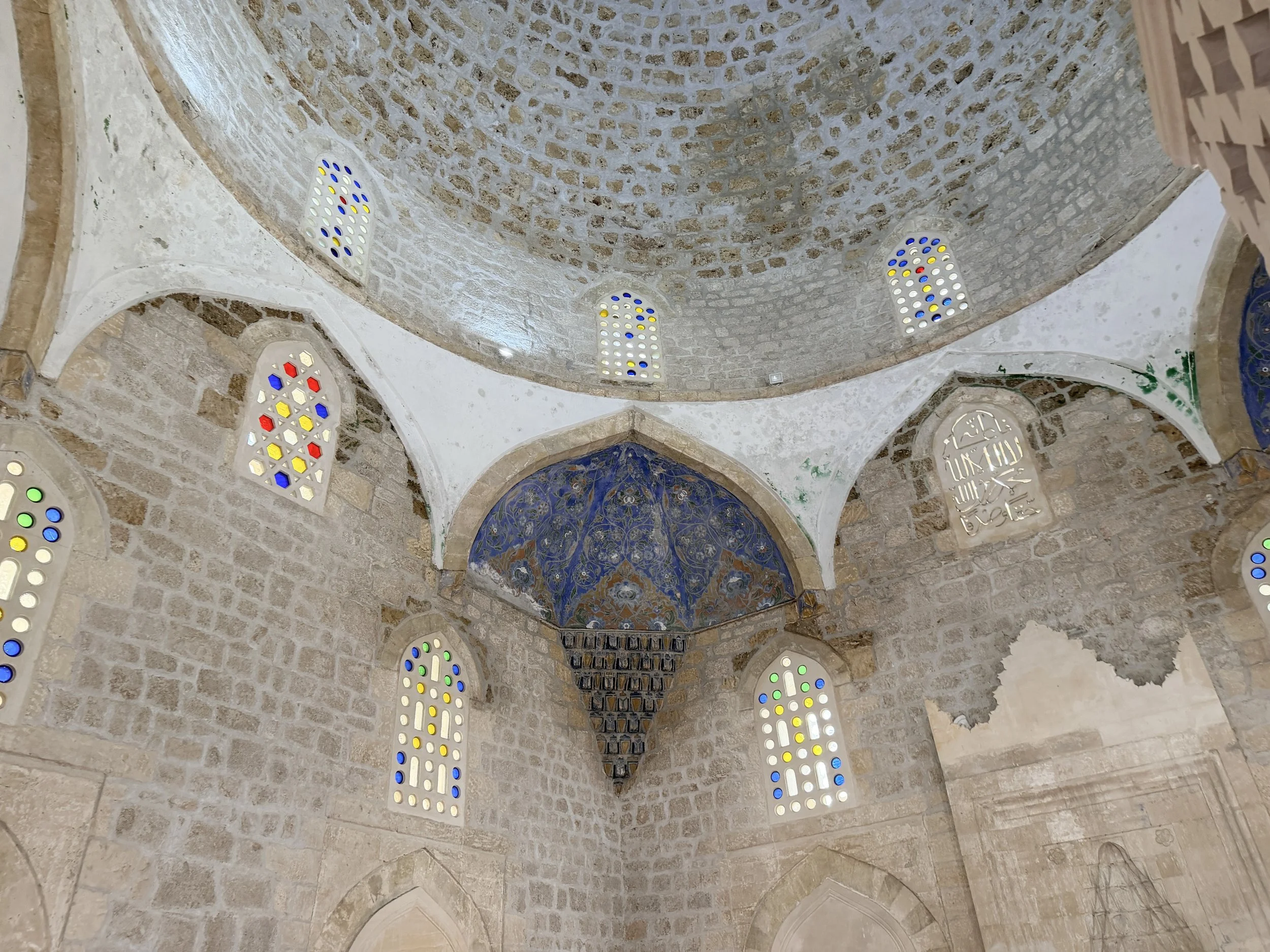
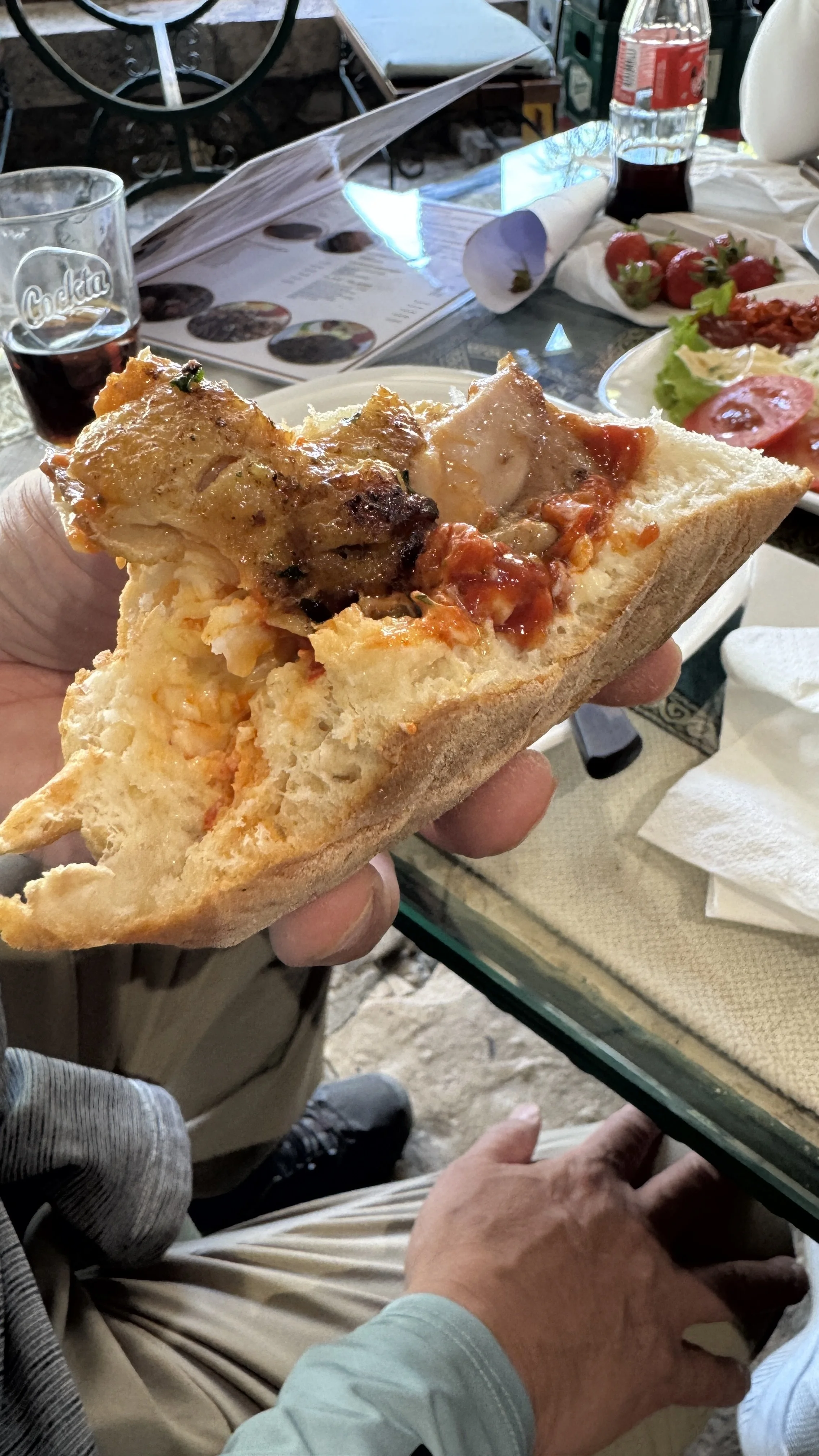
On the way back down, we visited the old mosque before stopping for lunch. We had a delicious chicken dish along with fried Bosnian donuts. Although Počitelj was not the grandest or most elegant historic town we had ever visited, it felt incredibly genuine and untouched.
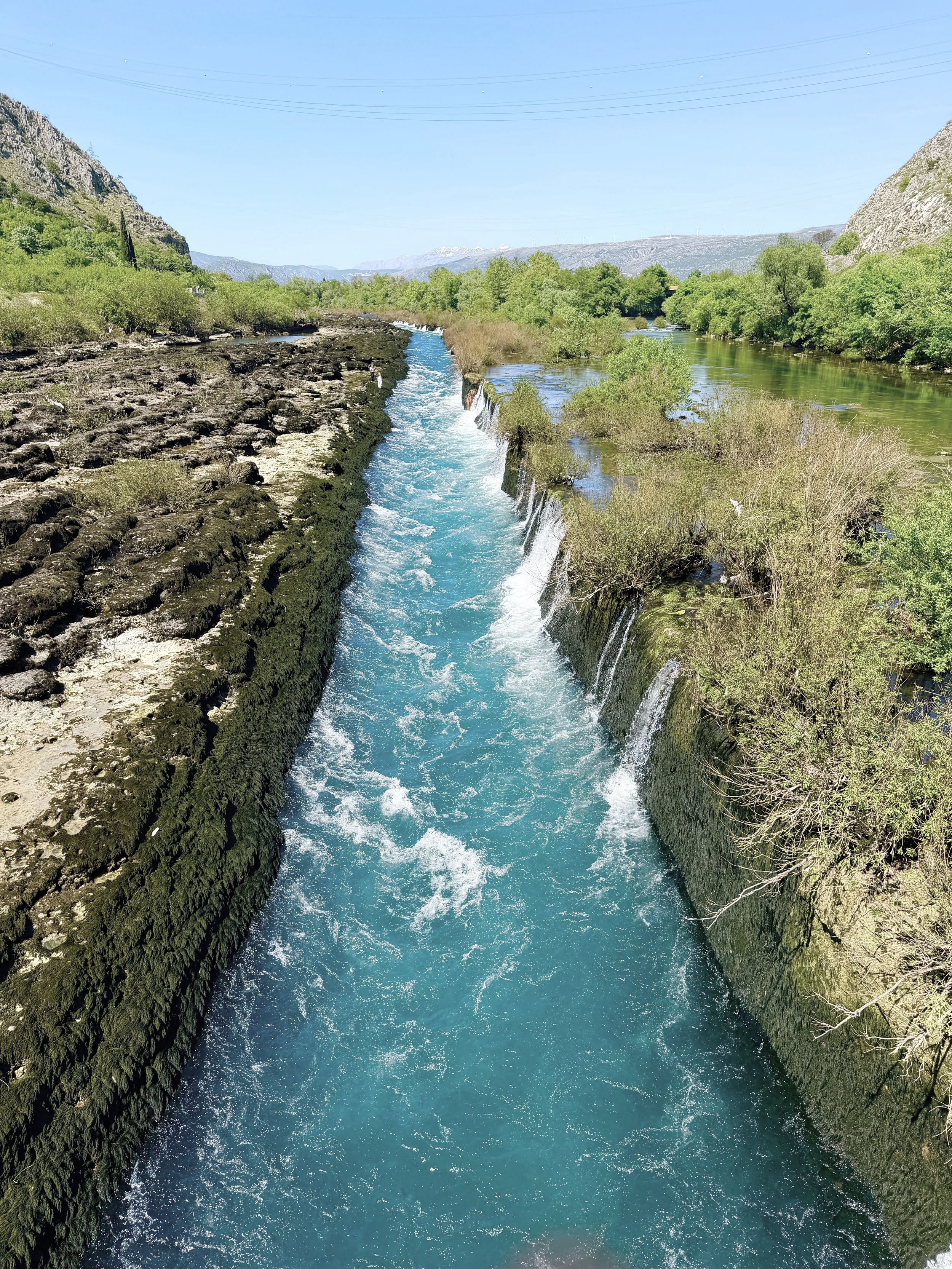
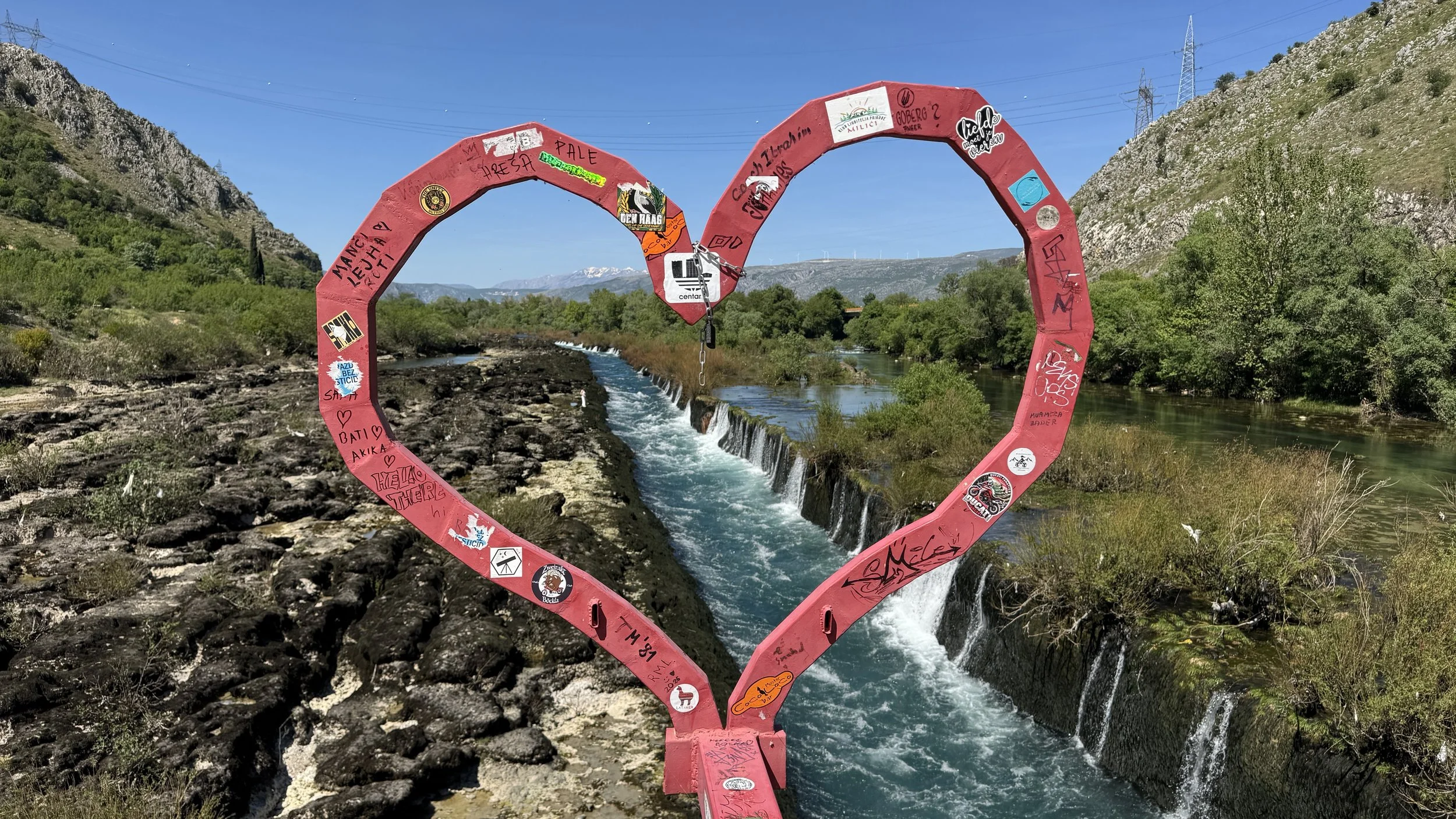
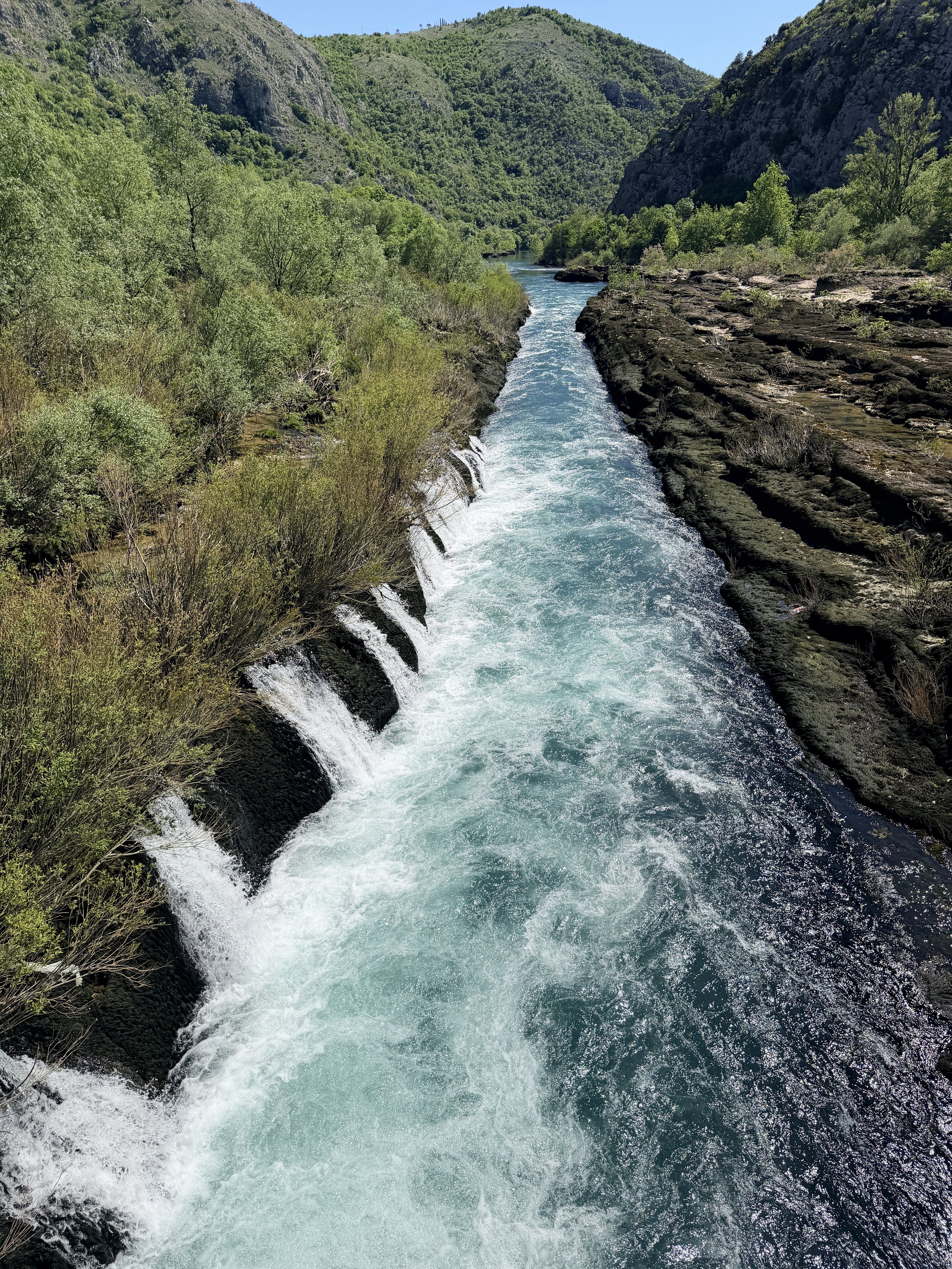
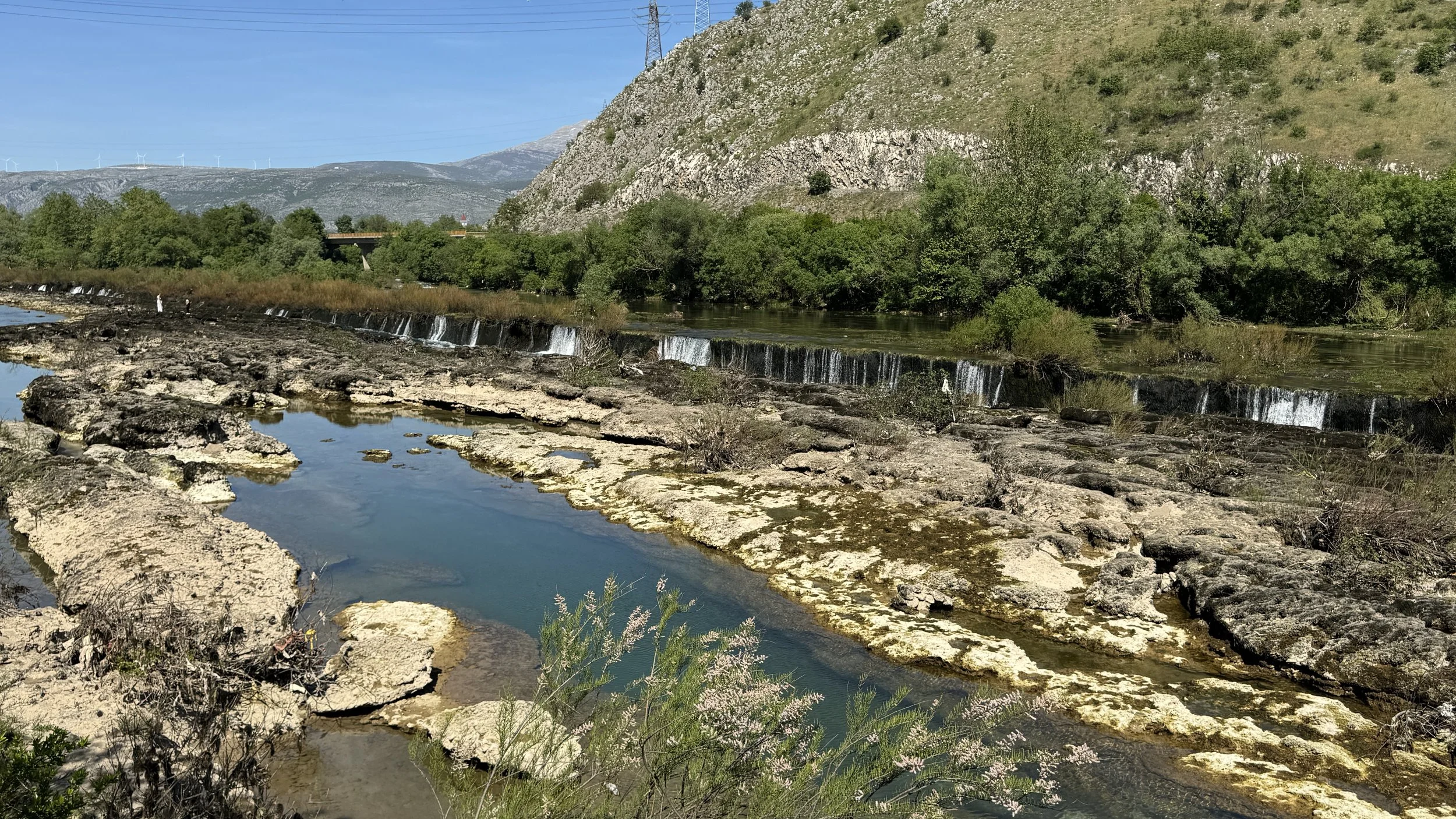
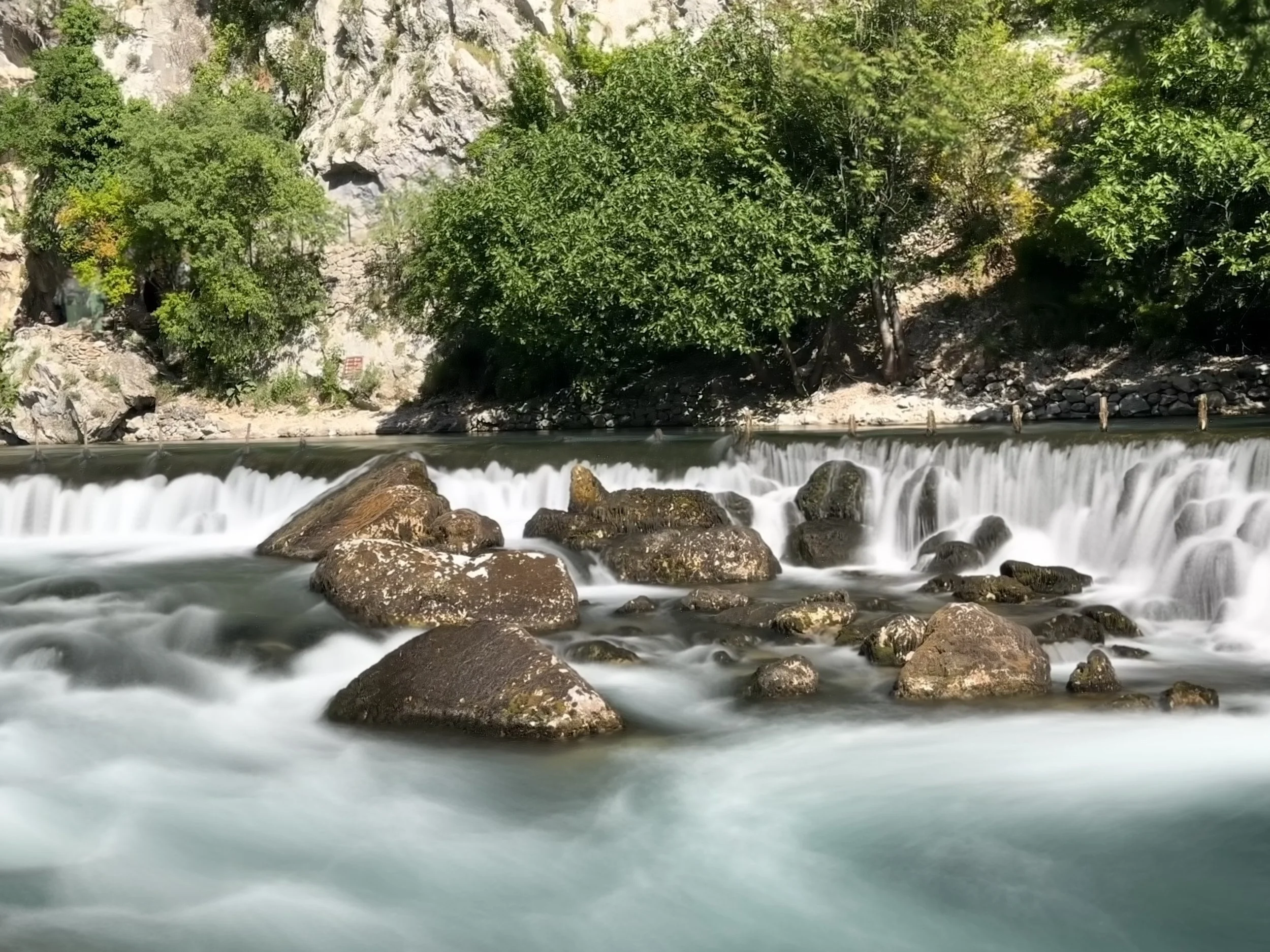
Another stop that completely surprised us was Bunski Kanal. At first glance it looked almost like a man-made canal, but it was entirely natural. Clear turquoise water rushed powerfully through the narrow rock channel while small waterfalls from another river cascaded down the sides. It was unlike anything we had seen before.
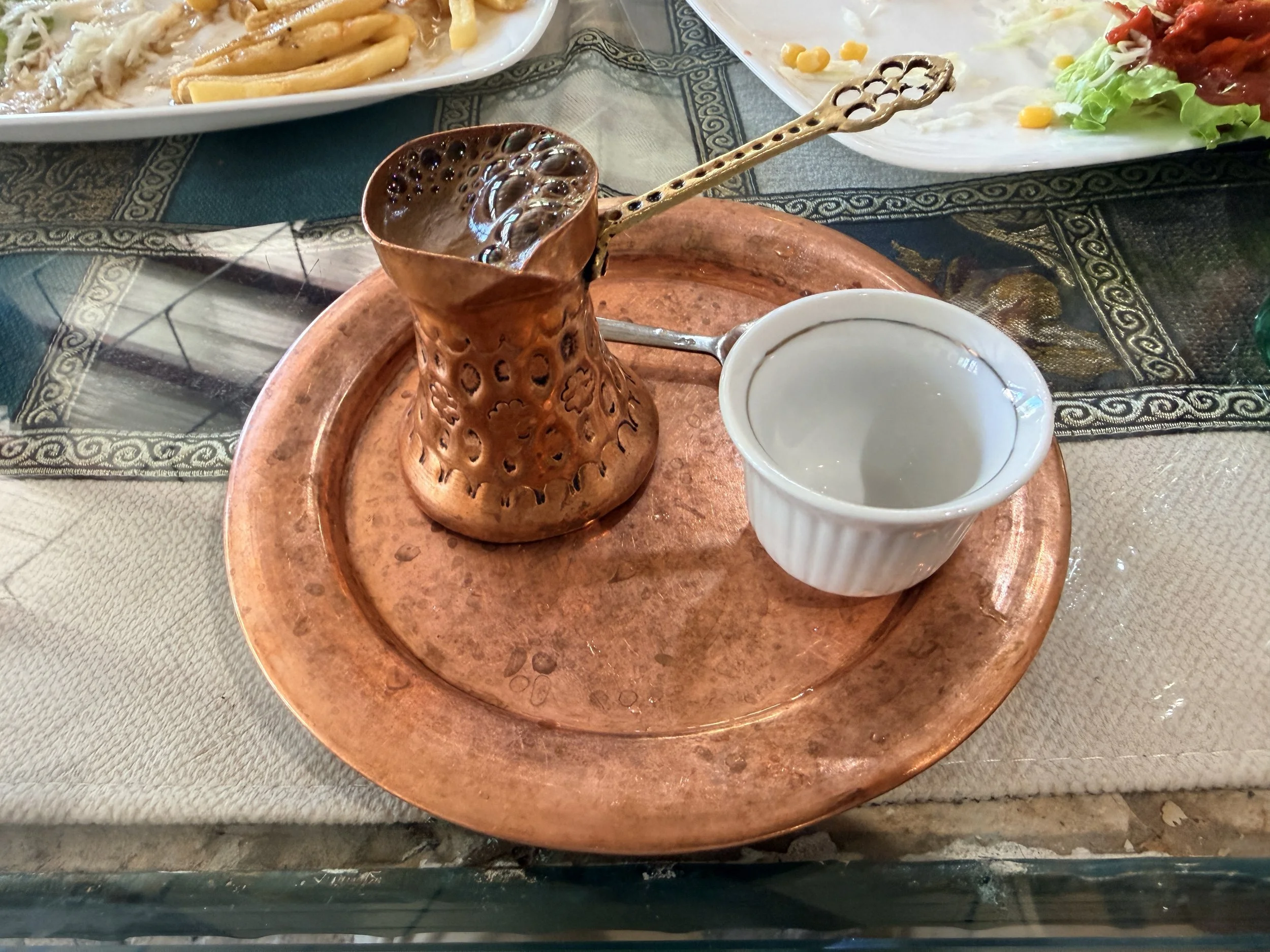
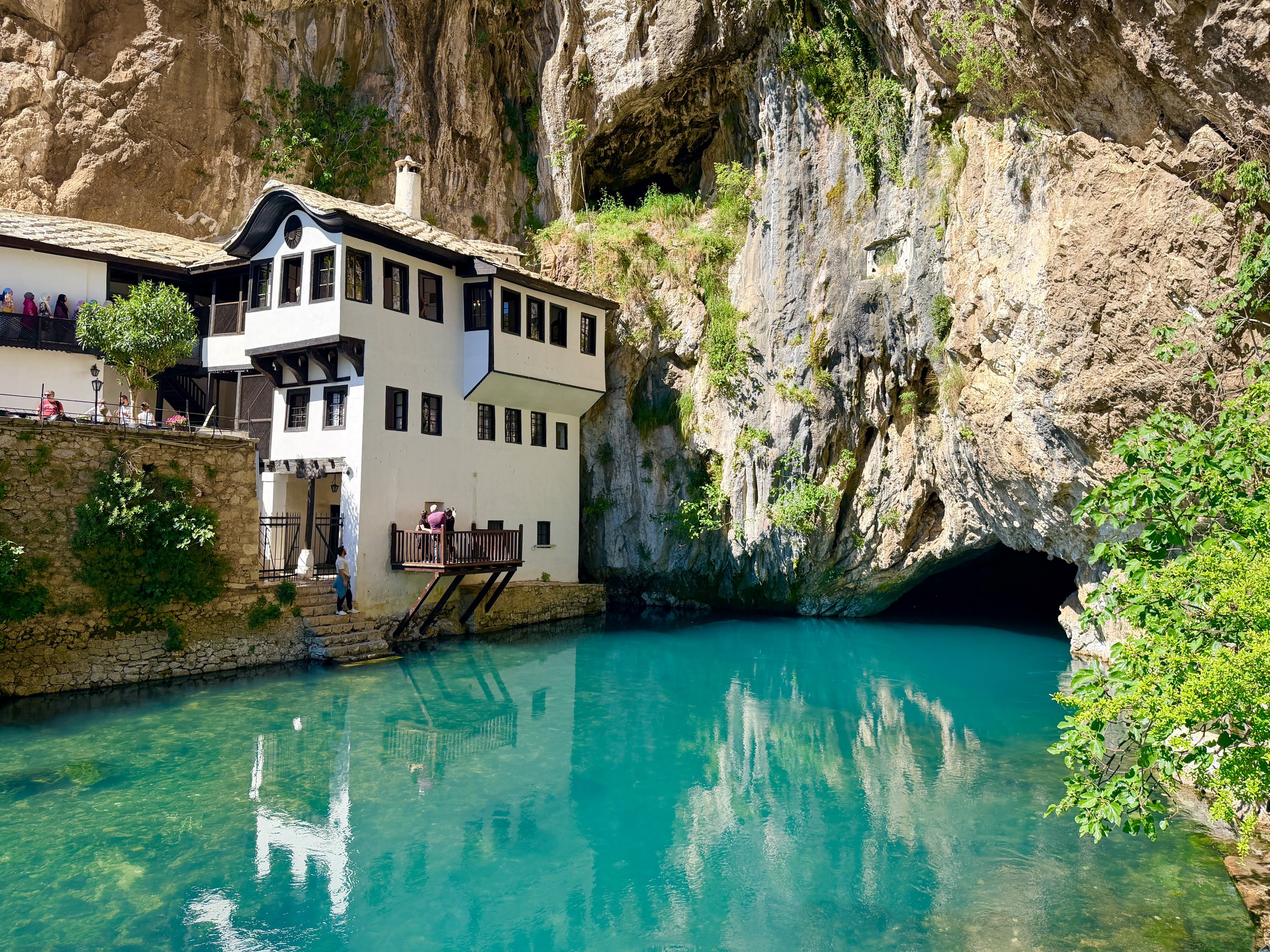
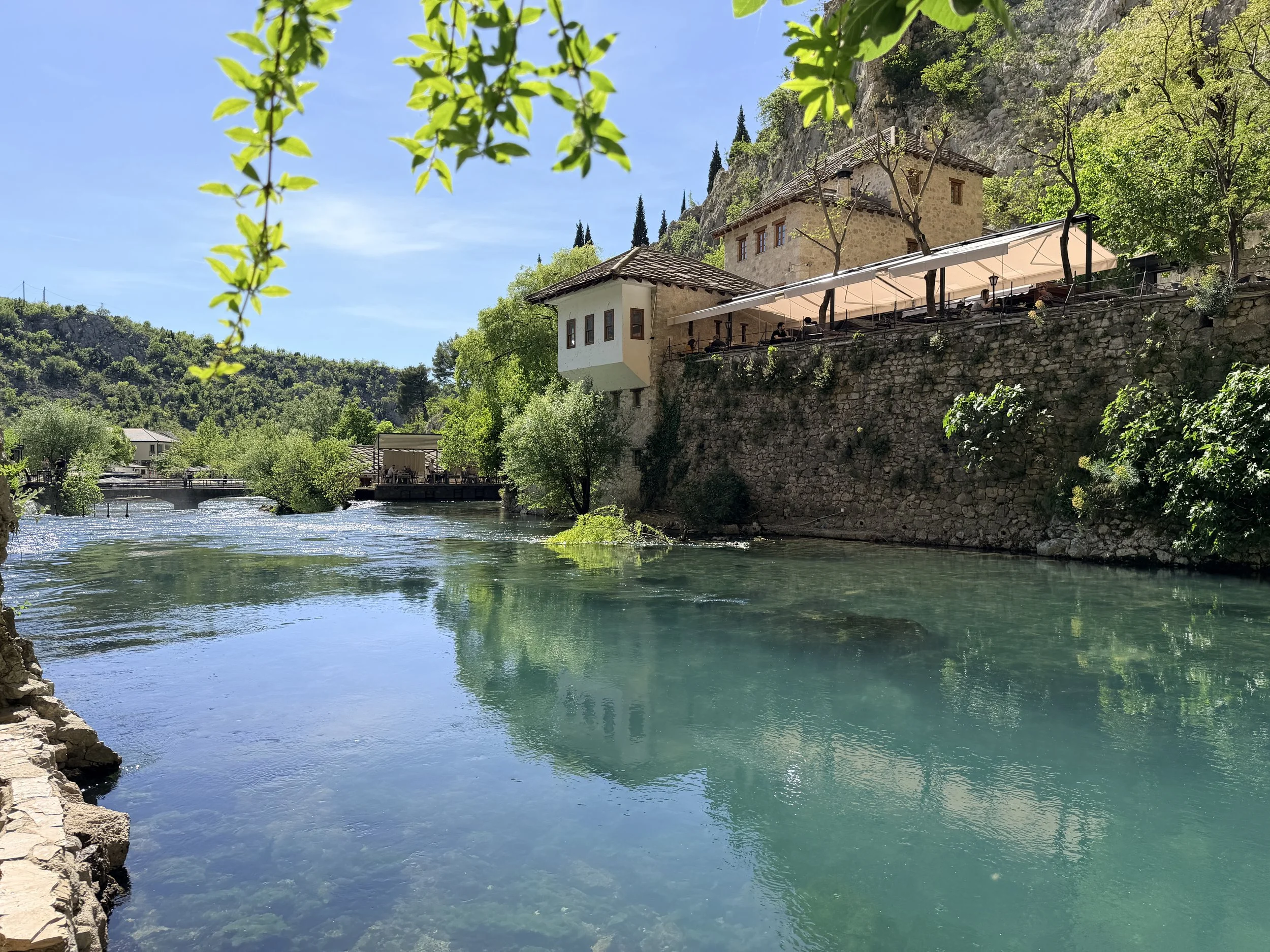
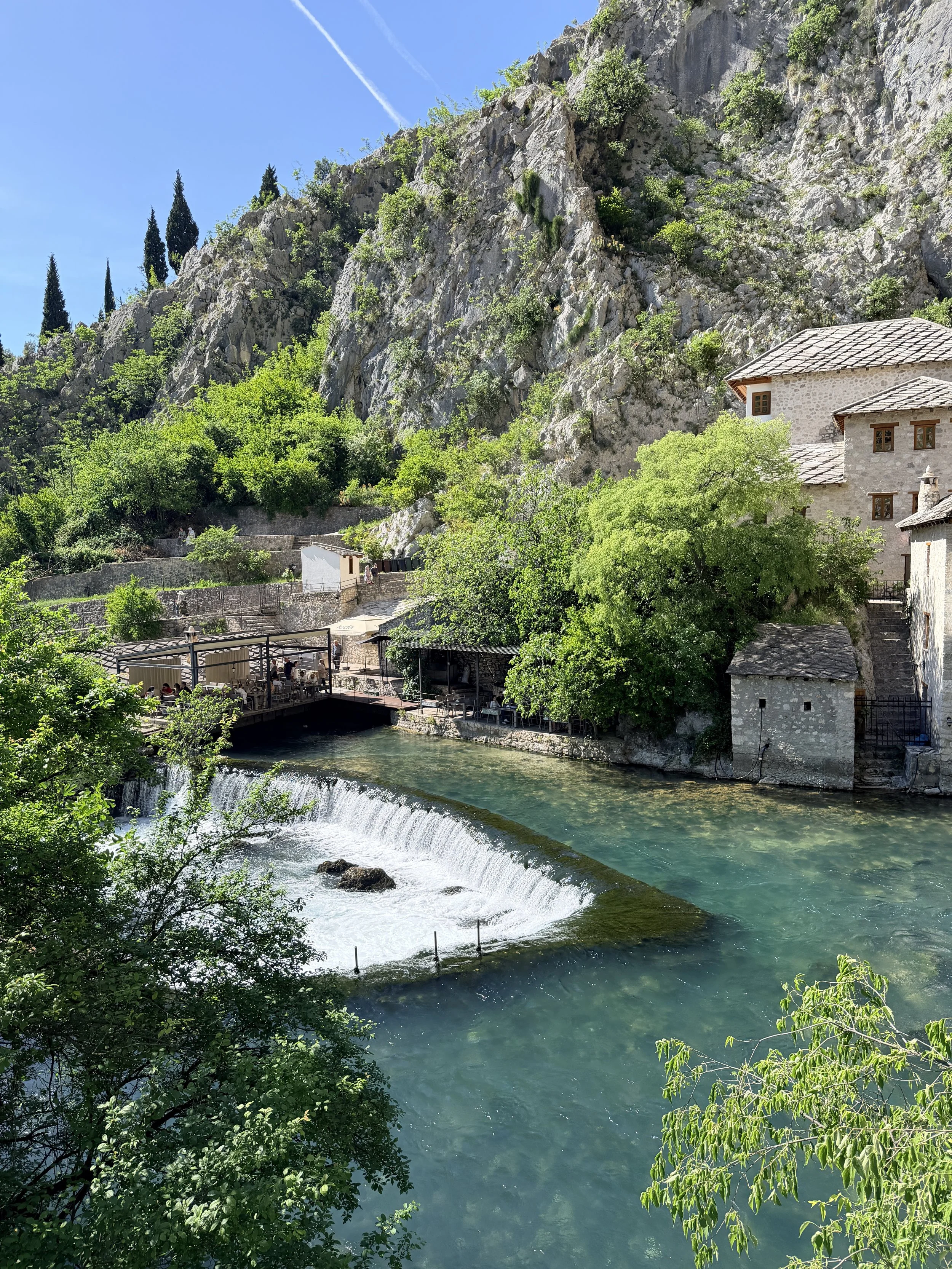
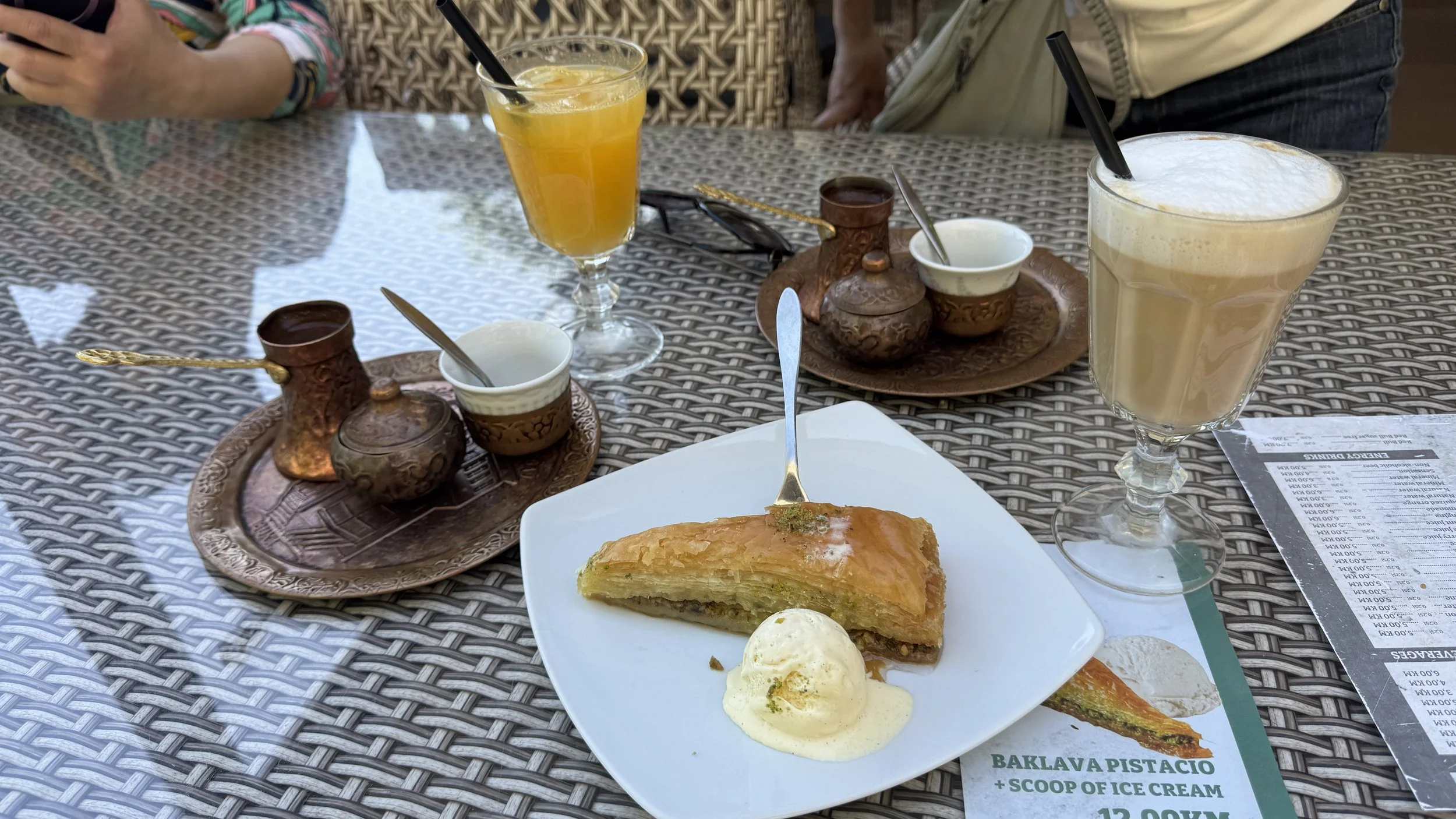
Nearby was Blagaj Tekke, located beside one of Europe’s largest karst spring sources. A powerful river emerges dramatically from a dark cave beneath towering cliffs. Next to the cave stood the historic Dervish monastery, originally built during the Ottoman period as a place for spiritual retreat and worship. The white building, tucked beneath the massive rock wall beside the rushing river, created an unforgettable setting. We did not go inside the monastery itself. Instead, we sat at a riverside café, slowly sipping Bosnian coffee while enjoying the peaceful view and the sound of the water flowing out of the cave.
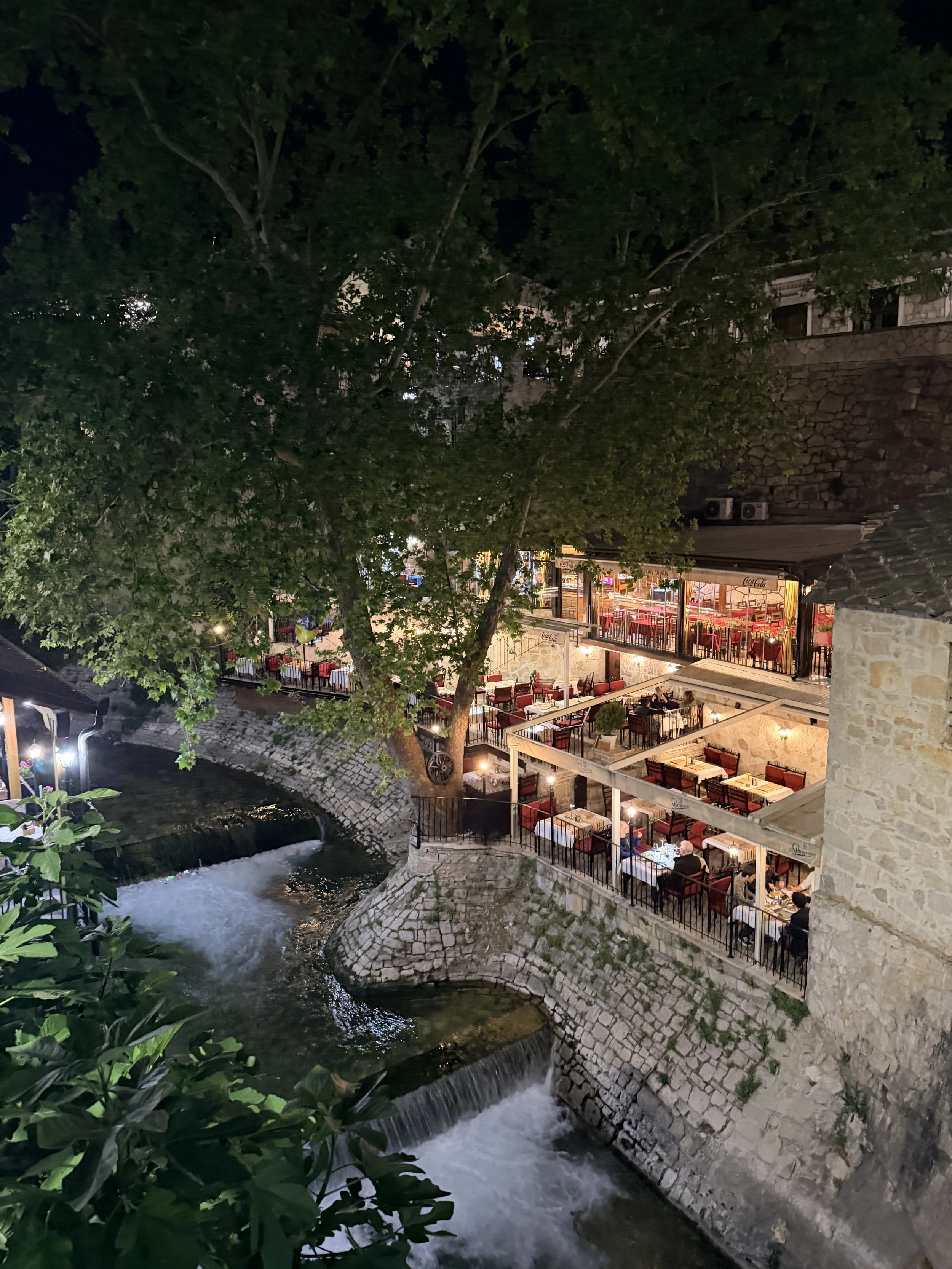
By evening we arrived in Mostar and checked into two recently remodeled studio apartments that were both modern and comfortable.
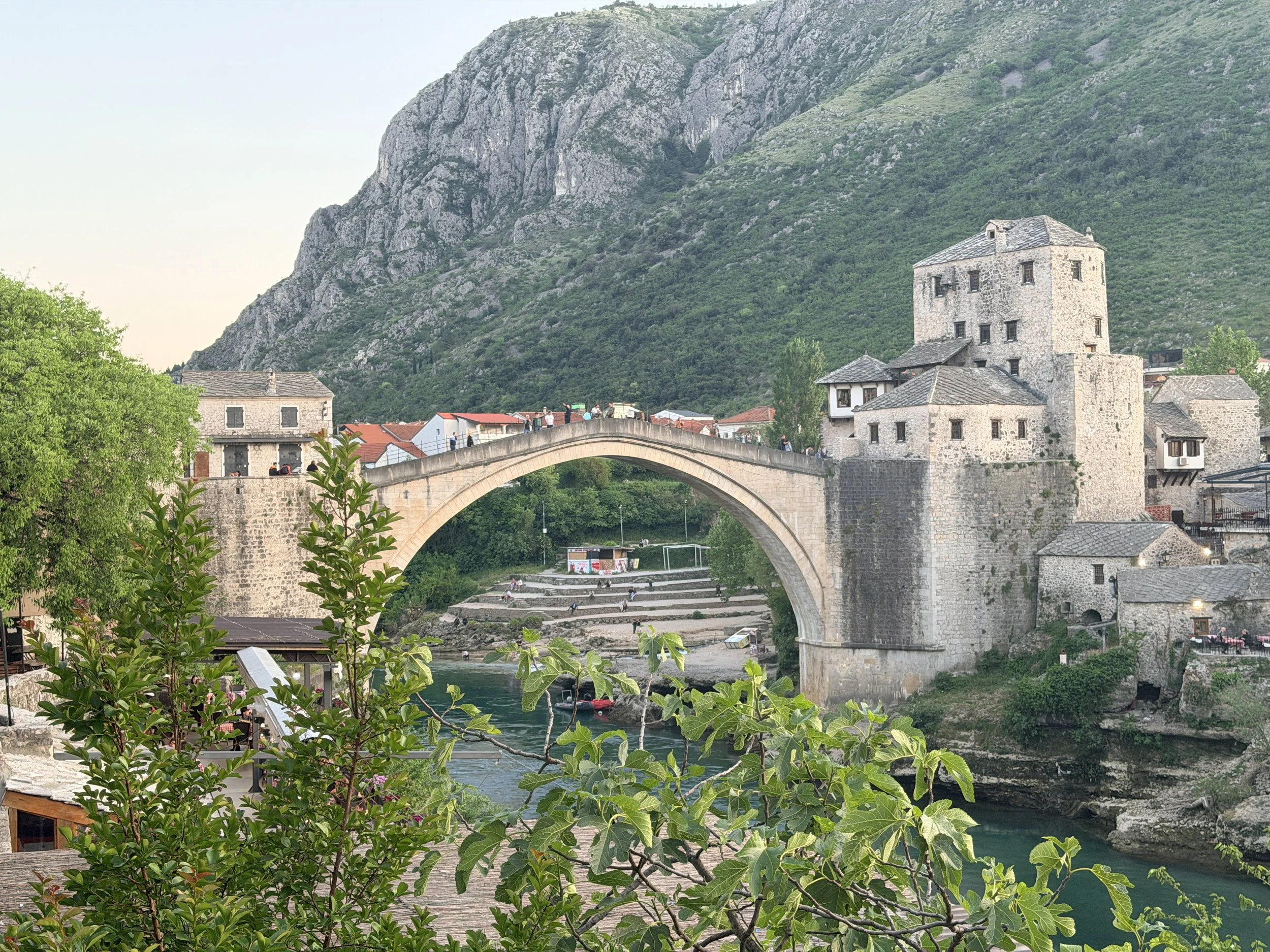
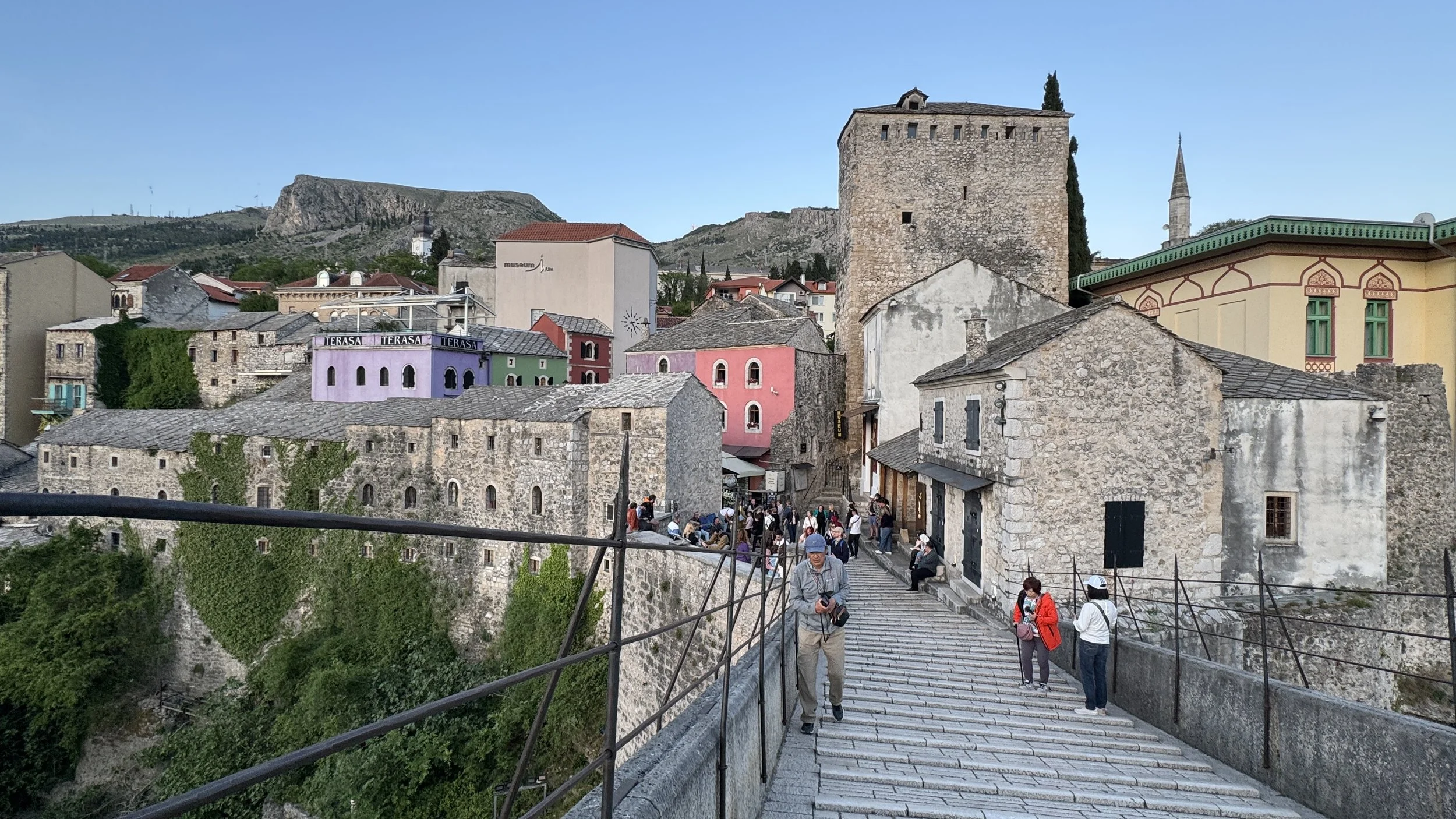
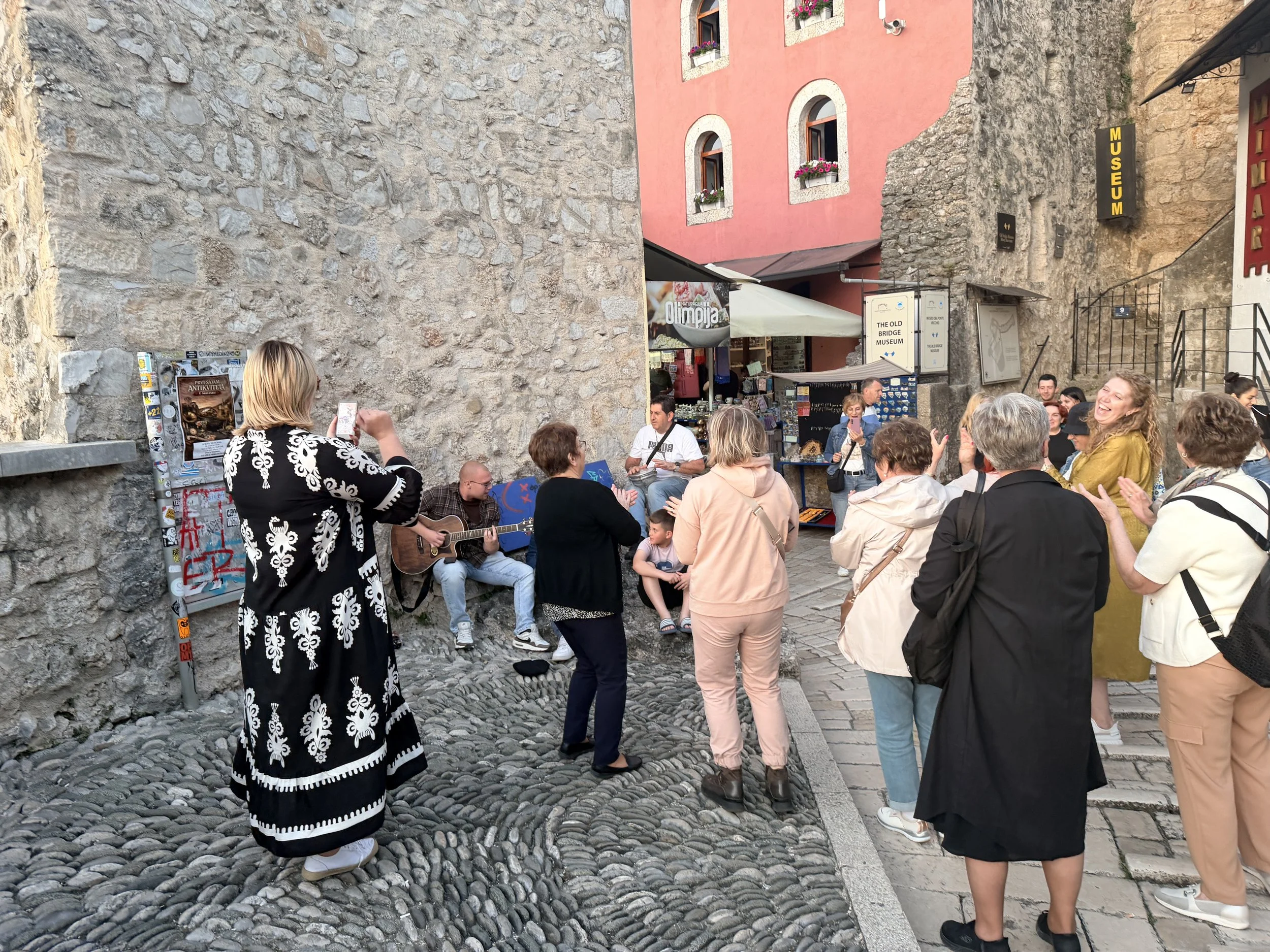
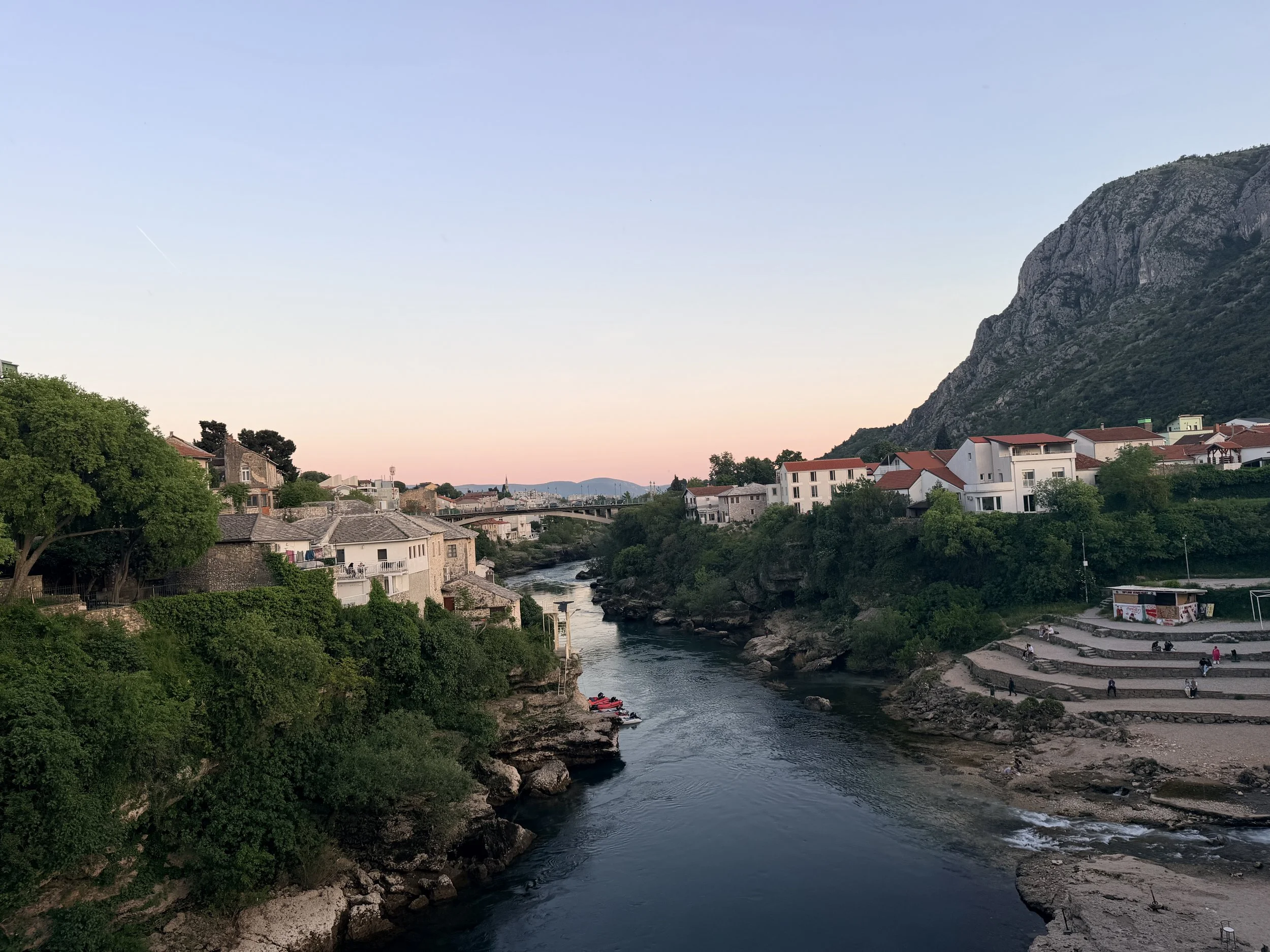
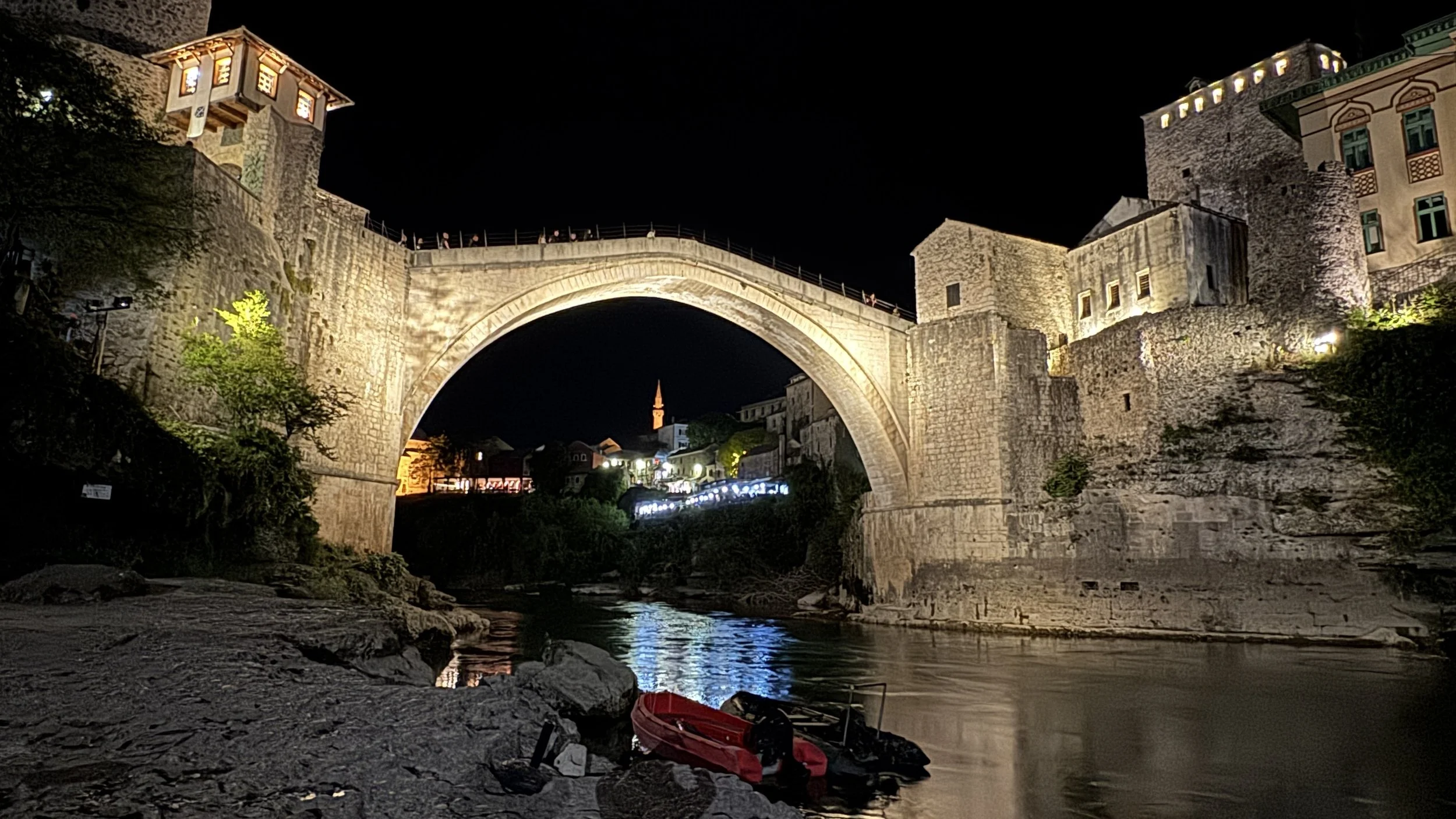
After settling in, we headed out to see the city’s most famous landmark, the Old Bridge (Stari Most). Originally built by the Ottomans in the 16th century, the bridge was destroyed during the Bosnian War in 1993 and later reconstructed using many original stones and traditional building techniques. Standing there at sunset, watching the elegant stone arch span the emerald Neretva River once again, felt both beautiful and deeply symbolic.
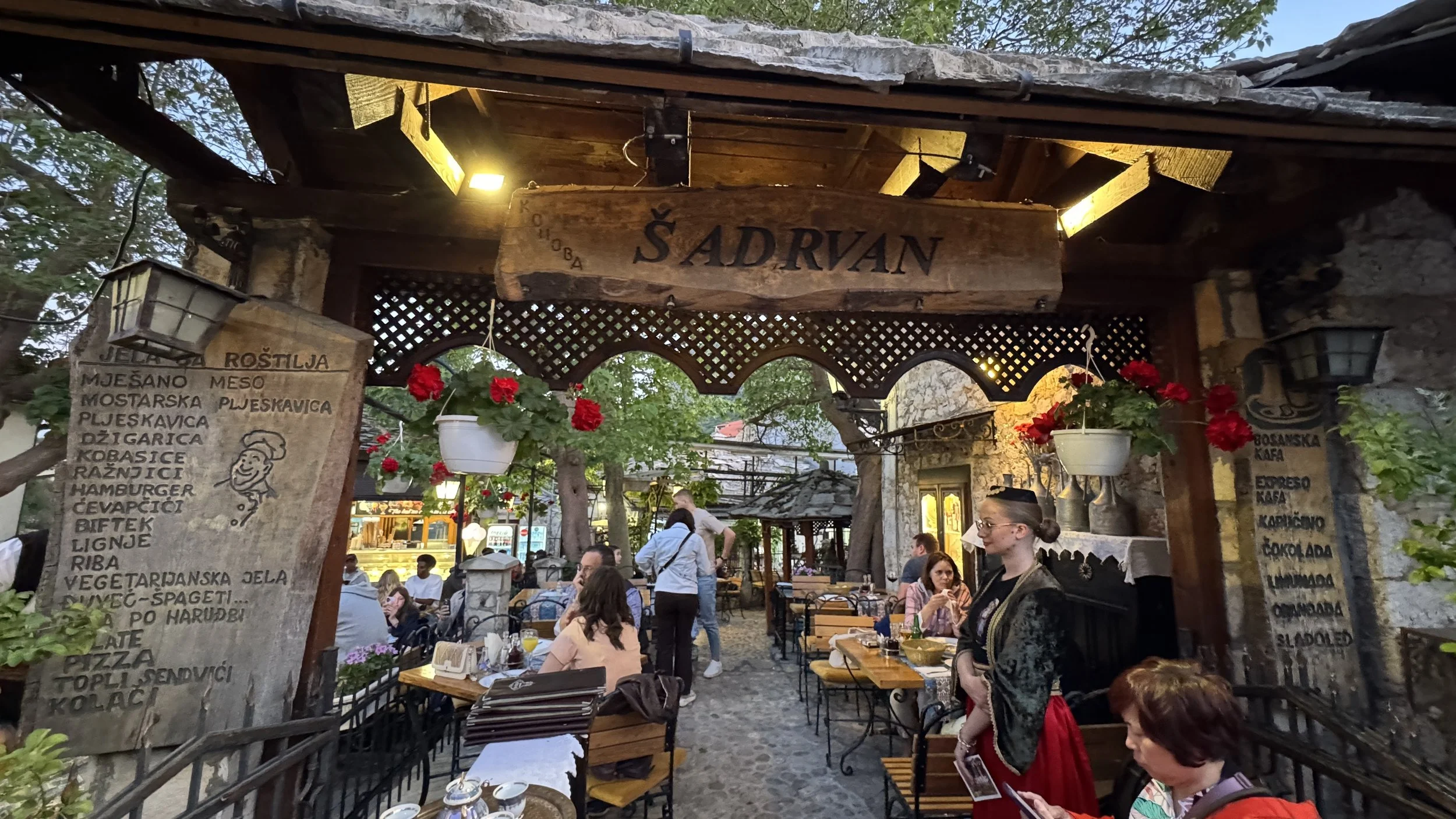
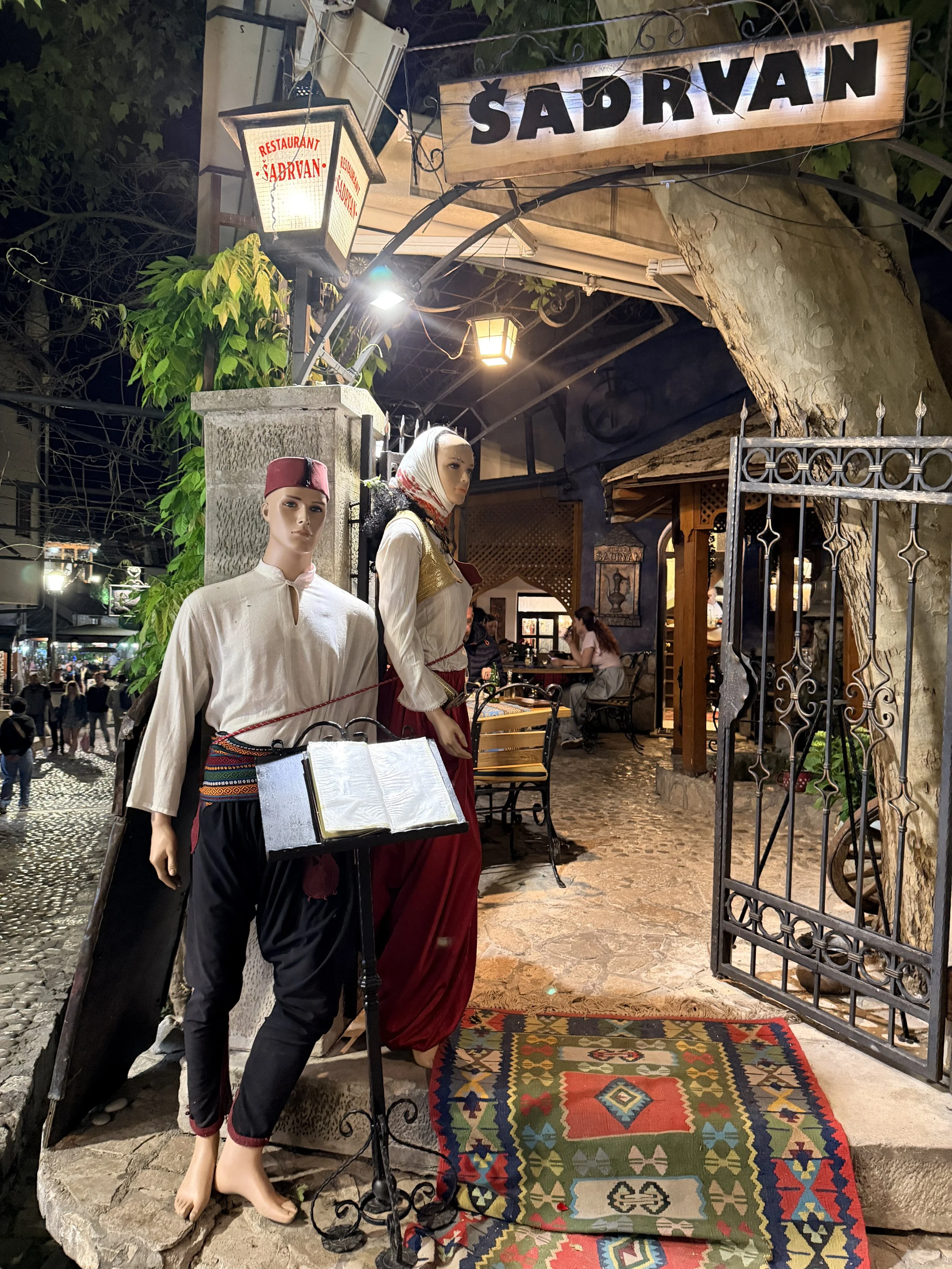
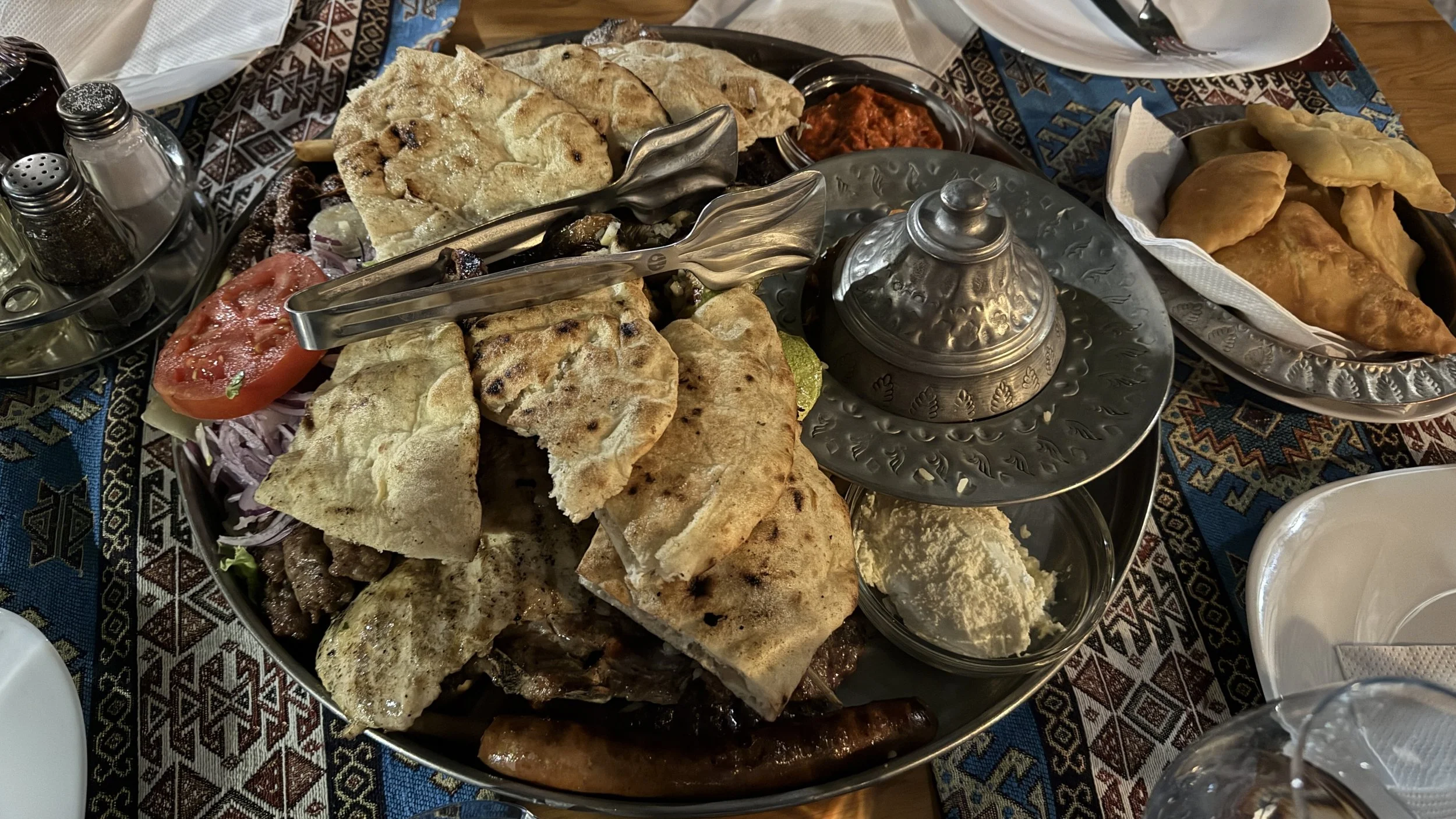
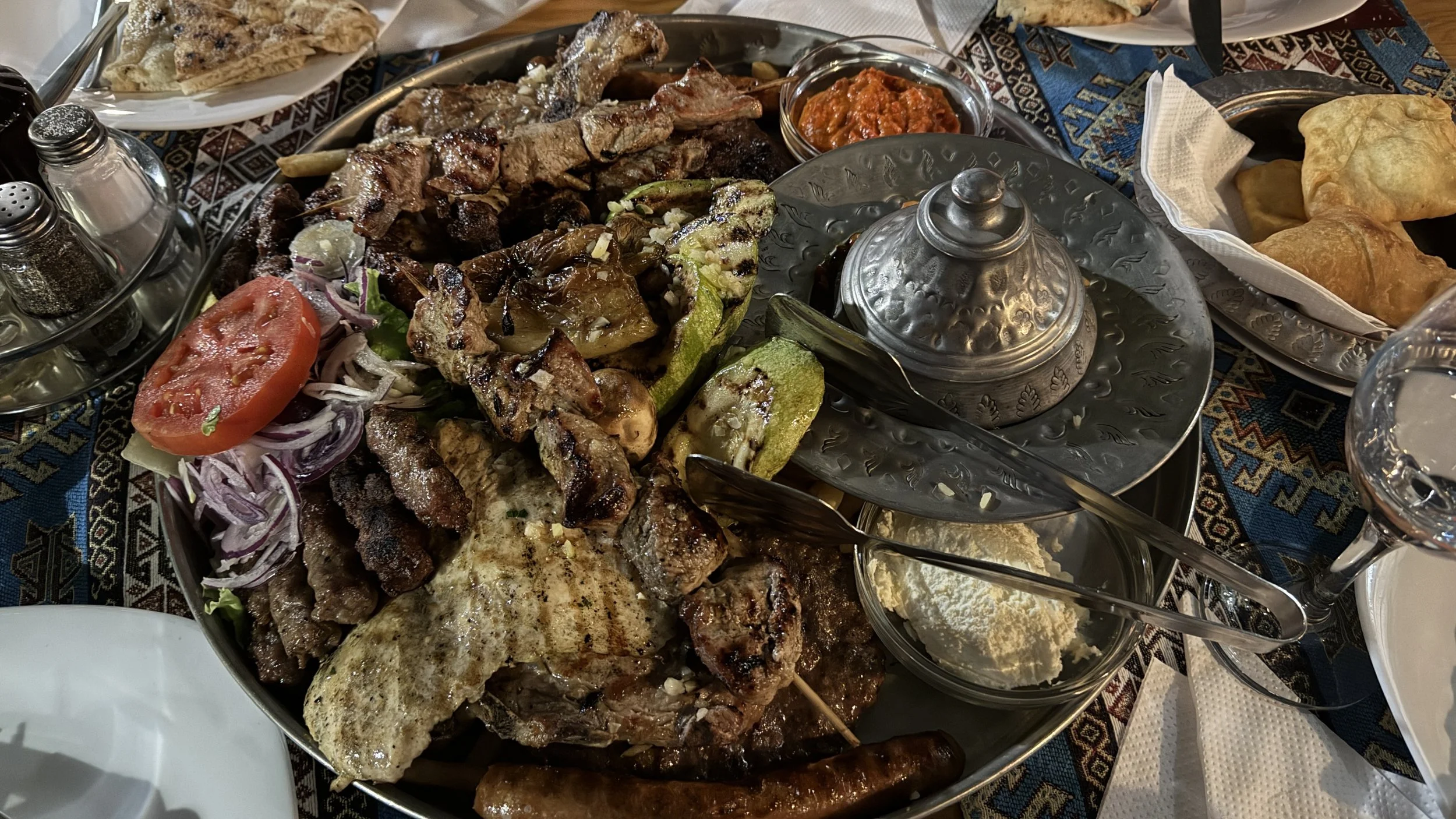
That evening we had our first Bosnian meal—large platters of grilled meats served with flatbread and local side dishes. Everything was hearty and delicious, leaving us with an excellent first impression of Bosnia and Herzegovina.
2026年4月25日
今天妹妹,妹夫与我们道别,他们将返回意大利继续他们的旅程。而我们四个人则前往我们的下一站——波黑(Bosnia and Herzegovina)的Mostar(莫斯塔尔)。
我们四人包了一辆车,是朋友在网上找的。由于司机来自波黑,没有许可进入老城区附近接人,我们拖着行李,沿着上坡路走了大约400米,才终于上了车。
离开杜布罗夫尼克(Dubrovnik)后,我脑子里一直想着前二天吃到的斯通生蚝(Ston oysters)。后来我才发现,著名的“斯通生蚝”其实主要来自附近的小镇马里斯通(Mali Ston),距离并不远。查看地图,虽然稍微偏离今天去莫斯塔尔的路线,但也不过多花十分钟左右。于是我们问司机能否顺路停一下,他很爽快地答应了。
我们直接开到马里斯通海湾边的一家餐厅,可惜餐厅要到上午11点才营业,还得再等三十分钟。工作人员于是推荐我们去路边一家小小的生蚝吧。
那家生蚝吧其实只是一个简陋的路边小店,但已经开始营业了。他们按照生蚝的“年龄”来定价:两年的2欧元一个,三年的3欧元,四年的4欧元,而七年的则要5欧元一个。生蚝年份越久,个头也越大。这还是我们第一次听说生蚝按“年龄”出售。
我们四人一开始每一种都叫了些,想尝试一下有什么不同。10个二年,3个三年,3个四年的和3个七年的。味道都非常好,尤其是七年的生蚝,个头大,肉质肥厚鲜美。我平时其实并不算特别喜欢吃生蚝,所以只尝了小一点的,但即使如此,也能明显感受到它们的新鲜。
不过这些生蚝明显对三位女士来说还不够,于是我们又追加了10个二年和3个七年的。总共吃下三十二个生蚝后,大家终于满足了,重新踏上旅程。
斯通(Ston)本身也是一座历史小镇,以巨大的城墙闻名,甚至有人称它为“欧洲长城(Great Wall of Europe)”。我们短暂停车拍了几张照片后继续前行。
从克罗地亚(Croatia)进入波黑(Bosnia and Herzegovina)的边境过程非常顺利。我们只是出示护照、下车拍了几张照片便继续前进。唯一让人发笑的是,边境摄像头安装得特别高,有些人不得不仰着头才能拍到。
一路穿行,波黑的景色非常美,清澈见底的河流蜿蜒流过森林覆盖的群山之间,让我们立刻觉得这是一个值得以后更深入探索的国家。
我们的下一站是历史石头小镇波奇泰利(Počitelj)。这座古老小镇建在俯瞰内雷特瓦河(Neretva River)的山坡上,仿佛时间被冻结了一般。我们沿着古老的石阶一路向上,爬到山顶的瞭望塔,小心地探索着塔内结构。整座塔仍保持着非常原始的状态:狭窄的通道、不平整的石阶,几乎没有任何现代安全措施。我们忍不住开玩笑说,如果是在美国,这种地方大概根本不会允许游客进入。
这里游客很少,石头屋顶、奥斯曼风格(Ottoman-style)的老房子,以及安静的小巷,都让这里显得格外真实而古朴,这是如今已经很少能感受到的氛围。
下山途中,我们参观了古老的清真寺(mosque),随后停下来吃午餐。我们点了一道非常好吃的鸡肉,还有香肠以及波黑炸面团甜点。虽然波奇泰利并不是我们见过最宏伟、最精致的古城,但它那种原始而未经商业化的感觉,却令人印象深刻。
另一个让我们非常惊艳的地方是布恩斯基卡纳尔(Bunski Kanal)。第一眼看上去,它几乎像是一条人工开凿的运河,但其实完全是天然形成的。碧绿色的河水在狭窄岩石之间急速奔流,而另一条河流则从旁边形成一道道小瀑布倾泻而下。这种景象我们以前从未见过。
最后停的一站是布拉加伊清真寺修道院(Blagaj Tekke),坐落在欧洲最大的喀斯特地下泉水源之一旁边。一条河流从巨大岩洞中奔涌而出,岩壁高耸陡峭。洞口旁边便是历史悠久的托钵僧修道院(Dervish monastery),最早建于奥斯曼时期,用作修行与静修场所。白色建筑依山傍水,紧贴着巨大岩壁,景色极其震撼。
我们并没有进入修道院参观,而是坐在河边咖啡馆里,一边慢慢喝着波黑咖啡(Bosnian coffee),吃着甜品,一边欣赏河水从洞穴中奔流而出的景象,十分惬意。
傍晚时分,我们抵达莫斯塔尔(Mostar),入住了两套刚刚翻新过的 studio 公寓,现代又舒适。主人非常热情,不仅介绍了小镇的情况,还推荐了饭店。
稍作休息后,我们便前往参观这座城市最著名的地标——老桥(Stari Most)。这座桥最初由奥斯曼帝国于16世纪建造,在波黑战争期间于1993年被毁,后来又使用部分原始石材和传统工艺重新修复完成。傍晚时分,站在桥边,看着这道优雅的石拱再次横跨翠绿色的内雷特瓦河,既美丽,又充满象征意义。
波黑不是欧洲联盟的成员,使用自己的货币,汇率是欧元的一半左右。但欧元也基本通用。走在小镇上满大街全是卖冰激凌的,都会标二个价。在这里吃到了这次行程以来最便宜的冰激凌,一块五欧元。
当晚,我们品尝了第一顿波黑料理——大盘烤肉配面饼和当地配菜。丰盛的晚餐非常美味,也让我们对波黑留下了极好的第一印象。