Kaohsiung, Taitung 高雄, 台东
September 21, 2025
In the morning, we took a short 5-minute ferry to Ciji Island (旗津岛)……
September 21, 2025
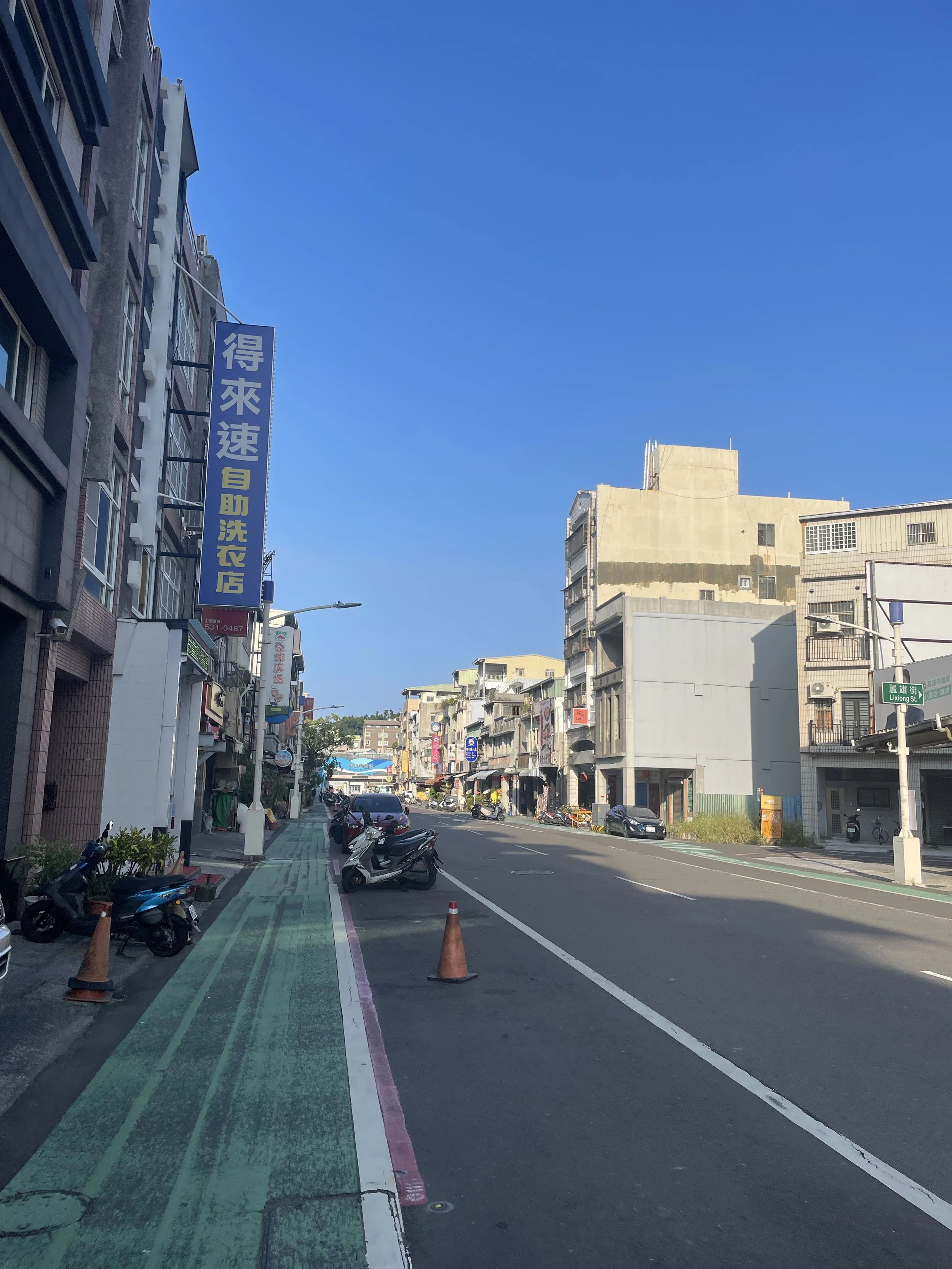
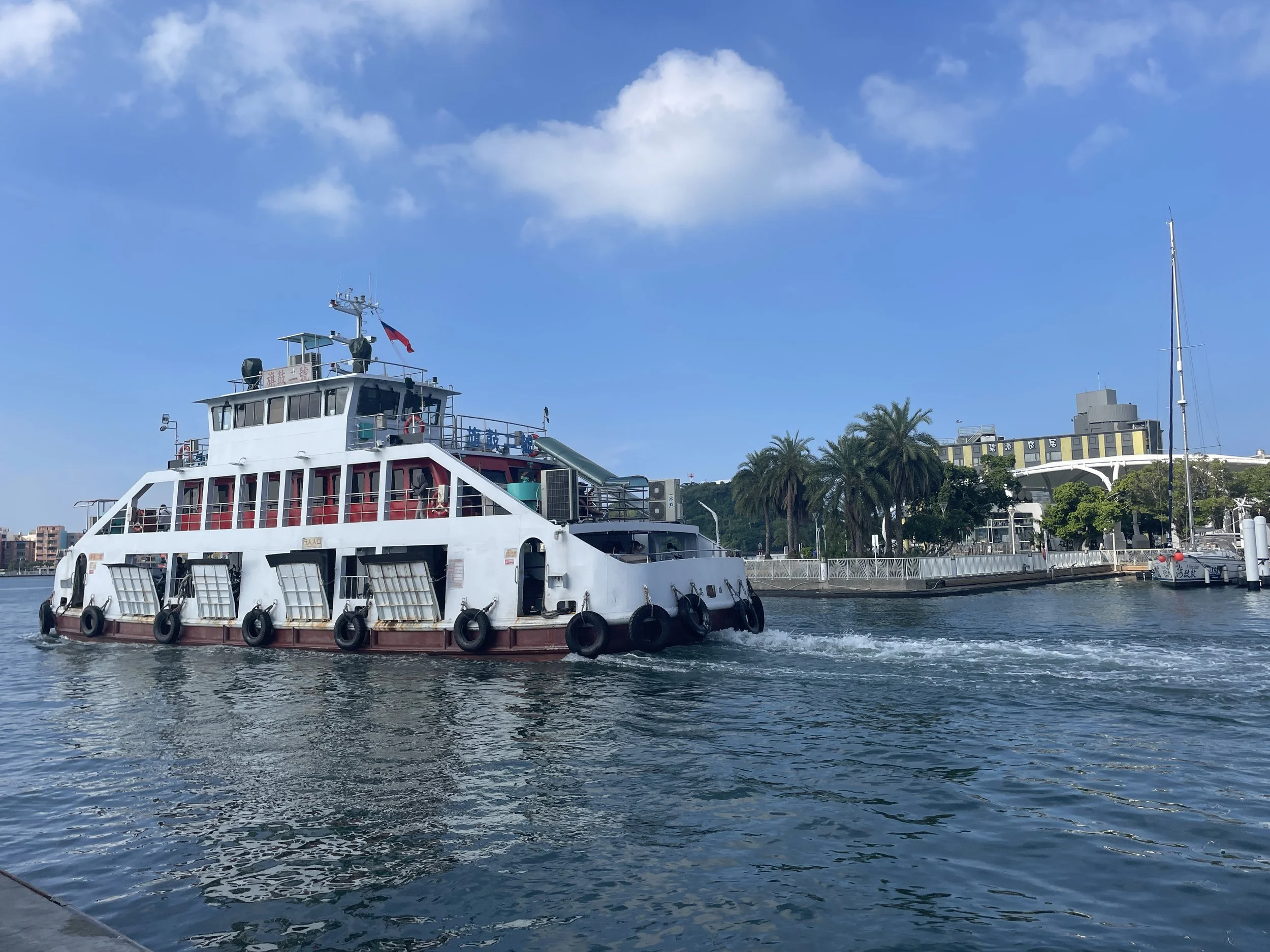
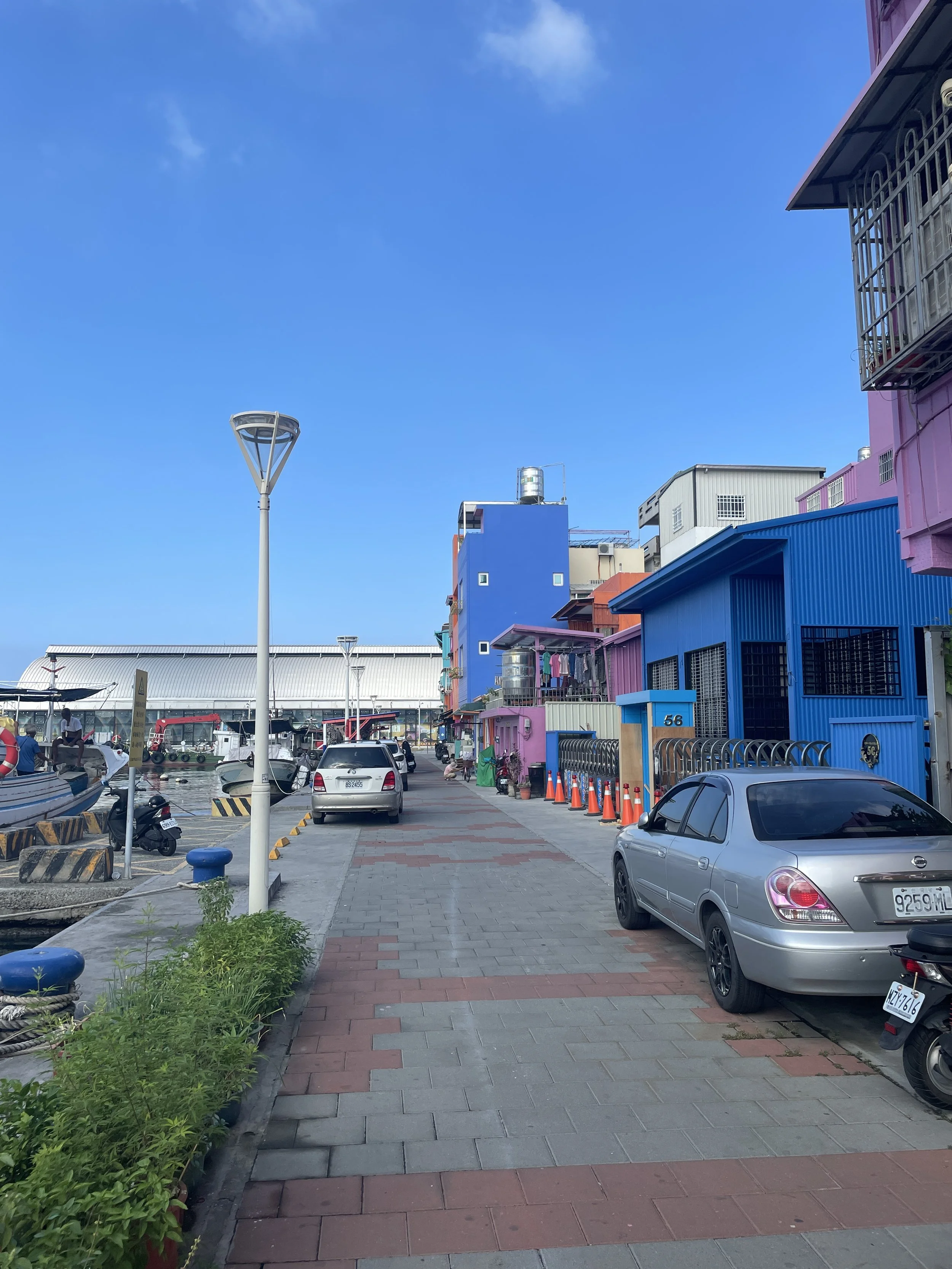
In the morning, we took a short 5-minute ferry to Ciji Island (旗津岛) in Kaohsiung for a brief walk along the beach and through the old town. Unfortunately, we couldn’t find any proper breakfast spots or coffee shops in the area. Instead, we stopped by a 7-Eleven and picked up a banana, a tea egg, and a rice triangle for a simple breakfast.
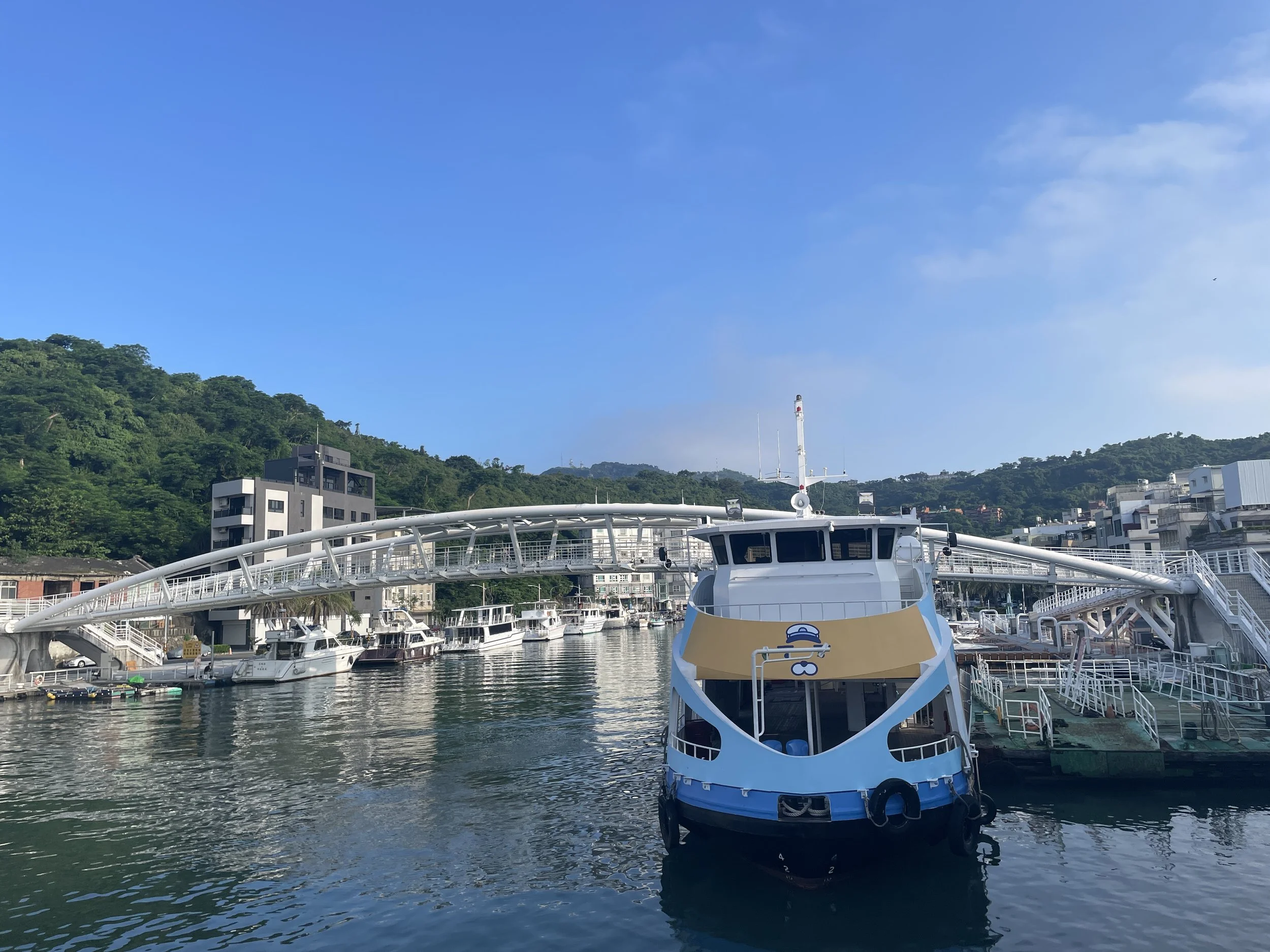
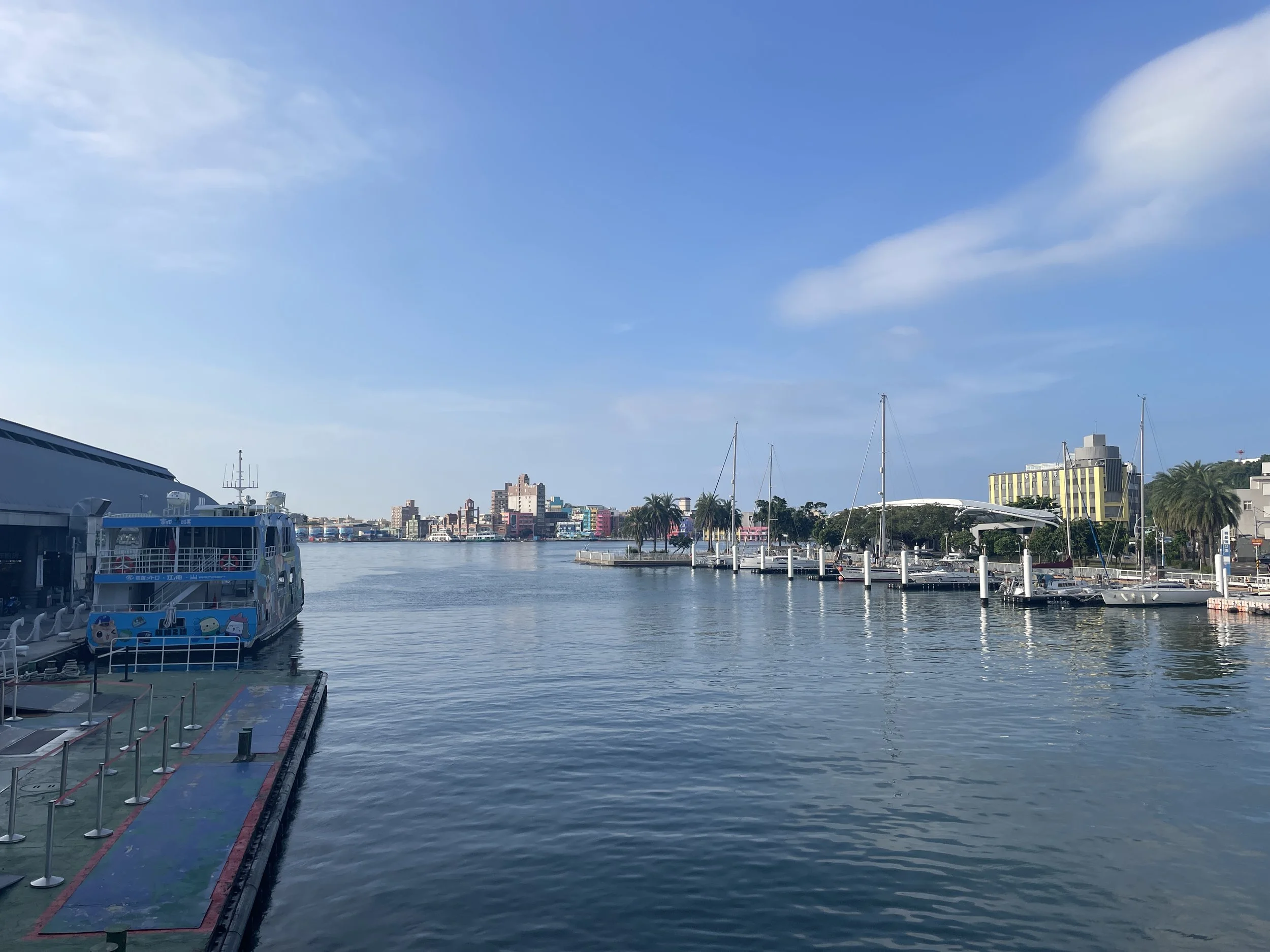
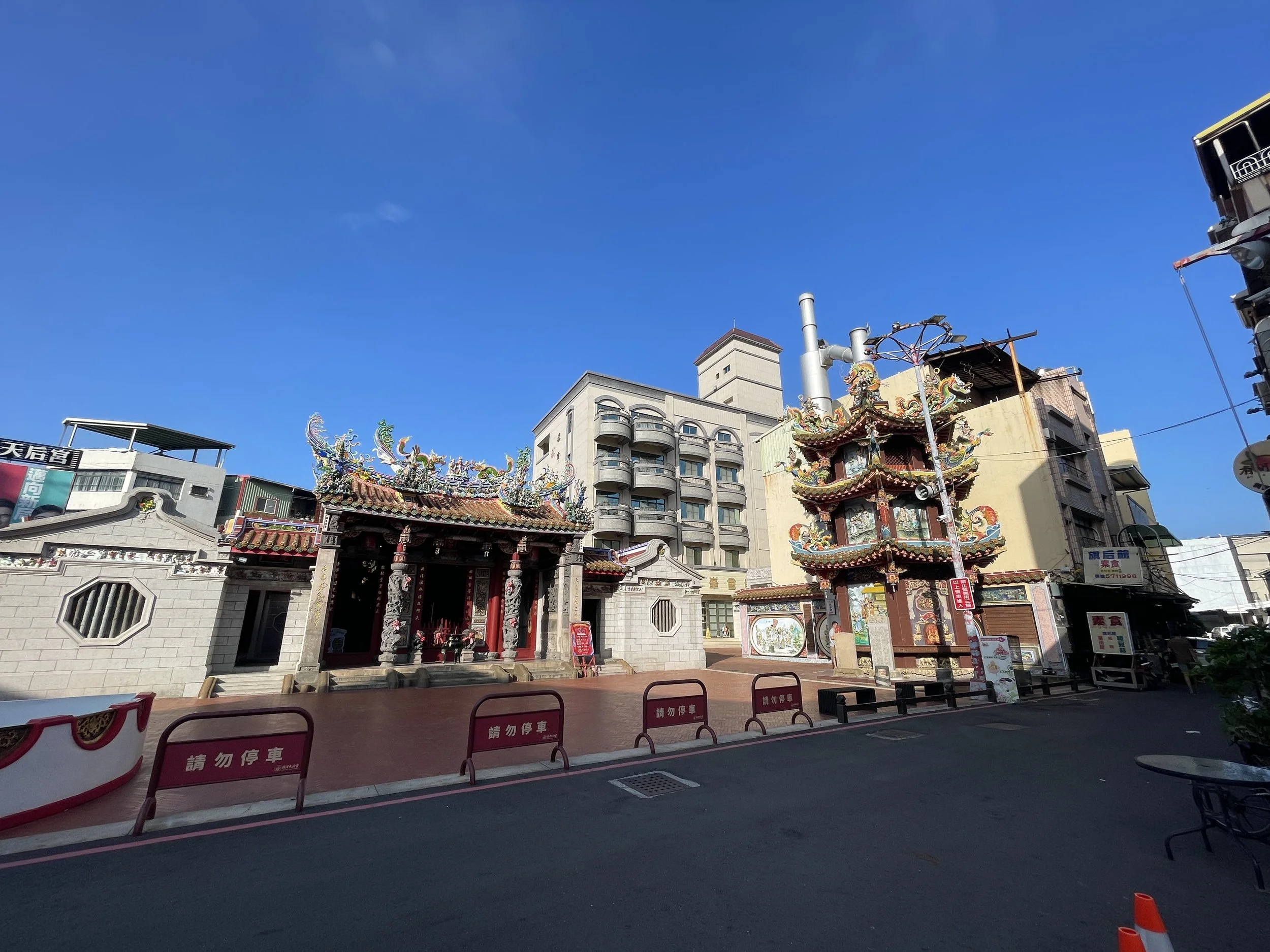
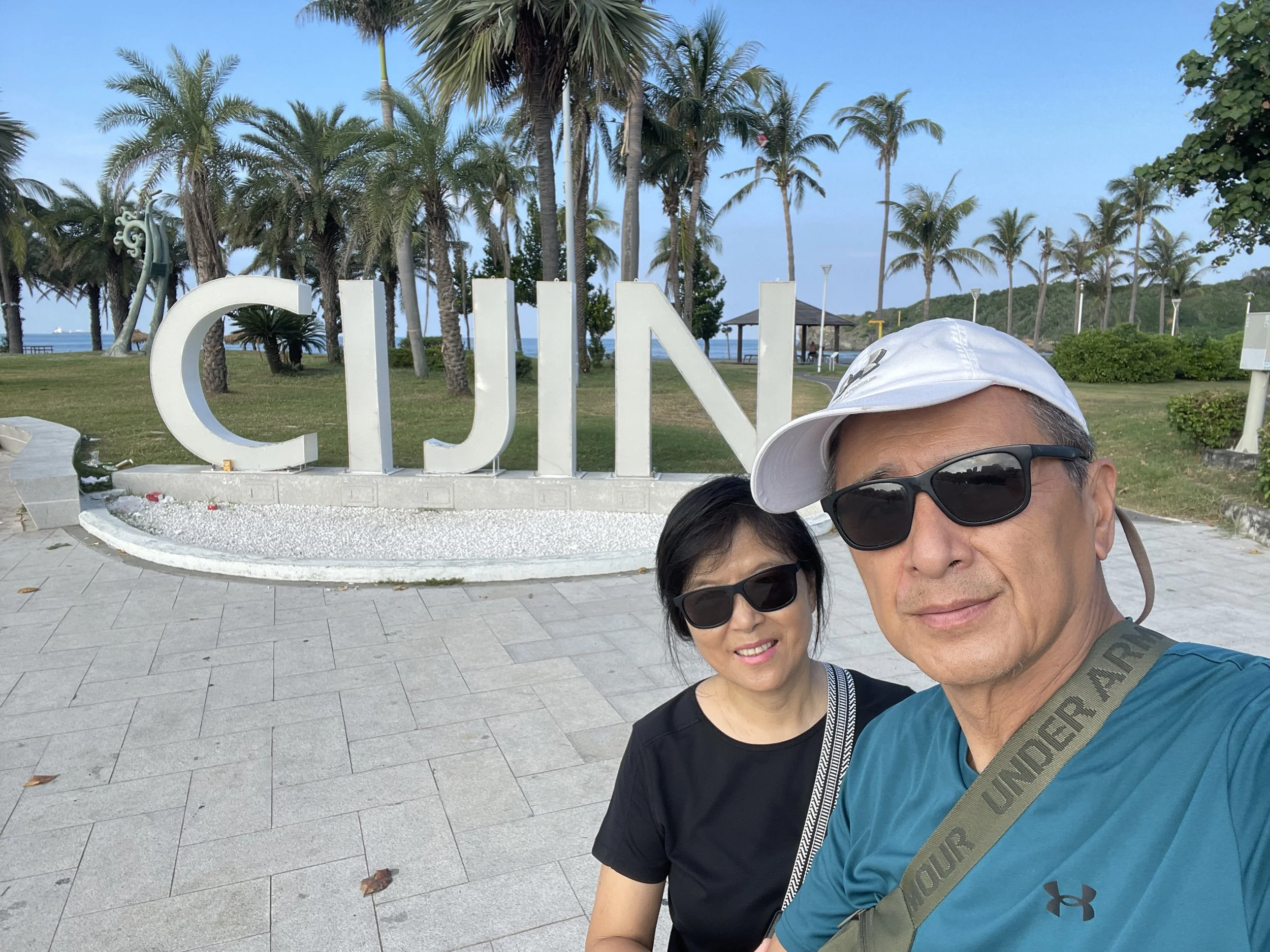
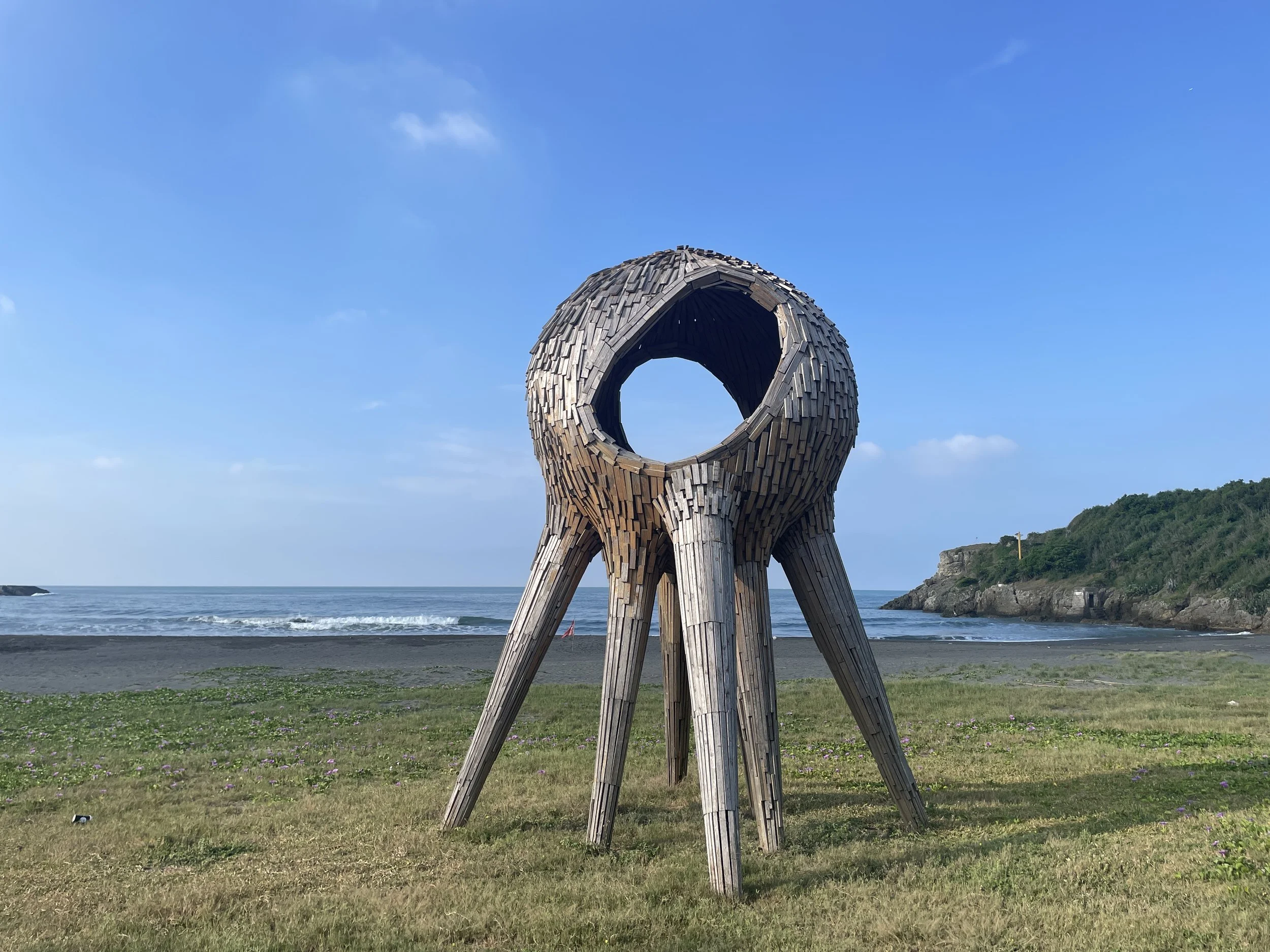
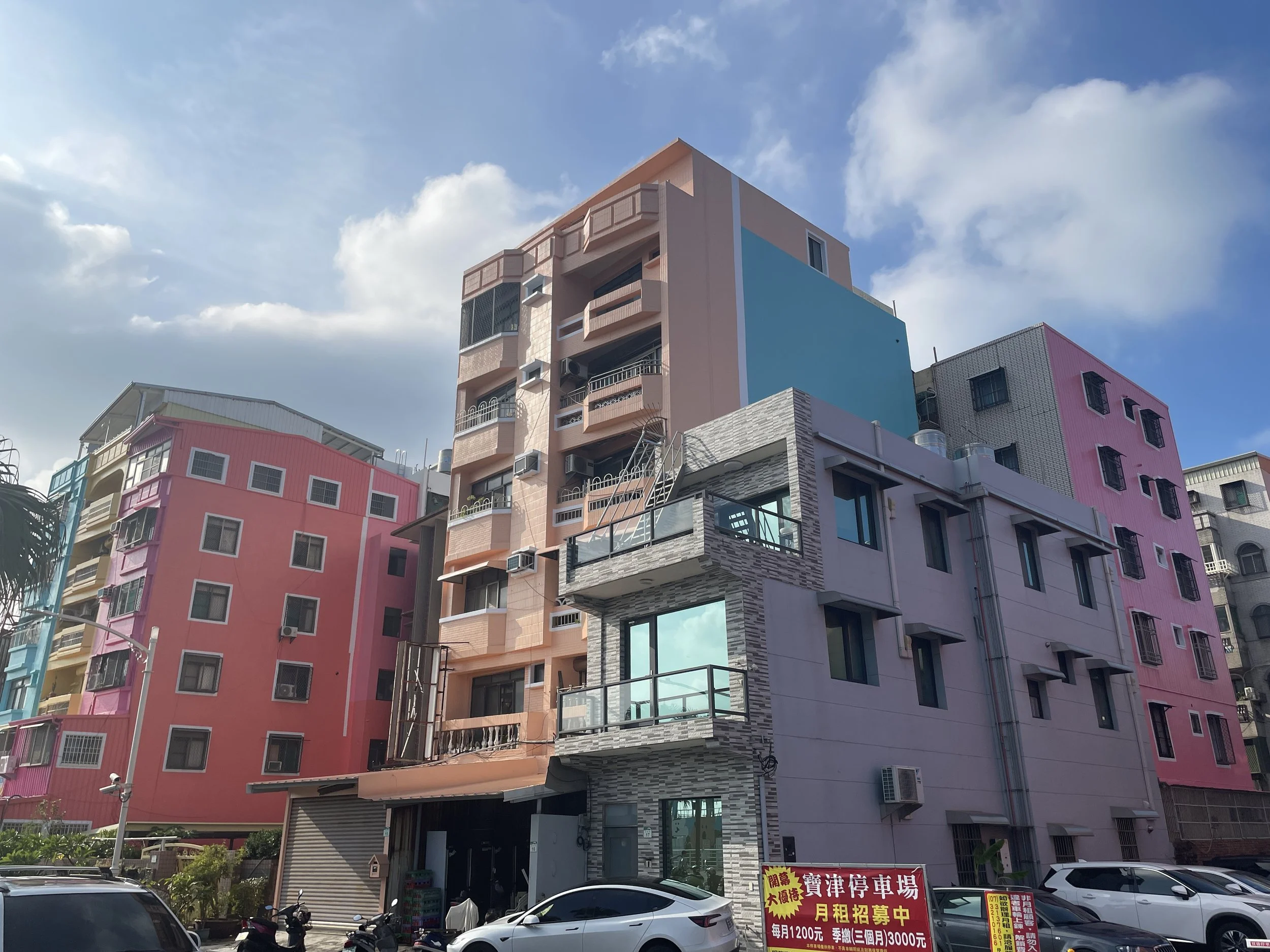
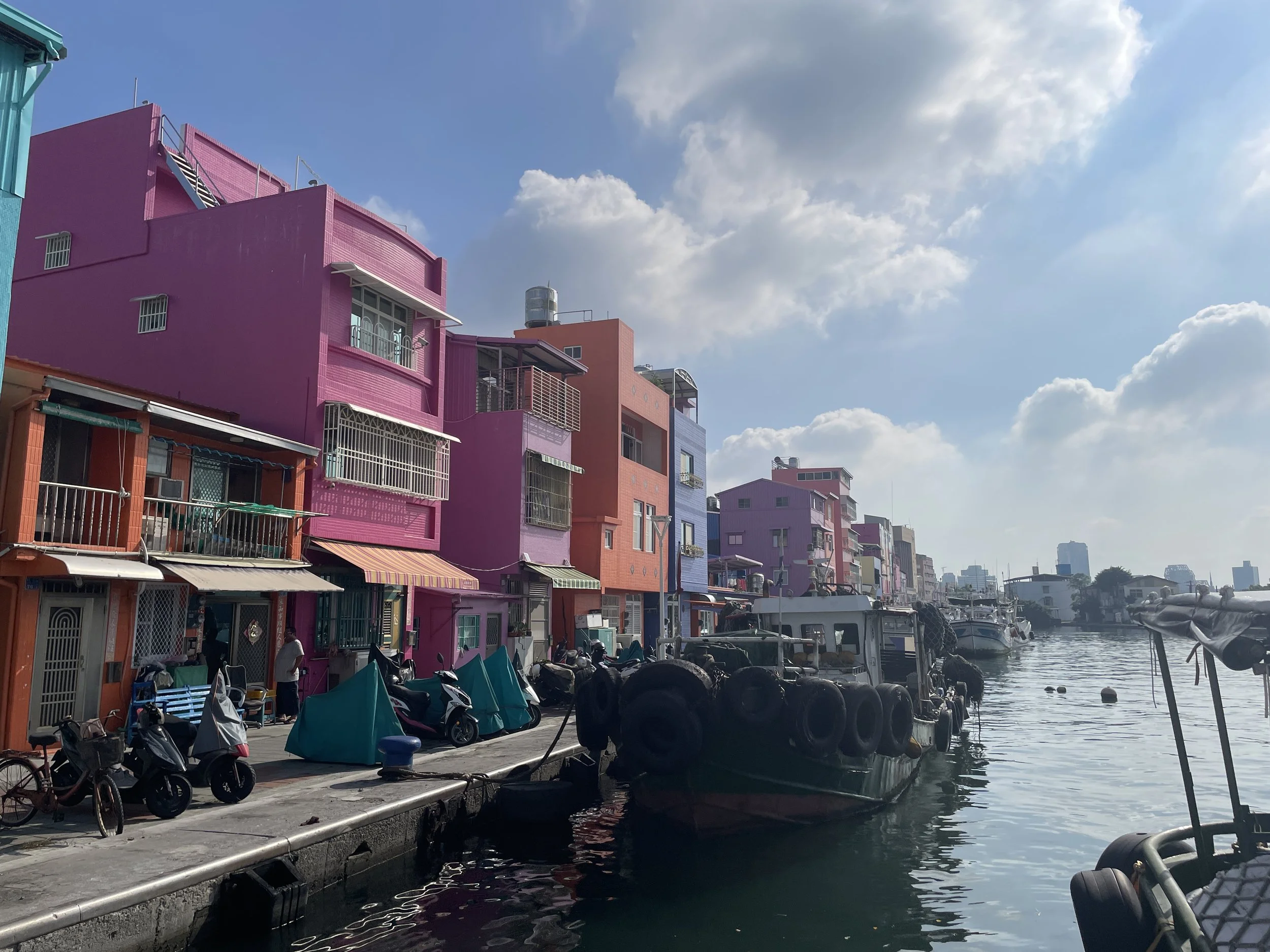
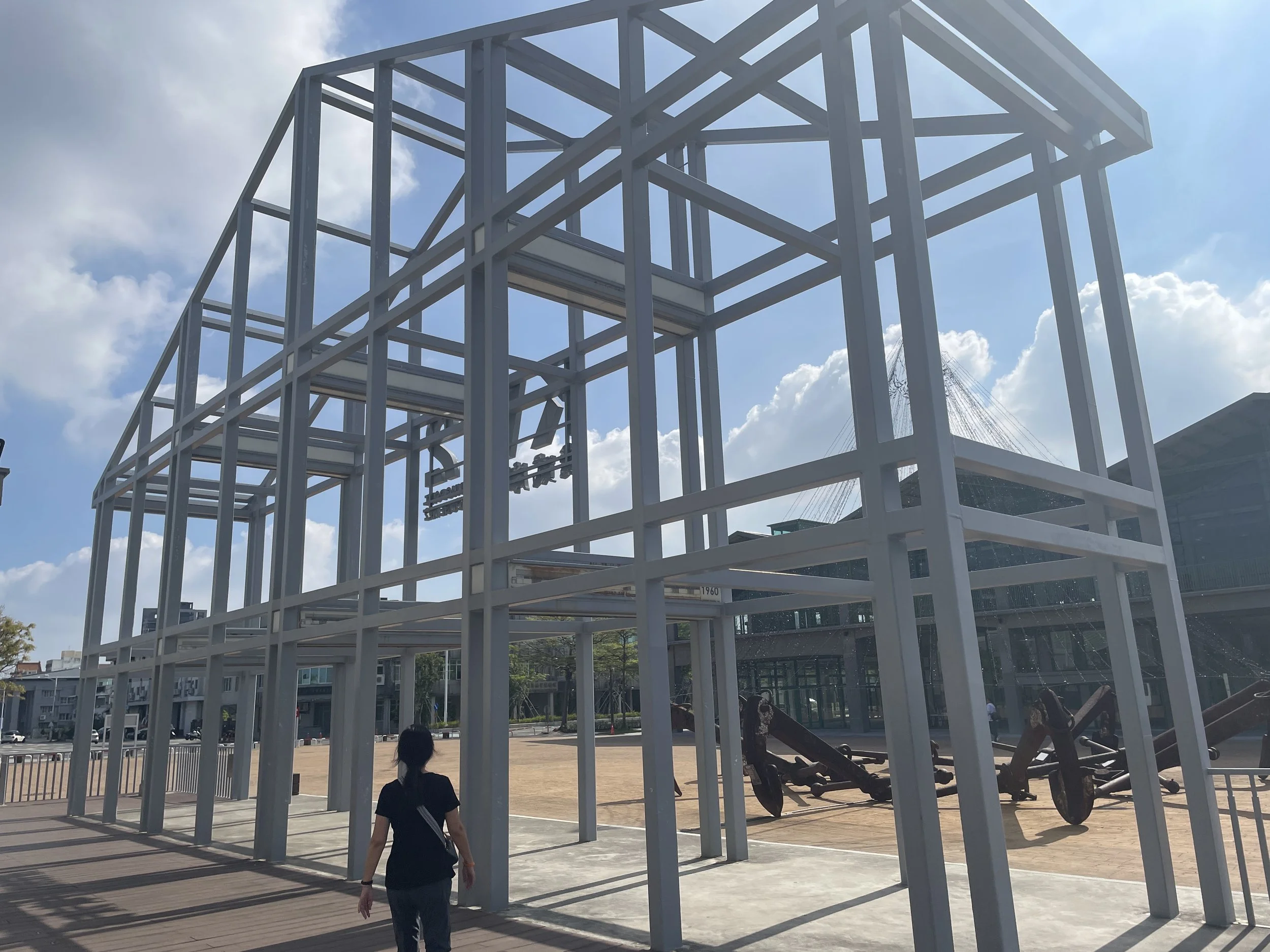
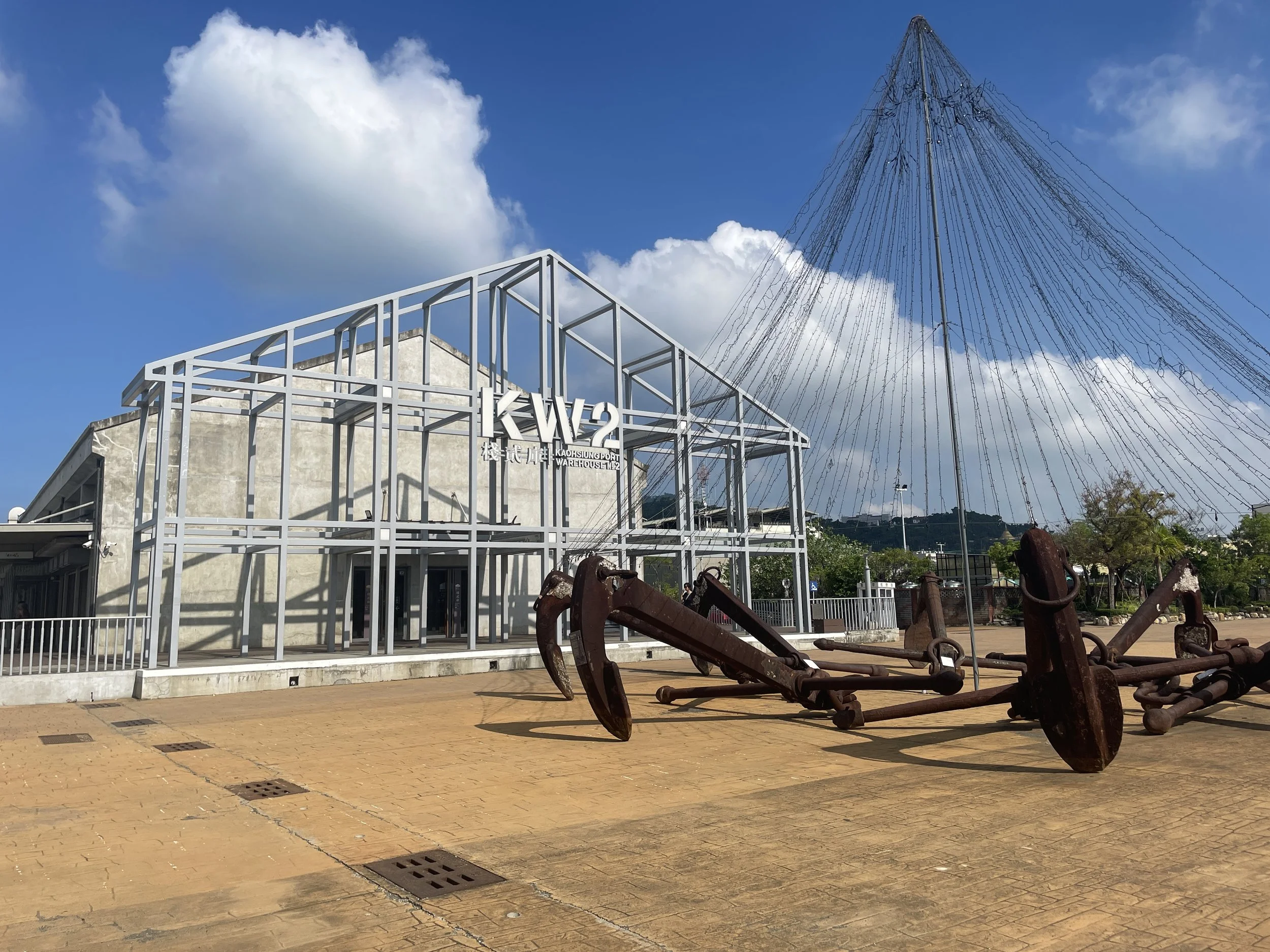
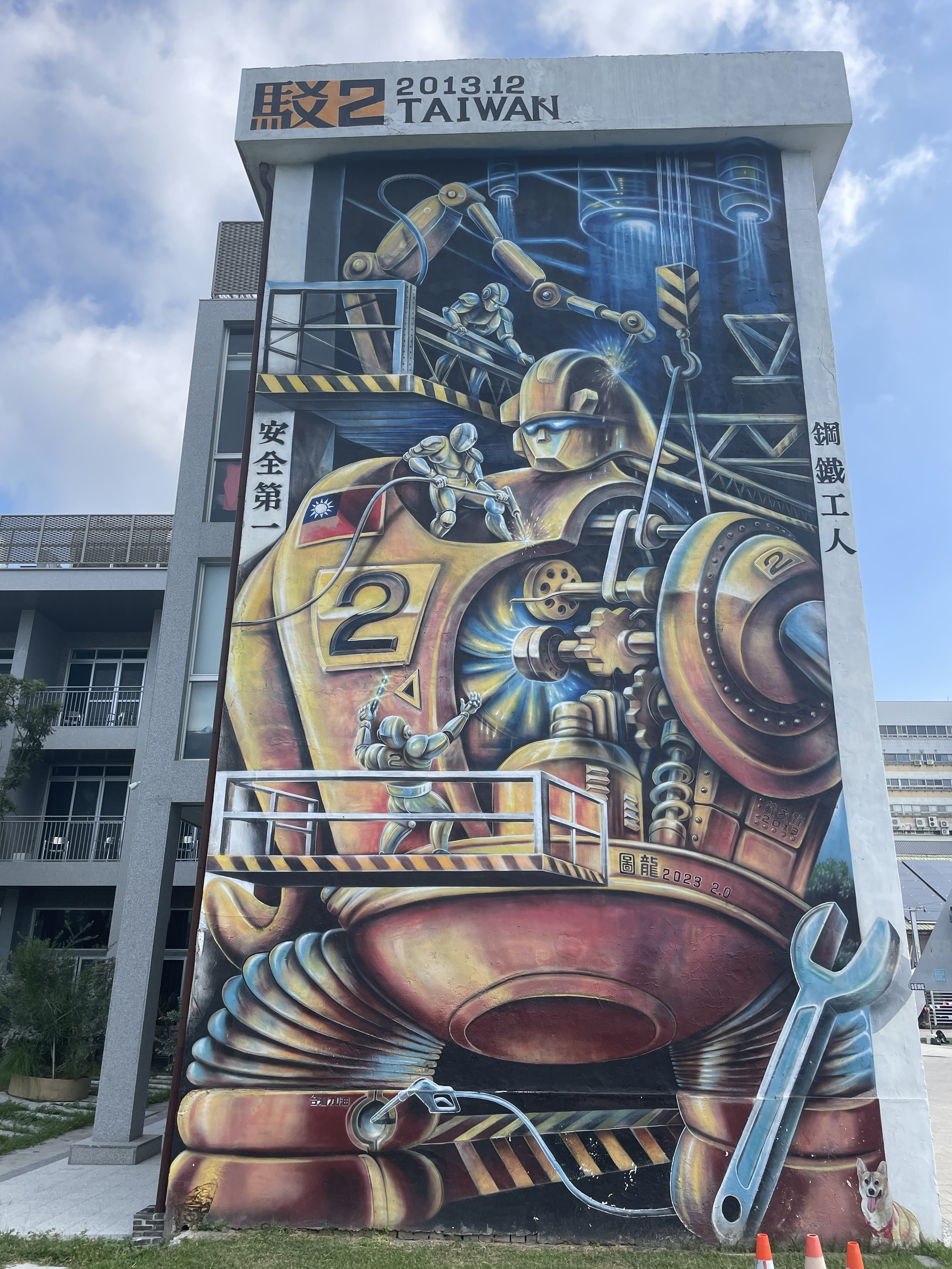
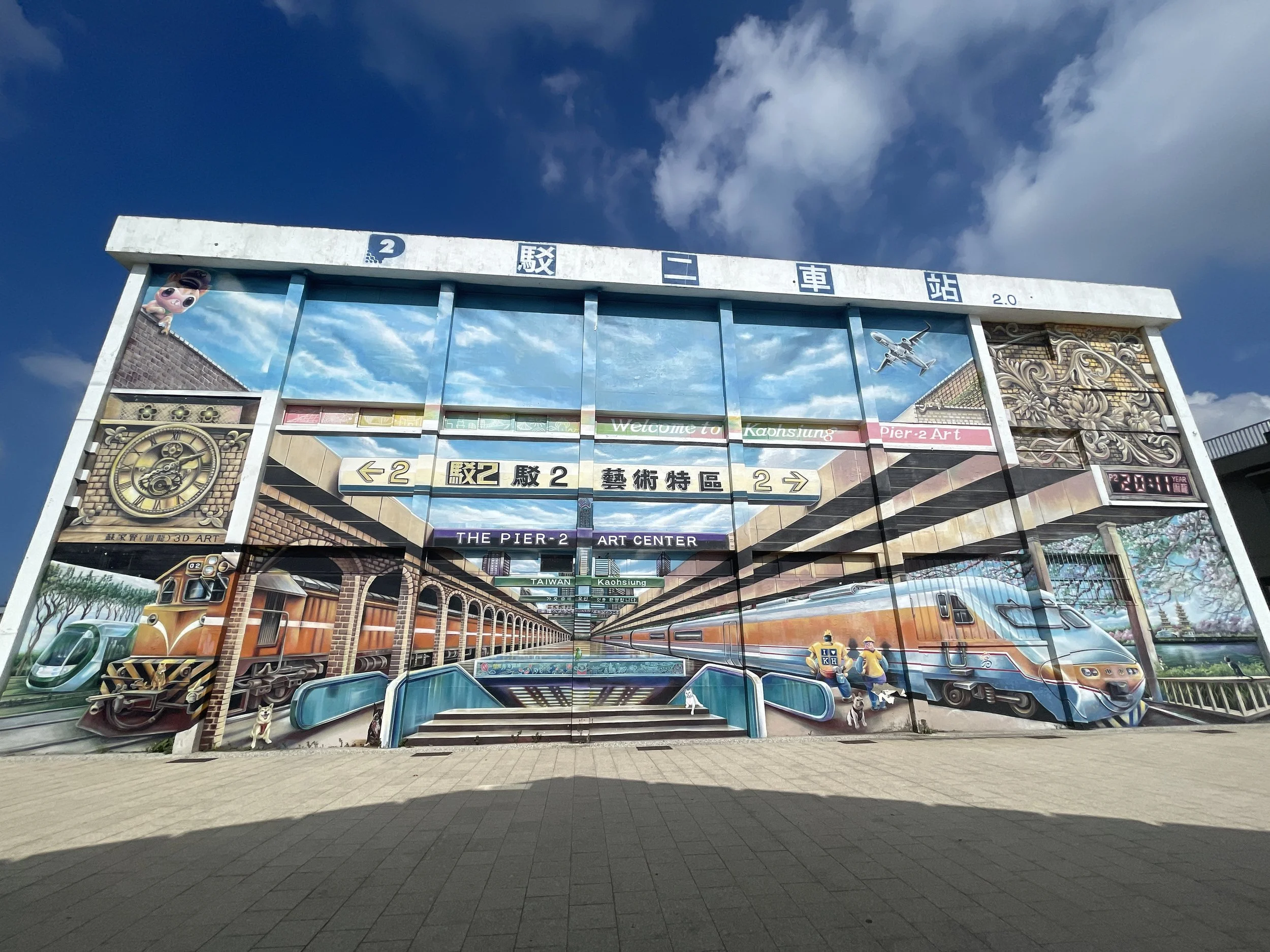
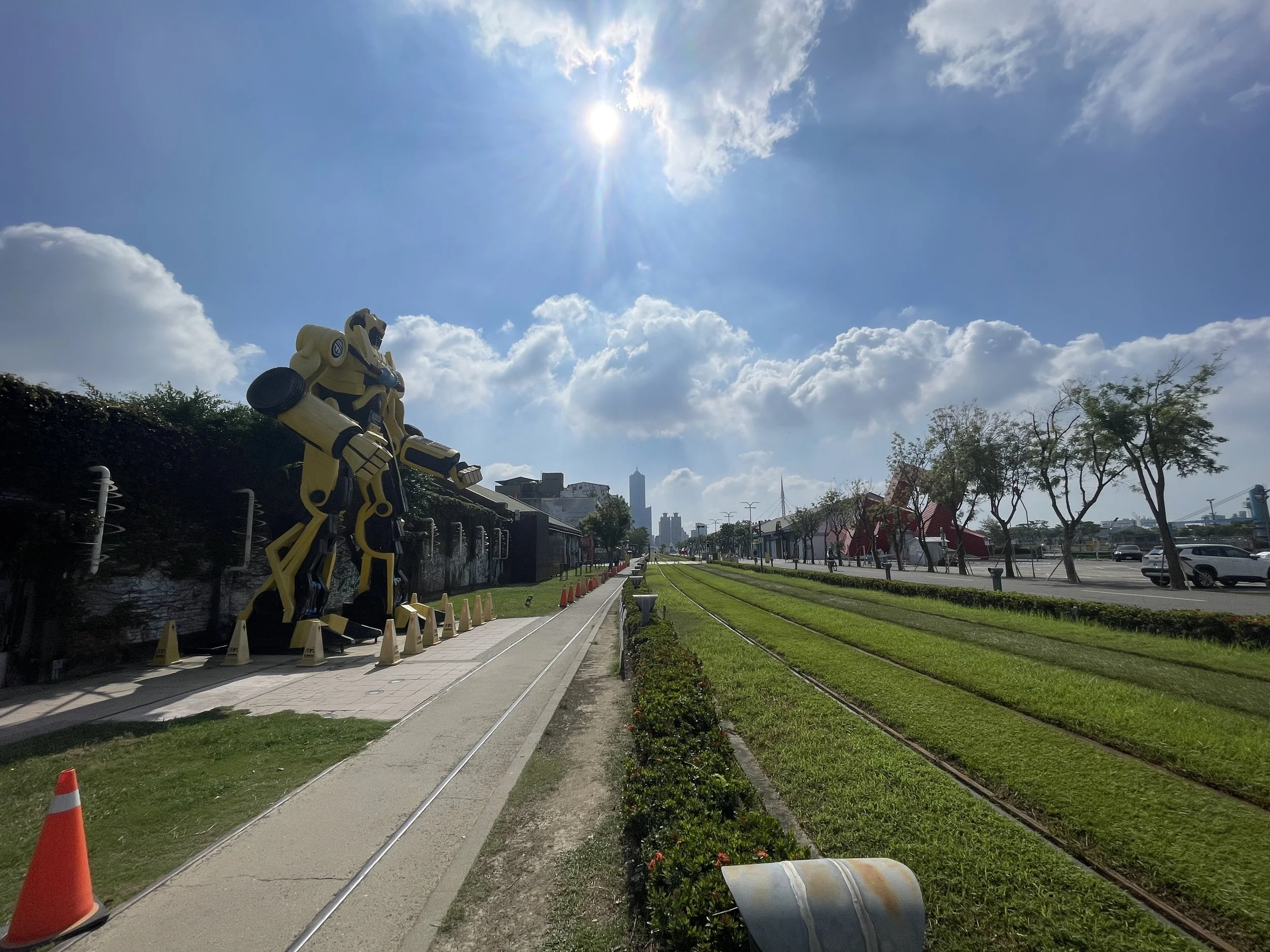
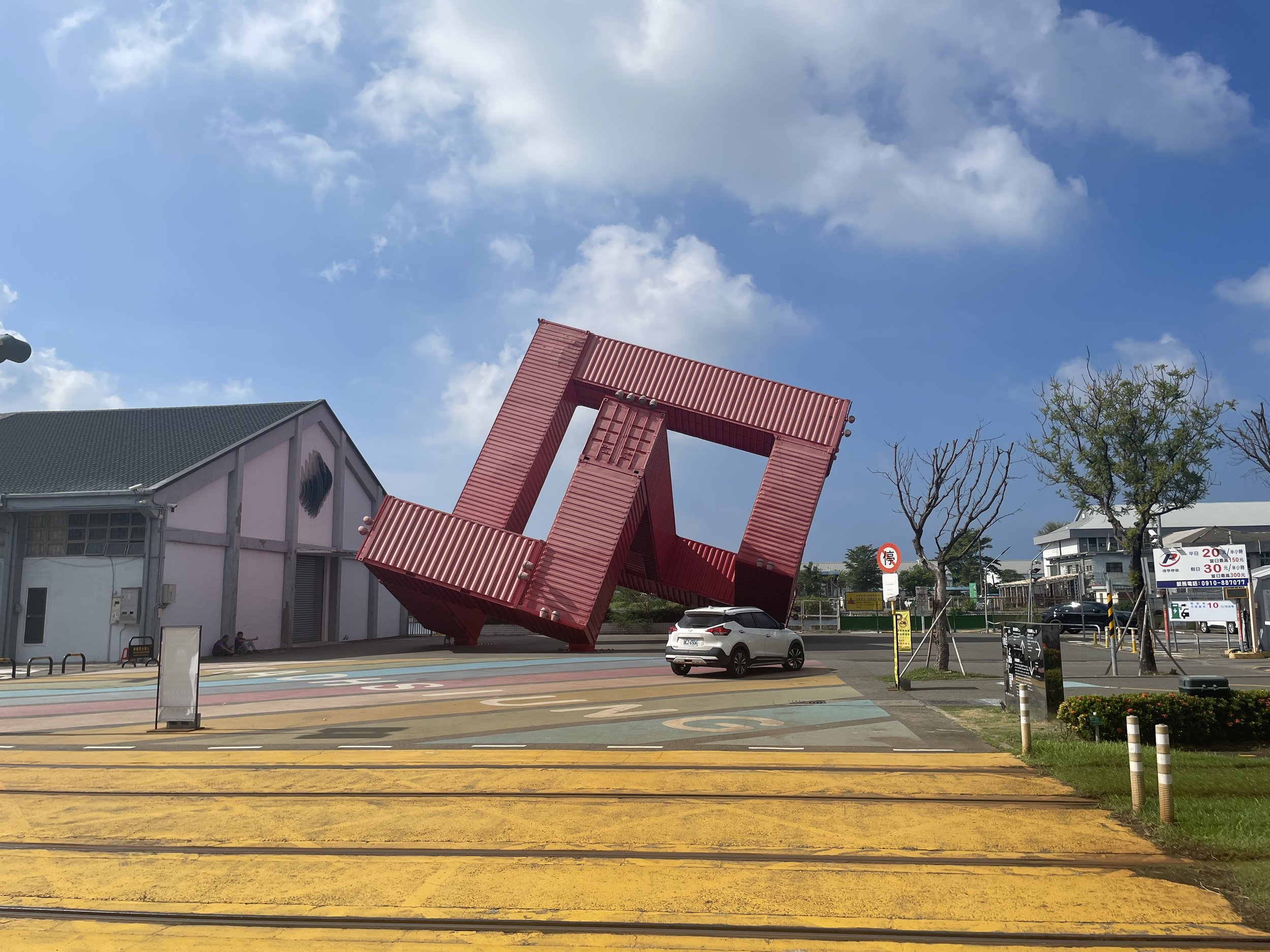
After a quick look around, we returned and strolled through the Pier-2 Art Center district, a former warehouse zone now transformed into a creative hub with art installations and boutique shops. Most shops did not open until 10 a.m., and with the scorching heat becoming unbearable, we soon decided to head back to the hotel.
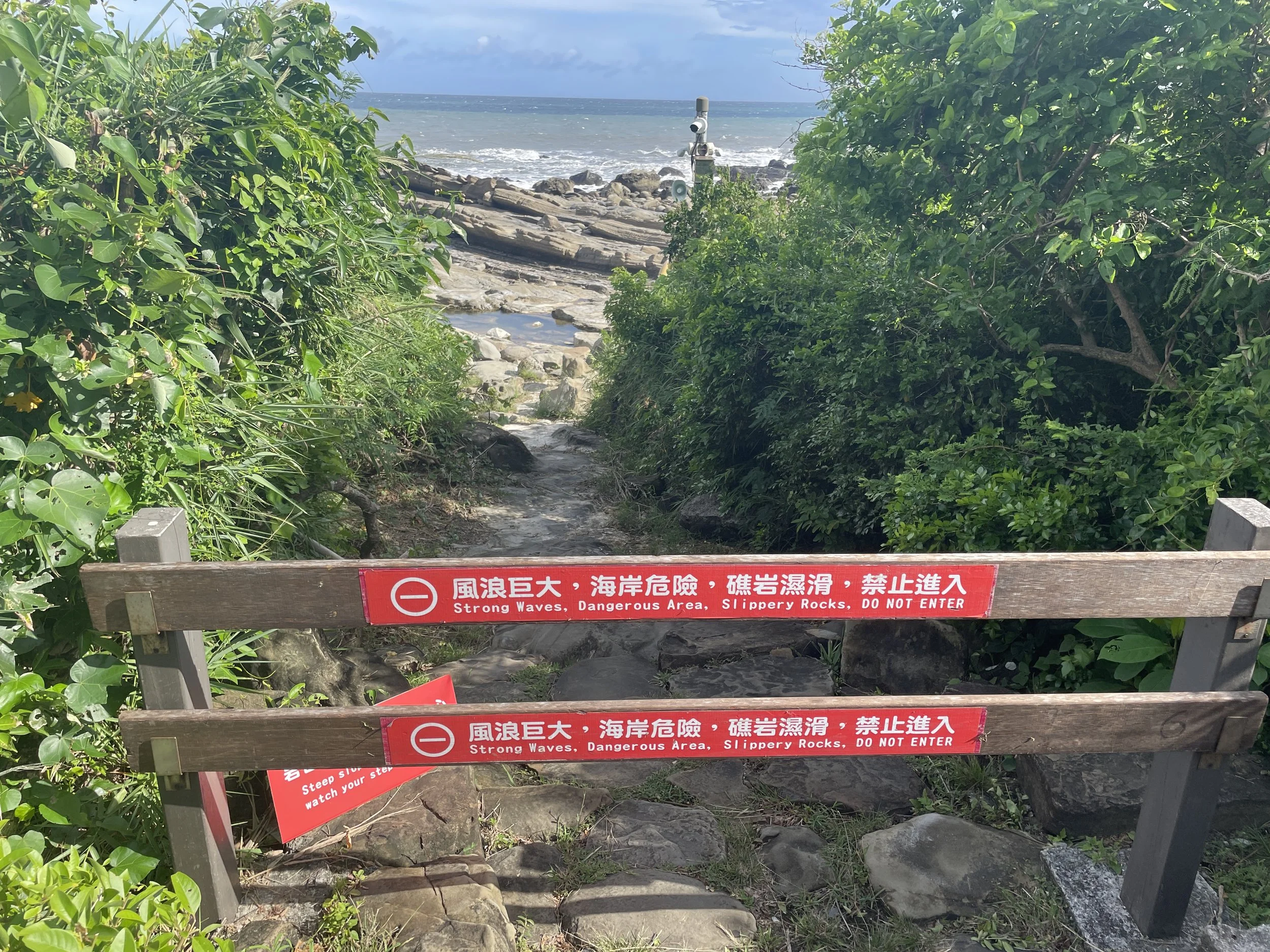
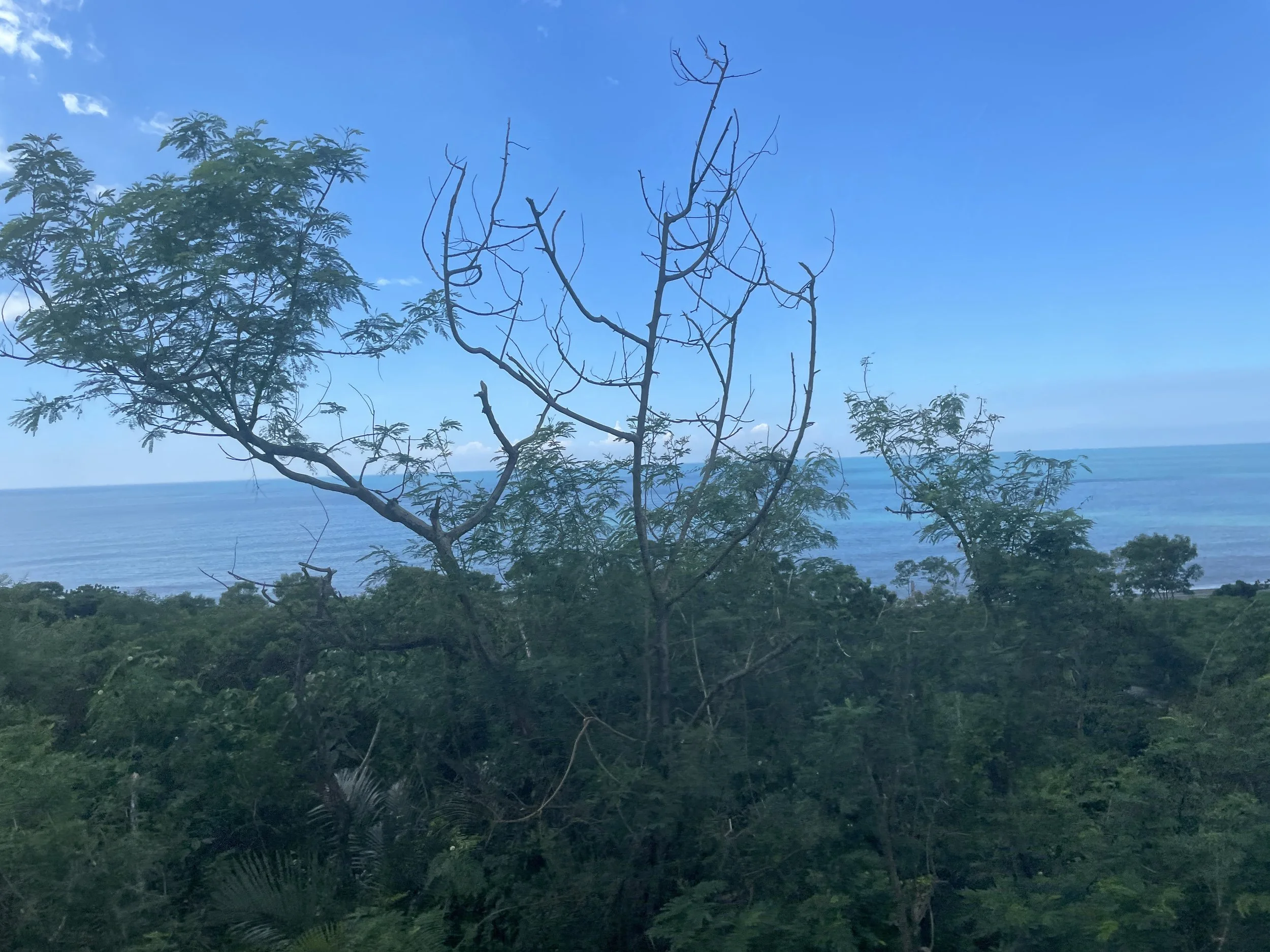
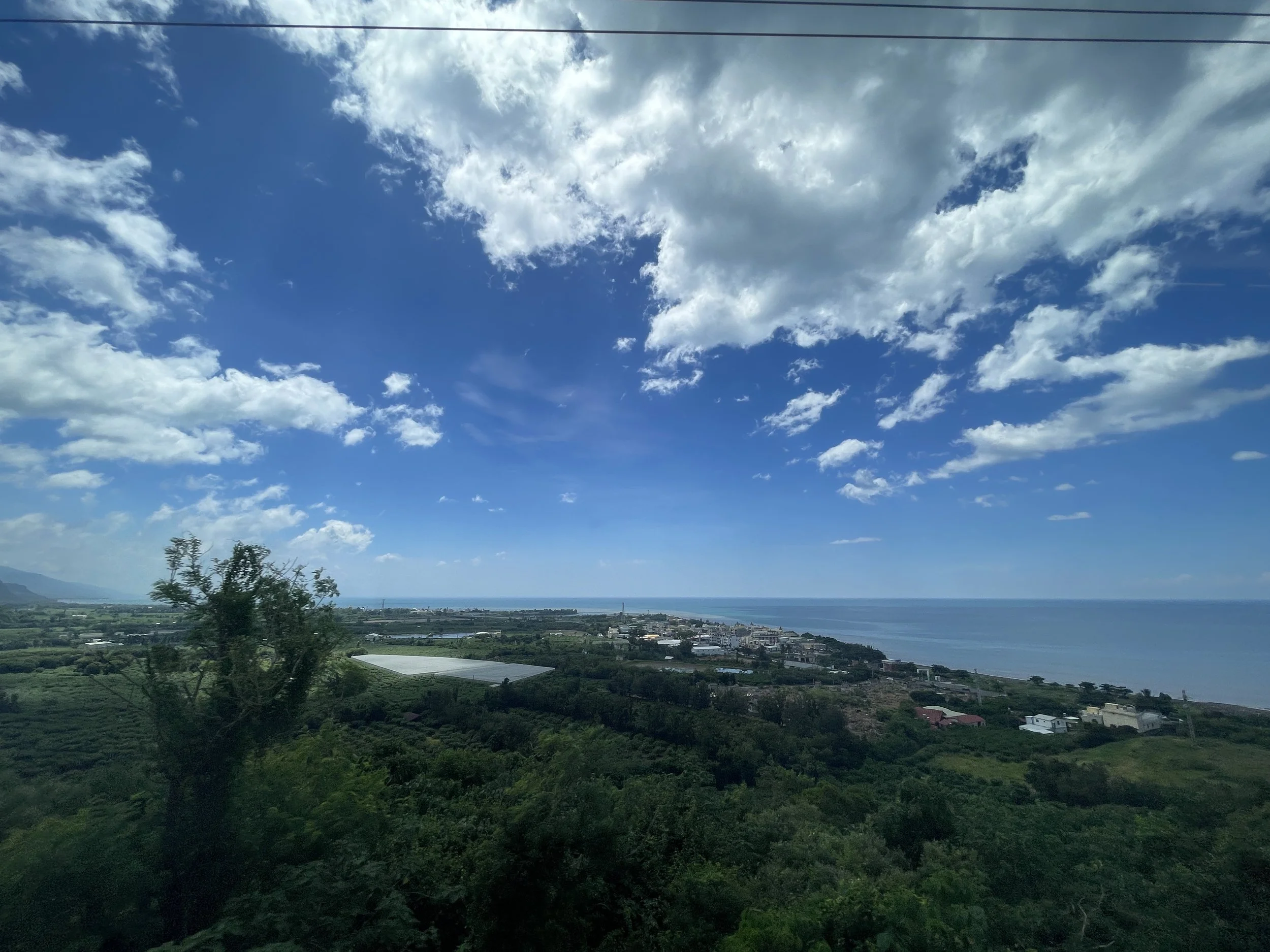
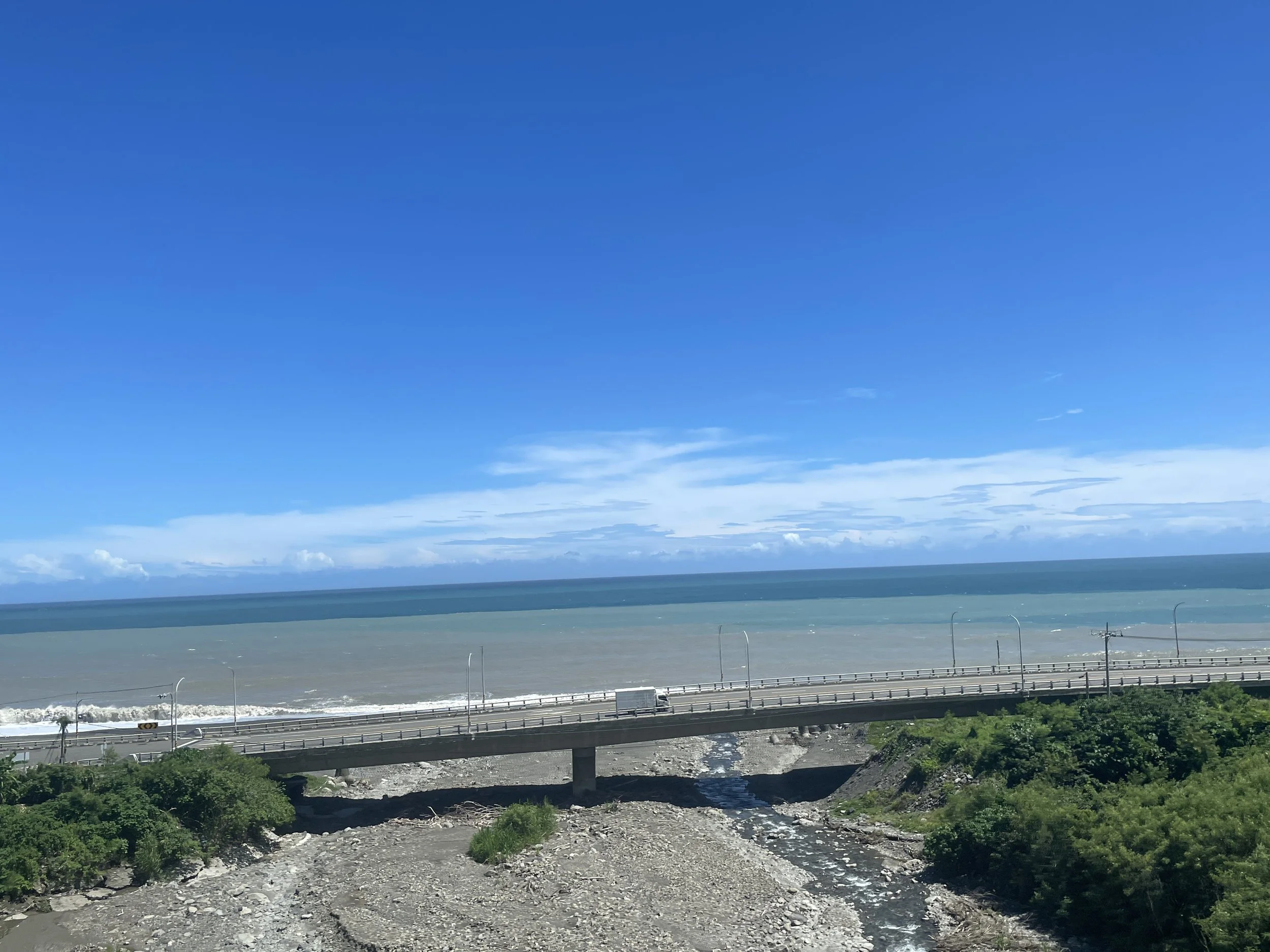
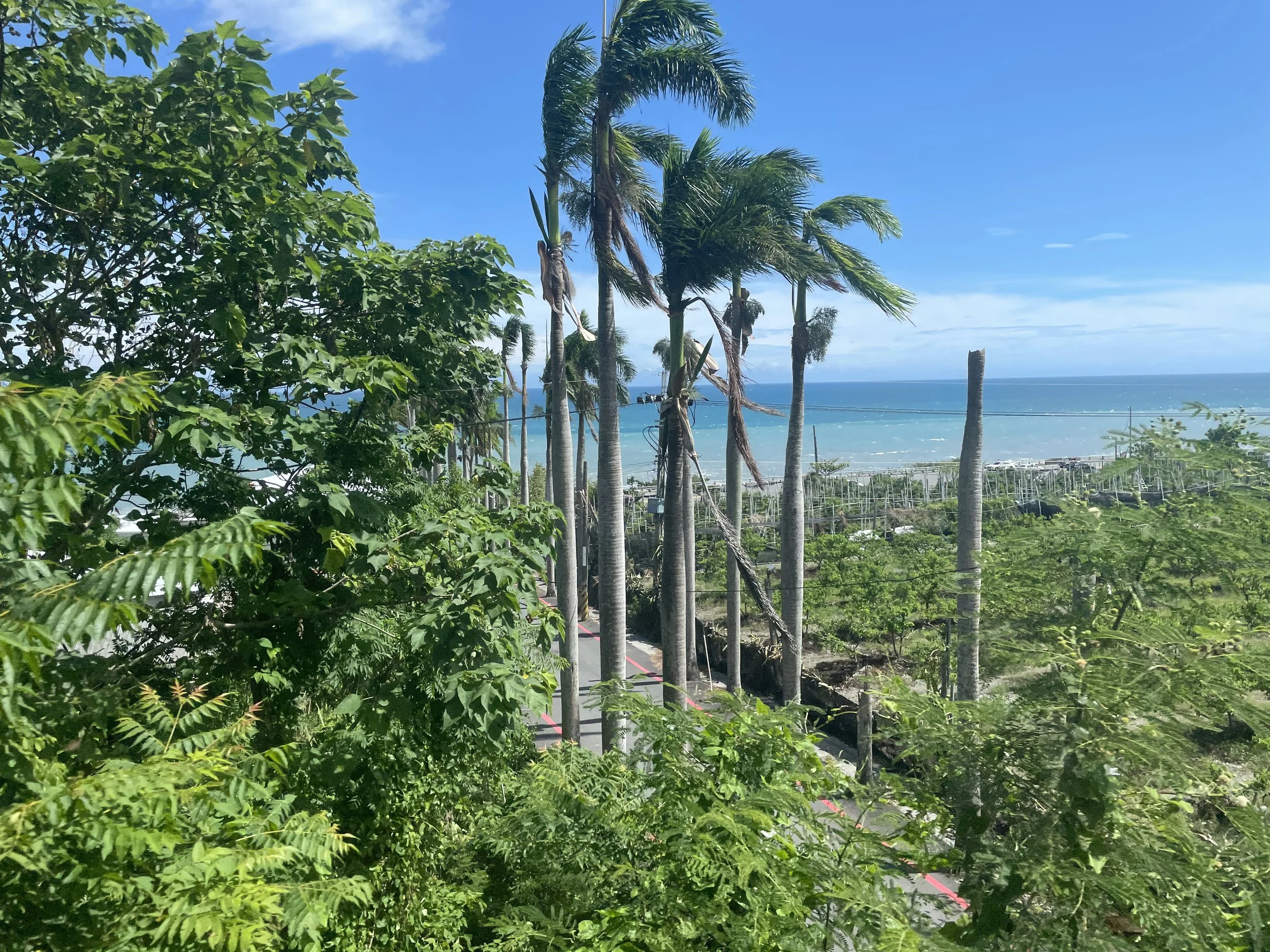
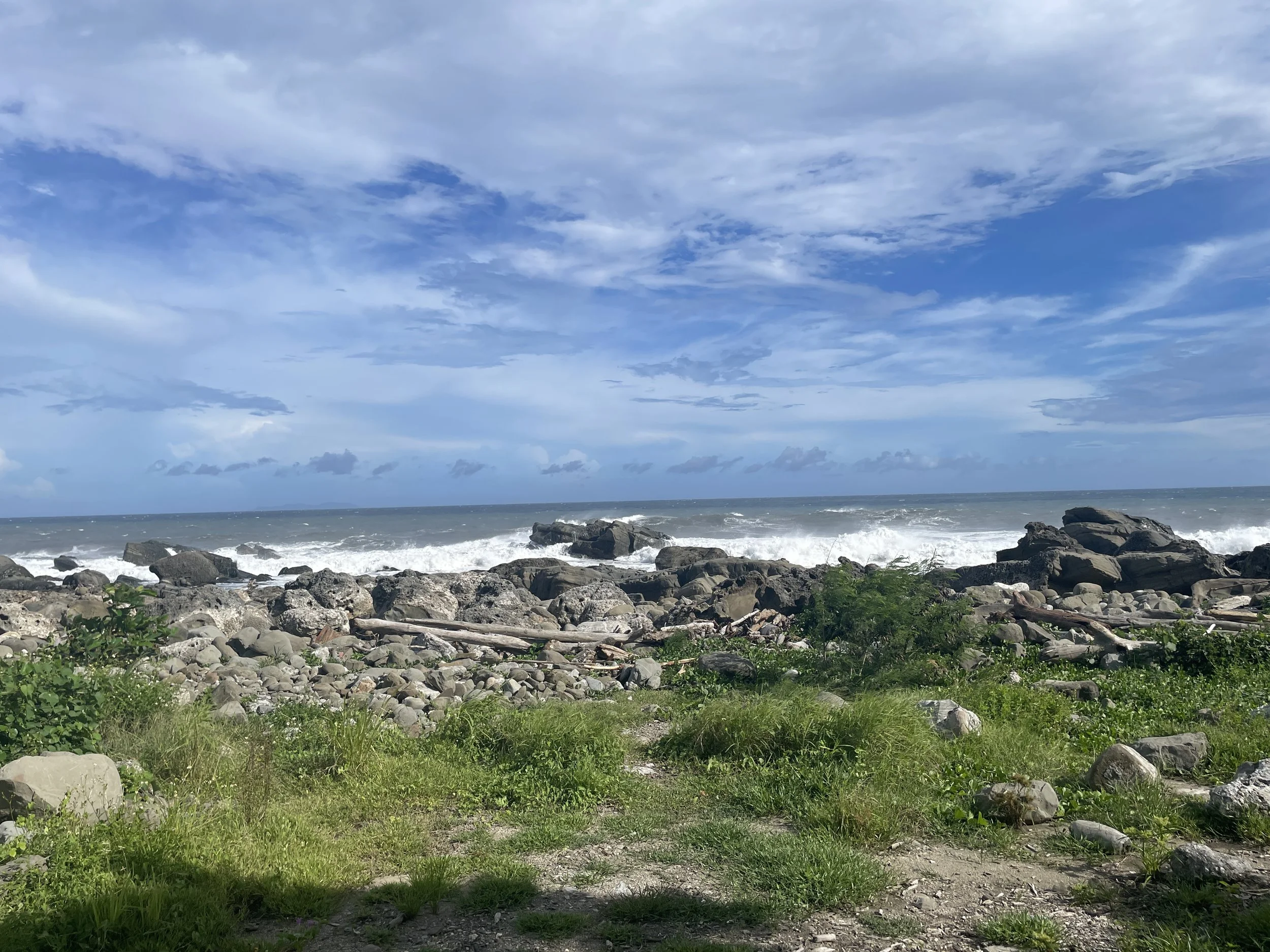
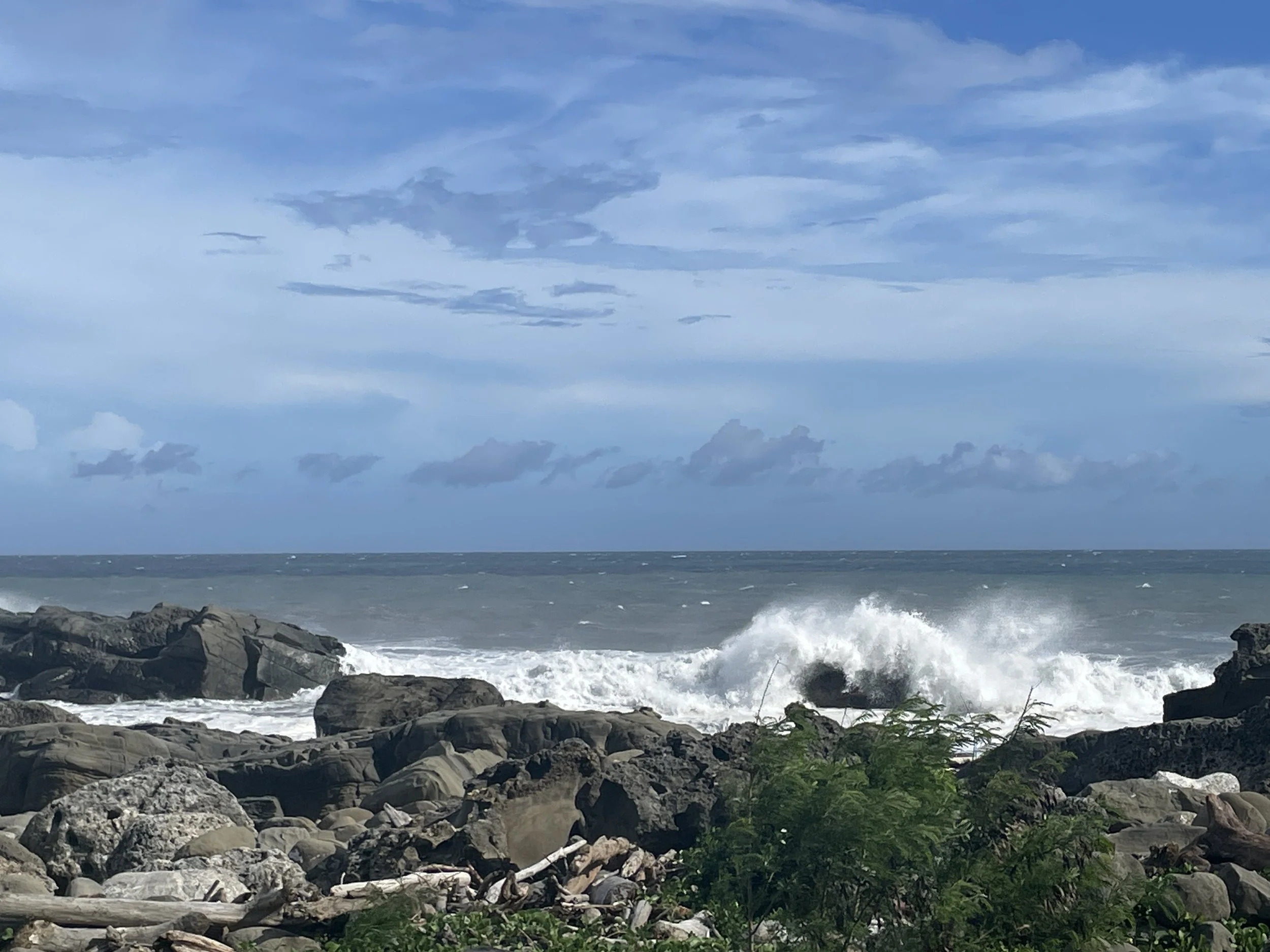
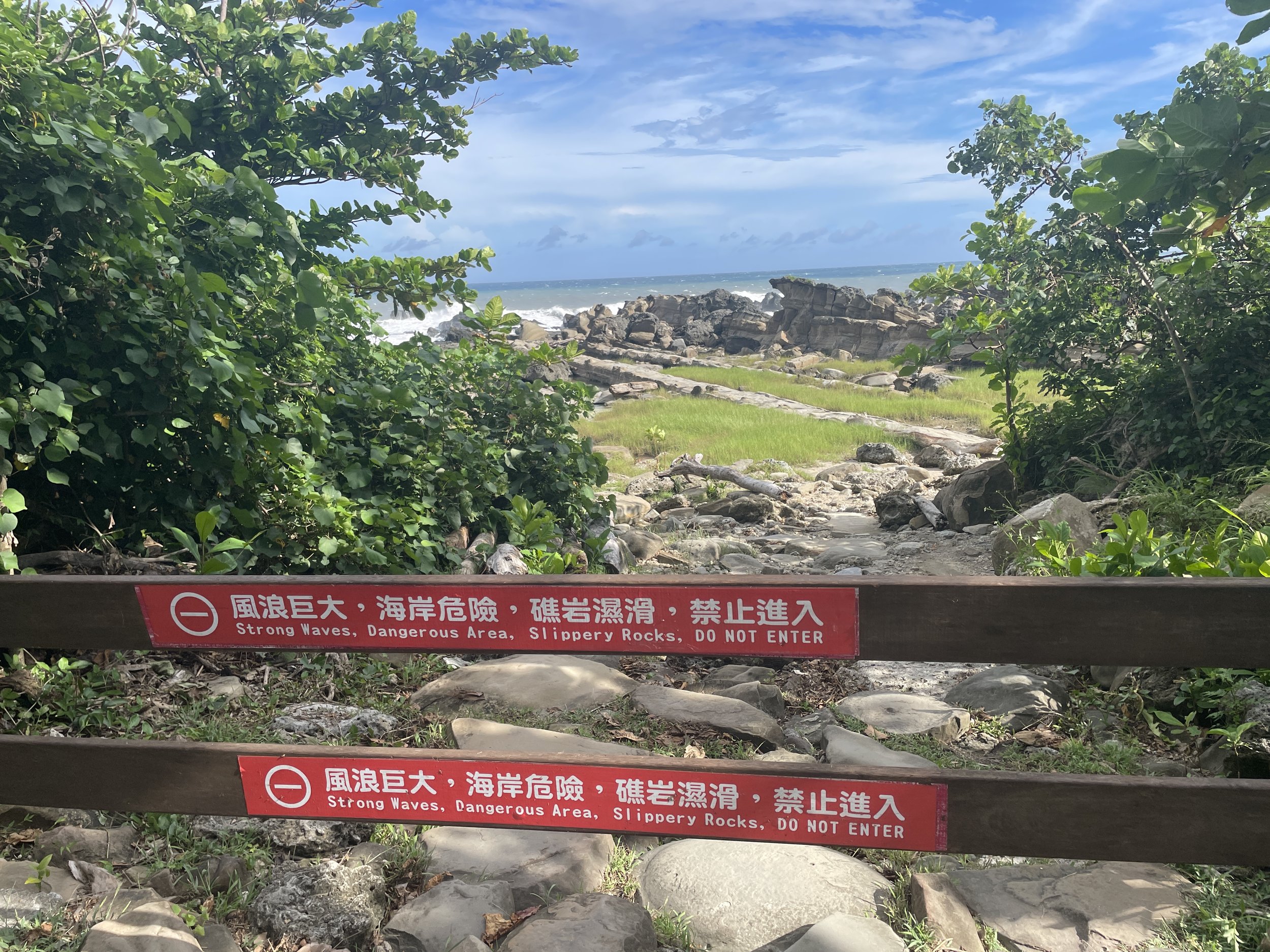
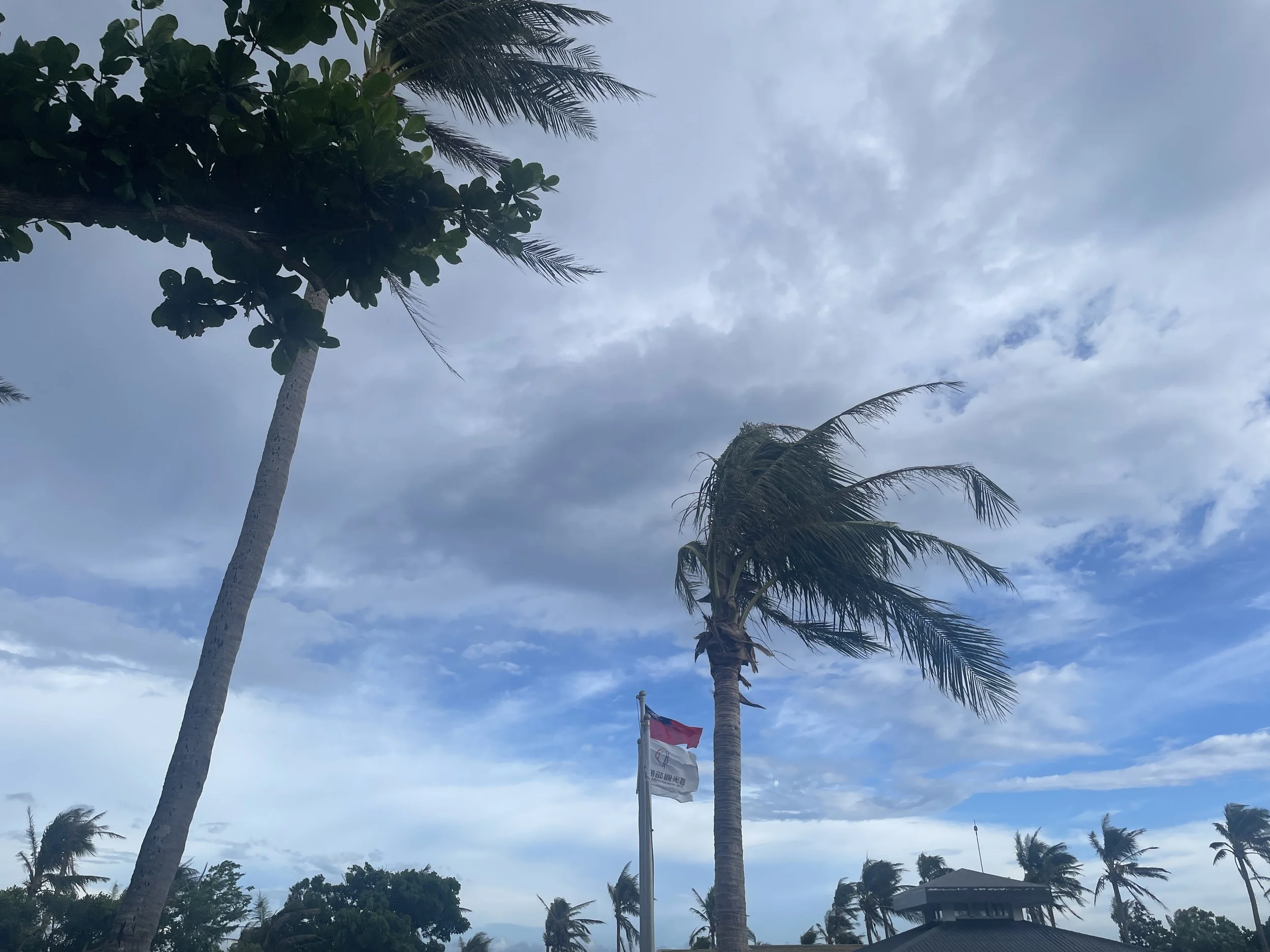
Following a short rest, we checked out and boarded the train to Taitung. Just over an hour later, we arrived, greeted by strong winds — the sign of an approaching super typhoon in the forecast. Despite the weather, we still ventured out by bus to Xiaoyeliu Geopark (小野柳地质公园). However, due to the typhoon warning, all beach access was blocked. We could only admire the unique rock formations from a distance before returning to the city.
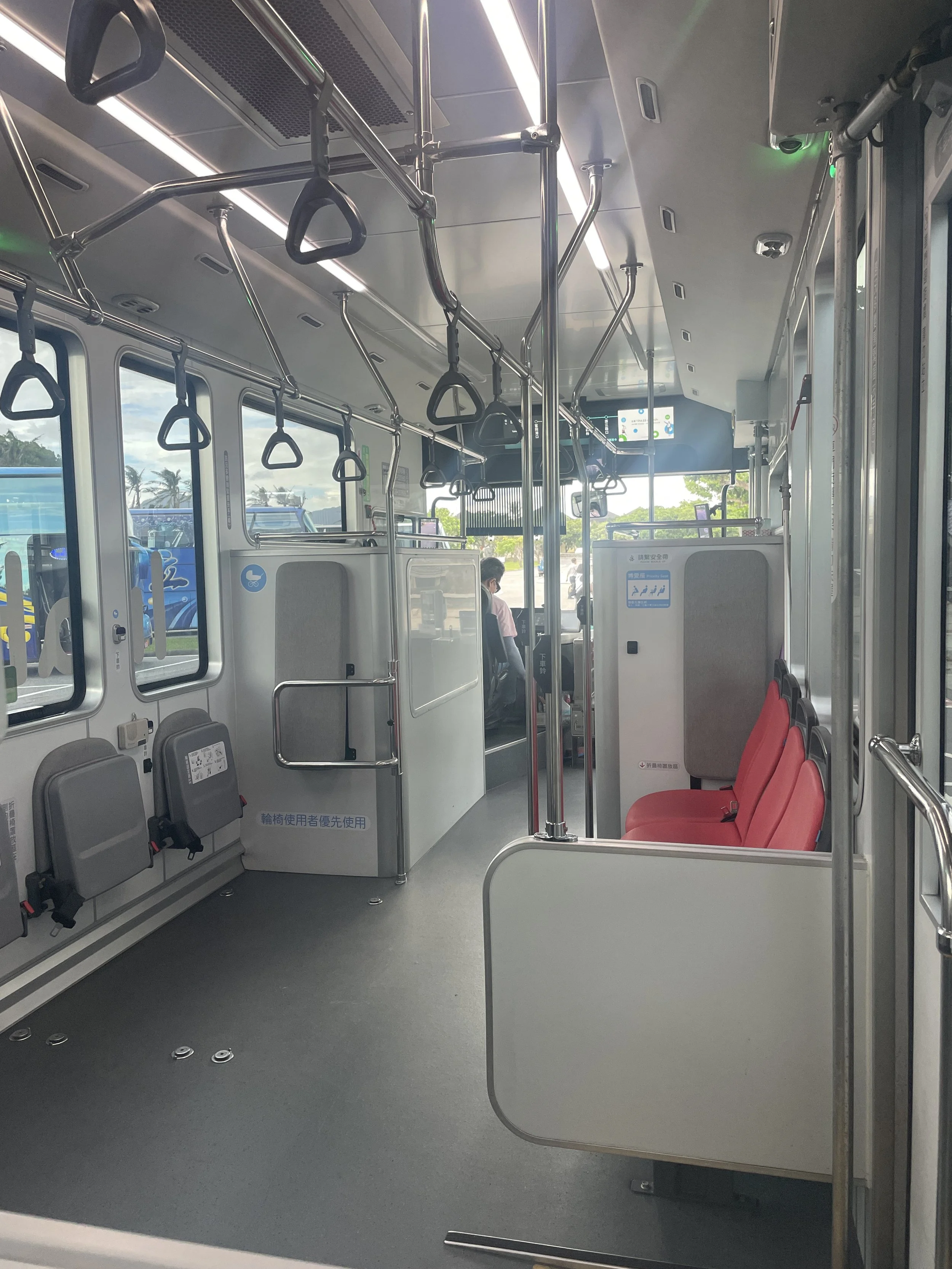
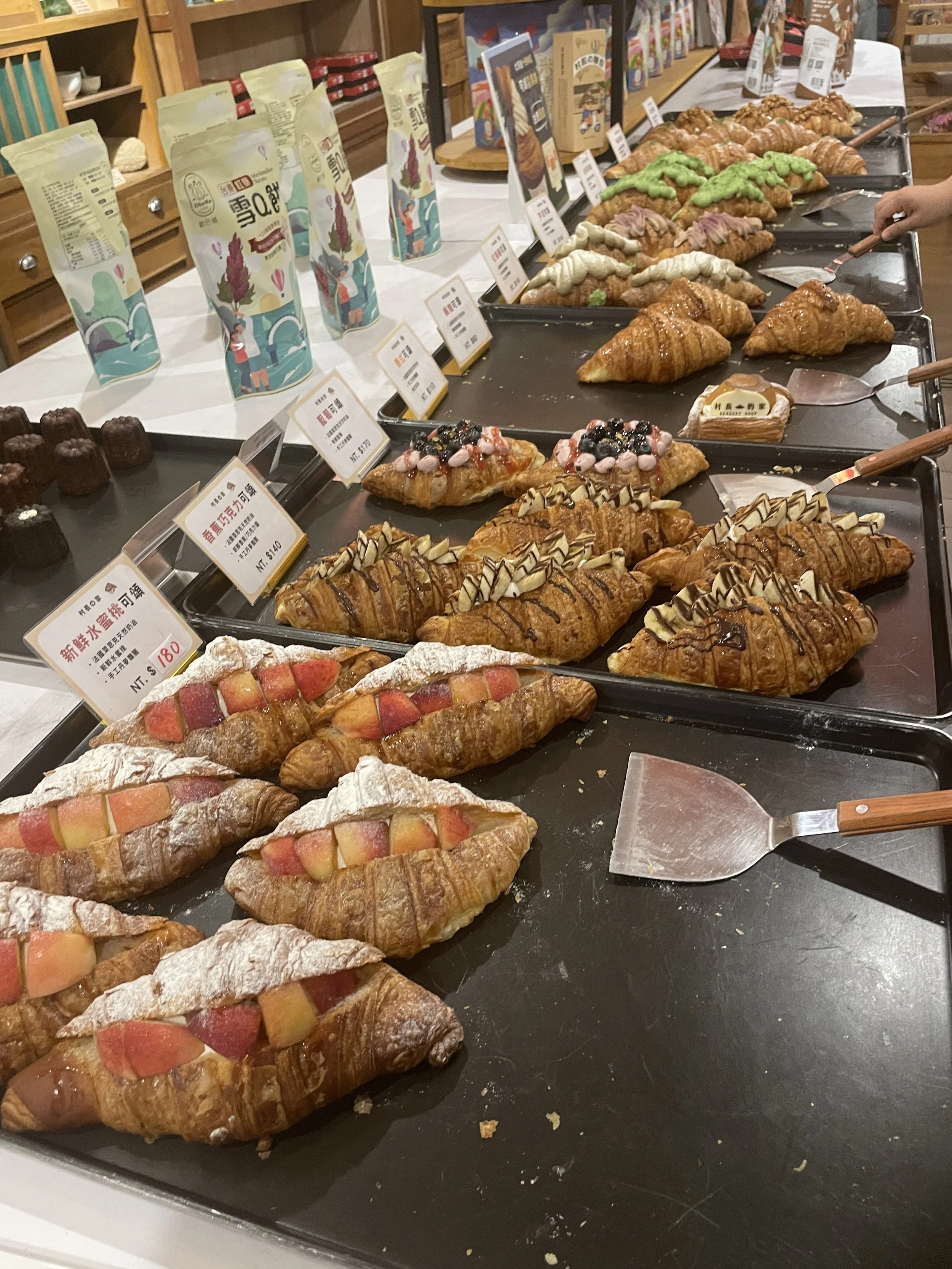
In the evening, we took another bus to Tiehua Village (铁花村音乐集市). Every night, local musicians perform on stage, surrounded by art booths that showcase indigenous culture, crafts, creative goods, specialty and foods. With the typhoon looming, the crowd was thin, yet the setting remained atmospheric and beautiful.
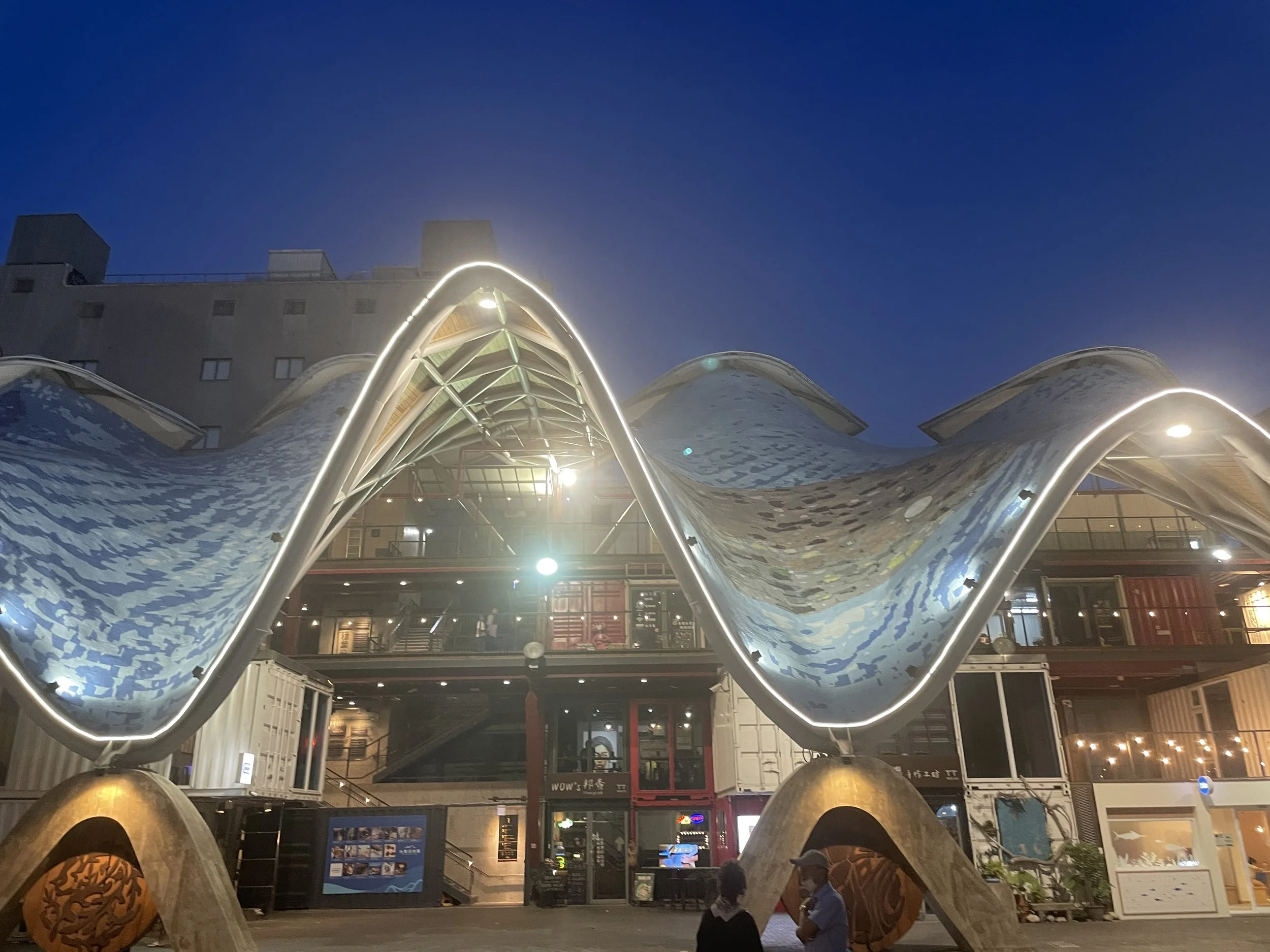
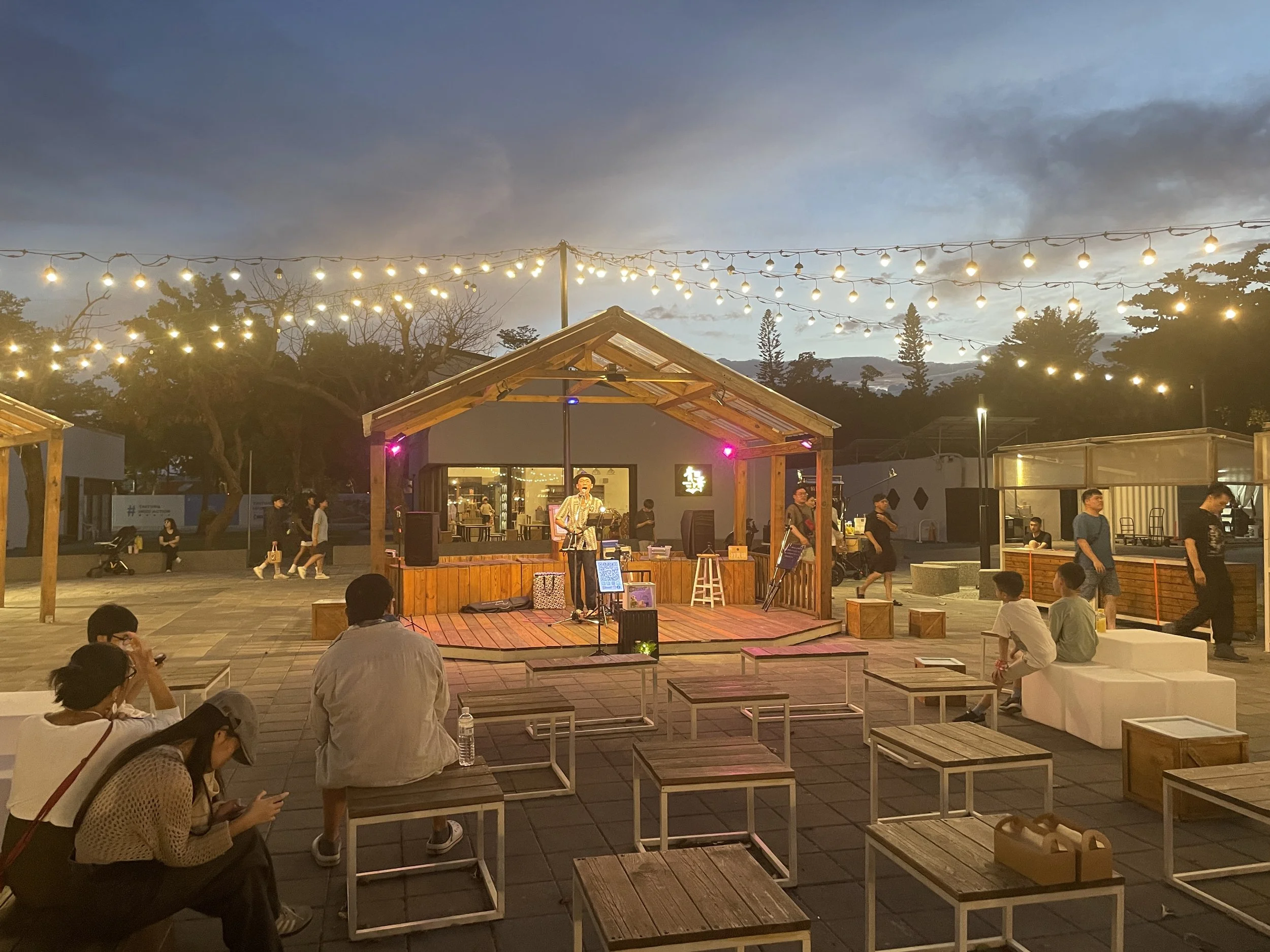
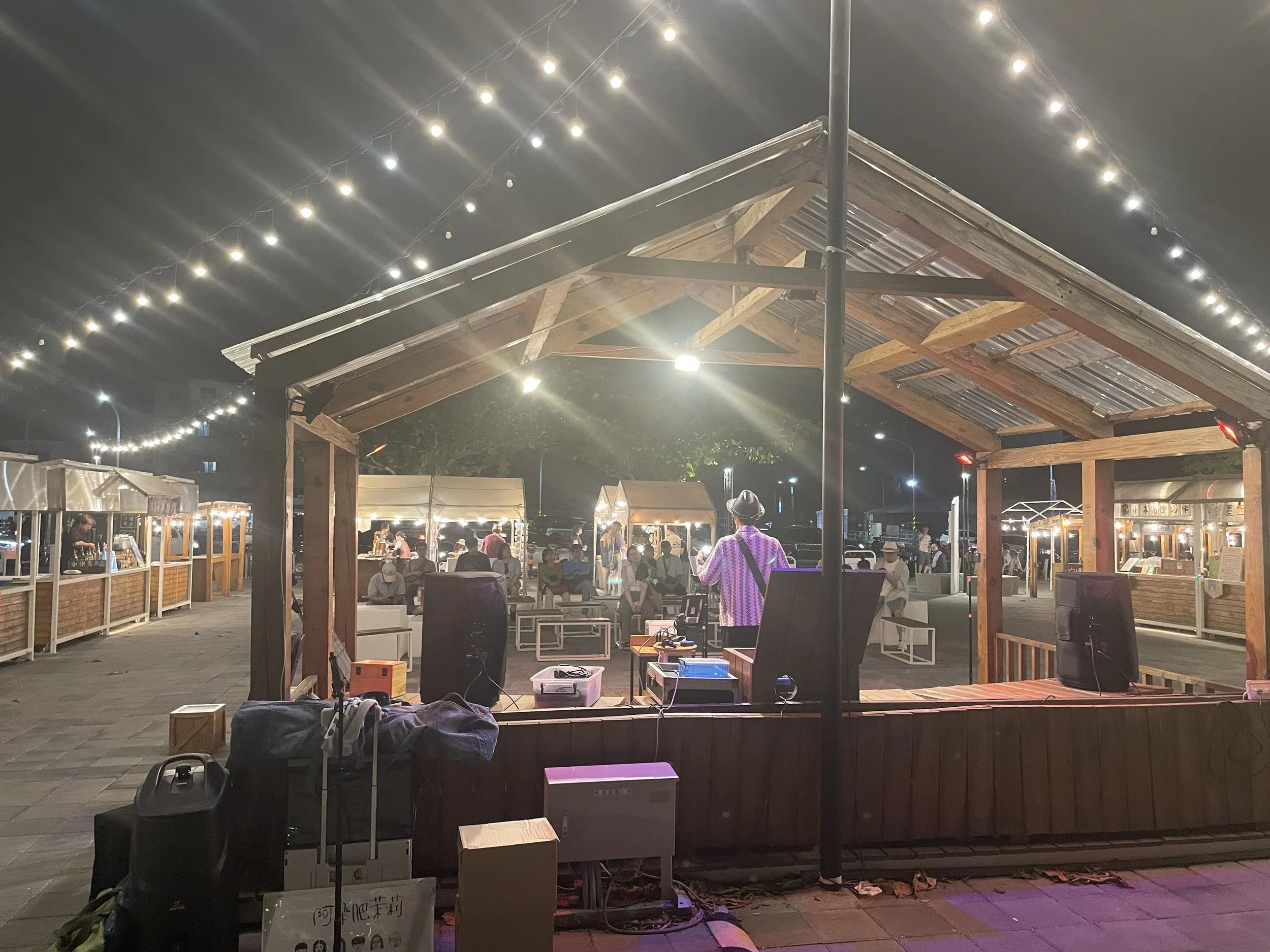
After dinner nearby, we took the bus back to the hotel. Tomorrow, we would board the northbound train once again to Taipei, completing our around-the-island journey.
September 22, 2025
At 6:00 a.m., we checked out of the hotel and headed to the train station to board a northbound train to Taipei. Light rain had already begun to fall when we left the hotel. We repeatedly checked the status of both the train and our flight, and only felt a bit relieved after the train finally departed.
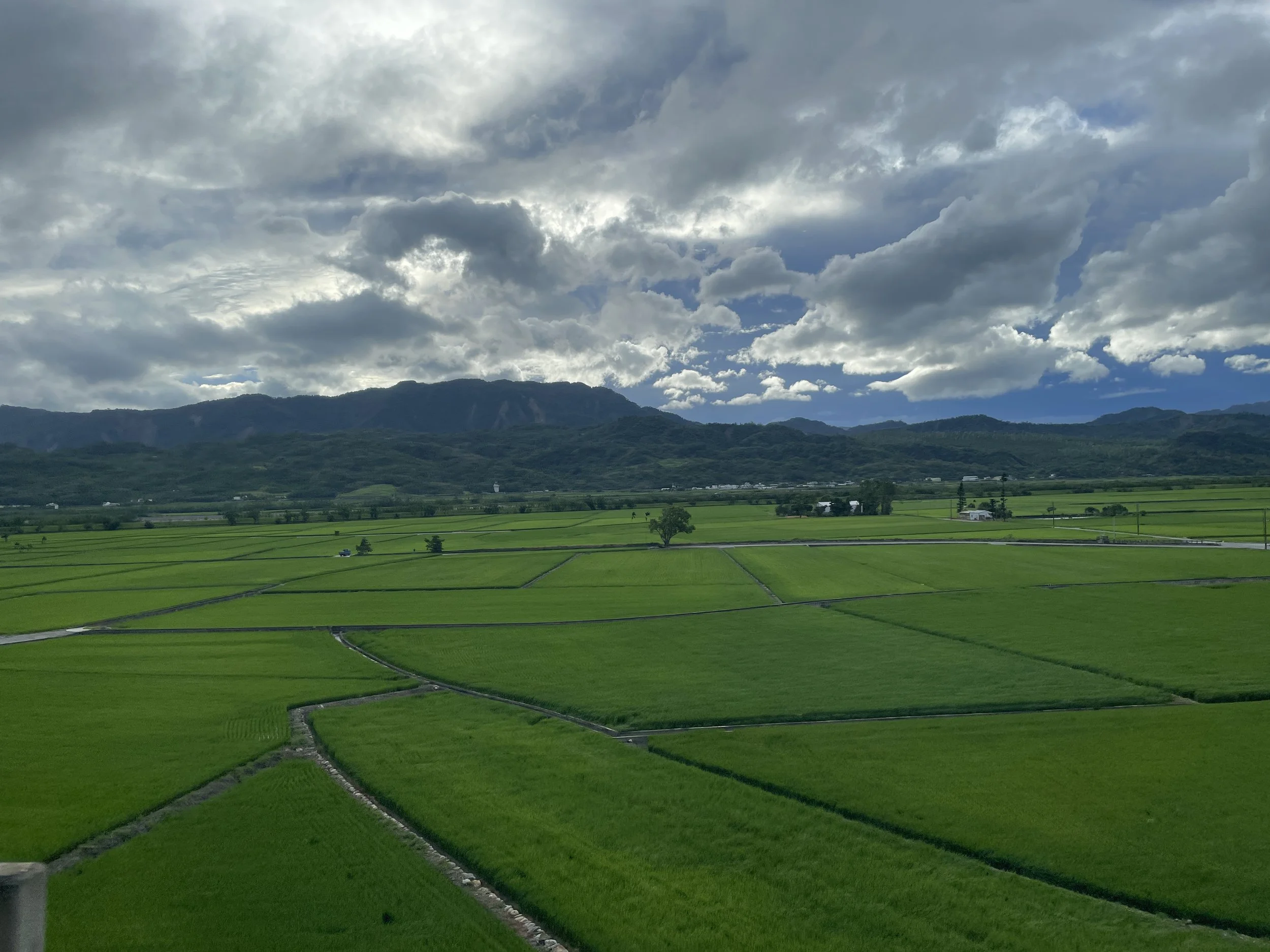
The train traveled north along Taiwan’s east coast for more than four hours, passing through places such as Hualien. While on the train, we received typhoon disaster alerts reporting mudslides and large-scale landslides in the Hualien area.
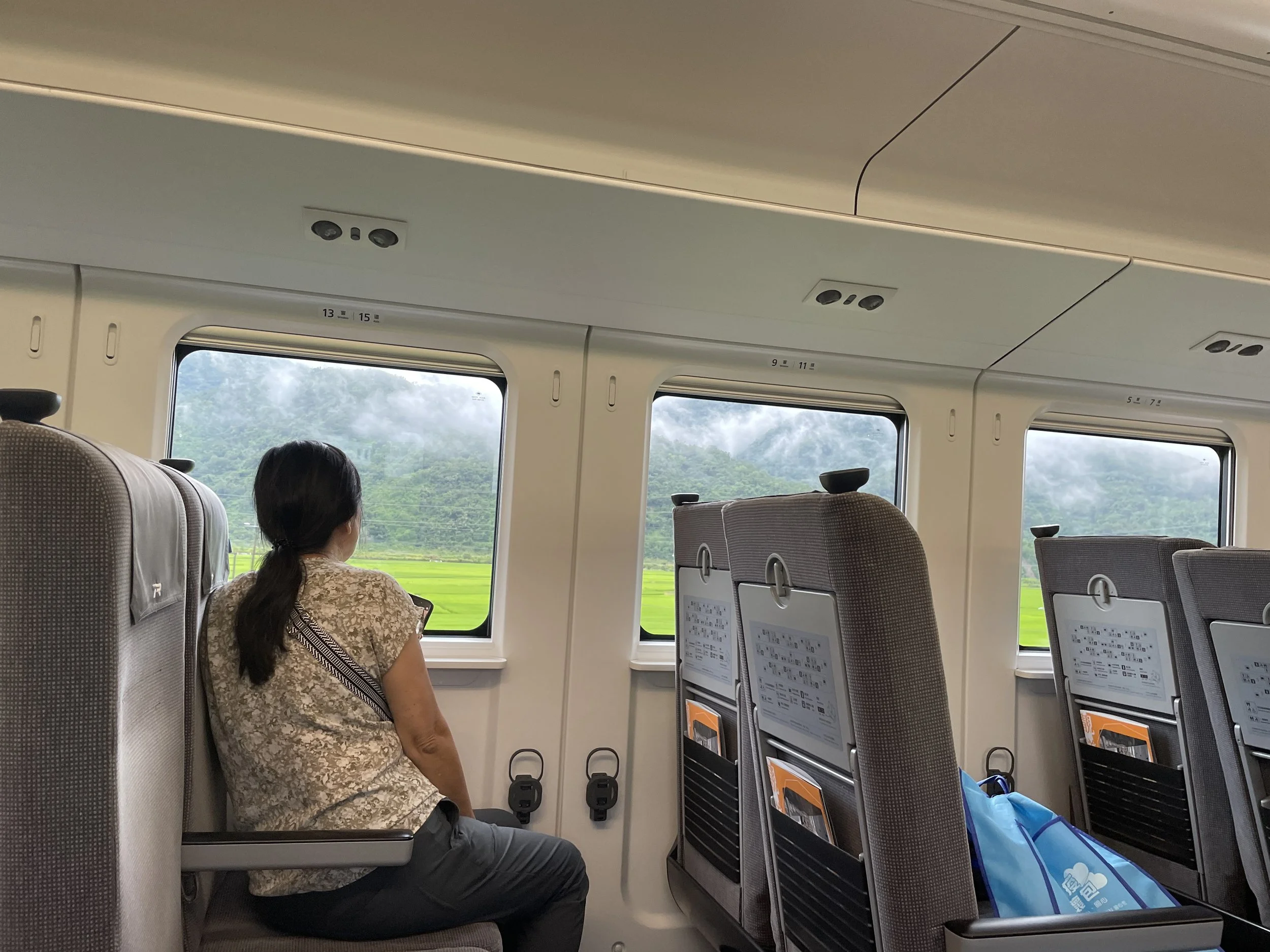
After arriving safely in Taipei, we transferred to the airport MRT and headed to Taoyuan Airport. While waiting to board, we noticed that some flights had already been canceled. It wasn’t until we were finally seated on the plane bound for Shanghai that we truly let out a sigh of relief—our round-island journey had come to a smooth conclusion.
After returning to Shanghai and watching the news, we learned that the powerful typhoon “Haikasa” had severely battered Taiwan, with September 22 being the worst day. Once again, we felt fortunate to have escaped unharmed and narrowly avoided disaster.
高雄, 台东
2025年9月21-22日
高雄的清晨很安静,我们坐地铁来到海边再搭乘5分钟的渡轮前往旗津岛 (Ciji Island),在沙滩与老街间短暂散步。遗憾的是,岛上几乎没有像样的早餐店或咖啡馆。最后我们只好走进 7-Eleven,买了香蕉、茶叶蛋和饭团当作简单的早餐。
稍作停留后,我们回到市区,漫步于驳二艺术特区 (Pier-2 Art Center)。这里原本是仓库区,如今被改造为创意园区,布满艺术装置与文创小店。不过几乎所有商店要到上午十点才会开门,再加上天气实在是炎热难耐,我们只逛了一小会儿便决定返回旅馆。
休息片刻后,我们退房,登上火车前往下一站台东。二个多小时后抵达时,迎面而来的是强劲的海风——气象预报说超强台风“桦加沙”(Ragasa)正逼近。尽管如此,我们还是搭公交去了小野柳地质公园。然而由于台风警报,园区海滩已全面封闭,只能远远欣赏奇特的岩石地貌,随后便返回旅馆。
傍晚,我们再次搭公交前往台东市里的铁花村音乐集市 (Tiehua Village)。这里每晚都有音乐人在舞台上表演,周围是许多艺术摊位,展示着原住民文化、手工艺品、创意作品、以及特色小吃。由于台风将至,一些摊位也已收摊。游客不多,但整体氛围依旧十分迷人。
在附近餐厅用过晚餐后,我们搭车返回。旅馆的大门已用木板和沙袋封住,再次让我们认识到台风将至,且会来势凶猛。心里有些不安,不知明天是否能顺利离开。
第二天临晨6点(9月22号)我们退房然后前往火车站,搭乘北上的列车前往台北。我们离开旅馆时,已经开始飘起小雨。我们反复确认火车及飞机航班的情况,直到火车开启之后才稍微放宽点心。火车沿着东海岸北上4个多小时,沿途经过花莲等地。在火车上我们收到台风灾害警报,花莲地区泥石流及大规模坍塌。
顺利到达台北,再换乘机场快线到桃园机场。候机时有看到一些航班已被取消。当我们终于坐上飞往上海的飞机时才真正舒了口气,这段环岛之旅顺利结束。
回到上海看新闻,这次超强台风“桦加沙”重创台湾,而22号正是最严重的一天。再次庆幸我们有惊无险,逃过一劫。
Sunrise at Alishan and Giant Tree Trail 阿里山日出与巨木群步道
September 20, 2025
We woke up before 4 a.m. to catch the Alishan–Zhushan train for sunrise viewing……
我们在凌晨四点前起床,。。。
September 20, 2025
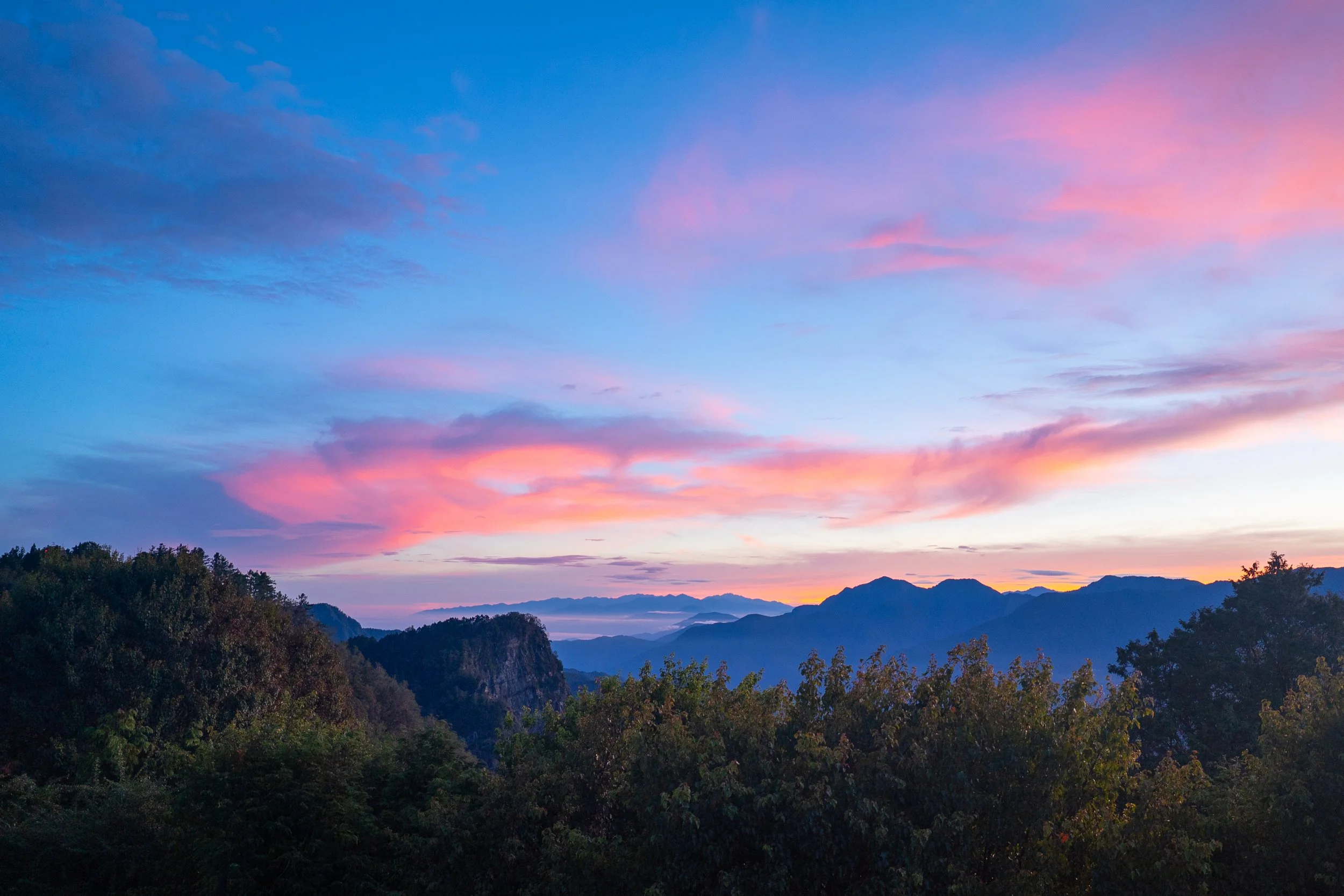
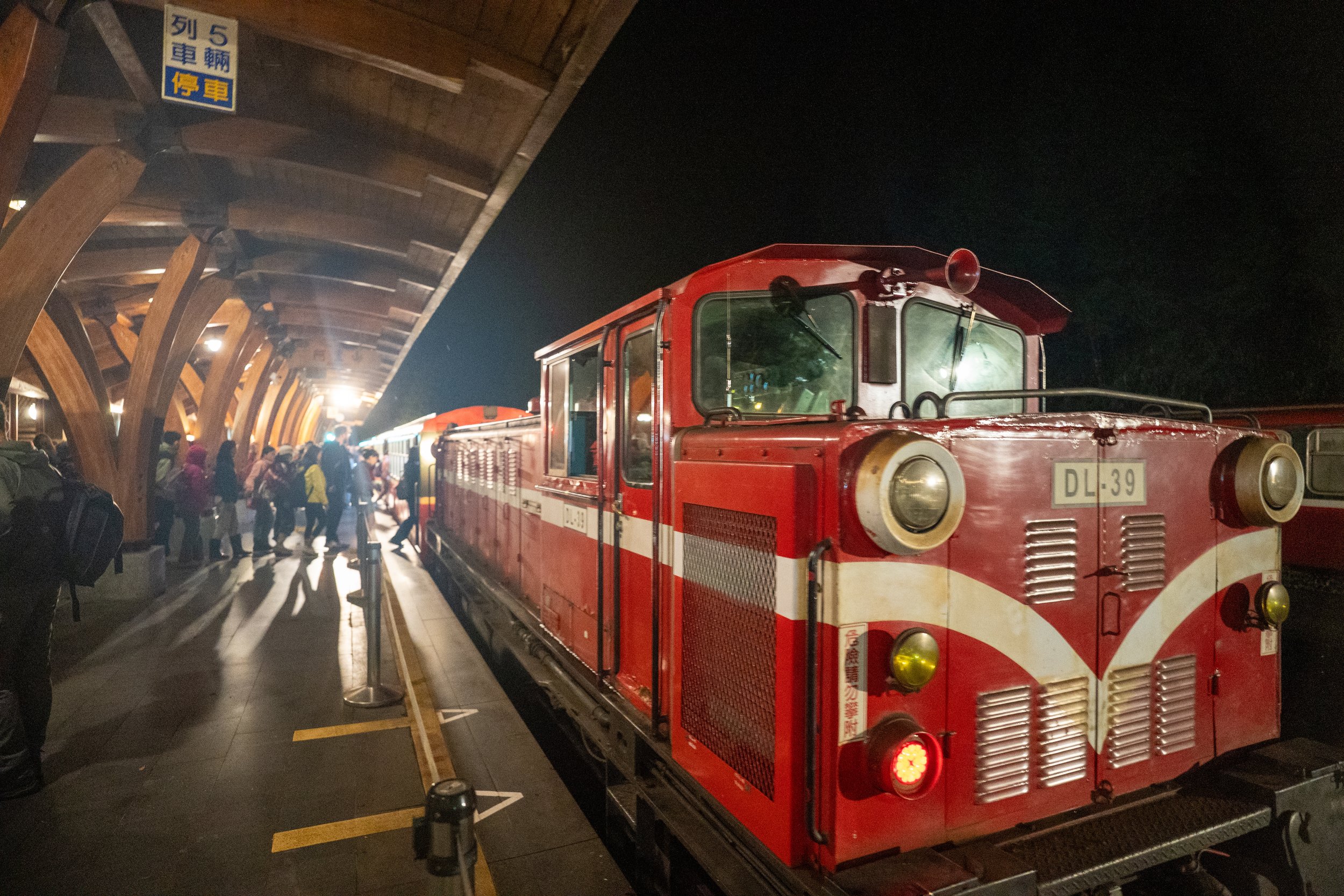
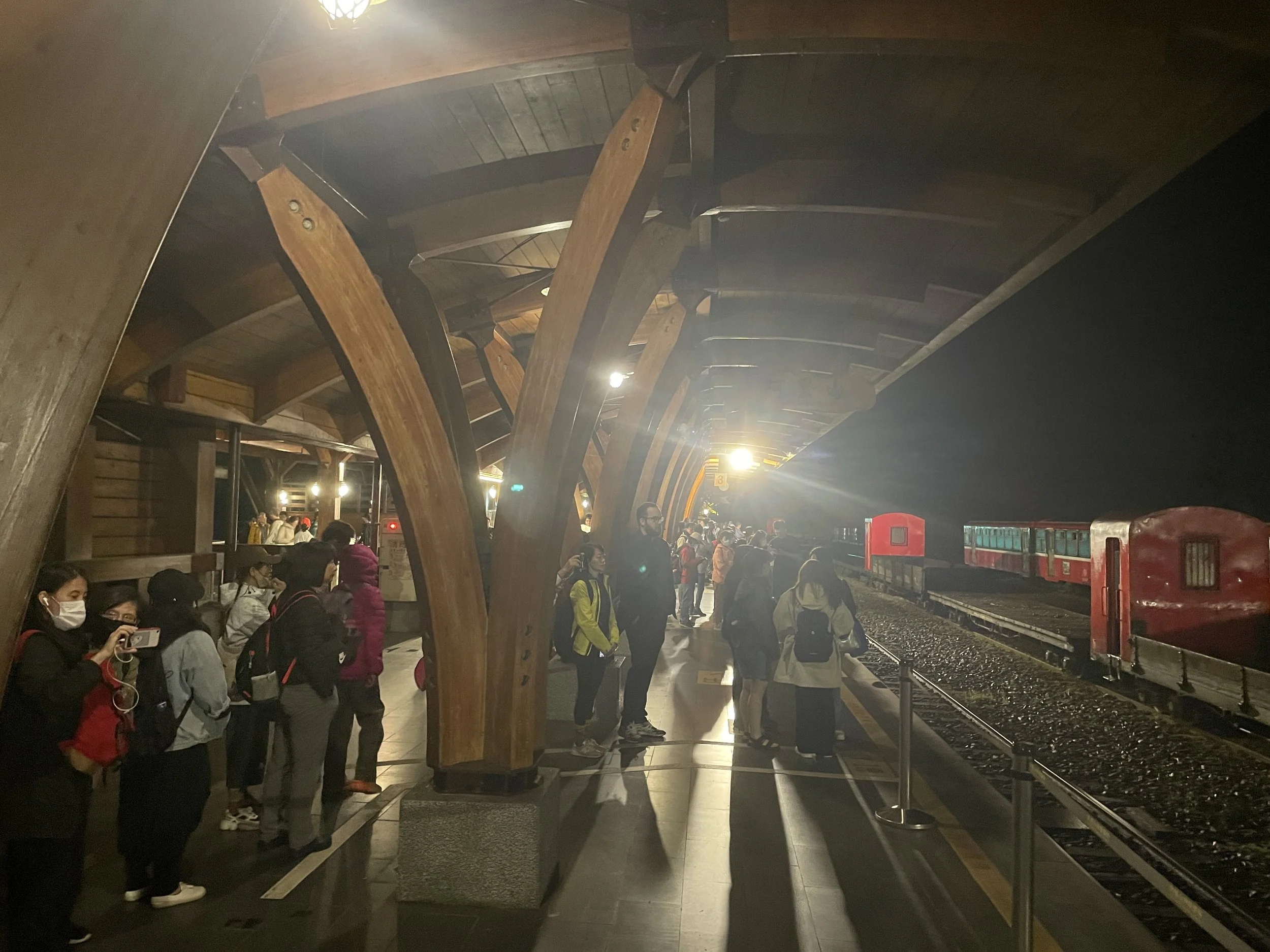
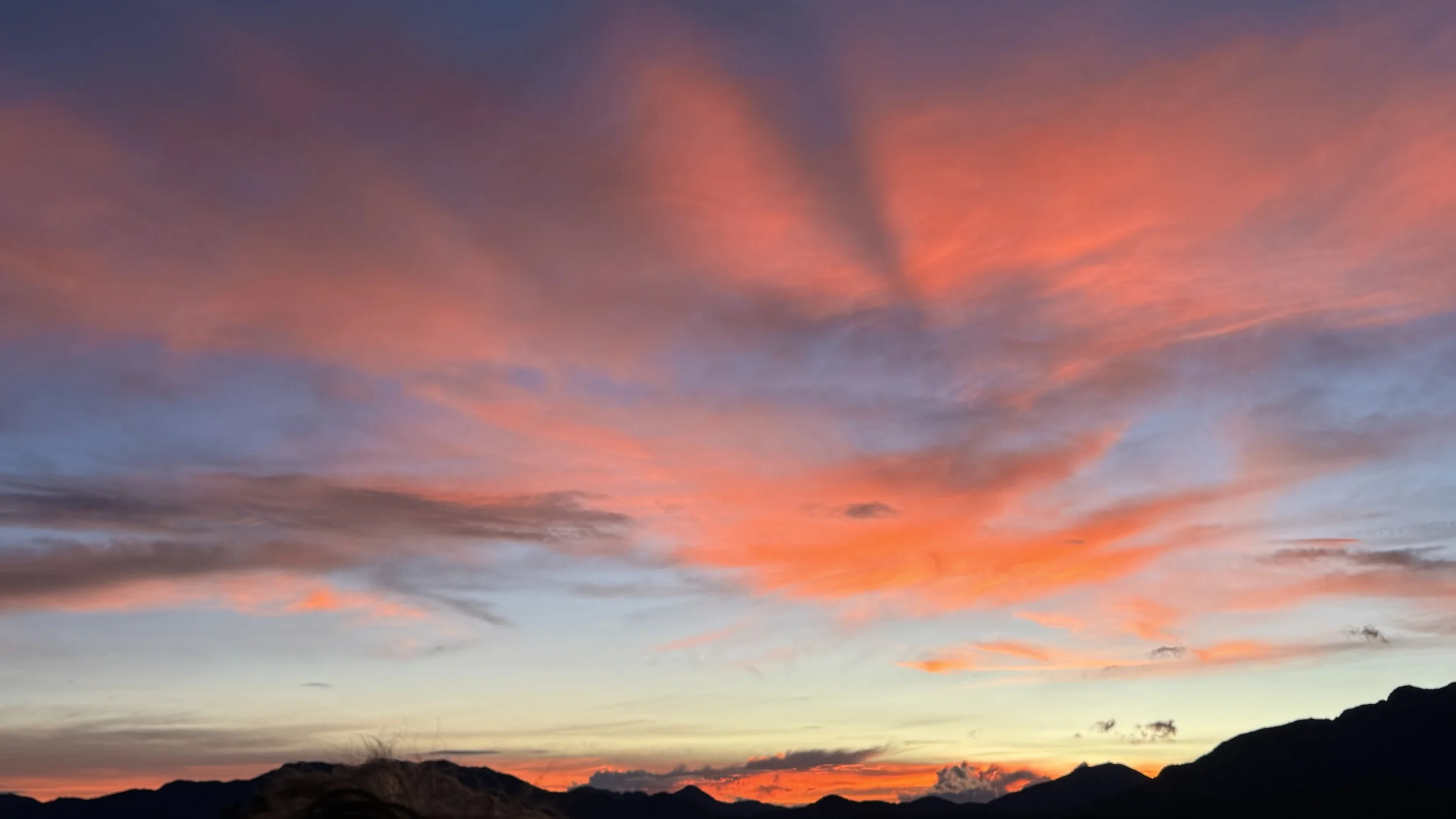
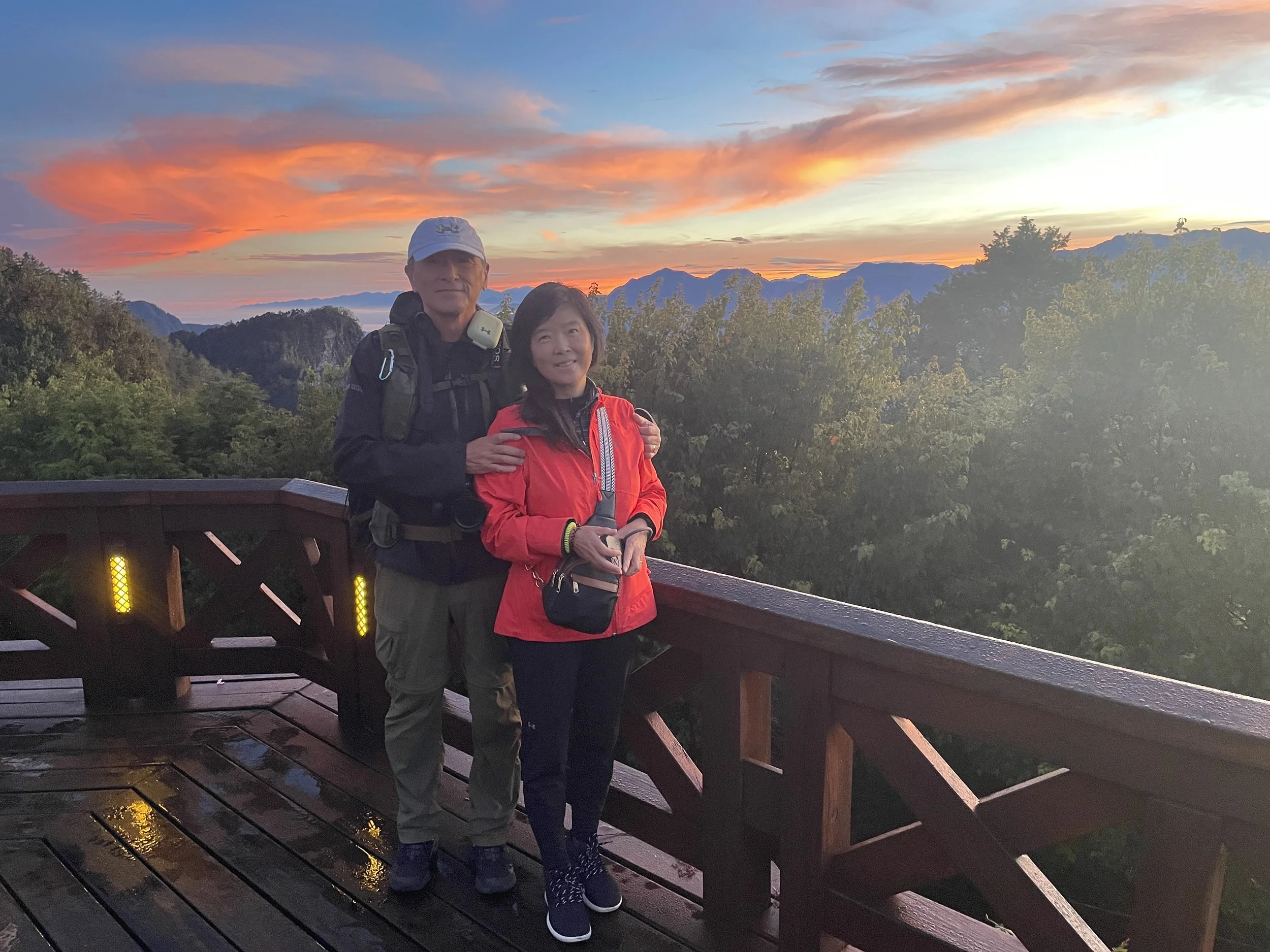
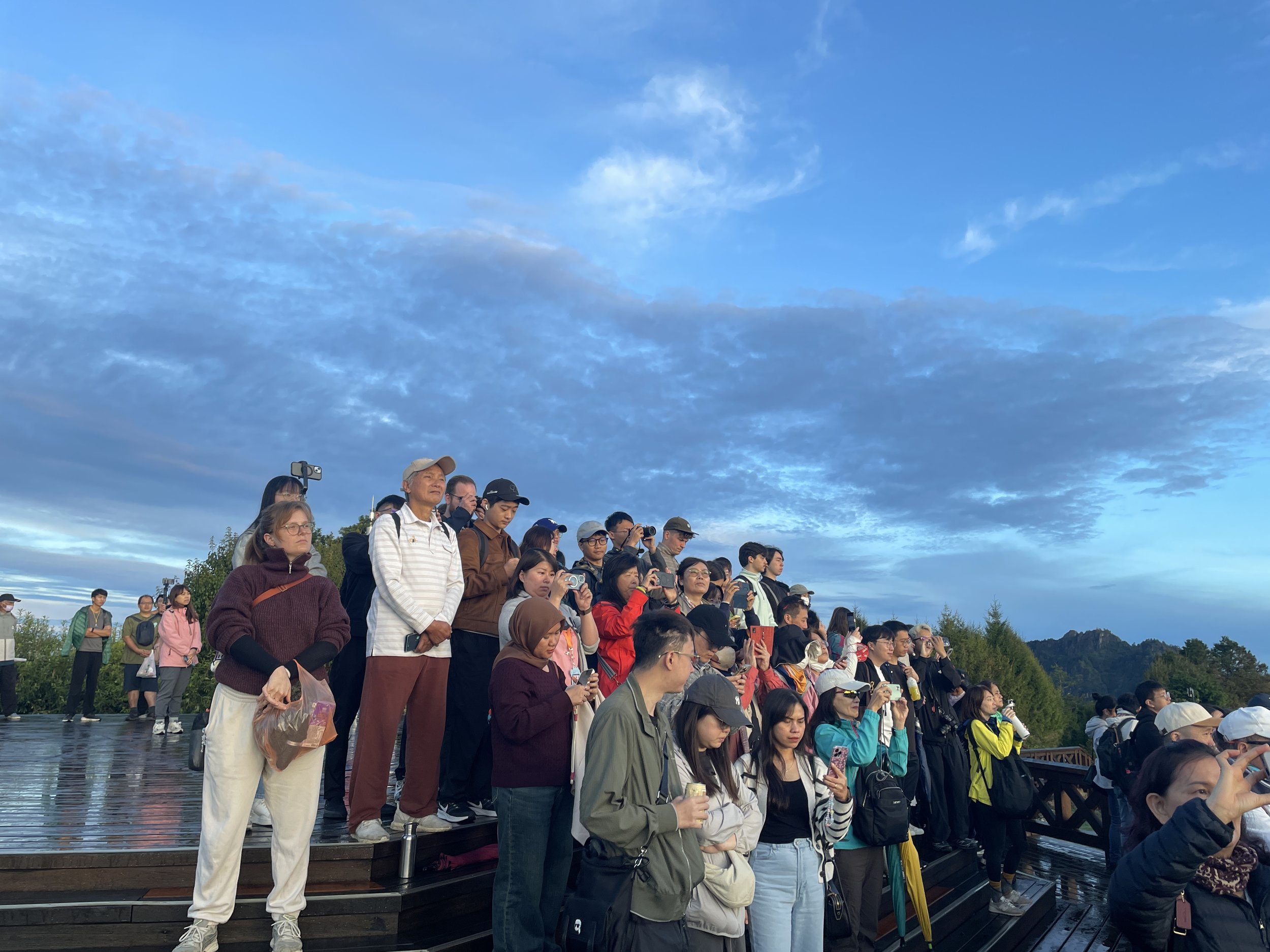
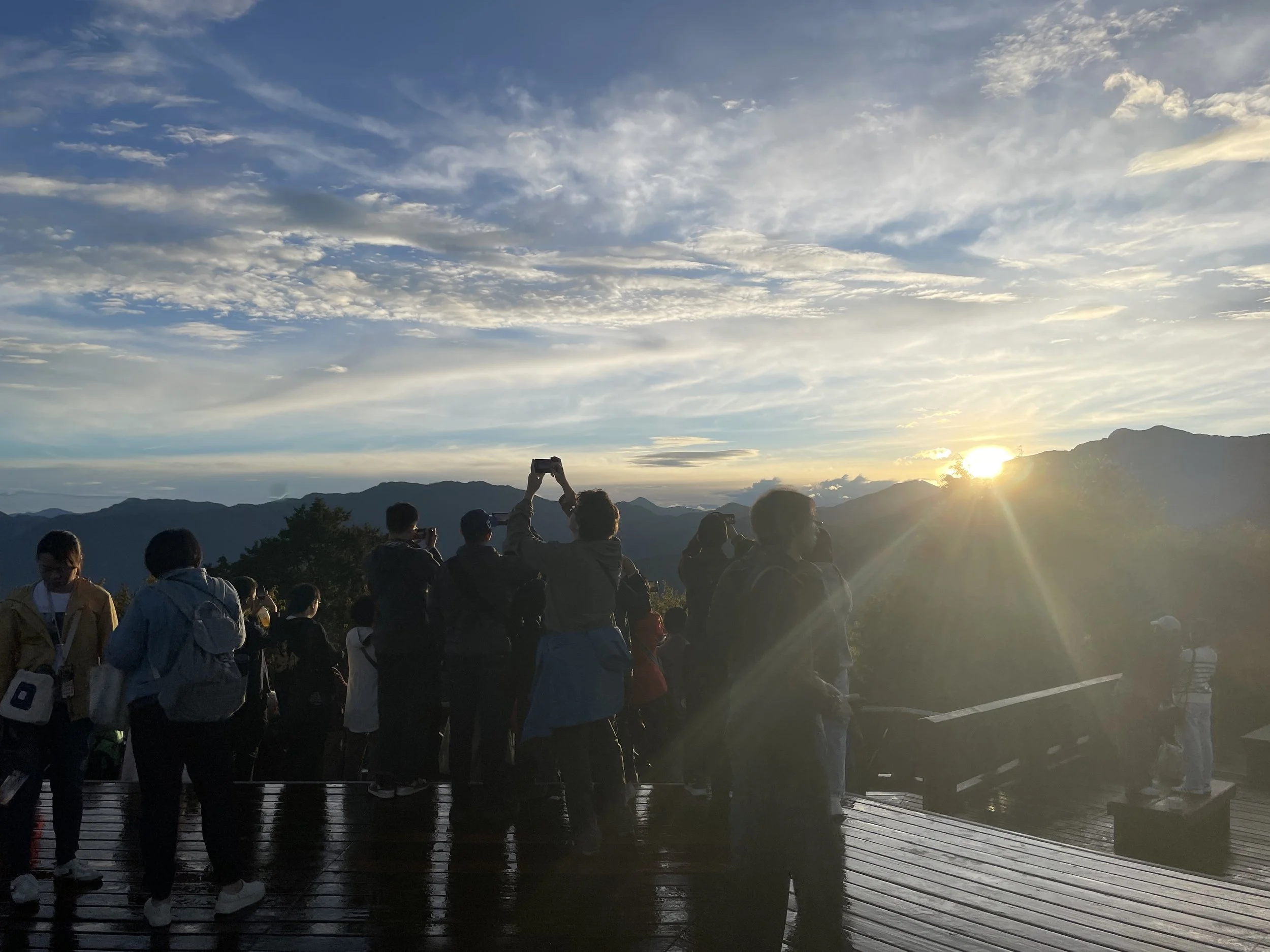
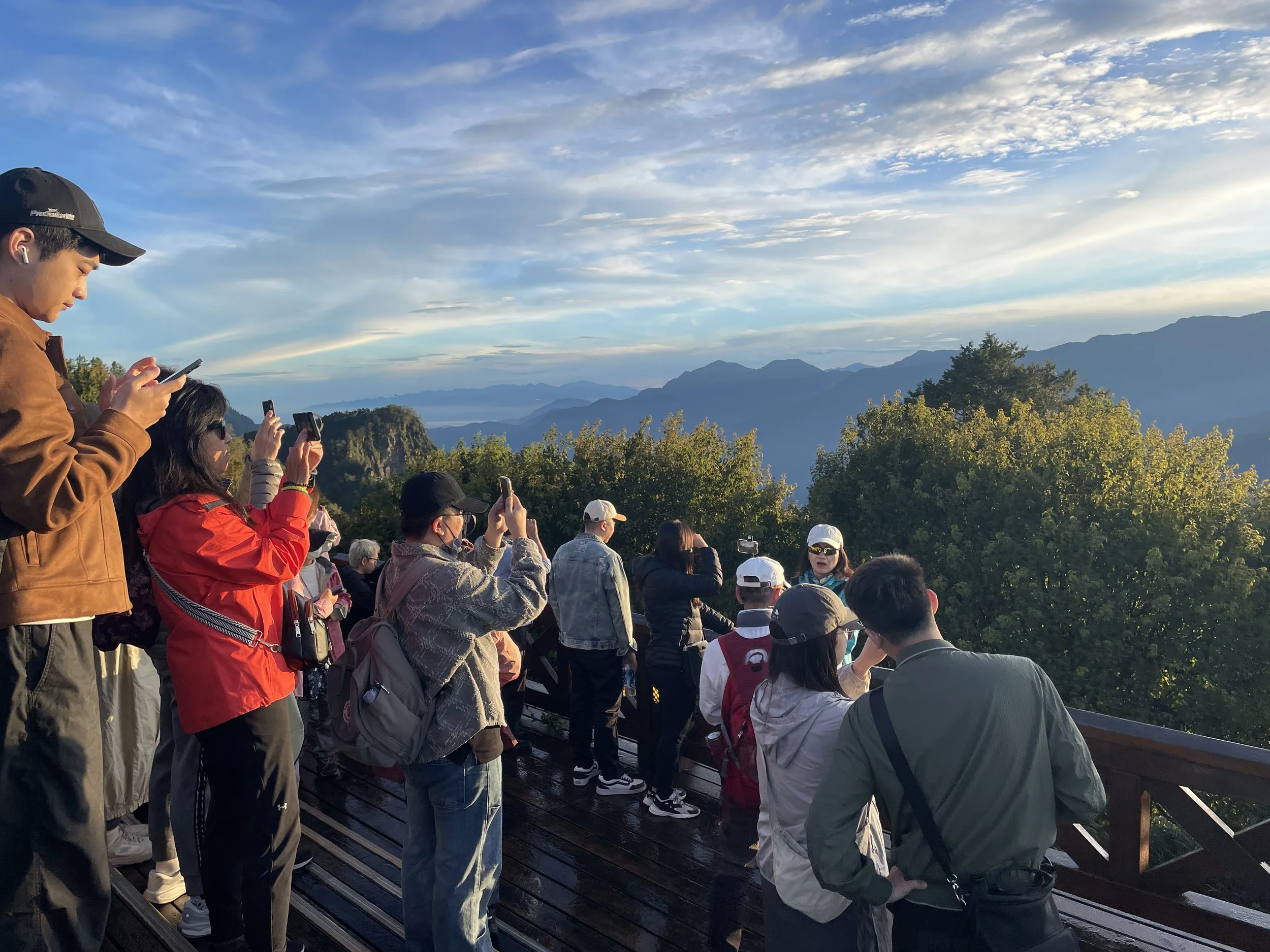
We woke up before 4 a.m. to catch the Alishan–Zhushan train for sunrise viewing. At 4:50 a.m., in complete darkness, five fully packed cars slowly climbed toward Zhushan Station. There were two main observation platforms—360 and another nearby—and we chose the 360 platform. The weather could not have been better. As dawn broke, the sky lit up with a stunning palette of colors. Yet the sunrise itself was less dramatic; the sun rose from behind a mountain ridge, so by the time it appeared, it was already high above the horizon.
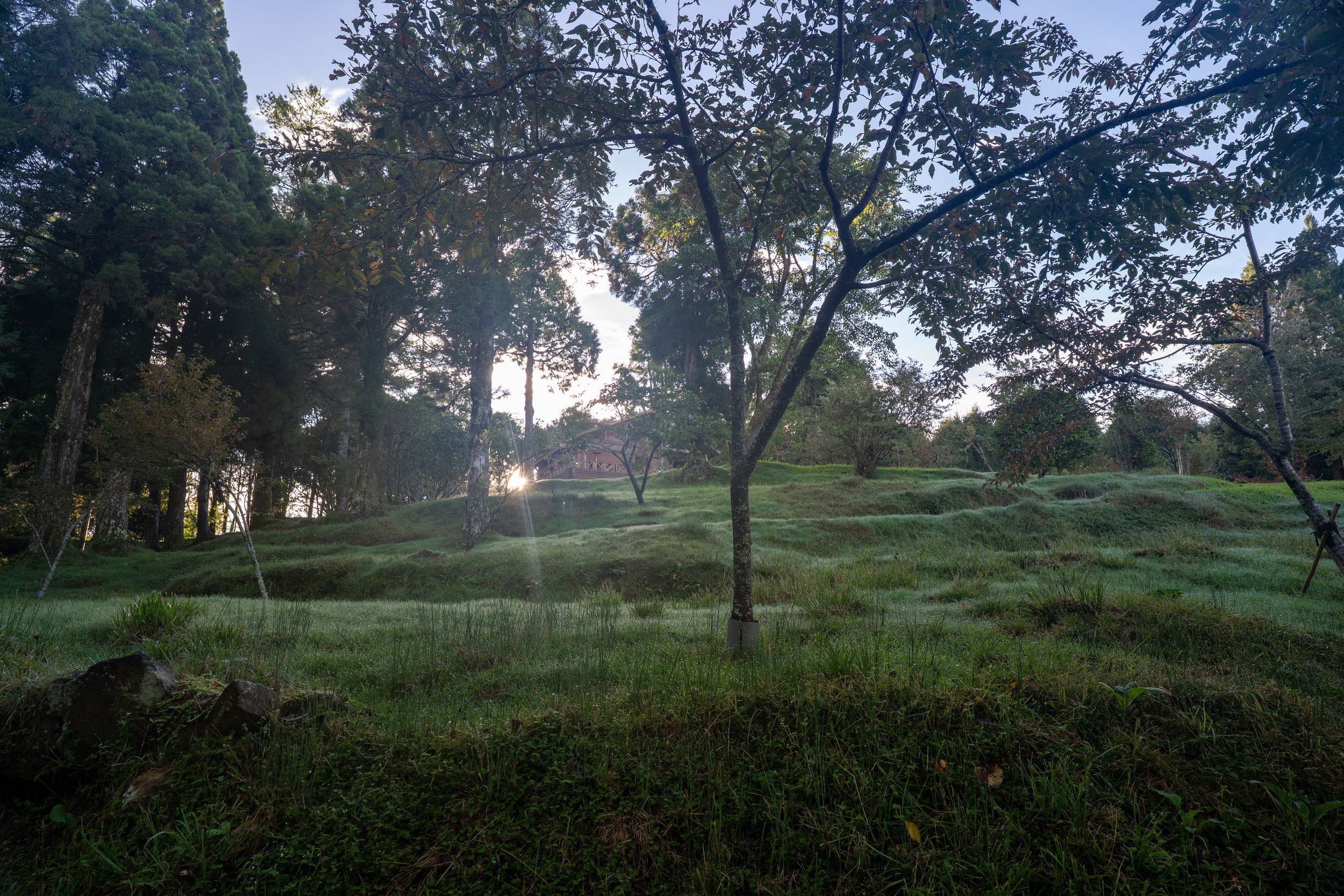
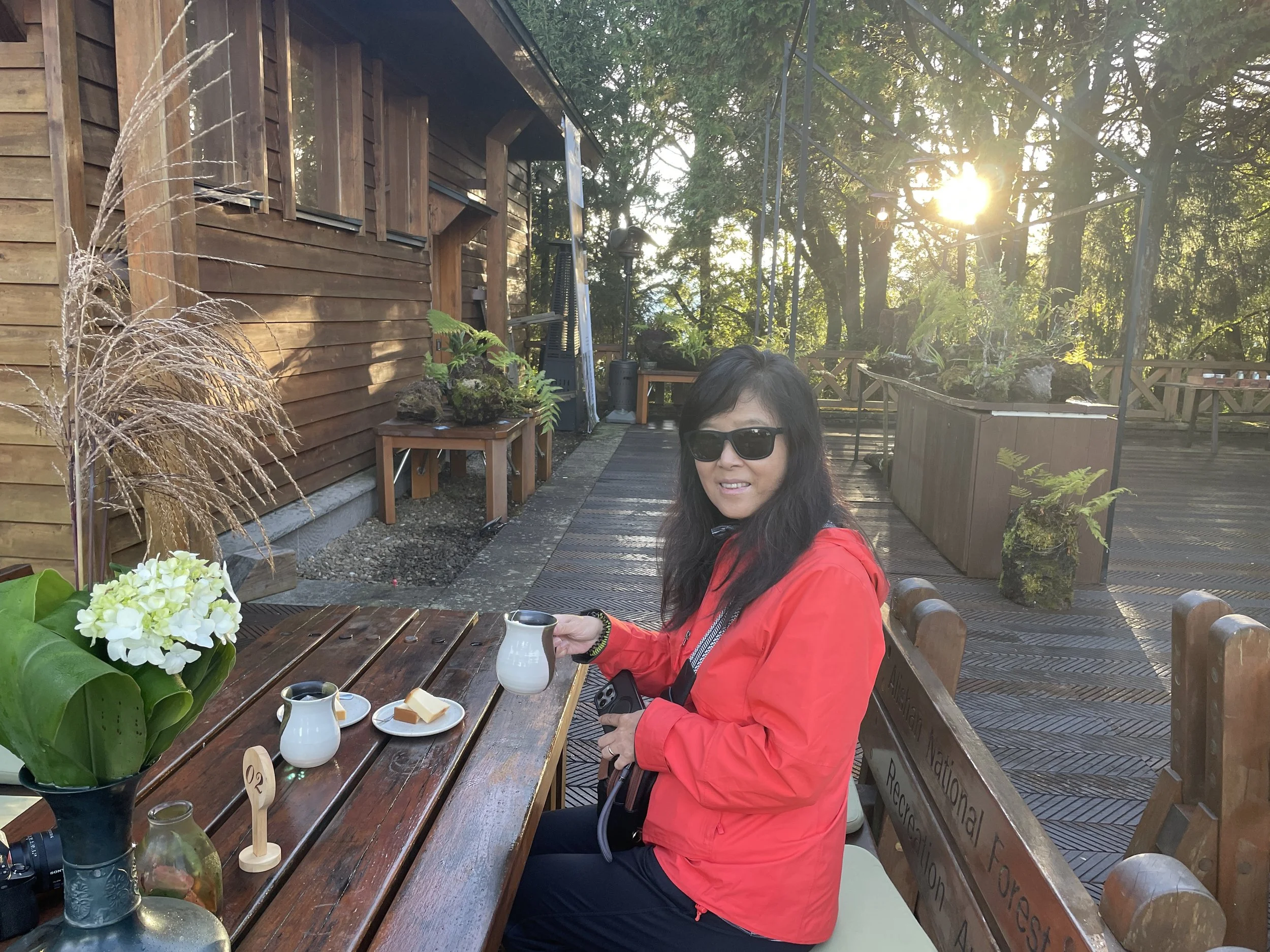
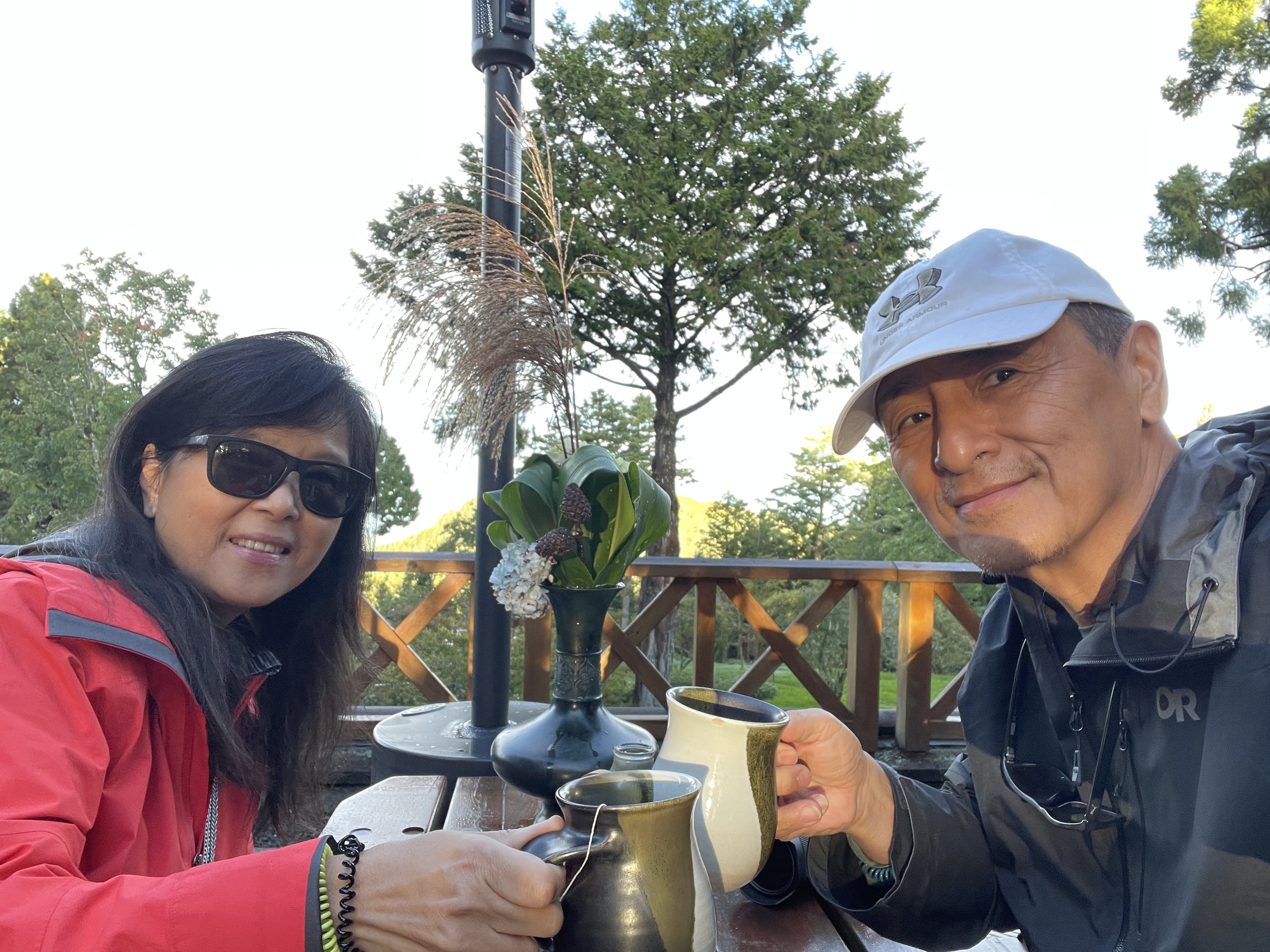
After sunrise, we warmed ourselves with hot tea at a nearby teahouse, enjoying its peaceful setting. Then we followed the pathway downhill into town for the complimentary breakfast included with our accommodation. Unfortunately, it turned out to be one of the poorest breakfasts we have ever had—labeled as “Western and Chinese style,” but the only “Western” part was coffee and square white bread, while the “Chinese” part was plain rice porridge, salted eggs, and cabbage. Service was equally lackluster. We wished they hadn’t offered breakfast at all, so we could have chosen our own, but options in town were scarce.
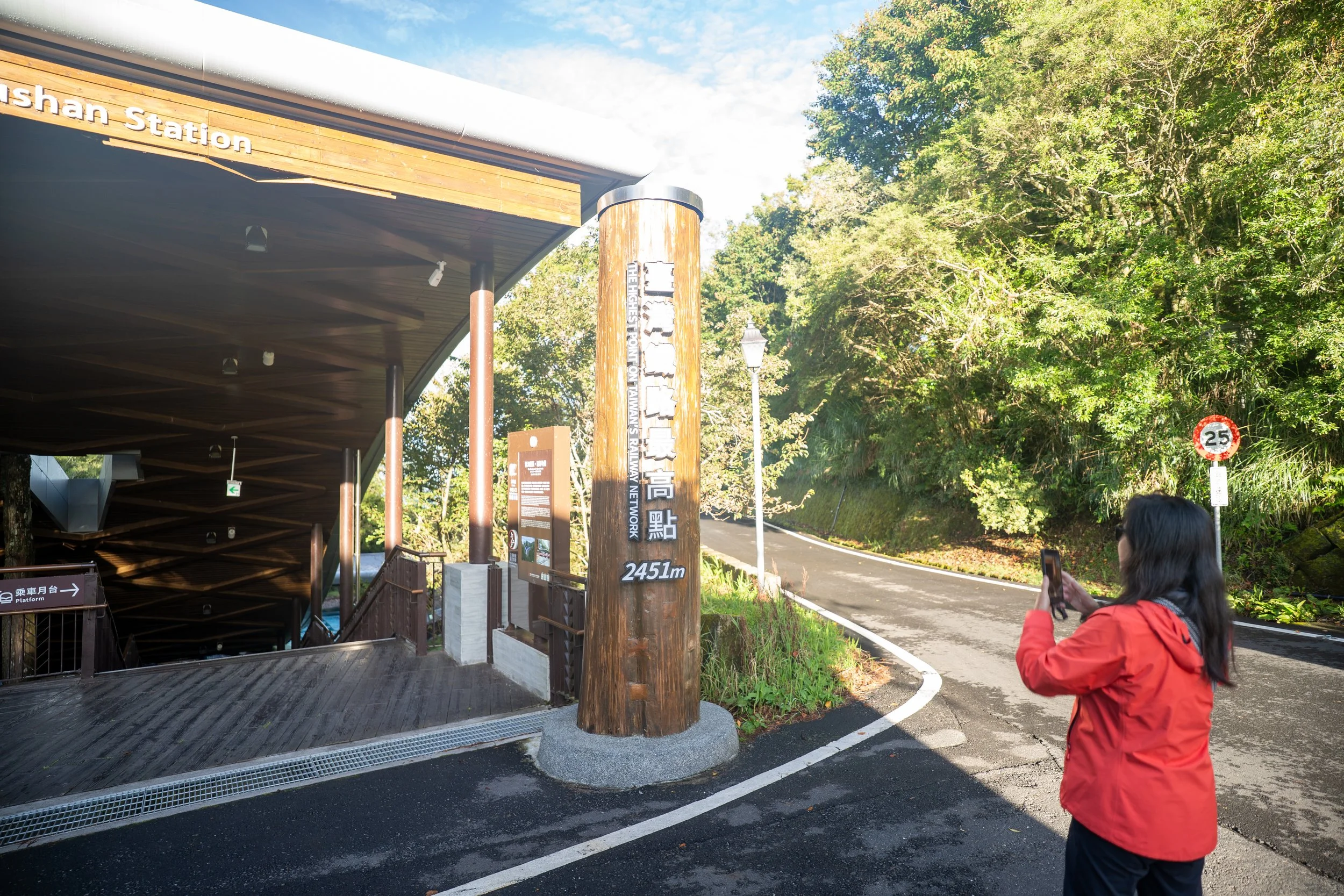
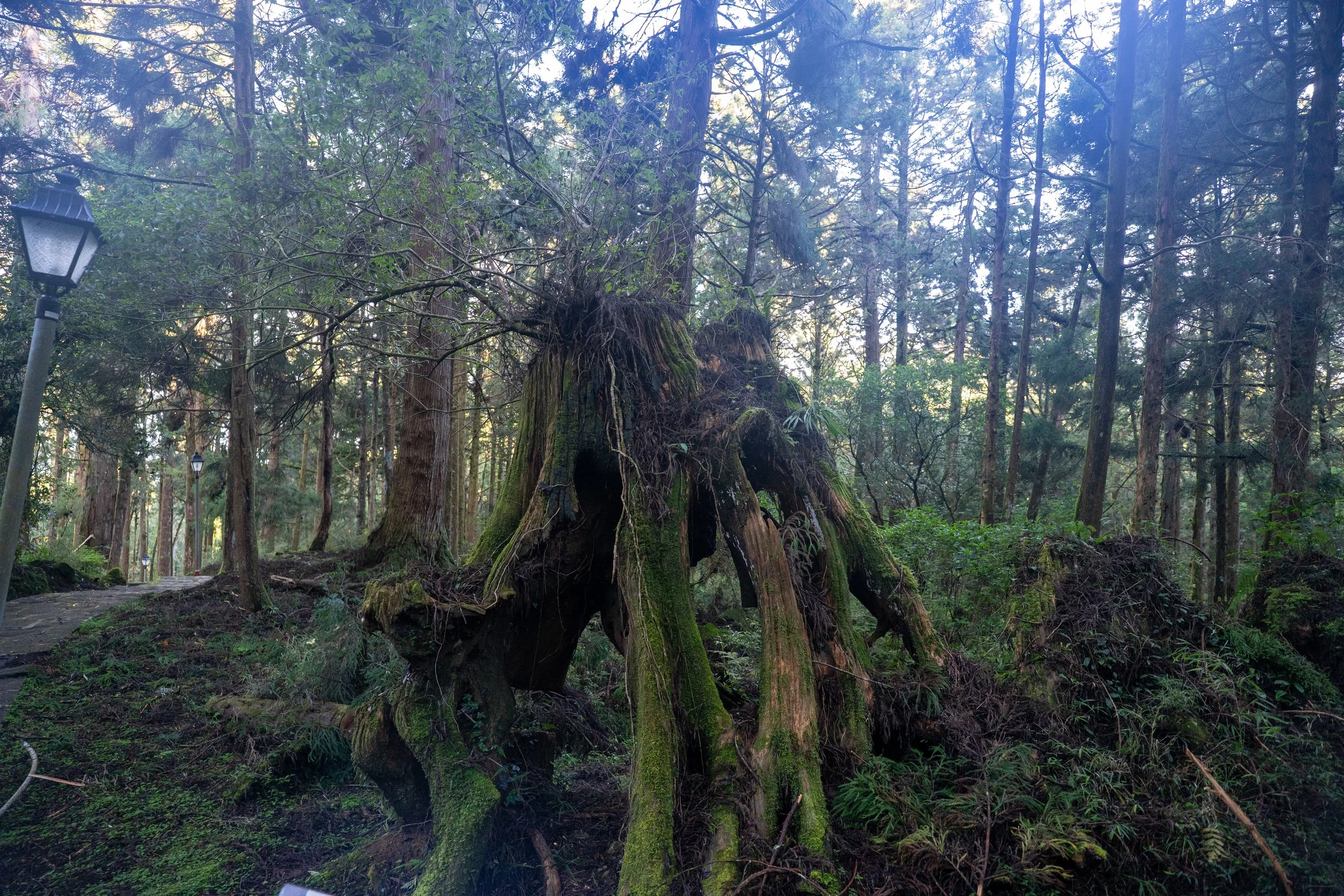
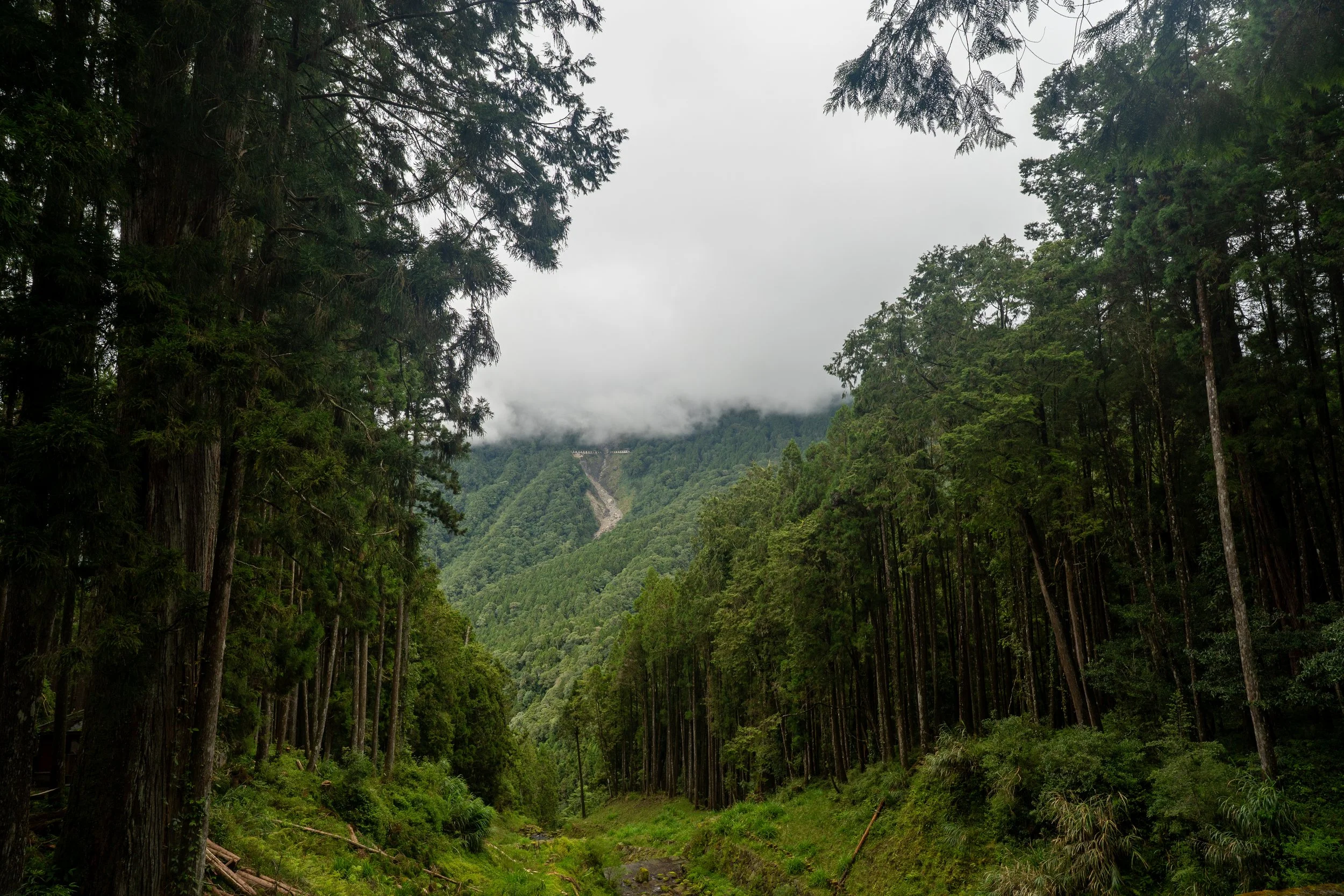

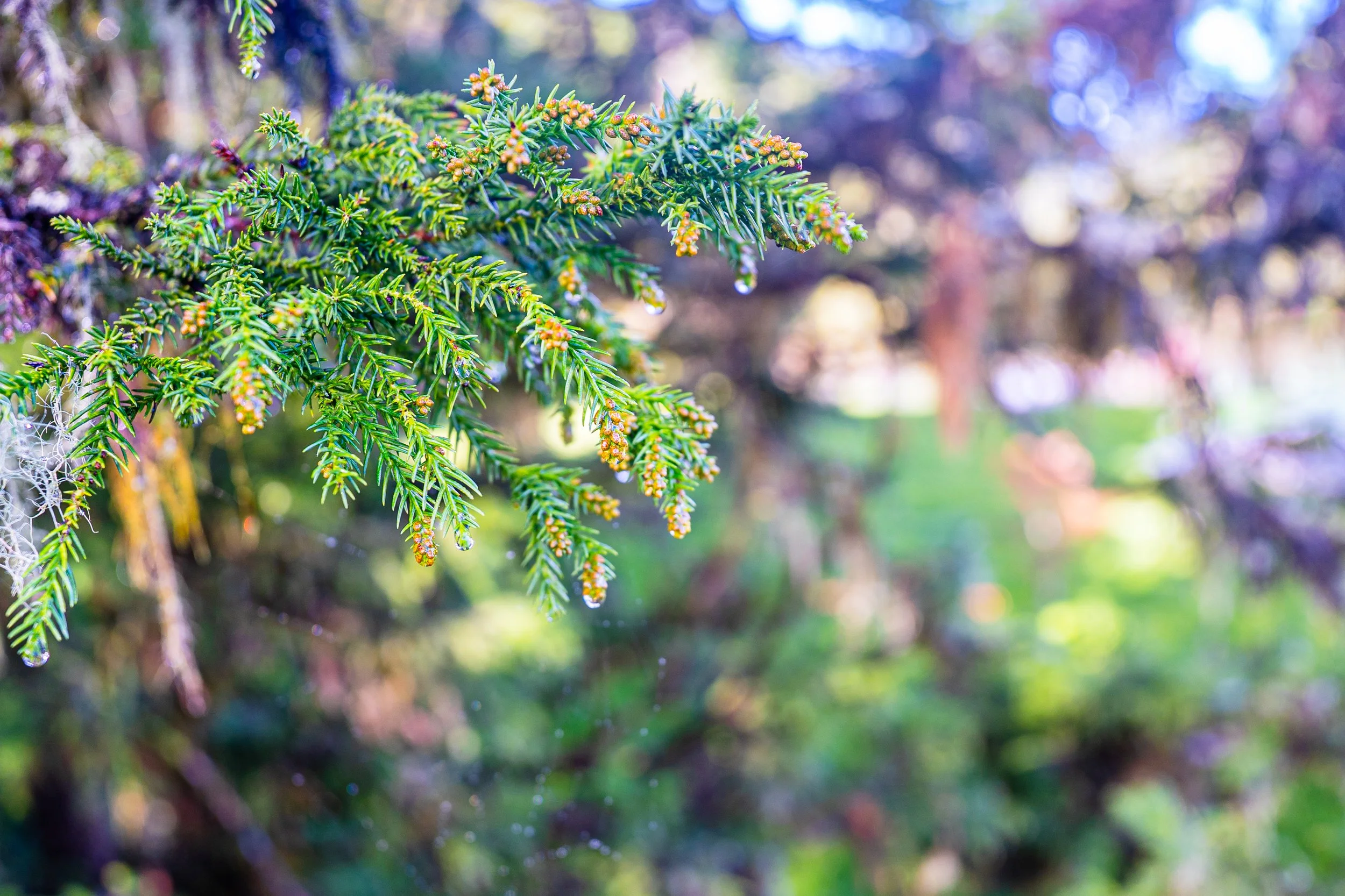
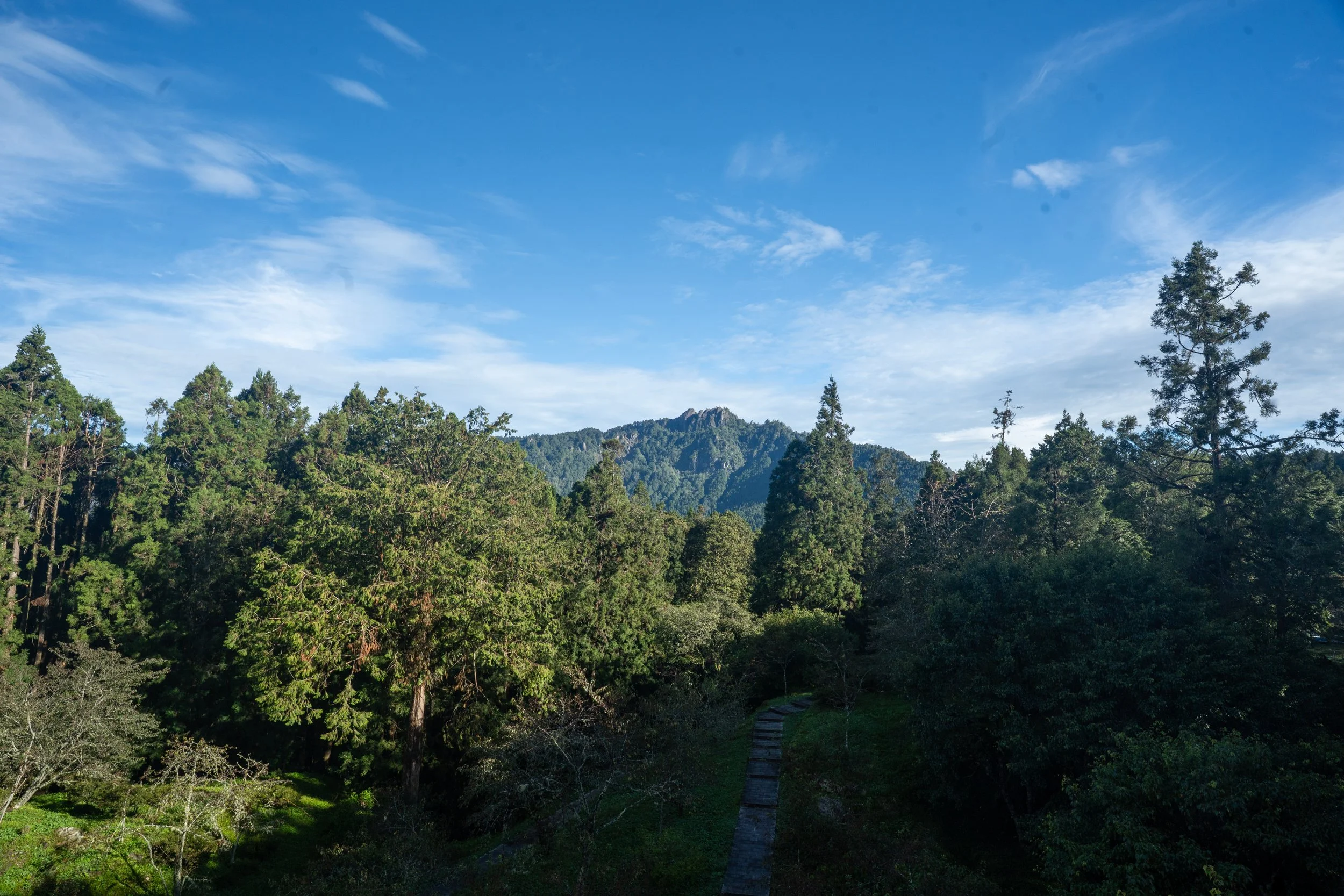
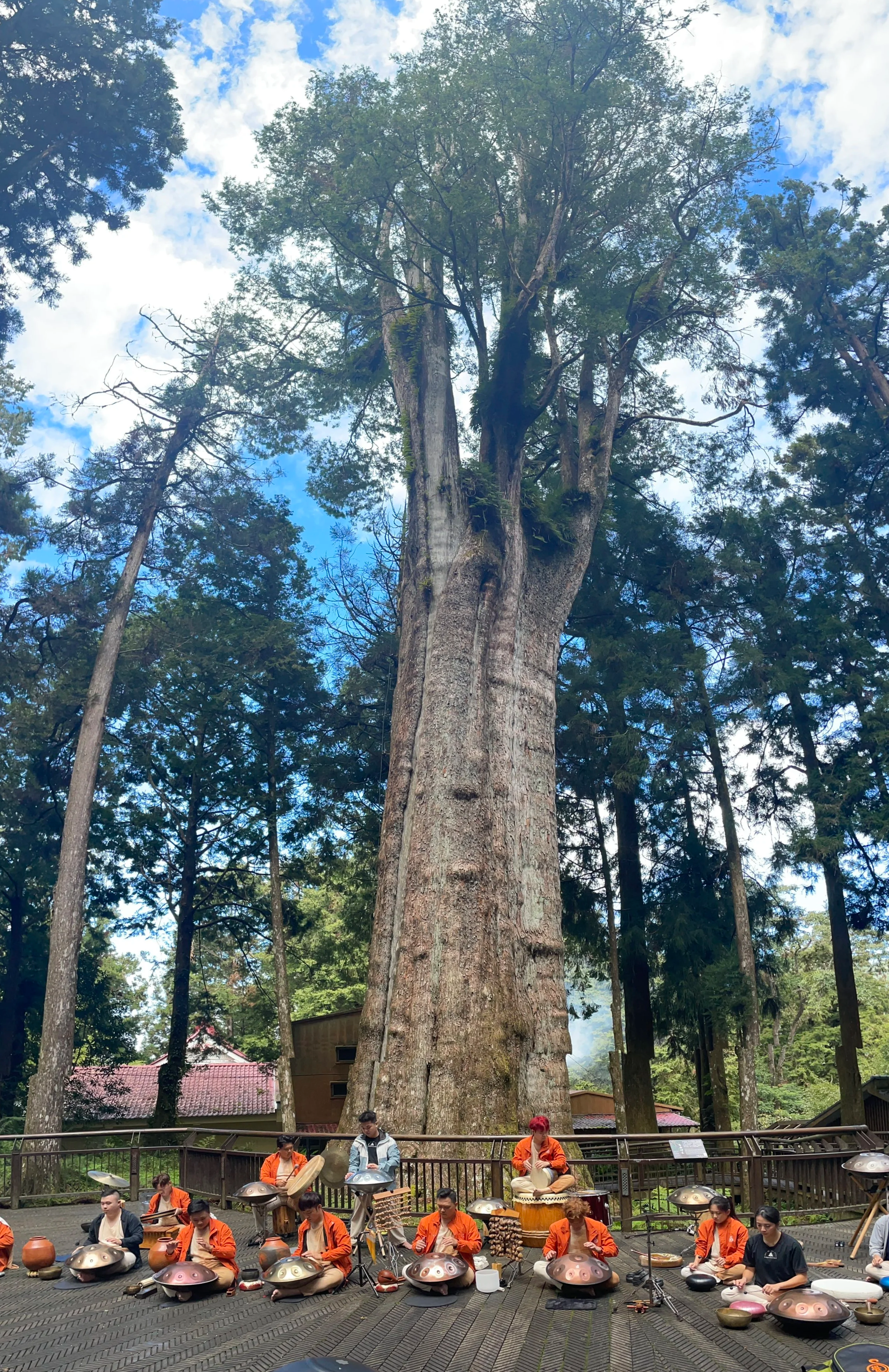
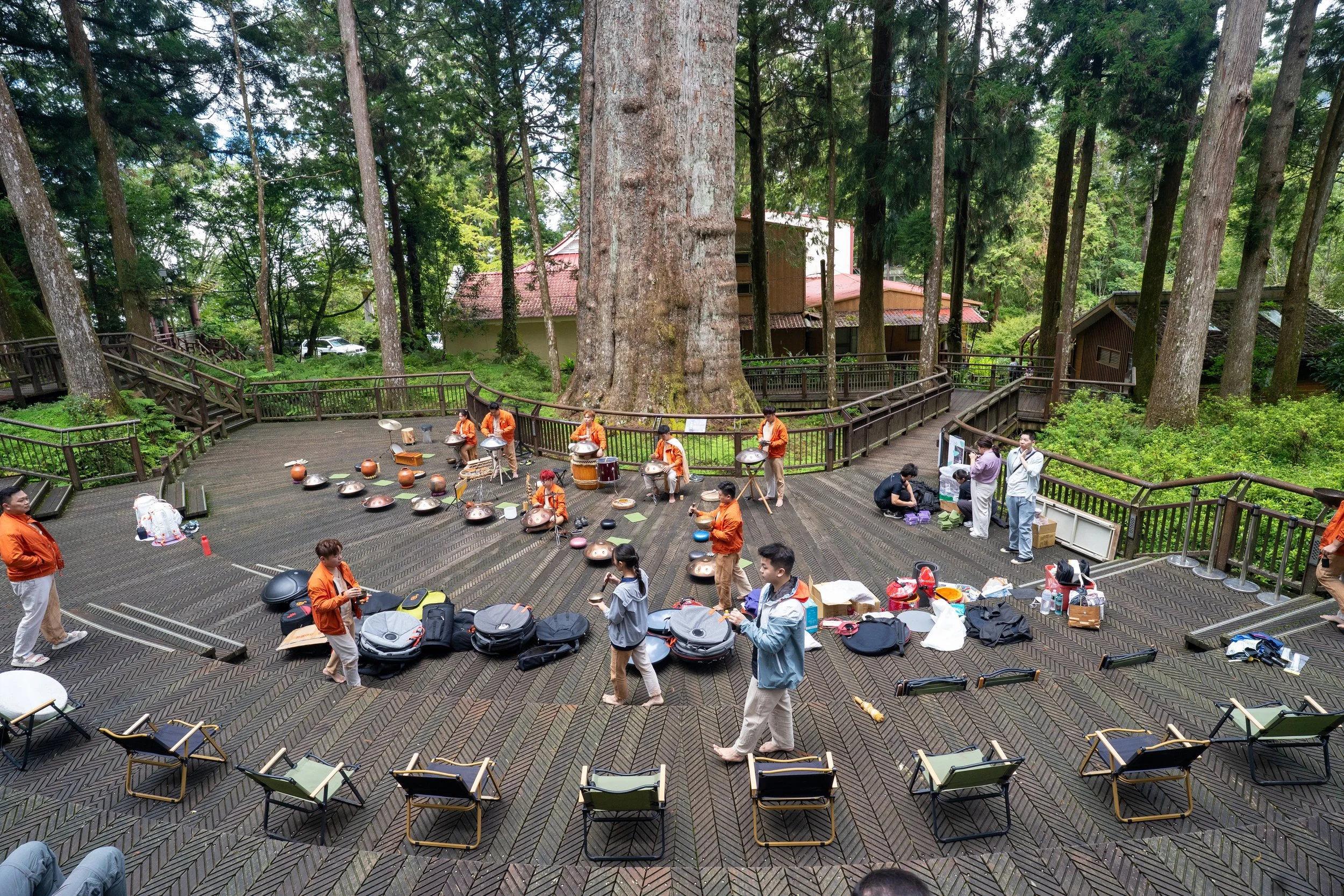
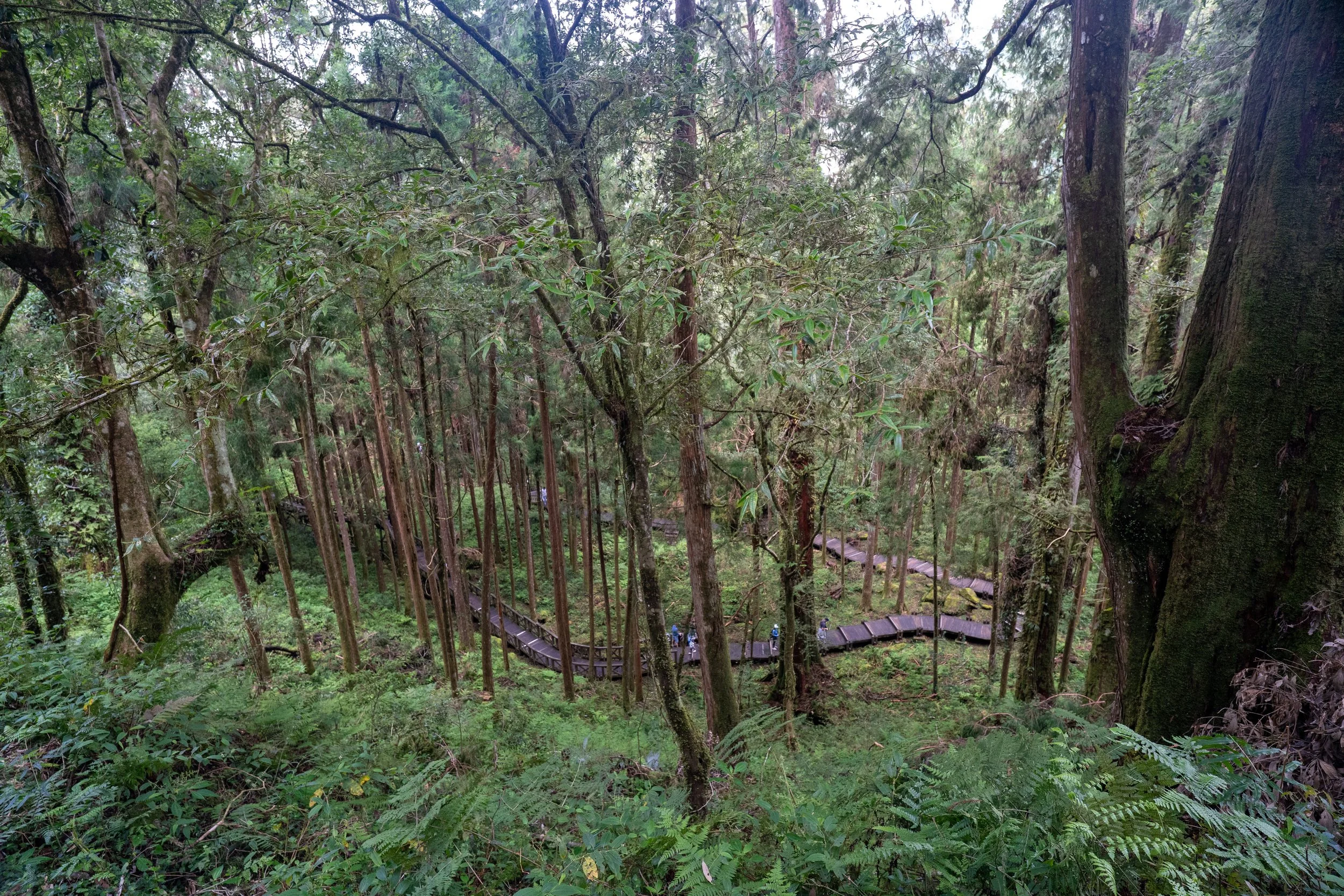
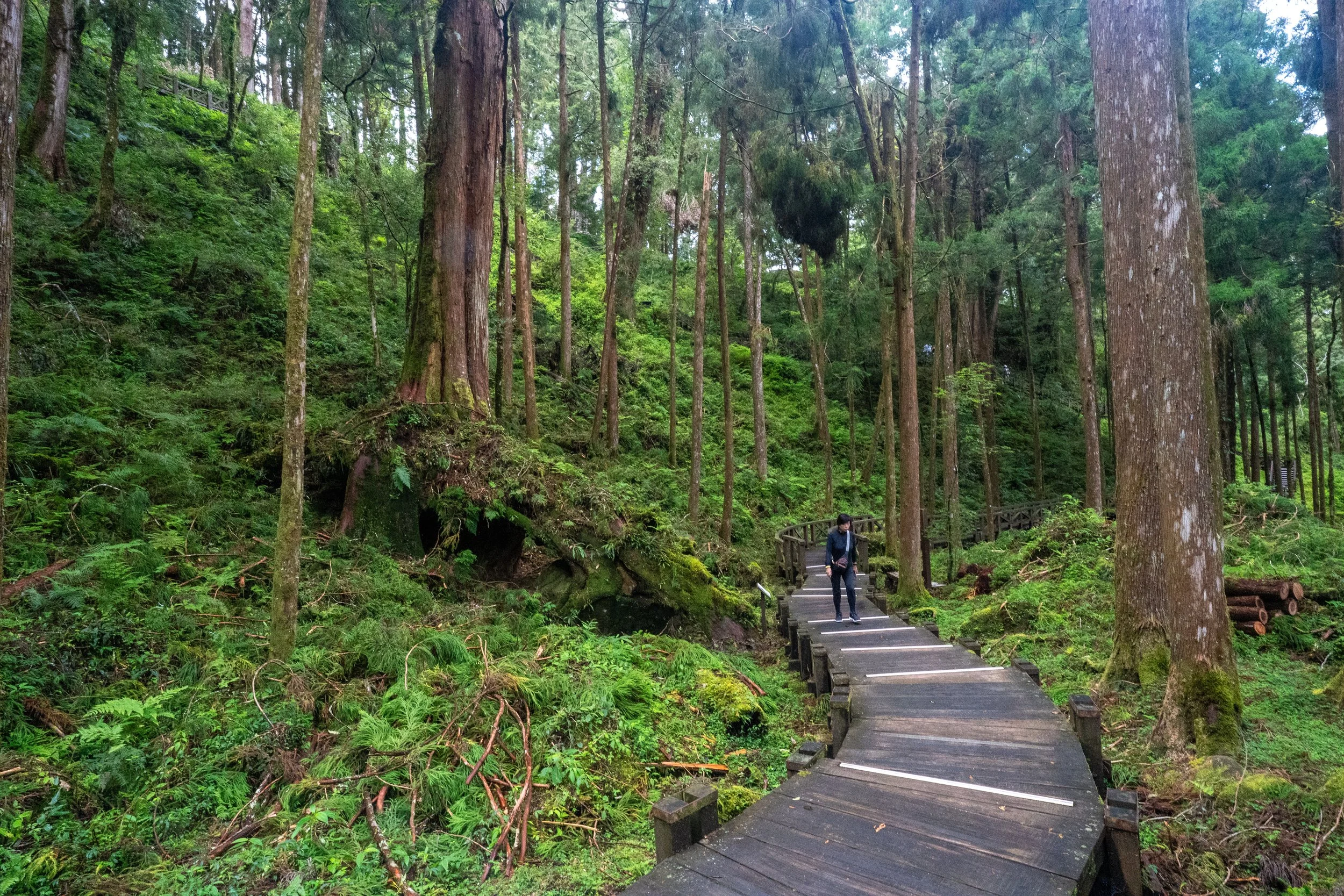
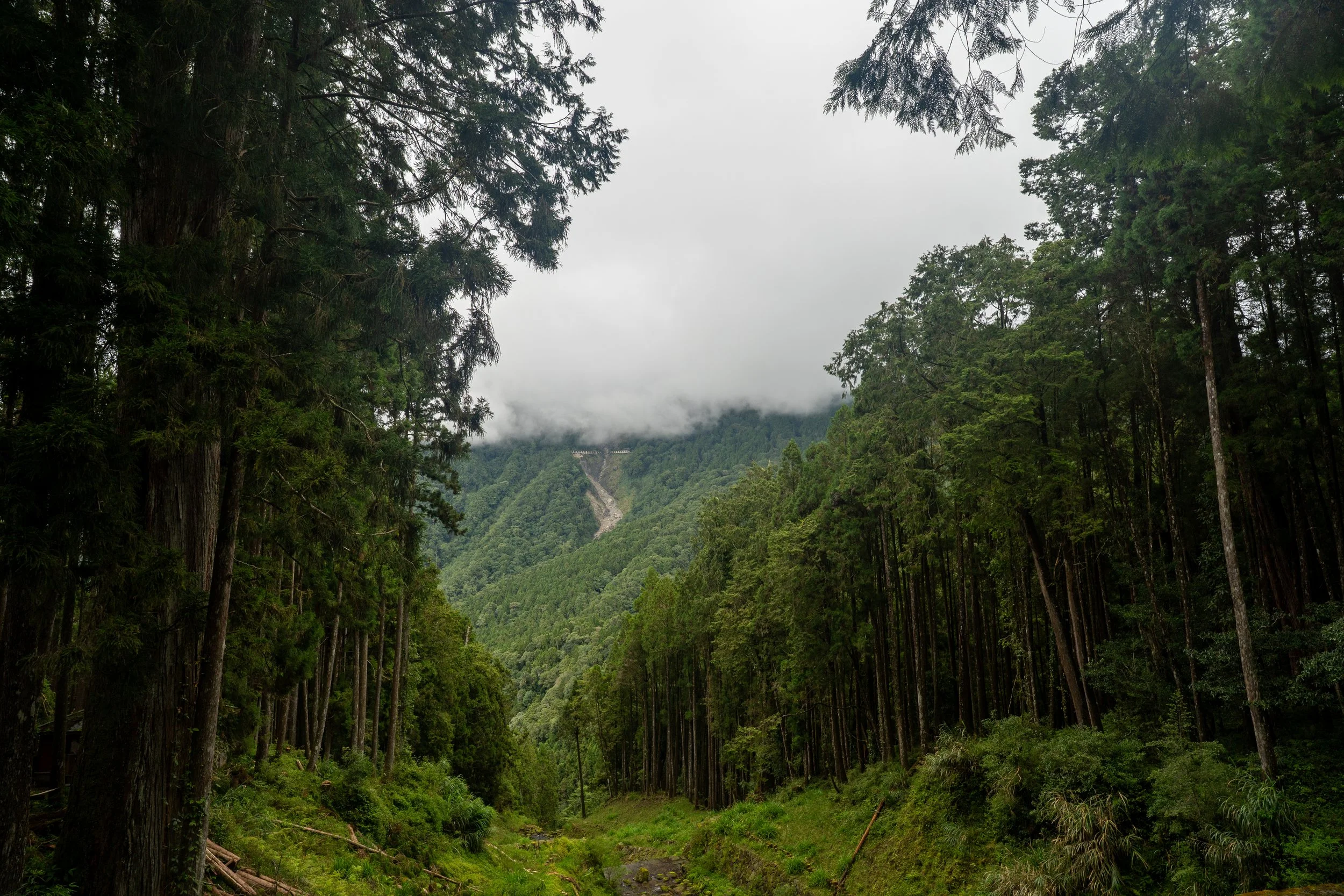
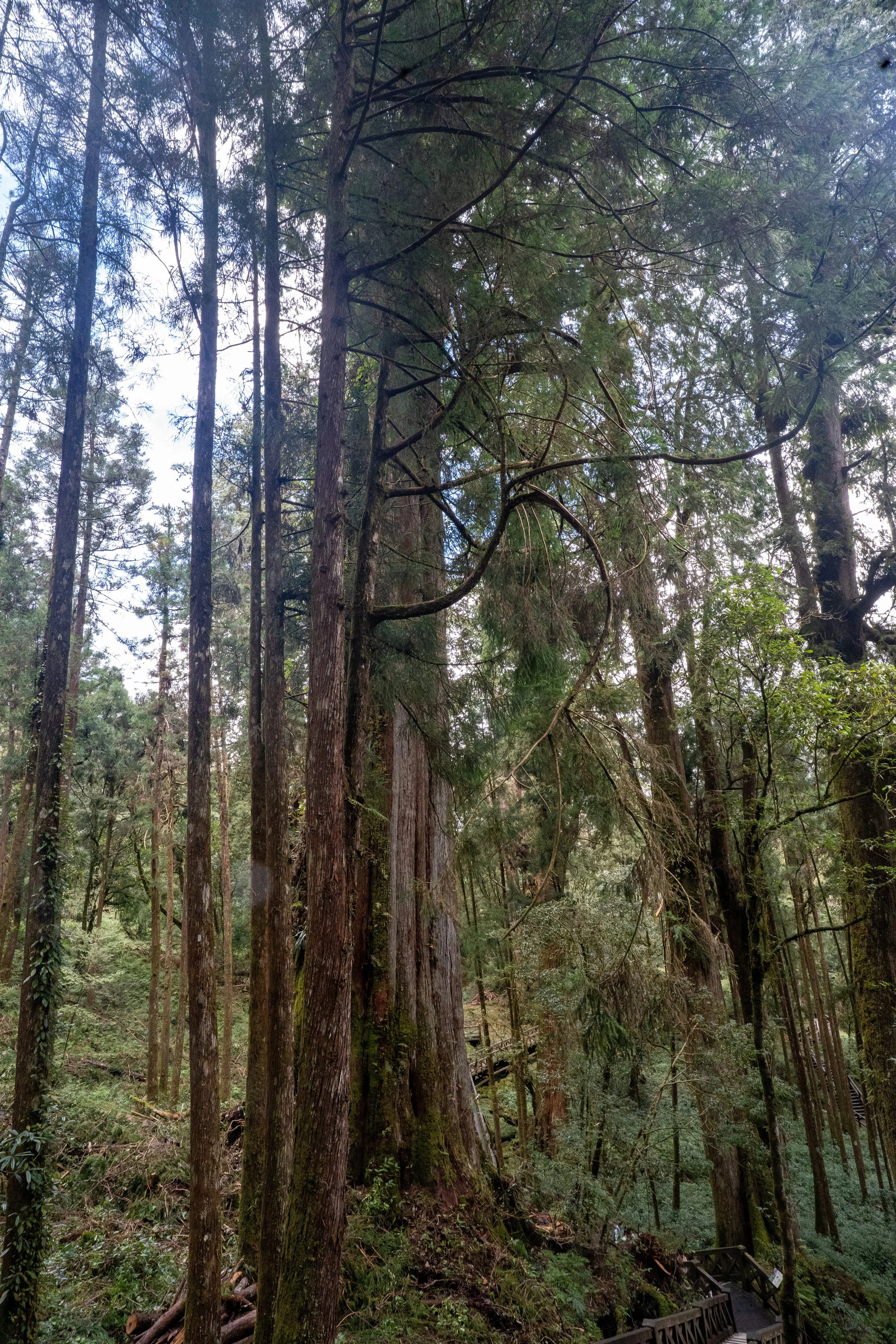
After breakfast, we packed, checked out early, and stored our luggage at the hotel before heading out to explore the Giant Sacred Tree group. The boardwalk through the ancient forest was pleasant and satisfying, especially with the perfect weather and fewer tourists around. Suddenly, we heard enchanting music echoing through the trees. Following the sound, we discovered an outdoor amphitheater in front of a massive sacred tree, where a group of young musicians were rehearsing on handpans—an instrument invented in Switzerland in 2000. The meditative tones resonated beautifully in the forest, creating a surreal experience. They were preparing for a concert later that afternoon; we wished we had time to stay for it.
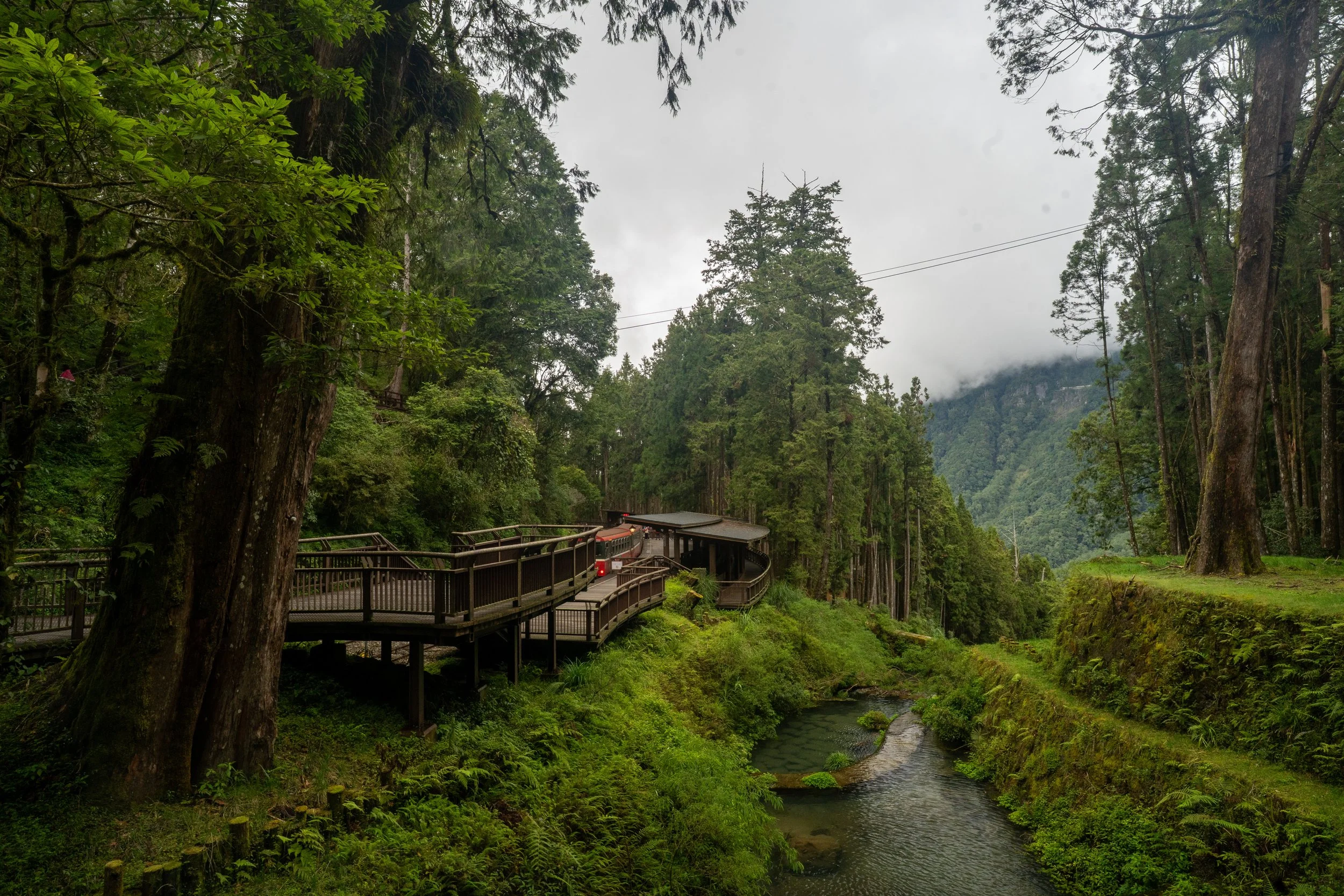
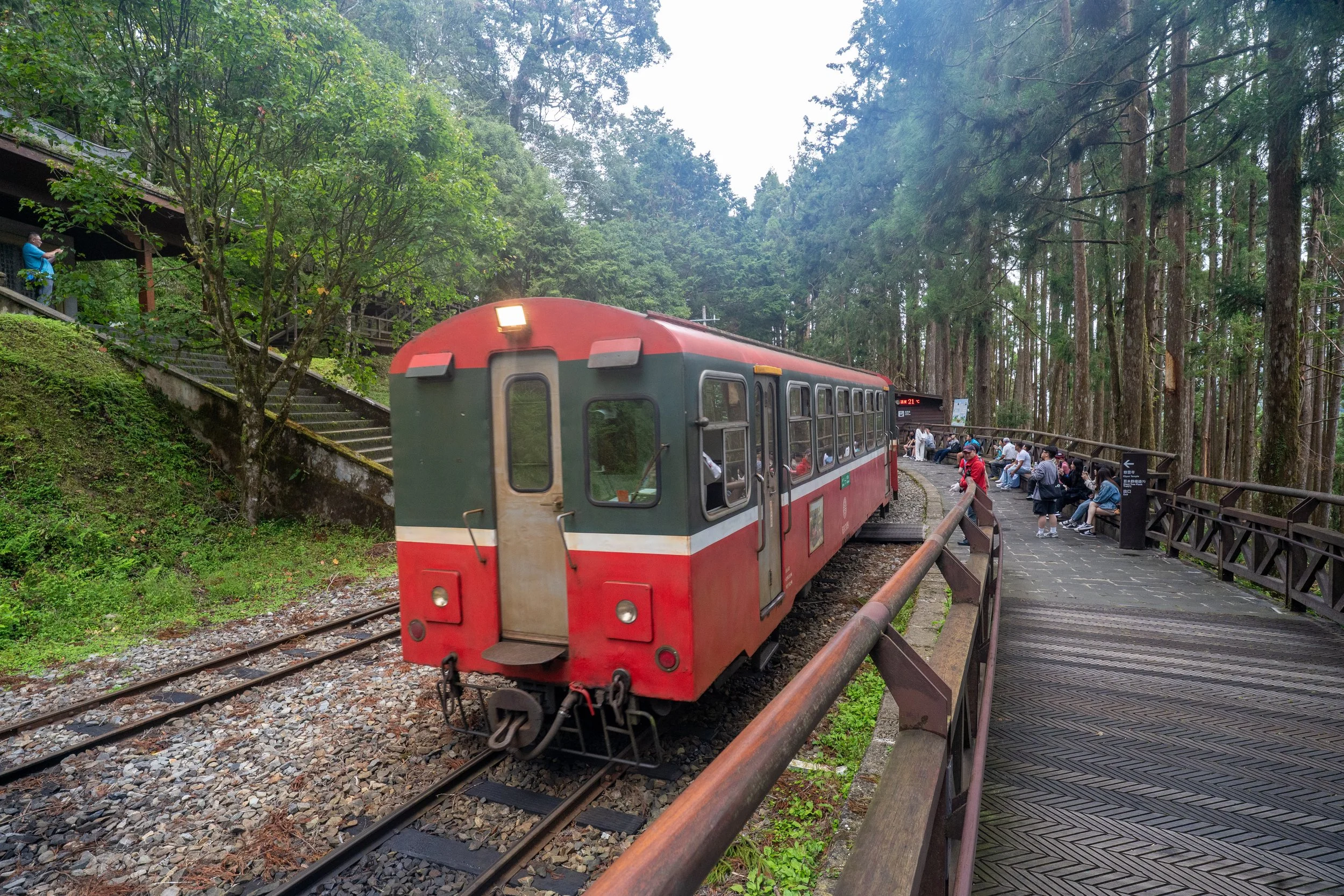
After visiting the key scenic spots, we boarded the narrow-gauge train back to Alishan Station. Our host then dropped us at the bus stop for the two-hour ride back to Chiayi. The first hour was a wild journey—endless sharp curves with hardly a straight stretch of road—leaving us quite motion-sick.
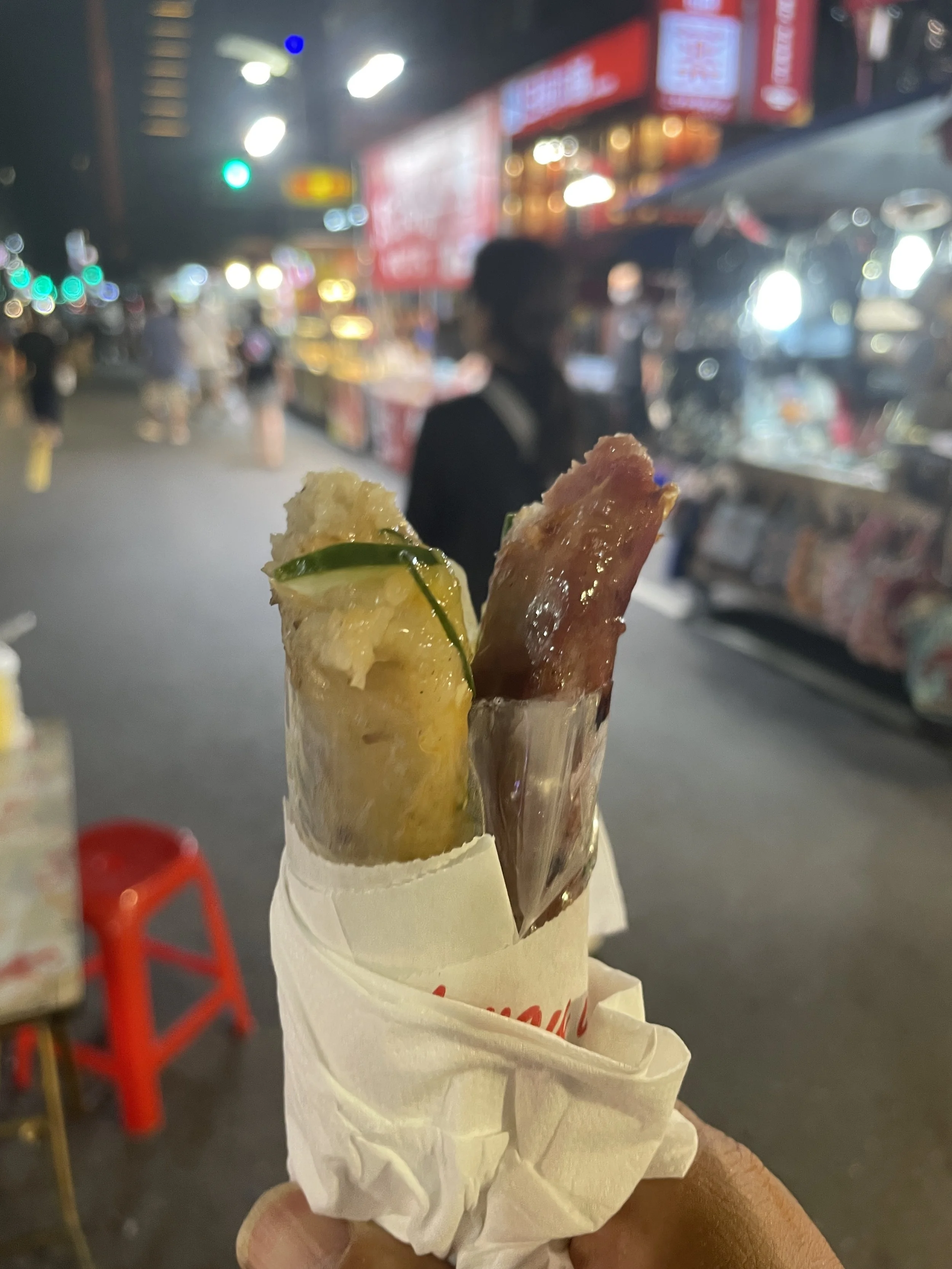
From Chiayi, we continued by train to Kaohsiung. That evening, we visited the Liuhe Night Market (六合夜市). The air was hot and humid, and we found ourselves with little appetite. We sampled stir-fried clams and the famous “big sausage wrapped around small sausage,” then left the market early to return to our hotel and rest.
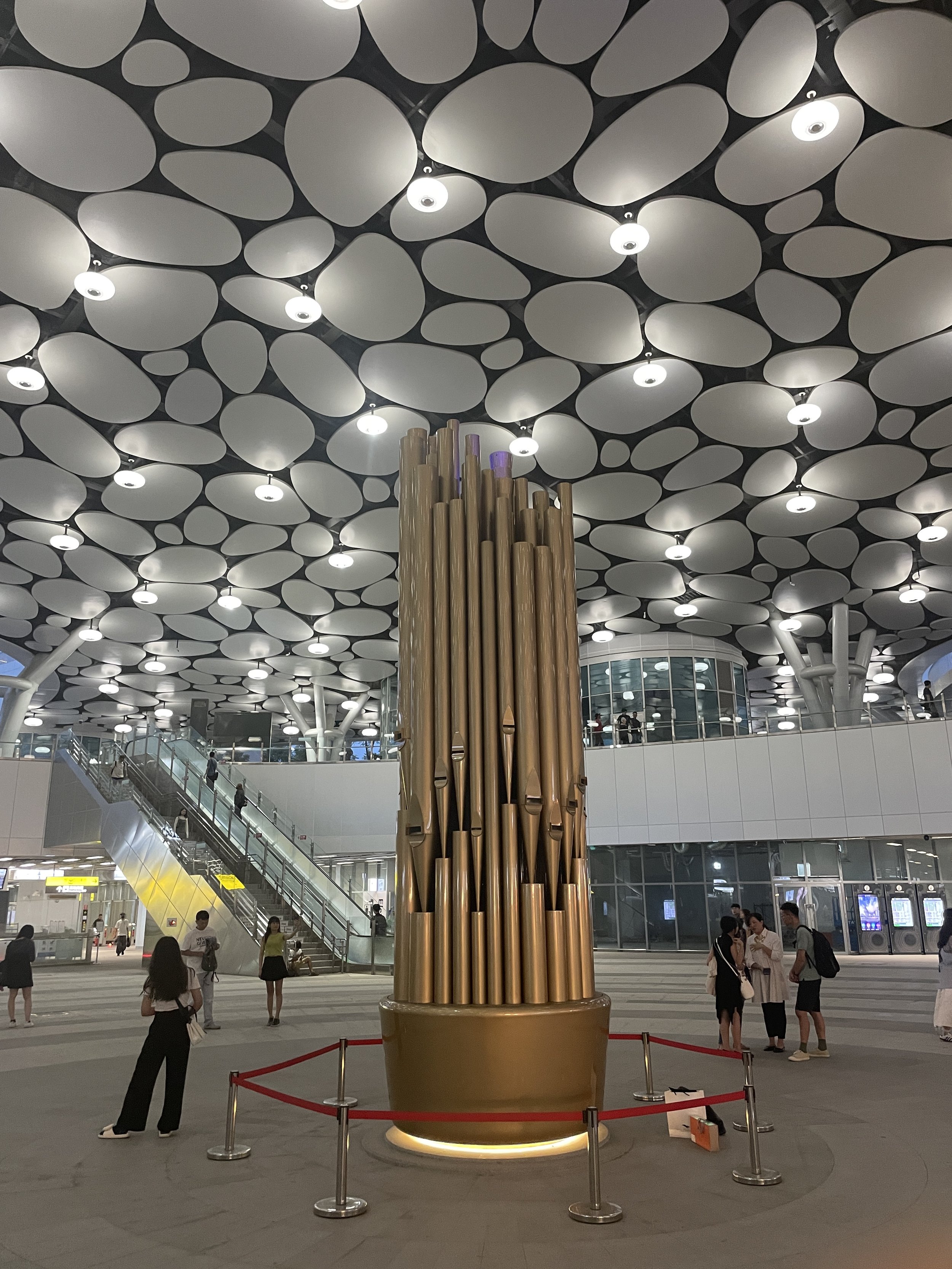

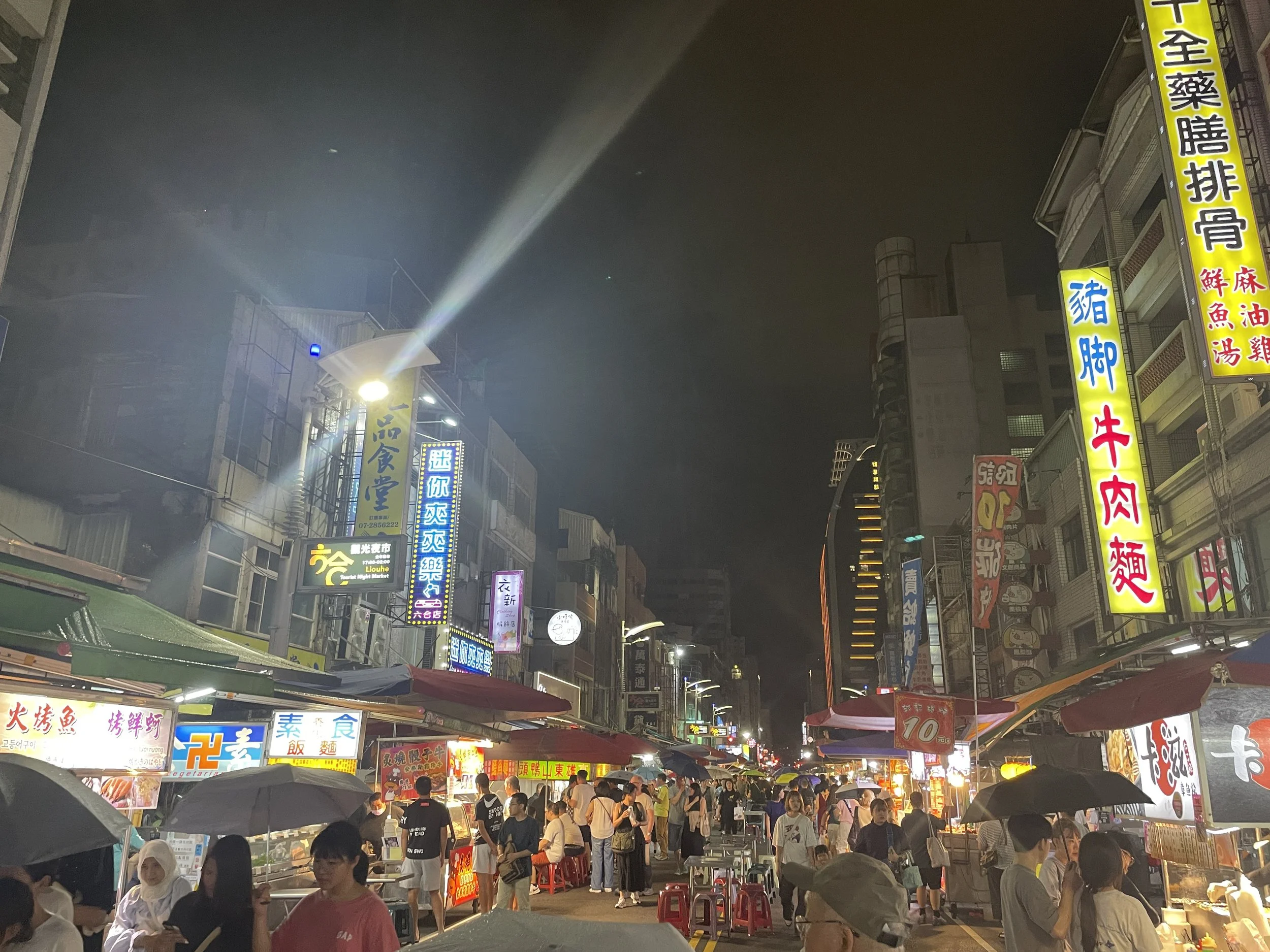
Although the Alishan Recreation Area offers some of the best-designed walking paths—built both to protect the environment and to ensure comfort for visitors—the overall service in the park felt underwhelming. At night, the town turns quiet and almost deserted, a sharp contrast to the lively atmosphere we often encountered in European mountain destinations. In Europe, the natural parks remain pristine, yet once you return to town, modern amenities and warm hospitality make the stay comfortable. Alishan, by contrast, preserves its untouched beauty in the forest, but the town itself still lacks that same level of service and convenience.
2025年9月20日
我们在凌晨四点前起床,乘坐阿里山–祝山的小火车去看日出。凌晨四点五十分,天还漆黑一片,满载游客的五节车厢缓缓爬升至祝山车站。那里有两个主要观景平台——360度观景台和祝山观日景台,我们选择了360度观景台。据说前几天山顶上一直被雾笼罩,今天我们很幸运,清早的天气再好不过了。黎明时分,天空被渲染成一幅绚丽的色彩画卷。然而日出本身却并不壮观,太阳从山脊后升起,当我们看见它时,它已经高挂在天际。
看完日出后,我们在附近的茶屋喝了热茶,静静享受宁静的氛围。随后沿着小径下行回到小镇,去吃旅馆提供的免费早餐,是在镇上的一家餐厅,这是我们吃过最差的早餐之一。虽然名义上是“中西式早餐”,所谓“西式”只有咖啡和白切片面包,“中式”则是白粥,咸鸭蛋和白菜。服务就更不用说了,完全就没有。只可惜镇上几乎也没有其它选择。
早餐后,我们收拾行李,提前退房并寄存好行李,然后出发去看巨木群。在古老森林中的木栈道修建的非常好,天气晴朗、游客稀少,行走在那里令人心旷神怡。突然,我们听到悠扬的音乐声在林中回荡。循声而去,来到一棵参天巨树前的露天小剧场,一群年轻的音乐家盘腿而坐正在演奏手碟——一种由瑞士音乐人于2000年发明的乐器。那冥想般的音色在森林间回荡,营造出一种超现实的氛围。他们正为下午的音乐会排练,我们真希望能留下来聆听。
Alishan Forest Train 阿里山森林小火车
September 19, 2025
After breakfast, we called an Uber to Chiayi Station and boarded Express 5 at 10 a.m……
早餐后,我们叫了Uber 前往嘉义火车站,。。。
September 19, 2025
After breakfast, we called an Uber to Chiayi Station and boarded Express 5 at 10 a.m. The ticket for the nearly five-hour ride — climbing from 30 meters above sea level to 2,300 meters — cost about $25, including admission to Alishan National Park.
To our surprise, we were the only two passengers in our carriage. The train had four cars, and the other three seemed reasonably full, but ours was completely empty. We never quite figured out why — perhaps they intentionally left some seats unsold.
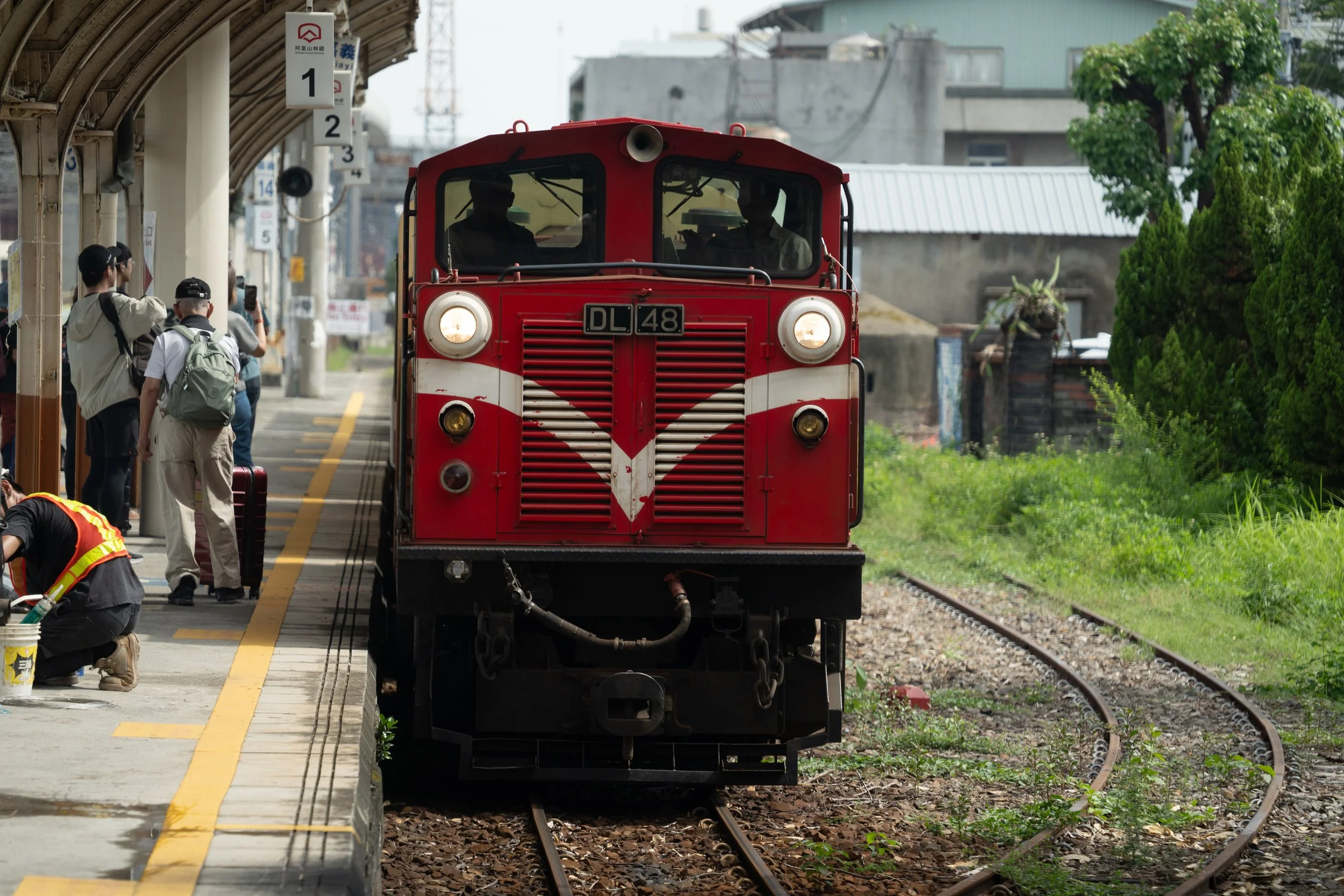
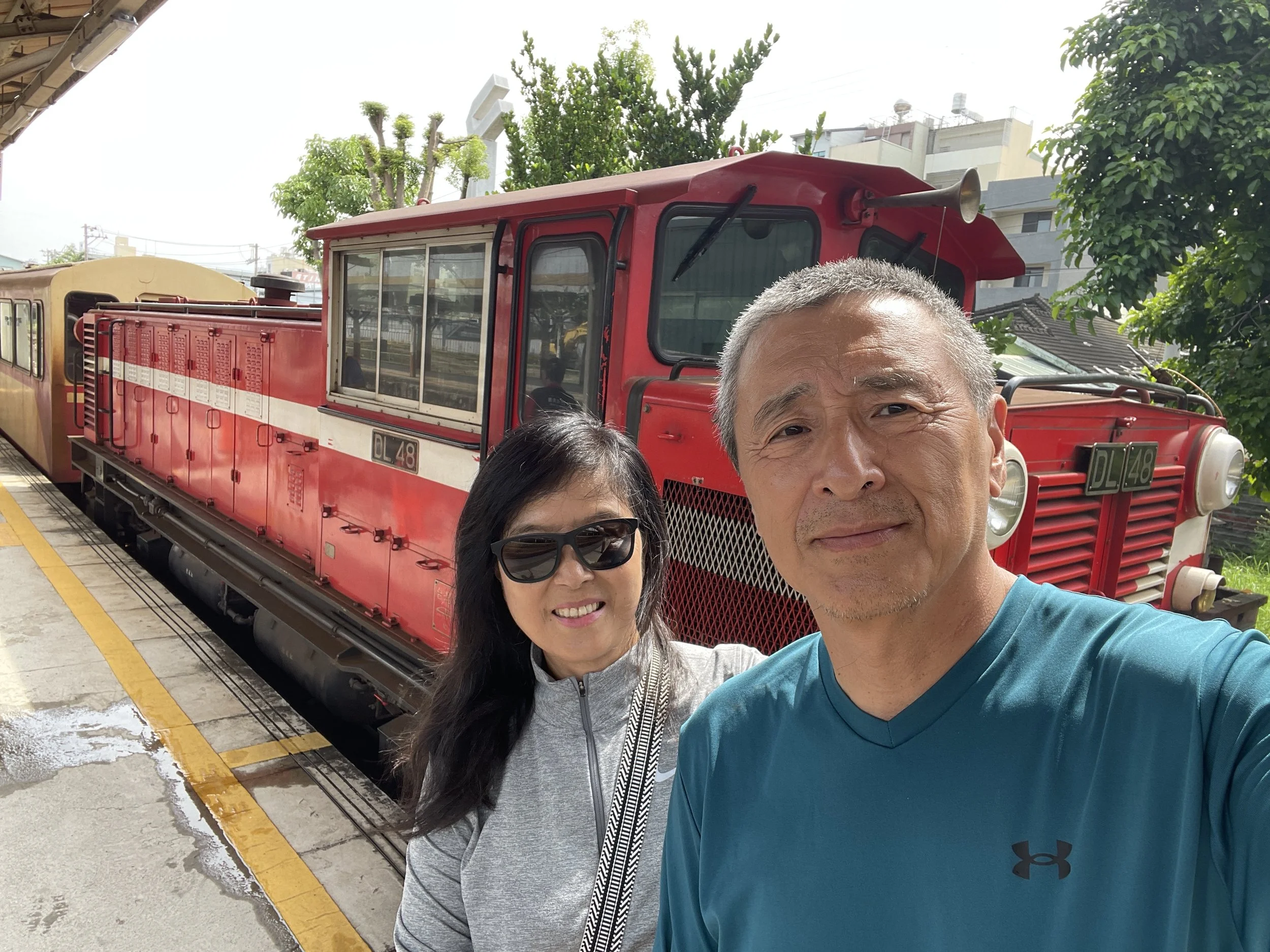
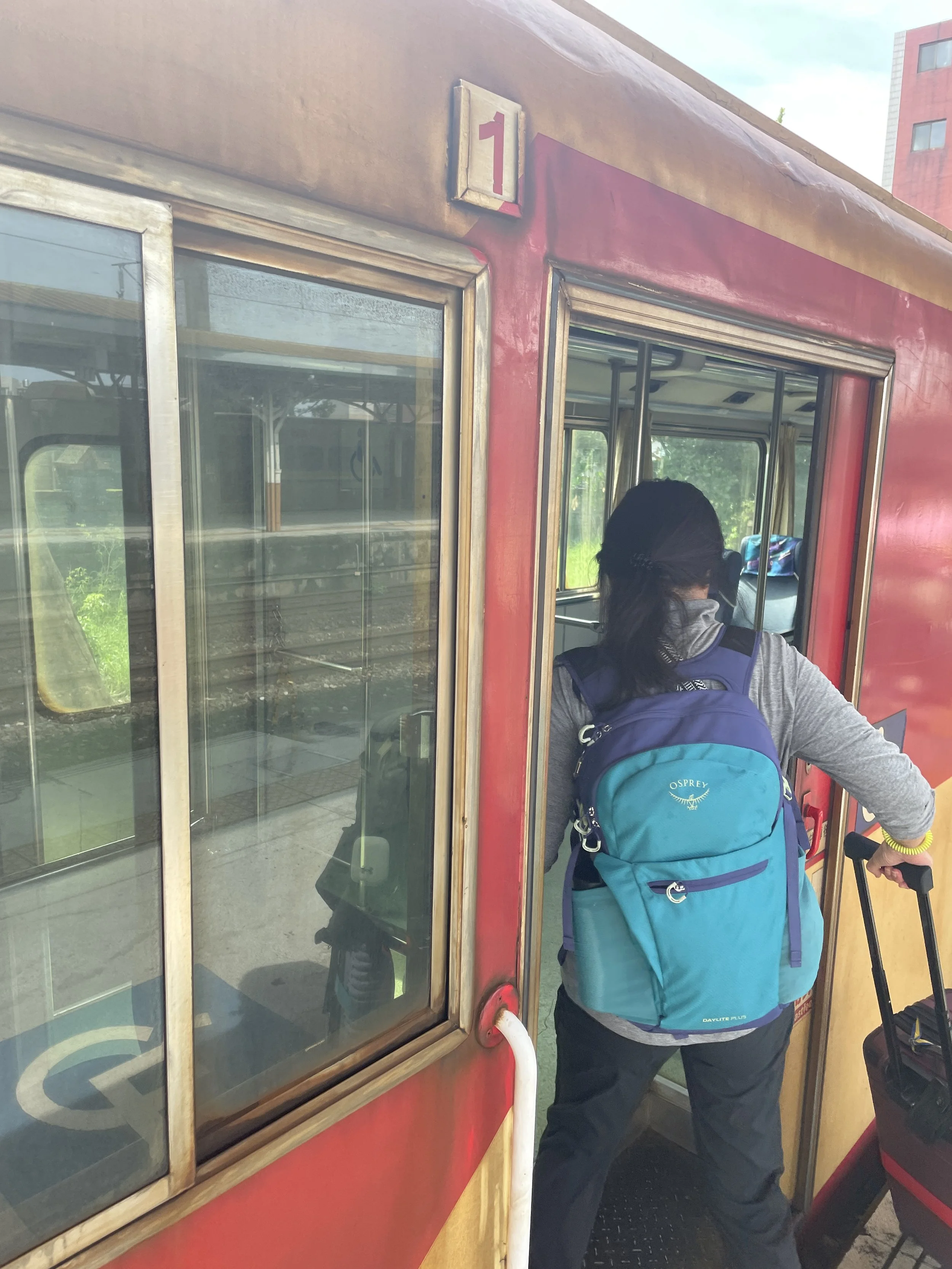
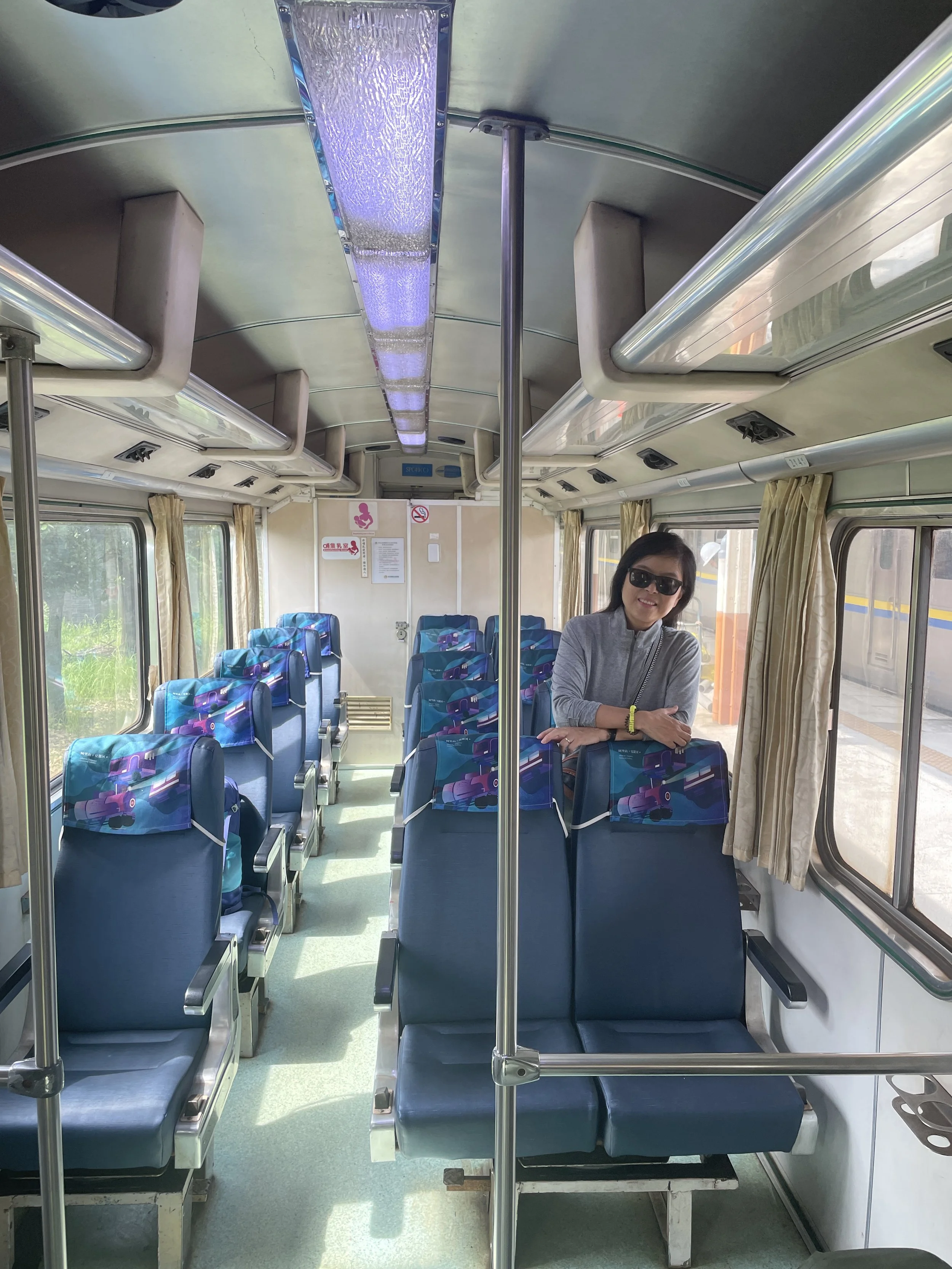
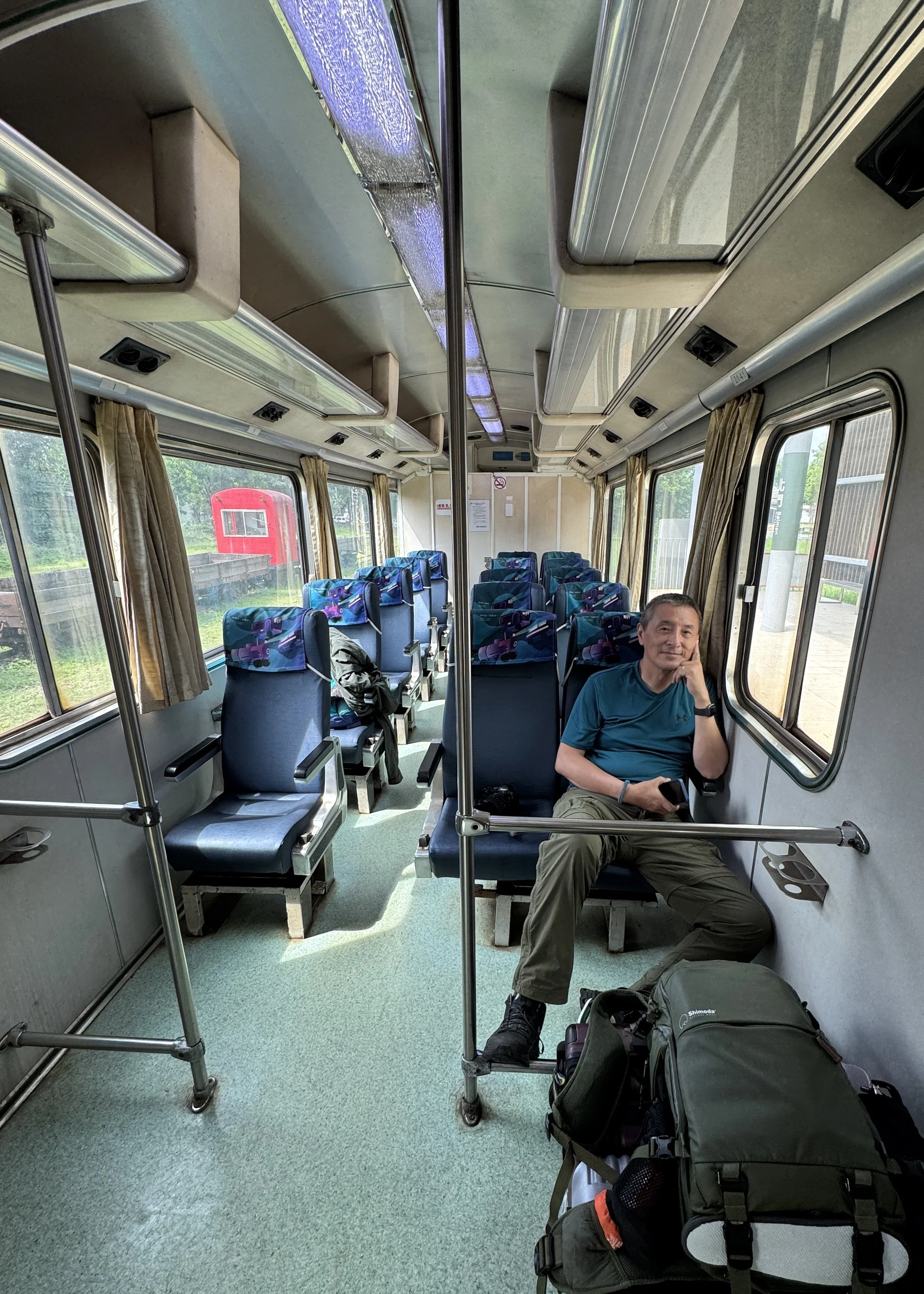
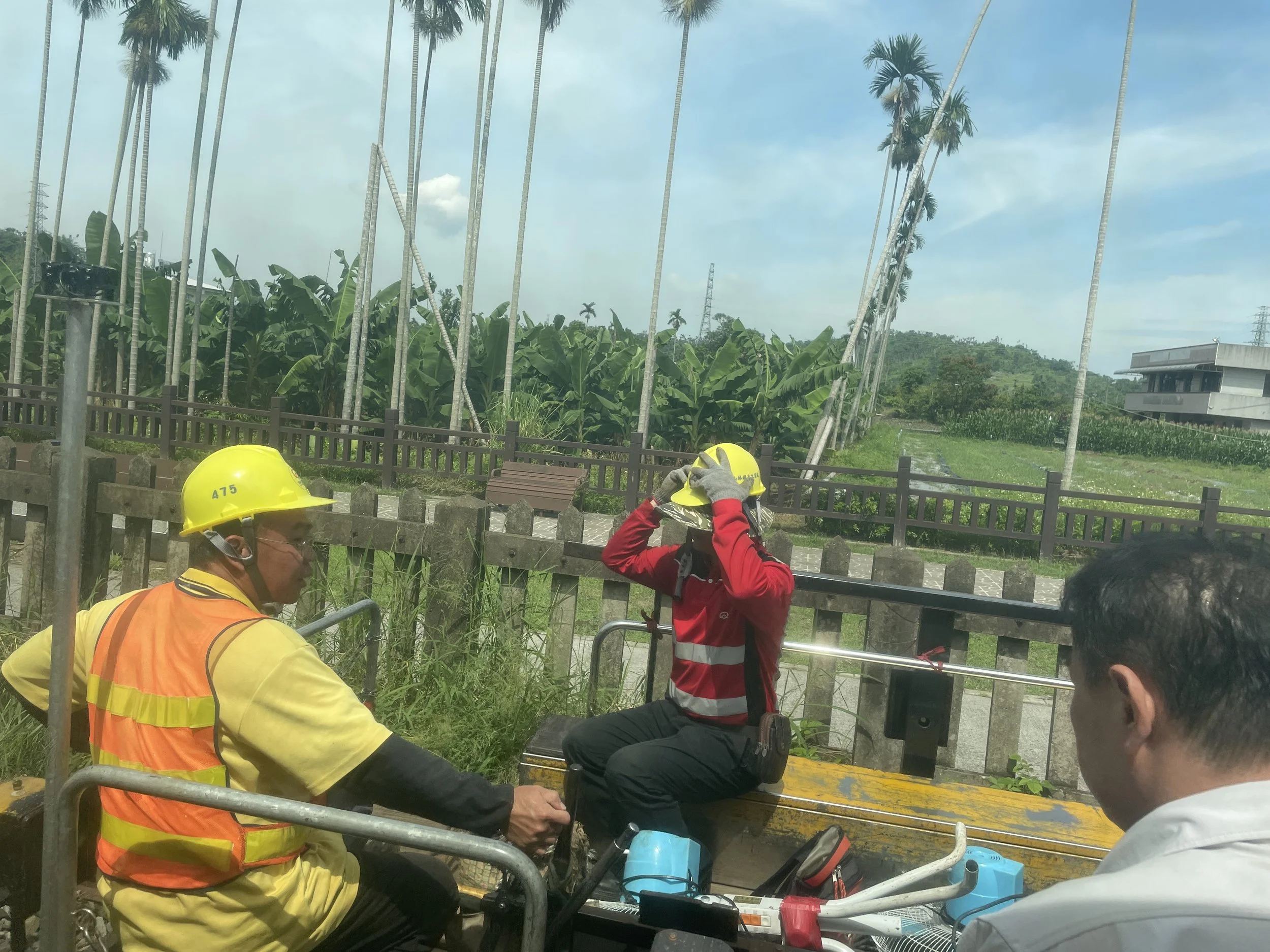
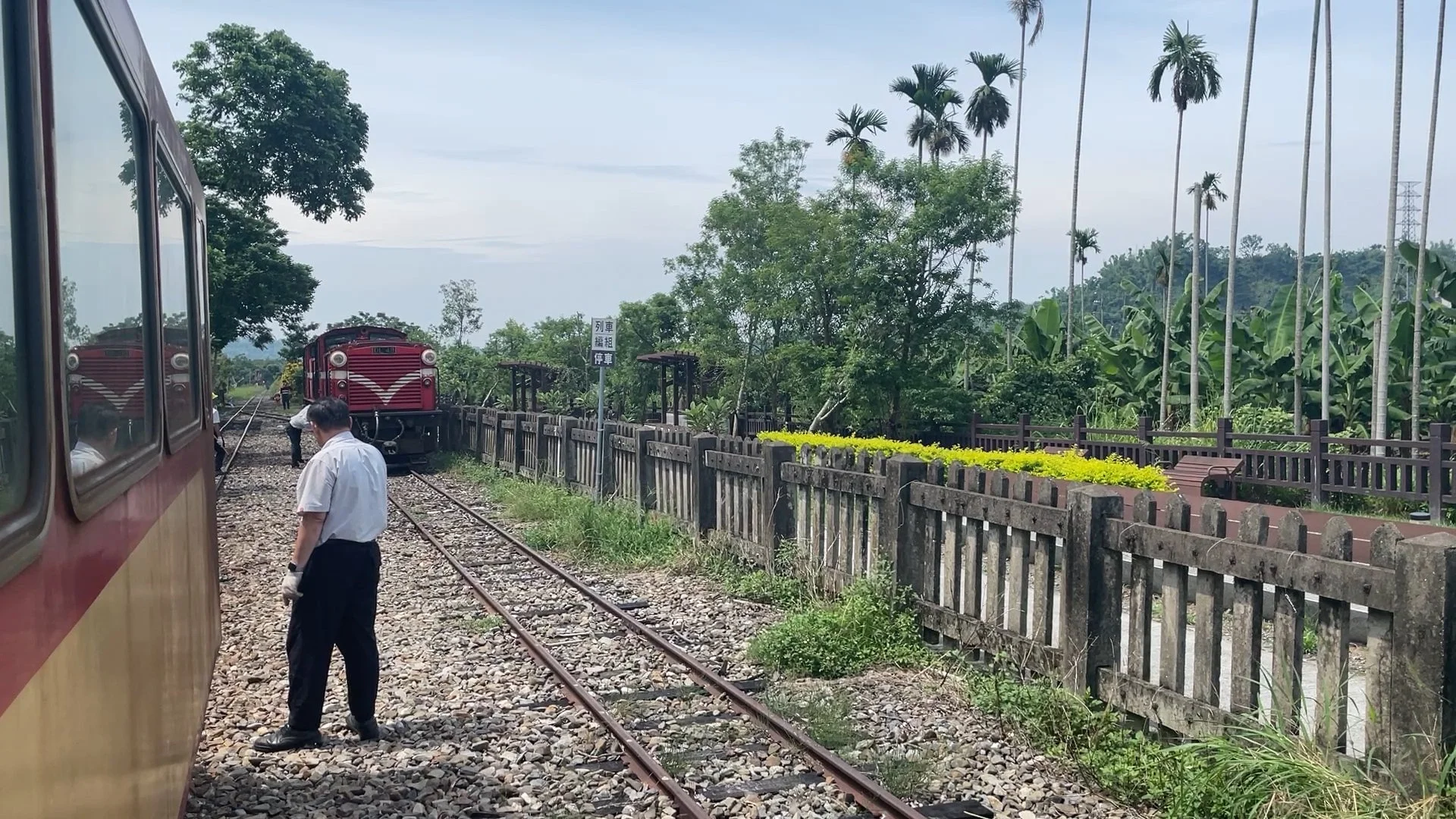
The train departed on time, but about 45 minutes into the journey it came to a halt. We were informed that the power head at the back needed to be replaced with a different unit. After a delay of 45 minutes, the train resumed its climb. What an unexpected twist to start the trip.
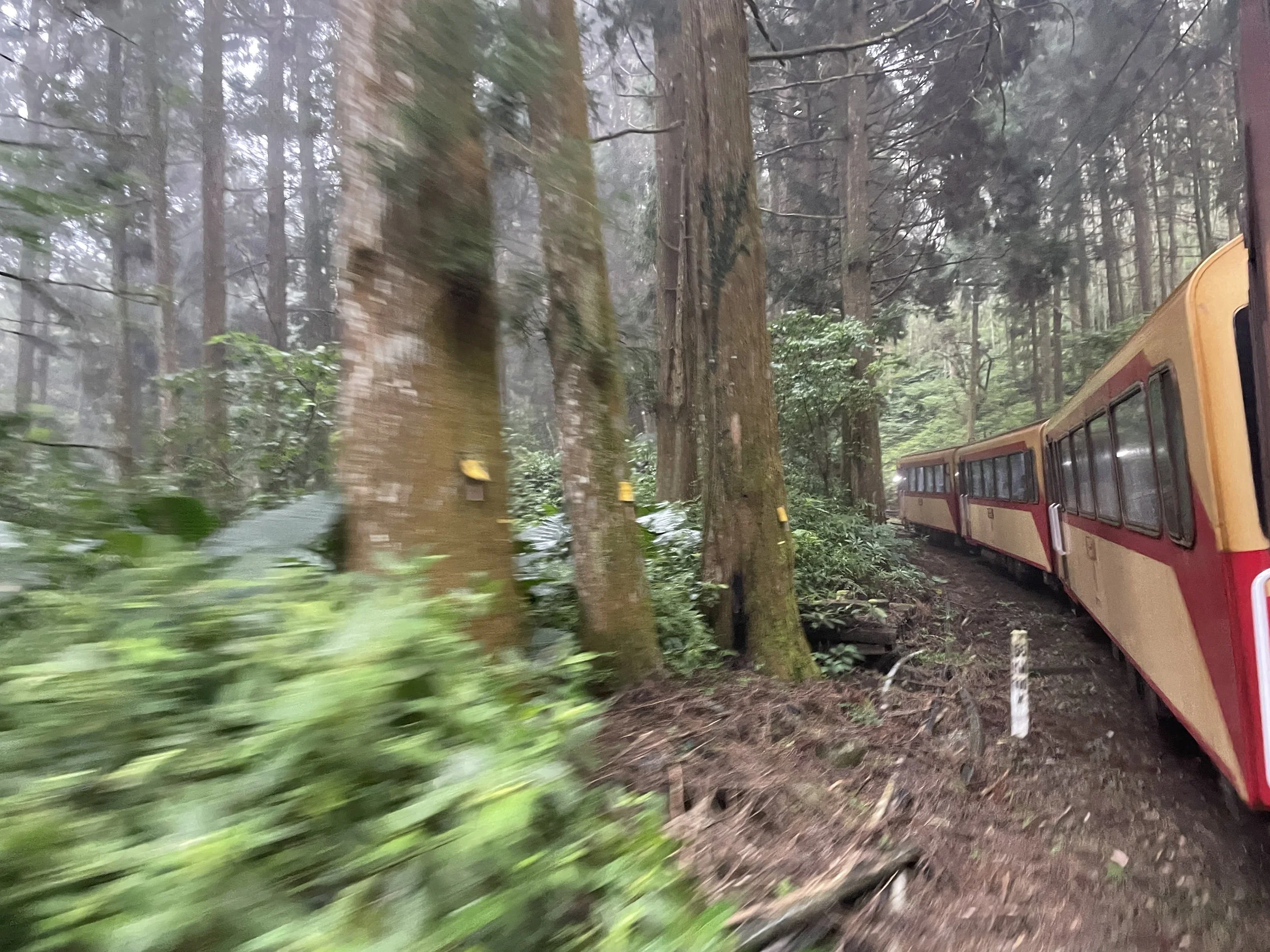
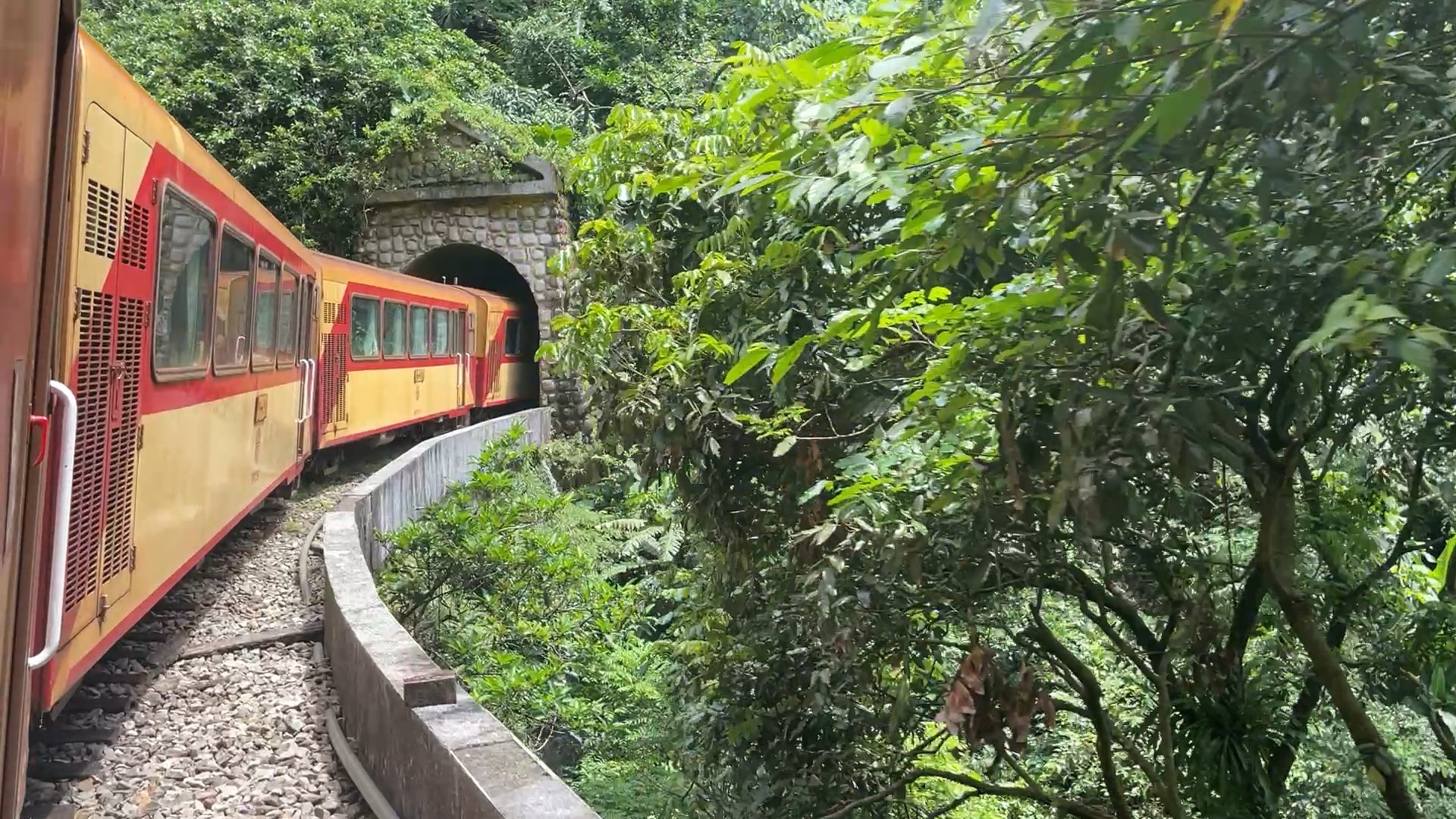
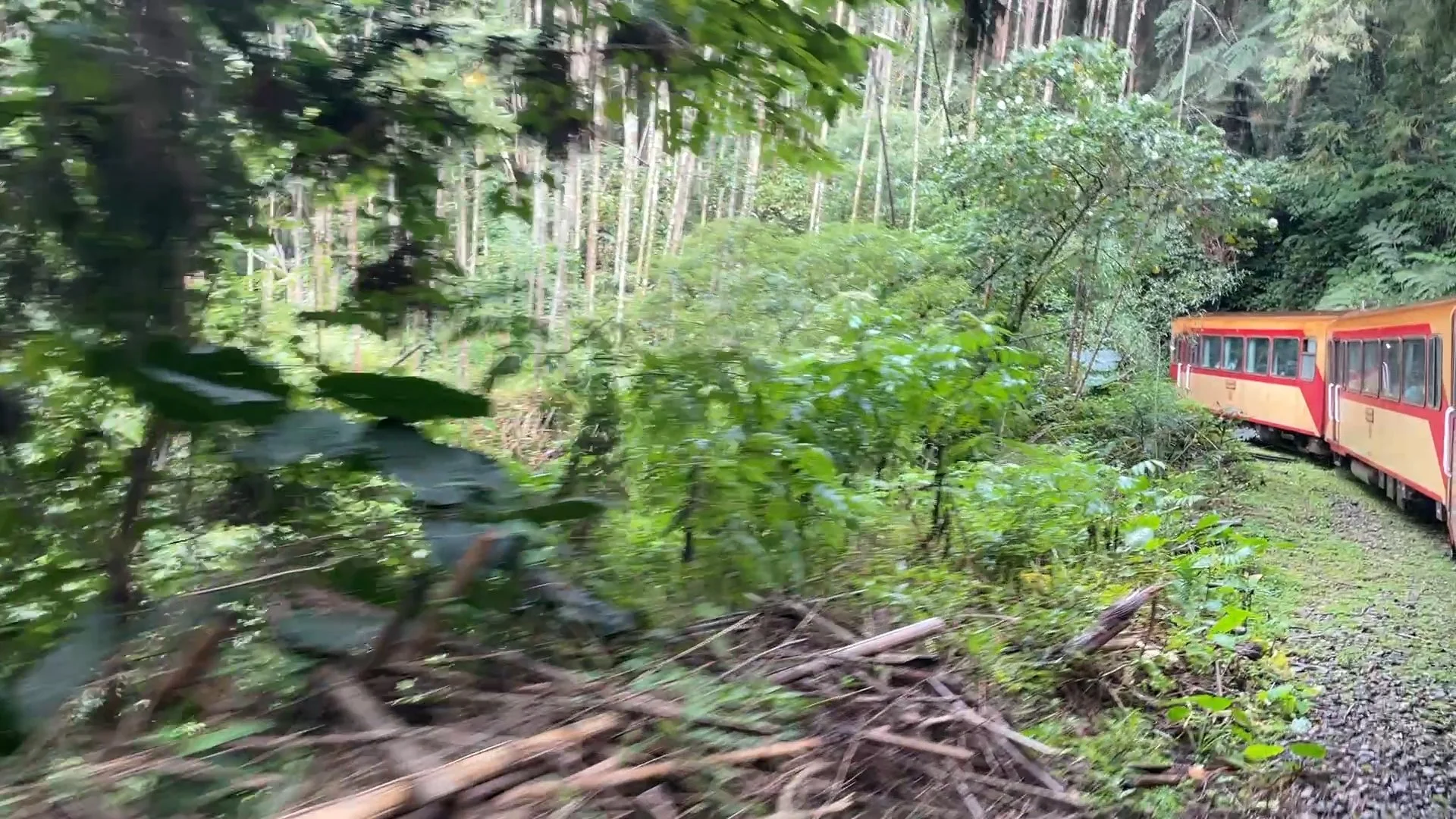
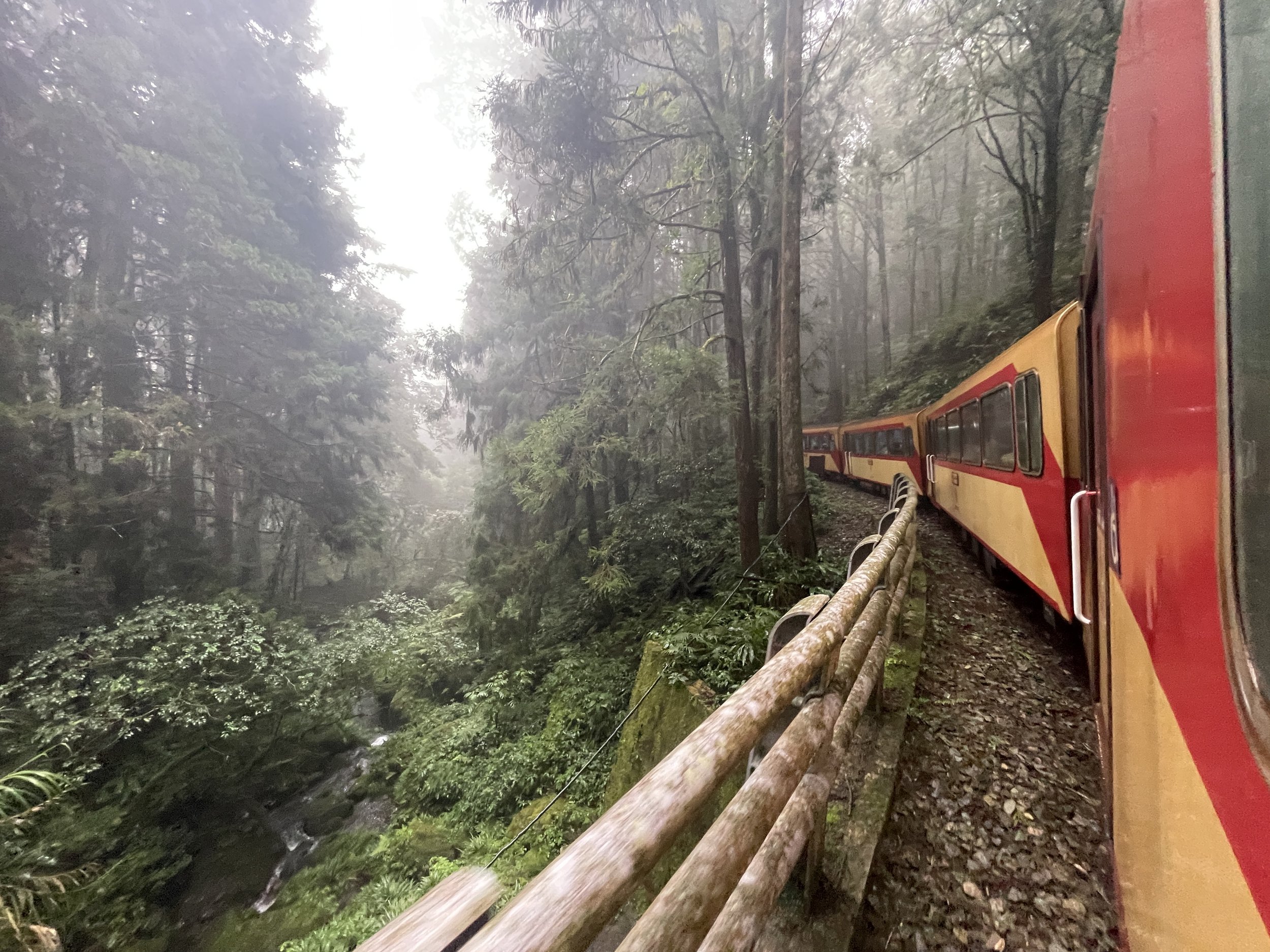
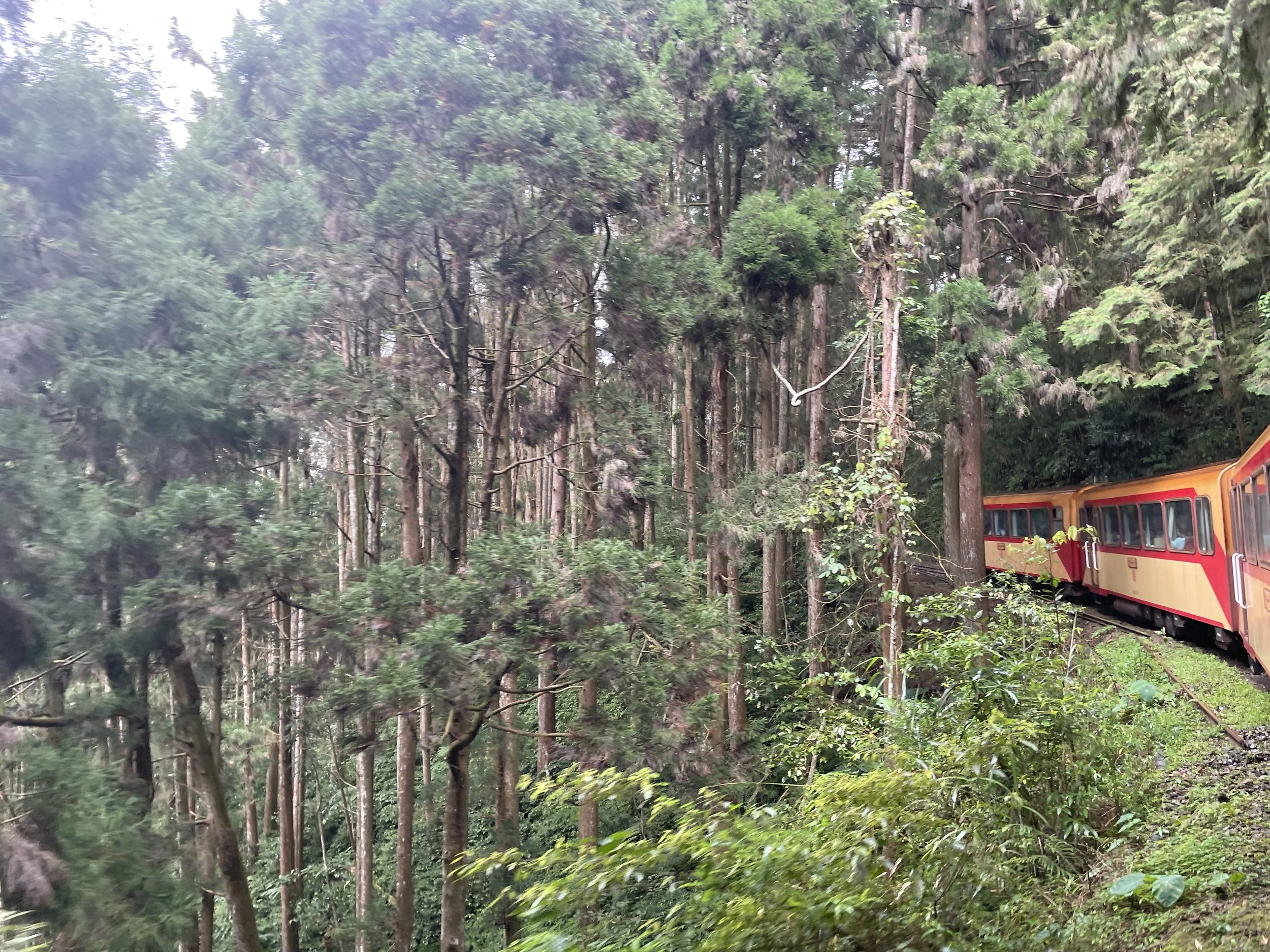
The Alishan Forest Railway is more than 100 years old, originally built by the Japanese during their occupation to haul lumber out of the Alishan mountains. The narrow-gauge line snakes through lush forests, over 40 tunnels and countless bridges. Along the way, the weather shifted constantly — hot and humid at first, then foggy, rainy, and always with the train swaying left and right as it climbed.
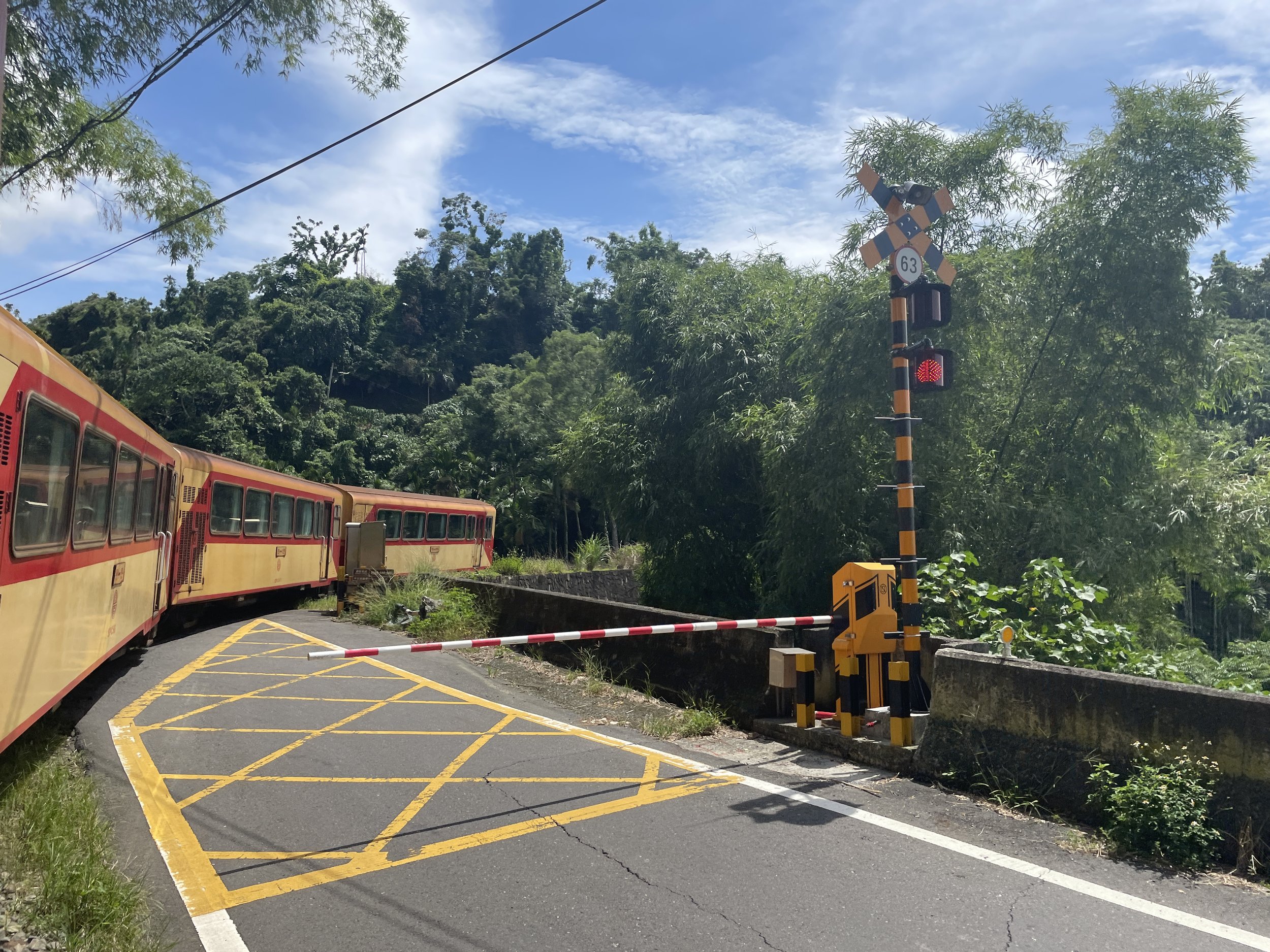
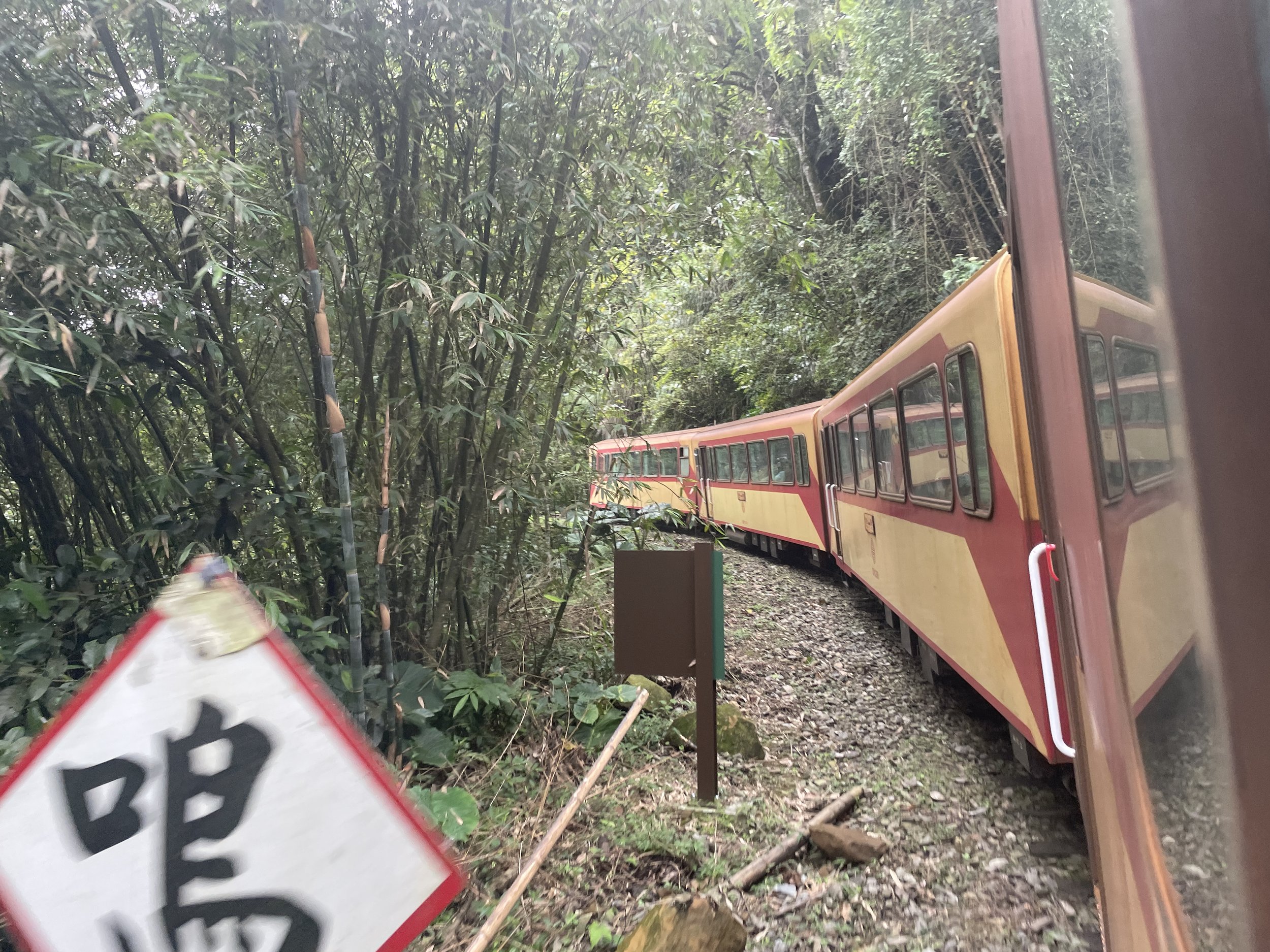
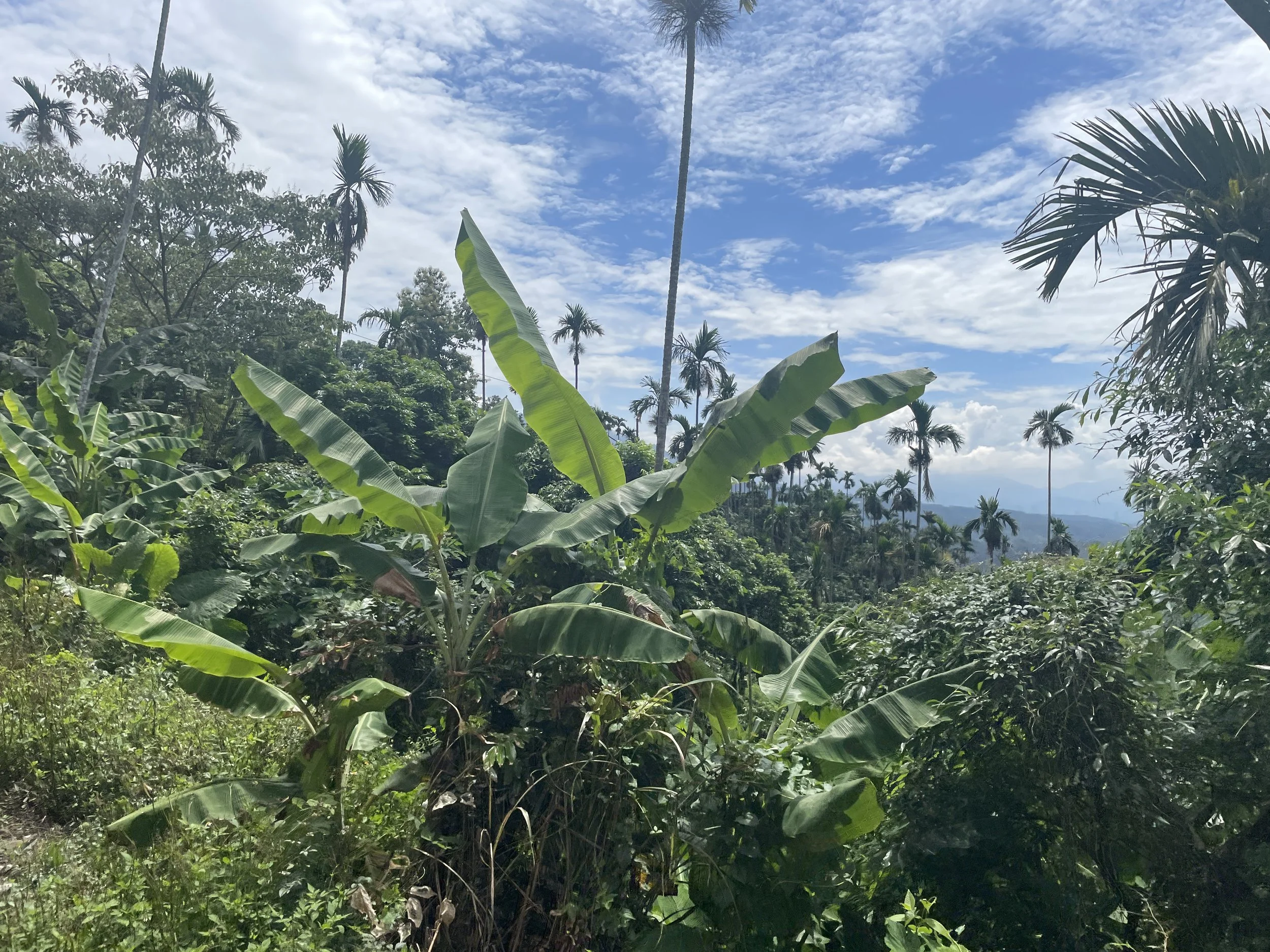
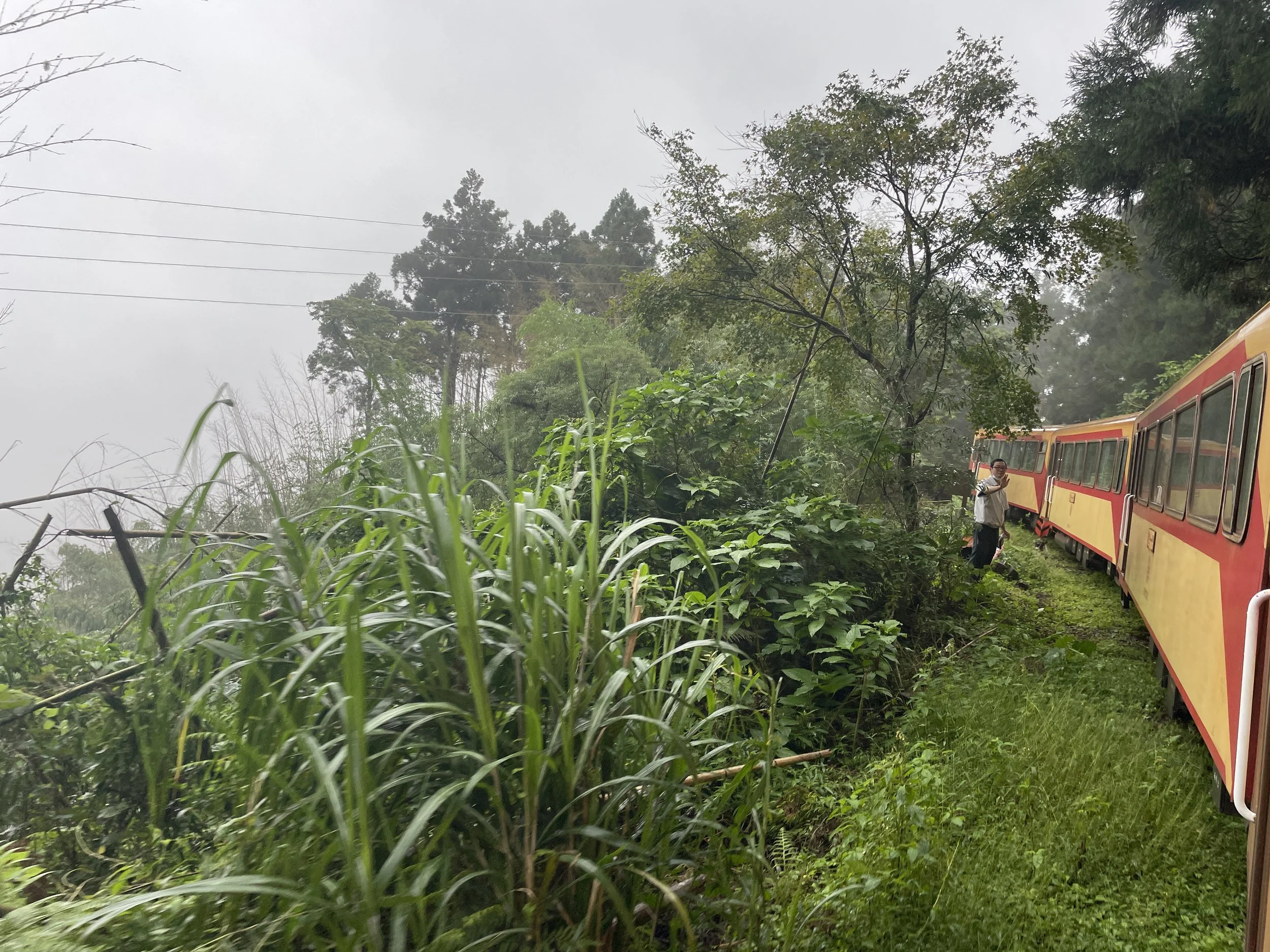
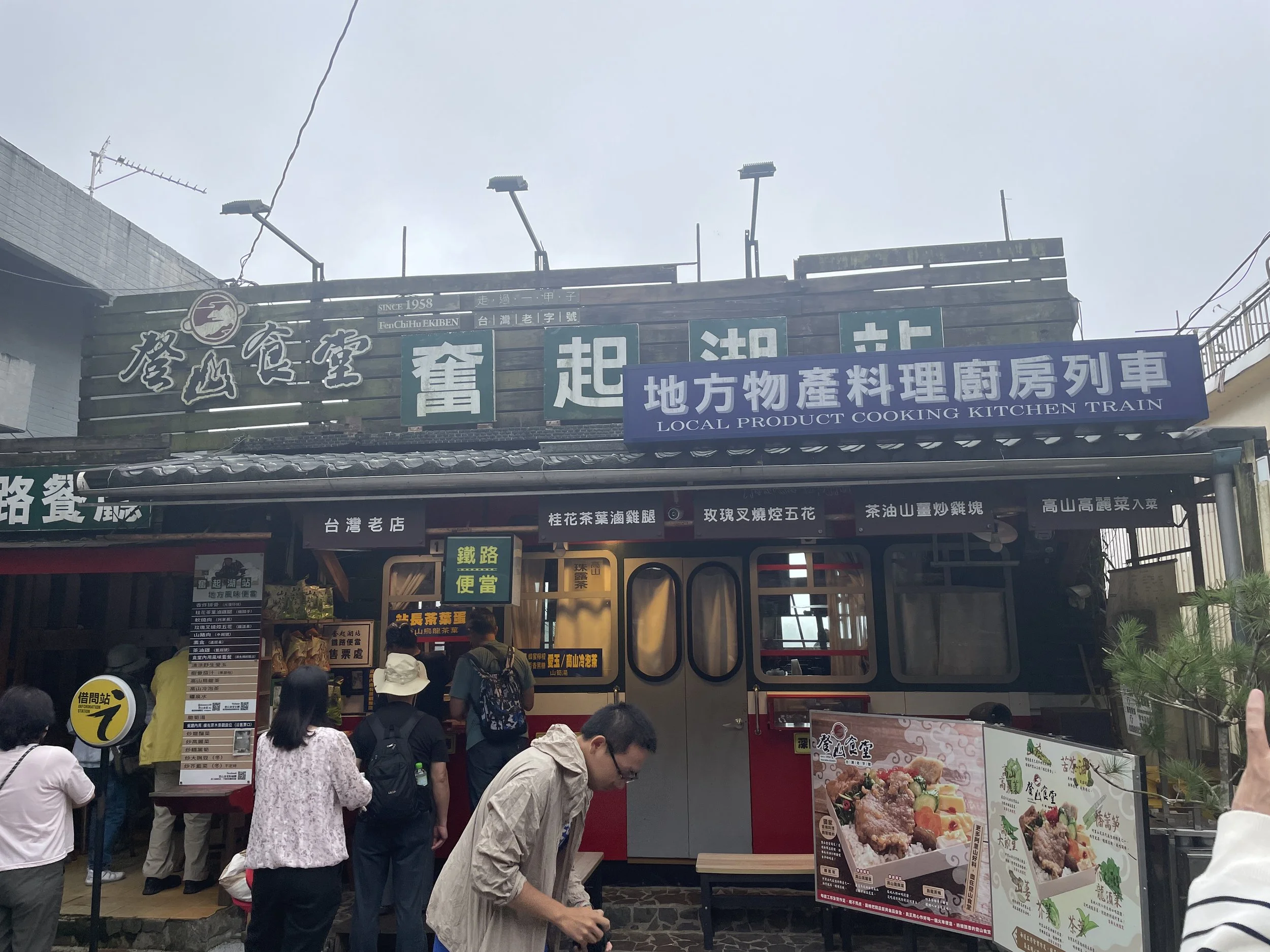
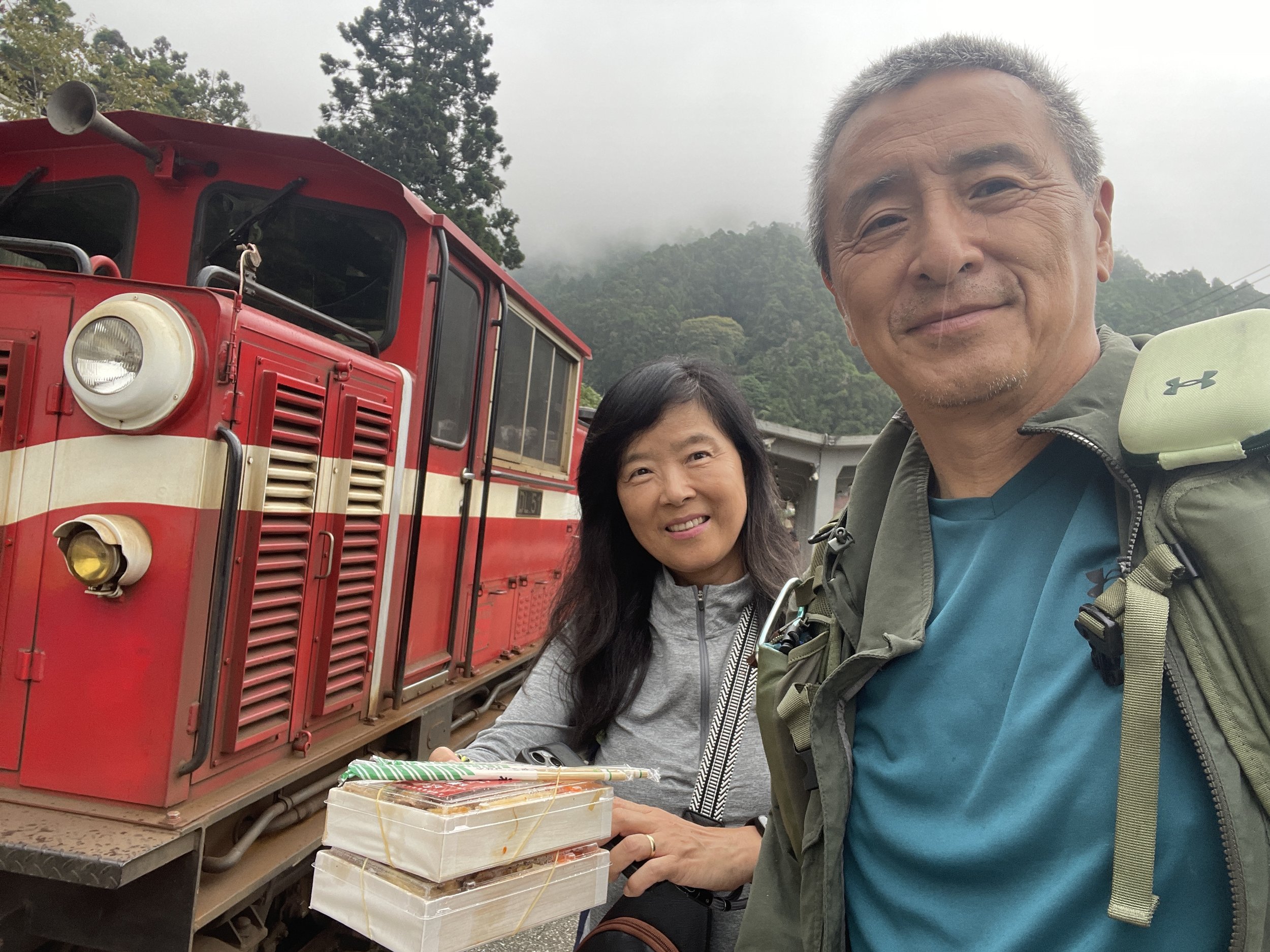
The train made a 30-minute stop at Fenqihu (奮起湖), shorter than the scheduled one hour. There we sampled the famous railway bento box before re-boarding. Despite the earlier delay, the train impressively pulled into Alishan Station on time.
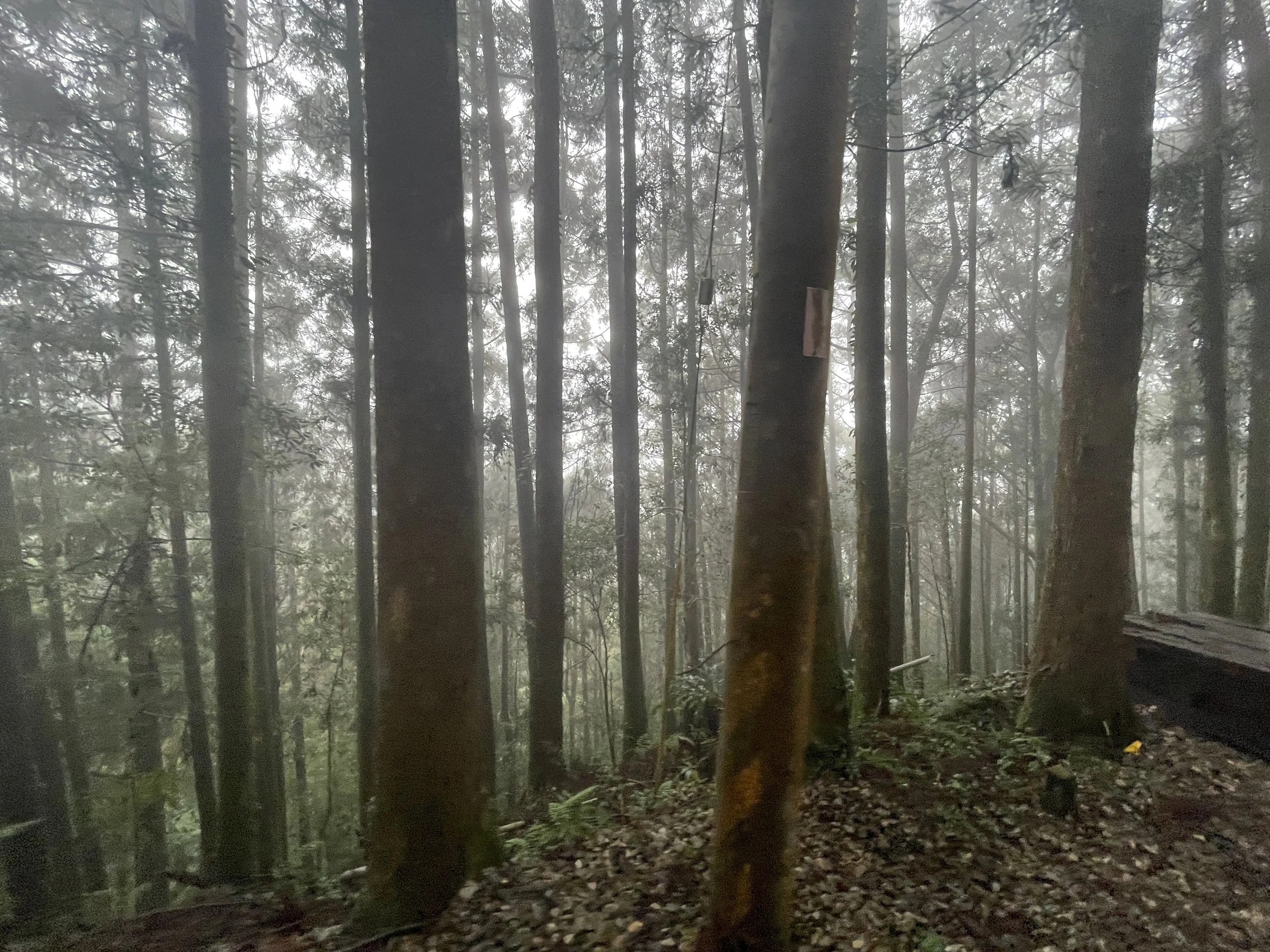
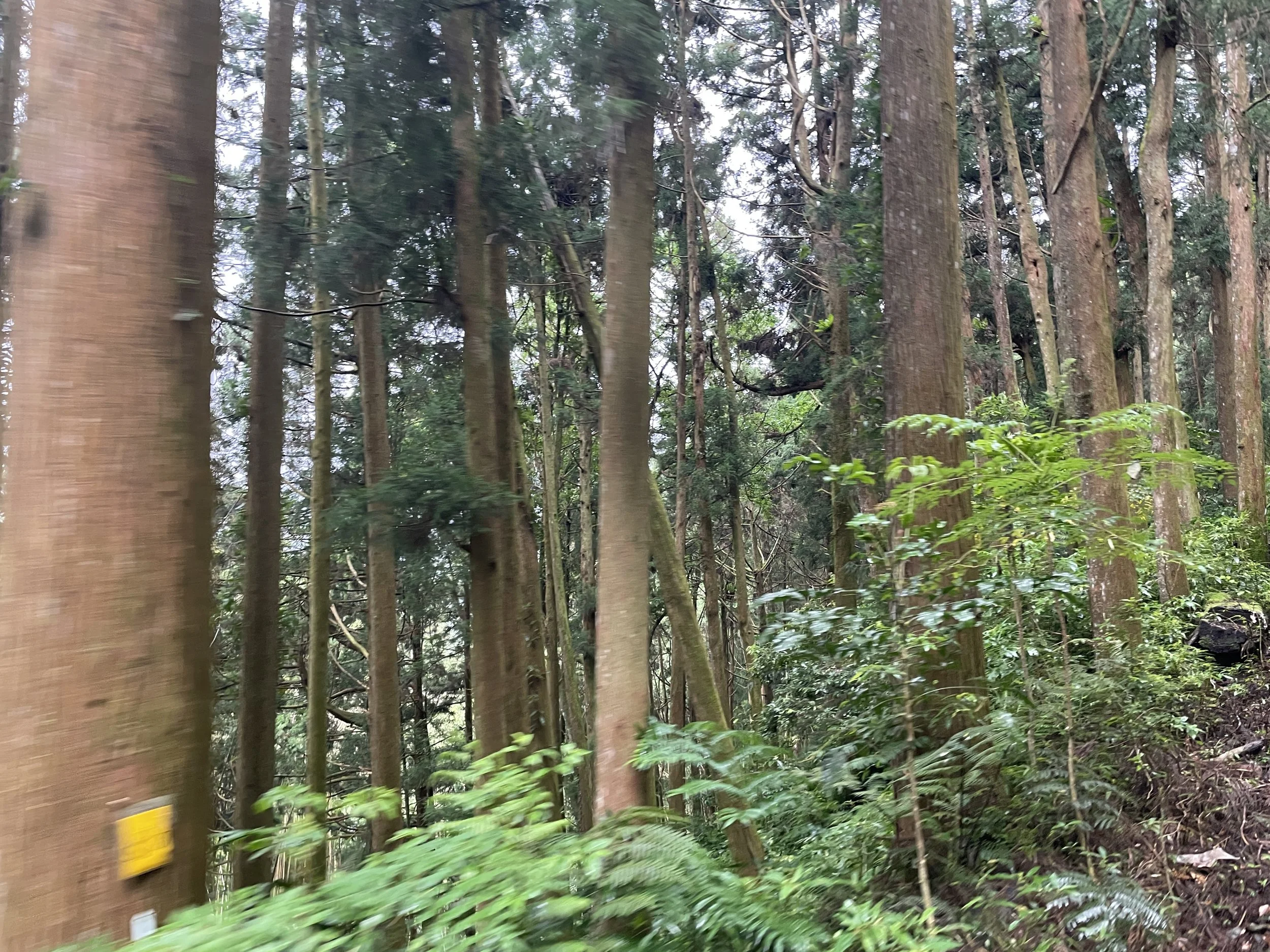
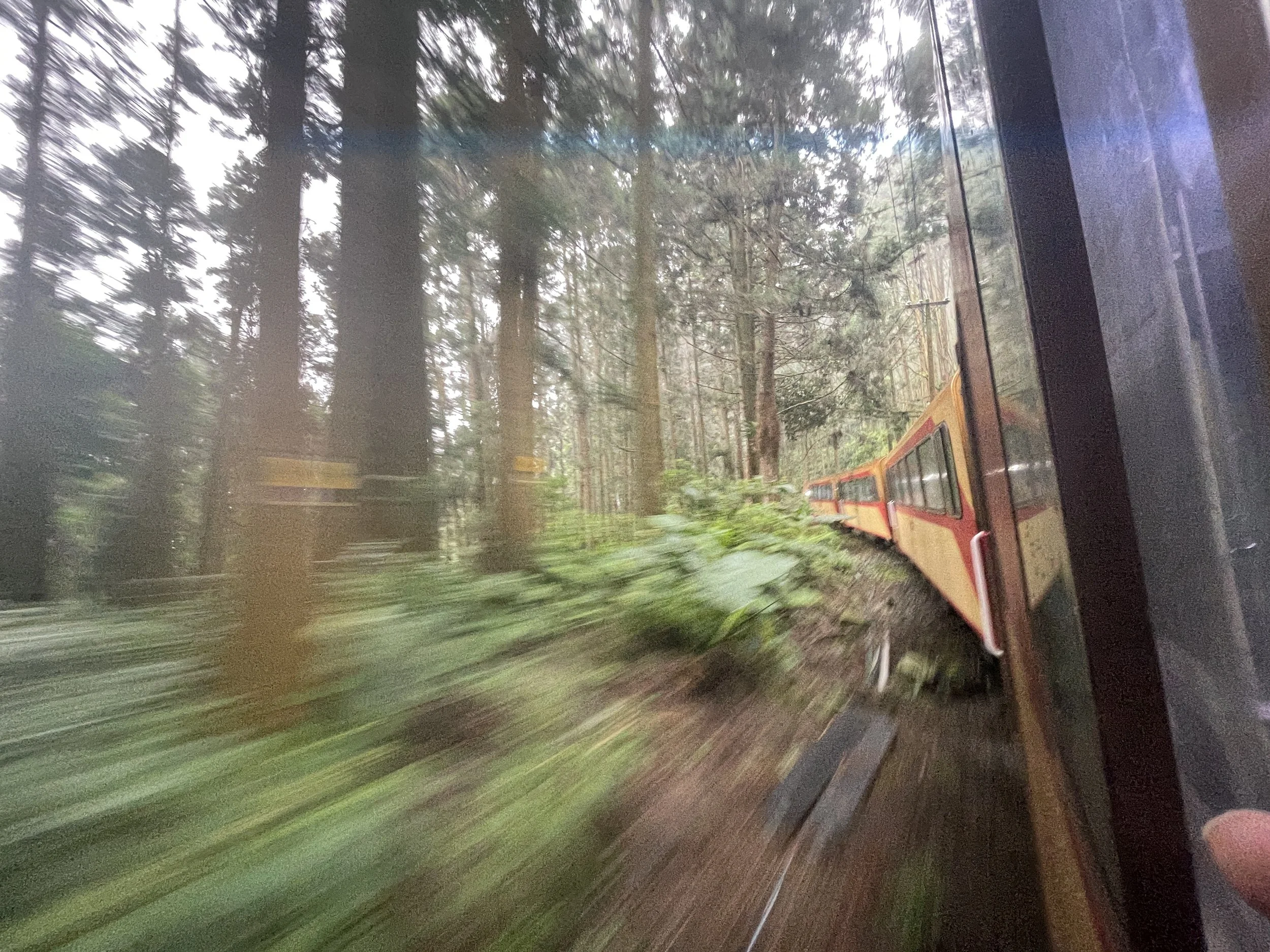
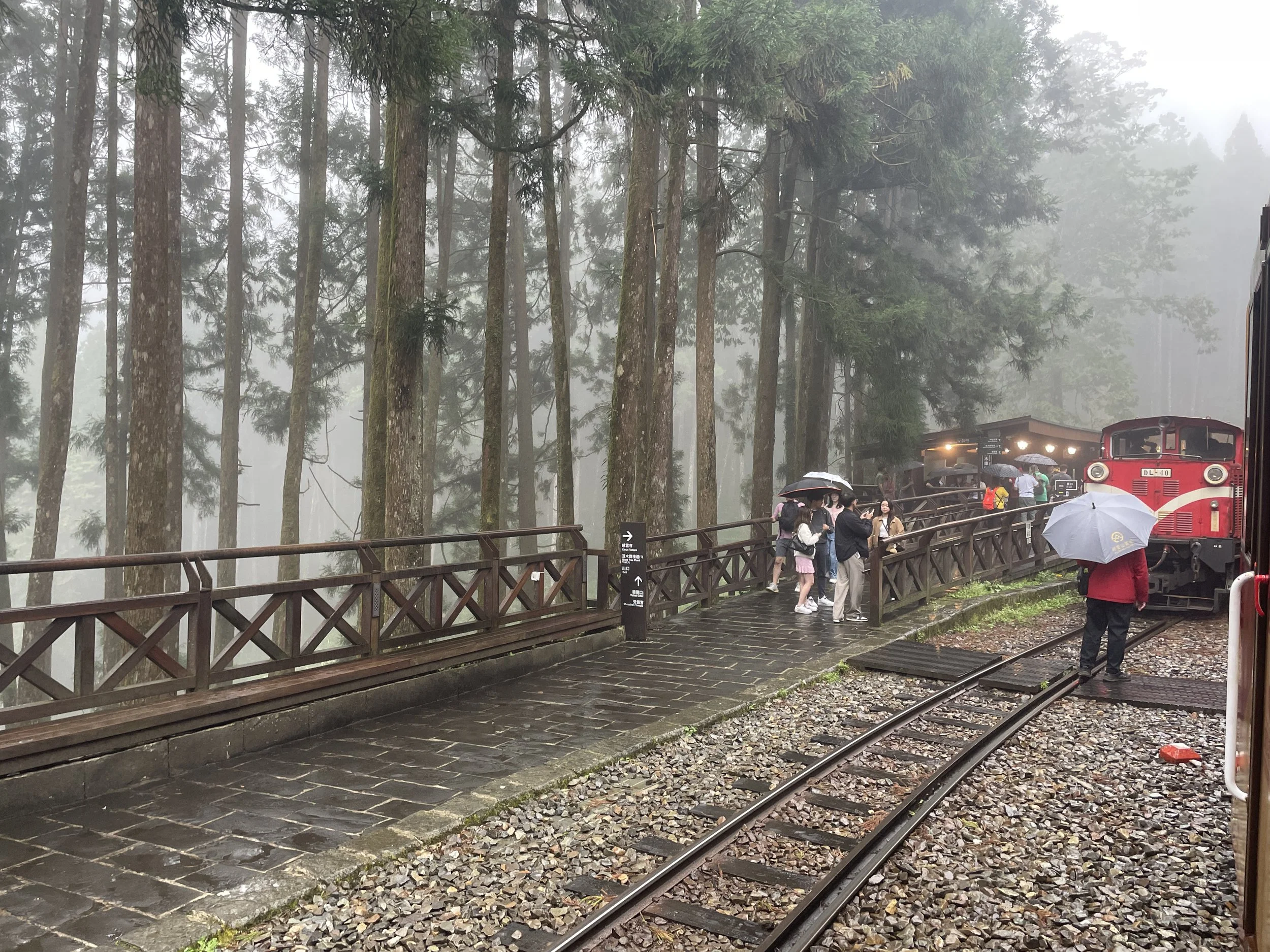
At the station, the hotel receptionist was waiting to pick us up, and just five minutes later we were settled into our room. The sky was overcast, but our excitement to see Alishan wasn’t dampened. We boarded the park shuttle (about $2 per person) to 沼口车站. As soon as we got off the bus, however, the rain poured down. Luckily, we could wait inside a covered rest area.
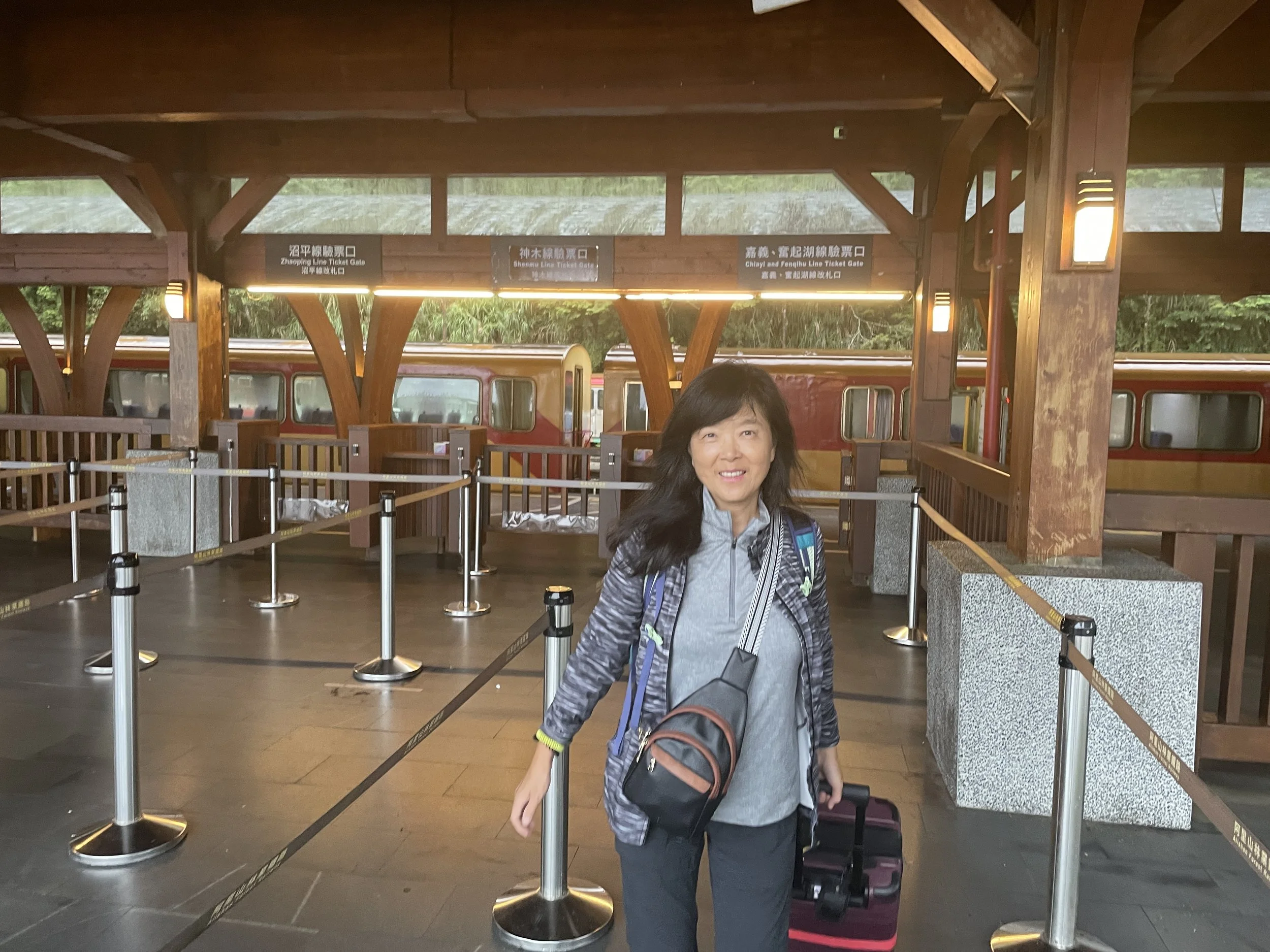
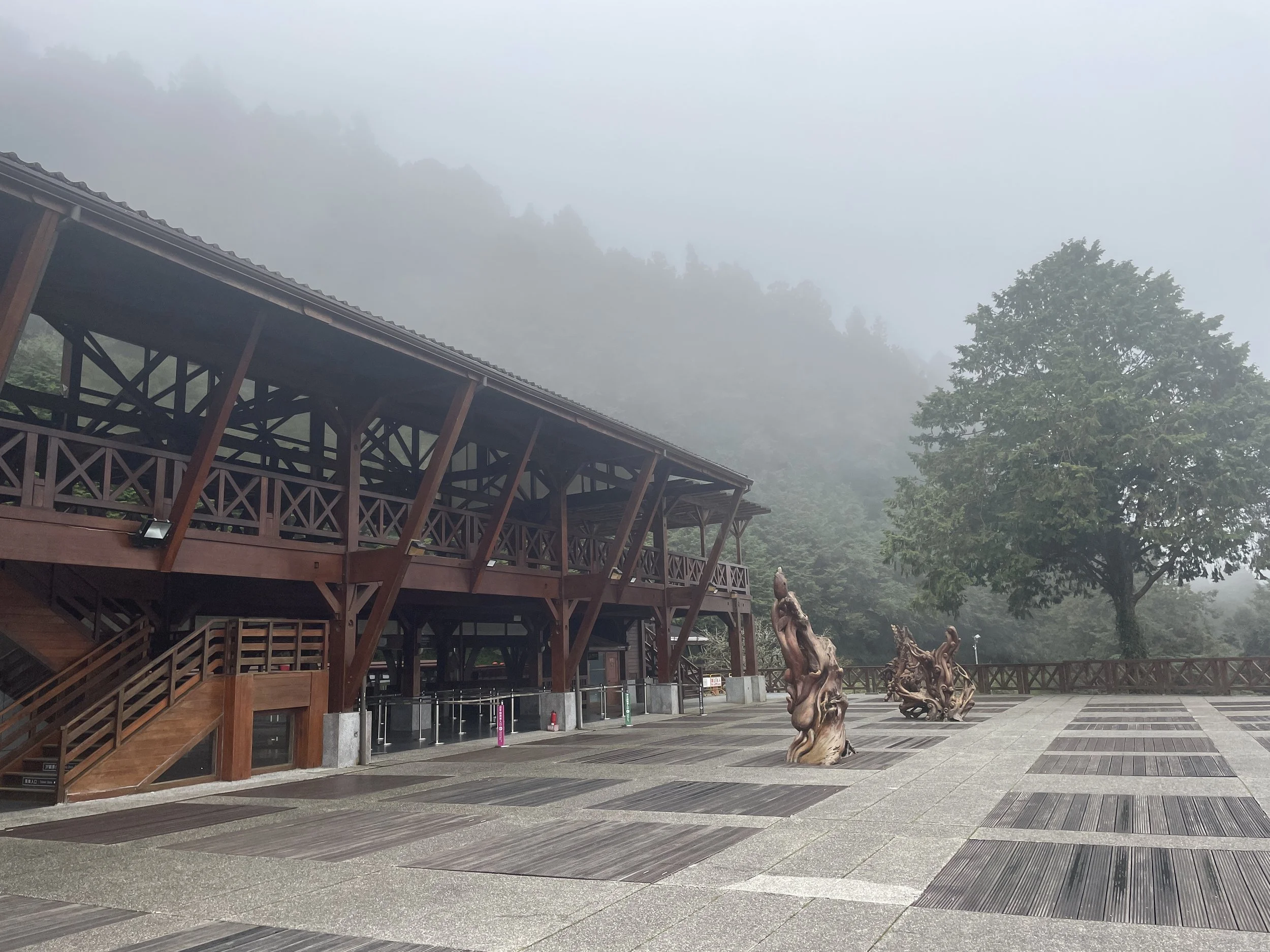
When the sky finally grew dim and the rain eased a little, we decided we couldn’t wait any longer. We headed down the trail toward the Sisters Ponds (姊妹潭). Unfortunately, it wasn’t much fun walking through the dark forest, even on the man-made paths. Soon the rainfall picked up again, and when we spotted a shuttle waiting for a tour group, we abandoned the hike and hopped on board back to the town.
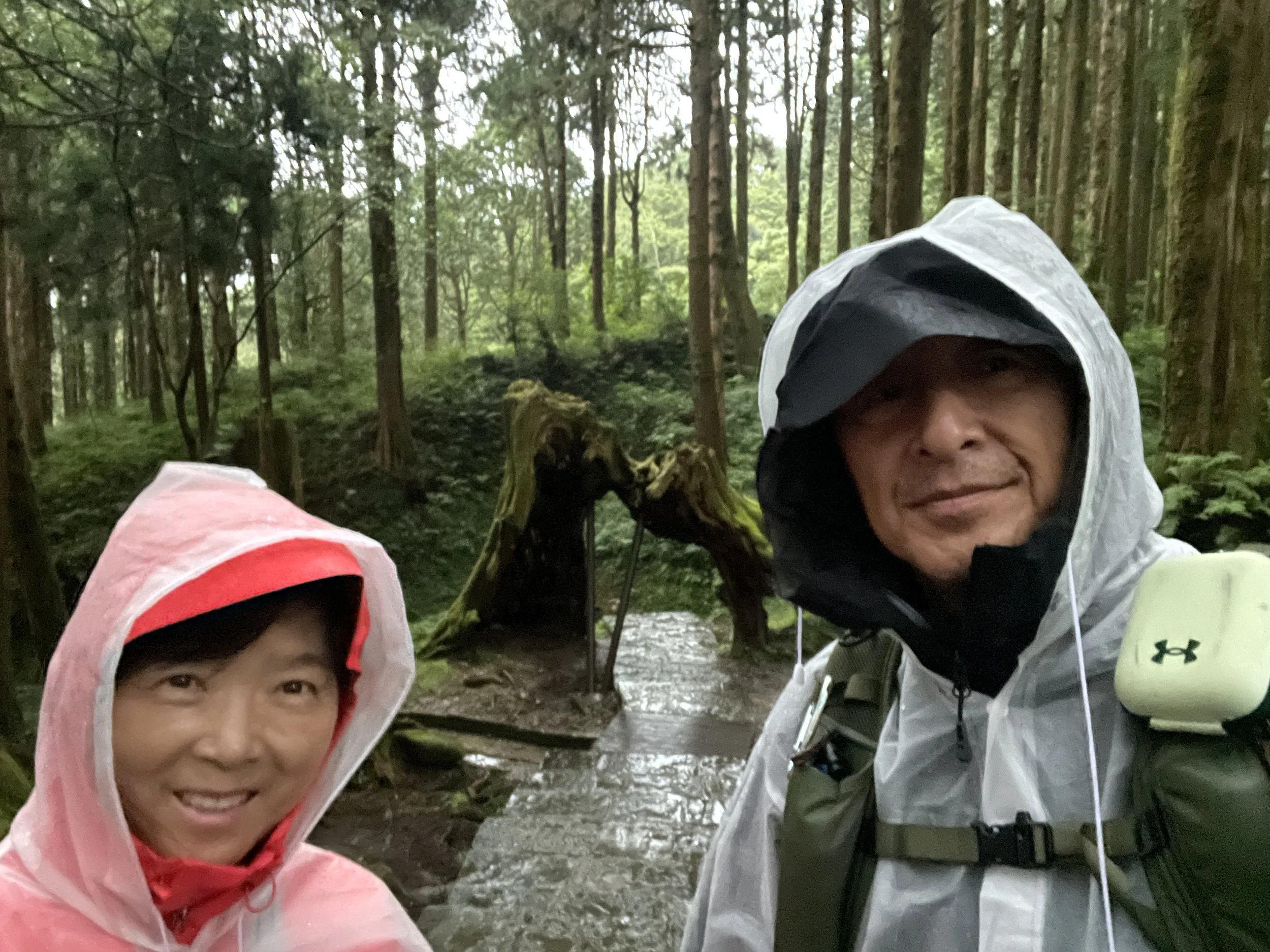
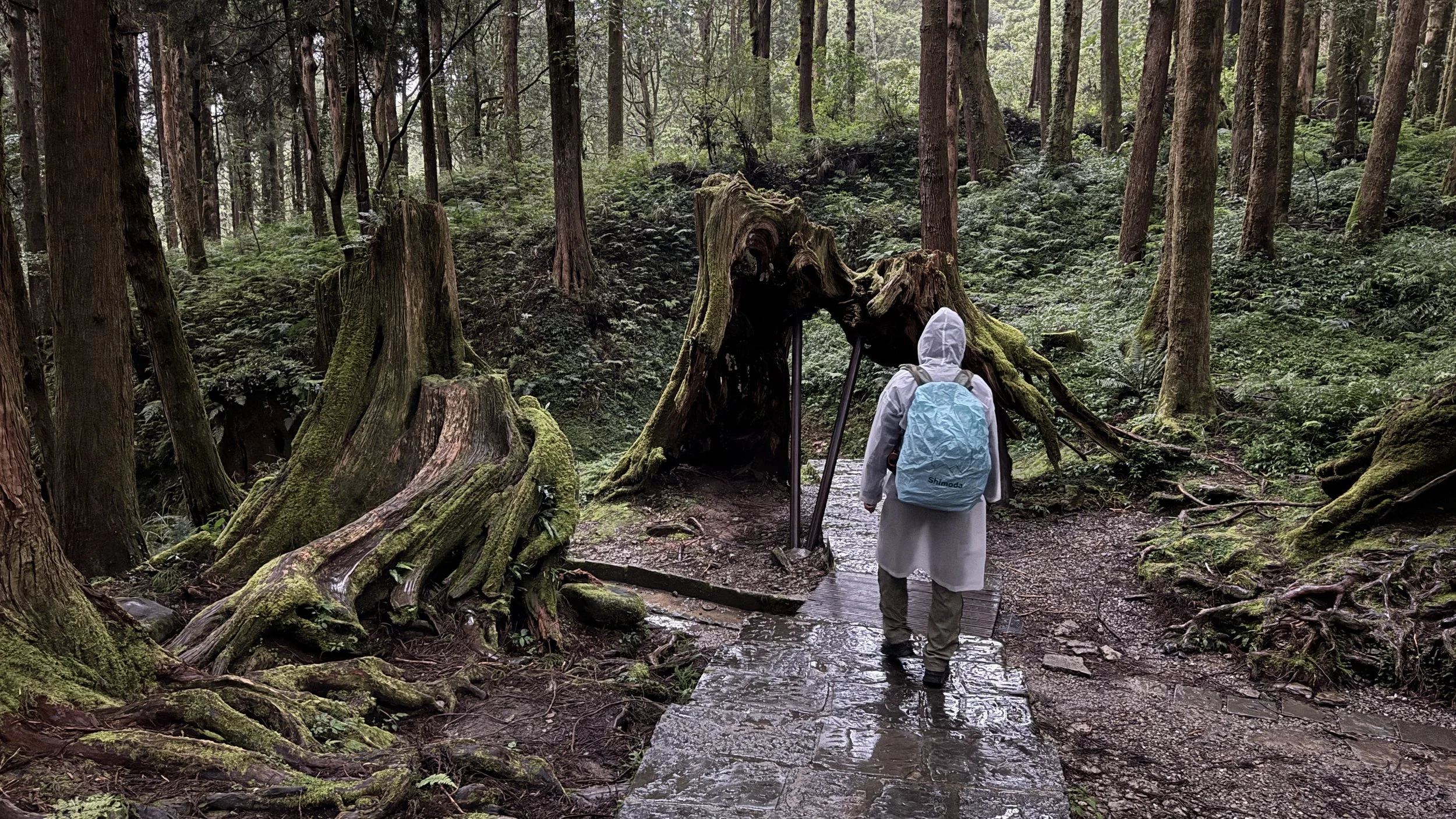
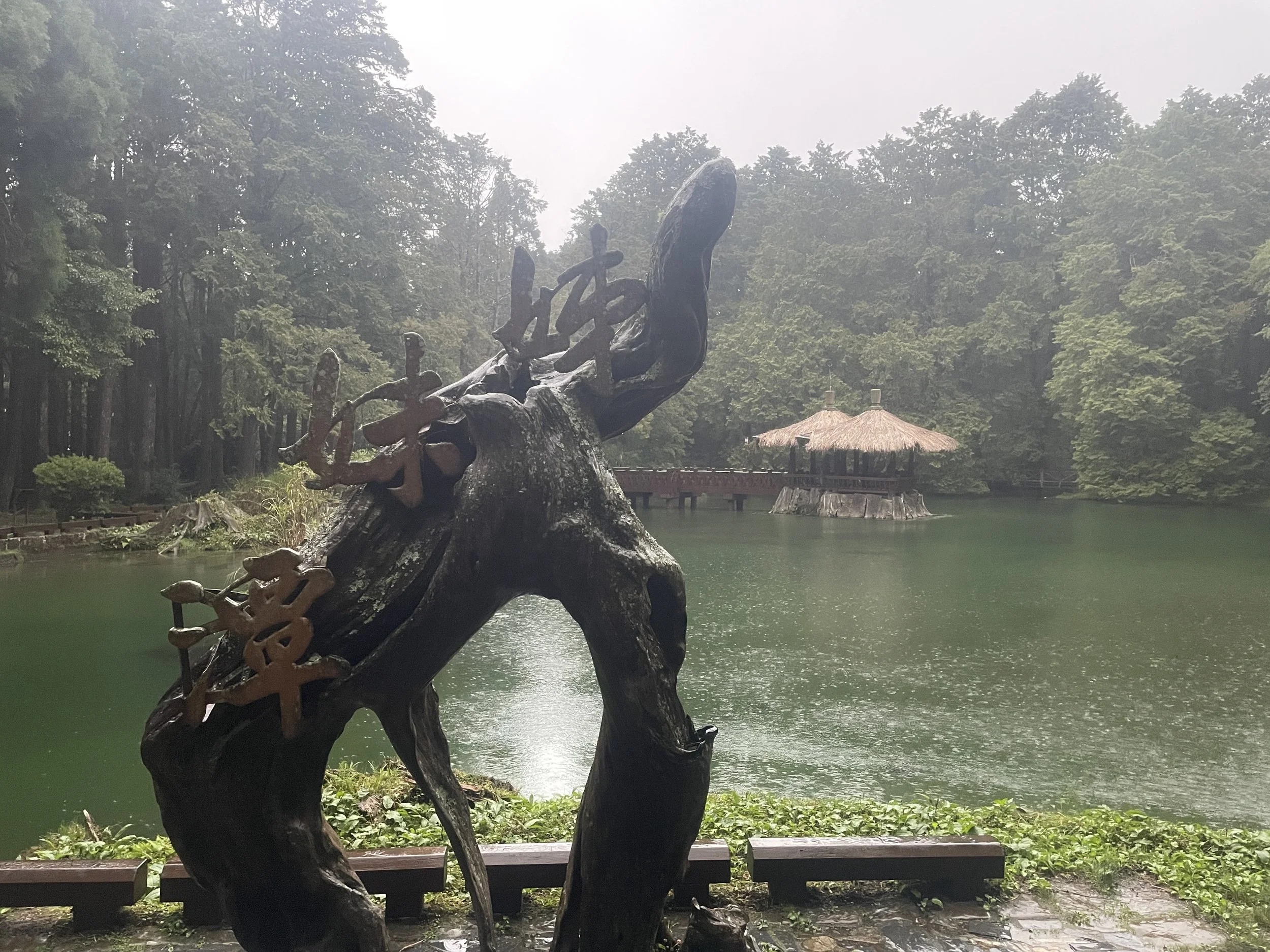
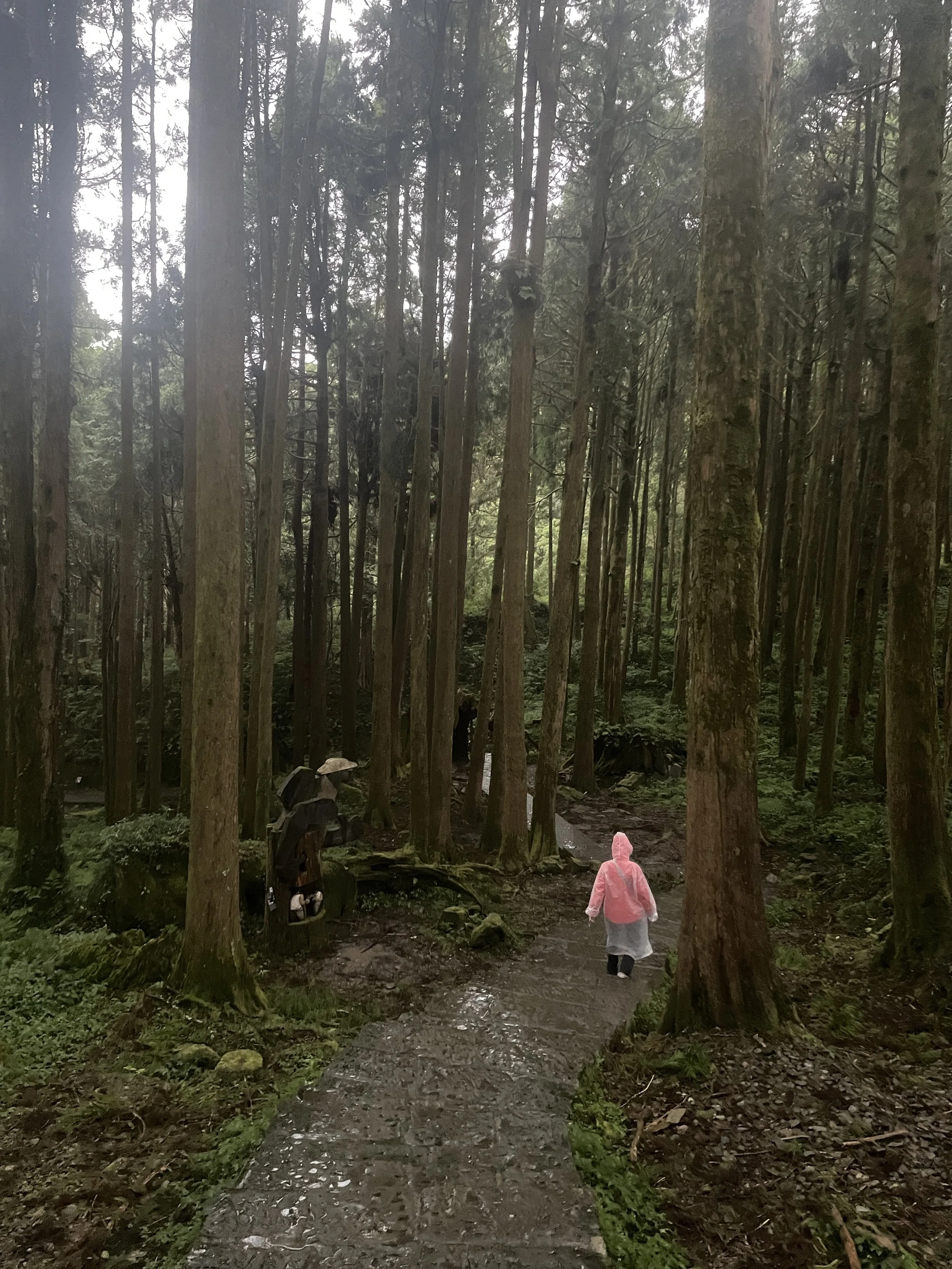
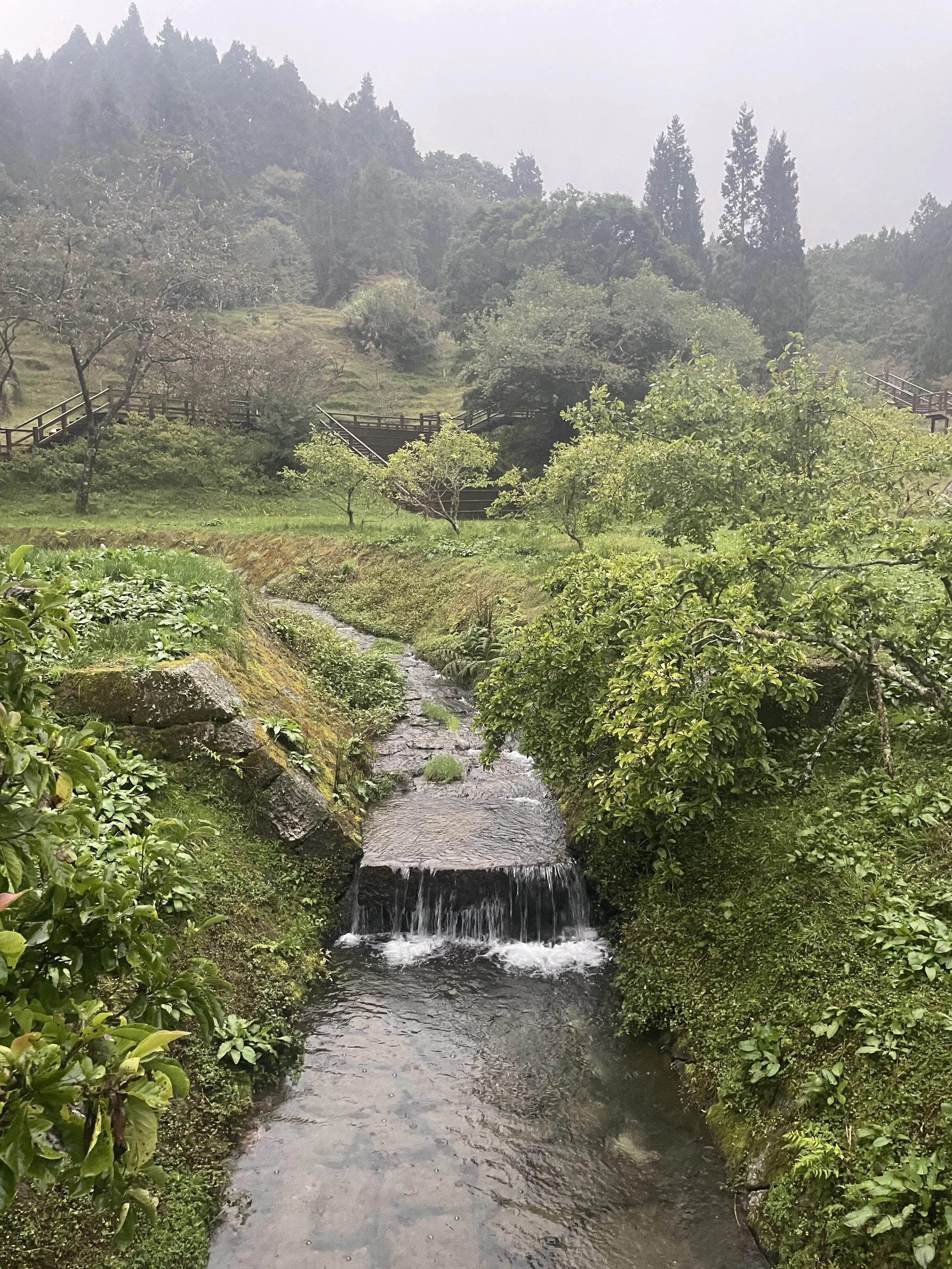
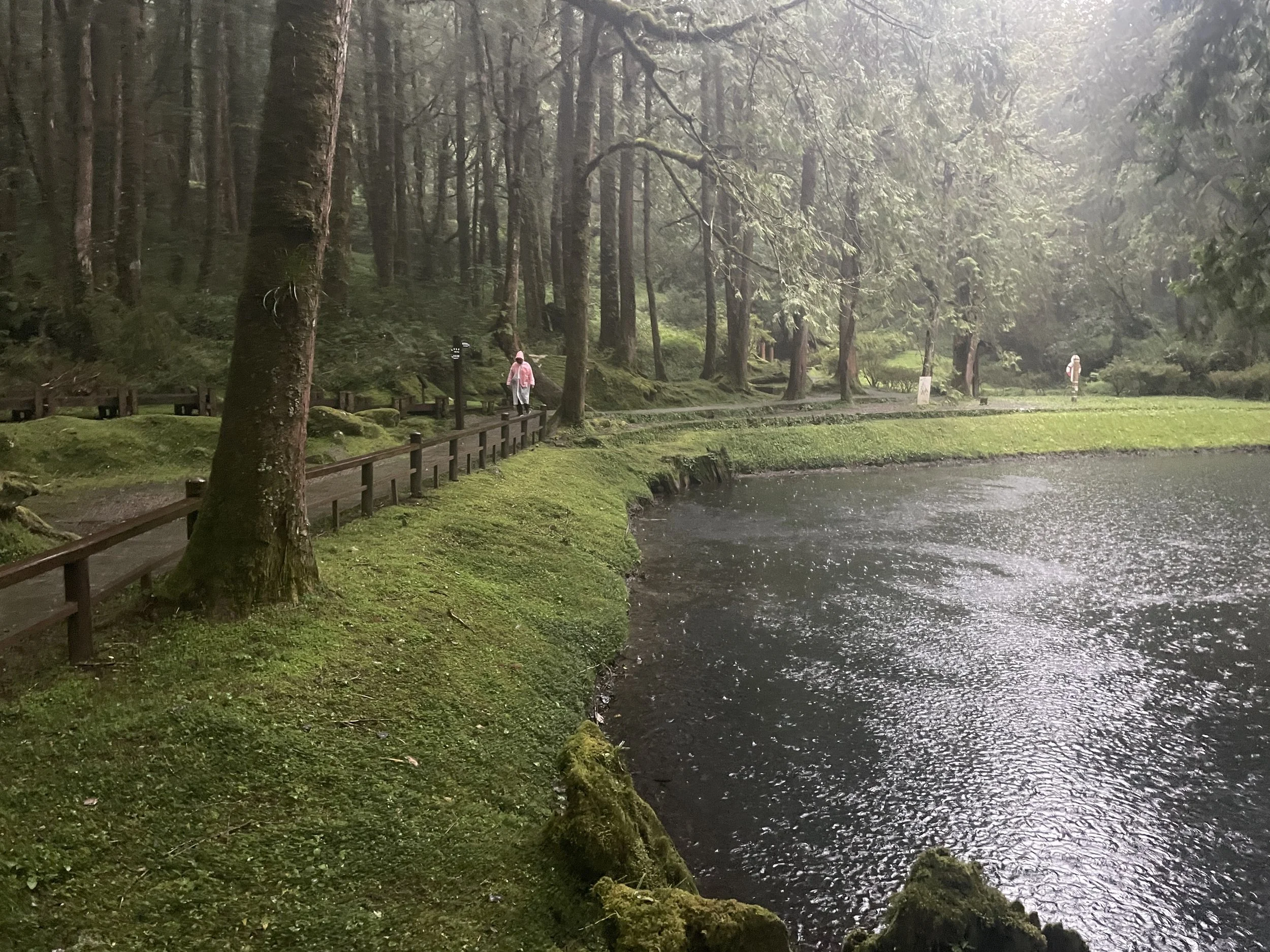
The center of the Alishan tourist area turned out to be small and outdated. Few restaurants were open for dinner, and the one we chose served only mediocre food with cash-only payment and service that was even less appealing.
The rest of the evening was spent drying our shoes and hoping the weather would be kinder to us the next day.
2025年9月19日
早餐后,我们叫了Uber 前往嘉义火车站,搭乘上午十点的阿里山森林小火车。这趟从海拔 30 米一路攀升到 2300 米的近五小时车程,票价约 25 美元,还包含阿里山国家森林游乐区的门票。
小火车一票难求,之前为买票我们花了不少精力。而令我们非常意外的是,全车共有四节小车厢,其他三节都基本满座,唯独我们这节空荡荡的,整节车厢只有我们两位乘客。记得昨天早上抢票时没几分钟就说全部售磬了,也许铁路公司刻意保留了几个座位不出售吧。
列车准时发车,但刚开出约45分钟后就突然停下。工作人员通知我们,后方的动力机组需要更换。经过半个多小时的等待,列车才再次启动,继续缓缓爬升。这真是出乎意料的插曲。
阿里山森林铁路已有百年历史,由日本殖民时期所建,用于运送阿里山的木材。窄轨小火车蜿蜒穿梭在郁郁葱葱的森林之中,沿途经过40多条隧道和无数座桥梁。天气也在不断变化——一会儿闷热潮湿,一会儿起雾或下雨,而列车始终在左右摇晃中艰难爬坡。
途中列车在奋起湖停靠,本应有一小时在那里休息逛老街,却只停了半小时。我们抓紧时间品尝了著名的铁路便当。虽然旅程一开始有延误,但列车最后还是准点抵达阿里山车站,令人惊讶。
到站后,旅馆的接待人员已在等候。五分钟车程后,我们便入住了。天空依旧阴沉,但我们游园的兴致不减,立刻搭乘园区接驳车(每人新台币 60 元)前往 沼口车站。没想到刚一下车,雨就倾盆而下,好在附近有遮蔽的休息区可以暂避。
天色渐暗,雨势稍缓,我们不愿再等,便冒雨走上通往姐妹潭的步道。黑黝黝的森林里行走并没有太多乐趣,哪怕是人工修建的木栈道也有积水。很快雨又大了起来,雨衣防水鞋都不管用。正巧看到一辆接送旅行团的接驳车,我们便果断跳上车,结束行程,返回小镇。
阿里山游客中心一带的商业区并不大,略显陈旧。晚餐选择很有限,最后随便找了一家网上评论还算好的餐馆点了三道菜,不仅只能付现金,味道非常一般,服务更是糟糕。
当晚的主题,就是努力把湿透的鞋子烘干,并期待第二天会有更好的天气。
Chiayi 嘉义
September 17-18, 2025
Just a few days after returning from South America,……
刚从南美回来没几天,。。。
September 17-18, 2025
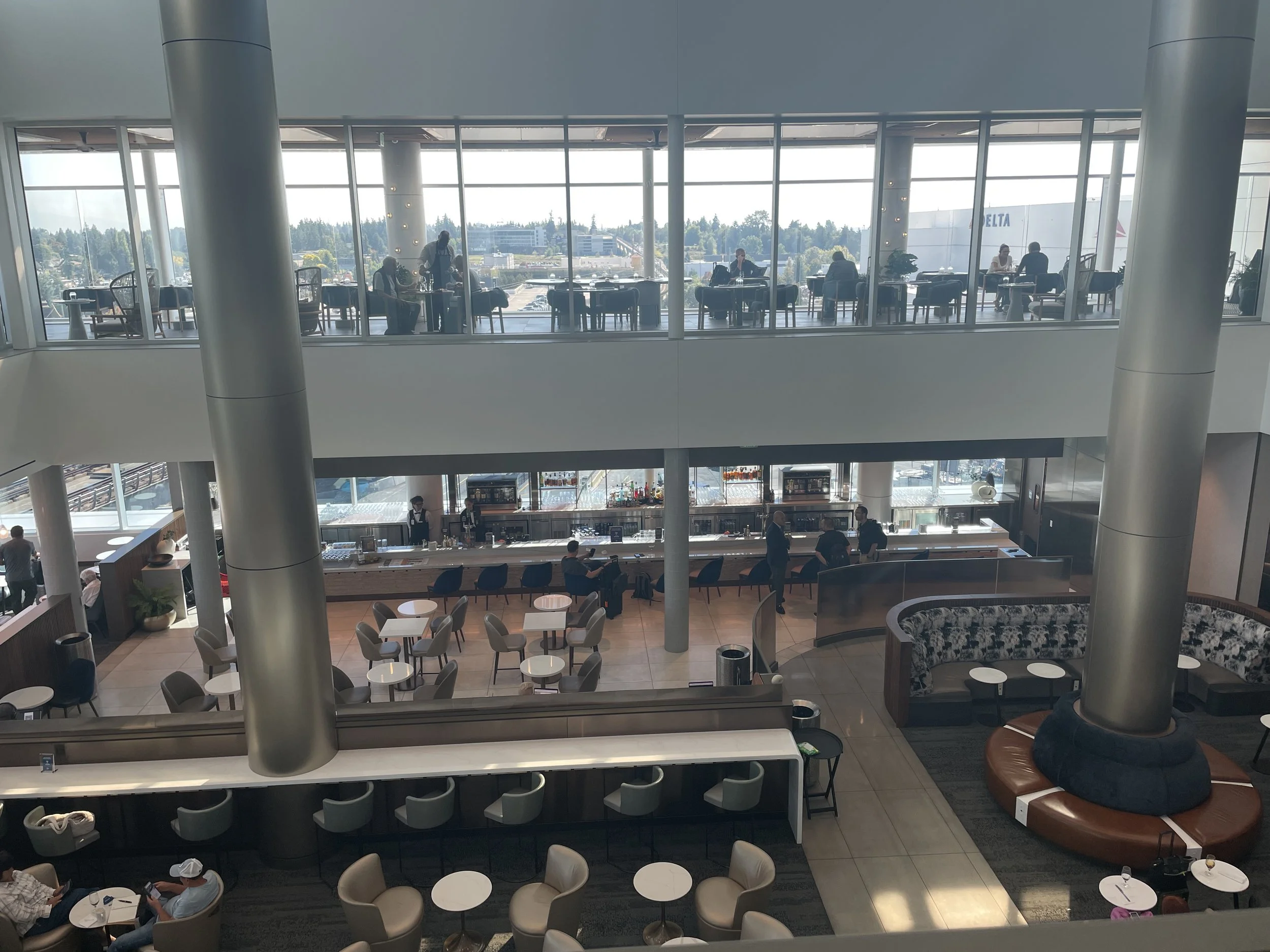
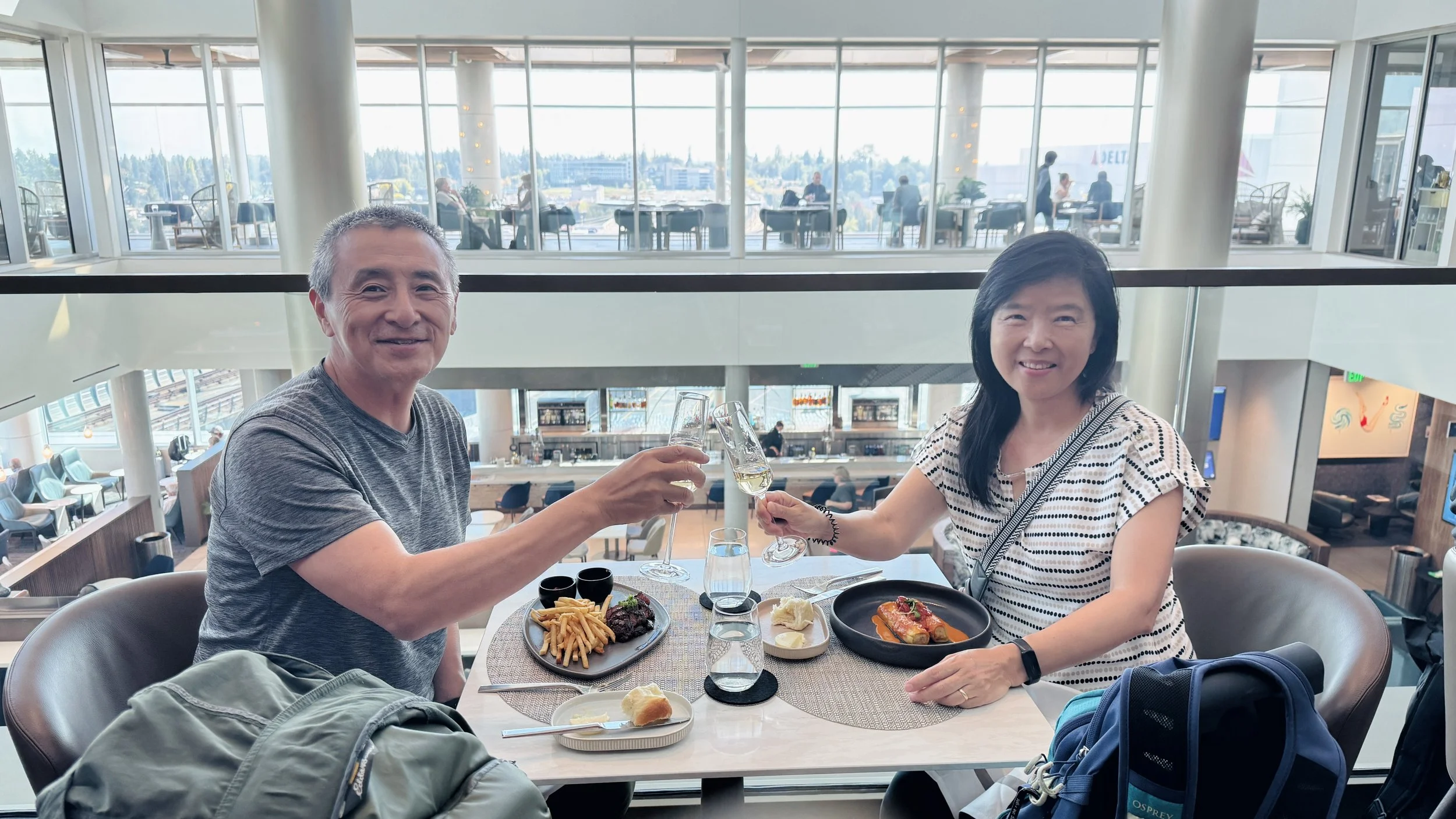
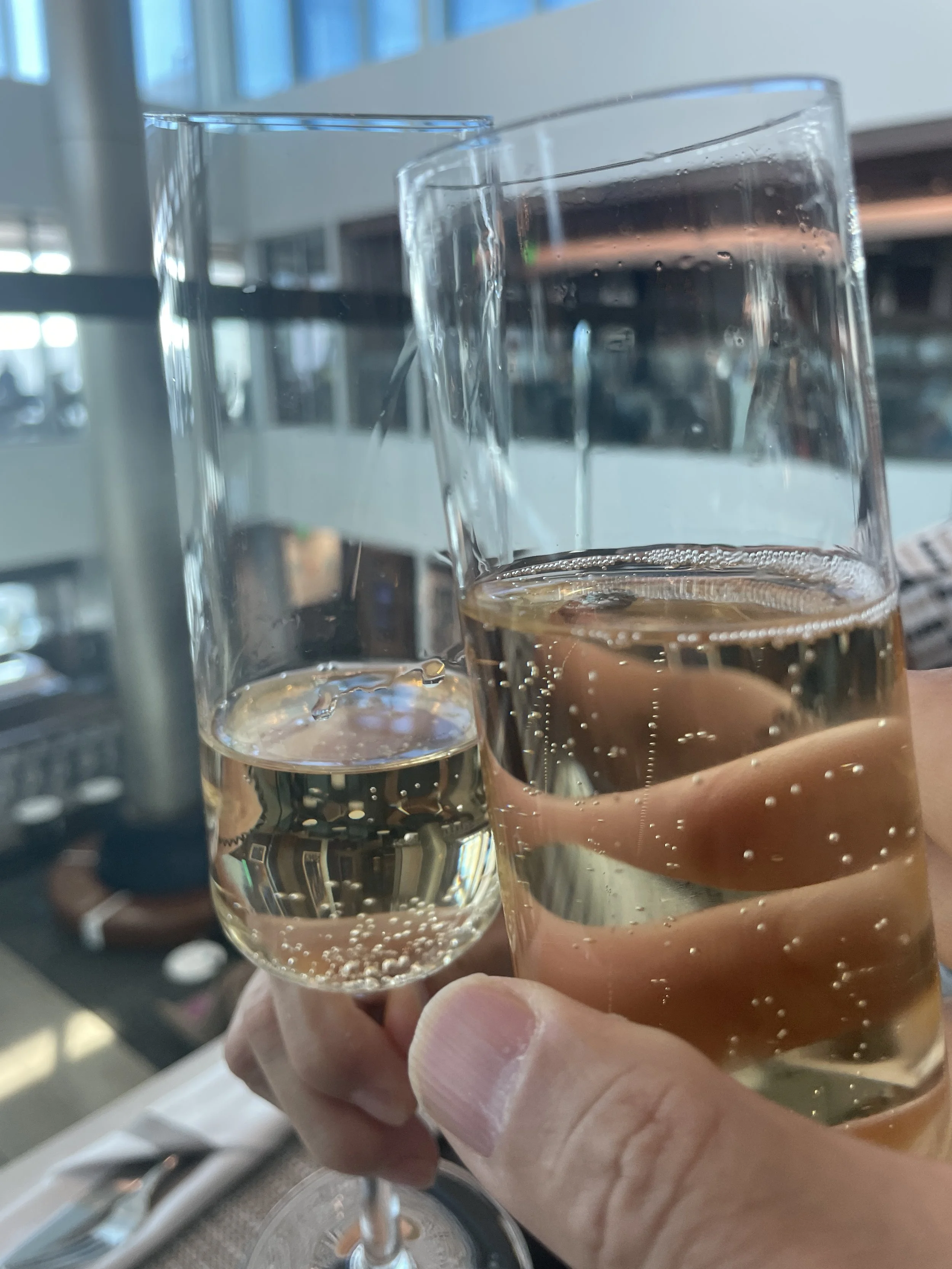
Just a few days after returning from South America, we boarded a Delta flight once again to travel back home to visit our aging parents. During our layover in Seattle, we stopped by the Delta One Lounge, a business-class lounge that Delta opened about two months ago. There are only four of these lounges in the entire United States. Over the years, we’ve traveled all over the world and visited countless airport lounges, but this time the Delta One Lounge truly stood out—both the service and the food offerings were top-notch.
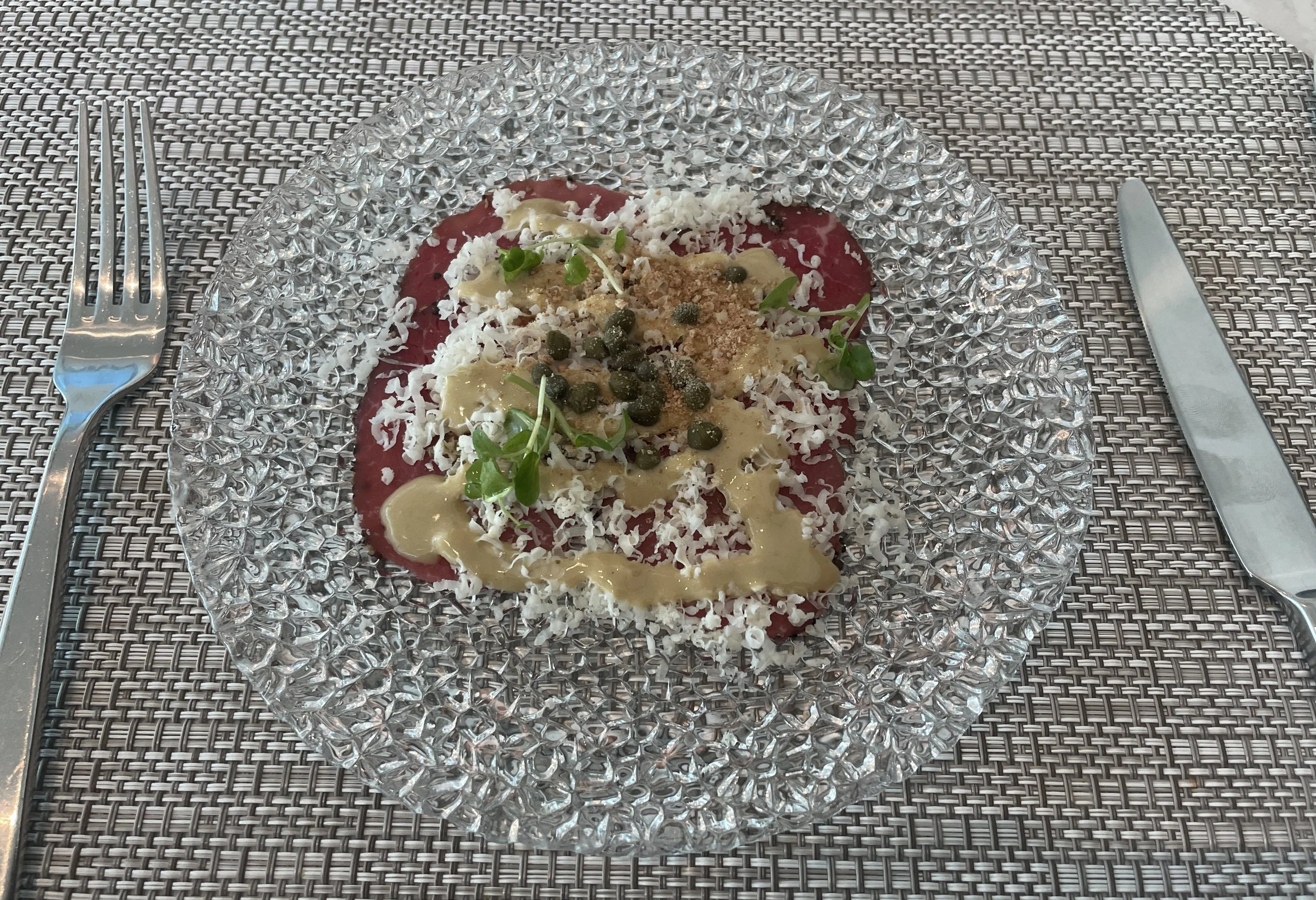
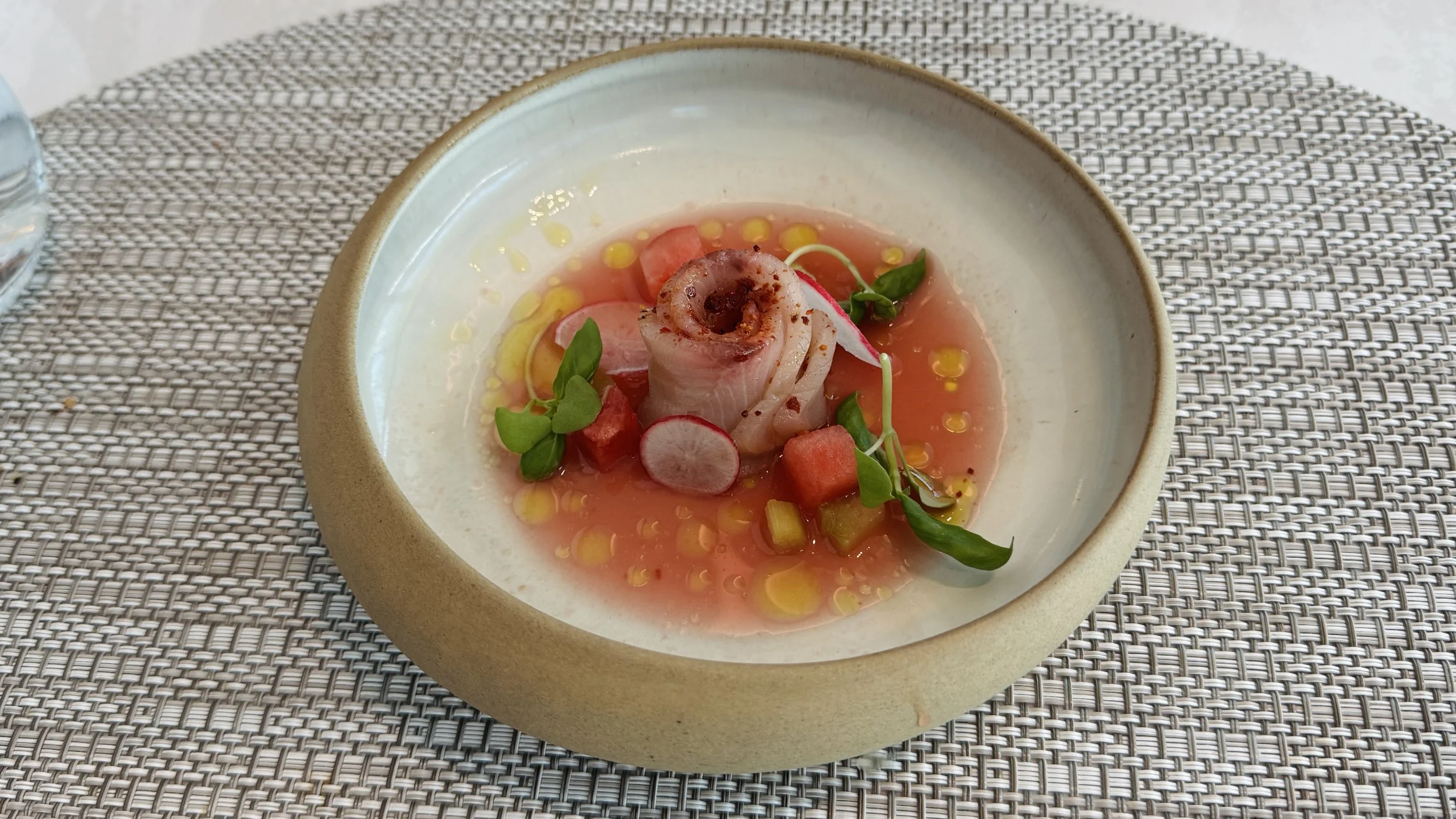
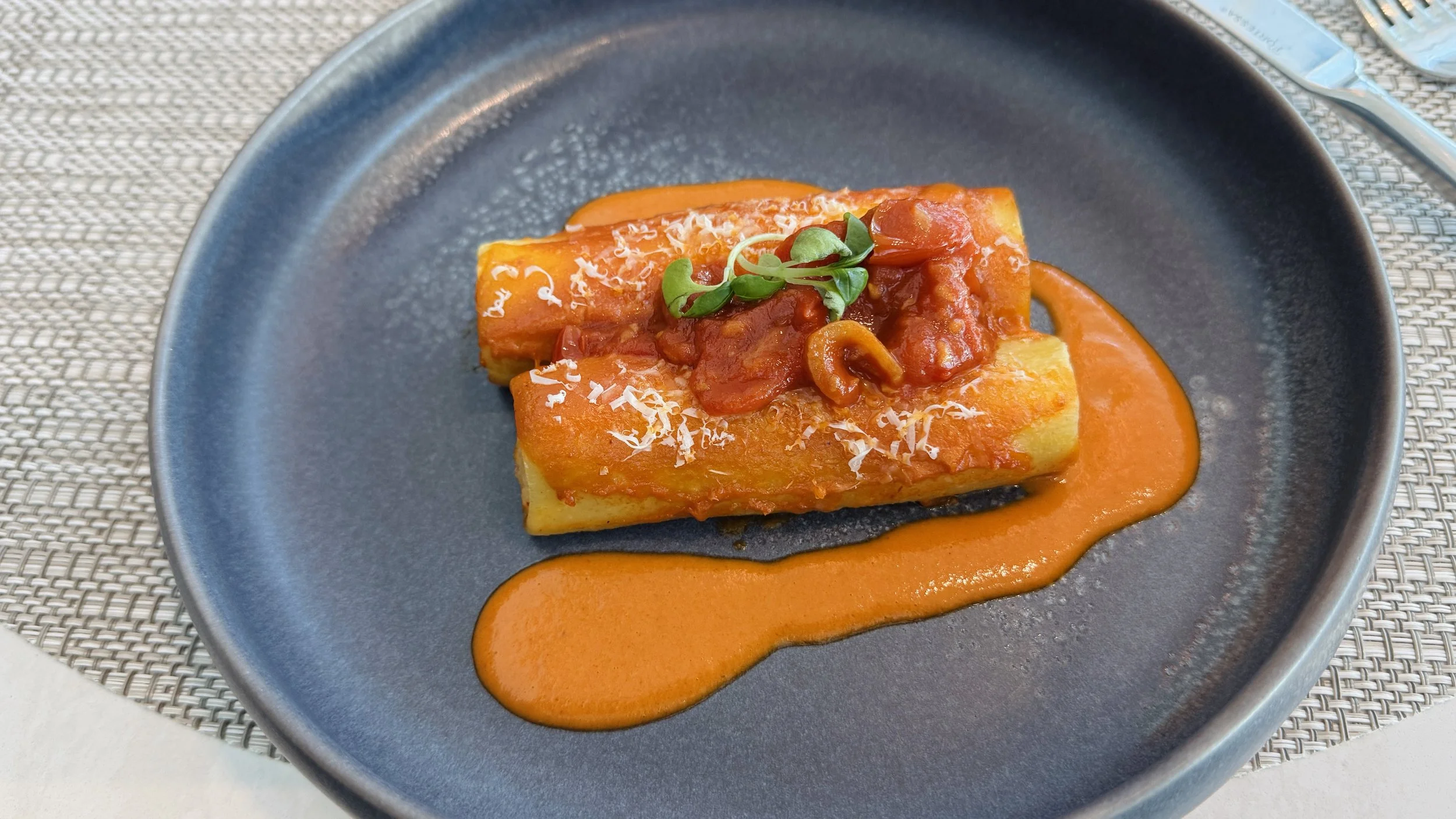
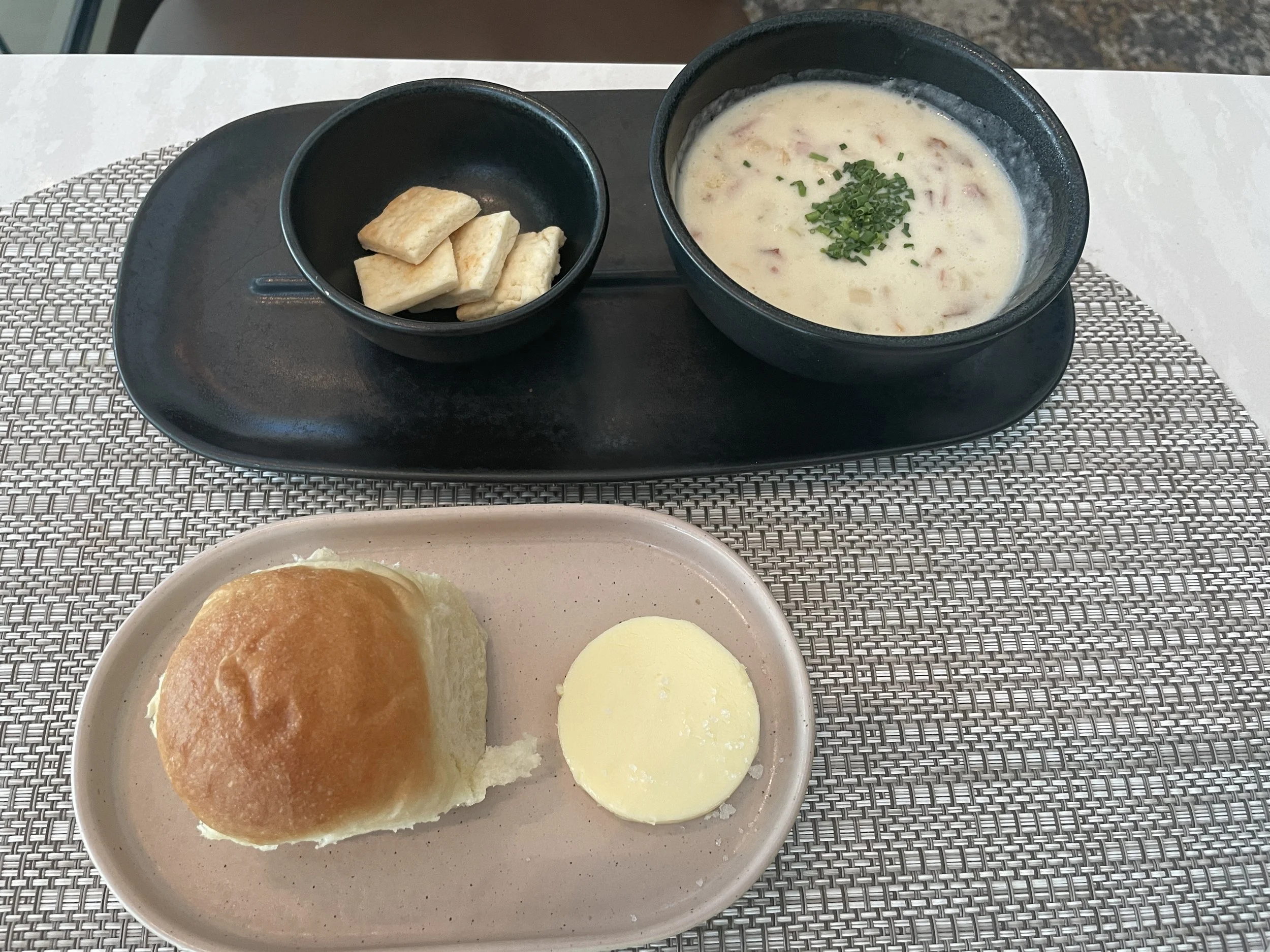
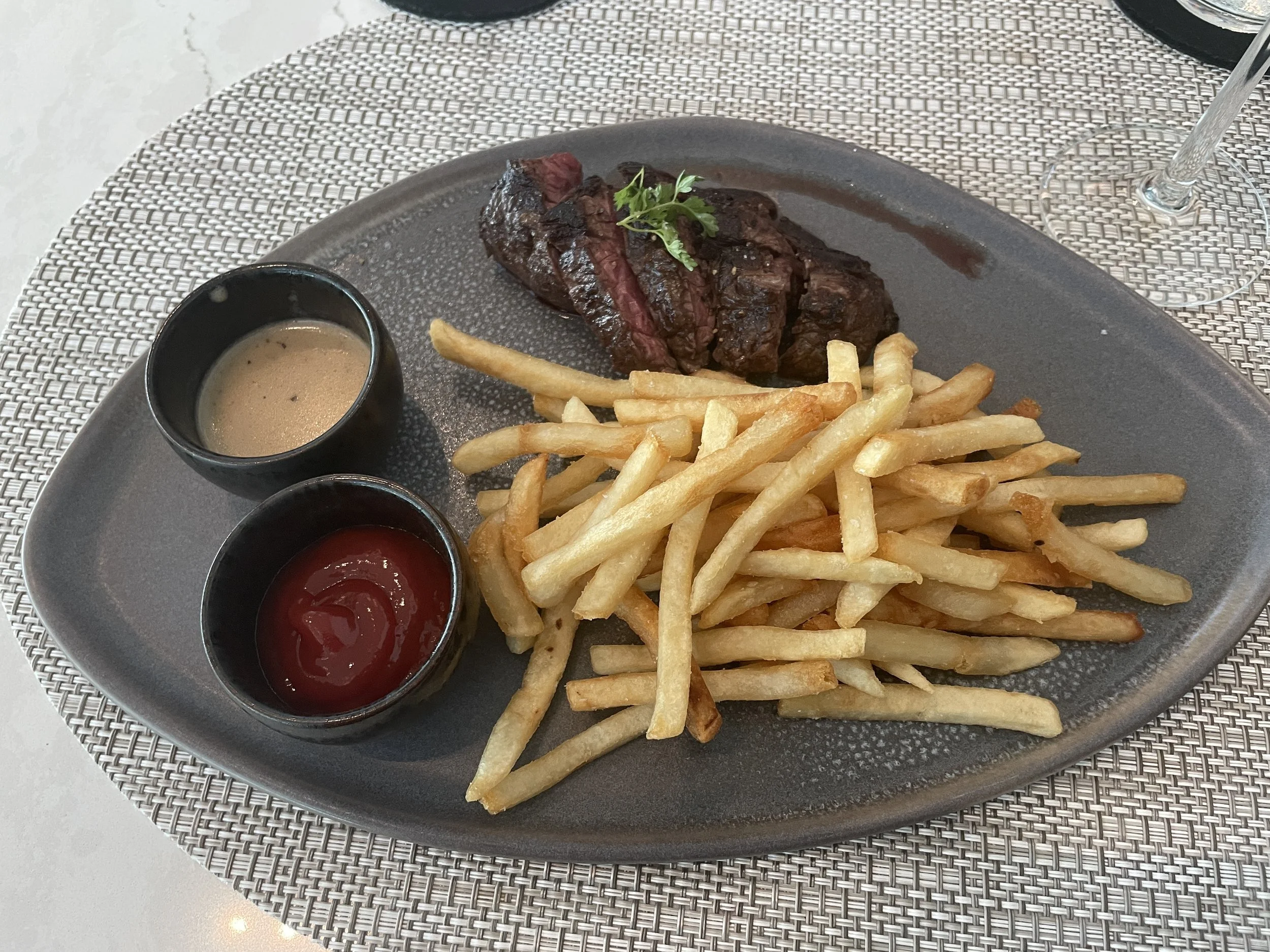
On our way to Shanghai, we stopped in Taipei for a few days. Delta one meals on the plane were also decent. Since we had already visited the capital several times in recent years, we skipped the city itself and headed straight to Chiayi by high-speed rail.
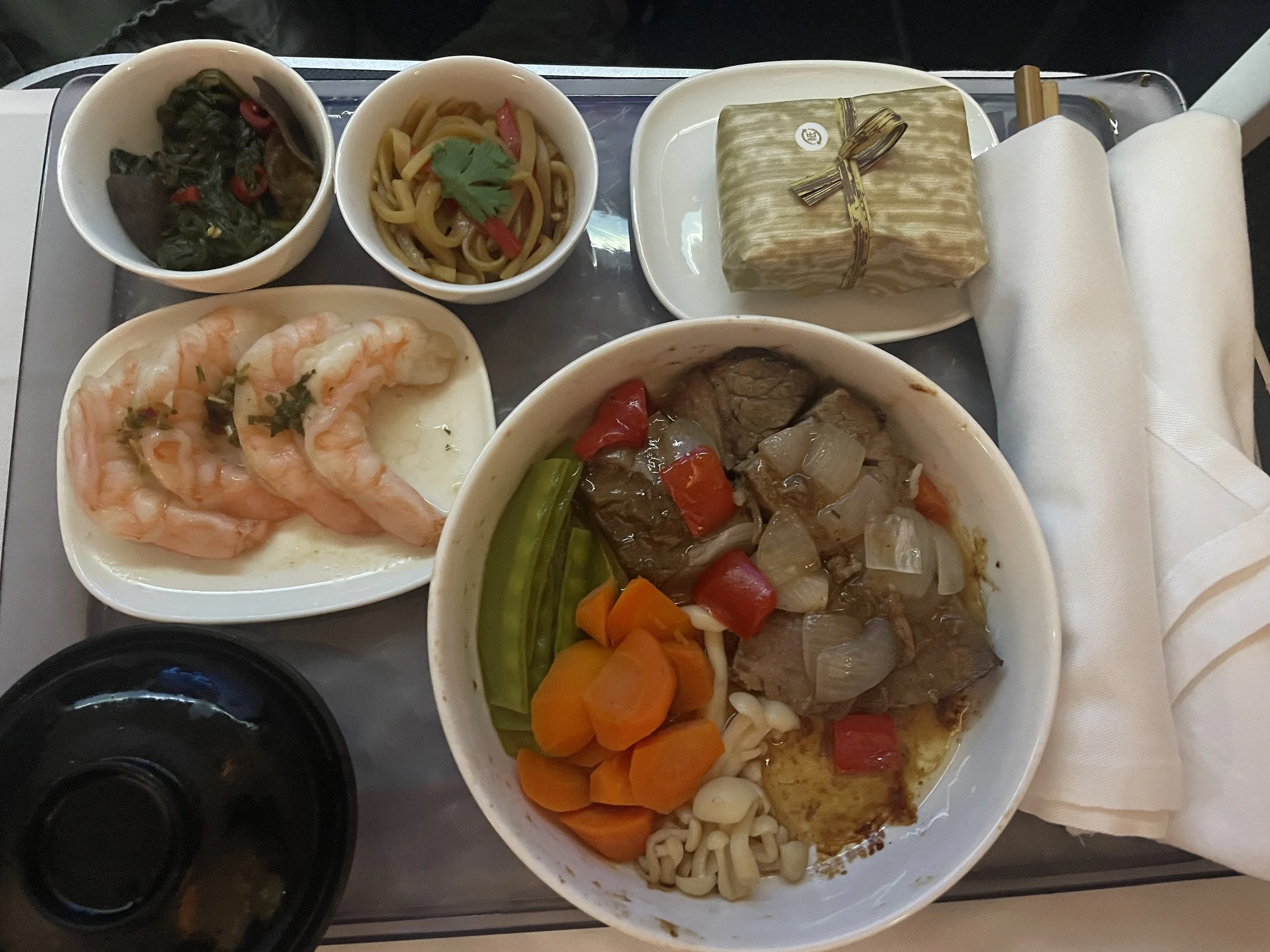
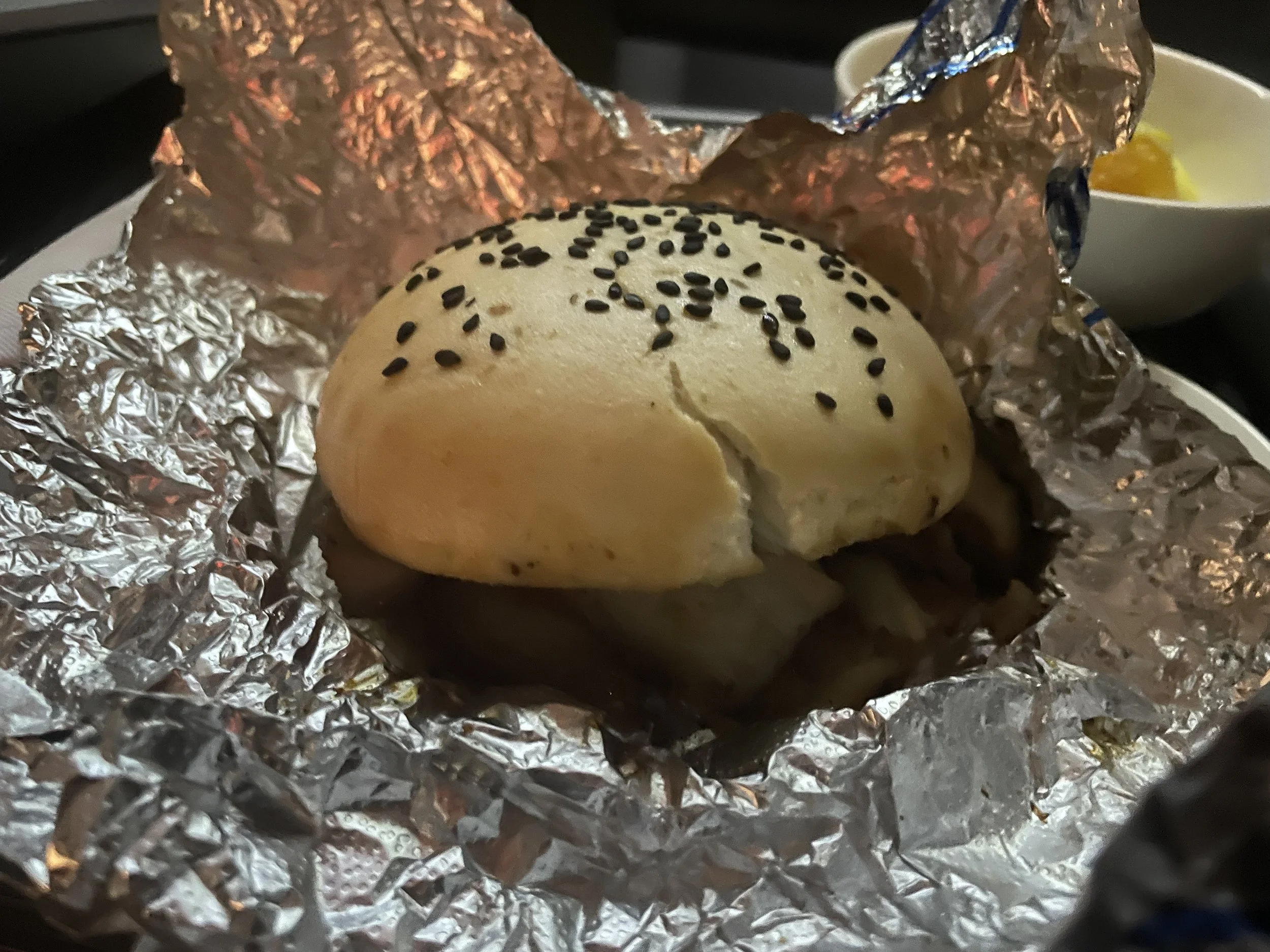
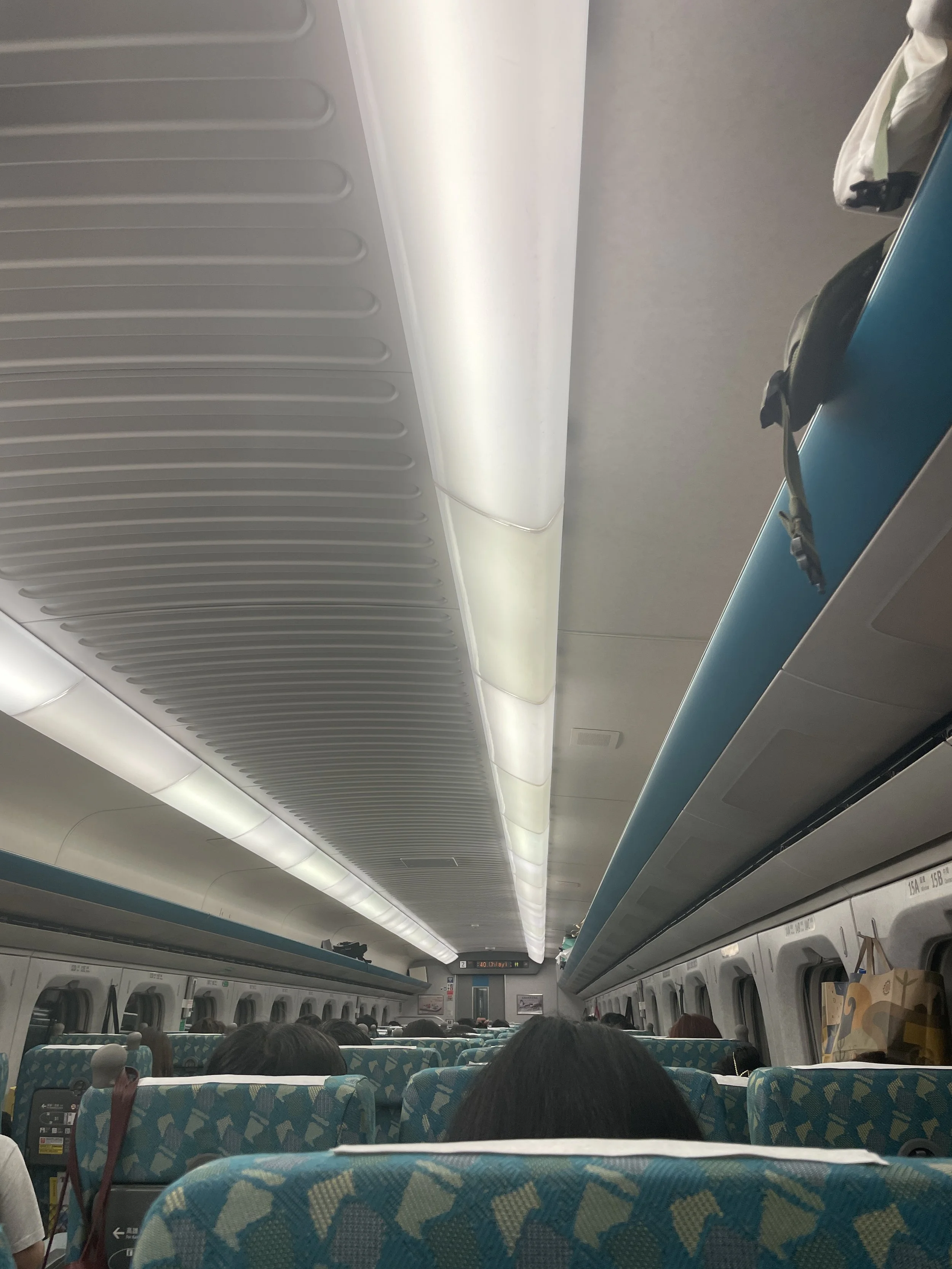
Arrival at Taoyuan Airport was smooth—within 30 minutes of landing, we were already on the airport express to Taoyuan HSR Station. From there we boarded the high-speed train to Chiayi. The Chiayi High Speed Rail Station (HSR) is located in Taibao, about 15 km away from the old Chiayi Train Station in the city center, which was a bit confusing at first. Our hotel was close to the HSR station, so the previous night we simply took an Uber there.
This morning, we got up early and logged in right at 6 a.m. to try our luck at booking tickets for the Alishan Forest Railway. The line, which had been out of service for 15 years, had only reopened last year, making tickets extremely competitive—especially since we had just one day available. Luckily, four tickets were still available when we logged in, but within minutes all were gone.
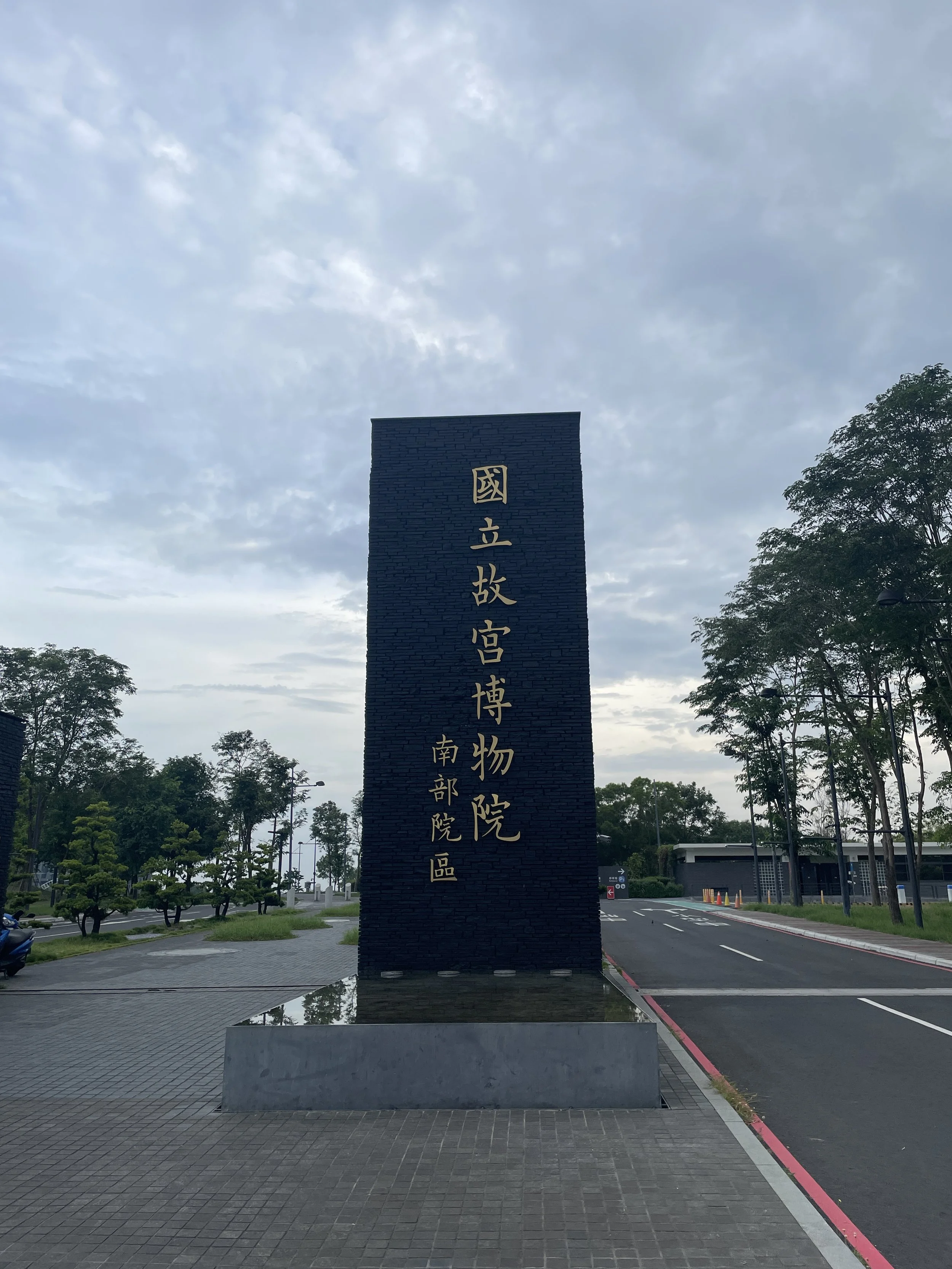
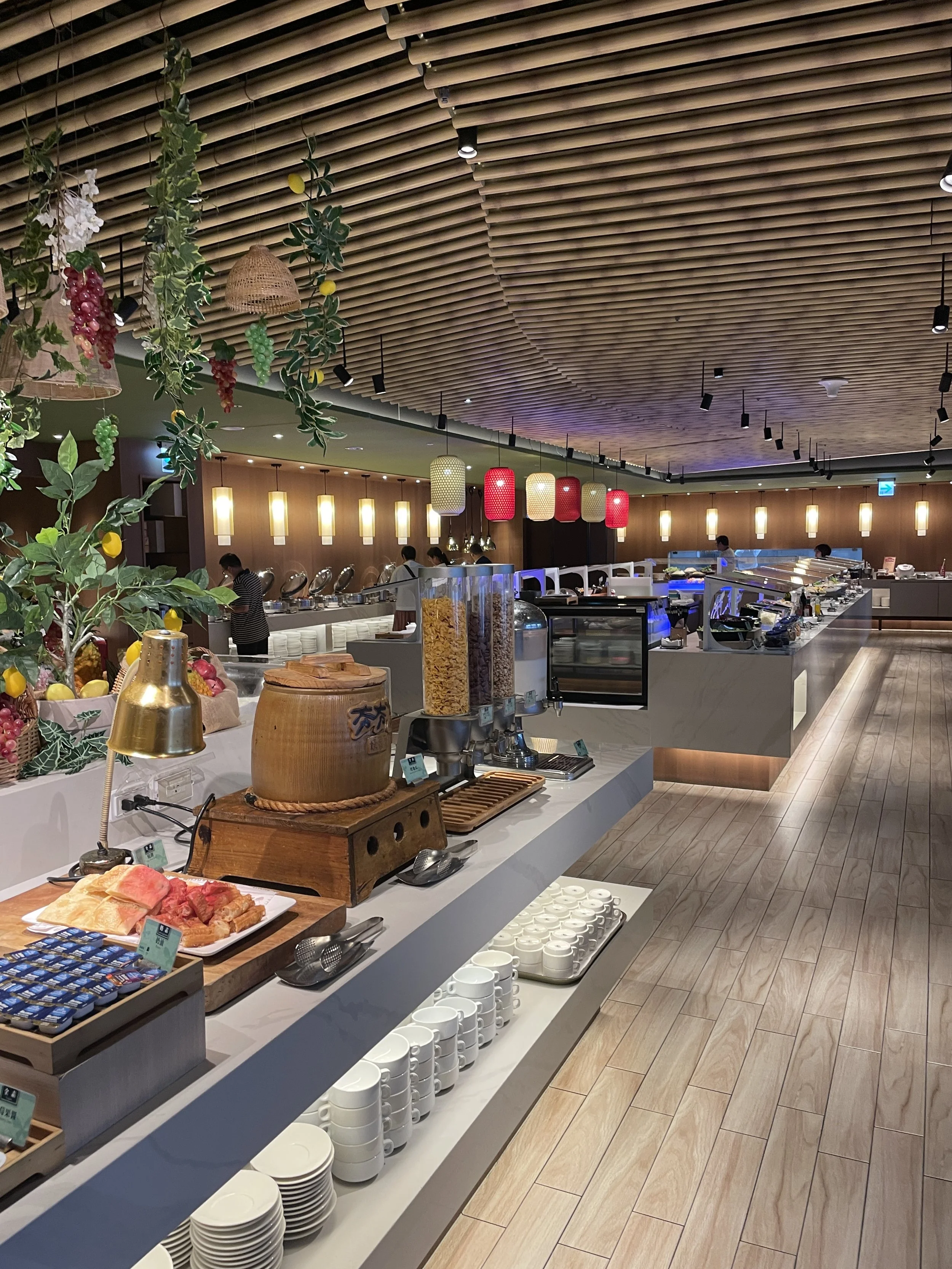
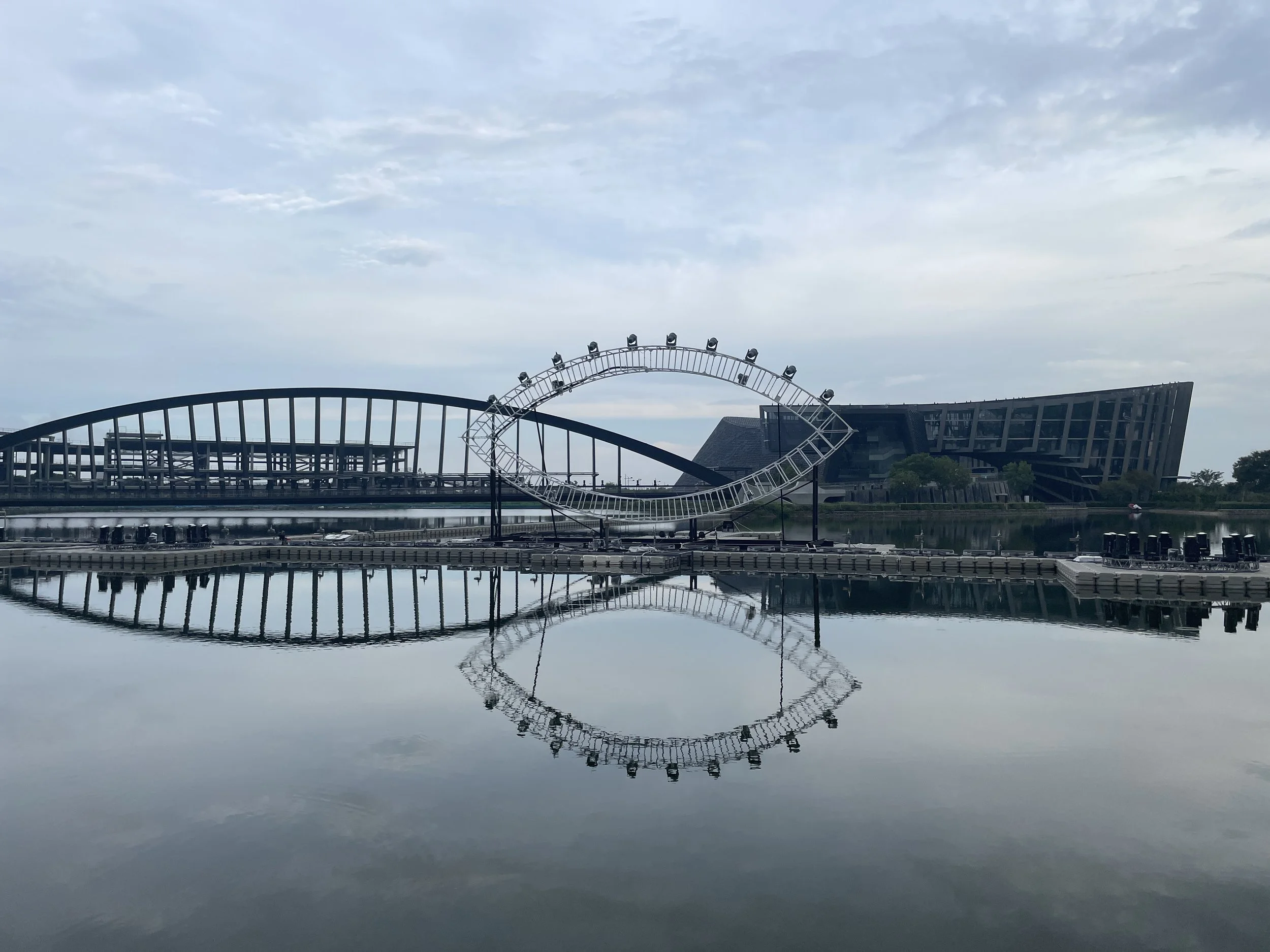
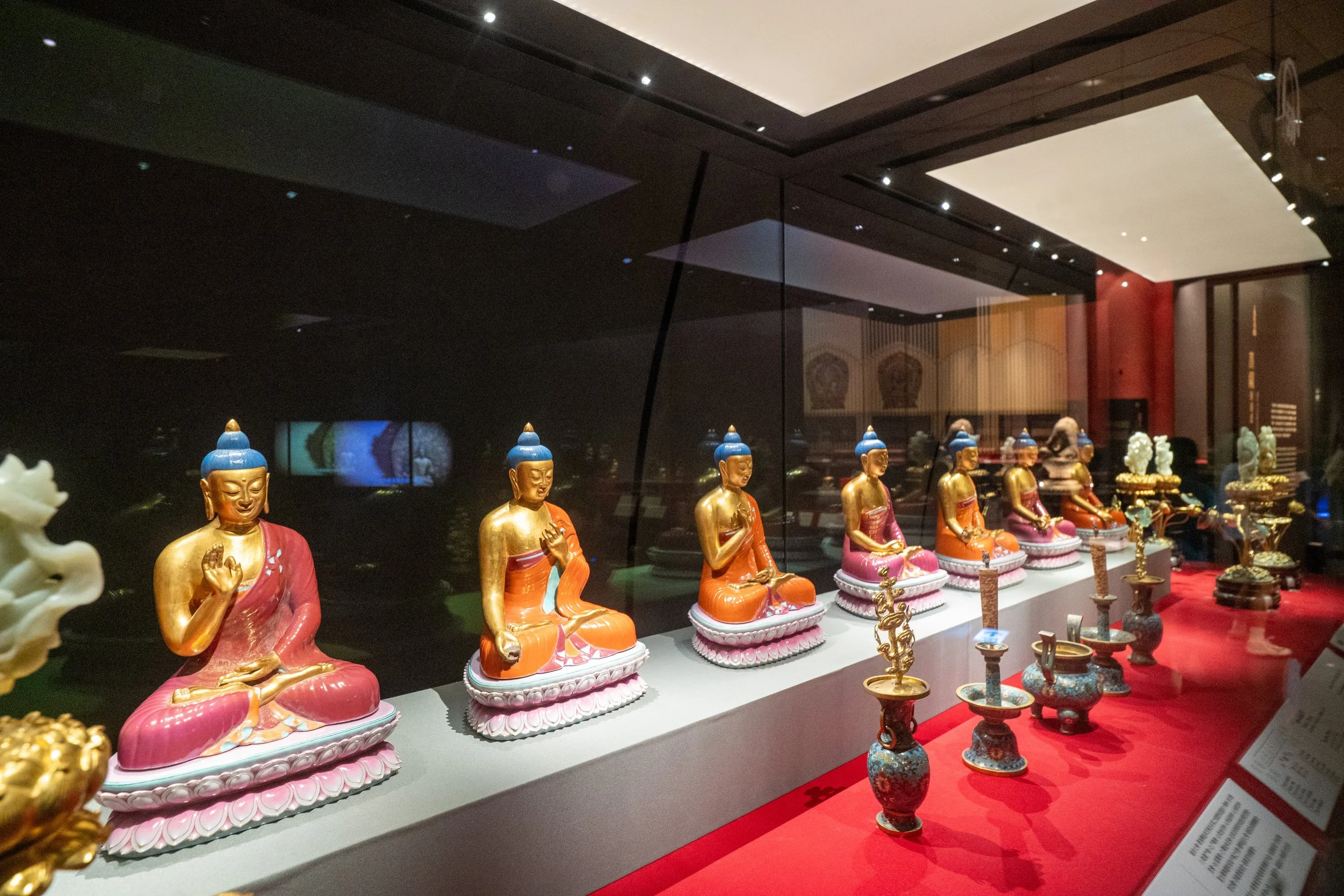
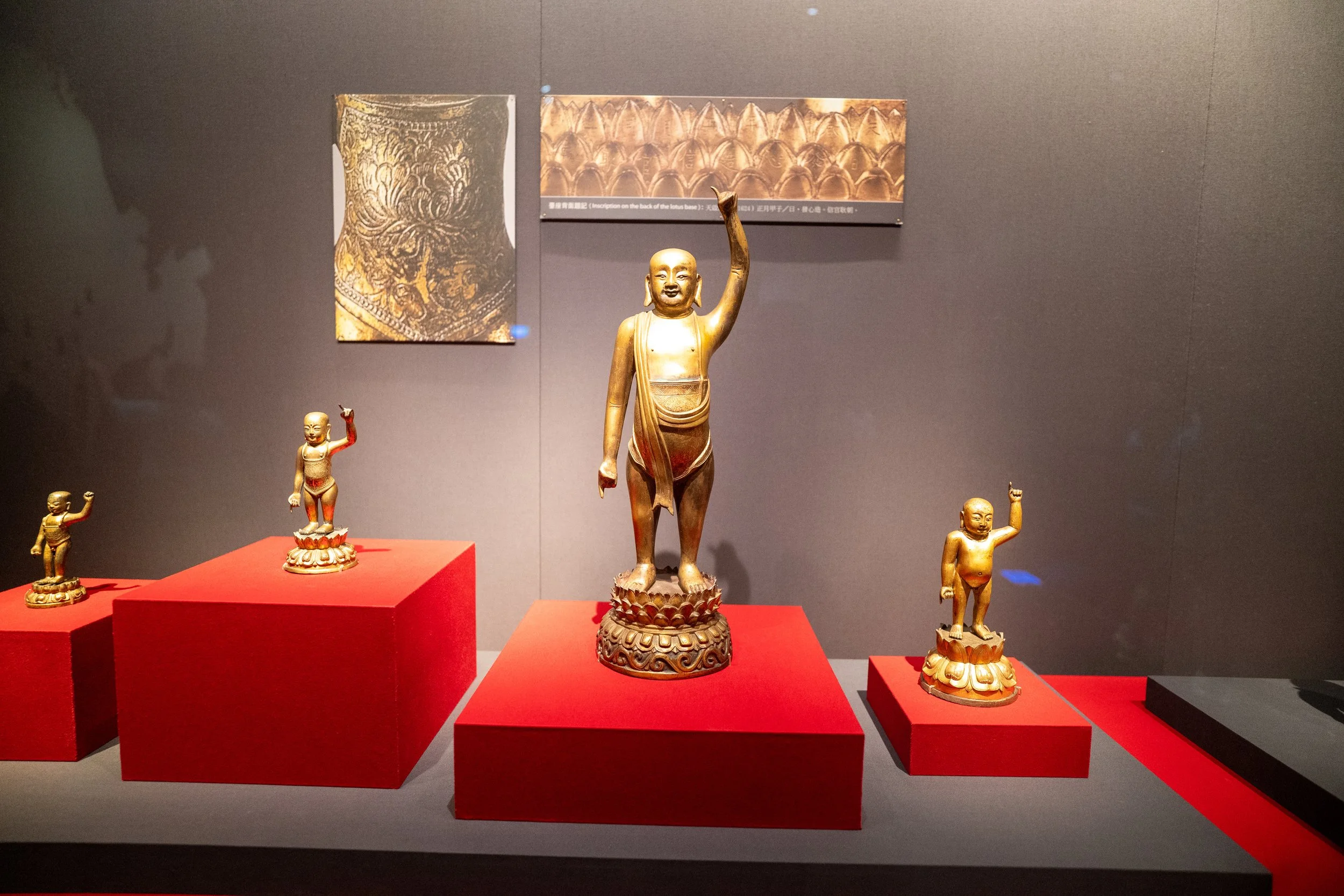
After breakfast at the hotel, we walked across the street to visit the Southern Branch of the National Palace Museum. Unlike the Taipei main museum, this branch is housed in striking modern architecture surrounded by vast landscaped grounds, designed not only for cultural exhibitions but also for leisure and community use. We had first learned of its existence three years ago at the Taipei museum, where we were told the famous Jadeite Cabbage had been moved south. Excited to finally see it, we were disappointed to discover it was on loan to Prague—missed again! Even so, the exhibitions were impressive, though—as always in such museums—far too much to fully take in during a single visit.
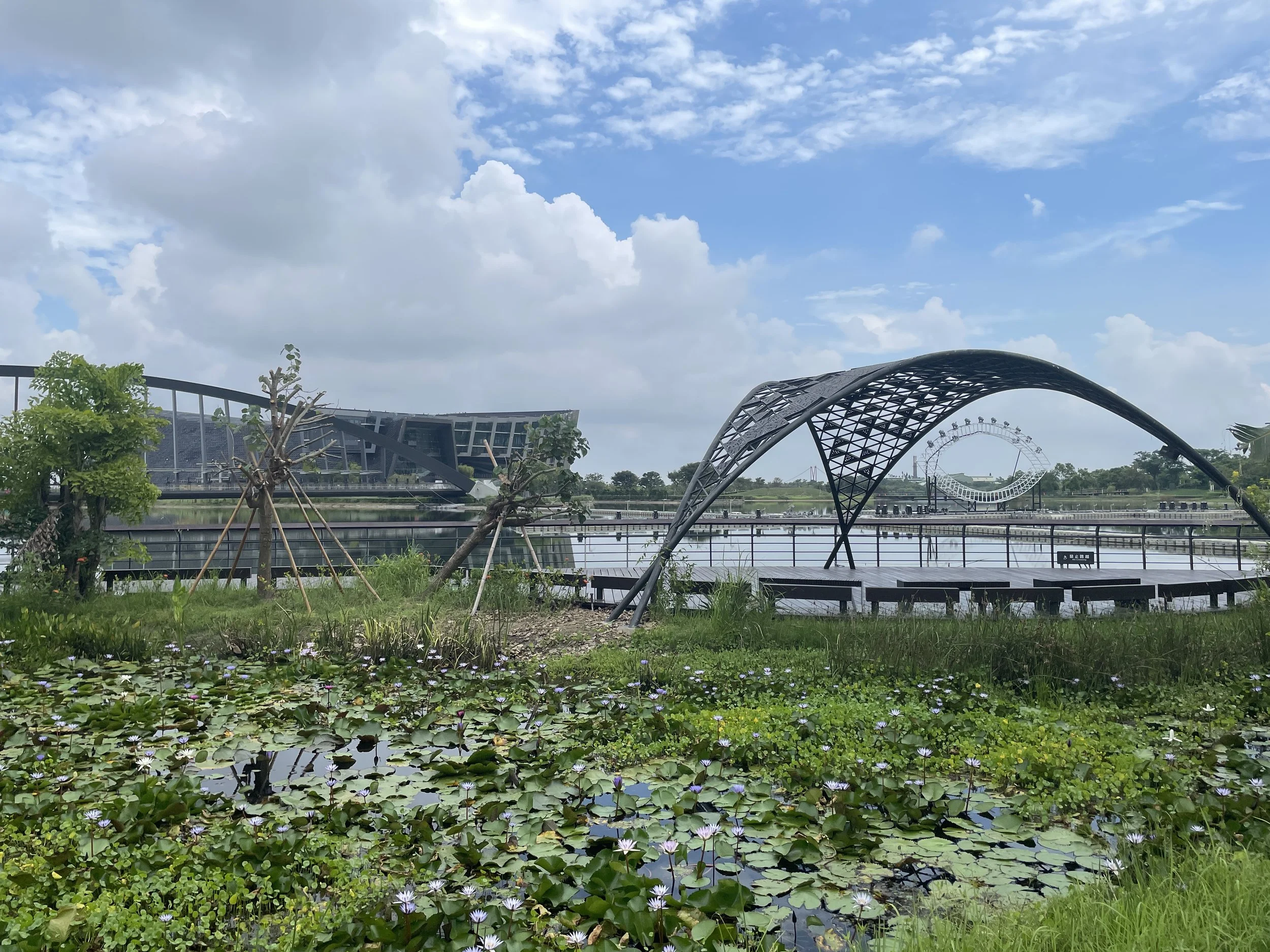
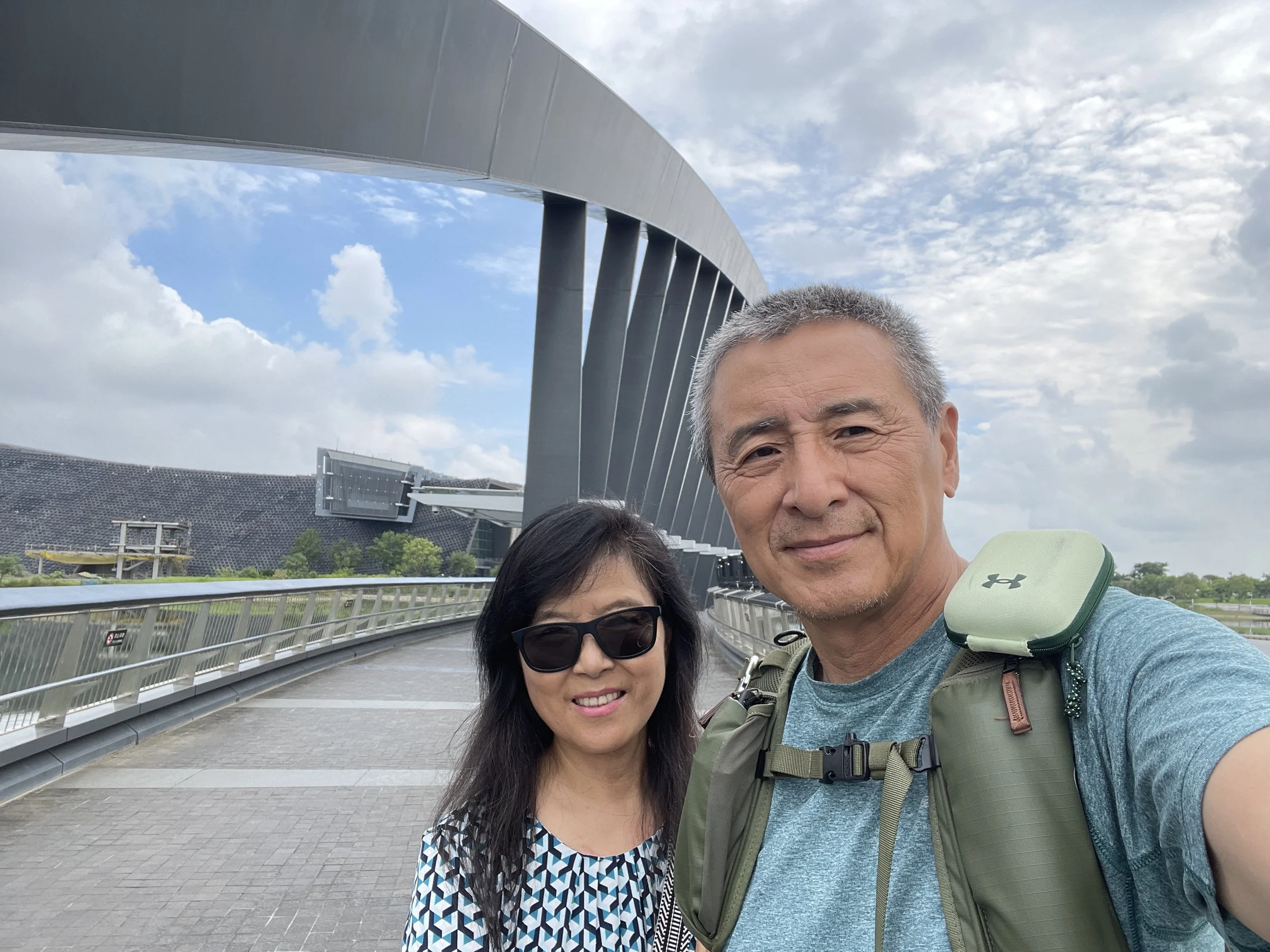
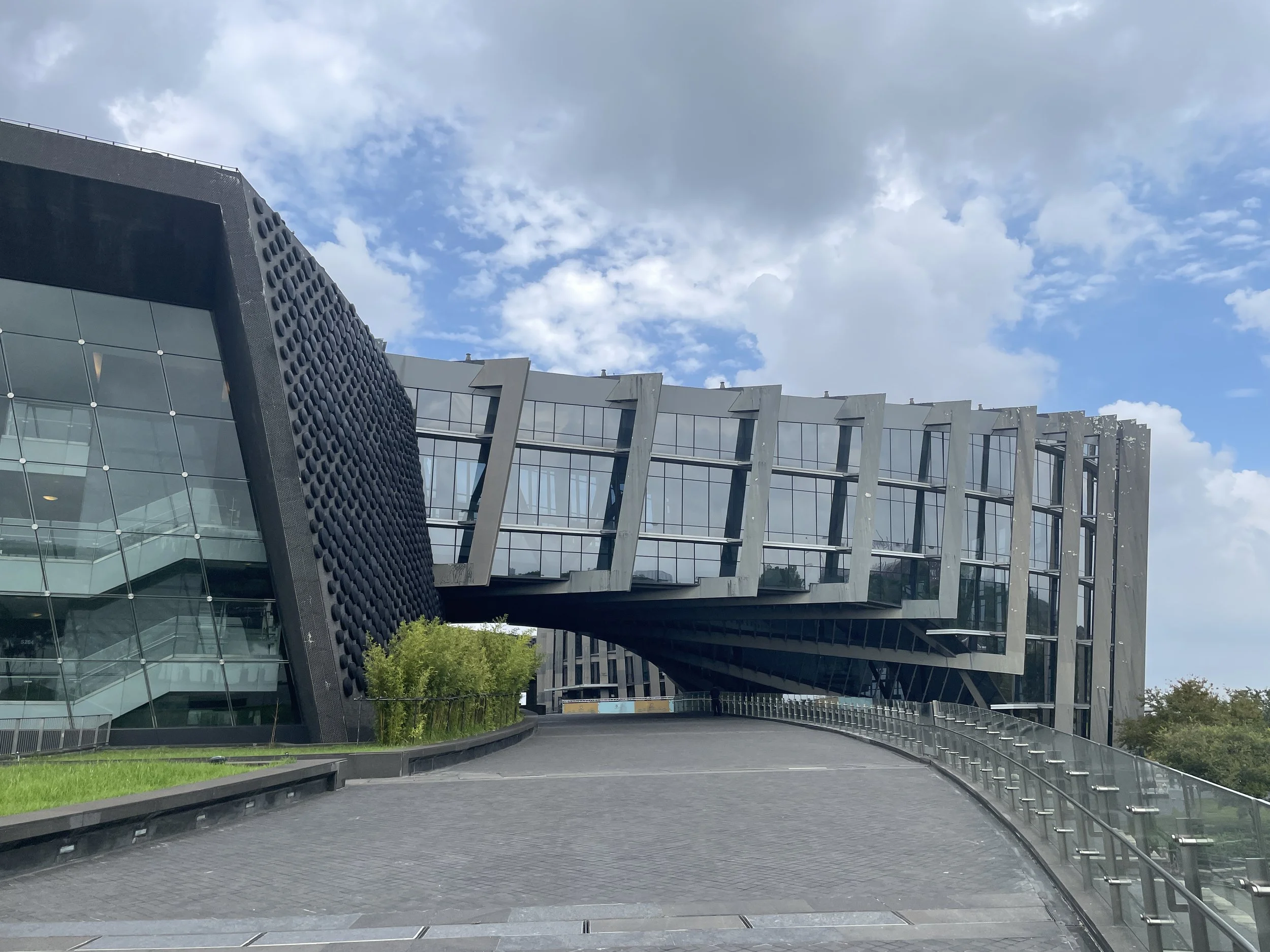
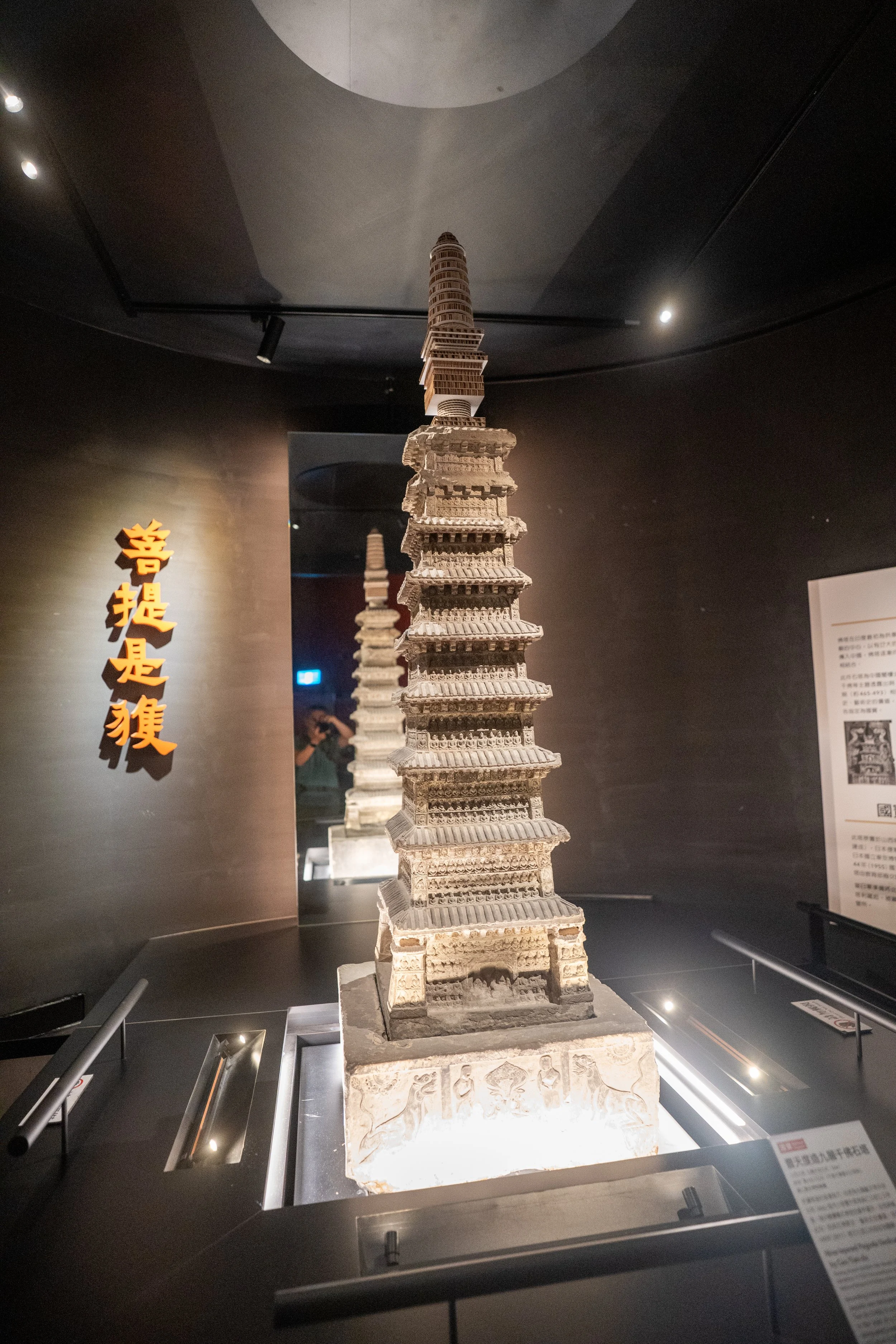
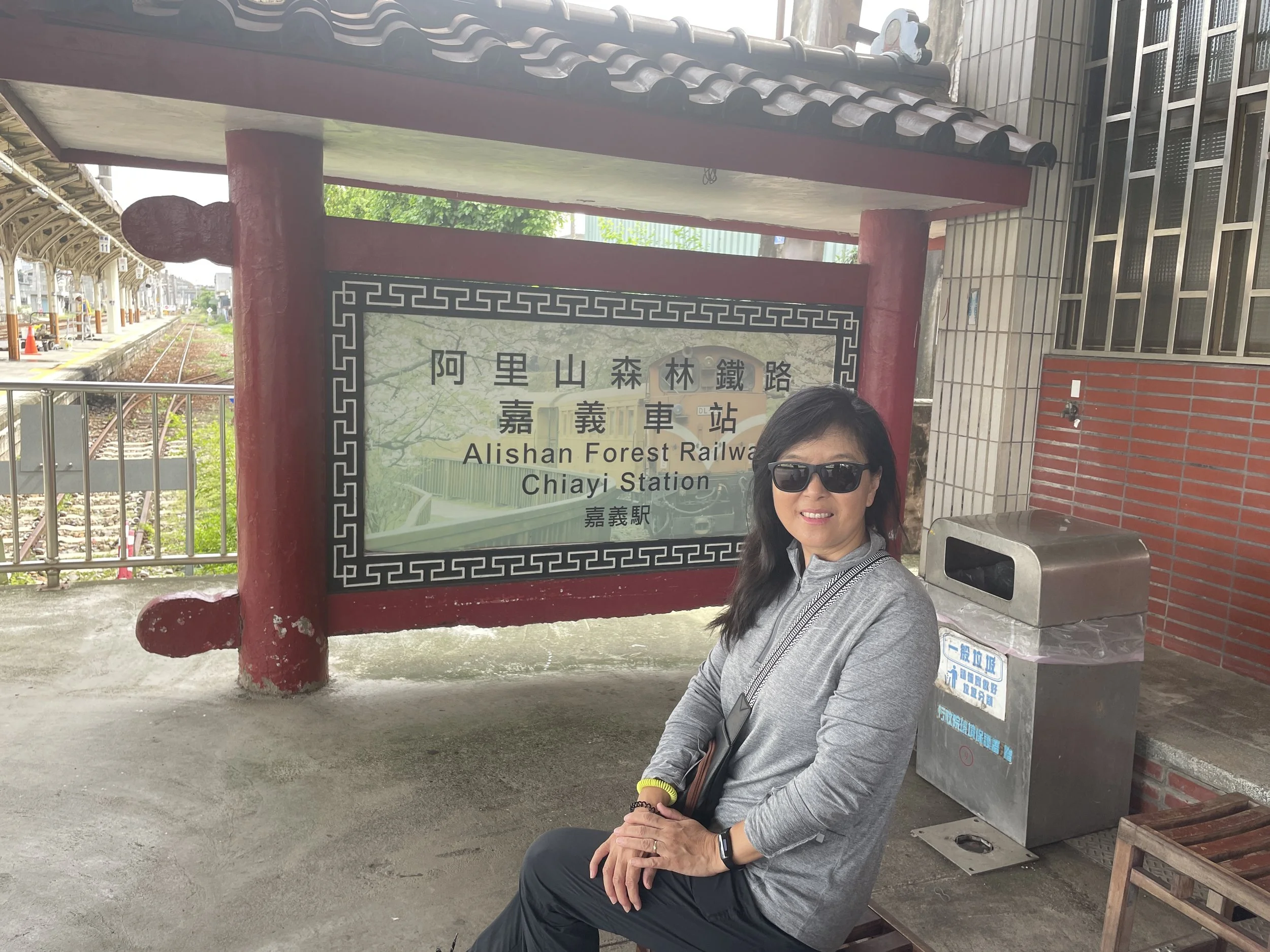
From the museum, we caught the free shuttle bus into Chiayi city. The nearly empty bus felt like our private ride. At the historic Chiayi Railway Station, we picked up our Alishan paper tickets and also purchased return bus tickets from the mountain.
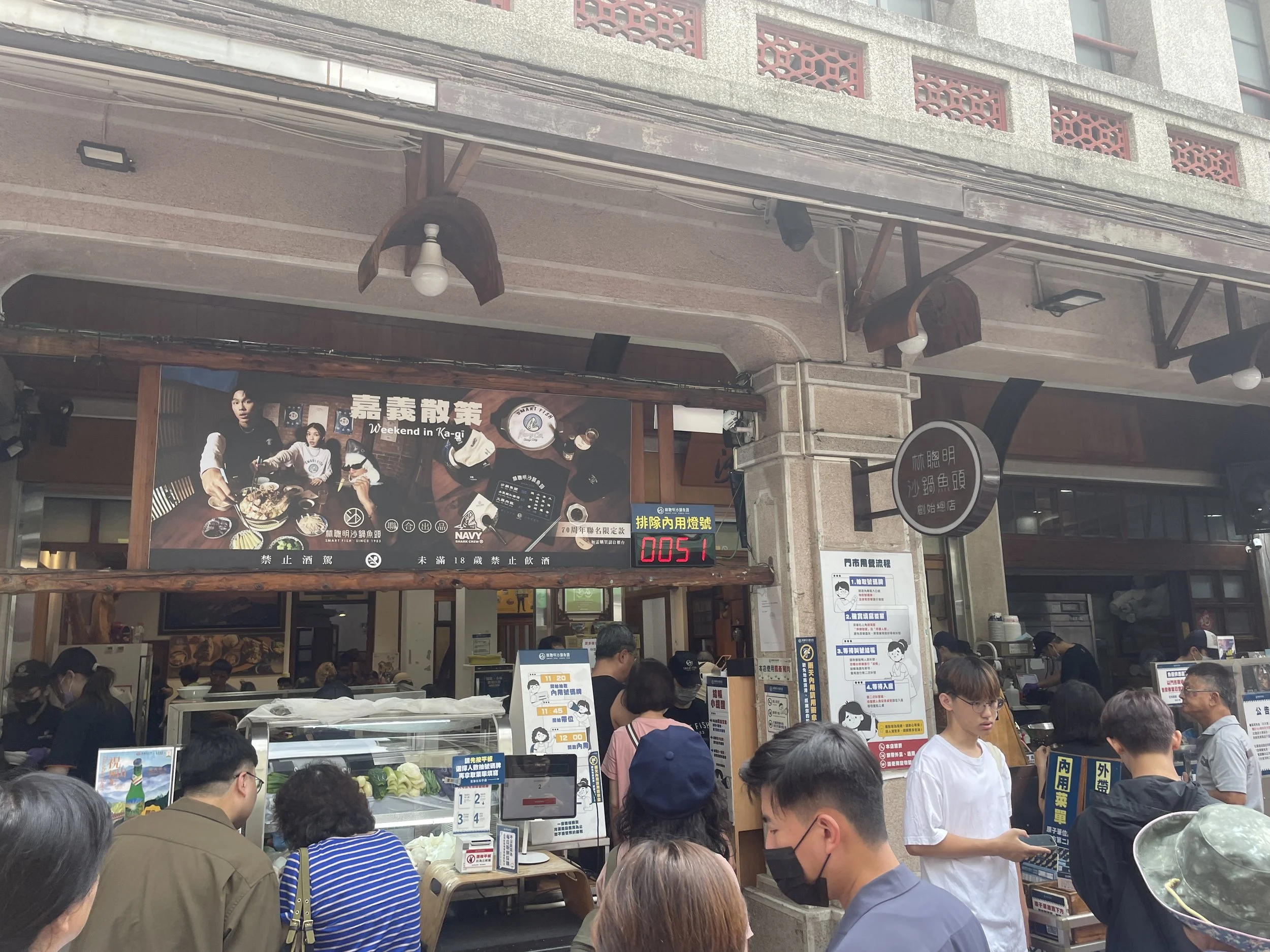
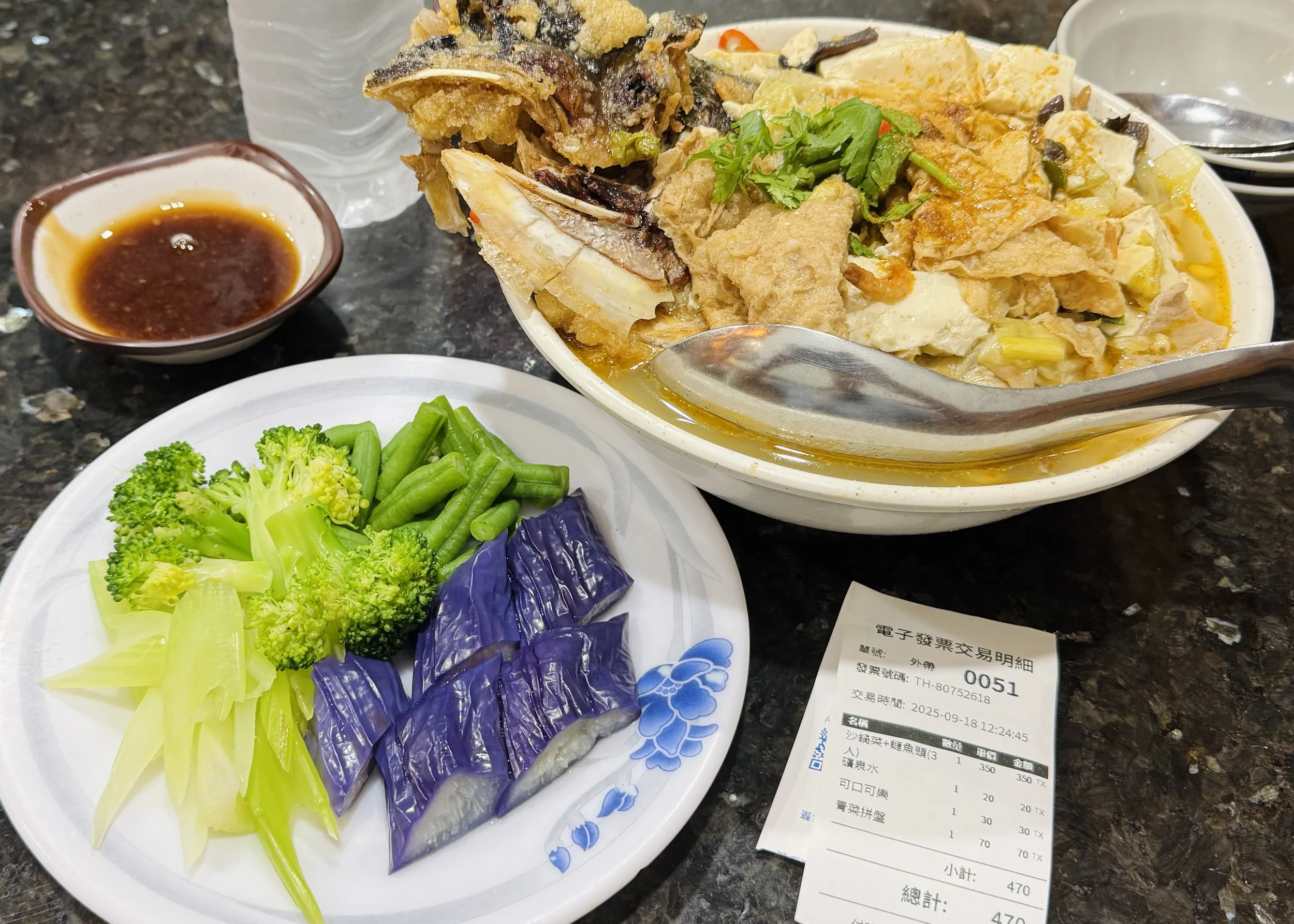
Next, we headed for lunch at Smartfish, a seafood restaurant widely recommended. The walk there was unpleasant under the hot, humid weather and lingering sewage smells, but luckily the restaurant wasn’t too far. After a short wait for a table, we managed to try their signature dish. While tasty, it was a bit too fatty for our liking, and we decided not to return to this area again for the night market.
After lunch, we called an Uber to Hinoki Village, a collection of Japanese colonial-era wooden houses now repurposed as shops. The buildings were beautifully maintained and decorated, but the commercial focus didn’t interest us much.
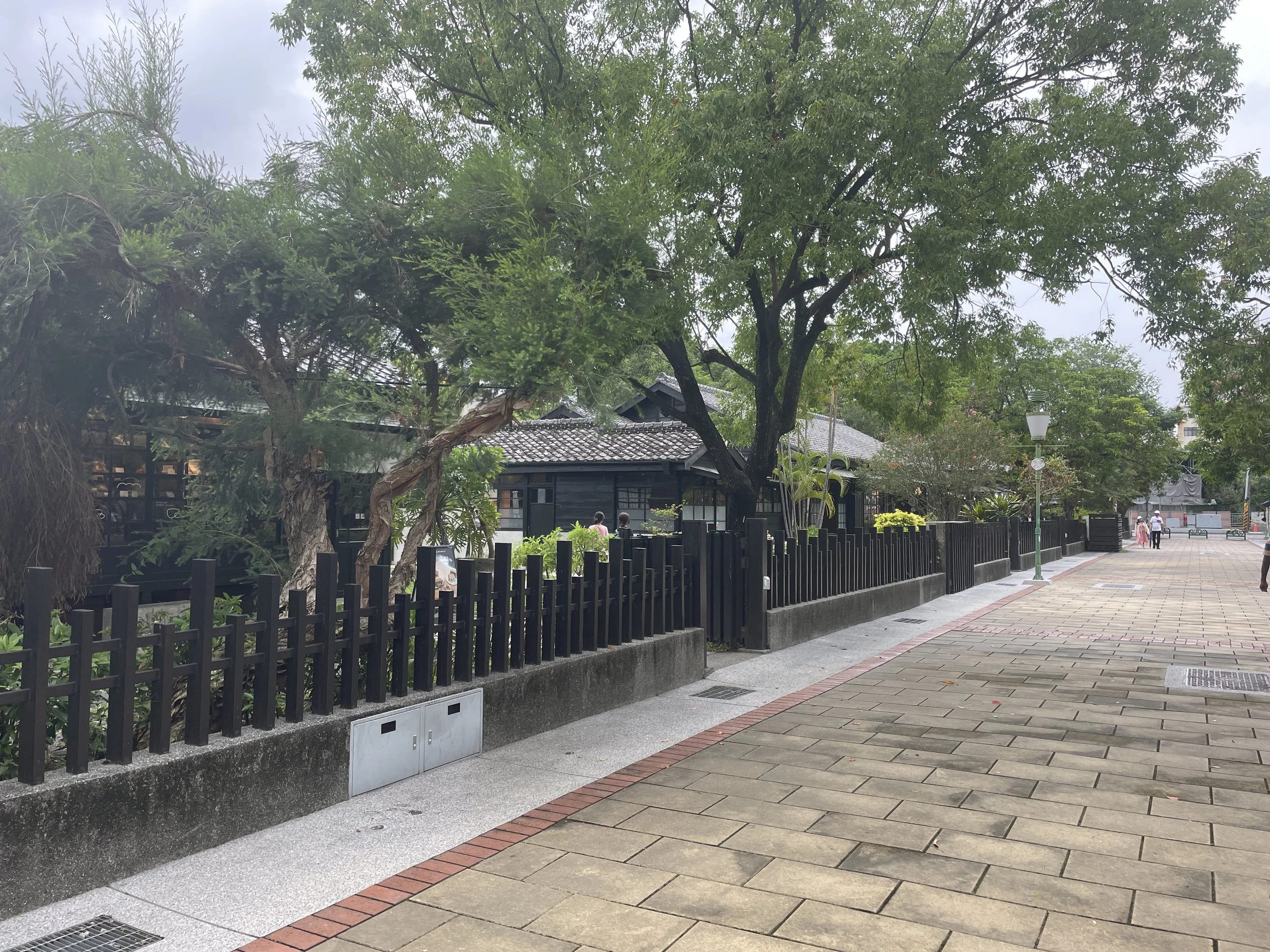
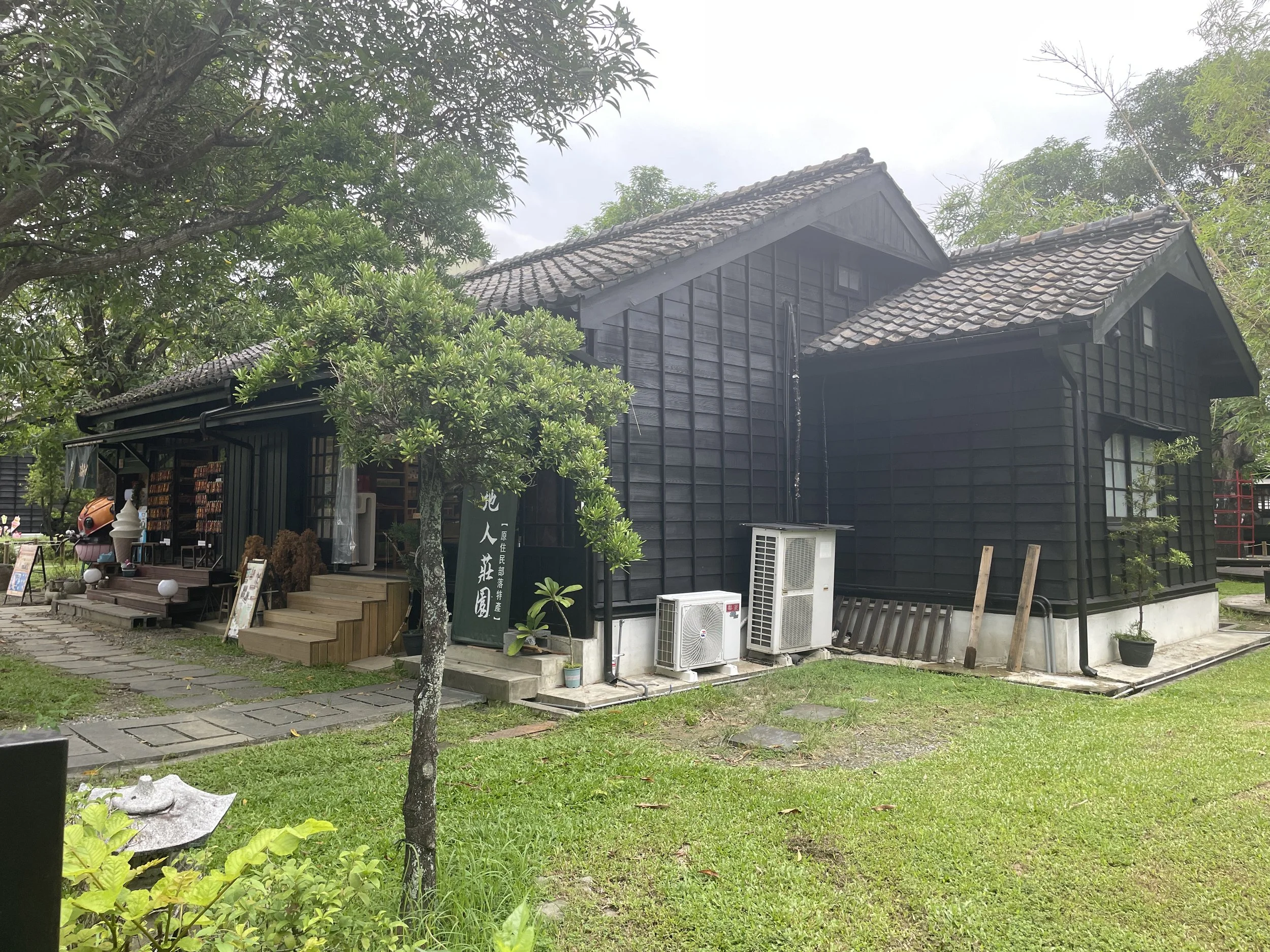
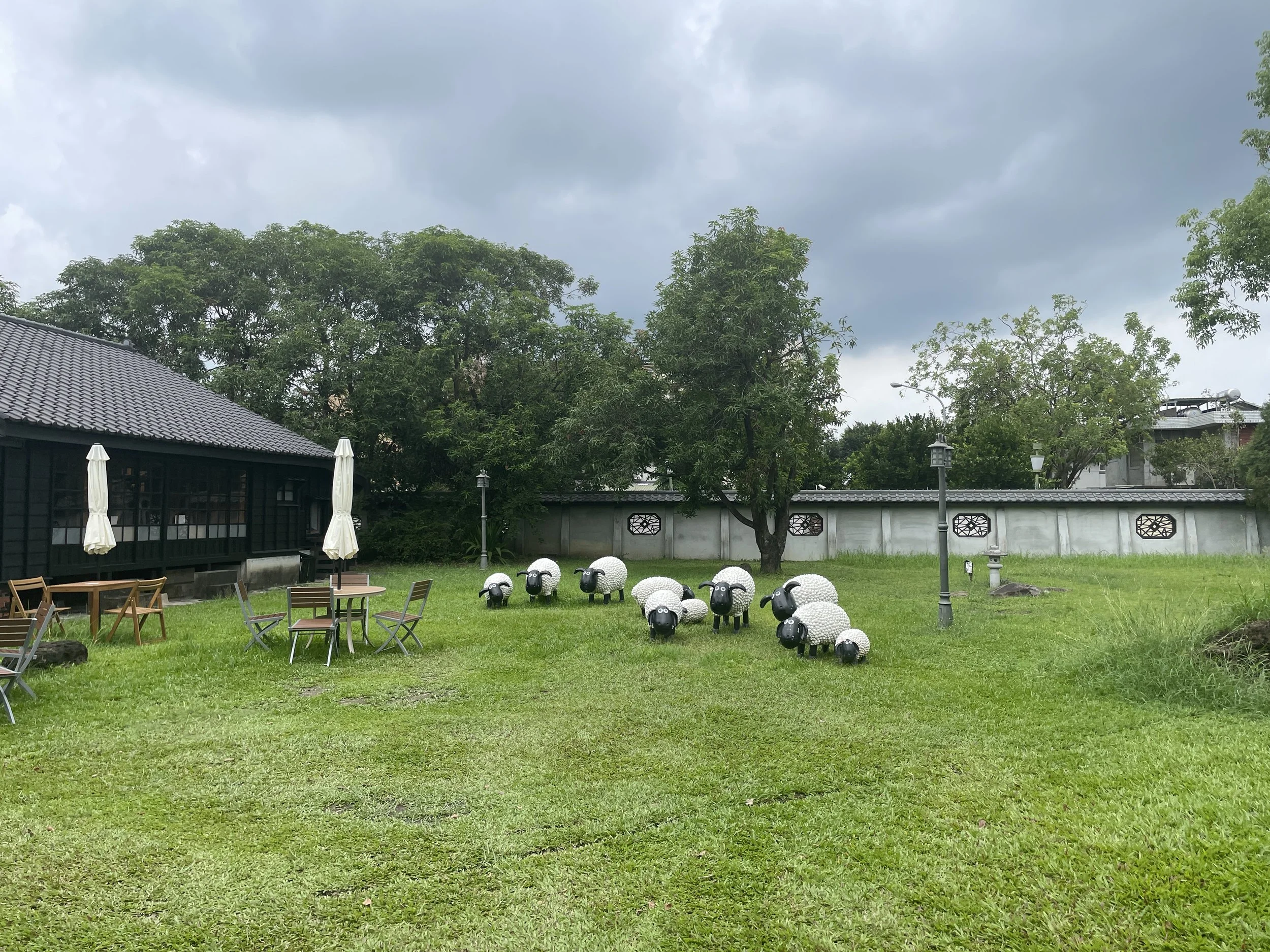
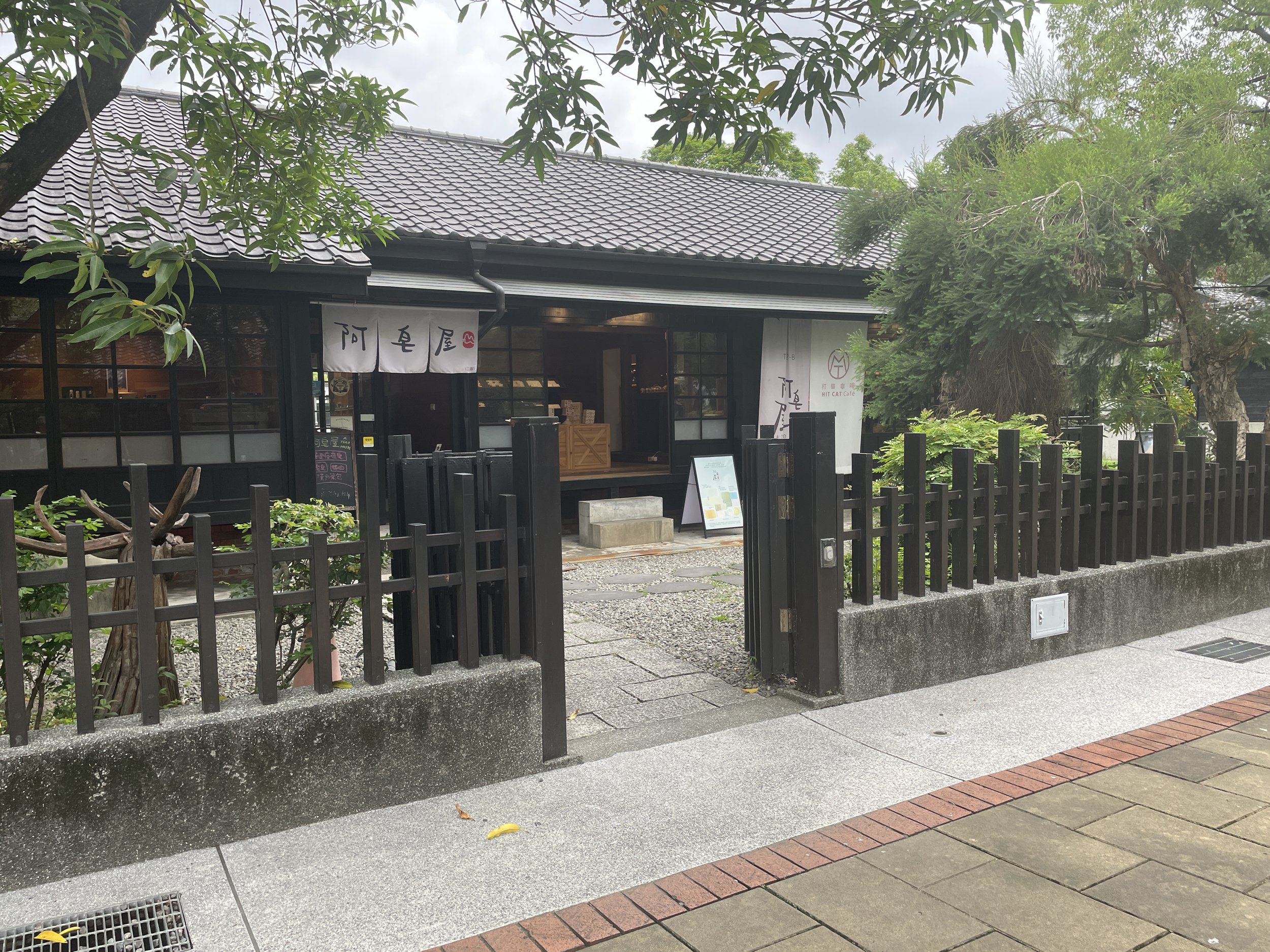
After a short stroll in the village, we returned by shuttle bus to the museum and wandered the park grounds and had coffee break in the museum cafe.
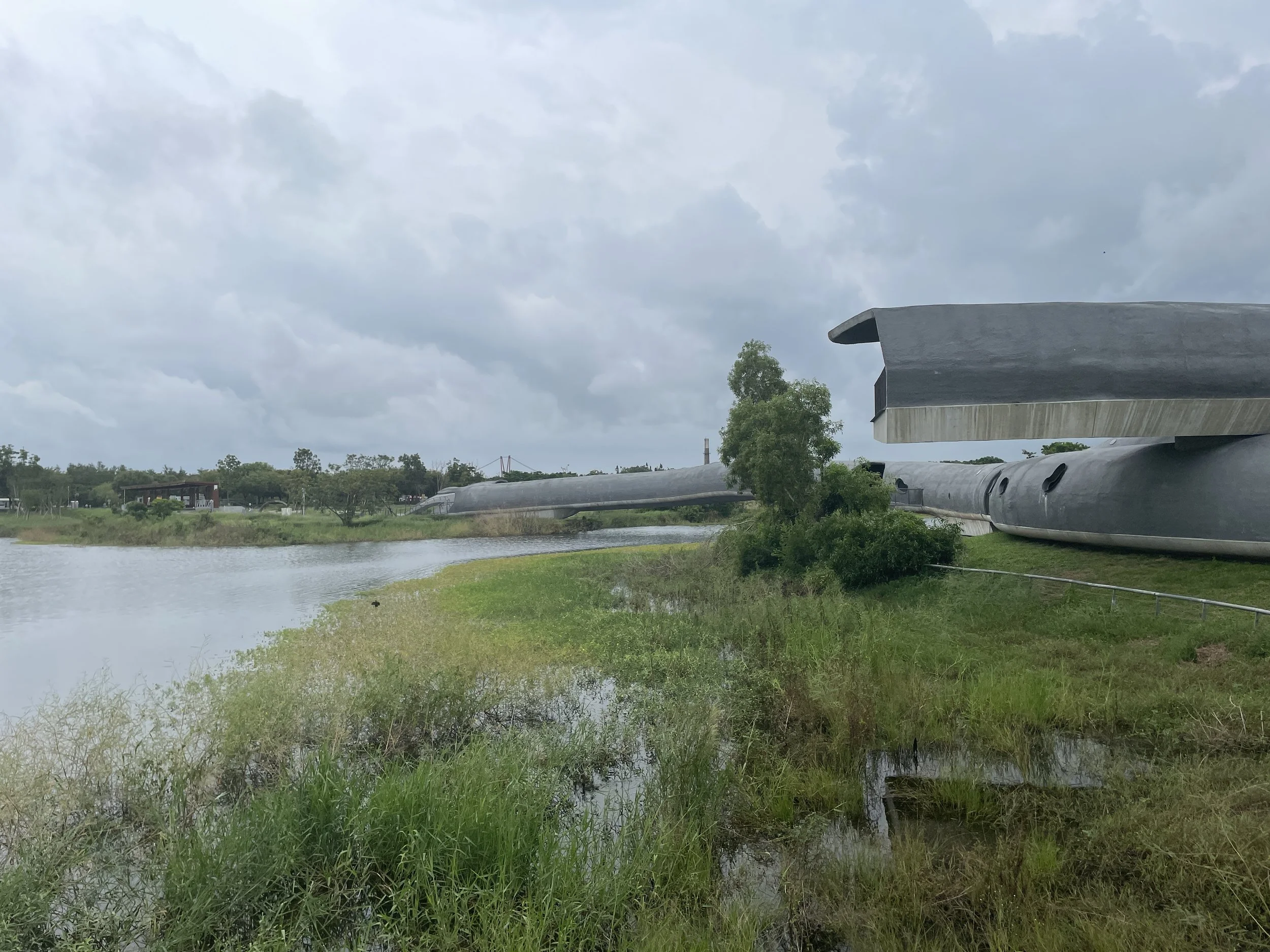
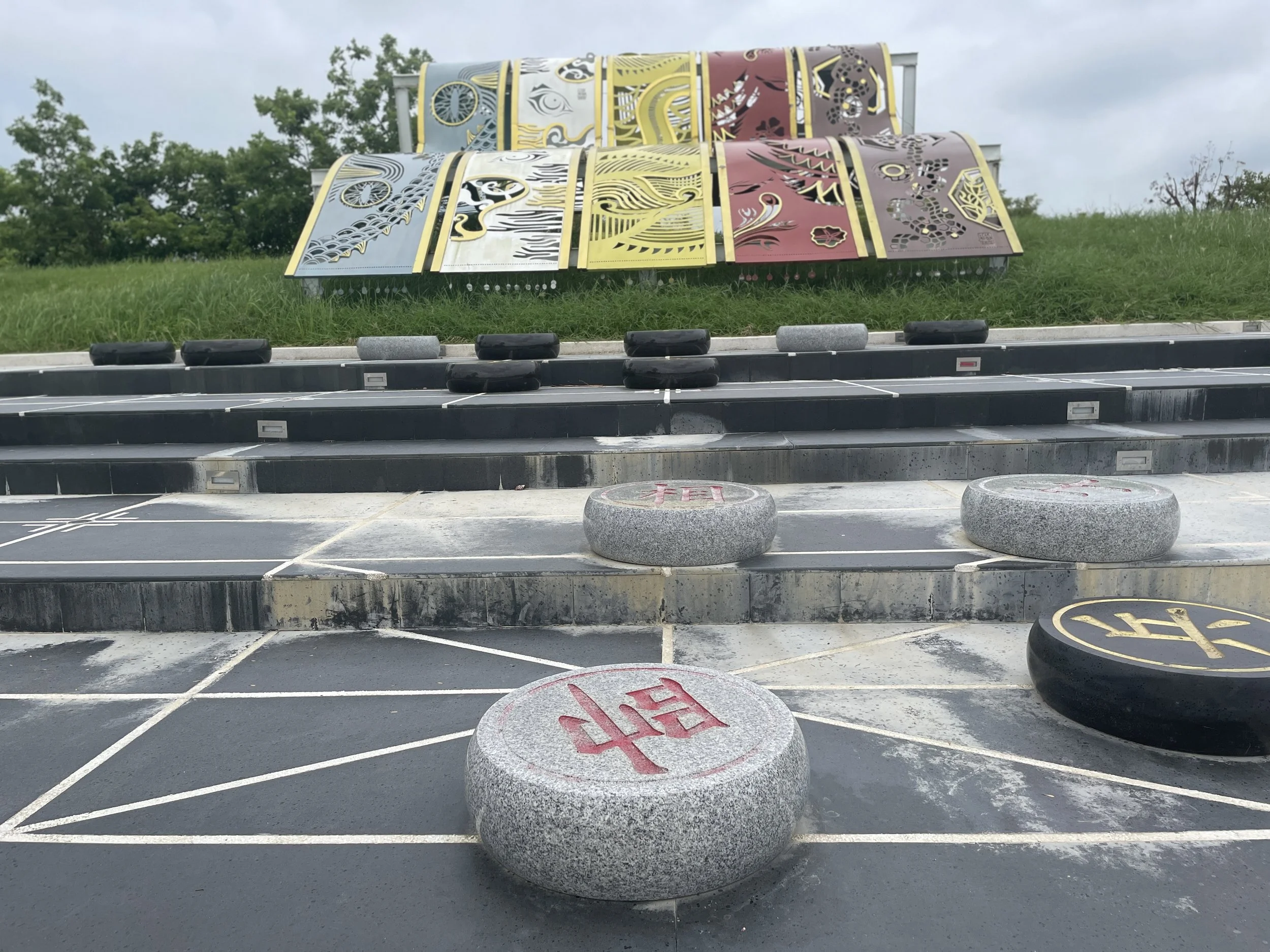
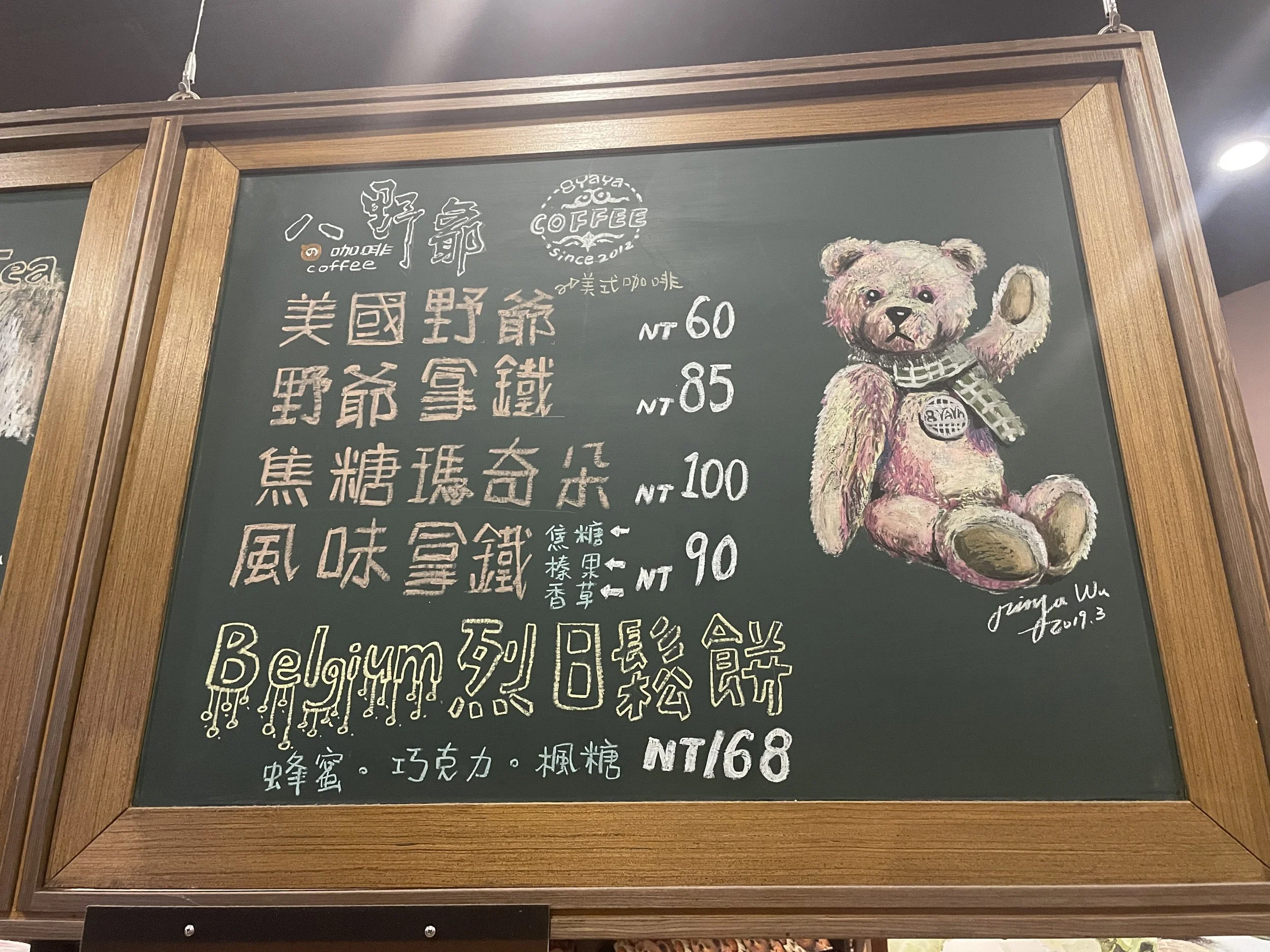
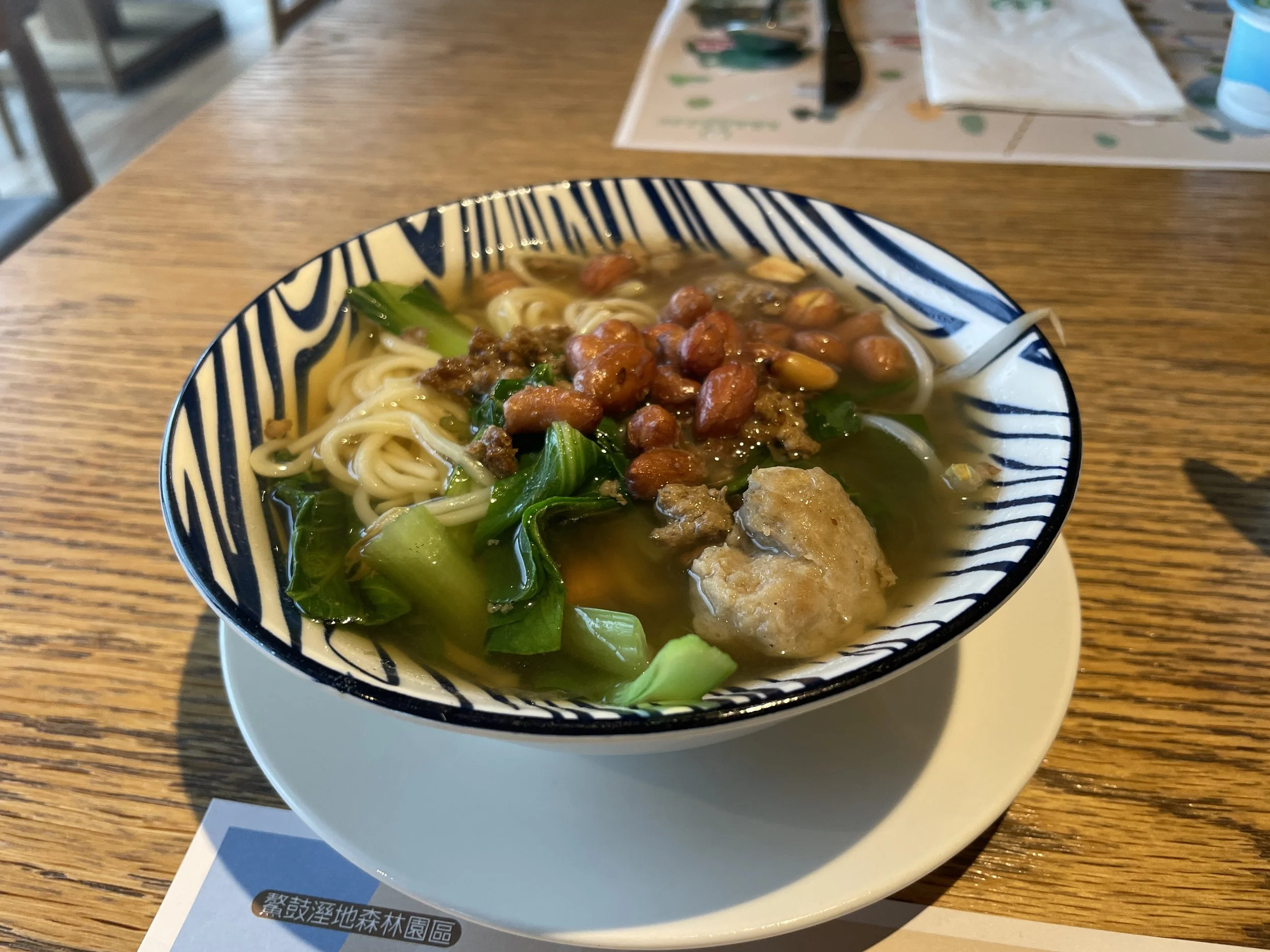
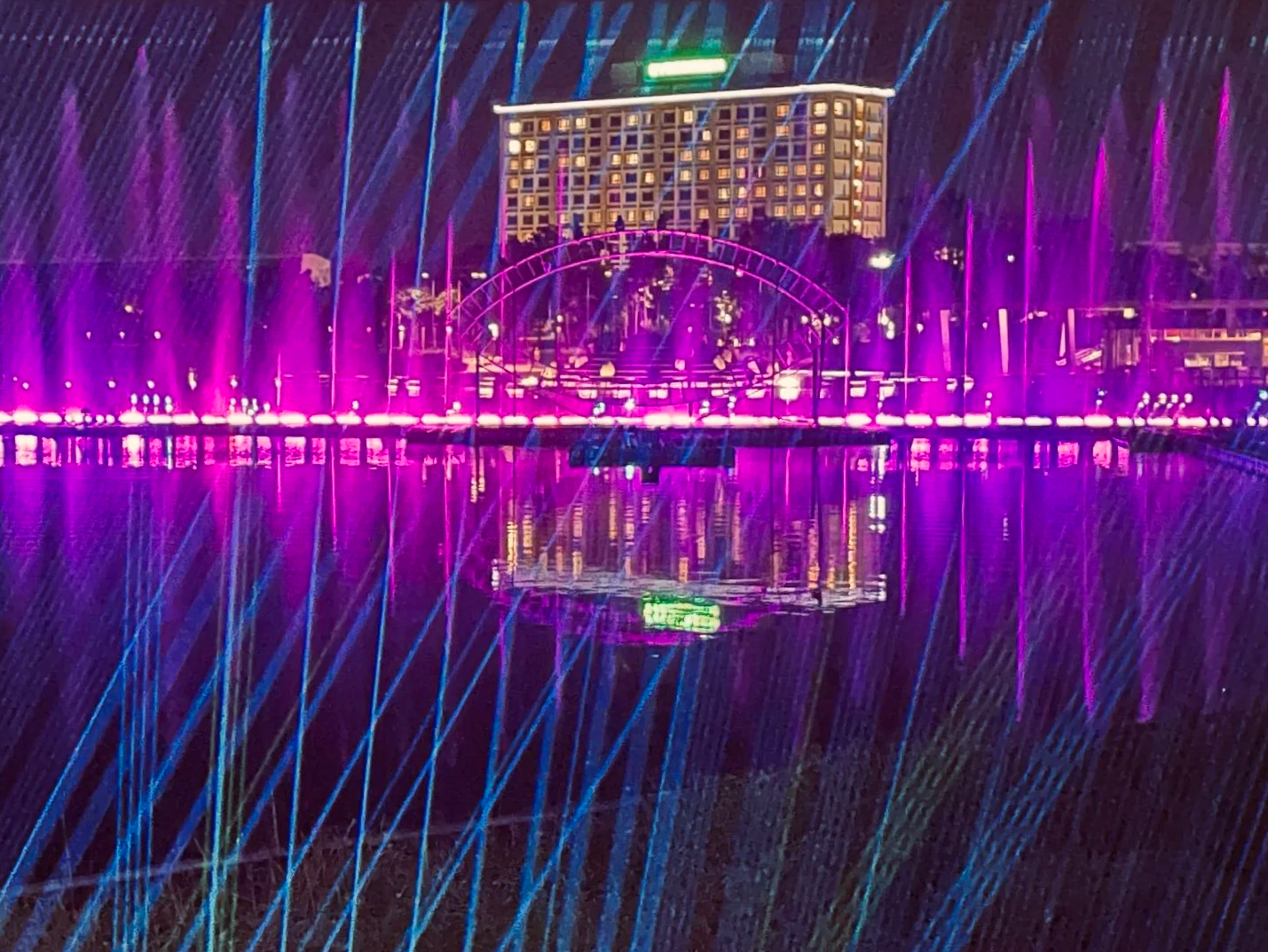
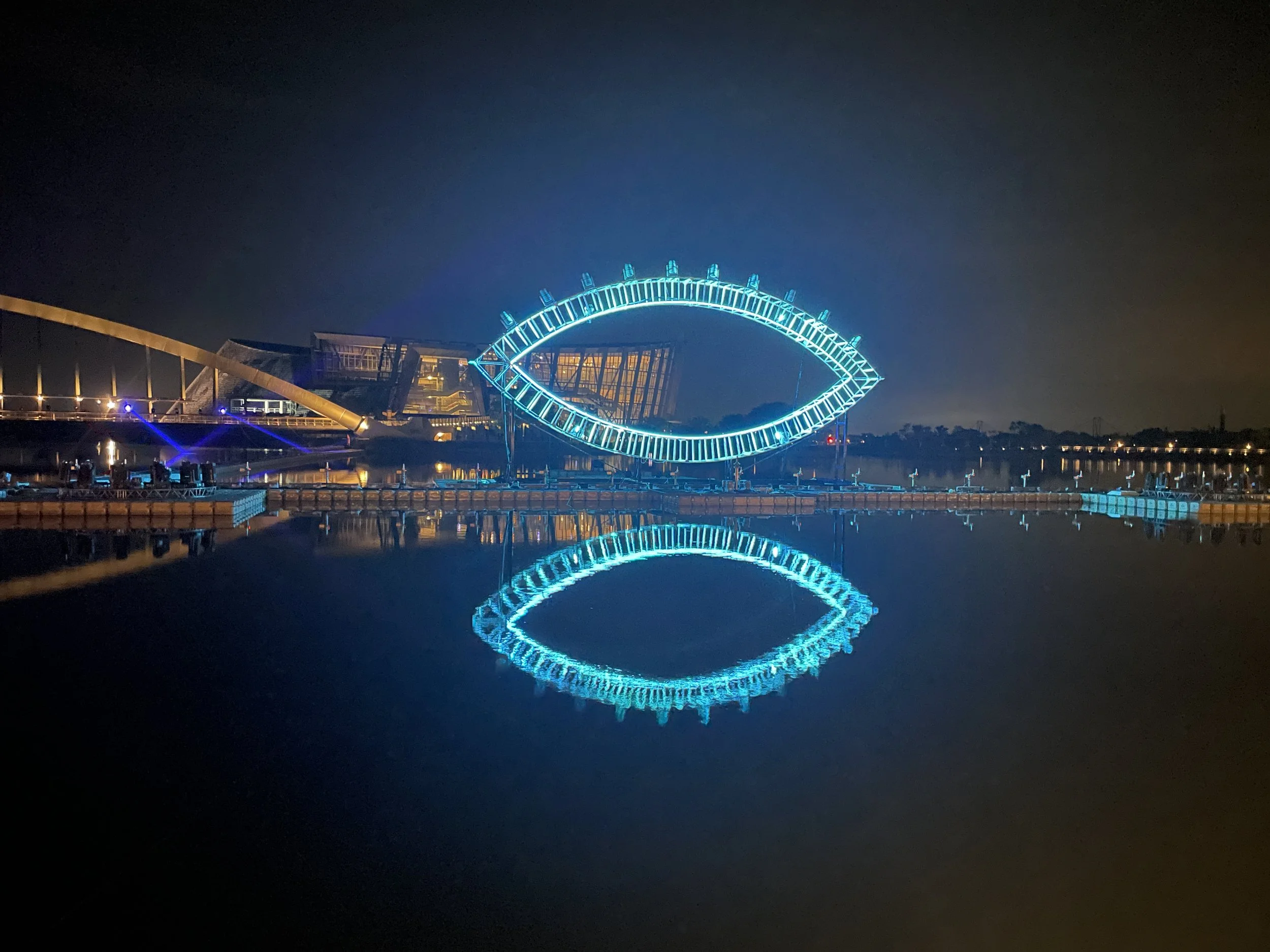
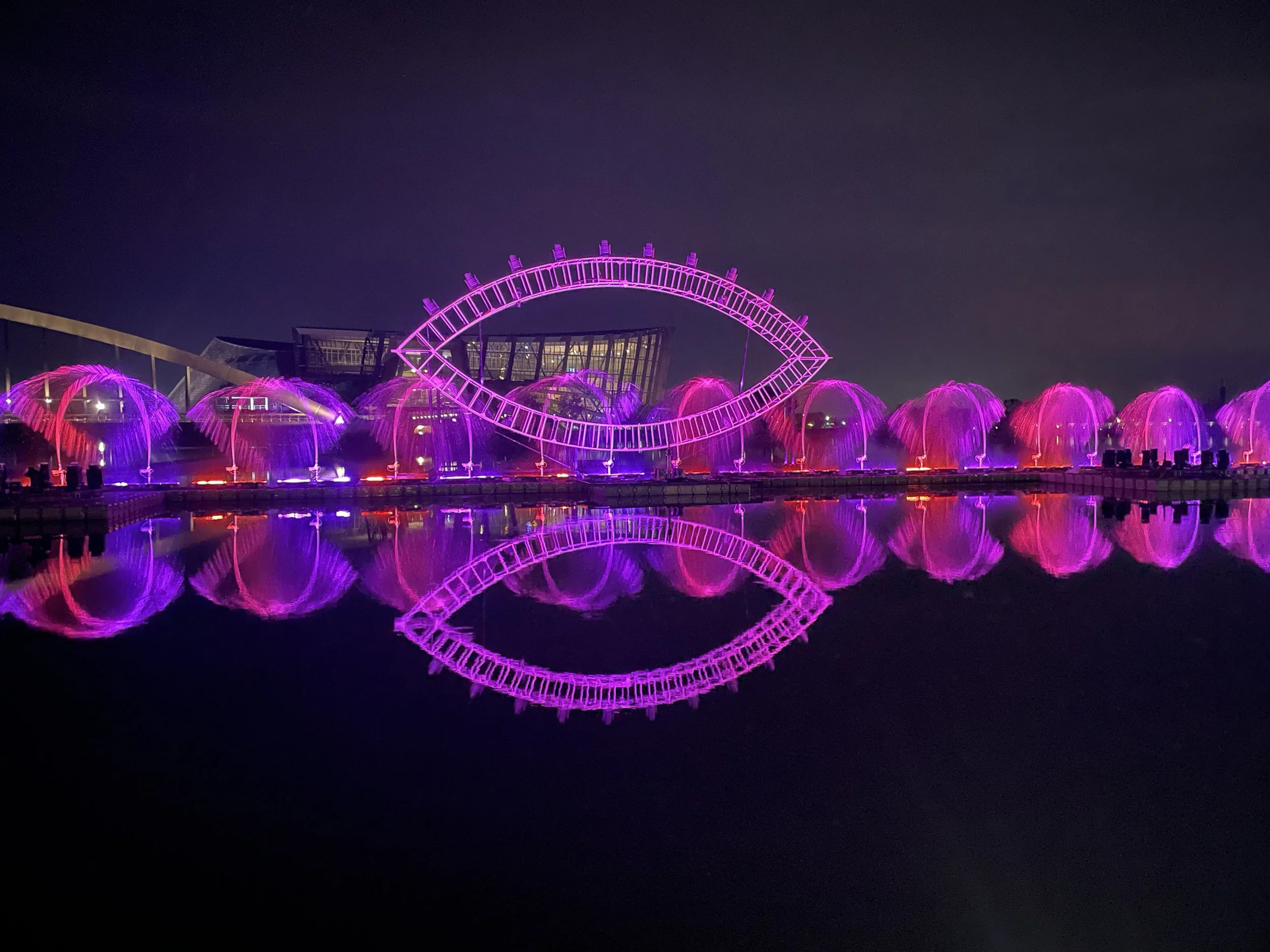
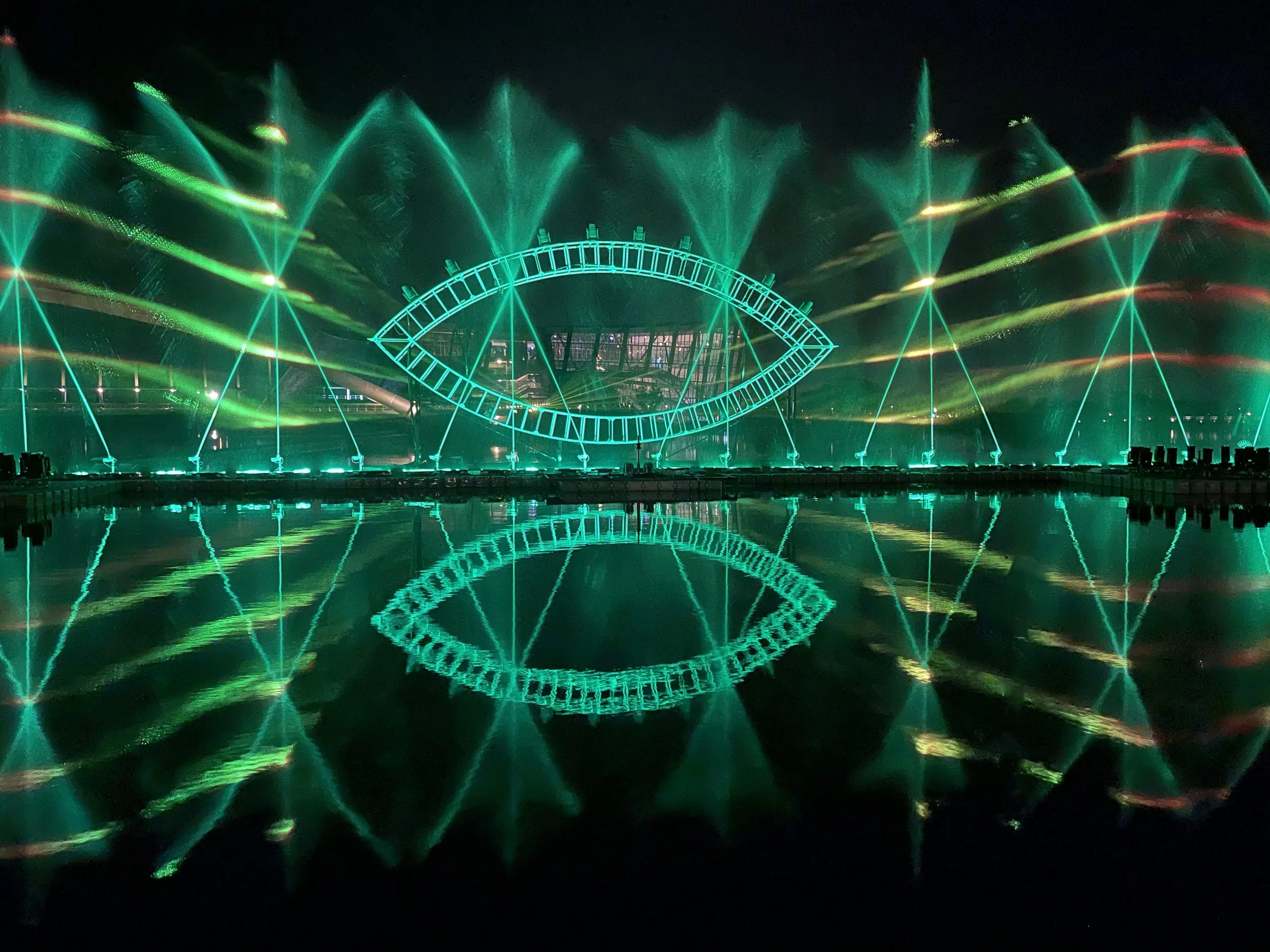
Rain began to fall, so we headed back to our hotel for a rest. Dinner was the hotel buffet, which turned out to be diverse and high quality, with sushi and sashimi among the highlights. Later in the evening, we returned to the museum park to enjoy the lighted fountain shows. With only 10–20 other visitors around, the atmosphere was peaceful, and the rotating themed performances every 15 minutes were a delightful surprise—an unexpectedly charming way to end the day.
台湾故宫南院 · 嘉义
2025年9月17-18日
刚从南美回来没几天,再次坐上达美航空(Delta)回国去看望年迈的父母。在西雅图转机时去了Delta One Lounge, 这是达美航空大概二月前新开的商务贵宾室,全美只有4家。这些年满世界跑,去过无数的贵宾室,但这次的Delta one无论是服务态度还是里面提供的餐饮都是一流的。
前往上海的途中,我们先在台湾停留几天。由于近几年已经多次造访台北,这次便跳过台北,直接搭乘高铁前往嘉义。抵达桃园机场非常顺利——落地不到 30 分钟,我们就已经搭上机场捷运前往桃园高铁站。随后转乘高铁南下到嘉义。嘉义高铁站位于太保市,距离嘉义市区的旧火车站-嘉义站约 15 公里。我们的酒店离高铁站不远,昨晚我们直接叫了 Uber 前往入住。
今天一早,我们6 点准时上线抢购阿里山森林小火车的车票。这条铁路停运了 15 年,去年才重新开通,因此车票异常抢手,尤其是我们只有一天的时间可以上山。这次来台湾前的近二周时间我们一直试图上网买票,但总也买不到。但我们发现一个规律,很多时候在行程前一天网上会出来几张票。所以今天早上5点多就做好准备,等小火车网络系统6点开始运营时二人同时抢。很幸运当我们登入时还有四张余票,赶紧入手,几分钟后便全部售罄。
在酒店吃了丰盛的早餐后,我们走到酒店对面的故宫南院参观。与台北的故宫不同,南院以现代建筑和广阔的园林为特色,不仅是文化展览的场所,也兼具休闲和社区功能。三年前我们在台北故宫时没看到著名的翠玉白菜,当时被告知是在故宫南院展出。这次原本满心期待终于能亲眼一睹,结果发现它又被外借到捷克布拉格去展览——我们再次错过了!南院馆内的展品比台北故宫要少很多,但依然令人印象深刻。只是内容浩瀚,让人难以在短时间内完全消化。
之后我们从故宫南院搭乘免费的接驳巴士前往嘉义市区。车上几乎没有其他乘客,感觉就像包车一般。在嘉义旧火车站,我们取到了明天的阿里山森林小火车的打印车票,并且买好了后天回程的巴士票。
接着我们前往当地极负盛名的鱼头餐厅——林聪明砂锅鱼头(Smartfish)。顶着闷热潮湿的天气,加上空气中难闻的下水道味道,虽然餐厅不算太远,但走过去的过程颇为难熬。餐厅不大,生意兴隆,必须拿号在店外等。好在餐厅几乎只卖鱼头汤,客人周转还比较快,我们只等了一会儿就入座。招牌砂锅鱼头味道确实不错,但油腻感稍重。嘉义的天气和环境让我们我们当下决定不再为了夜市而再回到这一带。
午餐后,我们叫了 Uber 前往桧意森活村。这里保存了一批日治时期的木造建筑,如今被改造成各式小商店。虽然建筑维护得很好,装饰精美,但以商业为主的氛围并不特别吸引我们,所以只停留片刻便离开。随后再次搭乘接驳巴士回到故宫南院,在园区里散步,享受清幽环境,并且在南院里的小咖啡馆享用了咖啡和冰淇淋。
天色渐暗且开始下雨,我们便回酒店休息。晚餐选择了酒店自助餐,种类丰富,品质也很高,寿司和生鱼片尤为出色。饭后,我们再次走到故宫南院,欣赏夜间的灯光水舞表演。喷泉每 15 分钟一场,主题各异,现场只有十几位游客,氛围宁静而舒适。绕着湖走一圈,遍走遍看灯光表演,不同的角度有着不同的感受,很精彩。

Keelung Port 基隆港
Oct. 30, 2023
Last evening aboard the ship, we had the pleasure of attending the final concert featuring Mary-Jess,……
昨晚在船上的最后一次音乐会我们再一次享受来自英国的女高音歌手(Mary-Jess)的演唱。。。
Oct. 30, 2023: Last evening aboard the ship, we had the pleasure of attending the final concert featuring Mary-Jess, a soprano from the United Kingdom. This marked our third time witnessing her performance during the voyage, each time left enchanted by her melodious voice. Mary-Jess, an alumna of Nanjing University and a winner of the Chinese X-Factor, is fluent in Mandarin, which she skillfully incorporates into her performances by speaking a few phrases in Chinese and singing a Chinese song. The cruise director, a French national raised in Chile and now residing in Taiwan, is also proficient in Mandarin, as is the ship's general manager, who hails from China. The ship boasted a considerable number of Chinese-speaking guests.
Upon the ship's arrival at Keelung Harbor this morning, we savored our final breakfast. Over the span of 27 days, our mornings were consistently greeted with a freshly prepared omelet, a croissant, and a cup of coffee - a simple yet fulfilling routine, with the extensive buffet offerings failing to tempt our appetites further. Post-breakfast, we disembarked and proceeded to take a train to Taipei Railway Station, followed by a transfer to the airport express line leading to Taoyuan Airport, experiencing firsthand the efficiency of Taiwan's public transport system.


Arriving slightly ahead of schedule at the airport, we were momentarily stalled by airline’s early check-in restrictions, leading us to settle for a less-than-satisfactory bowl of wonton noodles at an airport eatery. Post check-in and customs clearance, we made our way to the airport lounge to await our flight, indulging in a second lunch accompanied by beer and coffee.
Our arrival at Shanghai Pudong Airport was clocked at 5:30 PM. In stark contrast to our experience six months prior, the airport was notably busier, with increased customs booths dedicated to international travelers. What was once a swift five-minute customs clearance had now extended to a forty-five-minute queue, inadvertently prolonging our daughter's wait to over an hour.
This journey back home was quite unique, taking twenty-seven days of sailing across oceans to reach our hometown. It might have been the extended period at sea during the initial part of the voyage, or possibly the daily outings and enjoyment when we docked in the second half, or maybe just the anticipation of homecoming, but towards the end, we found ourselves a bit weary and unfocused. Upon reaching home, the joy of reuniting with our family was immense, and having daughter by our side made it even more special.
十月三十日:昨晚在船上的最后一次音乐会我们再一次享受来自英国的女高音歌手(Mary-Jess)的演唱。我们在船上已看了她三次表演,唱得真好听。她曾留学于南京大学,获得过中国X-factor 冠军,能说一口流利的中国话,所以每次表演都会说上几句中文,唱一首中文歌。这游轮上的巡航总监是智利长大的法国人,现住在台湾,也能说中国话,而船上的总经理来自中国,船上能说中国话的游客也不少。
今天早晨船到了基隆港后,我们先去吃上最后一顿早餐。二十七天在船上,几乎每天早上一个现做的用蛋白煎的蛋卷,一个小羊角面包和一杯咖啡是必须的,简简单单,而其它数不尽的自助餐食品对我们来说一点没食欲。早餐后我们就下船坐火车去台北火车站,再换去机场专线到达桃园机场。台湾的公共交通还是非常方便的。
到机场有点早,中国民航不让我们办理登机手续,只好在机场内的餐厅先吃上一碗馄饨面,不怎么样。等办完登机手续,过海关,来到机场休息室候机,又吃上第二顿午餐,再来点啤酒,咖啡下午五点半到达上海浦东机场。与六月前相比,这次的浦东机场人多了不少,光是为外国人就开了十几个海关窗口。我们六个月前五分钟就搞定的过海关这次竟然排了四十五分钟的队才出关,白白让女儿等了一个多小时。
这次回家行程算是有点特殊,经过二十七天漂洋过海才回到家乡。也许是上半航程中太多天的海上行,也许是下半航程里每天靠岸下船游玩,也许是回家心切,到了最后几天我们觉得有点累,已心不在焉。
到家了,很高兴再次与家人团聚,而且还有女儿陪伴。

Hualien Port 花莲港
Oct. 29, 2023
Our ship arrived at Hualien Port,……
花莲港离上一站日本的平良港不远,早上六点船就靠岸了。。。
Oct. 29, 2023: Our ship arrived at Hualien Port, not far from our previous stop at Hirara Port in Japan. Our Taiwanese compatriots greeted us warmly, sang, and danced on the dock as we disembarked at six in the morning.


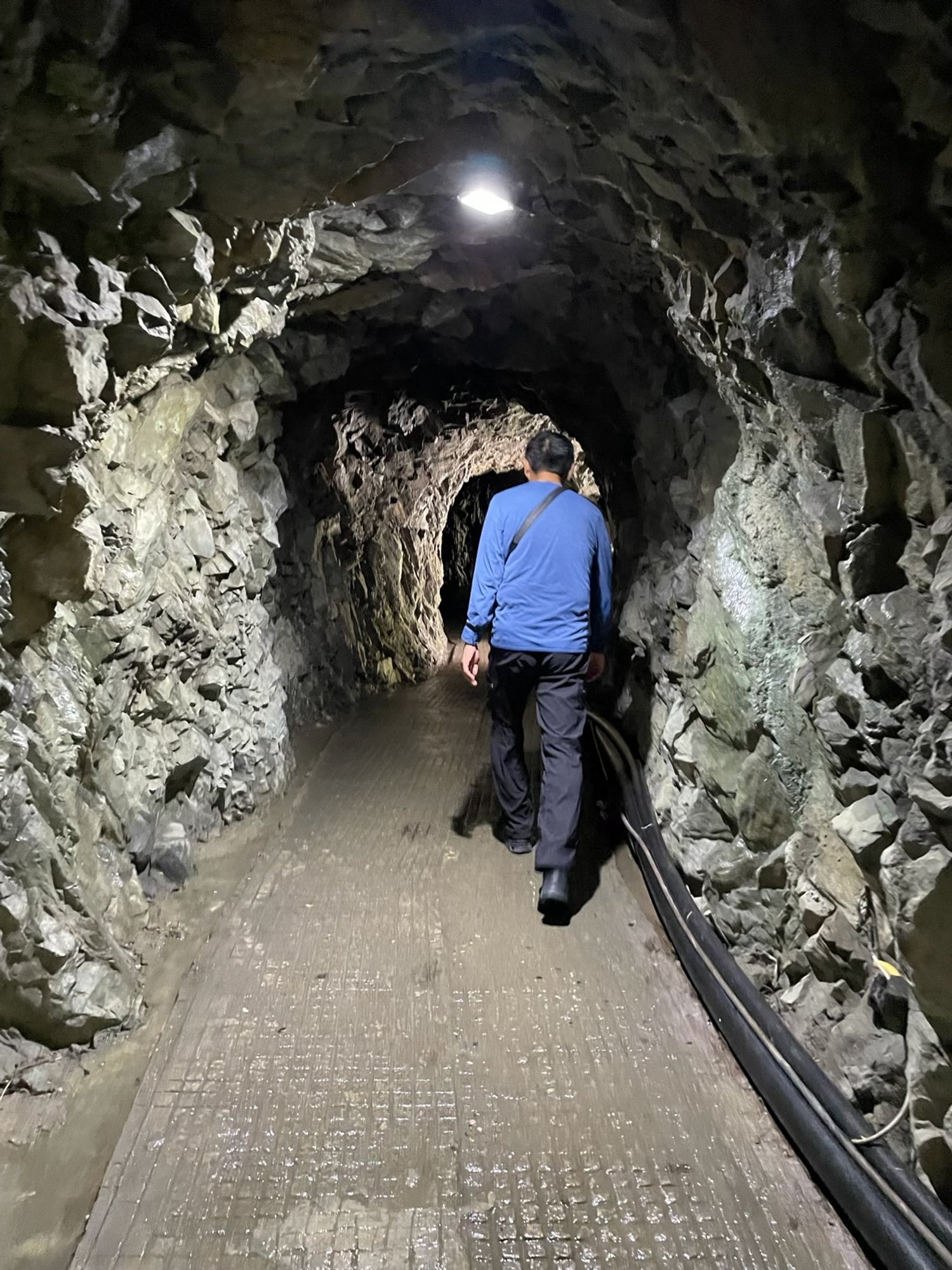
Our day was filled with excitement as we embarked on the shore excursion organized by the cruise during this trip: a visit to Taroko National Park. Our first stop was to capture a photo in front of the sign marking the Central Cross-Island Highway. Then, we went on a 3-kilometer hike along the breathtaking Shakadang Trail, winding beside a river valley carved by a crystal-clear stream flanked by imposing cliffs and magnificent scenery.


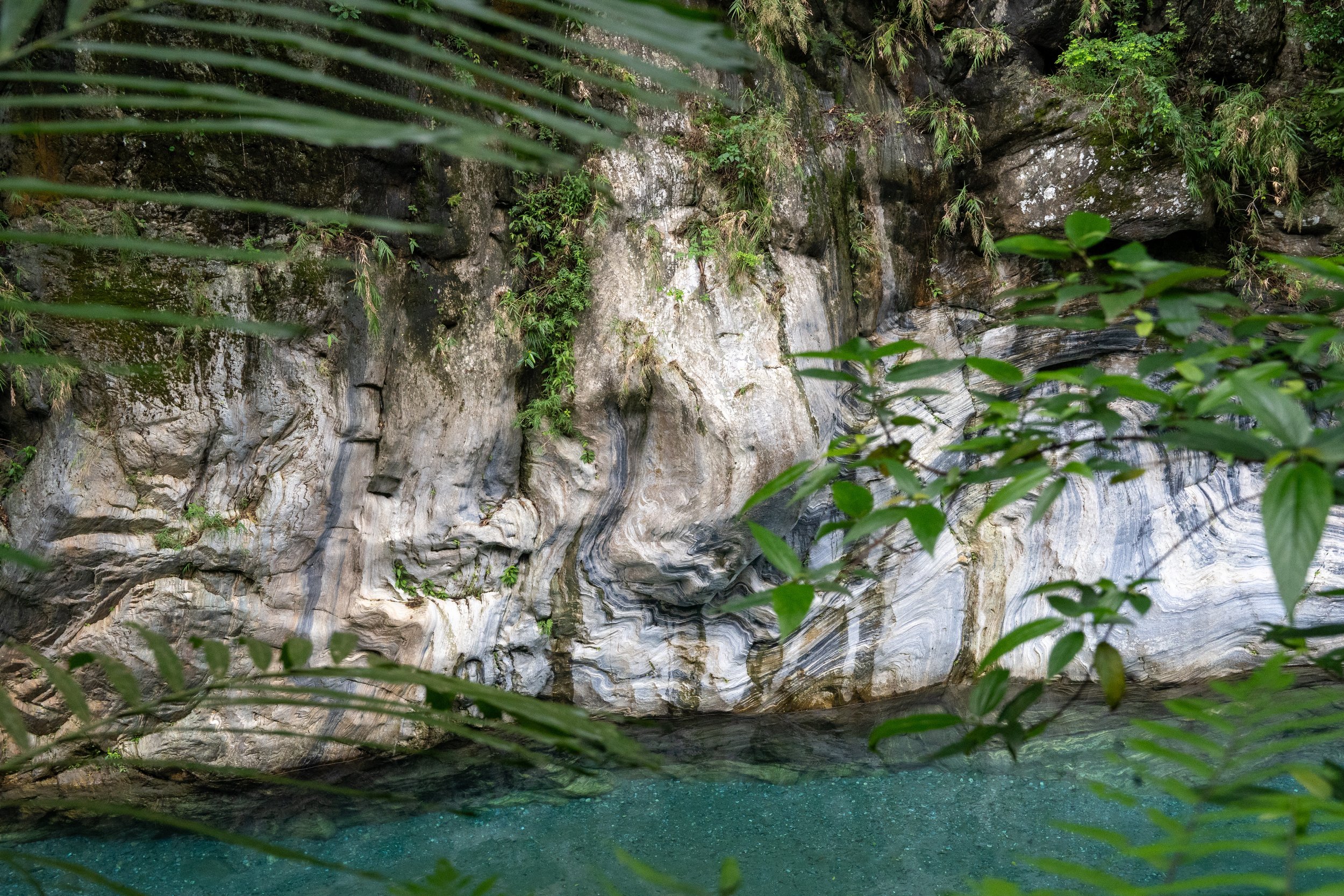


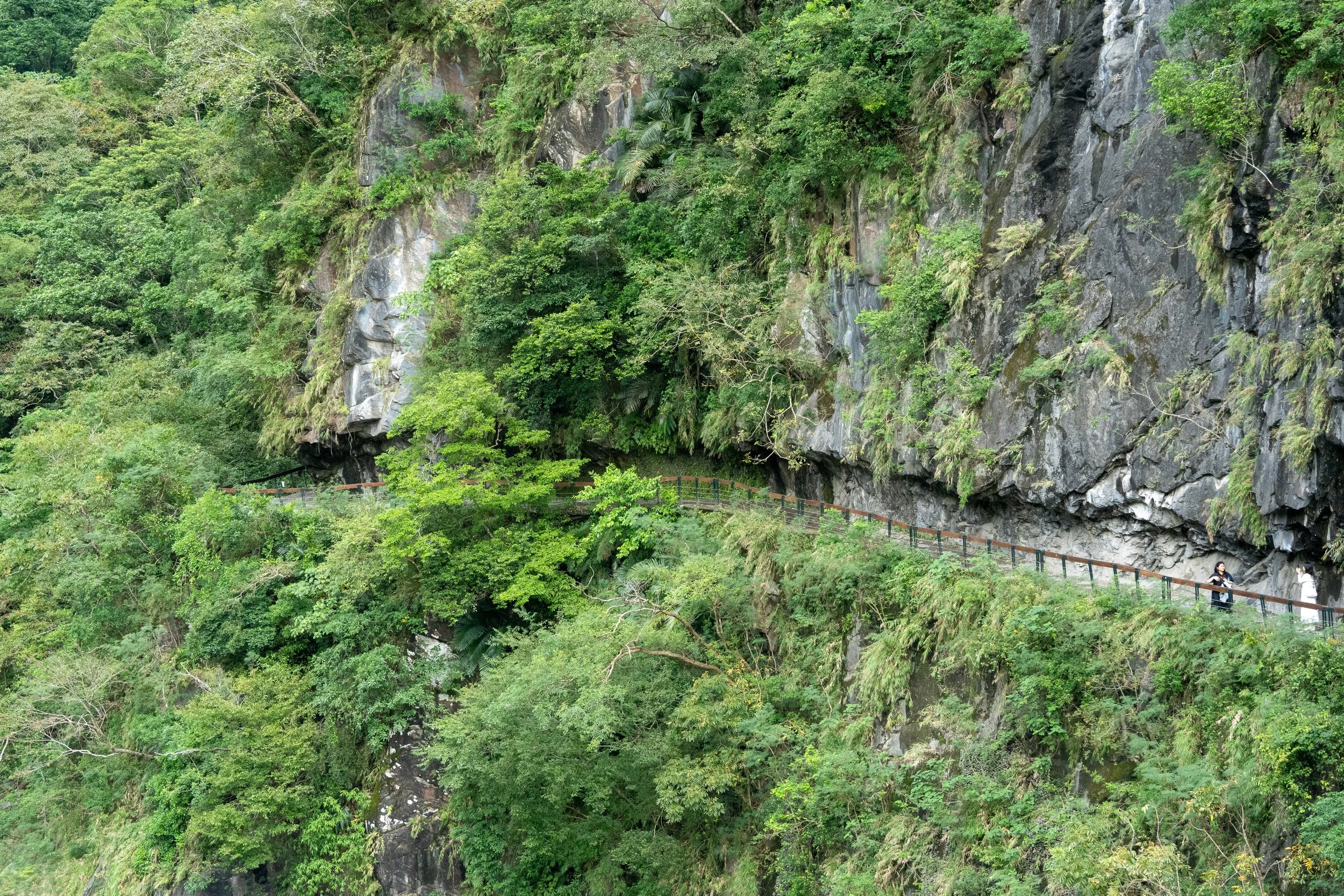


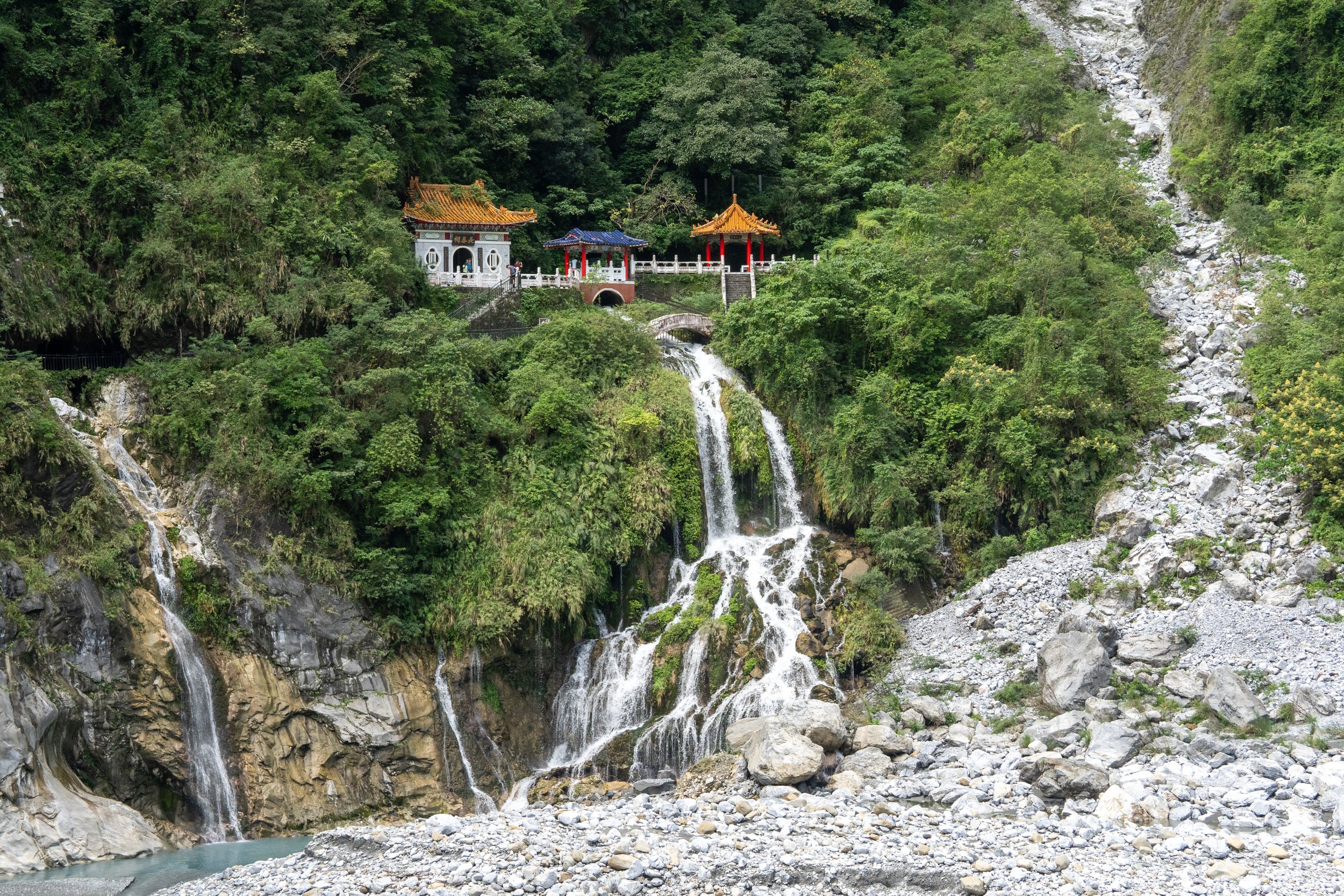
Our journey continued with a visit to Changchun Shrine, a solemn monument dedicated to the workers who lost their lives while constructing tunnels and trails. However, our enthusiasm waned slightly when we reached the park's visitor center, which offered little to see and lacked any refreshment options. This unexpected downtime cost us fifty precious minutes of exploration.
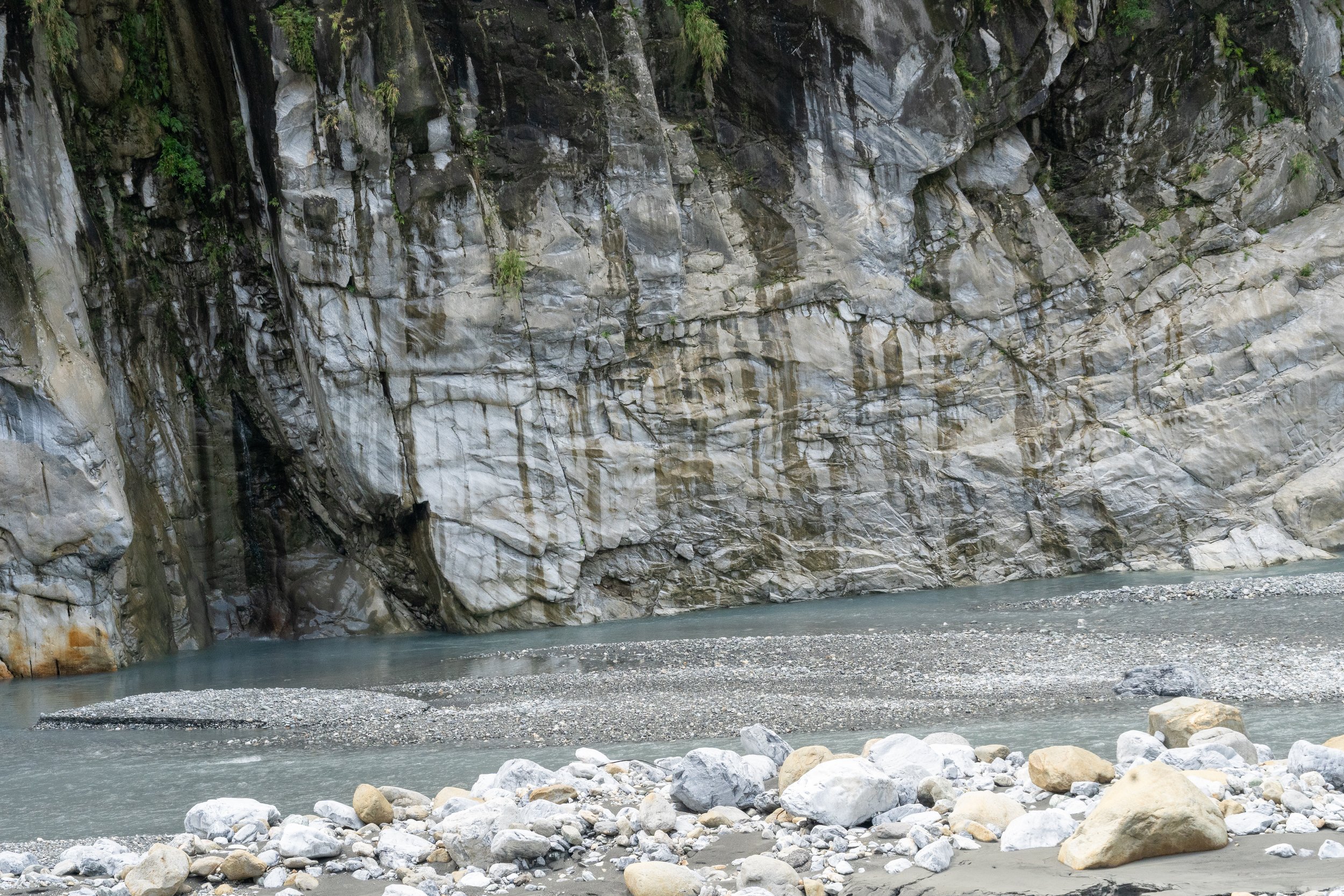


But our spirits were soon lifted when our guide suggested a visit to Qi Xing Tan, an additional attraction. Here, we indulged in the delectable delights offered by street vendors, including small sausage wrapped with rice, scallion pancakes, and grilled squid. The flavors were simply divine, especially after our adventurous day left us famished.


As our nearly four-week cruise journey draws to a close, we anticipate our arrival at Keelung Port tomorrow. It's a bittersweet moment as we bid farewell to our voyage and eagerly anticipate returning home.
十月二十九日:花莲港离上一站日本的平良港不远,早上六点船就靠岸了。台湾同胞也很热情,在码头上唱歌跳舞欢迎我们。
今天我们参加游轮组织的岸上游,去了太鲁阁国家公园,也是这次游轮中我们唯一一次参加游轮组织的岸上游。先在东西横贯公路门牌前照个相,然后就去溪谷边的砂卡当步道徒步3公里,狭谷被清澈的溪流切割而成,岩壁陡峭,景色壮观。
接着来到长春祠,那是为纪念修建隧道和步道而牺牲的劳工们而建造的。参观完长春祠后,导游就把我们放在公园游客中心。中心实在沒什么可看,并且居然没任何吃的地方,更别说喝咖啡和吃甜点了,白白浪费了五十分钟。回到大巴,导游说带我们去七星潭,算是外加的景点。在那里,从街头小贩那里要了大肠包小肠,葱油饼和烤鱿鱼, 那味道太棒了,饿晕了的时候真是什么都好吃。
明天就要下船了,近四个星期的游轮行也将在基隆港结束,终于可以回家了。

Taipei 台北
April 26-29, 2023
Today we embarked on a flight from Seoul to Taipei……
今天从首尔飞去台北。。。
April 26: It's been nearly a month since we set foot in South Korea on April 1, and today we embarked on a flight from Seoul to Taipei. After checking out of our hotel in the morning, we arrived at the airport with plenty of time to spare. Before proceeding to the gate, we enjoyed noodles and steamed dumplings at the airport restaurant. While contemplating how to make the most of our time, we suddenly remembered having access to the Priority Lounge. The lounge offered plenty of food and drinks. Since we just ate, we decided to skip all the delicious food items and take a break in the lounge with just a cup of coffee. Hours later, we finally indulged in some light snacks before departing. We came to the gate, and when we lined up for boarding, we encountered an unexpected obstacle – we were asked if we had tickets to leave Taiwan. Our initial plan was to purchase tickets to Shanghai after arriving in Taipei, but we were not allowed to board the flight without tickets. Consequently, we had no choice but to purchase two tickets from Taipei to Shanghai on the spot, at the gate, then proceed with boarding.


Upon arriving at Taoyuan Airport in Taipei, we took the airport metro to the city center, which was fast and convenient. After getting off at Taipei Station, we took a taxi to our hotel, the Taipei Garden Hotel. Though the flight from Seoul to Taipei was only a little over two hours, the journey from leaving the hotel in Seoul to checking into the hotel in Taipei took almost twelve hours.
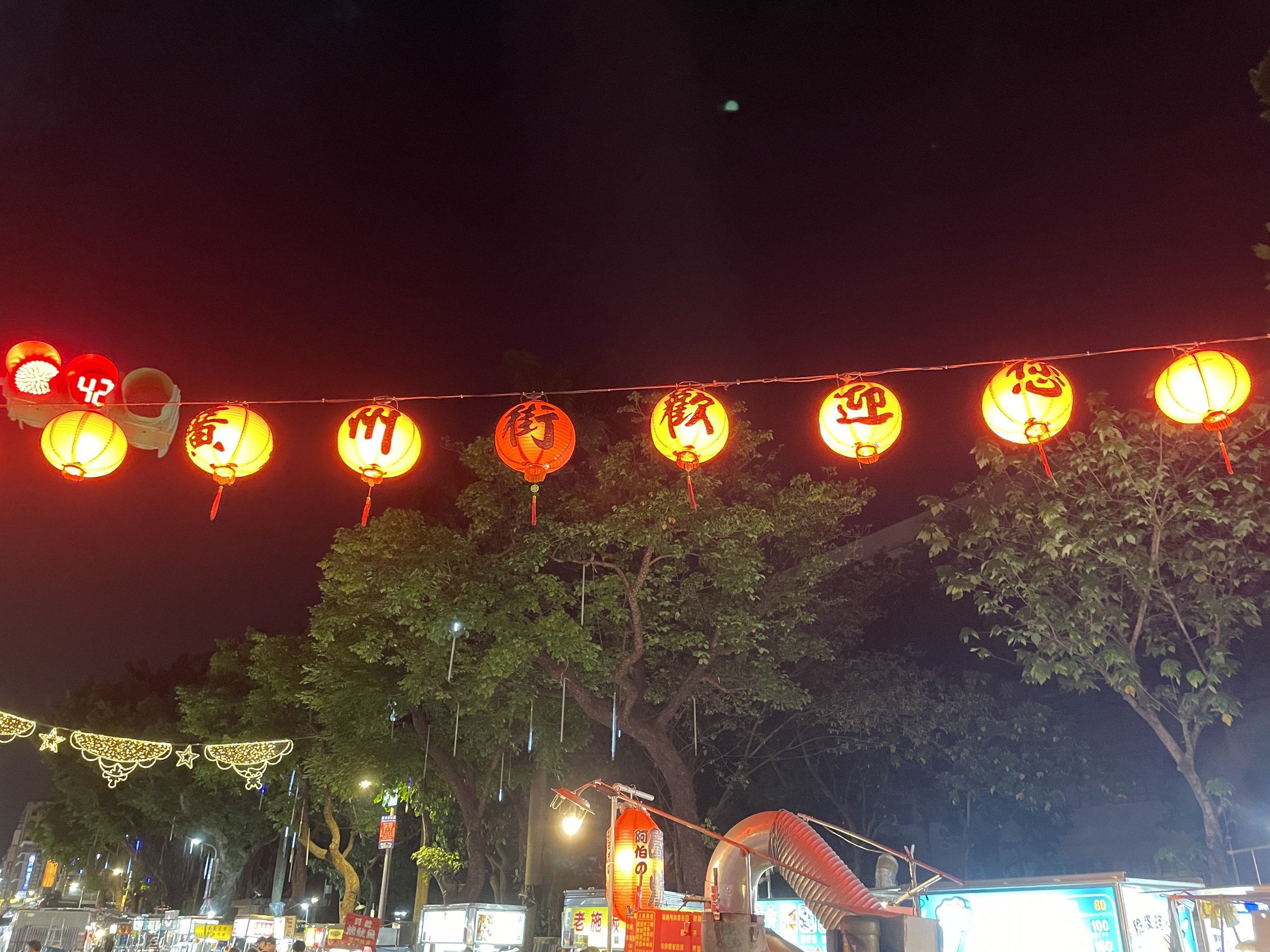
Since we didn't eat anything on the plane, after a short rest at the hotel, we quickly went out to the nearby Taipei Huaxi Night Market, also known as Longshan Temple Night Market, one of Taipei's most famous night markets. It's located near Longshan Temple and is a popular spot for tourists and locals. This night market is renowned for its long history and abundant variety of delicious food. The atmosphere was lively, brimming with unique Taiwanese culture and flavors. Huaxi Night Market has many authentic Taiwanese delicacies, including snacks, barbecues, seafood, fried chicken cutlets, tofu pudding, and pastries. We noticed a long queue outside Yuanfang Guabao, a shop that claimed to be listed in the Michelin Guide. We joined the crowd and waited in line to try their guabao, a traditional Taiwanese dish called "pork belly bun." It consists of a tender pork belly, crushed peanuts, and pickled vegetables sandwiched in a soft and chewy bun—a truly rich and delicious flavor. We couldn't resist trying stinky tofu, a beloved Taiwanese delicacy. The distinct aroma permeated the air as we wandered through the night market. While the taste was enjoyable, it didn't match the flavors we fondly remembered from childhood. We then headed to the seafood area, where various stalls displayed an assortment of seafood and vegetables cooked right on the spot. We chose a relatively clean stall that offered pea shoots and clams, which we ordered. It had been a long time since we had such delicious garlic pea shoots and stir-fried clams.


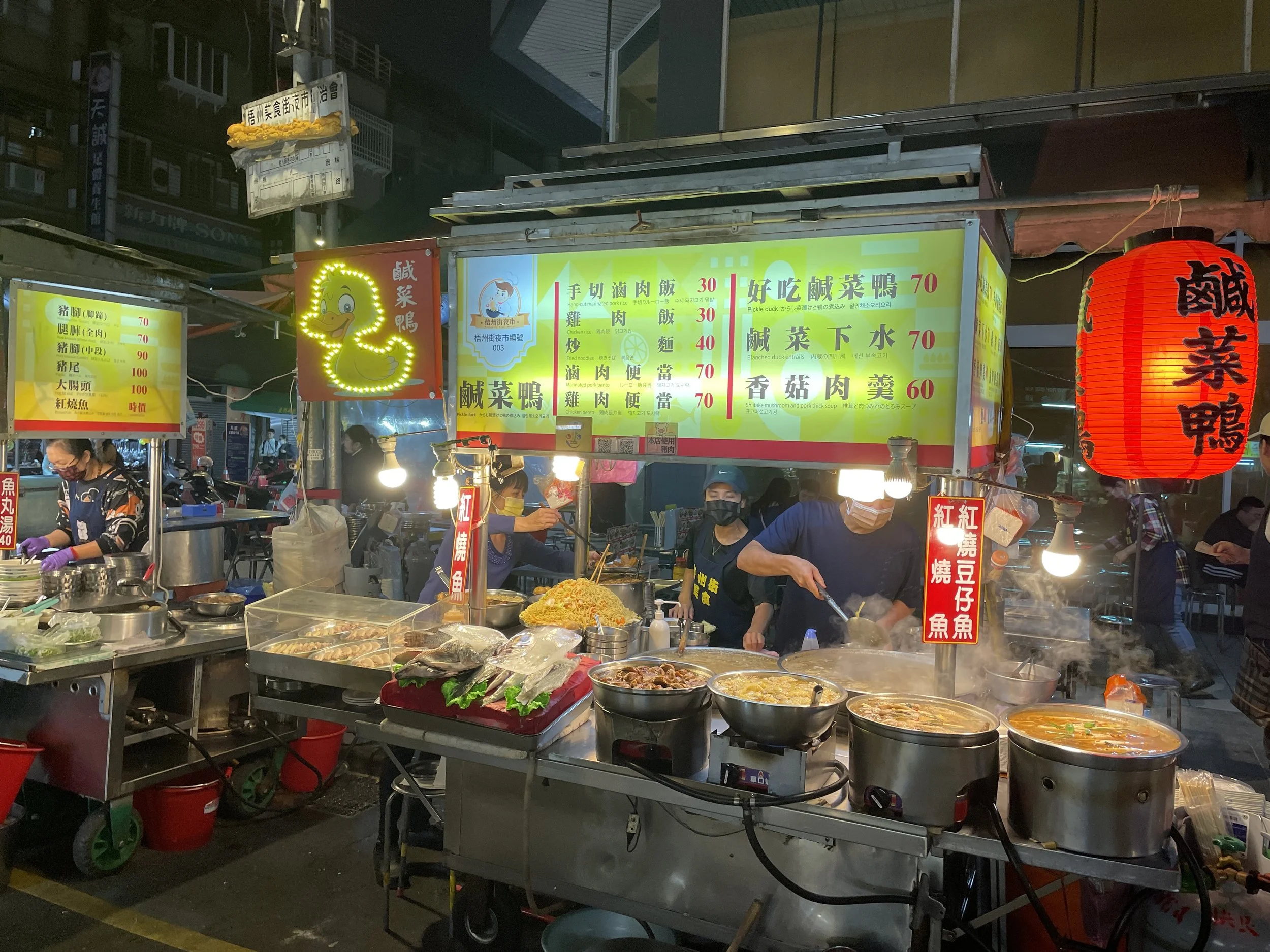


April 27: We woke up early and craved salty soy milk and fried dough sticks, our favorite Chinese breakfast. We selected a nearby breakfast shop based on online reviews. The shop was small and old, but the salty soy milk and fried dough sticks were decent. After breakfast, we called a taxi and went to the National Palace Museum. The museum houses a vast collection of precious Chinese cultural artifacts, including paintings, porcelain, jade, and calligraphy, all brought to Taiwan by the Kuomintang. Many valuable items were on display, and we simply enjoyed the spectacle since we were not experts. It was a pity that the most popular Jadeite Cabbage was on exhibit in Tainan, but the Meat-shaped Stone, a jade carving resembling braised pork belly, was still there.


We had our lunch at the museum's restaurant. After the meal, we took a taxi to the Shilin Palace, which was the official residence of President Chiang Kai-shek during his time in Taiwan. The garden landscape surrounding the Shilin Palace was gorgeous. It was adorned with meticulously trimmed flowers, plants, and picturesque small bridges with flowing creeks, making it a perfect place to unwind and relax. Especially noteworthy was the well-maintained rose garden inside the park. The palace building itself might be considered relatively simple by today's standards.


When we arrived, the ticket office staff was on their lunch break, so we first took a stroll around the park. Inside the Shilin Palace, visitors can explore the interiors of the presidential office, drawing room, banquet hall, and other official residences, gaining valuable insights into Taiwan's history and politics. However, it's worth noting that the entire tour seemed to revolve around trivial aspects of Chiang Kai-shek and Soong Meiling's love affair rather than delving into their profound influence on Taiwan. Despite this, the experience provided a unique glimpse into the past.
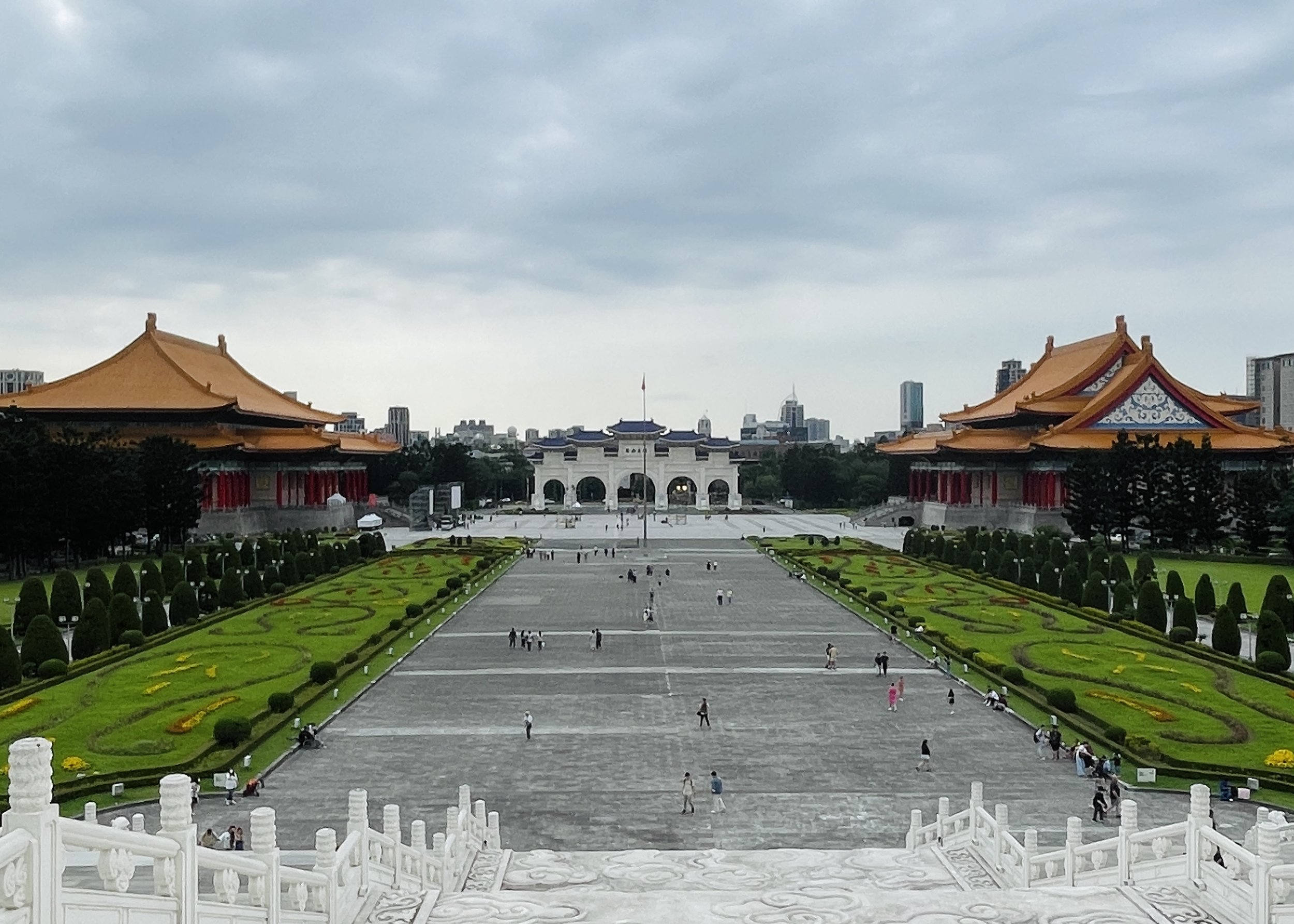
Then we took a taxi to Chiang Kai-shek Memorial Hall. Inside the memorial hall, there was a changing of the guards' ceremony. After watching it, we visited Liberty Square outside the memorial hall. The Memorial Hall and the entrance archways on Liberty Square combined Western and Chinese architectural styles, characterized by white buildings with blue roofs, exuding a sense of solemnity. In contrast, the National Theater and Concert Hall on both sides of the square were completely Chinese-style, with yellow tiles and red columns, representing a vibrant and lively atmosphere, contrasting with the dignified and clean Memorial Hall.




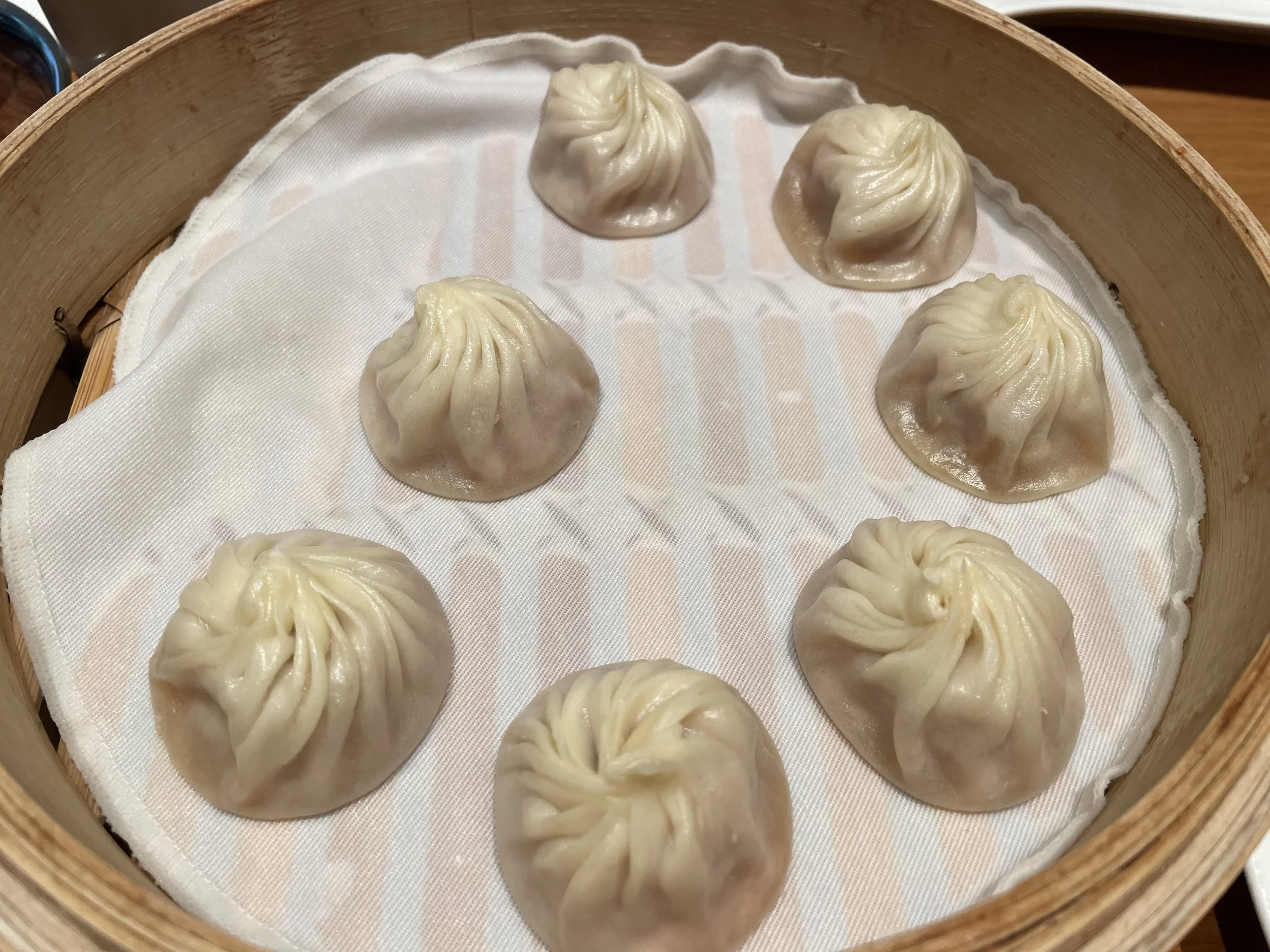
Dining in Ding Tai Fung when in Taipei is a must-do thing. This world-famous chain is known for its steamed dumplings, and Taipei is its birthplace. We went to the Ding Tai Fung near the Chiang Kai-shek Memorial Hall, which was packed with people. We got our ticket, waited for more than an hour before being seated, and tried the steamed dumplings and other items. The taste was similar to the Ding Tai Fung in the United States, so it was a satisfying experience. Afterward, we returned to the Memorial Hall, which had already closed for the day, so the Liberty Square was empty and serene. We walked around a small park nearby, where the bridges and flowing water looked stunning in the evening glow of the sunset.


We went to Ximending Night Market in the evening, which was bustling with people. We couldn't miss trying the famous Boba milk tea from the Happytahn tea shop. After watching how they made the tiny Boba, we had our Boba milk tea. The freshly made ones tasted different and delicious. Then, we tried to get an egg pancake at another popular shop, which also waited a long time. The Ximending market was filled with young people.


April 28: We started the day by visiting the Presidential Office Building near our hotel. As we went early, there were few tourists, but many primary school students were on field trips. Next, we went to the Sun Yat-sen Memorial Hall and explored the exhibition about Sun Yat-sen's life, learning a lot from it. The hall also had several exhibitions of calligraphy and paintings by locals, from experts to school students, and we admired the artistic talents of Taiwanese people.


Next, we went to Taipei 101 but didn't go to the top. Instead, we had a simple lunch there, trying the famous one Michelin star Oil Chicken Rice. It tasted decent. After just a few days in Taiwan, we noticed that there were quite a few Michelin-rated small shops in Taipei.


Guangzhou Street is not far from our hotel. Behind Guangzhou Street is a lane known as the Bopiliao Historic Block. During the Japanese colonial period, this area was called "Bopiliao" because it was filled with leather workshops, and "Bopiliao" means "peeling leather." It is one of Taipei's best-preserved and most representative historical neighborhoods, featuring rich historical buildings and cultural heritage, including old houses, shops, temples, and community facilities. What caught our attention was a display about healthcare workers and volunteers fighting against the COVID-19 pandemic. It deeply moved us to see that people were preserving these unforgettable memories. Although this place might not be on the top tourist destination list, we found it to be a very worthwhile place to visit.


Longshan Temple, also known as Huaxi Temple, is a famous Buddhist temple in Taipei and one of the city's oldest and most representative temples. It attracts many tourists and devotees for worship and visits. The temple's architectural style combines Southern Chinese and Fujian styles with exquisite decorations and elaborate carvings. Devotees were seen purchasing bags of rice and fruits to offer. When we arrived at Longshan Temple, we were lucky to witness the faithful reciting scriptures in a loud and synchronized manner, creating a profound and touching experience in the temple.


Shilin Night Market is Taipei's top-ranked night market and a tourist must-visit spot. We took the metro to the night market and tried fried fresh milk, spicy cold noodles recommended by Michelin, and Shanghai-style pan-fried buns. After exploring the night market, we took the metro back to the area near the Presidential Office Building, passing through the 228 Peace Memorial Park and enjoying the nighttime scenery.


After returning to the hotel, we felt we hadn't eaten enough tonight. We sneaked out and found the same restaurant we had visited a few days ago at Huaxi Street Night Market. We ordered the same dishes, garlic pea shoots and stir-fried clams, and also had a bottle of beer, celebrating our soon-to-end Taiwan trip.

April 29: The day has finally come. Today, we are leaving Taipei and flying to Shanghai to reunite with our family. Our hearts are filled with excitement. After breakfast, we called a taxi to Taipei Main Station and took the airport express to Taoyuan Airport. We still had some time to spare upon arrival, so we went to the Priority lounge, had a latte, some snacks, and rested while closely watching the flight information, but the boarding process was delayed. Finally, the announcement for boarding was made, and we hurried to the boarding gate. As we were rushing to the gate, we heard the announcement for the final boarding call, making us anxious. We quickly made our way to the gate. The boarding gate was empty except for the two of us. Whatever the reason was, we hurriedly boarded the plane. Once on board, we discovered that the aircraft had only around twenty passengers, and in the back section where we were seated, it was just the two of us and one more passenger. The flight attendants were very attentive and had little to do. Two hours later, we successfully arrived at Shanghai Pudong Airport and quickly passed through immigration. We could sense the impact of the pandemic, as there were few planes and even fewer passengers, with very few foreign tourists.


We were going home, finally. Chenggang wanted to give his parents a surprise. Unfortunately, the driver did not accept cash when the taxi arrived downstairs at his parents' apartment because he had no change. Without other payment methods, such as WeChat Pay or Alipay, Chenggang had no choice but to call his parents to come down and pay for his taxi fare. What a true "surprise." Separated for over three years due to pandemic restrictions, we had longed for each other and were also filled with regret. Finally, we could embrace each other with joy and touching emotions, hoping the relentless separation would not happen again.
4月26日: 来韩国已近一个月,今天从首尔飞去台北,上午退房后就早早去了机场,先在机场的餐厅吃了点面条和蒸饺后,就去了侯机厅。离飞机起飞还有好几个小时,正琢磨着怎么打发时间时,突然想起我们还有贵宾休息室的票。来到休息室,里面有吃有喝的,可惜我们刚在外面吃完,那就先好好休息一下,直到离开前才稍微吃了点零食。到了登机口排队登机时居然被拦下来,问我们有没有离开台湾的机票。我们原本准备到了台北之后再买回上海的票,结果没票不让上飞机,没办法只好在登机口临时买了两张台北飞上海的机票这才让我们登机。
到达台北桃园机场后,乘坐机场到台北城中心的地铁,又快又方便。在台北车站下车后,叫了辆出租车来到我们的酒店 - 台北花园大酒店。其实从首尔飞到台北才二个多小时,但我们从离开首尔的旅馆一直到入住台北的酒店,前后总共花了近十二个小时。
在飞机上我们没吃任何东西,入住台北的酒店,稍微休息一下后, 就赶紧外出去了附近的台北华西街夜市(Taipei Huaxi Night Market),又称龙山寺夜市,是台湾台北市最有名的夜市之一。它位于龙山寺附近,是游客和本地居民喜欢光顾的热门地点。这个夜市以其悠久的历史和丰富的美食而闻名。夜市非常热闹,充满了独特的台湾文化和风味。在华西街夜市,你可以品尝到各种道地的台湾美食,包括小吃、烧烤、海鲜、炸鸡排、豆花、糕点等。看到在源芳刈包店外排着长队,门口挂着牌说这店上过米其林榜,我们也凑热闹排队来一份。刈包是台湾的传统美食,也被称为割包。它是用软糯的包子皮夹着红烧肉、花生粉、腌菜等配料而成。口感丰富,味道的确鲜美。台湾的臭豆腐也是不能不吃的,一路走着都能闻到香味。味道不错,但总觉得与记忆中儿时那种味道相比较,还是少了点什么。接着来到海鲜区,每个摊位将各种海鲜以及各种蔬菜摆放在那里,旁边放个炉子,现点现做。我们选了家稍干净的摊位看到有豆苗和蛤蜊,便坐下各叫了一份。真是好久没吃到这么好吃的蒜茸豆苗和炒蛤蜊了。
4月27日: 一早起来想吃豆浆油条,便去附近找早餐店。看了网上的评论,来到一家又小又破旧的店,各要了一碗咸豆浆和油条,味道还算可以。之后叫了一辆出租车前往故宫博物馆。博物馆收藏了大量珍贵的中国文物,包括绘画、瓷器、玉器、书法等,都是当时国民党来台带过来的,好东西不少,当然我们是外行看热闹。很可惜最热门的翠玉白菜正在台南展出, 没看到,但肉形石, 一块外形酷似红烧肉的玉石雕刻, 还在那里。
午餐我们就在博物馆里的餐厅里解决了。饭后坐出租车去了士林宫邸, 是蒋中正总统在台湾时期的官邸。士林宫邸周围的园林景观非常优美,有精心修剪的花草植物和小桥流水,是一个放松身心的好地方,特别是里面的月季花园修的不错。宫邸建筑按照现在标准的话,算是比较简陋了。我们到那里时票房工作人员正好午休没在,我们就先在公园转了一圈。在士林宫邸,你可以参观总统办公室、会客厅、宴会厅等官邸内部,了解台湾的历史和政治。但整个参观过程都围绕蒋介石和宋美龄夫妻相爱琐事展开的,避开他们夫妇俩对中国台湾的影响。
看完士林宫邸,又坐地铁去了中正纪念堂。进入纪念堂大厅正好碰上换岗仪式,看完之后来到纪念堂外面的自由广场。中正纪念堂及自由广场牌楼都是中西融合的建筑,白色为主体加以蓝顶,非常的庄严肃静。而在自由广场上两侧的国家戏剧院和音乐厅就完全是中国式的黄瓦红柱,华丽活泼,与庄严洁净的纪念堂有着明显对比。
都说来台北一定要尝尝这里的鼎泰丰。这家以卖小笼包享誉世界的连锁店,台北是它的发源地。来到中正纪念堂附近的鼎泰丰,慕名而来的人真不少。拿号等座,足足等了一个多小时才入座,味道与美国的鼎泰丰没区别,反正也算是了却了一个心愿吧。吃完又走回到中正纪念堂,因为纪念堂已关门,整个自由广场空空荡荡。我们在边上的小公园里走走,小桥流水在夕阳映照下非常漂亮。
晚上去了西门町夜市,那里是人山人海。幸福堂珍珠奶茶店门口人挤人,我们先是看一粒粒小珍珠是怎么做出来的,然后再买上一杯奶茶。现做的小珍珠就是不一样,味道好极了。接着又在另一个网红店要了份鸡蛋饼,也是等了好久。这里是年轻人的世界。
4月28日: 今天先去酒店附近的总统府,因为早去,游客不多,但有很多小学生在那里参观。然后就去了国父纪念堂,仔细参观了孙中山生平事迹的展览,了解了不少。纪念堂大楼里还设有不少书画展览,我们在那里欣赏台湾同胞们的艺术才华。
接着去了台北101,没上楼顶,就在那里吃了一顿简单的午餐。尝试了一下号称世界首家米其林一星小贩的油鸡饭,味道还行。才来台湾几天, 感觉台湾上米其林榜的小店不少。
回到离住的酒店不远的广州街,在广州街后面,有一条巷子是剥皮寮历史街区(Bopiliao Historic Block)。在日治时期,这个街区被称为“剥皮寮”,因为当时有许多制革作坊,而“剥皮”指的是制革的过程。这是台北市保存最完整、最具代表性的历史街区之一,保留了丰富的历史建筑和文化遗产,包括古老的街屋、商铺、神庙和社区设施等。最有意思的是,在这个历史街区中,还展示了当时台湾医护人员和志愿者们抗击新冠疫情的情景,让我们深受感动。这是我们第一次看到人们已经开始将这段涉及到世界每一个人的难以忘怀的历史以实体方式保留下来。尽管这个地方不在那些首选旅游目的地的榜单上,我们觉得这是一个非常值得一游的地方。
华西寺(又称龙山寺)是台湾台北市著名的佛教寺庙,也是该市最古老且最具代表性的寺庙之一。它吸引着众多游客和信徒前来参观和参拜。寺庙的建筑风格融合了南洋与福建的传统风格,装饰精美,雕刻华丽。信徒在寺庙里购买大包小包的大米和水果供奉。我们到龙山寺时,恰好看到全寺庙的信徒们在大声朗诵经文,那宏亮且齐声的声音在寺庙中回荡,非常震撼和感人。
士林夜市是台北排名第一的夜市,是来台北观光必去的地方。我们坐地铁前往夜市,尝试了炸鲜奶,品尝了米其林推荐的麻辣凉面,还试了一下上海生煎包。夜市逛完后,坐地铁回到总统府附近,还顺便穿过228和平纪念公园,欣赏了一下夜景。
回到酒店后,总觉得还没吃够。晚上我们又溜出去,在华西街夜市里找到了前几天去过的小店,点了同样的菜——蒜茸豆苗和炒蛤蜊,再加上一瓶啤酒,庆祝一下即将结束的台湾行。
4月29日:这一天终于到来了。今天要离开台北,飞往上海与家人团聚,心情非常激动。上午吃完早餐后,我们叫了出租车去台北火车站,然后乘坐机场专车前往桃园机场。抵达机场时,还有一些时间,于是我们前往贵宾候机室,喝杯拿铁,吃些点心,稍作休息,同时一直密切关注航班信息,但登机却迟迟未开始。终于宣布开始登机,我们赶紧前往登机口。急匆匆走着,才几分钟就突然听到广播喊着最后登机,让我们非常着急,飞快赶到登机口。登机口空无一人,只有我们两人。不论原因何在,我们匆忙登机。上了飞机后才发现整个大飞机只有二十多位乘客,我们所坐的后半部分飞机只有我们俩和另外一位乘客。乘务员们闲得没事干,非常热心,不停地问我们需要什么。两个多小时后,我们顺利抵达上海浦东机场,很快过了海关。能感受到疫情的影响,飞机少,乘客少,外国游客更是寥寥无几。
终于要回家了,成刚原本想给爸妈一个惊喜,可出租车到了楼下,司机却说不收现金因为没零钱找,而成刚又没微信支付或支付宝,没办法只能打电话让他爸妈下楼帮忙付车费, 还真是一个”惊喜” 了。由于新冠疫情的限制,三年多的分隔,有着无丝的思念牵挂和遗憾。终于能再次团聚,给爸妈一个深情的大拥抱,充满喜悦和感动的时刻,也希望这无情的分隔不会再来。