Makati, Philippines 菲律宾,马尼拉马卡蒂
March 13, 2026
We disembarked from the ship today and will fly home tomorrow……
马尼拉是我们这次邮轮行的最后一站,。。。
March 13, 2026
We disembarked from the ship today and will fly home tomorrow. Since our flight departs early in the morning, we decided to stay overnight in Makati. Makati is the financial center of the Philippines, known for its modern skyscrapers and well-planned streets.
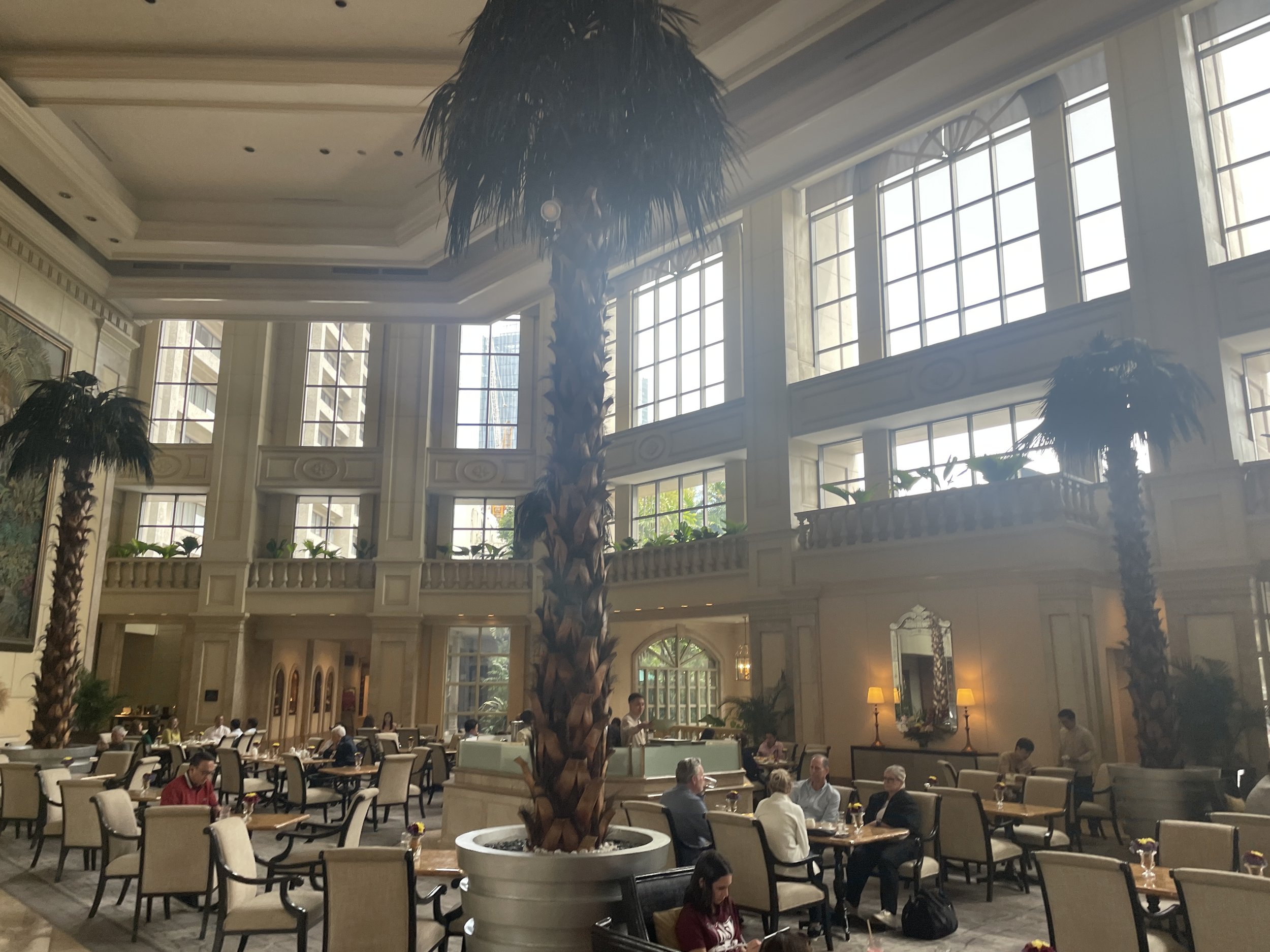
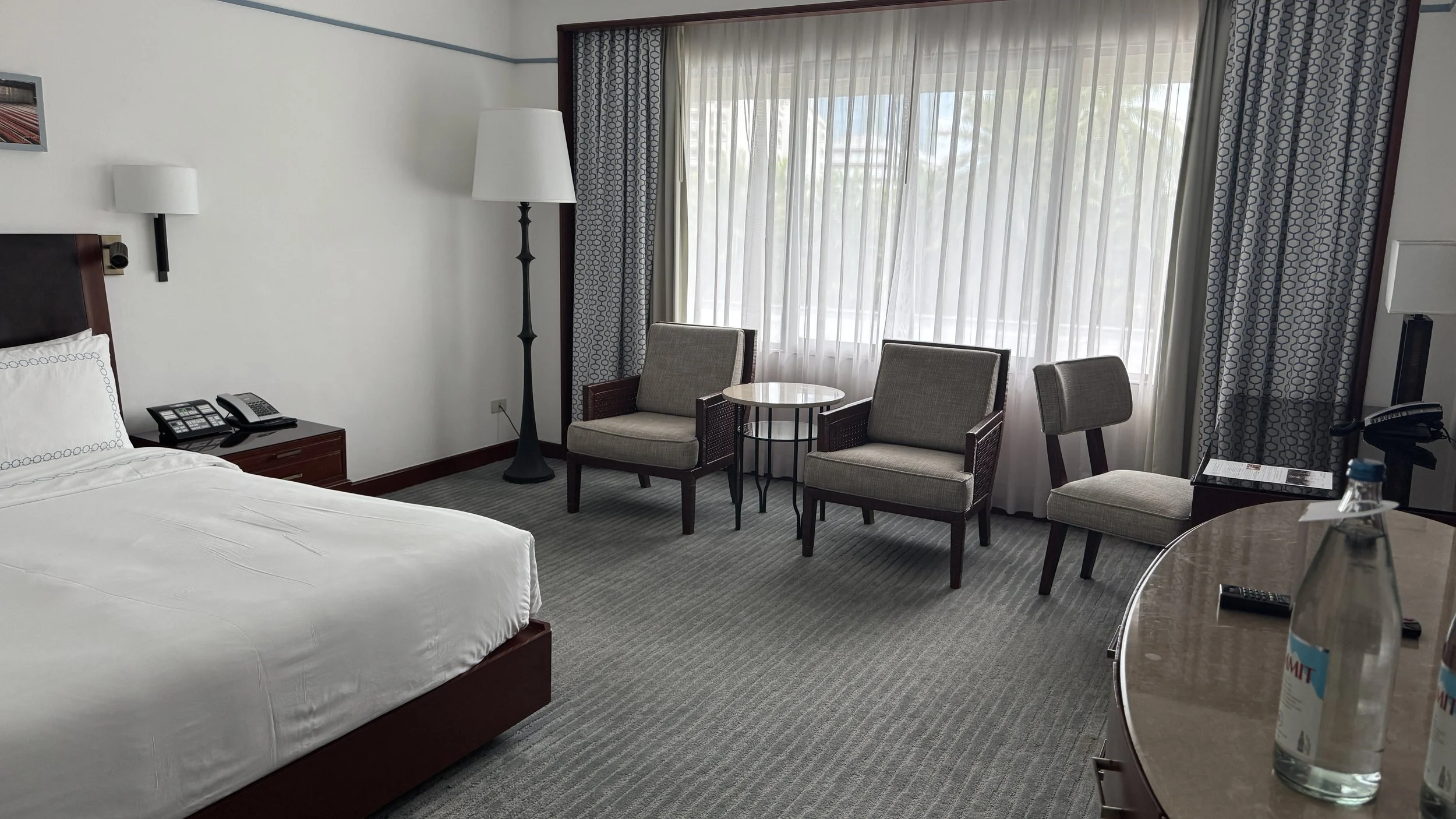
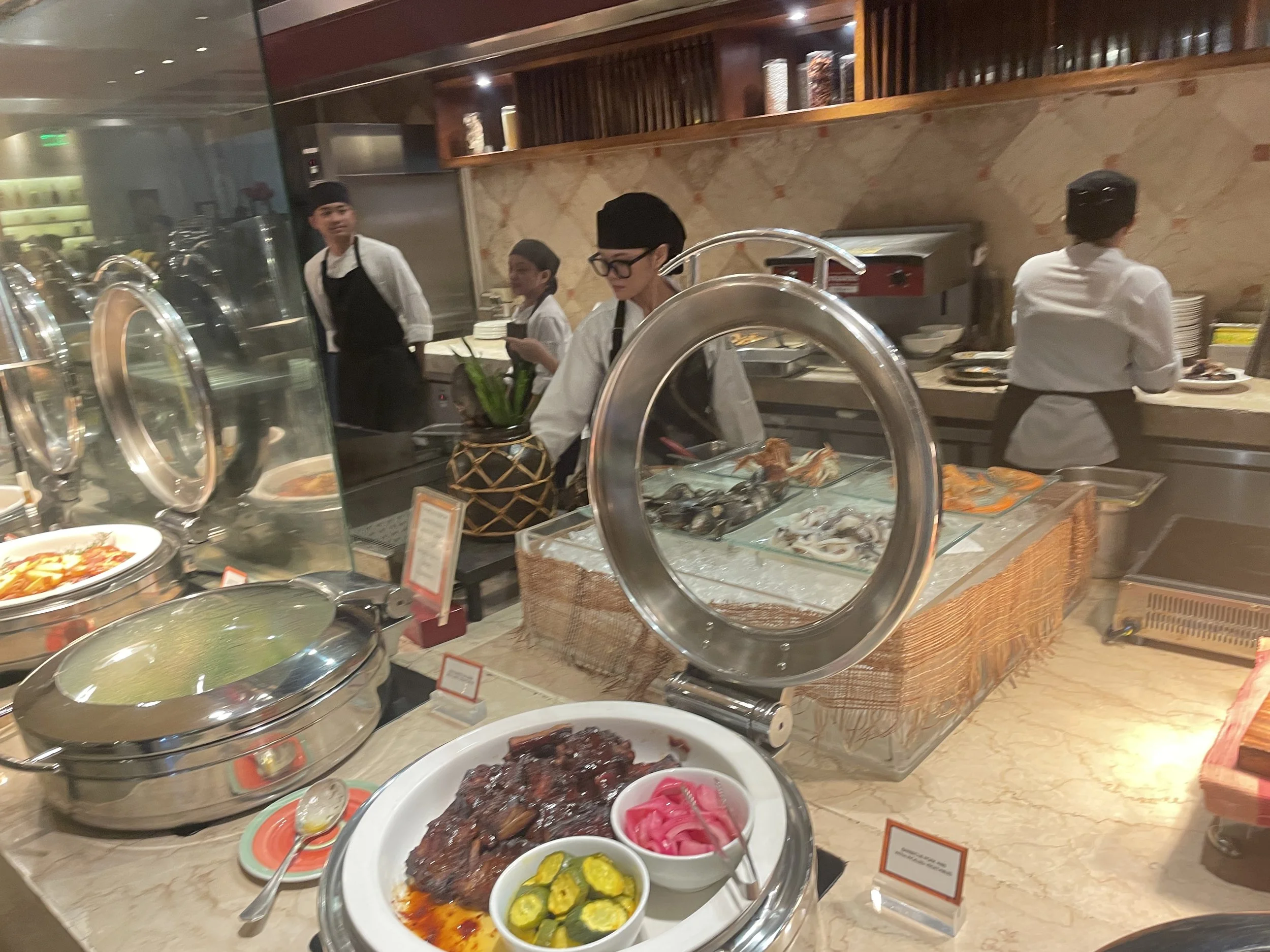
The Grab ride took more than an hour to cover a distance of only about 10 kilometers. Heavy traffic and busy market streets slowed us down before we finally arrived at The Peninsula Manila Hotel, a beautiful hotel in the area. After waiting for our room to be ready, we had a buffet lunch at the hotel to sample some local cuisine.
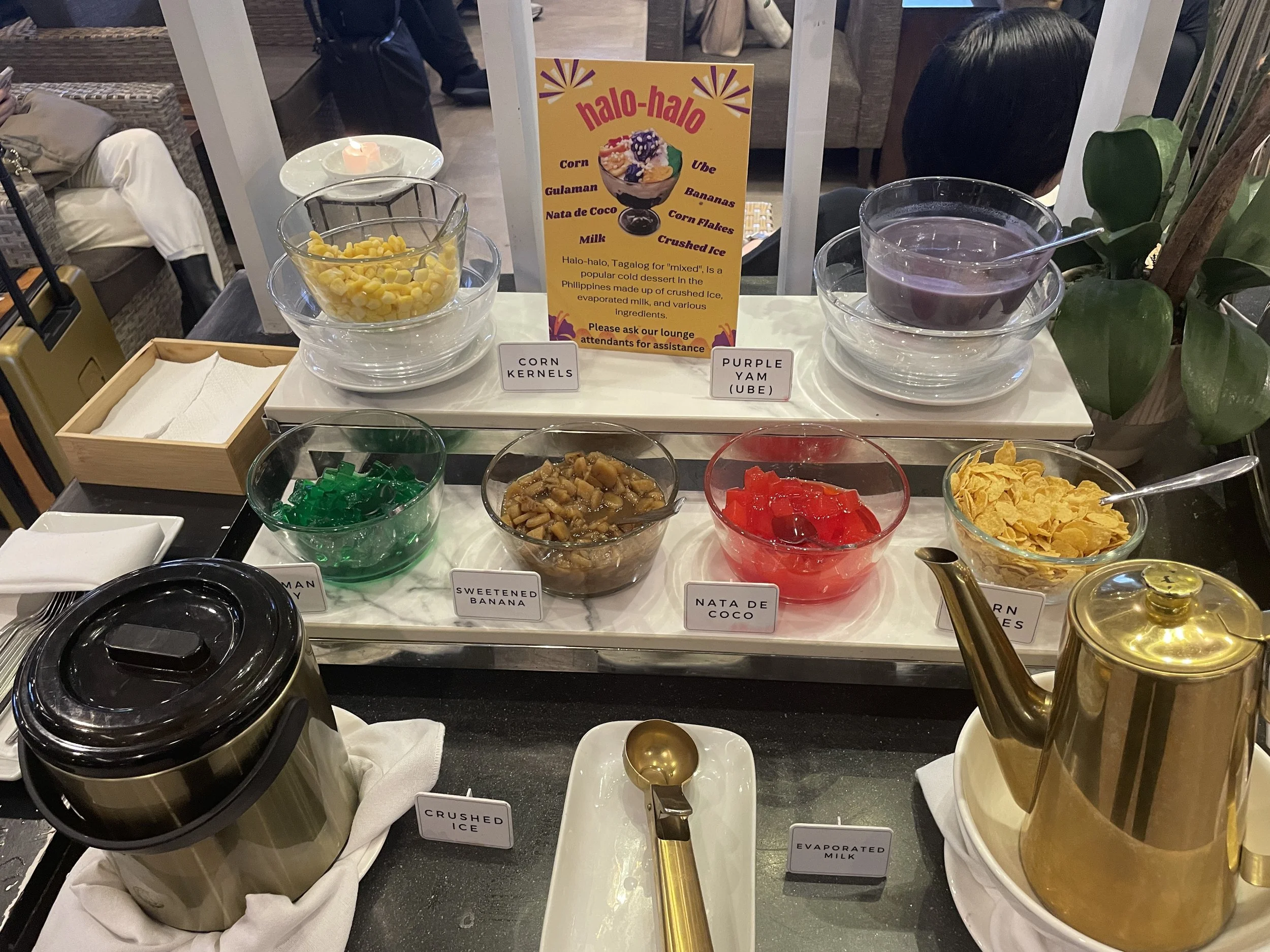
After a short nap, we headed out to explore the neighborhood. We soon noticed that many places in the area carried the name “Ayala.” The Ayala family is one of the oldest and most influential business families in the Philippines. Through Ayala Corporation, founded in the 19th century, they played a major role in developing Makati into the country’s modern financial and commercial center.
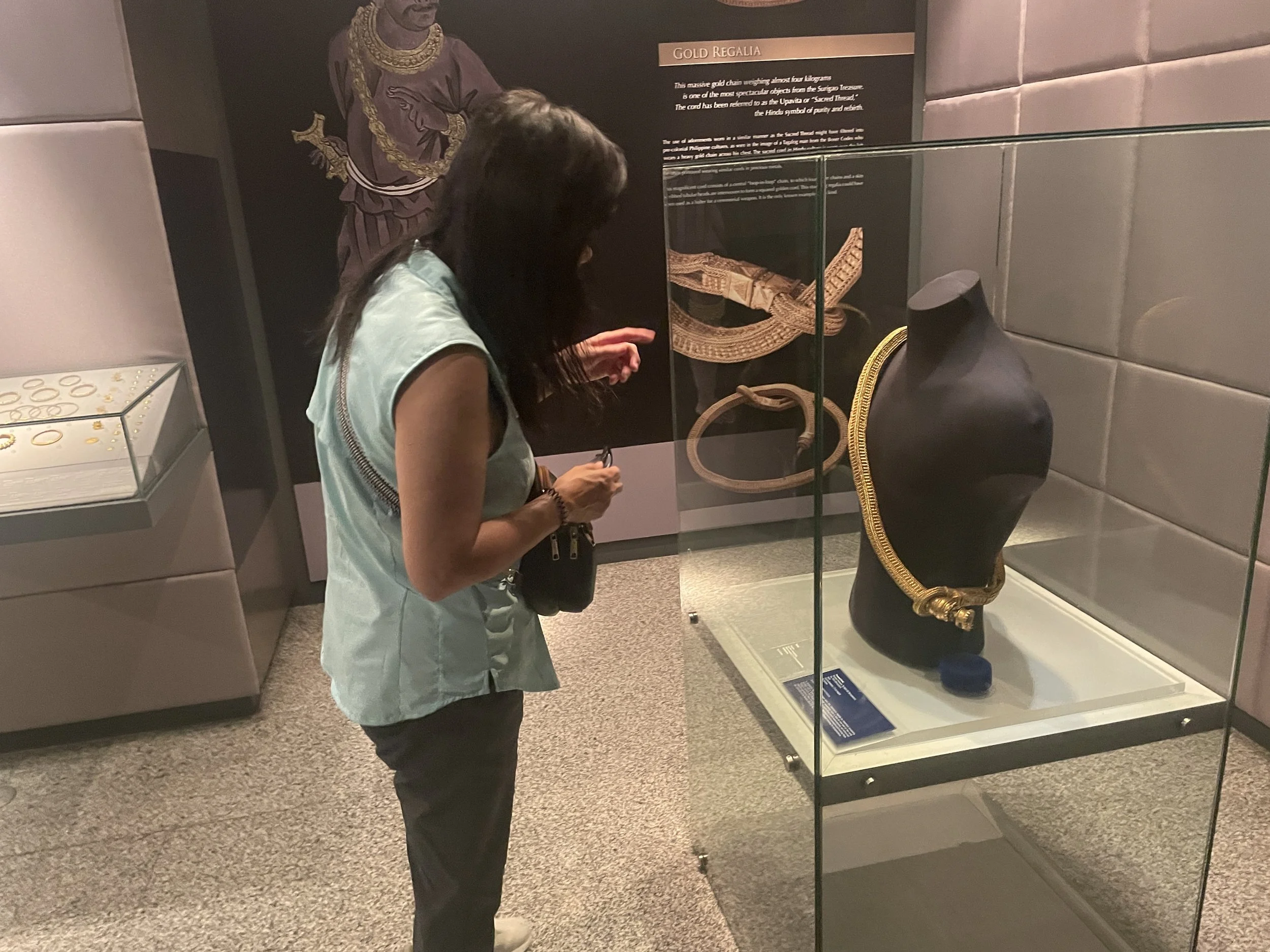
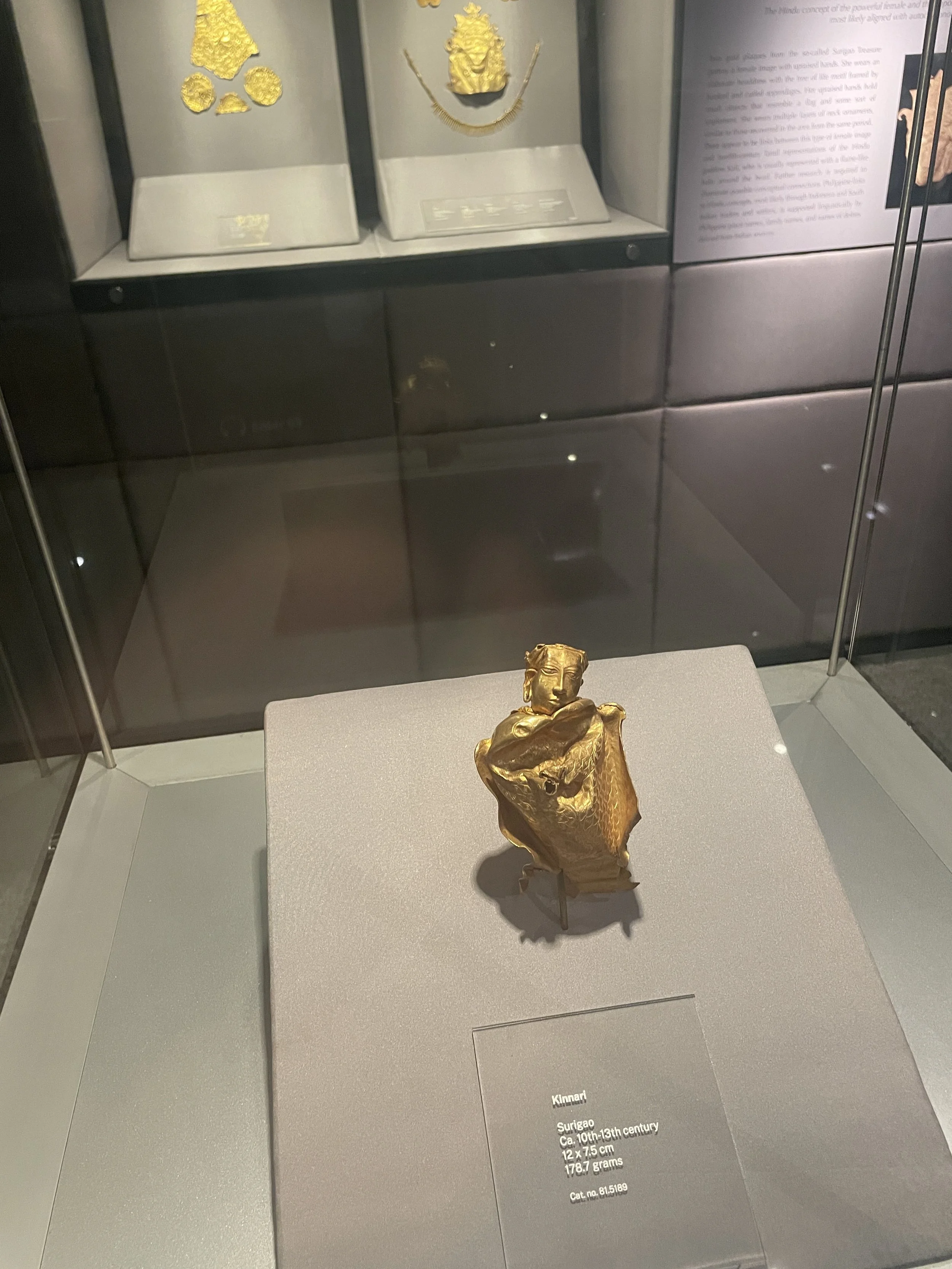
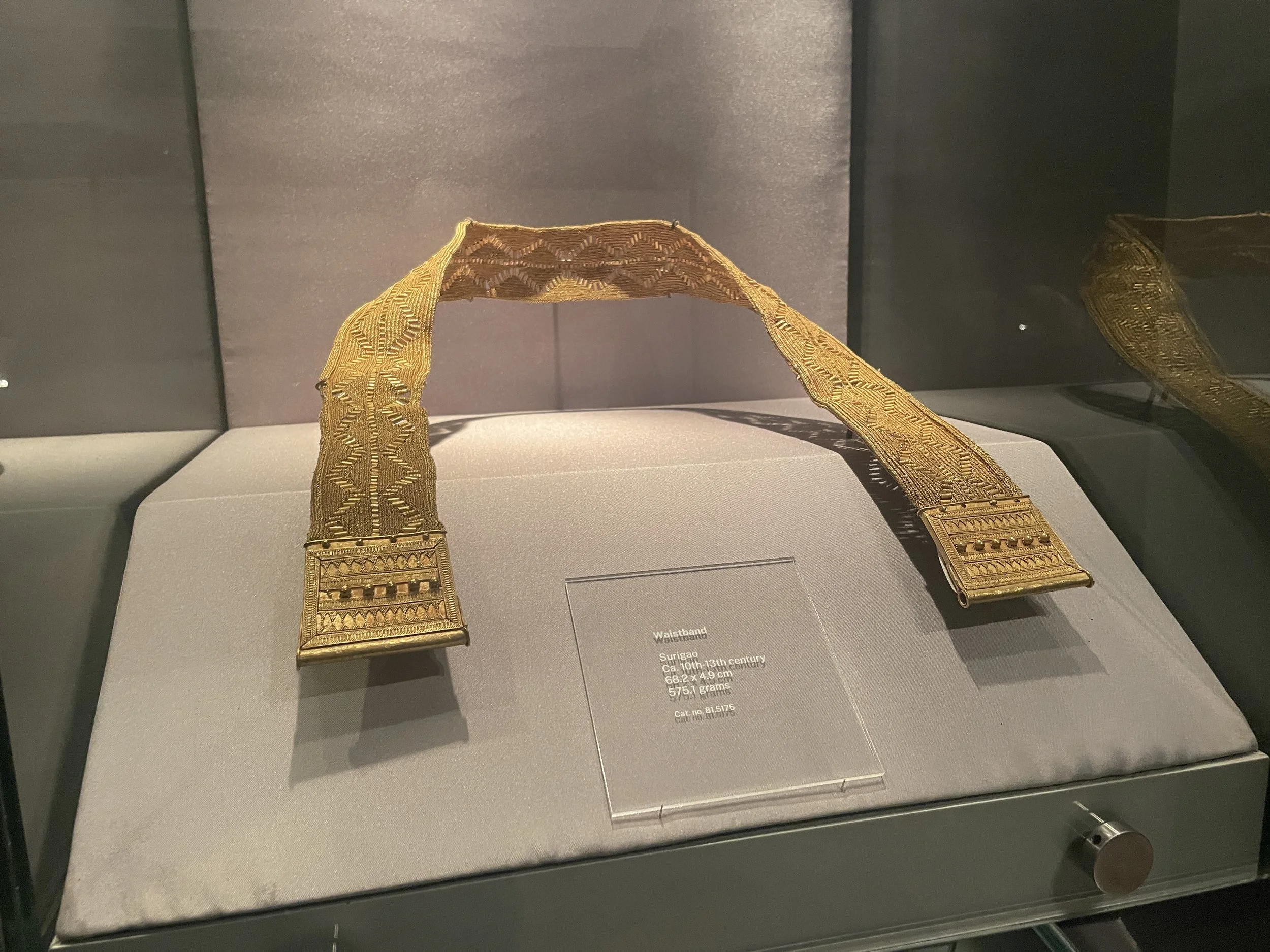
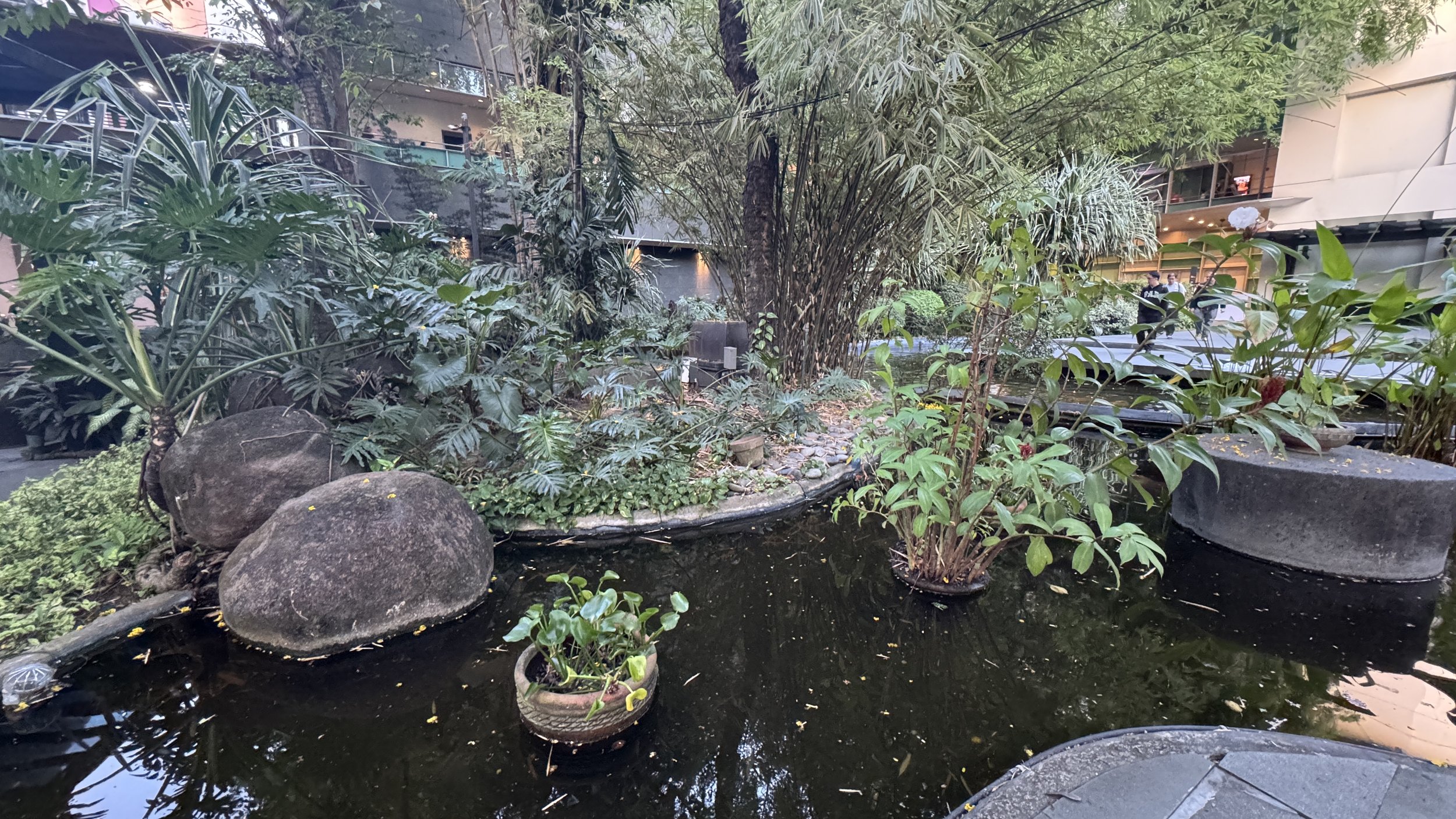
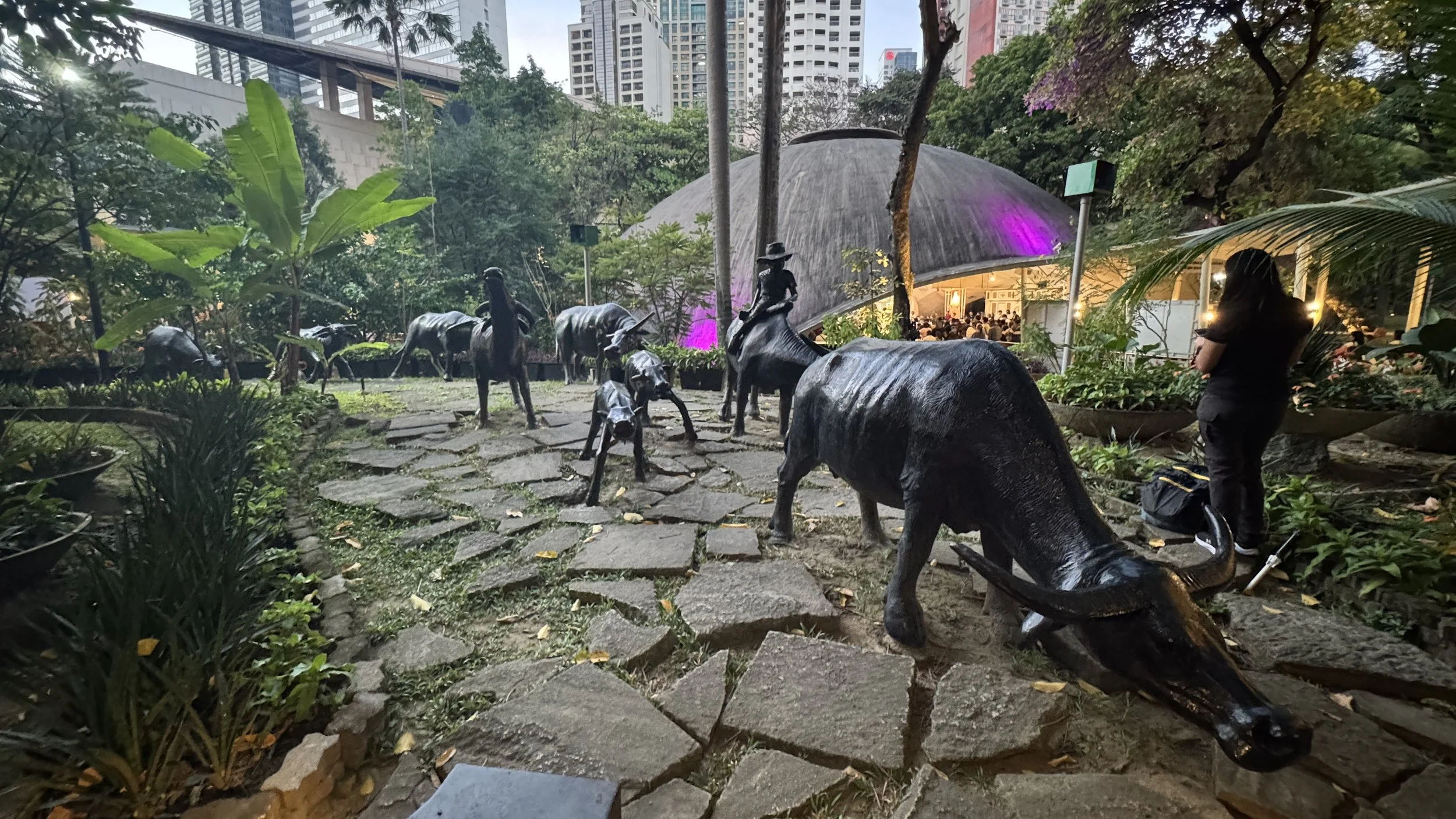
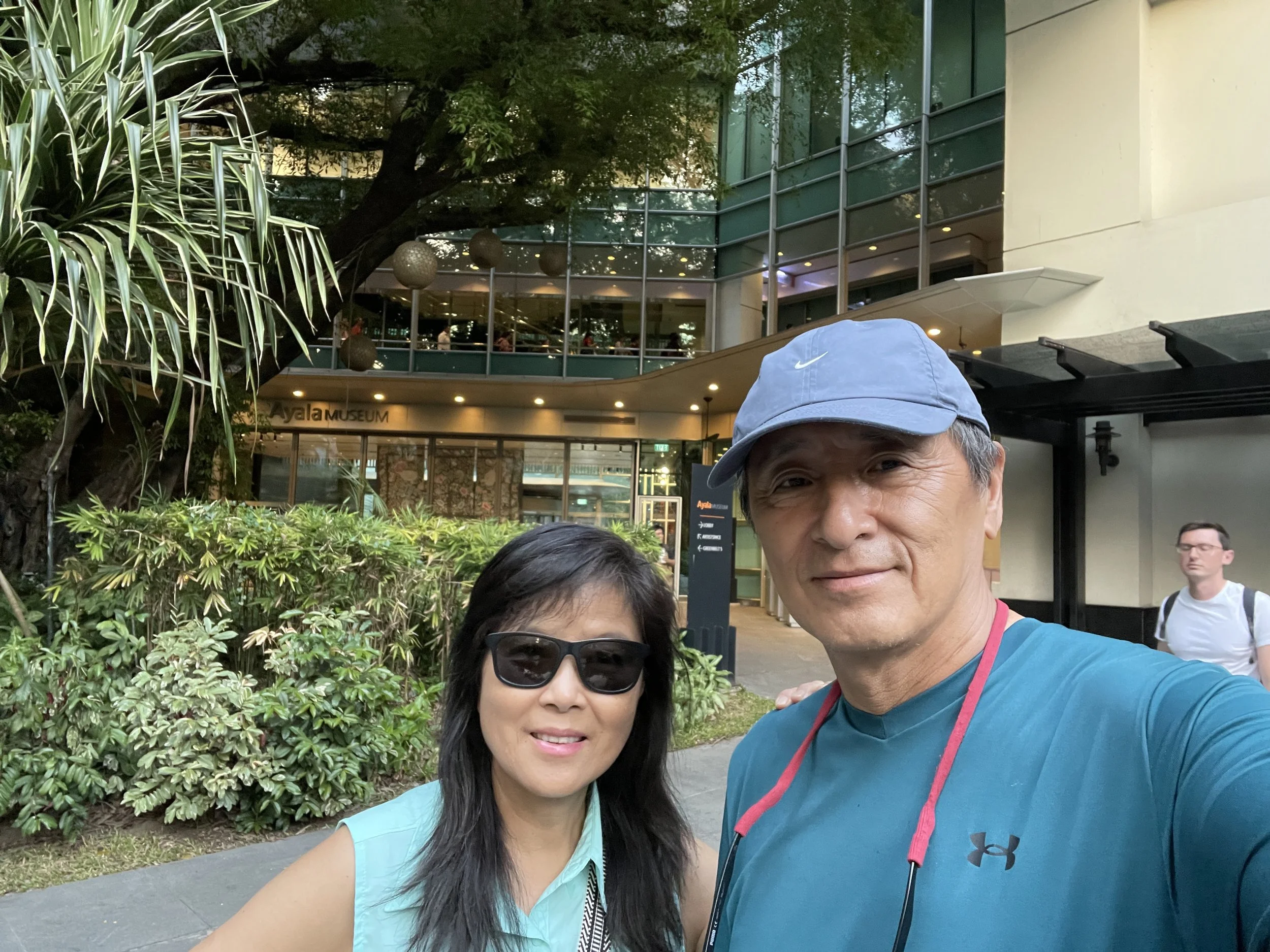
We first took a leisurely walk around Ayala Triangle Gardens, then visited Ayala Museum. One of the museum’s most impressive exhibits is the gold collection called “Gold of Ancestors,” which features pre-colonial Philippine gold artifacts dating roughly from the 10th to 13th centuries. The collection showcases the remarkable craftsmanship and wealth of early Philippine societies. The artifacts were truly impressive—we had never seen so many gold items displayed in one place.
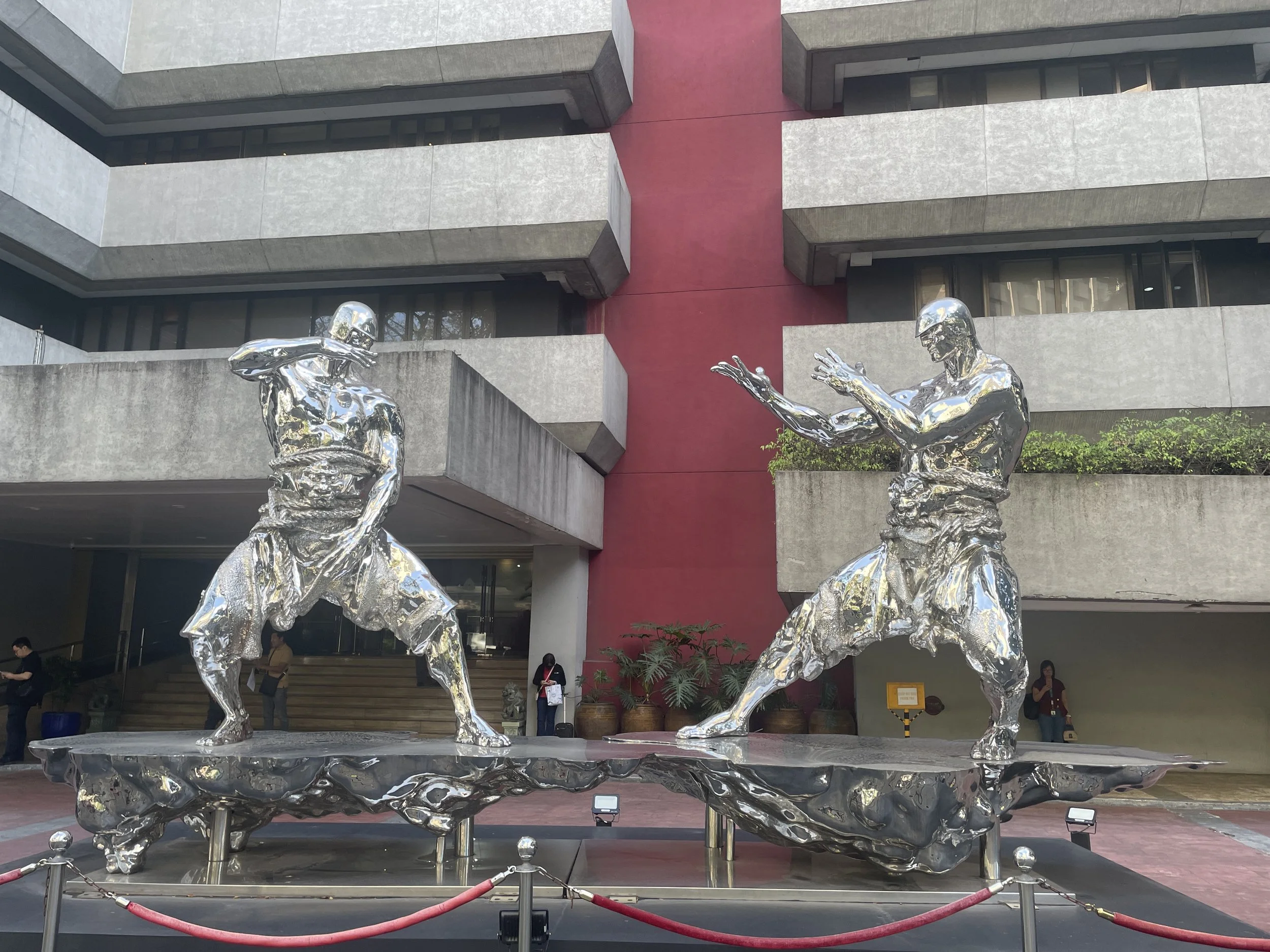
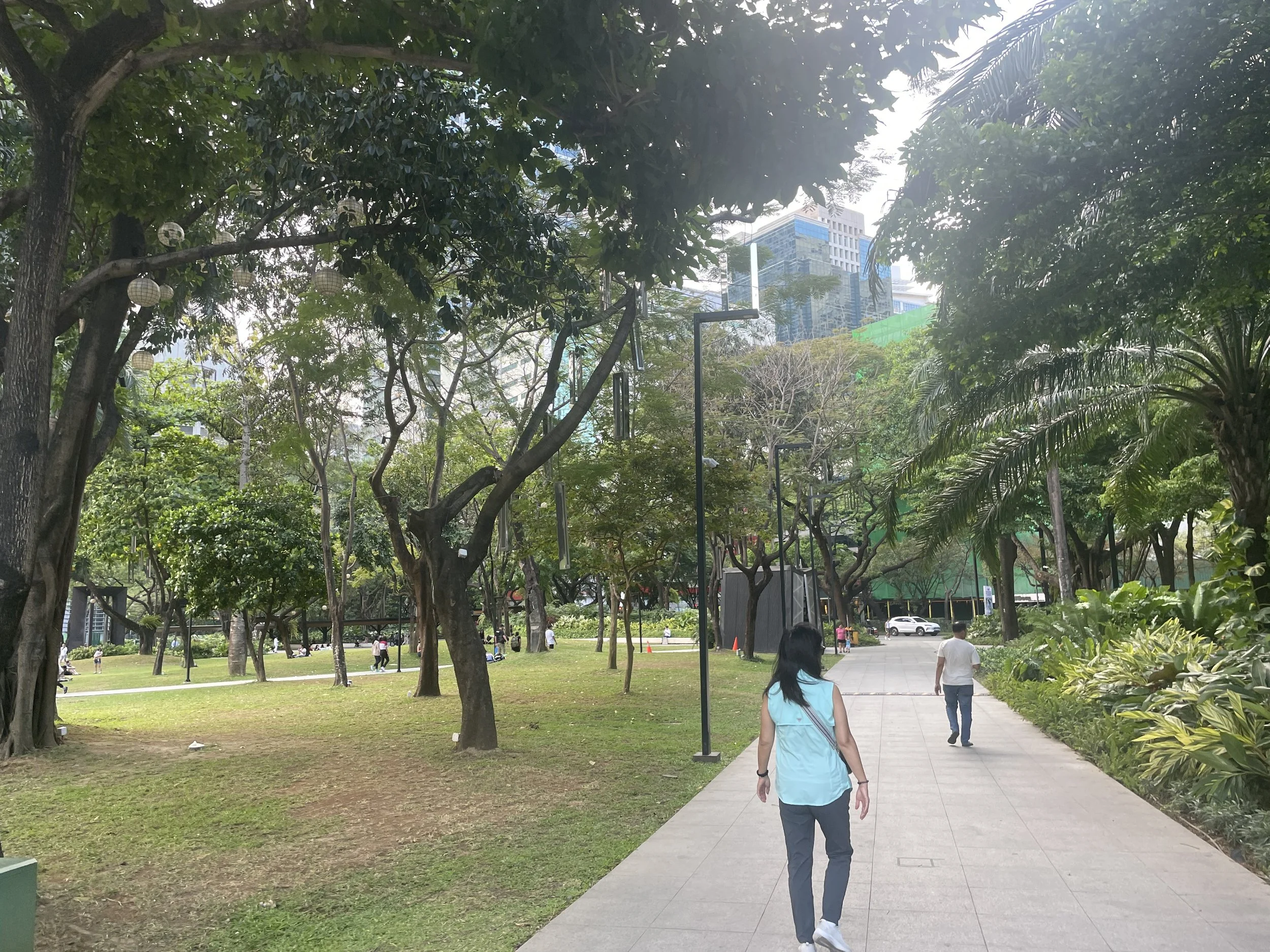
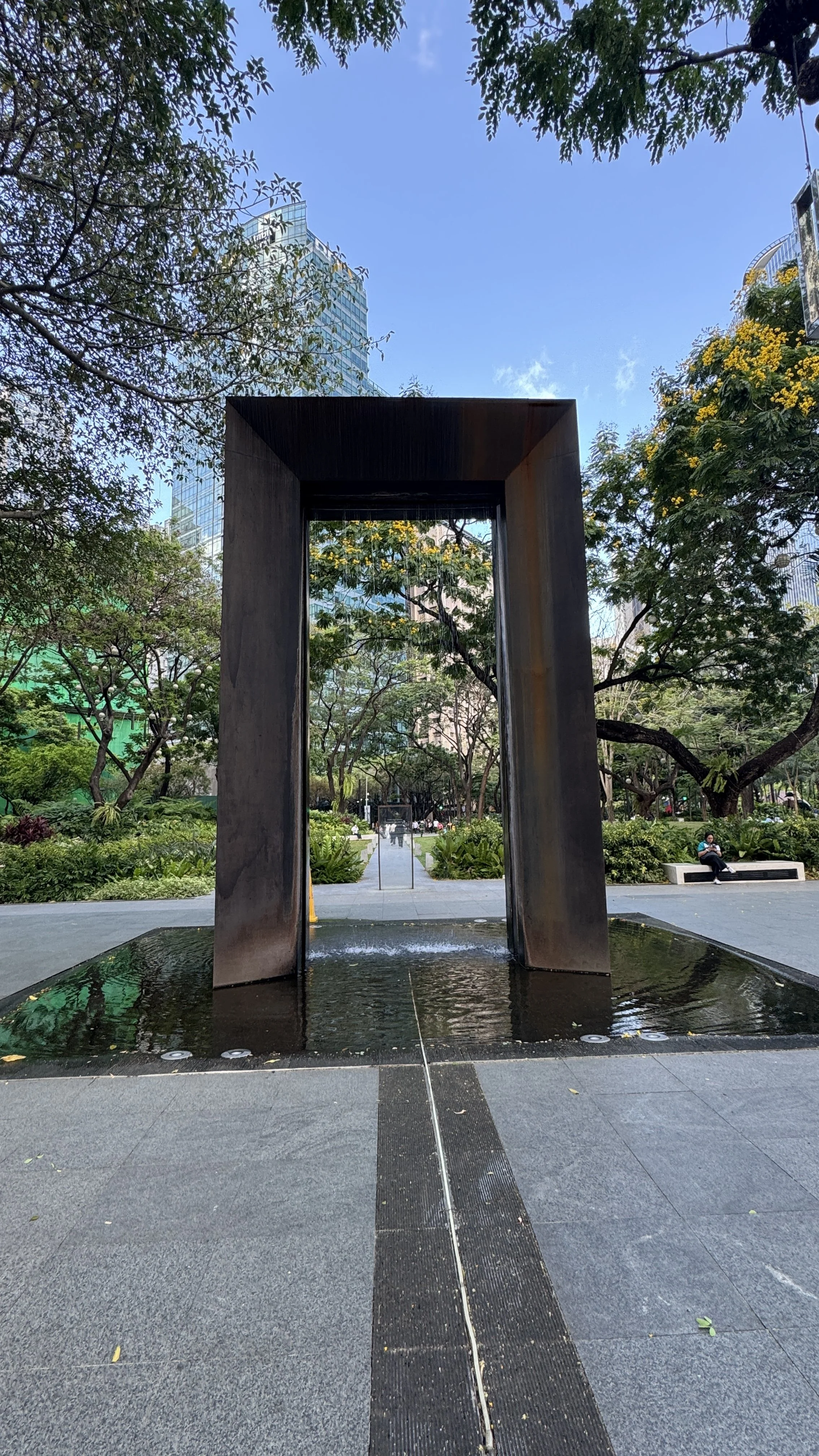
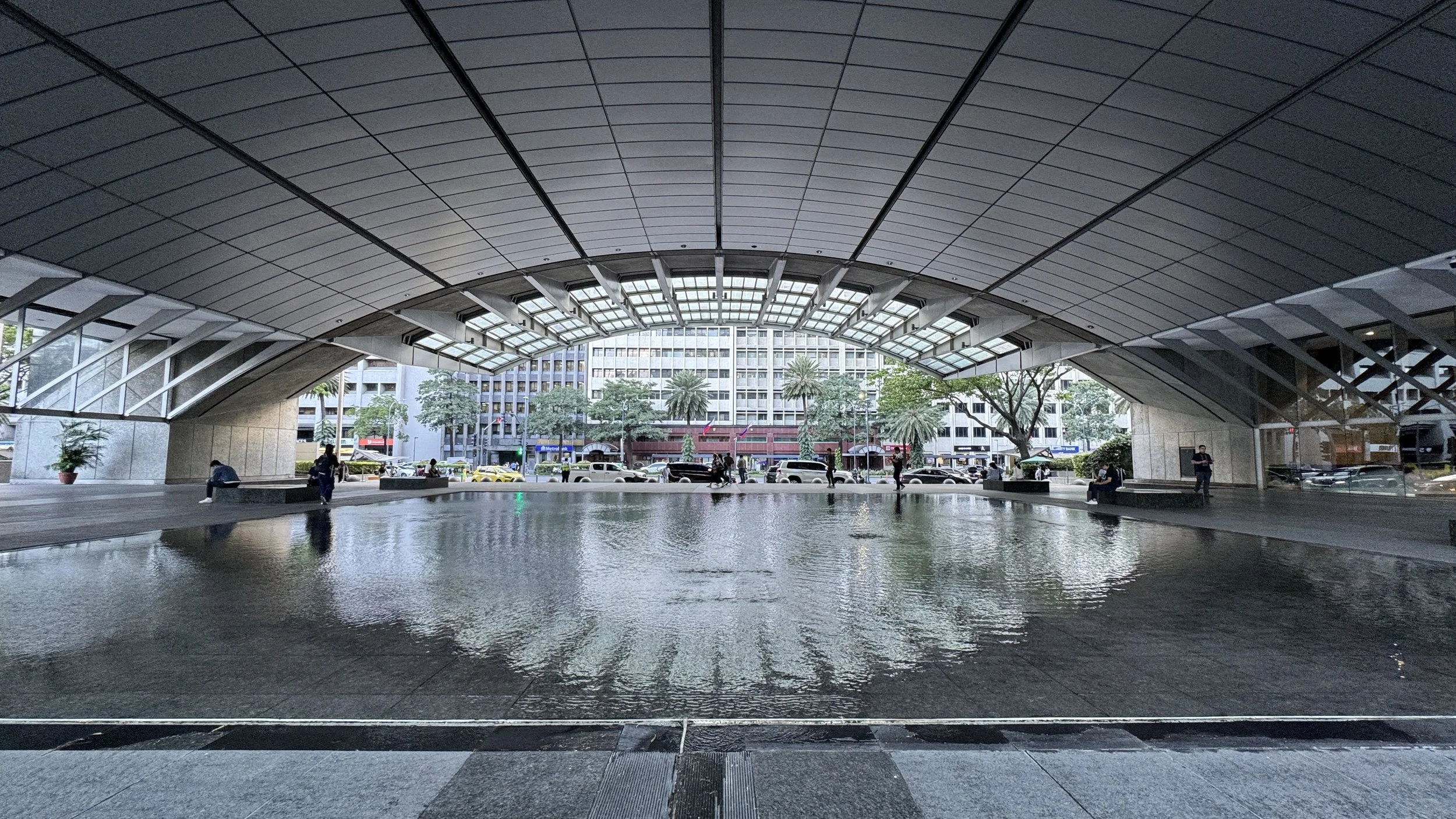
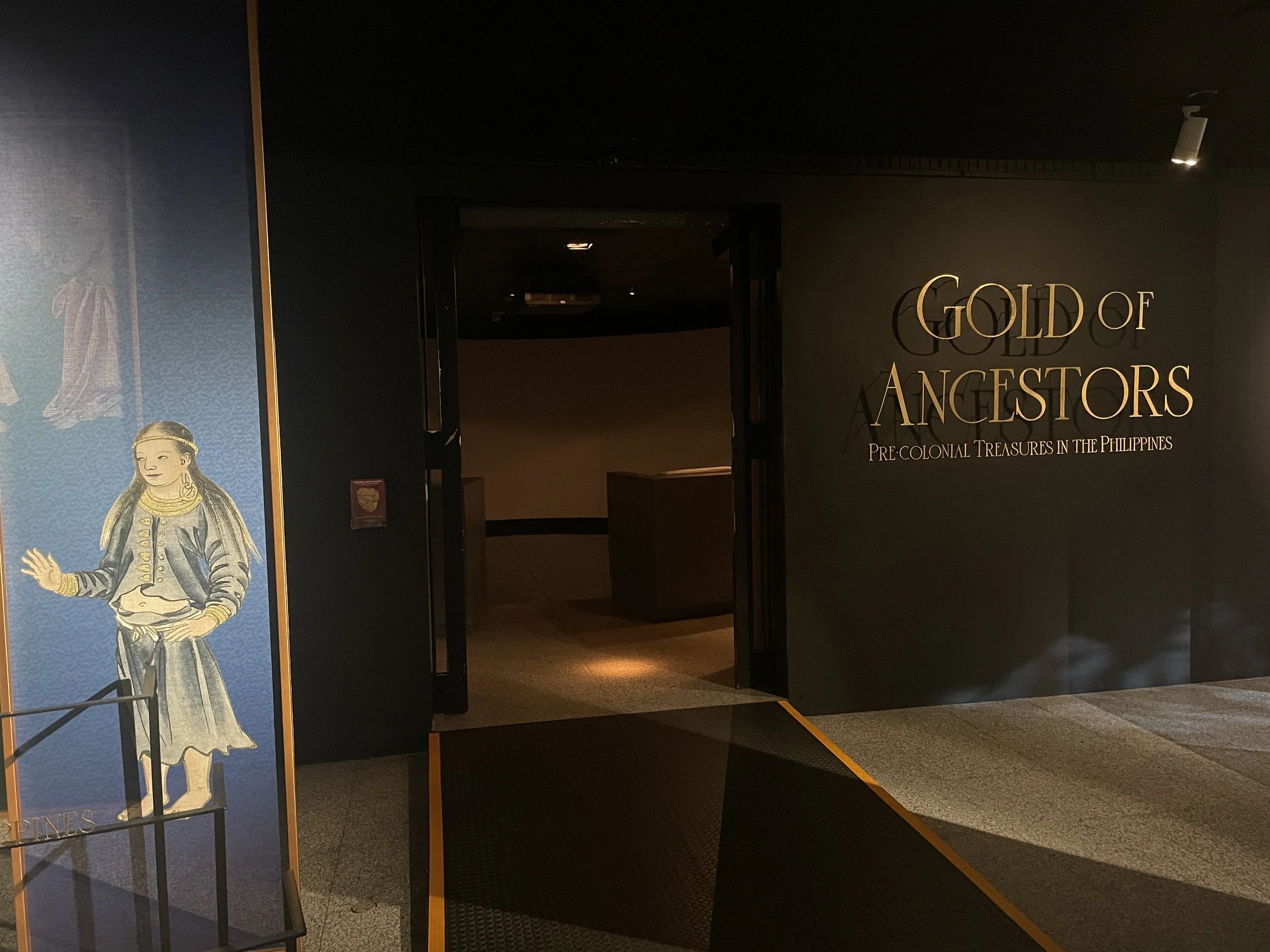
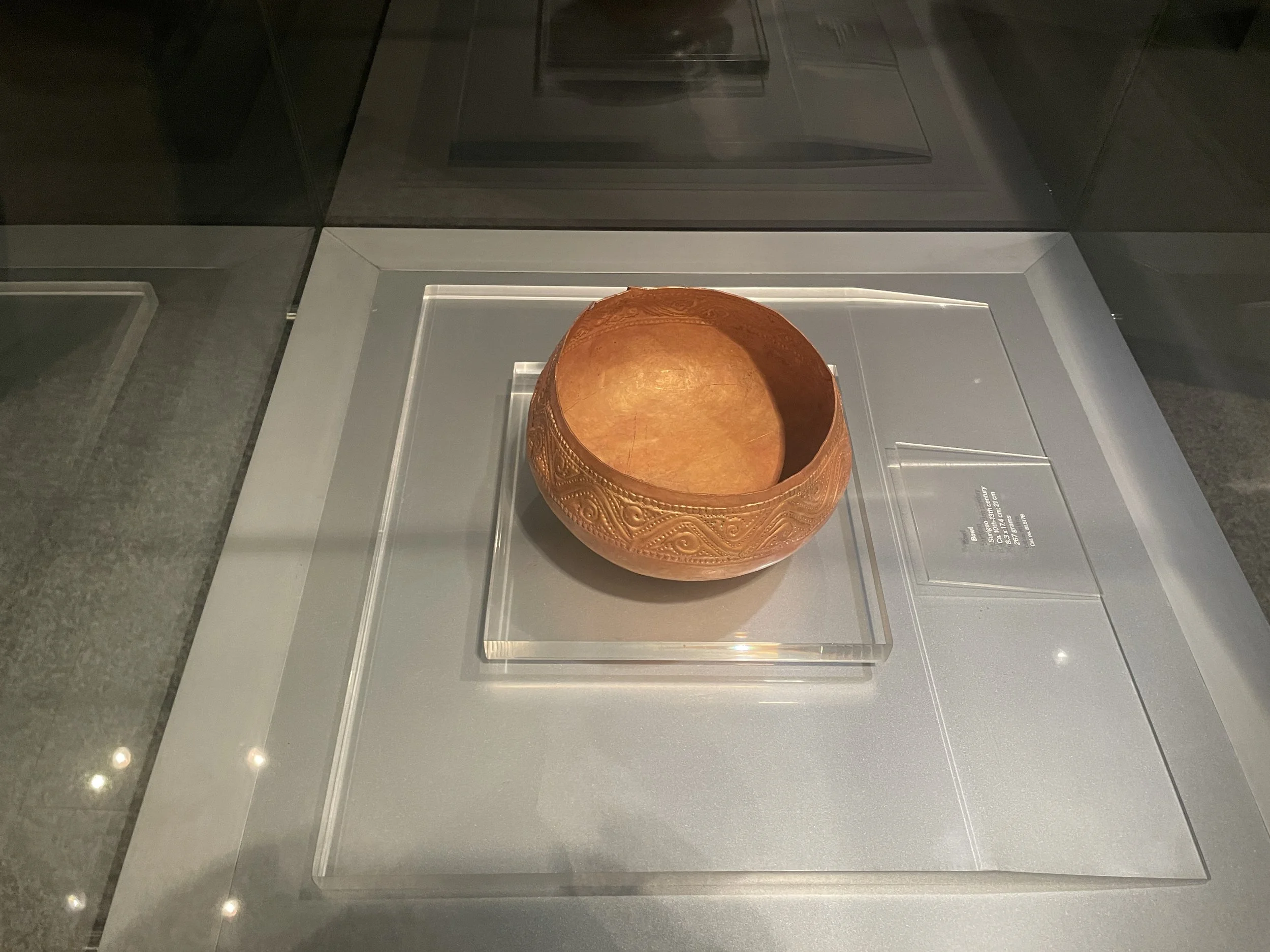
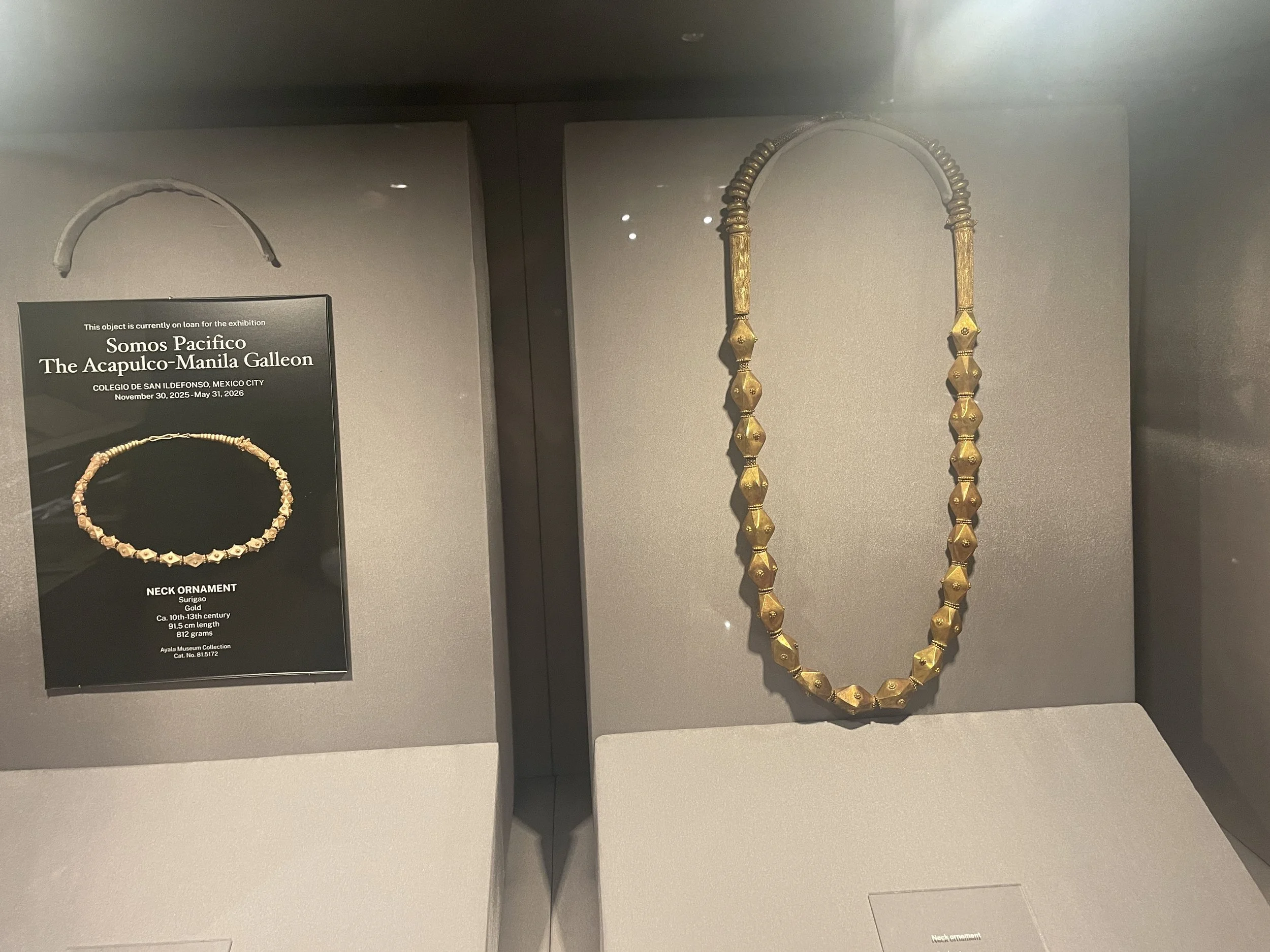
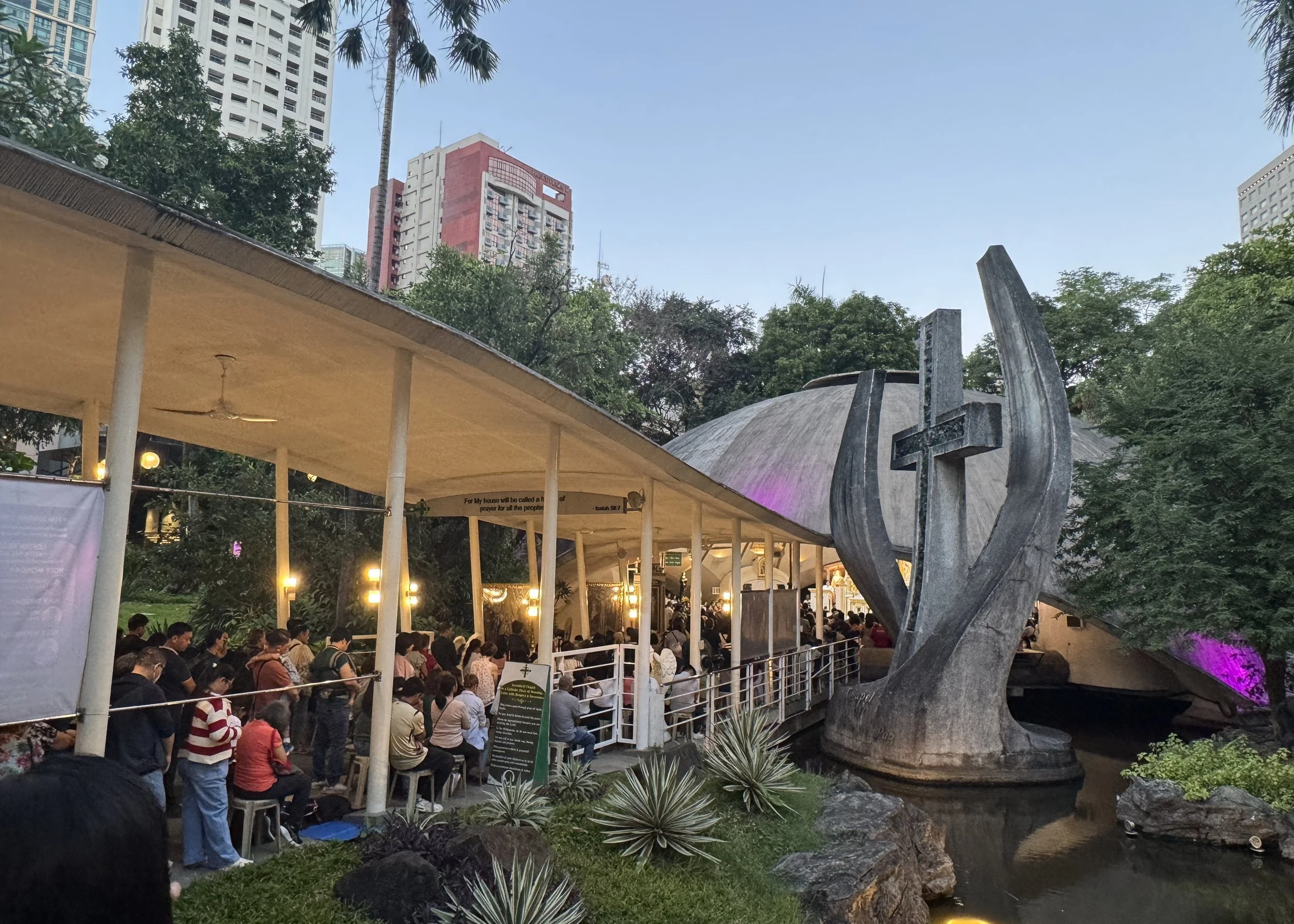
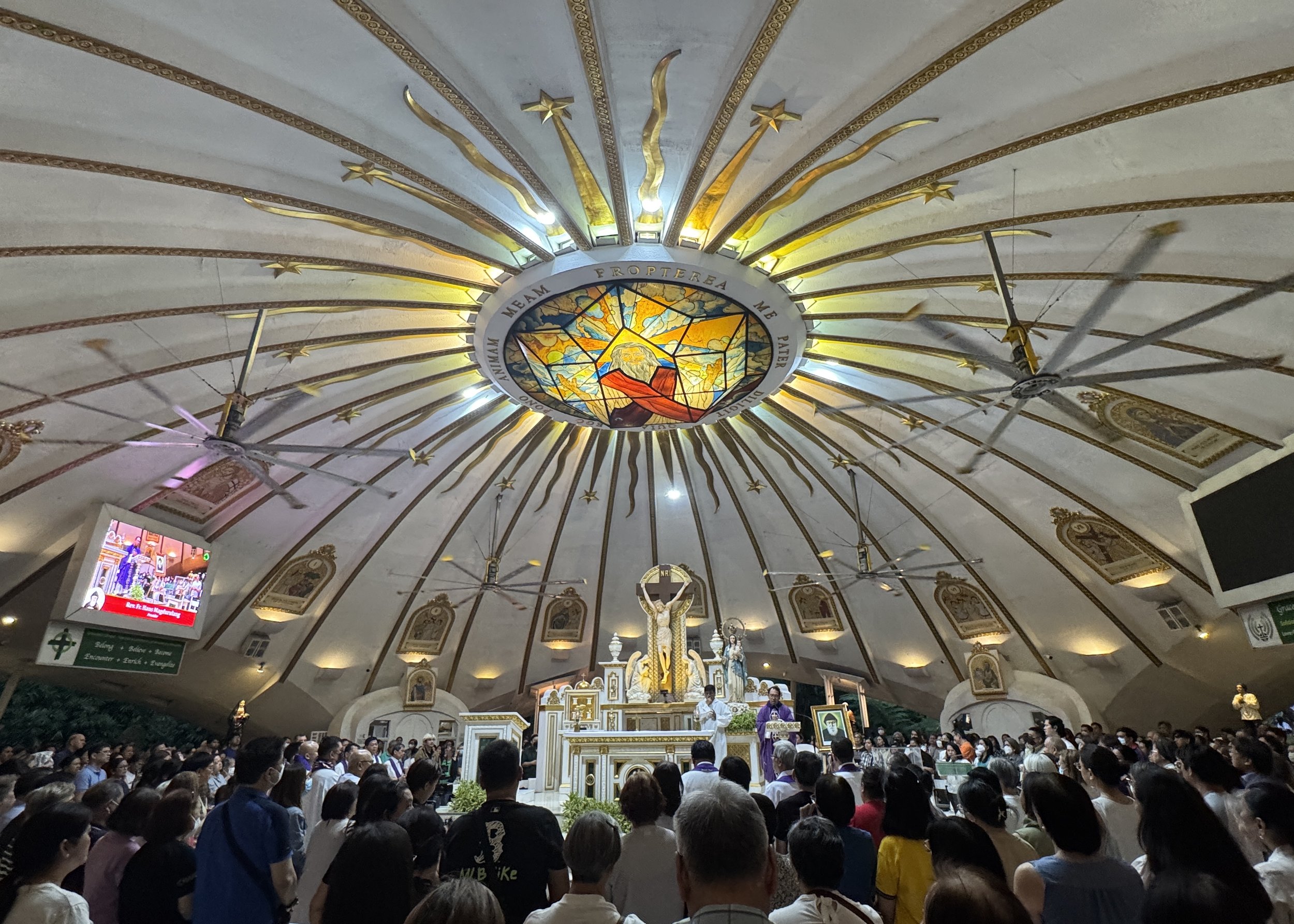
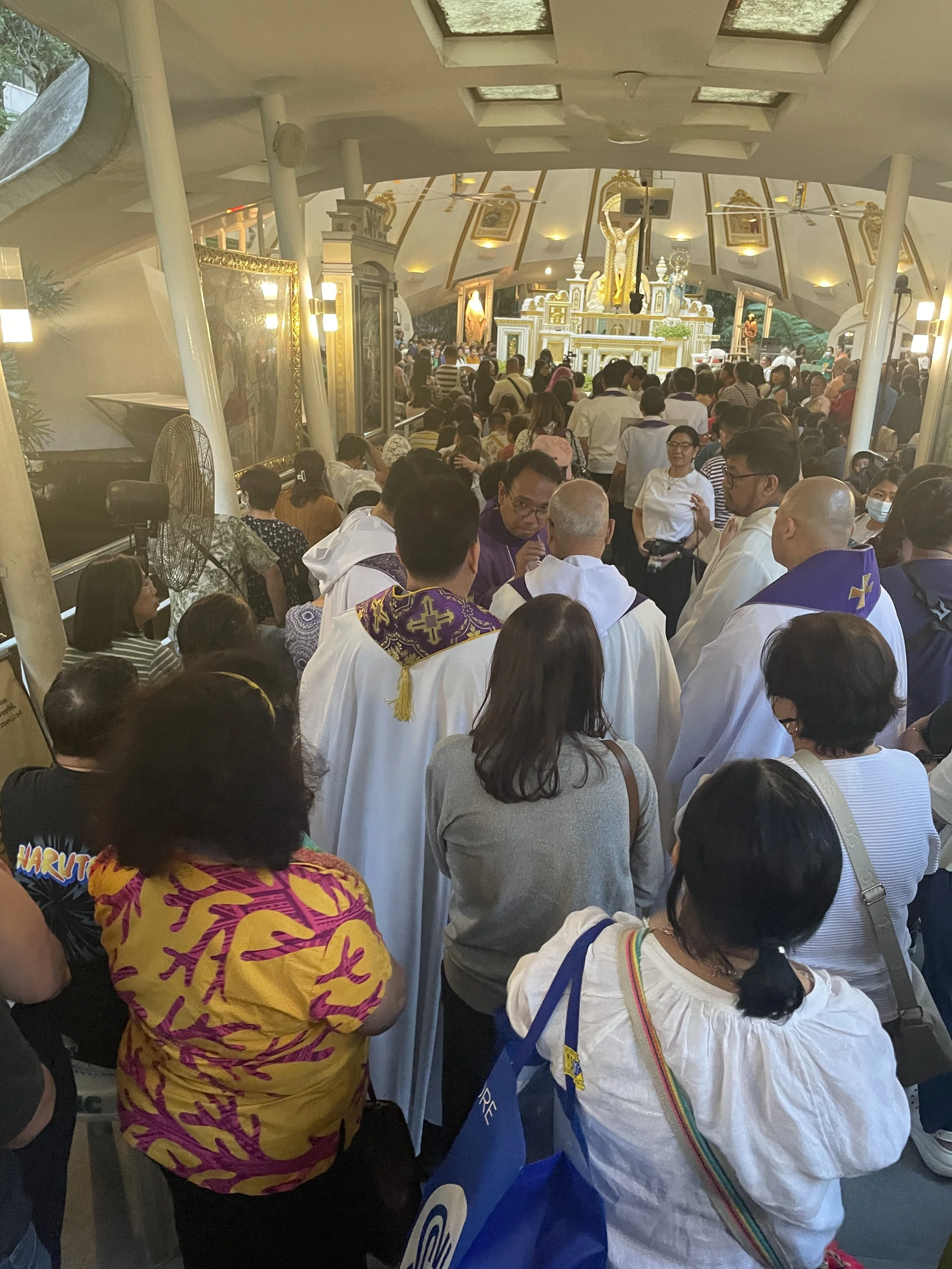
After leaving the museum, we walked through the Greenbelt Gardens and malls. In the middle of the garden stands a small chapel, where many people were already waiting for the 6 p.m. Mass. We stayed there for a while to observe the religious gathering and admire the deep devotion many Filipinos have to the Catholic Church.
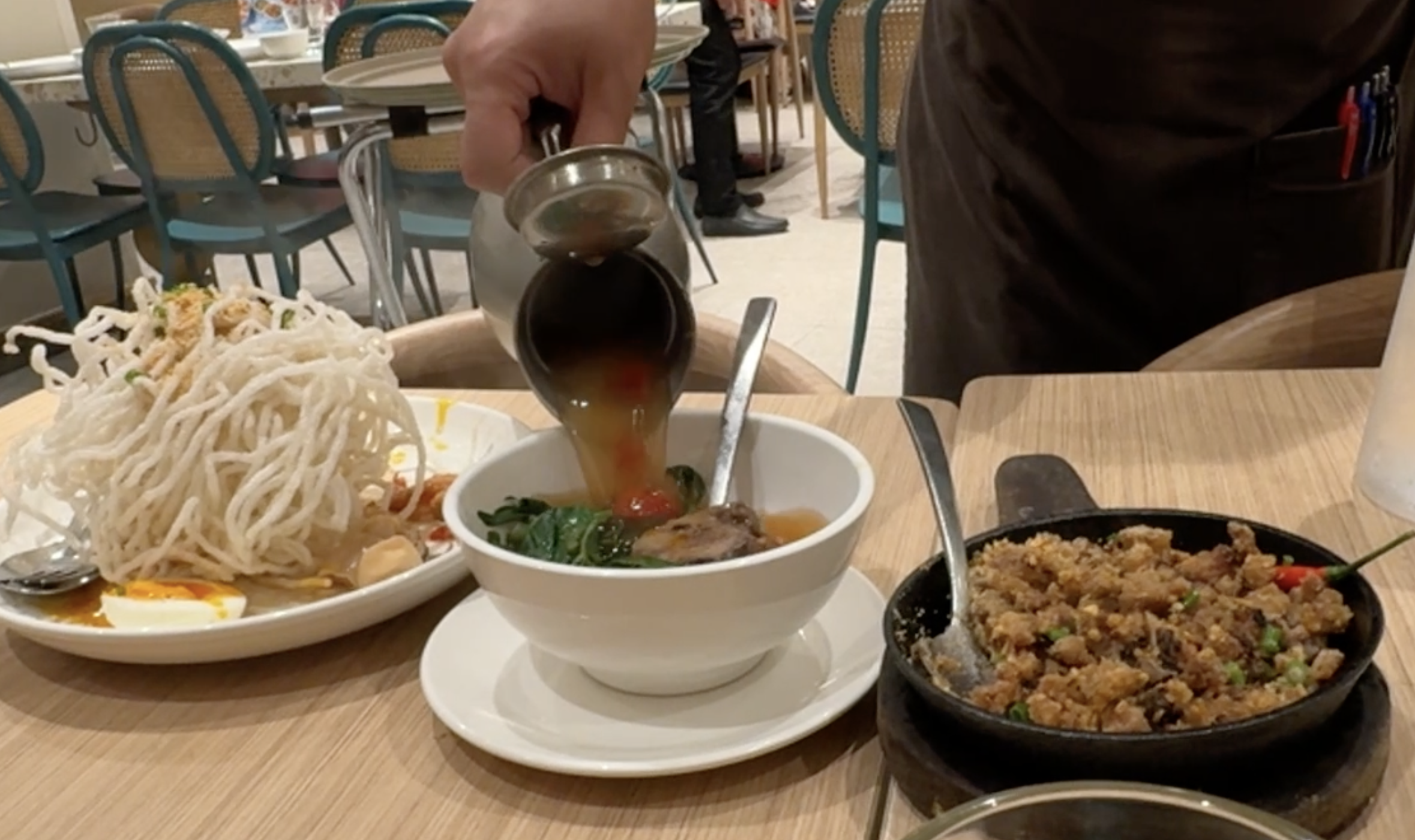
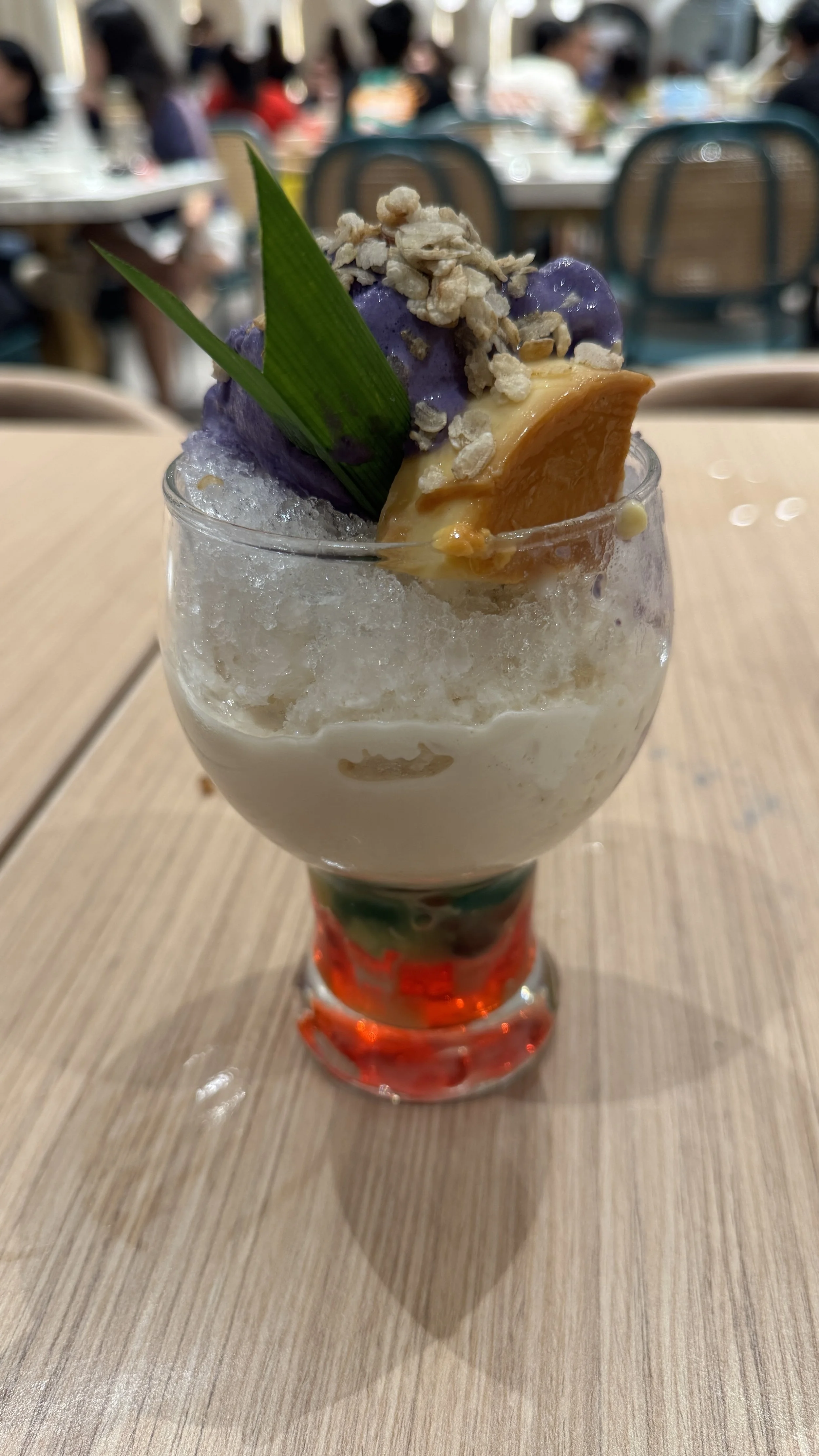
Later we stopped at a café for some comforting Filipino dishes. The food was delicious and made for a pleasant final evening of our trip.
Tomorrow we will fly back to our home in Arizona. This two-week journey through Southeast Asia has been wonderful. We visited four new countries and eight new destinations. We probably became more accustomed to Filipino food than Malaysian cuisine. The weather in the Philippines felt slightly cooler, but overall Malaysia seemed to have better infrastructure and modernization. Among the countries we visited, Brunei impressed us the most.
2026年3月13日
马尼拉是我们这次邮轮行的最后一站,今天早上我们从邮轮下船,明天一早就要飞回家了。由于航班时间较早,我们决定今晚住在马尼拉的马卡蒂区。马卡蒂是菲律宾的金融中心,高楼林立,街道也相对整齐现代。
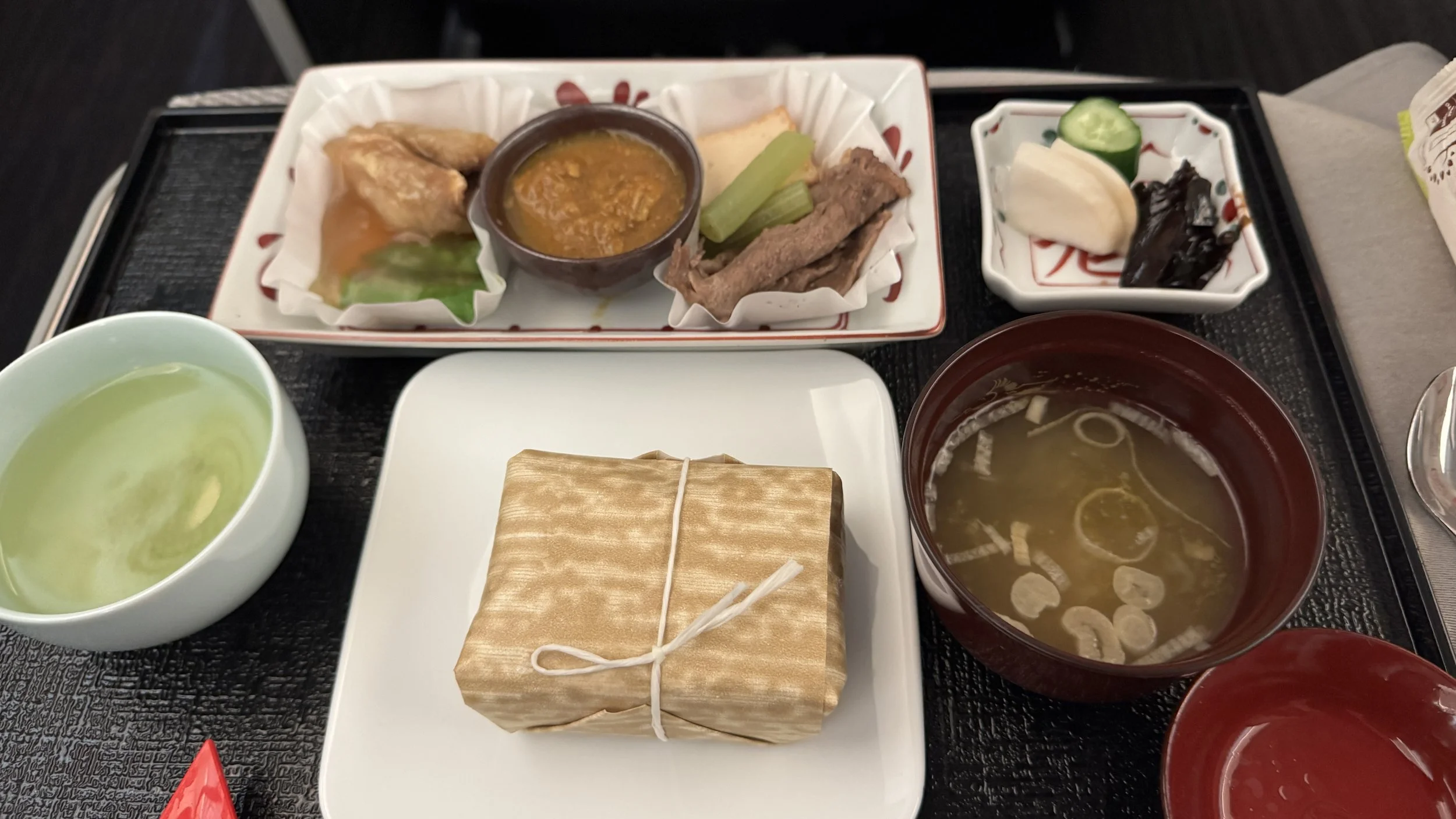
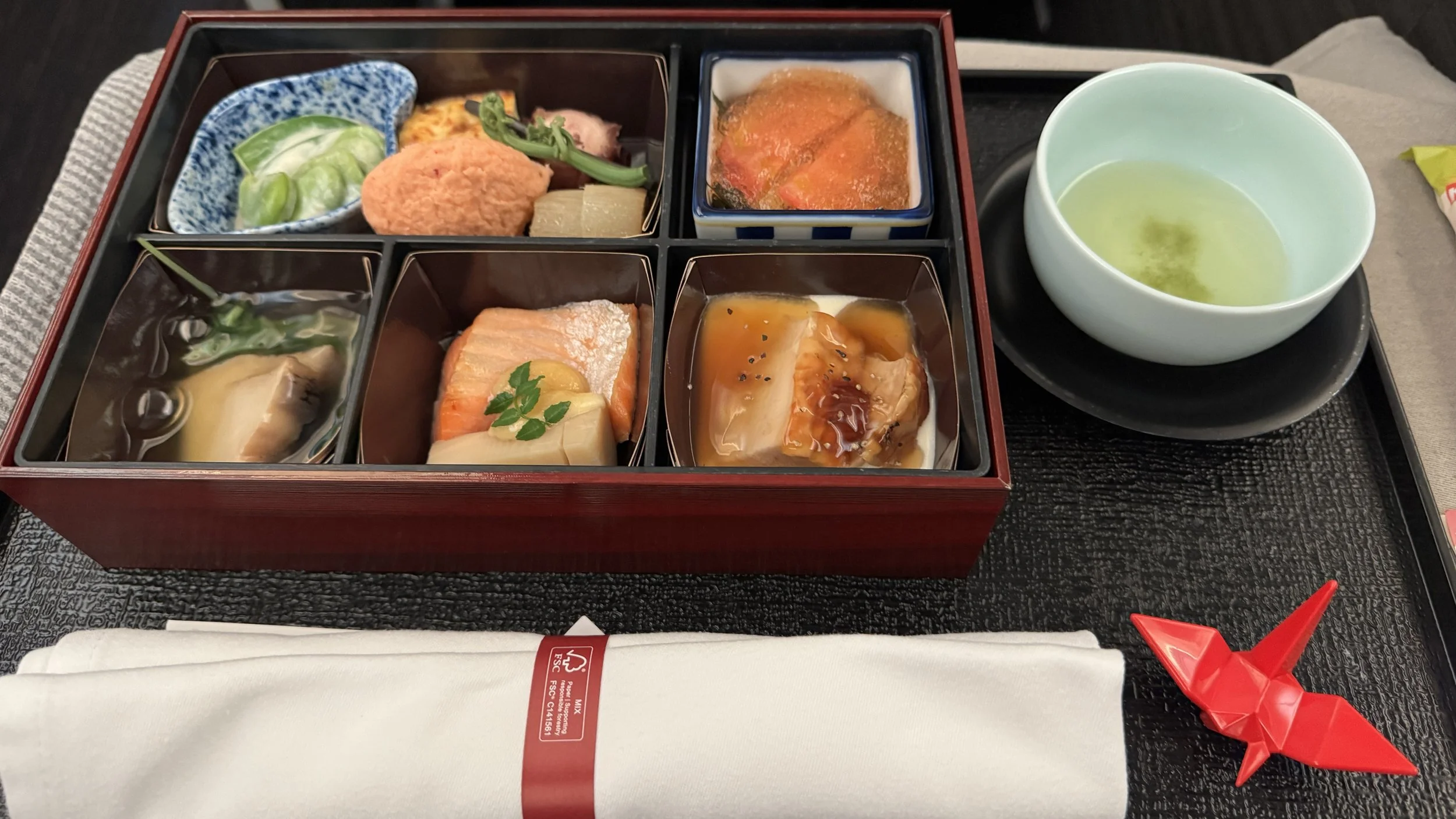
在船上吃了最后一顿早餐后,下船从港口叫了一辆 Grab,虽然只有大约10公里的路程,却花了一个多小时才到达。一路上交通非常拥堵,还穿过了不少热闹的市场街道,最终我们抵达了 马尼拉半岛酒店(The Peninsula Manila),这是一家非常漂亮的酒店,上海外滩也有。入住后,我们在酒店吃了一顿自助午餐,顺便尝试一些当地菜肴。
午休片刻后,我们出门在附近散步。很快就注意到这一带有许多地方都以 “Ayala” 命名。阿亚拉家族(Ayala family)是菲律宾历史最悠久、最有影响力的商业家族之一。他们通过 阿亚拉集团(Ayala Corporation),在19世纪开始发展商业,并在后来主导开发了马卡蒂,使这里成为菲律宾现代化的金融和商业中心。
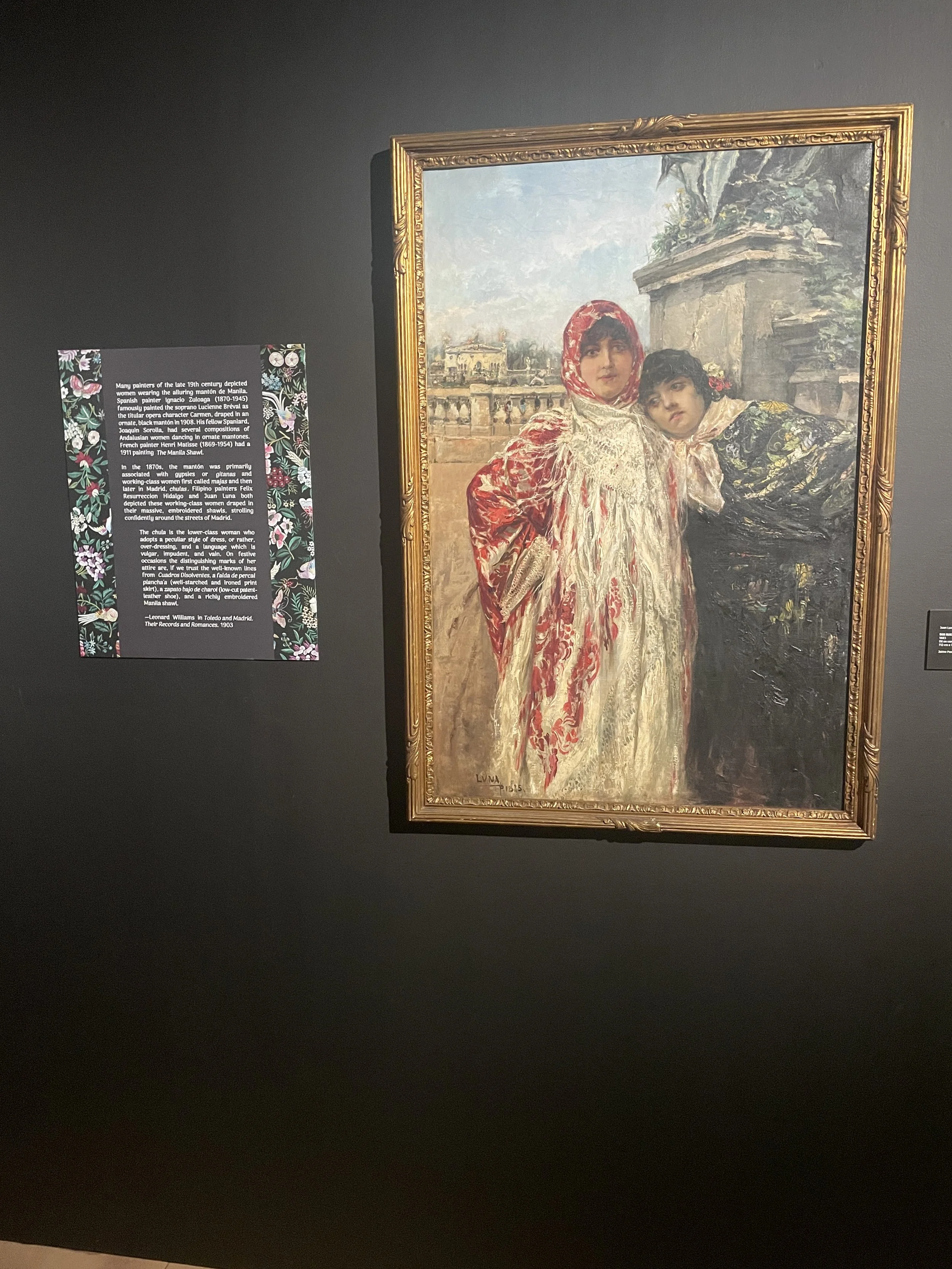
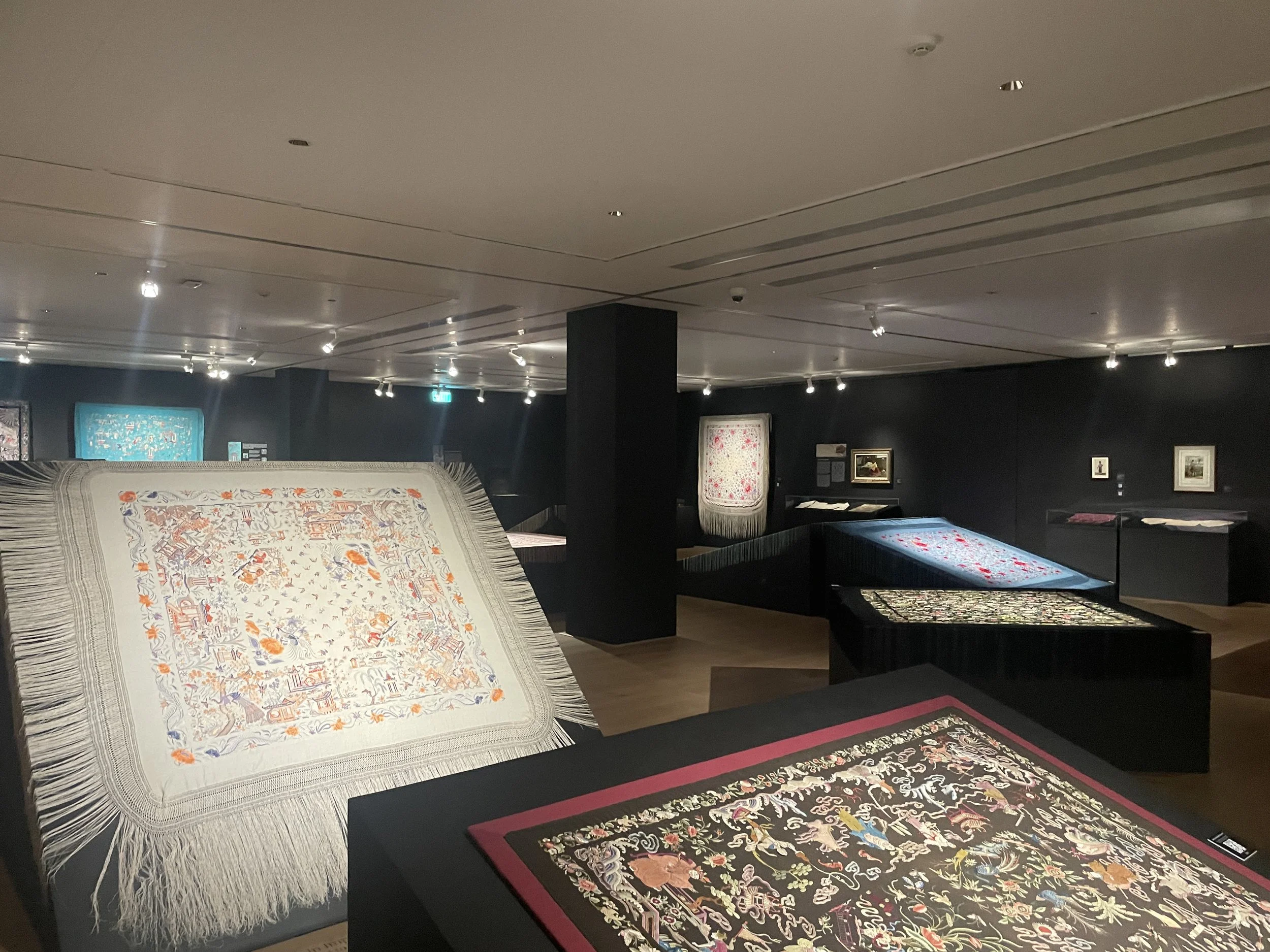
我们先在阿亚拉三角花园(Ayala Triangle Gardens) 悠闲地散步,然后参观了 阿亚拉博物馆(Ayala Museum)。博物馆里最令人印象深刻的展览之一是名为 “祖先的黄金”(Gold of Ancestors) 的黄金收藏,展示了大约10至13世纪菲律宾西班牙殖民时期之前的黄金文物。这些展品展示了早期菲律宾精湛的工艺和富足的生活。我们从未在一个地方见过如此多的黄金器物,令人非常震撼。博物馆还详细介绍了当时在西班牙流行的马尼拉披肩,色彩鲜艳漂亮,用于弗拉门戈舞。但实际上都是从中国进口的,马尼拉只是转手一下去了西班牙,成为马尼拉披肩。
离开博物馆后,我们走到Greenbelt 花园和购物中心。花园中央有一座小教堂,许多人已经在那里等待晚上六点的弥撒。我们在那里停留了一会儿,感受这种宗教氛围,也对菲律宾人对天主教的虔诚信仰留下深刻印象。
随后我们到当地一家热门的连锁餐厅吃了一顿菲律宾菜。食物非常美味,也为这次旅程画上了一个愉快的句号。
明天我们将飞回亚利桑那的家。为期两周的东南亚之行非常精彩,我们一共访问了三个新的国家和八个新的目的地。相比之下,我们似乎更适应菲律宾的食物,而不是马来西亚的菜肴。菲律宾的天气稍微凉爽一些,不过整体来说,马来西亚在基础设施和现代化程度方面更好。而在这三个国家中,文莱给我们的印象最好。
Manila, Philippines 菲律宾,马尼拉
March 12, 2026
We docked at Pier 15 in the Port of Manila,……
今天我们的邮轮停靠在马尼拉港的 Pier 15。。。
March 12, 2026
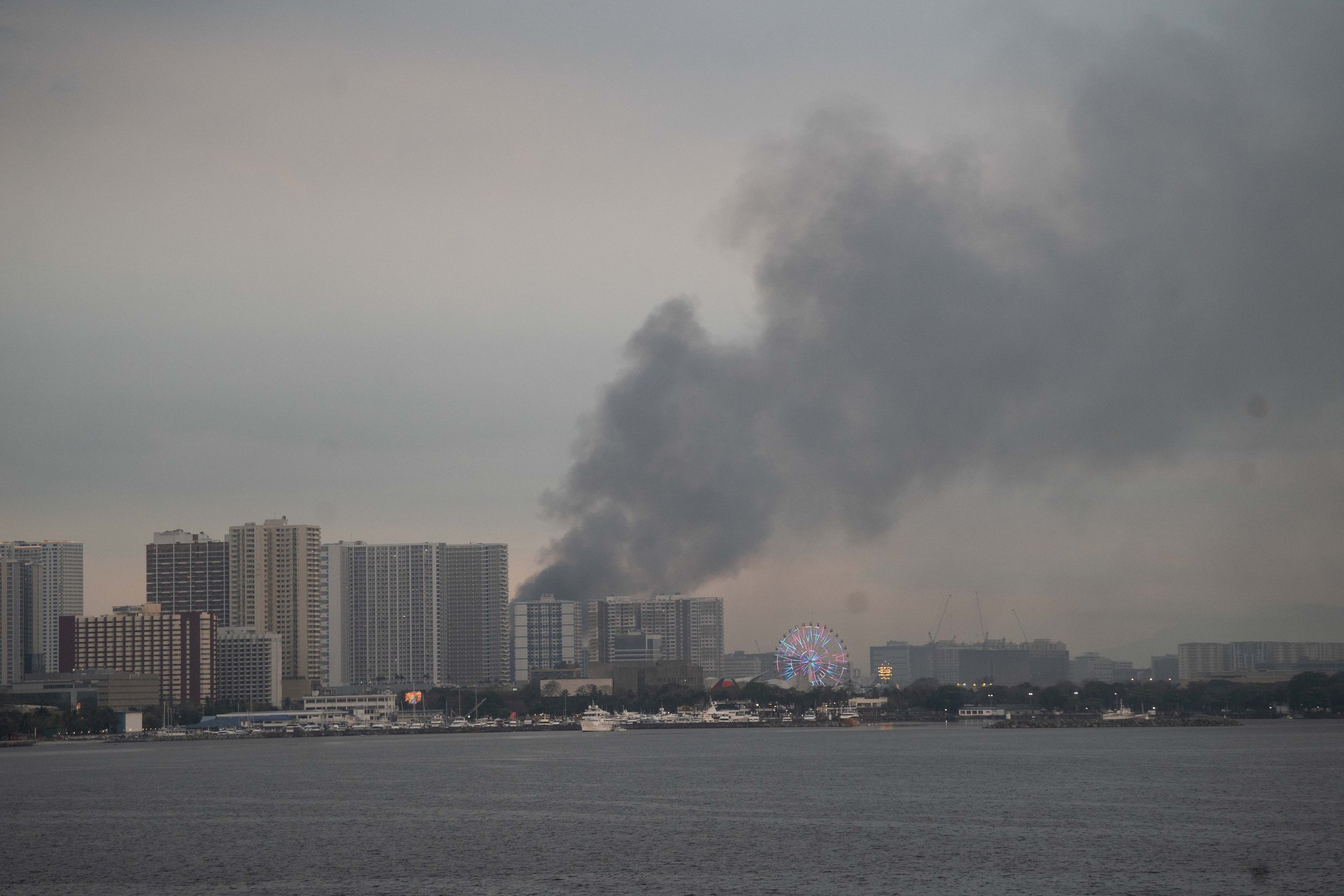
We docked at Pier 15 in the Port of Manila, located in the industrial harbor area. We had cancelled the ship-organized tour and decided instead to explore the city on our own.
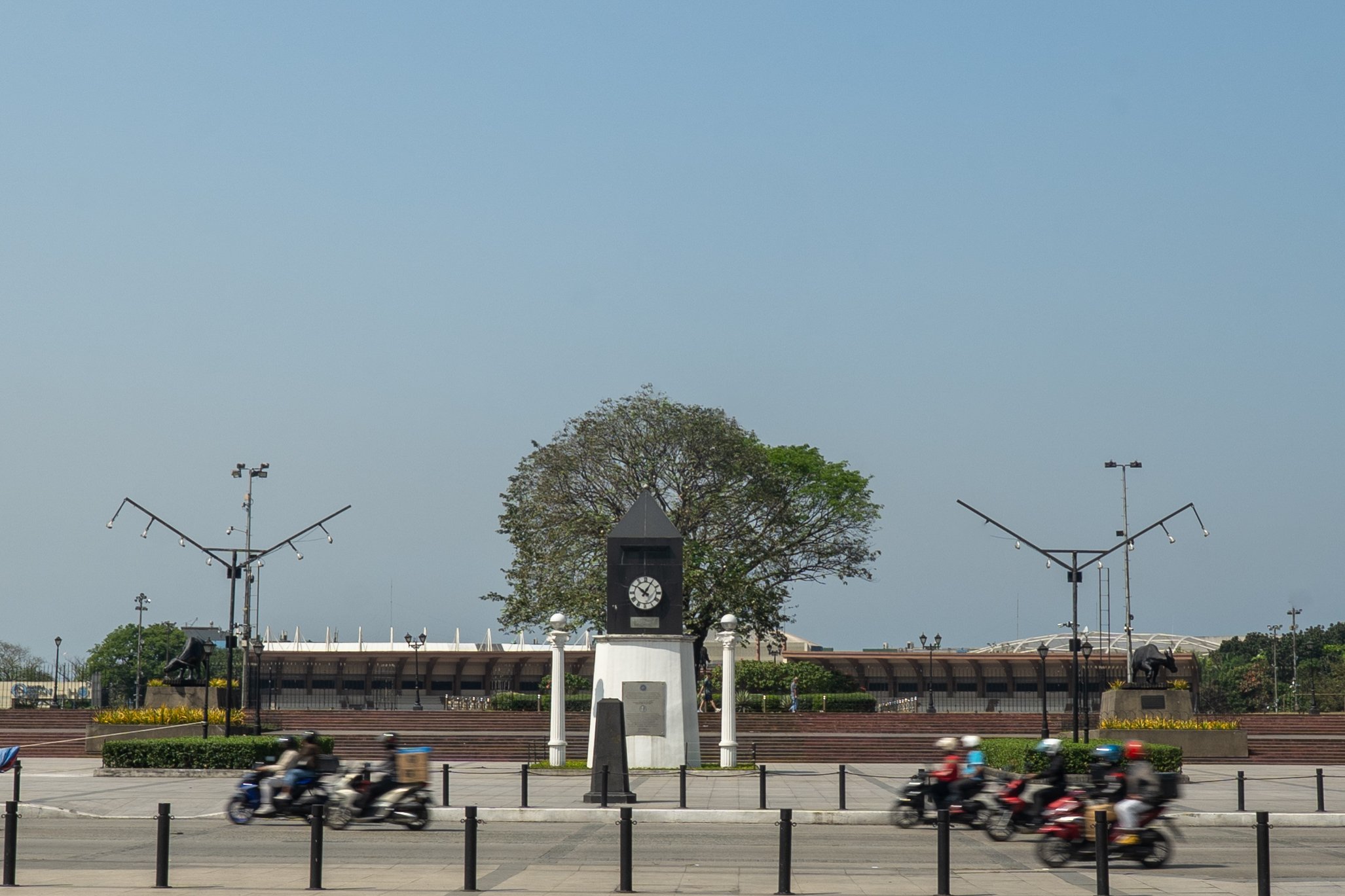
The ship provided a free shuttle bus to a shopping mall, but after looking at the map we realized it would be easy to walk to Rizal Park first. José Rizal is the country’s national hero, and his name appears everywhere in the city. Rizal Park itself is spacious and impressive.
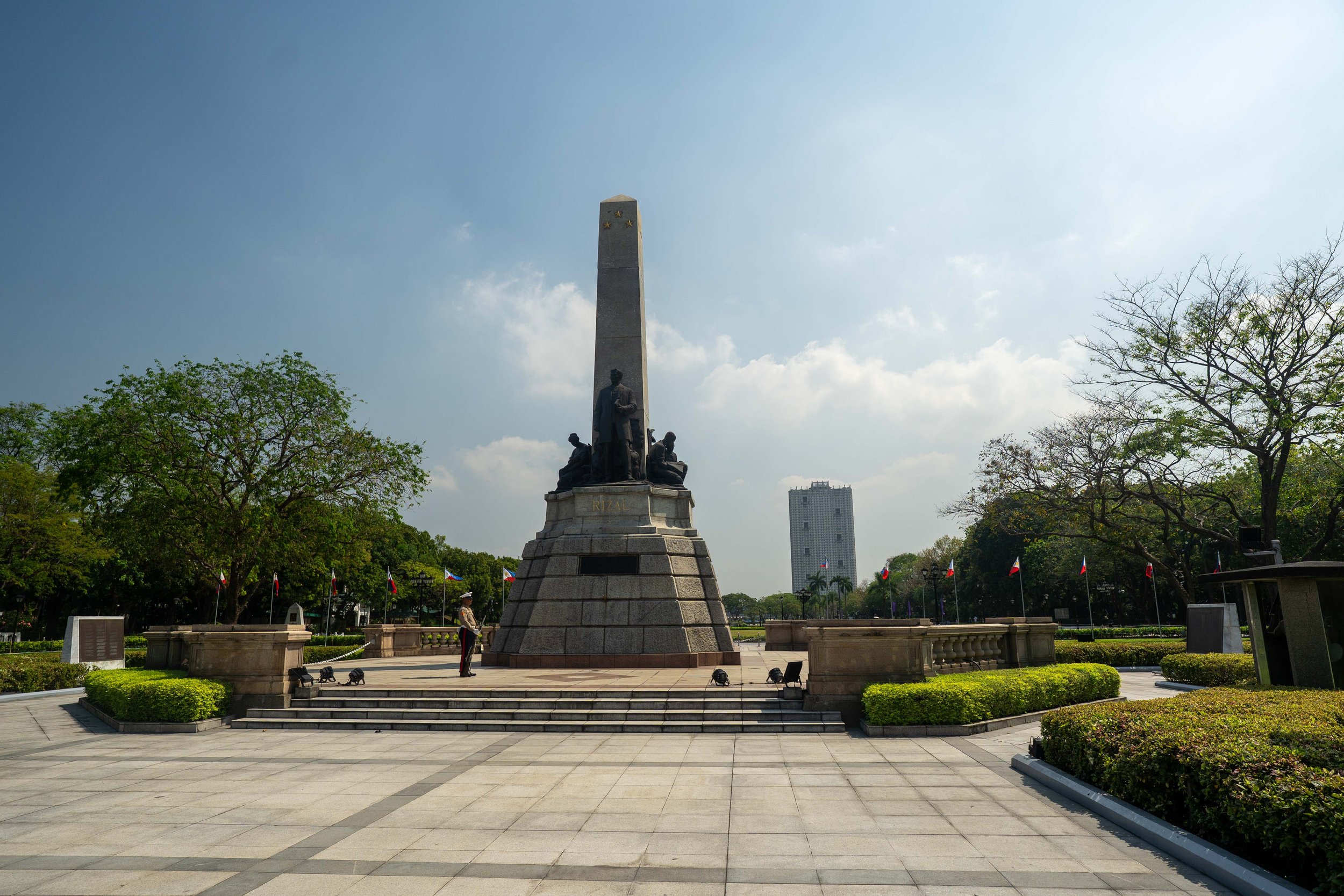
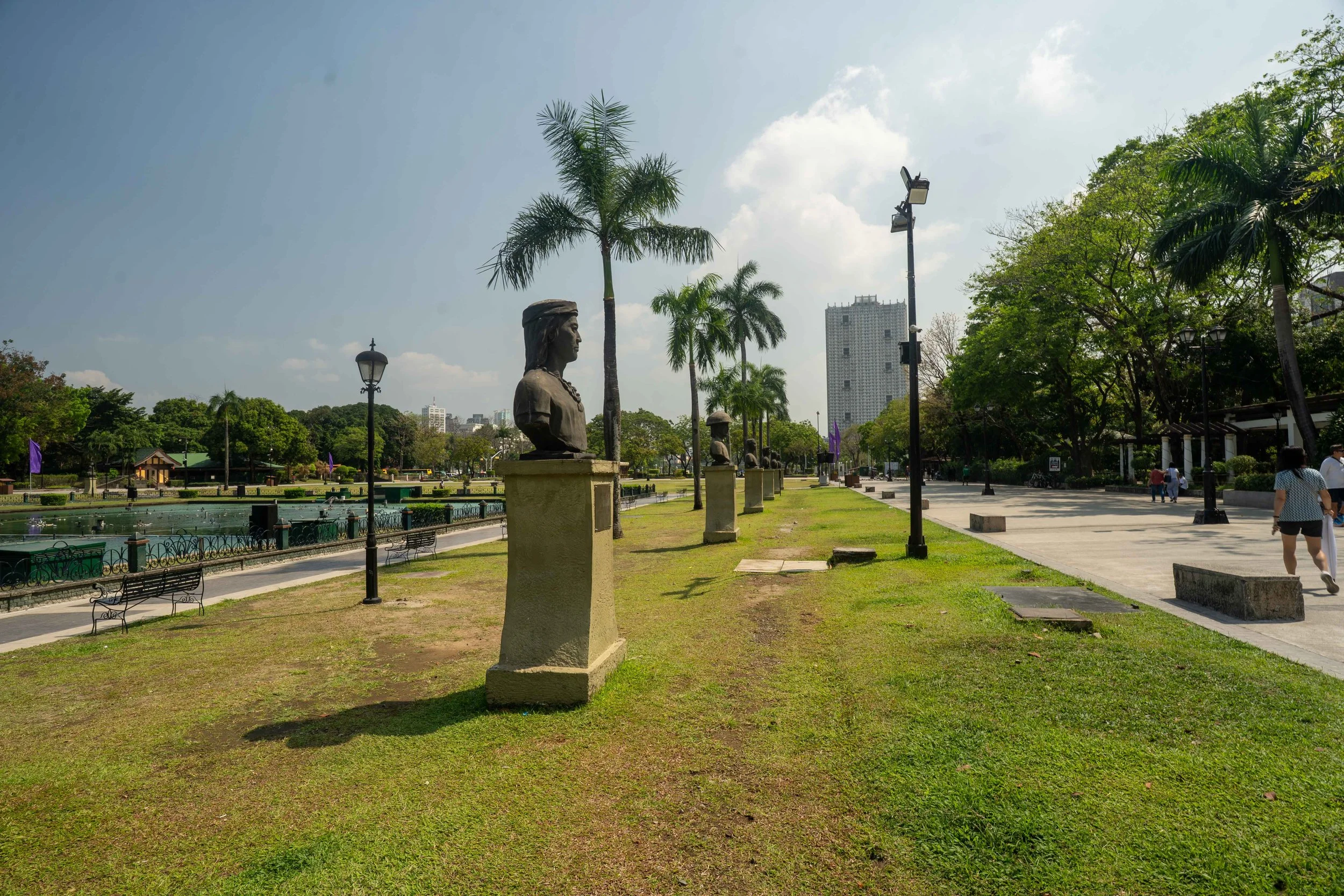
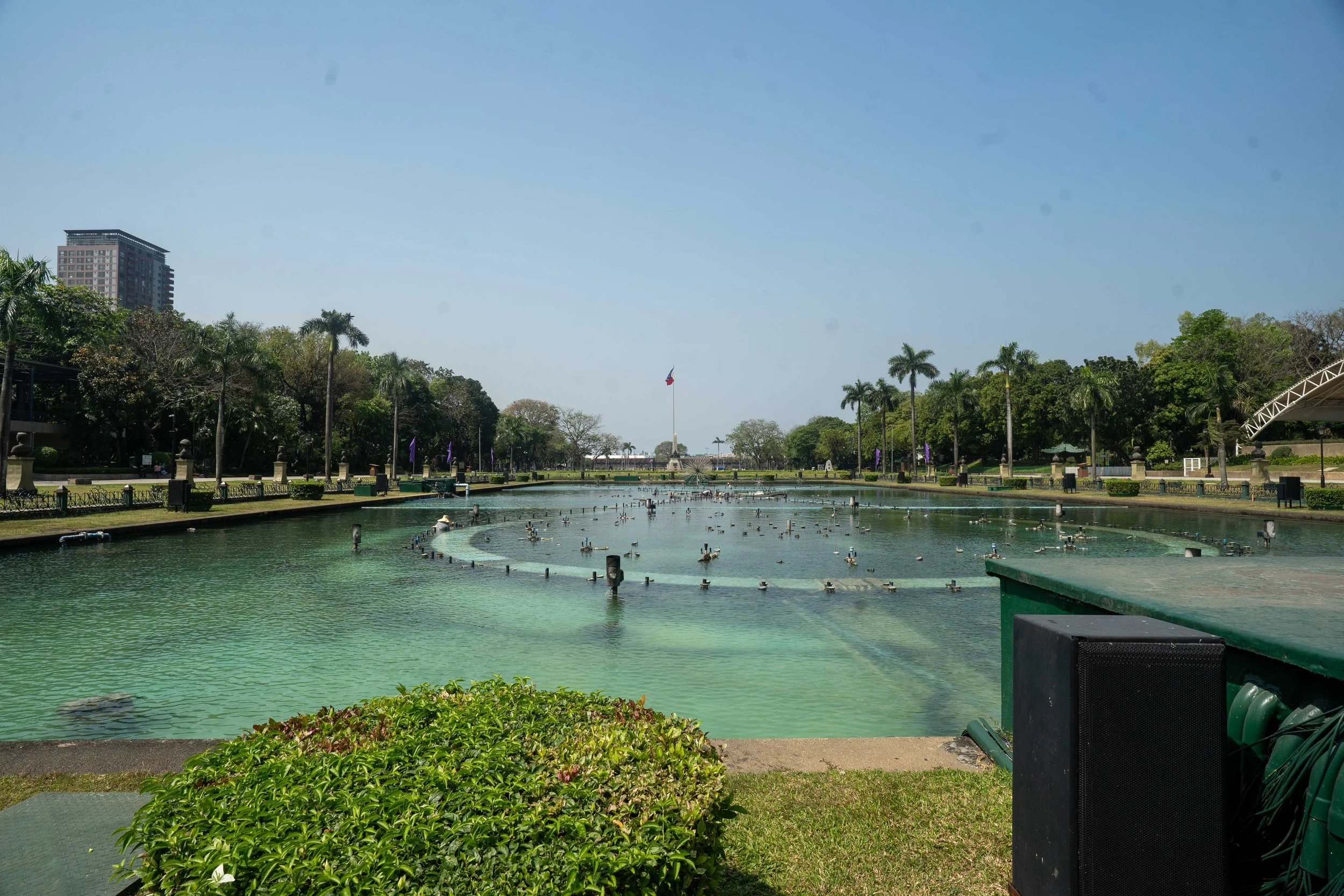
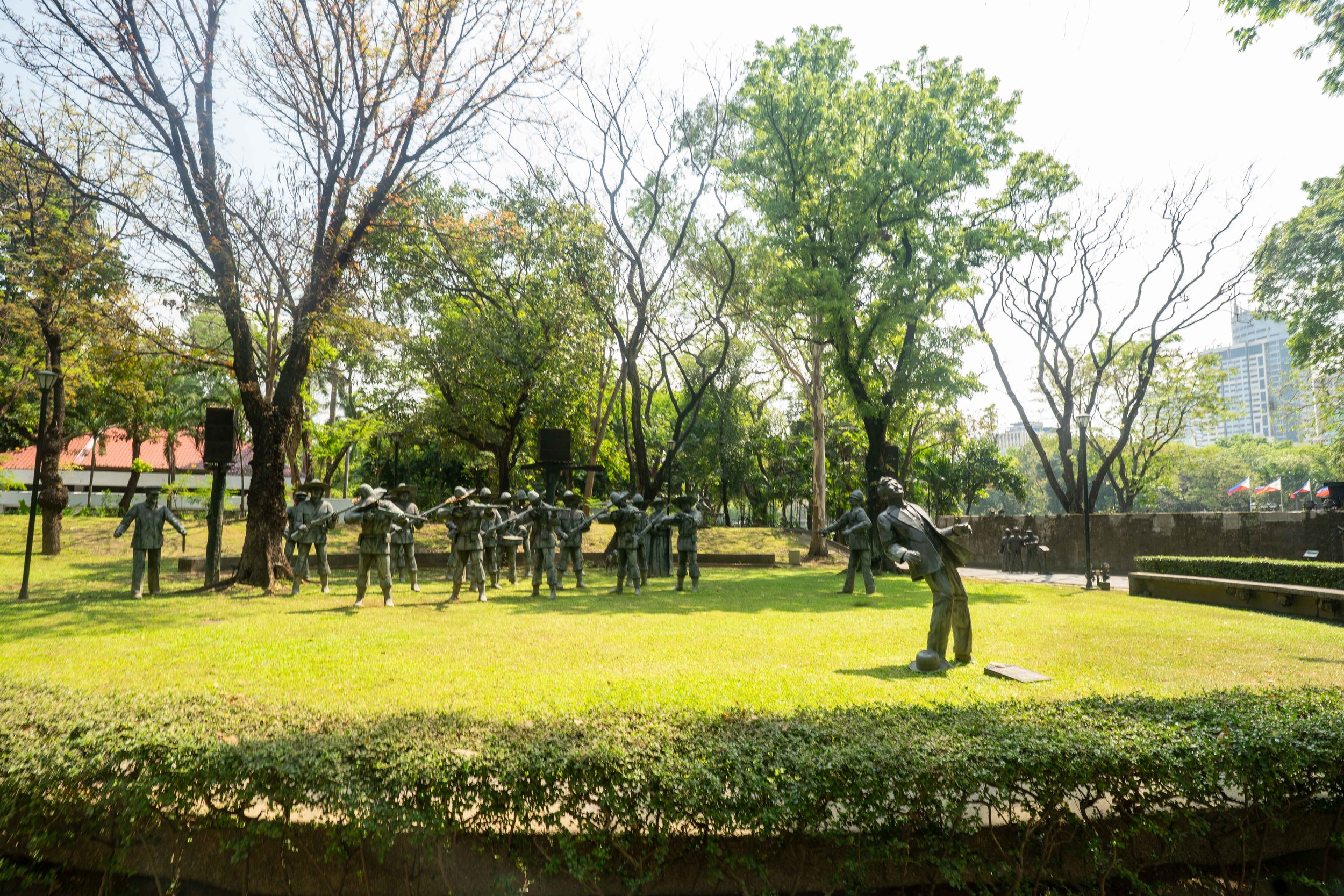
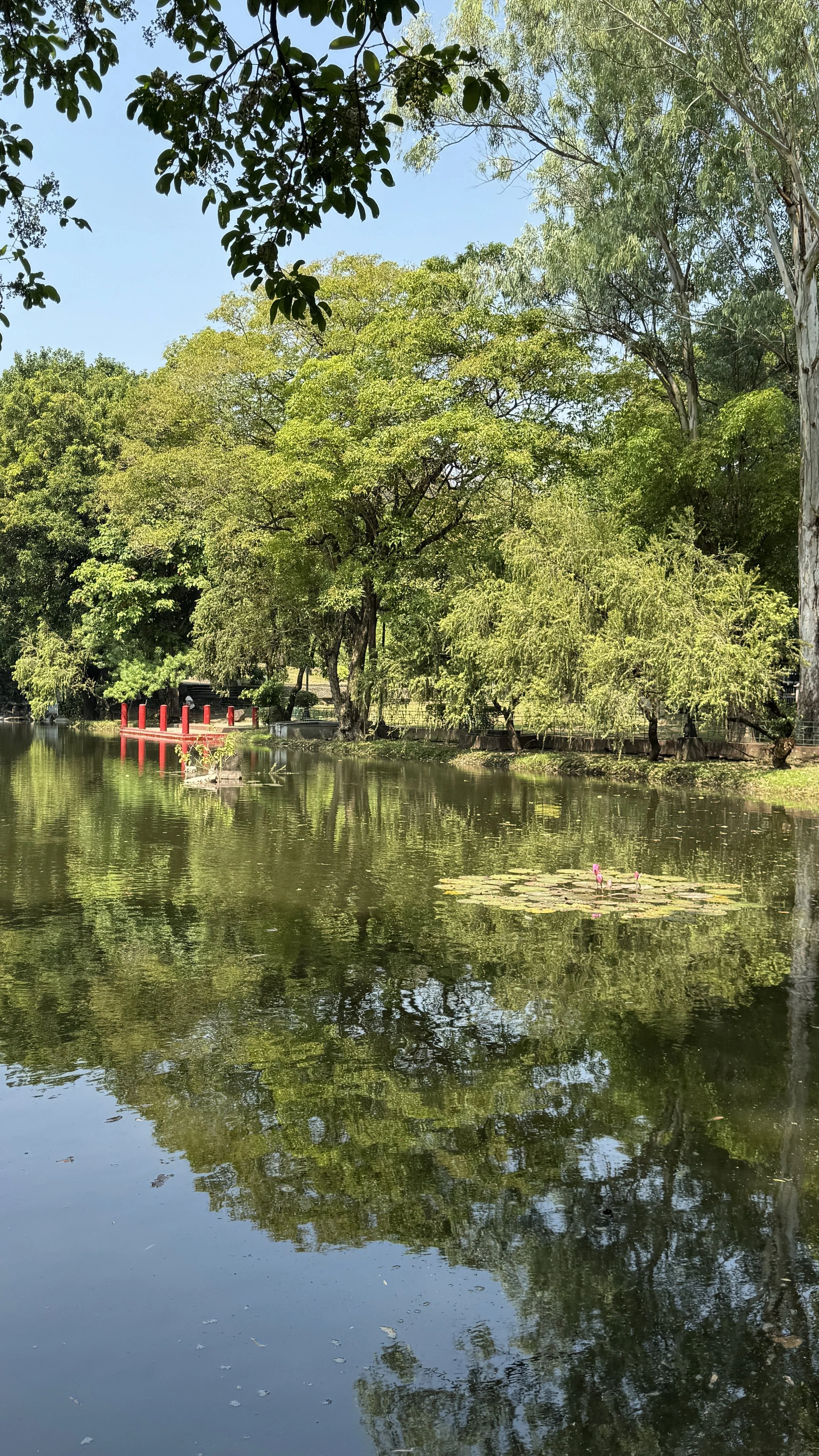
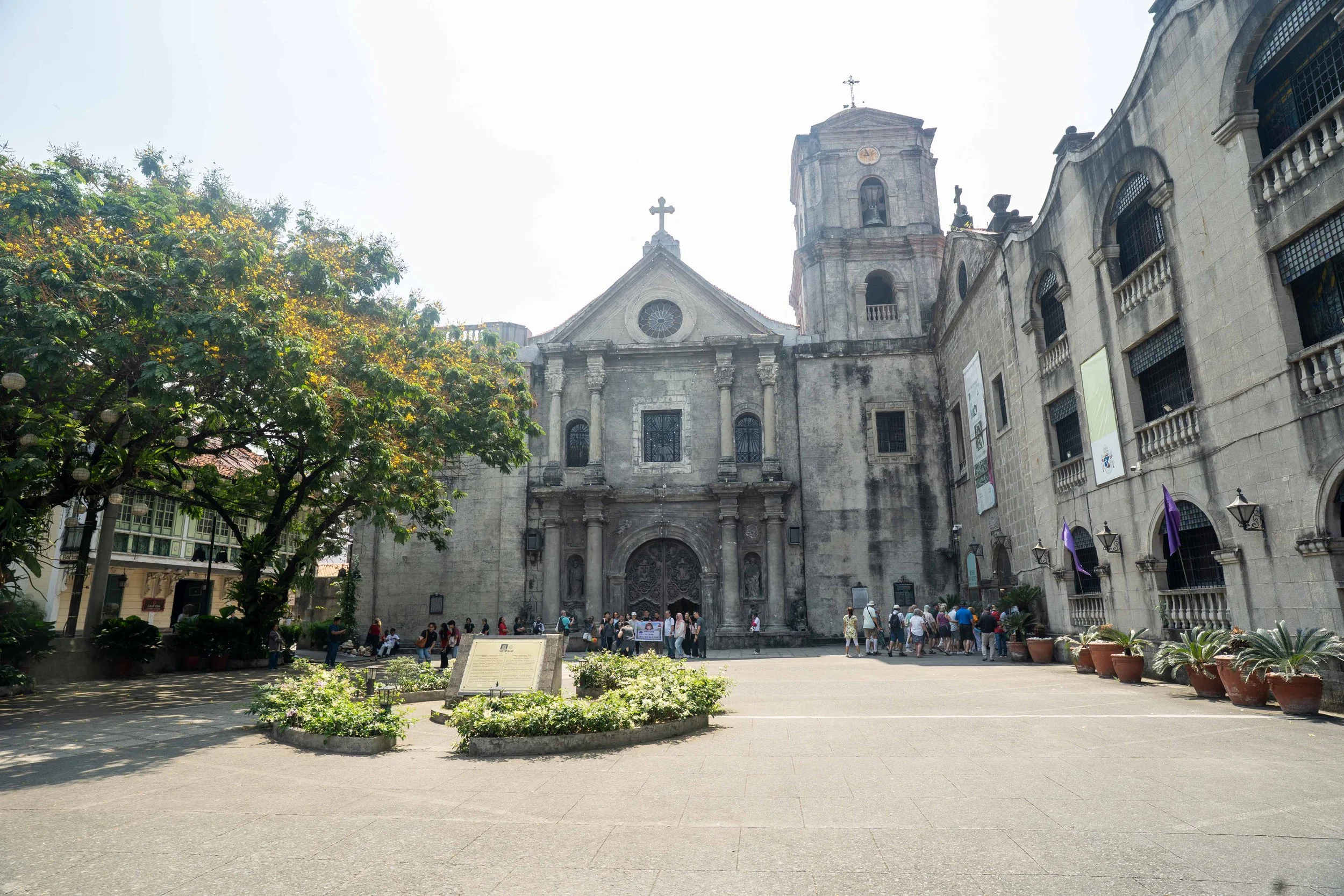
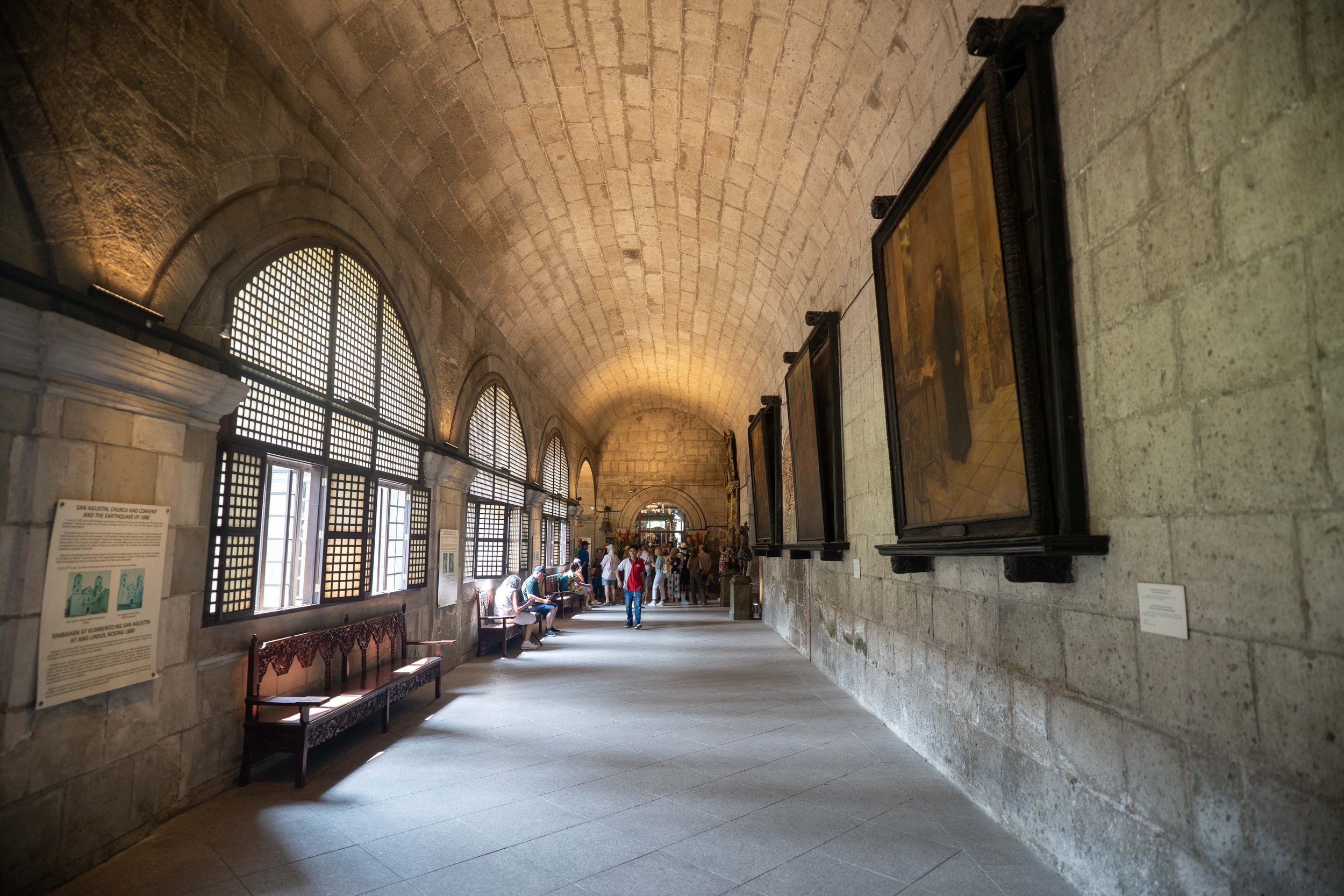
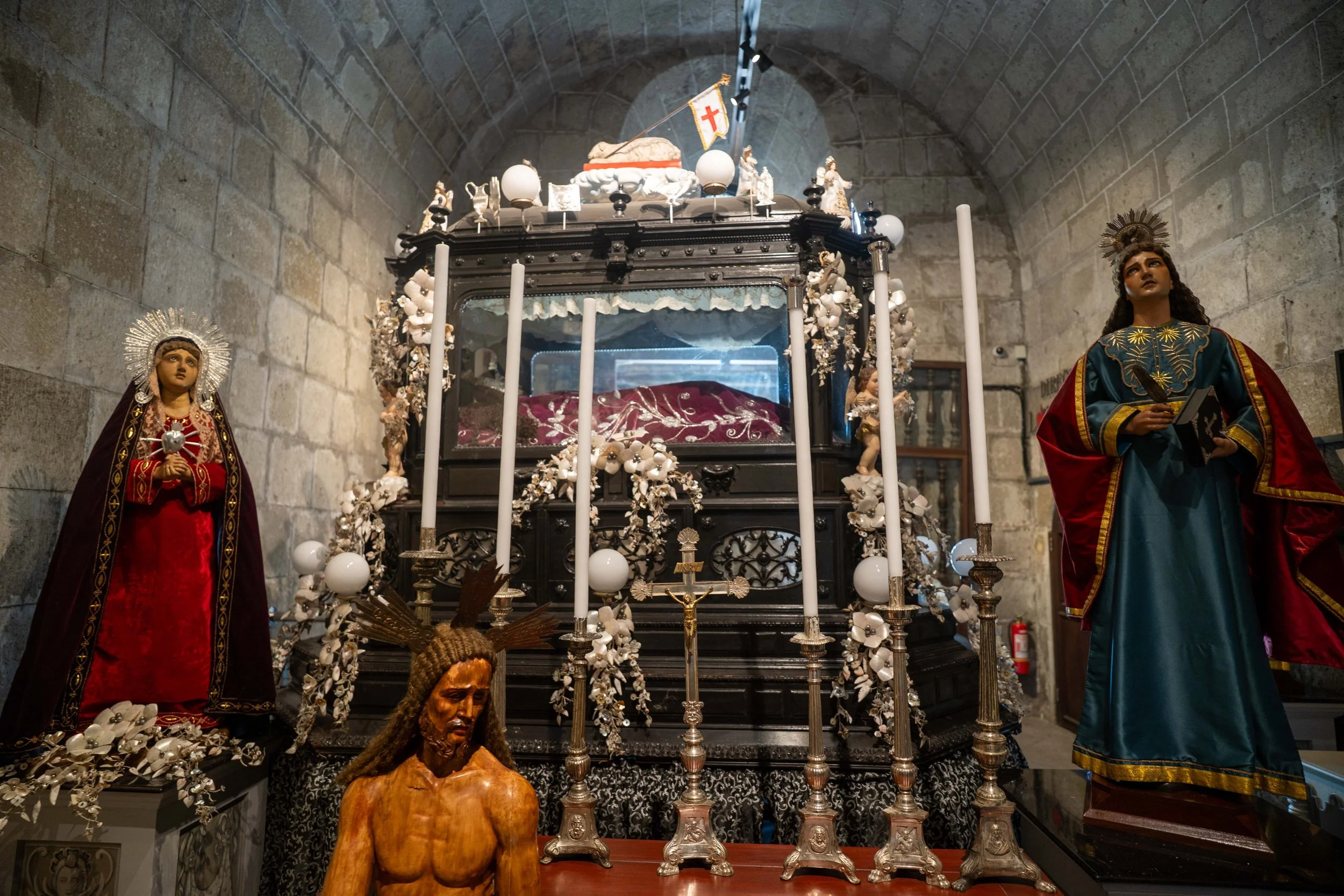
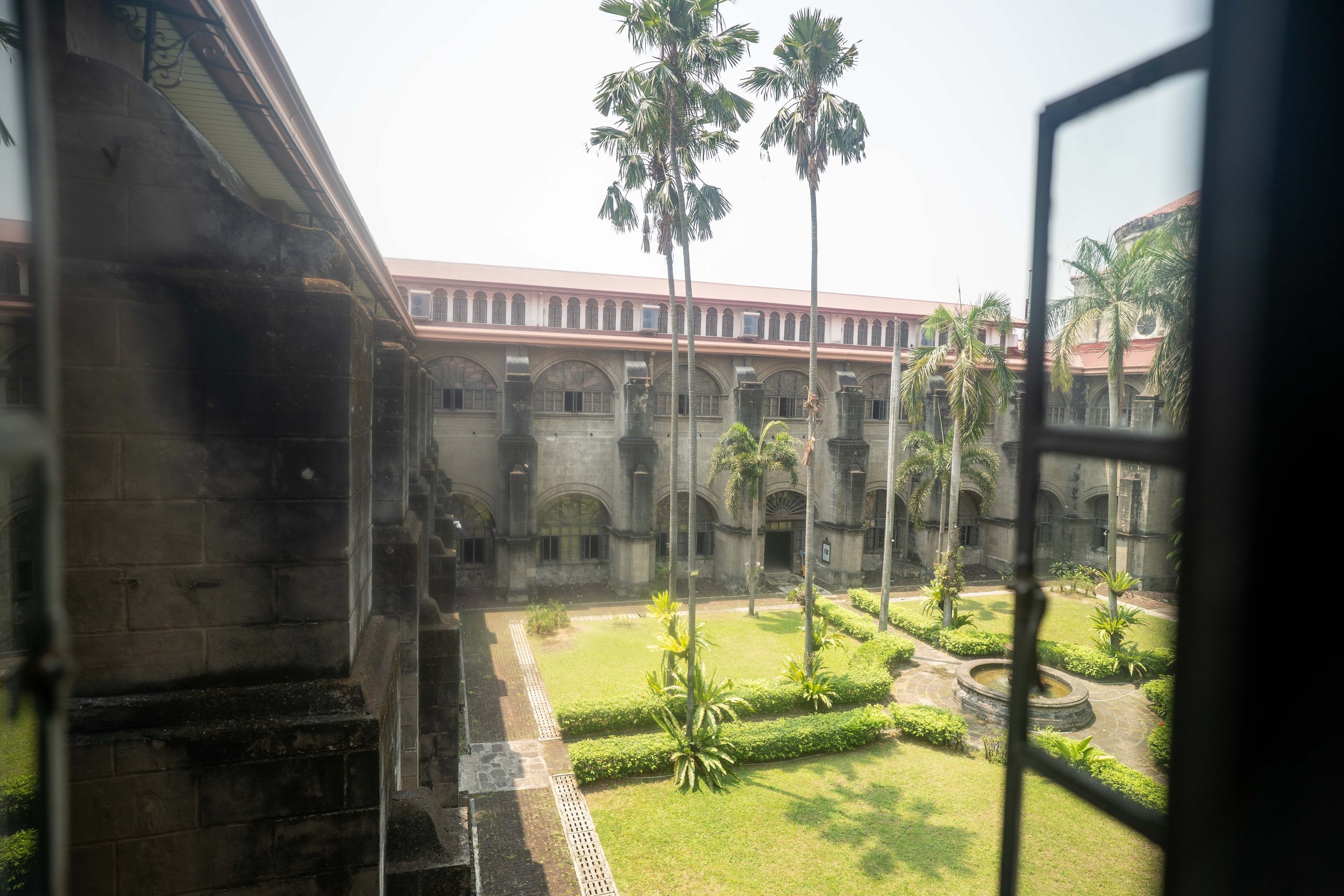
From the park, we continued walking to Intramuros, the historic walled city built during the Spanish colonial period. During our visit, we stopped at San Agustin Church, the oldest stone church in the Philippines. The church itself was beautiful, with its ornate interior and painted ceiling. However, what interested us most was the museum inside the old monastery. We spent quite a bit of time exploring the exhibits, which displayed religious art, antique furniture, historical manuscripts, and artifacts from the Spanish colonial period. Walking through the quiet cloisters and galleries offered a deeper understanding of the church’s long history and the role Catholicism played in shaping the culture of the Philippines.
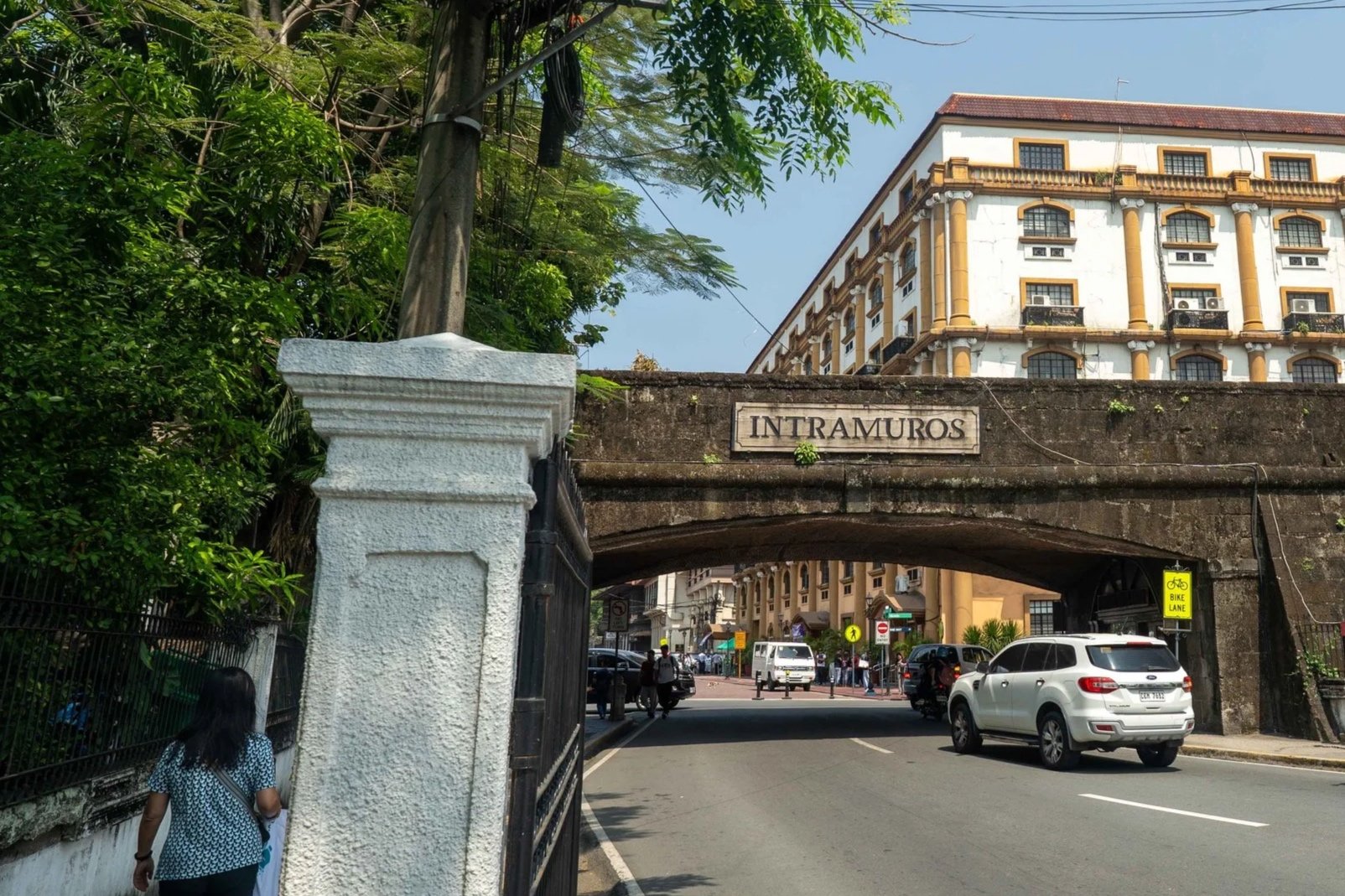
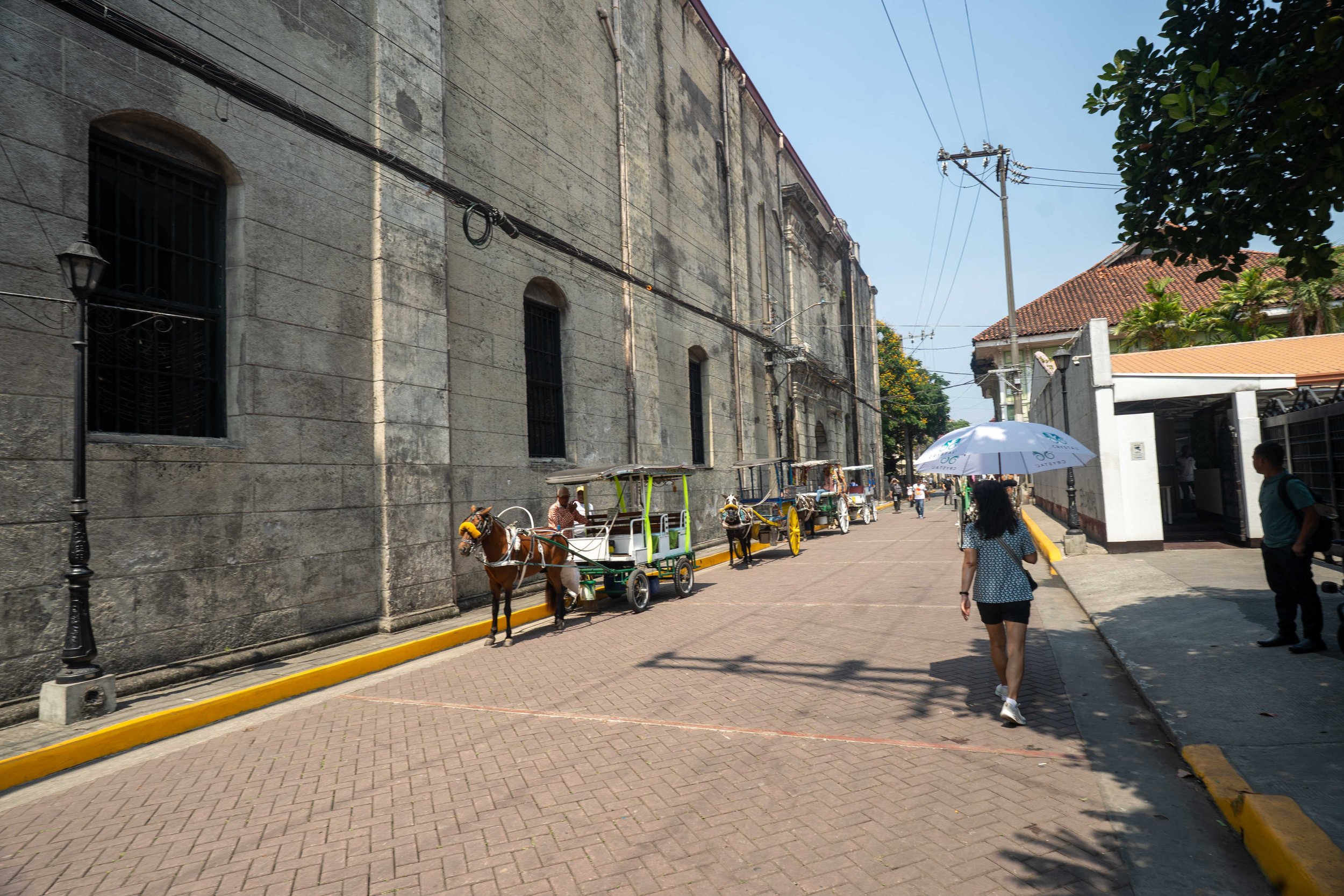
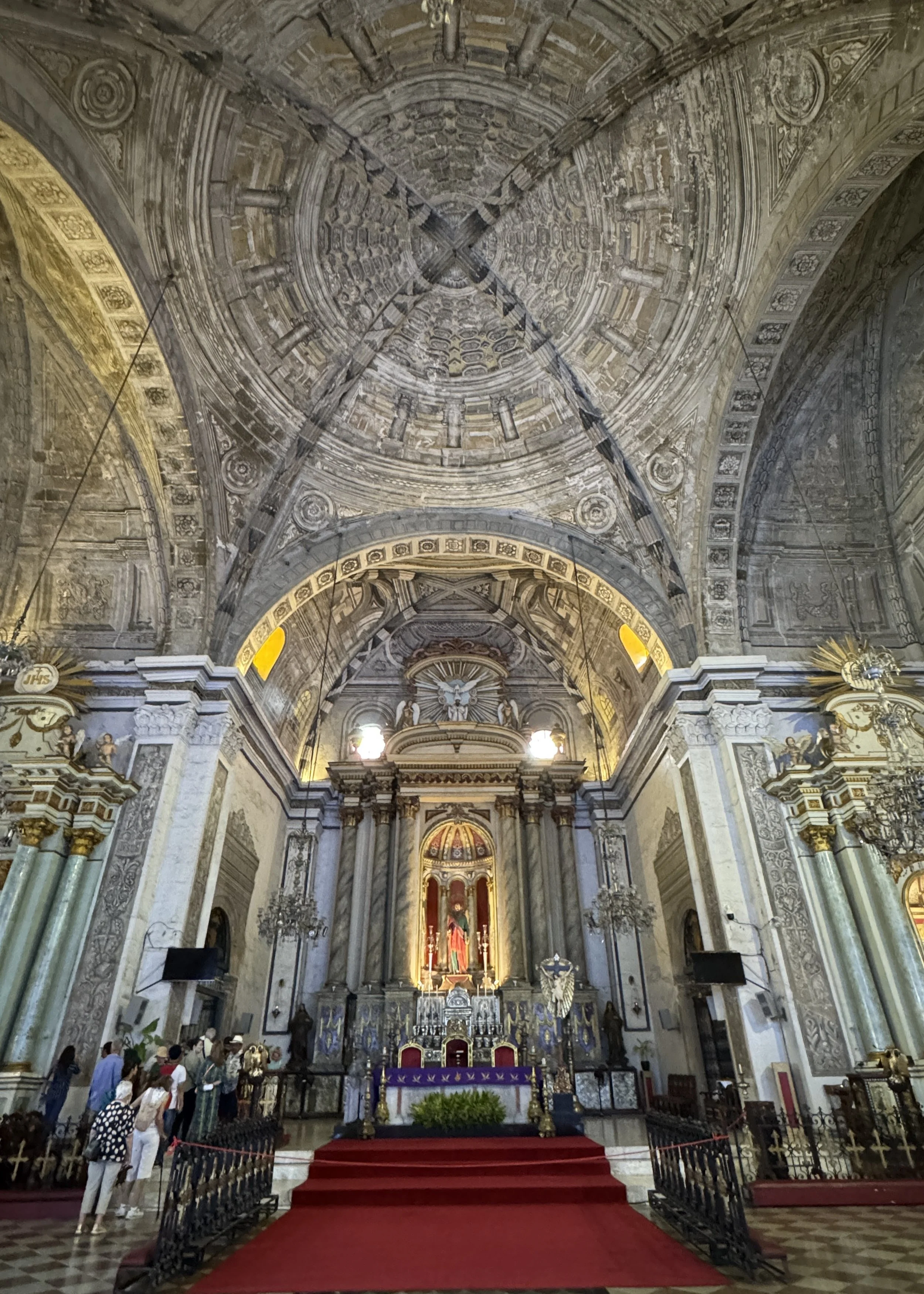
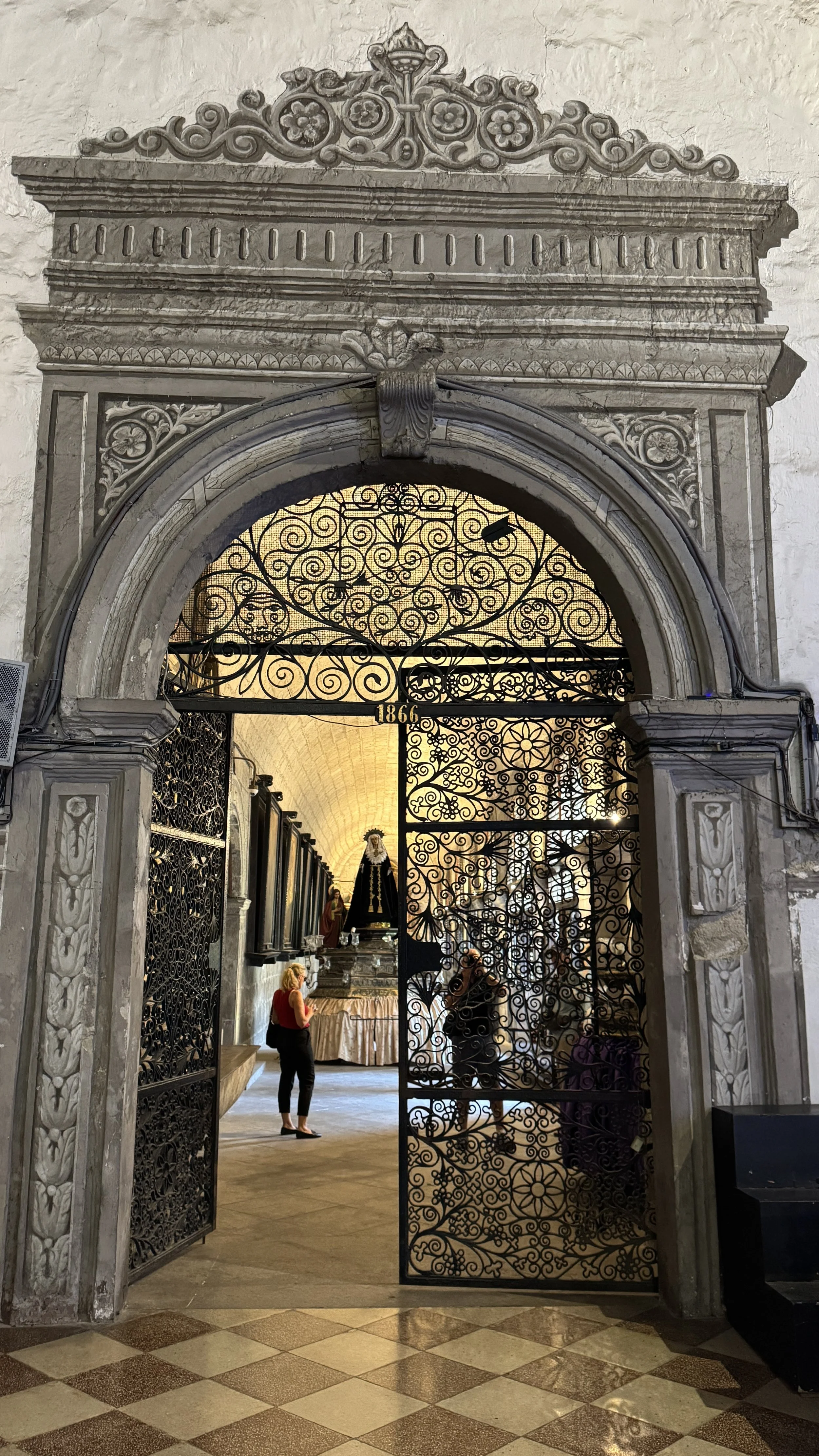
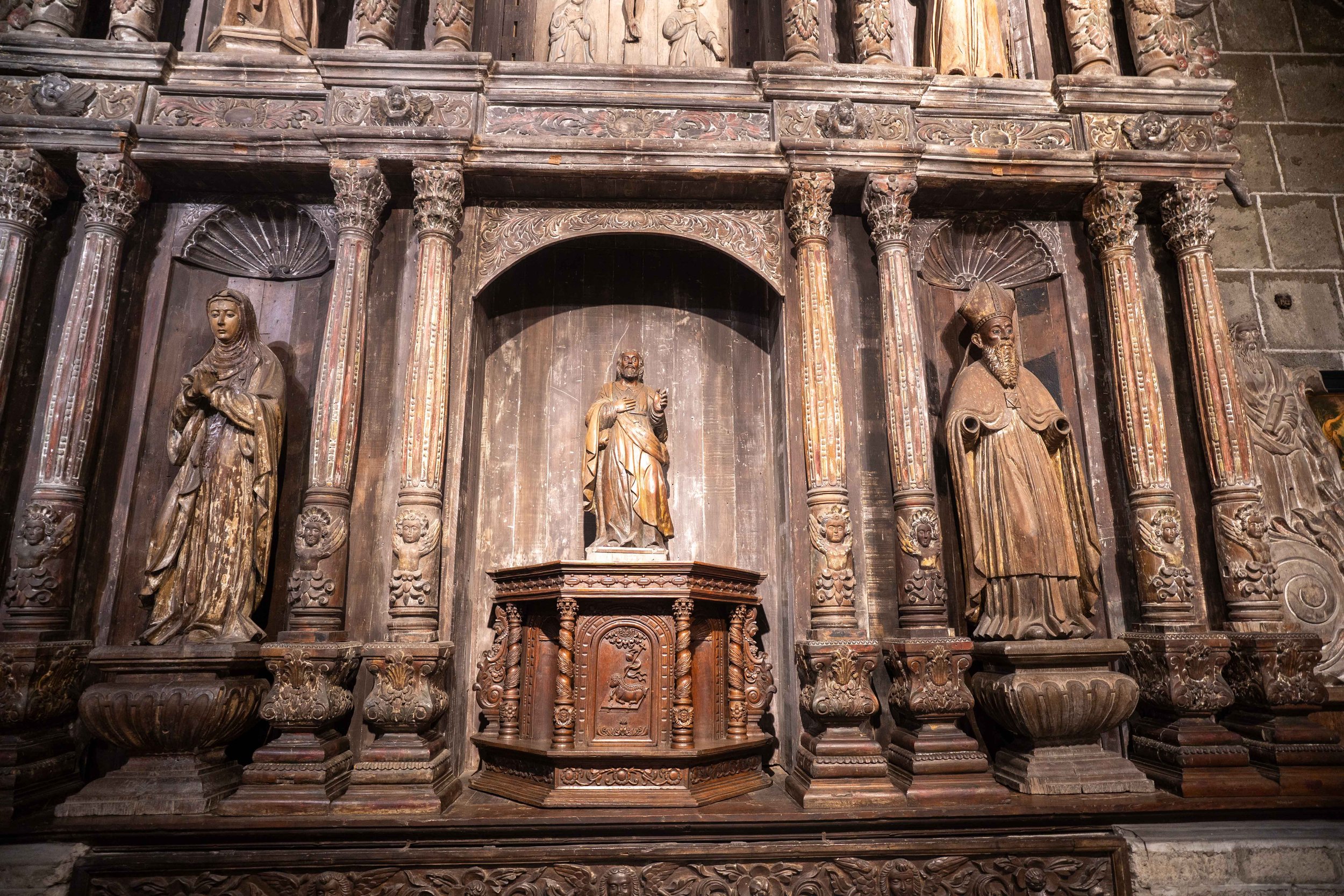
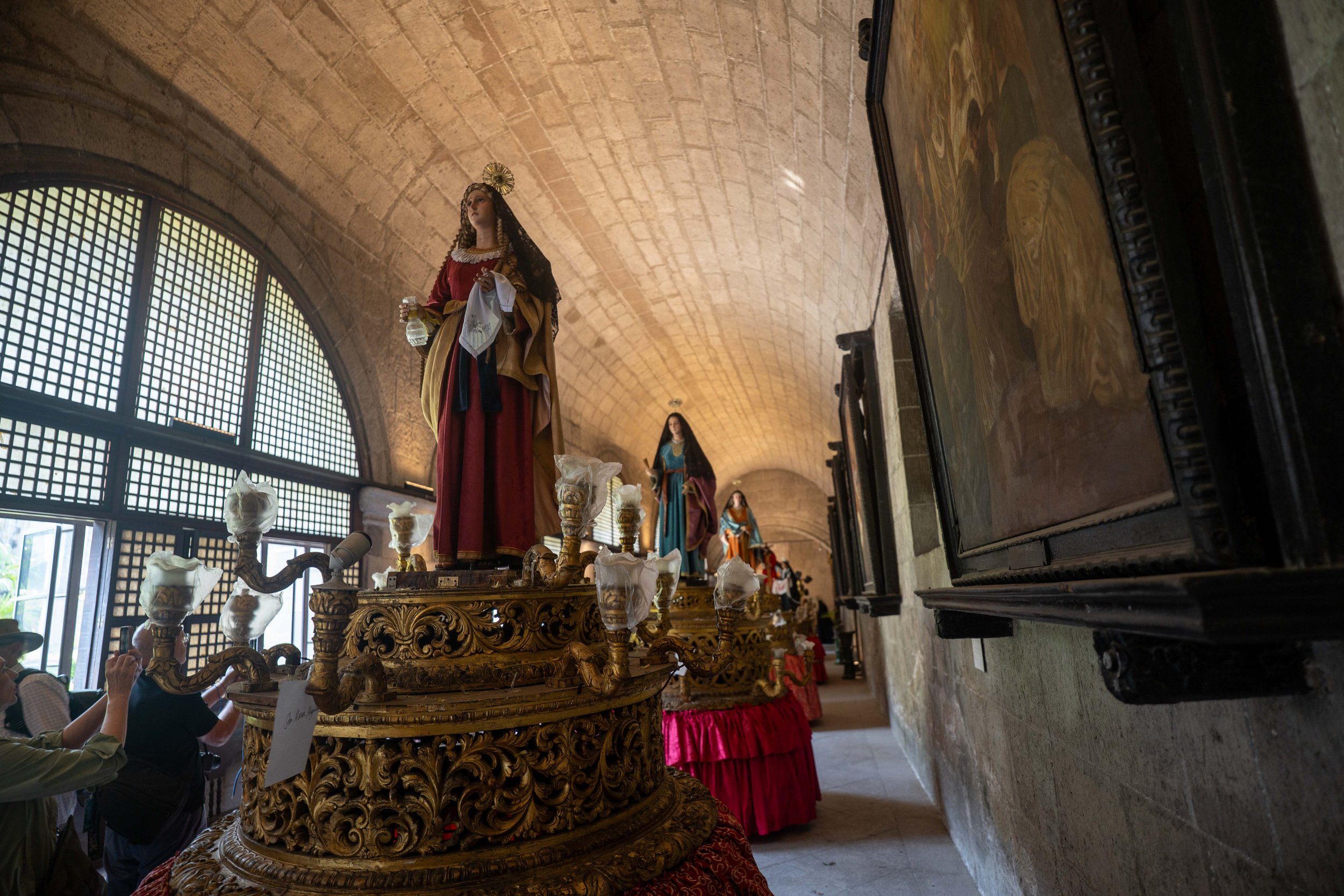
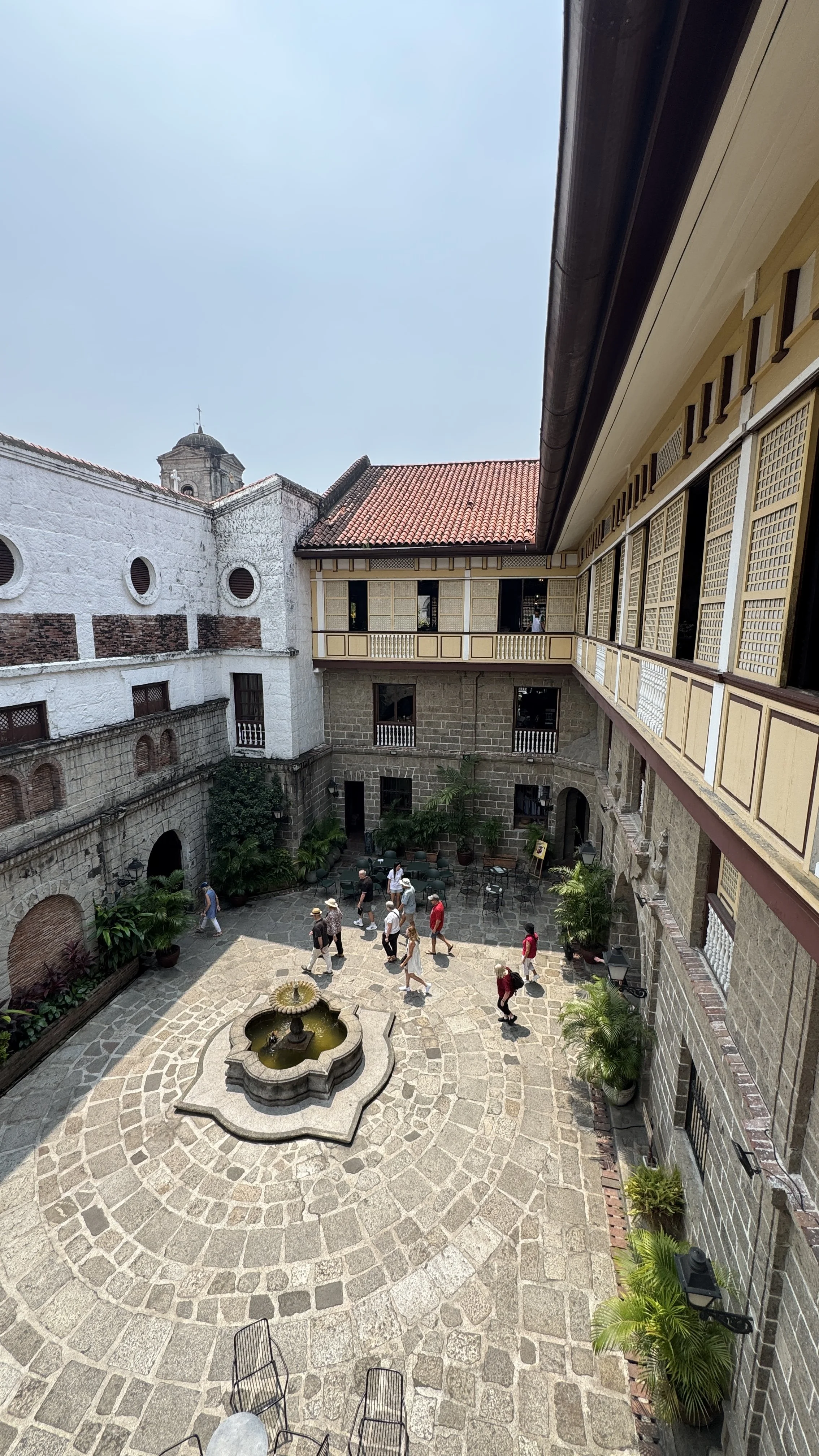
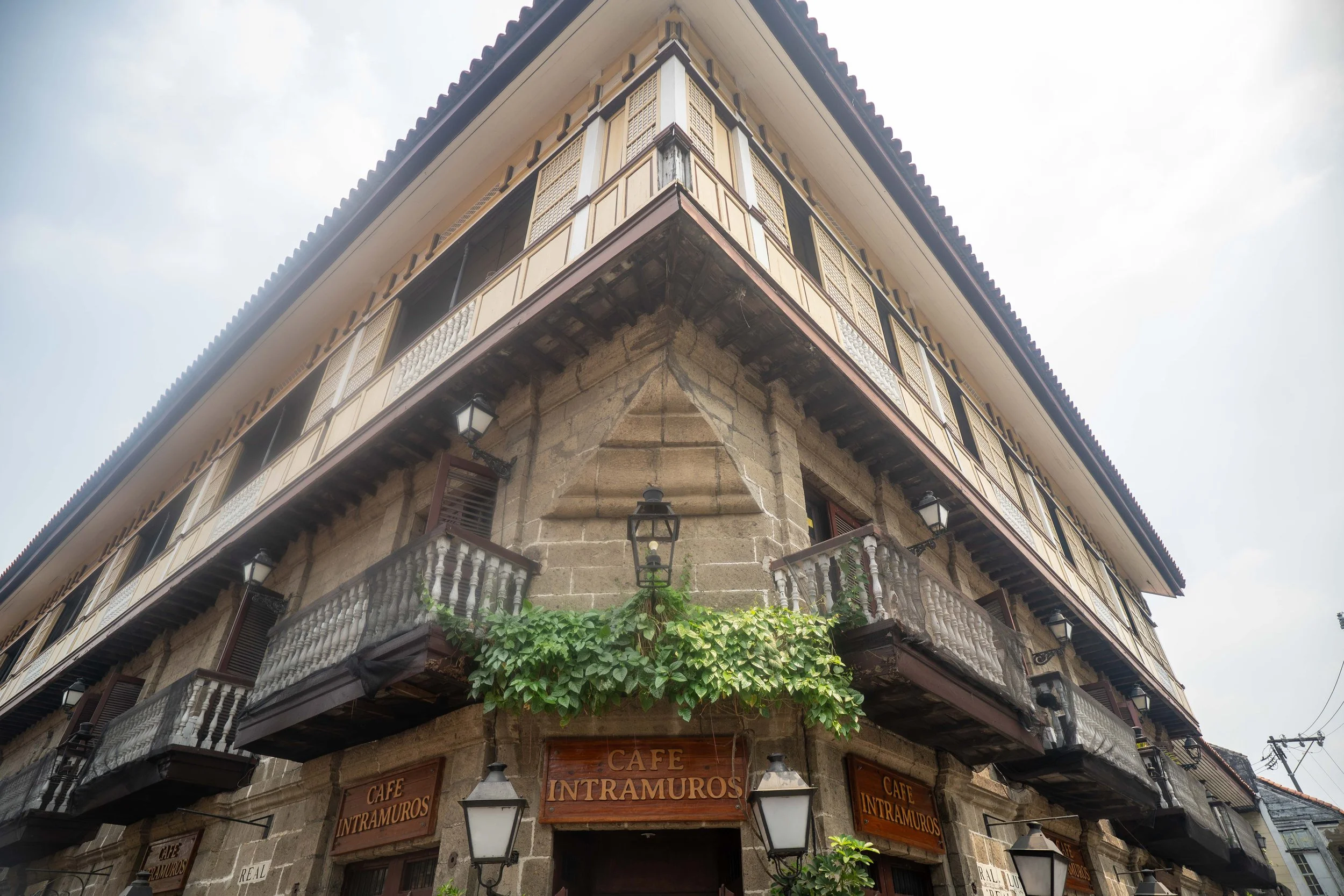
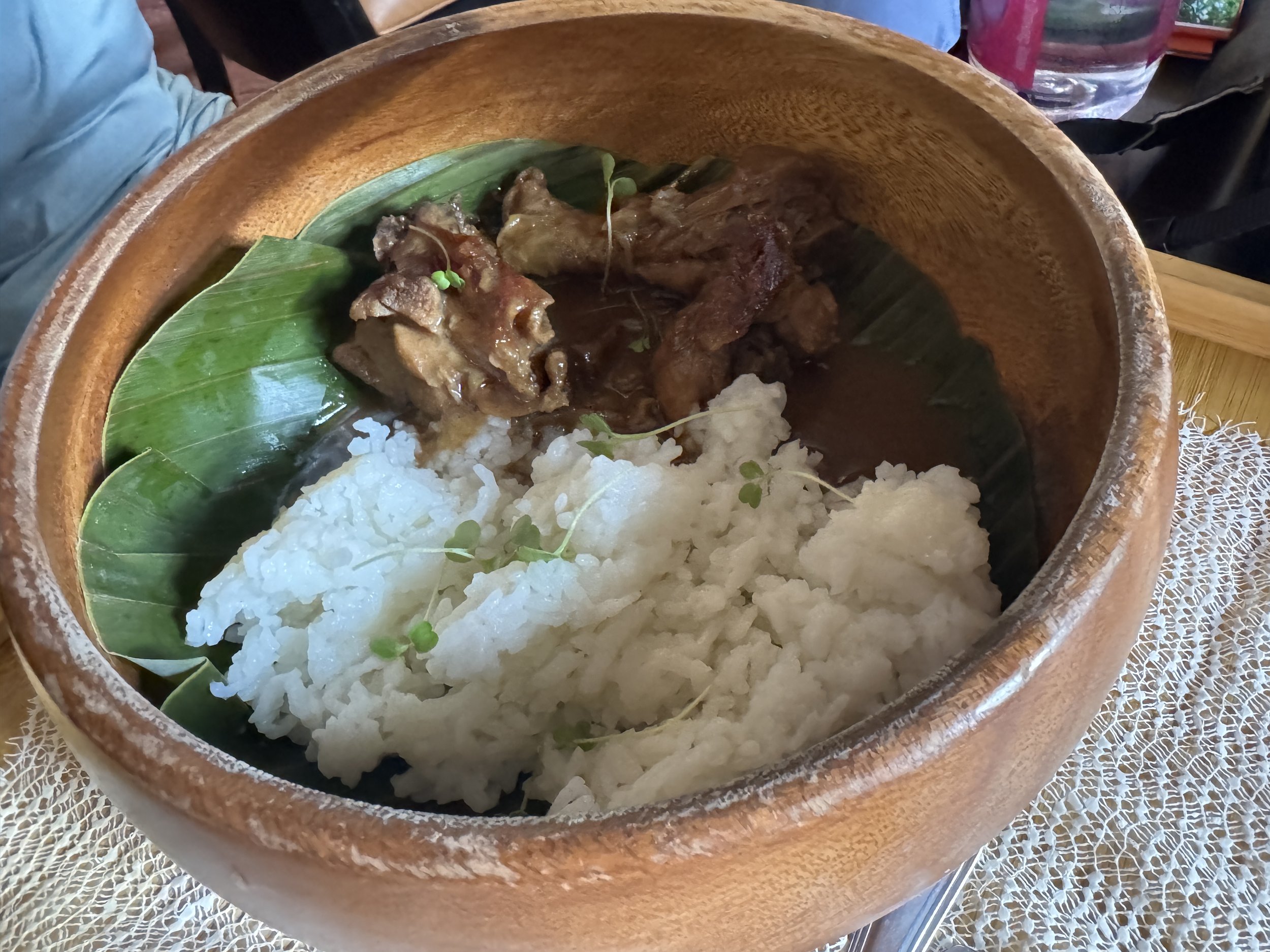
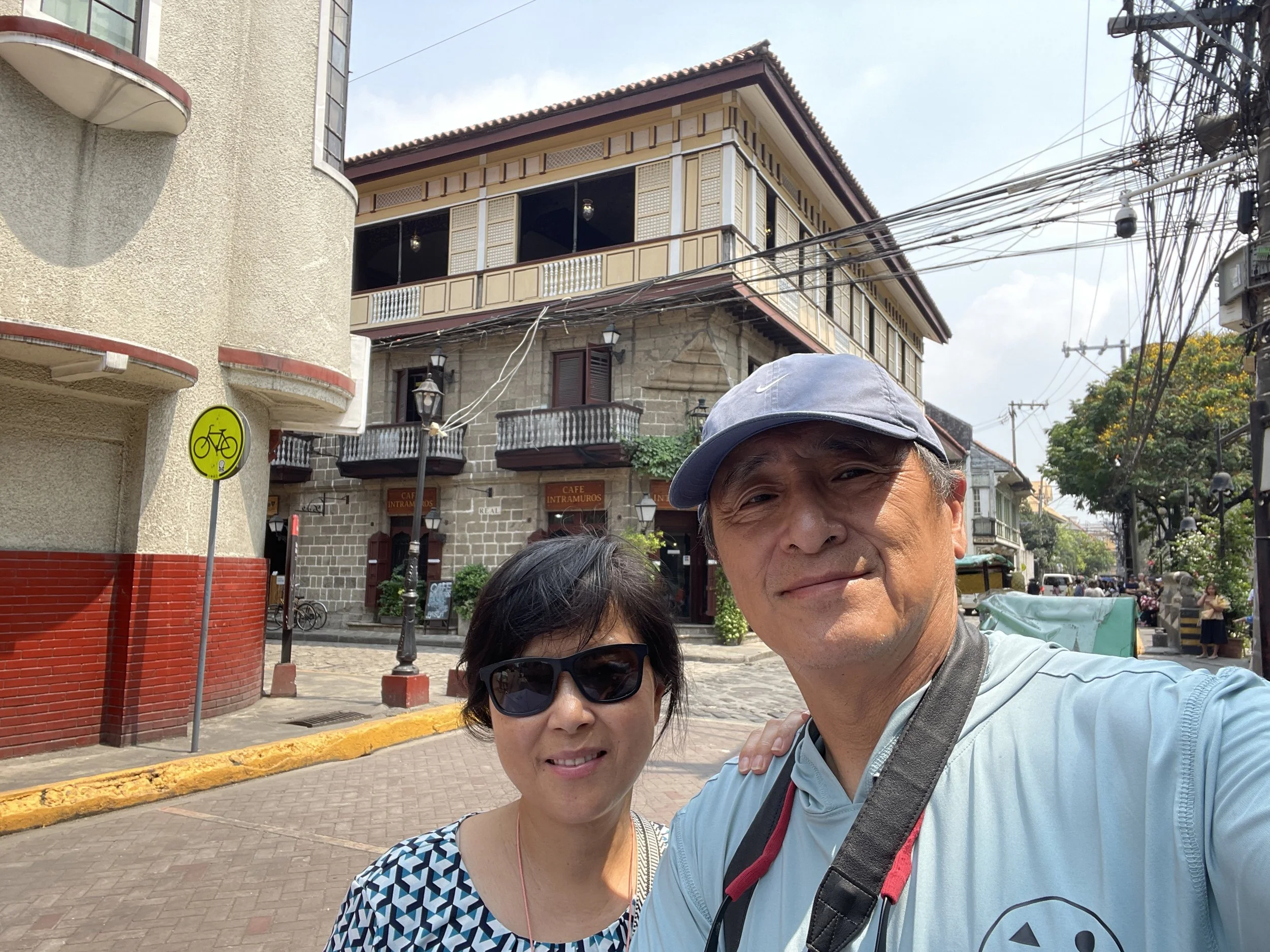
For lunch, we stopped at a café inside Casa Manila and shared a plate of chicken adobo. All the tables on the first floor were occupied, so we went upstairs to the second floor, where we enjoyed a quiet moment together.
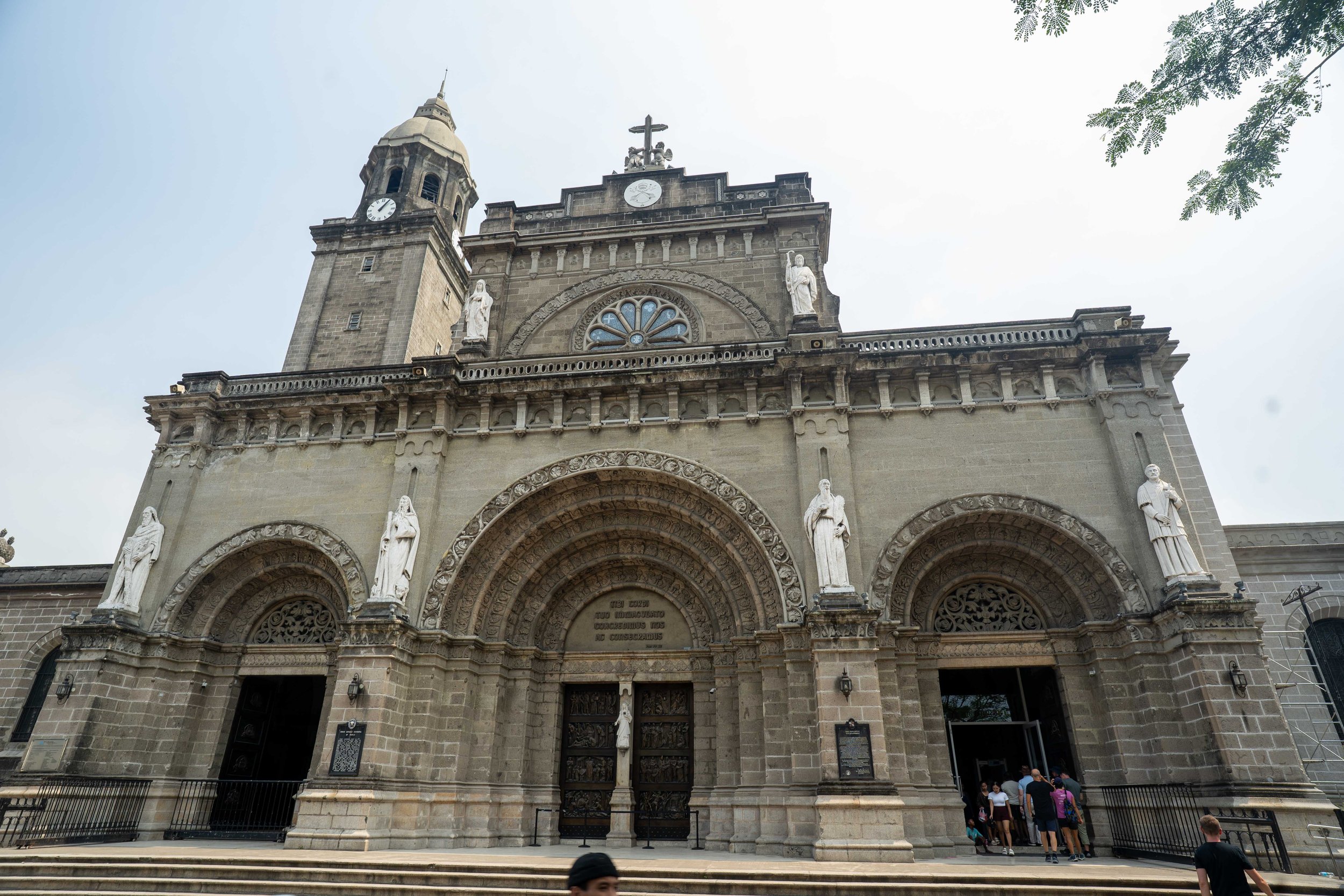
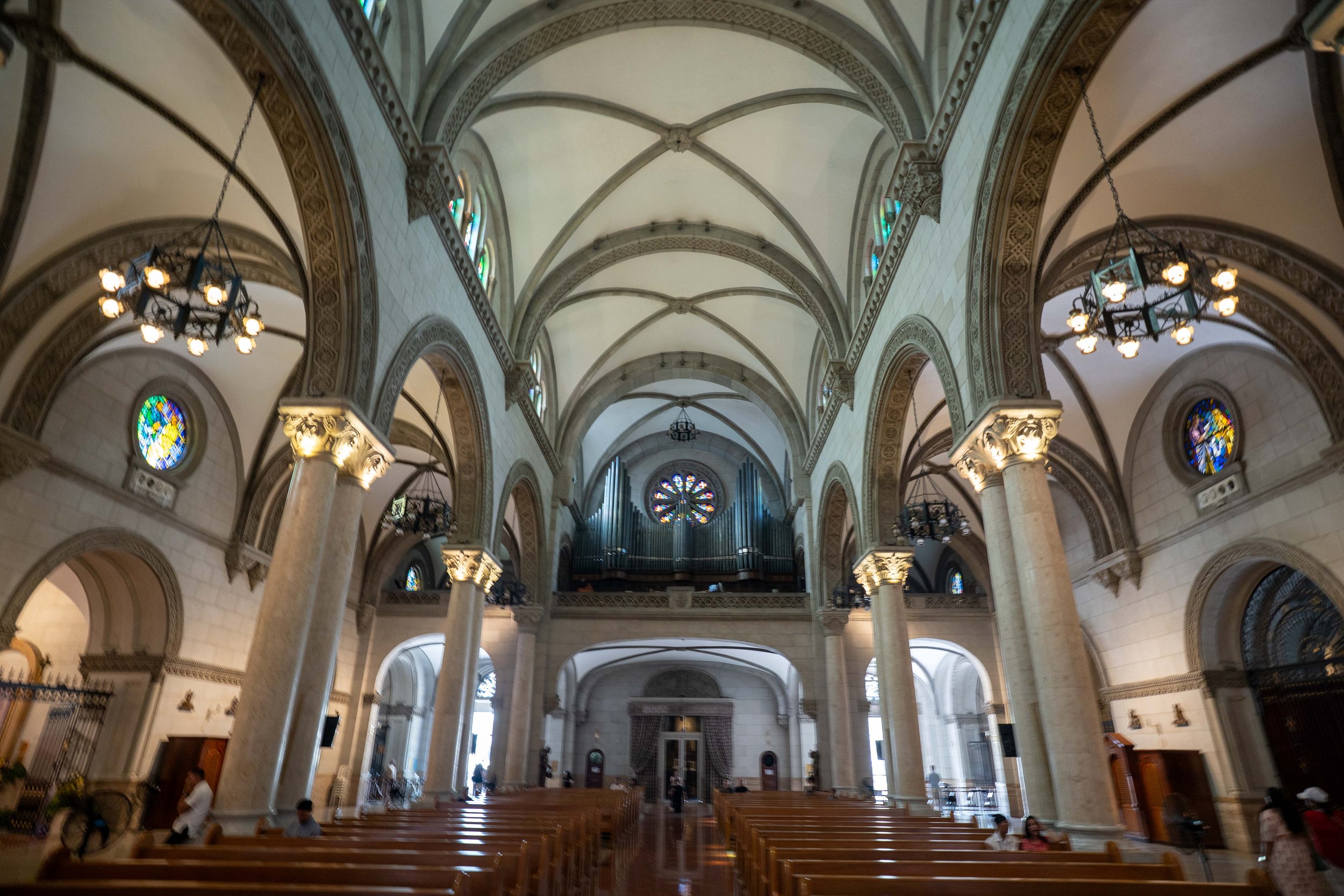
The Manila Cathedral was nearby, so we stopped in for a brief visit.
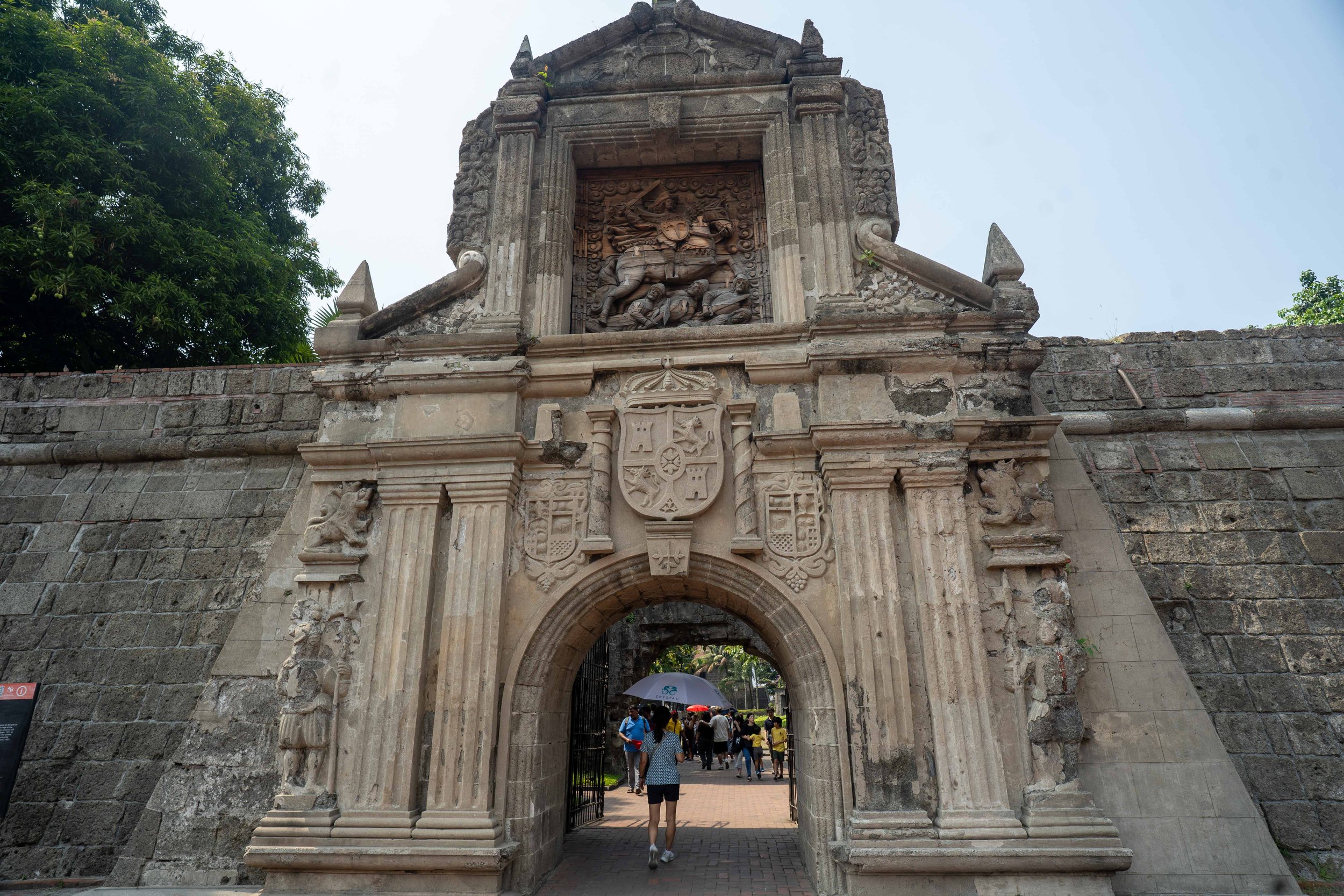
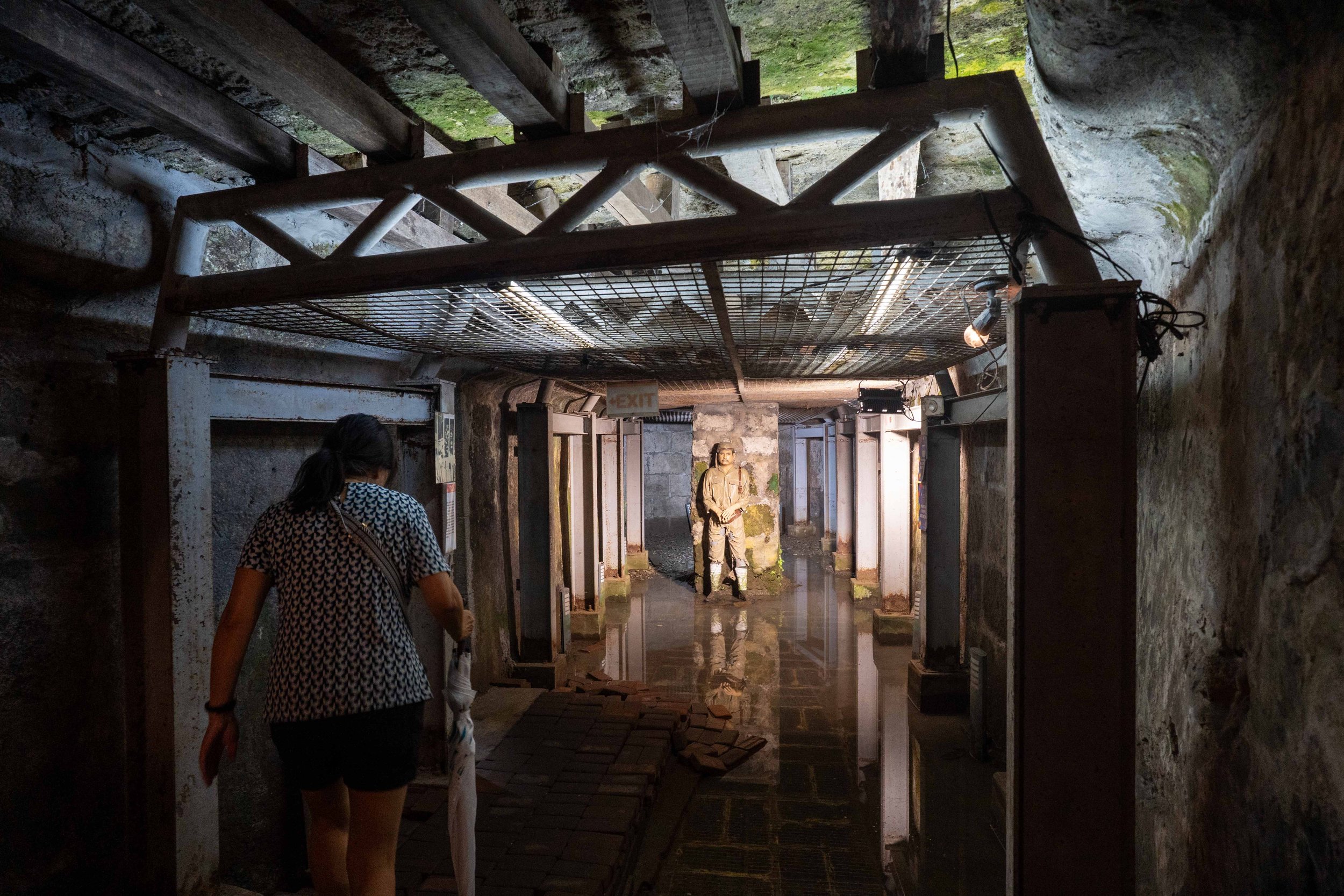
We then visited Fort Santiago, which once served as a military fortress defending Manila. José Rizal was imprisoned here before he was executed in 1896. Although the site is historically important, much of the fort was rebuilt after World War II.
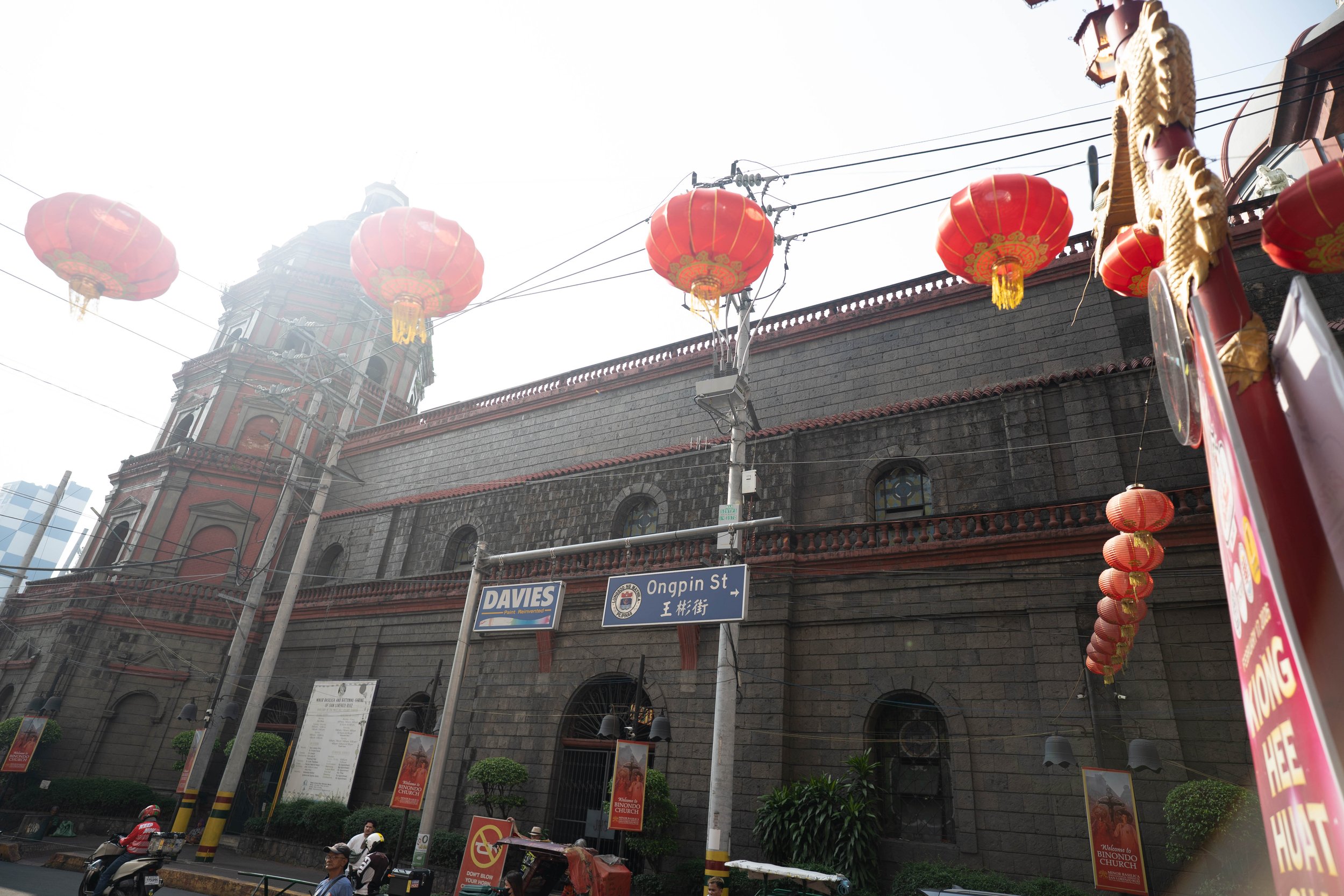
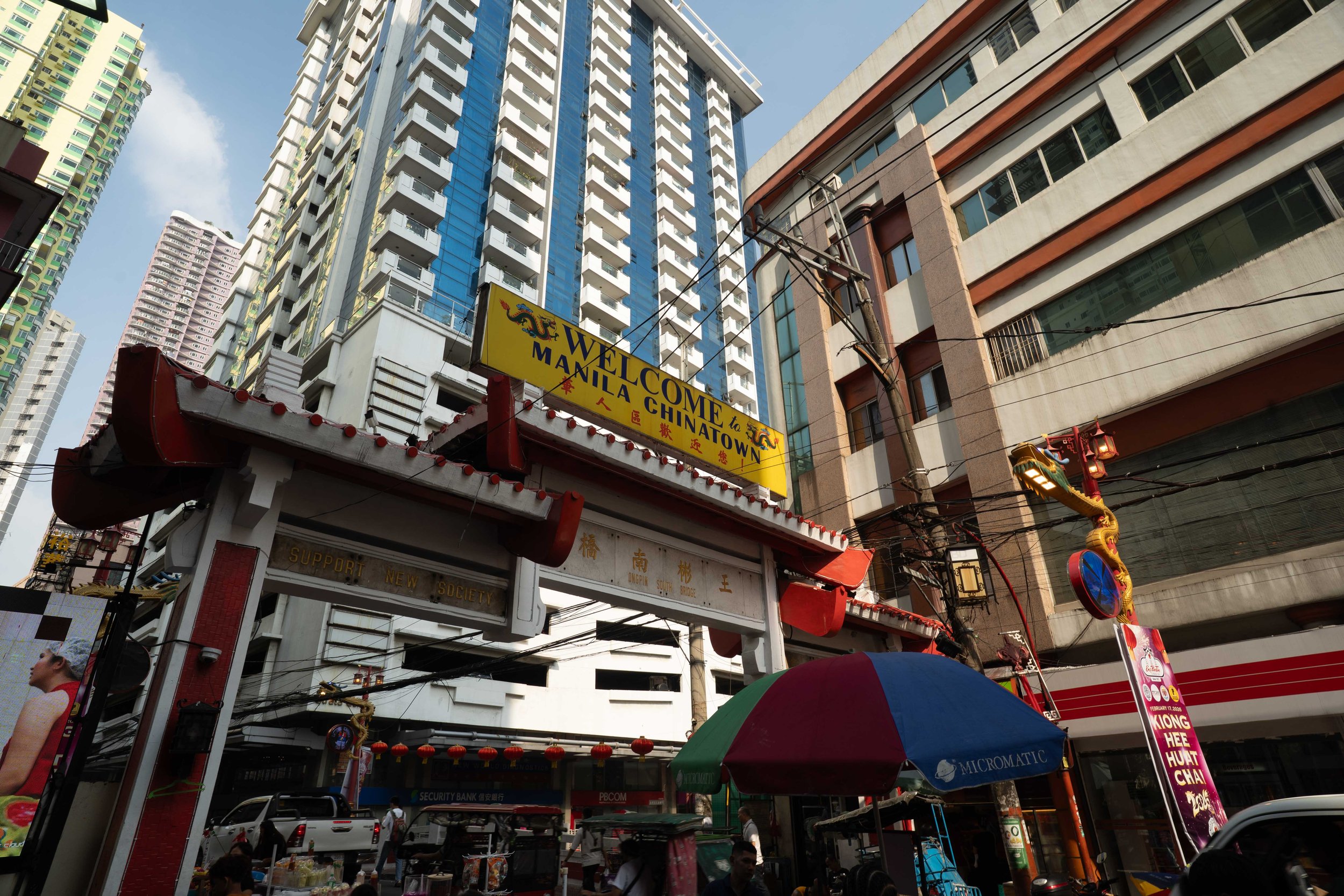
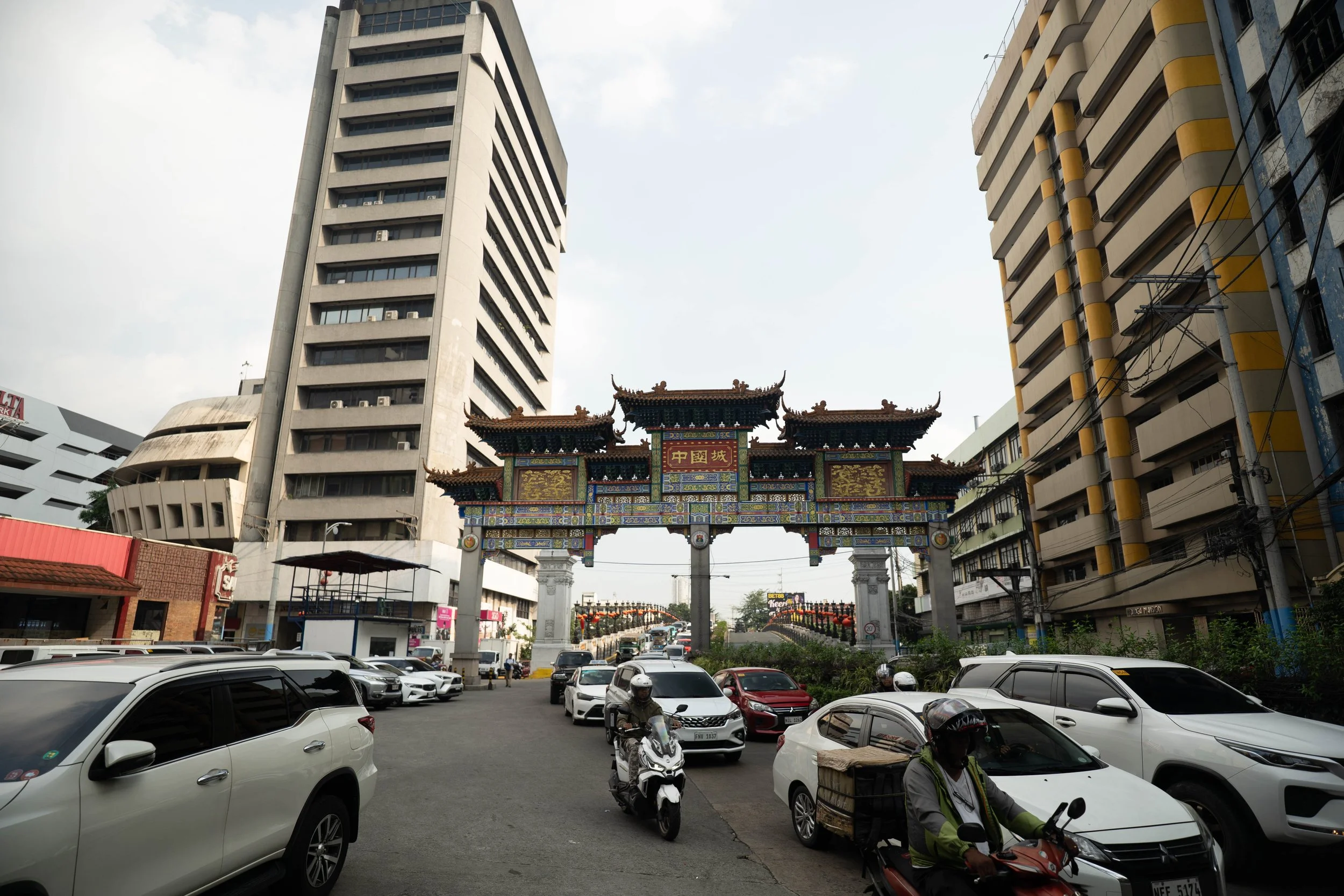
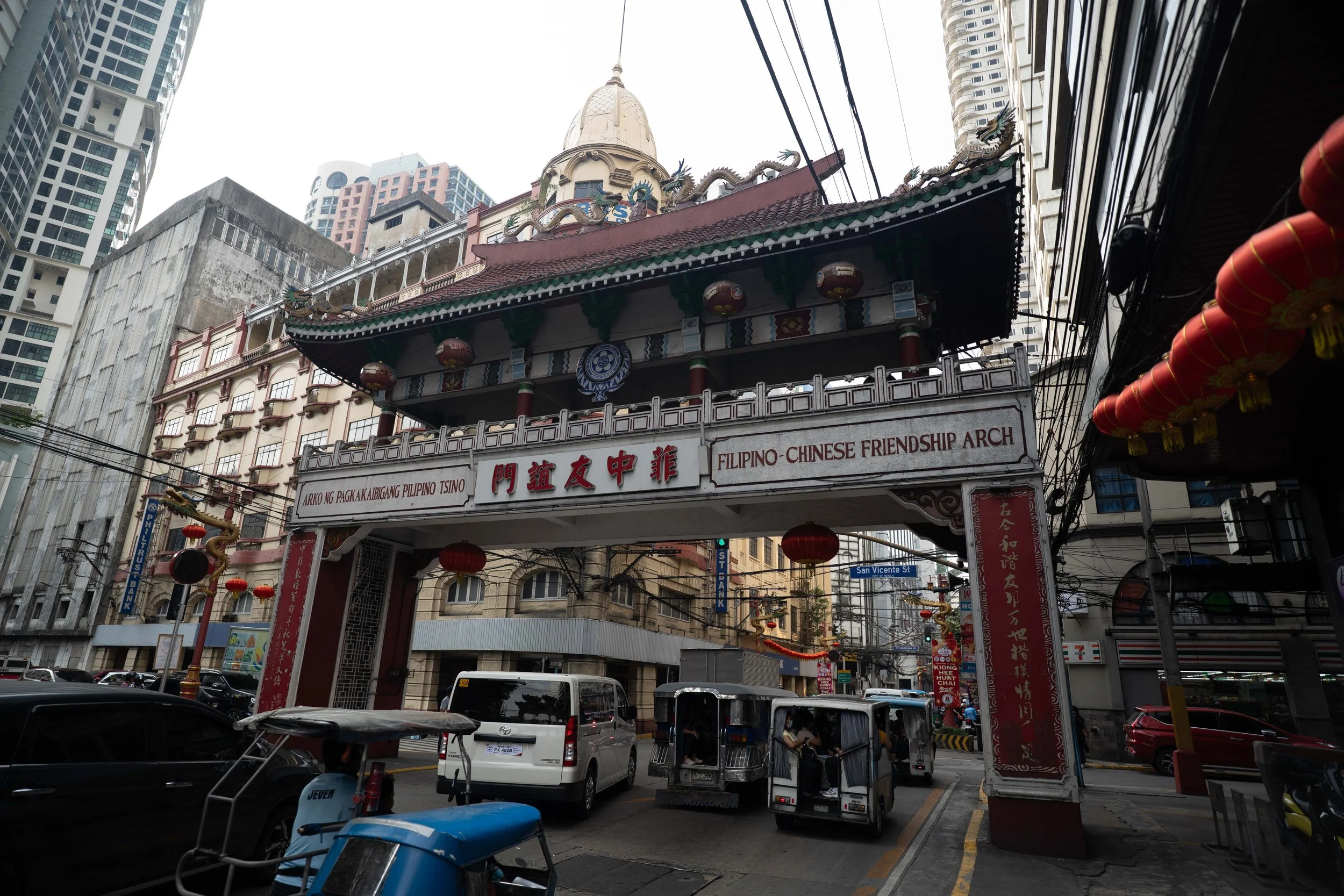
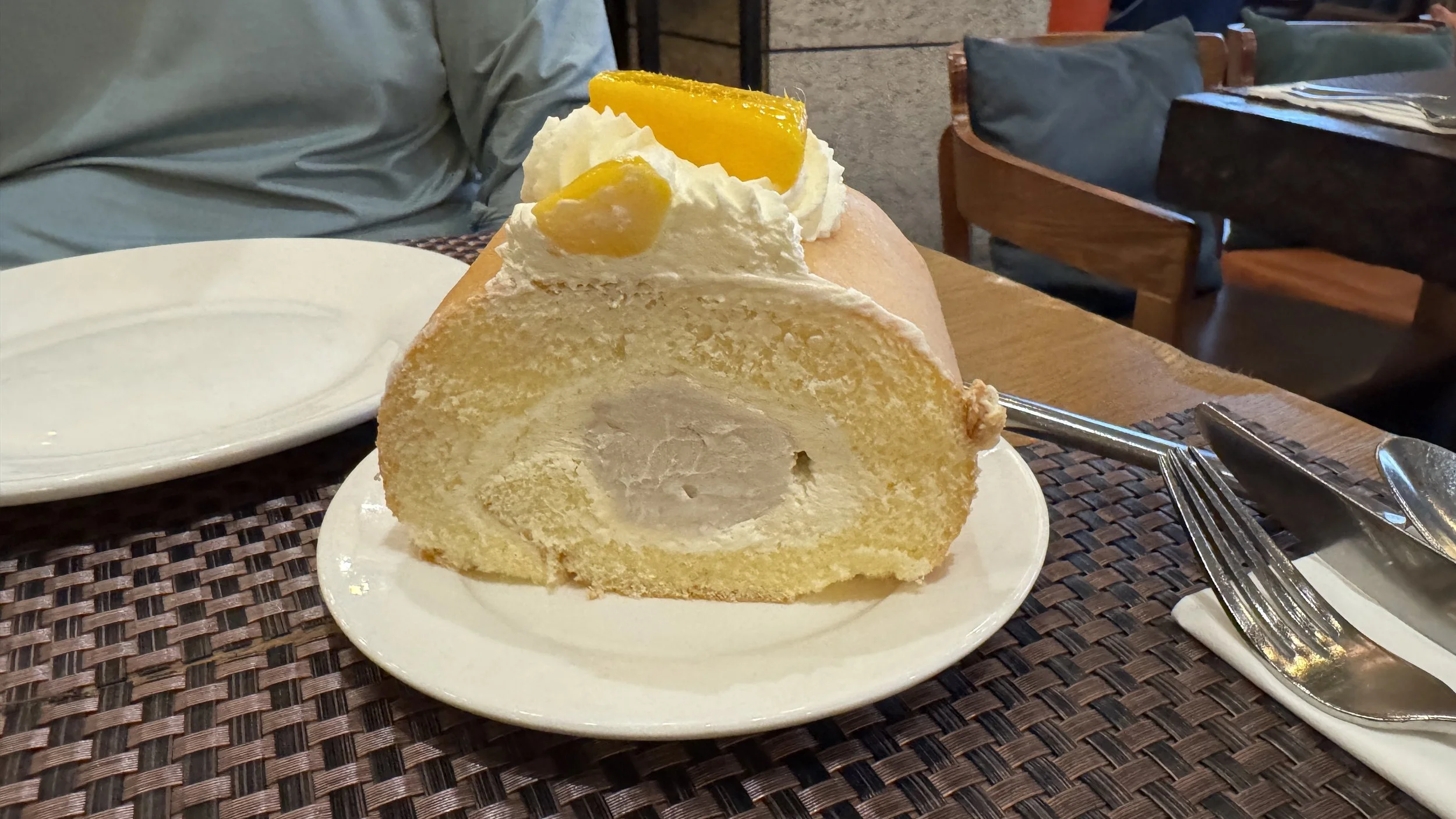
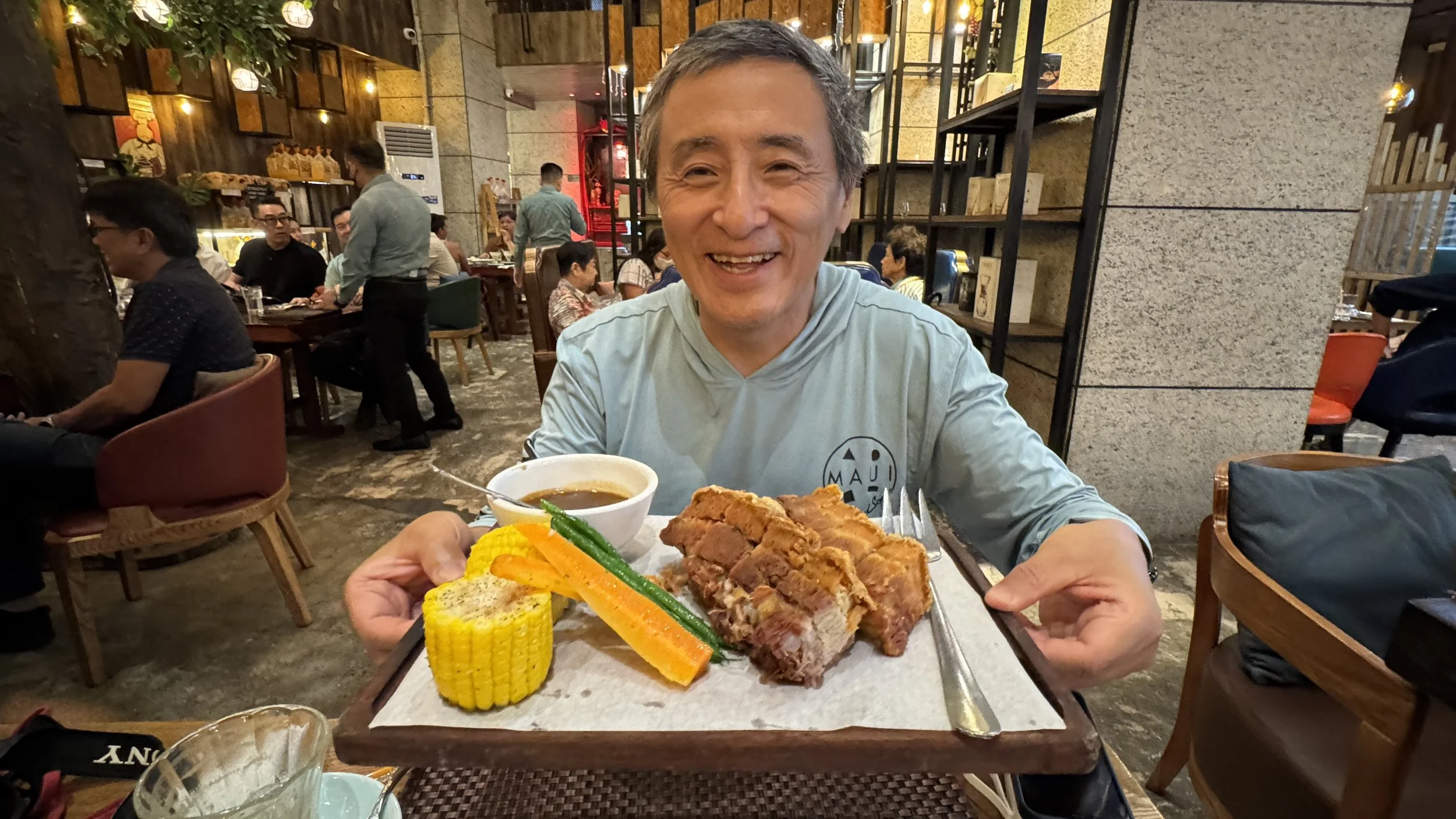
From the fort, we called a Grab to go to Binondo, the oldest Chinatown in the world outside China. The visit turned out to be somewhat disappointing. Either we did not find the right streets, or it simply did not resemble the typical Chinatown we are familiar with. We also had difficulty finding places that accepted credit cards. We decided to head back toward the ship for a late lunch. On the way, however, we noticed Café 1919 inside the HSBC building, an elegant Western-style structure. We decided to stop there and ordered an ube roll cake and crispy pork belly—an unexpected but wonderful combination. Both dishes were excellent, especially the cake, which was one of the best we have ever tasted. It turned out to be a perfect ending to our visit to Chinatown.
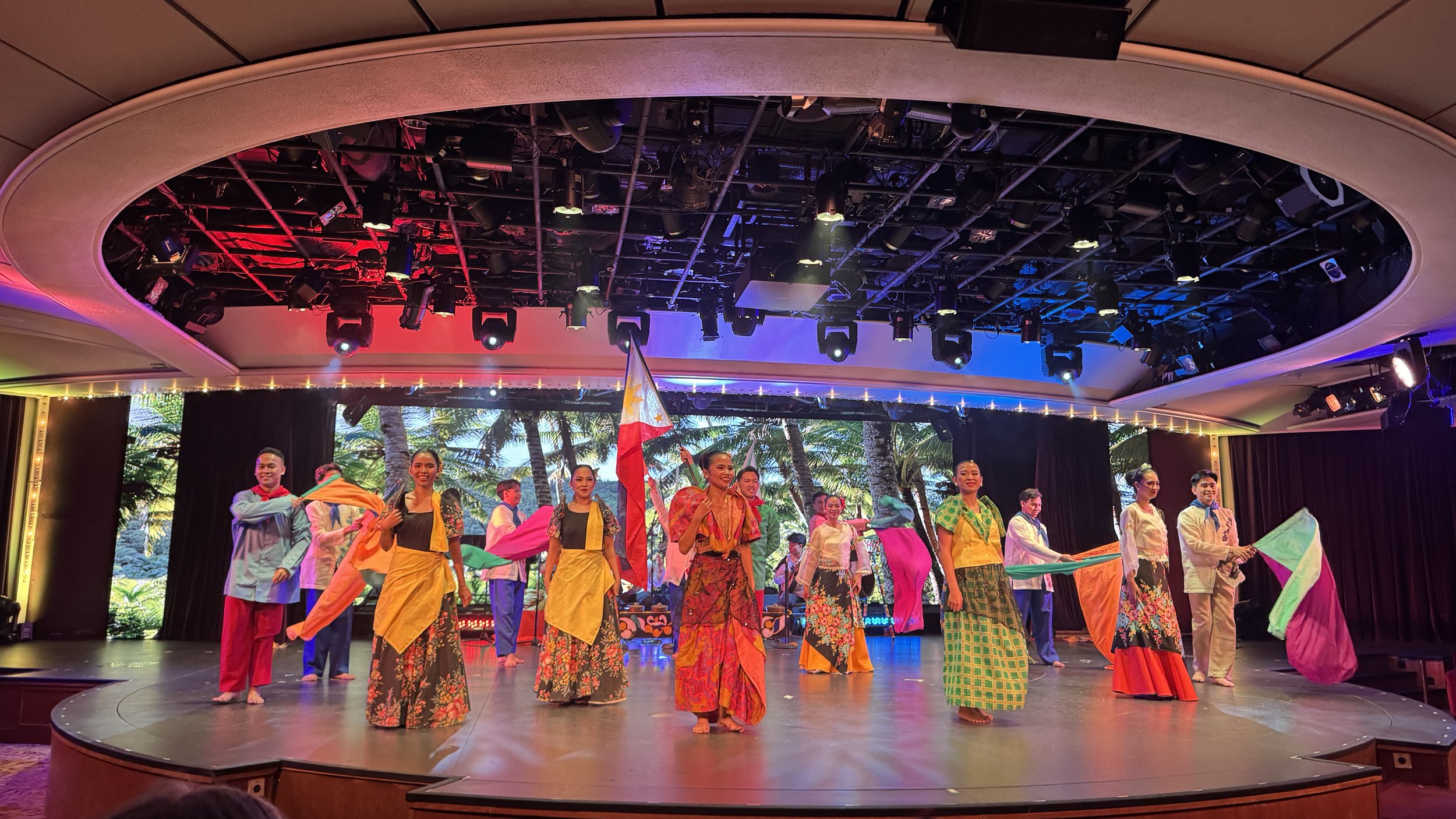
In the evening, a Philippine folk dance group performed on the ship, bringing traditional dances and music to the audience. It was one of the best performances we had seen during the trip.
2026年3月12日
今天我们的邮轮停靠在马尼拉港的 Pier 15,这里属于工业港区。我们取消了船上安排的岸上游,决定自己在城里走走看看。
邮轮提供免费的接驳巴士前往一个购物中心,不过我们看了一下地图,觉得直接步行去 黎刹公园(Rizal Park) 更方便。何塞·黎刹是菲律宾著名的民族英雄,在这座城市里几乎到处都能看到他的名字。黎刹公园开阔而庄严,给人留下了不错的印象。
从公园出发,我们步行前往 王城区(Intramuros),这是一座西班牙殖民时期修建的城墙城市。在这里我们参观了 圣奥古斯丁教堂(San Agustin Church),这是菲律宾最古老的石砌教堂。教堂内部装饰华丽,天花板上的绘画也非常精美。不过更吸引我们的是修道院里的博物馆。我们在那里停留了相当长的时间,仔细参观了馆内展出的宗教艺术品、古董家具、历史文献以及西班牙殖民时期的各种文物。安静的回廊和展厅让人能够更深入地理解这座教堂悠久的历史,以及天主教在菲律宾文化中所扮演的重要角色。
中午我们在 Casa Manila 里的王城区餐厅里简单吃了点东西,两人分了一份 阿斗波鸡(chicken adobo)。一楼的座位都满了,于是我们上到二楼,在那里安静地坐下来享受了一会儿只属于两个人的午餐时光。马尼拉天主教堂也在附近,我们也进去看了一下。
随后我们参观了 圣地亚哥堡(Fort Santiago)。这里曾是防卫马尼拉的重要军事堡垒,黎刹在1896年被处决之前就曾被关押在这里。这个地方具有重要的历史意义,不过大部分建筑在二战后进行了重建。
离开圣地亚哥堡后,我们叫了一辆 Grab 前往 岷伦洛(Binondo),这里被认为是中国以外最古老的唐人街。不过这次的体验有些令人失望。也许是我们没有找到最热闹的街区,或者这里的氛围与我们熟悉的唐人街不太一样,而且很多地方都不接受信用卡。放弃在唐人街吃饭念头, 正准备返回船上吃个晚午餐时,我们忽然看到 HSBC 大楼里有一家 Cafe 1919。这是一座西式风格的建筑,于是我们决定进去试试。我们点了 紫薯卷蛋糕(ube roll cake) 和 脆皮五花肉,味道非常好。两样都很出色,尤其是那块蛋糕,可以说是我们吃过最好的蛋糕之一。没想到这竟然成为我们这次唐人街之行最美好的结尾。
晚上船上还有一场菲律宾民俗舞蹈表演,马尼拉当地的舞者们上船来给大家带来了当地传统的音乐和舞蹈,非常精彩。
马尼拉这个城市对我们船来说是非常重要的地方,因为船上的工作人员中有很多来自菲律宾。许多员工离家在外工作好几个月,终于可以在马尼拉与家人见上一面。邮轮特地安排时间让家属上船来,据说有二百多位家属上船, 同时员工也可以下船与家人团聚一下。好几天前我们就能感觉到船上许多员工的兴奋与激动。邮轮今天在马尼拉过夜,明天晚上才离开。
Boracay, Philippines 菲律宾,长滩岛
March 11, 2026
The small island of Boracay is home to one of the best white-sand beaches……
今天一早我们的船来到了菲律宾的长滩岛。。。
March 11, 2026
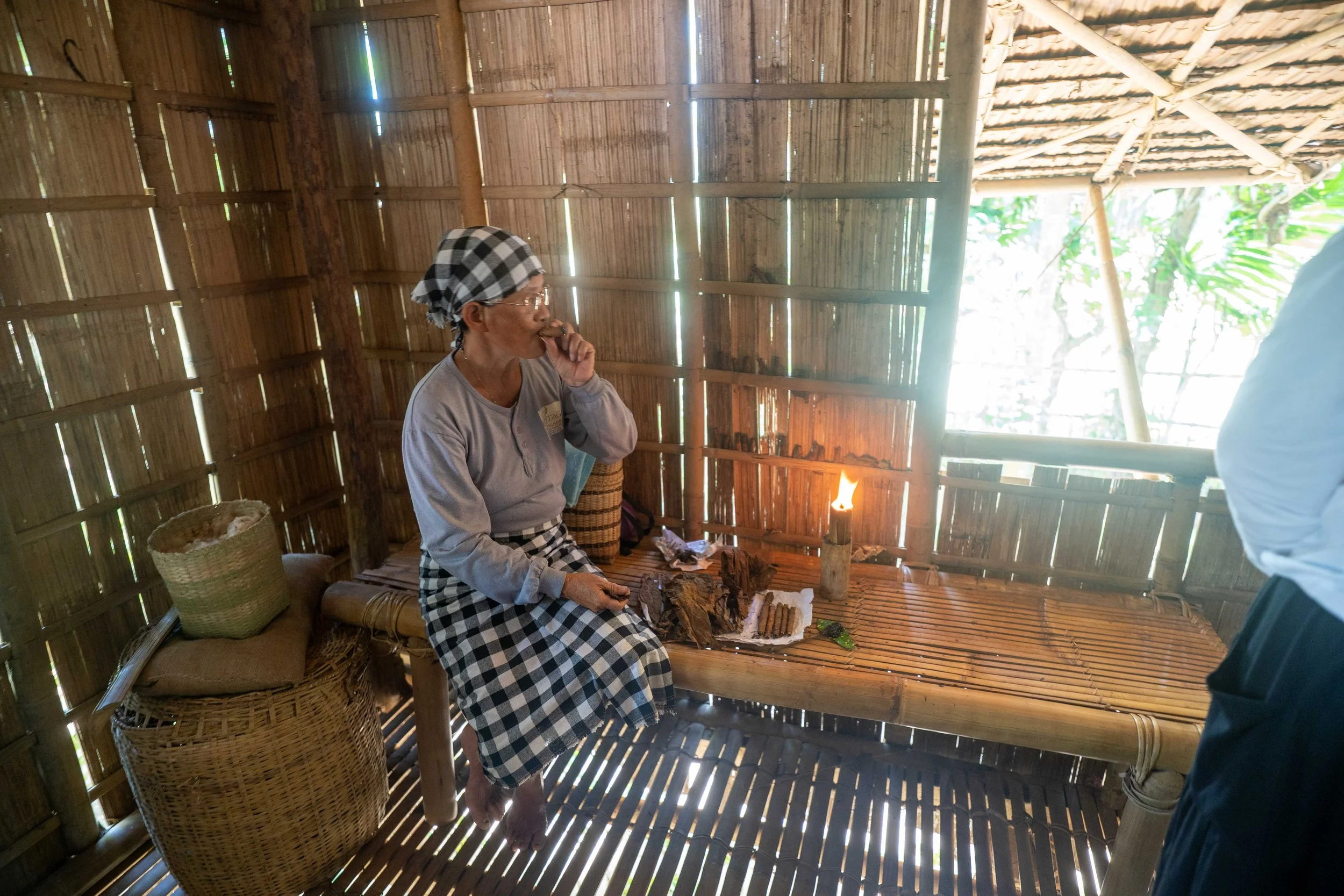
The small island of Boracay is home to one of the best white-sand beaches in the Philippines and is a very popular travel destination.
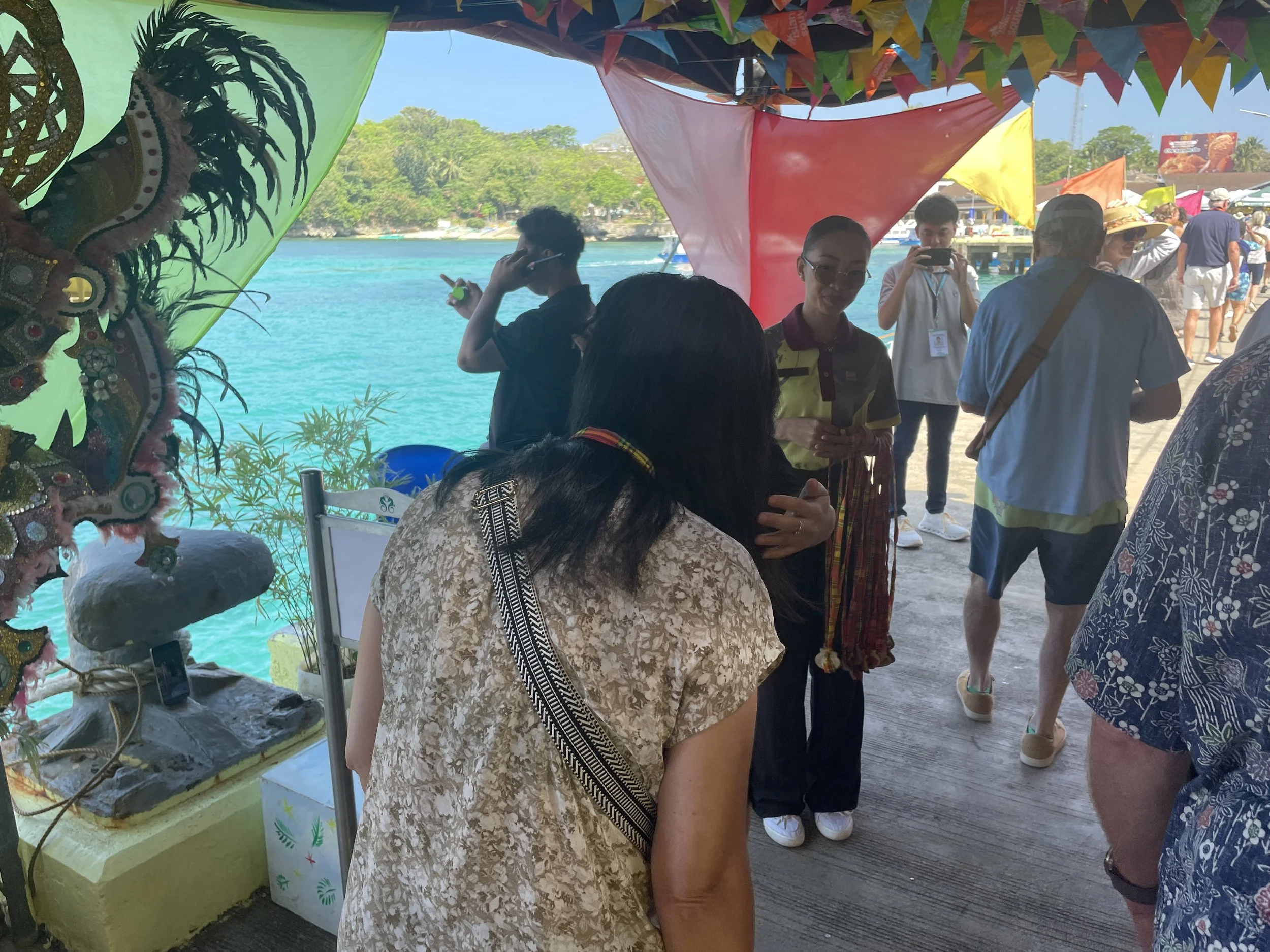
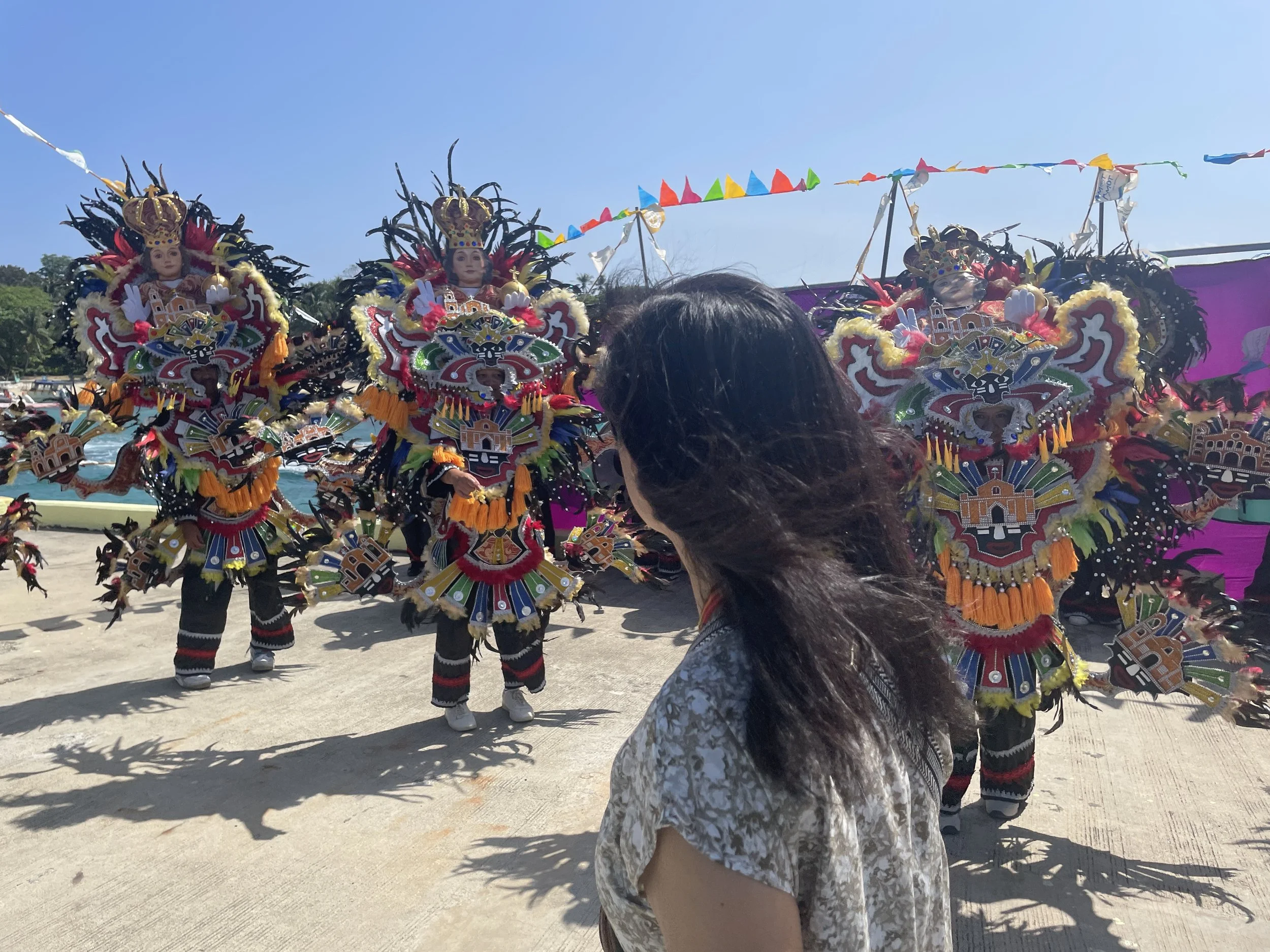
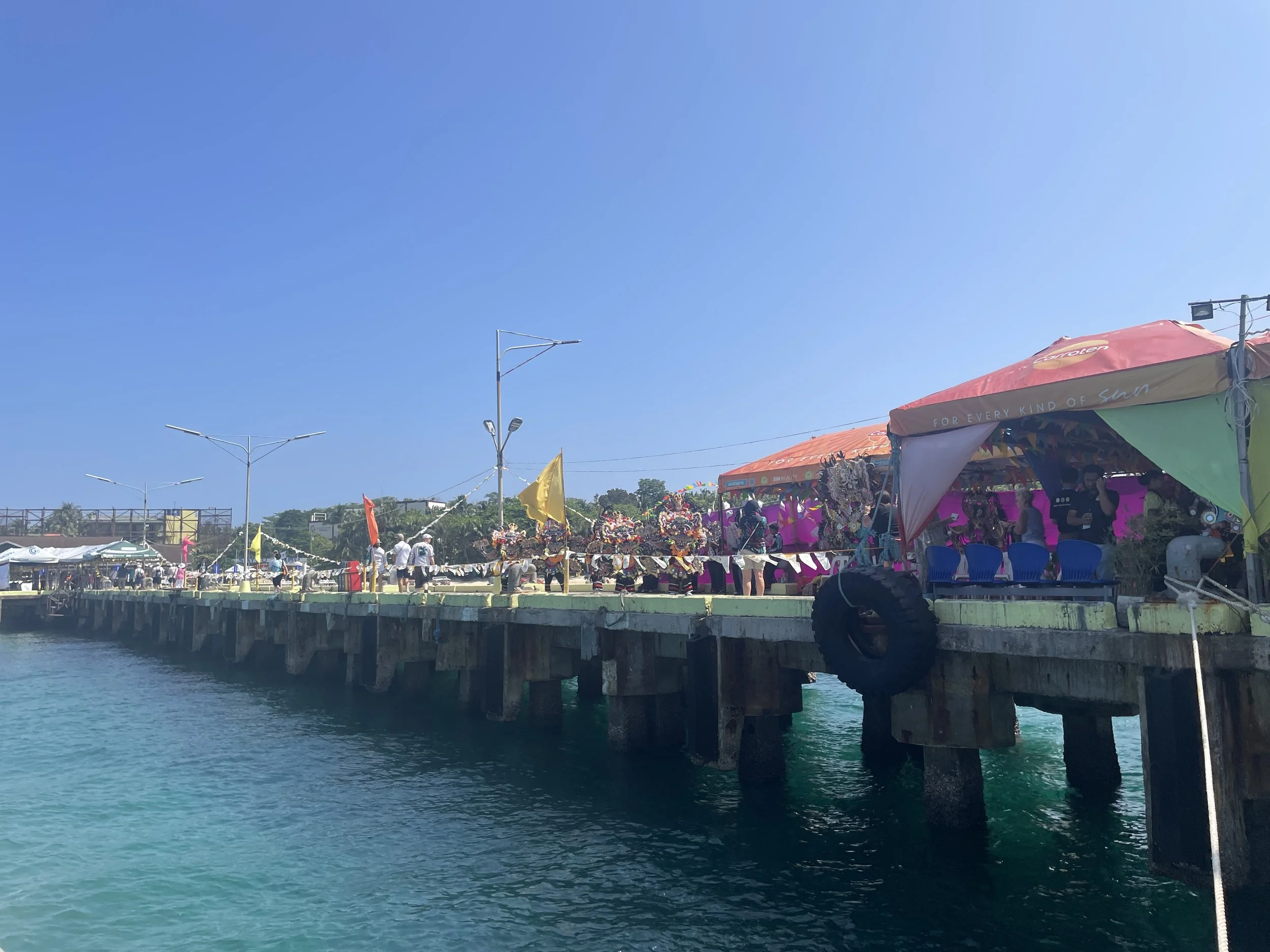
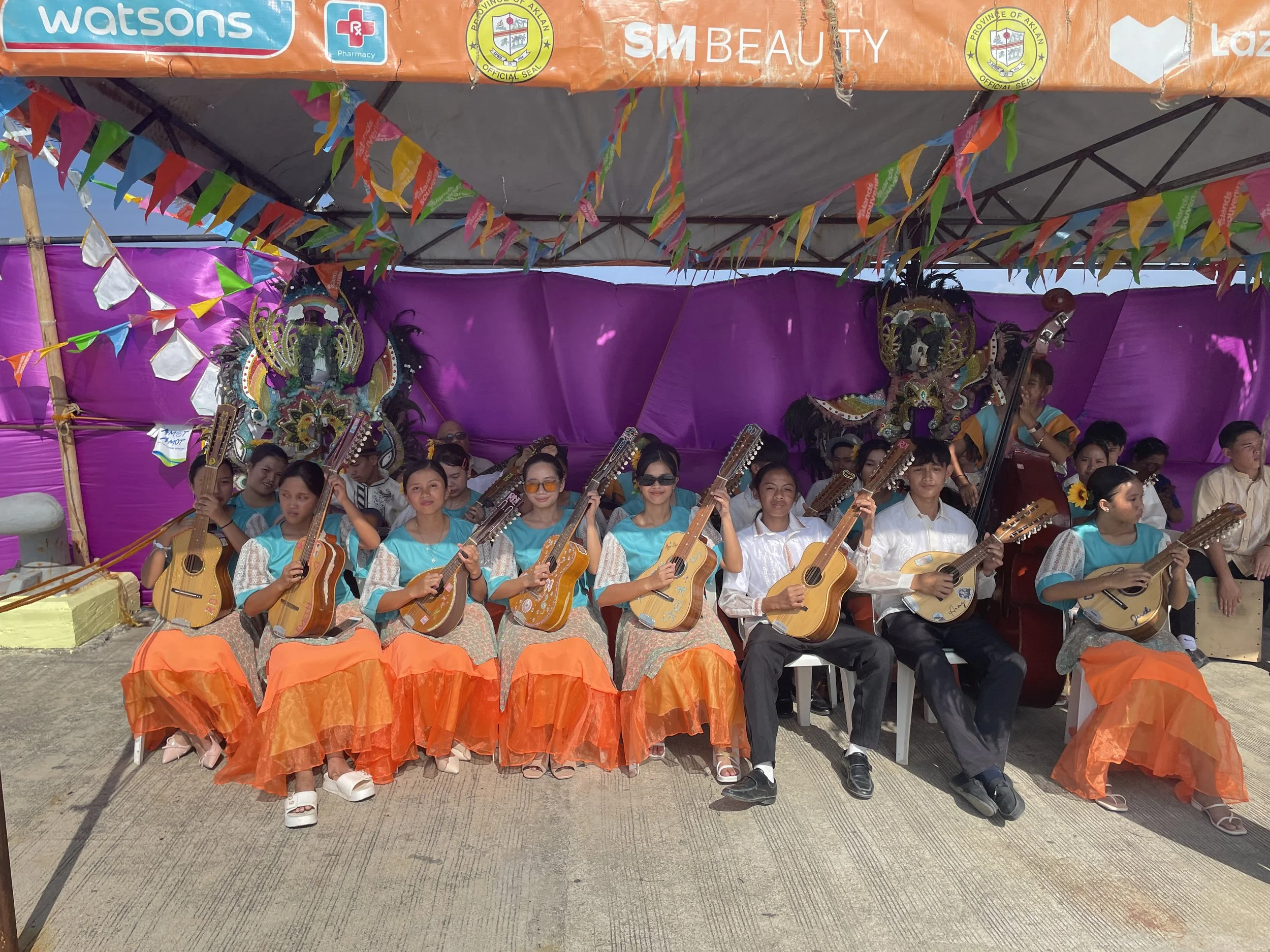
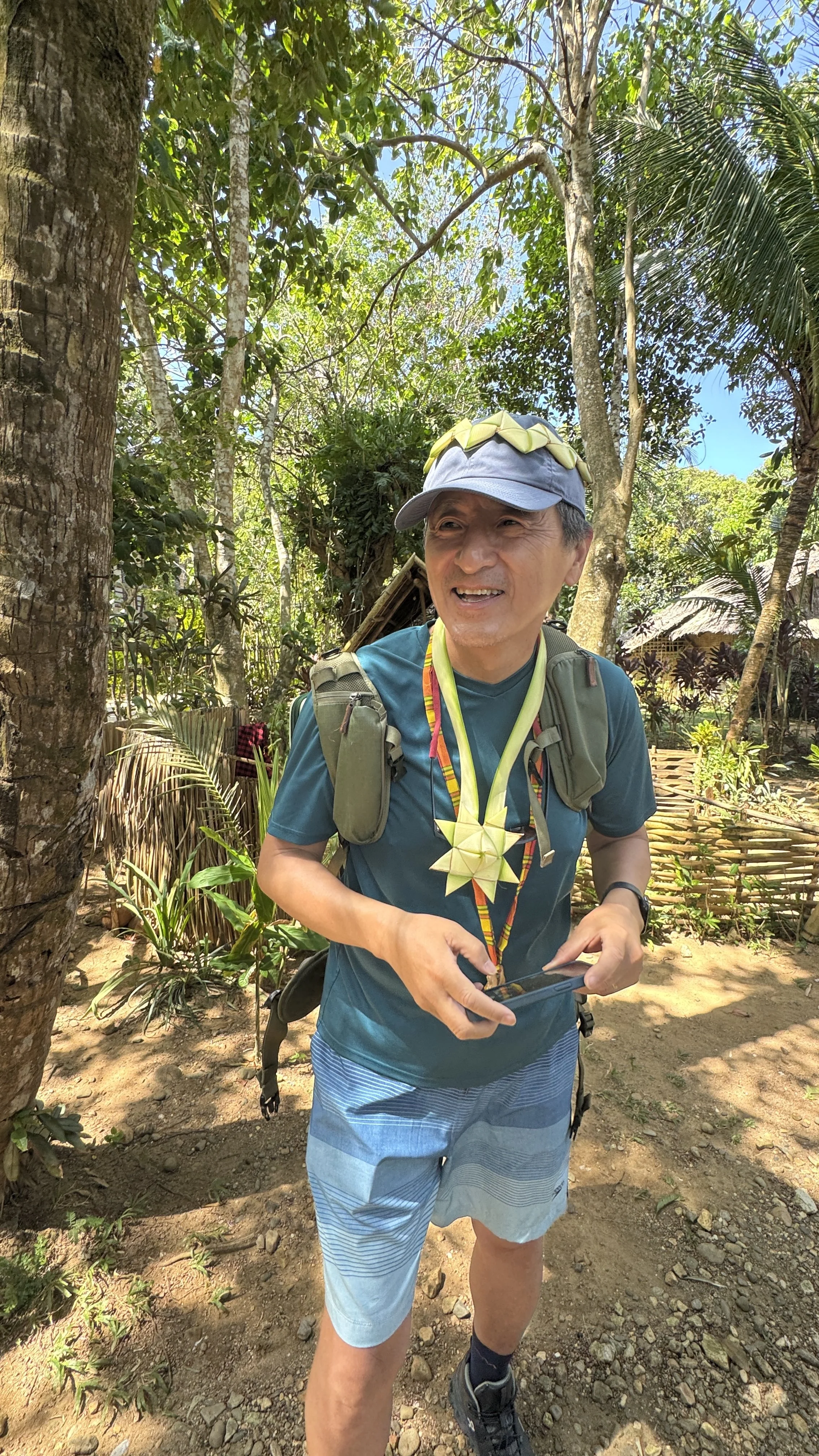
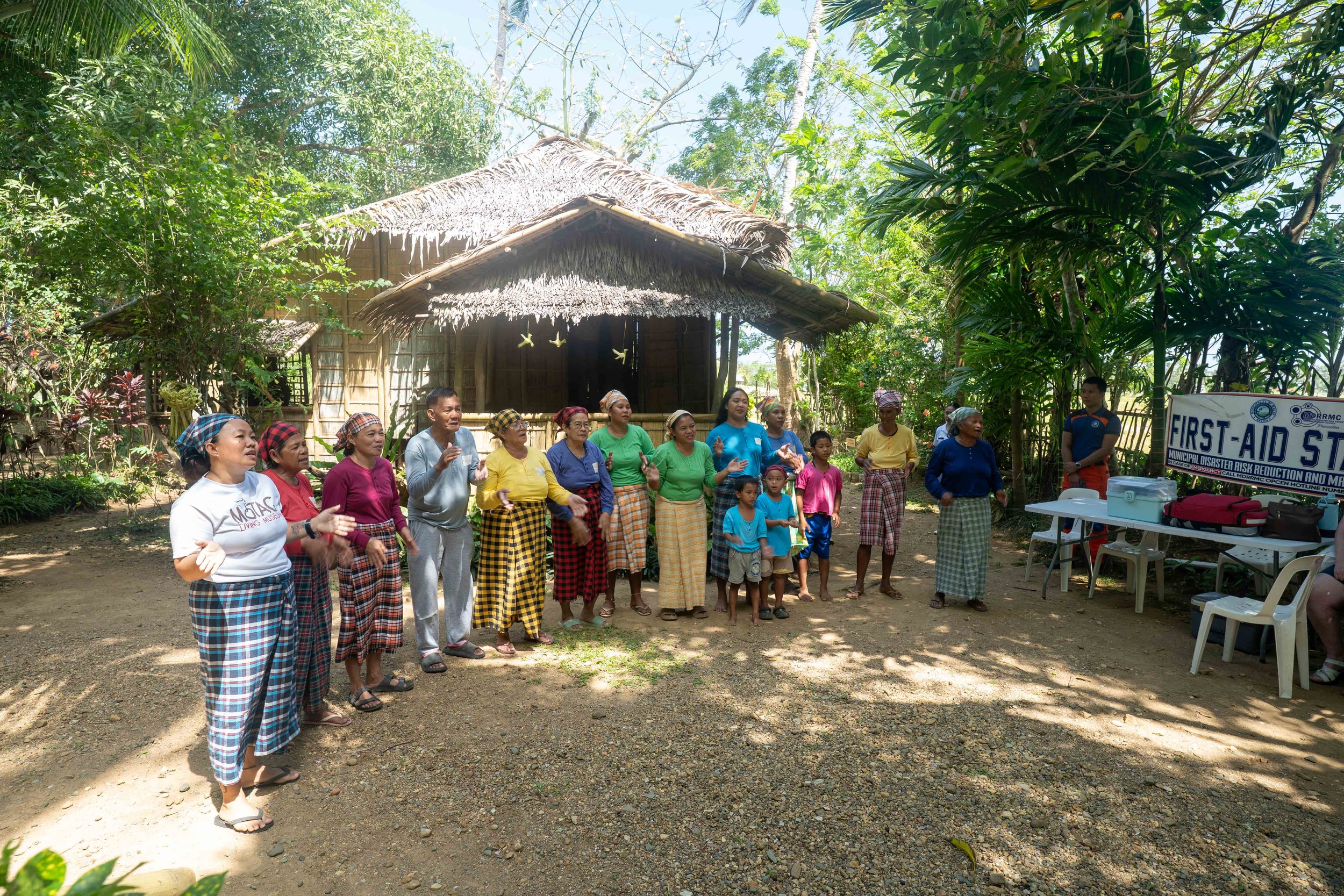
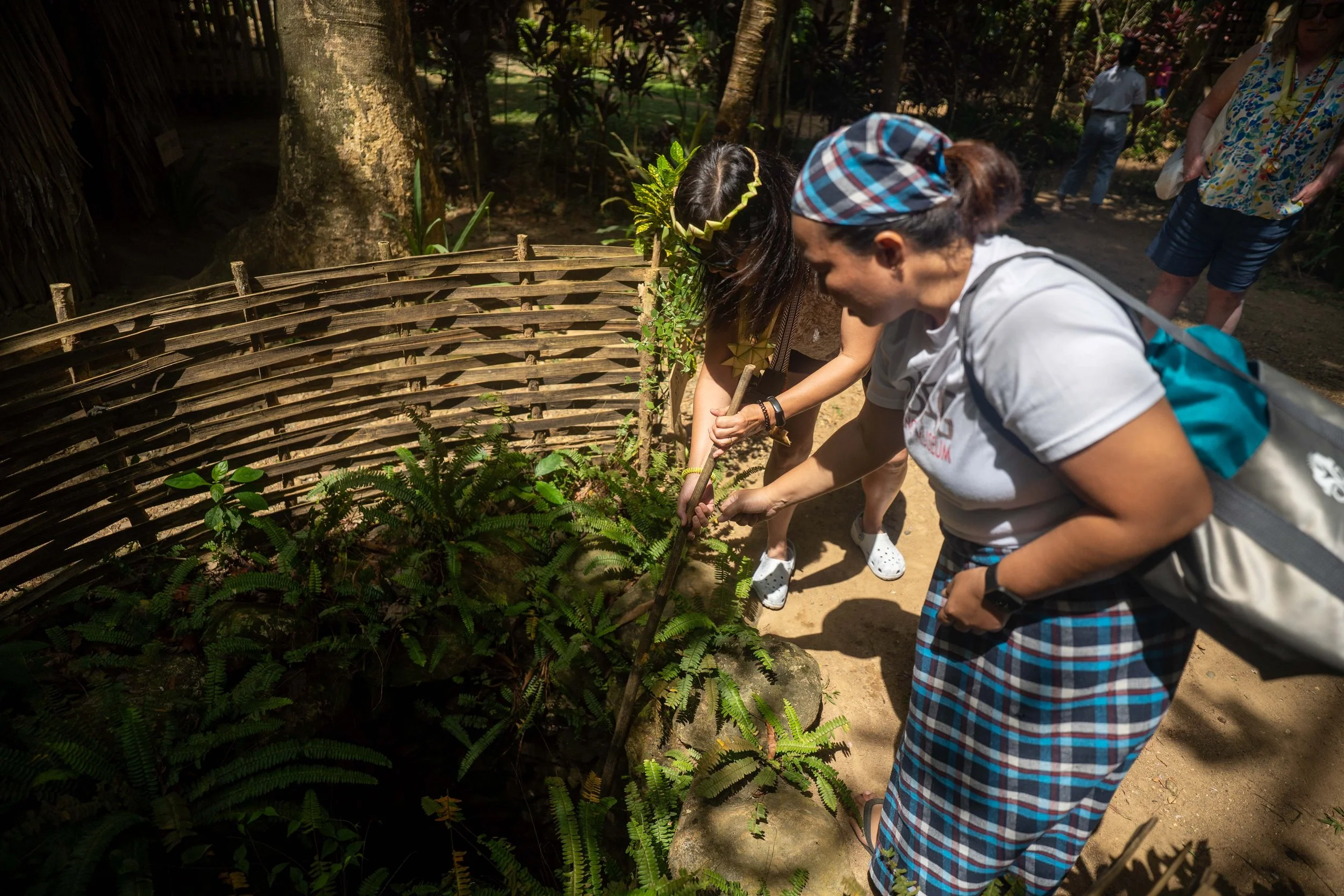
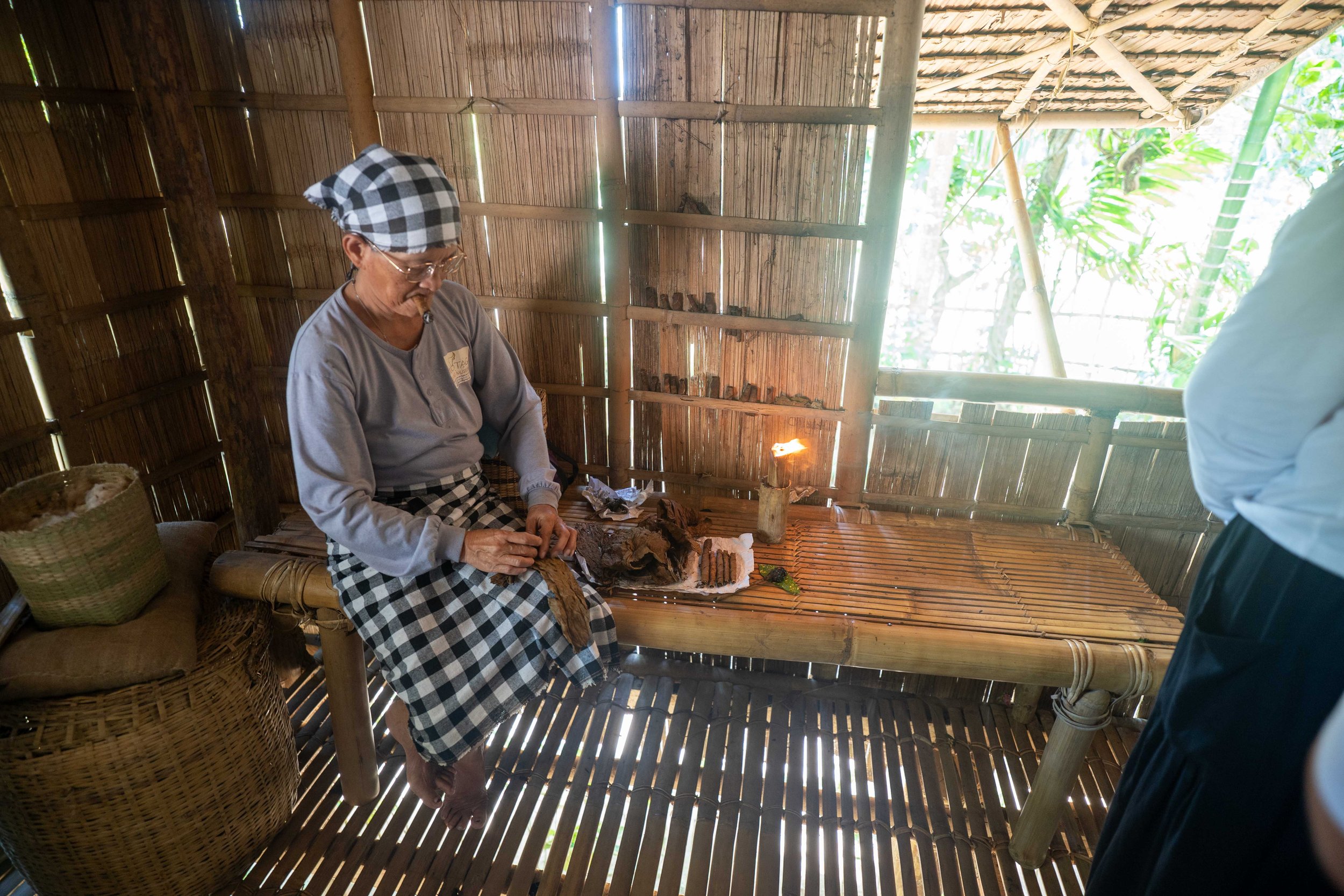
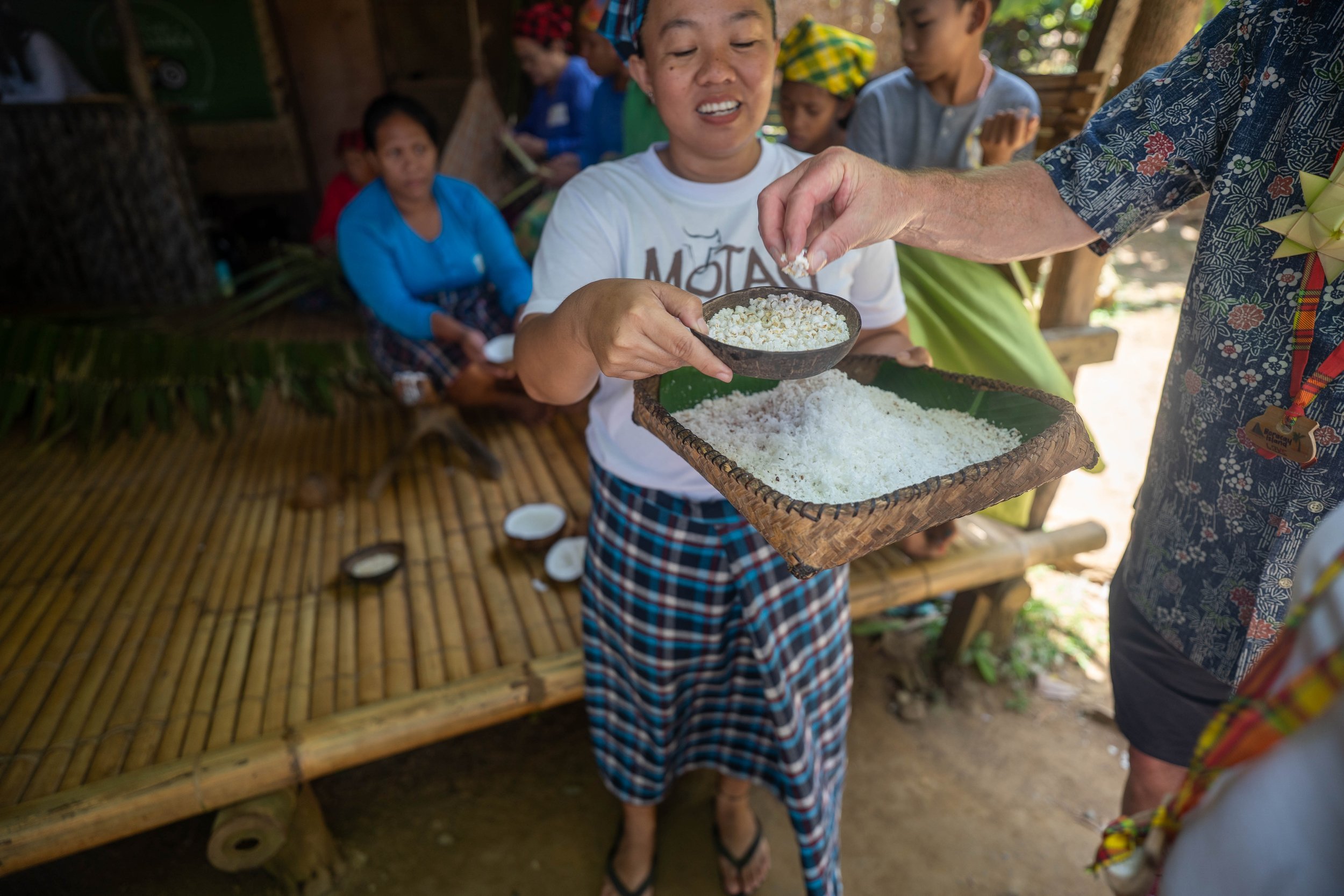
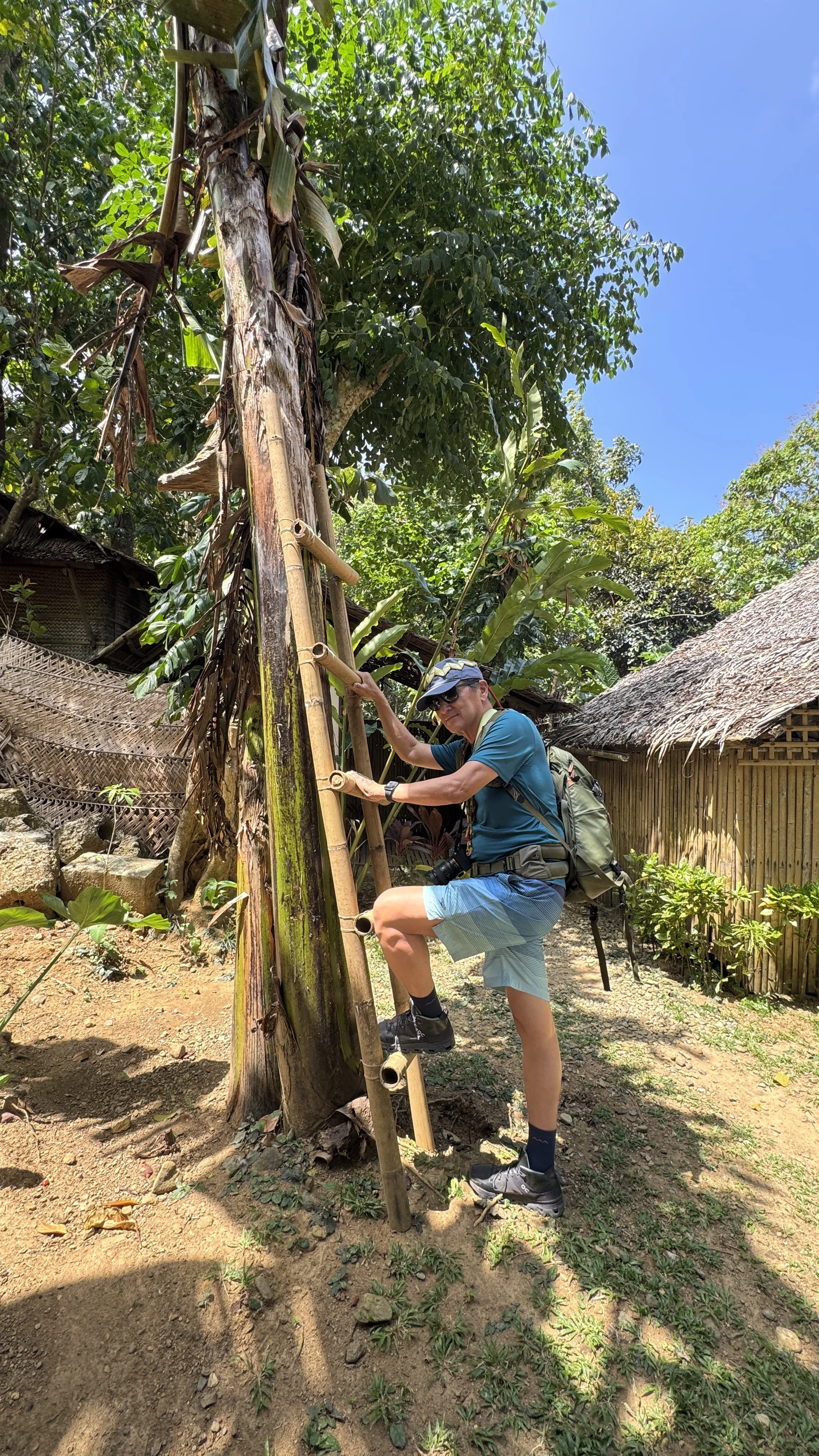
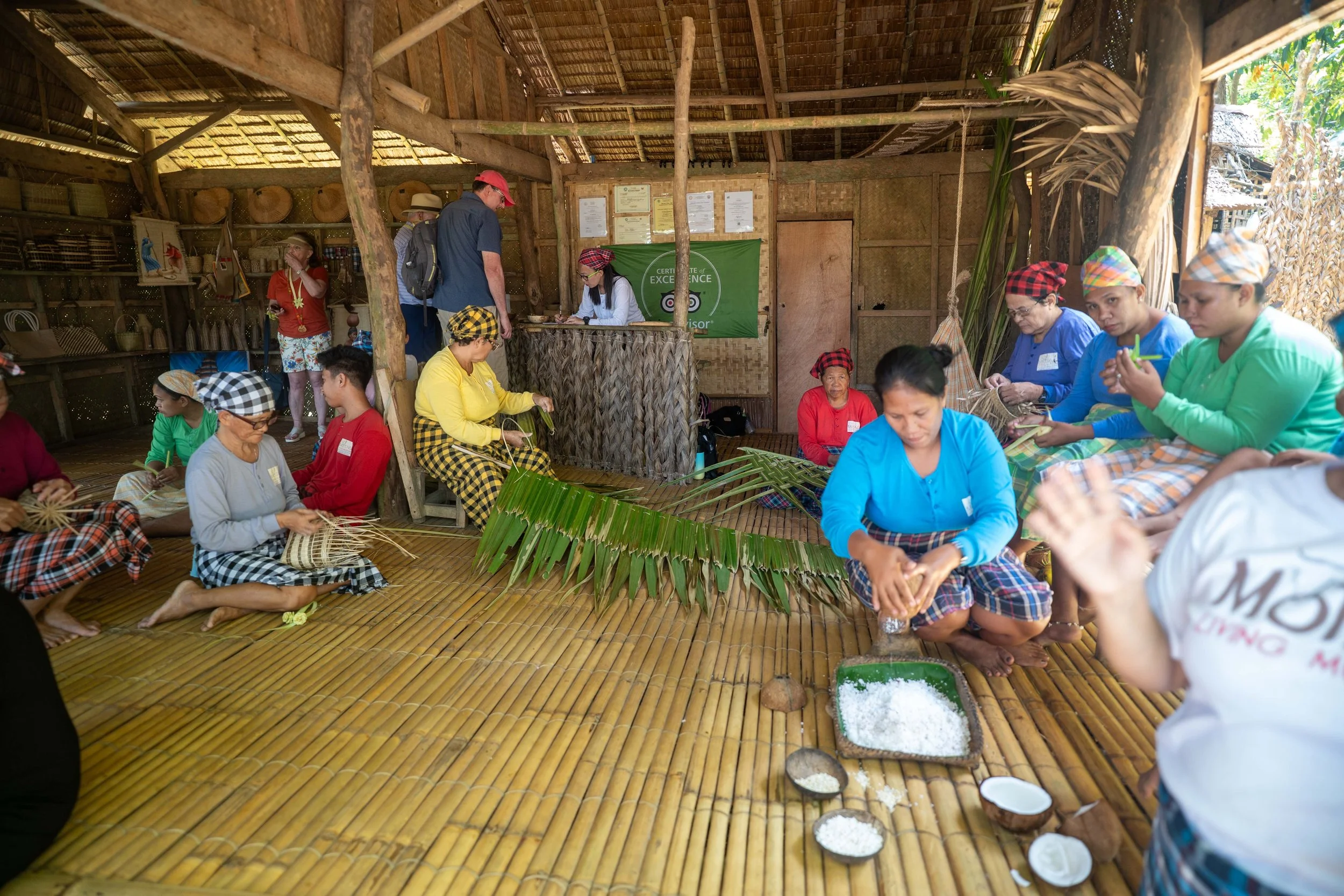
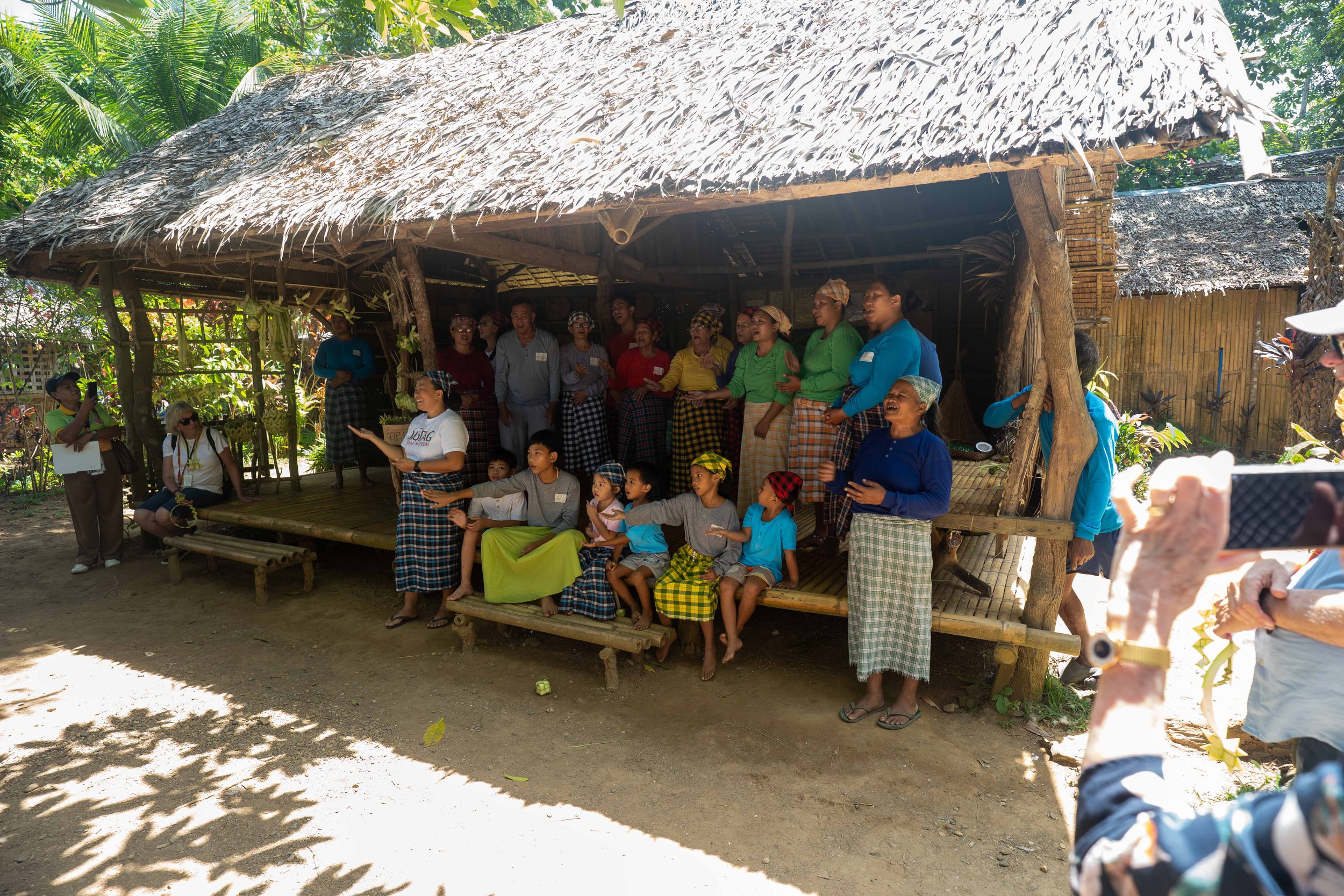
In the morning, we joined a tour that crossed the bay to visit Motag Living Museum, a unique cultural attraction near Boracay that allows visitors to experience traditional Filipino rural life. The museum was created to preserve the traditional farming culture of Aklan Province while also providing employment opportunities for local residents.
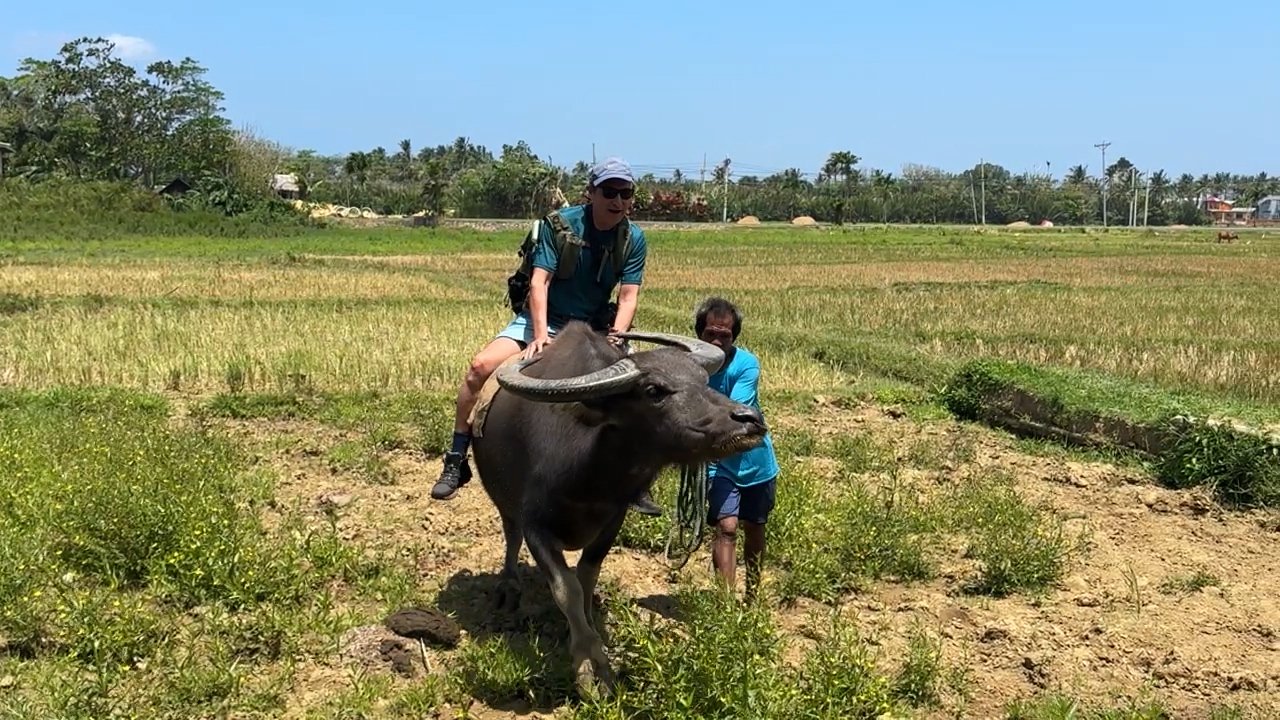
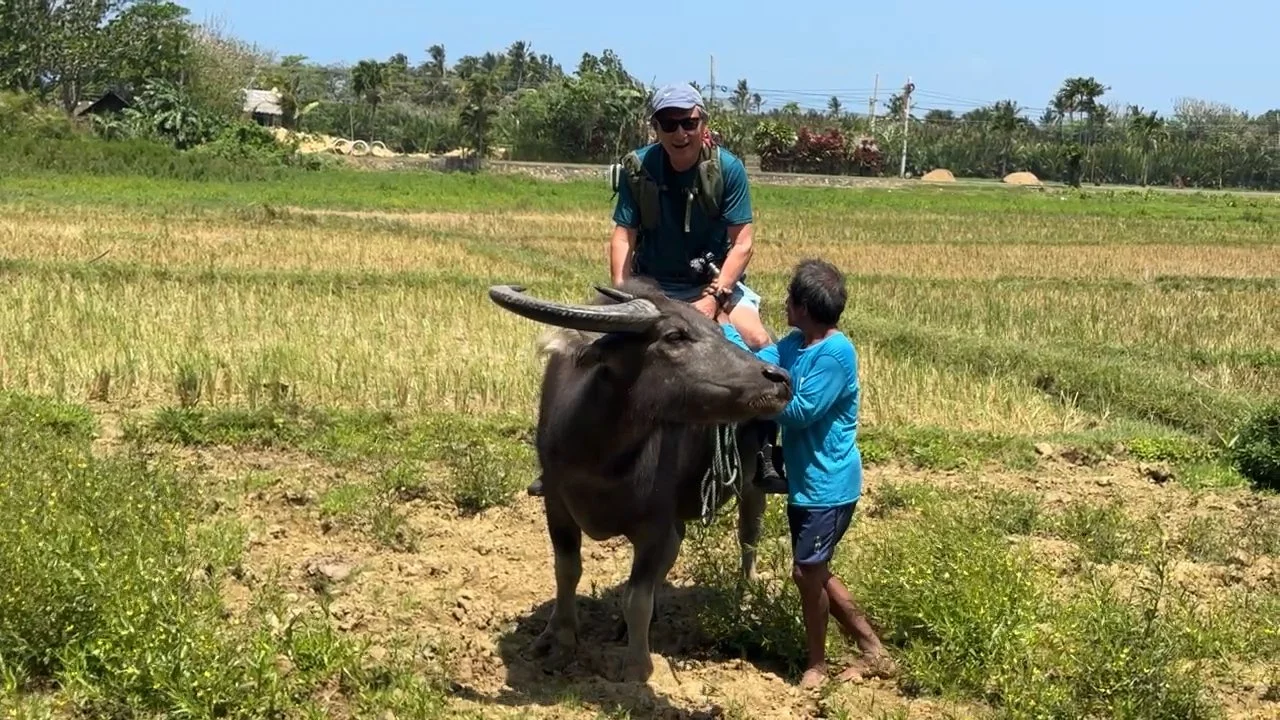
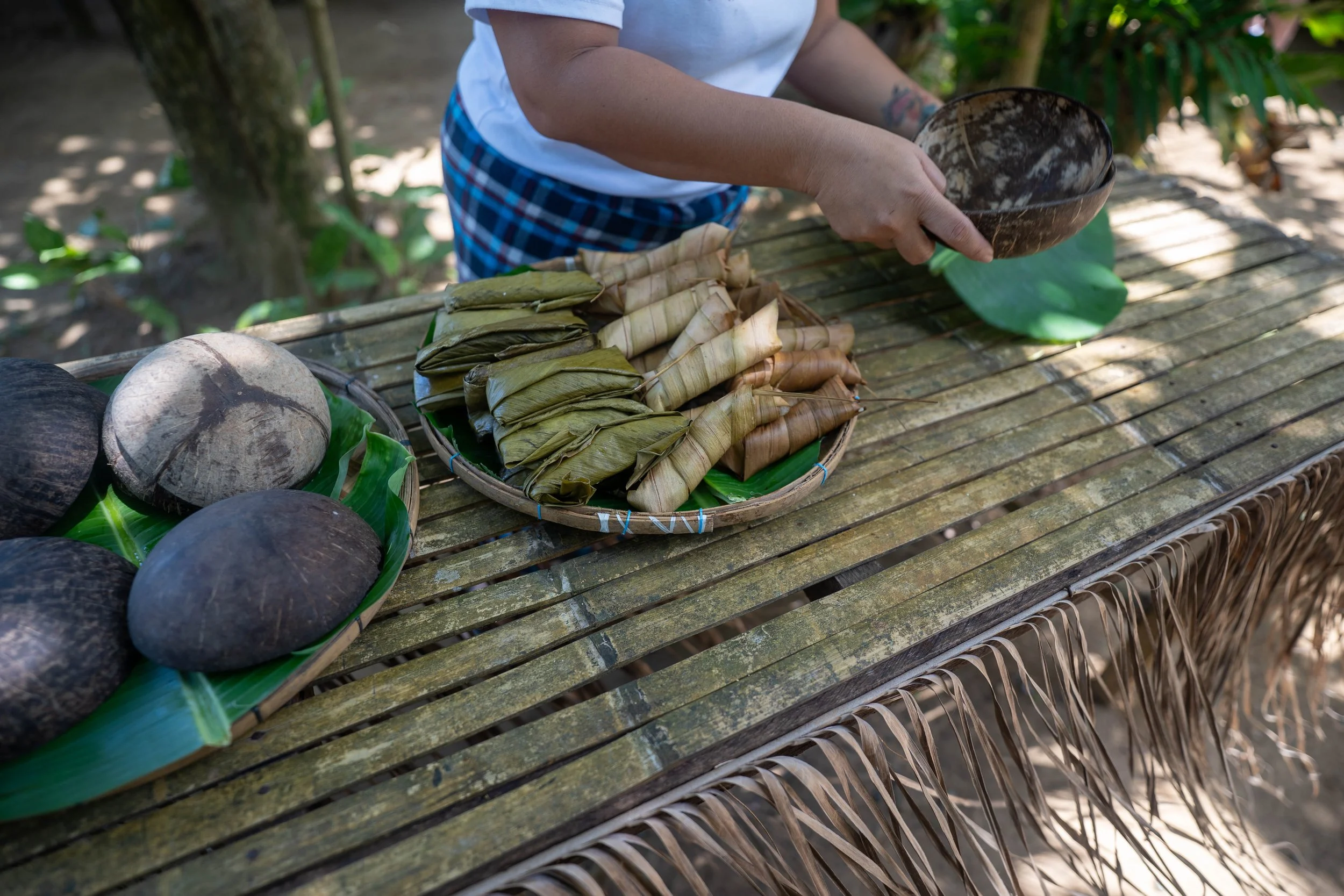
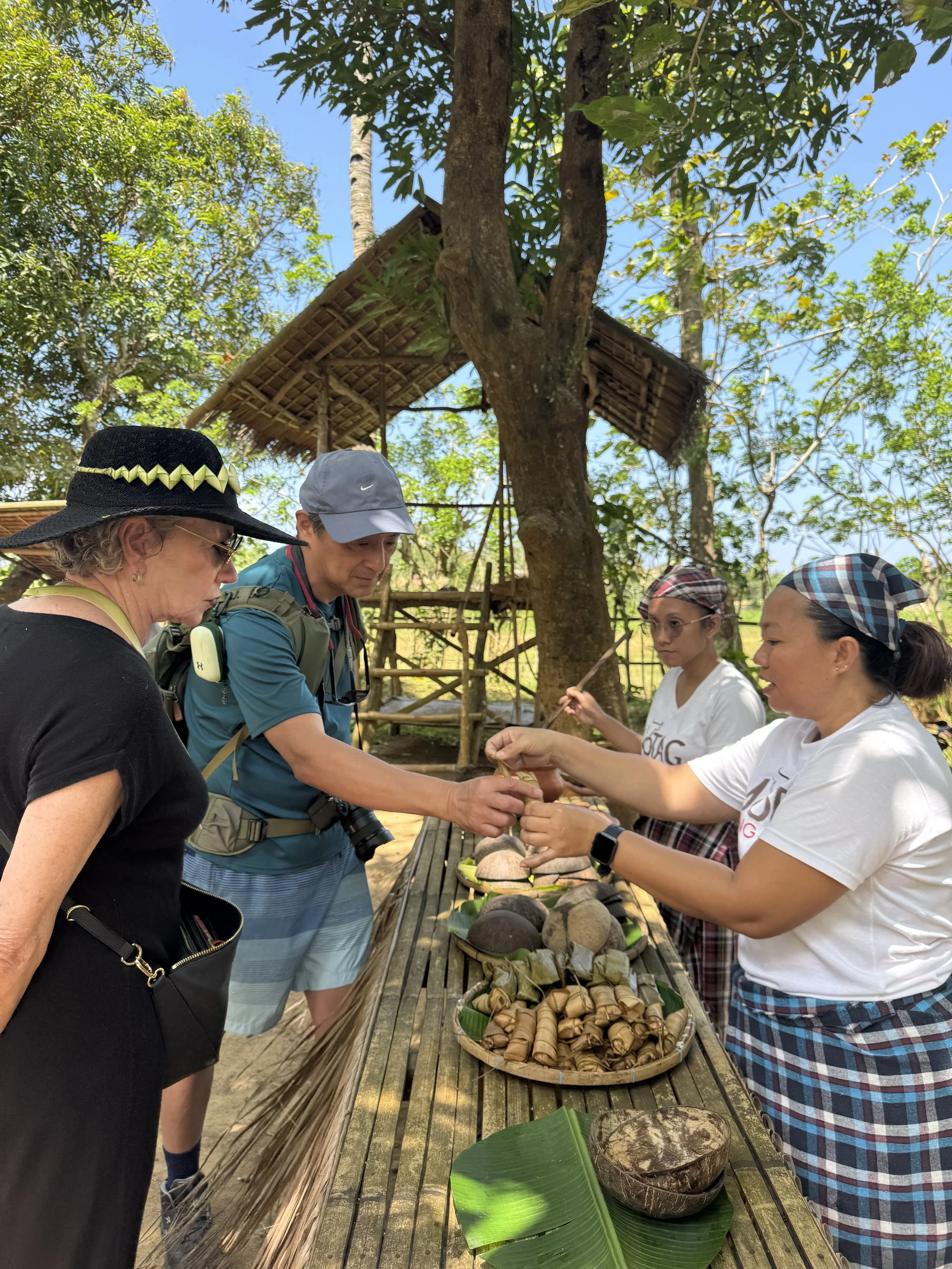
The activities included demonstrations of planting rice in a paddy field, grinding rice using traditional wooden tools, learning about young and mature coconuts and how coconut oil is produced, and presenting traditional cooking techniques, even making rice popcorn. I also tried riding a water buffalo, which was quite an experience. Coconut water and local snacks were offered during the visit, and of course the villagers welcomed us with songs and dances. The visit was both informative and enjoyable.
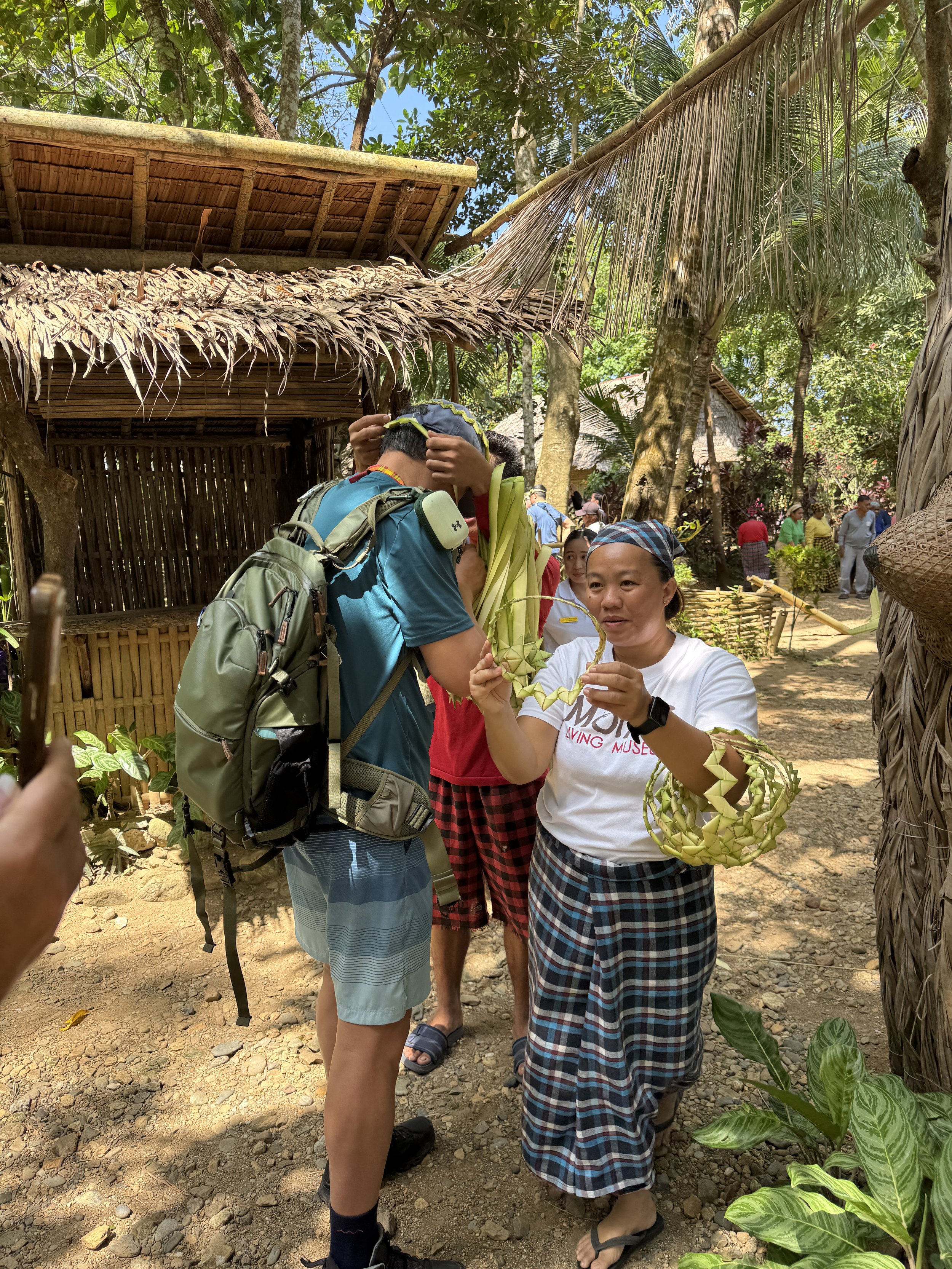
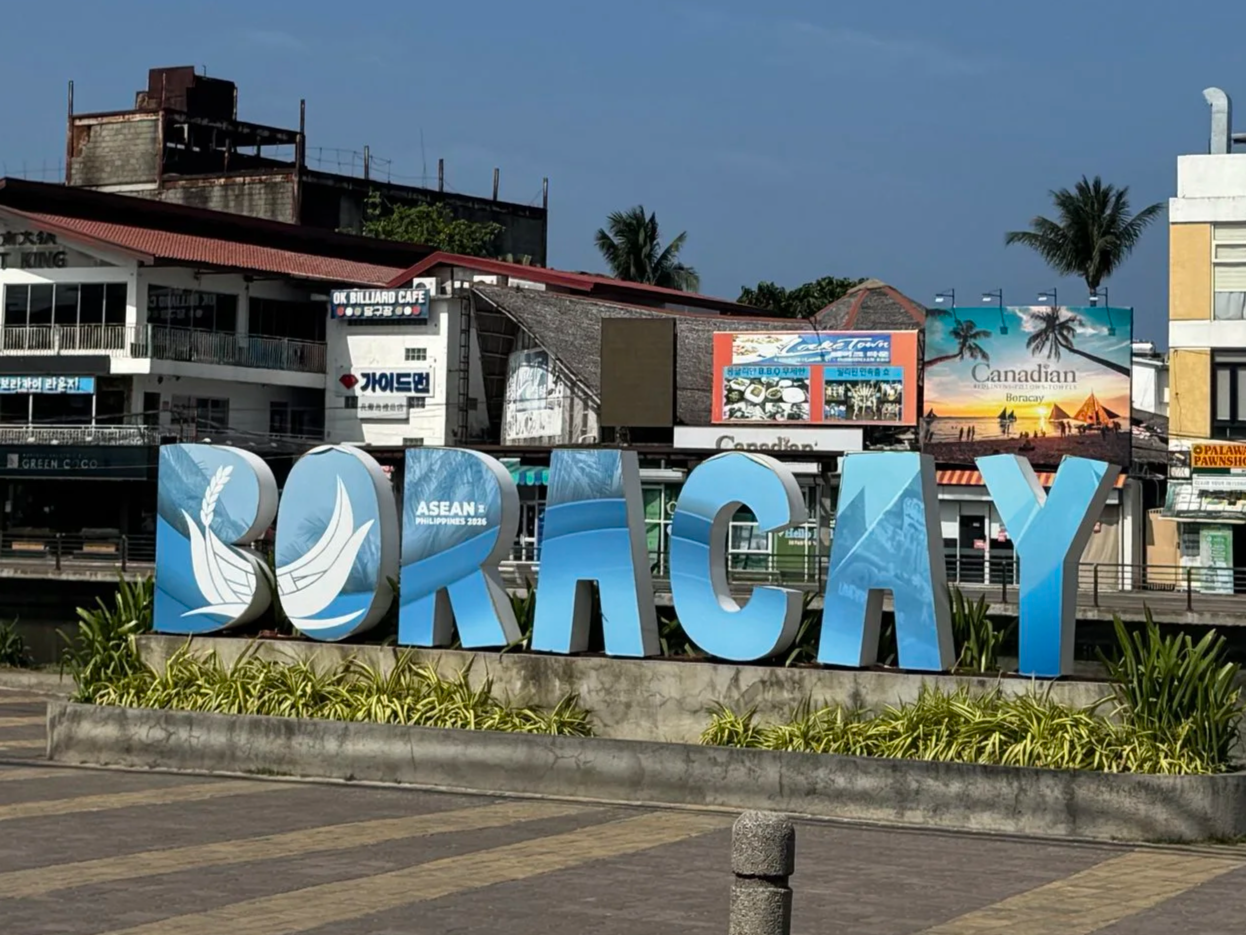
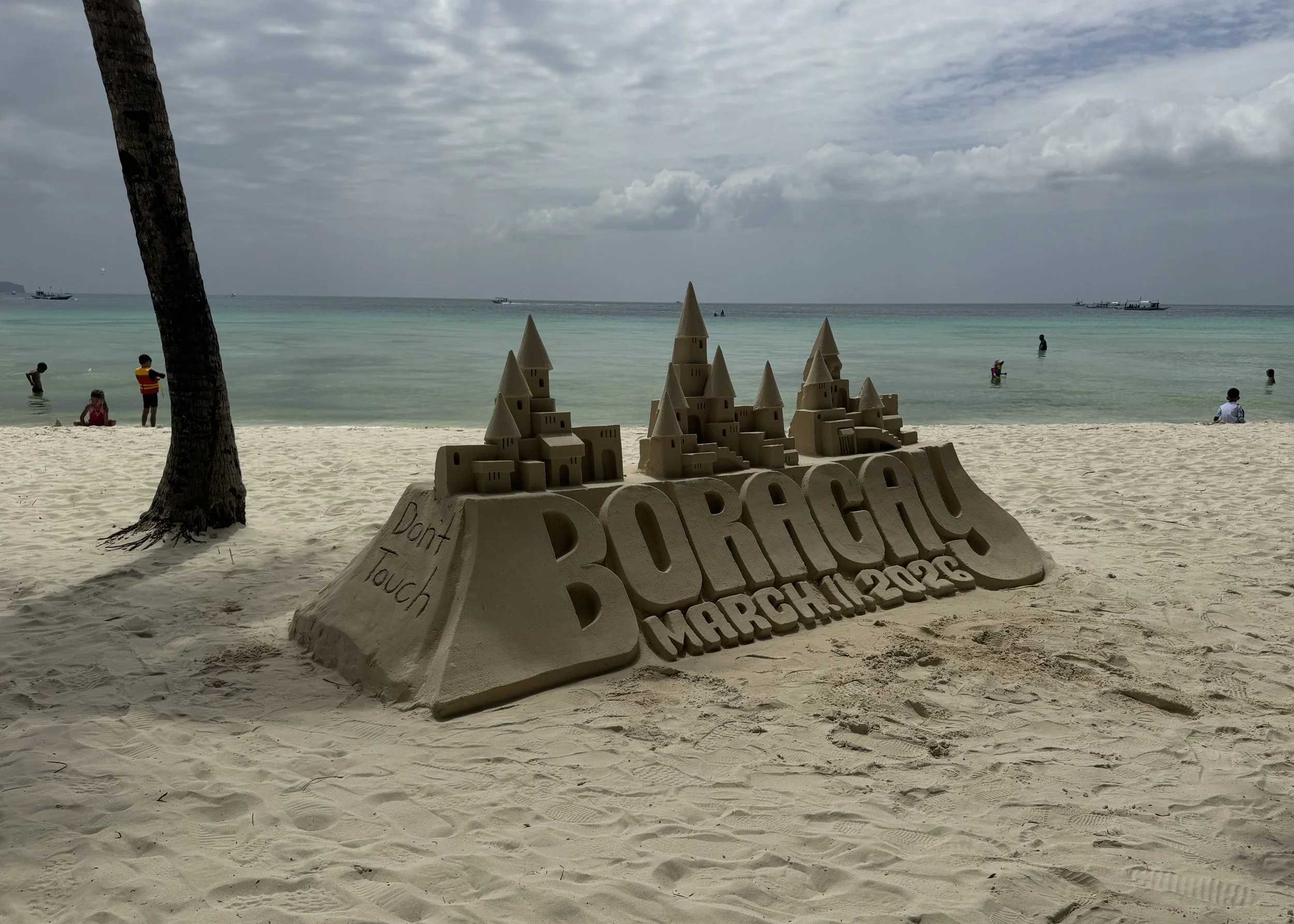
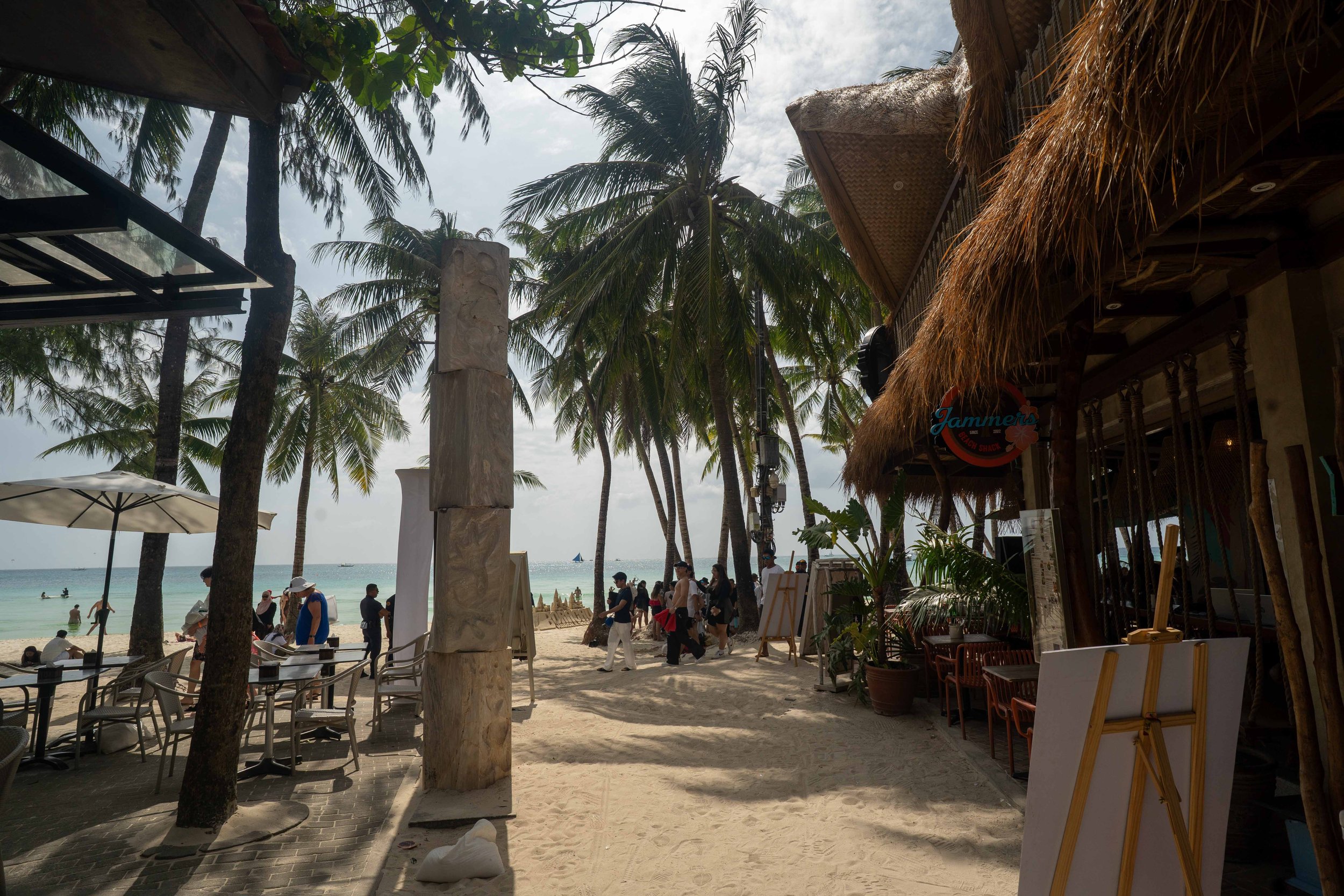
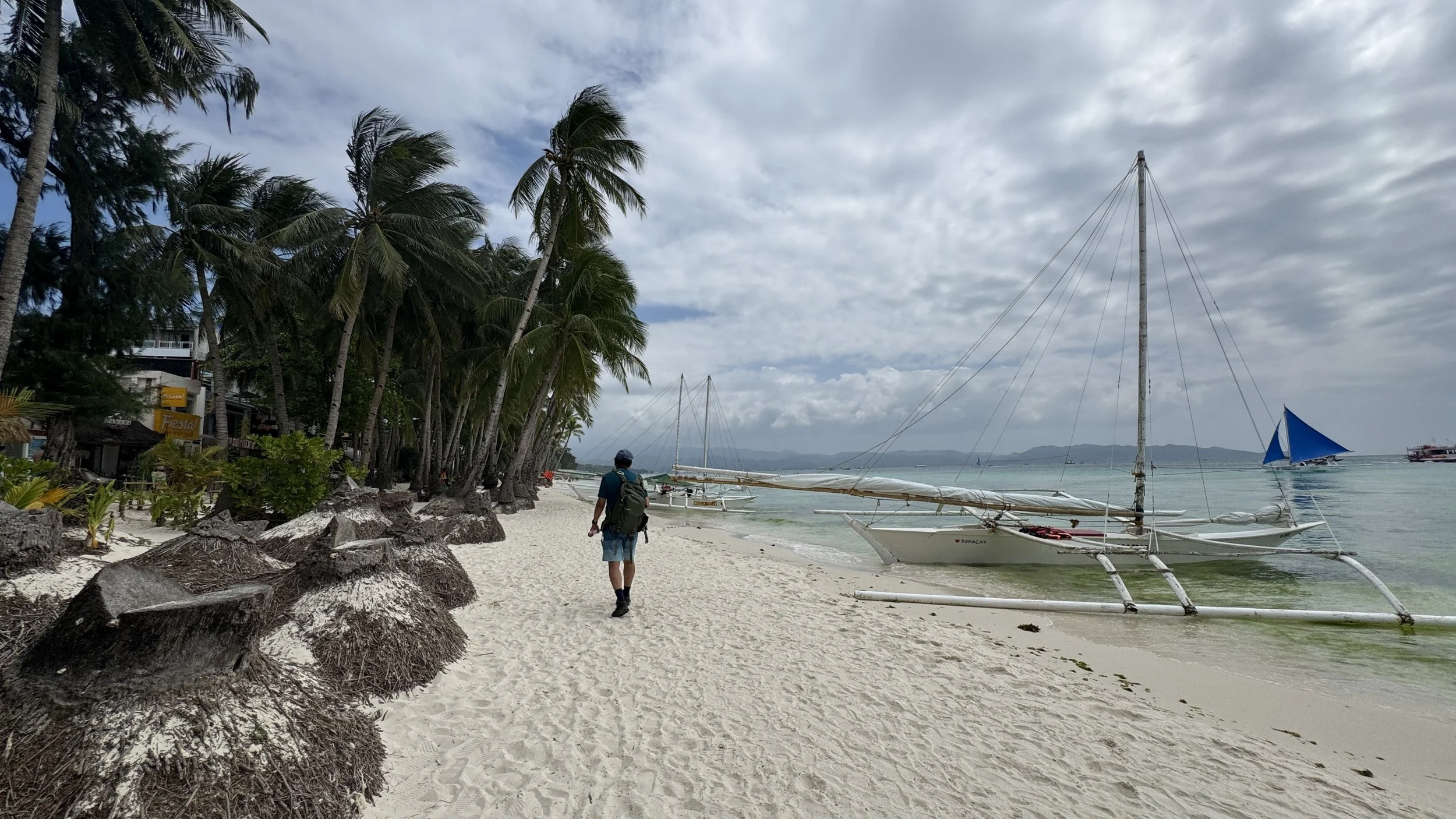
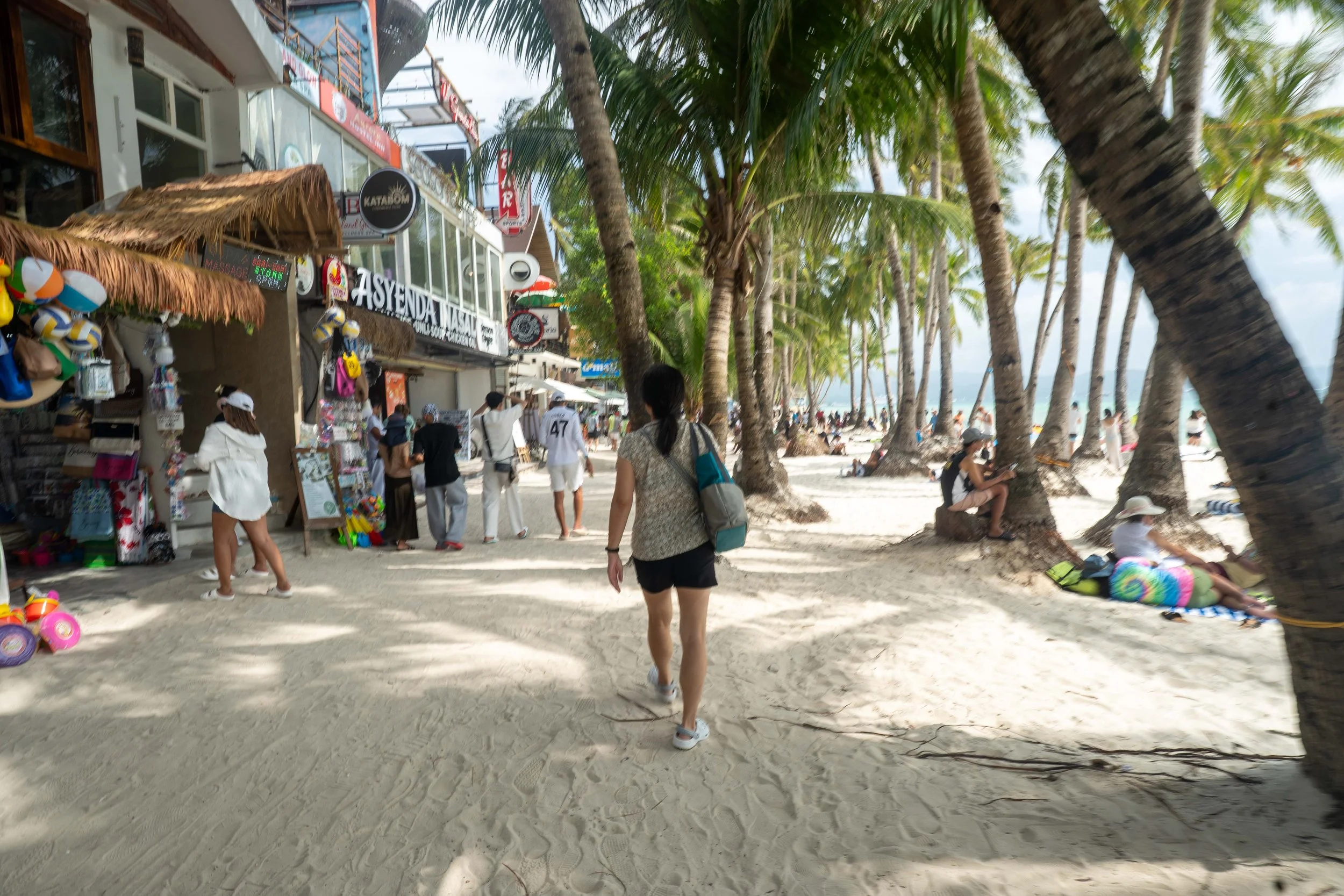
After returning to the ship for lunch, we took a free shuttle bus to the White Beach area. In the middle section of the beach there were many shops and restaurants, as well as a large number of tourists. The area had once been overdeveloped, causing significant environmental damage. In 2018, the Philippine government temporarily closed Boracay for six months to restore the environment.
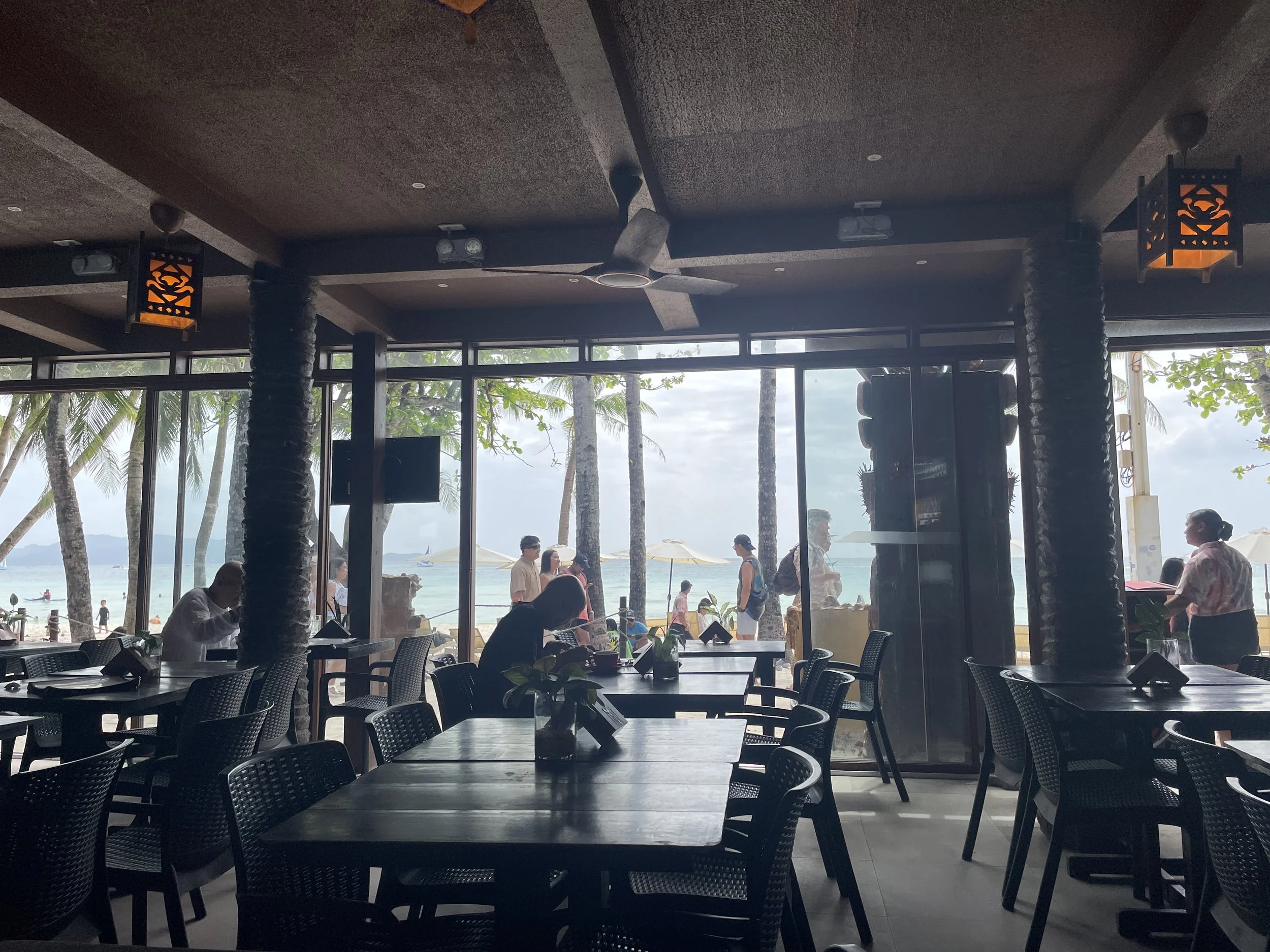
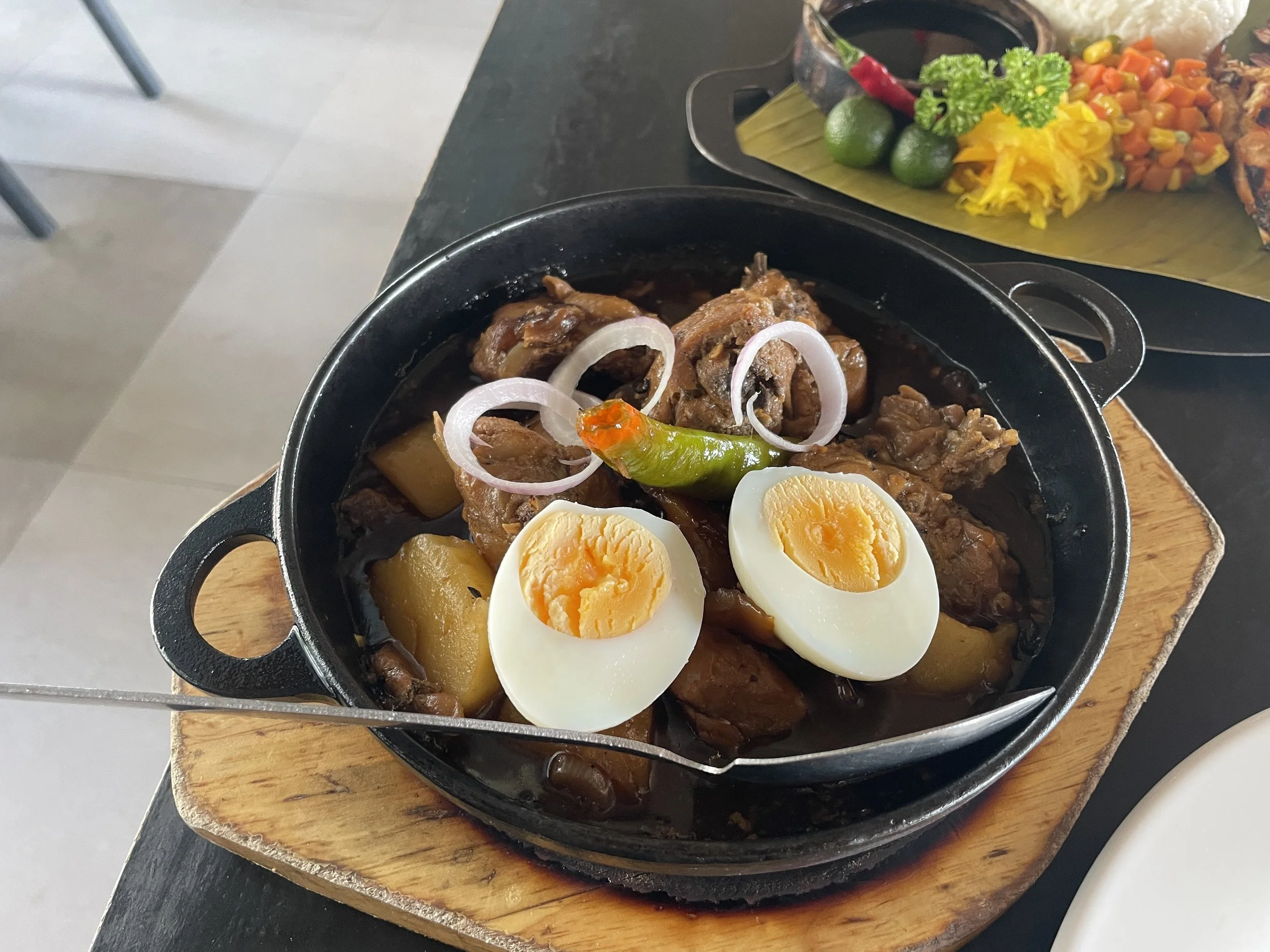
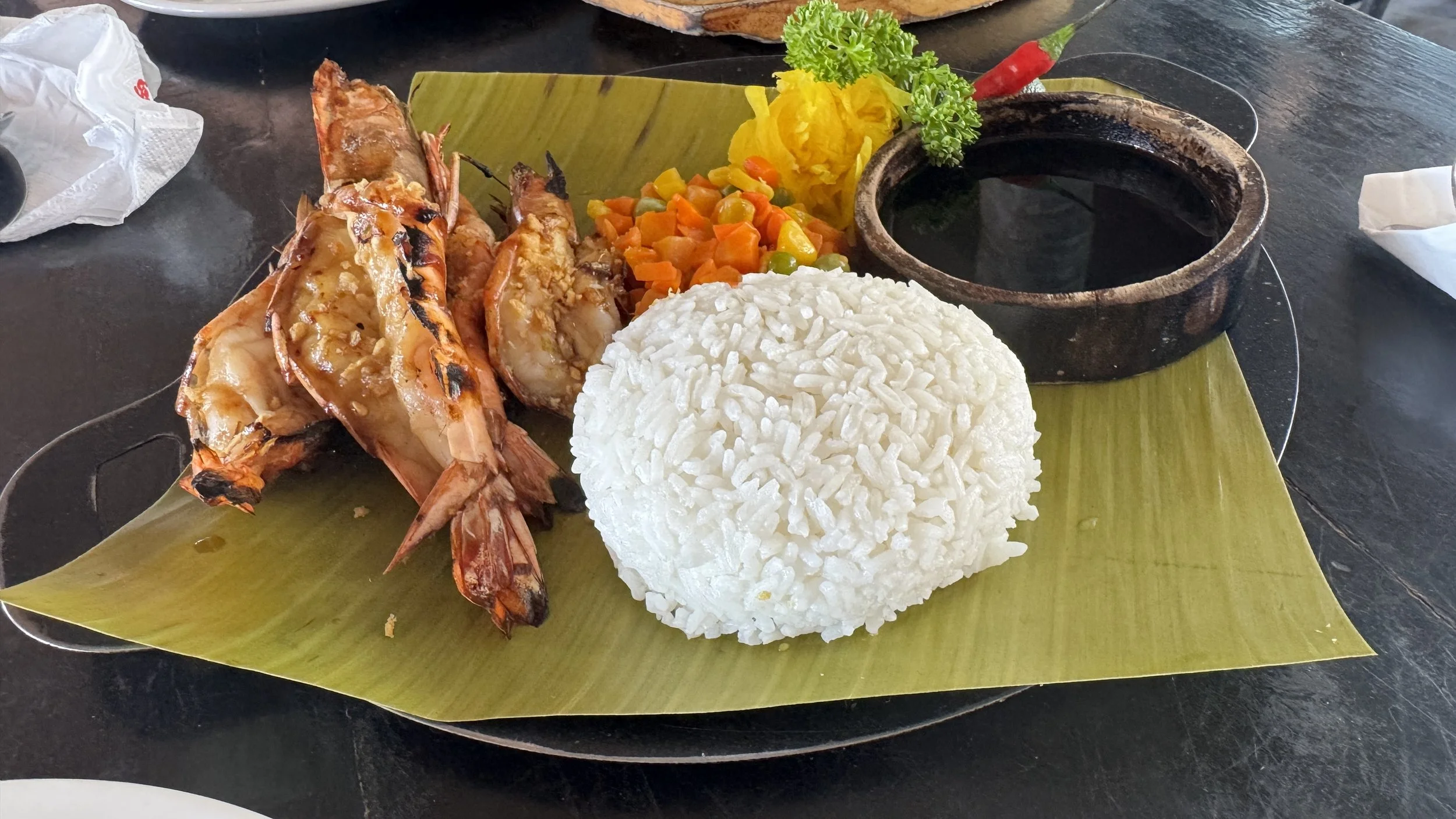
Today, the beach is still crowded but noticeably clean. The powdery white sand stretches right up to the front of the shops lining the beach. We did not spend much time swimming because it was quite crowded. Instead, we found a pleasant beachfront restaurant and enjoyed a Filipino meal, including chicken adobo and seafood. The food was excellent and the view was wonderful. It was a relaxing way to end the day.
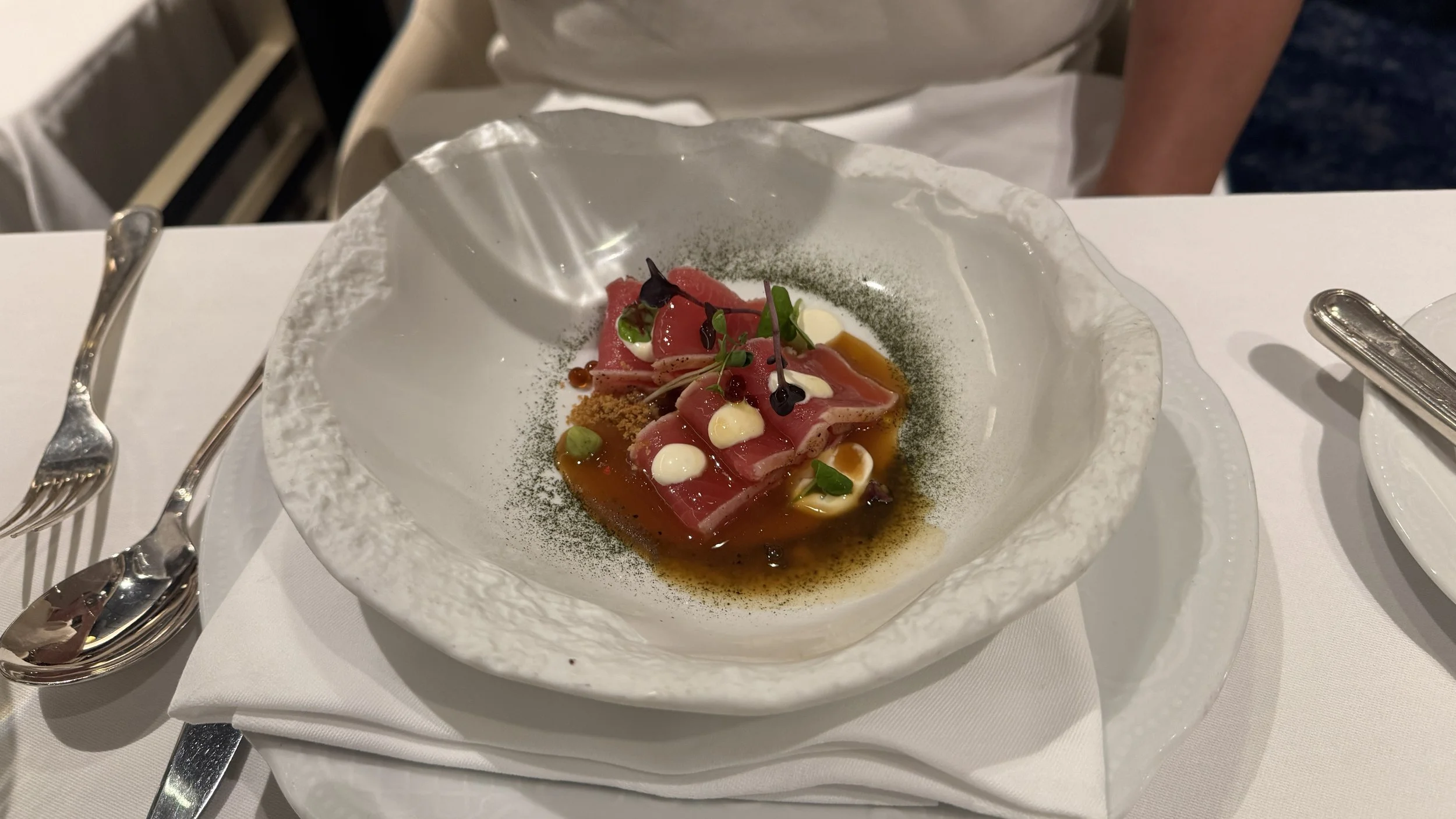
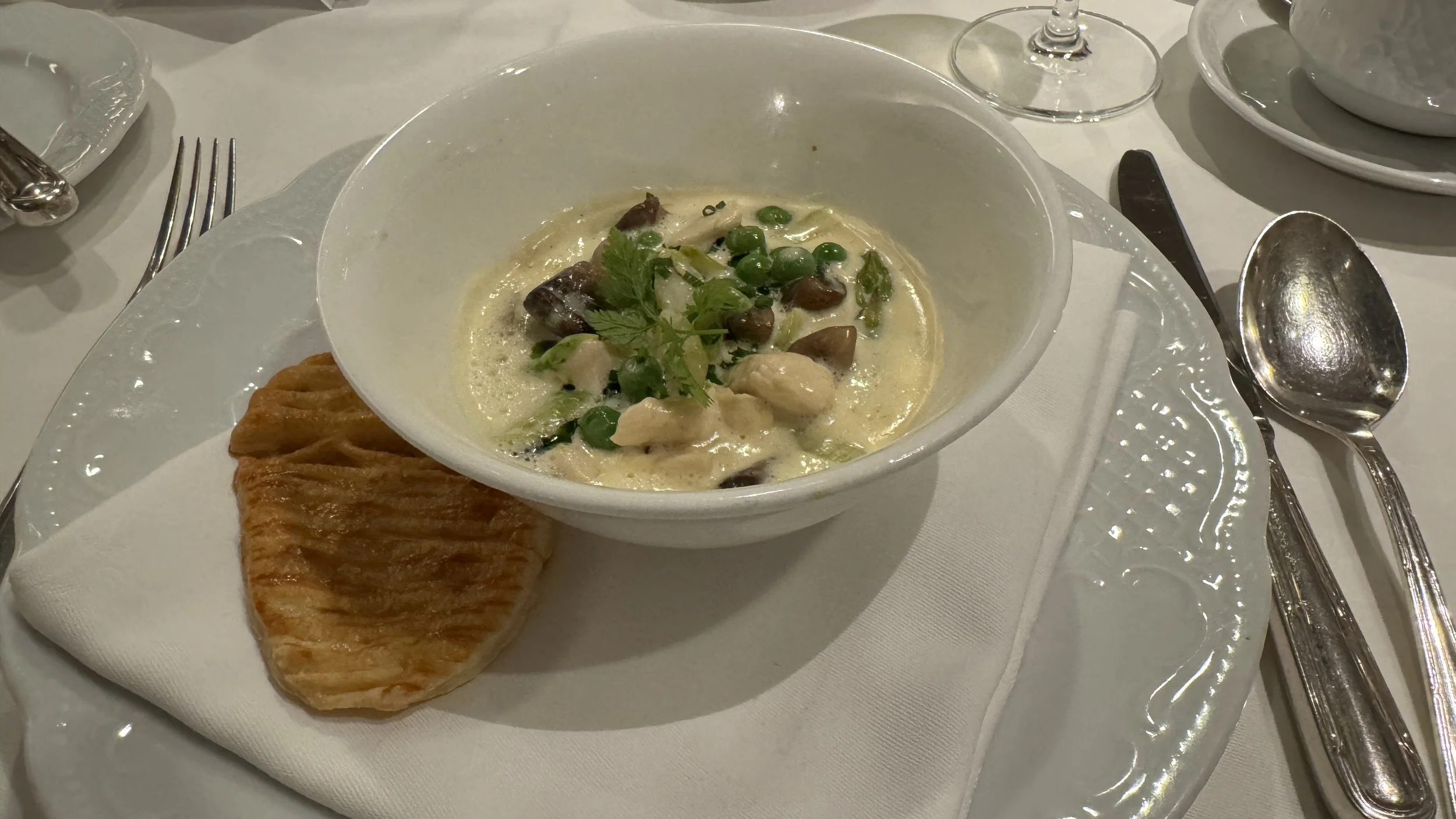
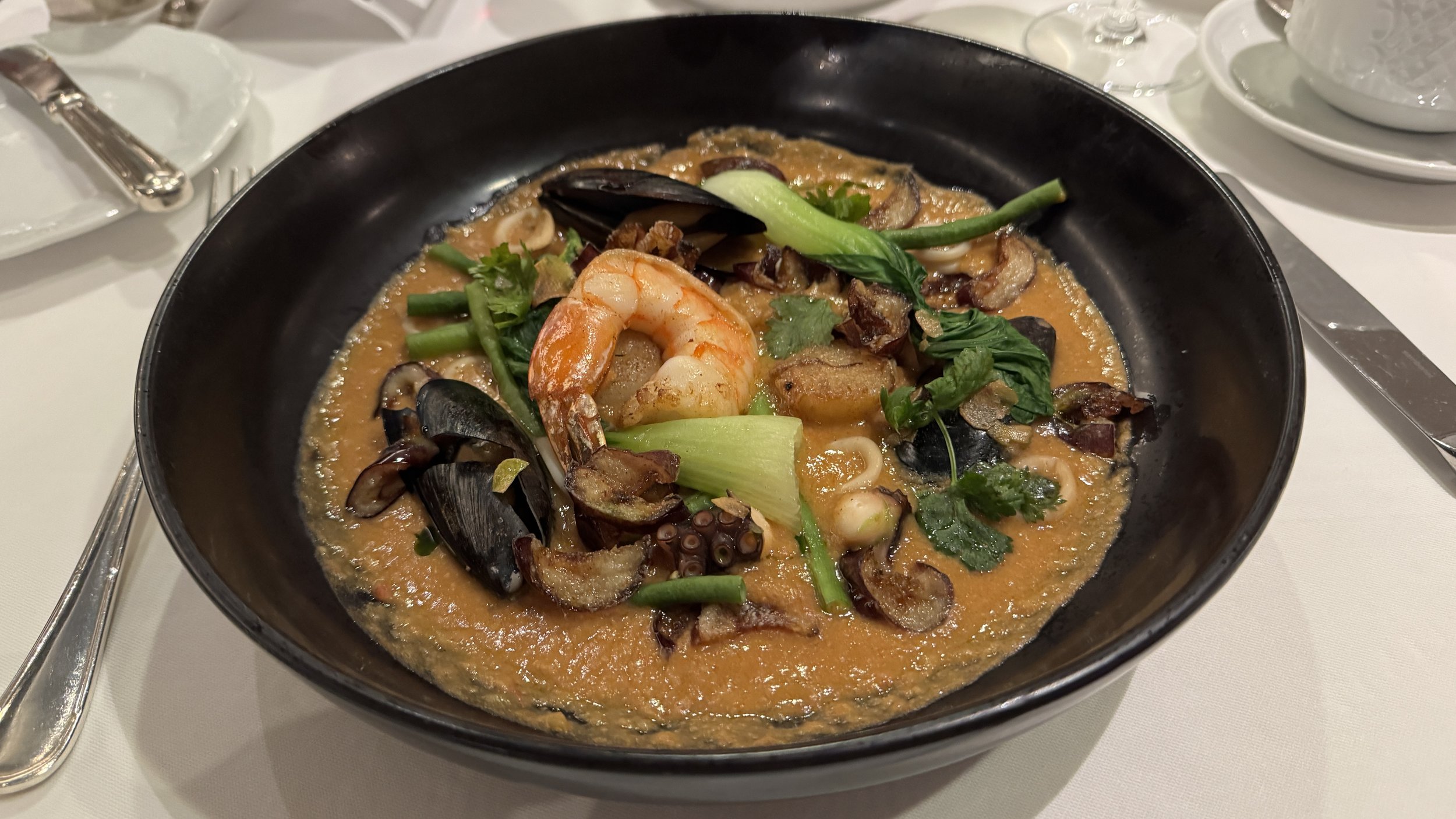
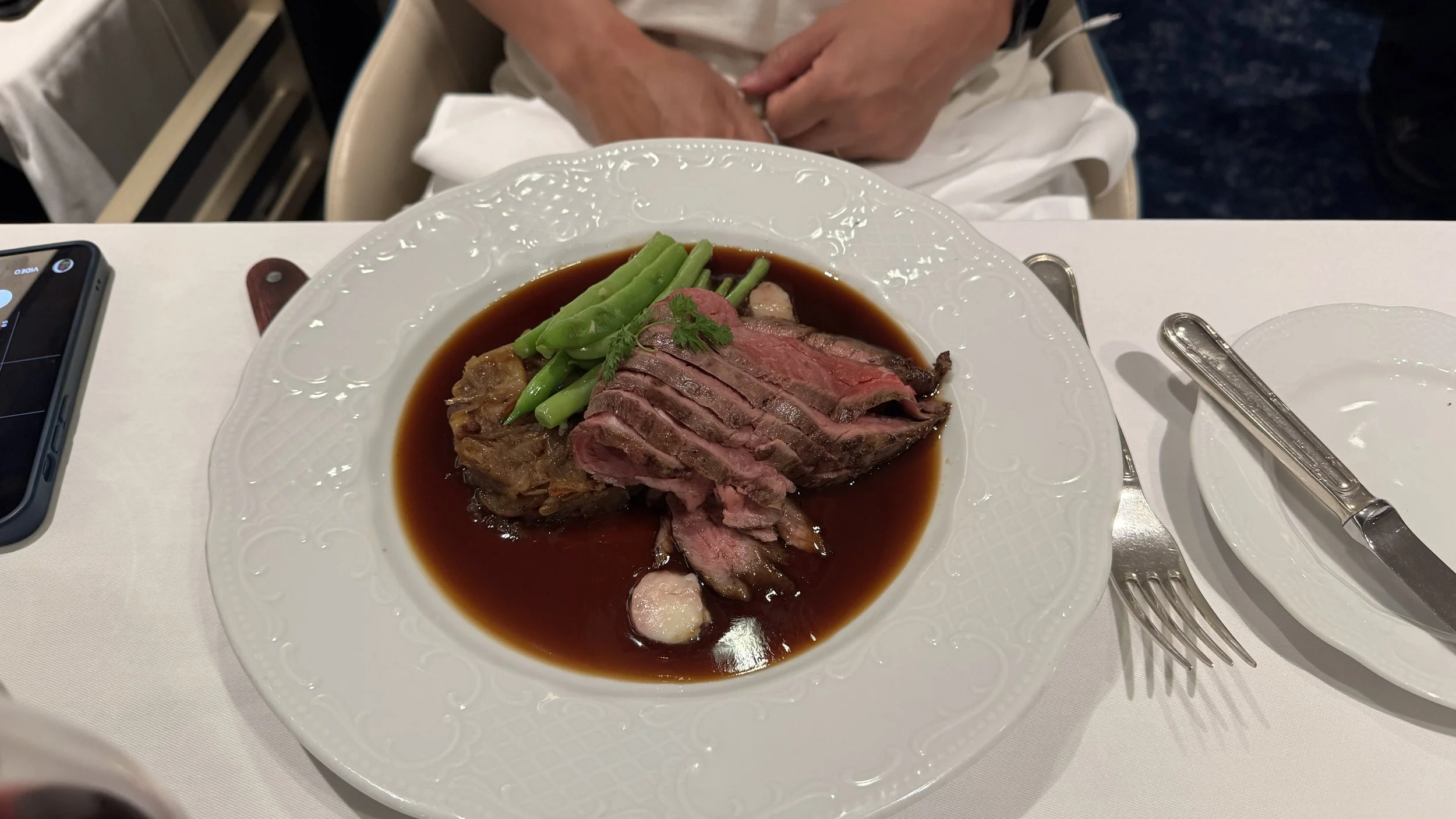
Back on the ship and recovered from the exhausting heat, we enjoyed a wonderful dinner at Waterside.
2026年3月11日
今天一早我们的船来到了菲律宾的长滩岛,在离岛不远处的海里抛锚,乘客坐接驳船上岸。小小的长滩岛拥有菲律宾最著名、也是最美丽的白沙滩之一,因此成为非常热门的旅游目的地。
早上我们参加了岸上游,前往在海湾对面的Motag 生活博物馆(Motag Living Museum)。这是一个独特的文化景点,让游客能够体验菲律宾传统的乡村生活。这个博物馆建立的目的,是为了保存阿克兰省(Aklan)传统的农耕文化,同时也为当地居民提供就业机会。
活动内容包括讲解在稻田里种植水稻的过程、使用传统木制工具碾米、介绍嫩椰子和成熟椰子以及椰子油的制作方法,还展示了一些传统烹饪方式,甚至现场制作爆米花。我还尝试骑了一次水牛,一次很特别的体验。参观过程中还提供了椰子水和当地小吃,村民们还以歌舞表演欢迎我们的到来。整个参观既有趣又富有知识性。
岸上游结束后我们回到码头边,没有坐接驳船回邮轮,而是坐了免费的接驳巴士前往白沙滩(White Beach)。在海滩的中段,聚集着密密麻麻的商店和餐馆,当然也有大量游客。这个地区曾经因为过度开发而对环境造成严重破坏,因此在2018年,菲律宾政府曾将长滩岛关闭六个月进行环境整治。
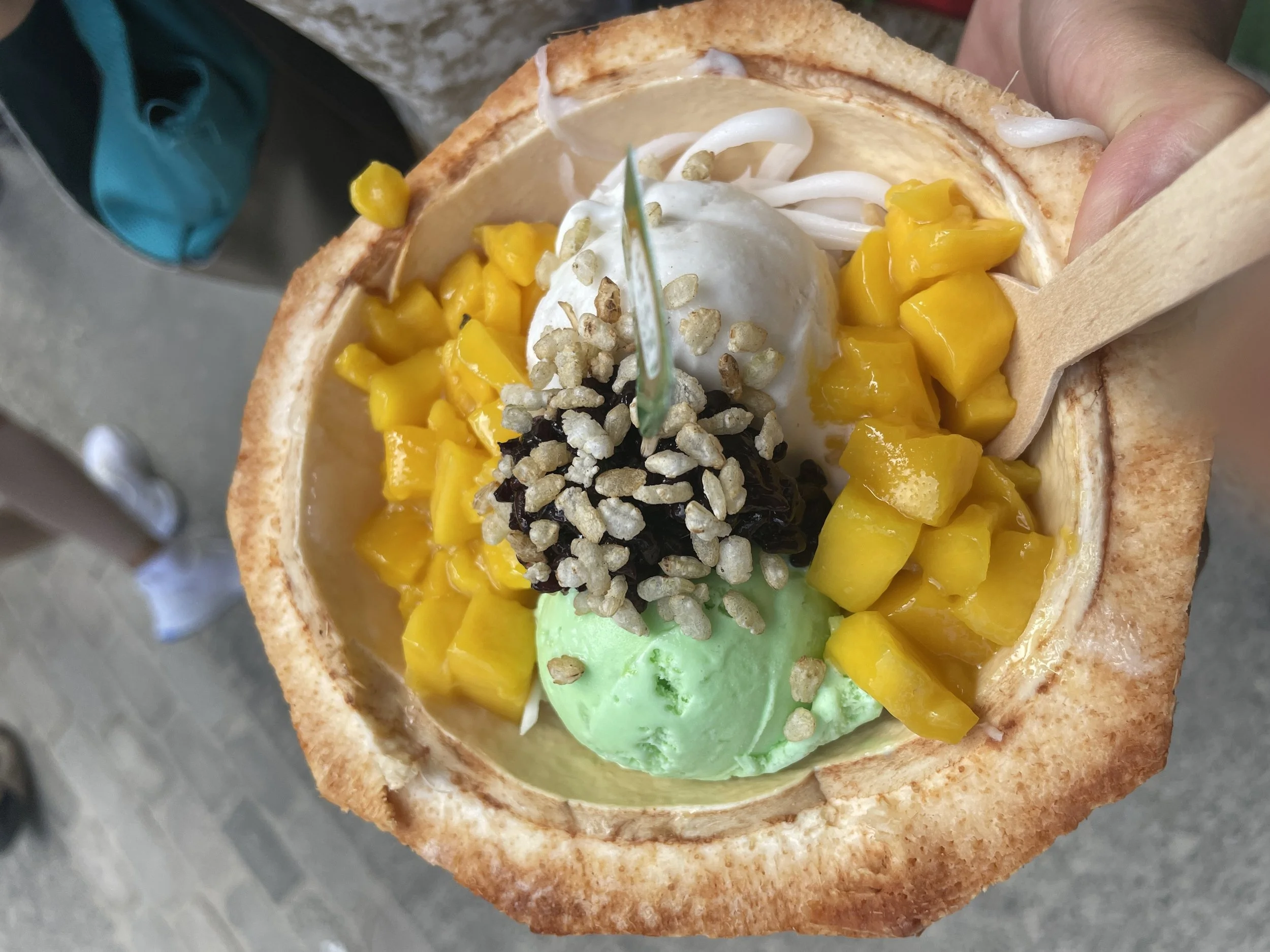
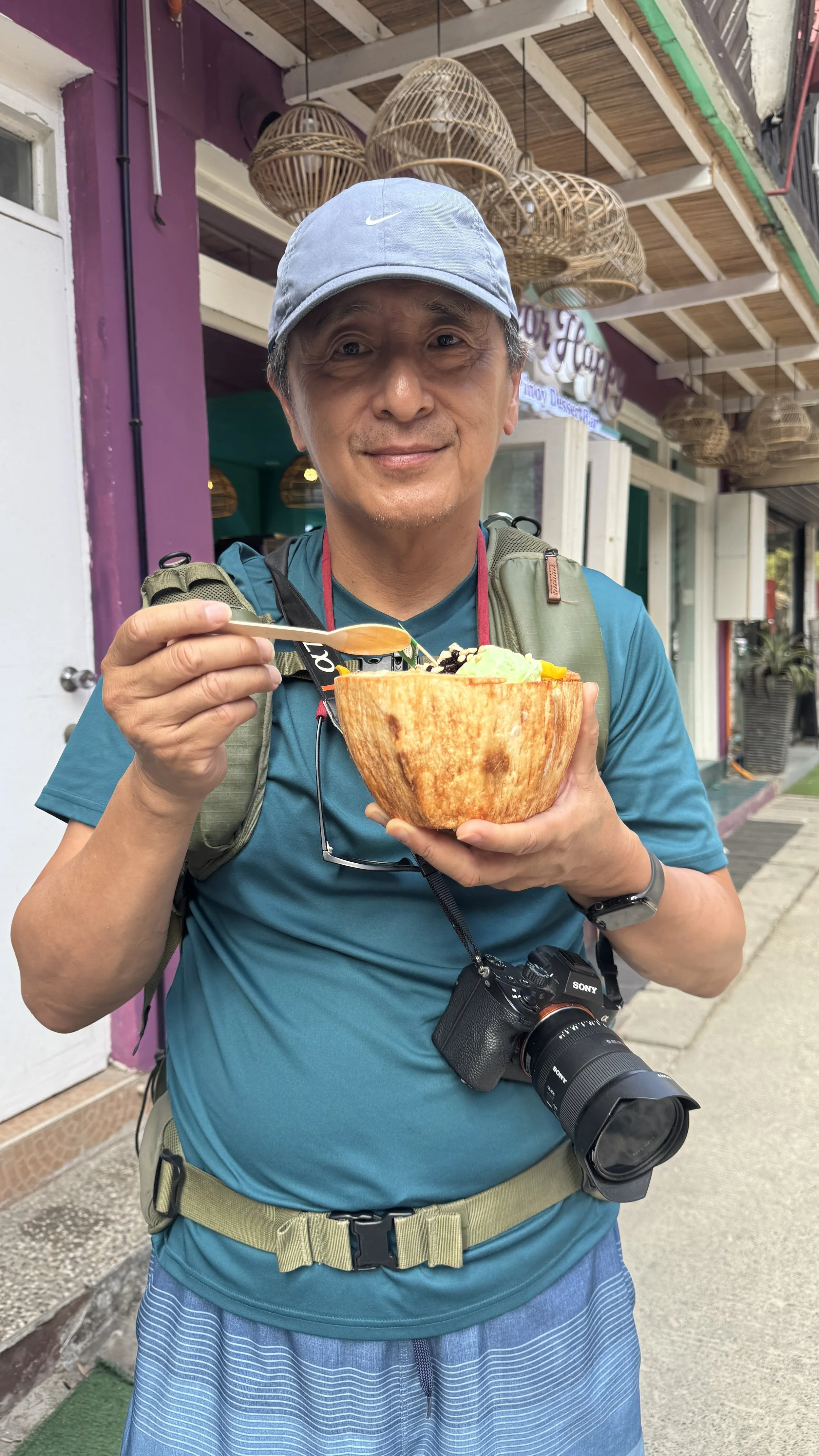
如今的海滩依然人很多,但明显干净整洁。细腻如粉的白沙一直延伸到海滩边的商店门前。由于人实在太多,我们没有花太多时间在海滩上走,而是找了一家临海的餐厅,享用了一顿菲律宾风味的午餐,包括 阿斗波鸡(chicken adobo) 和海鲜。食物非常美味,海景也十分迷人。吃完饭路过一家冰淇淋店- Coco Mama。看到排长队,赶紧去凑个热闹也来一份,椰子壳里先放入新鲜椰丝垫底, 接着放上二种不同口味的冰淇淋,最后再放上适量的芒果丁及其它配料,非常好吃。查了一下才知道这是当地有名的冰淇淋店。轻松而愉快的一天,心满意足,高高兴兴地回船去。
Coron Island, Philippines 菲律宾,科隆港
March 10, 2026
This destination is only about 100 miles from our previous stop……
今天来到菲律宾巴拉望的科隆港,。。。
March 10, 2026
This destination is only about 100 miles from our previous stop. Somehow the cruise company stretched the journey into two days, adding another sea day. The sea was quite rough during that time, and both of us slept extra hours to recover. Fortunately, we still felt well enough to attend dinner, unlike the previous rough sea day when we had skipped it.
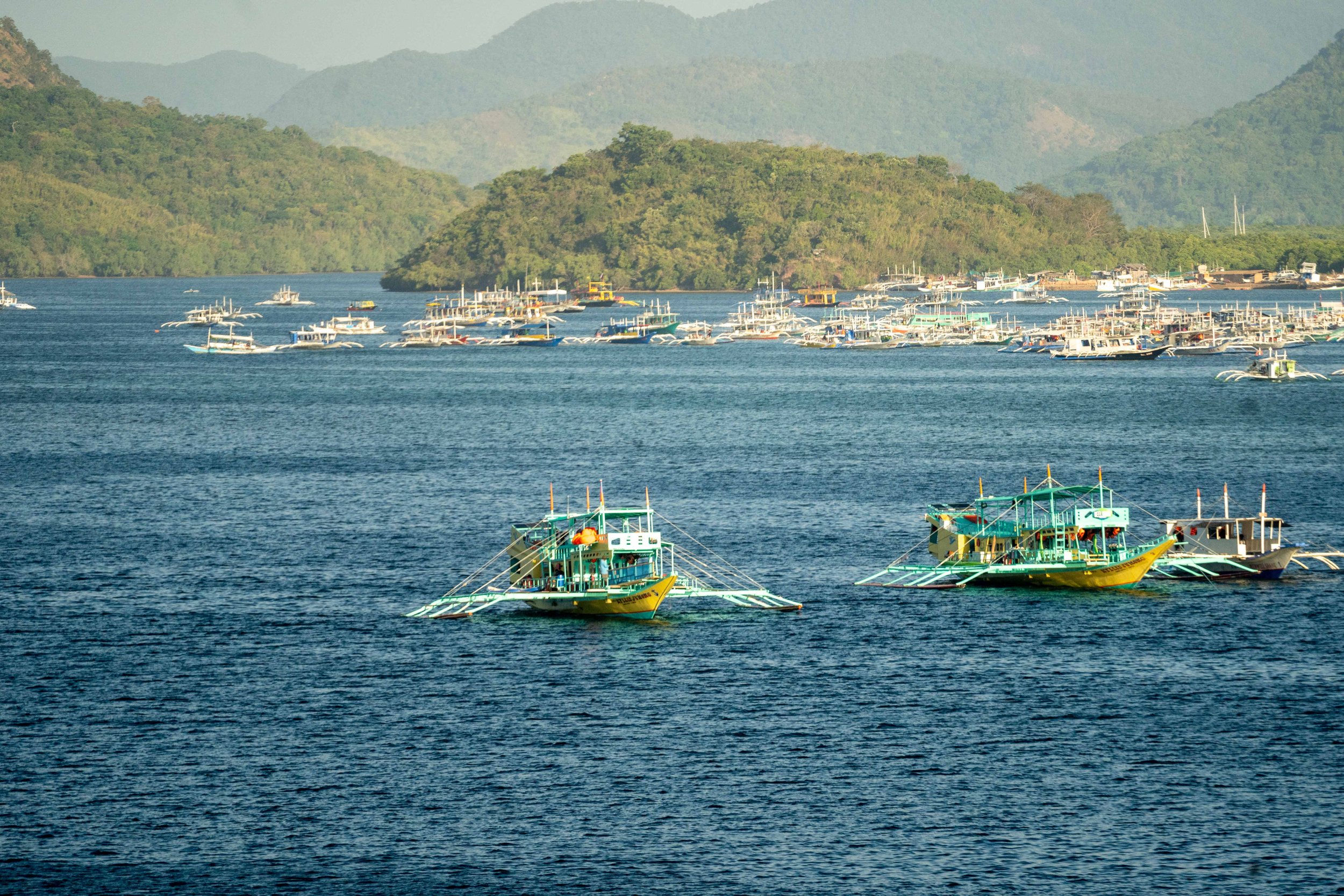
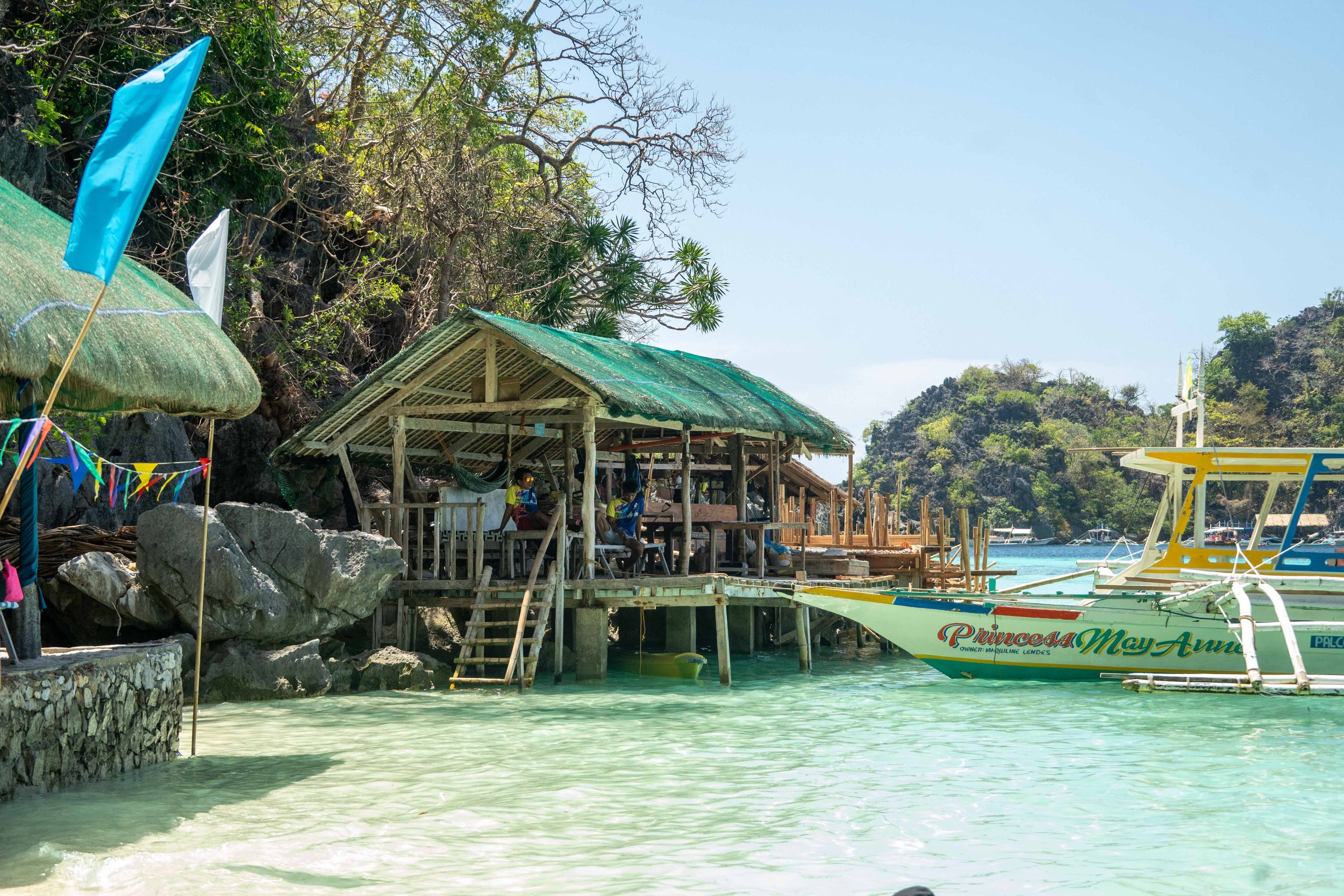
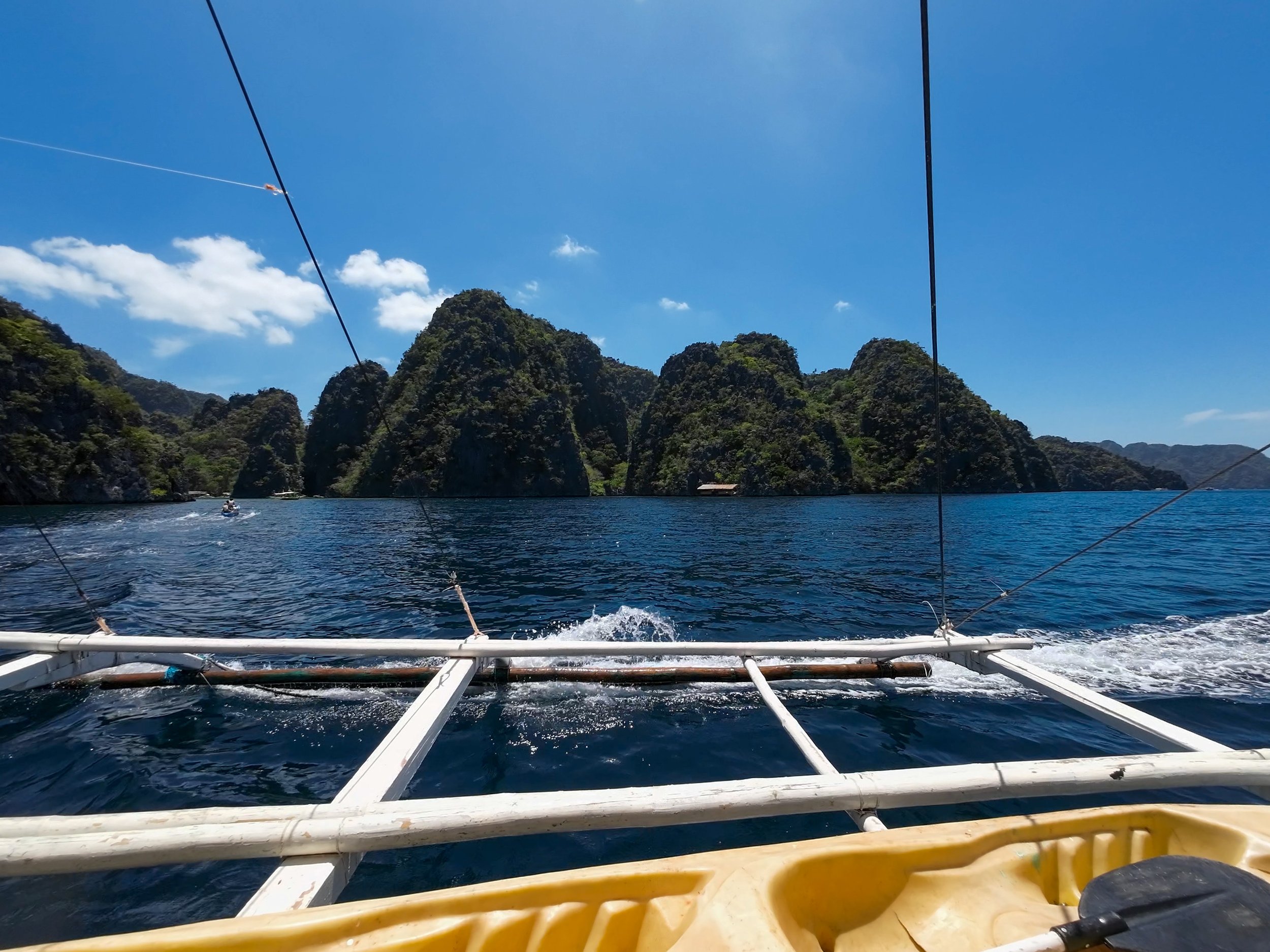
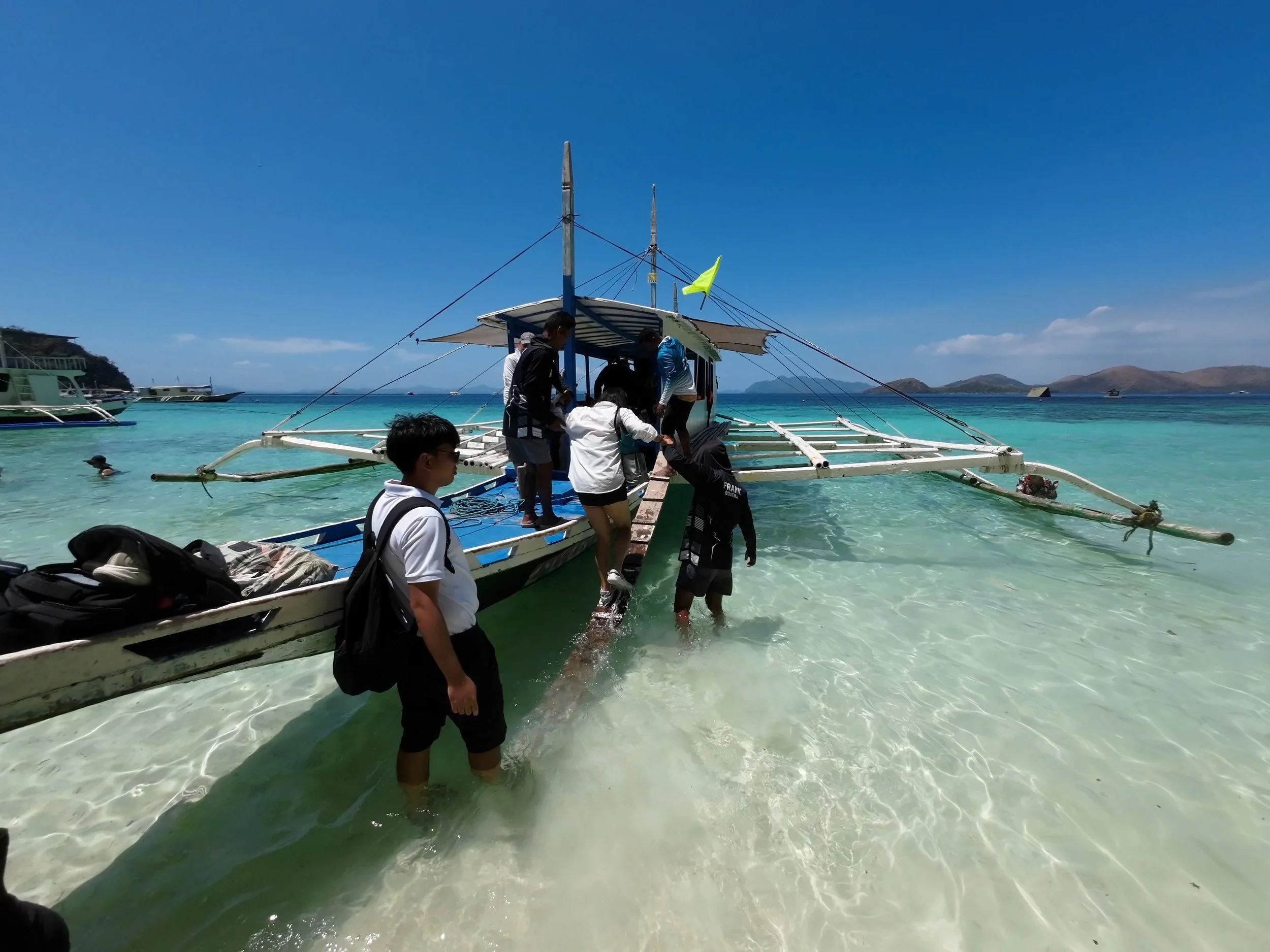
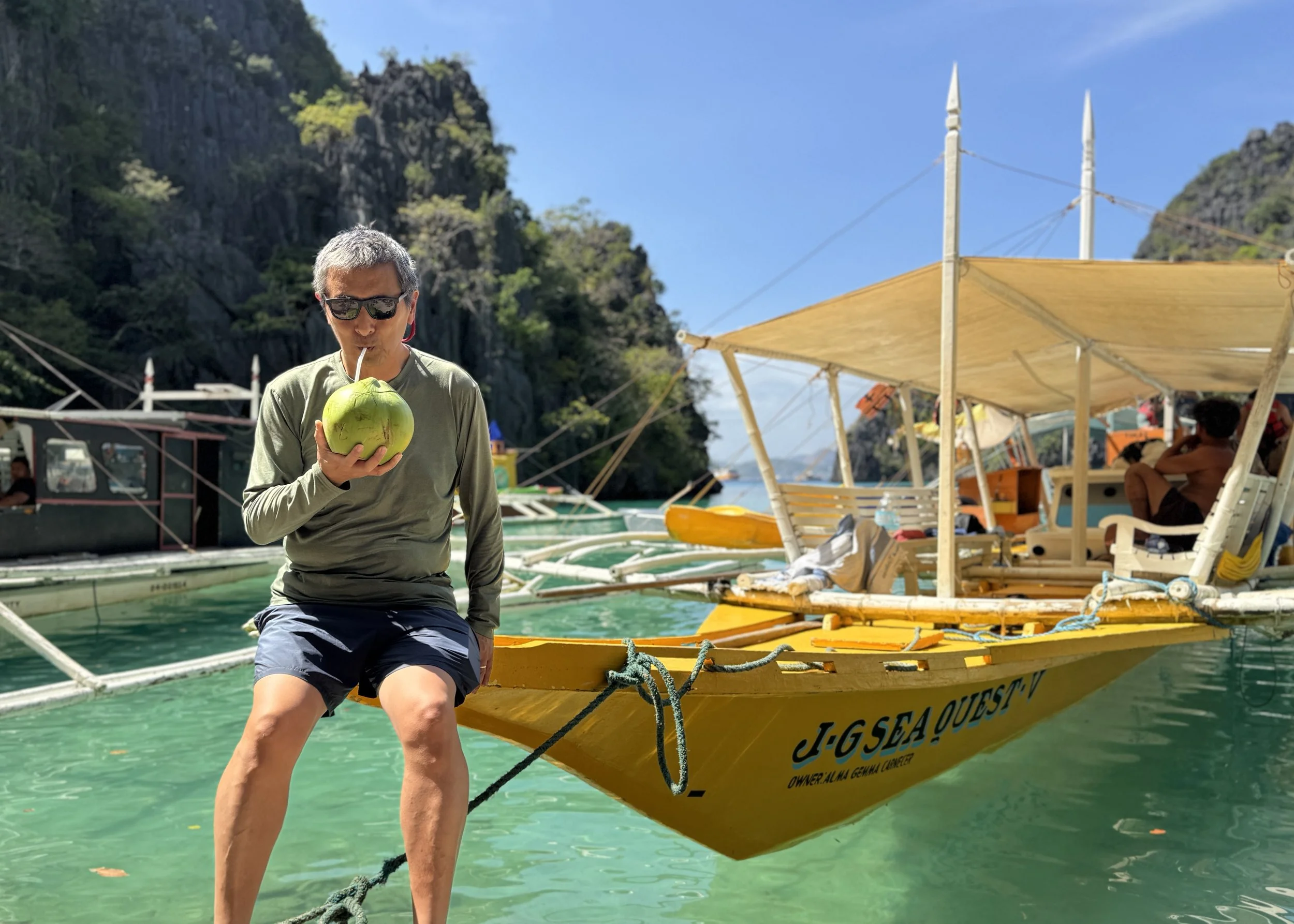
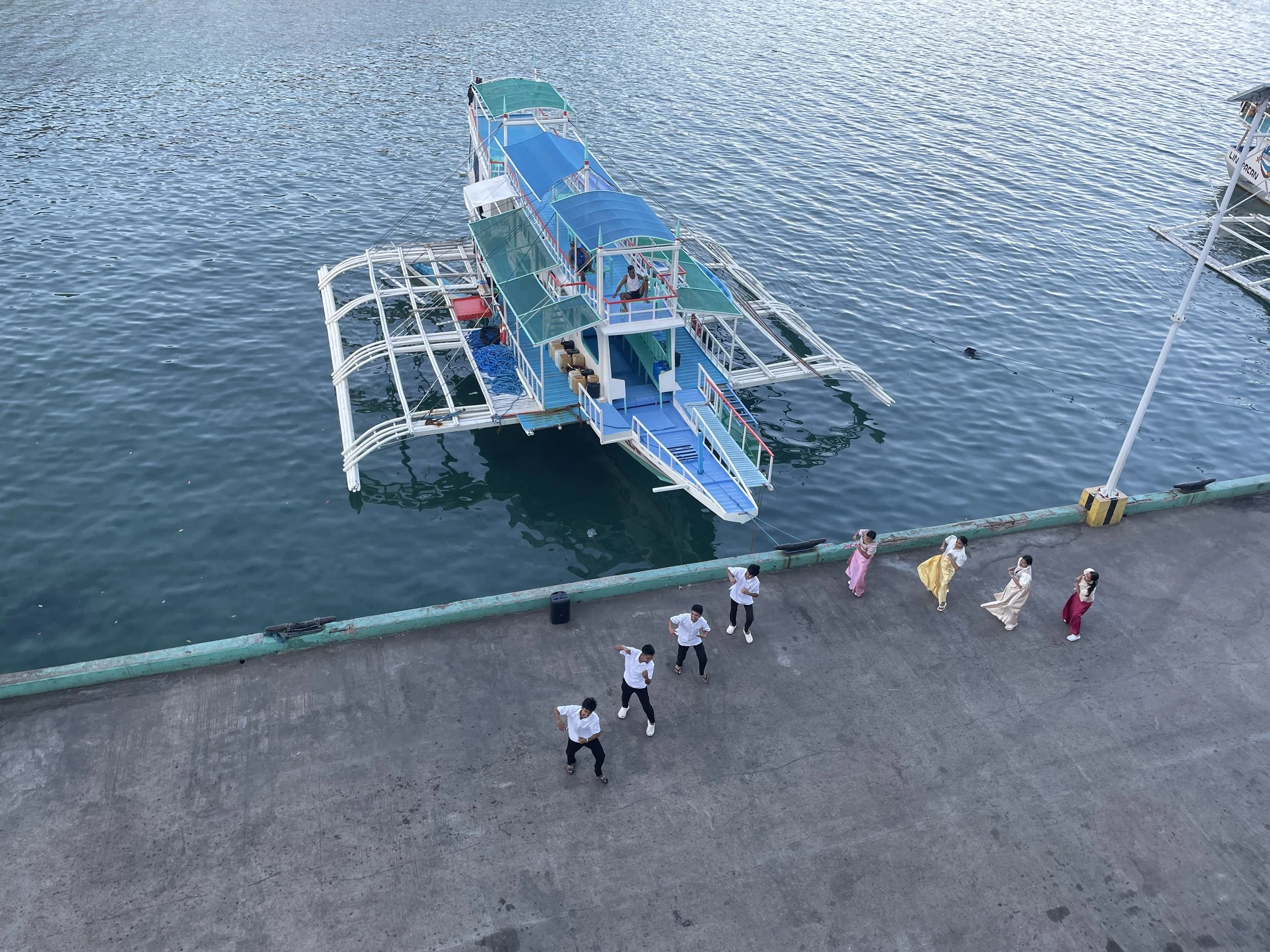
As the ship sailed into Coron Bay, we were greeted by many colorful bangkas—traditional Filipino outrigger boats with bamboo stabilizers on both sides. Each boat had its own design and bright color scheme, reflecting the creativity and craftsmanship of the Filipino people.
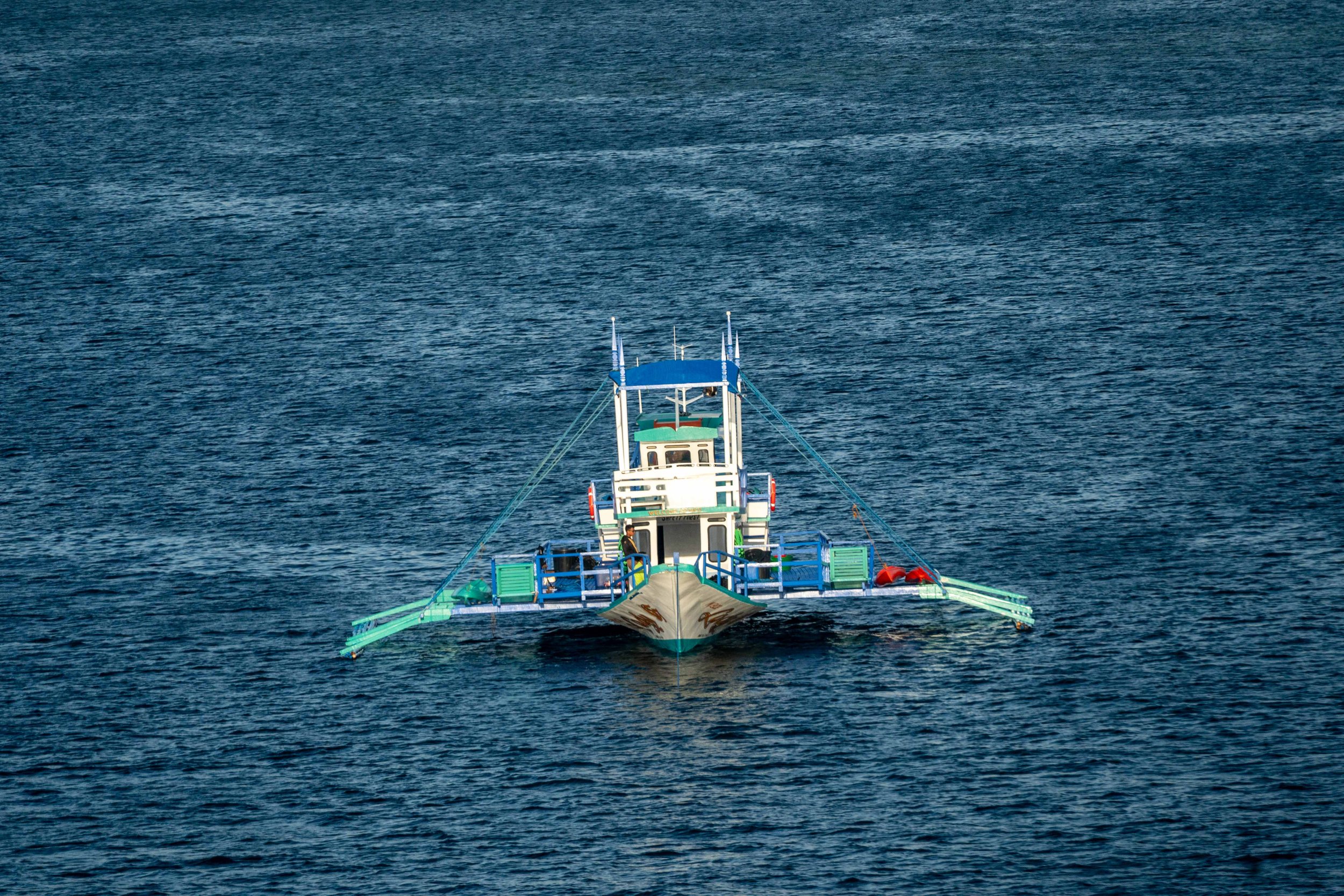
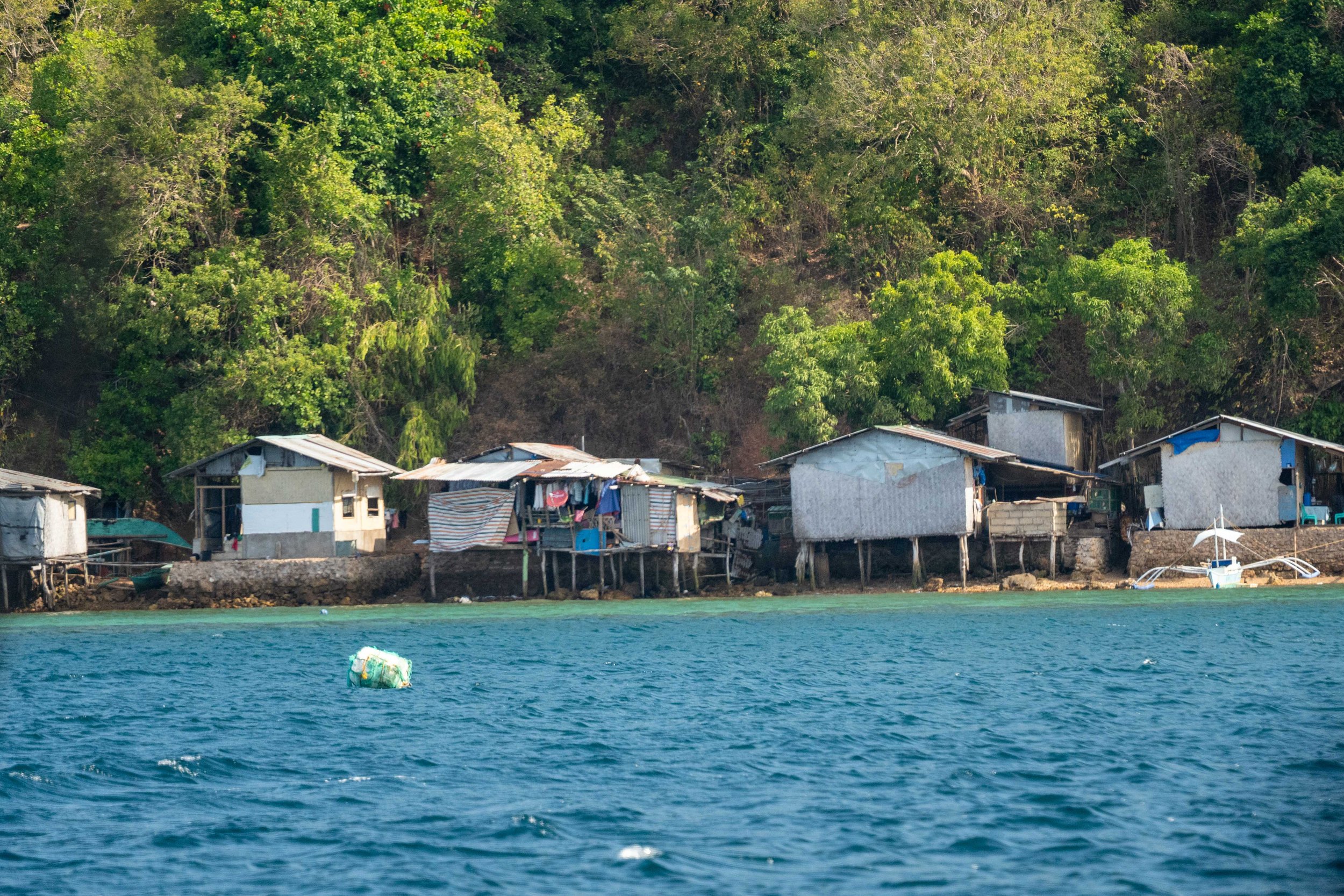
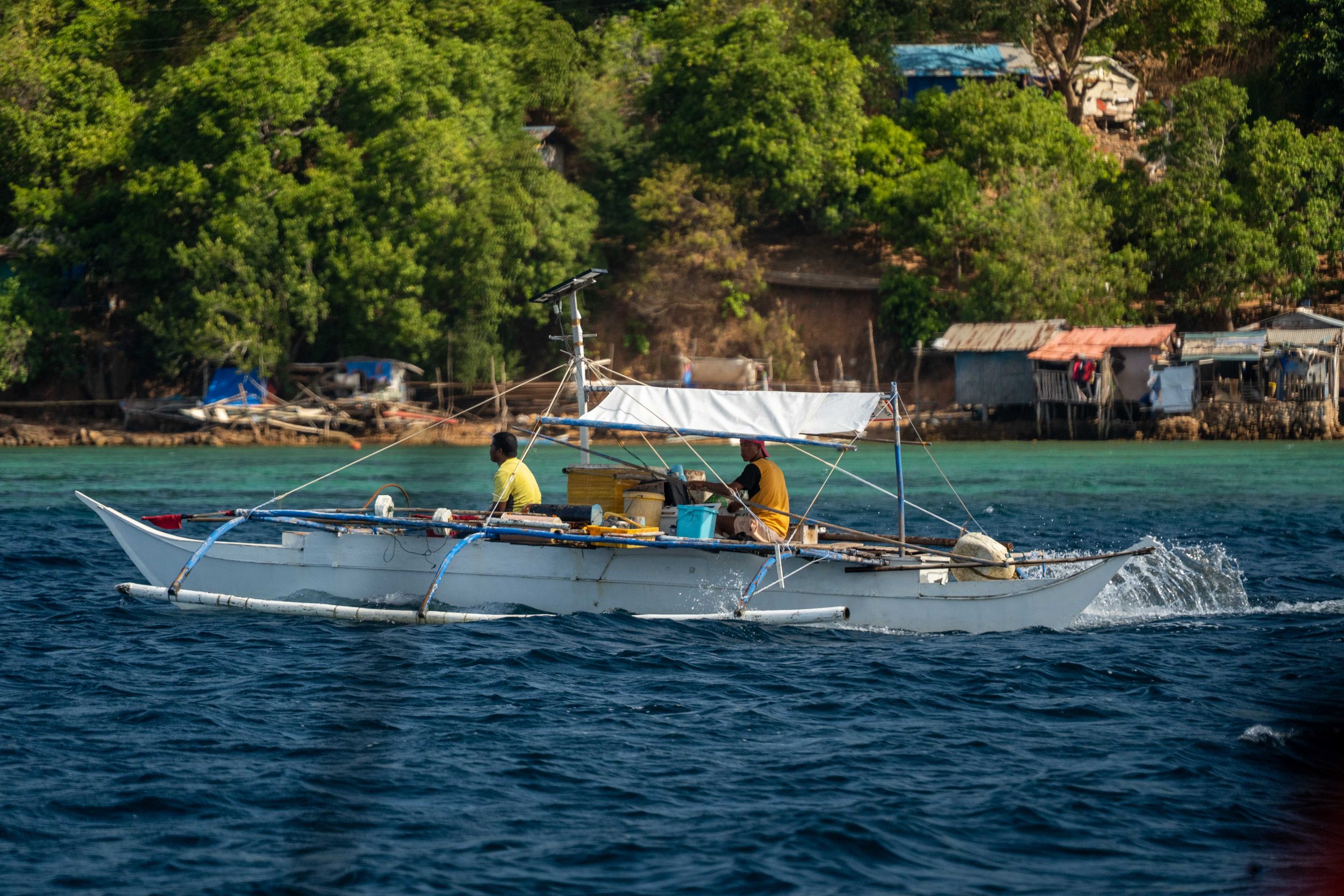
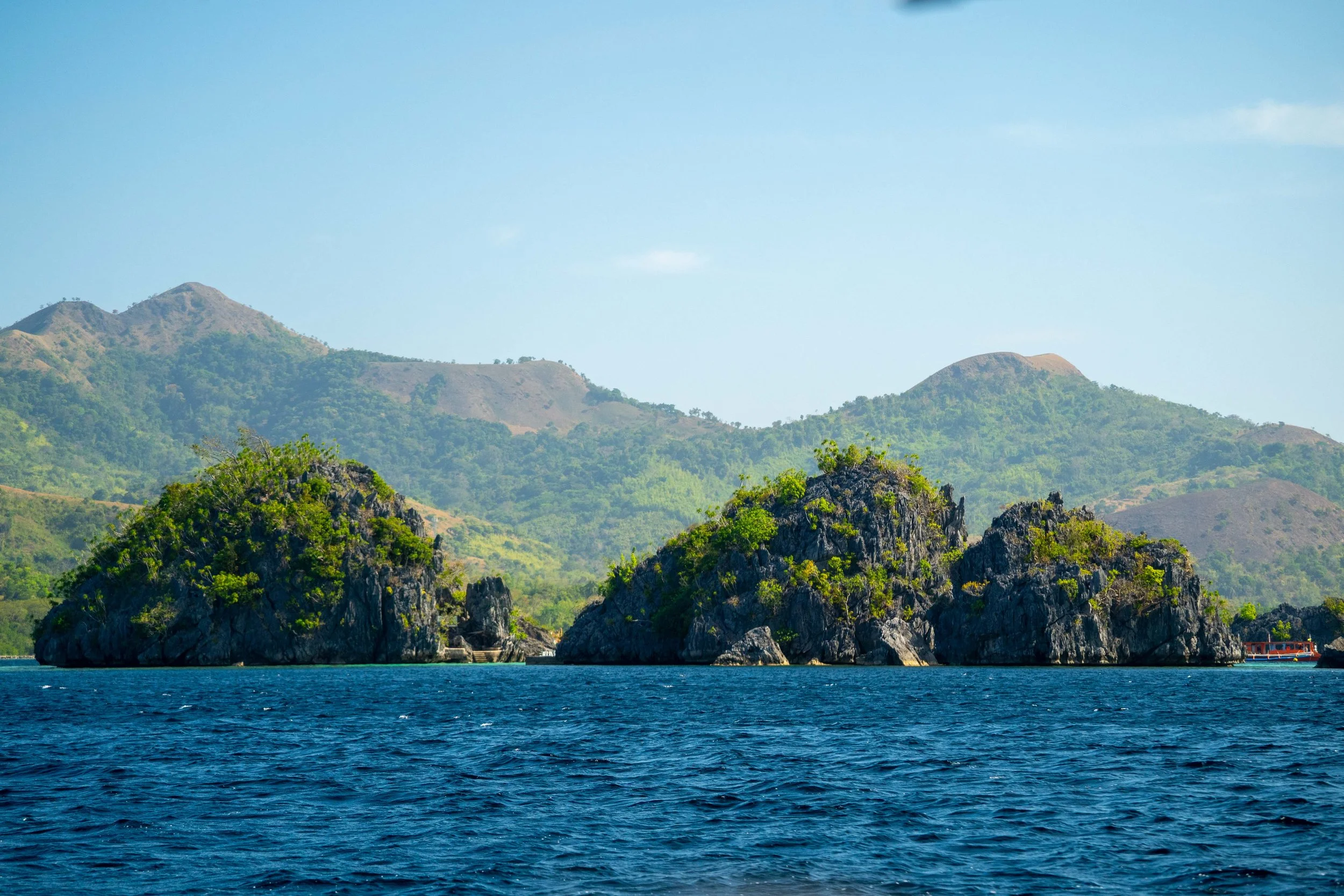
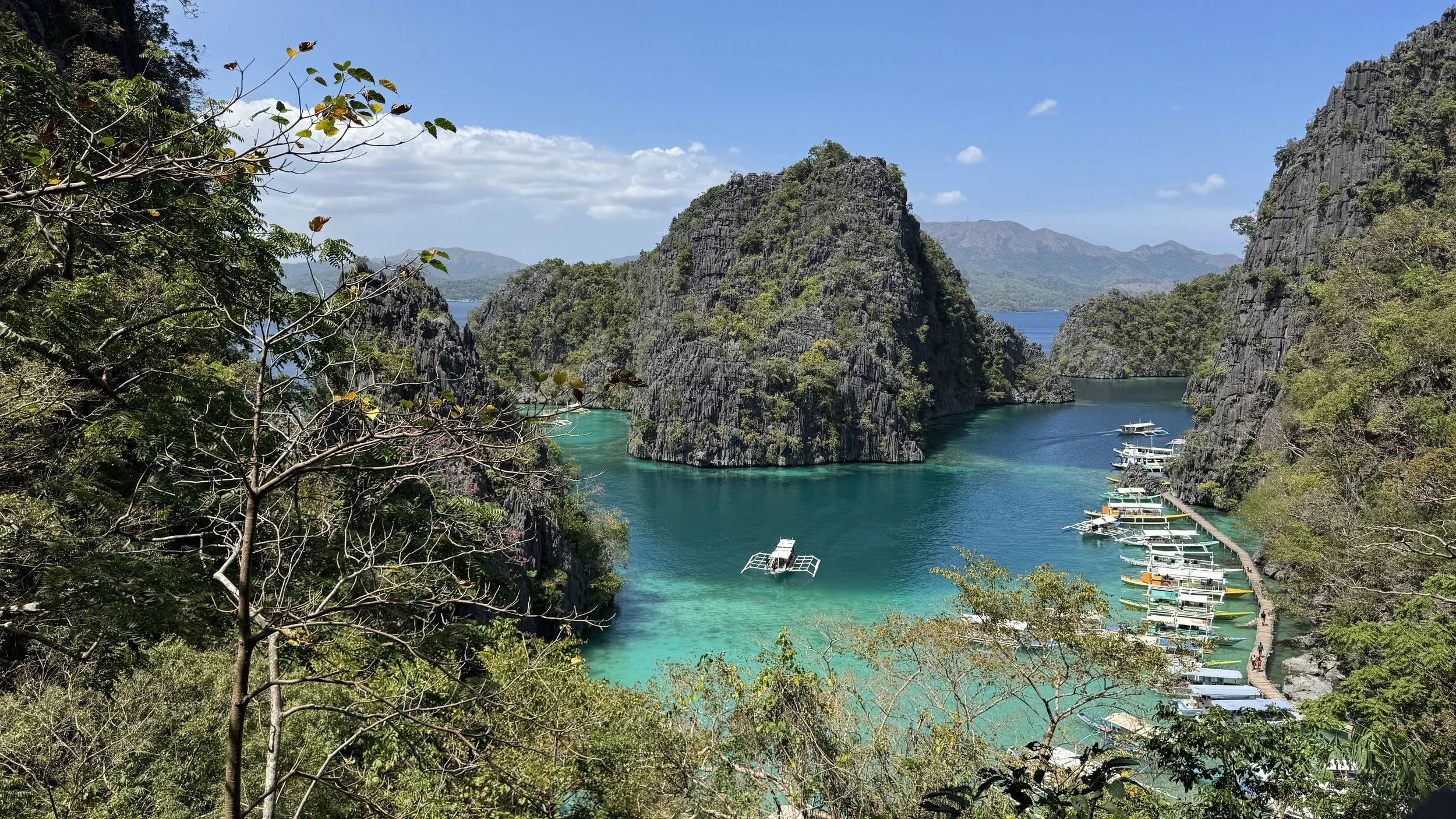
The coastline around Coron in Palawan is famous for its crystal-clear waters and dramatic limestone cliffs. We joined a ship-organized excursion to explore the natural beauty of the area.
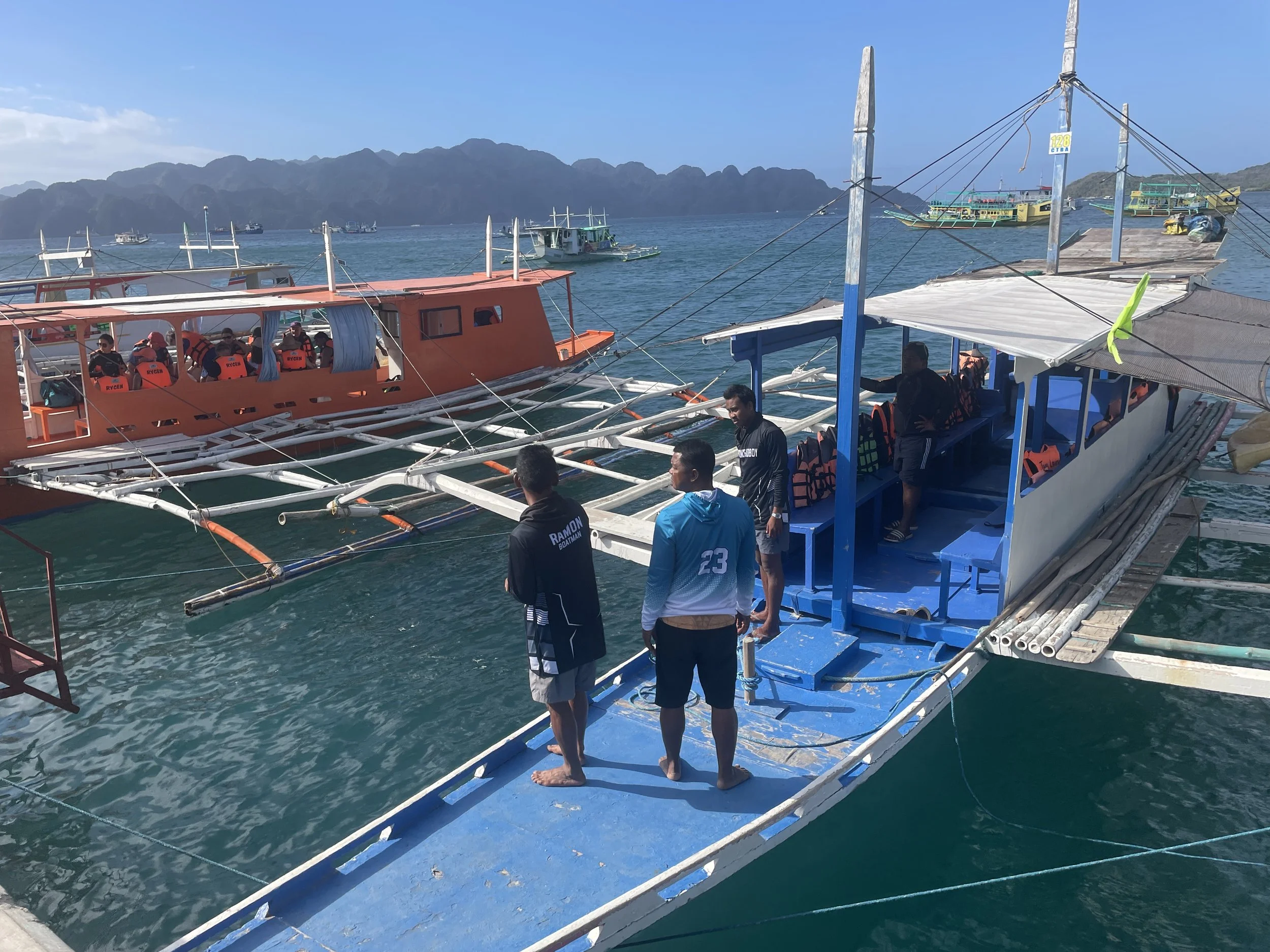
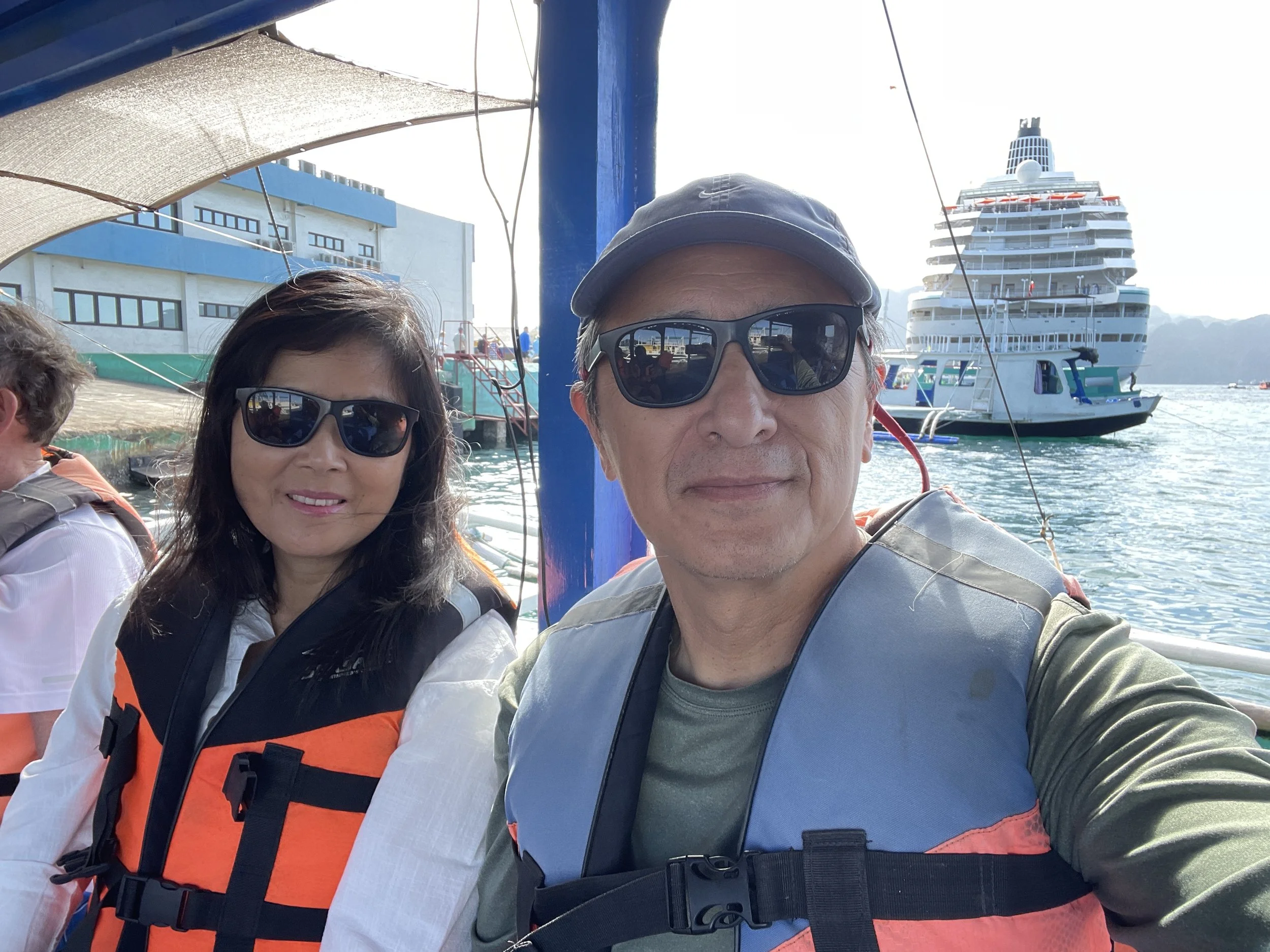
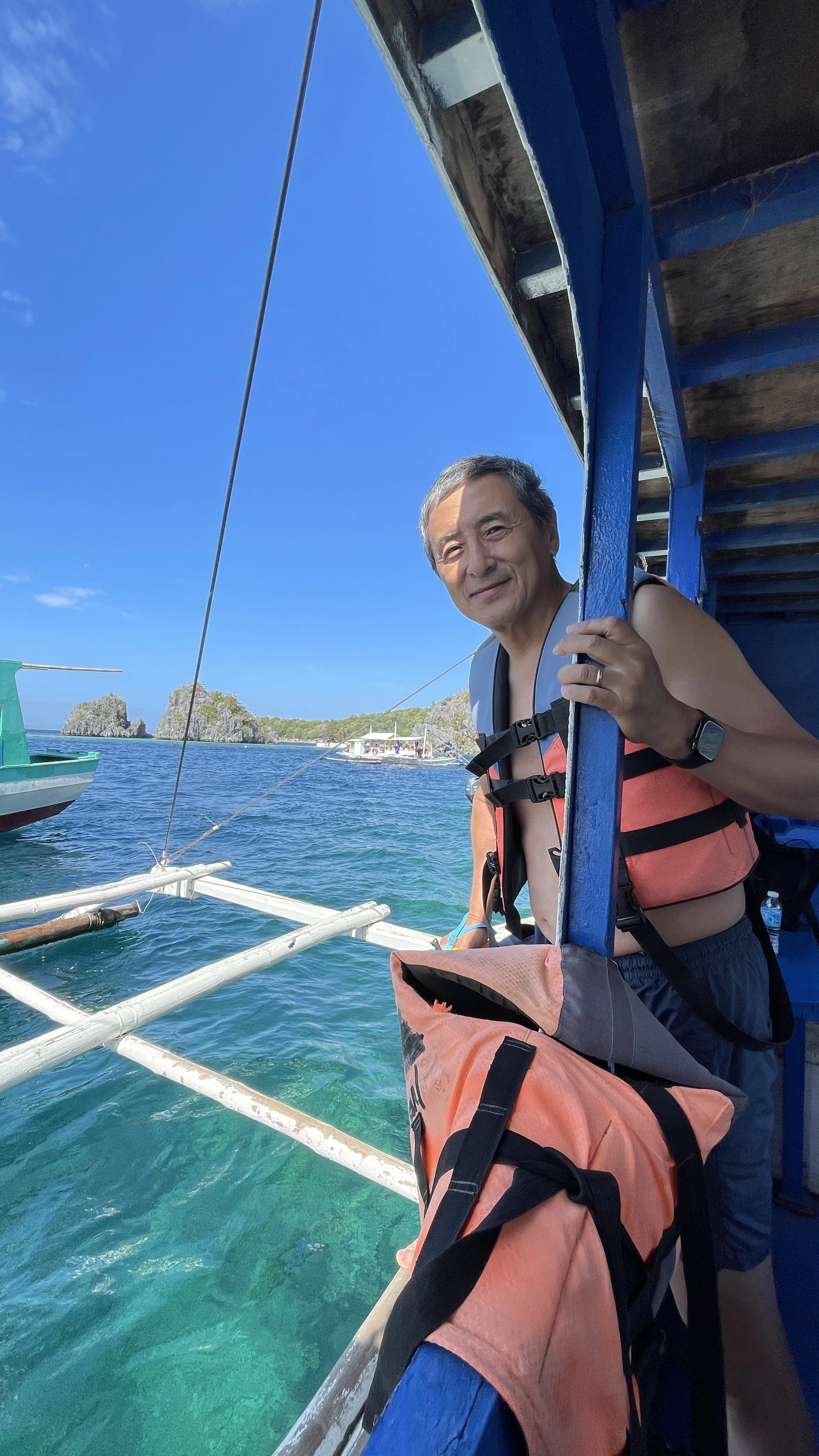
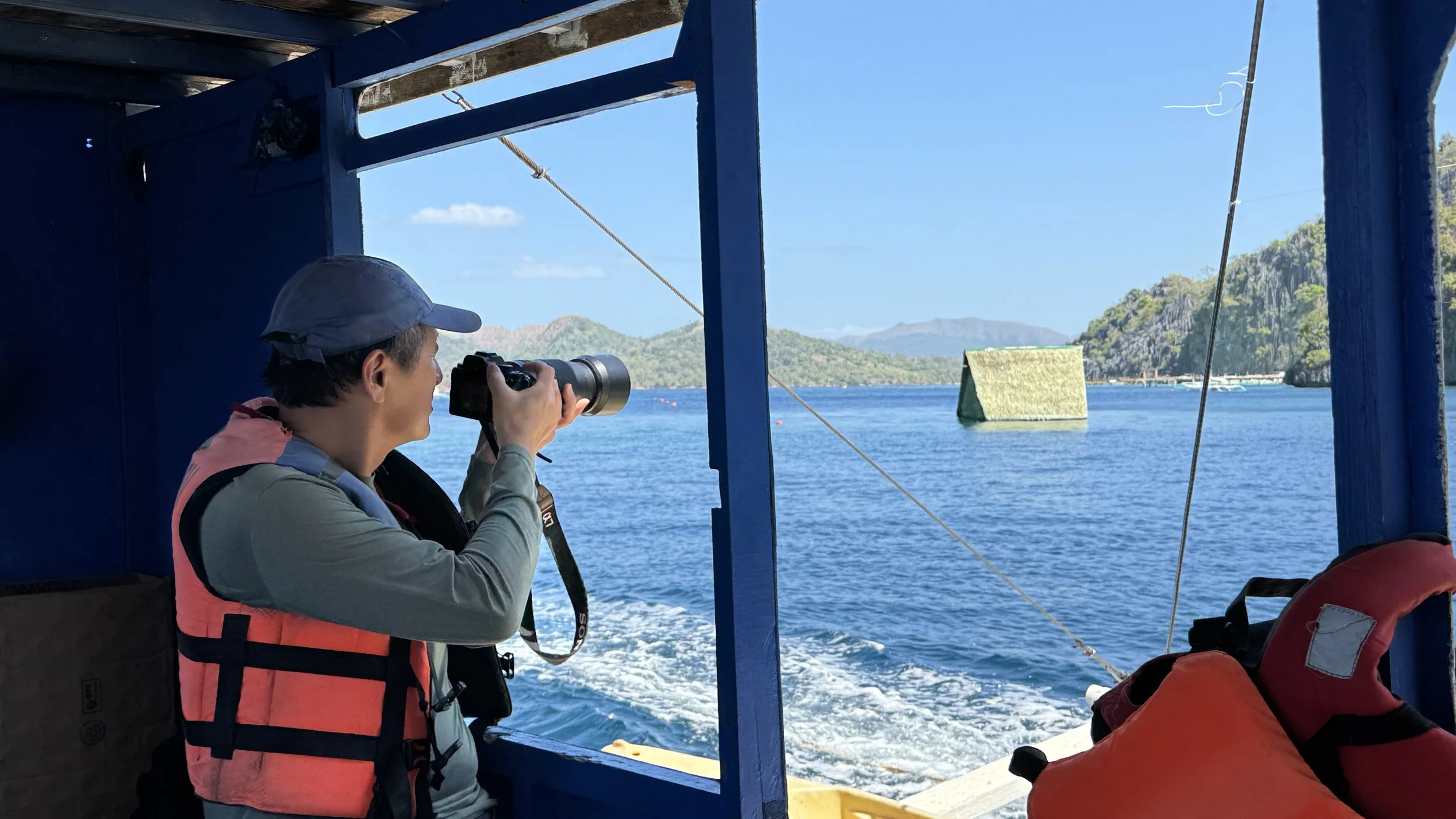
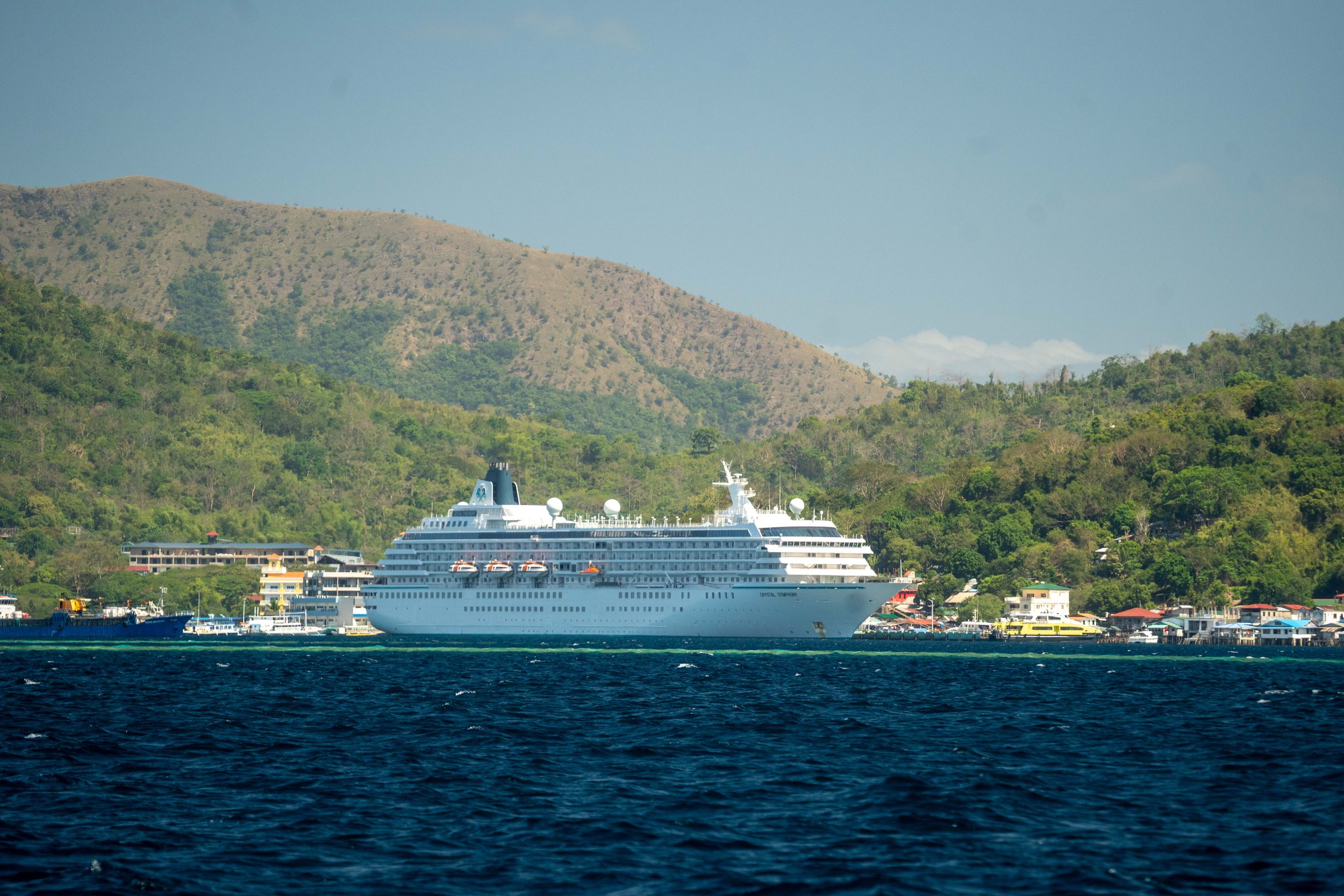
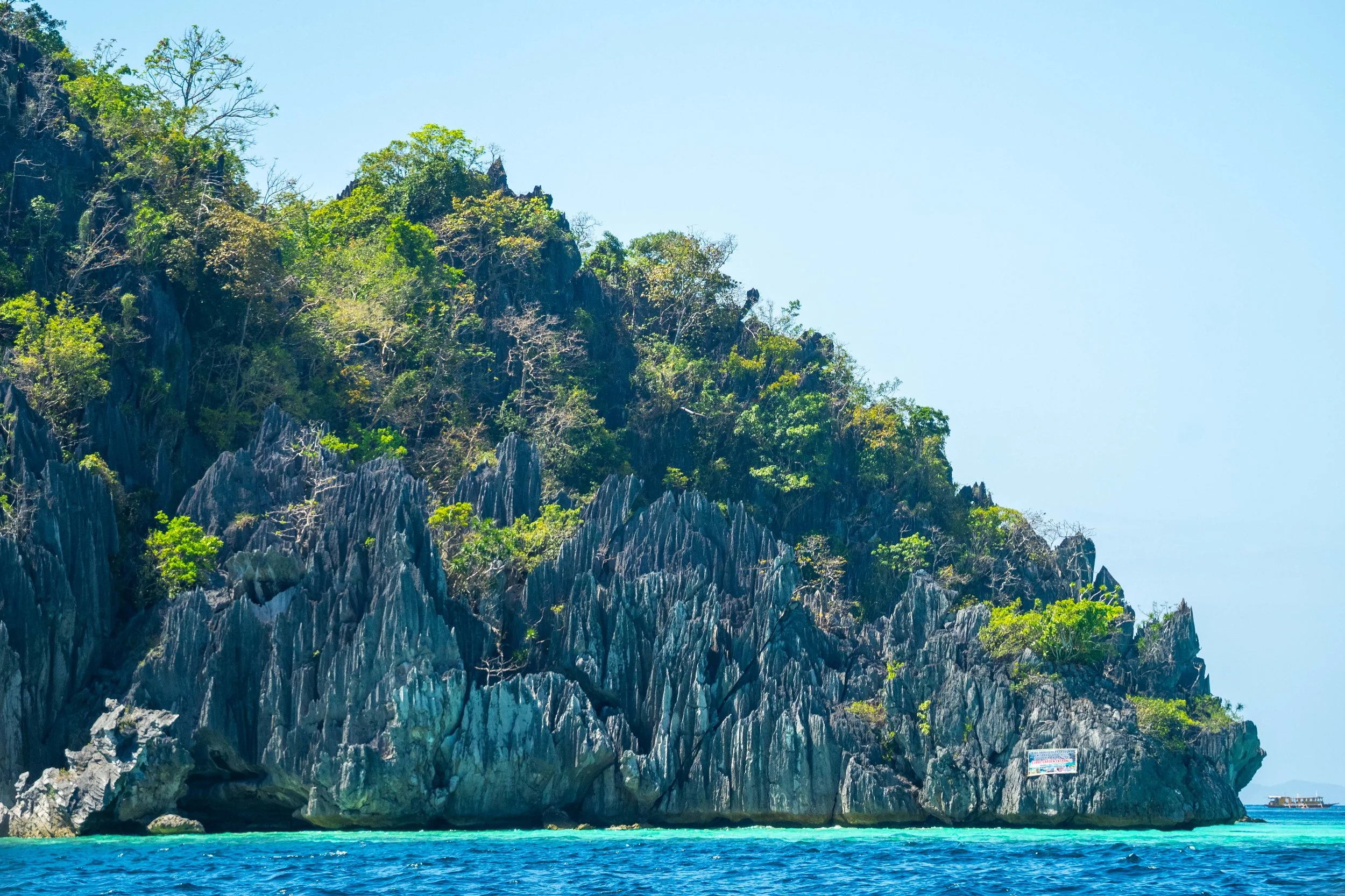
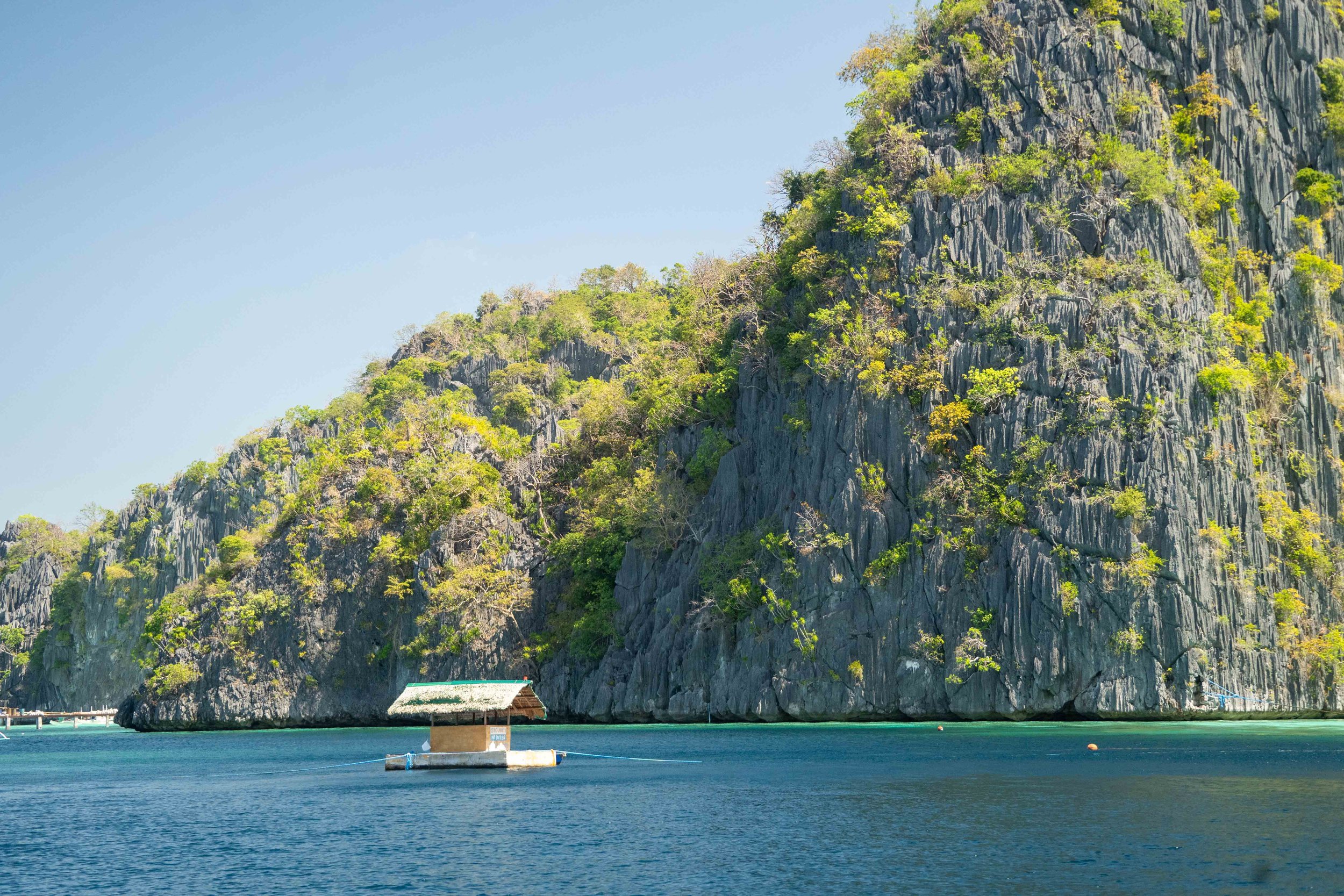
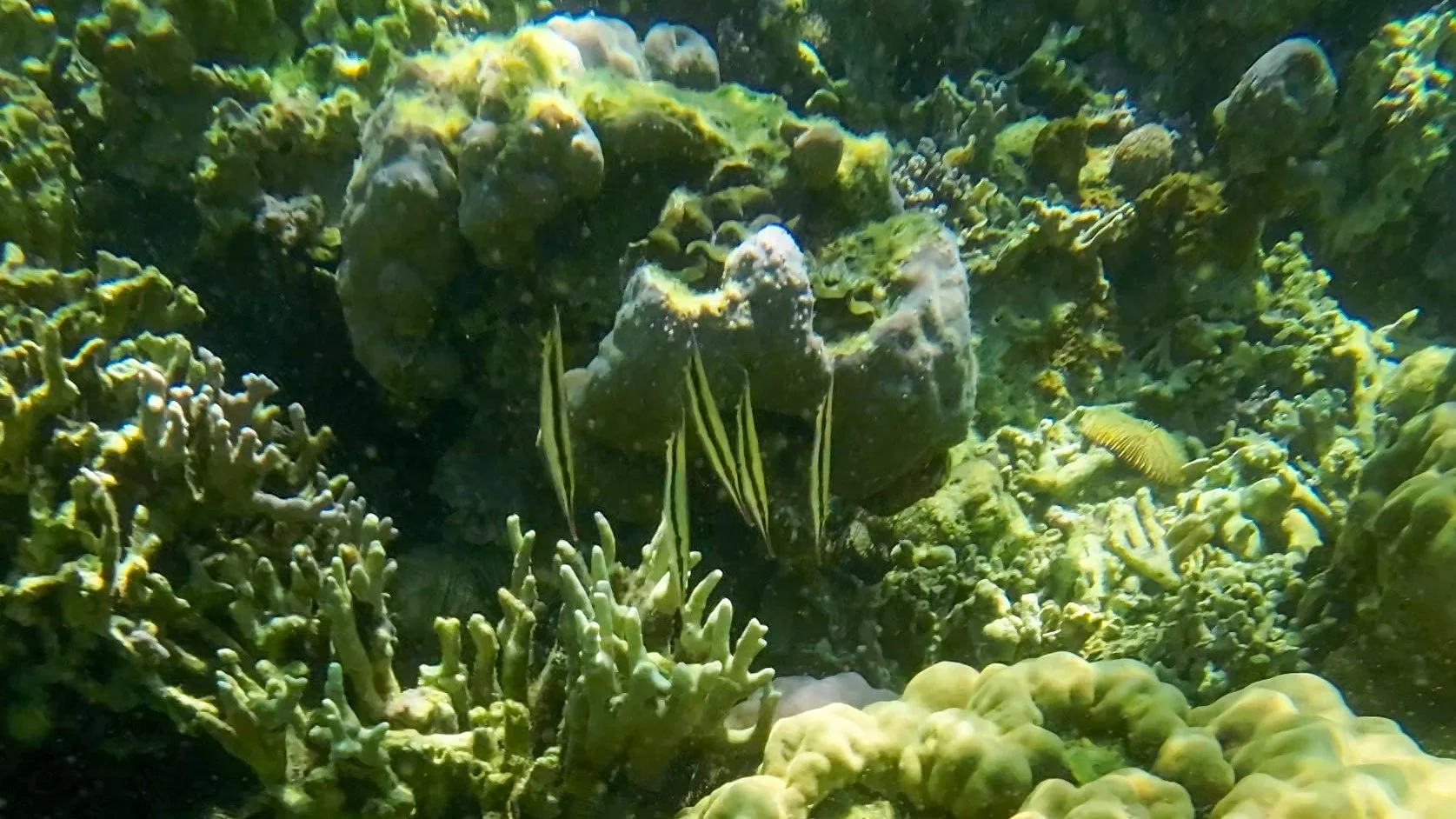
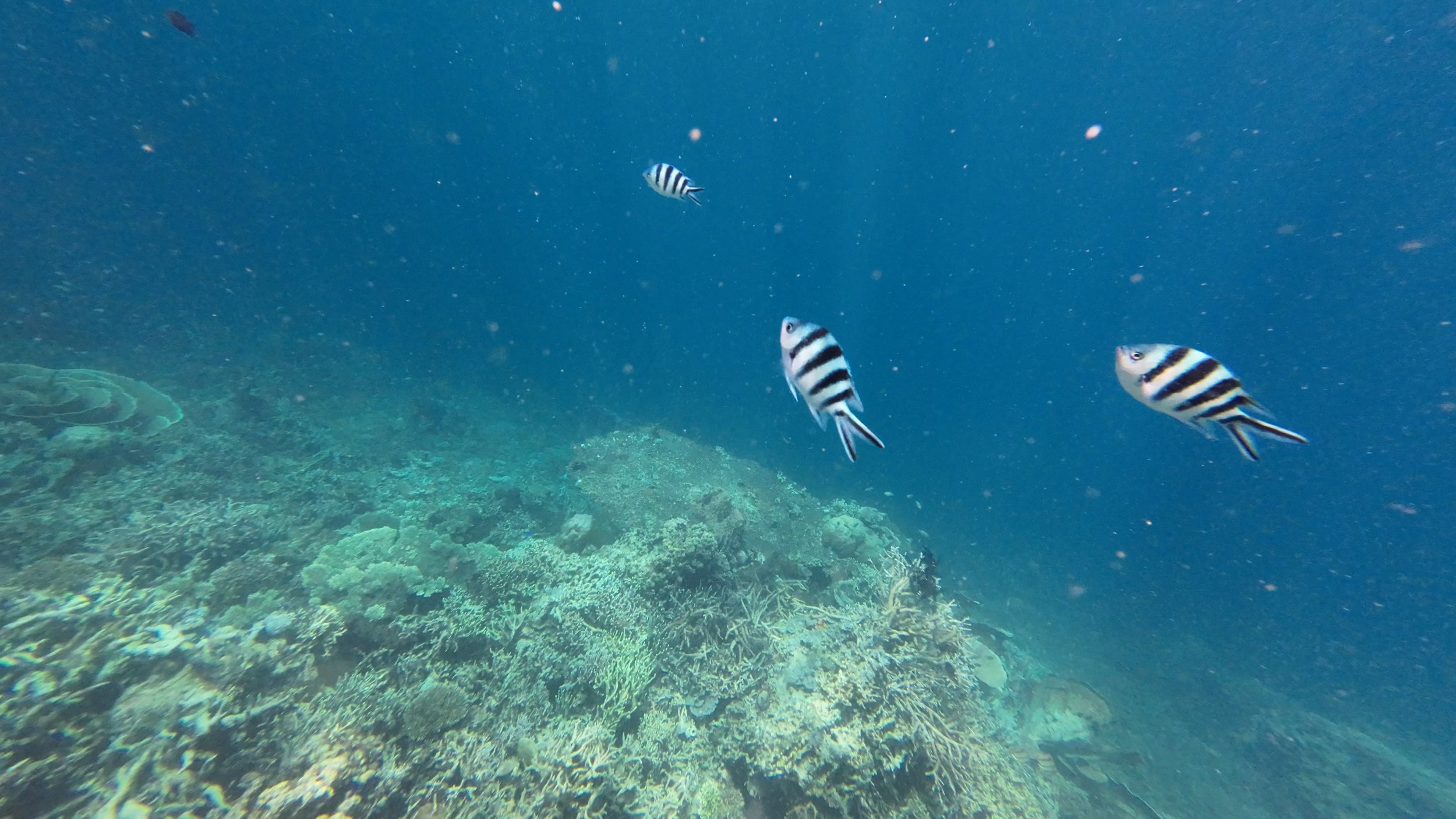
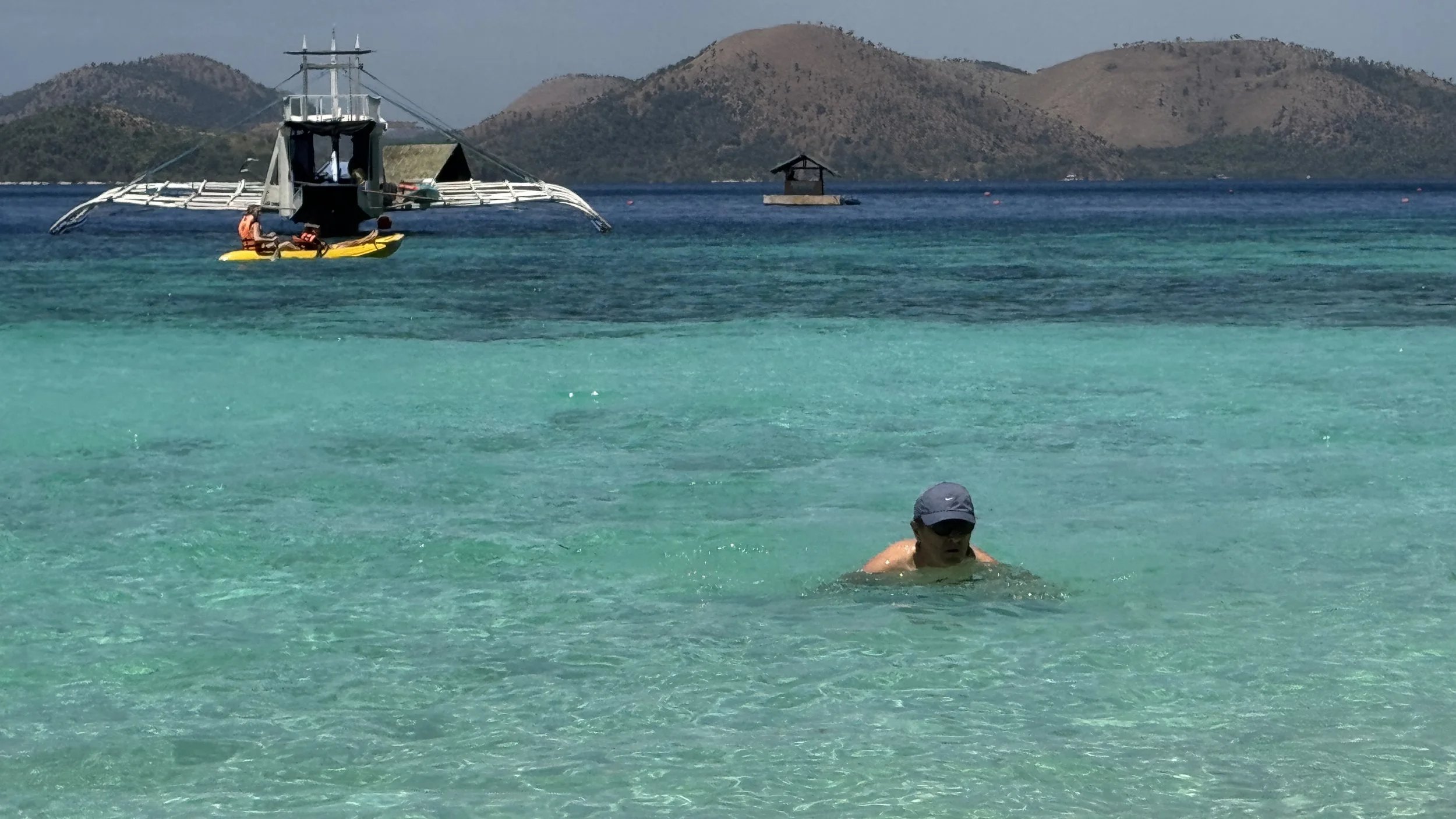
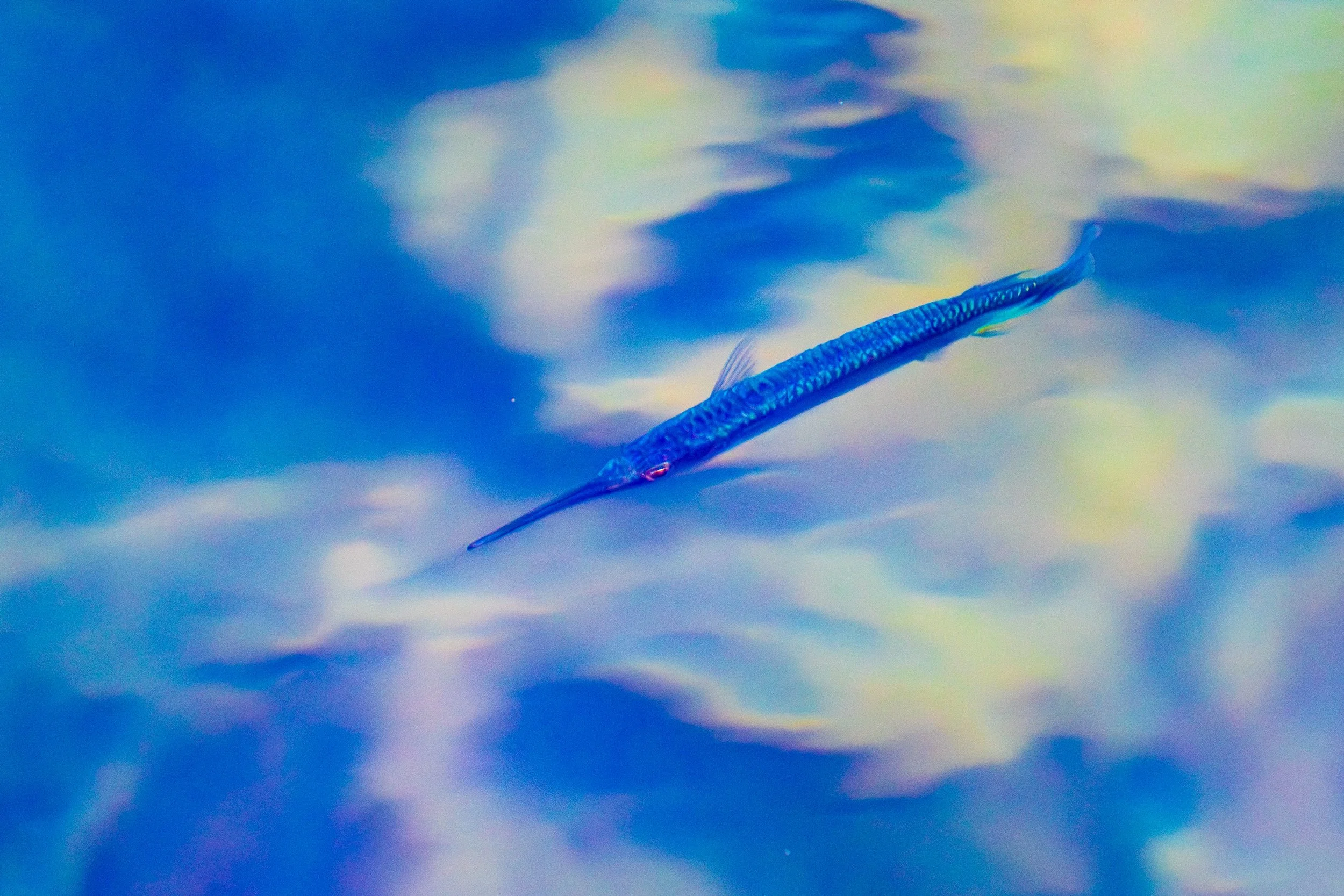
After disembarking, we boarded a bangka and headed to our first stop, a snorkeling site. The water was exceptionally clear, and the corals were alive and vibrant. Although we did not see large fish, we spotted many interesting species such as parrotfish, clownfish (Nemo fish), sergeant major fish, and razorfish. The coral reefs were among the best we have ever seen.
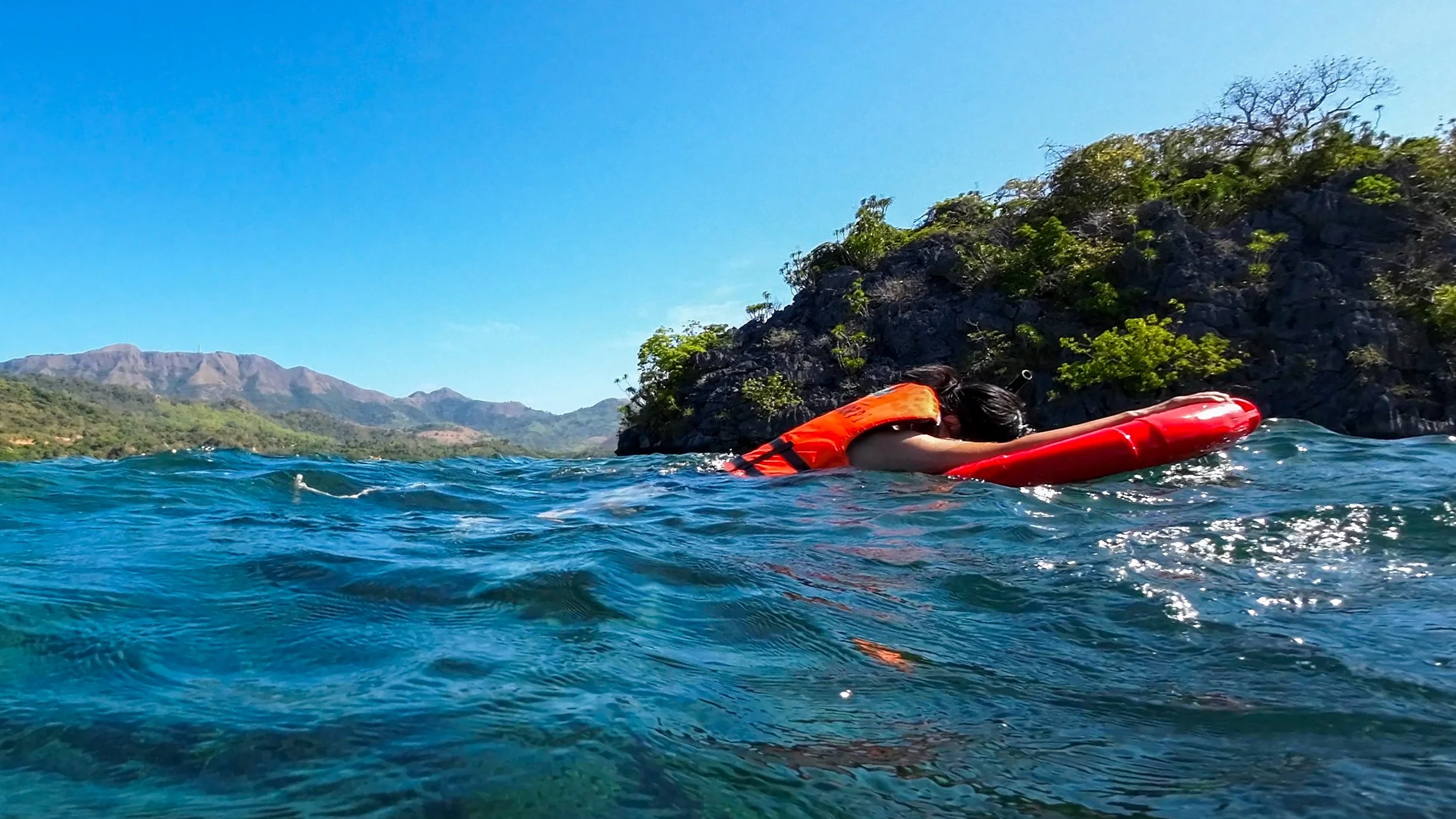
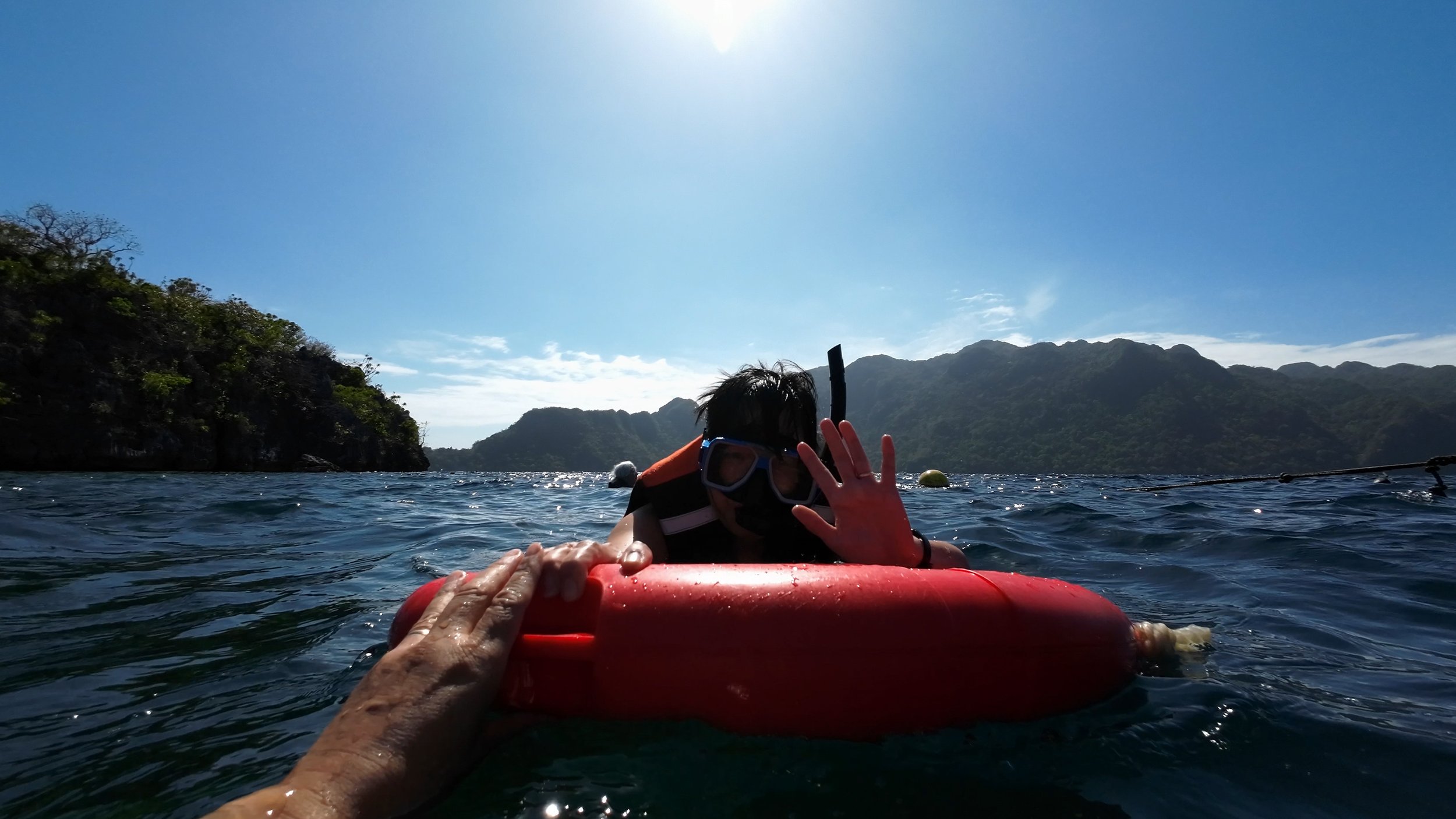
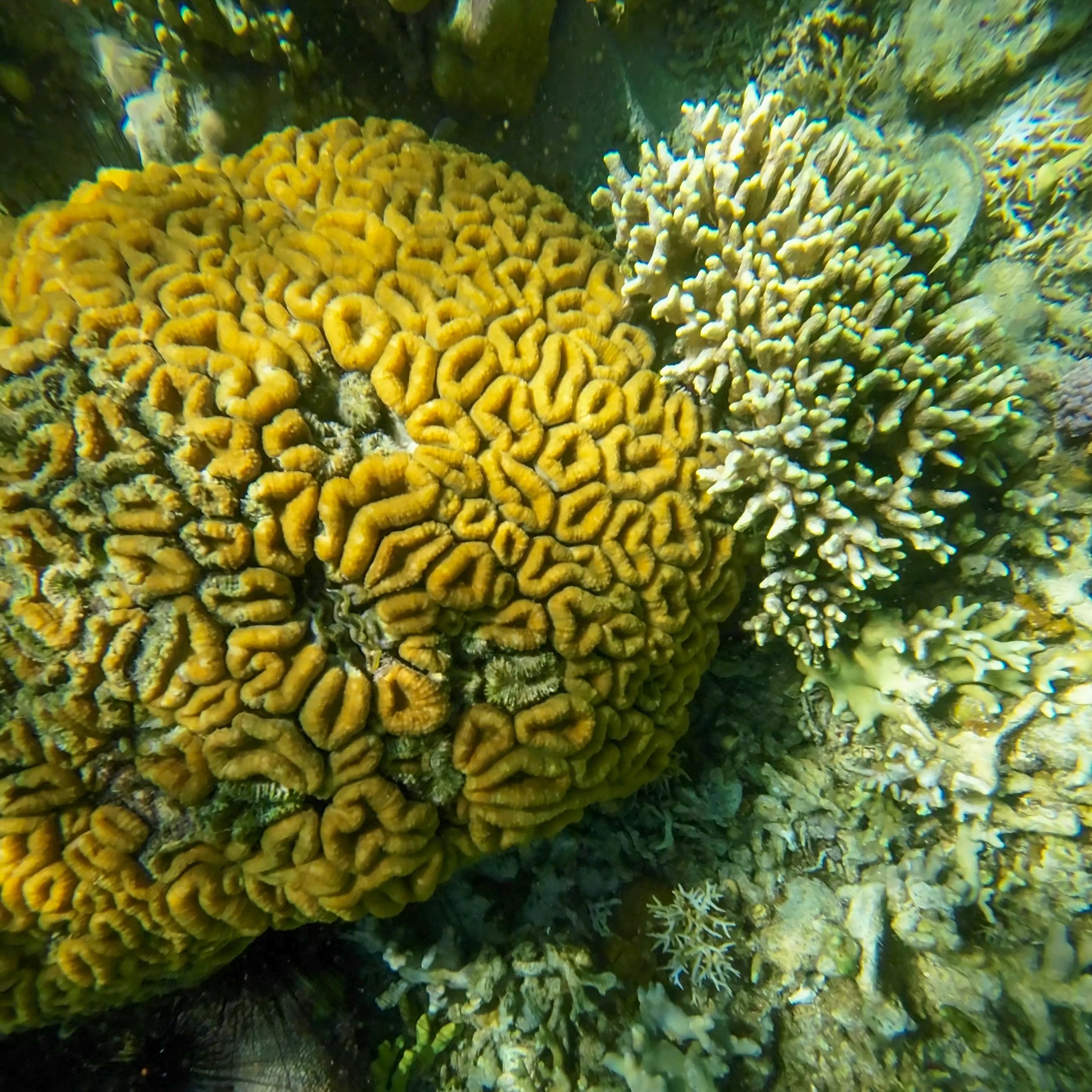
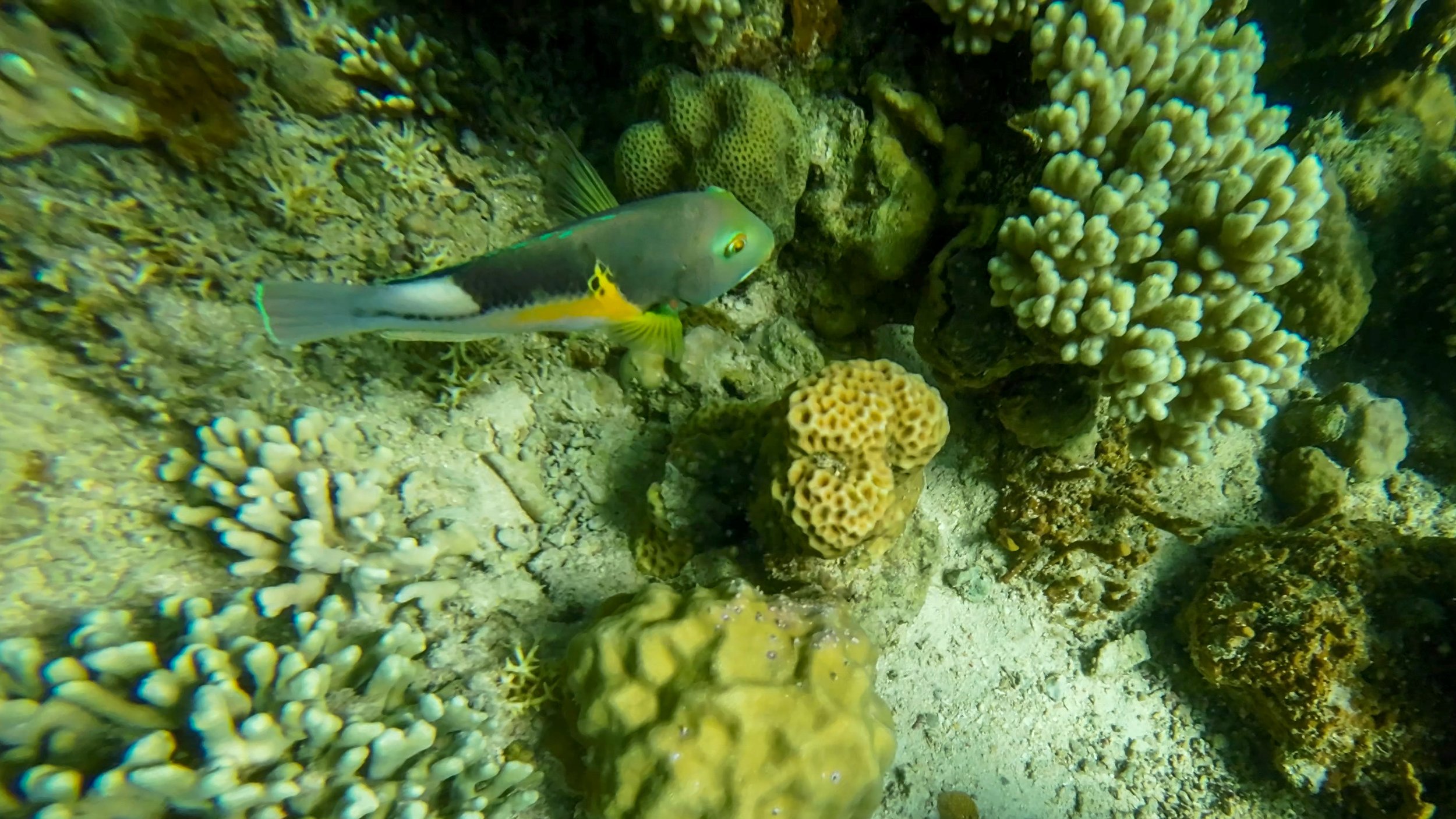
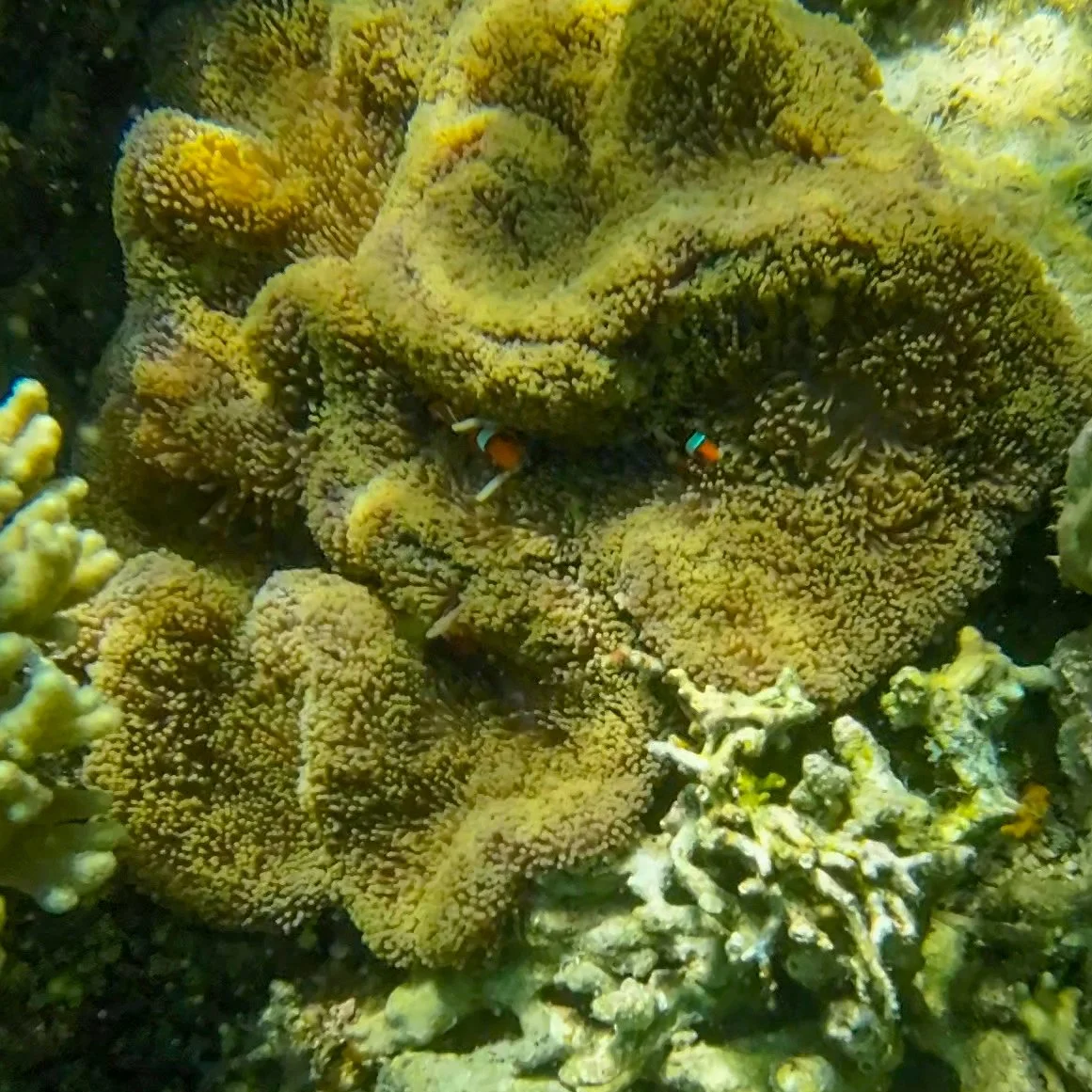
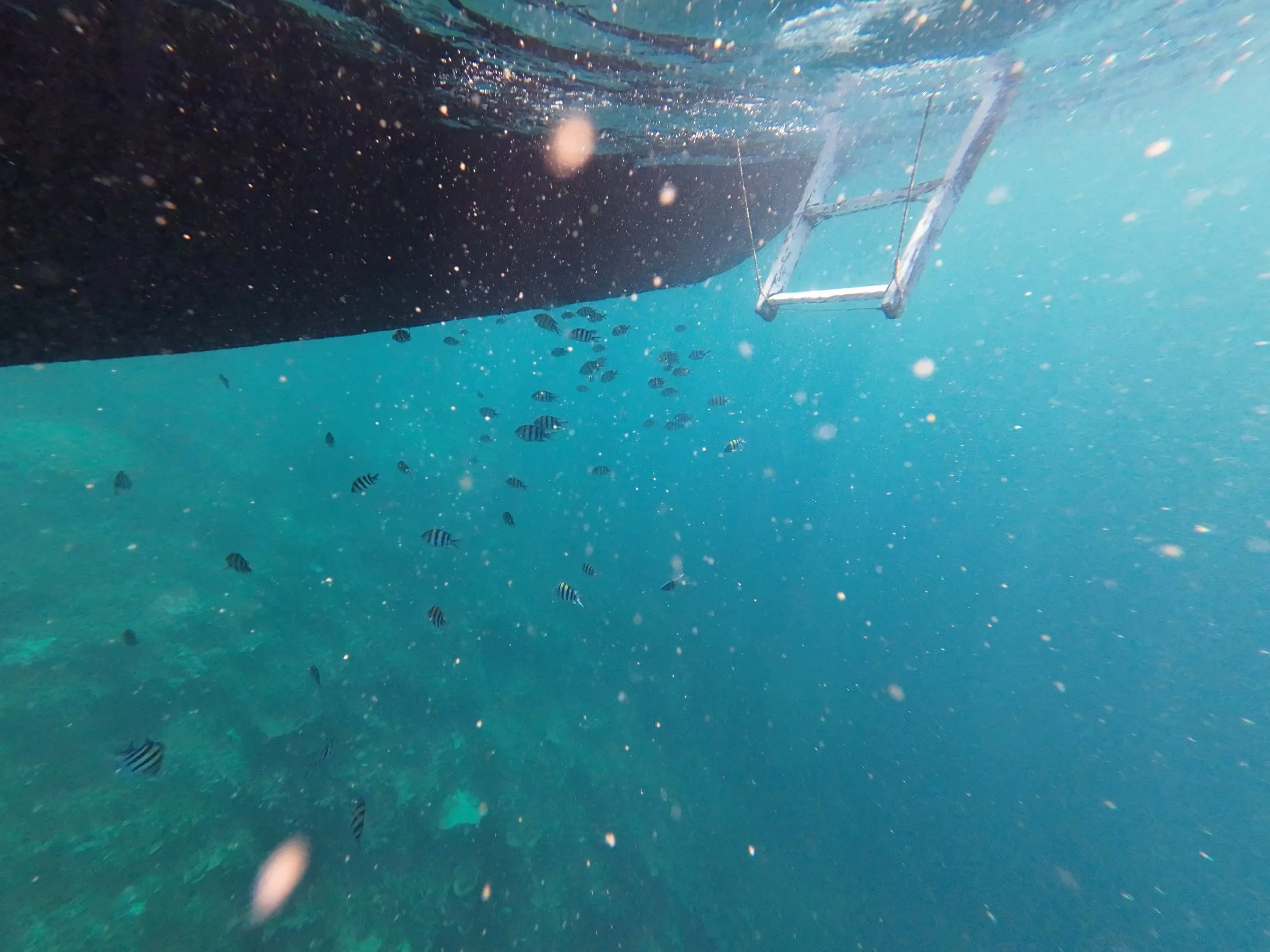
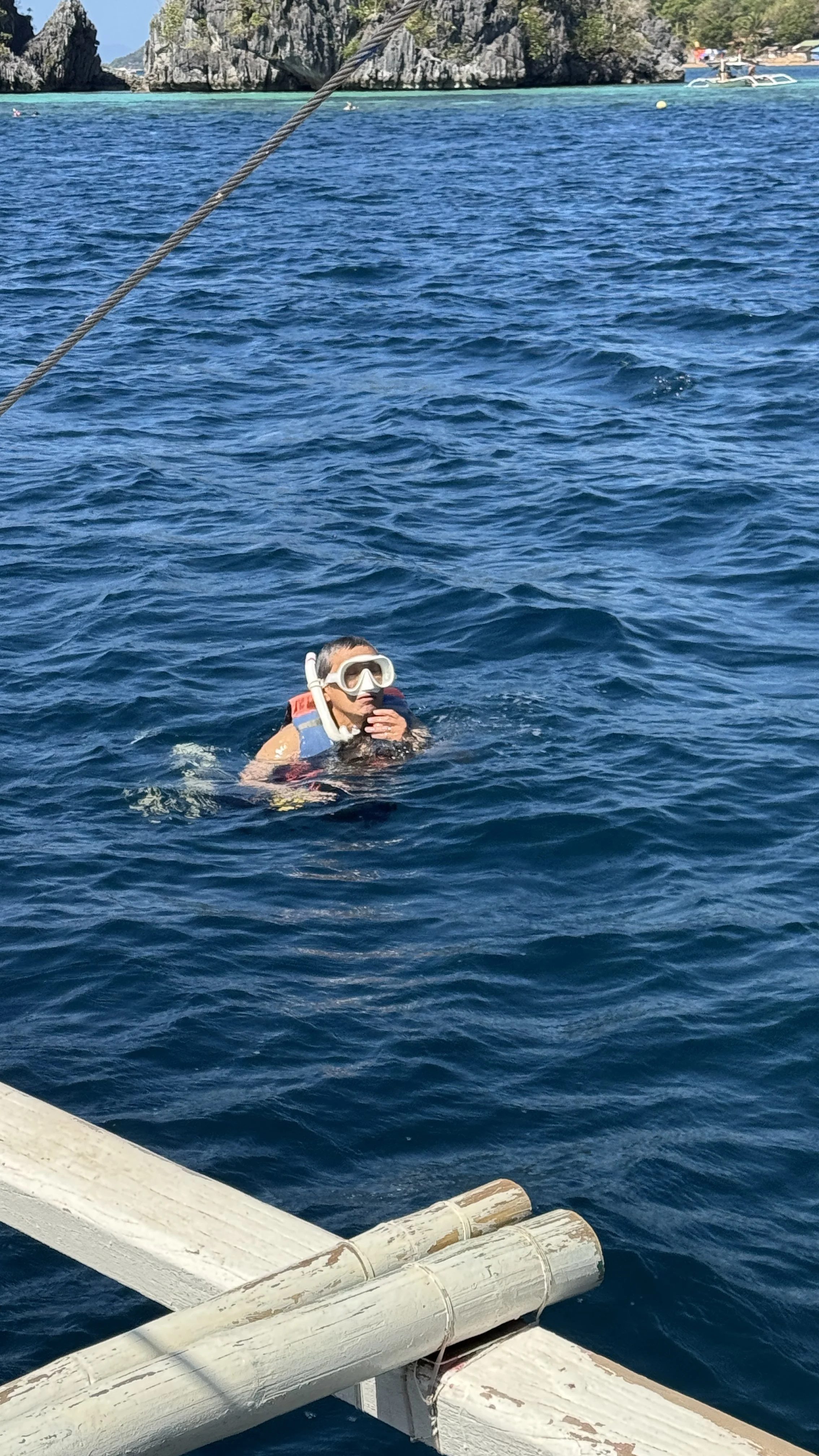
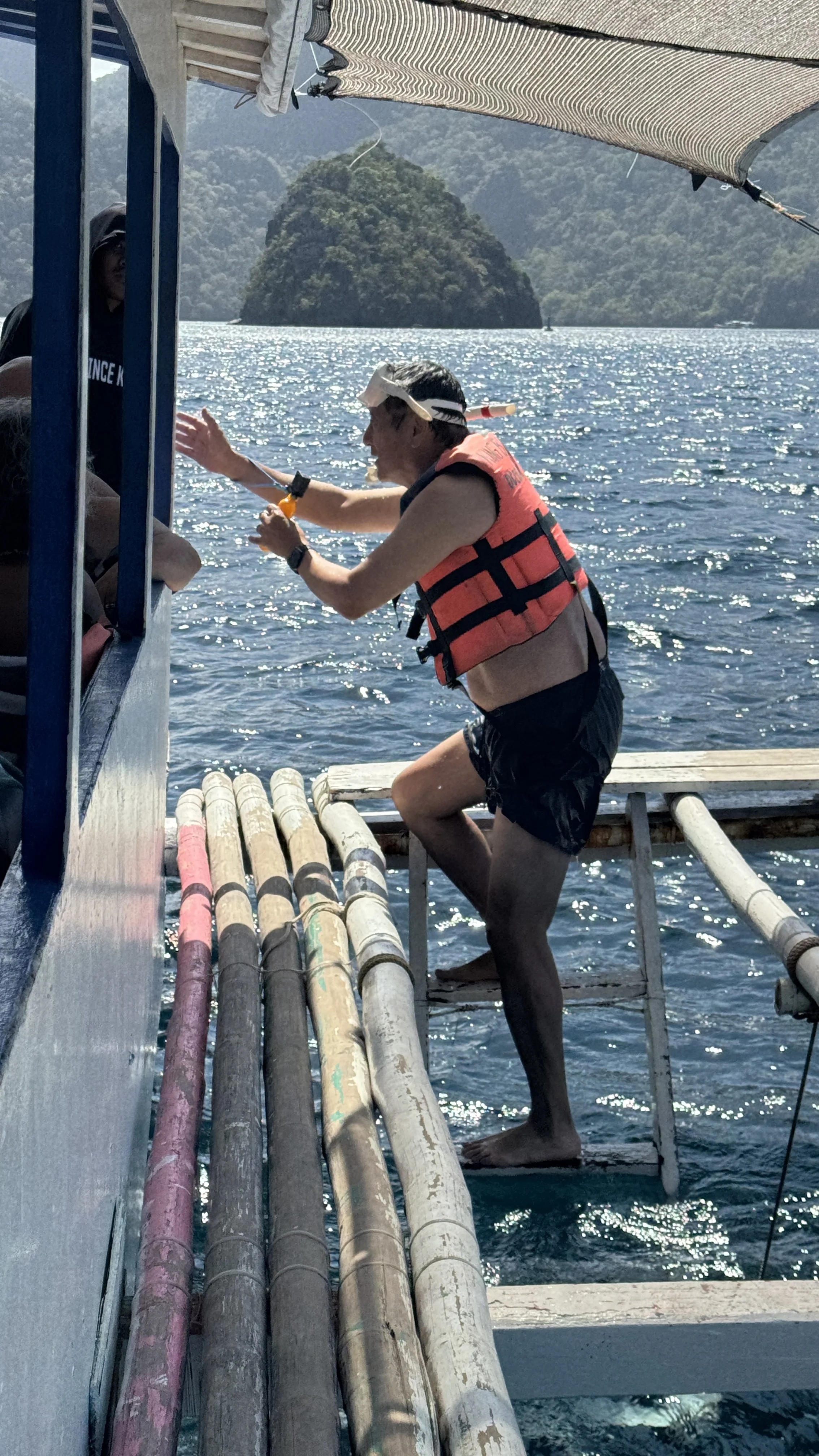
Although we were given an hour to explore, after about half an hour everyone had returned to the boat except me. I was the only one still in the water. Eventually I felt bad keeping everyone waiting, and Connie was already waving for me to come back, so I reluctantly swam back to the boat.
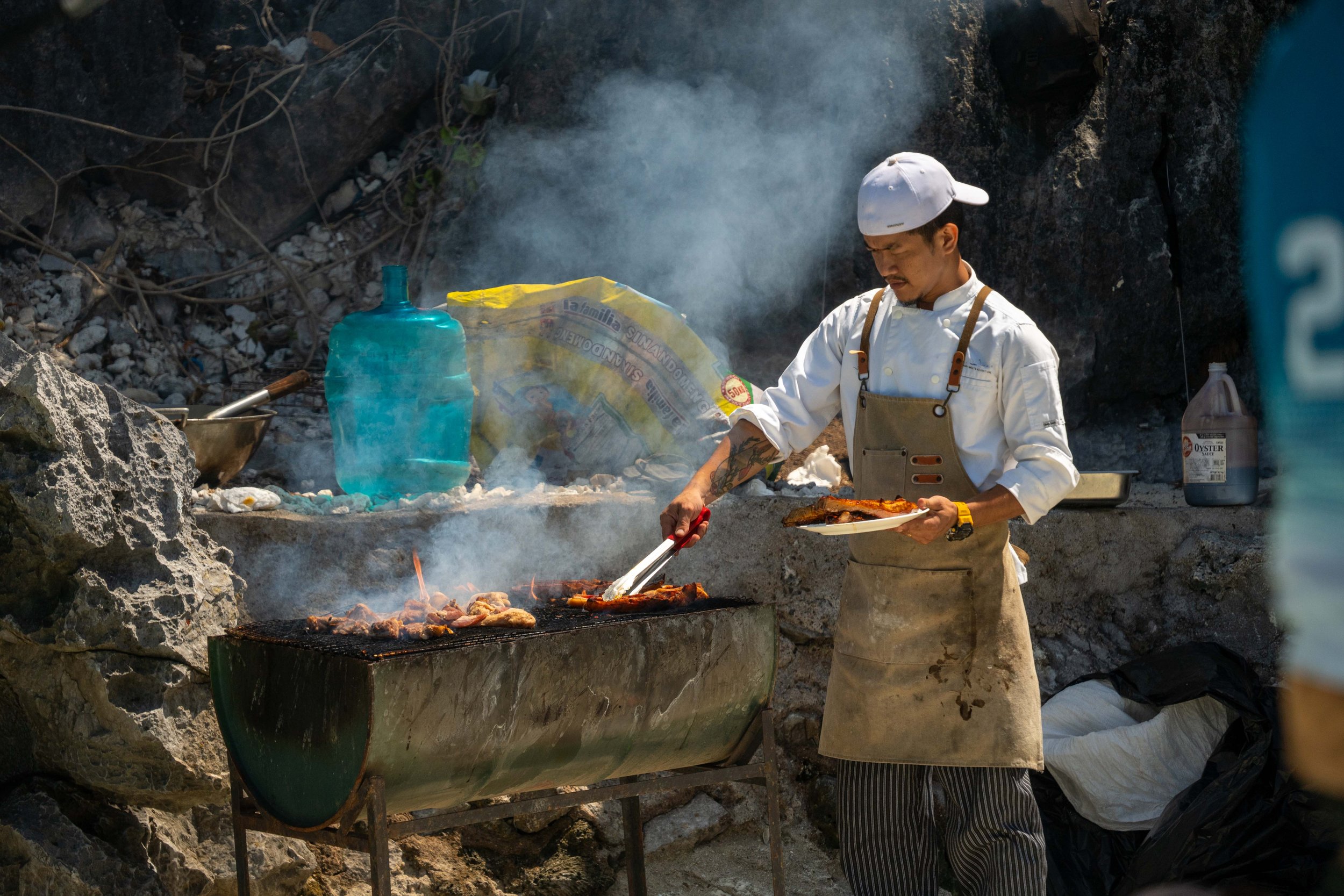
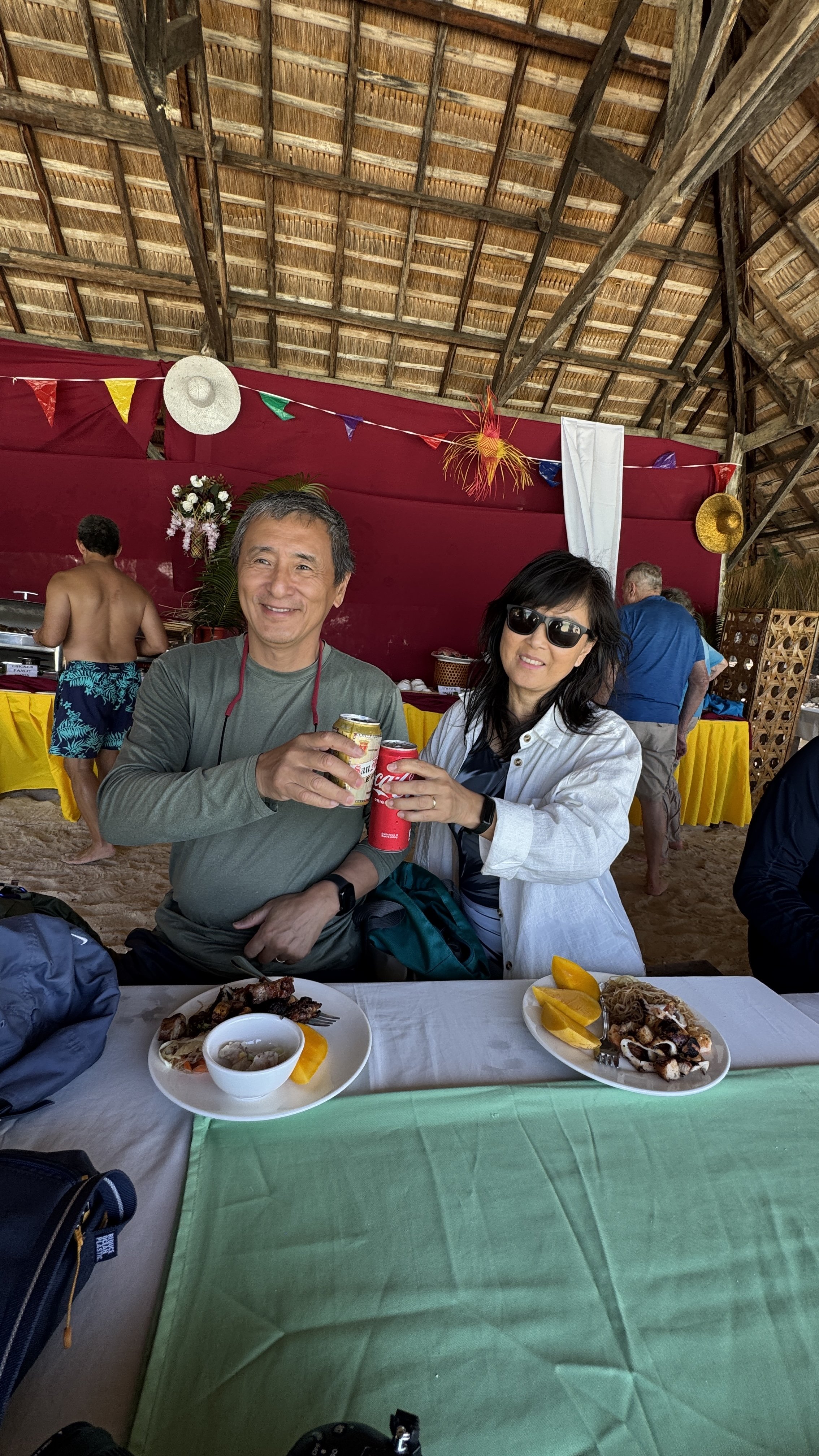
Our next stop was Beach 91, where we had lunch with grilled pork and chicken. The grilled pork belly was especially delicious—probably the best I had during the trip.
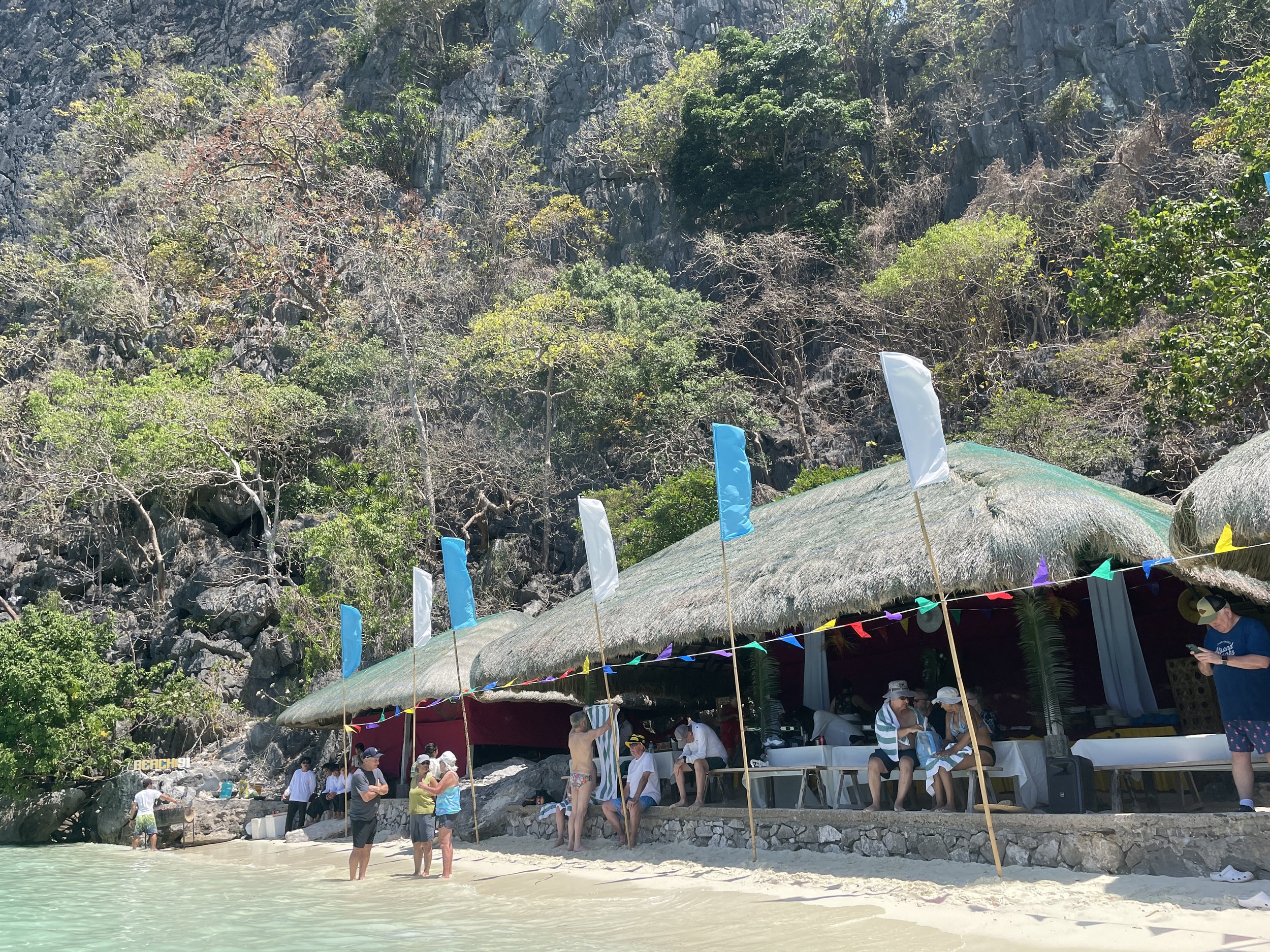
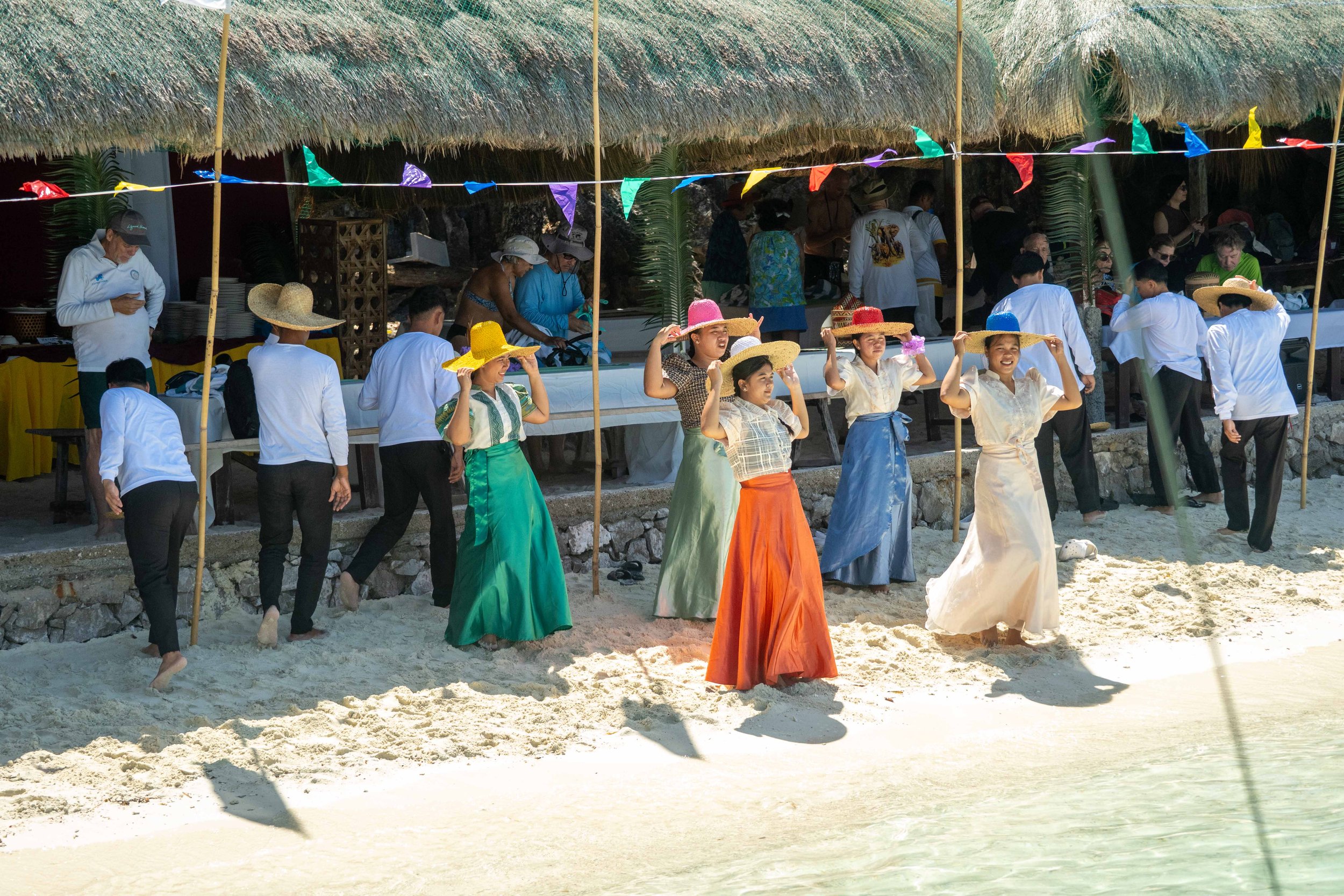
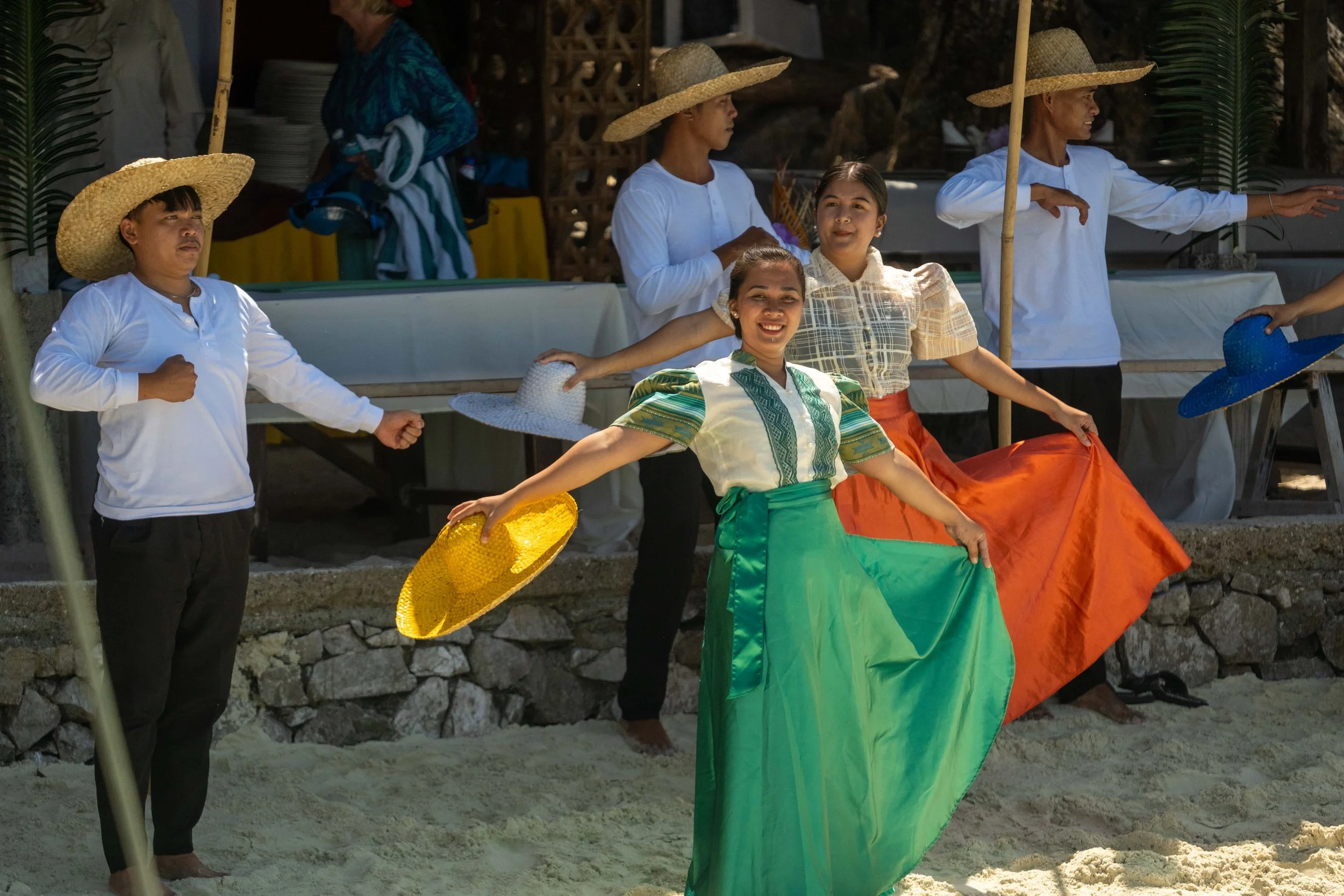
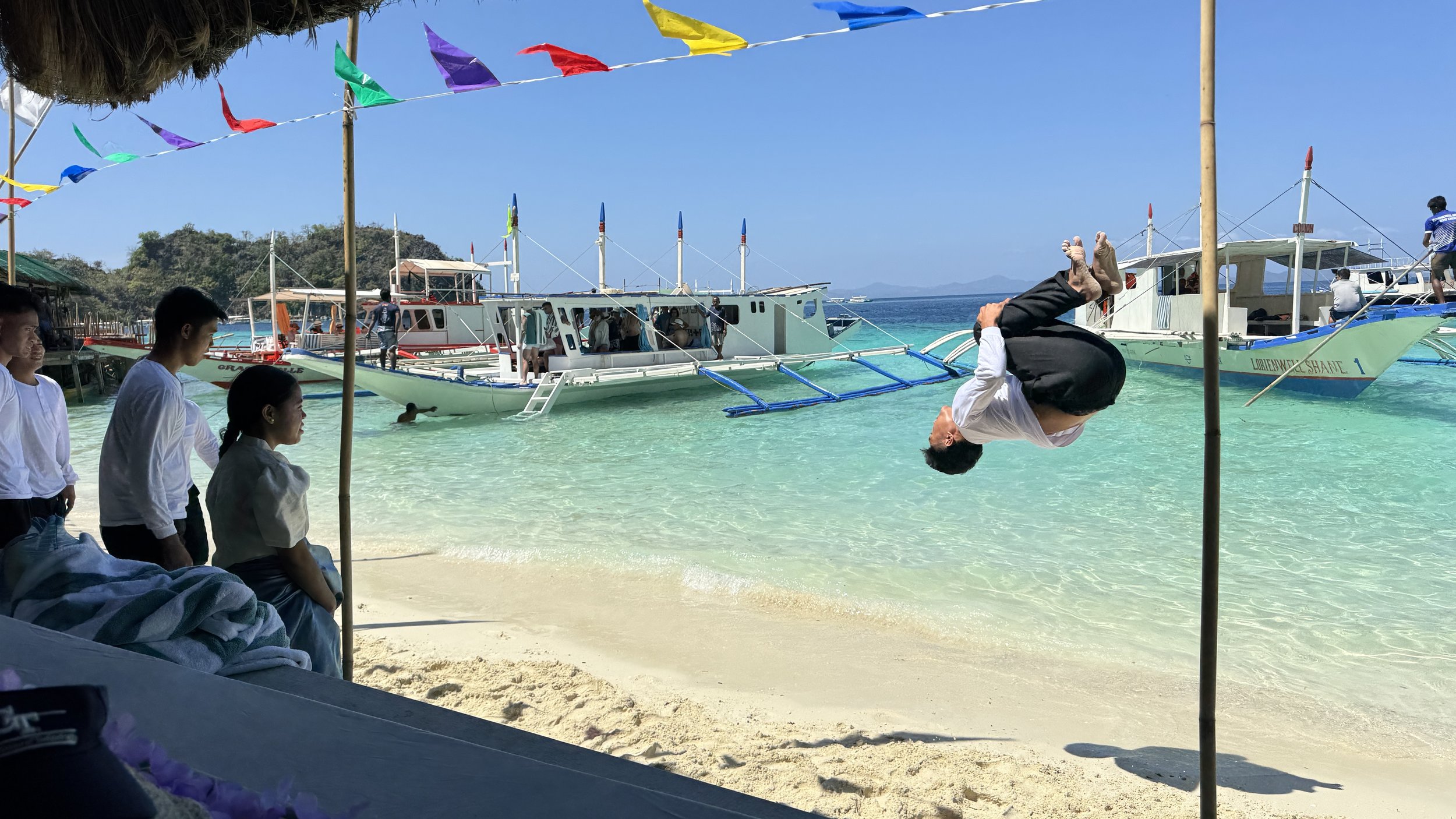
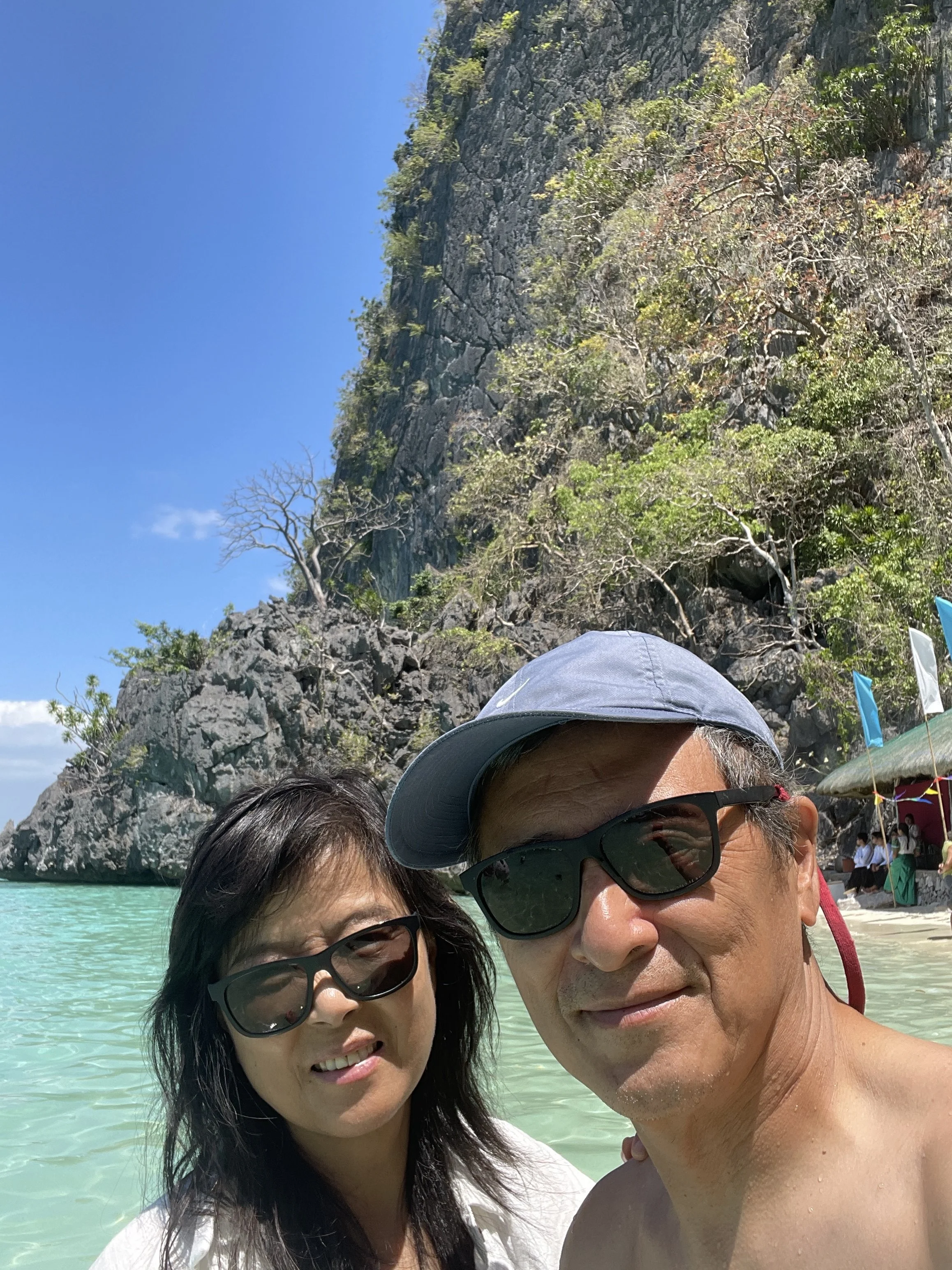
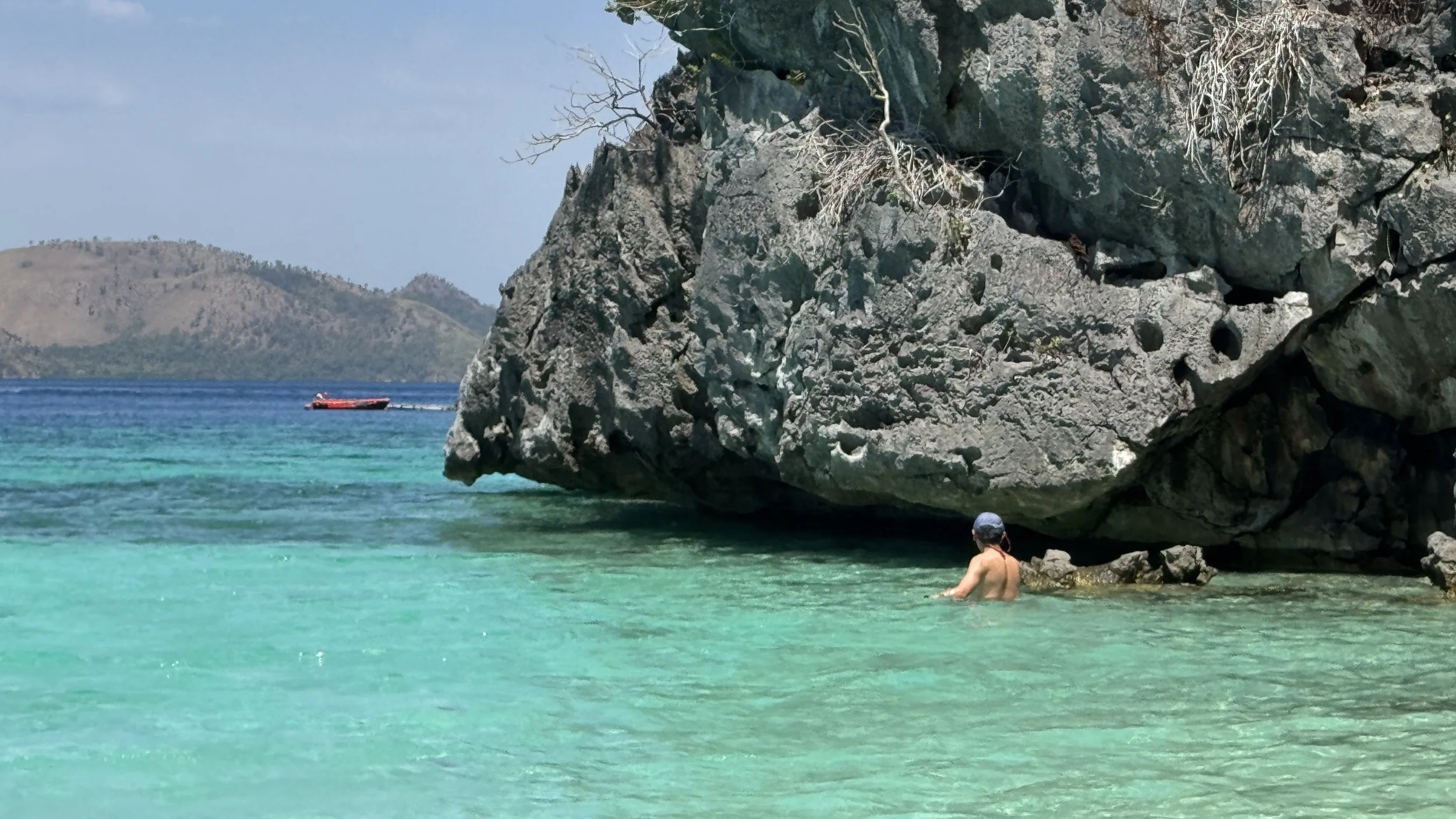
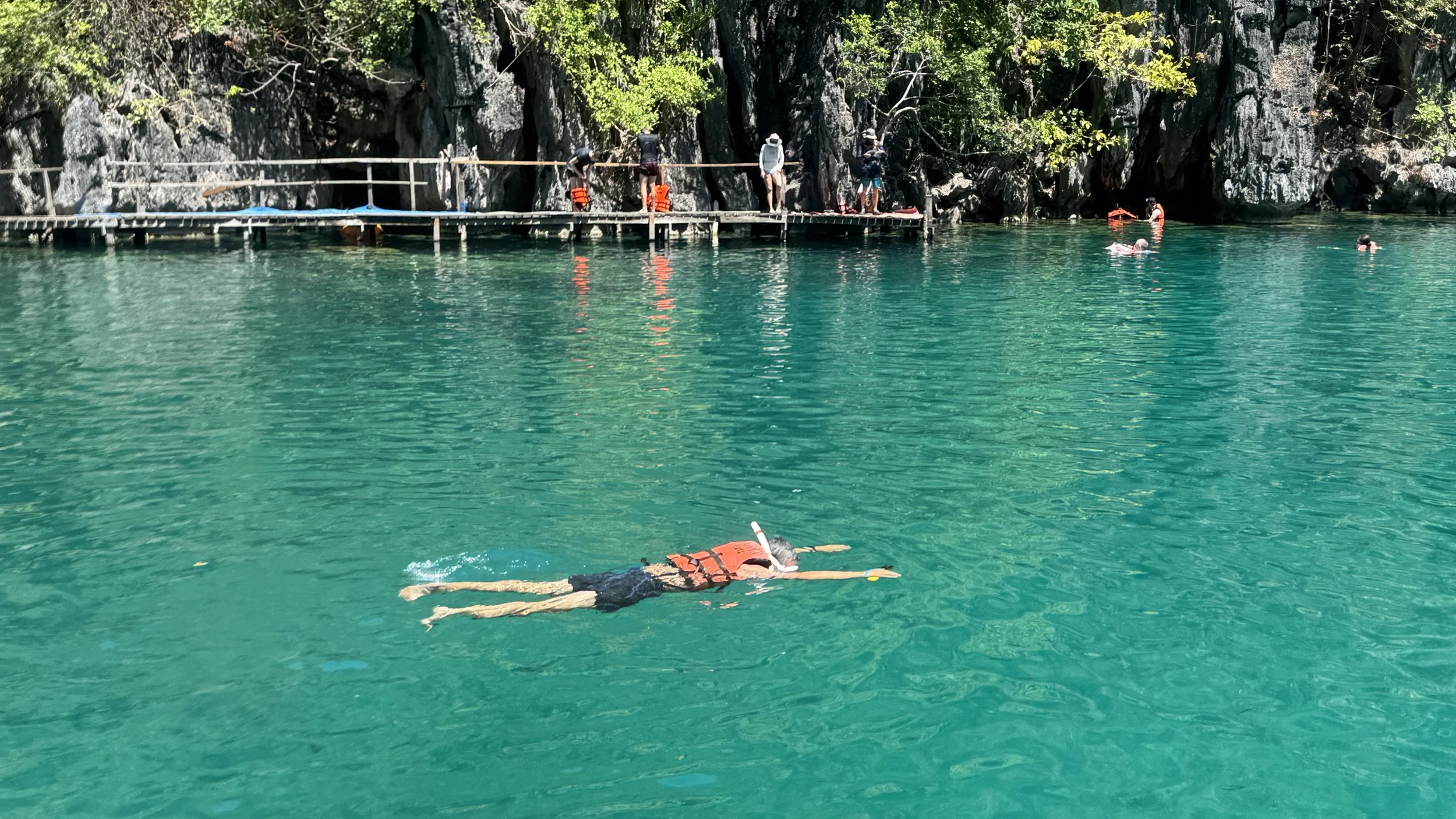
The final stop required climbing a small hill with about 375 steps up and down to reach a freshwater lake, Kayangan Lake. The water was clear, though there were not many fish. I still did a short snorkeling swim in the lake before returning to the boat.
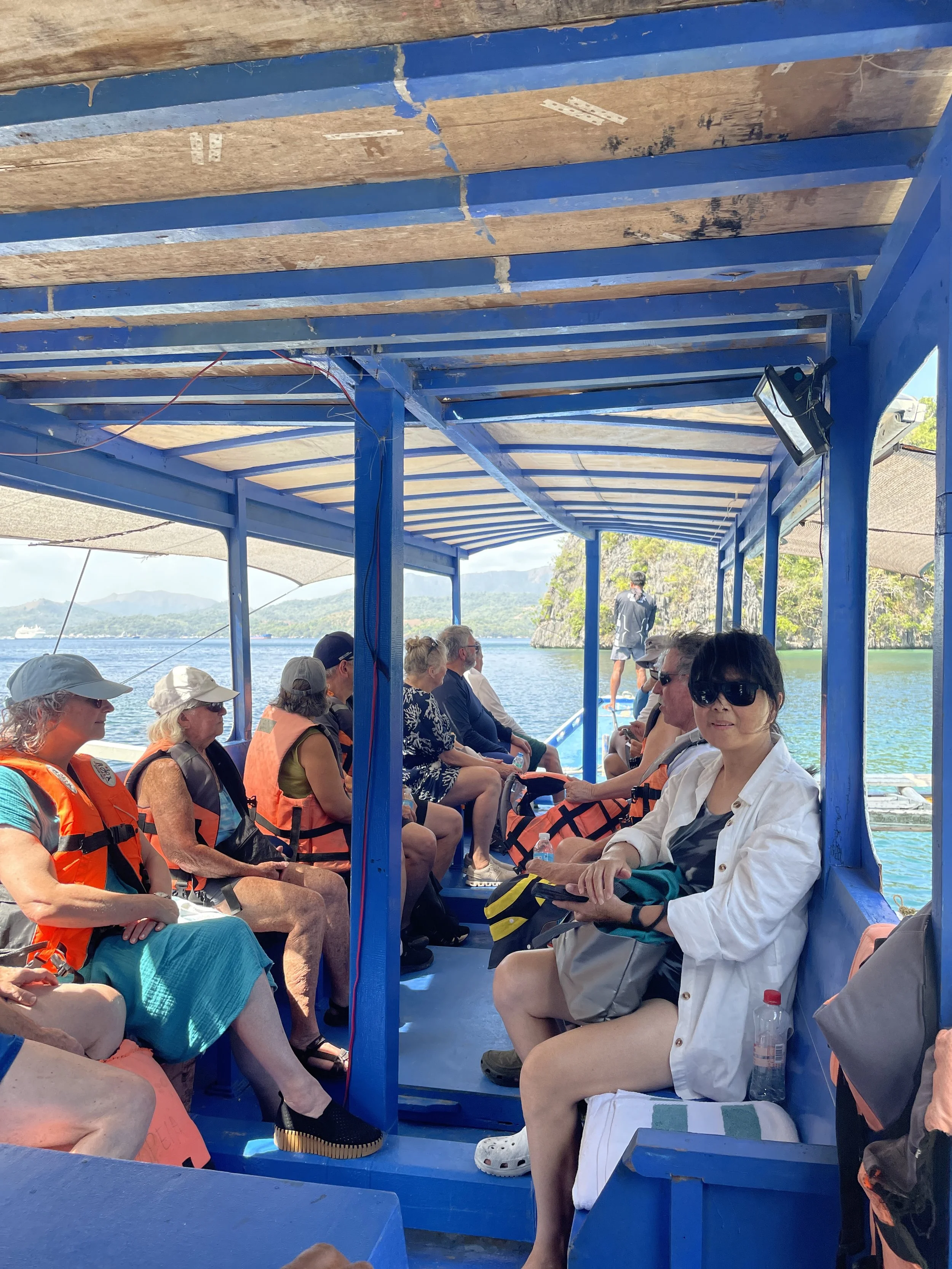
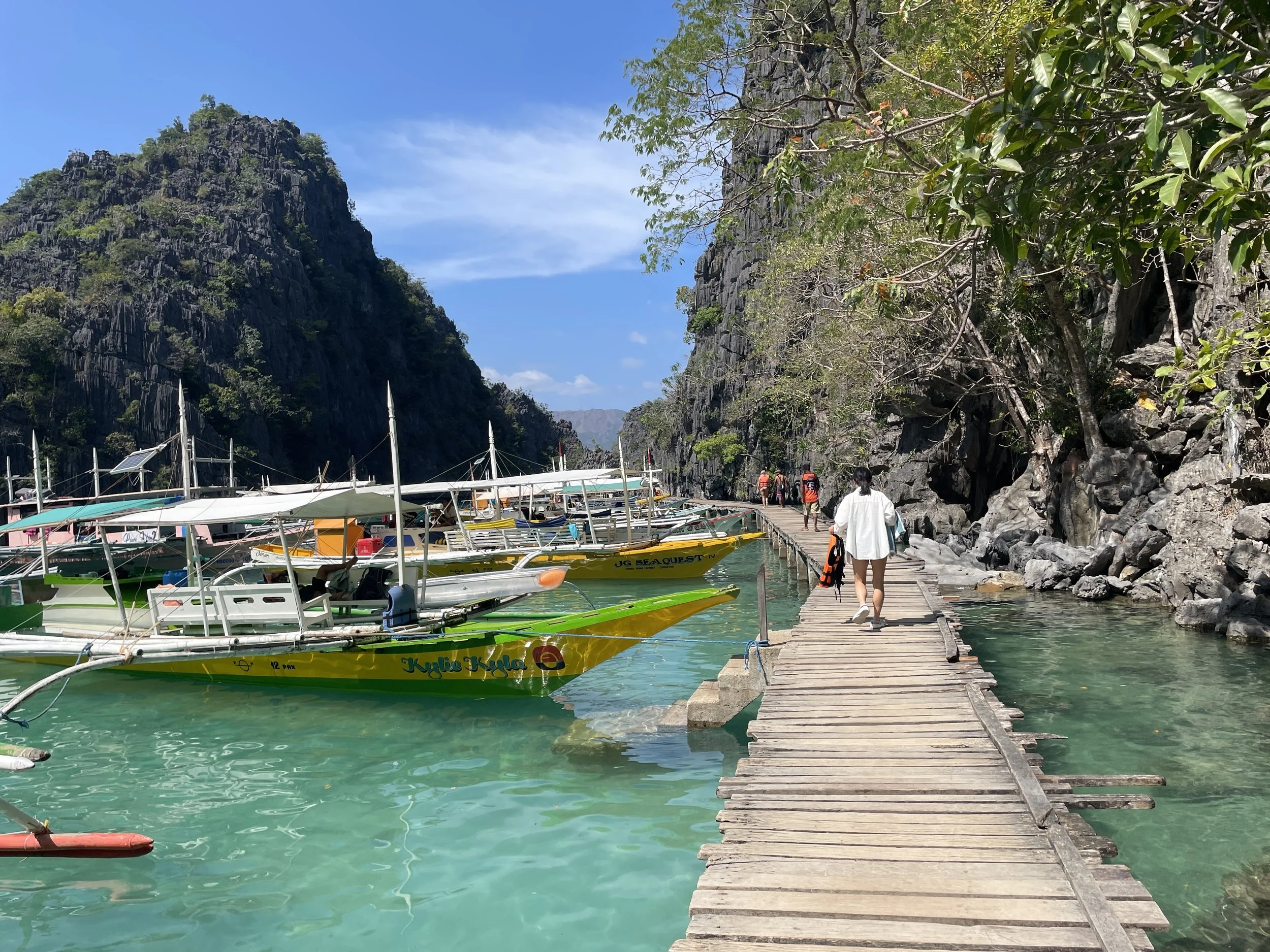
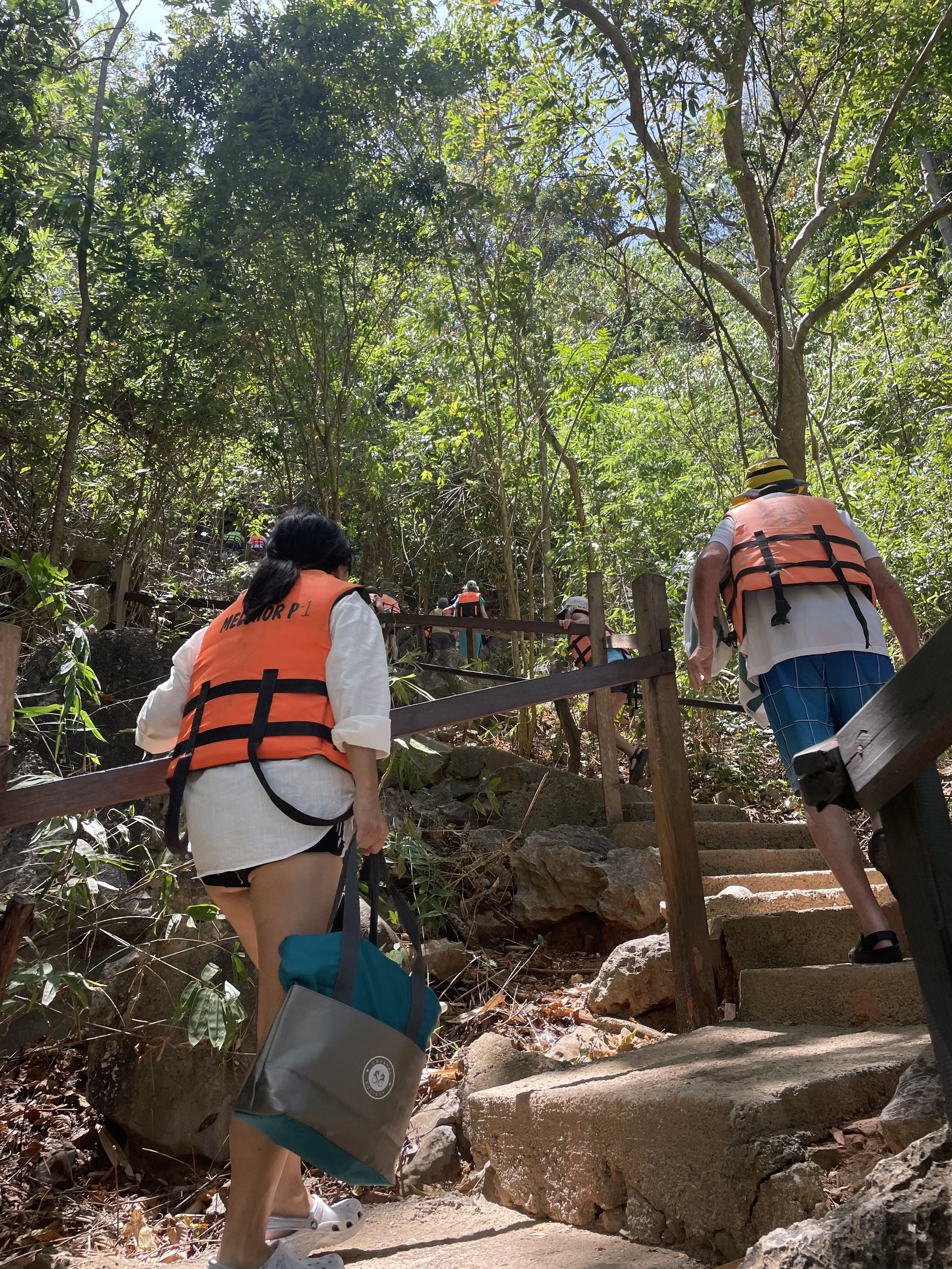
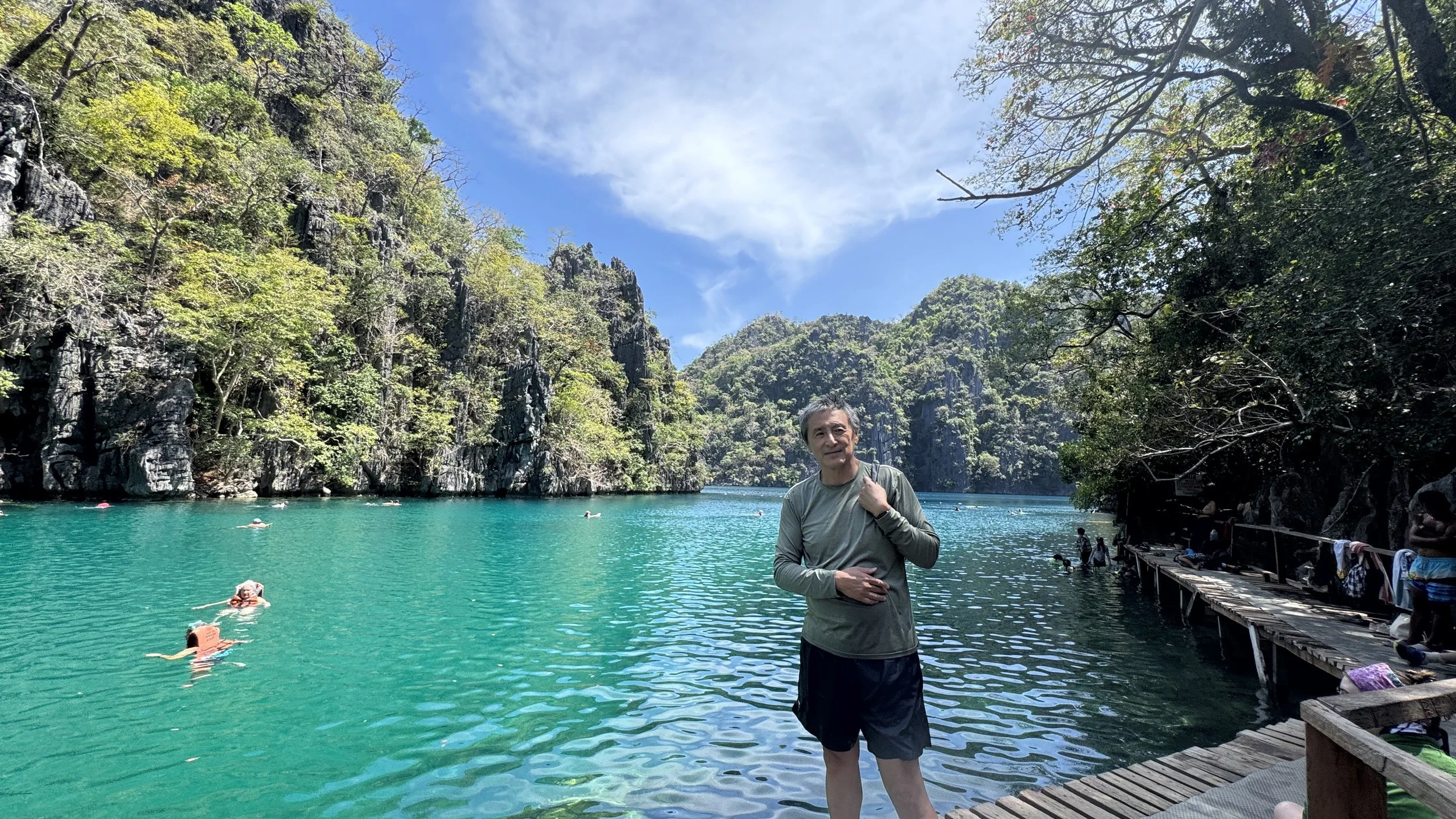
The tour was tiring but very rewarding. We had a wonderful time exploring this beautiful part of Palawan.
2026年3月10日
今天来到菲律宾巴拉望的科隆港,这里与我们上一站公主港的距离大约只有100英里。不知为什么,邮轮公司却把航程安排成两天,中间增加了一个海上航行日。那天海况比较颠簸,我们两个人都多睡了一些时间来恢复体力。幸运的是,我们的状态还不错,没有像上一次遇到大风浪时那样连晚餐都错过。
巴拉望科隆一带的海岸线以清澈见底的海水和壮观的石灰岩悬崖而闻名。当邮轮驶入科隆湾时,周围出现了许多大大小小,色彩鲜艳的螃蟹船(bangka)— 菲律宾传统的双侧竹制浮杆船。每一艘船的设计和配色都不一样,十分鲜艳,充分体现了菲律宾人的创造力。
我们参加了邮轮组织的活动,去探索这一带的自然美景。下船后,我们登上一艘 稍大一点的bangka,前往第一个浮潜地点。海水非常清澈,珊瑚也十分鲜活、色彩斑斓。虽然没有看到大型鱼类,但我们看到了不少有趣的鱼,比如鹦嘴鱼、小丑鱼(Nemo鱼)、军曹鱼和剃刀鱼。这里的珊瑚礁也是我们见过最好的之一。
虽然给了我们一个小时浮潜时间,但大约半个多小时后其他人都已经回到船上,只有我一个人还在水里。Connie 已经在船上向我招手示意,我觉得让大家等着不太好意思,才依依不舍地游回船上。
接下来我们来到 Beach 91 吃午餐,提供的是烤猪肉和烤鸡。我觉得那里的烤五花肉特别好吃,可能是这次旅行中吃到的最好的一次。另外这里的海滩也很漂亮,海水清澈见底。坐着边吃烤肉边看海景,吃完再去海里玩一下,很是享受。
最后一站需要爬上一座小山,上下大约有 375级台阶,才能到达著名的 凯央根湖(Kayangan Lake)。这是科隆岛上的一个淡水湖。湖水非常清澈,不过鱼并不多。我还是在湖里简单浮潜了一下,最后再来个新鲜的椰子,然后才回到船上。
今天的活动虽然有些累,但非常值得。我们度过了一段愉快的时光,也欣赏到了巴拉望迷人的自然风光。
Puerto Princesa, Philippines 菲律宾,普林塞萨港
March 8, 2026
We docked at Puerto Princesa, Philippines, at 11 a.m.,……
上午11点,我们的邮轮停靠在菲律宾的普林塞萨港,。。。
March 8, 2026
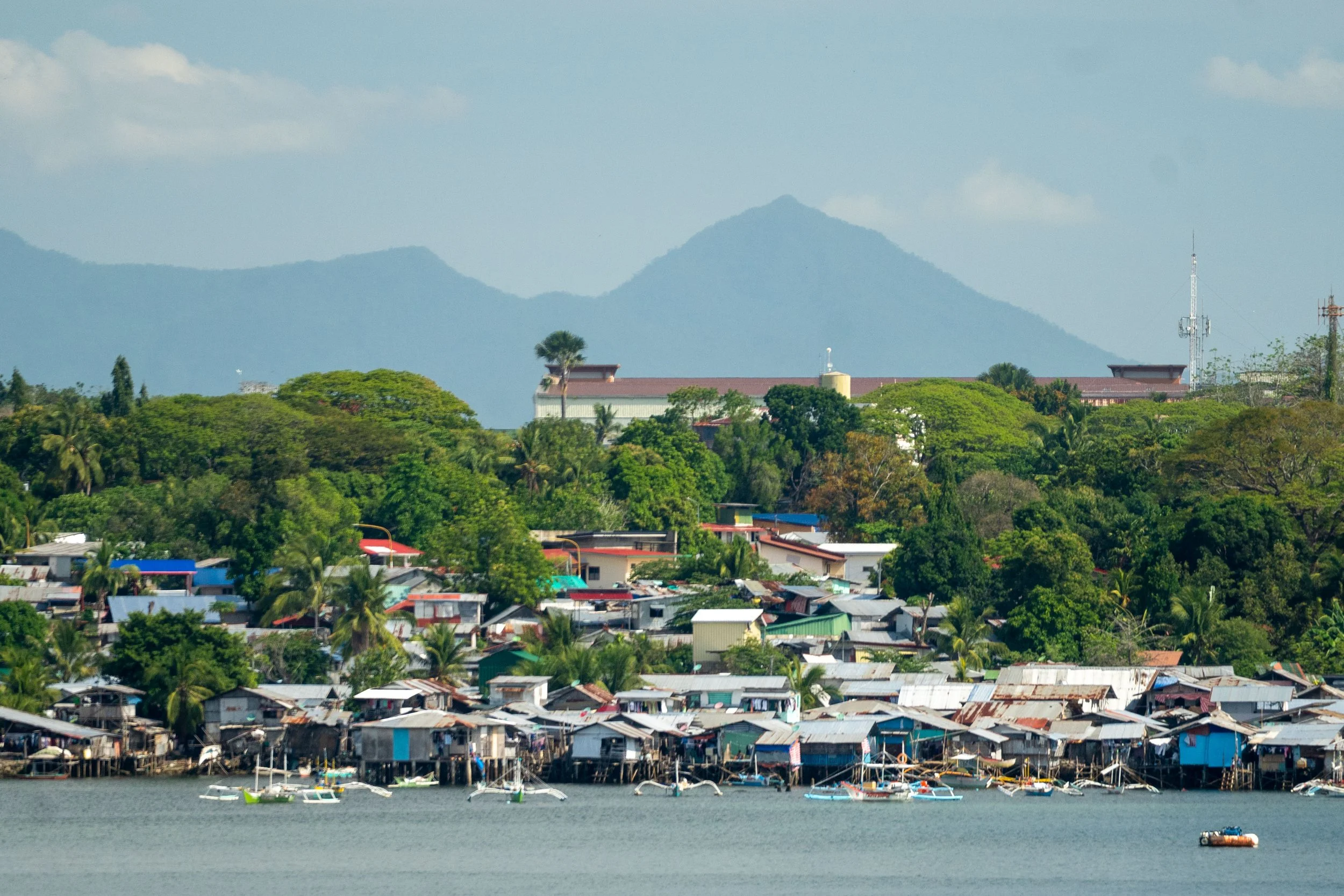
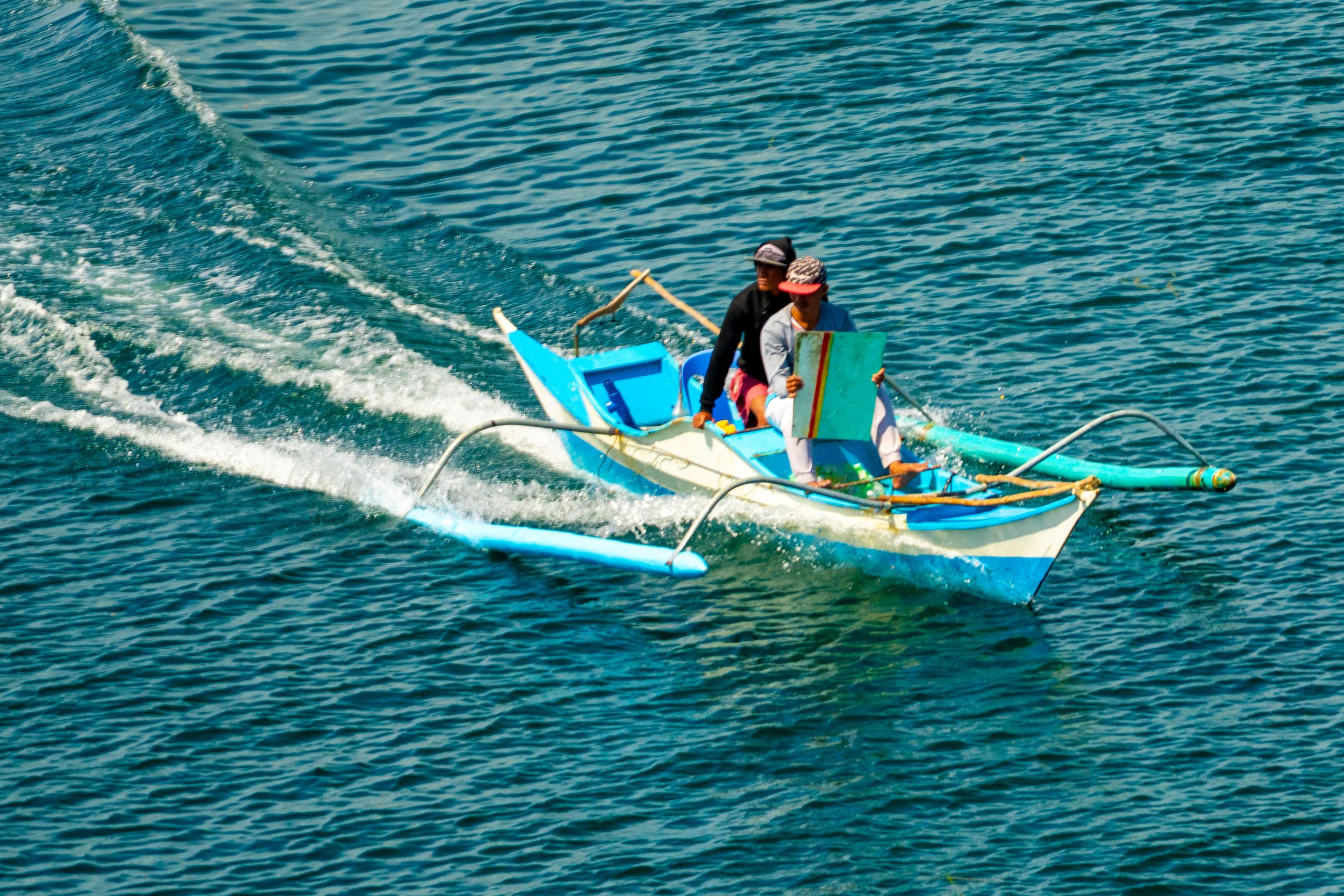
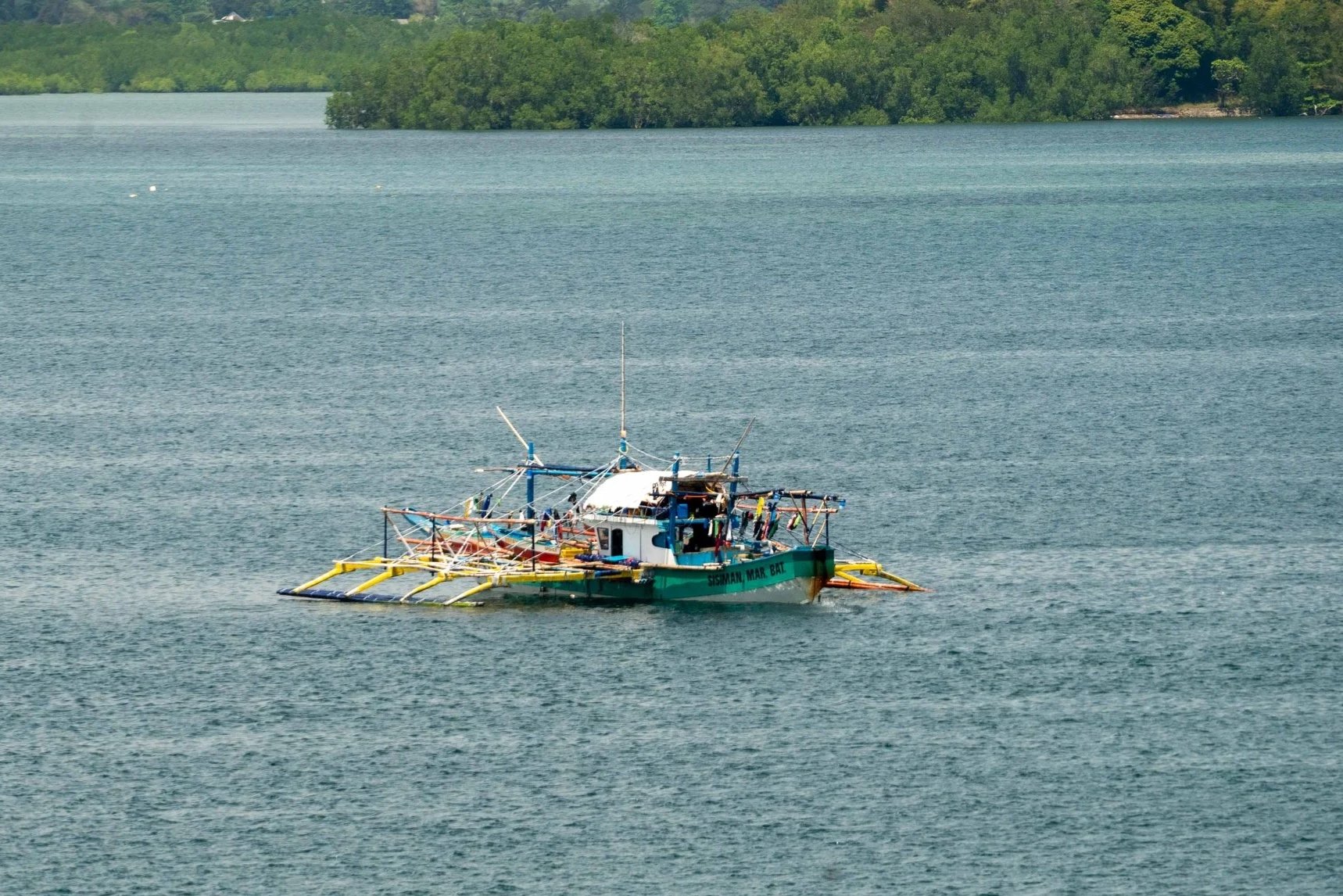
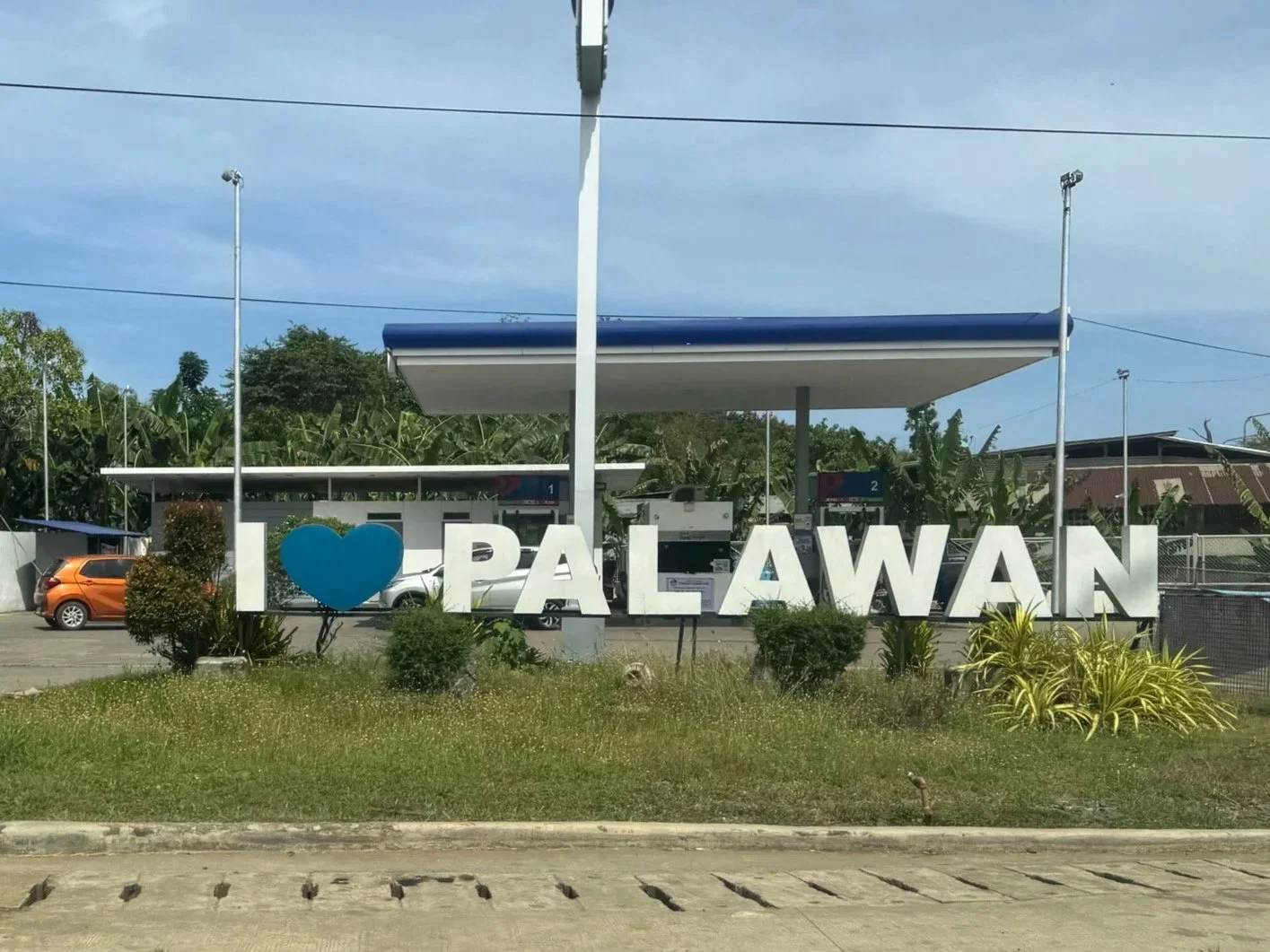
We docked at Puerto Princesa, Philippines, at 11 a.m., marking a new country for us. As our ship slowly entered the bay, we were immediately intrigued by the colorful bangka boats in the water. Their unique shapes and bright colors gave the harbor a lively charm, making our first glimpse of the Philippines especially memorable.
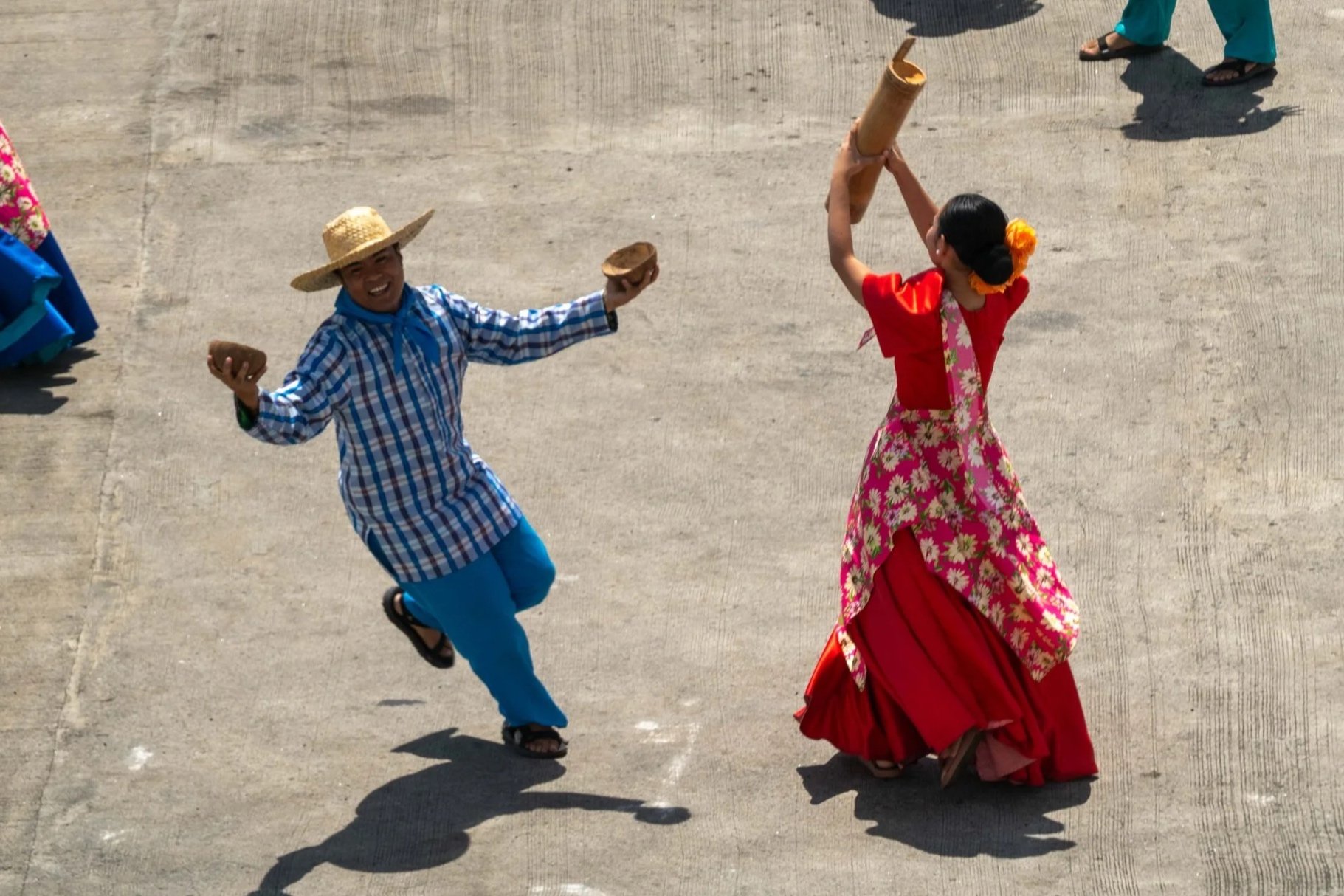
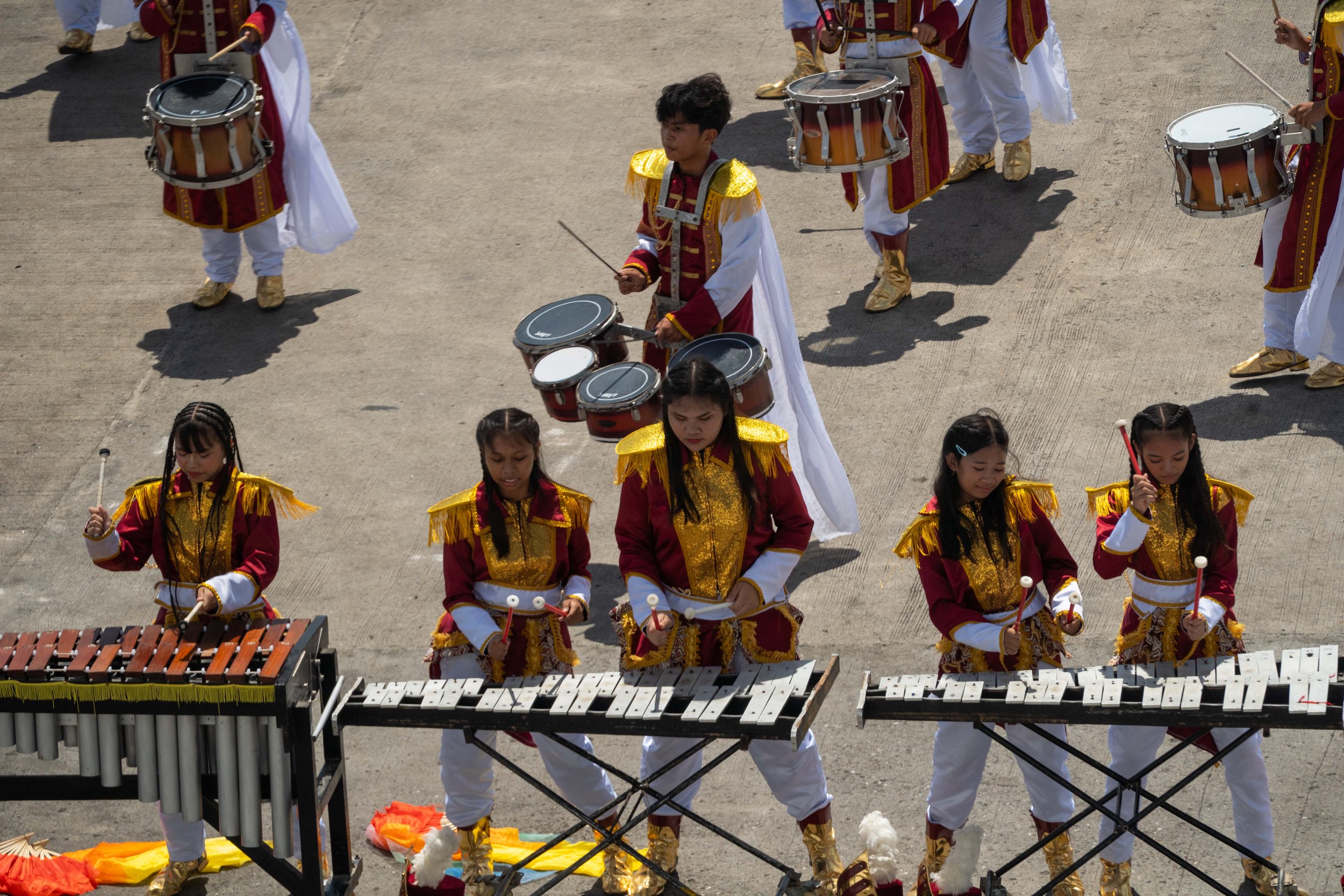
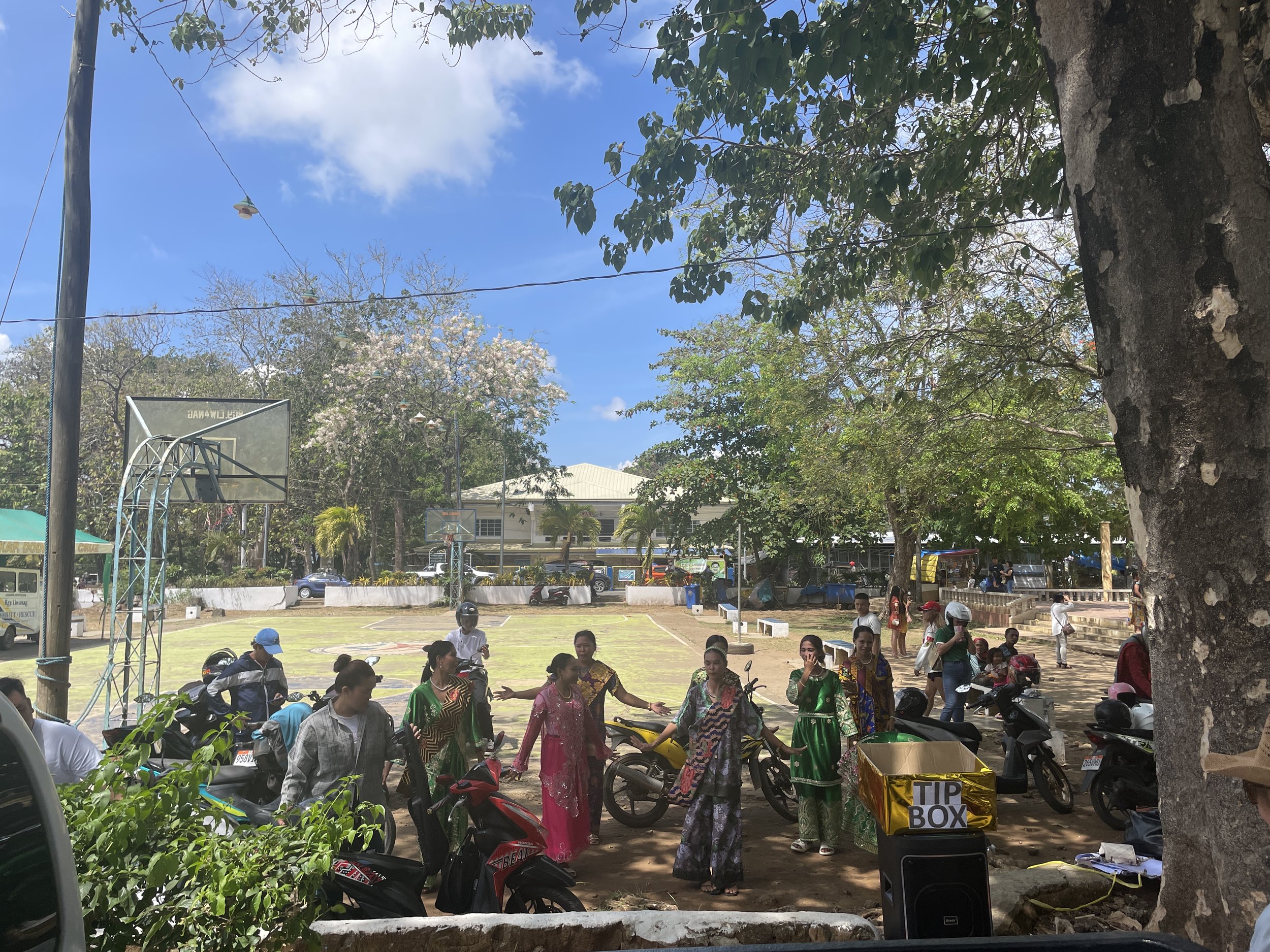
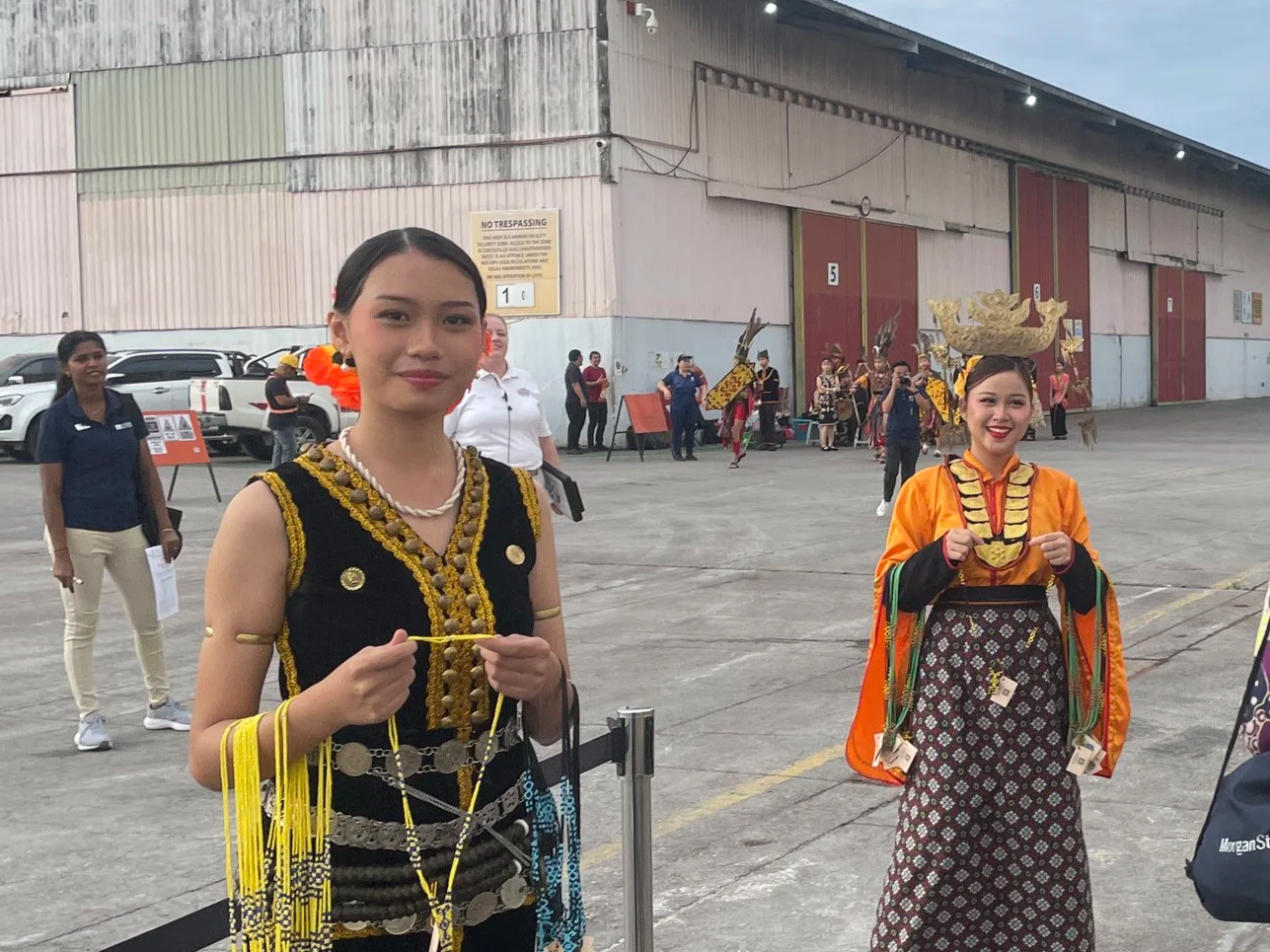
A high school band and a group of folk dancers welcomed us with a lively performance under the scorching sun. Even in the intense heat, their smiles and energy never faded, and we truly appreciated the effort and enjoyed the moment.
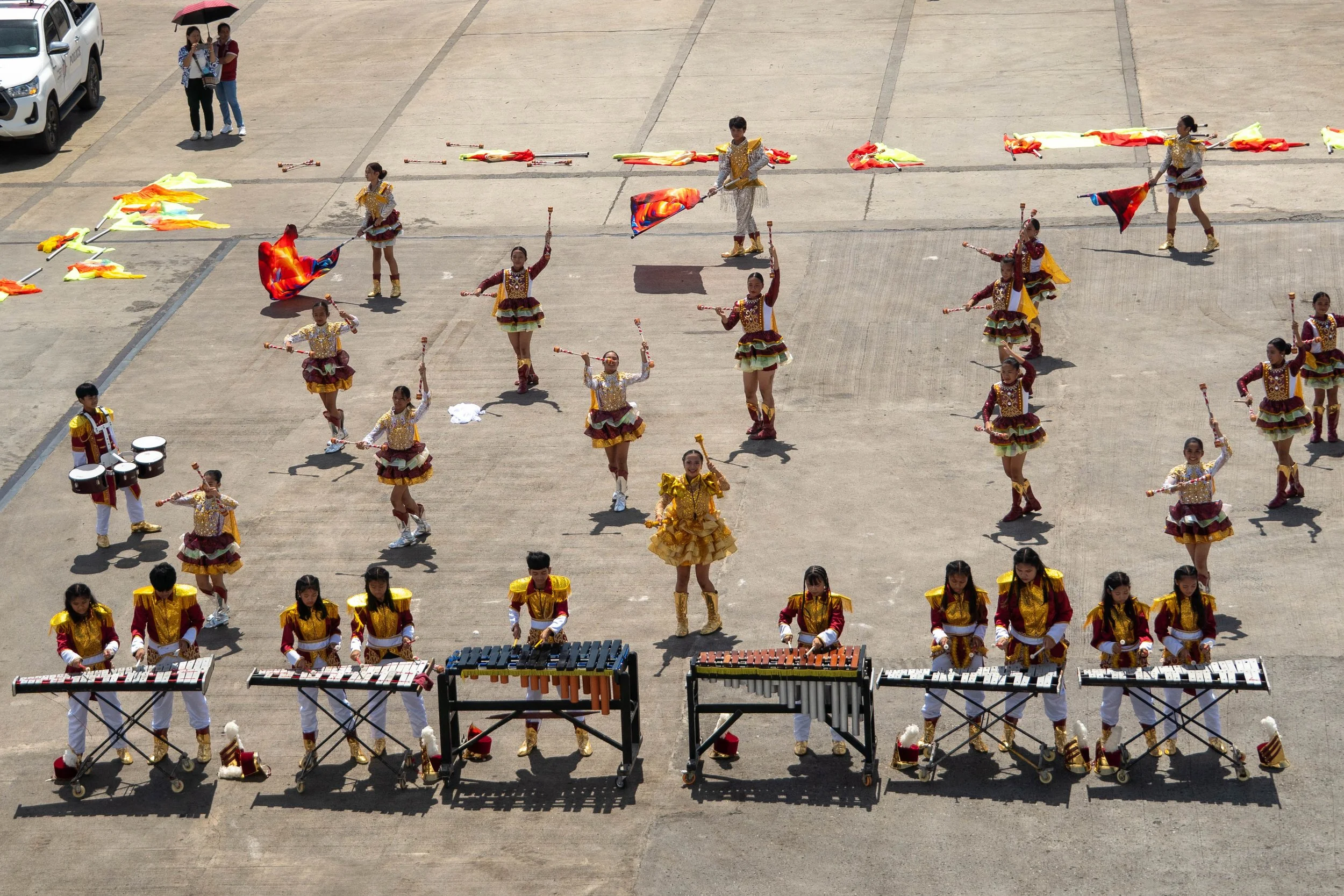
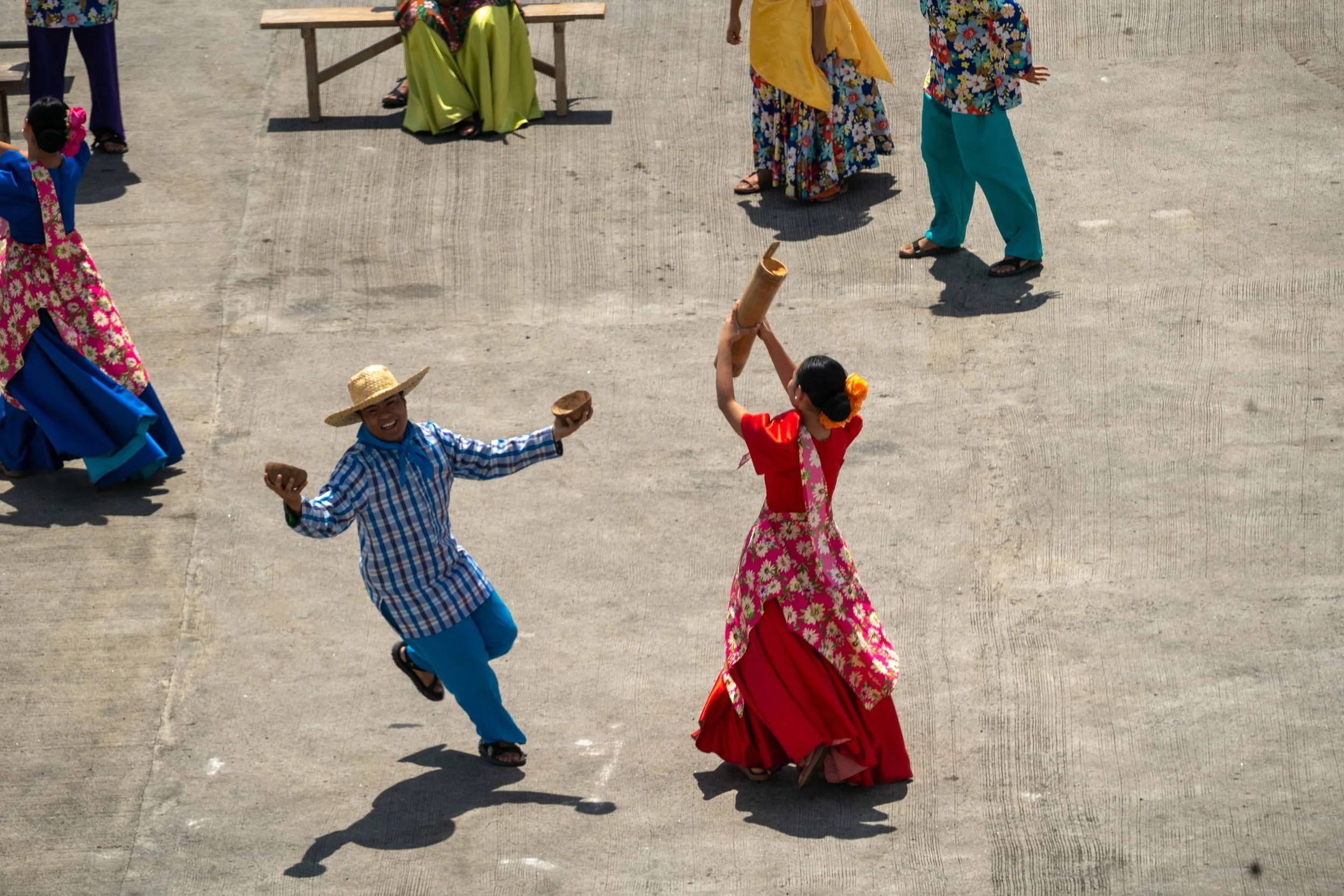
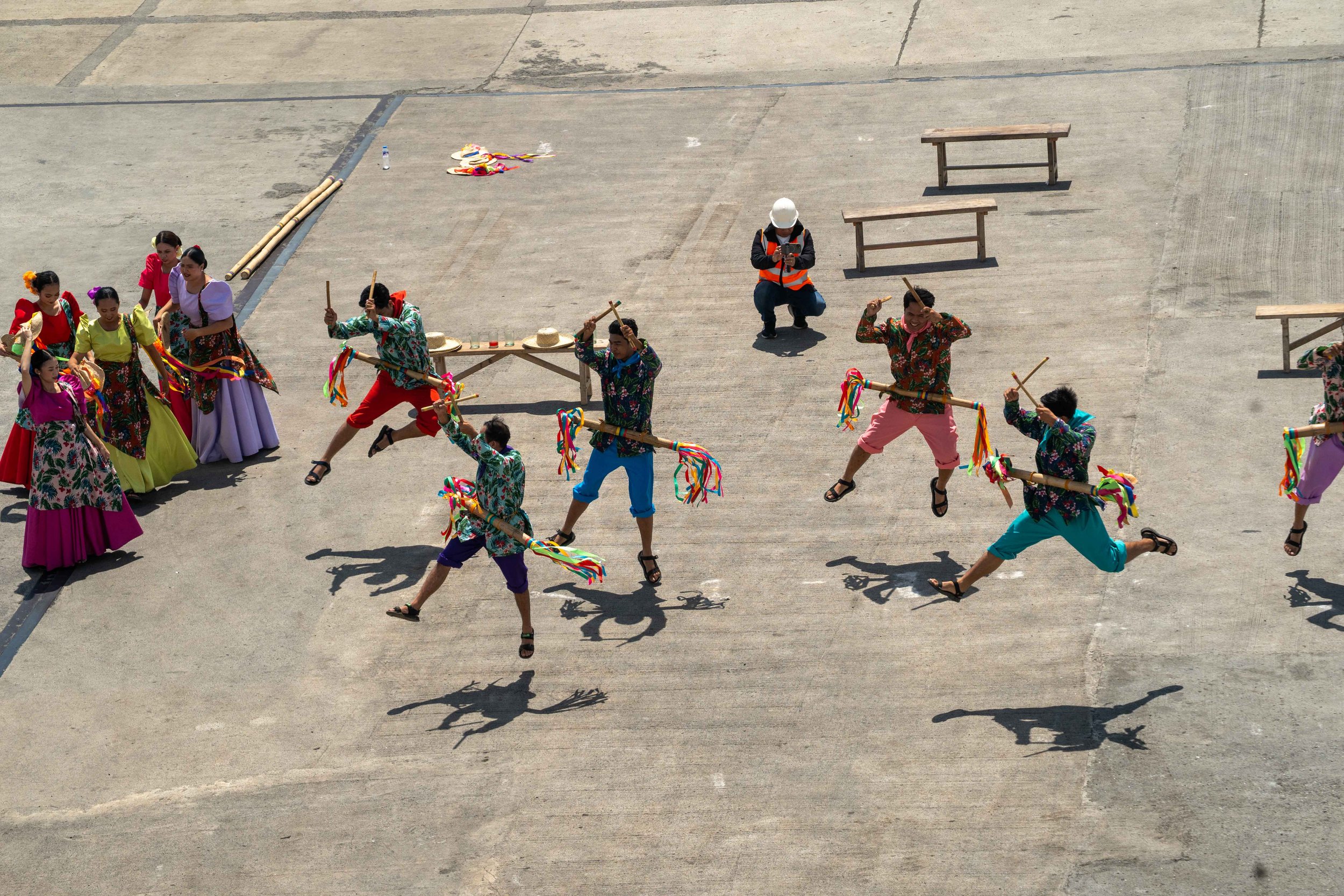
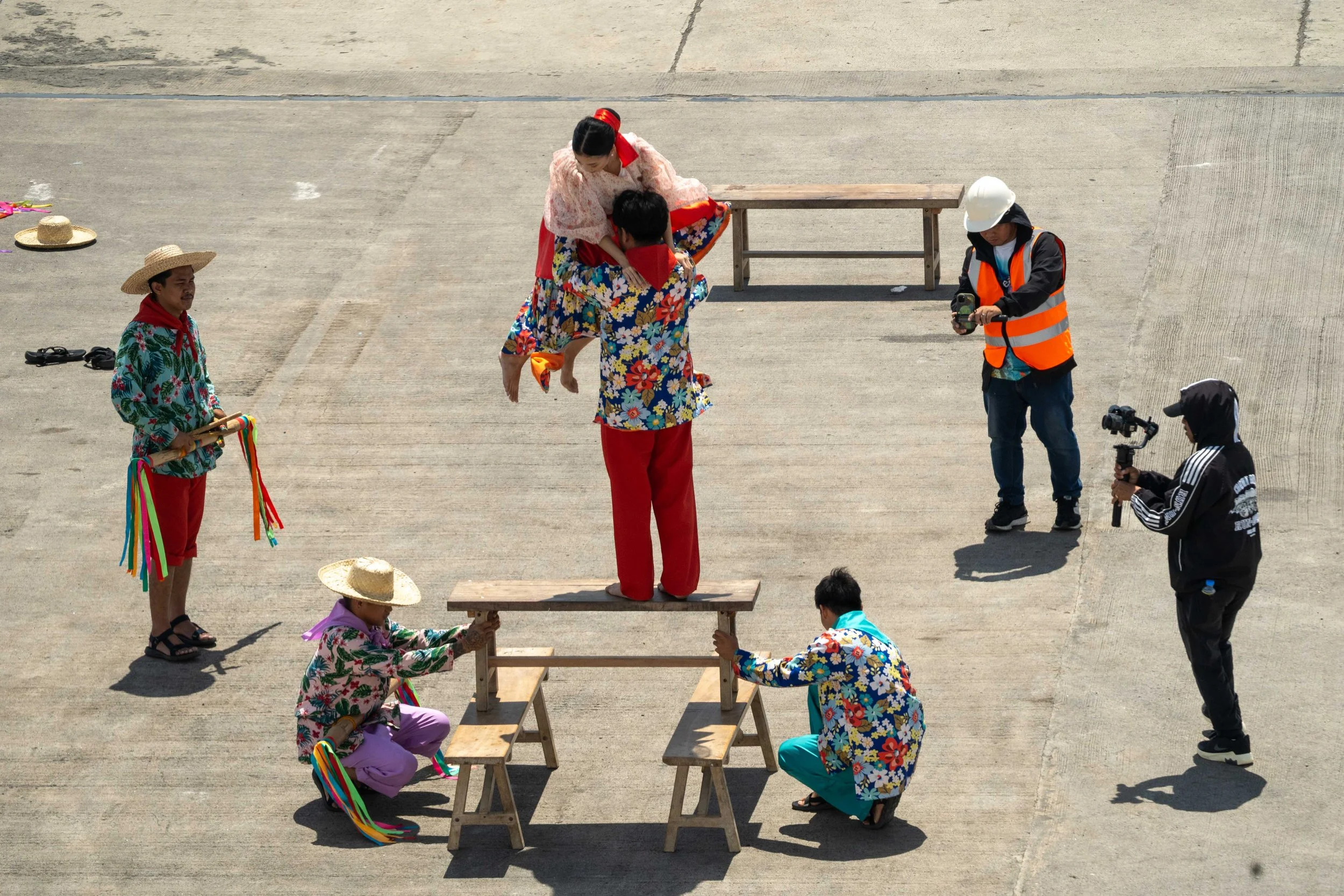
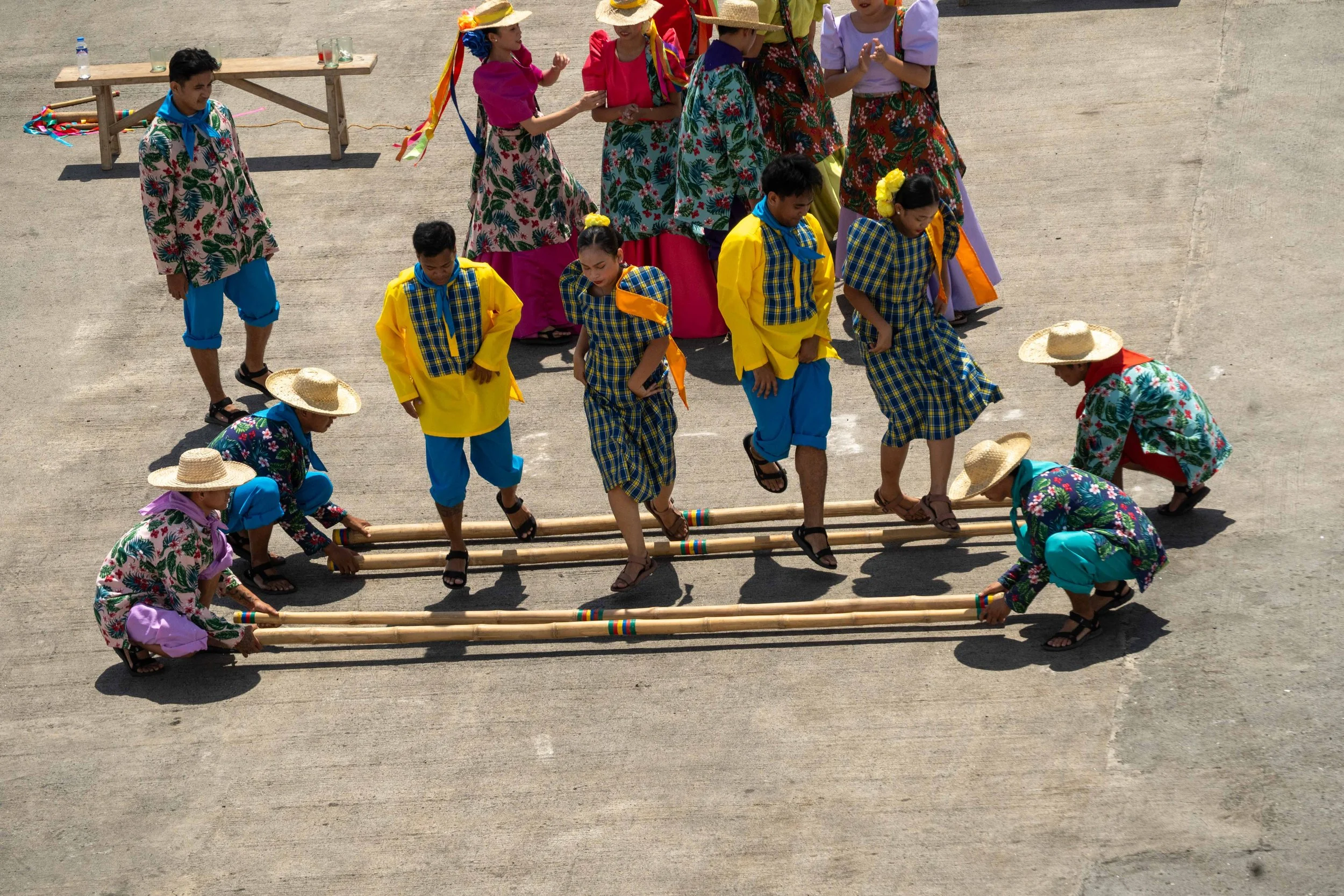
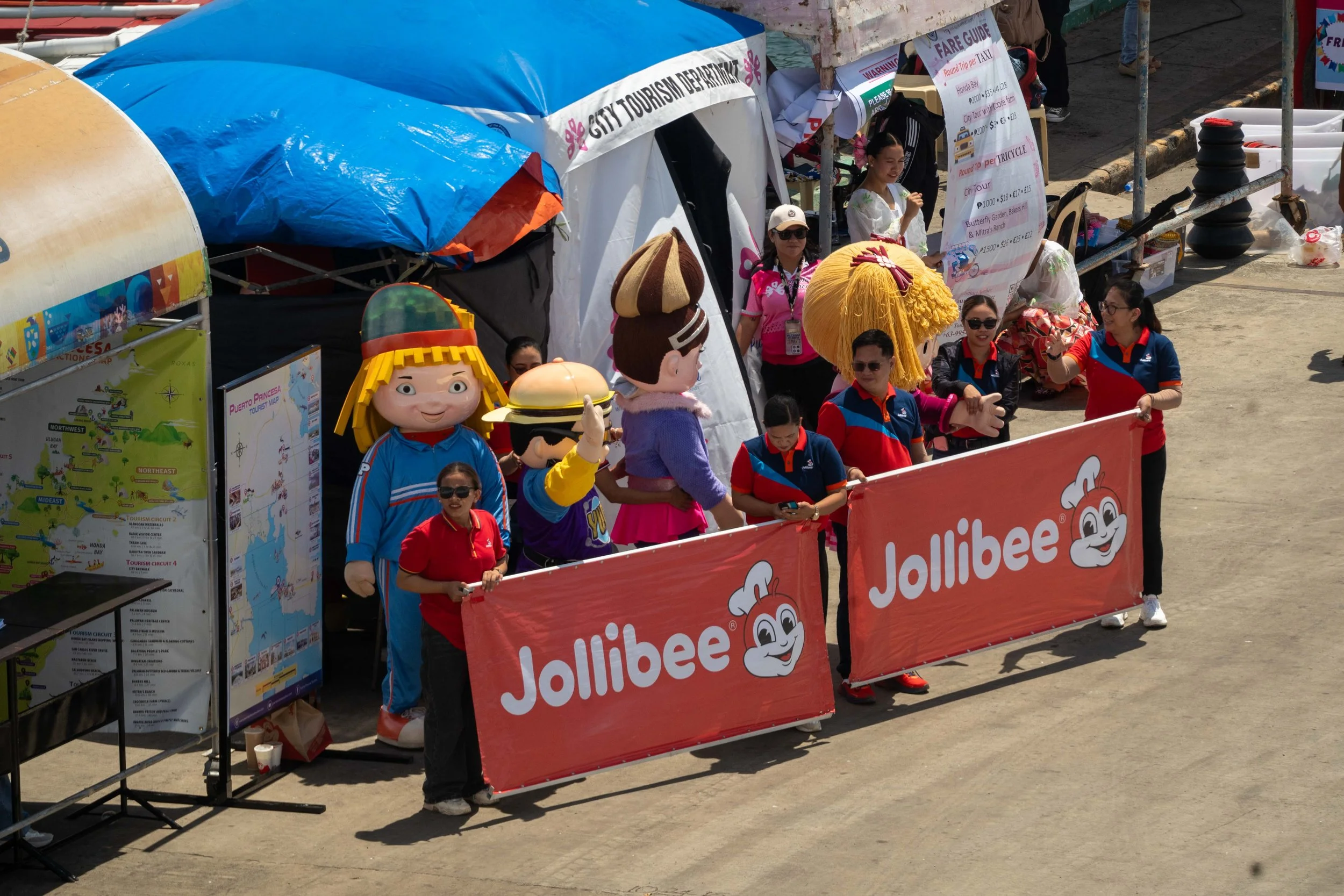
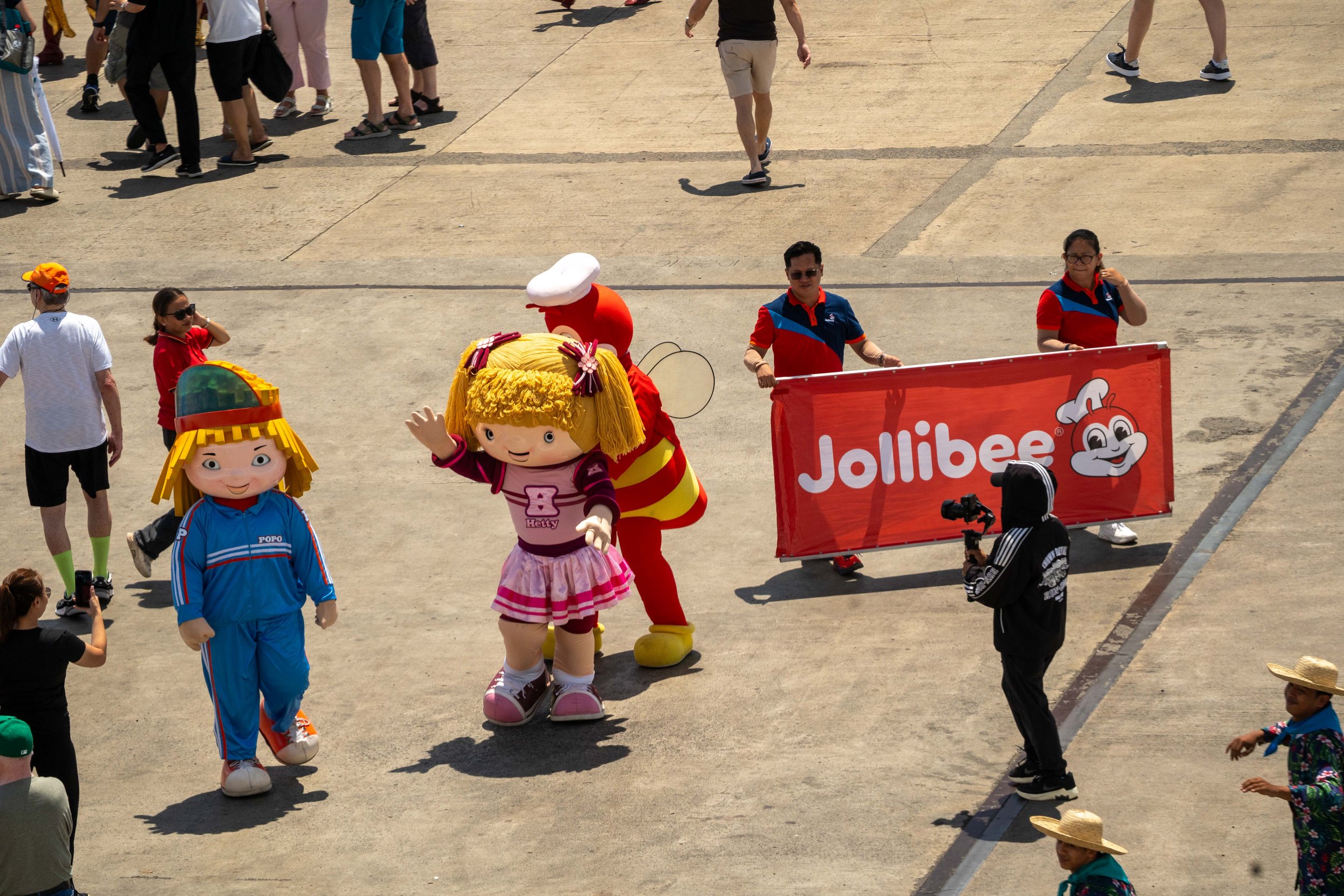
Since our ship stayed only half a day, there were limited shore excursions offered. Instead, we teamed up with a couple of fellow passengers, including one of the ship’s lecturers, and arranged a city tour together.
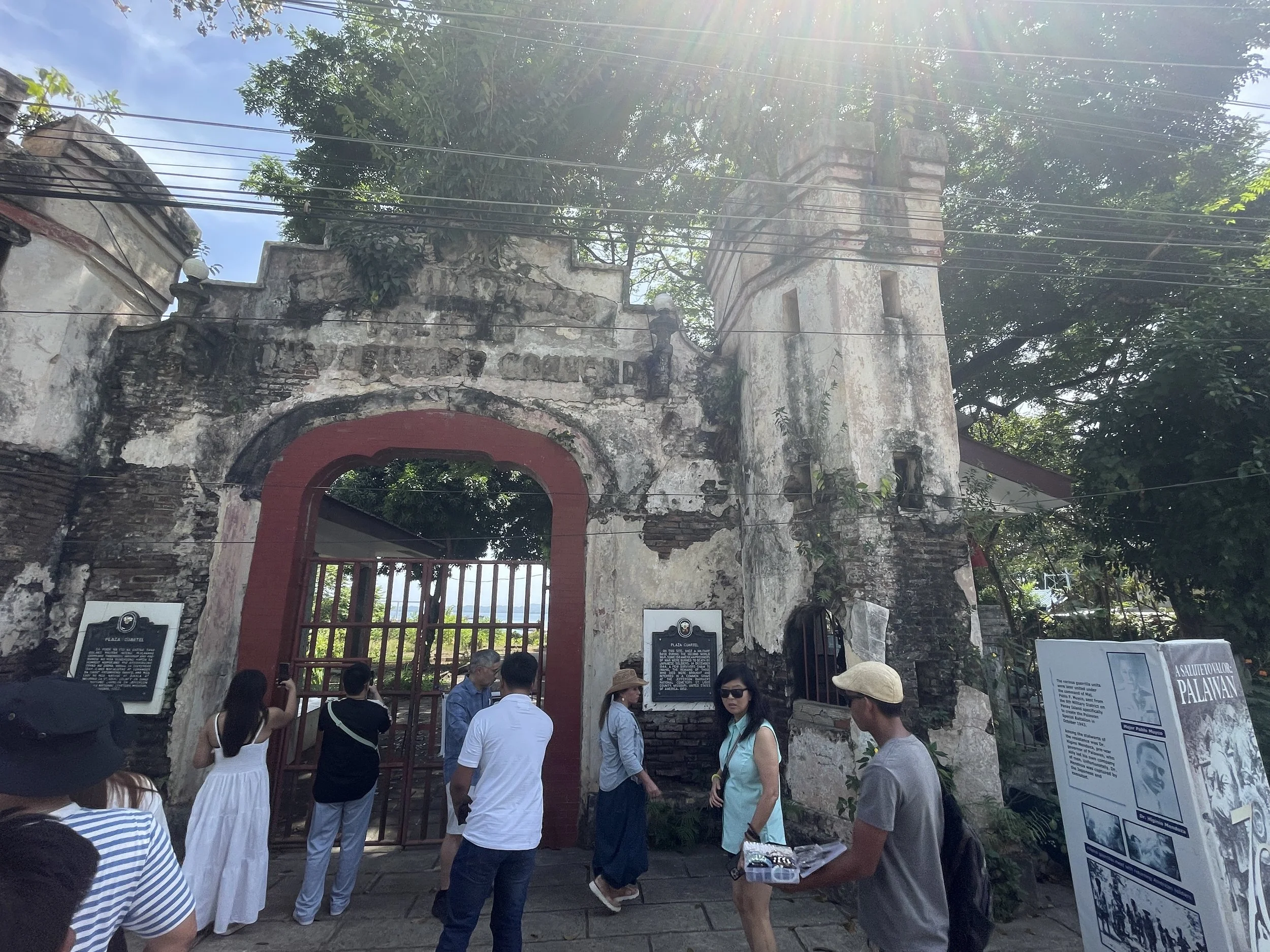
For $90 shared among four people, we hired a van with a driver and a local guide. The tour took us to several sites around the city, including the cathedral, Plaza Cuartel, a local weaving factory, the Crocodile Farm, Mitra’s Ranch, and Baker’s Hill.
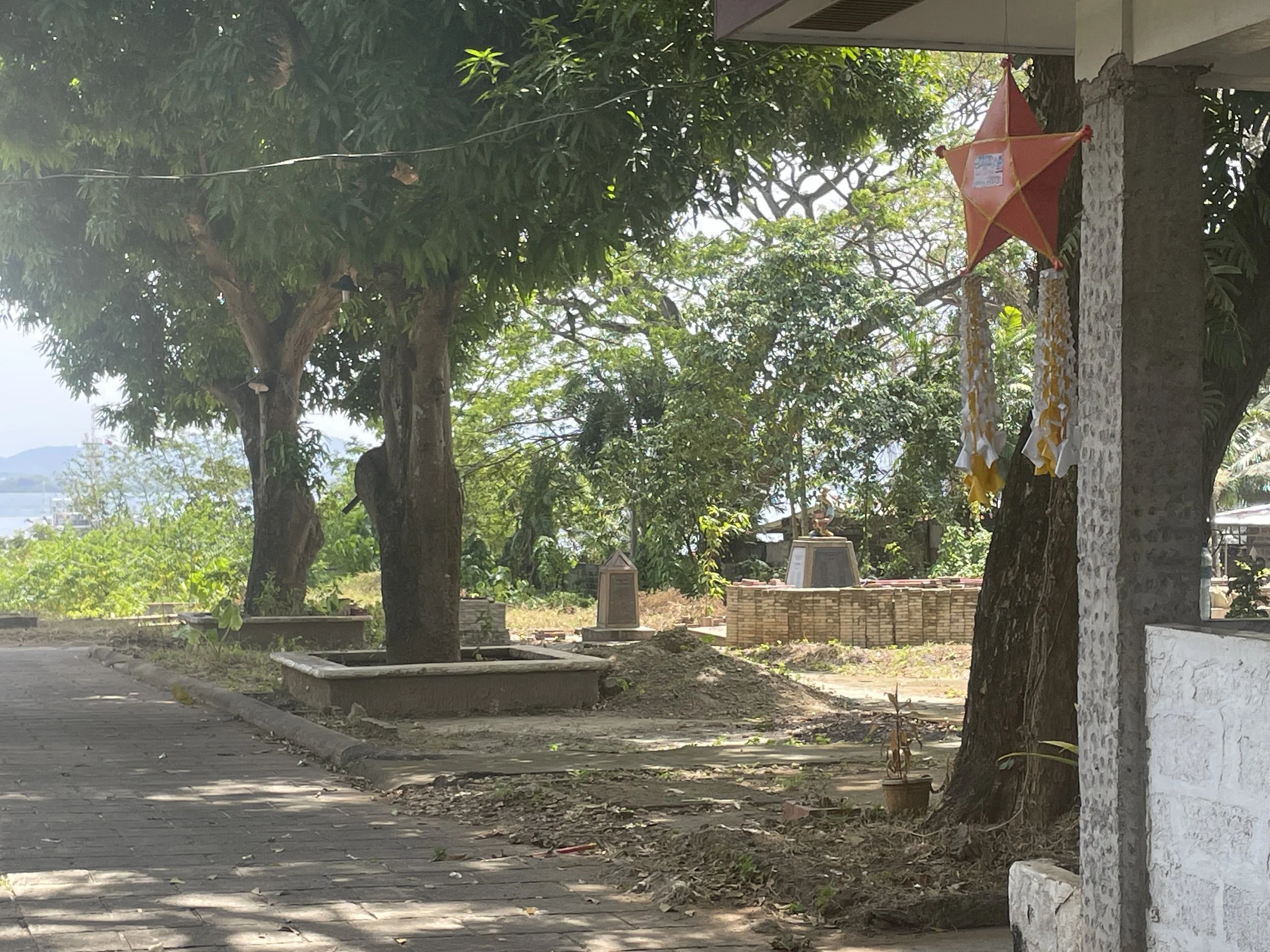
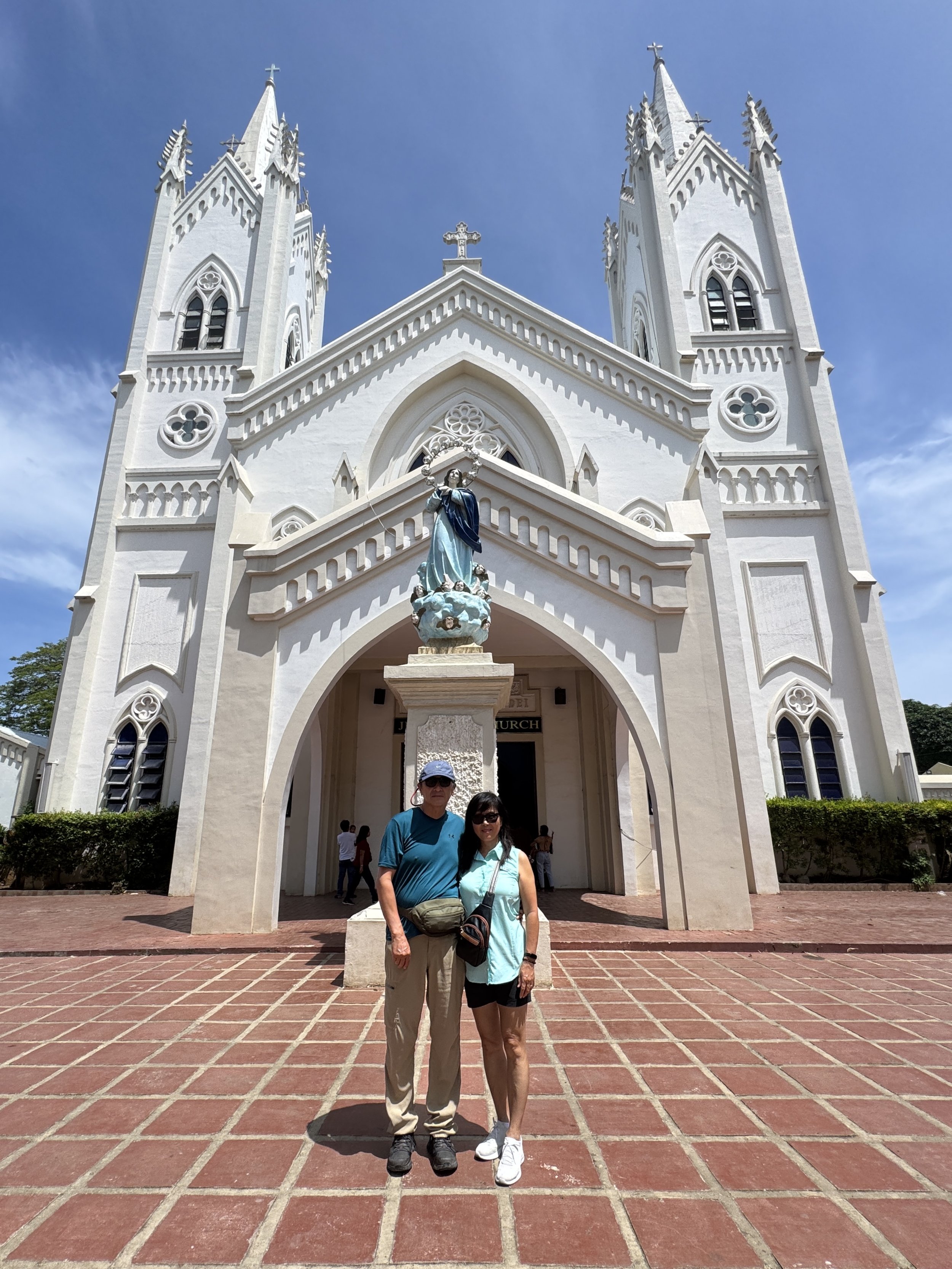
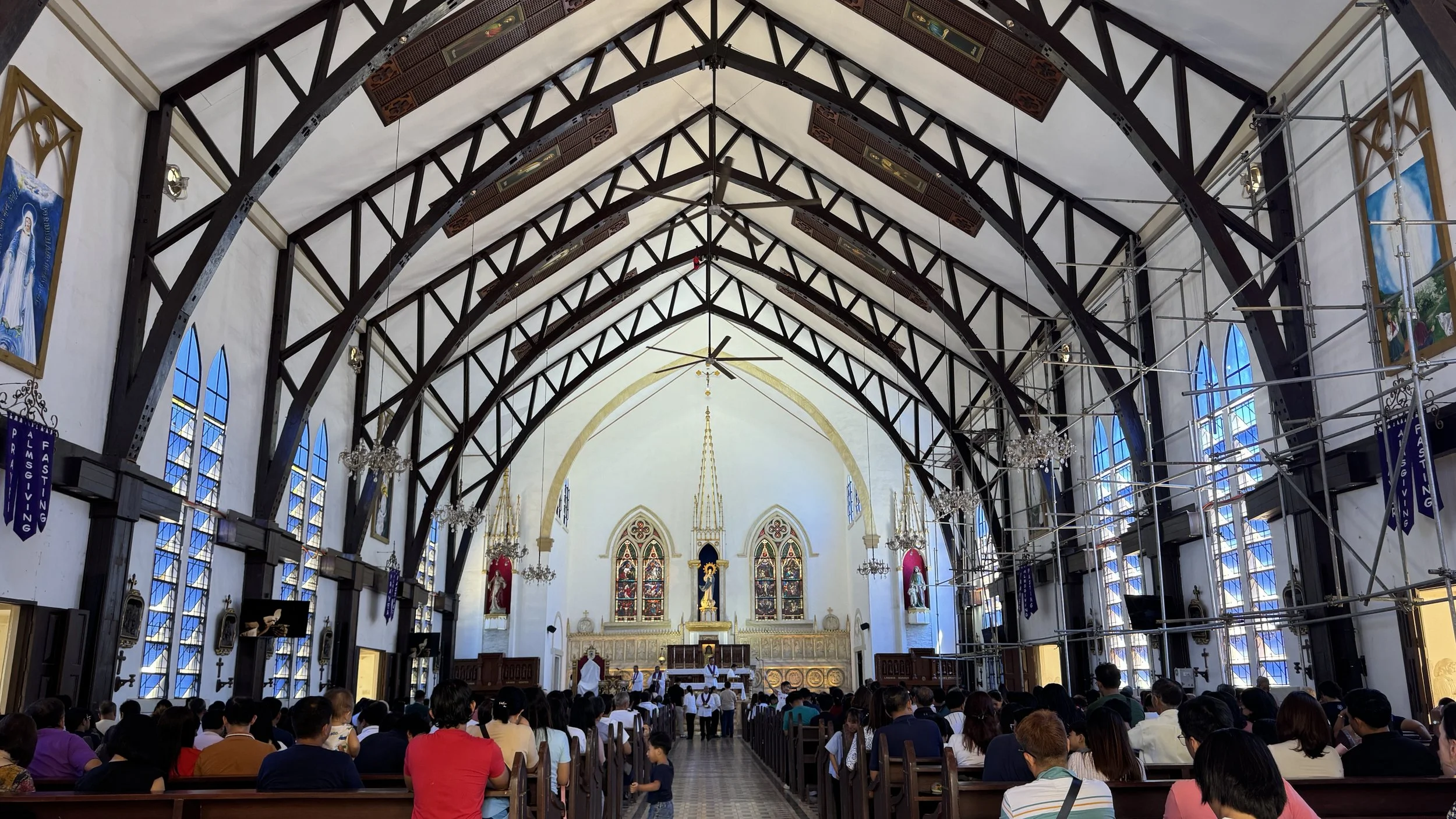
When we arrived at the cathedral, a Mass was in progress, so we did not tour the inside. Plaza Cuartel was closed for renovation, so we could only view the area briefly.
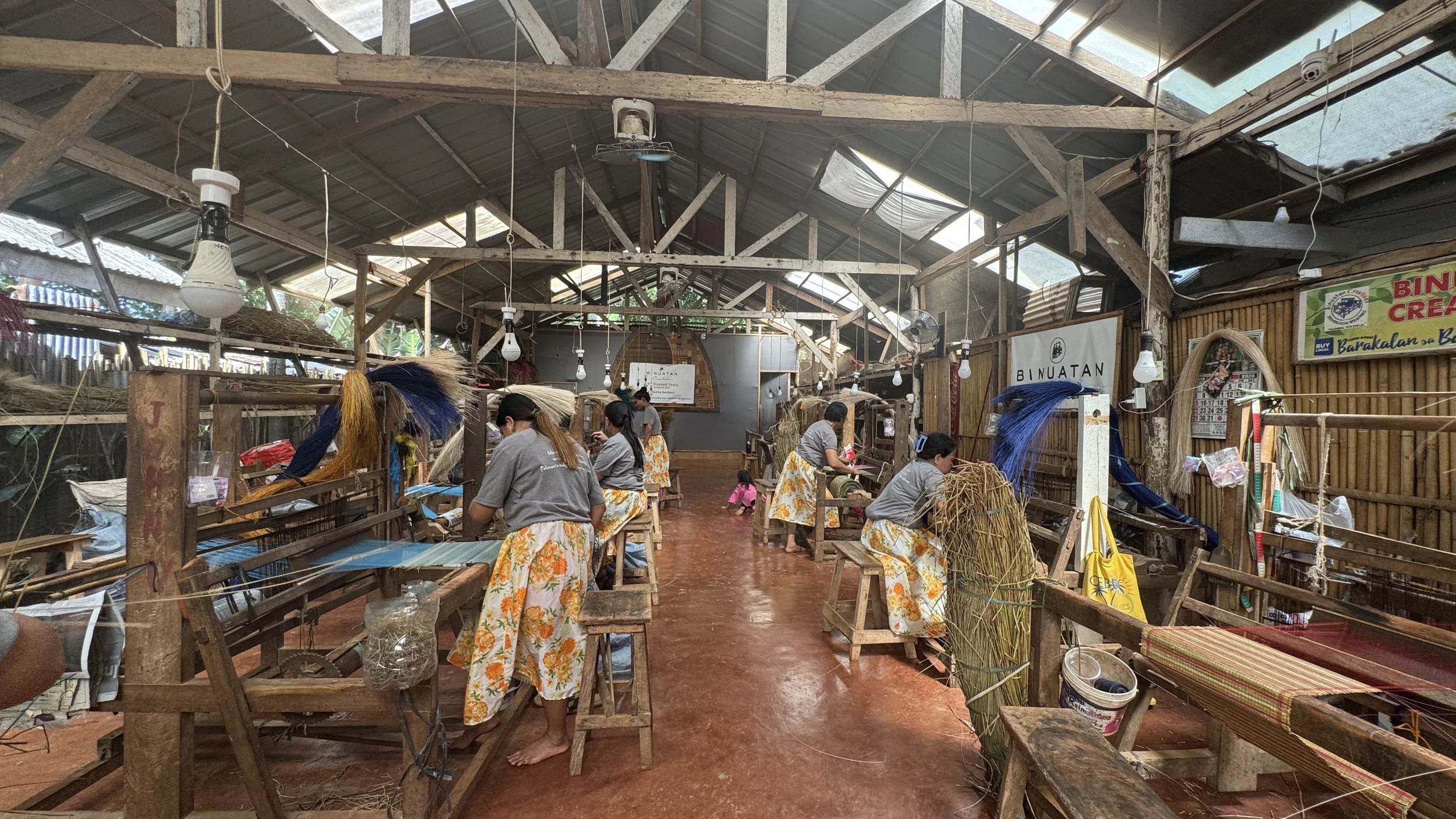
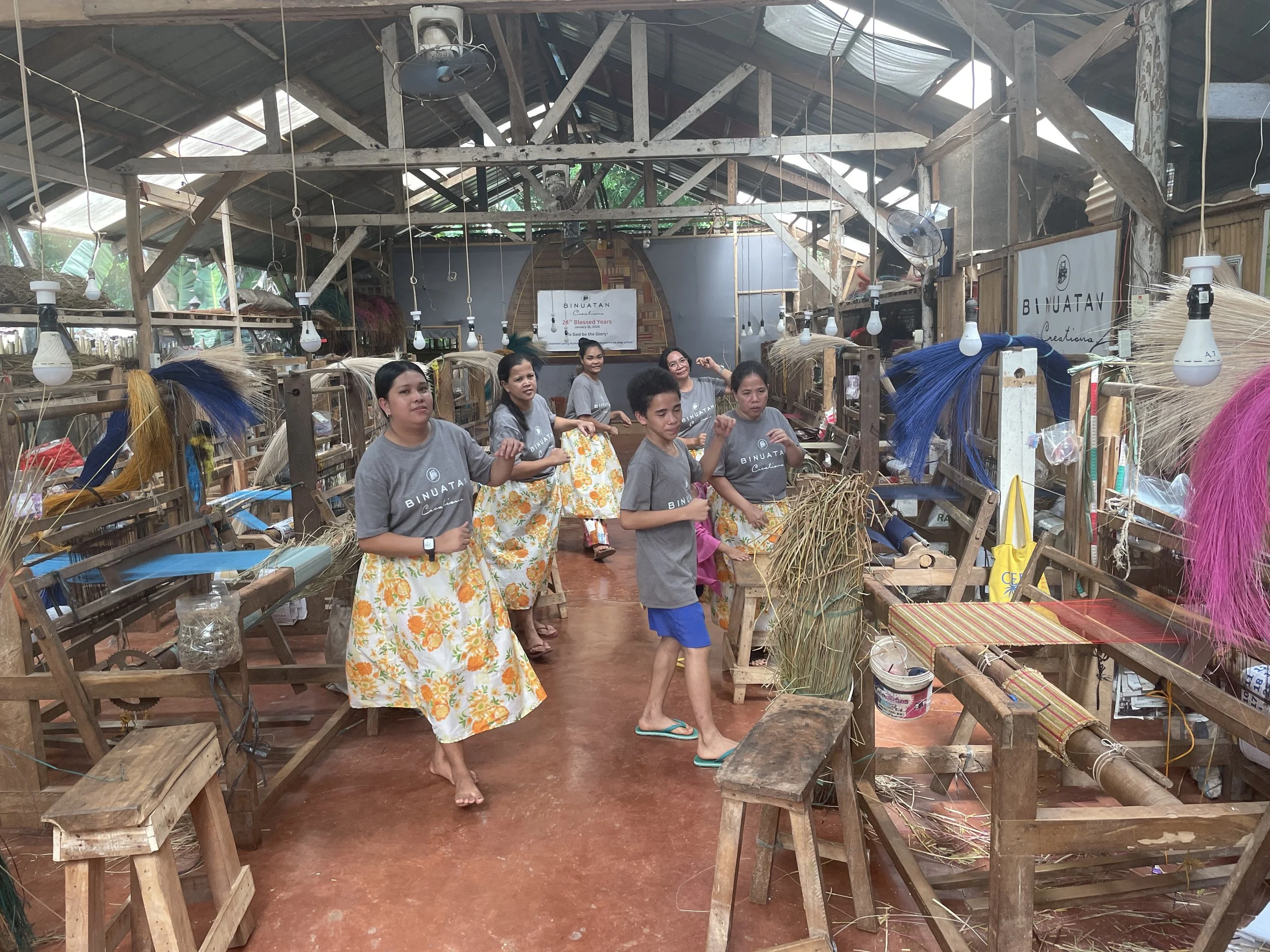
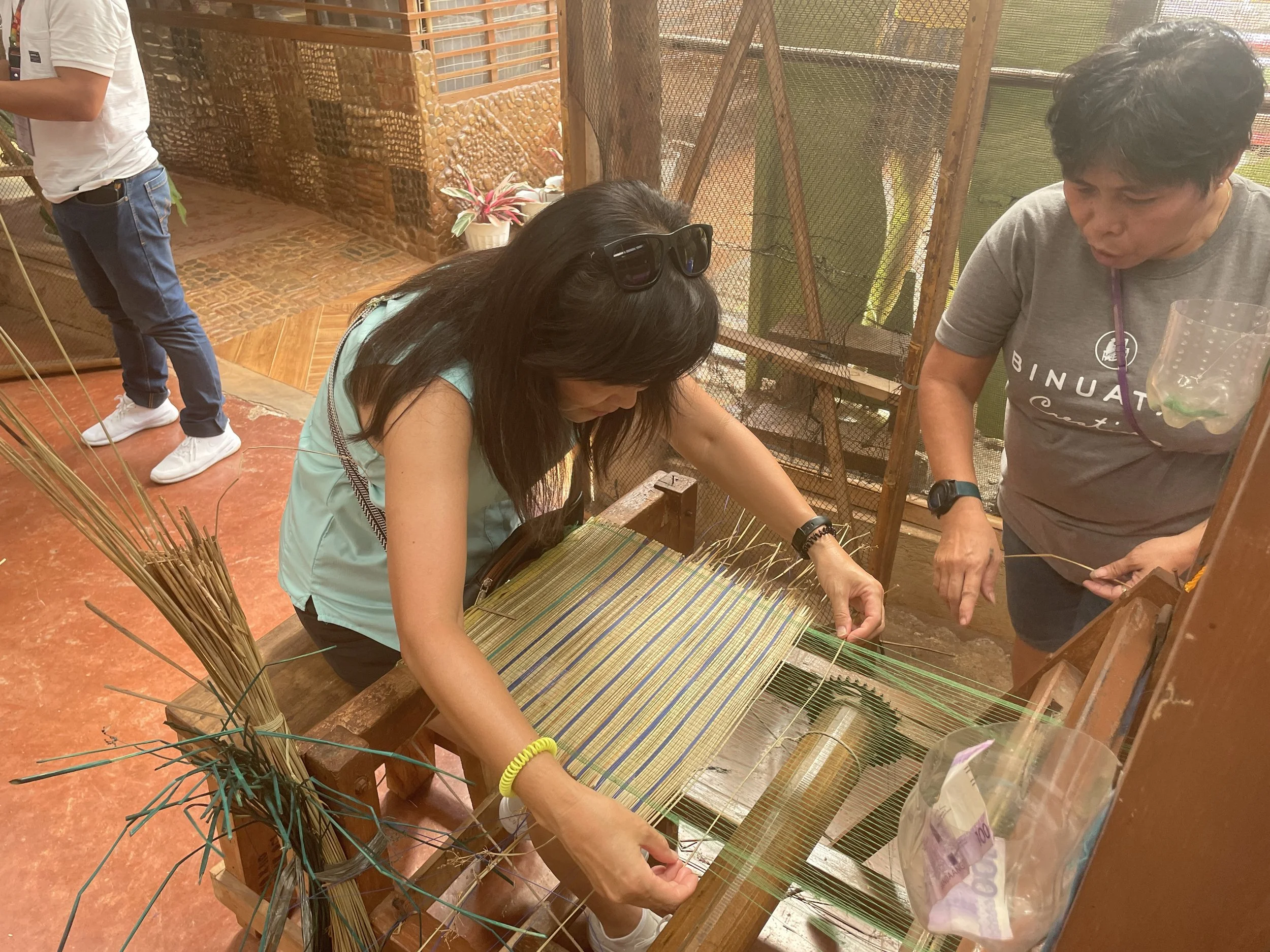
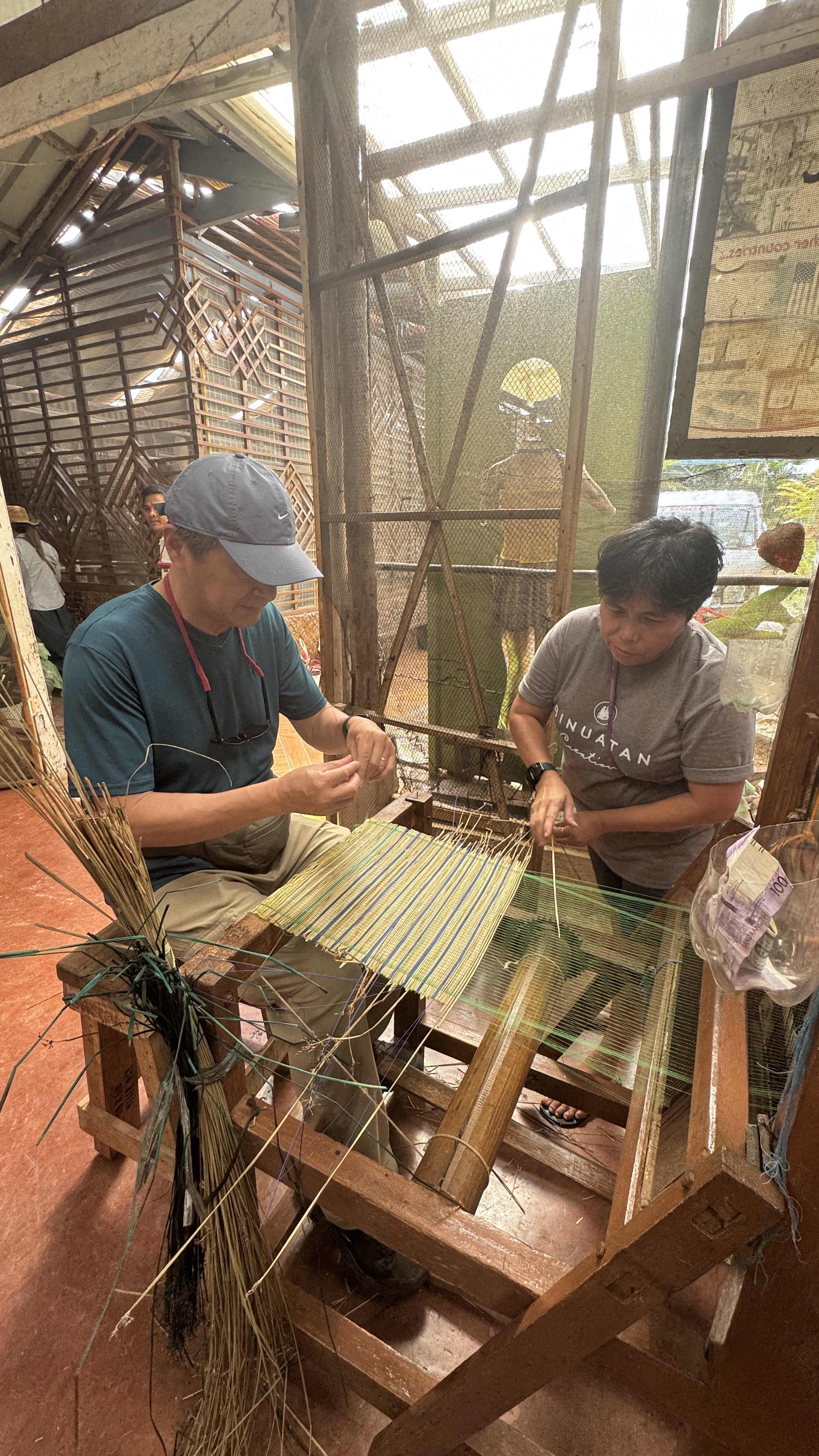
We then visited a small weaving factory where local workers demonstrated traditional weaving techniques. We were invited to try the weaving machine ourselves, which made the visit more interactive and engaging.
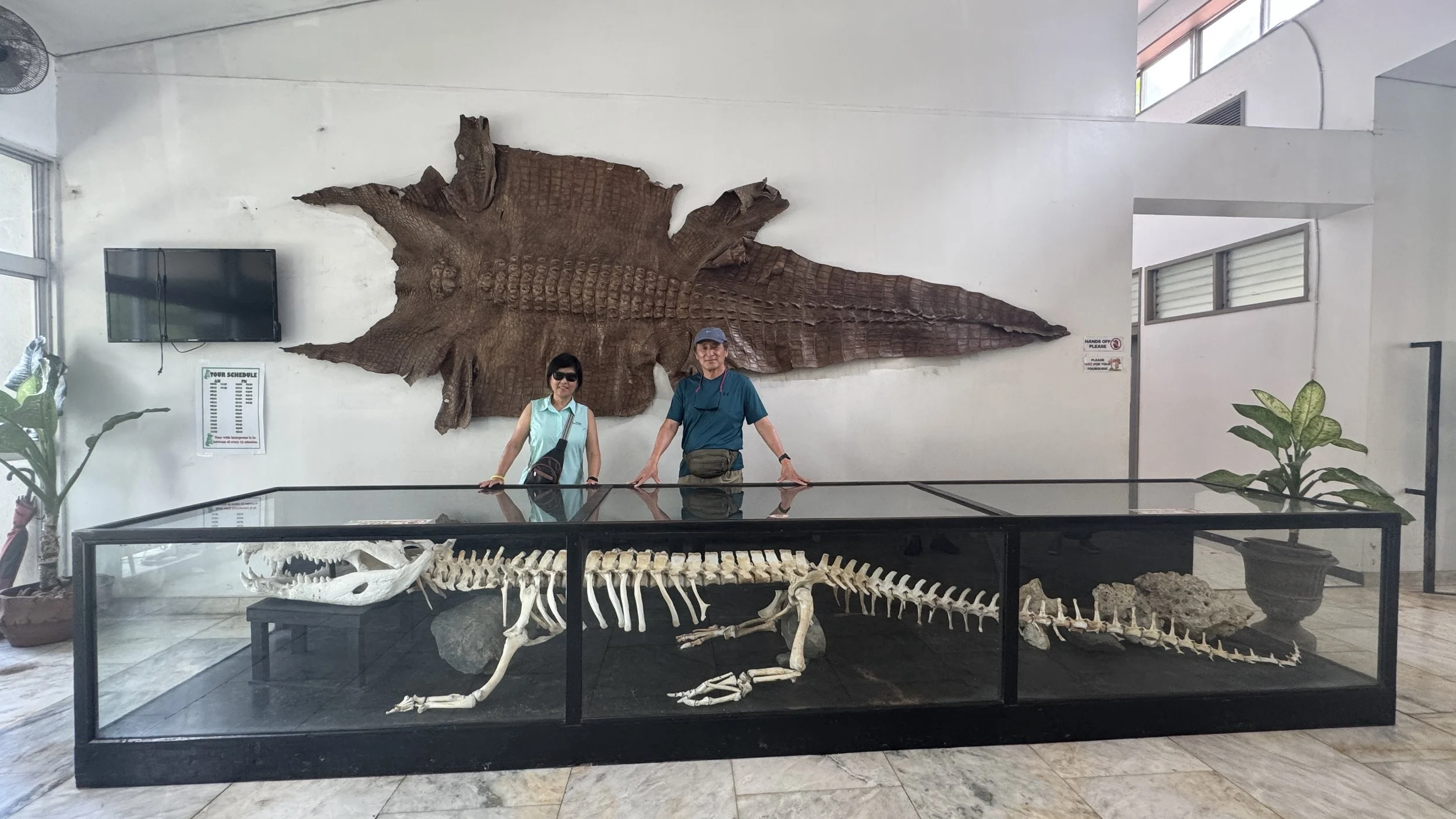
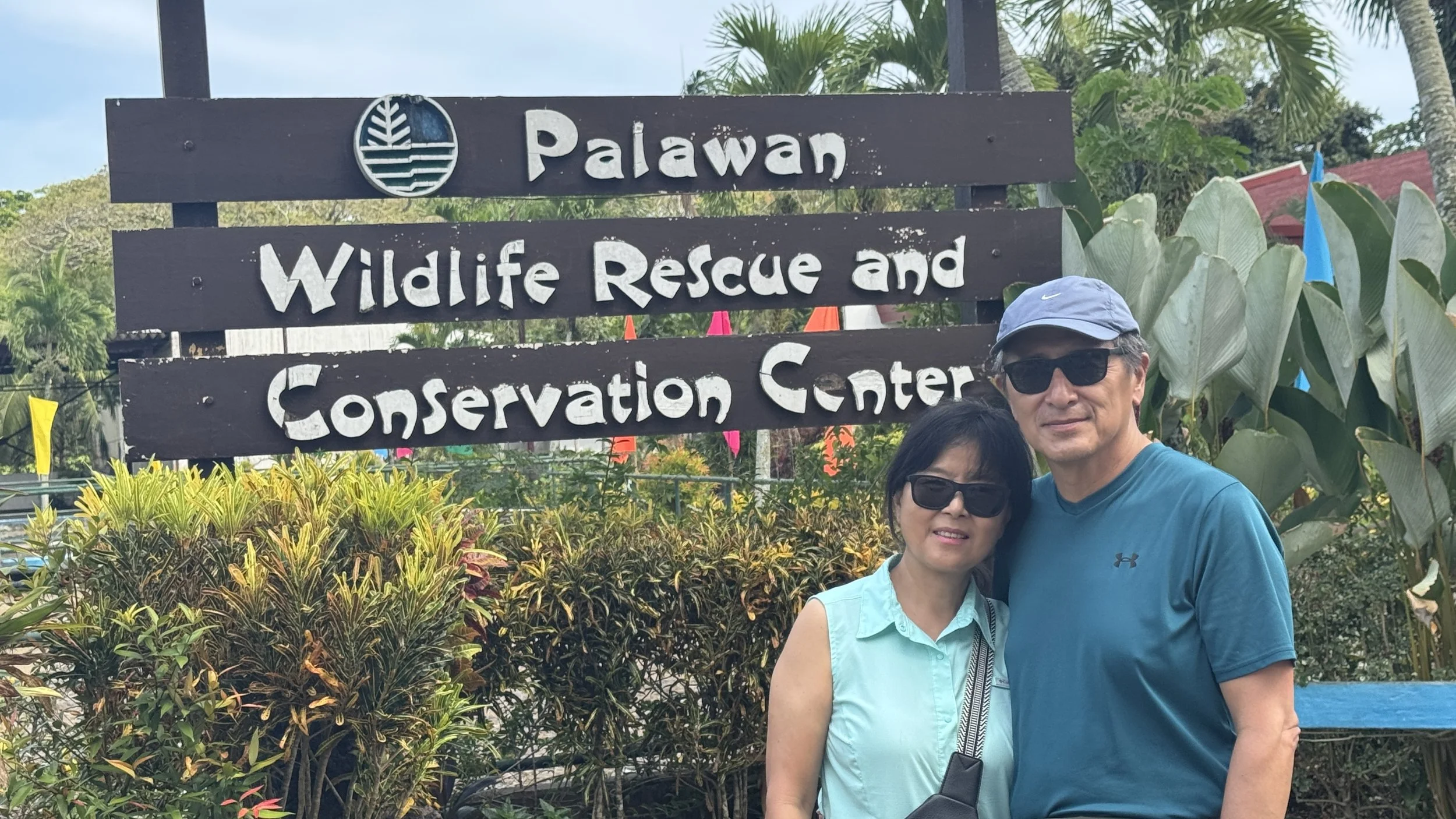
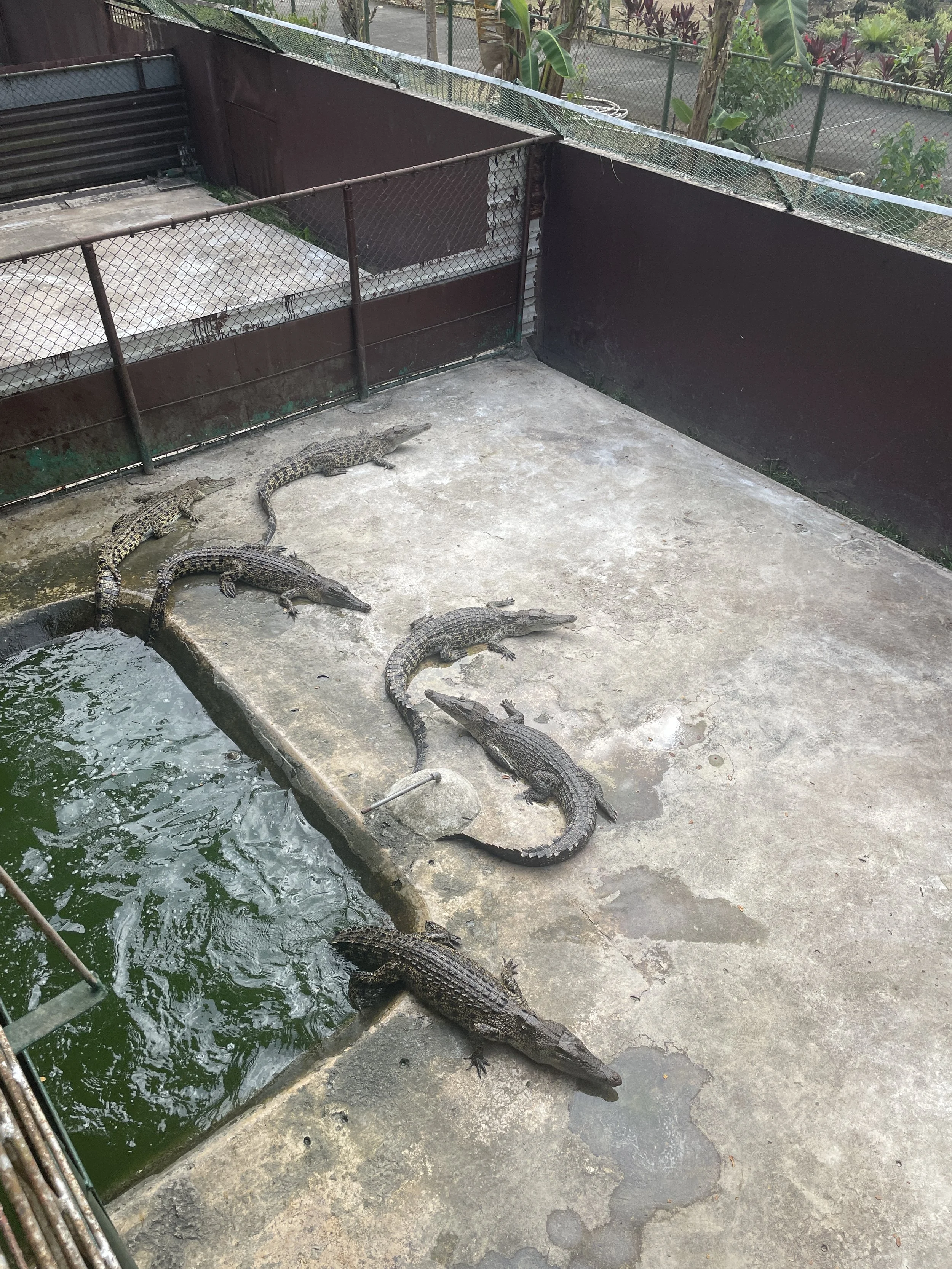
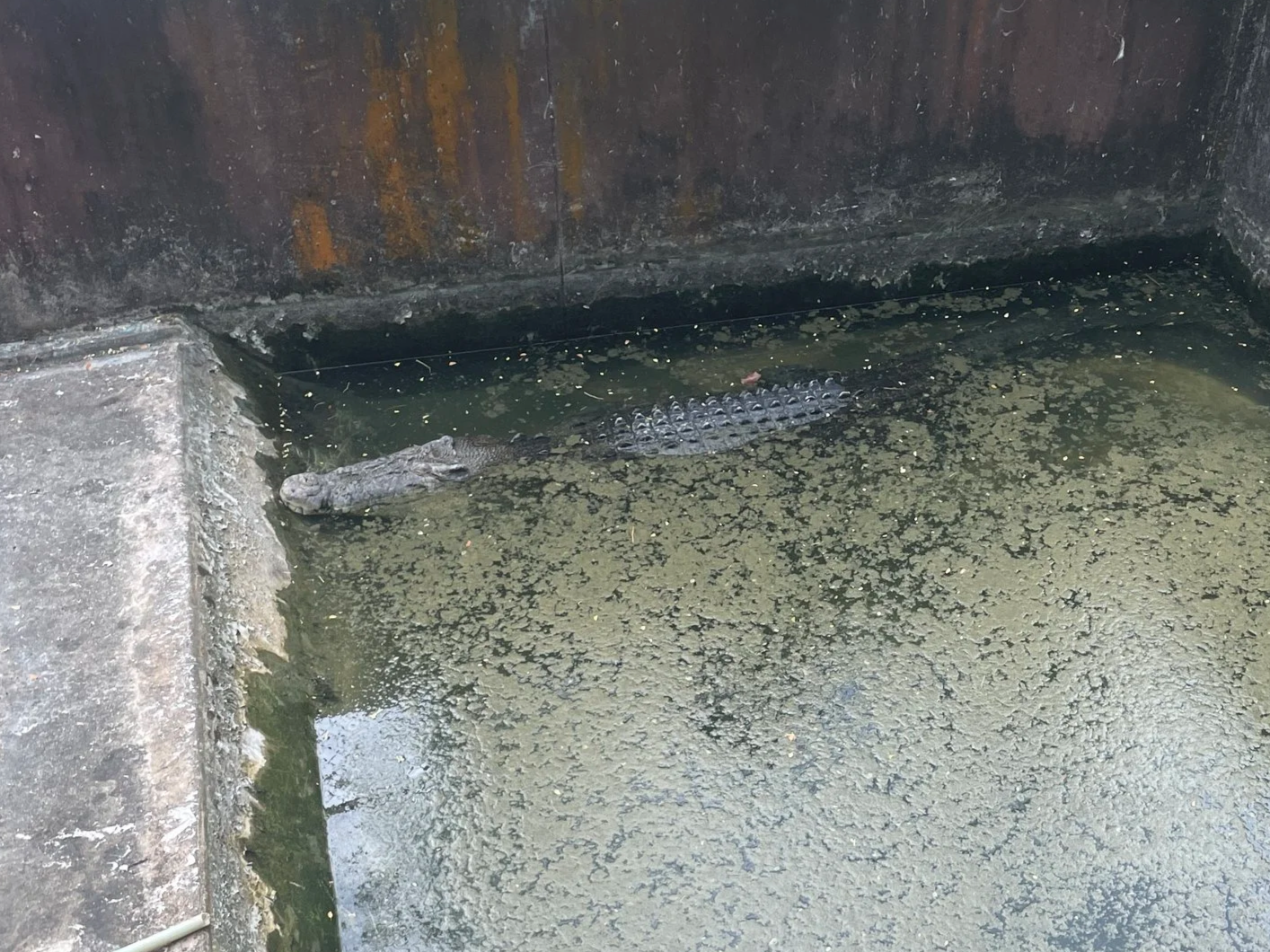
At the Crocodile Farm, we saw a few crocodiles kept in concrete enclosures, but the visit was not particularly impressive.
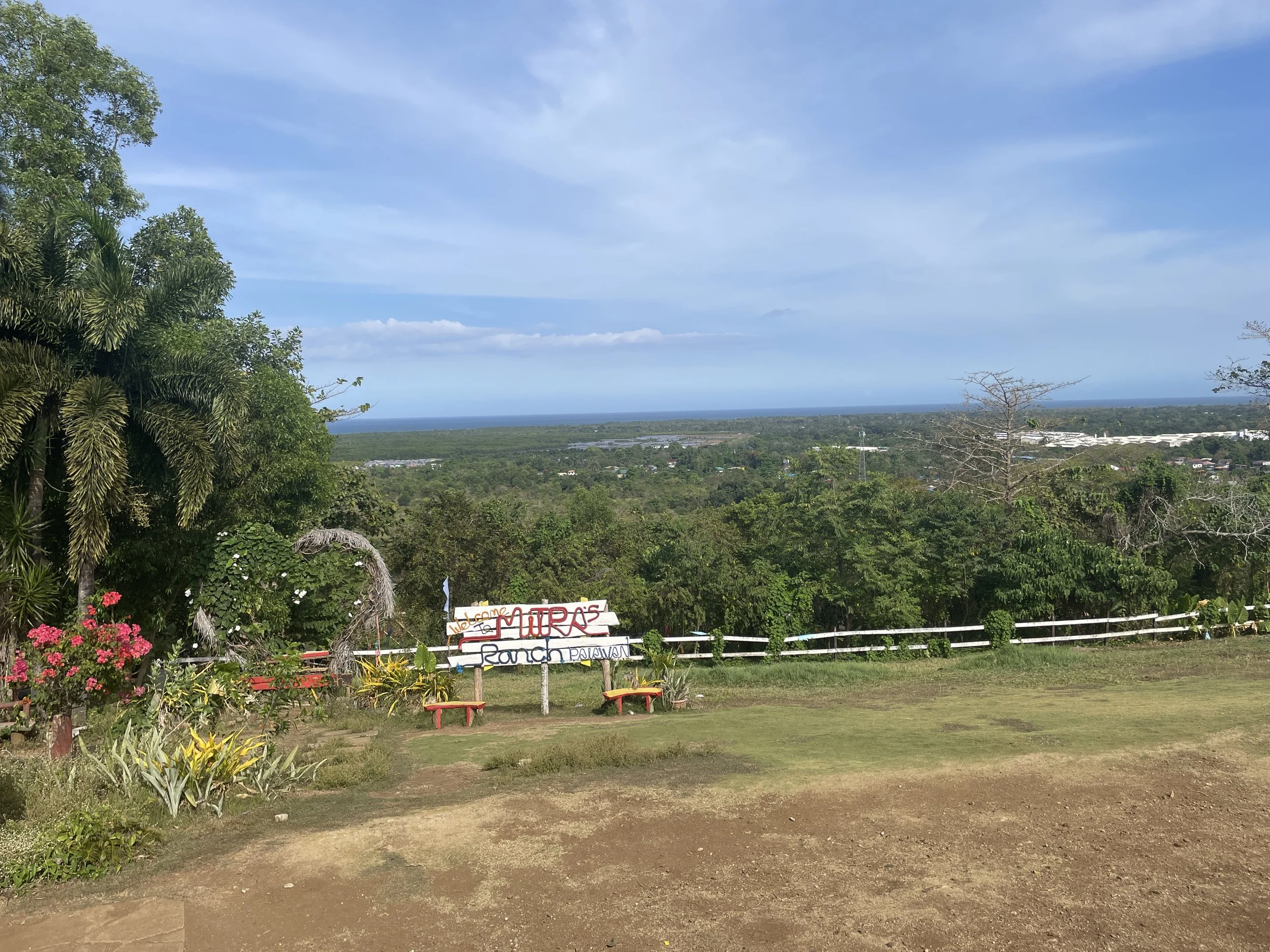
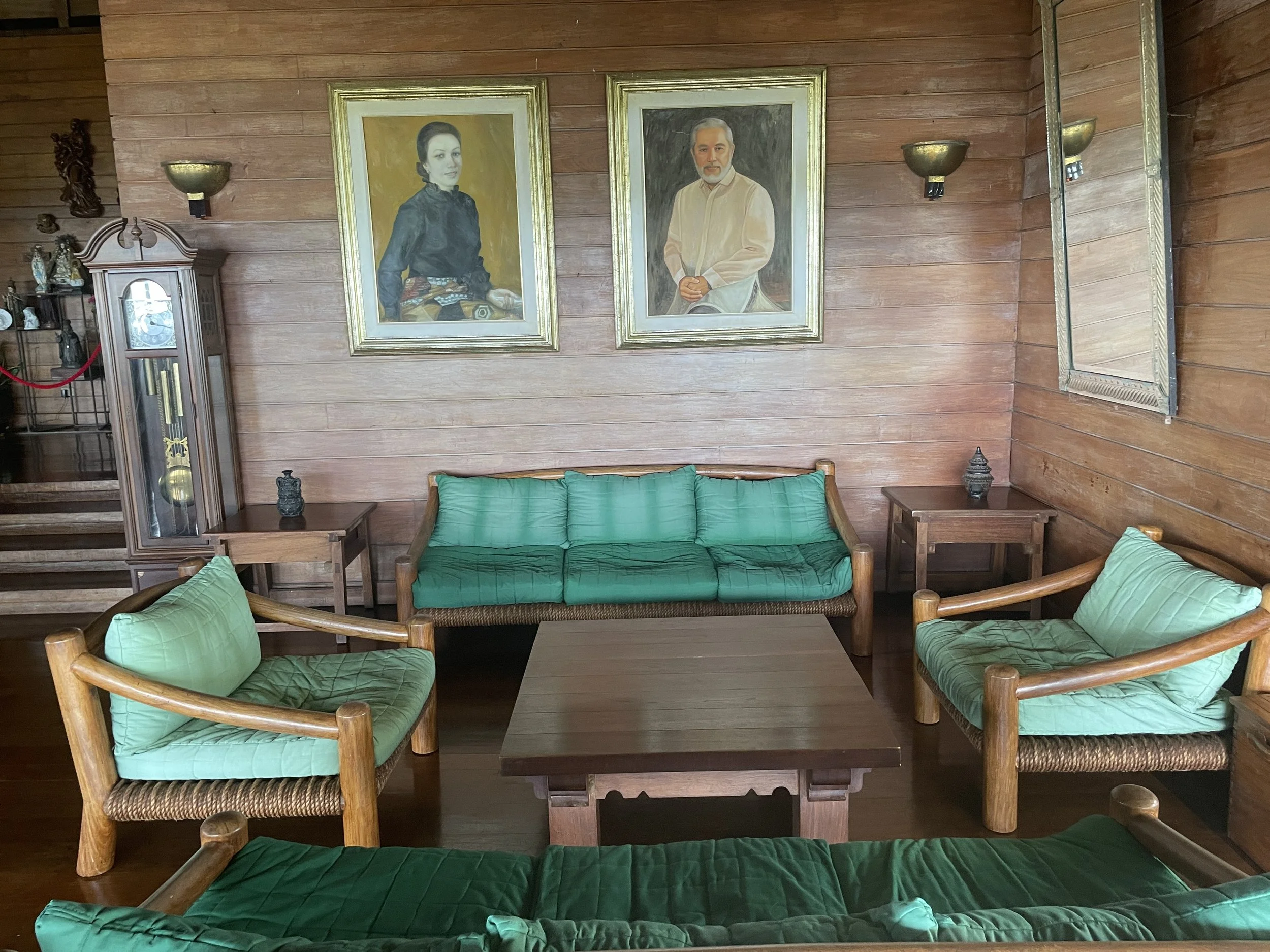
The stop at Mitra’s Ranch was more enjoyable. Located on a hill, it offered a pleasant breeze and a panoramic view of the surrounding countryside.
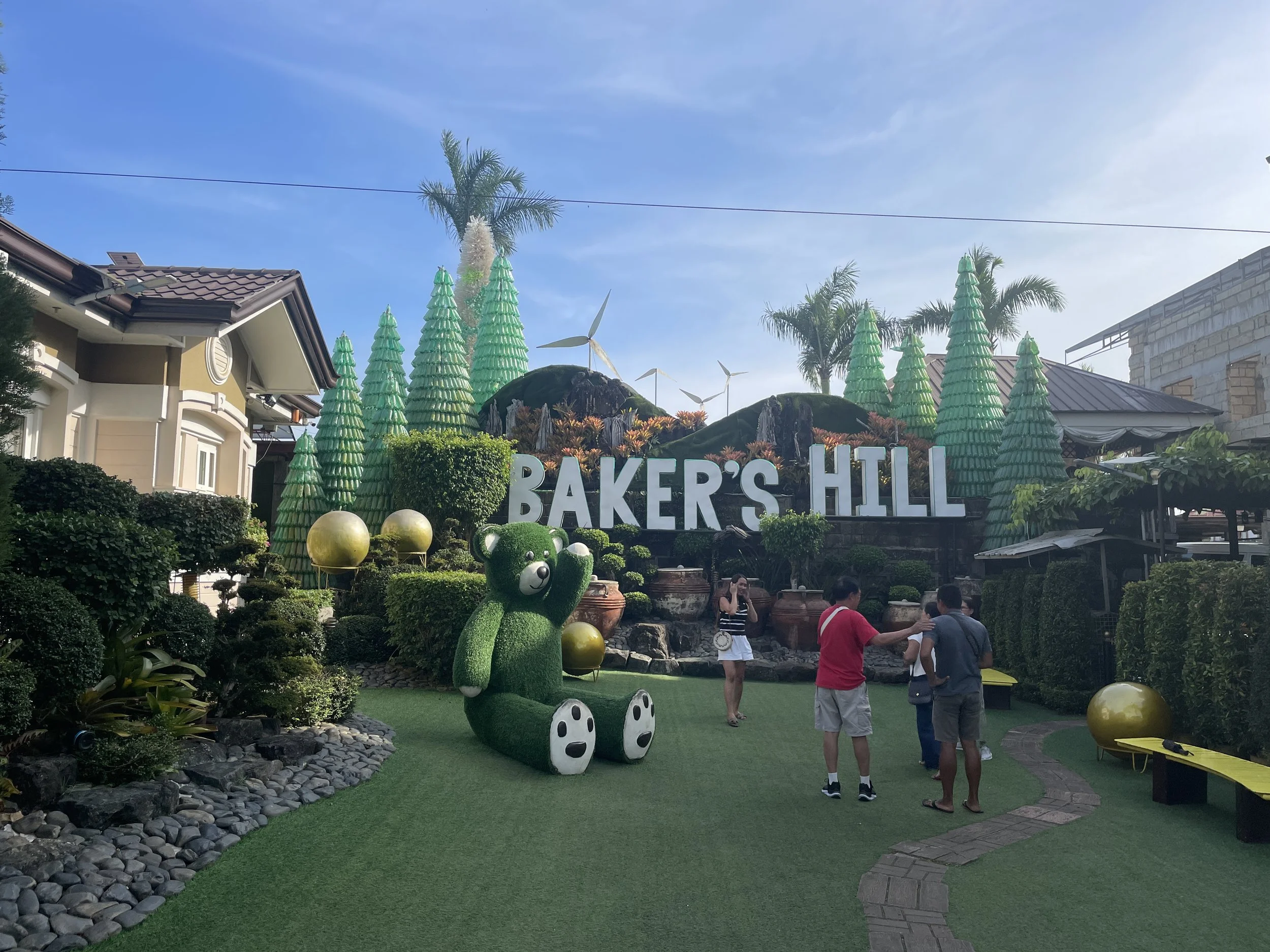
Our final stop was Baker’s Hill, a small park and shopping area, where we tried halo-halo and ube cake, both popular local desserts.
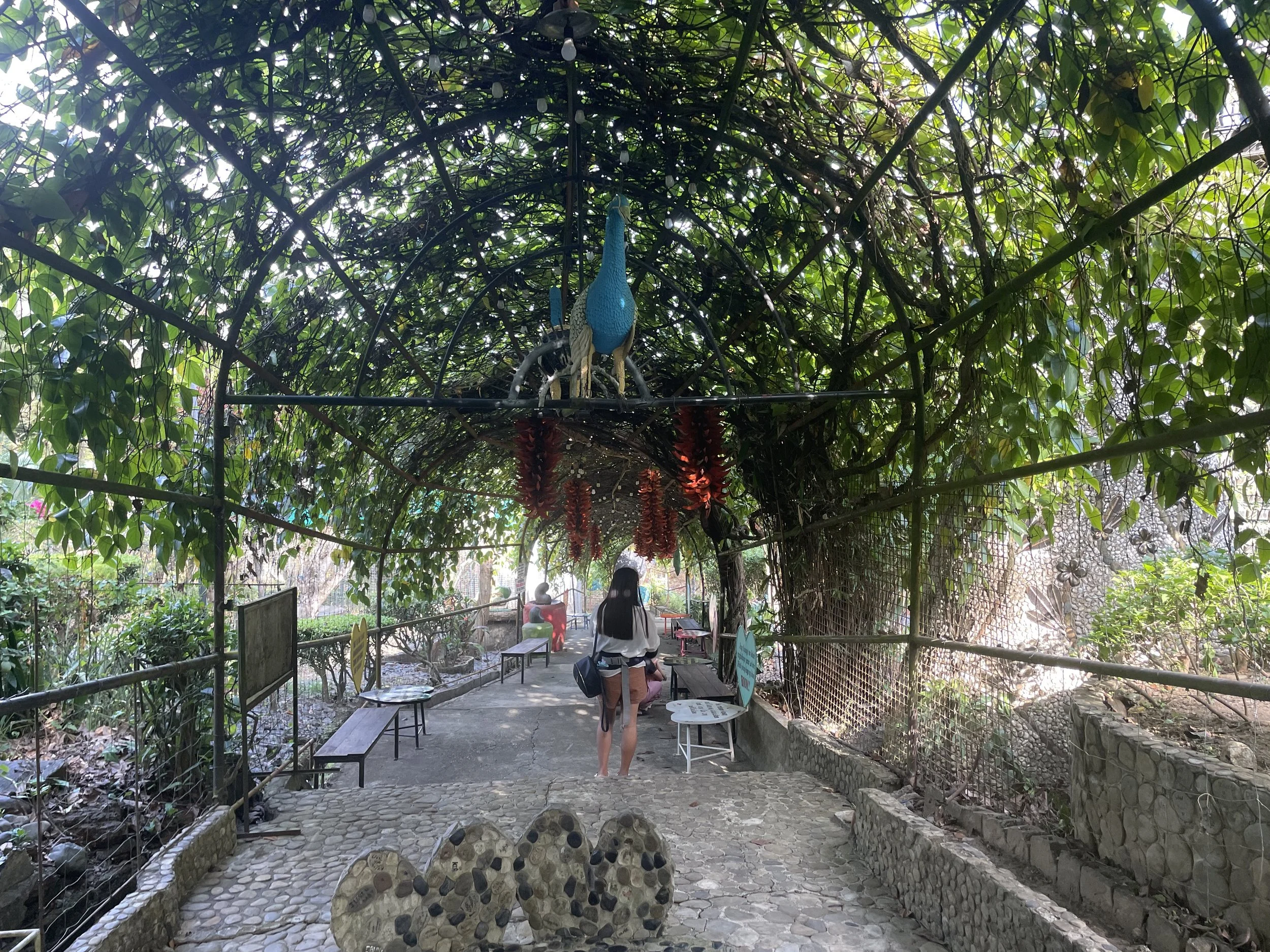
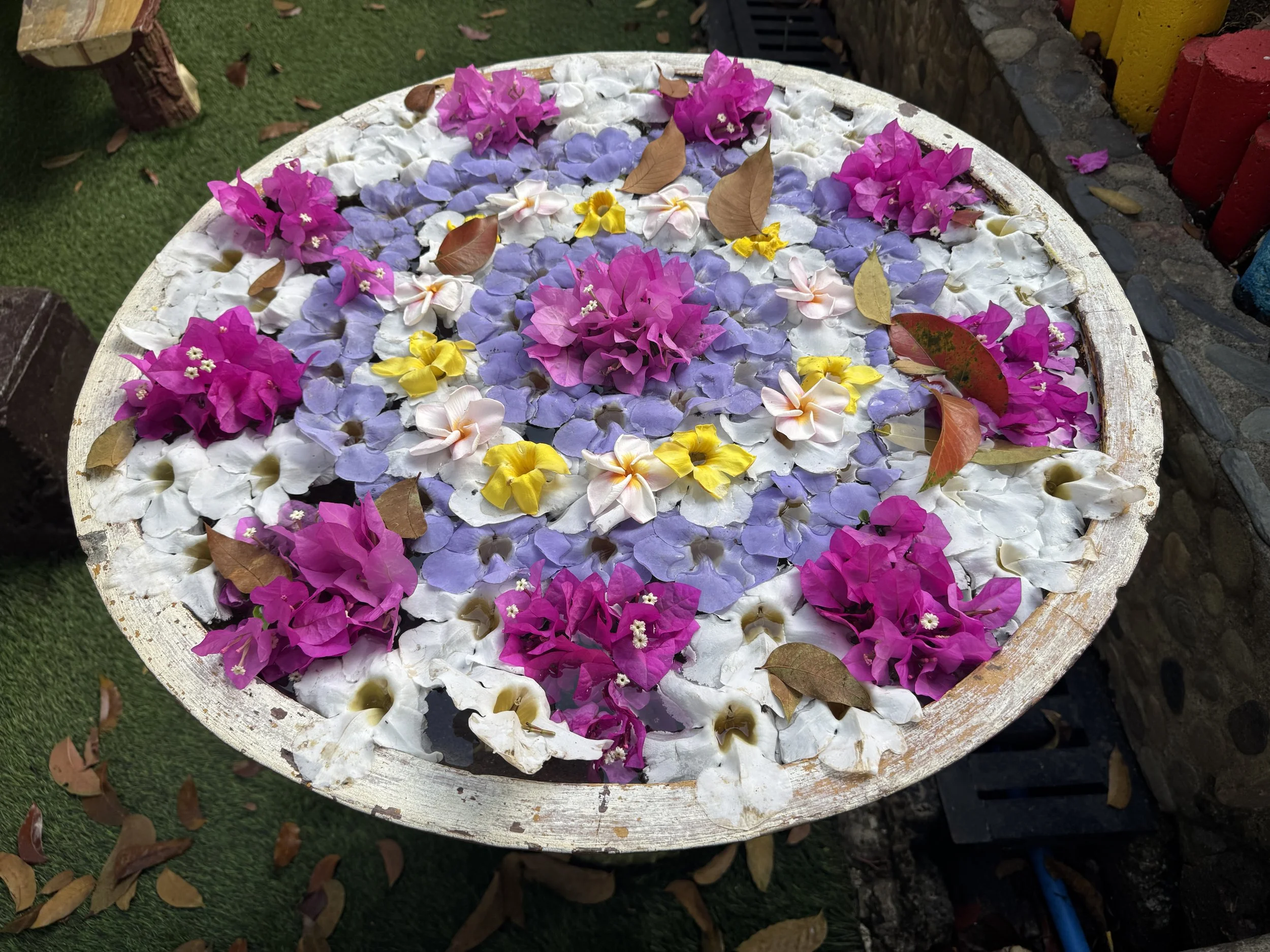
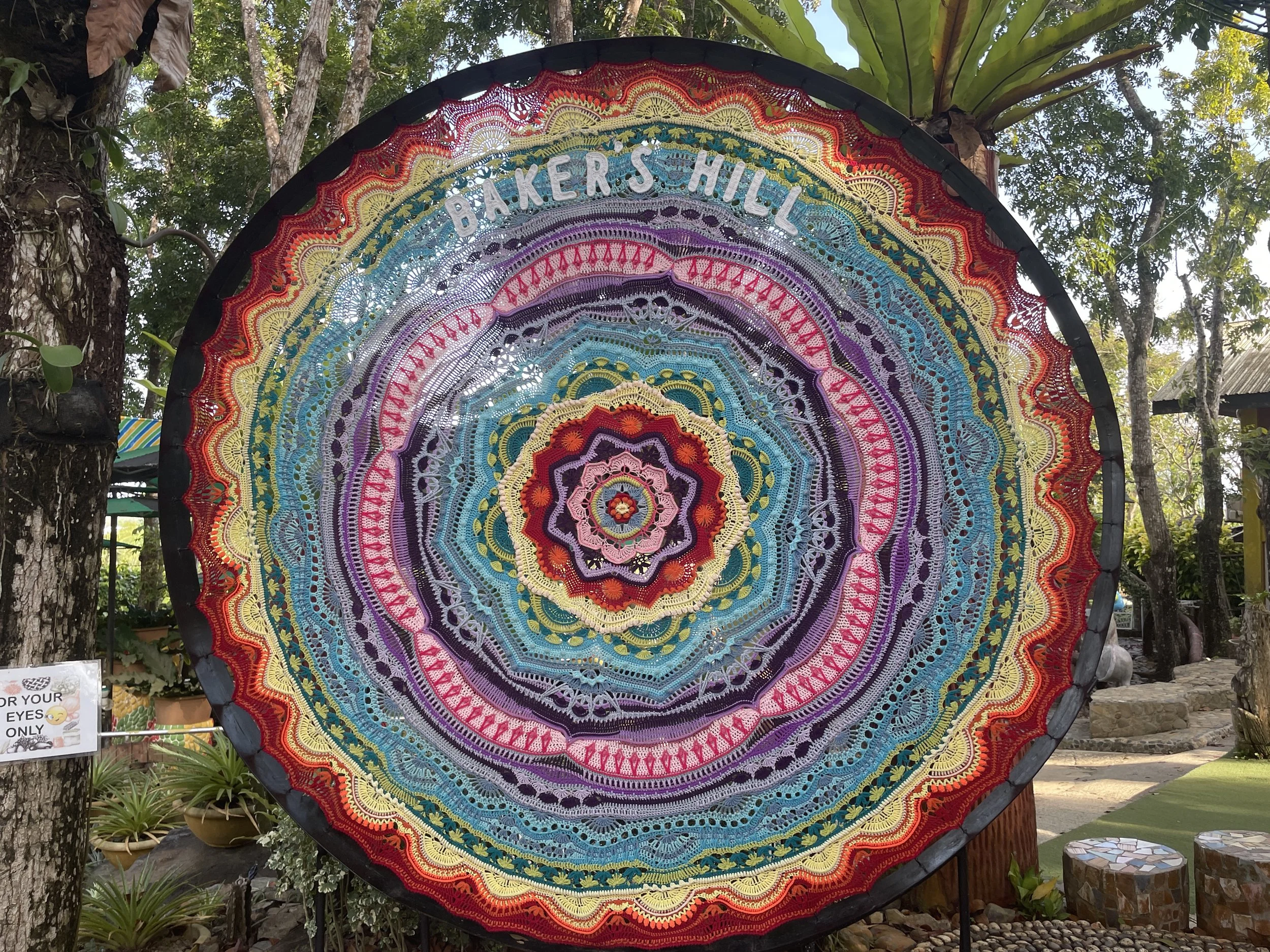
The weather was hot and humid throughout the afternoon. After finishing the tour, we returned to the ship to rest.
2026年3月8日
上午11点,我们的邮轮停靠在菲律宾的普林塞萨港,当地的居民穿着漂亮的服装,在码头上又唱又跳地欢迎我们邮轮的到来。这是我们第一次来到这个国家。由于邮轮只在这里停留大半天,船上提供的岸上活动选择不多。昨天我们在船上听完讲座,与主讲者聊起今天的活动,他们夫妇俩邀请我们加入他们已安排好的城市游,我们欣然接受。
四个人合租了一辆面包车,连同司机和当地导游一共90美元。行程带我们参观了市区的几个景点,包括大教堂、夸特尔广场(Plaza Cuartel)、一家当地织布小工厂、鳄鱼养殖中心、米特拉庄园 (Mitra’s Ranch) 和 贝克山烘焙园( Baker’s Hill)。
当我们到达大教堂时,里面正在举行弥撒,因此没有进去参观,只在门口拍了几张照片。夸特尔广场 因为正在整修而关闭,我们只能在外面简单看了一下。
随后我们参观了一家小型织布工厂,当地工人向我们展示了传统的织布工艺。我们还被邀请亲自尝试操作织布机,这让整个参观过程更加生动、有参与感。
在鳄鱼养殖中心,我们看到大大小小的鳄鱼被养在水泥隔间里,整体参观体验并没有给我们留下太深的印象。
米特拉庄园的参观相对更令人愉快。这里位于山丘上,可以俯瞰周围的乡村景色,视野开阔,微风也让人感觉舒适。最后一站是 贝克山烘焙园,这里既是一个小型公园,也有一些售卖当地特产的小店。我们在那里品尝了 菲律宾刨冰 (halo-halo) 和 紫薯饼(ube cake),这两样都是当地人喜爱的甜点,我们也觉得很不错。
整个下午天气炎热而潮湿。结束行程后,我们回到船上休息。
Kota Kinabalu, East Malaysia 东马的哥打京那巴鲁
March 7, 2026
Today we had an even earlier shore excursion than yesterday,……
今天我们的船来到了东马的哥打京那巴鲁。。。
March 7, 2026
Today we had an even earlier shore excursion than yesterday, so we had breakfast on the balcony before 7 a.m.
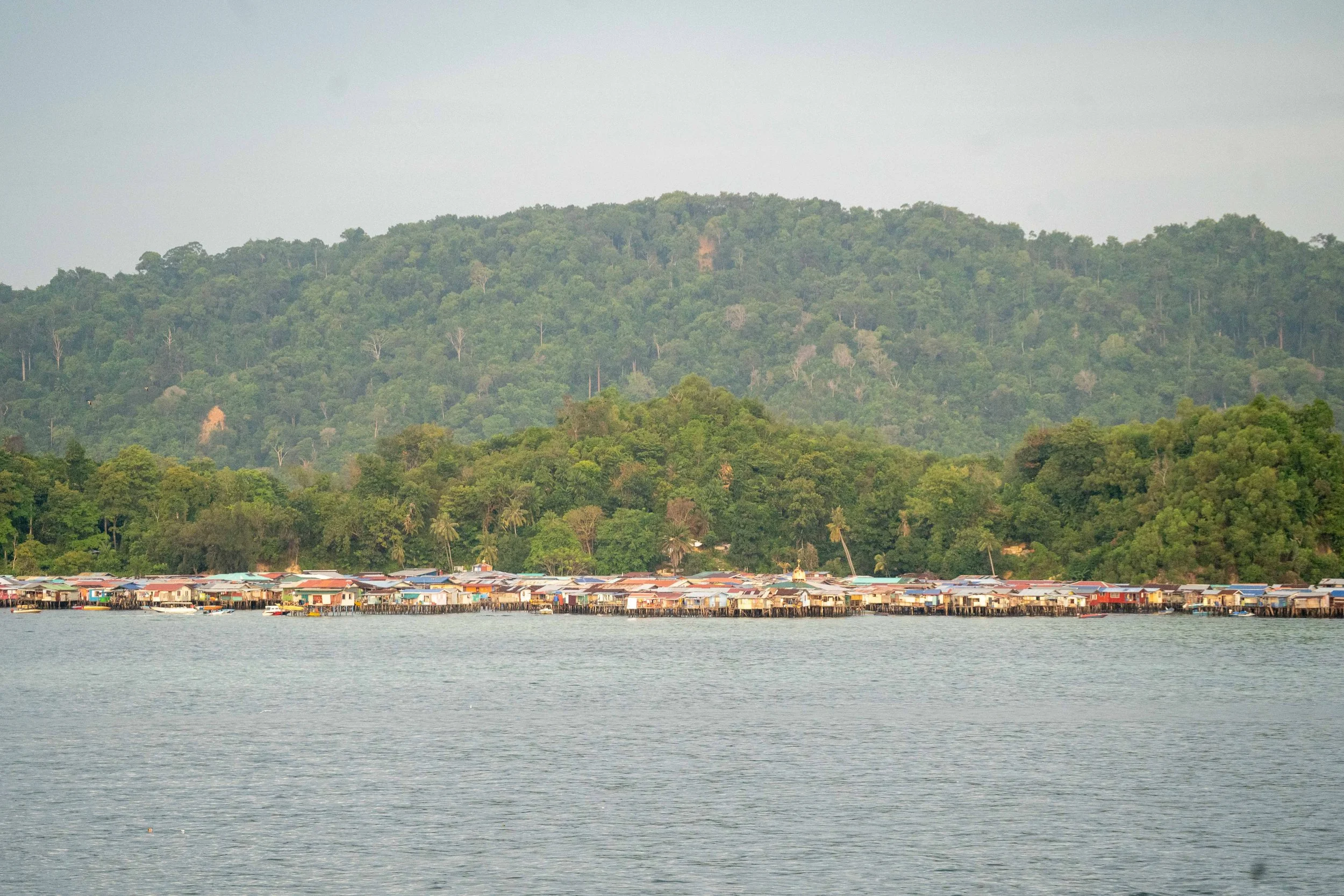
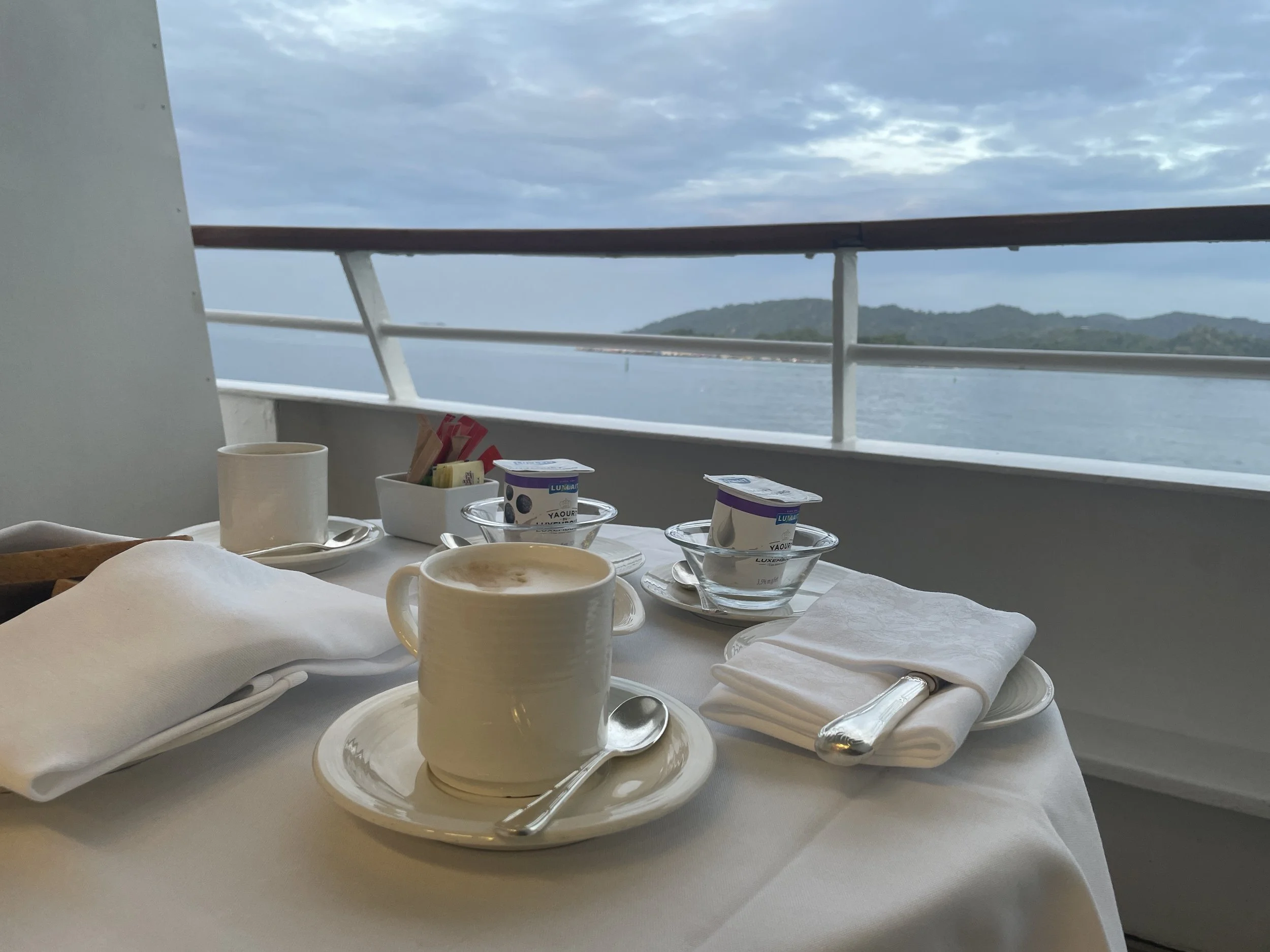
The two of us joined different excursions today — one to Kinabalu Park and the other exploring Kota Kinabalu city.
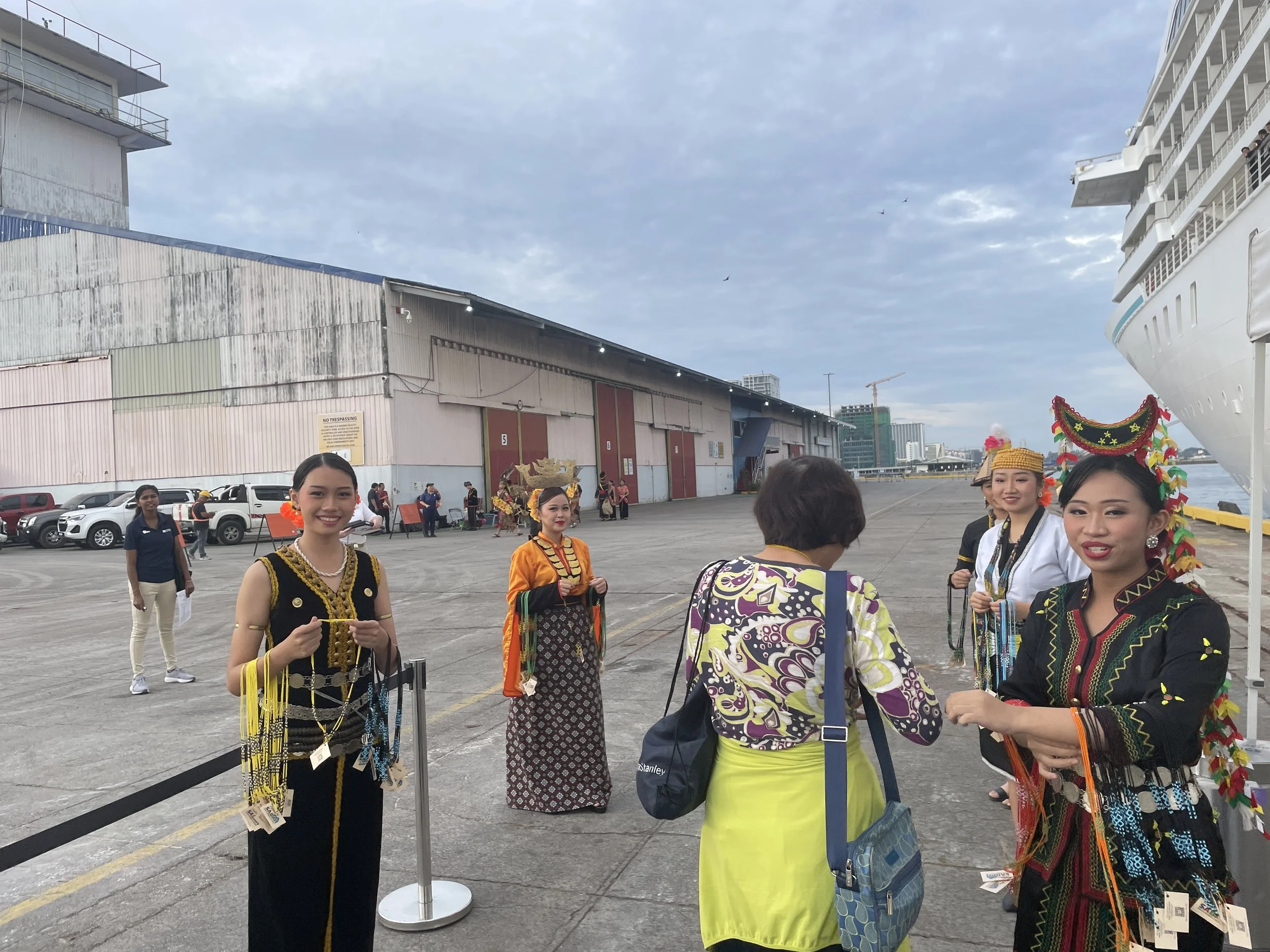
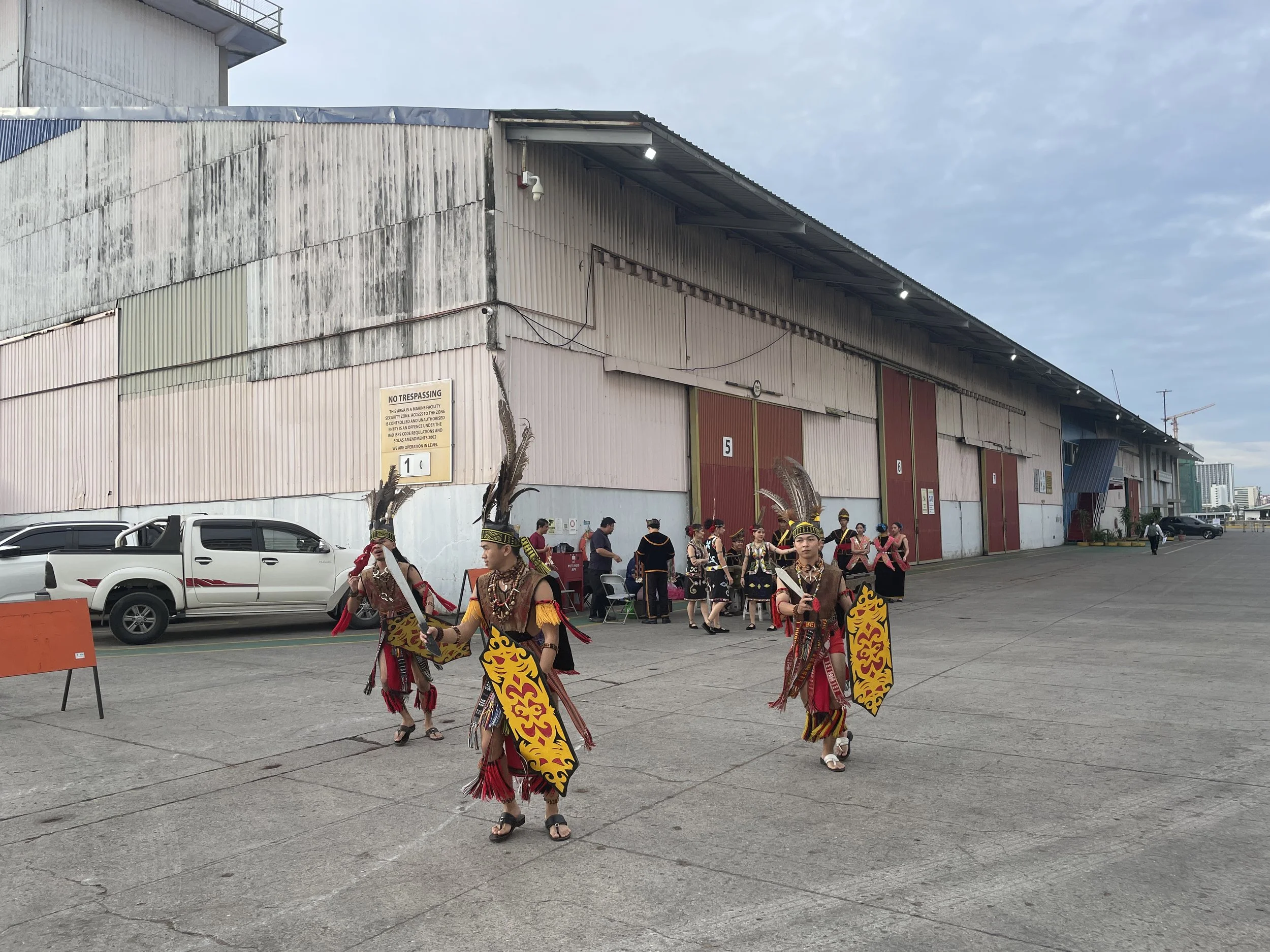
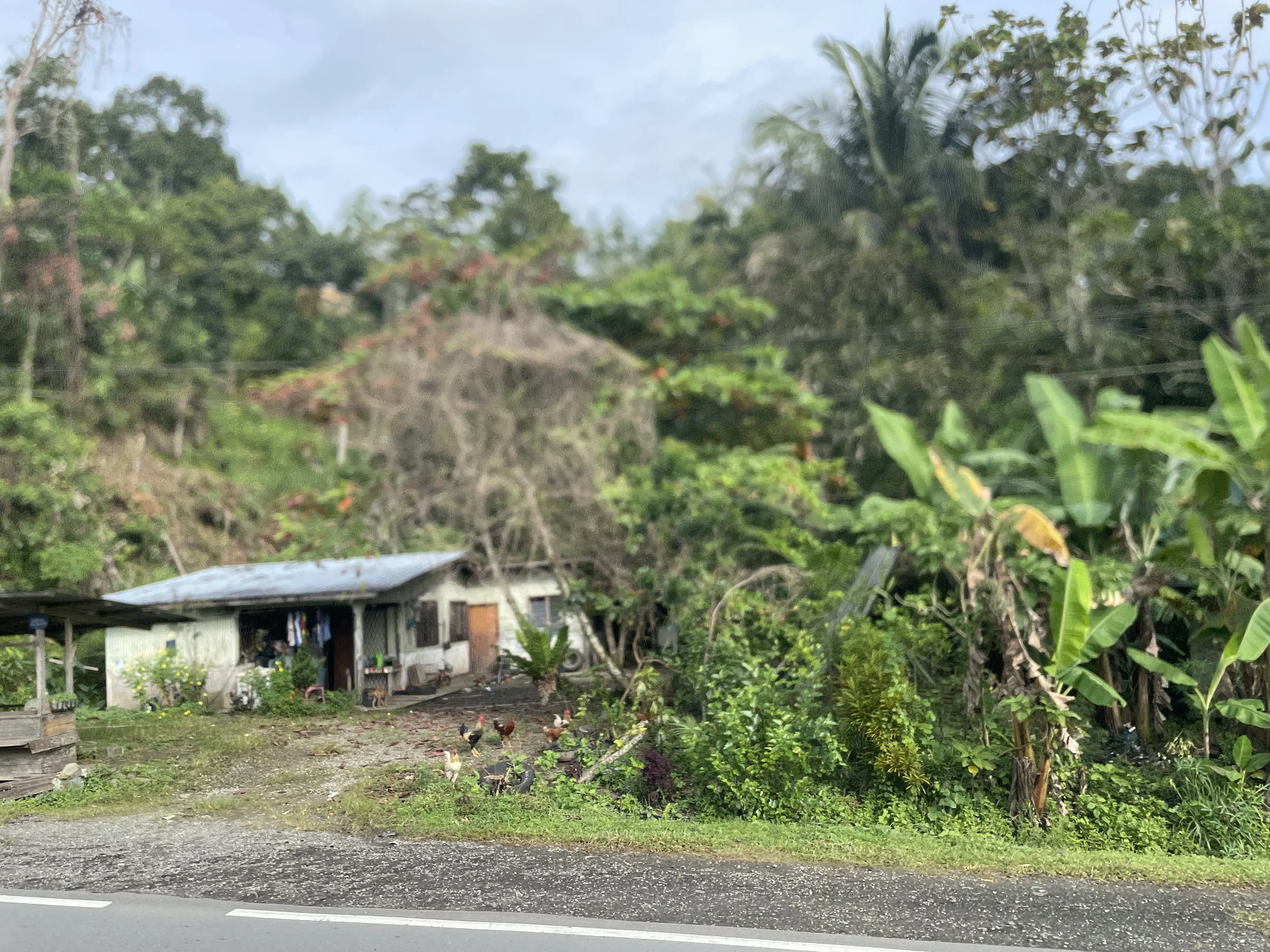
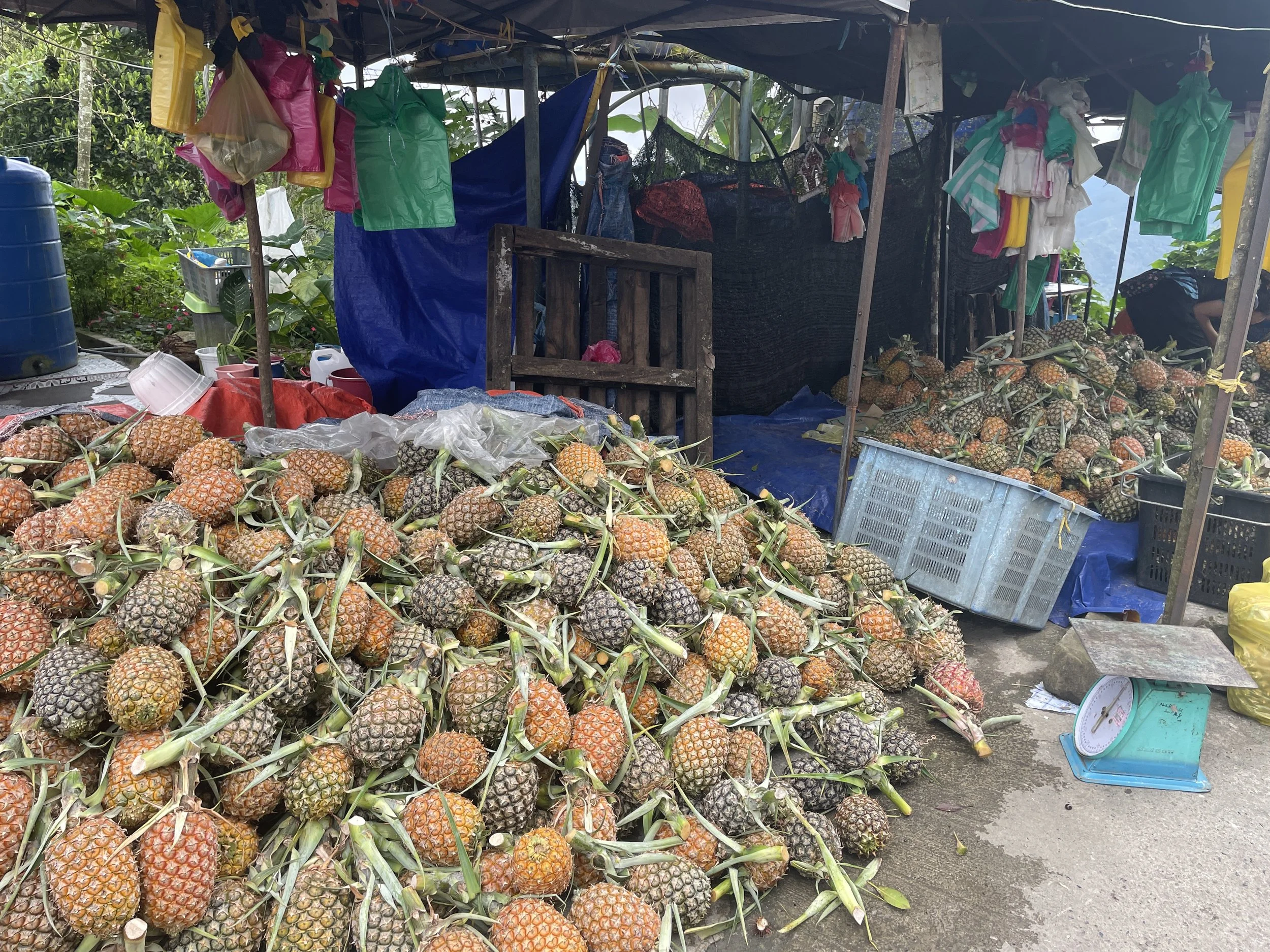
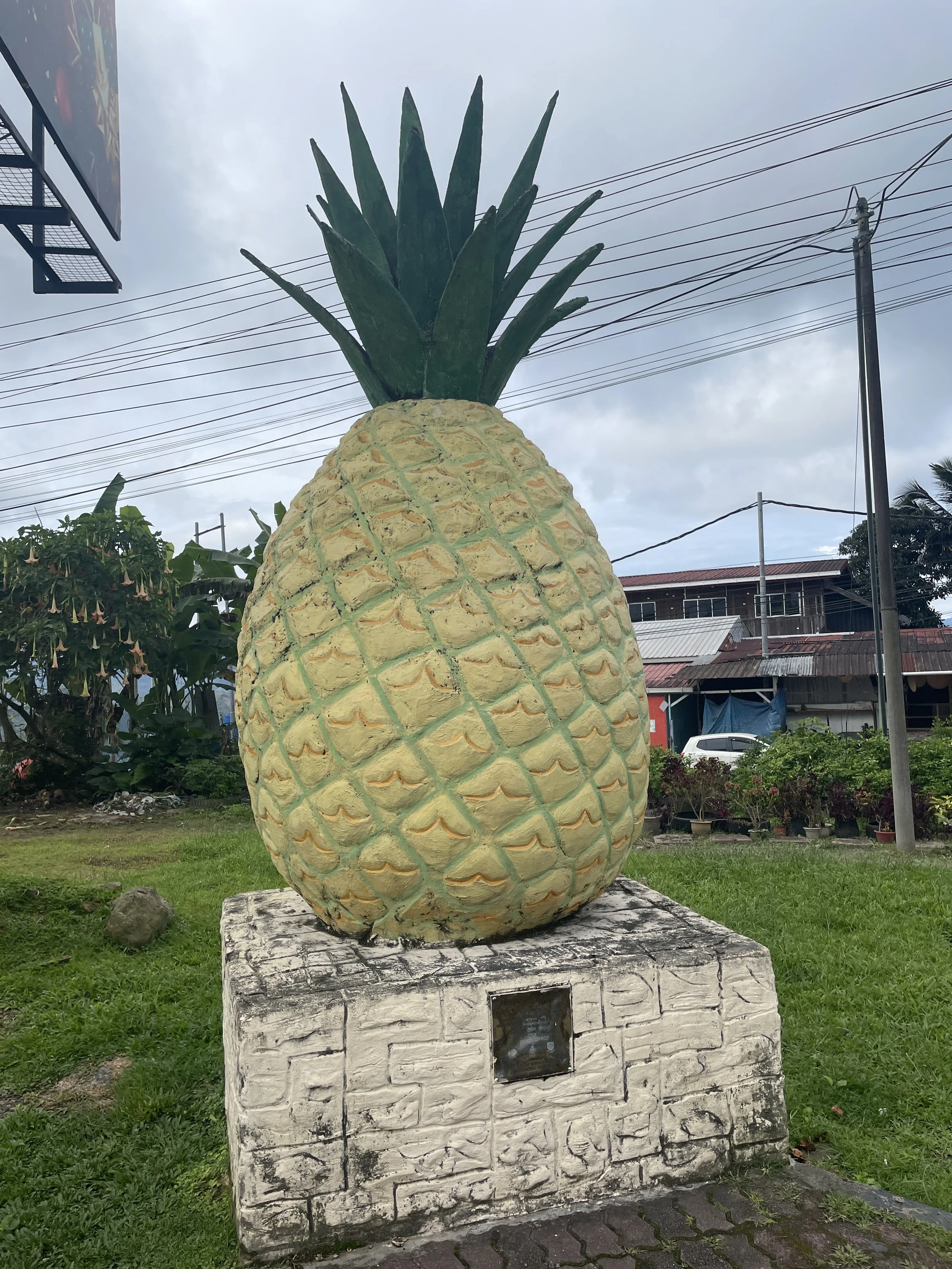
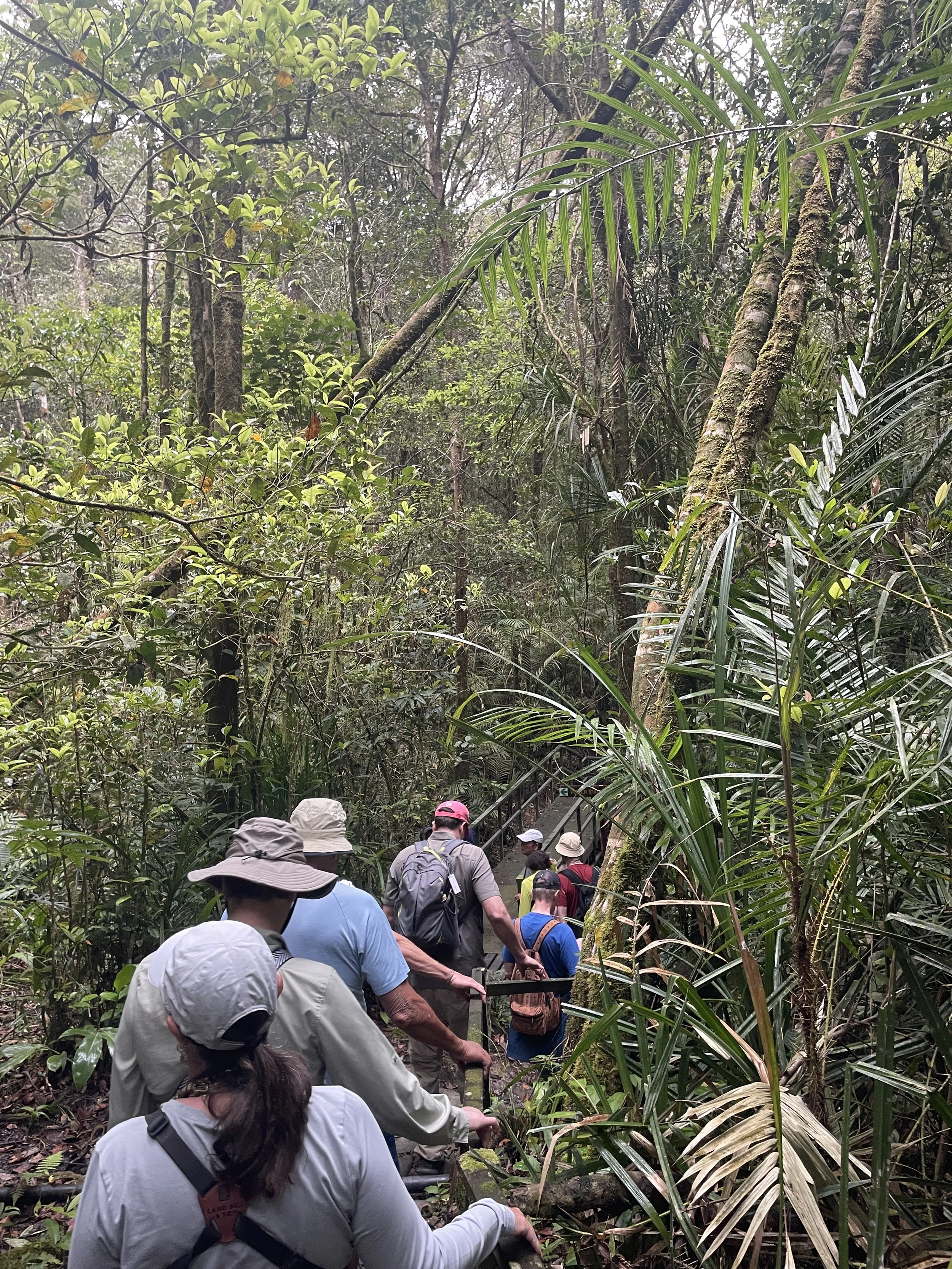
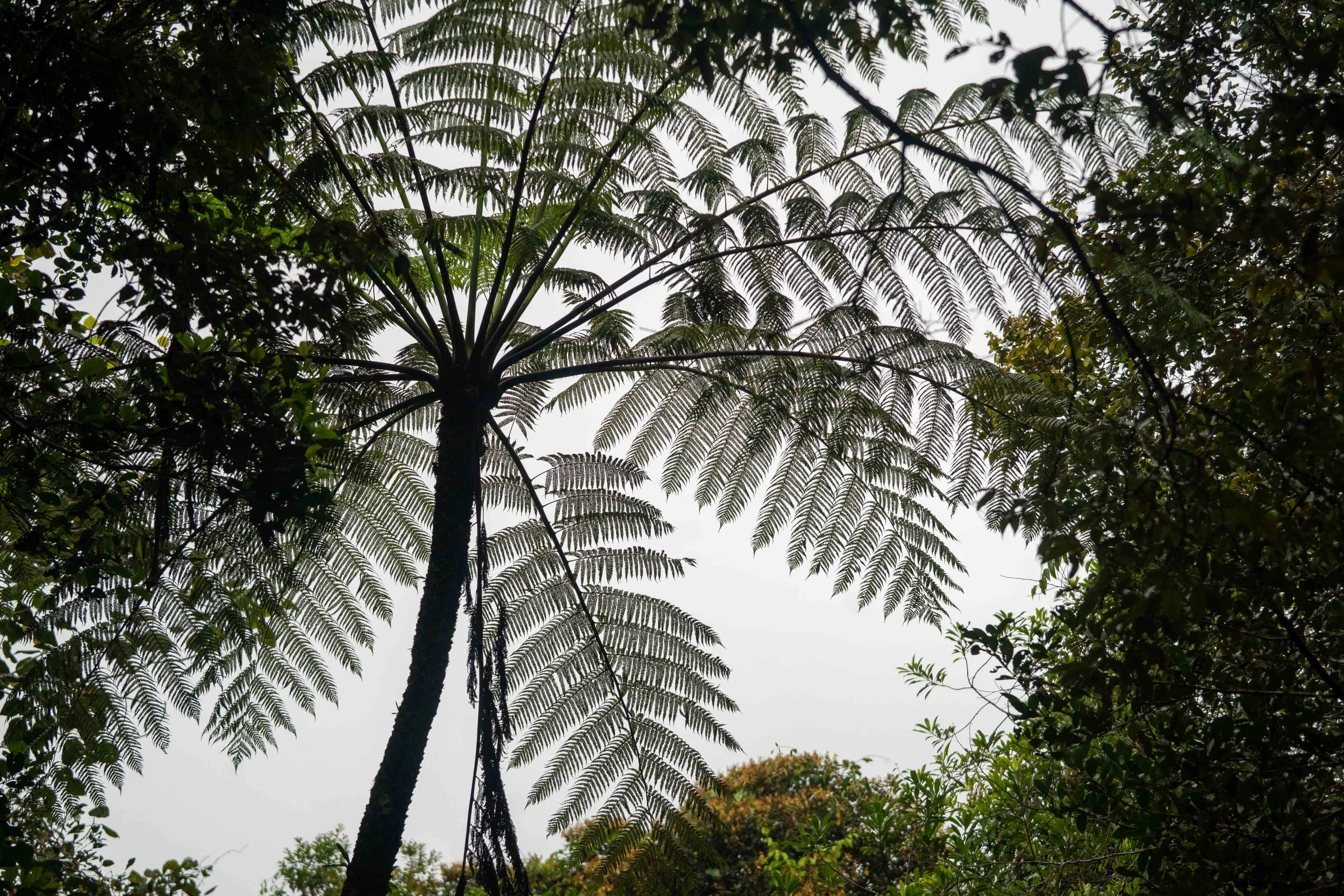
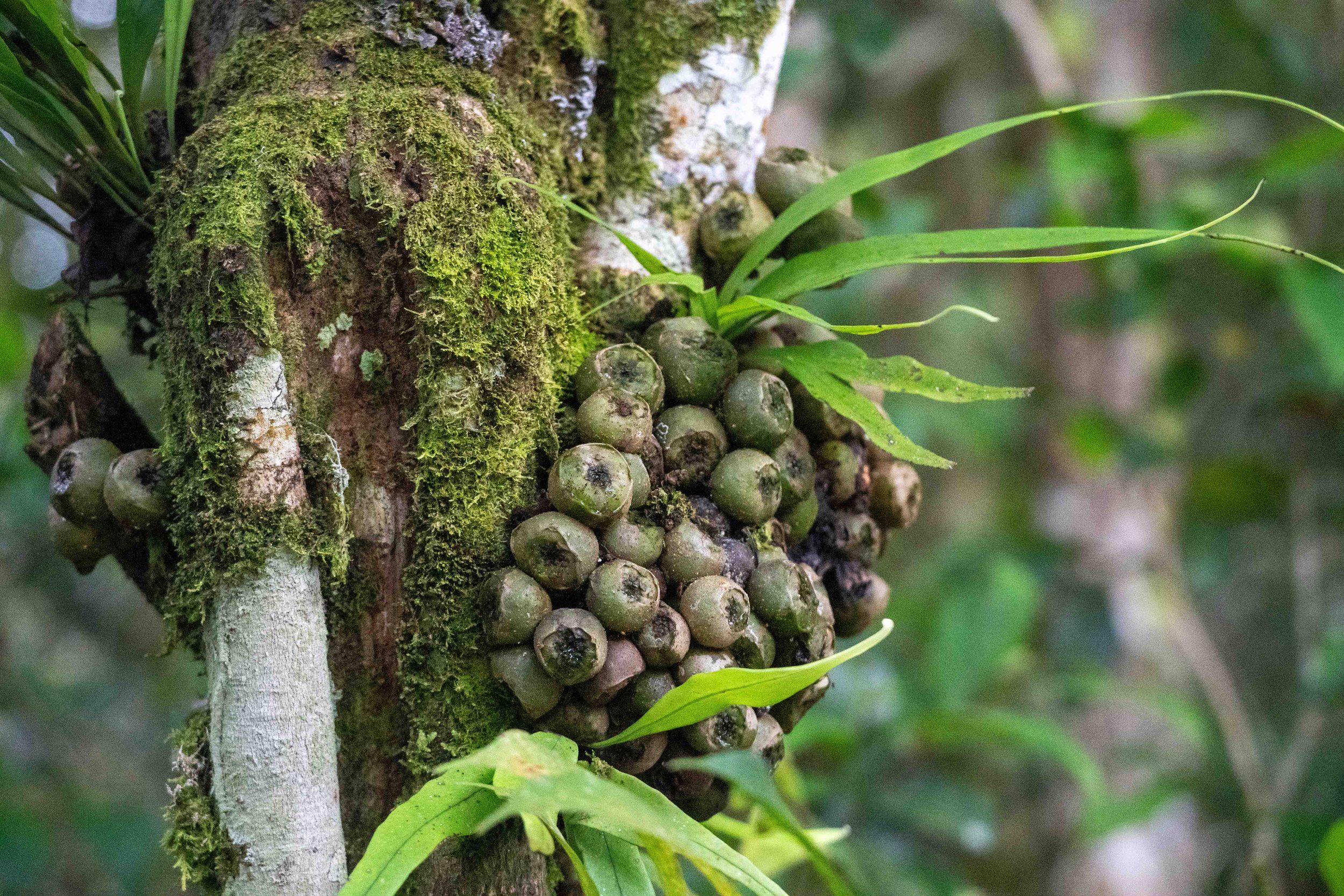
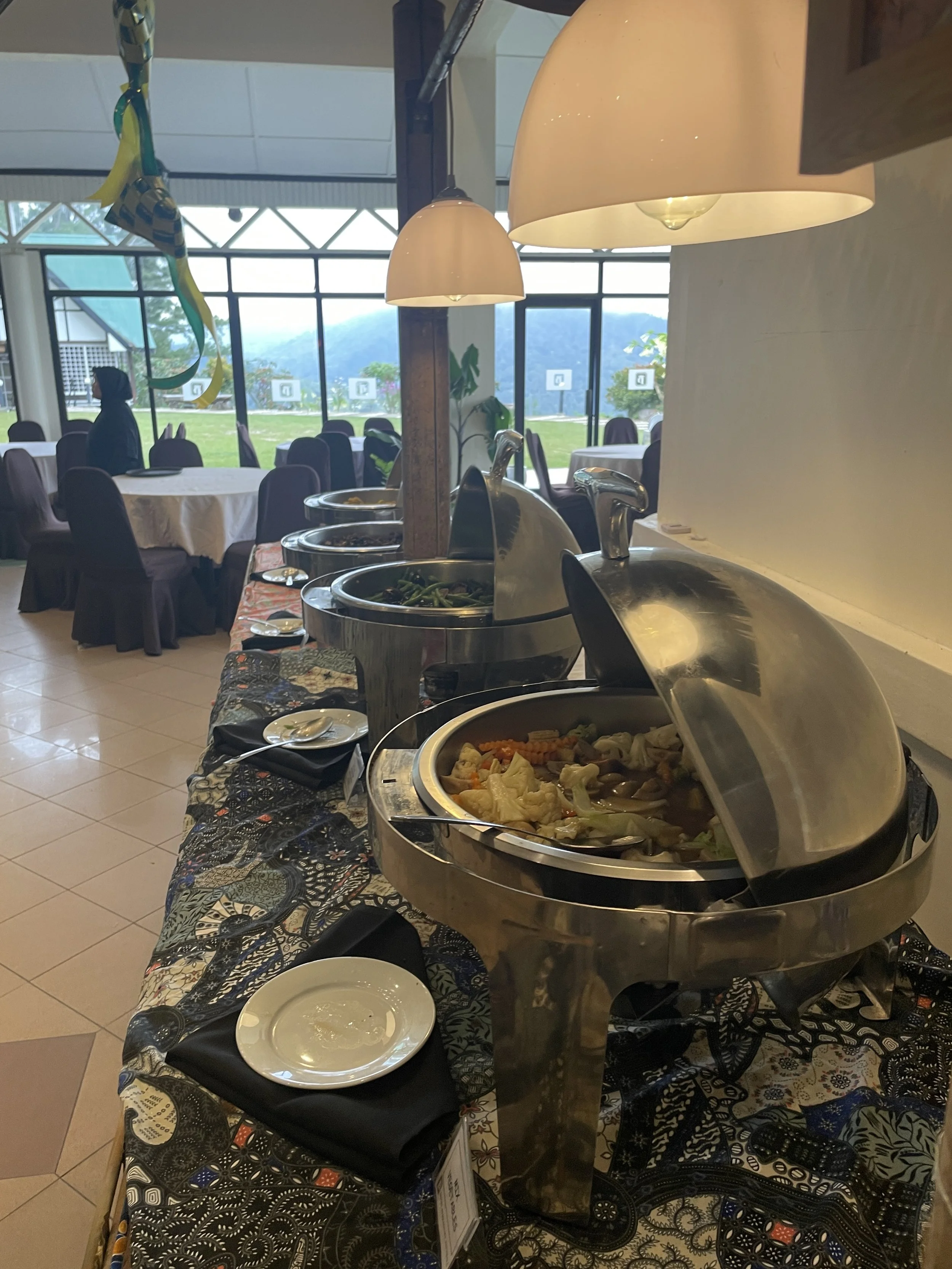
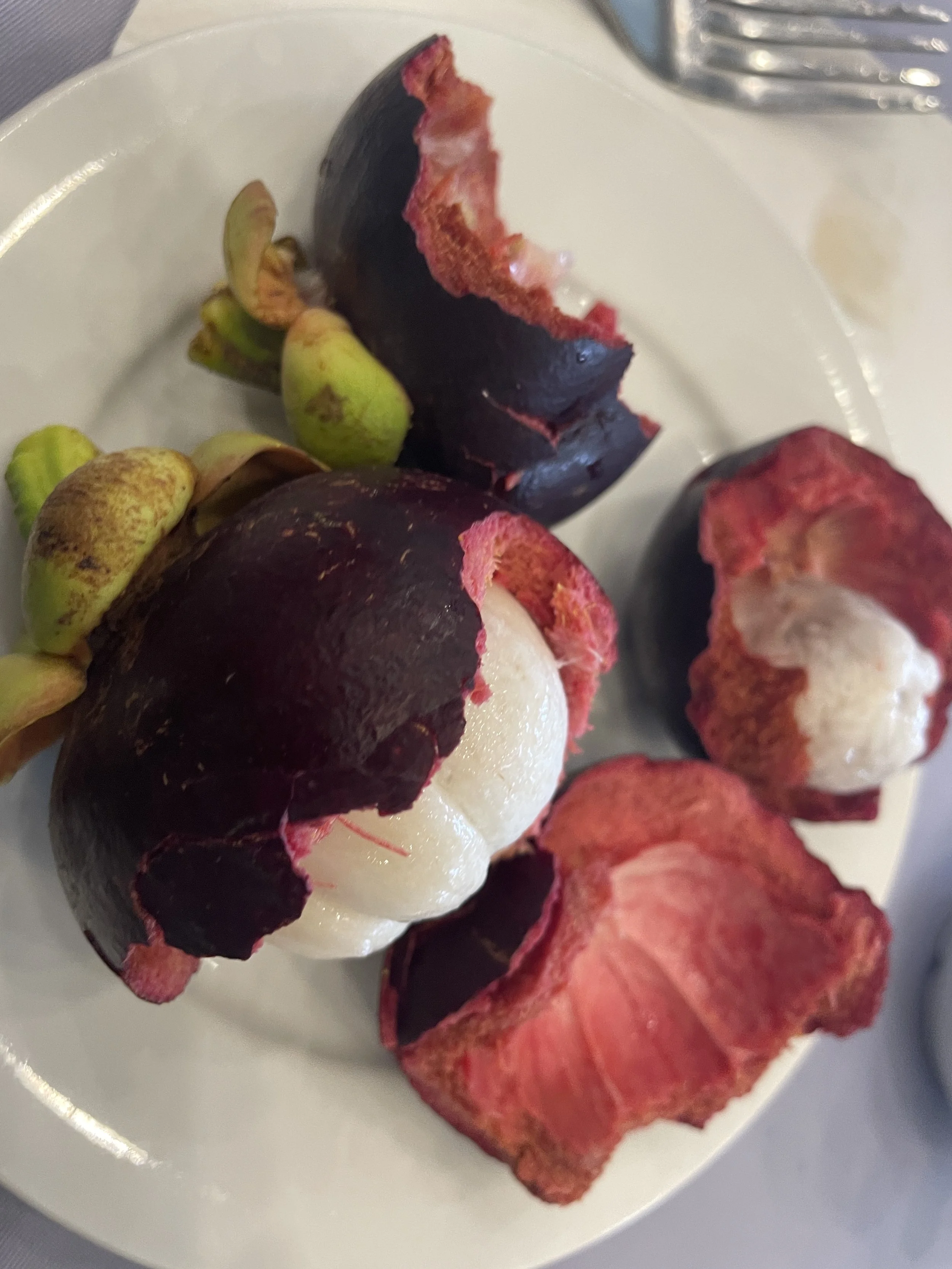
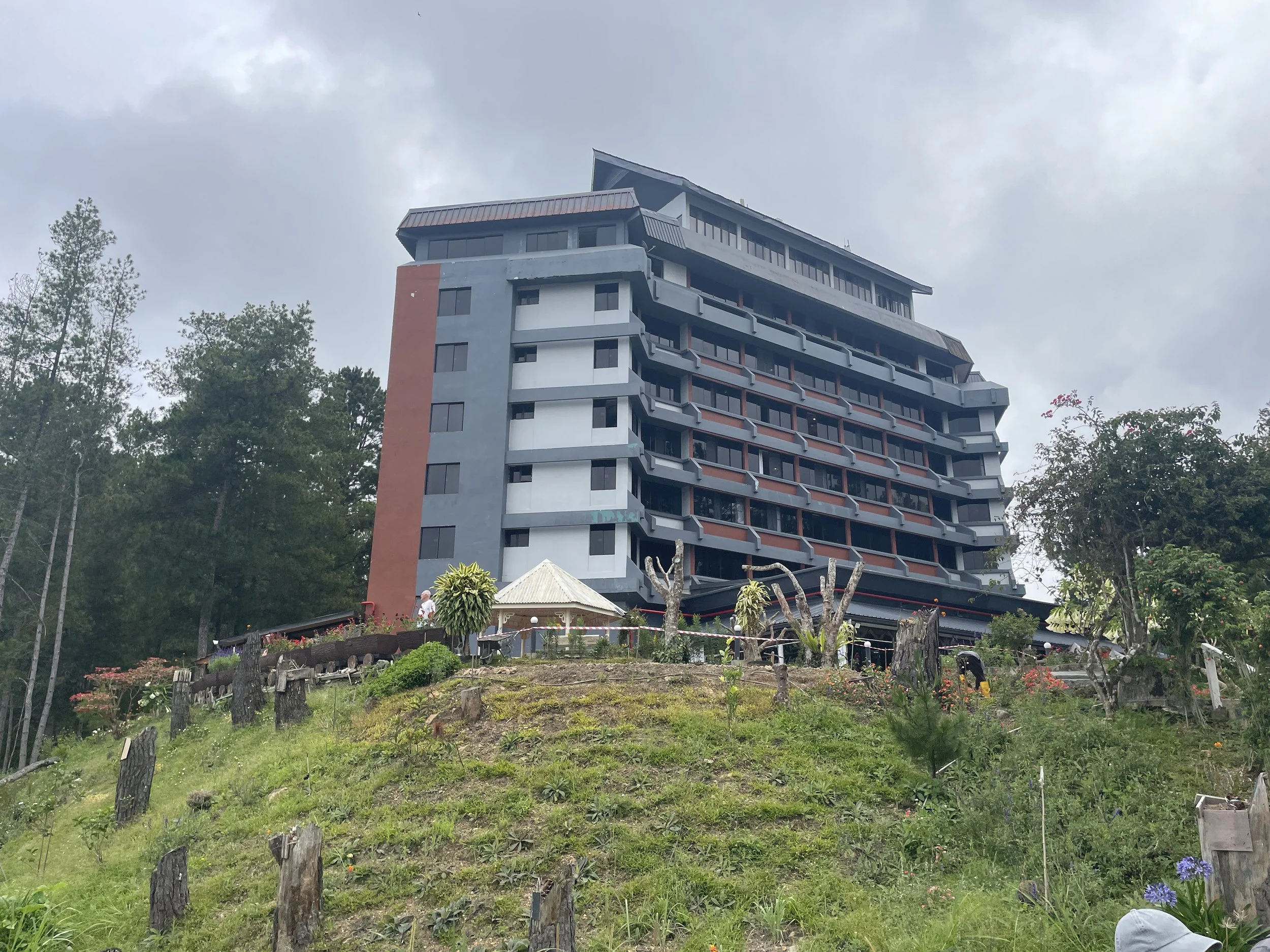
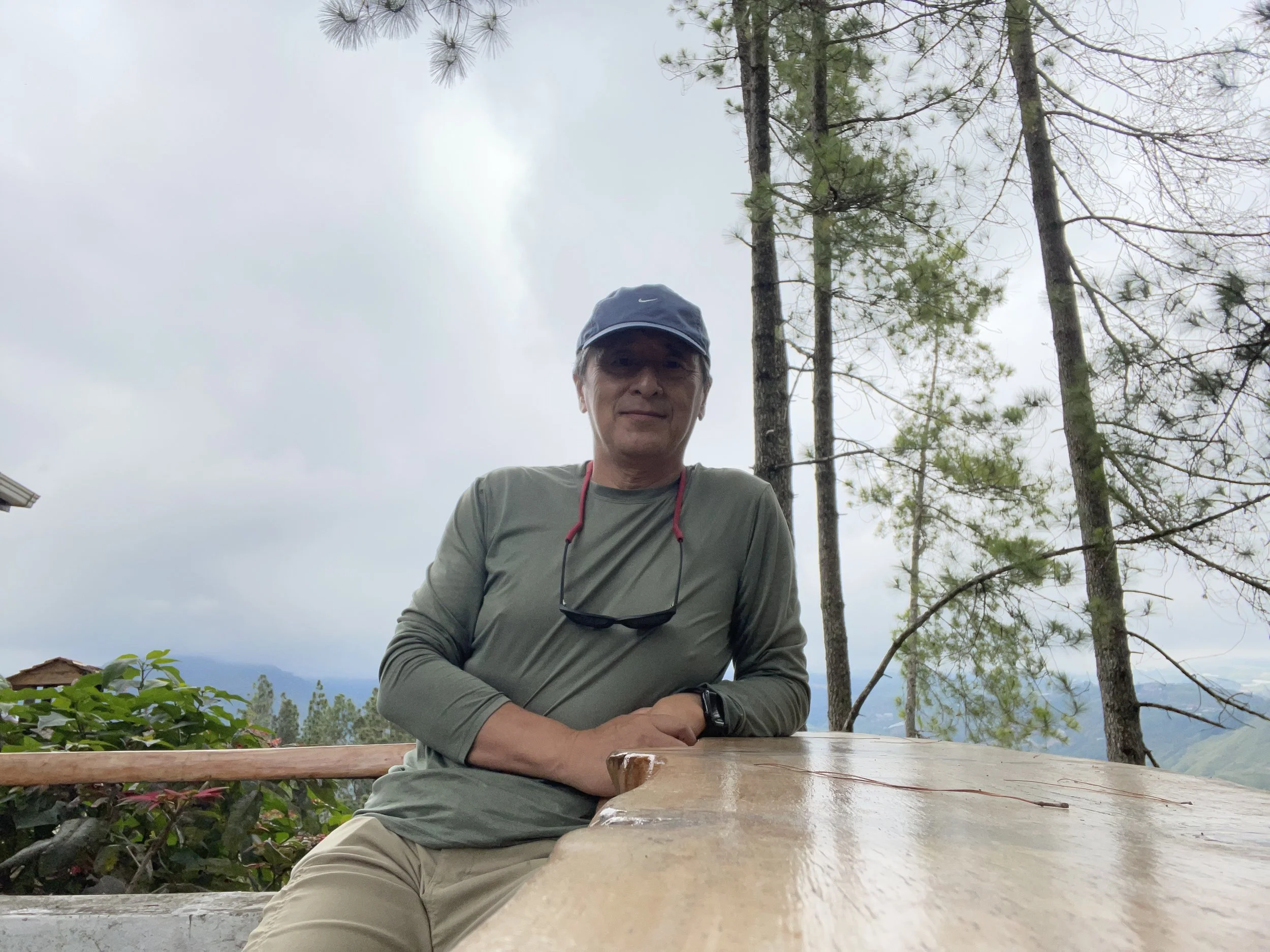
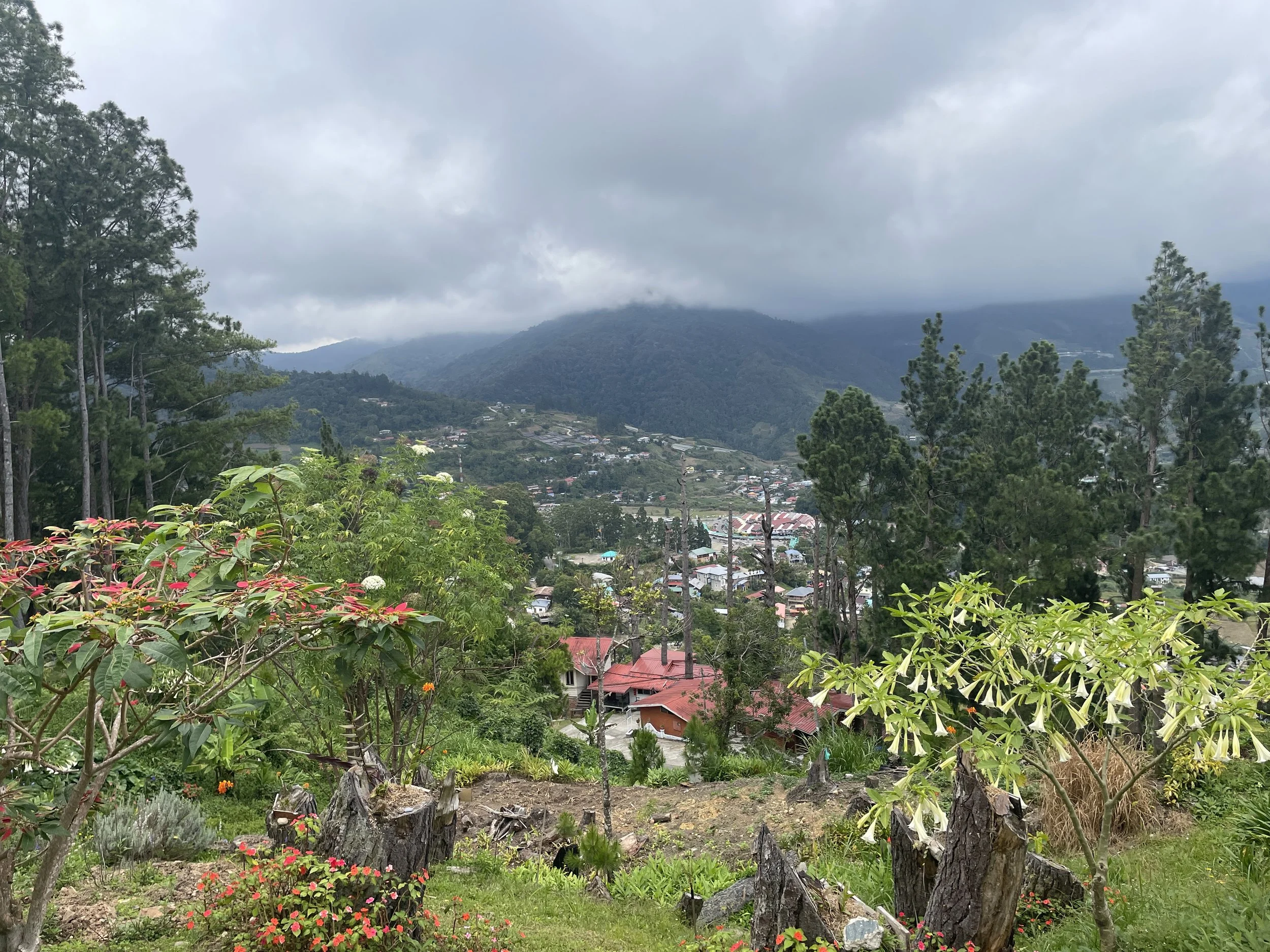
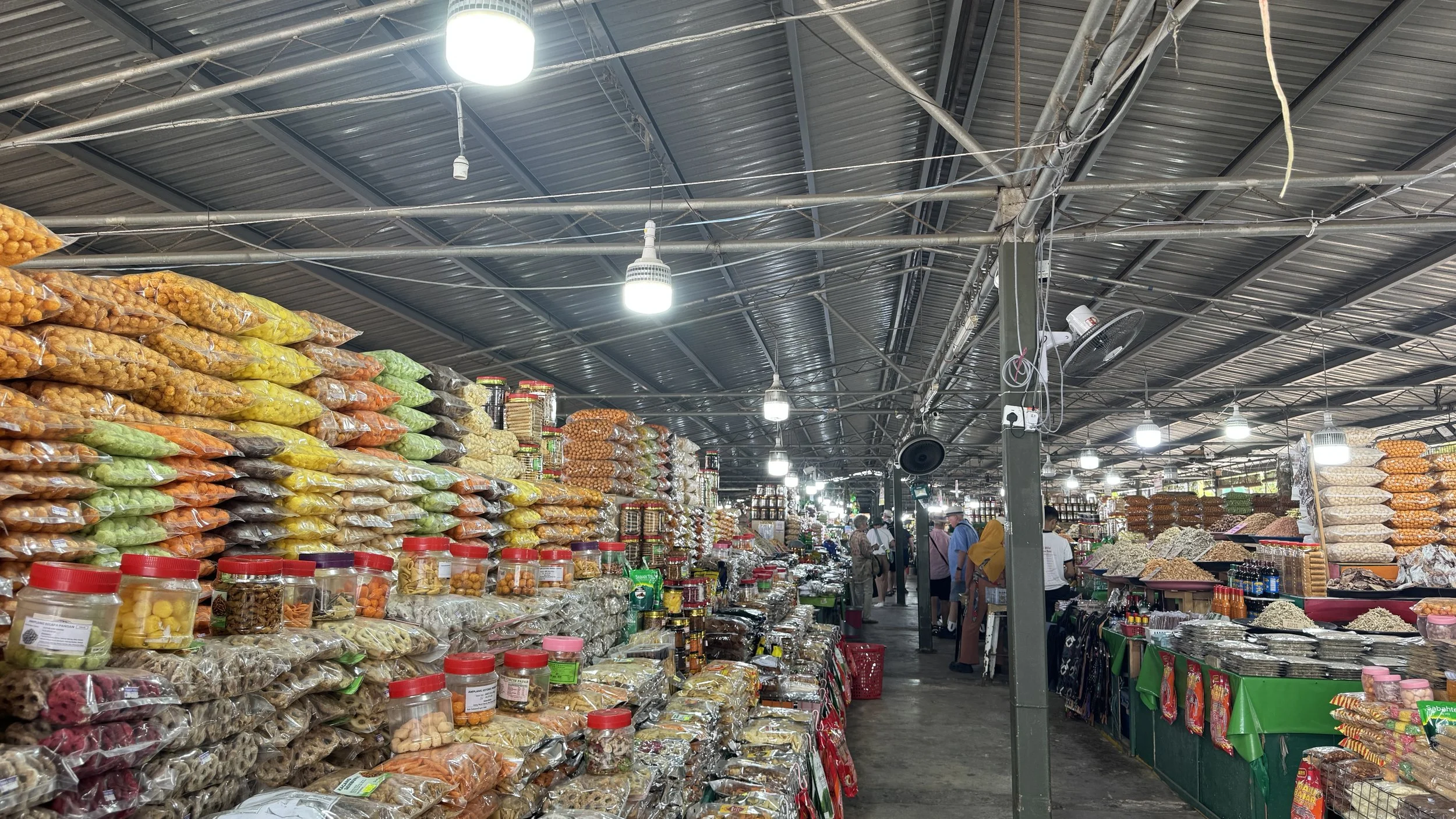
Kinabalu Park is Malaysia’s first UNESCO World Heritage Site. We took a two-hour bus ride from the port to the park, making a brief stop at a local open market along the way. At the park we did a short hike through the rainforest. Although the weather was pleasant and comfortable, we did not see much wildlife. Lunch was served at a hotel on a hilltop, where a buffet was provided. It was decent, and I tried mangosteen for the first time — surprisingly delicious. The entire excursion lasted about seven hours, but overall it did not offer anything particularly unique for me.
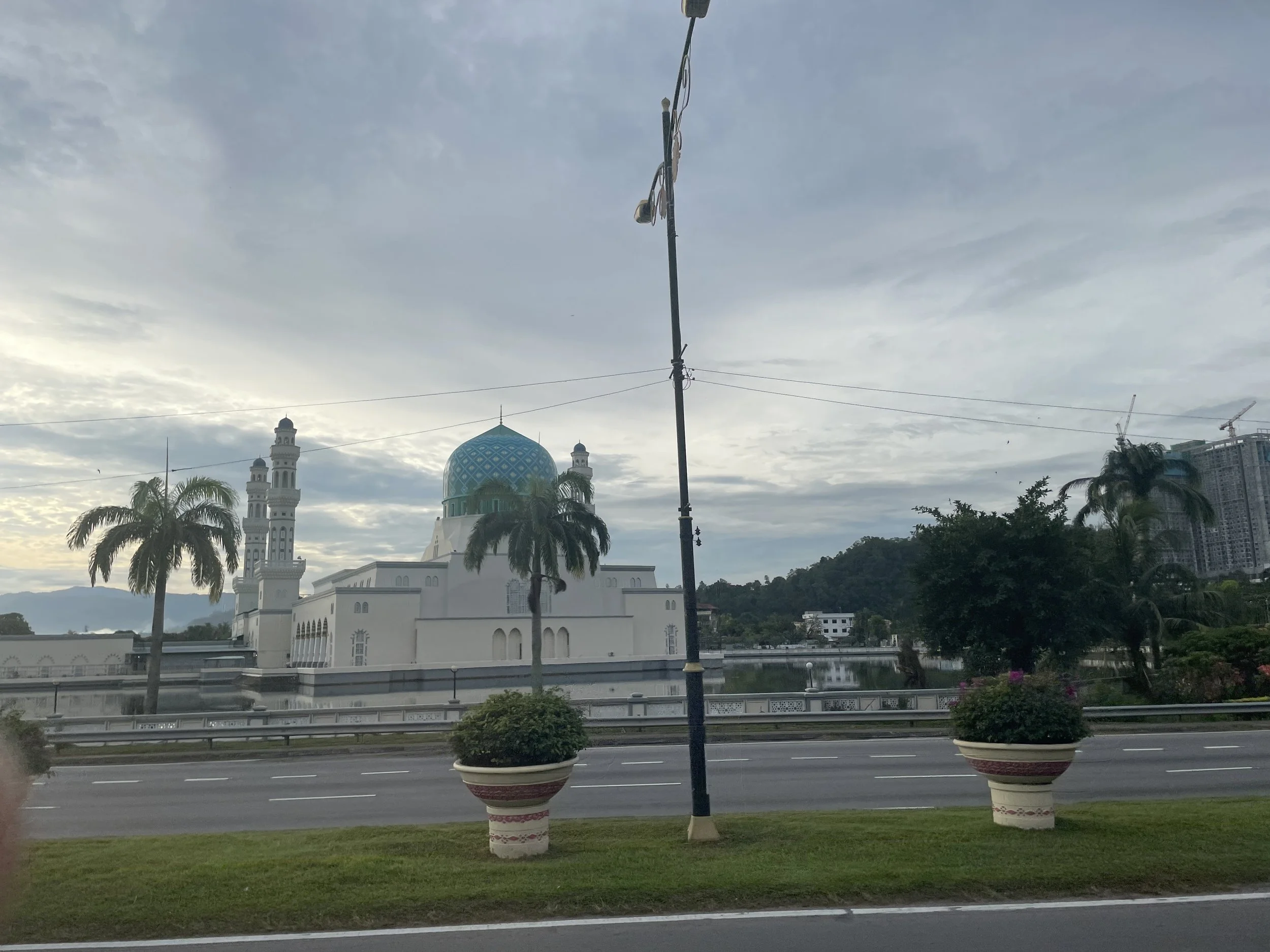
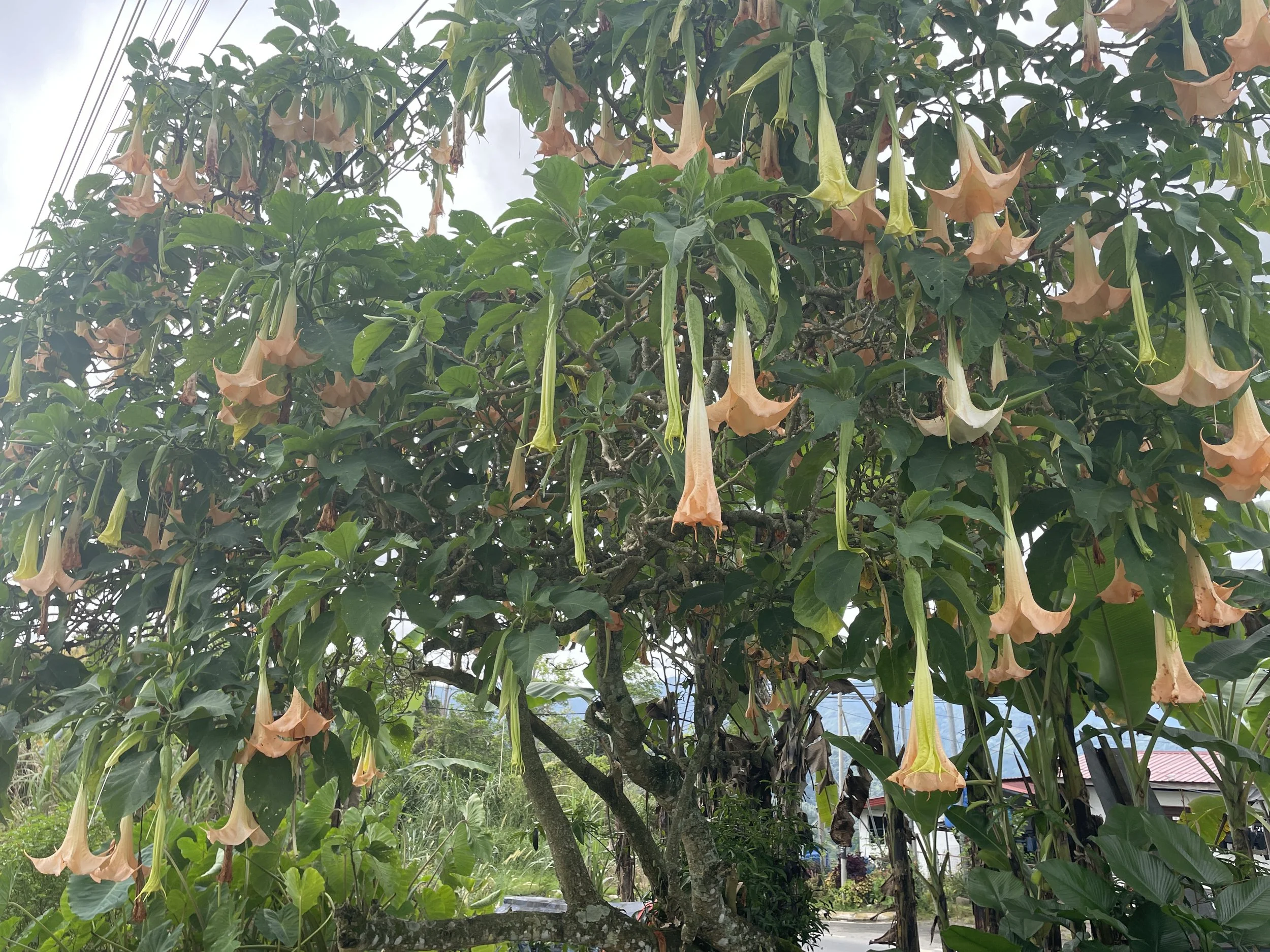
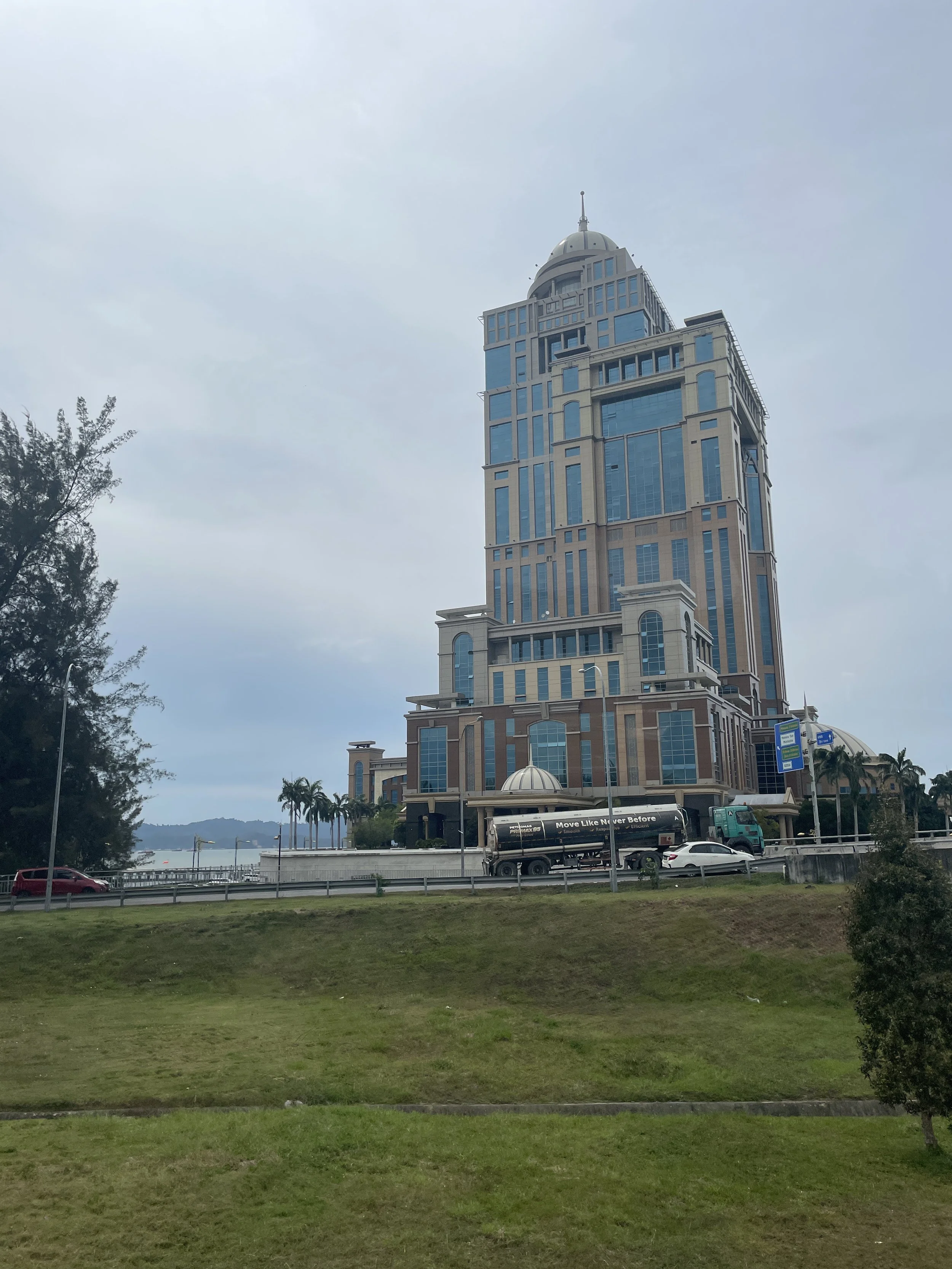
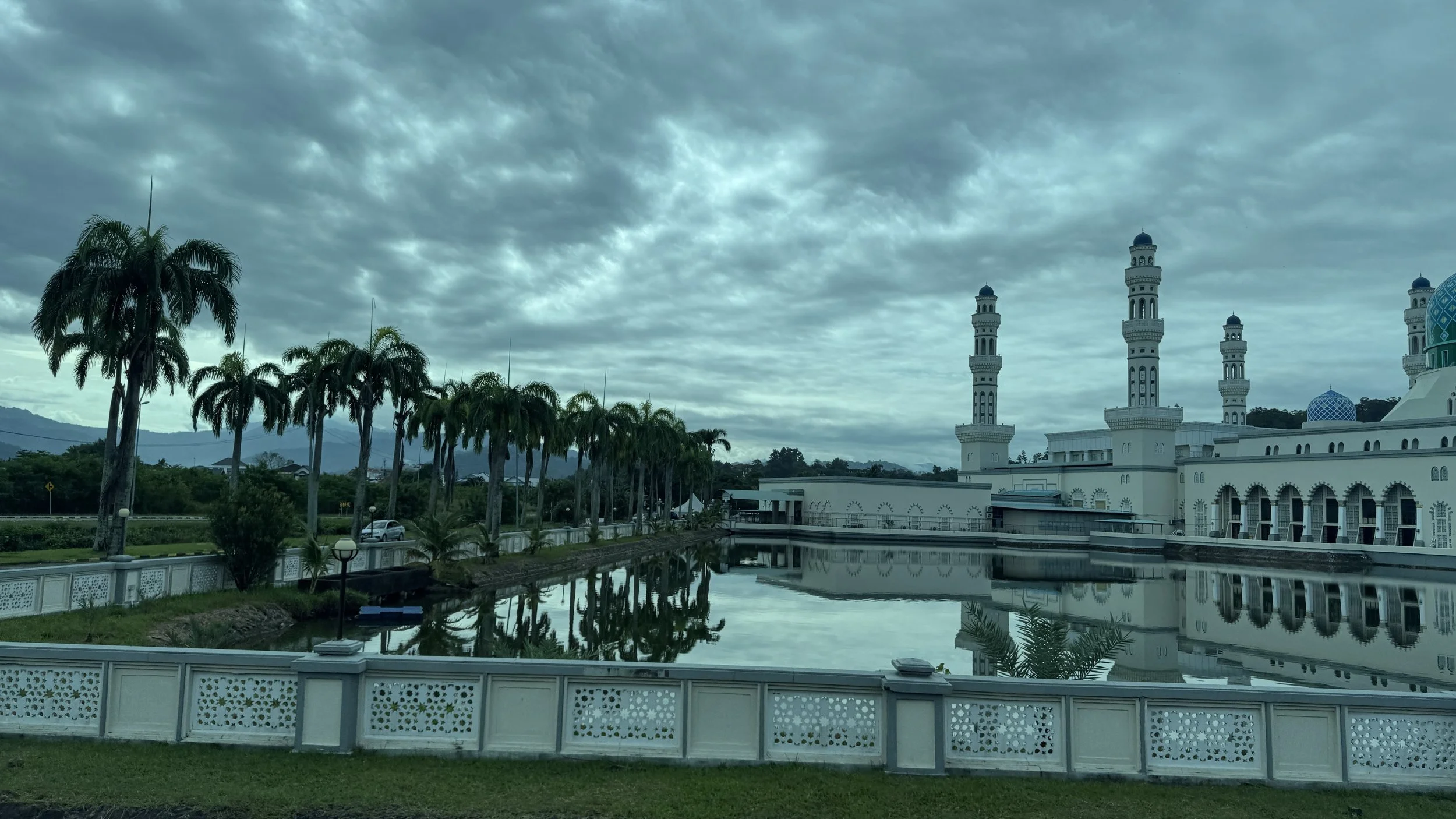
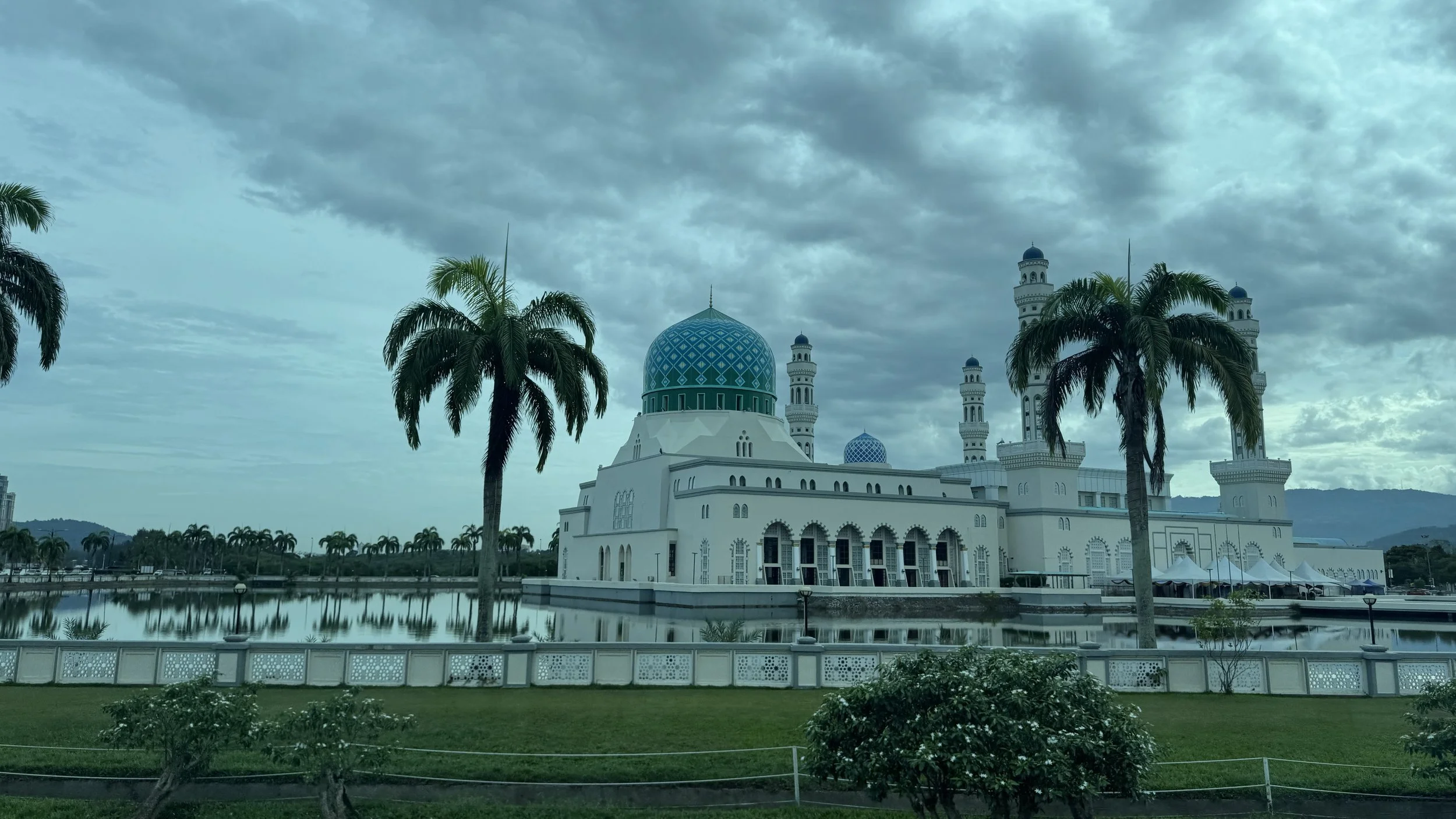
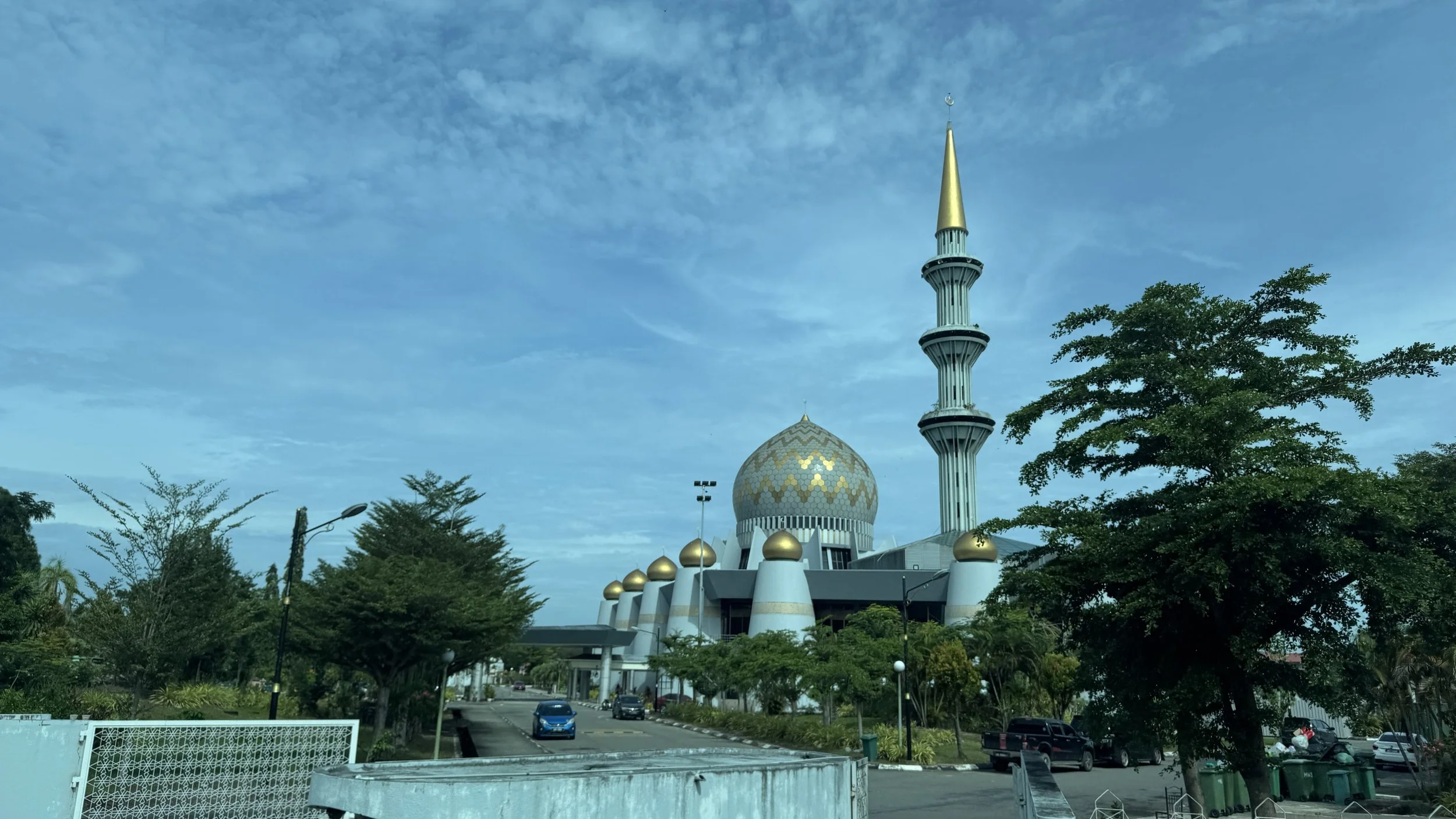
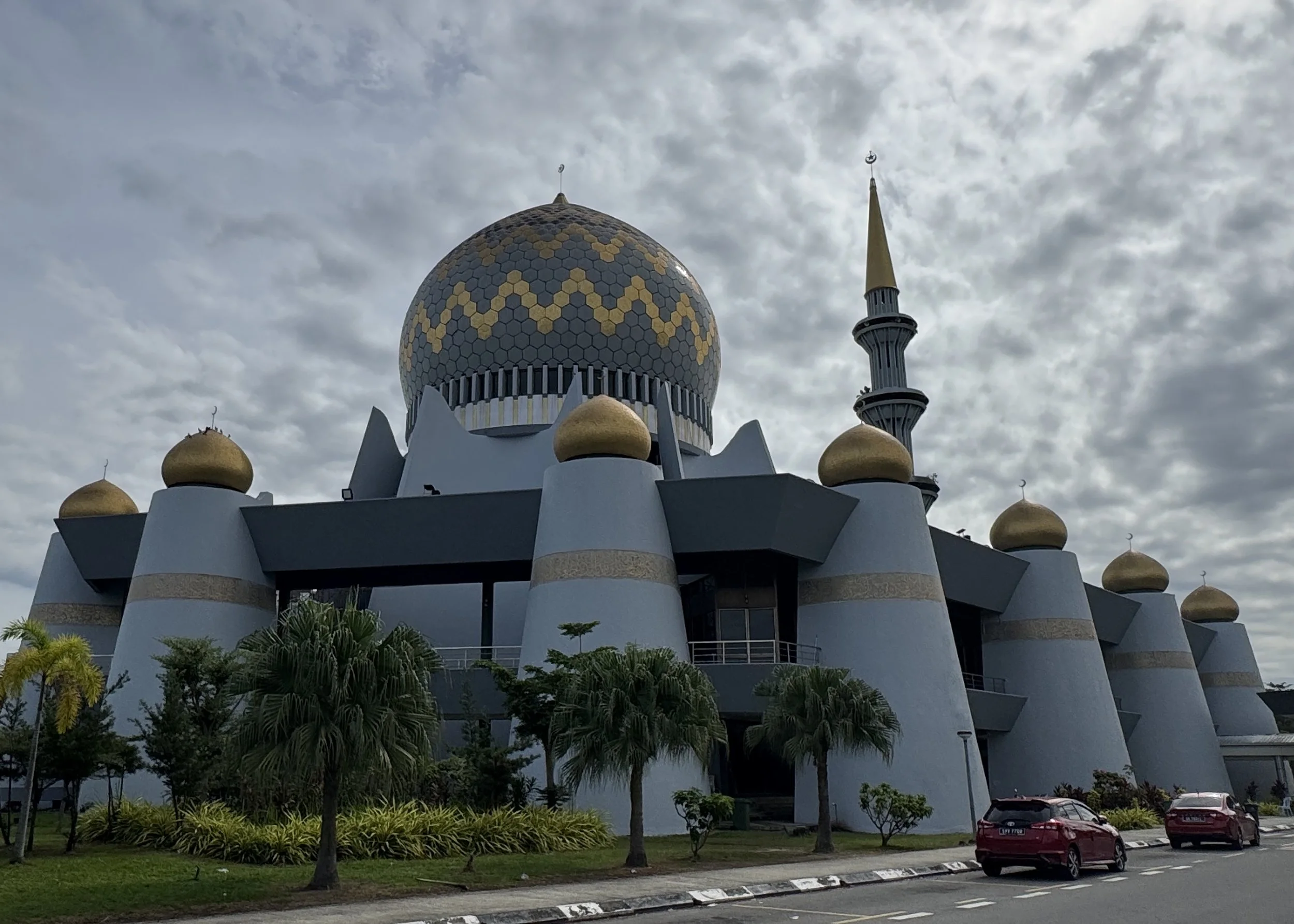
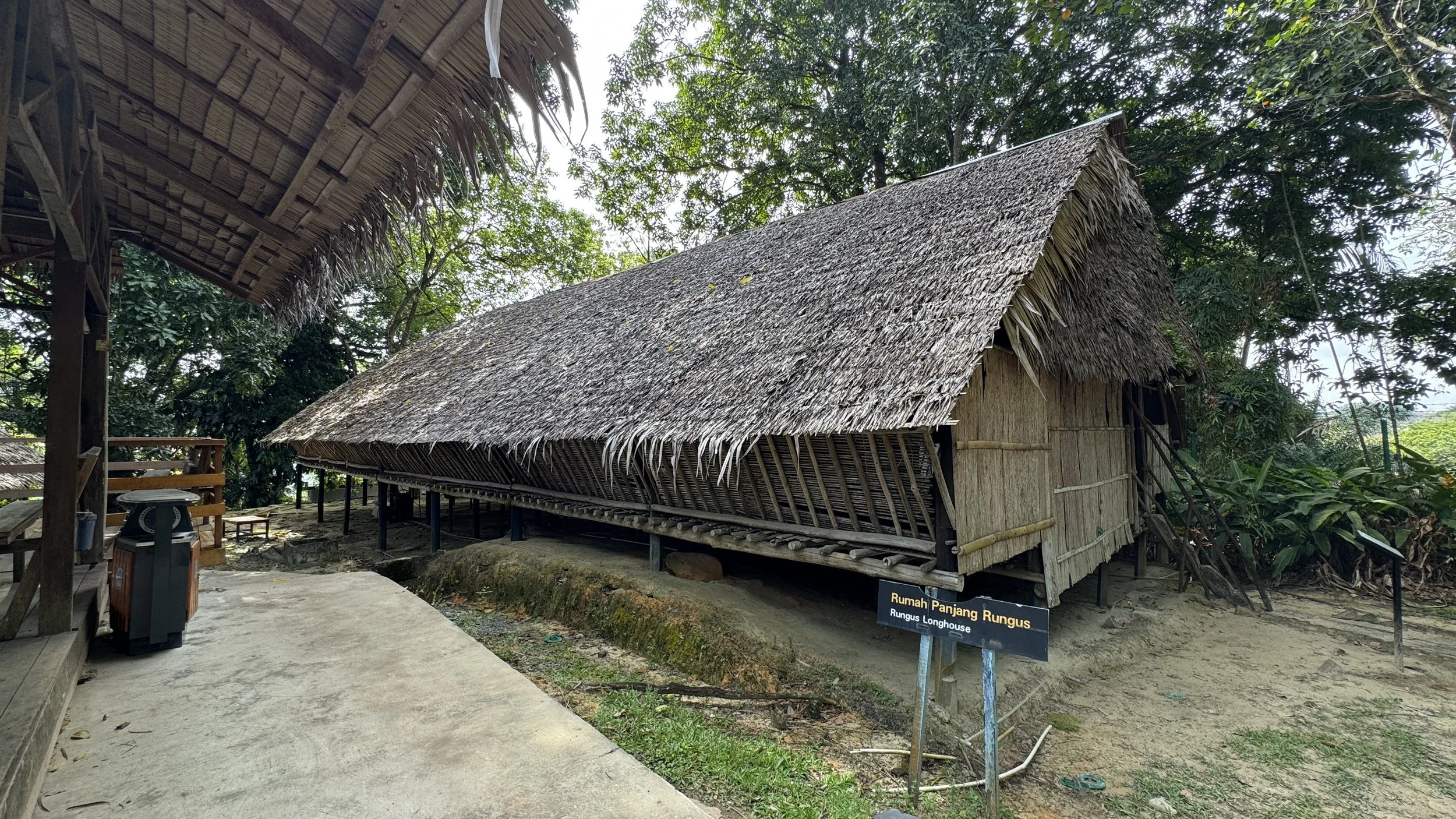
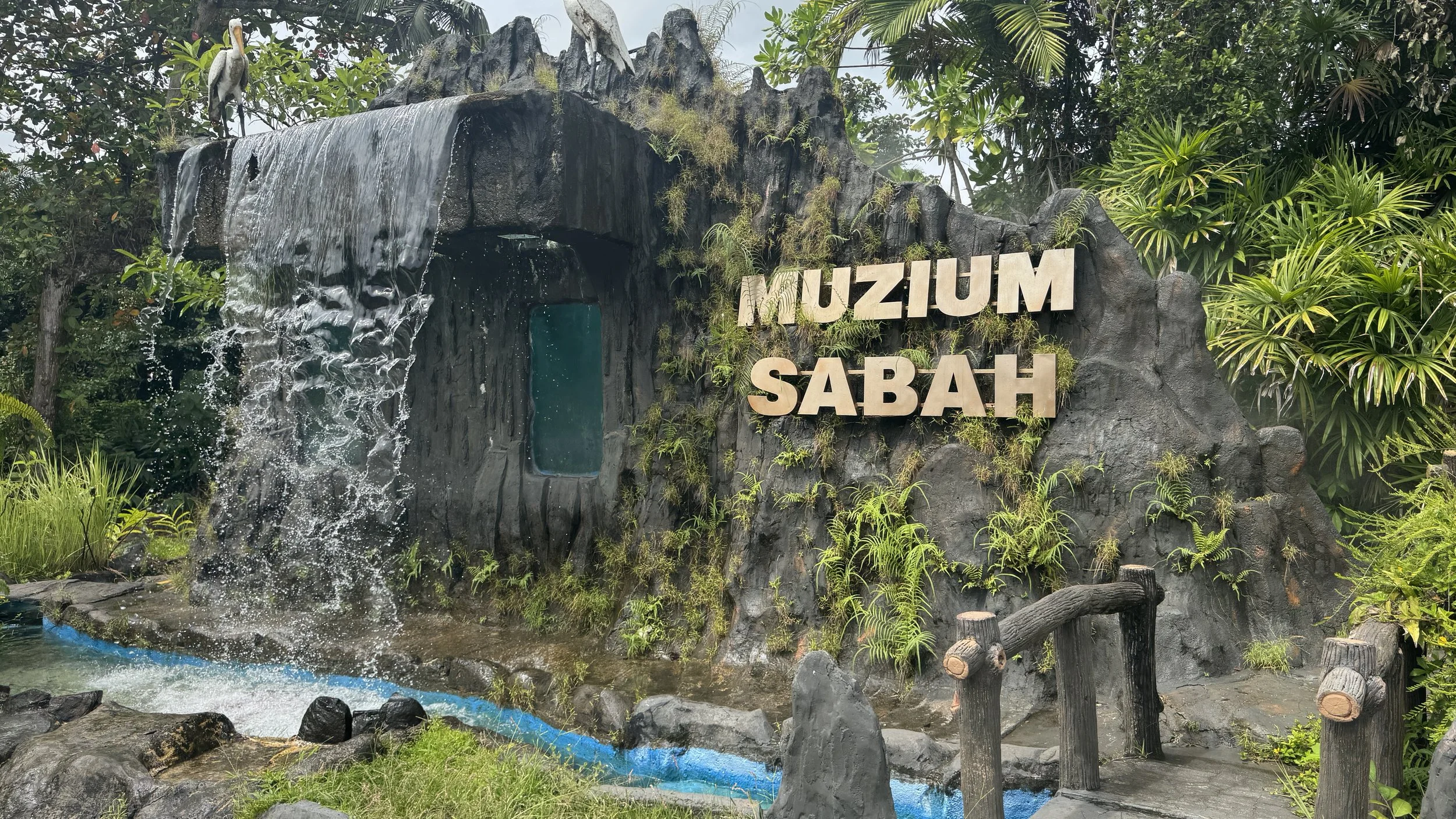
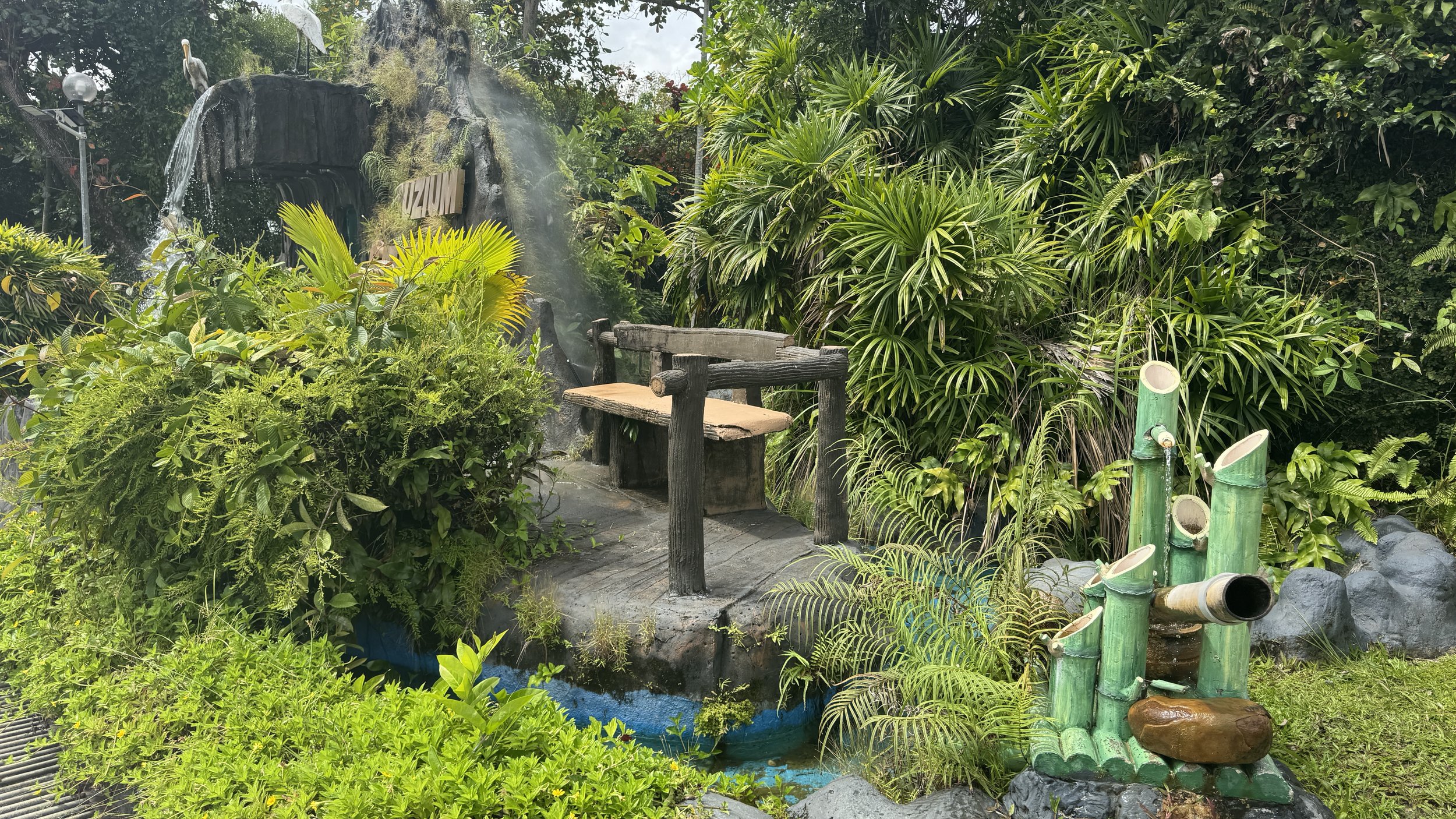
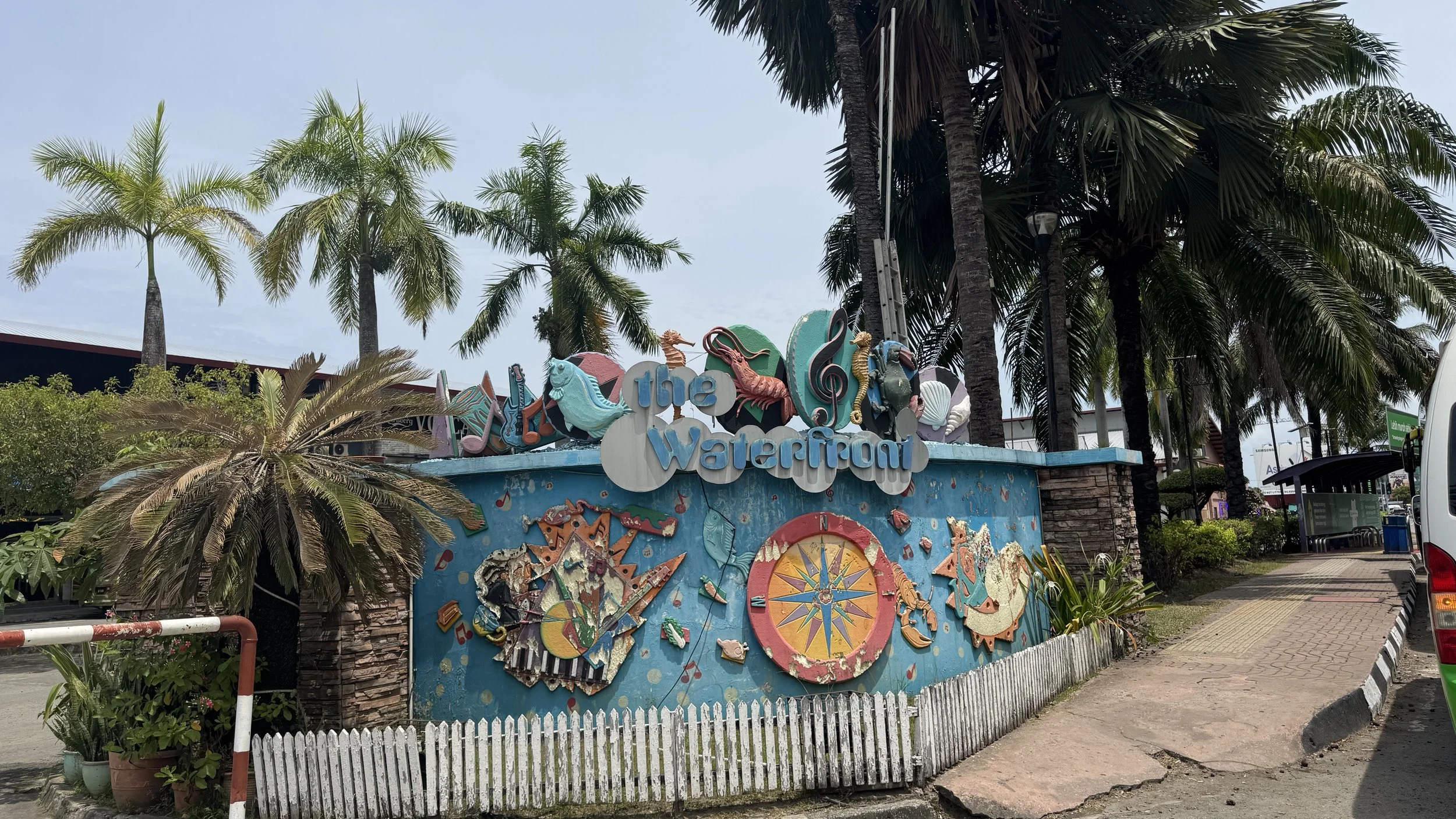
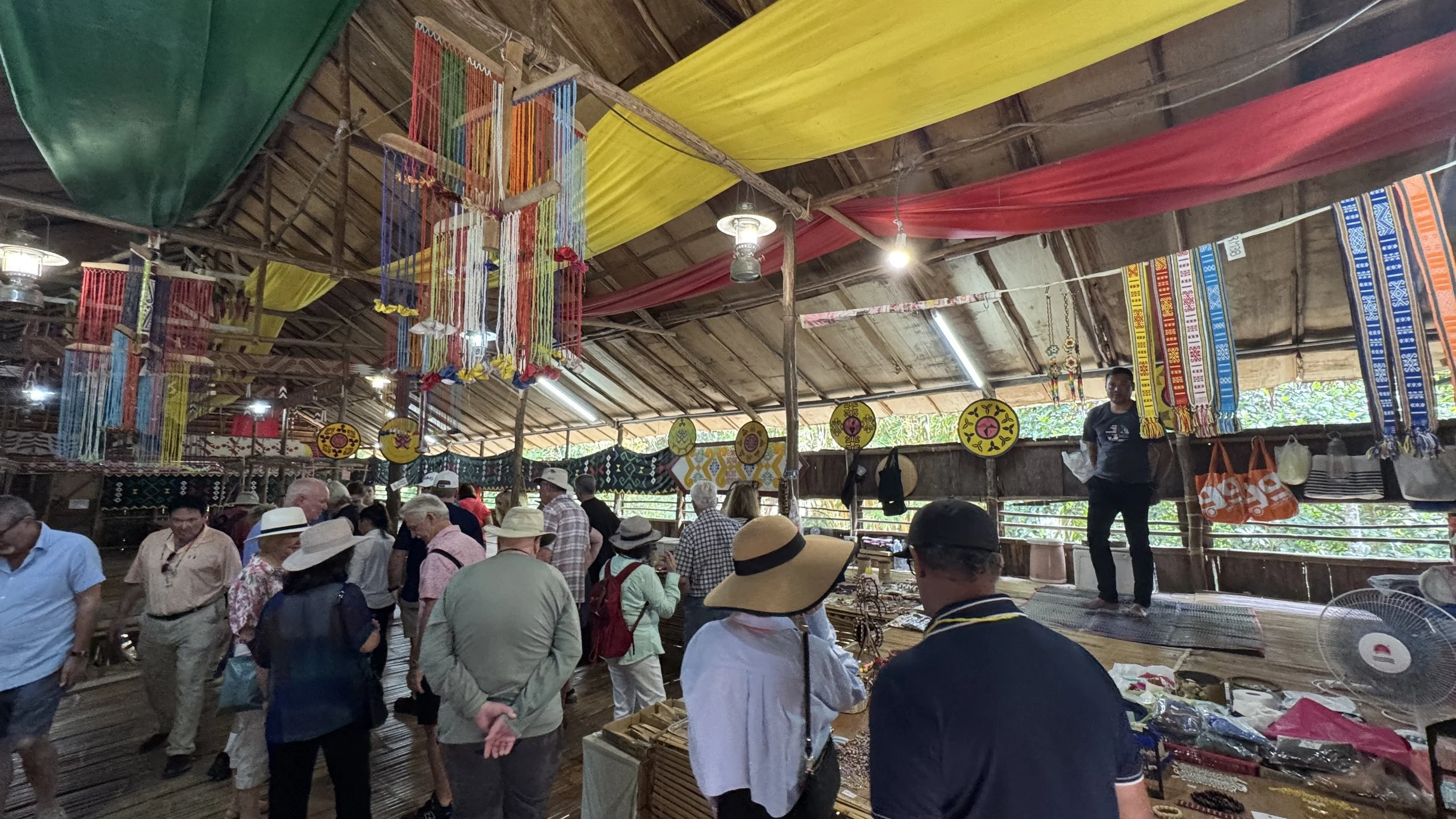
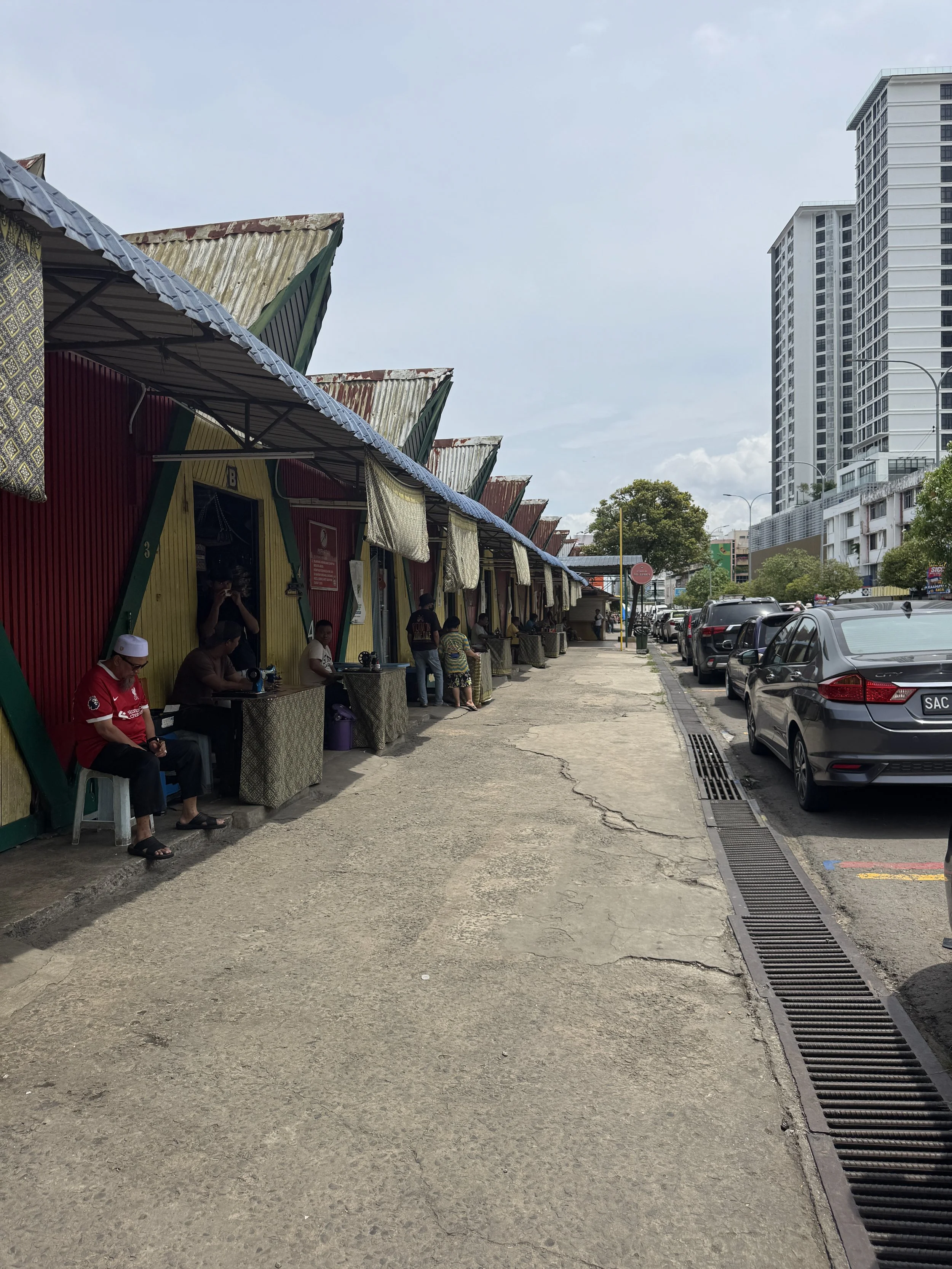
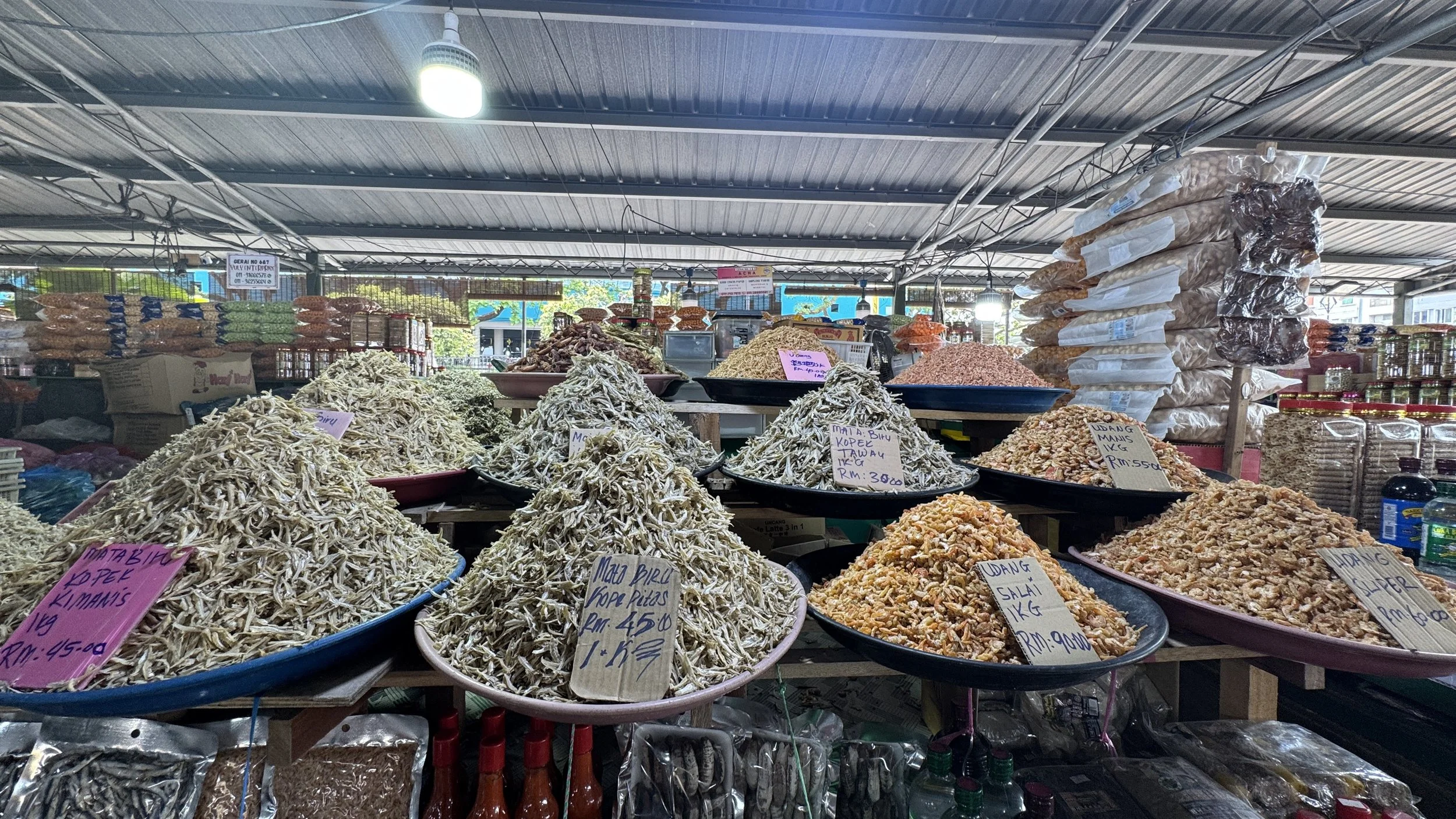
Connie joined a different excursion from the ship — a guided city tour exploring the cultural highlights of Kota Kinabalu, the vibrant capital of the Malaysian state of Sabah. The tour began with a photo stop at the iconic Tun Mustapha Building, although visitors are not allowed inside. The next stop was the impressive Sabah State Mosque. From there, the tour continued to the Sabah Heritage Village, where traditional bamboo houses provide insight into the lifestyles of Sabah’s diverse indigenous communities. The final stop was the local handicraft market, where visitors can find Sabah’s well-known freshwater cultured pearls.
Overall, it was not the most exciting day of the trip — just an average day of exploration along the journey.
2026年3月7日
今天我们的船来到了东马的哥打京那巴鲁。我们还是参加邮轮组织的岸上活动,时间比昨天还要更早一些,因此我们再次让管家送餐,早上七点前就在阳台上吃了早餐。
我们两个人分别参加了不同的岸上游,成刚前往神山公园(Kinabalu Park),Connie则是哥打京那巴鲁的市区游。
神山公园是马来西亚第一个联合国教科文组织世界遗产地。从码头出发,乘坐大约两个小时的巴士前往公园,途中在一个当地的露天市场短暂停留。到达公园后,我们在雨林中进行了一个简短的徒步。虽然天气凉爽舒适,但并没有看到多少野生动物。午餐安排在山顶一家酒店的餐厅,以自助餐形式提供,味道还算不错。成刚第一次品尝了山竹,味道出乎意料地好。之后又是二个小时巴士回来,整个行程大约持续七个小时,不过总体来说,感觉并没有特别独特的体验。
Connie参加了邮轮安排的另一条岸上游——哥打京那巴鲁城市观光之旅,探索沙巴州首府这座充满活力的城市。大巴带着大家首先来到标志性的敦慕斯塔法大厦(Tun Mustapha Building)停留拍照,不过游客不能进入大楼内部。接着前往气势宏伟的沙巴州清真寺,同样因为斋月的缘故,游客只能在外面看看拍照留念,而不能进清真寺参观。随后大巴带着大家来到沙巴文化村(Sabah Heritage Village),那里用传统竹屋展示了沙巴各个原住民族群的生活方式。最后一站是当地的手工艺市场,不计其数的摊位都在卖沙巴著名的淡水养殖珍珠首饰。手工艺市场旁边是当地的一个水果食品市场,新鲜芒果排得整整齐齐,非常诱人。另外还有各种土特产等等。
今天的二个岸上游都比较一般,东马明显感觉比西马落后。对我们来说也算是到此一游吧,也只有坐邮轮才会来到这地方。
回到船上,下午去听了个讲座,是关于明天要去的一个港口城市,先大概了解一下情况。
Bandar Seri Begawan, Brunei 文莱 斯里巴加湾市
March 6, 2026
After two sea days, this morning our ship docked at Muara Port,……
经过两天的海上航行,。。。
March 6, 2026
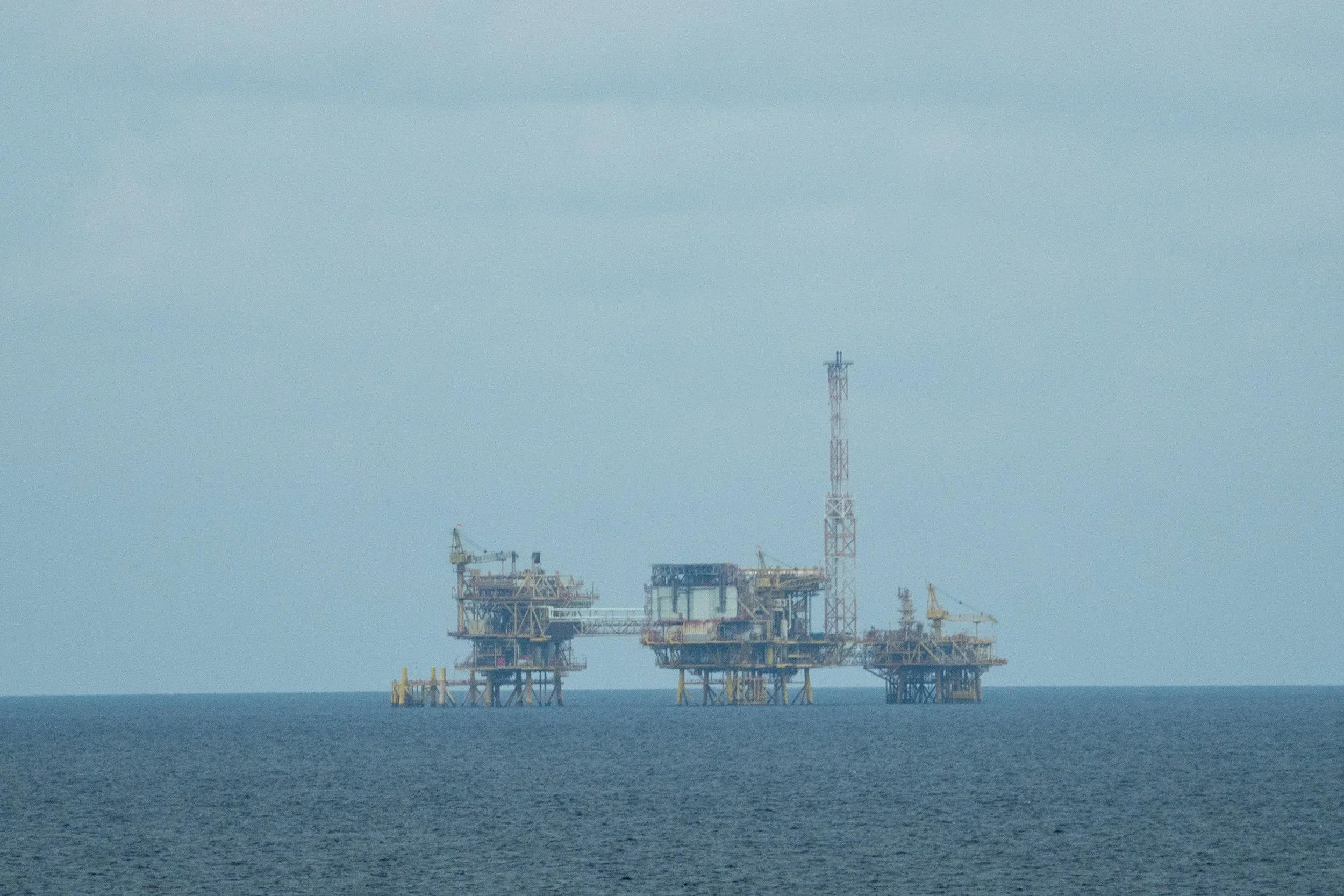
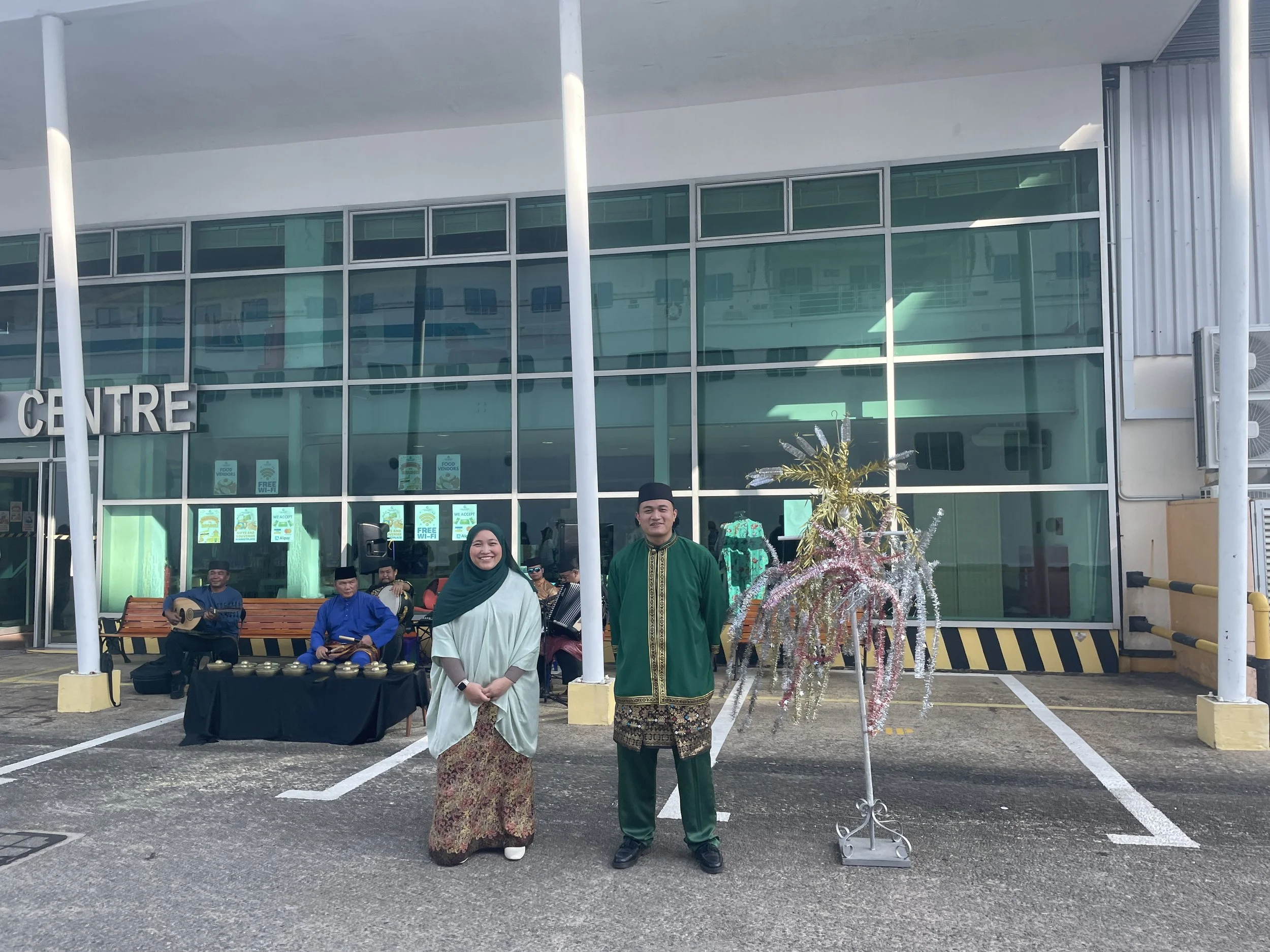
After two sea days, this morning our ship docked at Muara Port, the gateway to the small but prosperous nation of Brunei, one of the richest countries in the region.
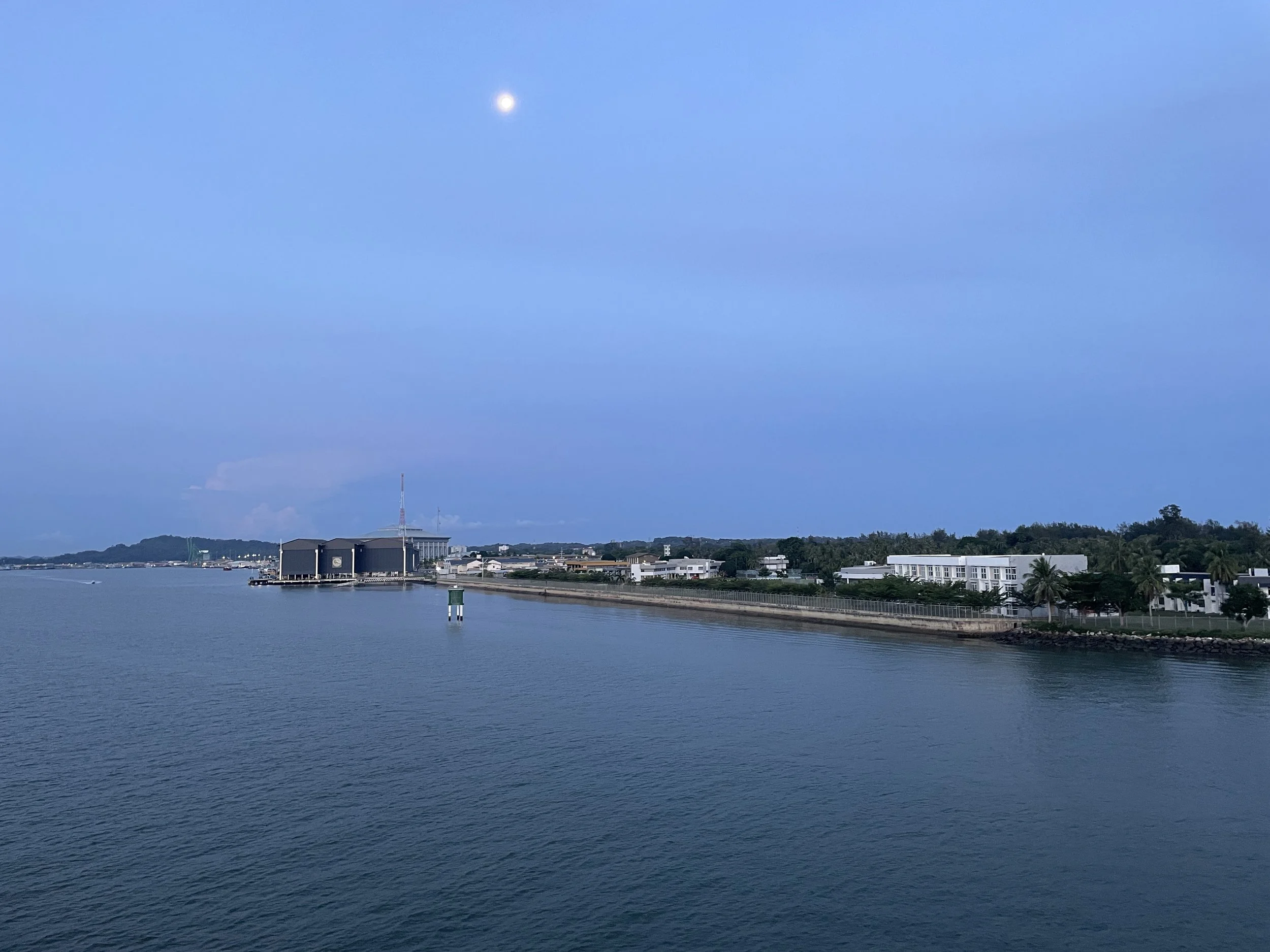
Since we had an early shore excursion, we requested breakfast room service. At the scheduled time in the morning, the butler came and set up a table on the balcony. The breakfast was a simple continental meal with hot coffee, croissants, yogurt, and a few other items. Although it was modest, the experience was pleasant and much less stressful before an early morning excursion.
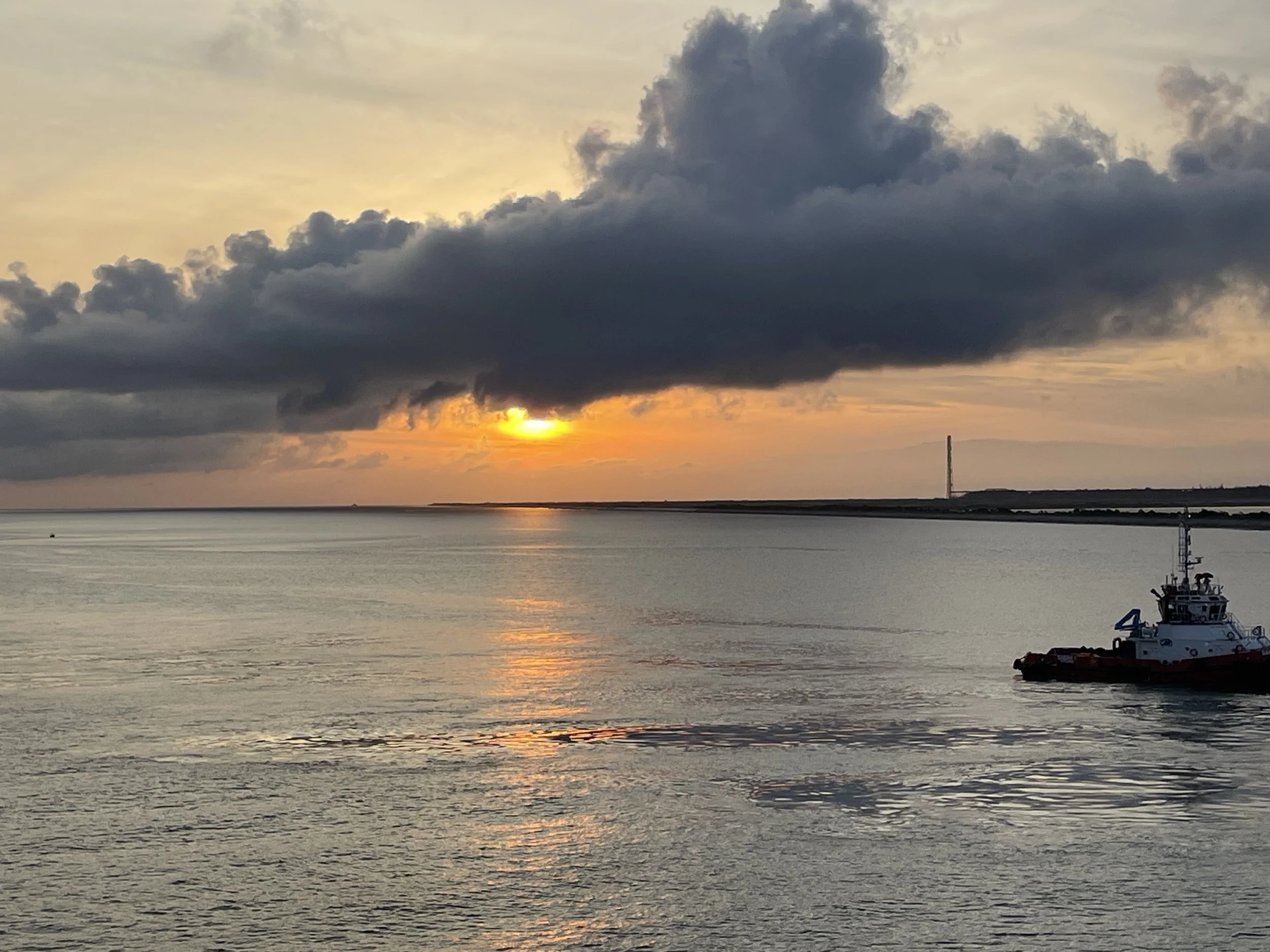
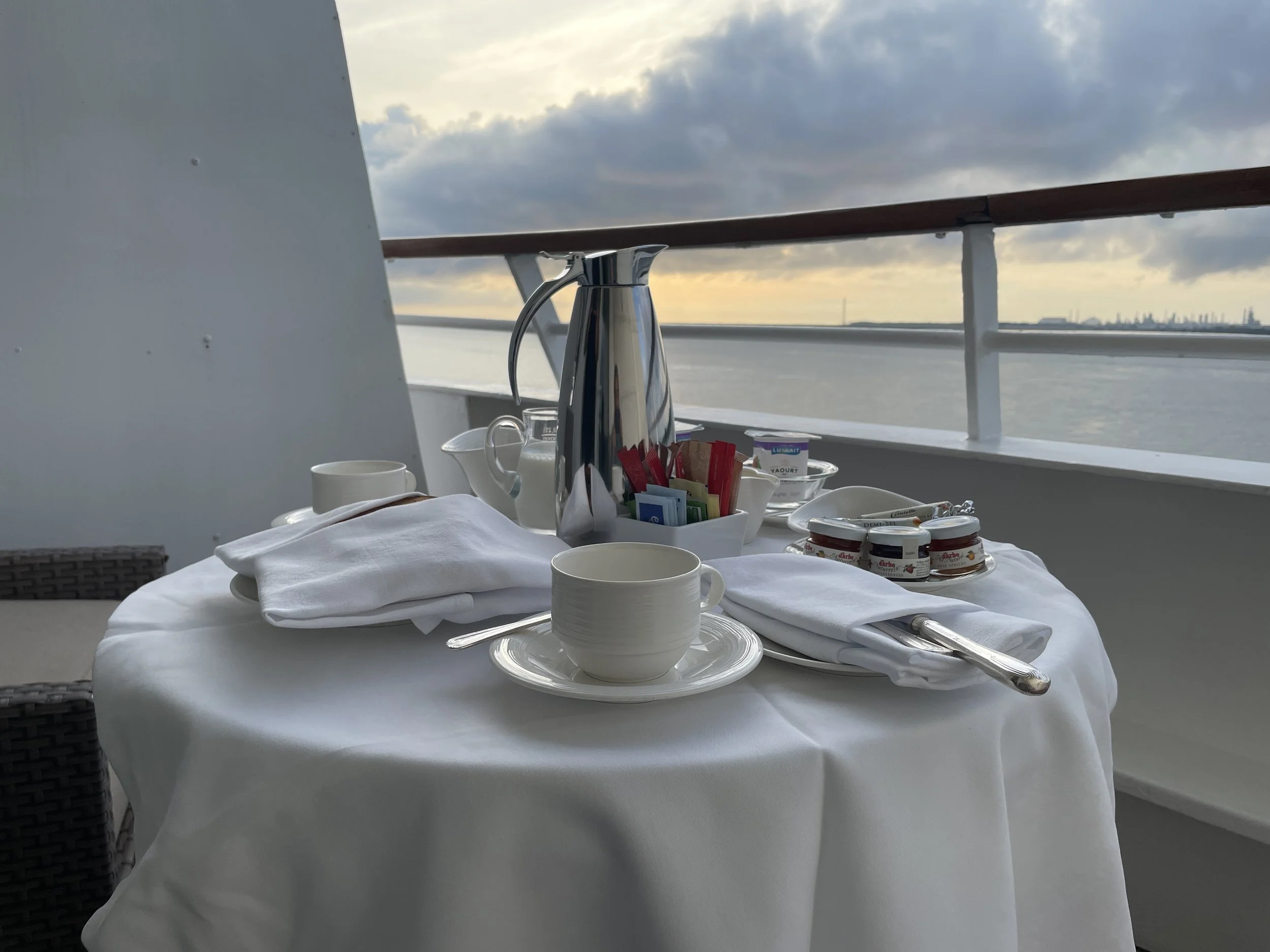
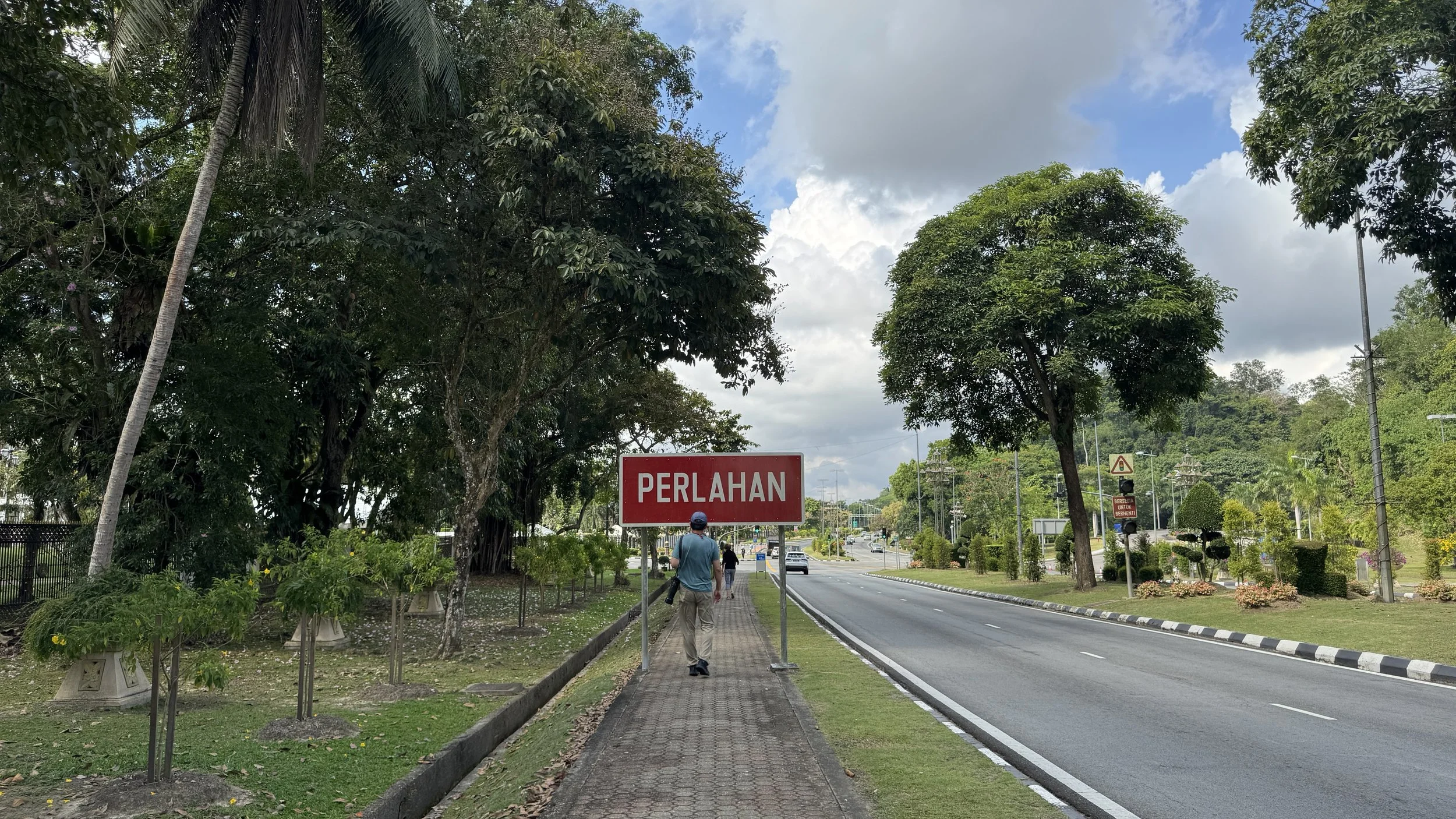
From the port we drove about half an hour to the capital, Bandar Seri Begawan, a quiet and orderly city with wide roads, tidy buildings, and a relaxed atmosphere. What struck us immediately was how calm the city felt—almost no motorcycles or bicycles, and hardly any pedestrians on the streets. Life here seems to move at a slower, more measured pace, often referred to locally as the “Brunei way.”
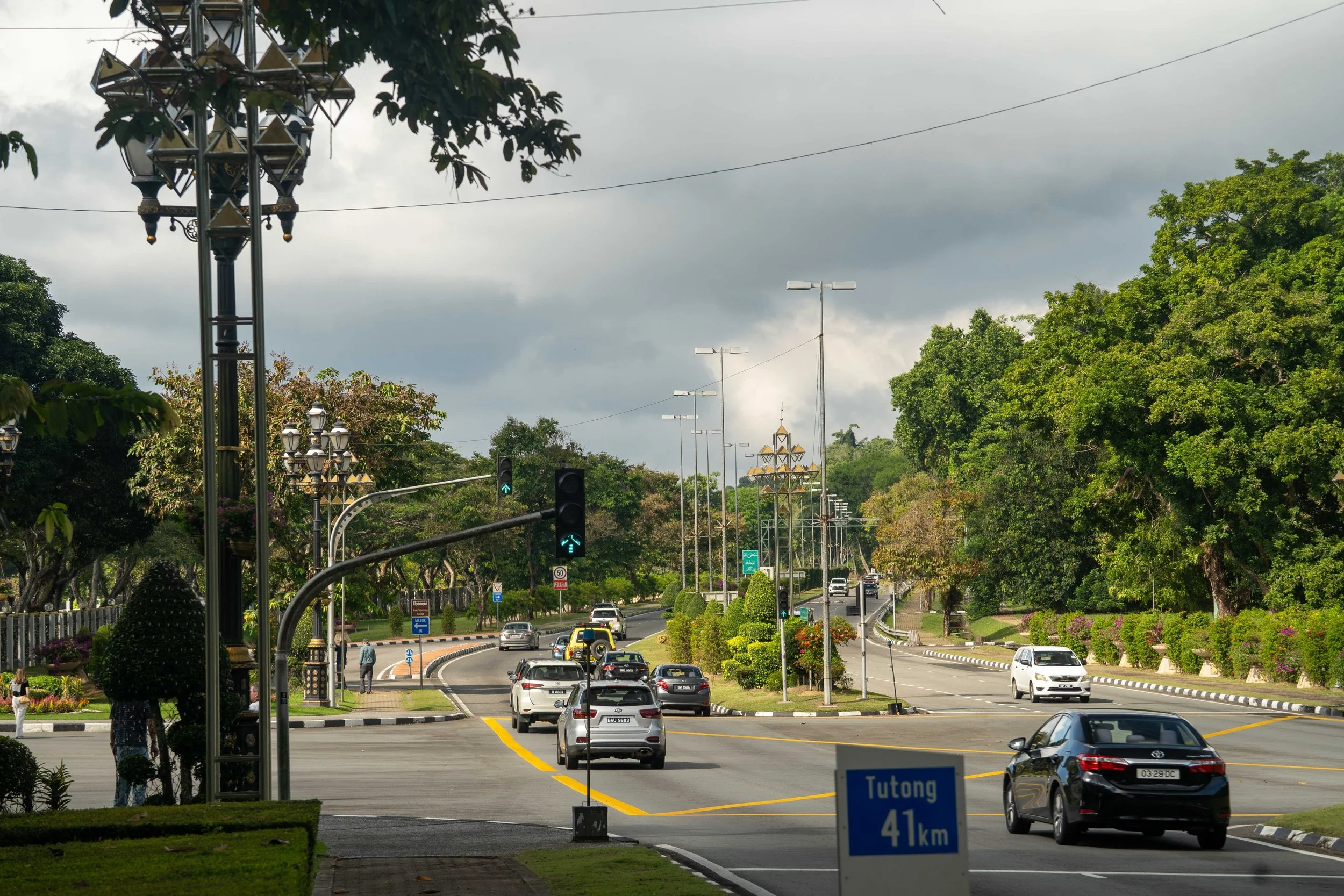
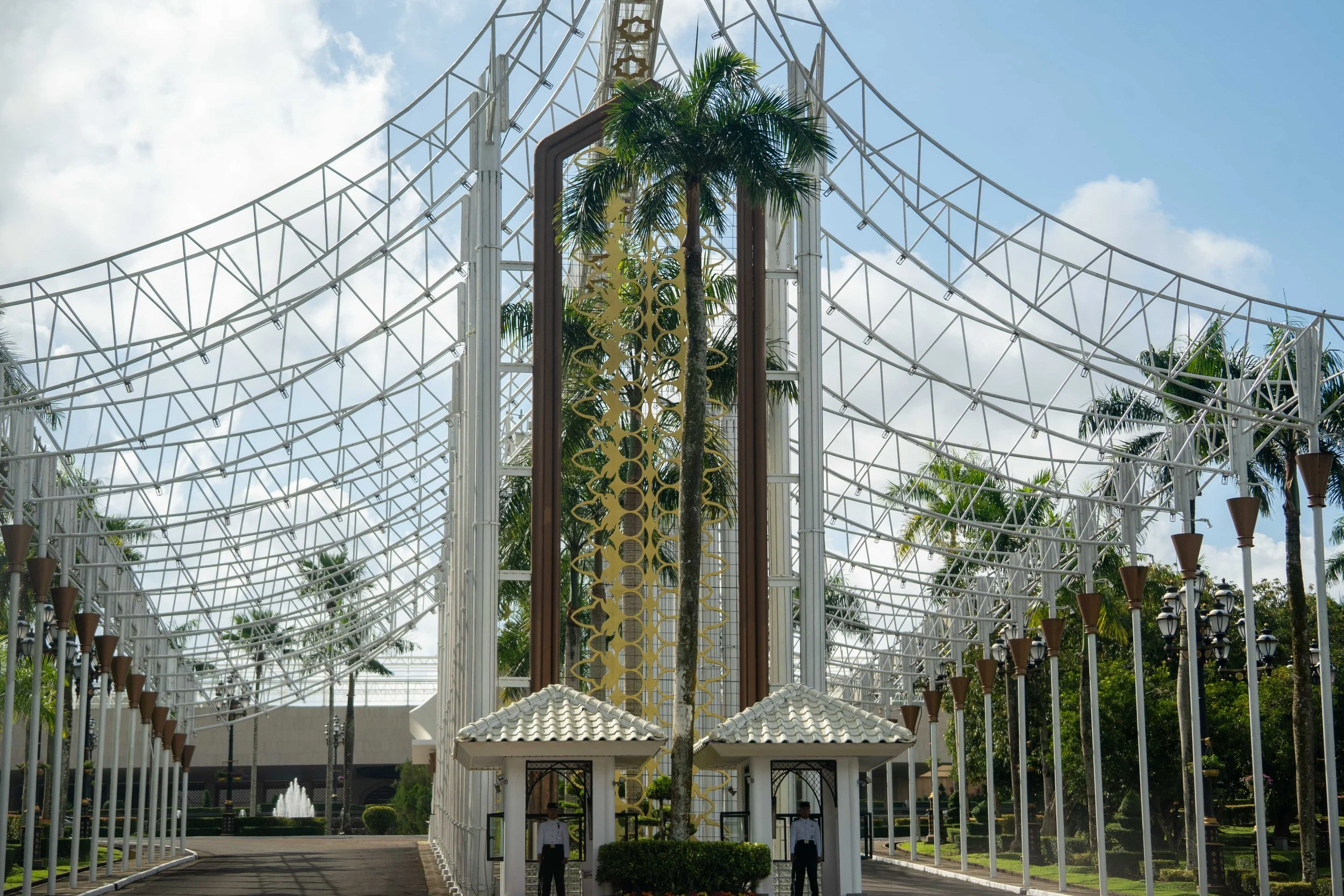
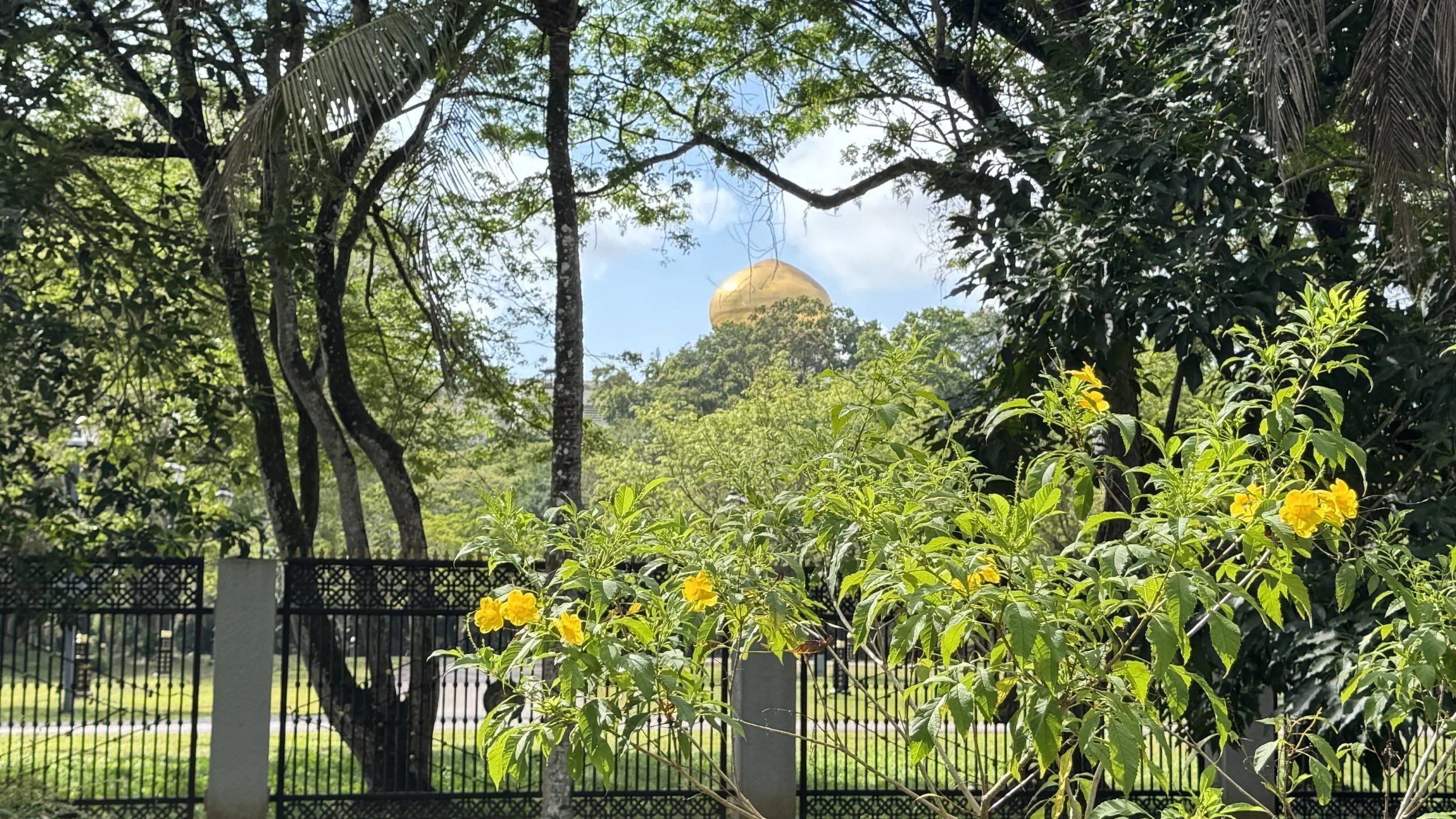
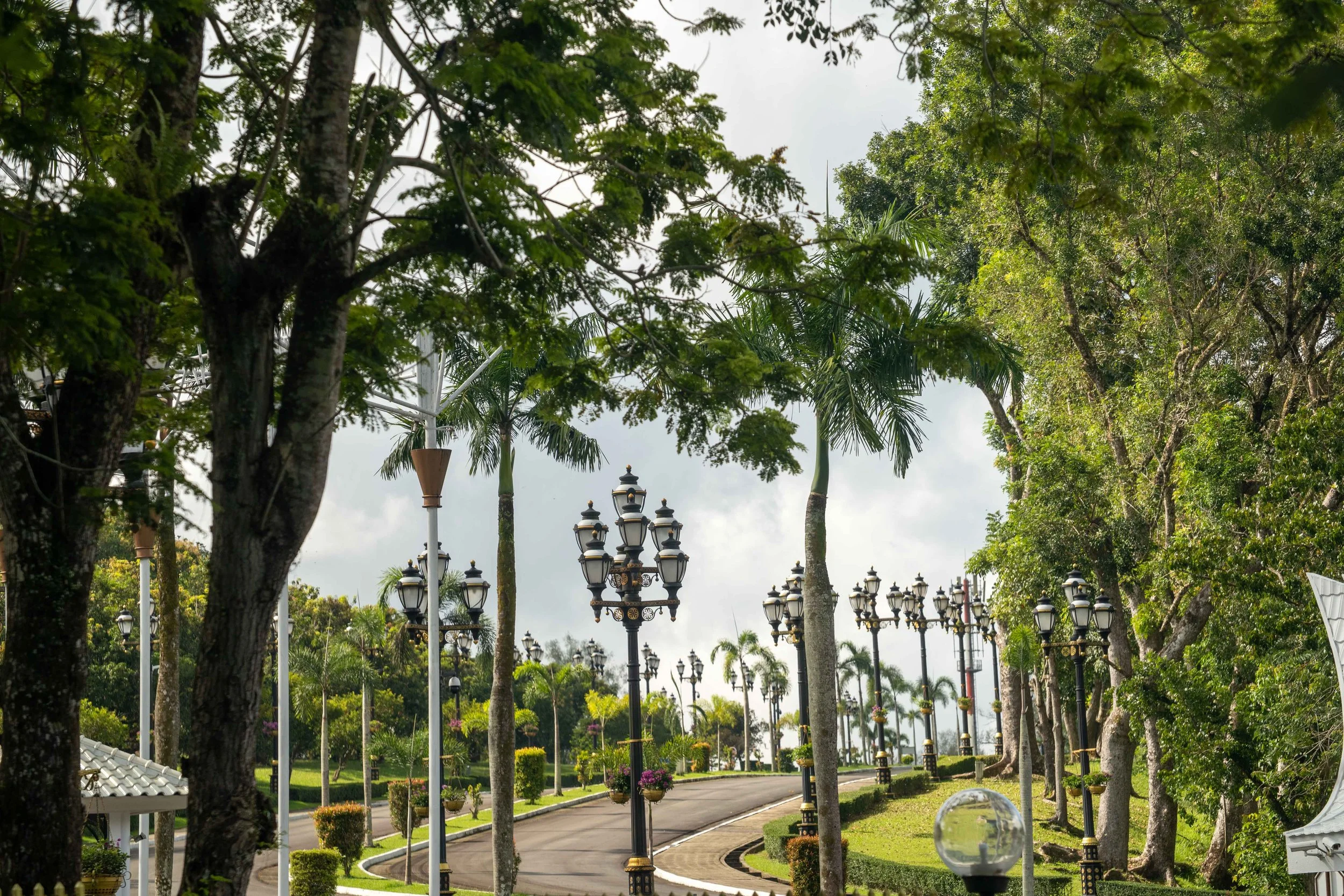
Our first stop was outside the gates of Istana Nurul Iman, the official residence of the Sultan. Although visitors are not allowed inside, the enormous scale of the palace is striking. Stretching along the river behind elegant gates, it is known as the largest residential palace in the world.
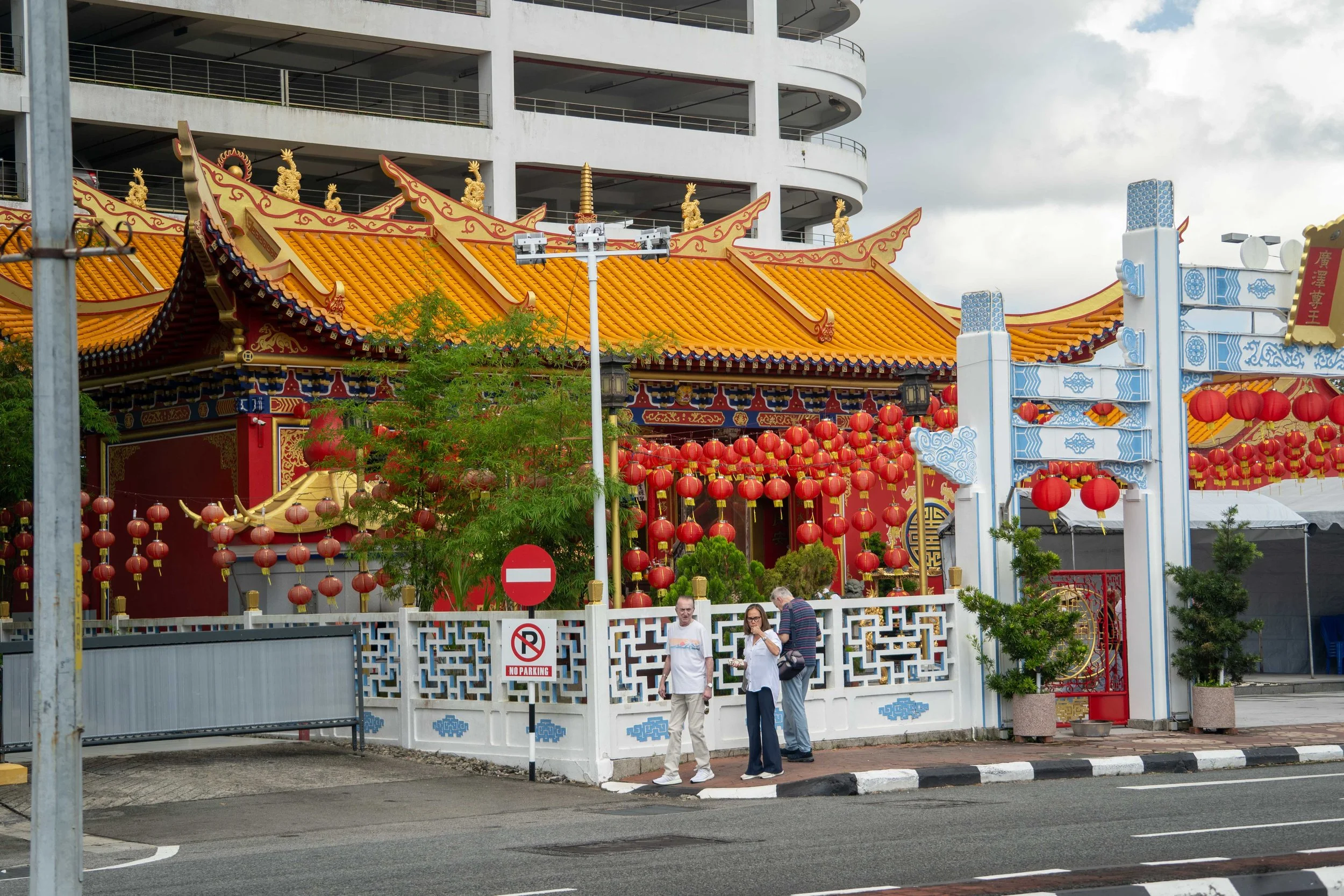
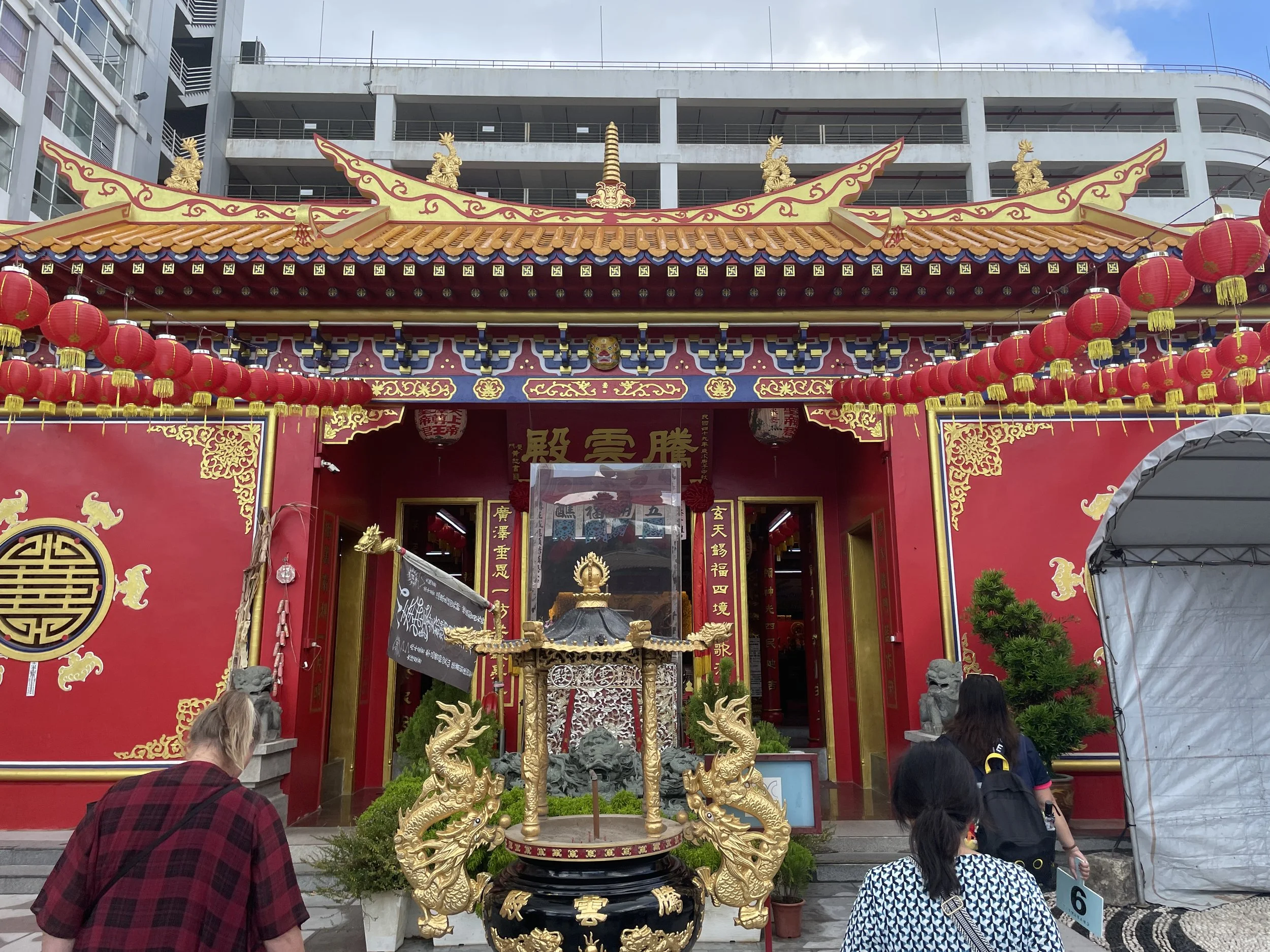
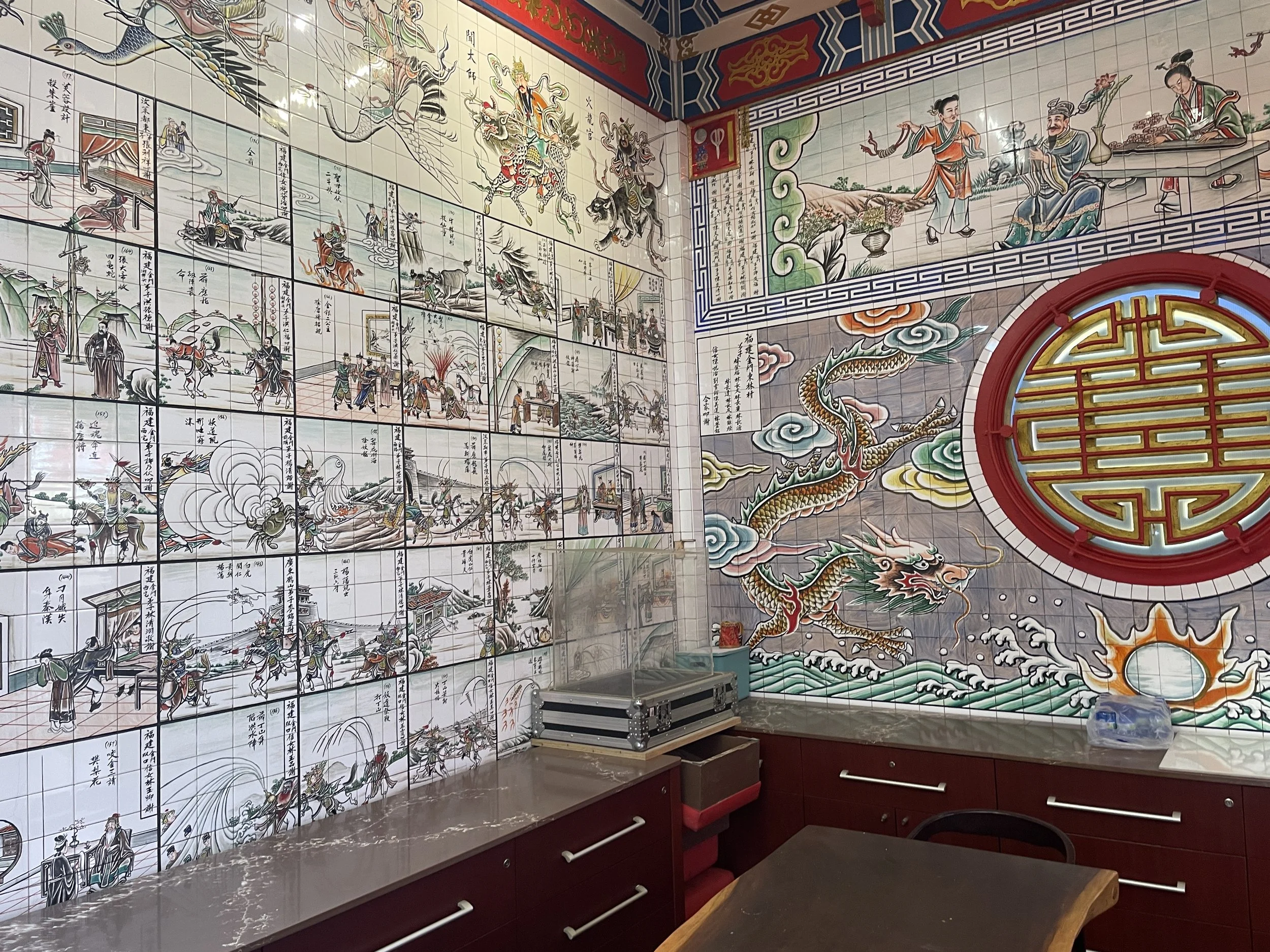
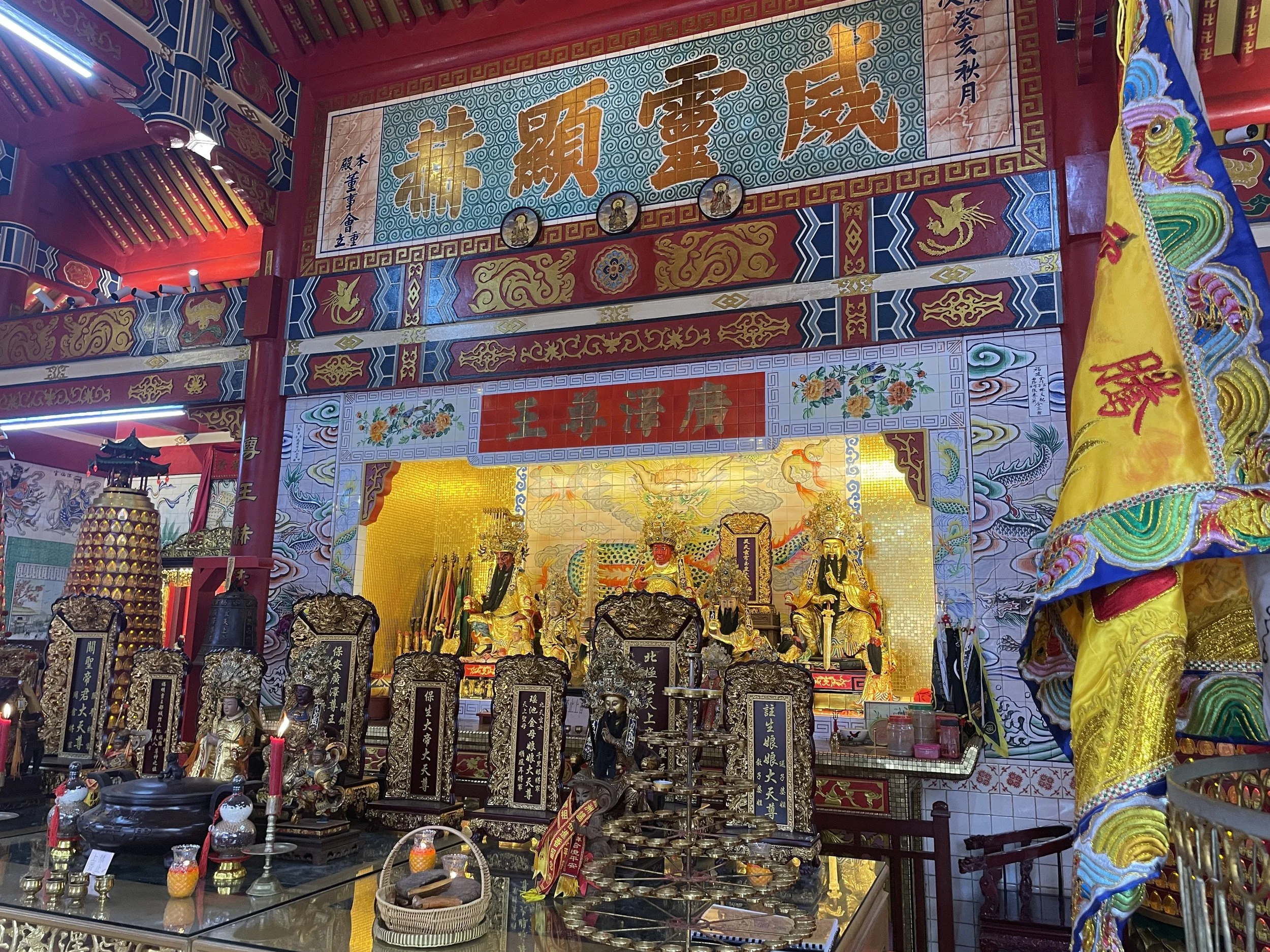
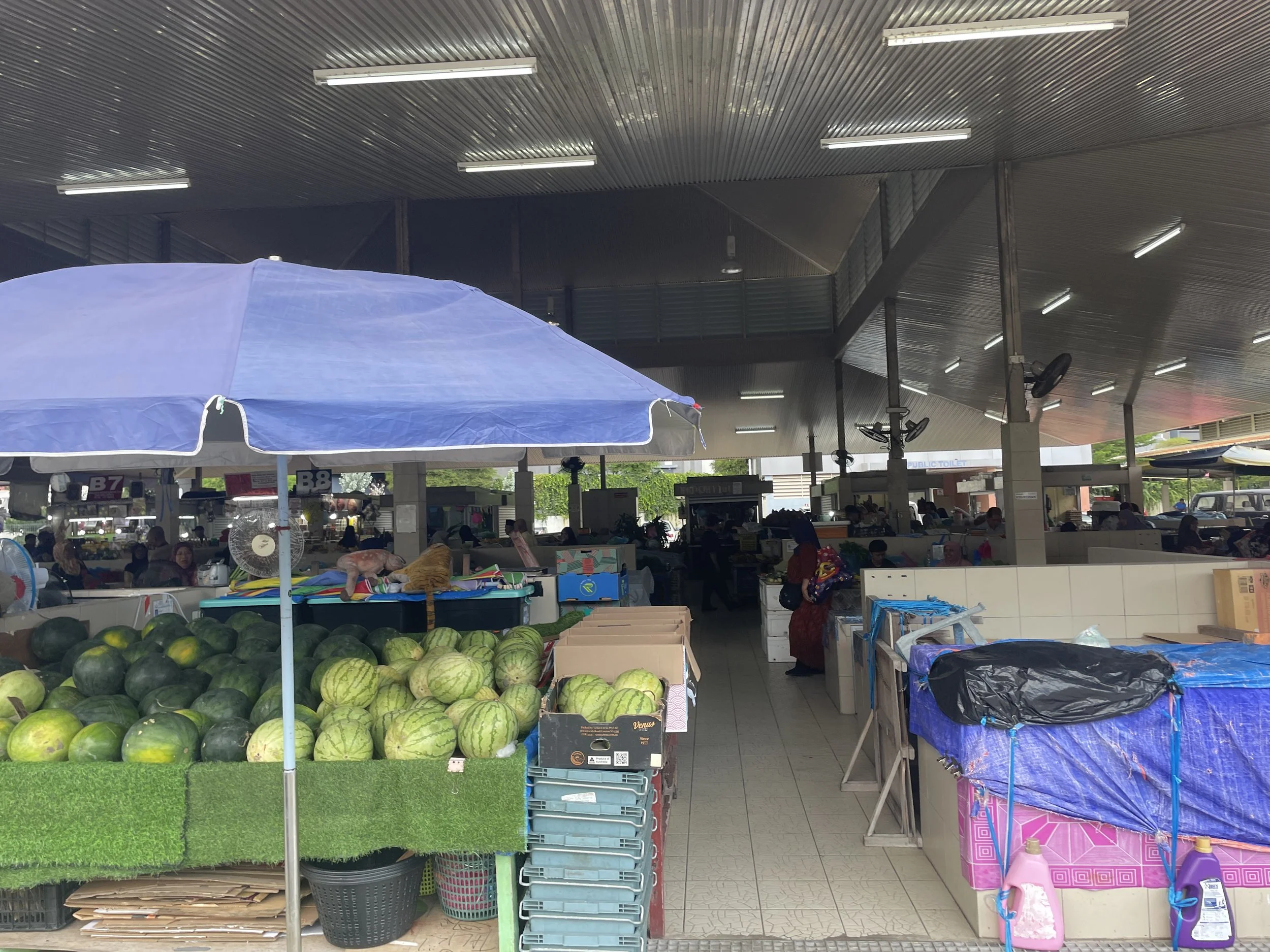
We then visited the small but colorful Teng Yun Temple, the oldest Chinese temple in Brunei, which survived the destruction of World War II. Just next to the temple is a lively morning market where local vendors sell fresh vegetables, tropical fruits, seafood, and a variety of traditional snacks. Walking through the market offered a glimpse into daily life in the city. Interestingly, we did not see any meat for sale and only spotted a few small fish in a bowl; most stalls were selling vegetables and produce.
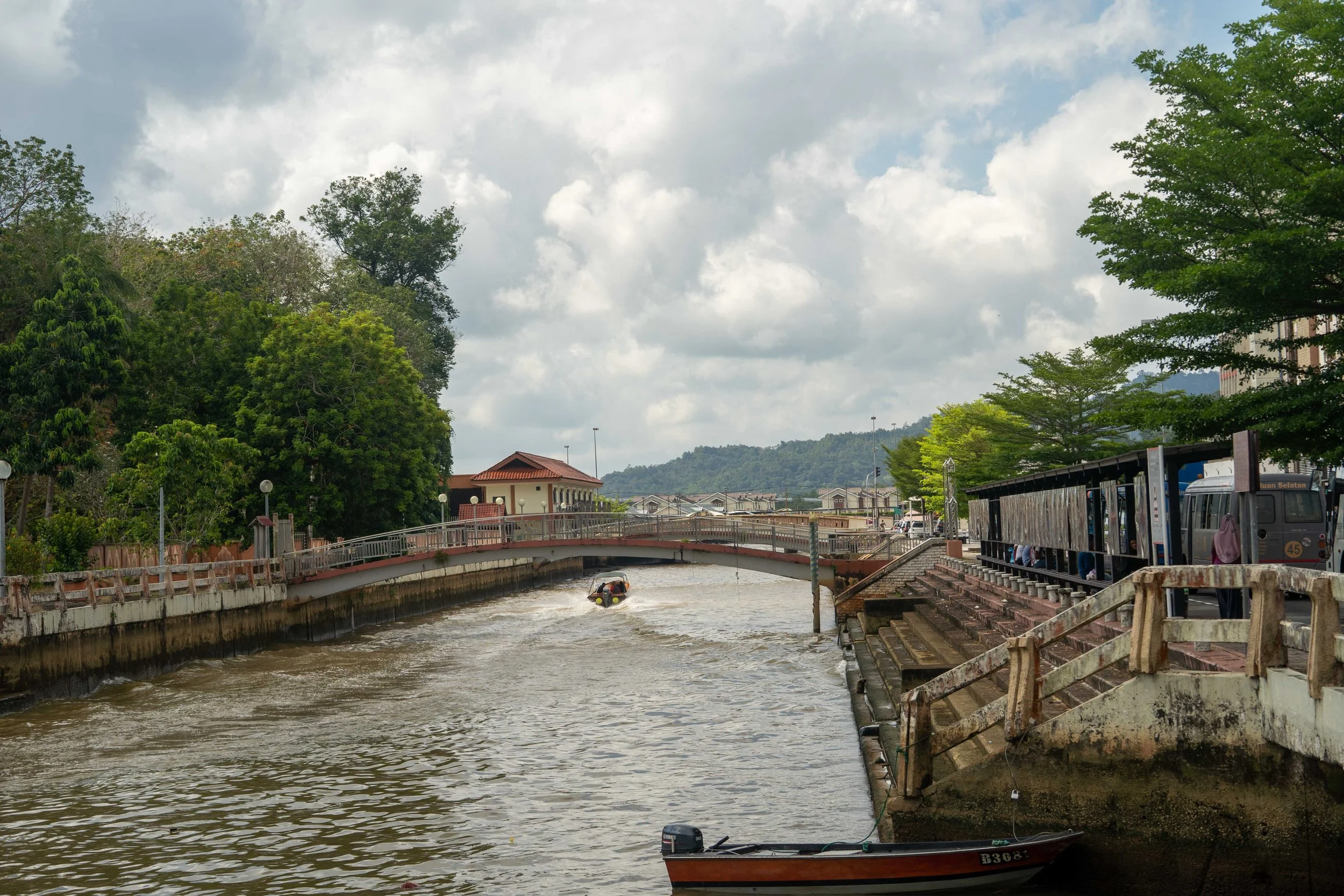
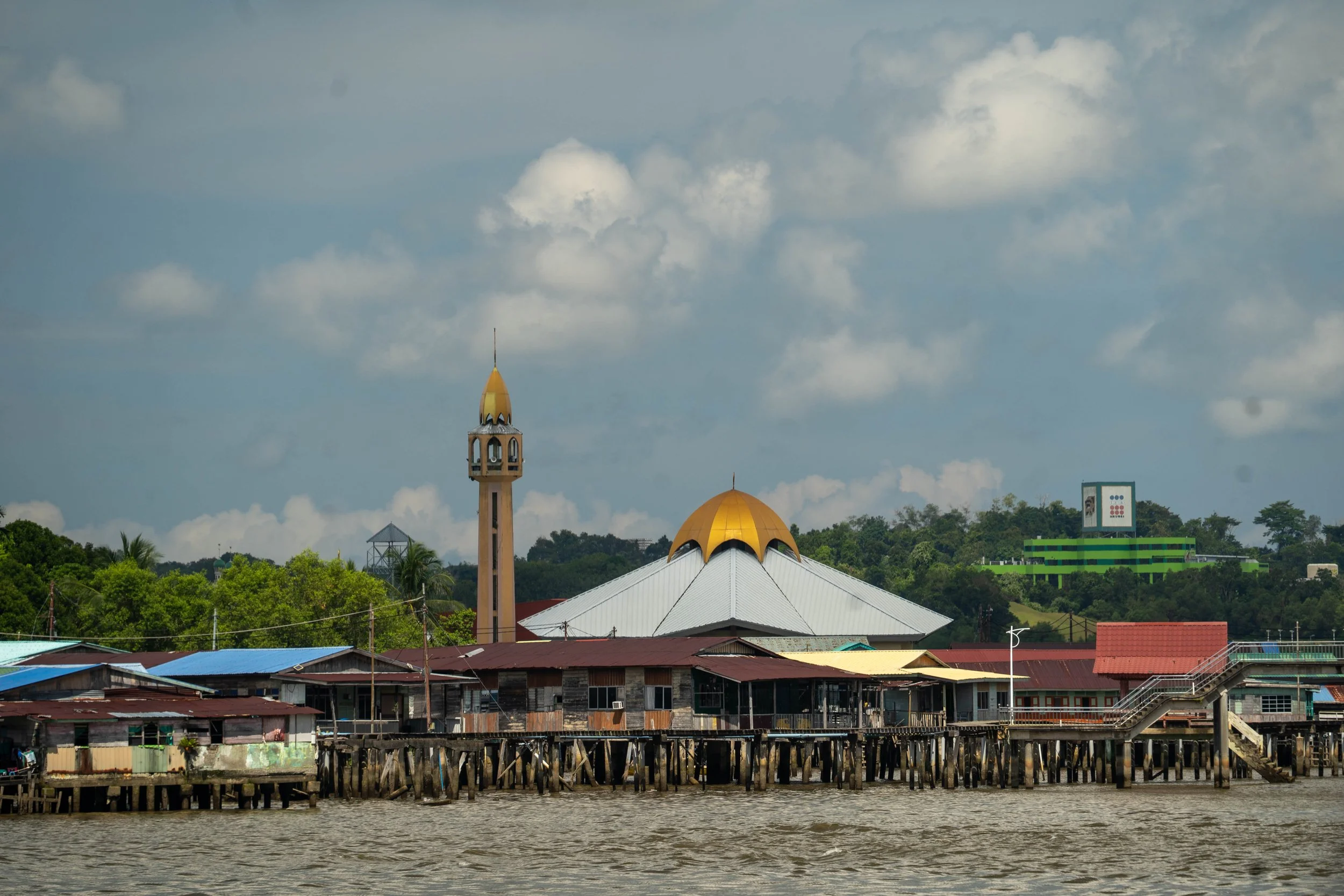
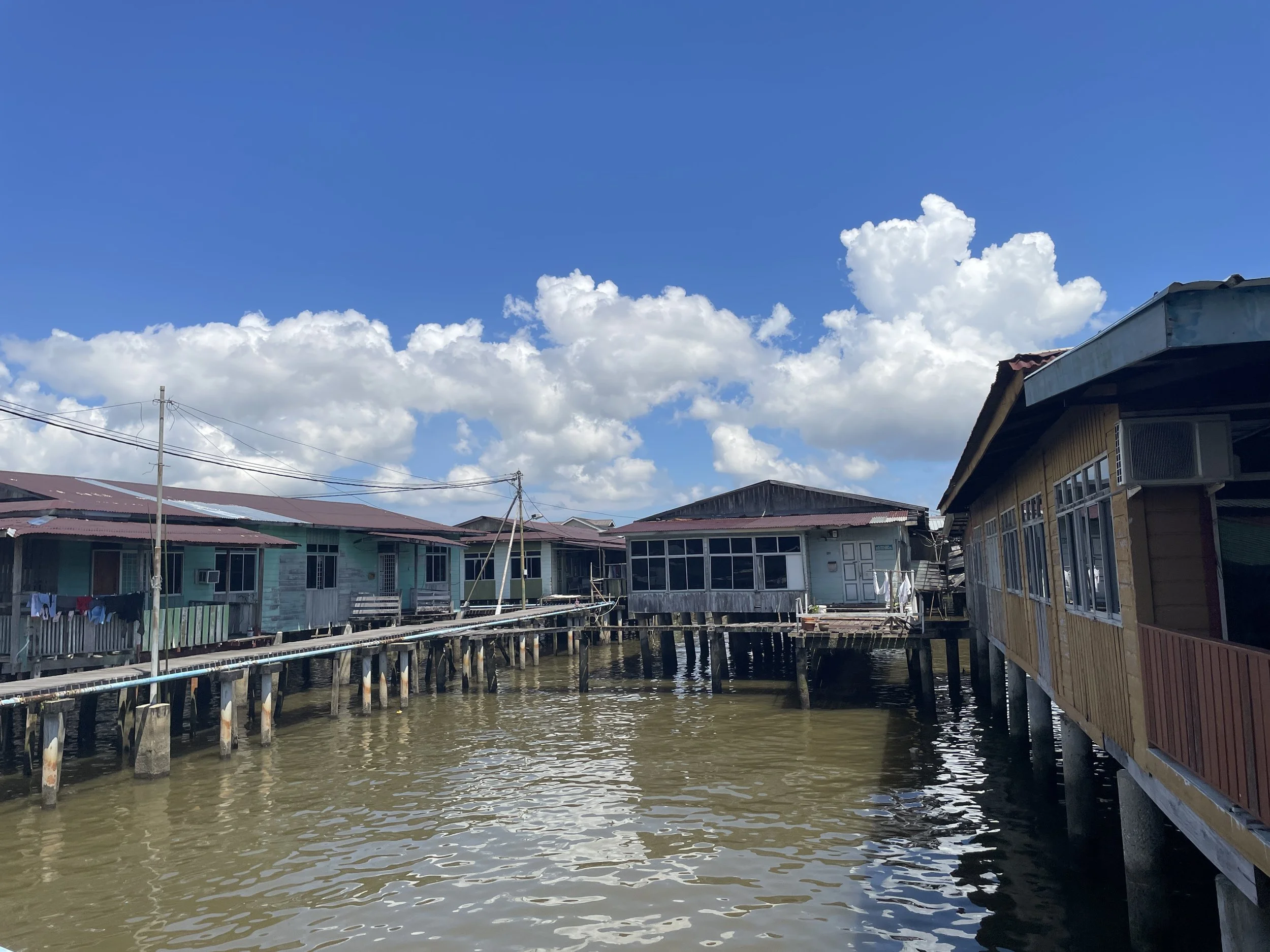
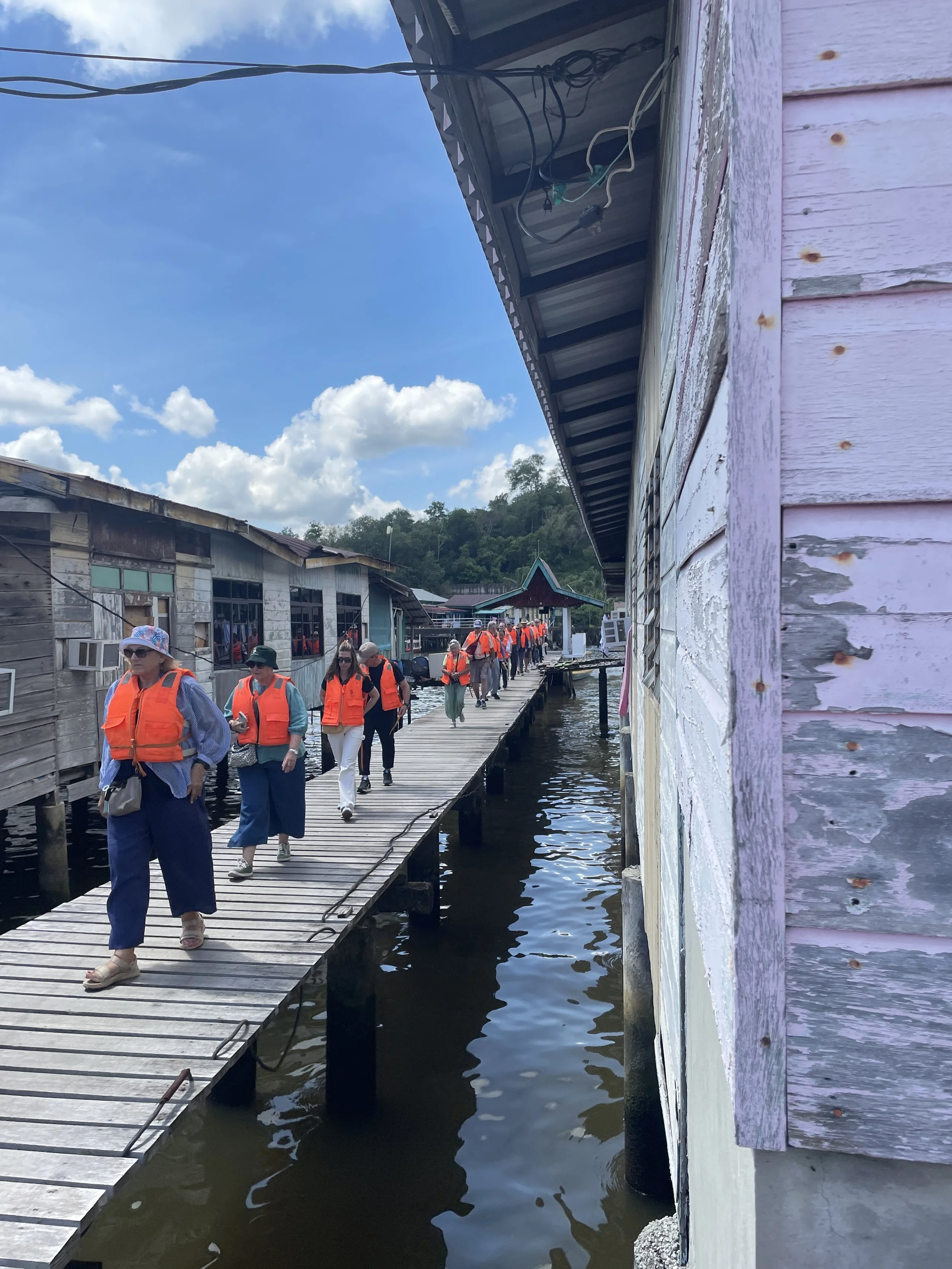
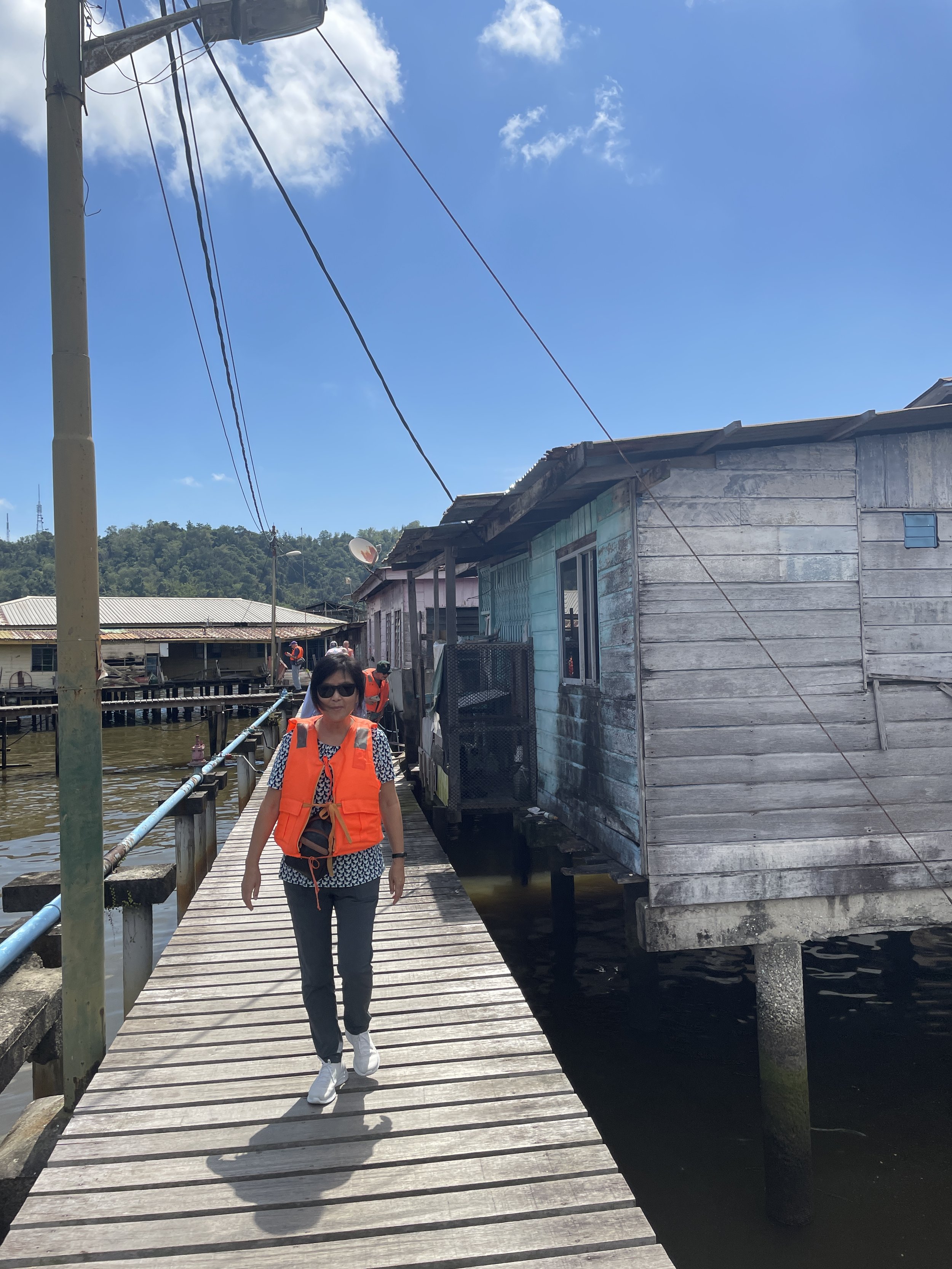
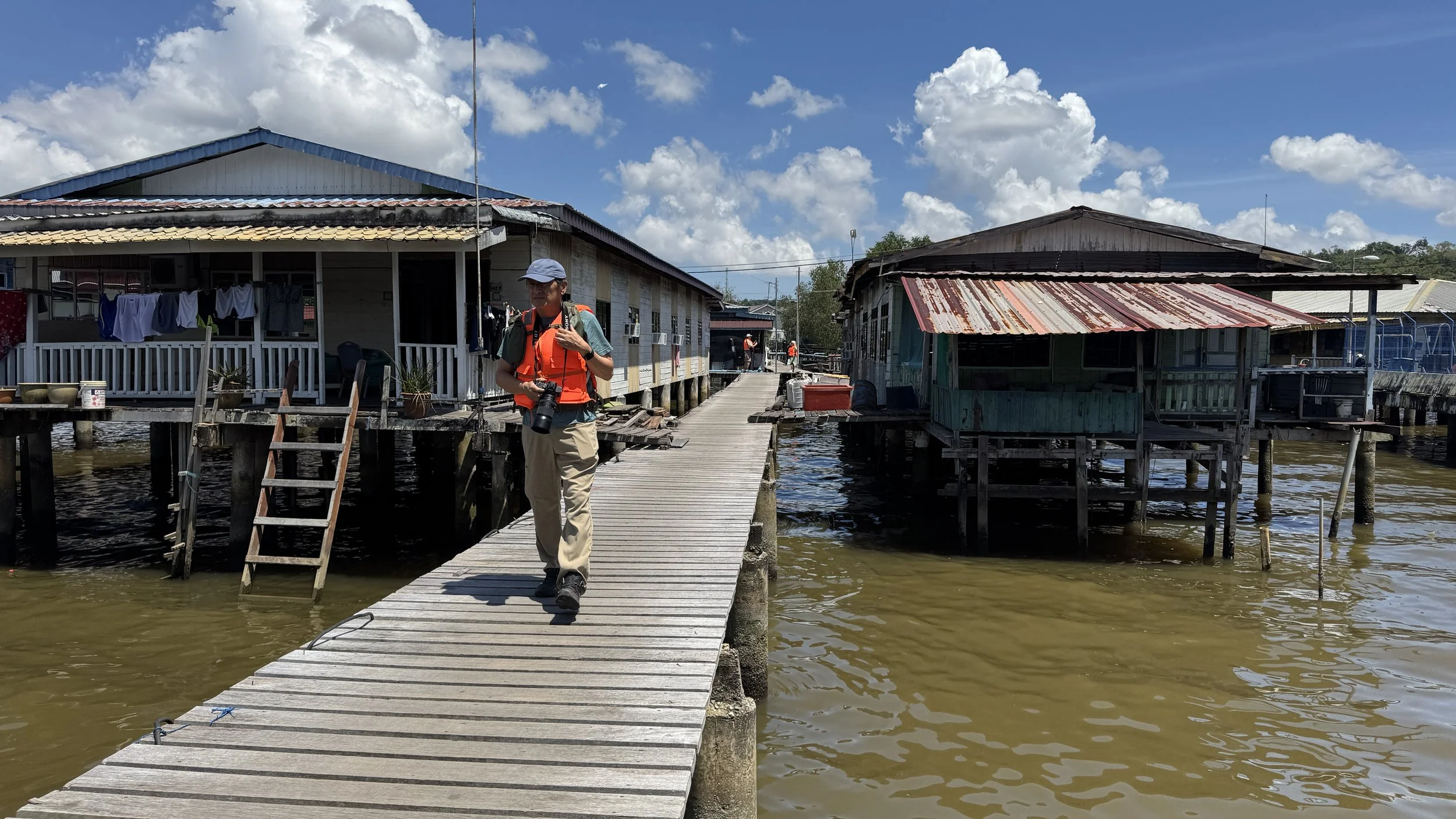
Next we took a small ferry to cross the river and explore Kampong Ayer, the centuries-old water village often called the “Venice of the East,” and considered one of the oldest water settlements in the world. Hundreds of wooden houses stand on stilts above the river, connected by wooden walkways and small bridges. Despite its long history, the village felt quiet and calm, not nearly as busy as the floating villages we had seen in Cambodia.
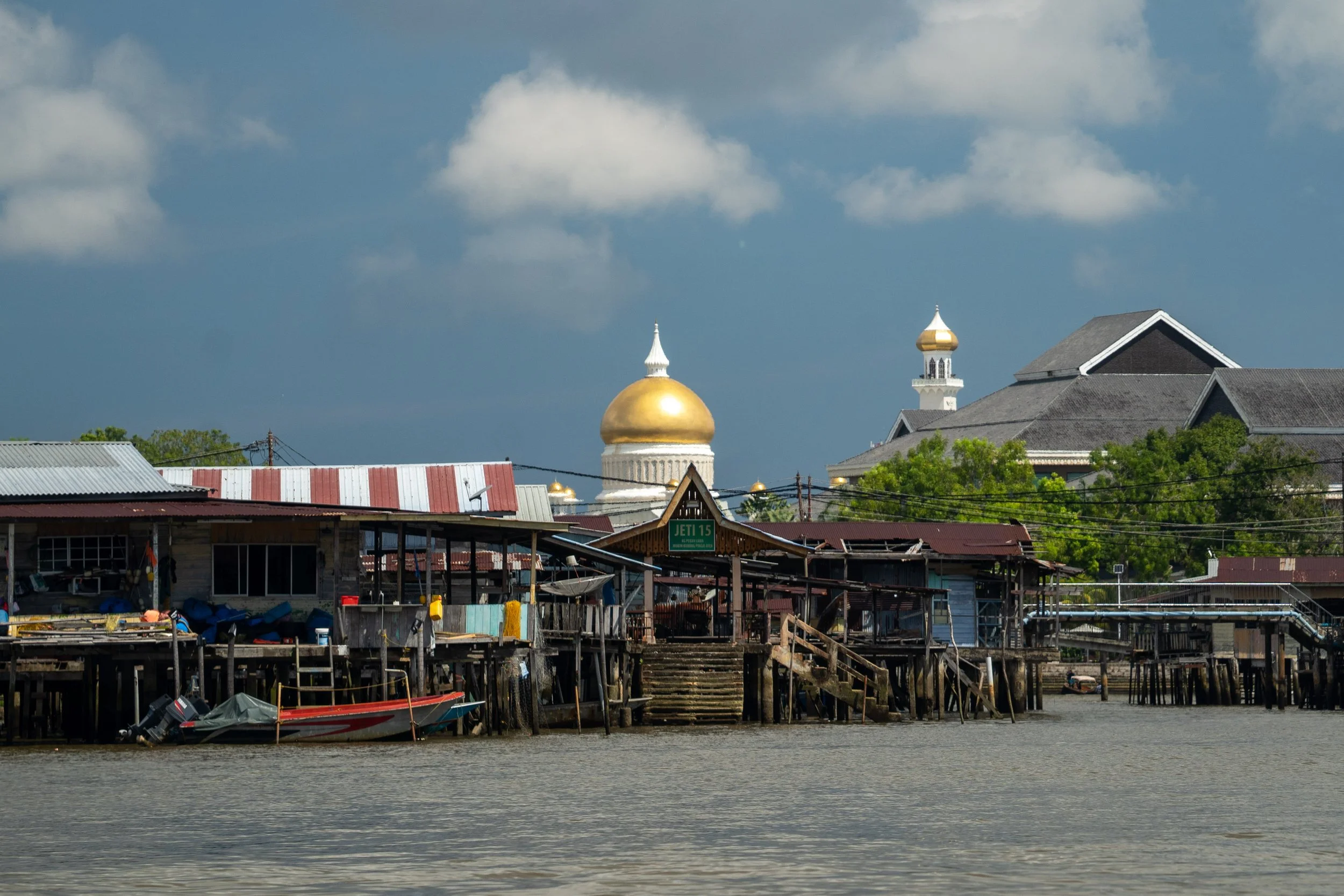
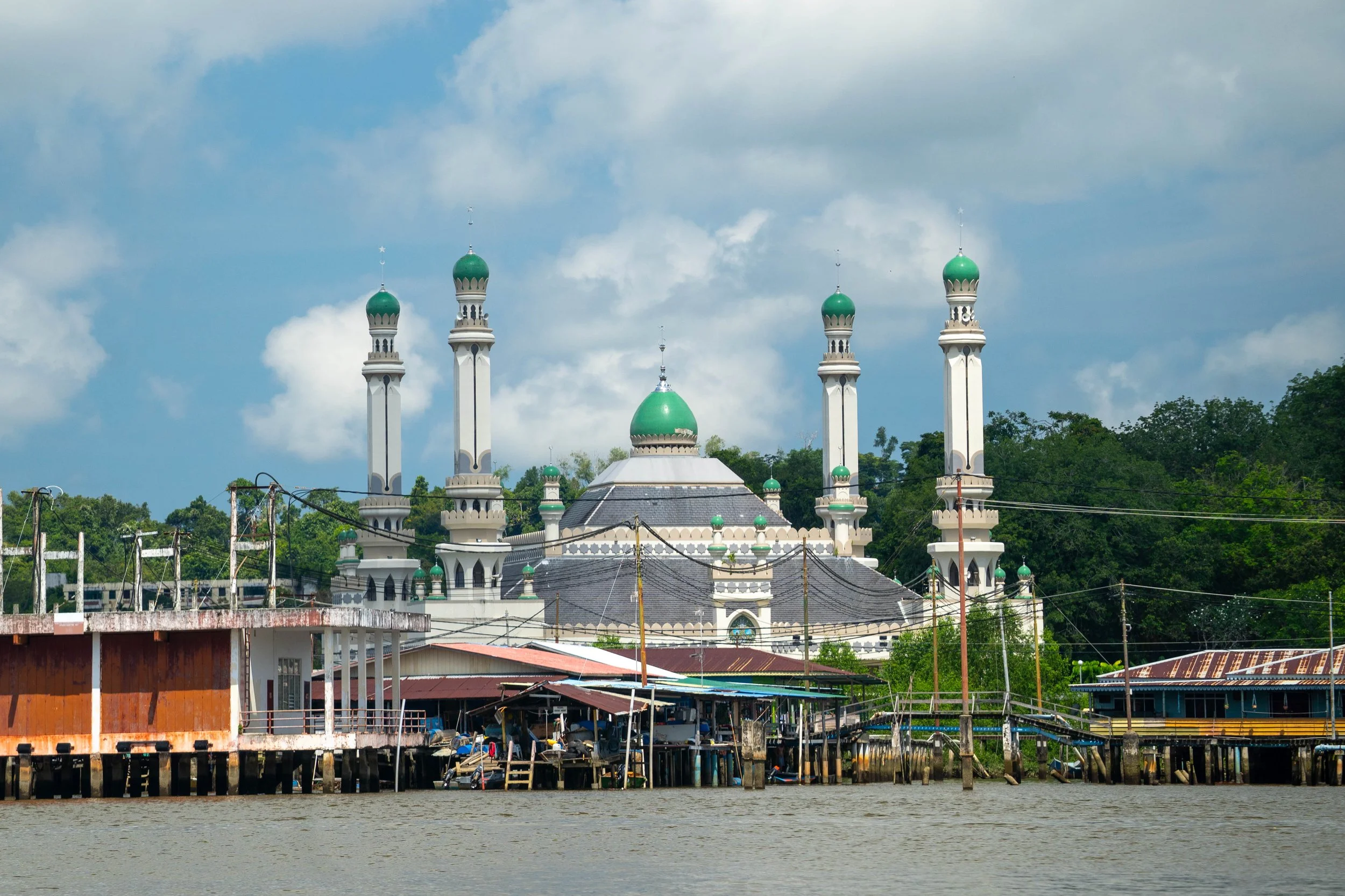
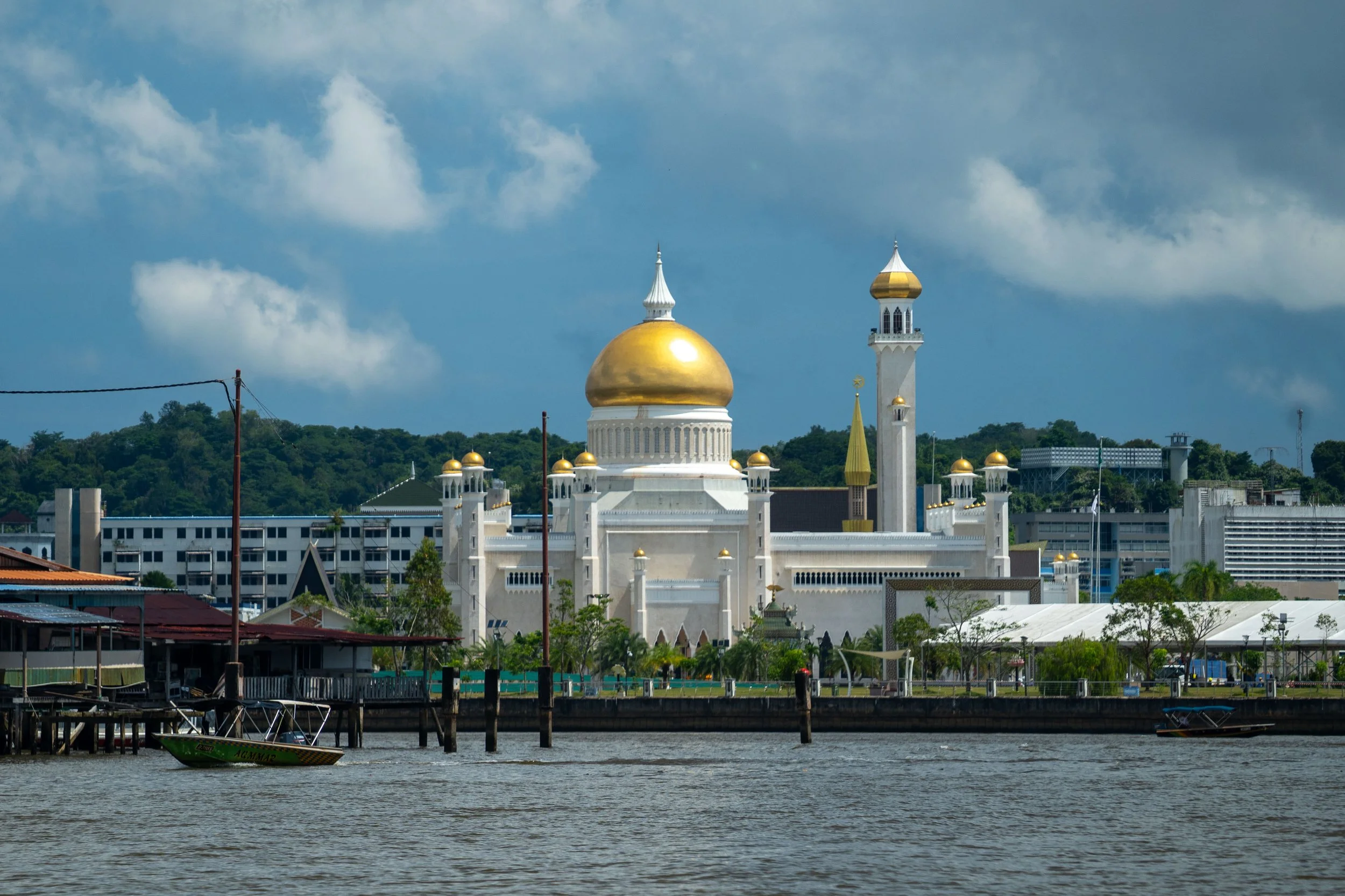
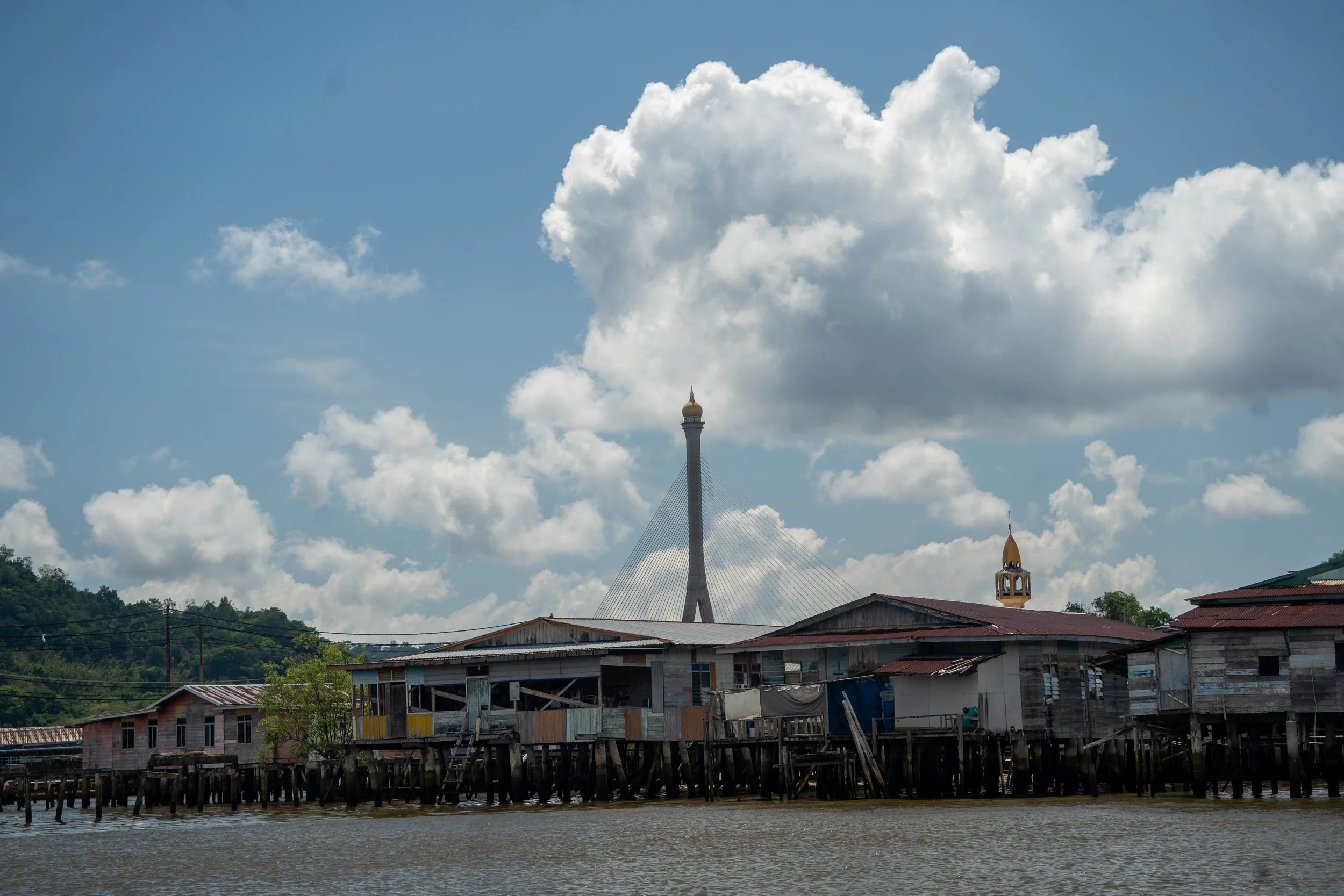
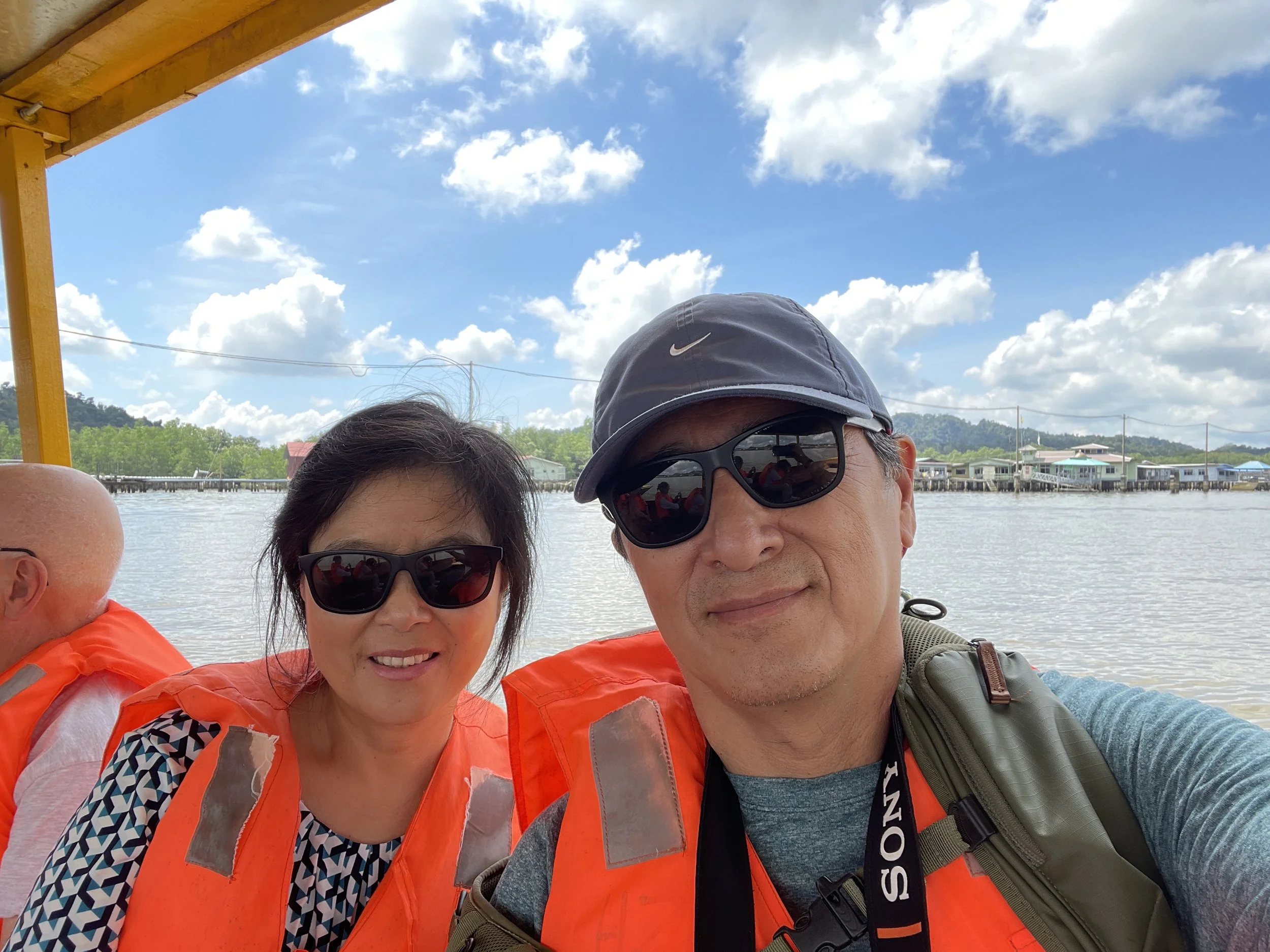
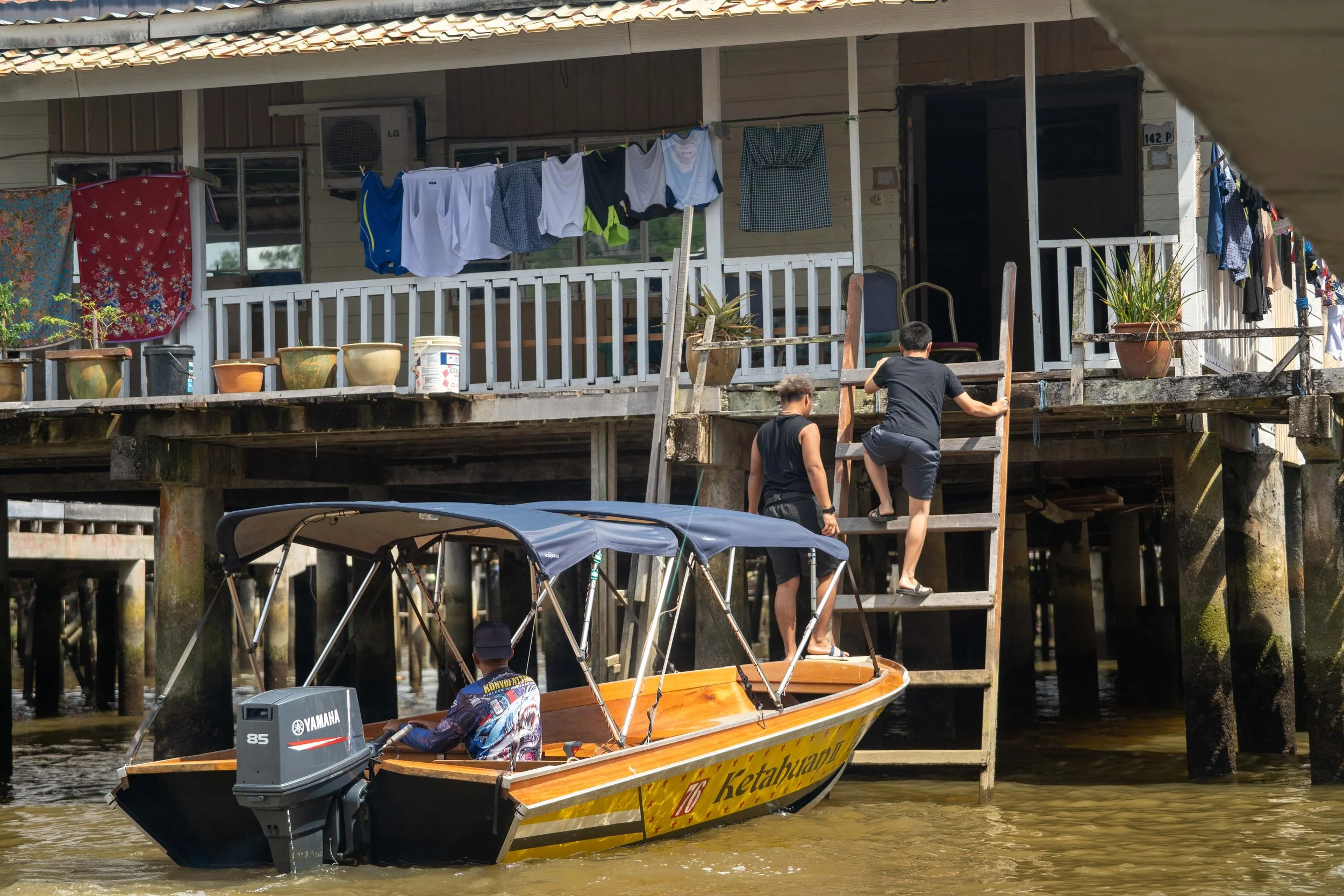
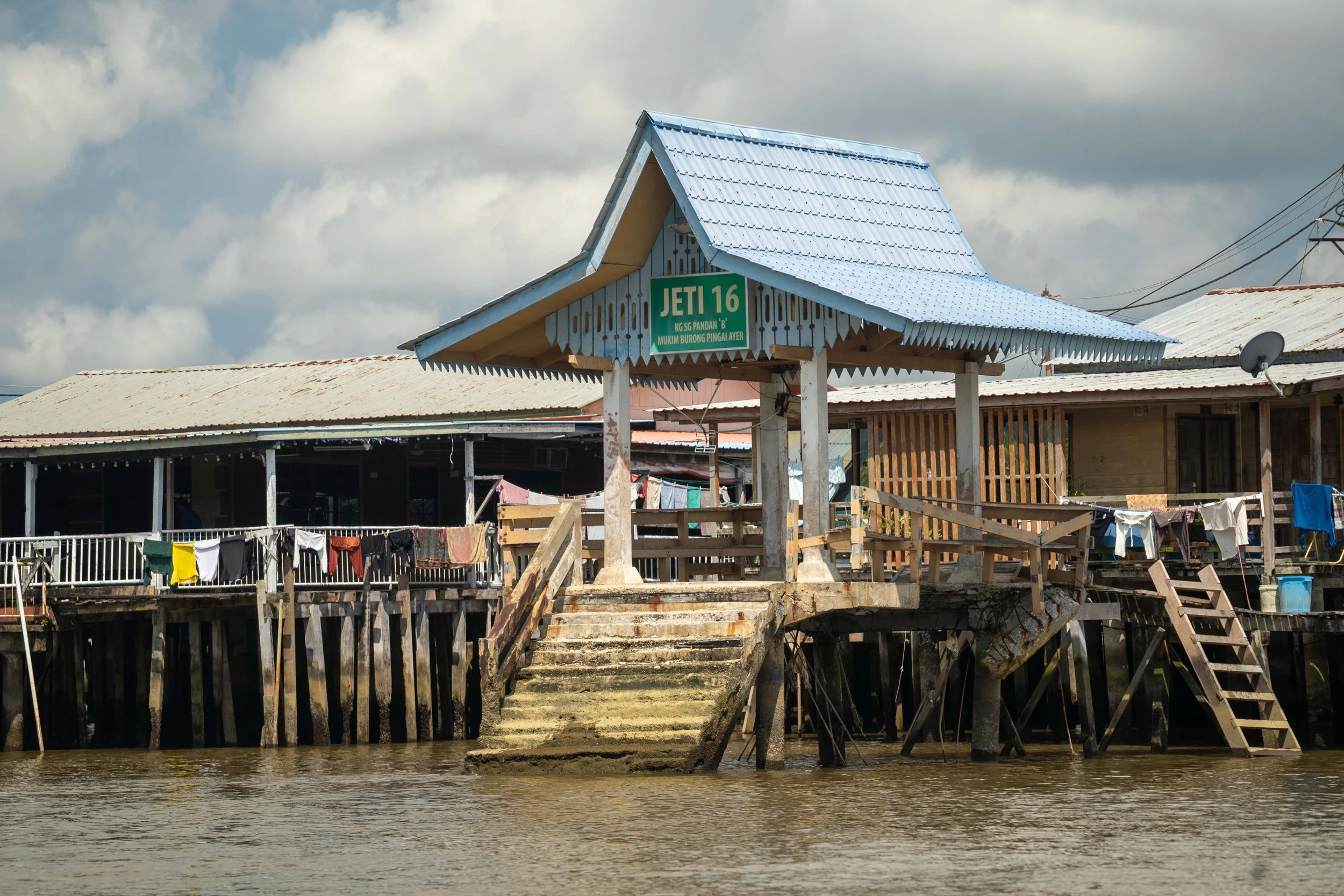
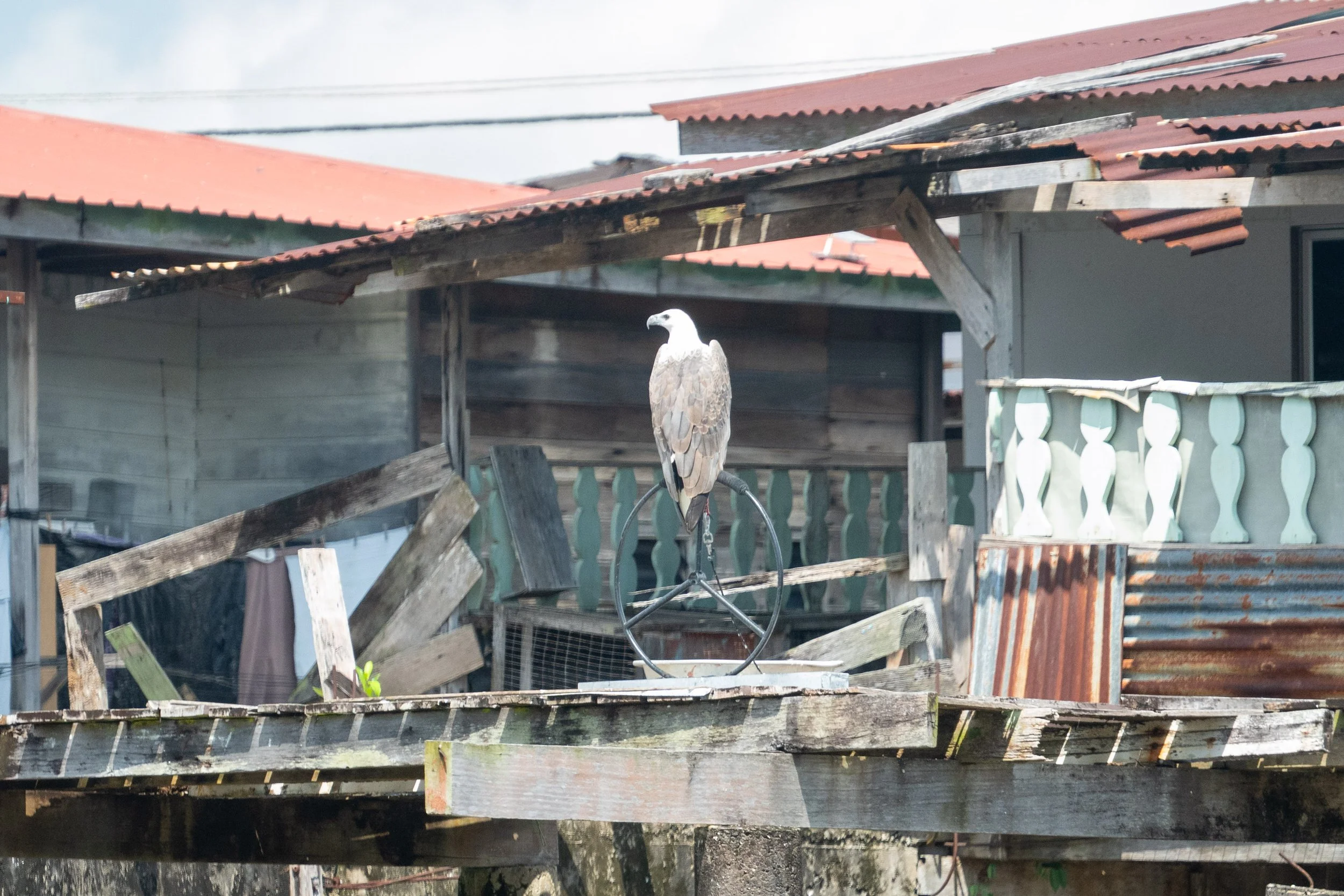
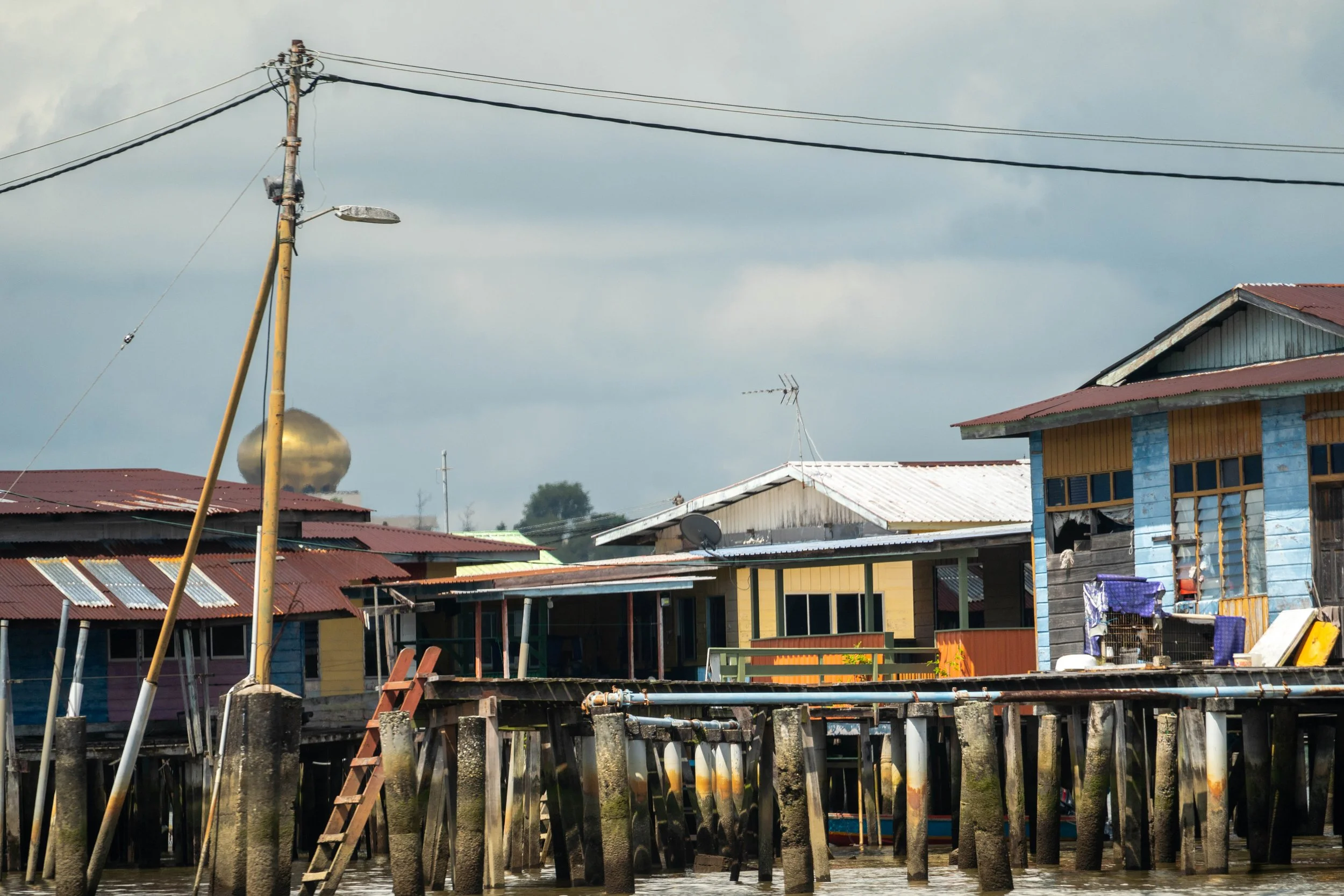
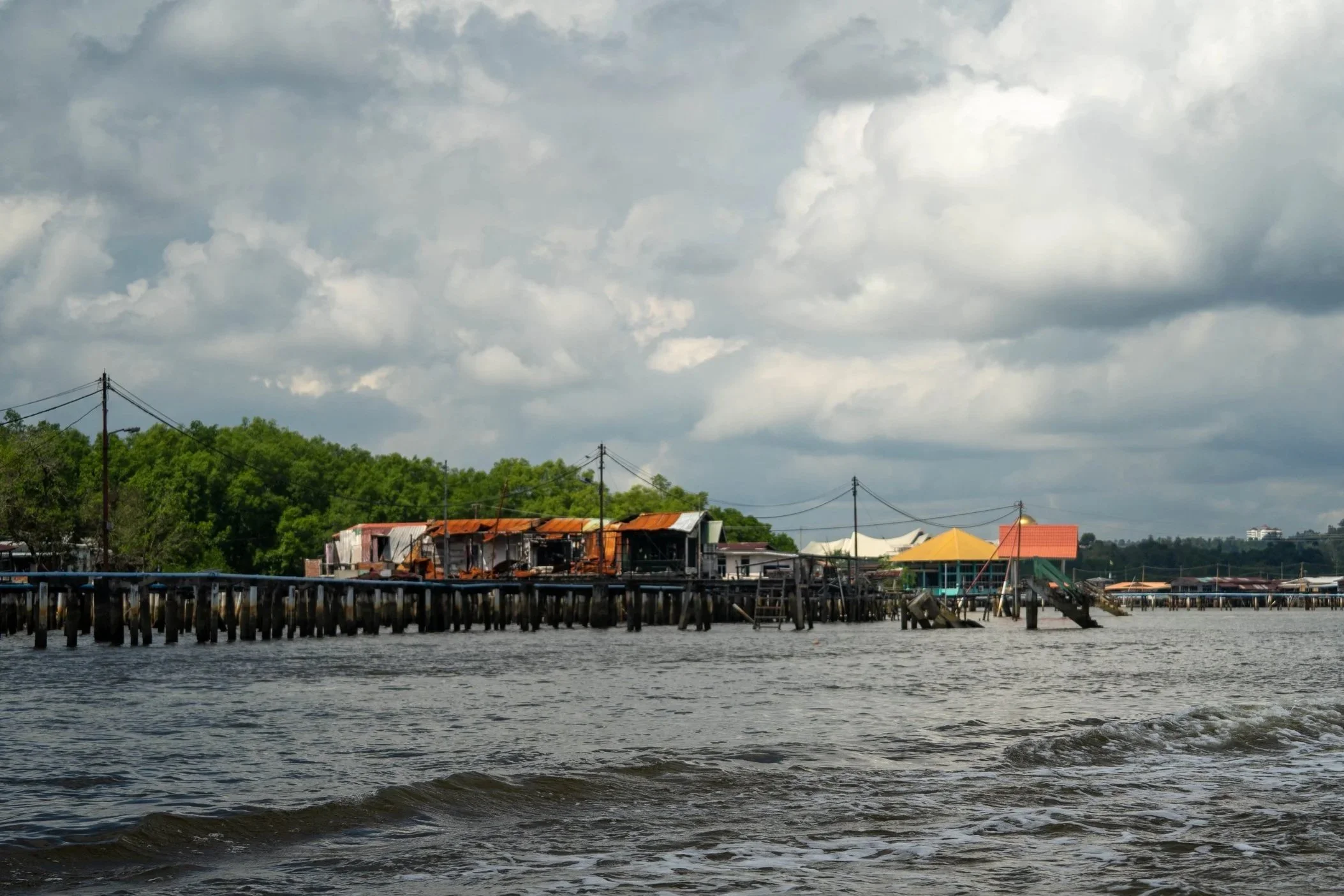
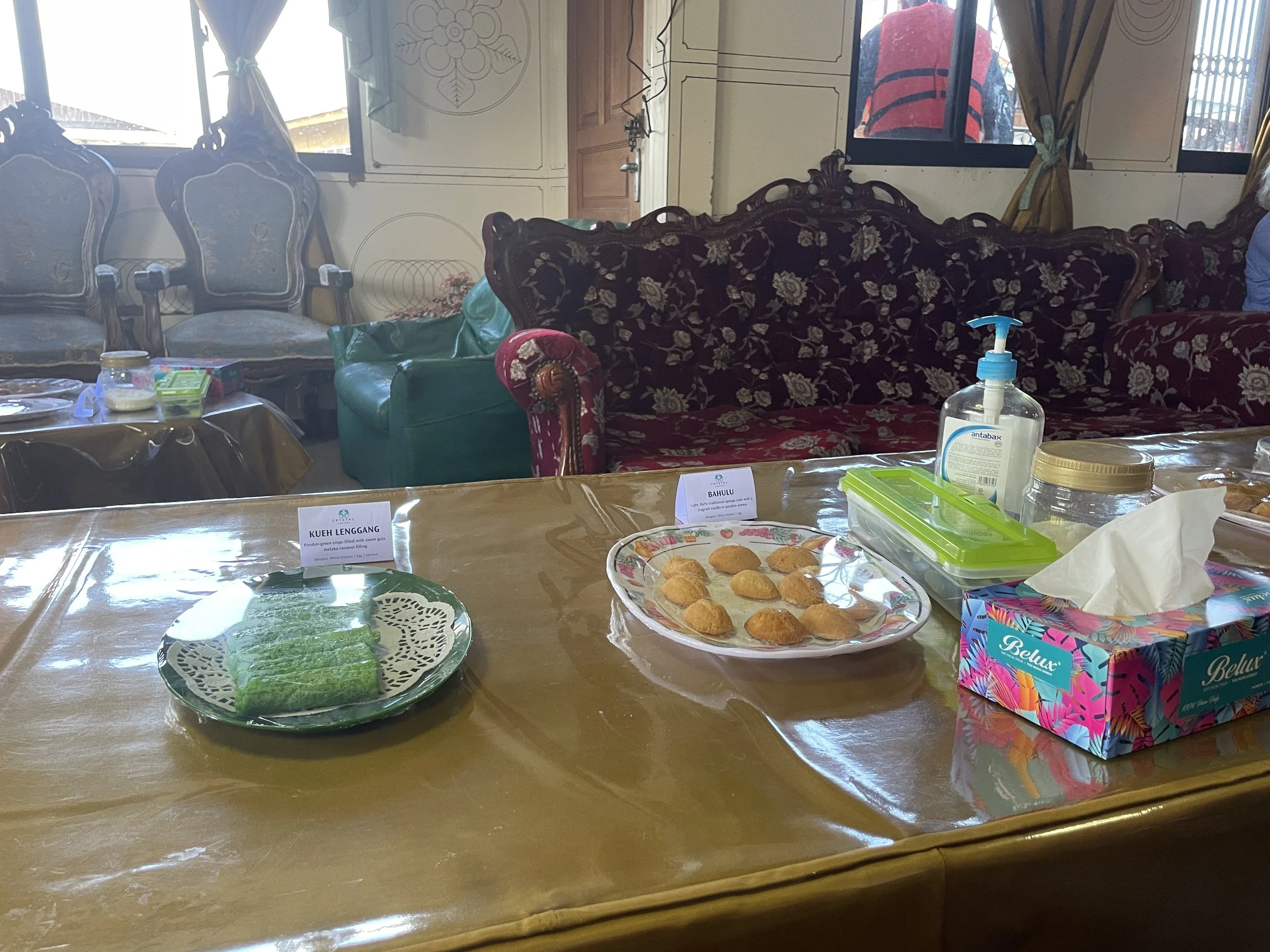
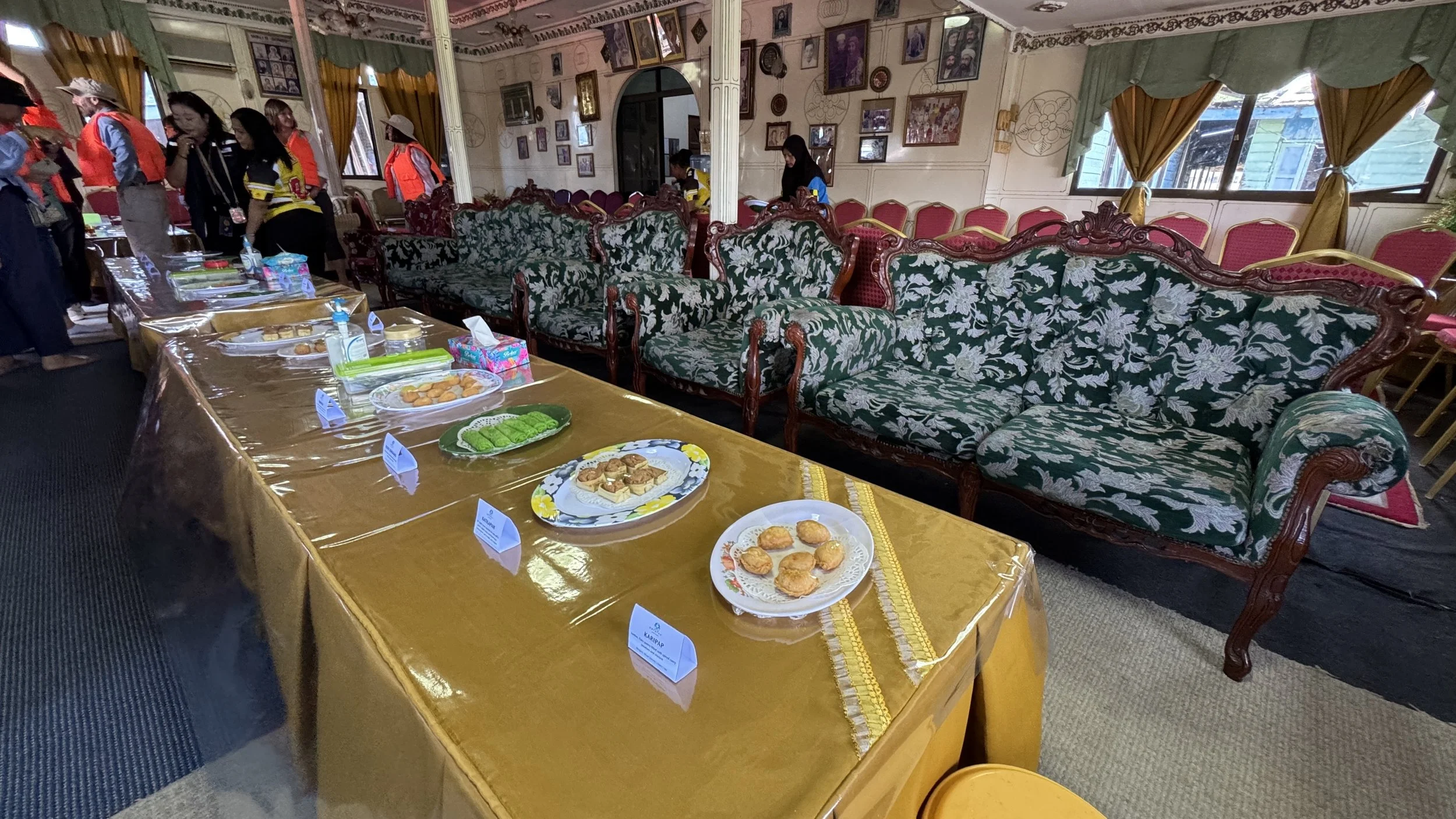
We were welcomed into a floating house and served a selection of traditional Bruneian snacks. Sitting in the living room above the gently moving water while enjoying the local treats gave us a warm glimpse into everyday life in this unique riverside community.
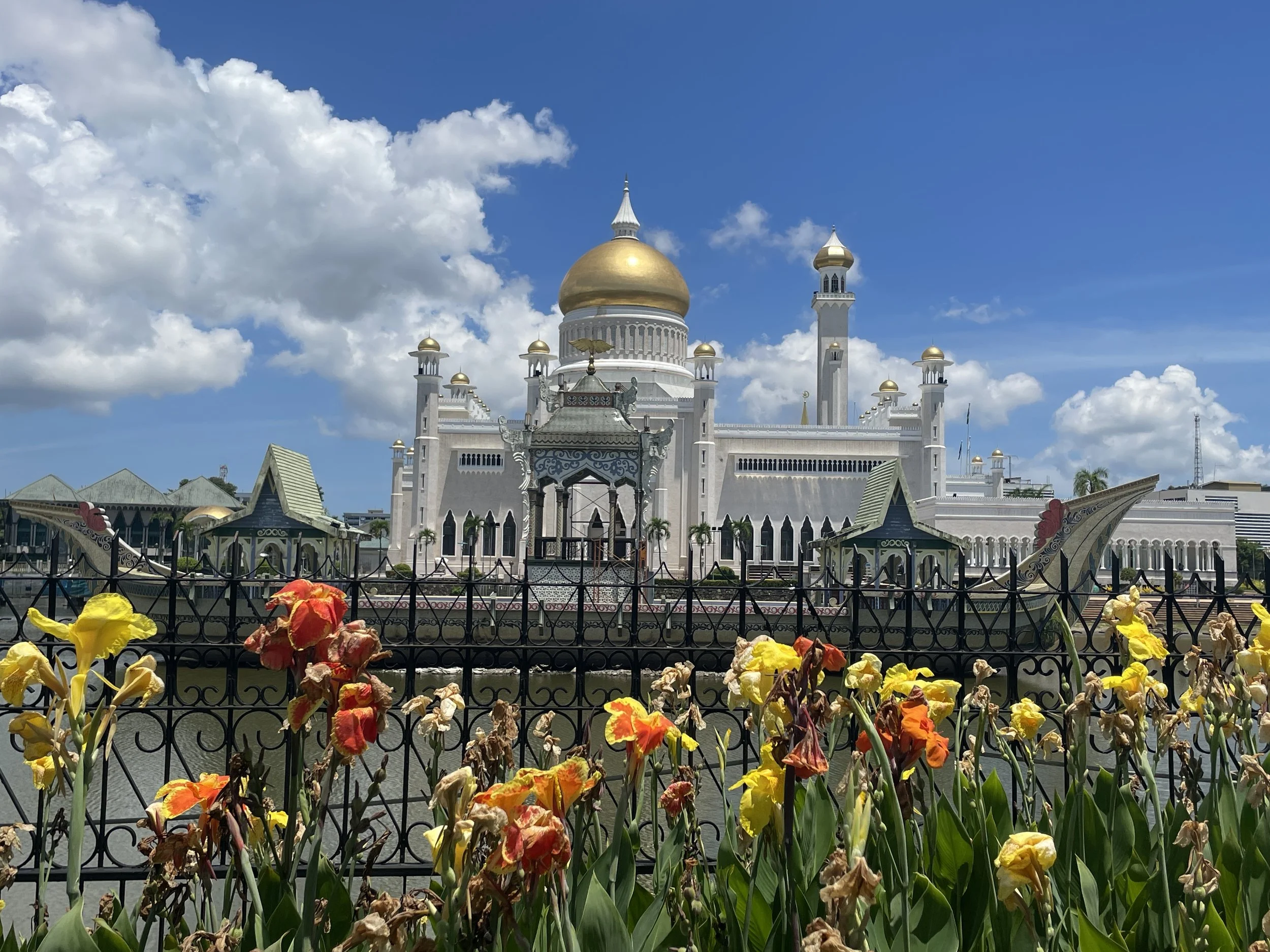
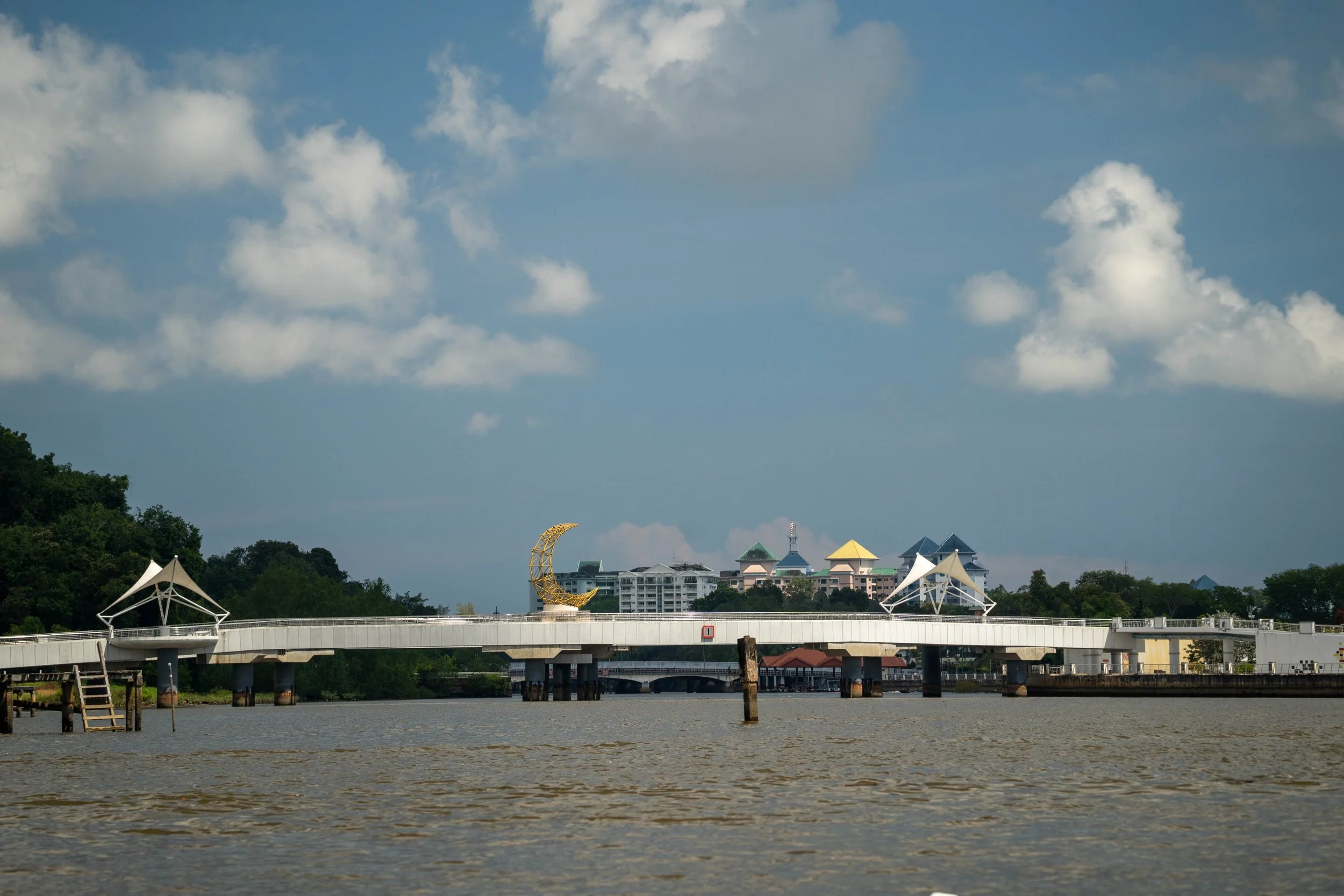
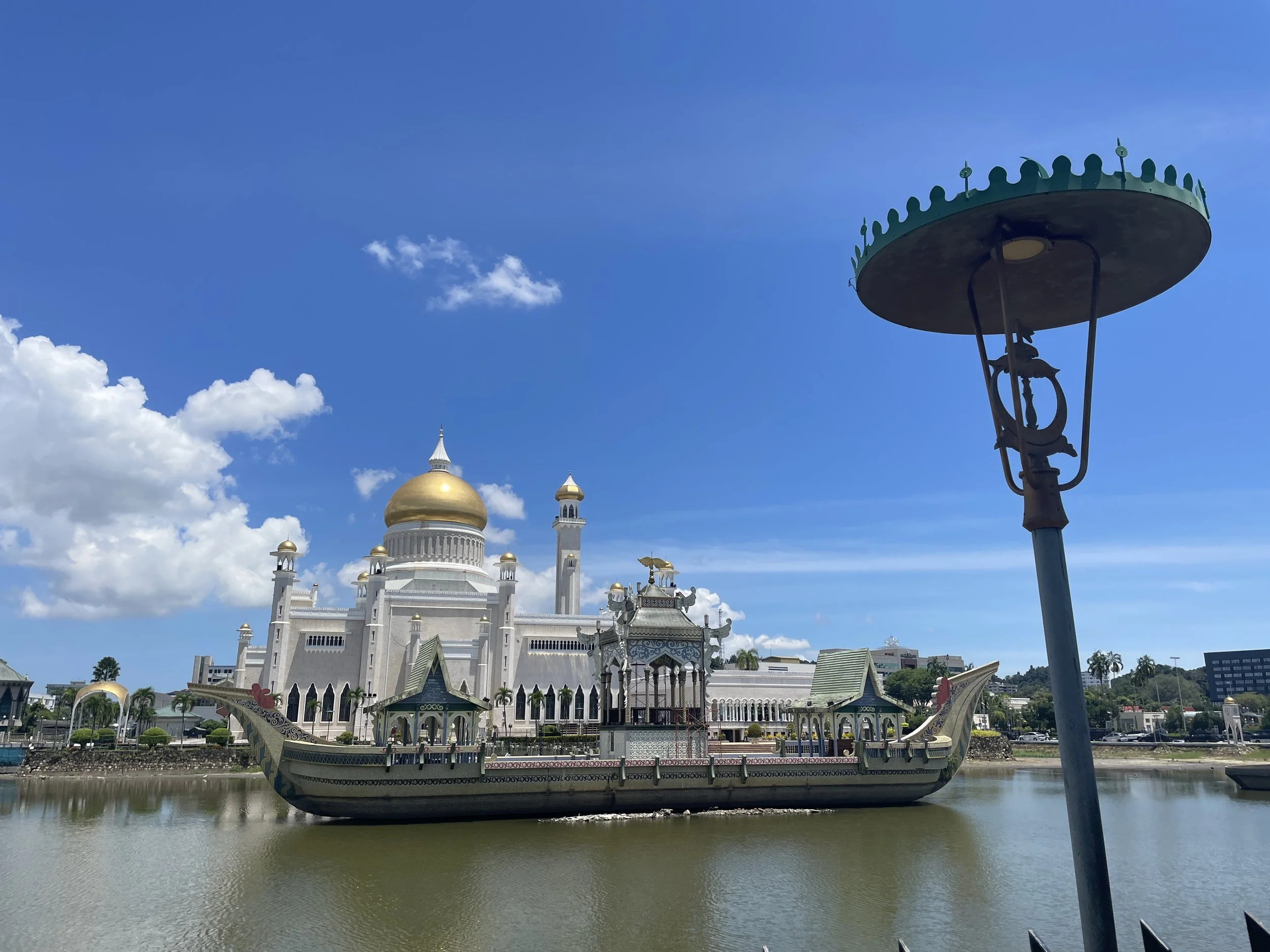
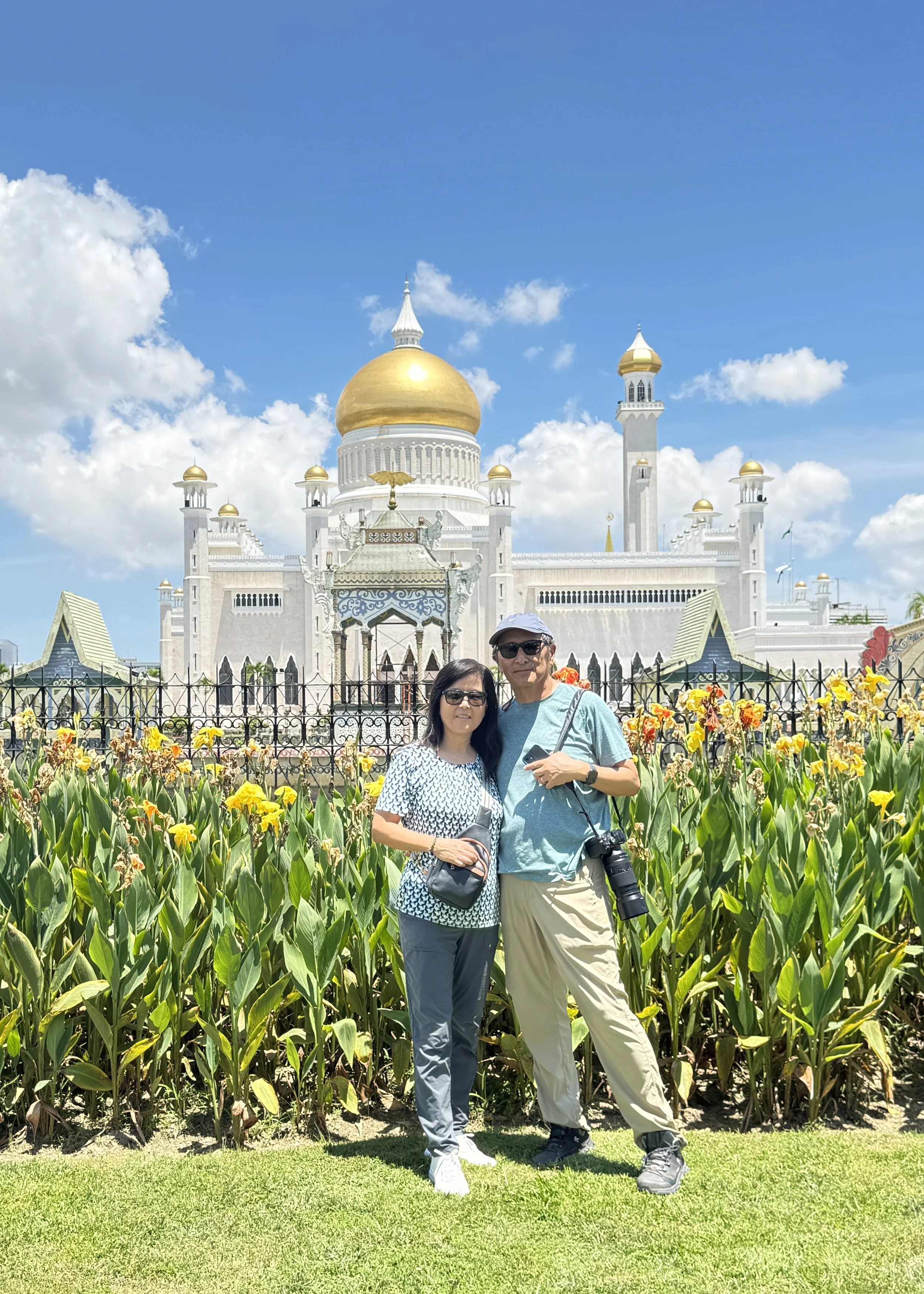
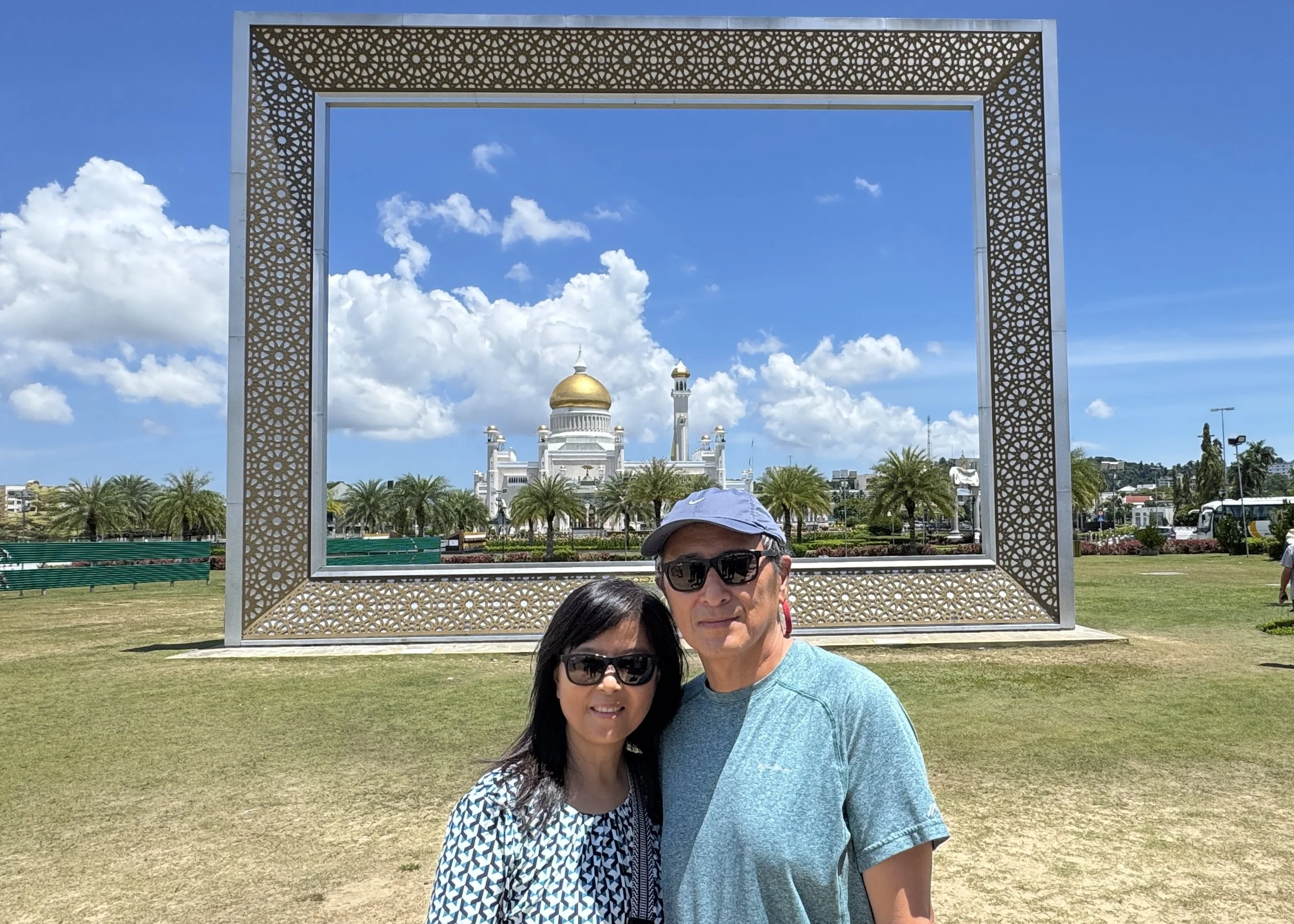
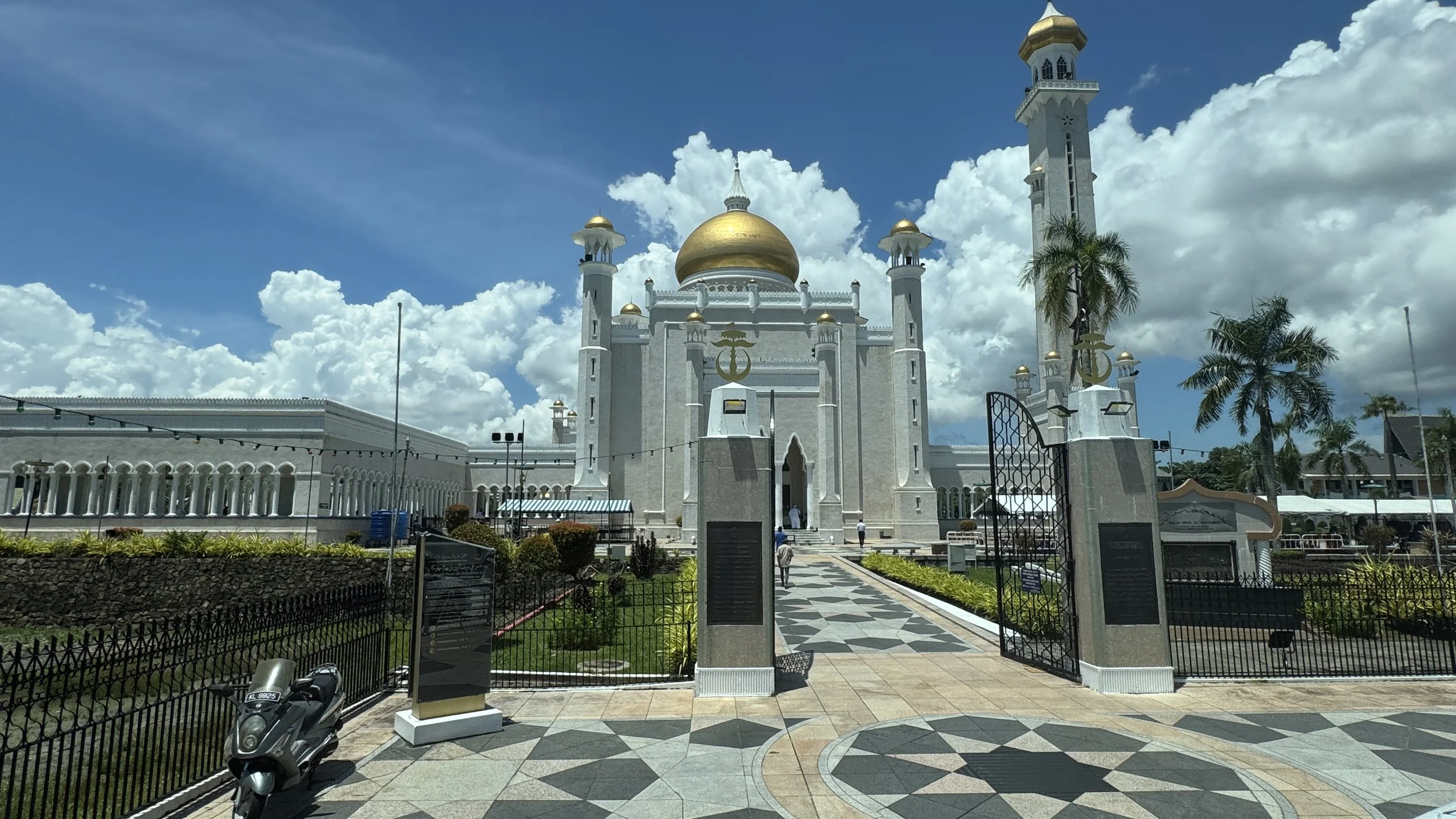
Later we visited the elegant Sultan Omar Ali Saifuddien Mosque. Its golden dome rises above a tranquil lagoon, and the white marble building reflects beautifully in the surrounding water, making it one of the most iconic landmarks in Southeast Asia.
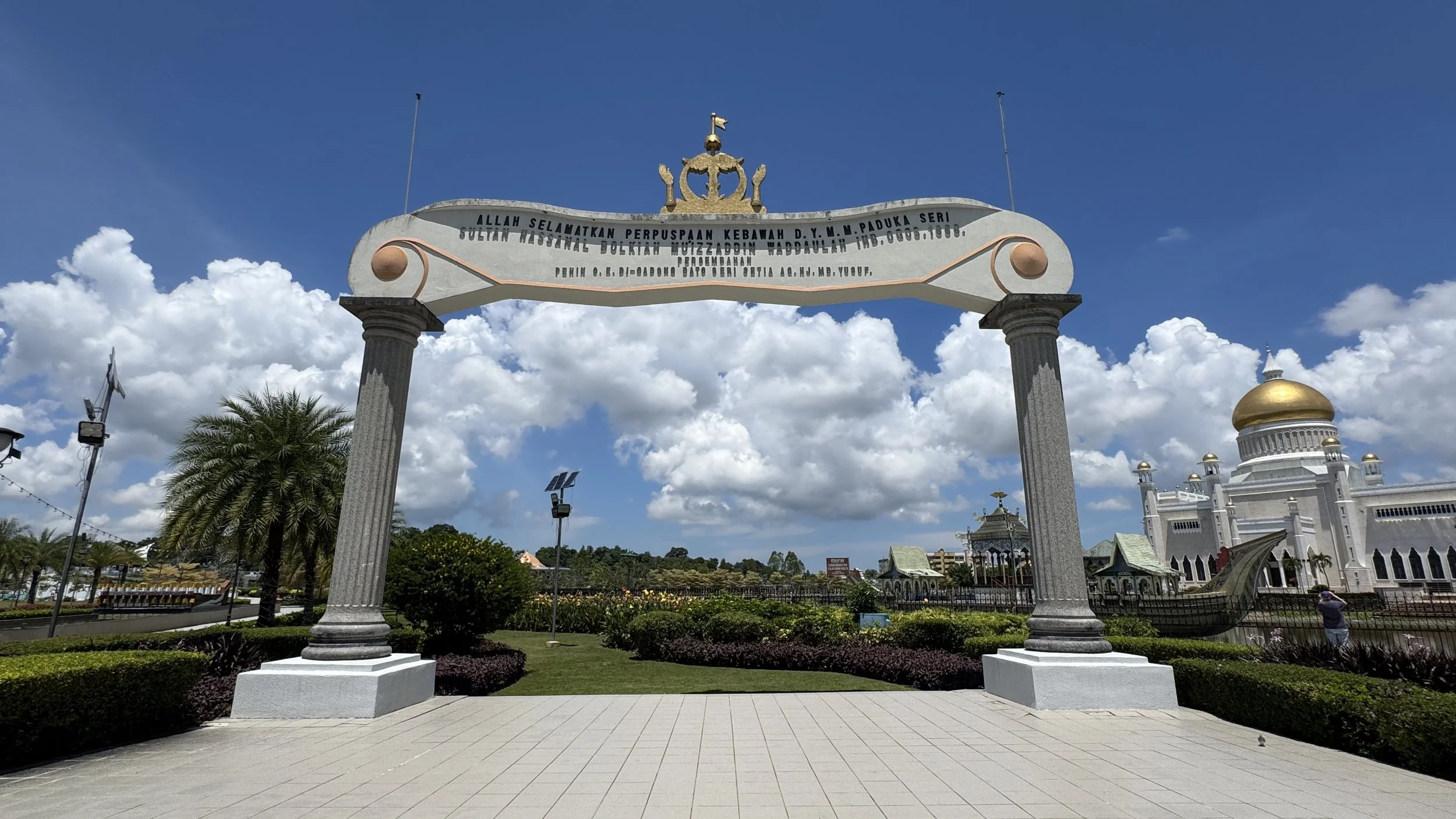
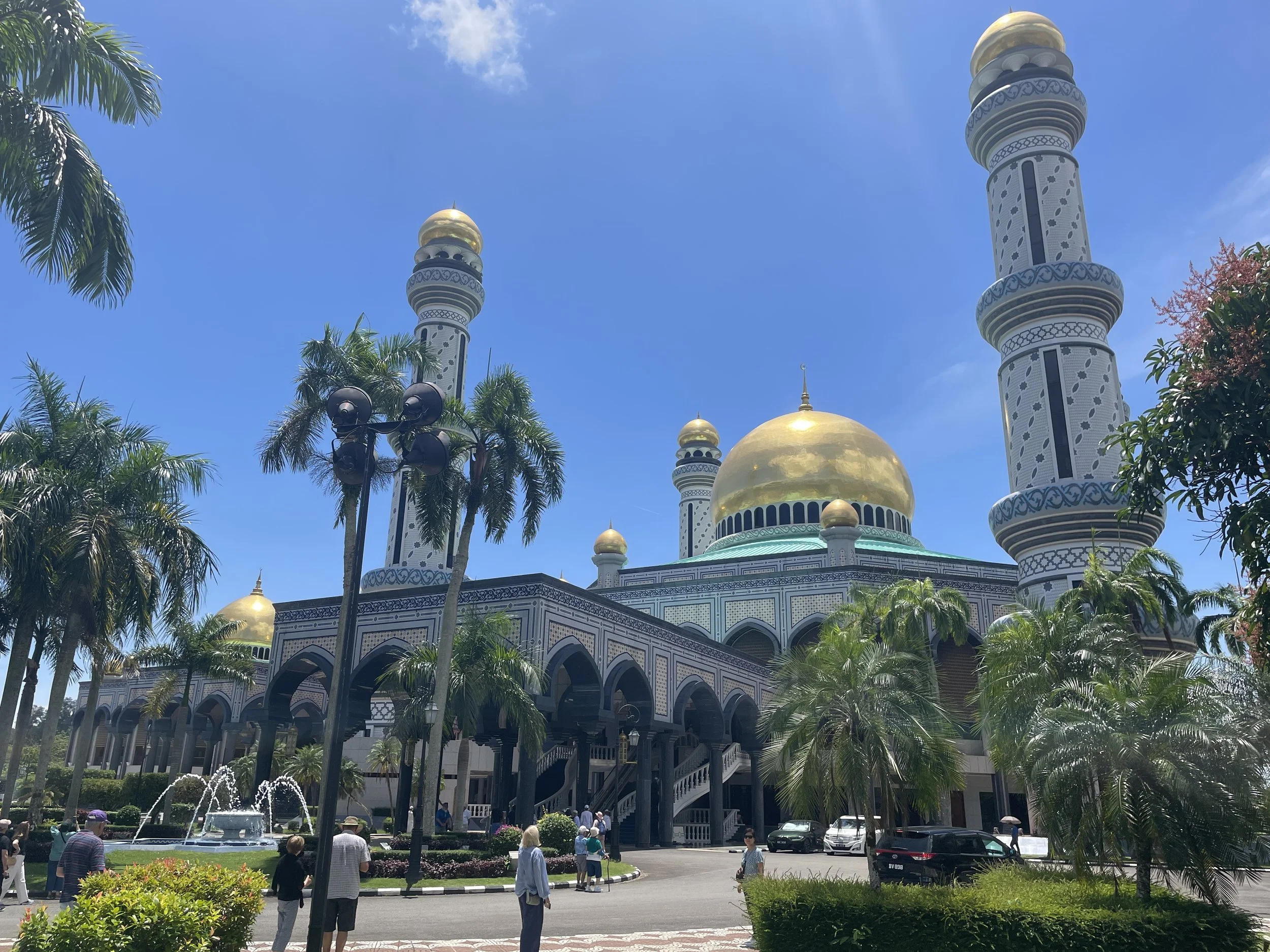
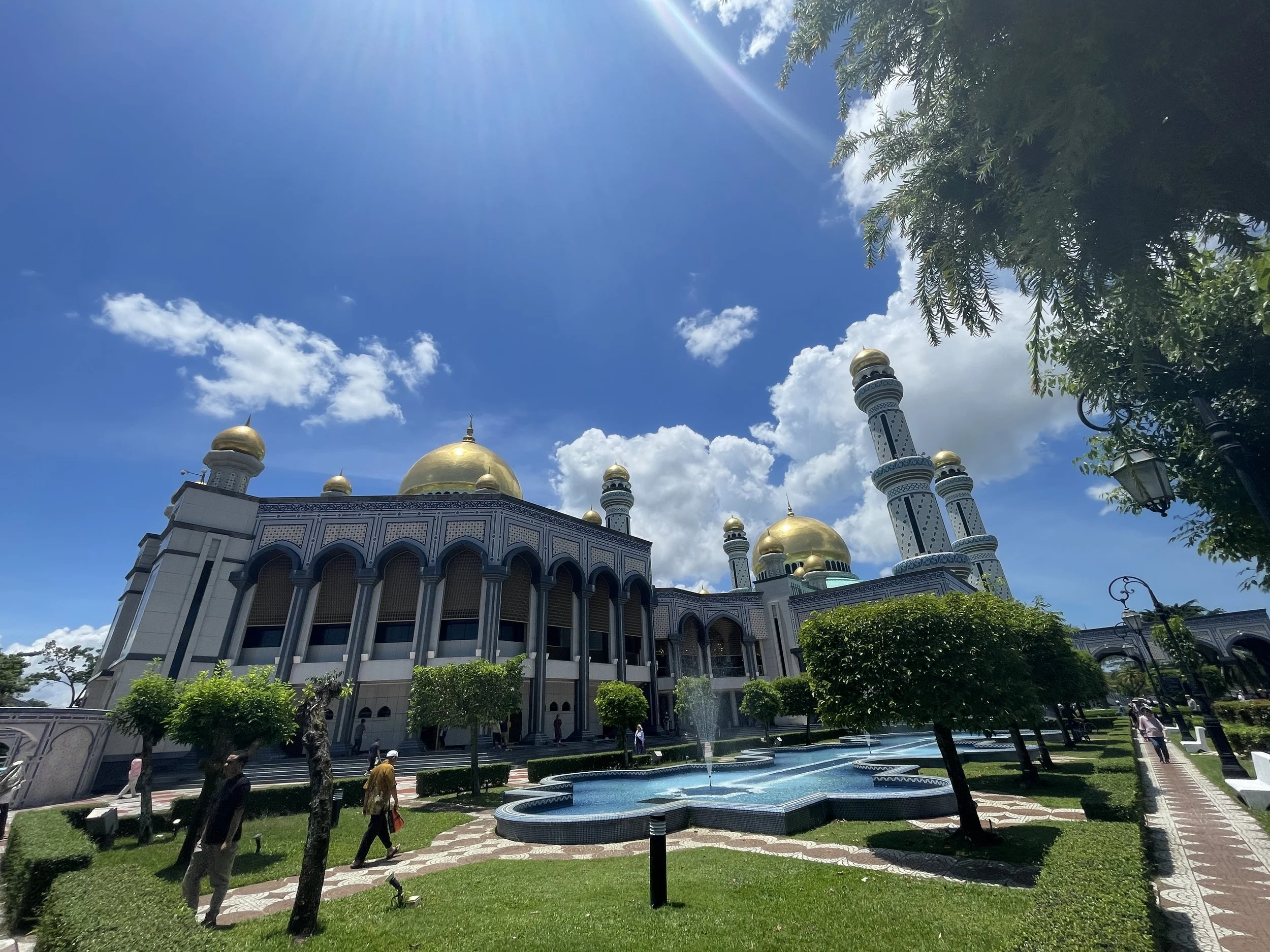
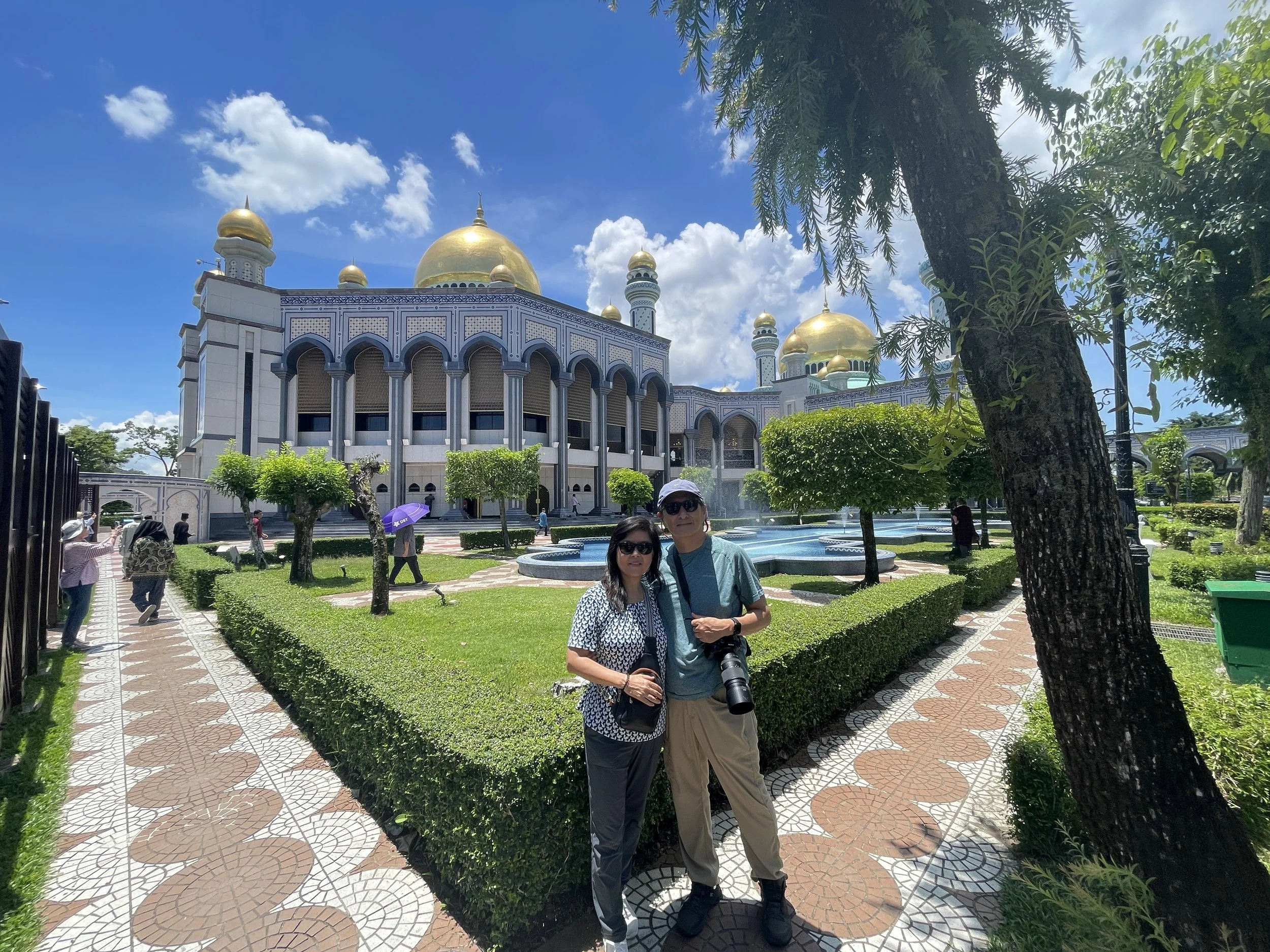
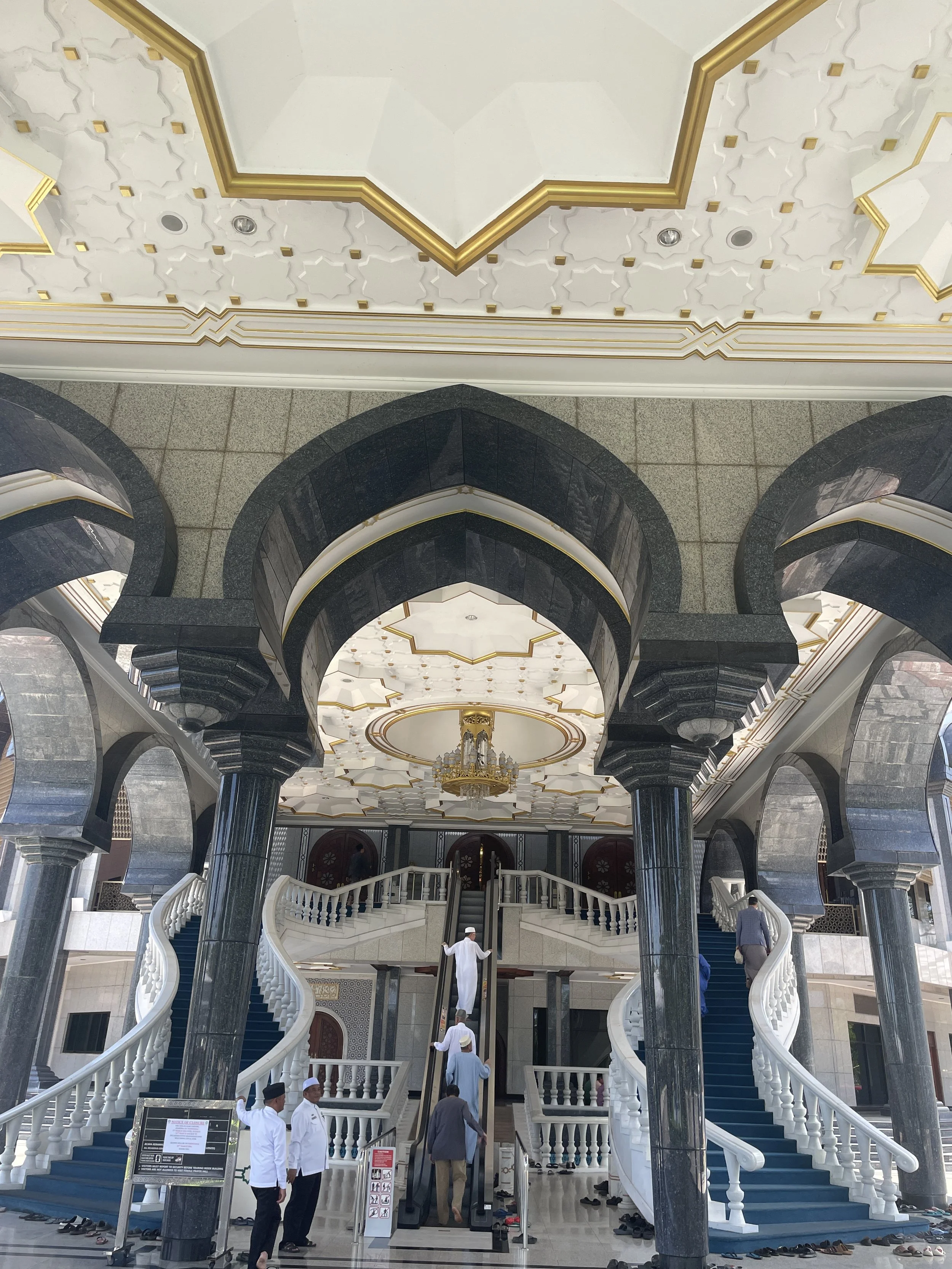
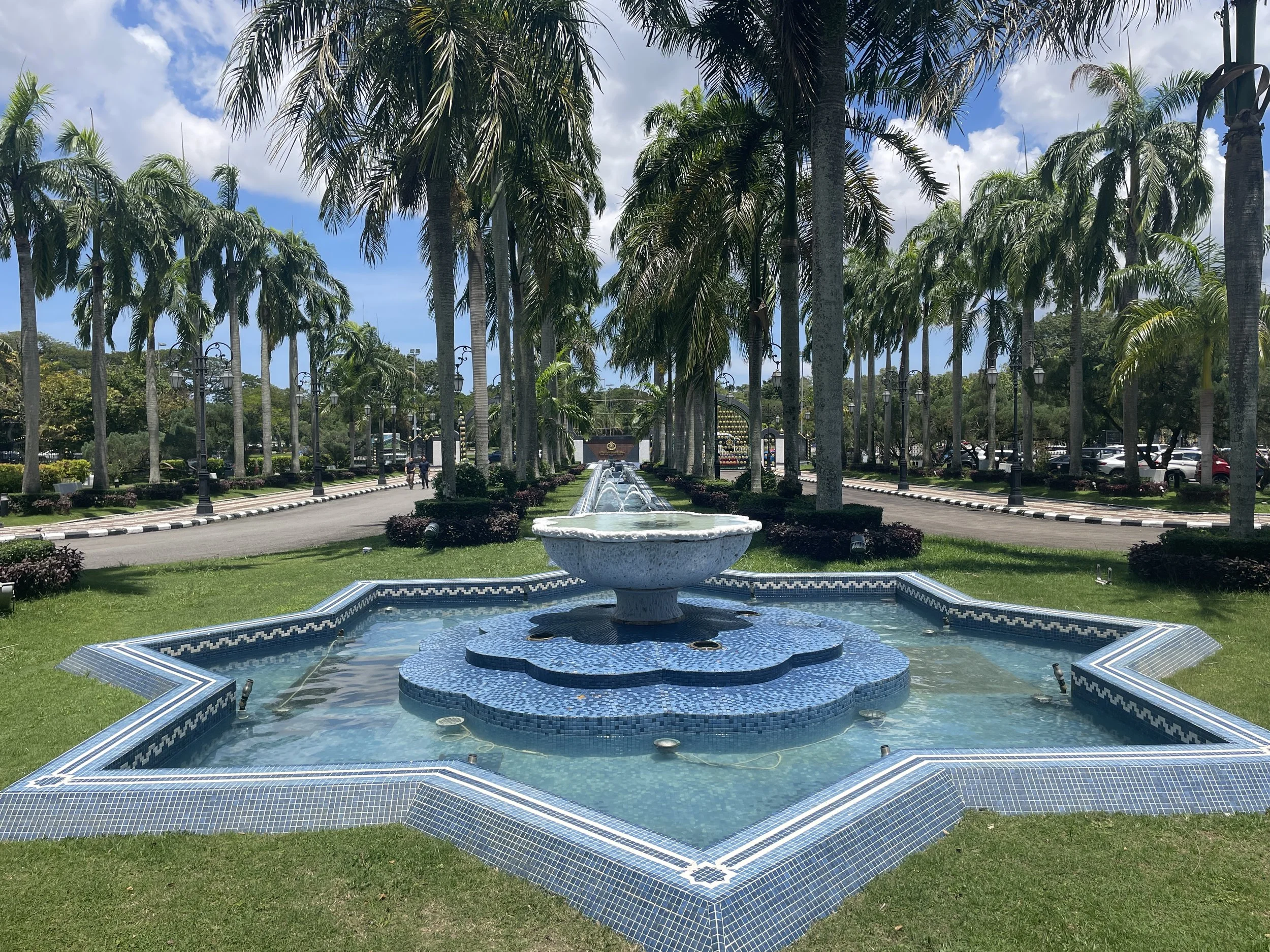
Our final stop was the impressive Jame’Asr Hassanil Bolkiah Mosque. The mosque is crowned with 29 golden domes, representing the 29th Sultan of Brunei, and is surrounded by manicured gardens and fountains. Larger and more monumental in scale, the mosque reflects the country’s strong Islamic tradition and prosperity. As noon approached, we saw local Muslim men slowly walking toward the mosque for the Friday prayers. During Ramadan, however, non-Muslims are generally not allowed inside the mosque.
As we returned toward the port in the afternoon, Bandar Seri Begawan left us with the impression of a city that is calm, clean, and quietly elegant.
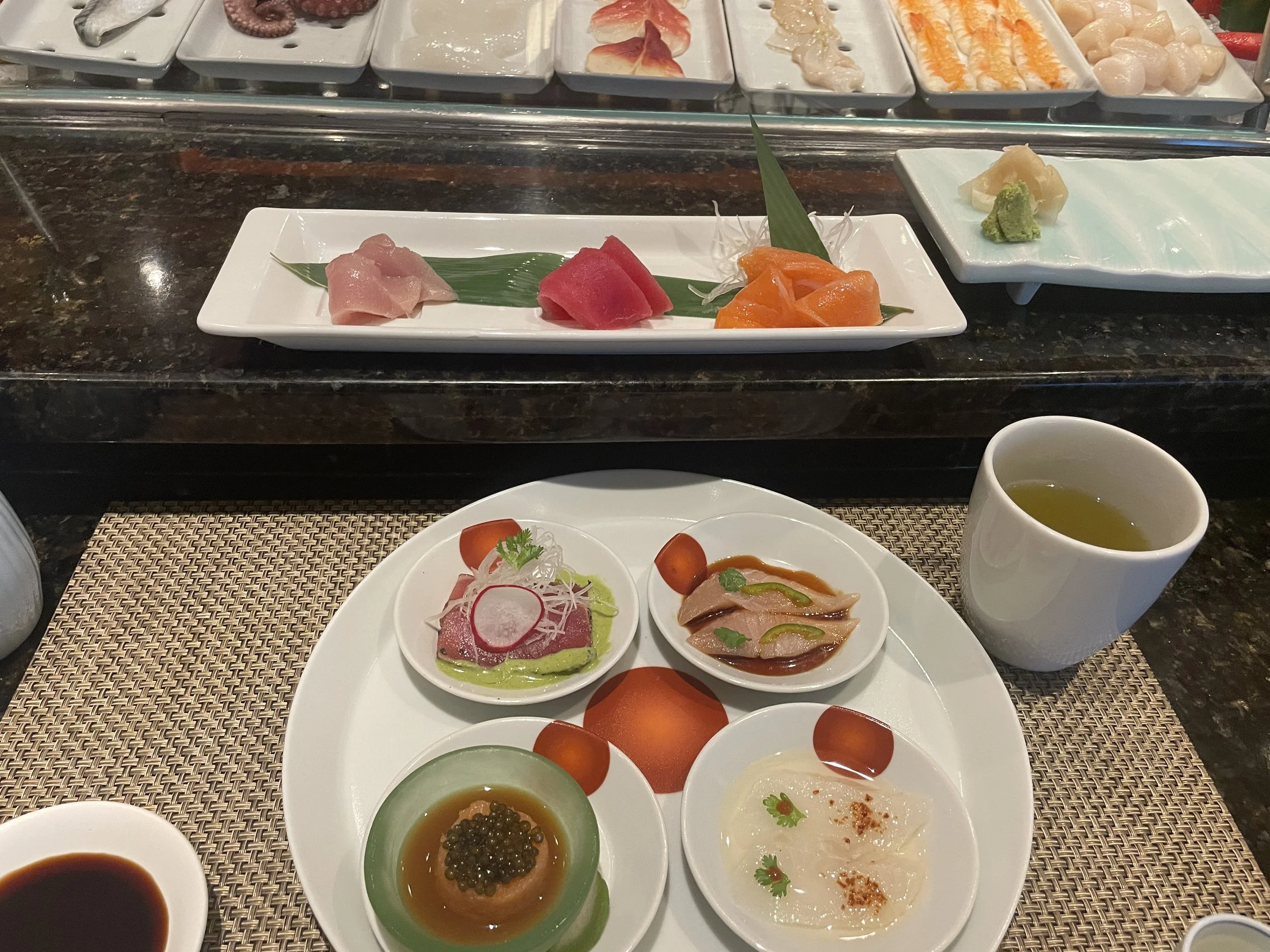
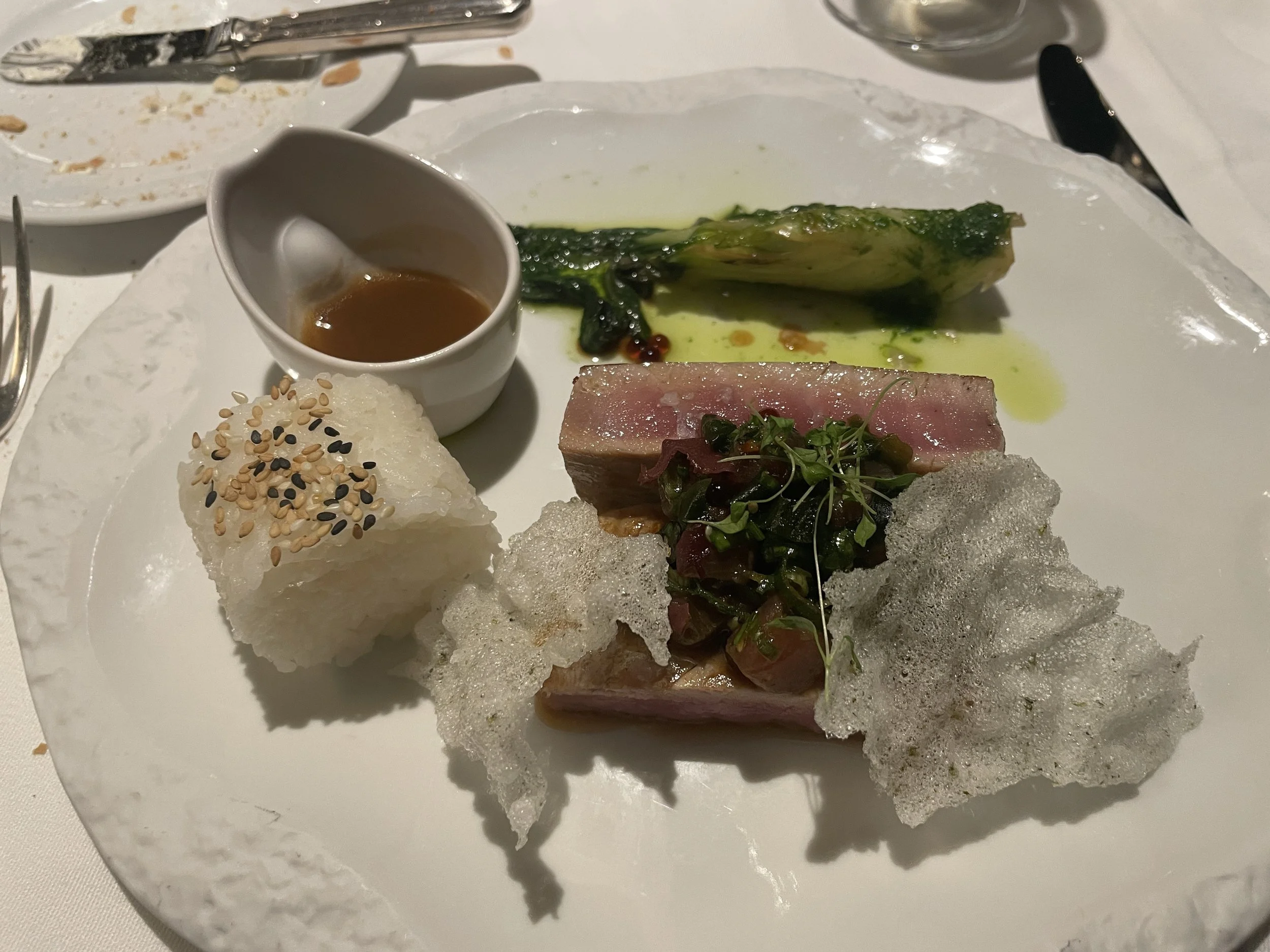
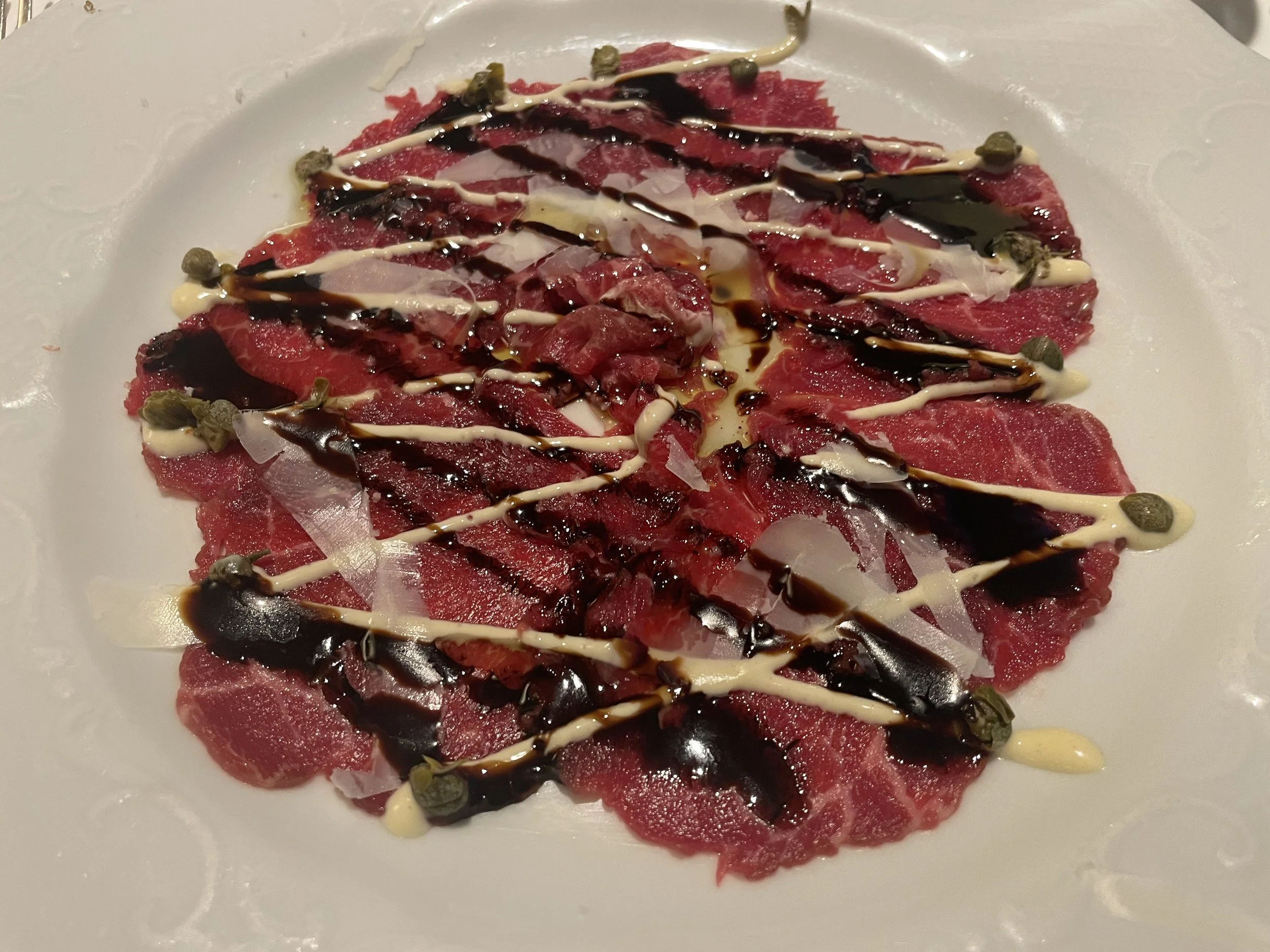
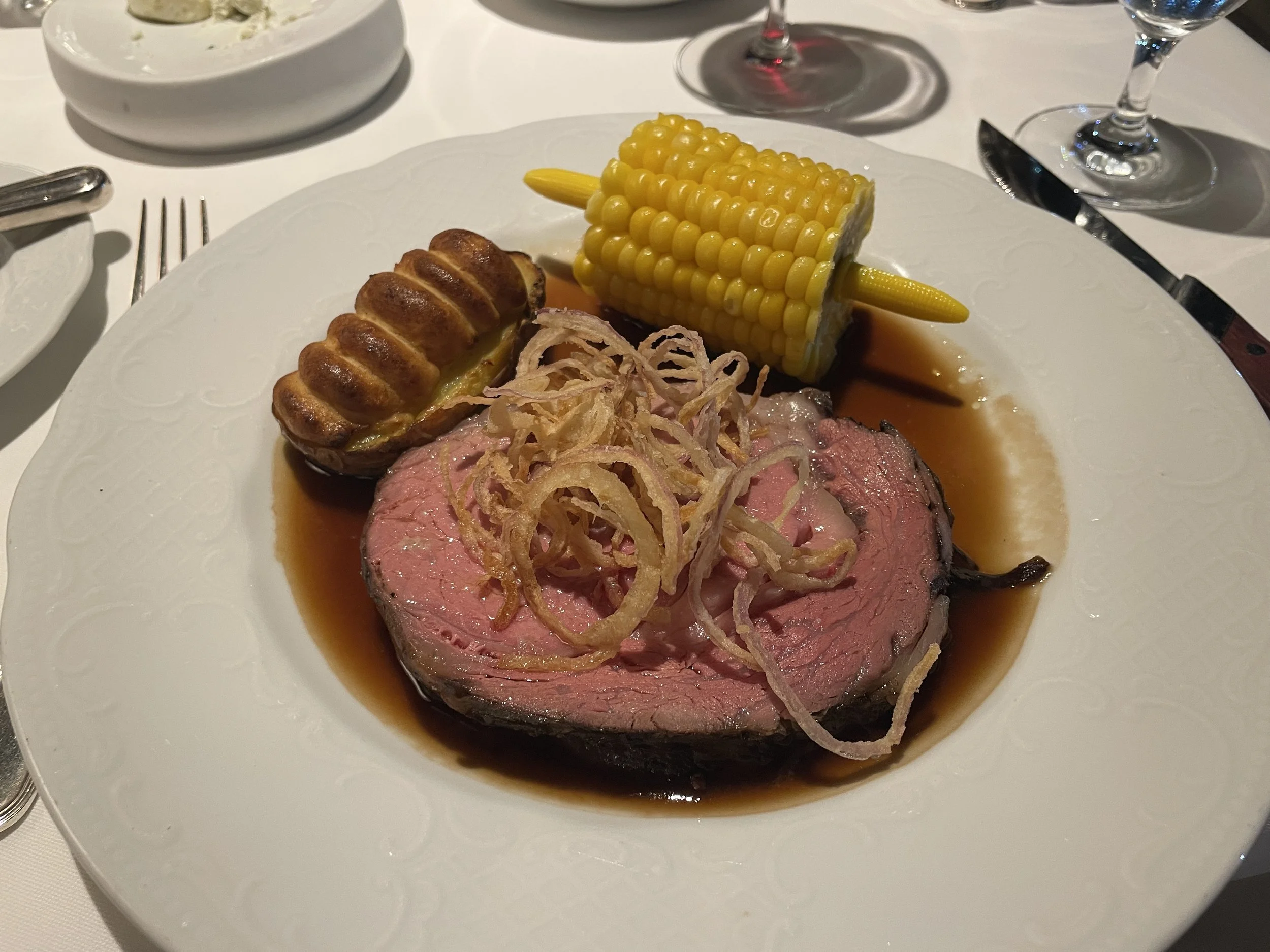
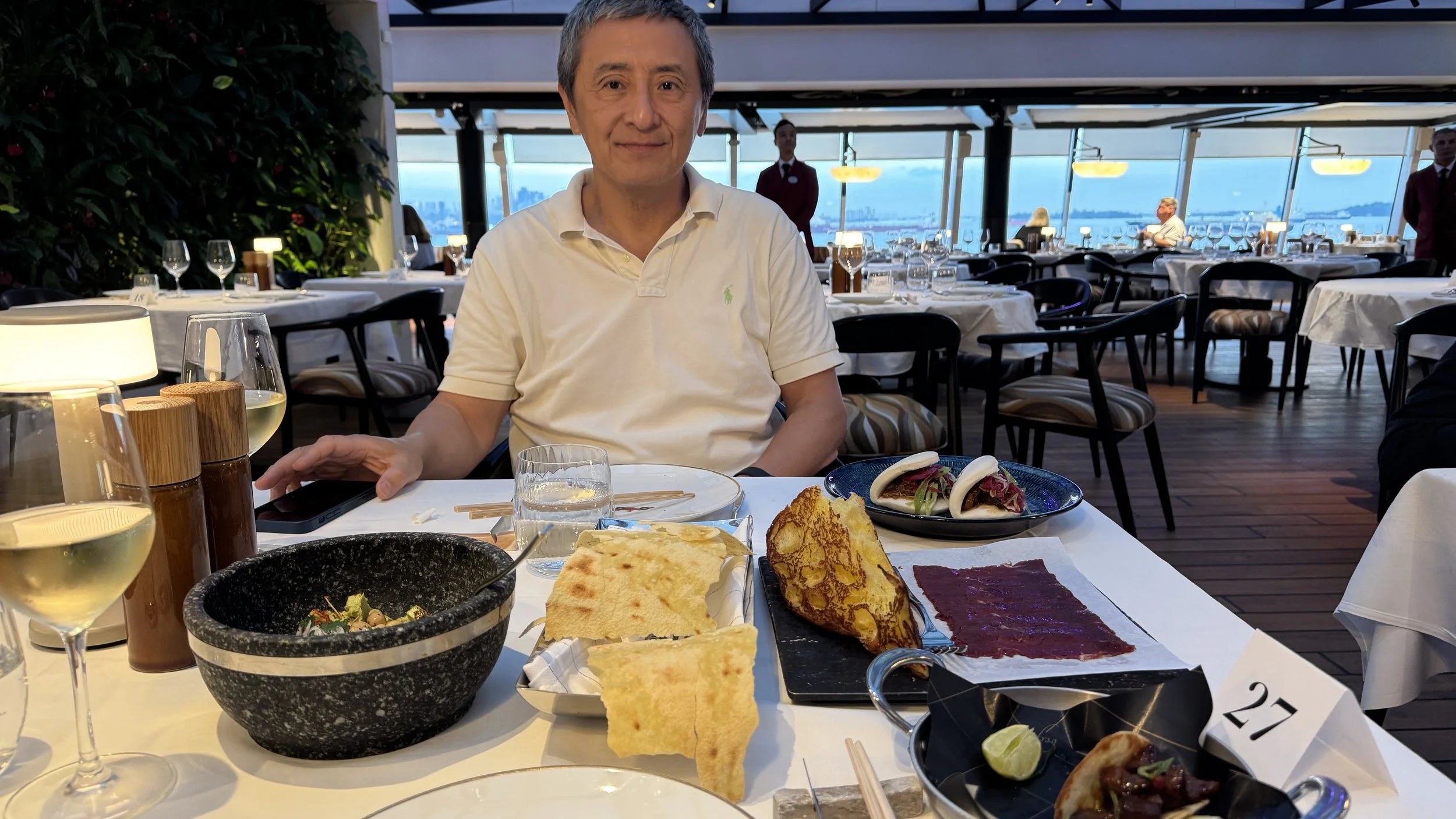
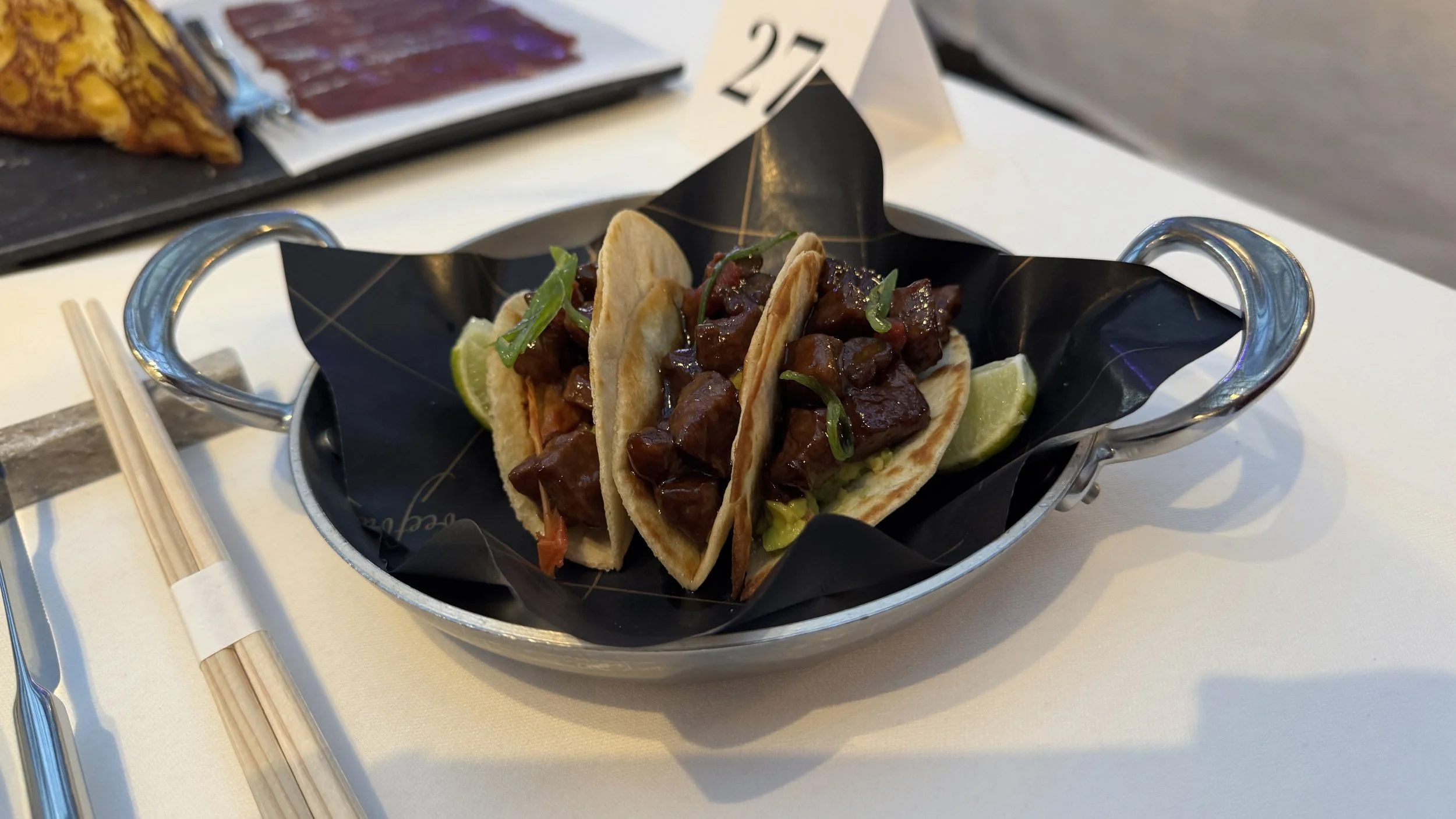
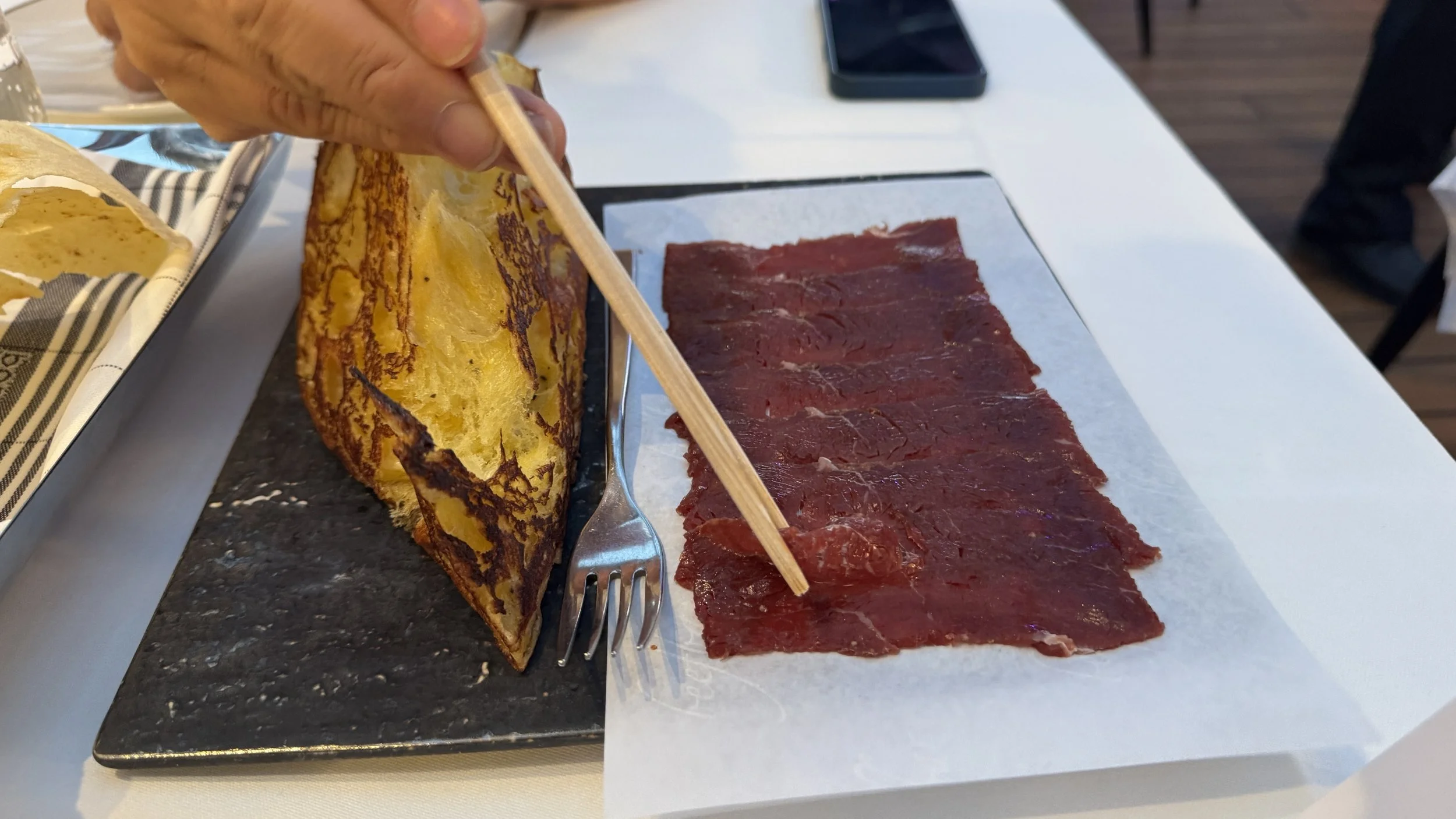
We also had an amazing culinary experience during the last two days at sea, including a memorable dinner at Umi Uma, the only Nobu restaurant at sea.
2026年3月6日
经过两天的海上航行,今天早晨,我们的邮轮停靠在文莱的摩拉港(Muara Port)。这里是文莱达鲁萨兰国(Brunei Darussalam)的主要港口。文莱是一个面积不大,却依靠丰富的石油和天然气资源而富裕起来的国家。
我们参加了邮轮组织的岸上游。由于今天一早要参加岸上游,我们不想吃自助早餐,就提前预订了客房送餐。到了约定时间,管家准时来到房间,在阳台上为我们摆好餐桌。我们只点了些简单的欧陆式早餐,有热咖啡、羊角面包、酸奶等。在阳台上悠闲地享用早餐,为即将开始的清晨岸上行提供了一个轻松而惬意的开始。
下船离开港口后,驱车大约半小时来到首都斯里巴加湾市。整座城市安静整洁,道路宽阔,建筑整齐,整体给人一种从容而悠闲的感觉。街上几乎看不到摩托车或自行车,行人也很少,生活节奏显得格外缓慢,这也被称为“文莱式生活”。
我们的第一站是位于河岸旁的努洛伊曼皇宫(Istana Nurul Iman)门前。这是文莱苏丹的官邸。虽然游客无法进入参观,但从外面已经可以感受到它惊人的规模。皇宫沿河而建,据说是世界上最大的有人居住的宫殿。
随后我们来到色彩鲜艳的天云宫(Teng Yun Temple)。这是文莱最古老的华人庙宇,并在二战时期幸存下来。庙旁边就是一个热闹的早市,当地居民在这里售卖蔬菜、水果、海鲜以及各种传统小吃。我们在市场里随意走走,感受当地人的日常生活。比较有意思的是,几乎没有看到卖肉的摊位,只看到一个小碗里放着几条小鱼,大多数摊位都在卖蔬菜和农产品。
接着我们乘坐渡船过河,来到历史悠久的水上村(Kampong Ayer)。这里被认为是世界上最古老的水上聚落之一。数千座木屋建在河面上的高脚桩上,由木制栈道和小桥相连。不过这里显得十分安静,没有我们在柬埔寨见到的水上村庄那么热闹。
在水村里,我们被安排进入一户水上人家,在那里品尝了一些文莱传统点心。坐在客厅里,脚下是缓缓流动的河水,一边品尝当地小吃,一边聊天,让我们对这种独特的水上生活有所了解。
之后我们去了奥马尔·阿里·赛义夫丁清真寺(Sultan Omar Ali Saifuddien Mosque),斋月期间不让进,只是在外面照相留念。金色圆顶在阳光下熠熠生辉,洁白的大理石建筑坐落在人工湖旁,被认为是东南亚最美丽的清真寺之一。
最后一站是宏伟的杰米清真寺(Jame’ Asr Hassanil Bolkiah Mosque)。这座清真寺拥有 29 个金色圆顶,象征文莱第29任苏丹。清真寺规模宏大,四周是精心修剪的花园与喷泉,显得庄严而华丽。刚过中午时分,我们看到许多当地穆斯林男子慢慢走进清真寺礼拜大厅,准备参加周五的主麻礼拜。斋月期间,非穆斯林一般不能进入清真寺大厅参观,但可以在清真寺建筑周围照相。
下午返回港口的路上,正值周五中午到下午两点之间,大多数商店和工作场所都会关闭,让穆斯林参加主麻礼拜。斯里巴加湾市显得更加安静从容,街上车辆也很少。这座城市虽然不大,却给人留下干净、宁静而优雅的深刻印象。
Border Crossing into Singapore 跨境进入新加坡
March 3, 2026
Instead of flying directly from Shanghai to Singapore to start our cruise, ……
原本我们可以从上海直接飞到新加坡登船开启邮轮之旅,。。。
March 3, 2026
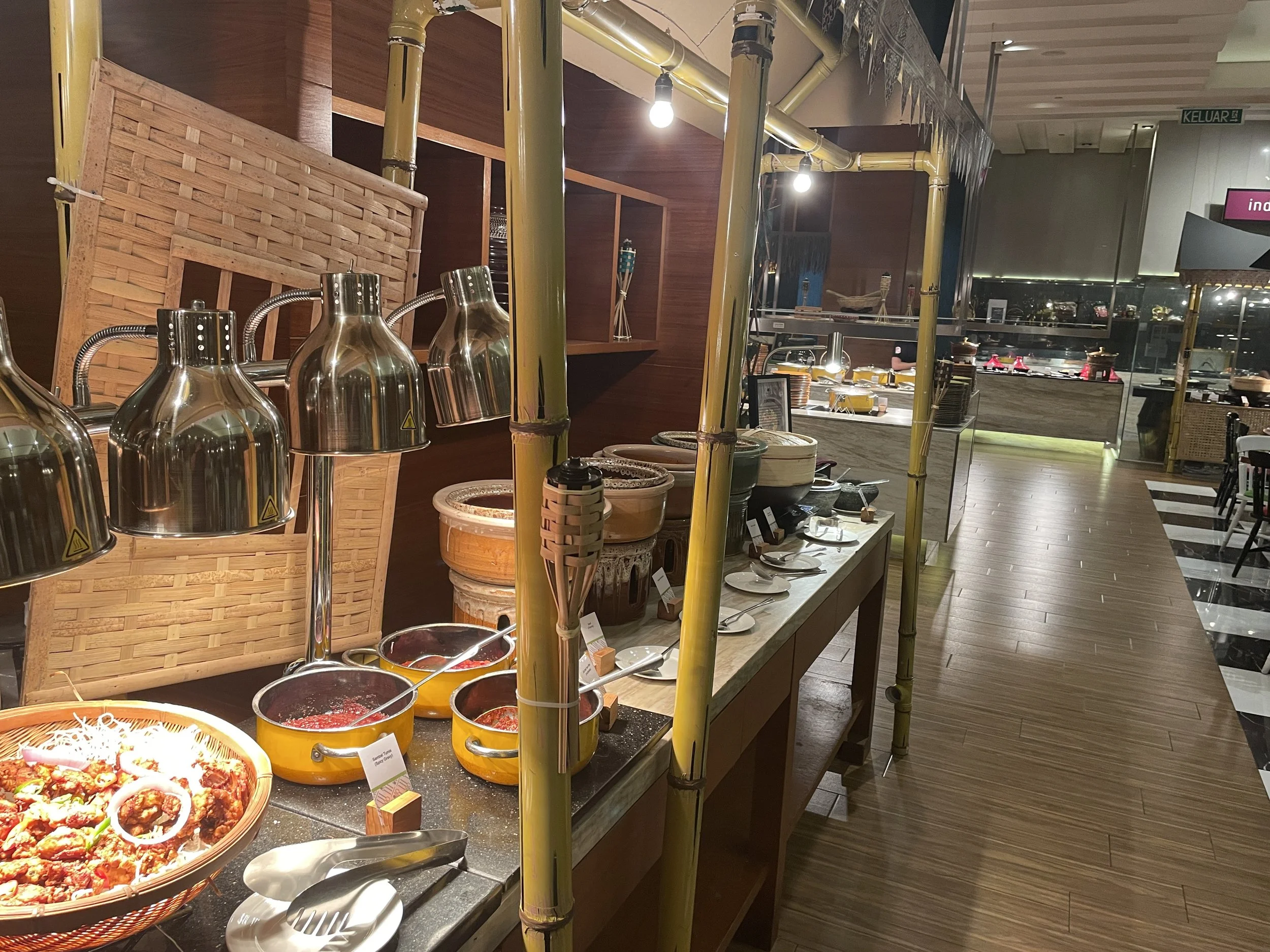
Instead of flying directly from Shanghai to Singapore to start our cruise, we decided to add a little adventure to the beginning of the trip. We first flew to Kuala Lumpur and then took the train south to the border town of Johor Bahru. Normally we prefer to arrive at the embarkation port a day in advance, but rather than crossing immediately into Singapore, we stayed overnight in Johor Bahru, where hotels and food are significantly cheaper.
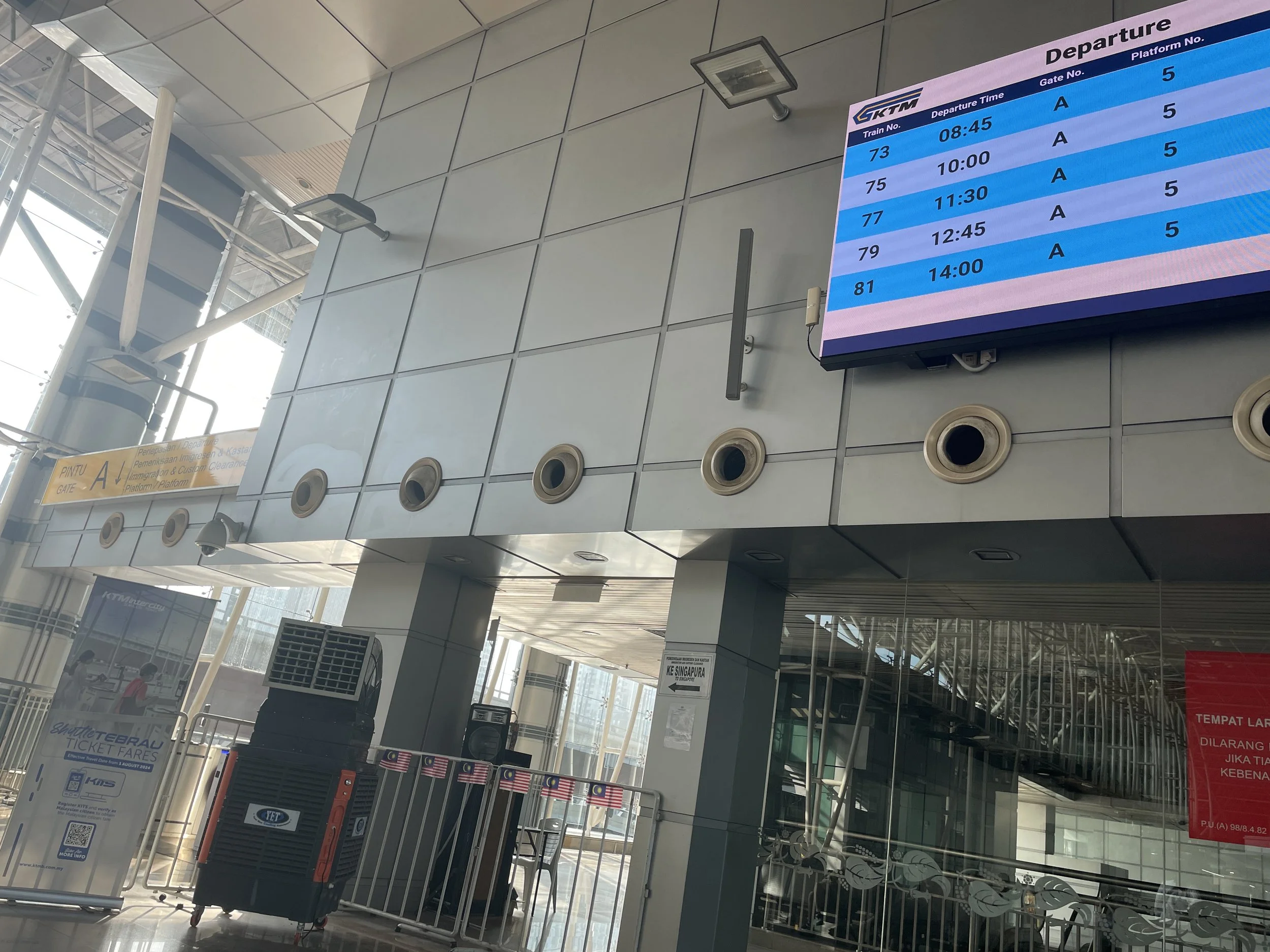
This morning we took a Grab to JB Sentral to catch the shuttle train to Woodlands Station in Singapore. In the past, we had crossed the border from Laos into China by train, which took nearly two hours and required us to get on and off the train twice with all of our luggage. The process was inefficient and not a pleasant memory, so we were a little anxious about how this crossing would go.
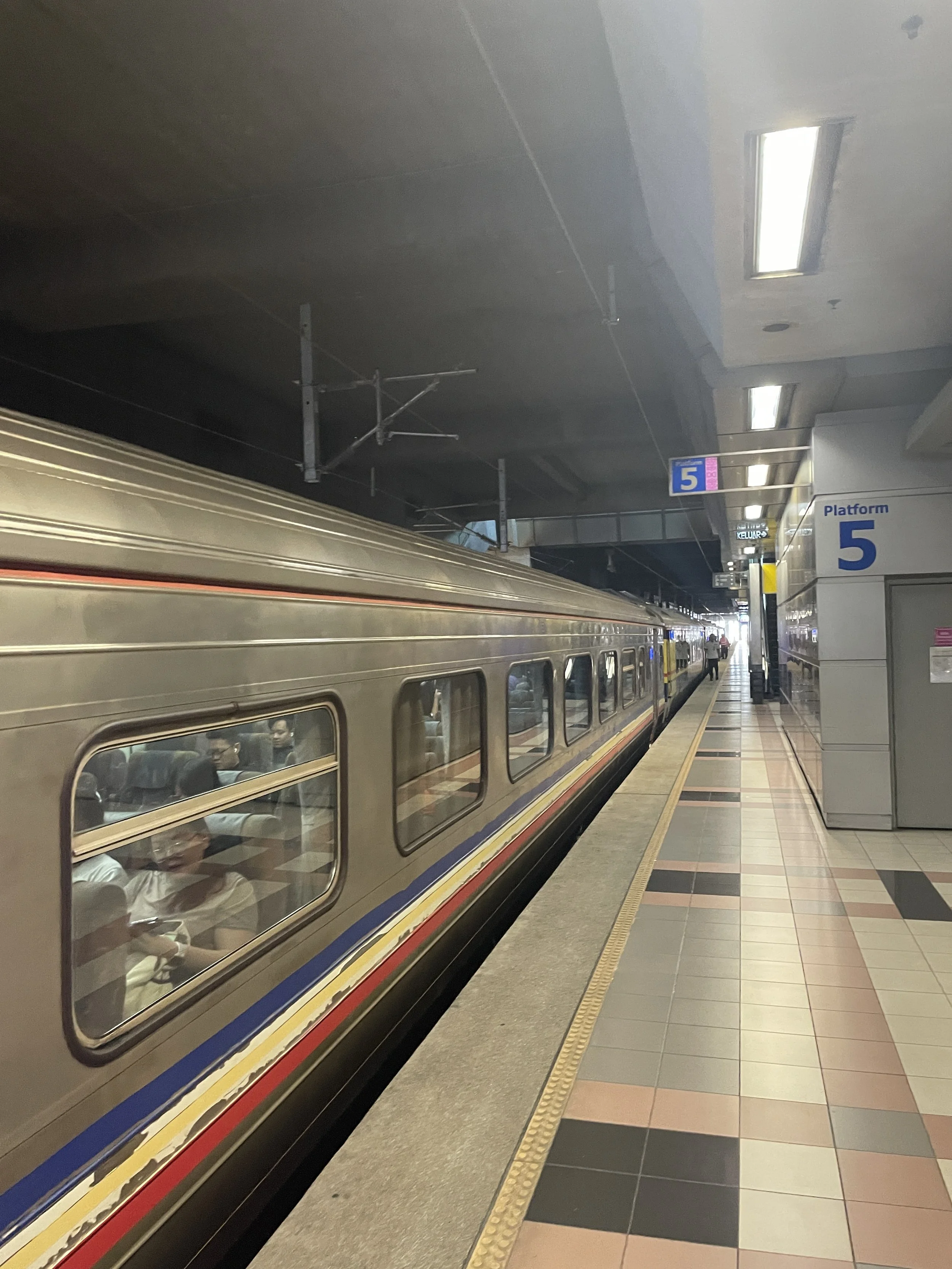
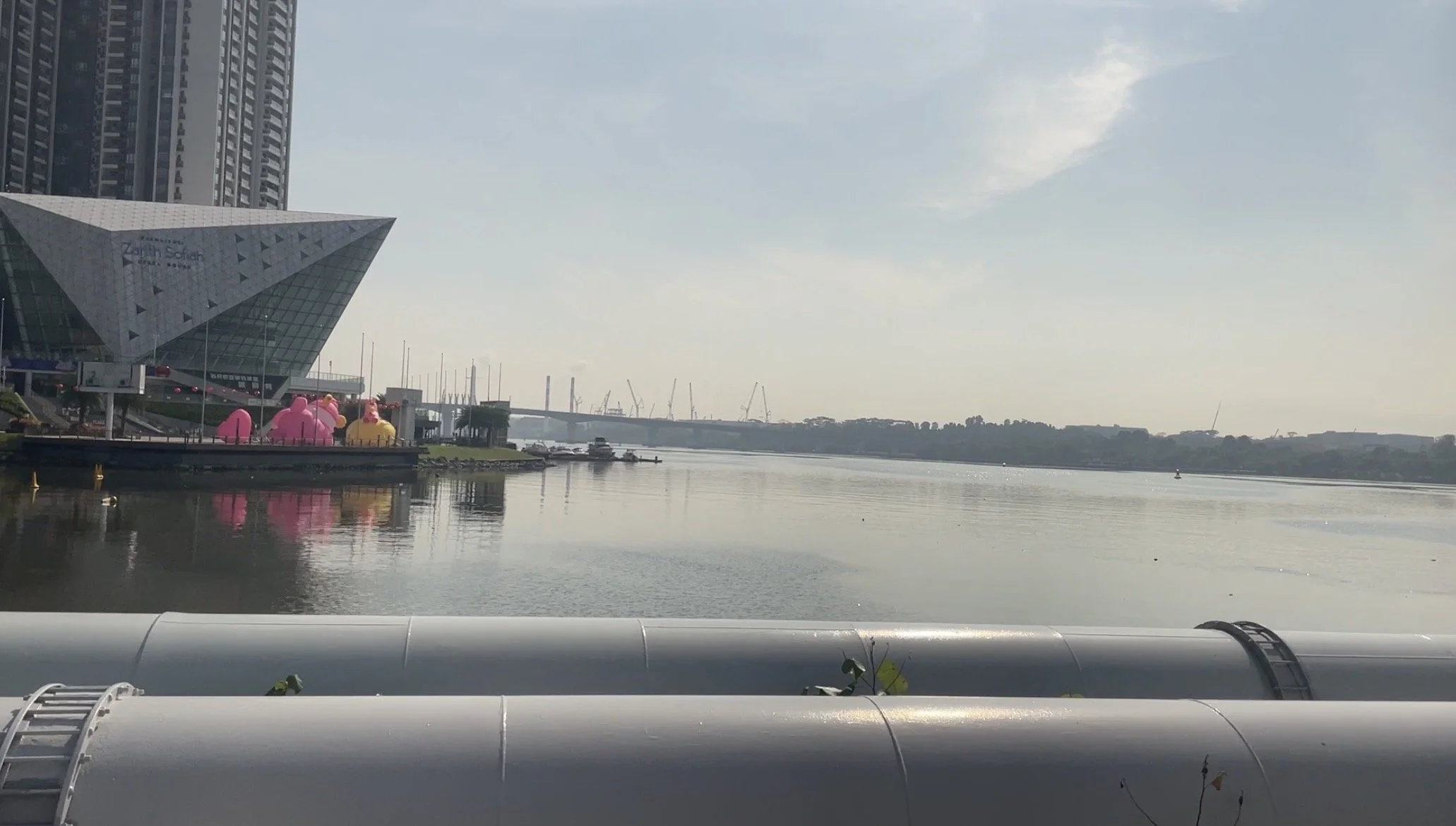
About 30 minutes before departure, the gate opened and passengers checked in using their passports. We then quickly cleared Malaysian immigration and customs. Five minutes before departure, we boarded the train. The train slowly crossed the Johor Strait, and just five minutes later we arrived at the Woodlands checkpoint in Singapore. Passing through Singapore immigration and customs was also quick and smooth.
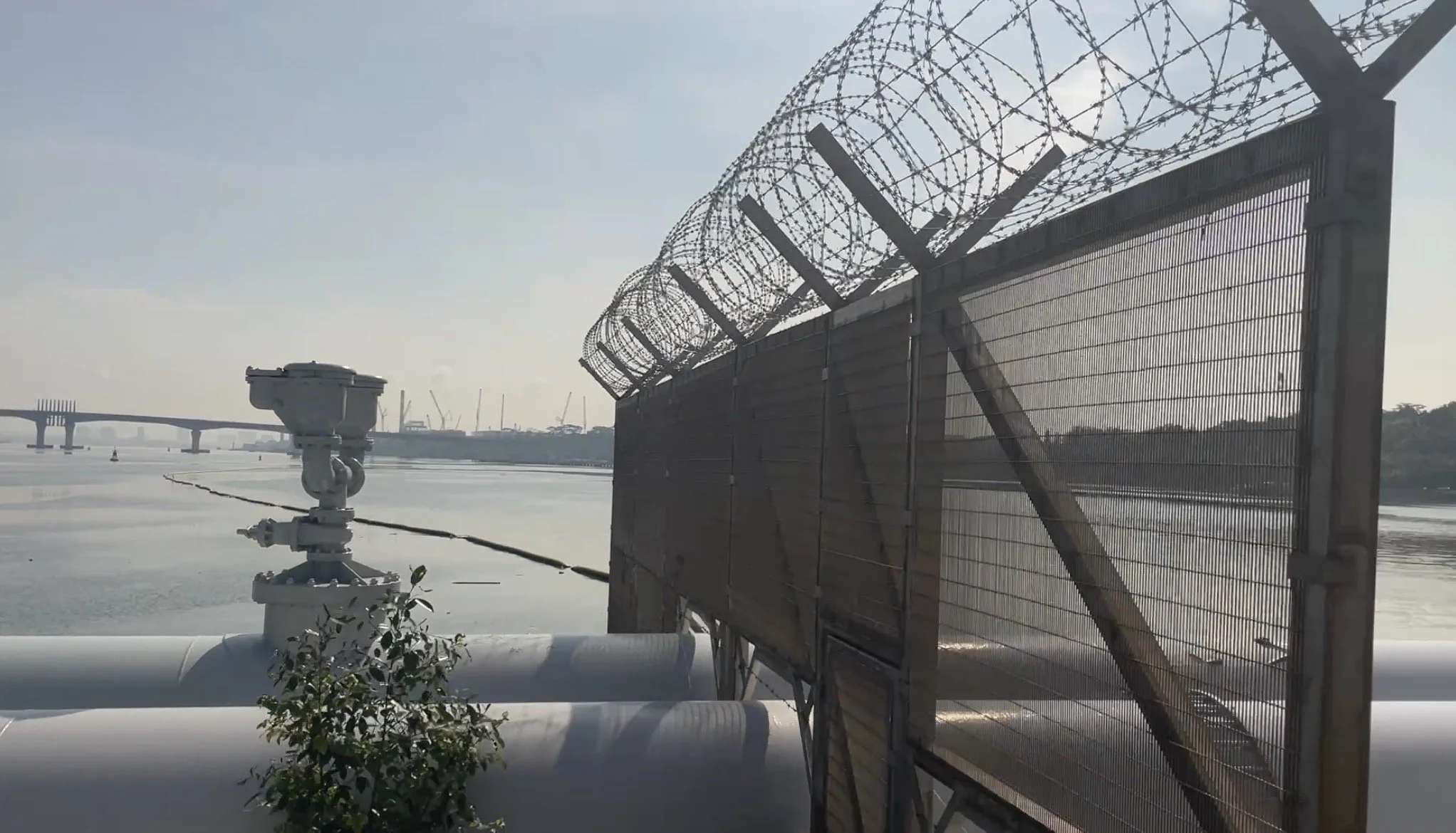
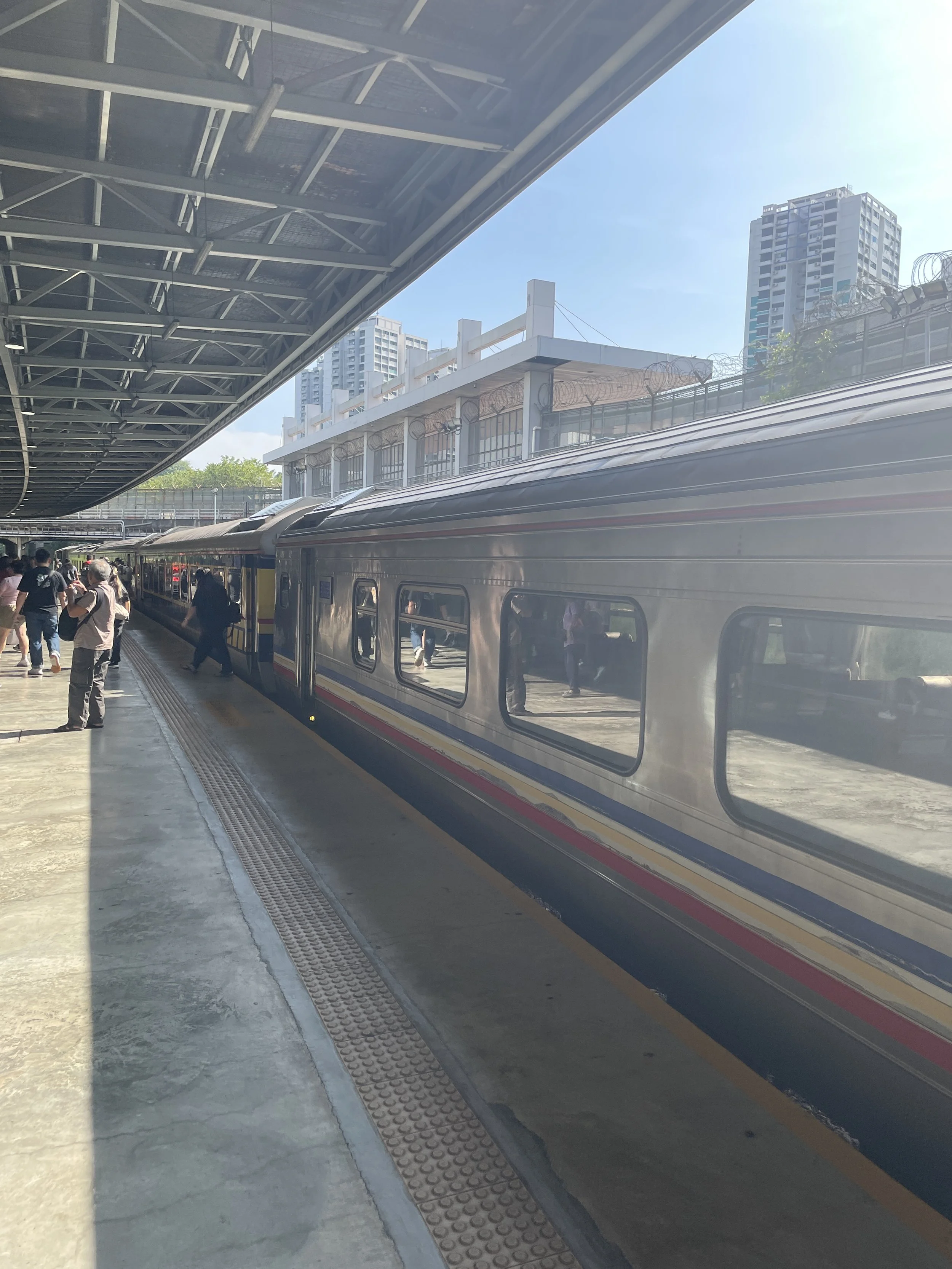
Overall, the entire experience was efficient and uneventful—a pleasant surprise compared with our previous border crossing.
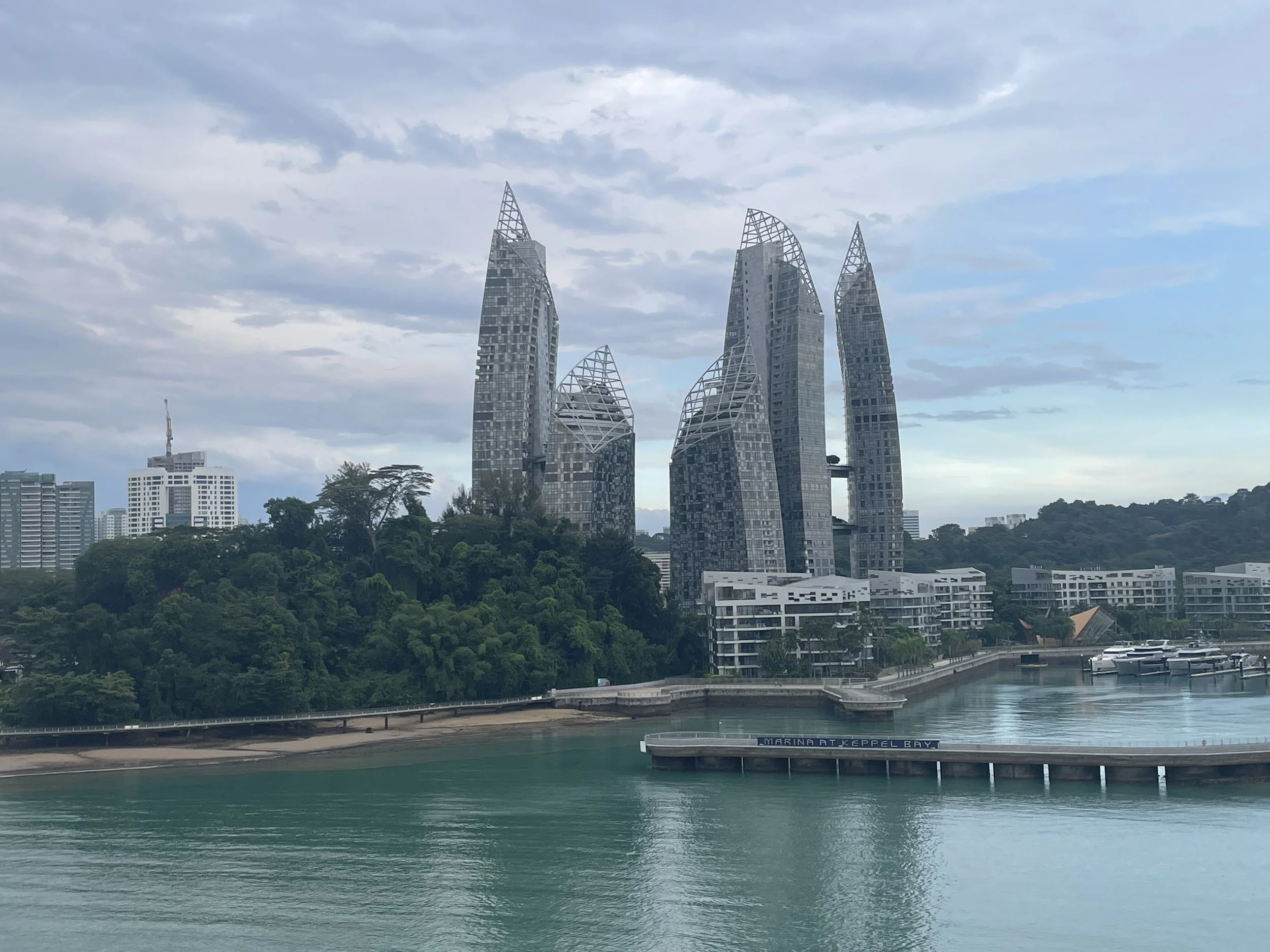
Afterward, we called a Grab to take us to the cruise terminal to board our 10-day voyage through the South China Sea.
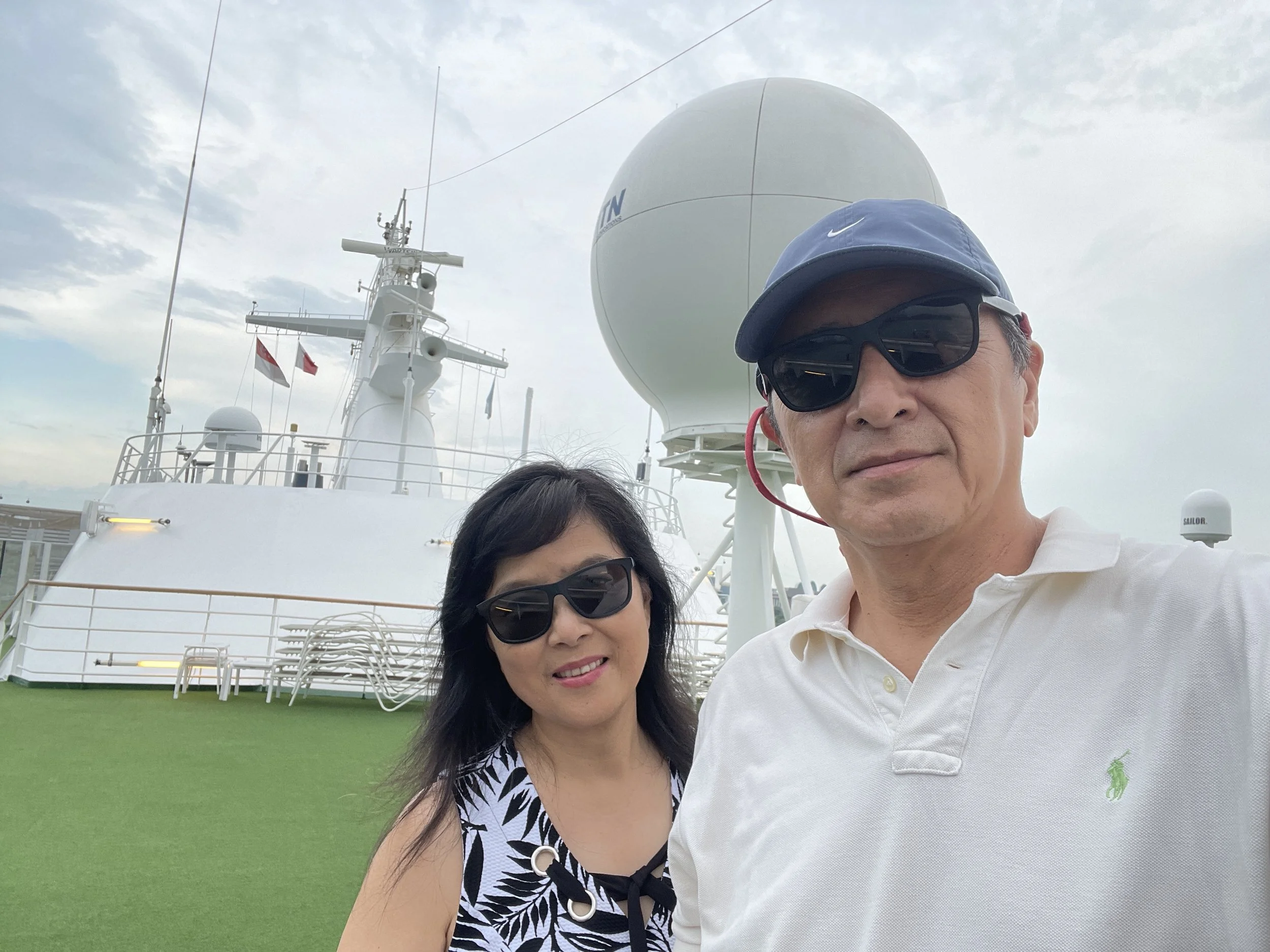
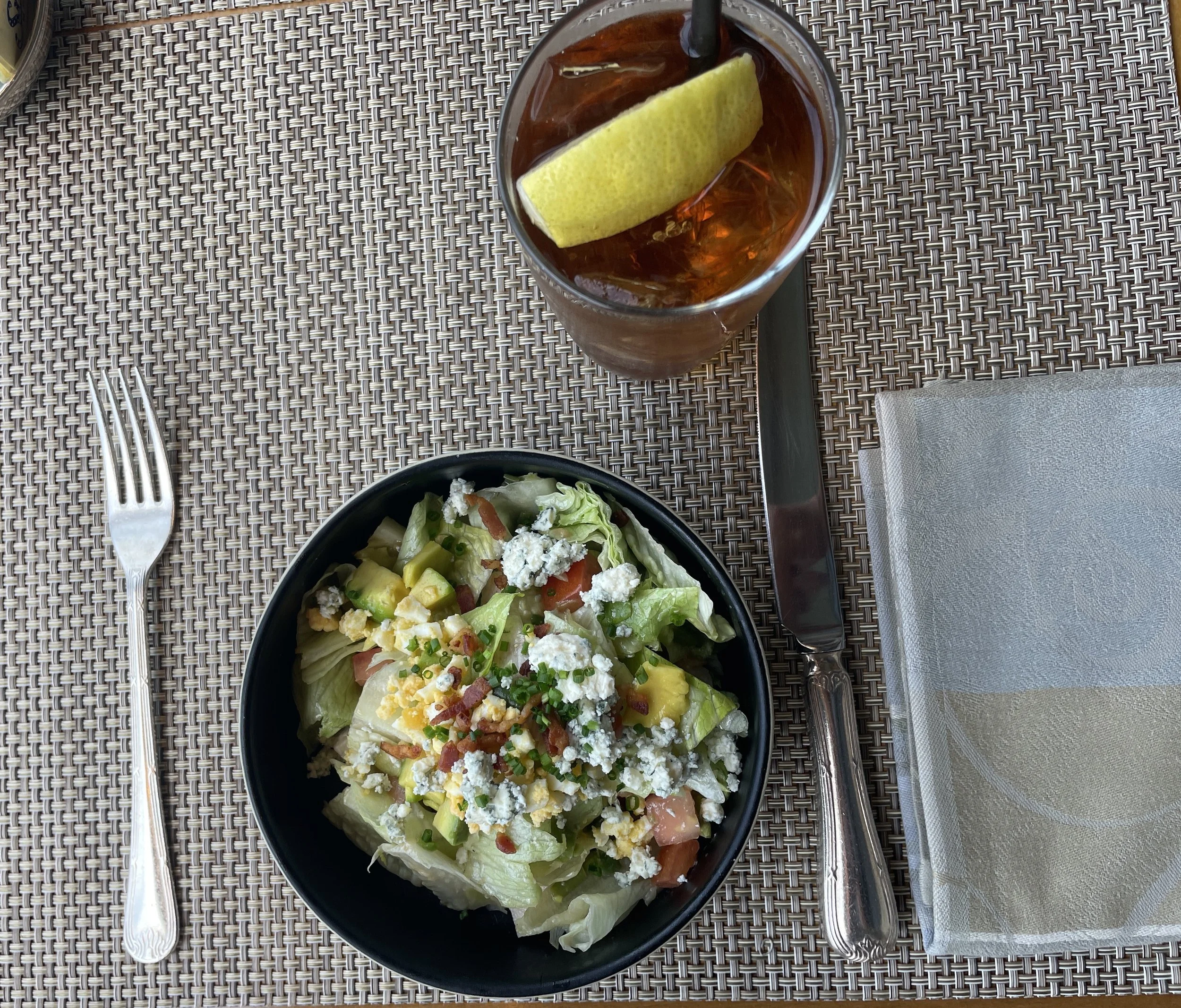
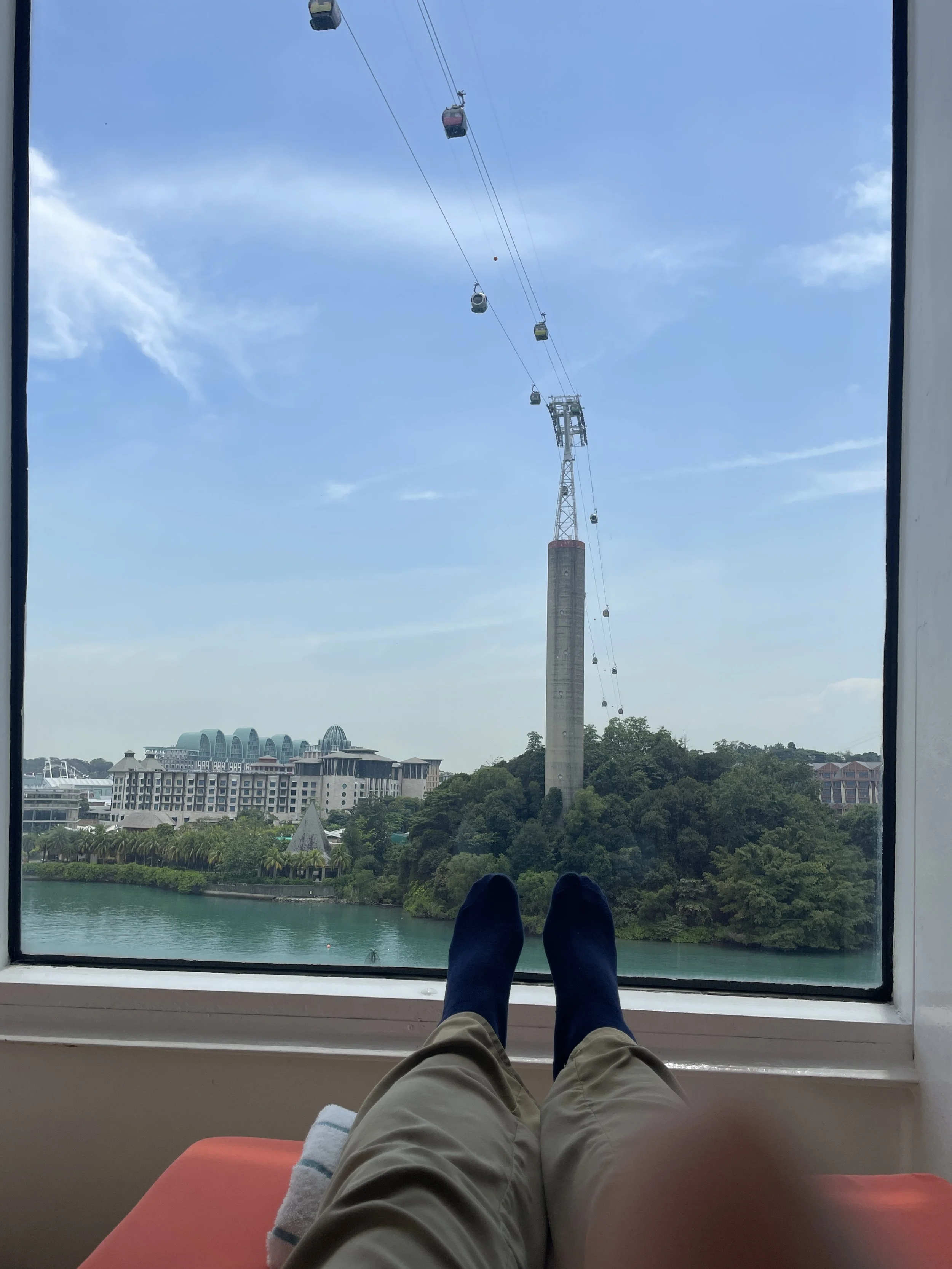
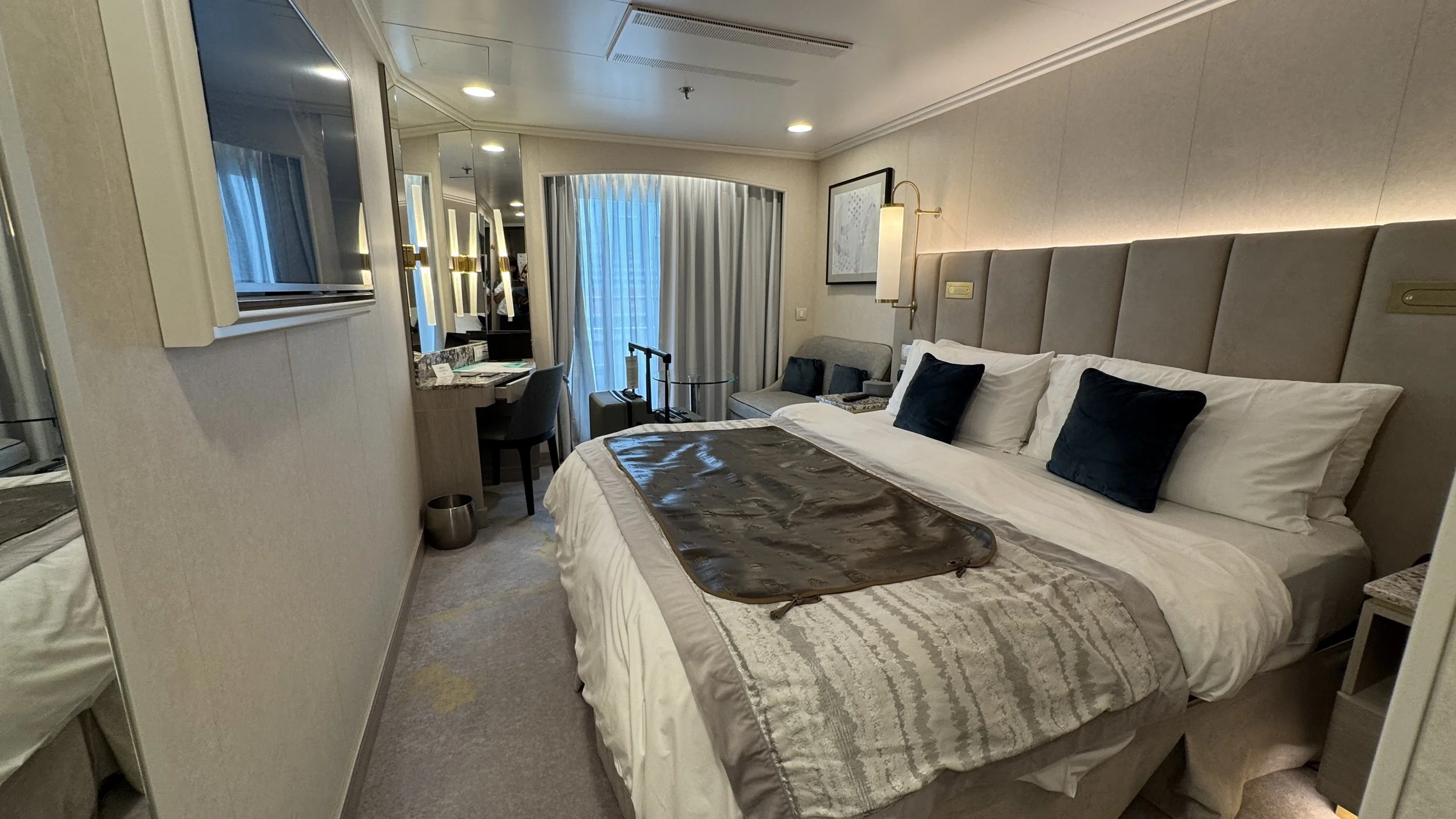
By this point, we had already spent nearly 100 days sailing with Crystal Cruises. The ship felt familiar, and we even recognized some of the crew members. In many ways, it felt like returning to a home away from home.
2026年3月3日
原本我们可以从上海直接飞到新加坡登船开启邮轮之旅,但这次我们特意给旅程增加了一点小小的冒险。我们先飞到吉隆坡,玩了几天,然后乘坐火车南下到边境城市新山(Johor Bahru)。通常我们都会提前一天抵达登船港口,但这次没有直接进入新加坡,而是在新山住了一晚。这里的酒店和餐饮价格都比新加坡便宜得多。
今天早上我们叫了一辆 Grab 前往 JB Sentral,乘坐开往新加坡兀兰(Woodlands)车站的跨境接驳火车。以前我们曾从老挝坐火车进入中国,那次过境花了将近两个小时,还需要带着行李两次上下车,整个过程既低效又令人印象不佳。因此这次过境前我们多少有点担心,尤其是因为中东地区开战,这里的就闻报到说新加坡收紧边境检查,从JB进入新加坡要排队。
在列车发车前约30分钟,闸门打开,乘客凭护照办理登车手续。随后我们很快就通过了马来西亚一侧的移民和海关检查。发车前5分钟开始登车。列车缓缓驶过柔佛海峡,大约5分钟后就抵达了新加坡兀兰关卡。入境新加坡的移民和海关手续同样非常快捷顺利。整个过程高效顺畅,与我们之前的边境经历形成了鲜明对比。
之后我们叫了一辆 Grab 前往邮轮码头,登上即将展开为期10天的南中国海航线。
到这个时候,我们在水晶邮轮(Crystal Cruises)上累计已经航行了将近100天。船上的环境对我们来说已经非常熟悉。某种意义上,这艘船就像是远方的另一个家。