Manila, Philippines 菲律宾,马尼拉
March 12, 2026
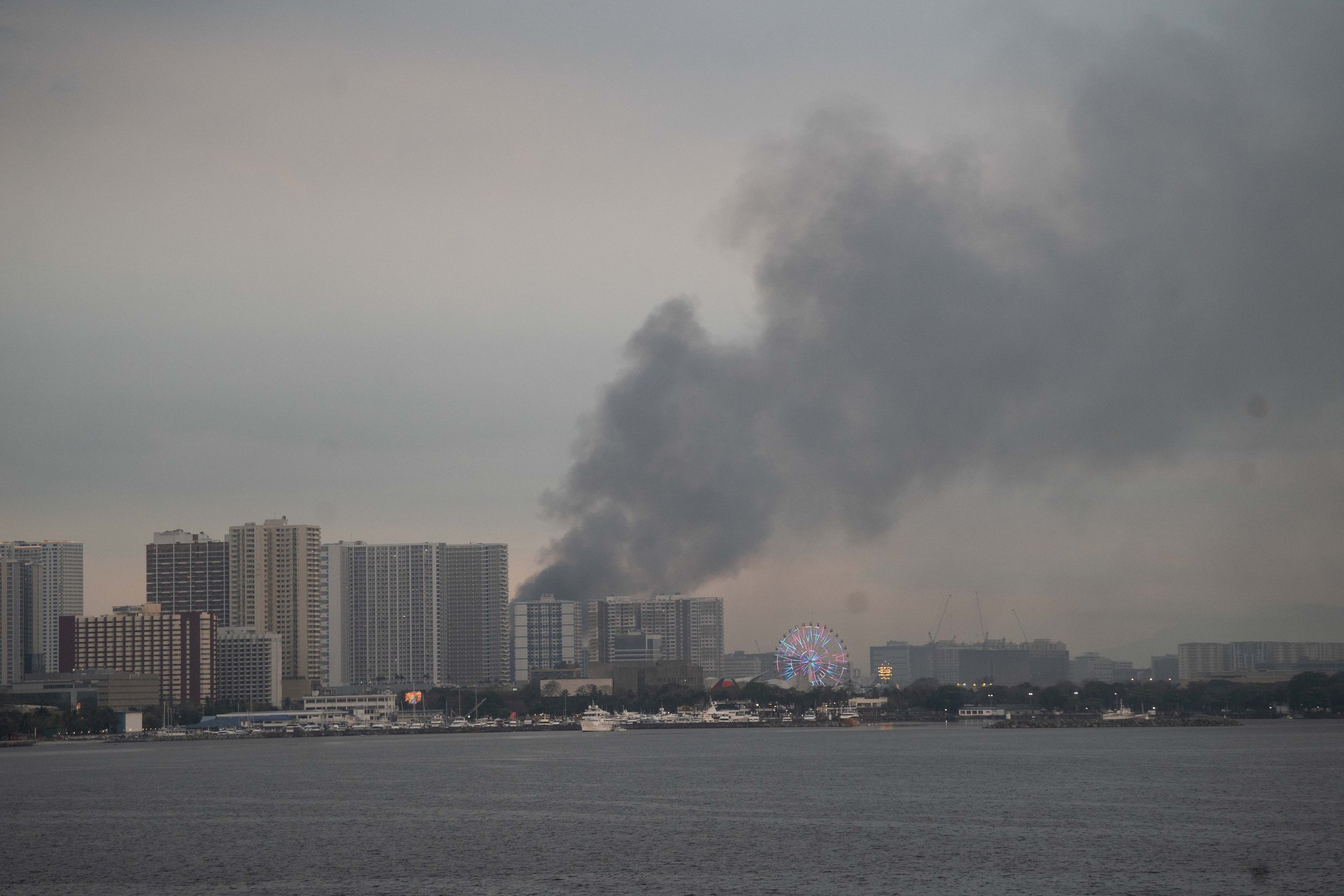
We docked at Pier 15 in the Port of Manila, located in the industrial harbor area. We had cancelled the ship-organized tour and decided instead to explore the city on our own.
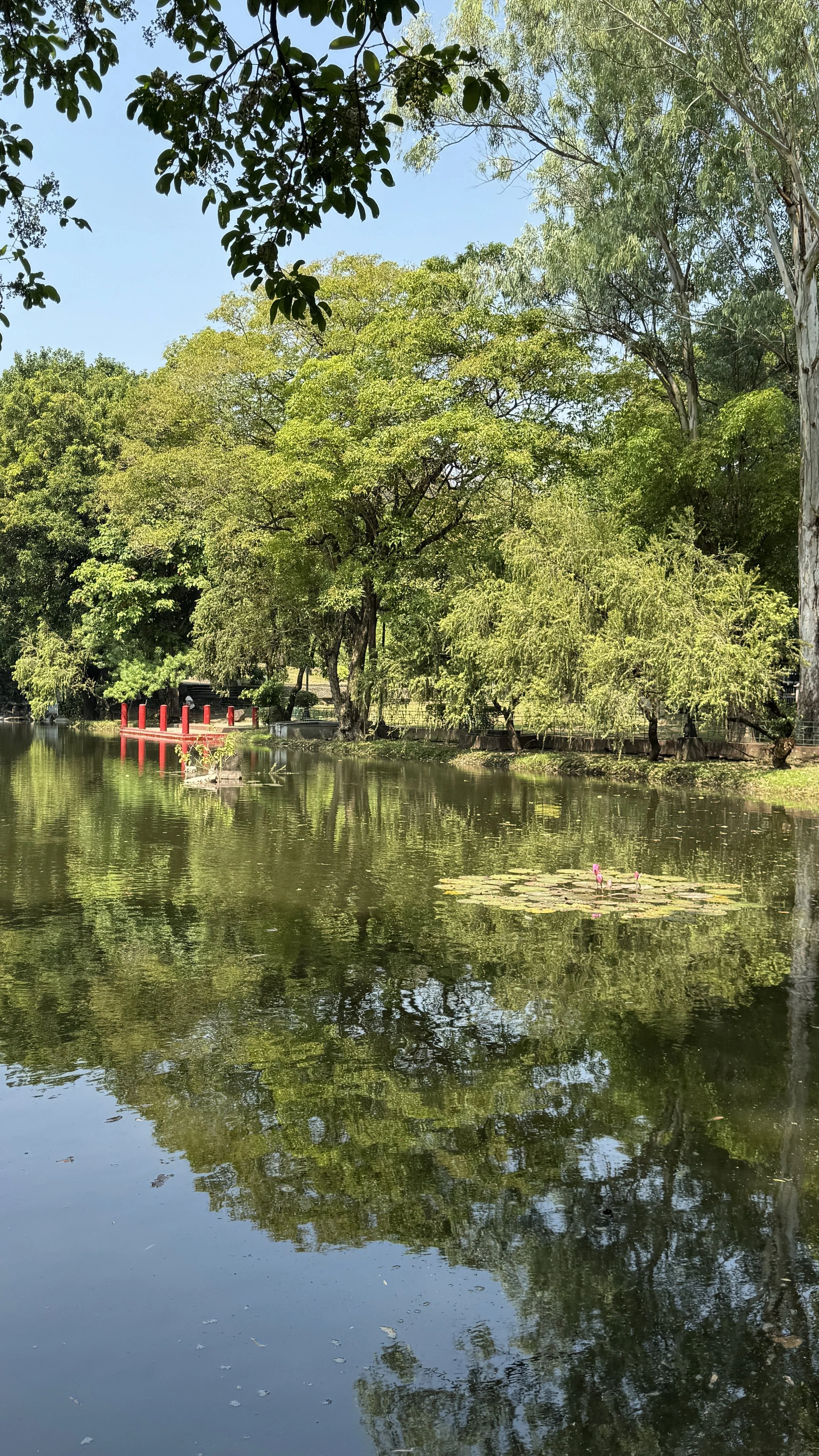
The ship provided a free shuttle bus to a shopping mall, but after looking at the map we realized it would be easy to walk to Rizal Park first. José Rizal is the country’s national hero, and his name appears everywhere in the city. Rizal Park itself is spacious and impressive.
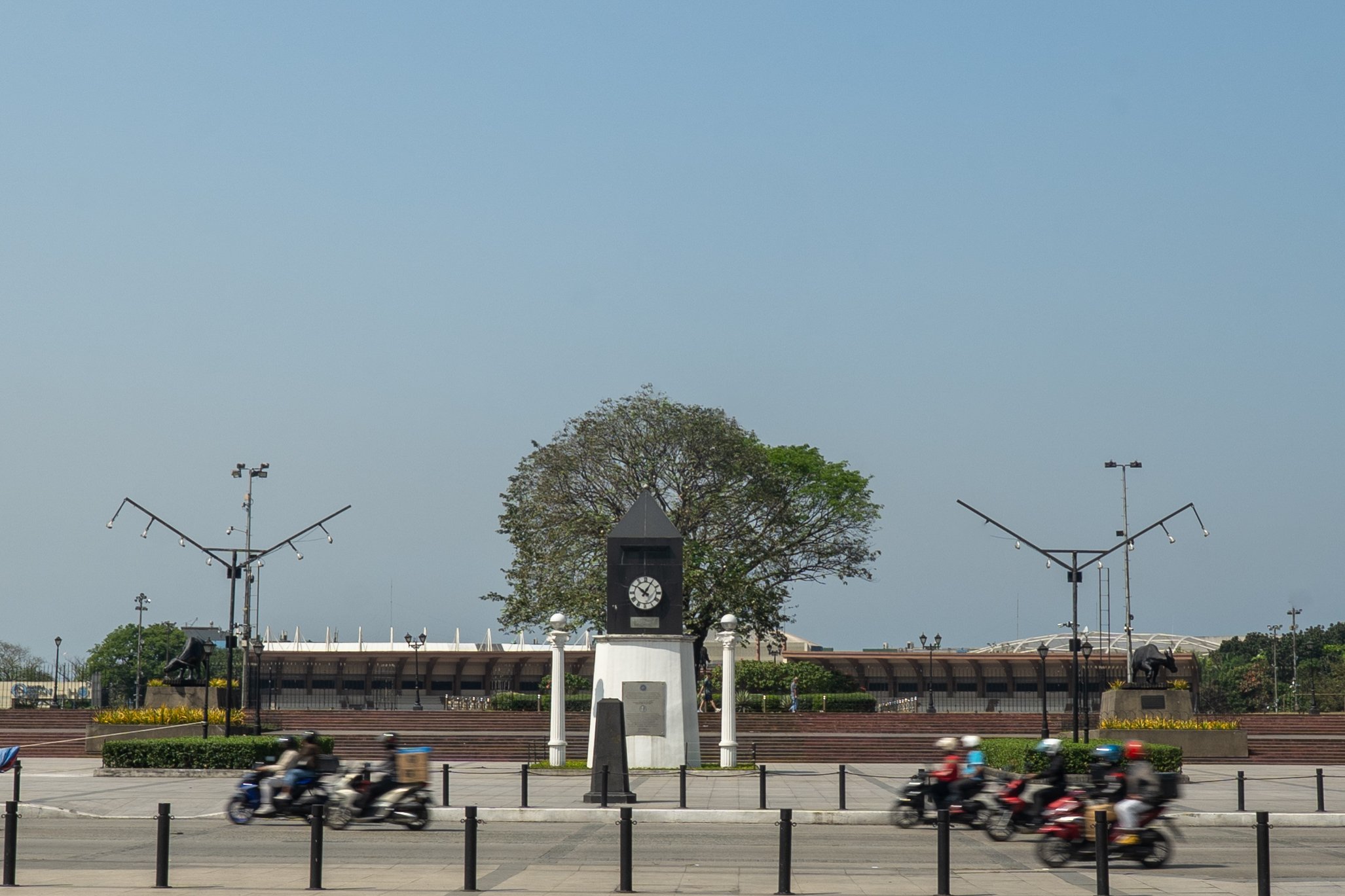
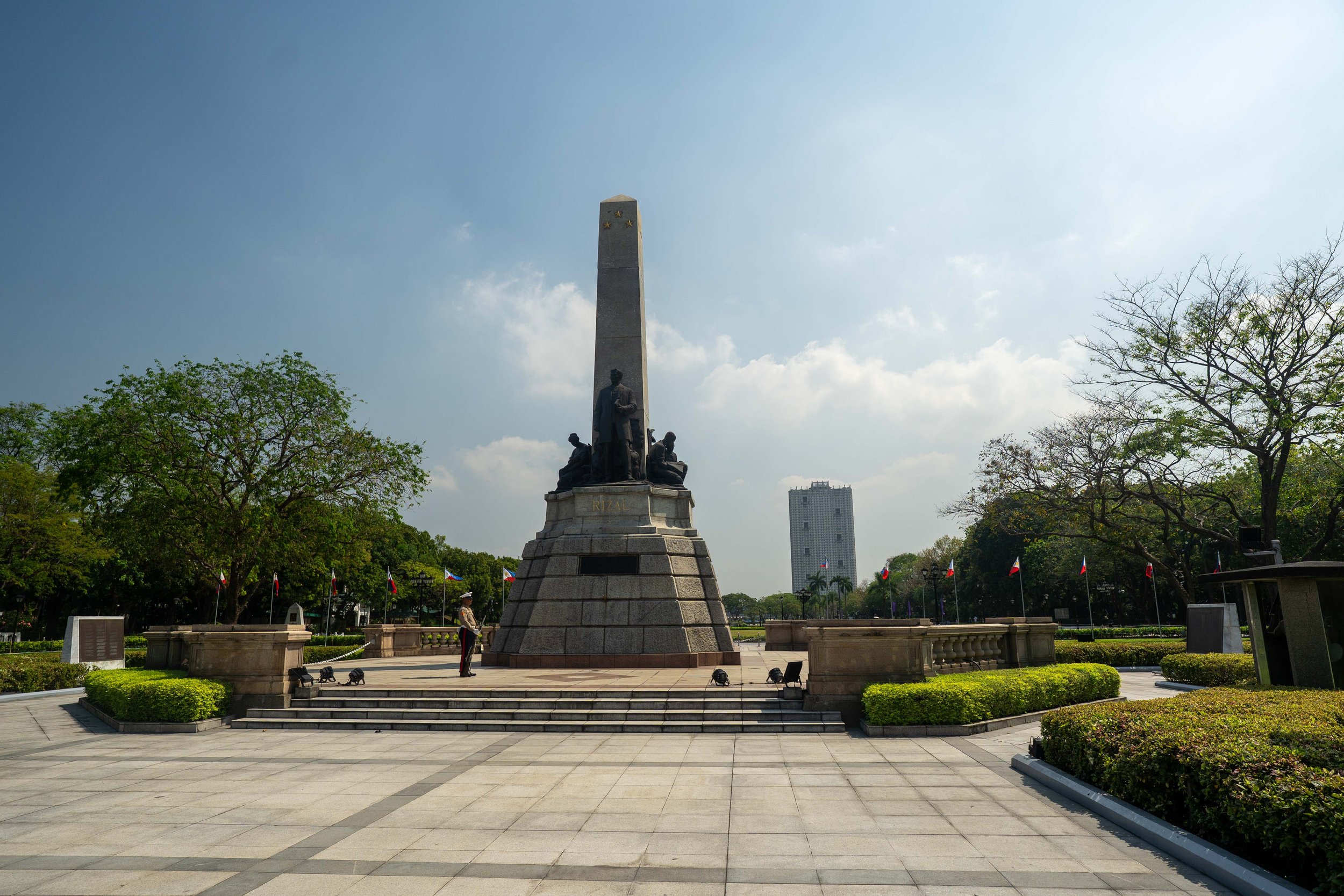
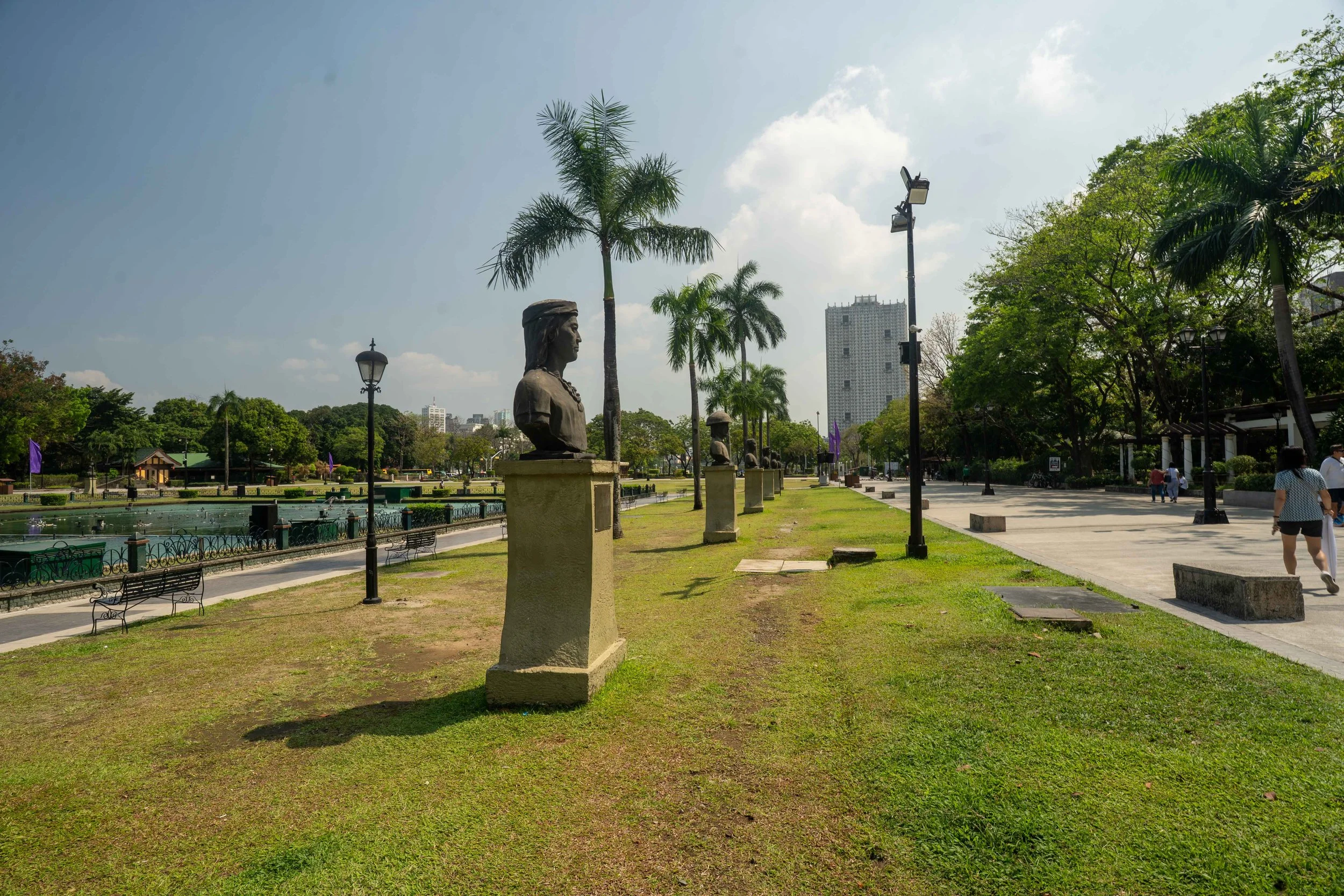
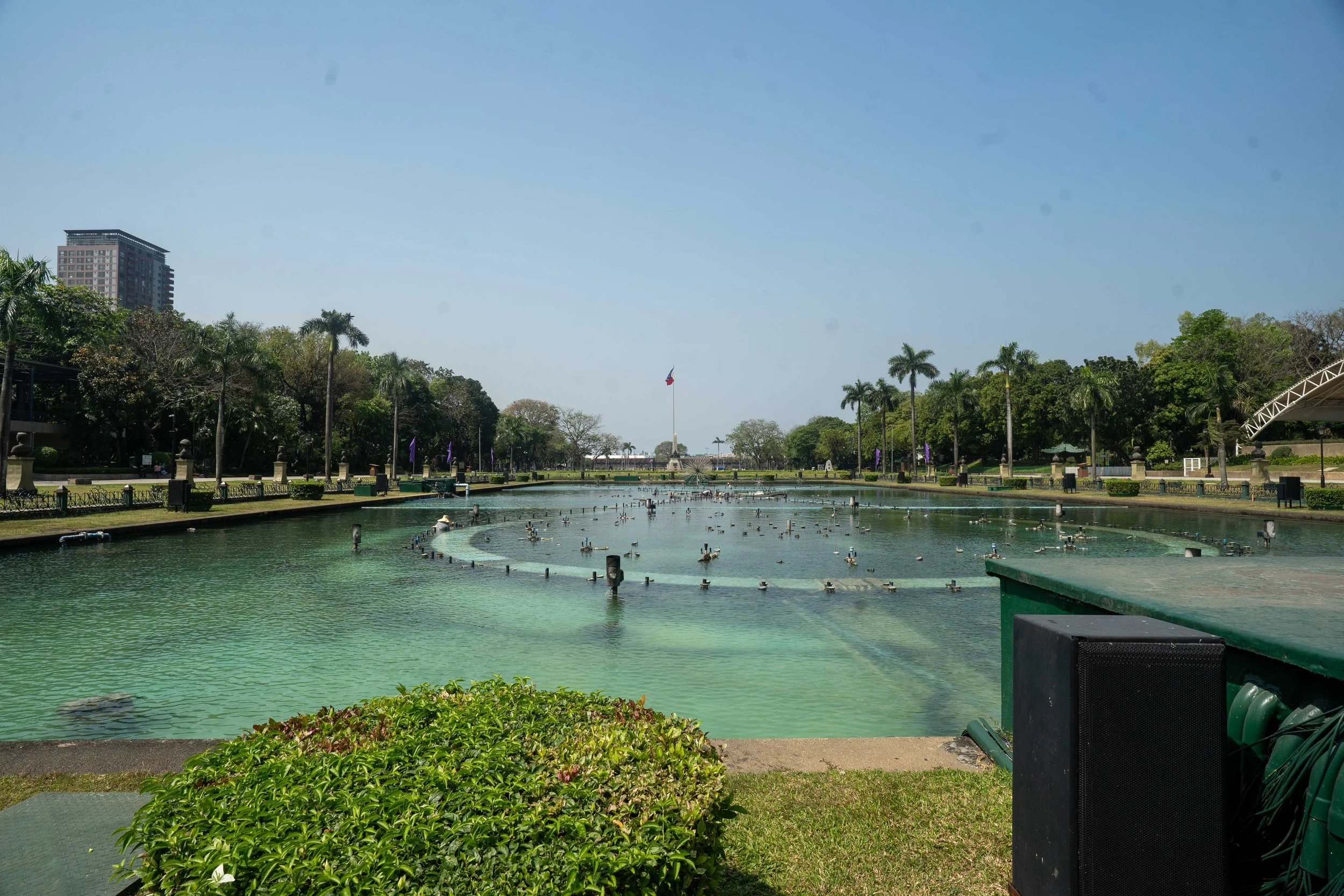
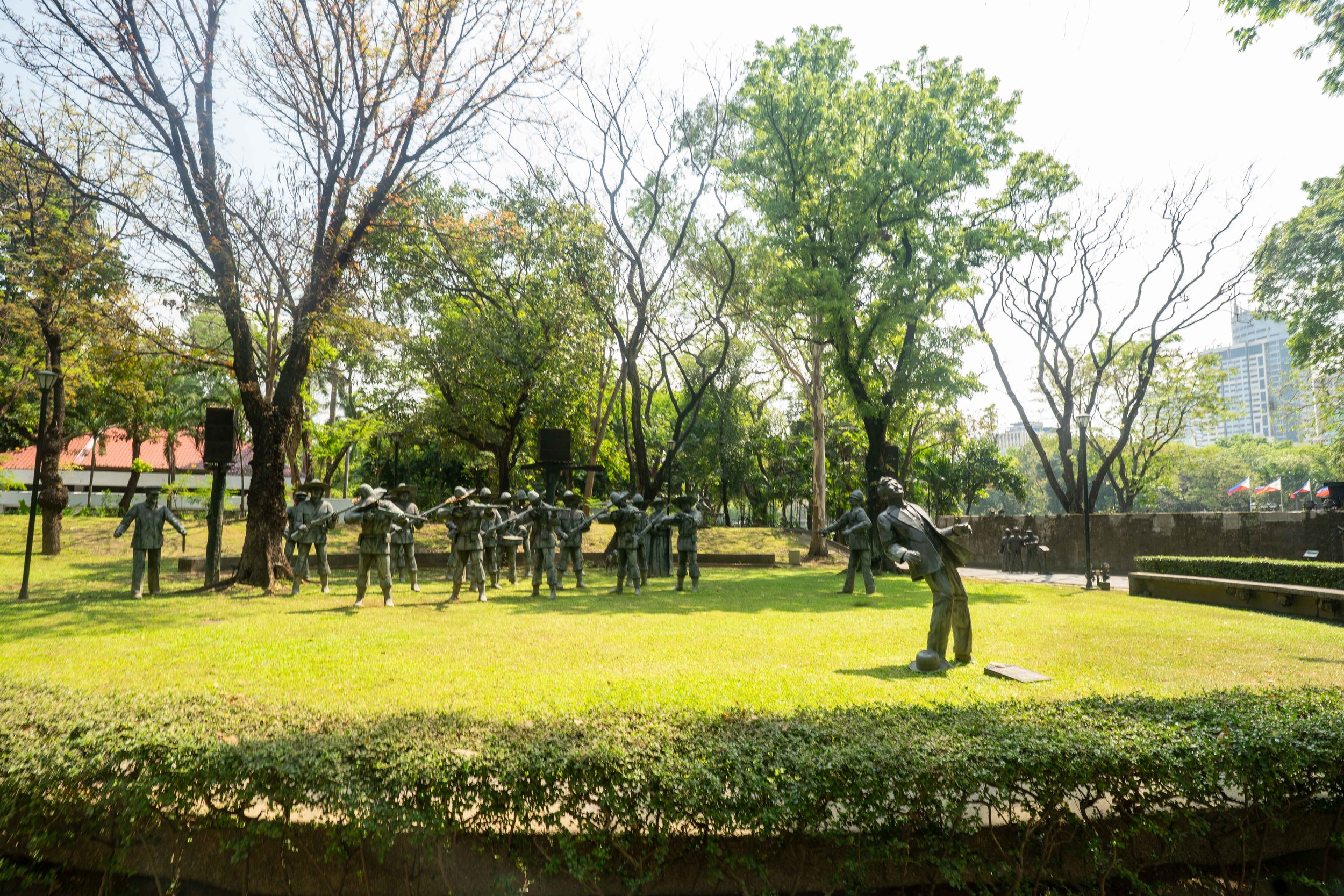
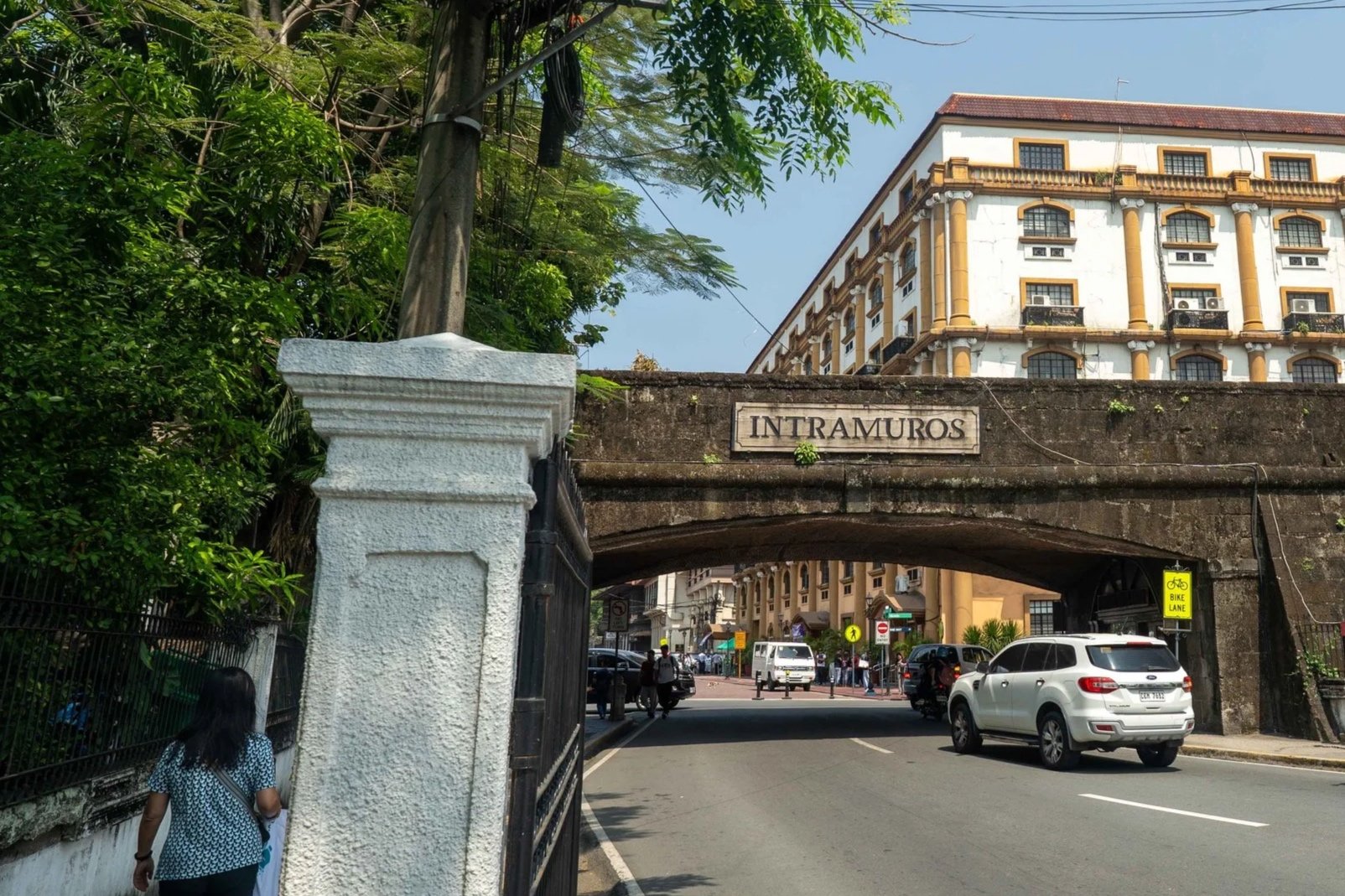
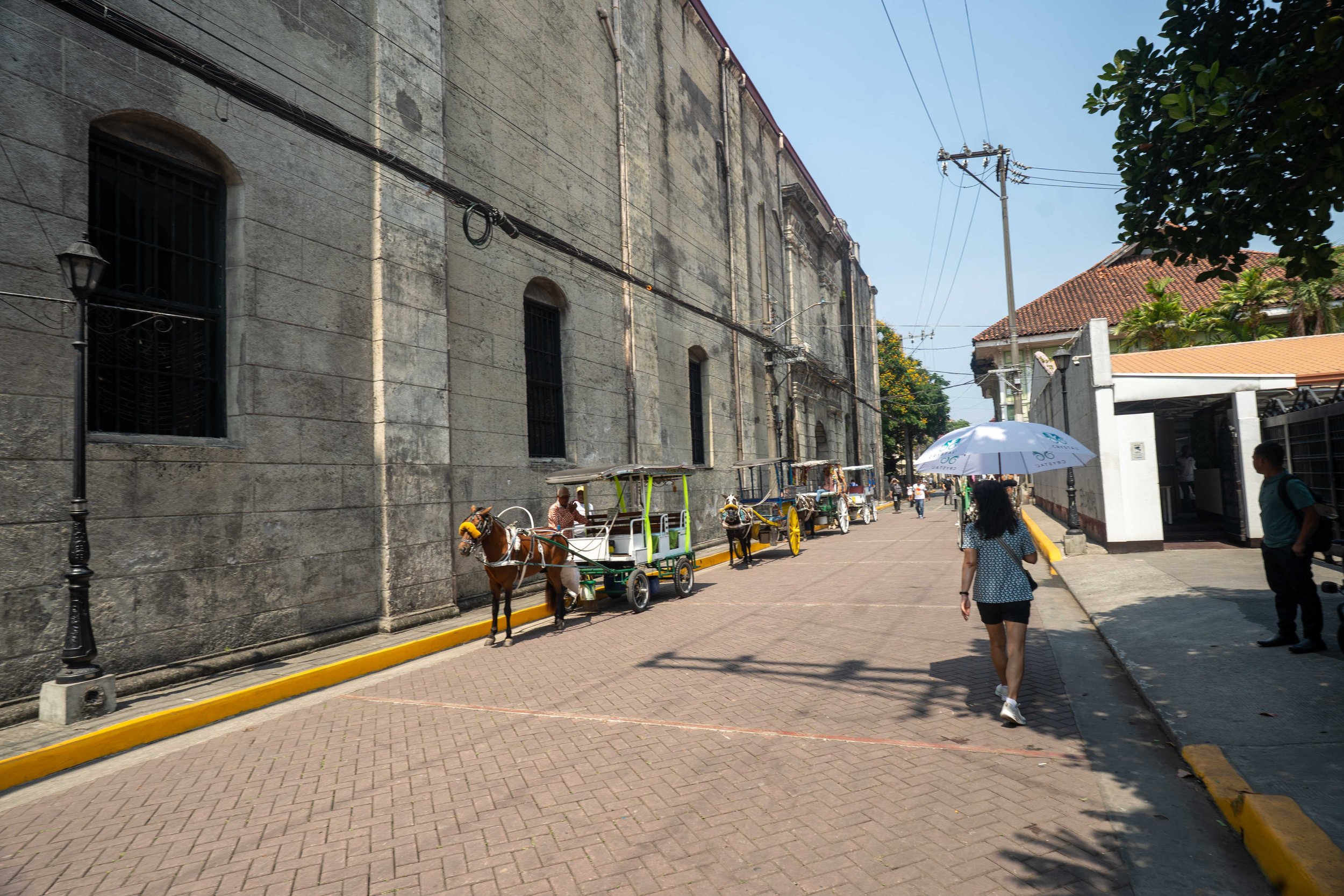
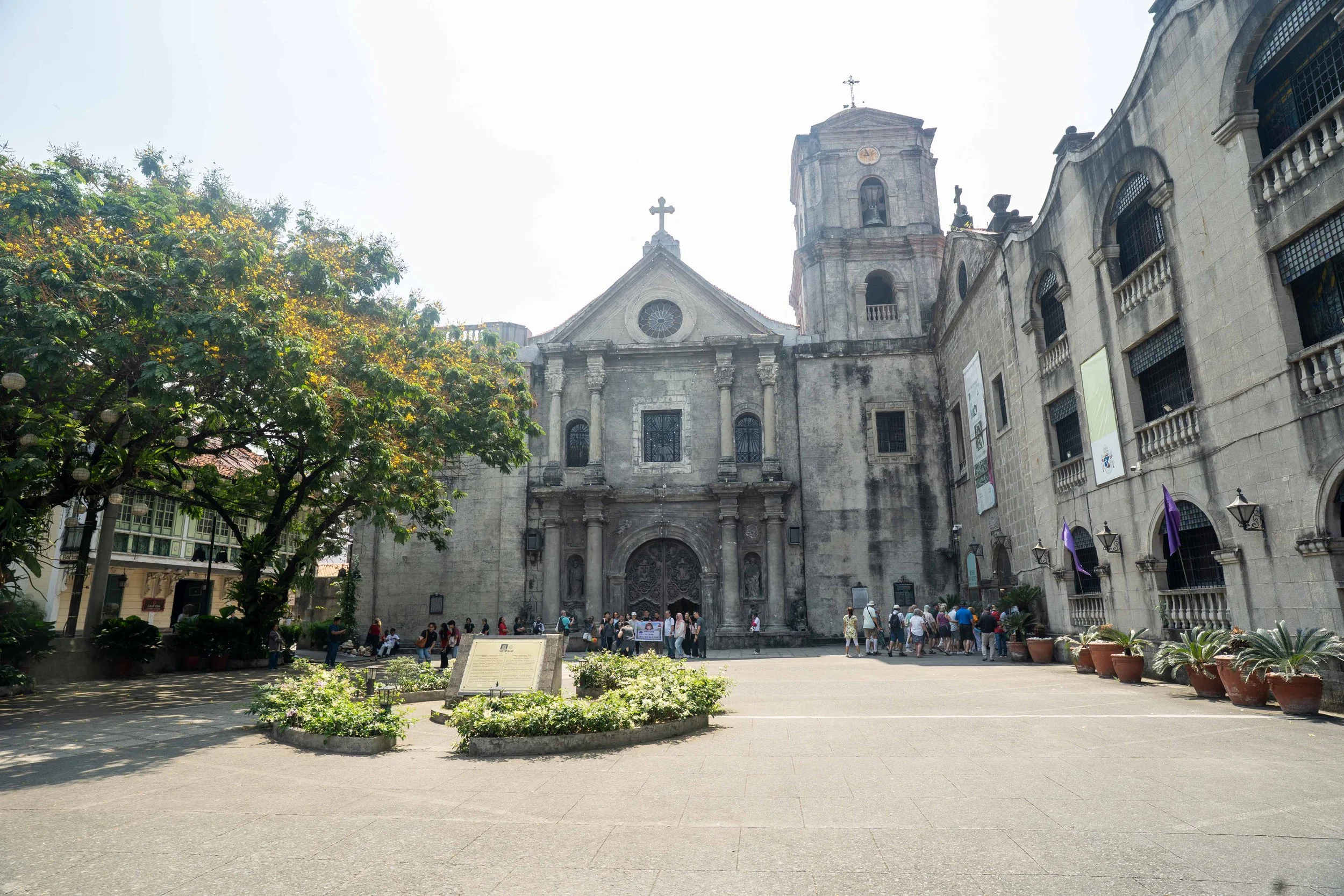
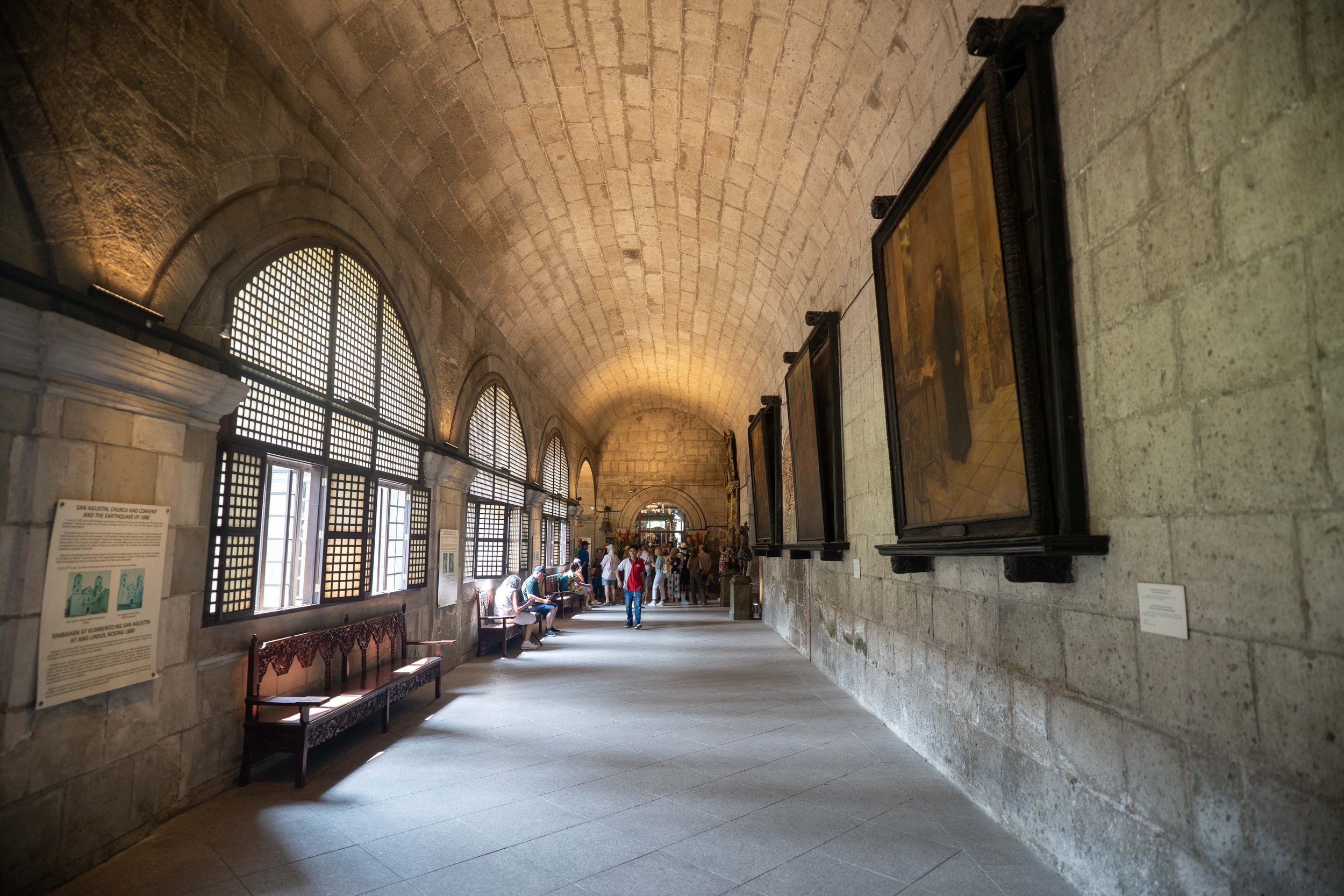
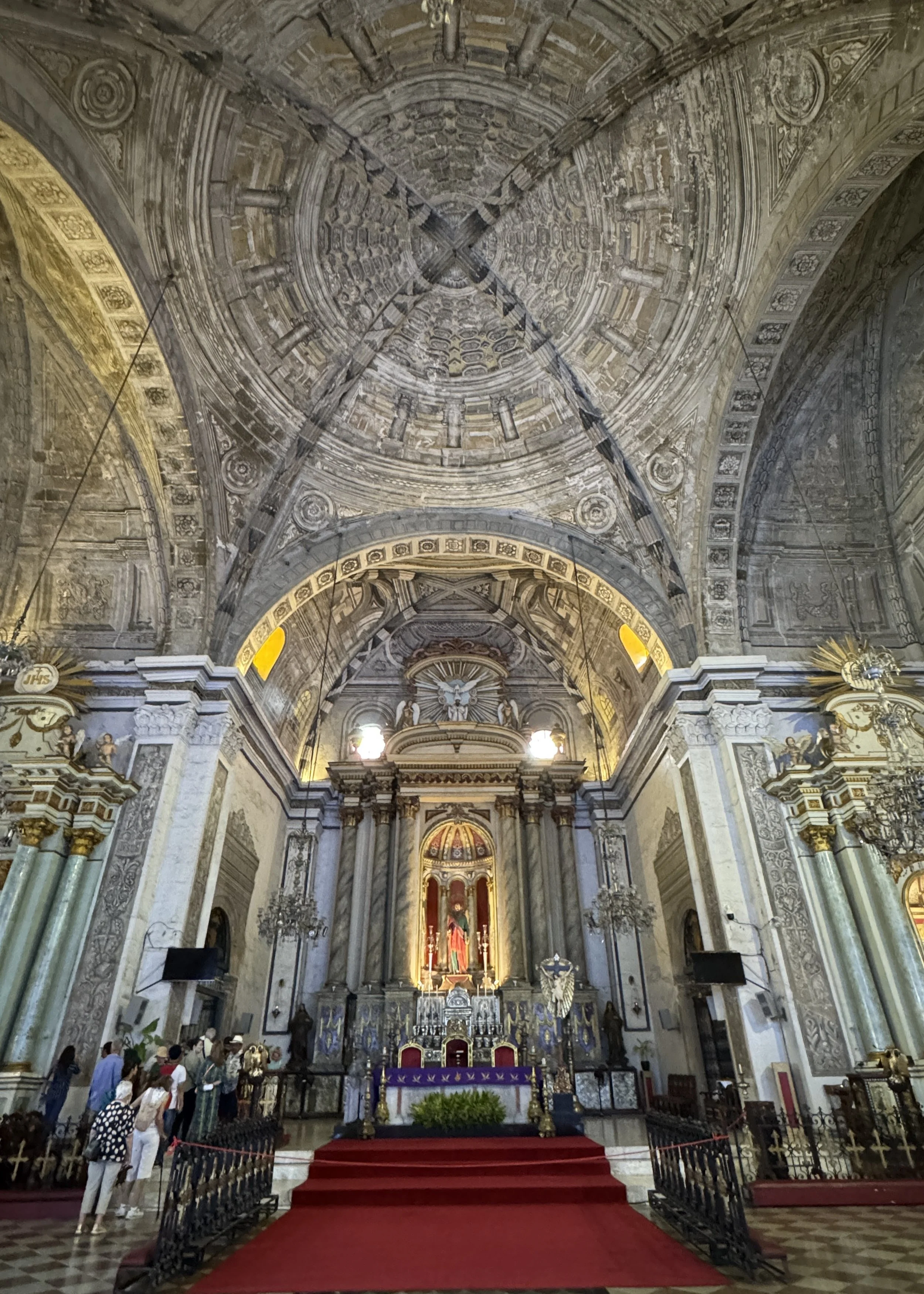
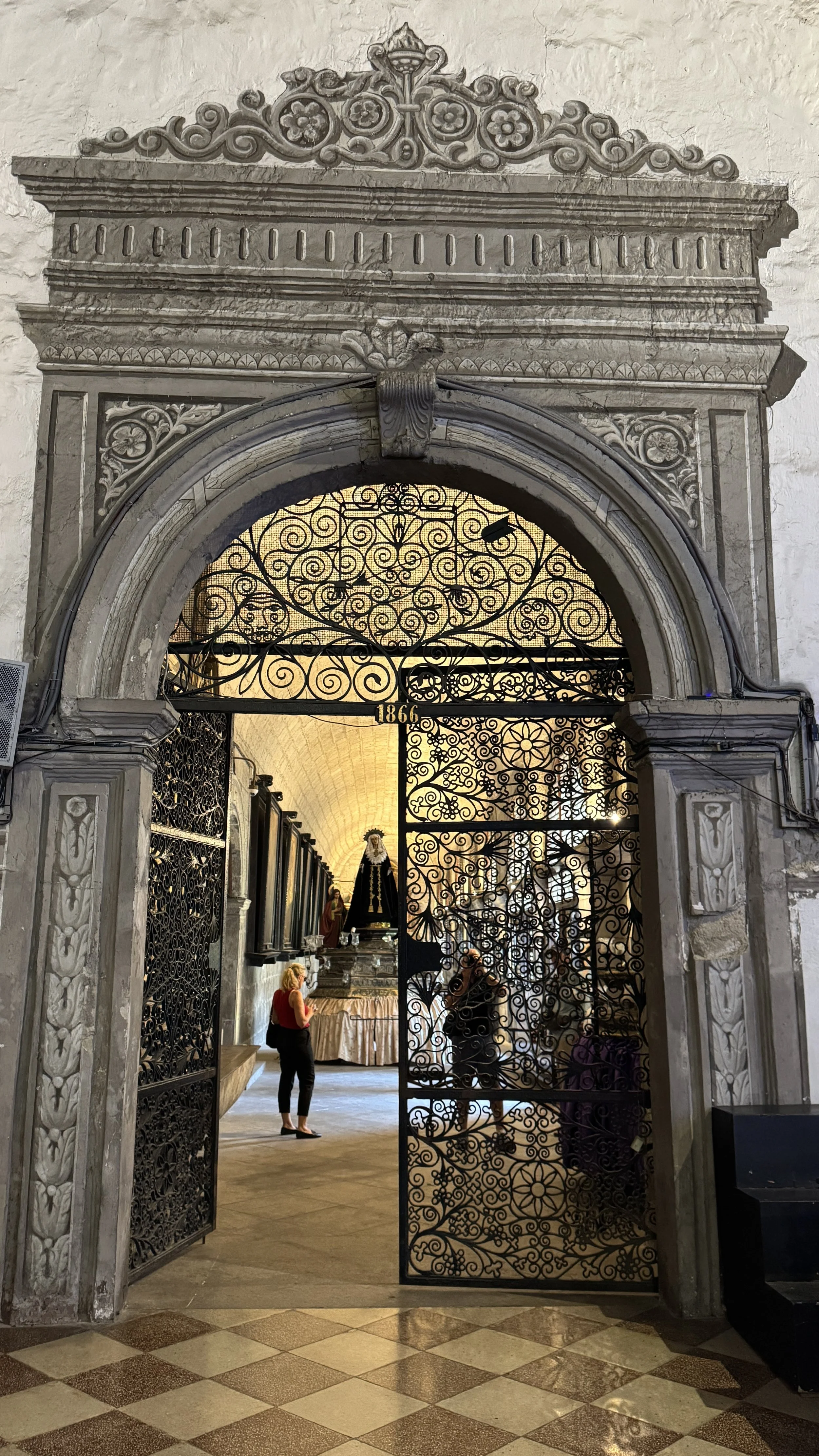
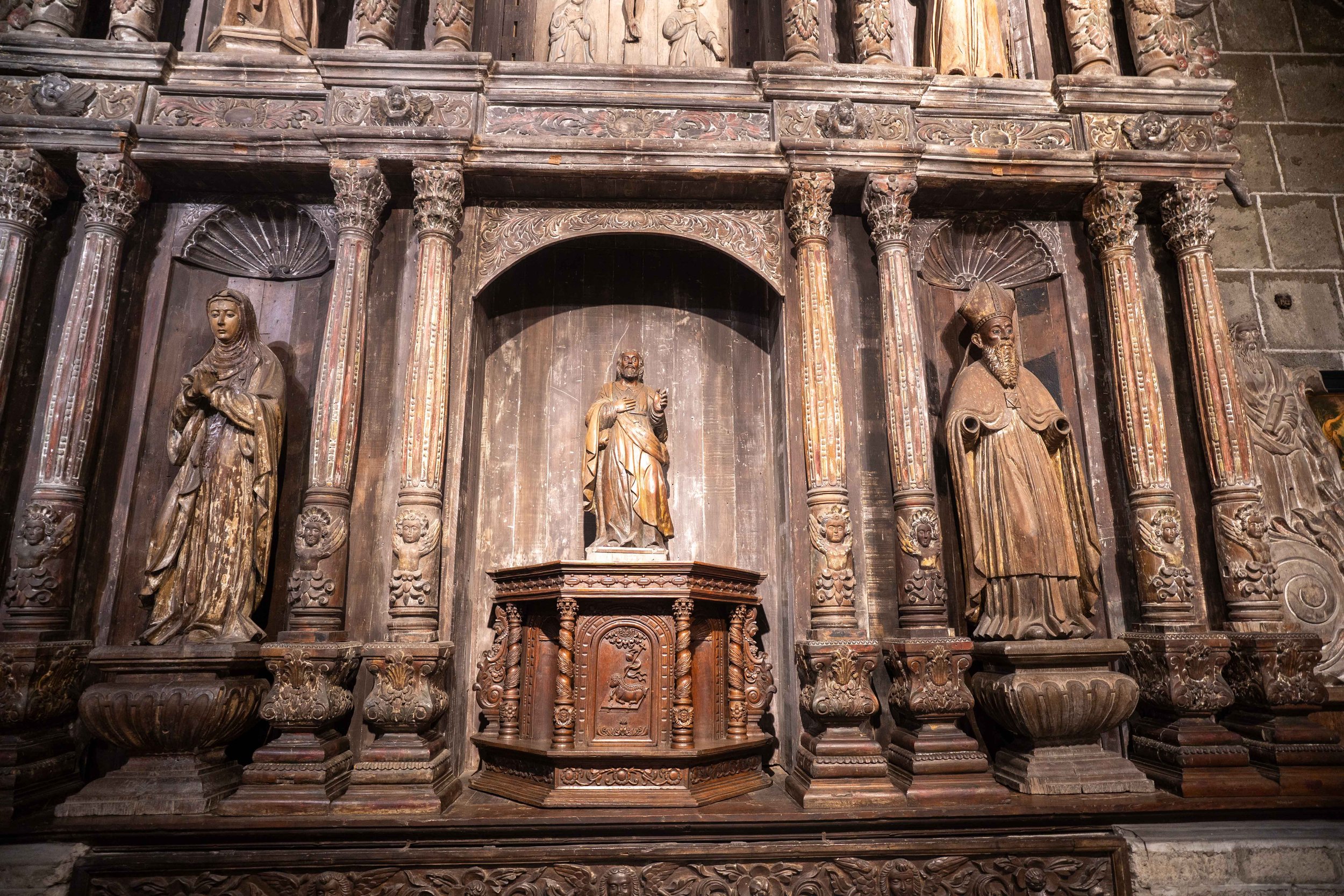
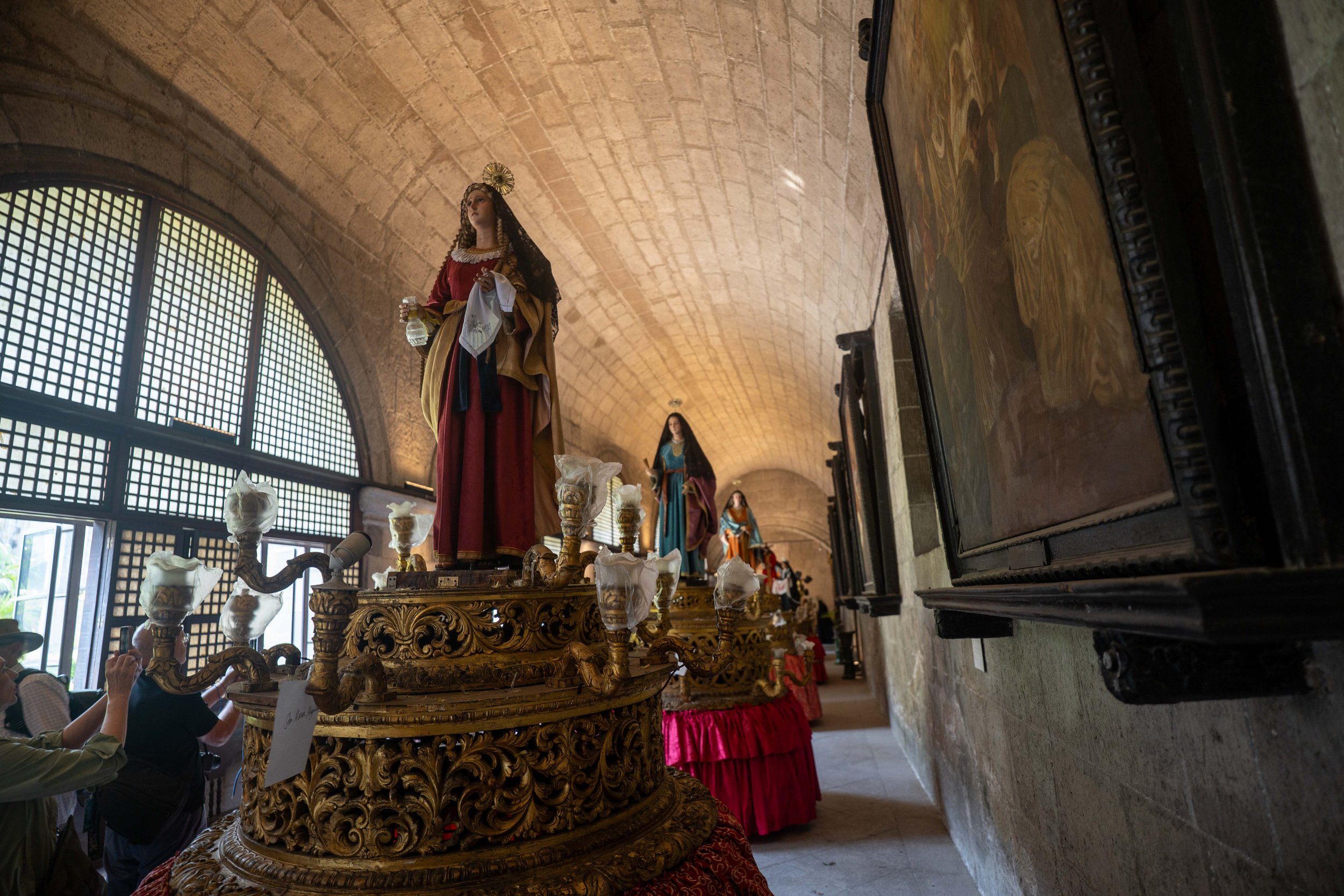
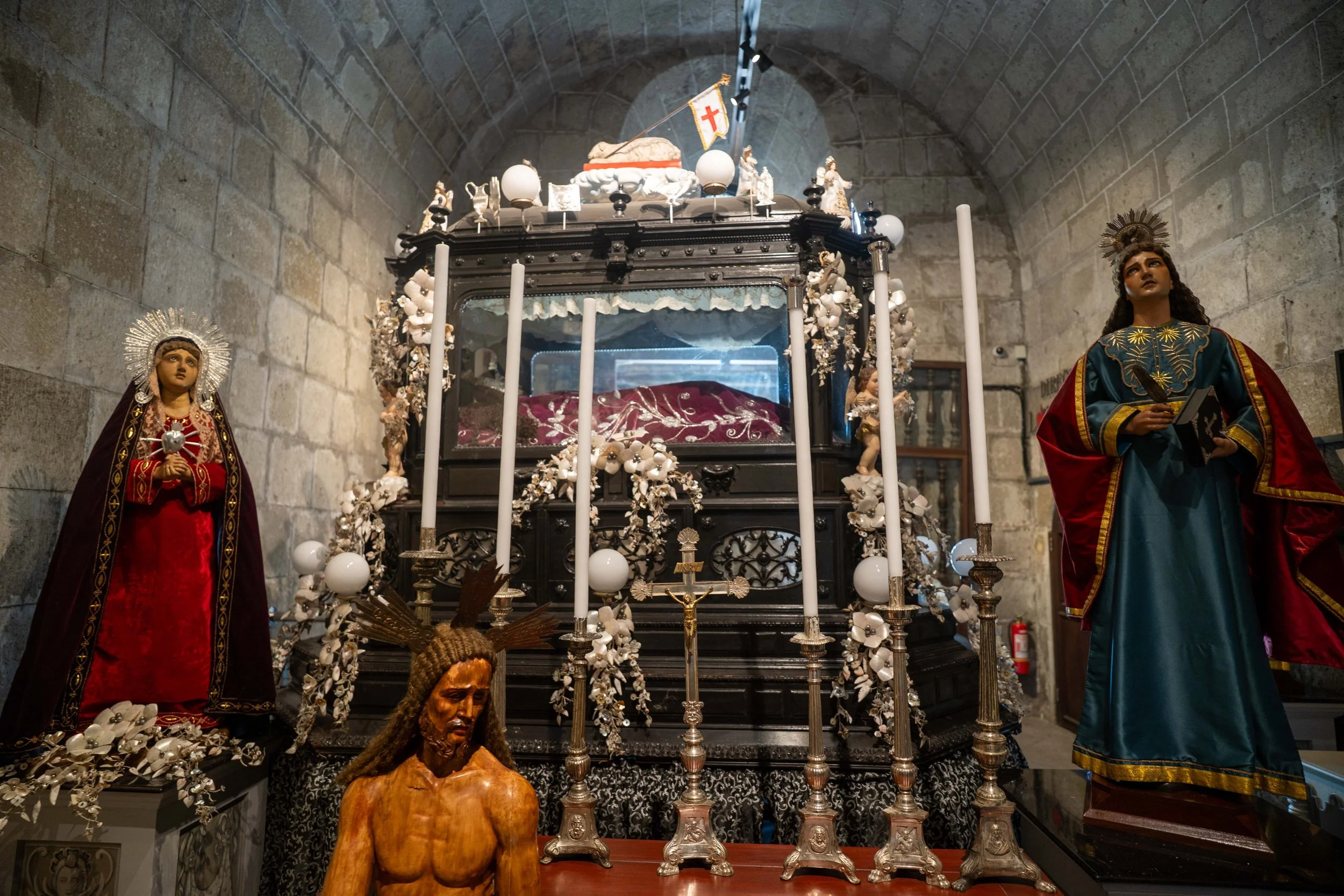
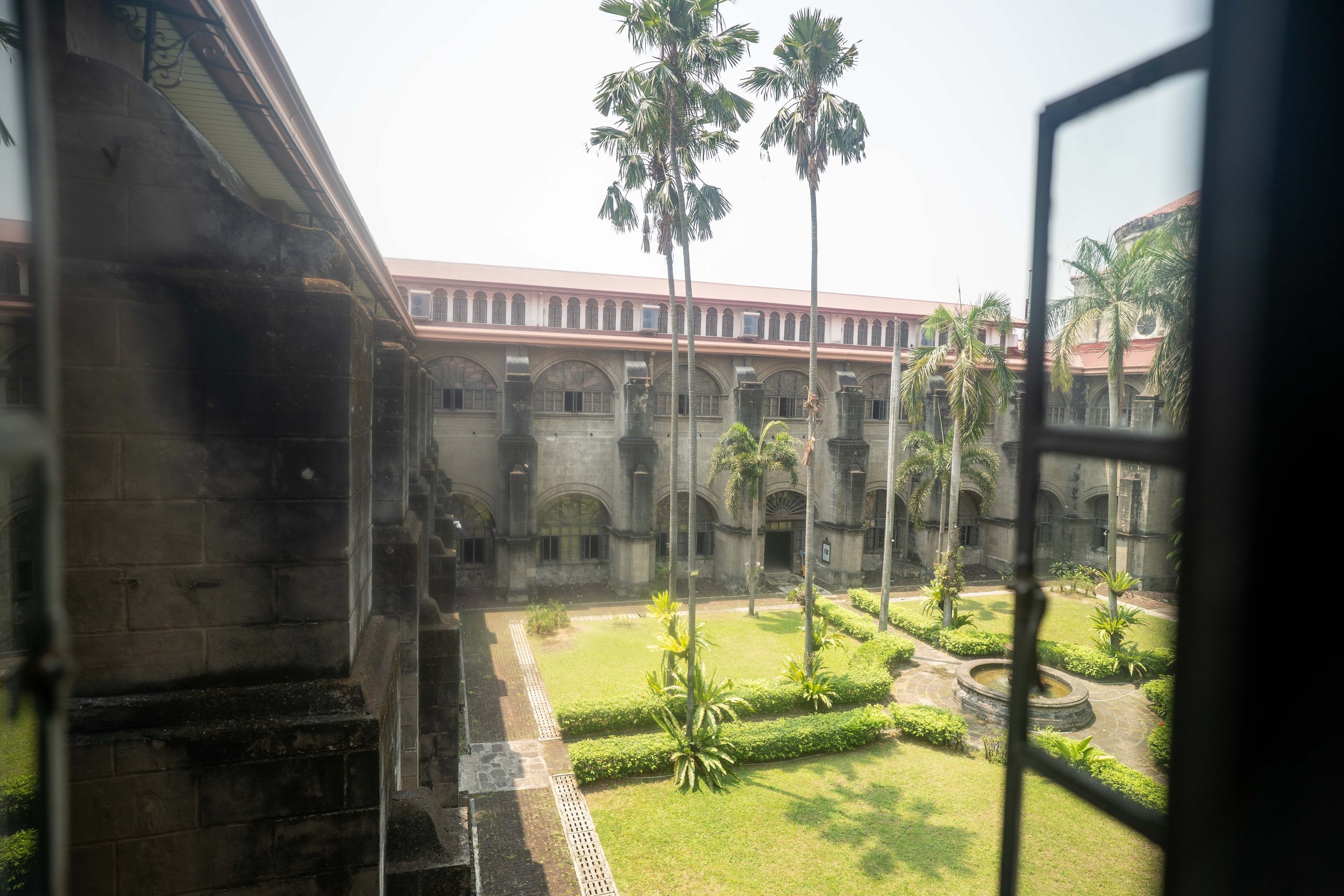
From the park, we continued walking to Intramuros, the historic walled city built during the Spanish colonial period. During our visit, we stopped at San Agustin Church, the oldest stone church in the Philippines. The church itself was beautiful, with its ornate interior and painted ceiling. However, what interested us most was the museum inside the old monastery. We spent quite a bit of time exploring the exhibits, which displayed religious art, antique furniture, historical manuscripts, and artifacts from the Spanish colonial period. Walking through the quiet cloisters and galleries offered a deeper understanding of the church’s long history and the role Catholicism played in shaping the culture of the Philippines.
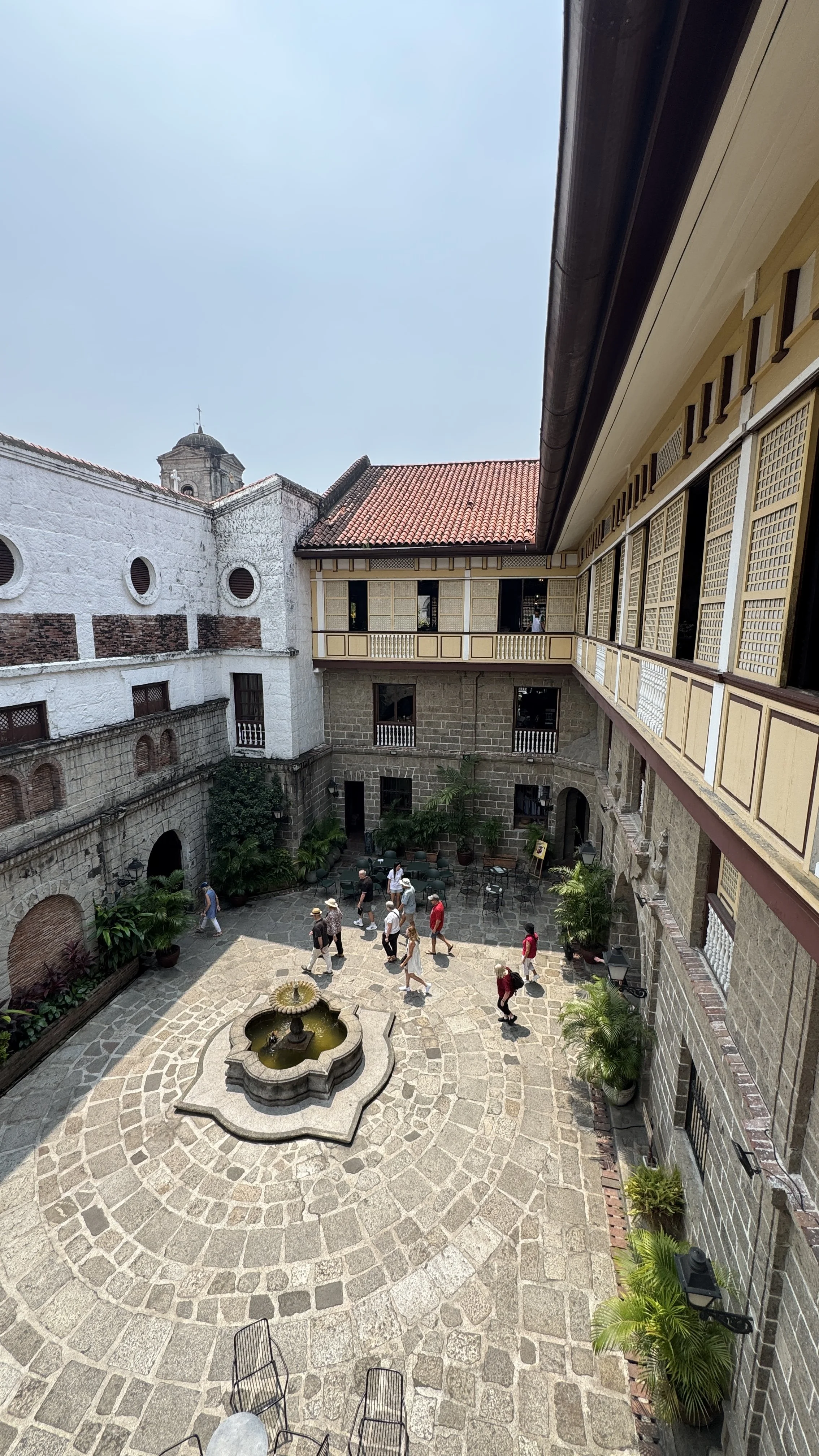
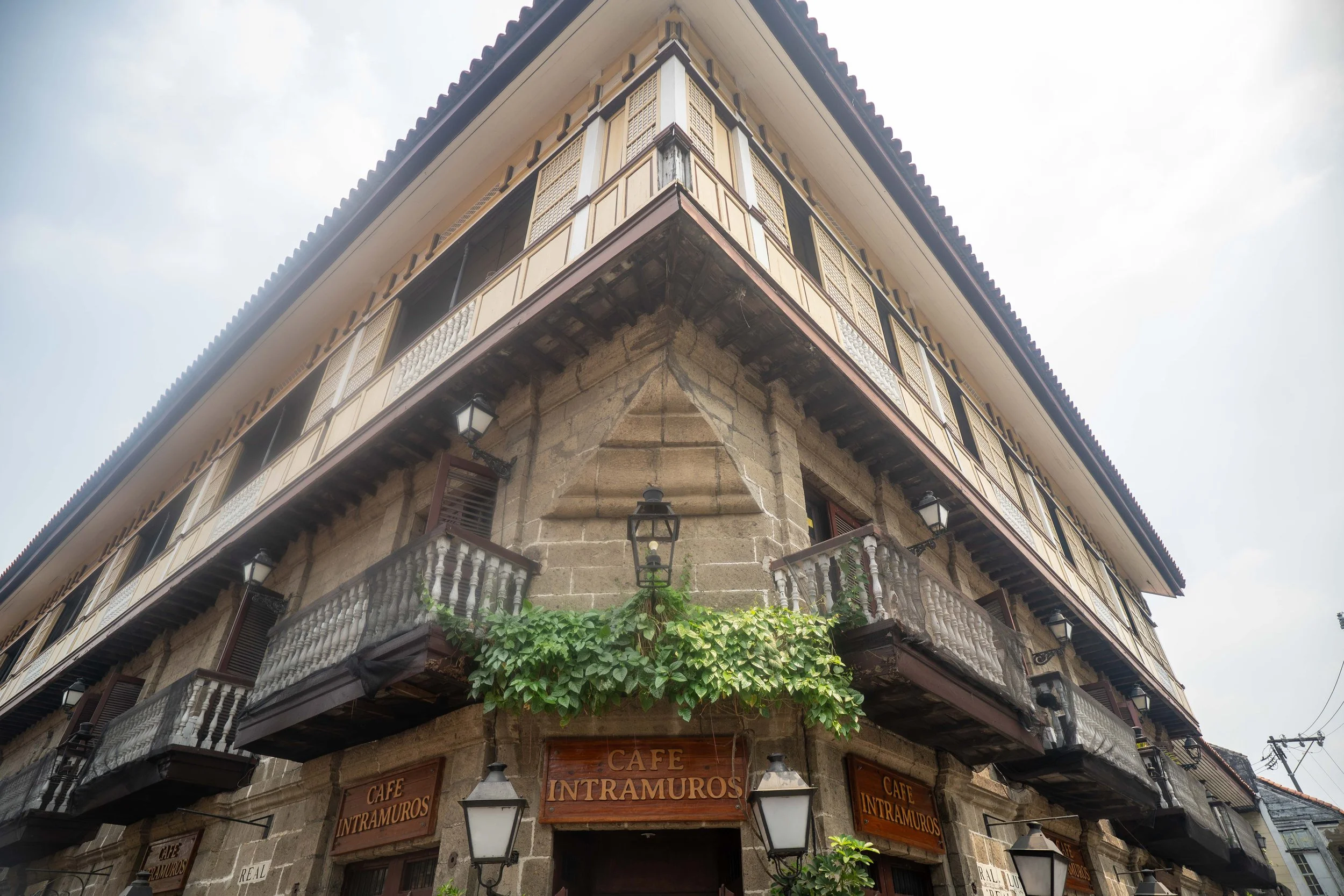
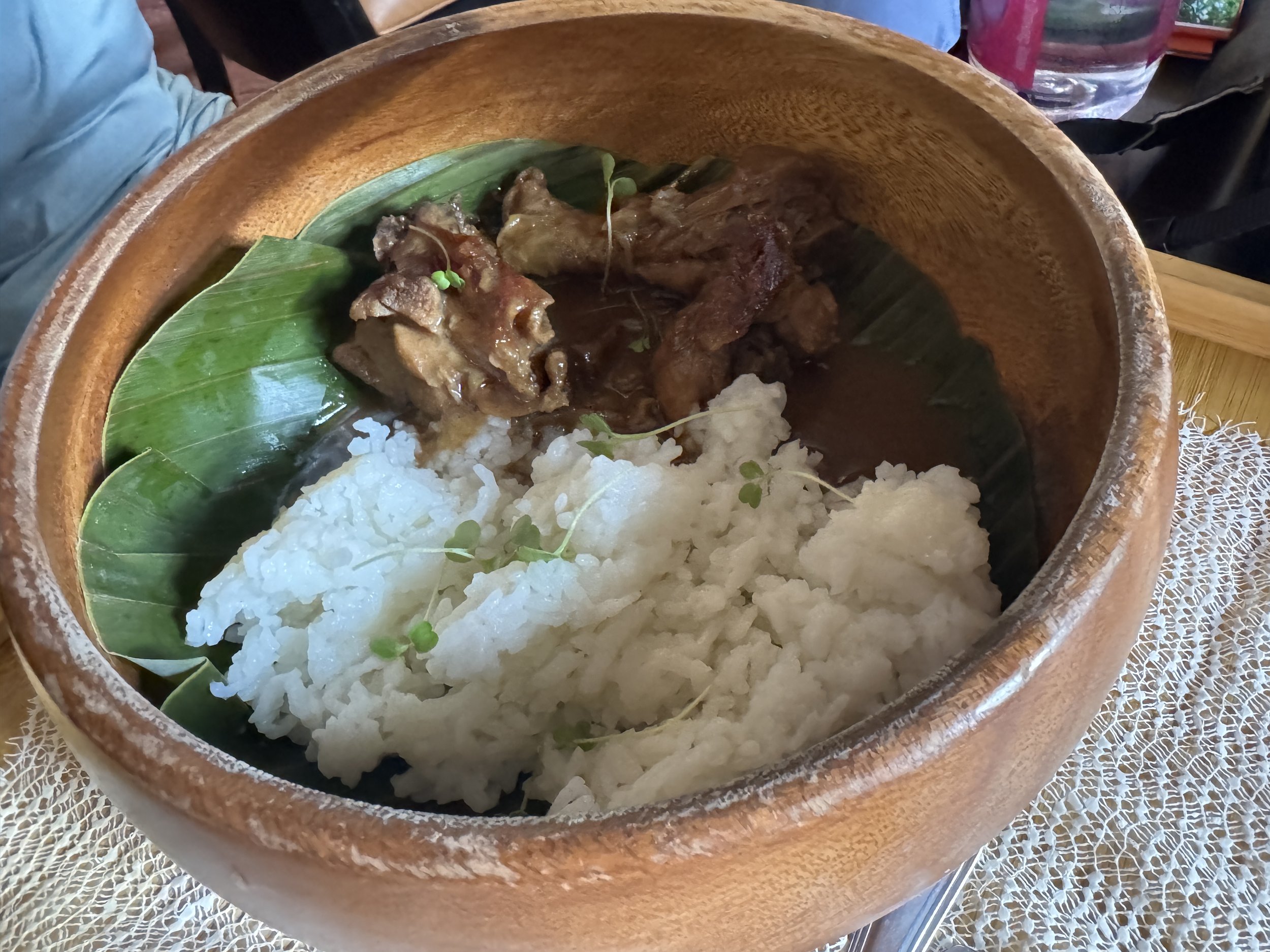
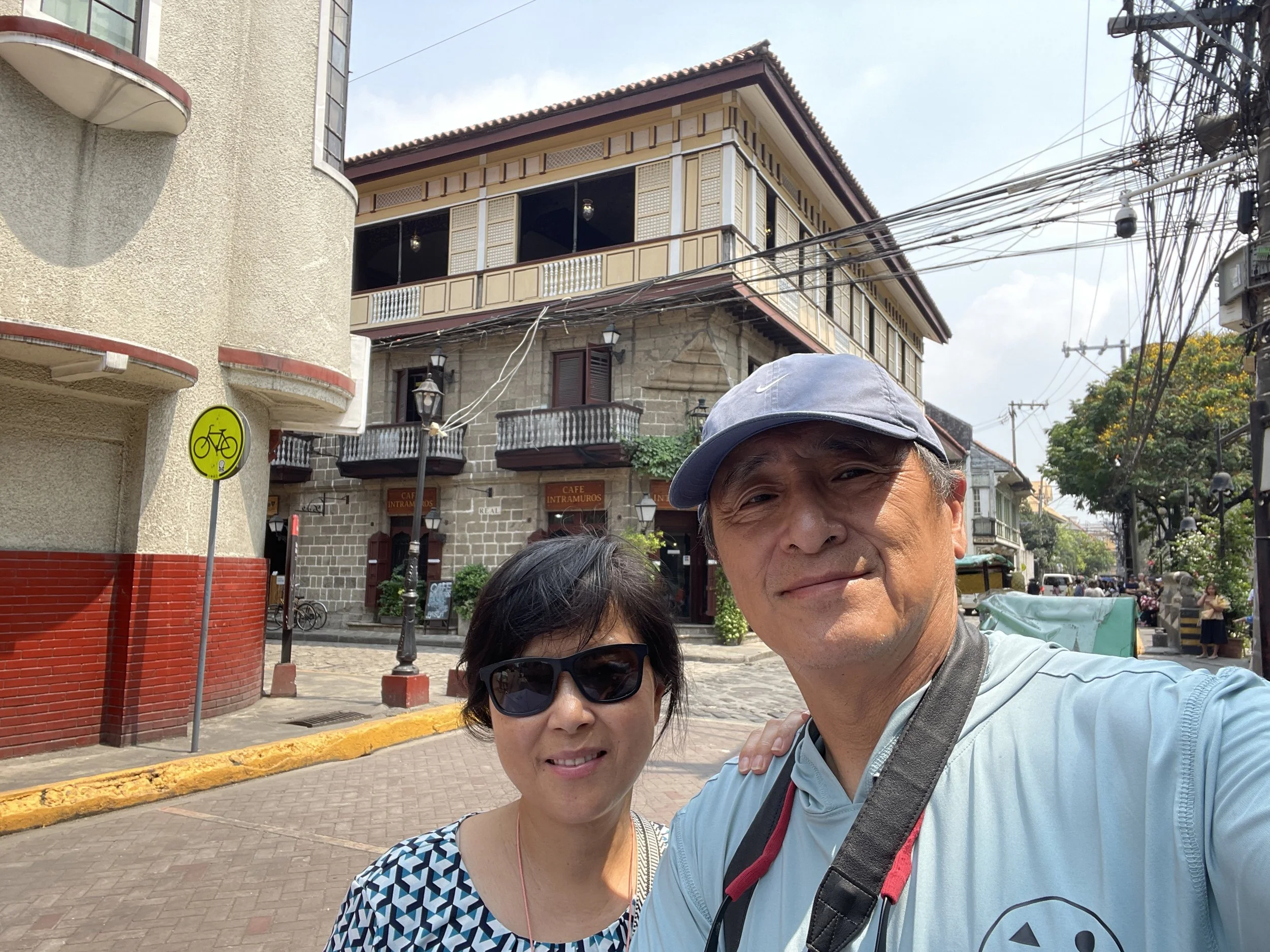
For lunch, we stopped at a café inside Casa Manila and shared a plate of chicken adobo. All the tables on the first floor were occupied, so we went upstairs to the second floor, where we enjoyed a quiet moment together.
The Manila Cathedral was nearby, so we stopped in for a brief visit.
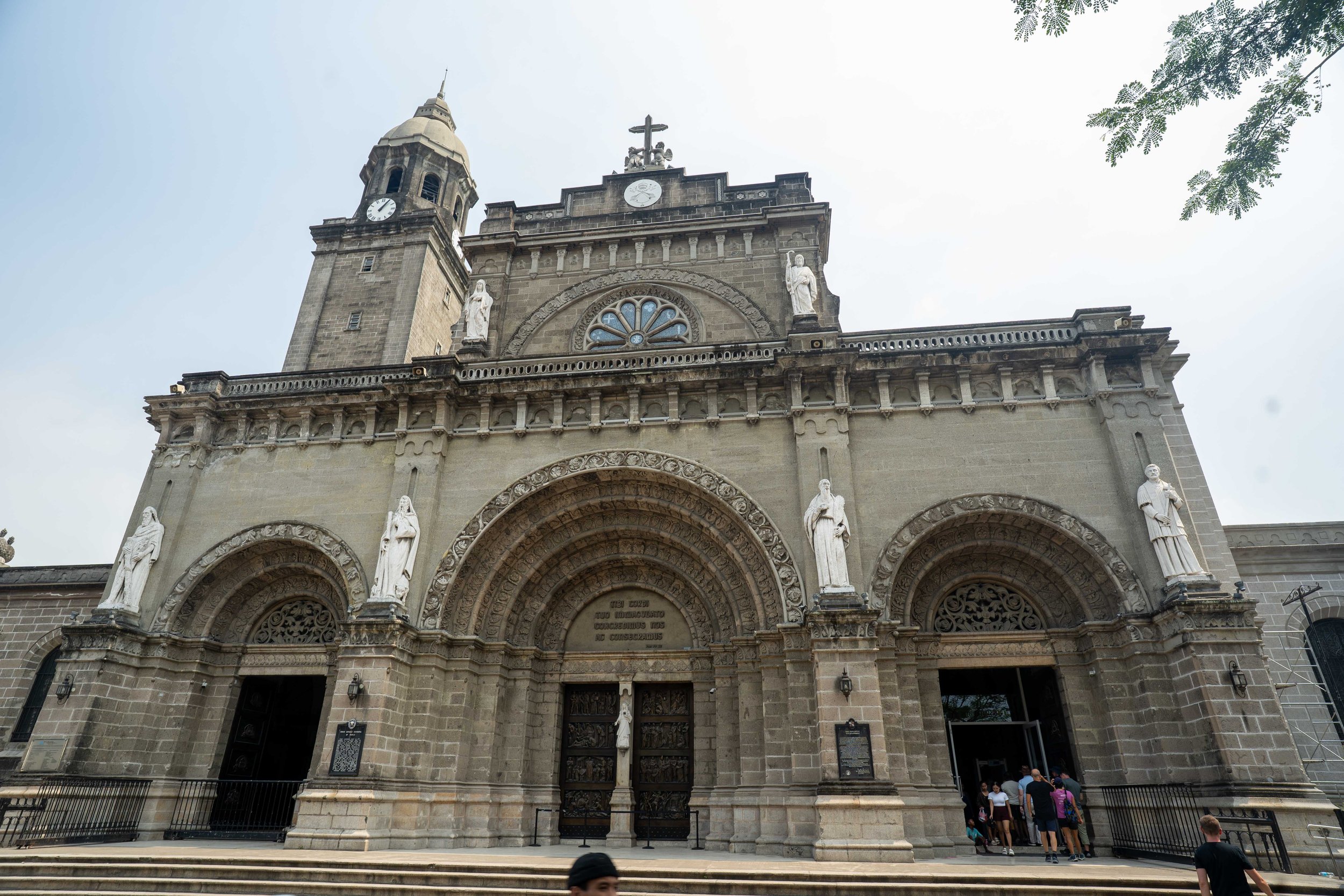
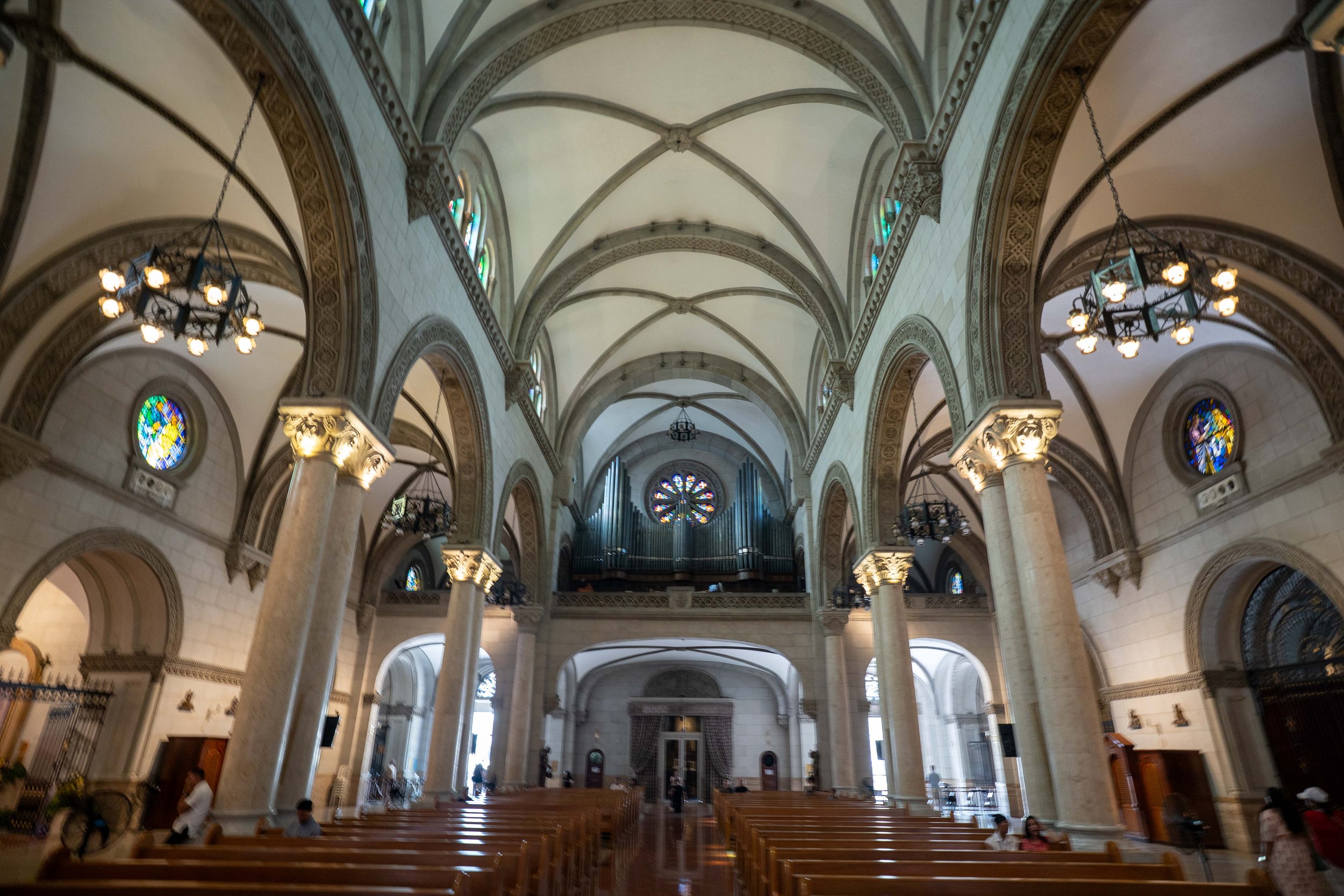
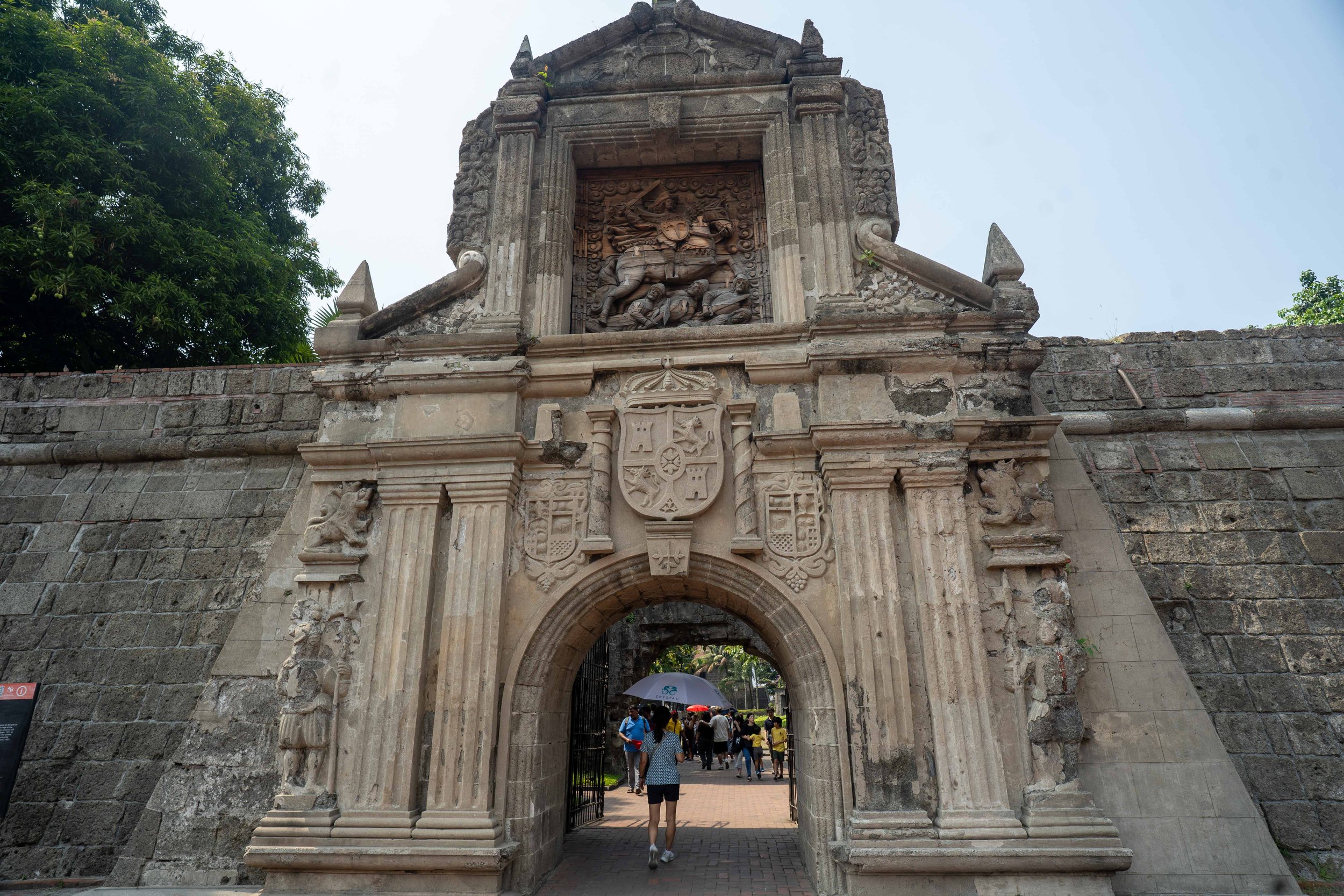
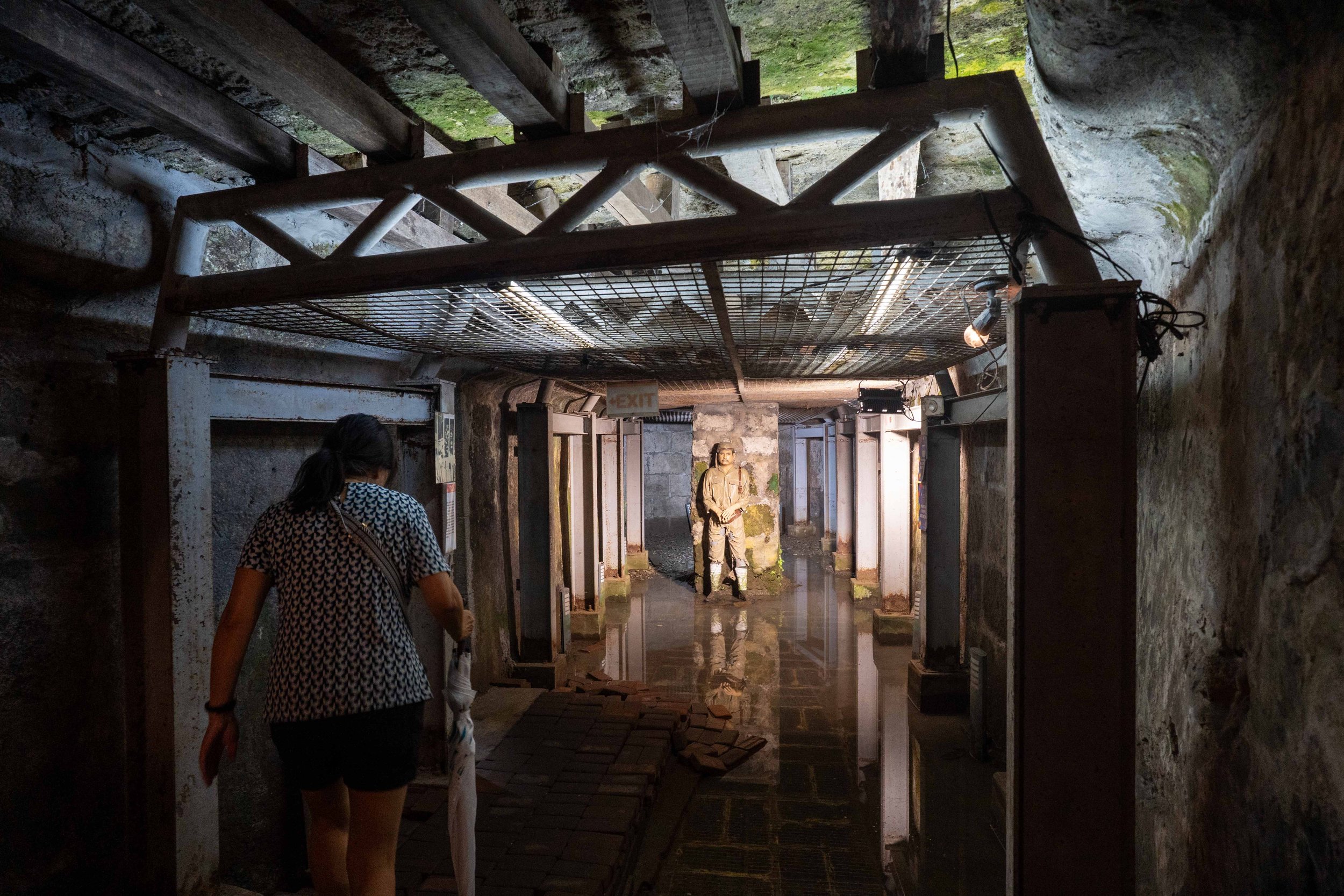
We then visited Fort Santiago, which once served as a military fortress defending Manila. José Rizal was imprisoned here before he was executed in 1896. Although the site is historically important, much of the fort was rebuilt after World War II.
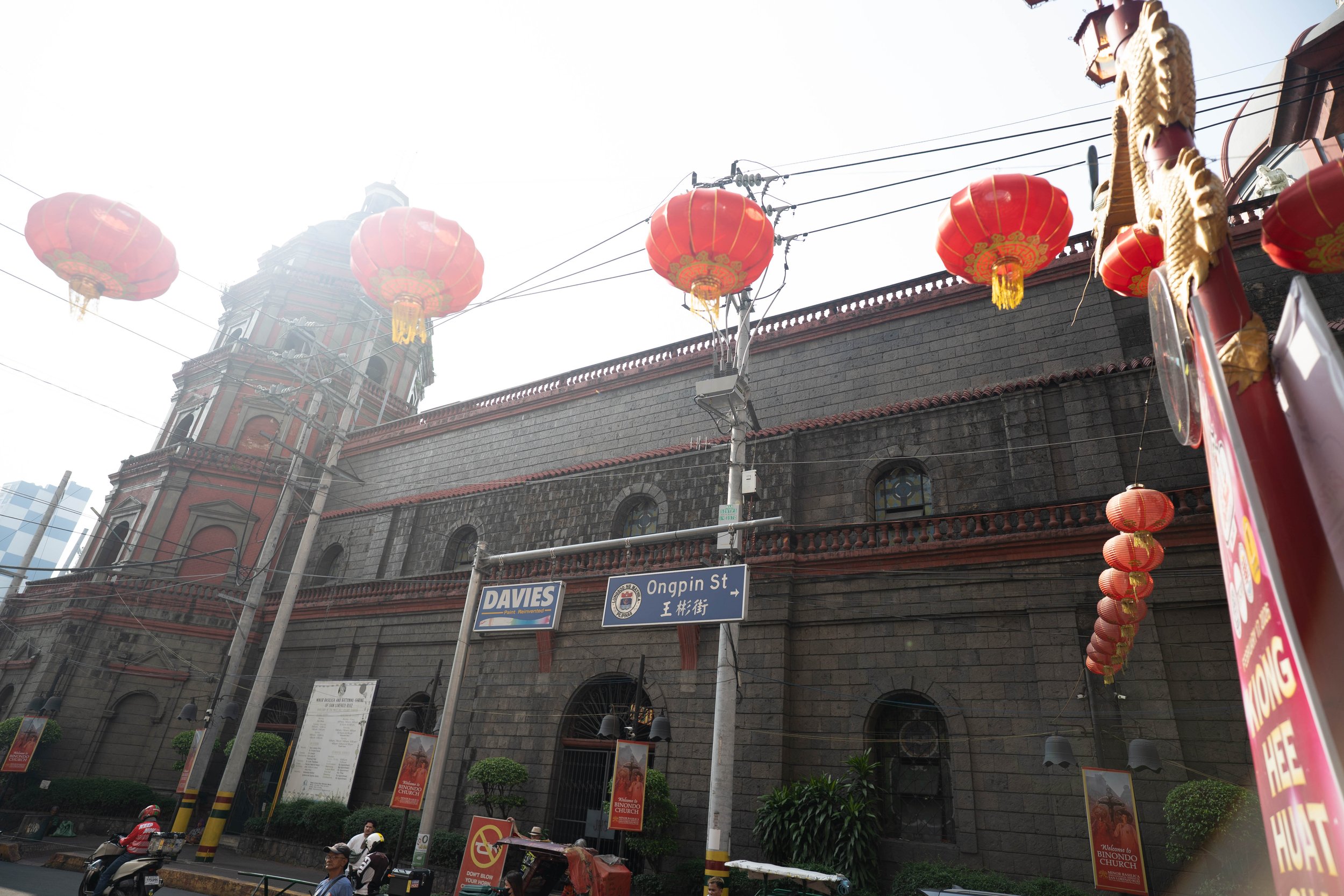
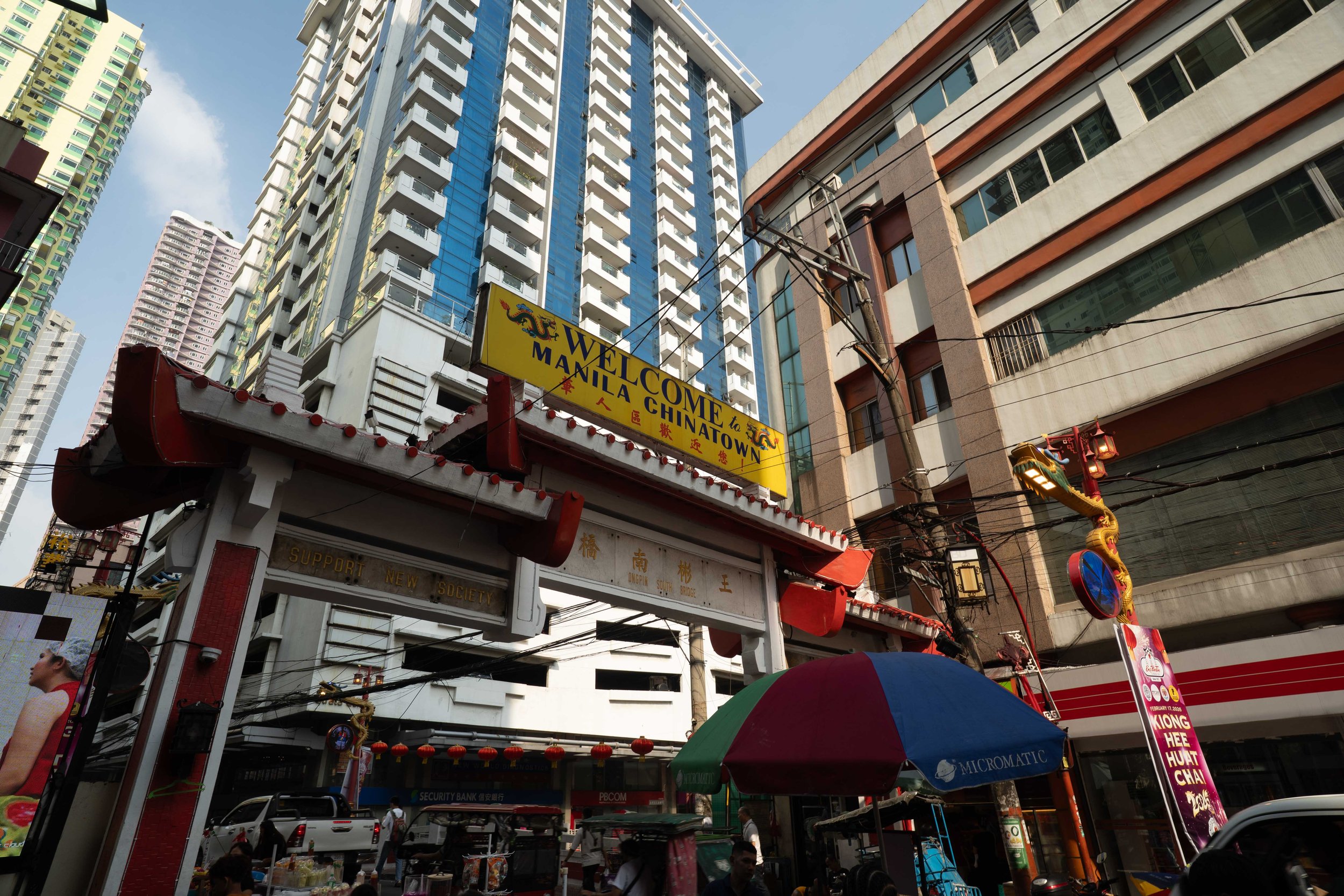
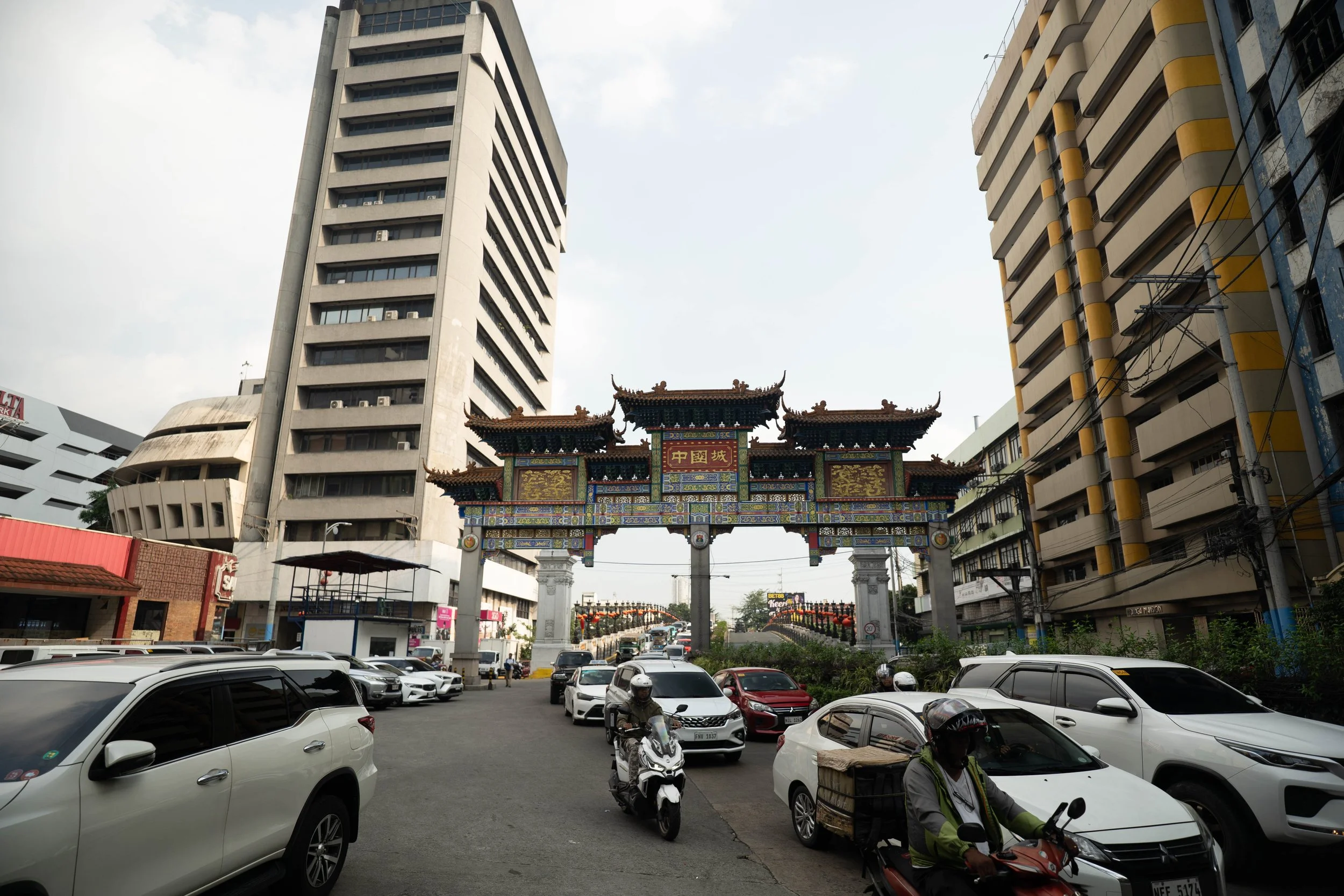
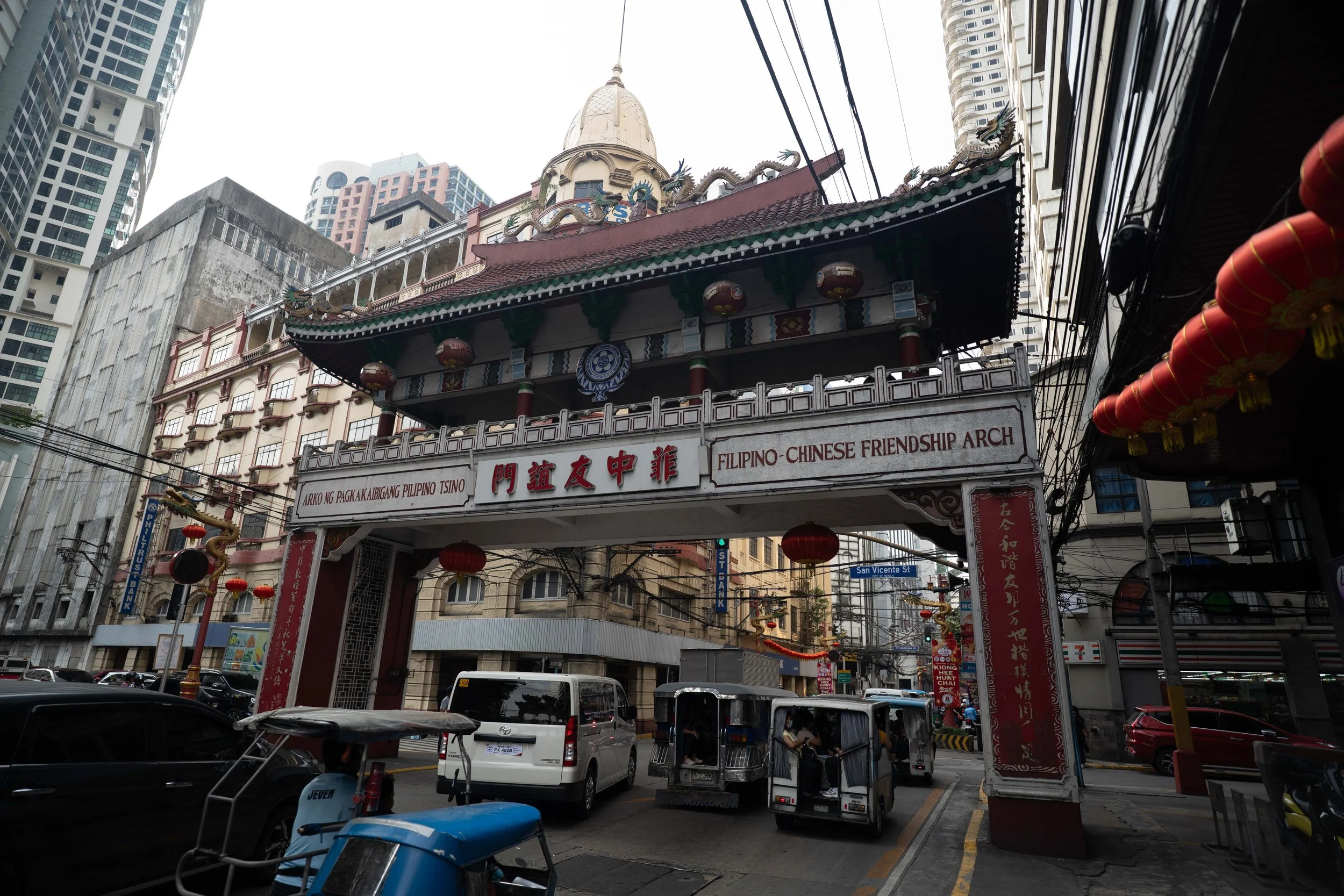
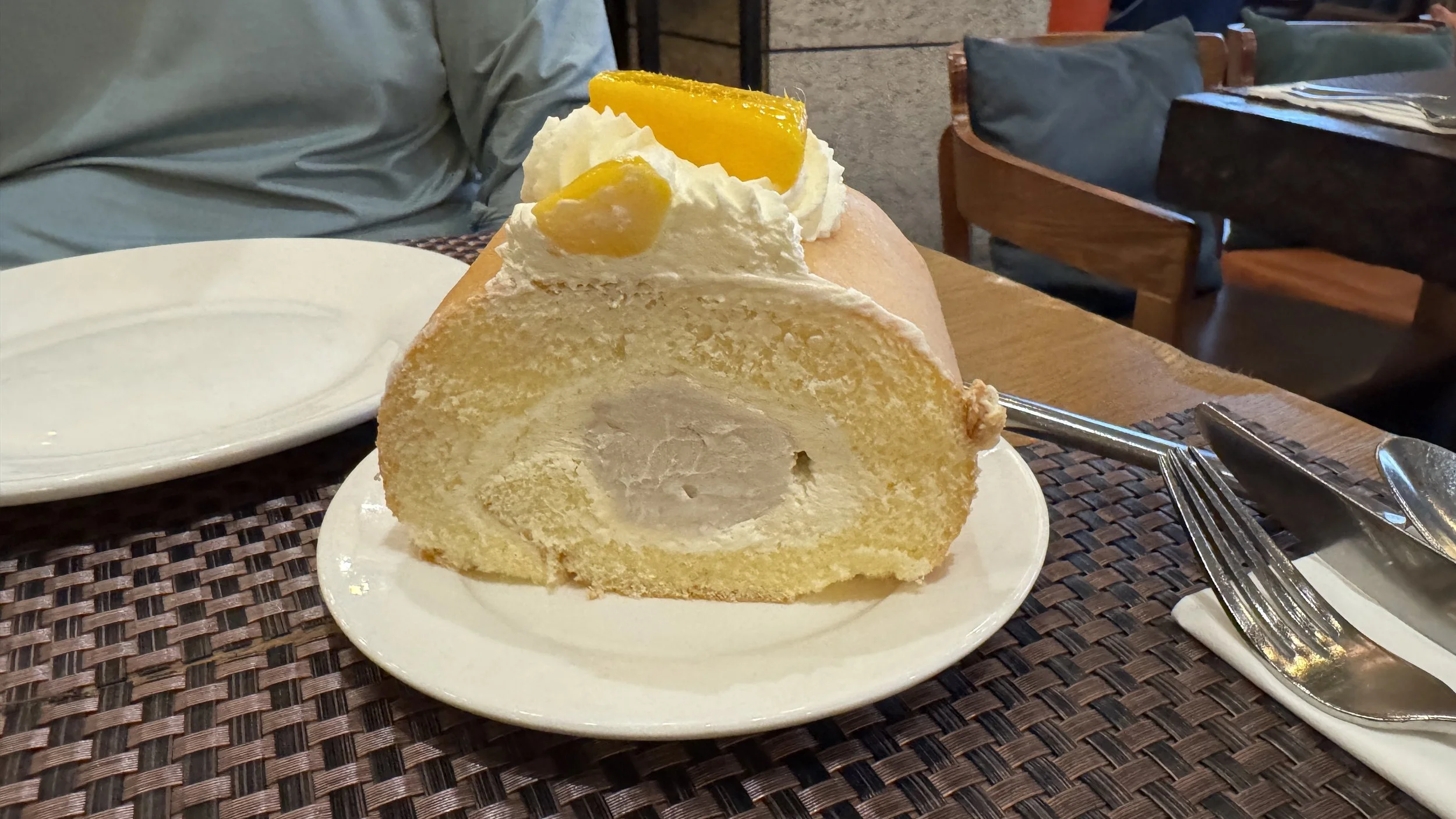
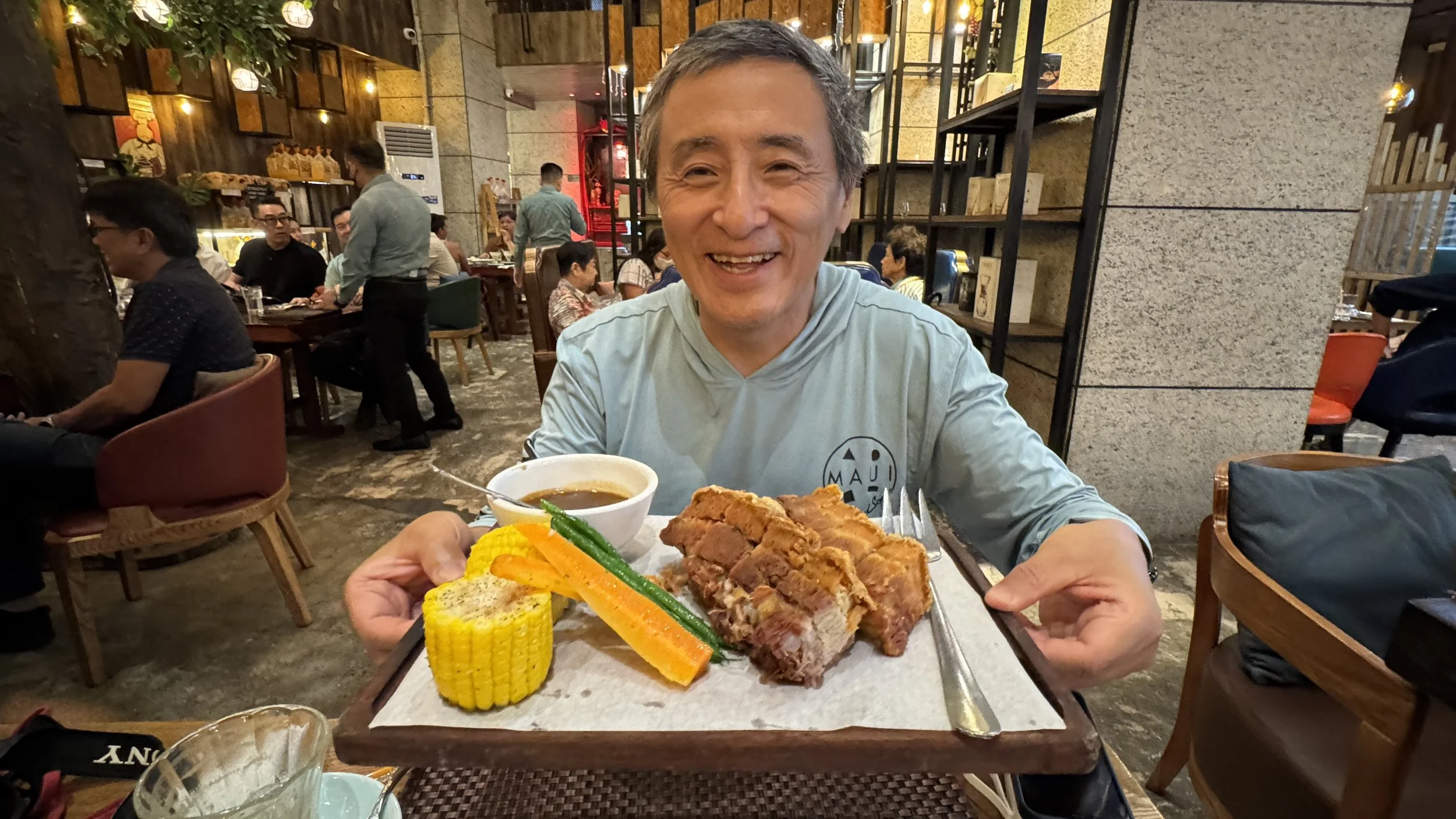
From the fort, we called a Grab to go to Binondo, the oldest Chinatown in the world outside China. The visit turned out to be somewhat disappointing. Either we did not find the right streets, or it simply did not resemble the typical Chinatown we are familiar with. We also had difficulty finding places that accepted credit cards. We decided to head back toward the ship for a late lunch. On the way, however, we noticed Café 1919 inside the HSBC building, an elegant Western-style structure. We decided to stop there and ordered an ube roll cake and crispy pork belly—an unexpected but wonderful combination. Both dishes were excellent, especially the cake, which was one of the best we have ever tasted. It turned out to be a perfect ending to our visit to Chinatown.
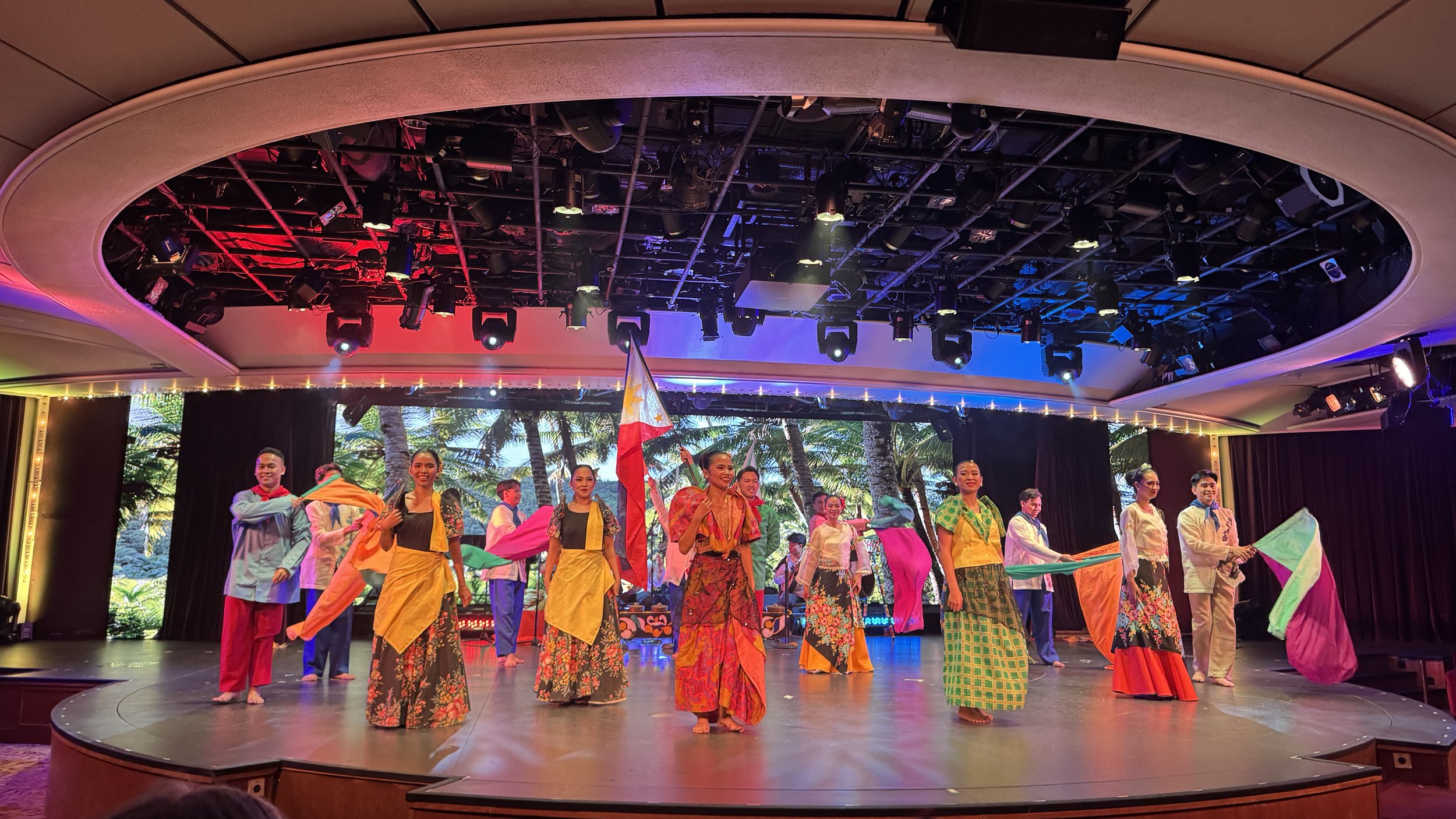
In the evening, a Philippine folk dance group performed on the ship, bringing traditional dances and music to the audience. It was one of the best performances we had seen during the trip.
2026年3月12日
今天我们的邮轮停靠在马尼拉港的 Pier 15,这里属于工业港区。我们取消了船上安排的岸上游,决定自己在城里走走看看。
邮轮提供免费的接驳巴士前往一个购物中心,不过我们看了一下地图,觉得直接步行去 黎刹公园(Rizal Park) 更方便。何塞·黎刹是菲律宾著名的民族英雄,在这座城市里几乎到处都能看到他的名字。黎刹公园开阔而庄严,给人留下了不错的印象。
从公园出发,我们步行前往 王城区(Intramuros),这是一座西班牙殖民时期修建的城墙城市。在这里我们参观了 圣奥古斯丁教堂(San Agustin Church),这是菲律宾最古老的石砌教堂。教堂内部装饰华丽,天花板上的绘画也非常精美。不过更吸引我们的是修道院里的博物馆。我们在那里停留了相当长的时间,仔细参观了馆内展出的宗教艺术品、古董家具、历史文献以及西班牙殖民时期的各种文物。安静的回廊和展厅让人能够更深入地理解这座教堂悠久的历史,以及天主教在菲律宾文化中所扮演的重要角色。
中午我们在 Casa Manila 里的王城区餐厅里简单吃了点东西,两人分了一份 阿斗波鸡(chicken adobo)。一楼的座位都满了,于是我们上到二楼,在那里安静地坐下来享受了一会儿只属于两个人的午餐时光。马尼拉天主教堂也在附近,我们也进去看了一下。
随后我们参观了 圣地亚哥堡(Fort Santiago)。这里曾是防卫马尼拉的重要军事堡垒,黎刹在1896年被处决之前就曾被关押在这里。这个地方具有重要的历史意义,不过大部分建筑在二战后进行了重建。
离开圣地亚哥堡后,我们叫了一辆 Grab 前往 岷伦洛(Binondo),这里被认为是中国以外最古老的唐人街。不过这次的体验有些令人失望。也许是我们没有找到最热闹的街区,或者这里的氛围与我们熟悉的唐人街不太一样,而且很多地方都不接受信用卡。放弃在唐人街吃饭念头, 正准备返回船上吃个晚午餐时,我们忽然看到 HSBC 大楼里有一家 Cafe 1919。这是一座西式风格的建筑,于是我们决定进去试试。我们点了 紫薯卷蛋糕(ube roll cake) 和 脆皮五花肉,味道非常好。两样都很出色,尤其是那块蛋糕,可以说是我们吃过最好的蛋糕之一。没想到这竟然成为我们这次唐人街之行最美好的结尾。
晚上船上还有一场菲律宾民俗舞蹈表演,马尼拉当地的舞者们上船来给大家带来了当地传统的音乐和舞蹈,非常精彩。
马尼拉这个城市对我们船来说是非常重要的地方,因为船上的工作人员中有很多来自菲律宾。许多员工离家在外工作好几个月,终于可以在马尼拉与家人见上一面。邮轮特地安排时间让家属上船来,据说有二百多位家属上船, 同时员工也可以下船与家人团聚一下。好几天前我们就能感觉到船上许多员工的兴奋与激动。邮轮今天在马尼拉过夜,明天晚上才离开。