Polar Bear 北极熊
July 8, 2026
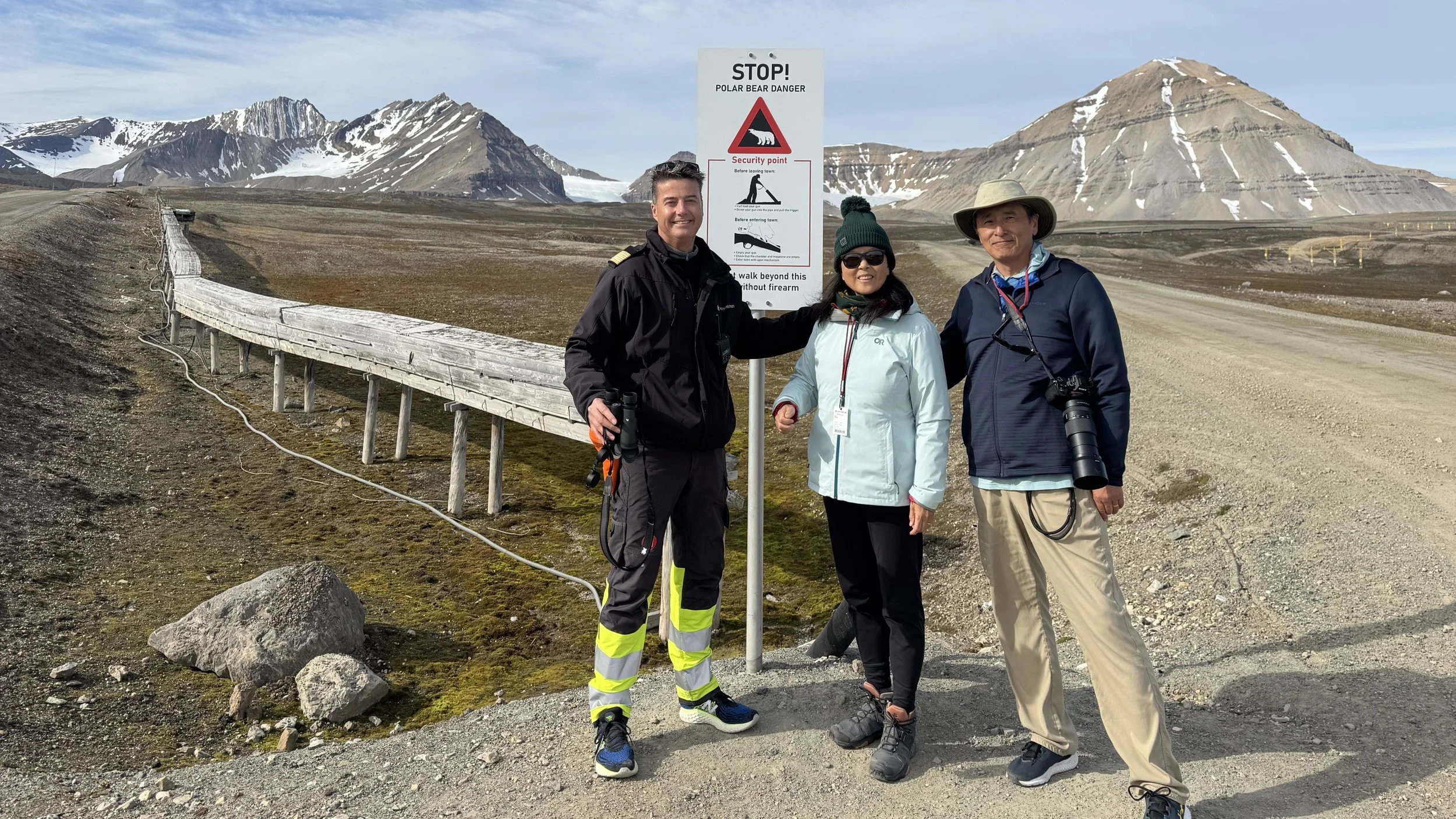
I had always thought the polar bear protection protocols I had heard about were overly cautious—until today.
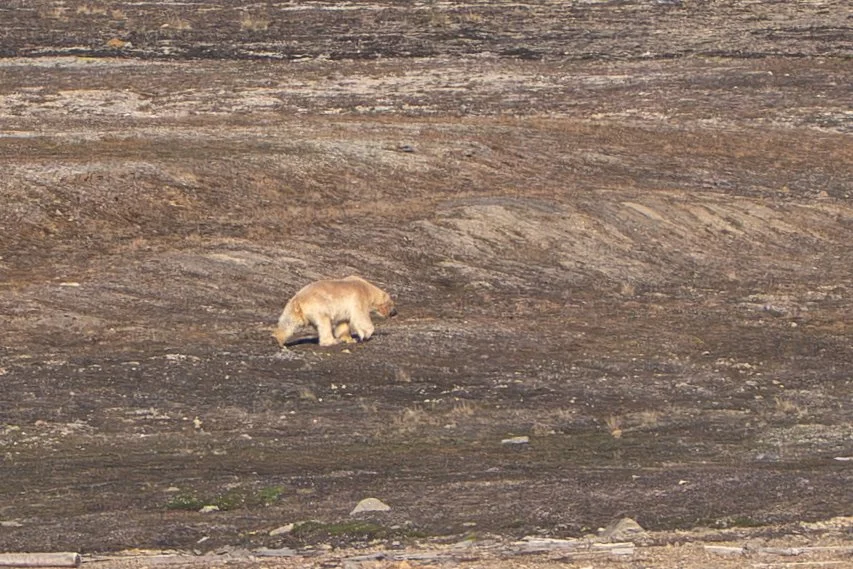
We were scheduled to arrive in Ny-Ålesund, a research settlement that includes a Chinese research station, at 7:00 a.m. I woke up early, and soon the PA announced that a polar bear had been spotted near the port. I joined many other passengers on deck to photograph the bear with my telephoto lens.
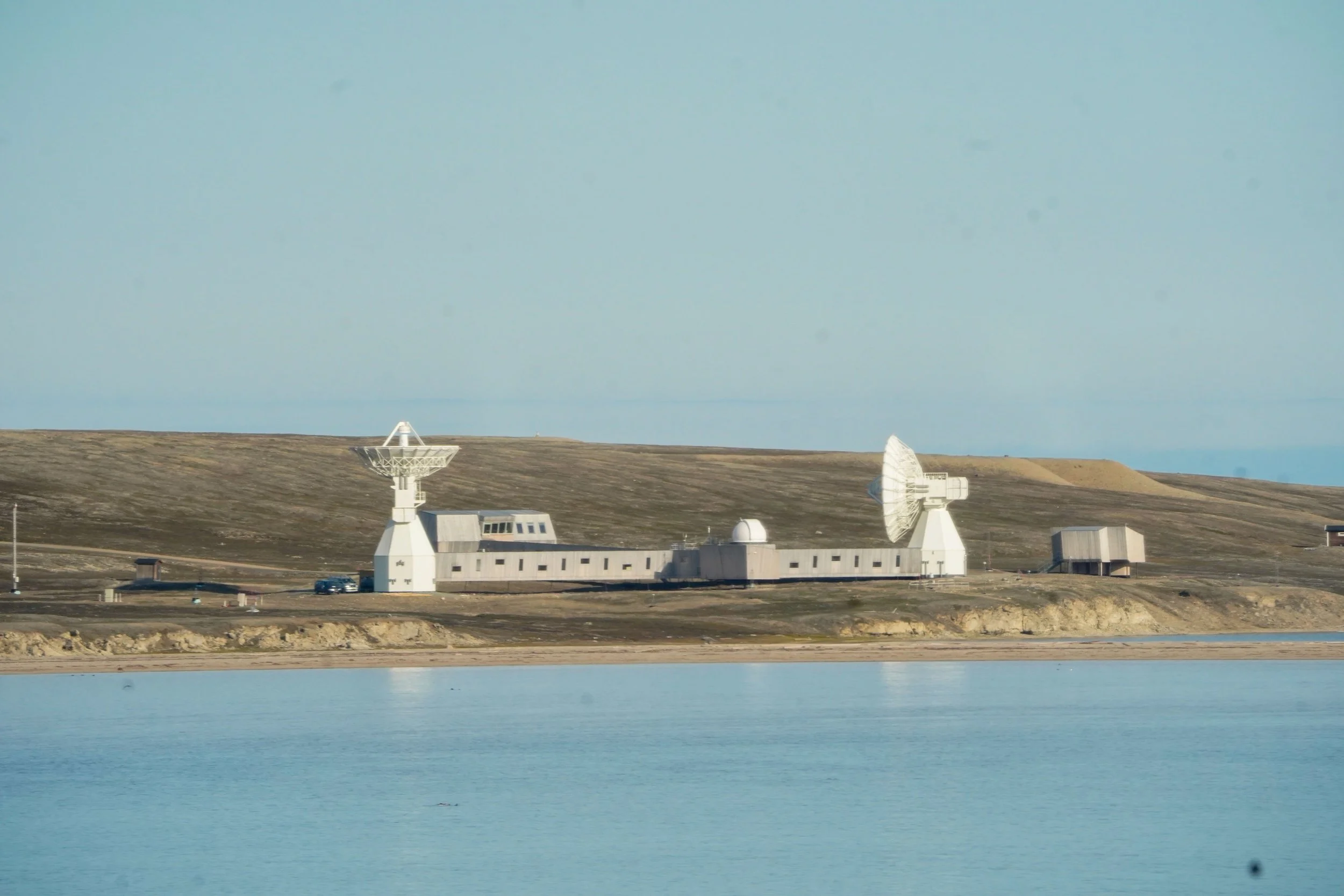
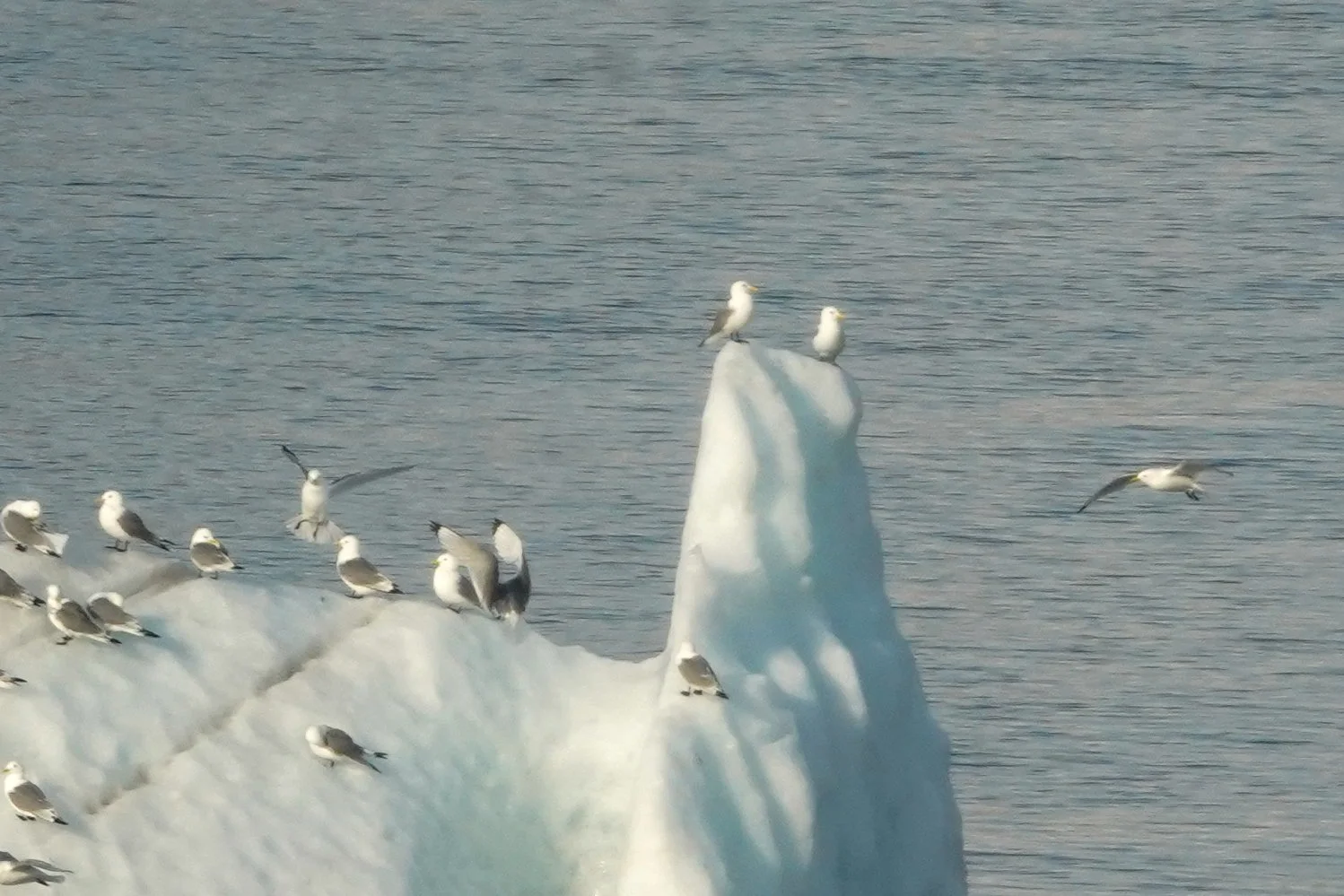
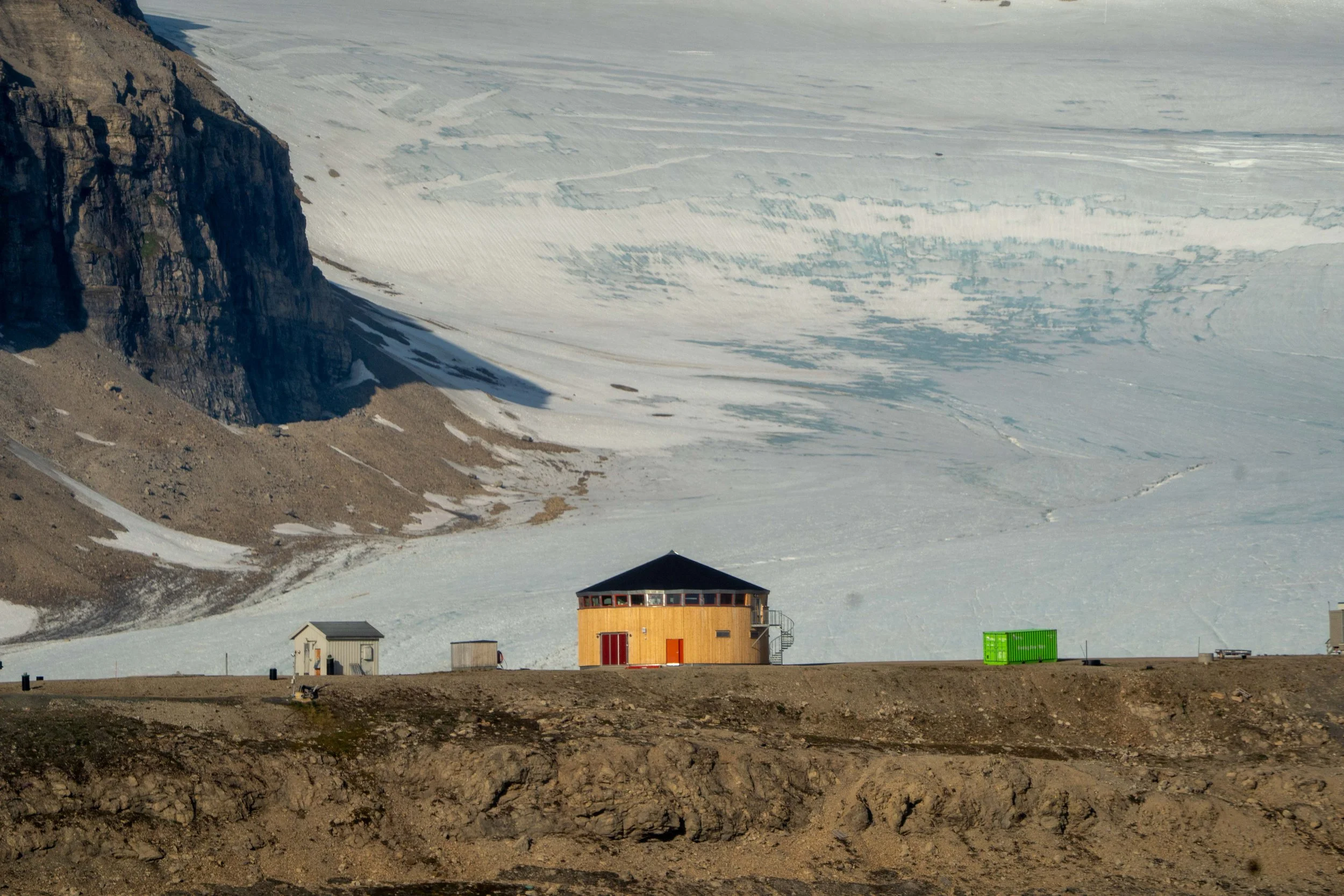
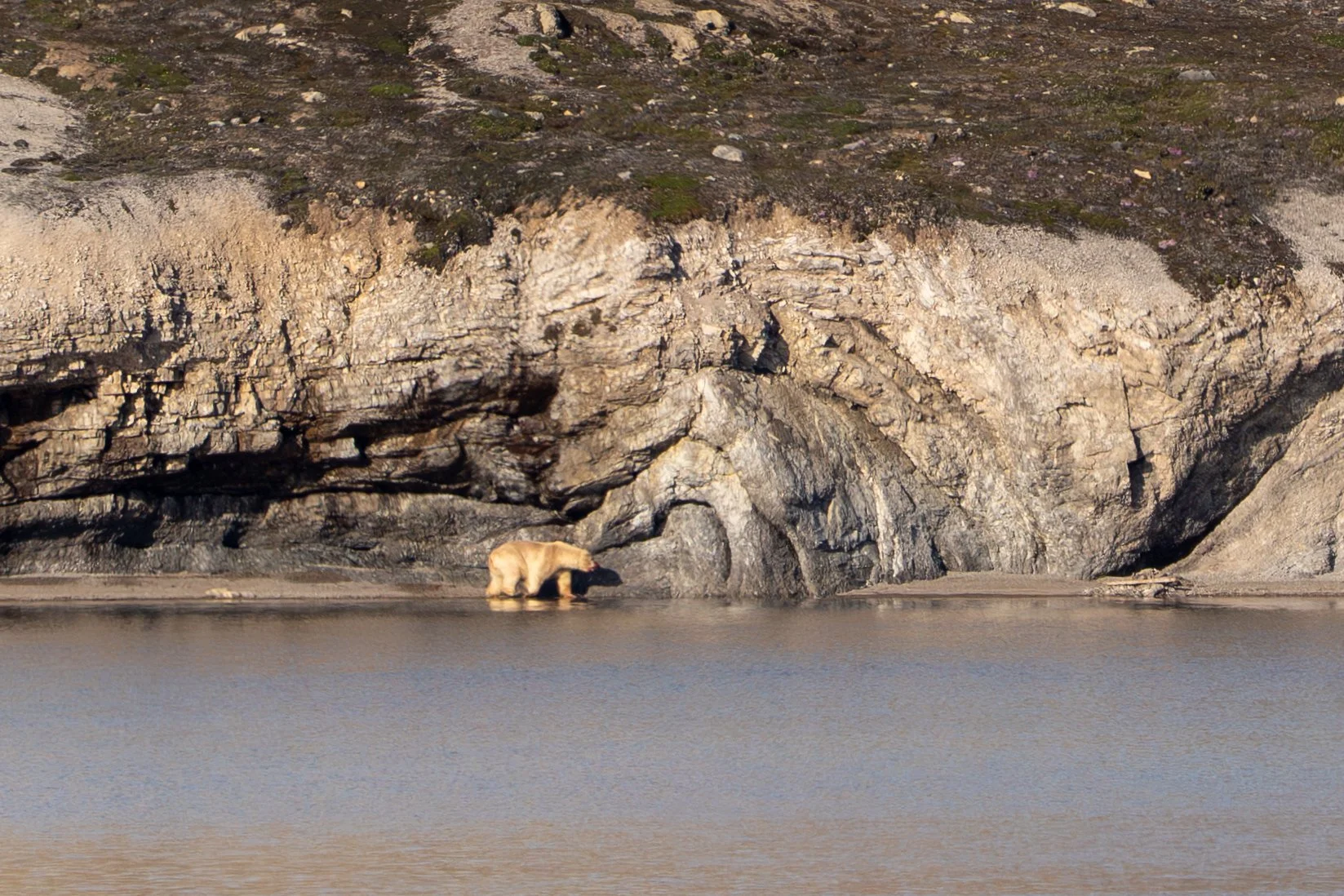
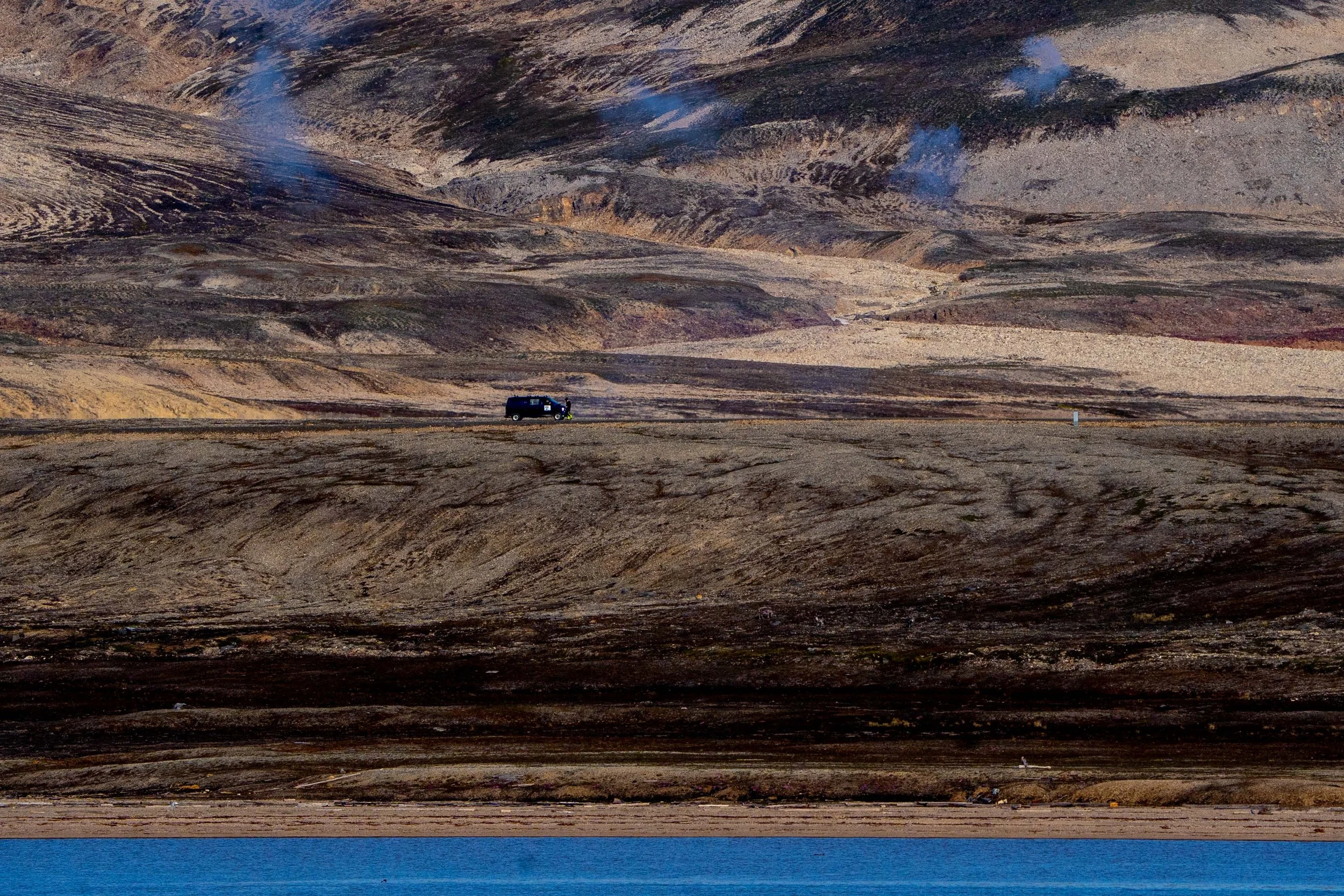
Following protocol, the ship remained offshore while local safety personnel fired warning shots and used a boat to drive the bear away from the settlement. I may even have captured a photo of the bear with the flash from one of the warning shots in the background.
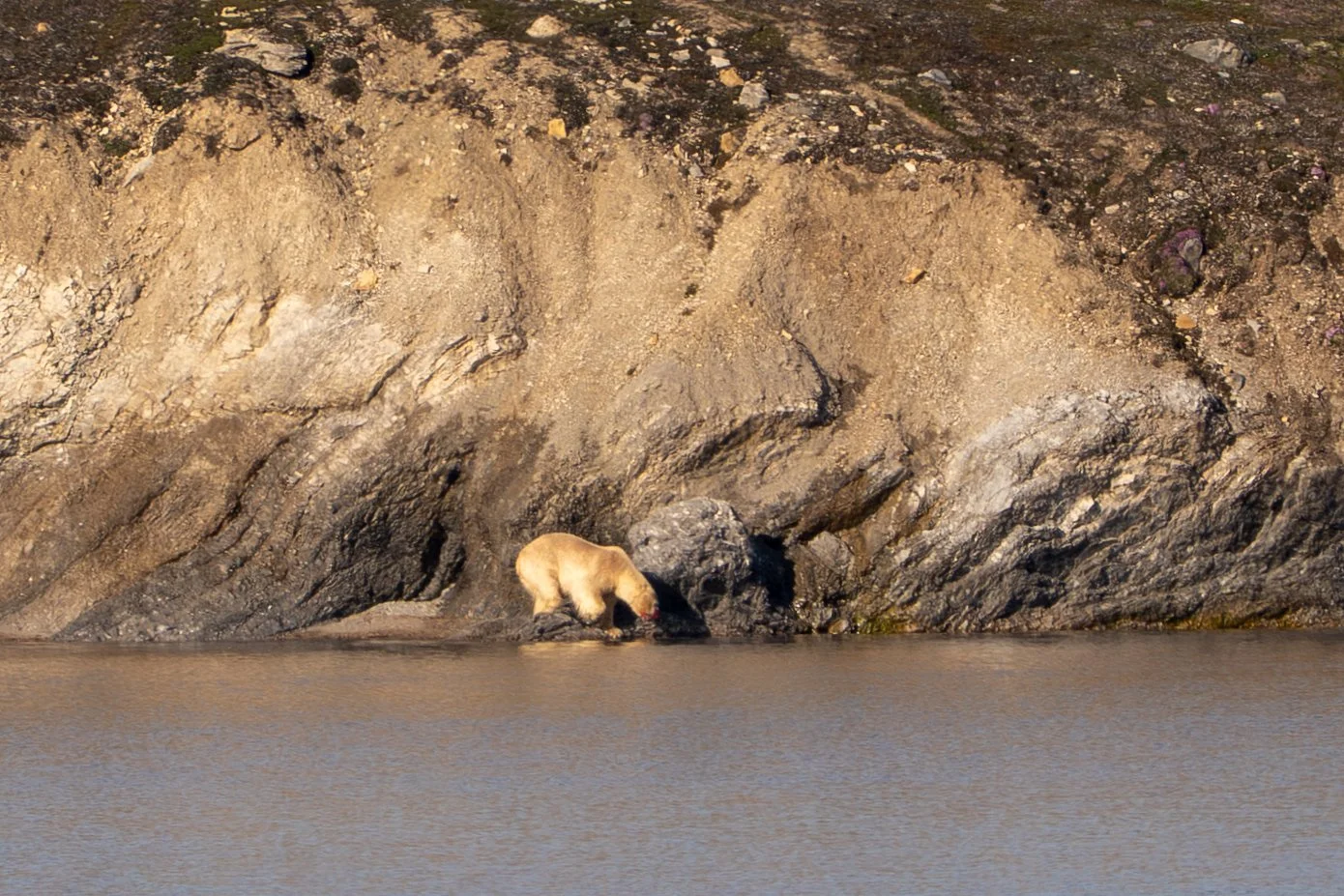
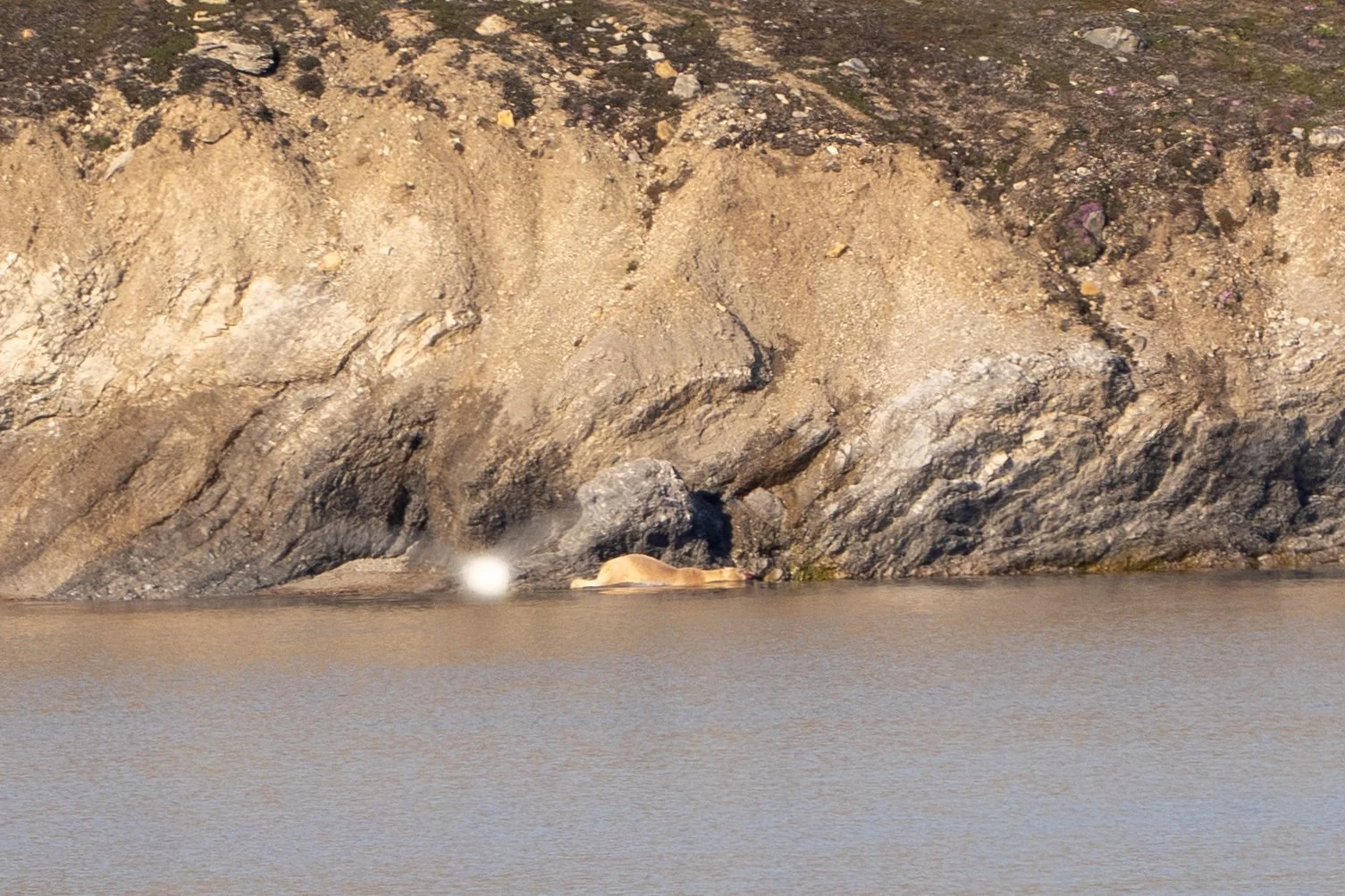
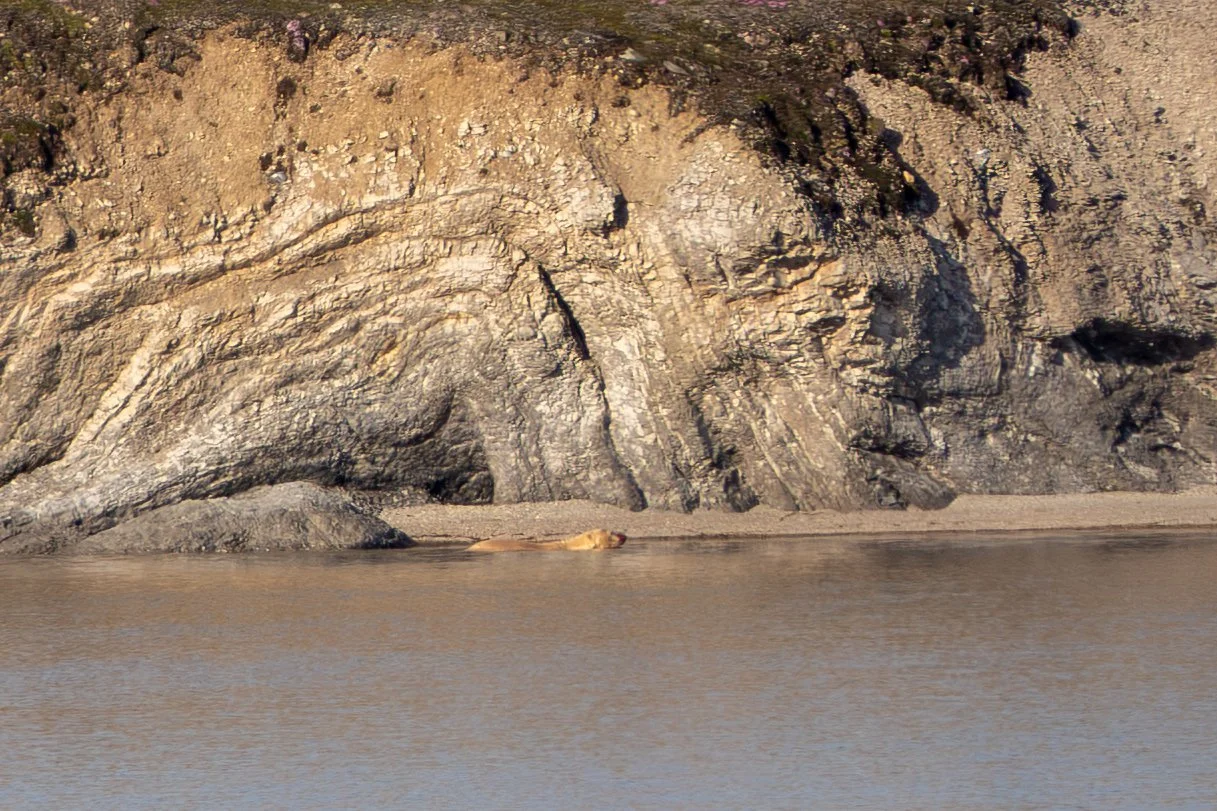
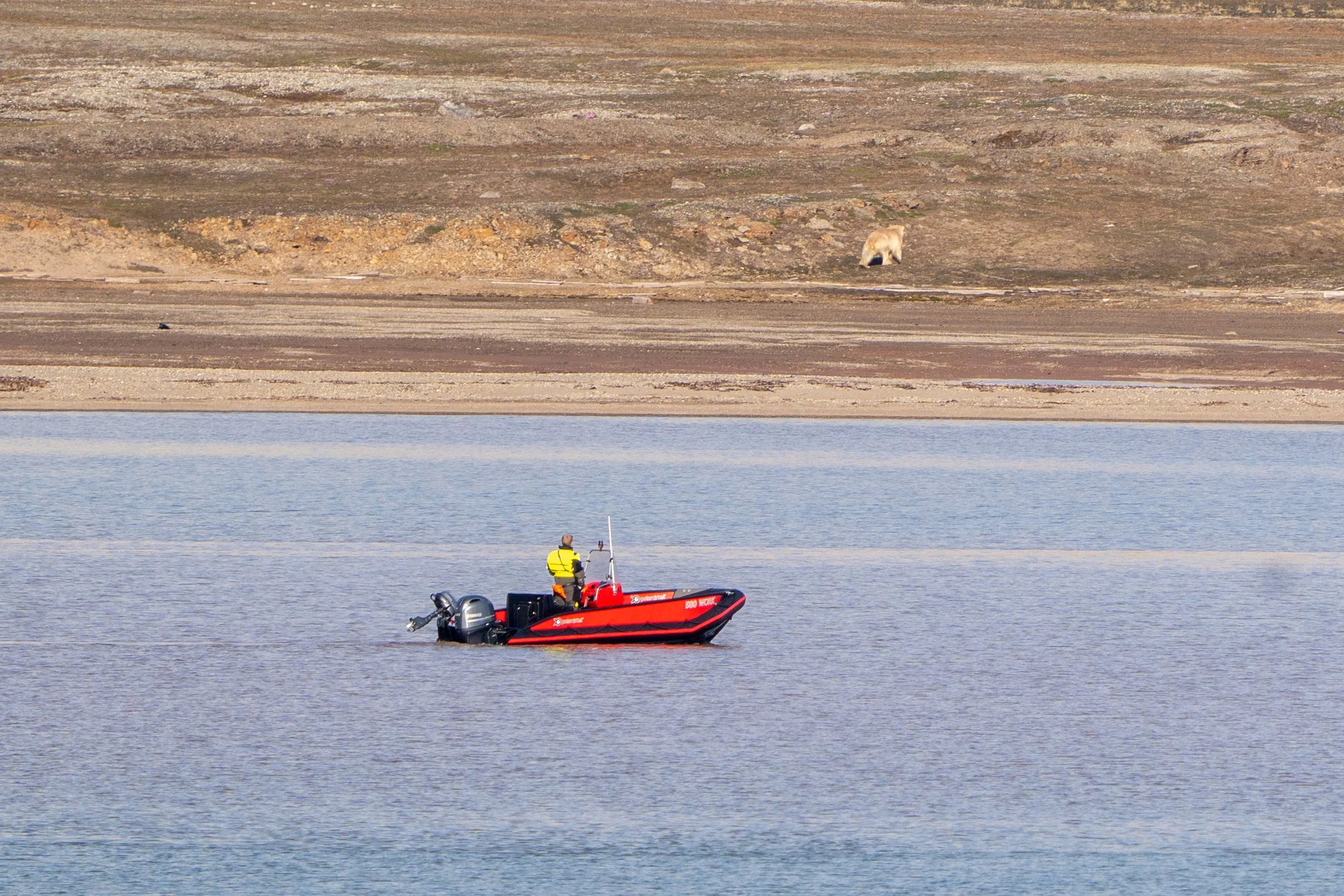
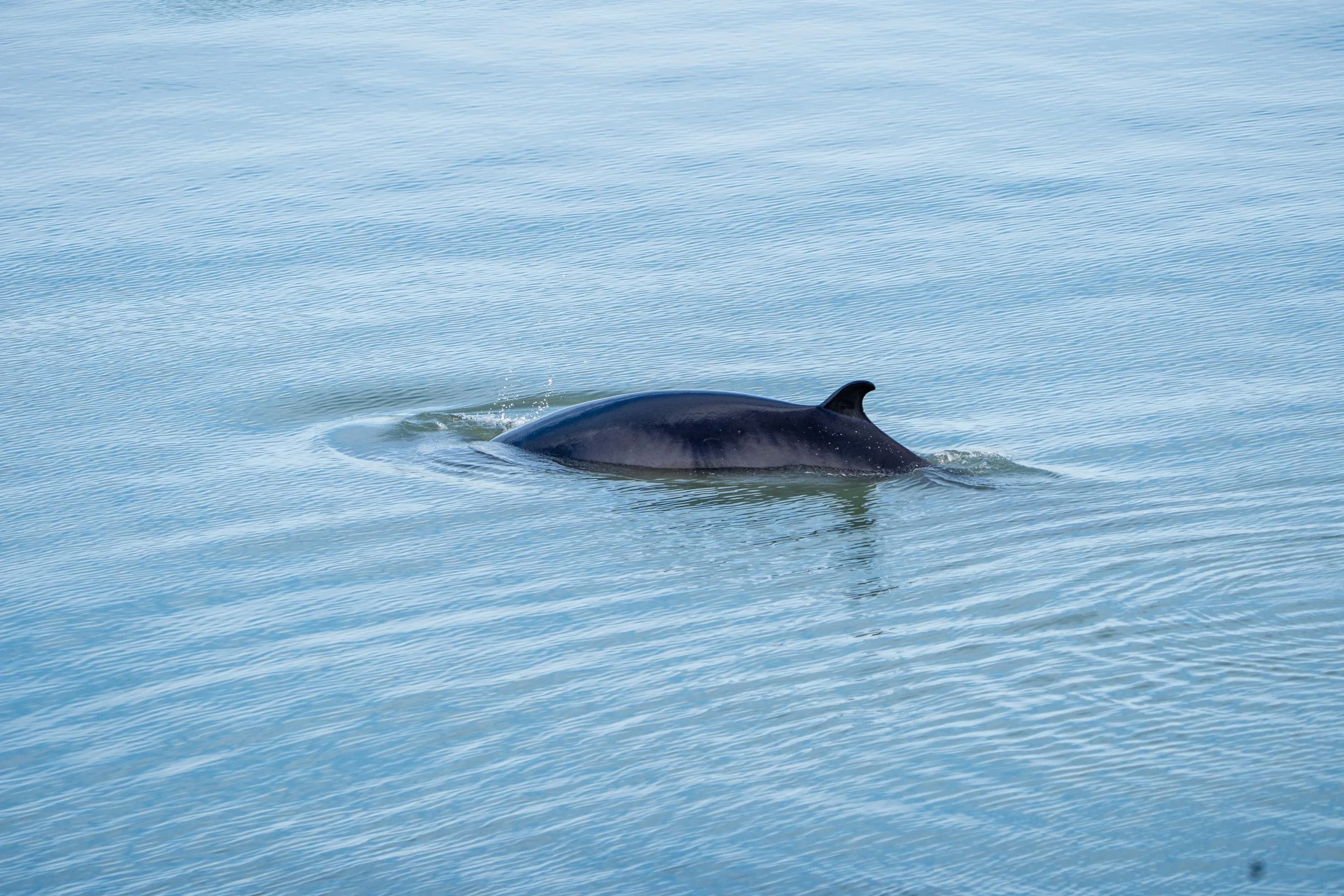
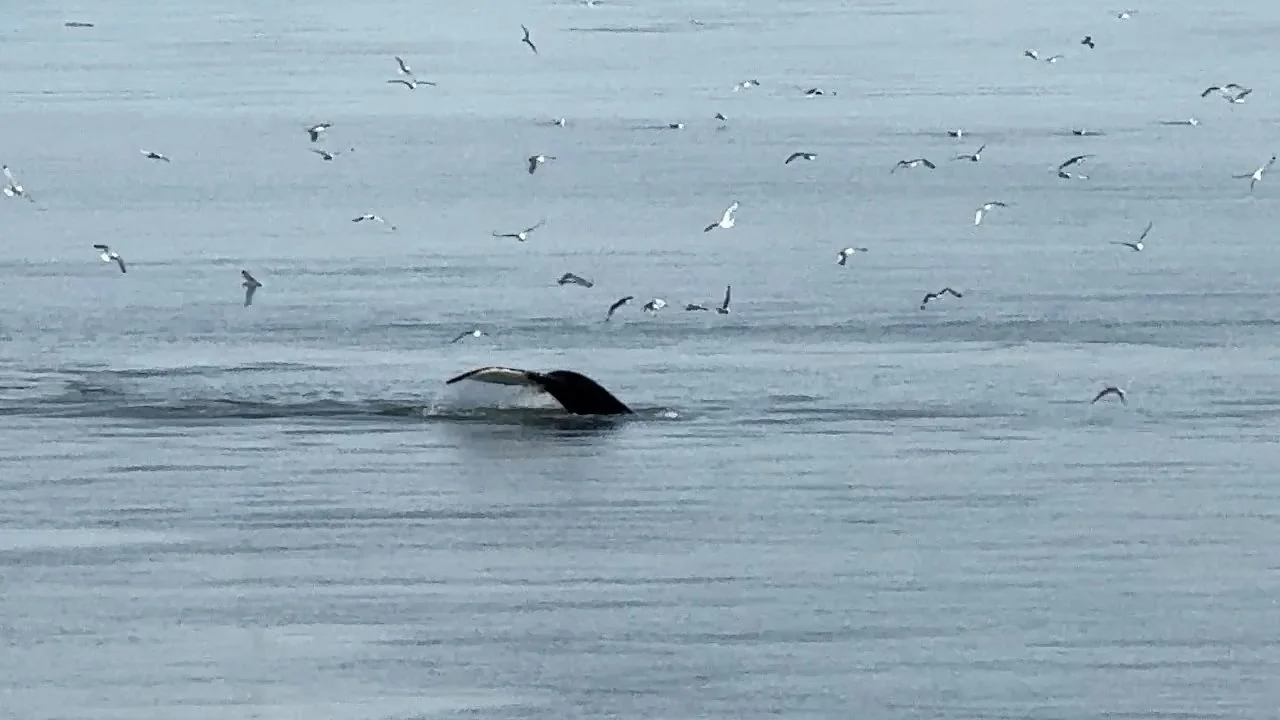
At the same time, several whales and dolphins were swimming around the ship. It was quite an eventful morning.
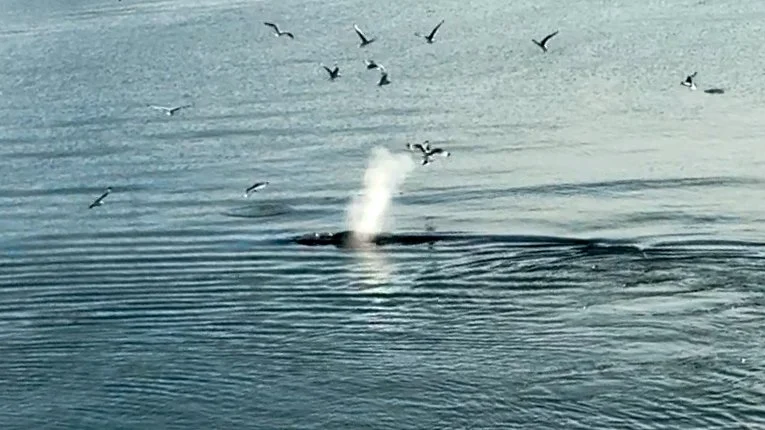
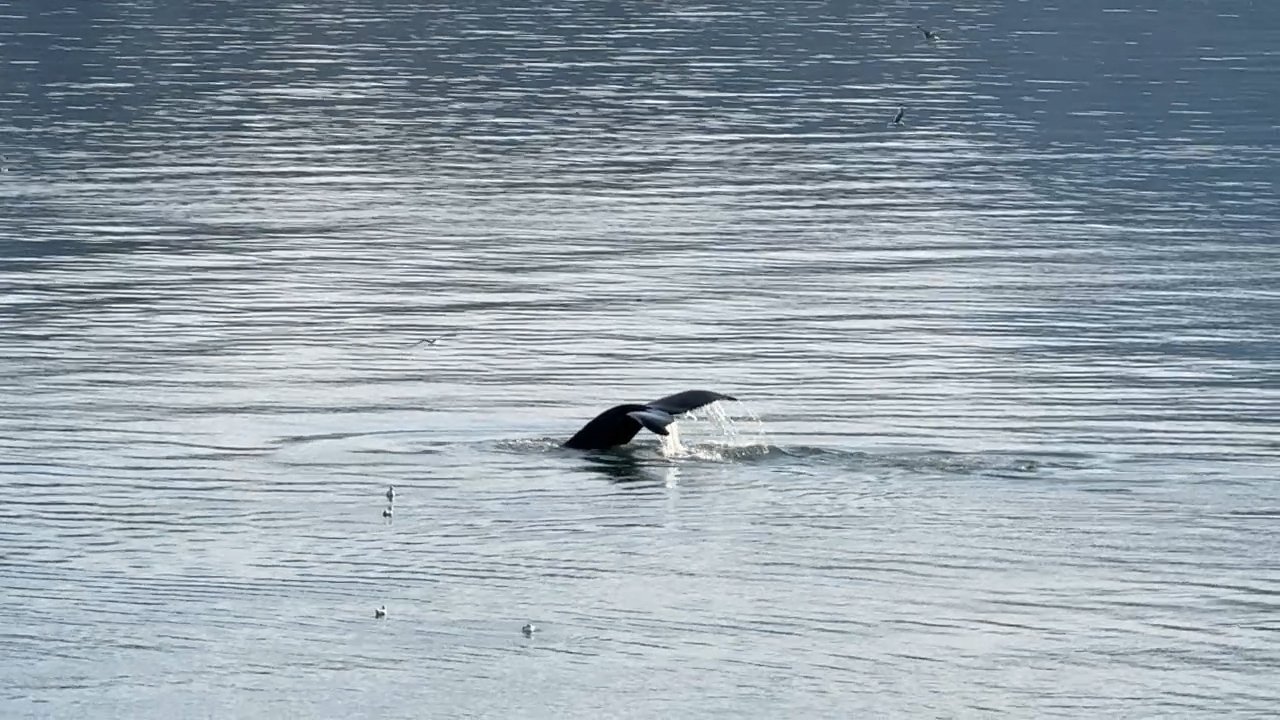
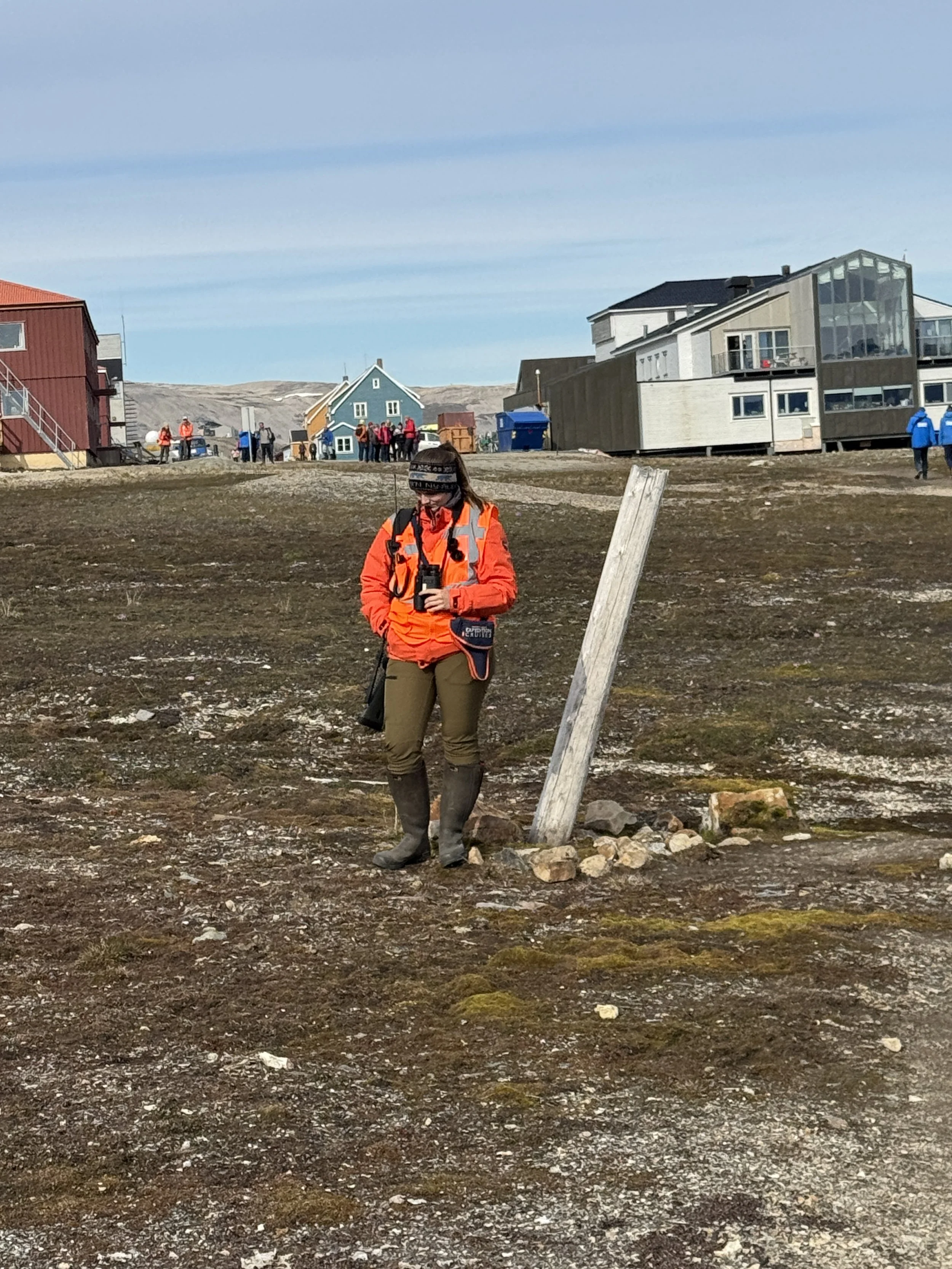
Because the bear had been sighted near the settlement, additional precautions were taken. Only half of the passengers were allowed to go ashore at first, with the remaining passengers following later. Armed security personnel were stationed throughout the area. Even our walk to the historic Airship Mast (Mooring Mast) had to be escorted by armed guards at both the front and back of the group.
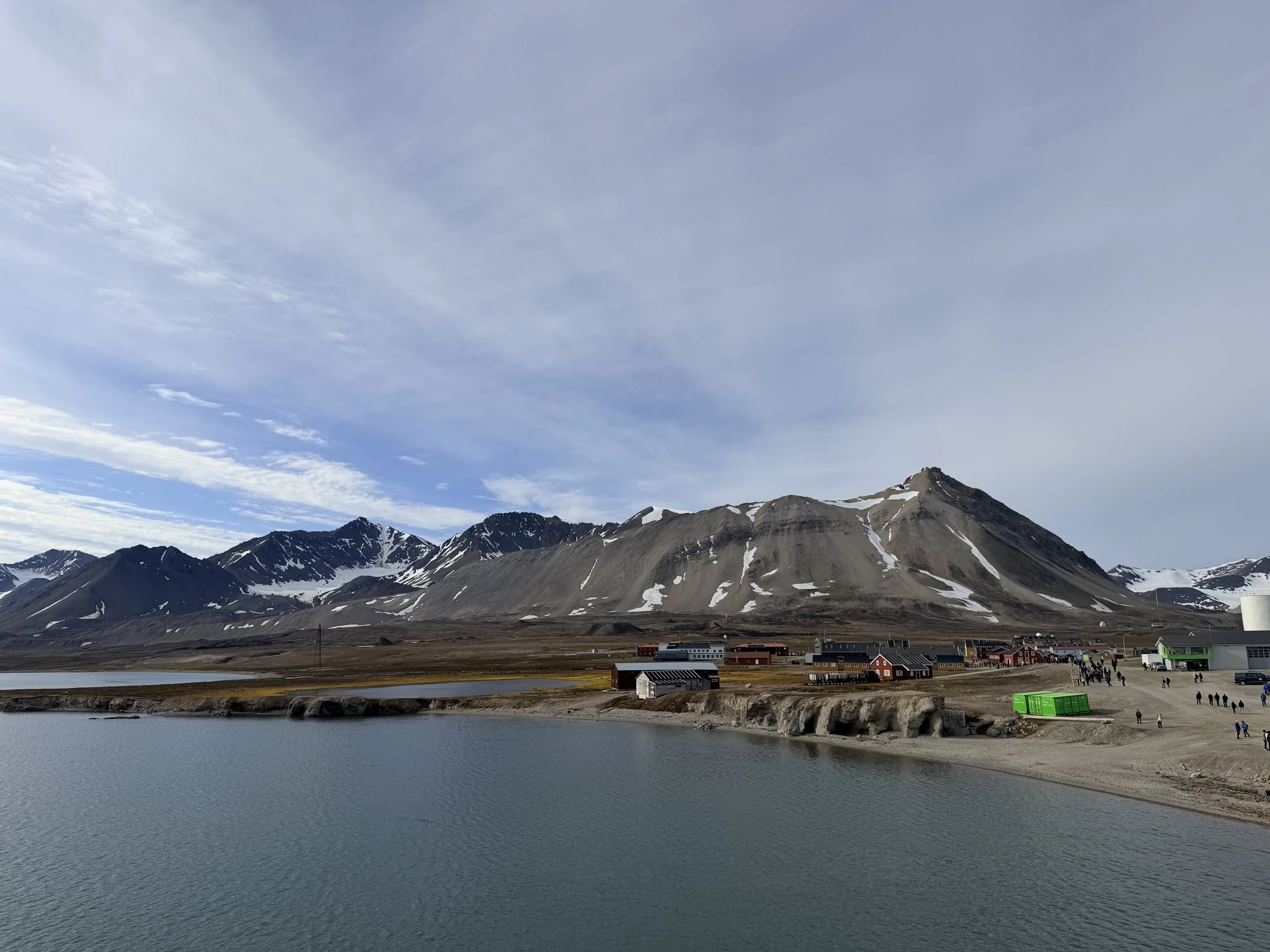
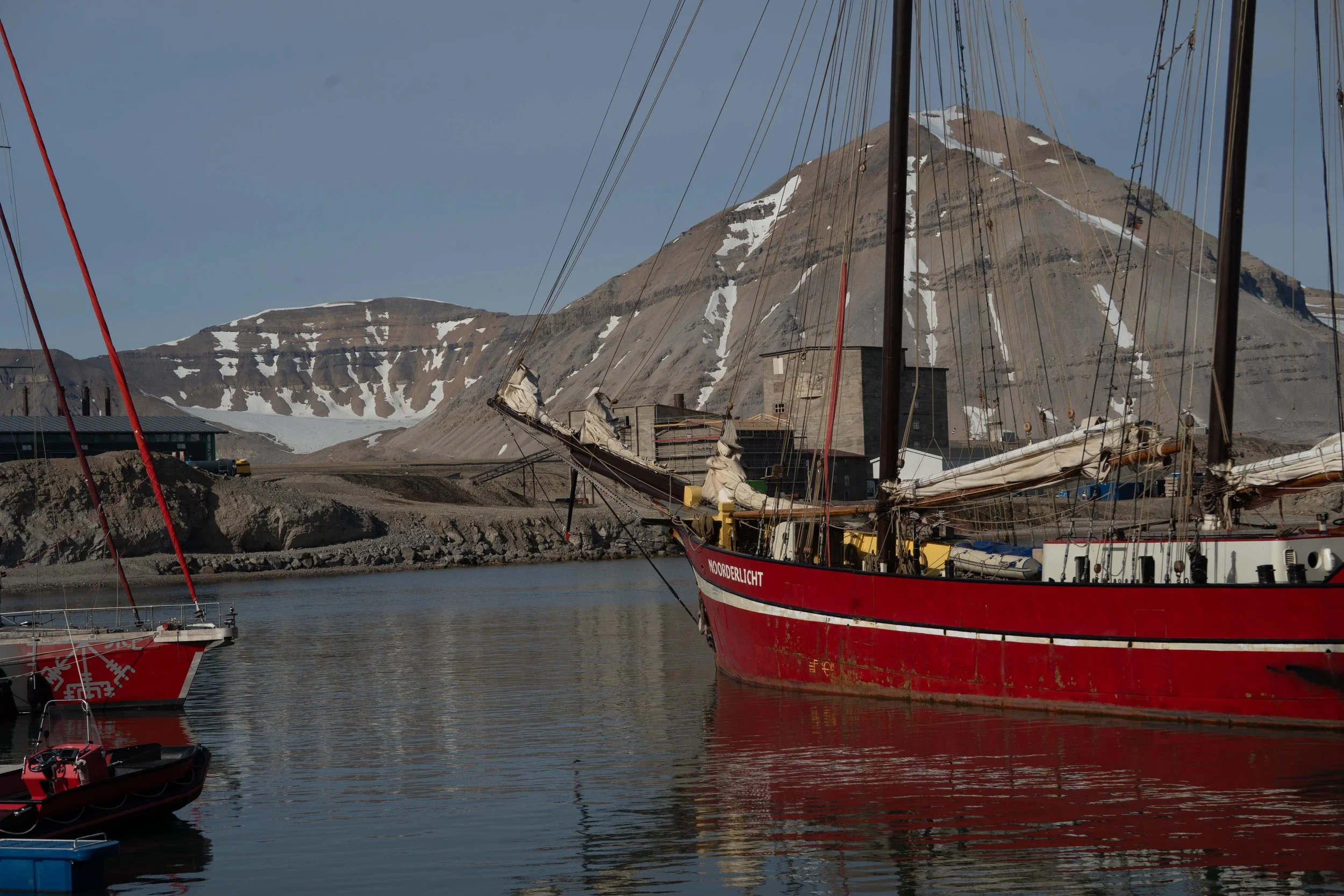
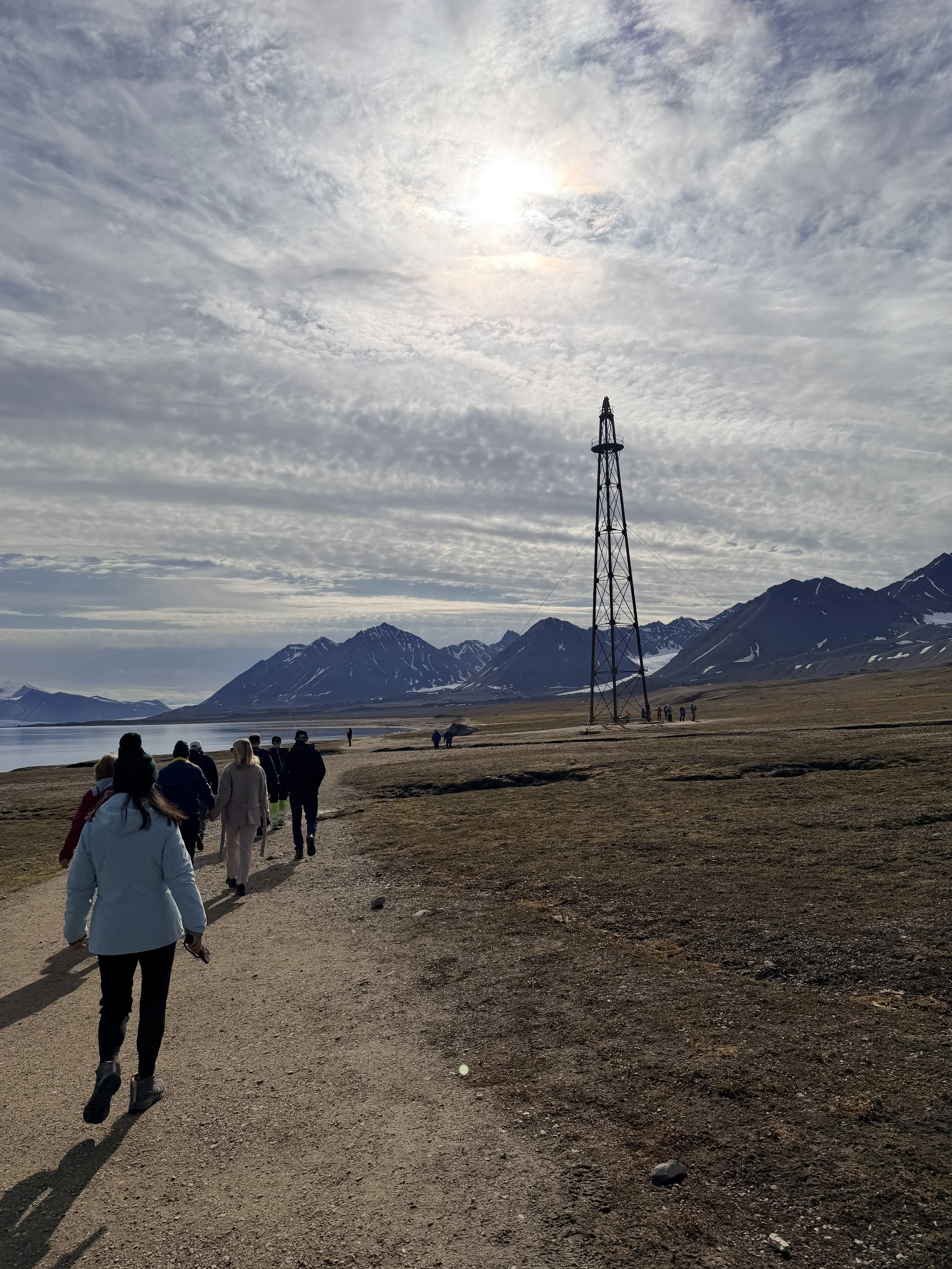
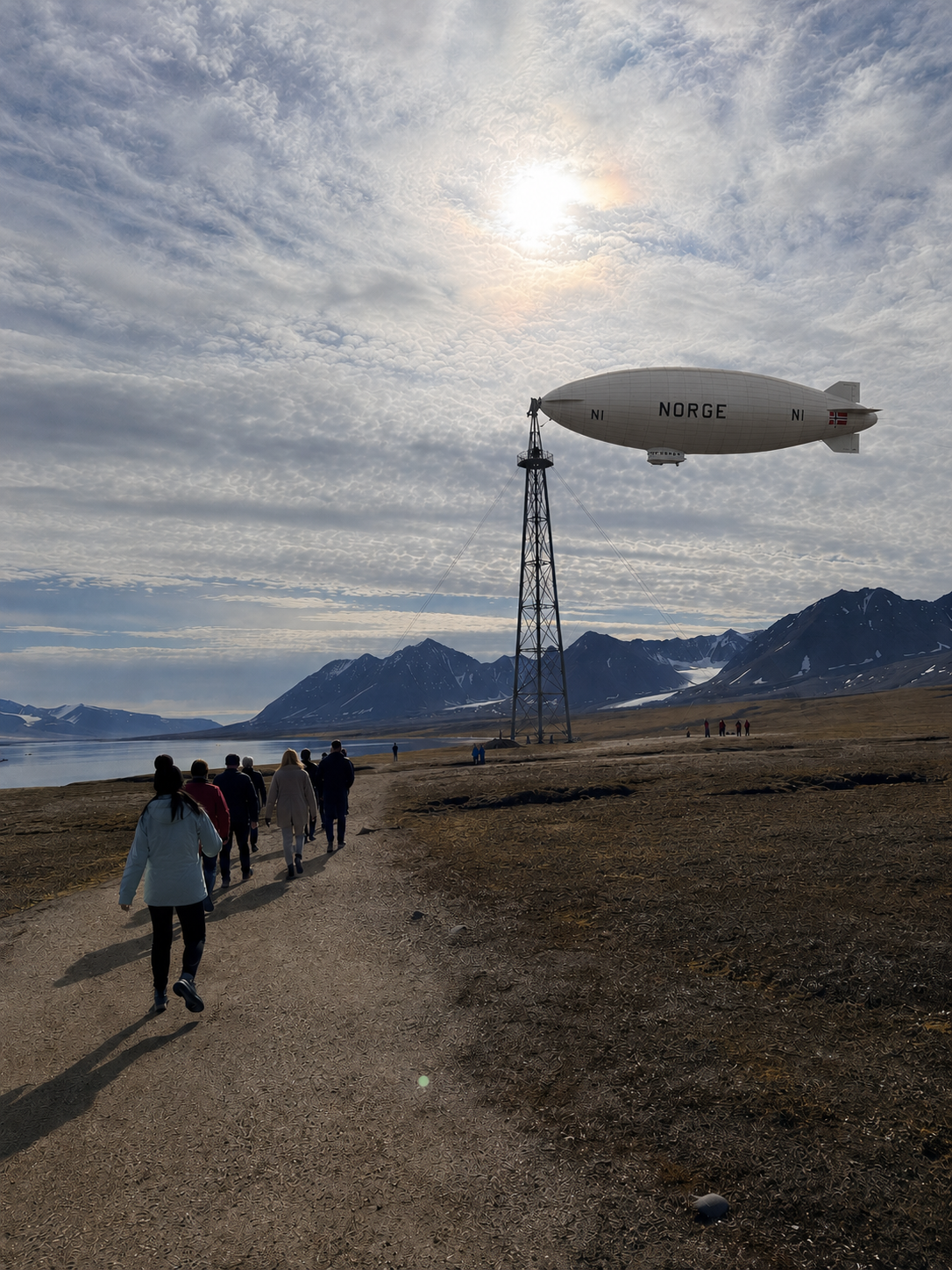
The famous airship Norge was moored to this mast before its historic 1926 flight over the North Pole. The 35-meter steel tower served as both the boarding and mooring point for the expedition and remains one of Ny-Ålesund’s most iconic landmarks. The airship shown in the photo on the left was added by ChatGPT to illustrate what the scene might have looked like in 1926.
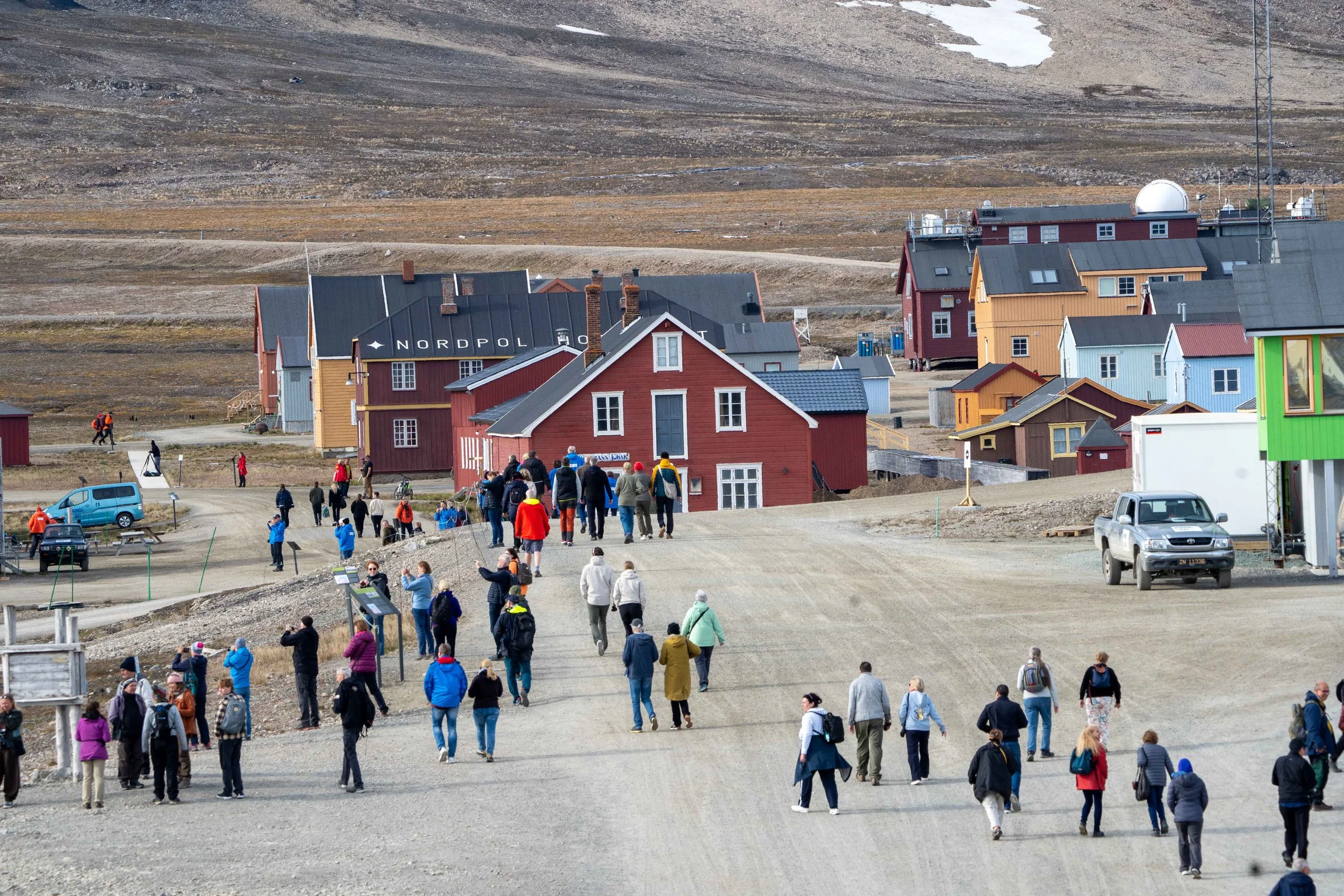
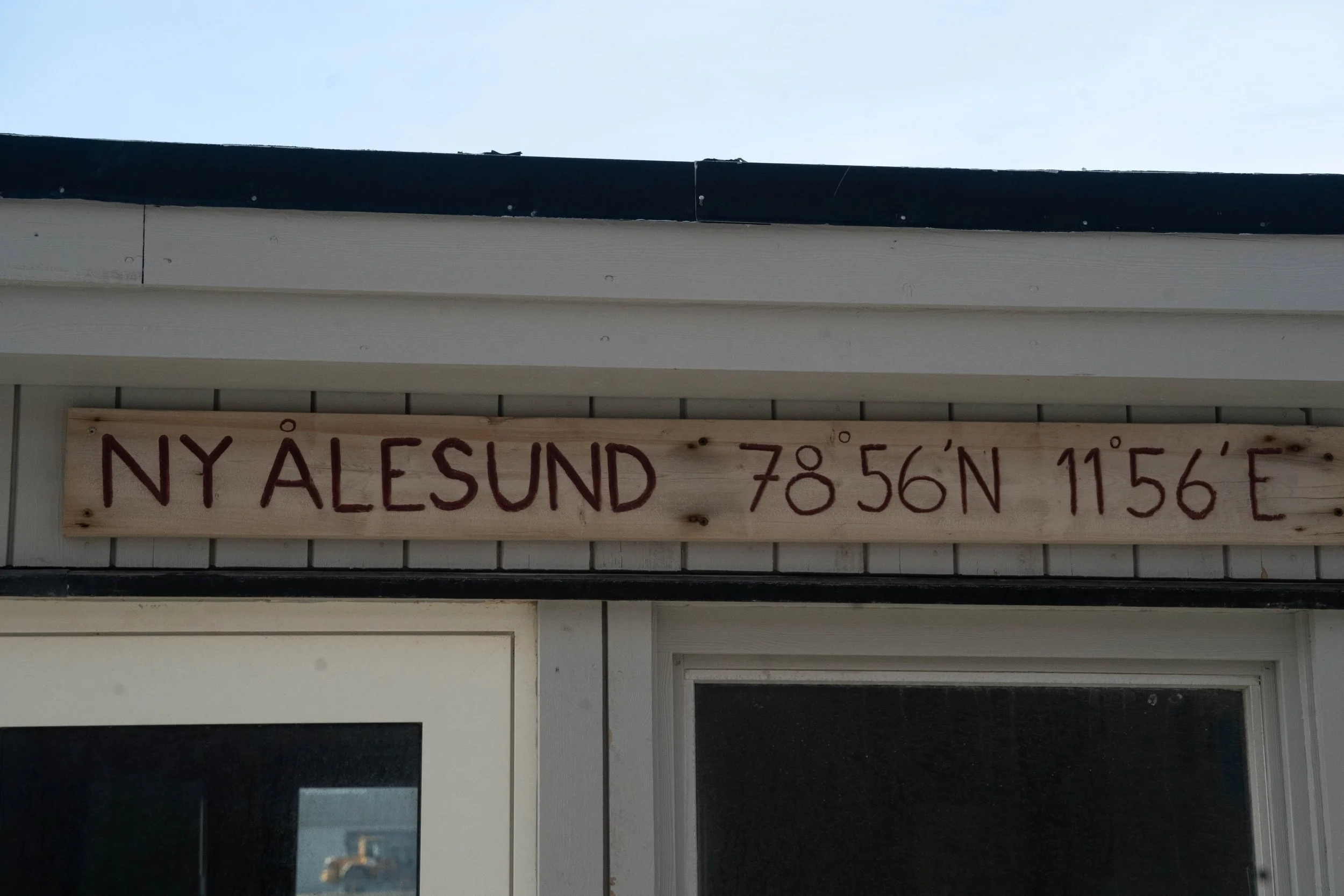
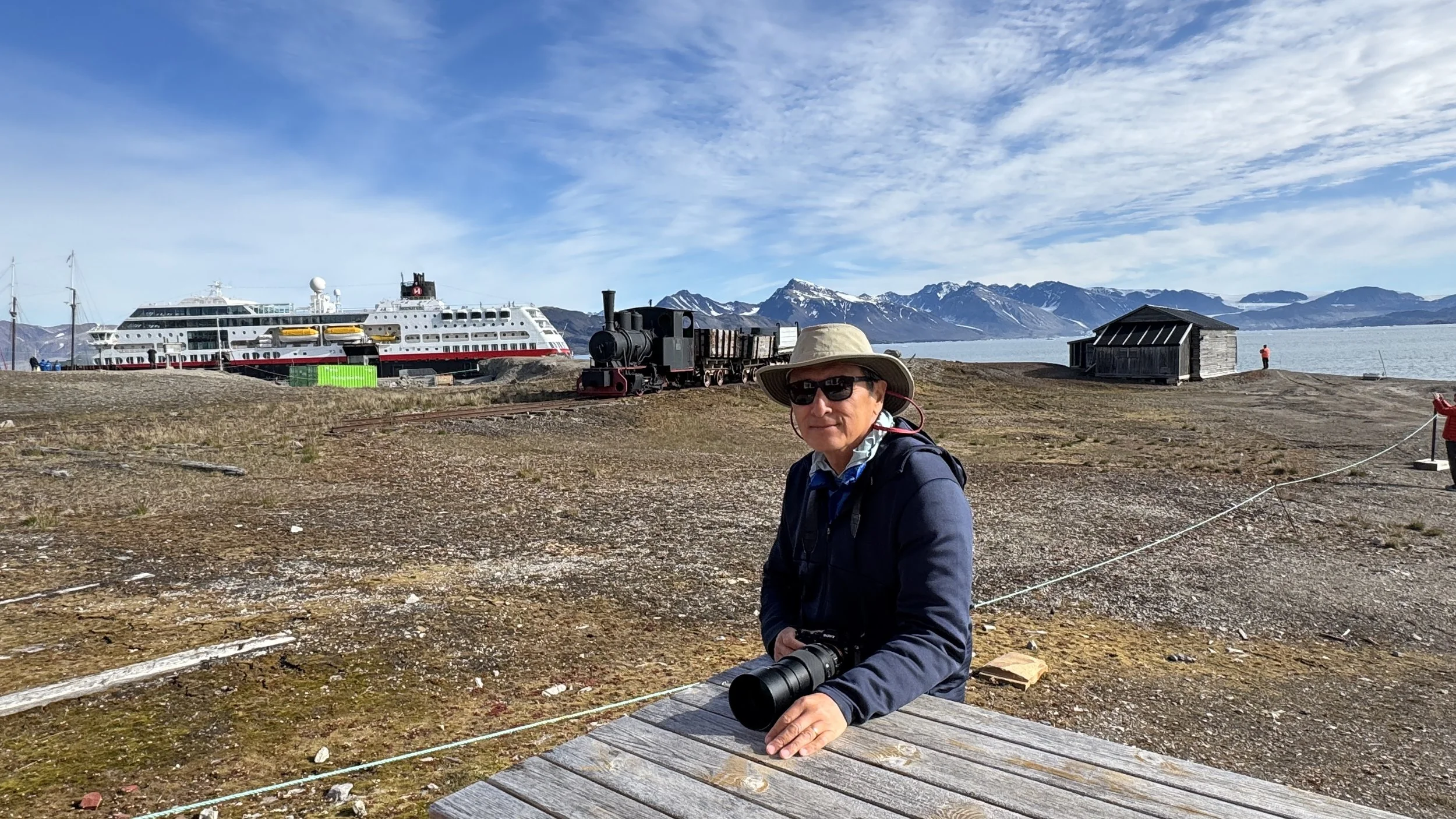
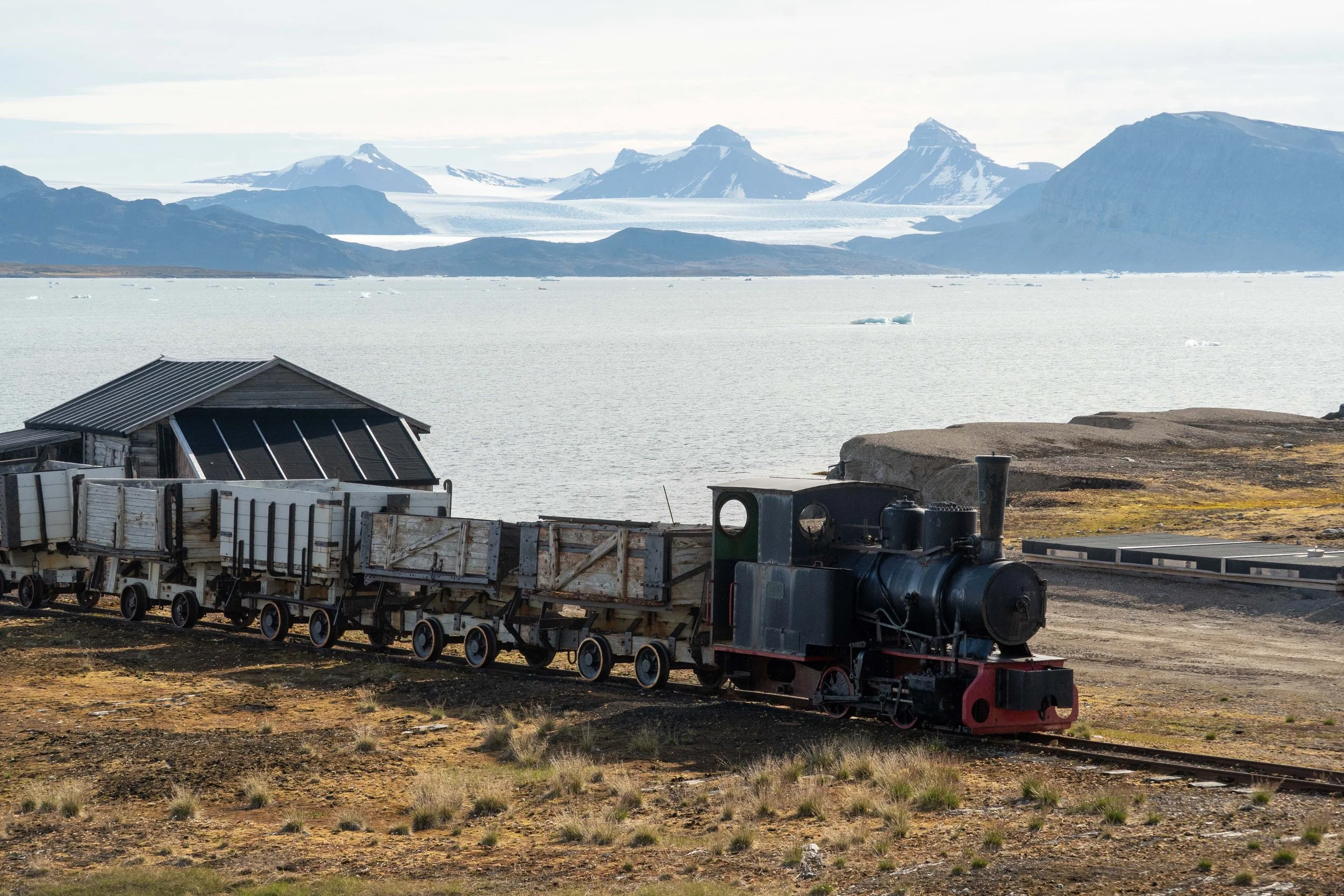
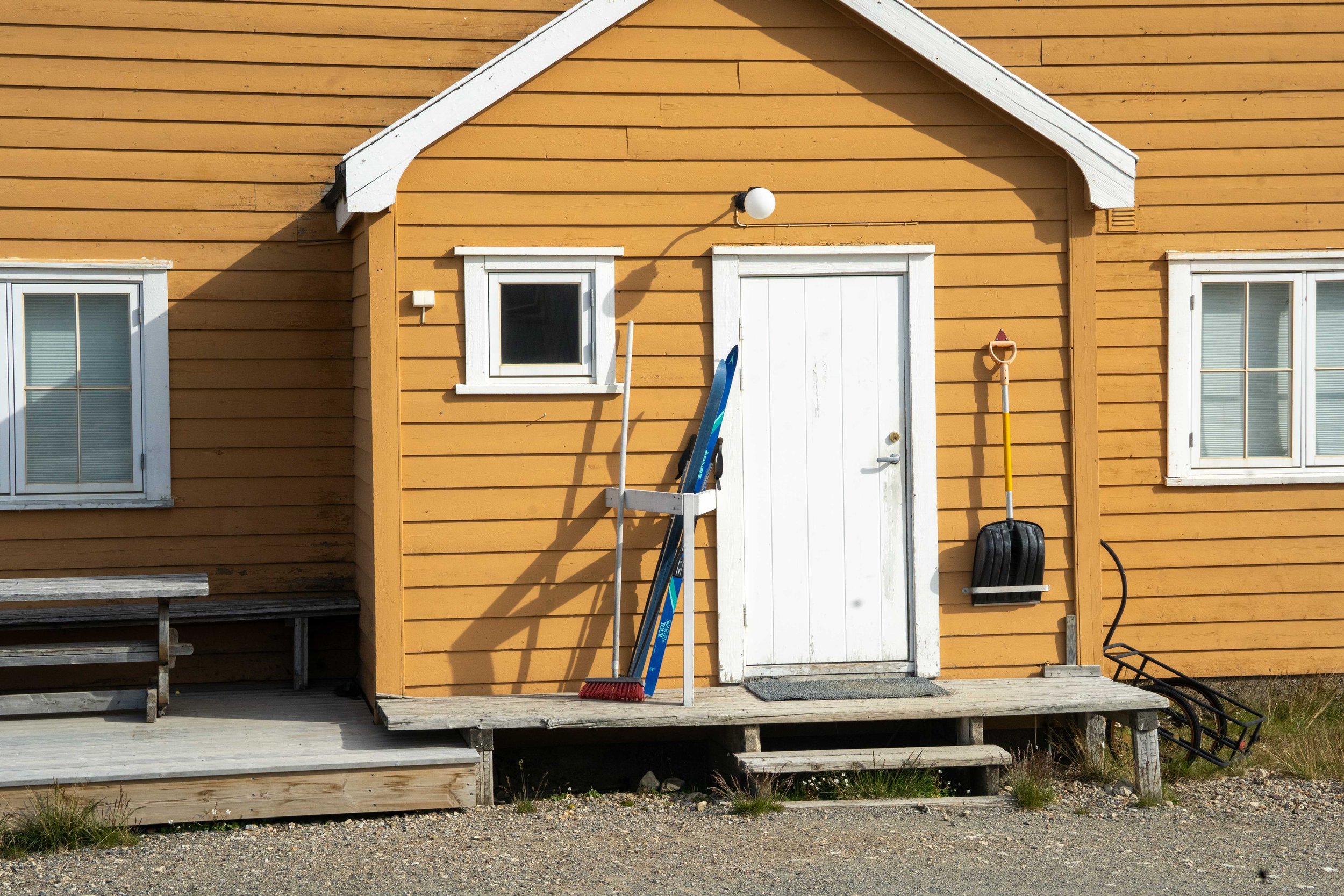
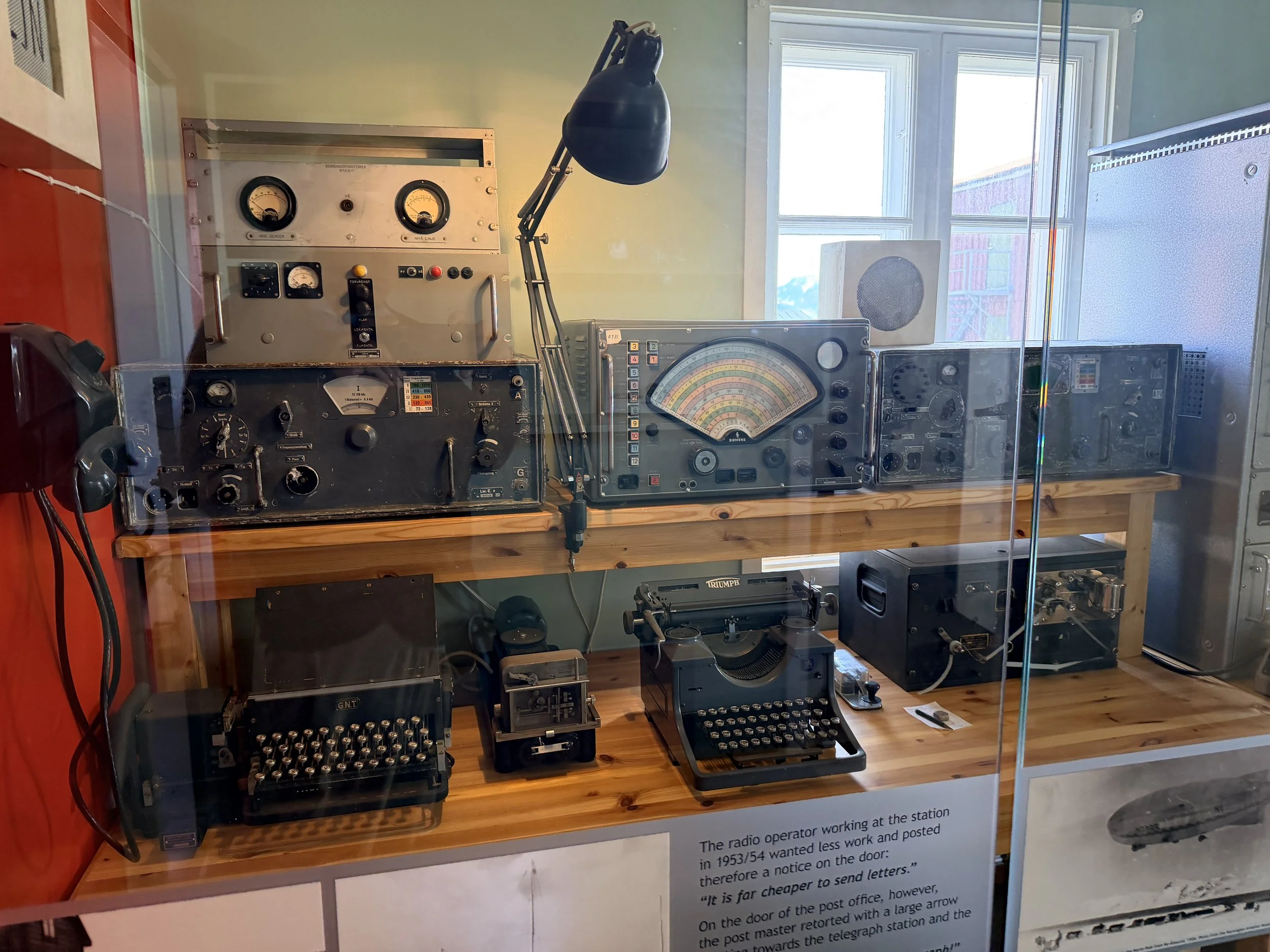
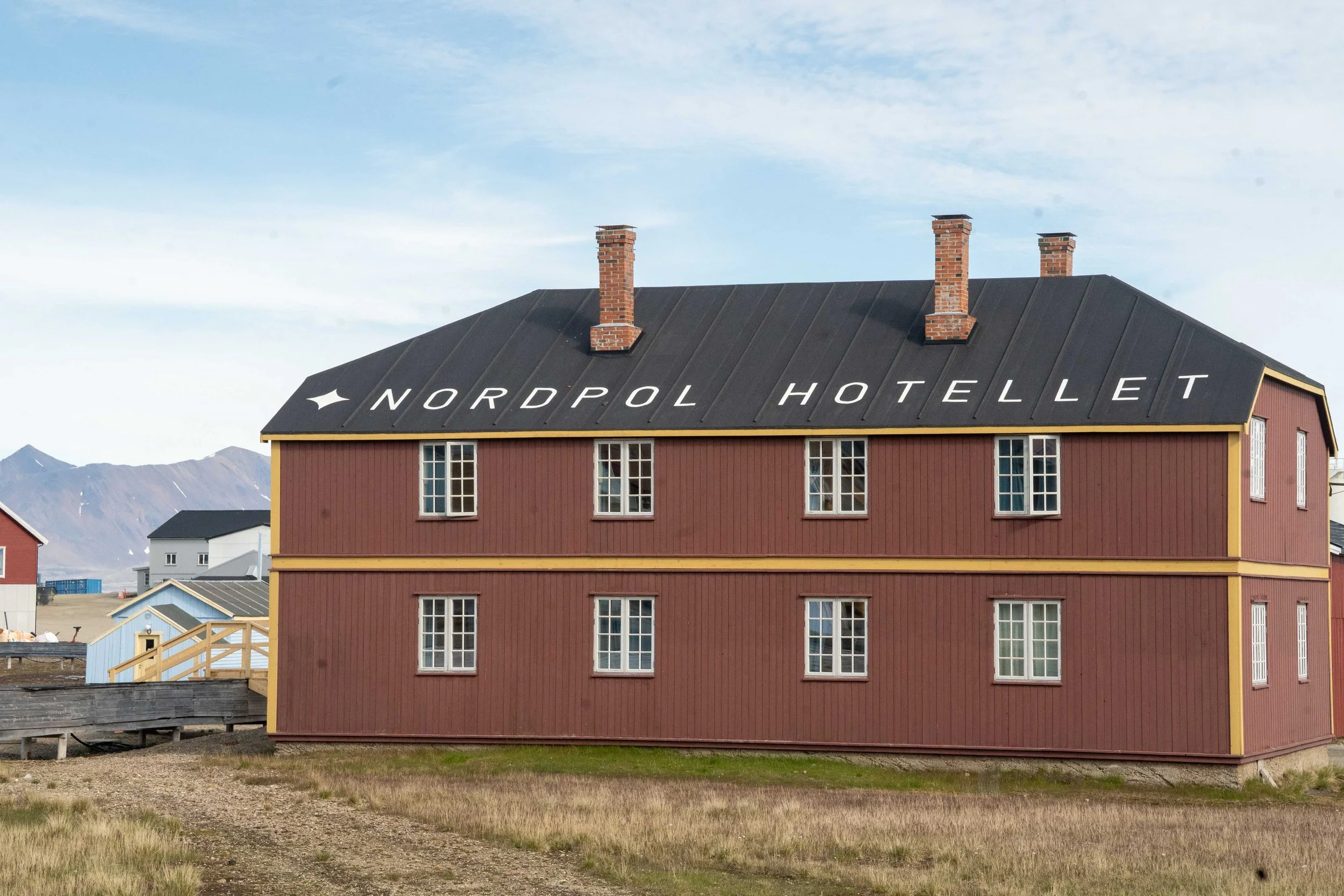
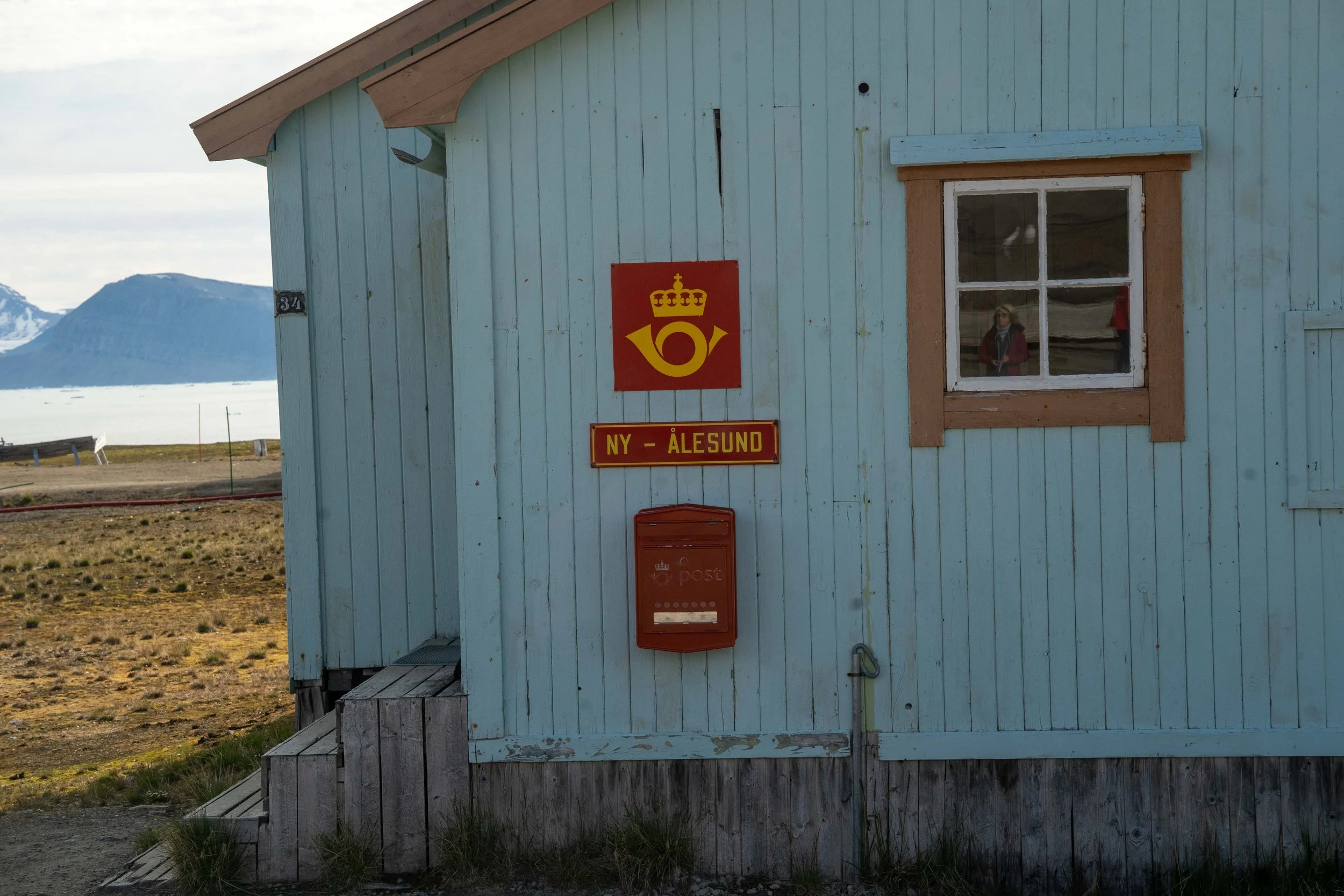
The town was much more interesting than we had expected. It is home to the world's northernmost post office, as well as a hotel and a small supermarket. During the winter, only about 30 people live there.
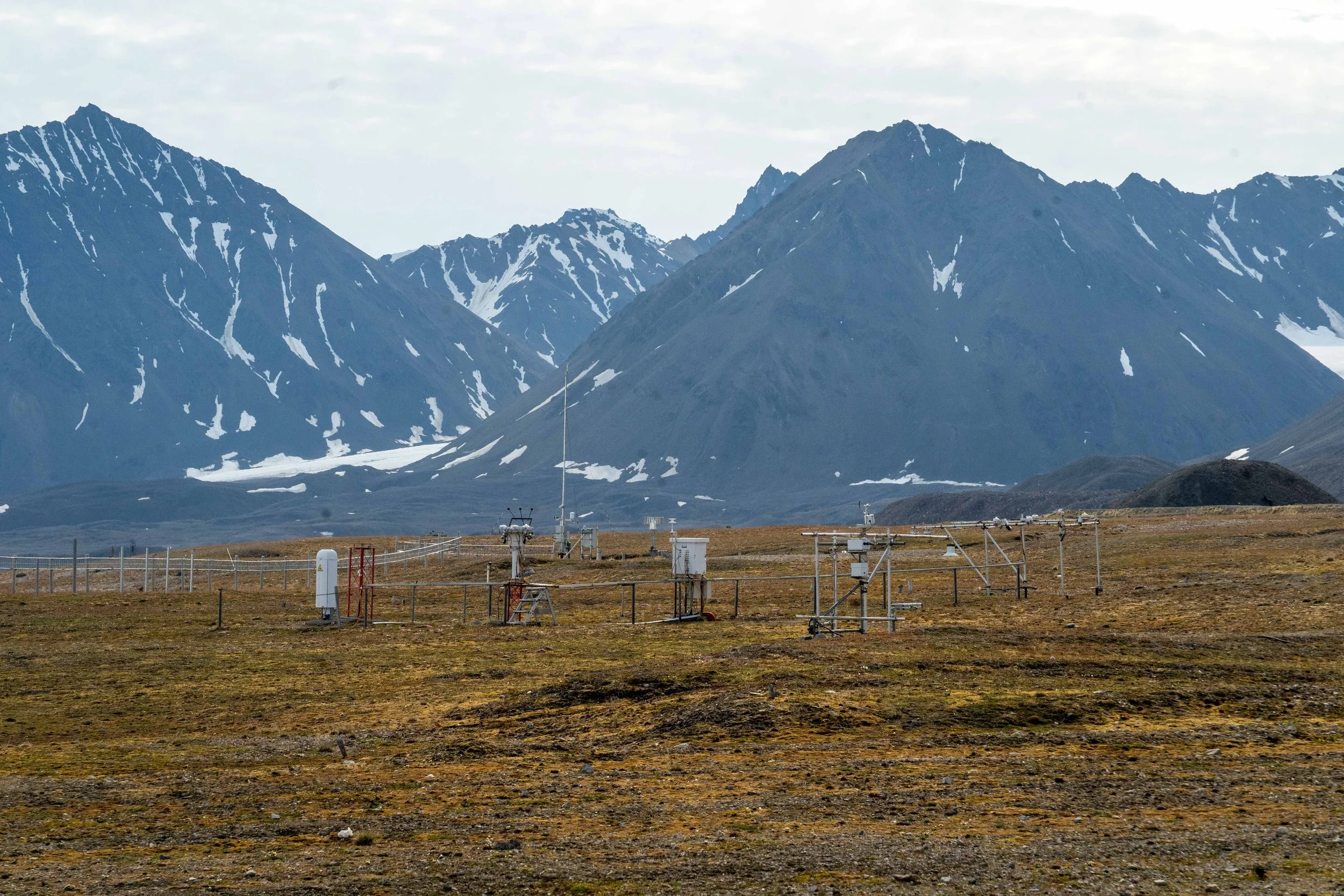
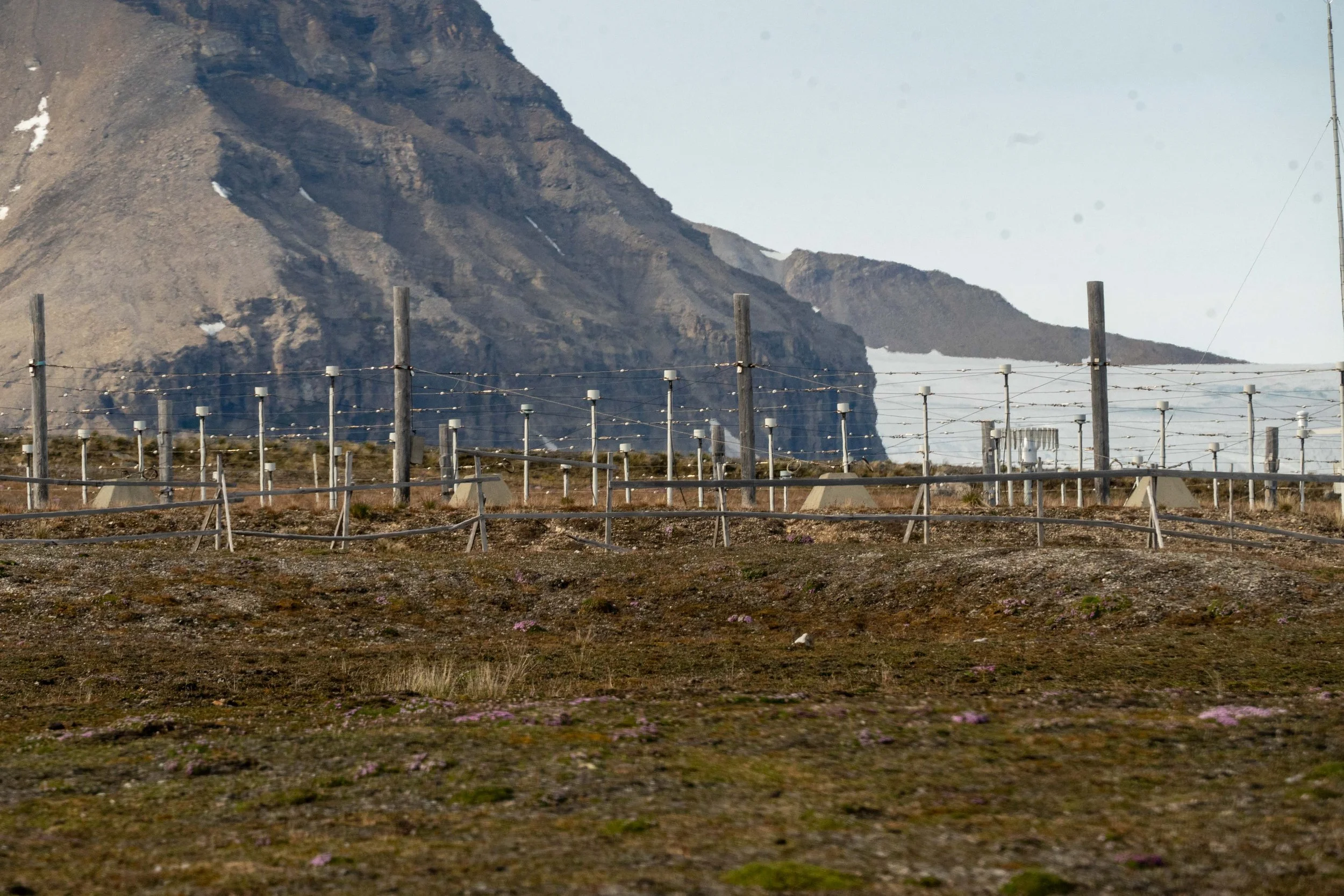
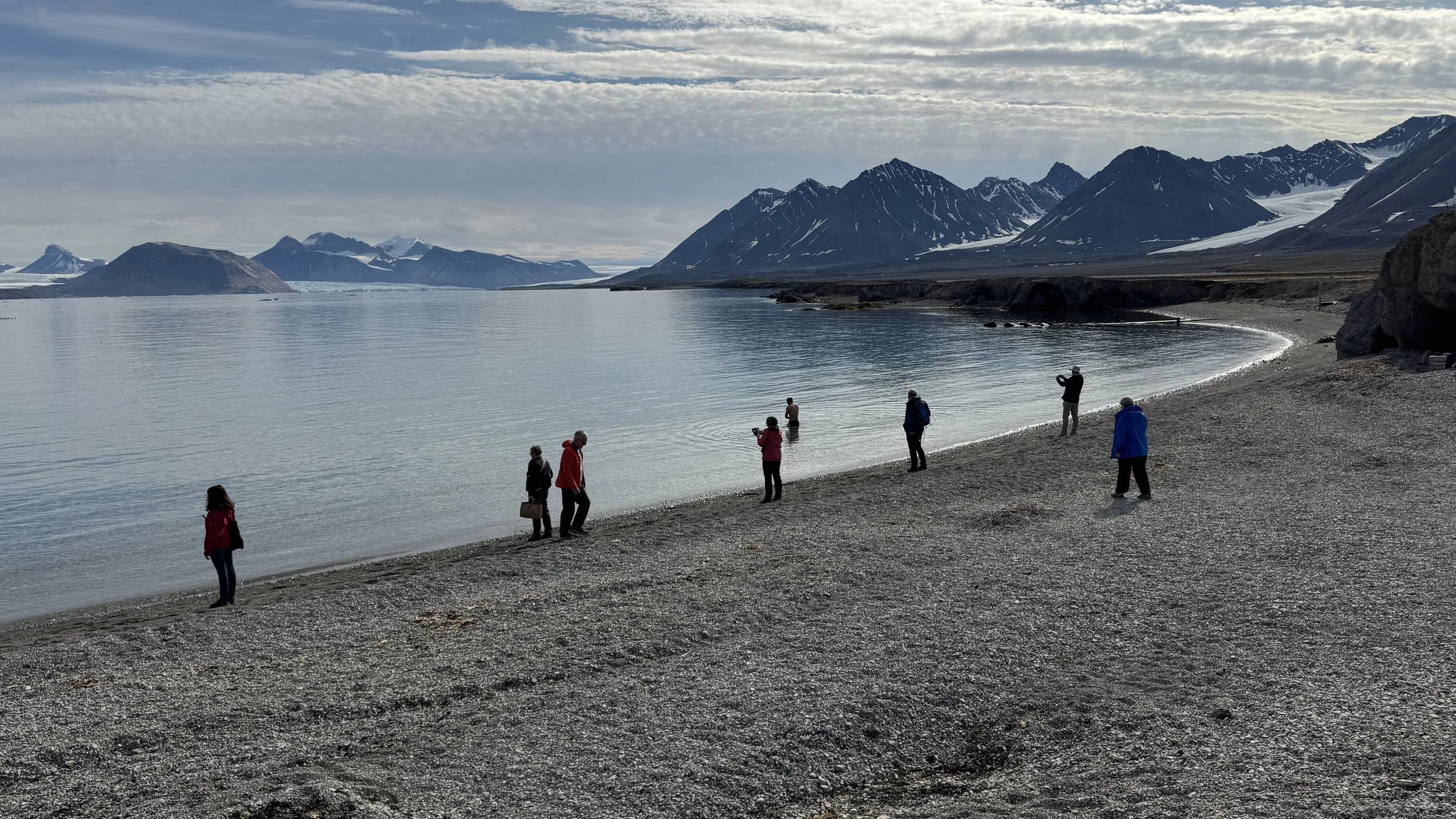
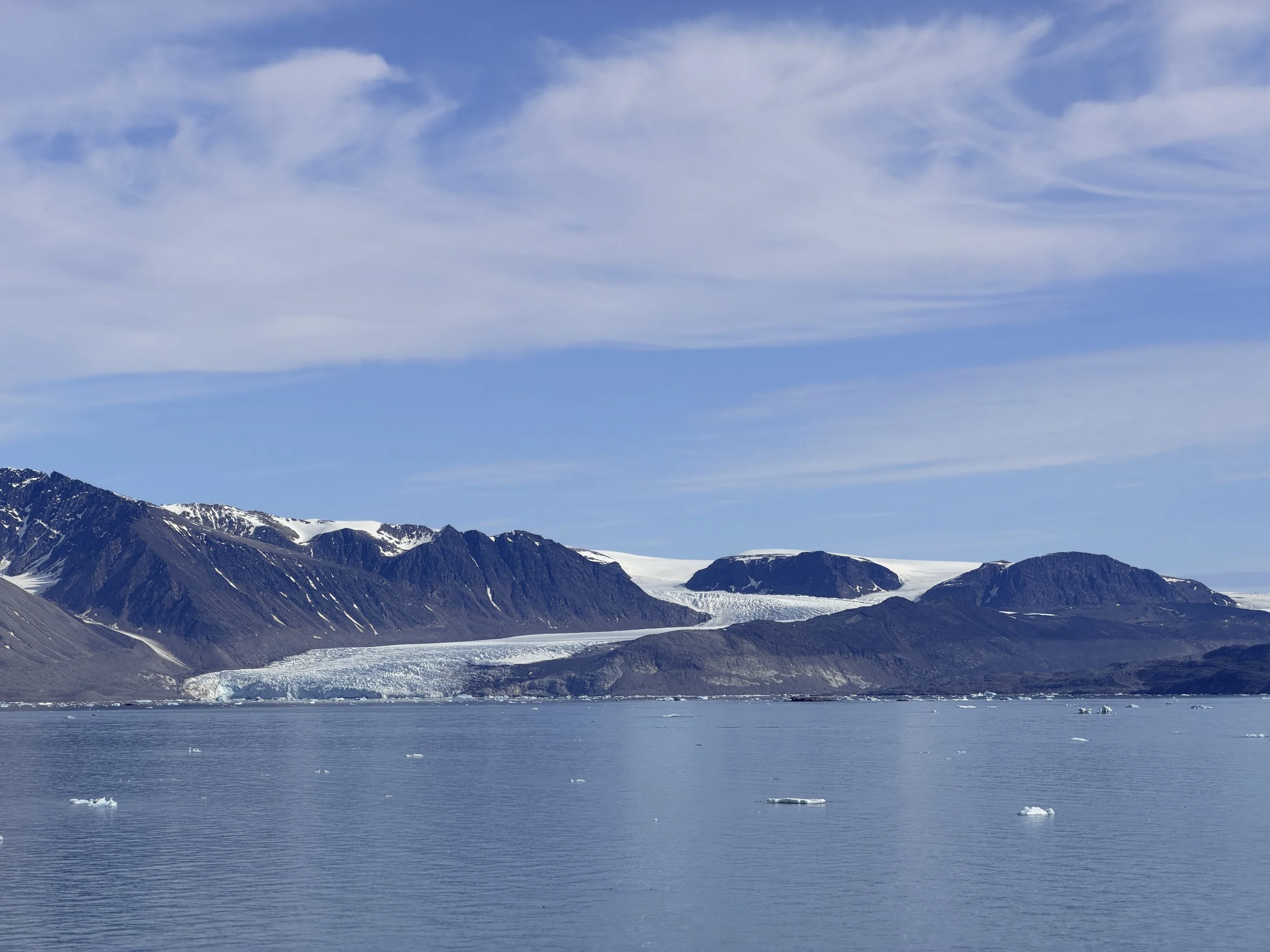
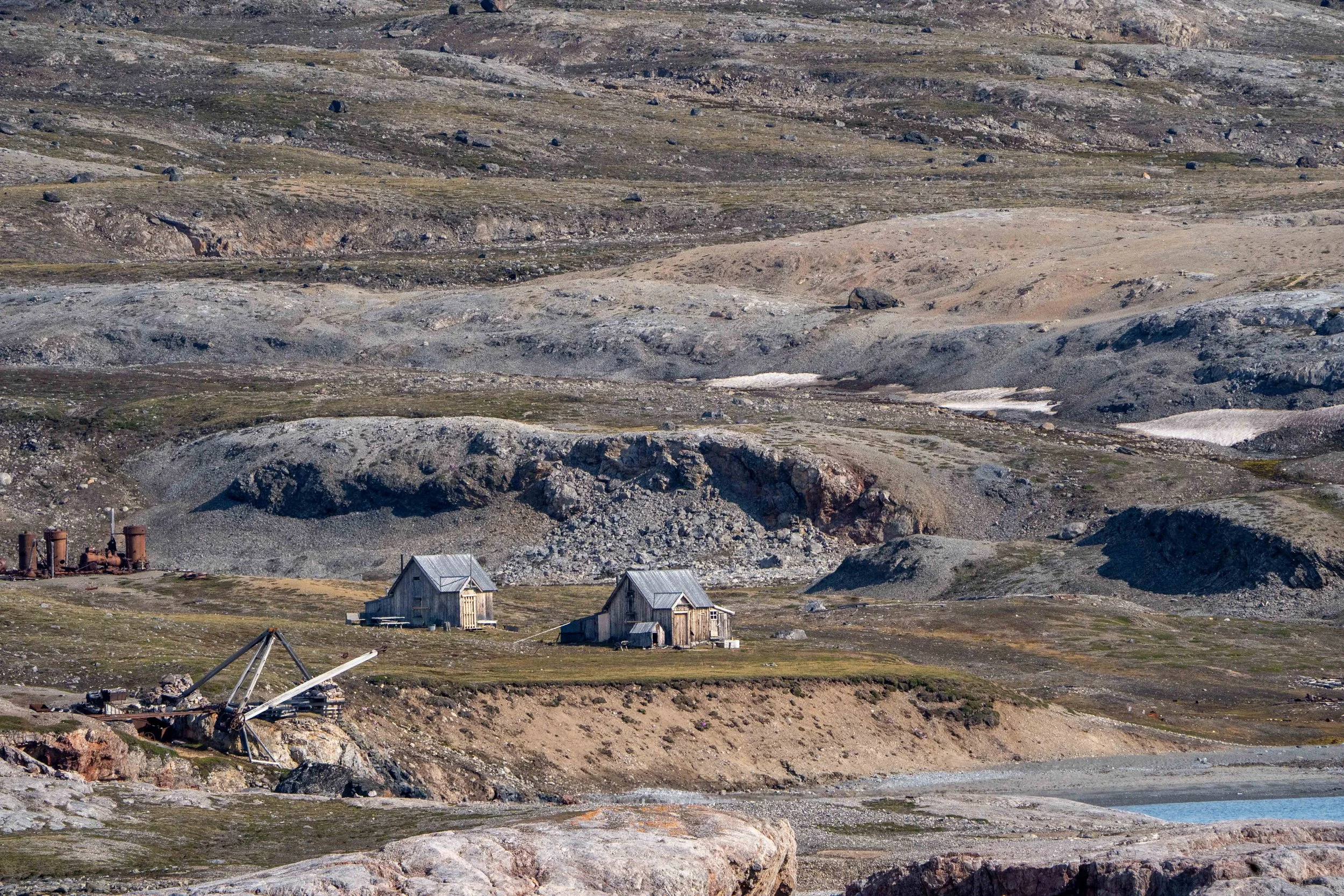
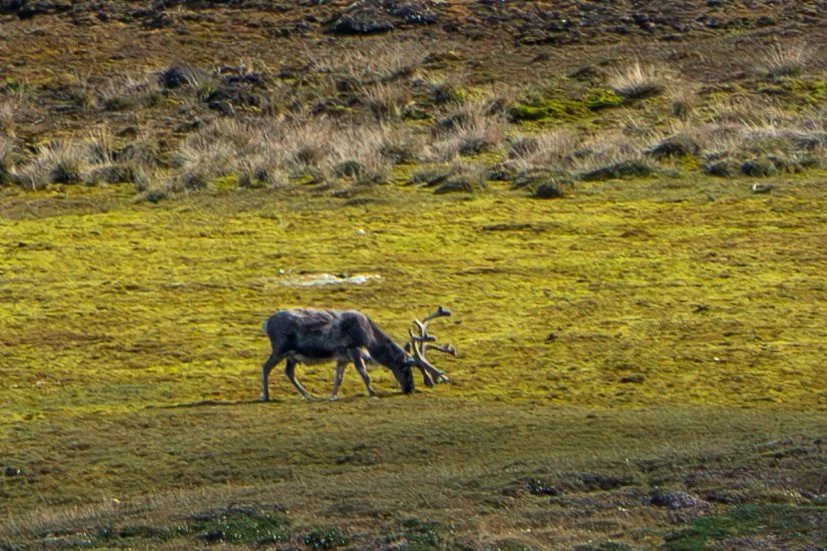
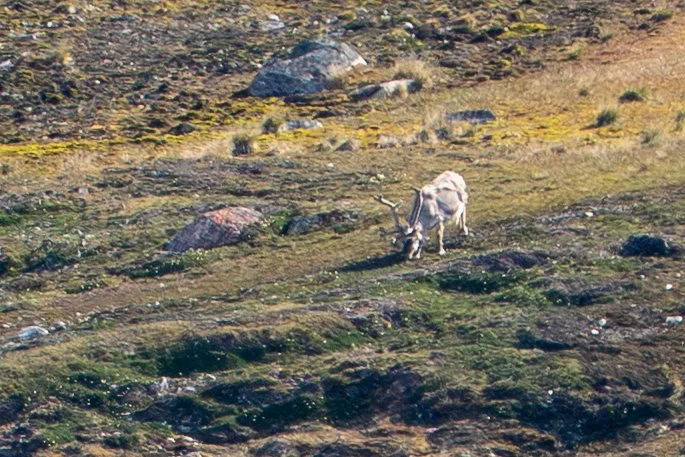
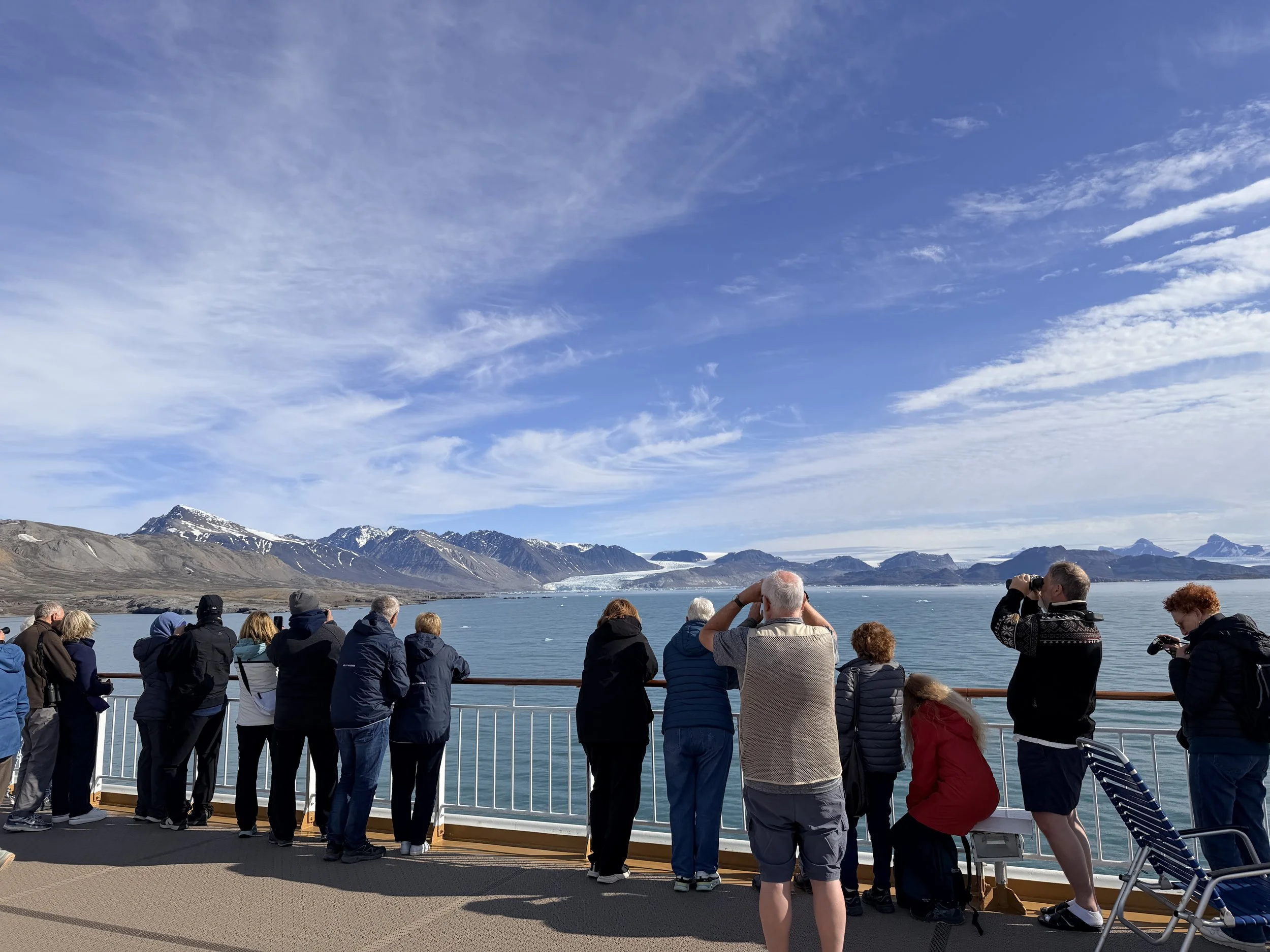
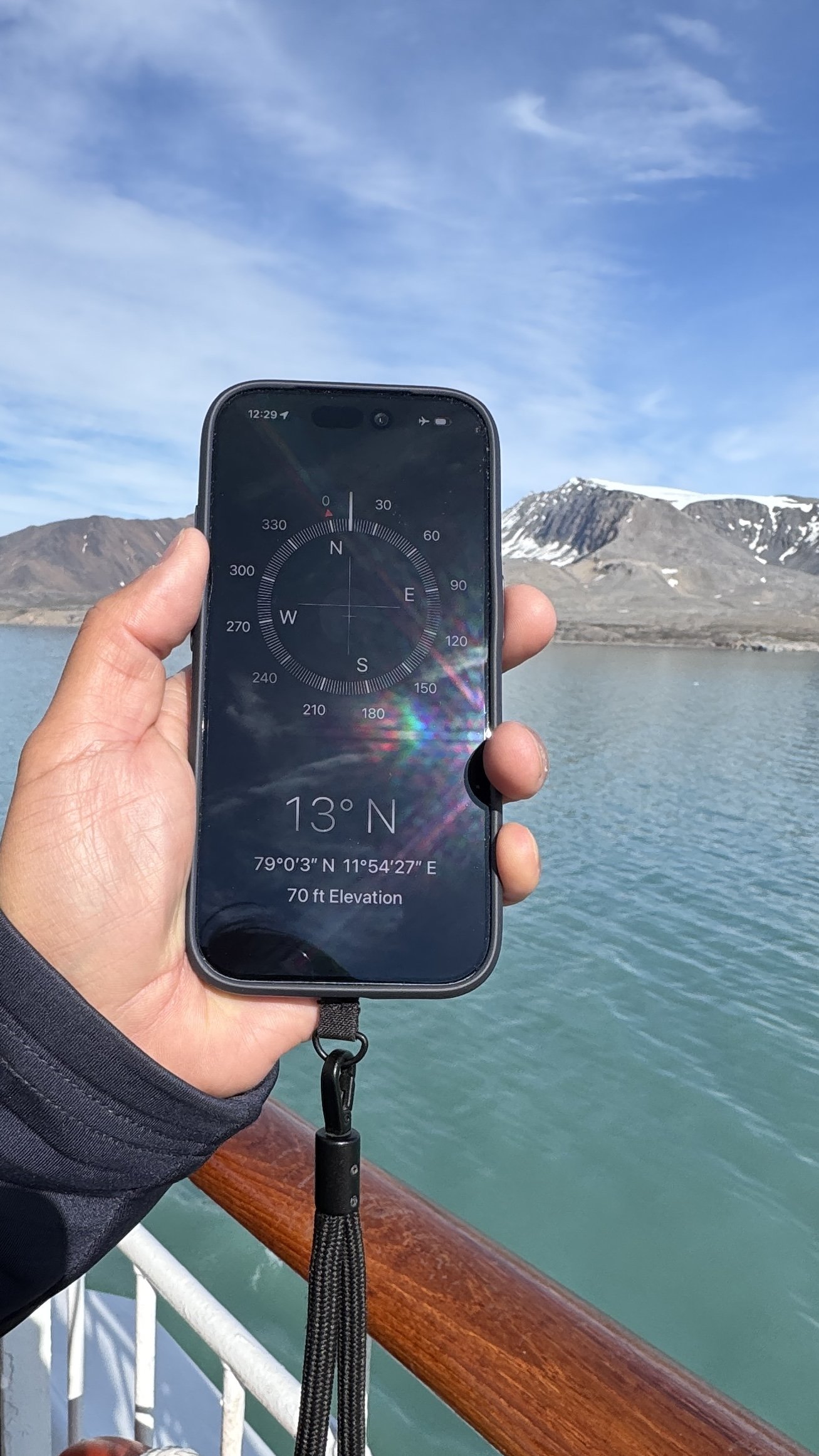
After leaving Ny-Ålesund, we cruised through nearby fjords and saw several wild reindeer grazing on the tundra, eating as much as they could before the long Arctic winter. We even spotted another polar bear—or perhaps the same one that had been chased away from the settlement earlier that morning. In the end, we reached 79° north latitude—the farthest north we had ever traveled, deep in the Arctic.
It was an extraordinary day filled with Arctic wildlife, breathtaking landscapes, and unforgettable experiences. It is a day we will never forget.

2026年7月8日
以前我总觉得听说过的北极熊安全保护措施似乎有些过于谨慎,直到今天,我才真正理解其含义。
我们原定于早上7点抵达新奥勒松(Ny-Ålesund)。这里是一座科研小镇,包括中国在内的多个国家都在这里设有科研站。我一早便起床,想看着我们的船进港。不久船上的广播就宣布:港口附近发现了一只北极熊。我立刻带着长焦镜头来到甲板,和许多乘客一起拍摄这位“主角”。
按照当地的安全规定,邮轮必须停留在海面上等待。岸上的安全人员先发射警示弹,又驾驶快艇将北极熊驱离居民区。我甚至可能拍到了北极熊与警示弹火光同框的画面。与此同时,几头鲸鱼又在船边游弋,让整个早晨格外热闹。
由于北极熊出现在居民区附近,当地采取了更严格的安全措施。邮轮将乘客分批上岸,先安排一半乘客上岸,随后换另一半乘客登陆。岸上到处都能看到携带枪械的安全人员。就连我们前往历史悠久的飞艇系留塔(Airship Mast)的途中,也必须由前后各一名持枪警卫全程护送。
著名飞艇“挪威号”(Norge)正是在这里停泊,并于1926年从这里启程,完成了飞越北极的历史性航行。这座35米高的钢制系留塔既是飞艇的停泊设施,也是当年登艇的地方,如今已成为新奥勒松最具代表性的地标之一。
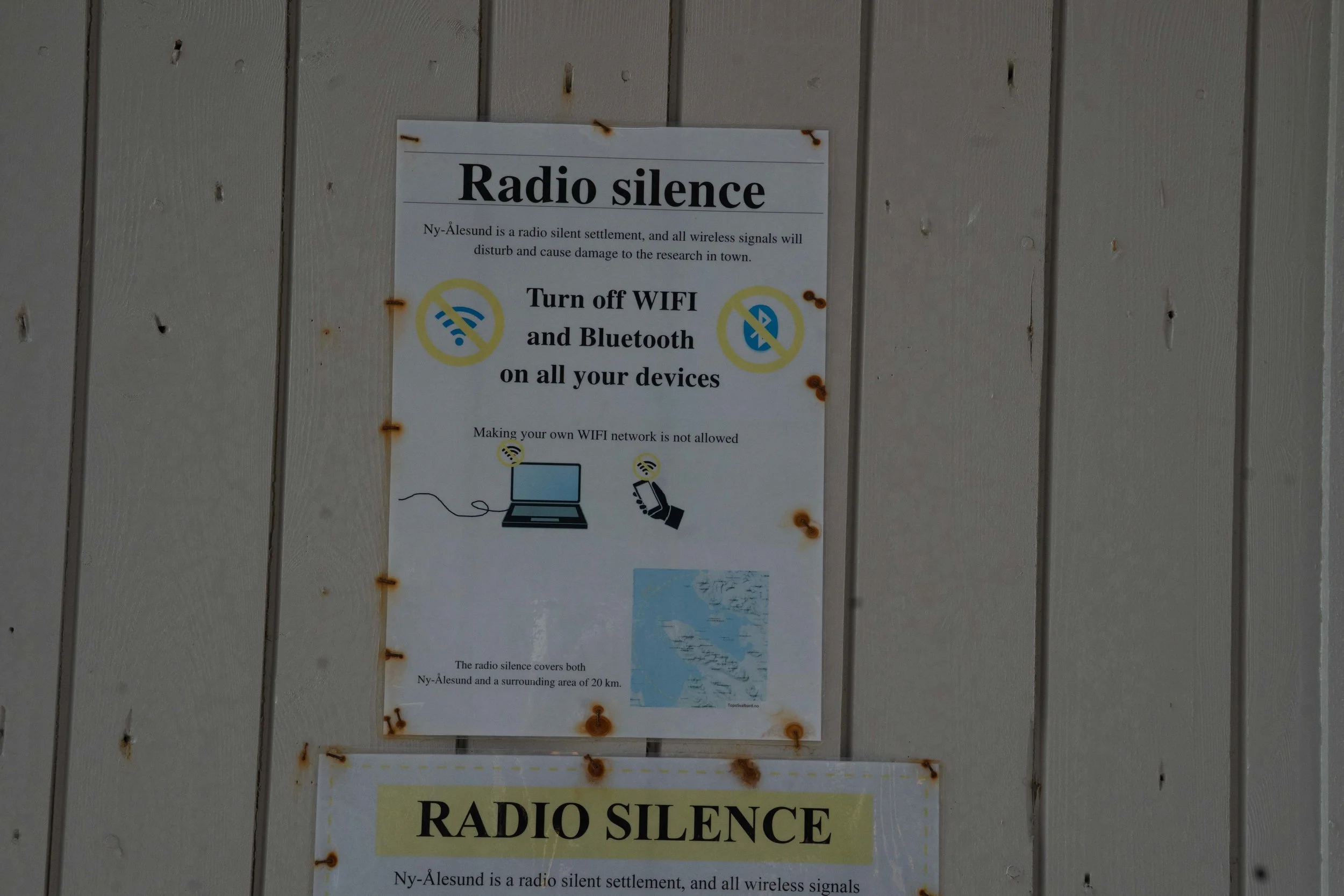
这个小镇比我们想象中更有意思。它是Svalbard 群岛中的一部分,比我们昨天停留的朗依尔镇要更北一些,已经到达北纬78度55秒,也是世界上最北的有常住居民的地方和有世界最北端的邮局,还有一家旅馆和一家小型超市。到了冬季,整个小镇常住人口只有约30人。因为是纯科研小镇,不能有任何信号干扰,我们船上的WiFi和手机都必须关掉。
离开新奥勒松后,我们继续巡游附近的峡湾,同时也到达这次北极游的最北点,北纬79度,有照片为证。又看到了几只野生驯鹿正在苔原上悠闲觅食,抓紧时间为漫长的冬天储备能量。随后,我们还远远发现了另一只北极熊,也许就是早晨被驱离居民区的那一只。
这是令人震撼的一天。短短一天之内,我们不仅近距离见到了北极熊、鲸鱼和驯鹿,还欣赏了壮丽的北极风光。这段经历无疑将成为此次北极之旅最难忘的回忆之一。