Outsider Artist and UNESCO Mill 民间艺术与世界遗产造纸厂
July 26, 2026
Today we traveled to Helsinki, the capital of Finland. Along the way, we made our first stop at the Parikkala Sculpture Park, located just a few kilometers from the Russian border.
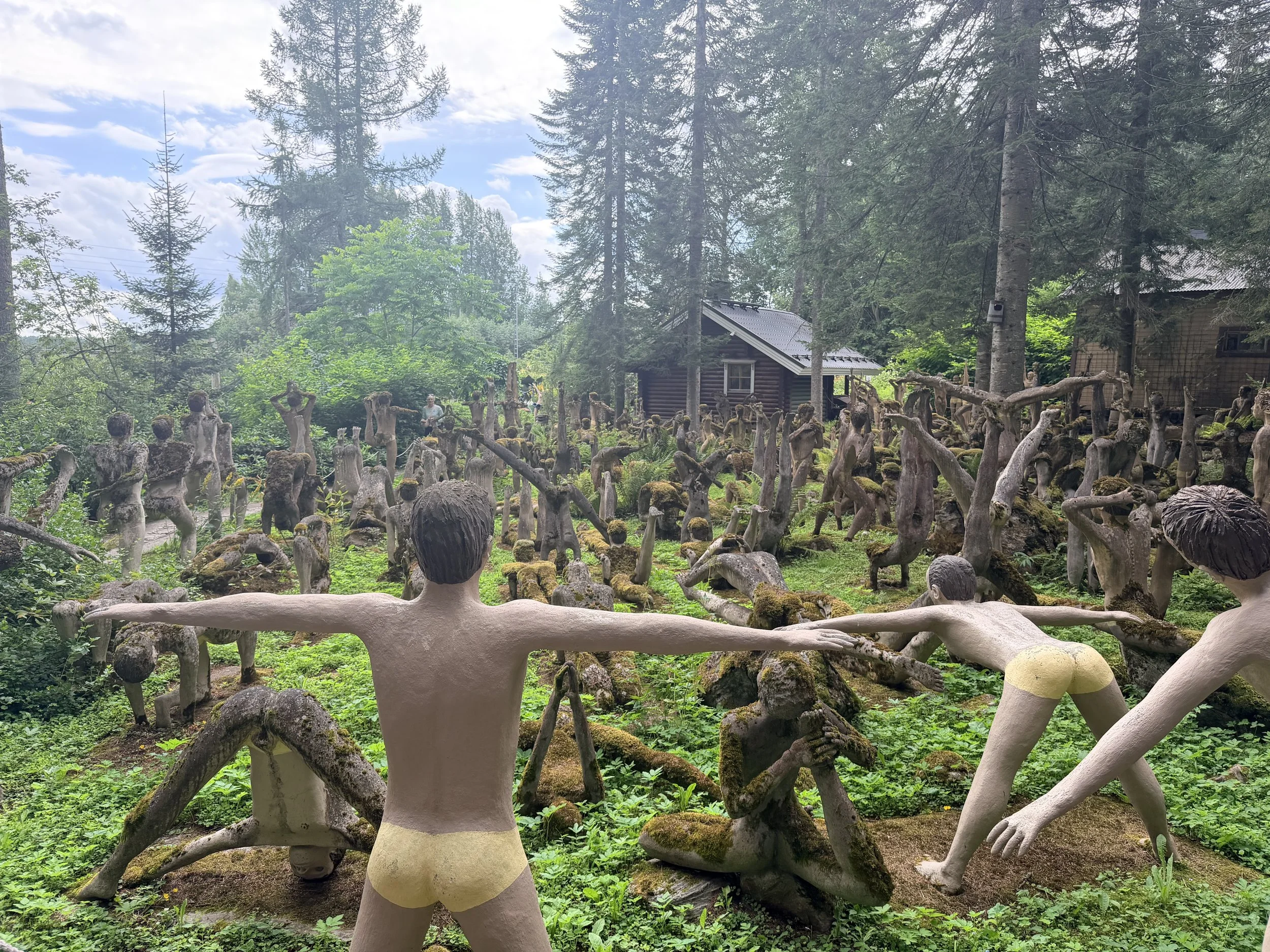
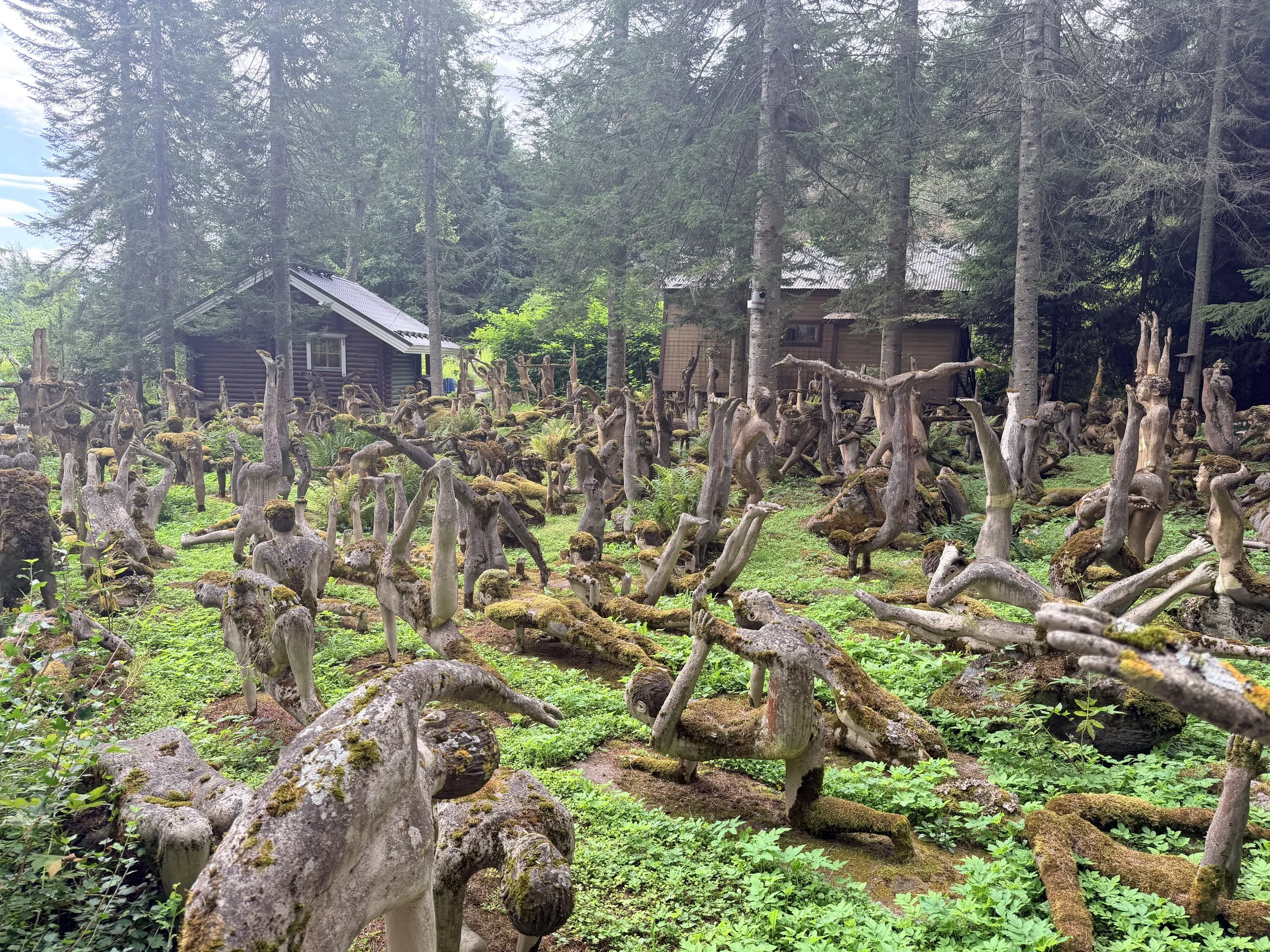
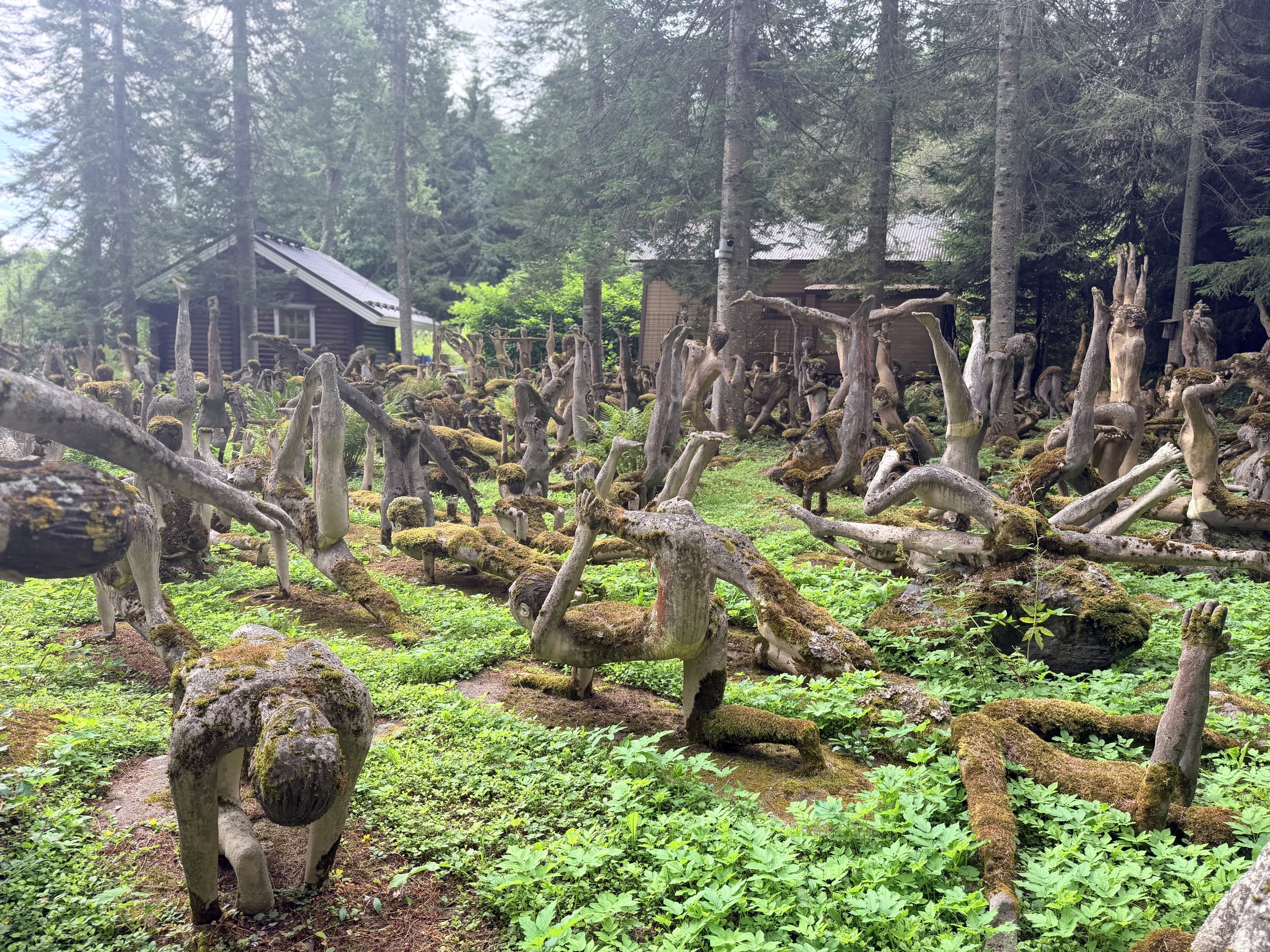
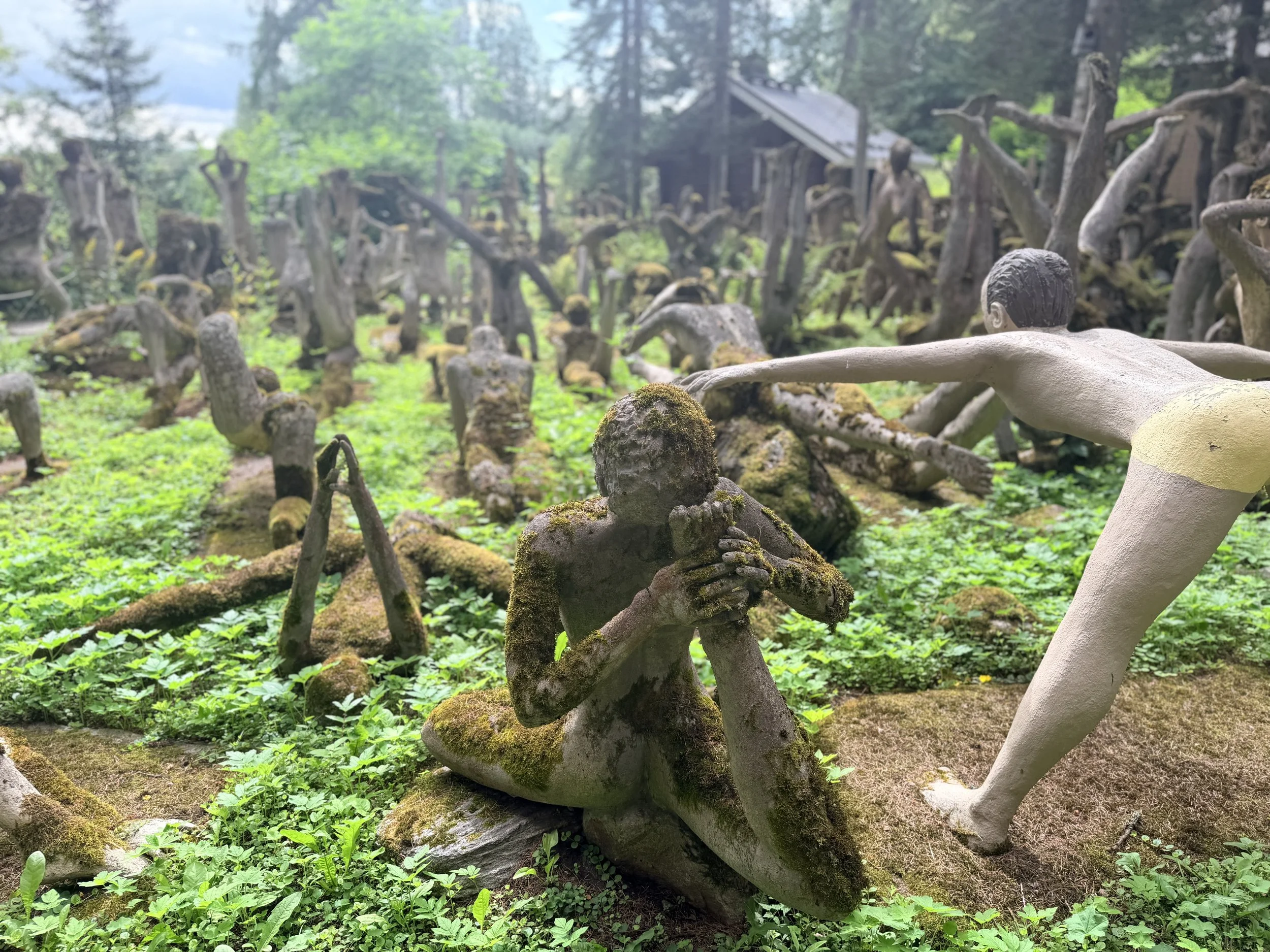
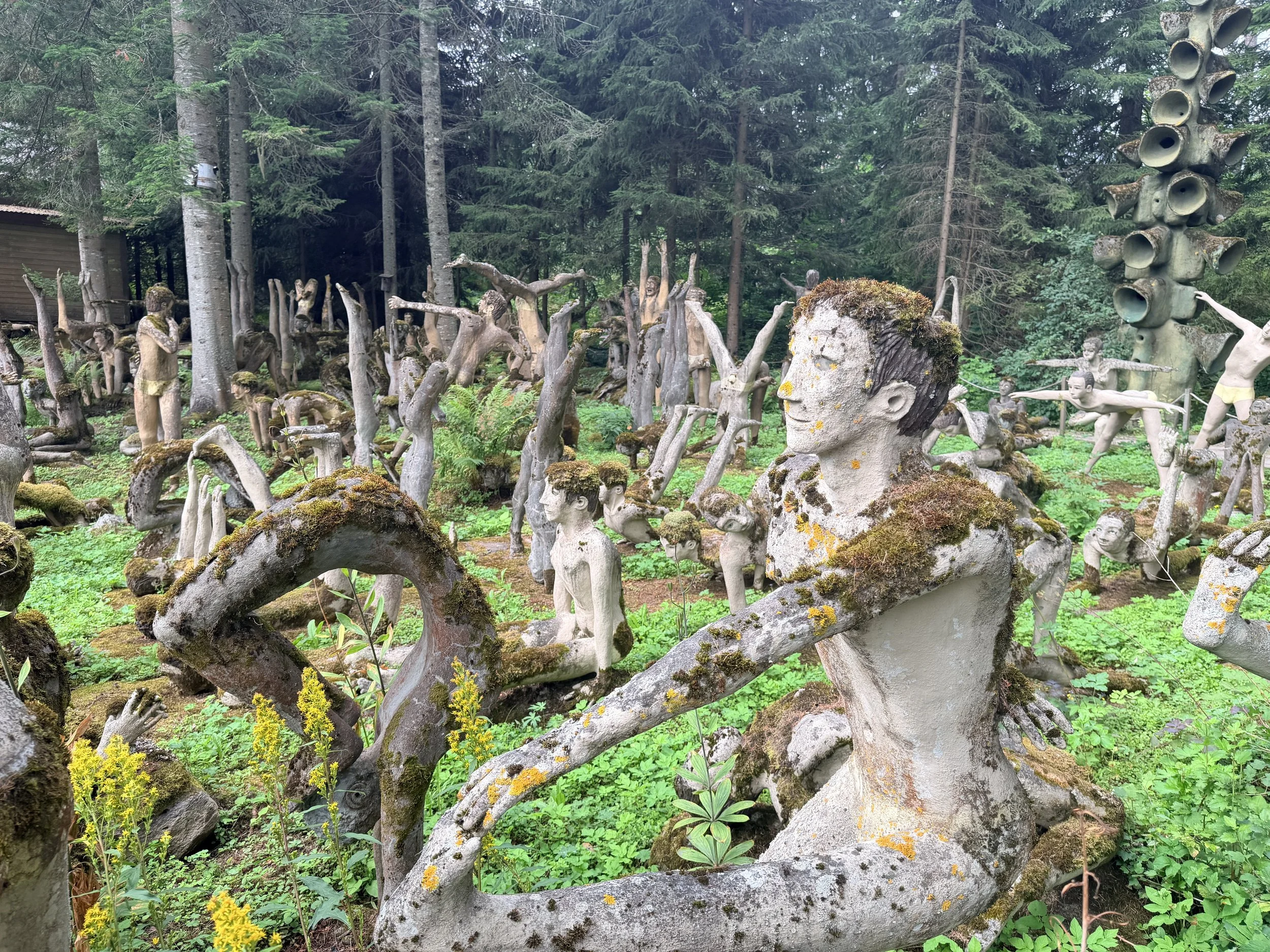
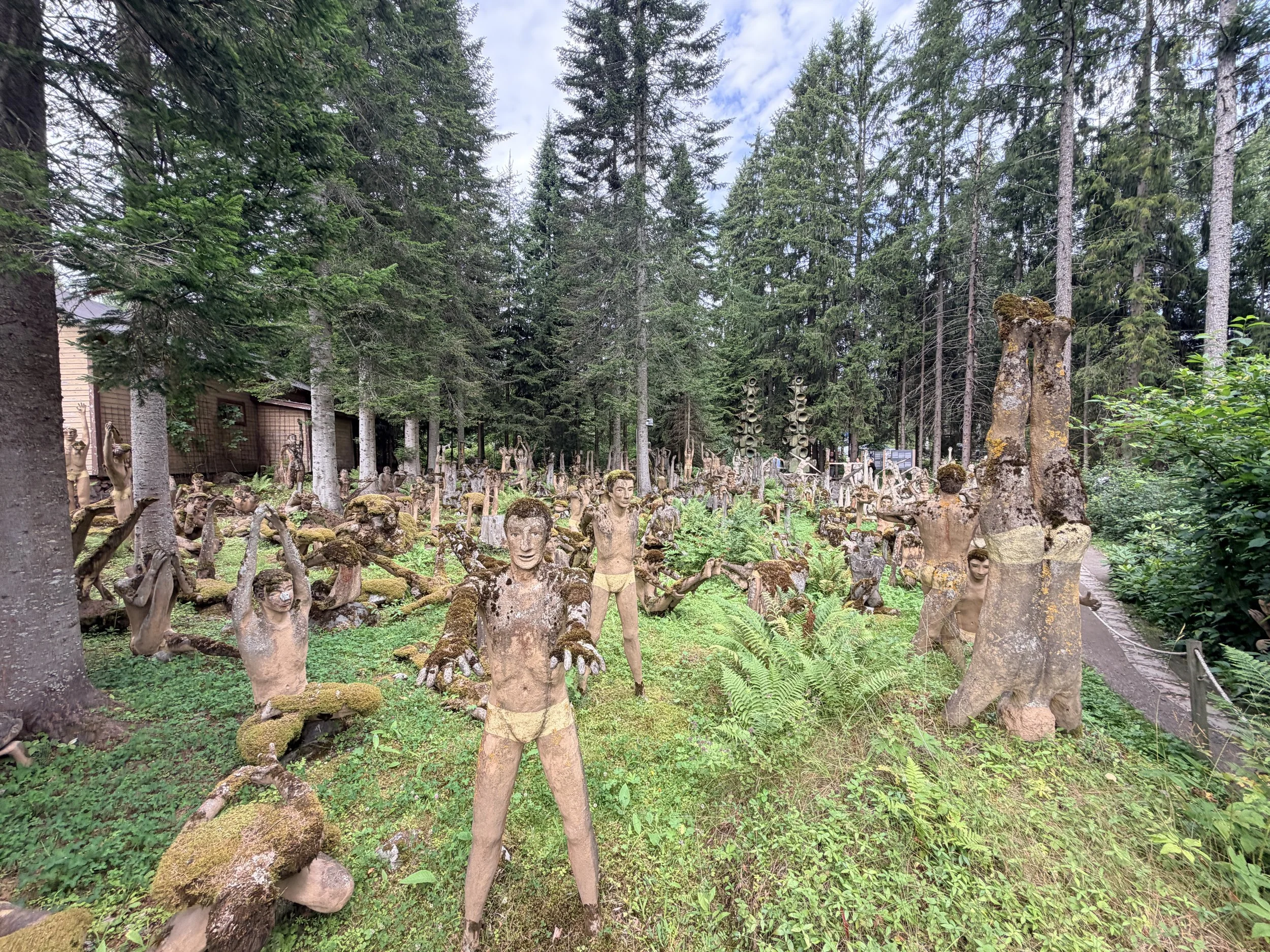
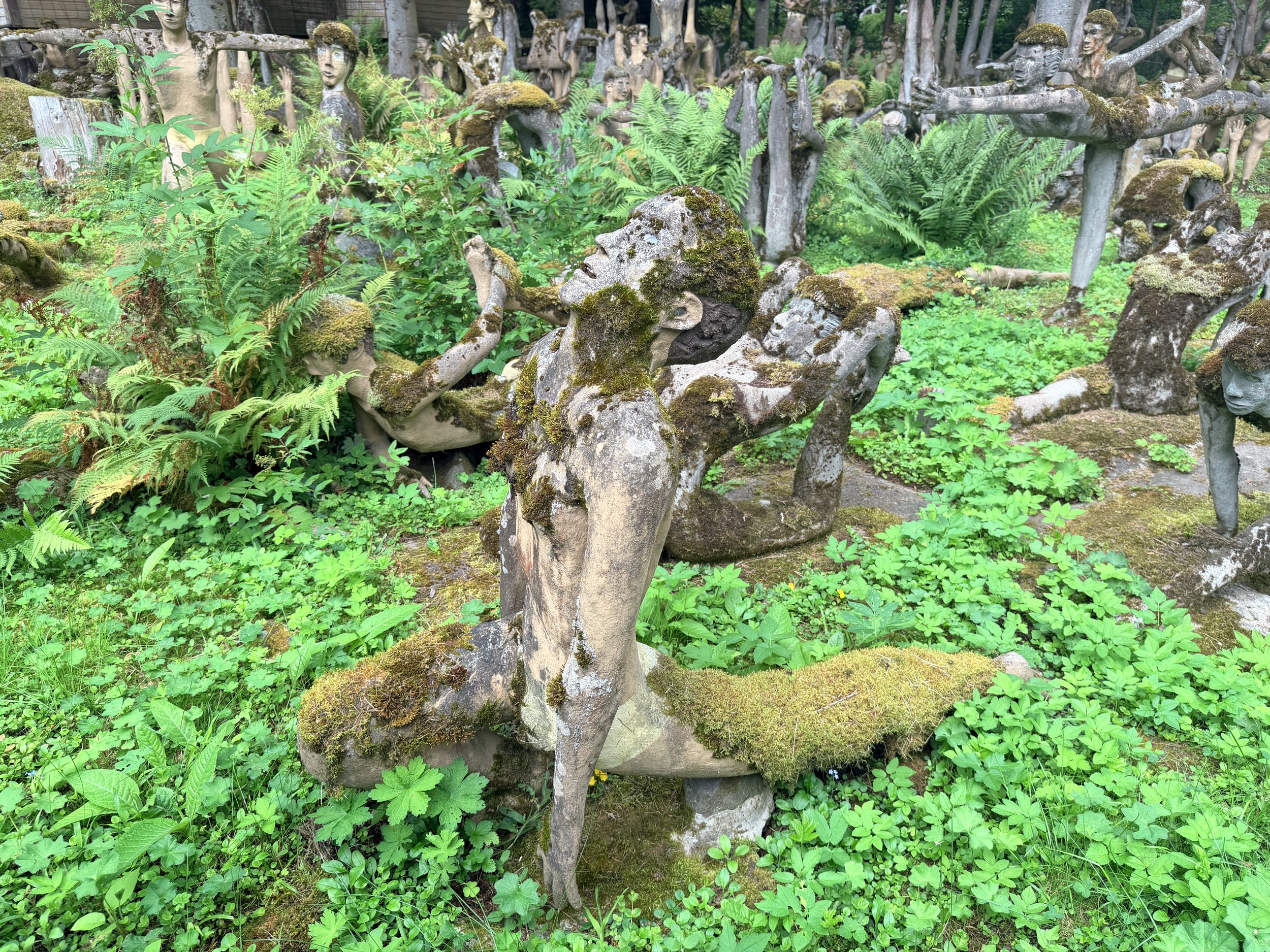
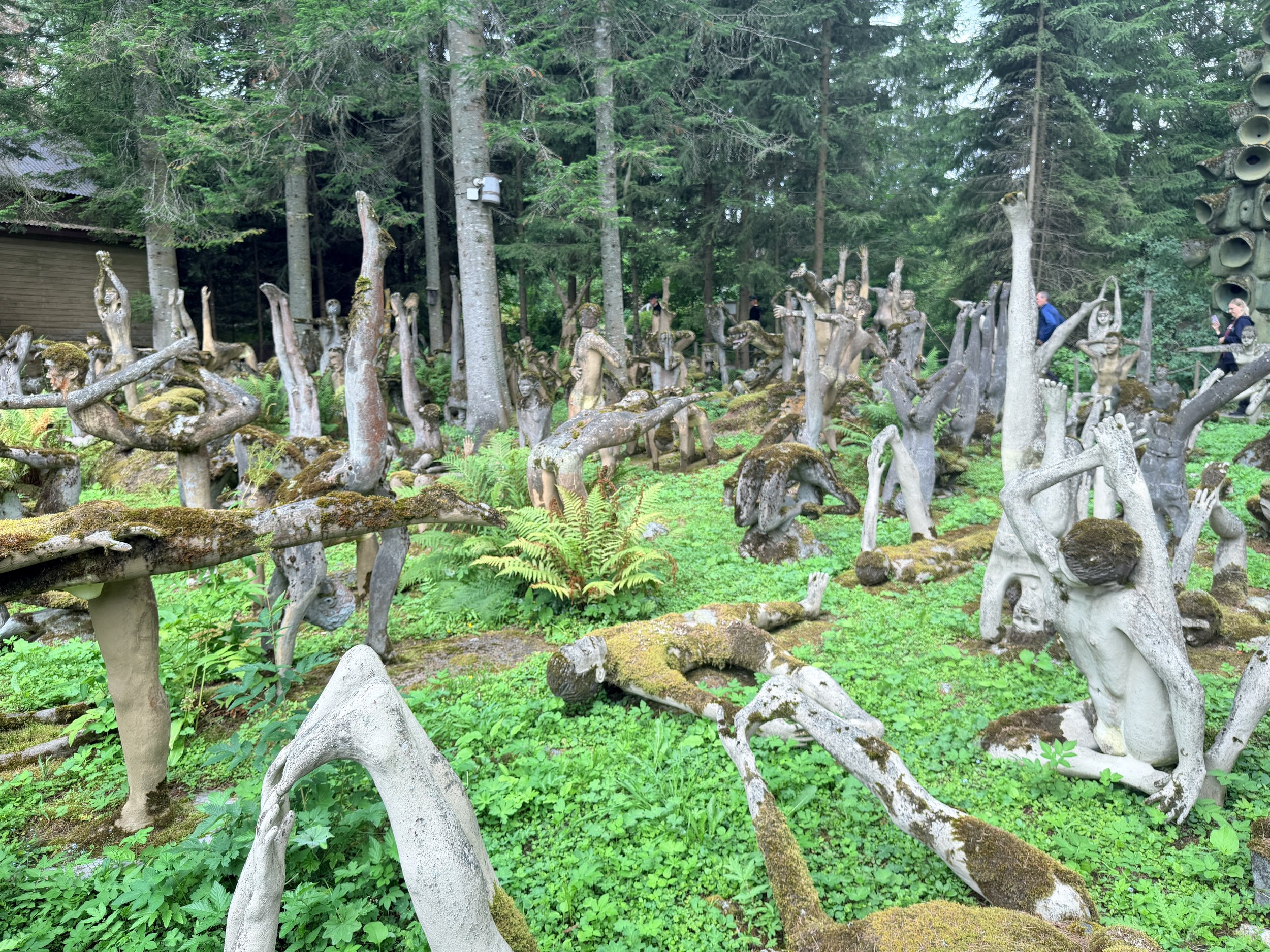
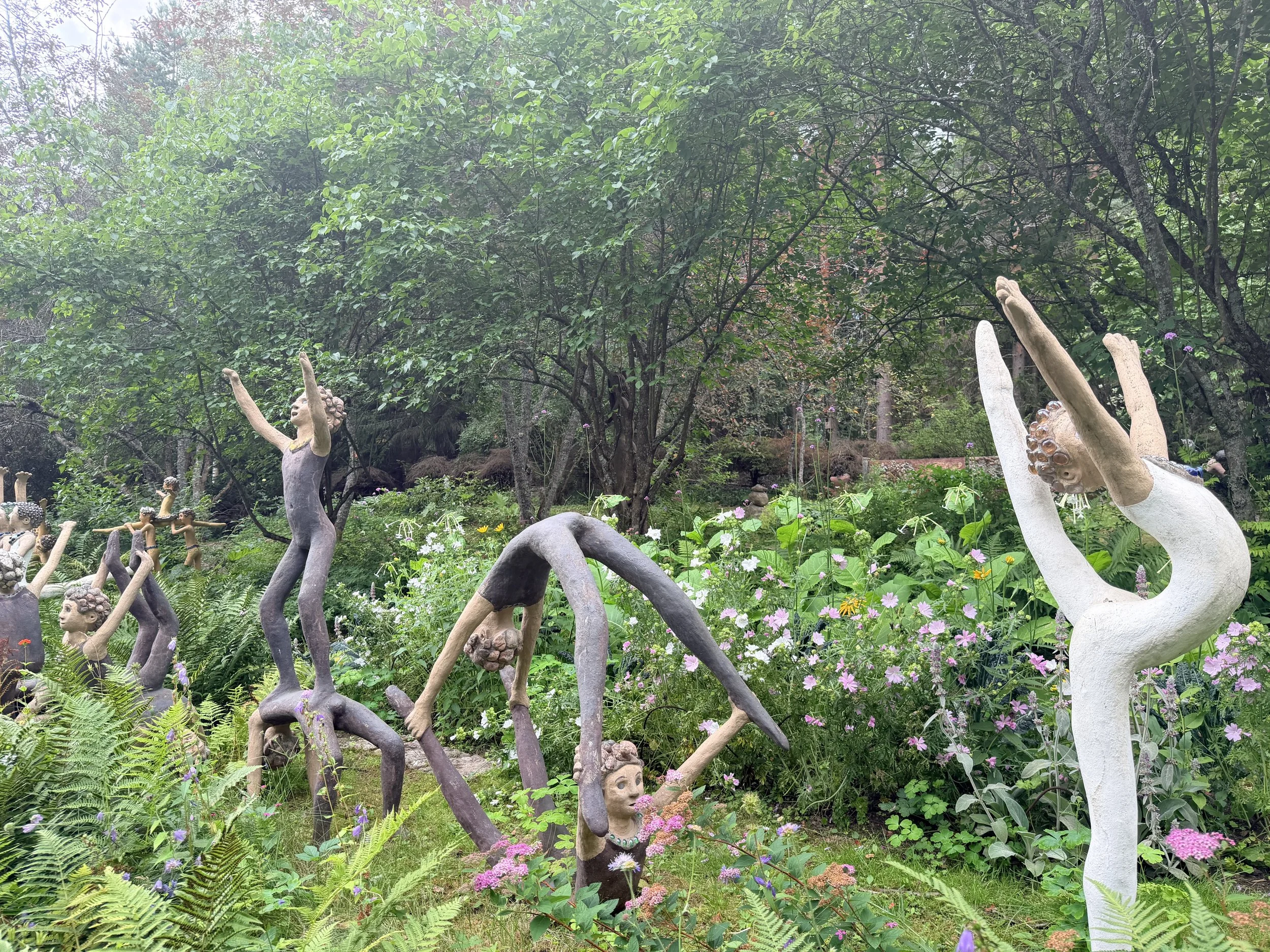
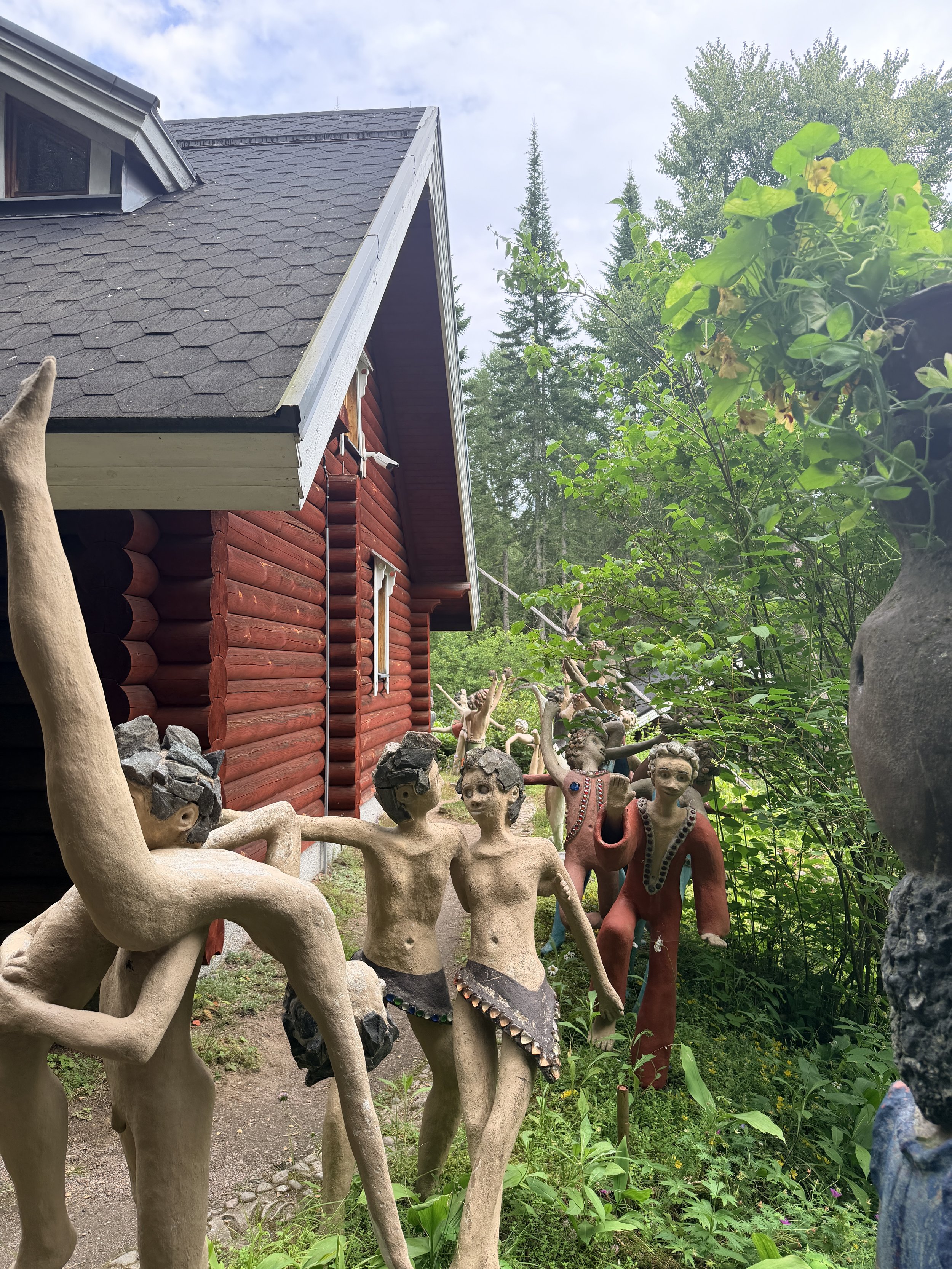
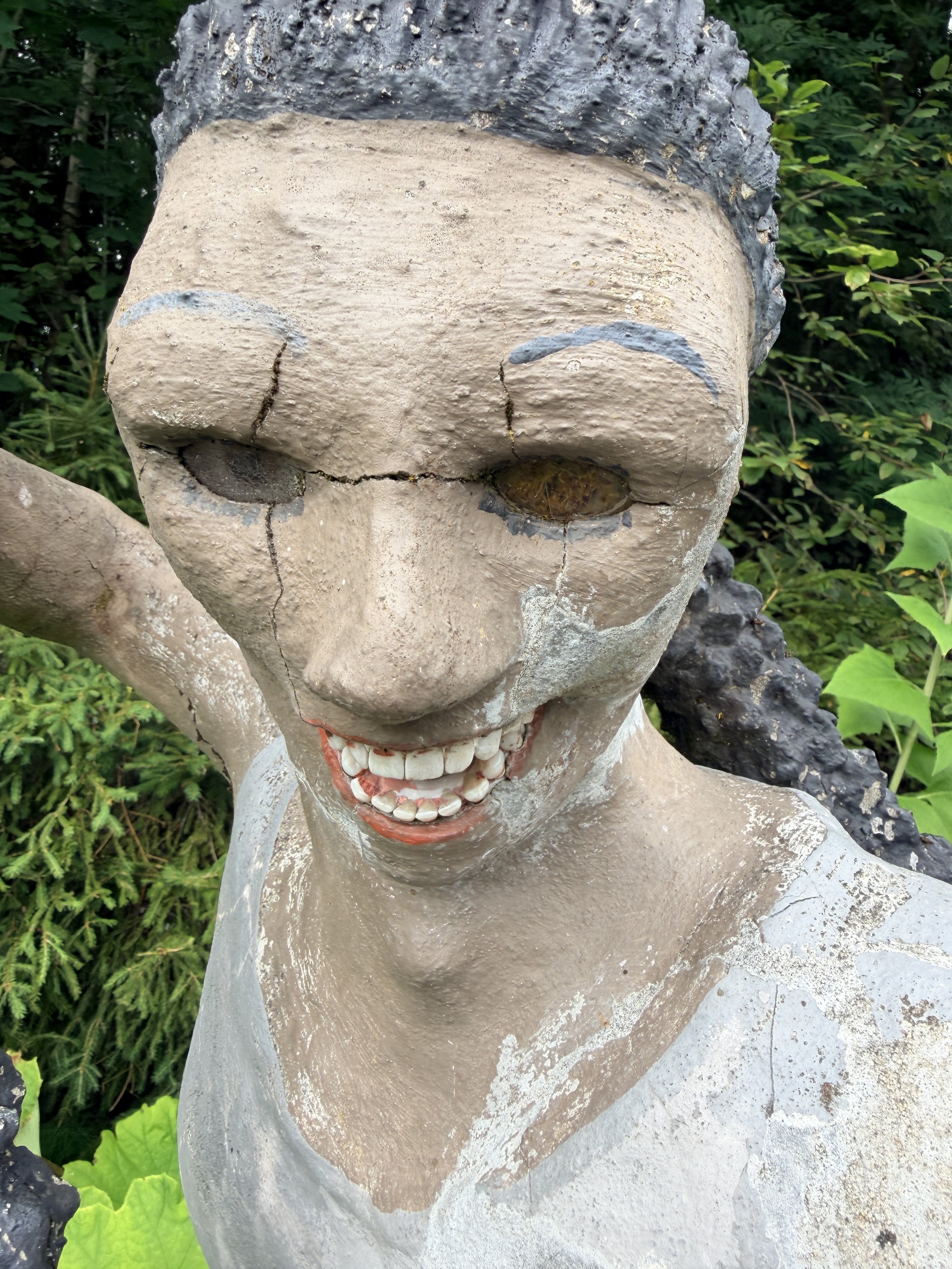
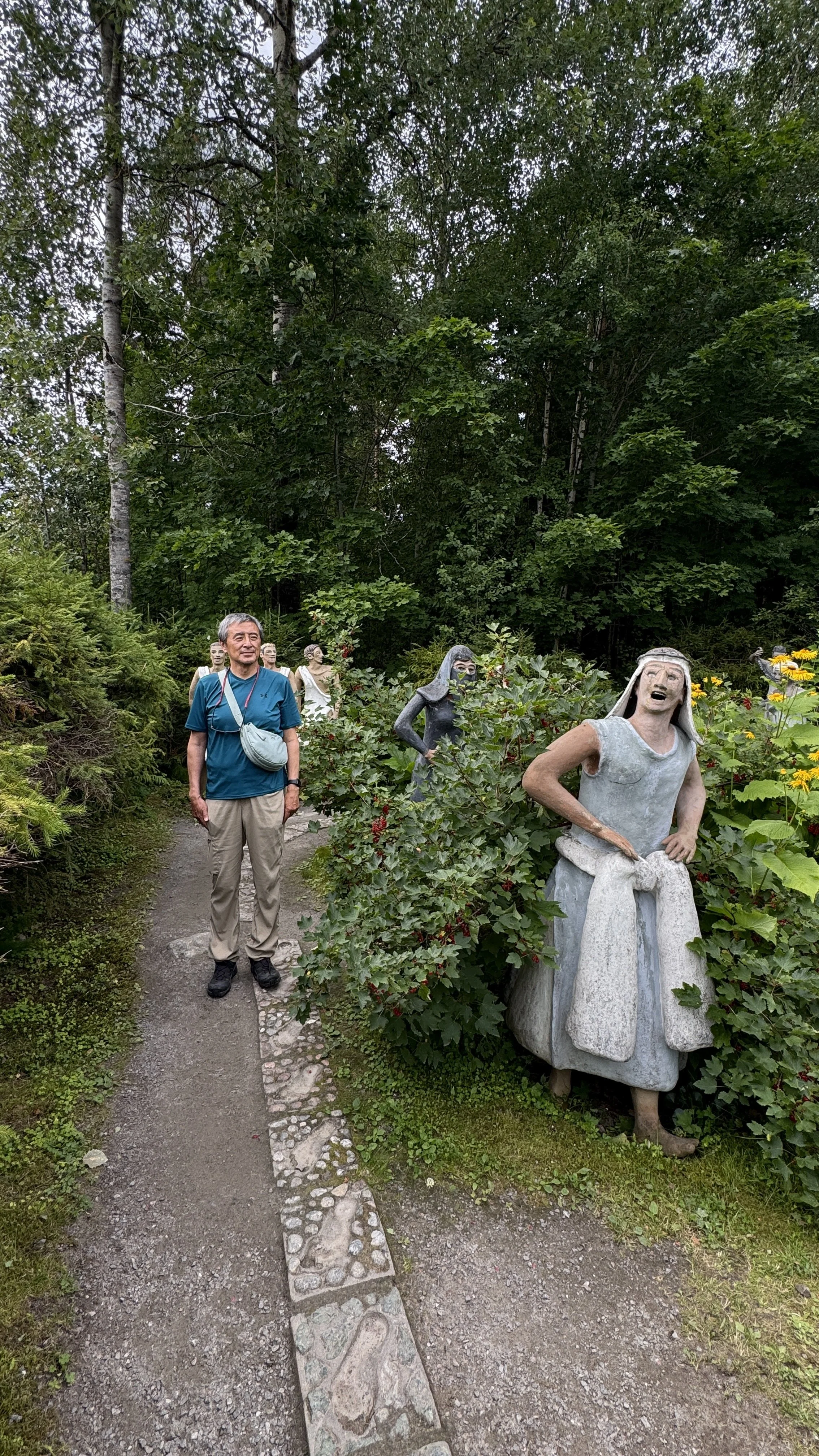
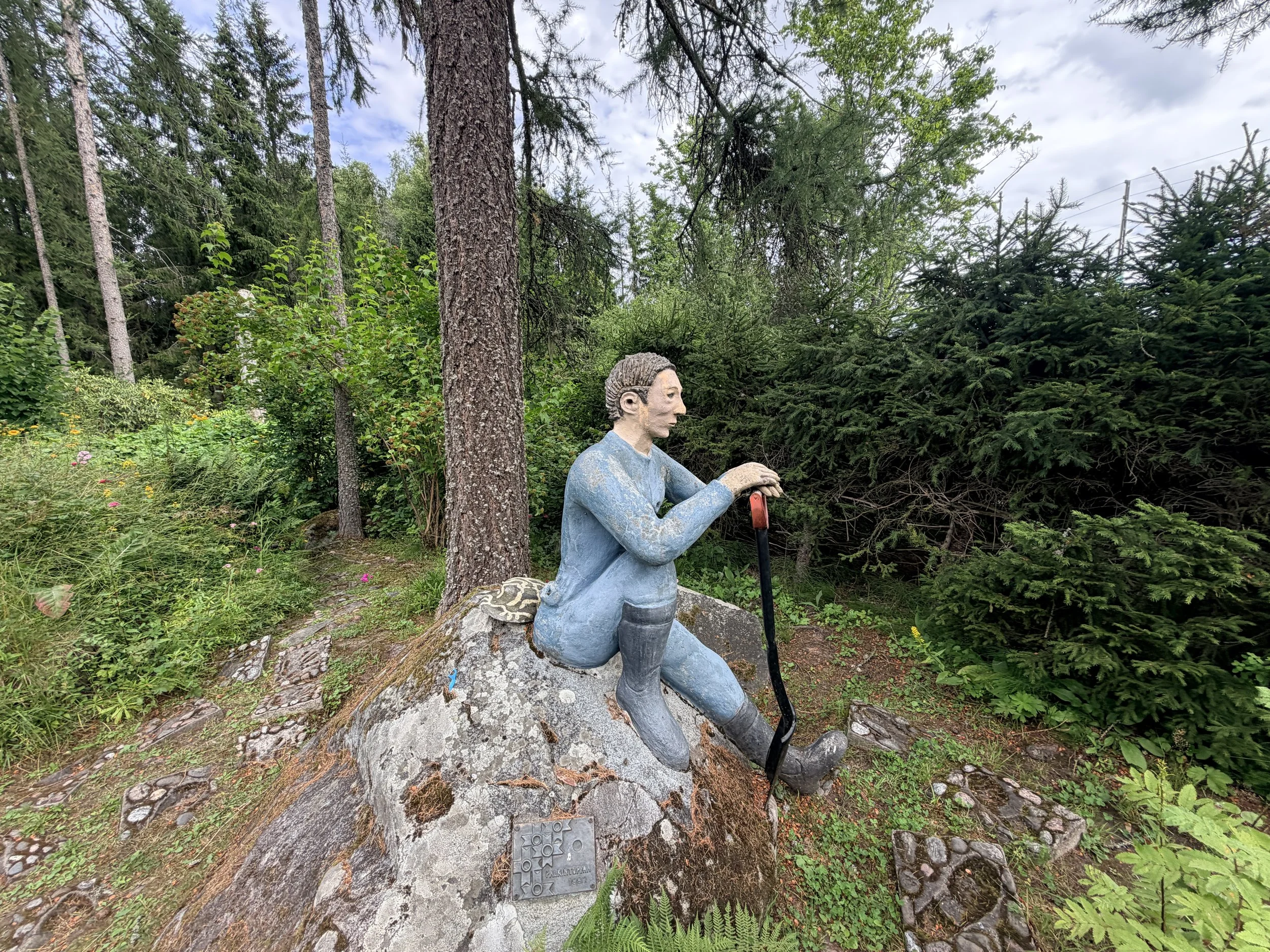
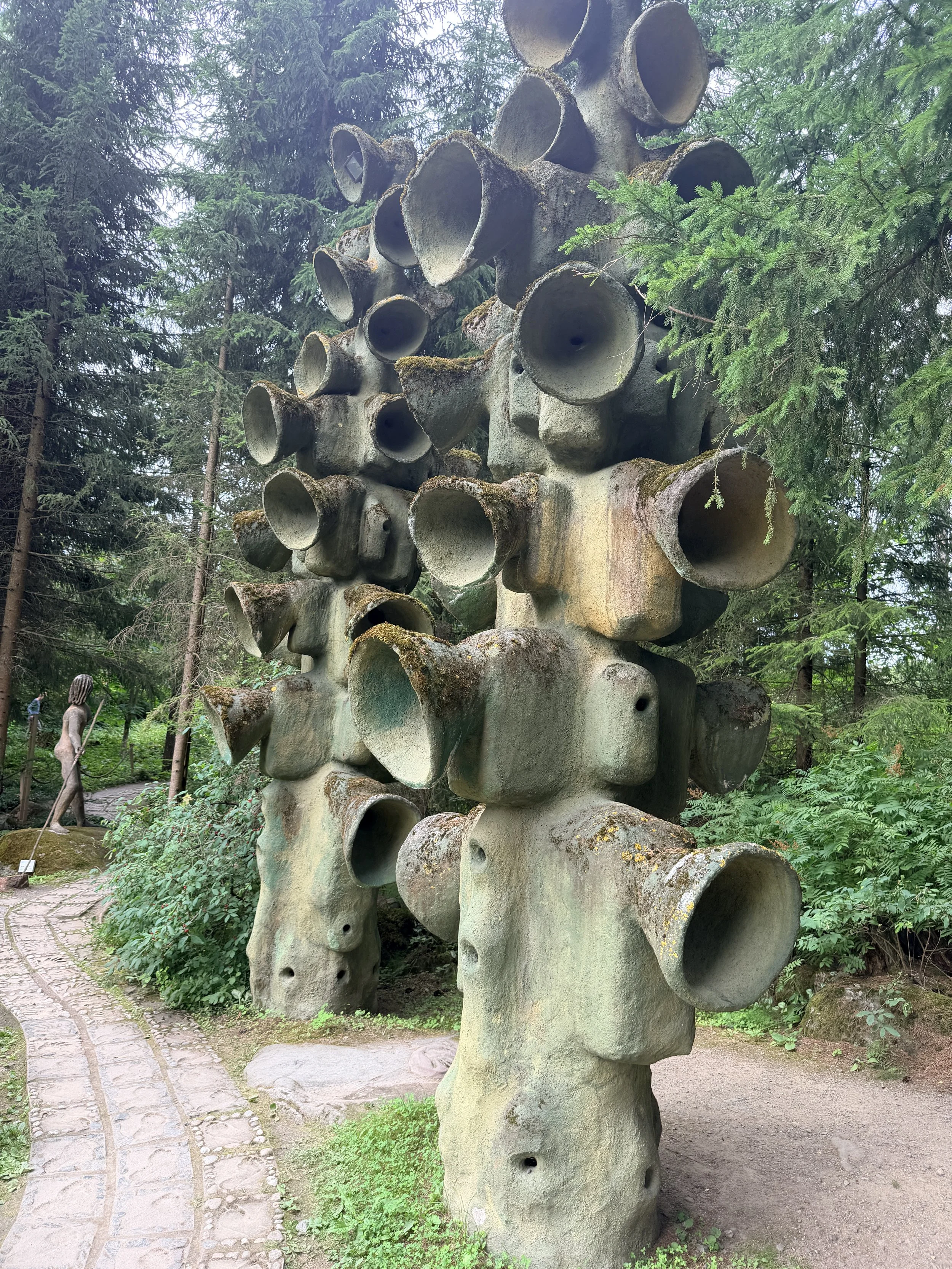
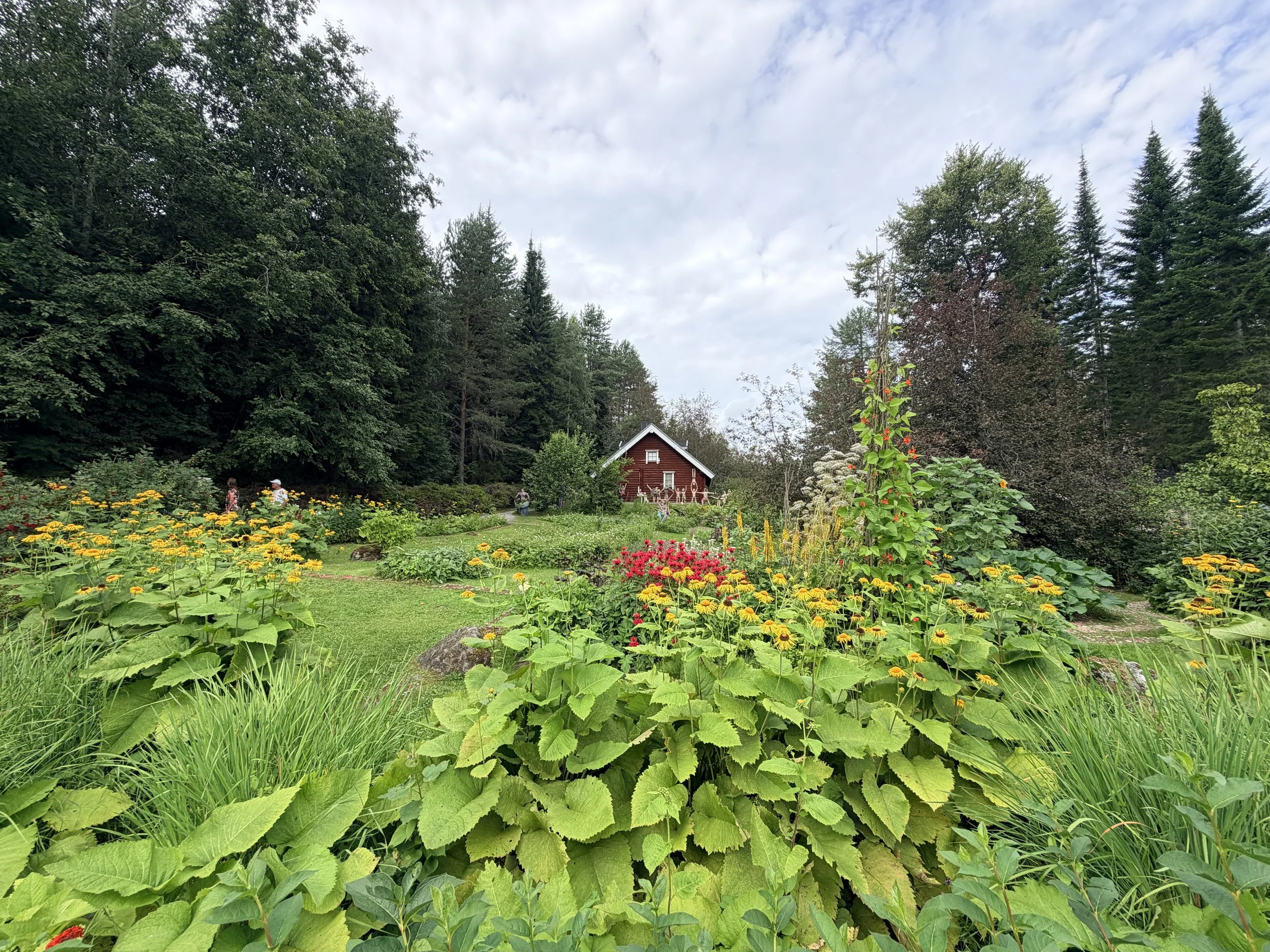
The park is the life's work of self-taught artist Veijo Rönkkönen, who spent nearly 50 years creating more than 500 concrete sculptures in his spare time while working full-time at a nearby paper mill. His sculptures depict people practicing yoga, dancers, children, and scenes from everyday life, creating an atmosphere that is both fascinating and slightly surreal. The most famous section of the park is the Yoga Garden, featuring about 250 sculptures, many of them self-portraits in different yoga poses. The gardens, colorful flowers, and small pond were beautiful, but the sculptures themselves felt strange and unsettling. Rönkkönen even used real human teeth in many of the figures, collecting them from friends and members of his local community. It is widely regarded as one of the world's finest examples of outsider art.
A little farther along the road, we pulled over to photograph the green border fence on the Finnish side, about 3 kilometers from the Russian border. Although we couldn't actually see Russia, it was interesting to be so close.
We stopped for a Chinese lunch in Imatra, which turned out to be quite good. By this point in the trip, we found ourselves choosing Chinese or other Asian food whenever the opportunity arose.
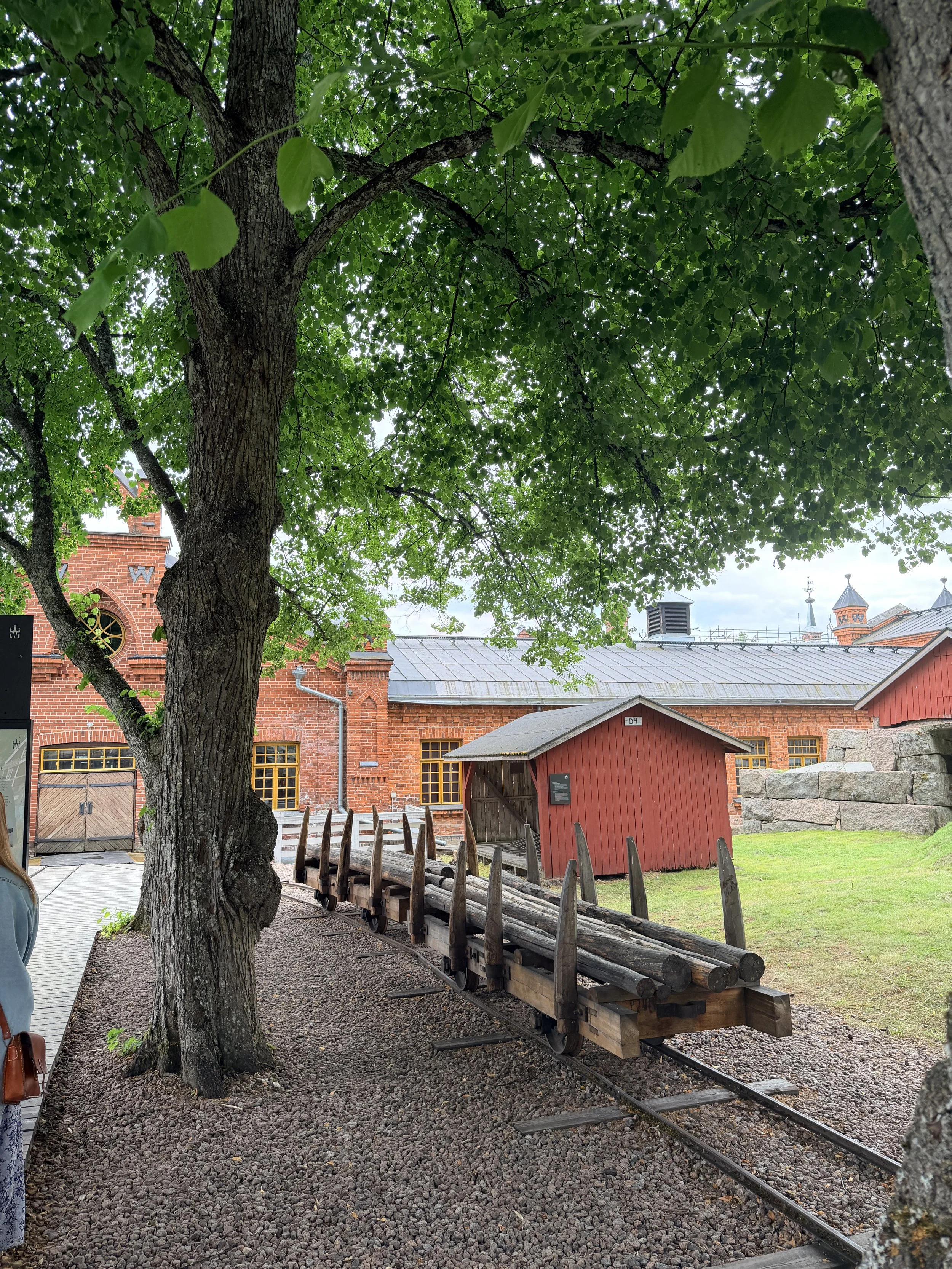
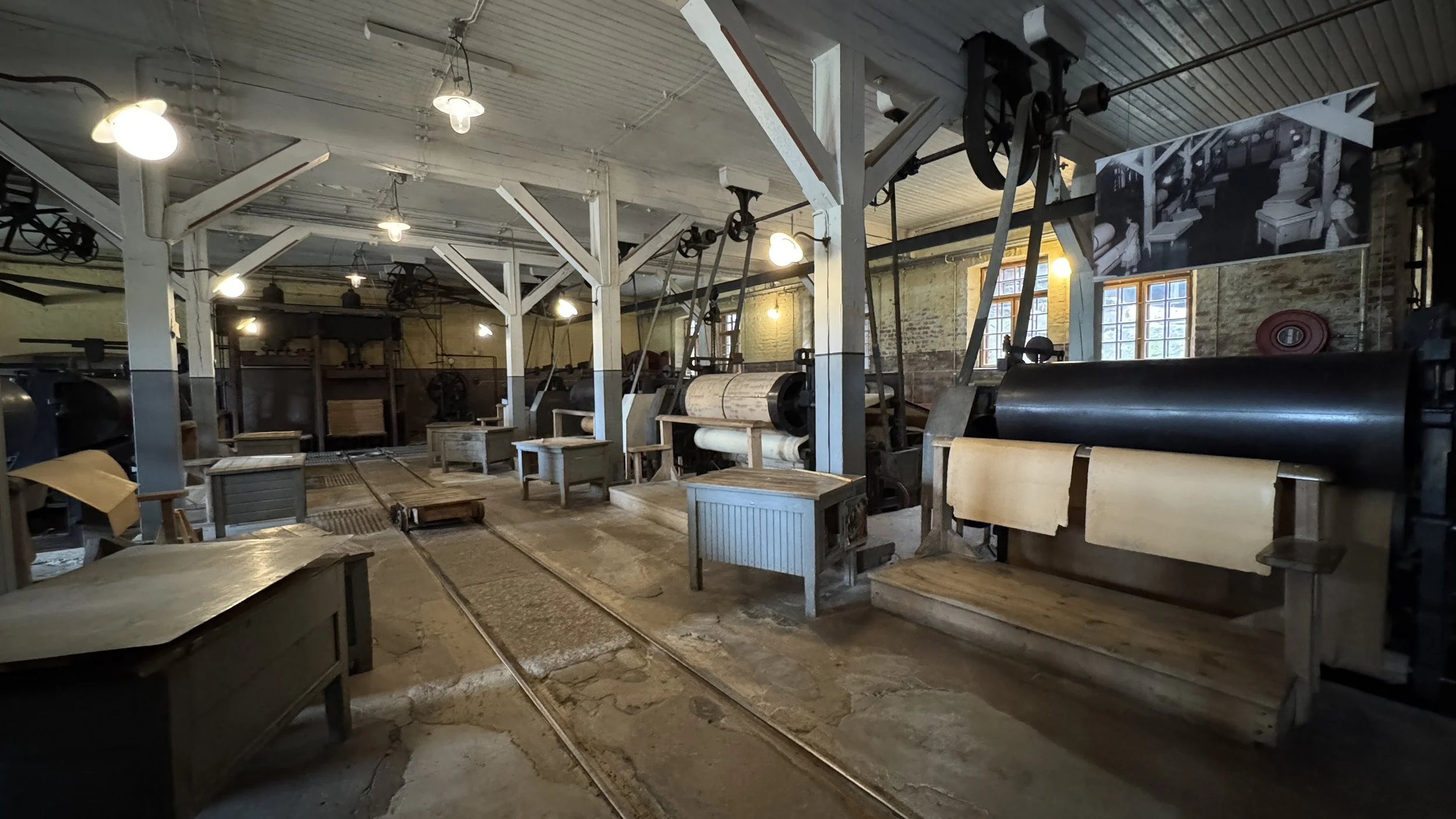
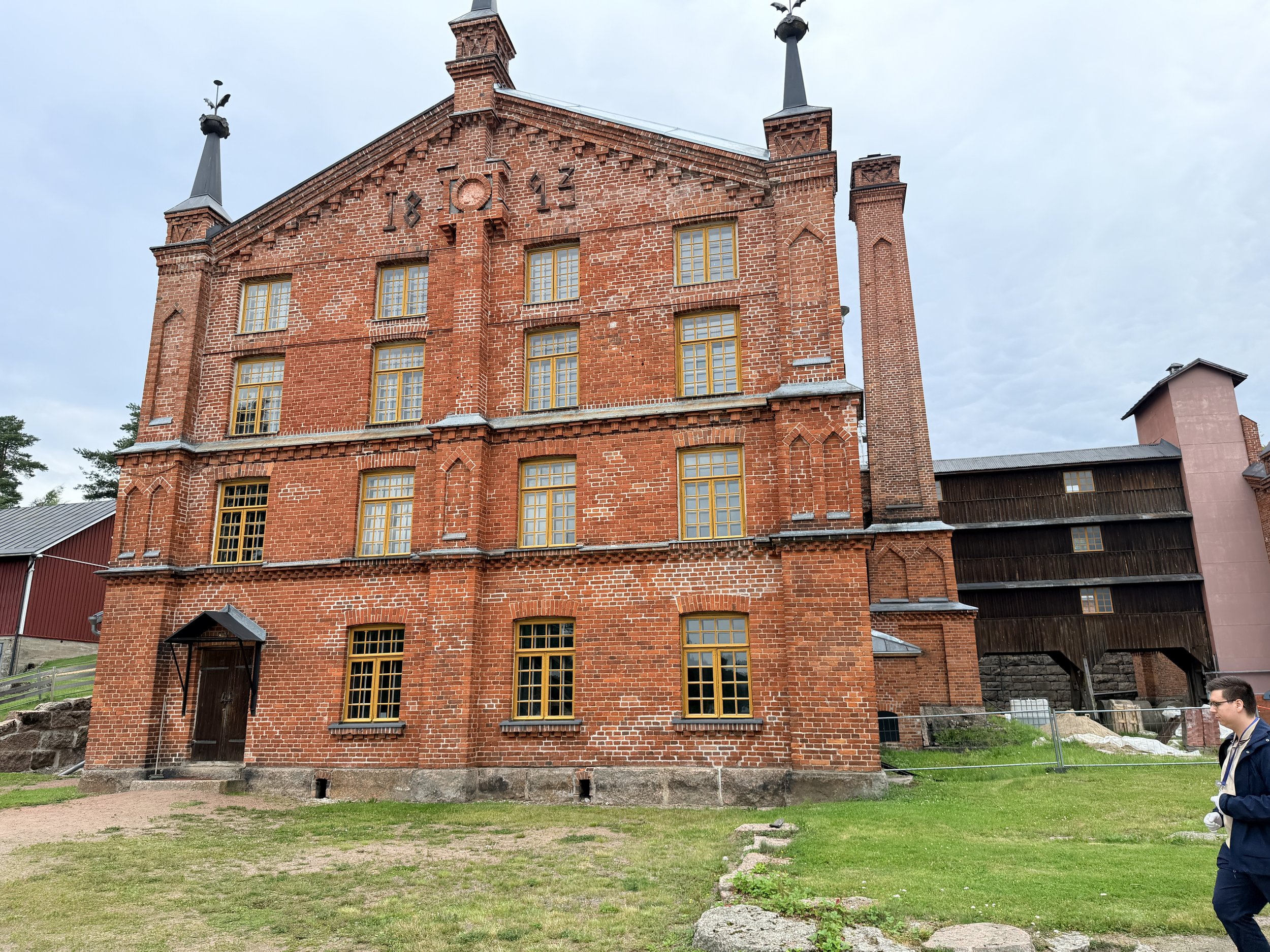
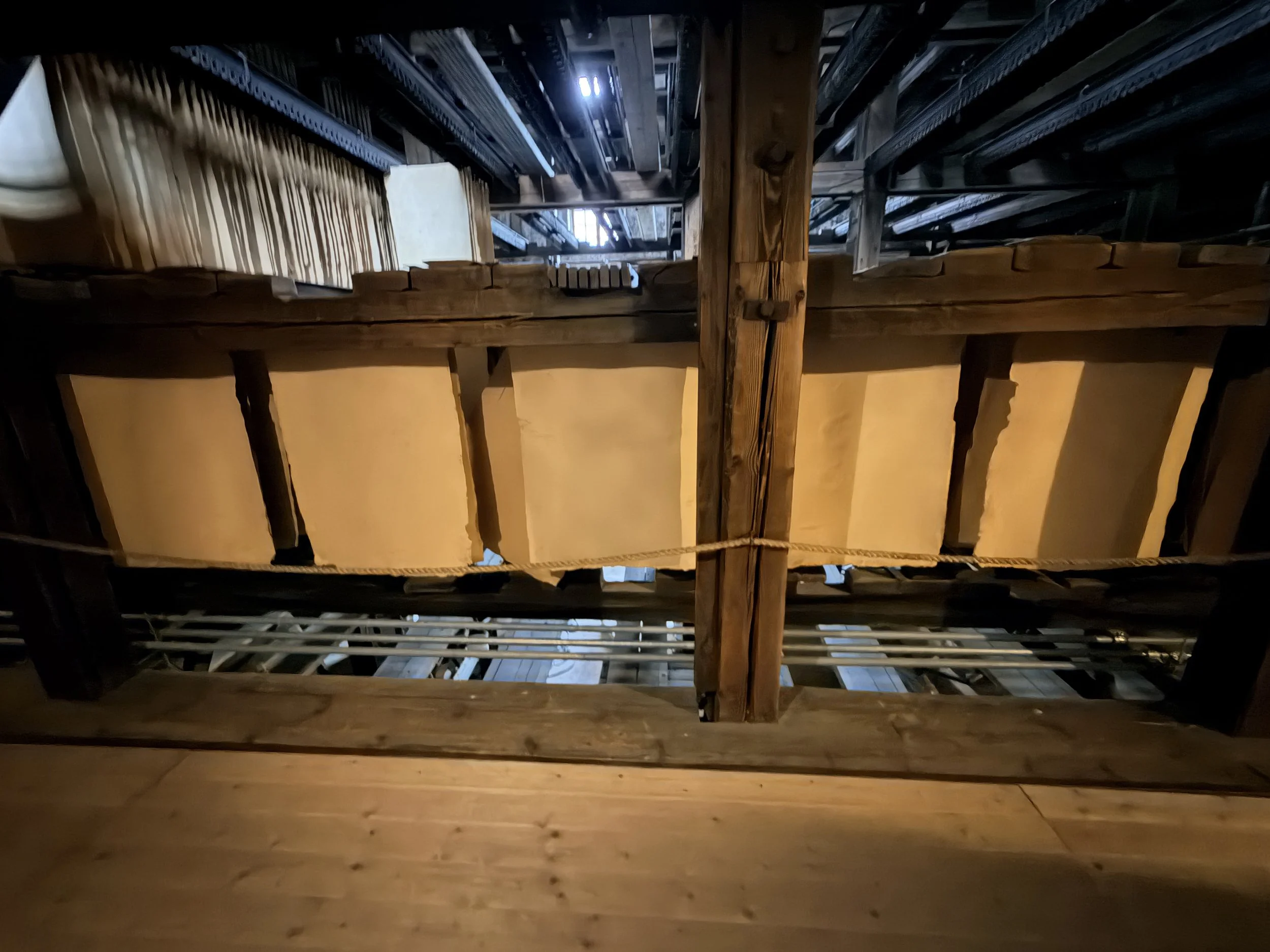
In the afternoon, we drove to Verla to join a guided tour of the historic paper mill. The mill operated from 1872 until 1964 and is now a UNESCO World Heritage Site. Remarkably well preserved, it offered an excellent glimpse into Finland's early industrial history and the lives of the people who worked there. The guided tour was both informative and engaging, making the detour well worthwhile.
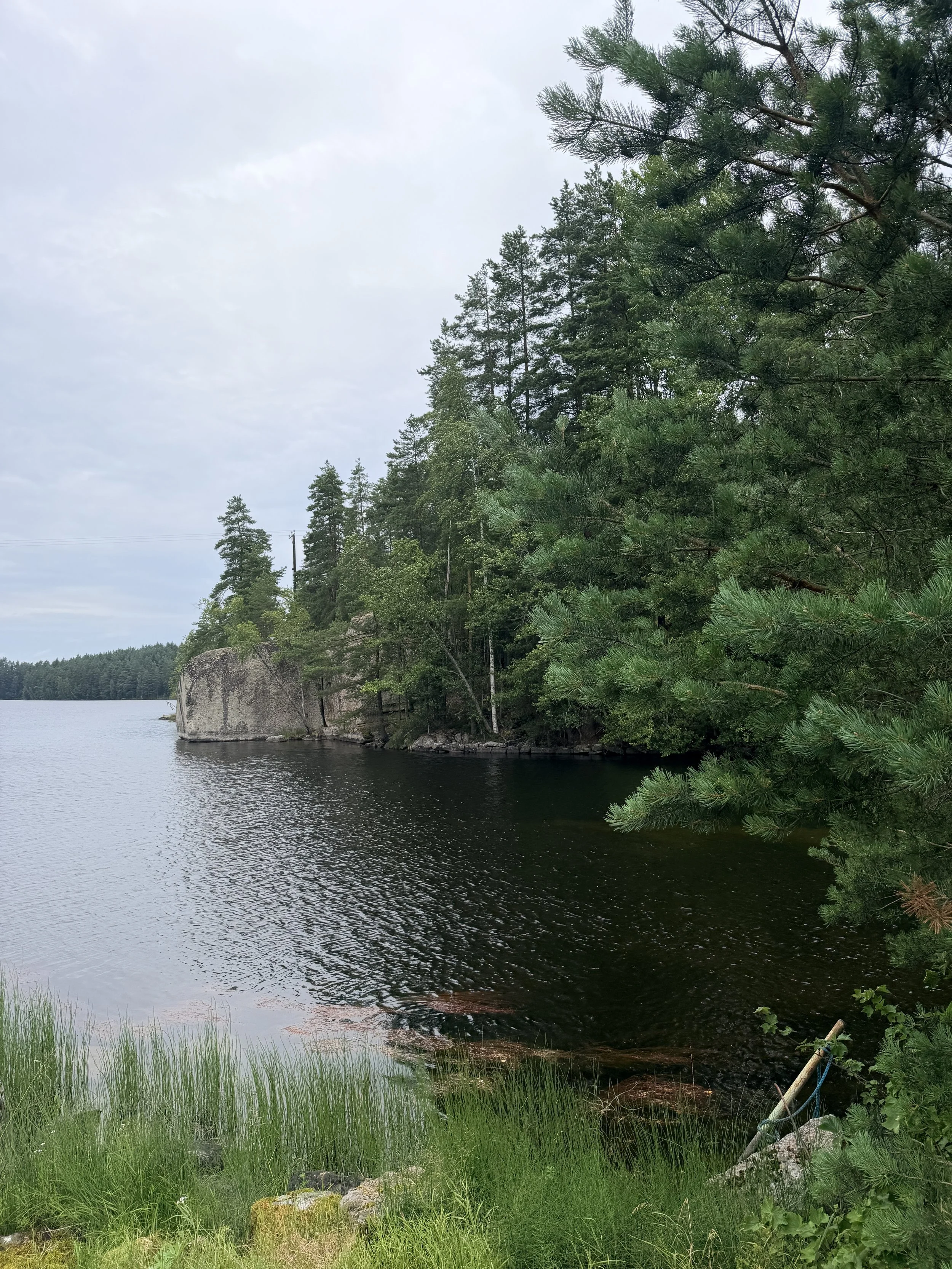
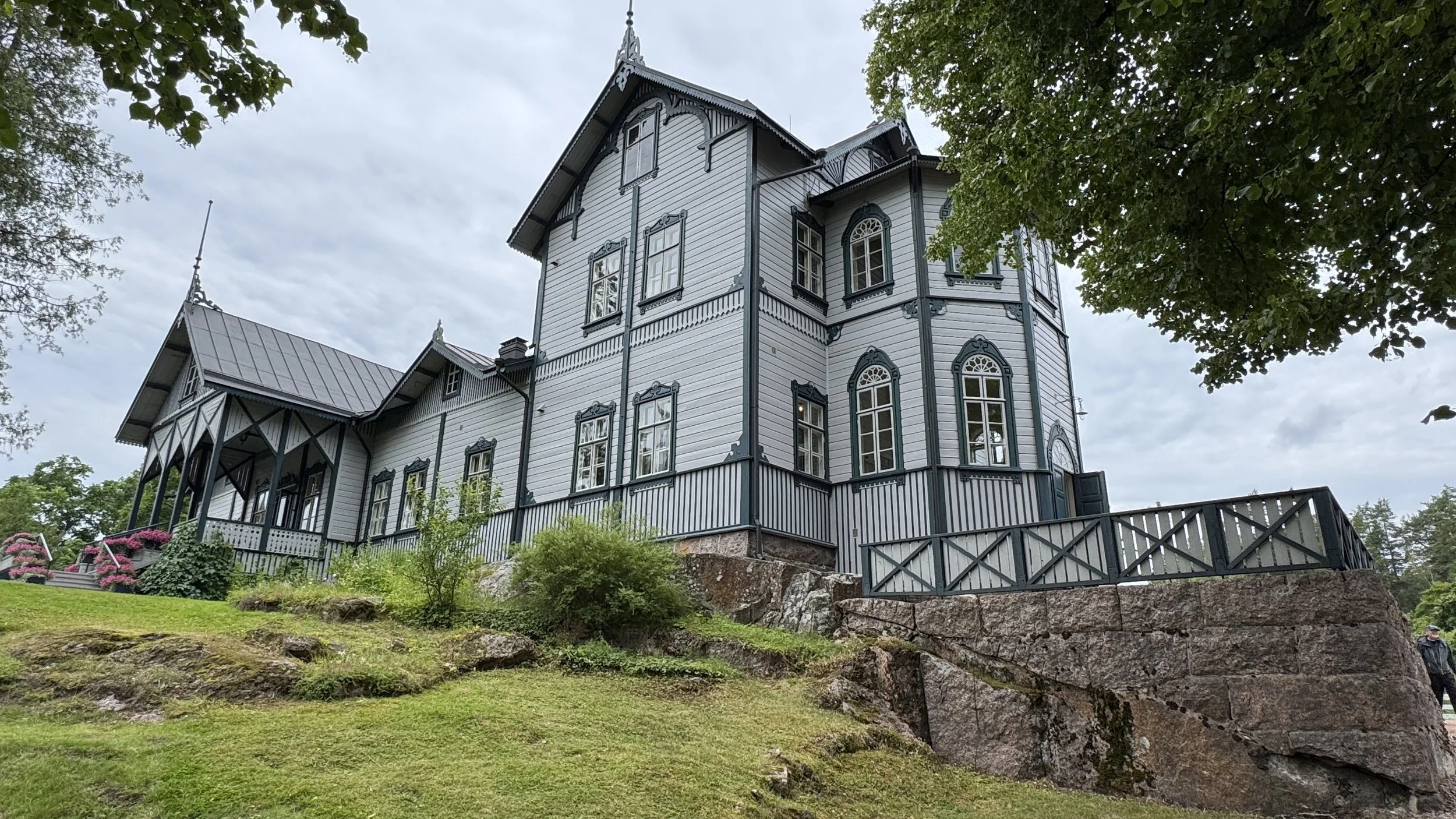
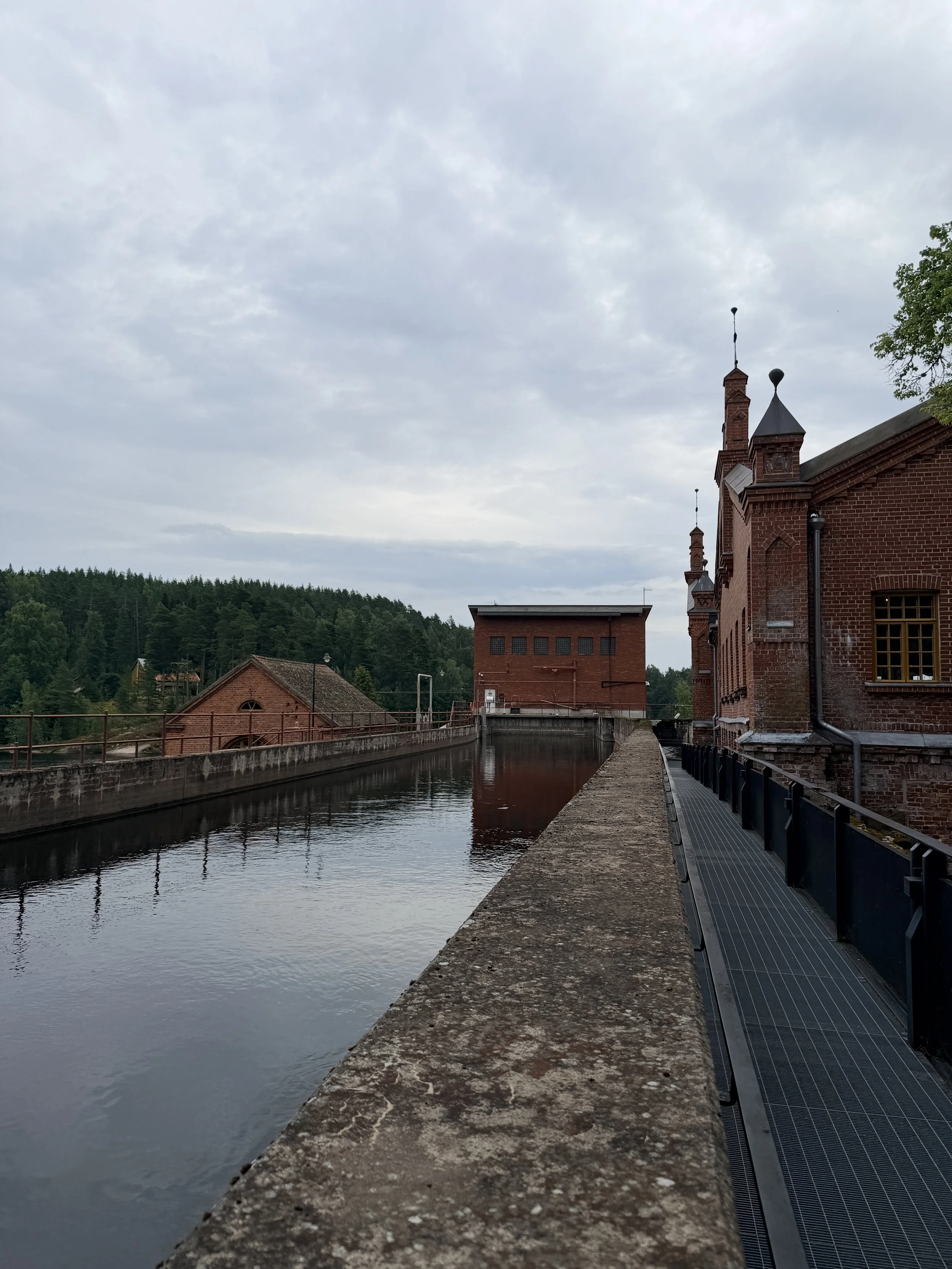
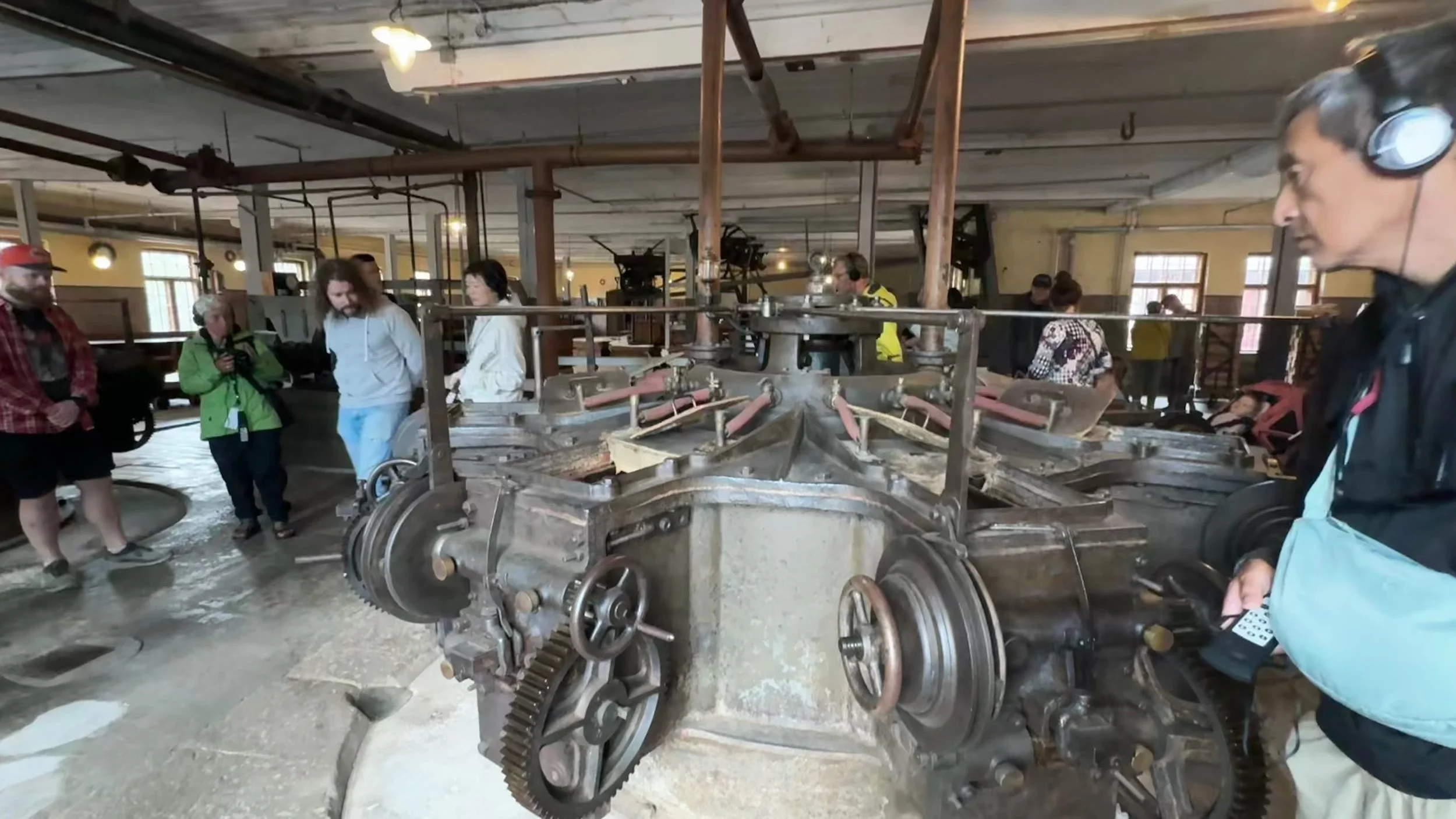
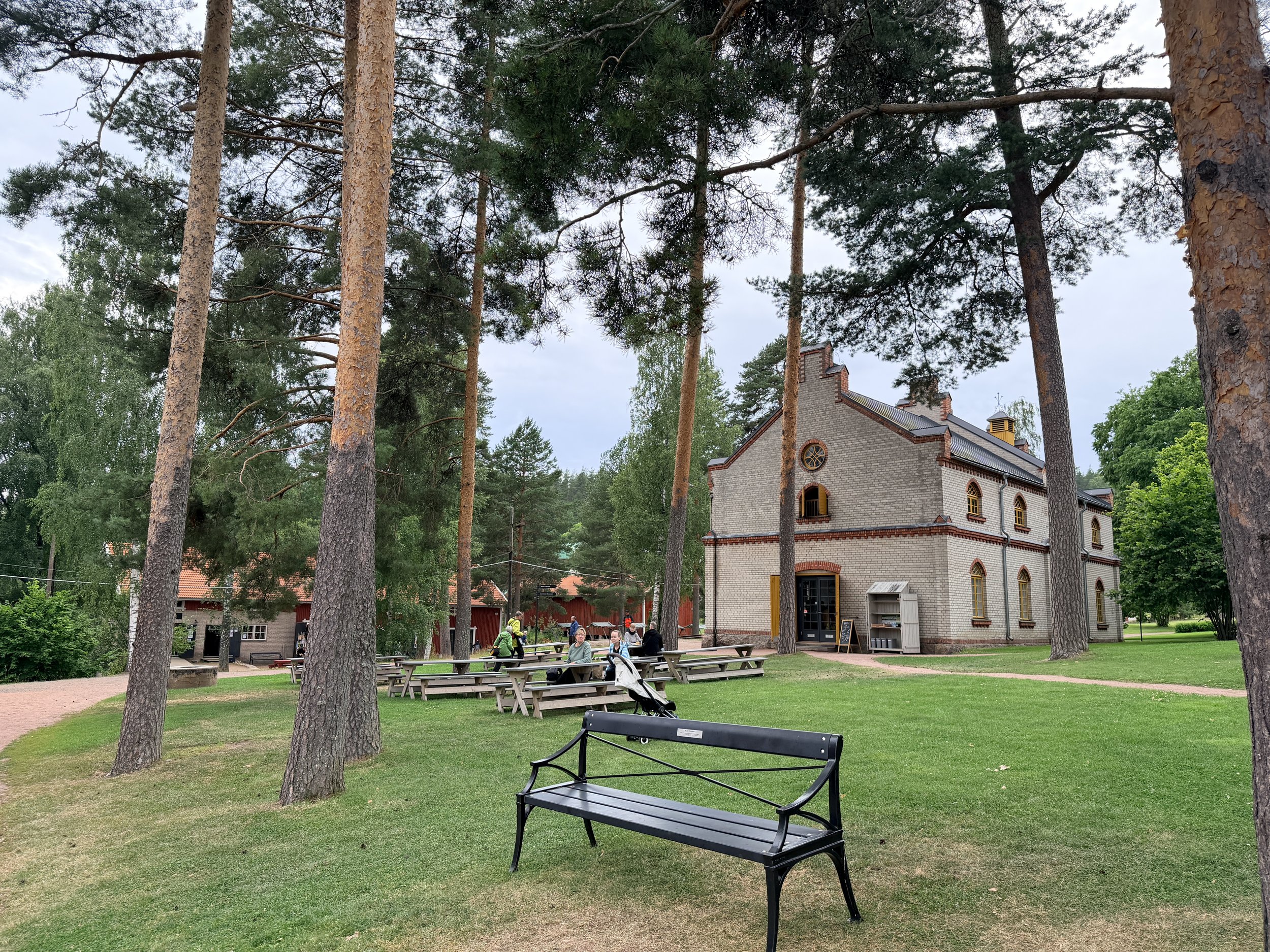
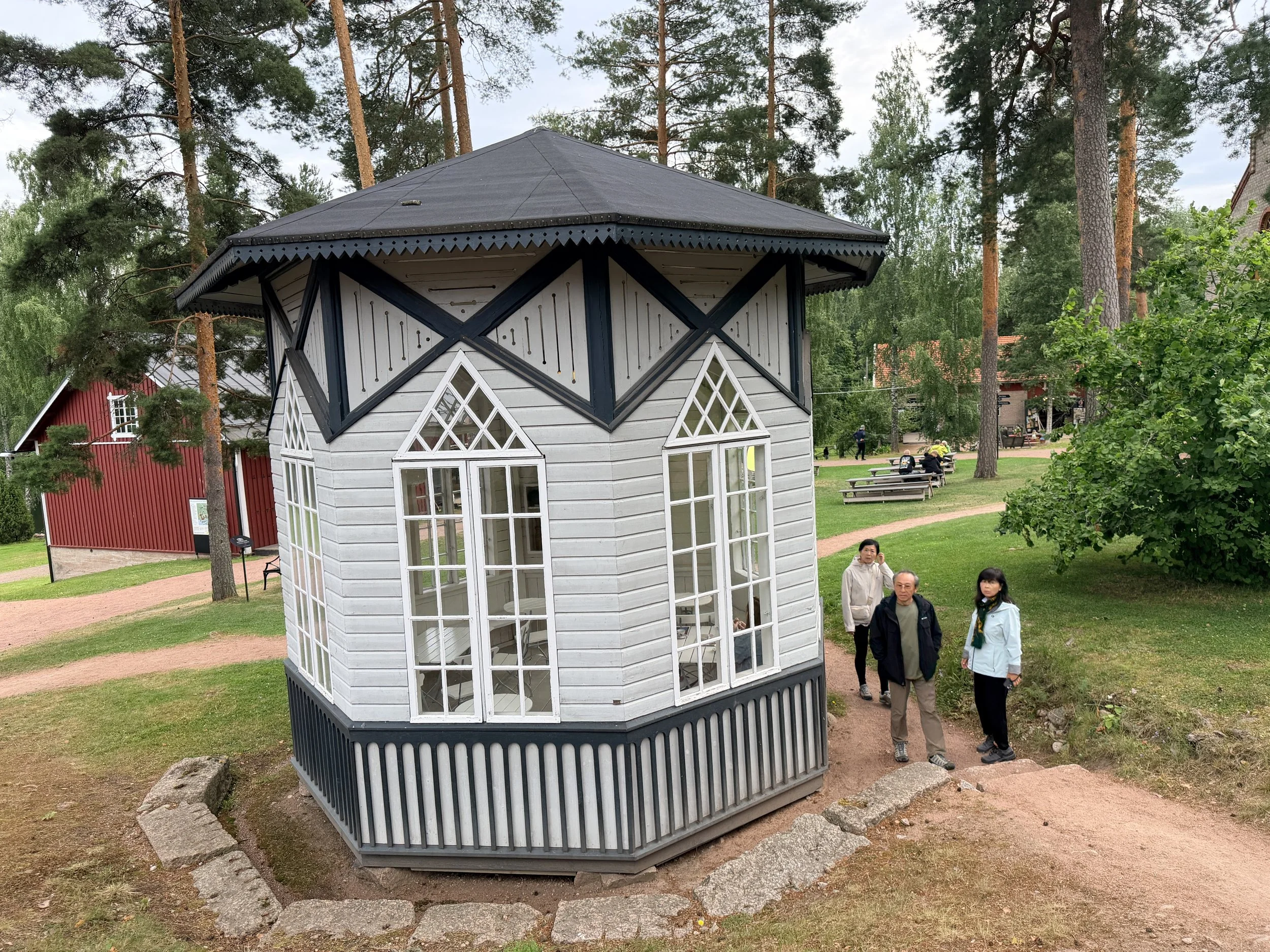
Looking back, it struck us that both stops celebrated preservation in very different ways. One protected the extraordinary vision of an unknown self-taught artist who devoted his life to creating a unique sculpture garden, while the other preserved an entire industrial complex that played an important role in Finland's development. Together, they reminded us that history is worth preserving, whether it is expressed through a single person's imagination or the collective efforts of generations of workers.
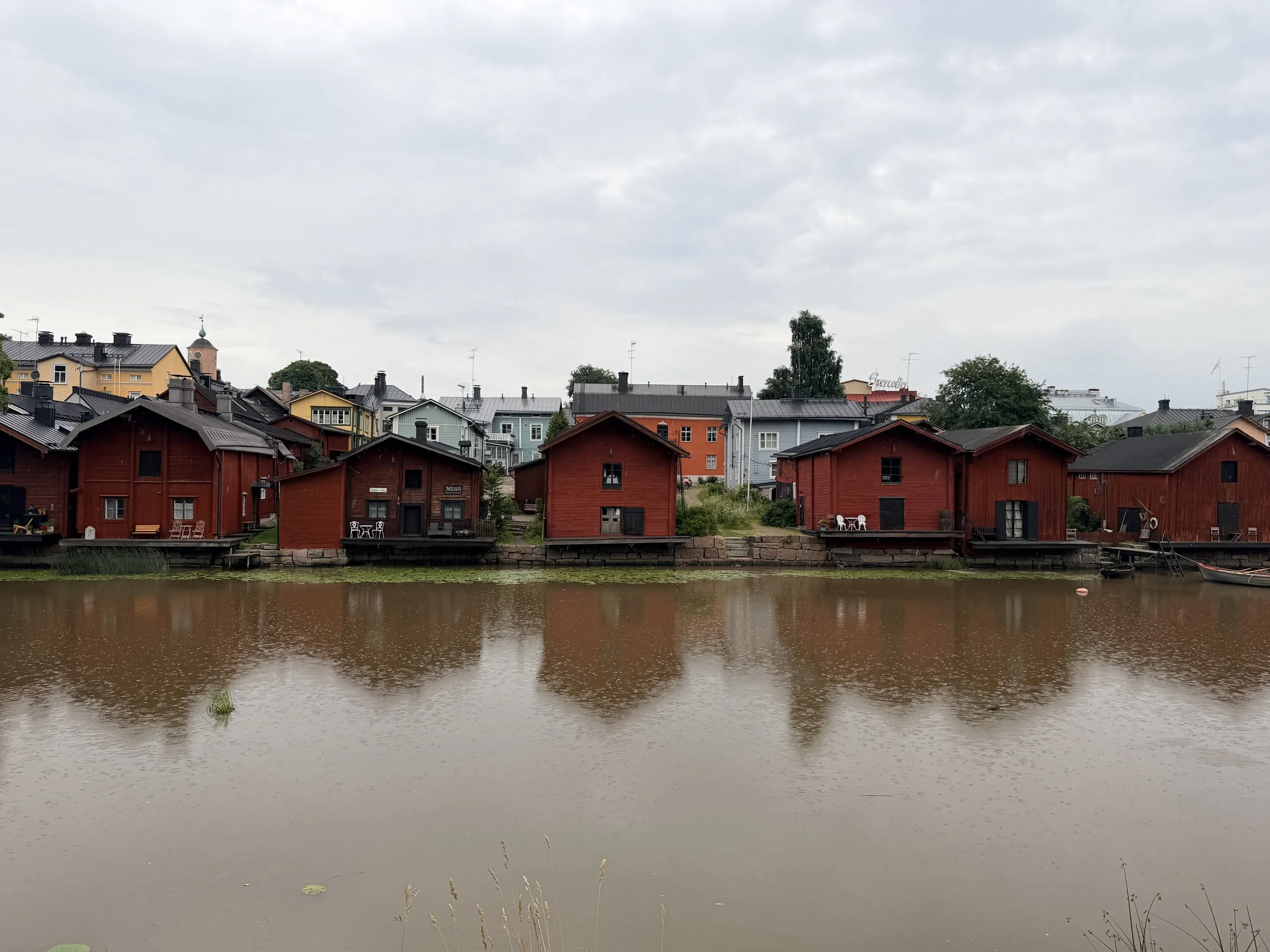
Before reaching Helsinki, we made one final stop in the charming old town of Porvoo to admire its iconic red riverside warehouses. We ended the day with dinner at a Korean restaurant run by a family from Shanghai.
2026年7月26日
今天我们前往芬兰首都赫尔辛基。途中,我们首先来到距离俄罗斯边境仅几公里的帕里卡拉雕塑公园(Parikkala Sculpture Park)。
这座雕塑公园是芬兰民间艺术家维约·伦科宁(Veijo Rönkkönen)毕生的心血。他白天在附近的一家造纸厂全职工作,利用业余时间默默创作了近50年,完成了五百多座混凝土雕塑。作品以练瑜伽的人物、舞者、儿童以及日常生活场景为主题,营造出一种既引人入胜又略带诡异的氛围。公园最著名的是“瑜伽花园”,约250座雕塑呈现出各种不同的瑜伽姿势,其中许多都是他的自画像。尽管园内小池静谧,鲜花盛开,景色优美,但这些雕塑却给人一种怪异而不安的感觉。更令人惊讶的是,他还在许多雕塑中镶嵌了真正的人牙,这些牙齿都是向朋友和当地居民收集而来的。这里被公认为世界上最具代表性的民间艺术(Outsider Art)作品之一。
继续前行不久,我们特地在路边停下,拍摄芬兰一侧距离俄罗斯边境约3公里的绿色边境围栏。虽然看不到俄罗斯境内的景象,但能够如此接近边境,仍然令人觉得十分特别。
中午,我们在伊马特拉(Imatra)享用了中餐,味道出乎意料地不错。到了旅程后半段,只要有机会,我们都会优先选择中餐或其他亚洲料理。
下午,我们来到维尔拉(Verla),参加历史造纸厂的导览。这座造纸厂建于1872年,运营至1964年,如今已被列入联合国教科文组织世界遗产。厂区保存得极为完整,让我们得以一窥芬兰早期工业发展的面貌,以及当年工人的工作与生活环境。导览内容丰富,也让这段绕道之旅变得格外值得。
回想这一天,我们发现这两个景点虽然性质截然不同,却有着共同的意义。一个保存了一位默默无闻的民间艺术家毕生的创作,另一个完整保留了一座见证芬兰工业发展的百年造纸厂。它们让我们体会到,值得被珍藏的不只是宏伟的历史事件,也包括个人的梦想、创造力,以及无数普通人共同创造的历史。
抵达赫尔辛基前,我们最后在古城波尔沃(Porvoo)停留,欣赏了沿河一排排标志性的红色木仓库。没想到想在那里找家饭店吃晚餐居然很不容易,大部分饭店晚上8点关门,并且7点就不接客了。最后在一家由上海人经营的韩式餐厅才吃上了饭。这与我们印象中的欧洲国家区别太大了。在意大利,晚上7,8点晚餐才刚开始。
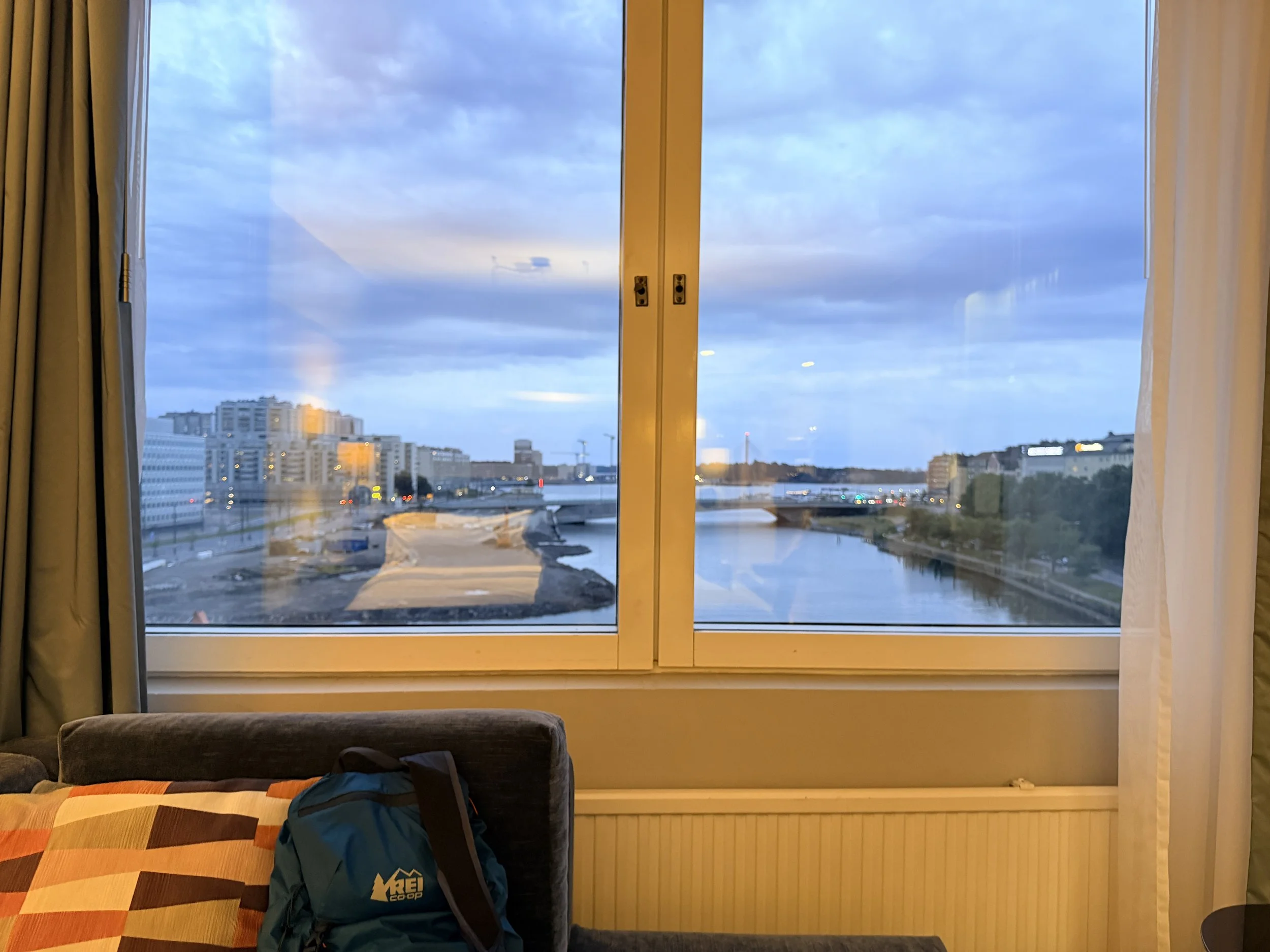
一整天走走停停看看,终于来到赫尔辛基。