Fly Home返程回家
May 6, 2026
This morning, we walked downhill into the city center to look for a place to have breakfast……
今天早上我们又再一次走到市中心寻找早餐店。。。
May 6, 2026
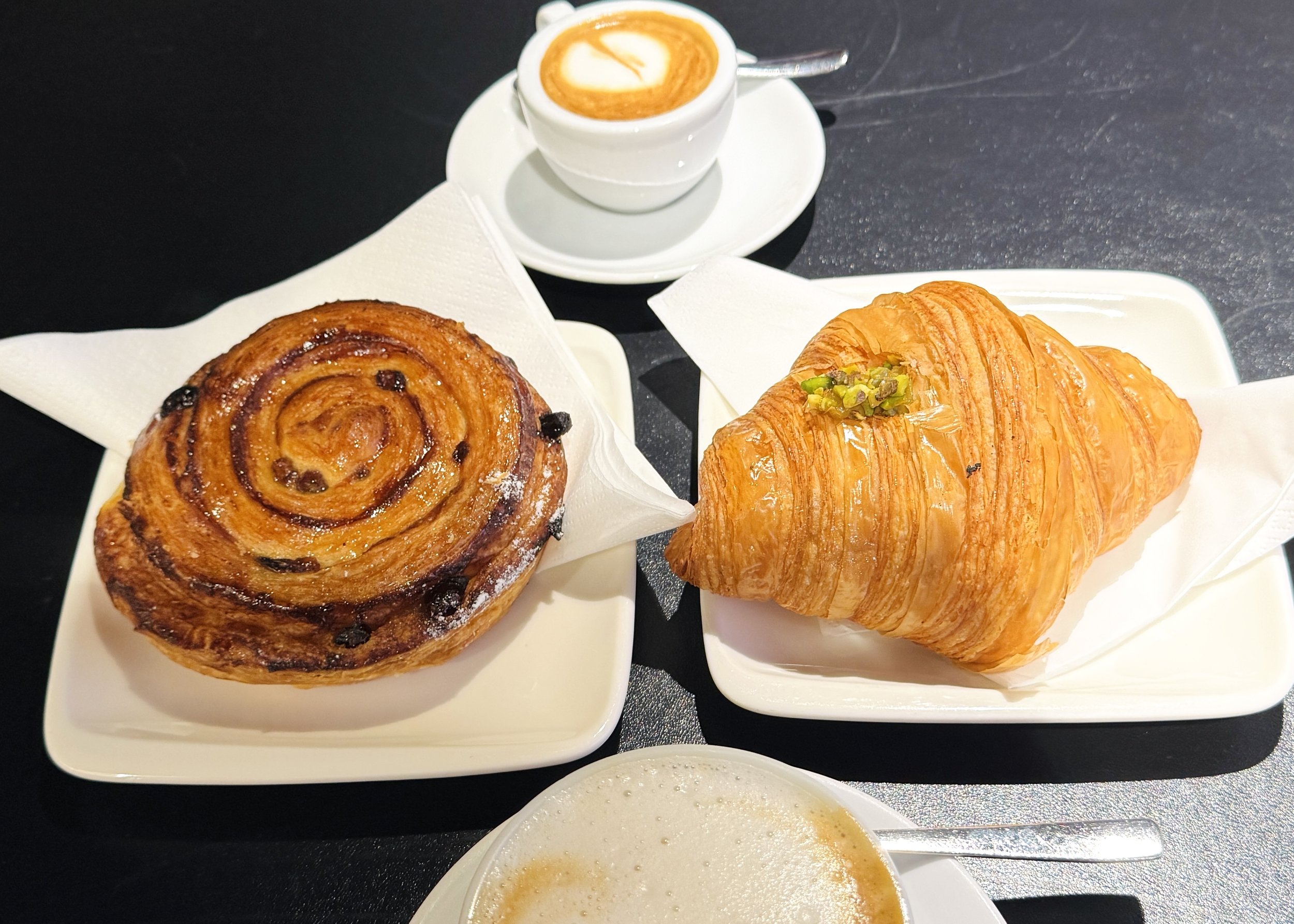
This morning, we walked downhill into the city center to look for a place to have breakfast. We found a small café and enjoyed a simple but pleasant breakfast — cappuccino and croissants. Afterward, we climbed the steep stairways back up to the hotel.
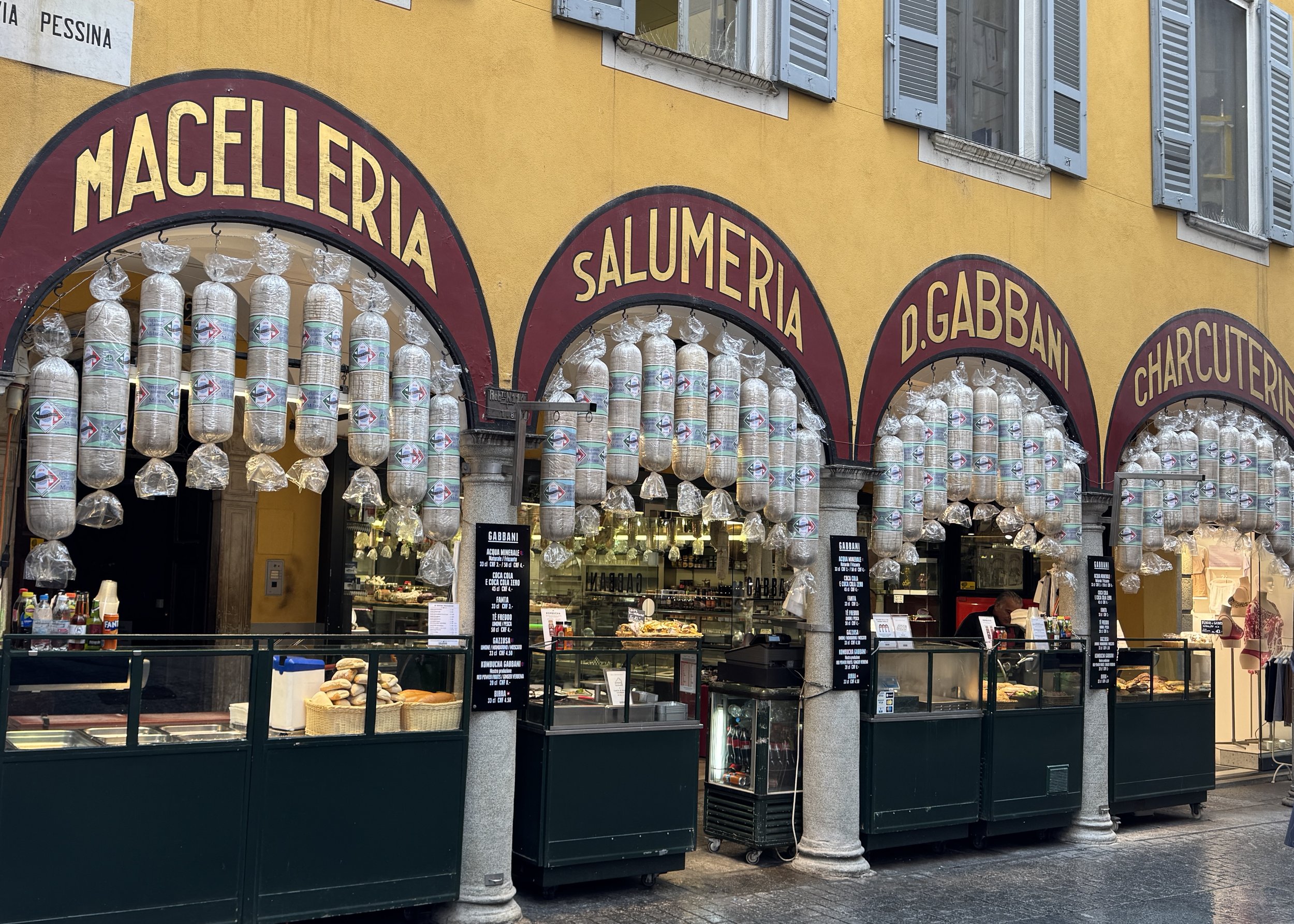
Later, we took a two-hour train ride to Zurich Airport and grabbed a small sandwich from the station for lunch. The hotel shuttle came to pick us up from the airport.
After five weeks of traveling in Europe, we realized we had grown somewhat tired of Western cuisine. For dinner, we initially thought instant noodles might be enough. We walked to a nearby supermarket, only to discover that a small cup of instant noodles cost nearly 4€. Spending 8€ on two small cups that would probably still leave us hungry suddenly felt unreasonable.
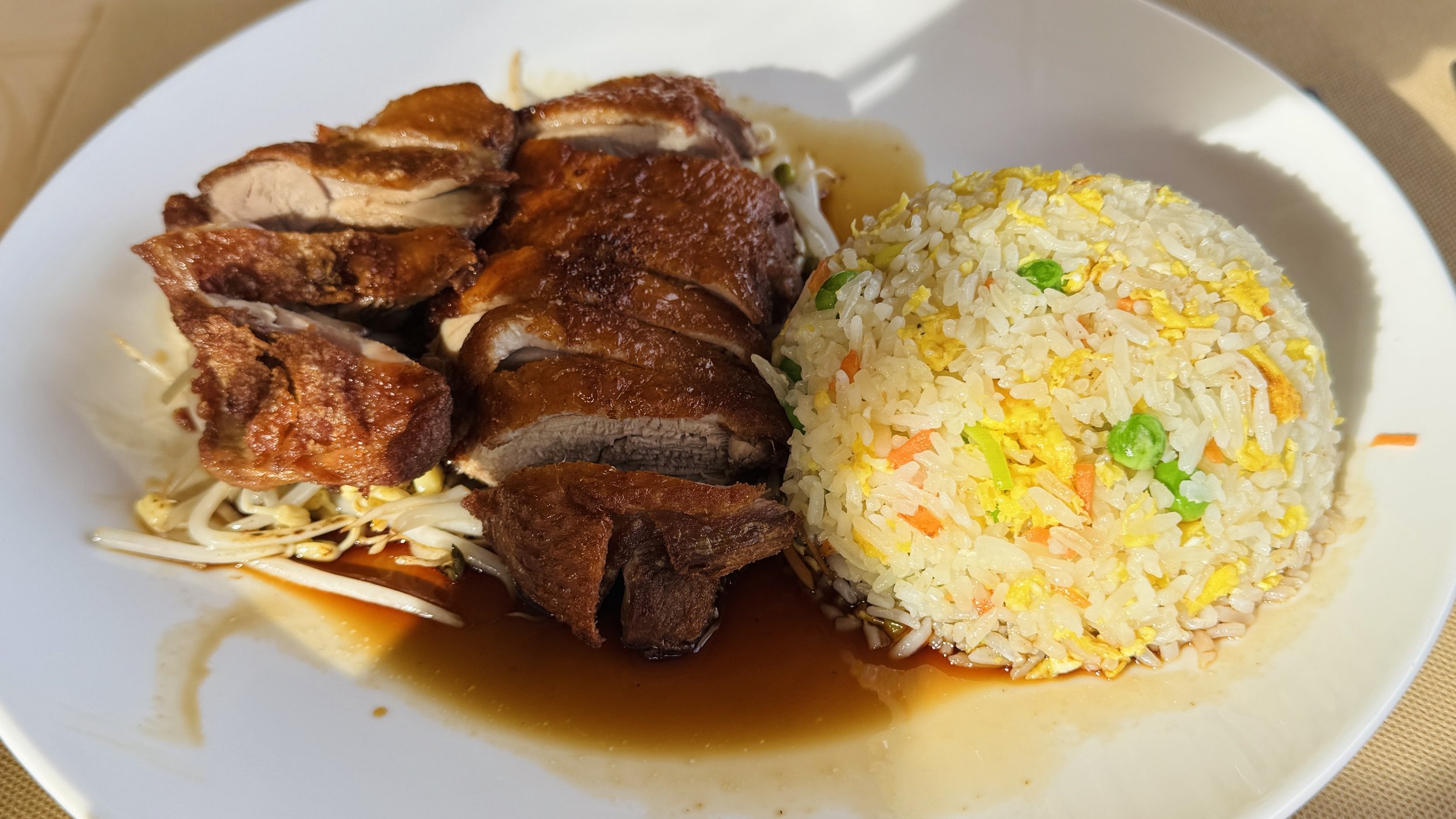
I had also been craving Chinese food for quite a while. Surprisingly, we had not eaten any Chinese food during this entire trip. So instead, we walked to a nearby Chinese restaurant. I ordered a duck dish for 23€ along with 3€ fried rice. The duck turned out to be excellent. Somehow, duck dishes in Europe always seem to be good, and it is also the only Chinese dish I tend to order while traveling in Europe.
The owner’s son chatted with us for a while and mentioned that since COVID, there had been far fewer Chinese tourists stopping by the restaurant.
May 7, 2026
Today we boarded a United Airlines flight home via Chicago.
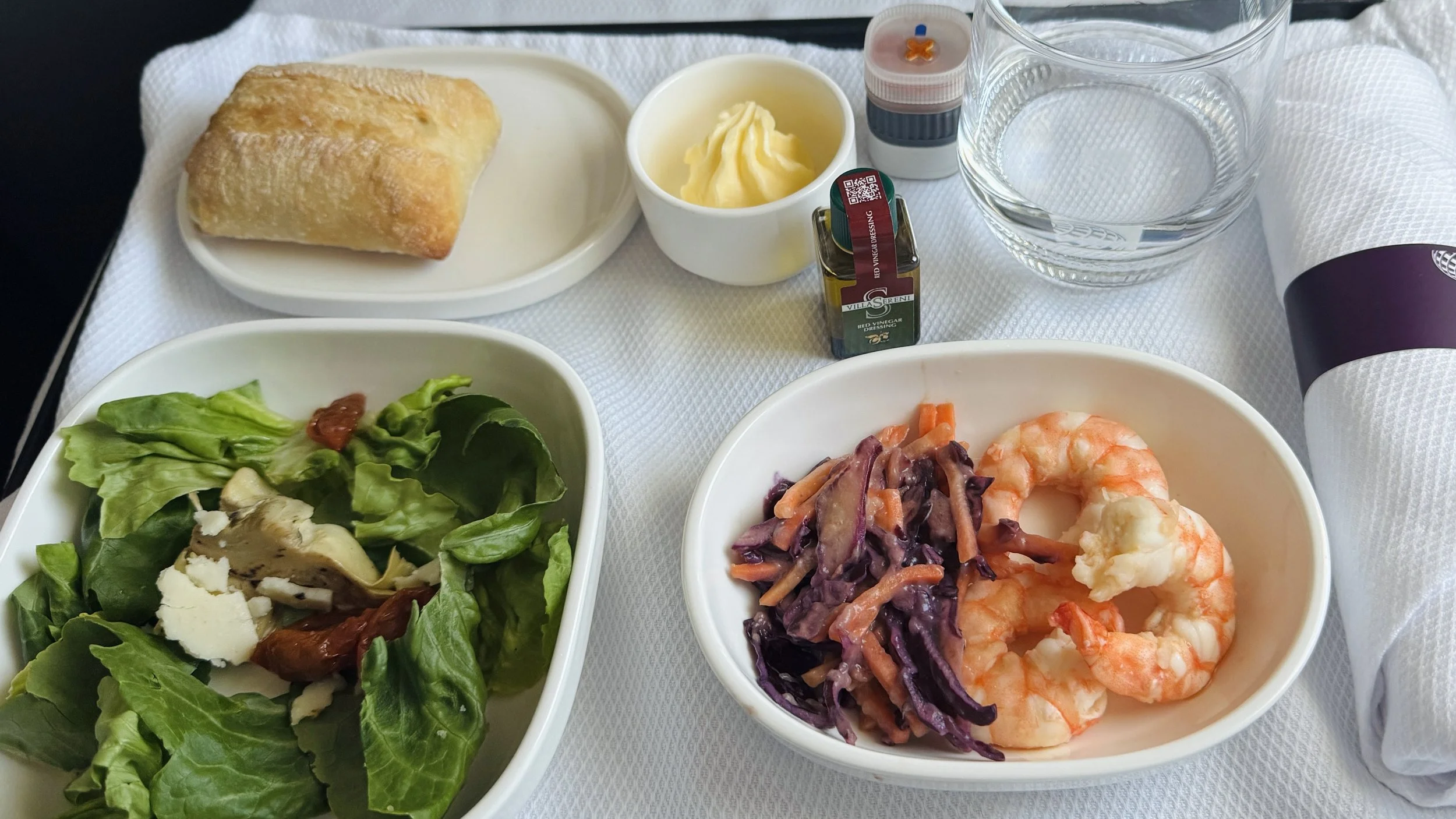
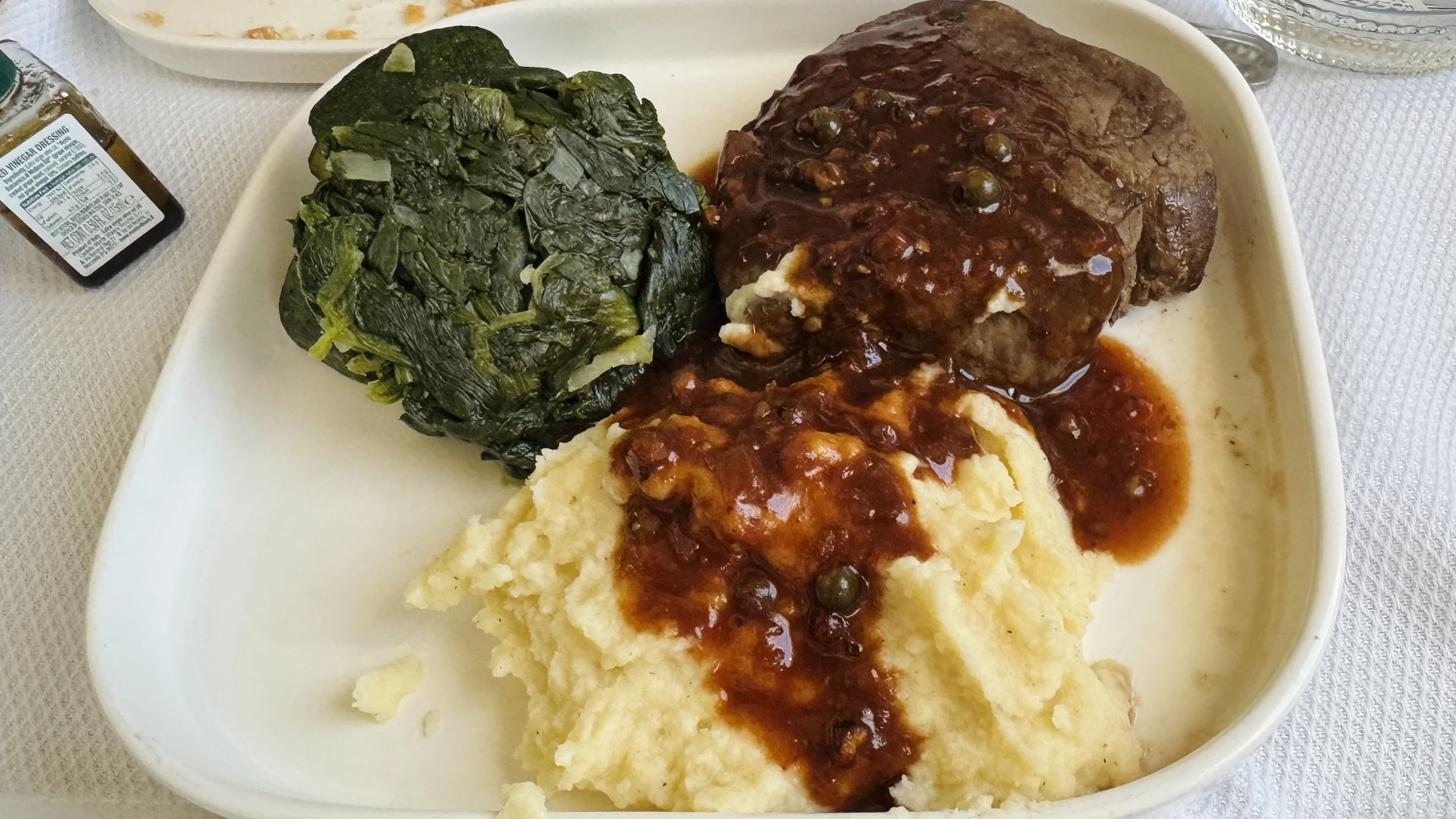
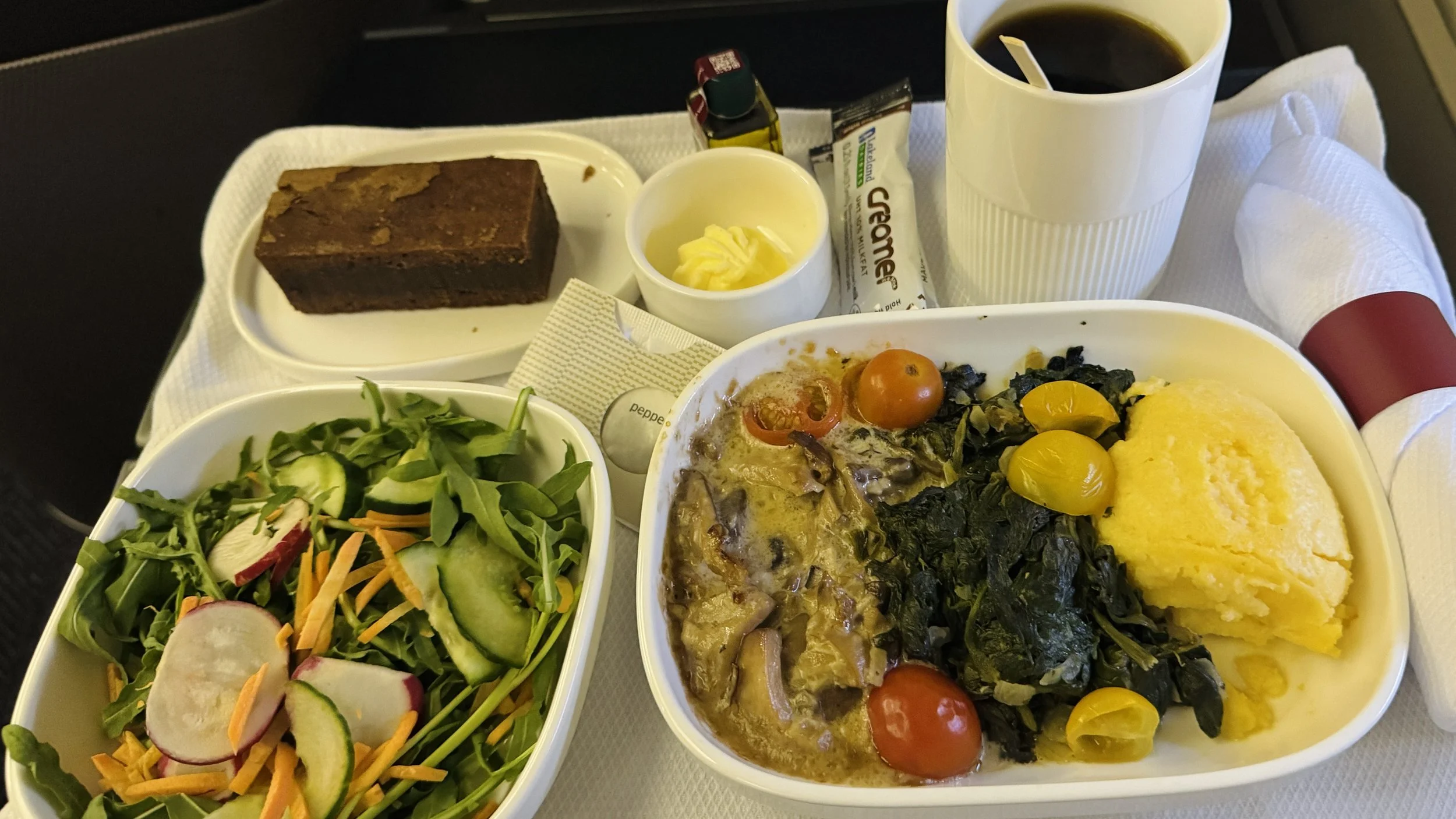
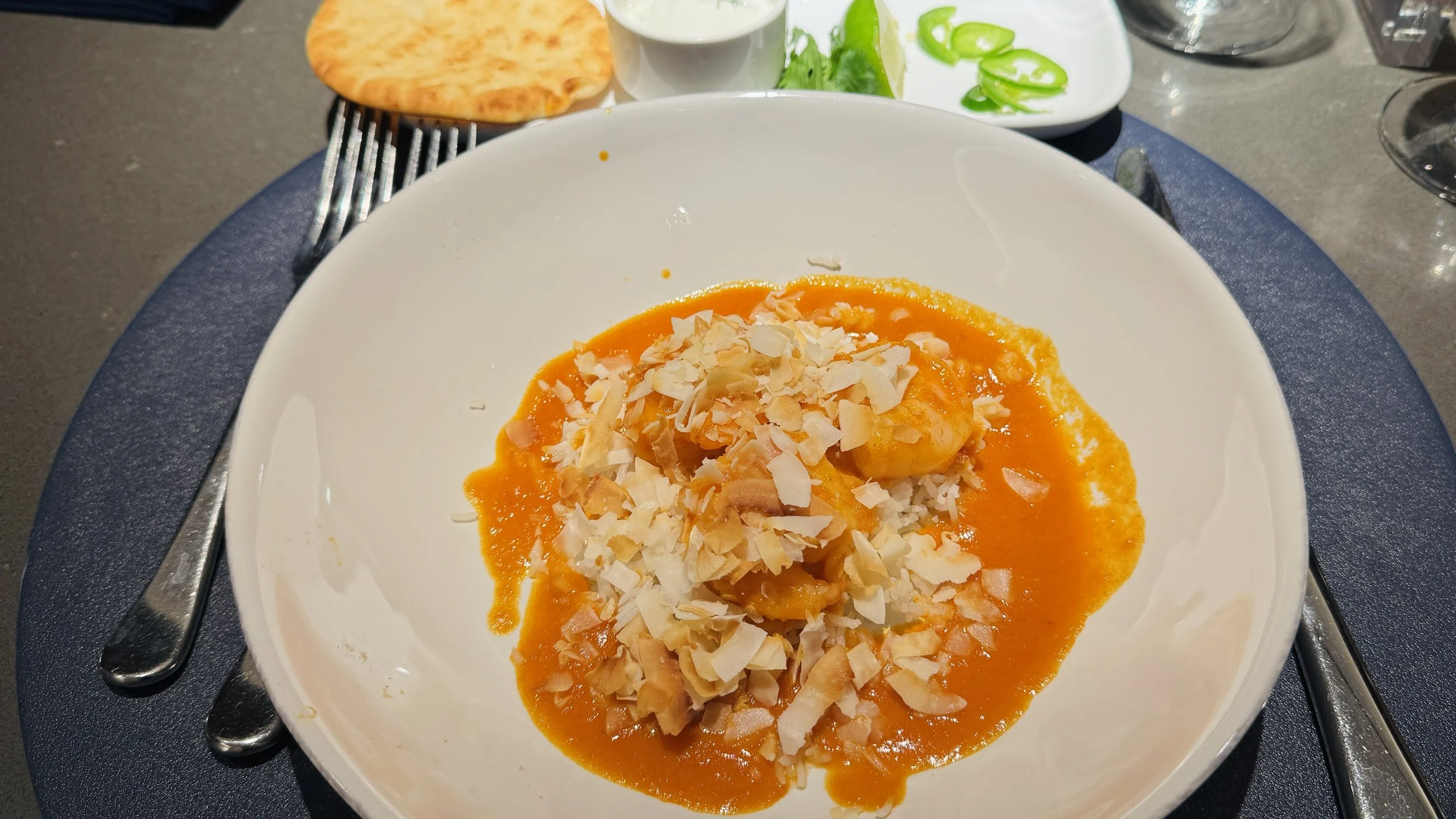
During this five-week trip, we visited seven countries using many different forms of transportation — planes, trains, buses, boats, and most of all, our own feet. We visited numerous mosques, cathedrals, and Orthodox churches, drank countless cups of coffee, and tasted many different Balkan and Mediterranean dishes.
Most importantly, however, we felt tremendous joy traveling together with family and friends. That was what truly made this journey memorable.
2026年5月6日
今天早上我们又再一次走到市中心寻找早餐店。开门的店不多,最后找到一家小咖啡馆,简单吃了份早餐——卡布奇诺配牛角包,虽然简单,却很满足。吃完后,我们又沿着陡峭的台阶一路走回酒店
在火车站买了二个小三明治准备在火车上当午餐,然后我们便搭乘火车前往苏黎世机场。二小时后我们来到苏黎世,酒店的接驳车将我们接到了机场附近的酒店。我们没有进城去苏黎世市中心,四年前来玩过。今天就在酒店休息。
在欧洲旅行了五周之后,我们似乎已经有些吃腻了西餐。晚饭时,我们原本想着吃完泡面可能就够了,于是特地走到附近超市去买。结果发现一小杯方便面居然要将近4瑞士法郎。花8瑞士法郎(10美元)买两小杯还吃不饱的泡面,实在有些不值得。
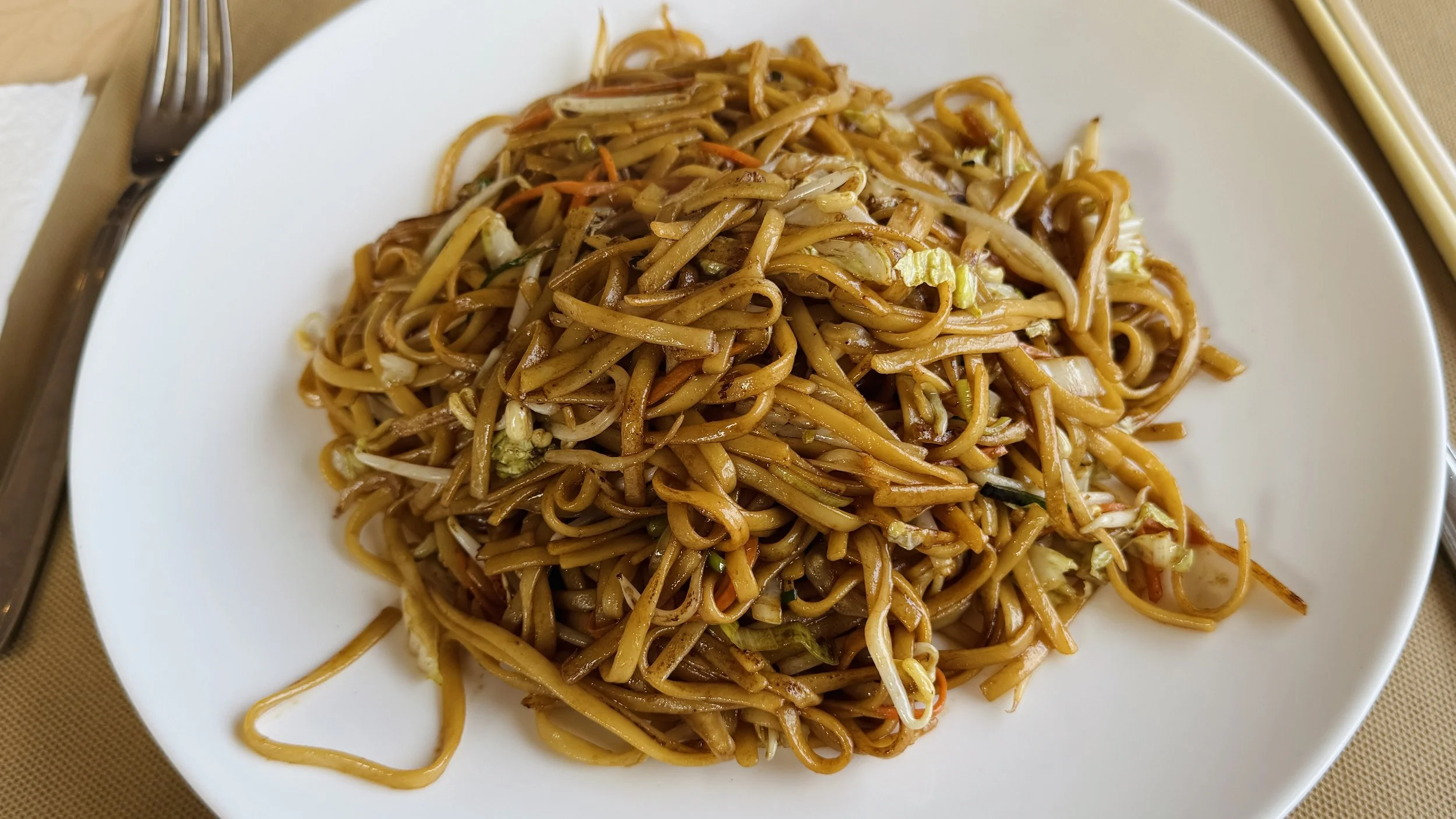
其实我已经想念中餐好一阵子了,而这一路上我们竟然一次中餐都没吃过。于是我们干脆走到附近一家中餐馆。我们点了一份23瑞士法郎的广式鸭肉饭,再加3法郎换成炒饭。另外还要了一份炒面。那道鸭肉非常好吃。不知道为什么,在欧洲中餐馆里的鸭肉菜都不错,而鸭子似乎也成了我在欧洲中餐馆里唯一会点的菜。
餐馆没其他客人,就我们俩。老板的儿子和我们聊了一会儿。他说自从疫情之后,来这里的中国游客少了很多。
2026年5月7日
今天,我们搭乘联合航空经由芝加哥转机返回家中。
在这五周的旅程里,我们一共走访了七个国家,使用了各种不同的交通方式——飞机、火车、巴士、轮船,包车,出租车,以及最多的:步行。我们参观了许多清真寺、大教堂和东正教教堂,喝了无数杯咖啡,也品尝了不少巴尔干与地中海地区的美食。
但最重要的,还是能够和家人朋友一起旅行所带来的快乐。这才是让这趟旅程真正难忘的原因。
Farewell to Albania 再见了,阿尔巴尼亚
May 5, 2026
As the saying goes, all good things must come to an end……
May 5, 2026
As the saying goes, all good things must come to an end. Today we finally began our journey back home.
During our travel planning, the stop in Tirana was repeatedly added to and removed from our itinerary. It is not a major tourist hotspot, nor does it boast famous UNESCO landmarks or social-media-famous attractions. Yet it remained one of those places we had long been curious about, partly because we knew a little about it growing up.
In the end, Albania became one of the most memorable parts of the journey. Experiencing a different culture, history, and level of economic development added another layer of diversity to our travels. Even simple things — like paying less than one euro for a cappuccino instead of the five to seven euros common elsewhere in Europe — made the experience feel refreshingly affordable and genuine.
Tirana itself felt like a low-key and relaxed city. The weather was pleasant, the people were friendly, and life seemed to move at a slower pace. It felt like the kind of place where we could happily spend more time simply immersing ourselves in a different environment — without rushing to check off attractions, but instead just relaxing and enjoying everyday life.
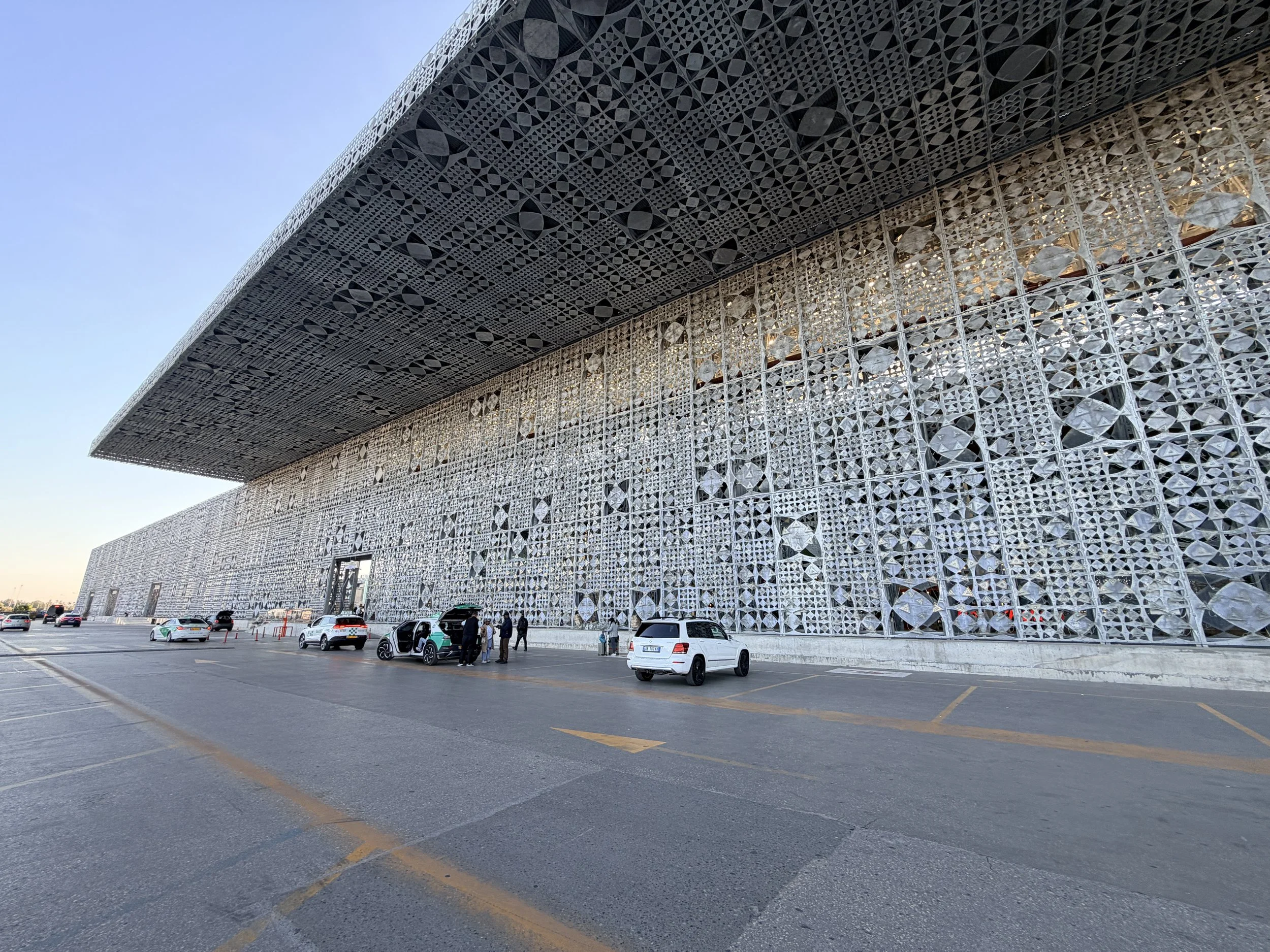
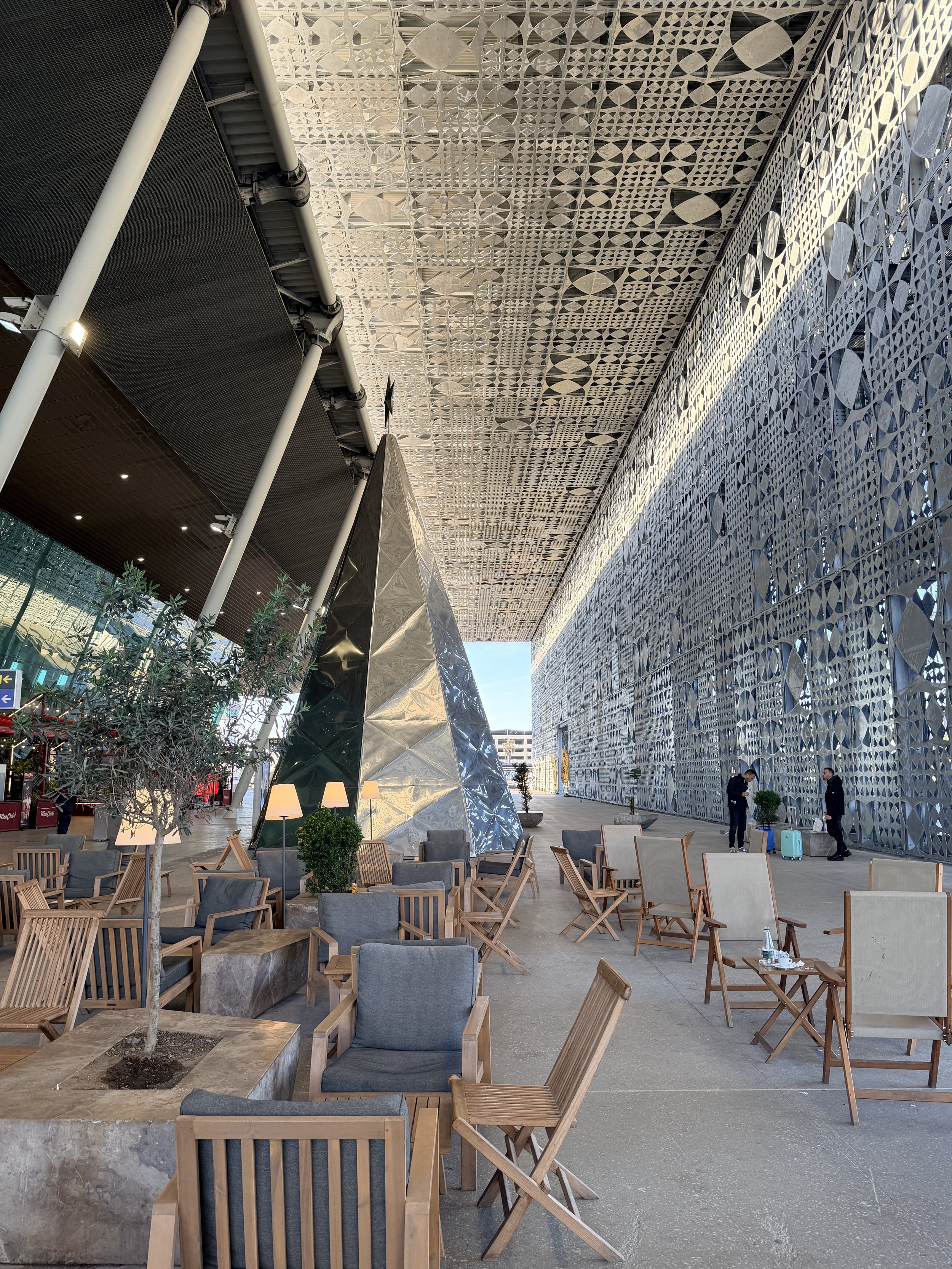
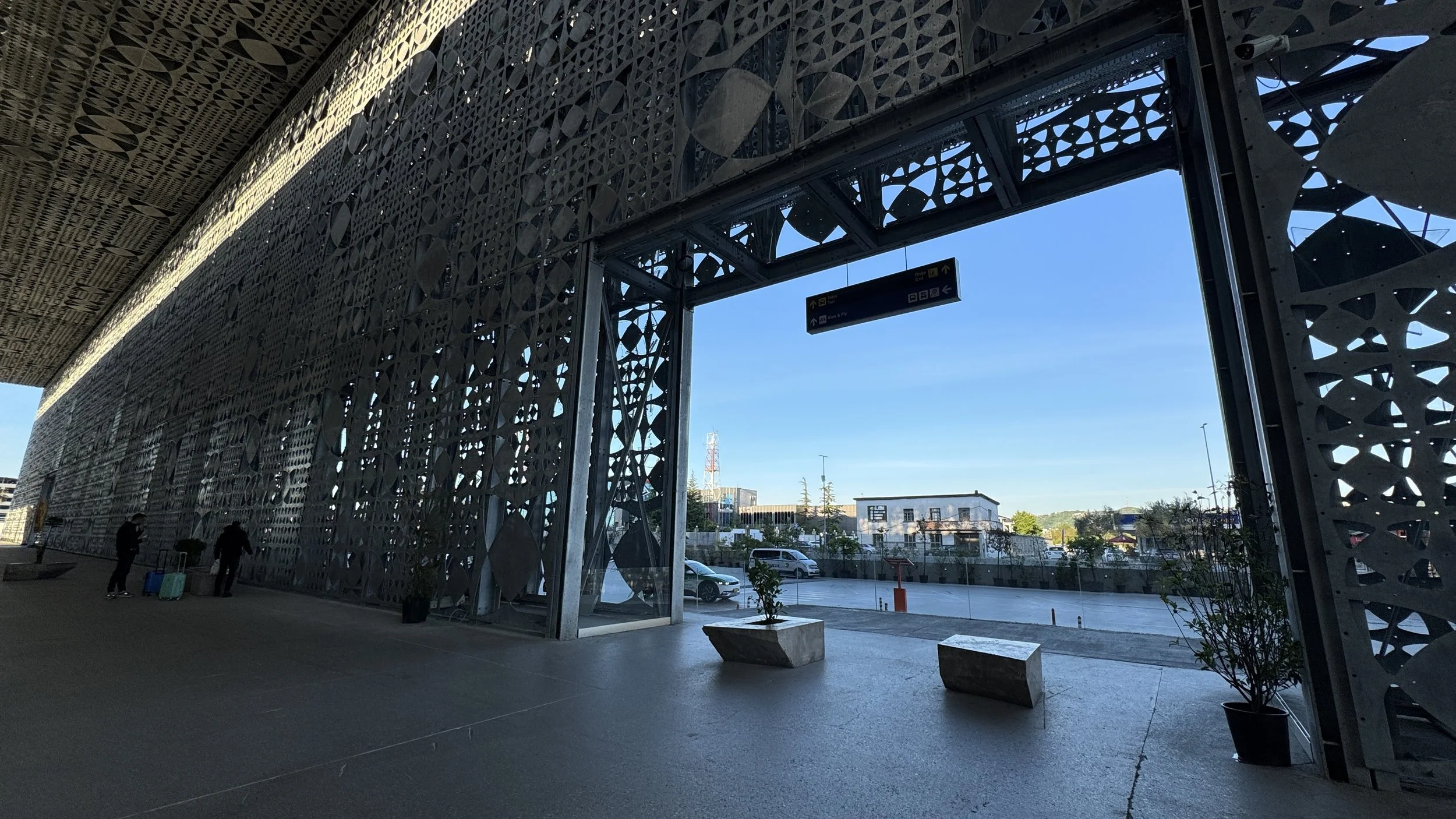
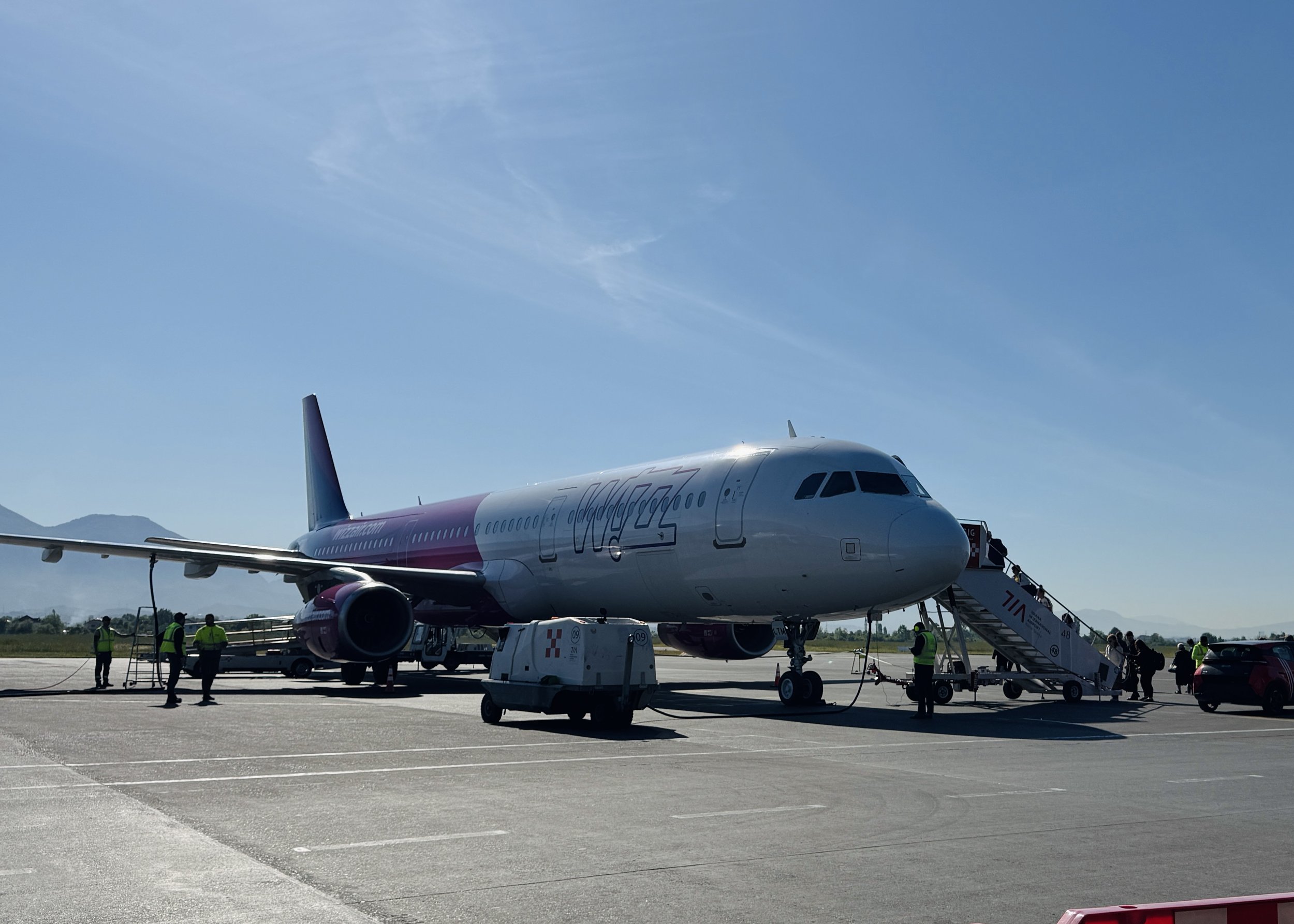
Early in the morning, a taxi arranged through the hotel took us to the airport. The airport was small and did not even have jet bridges, so passengers boarded a bus that carried us across the tarmac to the plane. We flew with Wizz Air from Tirana to Milan. Since Wizz is a budget airline, we had kept our expectations modest, but the flight was smooth and the service was perfectly satisfactory.
After arriving at Milan Malpensa Airport, we took the regional S50 train to Lugano. Our hotel was conveniently located just a few minutes’ walk from the station.
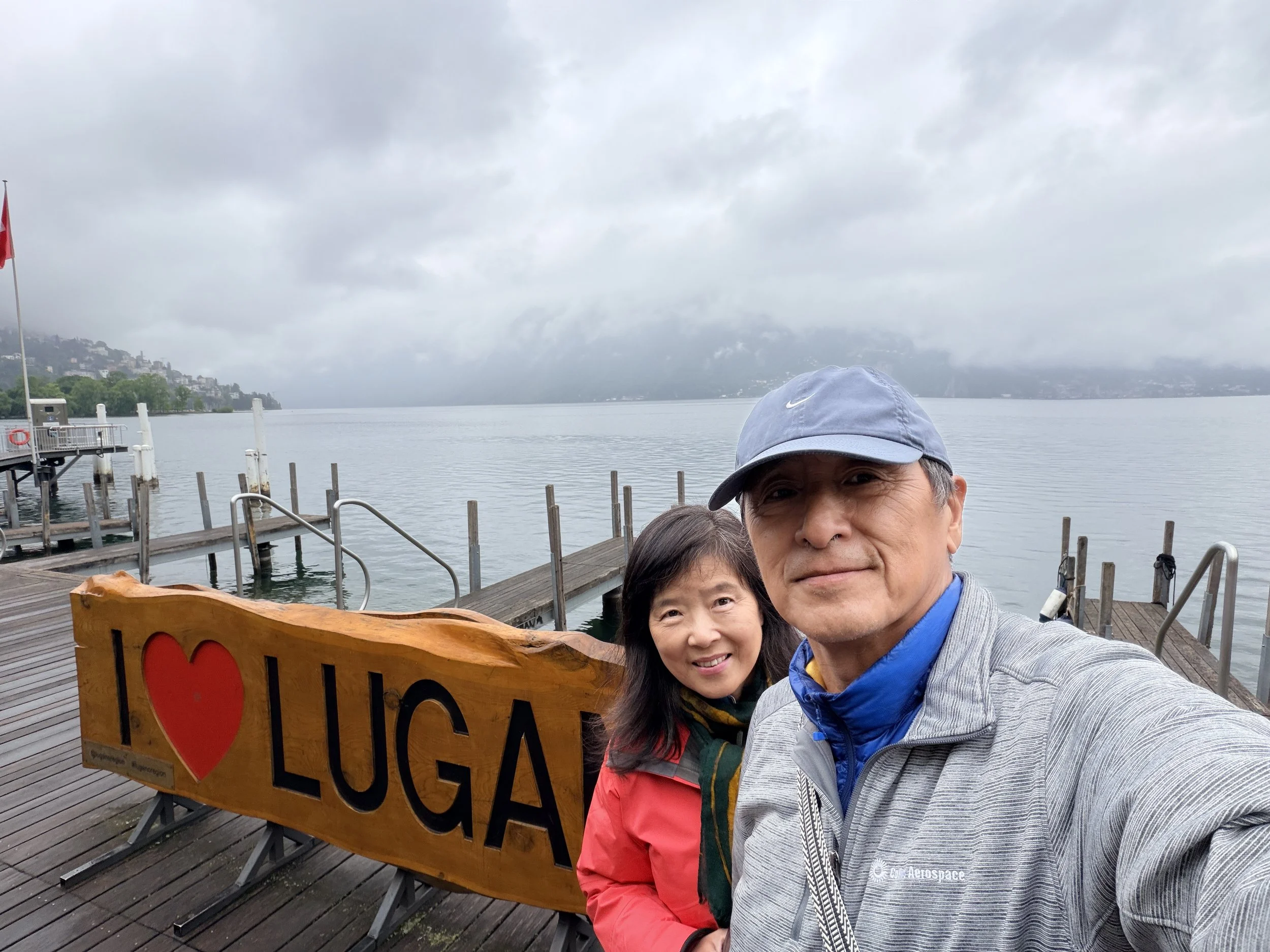
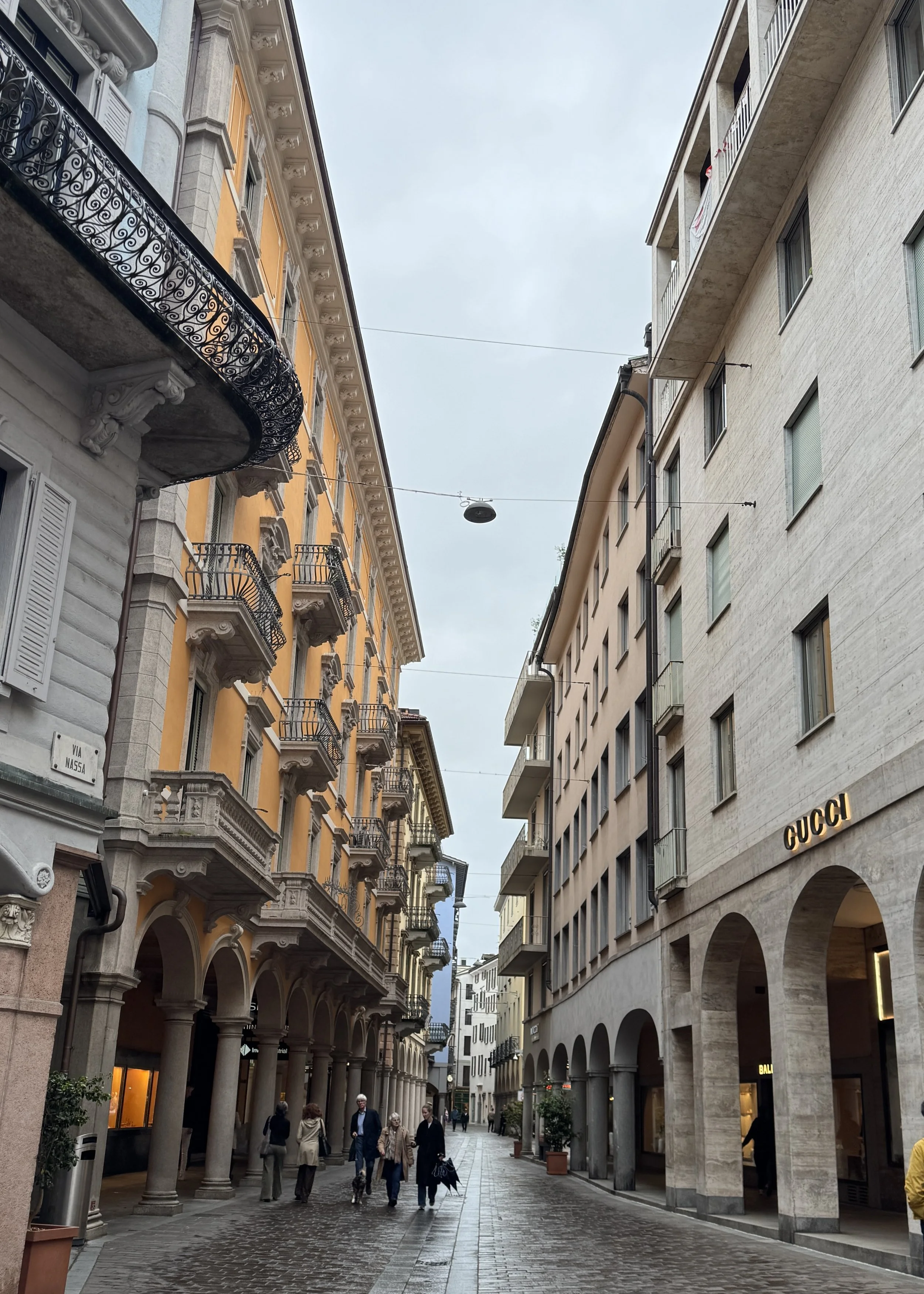
After checking in, we crossed the street to order Pad Thai takeaway for lunch. Later, we walked down into the city center to revisit Lugano. The last time we came here was four years ago, during a spell of intense summer heat that made sightseeing uncomfortable. This time, however, the weather had completely changed — rainy, cold, and quiet.
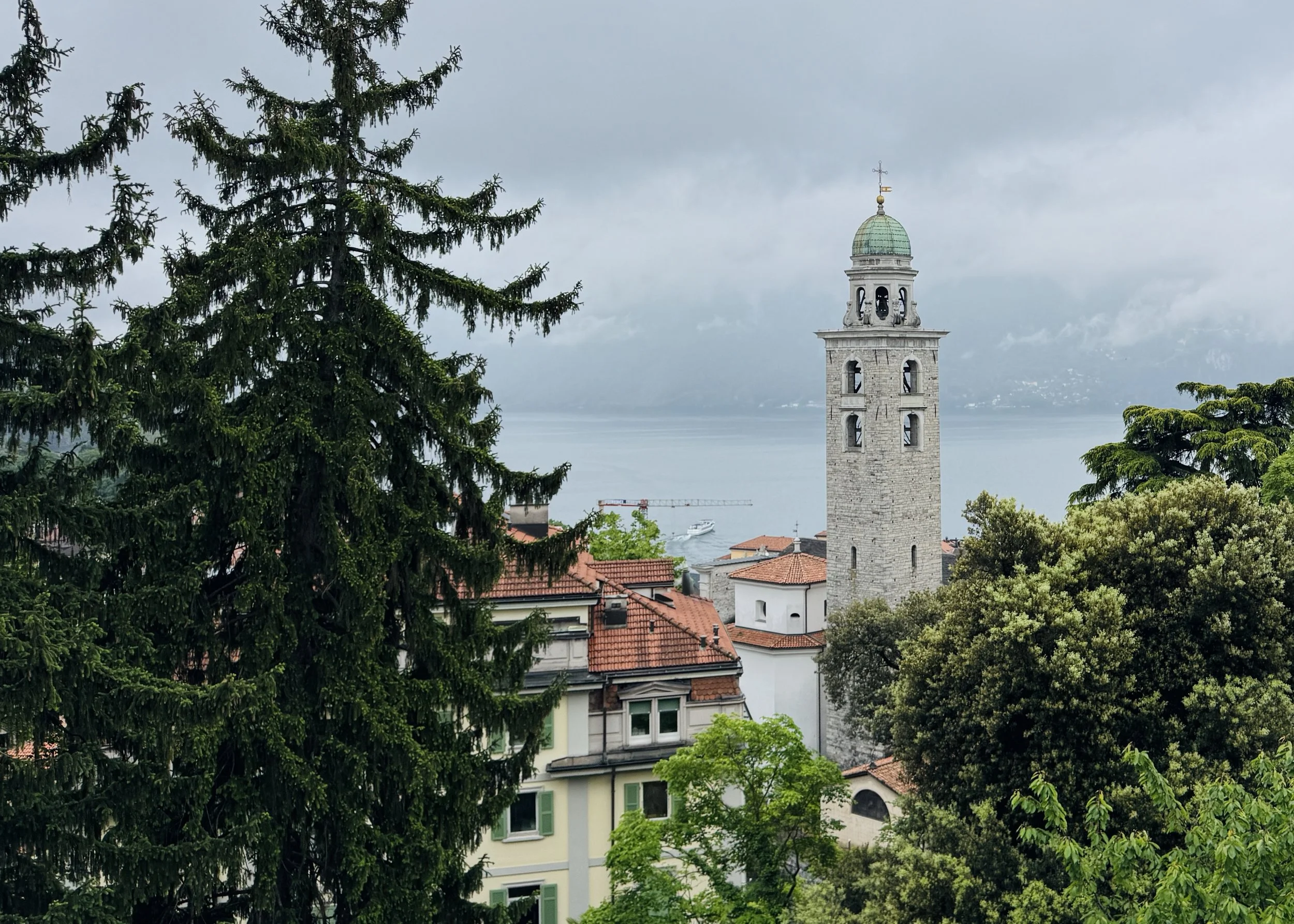
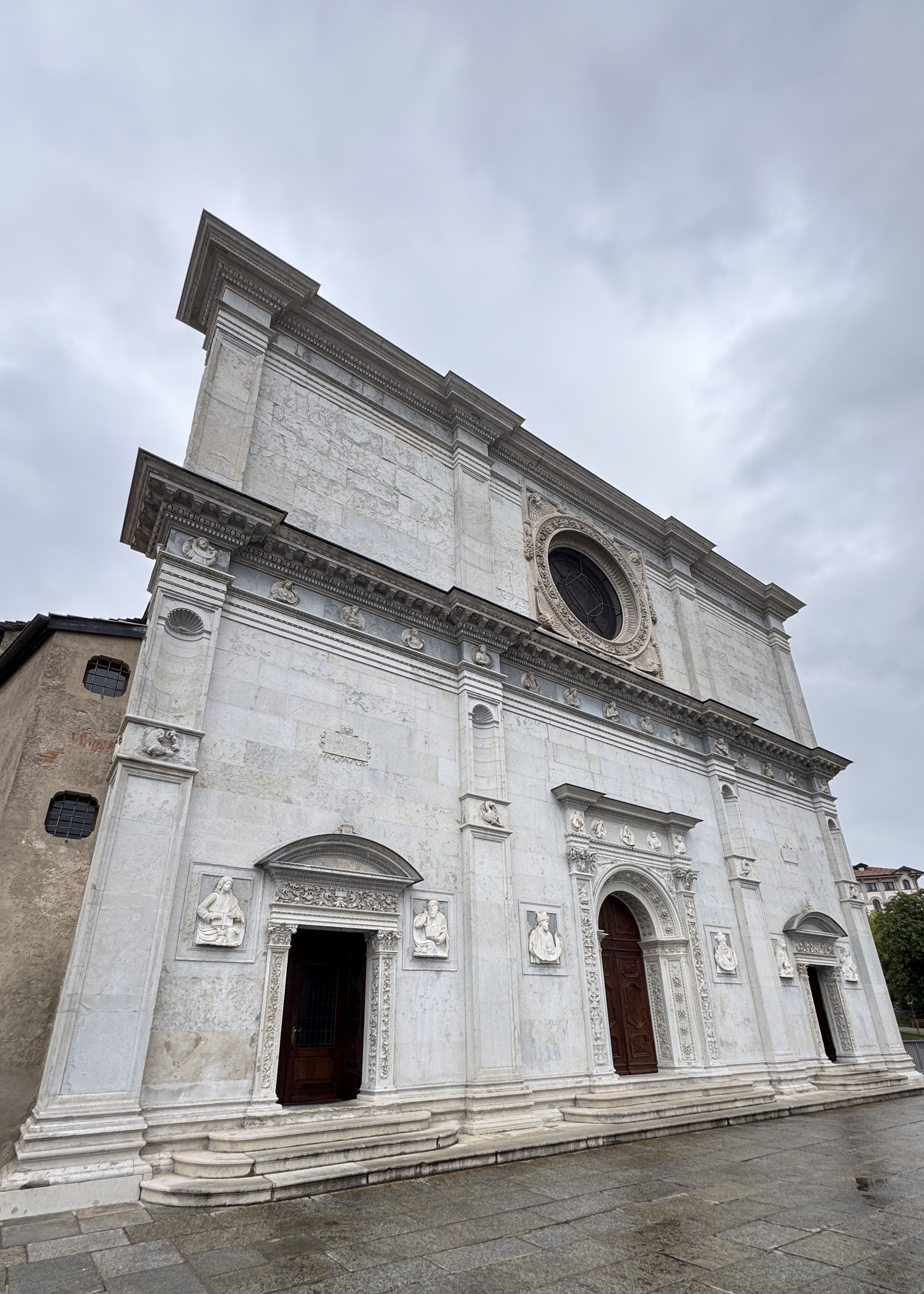
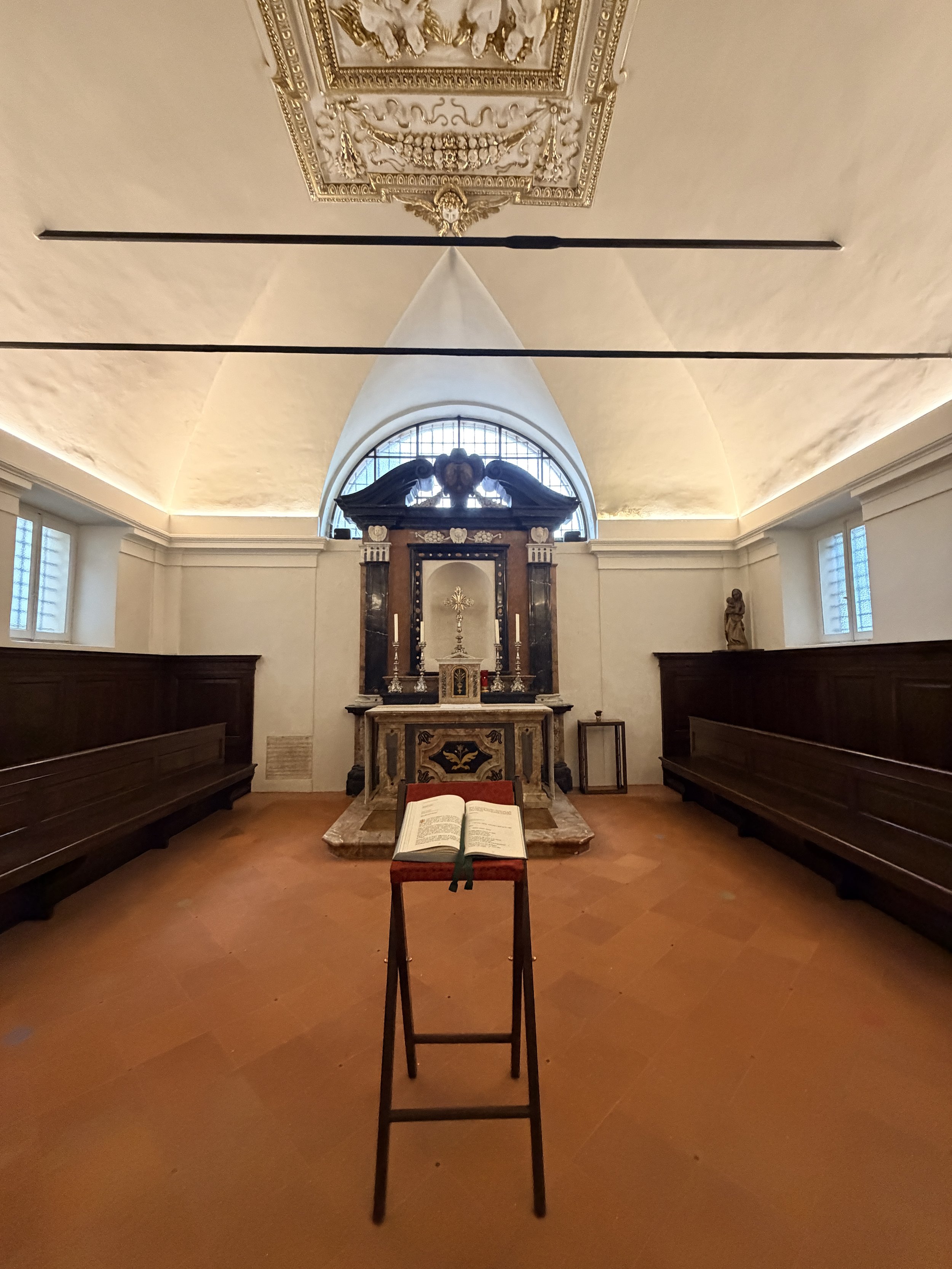
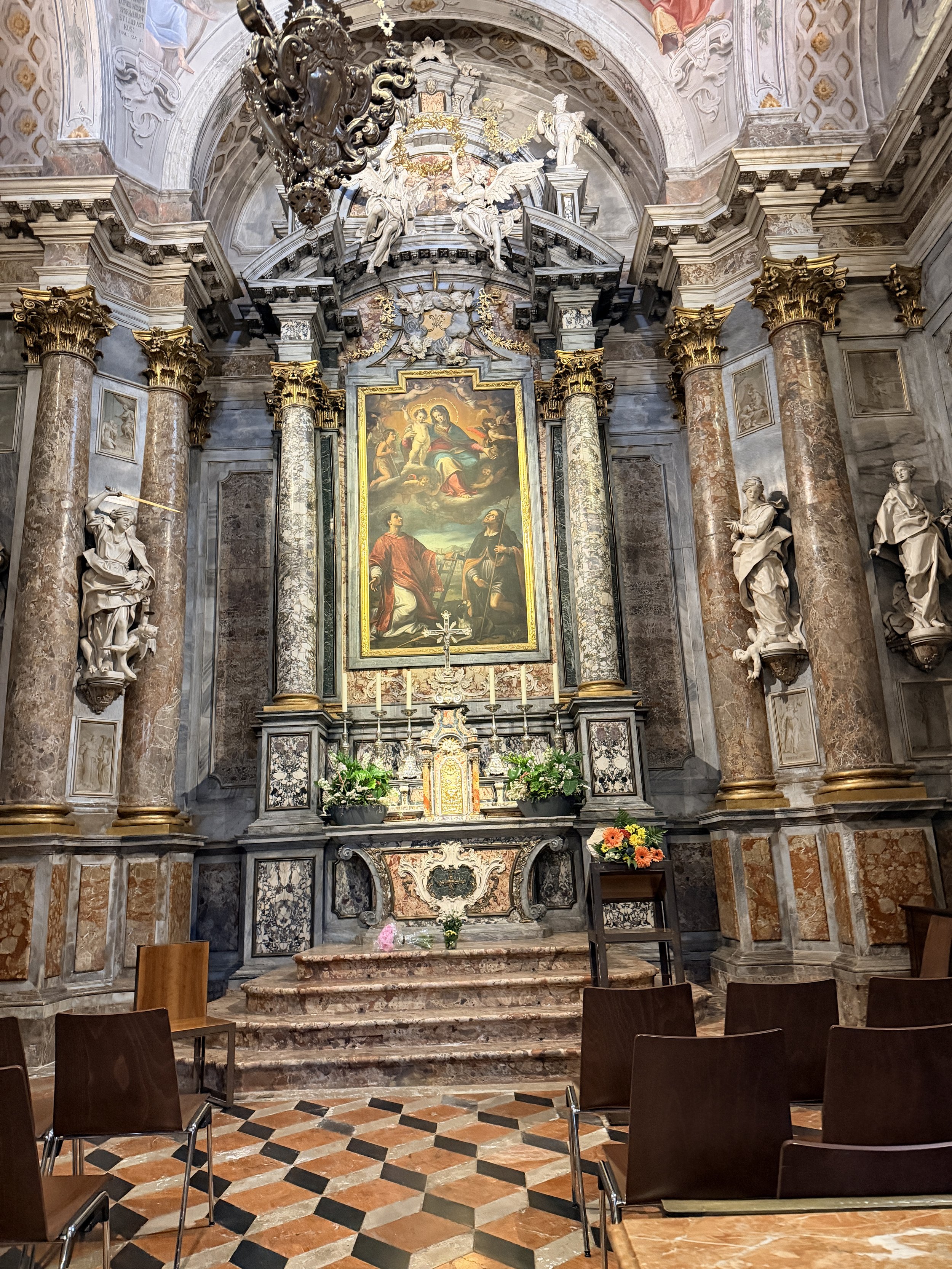
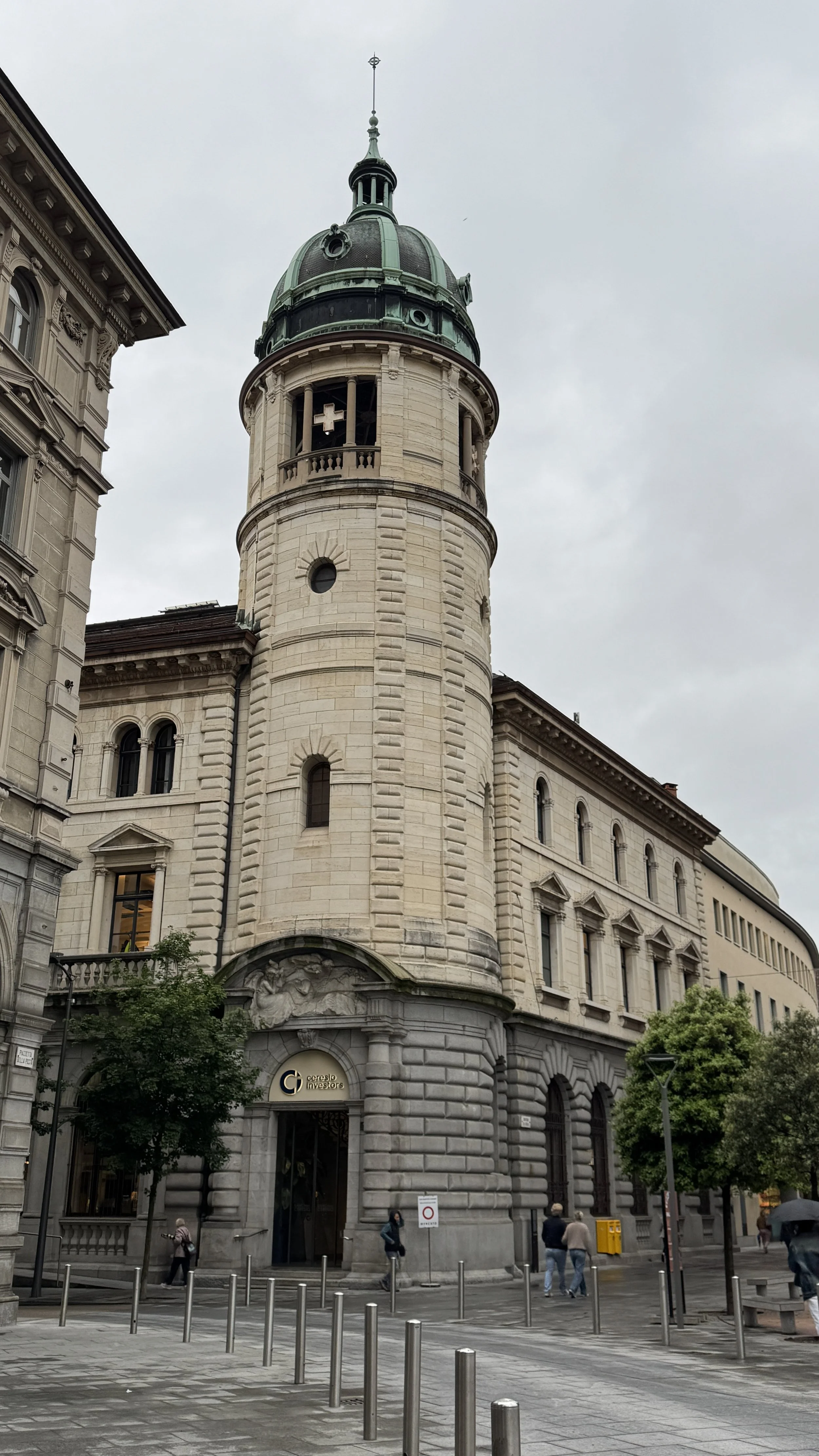
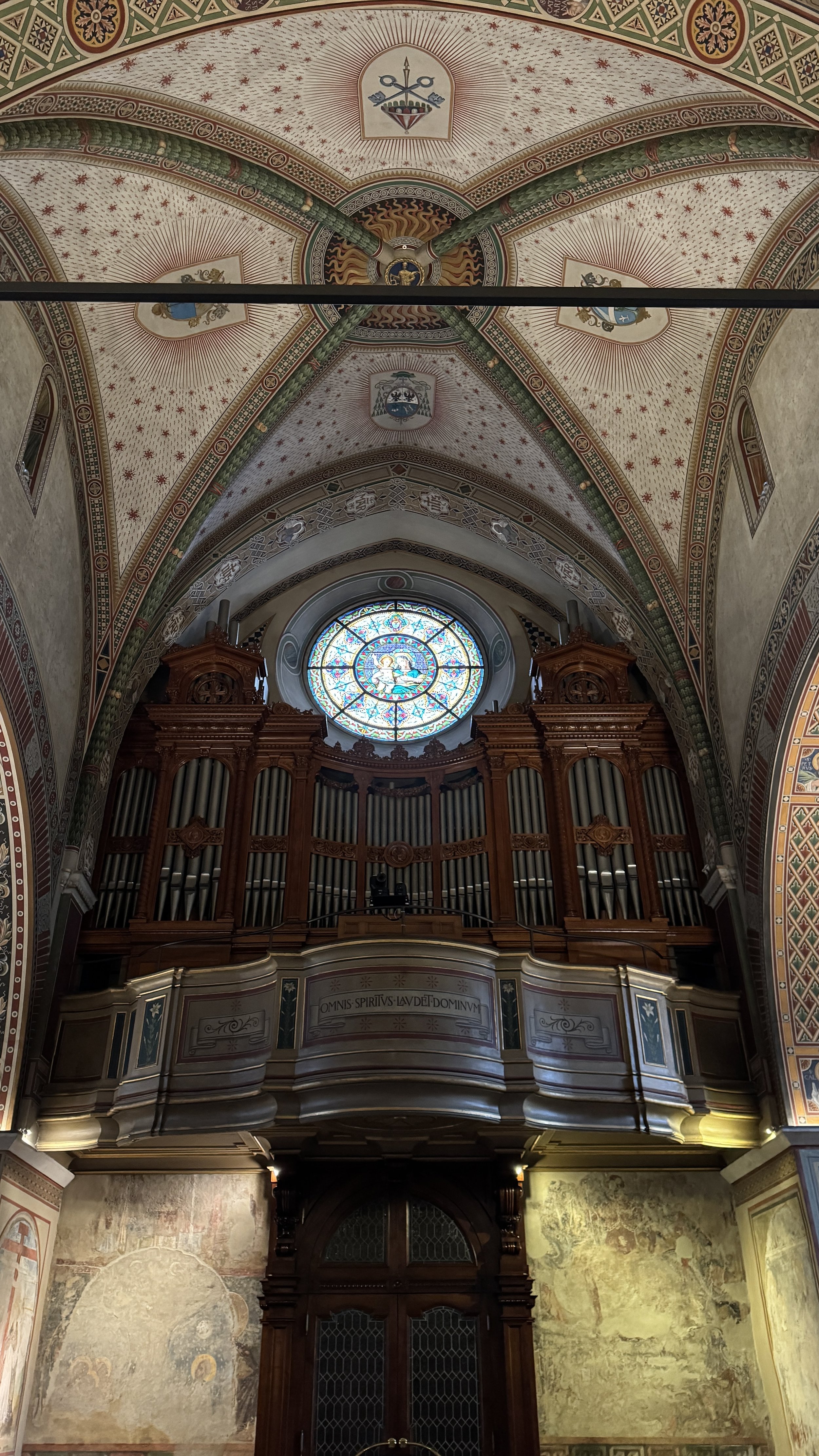
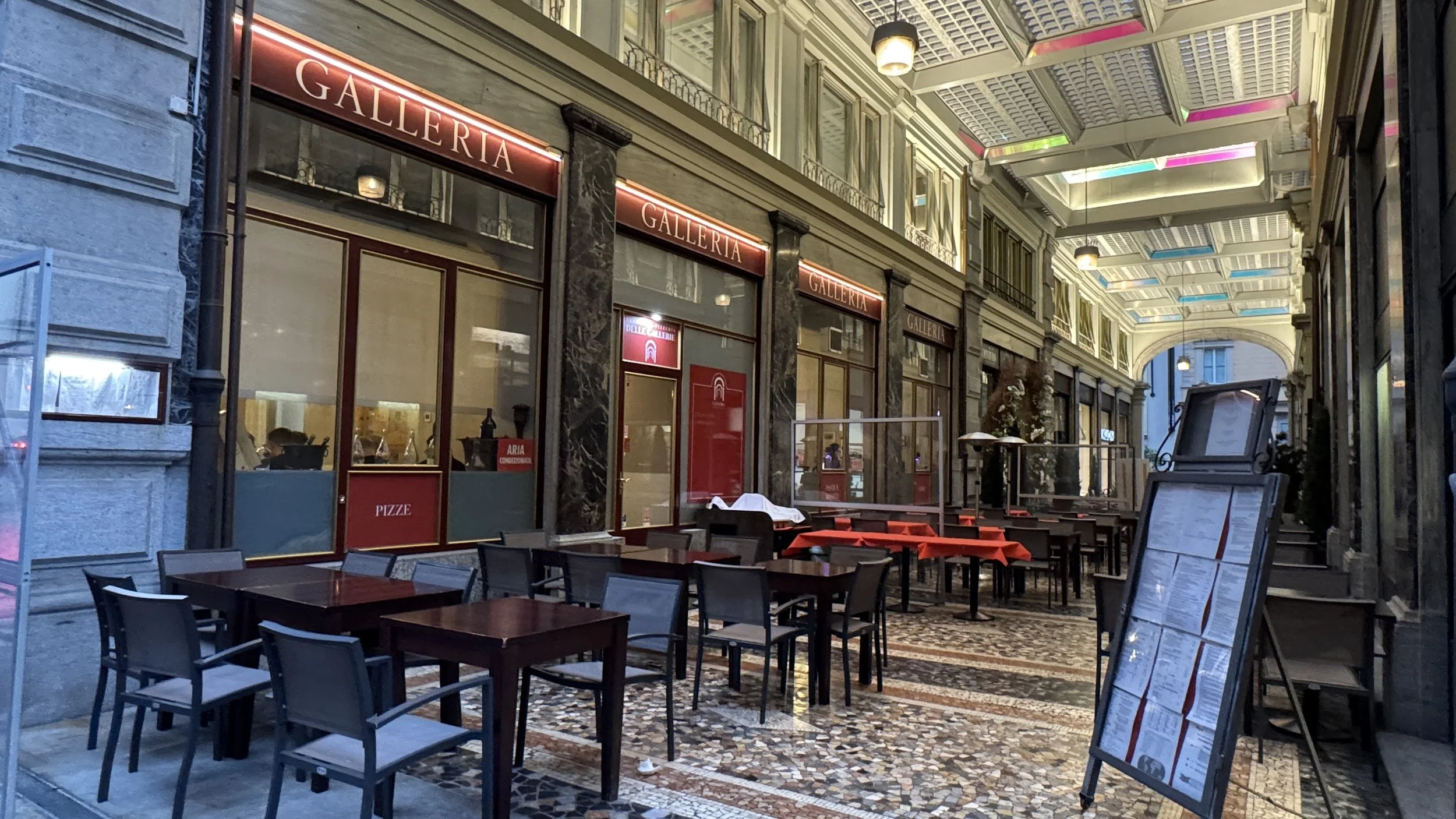
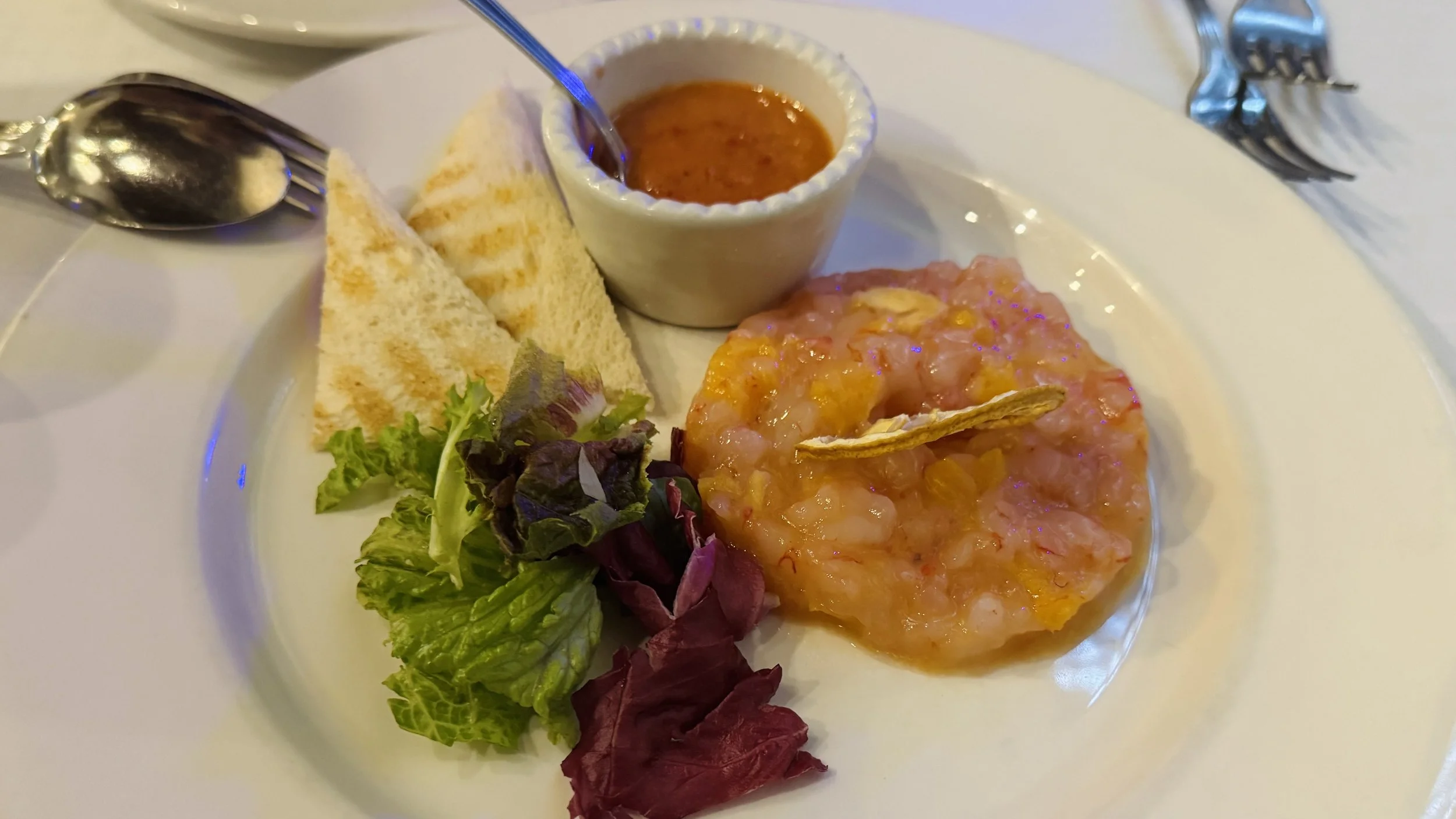
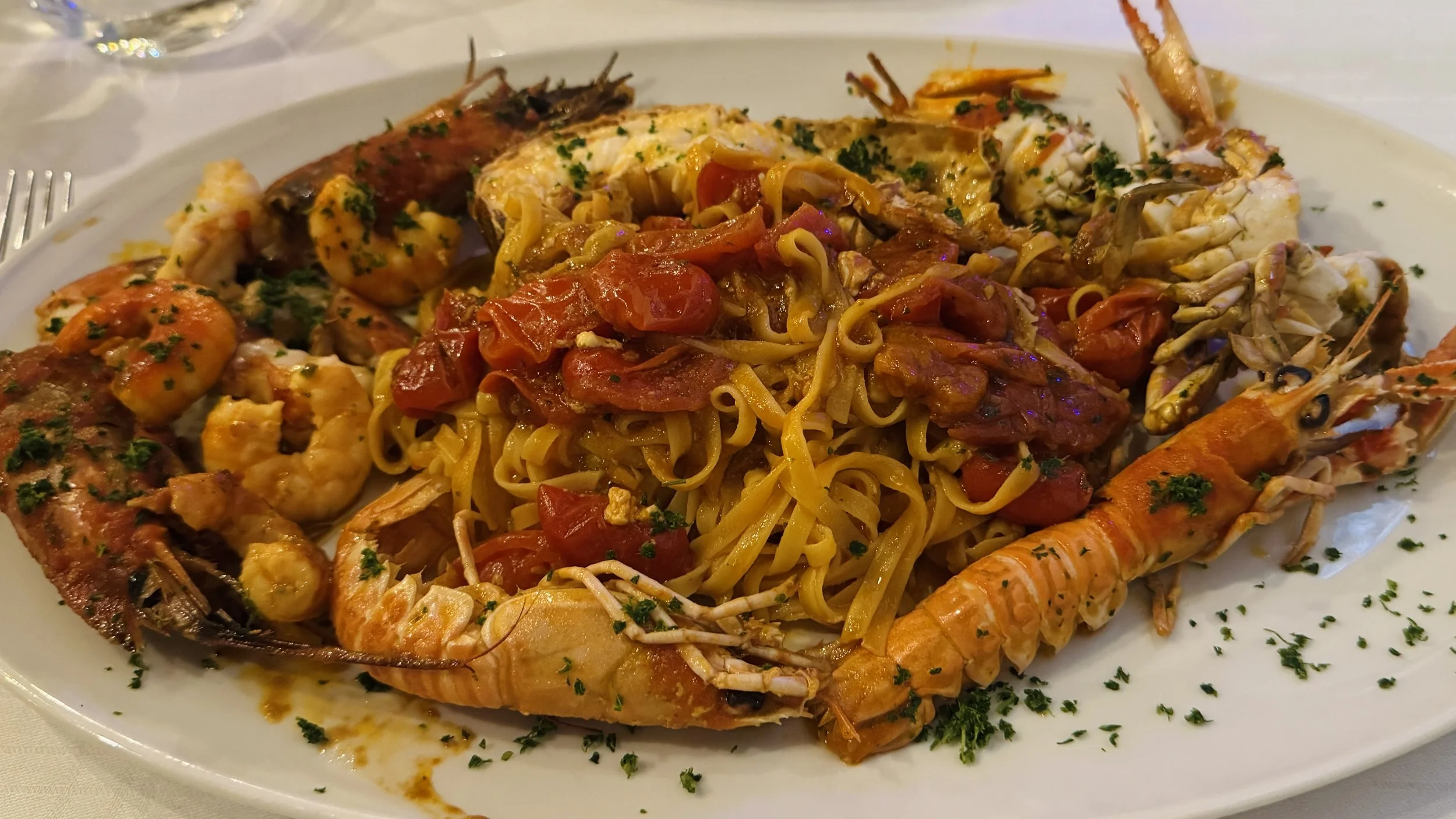
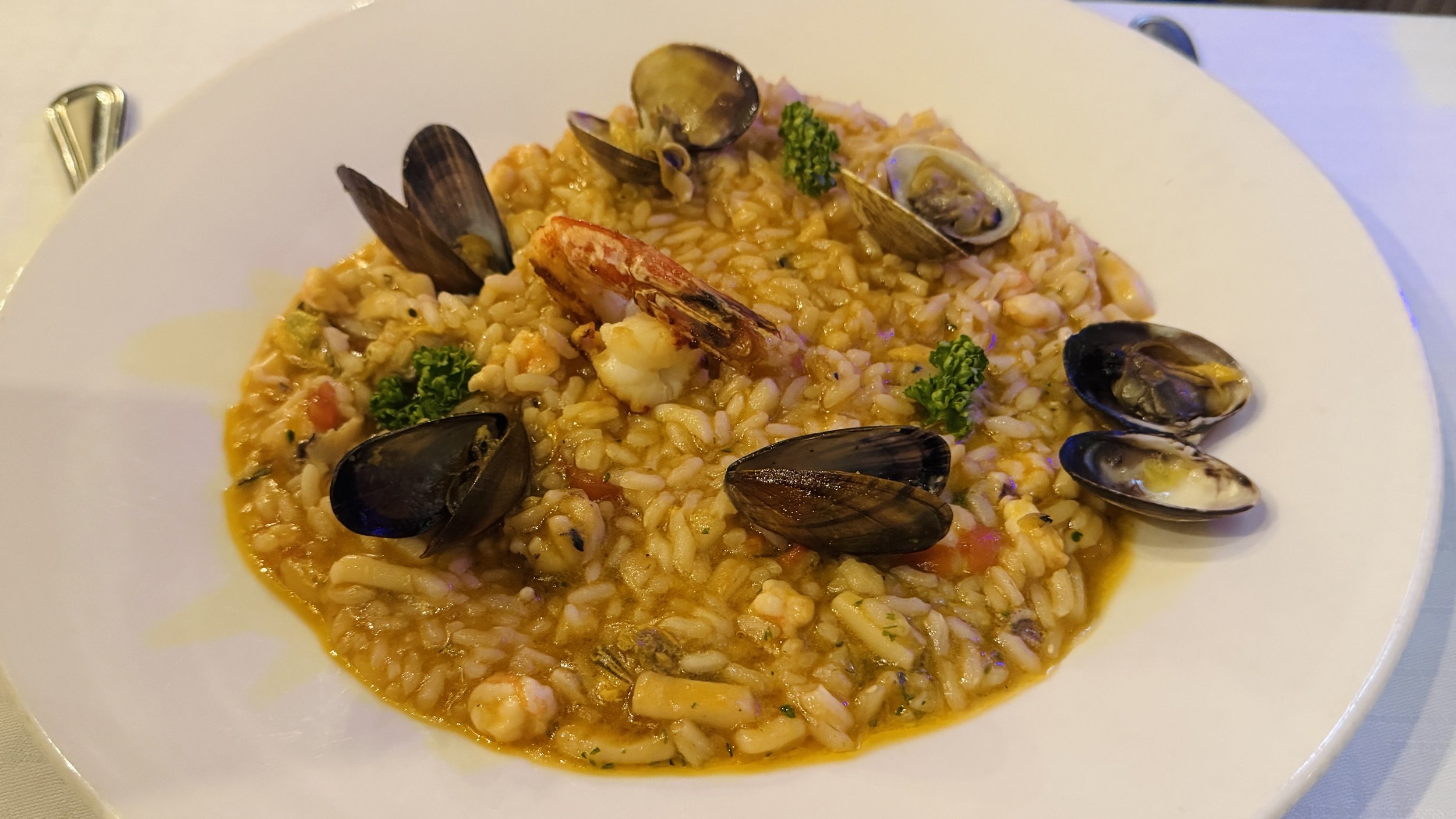
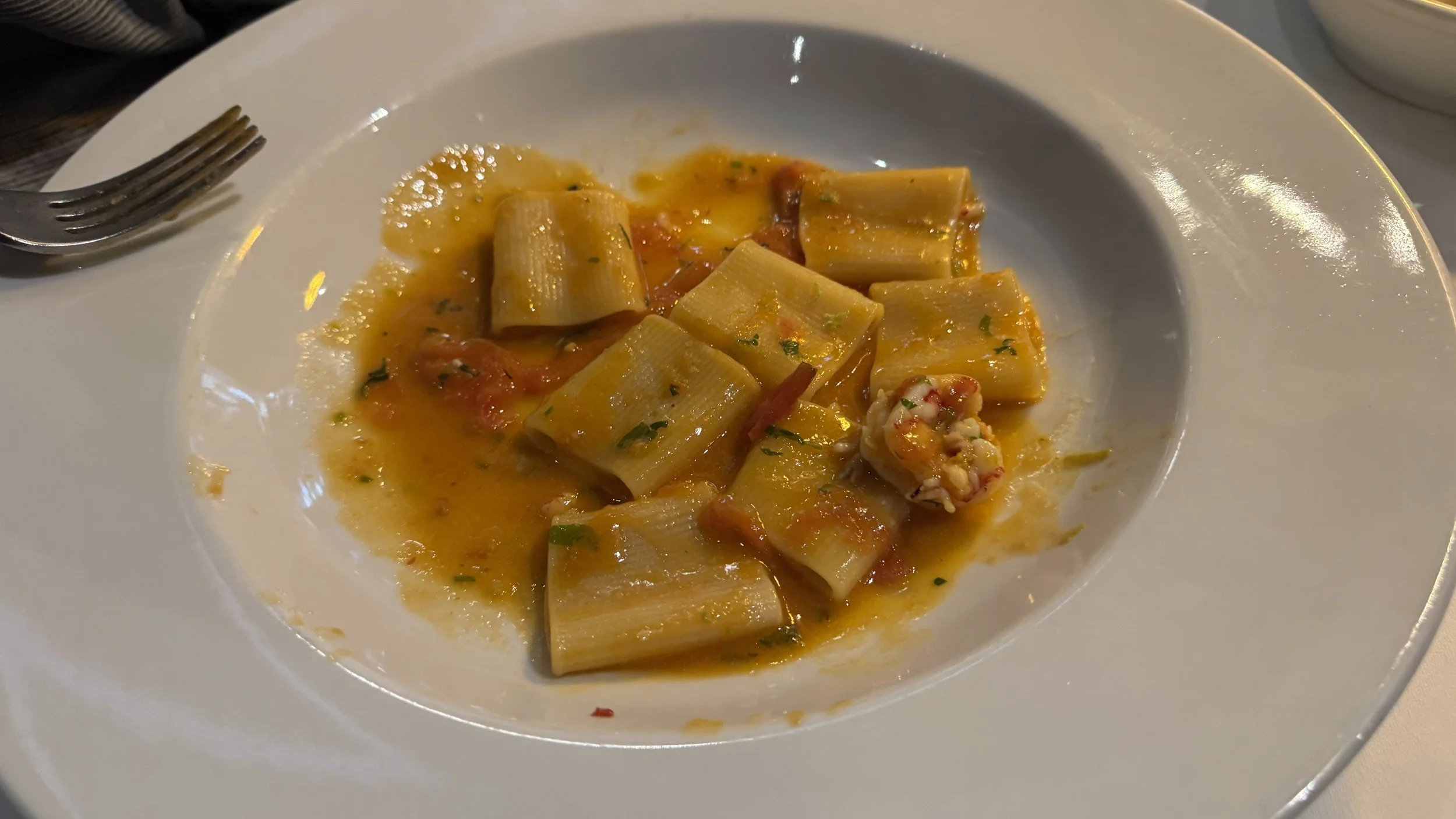
We simply strolled around the lakeside and city center before settling down for an early dinner. We ordered seafood pasta, seafood risotto, and shrimp tartare. Surprisingly, it turned out to be the best Italian-style meal of the entire trip — achieved not in Italy, but in Switzerland.
2026年5月5日
在规划这次欧洲旅行时,地拉那这一站曾多次被加入行程,又被删掉。它并不是热门旅游城市,也没有著名的世界遗产(UNESCO)景点或社交媒体上的“网红打卡地”。但它始终是我们心里一个有些好奇的地方,部分原因是我们从小对它多少有一些模糊的印象和了解。
最终,阿尔巴尼亚却成了这趟旅程中最令人难忘的一部分之一。不同的文化、历史背景,以及经济发展水平,都为这次旅行增添了更多层次与多样性。
而地拉那本身,则给人一种低调而放松的感觉。天气宜人,人们友善,生活节奏似乎也慢了下来。能够悠闲地坐下来喝一杯不到一欧元的卡布奇诺,而不是像欧洲其他地方那样动辄五到七欧元,让人觉得这里既真实又亲切,也让旅行轻松了许多。
这里不像那些必须赶景点、排队打卡的旅游城市,反而更像一个适合慢慢待上一段时间的地方。即使什么都不做,只是置身于这样一个不同的环境里,随意散步、喝杯咖啡、看看街景,也会让人感到轻松而舒服。
正如人们常说的那样,美好的事情终究会结束。今天要和二位同行了三周的好朋友说再见。她们俩先飞维也那再玩几天,然后回美国。我们俩刚绕道瑞士,然后踏上回家的旅程。
大清早,酒店帮我们打包了二份早餐,帮我们预订好的出租车将我们送往机场。地拉那机场很小,甚至连登机廊桥都没有,乘客需要先搭乘摆渡车穿过停机坪,再登上飞机。我们搭乘Wizz Air从地拉那飞往米兰。由于Wizz是一家廉价航空公司,我们原本并没有太高期待,但整个飞行过程相当平稳,服务也令人满意。
抵达米兰马尔彭萨机场后,我们搭乘区域列车S50前往瑞士卢加诺(Lugano)。四年前曾来过这里,那时正值酷暑,炎热得让人几乎无心游览。因为当时觉得这个小城市非常漂亮,所以这次决定再来看看。旅馆距离火车站只有几分钟步行路程,位置非常方便。
办理入住后,我们穿过马路买了份泰式炒河粉外卖作为午餐。稍微休息一下后我们走去市中心。而这一次,天气却完全不同——阴雨、寒冷,不过也格外安静。
我们只是随意地沿着湖边和市中心散步,然后早早找了一家餐厅吃晚餐。我们点了海鲜意面、海鲜烩饭以及虾肉塔塔。令人意外的是,这竟然成了整个旅途中最好吃的一顿意大利风味料理——而且不是在意大利,而是在瑞士。从阿尔巴尼亚来到瑞士,价格吓一跳,差别太大。
卢加诺这城市地势起伏,很多街道非常陡,台阶特别多。我们去市中心时往下走还好些,晚餐后要往上爬觉得有点累。我们没有再爬陡坡,而是坐缆索小火车上坡,省去了最累的一段。
Delicious seafood意外的美味海鲜
May 4, 2026
We had already visited most of the major attractions……
我们已经参观了地拉那市区大部分主要景点,。。。
May 4, 2026
We had already visited most of the major attractions in the city and planned to spend today going up the mountain by cable car. According to Google Maps, the cable car had been closed for maintenance until the previous day. To make sure it had reopened, we asked the hotel front desk to call and confirm. The receptionist confidently told us it was operating again and even mentioned that another guest’s friend had gone there the day before.
Trusting the information, we called a taxi and headed to the cable car station — only to discover that it was closed again today for repairs. What a disappointment.
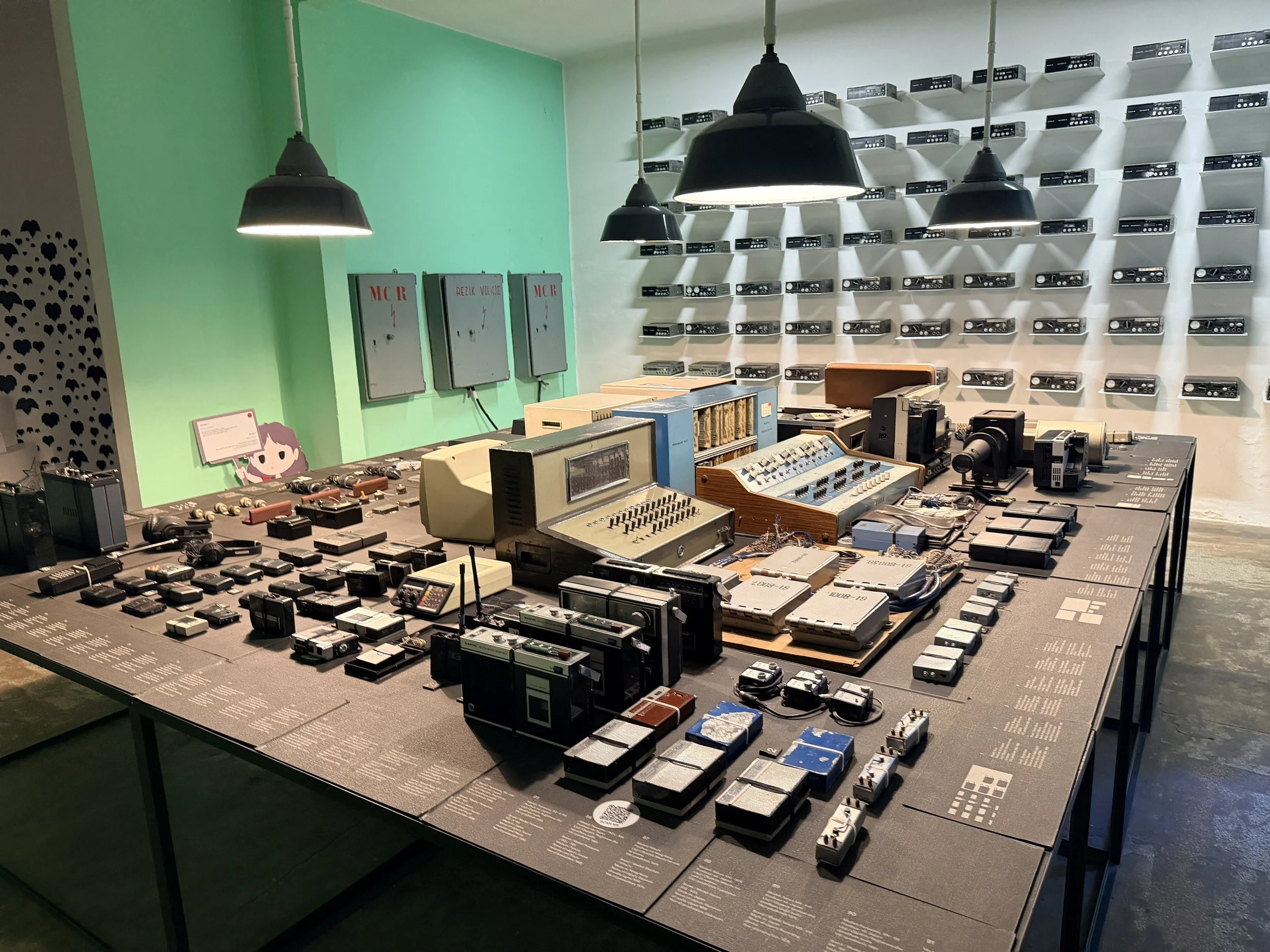
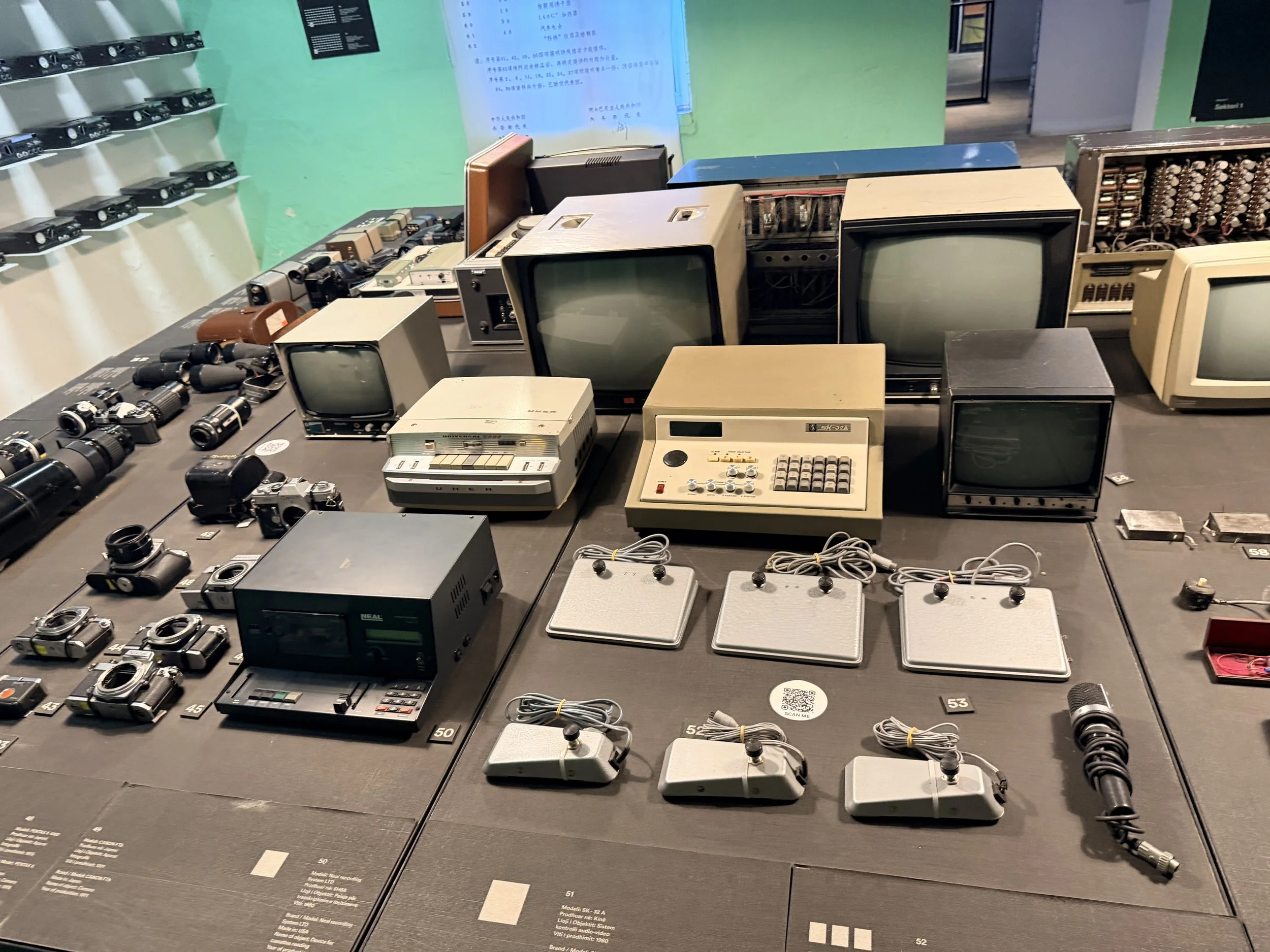
Since we were already nearby, we decided instead to visit Bunk’Art 1. Our taxi driver kindly drove us through the tunnel closer to the entrance, saving us a few minutes of uphill walking.
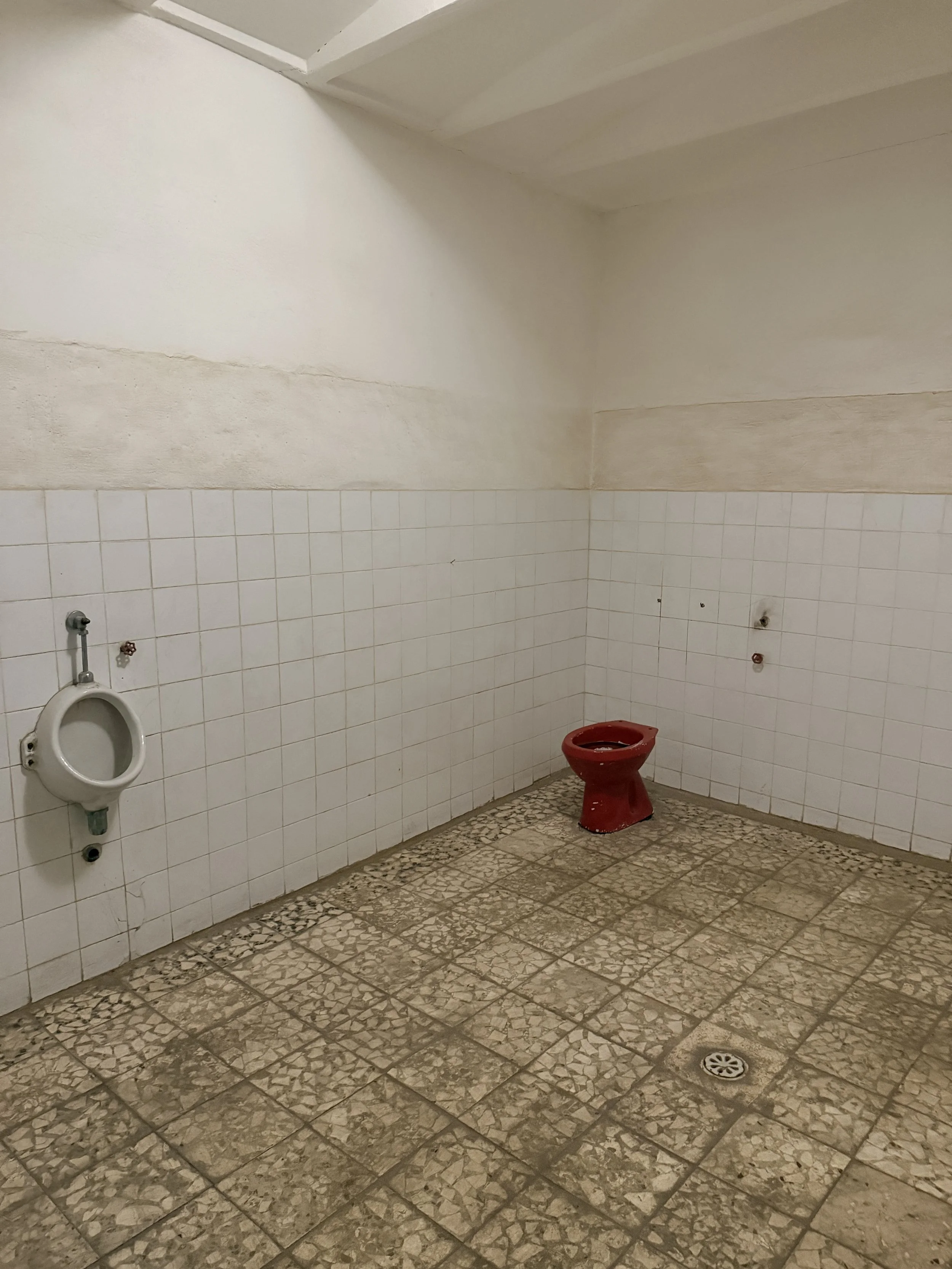
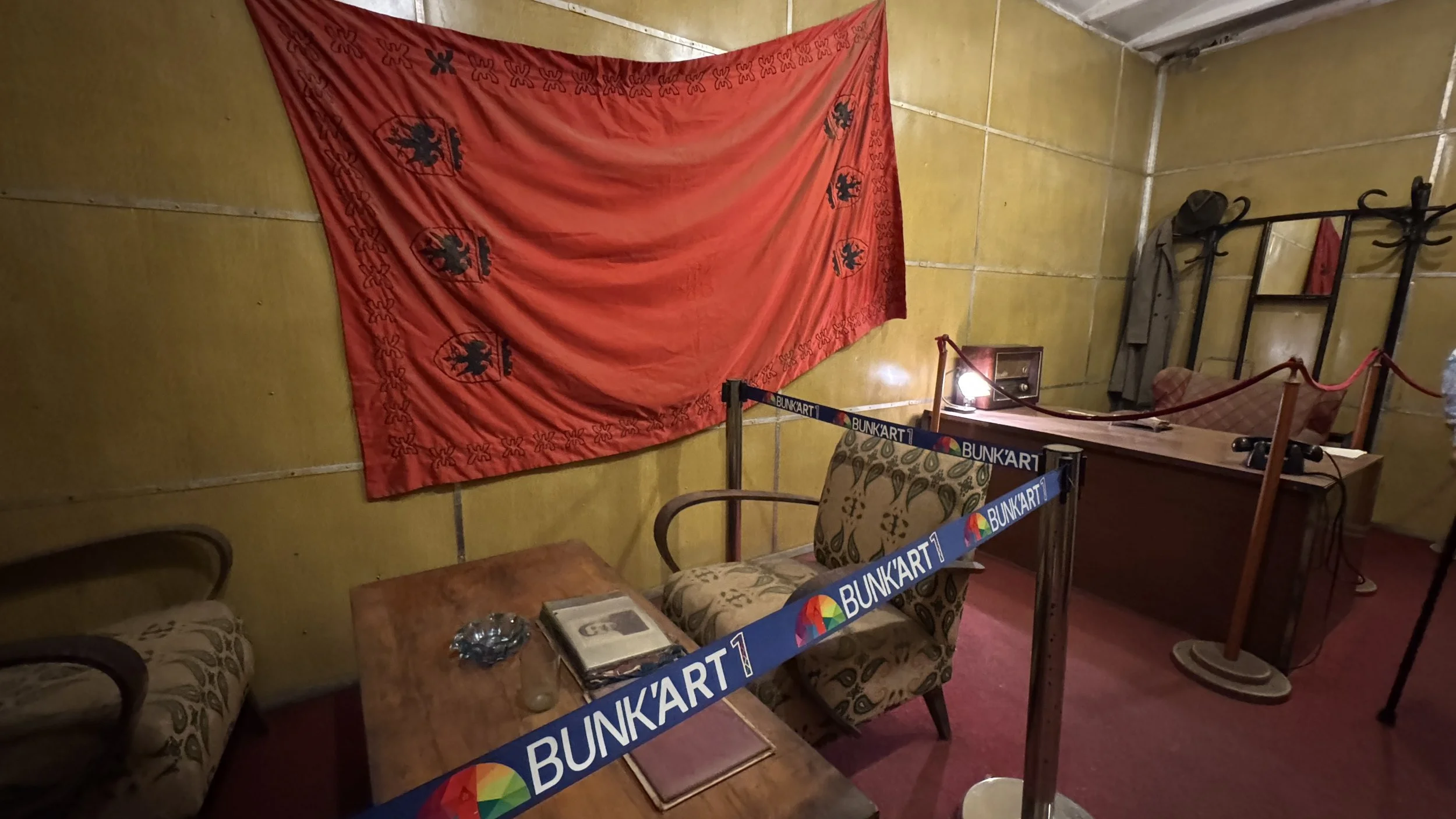
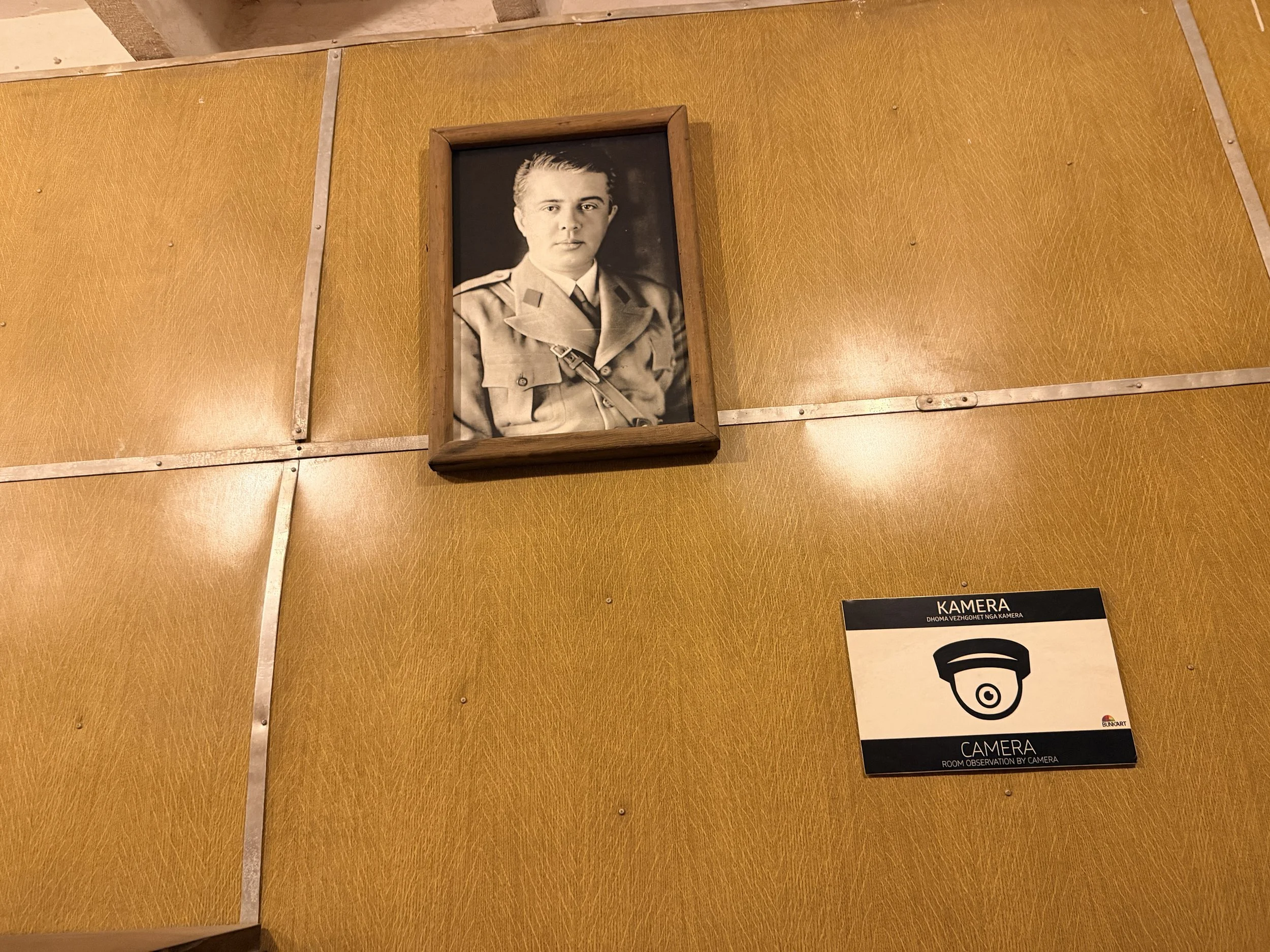
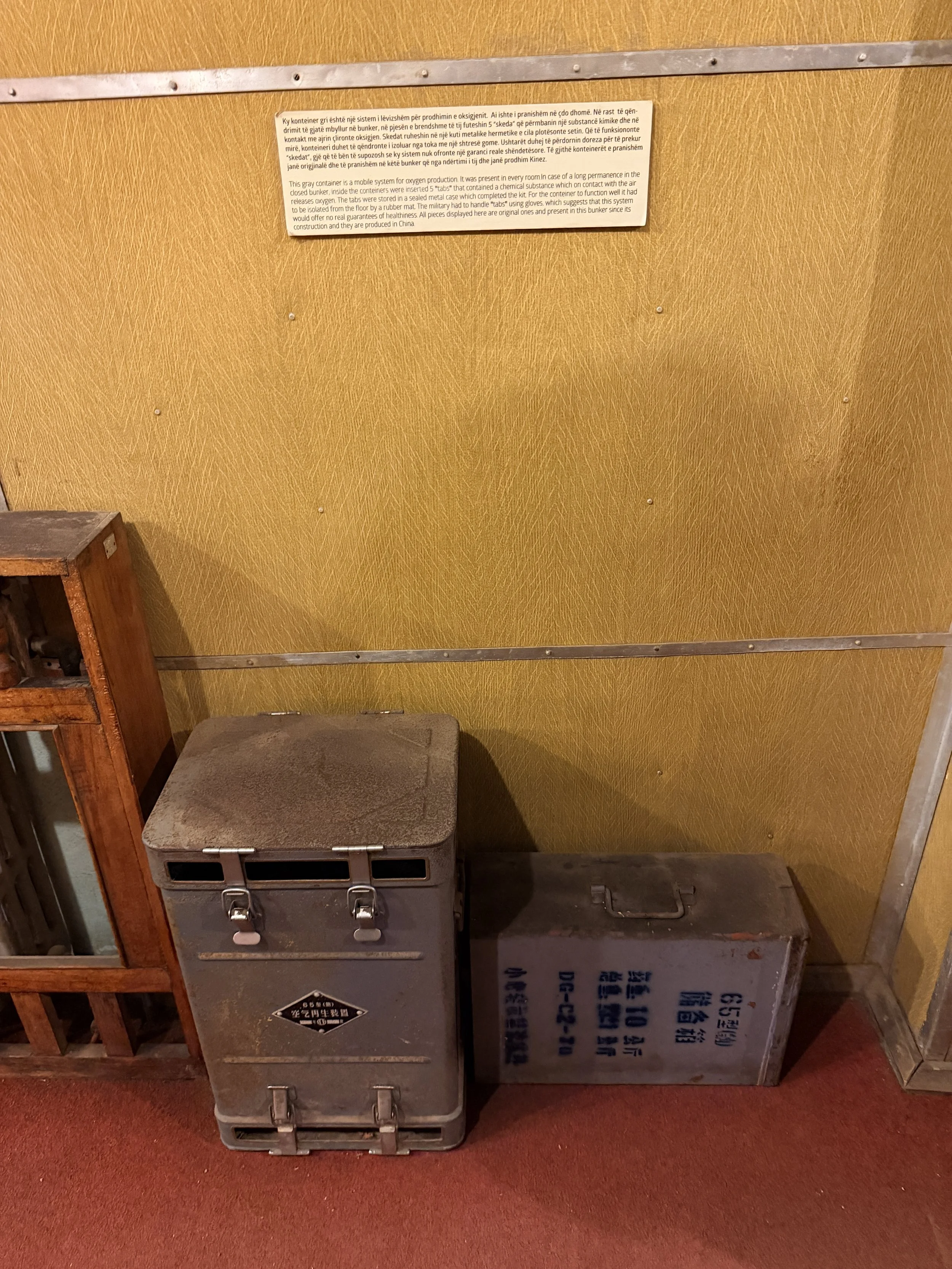
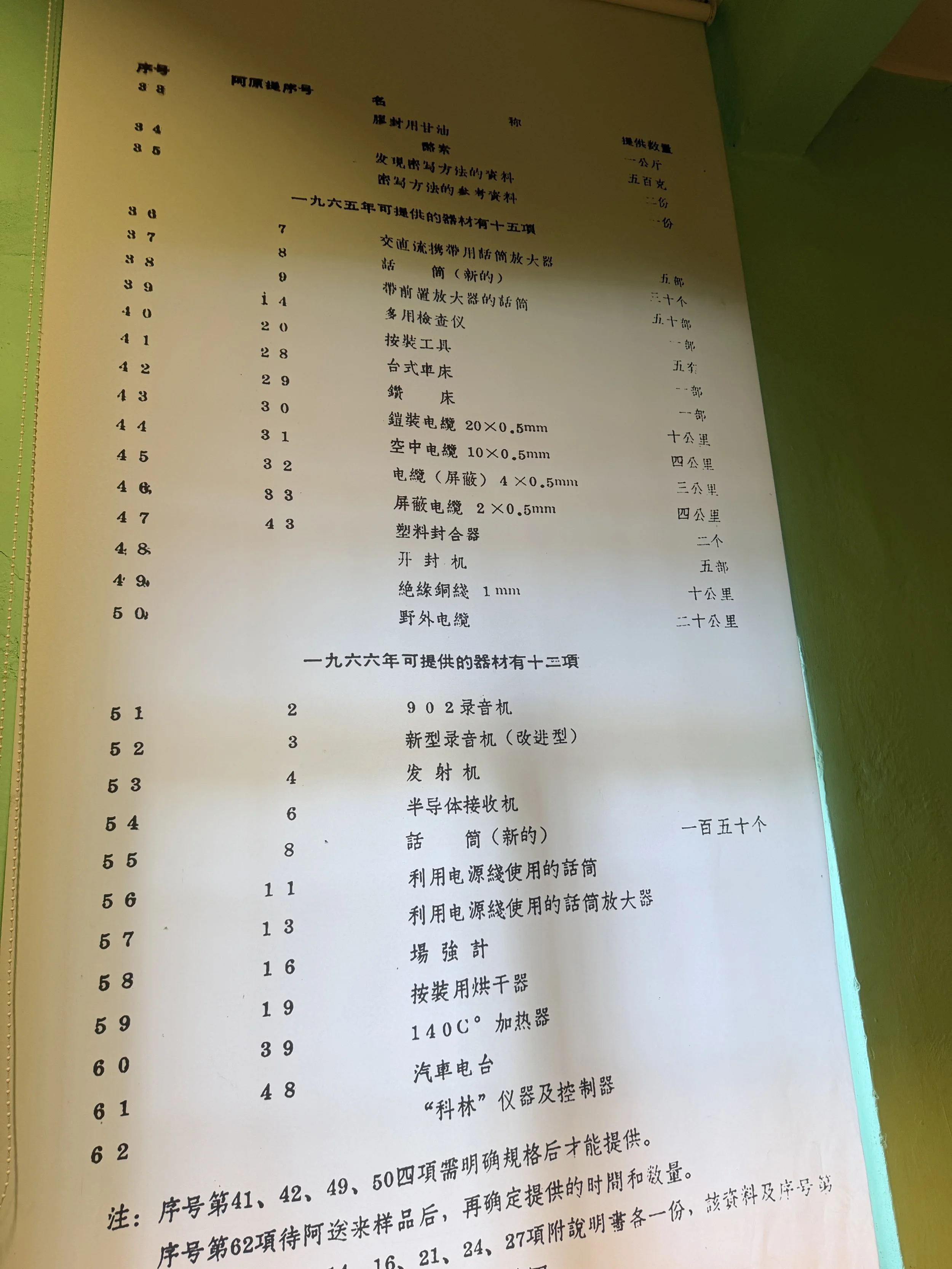
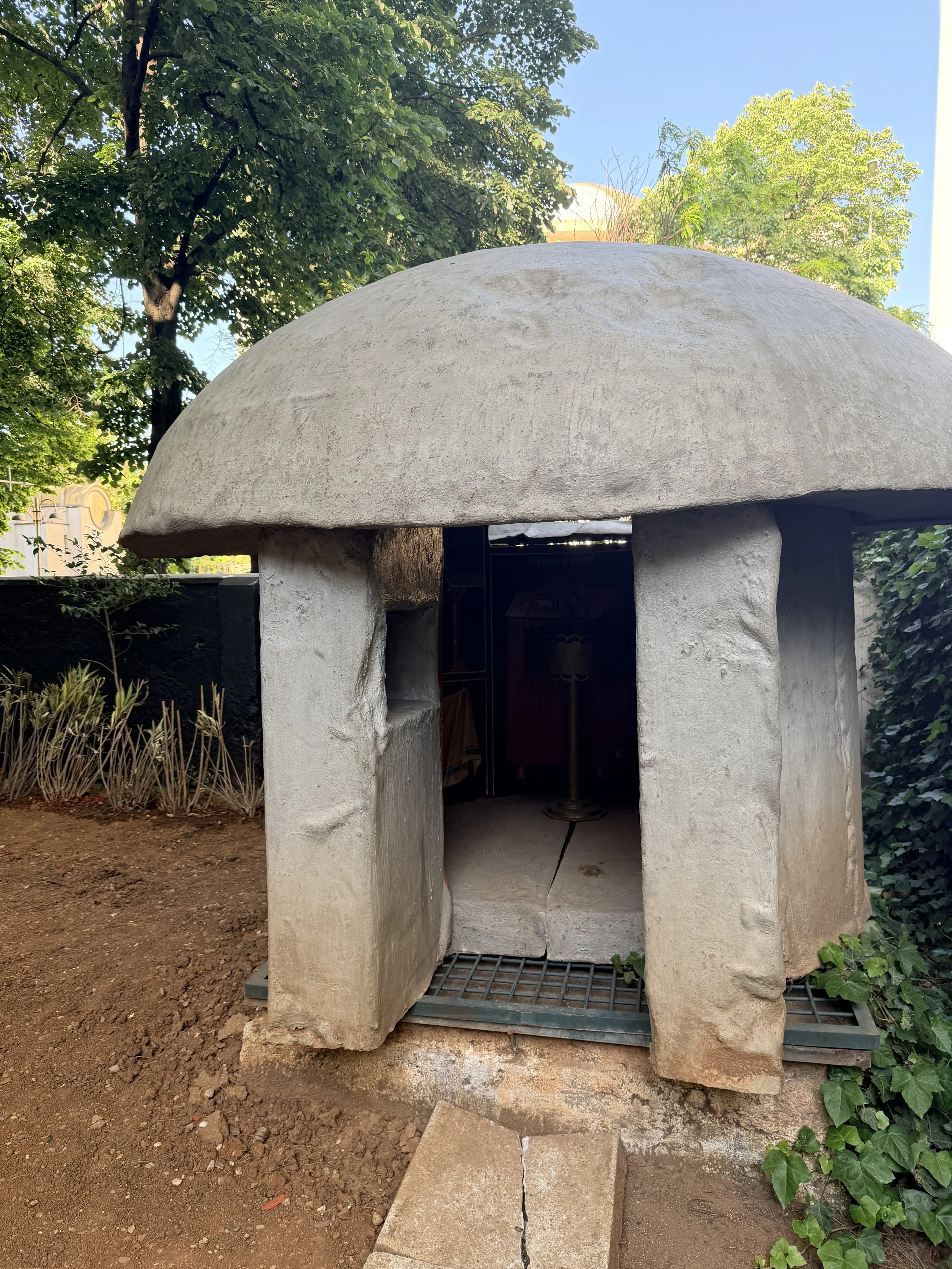
Bunk’Art 1 is a massive underground nuclear bunker museum on the outskirts of Tirana, much larger than Bunk’Art 2. Originally built during the rule of Enver Hoxha, it served as a secret shelter for top political leaders and military officials in the event of nuclear war. The enormous underground complex feels almost like a hidden city beneath the mountain, with endless corridors, rooms, and command areas. Compared with Bunk’Art 2, the museum presents a much broader history of Albania during the communist period, the Cold War era and before.
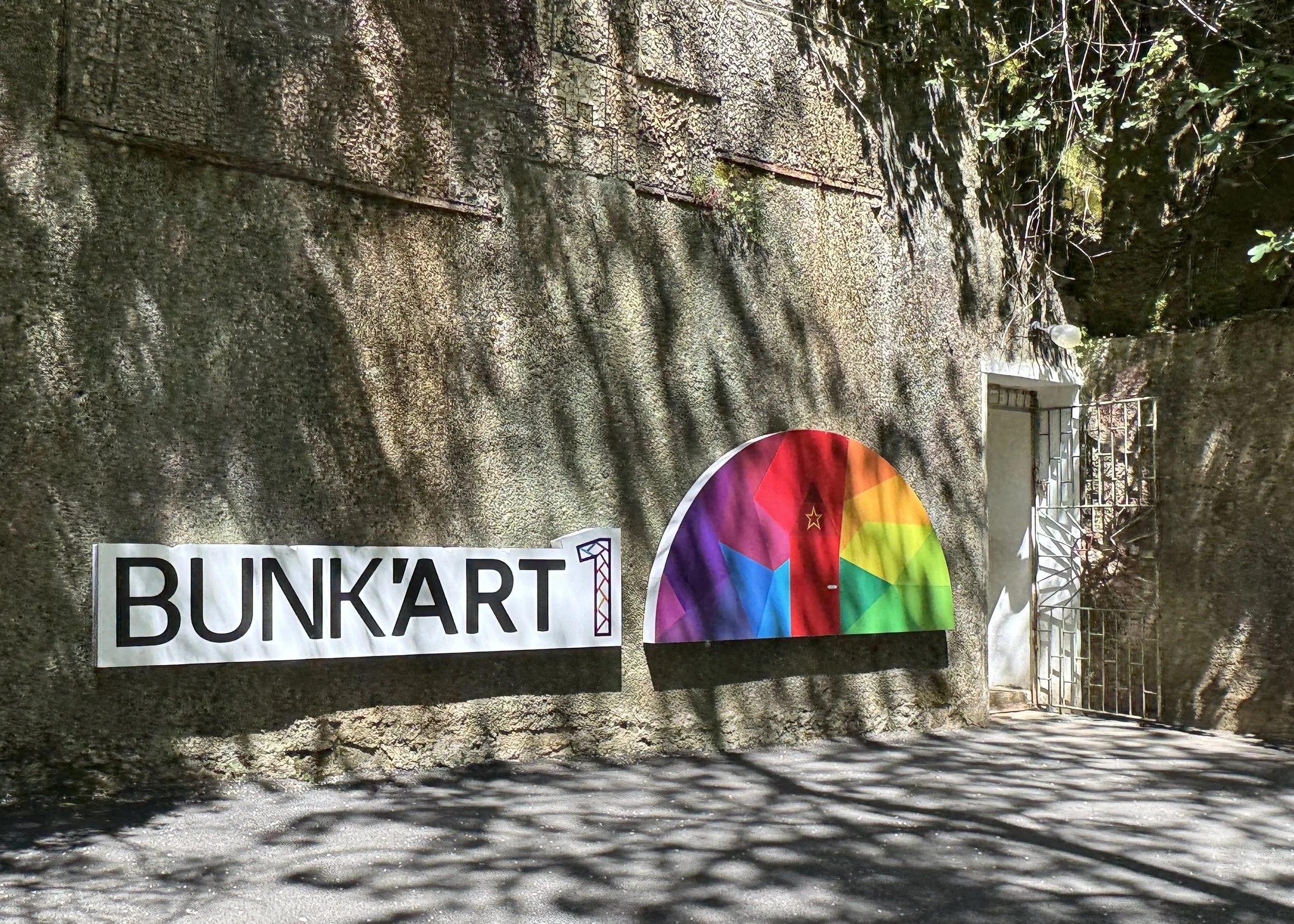
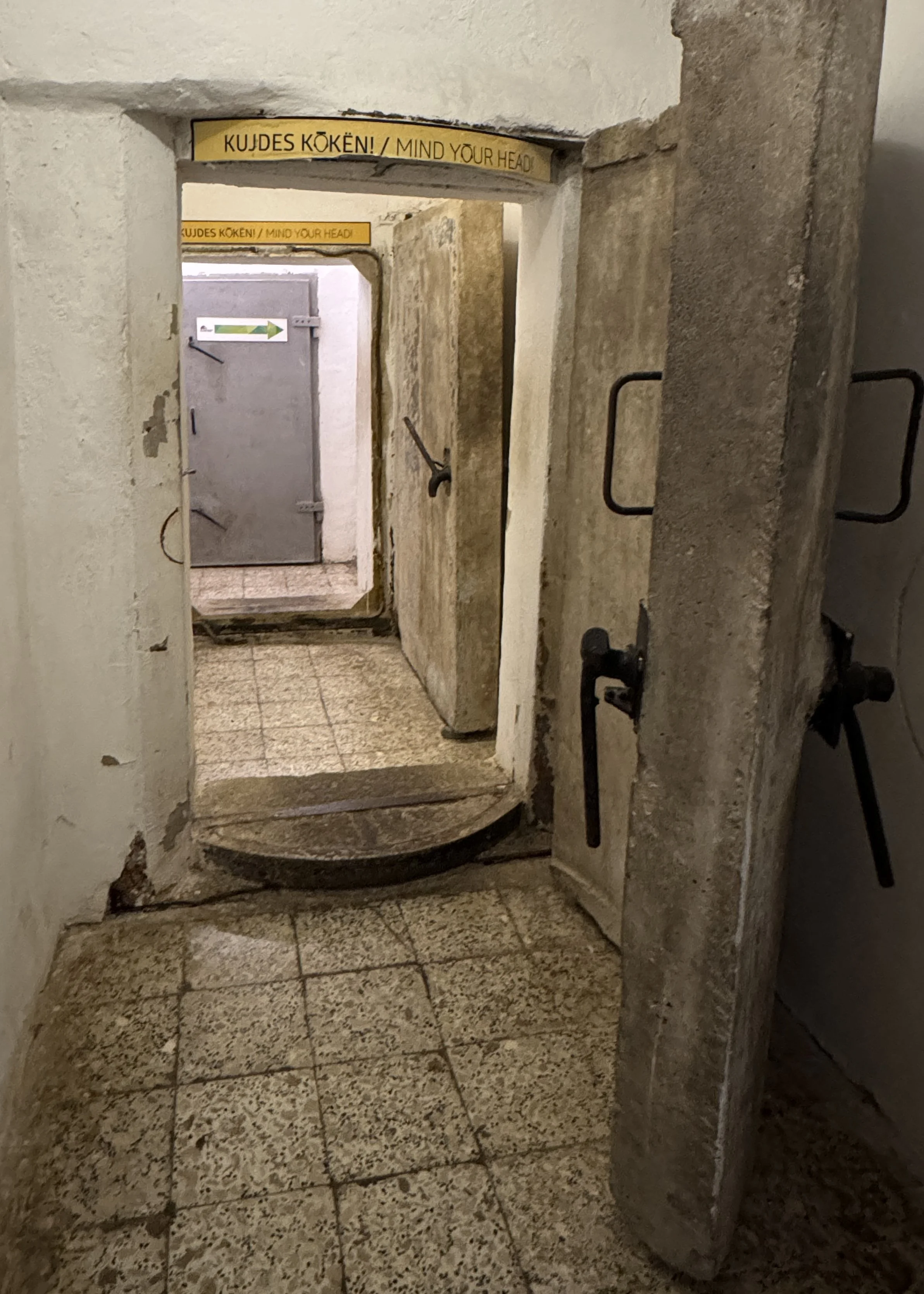
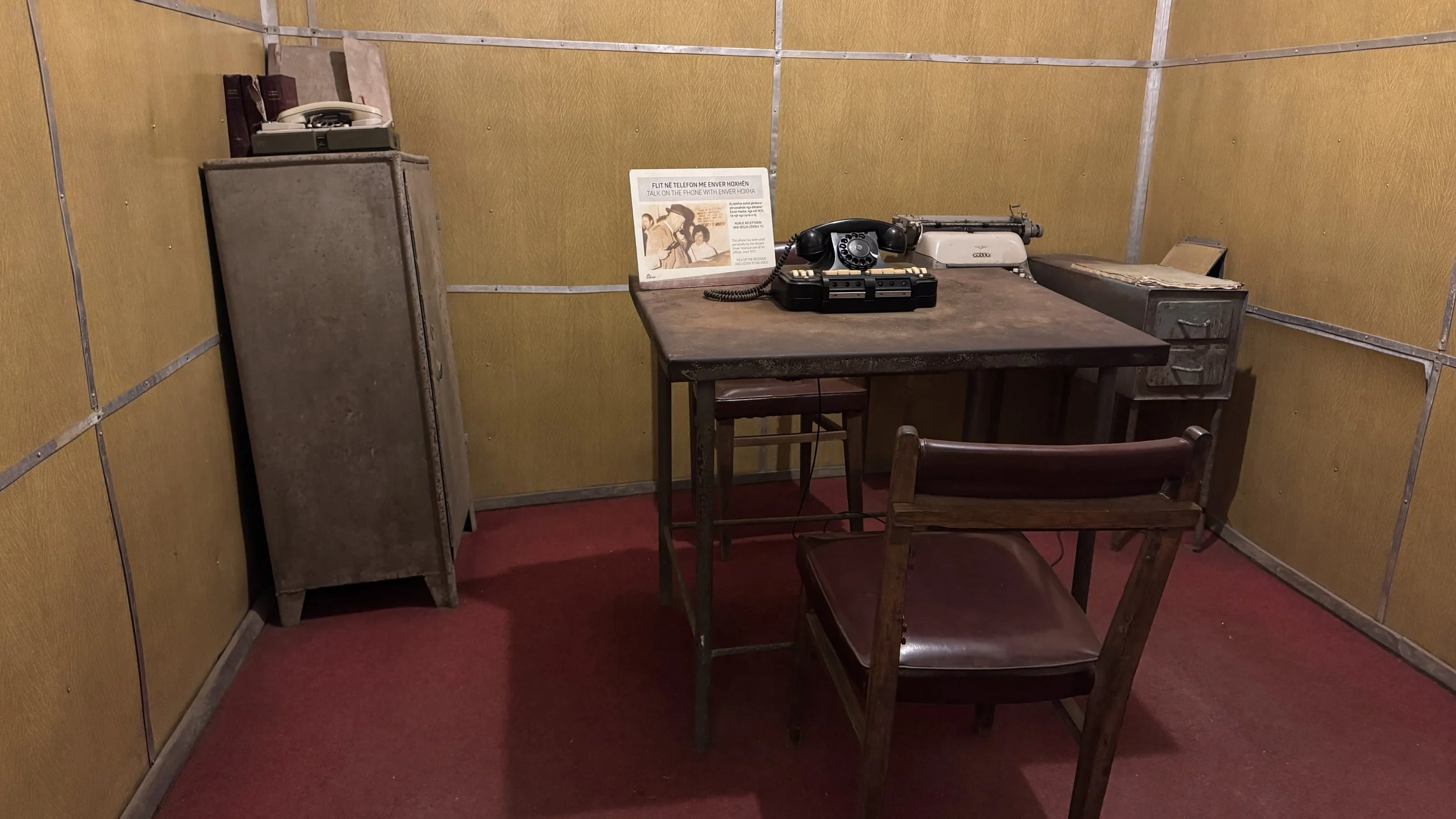
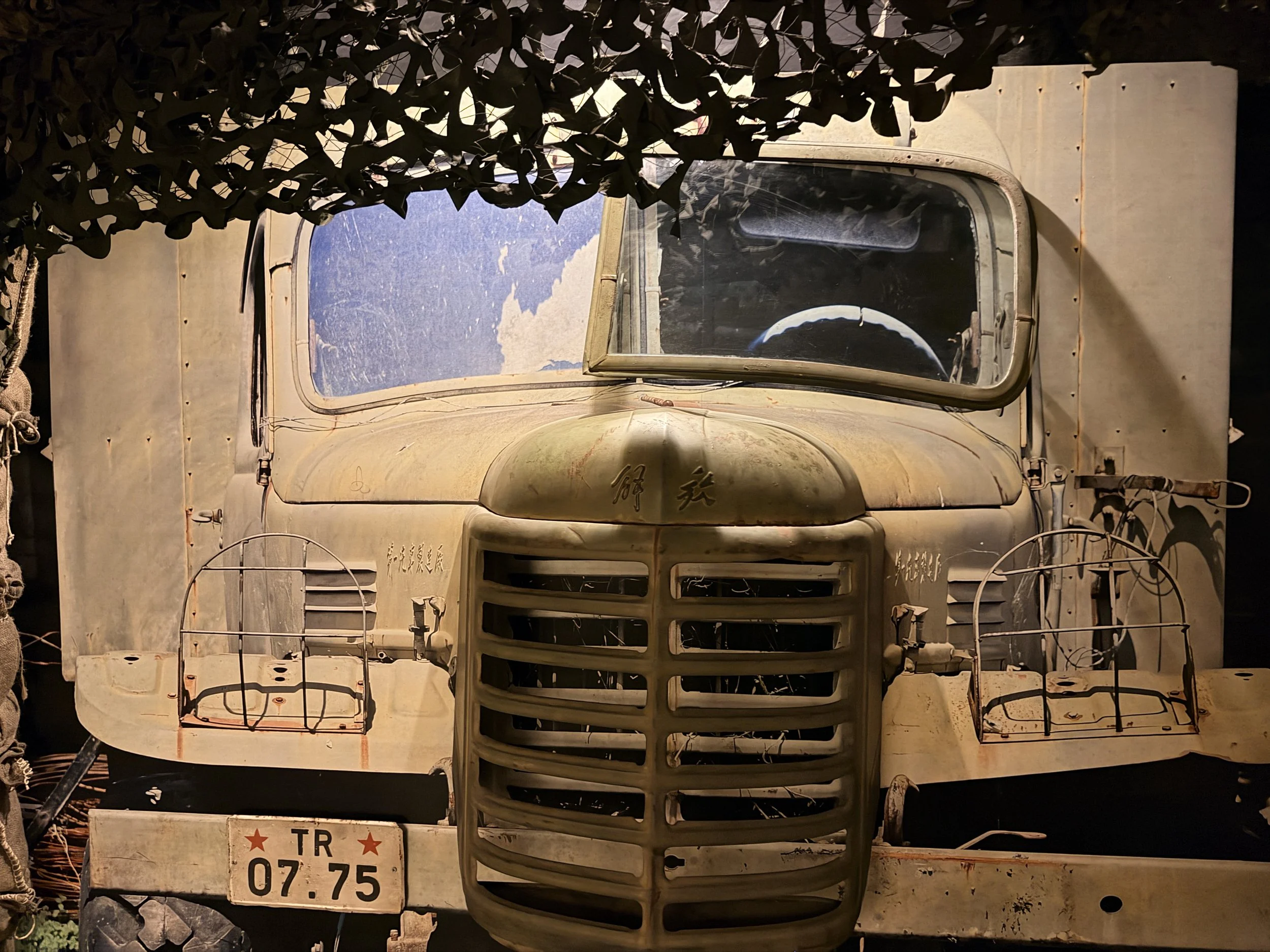
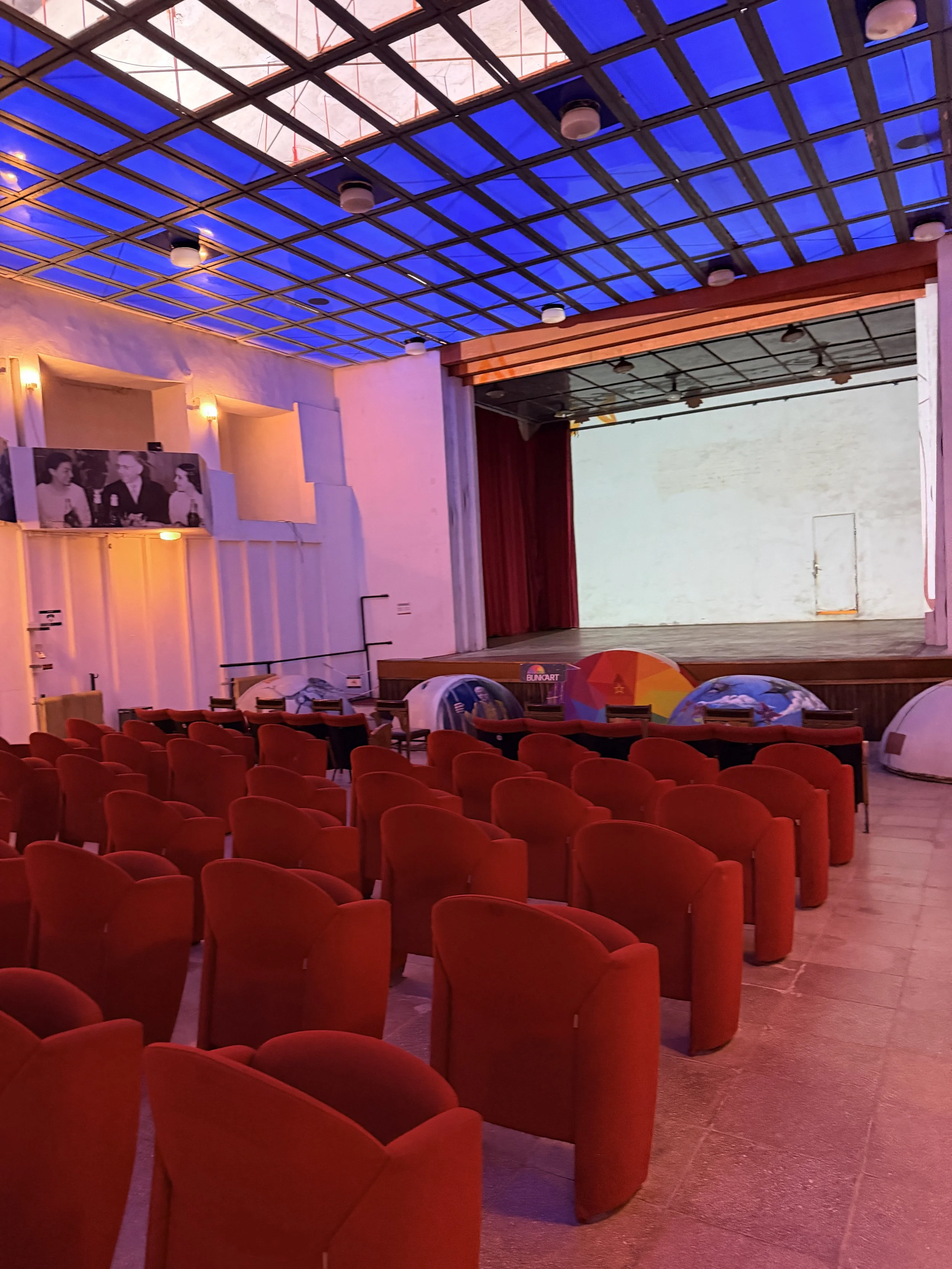
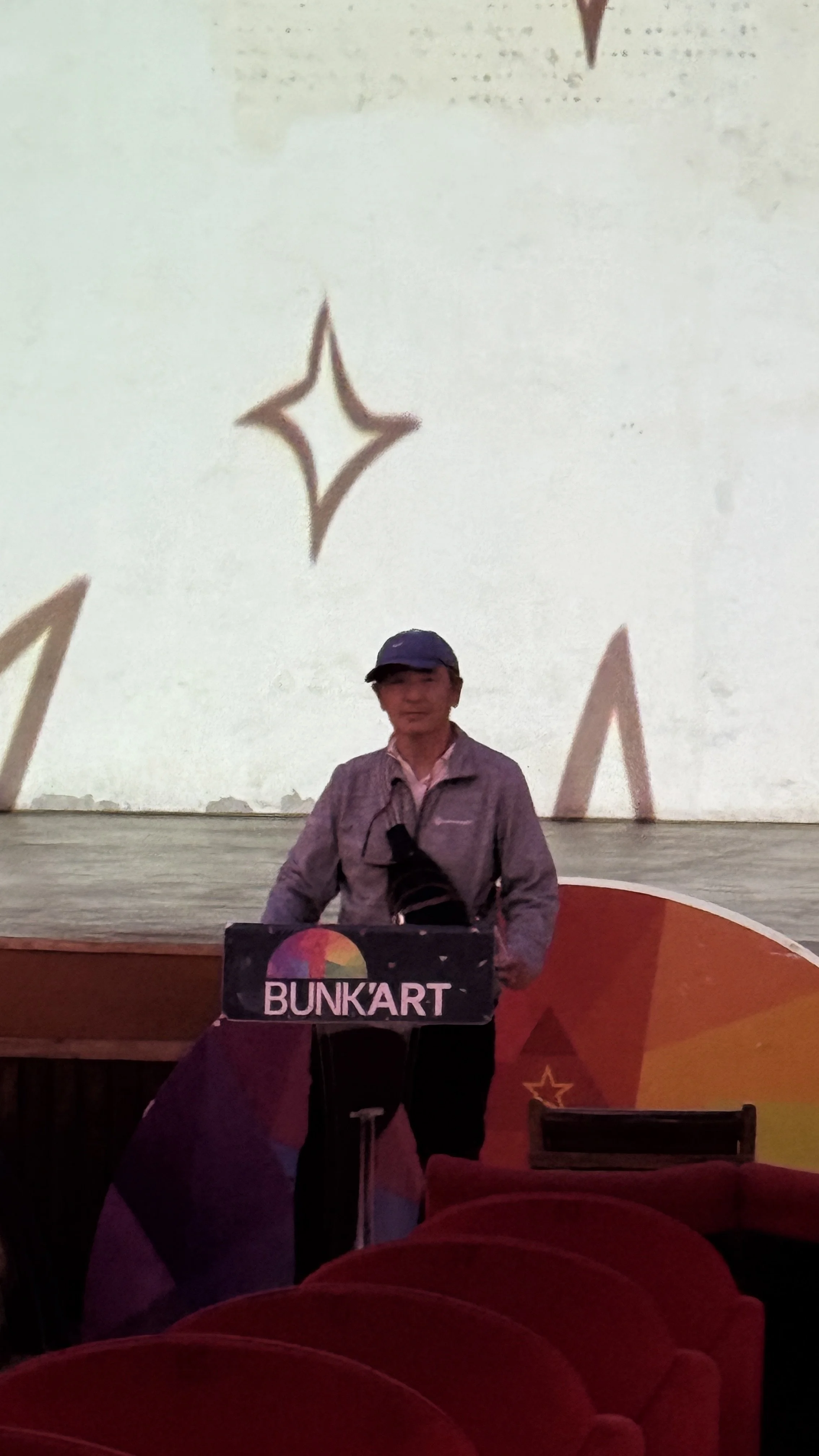
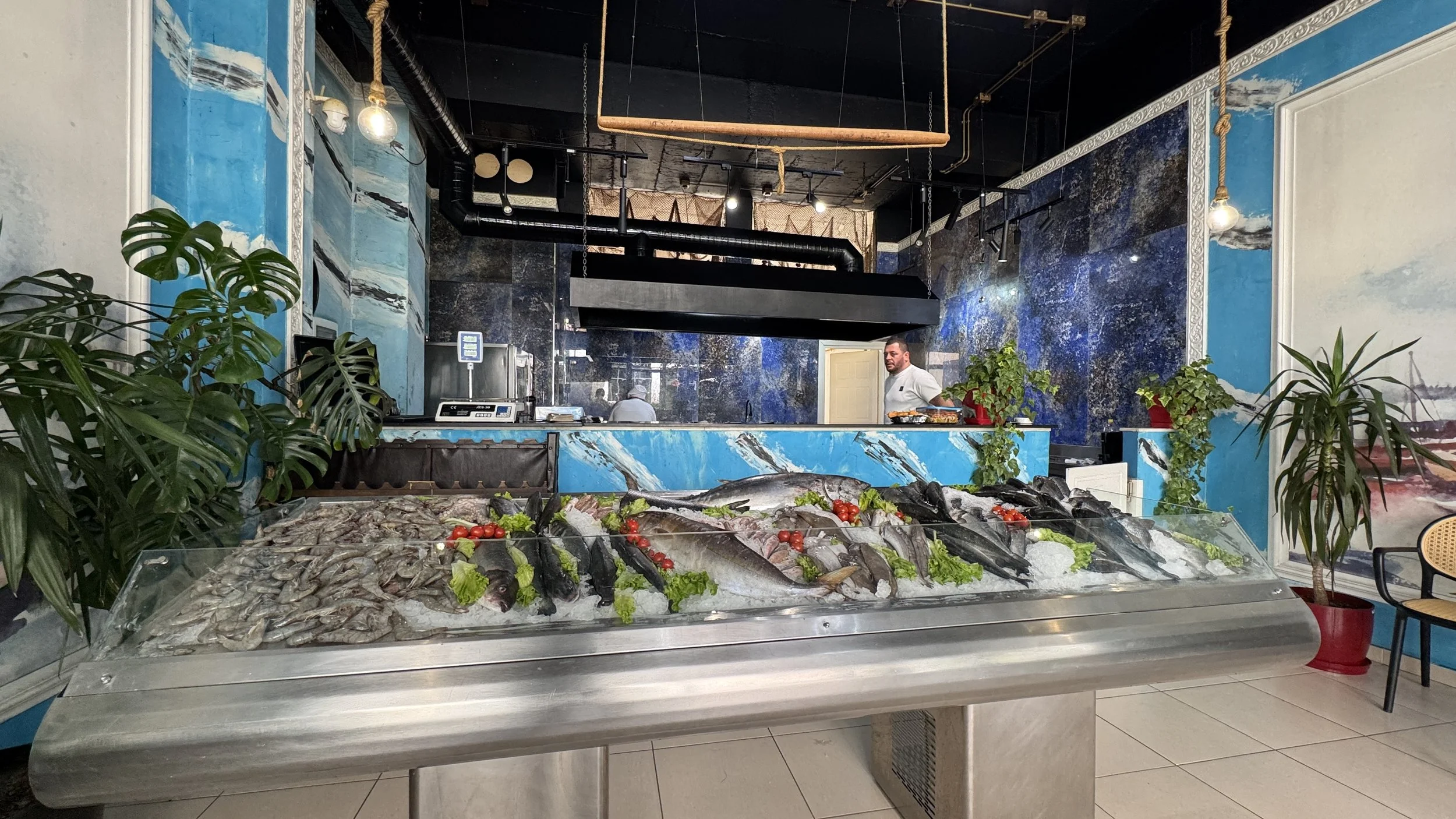
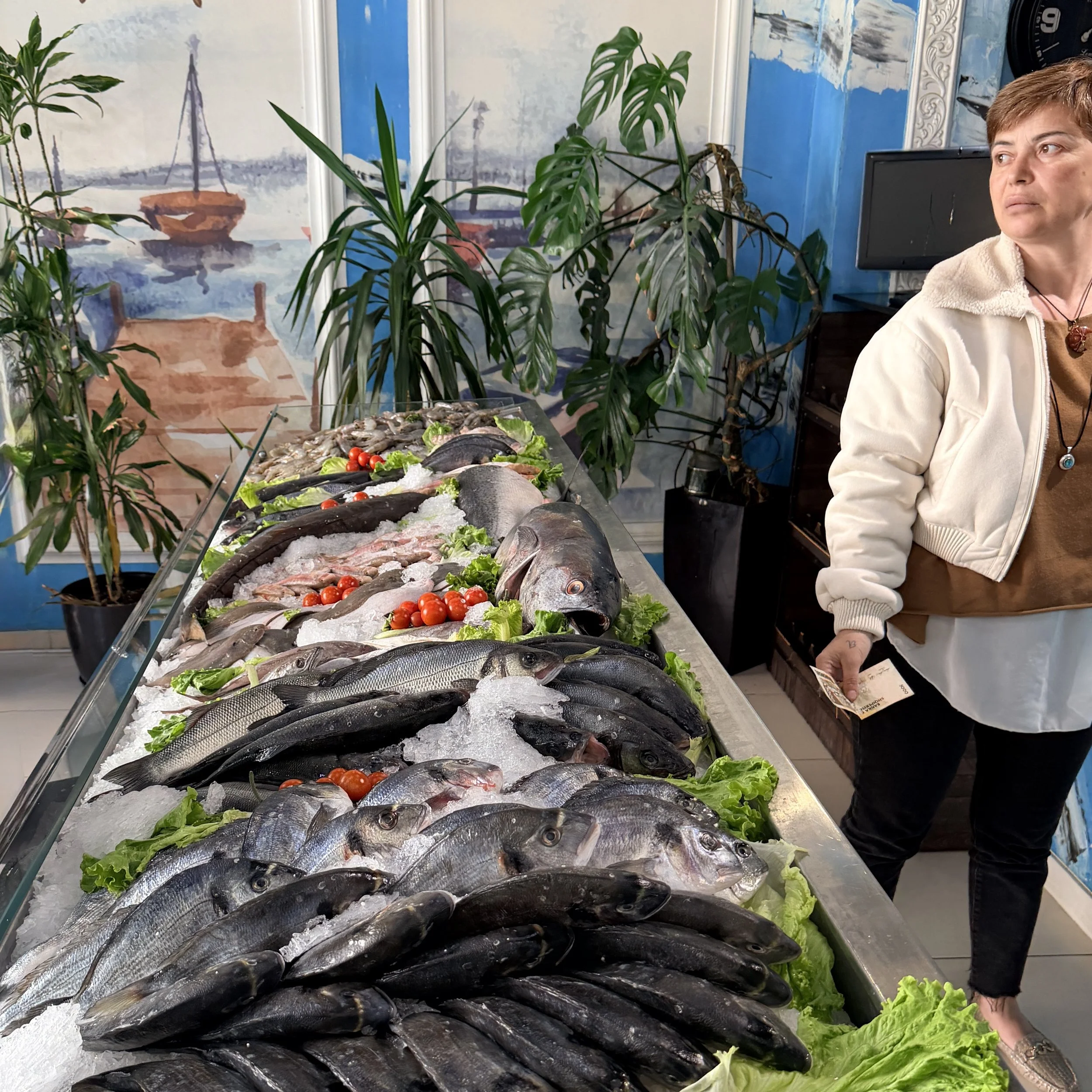
After leaving the museum, we walked along the sloping road looking for somewhere to eat. Soon we noticed a seafood restaurant displaying trays of fresh fish and shrimp inside. There was no menu, and nobody spoke English. Fortunately, a friend of theirs helped us make an order.
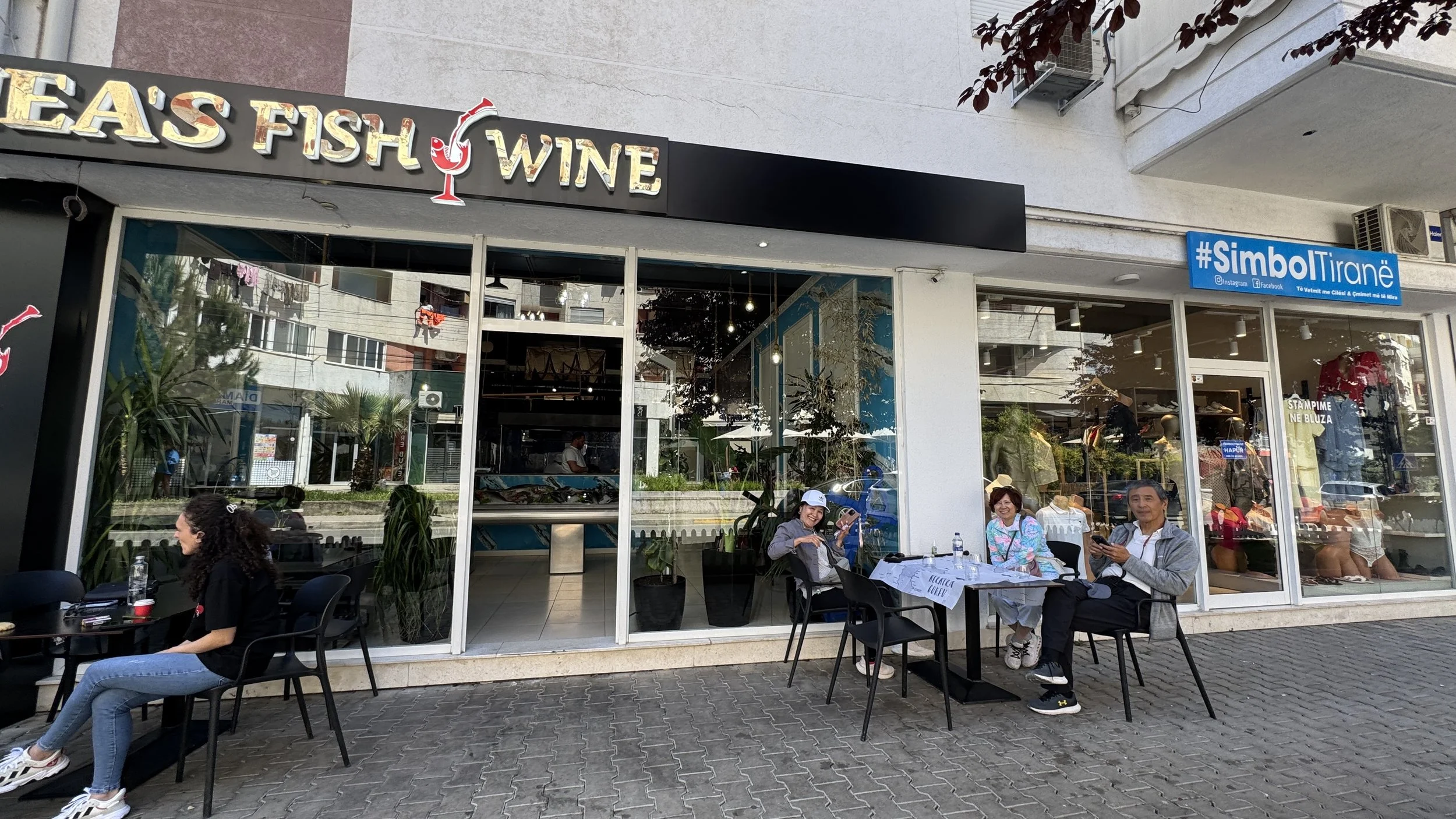
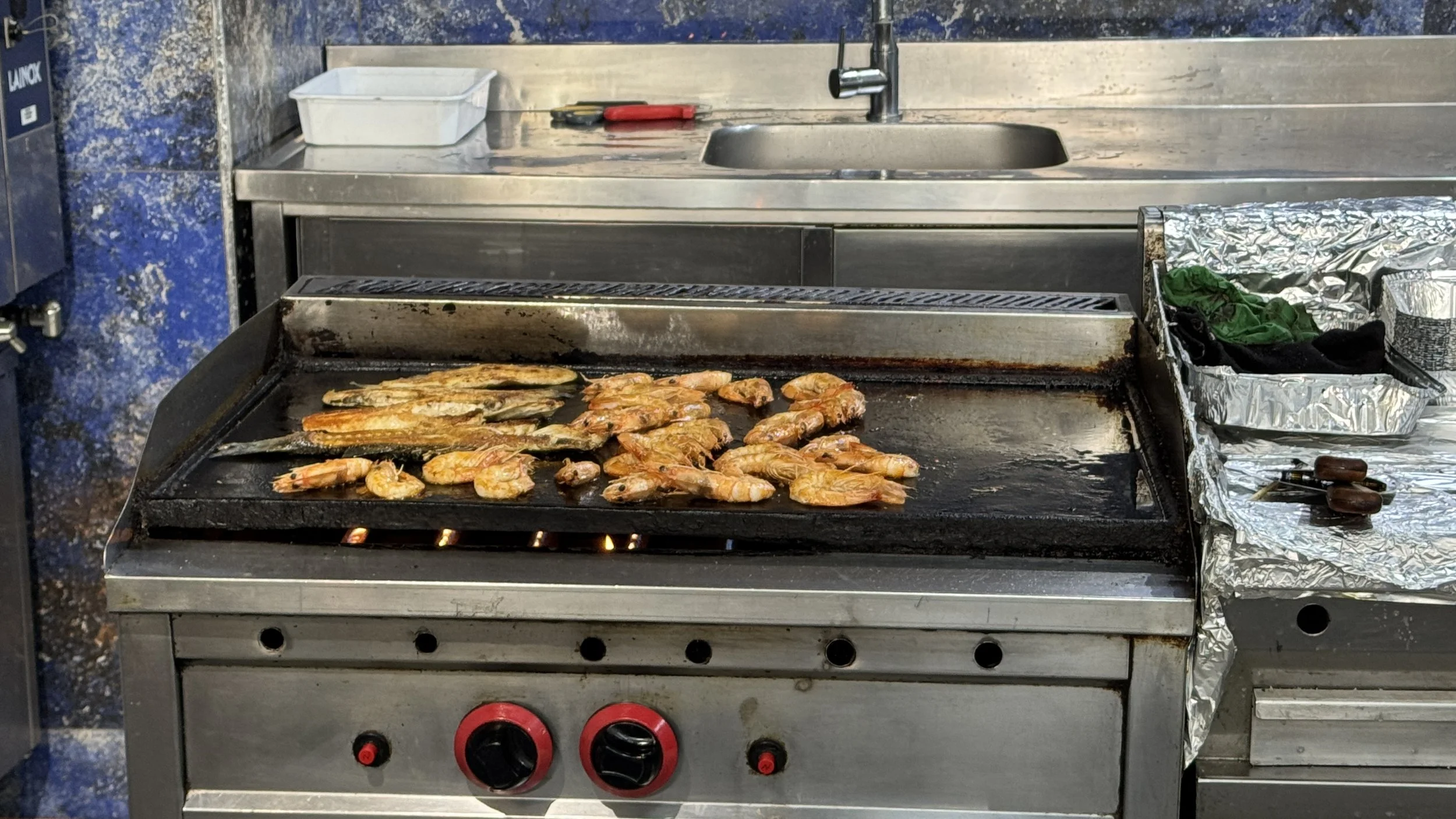
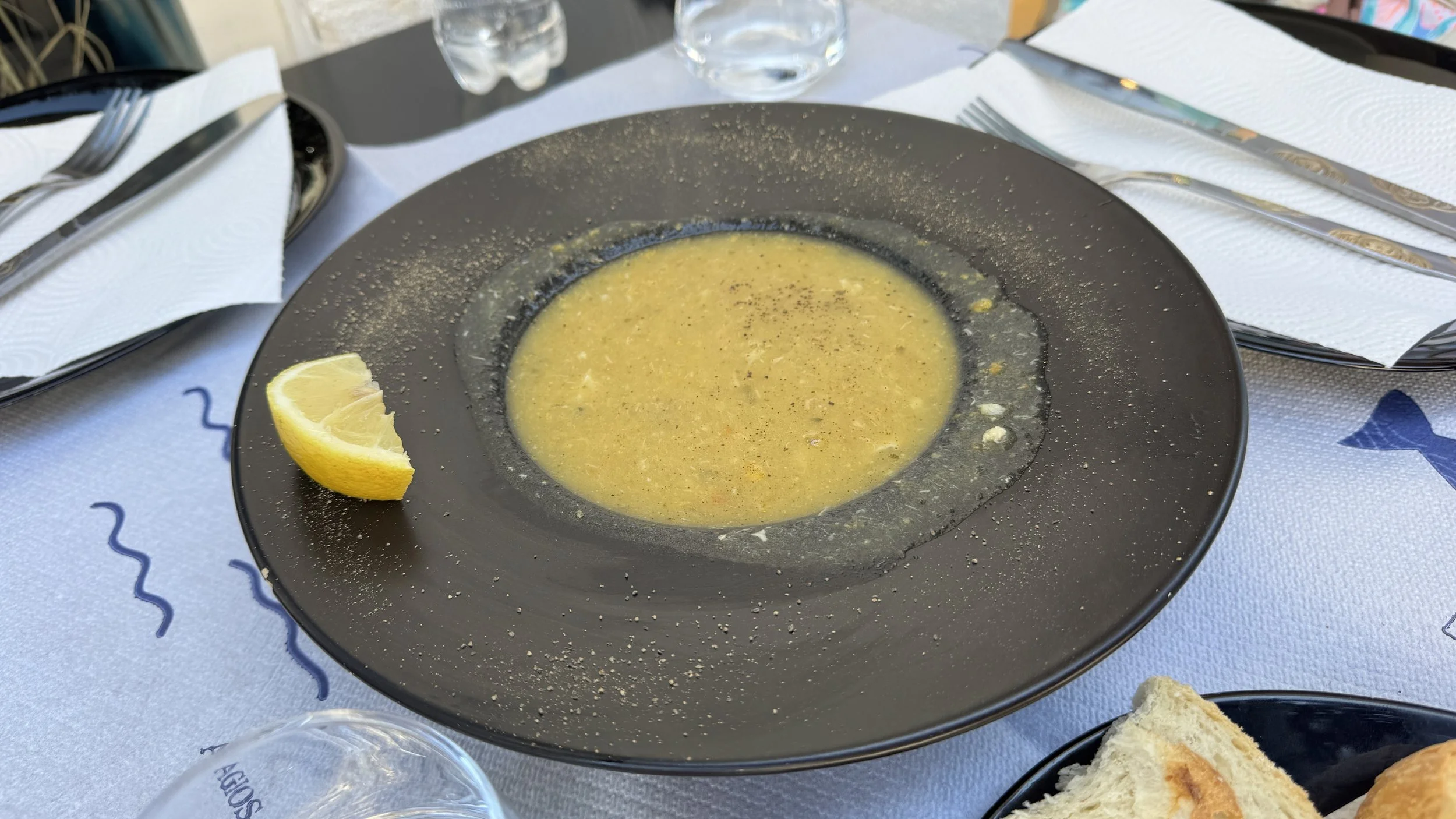
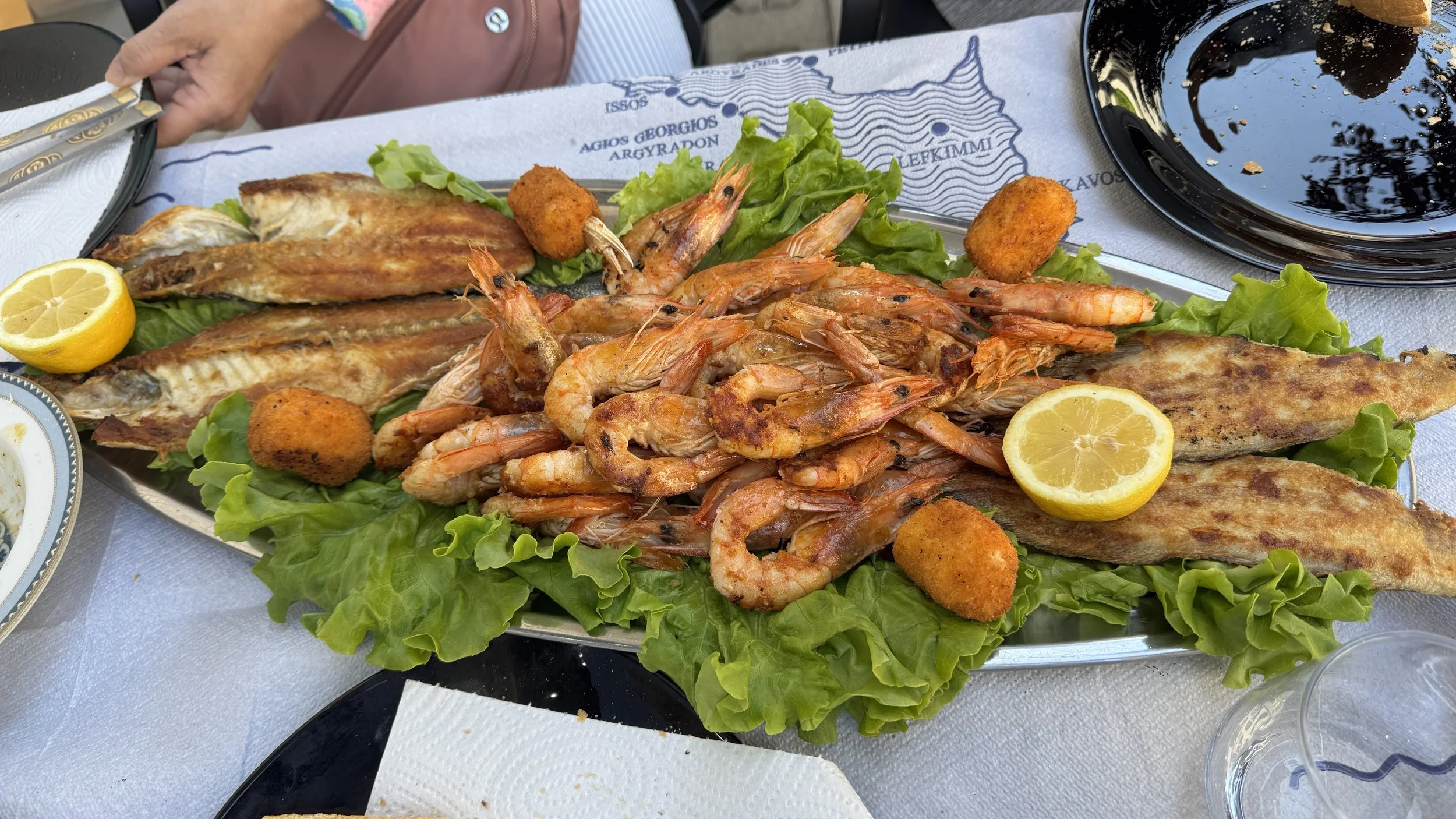
With her assistance, we ordered one kilogram of shrimp, three fish, and fish soup. The sparkling water came from a drink shop across the street, while the wine was brought over for a table next to us from the pizza place next door. It almost felt as if the entire neighborhood worked together to help the restaurant operate. The seafood was incredibly fresh and probably the best seafood meal we had during this entire trip.
When we finished eating, a taxi happened to be waiting outside the restaurant, so we took it back toward the city center. We had planned to visit the House of Leaves, another museum focused on Albania’s secret police history and located inside the former headquarters of the secret service. However, during the ride we checked Google Maps and saw that it was supposedly closed for the day, so we decided to return to the hotel and rest instead.
After taking a short break, I went out alone for a walk and discovered that the museum was actually open after all. I quickly called the rest of our group to let them know.
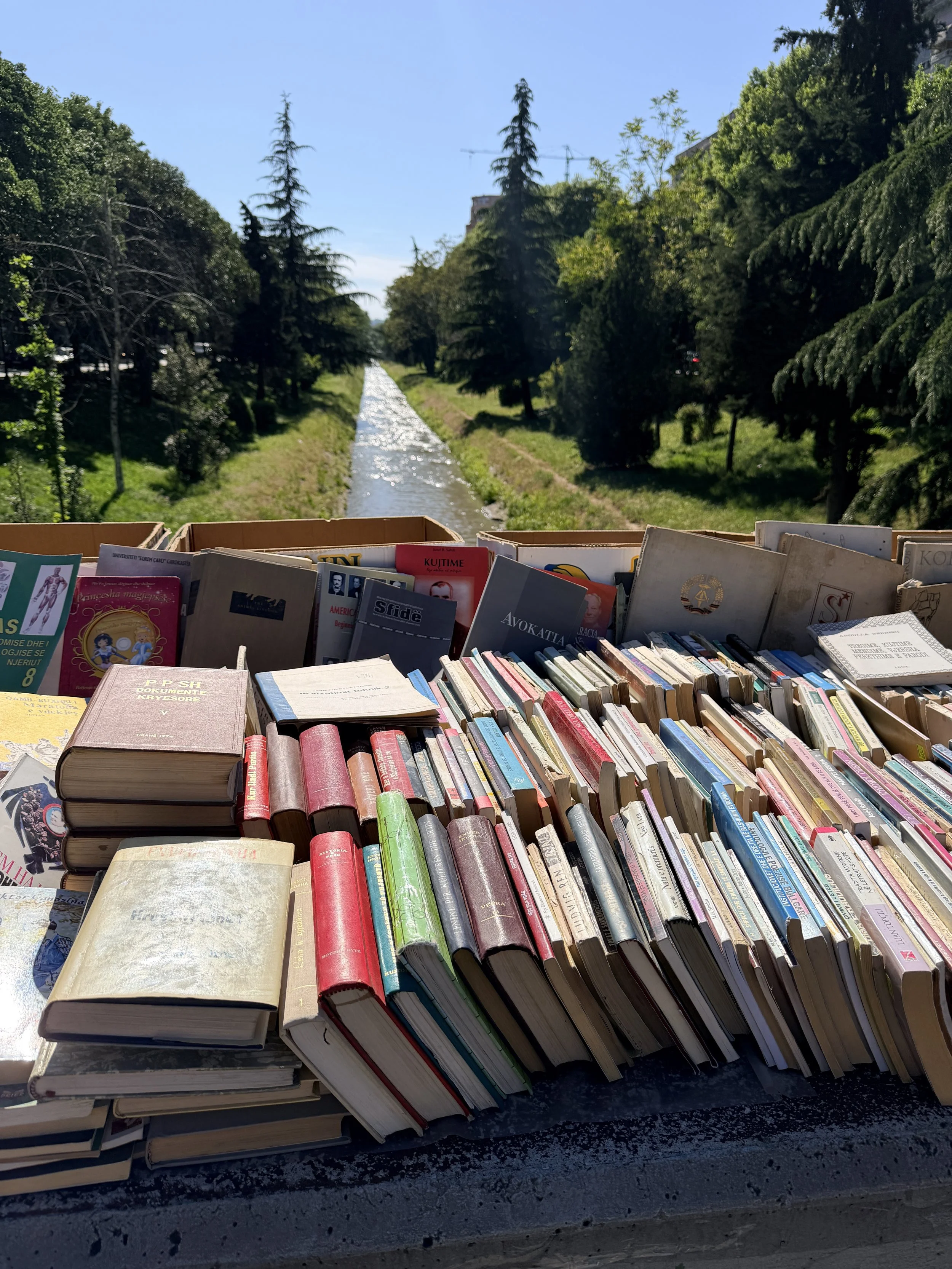
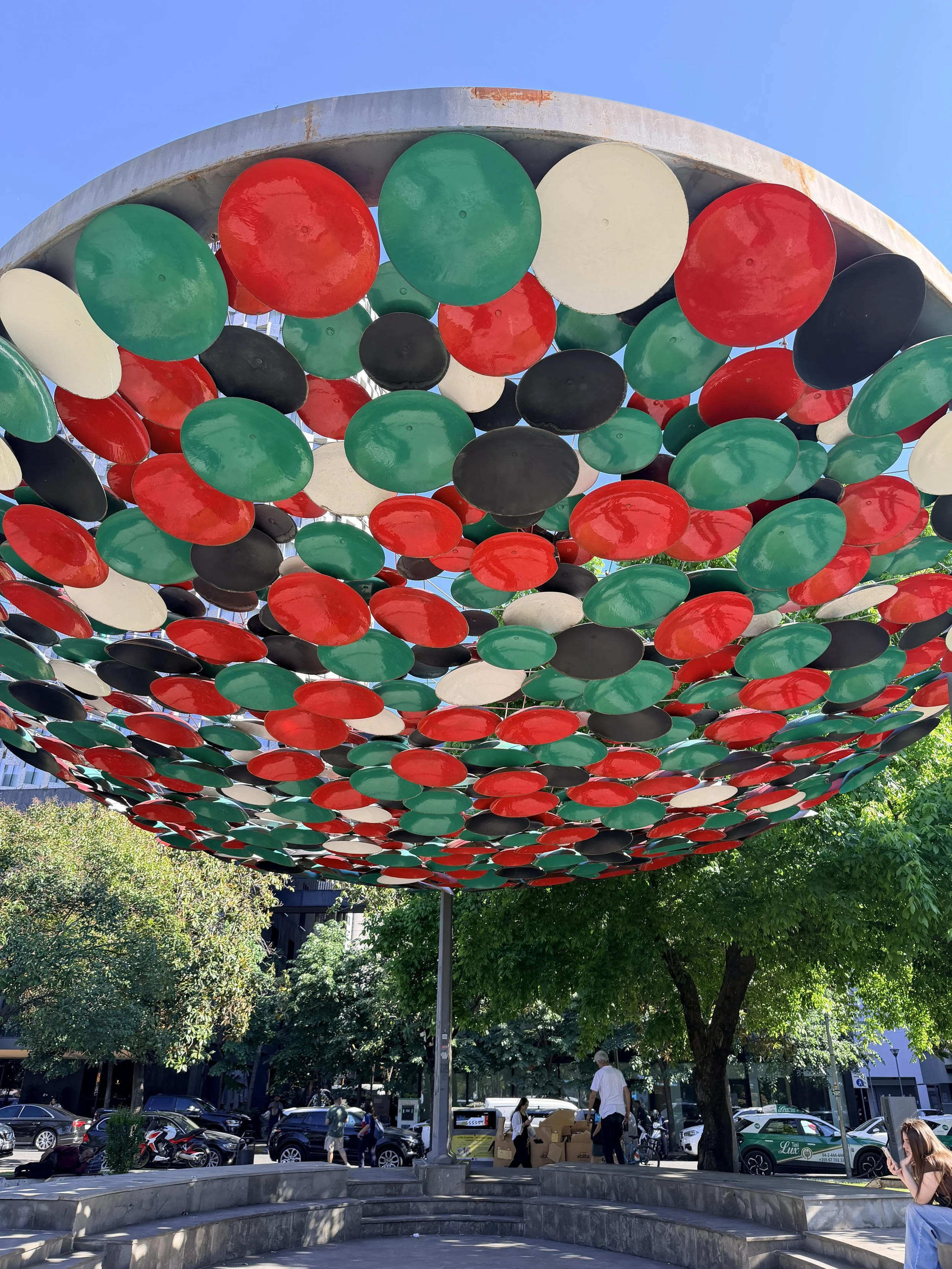
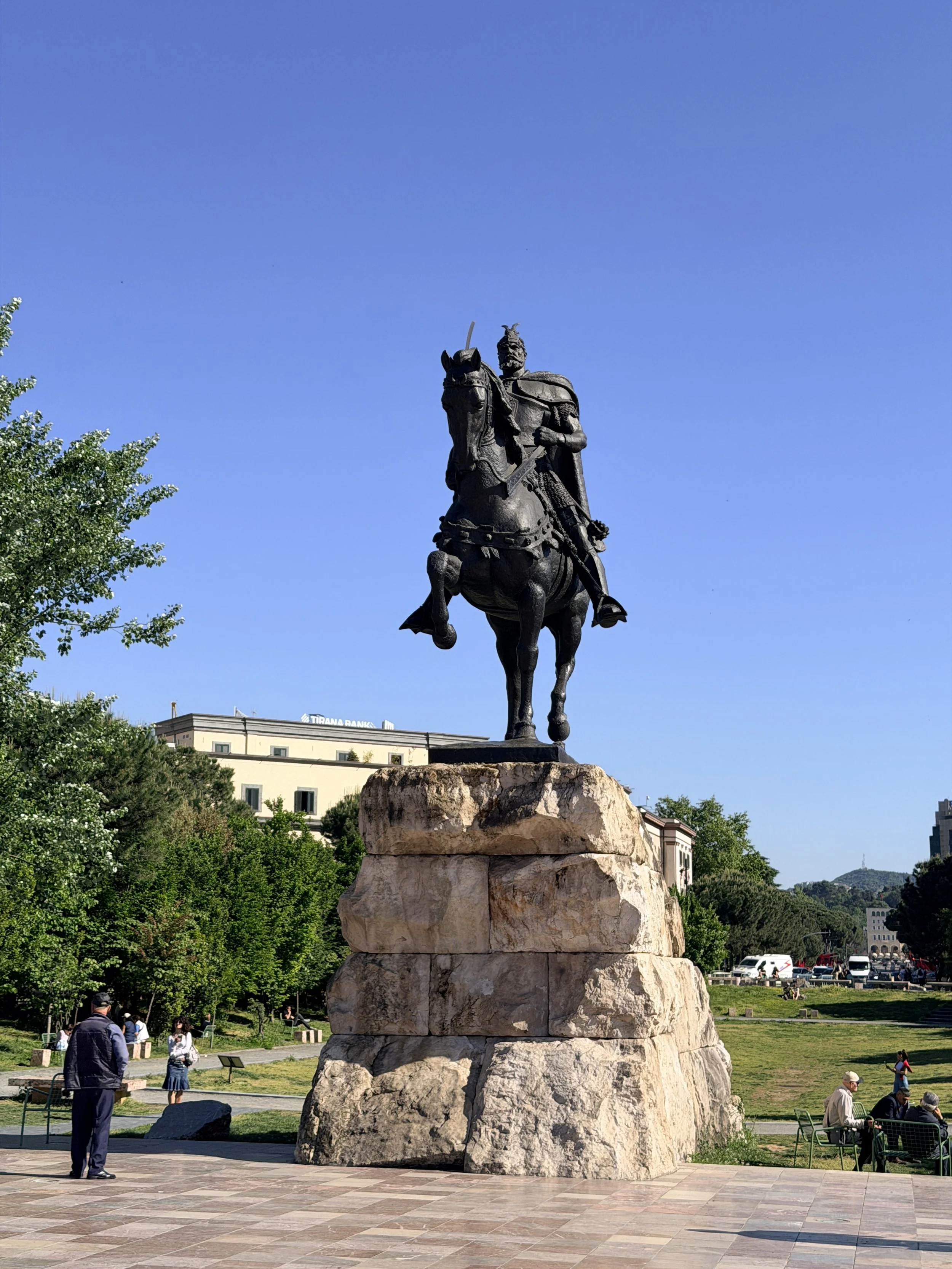
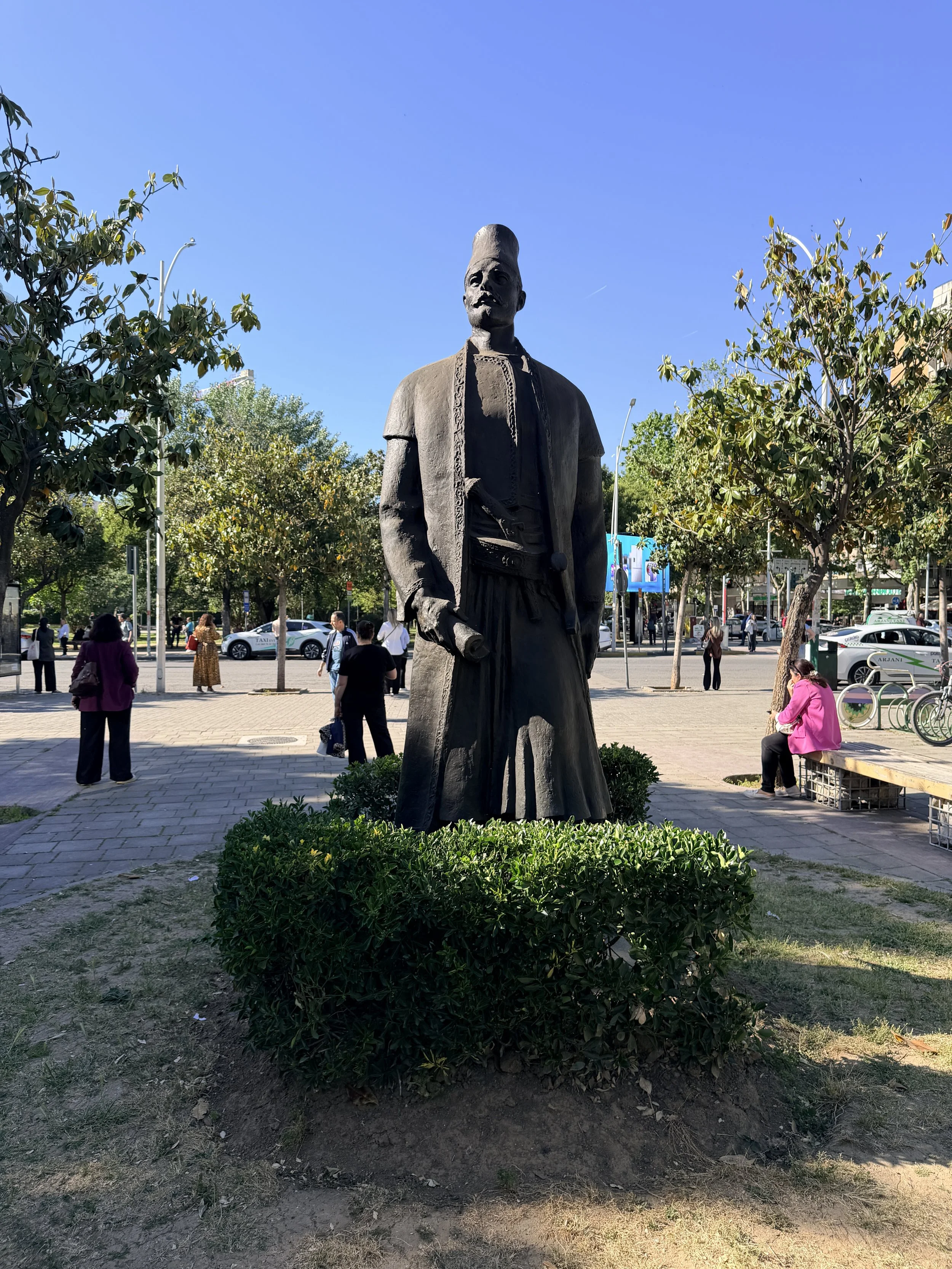
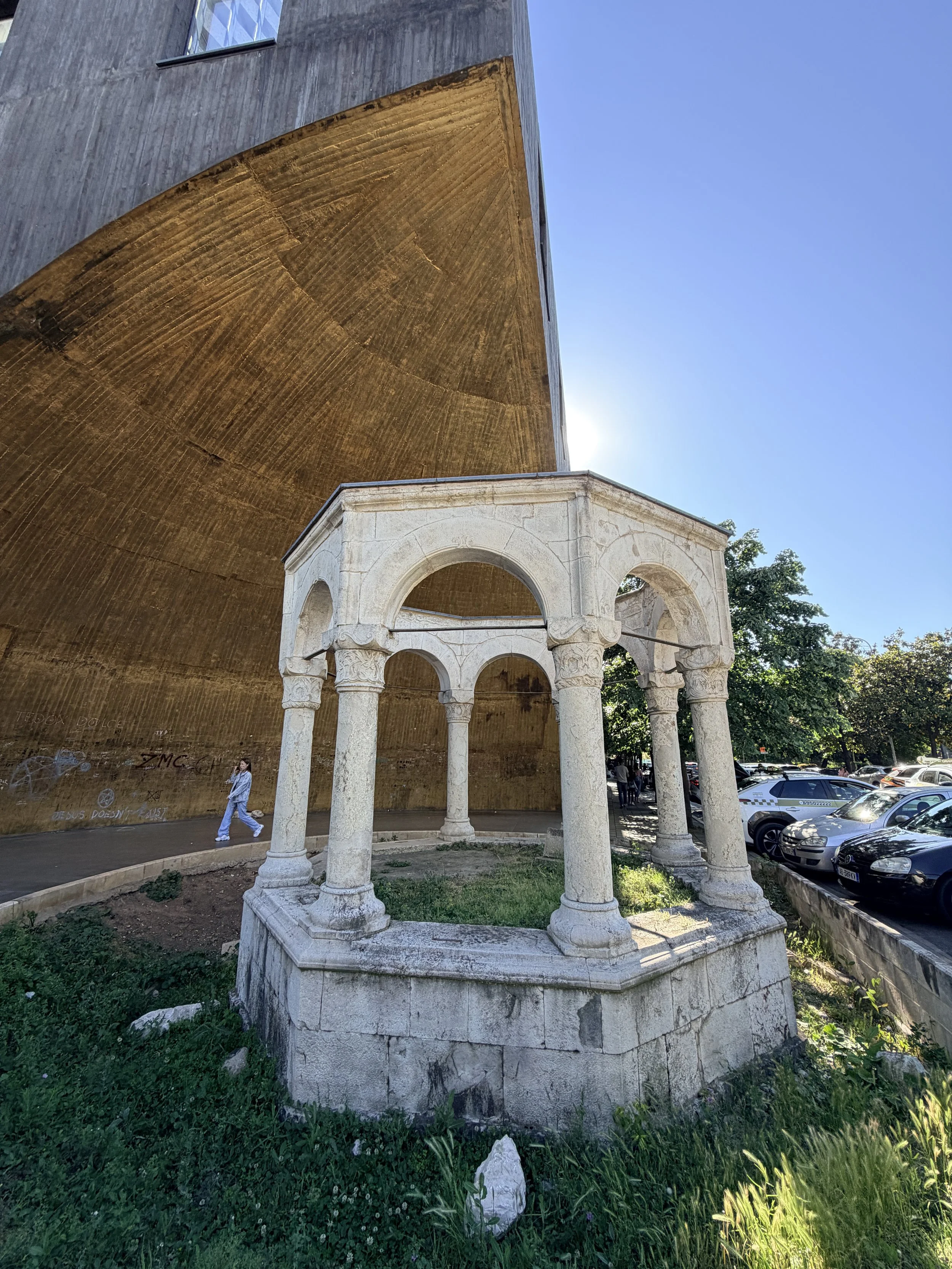
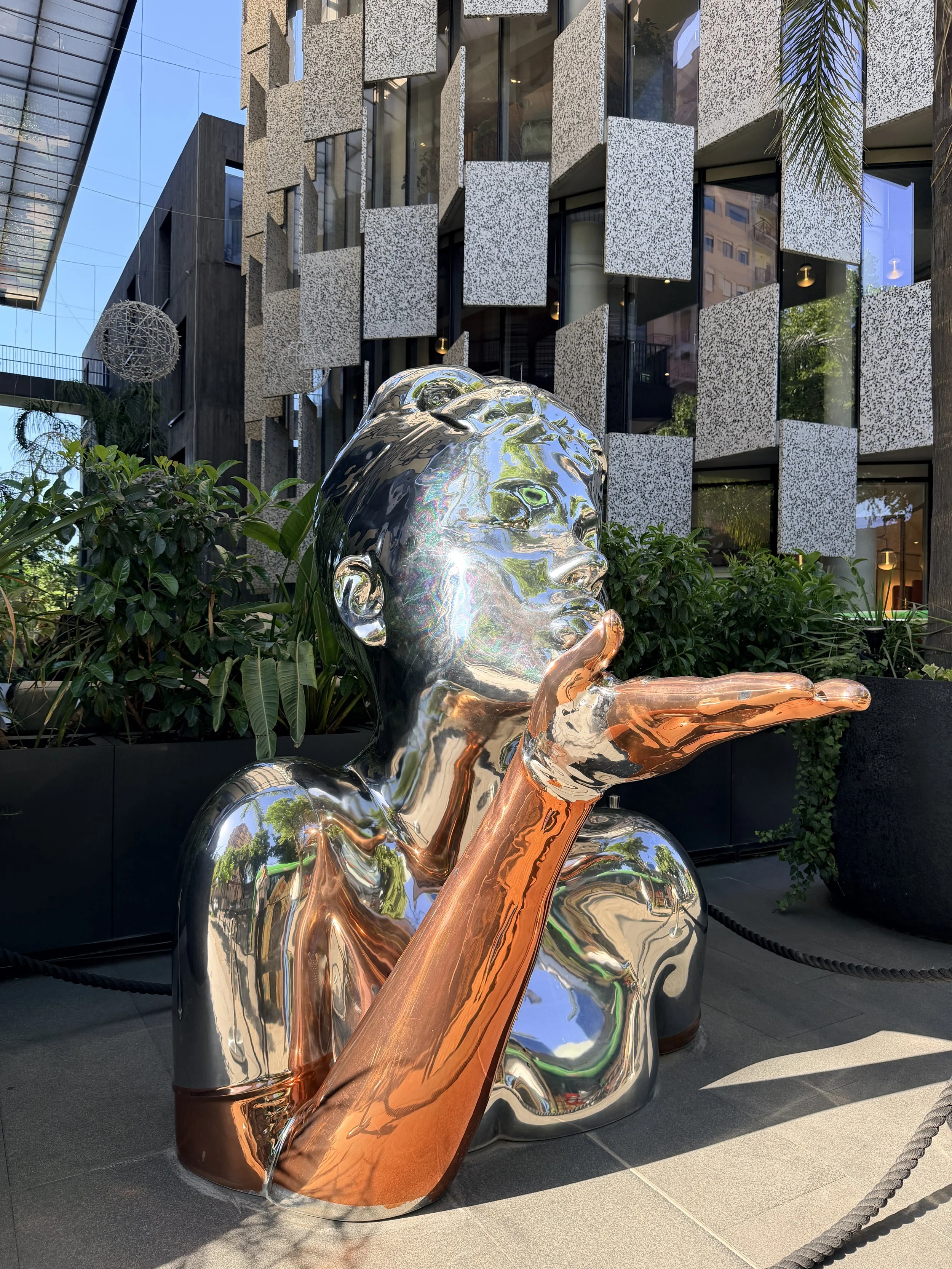
We eventually visited the House of Leaves together, though by then the experience no longer felt especially exciting or engaging. After several days of visiting museums and learning about communist history, secret police operations, and wartime suffering throughout the Balkans, we were beginning to feel emotionally exhausted.
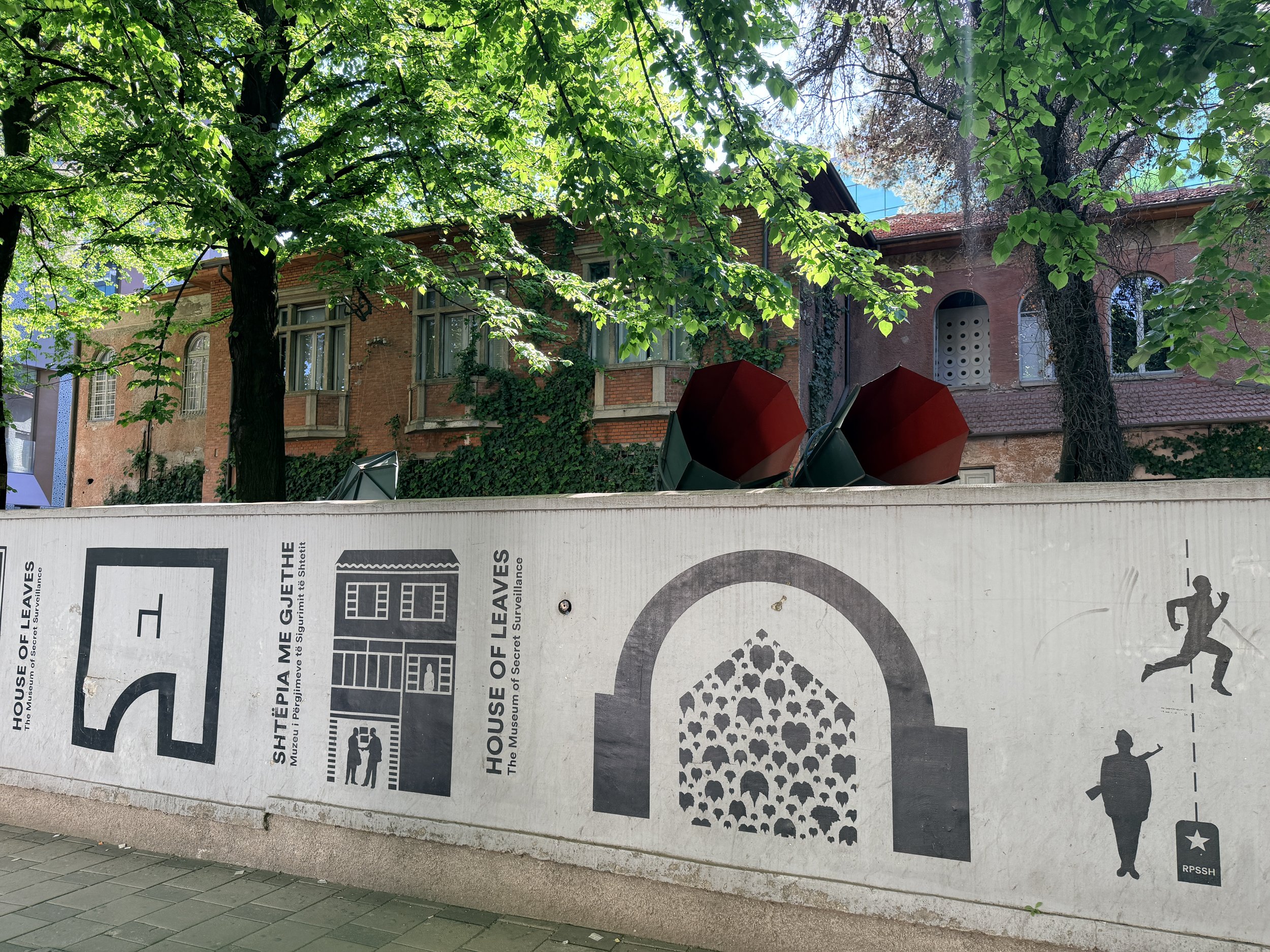
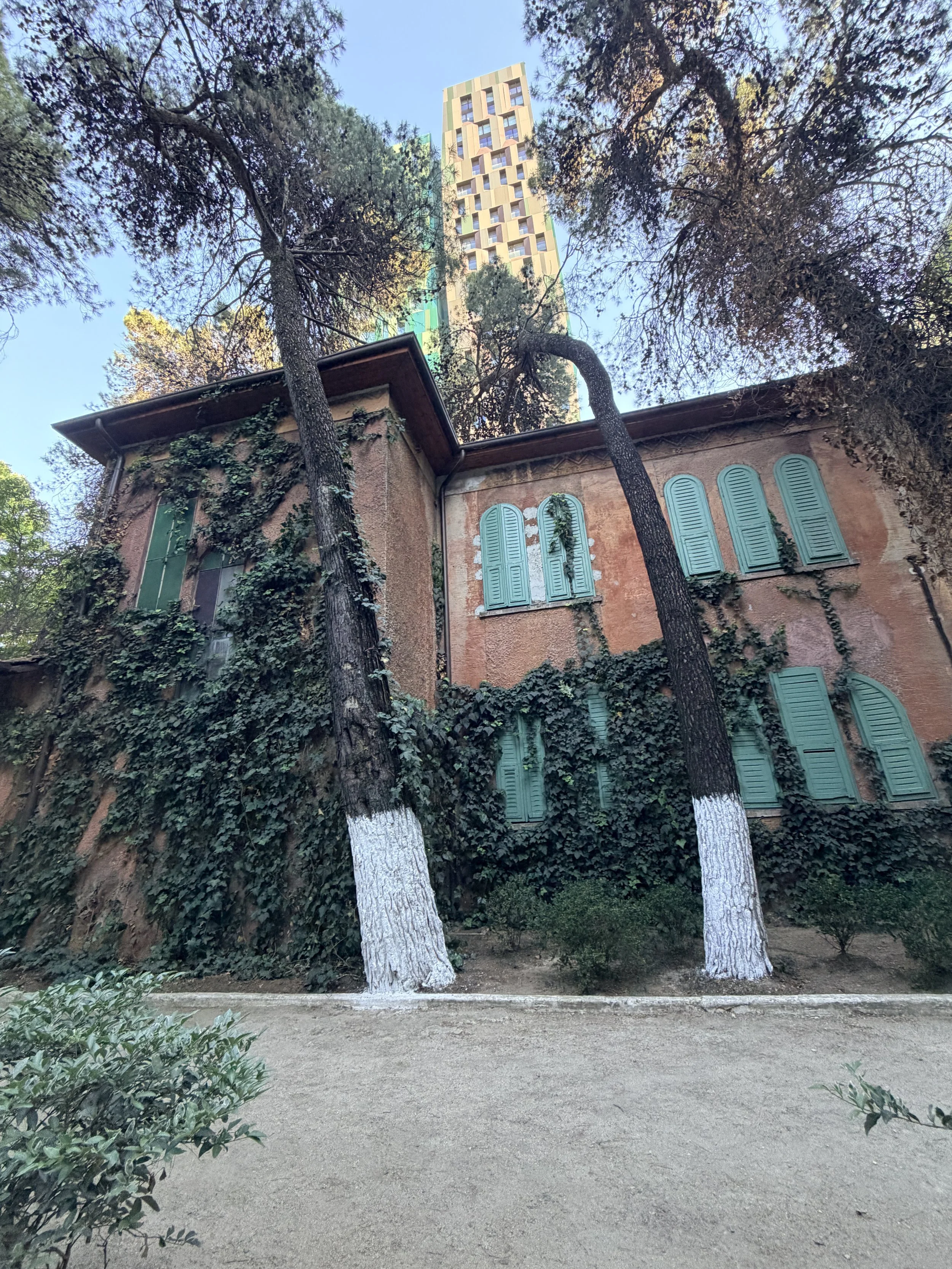
At that point, we were finally ready to go home.
2026年5月4日
我们已经参观了地拉那市区大部分主要景点,今天原本计划搭乘缆车上山看看风景。根据 Google Maps 的信息,缆车前一天刚结束维修恢复开放。为了确认情况,我们还特地请酒店前台帮忙打电话确认。前台非常肯定地告诉我们缆车今天正常营业,甚至还有位房客说昨天才刚去过。
于是我们放心地叫了出租车前往缆车站,结果到了之后才发现昨天开了一天,今天缆车又关闭维修。真是让人失望。
我们便改去参观 Bunk’Art 1。出租车司机很热心,直接把车穿过隧道,送到票房门口,让我们少走了几分钟上坡路。
Bunk’Art 1 是位于地拉那郊外的另一座巨大地下核掩体博物馆,规模远比昨天在市中心参观的Bunk’Art 2 大。它最初建于恩维尔·霍查(Enver Hoxha)统治时期,作为核战争爆发时供政府高层和军方领导人避难的秘密设施。整个地下空间庞大得像一座隐藏在山体中的地下城市,到处都是长长的走廊、房间和指挥区域。与 Bunk’Art 2 相比,这里展示的内容更加全面,涵盖了阿尔巴尼亚共产主义时期以及冷战时代的军事历史。
离开博物馆后,我们沿着倾斜的山路慢慢往下走,寻找吃饭的地方。没多久便看到一家小小的海鲜店,店铺里摆放着新鲜的鱼和虾,敞开的小厨房里烧着鱼汤。店里没有菜单,也没人会说英语。幸运的是,店员找来一位朋友帮忙翻译。我们点了一公斤虾、三条鱼以及鱼汤。店员在小店门放个桌子,铺上纸就算是我们的餐桌了。鱼和虾是当场在店里的小厨房烤的,气泡水是从马路对面的饮料店拿来的,而葡萄酒则是隔壁披萨店提供的。看起来整个街区彼此之间都在互相帮忙经营生意,感觉非常有趣。这顿海鲜非常新鲜美味,完全是意外的惊喜,很可能是我们这趟旅行中吃到最棒的一餐海鲜之一。
吃完饭后,刚好有一辆出租车停在餐厅门口,于是我们直接搭车返回市区。原本我们还计划去参观“树叶之家”(House of Leaves),那也是一座与阿尔巴尼亚秘密警察历史有关的博物馆,地点就在当年秘密警察总部旧址。不过在路上查看 Google Maps 时,发现它显示当天已经关闭,于是我们决定先回酒店休息。
短暂休息之后,我一个人出去散步,结果发现博物馆其实仍然开放。赶紧通知在酒店休息的三位,大家一起参观了“树叶之家”。不过此时大家对这类展览已经没有太多新鲜感了。连续多天在巴尔干地区参观关于过去的那些黑暗历史、秘密警察以及战争苦难的博物馆后,我们的情绪多少都有些低落,人也很疲惫。
到了这个时候,我们已经开始想回家了。
Tirana, Albania地拉那,阿尔巴尼亚
May 3, 2026
The hotel offered one of the best breakfasts of this entire trip……
在酒店用完早餐后我们先前往马路对面的地拉那金字塔。。。
May 3, 2026
The hotel offered one of the best breakfasts of this entire trip.
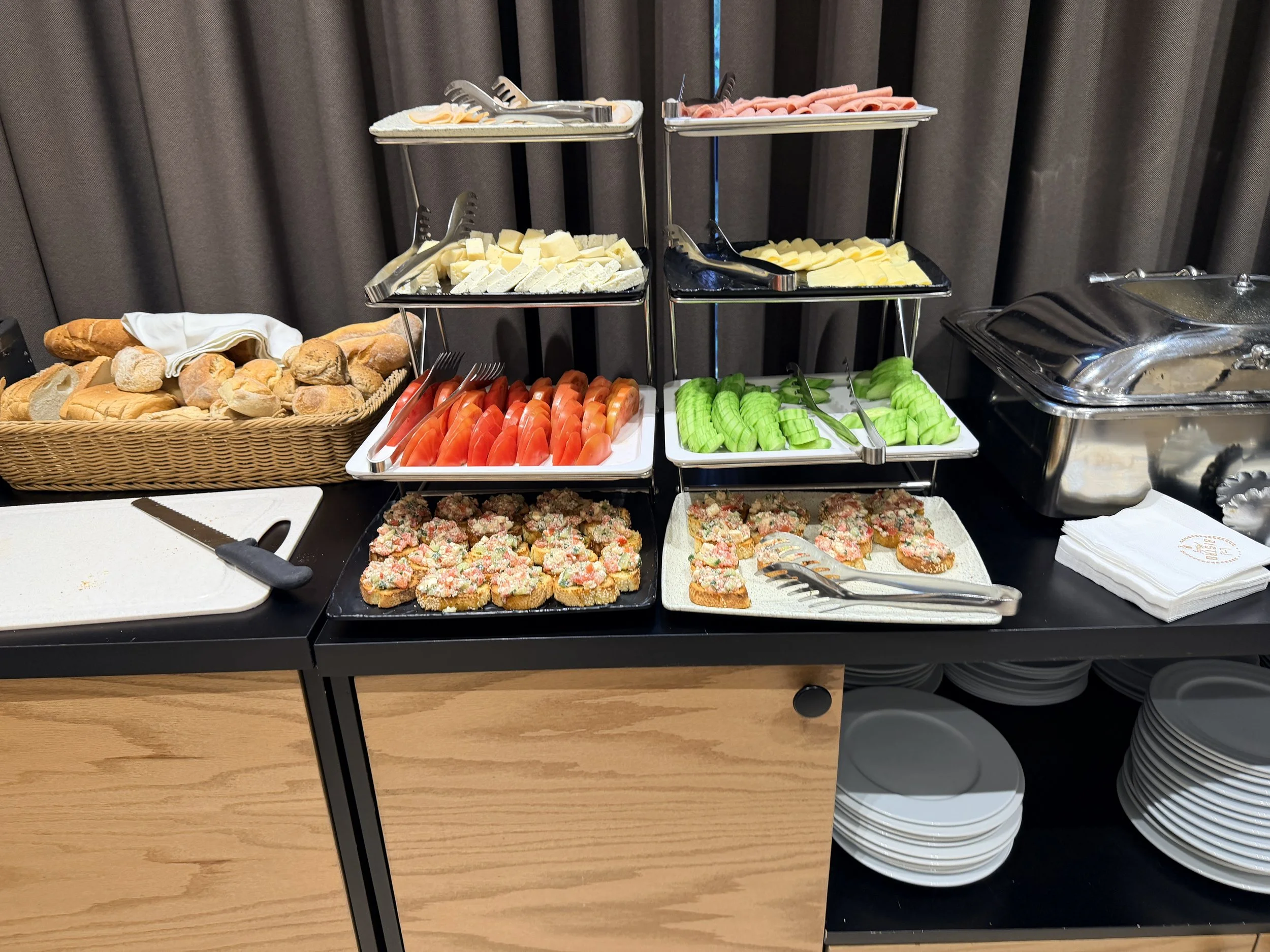
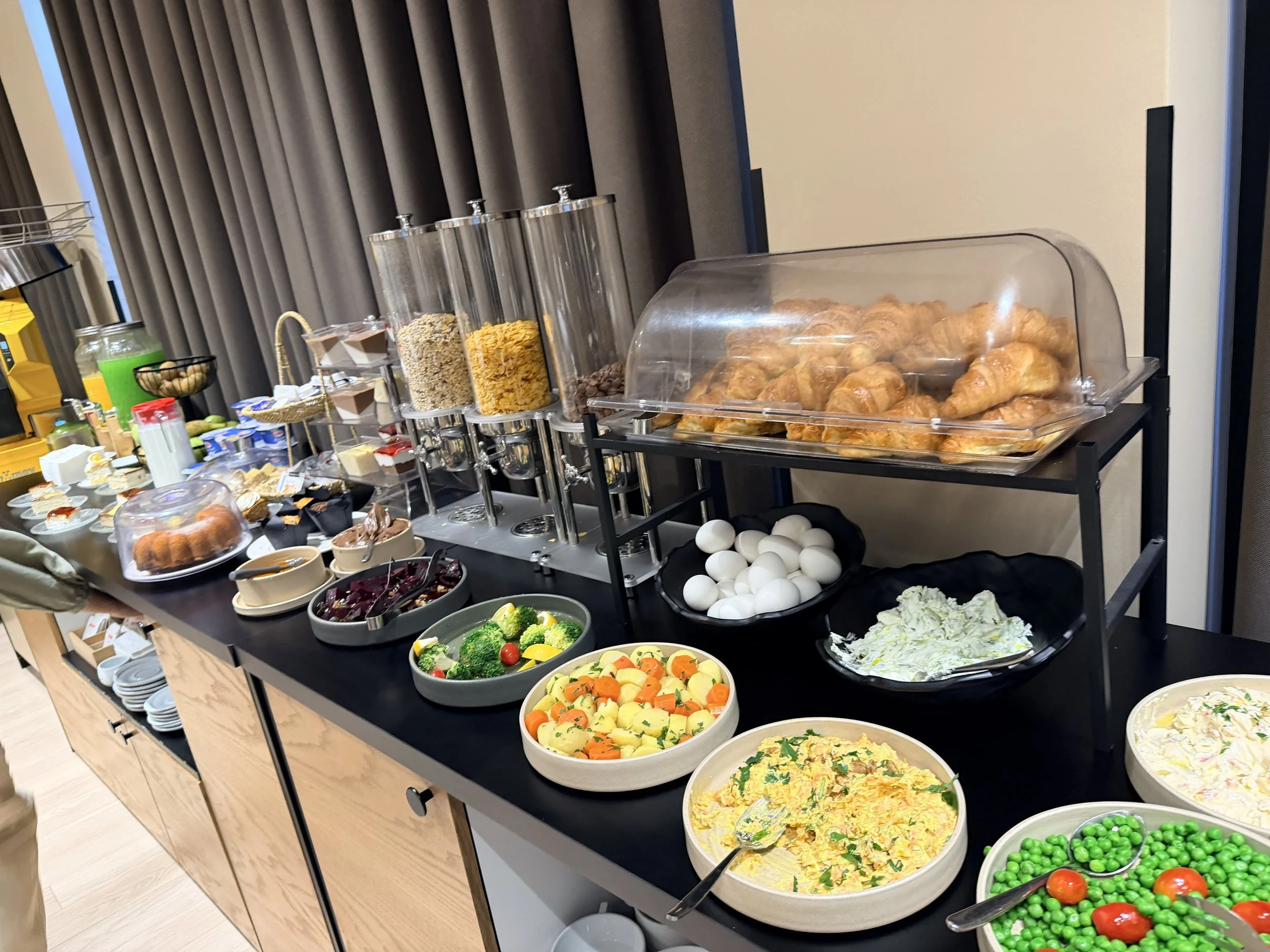
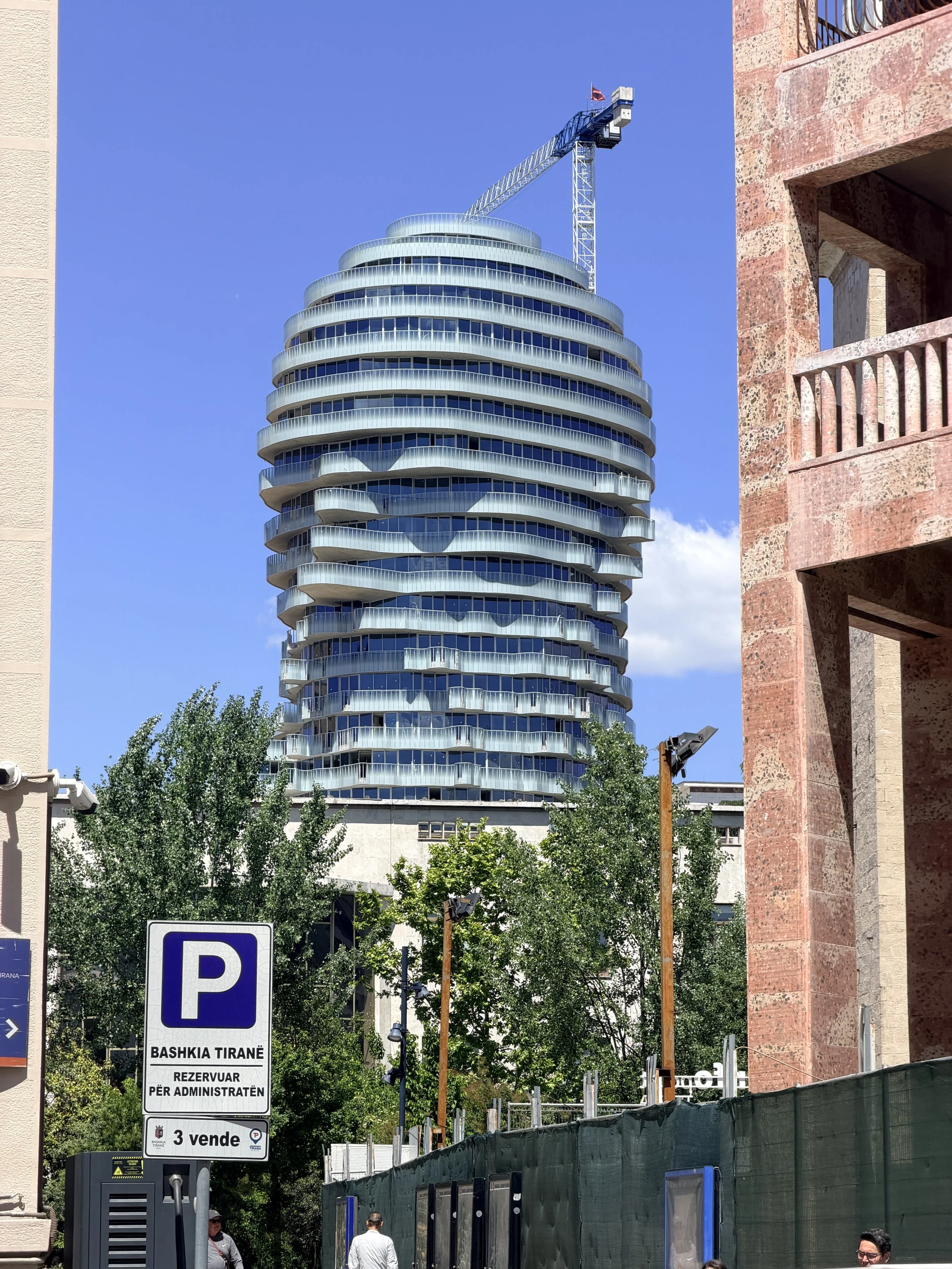
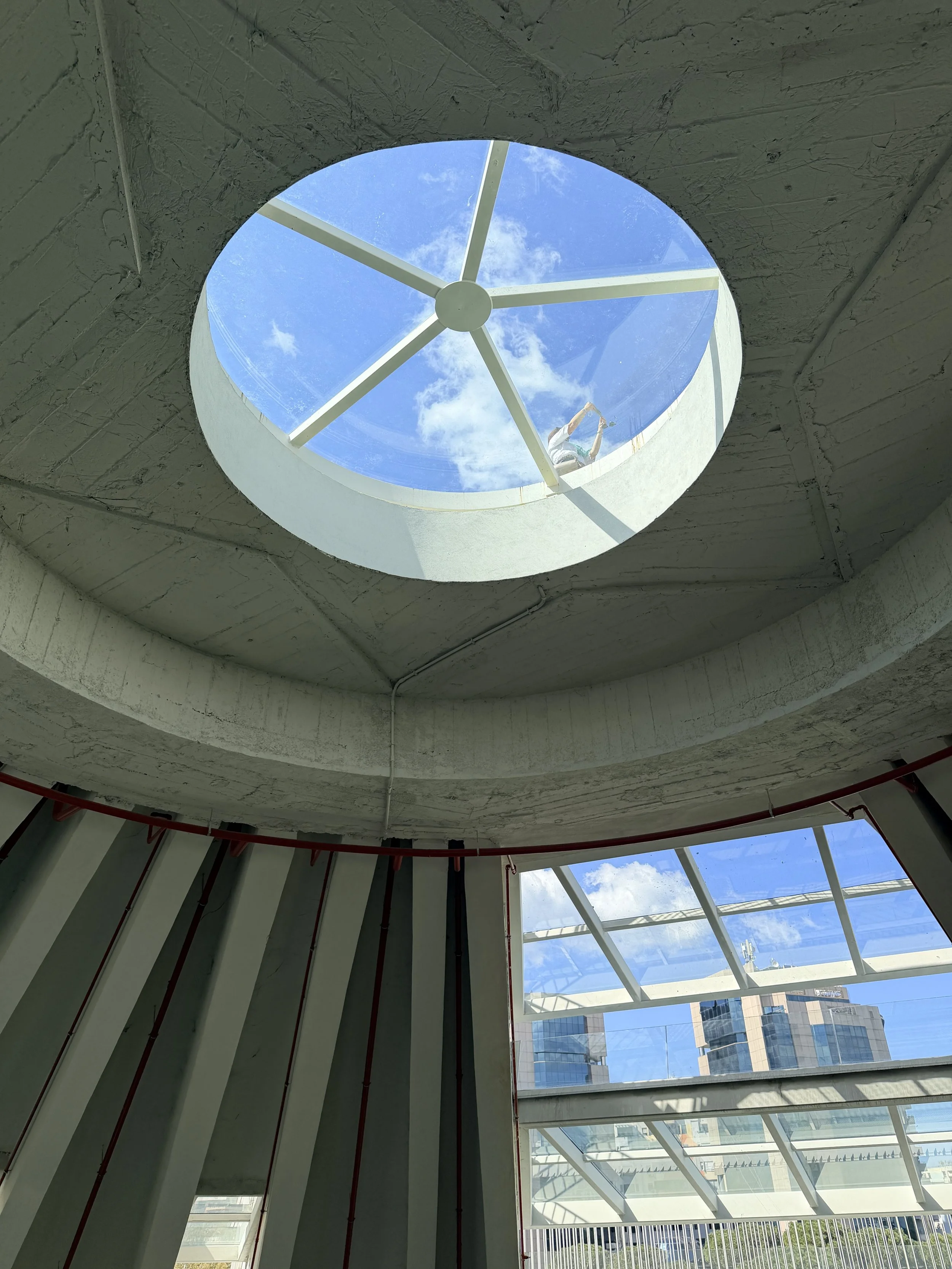
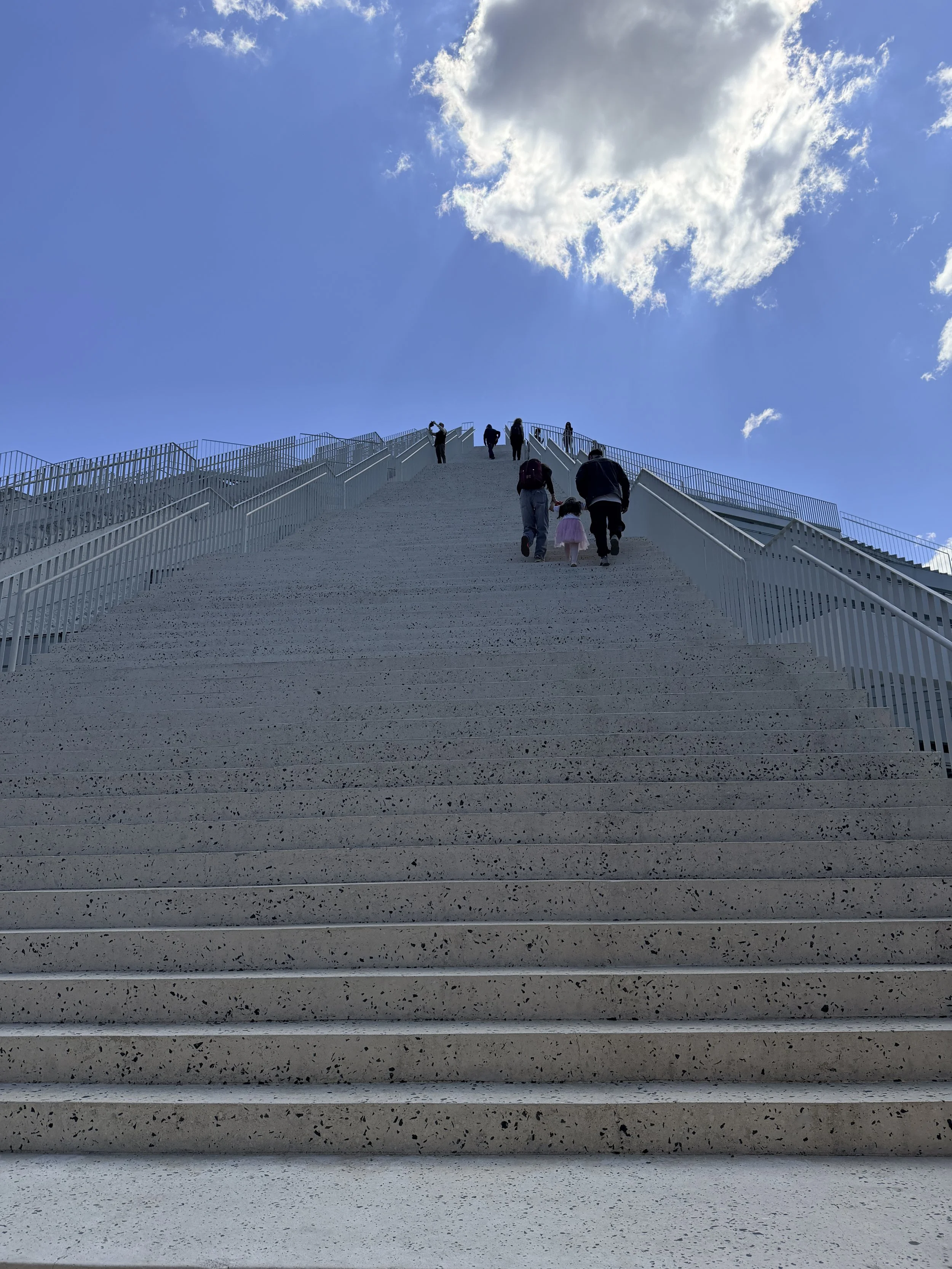
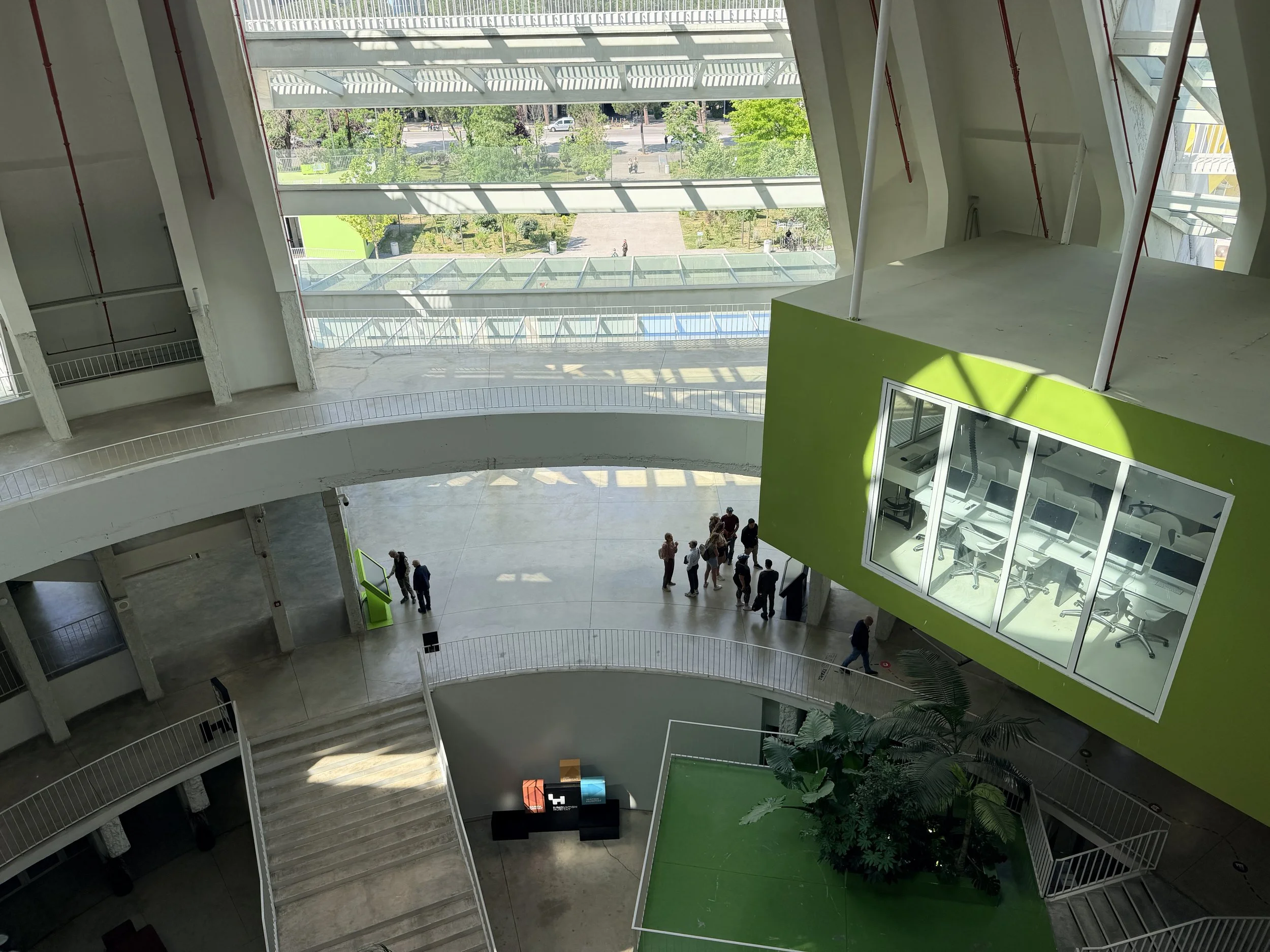
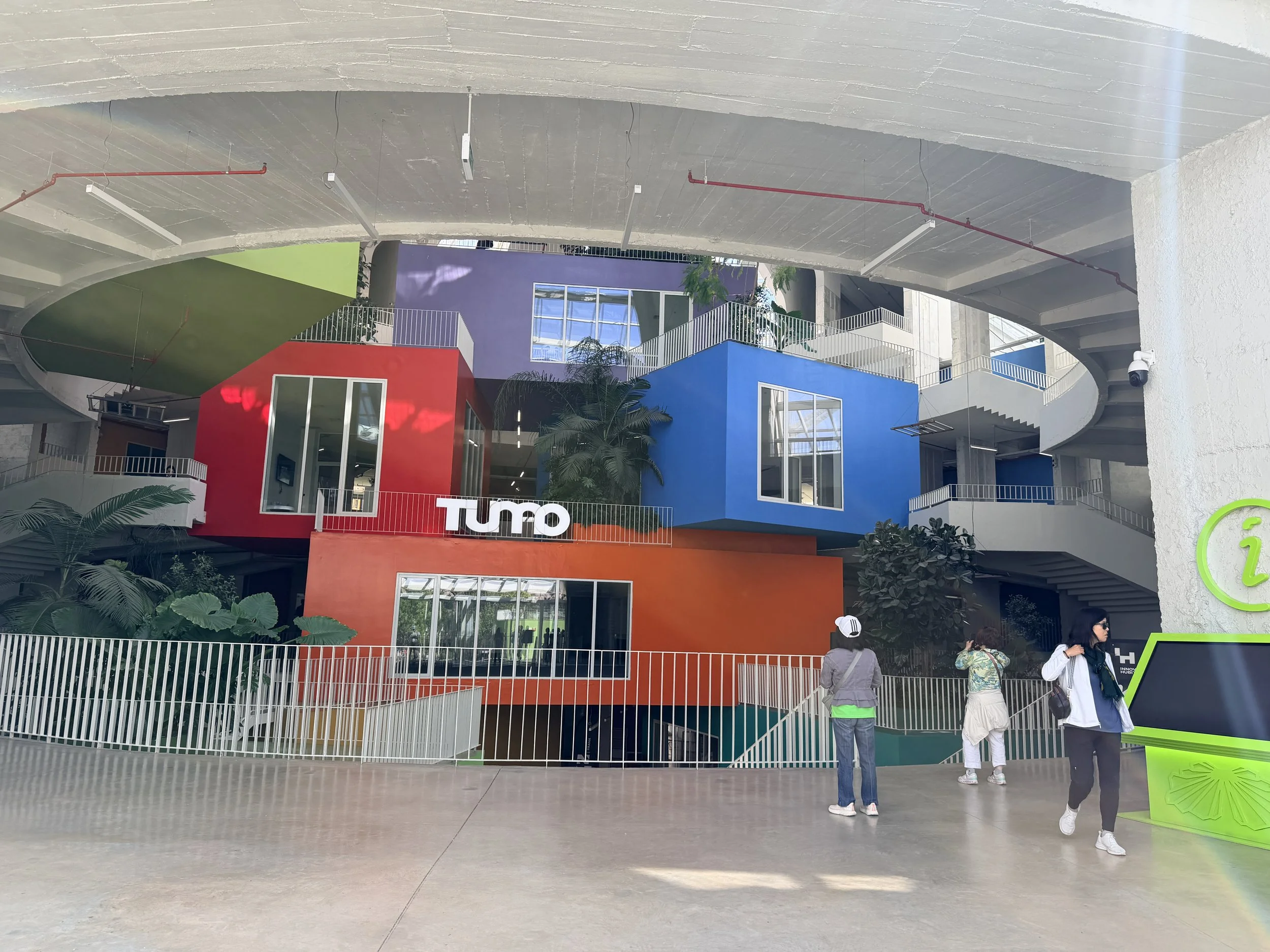
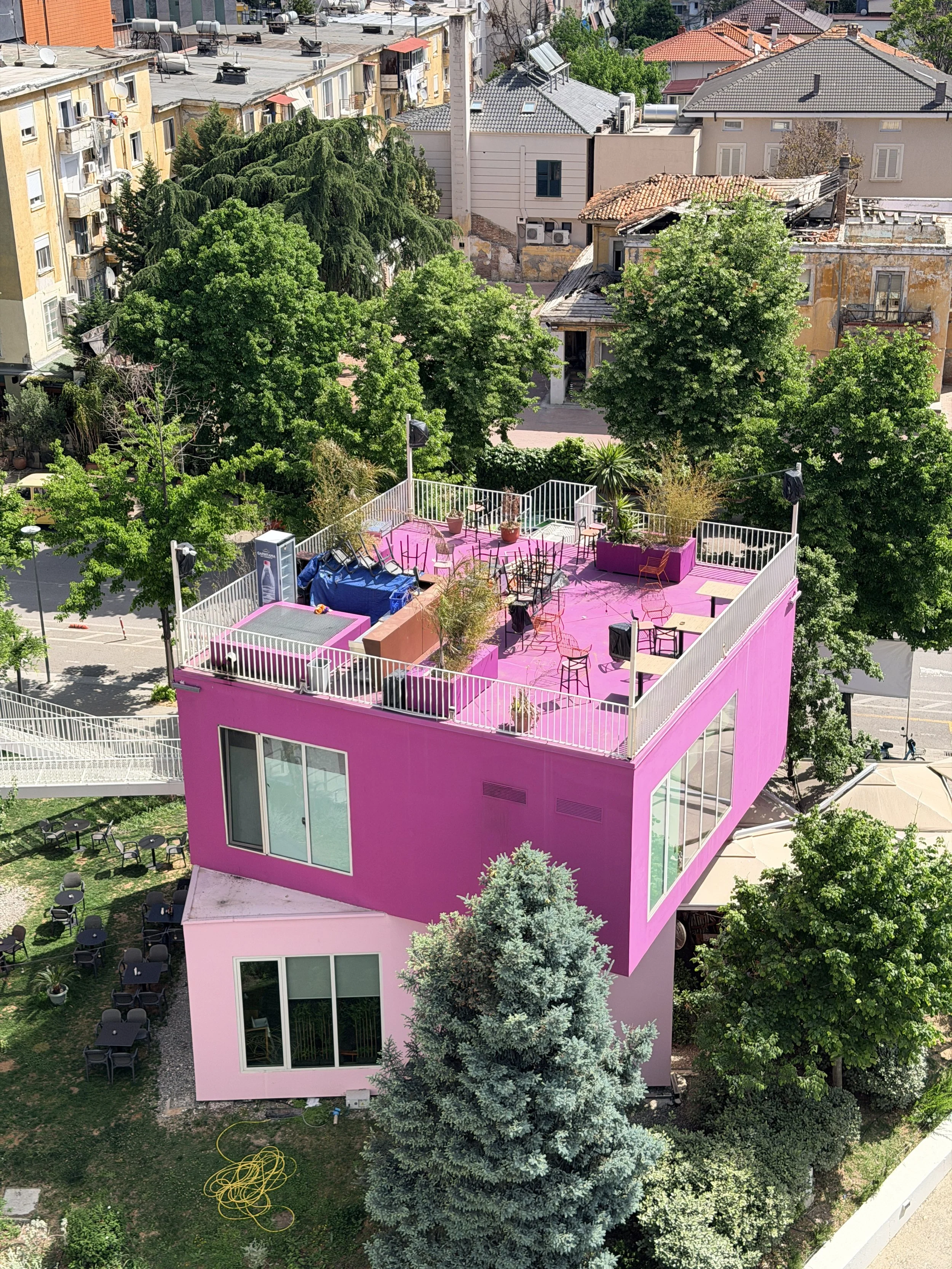
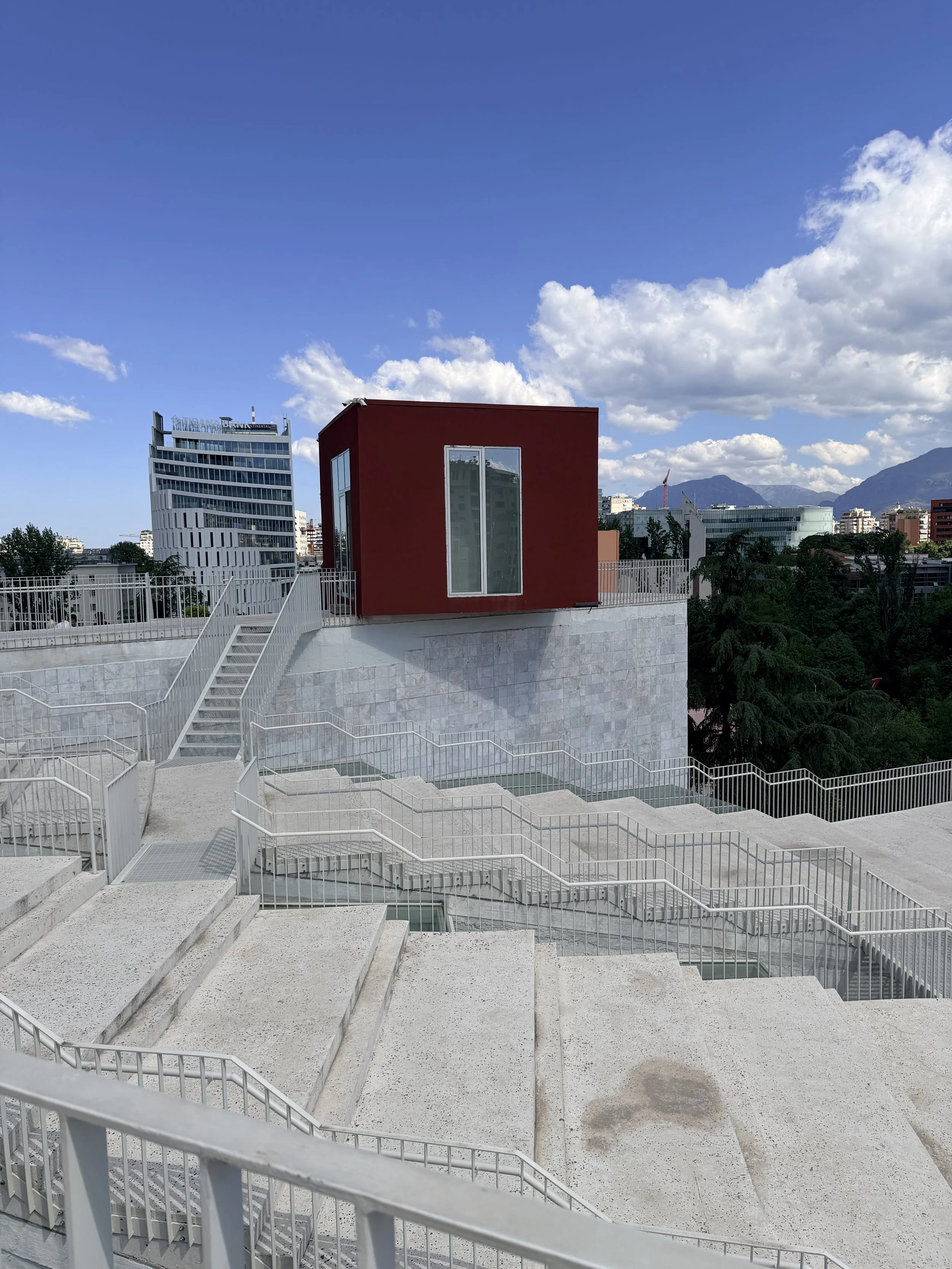
After breakfast, we began our day by visiting the Pyramid of Tirana across the street. The structure was originally built as a memorial to former Albanian leader Enver Hoxha after his death. Following the collapse of the communist regime in 1991, the pyramid was abandoned for many years. Today, it has been transformed into a modern public space for enjoyment. As we walked up the pyramid, we noticed many uniquely designed modern buildings nearby. One of them even resembled a giant human face, while others featured bold and unusual contemporary designs. Compared with many of the other cities we visited during this Balkan trip, Tirana felt very different. There were not many historic old buildings left in the city. Instead, the urban landscape seemed divided between plain, functional apartment blocks built during the communist era and eye-catching modern architecture constructed in recent years. The contrast between the two gave Tirana a distinctive and somewhat unexpected character.
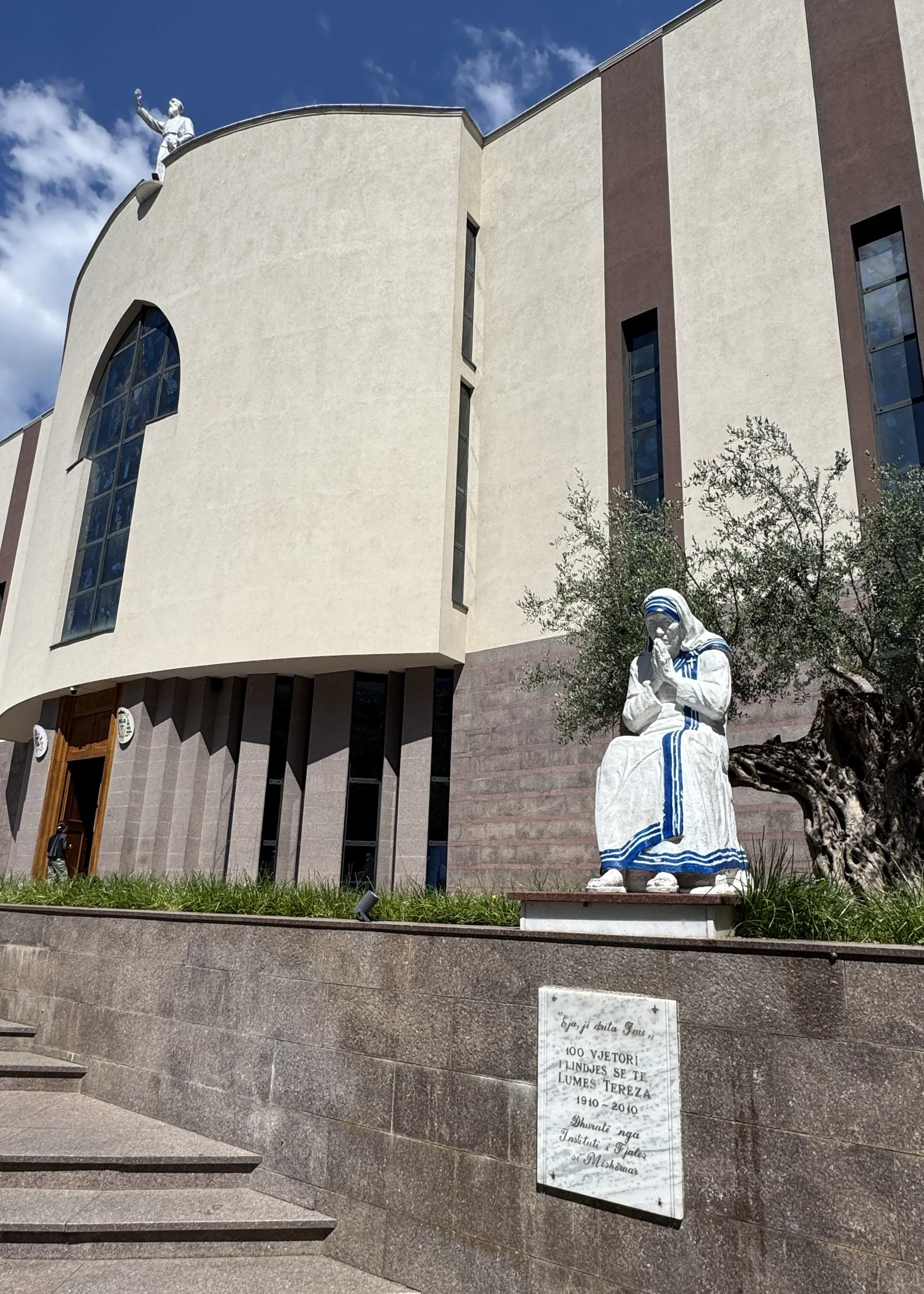
We then stopped by St. Paul’s Cathedral, although we did not go inside because Mass was in progress. Outside the church stood a statue of Mother Teresa, one of the most respected figures of Albanian heritage.
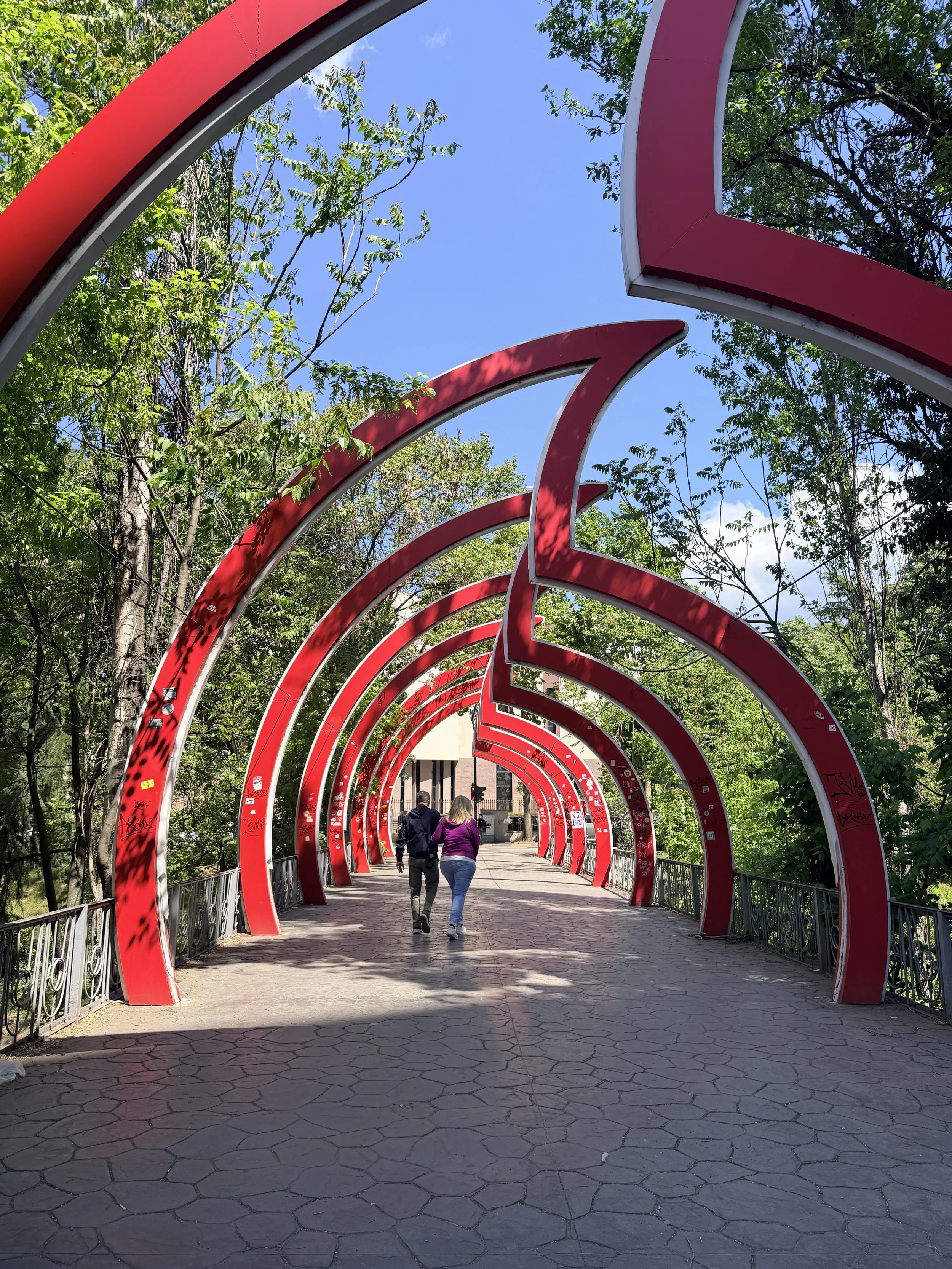
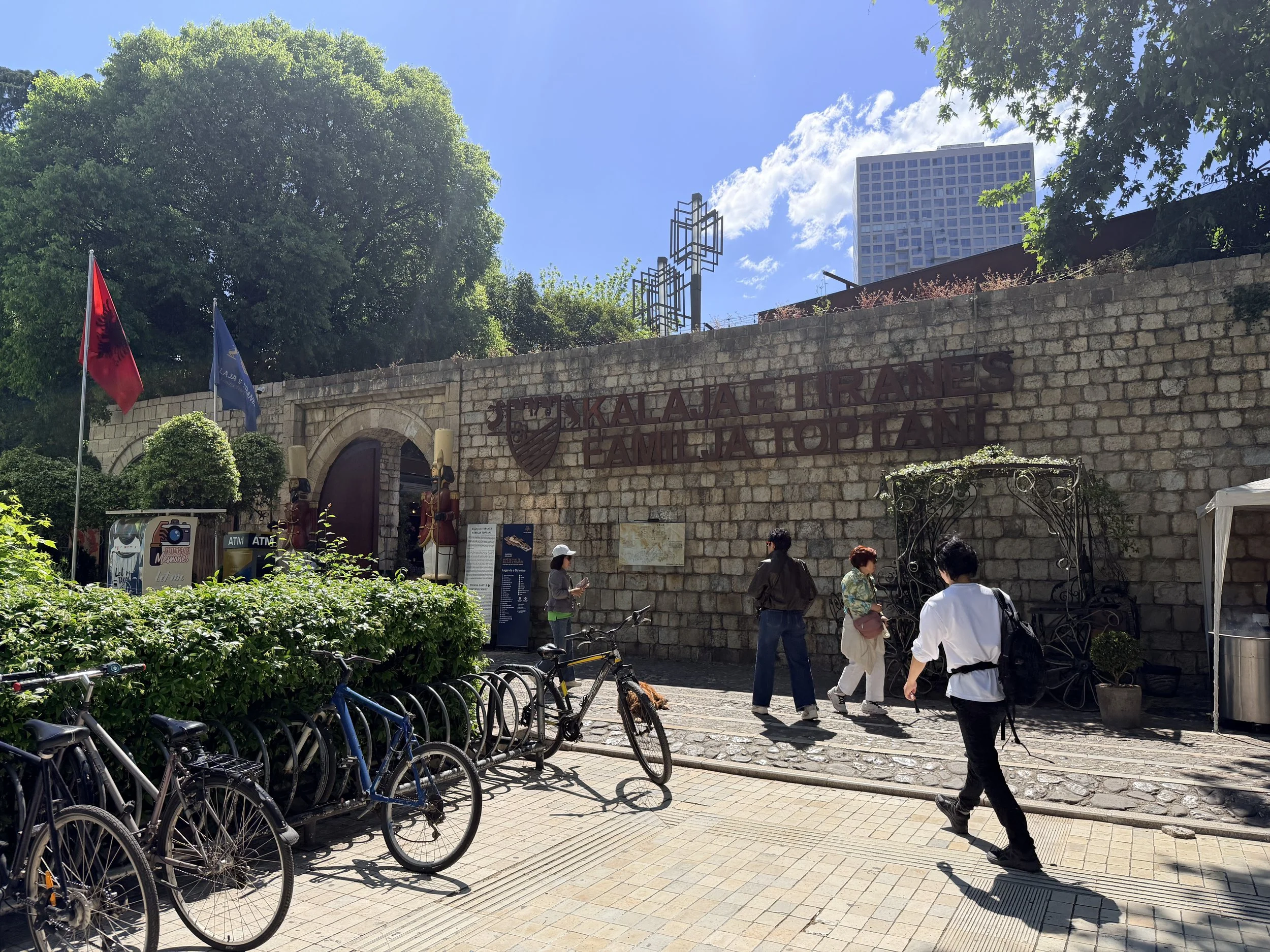
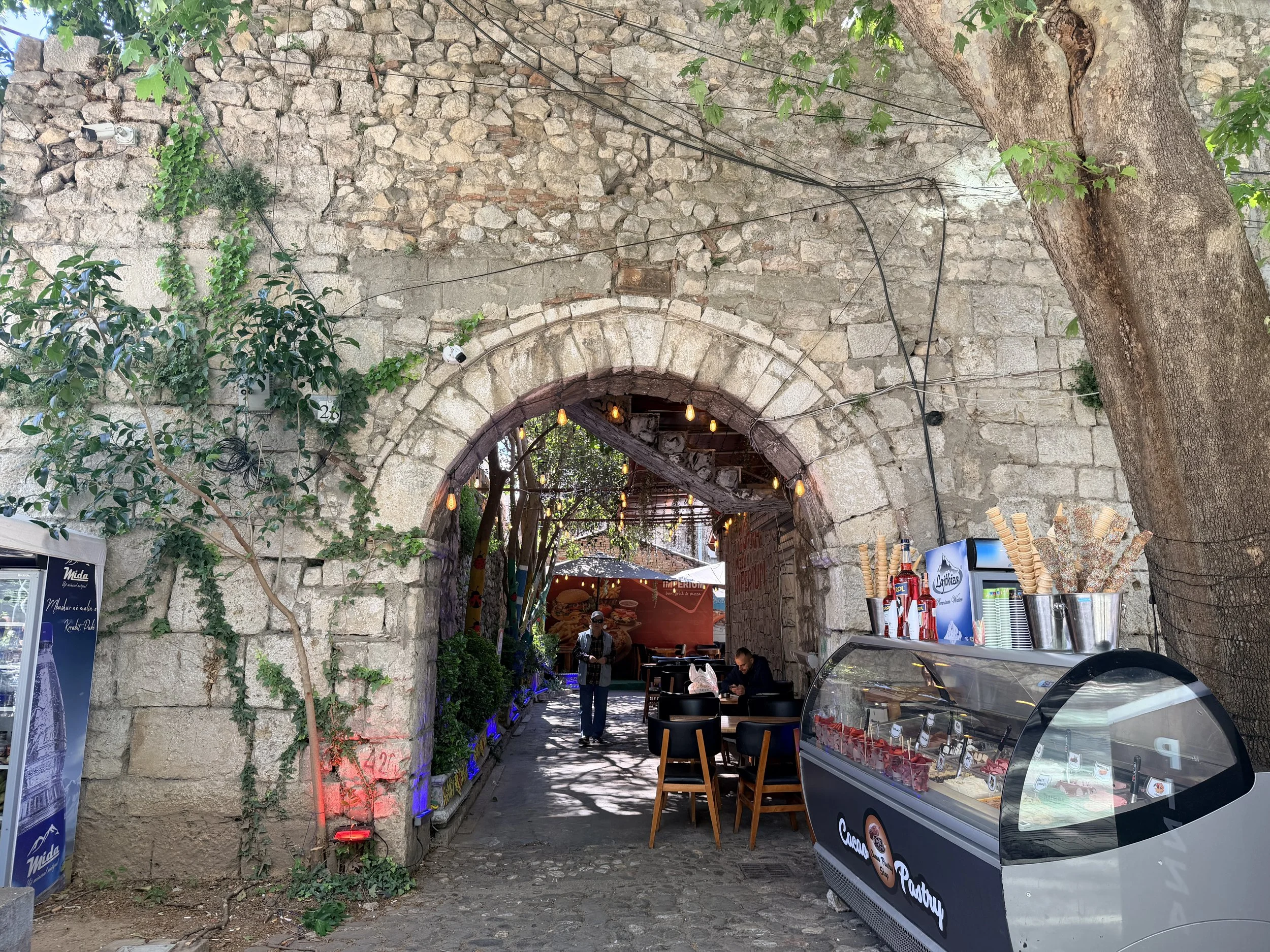
From there, we walked through Tirana Castle, where only portions of the old Ottoman-era walls still remain. Today the area is filled with restaurants and cafés built around the preserved stone walls. Since it was still too early for lunch, we bought some roasted walnuts from a street stall instead. They were warm, fragrant, and surprisingly delicious.
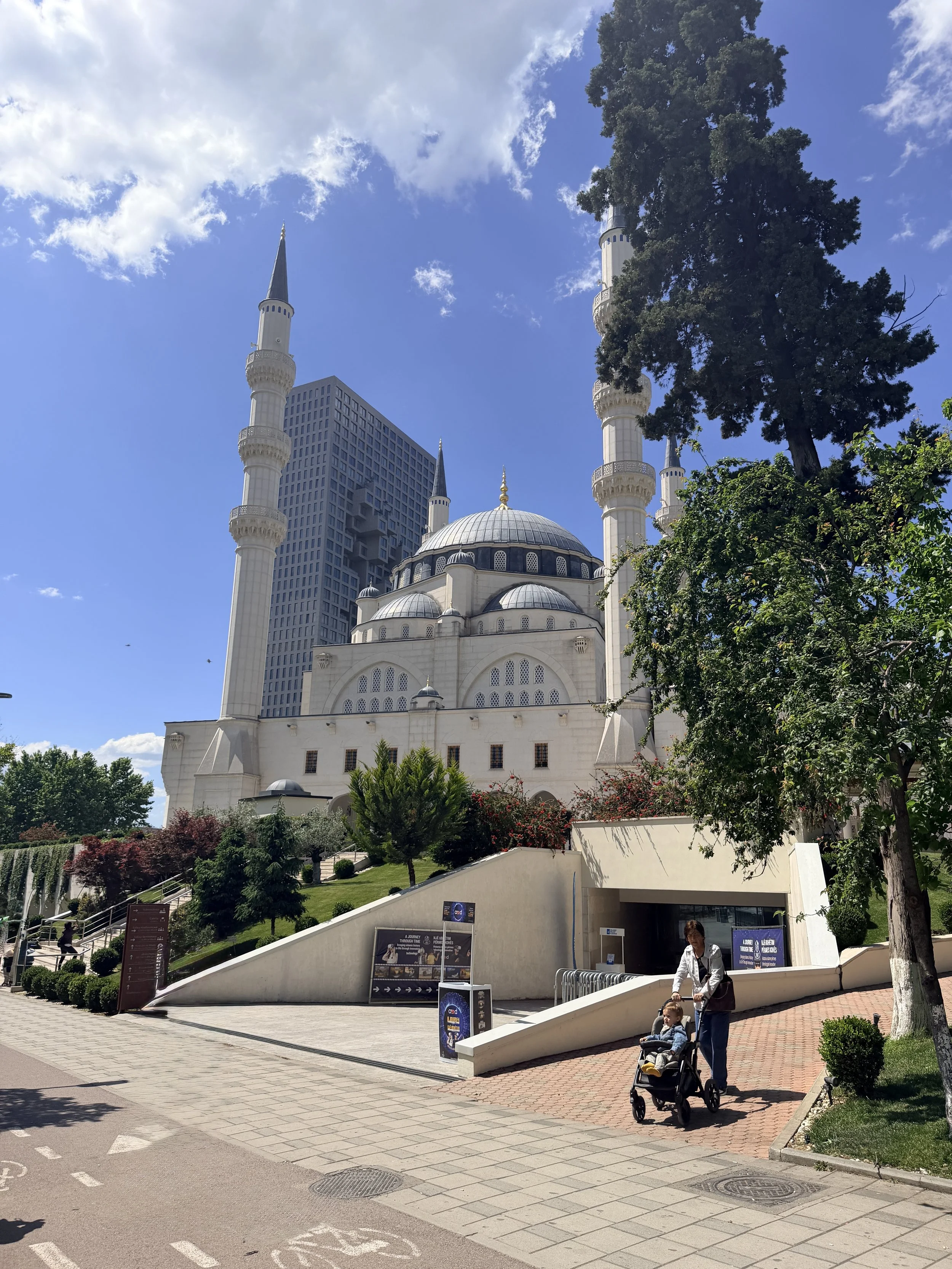
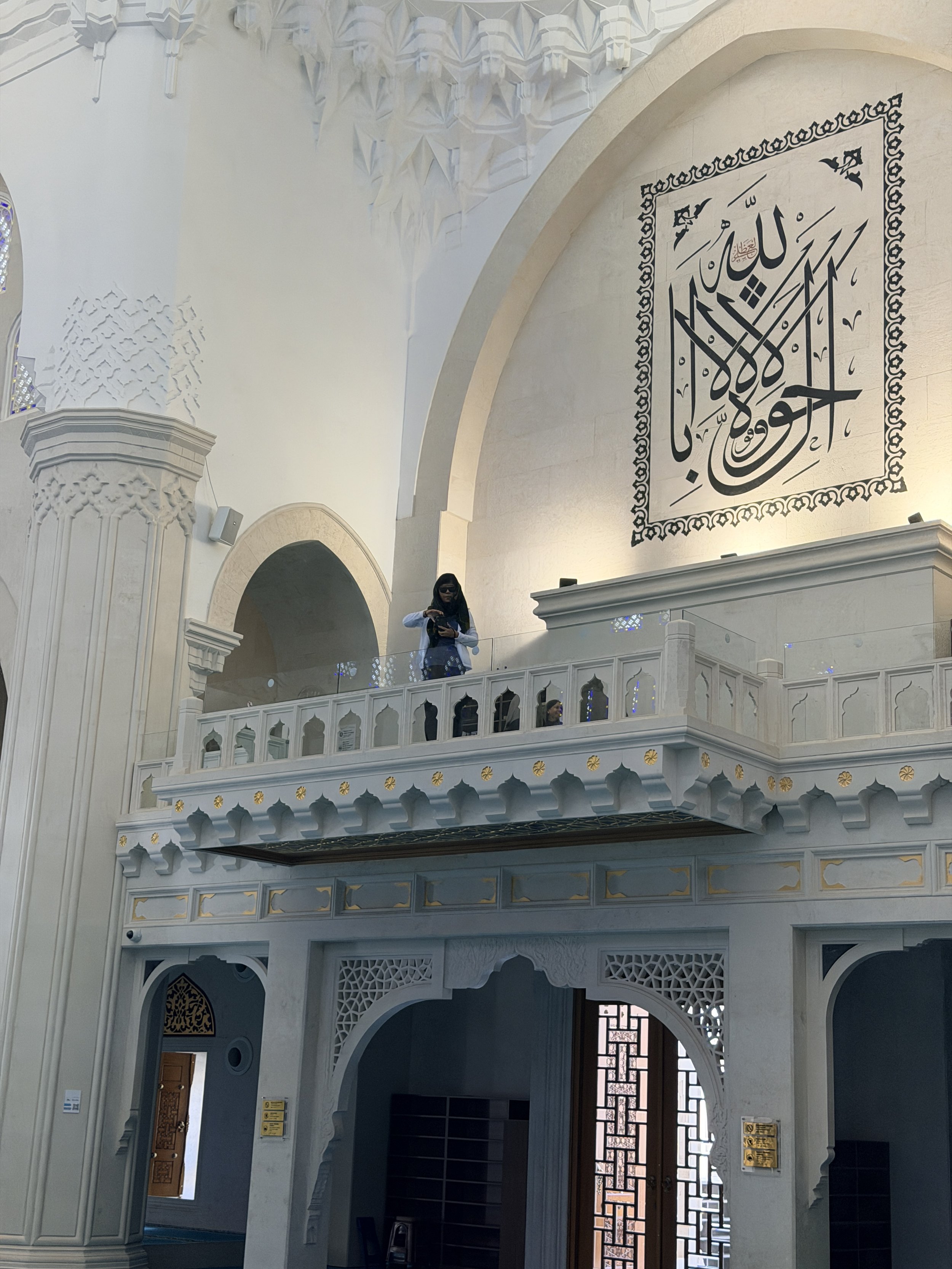
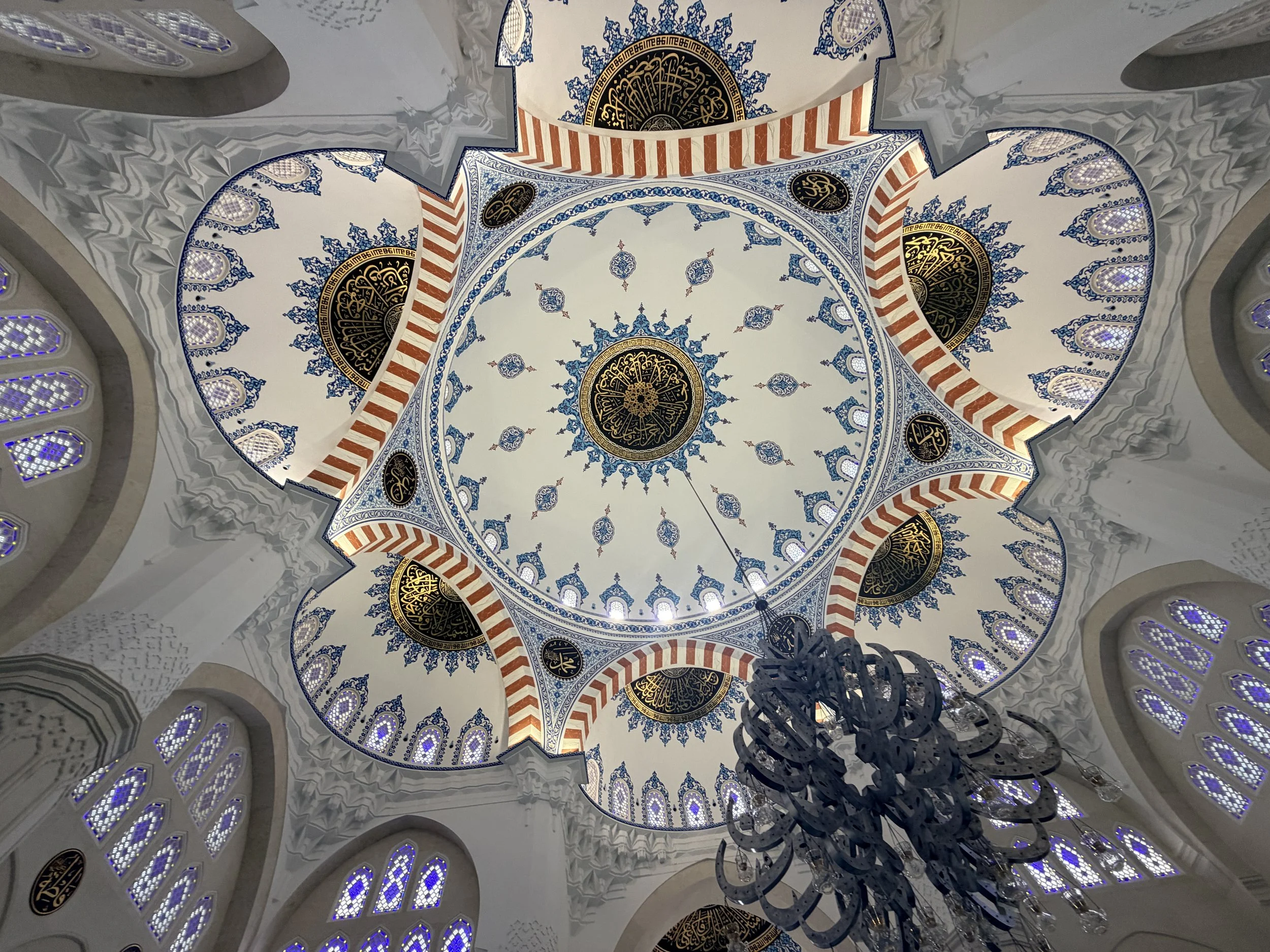
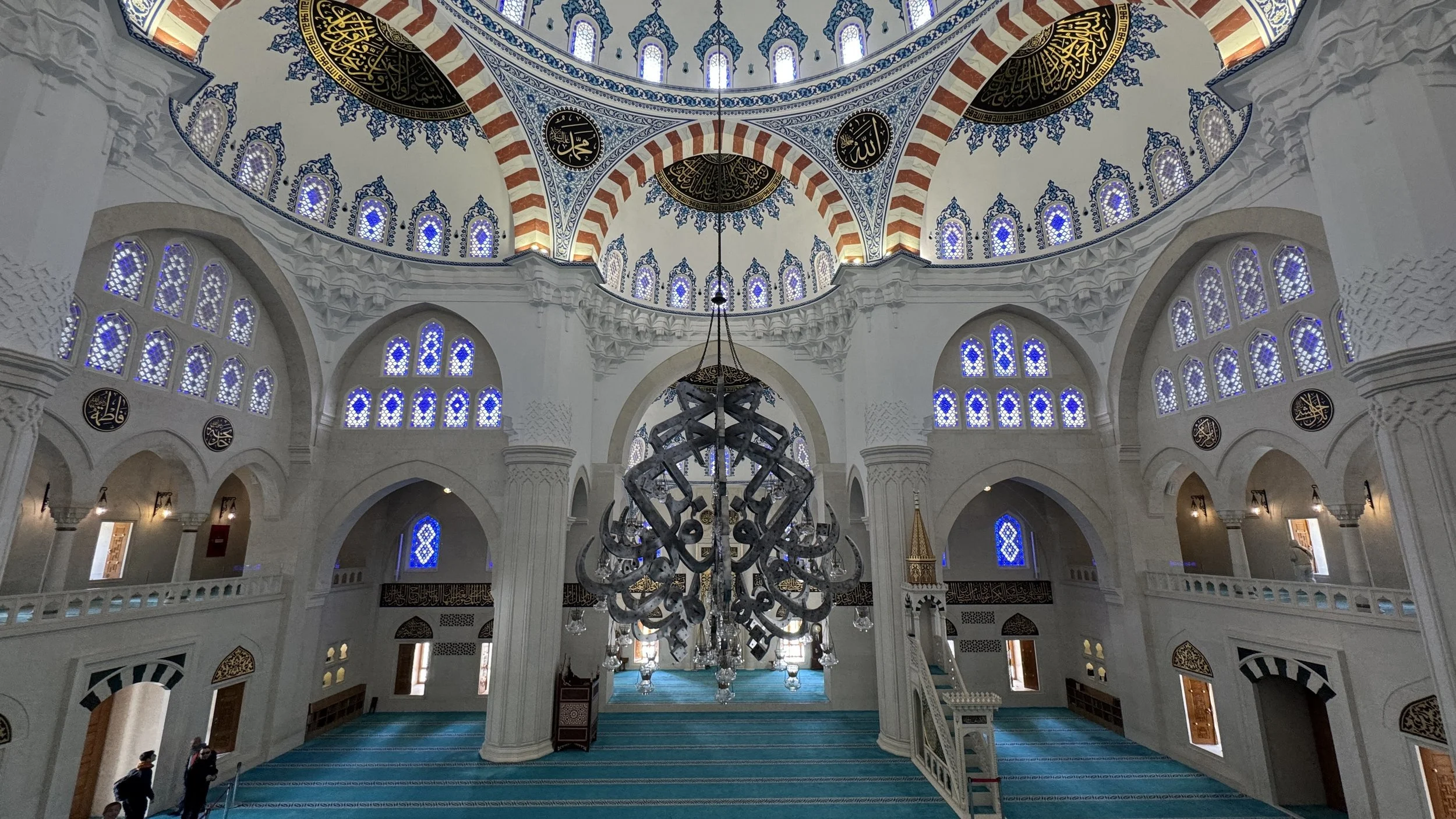
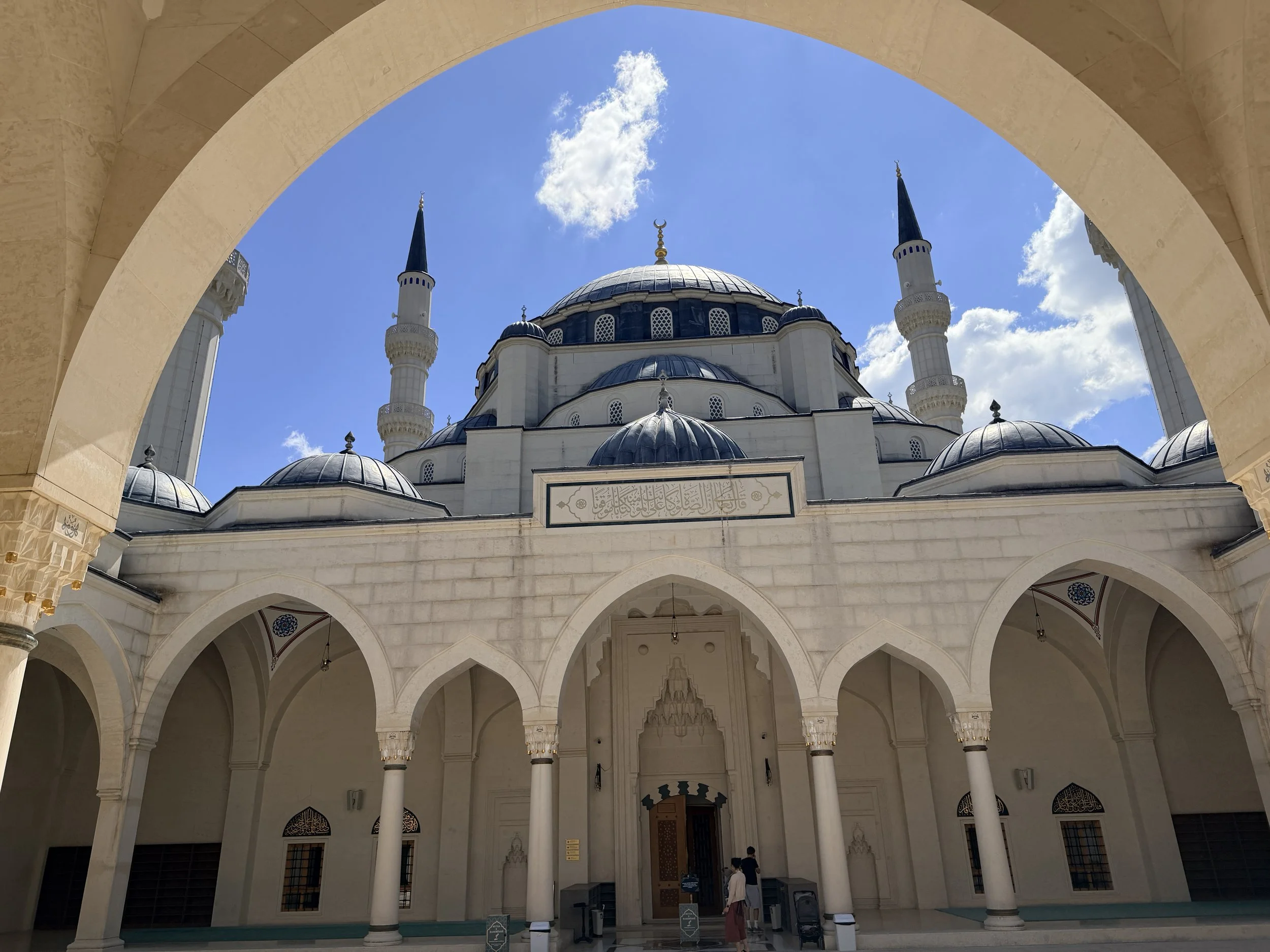
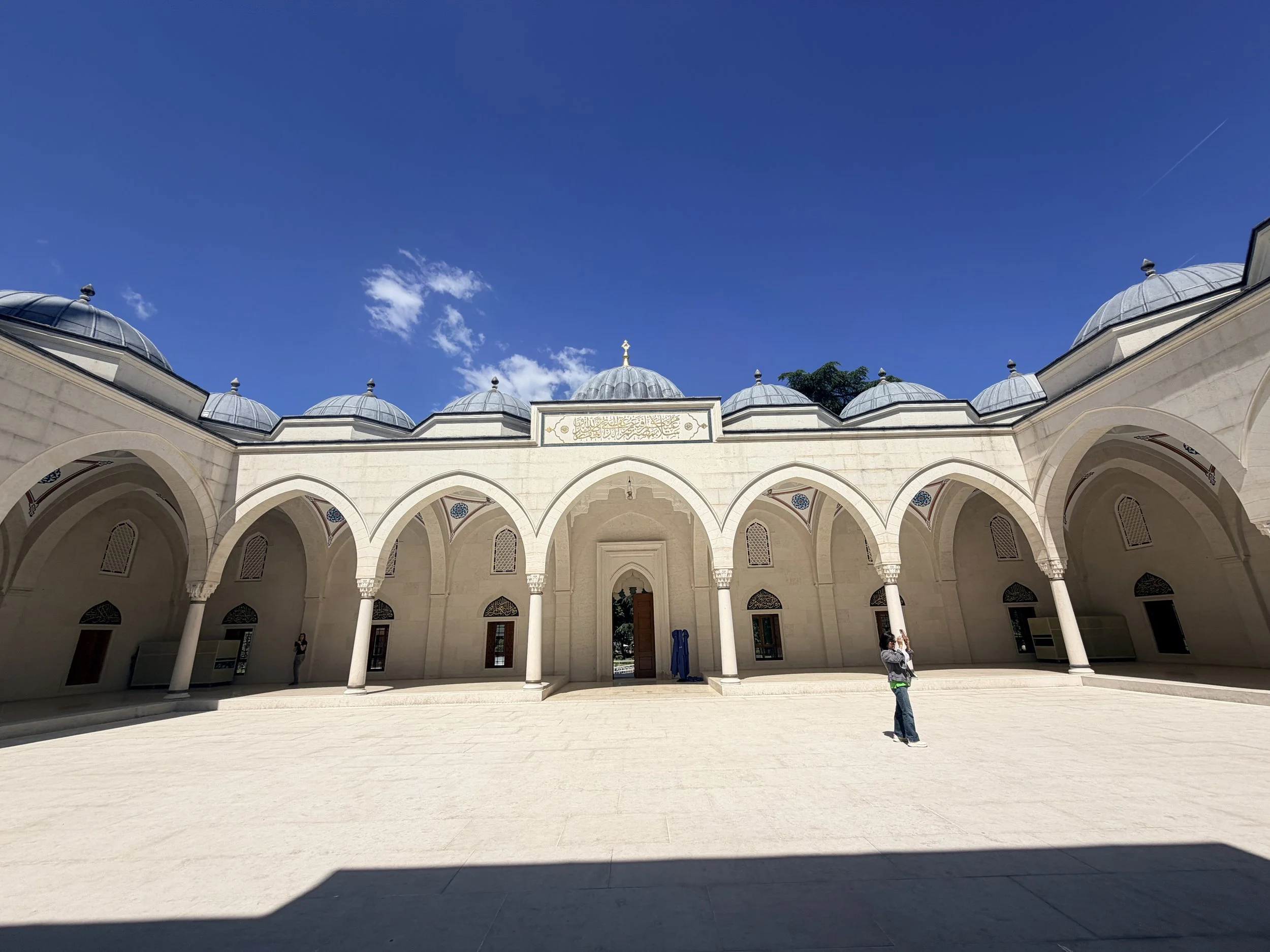
Nearby stood the Namazgah Mosque, the city’s large new mosque, which we also visited. Both the exterior and interior were beautifully decorated. Inside, men and women visited like us in separate sections, with the women’s area located upstairs, possibly offering an even better view of the impressive interior.
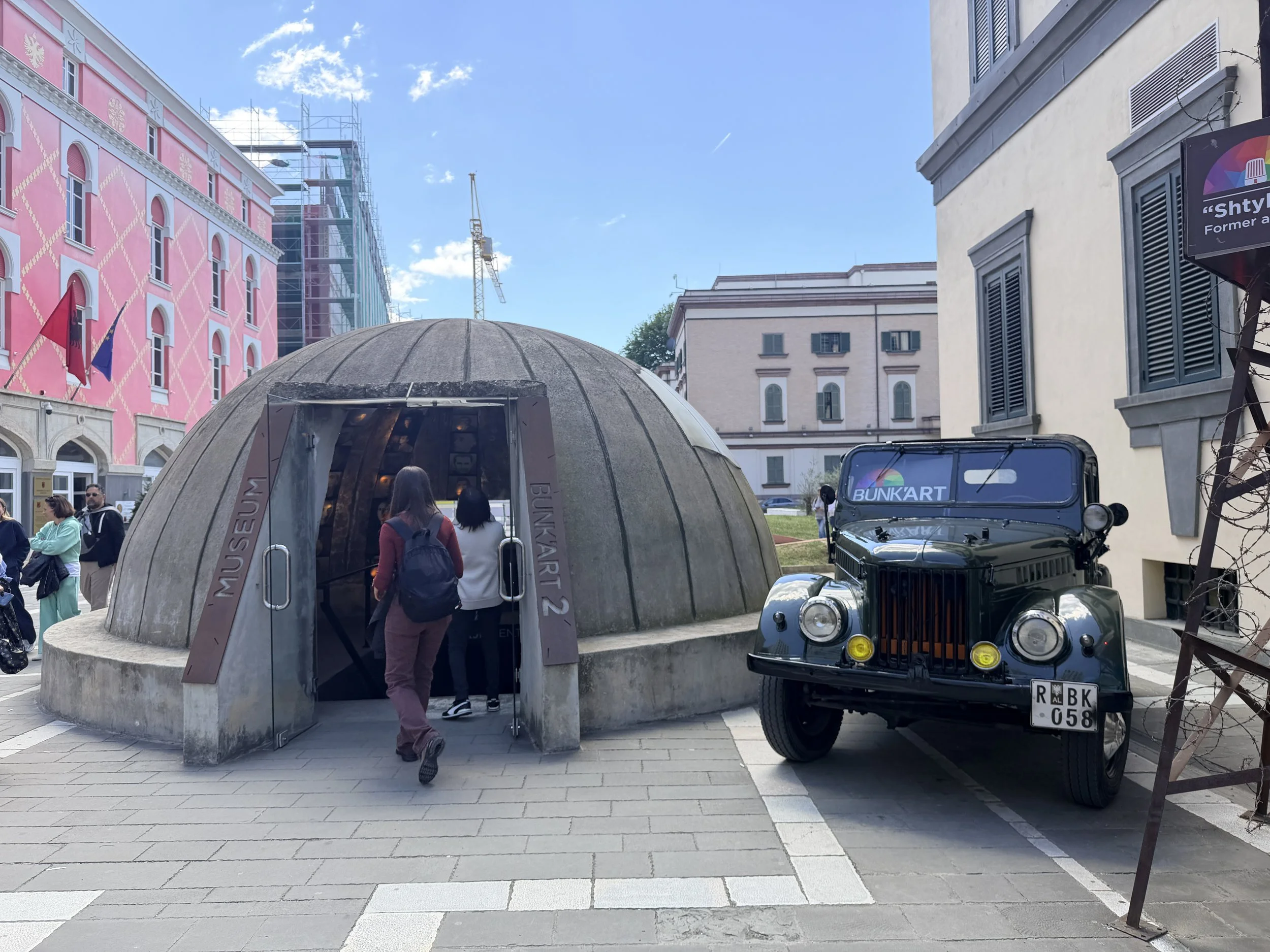
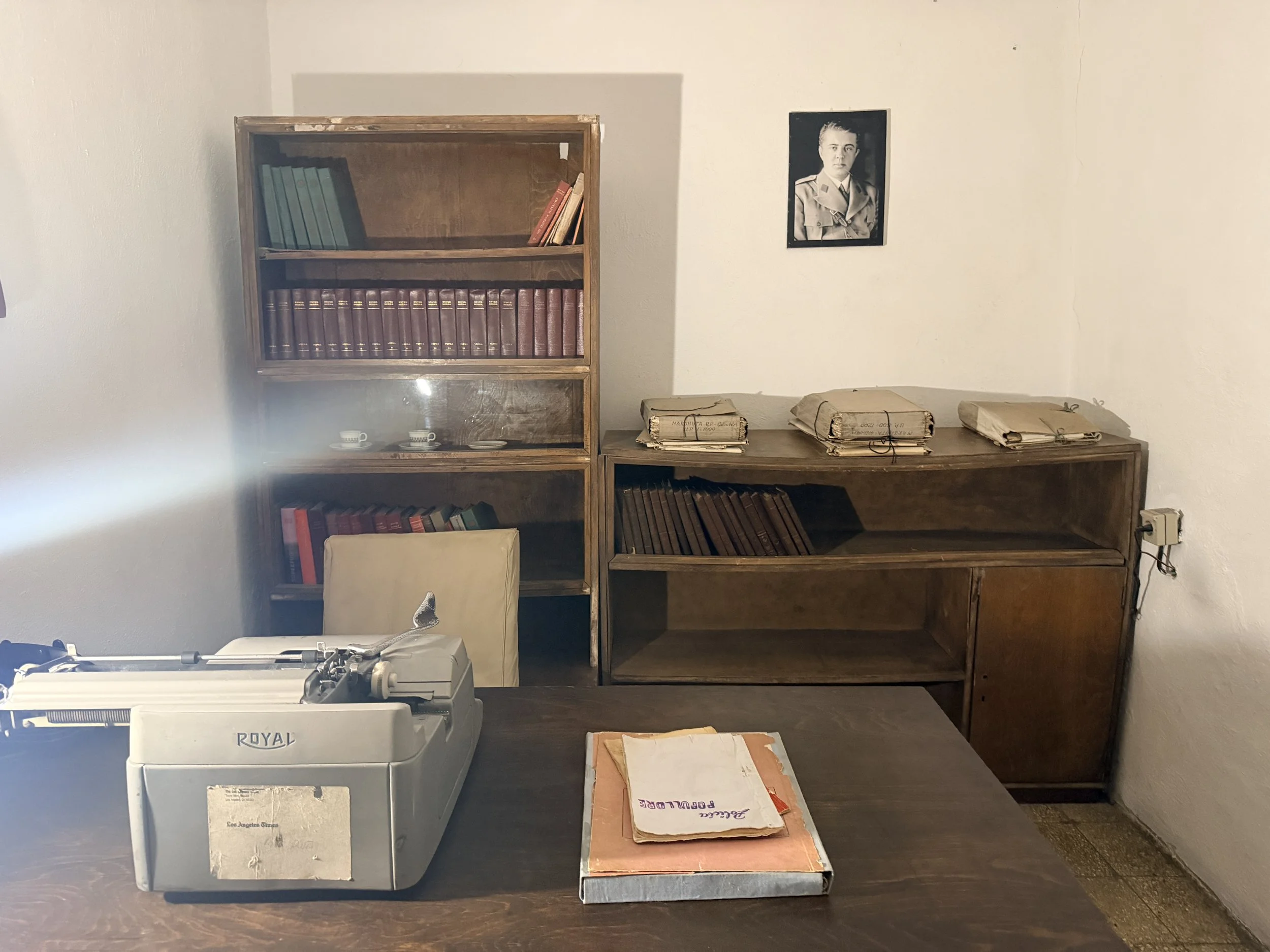
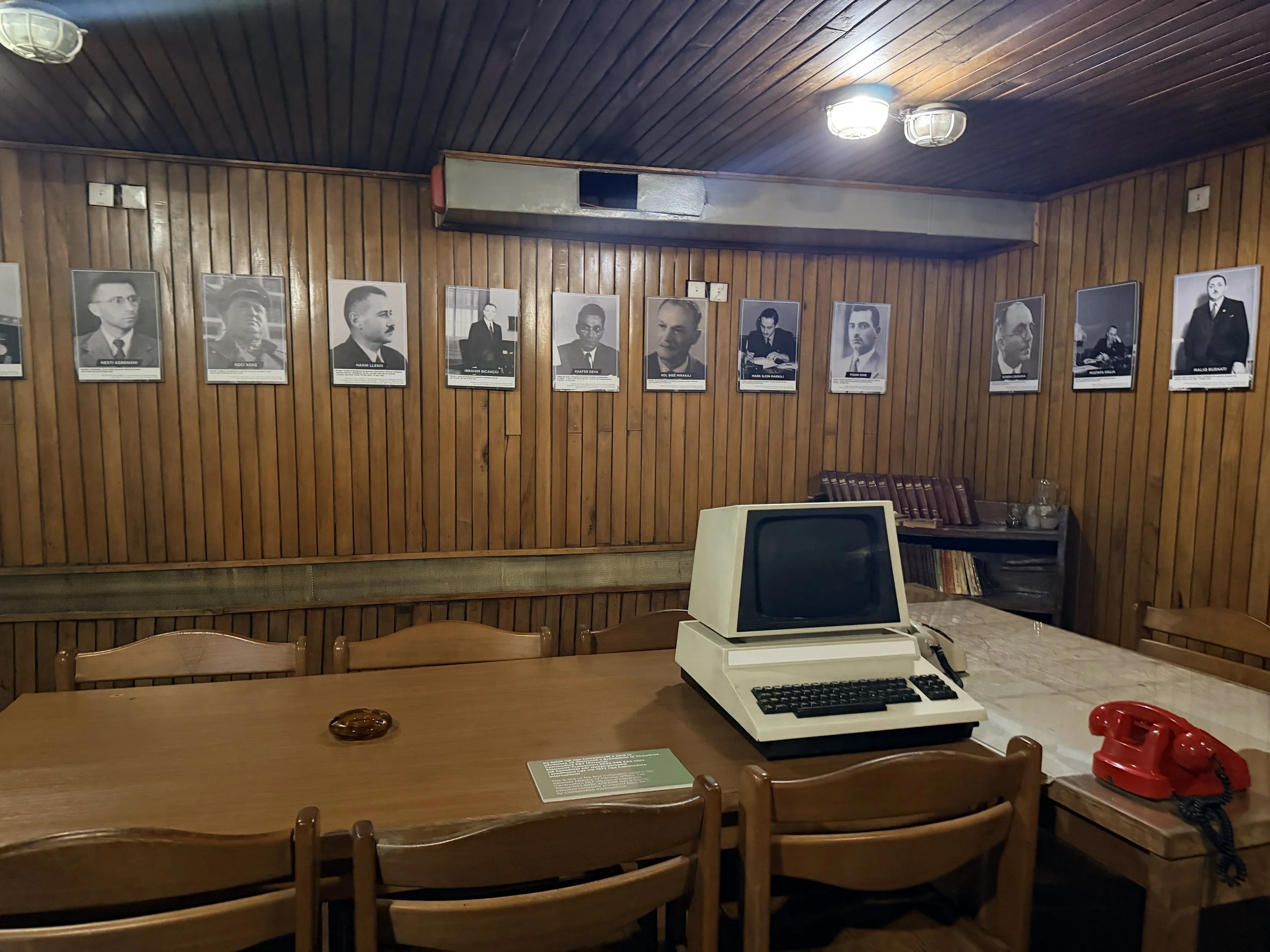
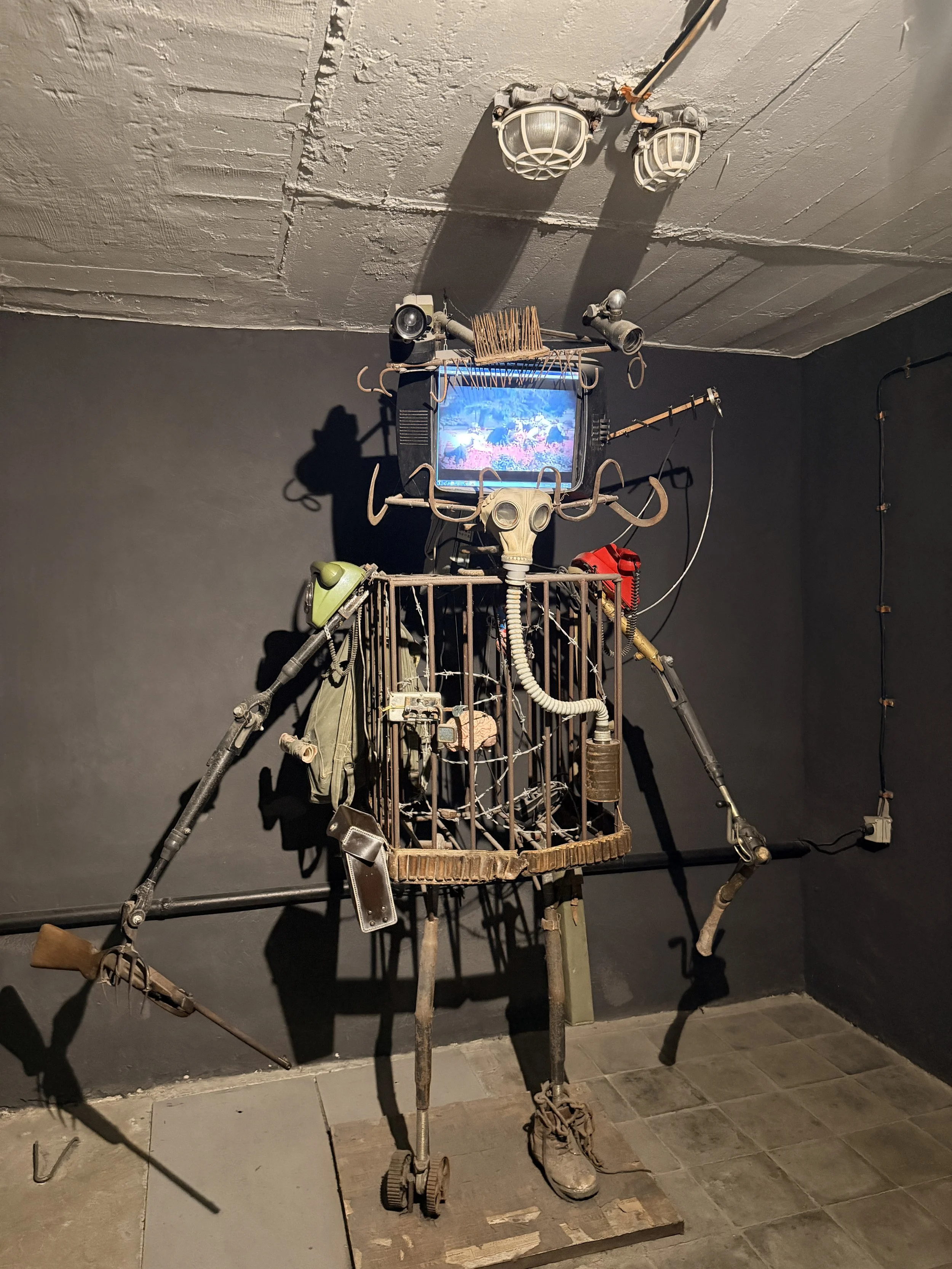
A short walk later brought us to Bunk’Art 2, one of the most memorable museums we visited in Tirana. The museum focuses on Albania’s communist past and the history of the secret police during the rule of Enver Hoxha. It is built inside a real underground nuclear bunker once used by the Ministry of Internal Affairs. Walking through the narrow corridors and dimly lit rooms while reading the stories and seeing the photographs was deeply unsettling. Some of the images and narratives felt disturbingly familiar. We could only hope that such tragedies would never happen again.
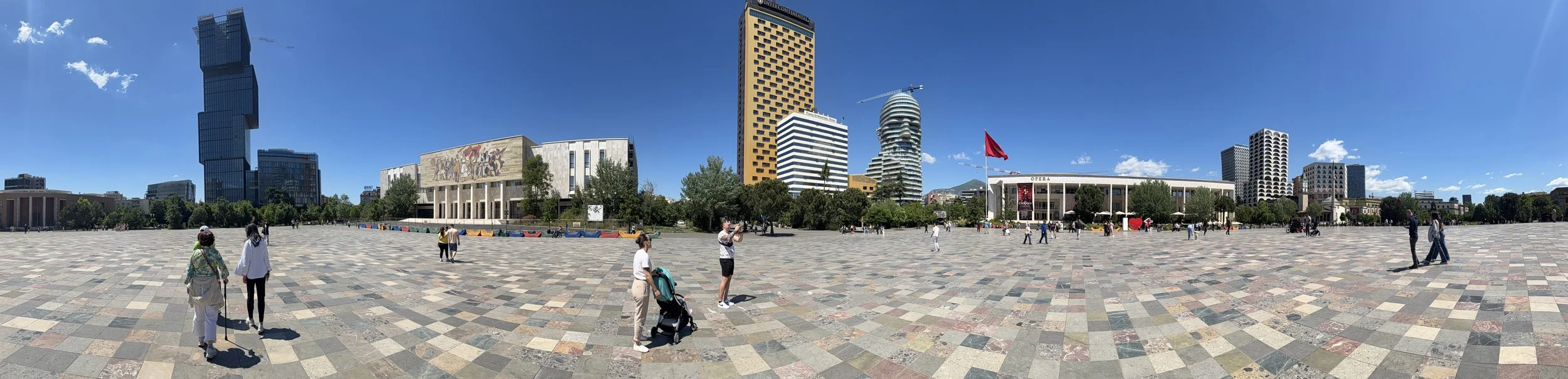
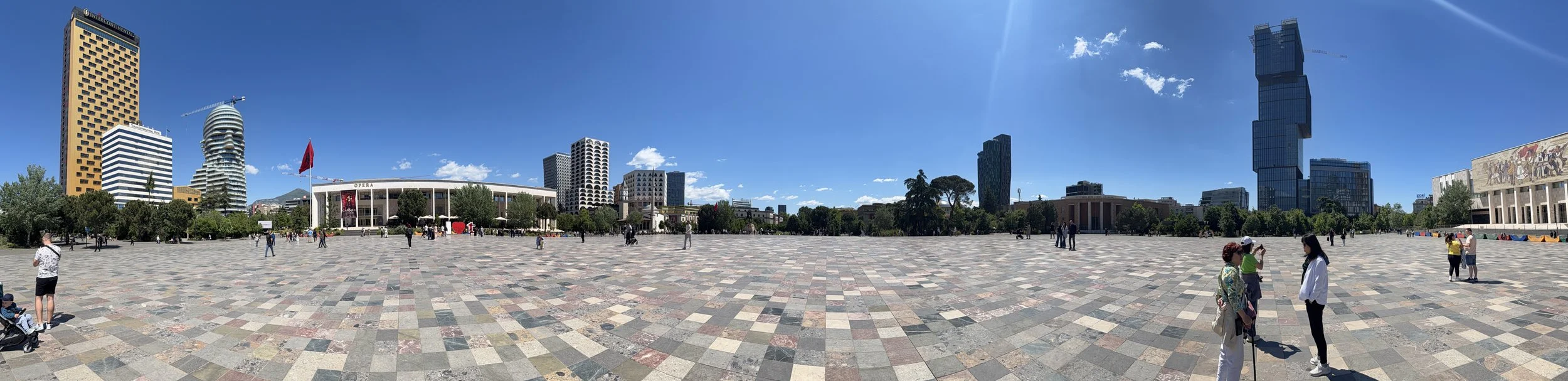
After exiting the bunker, we continued to Skanderbeg Square, the heart of Tirana. Around the square stand the Et’hem Bey Mosque, the Clock Tower, the National Opera, and the National History Museum with its large mosaic façade. We found front-row seats at a café beside the opera house, where we enjoyed lunch while watching people pass through the square and admiring the surrounding buildings.
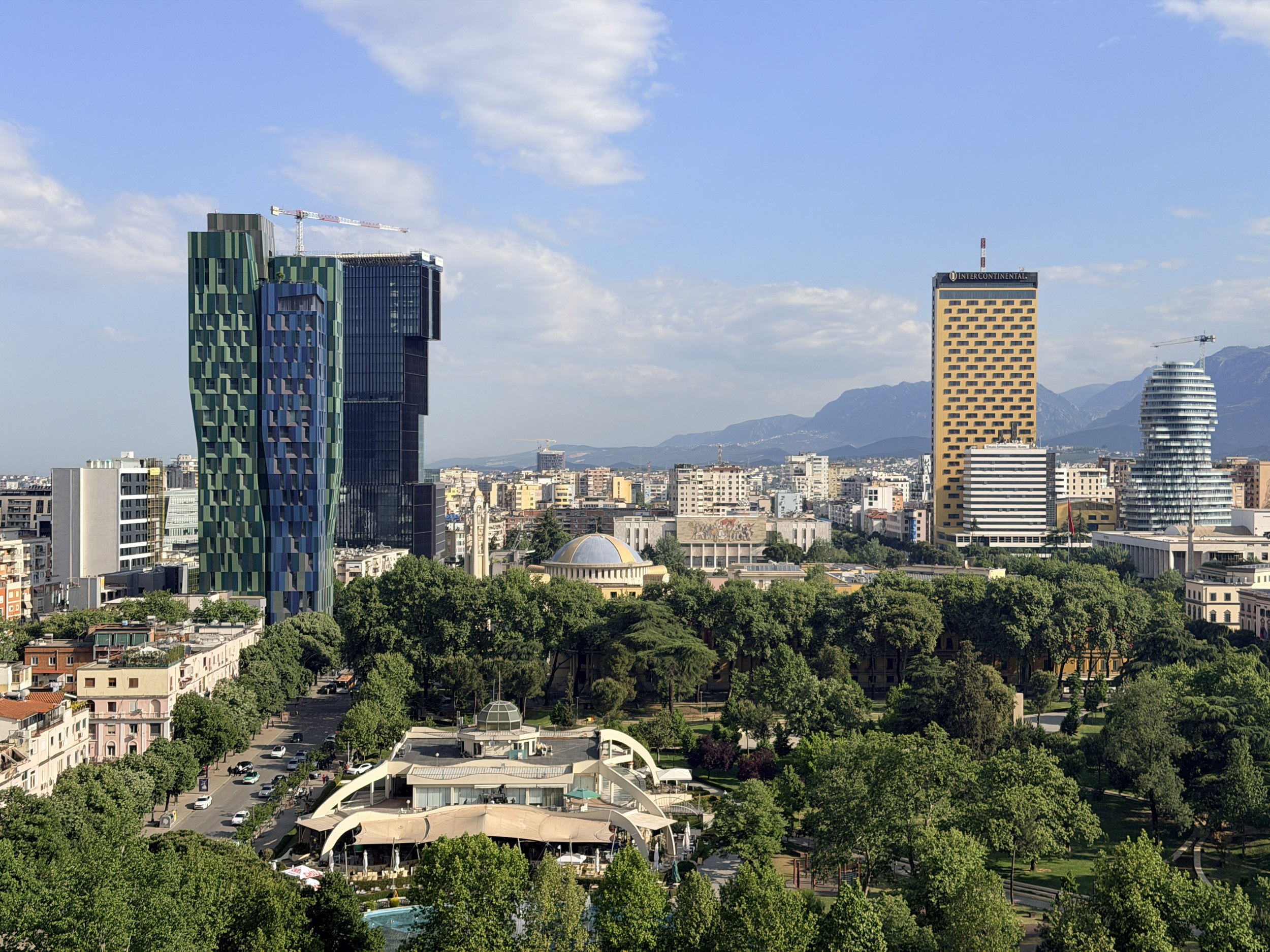
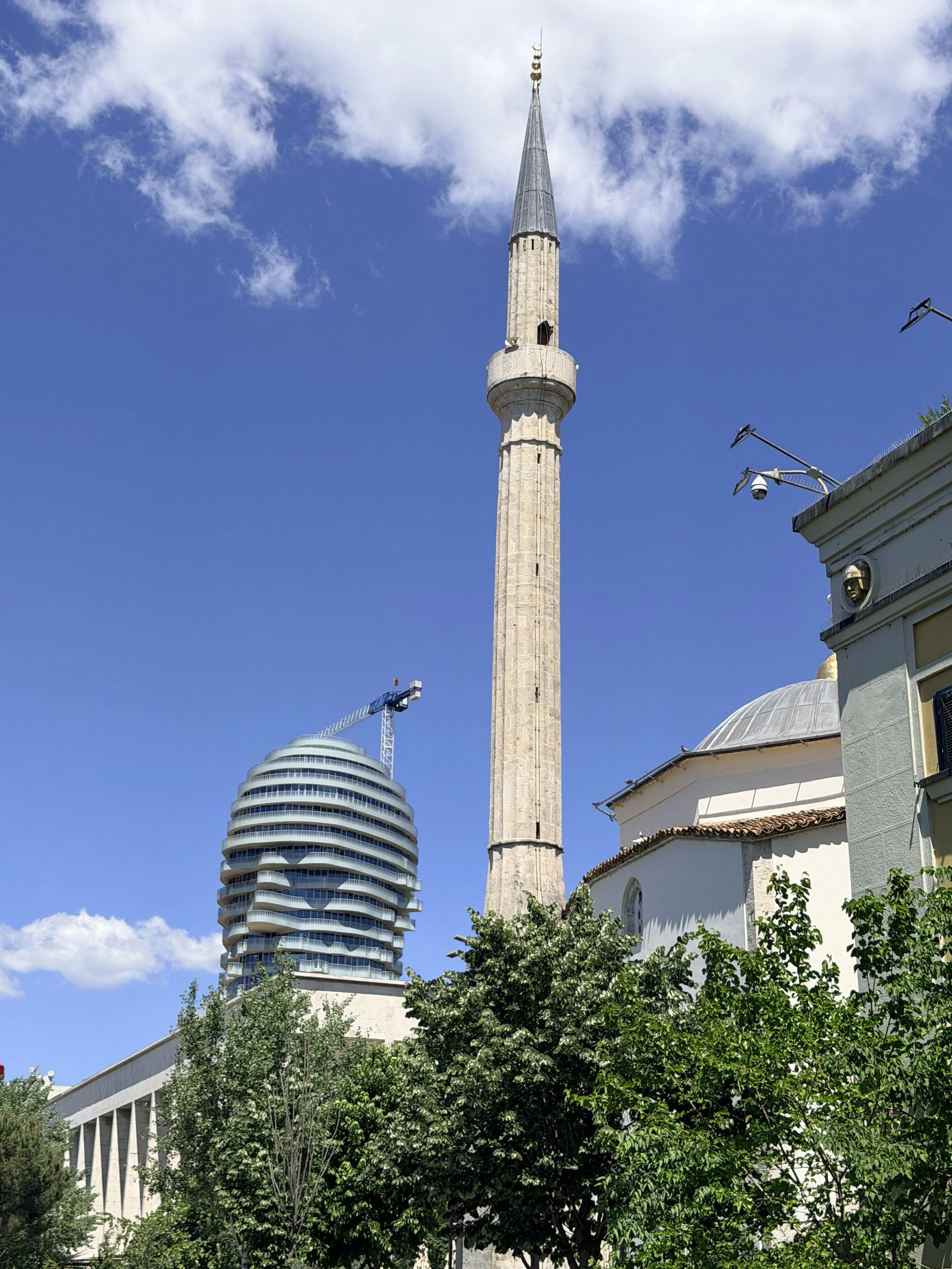
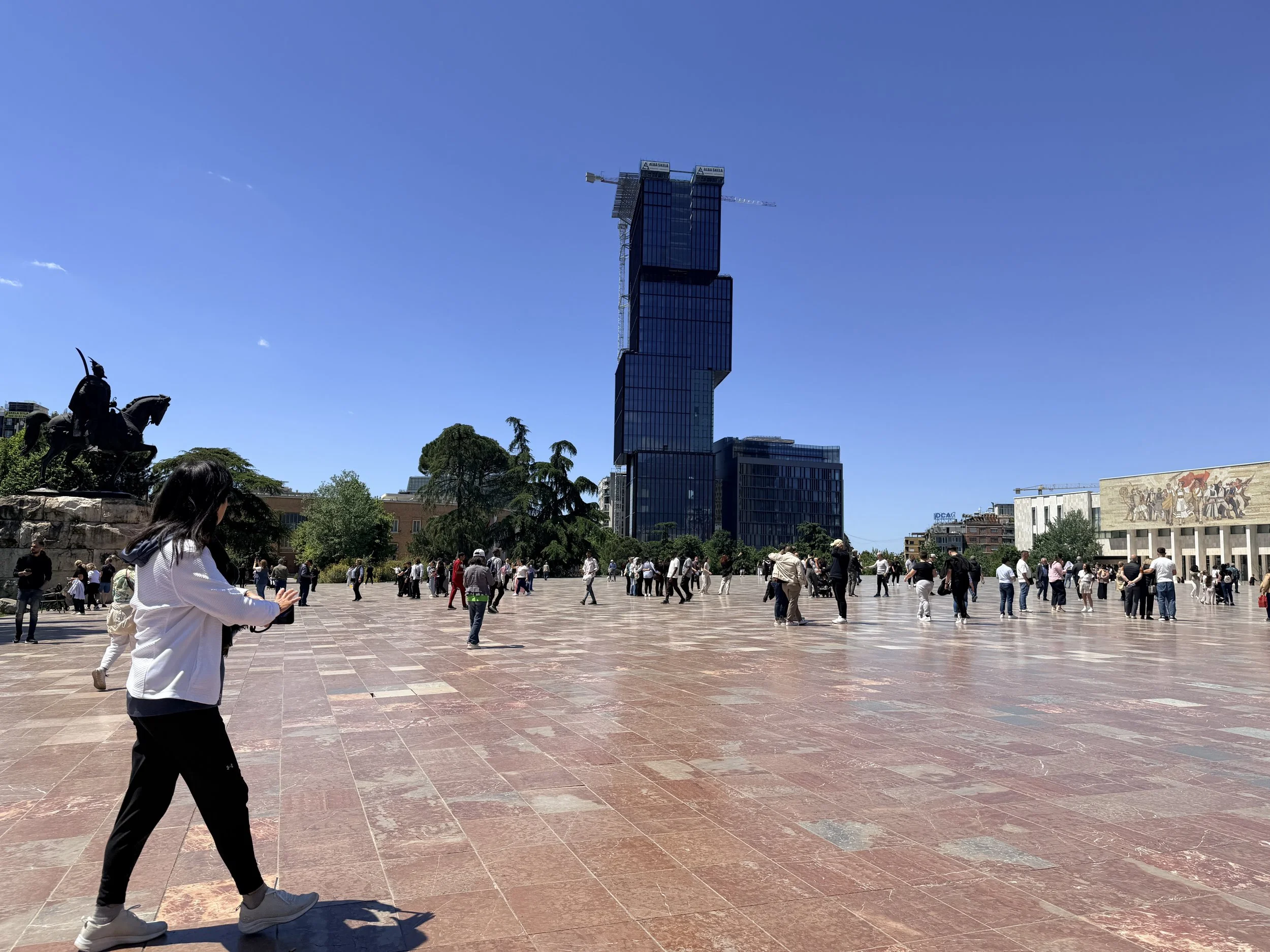
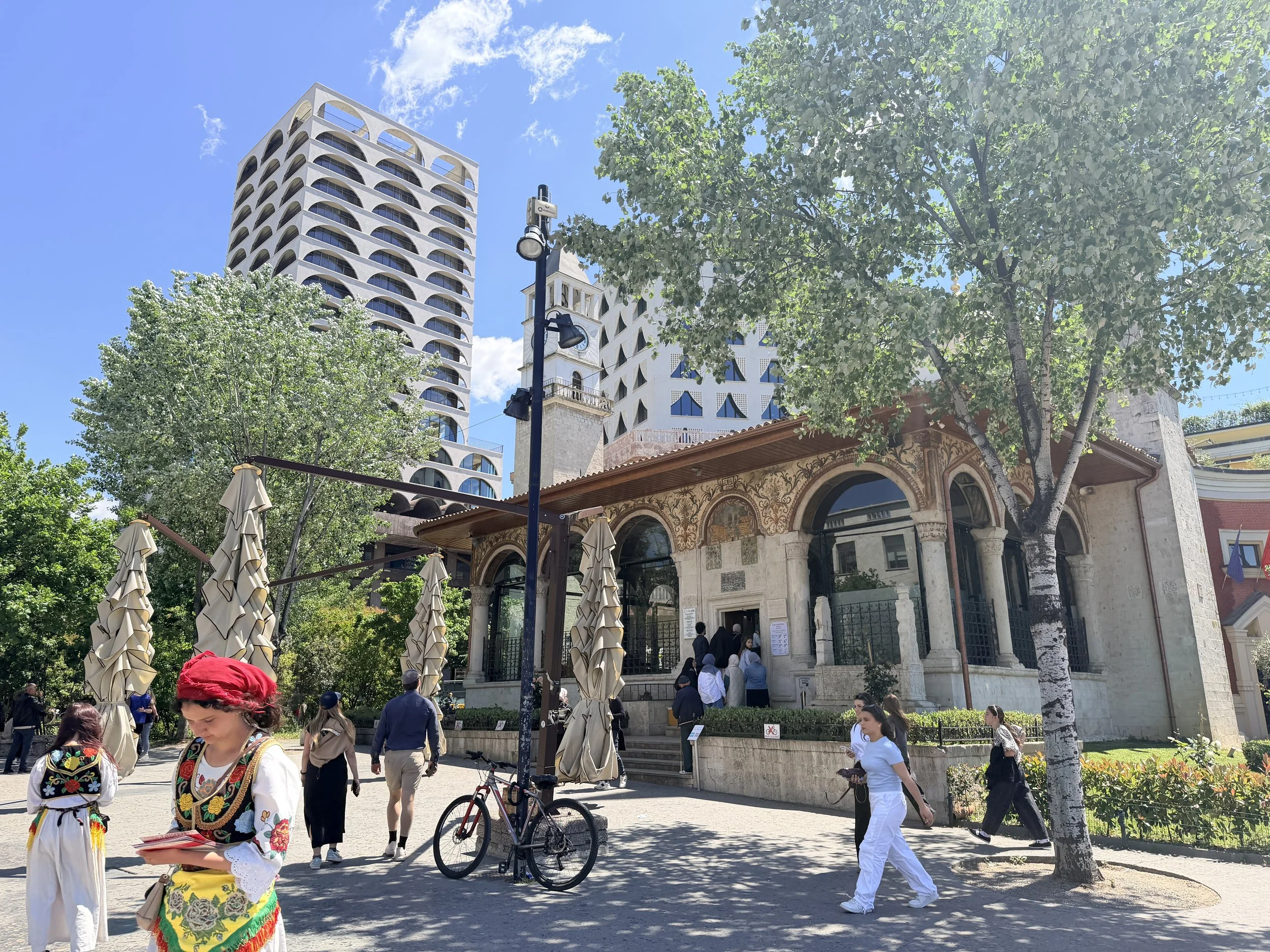
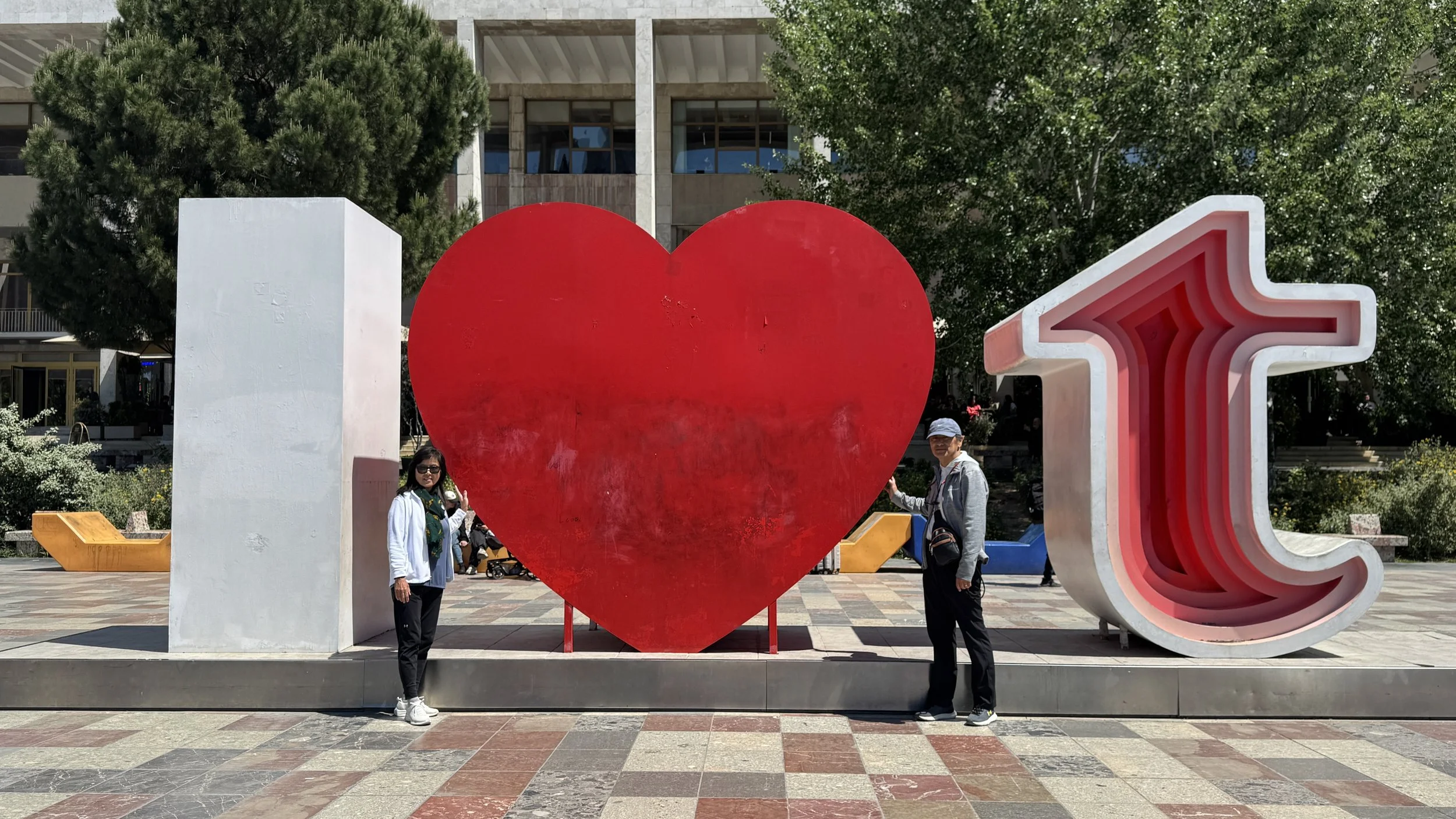
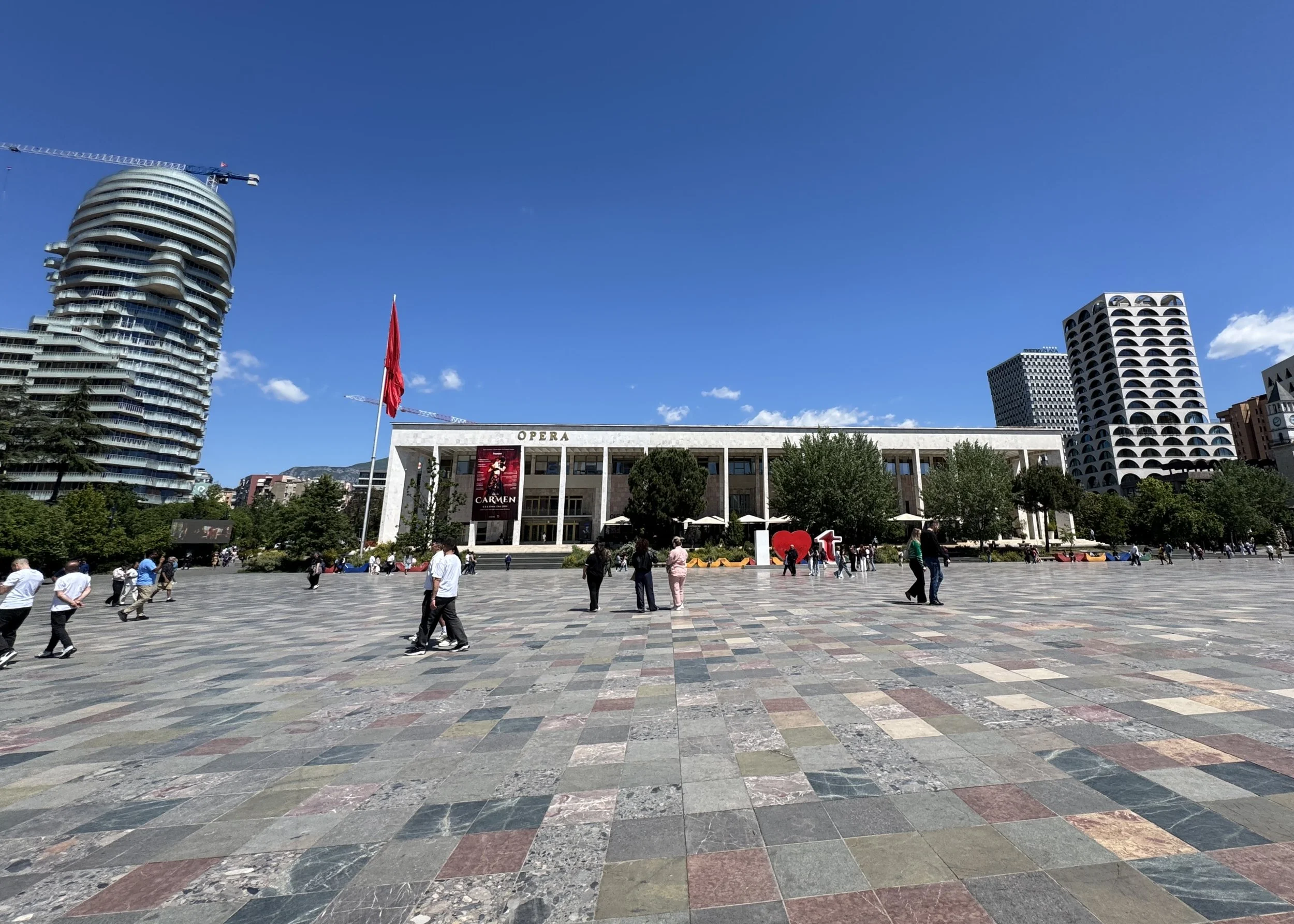
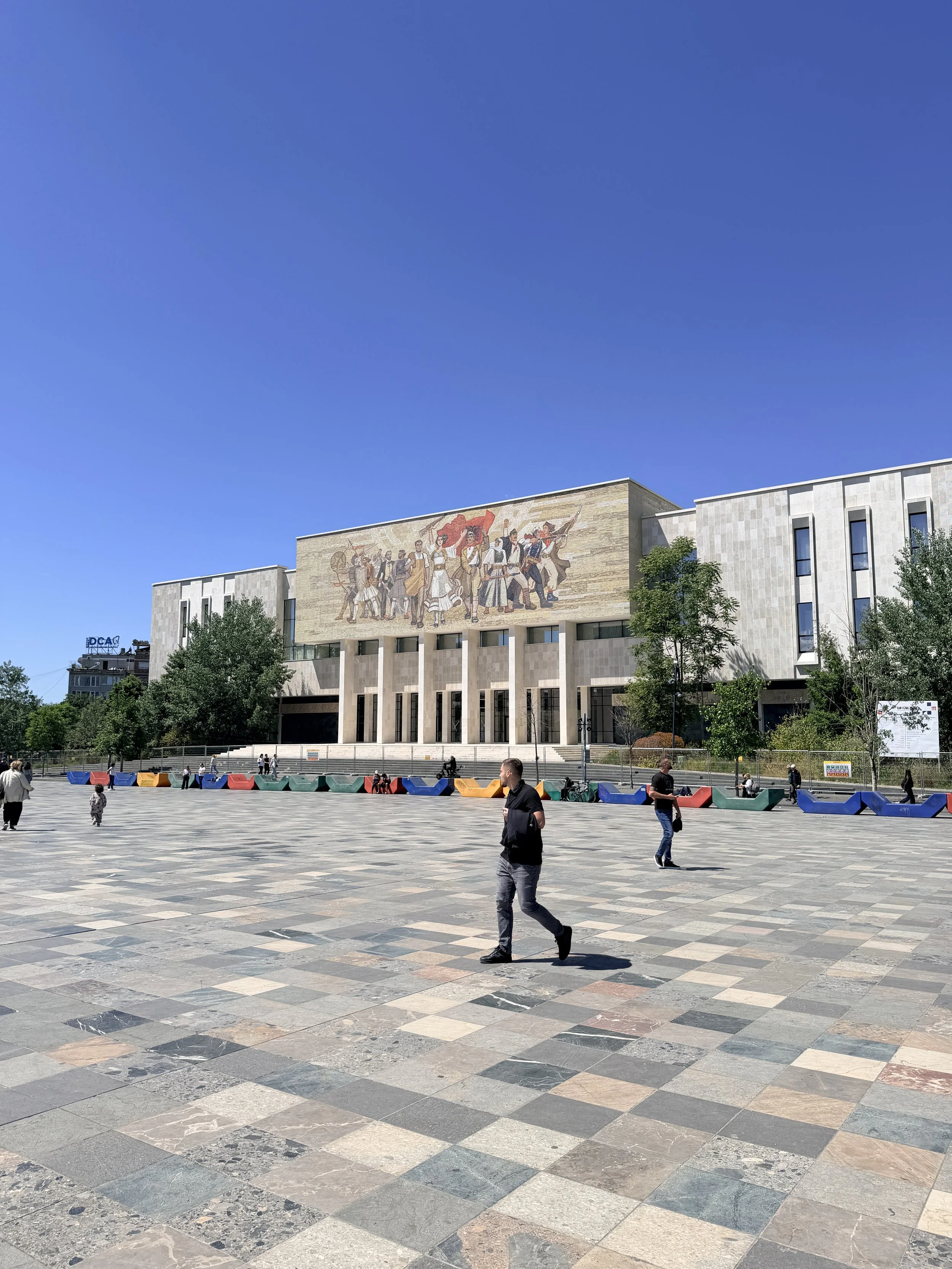
The enormous square itself was thoughtfully designed with a very gentle curve and slope rather than being completely flat. The paving stones were brought from different regions across Albania, symbolically representing the country as a whole while also creating an elegant visual effect.
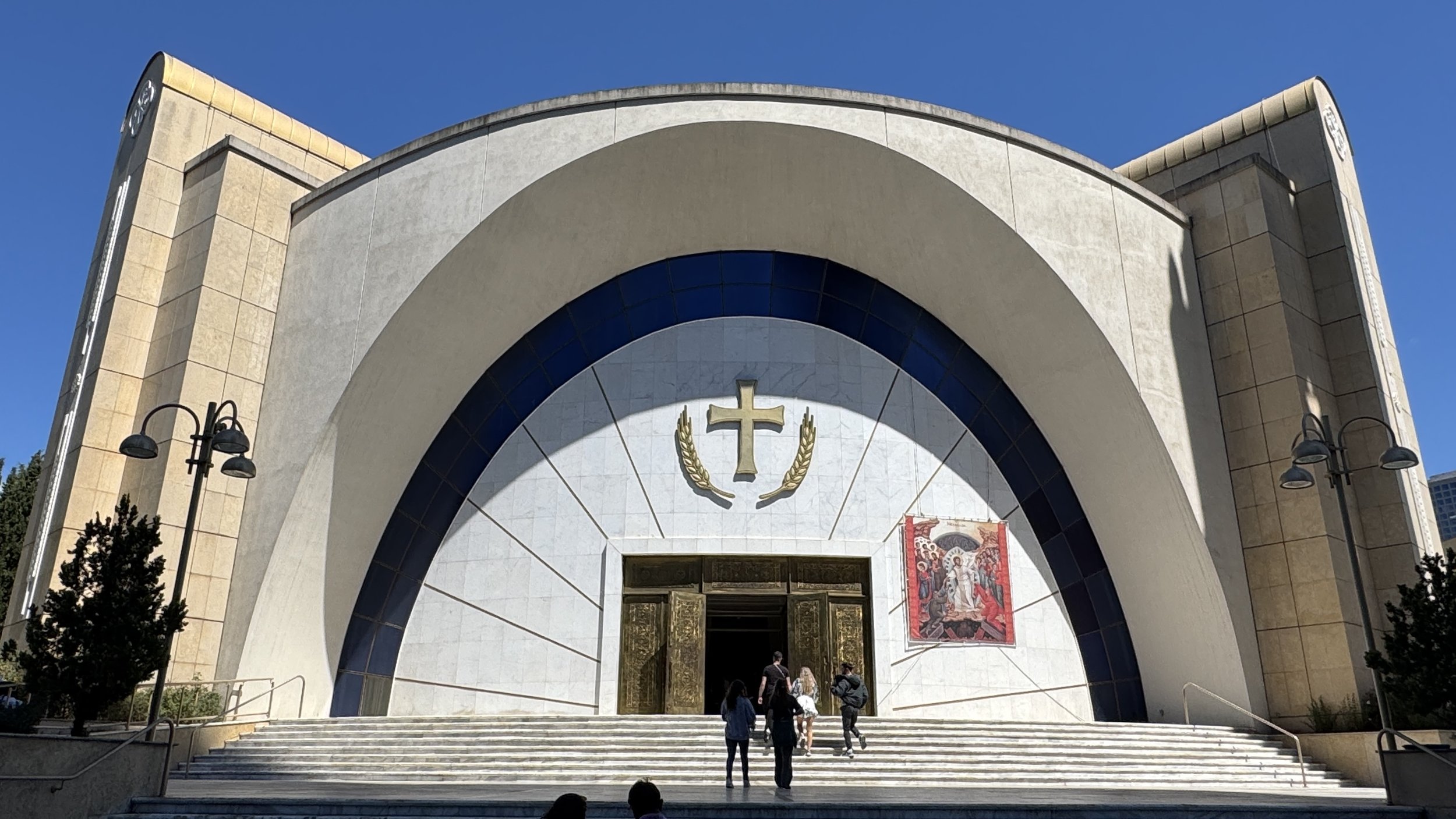
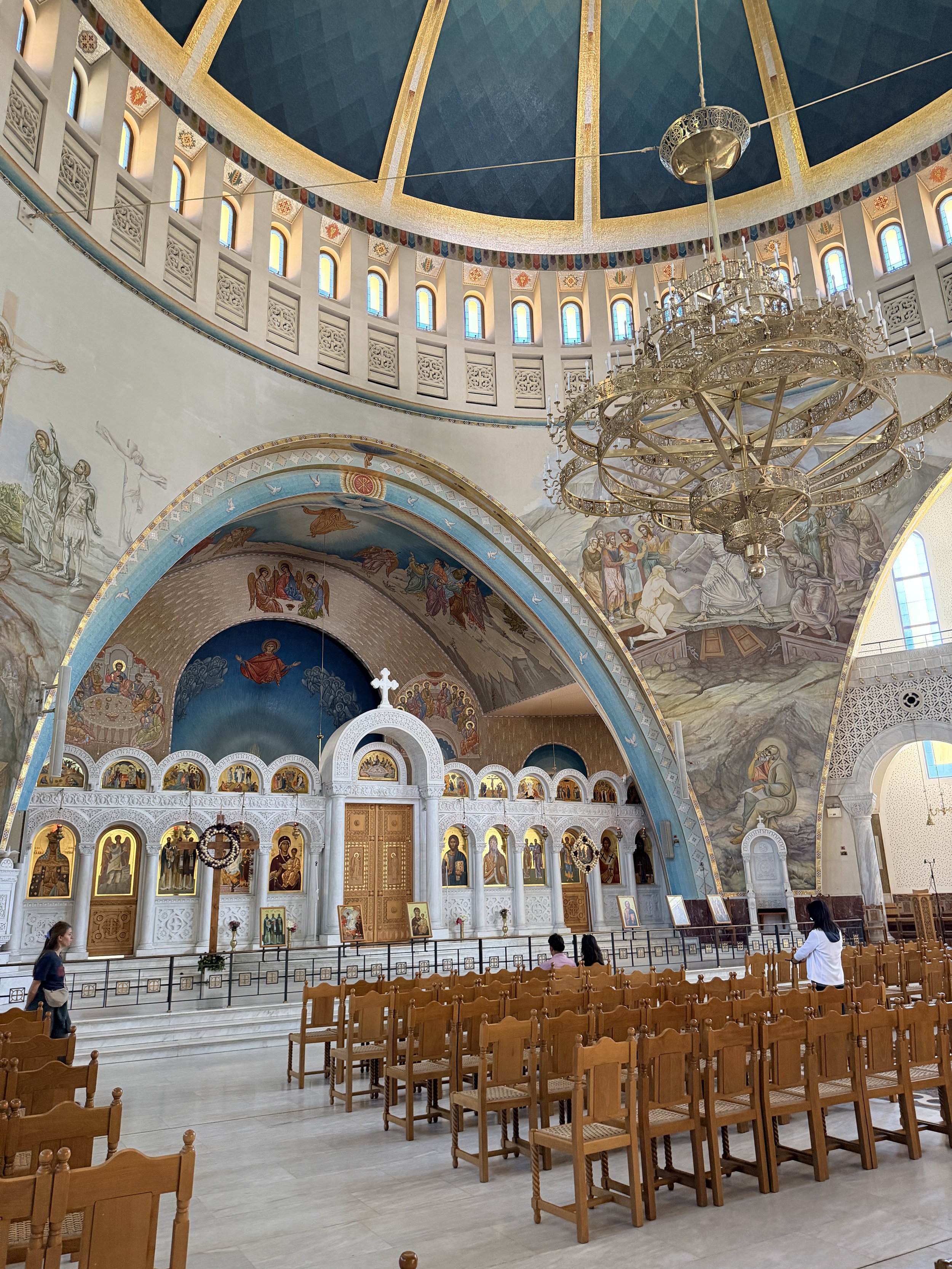
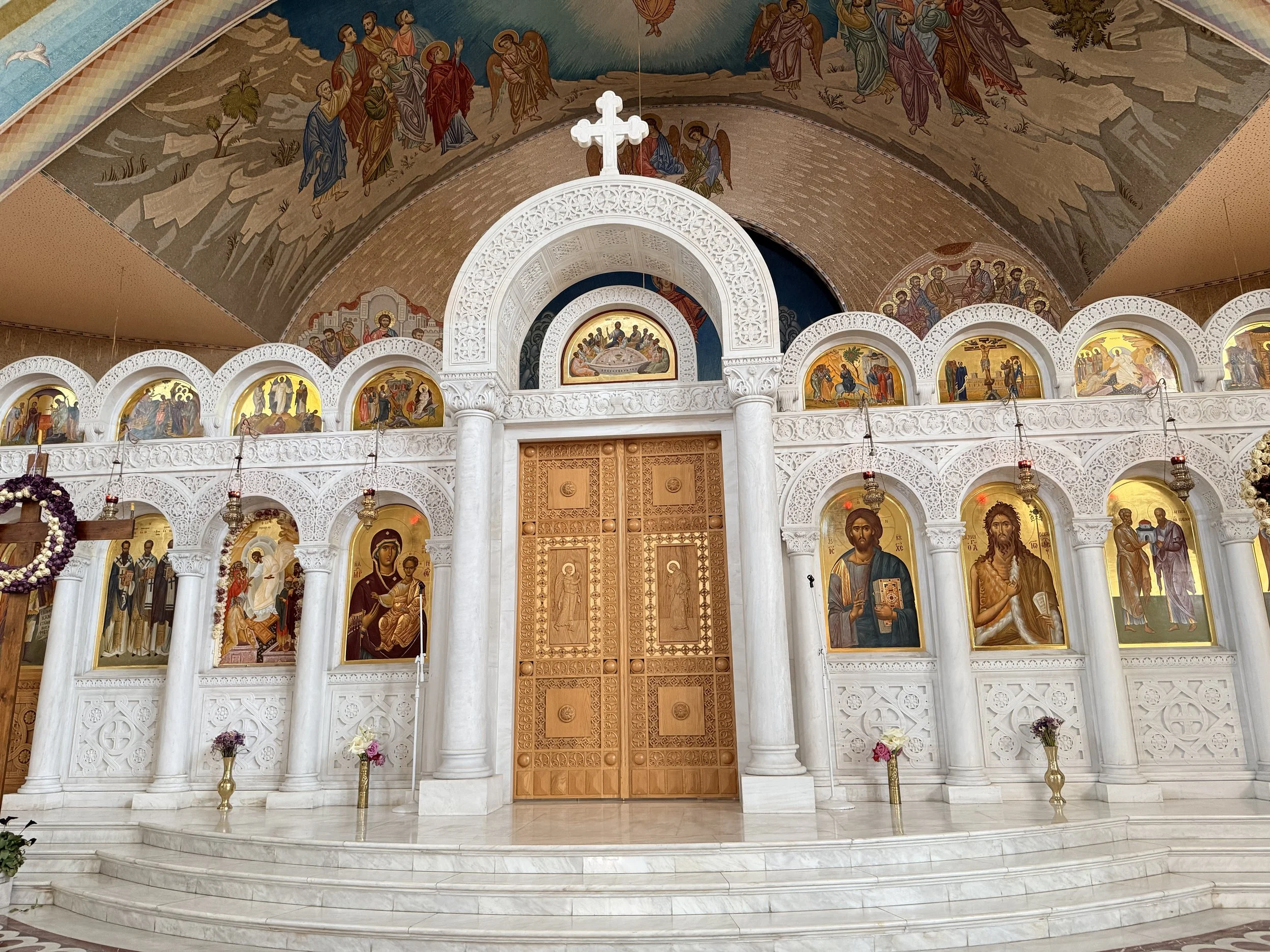
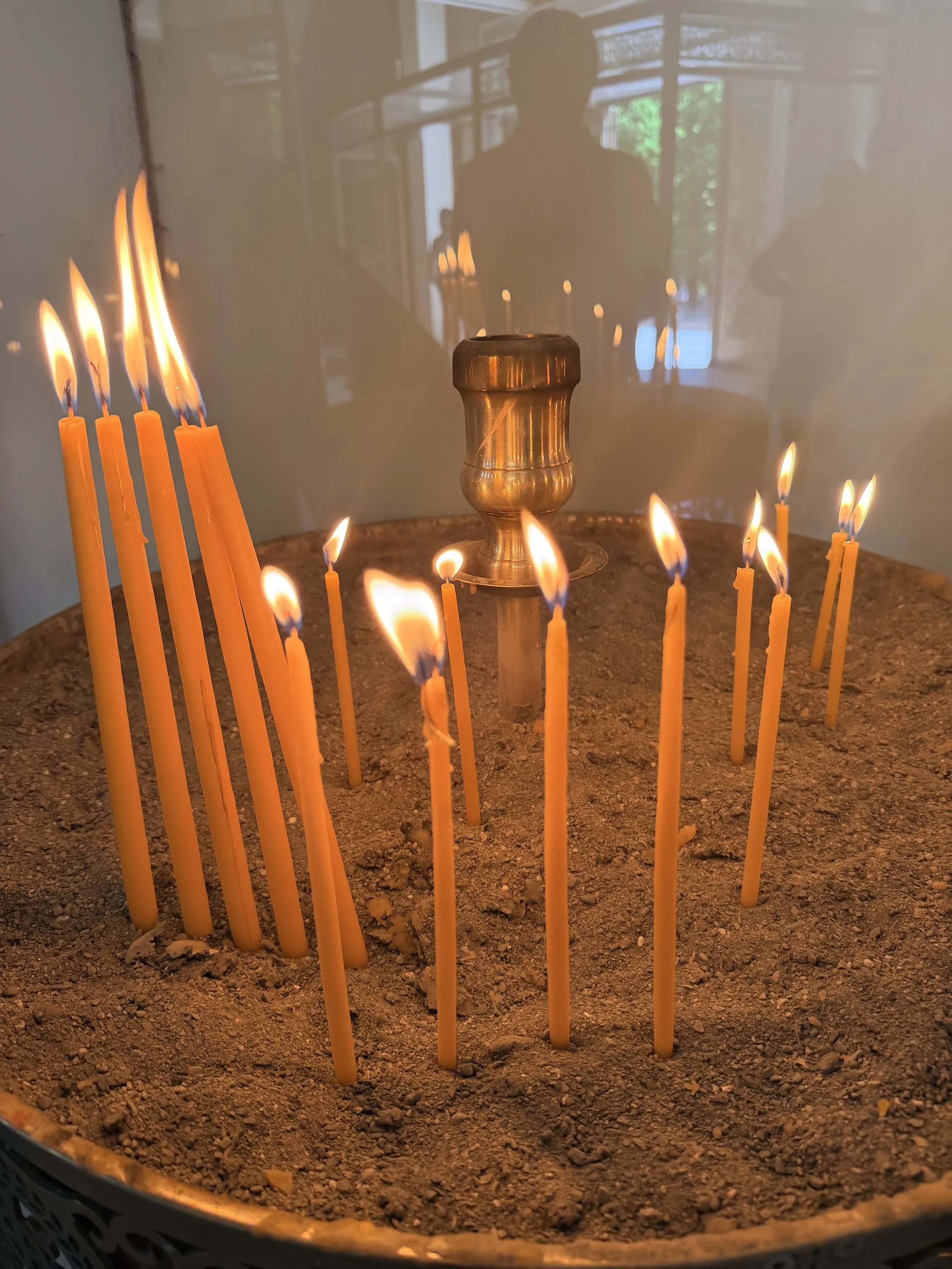
Later we visited the Orthodox Autocephalous Church of Albania. Compared with many older Orthodox churches we had seen elsewhere in the Balkans, this cathedral felt newer and more modern, though it still followed traditional Byzantine-inspired Orthodox architecture. During Hoxha’s rule, religion was banned and many religious buildings were destroyed or closed. Only after the 1990s did Albania begin to experience a revival of religious life, leading to the construction and restoration of churches and mosques across the country.
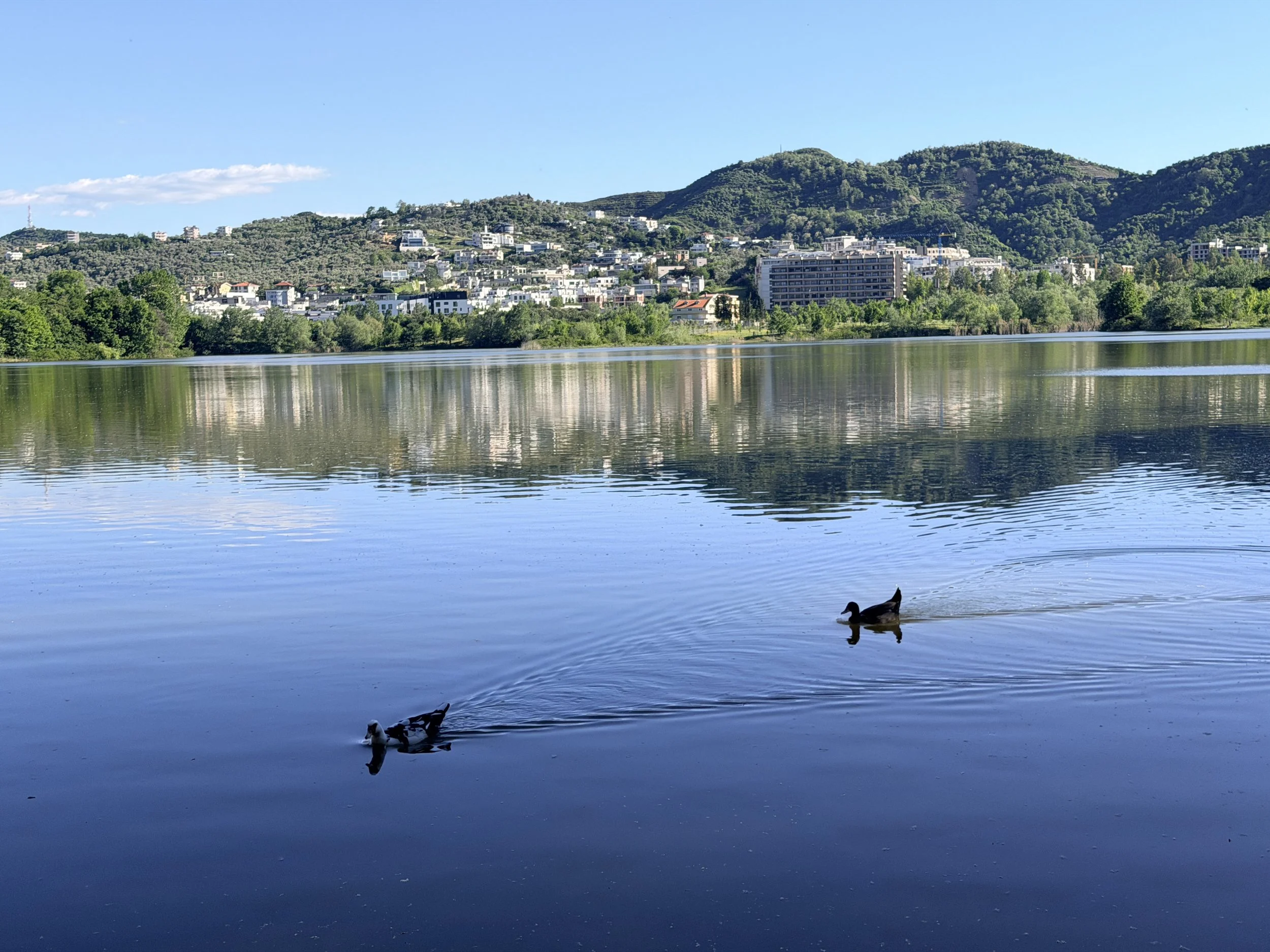
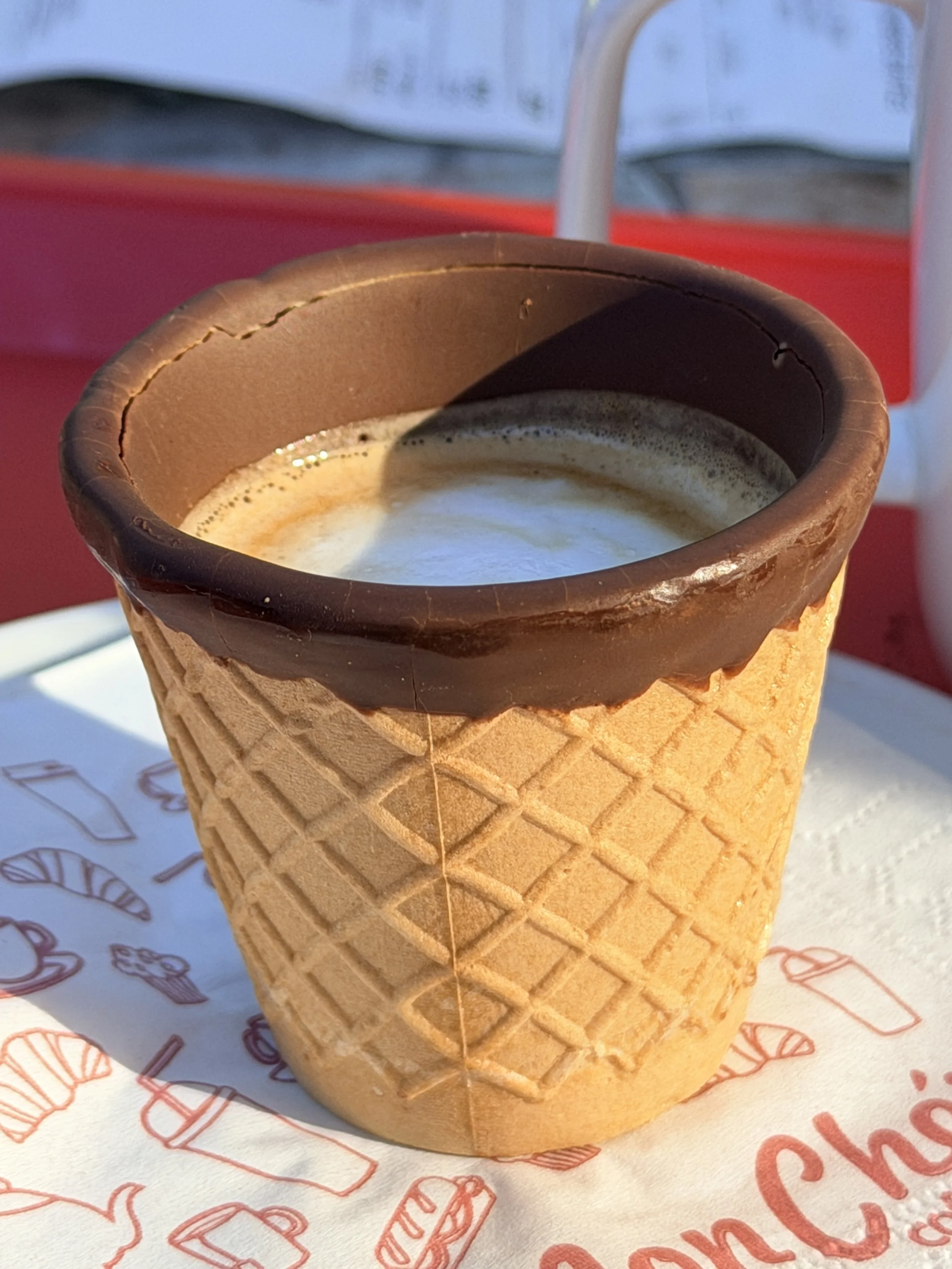
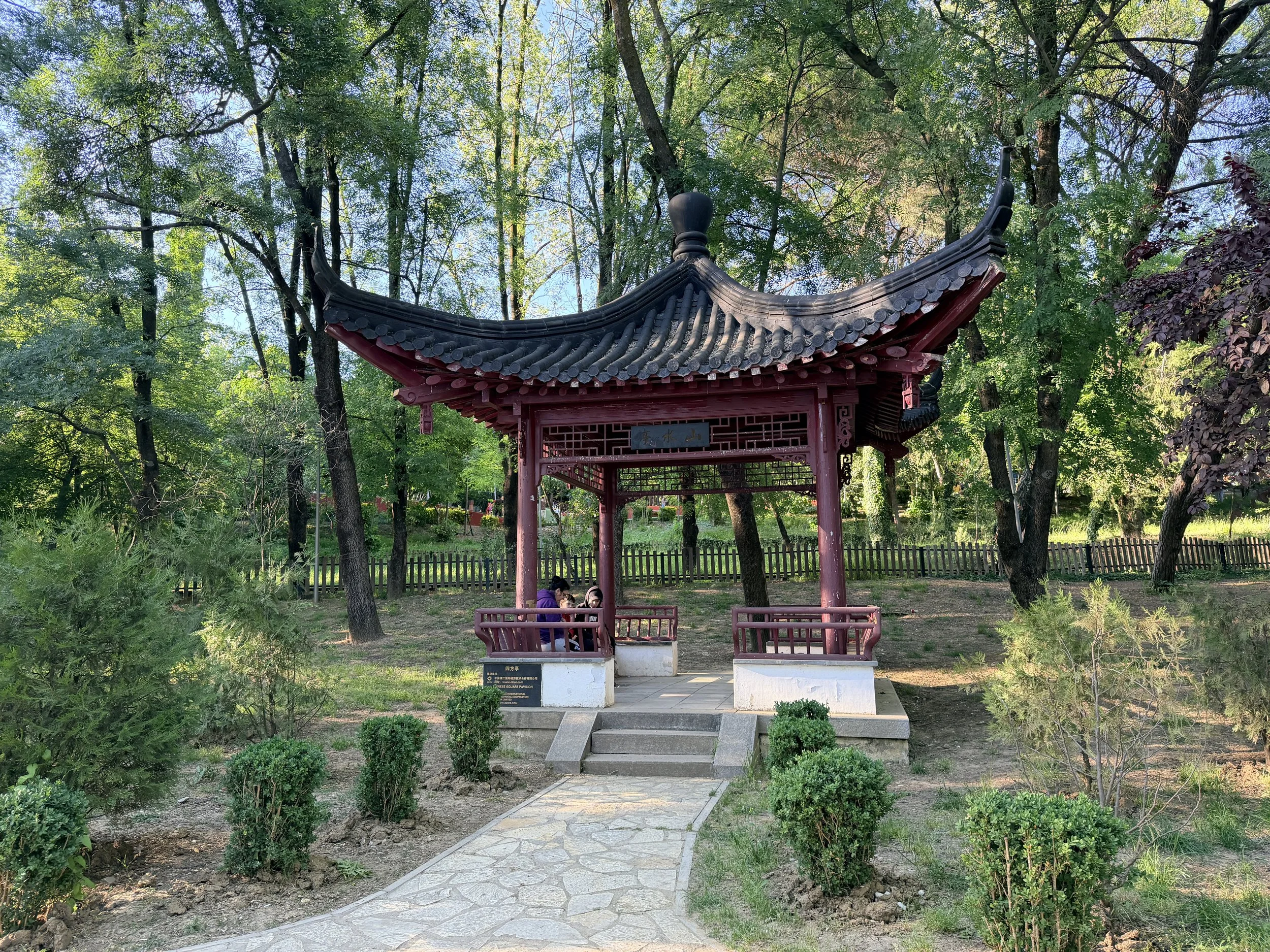
Wanting a break from the busy urban center, we then walked to the Grand Park of Tirana. The atmosphere changed completely as the city gave way to greenery, walking paths, and the peaceful lakeside environment. Near the Chinese square Pavilion, donated by a company from Zhenjiang, we stopped for a coffee break at a nearby café. I even had a cup of coffee served in an edible cup.
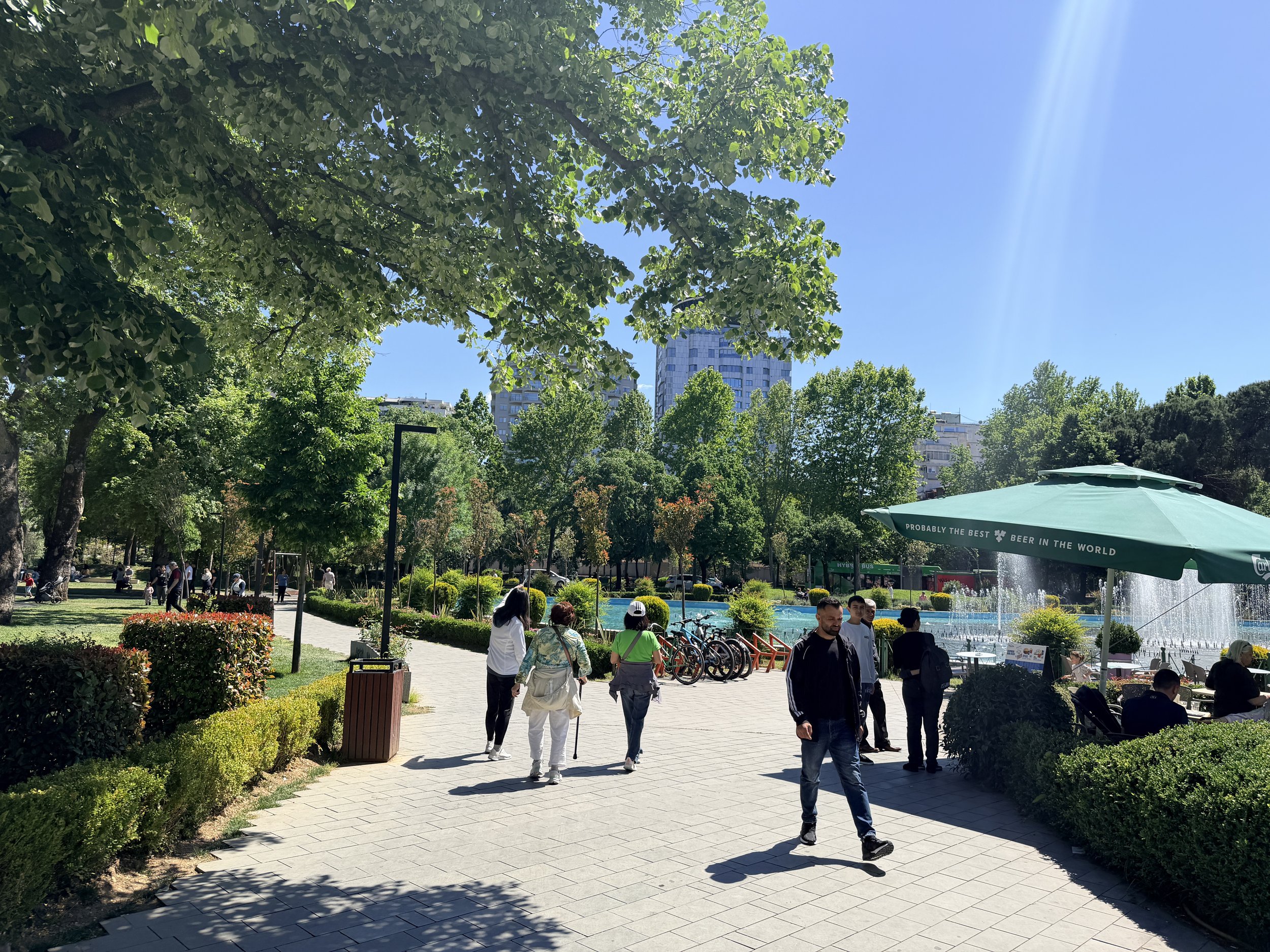
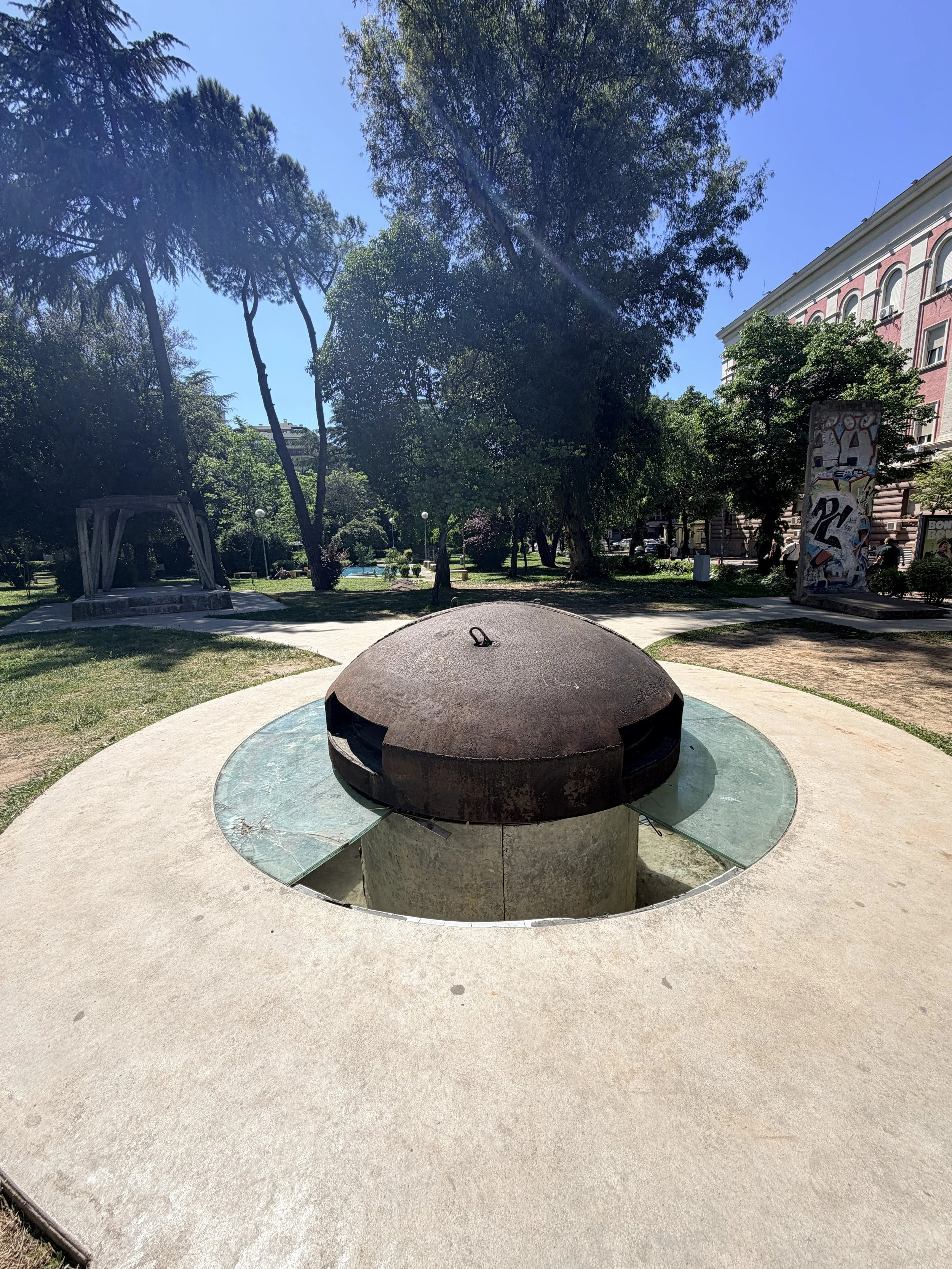
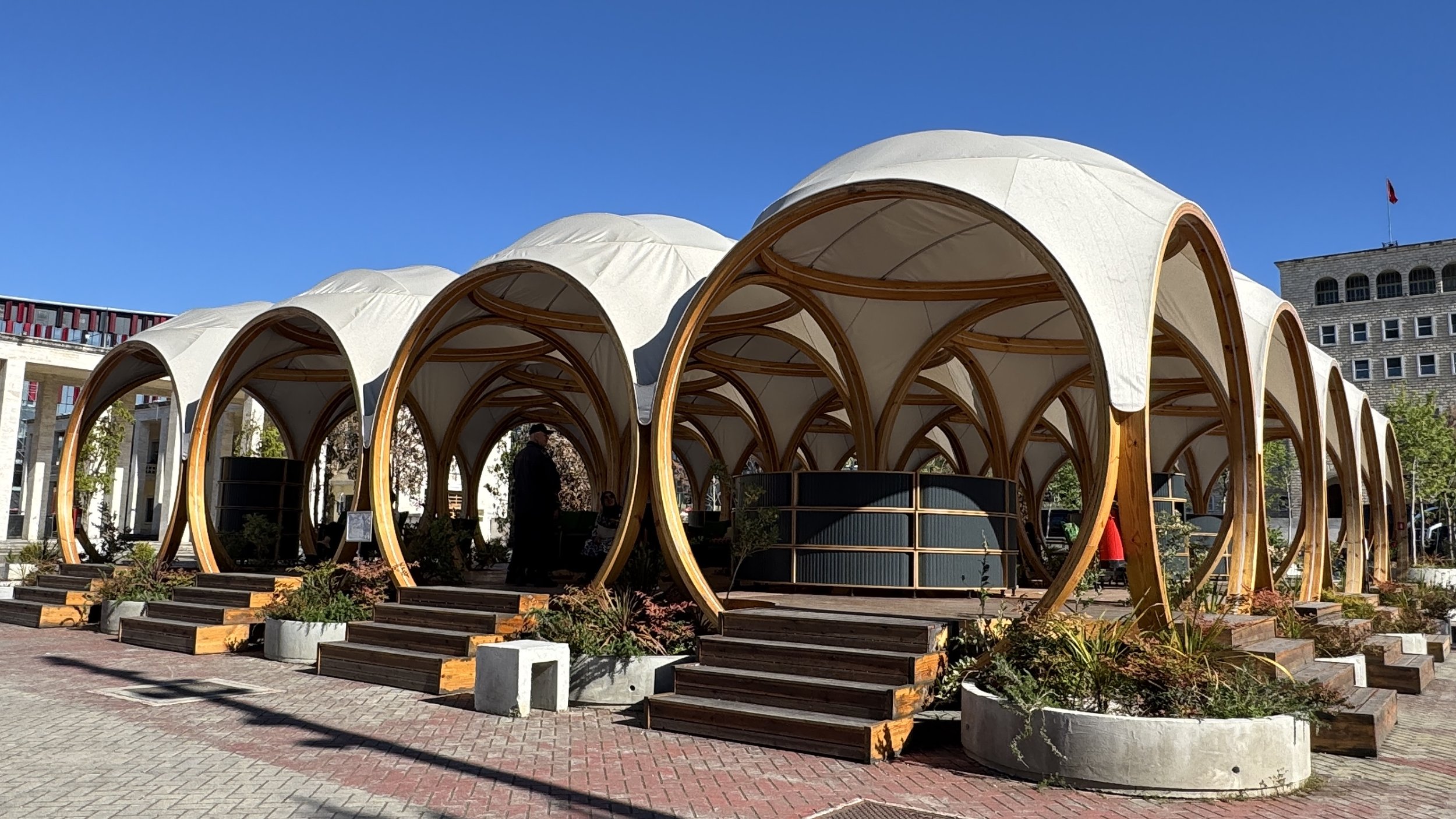
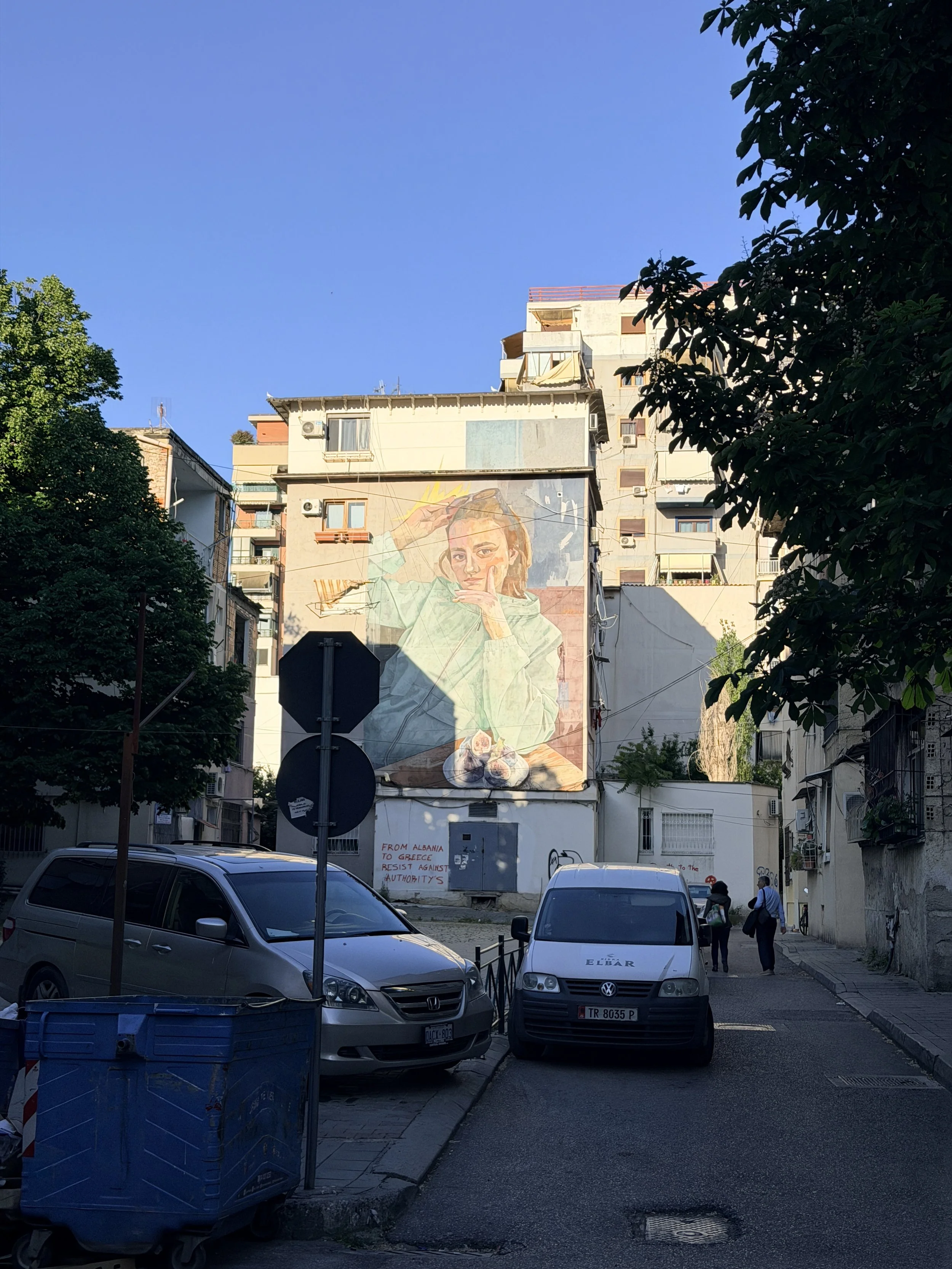
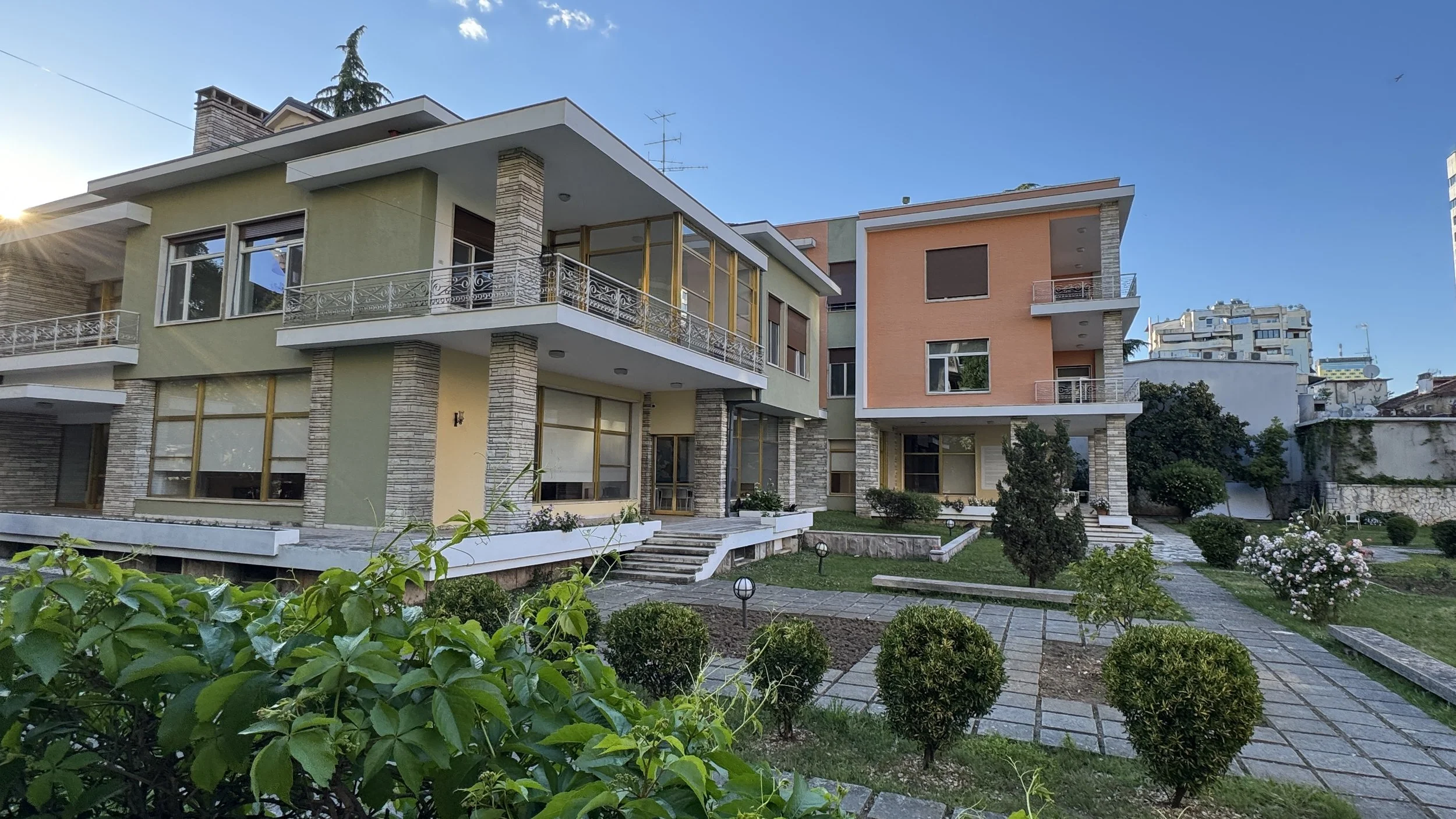
In the late afternoon, we strolled through Blloku, once a restricted neighborhood reserved for communist party elites and government officials. Enver Hoxha’s former villa still stands quietly in the area, now surrounded by trendy cafés, restaurants, and modern shops. The transformation of the neighborhood seemed to reflect Albania’s broader transformation over the past few decades.
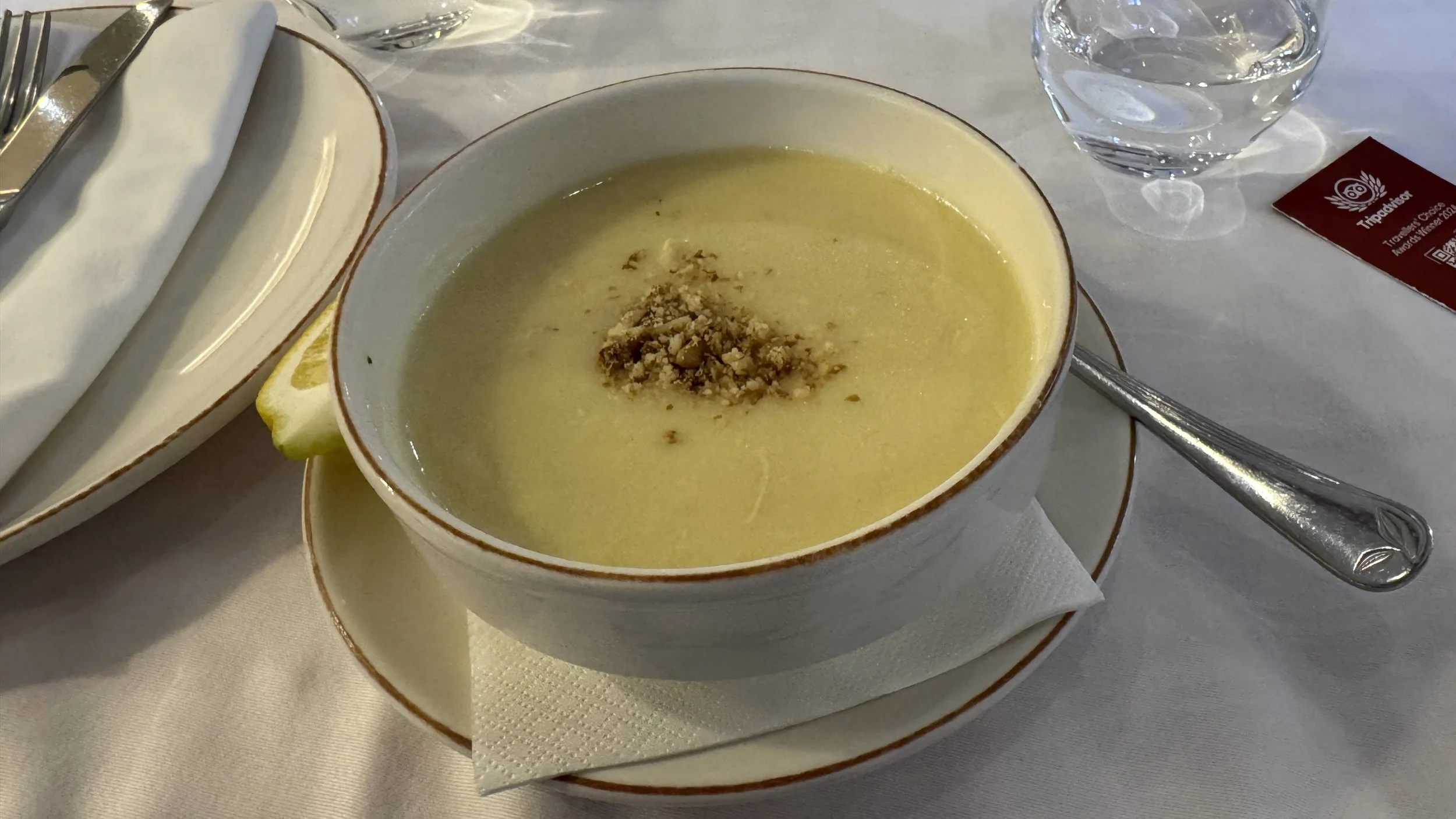
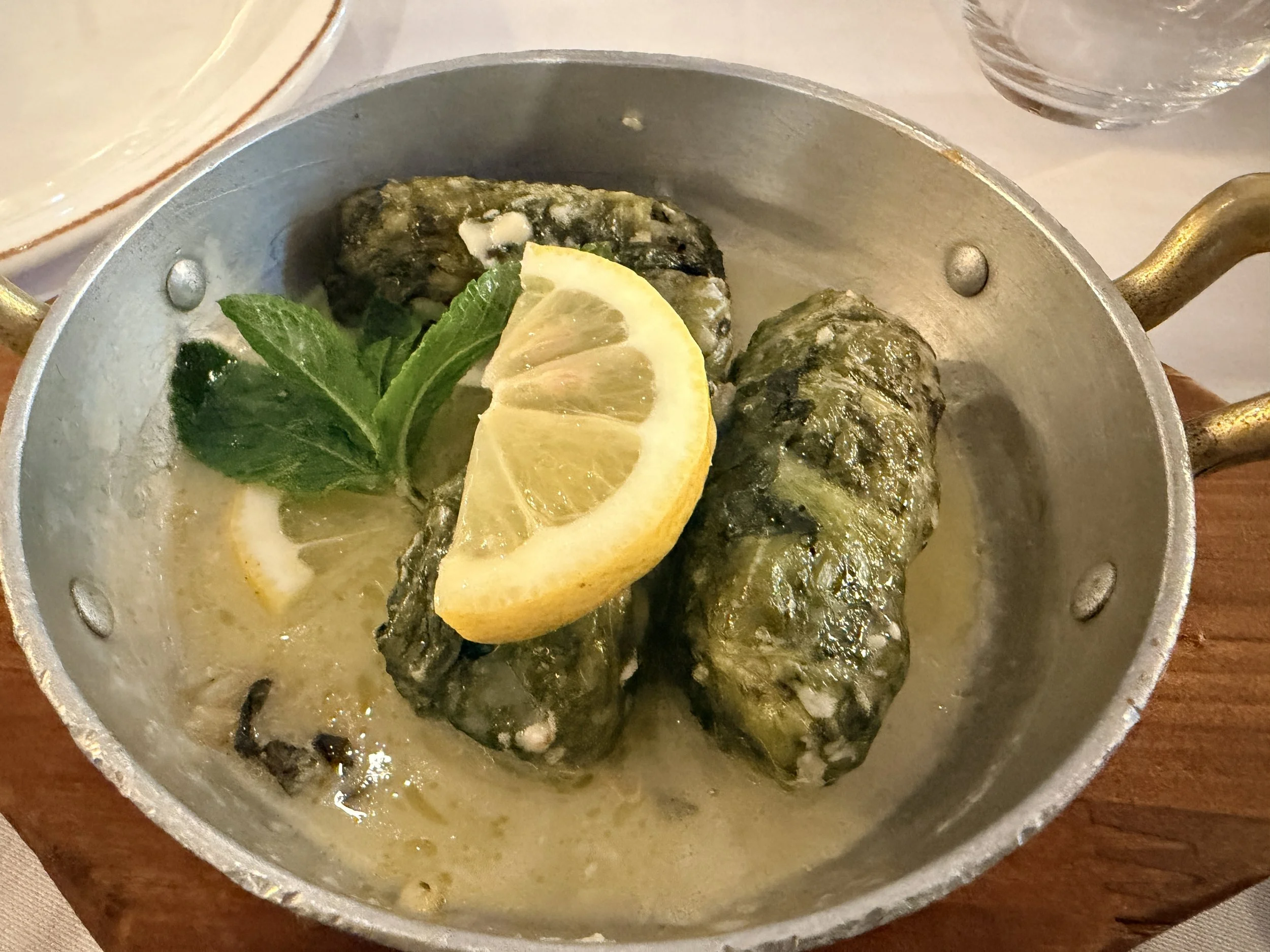
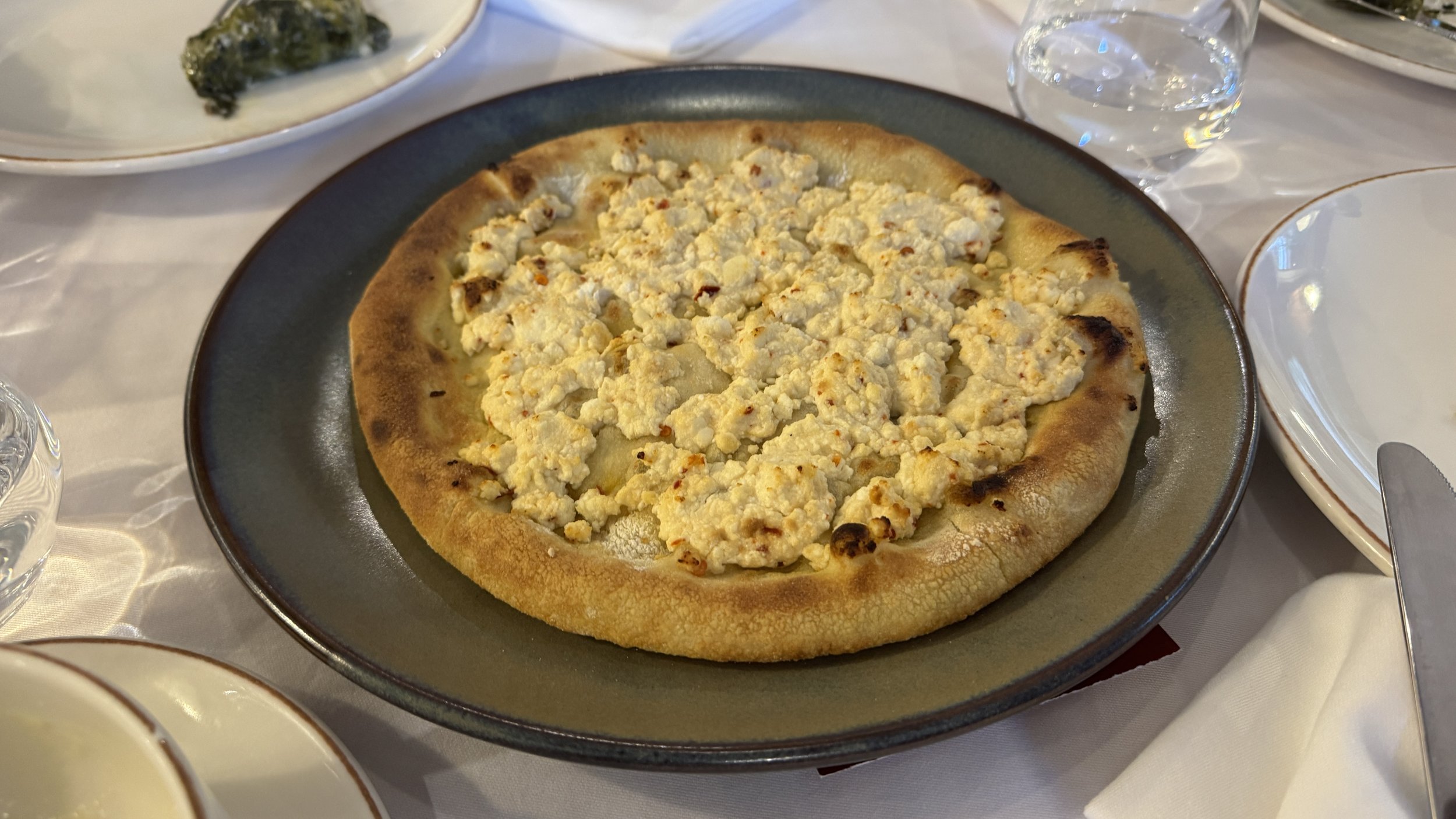
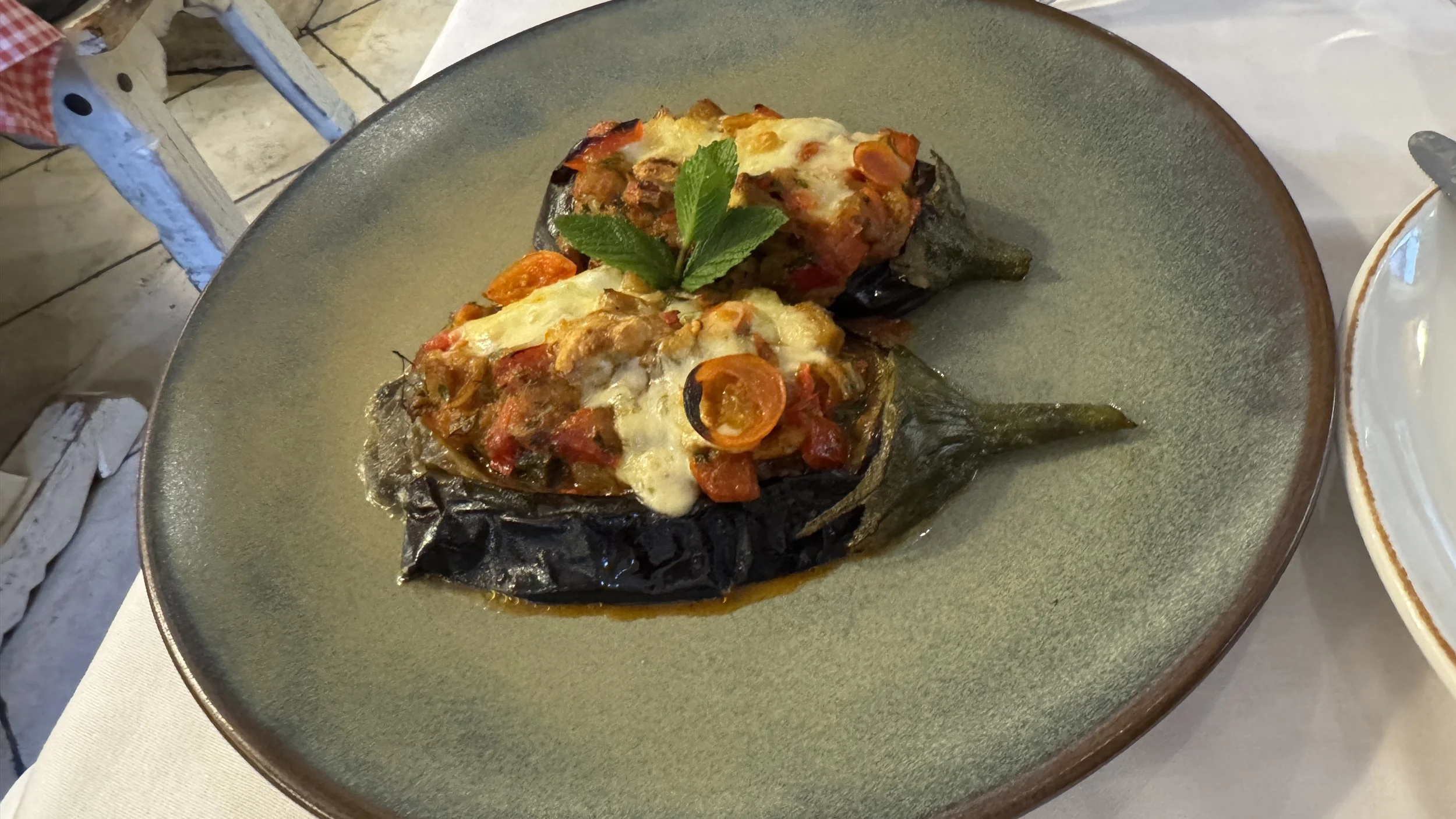
For dinner, we went to a local restaurant to enjoy a traditional Albanian meal before finally returning to the hotel. We had done a tremendous amount of walking throughout the day, so it felt wonderful to rest on the balcony and watch the sunset over Tirana.
2026年5月3日
在酒店用完早餐后我们先前往马路对面的地拉那金字塔(Pyramid of Tirana)。这座建筑最初是为纪念阿尔巴尼亚前领导人恩维尔·霍查(Enver Hoxha)而建,在他去世后不久落成。1991年后,这座金字塔曾被废弃多年。如今它已经被改造成一处现代公共空间,供市民和游客休闲活动。
当我们沿着金字塔一路走上顶部时,注意到周围有许多设计非常独特的现代建筑。其中有一栋外形甚至像一张巨大的人脸,还有一些建筑则采用了大胆而前卫的现代设计。与我们这次巴尔干之行中许多保留着古老街道和历史建筑的城市相比,地拉那显得很不一样。这里几乎看不到太多传统老建筑,城市景观似乎被分成了两部分:一部分是霍查时期遗留下来的朴素实用型公寓楼,另一部分则是近年兴建、极具视觉冲击力的现代建筑。这种强烈反差让地拉那呈现出一种独特而有些出人意料的城市气质。
随后我们来到圣保罗大教堂(St. Paul’s Cathedral),不过因为当时正在举行弥撒,我们没有进入教堂内部。教堂外矗立着特蕾莎修女(Mother Teresa)的雕像,她是最受尊敬的阿尔巴尼亚裔人物之一。
步行穿过地拉那城堡(Tirana Castle)区域,如今这里只保留了部分奥斯曼时期的城墙遗迹。围绕着这些石墙,如今已经发展成聚集着餐厅和咖啡馆的休闲区域。由于时间还早,我们只是在街边小摊买了一些现烤核桃。核桃还是热的,有点像中国的纸皮大核桃,手捏一下就能打开,香气浓郁,味道不错。
不远处便是纳马兹加清真寺(Namazgah Mosque),昨晚在酒店阳台上看到的就是它。这是地拉那新建的大型清真寺,我们也进去参观了一下。清真寺内外装饰都非常漂亮。 像我们这样的游客,男女参观区域是分开的,女士区域位于楼上,视野可能比楼下还更好一些,可以更完整地欣赏内部空间。
接着我们步行前往 Bunk’Art 2。这里曾是霍查时期内务部使用的一座真实的地下核掩体, 如今是博物馆主要介绍阿尔巴尼亚霍查时期以及秘密警察历史。穿行在狭窄阴暗的地下走廊中,在一间间小房间里阅读那些历史故事以及看着那些旧照片,让人感到非常压抑和不安。有些画面和叙述甚至有一种熟悉的感觉。我们只能希望,这样的悲剧永远不要再次发生。
离开地下掩体后,我们继续前往地拉那的中心——斯坎德培广场(Skanderbeg Square)。广场周围坐落着埃塞姆贝伊清真寺(Et’hem Bey Mosque)、钟楼(Clock Tower)、国家歌剧院(National Opera)以及带有巨大马赛克壁画的国家历史博物馆(National History Museum)。
我们在歌剧院旁边的一家餐厅找到最前排的位置,一边吃午饭,一边欣赏广场上的人来人往和四周建筑景观。这个巨大的广场本身也经过精心设计,地面并非完全平坦,而是带有非常轻微的弧度与坡度。广场铺设的石材来自阿尔巴尼亚不同地区,既象征全国各地,也形成了很漂亮的视觉效果。
后来我们又参观了阿尔巴尼亚东正教自治教会主教座堂(Orthodox Autocephalous Church of Albania)。相比我们此前在巴尔干地区见过的许多古老东正教教堂,这座教堂显得更新、更现代,但依然保留了典型拜占庭风格的东正教建筑元素。
在霍查统治时期,宗教曾被全面禁止,大量宗教建筑被关闭甚至摧毁。直到1990年代之后,阿尔巴尼亚才逐渐迎来宗教复兴,新的清真寺和教堂也开始重新出现。
离开繁忙的市中心后,我们随后步行来到地拉那大公园(Grand Park of Tirana)。这里的氛围与市区截然不同,到处都是绿色树木、步道以及宁静的湖边环境。 这里有镇江企业捐赠的中国四方亭(Chinese Square Pavilion)。我们在湖边一家咖啡馆停下来休息。我还第一次喝到了装在可食用华夫饼杯子里的咖啡。
傍晚时分,我们来到布洛库(Blloku)街区。这里过去曾是霍查高级官员和政府精英的禁区,普通民众不得进入。霍查旧居至今依然安静地隐藏在这一带,而周围却早已变成时尚咖啡馆、餐厅和现代商店的热闹街区。这个区域的变化,某种程度上也像是阿尔巴尼亚过去几十年巨大转变的缩影。
晚餐时,我们来到一家本地餐厅品尝传统阿尔巴尼亚菜。结束一天行程回到酒店时,我们已经走了非常多的路。最后坐在阳台上,一边休息,一边欣赏地拉那的日落,感觉格外惬意。
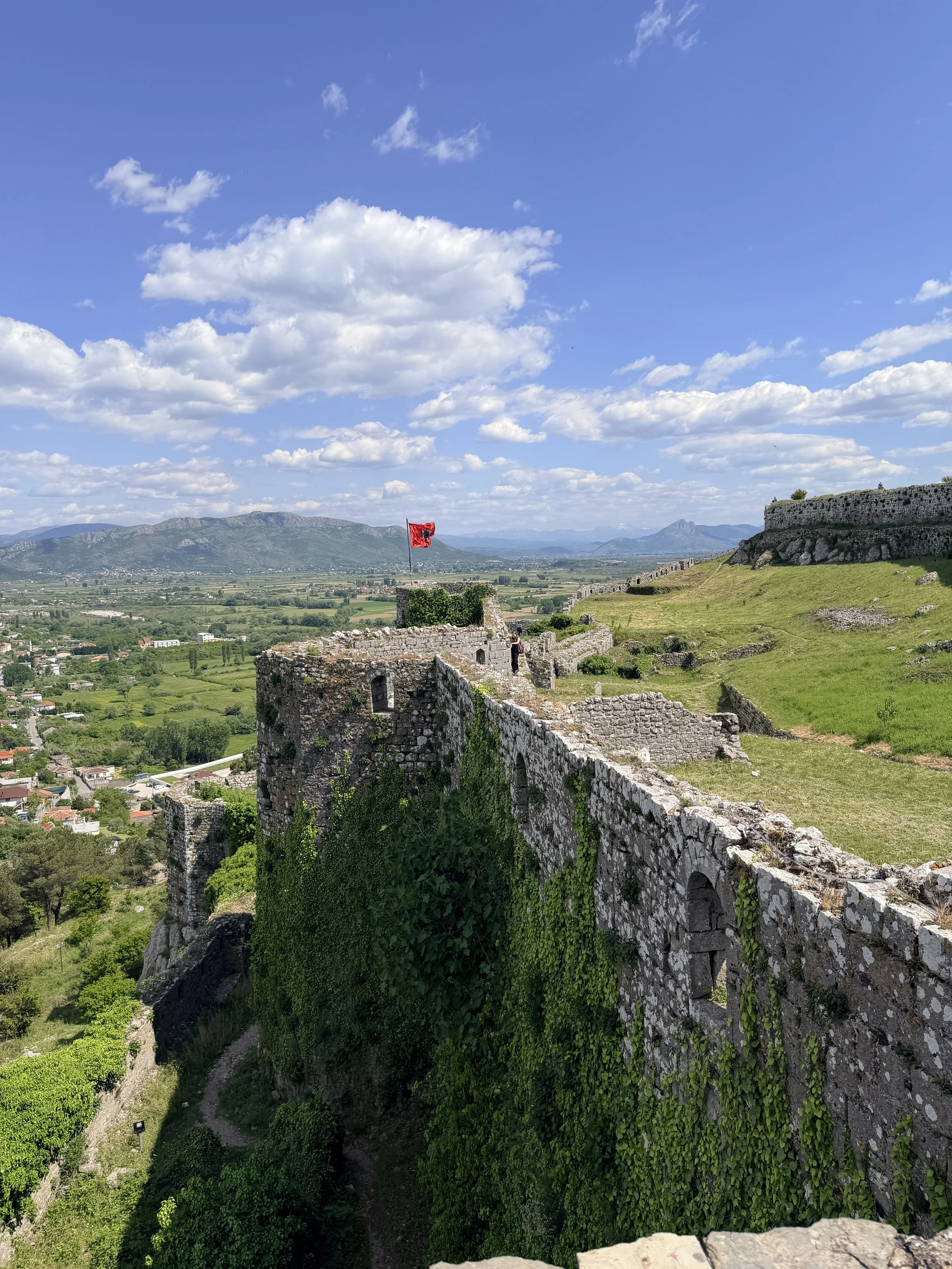
Rozafa Castle, Albania 罗扎法城堡
May 2, 2026
Over the past twenty days,……
过去二十天里,我们走访了四个曾属于前南斯拉夫的美丽国家。。。
May 2, 2026
Over the past twenty days, we traveled through four beautiful countries that were once part of former Yugoslavia. We will leave with countless photos of stunning landscapes, historic towns, and unforgettable scenery. Yet the memories that left the deepest impression on us were not the picturesque views, but the lingering reminders of war — the heartbreaking photographs displayed in museums, bullet scars still visible on apartment buildings, rows of white gravestones scattered across city cemeteries, and the taxi driver who quietly referred to himself as a “war baby.”
Together, these moments became sobering reminders of the suffering, loss, and sacrifices endured by countless innocent civilians not so long ago. Today, we were heading to Albania to learn about yet another chapter of the region’s dark and complicated history.
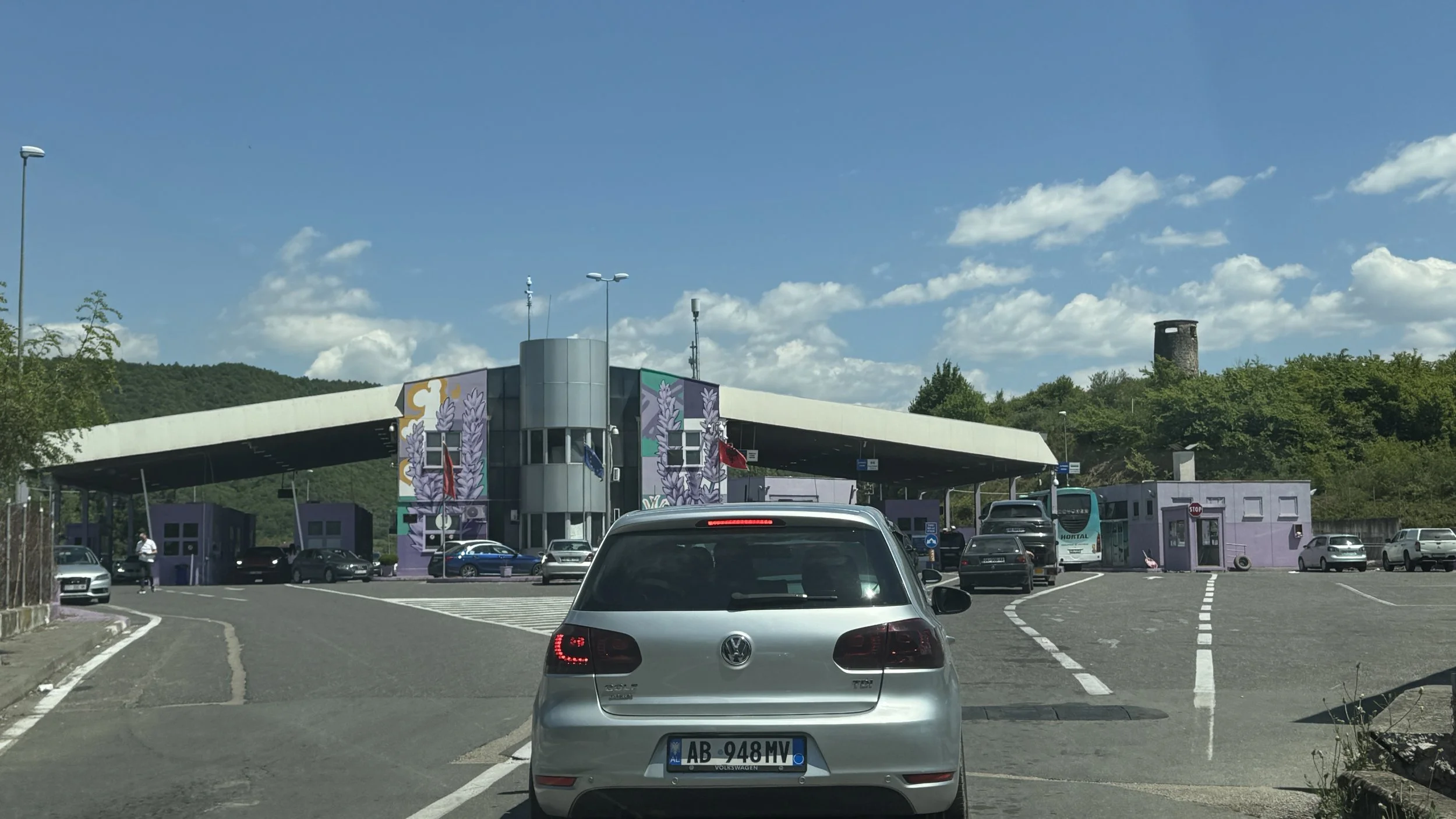
Our Albanian driver picked us up in the morning for the journey to Tirana. He did not seem entirely familiar with the route, but after about three and a half hours on the road, we reached the border crossing. This time, the procedure was surprisingly simple. The officers briefly looked at our passports and waved us through without even scanning them or recording our entry. Just like that, we entered Albania — a country that once felt strangely familiar to many of us who grew up in China during the Cold War era.
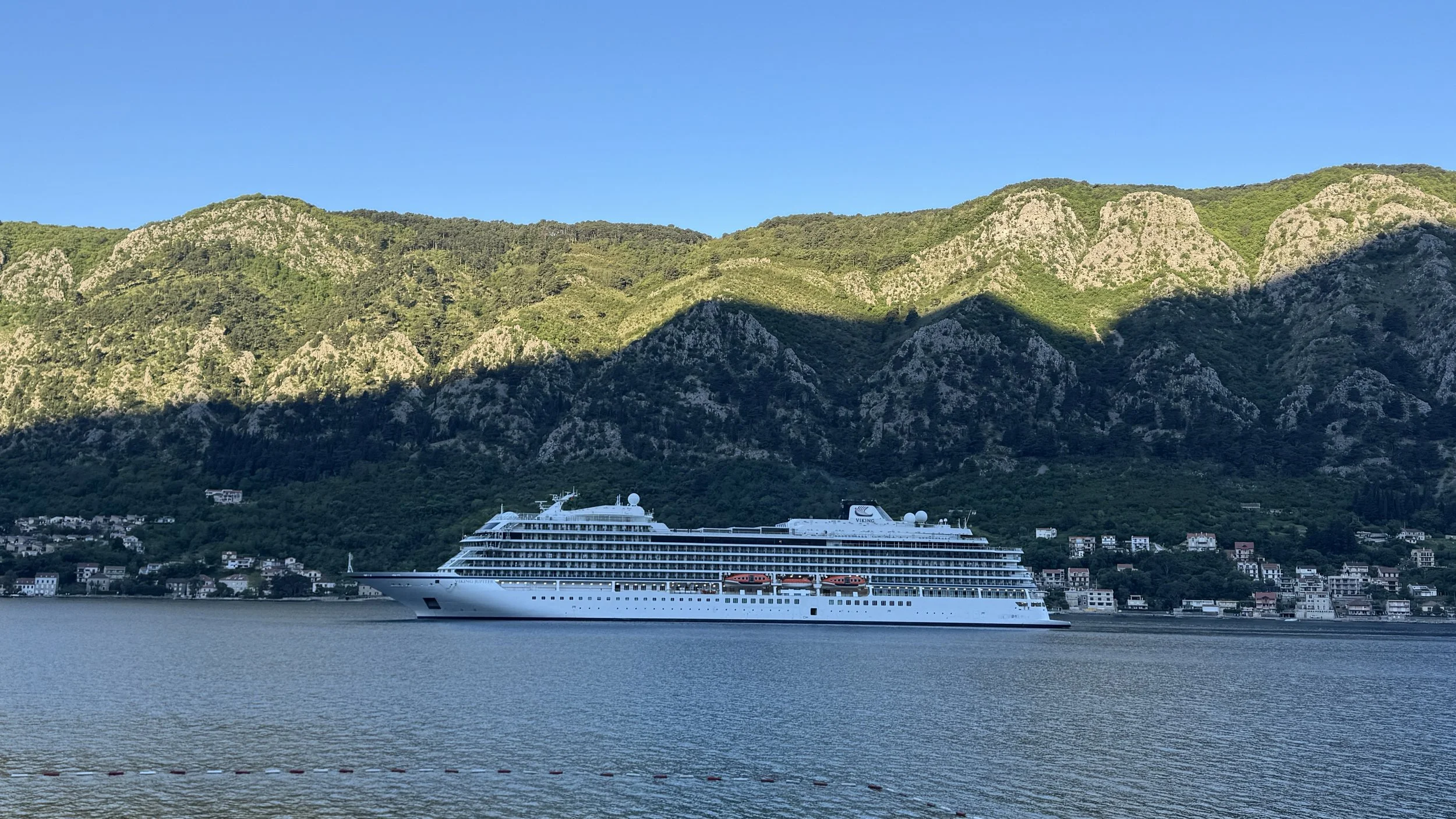
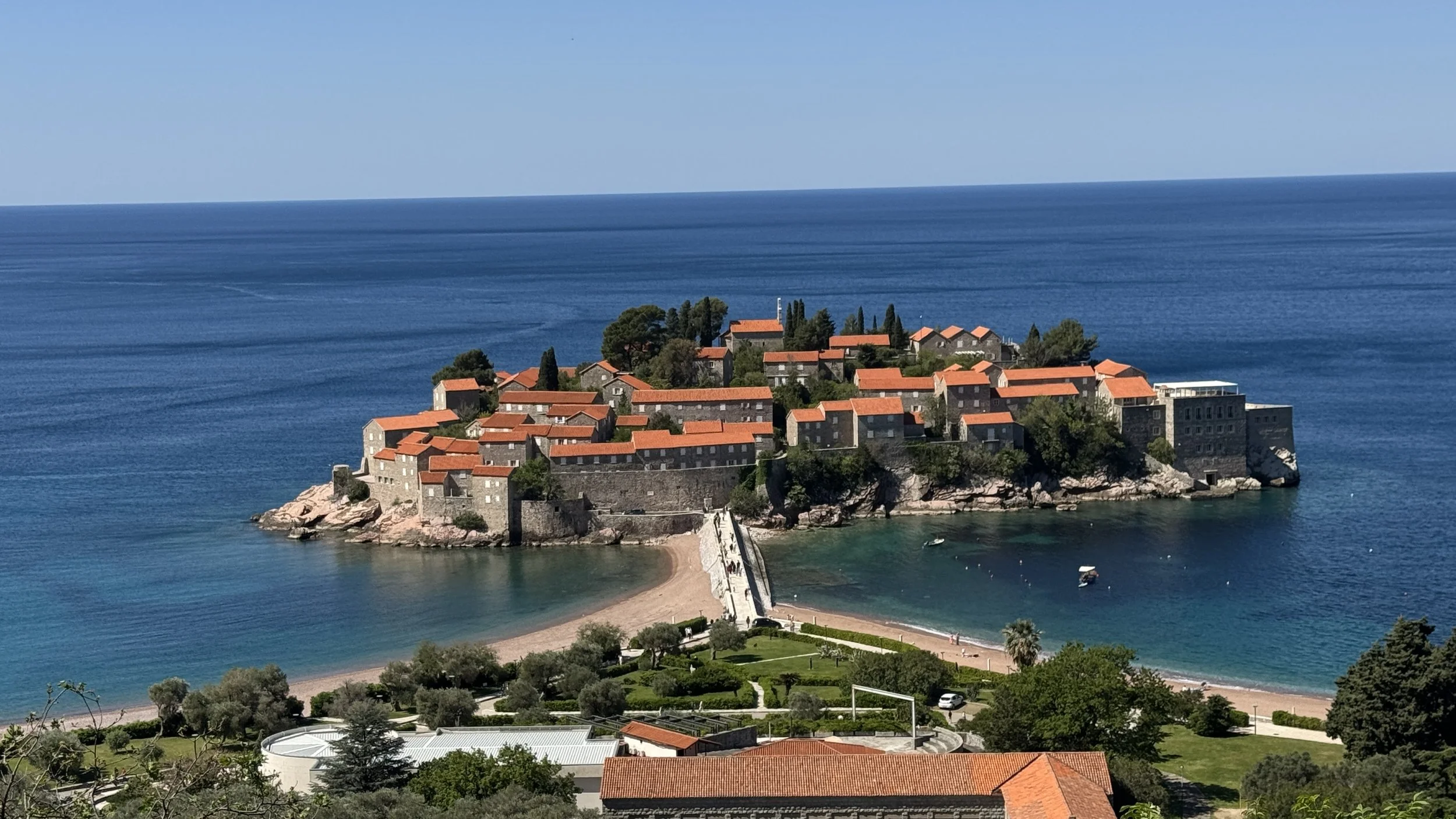
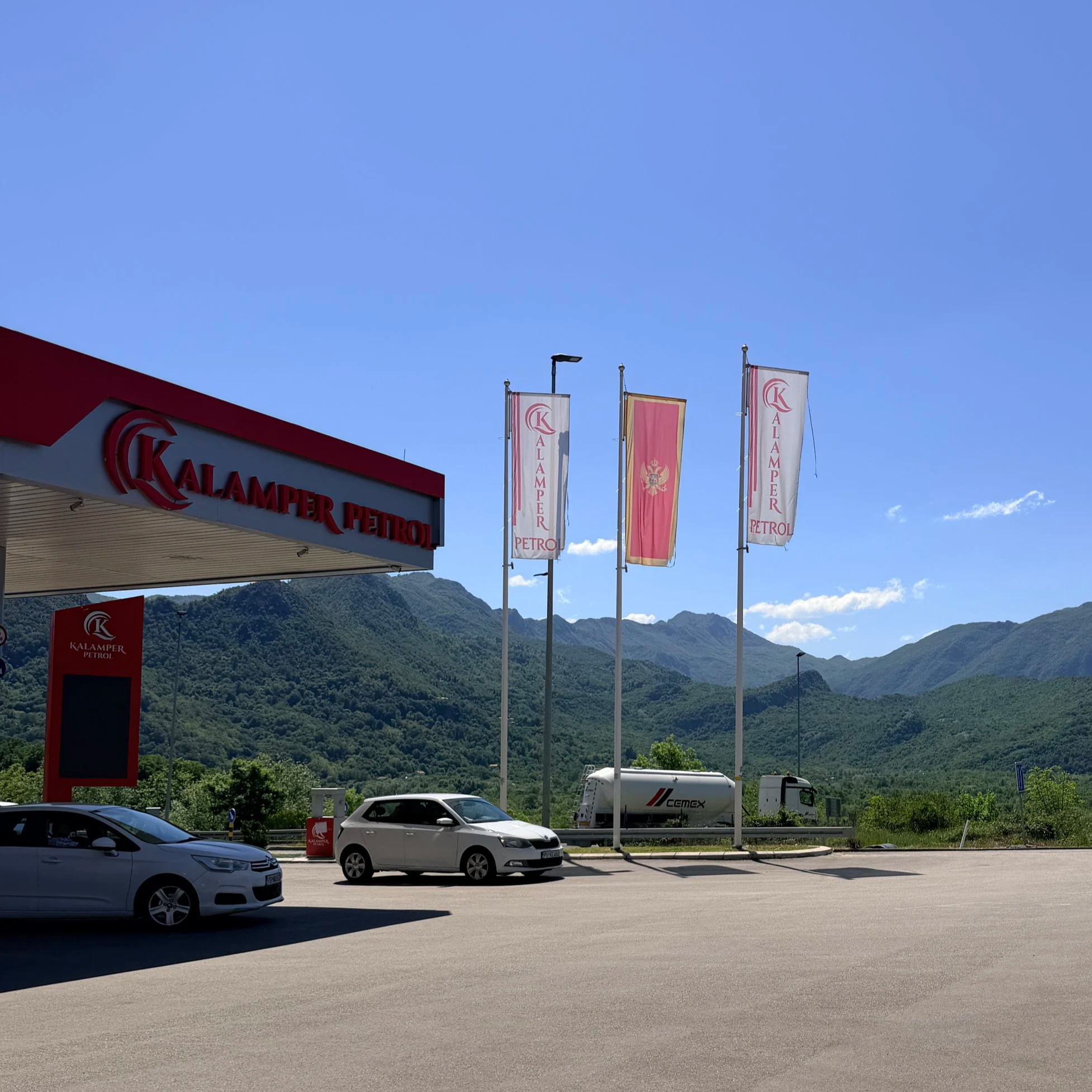
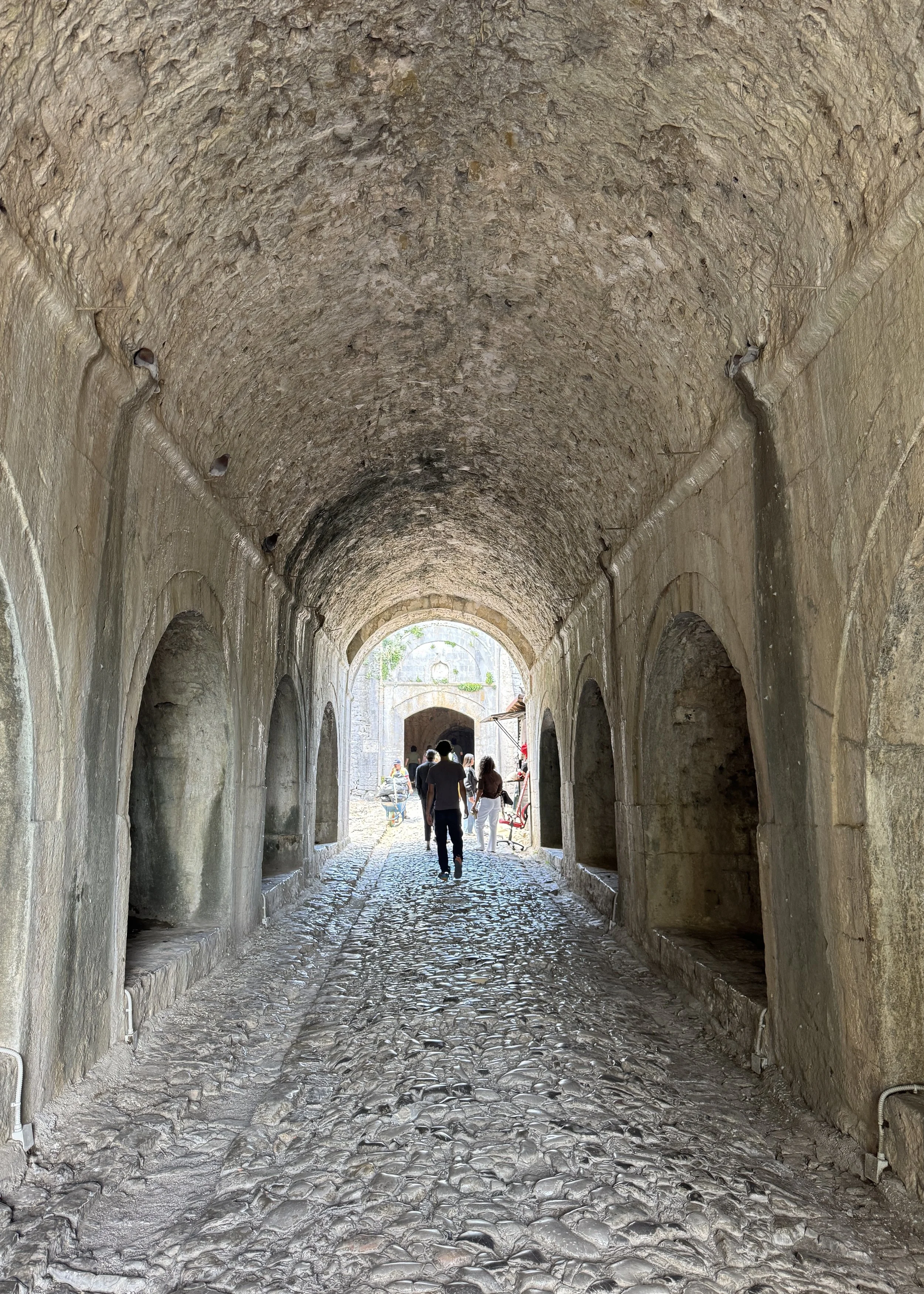
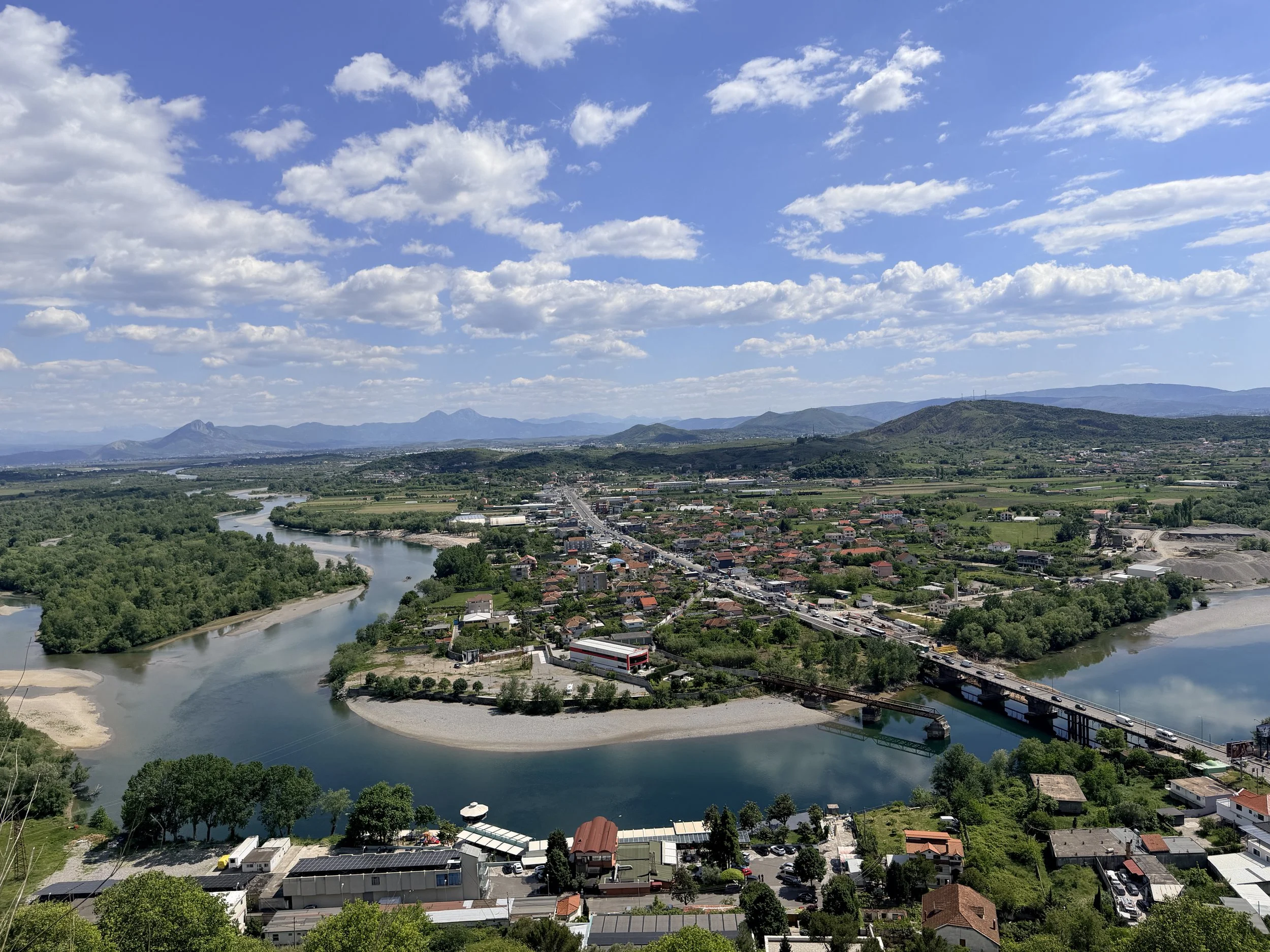
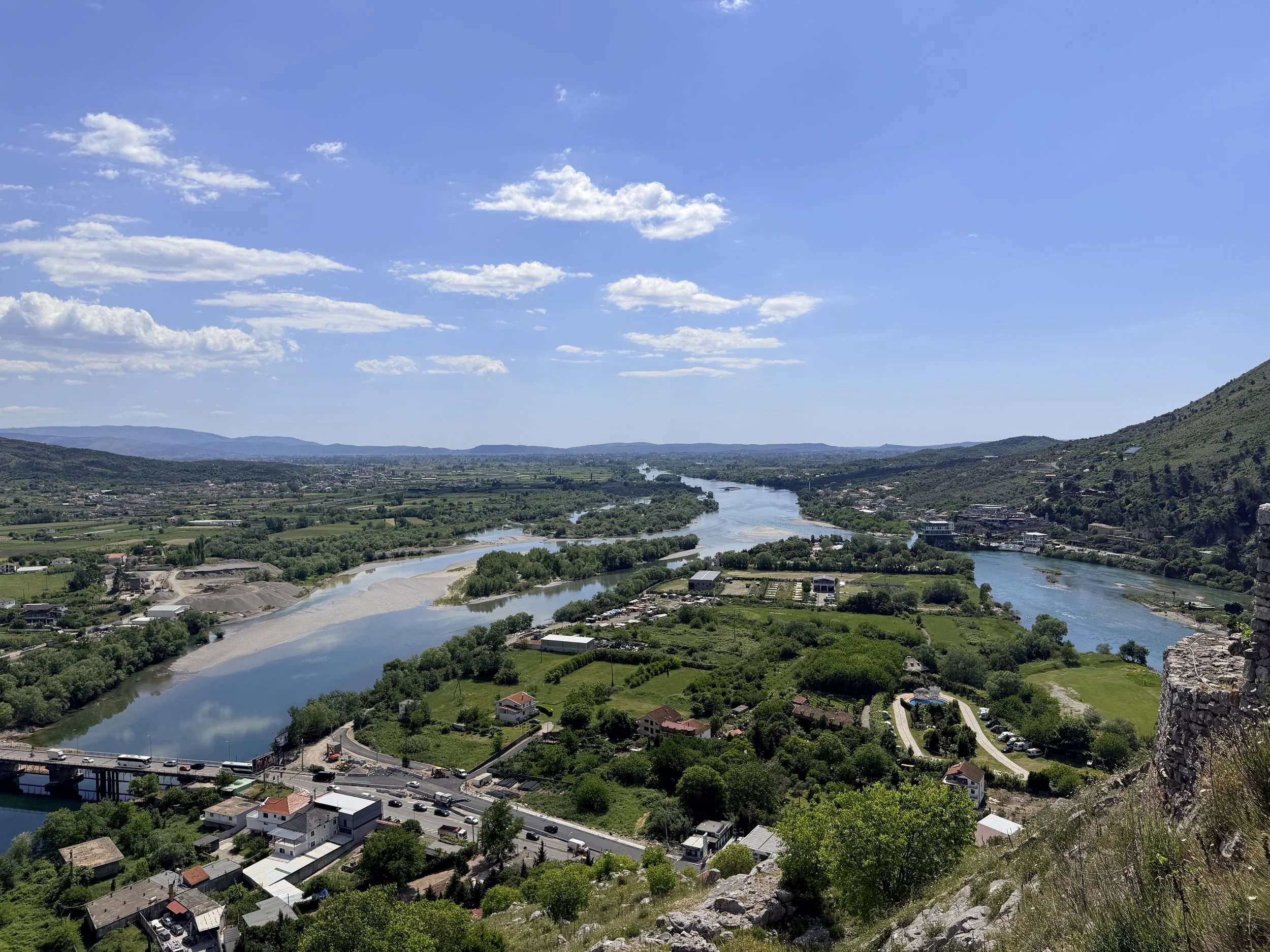
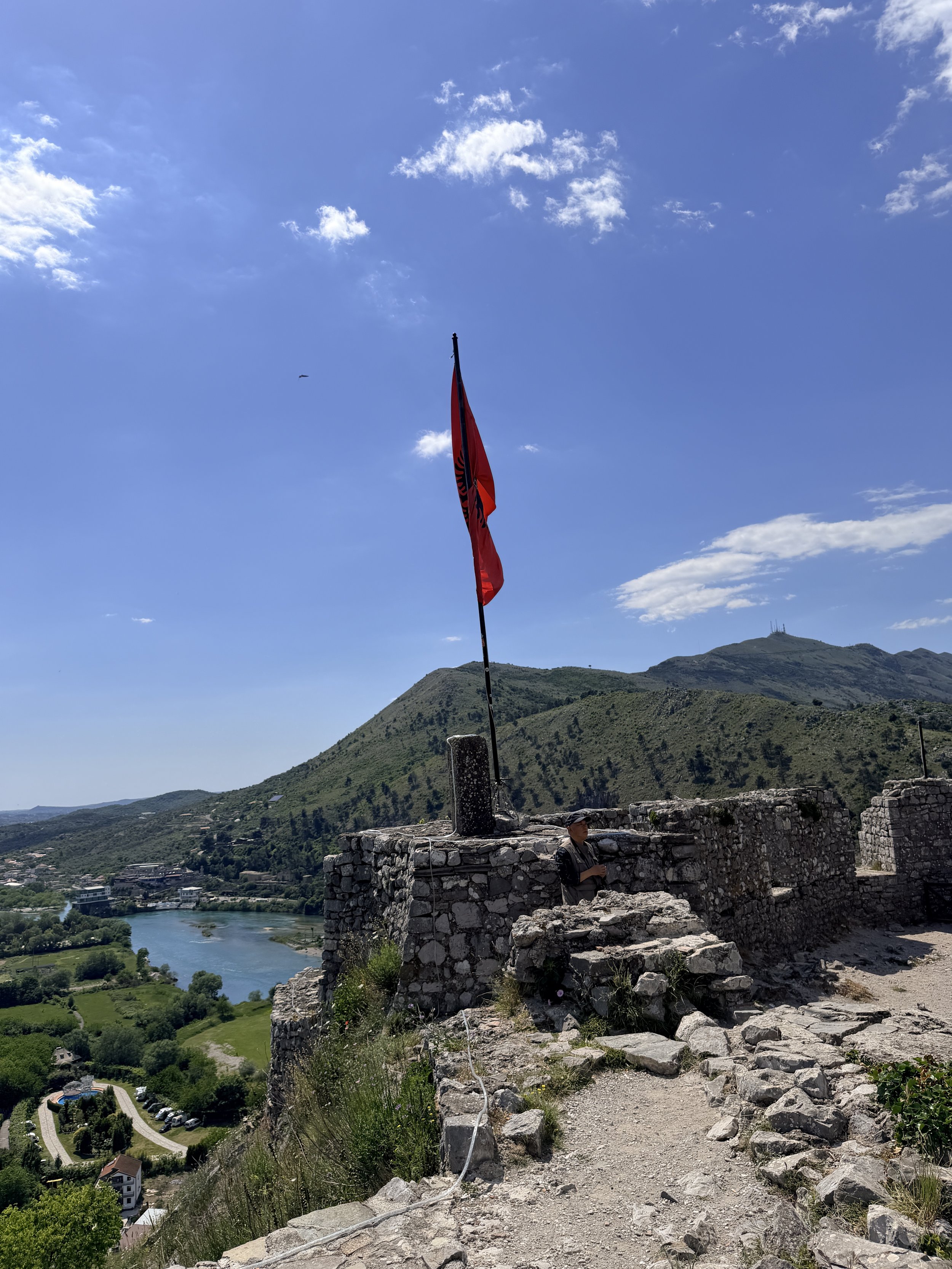
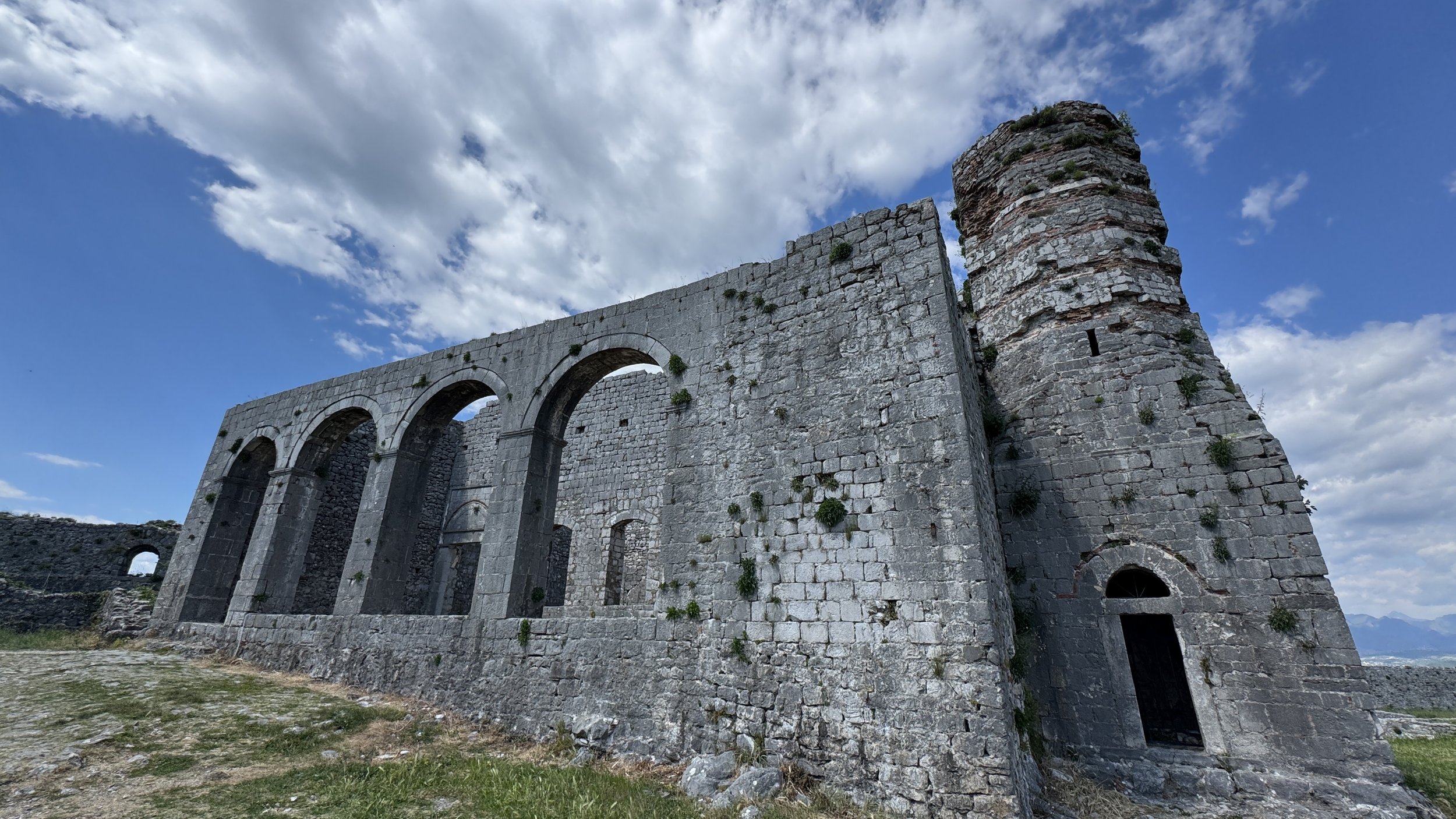
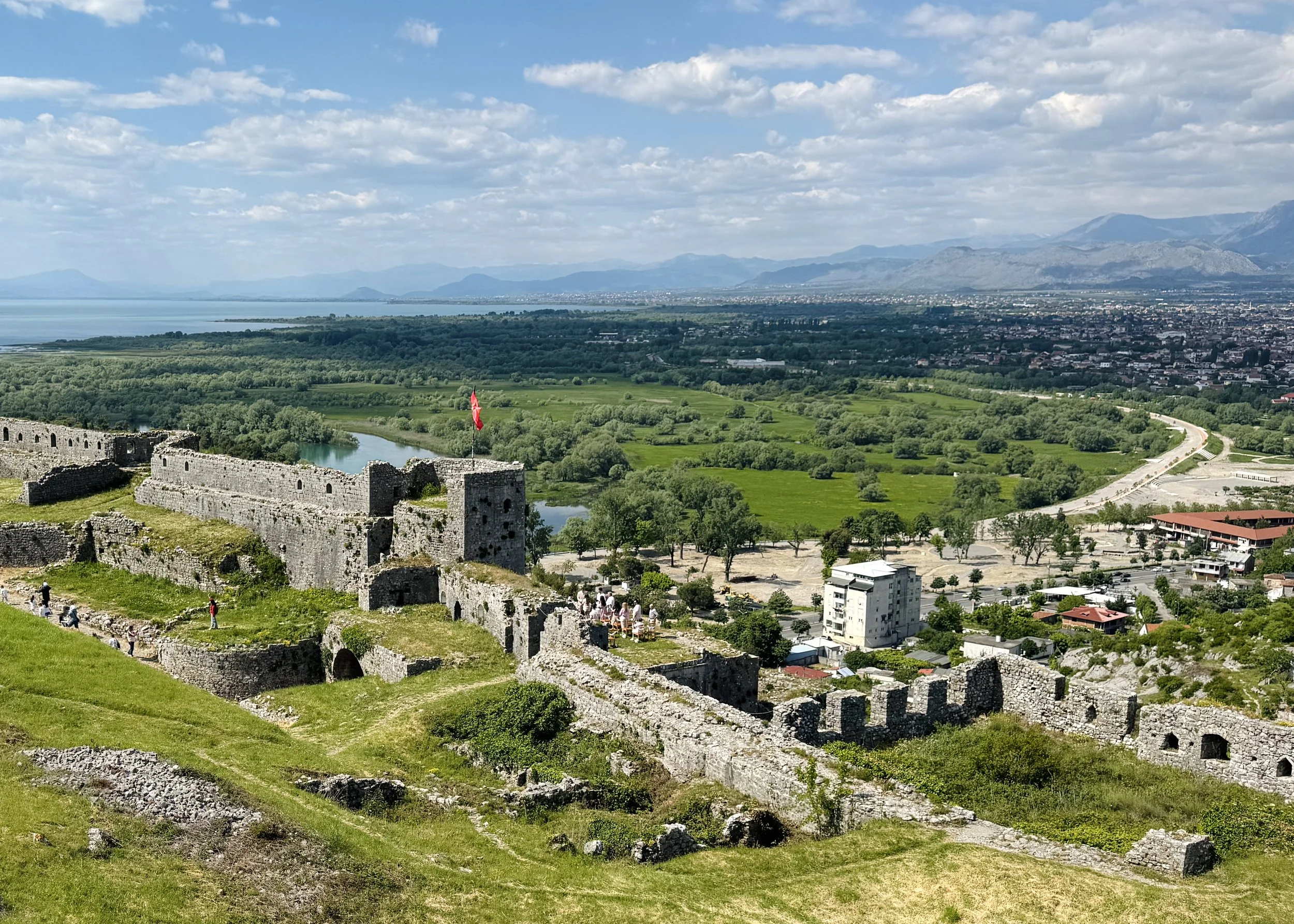
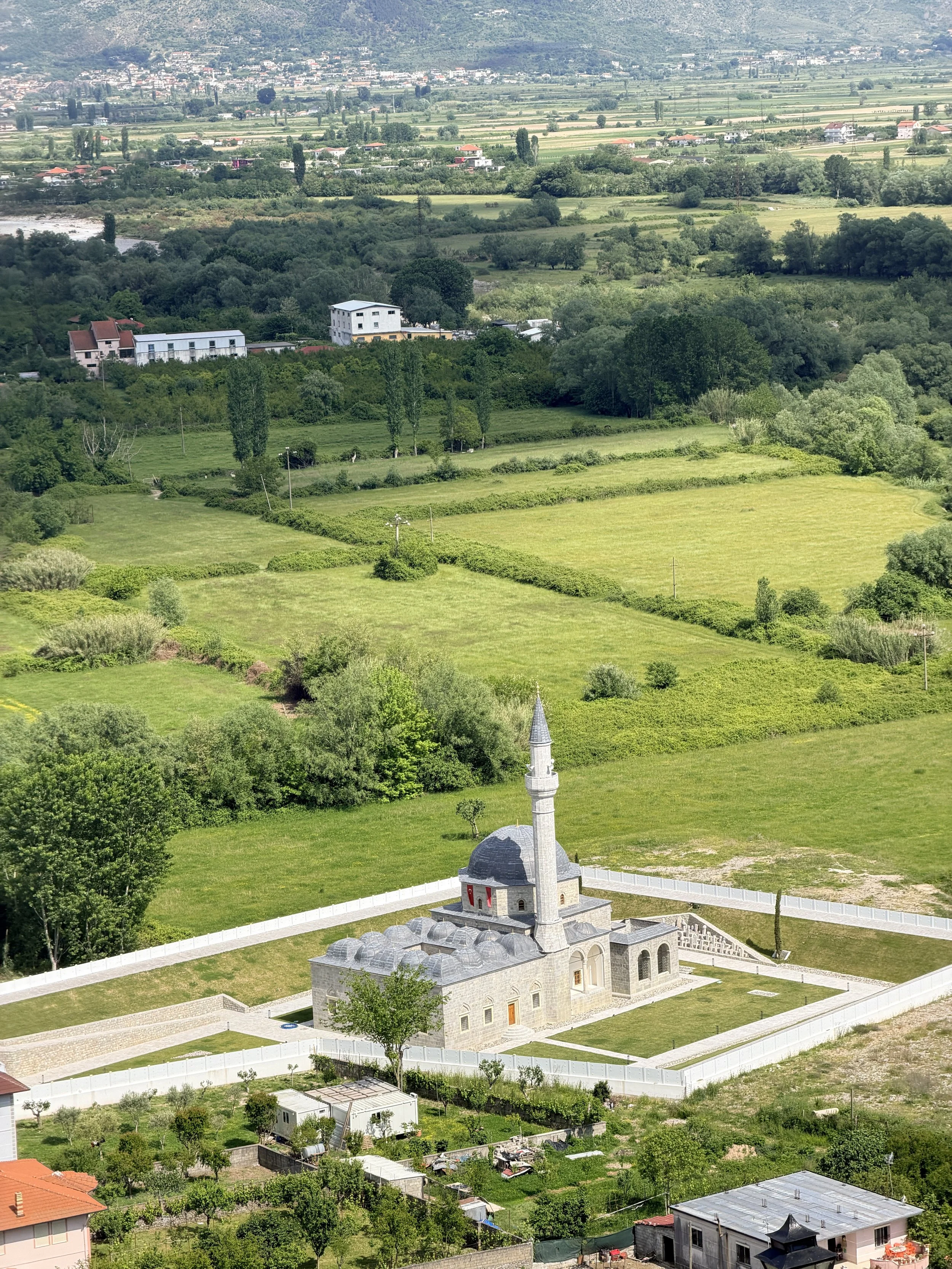
Our first stop was Rozafa Castle. Perched high above the surrounding landscape, the ancient fortress overlooks the meeting point of several rivers and has guarded the region for centuries. We knew there would be a short uphill walk, but we did not expect the long, rough stone path leading all the way up to the ruins. The uneven terrain made it difficult for our friend to continue climbing toward the restaurant near the top, so she decided to rest halfway while we continued upward and planned to bring back takeaway food for her.
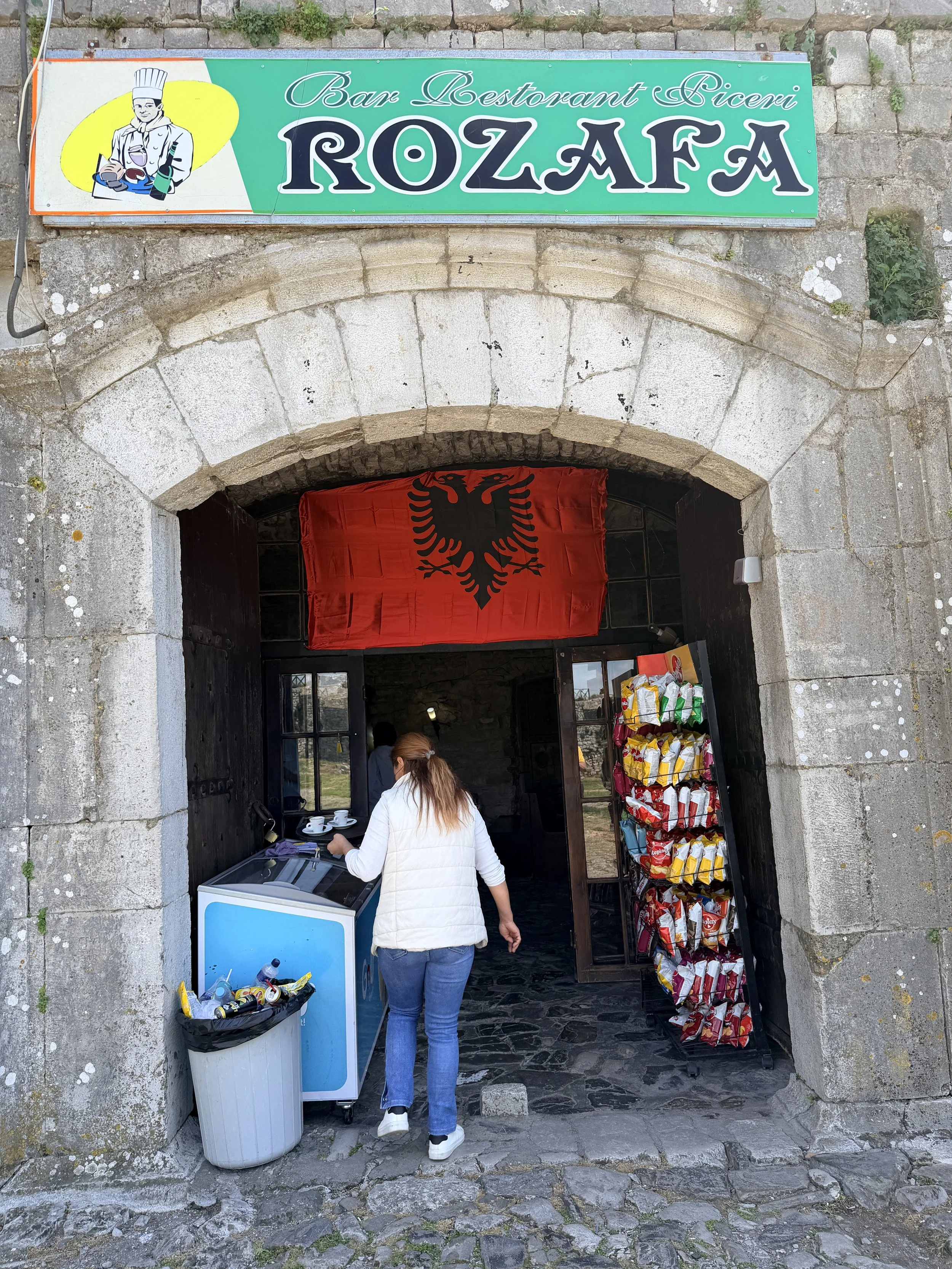
Even ordering a simple pizza became an adventure. Between the language barrier and the fact that we still did not have local currency, communication was not easy. Eventually, with a mixture of gestures, smiles, and patience, everything worked out, and we ended up enjoying a simple but satisfying lunch.
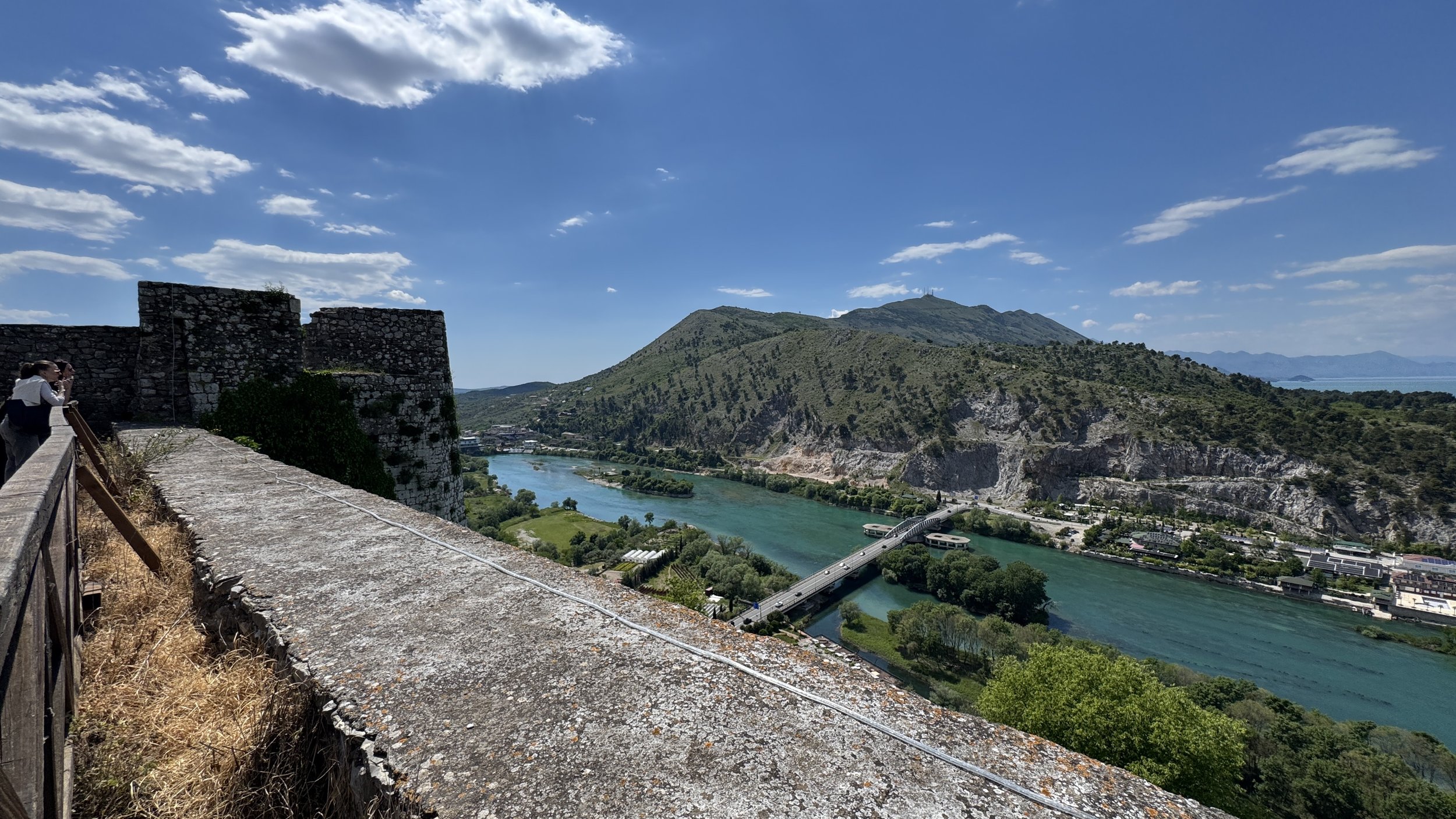
The castle ruins themselves were atmospheric rather than grand, but the panoramic views were spectacular. Surrounded by rivers, mountains, and open plains, the scenery stretched far into the distance beneath the bright spring sky. We spent about an hour and a half wandering through the ruins and taking in the views.
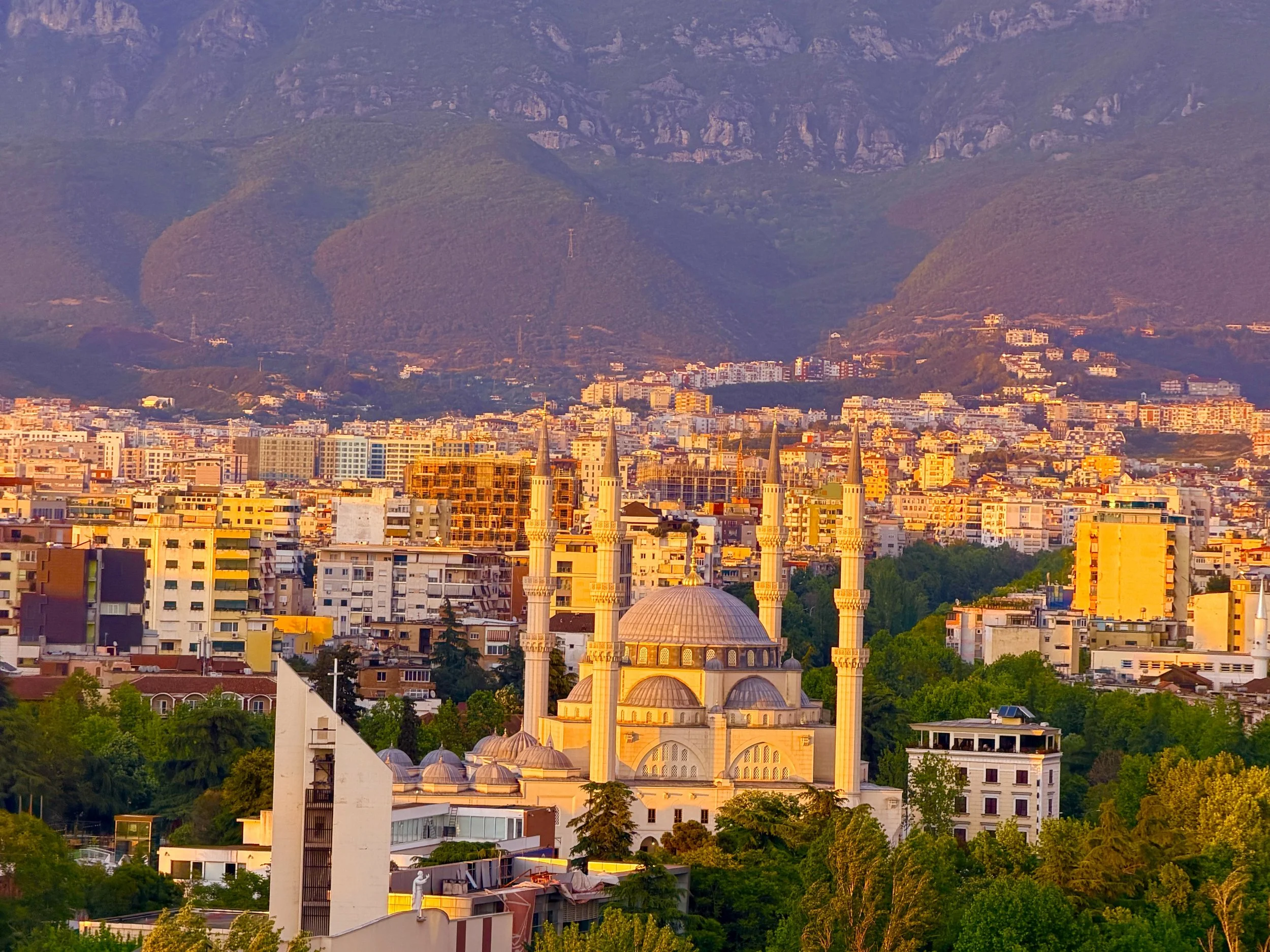
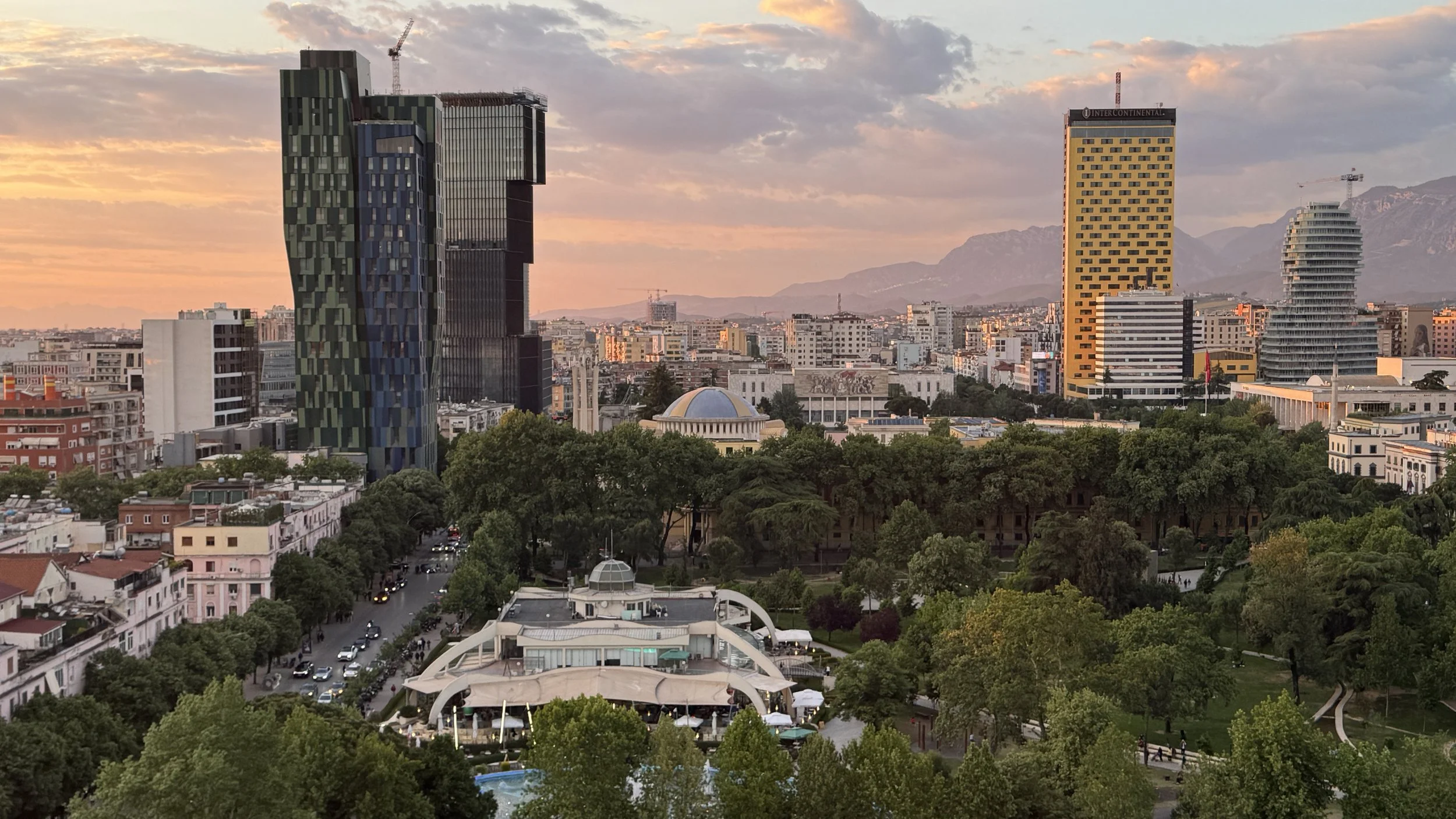
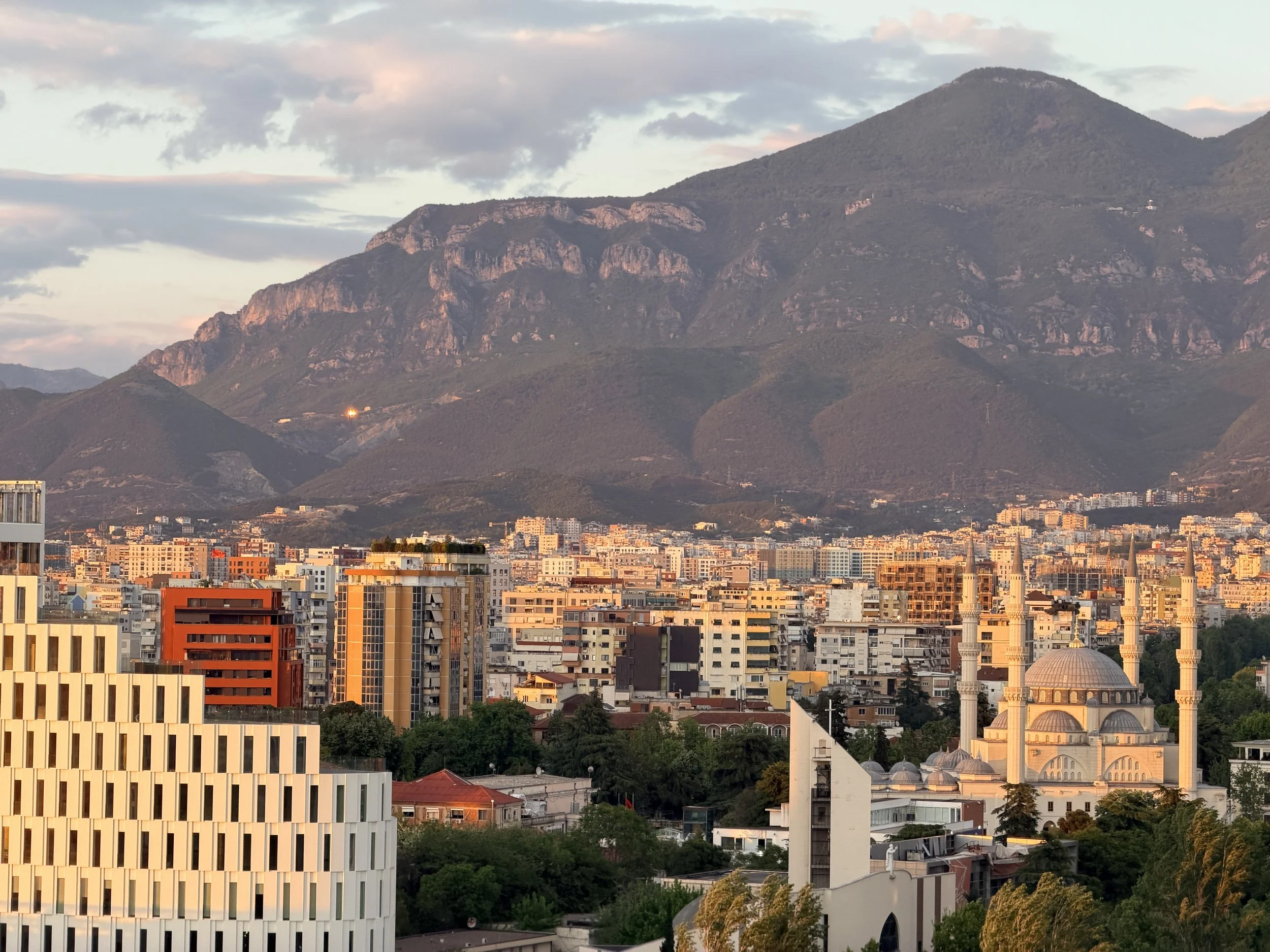
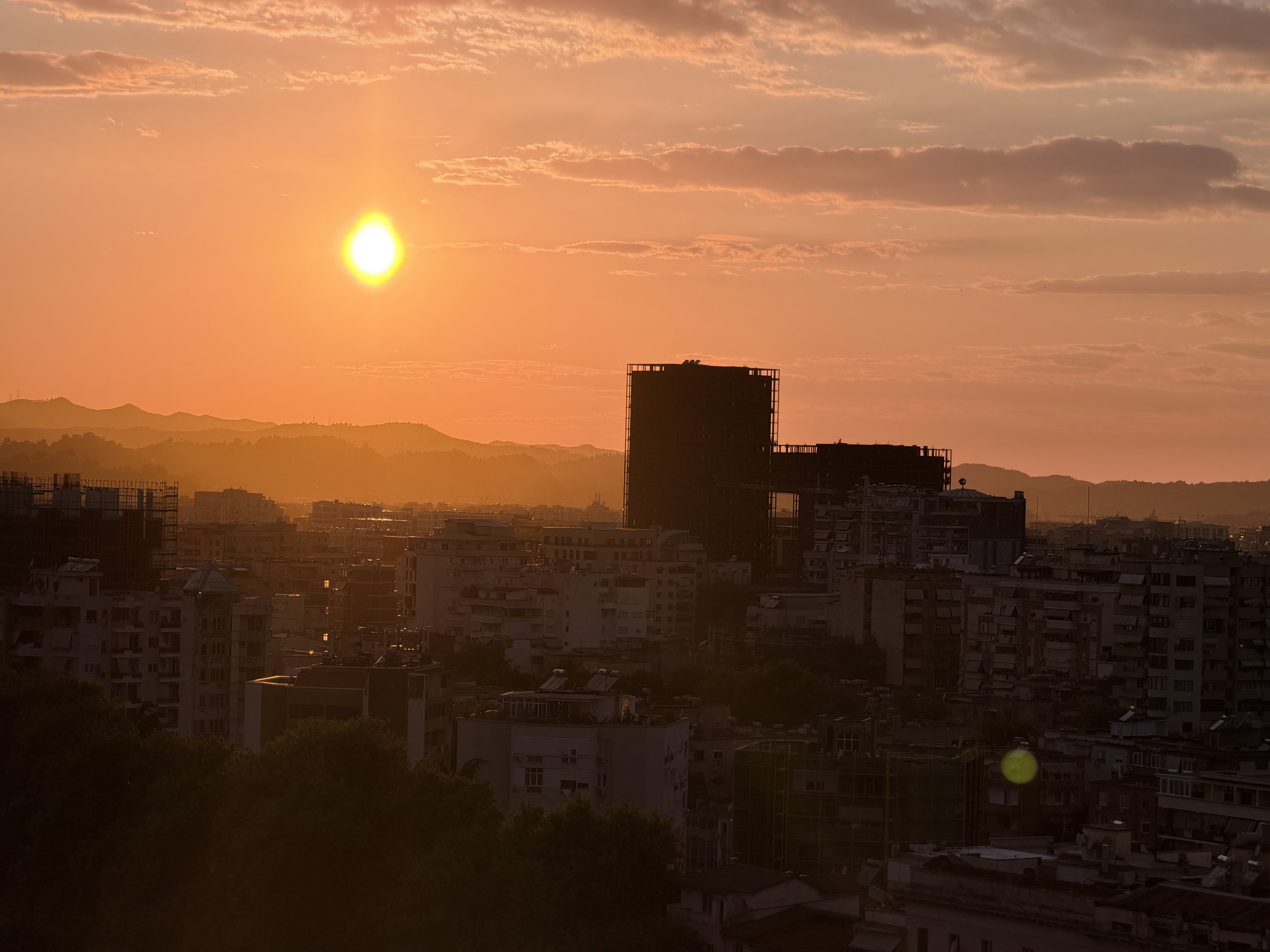
After another two-hour drive, we finally arrived in Tirana and checked into a pleasant hotel in the embassy district. From our room on the fifteenth floor, we had our first sweeping view of the city we would begin exploring the next day.
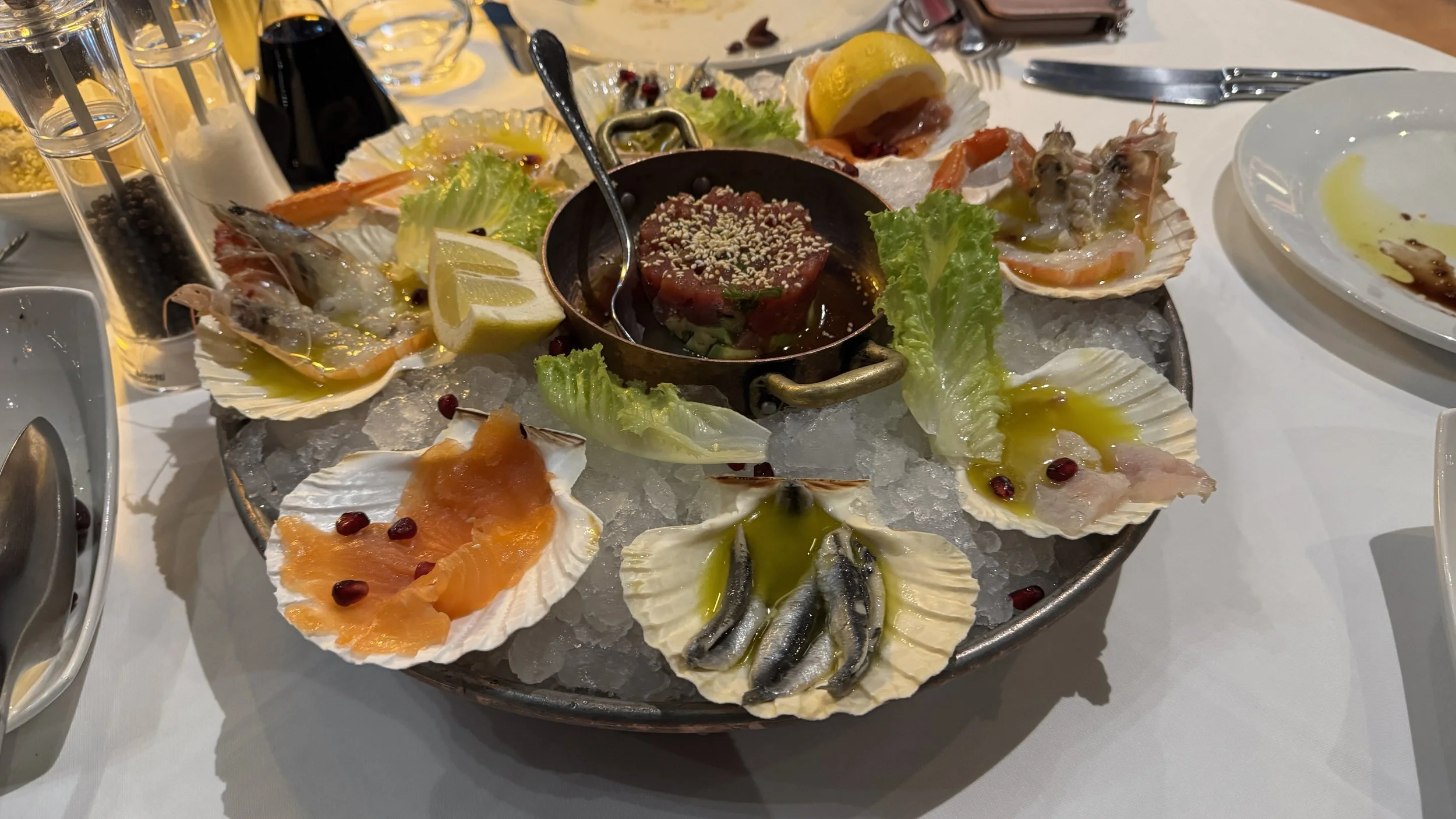
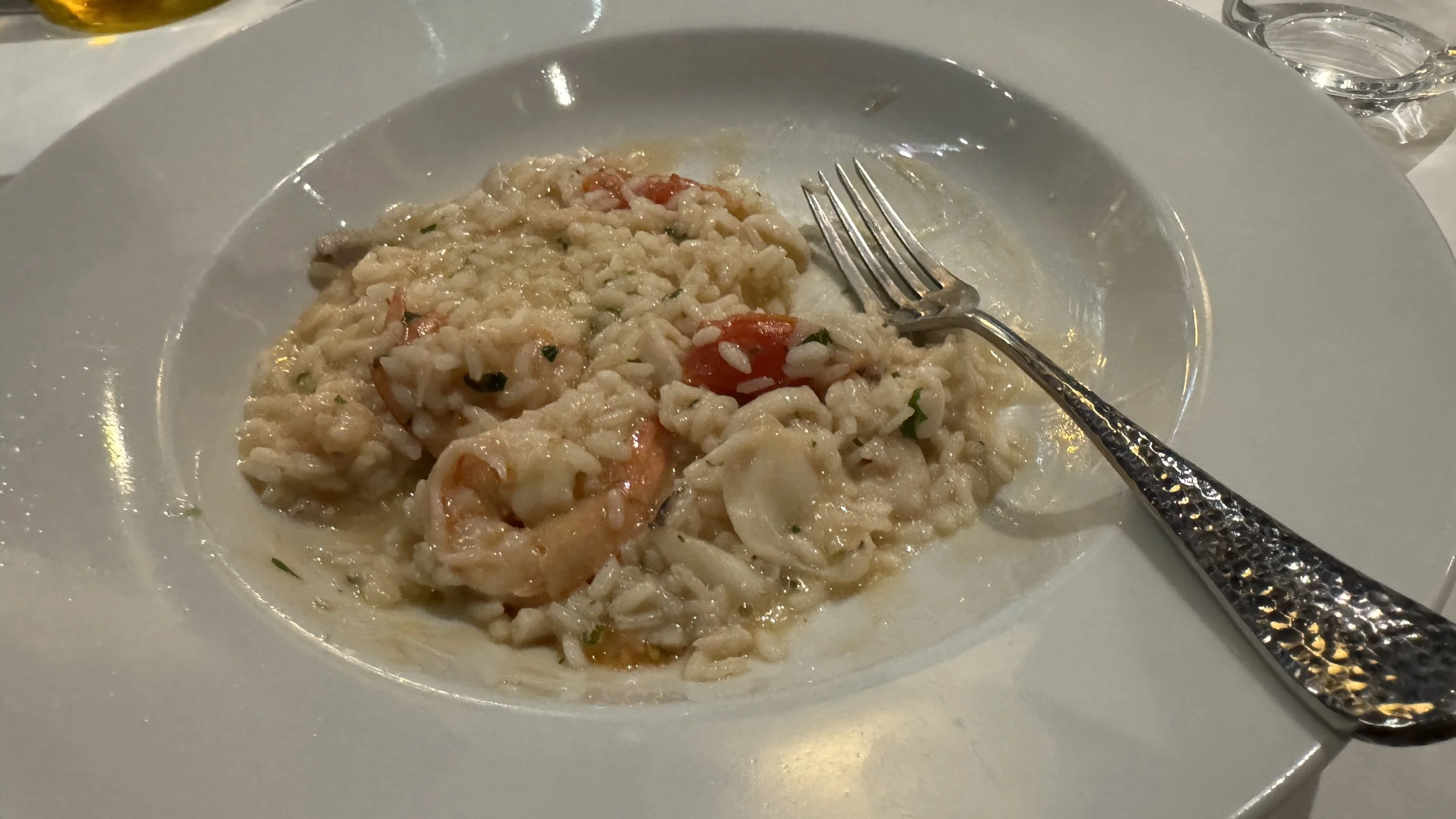
For dinner, we chose a seafood restaurant conveniently located across from our hotel. Everyone was still in the mood for seafood, and we enjoyed a delicious meal together. The fresh ingredients and flavorful dishes made for a very satisfying dining experience.
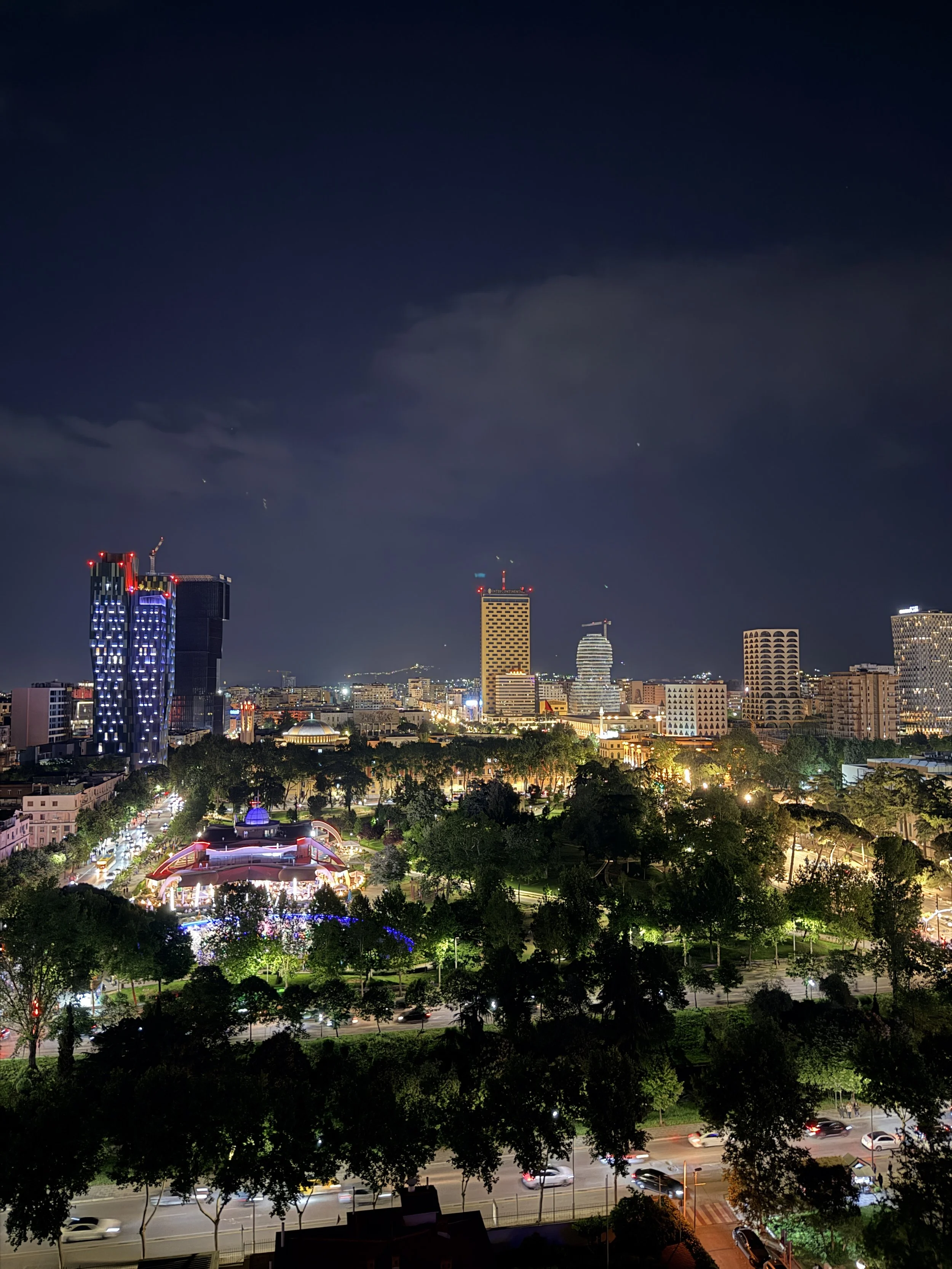
Our first impression of Tirana was quite positive. The city felt lively, welcoming, and full of energy. As the evening came to an end, we looked forward to exploring more of Albania’s capital the next day.
2026年5月2日
过去二十天里,我们走访了四个曾属于前南斯拉夫的美丽国家。离开时,我们带走了无数壮丽风景、历史古城与美食的照片和记忆。然而,真正最深刻触动我们的,并不是那些风景本身,而是战争留下的痕迹——博物馆里令人心碎的照片、至今仍留在公寓楼外墙上的弹孔、城市墓园中一排排白色墓碑,以及那位出租车司机轻声说自己是“战争婴儿(war baby)”时的神情。
这一切,都不断提醒着人们:那场并不遥远的战争,曾让无数无辜平民付出了沉重的代价。而今天,我们将前往另一个国家——阿尔巴尼亚,去了解这片地区另一段黑暗而复杂的历史。
早上,我们的阿尔巴尼亚司机来接我们前往地拉那(Tirana)。先从科托尔(Kotor)延着亚德里亚海岸线开,沿途风景优美。司机似乎对路线并不是特别熟悉,离开海岸线,进入山区,大约三个半小时后,我们抵达了边境。这一次的过关手续出奇地简单,工作人员只是简单看了看护照,甚至没有扫描或登记入境信息,更没有盖章,就直接挥手让我们通过了。就这样,我们进入了阿尔巴尼亚——这个国家对于许多在冷战时期成长于中国的人来说,多少带着一种熟悉而遥远的感觉。
我们的第一站是罗扎法城堡(Rozafa Castle)。这座古老的城堡高踞于山丘之上,俯瞰着几条河流交汇的平原,多世纪以来一直守护着这片土地。原本以为只是稍微爬一段上坡路,没想到通往城堡遗址的是一条漫长而粗糙的石头路。崎岖不平的路面对我们同行的膝盖有伤的朋友来说有些费力,她最终决定在半山休息,而我们三人则继续向上,准备帮她带些外卖下来。
就连点一份简单的披萨,也成了一场小小的冒险。由于语言不通,加上我们当时还没有兑换当地货币,沟通并不容易。最后靠着手势、笑容与耐心,总算顺利解决,我们也吃上了一顿简单却满足的午餐。
城堡本身如今更多只剩下充满历史感的遗迹,而非宏伟完整的建筑,但四周的景色却极为壮观。河流、群山与平原环绕四周,在明亮的春日天空下,一直延伸到远方。我们大约停留了一个半小时才回到车上。
原来计划还要停另一个景点,因为从黑山的Kotor 到地拉那路途有点远,而阿尔巴尼亚的司机开车比较猛, 一路过来大家也都有点紧张和累了,决定不再前往那里。
又经过两个小时的车程,我们终于抵达地拉那,并入住位于使馆区附近的一家舒适酒店。从十五楼的房间望出去,景色怡人,尤其是漂亮的清真寺在落日余晖中显得格外耀眼。
晚餐就近在酒店对面的一家海鲜餐厅,大家还是对海鲜更感兴趣,好好美餐了一顿。对地拉那这座城市的第一个印象不错,期待明天的到来。
1400 steps to Fortress 1400石阶上古堡
May 1, 2026
One of the must-do activities in Kotor is hiking up the mountain……
来到科托尔最经典的活动之一便是登上山上的古堡。。。
May 1, 2026
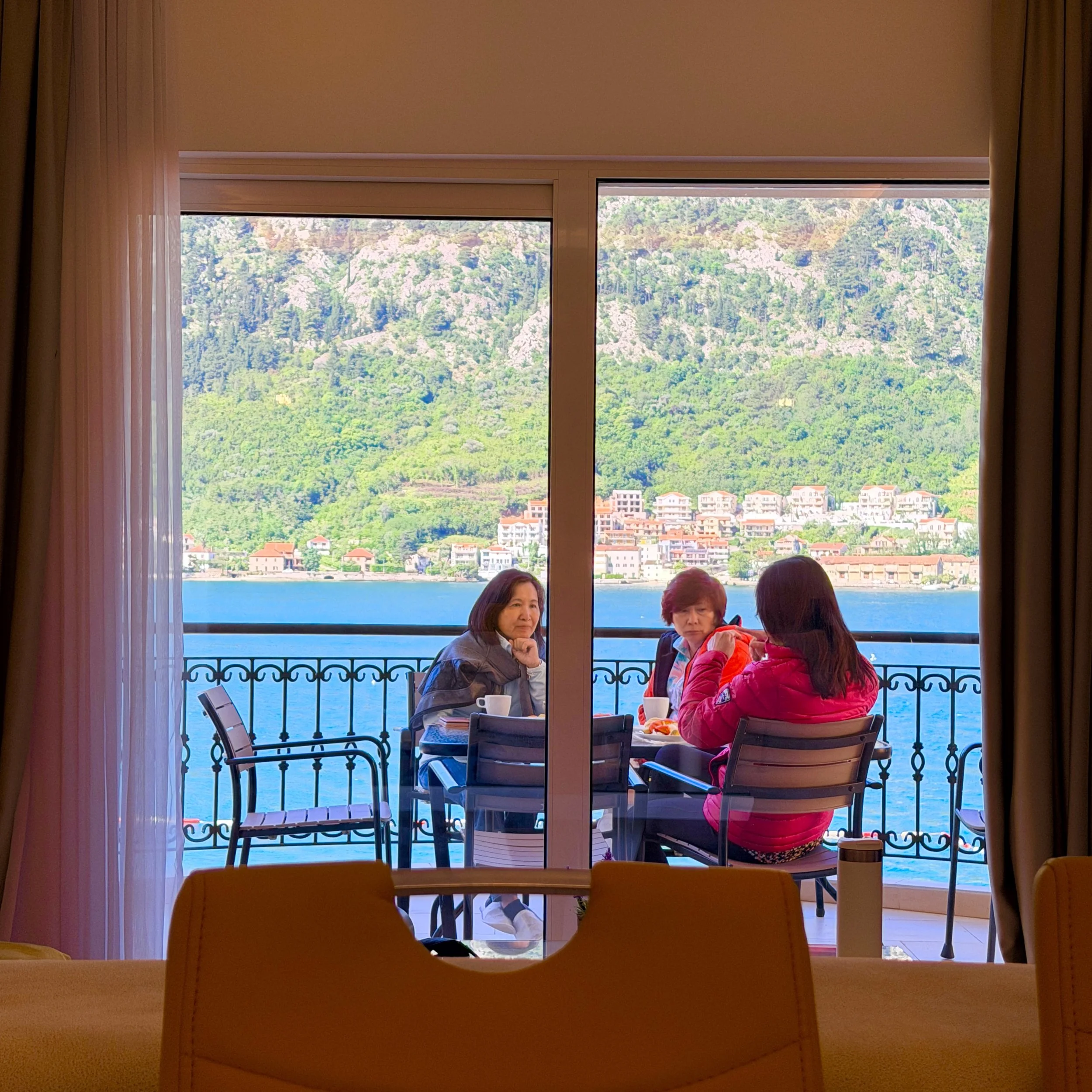
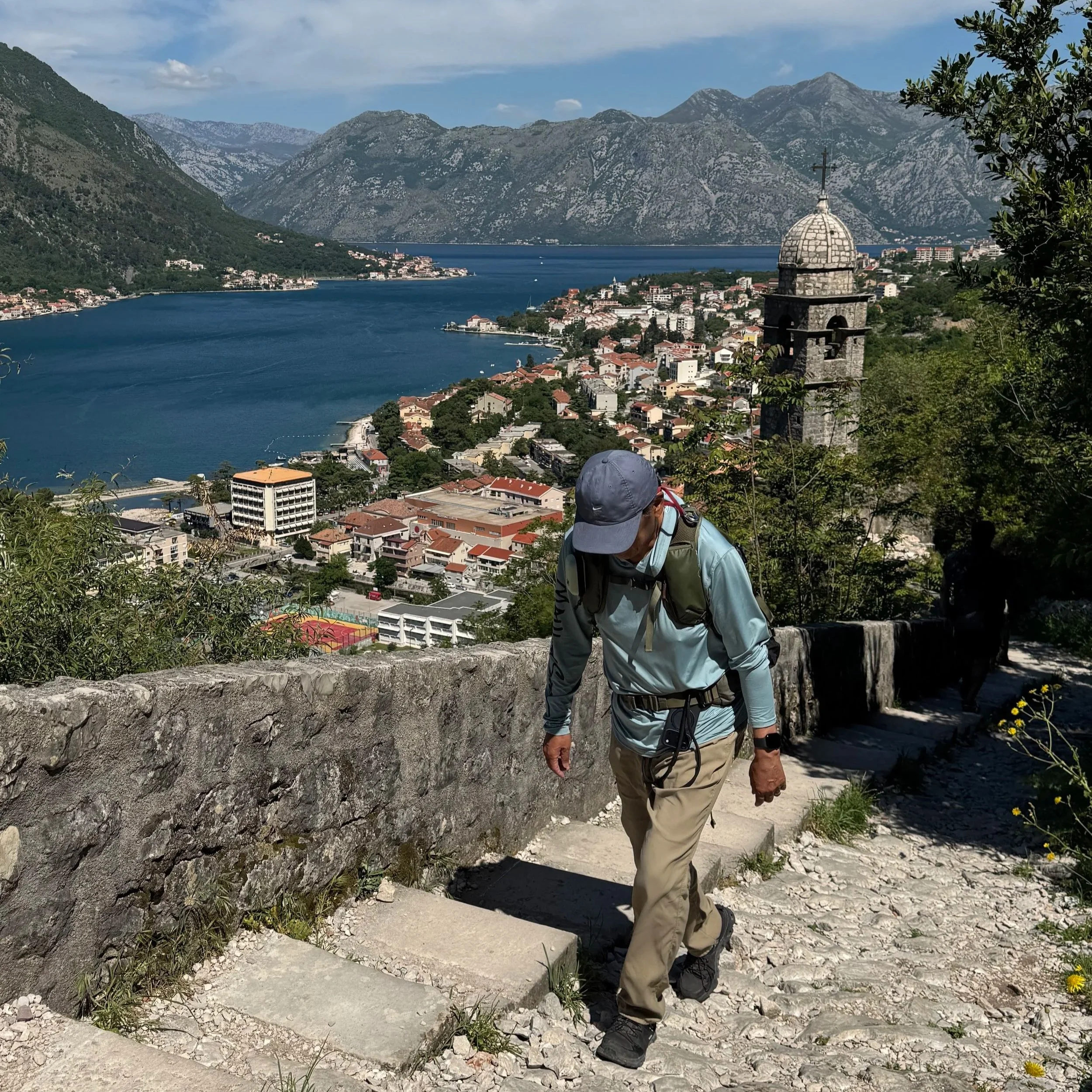
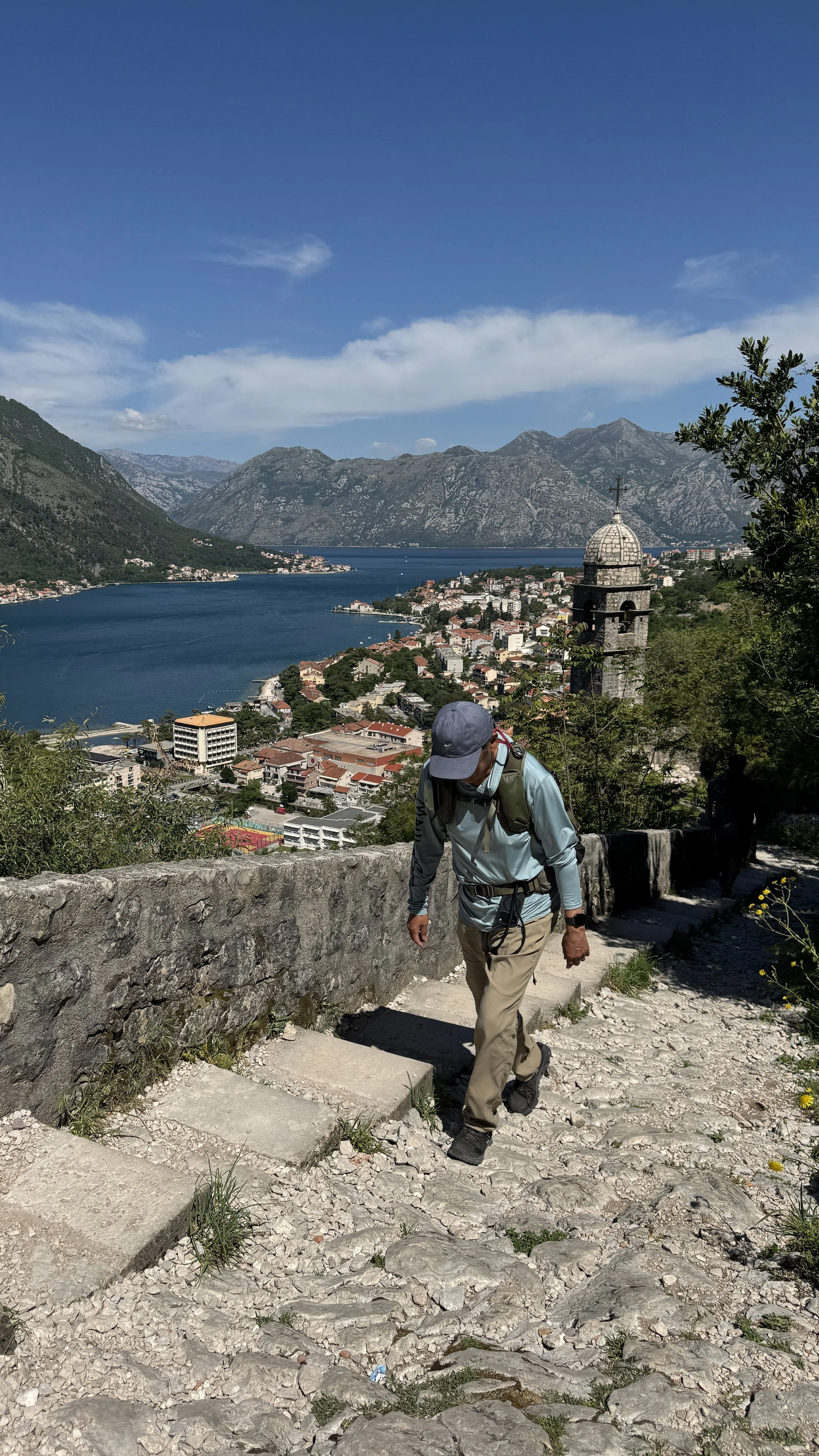
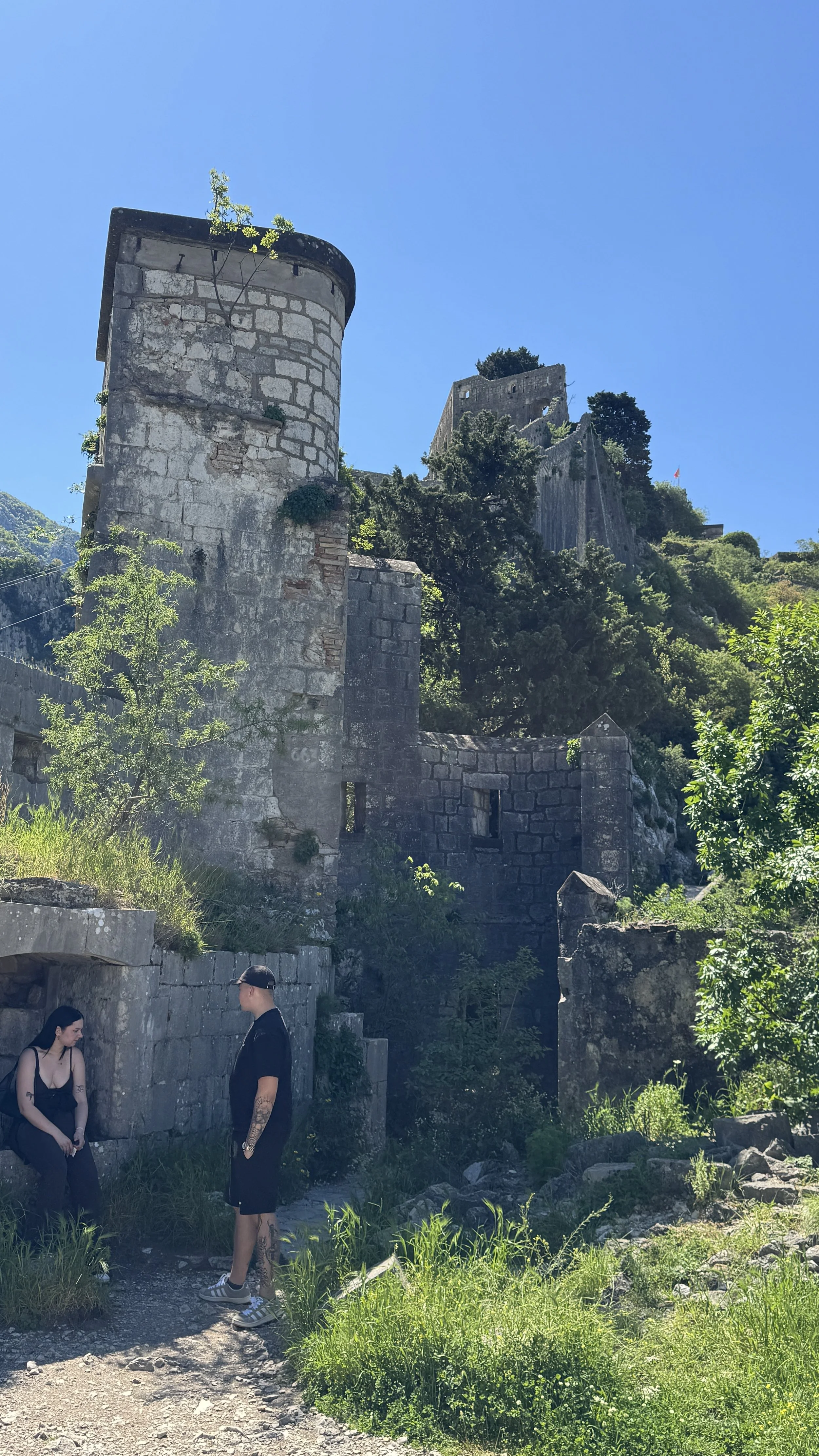
One of the must-do activities in Kotor is hiking up the mountain to the old fortress, either through the city walls or via the natural preserve trail outside the town. We chose the more traditional route through the city walls.
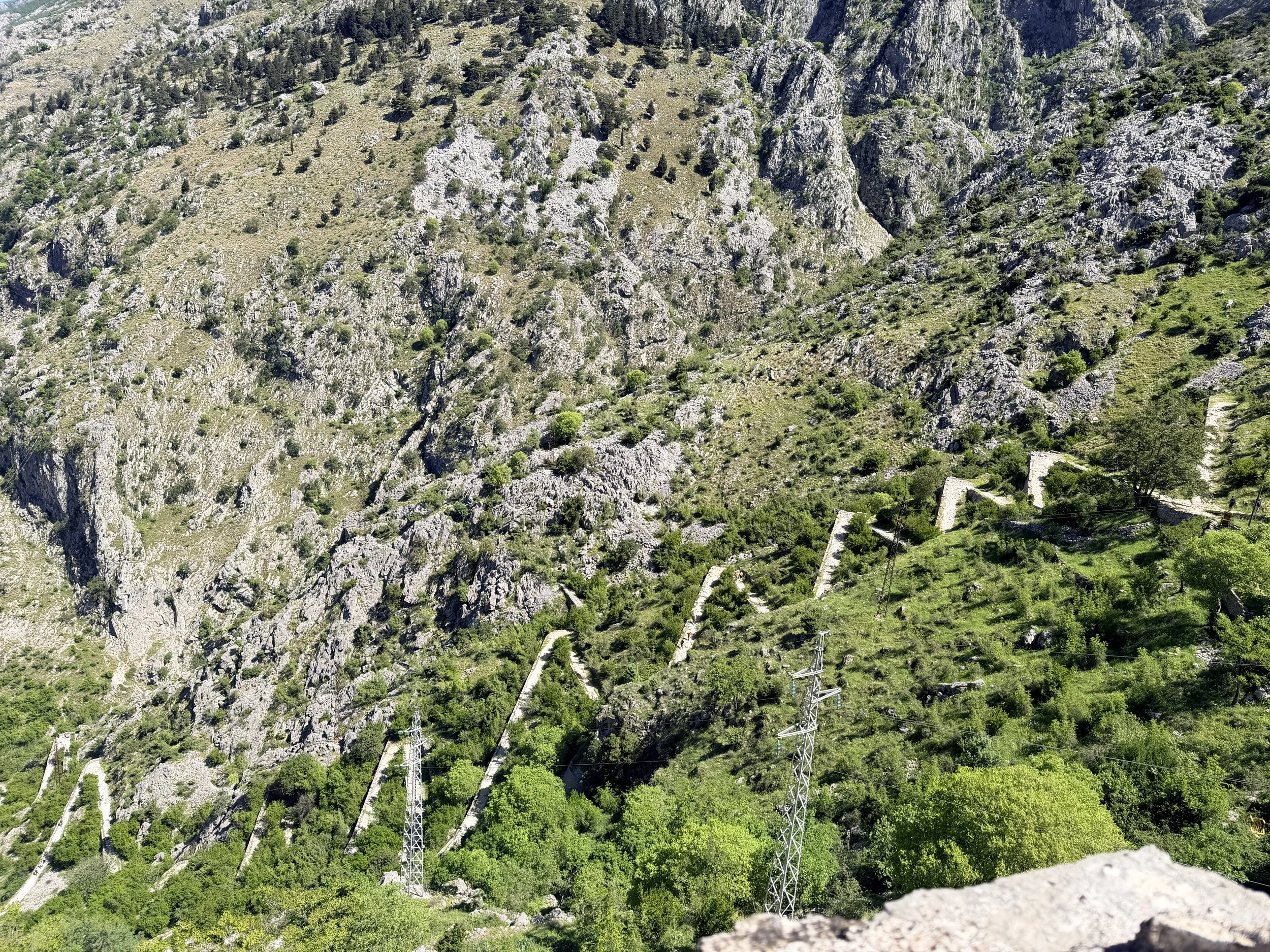
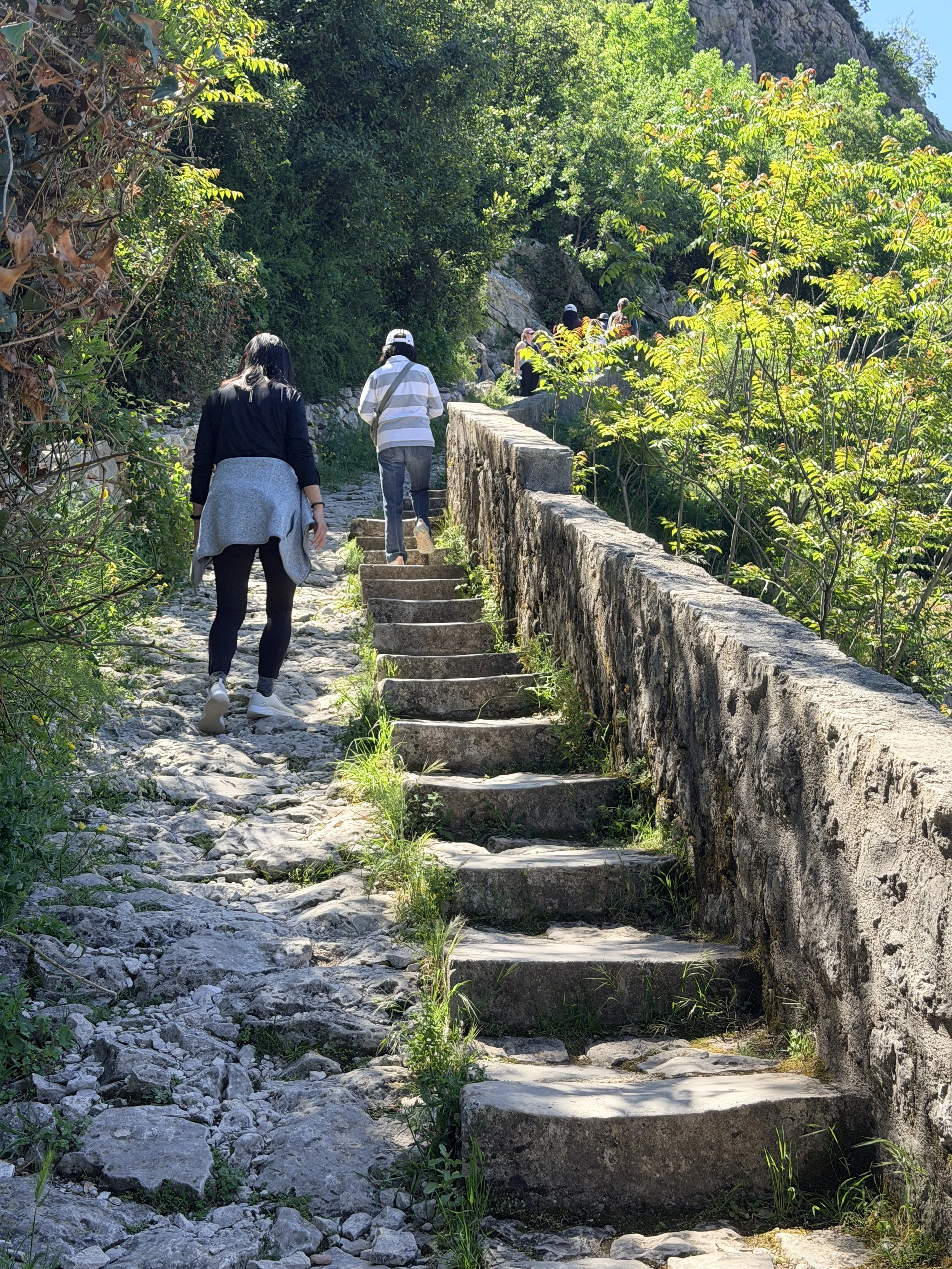
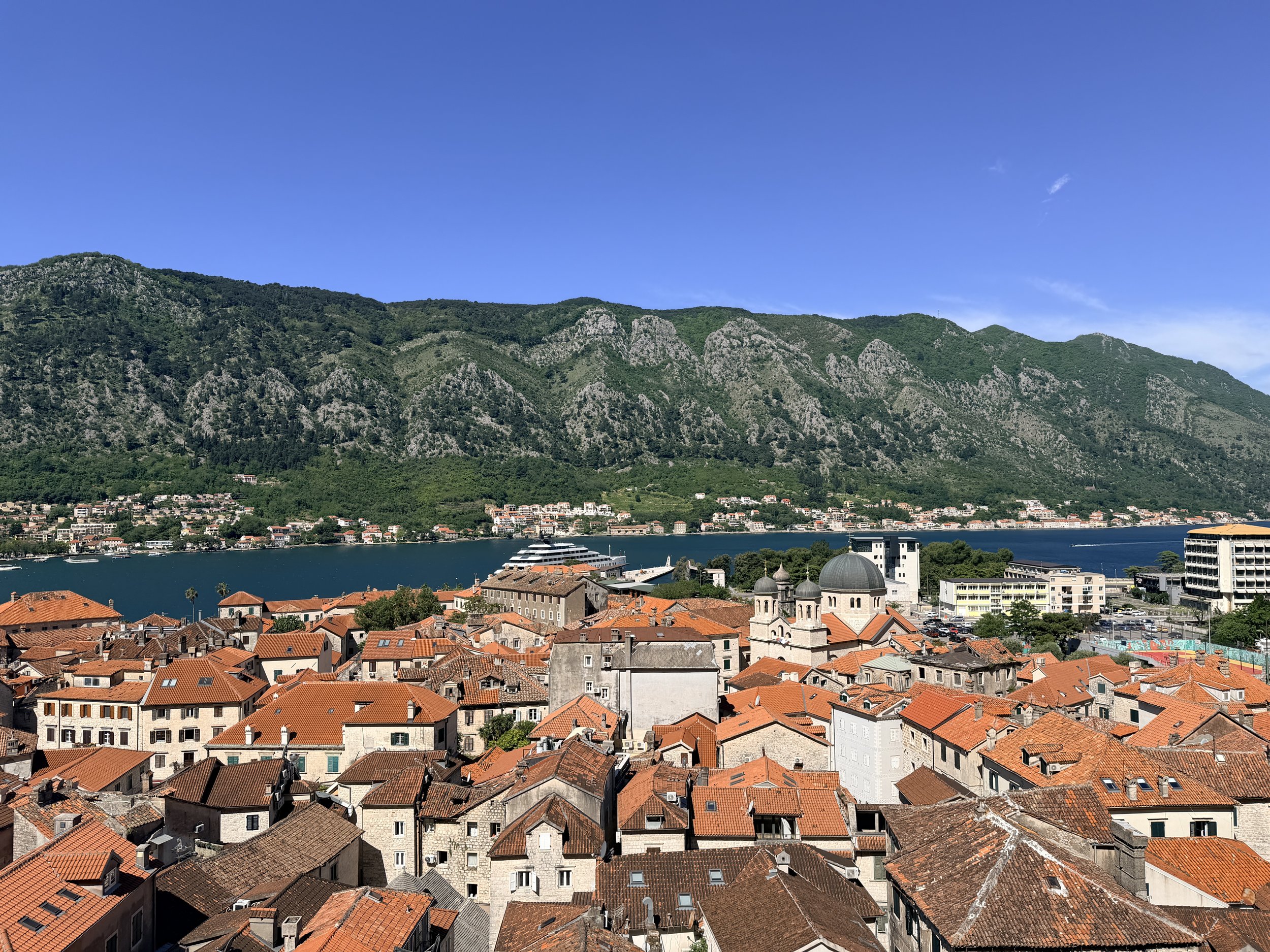
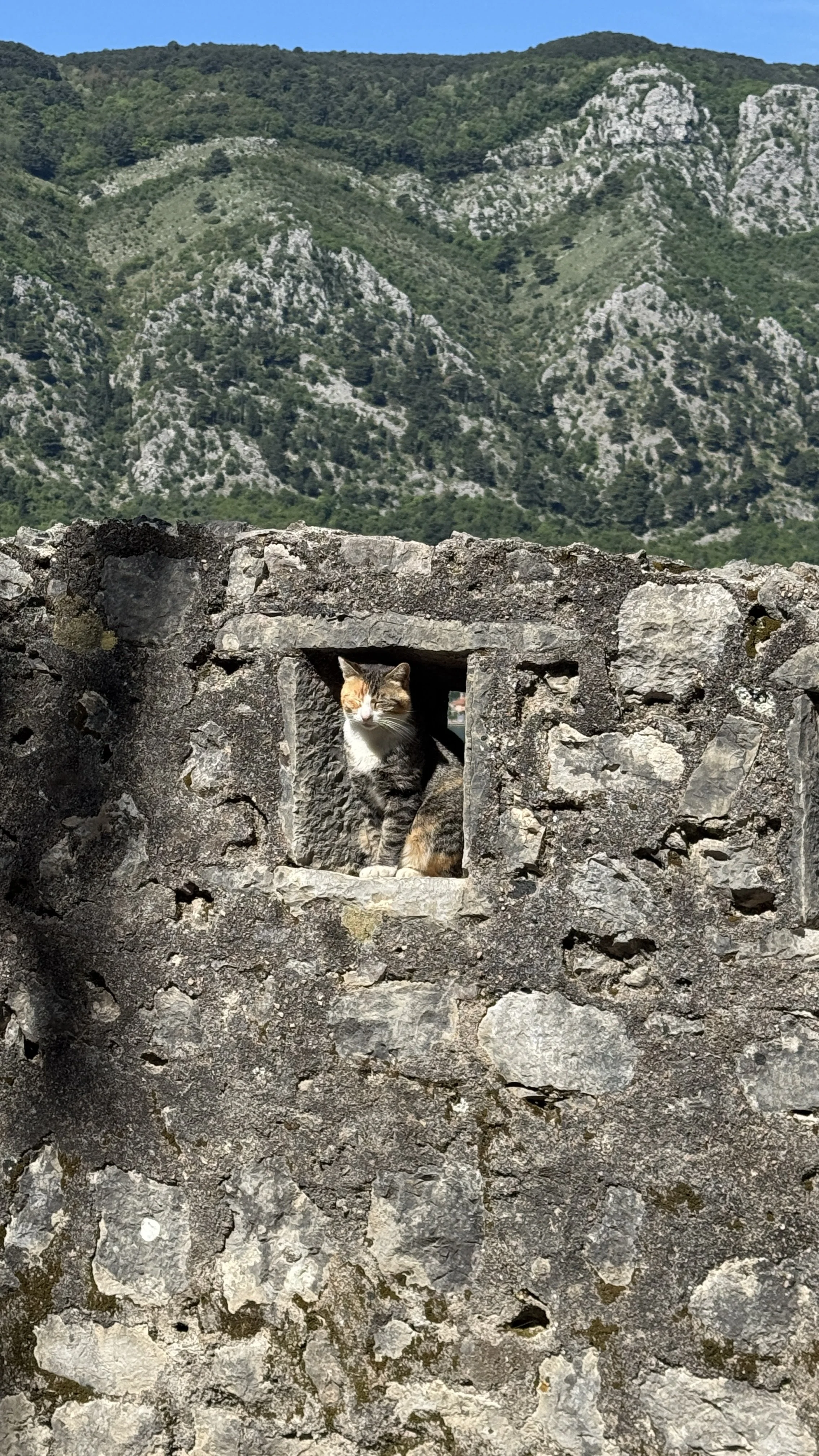
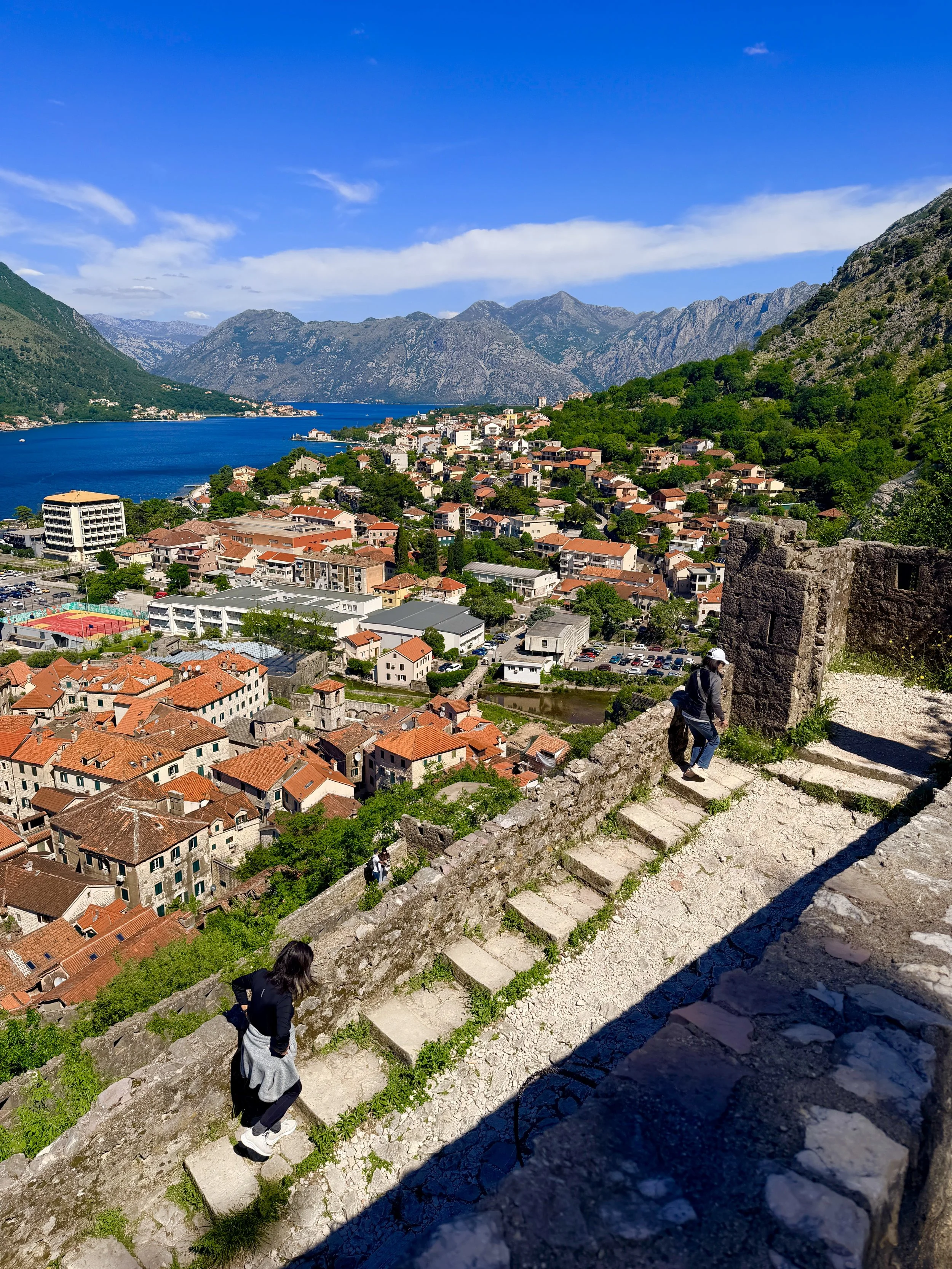
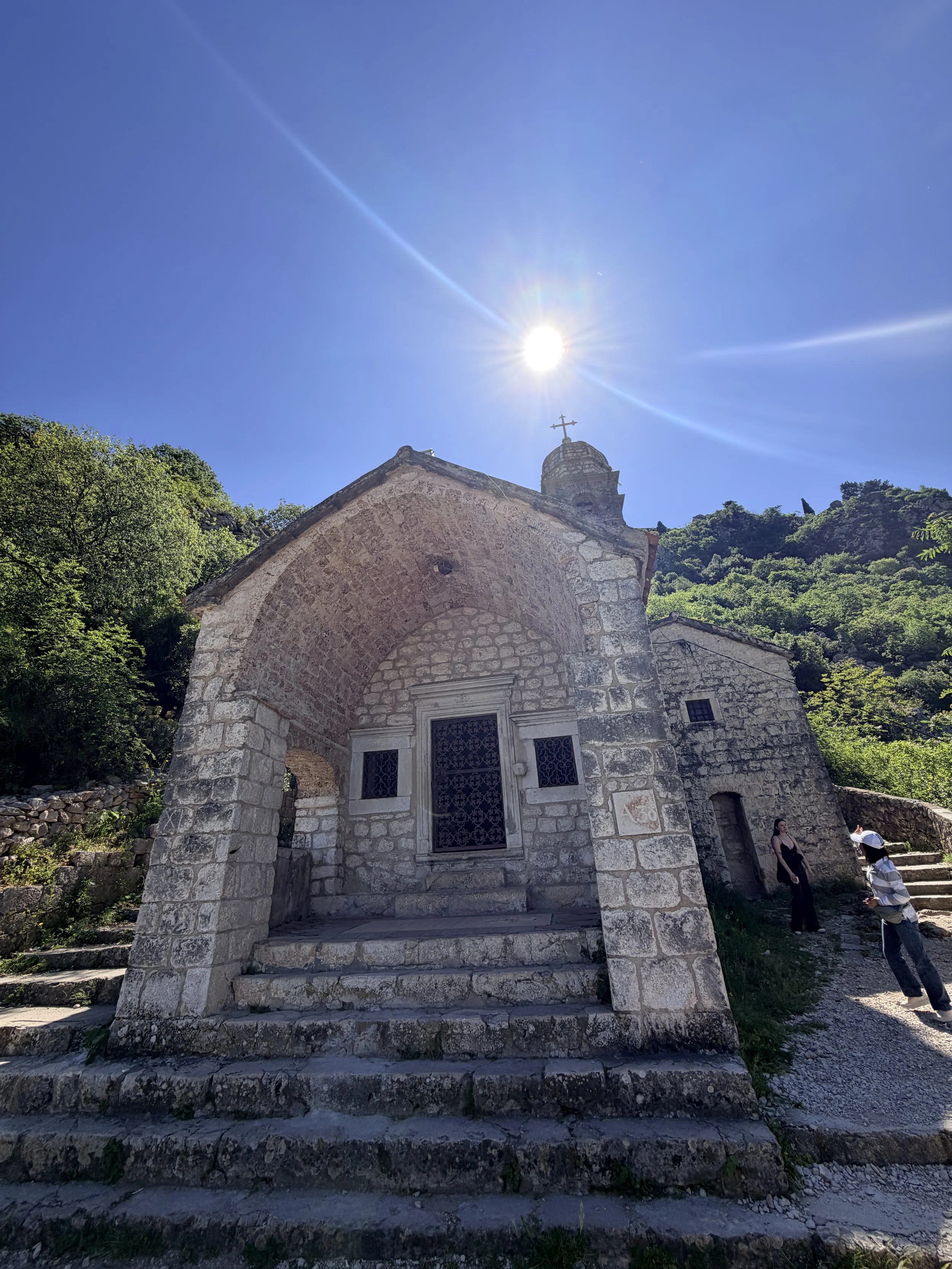
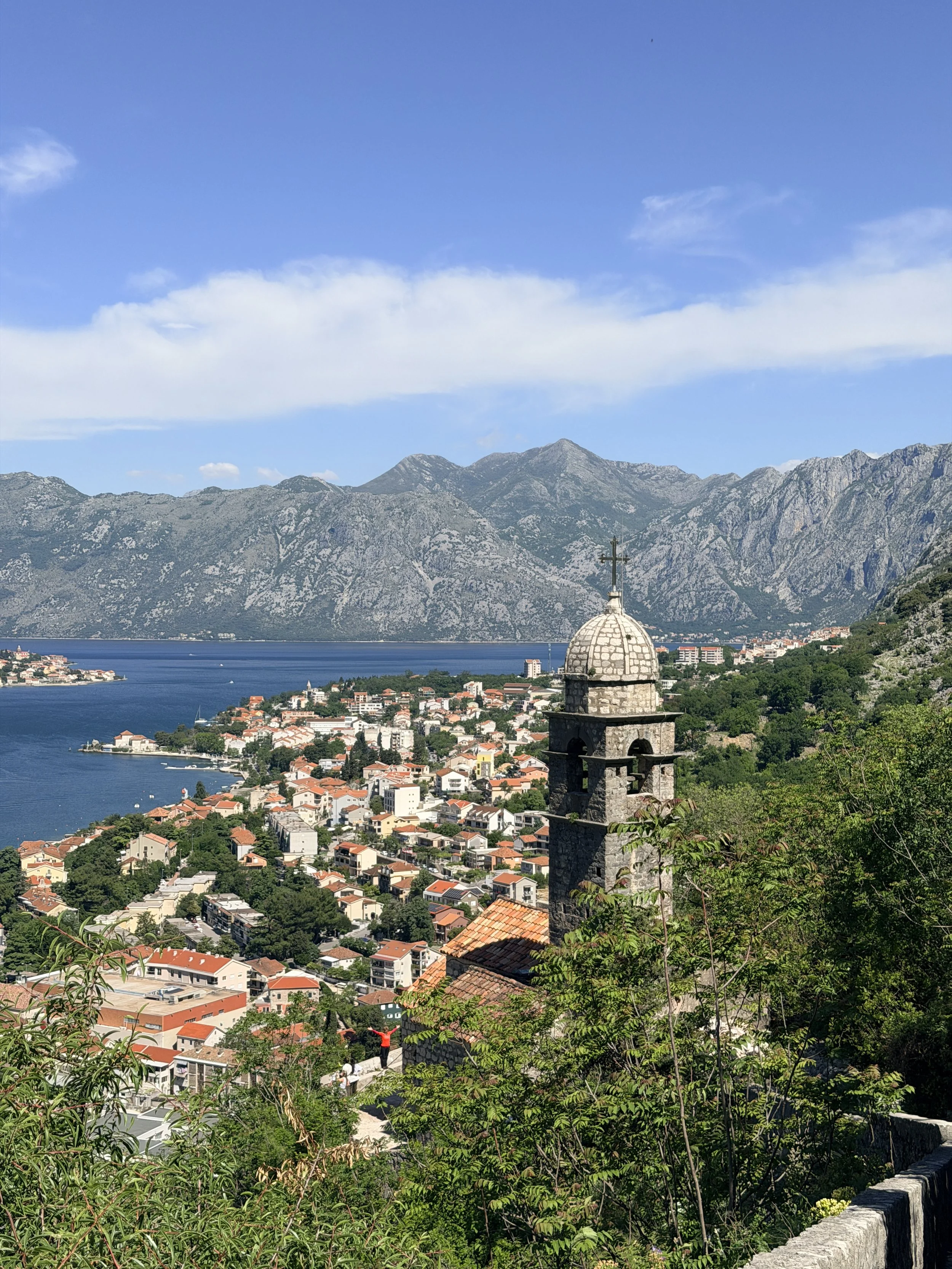
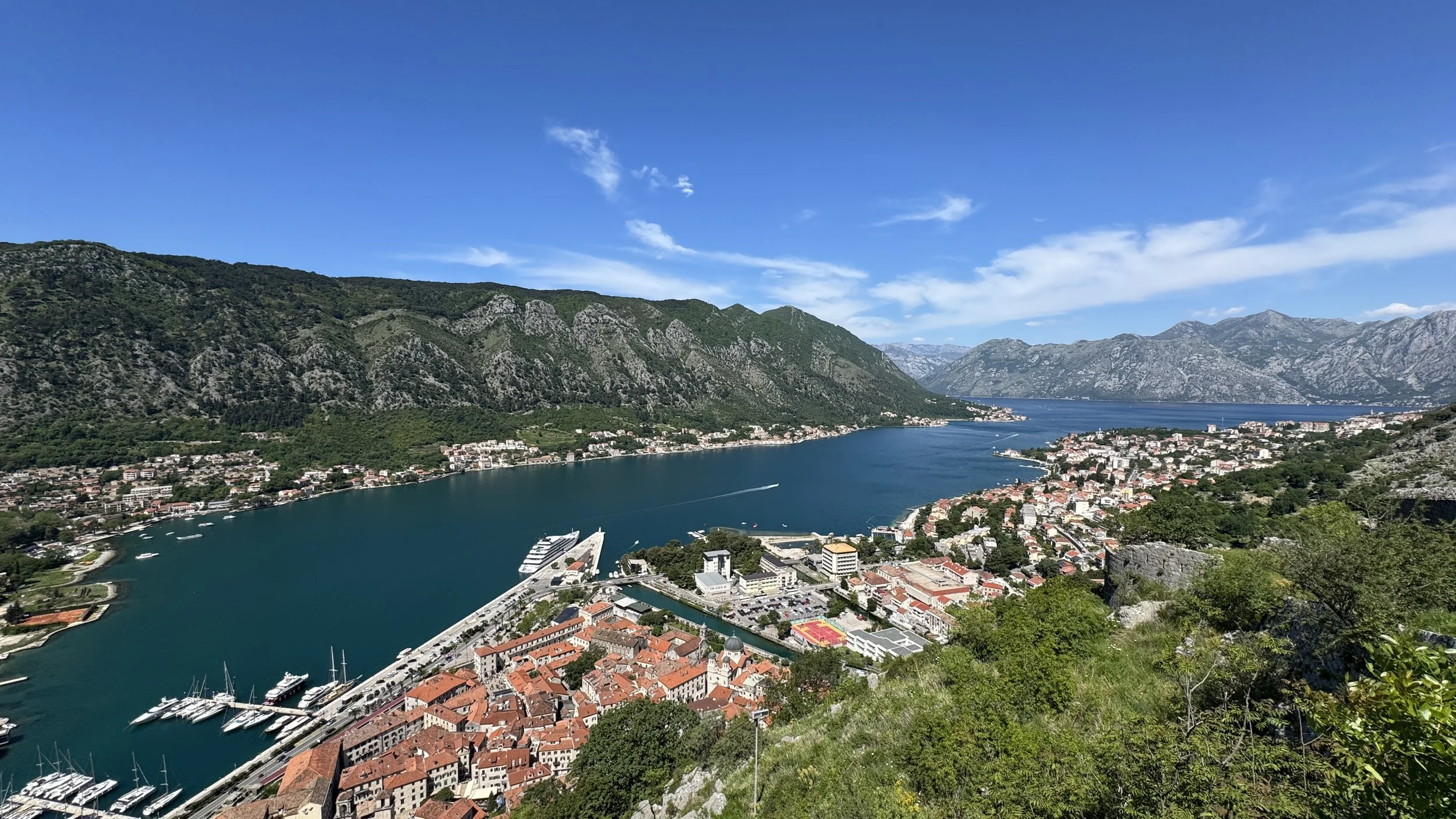
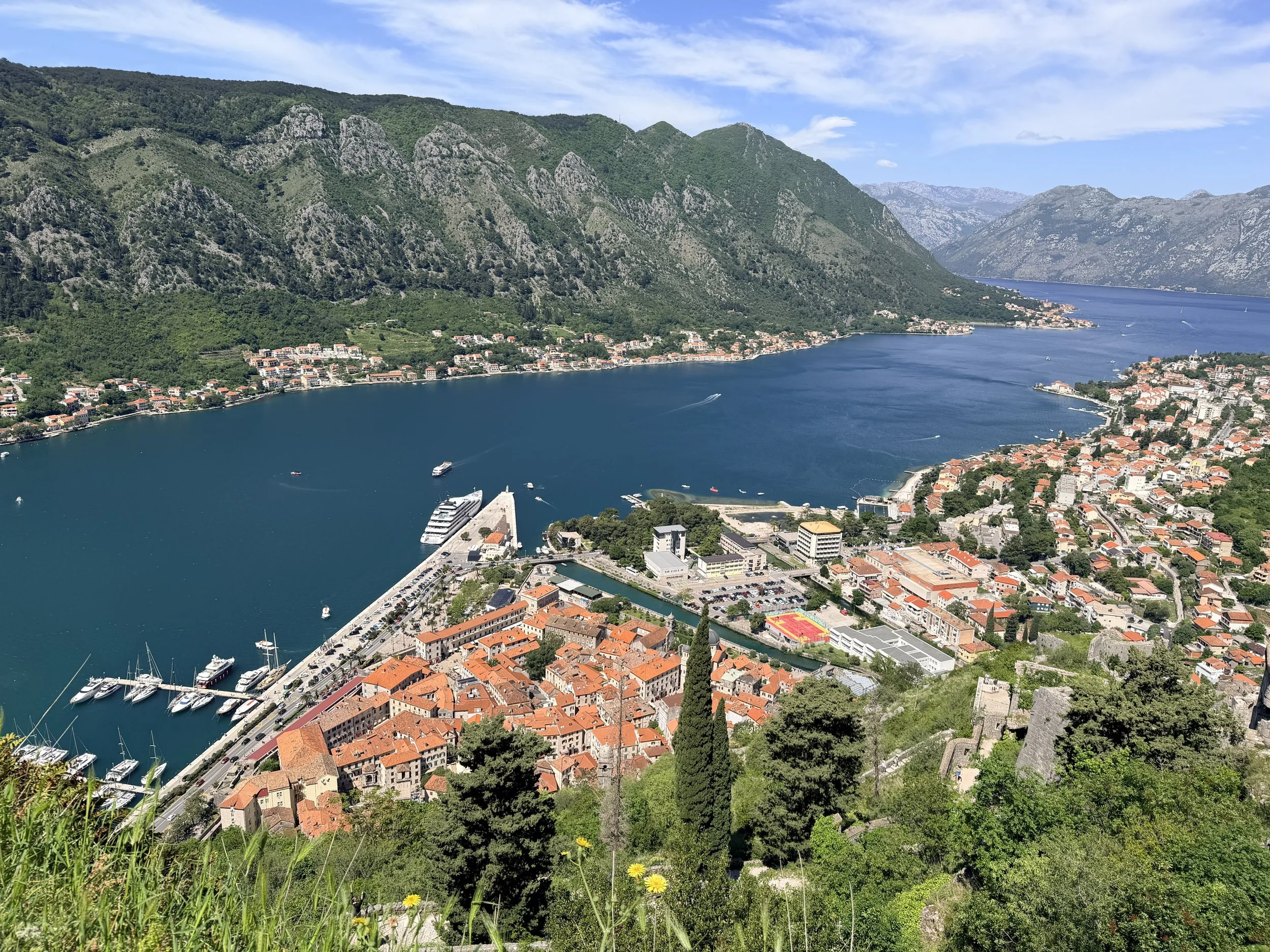
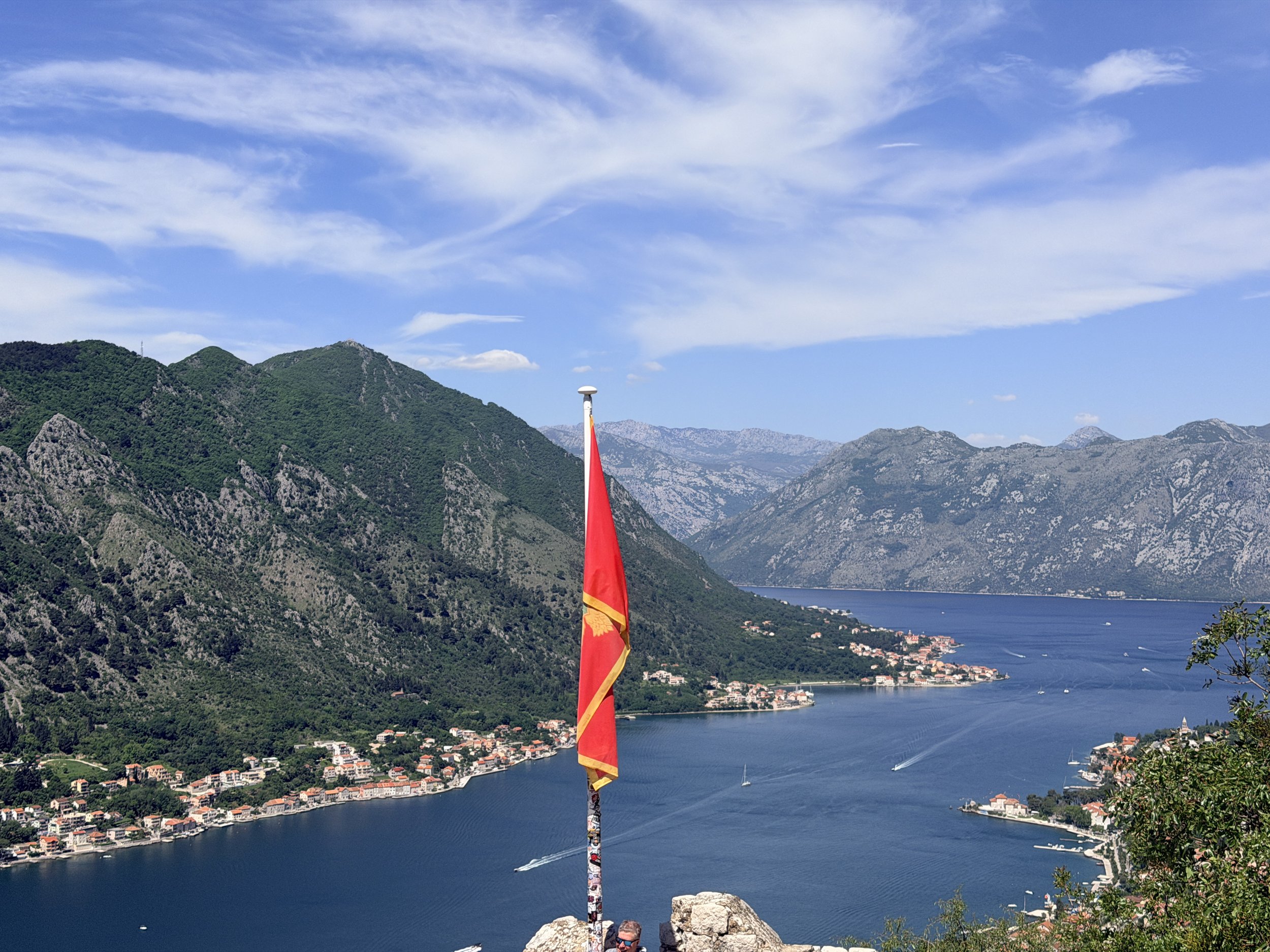
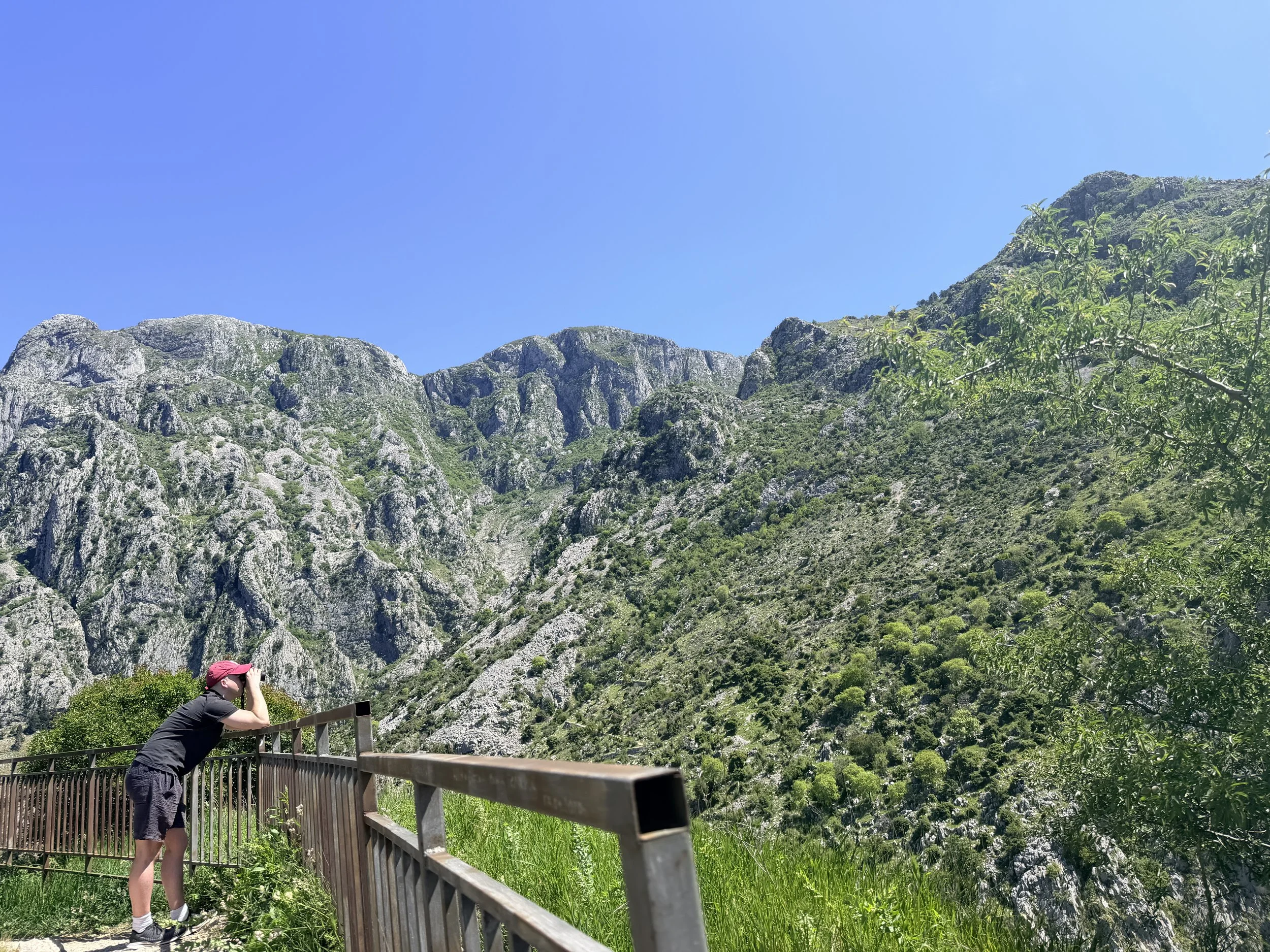
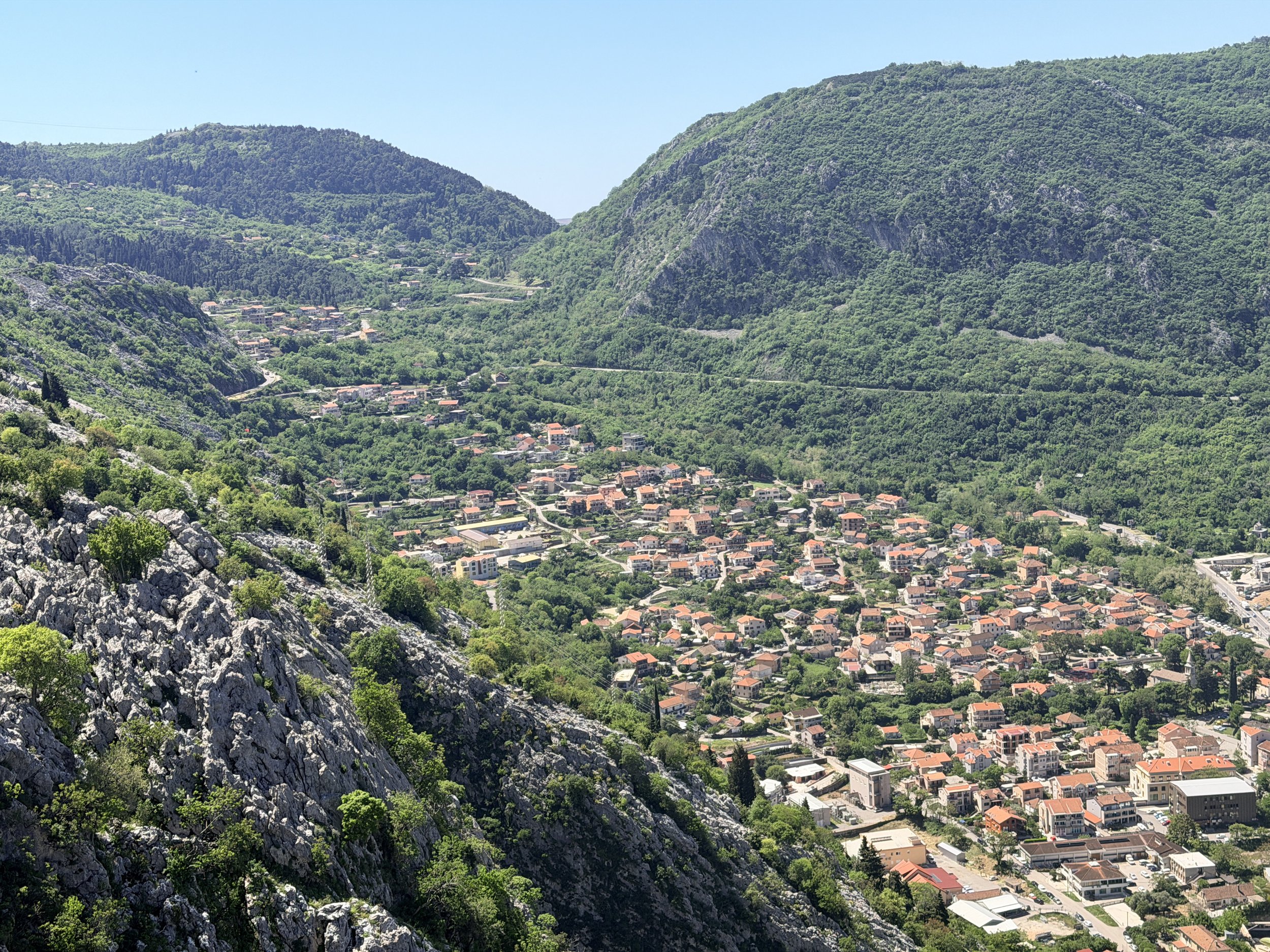
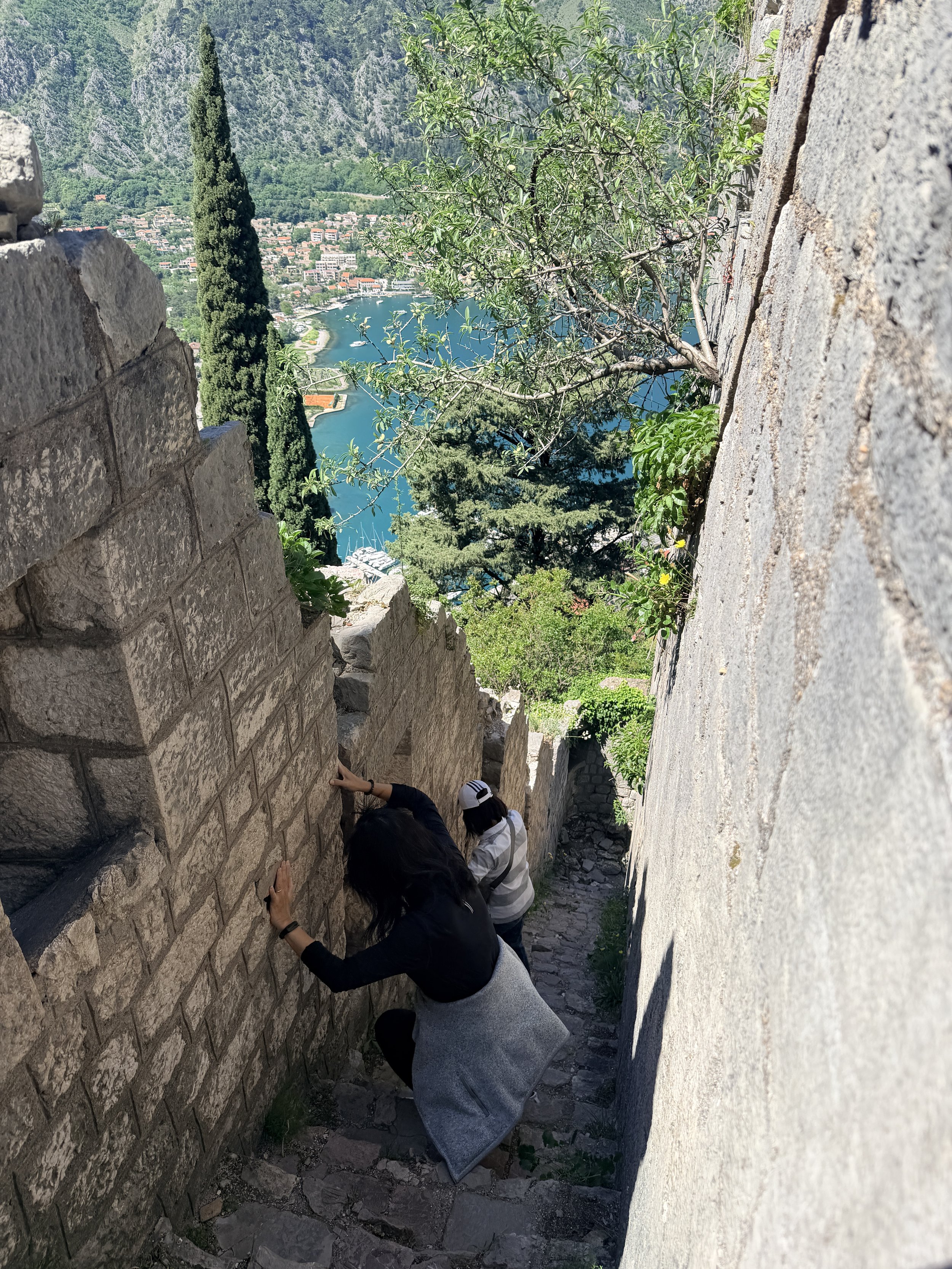
After paying the 15€ entrance fee, we began climbing the roughly 1,400 stone steps leading up the mountainside. Fortunately, the weather was perfect for hiking — cool, sunny, and breezy. We stopped constantly along the way to take photos, and with every turn and every section of the climb, the view became more spectacular. The higher we climbed, the more dramatic the panorama grew: the red rooftops of Kotor Old Town below us, the steep mountains surrounding the bay, and the calm waters of the Bay of Kotor stretching deep into the distance. By the time we reached the fortress, the scenery was absolutely breathtaking and easily one of the highlights of our stay in Montenegro.
After descending back into town, we returned to the apartment for a simple lunch and, more importantly, a short afternoon nap.
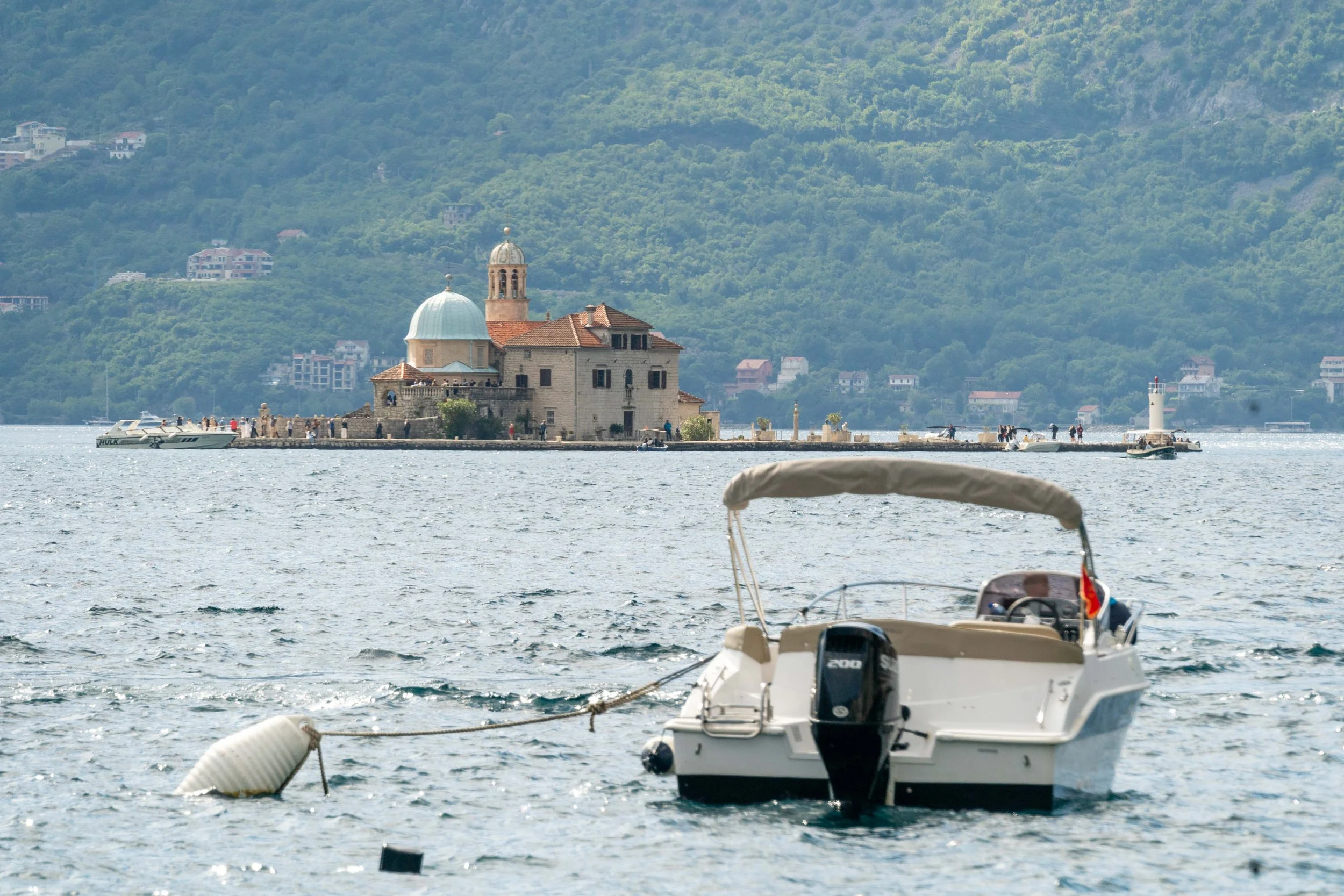
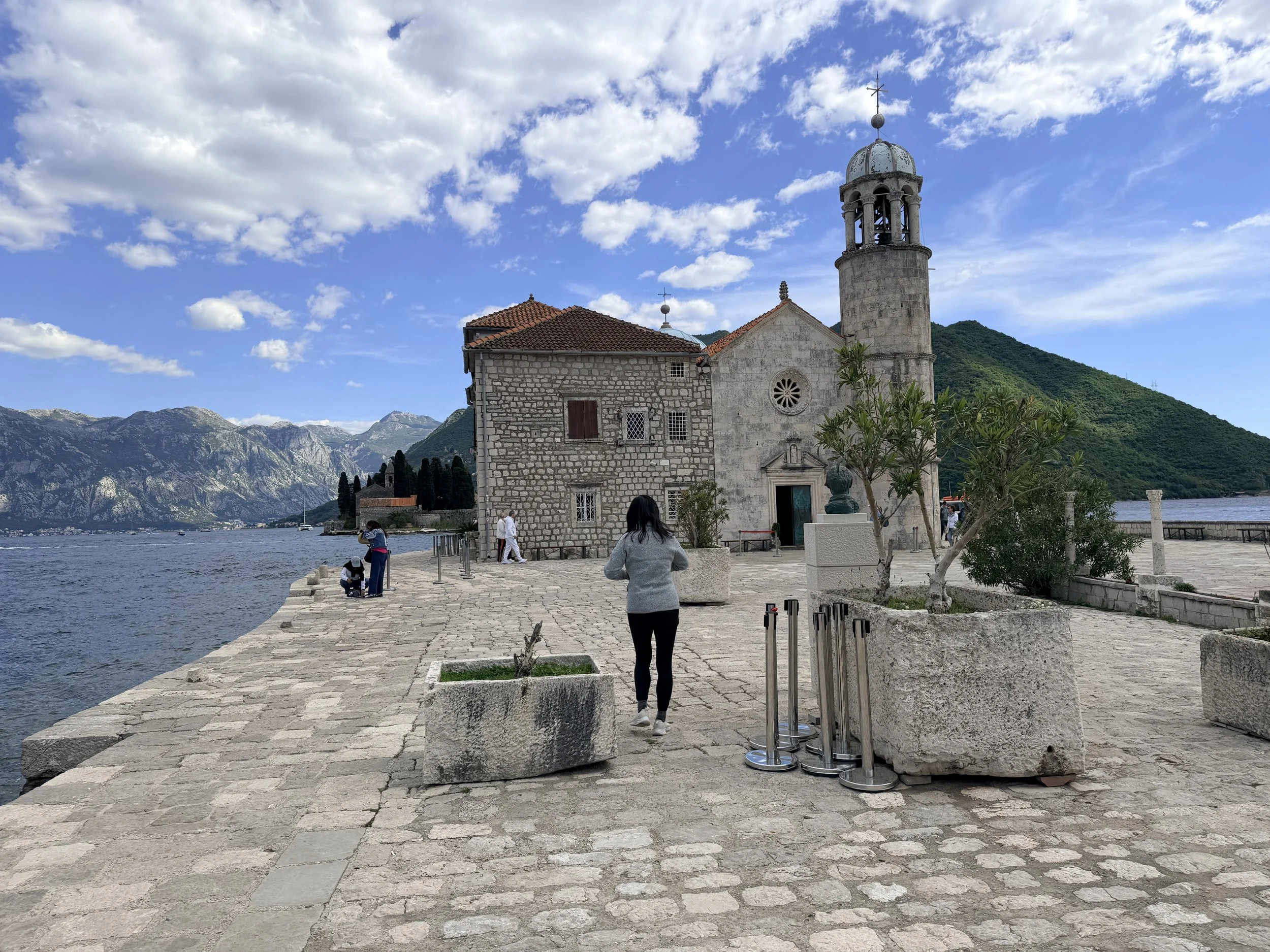
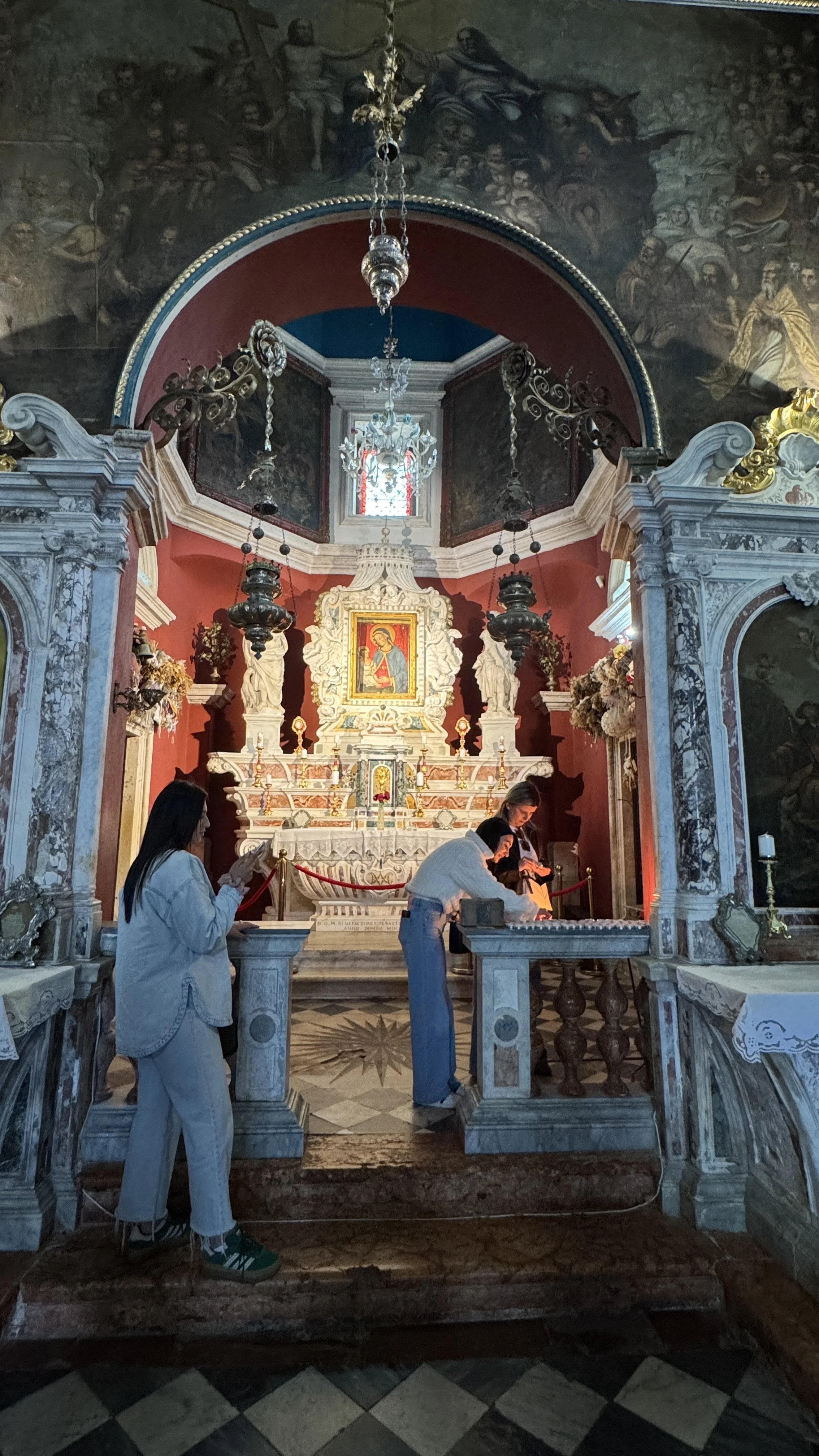
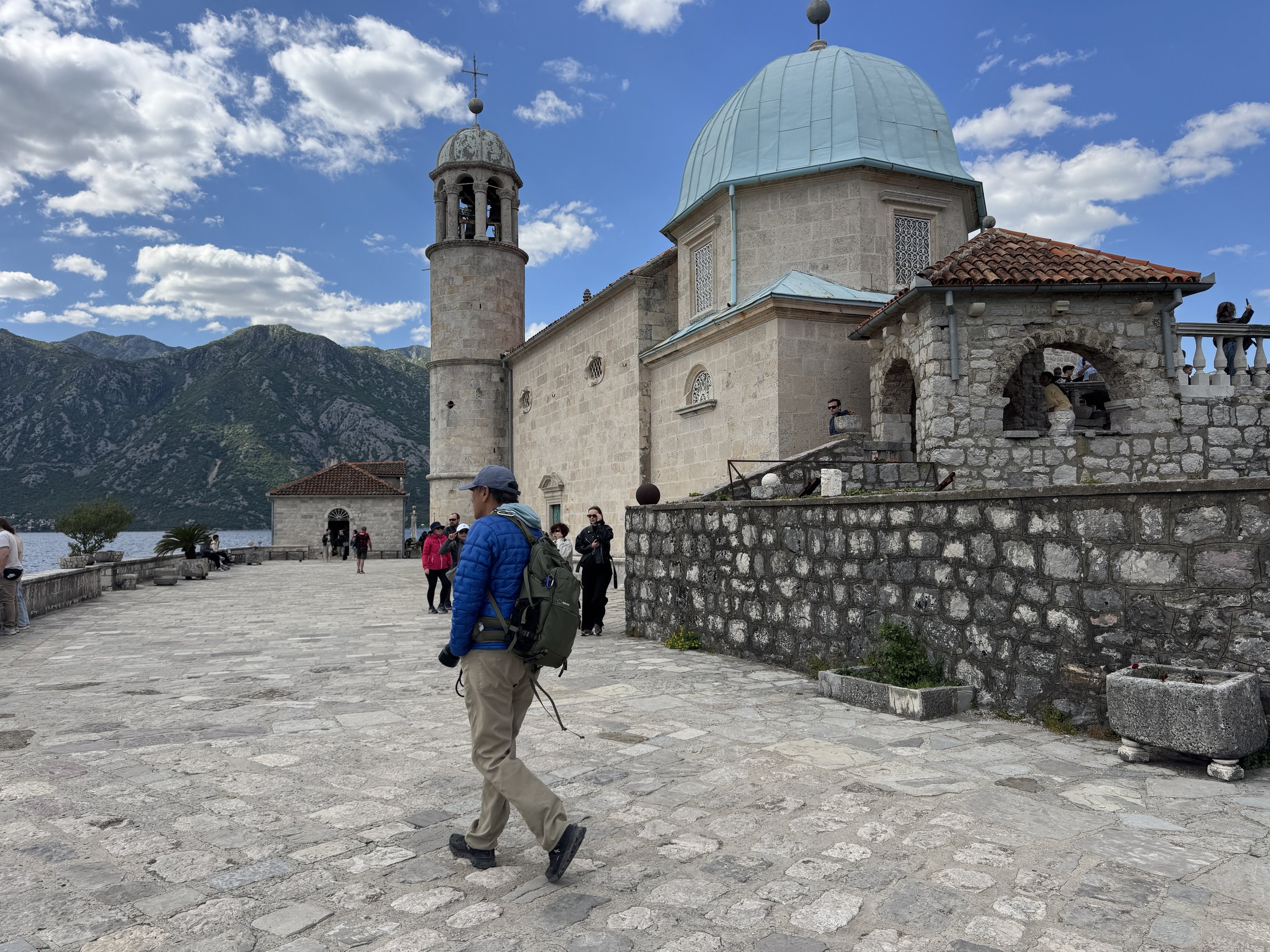
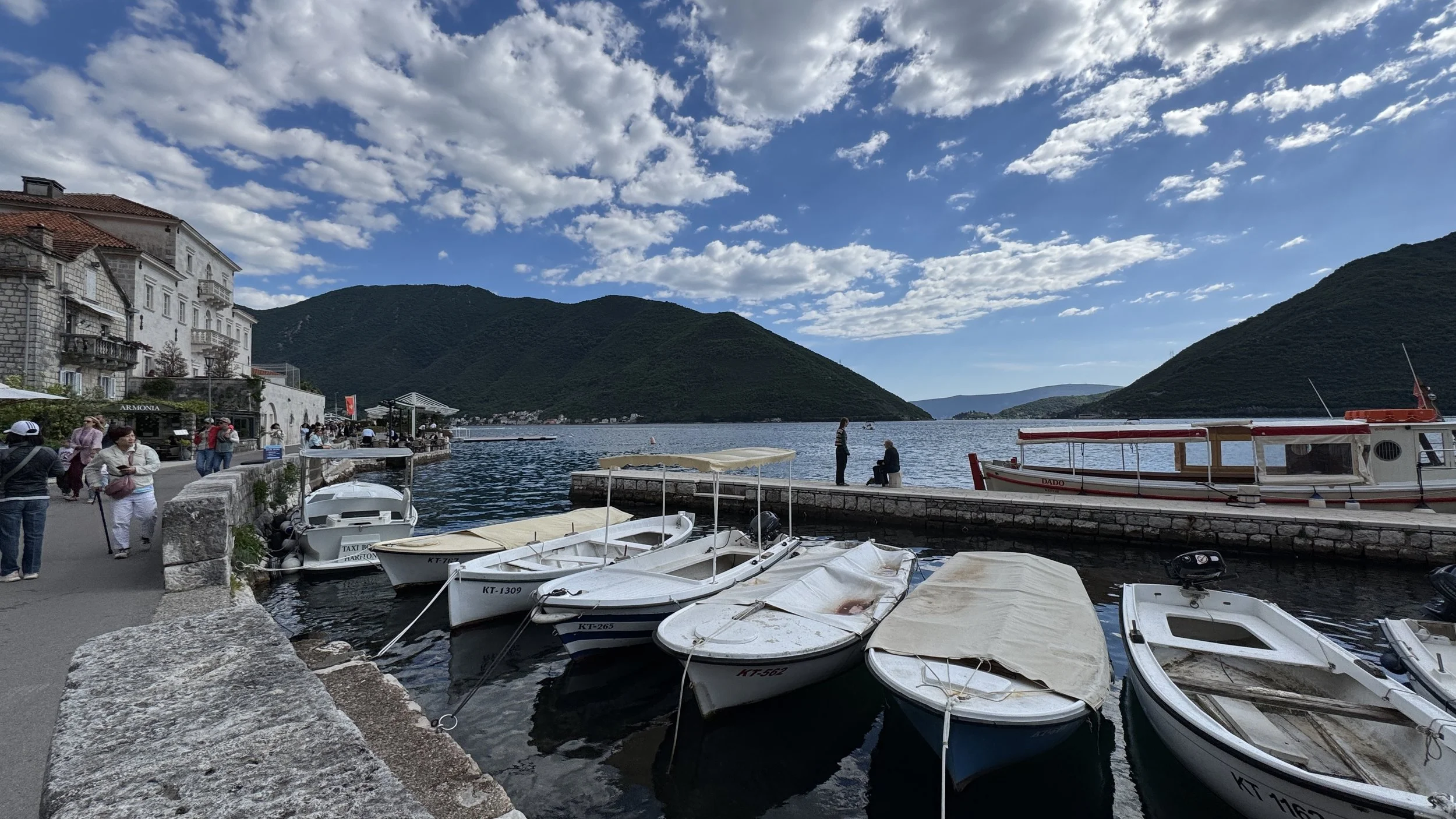
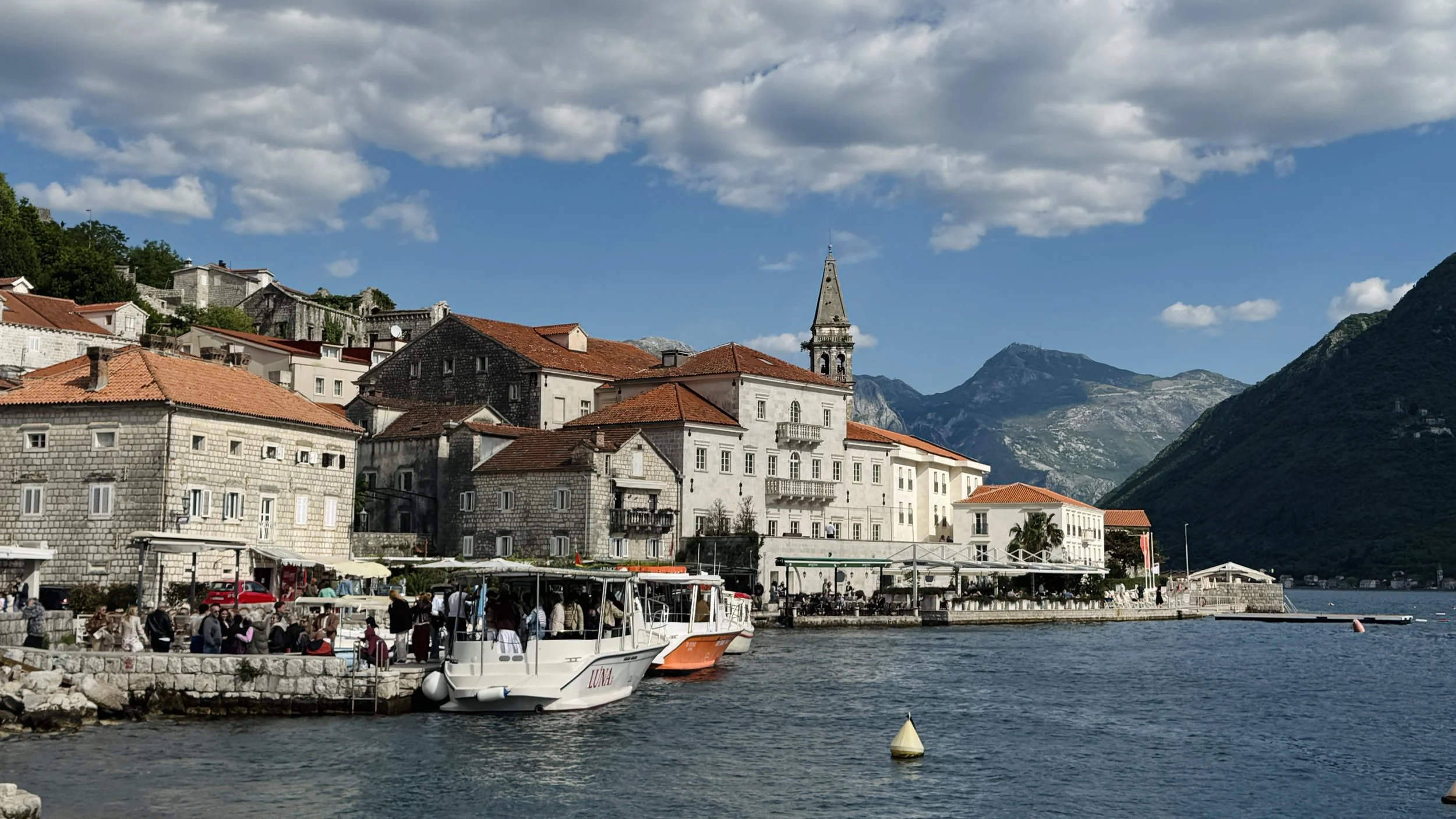
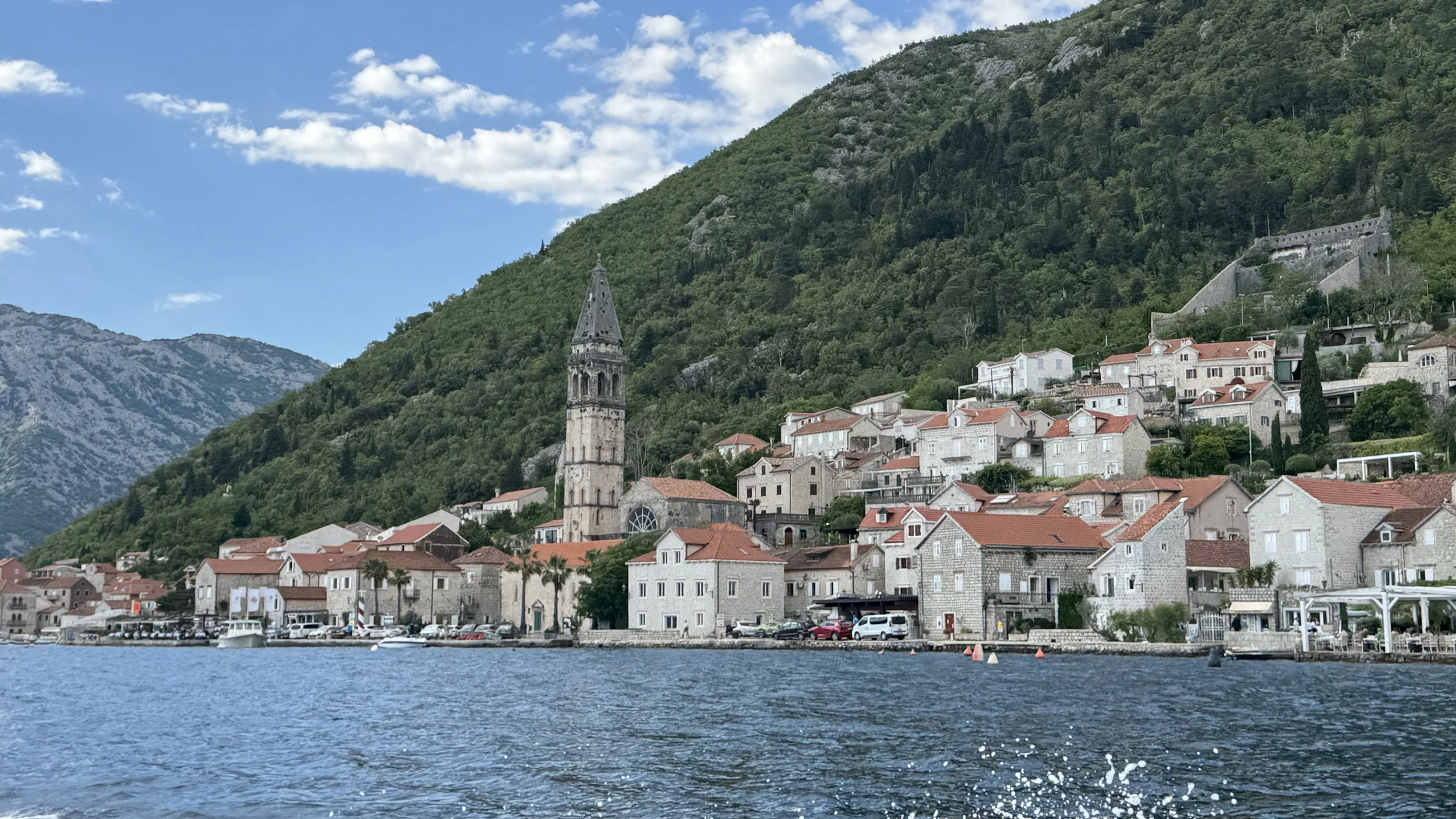
Later in the afternoon, we joined a 3 p.m. boat tour on the bay. The first stop was the small artificial island church near Perast — Our Lady of the Rocks. We had to pay an additional 5€ per person to go onto the island, though the visit itself lasted only about 15 minutes.
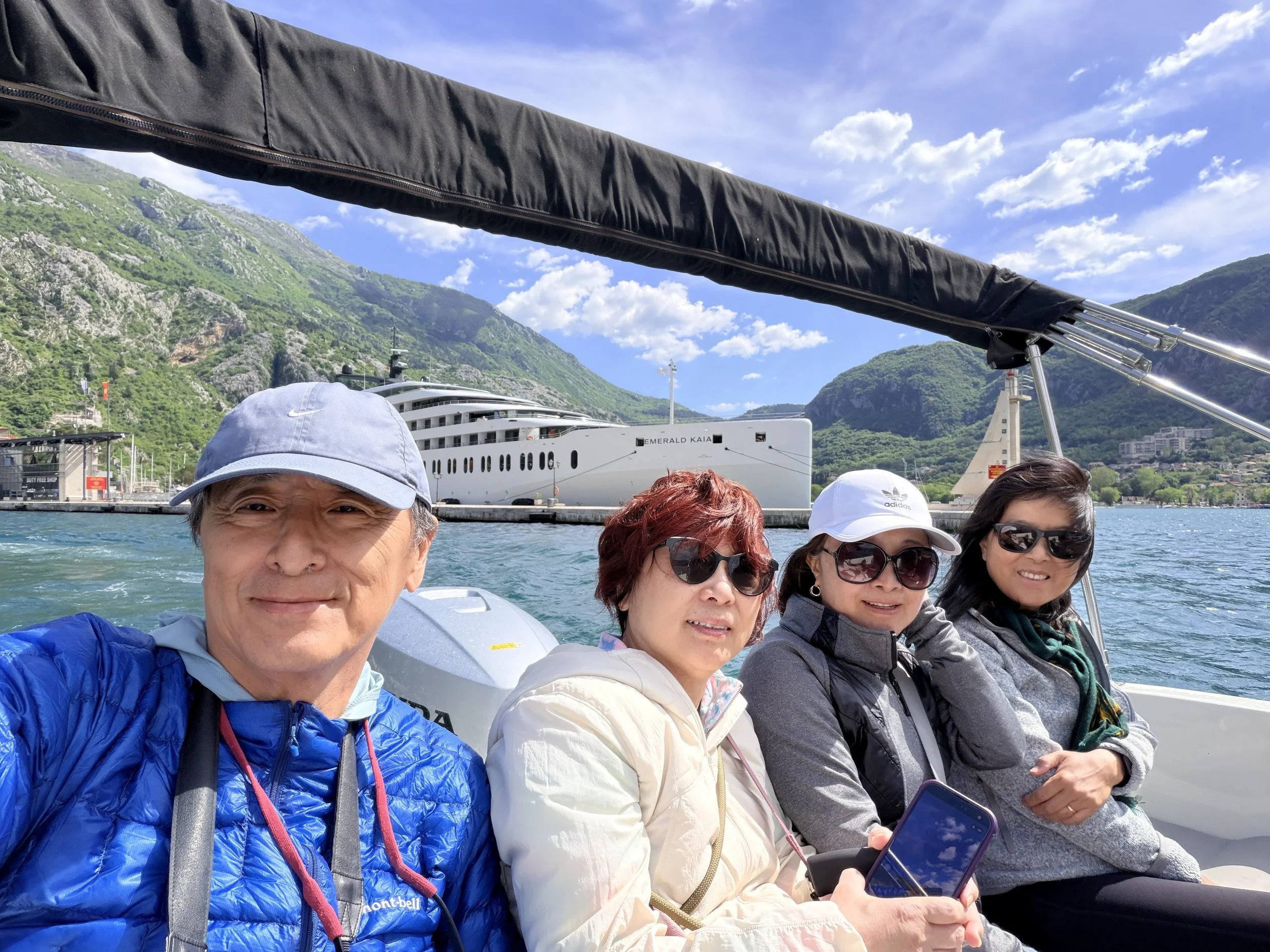
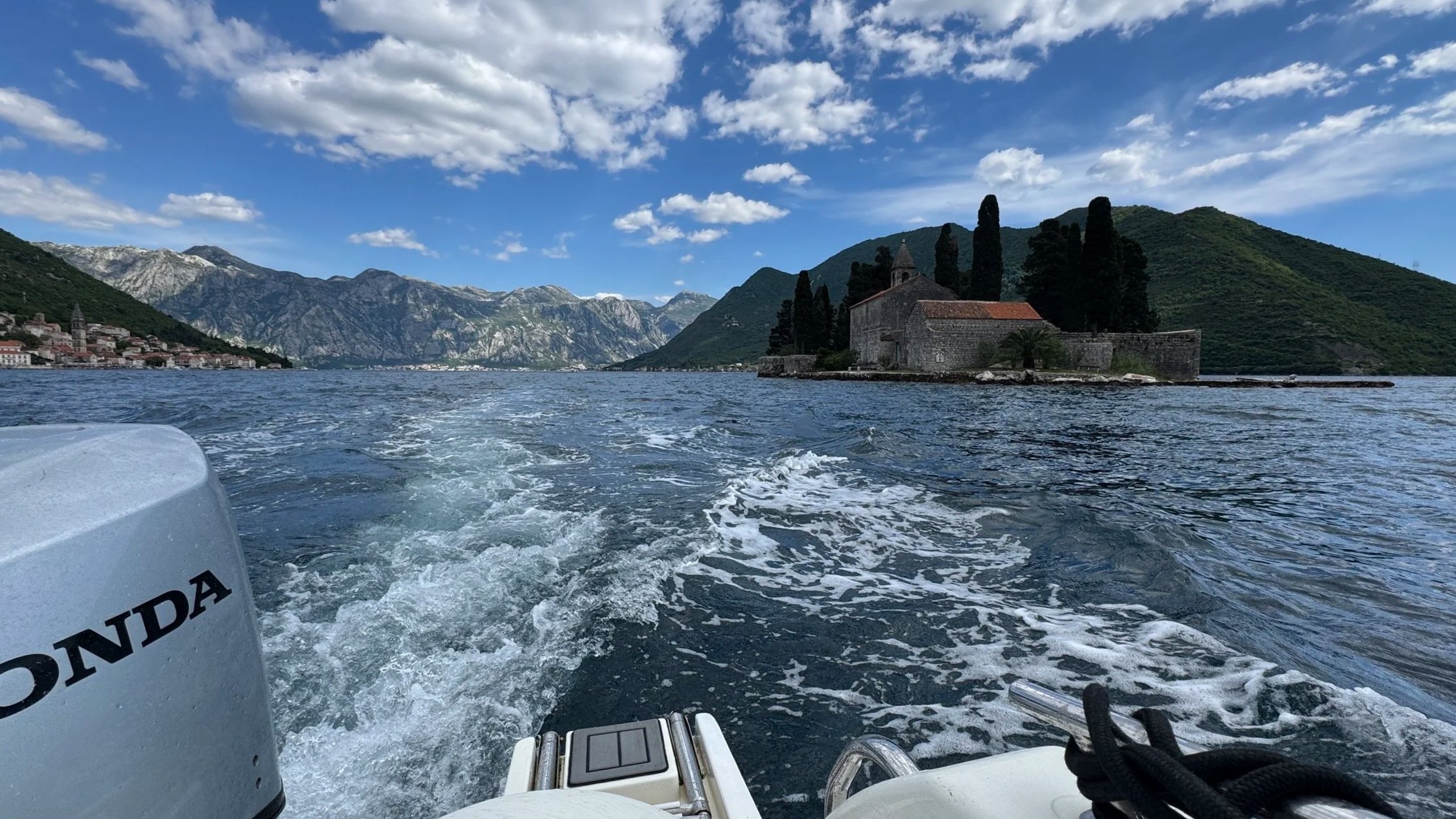
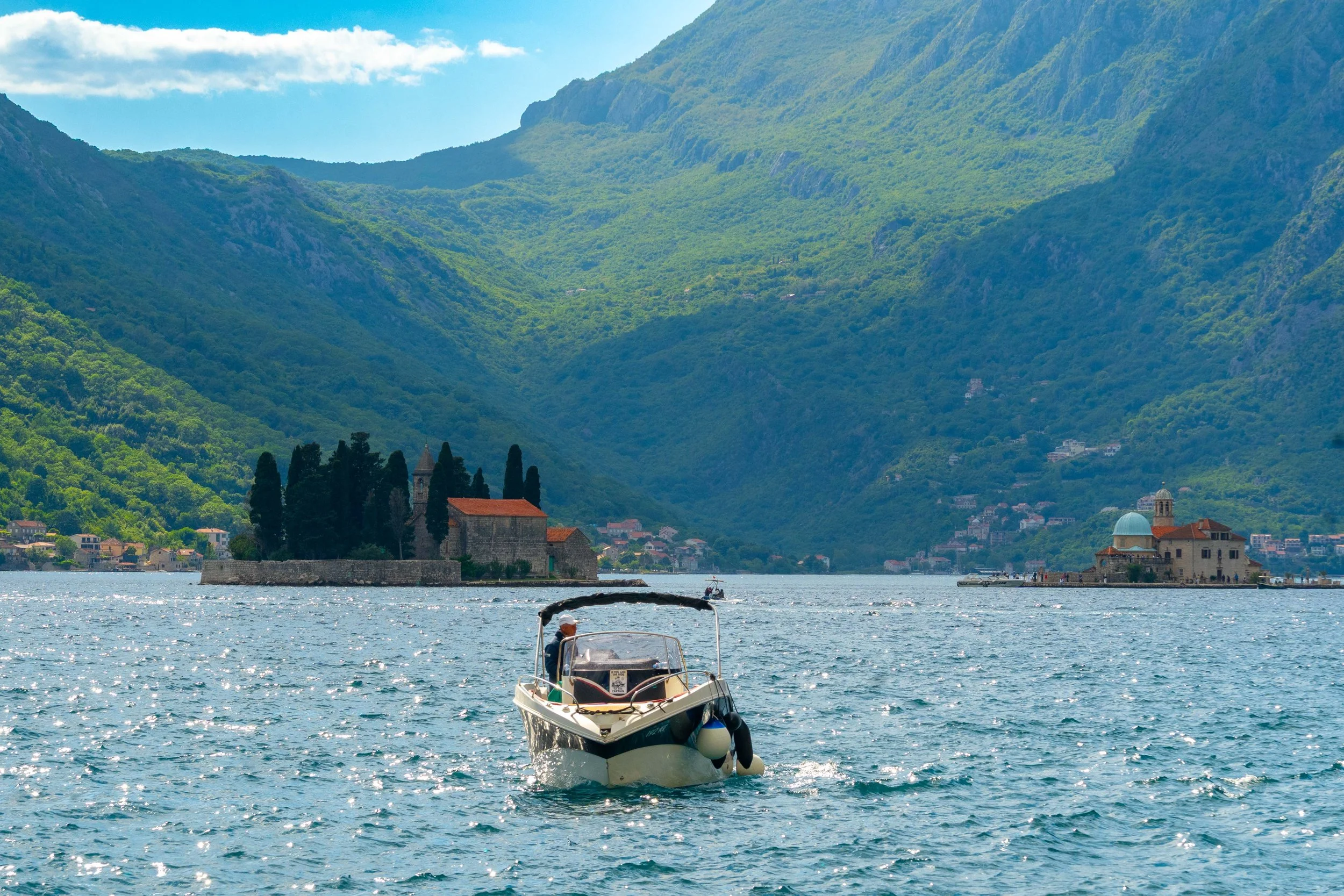
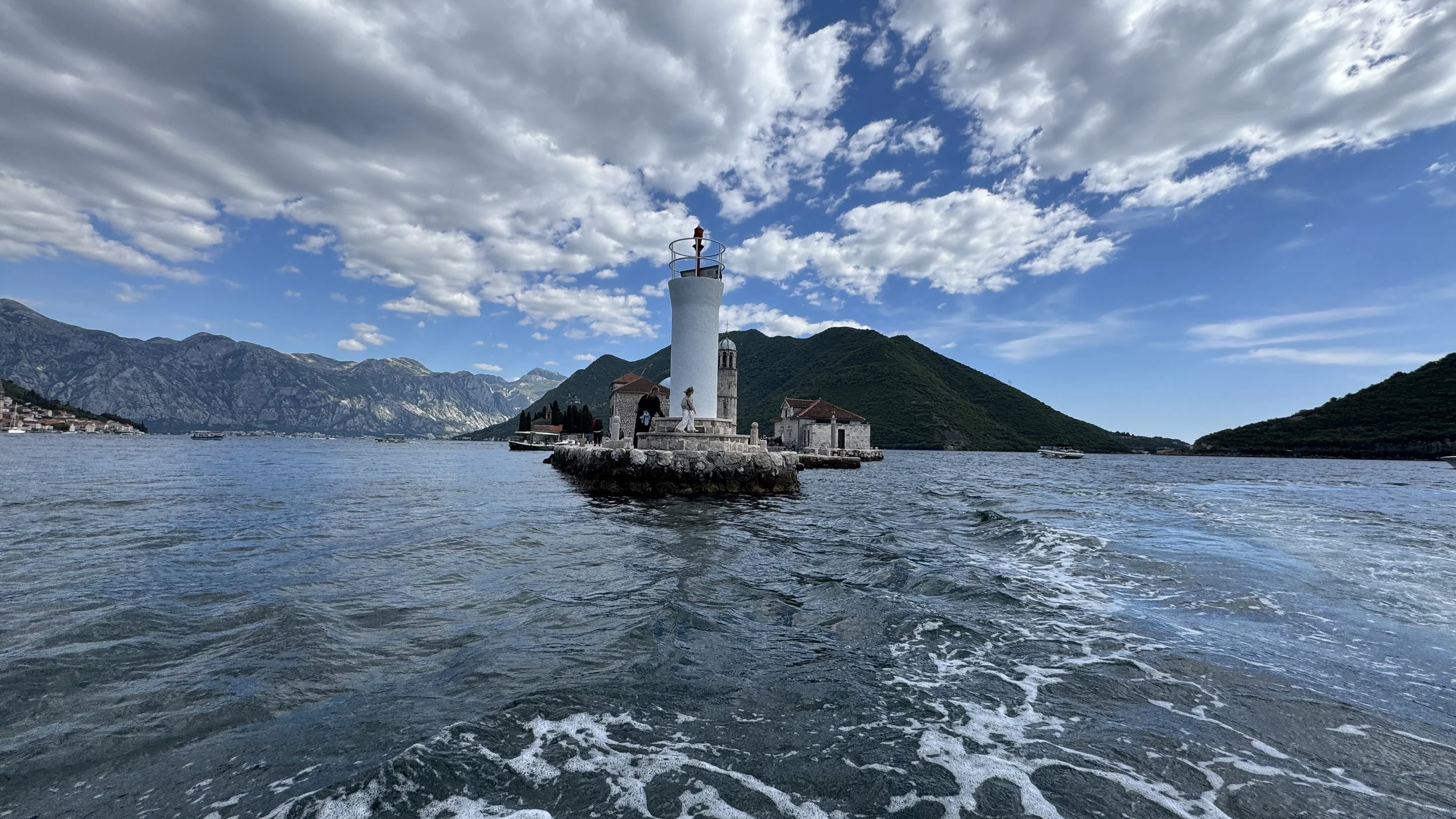
Afterward, the boat continued to Perast, where we were given around 40 minutes to explore. The small coastal town was elegant and peaceful, lined with old stone buildings and waterfront churches facing the bay. It felt like the kind of place where one could easily spend a slow afternoon sitting at a café by the water. Unfortunately, our stop was far too short. We barely had enough time to wander through a few streets before needing to return to the boat — not even enough time for a coffee.
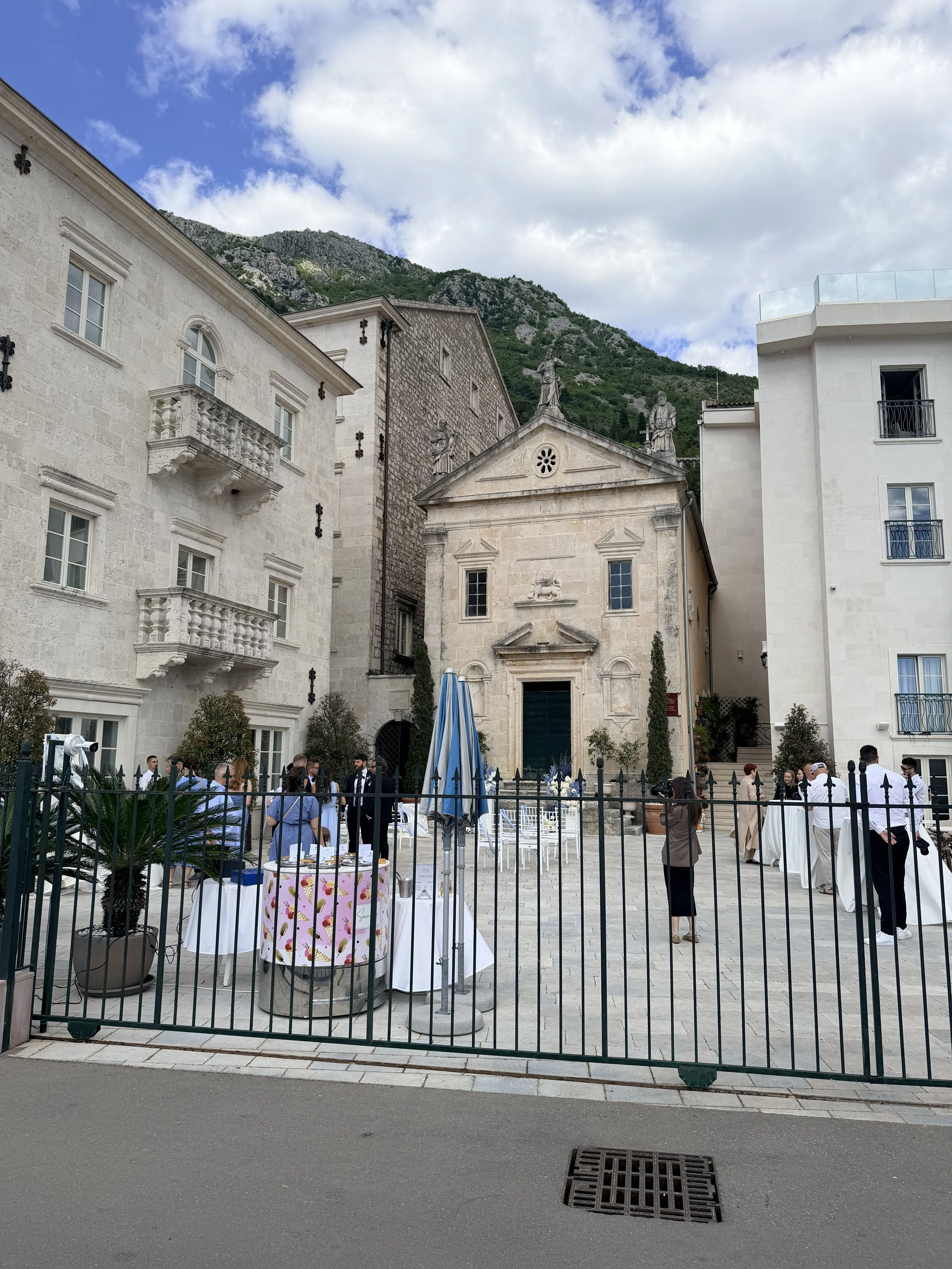
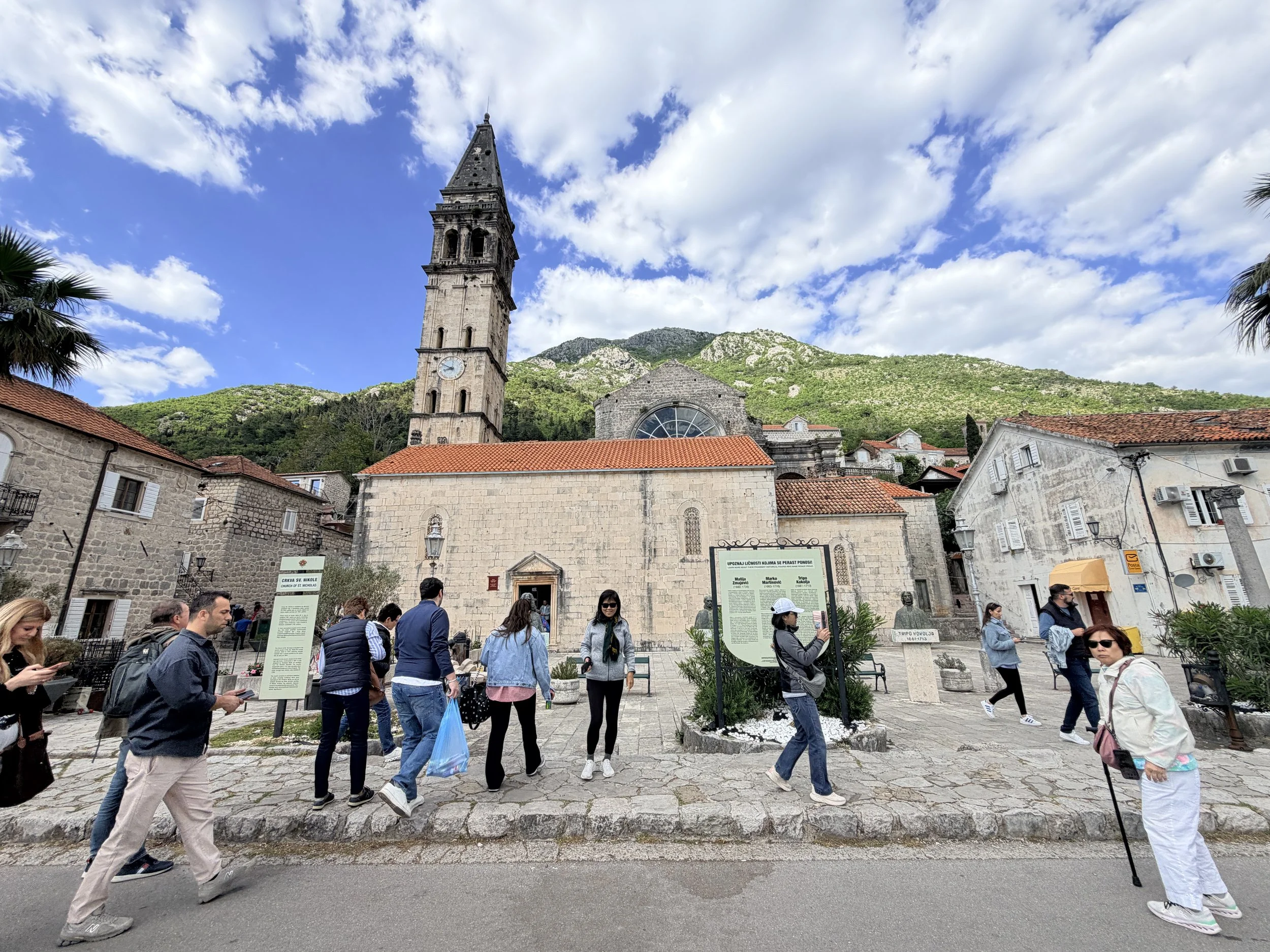
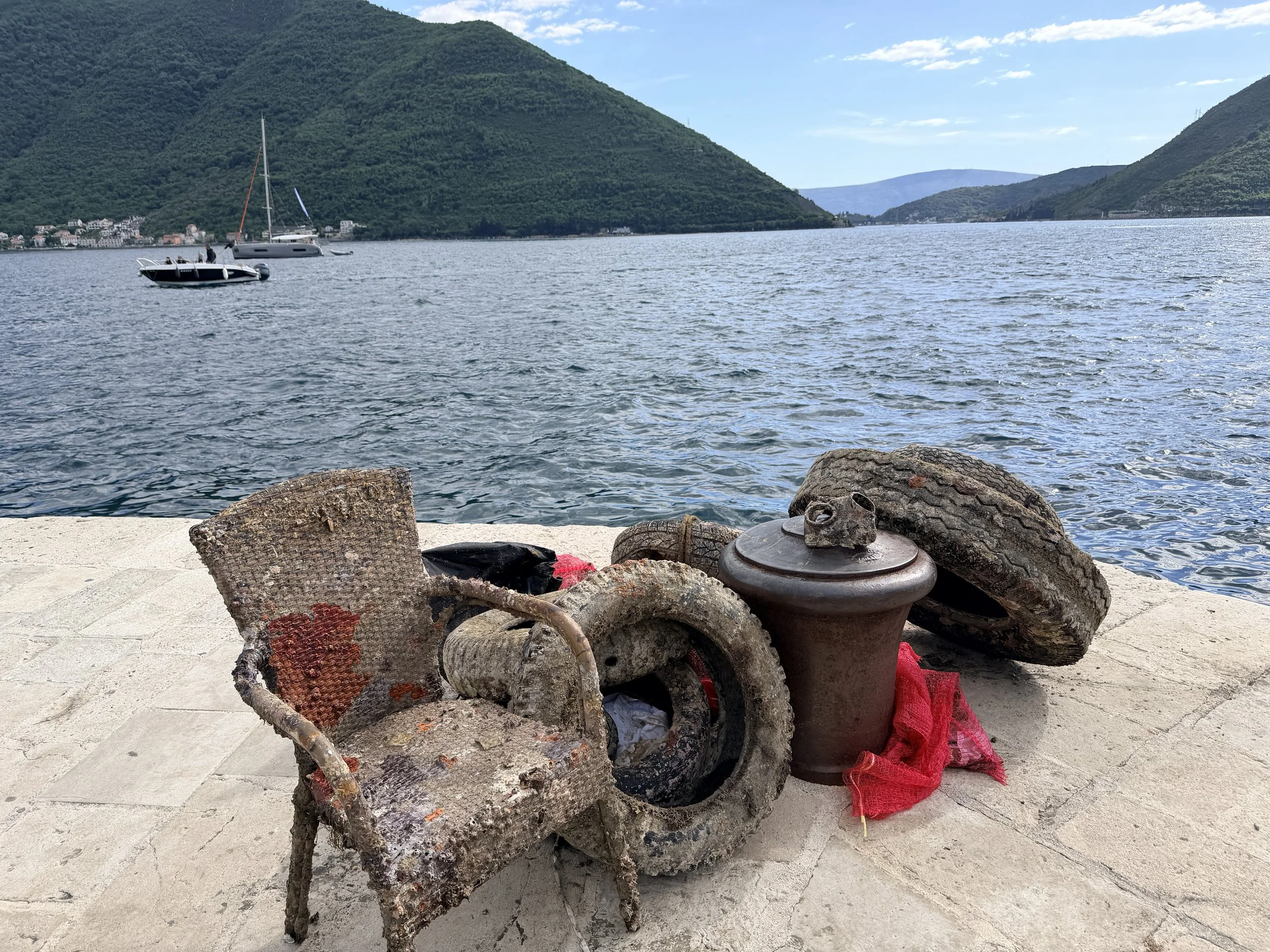
That evening, we did not feel like going out again for dinner, so we simply ordered takeaway food from a restaurant about a hundred meters from our apartment.
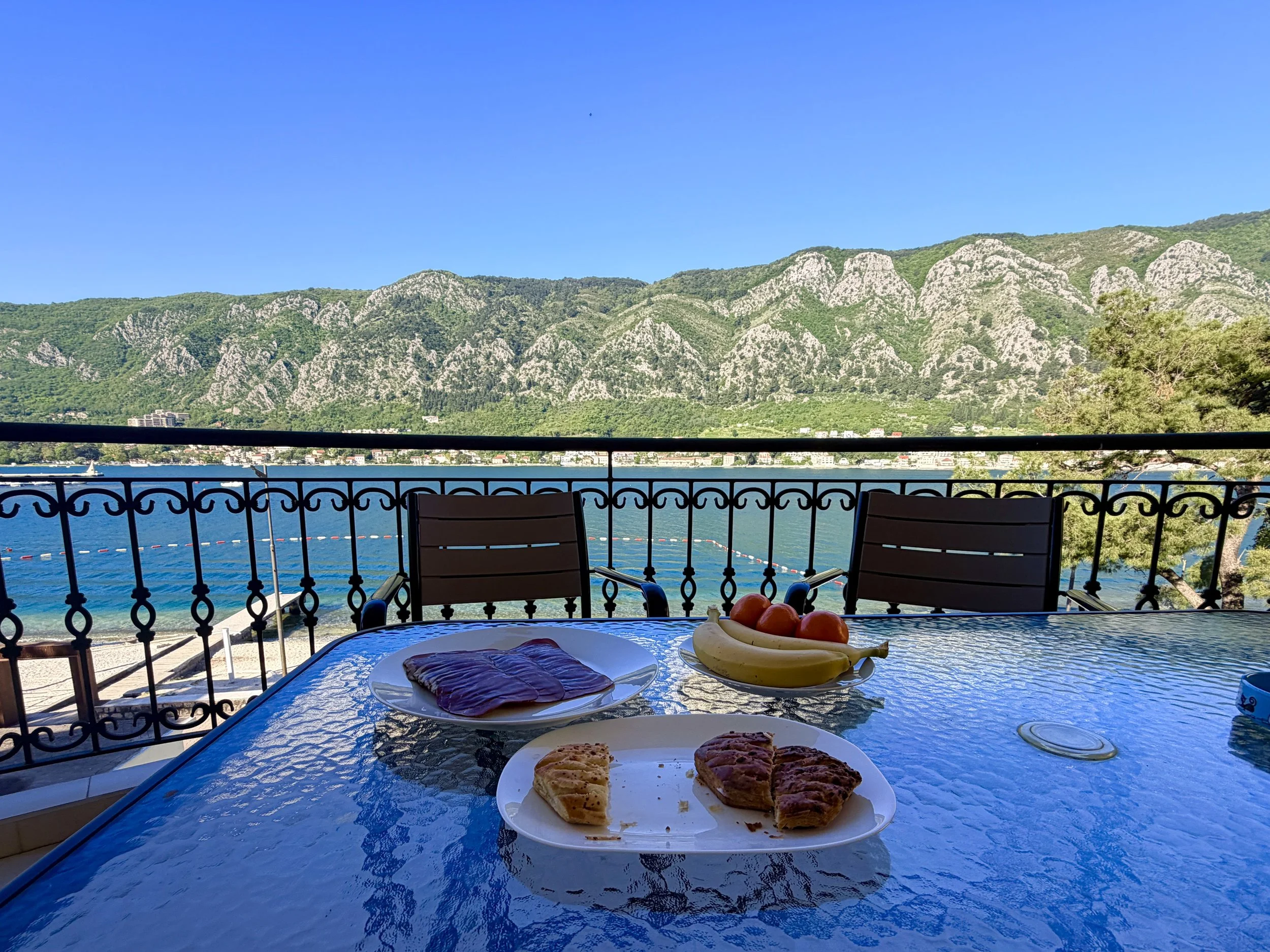
After so many consecutive travel days, we were beginning to feel a little tired. Instead of continuing to explore, we stayed in for the evening and quietly enjoyed the sunset view over the bay from the apartment.
2026年5月1日
来到科托尔(Kotor) 最经典的活动之一便是登上山上的古堡(Fortress)。游客可以选择沿着老城城墙一路攀登,也可以从自然保护区的小路上山。我们选择了更具代表性的城墙路线。
买好每人15欧元的门票后,我们开始攀爬通往山顶的大约1400级石阶。幸好当天的天气非常适合徒步,阳光明媚却不炎热,山风吹来十分舒服。一路上我们不停地拍照,而随着高度不断上升,眼前的景色也变得越来越壮观。
脚下是密密麻麻的红瓦老城,远处则是被群山环抱的科托尔湾(Bay of Kotor)。平静的海水一路向山谷深处延伸,在阳光下泛着淡淡的蓝绿色光泽。随着一步步向上攀登,视野也不断变得更加开阔。等终于抵达山顶古堡时,整个海湾、古城与群山尽收眼底,那种辽阔而震撼的景色,让人久久不愿离开,也成为我们此次黑山之行中最难忘的画面之一。
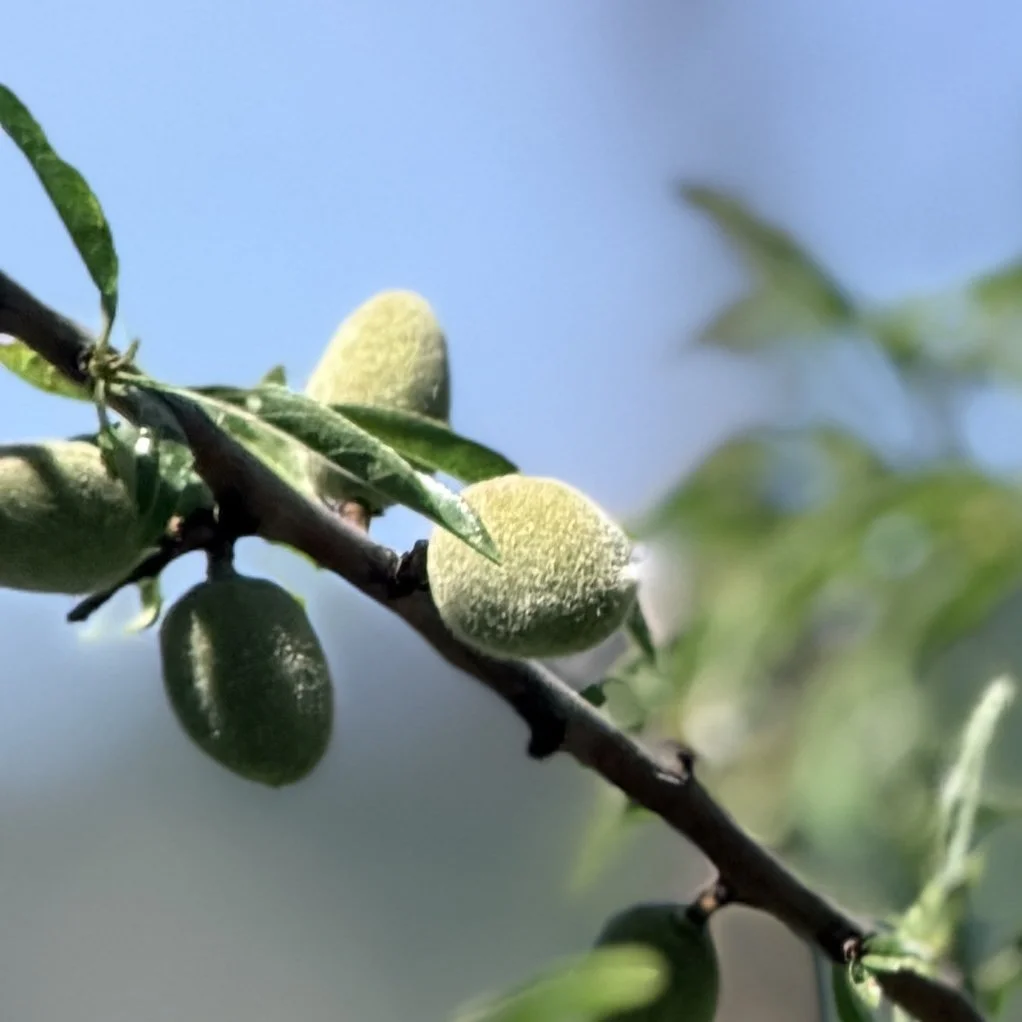
下山时,我们才注意到路边长满了挂着果实的杏仁树。树上的绿杏仁看起来十分新鲜,不过终究还是没敢随意摘下来尝尝它真正的味道。
下山回到公寓后,我们简单吃了午饭,更重要的是补了一个短短的午觉。
下午三点,我们参加了海湾游船团。小快艇开得飞快,第一站是佩拉斯特(Perast)附近海上的小岛教堂——岩石圣母岛(Our Lady of the Rocks)。登岛还需要额外支付每人5欧元,不过停留时间只有短短十五分钟。
随后快艇继续前往佩拉斯特(Perast),让我们停留约四十分钟。这座海边小镇安静而优雅,沿岸排列着古老石屋与教堂,带着一种悠闲而精致的亚得里亚海气息。这里原本很适合慢慢散步,或者坐在海边咖啡馆里发呆一个下午。可惜时间实在太短,我们只是匆匆走了几条小巷,甚至连喝杯咖啡的时间都没有,便又不得不返回码头。
晚上我们已经懒得再出门吃饭,于是干脆从离公寓一百多米外的一家餐厅外卖了晚餐回来。
连续多日不停移动和旅行之后,我们多少开始感到有些疲惫。于是这一晚,我们没有再继续安排活动,只是安静地待在公寓里,慢慢欣赏海湾上的日落景色。