Tirana, Albania地拉那,阿尔巴尼亚
May 3, 2026
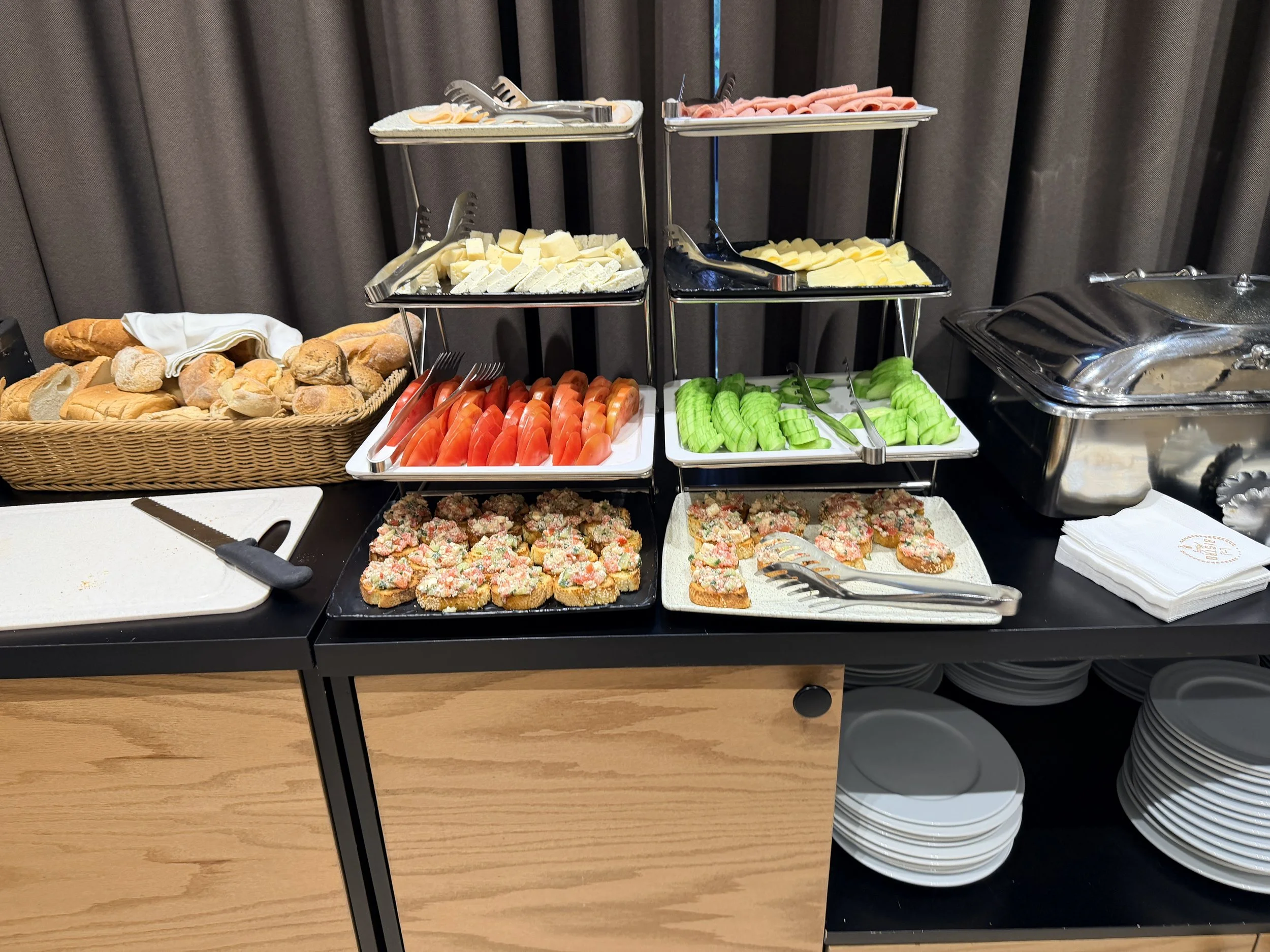
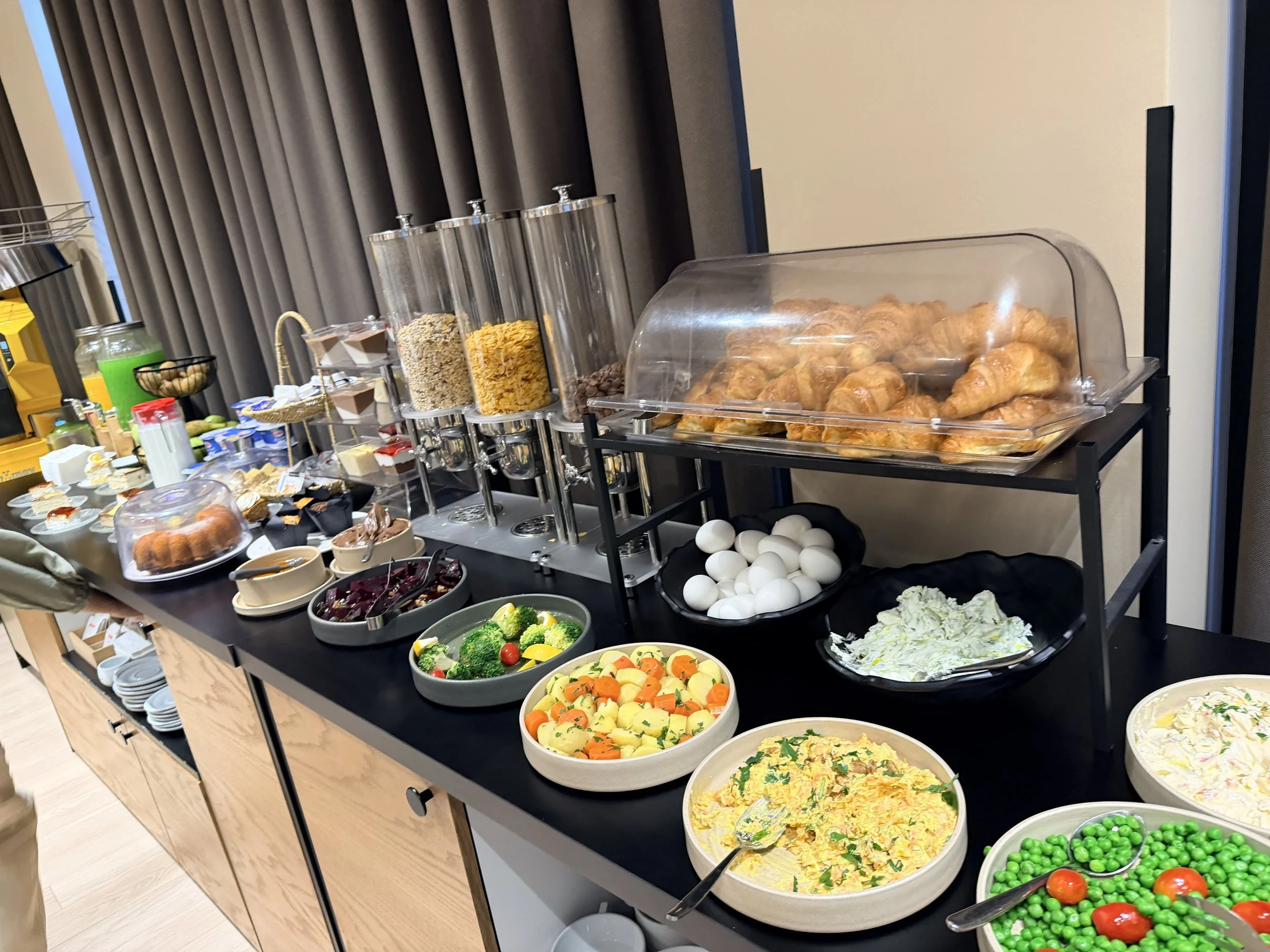
The hotel offered one of the best breakfasts of this entire trip.
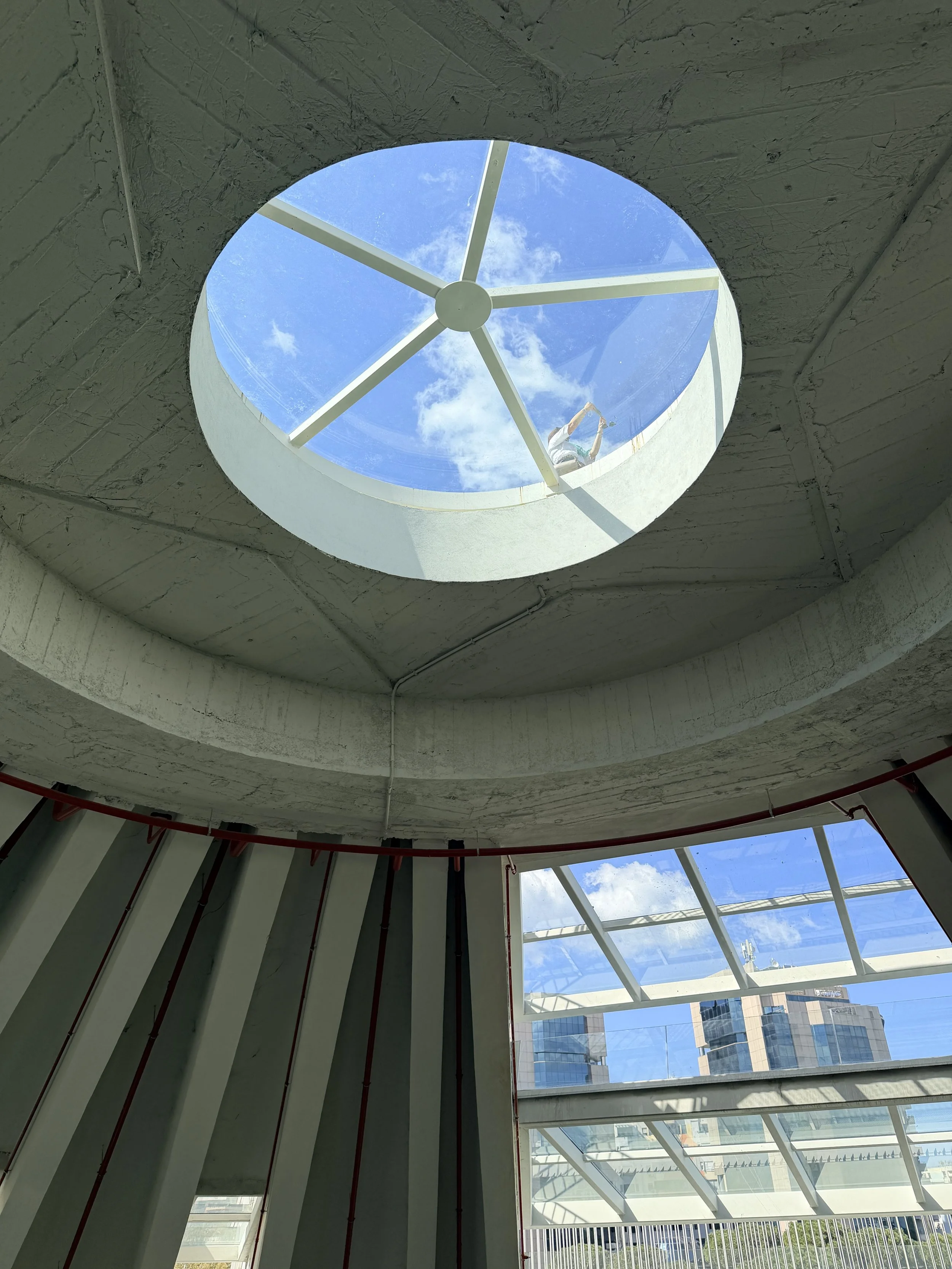
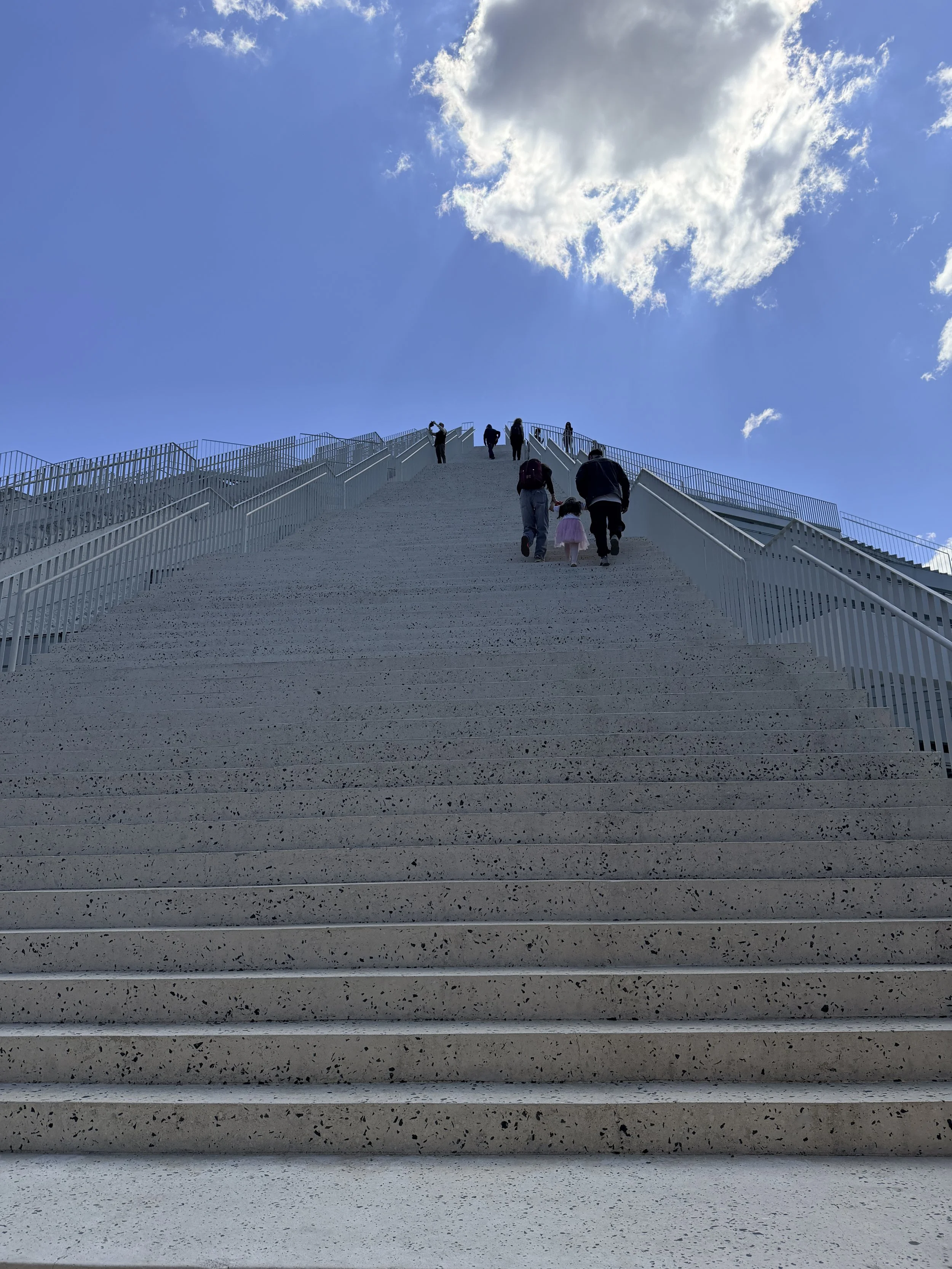
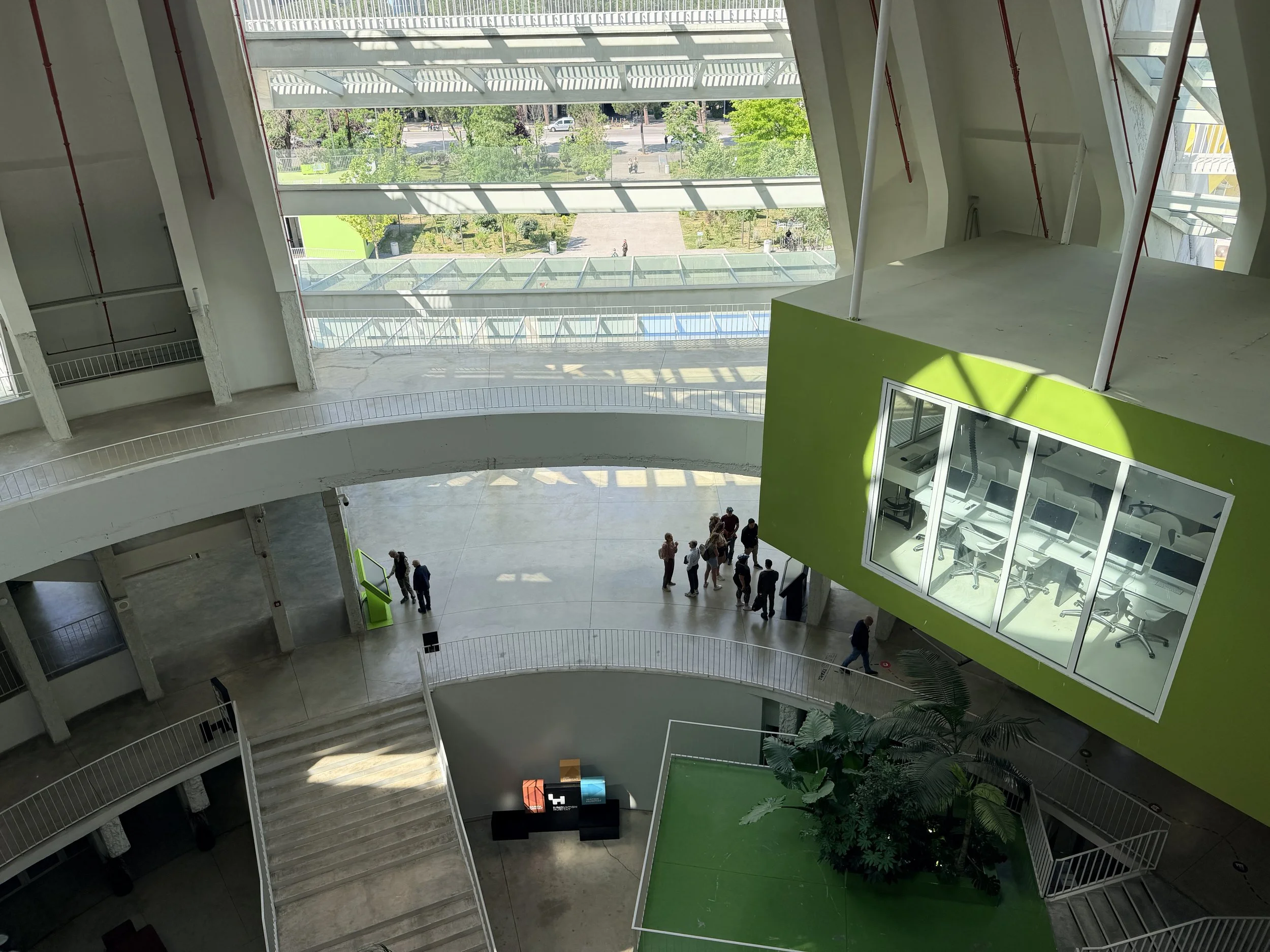
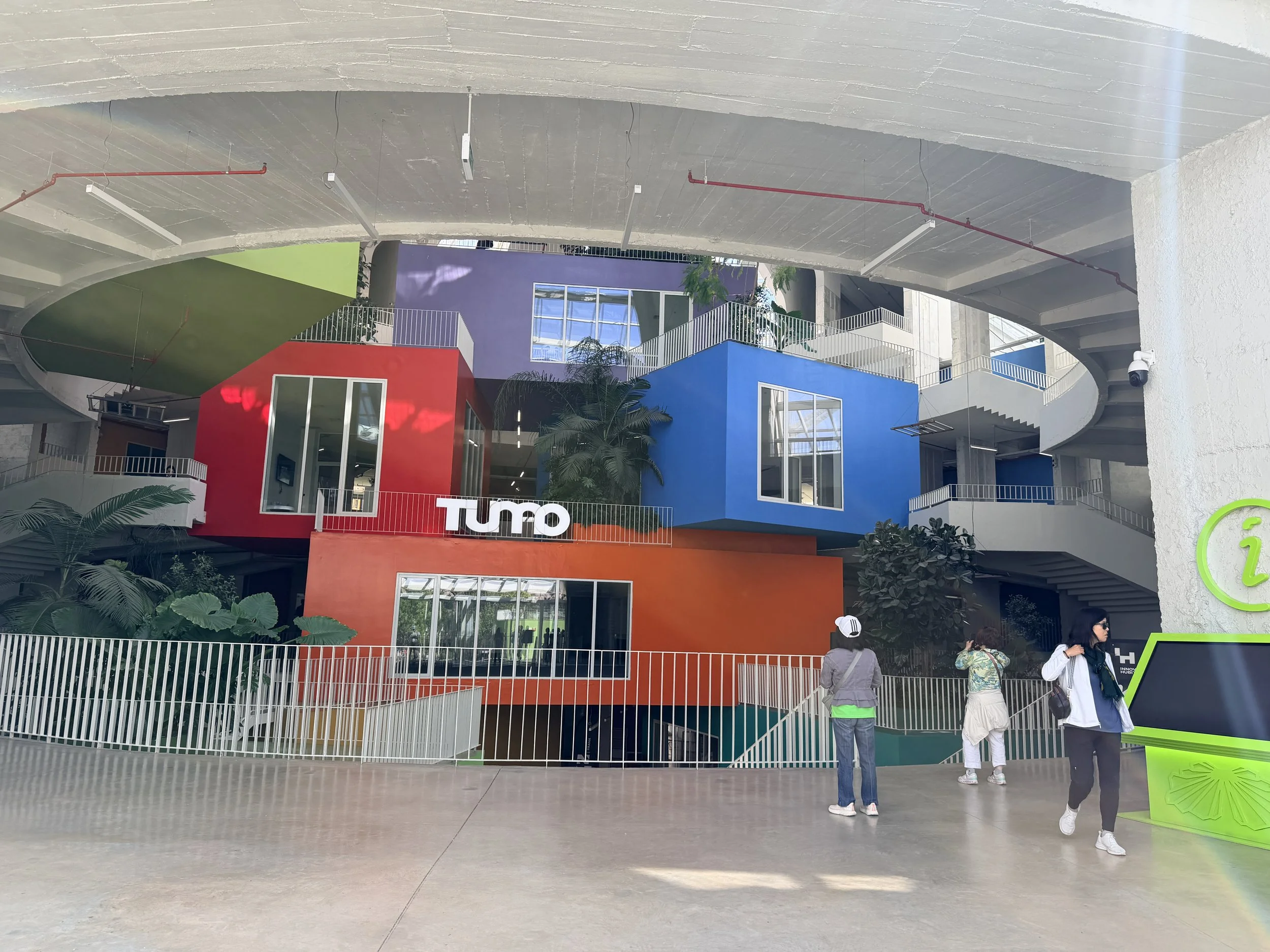
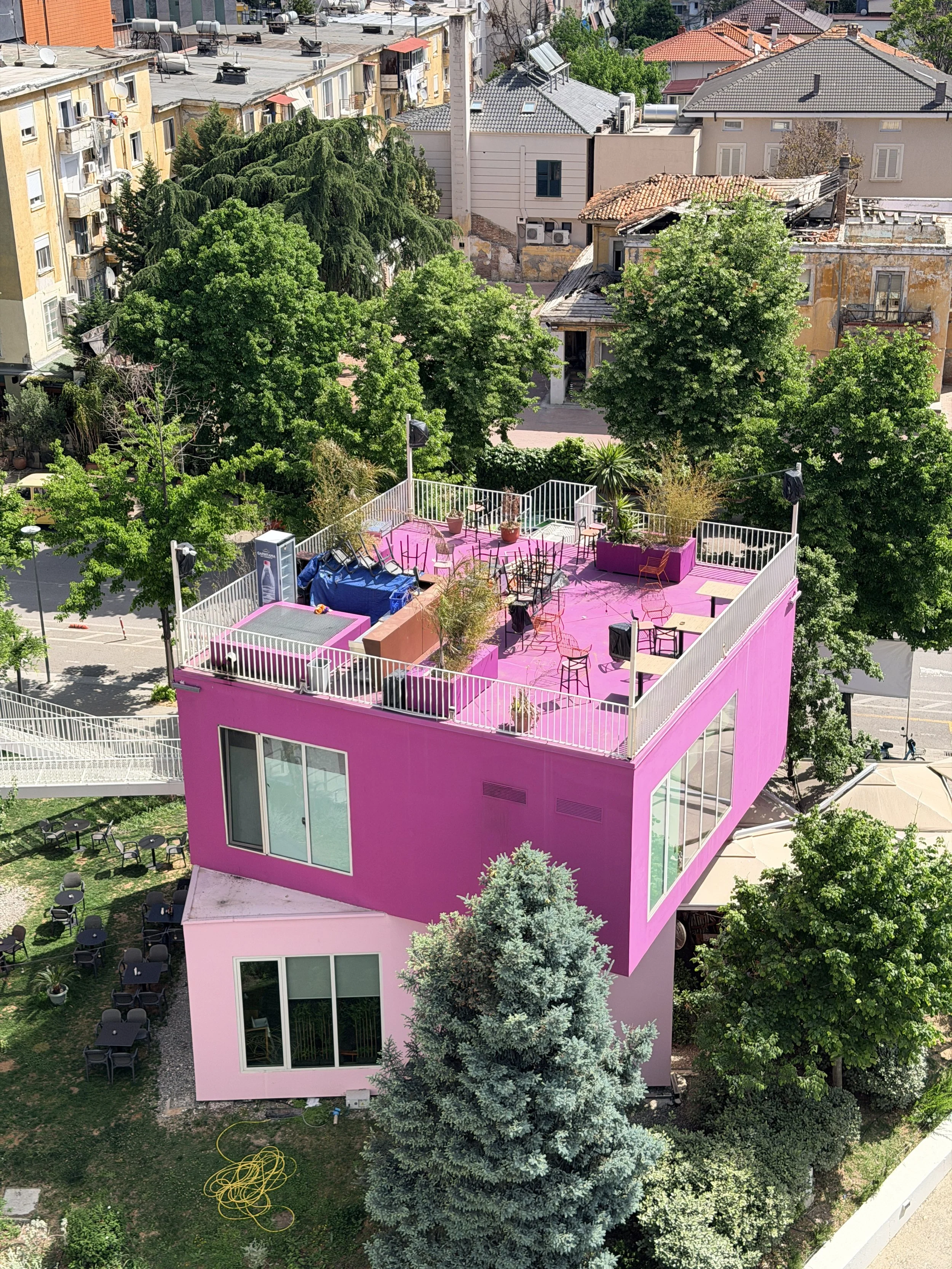
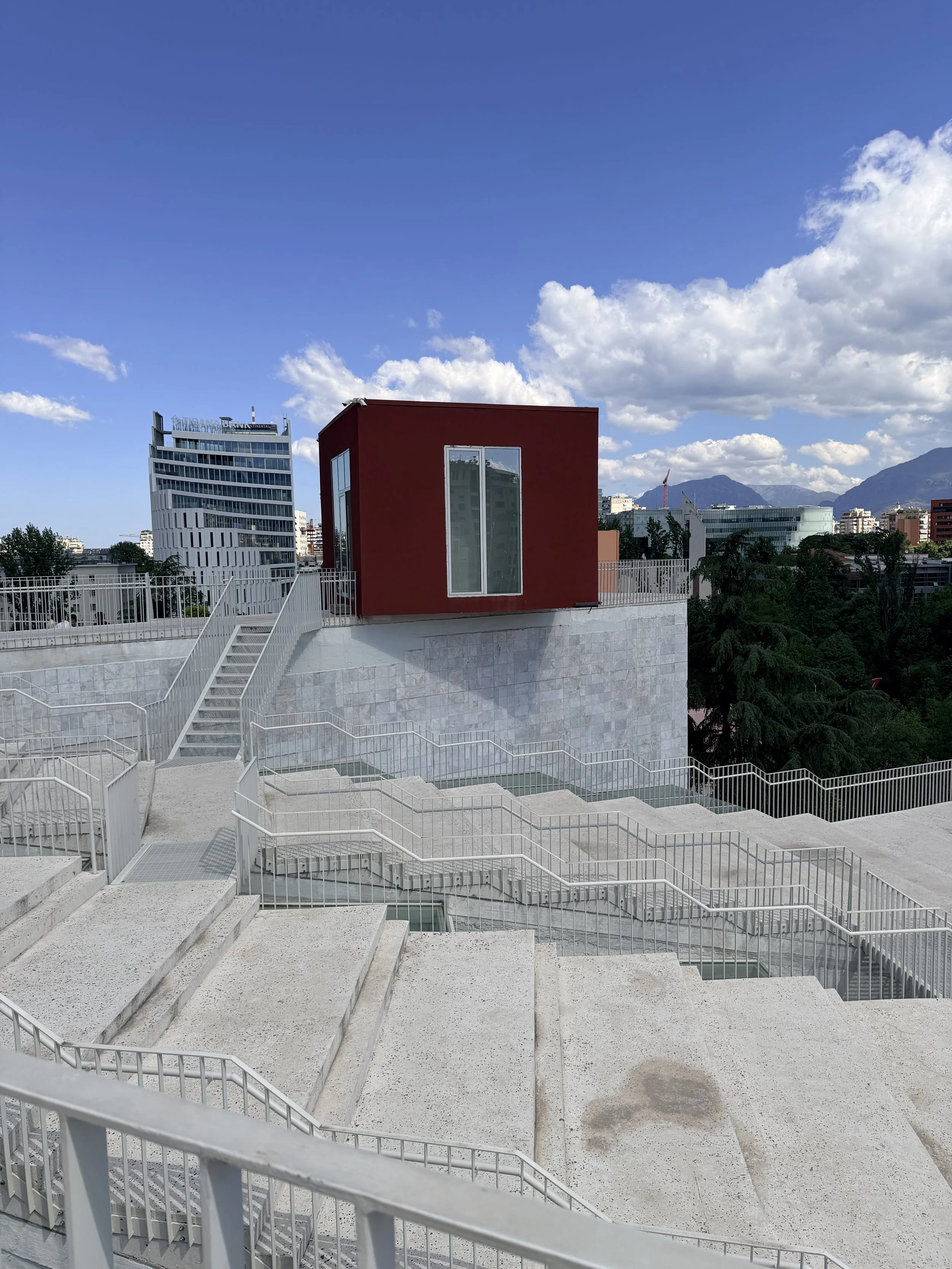
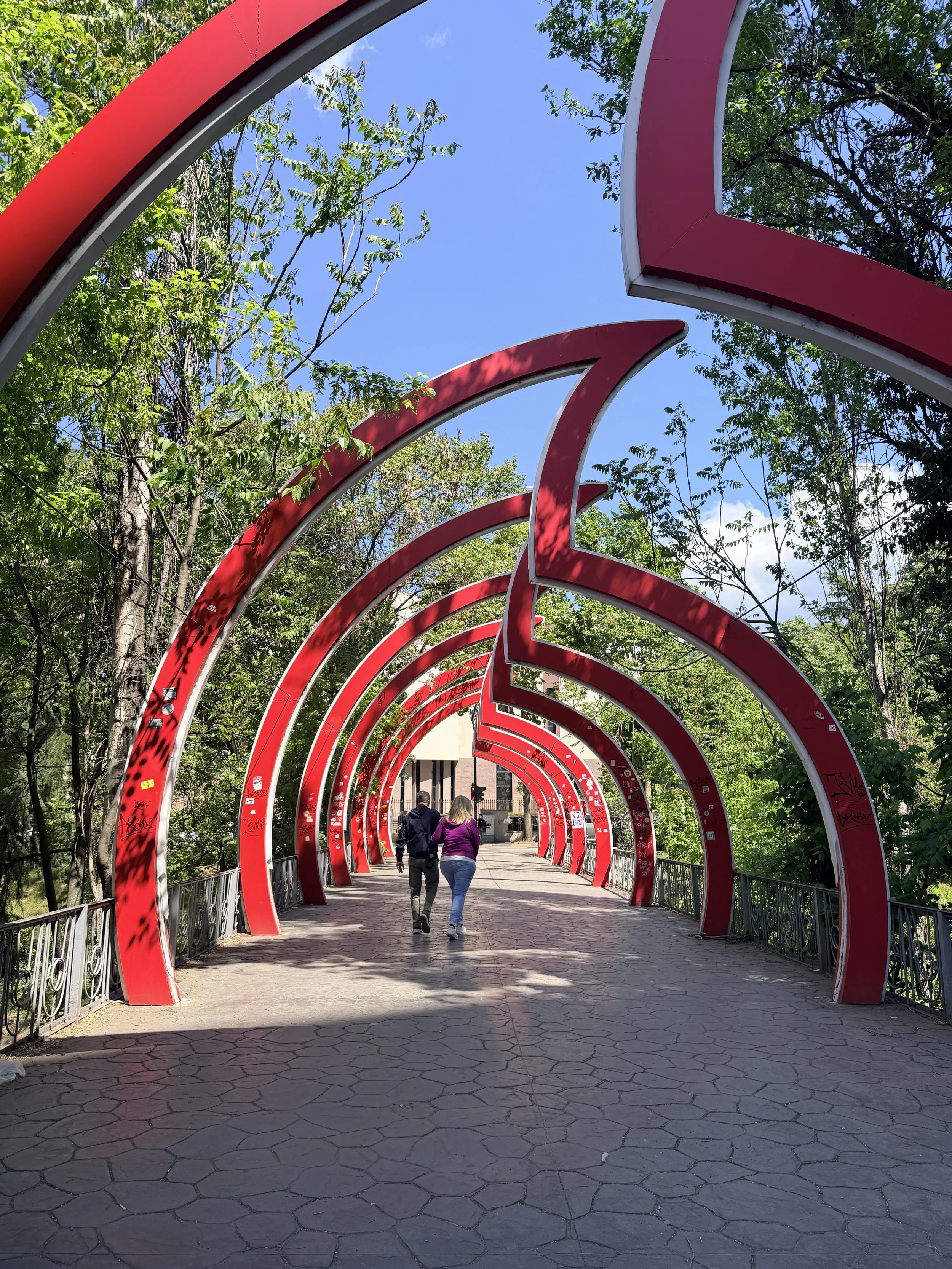
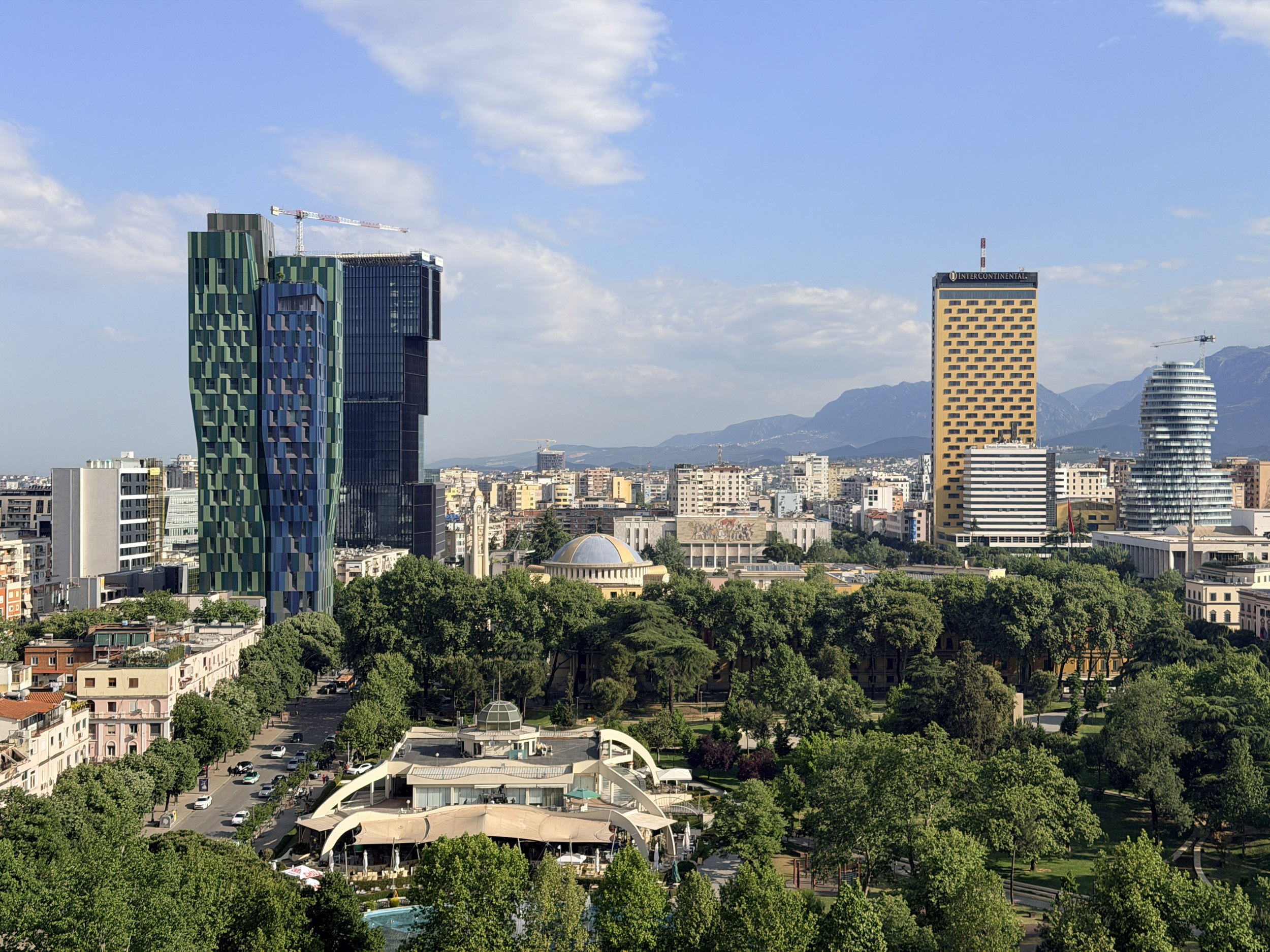
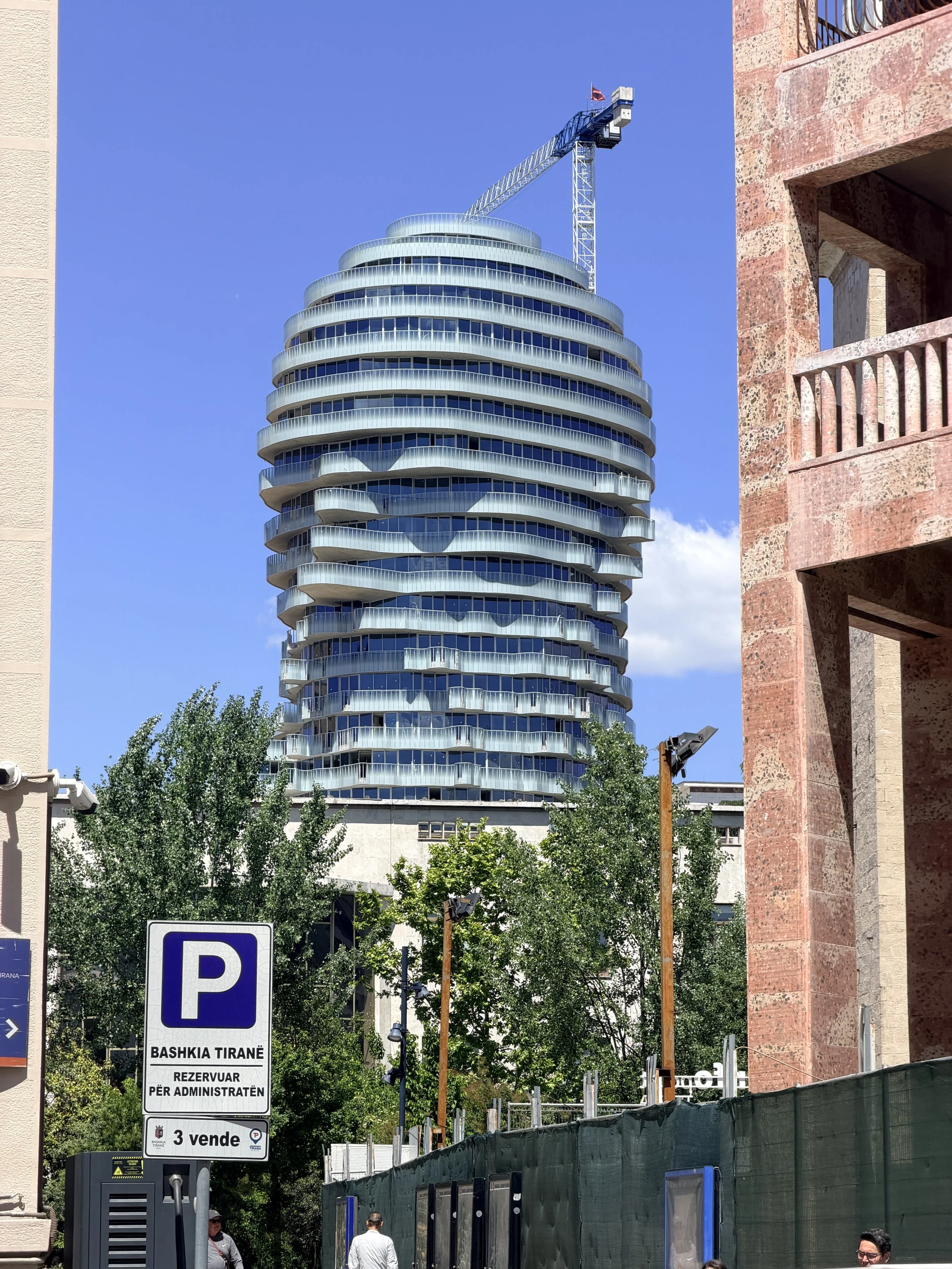
After breakfast, we began our day by visiting the Pyramid of Tirana across the street. The structure was originally built as a memorial to former Albanian leader Enver Hoxha after his death. Following the collapse of the communist regime in 1991, the pyramid was abandoned for many years. Today, it has been transformed into a modern public space for enjoyment. As we walked up the pyramid, we noticed many uniquely designed modern buildings nearby. One of them even resembled a giant human face, while others featured bold and unusual contemporary designs. Compared with many of the other cities we visited during this Balkan trip, Tirana felt very different. There were not many historic old buildings left in the city. Instead, the urban landscape seemed divided between plain, functional apartment blocks built during the communist era and eye-catching modern architecture constructed in recent years. The contrast between the two gave Tirana a distinctive and somewhat unexpected character.
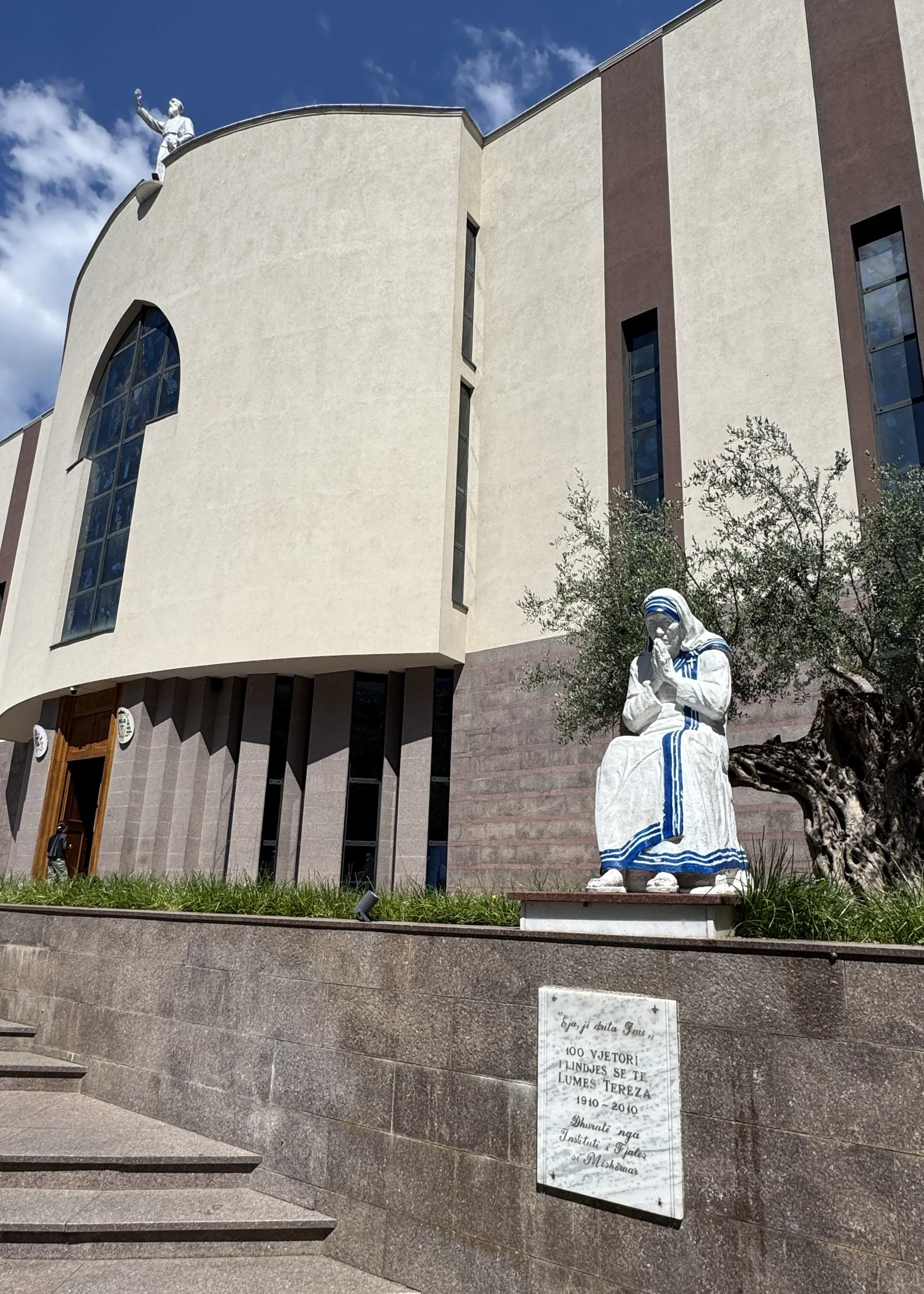
We then stopped by St. Paul’s Cathedral, although we did not go inside because Mass was in progress. Outside the church stood a statue of Mother Teresa, one of the most respected figures of Albanian heritage.
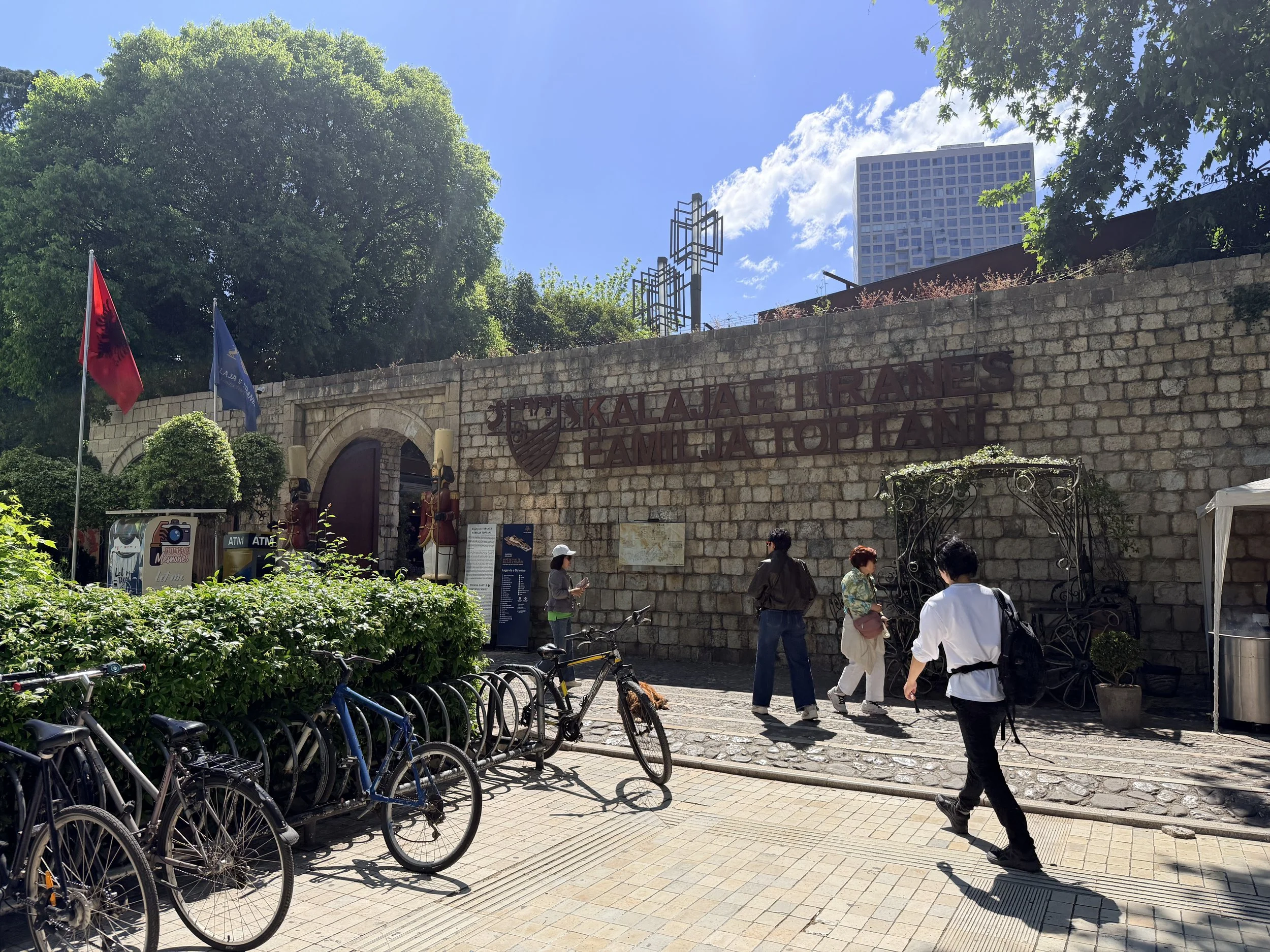
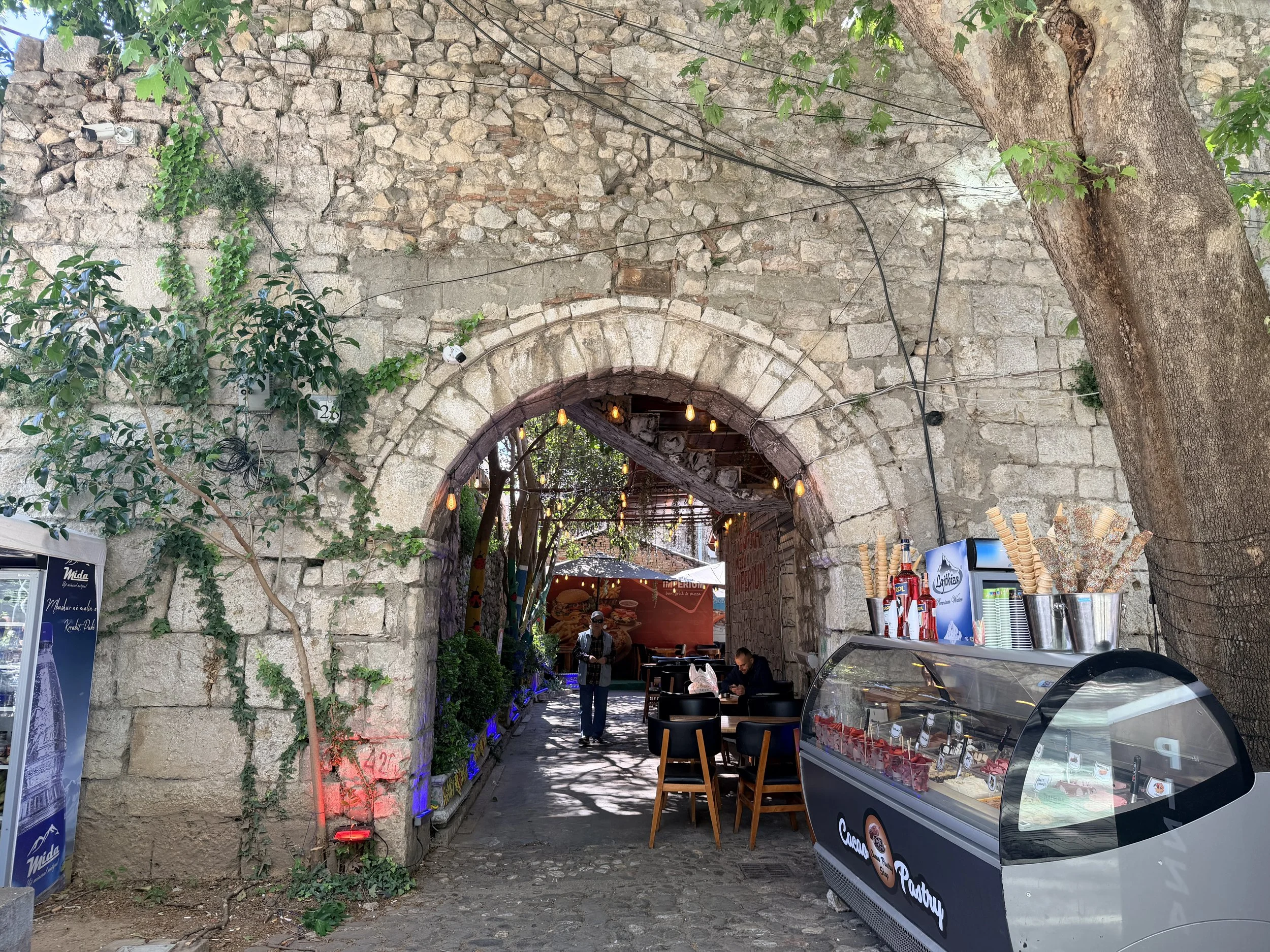
From there, we walked through Tirana Castle, where only portions of the old Ottoman-era walls still remain. Today the area is filled with restaurants and cafés built around the preserved stone walls. Since it was still too early for lunch, we bought some roasted walnuts from a street stall instead. They were warm, fragrant, and surprisingly delicious.
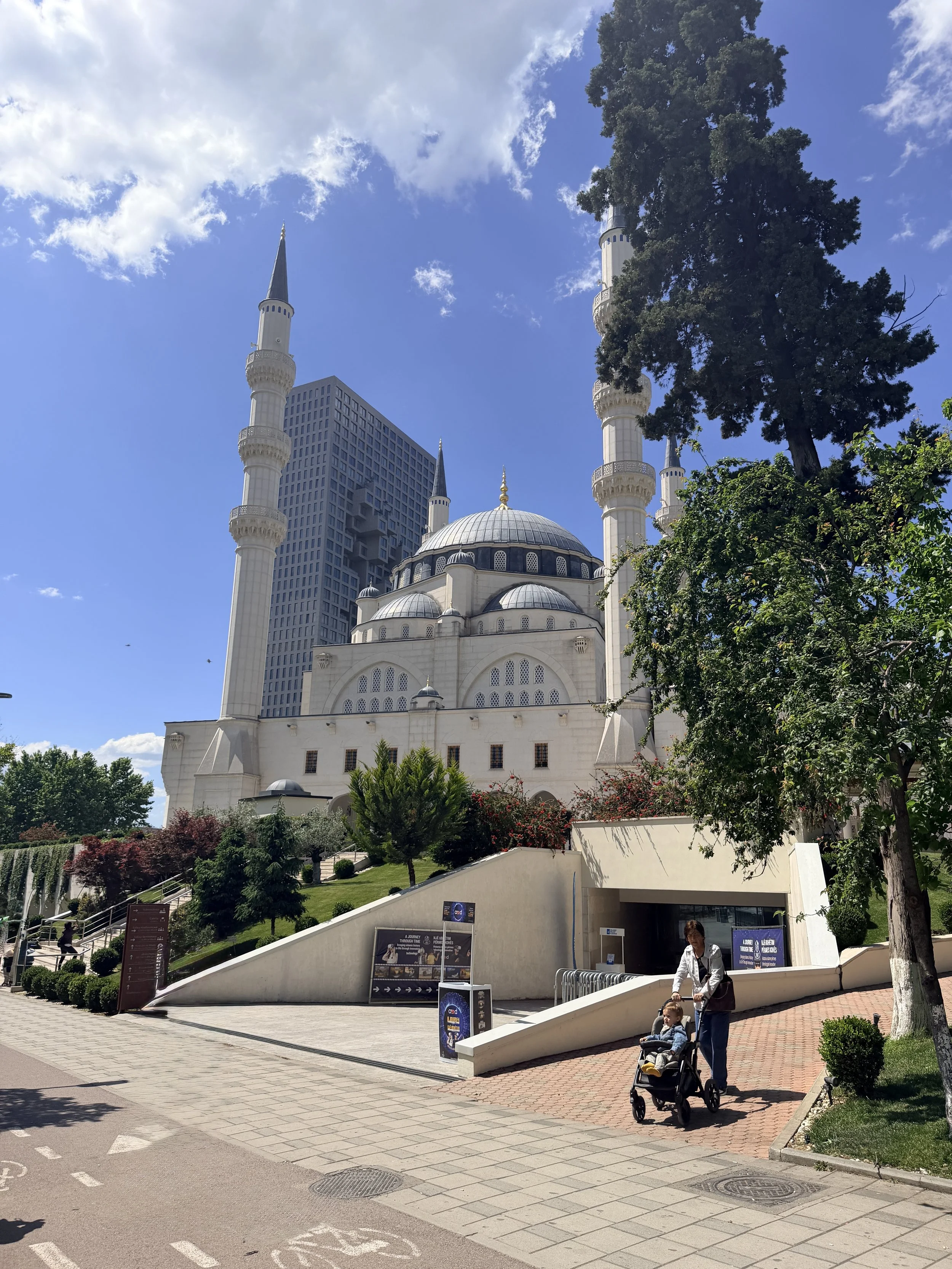
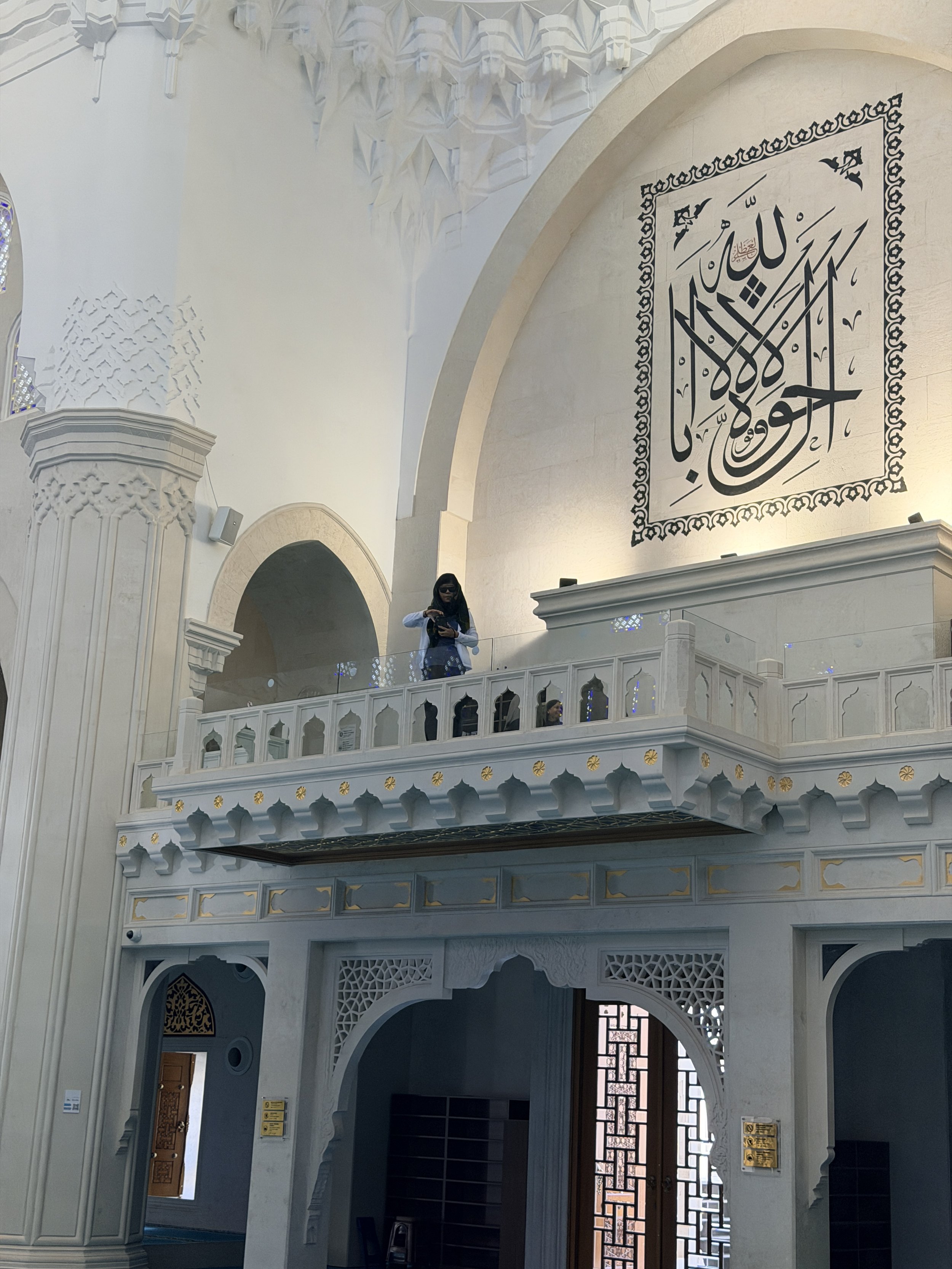
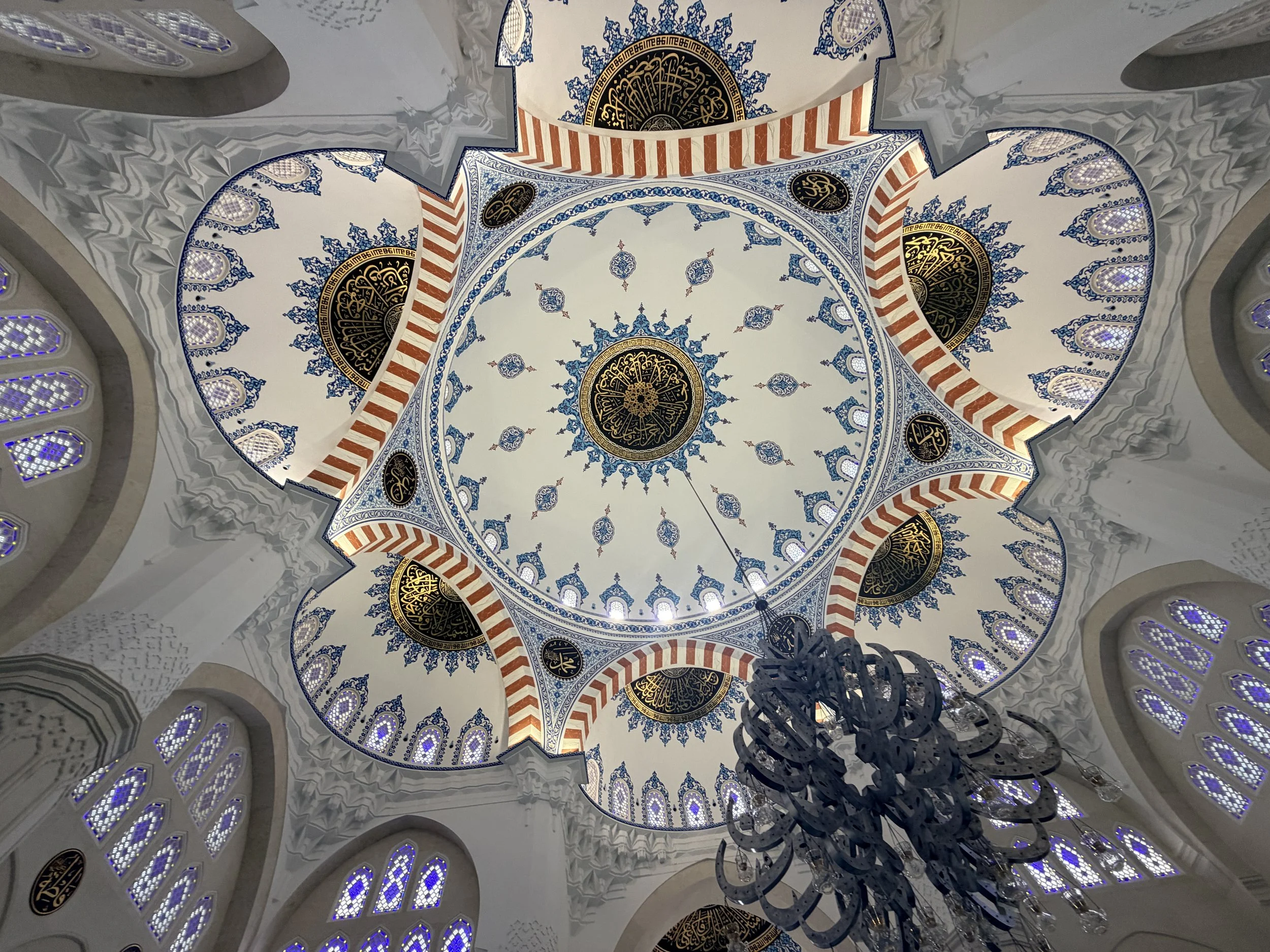
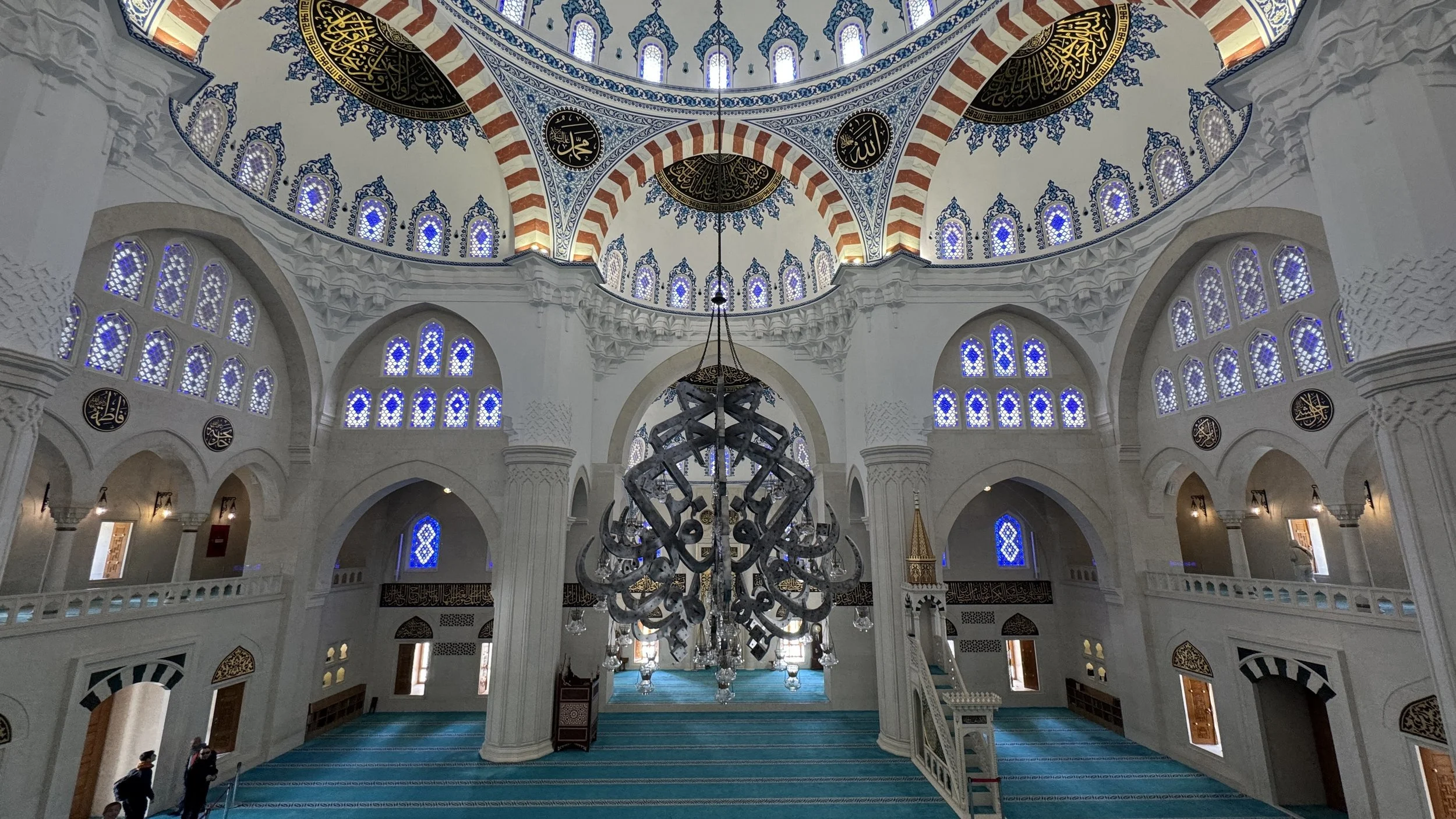
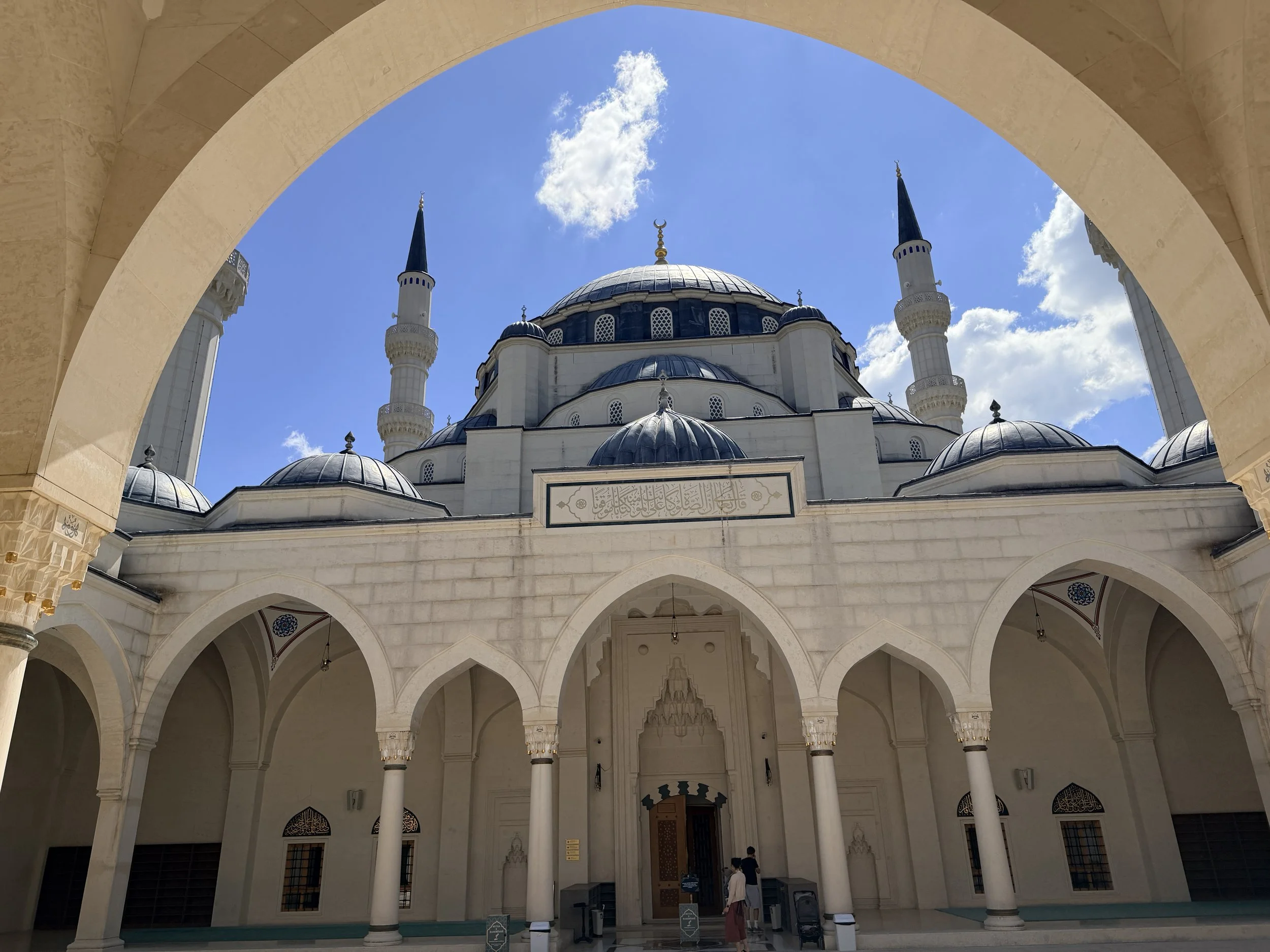
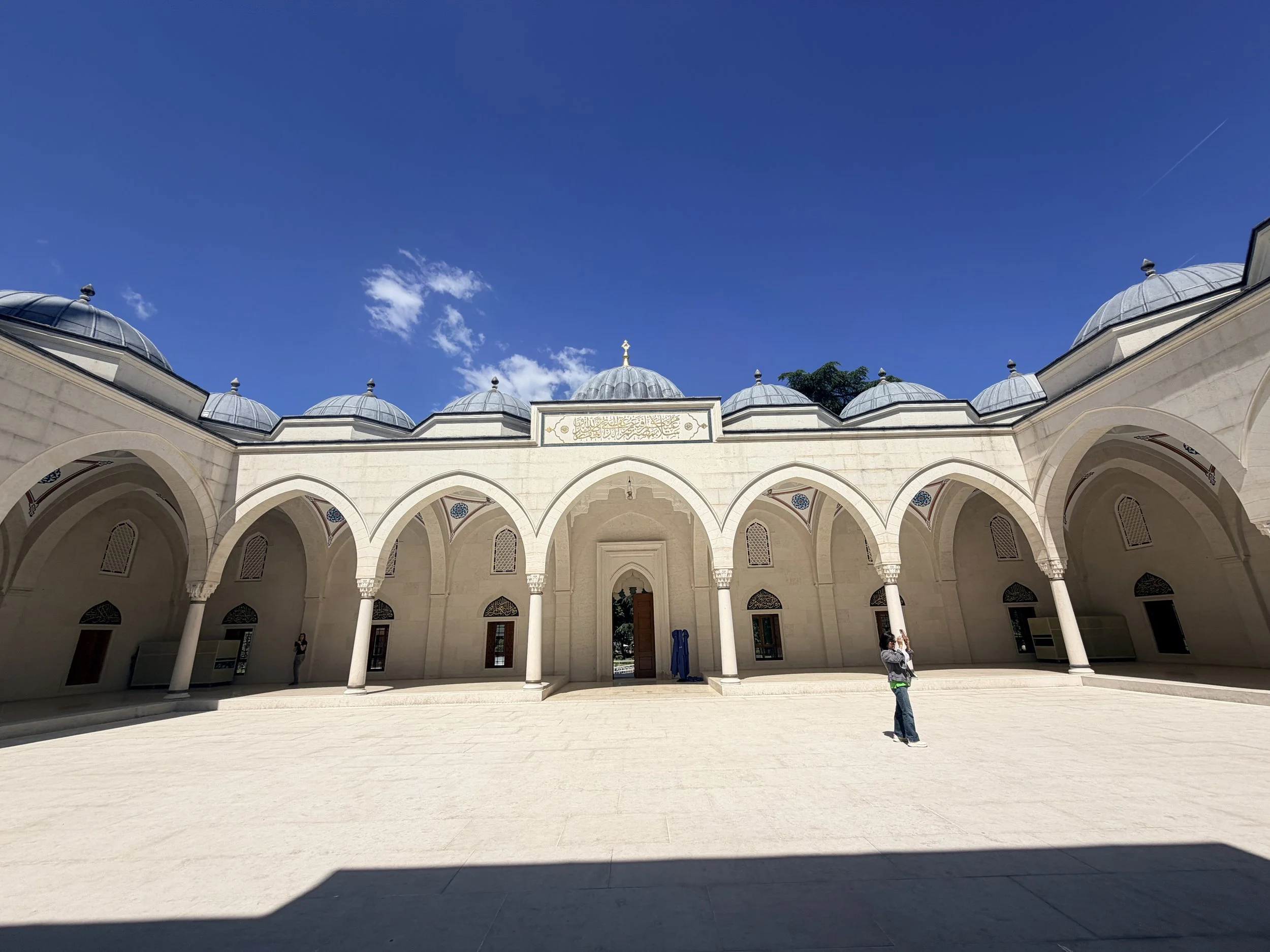
Nearby stood the Namazgah Mosque, the city’s large new mosque, which we also visited. Both the exterior and interior were beautifully decorated. Inside, men and women visited like us in separate sections, with the women’s area located upstairs, possibly offering an even better view of the impressive interior.
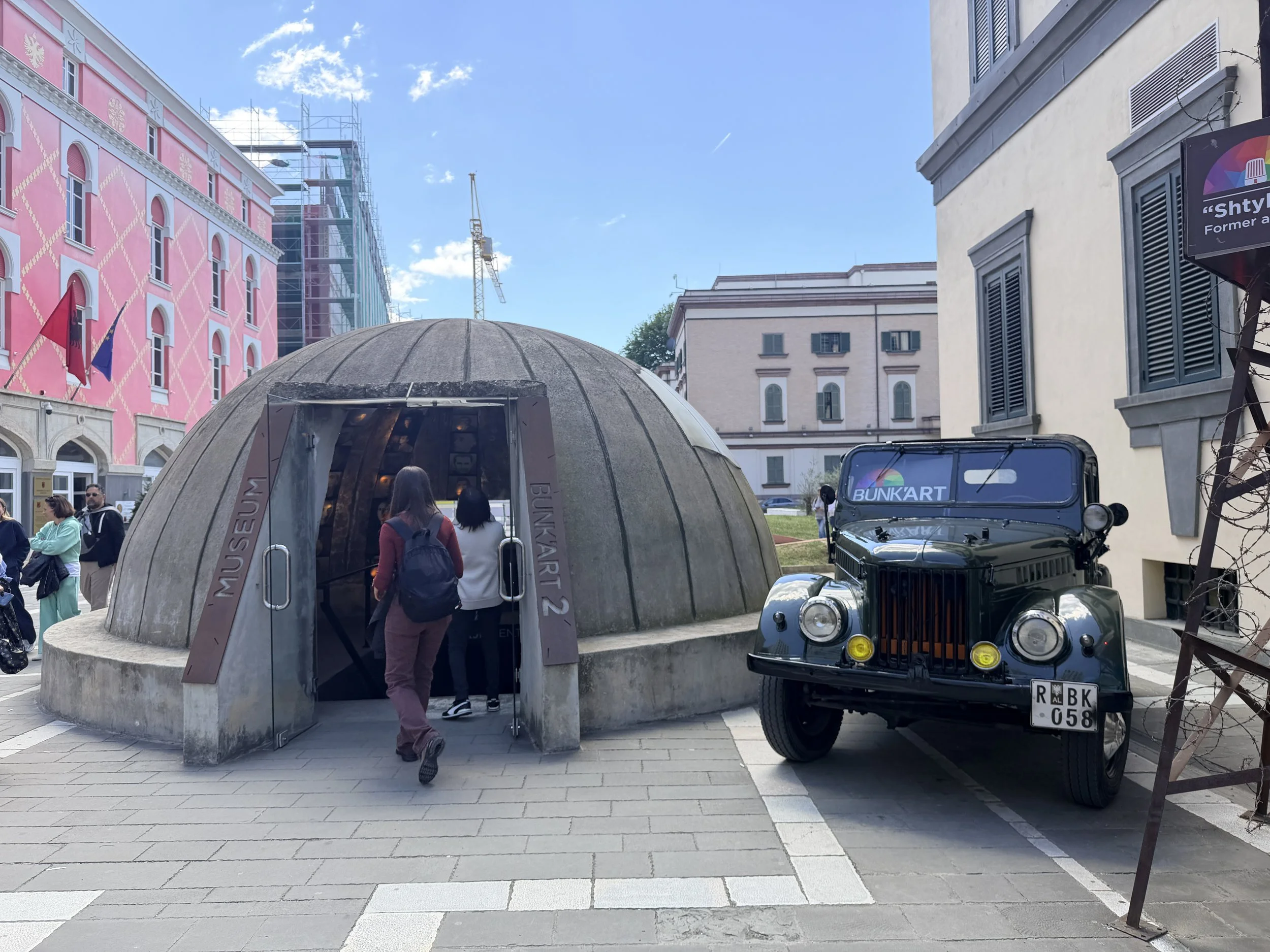
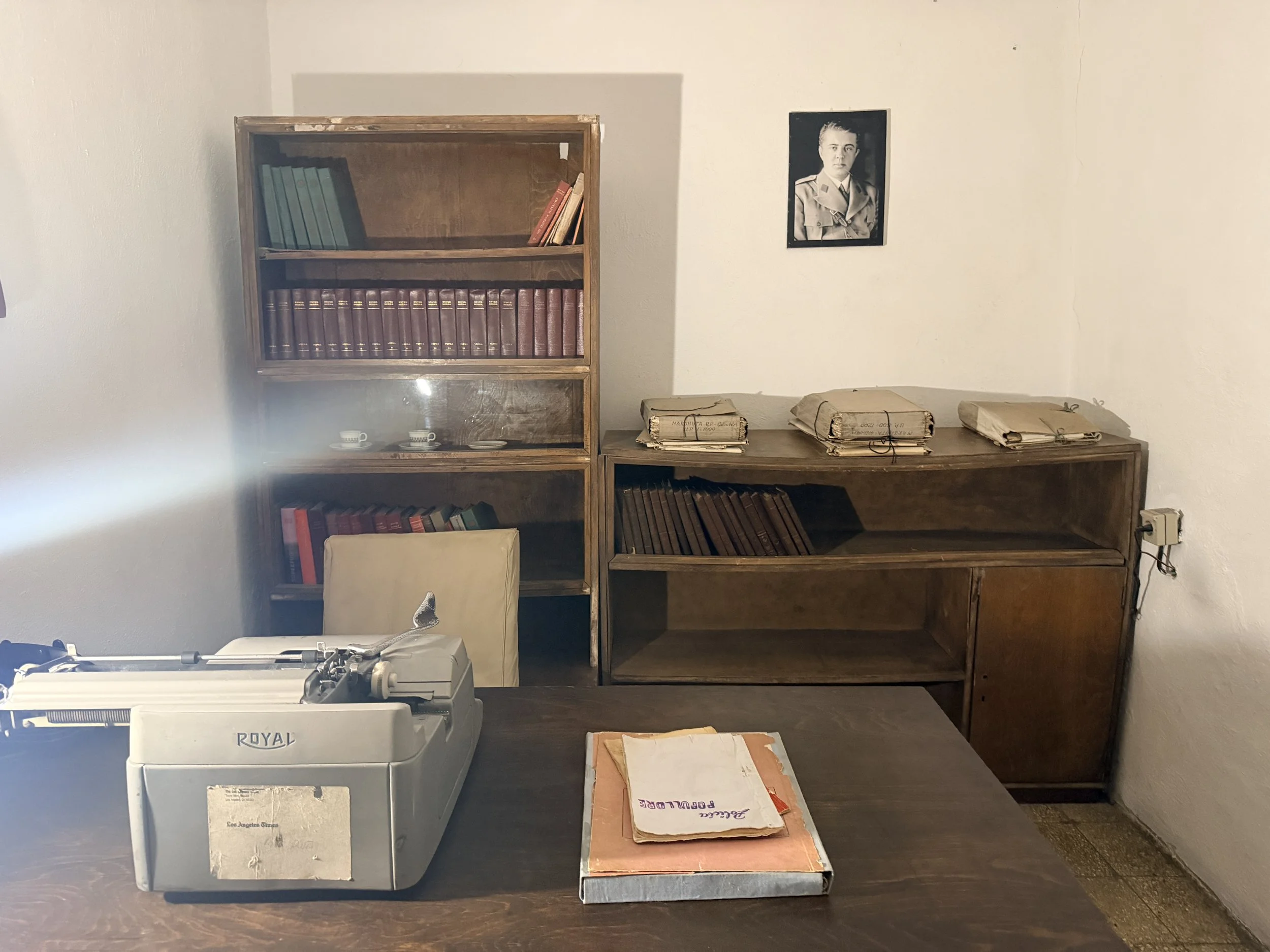
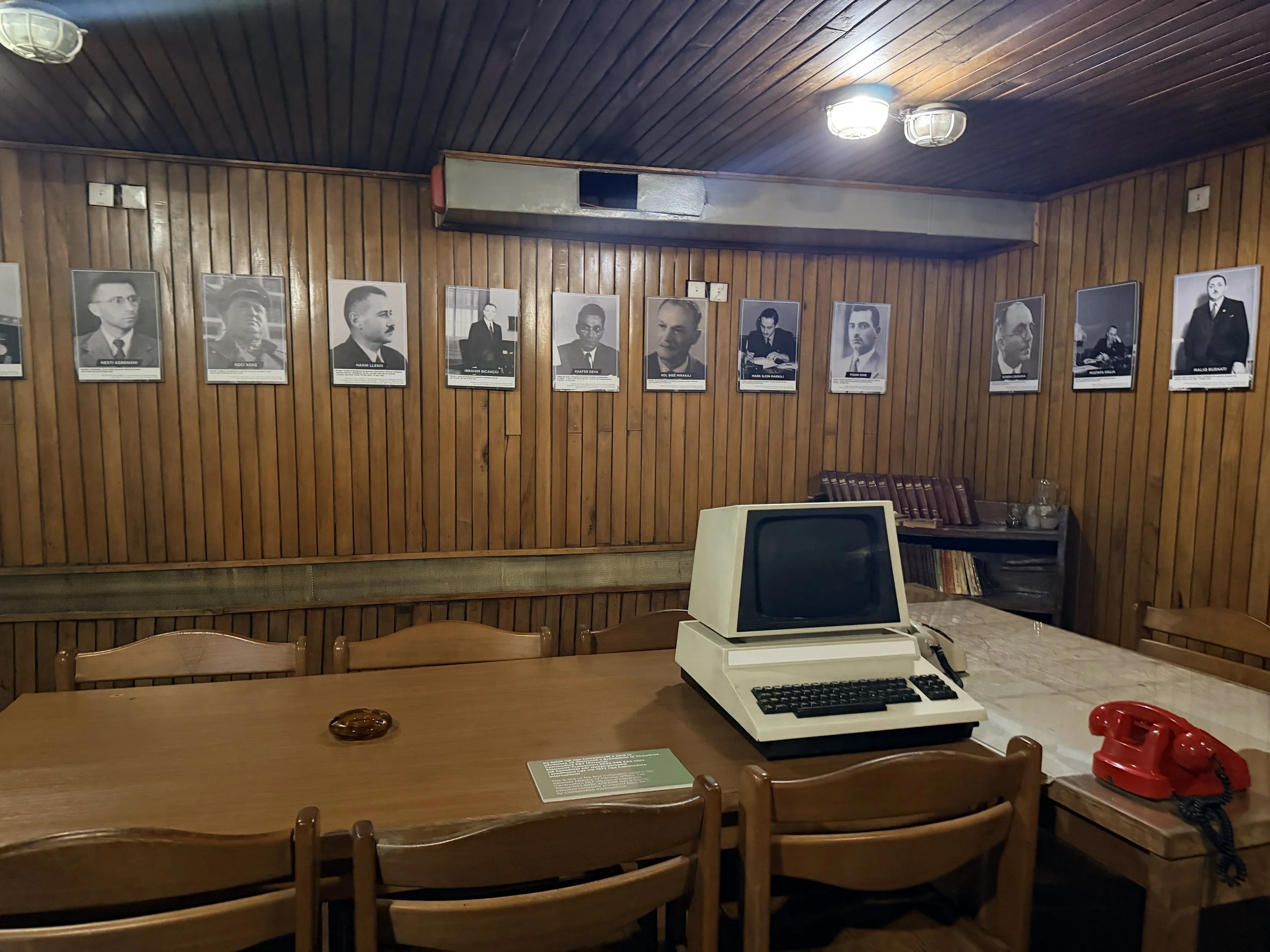
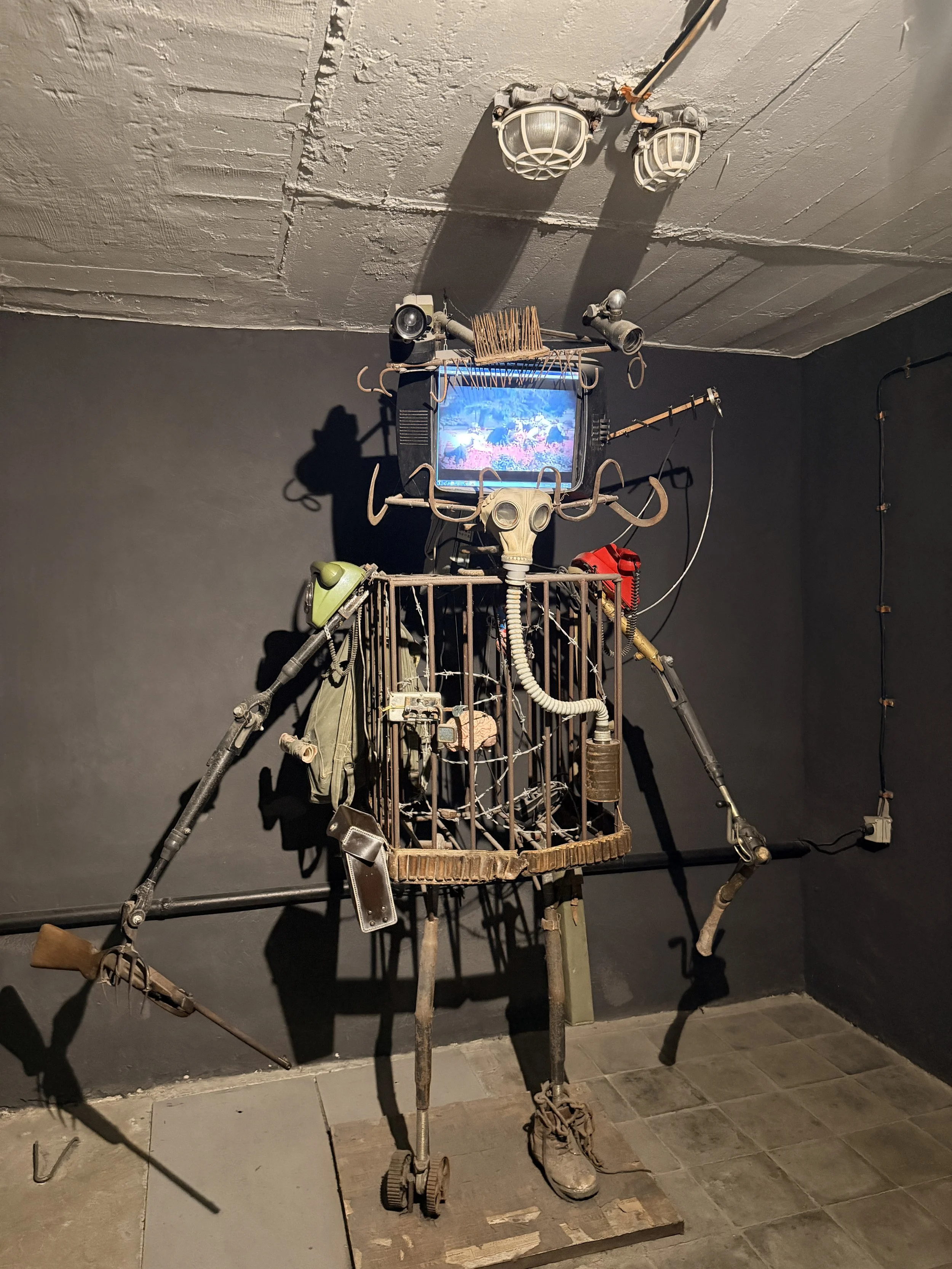
A short walk later brought us to Bunk’Art 2, one of the most memorable museums we visited in Tirana. The museum focuses on Albania’s communist past and the history of the secret police during the rule of Enver Hoxha. It is built inside a real underground nuclear bunker once used by the Ministry of Internal Affairs. Walking through the narrow corridors and dimly lit rooms while reading the stories and seeing the photographs was deeply unsettling. Some of the images and narratives felt disturbingly familiar. We could only hope that such tragedies would never happen again.
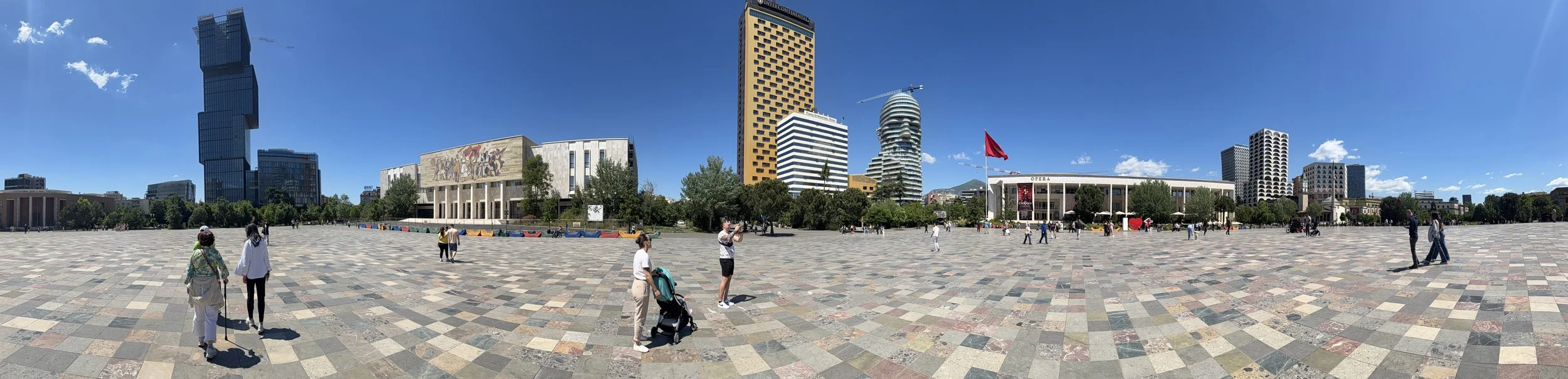
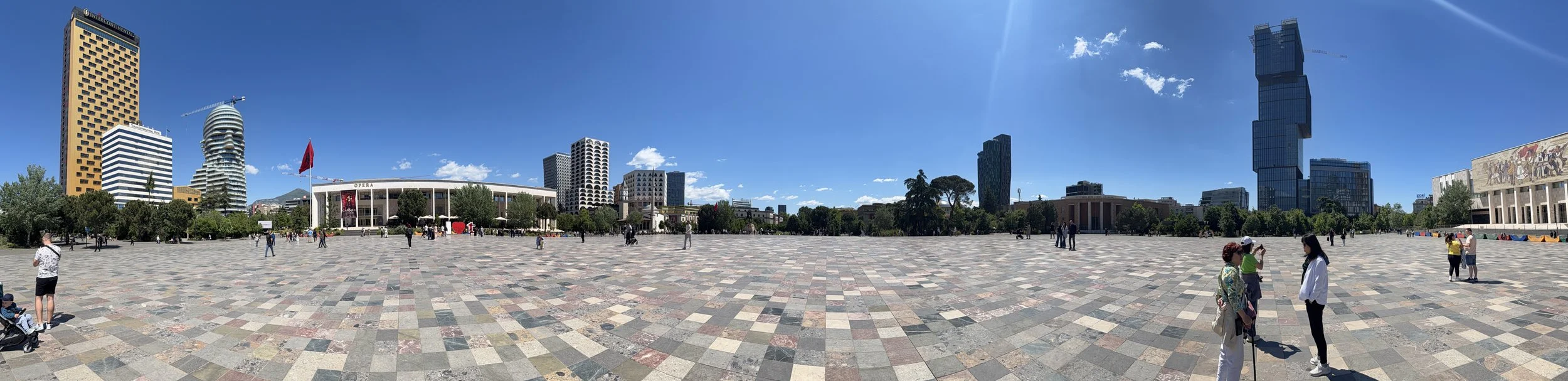
After exiting the bunker, we continued to Skanderbeg Square, the heart of Tirana. Around the square stand the Et’hem Bey Mosque, the Clock Tower, the National Opera, and the National History Museum with its large mosaic façade. We found front-row seats at a café beside the opera house, where we enjoyed lunch while watching people pass through the square and admiring the surrounding buildings.
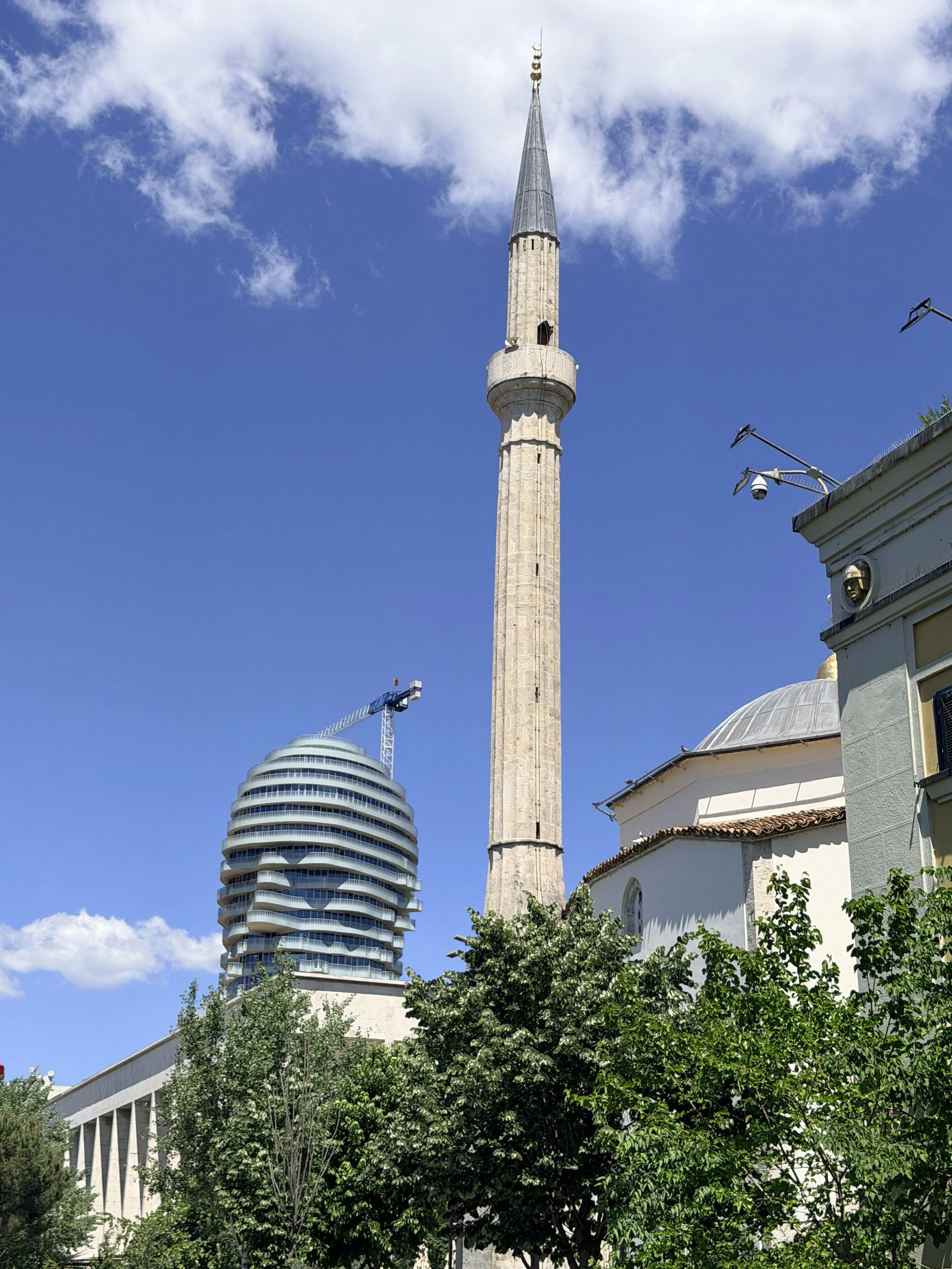
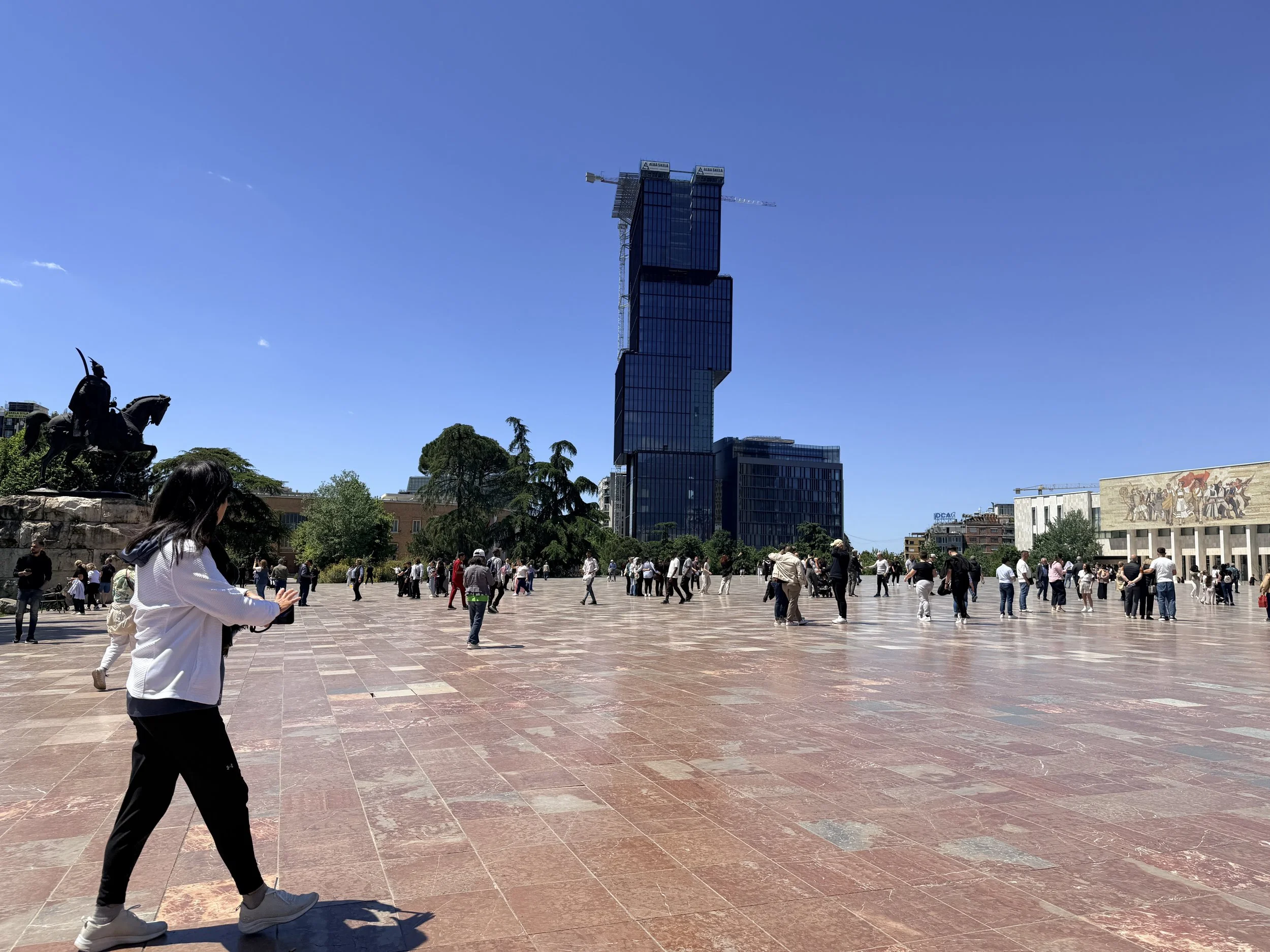
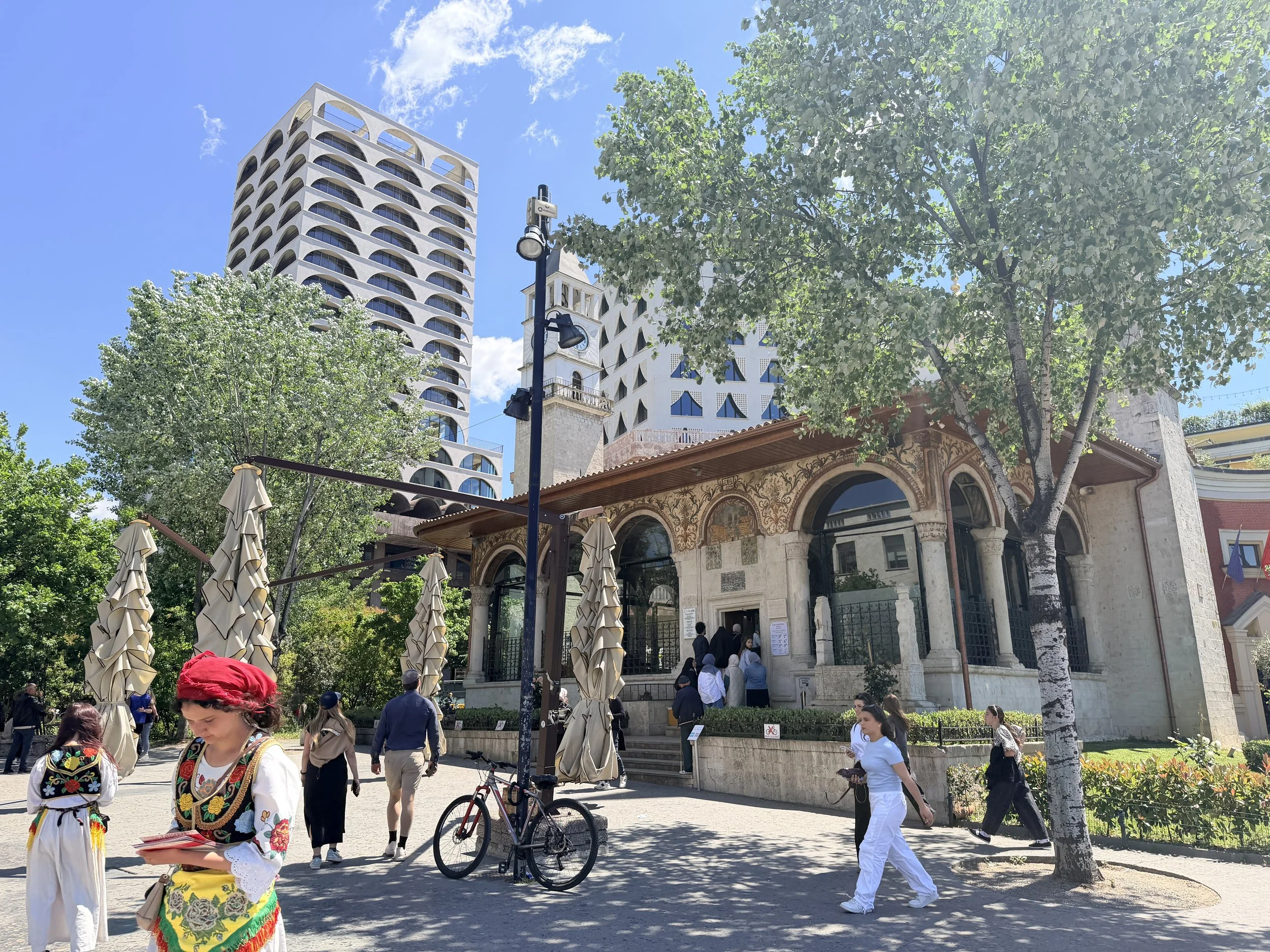
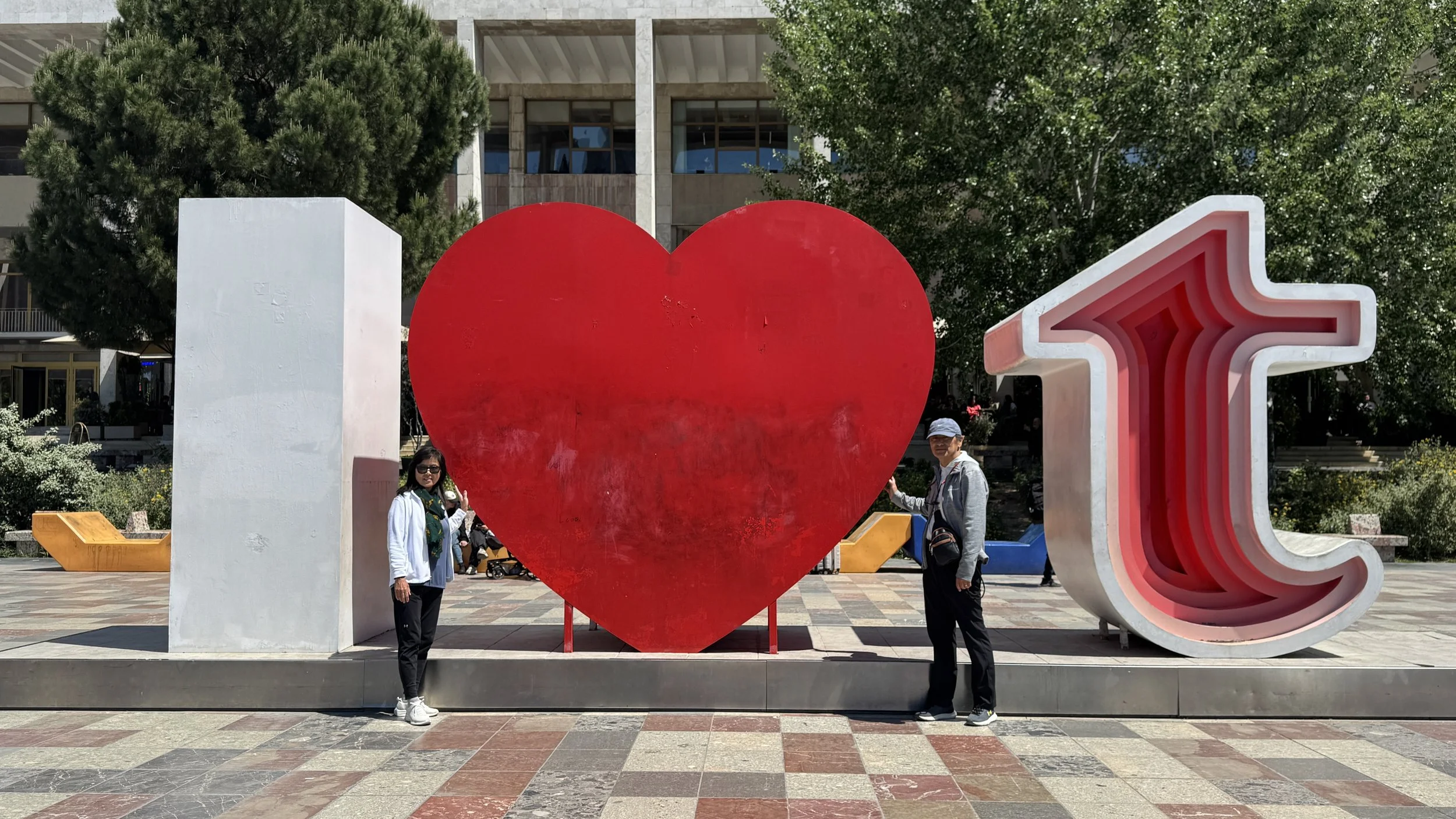
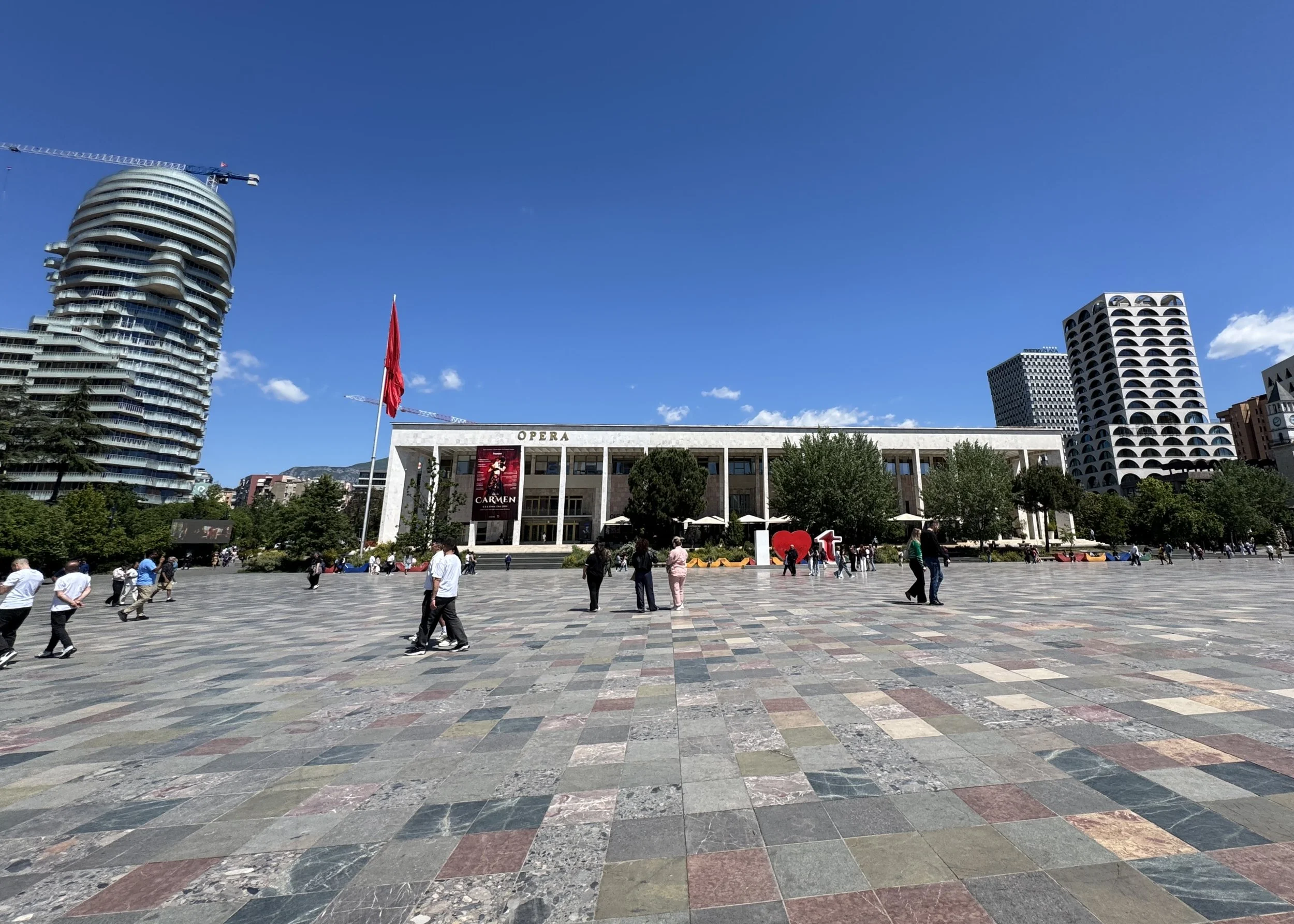
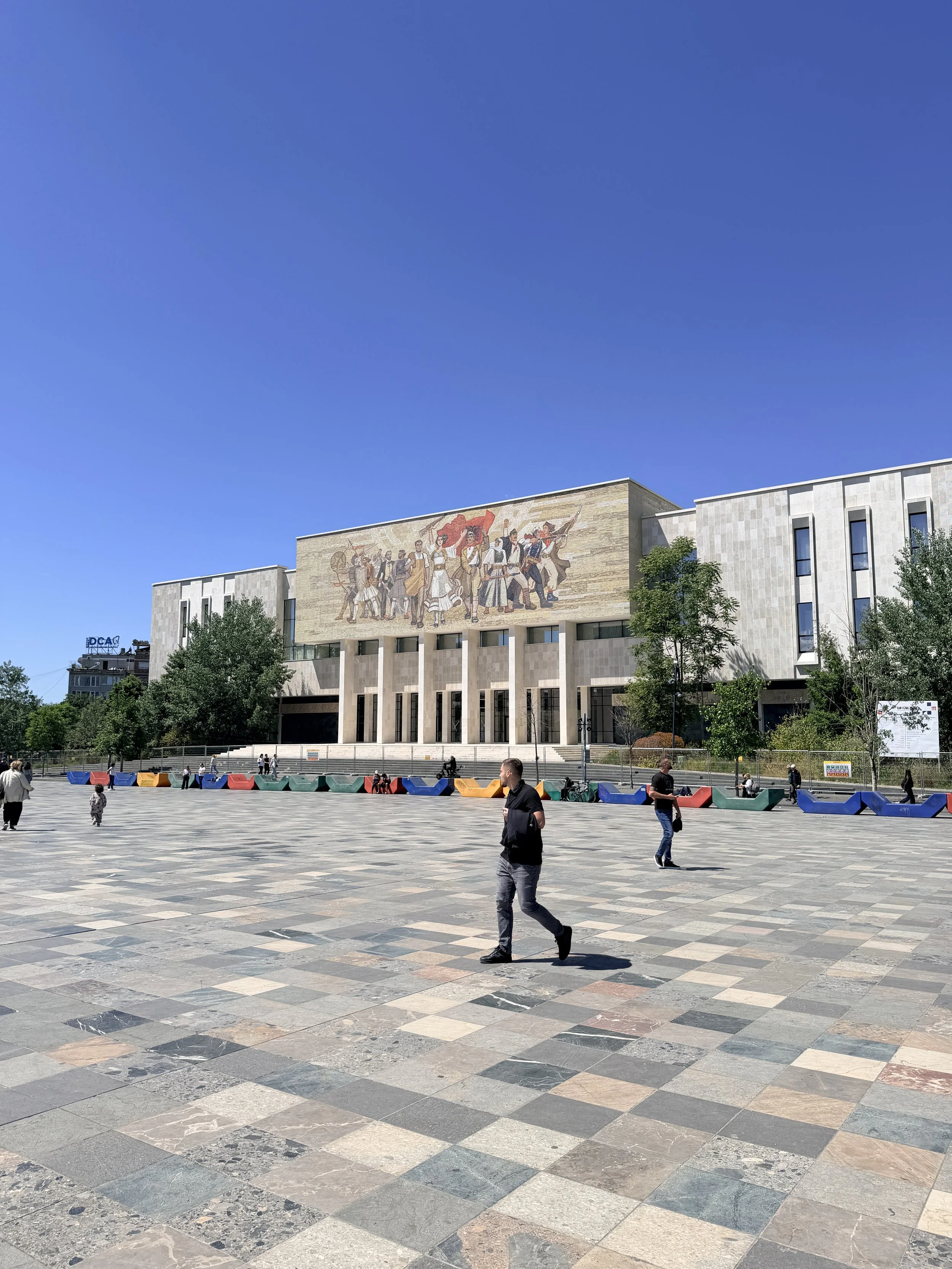
The enormous square itself was thoughtfully designed with a very gentle curve and slope rather than being completely flat. The paving stones were brought from different regions across Albania, symbolically representing the country as a whole while also creating an elegant visual effect.
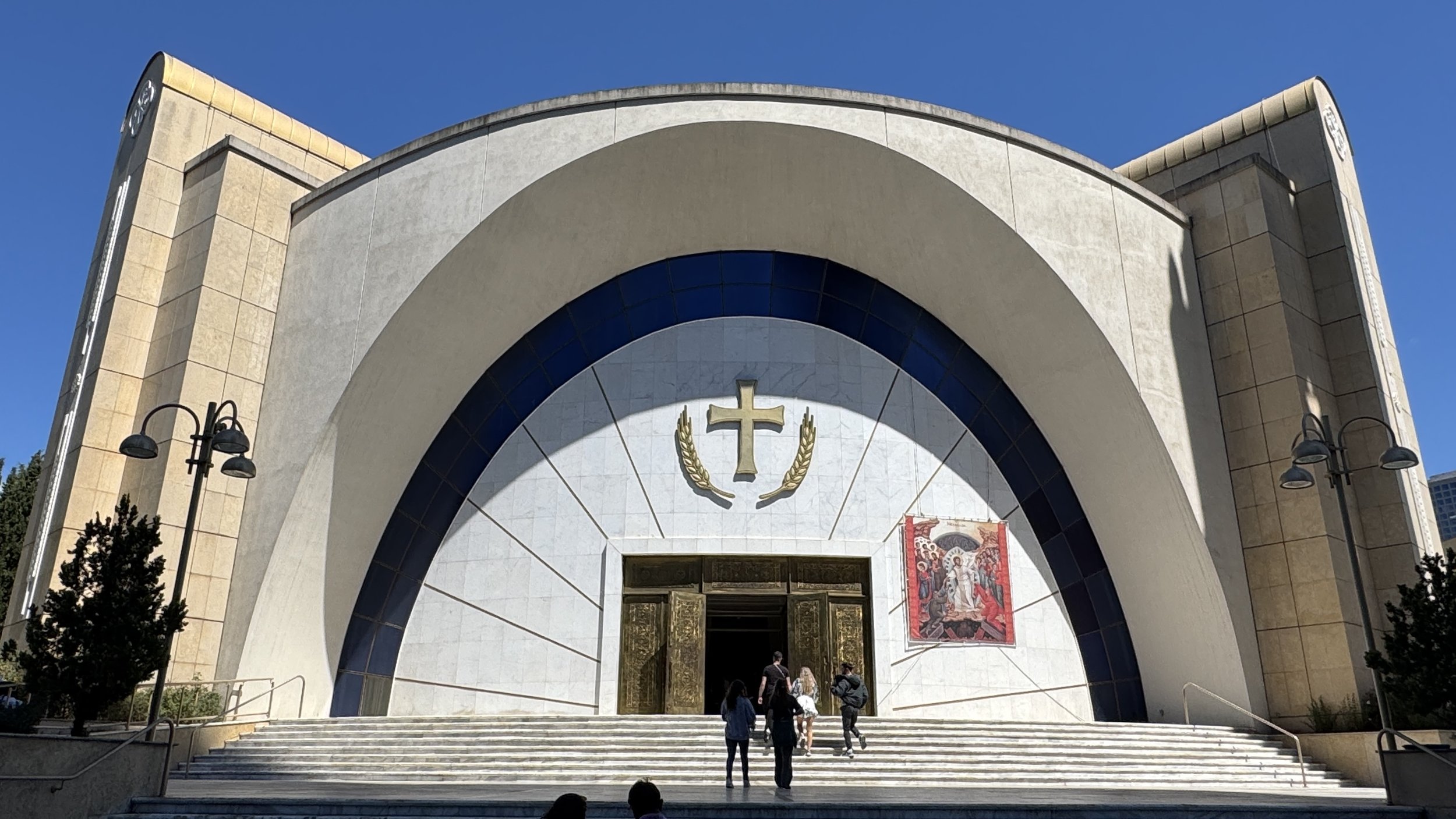
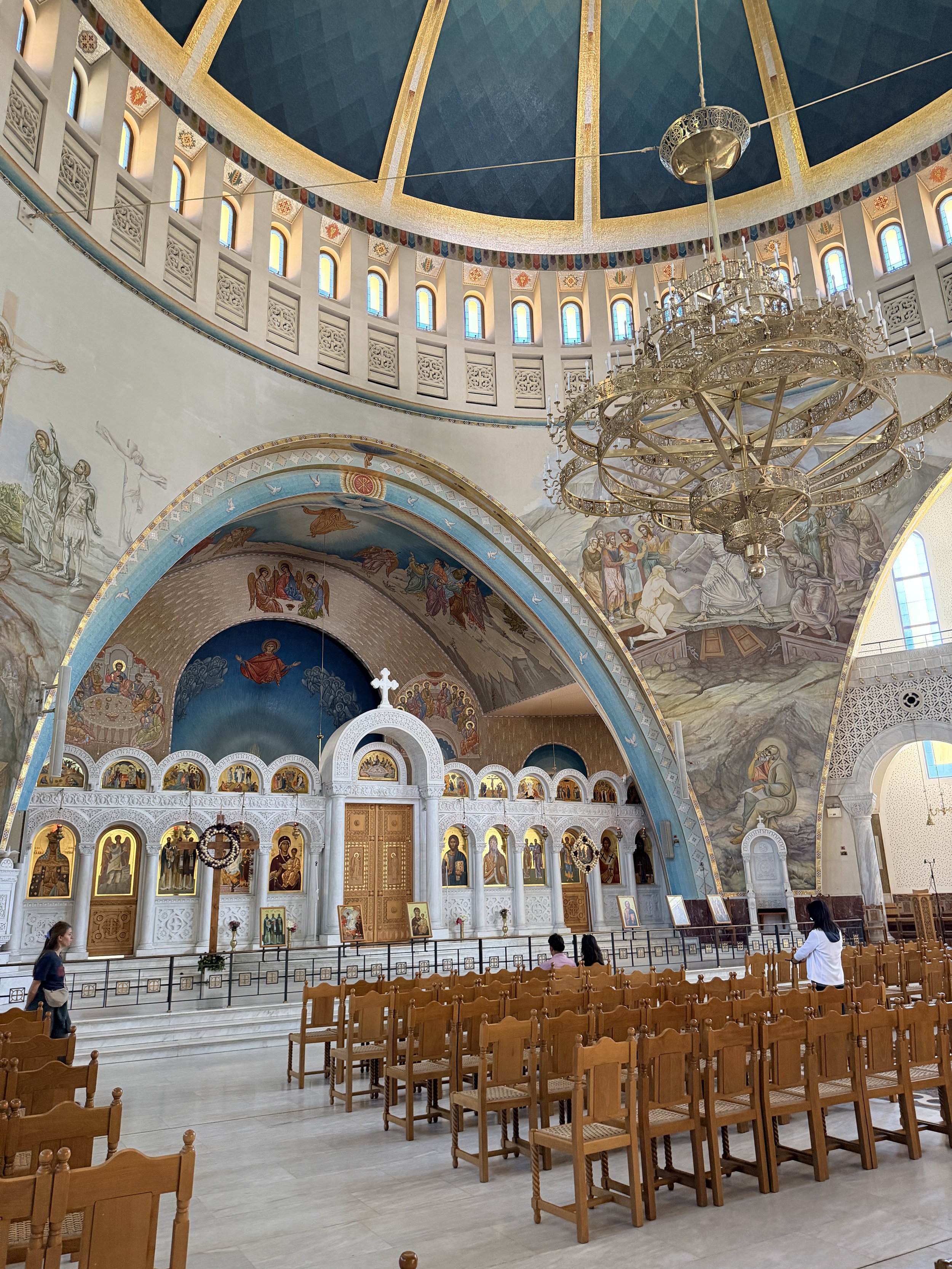
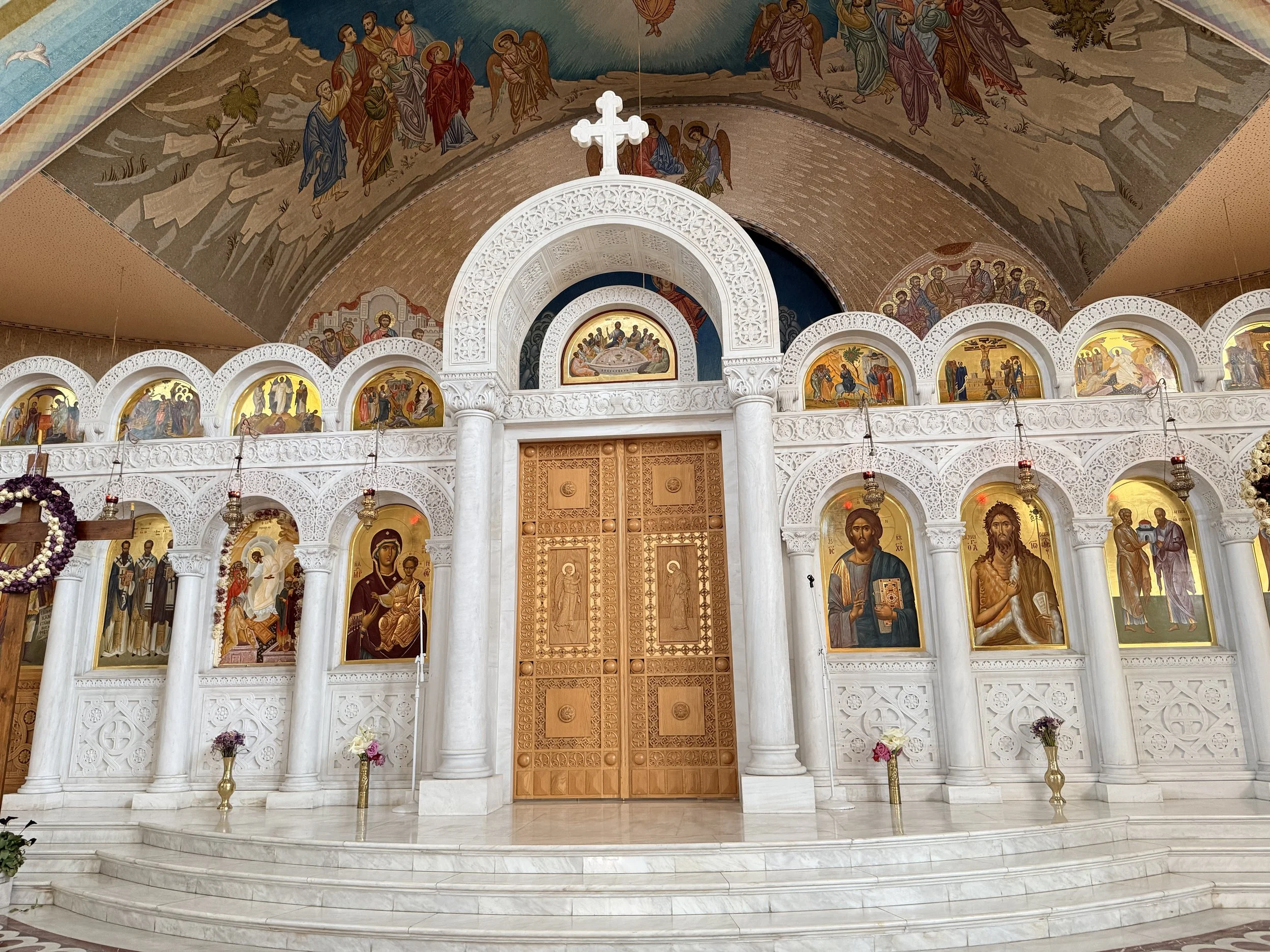
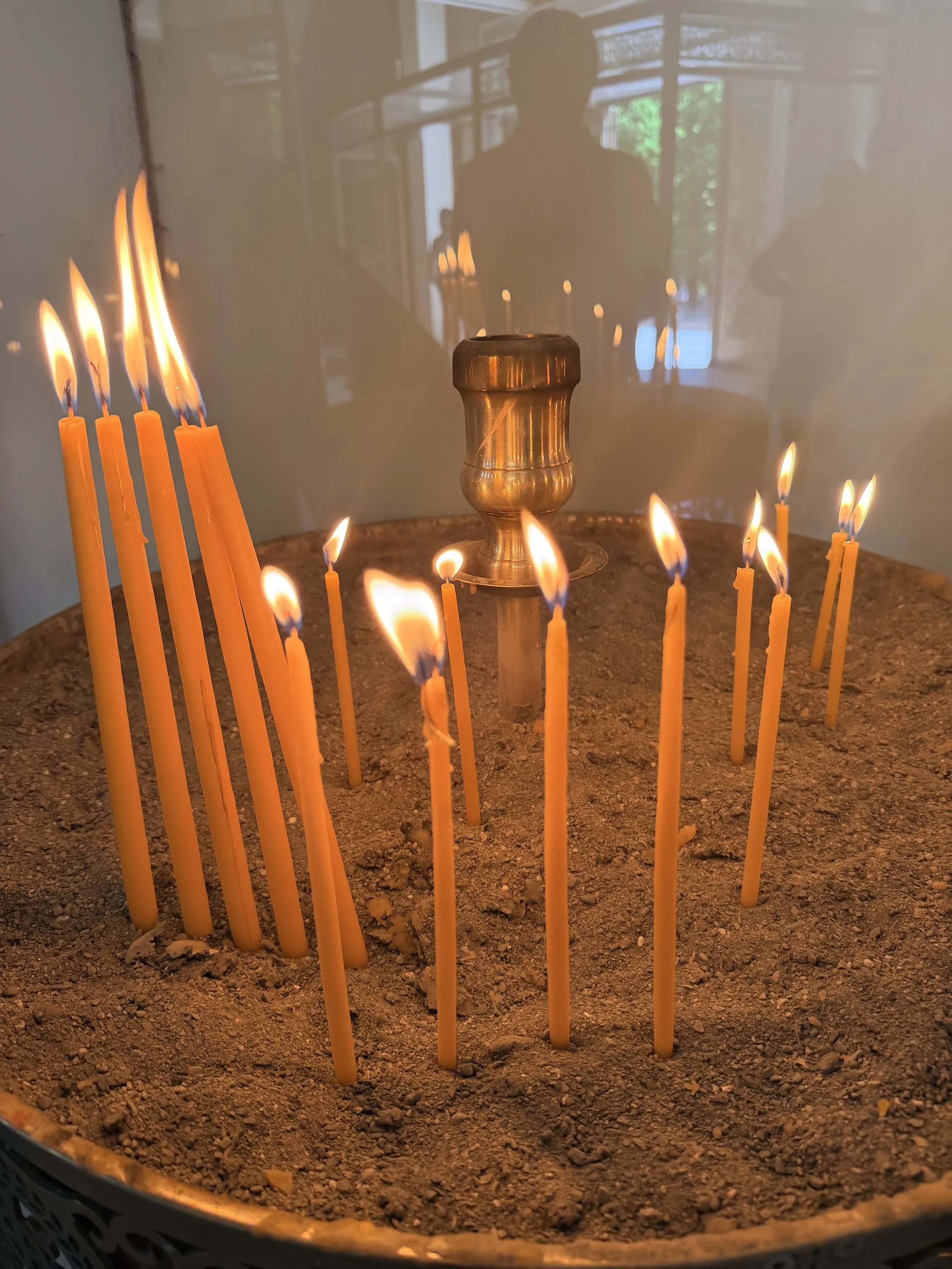
Later we visited the Orthodox Autocephalous Church of Albania. Compared with many older Orthodox churches we had seen elsewhere in the Balkans, this cathedral felt newer and more modern, though it still followed traditional Byzantine-inspired Orthodox architecture. During Hoxha’s rule, religion was banned and many religious buildings were destroyed or closed. Only after the 1990s did Albania begin to experience a revival of religious life, leading to the construction and restoration of churches and mosques across the country.
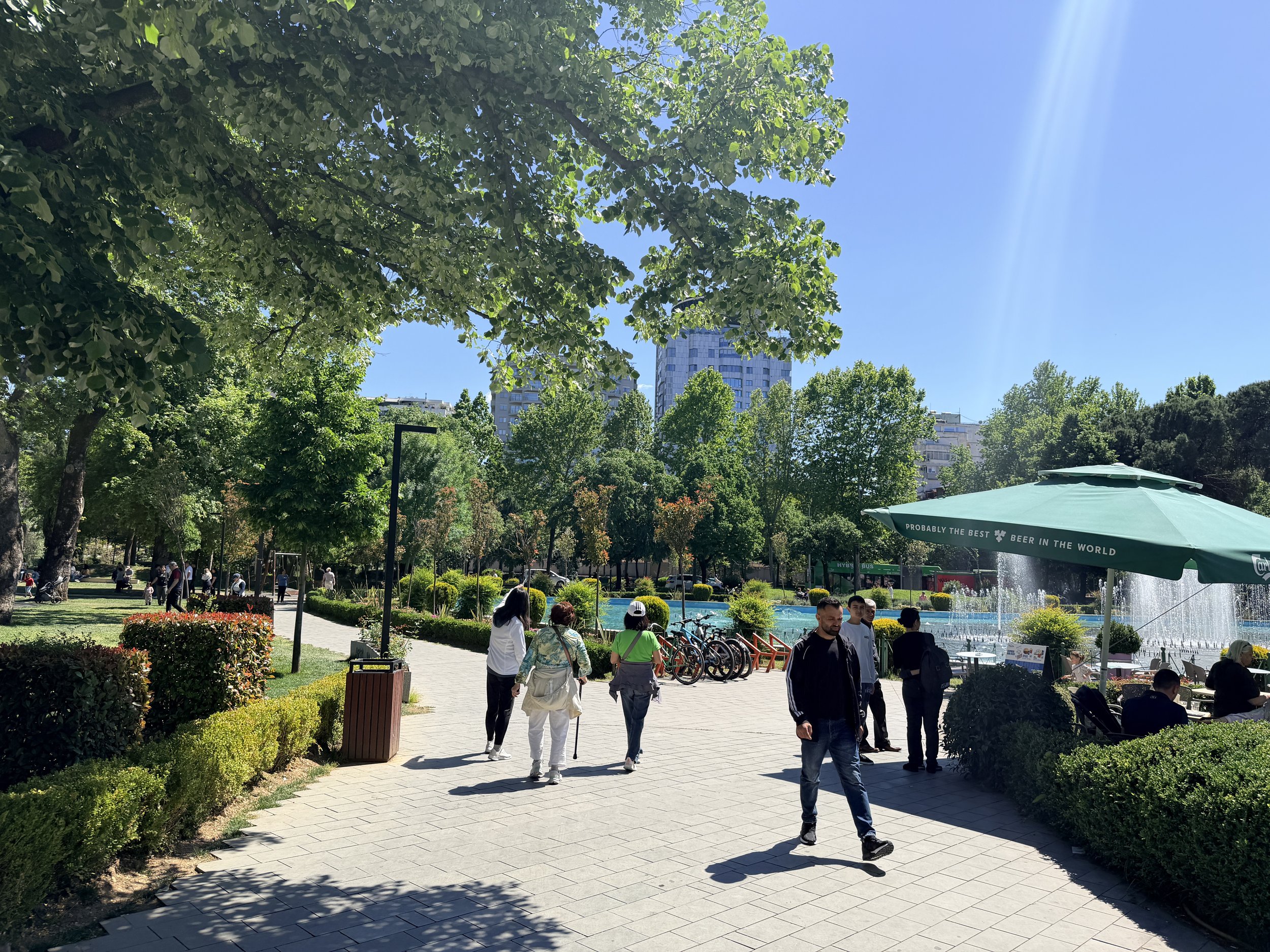
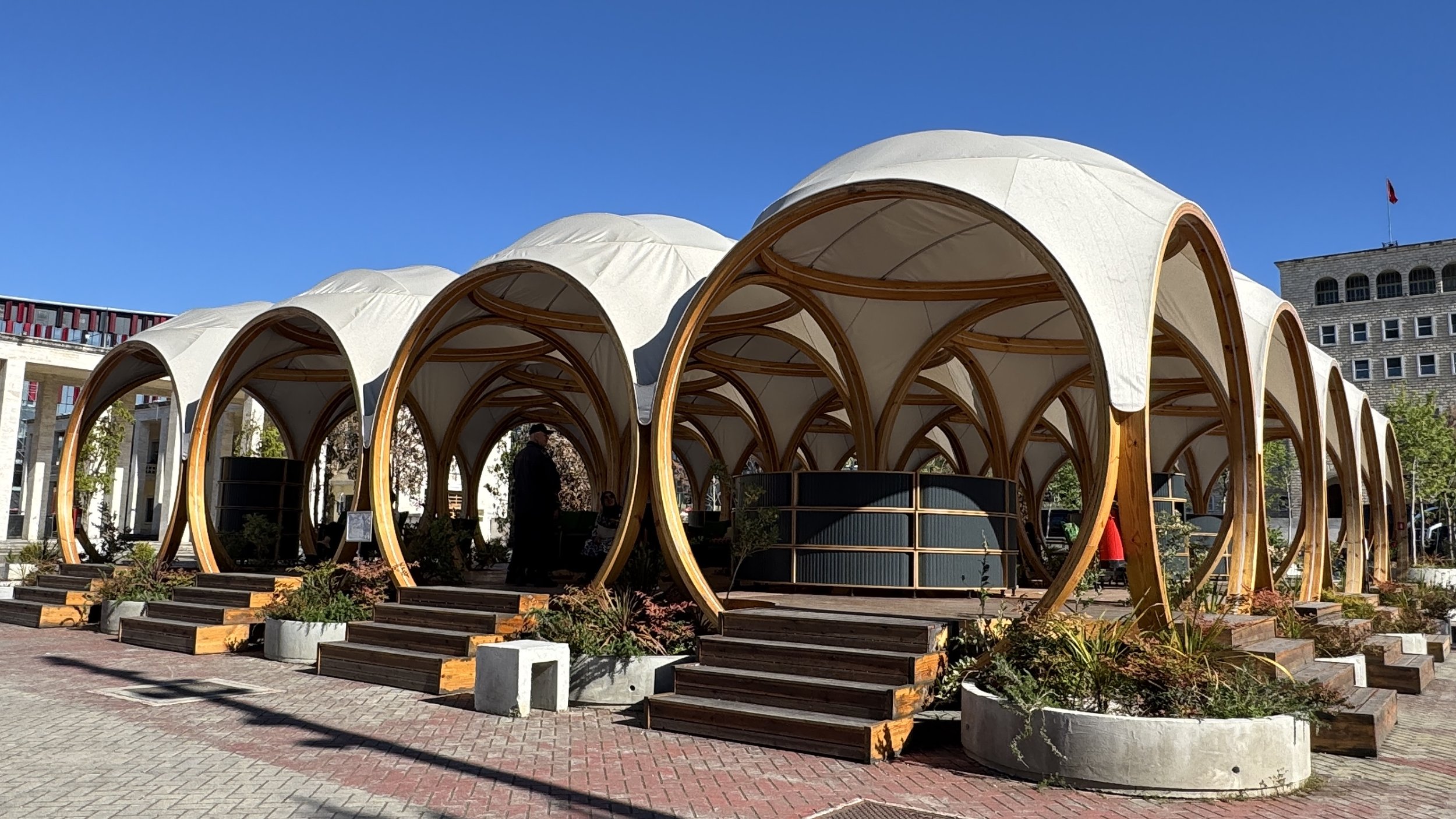
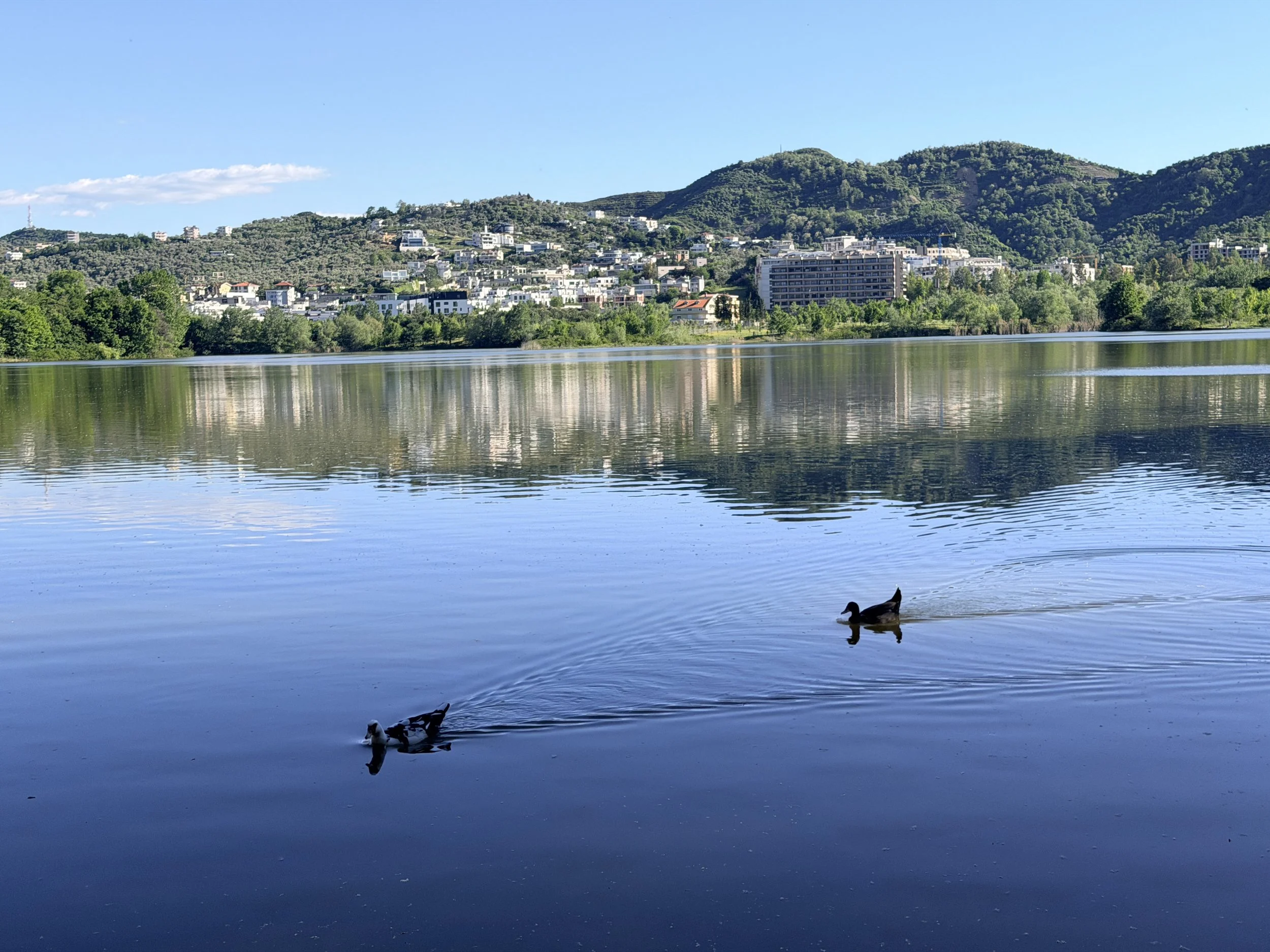
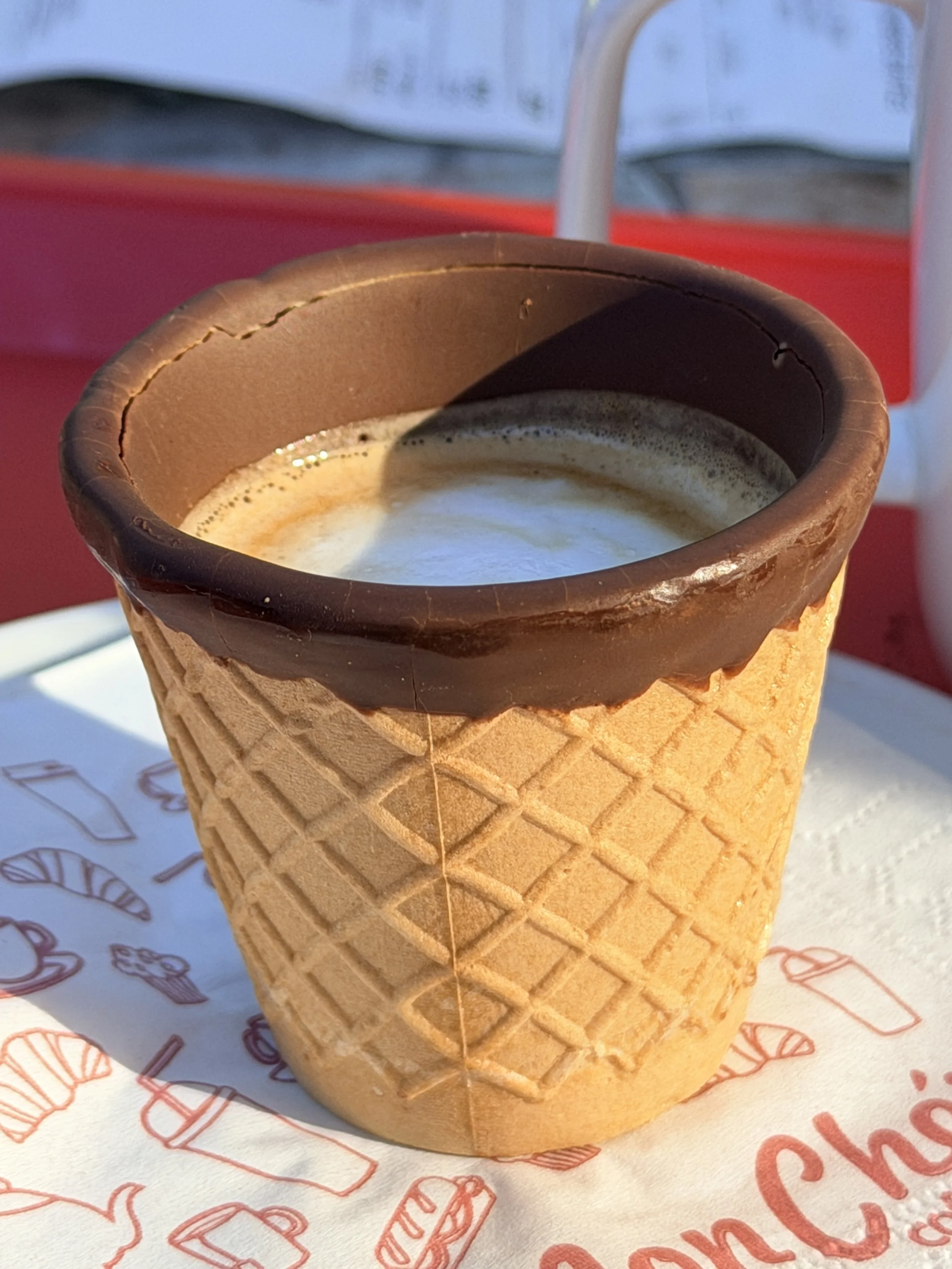
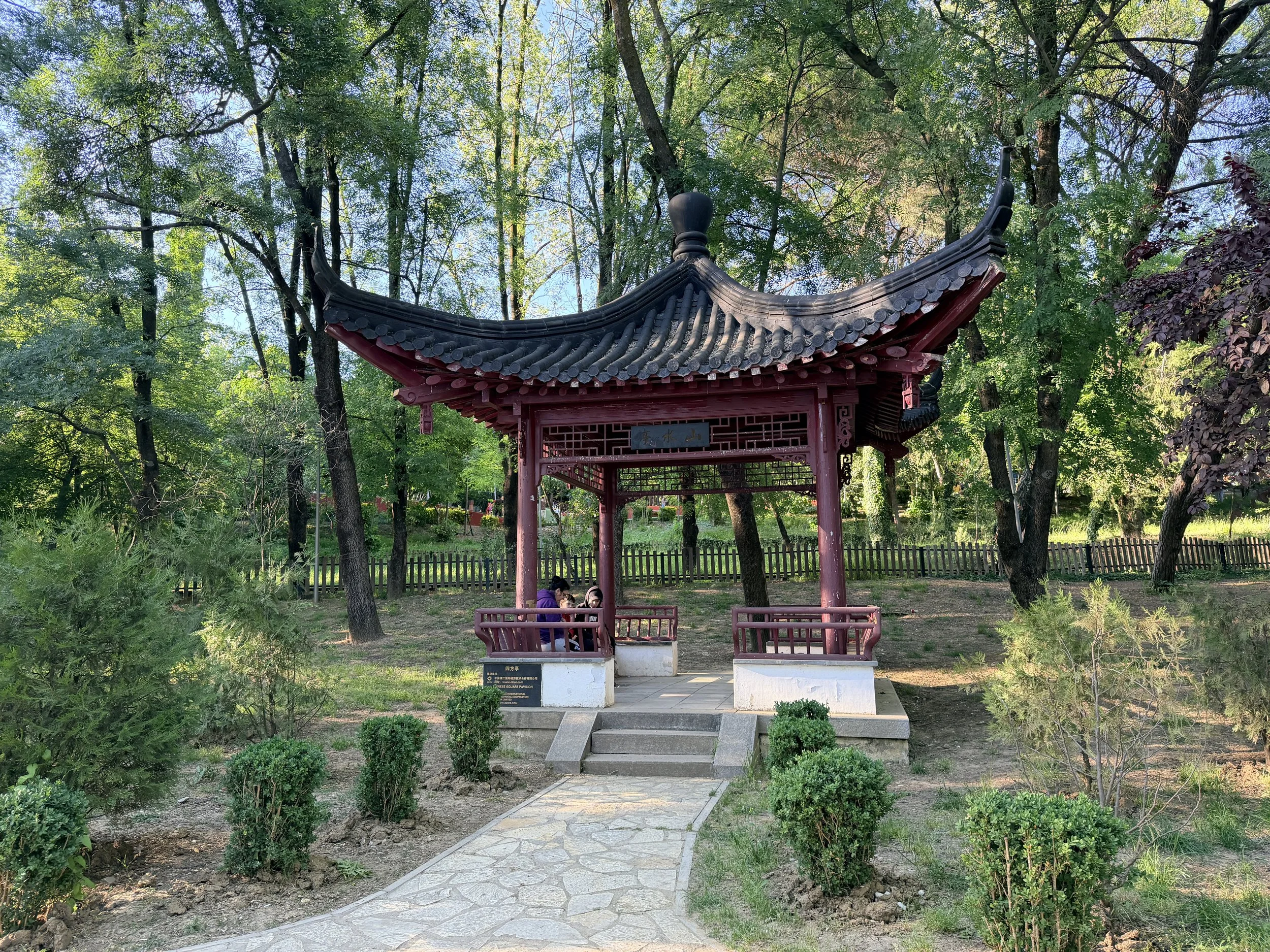
Wanting a break from the busy urban center, we then walked to the Grand Park of Tirana. The atmosphere changed completely as the city gave way to greenery, walking paths, and the peaceful lakeside environment. Near the Chinese square Pavilion, donated by a company from Zhenjiang, we stopped for a coffee break at a nearby café. I even had a cup of coffee served in an edible cup.
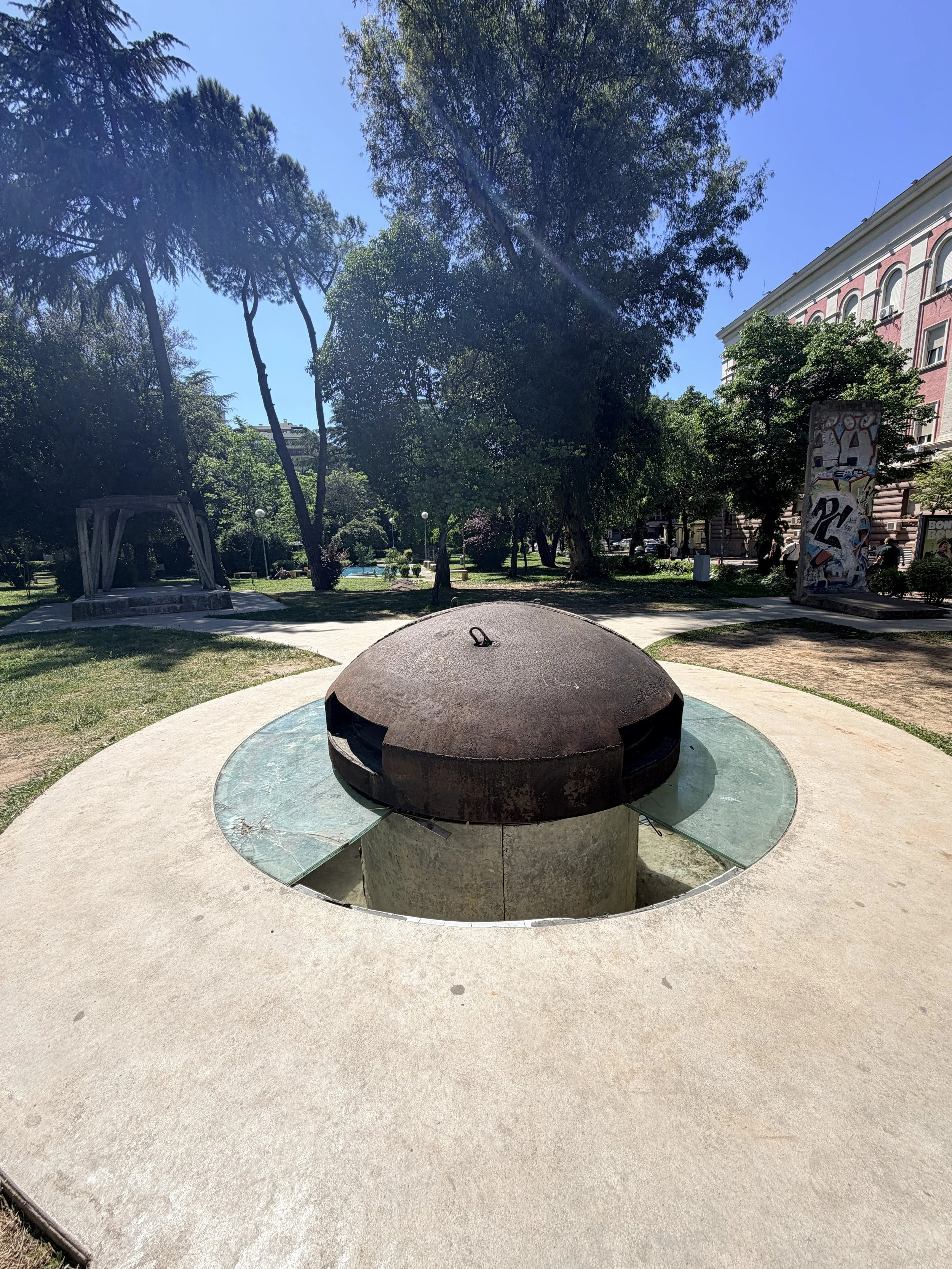
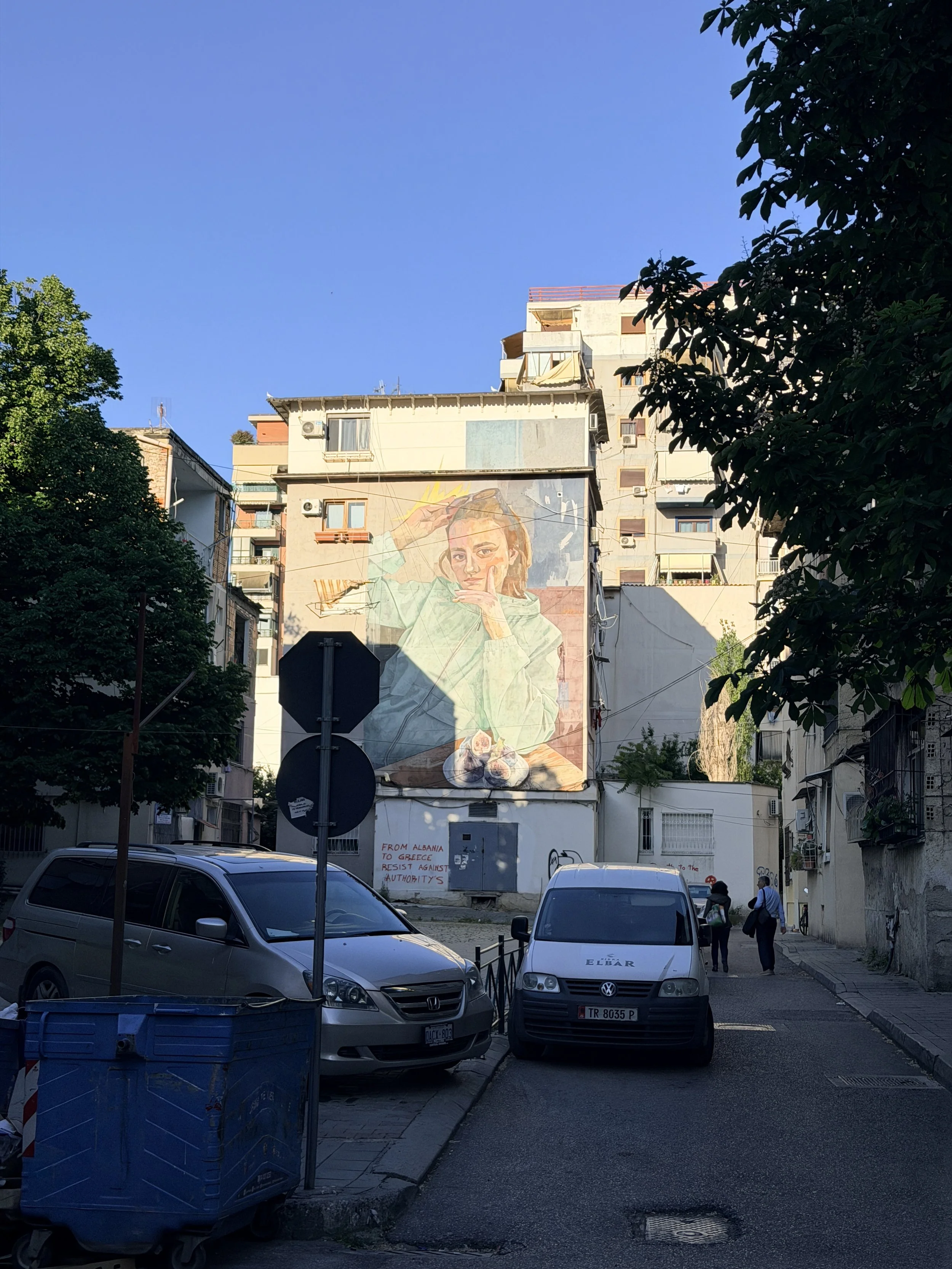
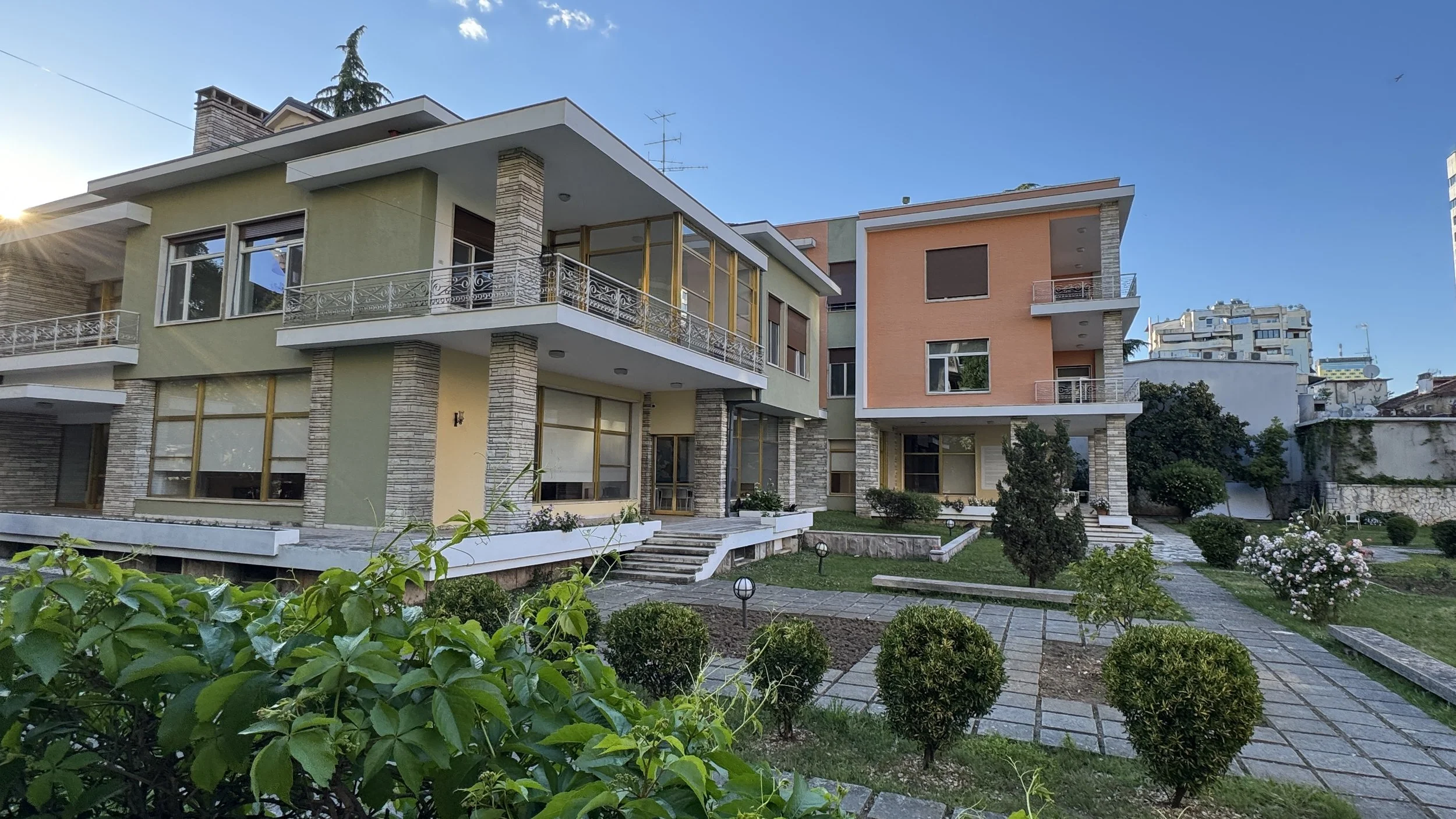
In the late afternoon, we strolled through Blloku, once a restricted neighborhood reserved for communist party elites and government officials. Enver Hoxha’s former villa still stands quietly in the area, now surrounded by trendy cafés, restaurants, and modern shops. The transformation of the neighborhood seemed to reflect Albania’s broader transformation over the past few decades.
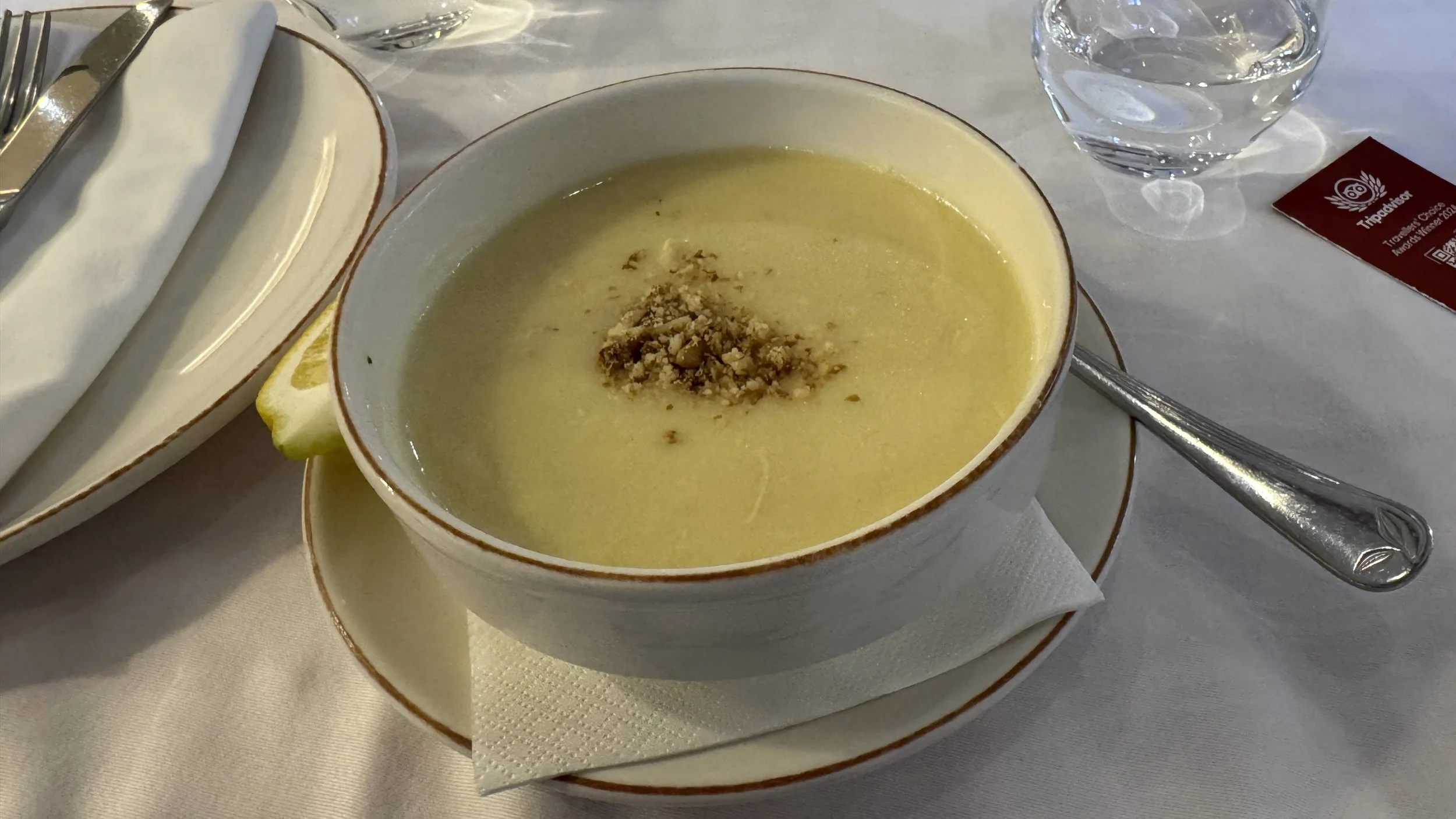
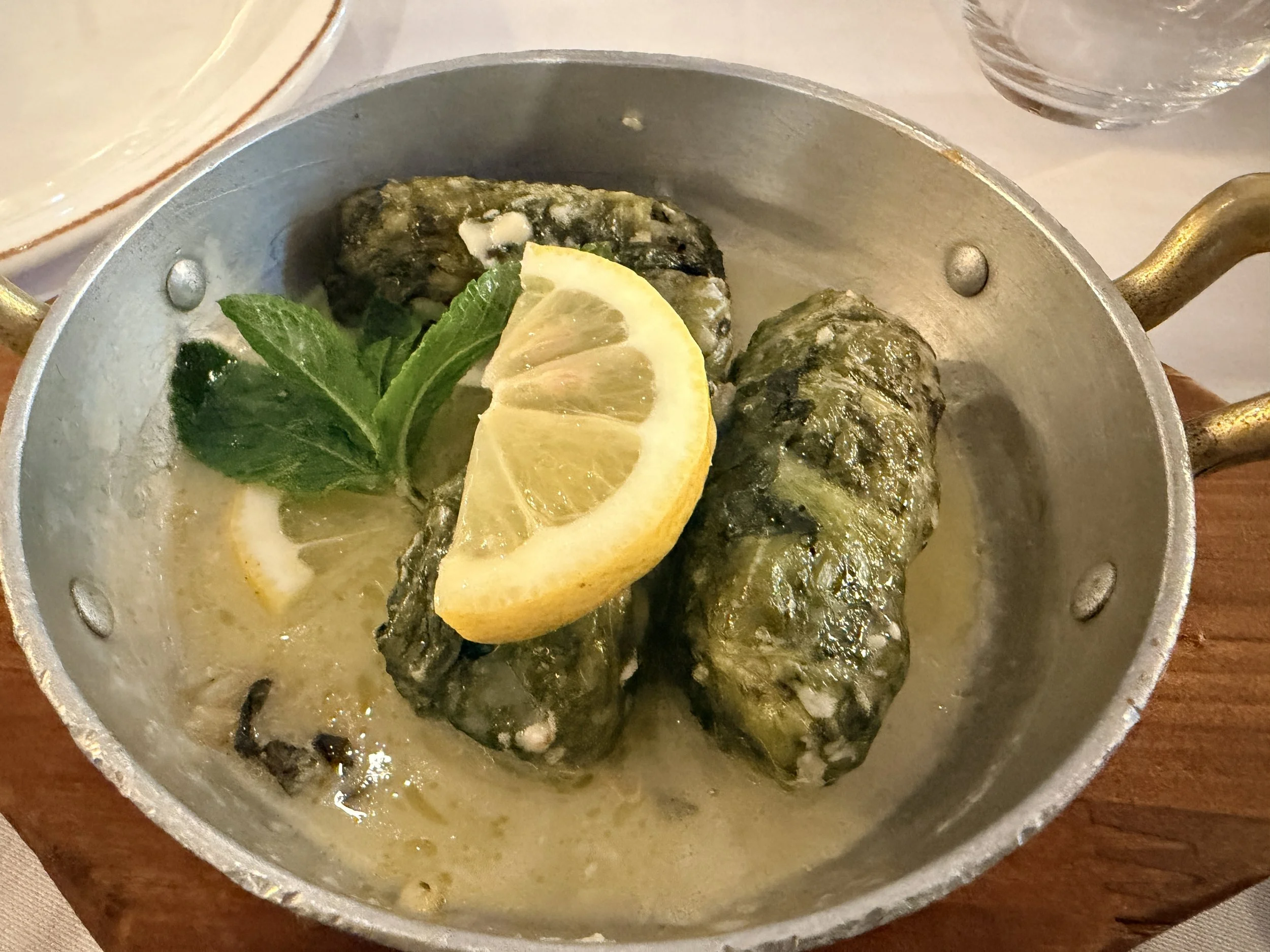
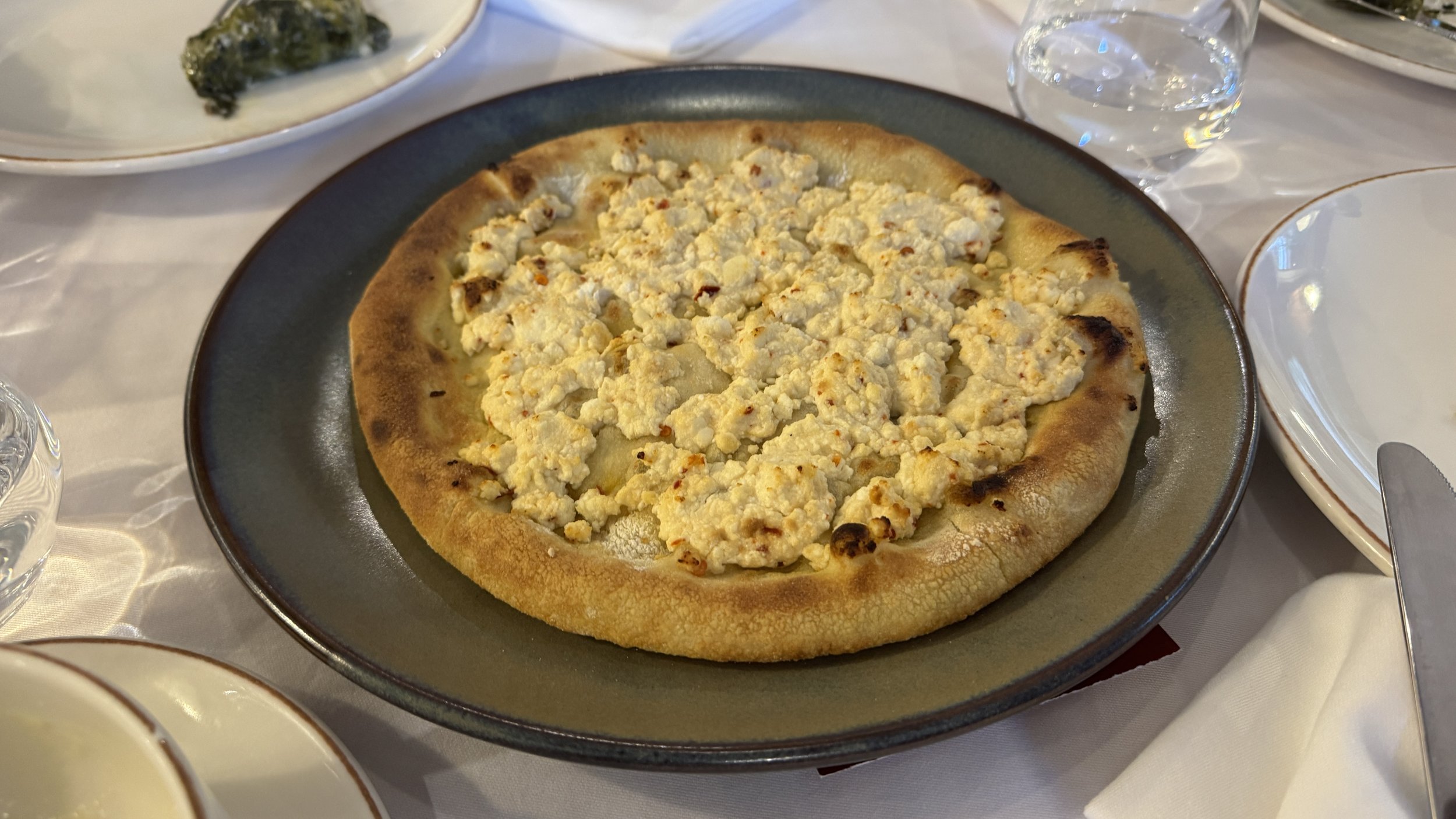
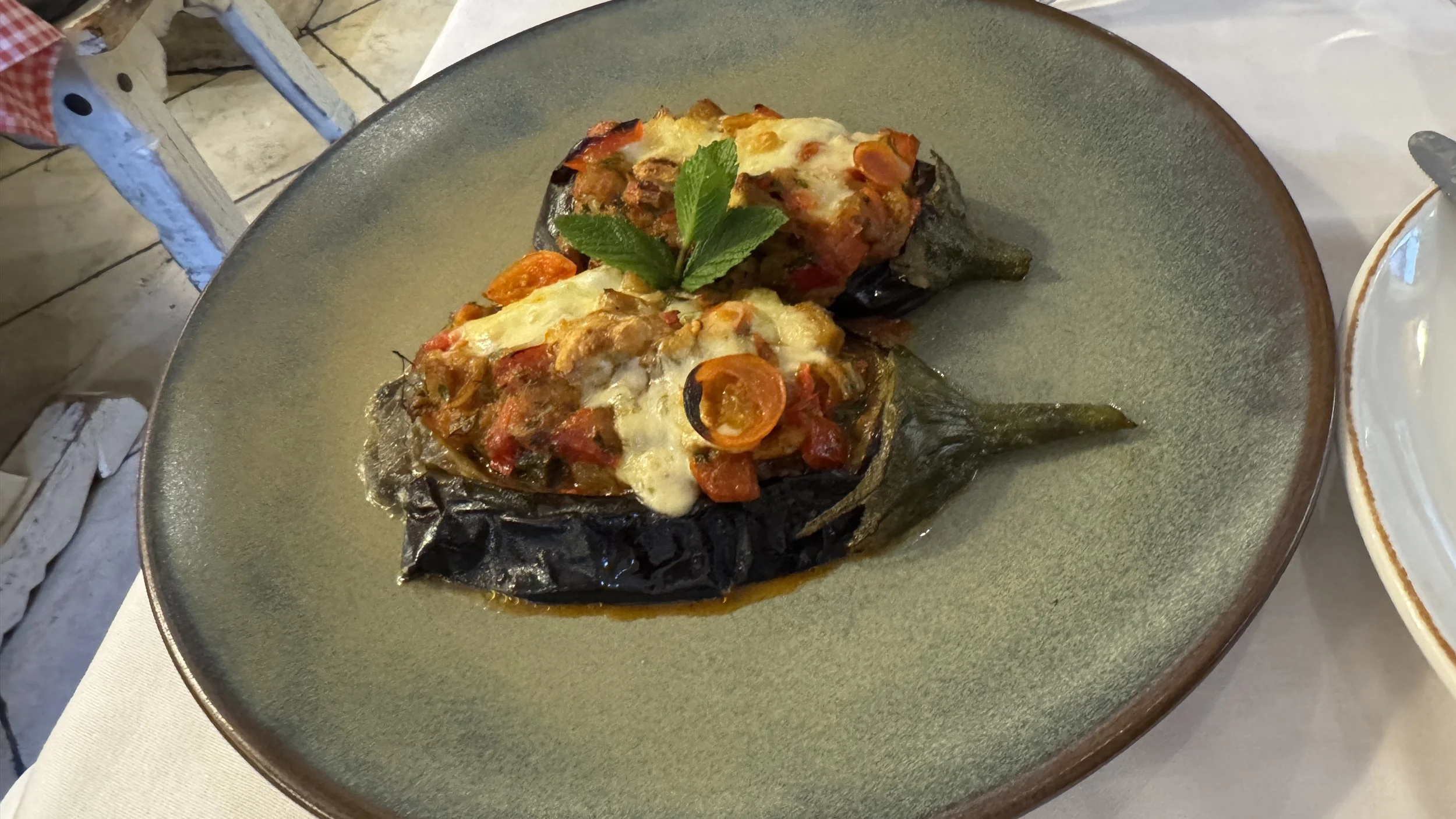
For dinner, we went to a local restaurant to enjoy a traditional Albanian meal before finally returning to the hotel. We had done a tremendous amount of walking throughout the day, so it felt wonderful to rest on the balcony and watch the sunset over Tirana.
2026年5月3日
在酒店用完早餐后我们先前往马路对面的地拉那金字塔(Pyramid of Tirana)。这座建筑最初是为纪念阿尔巴尼亚前领导人恩维尔·霍查(Enver Hoxha)而建,在他去世后不久落成。1991年后,这座金字塔曾被废弃多年。如今它已经被改造成一处现代公共空间,供市民和游客休闲活动。
当我们沿着金字塔一路走上顶部时,注意到周围有许多设计非常独特的现代建筑。其中有一栋外形甚至像一张巨大的人脸,还有一些建筑则采用了大胆而前卫的现代设计。与我们这次巴尔干之行中许多保留着古老街道和历史建筑的城市相比,地拉那显得很不一样。这里几乎看不到太多传统老建筑,城市景观似乎被分成了两部分:一部分是霍查时期遗留下来的朴素实用型公寓楼,另一部分则是近年兴建、极具视觉冲击力的现代建筑。这种强烈反差让地拉那呈现出一种独特而有些出人意料的城市气质。
随后我们来到圣保罗大教堂(St. Paul’s Cathedral),不过因为当时正在举行弥撒,我们没有进入教堂内部。教堂外矗立着特蕾莎修女(Mother Teresa)的雕像,她是最受尊敬的阿尔巴尼亚裔人物之一。
步行穿过地拉那城堡(Tirana Castle)区域,如今这里只保留了部分奥斯曼时期的城墙遗迹。围绕着这些石墙,如今已经发展成聚集着餐厅和咖啡馆的休闲区域。由于时间还早,我们只是在街边小摊买了一些现烤核桃。核桃还是热的,有点像中国的纸皮大核桃,手捏一下就能打开,香气浓郁,味道不错。
不远处便是纳马兹加清真寺(Namazgah Mosque),昨晚在酒店阳台上看到的就是它。这是地拉那新建的大型清真寺,我们也进去参观了一下。清真寺内外装饰都非常漂亮。 像我们这样的游客,男女参观区域是分开的,女士区域位于楼上,视野可能比楼下还更好一些,可以更完整地欣赏内部空间。
接着我们步行前往 Bunk’Art 2。这里曾是霍查时期内务部使用的一座真实的地下核掩体, 如今是博物馆主要介绍阿尔巴尼亚霍查时期以及秘密警察历史。穿行在狭窄阴暗的地下走廊中,在一间间小房间里阅读那些历史故事以及看着那些旧照片,让人感到非常压抑和不安。有些画面和叙述甚至有一种熟悉的感觉。我们只能希望,这样的悲剧永远不要再次发生。
离开地下掩体后,我们继续前往地拉那的中心——斯坎德培广场(Skanderbeg Square)。广场周围坐落着埃塞姆贝伊清真寺(Et’hem Bey Mosque)、钟楼(Clock Tower)、国家歌剧院(National Opera)以及带有巨大马赛克壁画的国家历史博物馆(National History Museum)。
我们在歌剧院旁边的一家餐厅找到最前排的位置,一边吃午饭,一边欣赏广场上的人来人往和四周建筑景观。这个巨大的广场本身也经过精心设计,地面并非完全平坦,而是带有非常轻微的弧度与坡度。广场铺设的石材来自阿尔巴尼亚不同地区,既象征全国各地,也形成了很漂亮的视觉效果。
后来我们又参观了阿尔巴尼亚东正教自治教会主教座堂(Orthodox Autocephalous Church of Albania)。相比我们此前在巴尔干地区见过的许多古老东正教教堂,这座教堂显得更新、更现代,但依然保留了典型拜占庭风格的东正教建筑元素。
在霍查统治时期,宗教曾被全面禁止,大量宗教建筑被关闭甚至摧毁。直到1990年代之后,阿尔巴尼亚才逐渐迎来宗教复兴,新的清真寺和教堂也开始重新出现。
离开繁忙的市中心后,我们随后步行来到地拉那大公园(Grand Park of Tirana)。这里的氛围与市区截然不同,到处都是绿色树木、步道以及宁静的湖边环境。 这里有镇江企业捐赠的中国四方亭(Chinese Square Pavilion)。我们在湖边一家咖啡馆停下来休息。我还第一次喝到了装在可食用华夫饼杯子里的咖啡。
傍晚时分,我们来到布洛库(Blloku)街区。这里过去曾是霍查高级官员和政府精英的禁区,普通民众不得进入。霍查旧居至今依然安静地隐藏在这一带,而周围却早已变成时尚咖啡馆、餐厅和现代商店的热闹街区。这个区域的变化,某种程度上也像是阿尔巴尼亚过去几十年巨大转变的缩影。
晚餐时,我们来到一家本地餐厅品尝传统阿尔巴尼亚菜。结束一天行程回到酒店时,我们已经走了非常多的路。最后坐在阳台上,一边休息,一边欣赏地拉那的日落,感觉格外惬意。