Zagreb, Croatia 萨格勒布,克罗地亚
April 14, 2026
At Škocjan Caves, we met a Chinese girl studying in Italy who had visited Zagreb before. She casually told us that one hour would be enough to see the city. In reality, we ended up spending an entire day exploring Croatia’s capital—and still felt it was well worth the time.
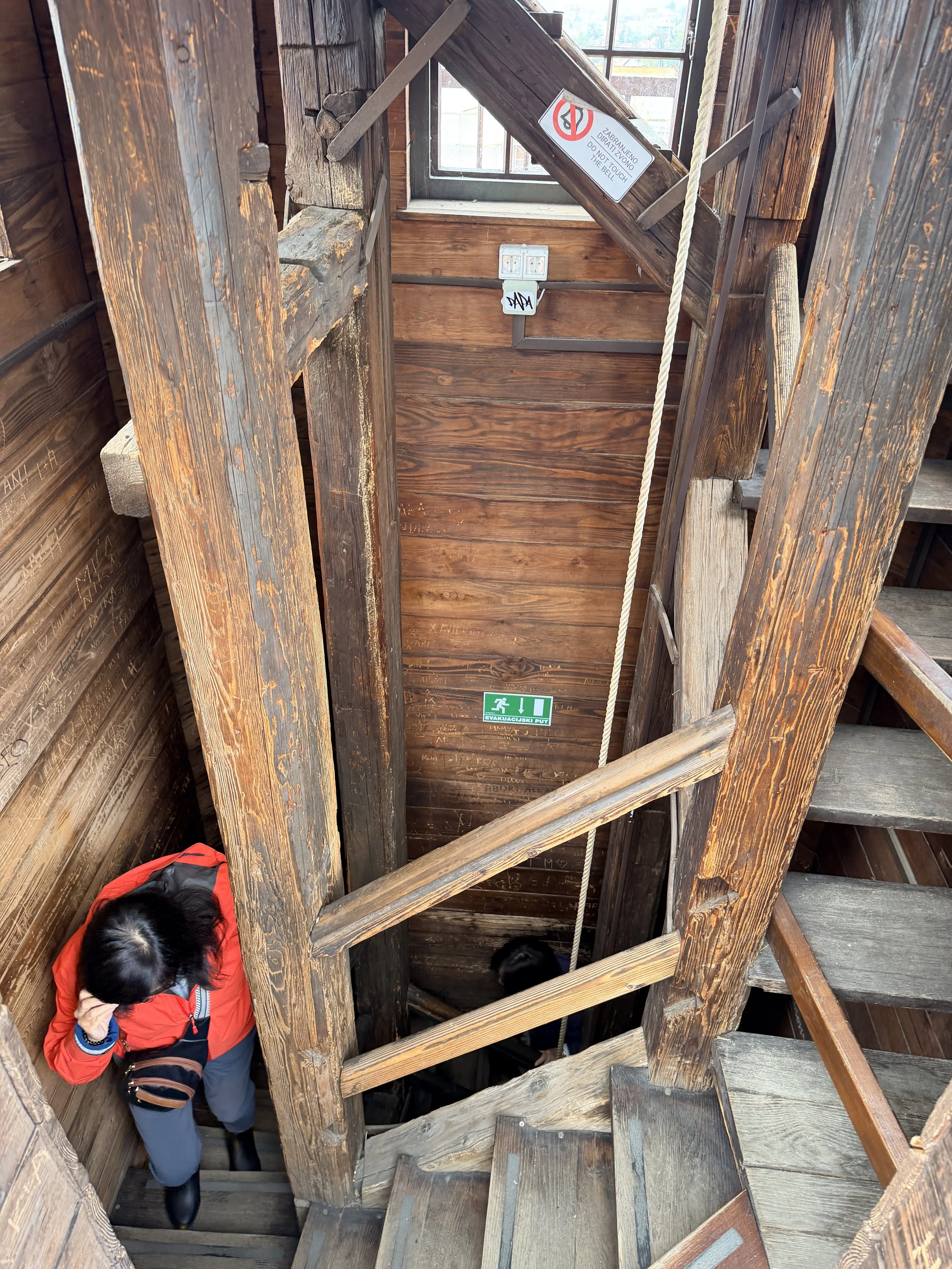
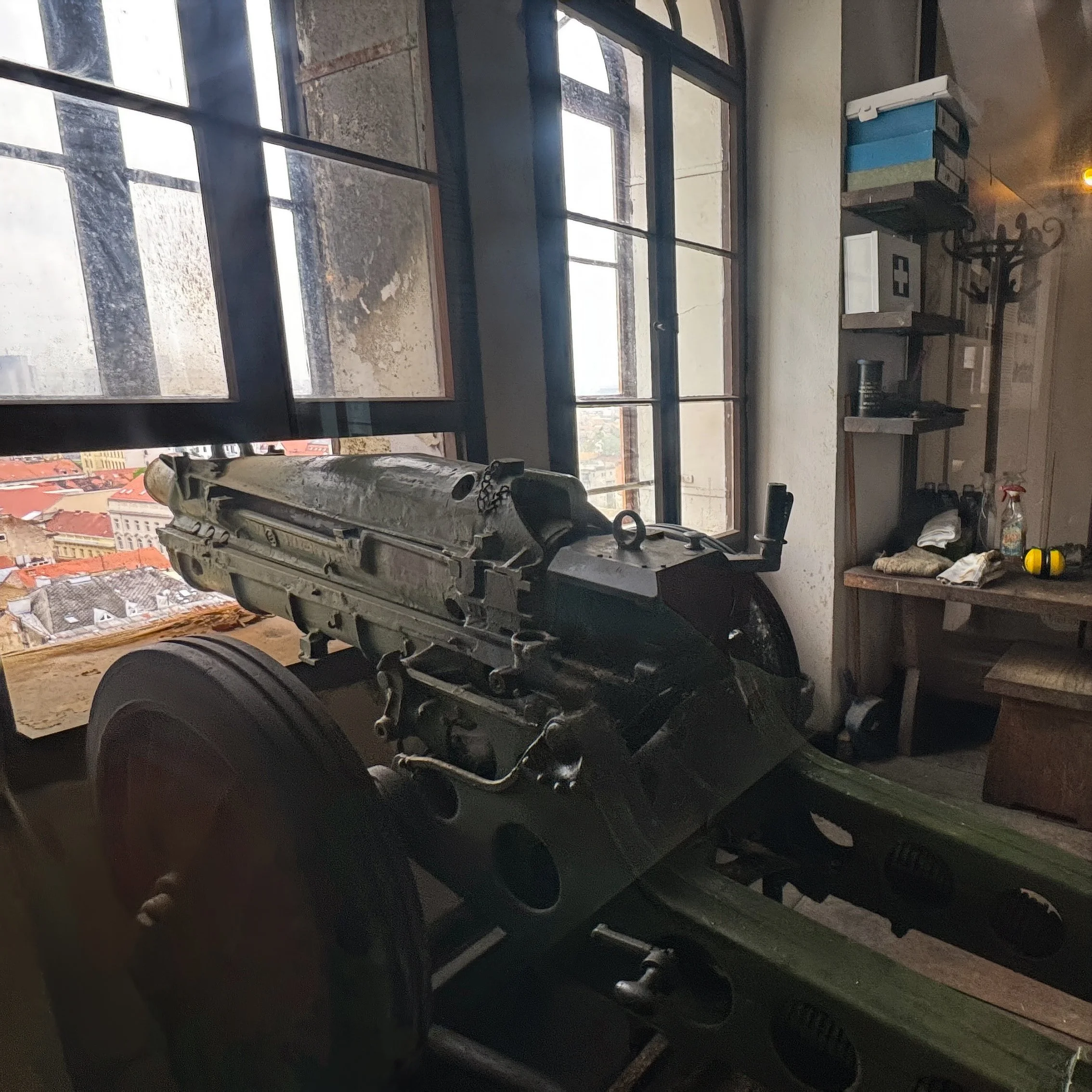
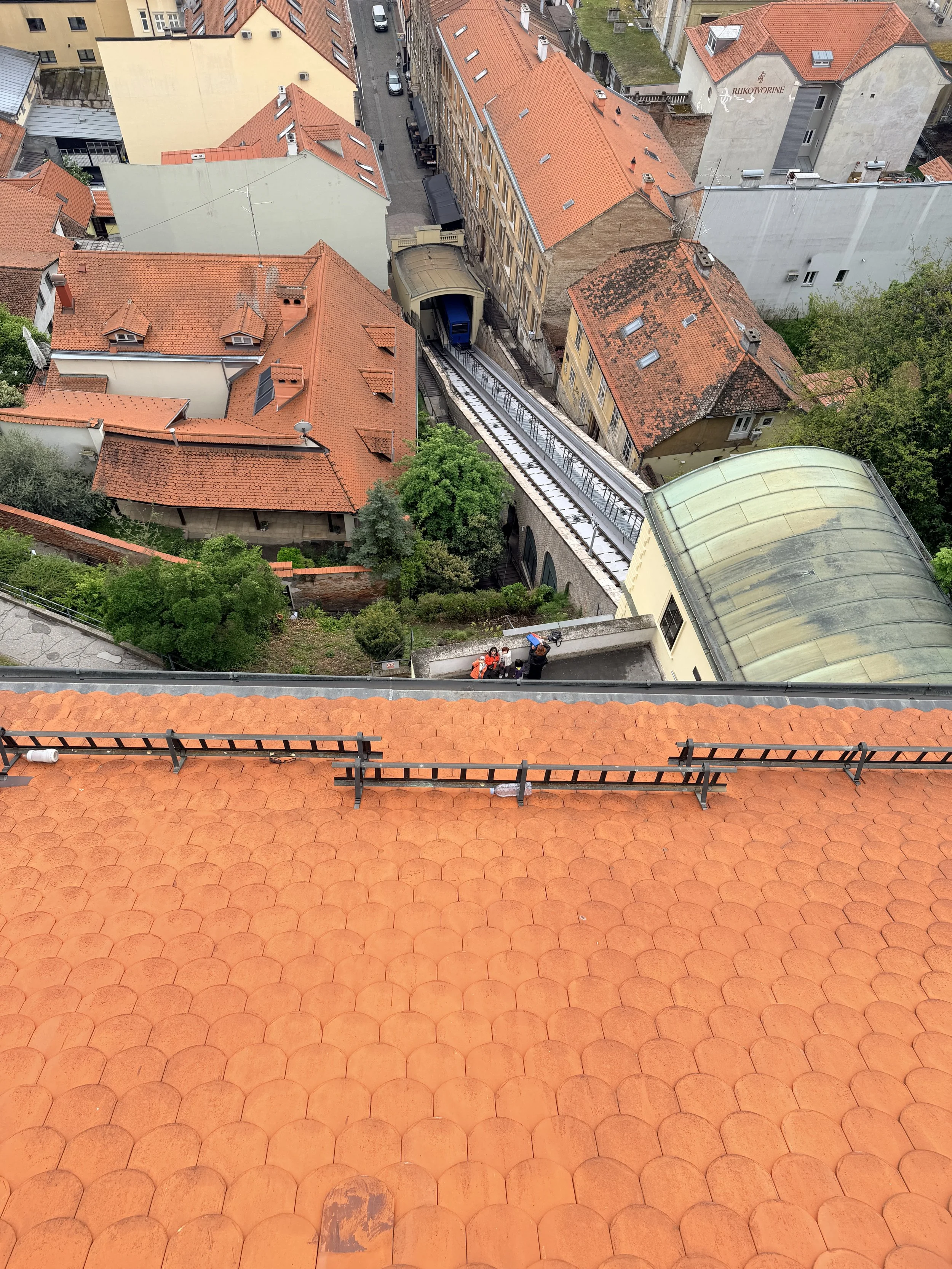
In the morning, we wandered through the Upper Town (Gornji Grad), the historic heart of the city. We visited the imposing Zagreb Cathedral, admired the colorful tiled roof of St. Mark’s Church, and explored the surrounding old streets filled with quiet charm. We walked through the hidden Zagreb WWII Tunnels, which once served as wartime shelters and now connect different parts of the old town. Nearby, we also stopped by the medieval Lotrščak Tower. Every day at noon, the tower fires a cannon with a loud explosion to mark the exact time—a tradition dating back to 1877. The sudden boom echoed through the city, and we had no idea what it was until we later climbed the tower and saw the cannon ourselves.
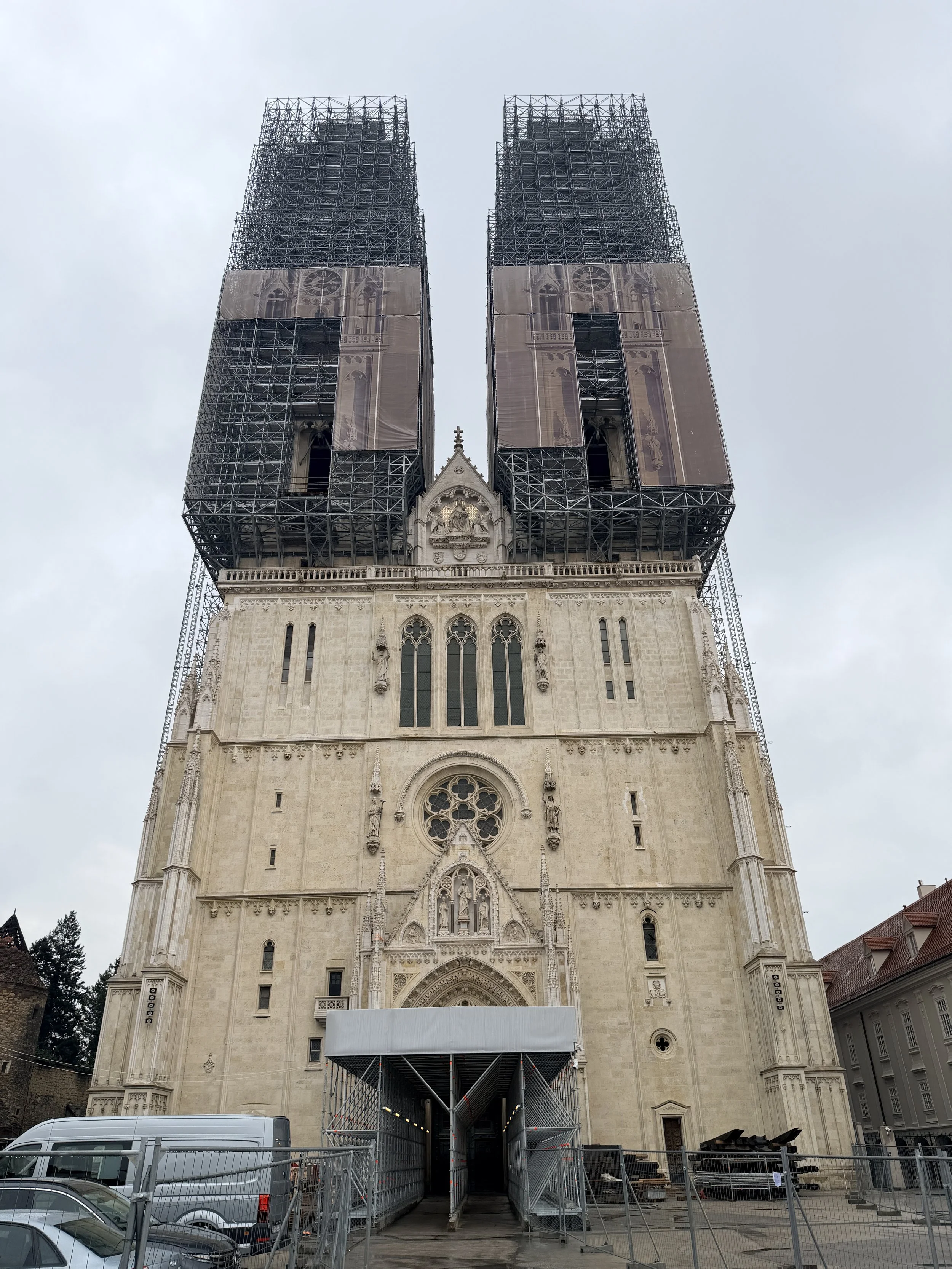
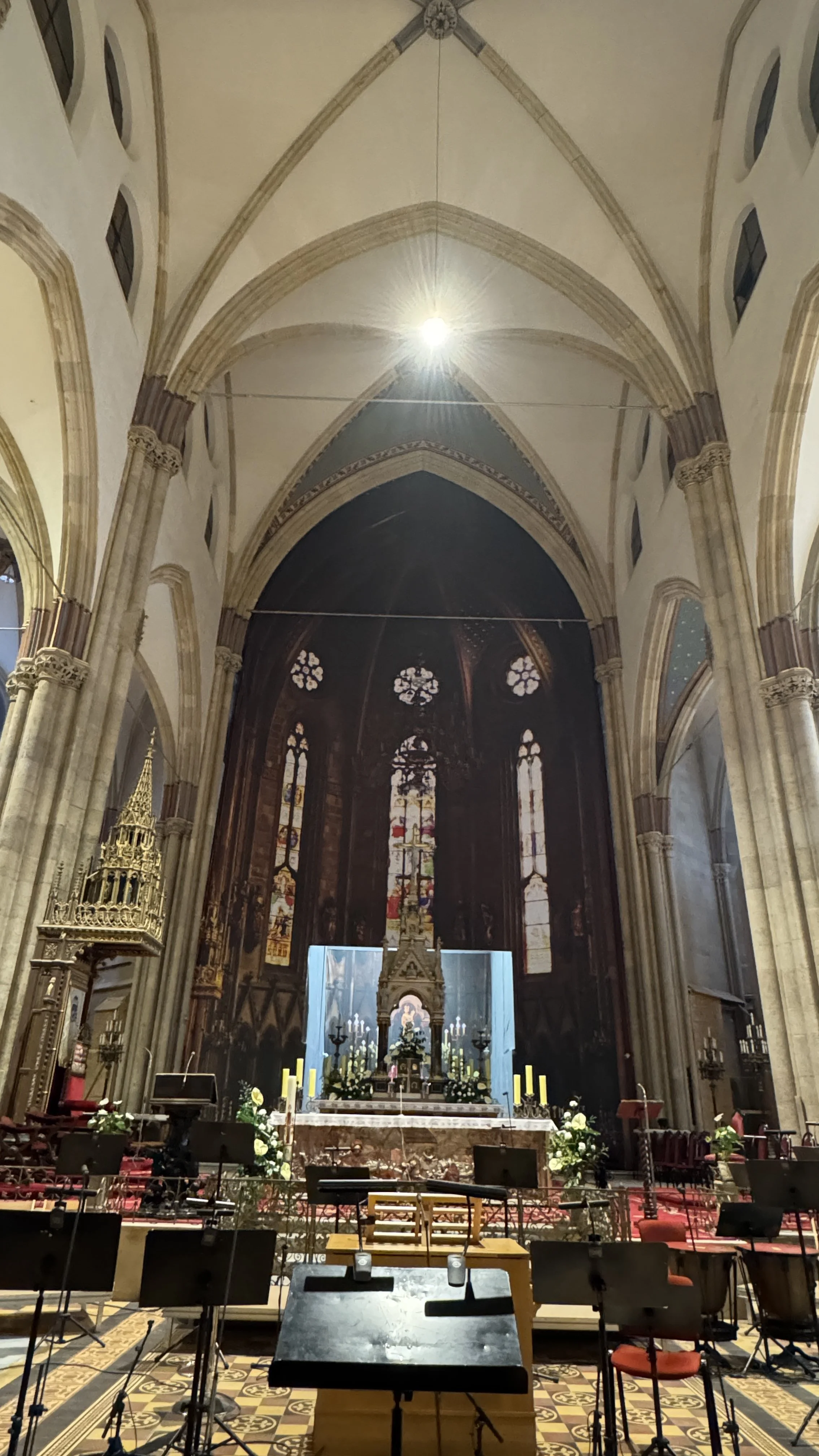
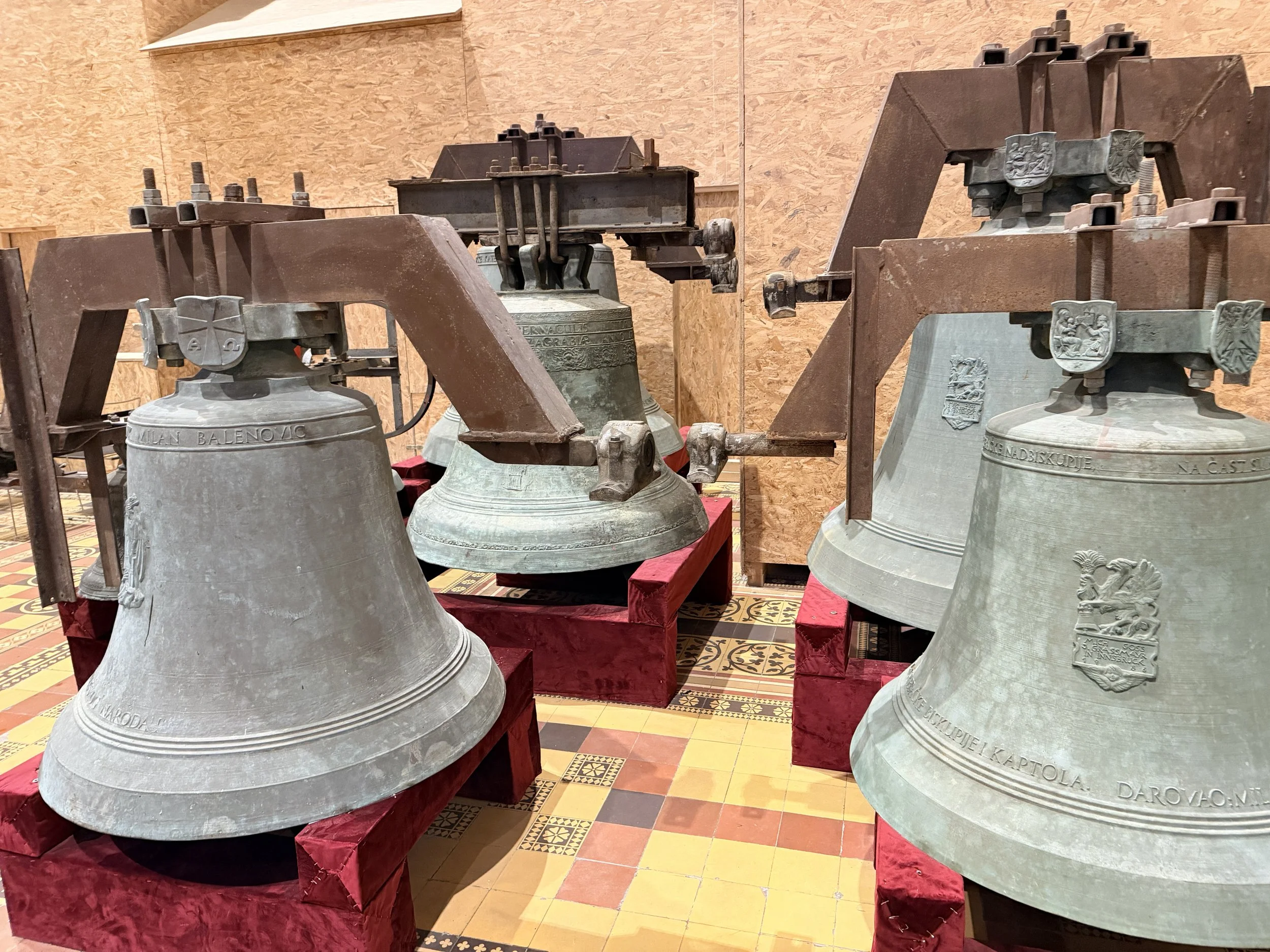
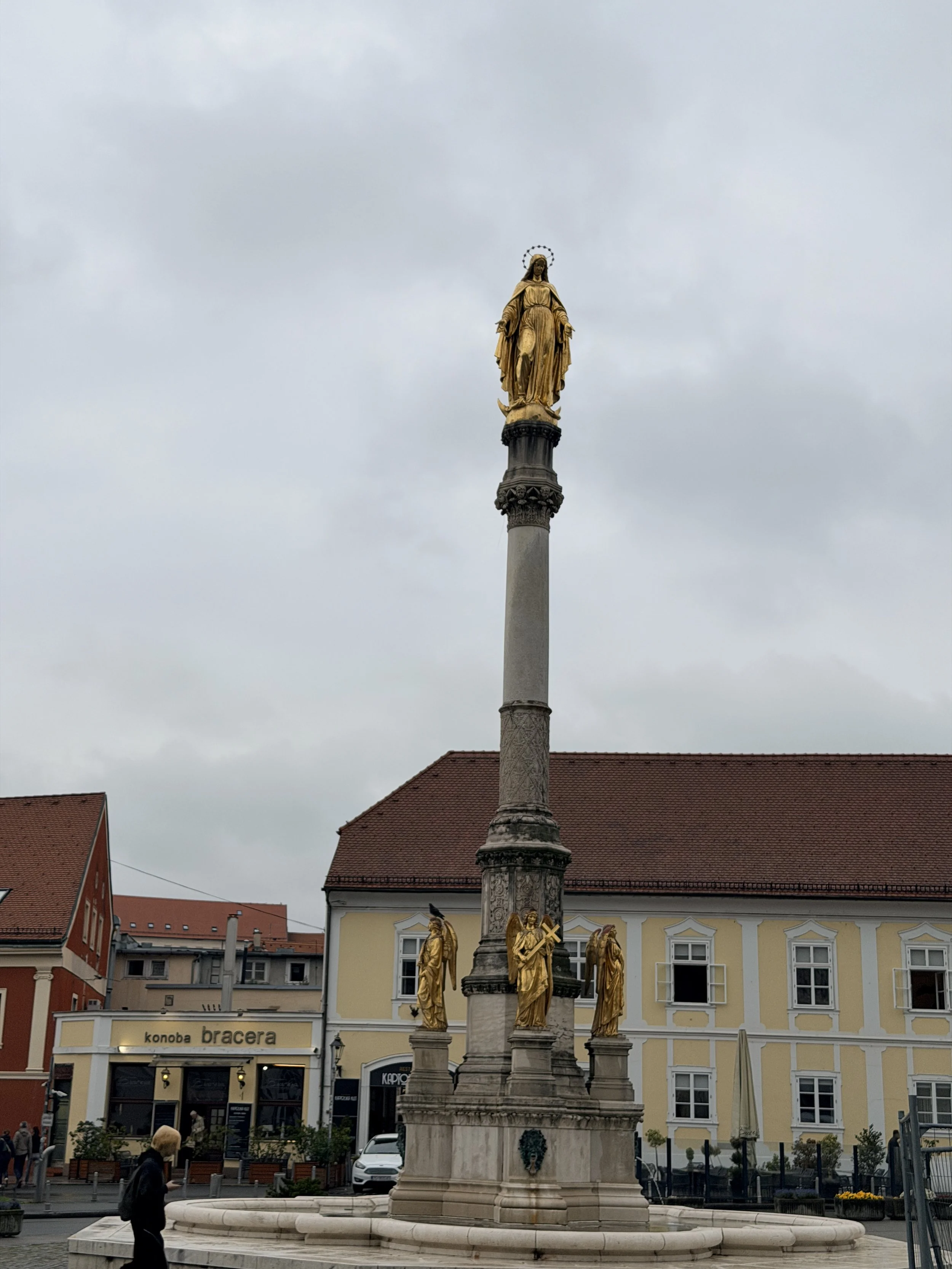
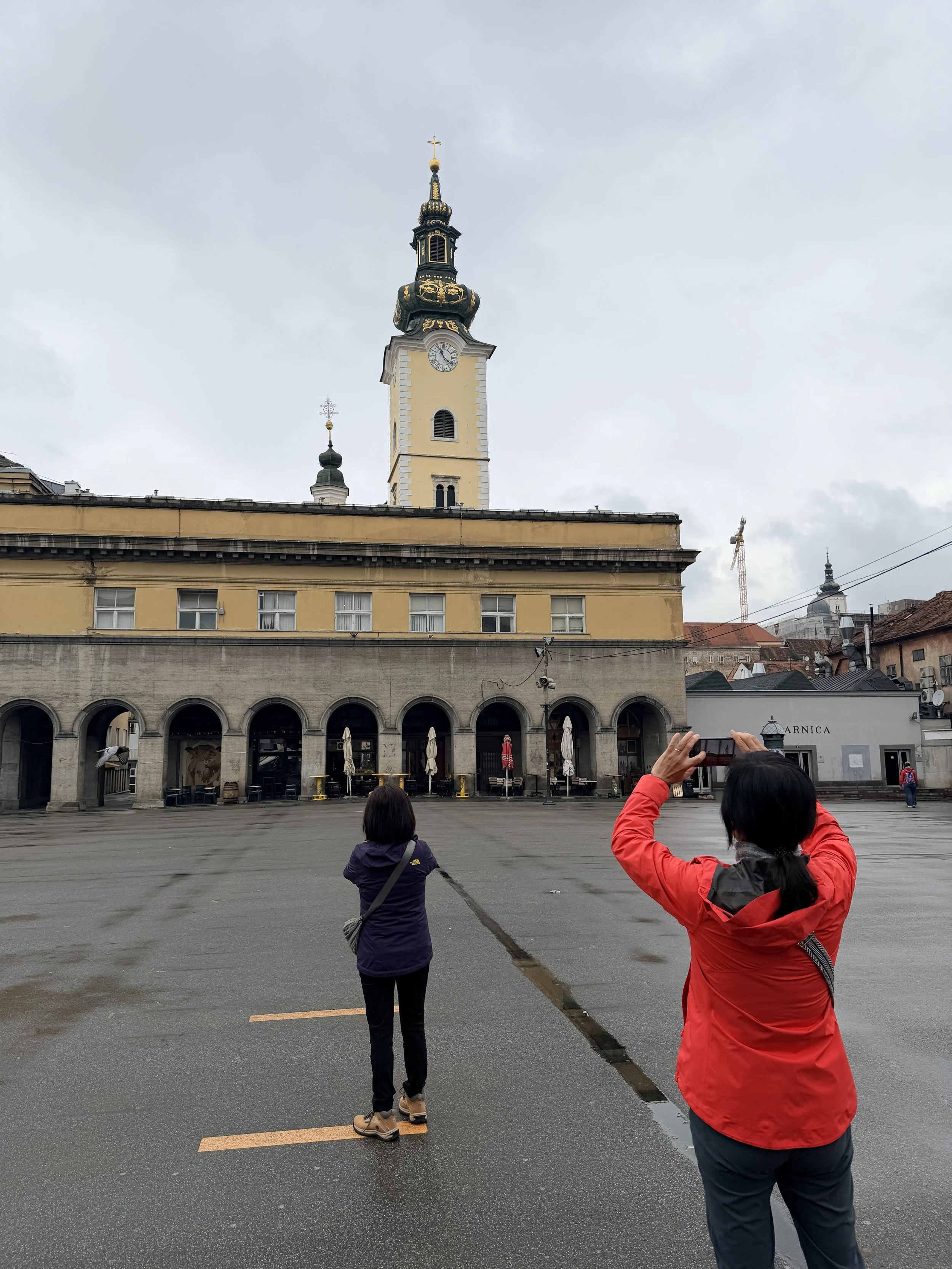
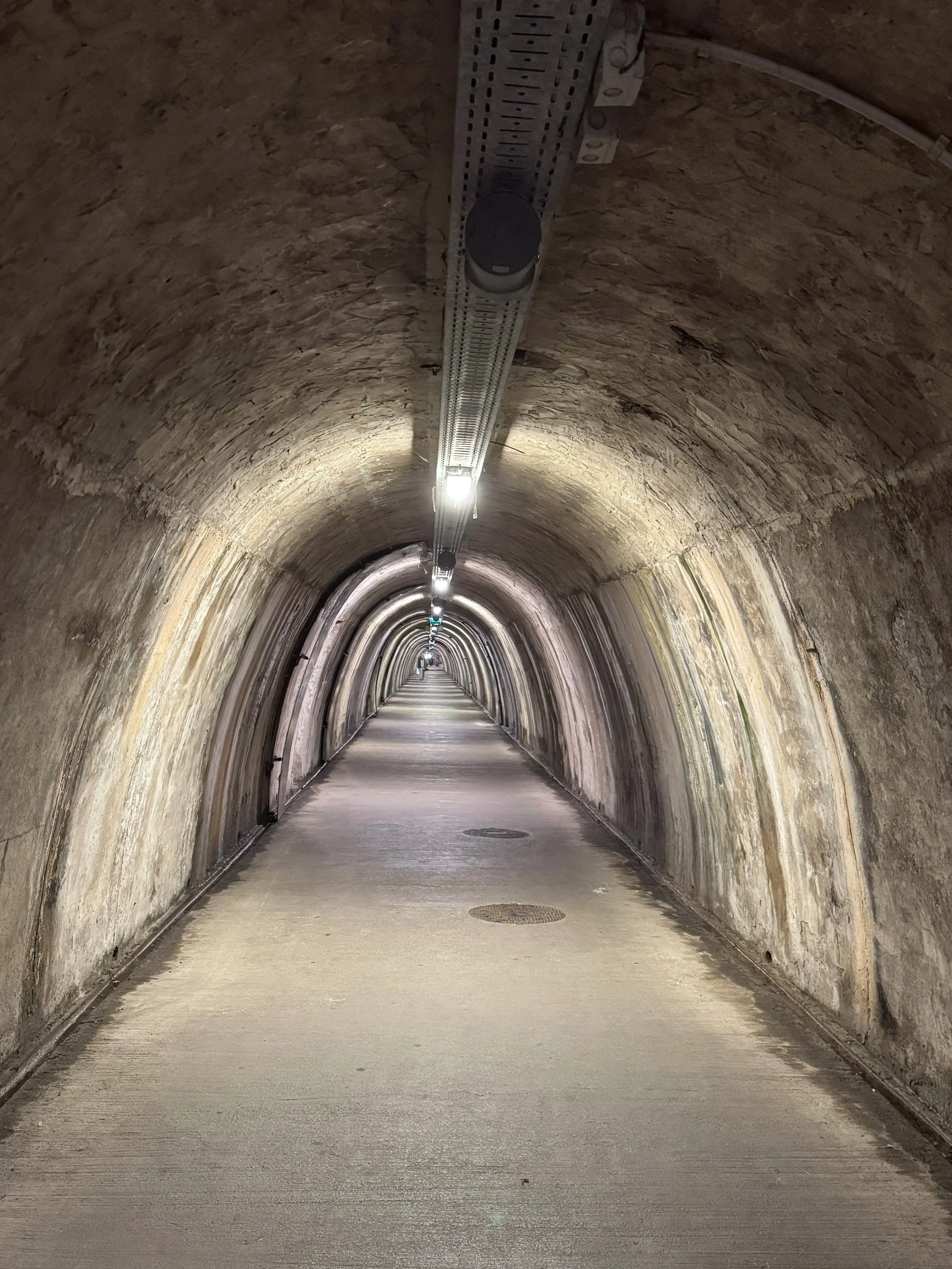
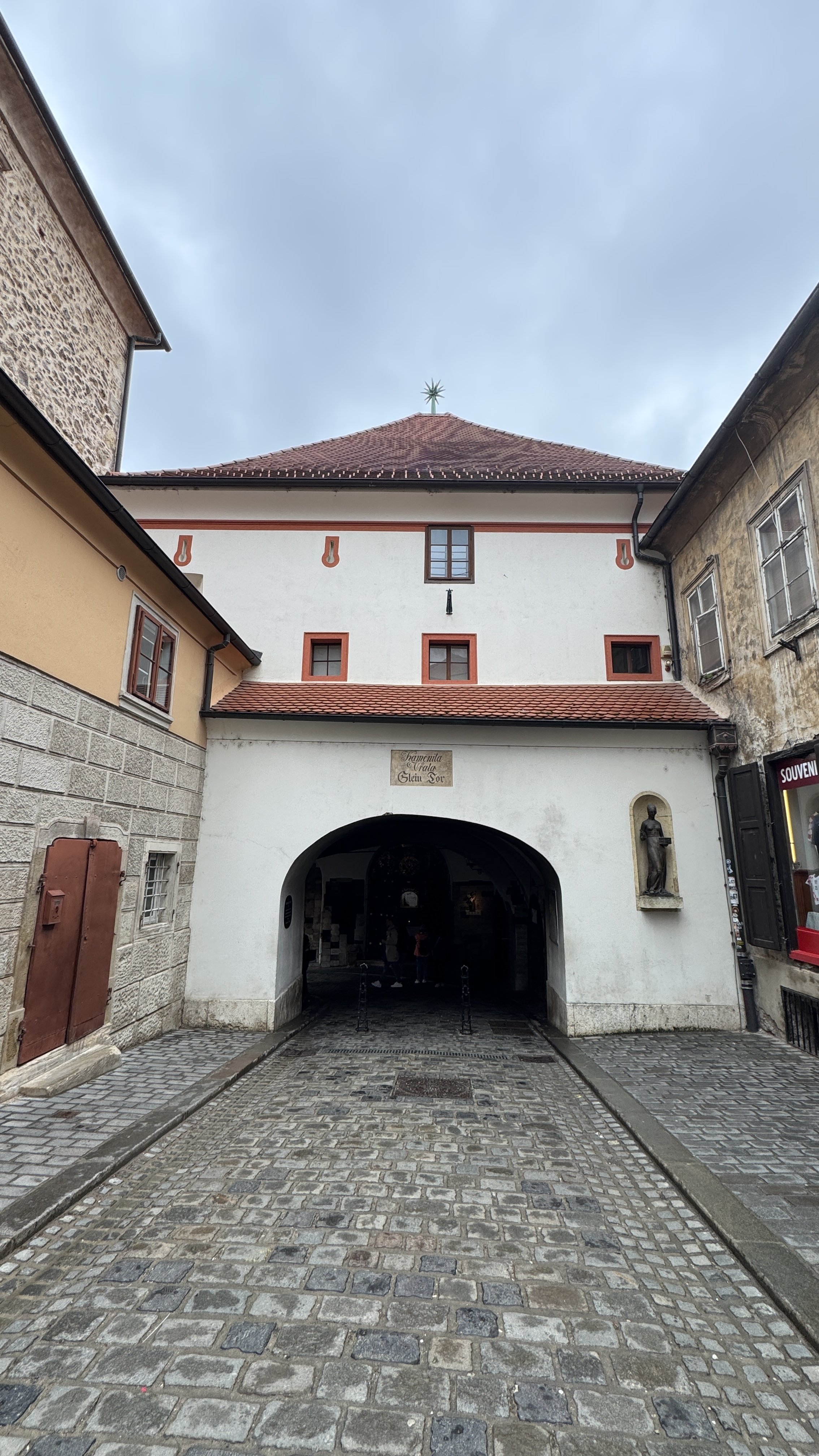
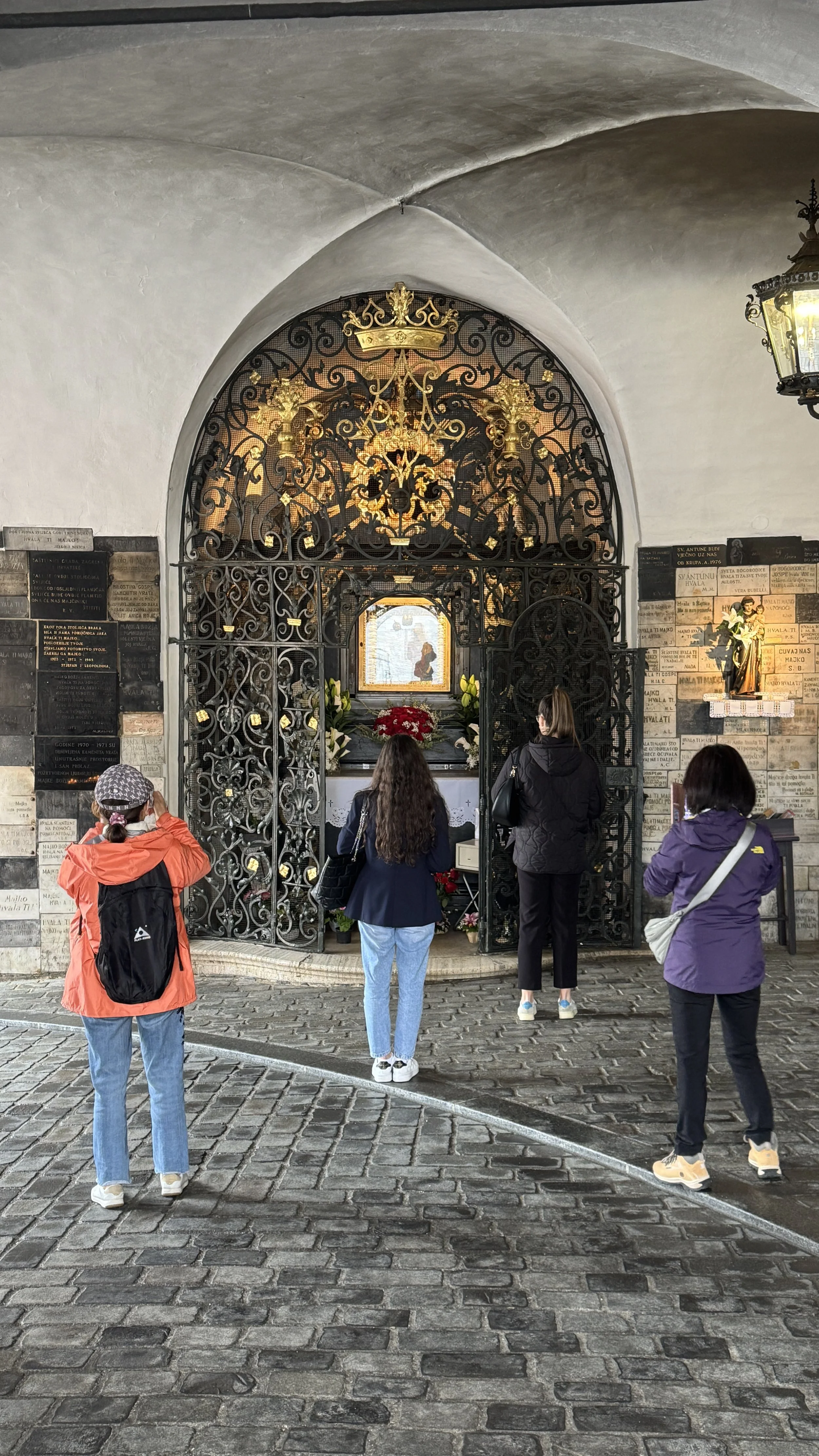
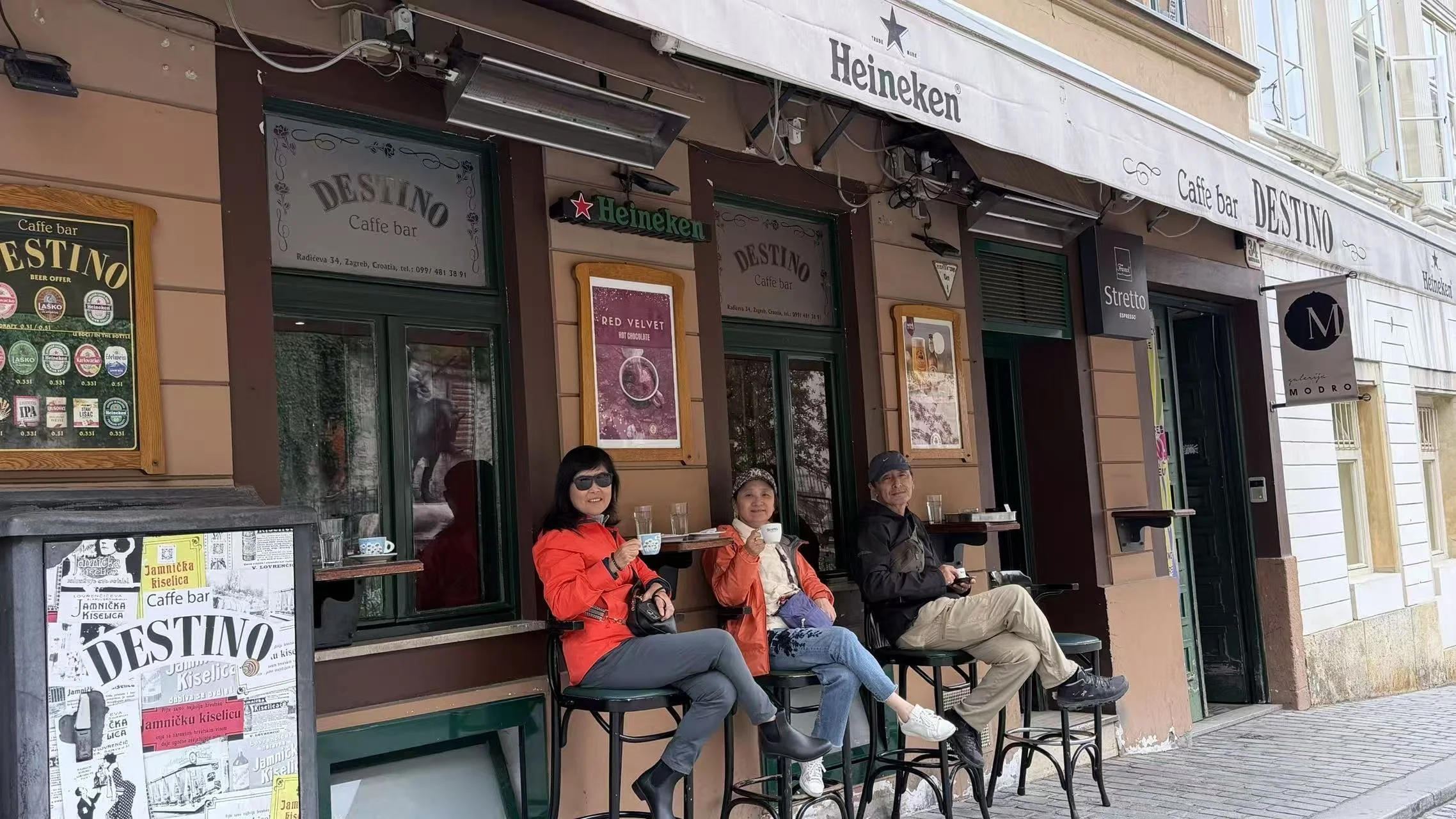
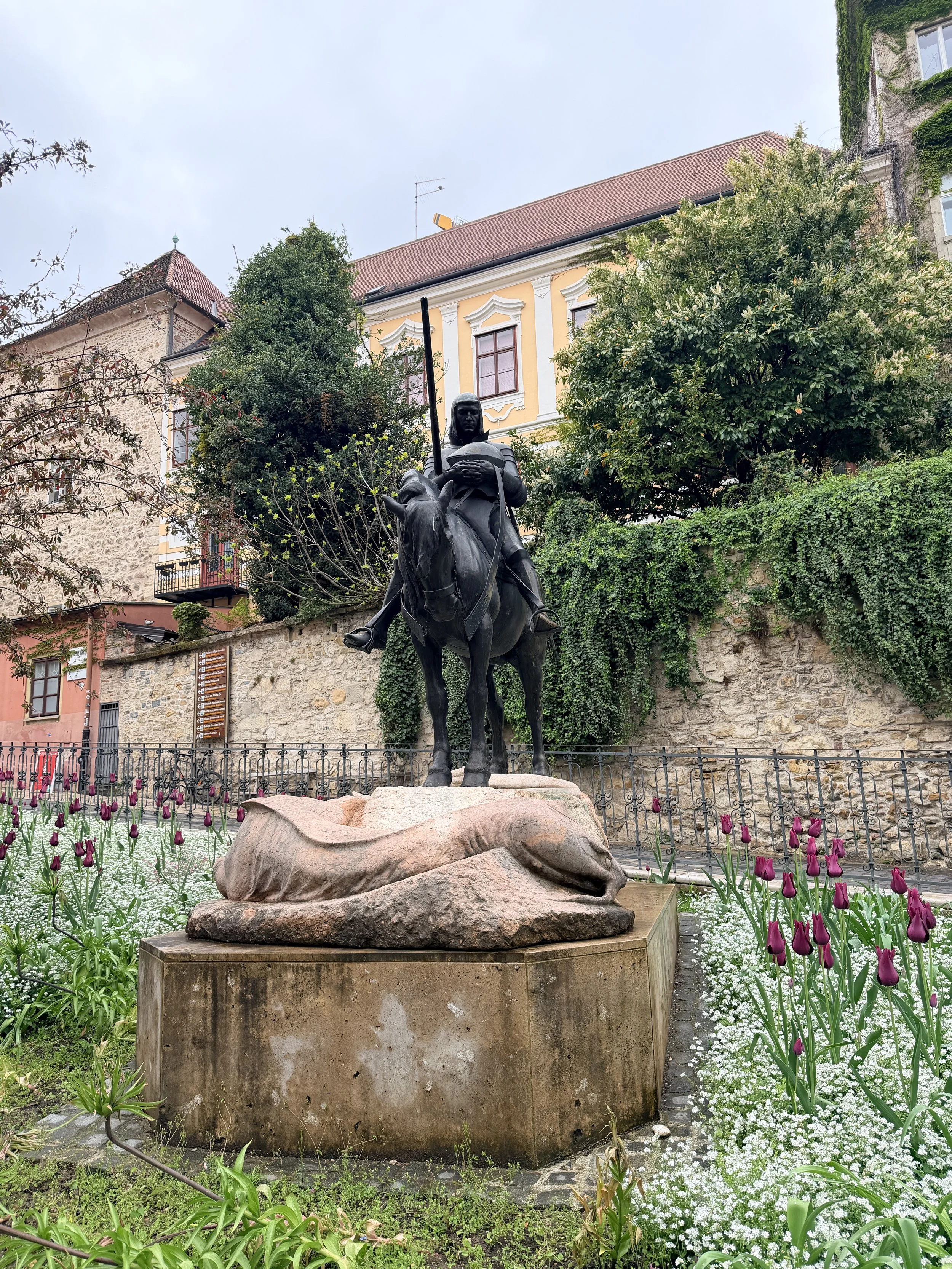
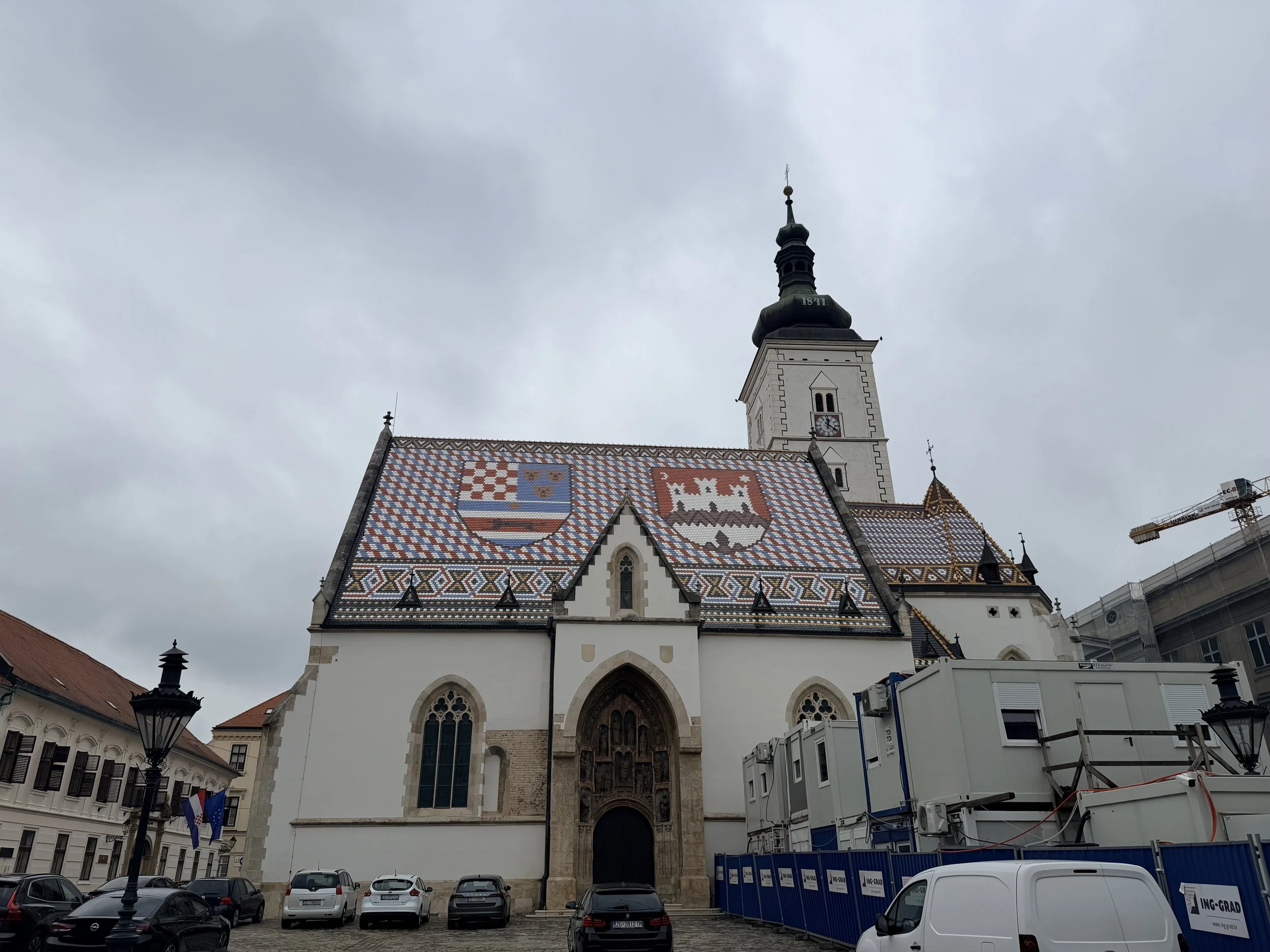
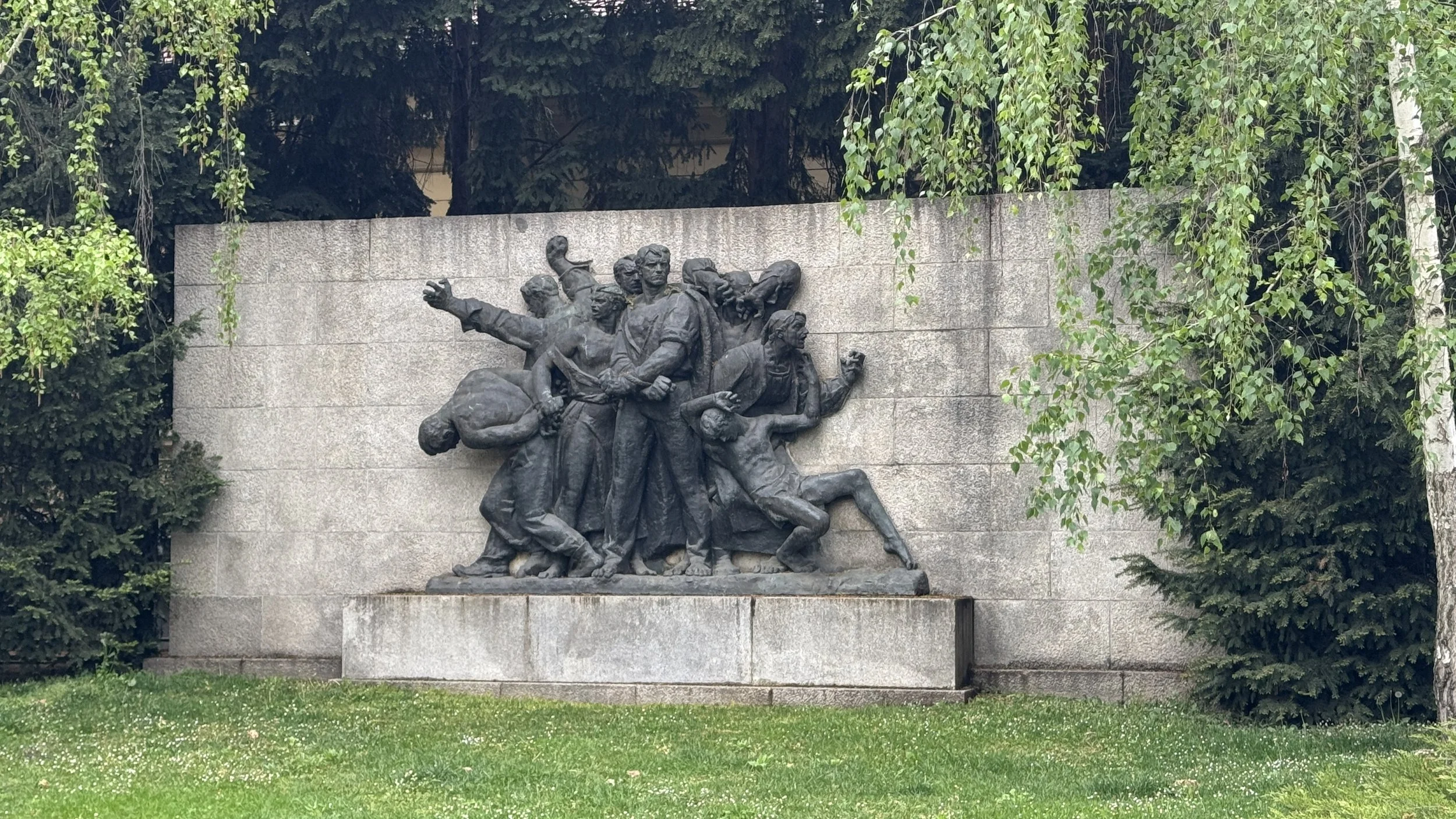
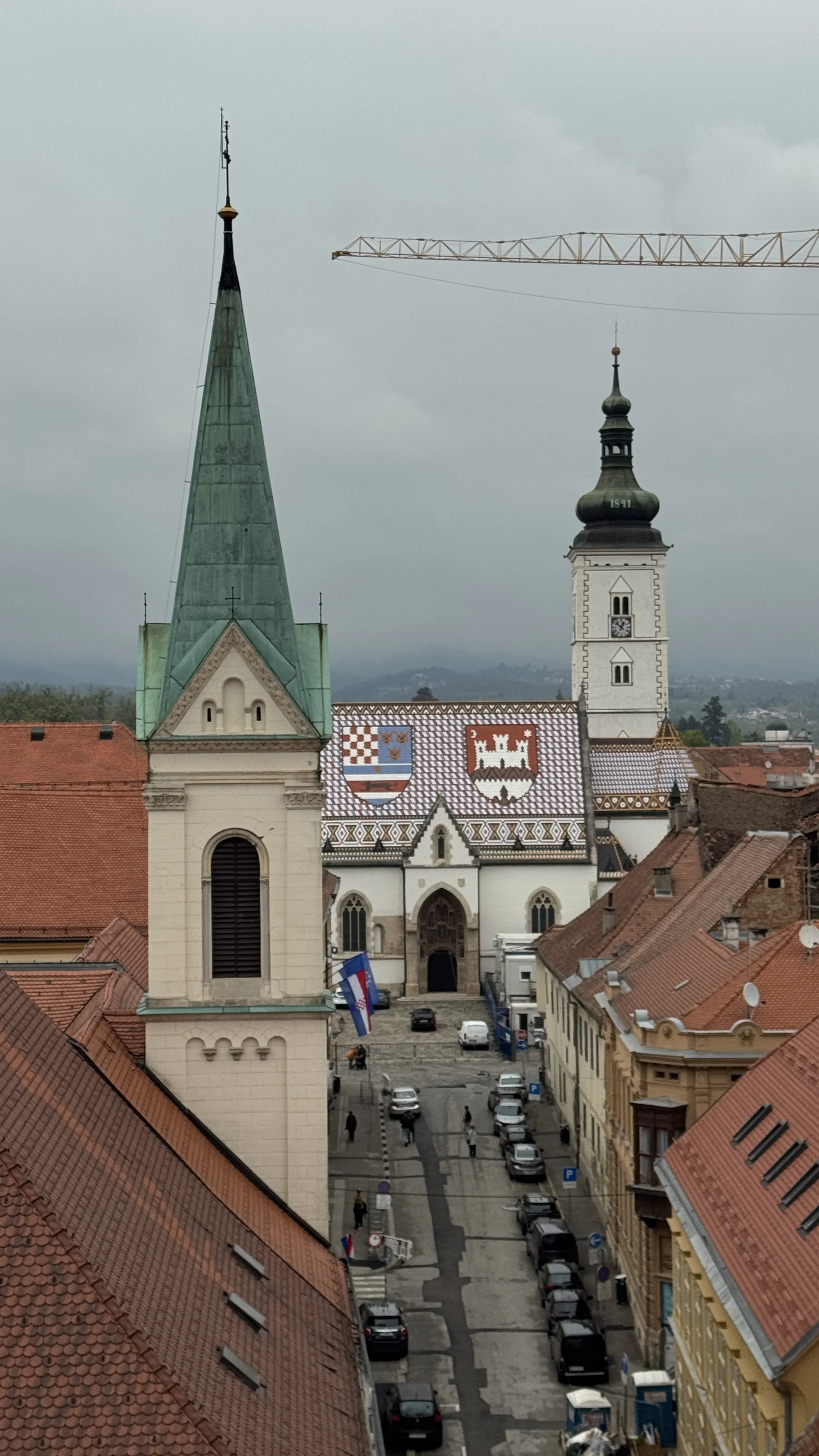
The city still showed signs of recovery and renovation following recent earthquakes, with scaffolding visible on several historic buildings. Yet despite this, Zagreb felt relaxed, walkable, and quietly beautiful.
For lunch, we kept things simple with a comforting bowl of tomato and egg soup, followed by a short rest.
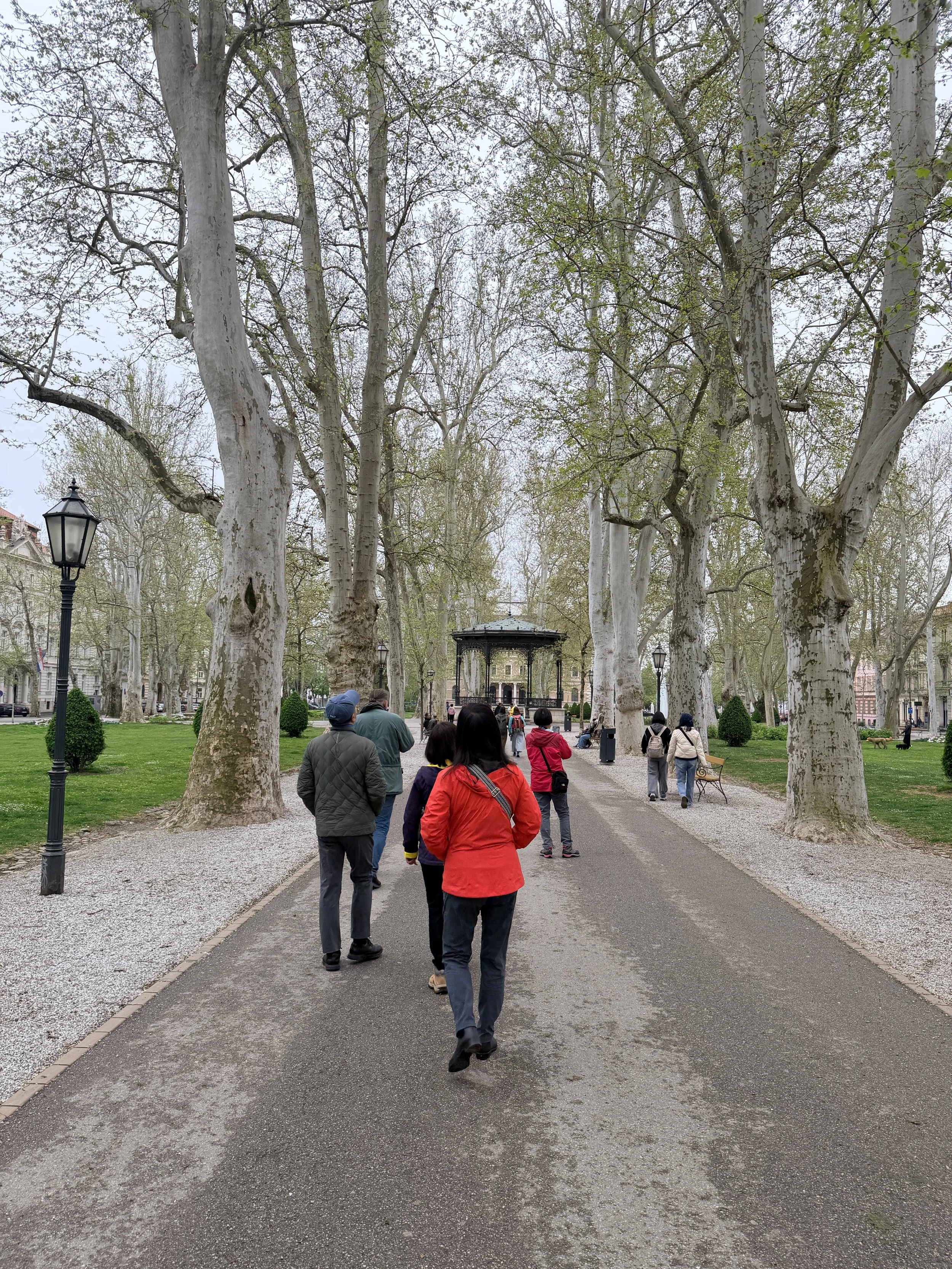
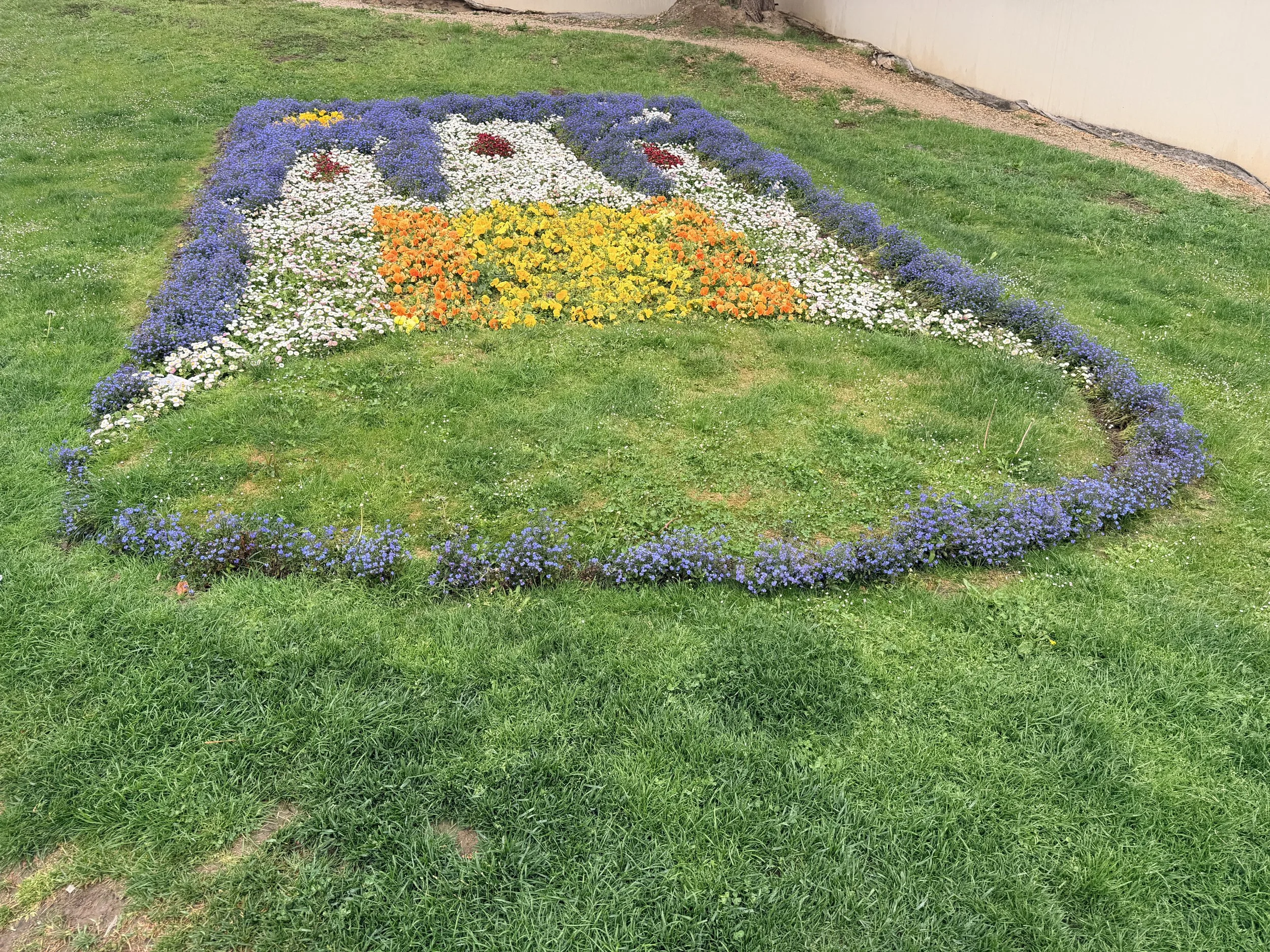
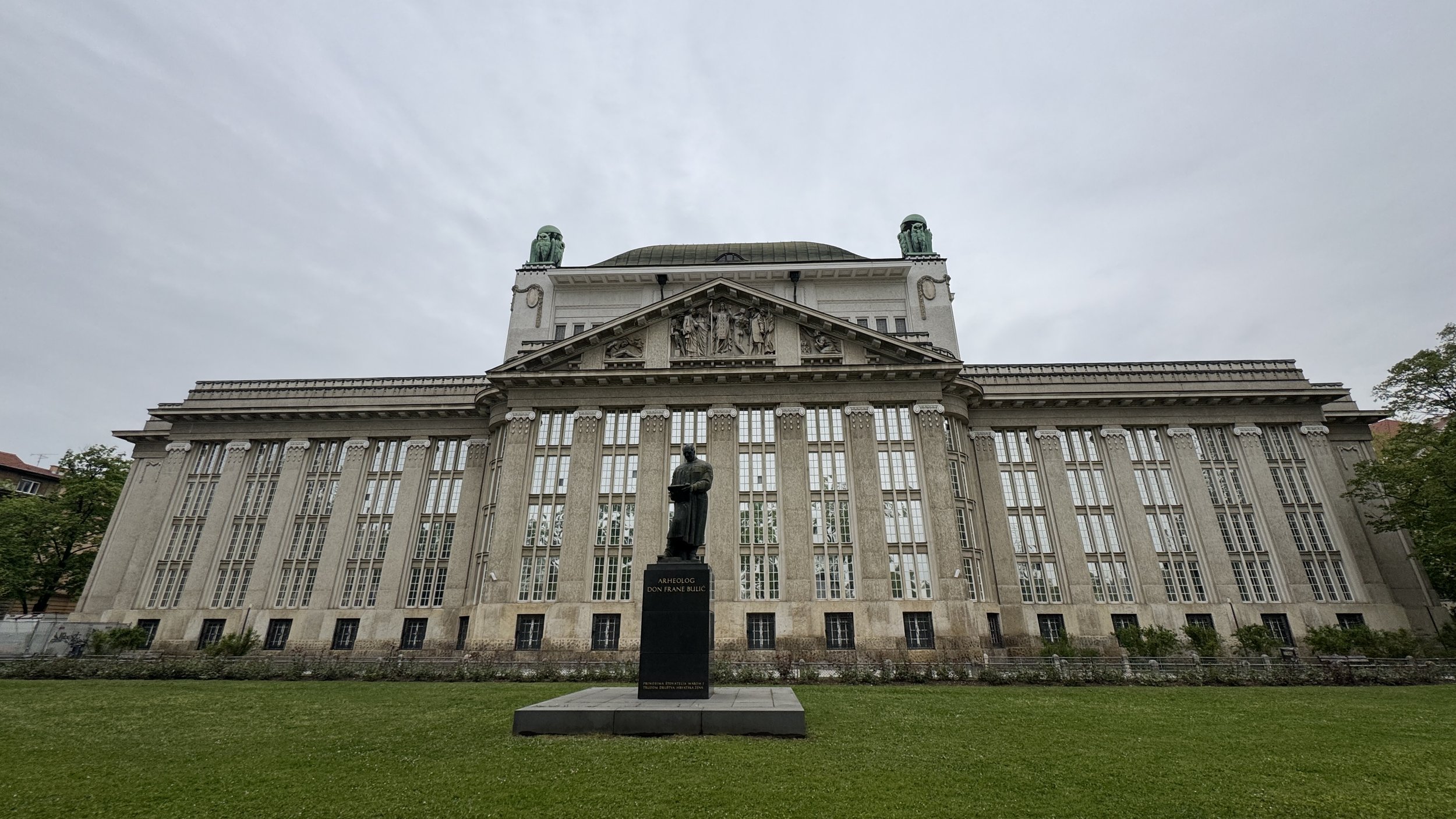
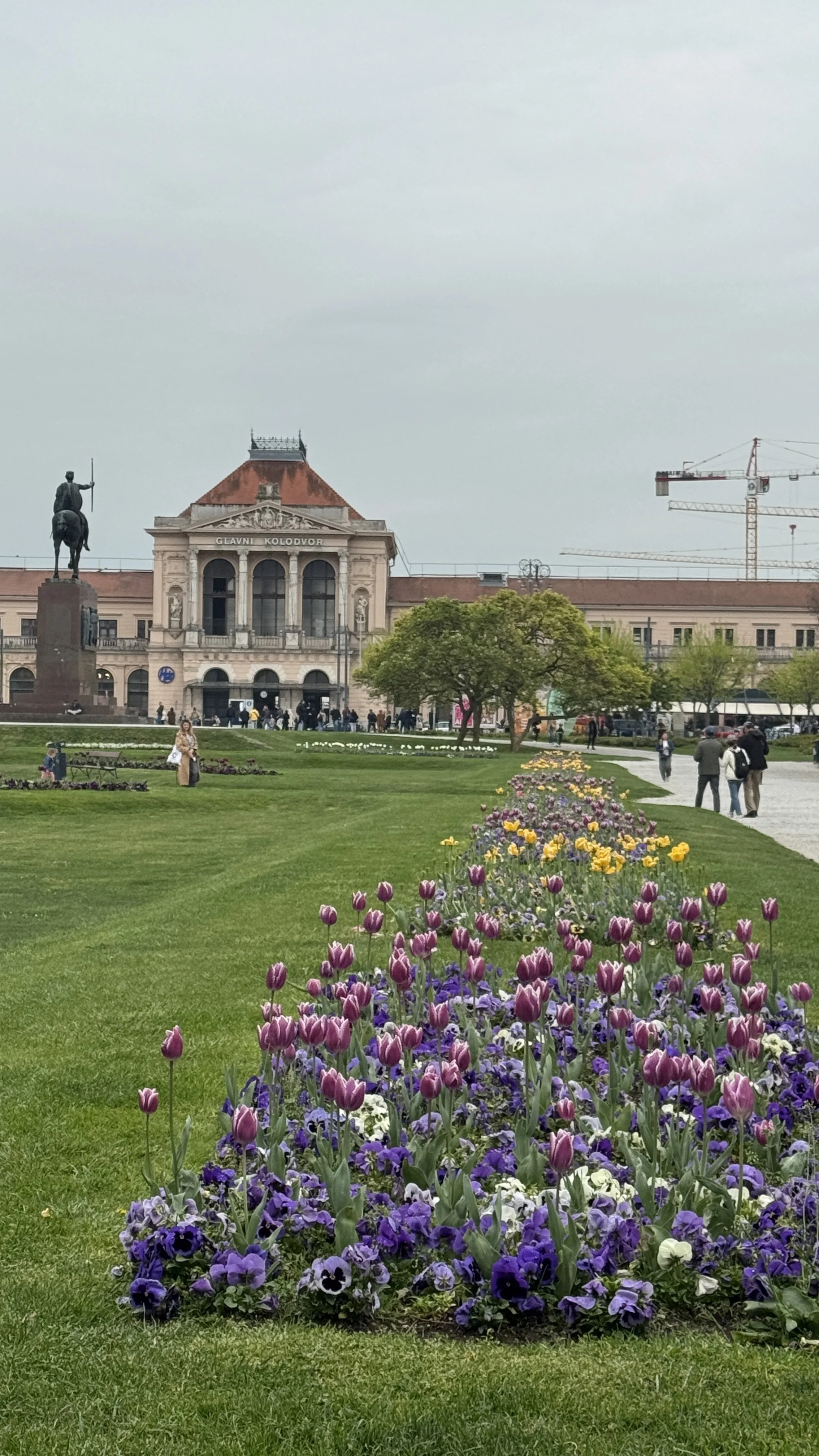
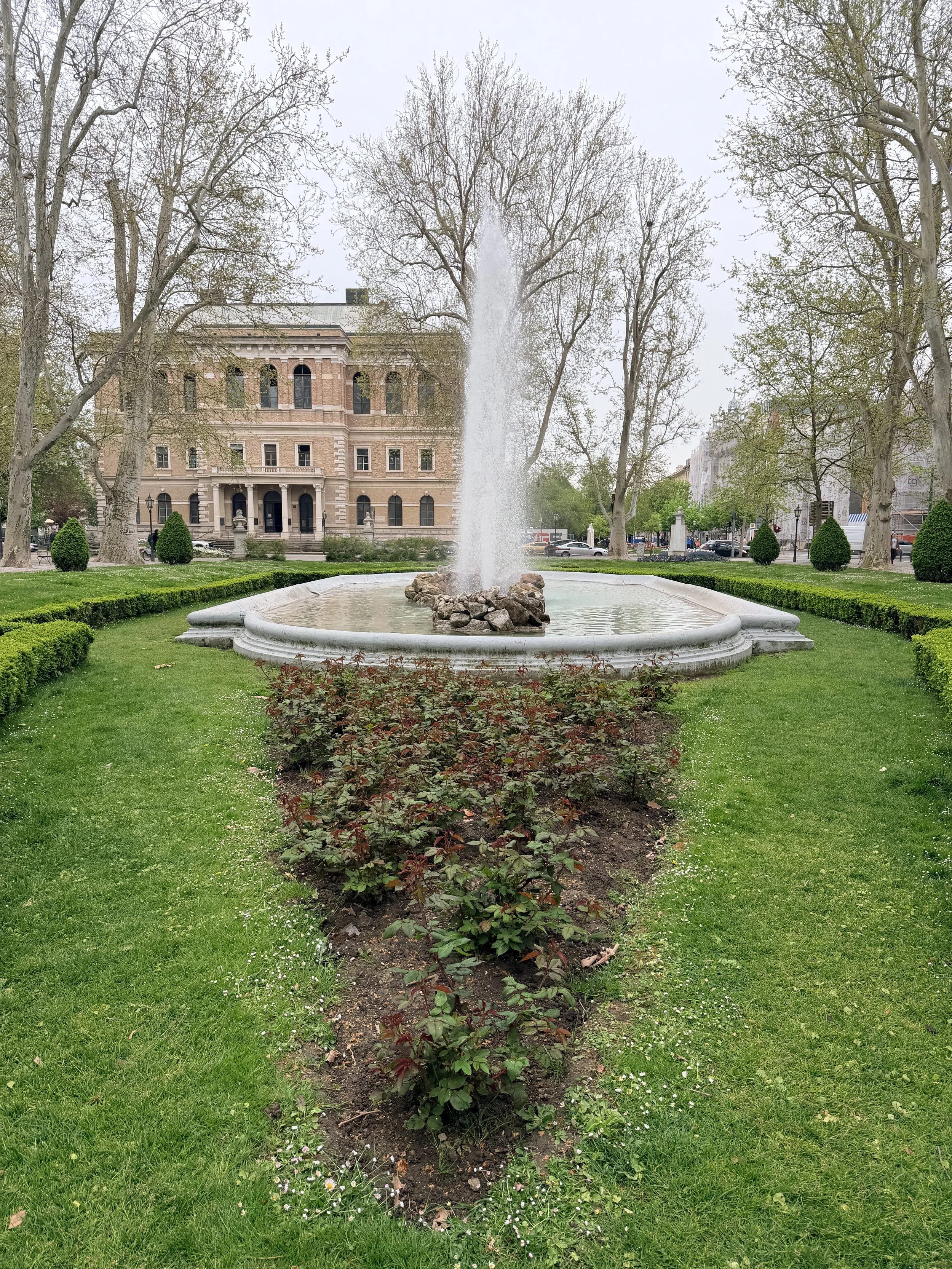
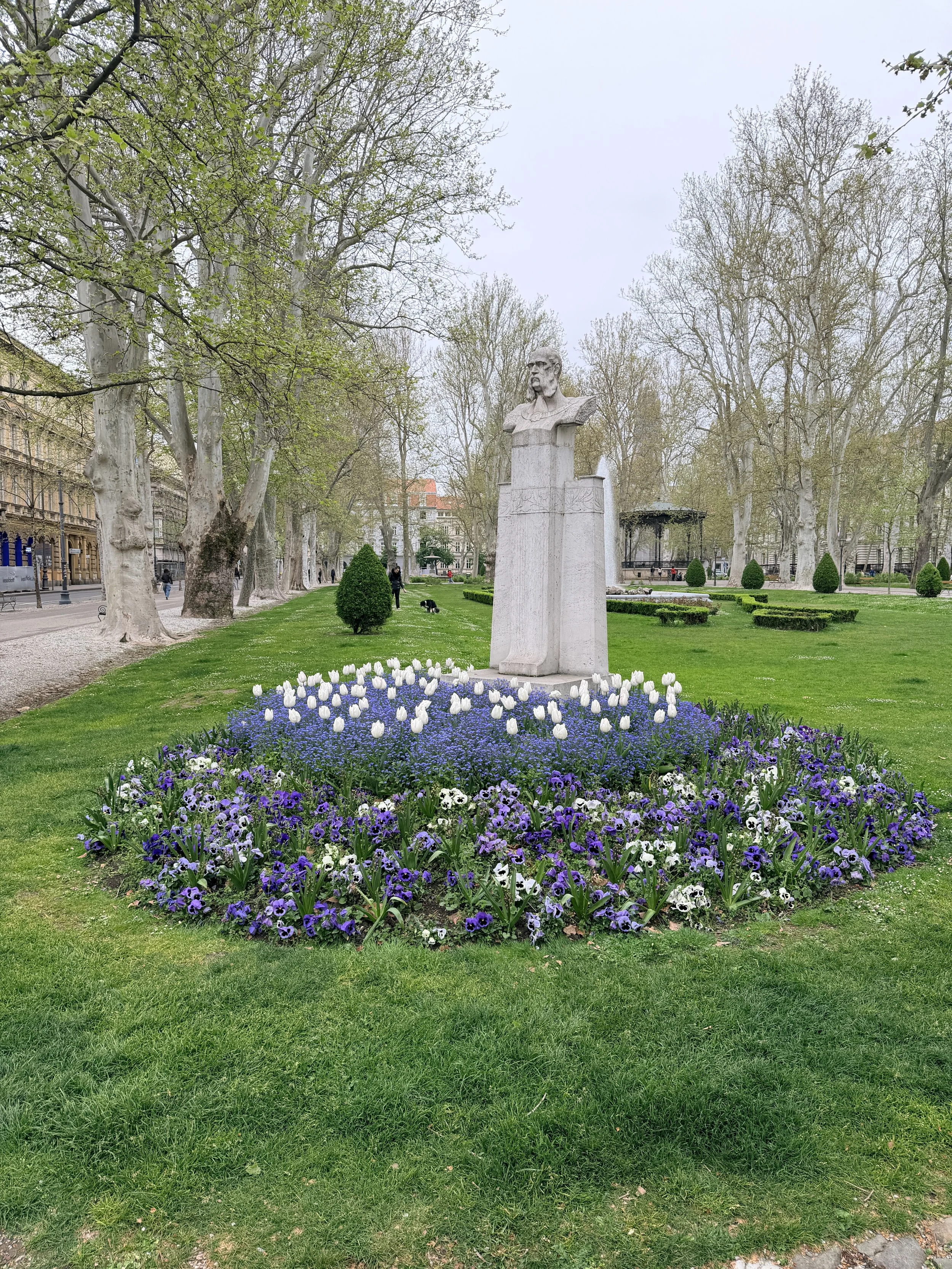
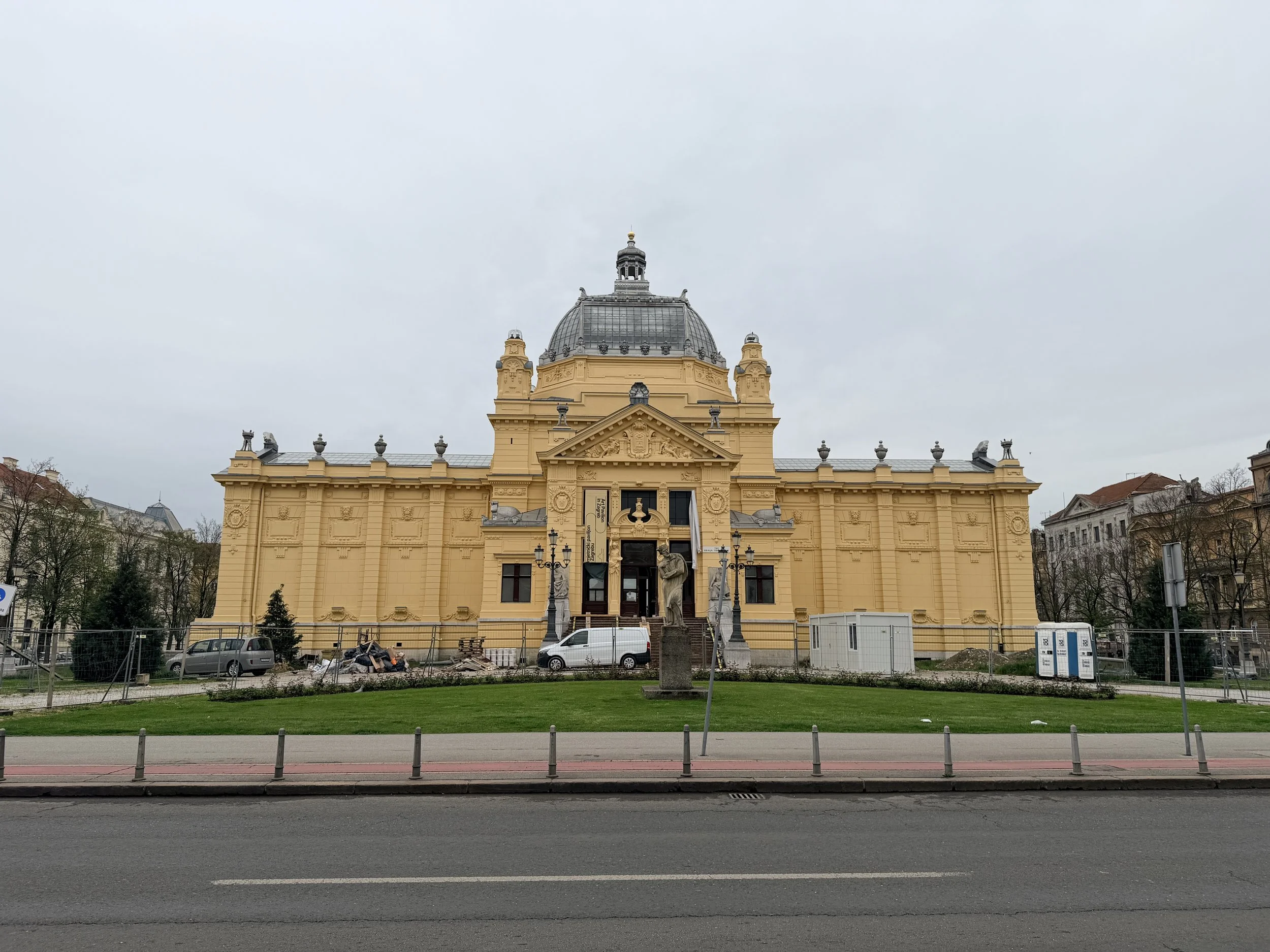
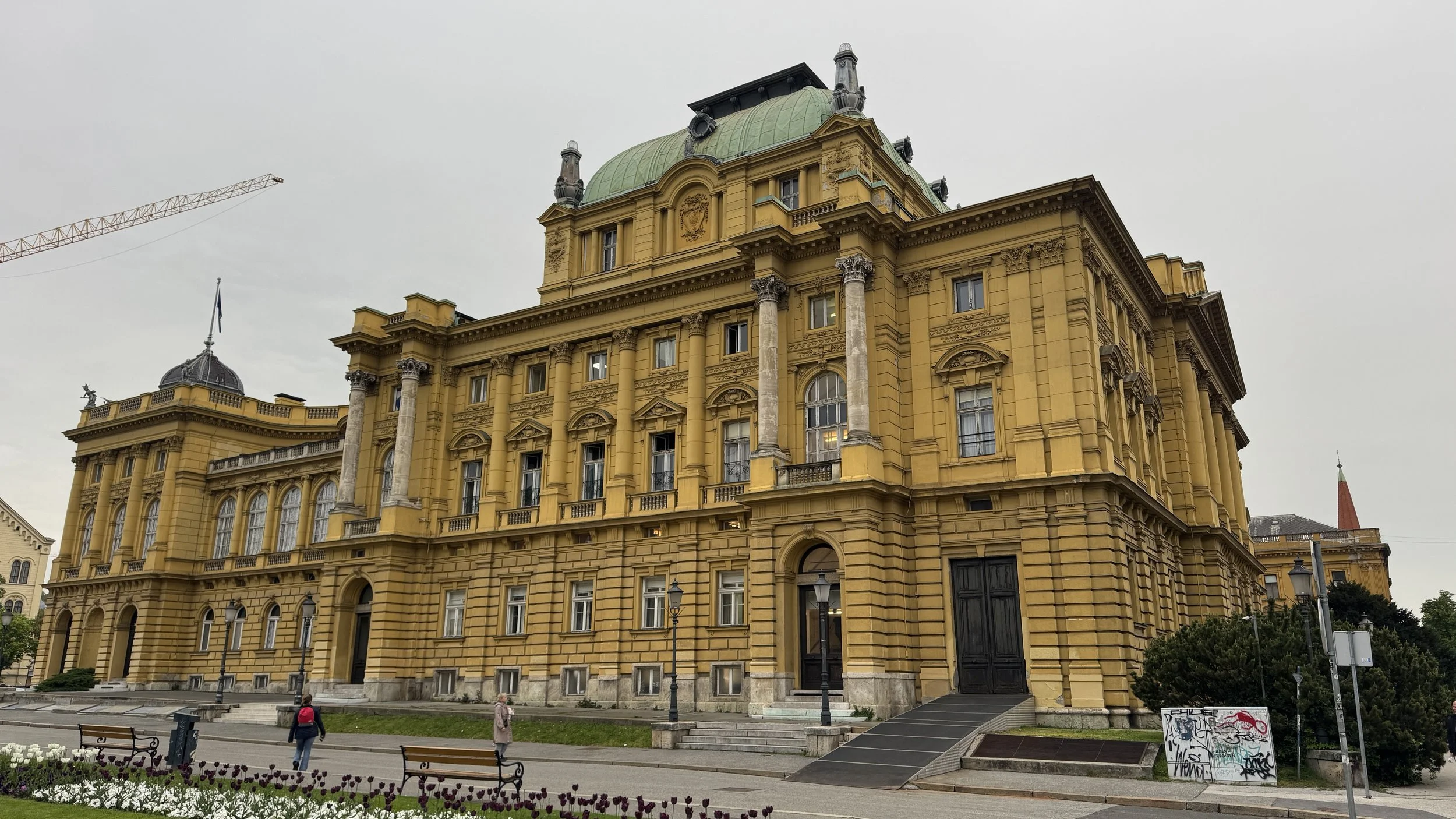
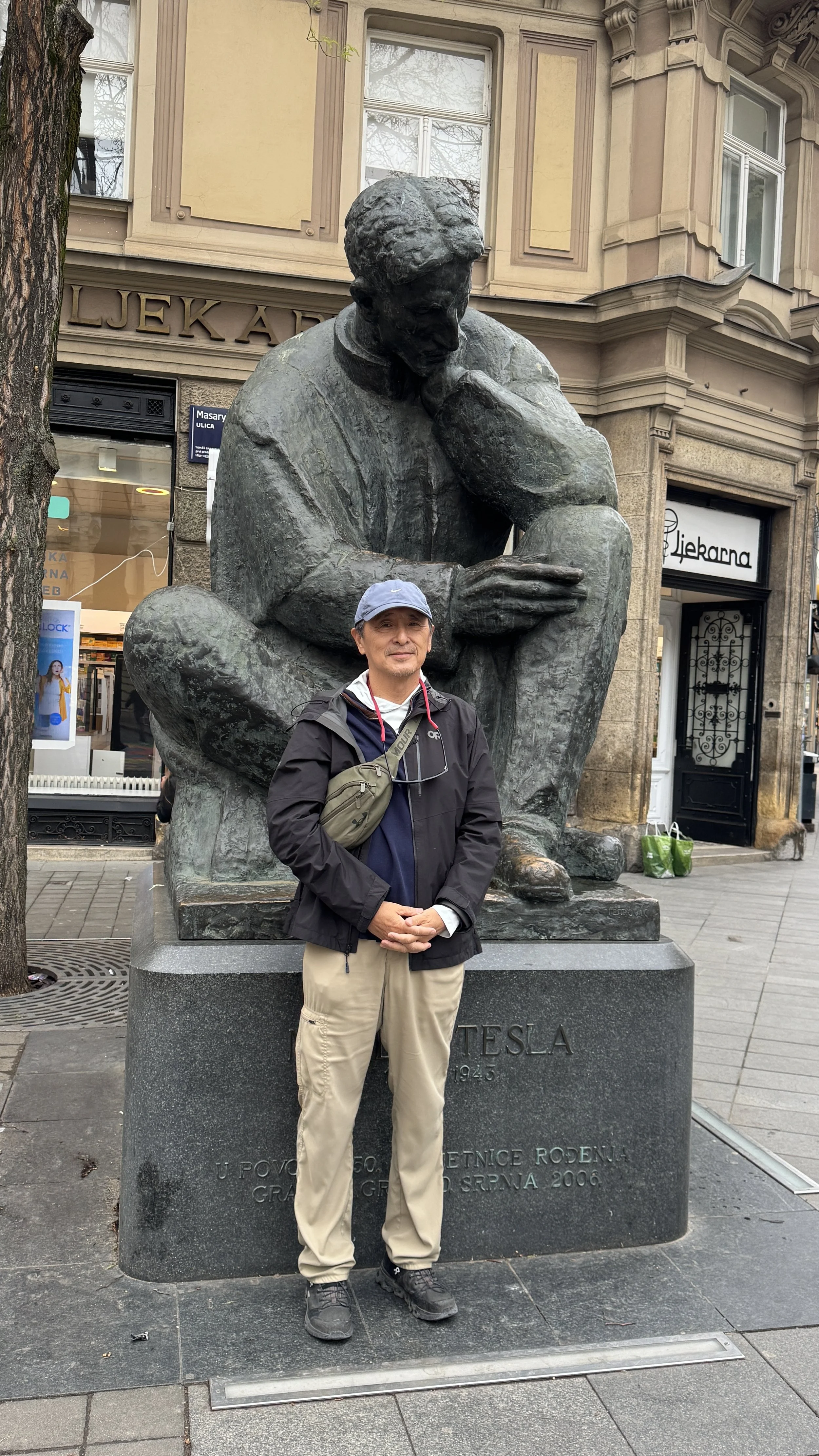
In the afternoon, we strolled through the elegant “Green Horseshoe” in the Lower Town (Donji Grad), a series of connected parks and squares laid out in a graceful U-shape. Spring was in full display—tulips were in bloom, adding bright colors to the already charming scenery. Around the parks stood grand buildings housing museums and galleries, including those dedicated to Nikola Tesla, whose legacy remains closely tied to Croatia.
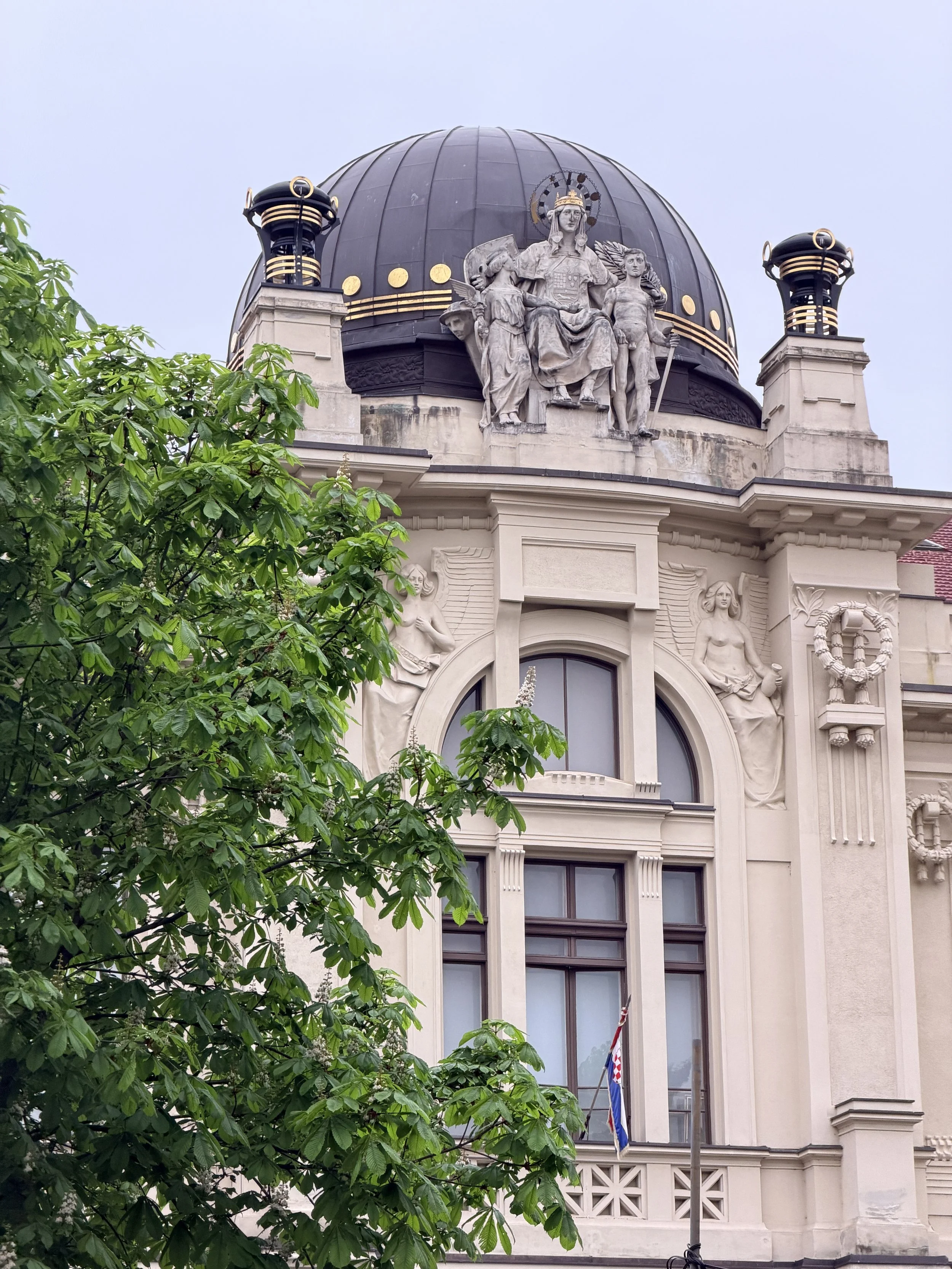
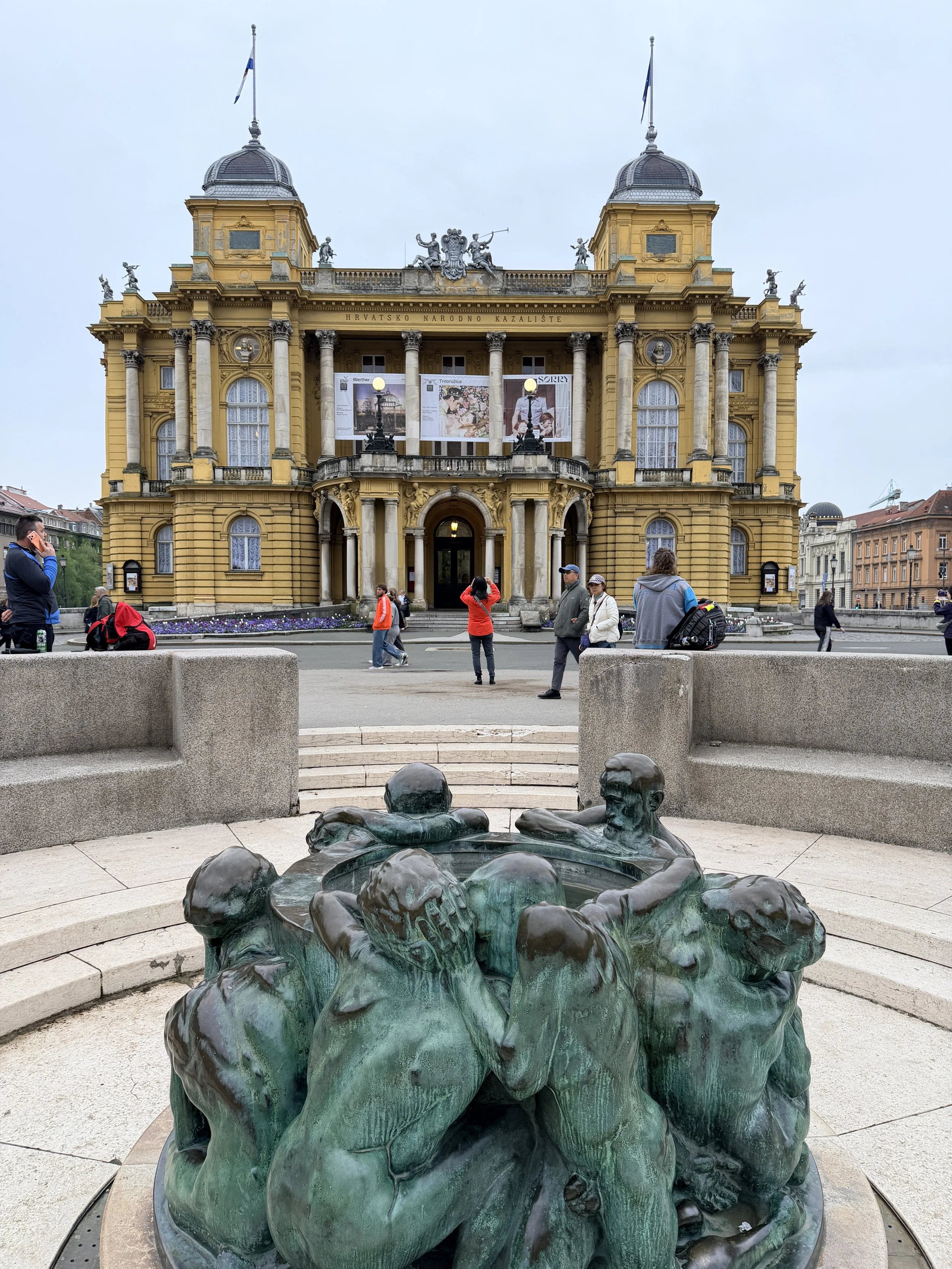
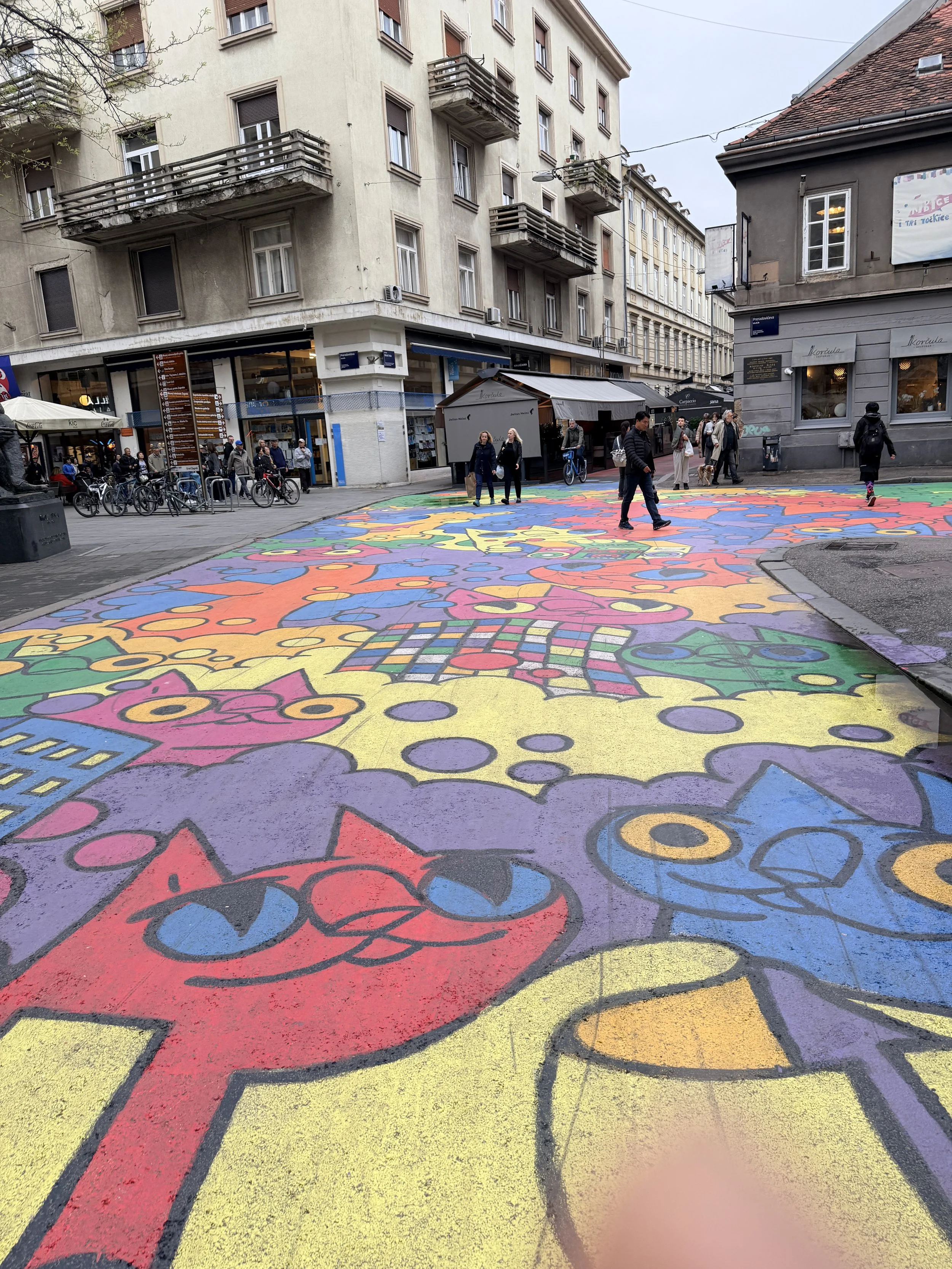
Zagreb felt like a smaller, quieter version of a classic Central European city—clean, calm, and easy to enjoy at a slow pace. It may not overwhelm with famous landmarks, but its charm reveals itself the longer you stay.
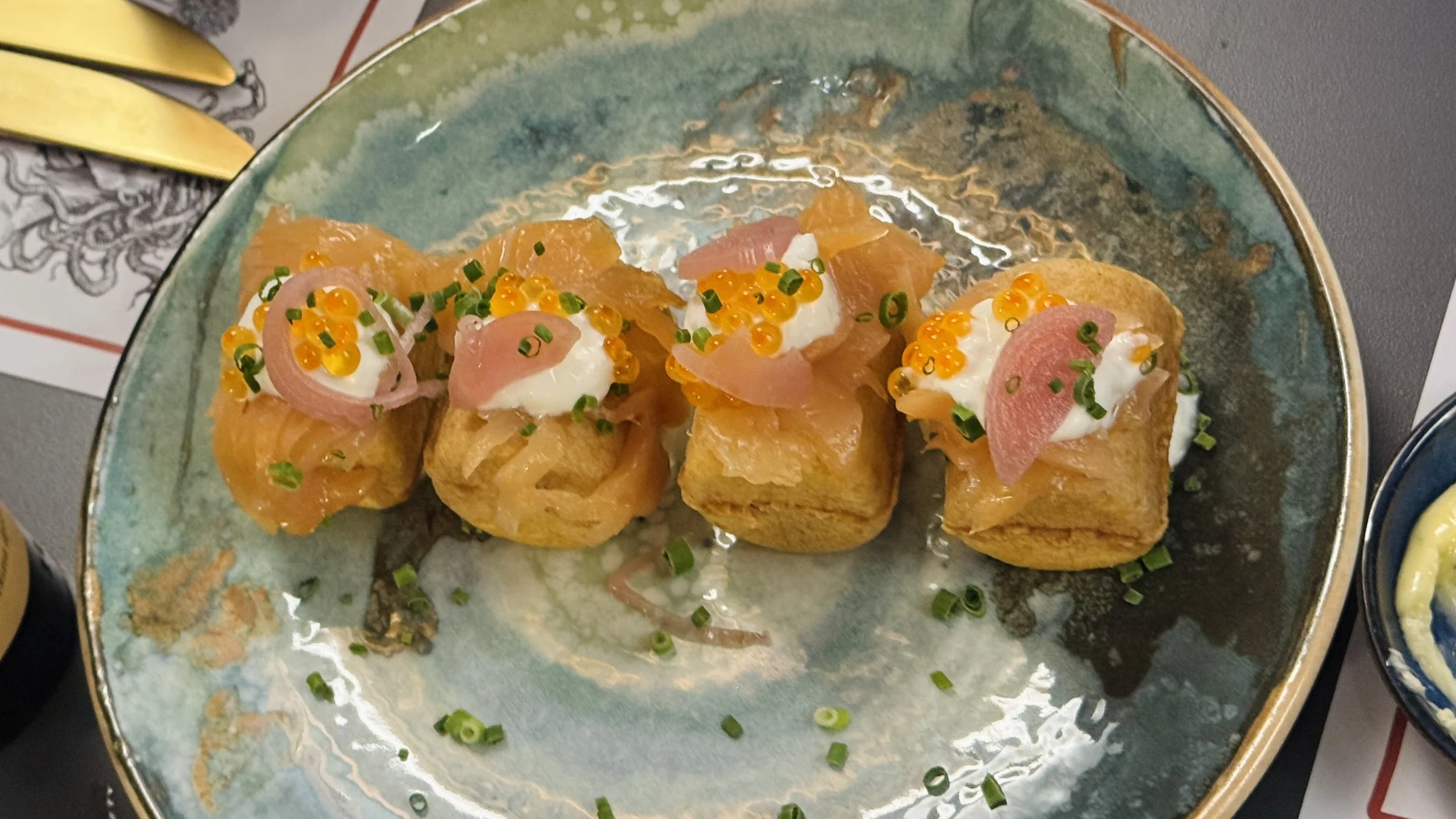
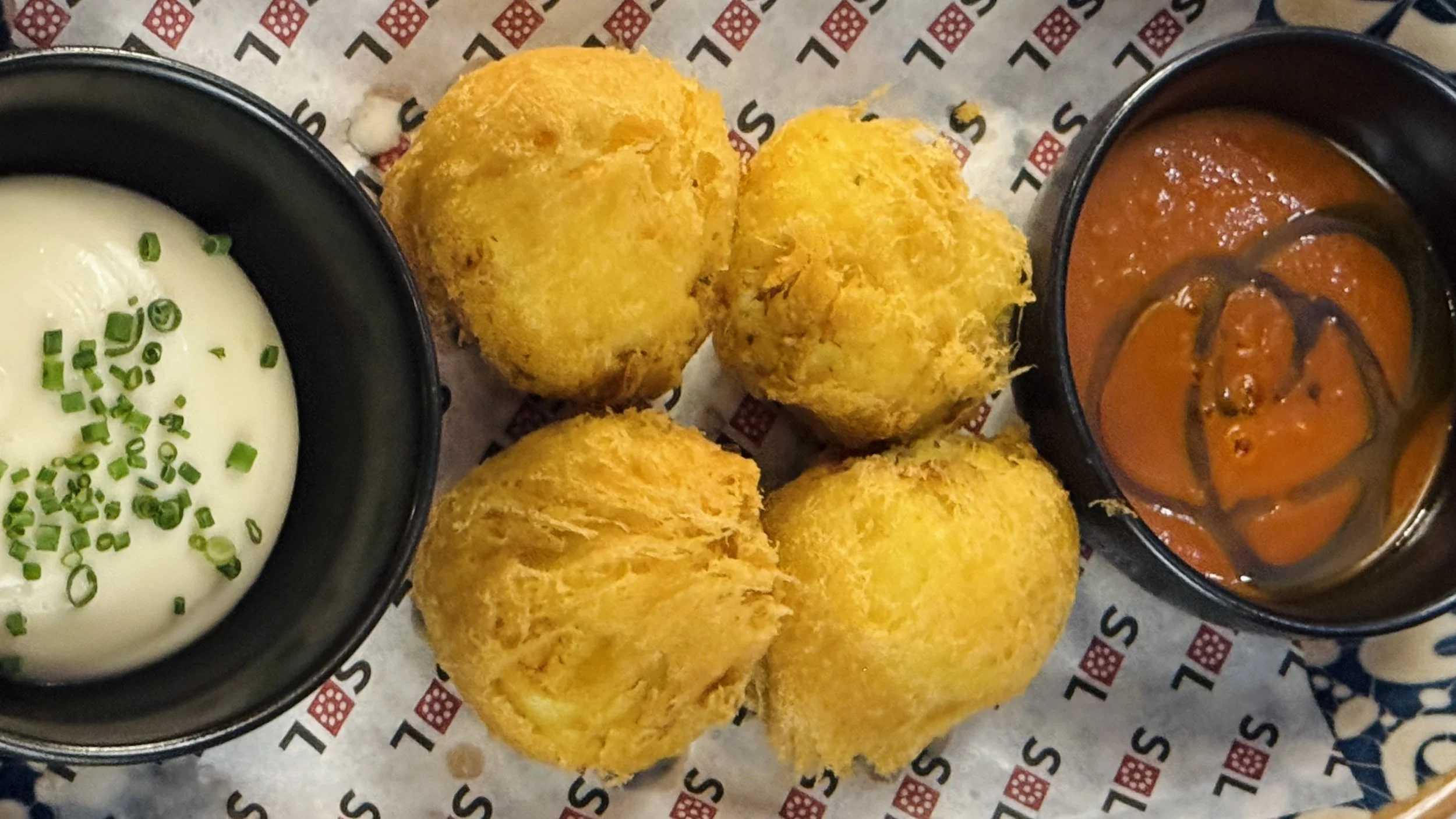
In the evening, we continued sampling the local cuisine and chose a tapas-style restaurant near our hotel. The dishes were beautifully presented, full of flavor and aroma, and thoroughly satisfying — even better than the restaurant we had tried the night before.




2026年4月14日
昨天在 什科茨扬溶洞 (Škocjan Caves)参观什科茨扬溶洞时,我们遇到了一位在意大利留学的中国女生。她曾去过萨格勒布 (Zagreb),轻描淡写地说,一个小时就足够看完这座城市。我们却花了整整一天时间探索这座克罗地亚的首都,仍然觉得非常值得。
一早我们先去住宿附近的菜市场买了面包,蔬菜,水果及烟熏肉。大家吃饱喝足后,出门先去上城区(Gornji Grad),也就是这座城市最古老的部分。我们参观了萨格勒布大教堂 (Zagreb Cathedral),因为几年前的地震而受损,大教堂还在修复,里面大部分东西被暂时拿下,另外保存。我们走进了隐藏在地下的 二战地道 (Zagreb WWII Tunnels),这些通道曾是战时避难所,如今连接着老城的不同区域。我们在安静的老街中随意穿行,坐在街旁的小咖啡馆门口喝上一杯,感受这里悠闲的氛围。有着色彩鲜艳的拼瓦屋顶的圣马可教堂 (St. Mark’s Church)是老城区的一景。我们还上到不远处中世纪的洛特尔什察克塔 (Lotrščak Tower),到目前为止仍然在每天中午12点准时放一炮——这一传统可以追溯到1877年。我们早上在老街闲逛时炮声突然在城市上空炸响,当时我们完全不知道发生了什么,直到后来登上塔楼才弄明白,也看到了那门用于报时的古老火炮。
这座城市依然可以看到地震之后修复的痕迹,不少历史建筑外还搭着脚手架。但即便如此,萨格勒布依旧显得轻松、宜步行,带着一种低调而宁静的美感。
这些天在外油腻的吃多了,午餐我们回到住宿,自己简单做一道西红柿,蘑菇鸡蛋汤,再来点清炒蔬菜,还有当地的烤面包和薰肉等,吃得舒舒服服。
稍作休息之后,下午我们来到下城区(Donji Grad),沿着优雅的“绿色马蹄形公园”(Green Horseshoe)漫步。这是一组呈U形分布、相互连接的公园和广场。此时正值春天,郁金香盛开,为城市增添了色彩。公园周围分布着许多气派的建筑,里面是各类博物馆和美术馆。在其中一处广场上,我们还看到尼古拉·特斯拉(Nikola Tesla)的雕像,静静伫立,仿佛守望着这座城市的过去与未来。
或许没有令人震撼的顶级地标,萨格勒布给人的感觉,就像一座缩小版的中欧城市——干净、安静、节奏舒缓。
晚上继续品尝当地美食,选了住宿附近的另一家饭店,色香味俱全,相当不错,胜过昨晚上的那家。