Tesla & Sea Organ 特斯拉和海风琴
April 17, 2026
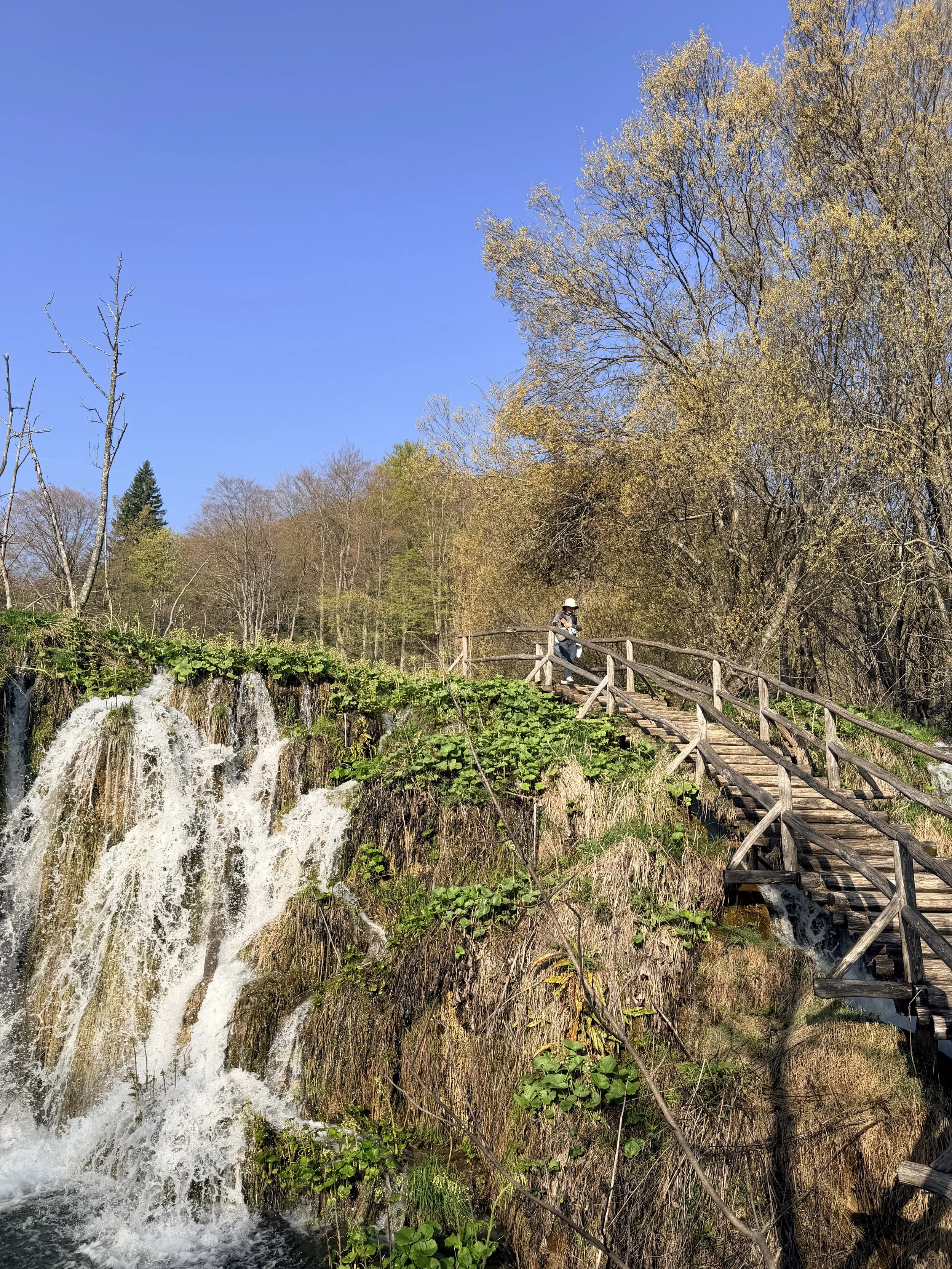
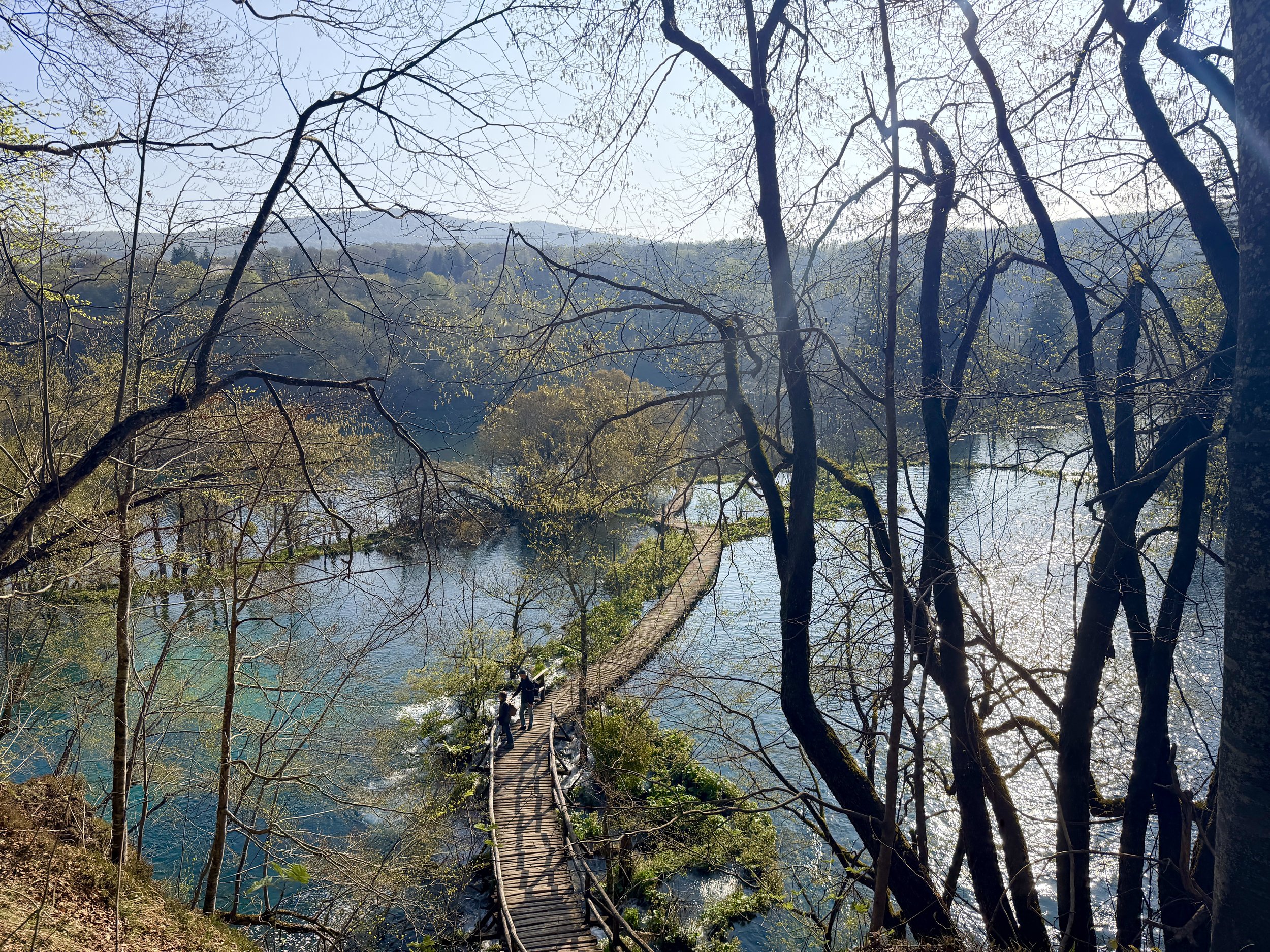
Before we got on the road today, we quietly slipped back into Plitvice Lakes National Park to take one more look at the waterfalls under the morning sunshine. The same cascades we had seen the day before now shimmered in a completely different light—clearer, brighter, almost sparkling.
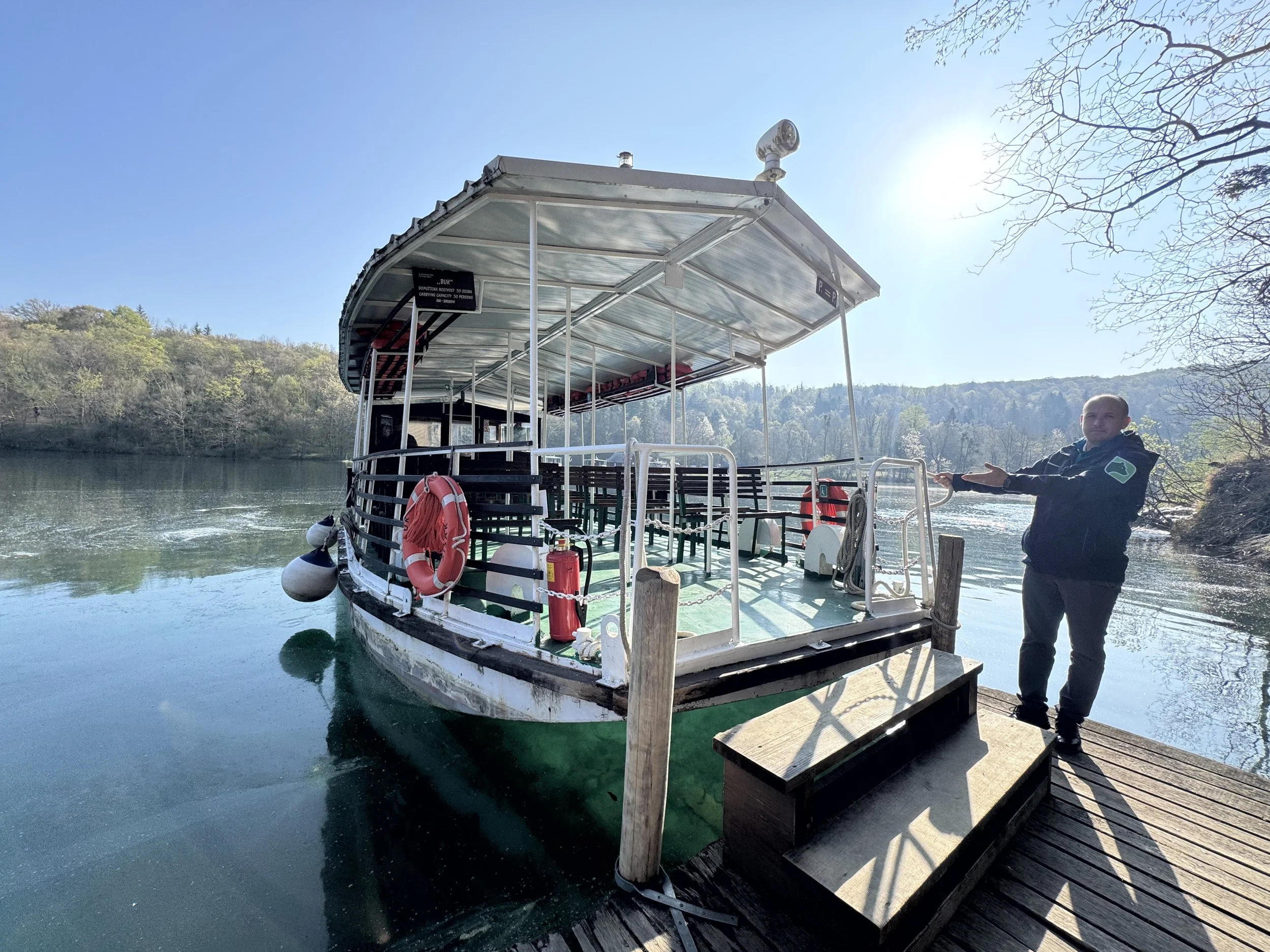
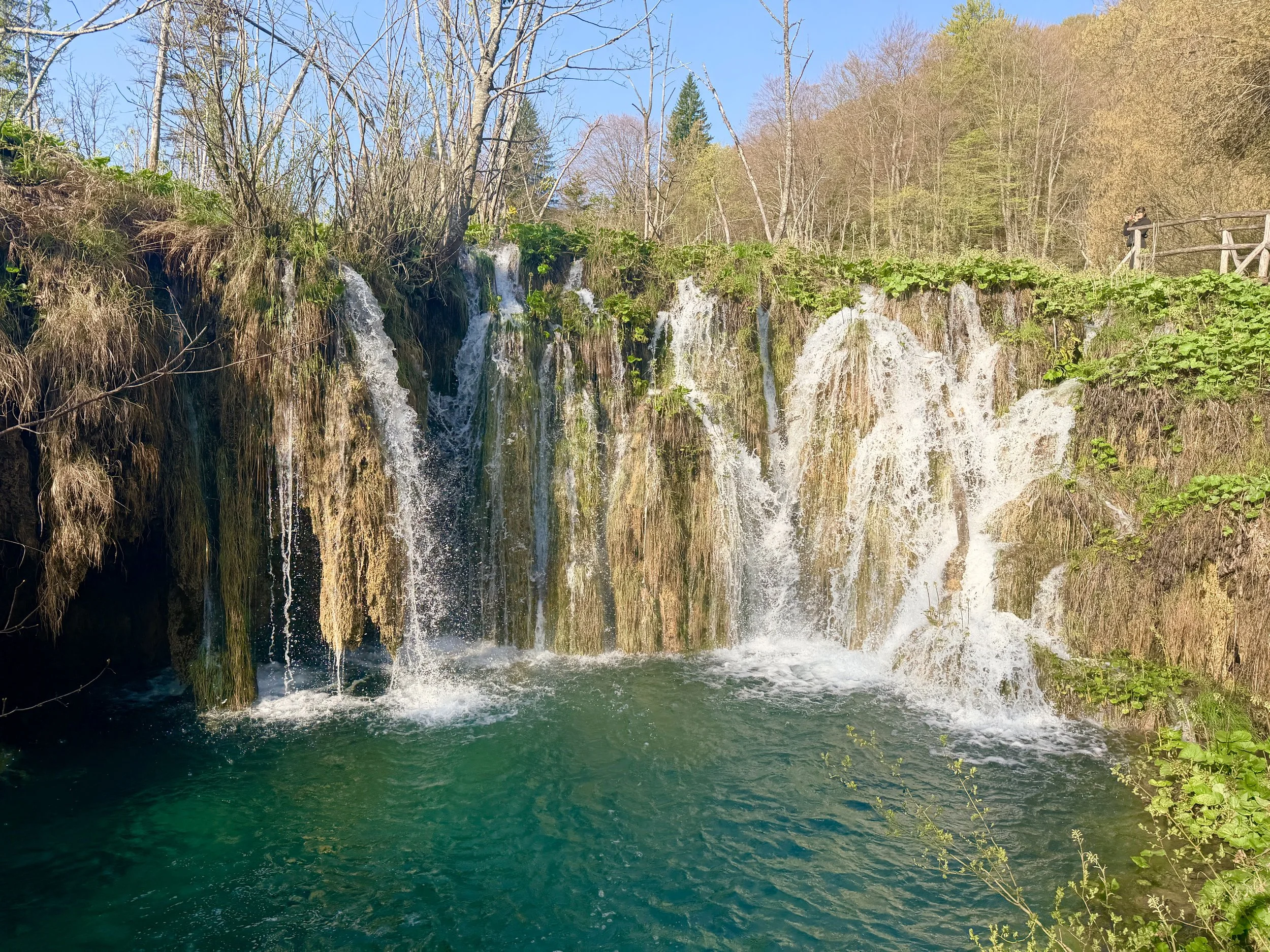
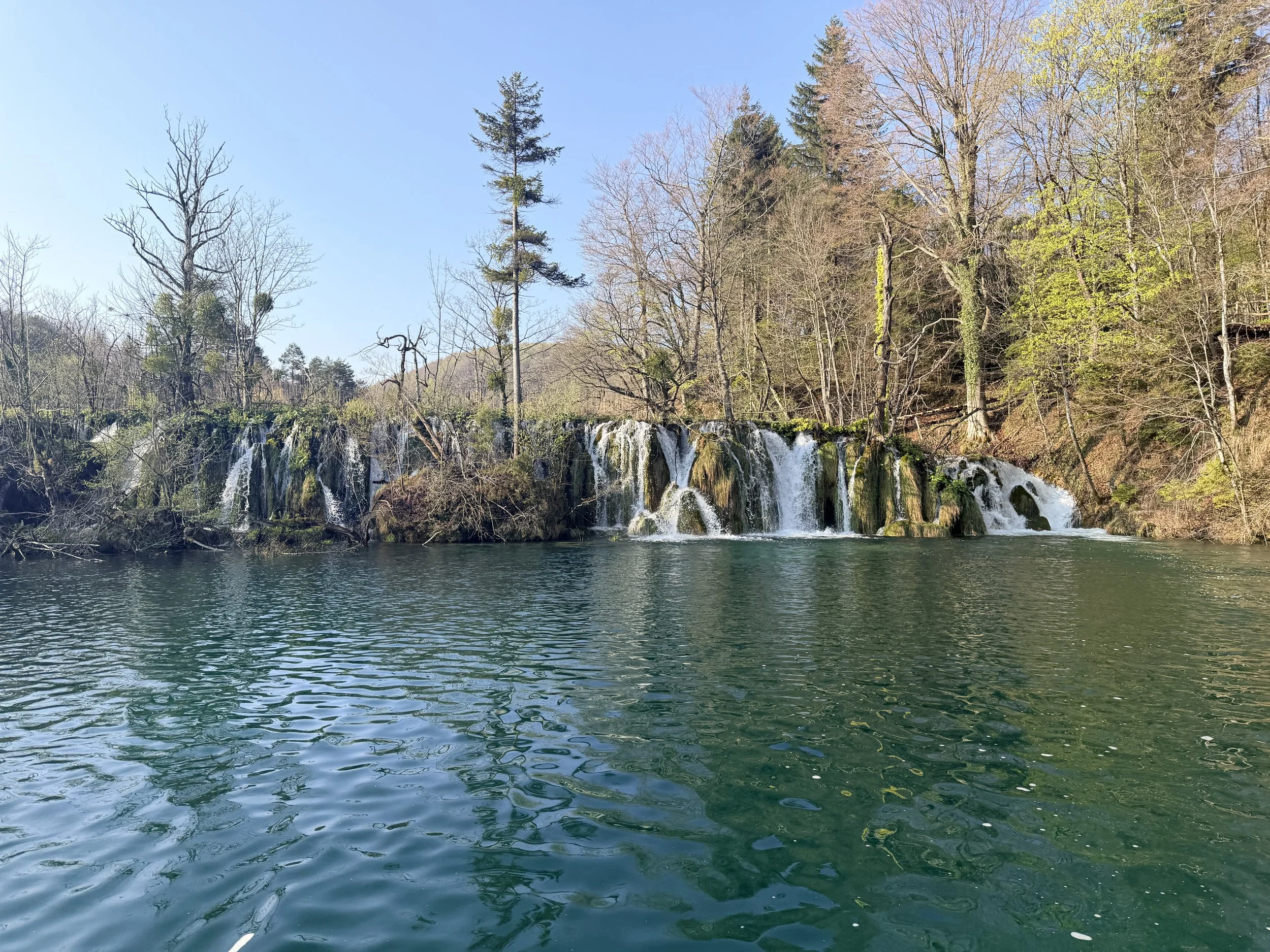
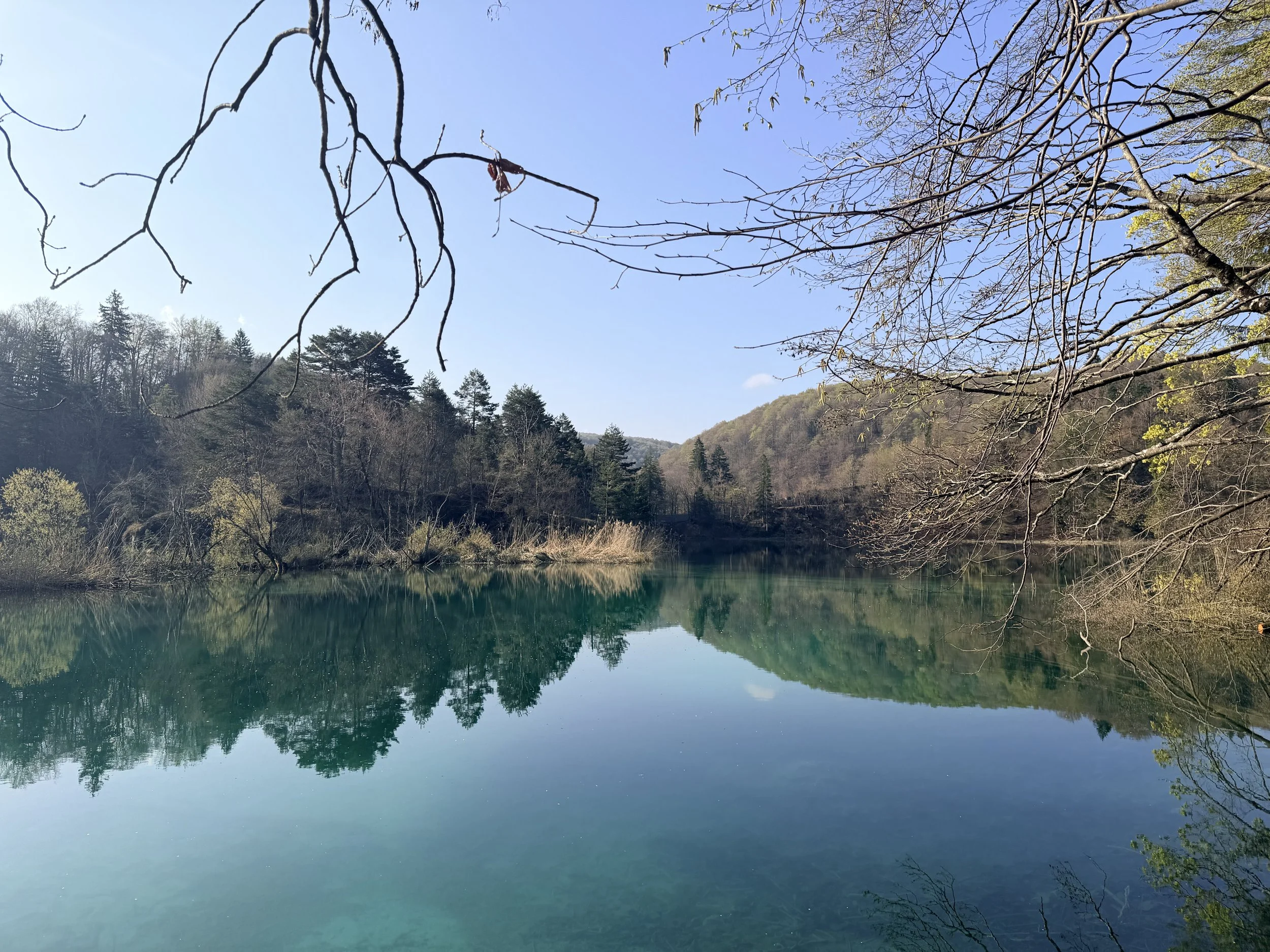
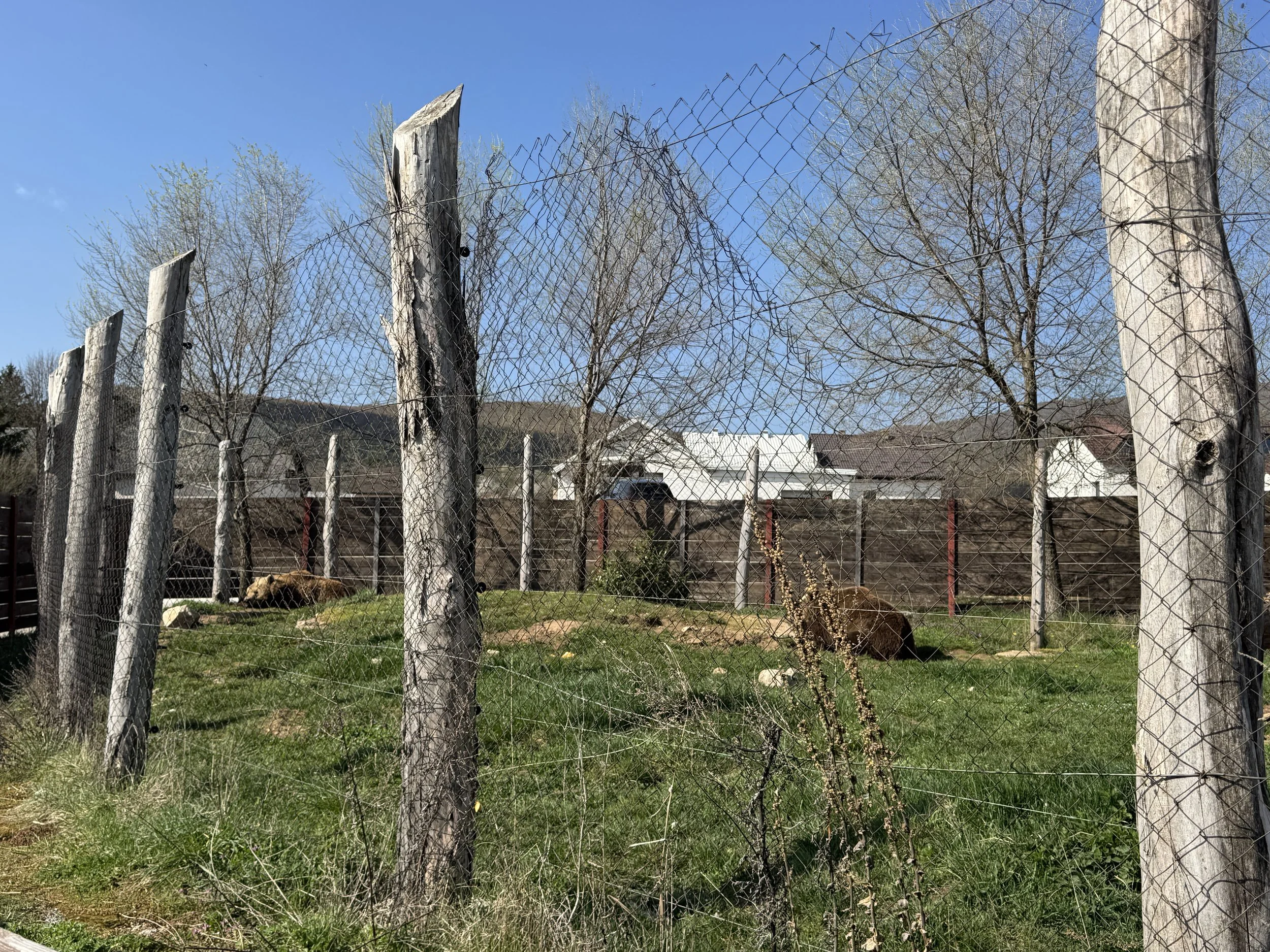
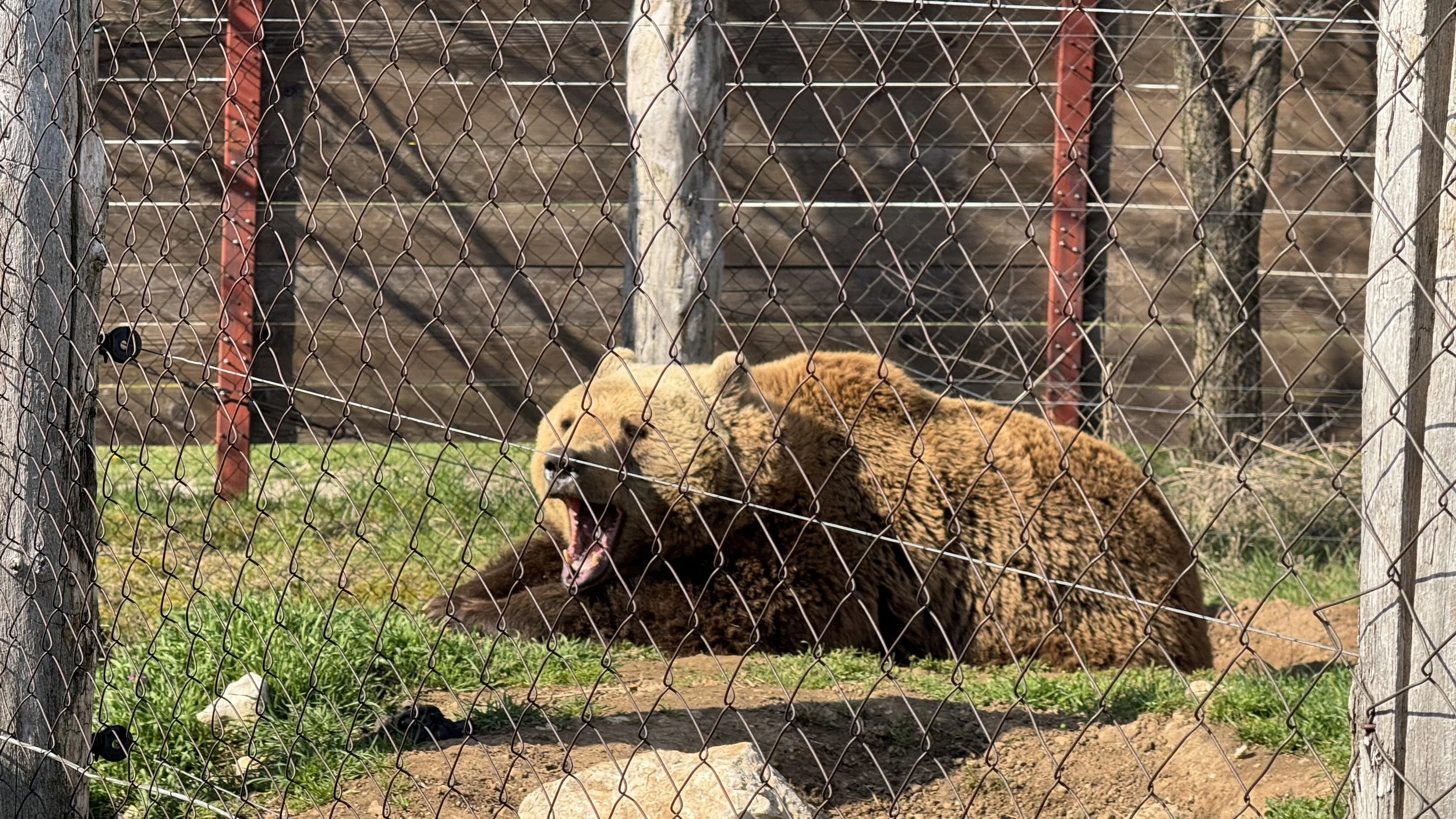
The same driver who dropped us off two days ago came to pick us up again. He lives about 20 minutes from the park. Along the way, we casually asked whether there were bears in the area. He smiled and said he would show us something. Soon, he stopped in front of a fenced enclosure in his town, where we saw two large brown bears living inside. We learned that a wealthy local man had found them as cubs in the forest and raised them. After a 12-year legal battle with the government, he was finally allowed to keep them. It was completely unexpected and quite memorable.
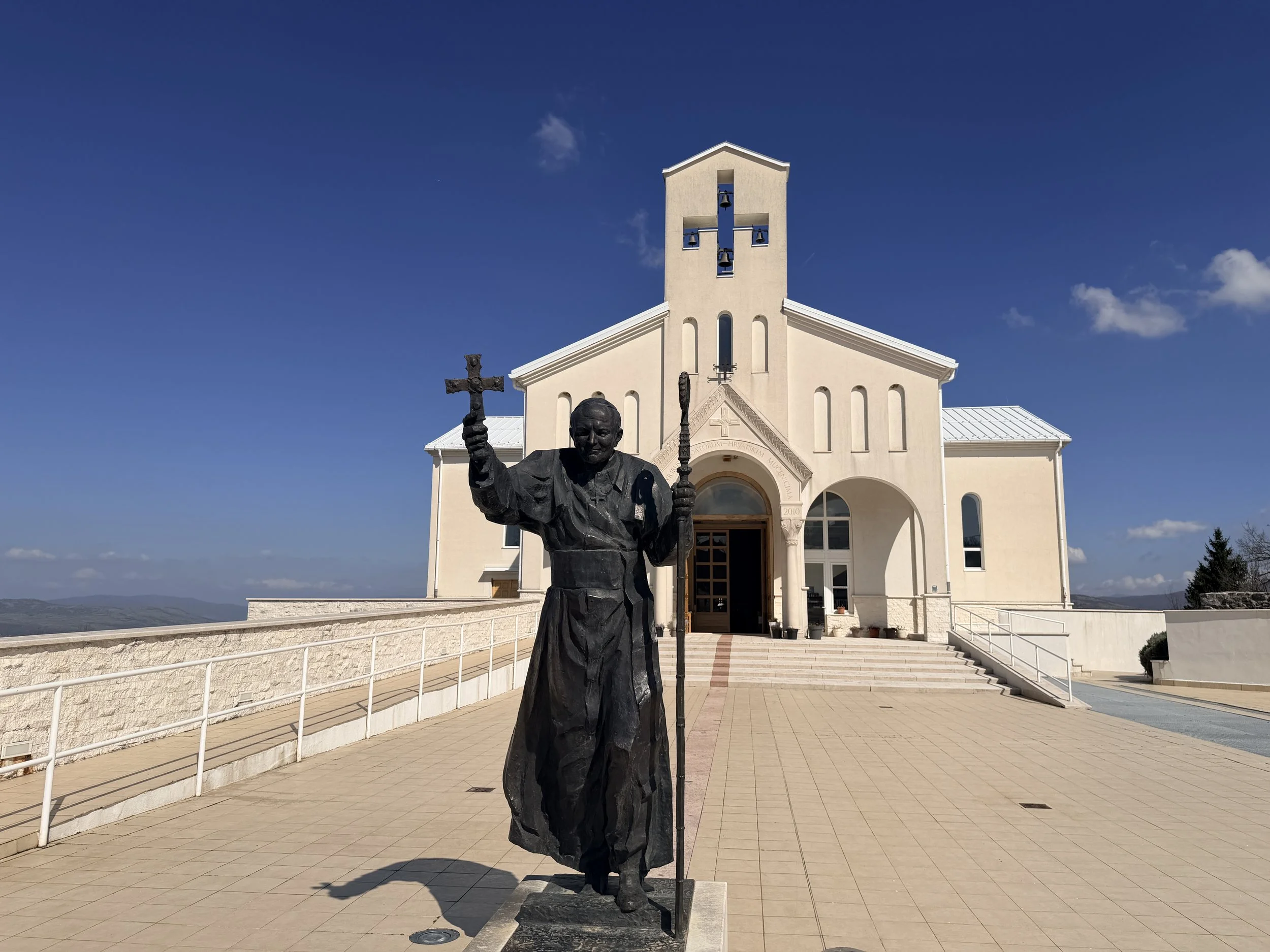
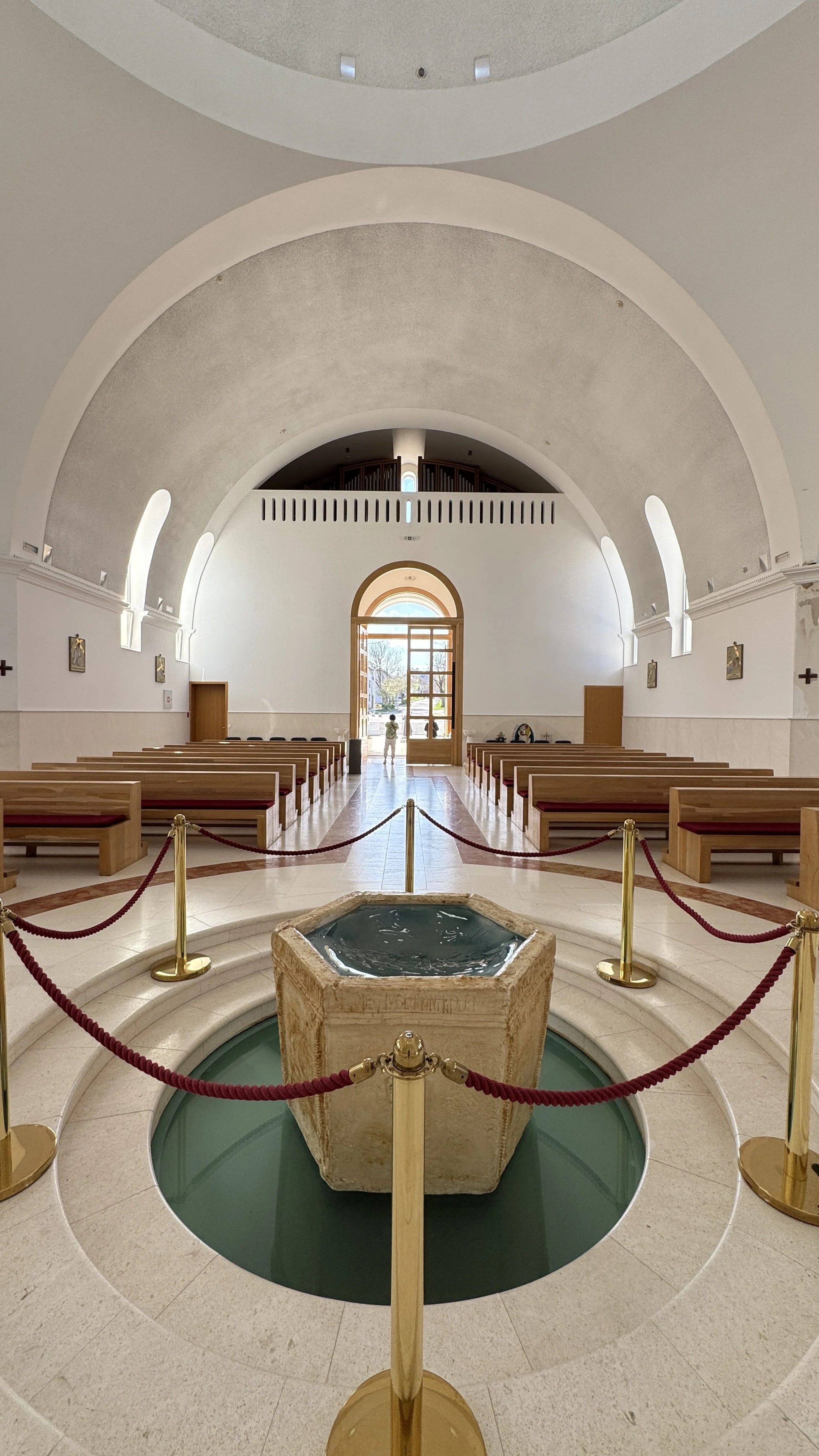
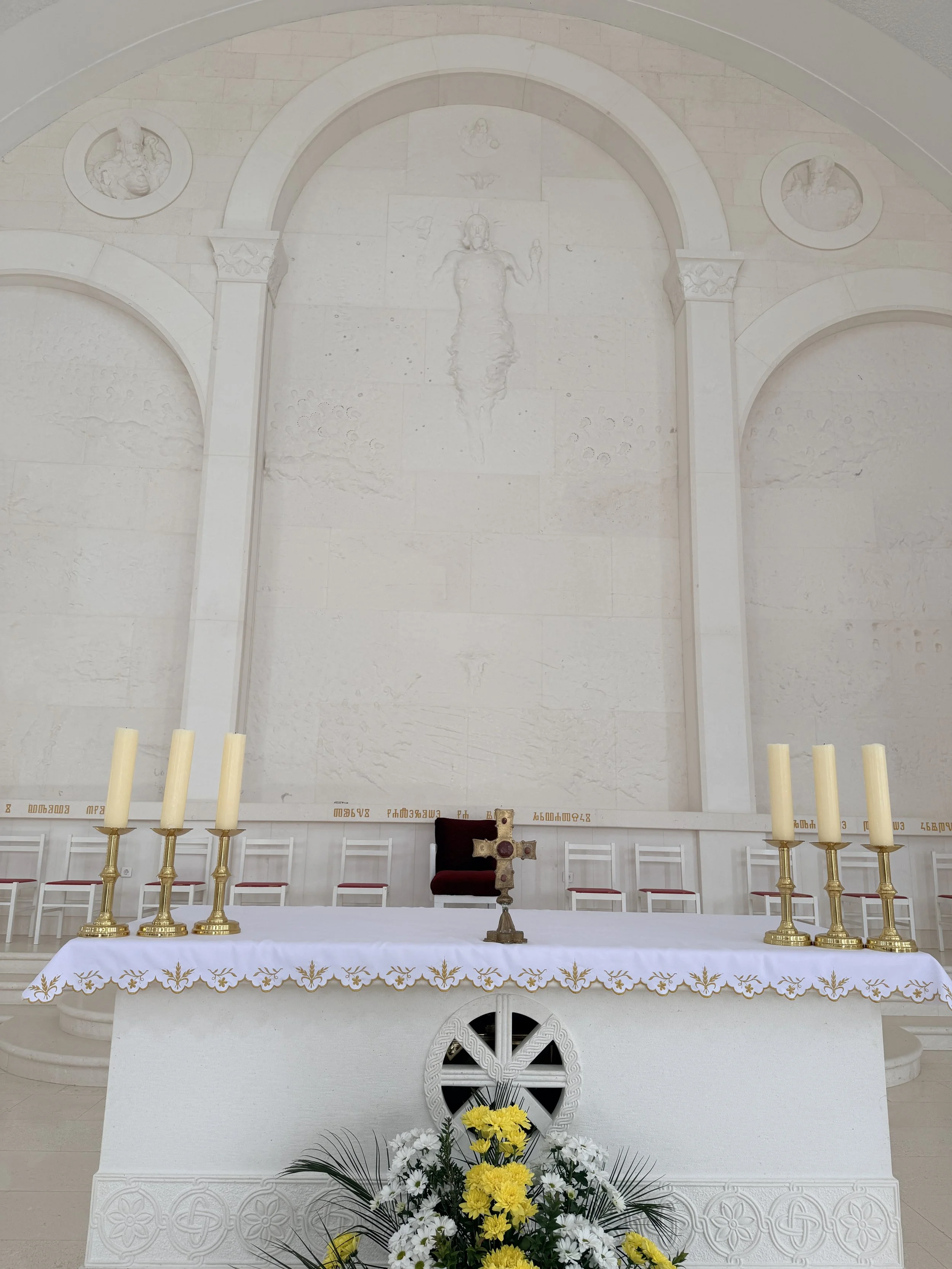
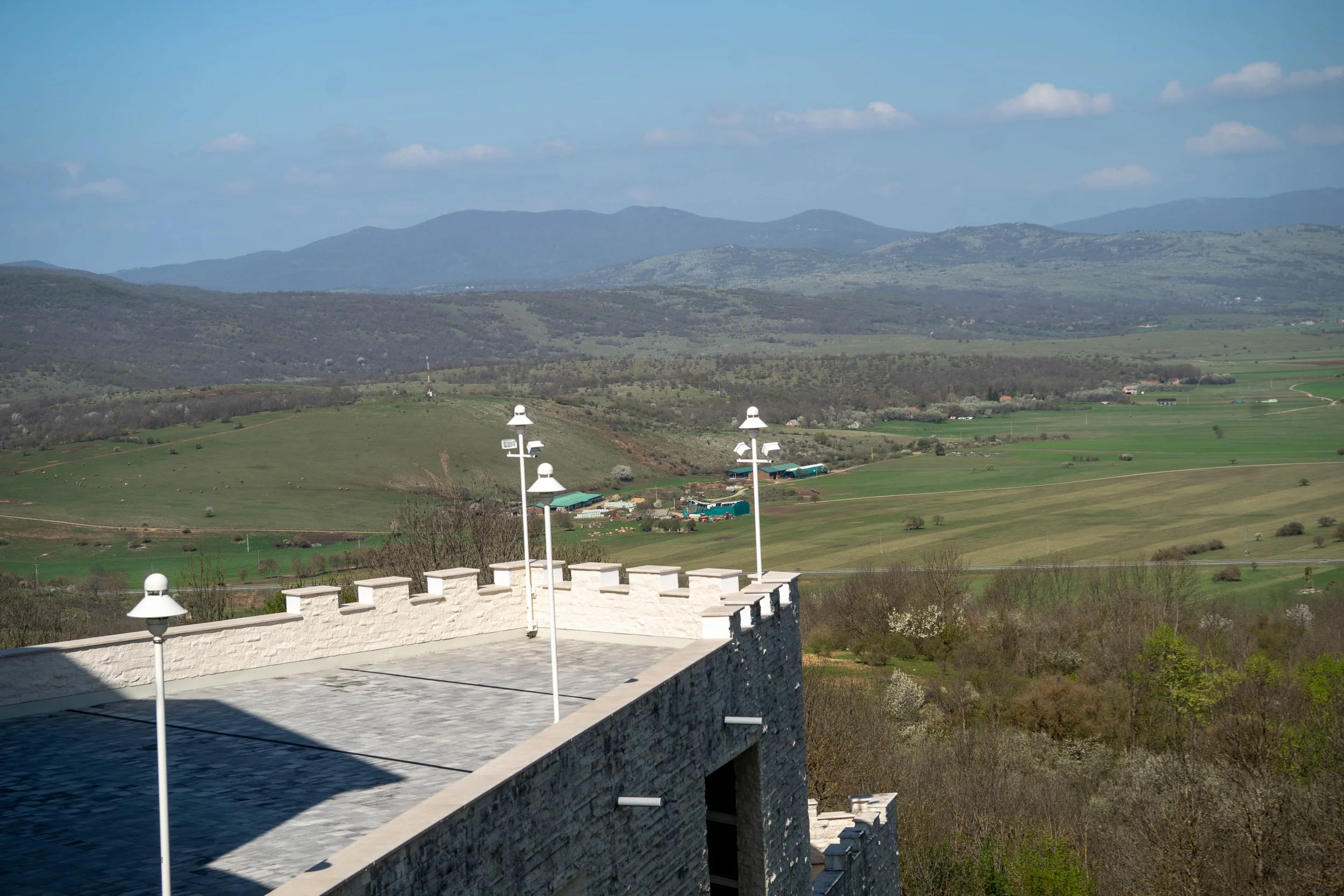
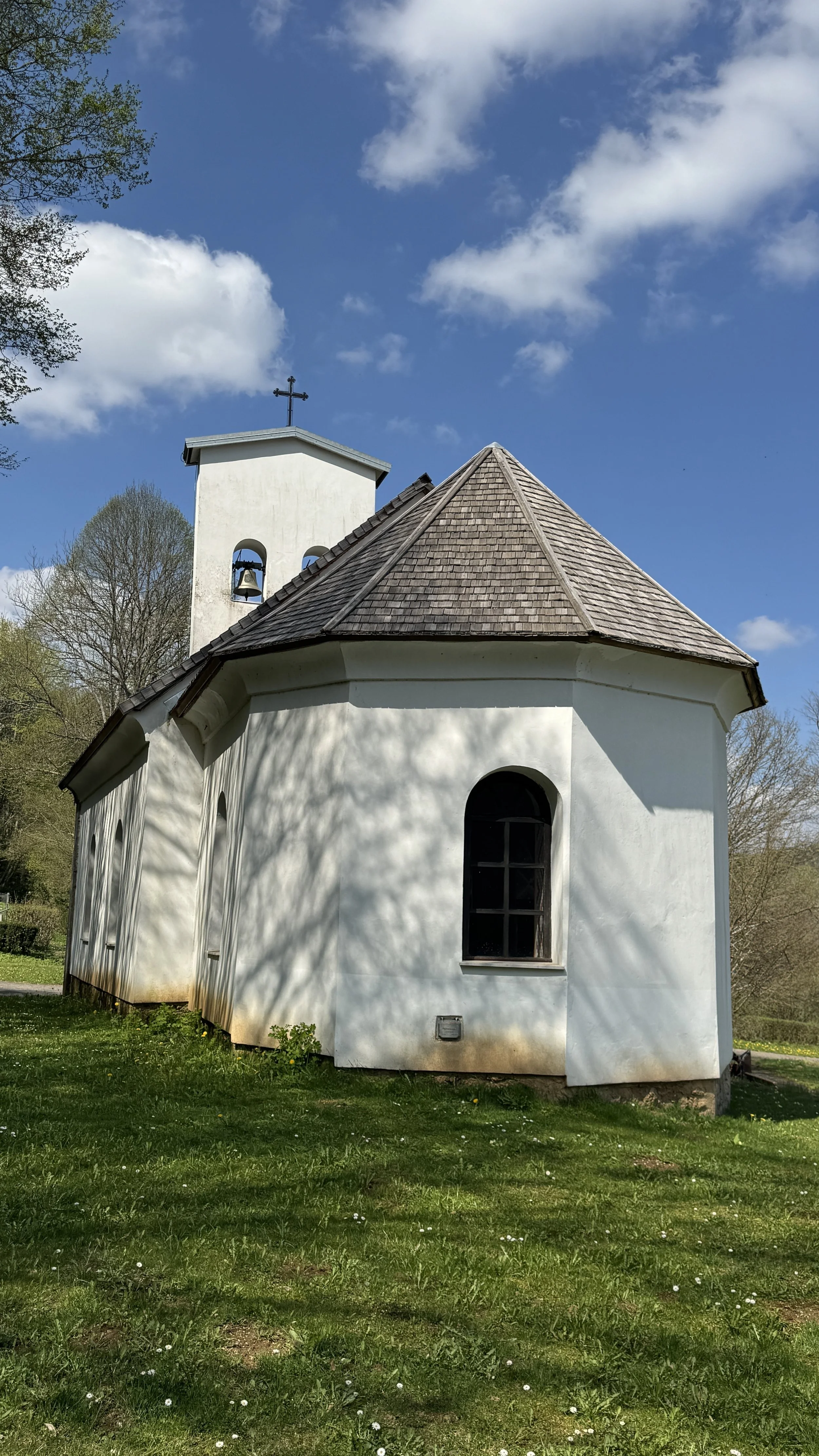
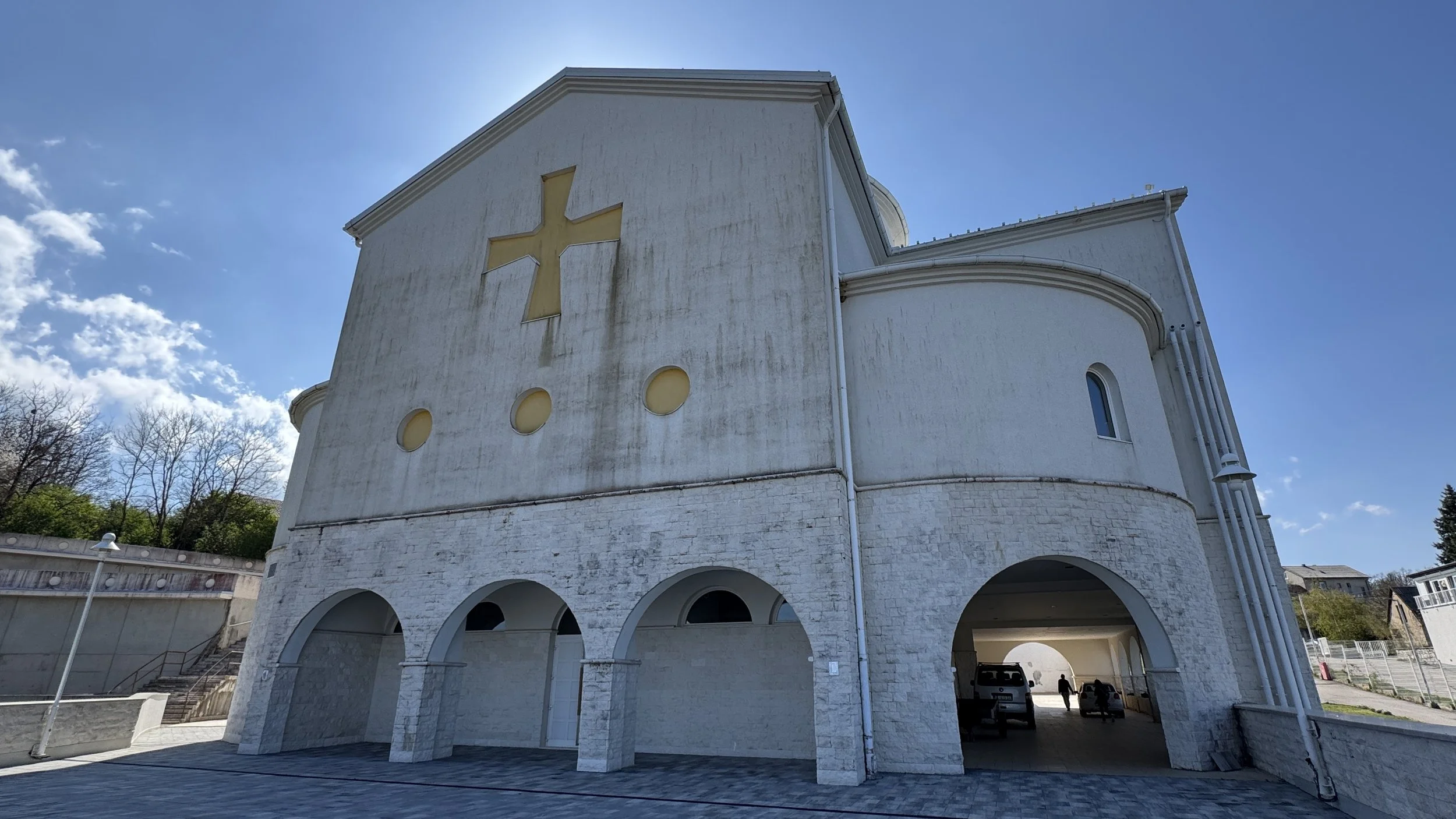
On the way, we stopped at Church of Croatian Martyrs at Udbina. The white church stood peacefully under a bright blue sky, simple yet solemn.
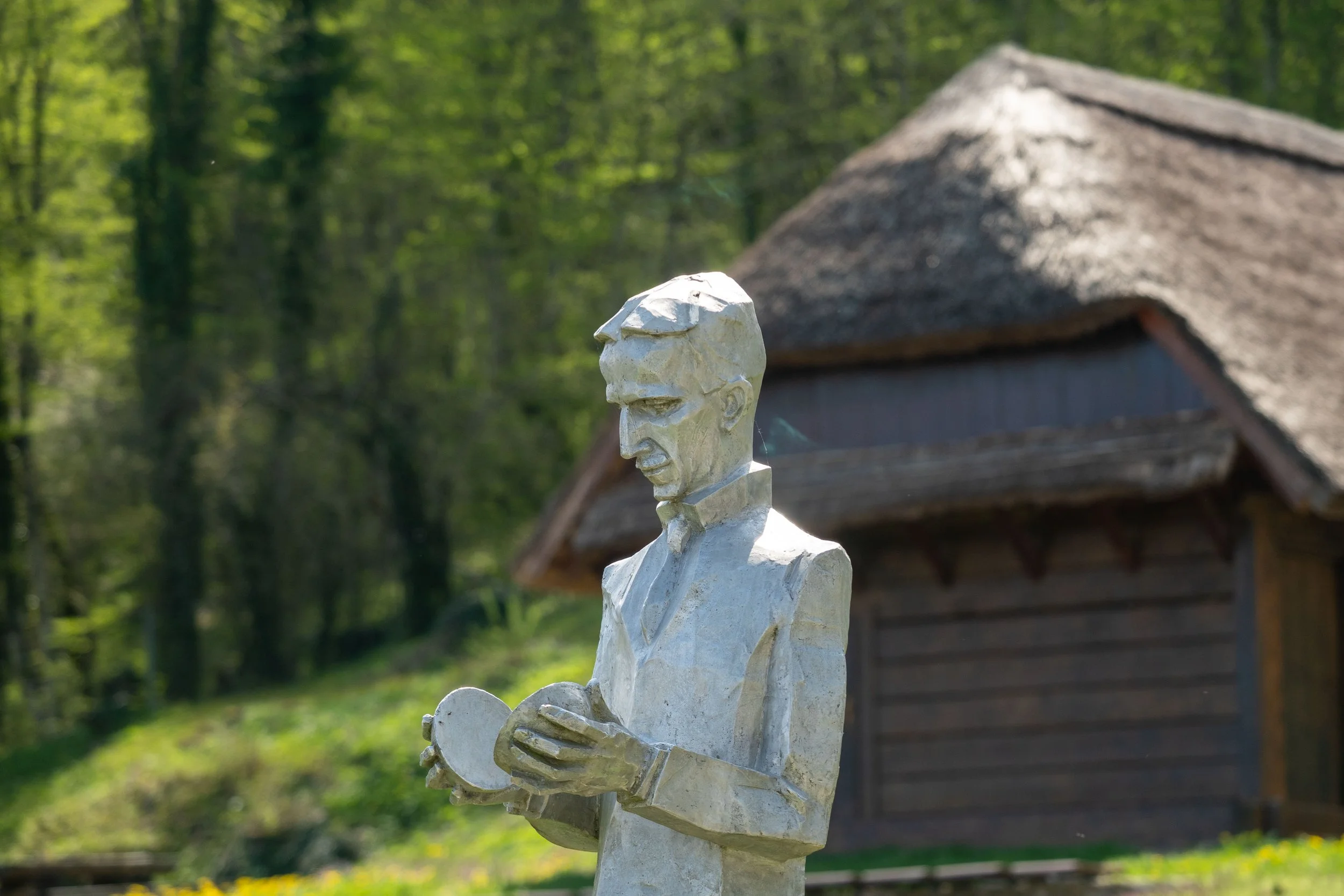
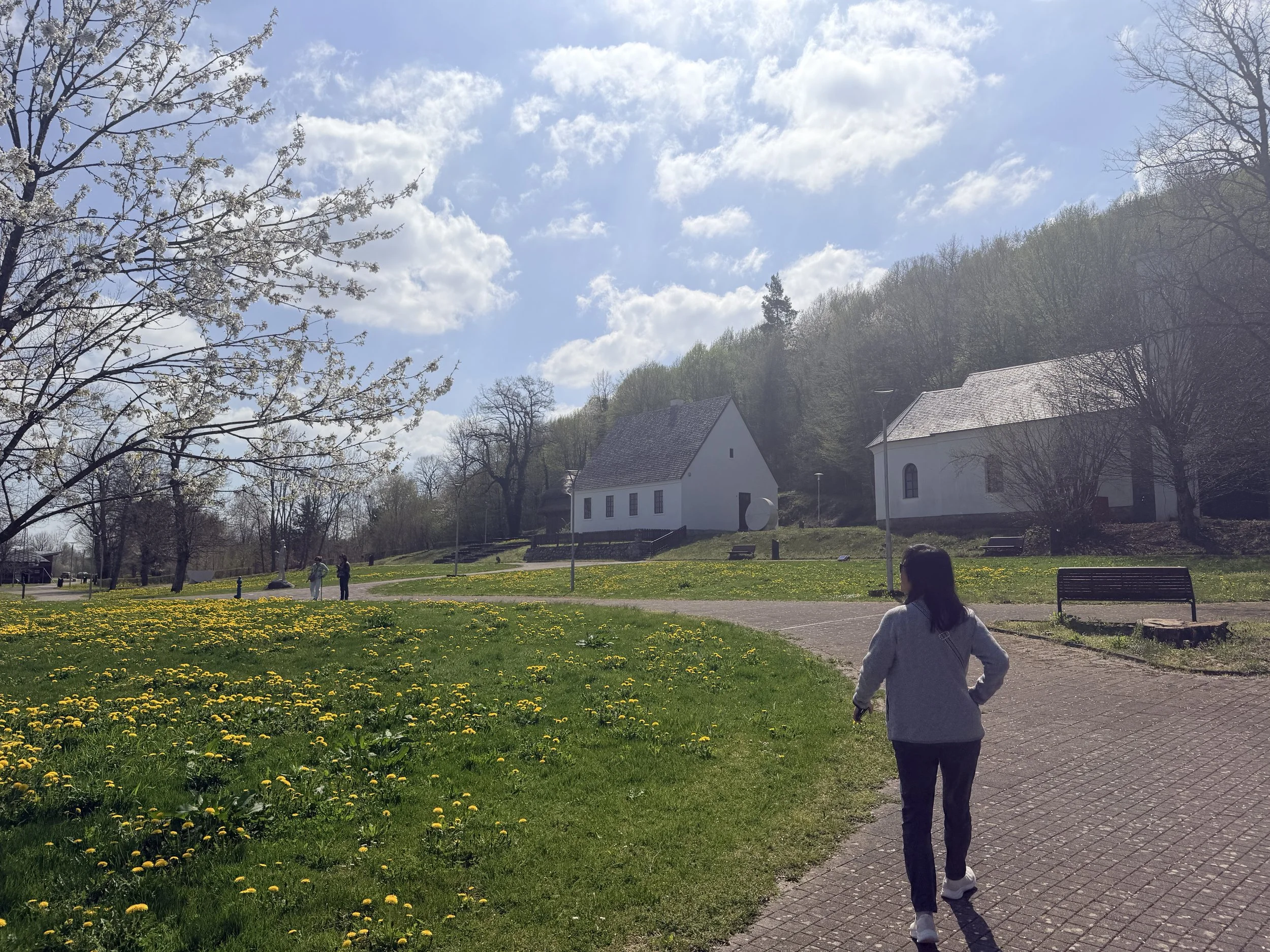
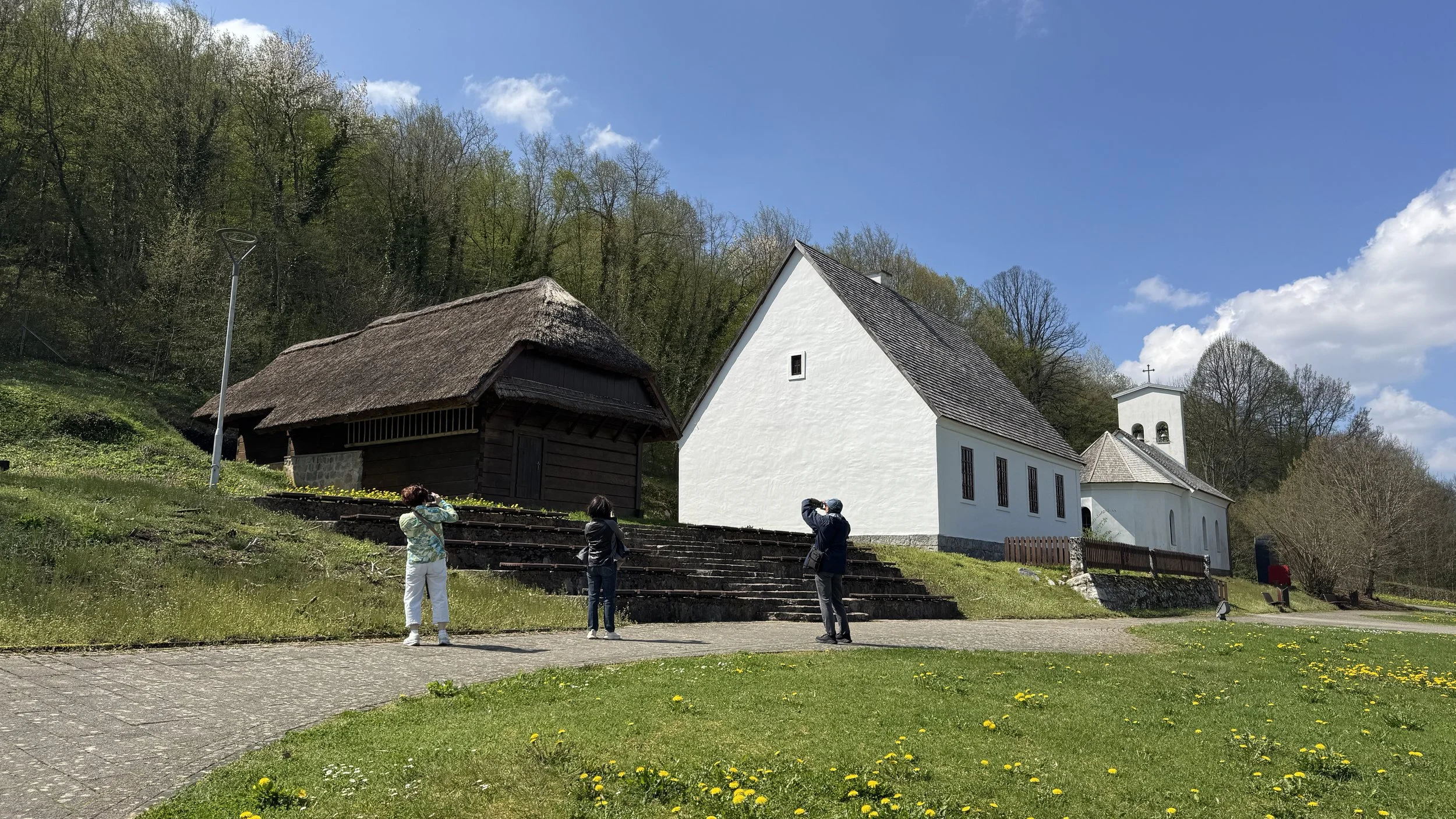
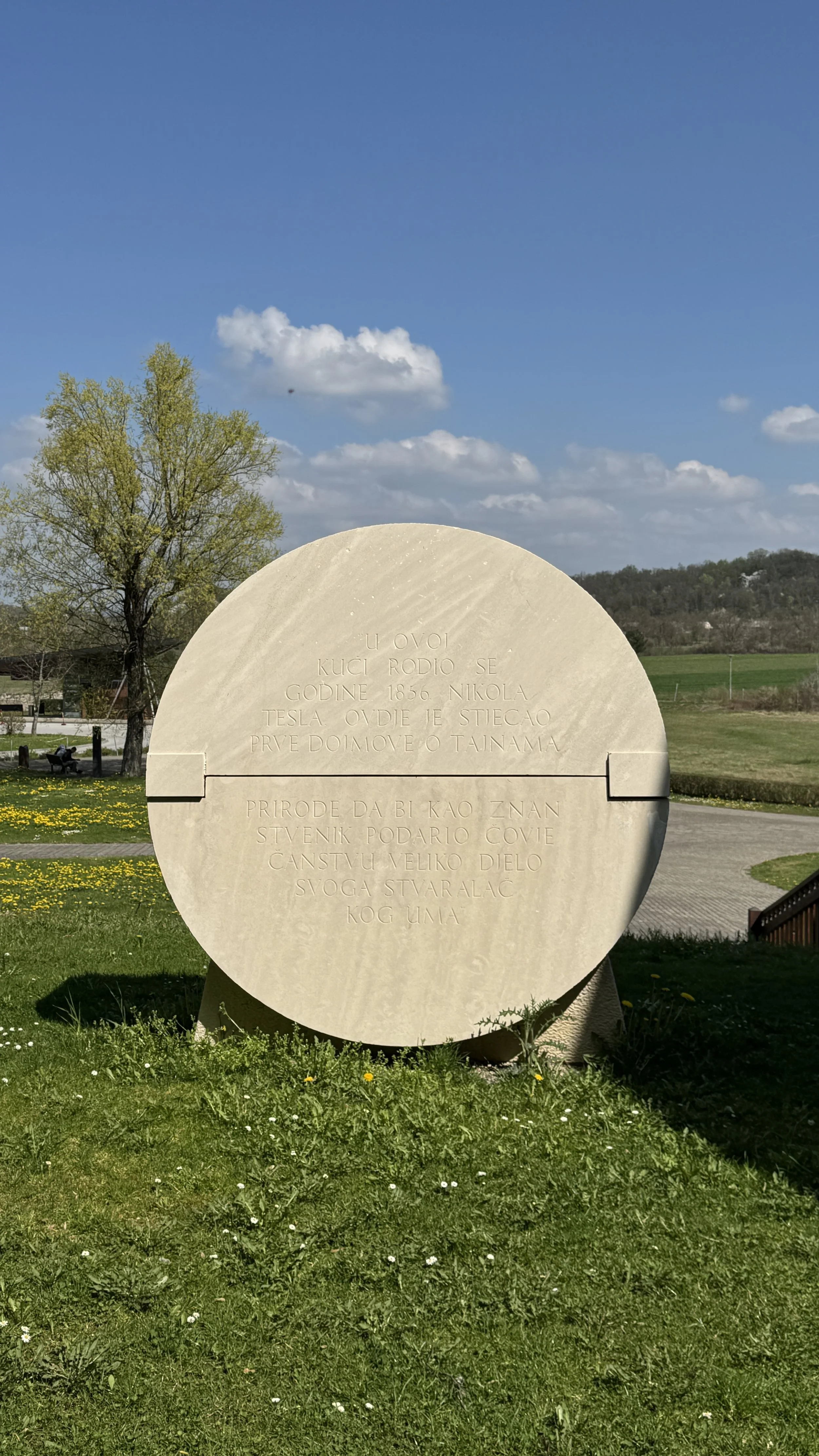
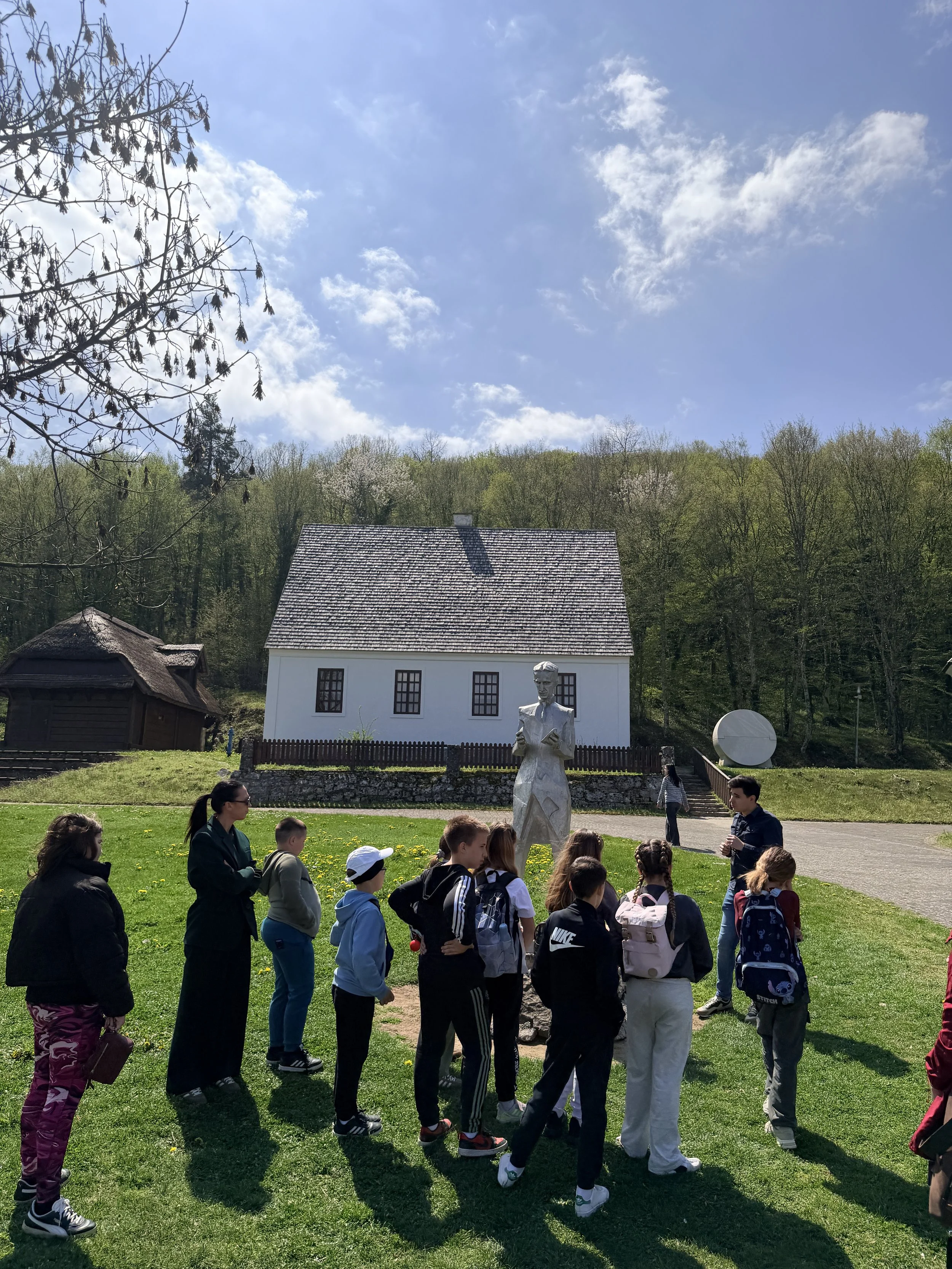
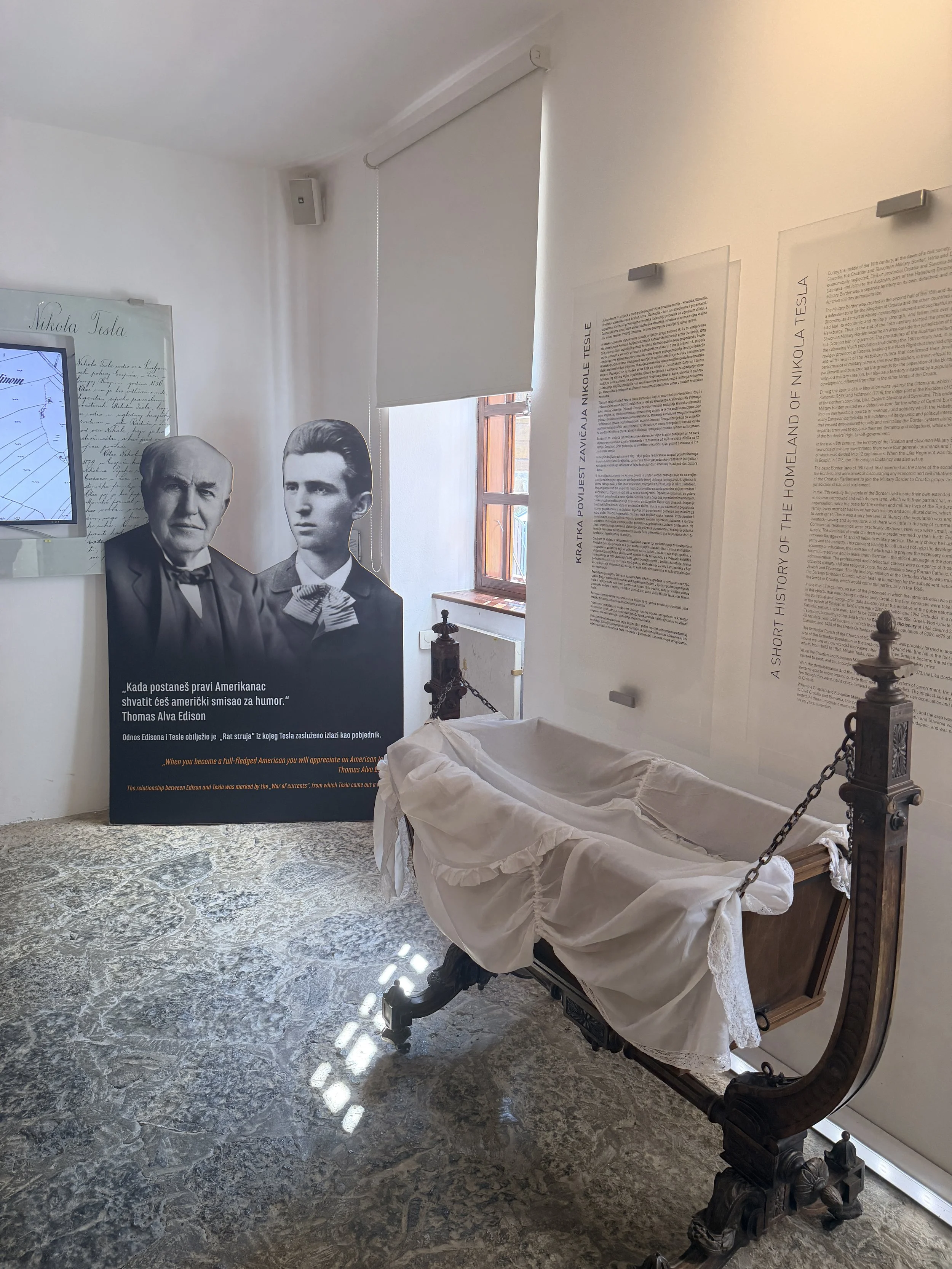
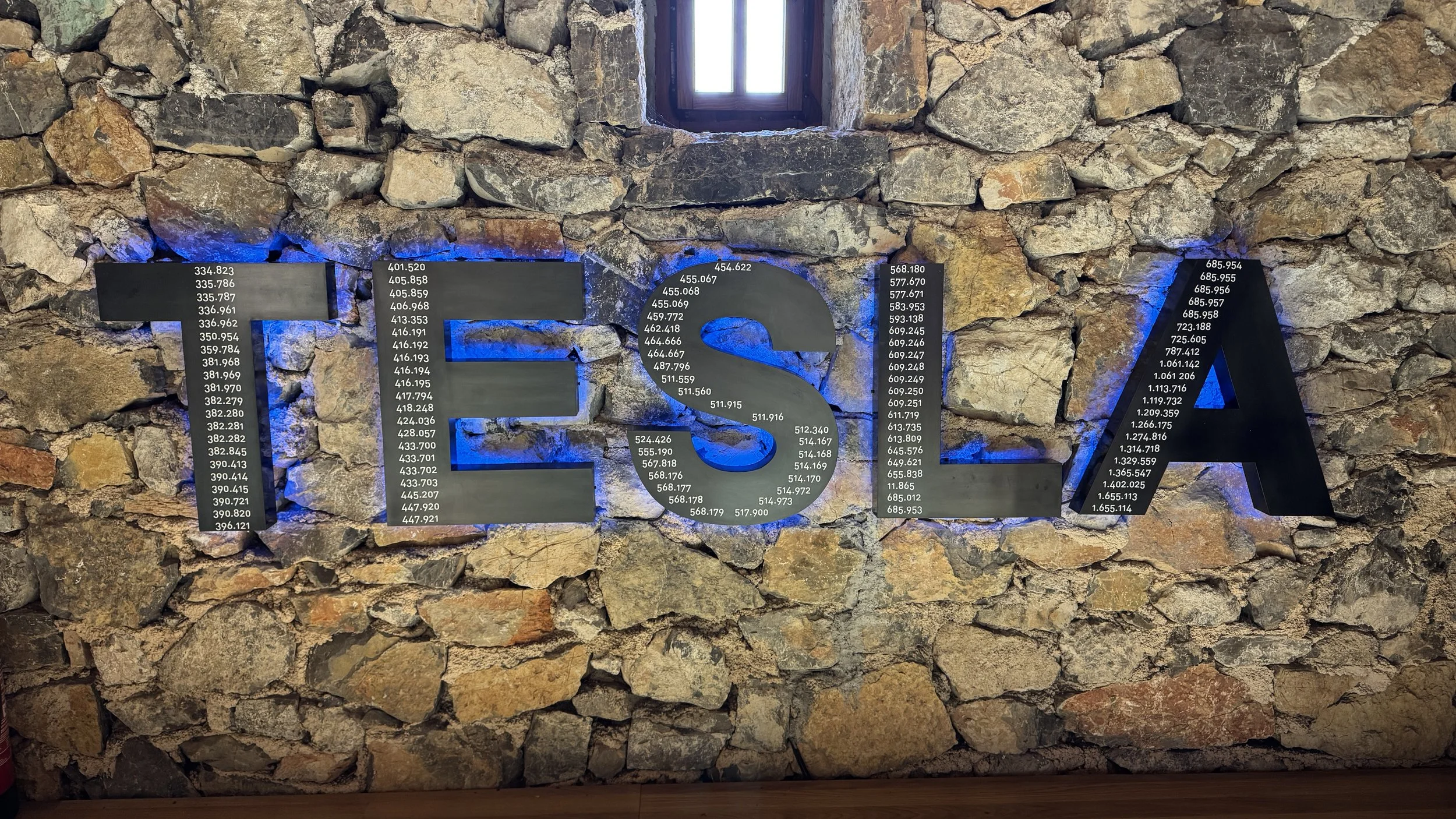
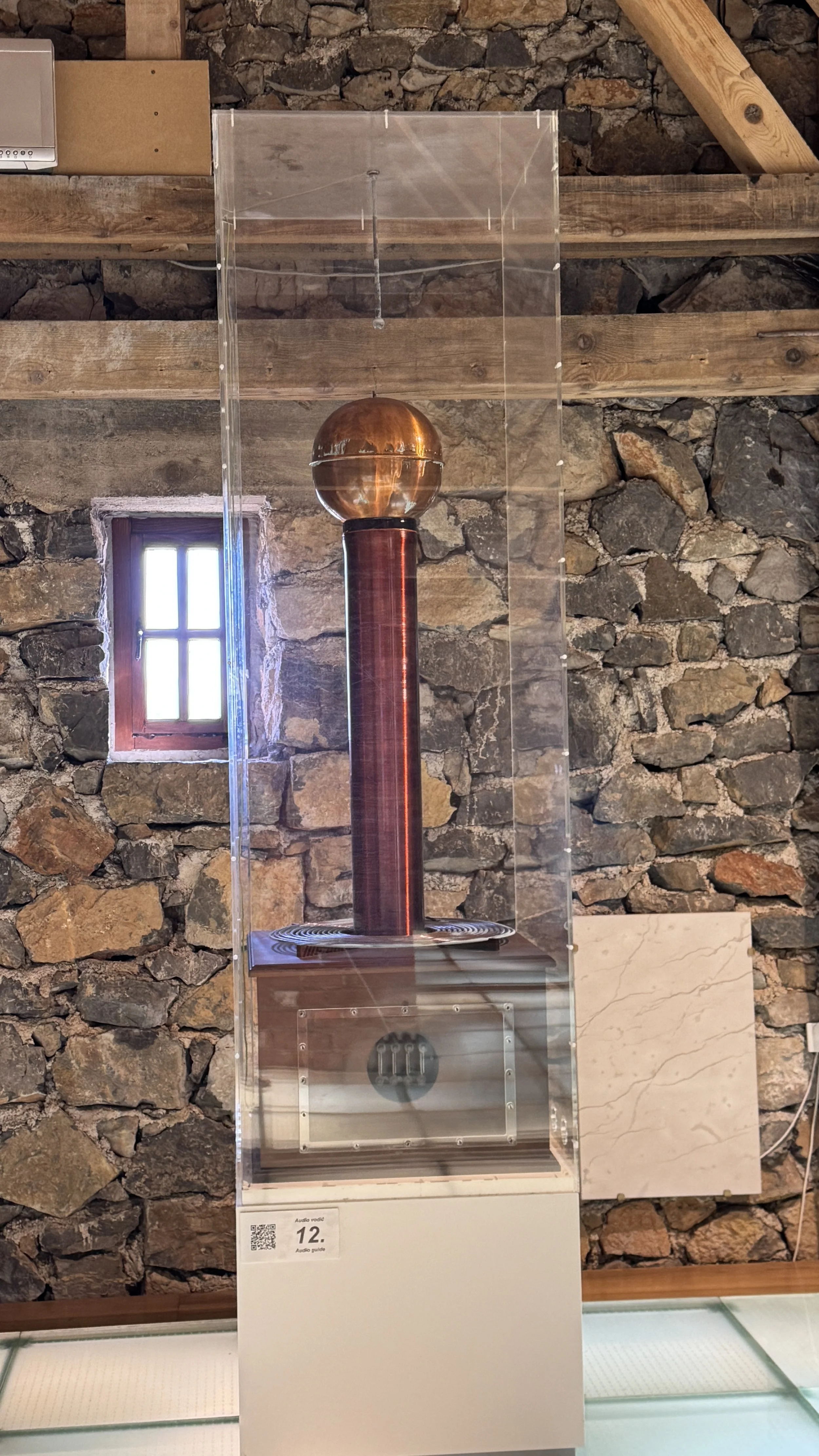
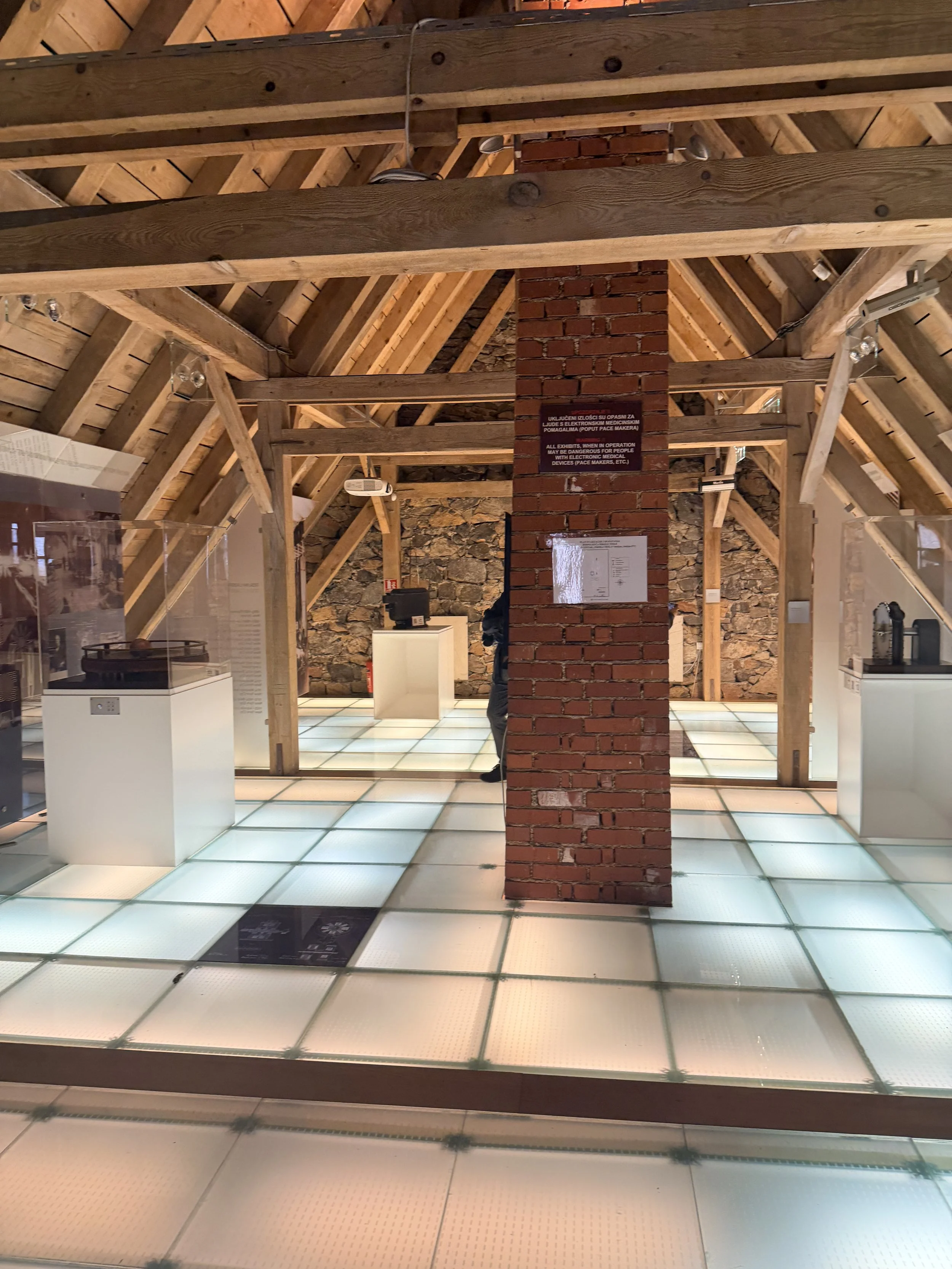
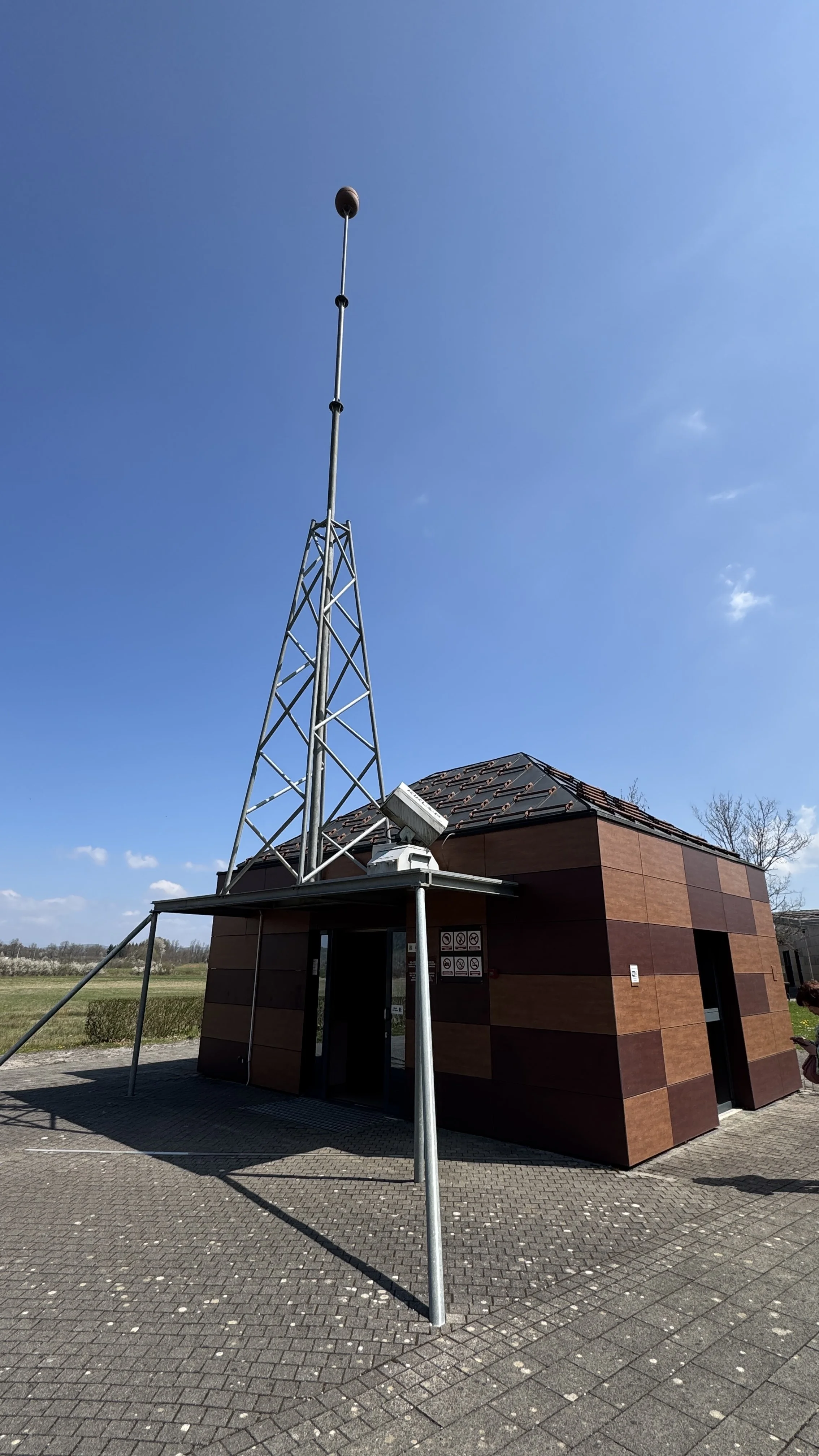
We then visited the Nikola Tesla Memorial Center Smiljan, the birthplace of Nikola Tesla. The site includes the house where he was born and the church where his father served as an Orthodox priest. Tesla was born into a Serbian family and is often considered Serbian, yet Croatia also proudly regards him as one of its own. His contributions to radio communication, electricity, and motors were immense.
One of his quotes displayed there felt strikingly modern: “The whole earth will be converted into a huge brain… we shall be able to communicate with one another instantly, irrespective of distance… and the instruments will be small enough to be carried in a vest pocket.” It clearly foresaw today’s world of smartphones.
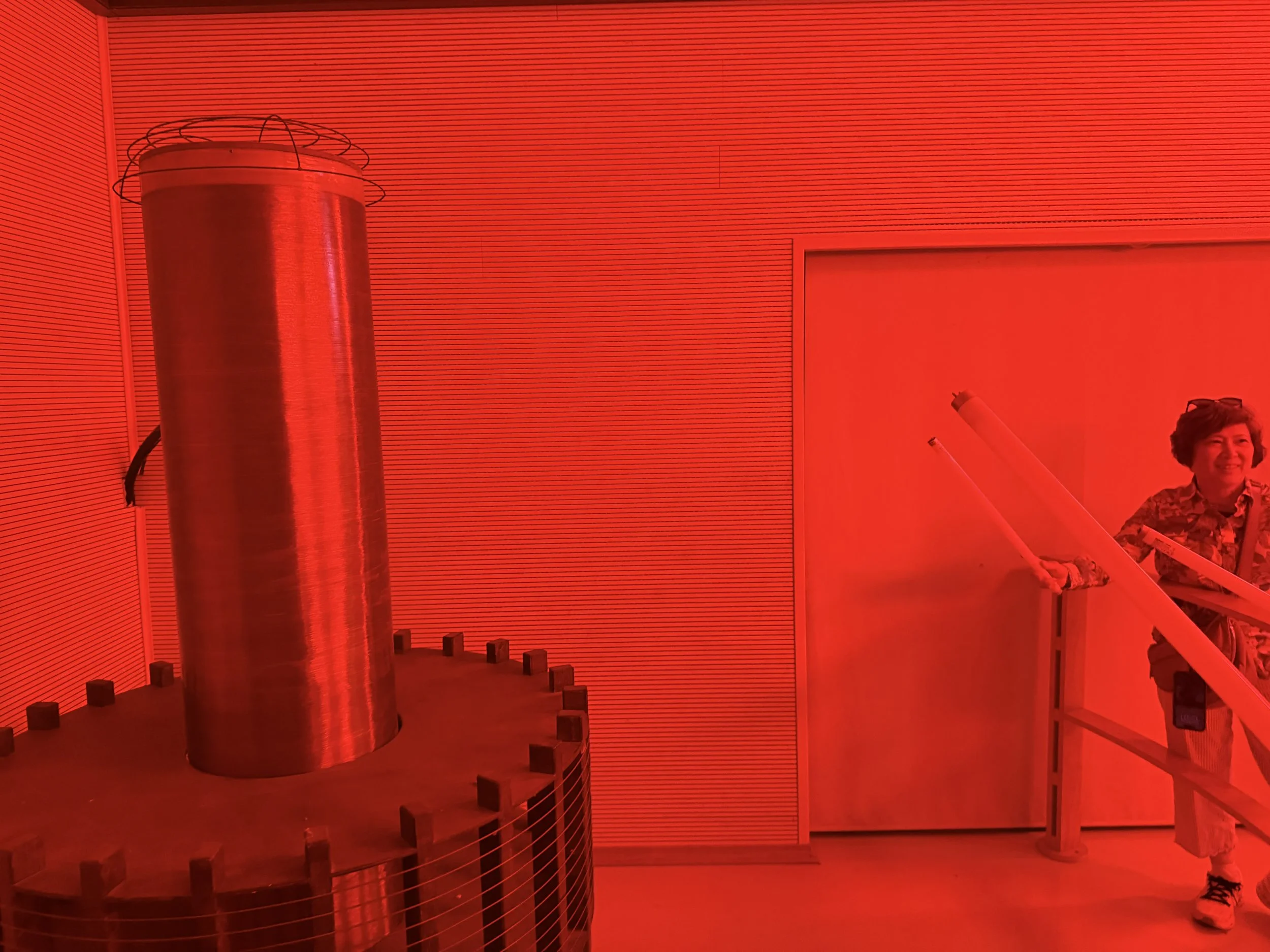
At the center, we also saw a demonstration of the Tesla coil, illustrating wireless energy transfer. Watching electricity arc through the air was fascinating.
After about two hours of driving, we arrived in Zadar. Our hotel was brand new and very comfortable. After settling in, we headed out to explore the Old Town.
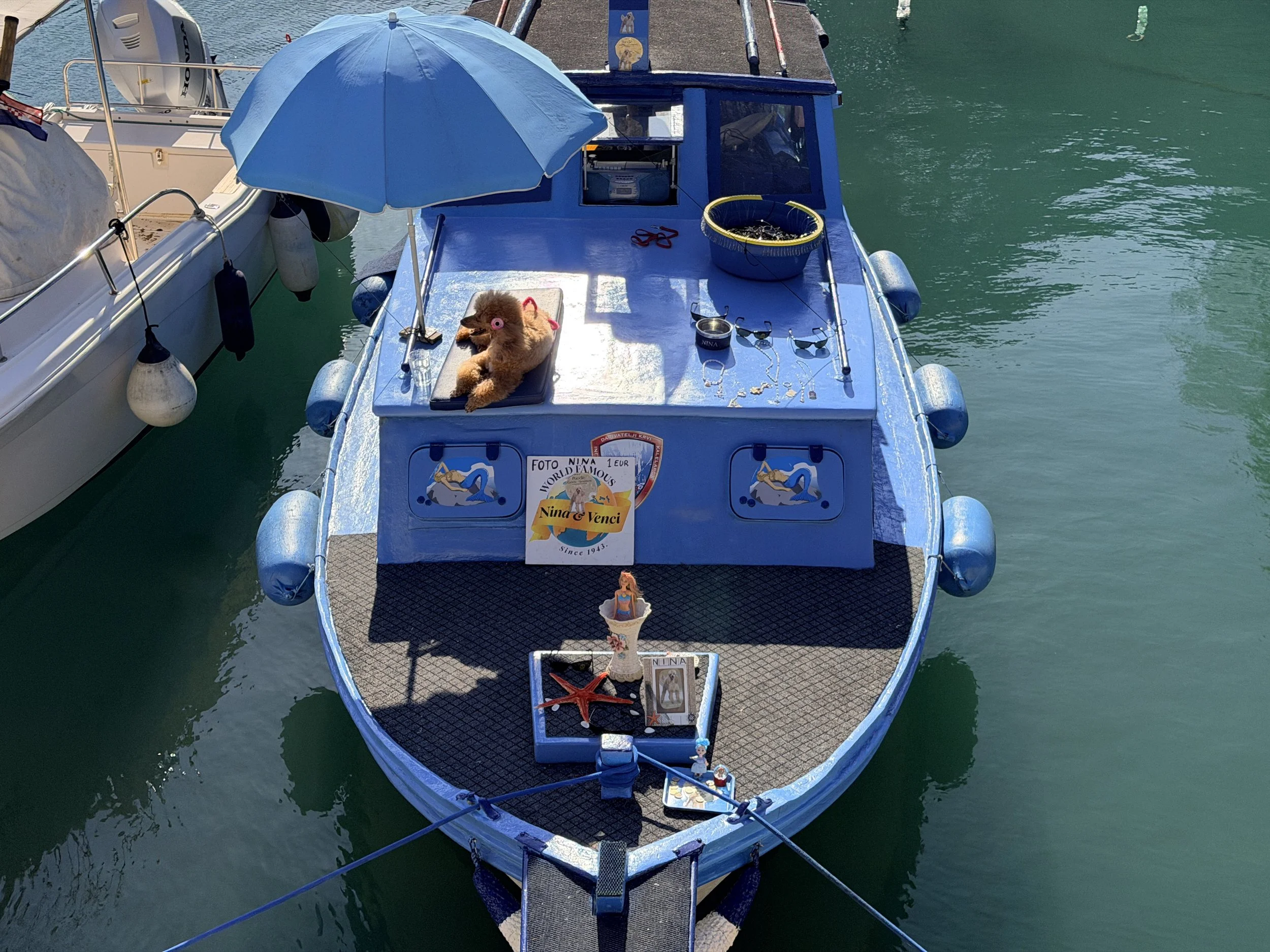
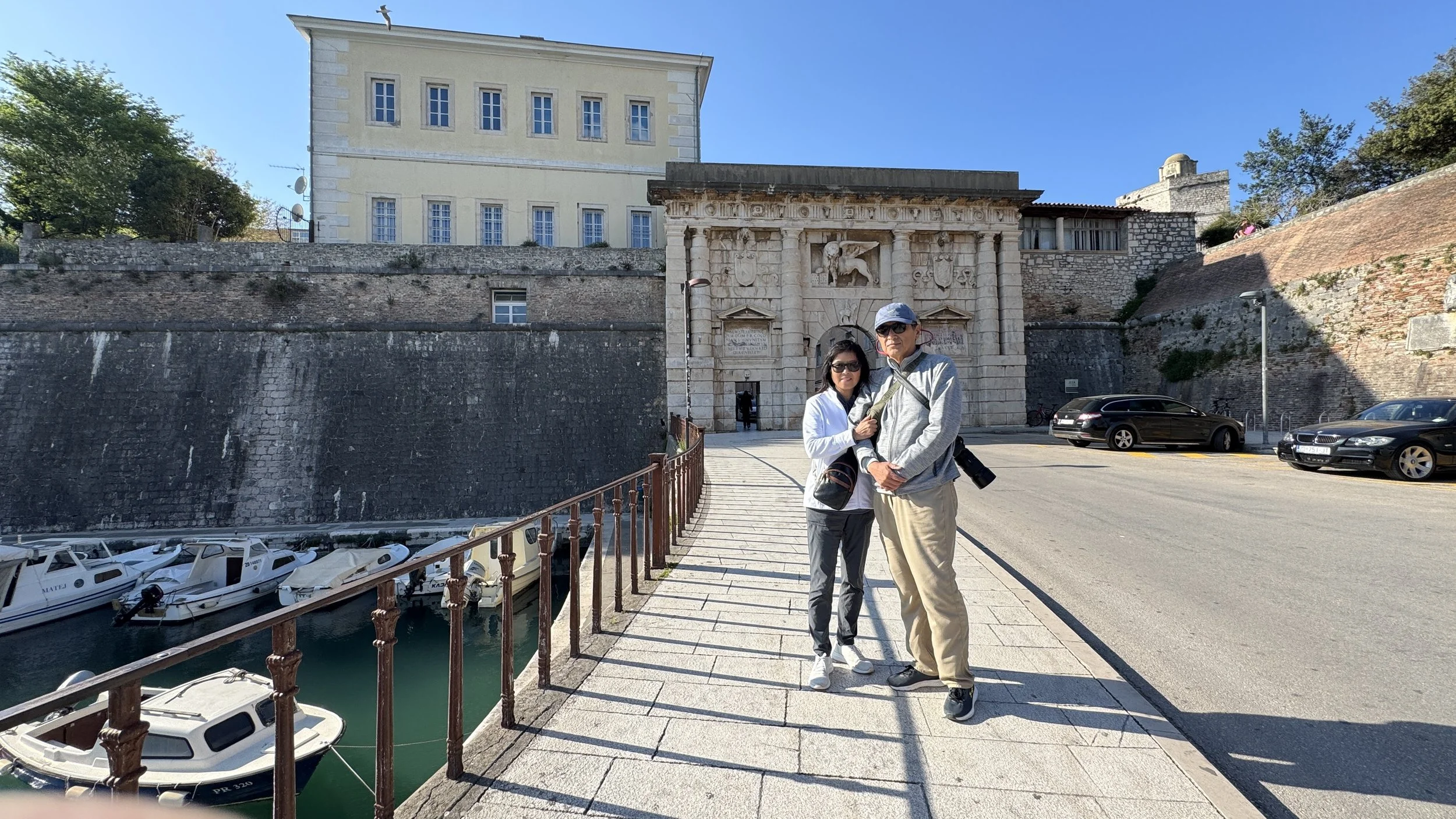
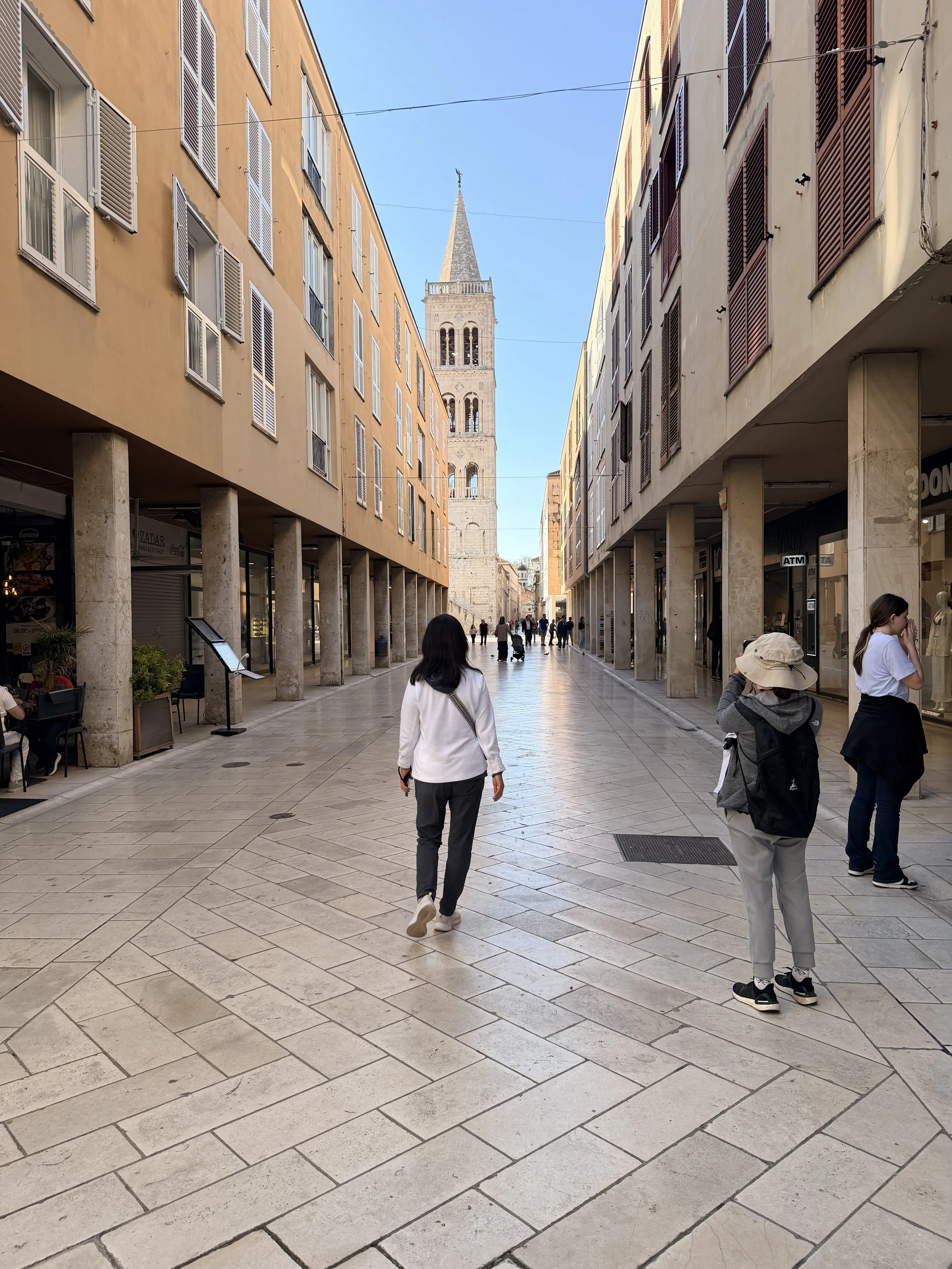
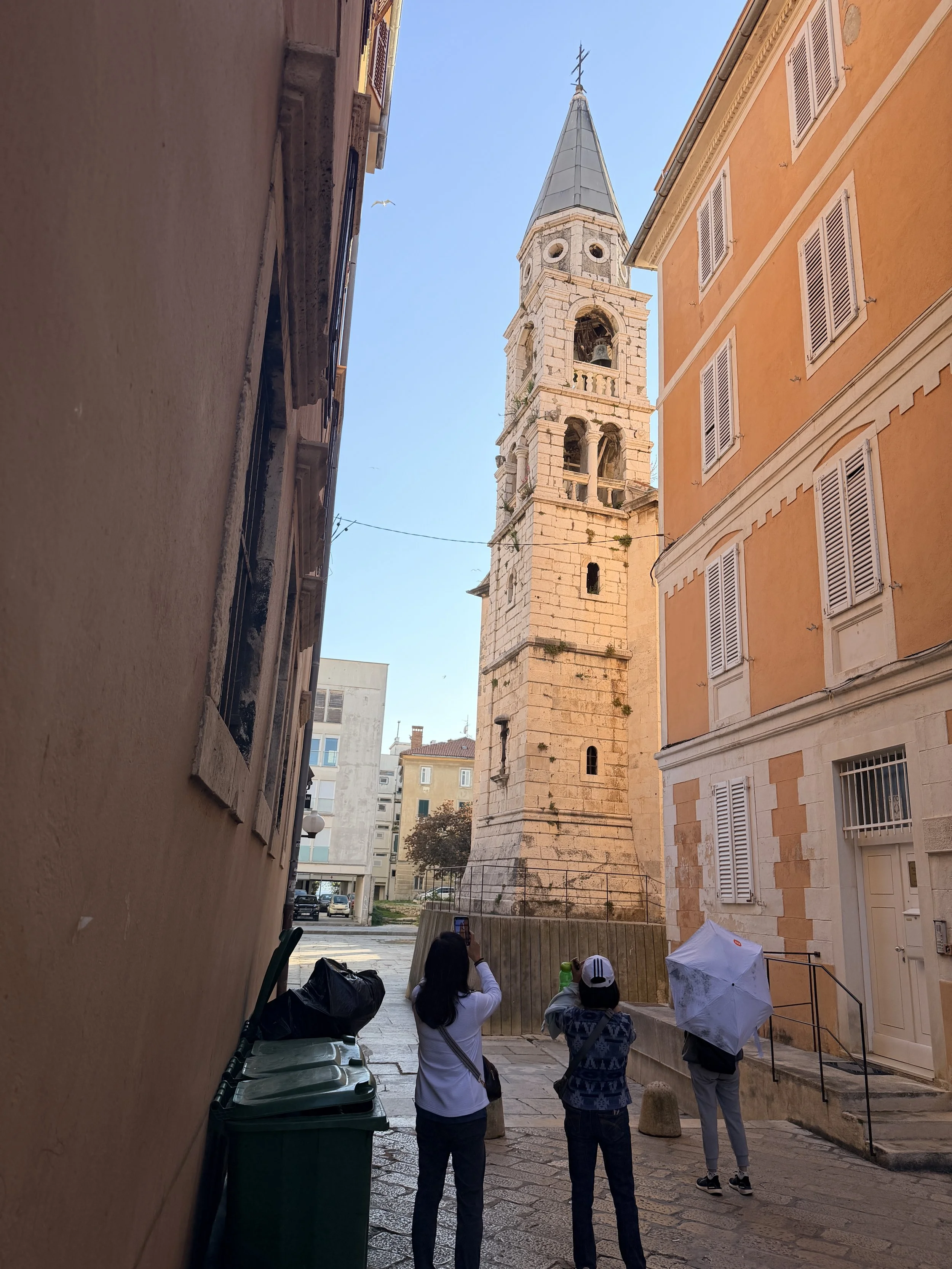
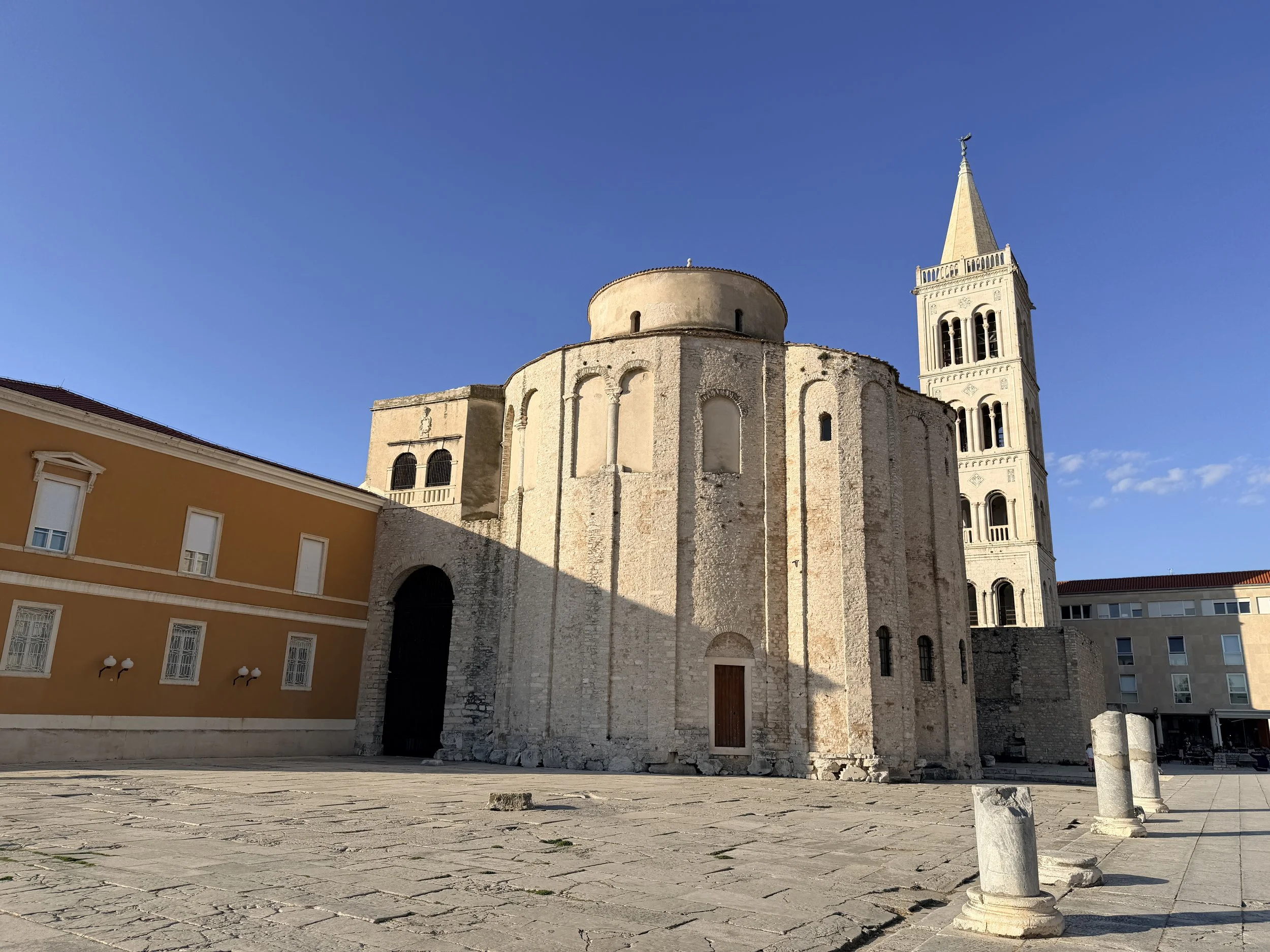
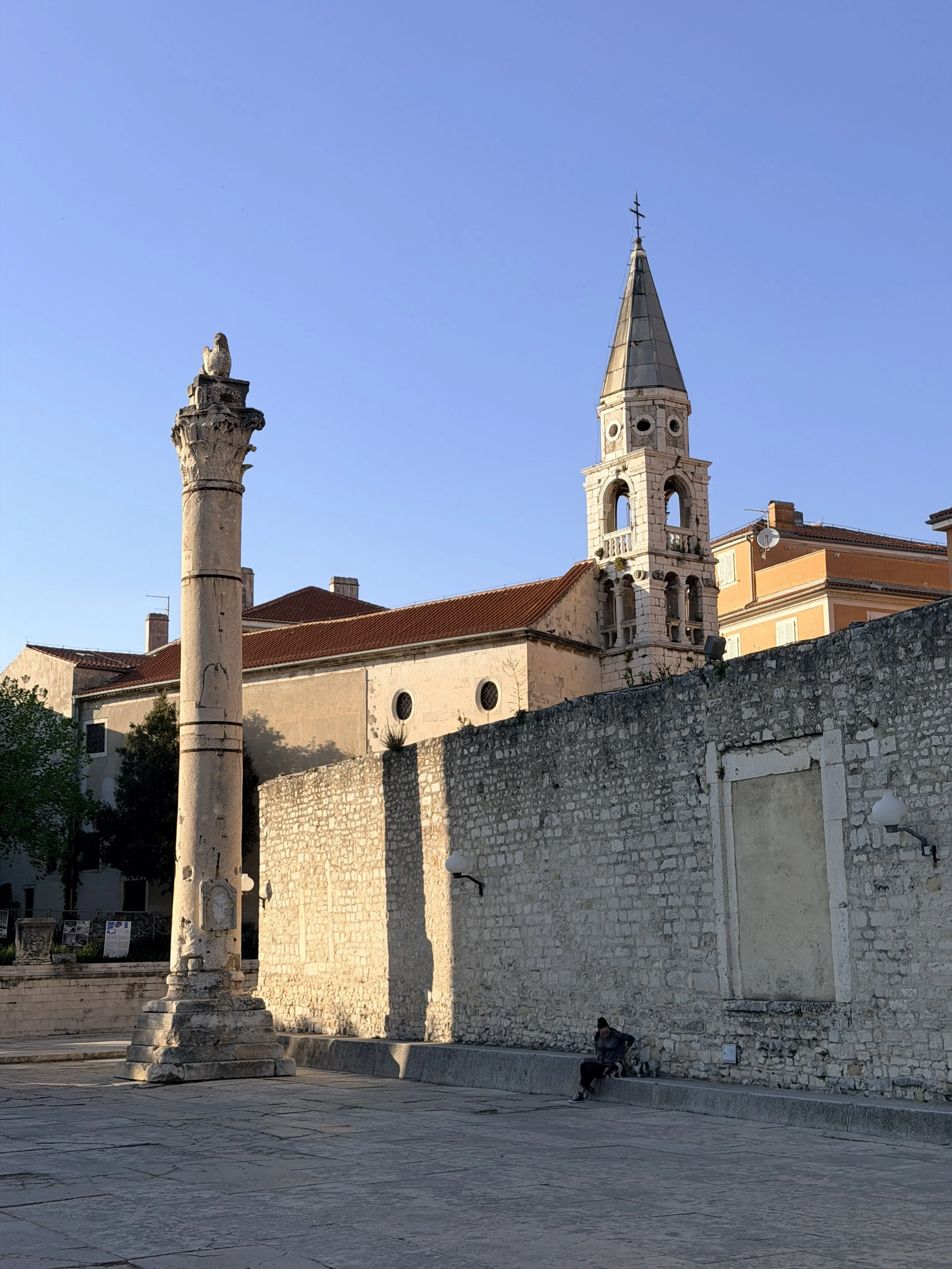
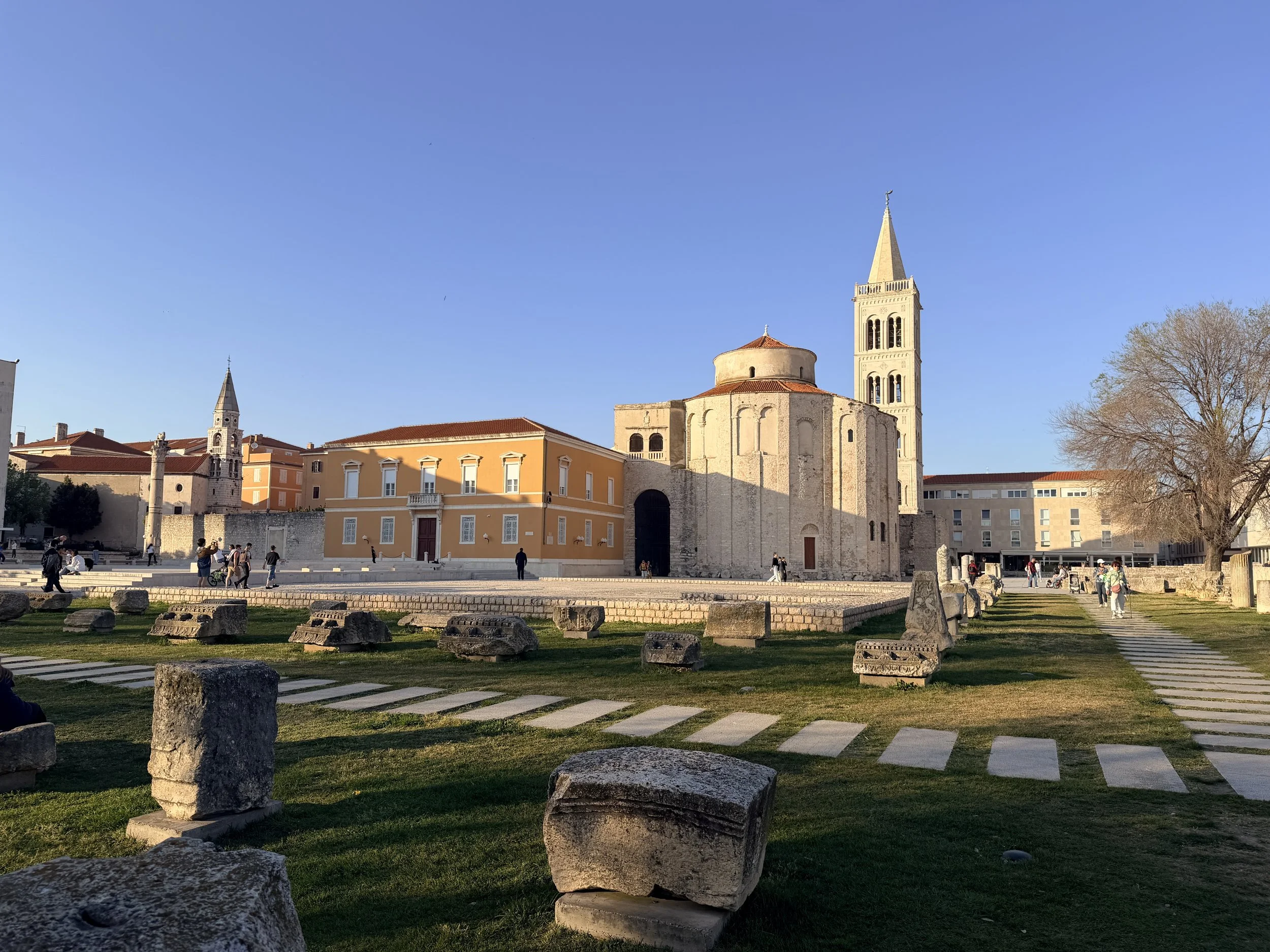
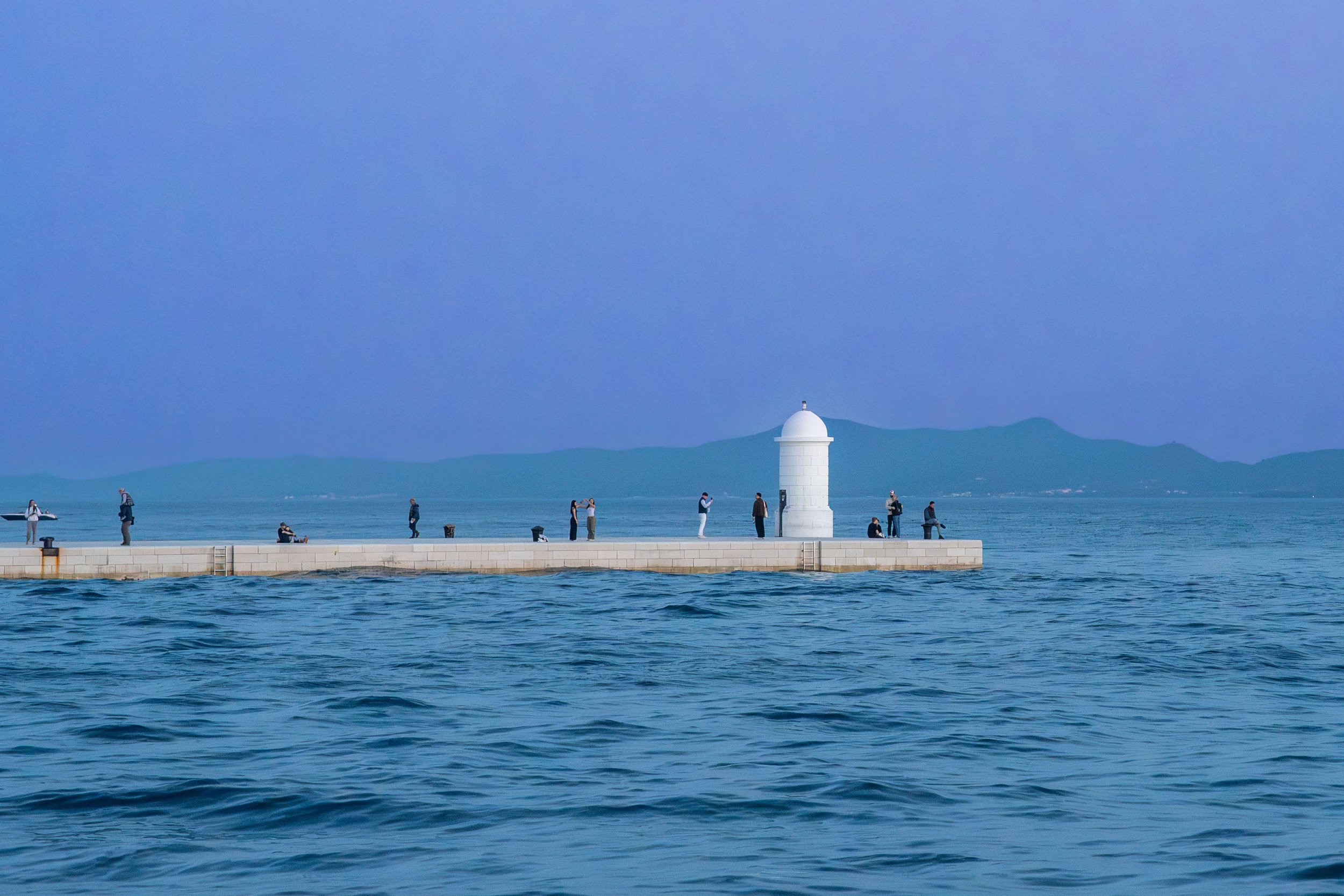
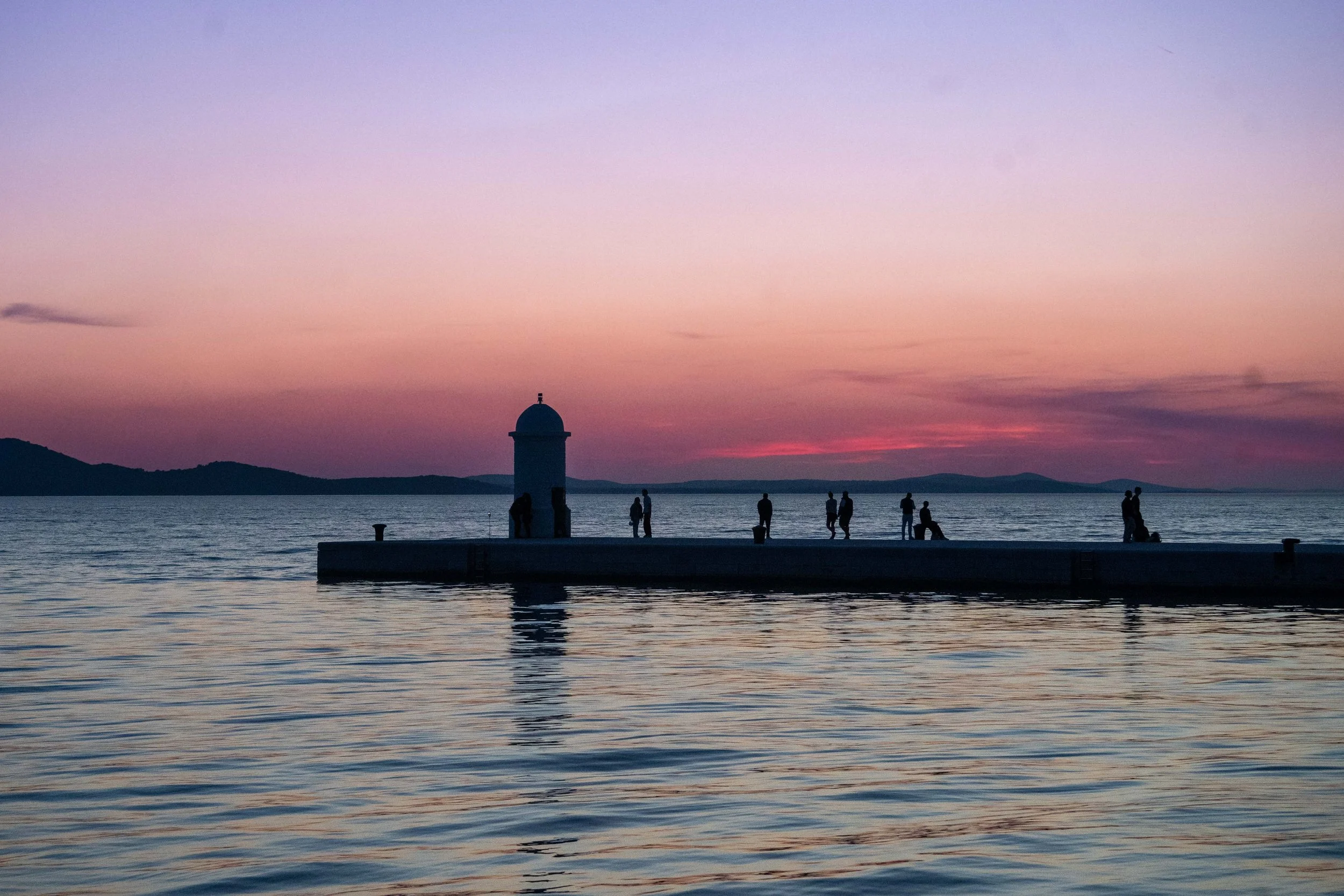
We visited the Roman Forum in Zadar and several nearby historic churches, but the highlight of the day was sitting on the stone steps by the sea, listening to the hauntingly beautiful sounds of the Sea Organ. As the waves moved through a network of pipes hidden beneath the waterfront promenade, they created natural, ever-changing melodies unlike anything we had heard before. At the same time, we watched a spectacular sunset over the Adriatic Sea, with one side of the sky glowing in brilliant shades of gold, orange, and pink, while the other remained a deep, clear blue. The striking contrast made the scene even more unforgettable.
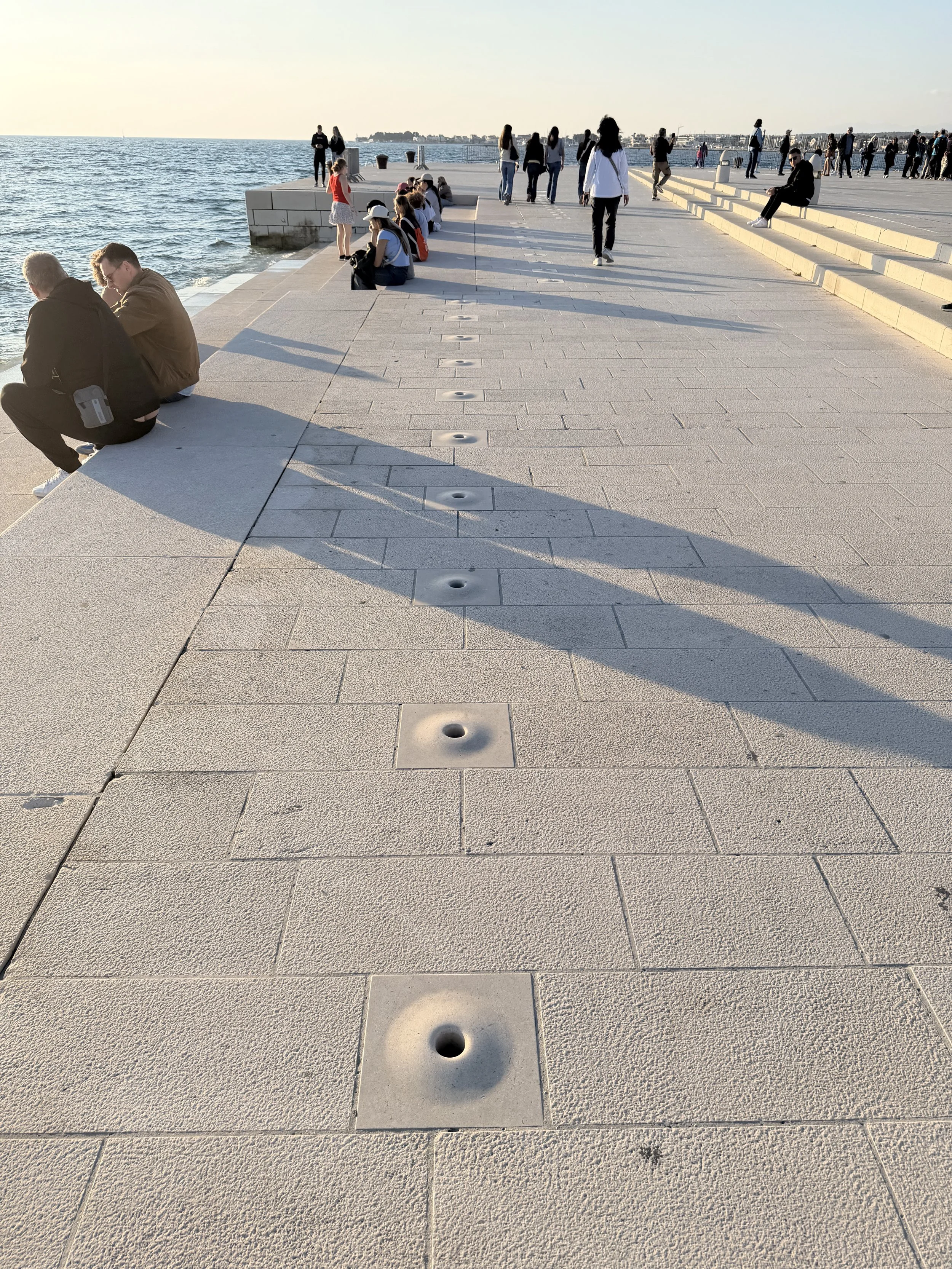
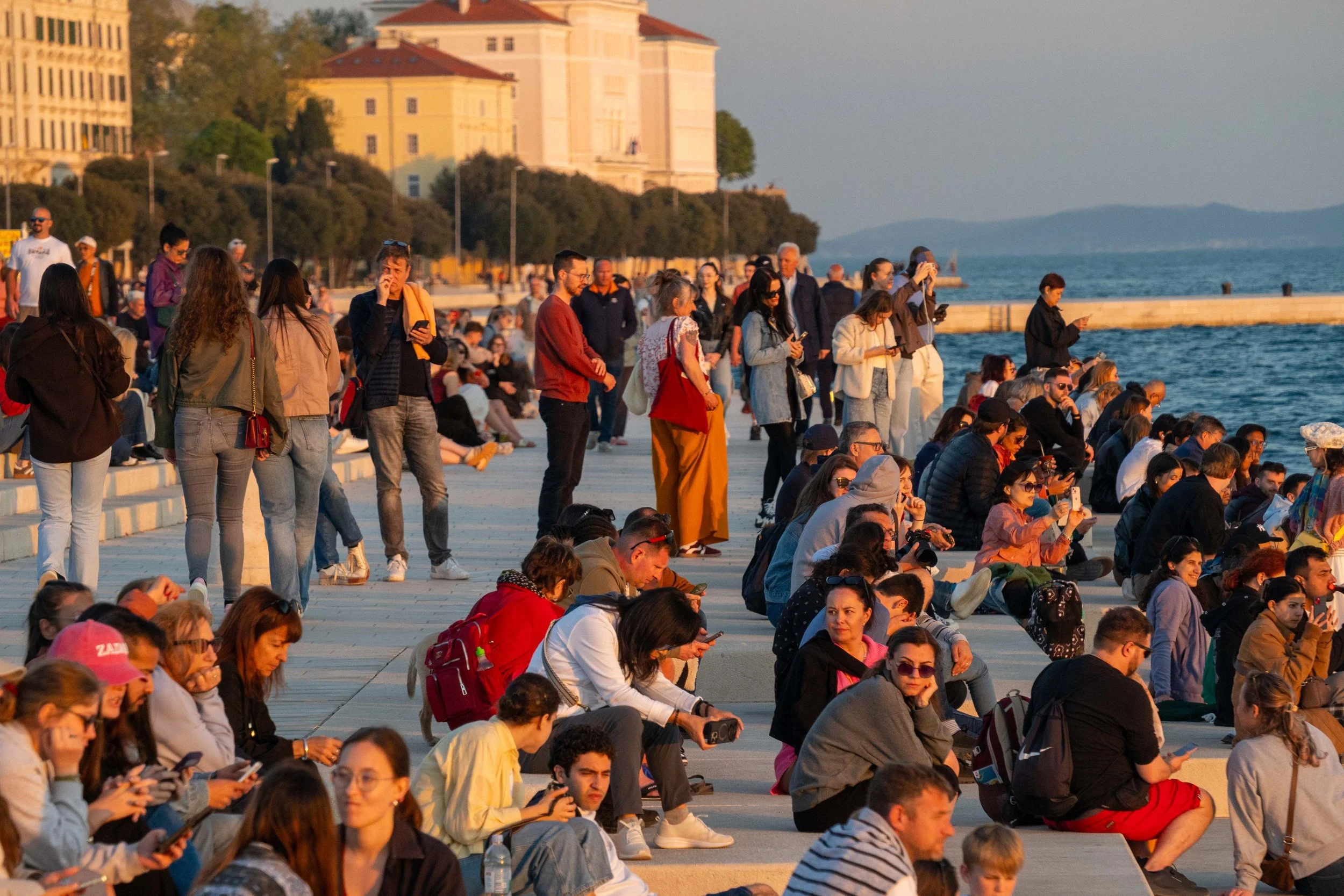
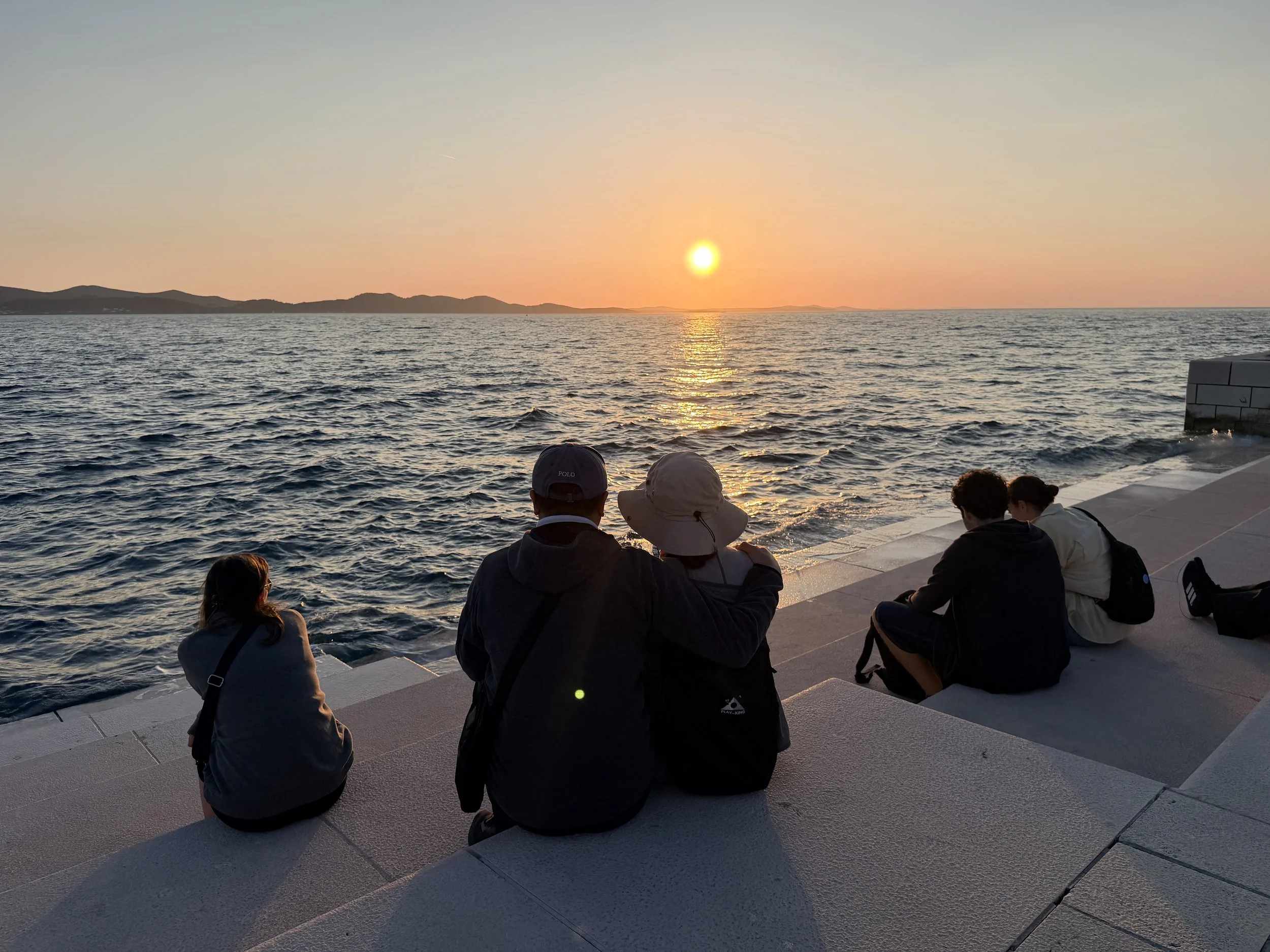
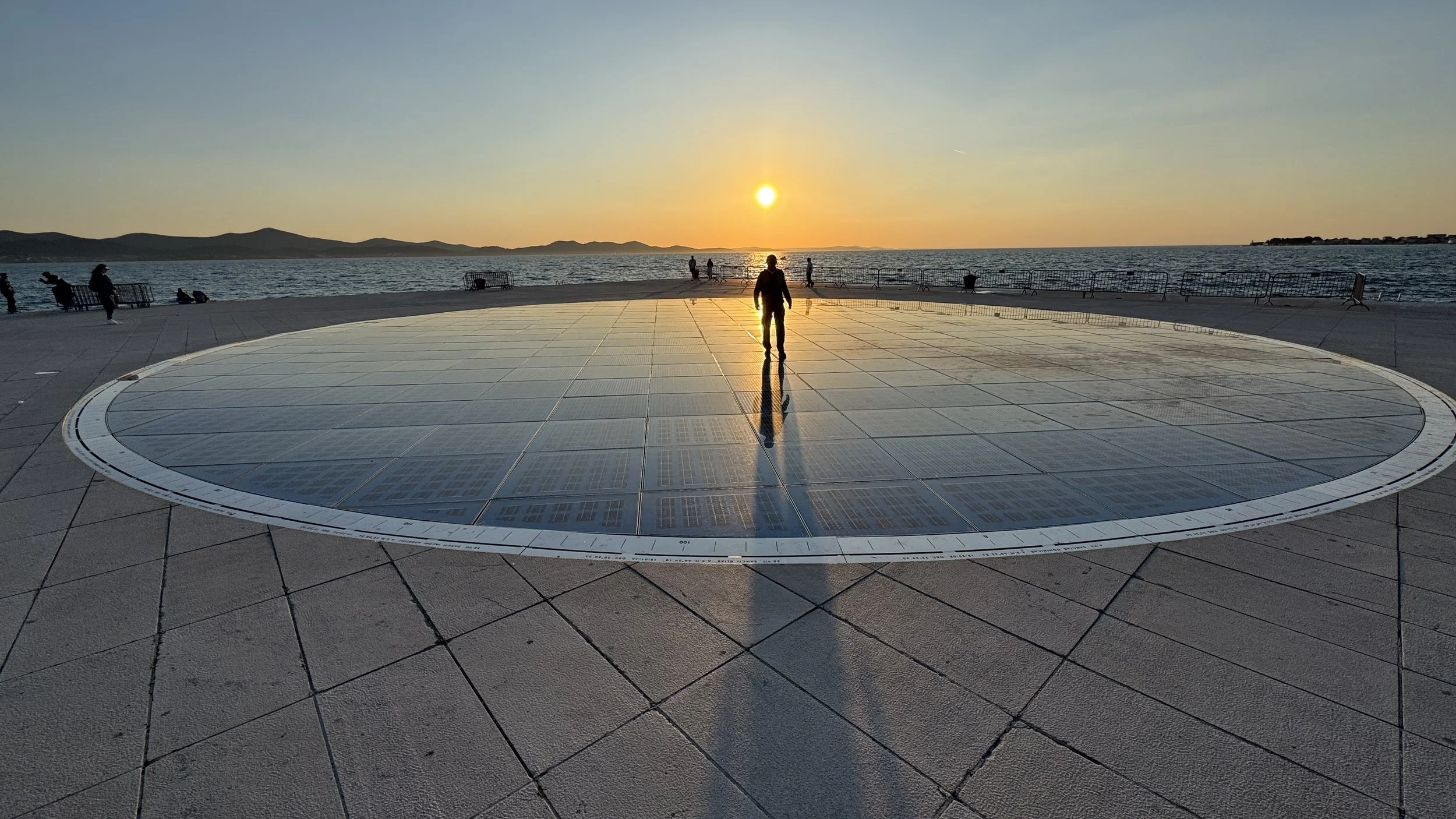
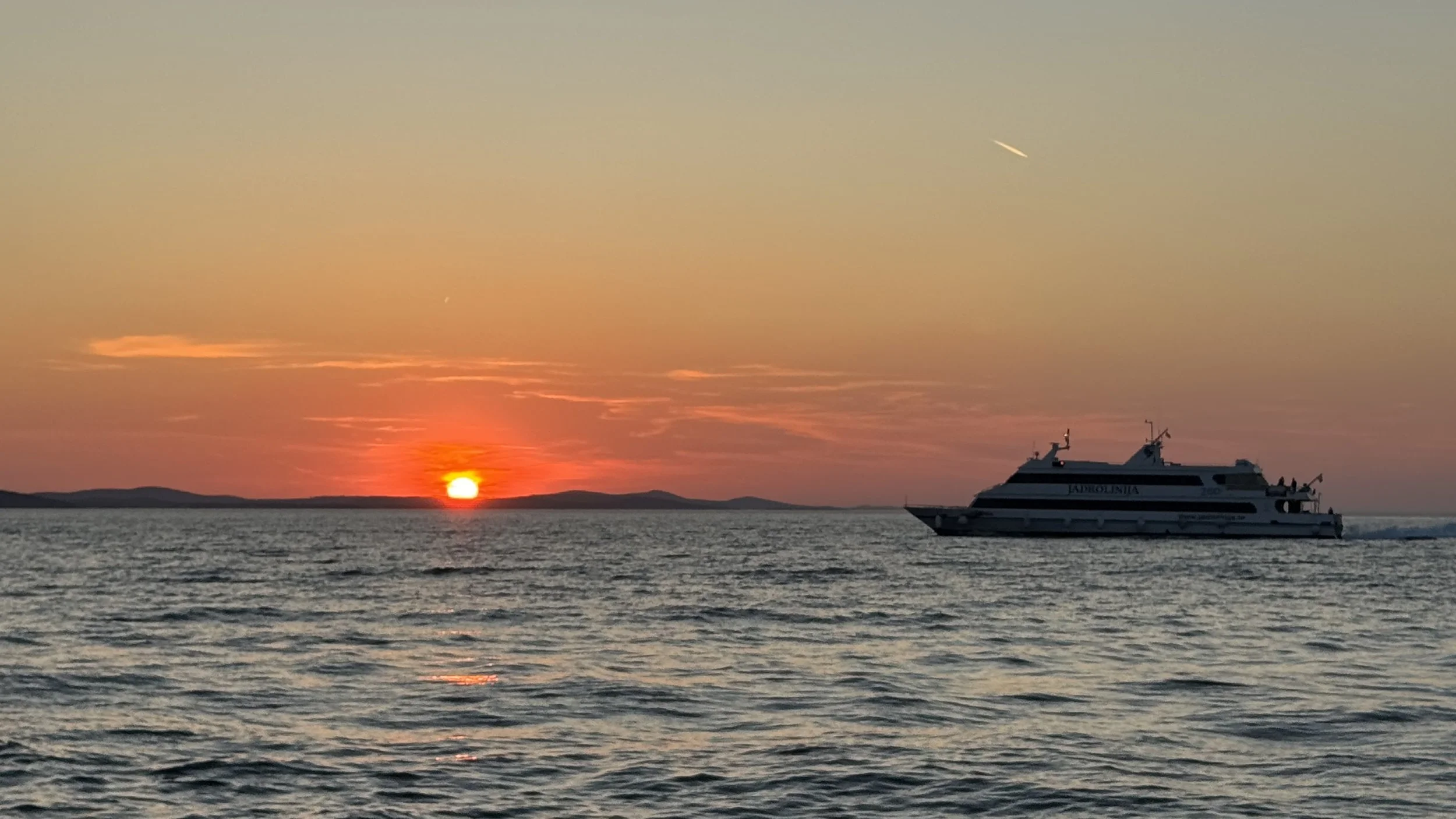
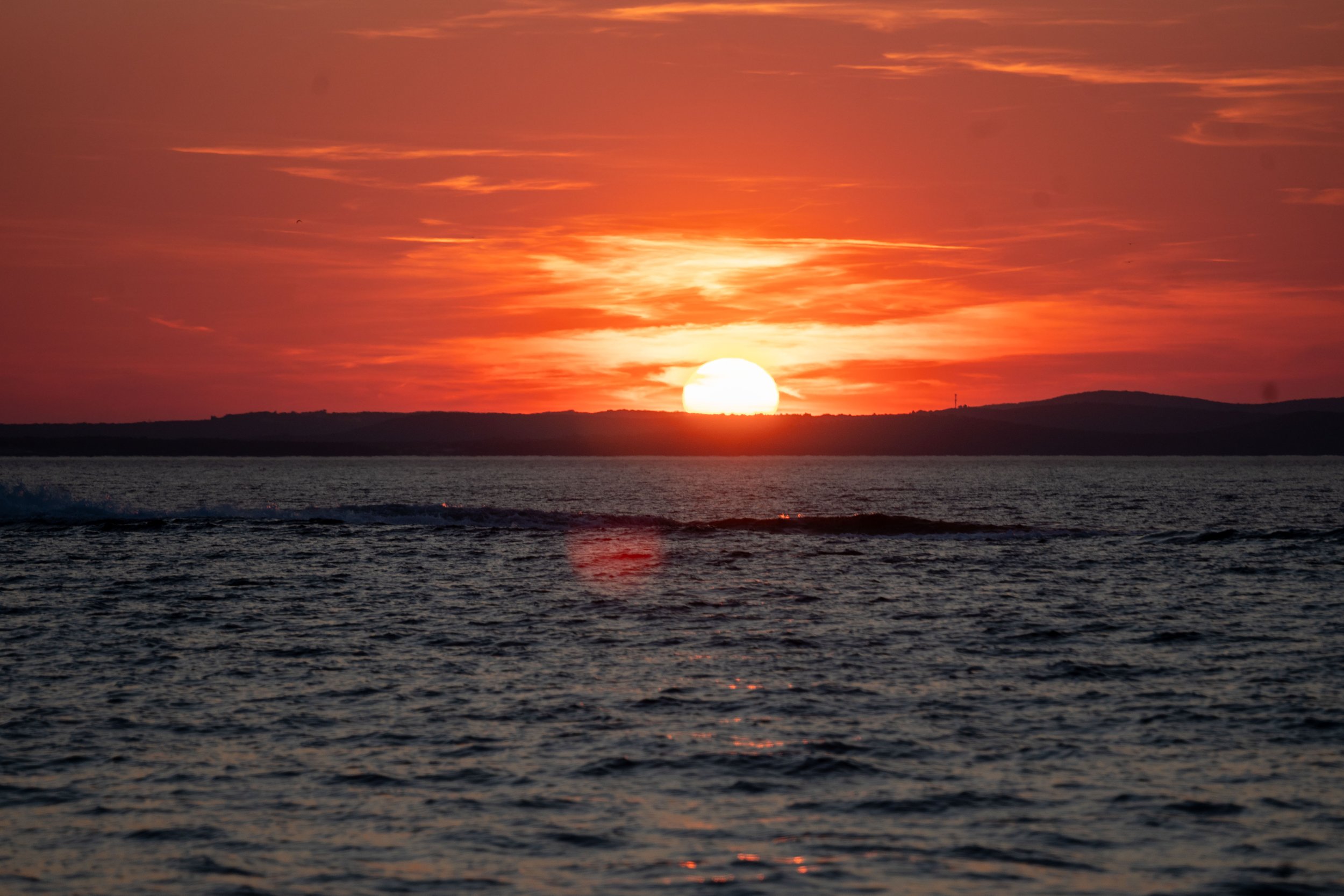
Here are two pictures taken at the similar time after sunset.
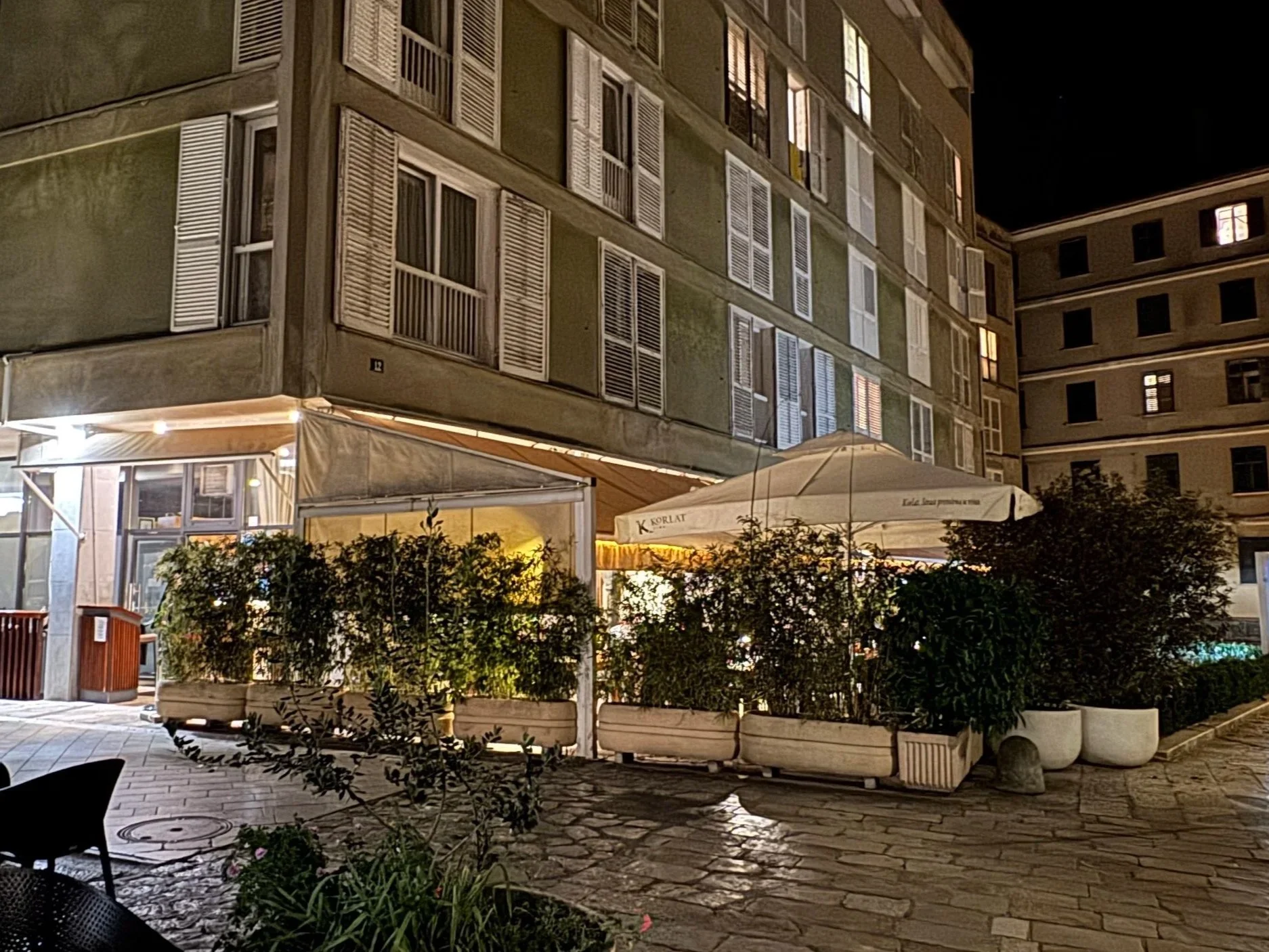
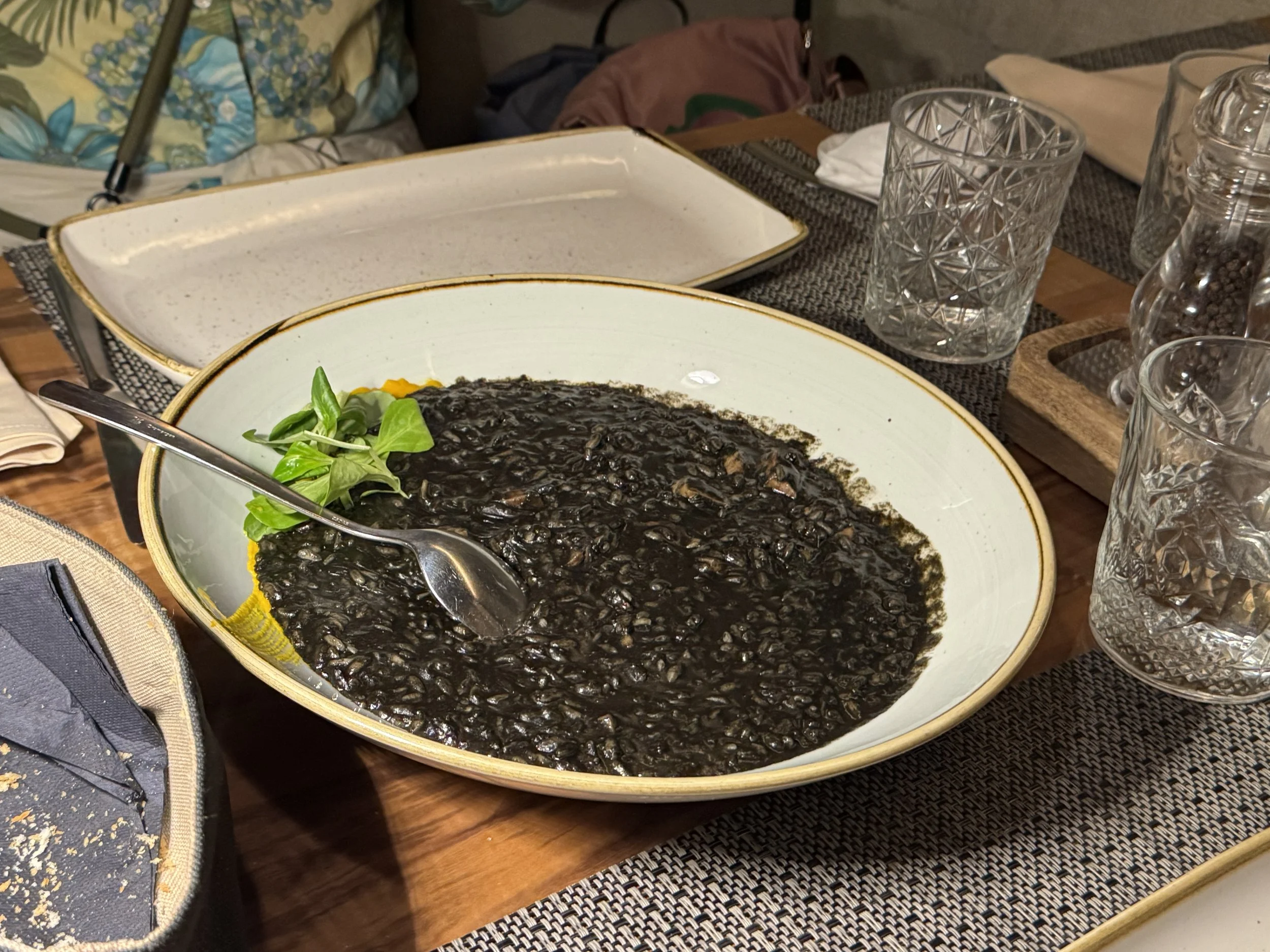
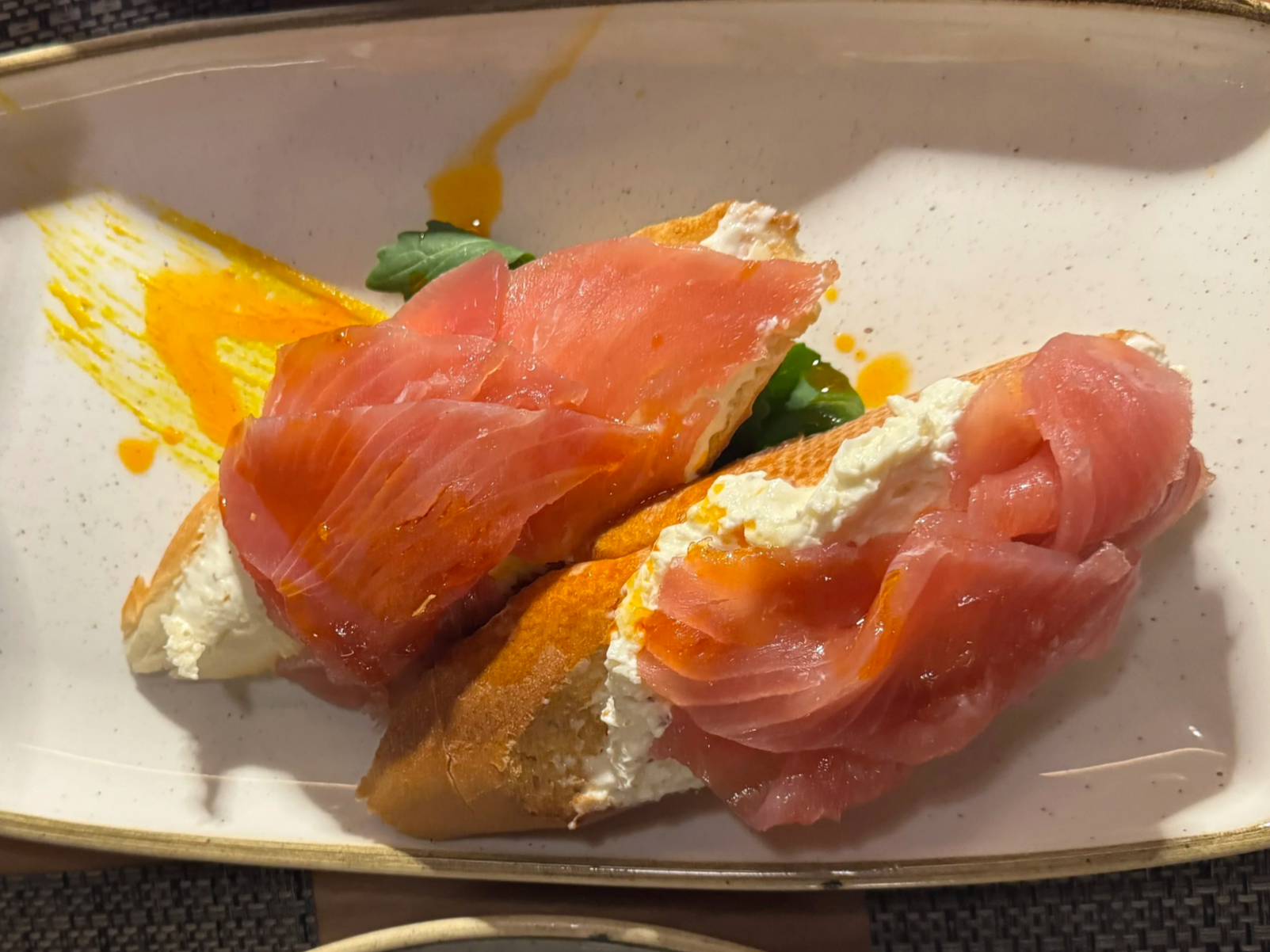
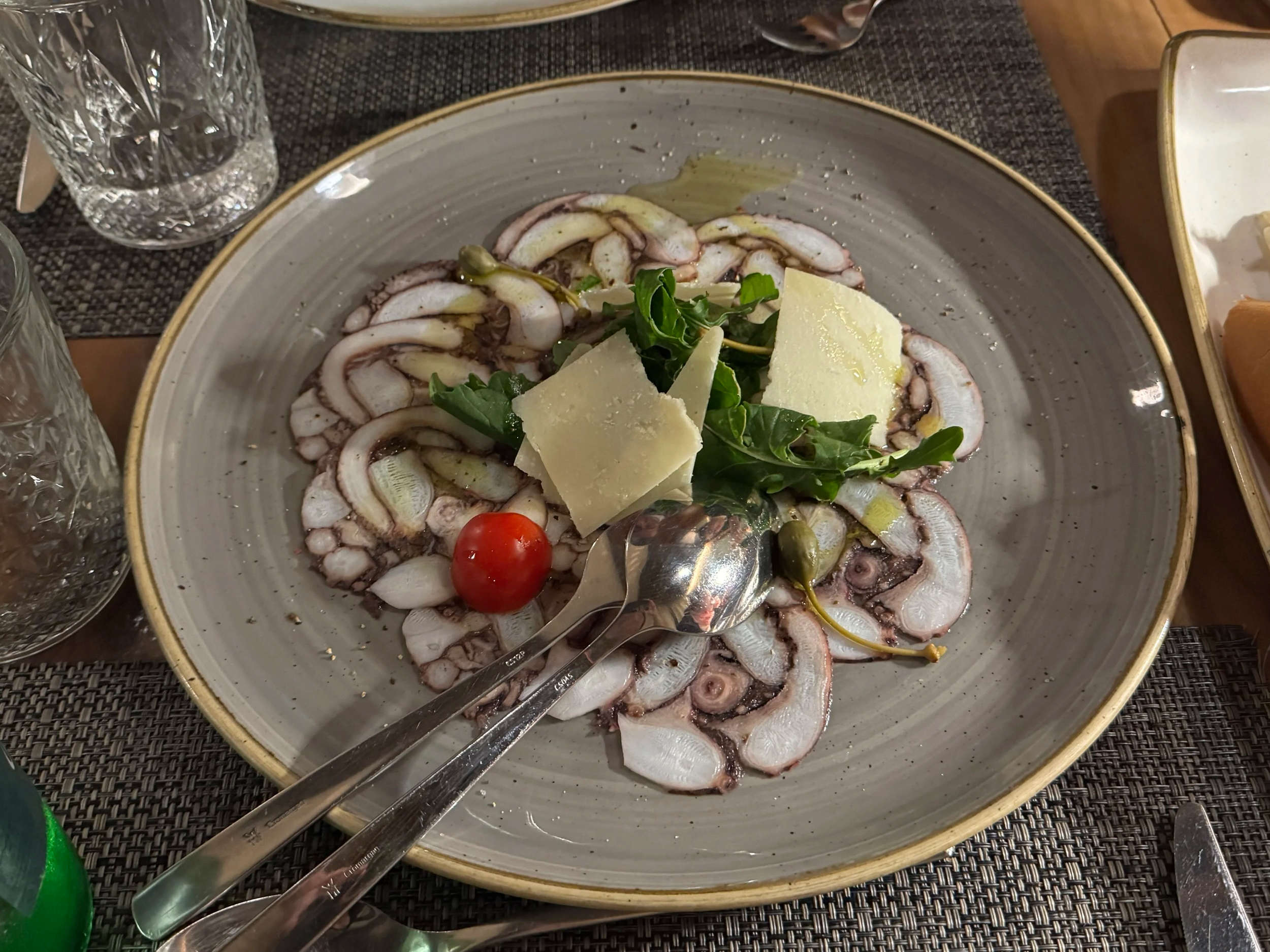
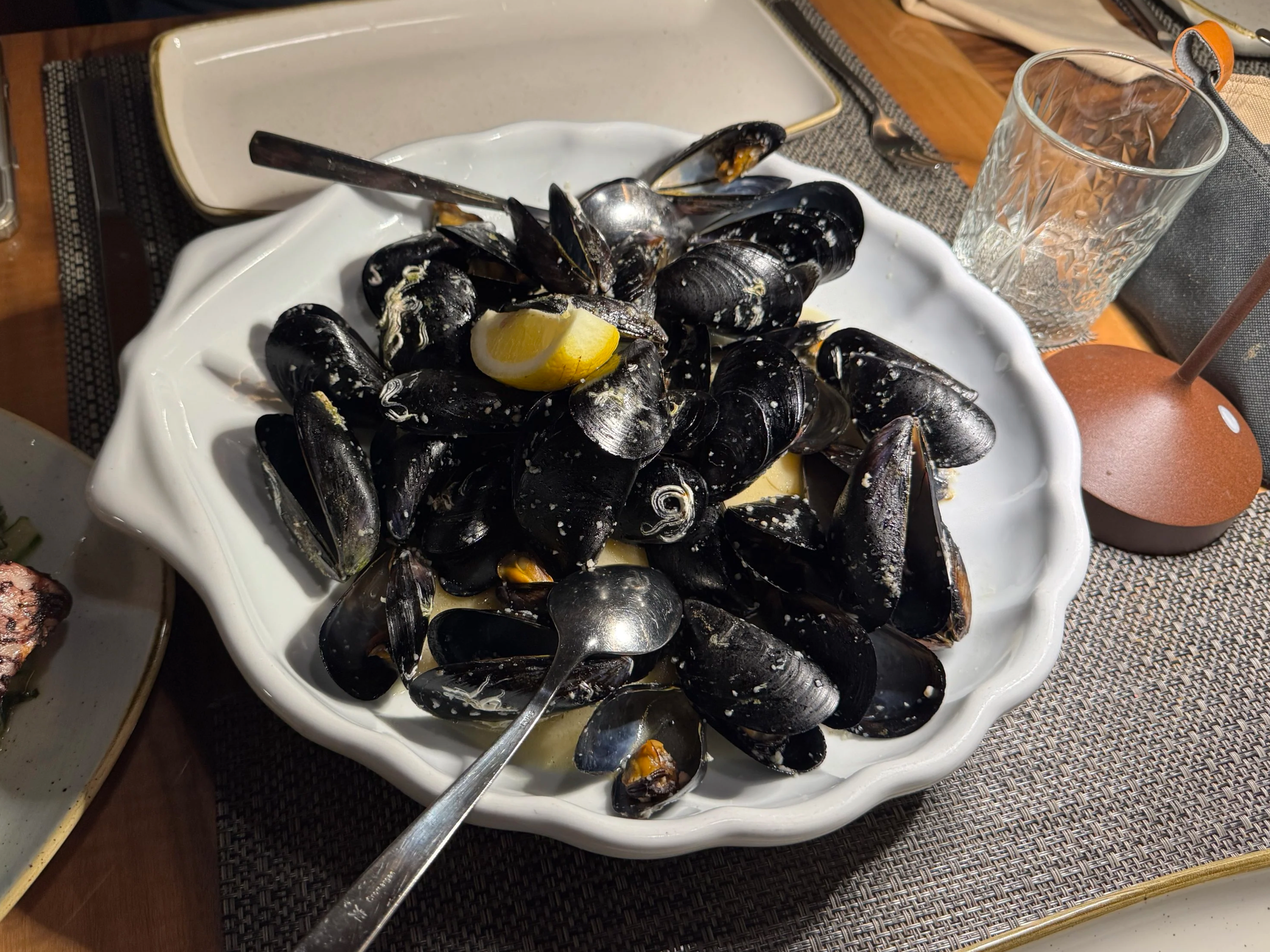
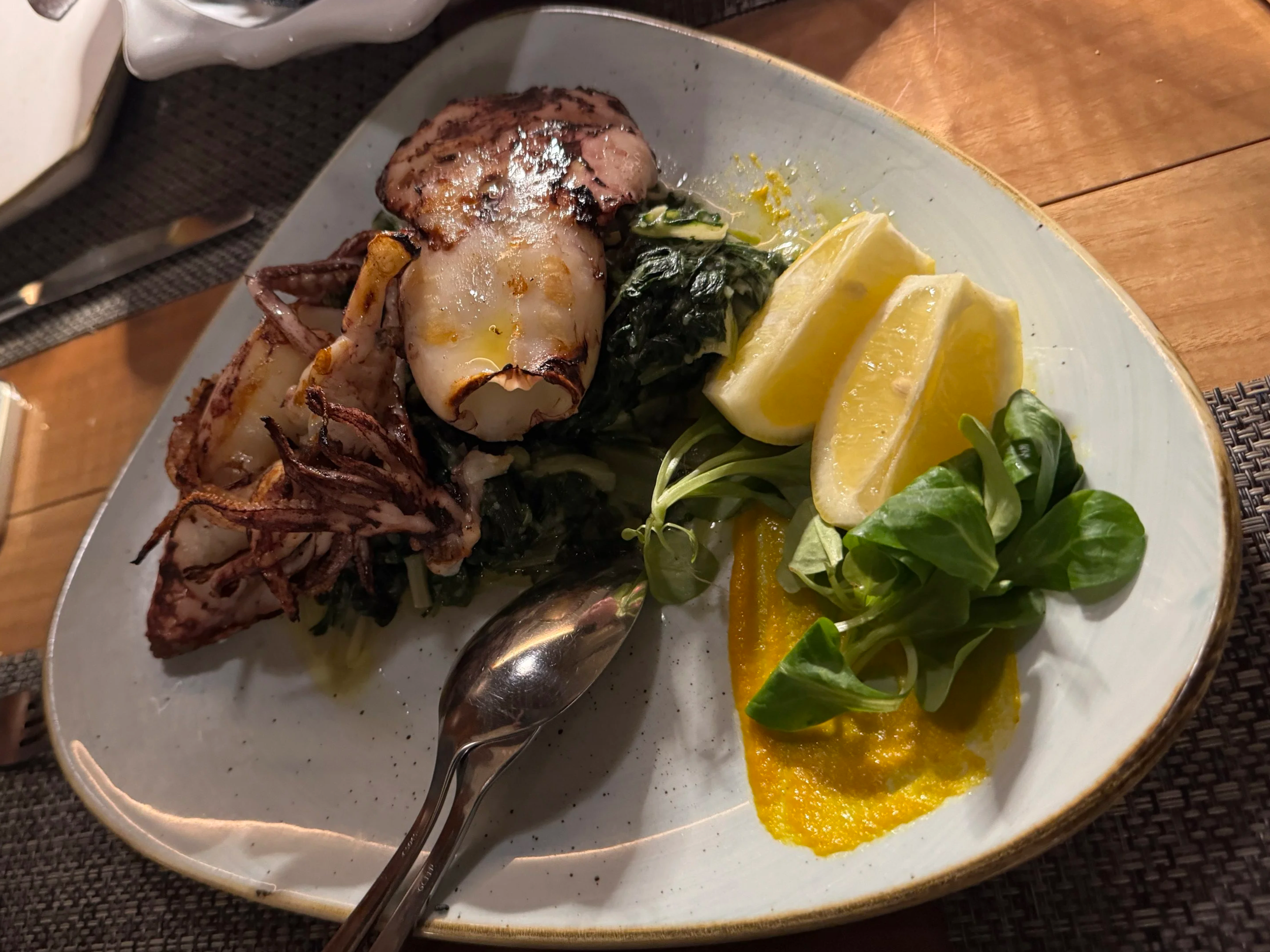
We ended the evening with a delicious dinner at a nearby restaurant. The service was exceptional. The waiter quickly noticed that we liked to share every dish and thoughtfully brought each of us an individual plate whenever our food arrived. It was a small gesture, but one that made us feel especially welcome. The food itself was outstanding—fresh, flavorful, and beautifully prepared.
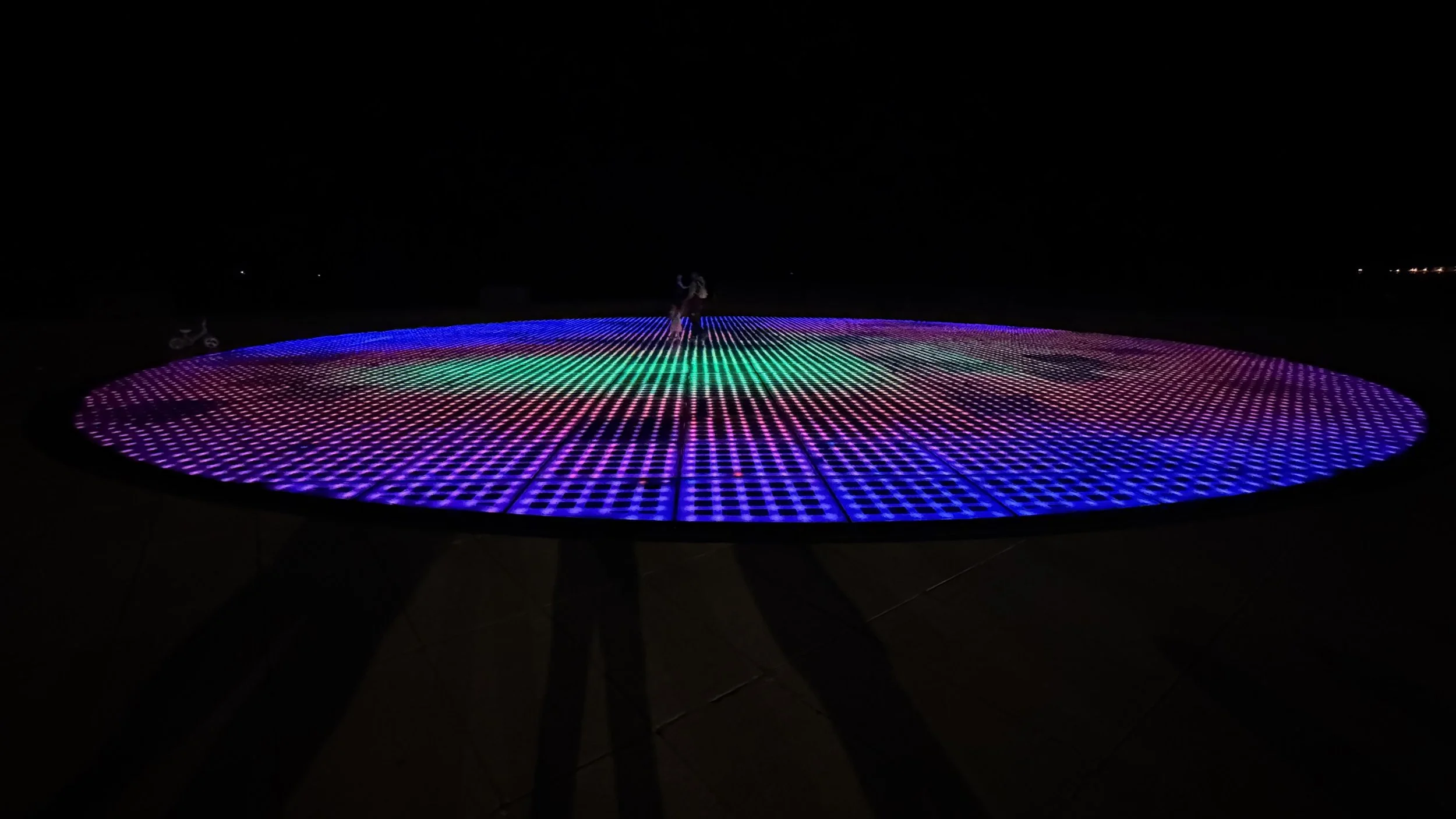
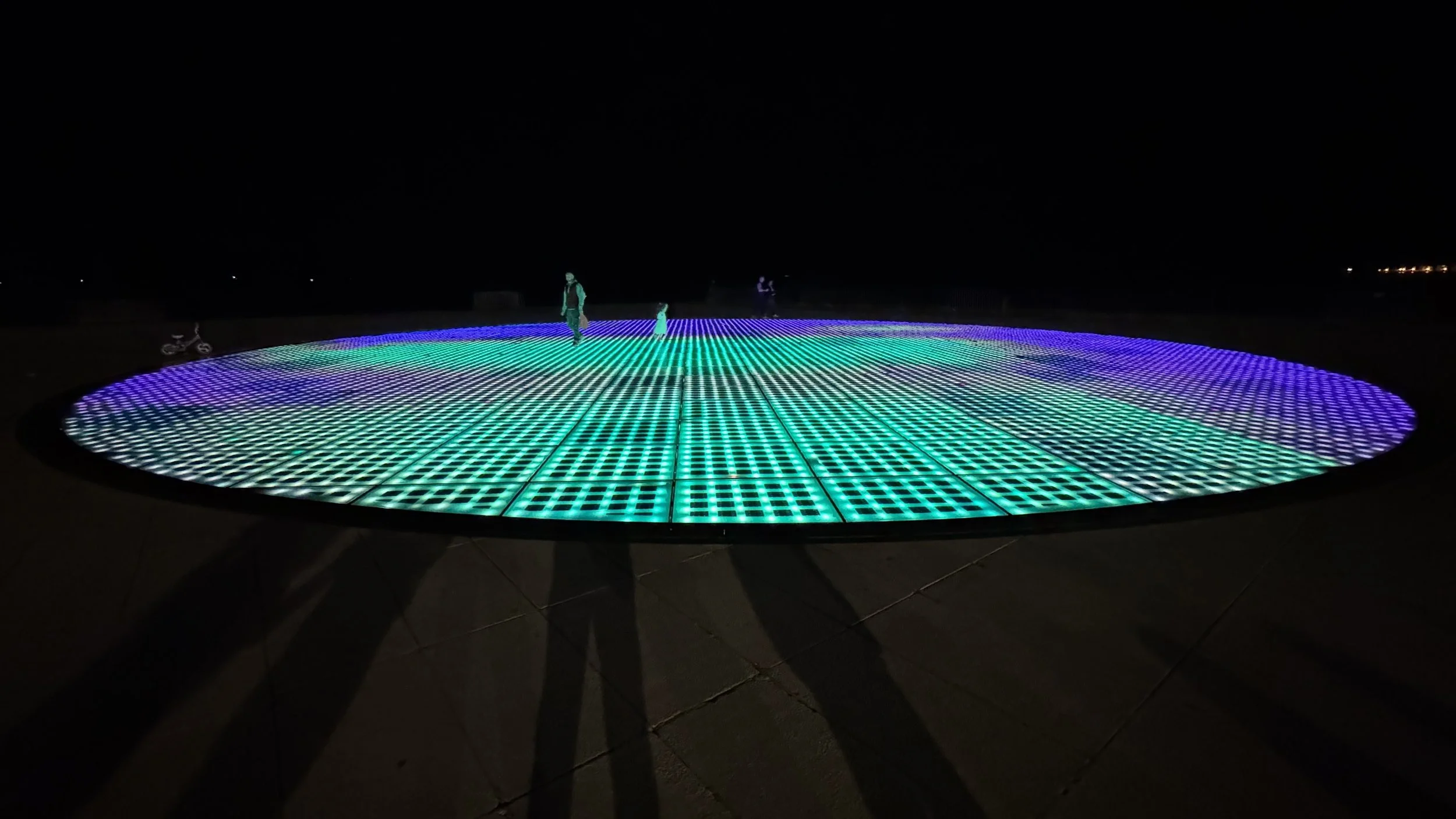
After dark, we returned to see the Greeting to the Sun, a modern installation powered by solar energy. Its illuminated glass panels displayed constantly shifting patterns of light, creating a mesmerizing display. The colors and rhythms seemed to echo the music of the Sea Organ just steps away, blending art, nature, and technology into a uniquely memorable experience. It was one of those magical evenings that will stay in our memories long after the trip has ended.
Today, we traveled from mountains and waterfalls to the sea and sunset—from the power of nature to the brilliance of human invention. It was a day full of contrast, discovery, and reflection.
2026年4月17日
在普利特维采湖群国家公园(Plitvice Lakes National Park)住了二晚,今天又要挪地方,前往下一站。在今天正式出发前,大清早我们又再次进入公园,想在清晨的阳光下再看一眼那些瀑布。前一天见过的层层水流,在晨光映照下呈现出完全不同的样子——更加清澈、更加明亮,几乎闪闪发光。
我们还是继续用包车接送服务,两天前送我们来公园的司机今天再次来接我们。他家就在离公园大约20分钟的地方。路上我们随口问起这里是否有熊出没,他笑了笑,说要带我们去看点东西。不久,他把车停在小镇的一处围栏前,我们看到两只体型巨大的棕熊生活在里面。原来,当地一位富人当年在森林中发现这两只幼熊,将它们带回抚养。后来围绕是否可以继续饲养的问题,他与政府打了12年的官司,付出巨款最终才得以保留。这段经历既意外,又令人难忘。
途中我们在克罗地亚殉道者教堂(Church of Croatian Martyrs at Udbina)停留。洁白的教堂在湛蓝天空下显得格外宁静而庄重。
随后我们来到尼古拉·特斯拉纪念中心(Nikola Tesla Memorial Center Smiljan),这里是尼古拉·特斯拉(Nikola Tesla)的出生地。园区内保留着他出生的房屋,以及他父亲曾担任东正教神职人员的教堂。特斯拉出生于塞尔维亚族家庭,通常被视为塞尔维亚人,但克罗地亚同样把他视为引以为傲的杰出人物。他在无线通信、电力系统和电机等领域的贡献极其深远。
纪念中心中展示的一段话令人印象深刻:“整个地球将变成一个巨大的大脑……人类将可以在任何距离下瞬间彼此沟通……而所使用的设备,将小到可以放入口袋中。”这几乎就是对今天智能手机时代的精准预言。
在中心内,我们还参与了特斯拉线圈(Tesla Coil)的演示,展示无线能量传输。看着电流在空气中跳跃,既震撼又令人着迷,也让我意识到自己对这位伟大发明家的了解其实十分有限。
大约两个小时车程后,我们抵达扎达尔(Zadar)。入住的酒店崭新而舒适。先在酒店好好吃了顿午餐,稍作休整后,我们便前往老城。
我们参观了扎达尔罗马广场(Roman Forum Zadar)以及周边的教堂,坐在在广场上喝一杯咖啡,再来个冰淇淋看人来人往。但最令人难忘的,是坐在海边台阶上,静静聆听海风琴(Sea Organ Zadar)发出的声音。海浪拍打石阶,将空气压入地下的管道,奏出低沉而悠远的旋律。与此同时,我们欣赏着亚得里亚海(Adriatic Sea)上壮丽的日落景色。
看完日落也正好到了我们预订的晚餐时间。靠海吃海,今晚主打海鲜美食。饭店生意兴隆,不仅仅是菜好吃,今晚也遇到了这次行程以来最热情周到的服务员,不用问,便主动帮我们分汤,分菜加盆子。让我们吃的心满意足。
我们再次回到海边去看扎达尔的另一景点——向太阳致敬(Greeting to the Sun Zadar)。这个由太阳能板组成的现代装置在夜晚亮起灯光,变化的图案,与海浪的节奏形成奇妙的呼应。
这一天,我们从瀑布与群山出发,来到大海与落日之间;从自然的壮丽,到人类智慧的闪光,完成了一次跨越式的体验。旅程在不断变化,而感受也在不断加深。