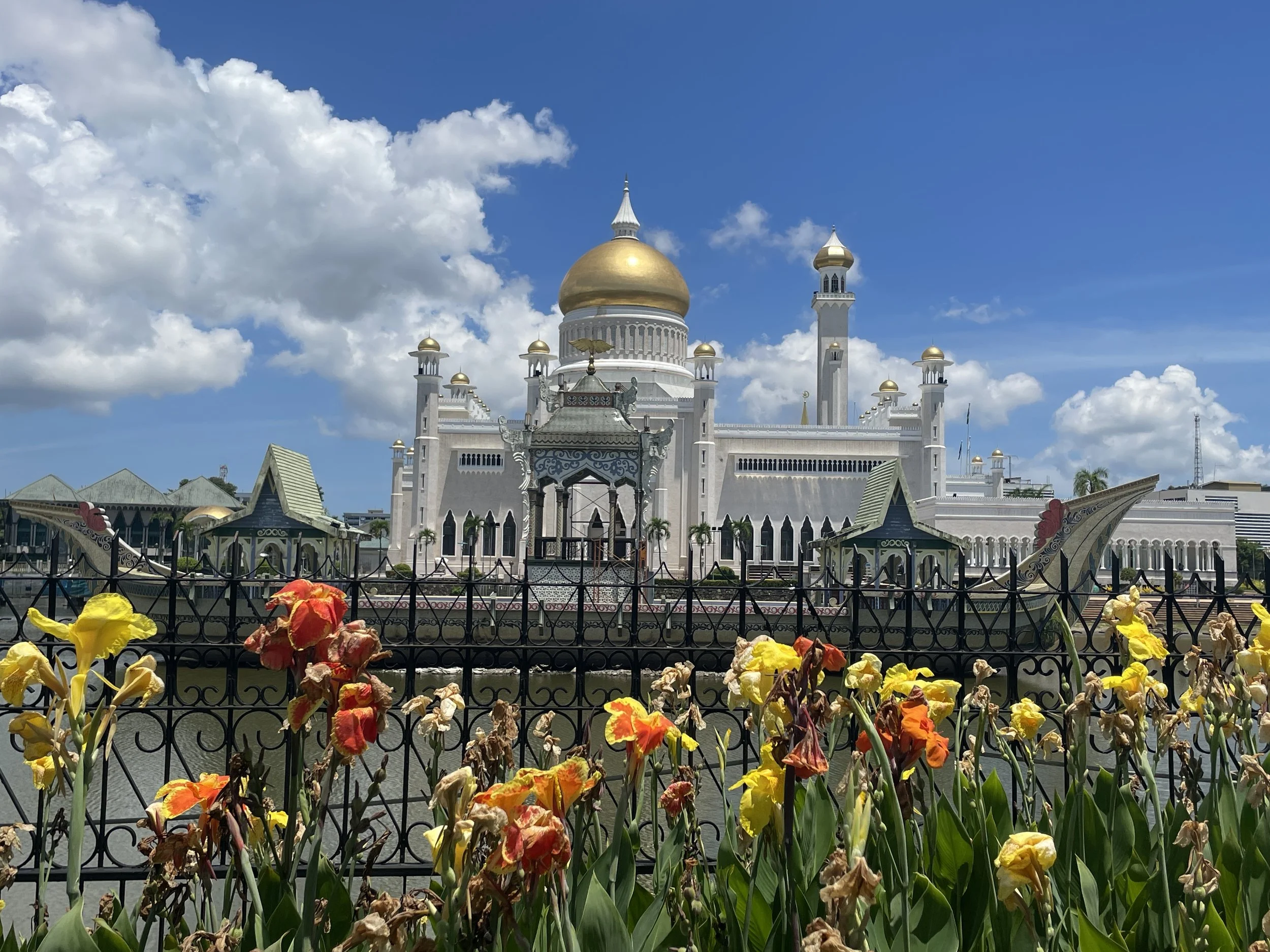
Bandar Seri Begawan, Brunei 文莱 斯里巴加湾市
March 6, 2026
After two sea days, this morning our ship docked at Muara Port,……
经过两天的海上航行,。。。
March 6, 2026
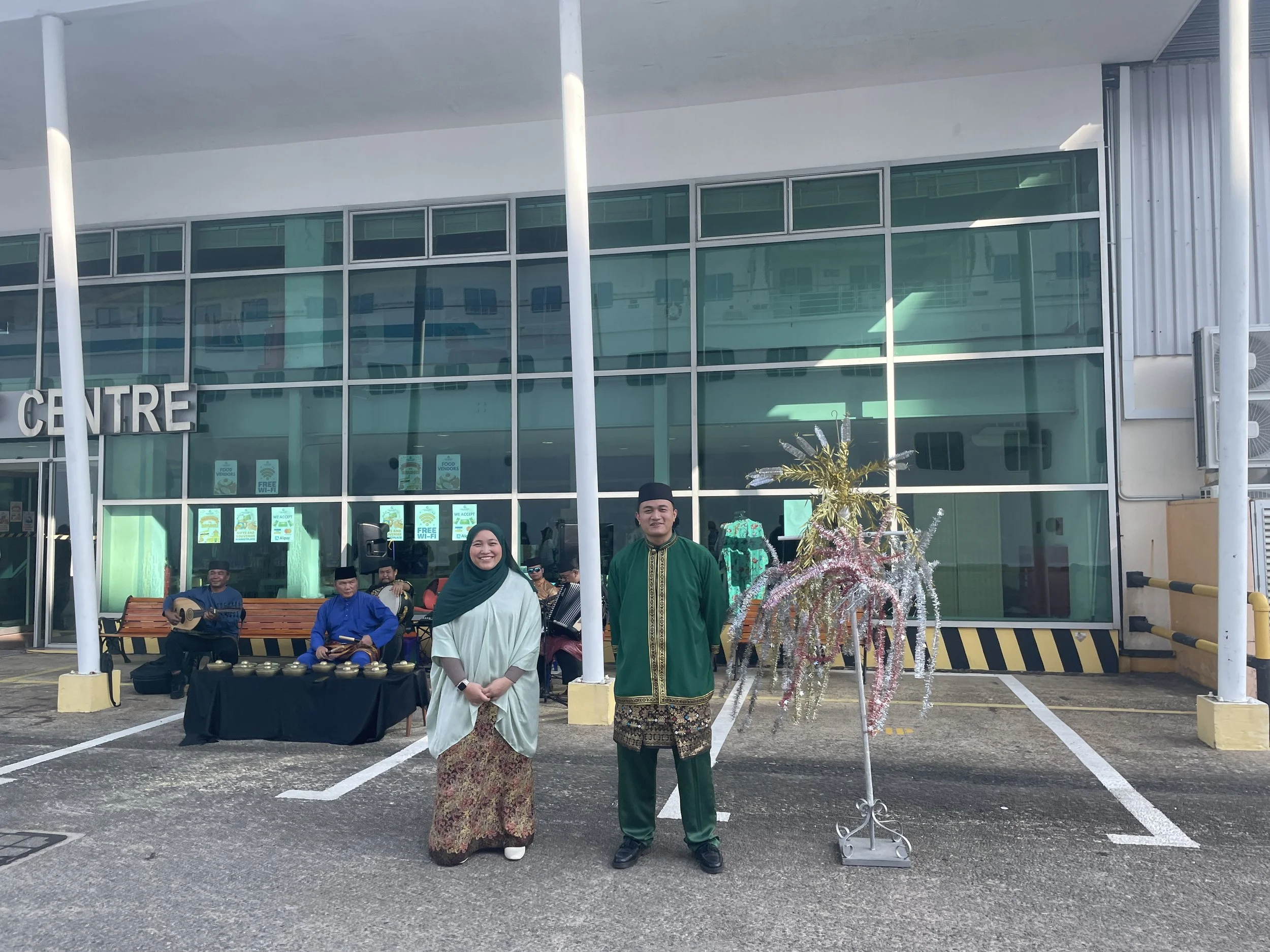
After two sea days, this morning our ship docked at Muara Port, the gateway to the small but prosperous nation of Brunei, one of the richest countries in the region.
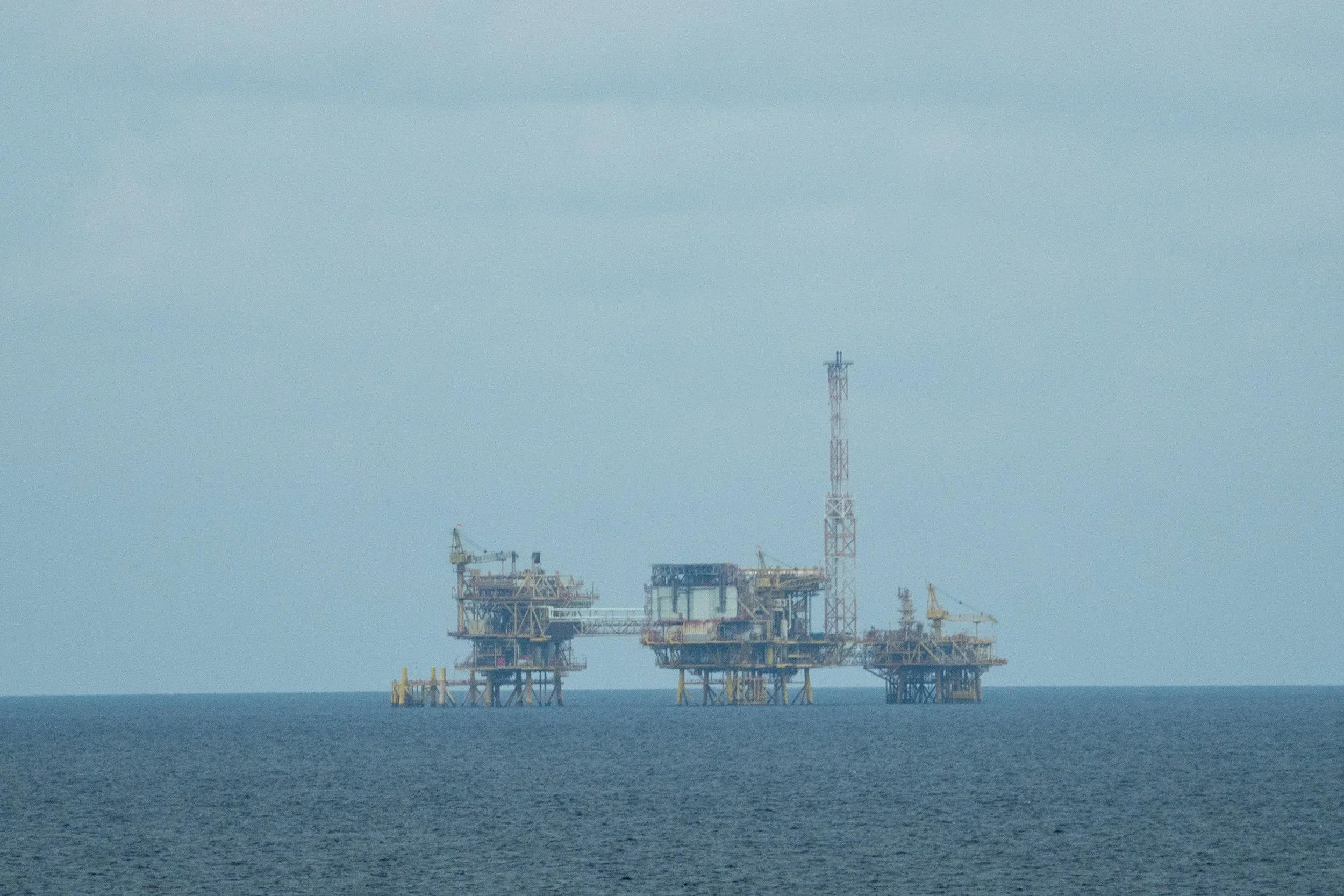
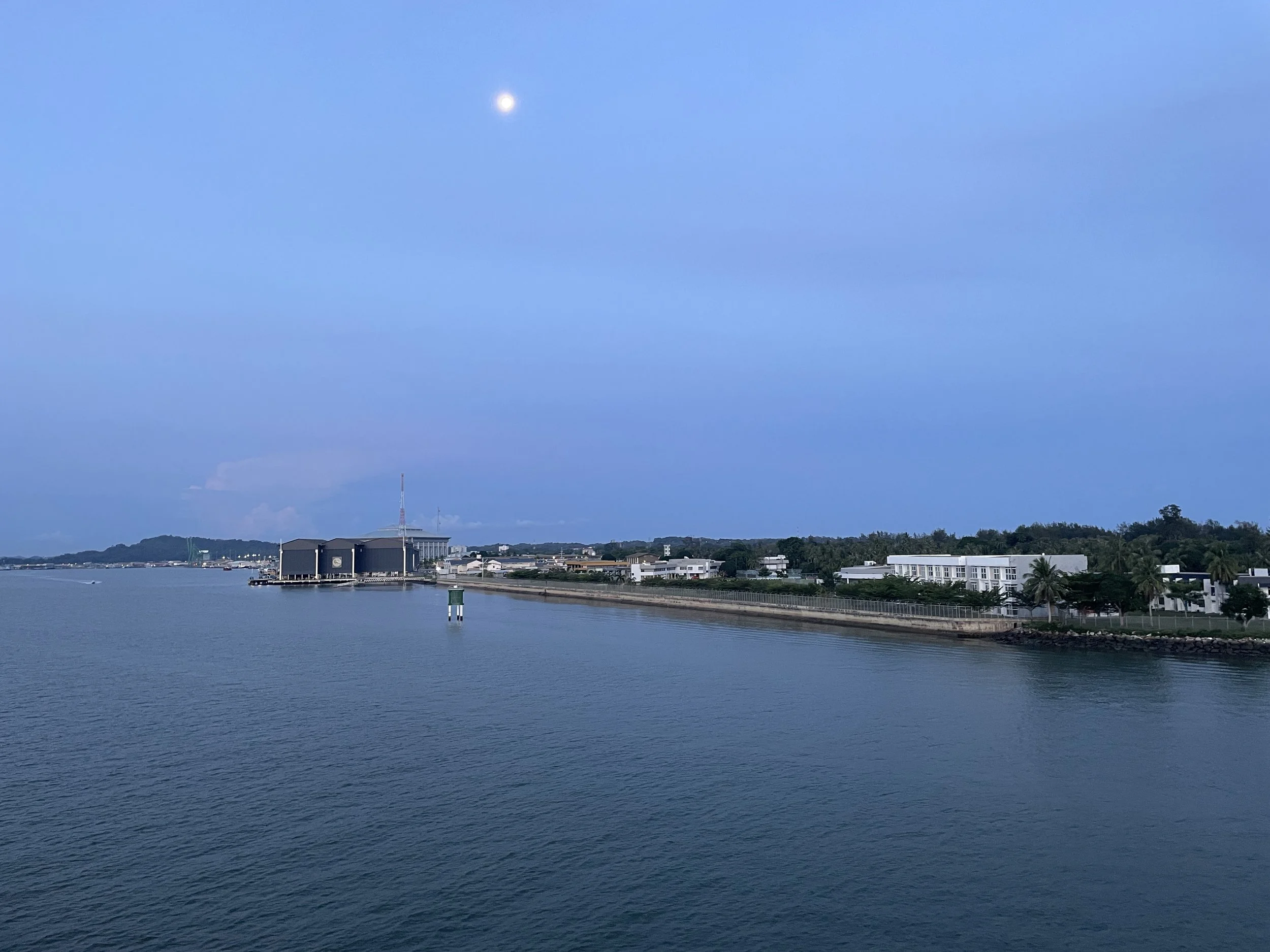
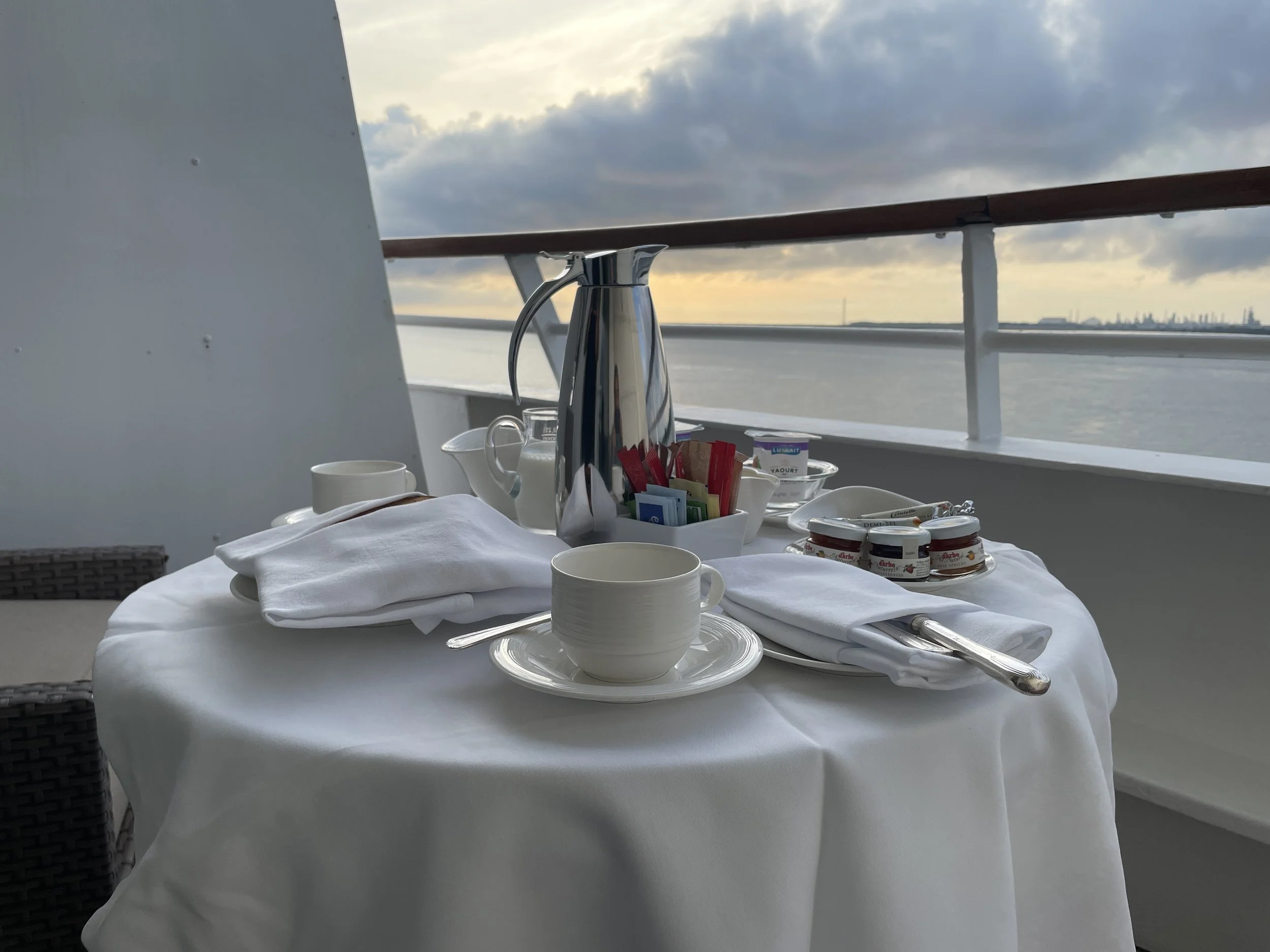
Since we had an early shore excursion, we requested breakfast room service. At the scheduled time in the morning, the butler came and set up a table on the balcony. The breakfast was a simple continental meal with hot coffee, croissants, yogurt, and a few other items. Although it was modest, the experience was pleasant and much less stressful before an early morning excursion.
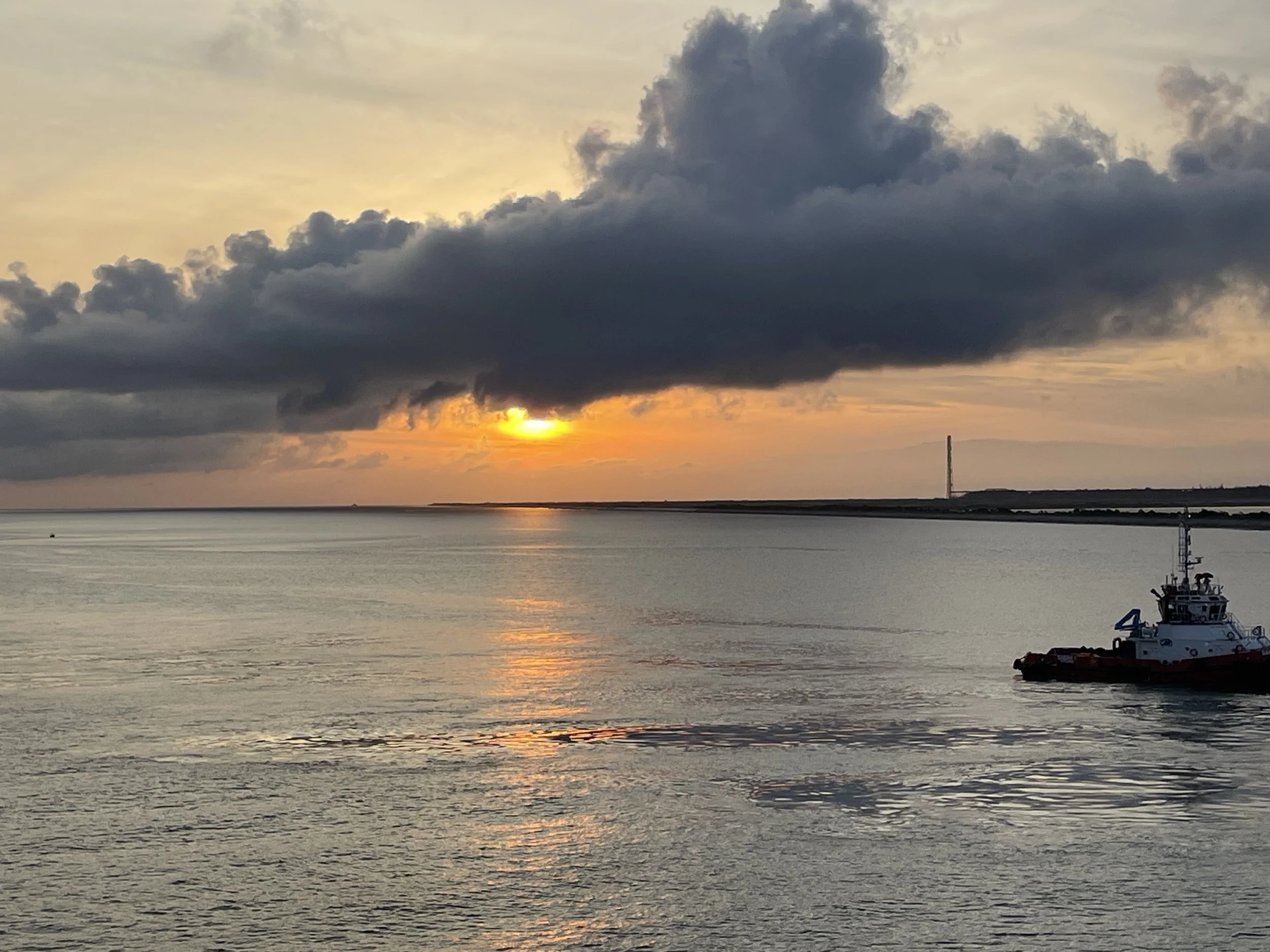
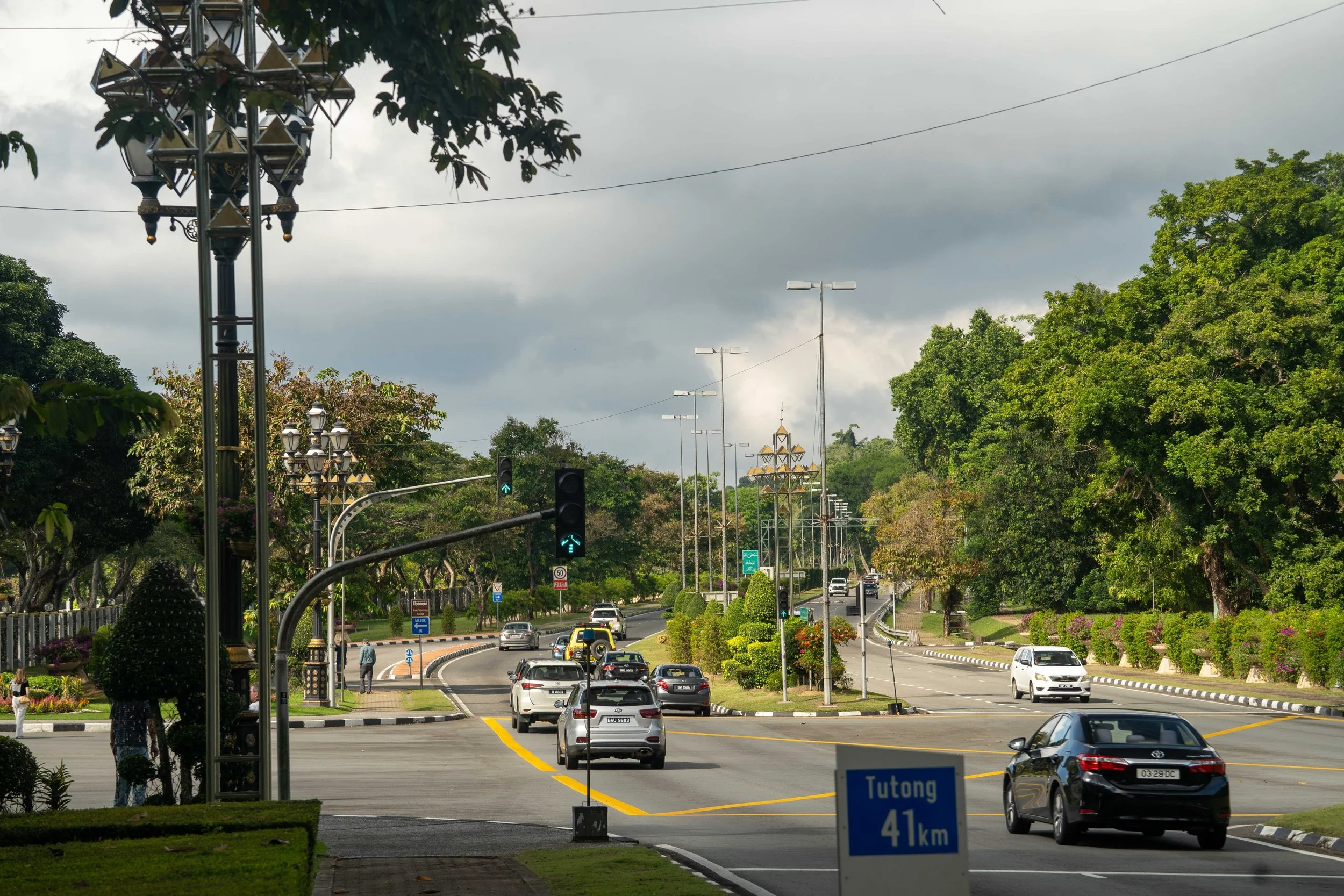
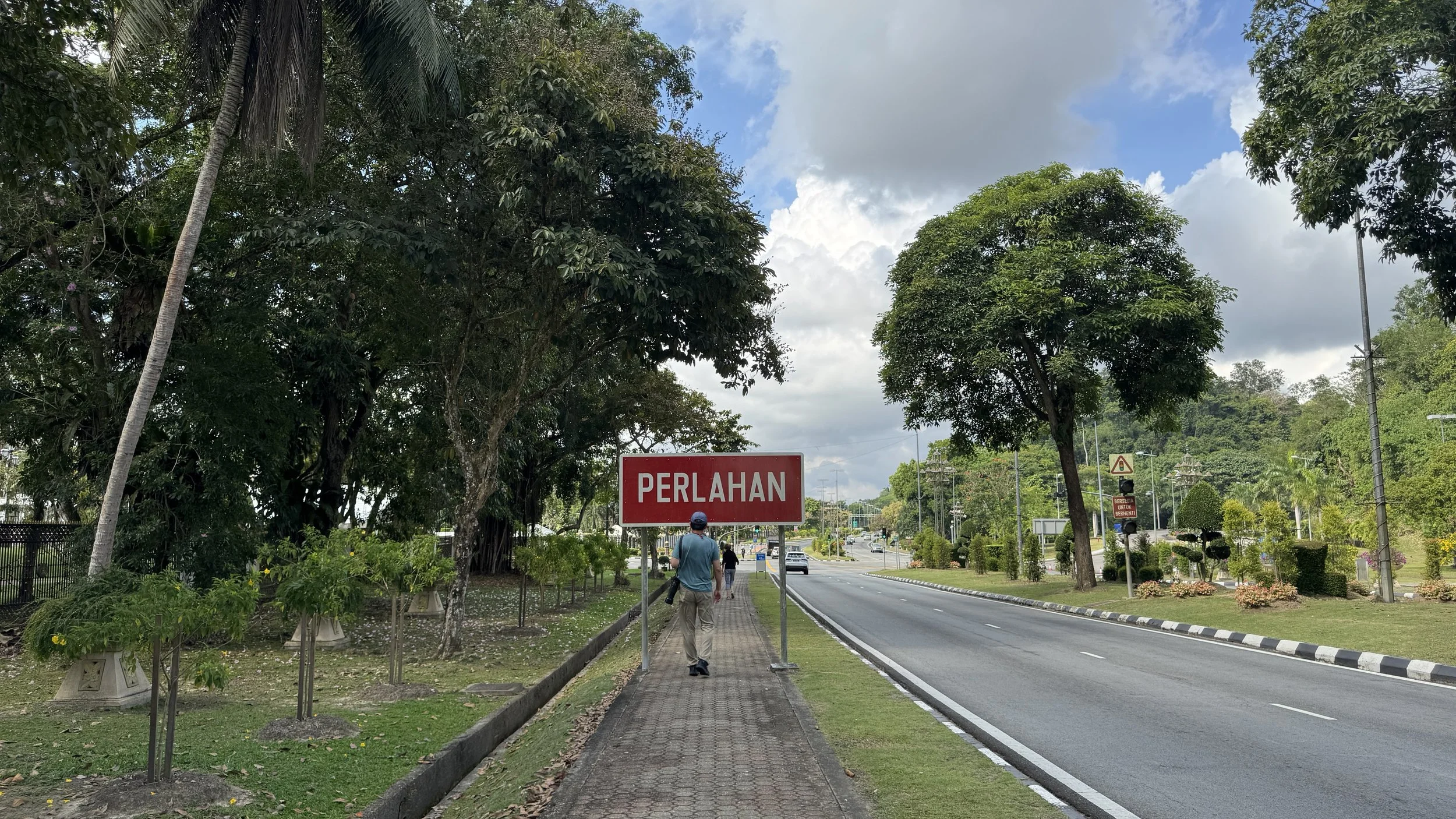
From the port we drove about half an hour to the capital, Bandar Seri Begawan, a quiet and orderly city with wide roads, tidy buildings, and a relaxed atmosphere. What struck us immediately was how calm the city felt—almost no motorcycles or bicycles, and hardly any pedestrians on the streets. Life here seems to move at a slower, more measured pace, often referred to locally as the “Brunei way.”
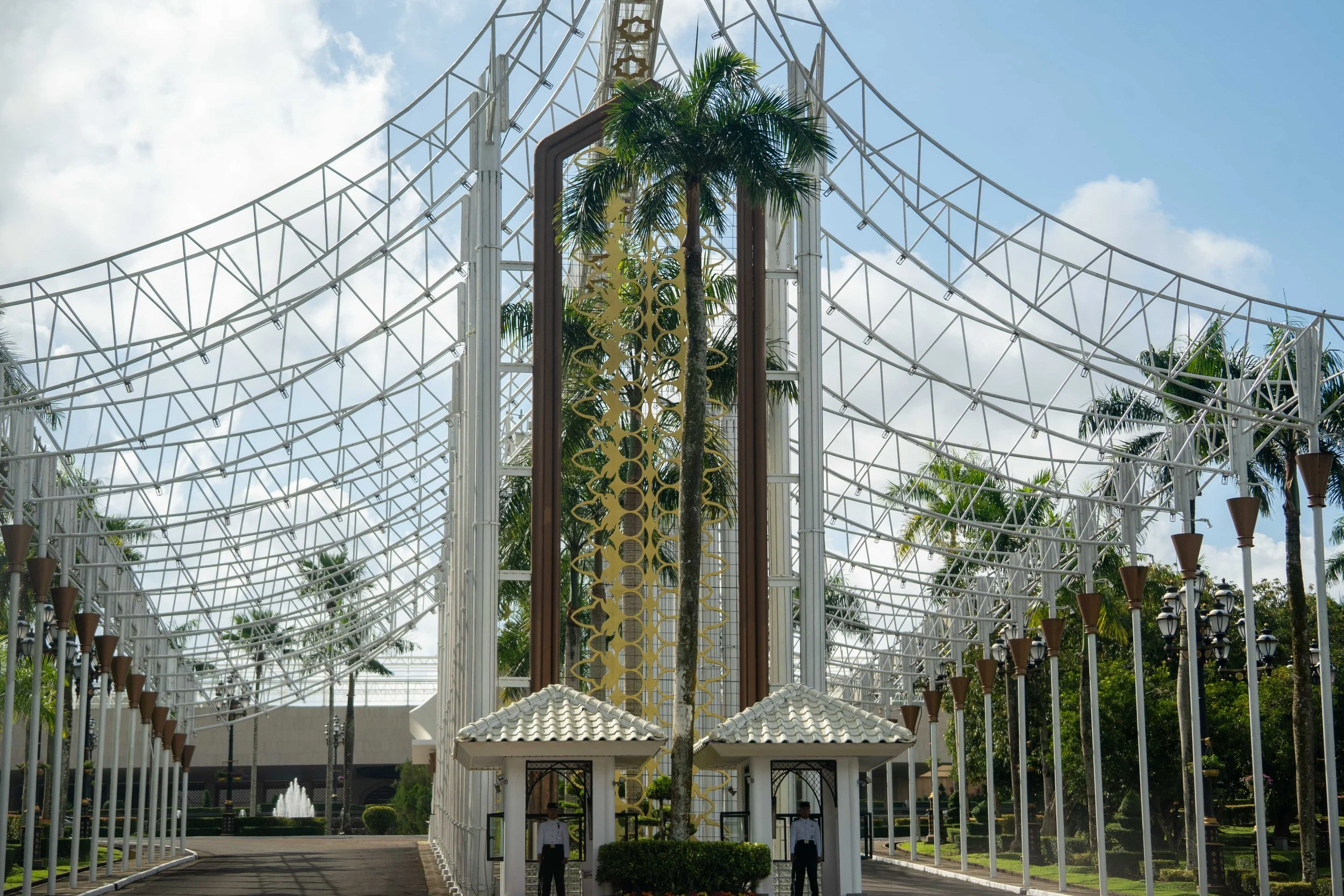
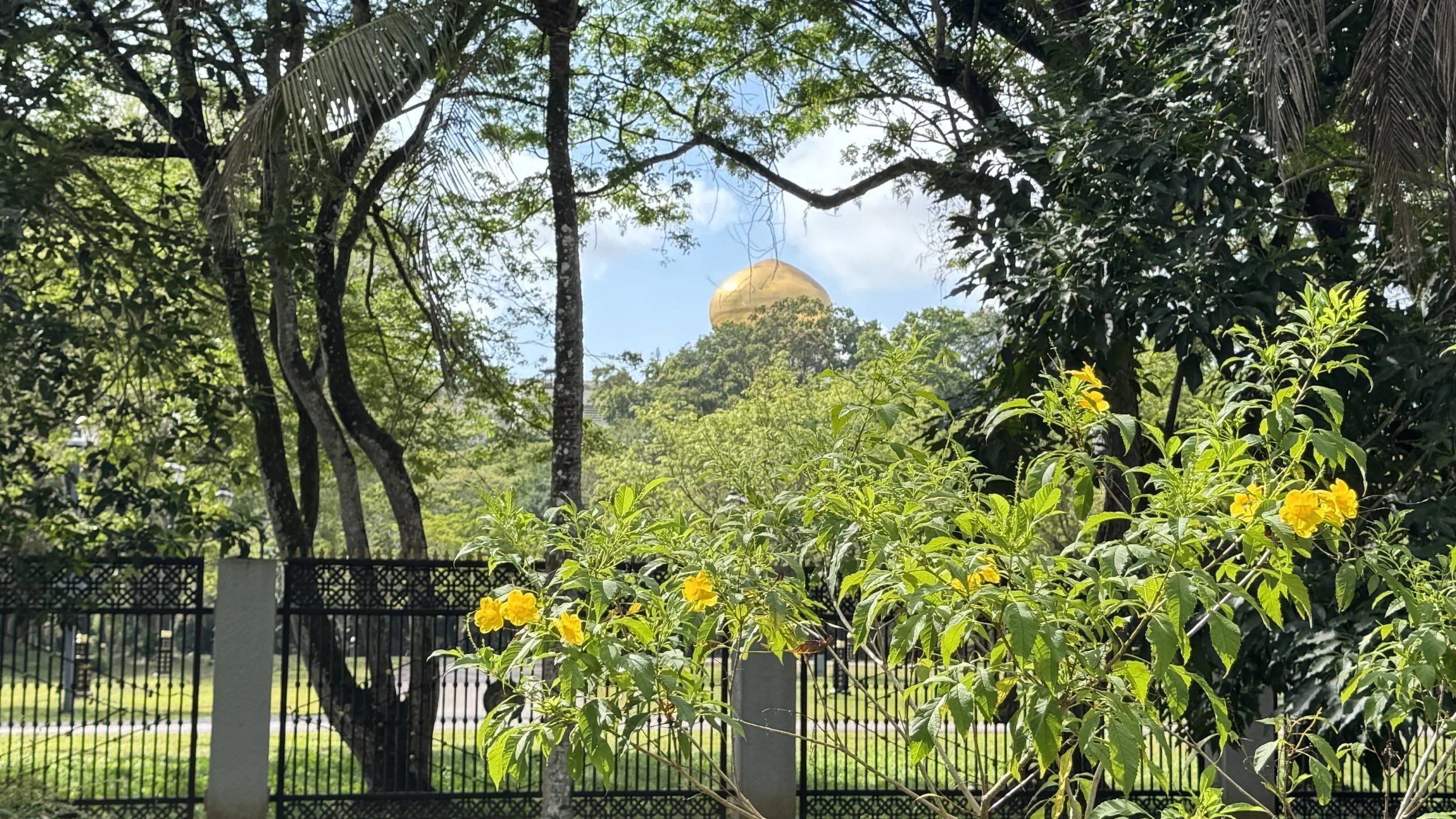
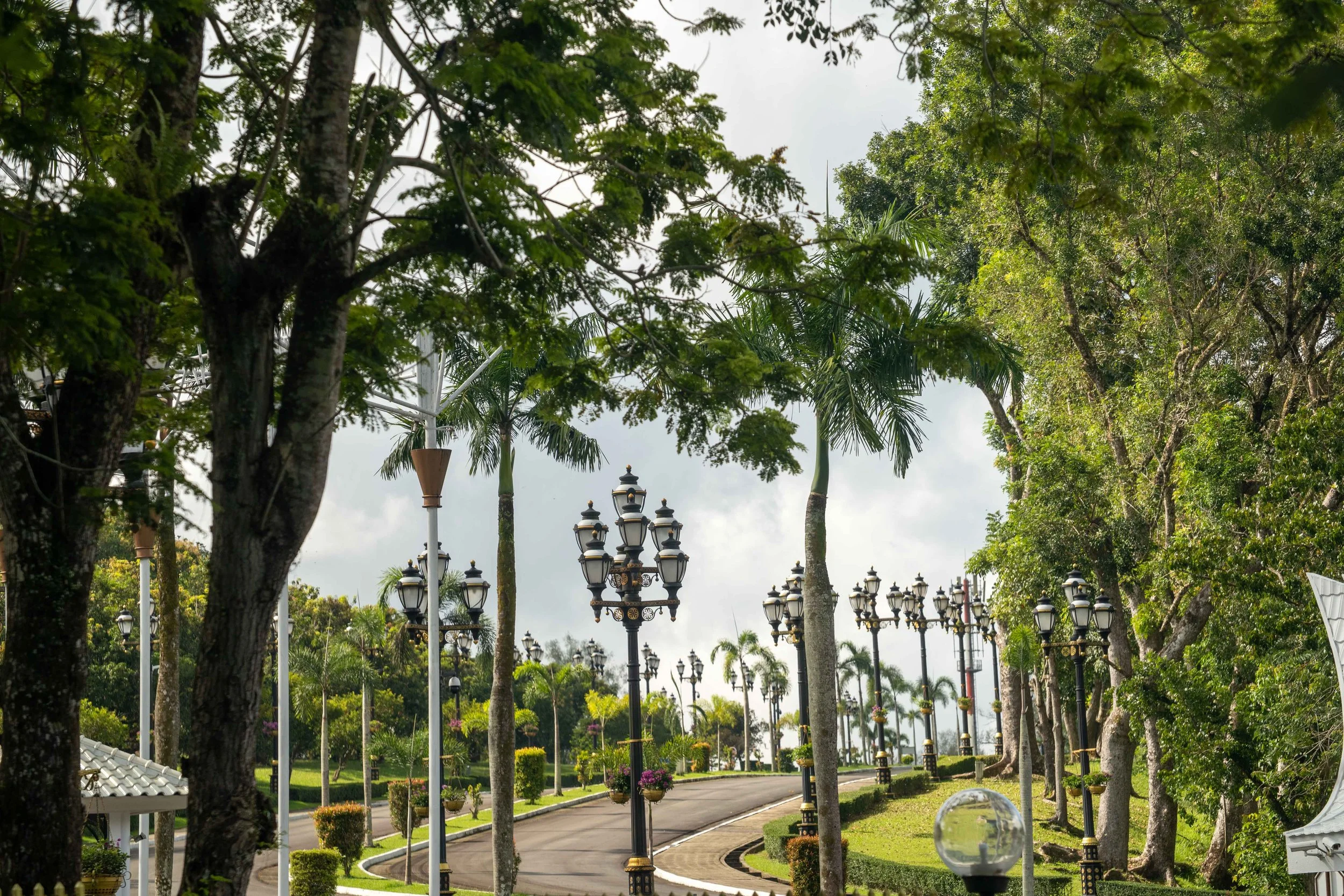
Our first stop was outside the gates of Istana Nurul Iman, the official residence of the Sultan. Although visitors are not allowed inside, the enormous scale of the palace is striking. Stretching along the river behind elegant gates, it is known as the largest residential palace in the world.
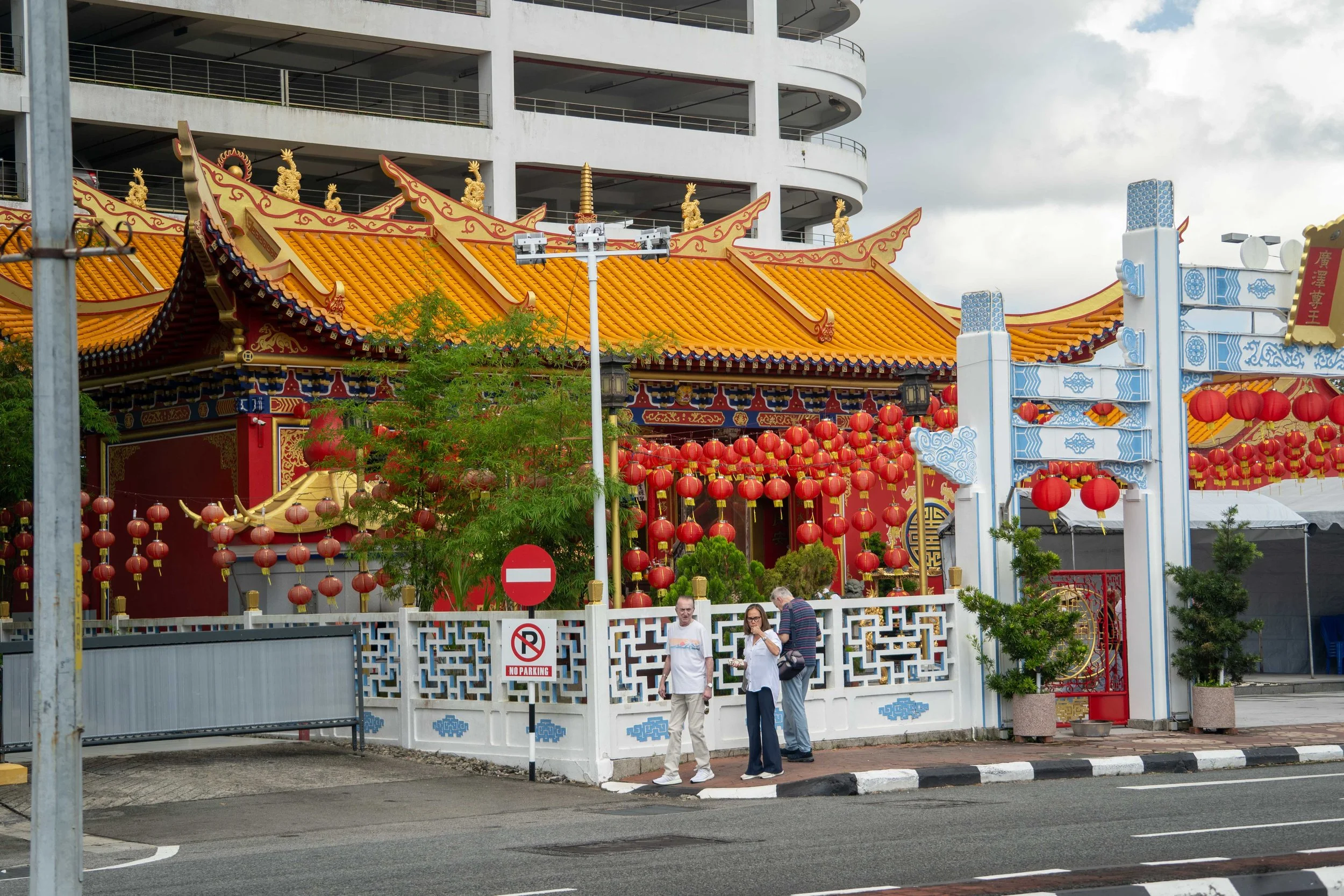
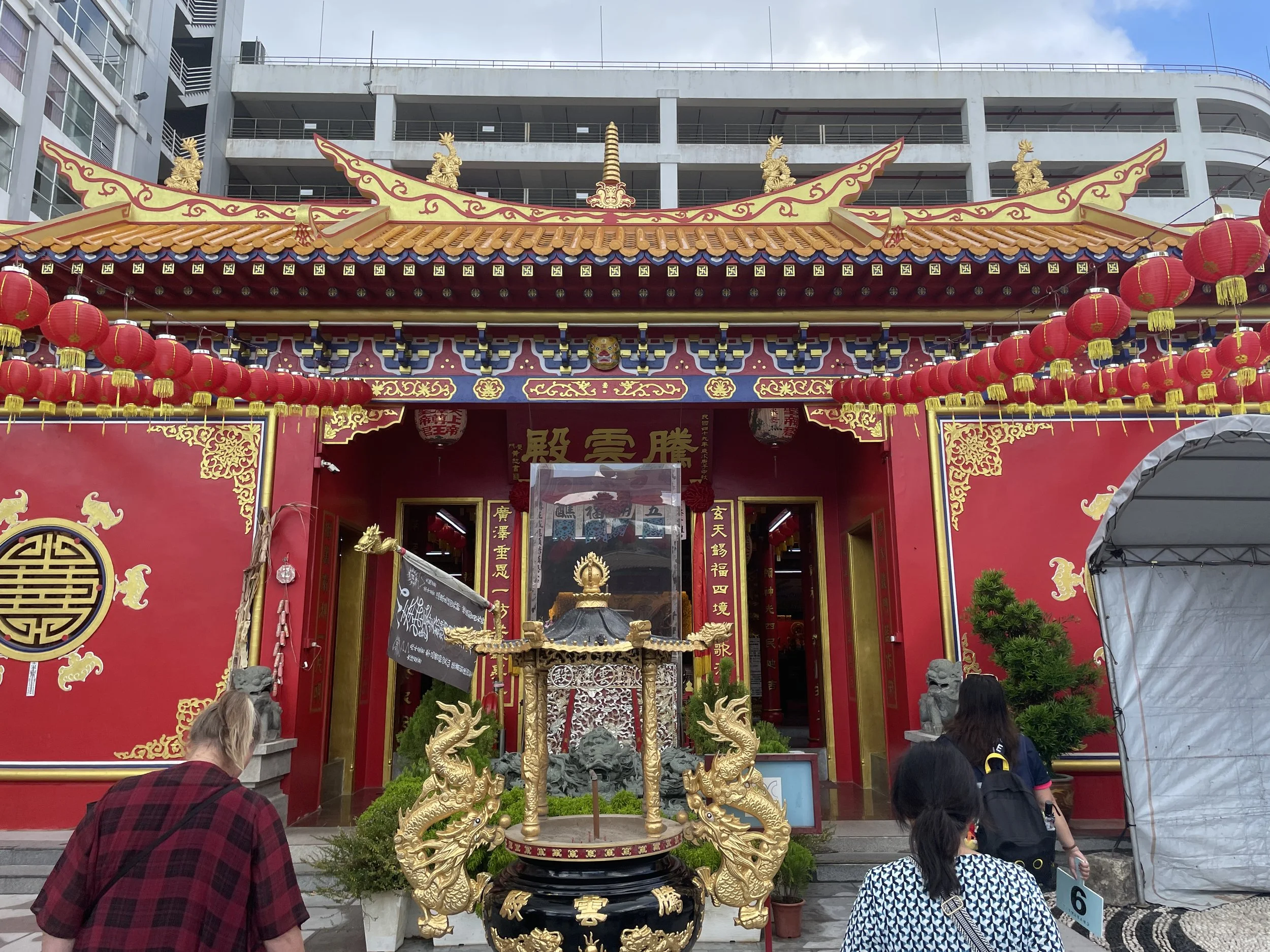
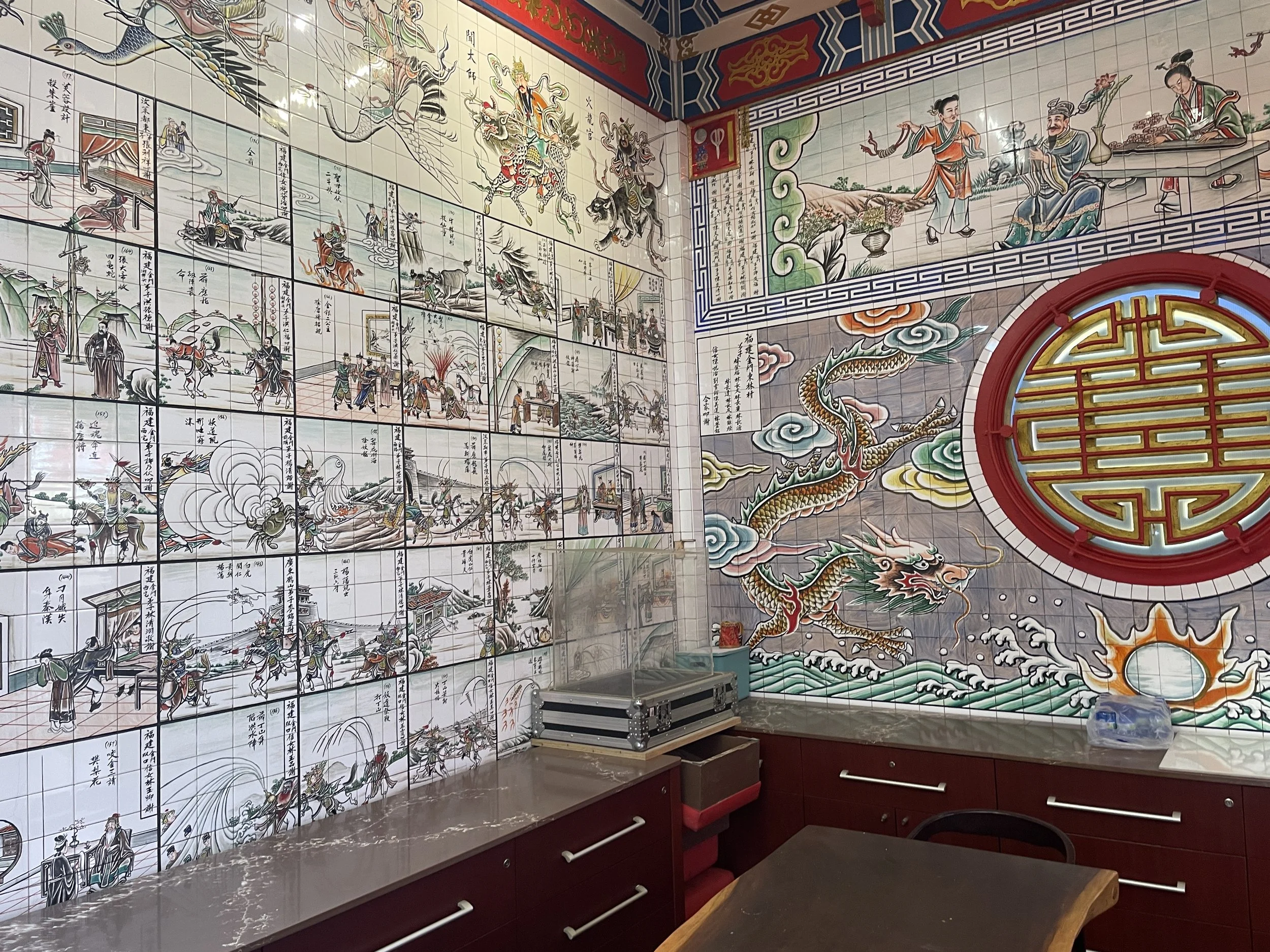
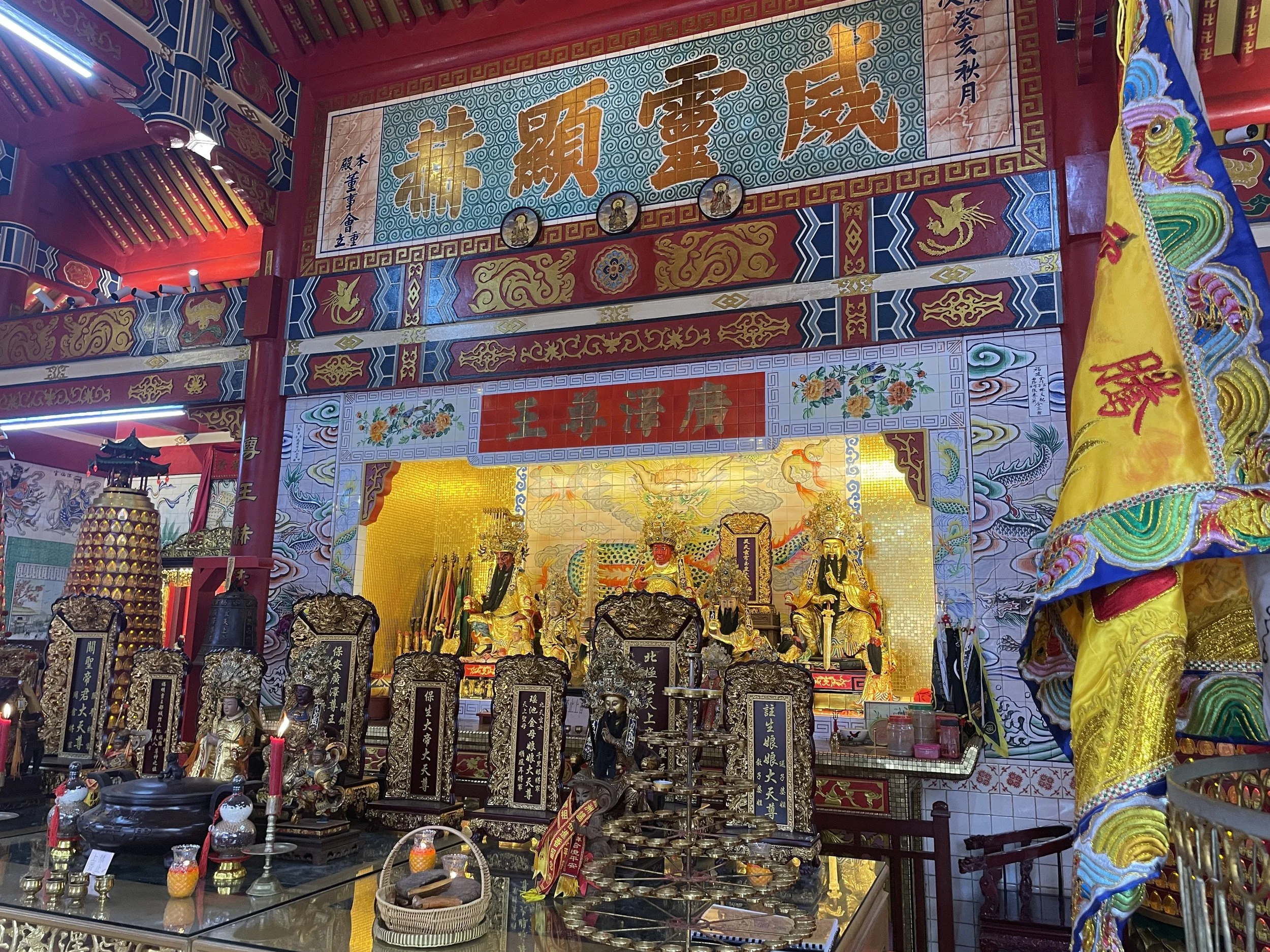
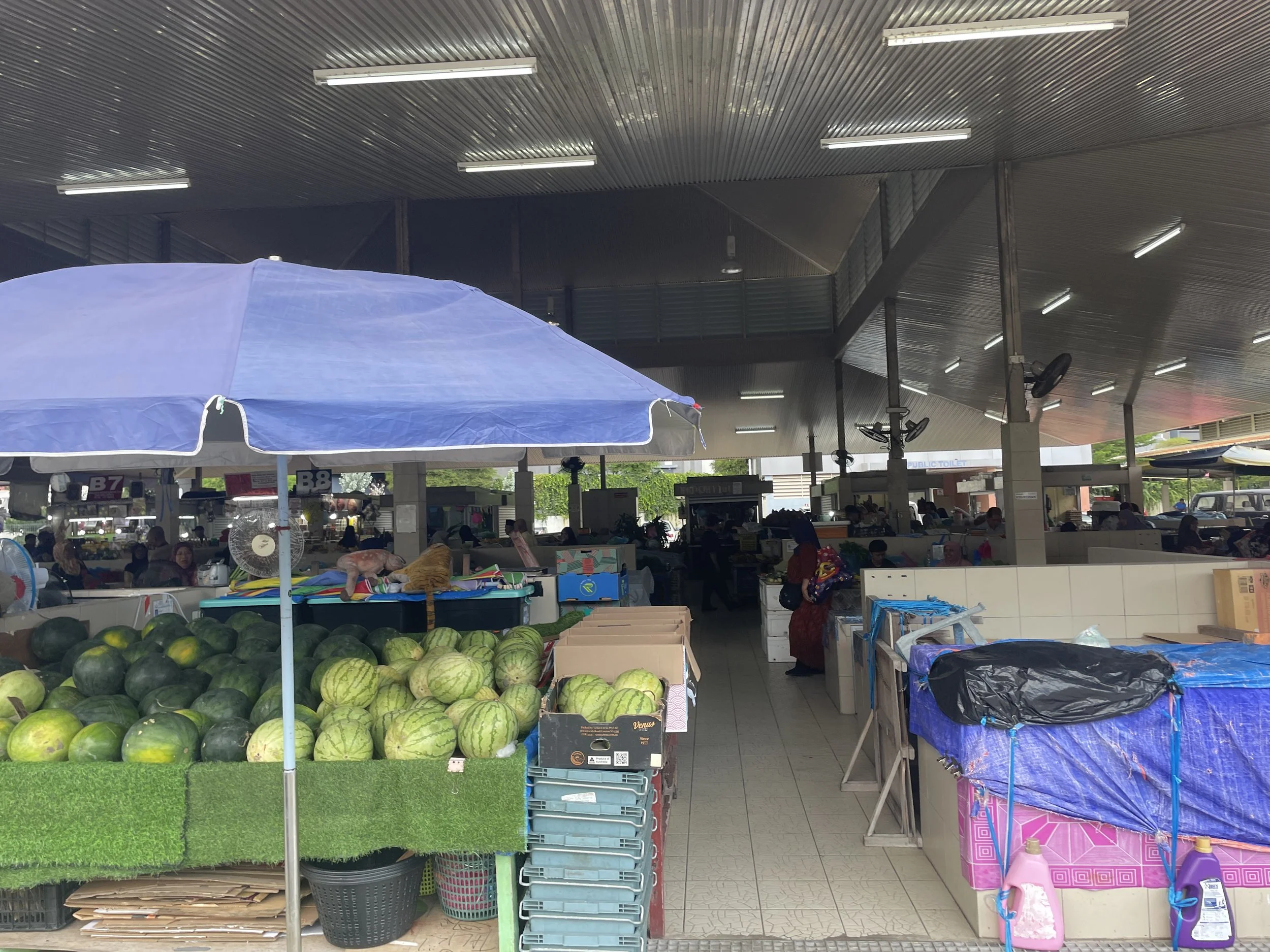
We then visited the small but colorful Teng Yun Temple, the oldest Chinese temple in Brunei, which survived the destruction of World War II. Just next to the temple is a lively morning market where local vendors sell fresh vegetables, tropical fruits, seafood, and a variety of traditional snacks. Walking through the market offered a glimpse into daily life in the city. Interestingly, we did not see any meat for sale and only spotted a few small fish in a bowl; most stalls were selling vegetables and produce.
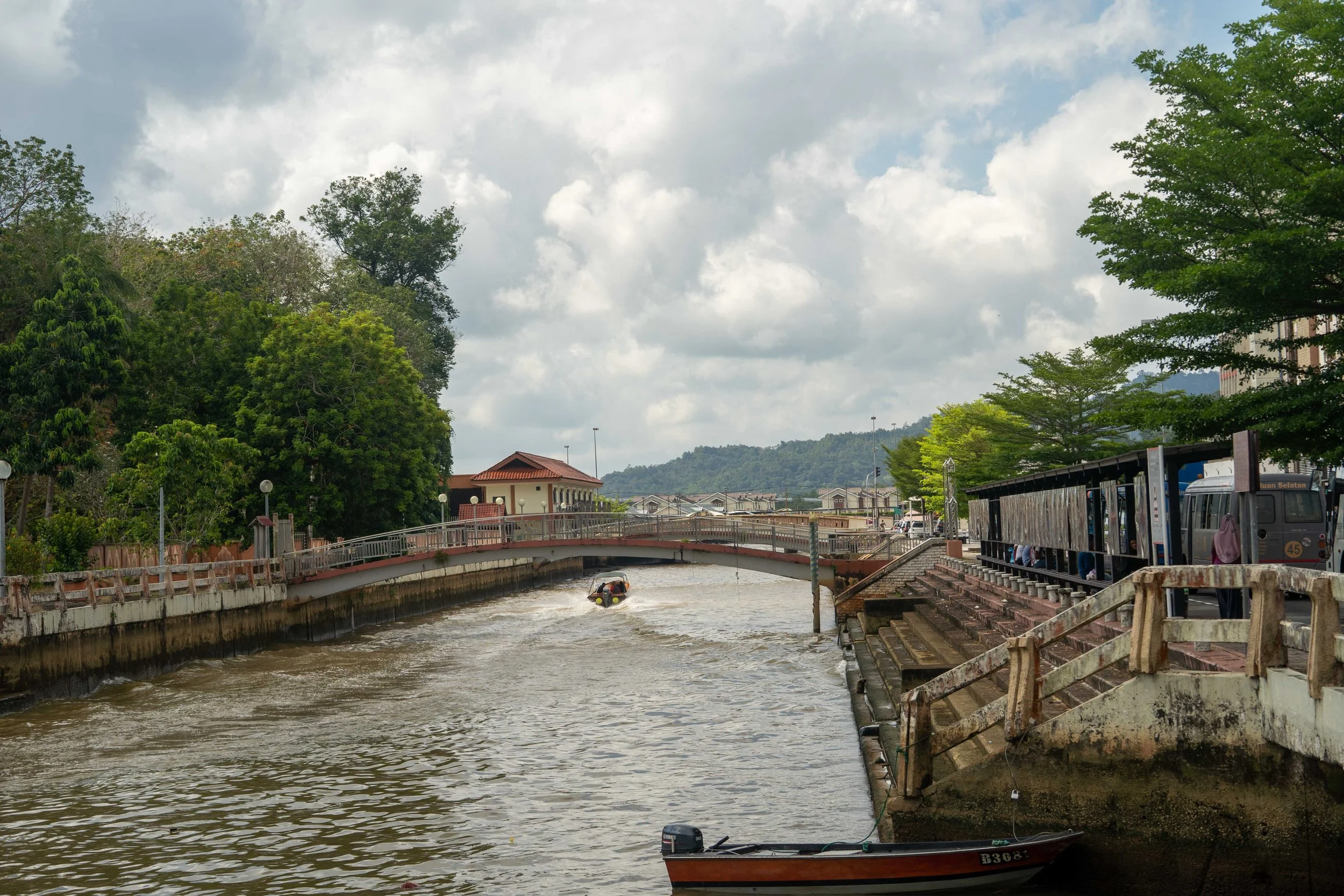
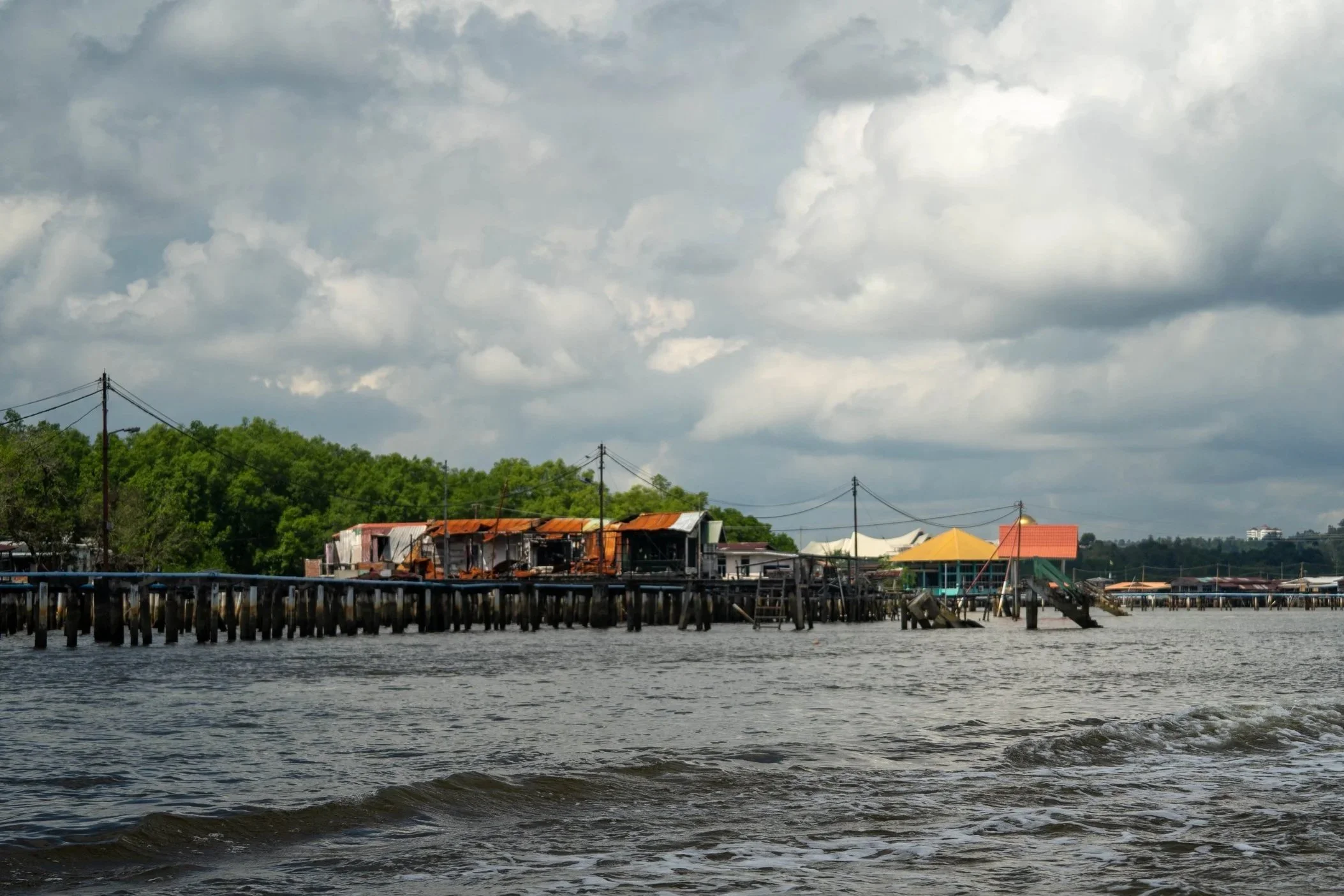
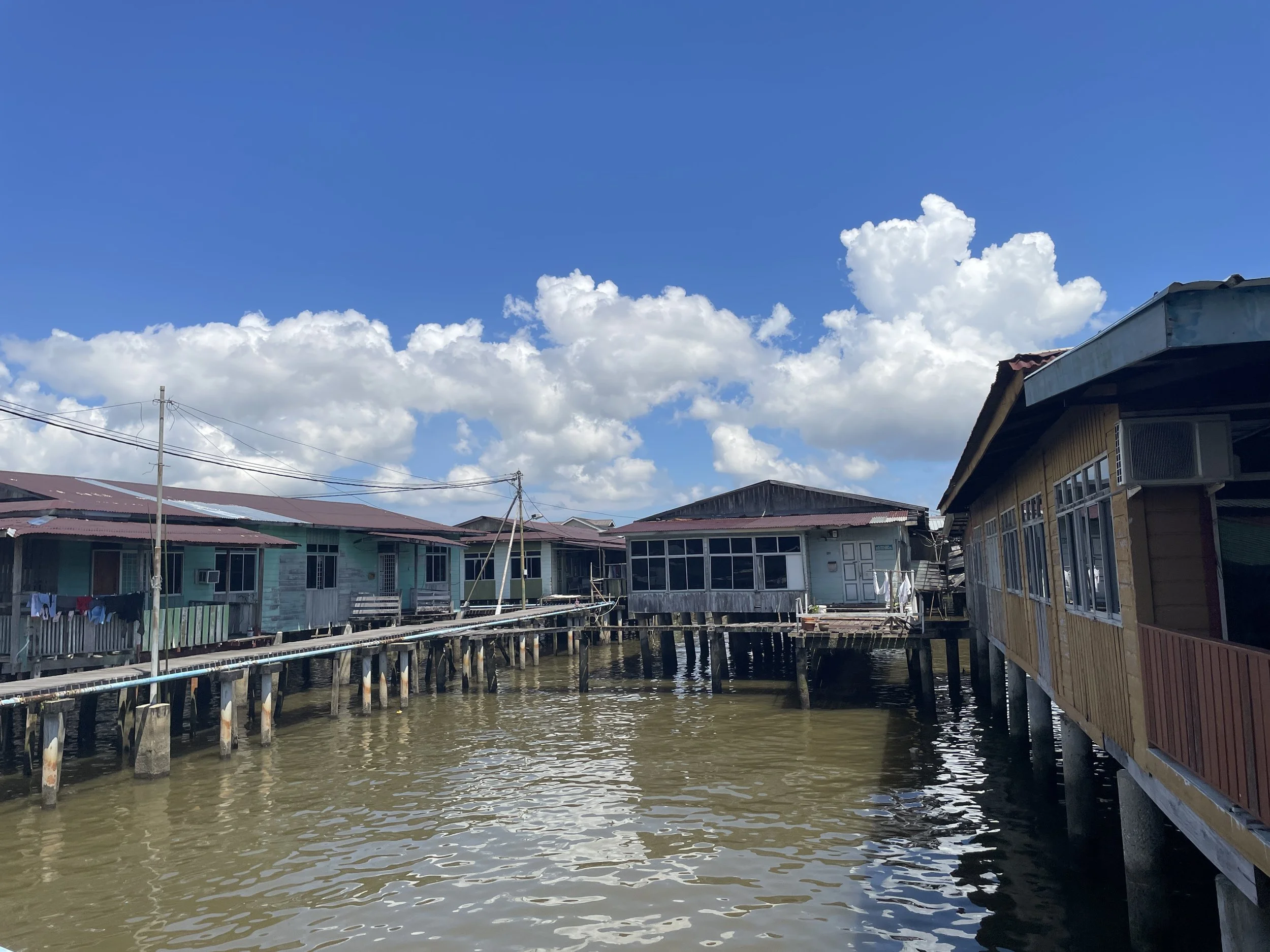
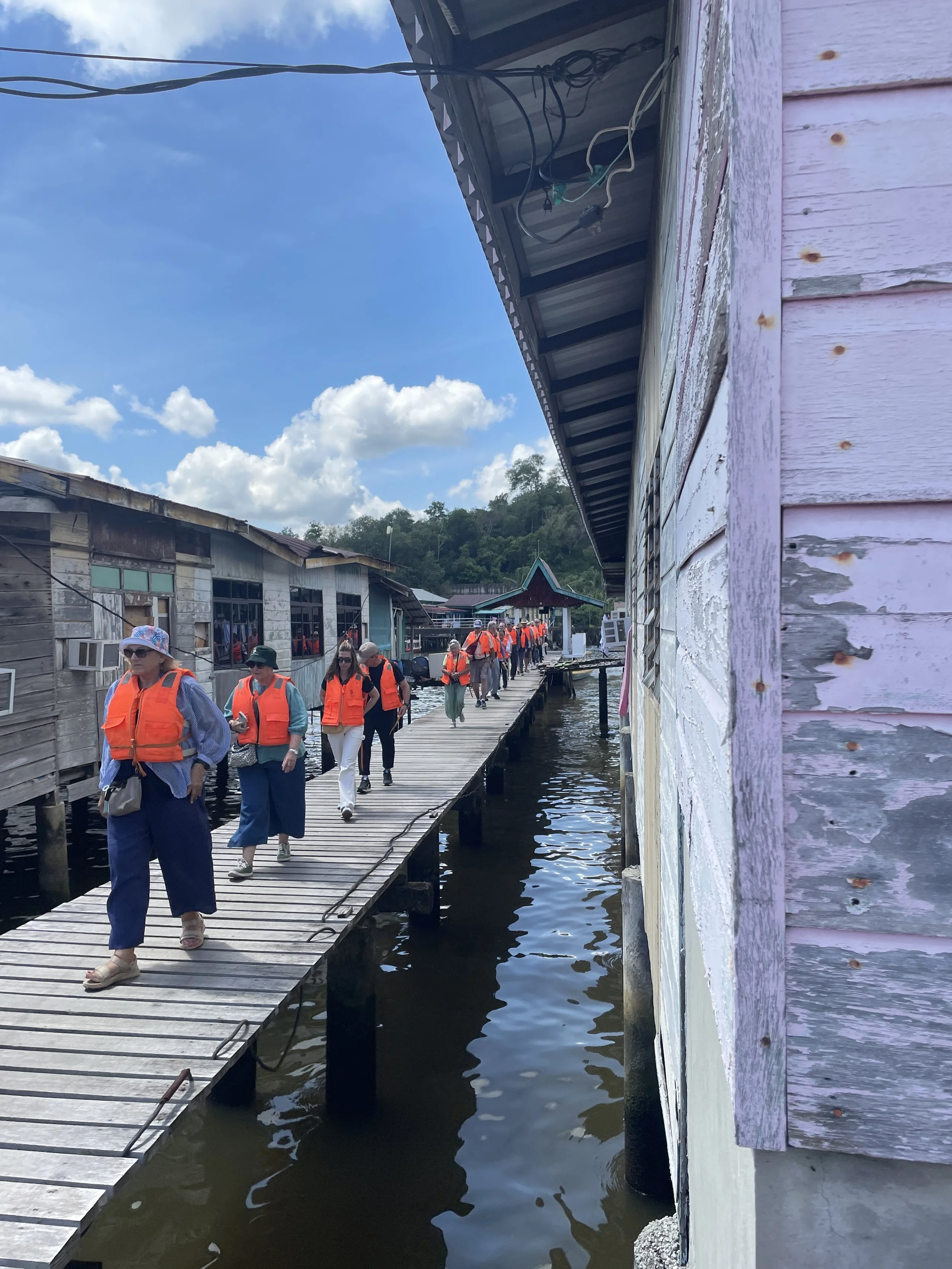
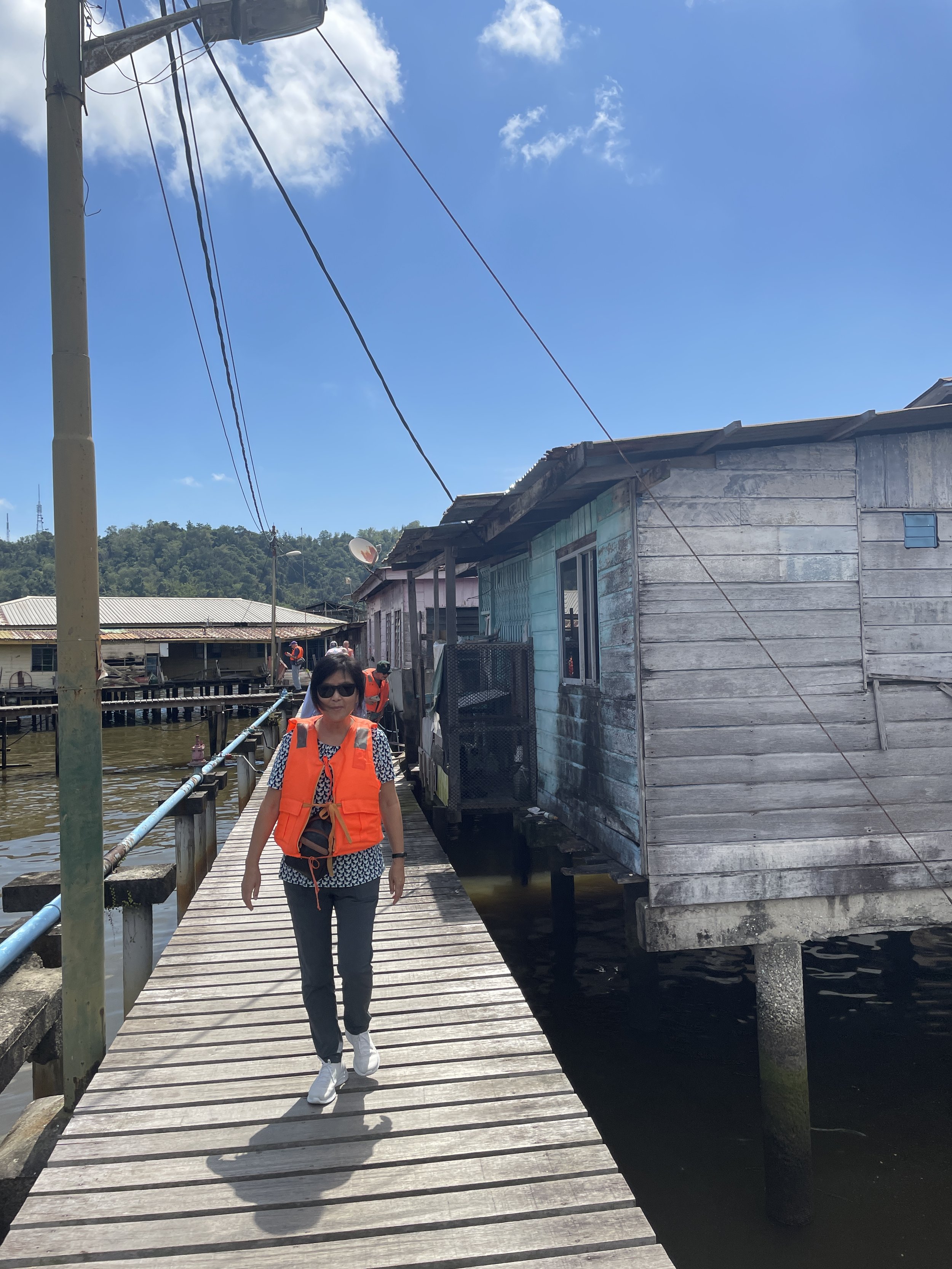
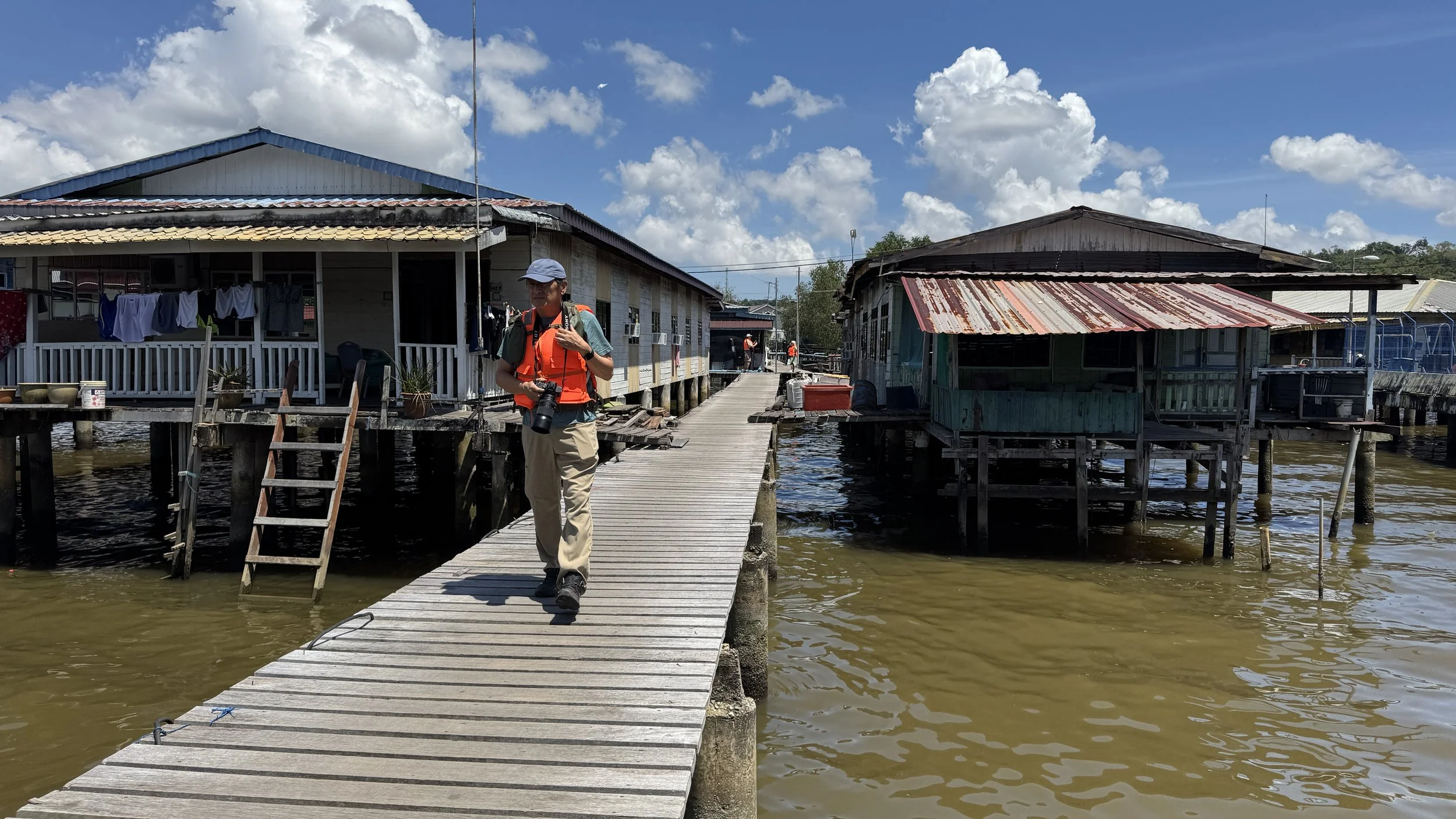
Next we took a small ferry to cross the river and explore Kampong Ayer, the centuries-old water village often called the “Venice of the East,” and considered one of the oldest water settlements in the world. Hundreds of wooden houses stand on stilts above the river, connected by wooden walkways and small bridges. Despite its long history, the village felt quiet and calm, not nearly as busy as the floating villages we had seen in Cambodia.
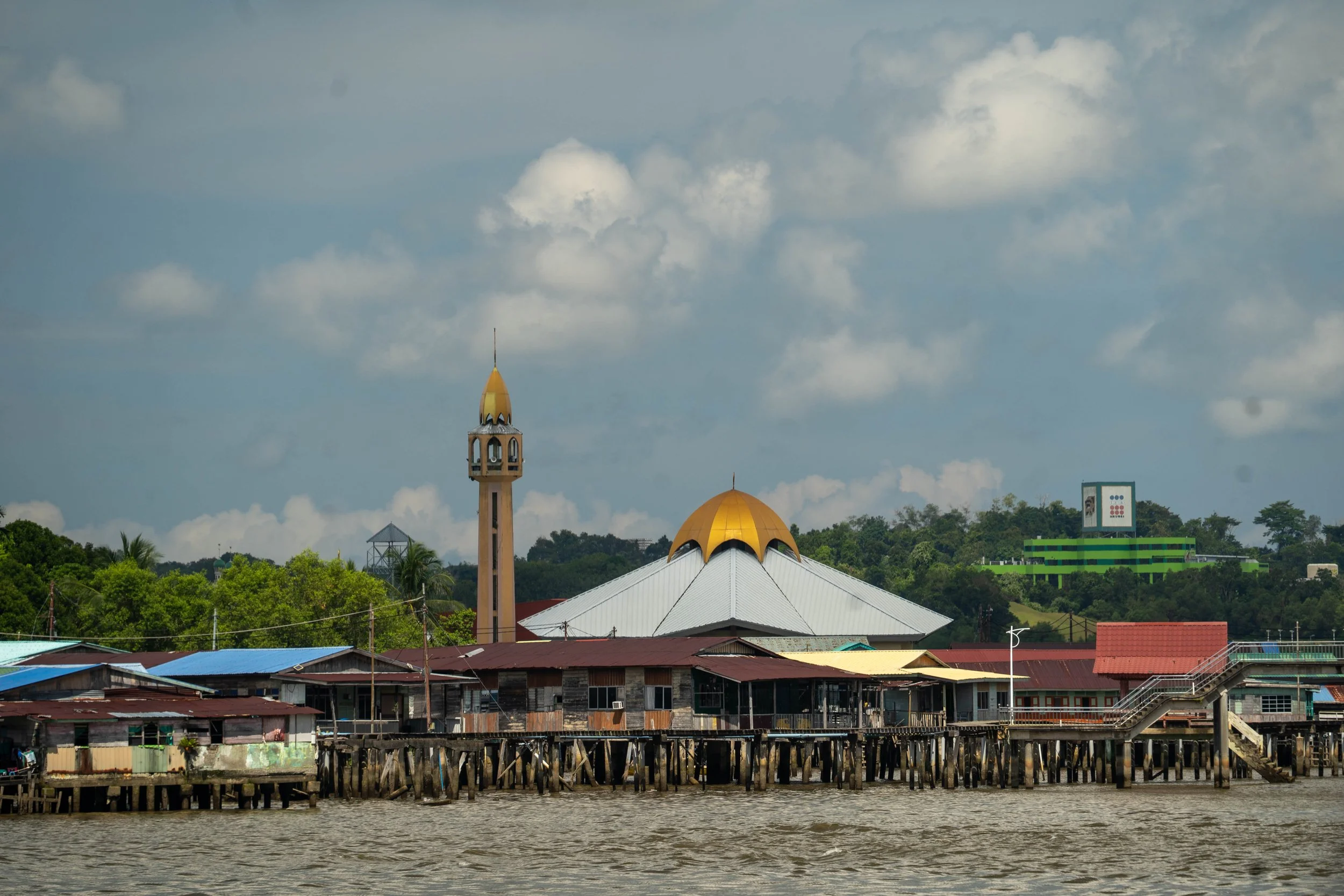
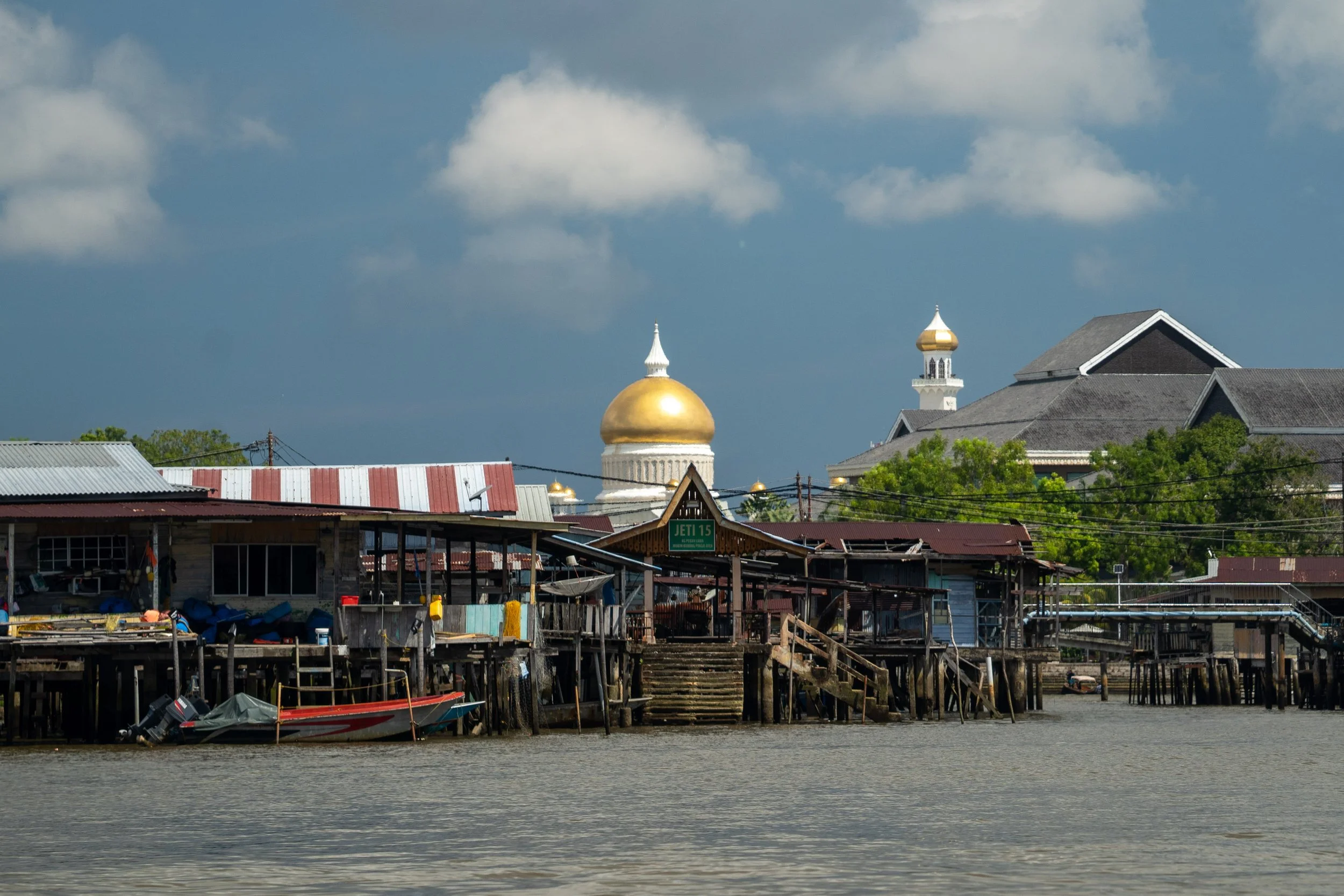
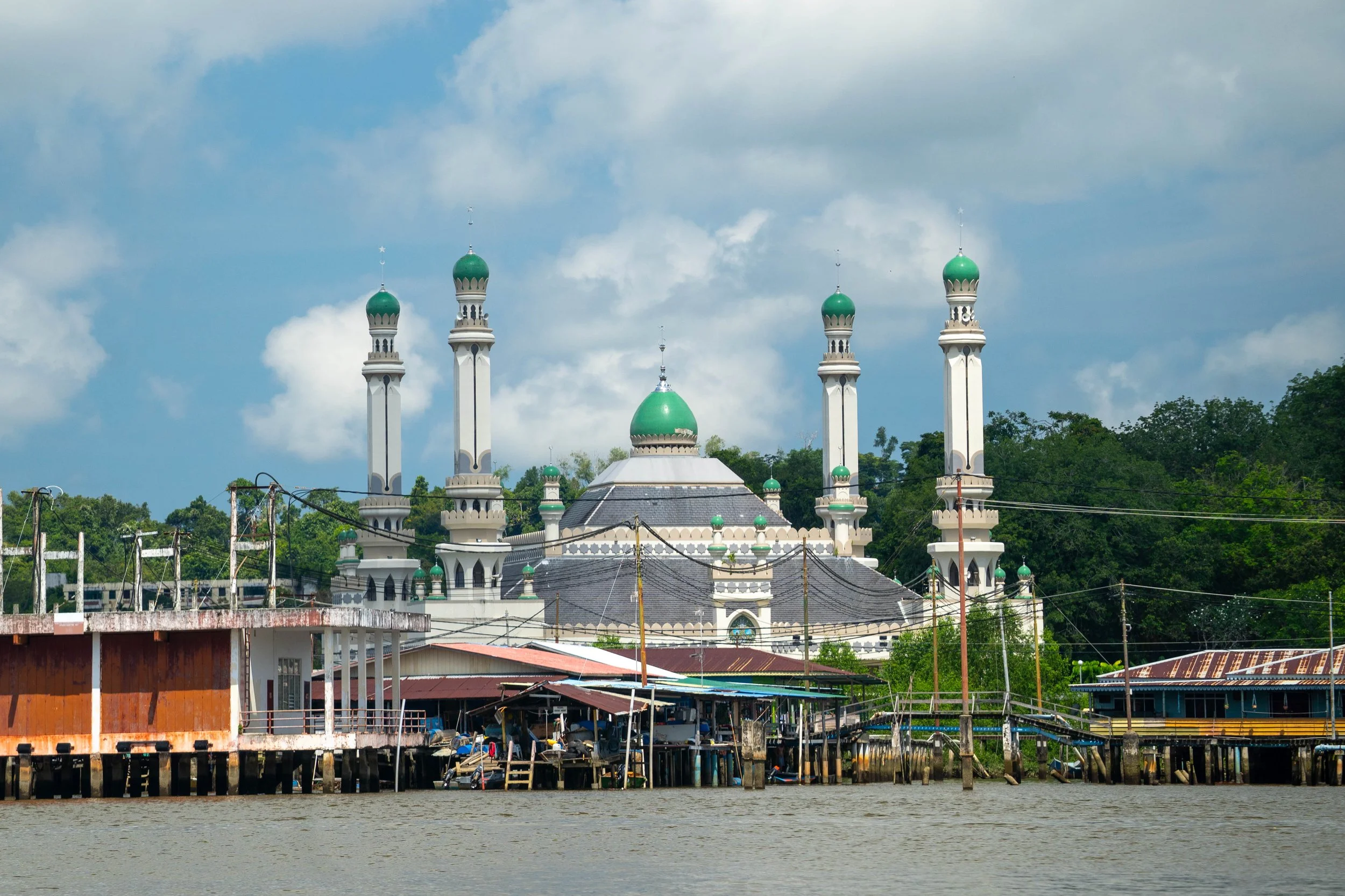
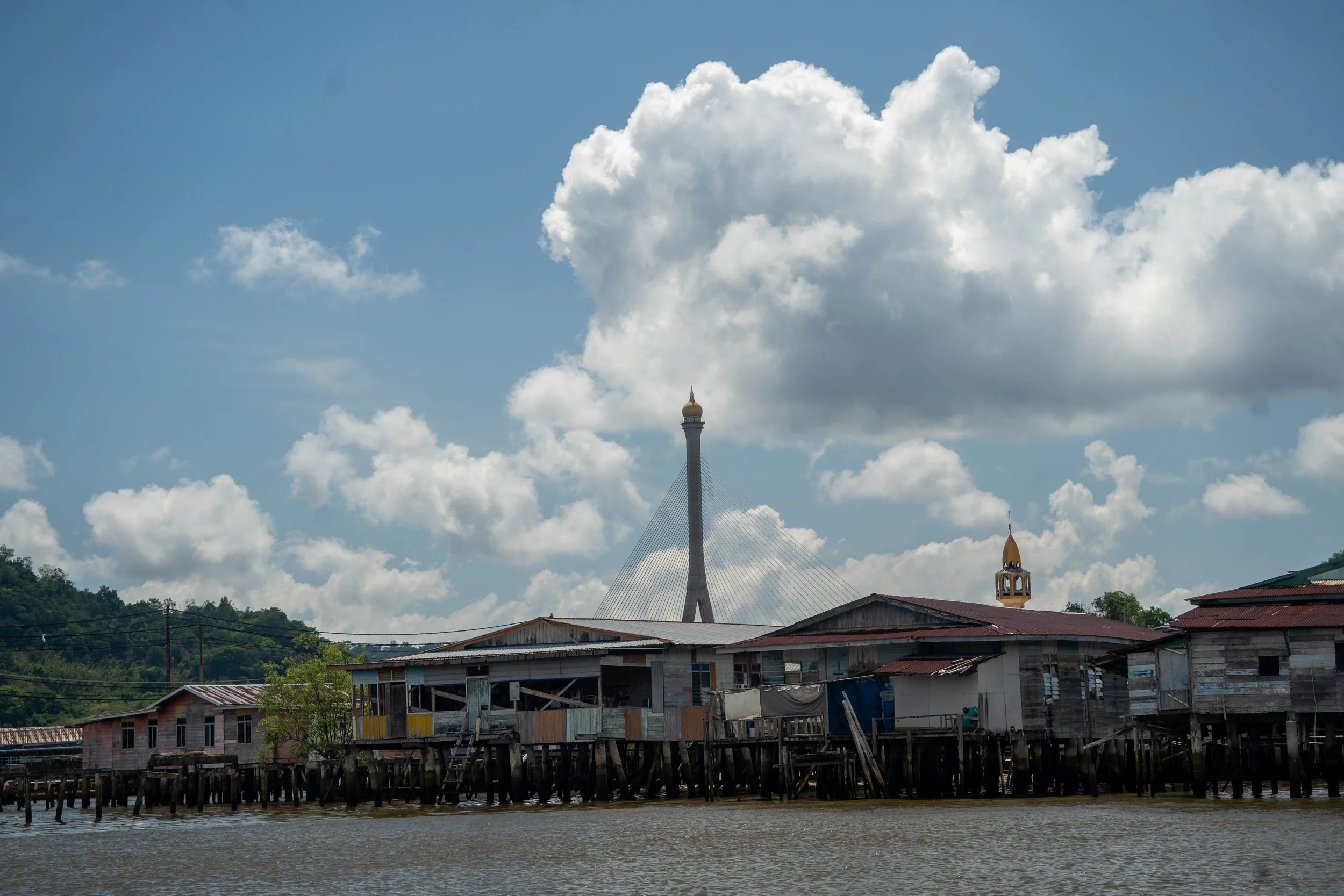
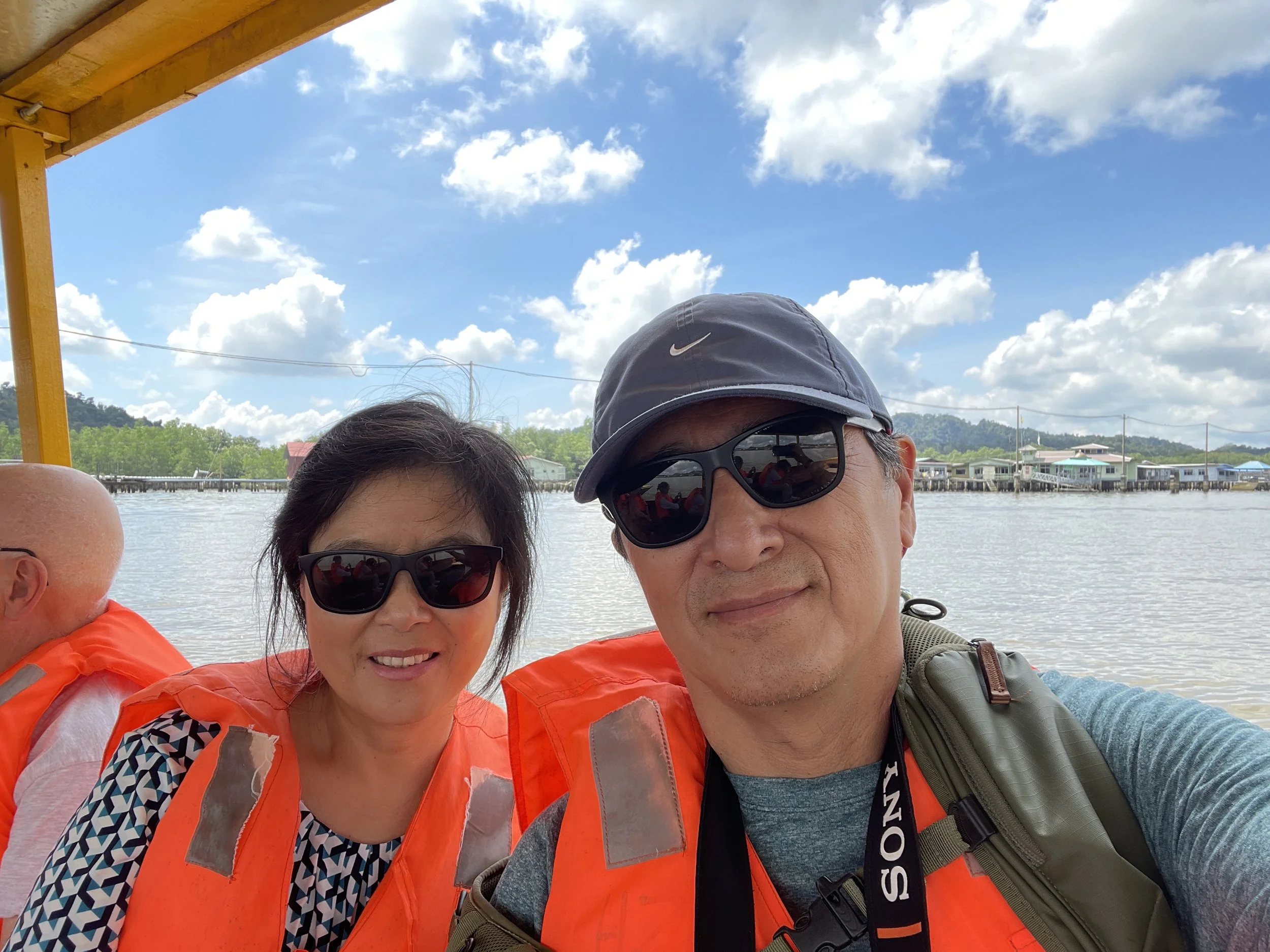
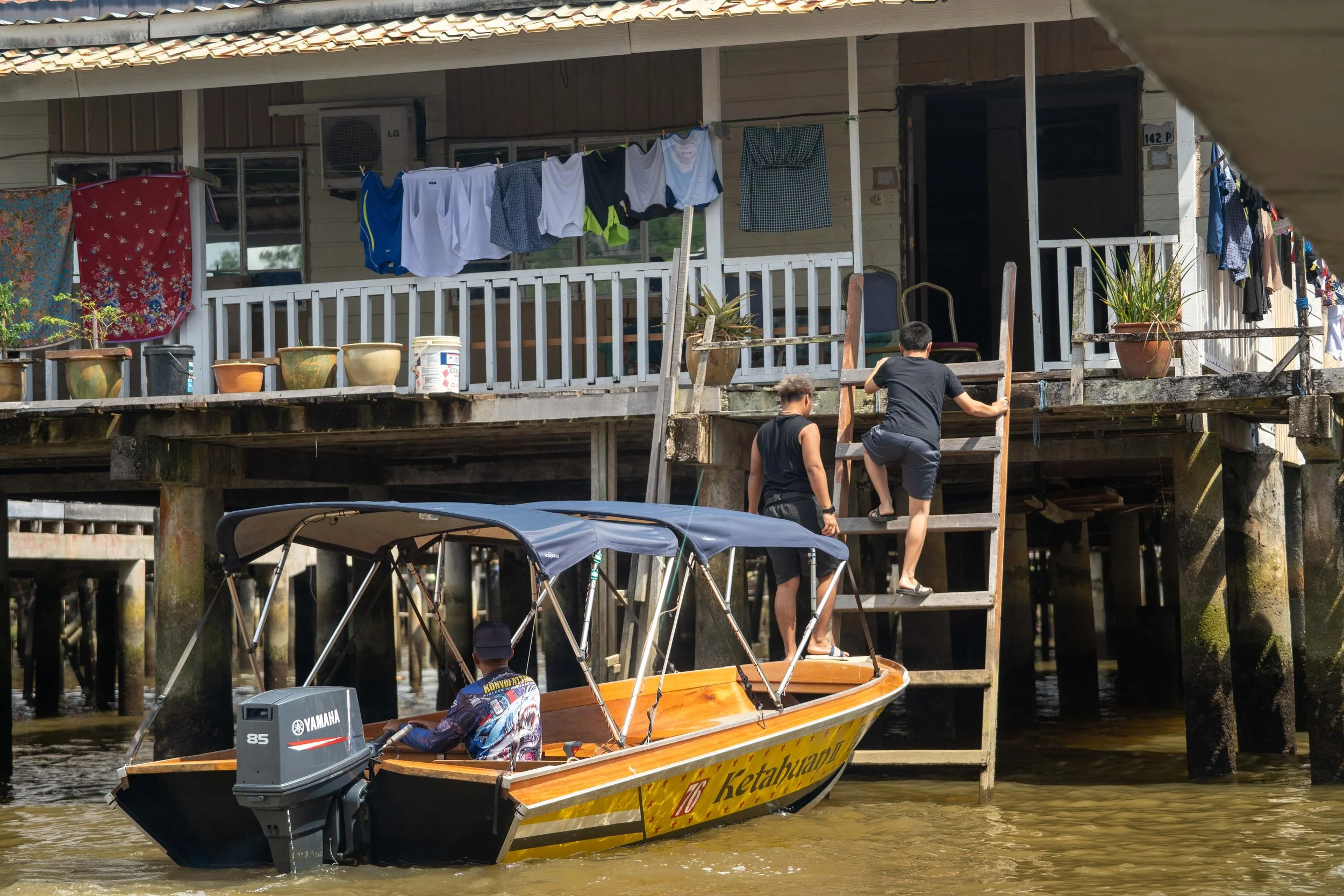
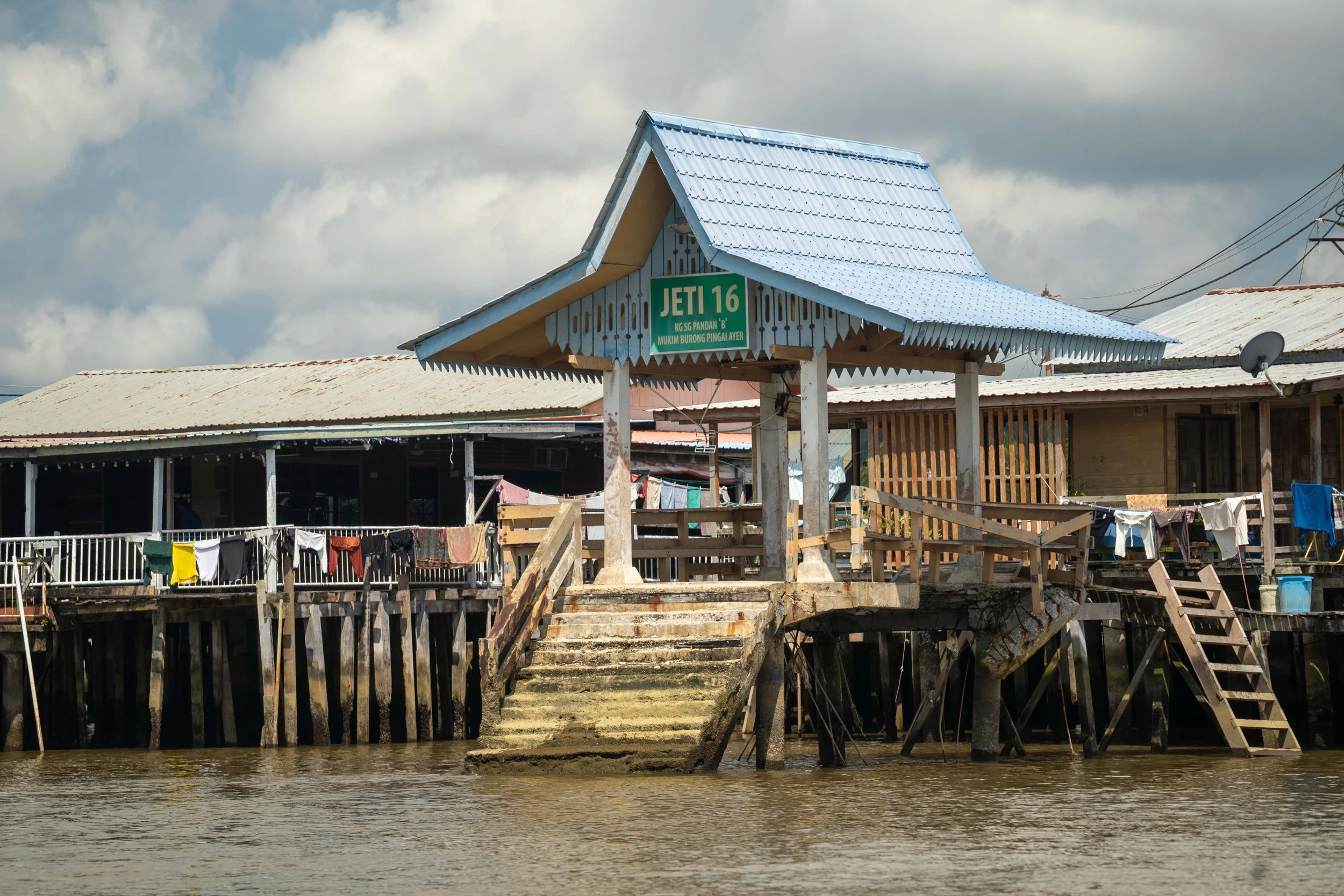
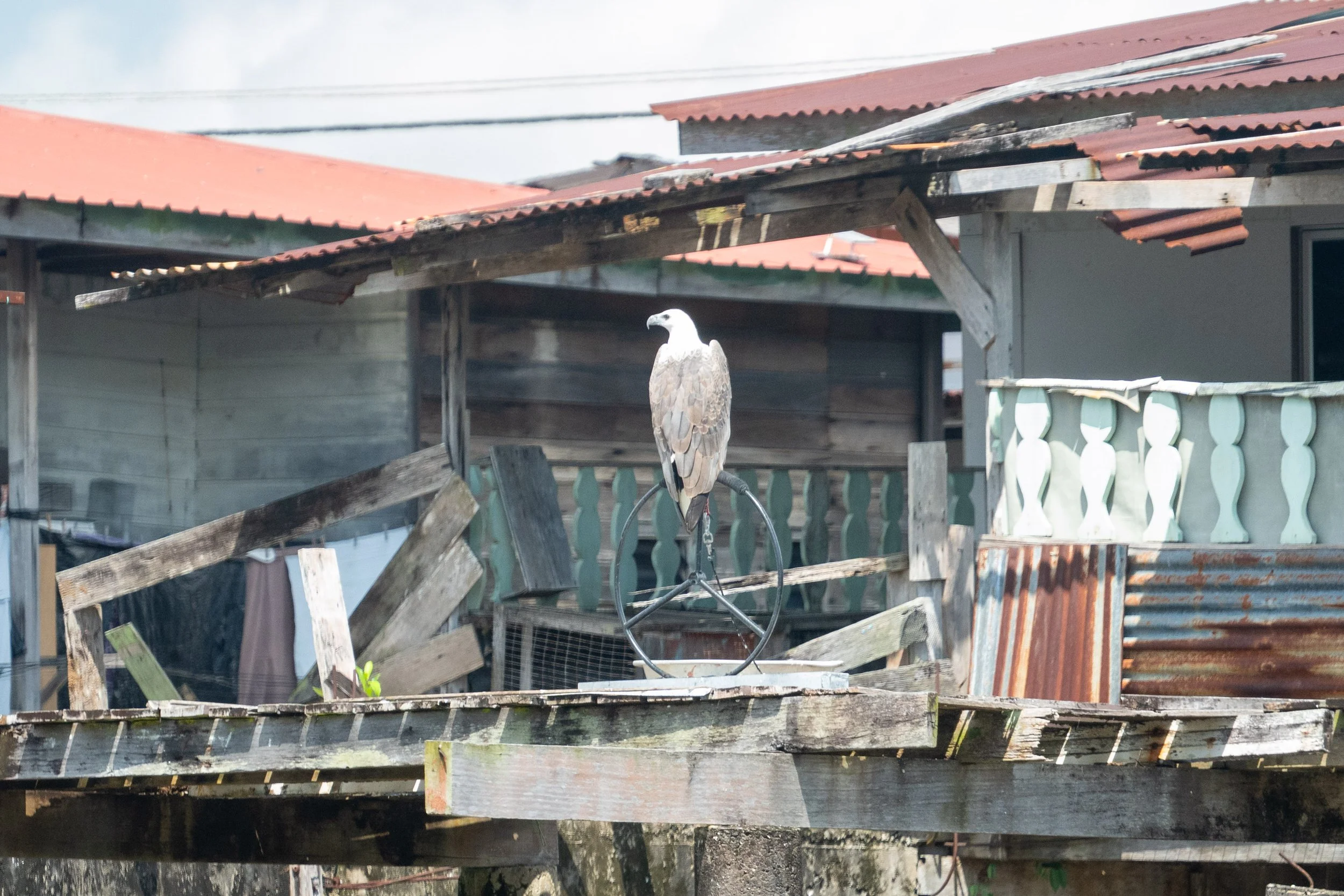
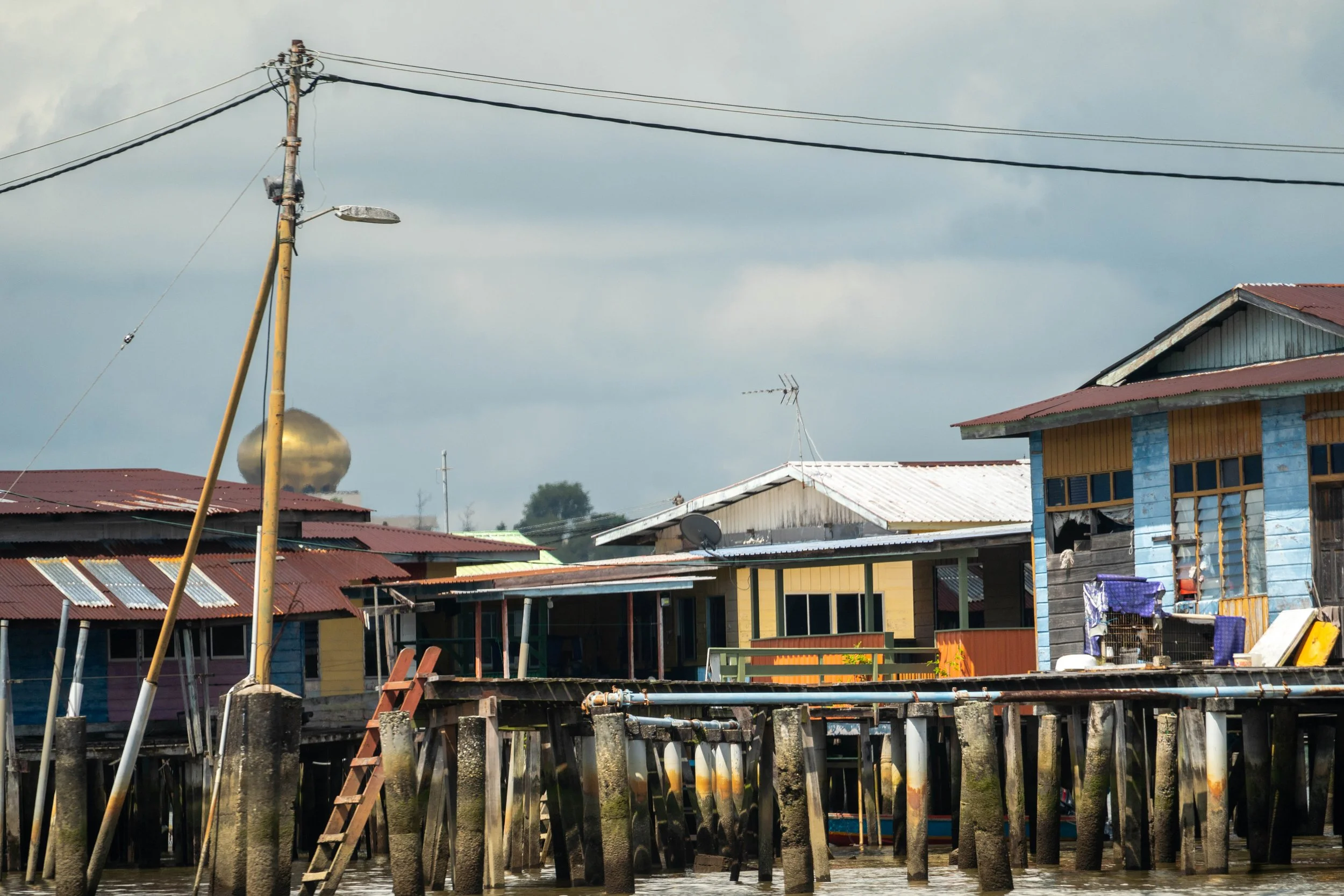
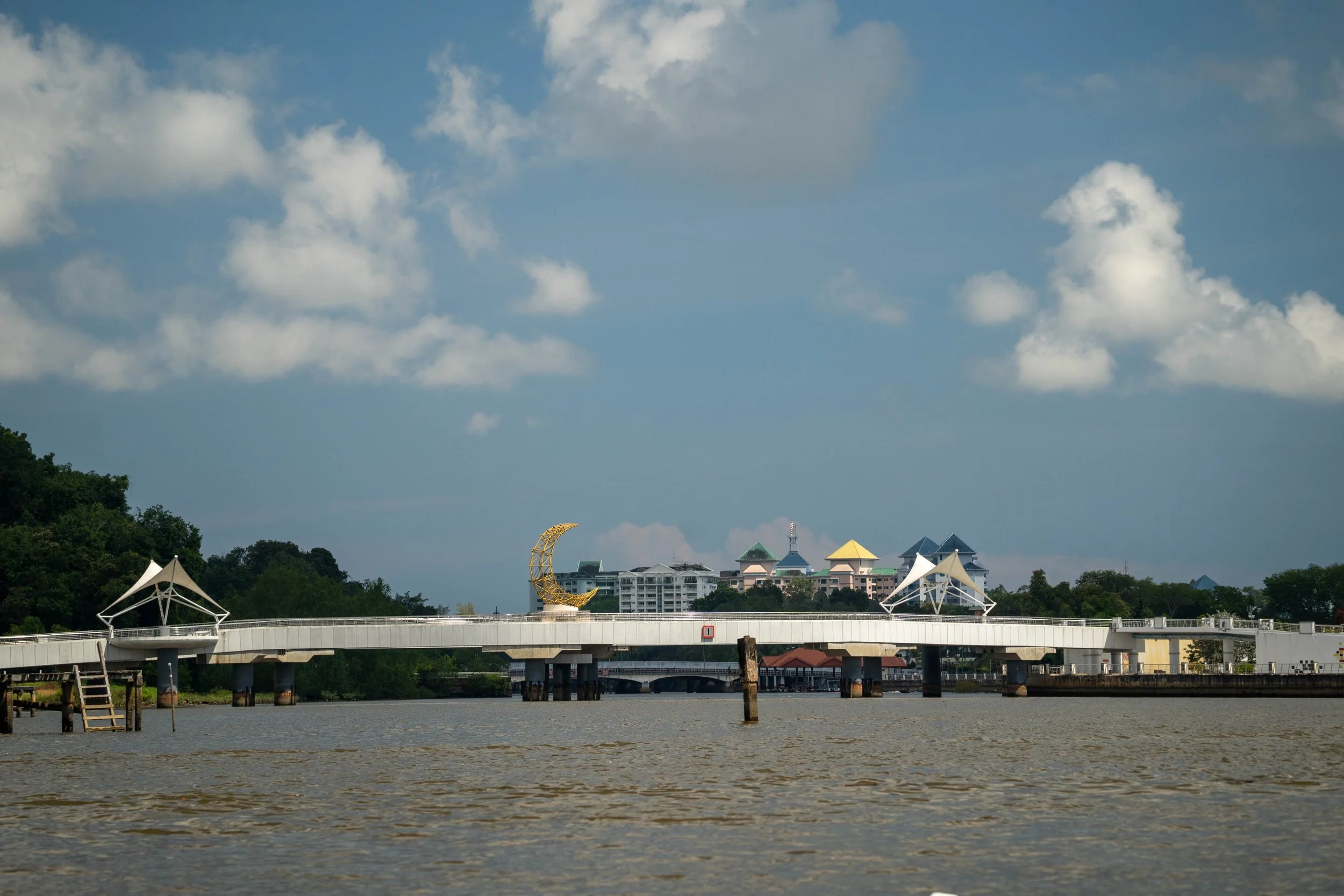
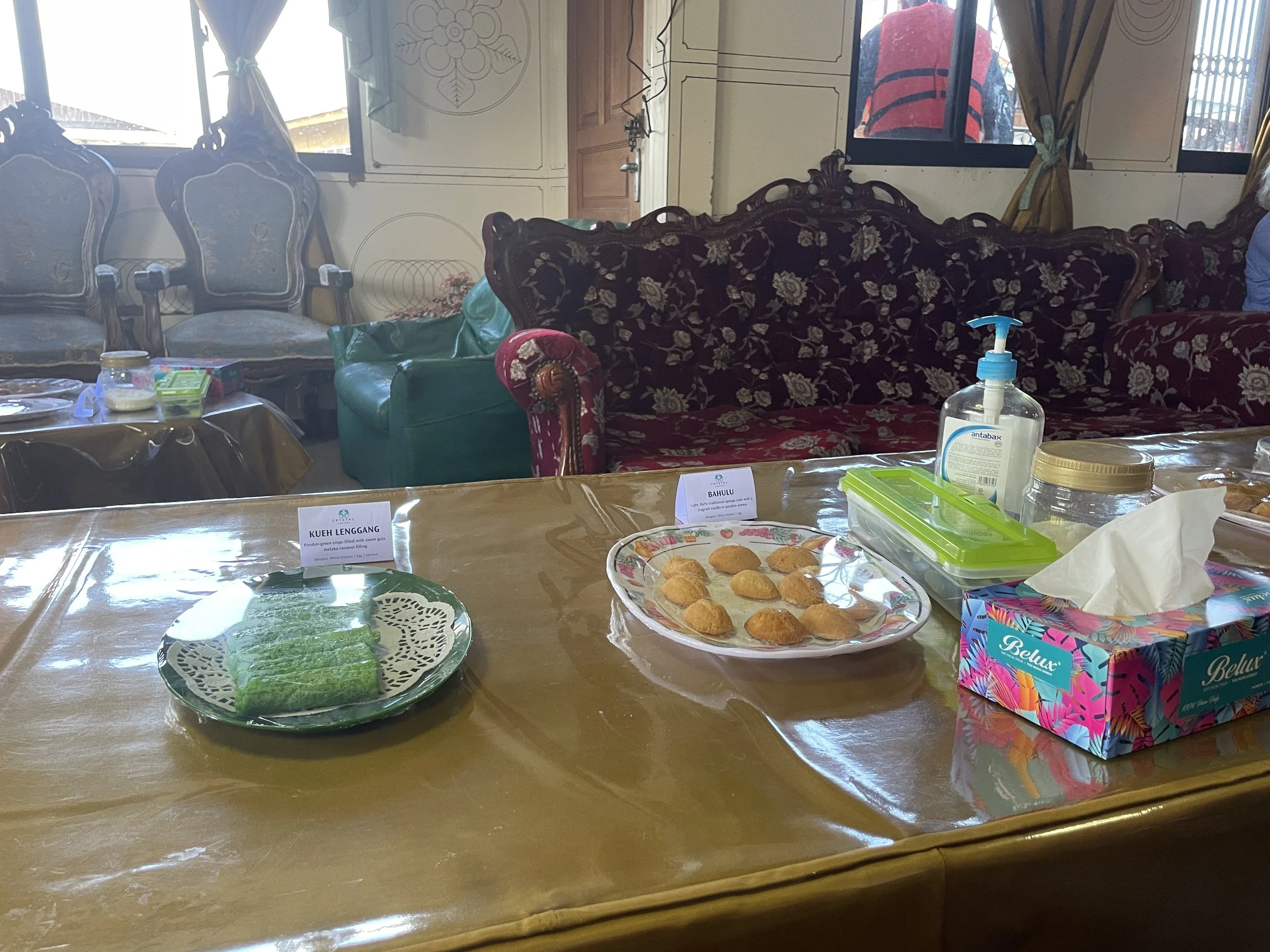
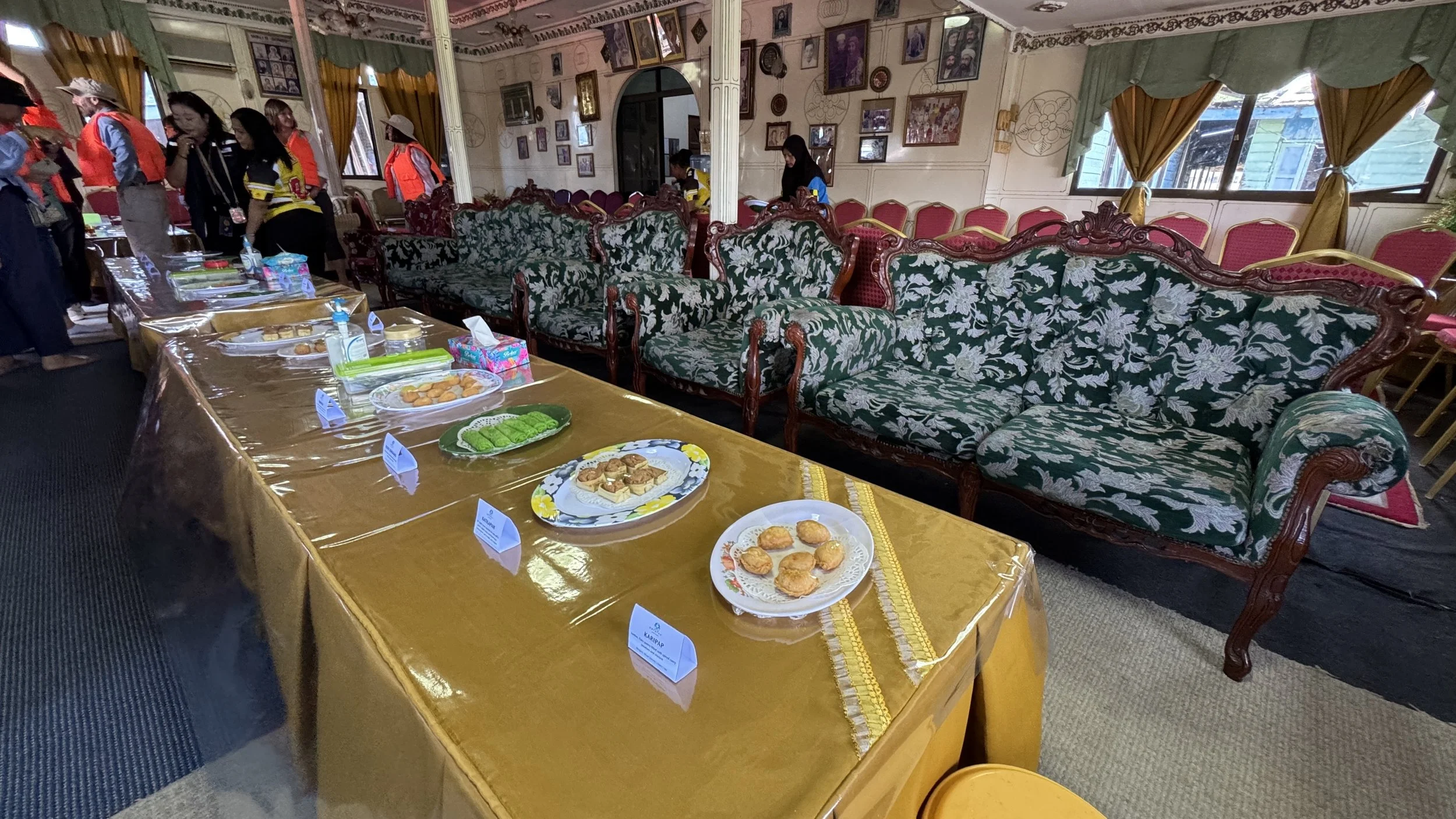
We were welcomed into a floating house and served a selection of traditional Bruneian snacks. Sitting in the living room above the gently moving water while enjoying the local treats gave us a warm glimpse into everyday life in this unique riverside community.
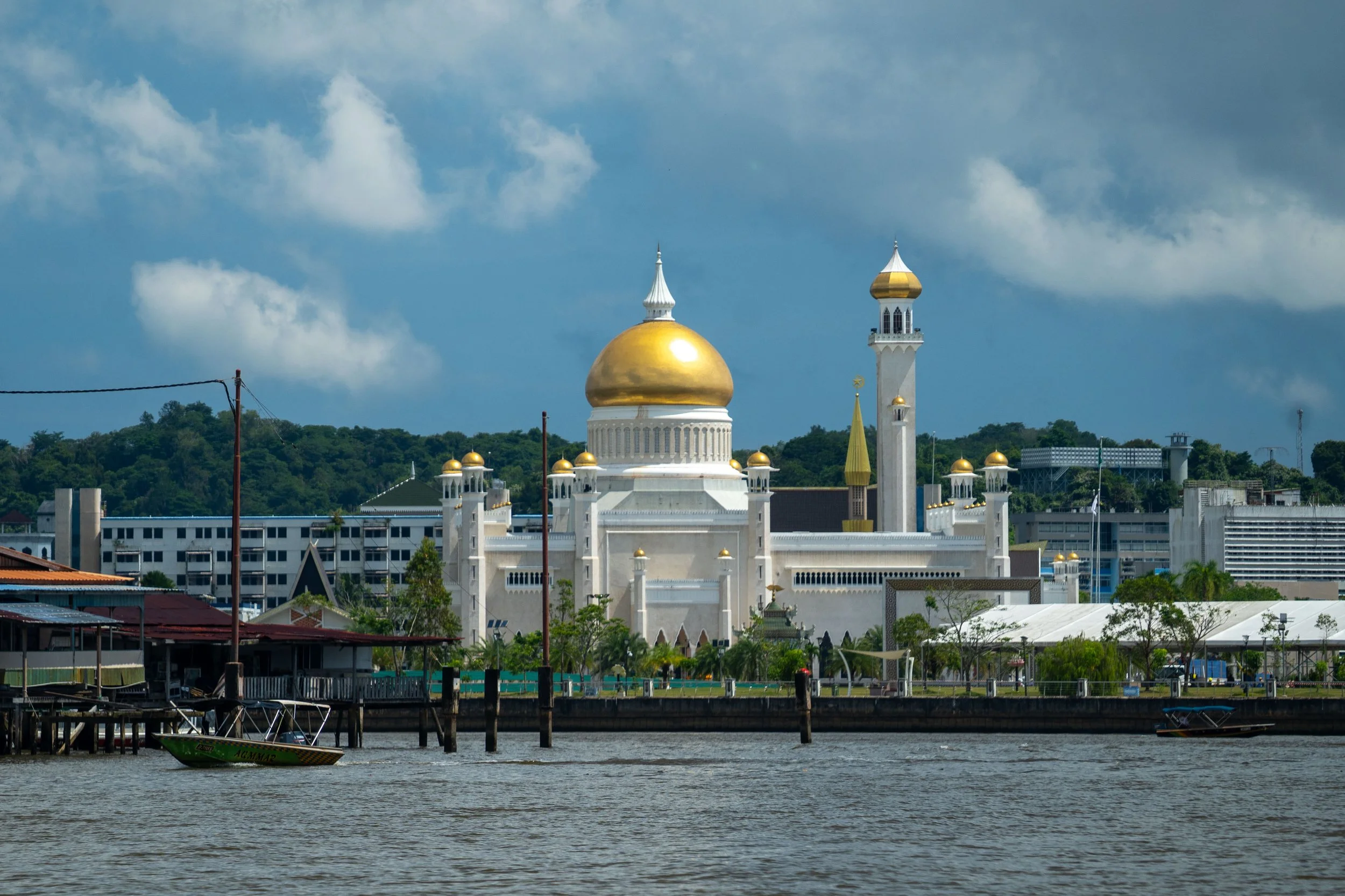
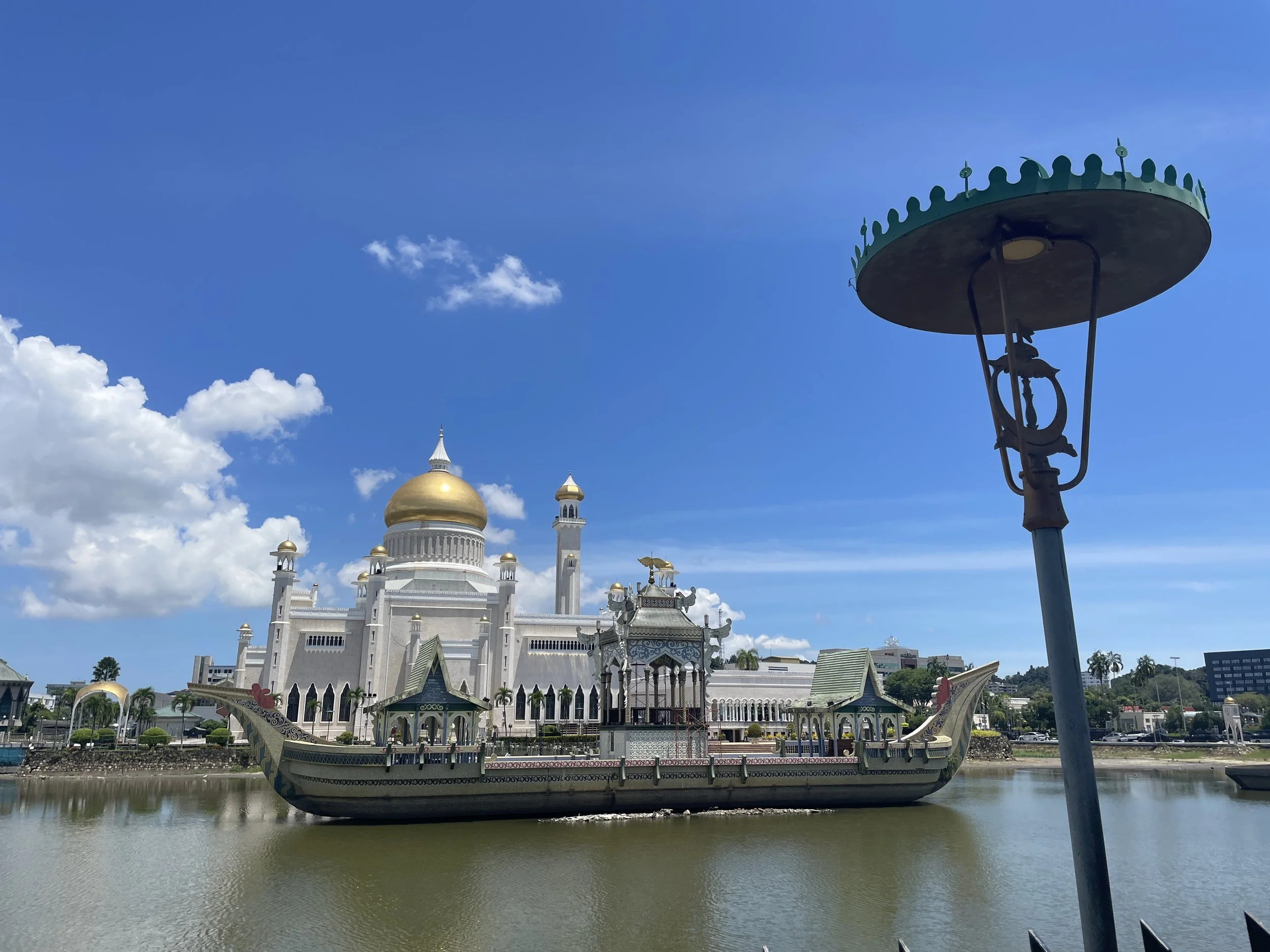
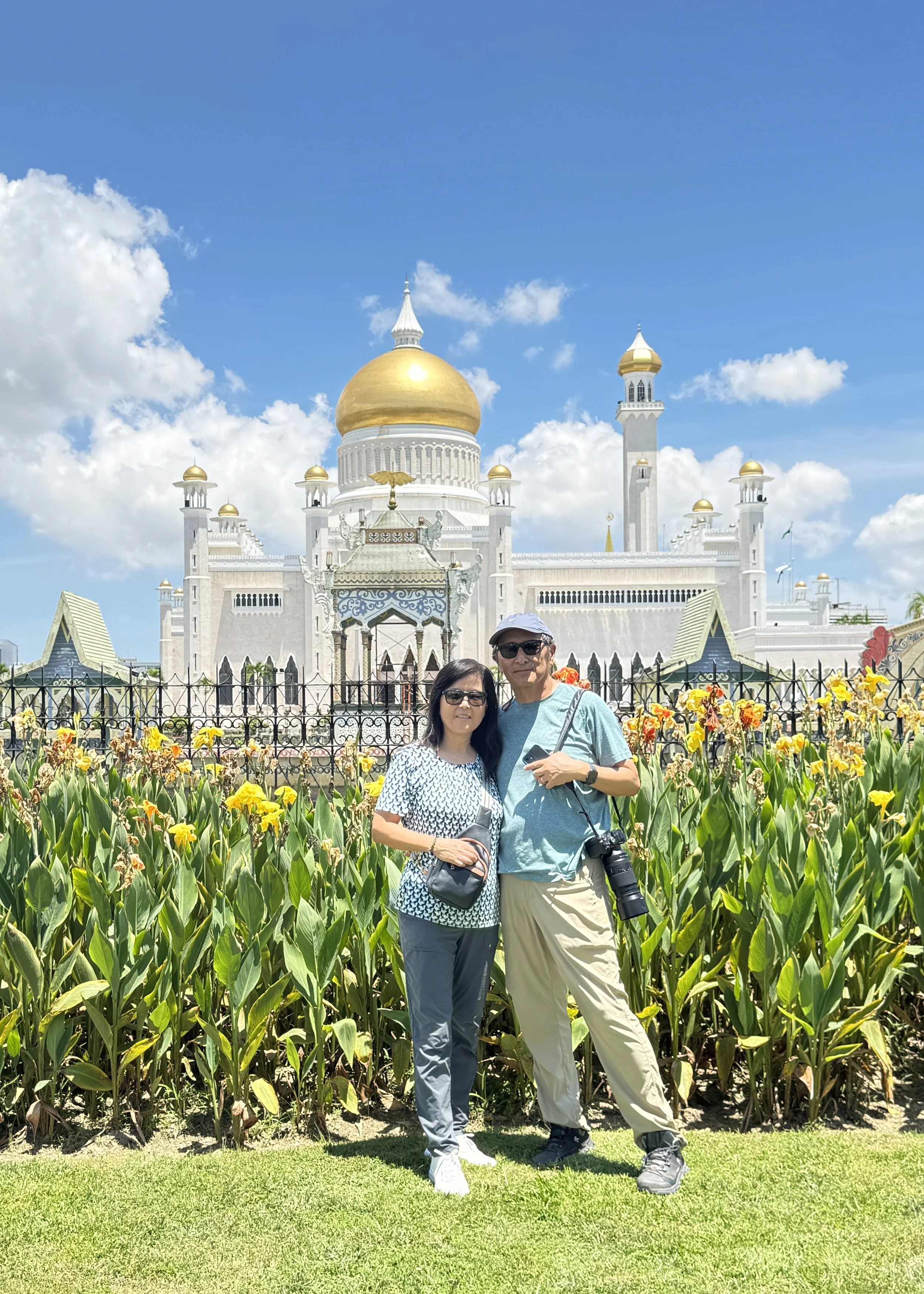
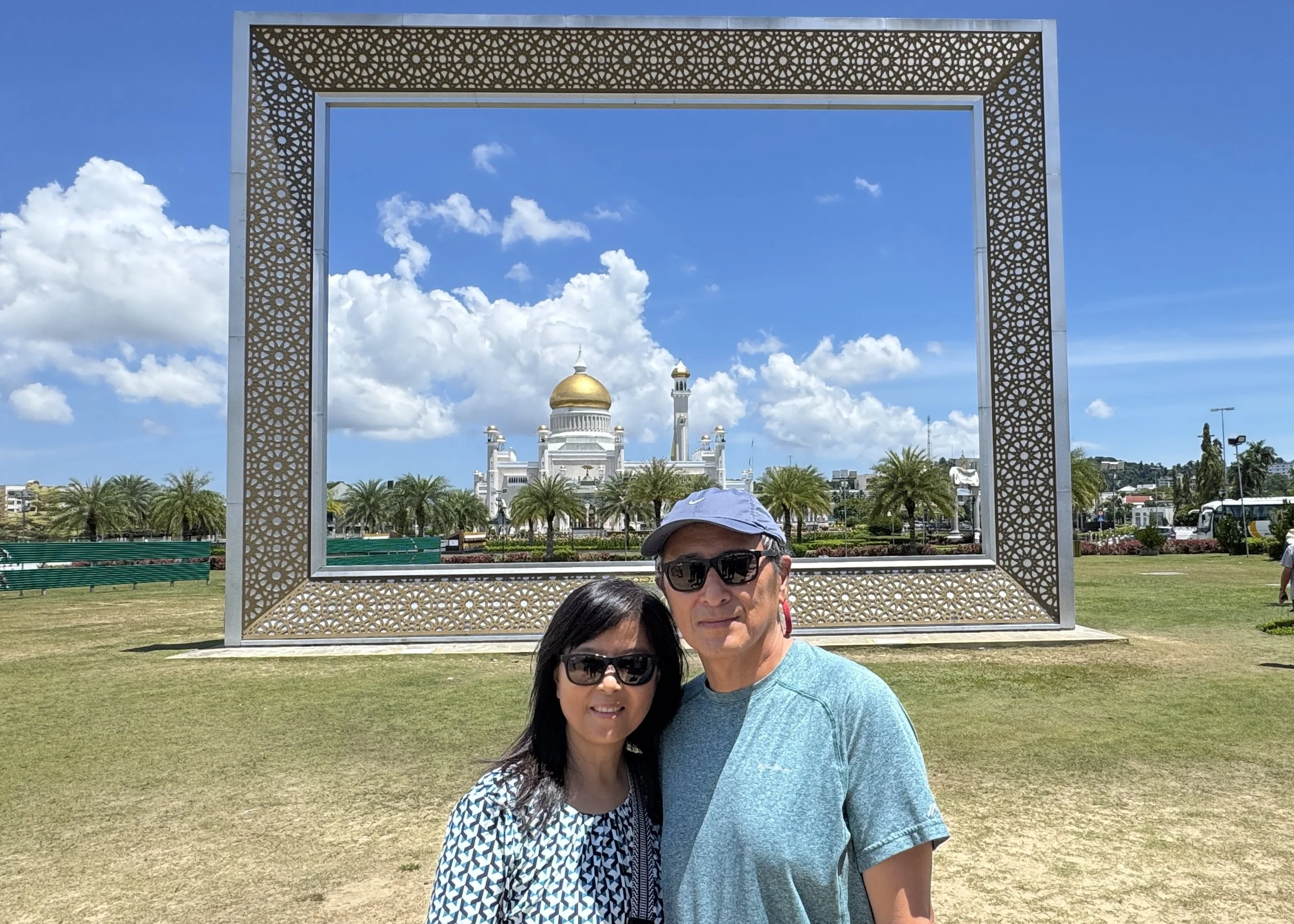
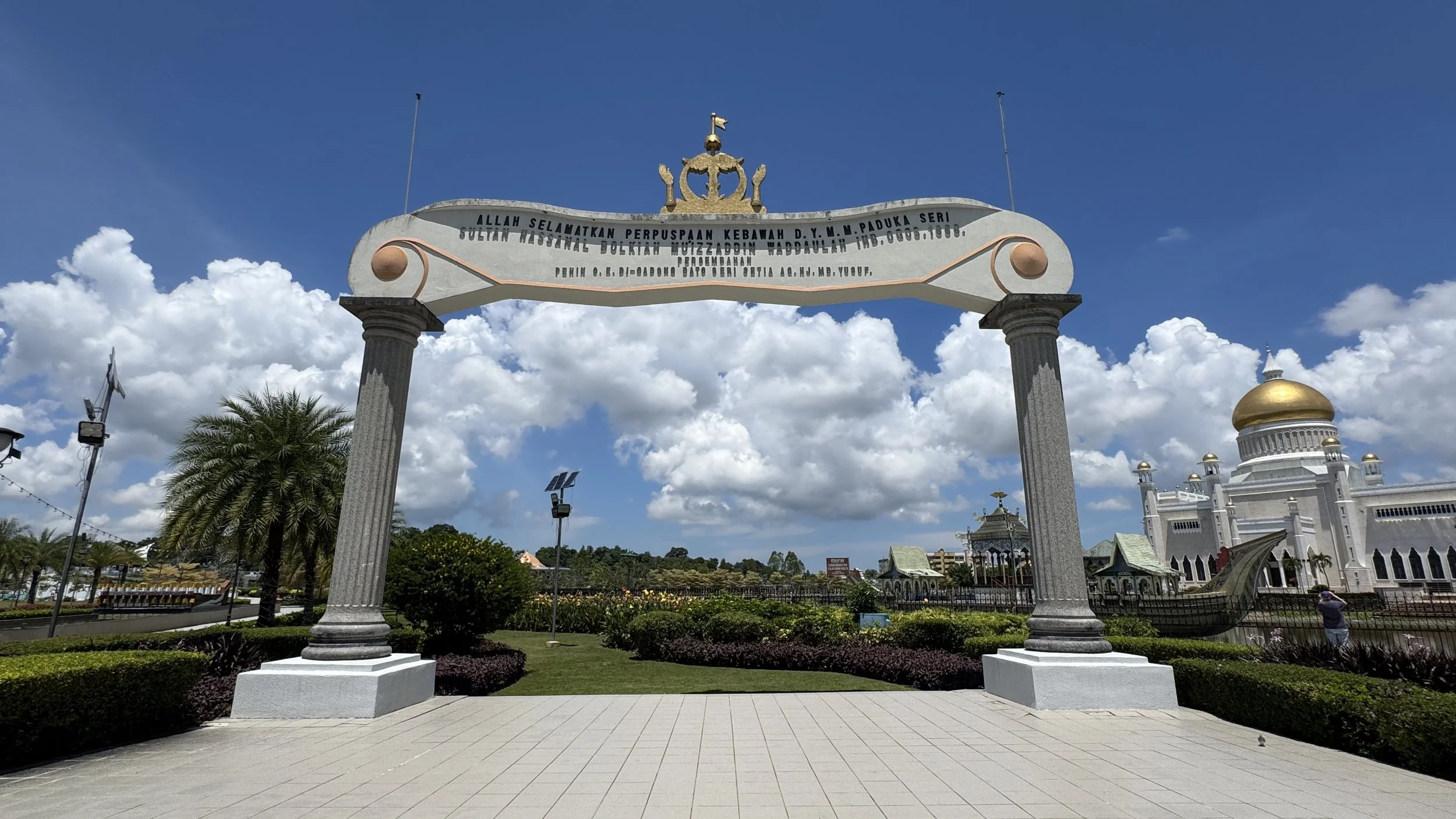
Later we visited the elegant Sultan Omar Ali Saifuddien Mosque. Its golden dome rises above a tranquil lagoon, and the white marble building reflects beautifully in the surrounding water, making it one of the most iconic landmarks in Southeast Asia.
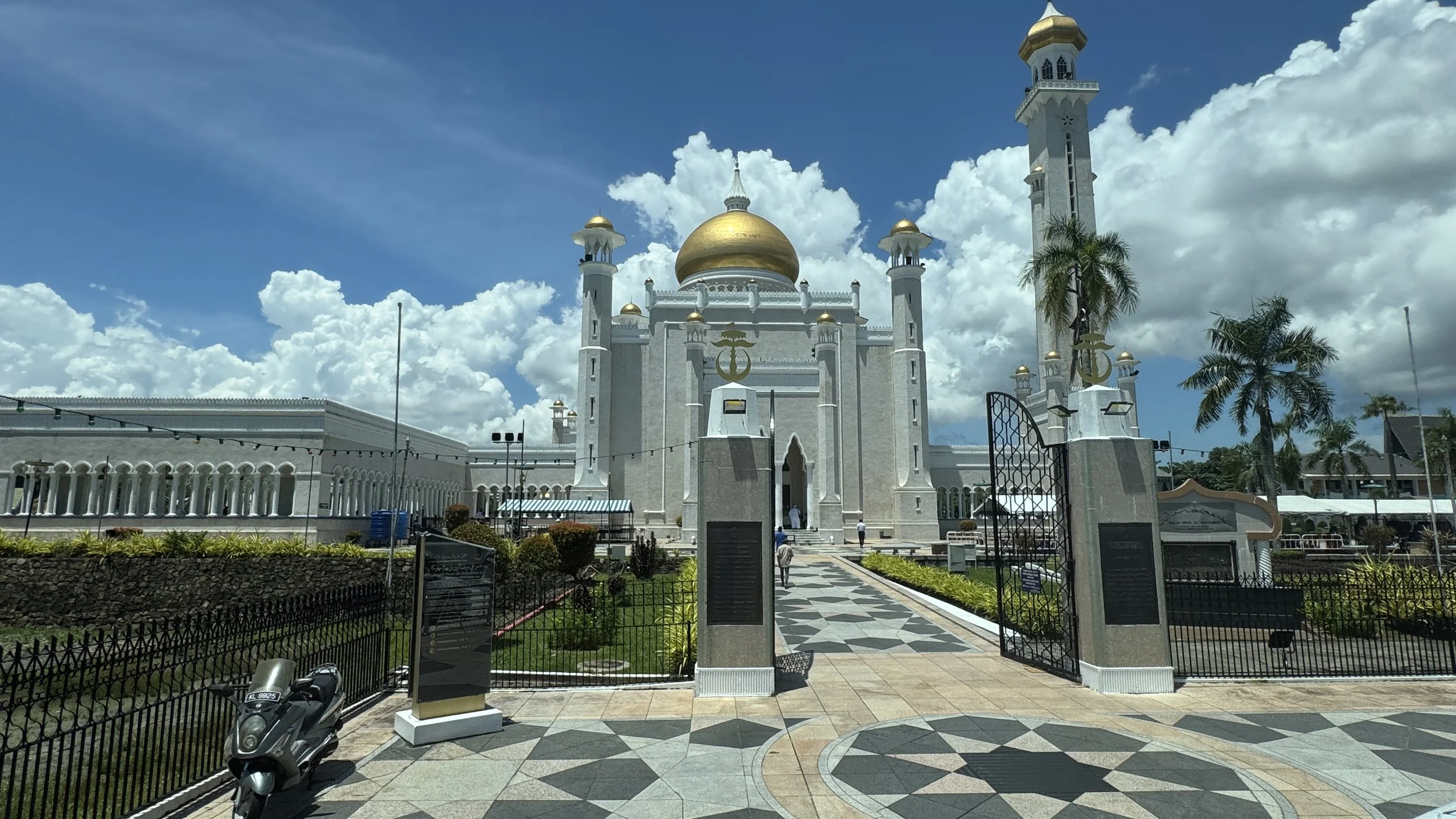
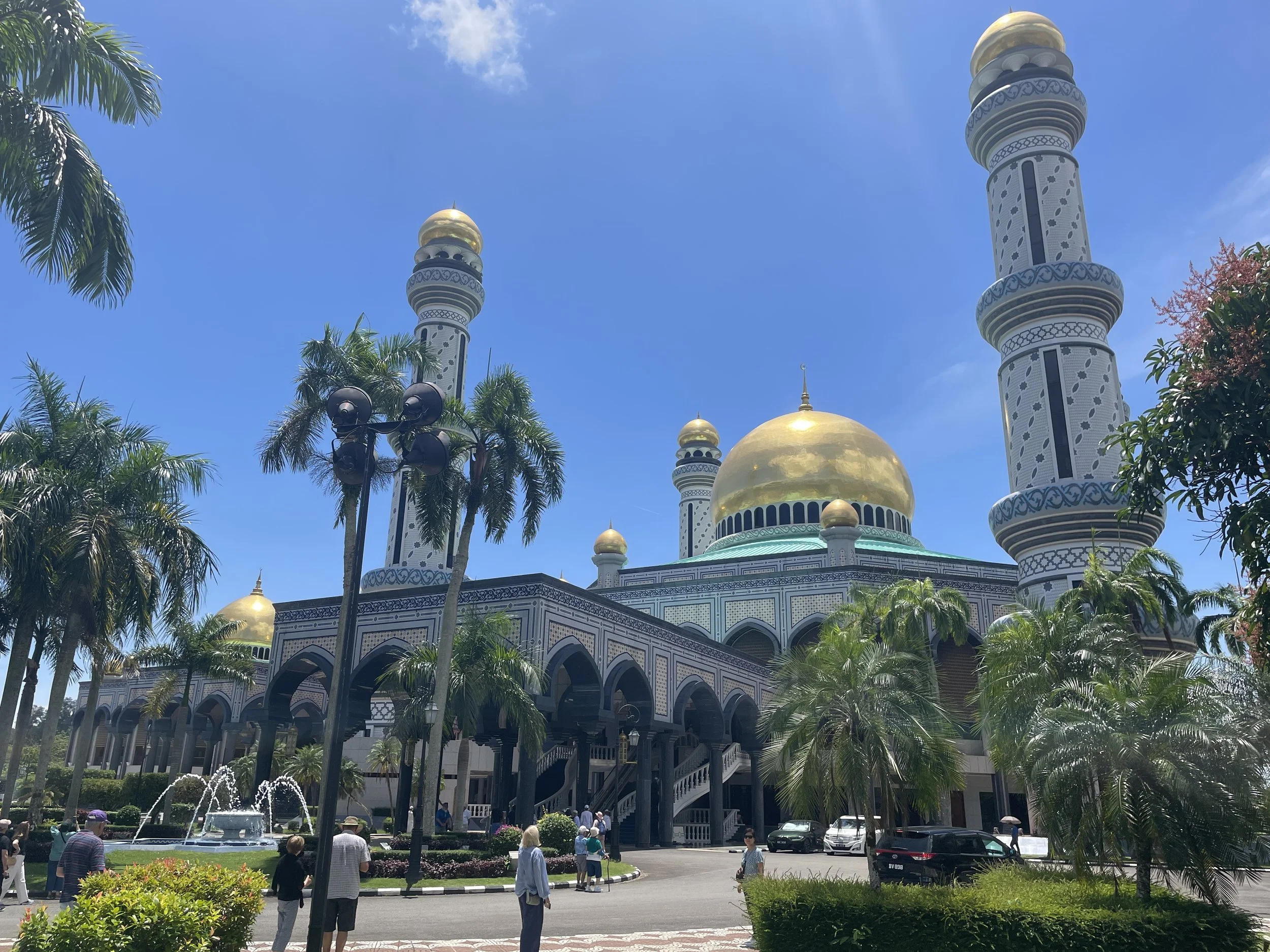
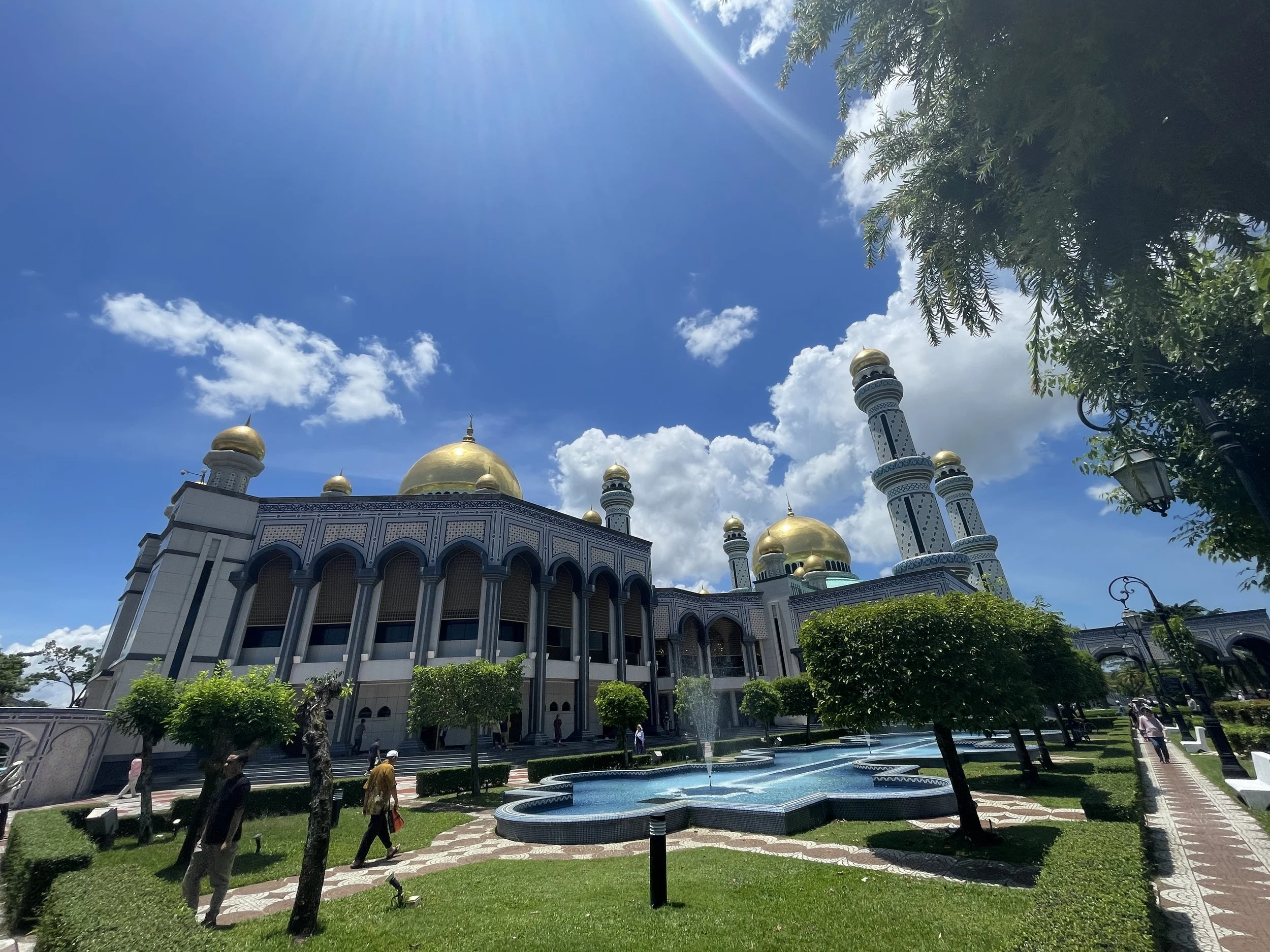
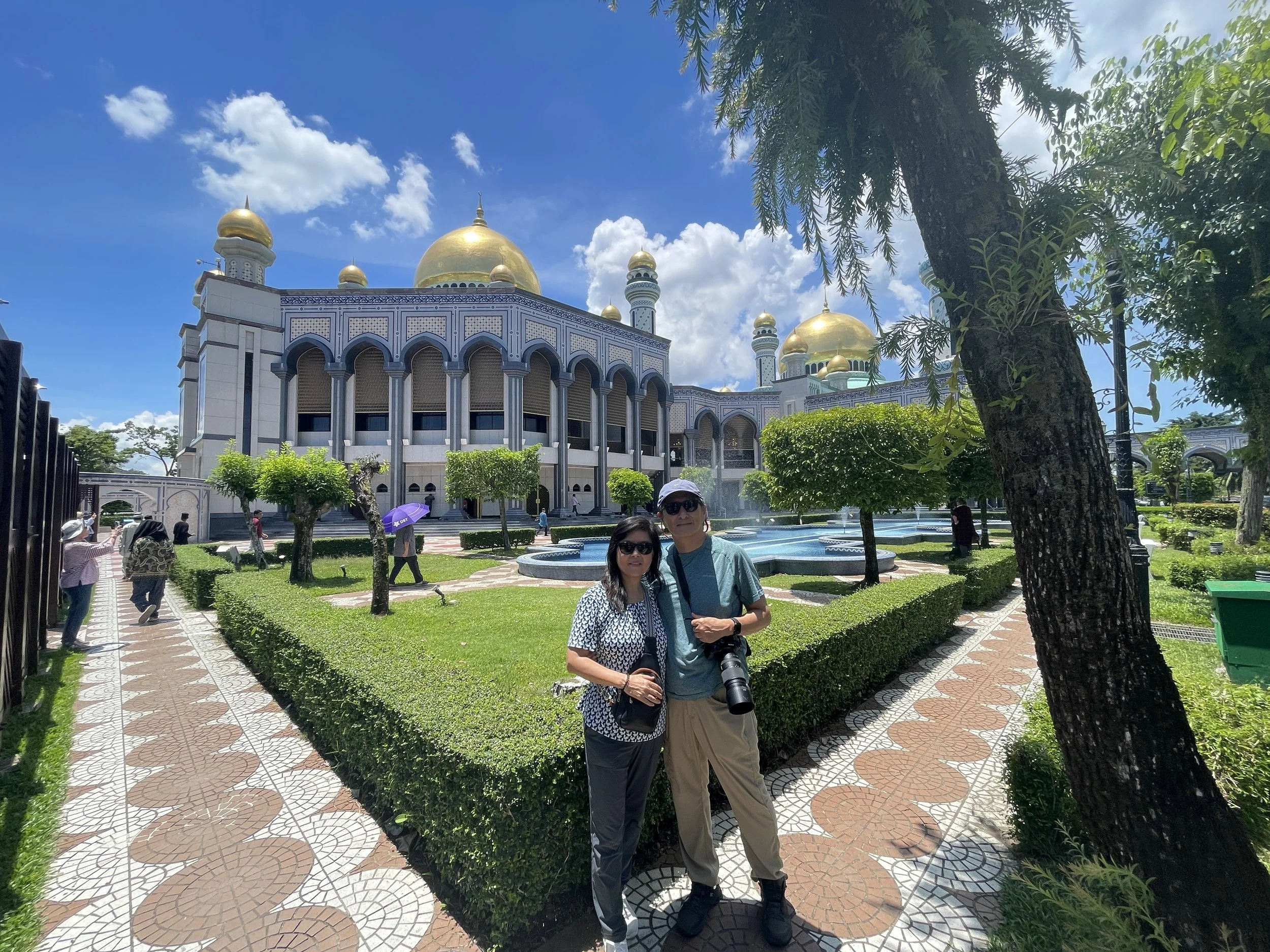
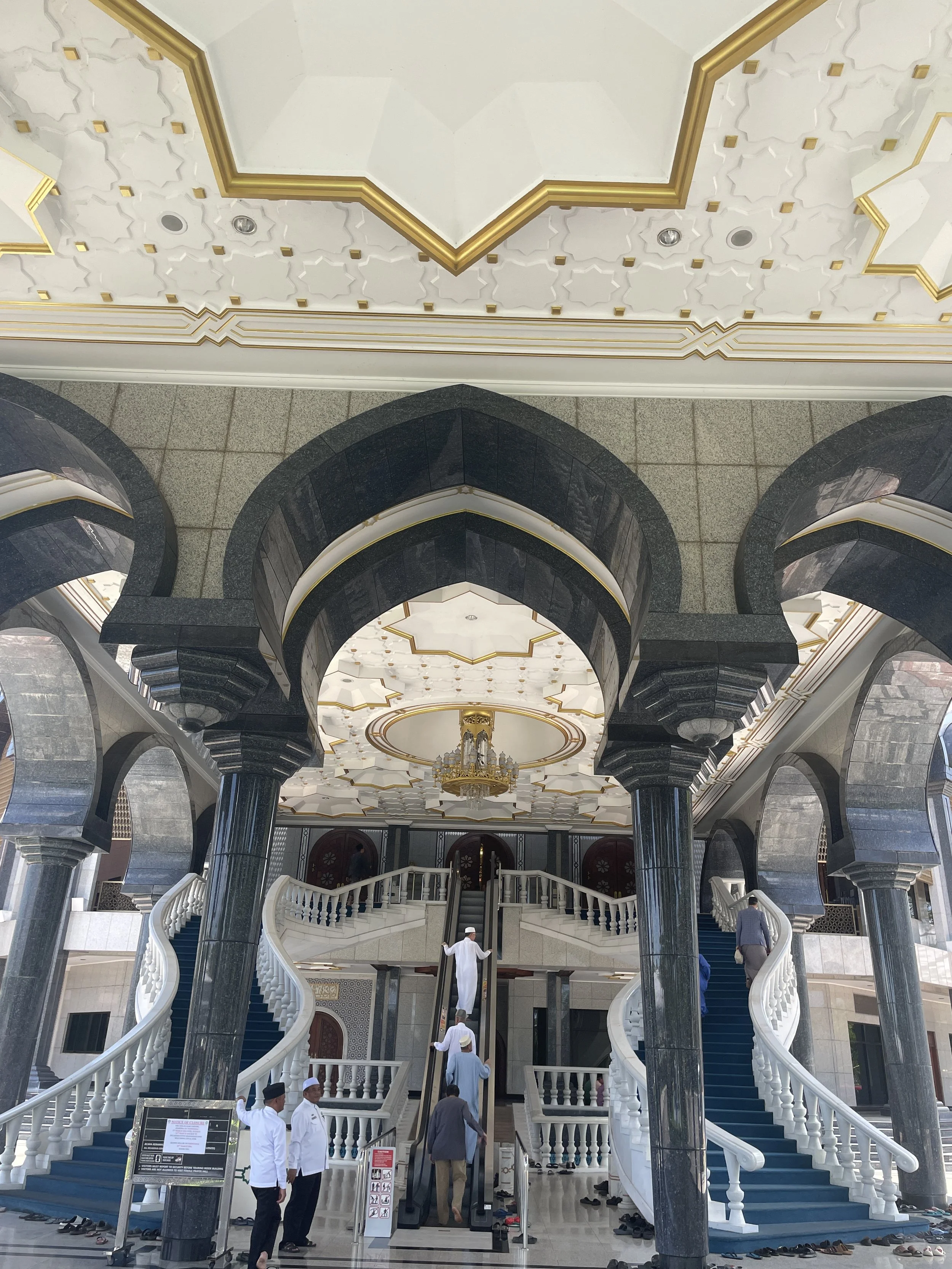
Our final stop was the impressive Jame’Asr Hassanil Bolkiah Mosque. The mosque is crowned with 29 golden domes, representing the 29th Sultan of Brunei, and is surrounded by manicured gardens and fountains. Larger and more monumental in scale, the mosque reflects the country’s strong Islamic tradition and prosperity. As noon approached, we saw local Muslim men slowly walking toward the mosque for the Friday prayers. During Ramadan, however, non-Muslims are generally not allowed inside the mosque.
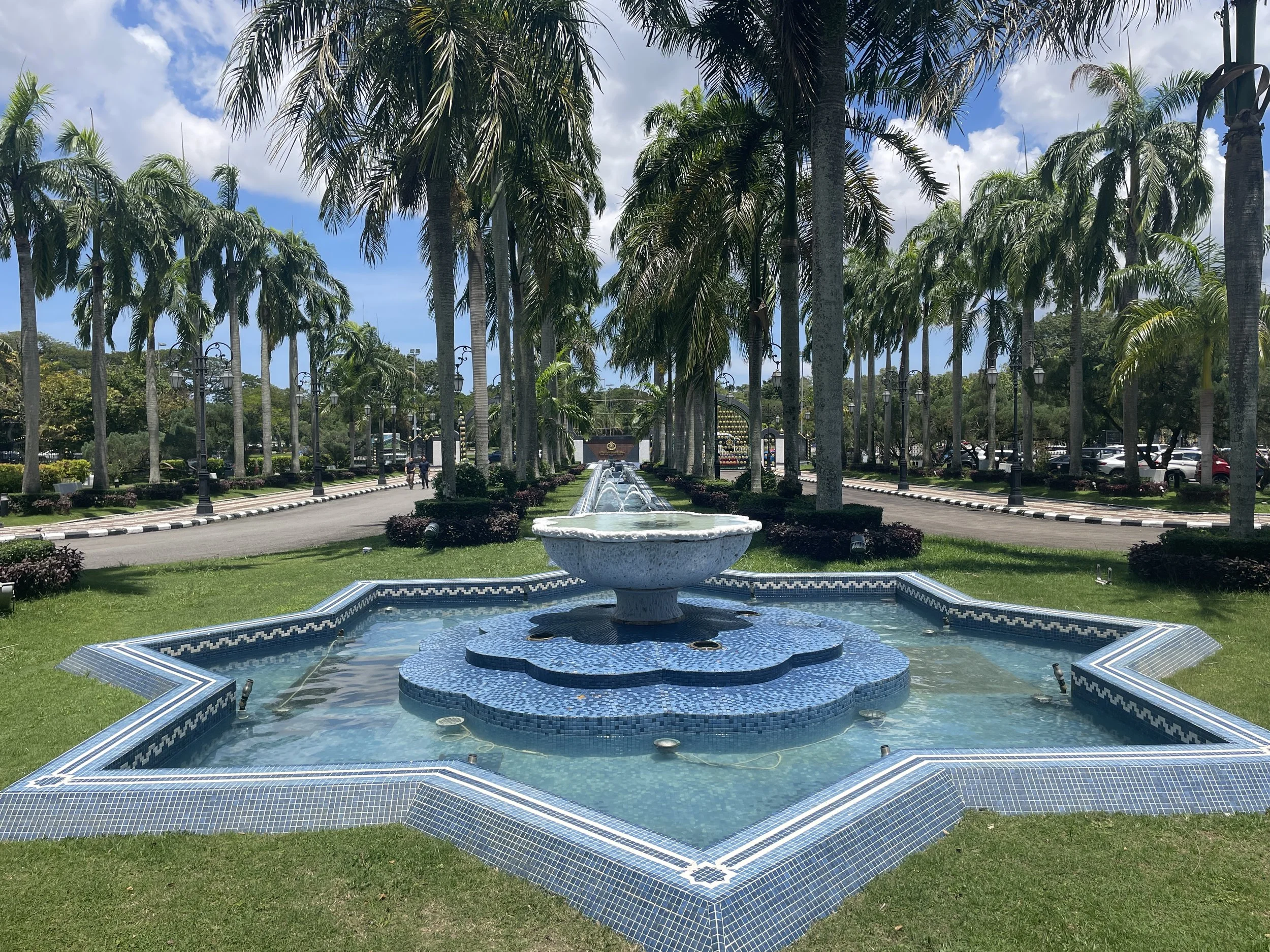
As we returned toward the port in the afternoon, Bandar Seri Begawan left us with the impression of a city that is calm, clean, and quietly elegant.
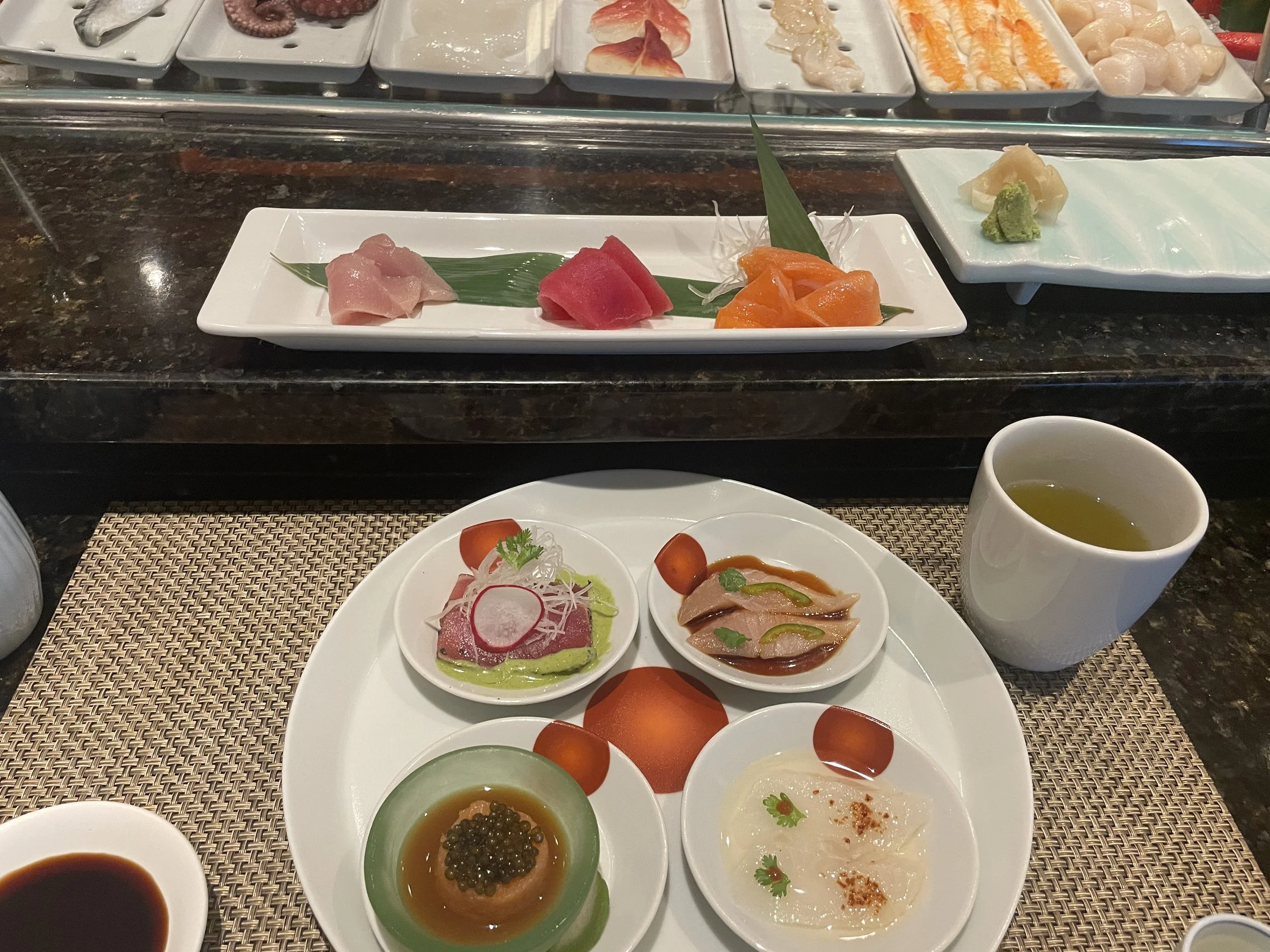
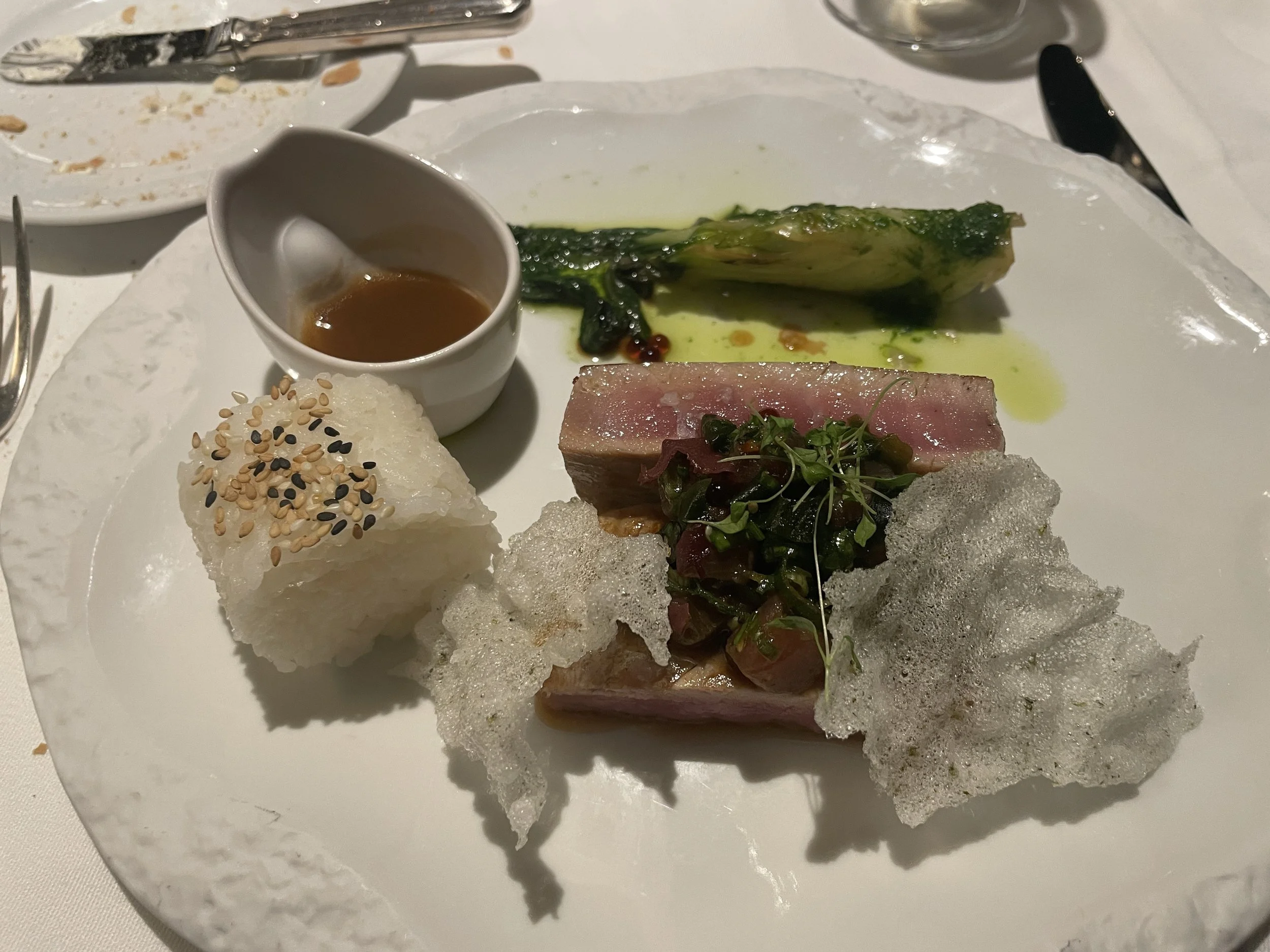
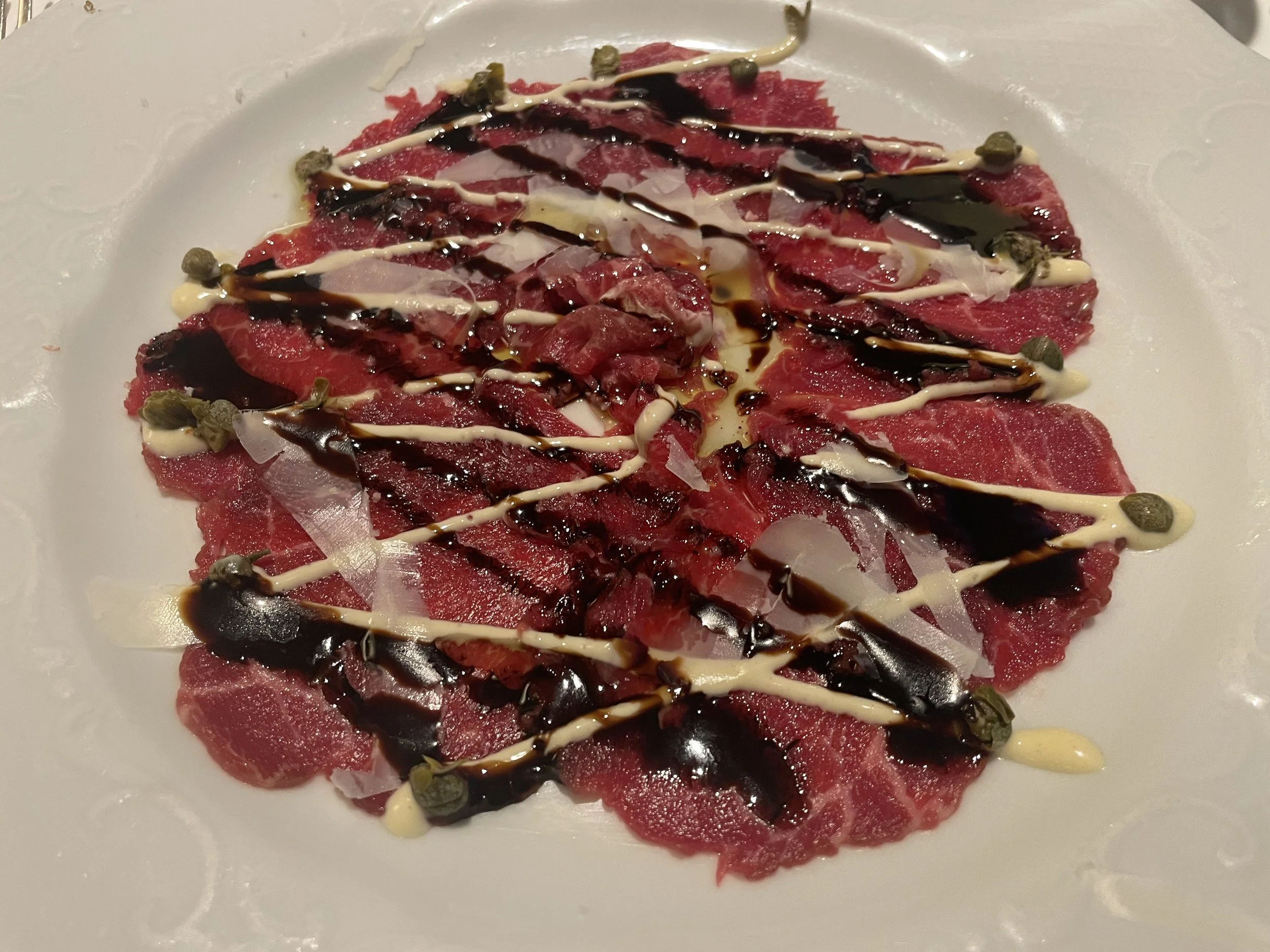
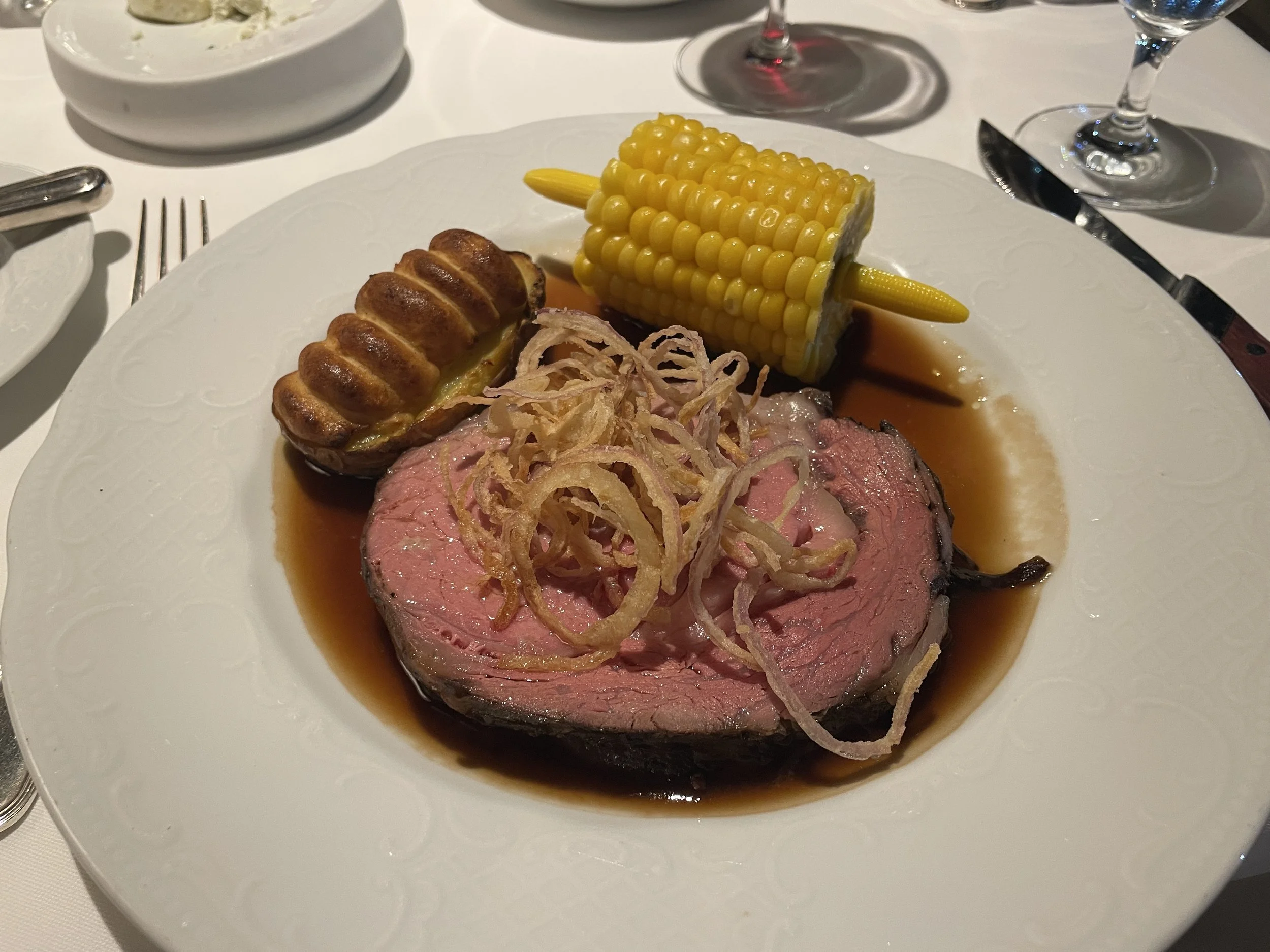
We also had an amazing culinary experience during the last two days at sea, including a memorable dinner at Umi Uma, the only Nobu restaurant at sea.
2026年3月6日
经过两天的海上航行,今天早晨,我们的邮轮停靠在文莱的摩拉港(Muara Port)。这里是文莱达鲁萨兰国(Brunei Darussalam)的主要港口。文莱是一个面积不大,却依靠丰富的石油和天然气资源而富裕起来的国家。
我们参加了邮轮组织的岸上游。由于今天一早要参加岸上游,我们不想吃自助早餐,就提前预订了客房送餐。到了约定时间,管家准时来到房间,在阳台上为我们摆好餐桌。我们只点了些简单的欧陆式早餐,有热咖啡、羊角面包、酸奶等。在阳台上悠闲地享用早餐,为即将开始的清晨岸上行提供了一个轻松而惬意的开始。
下船离开港口后,驱车大约半小时来到首都斯里巴加湾市。整座城市安静整洁,道路宽阔,建筑整齐,整体给人一种从容而悠闲的感觉。街上几乎看不到摩托车或自行车,行人也很少,生活节奏显得格外缓慢,这也被称为“文莱式生活”。
我们的第一站是位于河岸旁的努洛伊曼皇宫(Istana Nurul Iman)门前。这是文莱苏丹的官邸。虽然游客无法进入参观,但从外面已经可以感受到它惊人的规模。皇宫沿河而建,据说是世界上最大的有人居住的宫殿。
随后我们来到色彩鲜艳的天云宫(Teng Yun Temple)。这是文莱最古老的华人庙宇,并在二战时期幸存下来。庙旁边就是一个热闹的早市,当地居民在这里售卖蔬菜、水果、海鲜以及各种传统小吃。我们在市场里随意走走,感受当地人的日常生活。比较有意思的是,几乎没有看到卖肉的摊位,只看到一个小碗里放着几条小鱼,大多数摊位都在卖蔬菜和农产品。
接着我们乘坐渡船过河,来到历史悠久的水上村(Kampong Ayer)。这里被认为是世界上最古老的水上聚落之一。数千座木屋建在河面上的高脚桩上,由木制栈道和小桥相连。不过这里显得十分安静,没有我们在柬埔寨见到的水上村庄那么热闹。
在水村里,我们被安排进入一户水上人家,在那里品尝了一些文莱传统点心。坐在客厅里,脚下是缓缓流动的河水,一边品尝当地小吃,一边聊天,让我们对这种独特的水上生活有所了解。
之后我们去了奥马尔·阿里·赛义夫丁清真寺(Sultan Omar Ali Saifuddien Mosque),斋月期间不让进,只是在外面照相留念。金色圆顶在阳光下熠熠生辉,洁白的大理石建筑坐落在人工湖旁,被认为是东南亚最美丽的清真寺之一。
最后一站是宏伟的杰米清真寺(Jame’ Asr Hassanil Bolkiah Mosque)。这座清真寺拥有 29 个金色圆顶,象征文莱第29任苏丹。清真寺规模宏大,四周是精心修剪的花园与喷泉,显得庄严而华丽。刚过中午时分,我们看到许多当地穆斯林男子慢慢走进清真寺礼拜大厅,准备参加周五的主麻礼拜。斋月期间,非穆斯林一般不能进入清真寺大厅参观,但可以在清真寺建筑周围照相。
下午返回港口的路上,正值周五中午到下午两点之间,大多数商店和工作场所都会关闭,让穆斯林参加主麻礼拜。斯里巴加湾市显得更加安静从容,街上车辆也很少。这座城市虽然不大,却给人留下干净、宁静而优雅的深刻印象。