Palace Visits 从王宫到自由城
July 31, 2026
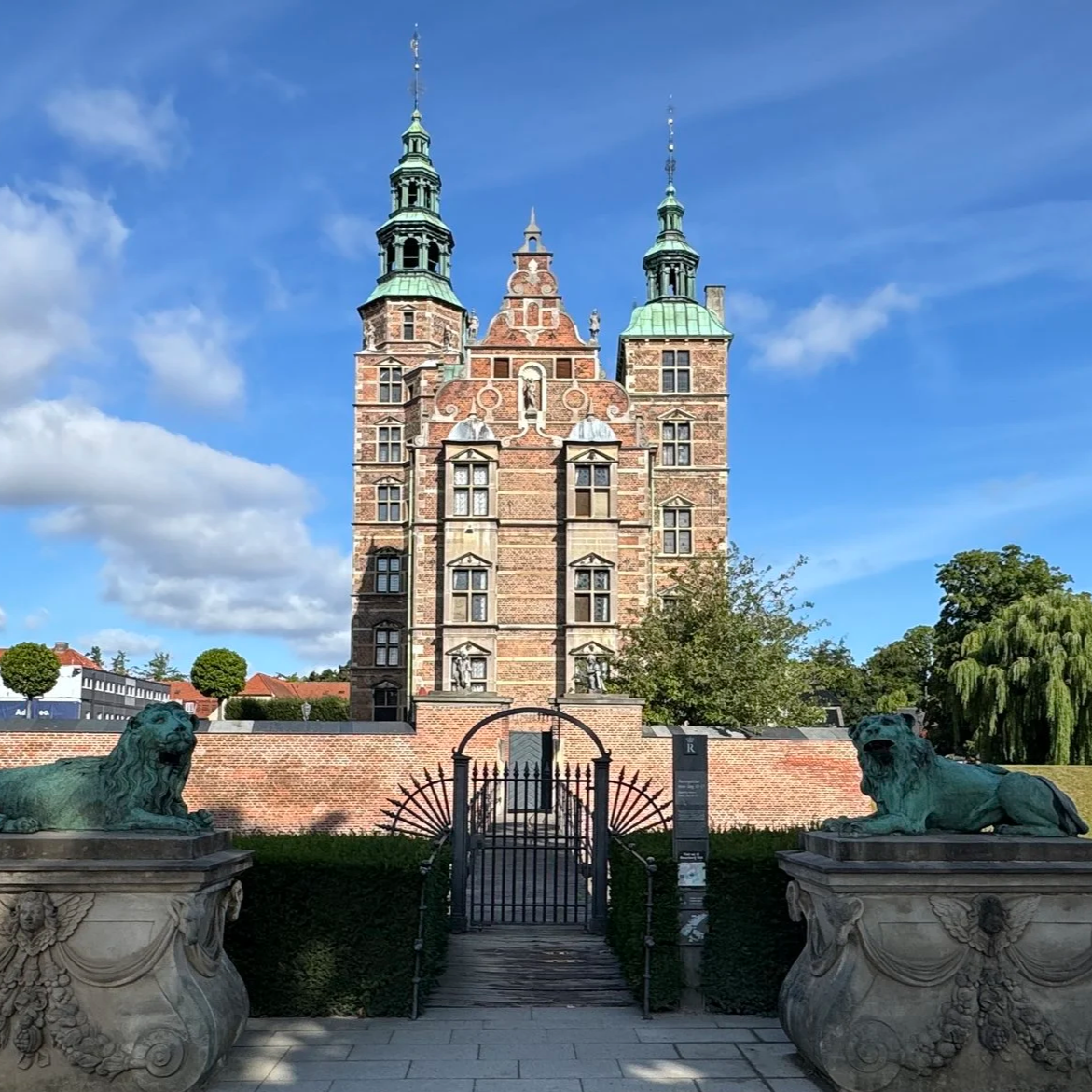
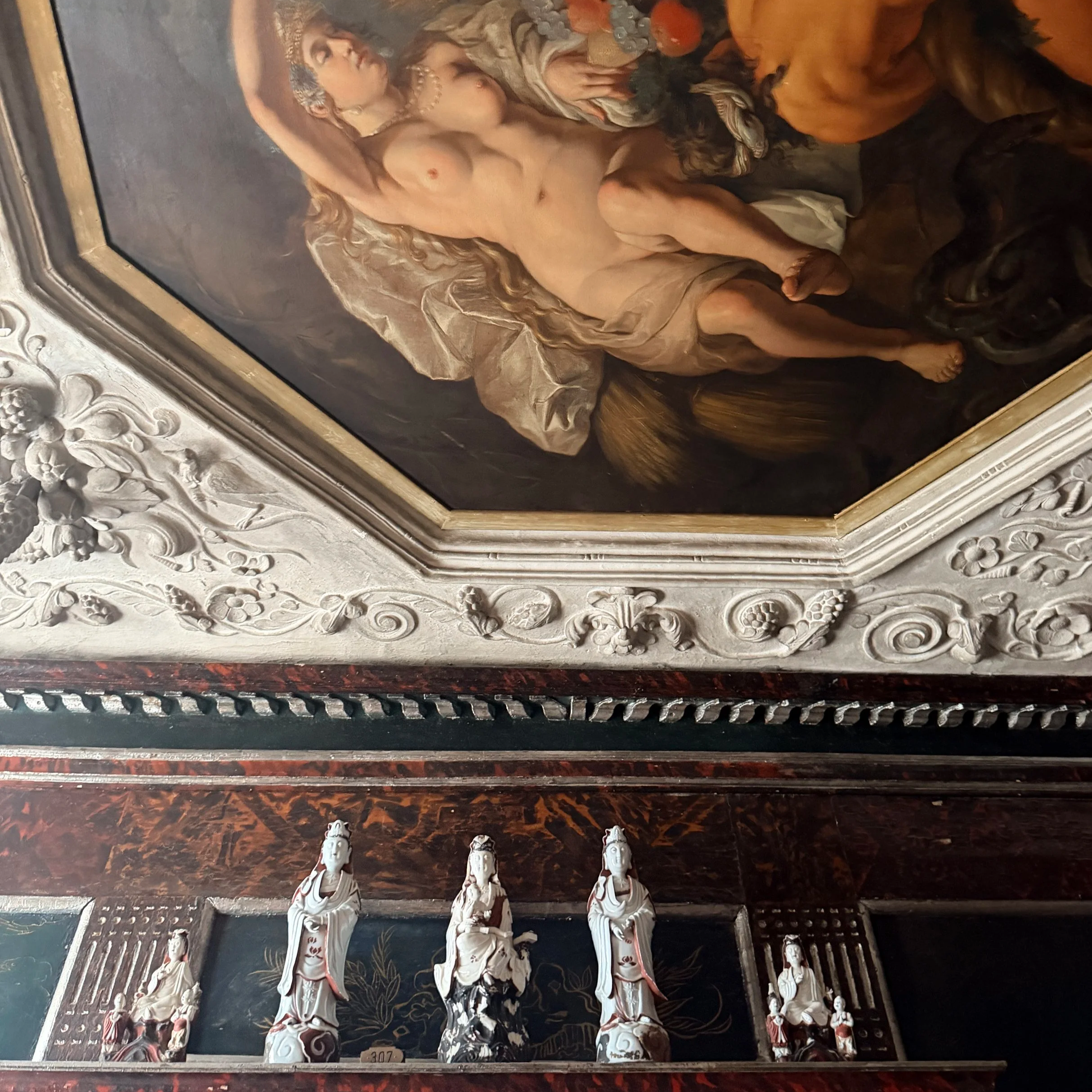
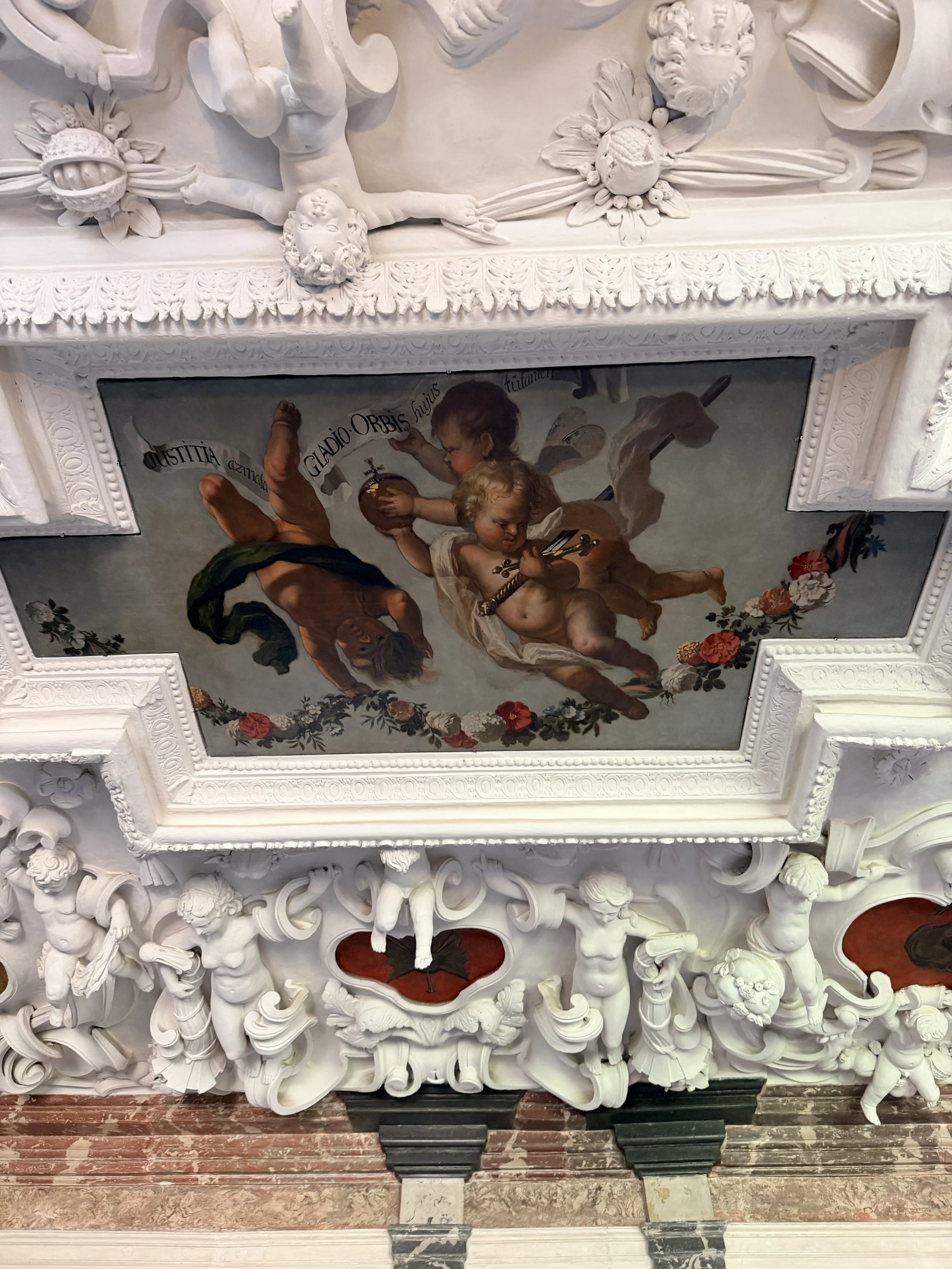
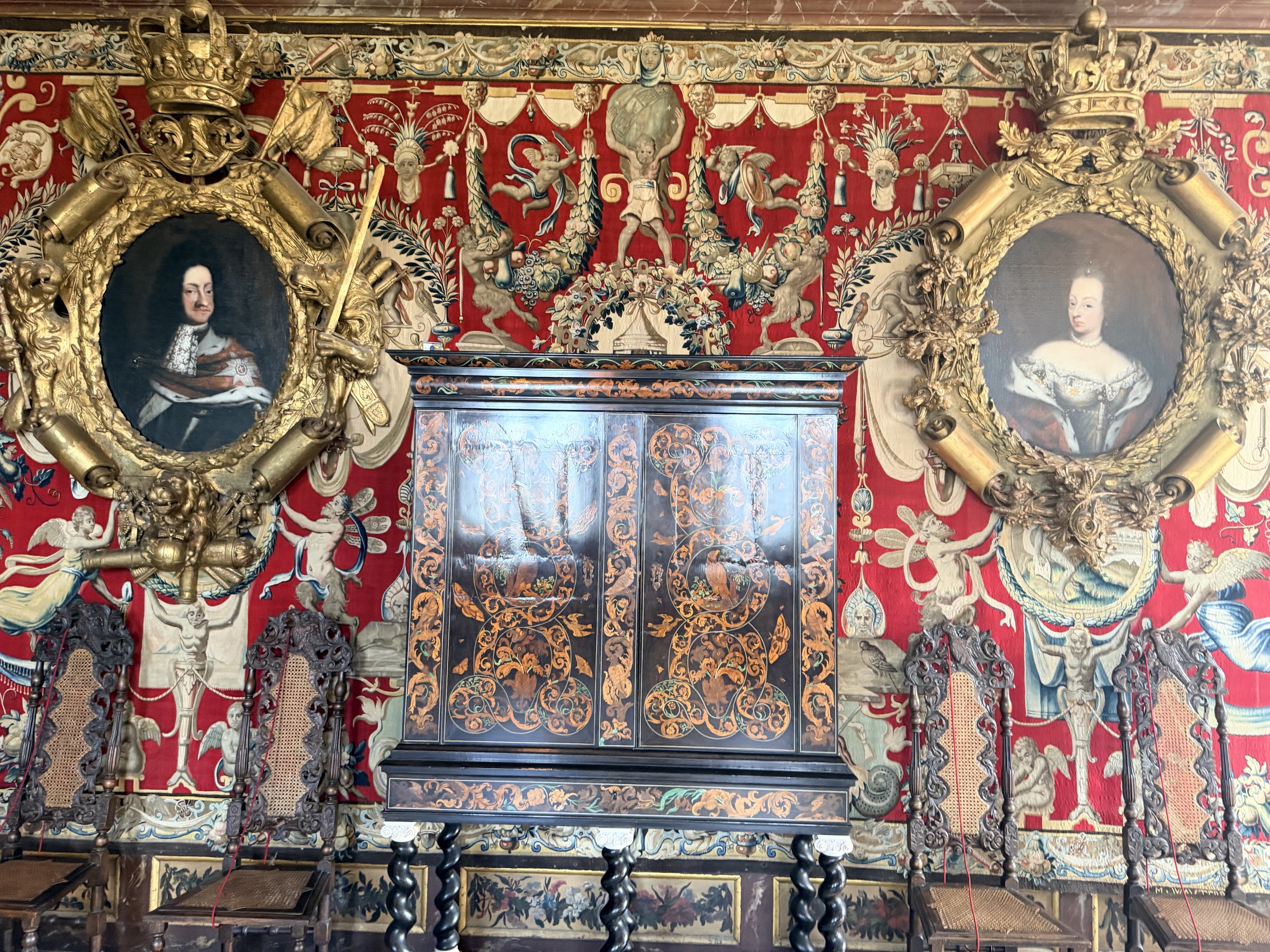
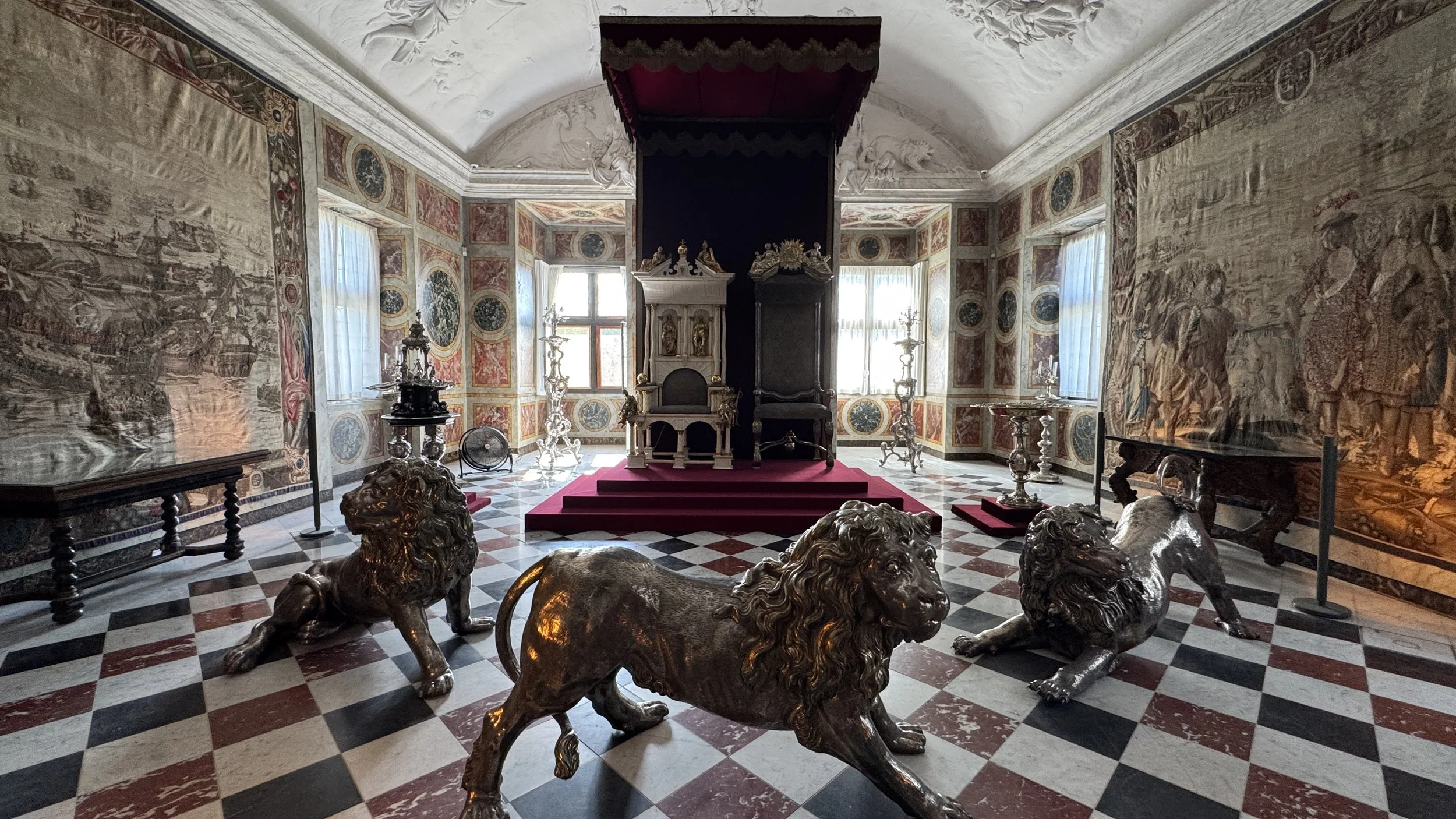
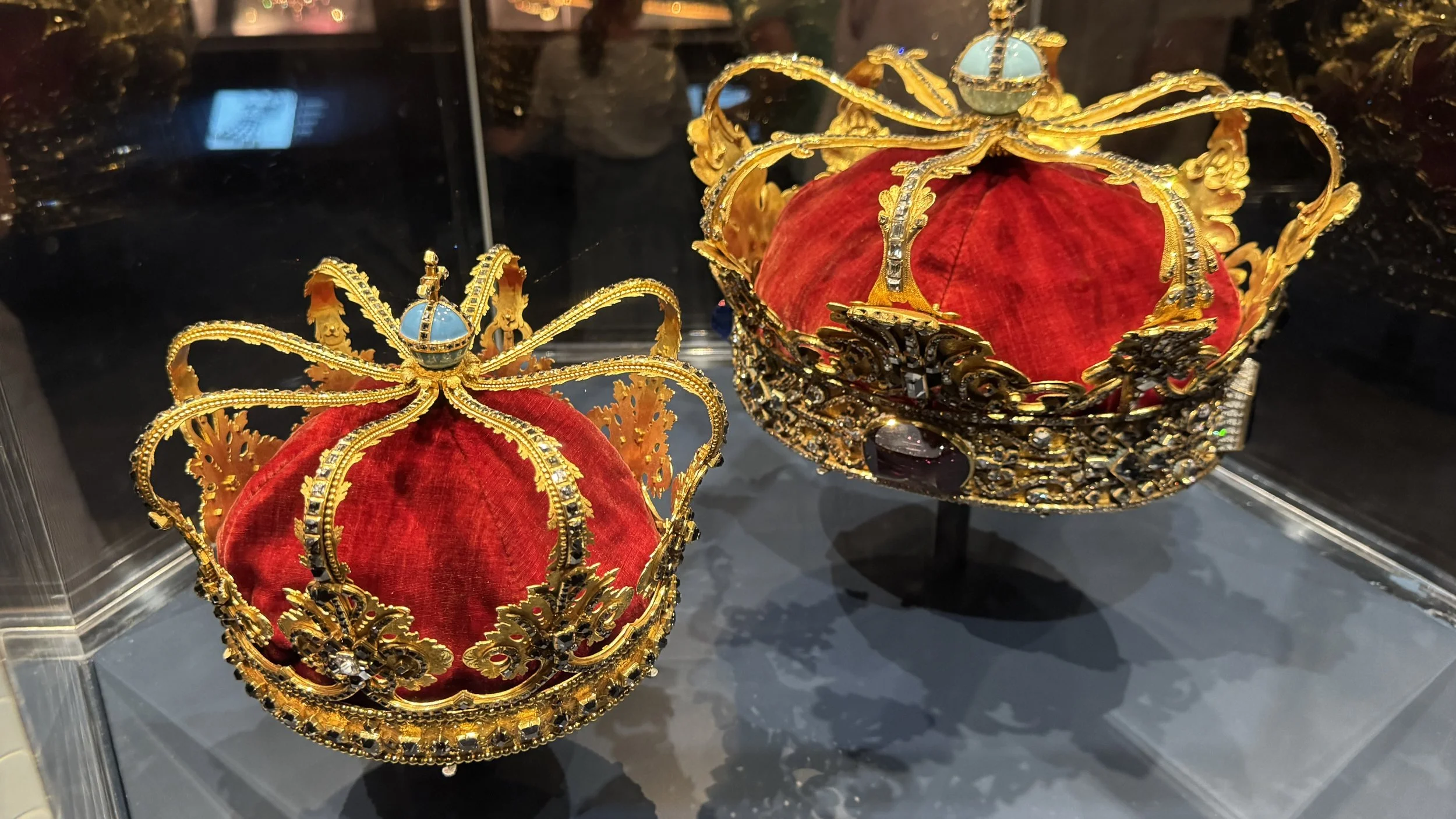
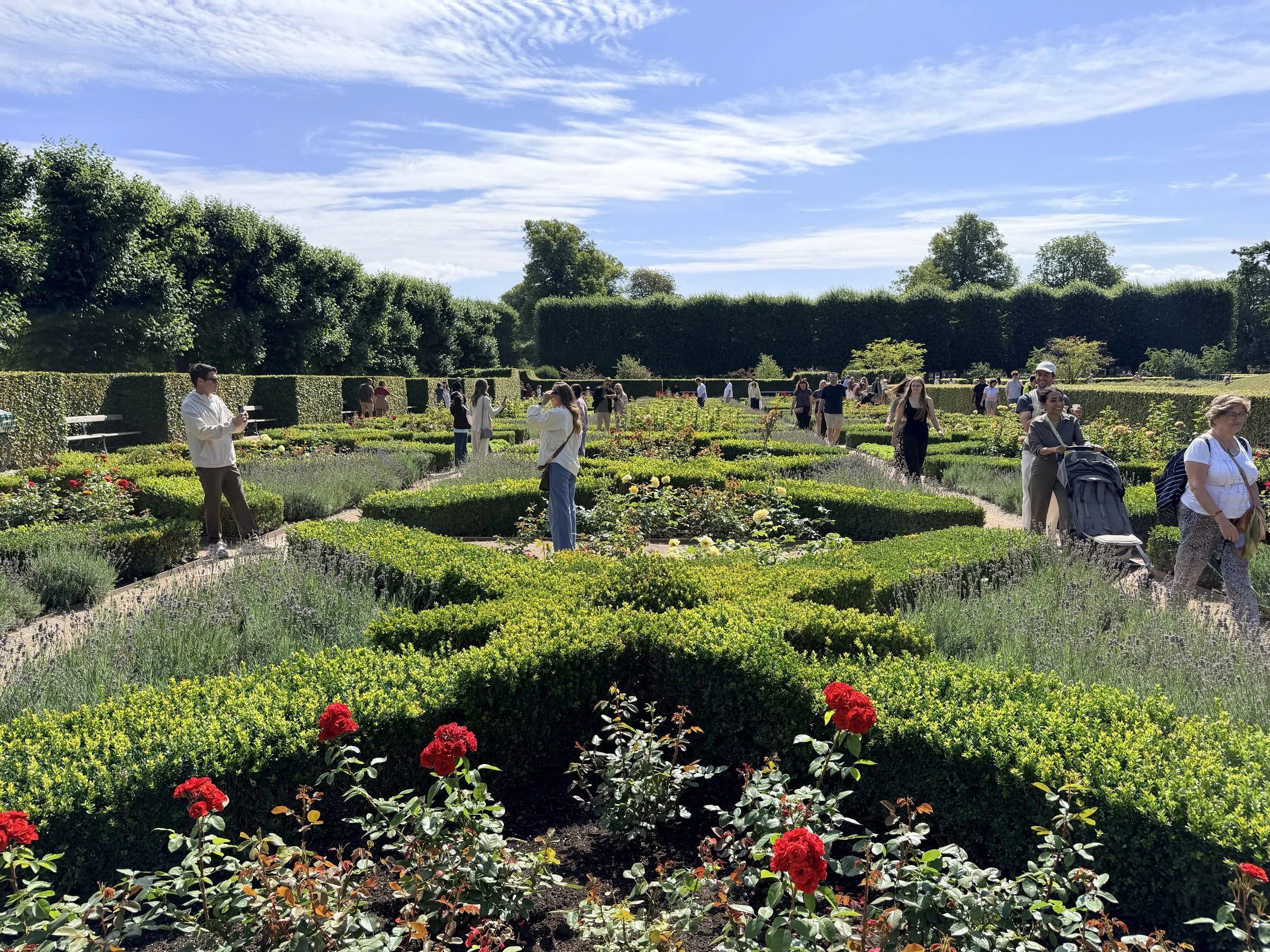
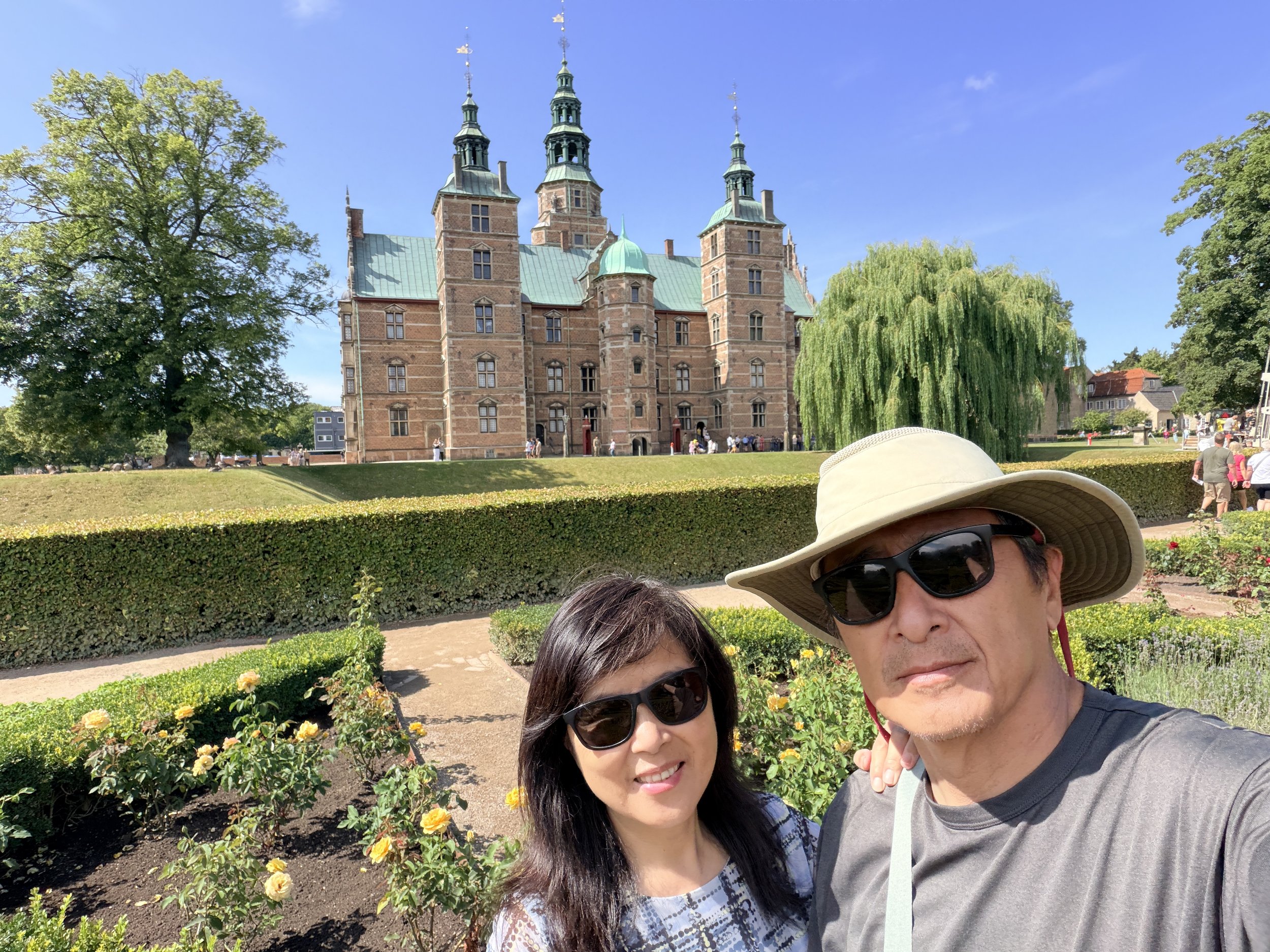
We began the day at Rosenborg Castle, the historic home of the Danish monarchy during the reign of King Christian IV. Today, it serves as a museum housing the Danish Crown Jewels, the royal regalia, and an impressive collection of royal treasures. Rosenborg may hold the richest collection of historical artifacts of the Denmark monarchy.
After a quick Thai lunch, we returned to the hotel for a short break and enjoyed an hour-long afternoon nap.
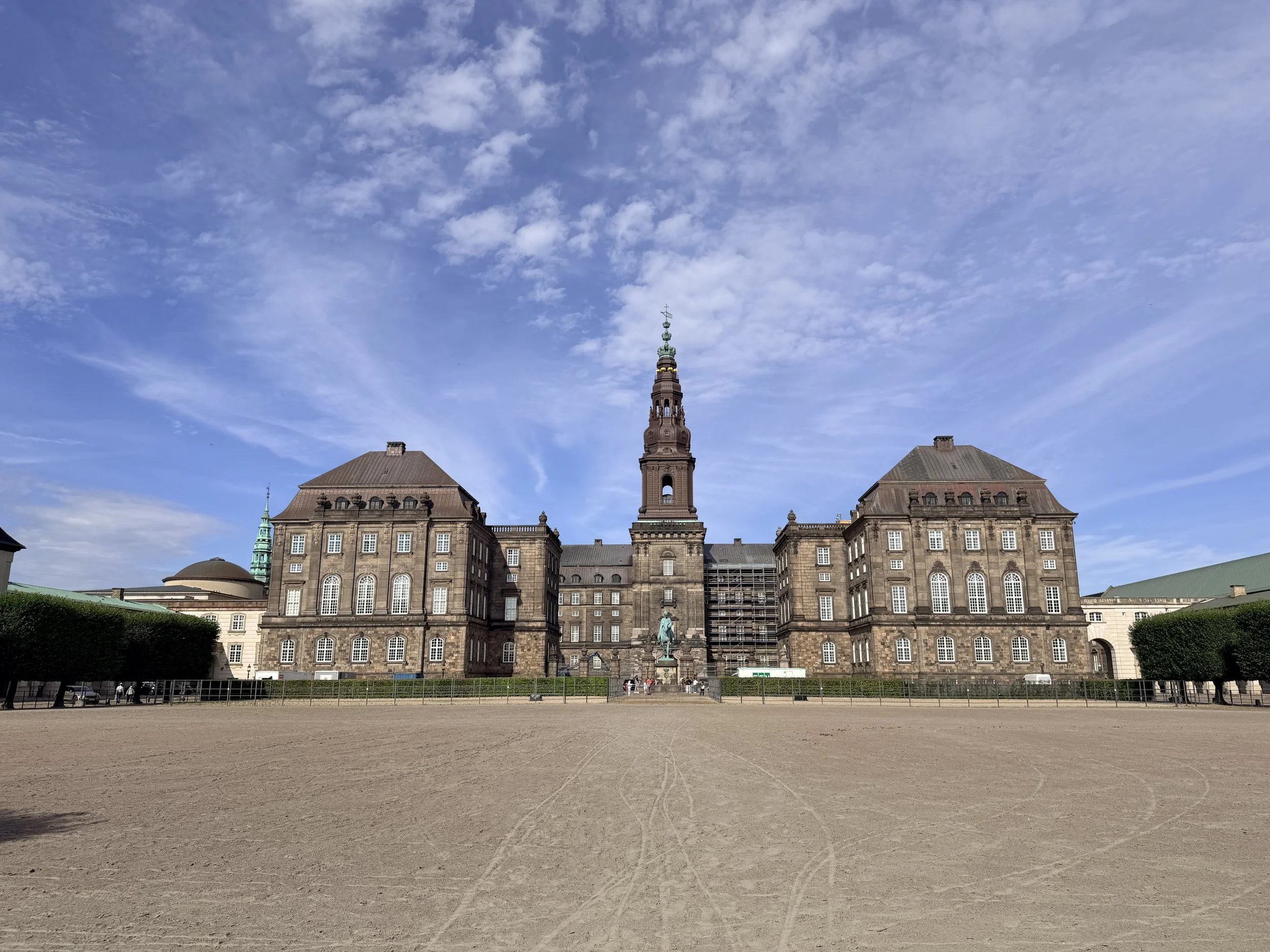
Refreshed, we headed to Christiansborg Palace, which served as the principal royal residence until a devastating fire destroyed it in 1794. Today, the palace is unique in that it houses all three branches of the Danish government, while the King still uses the Royal Reception Rooms for state banquets, audiences, and other official ceremonies.
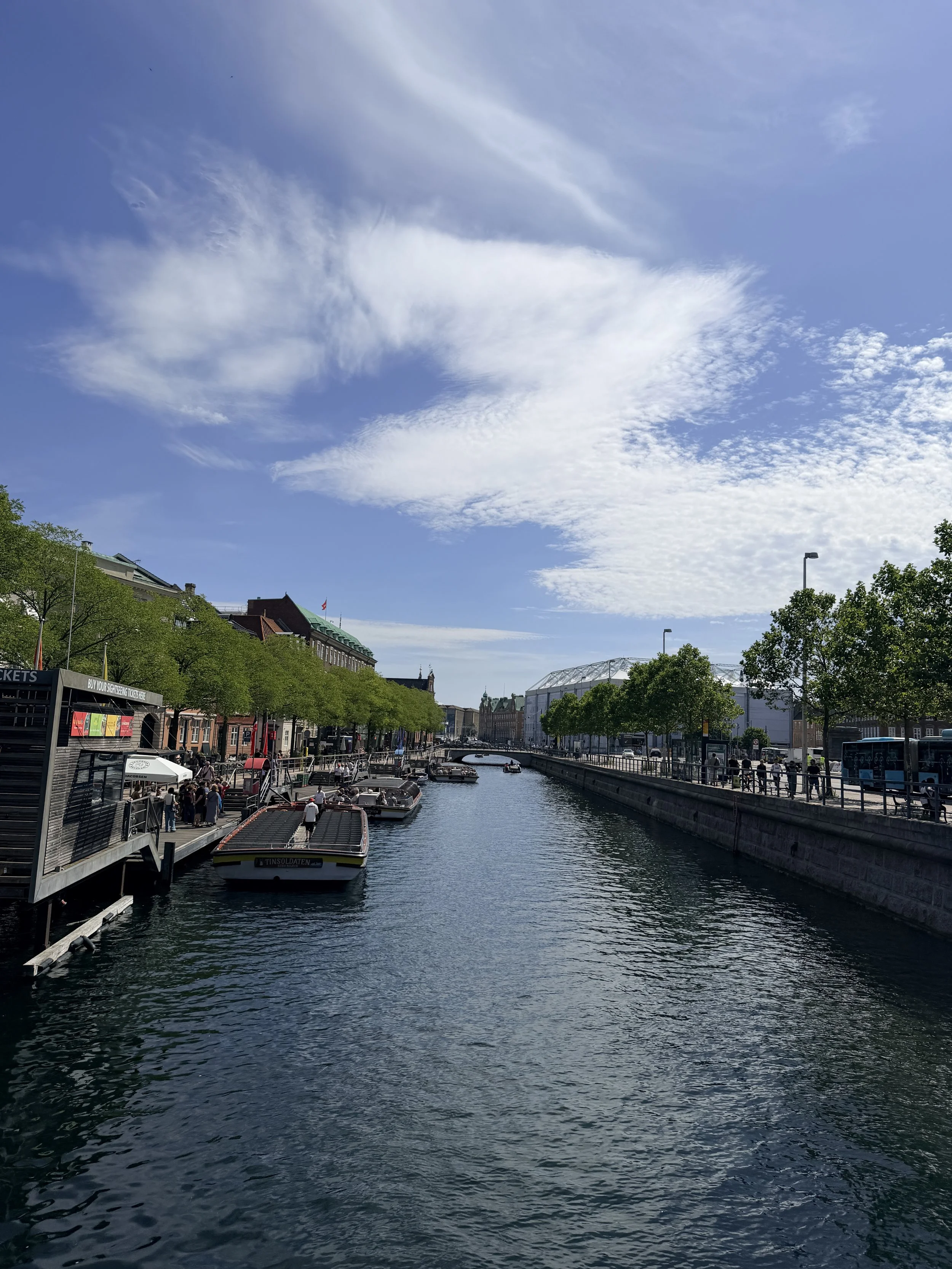
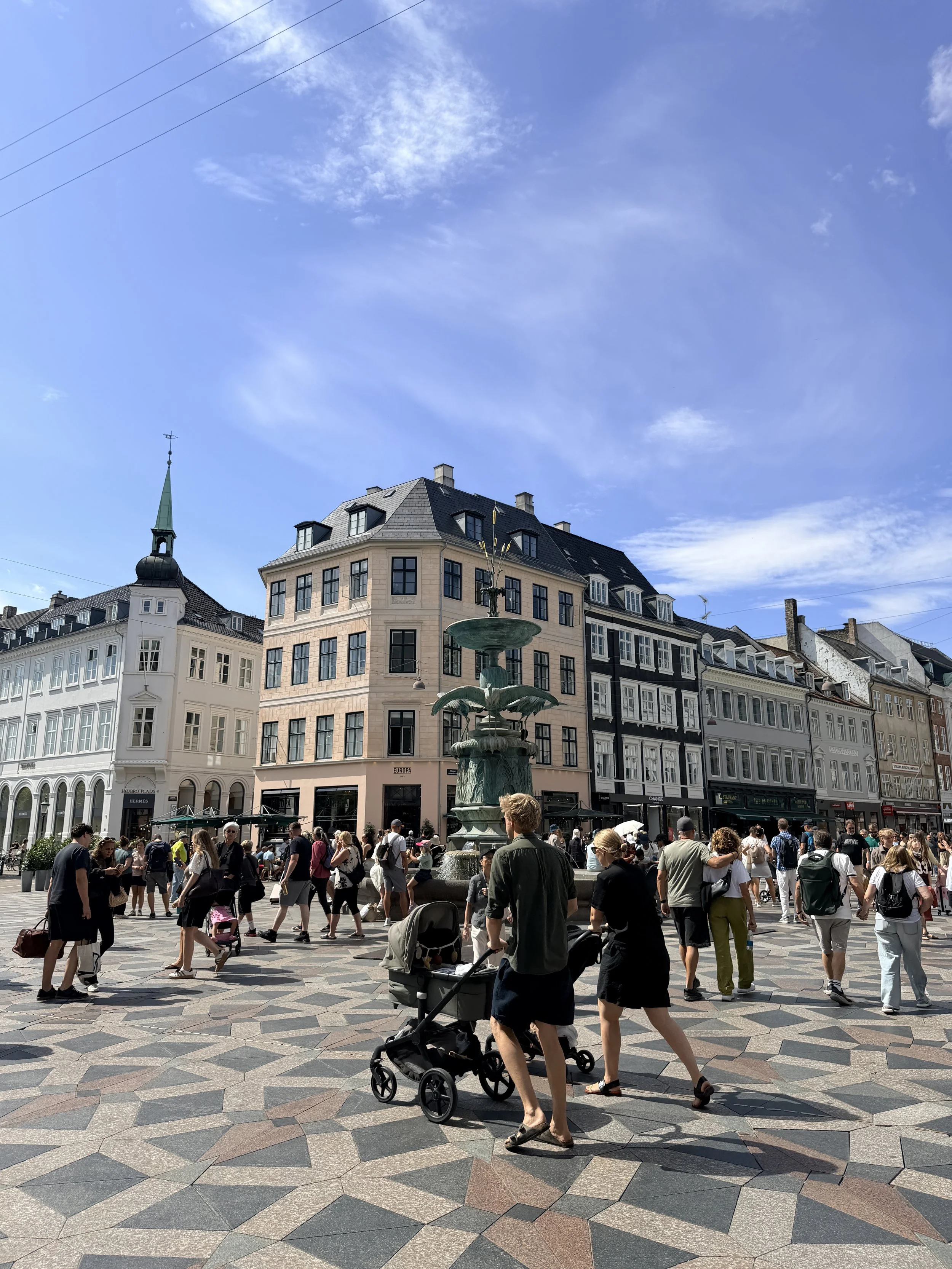
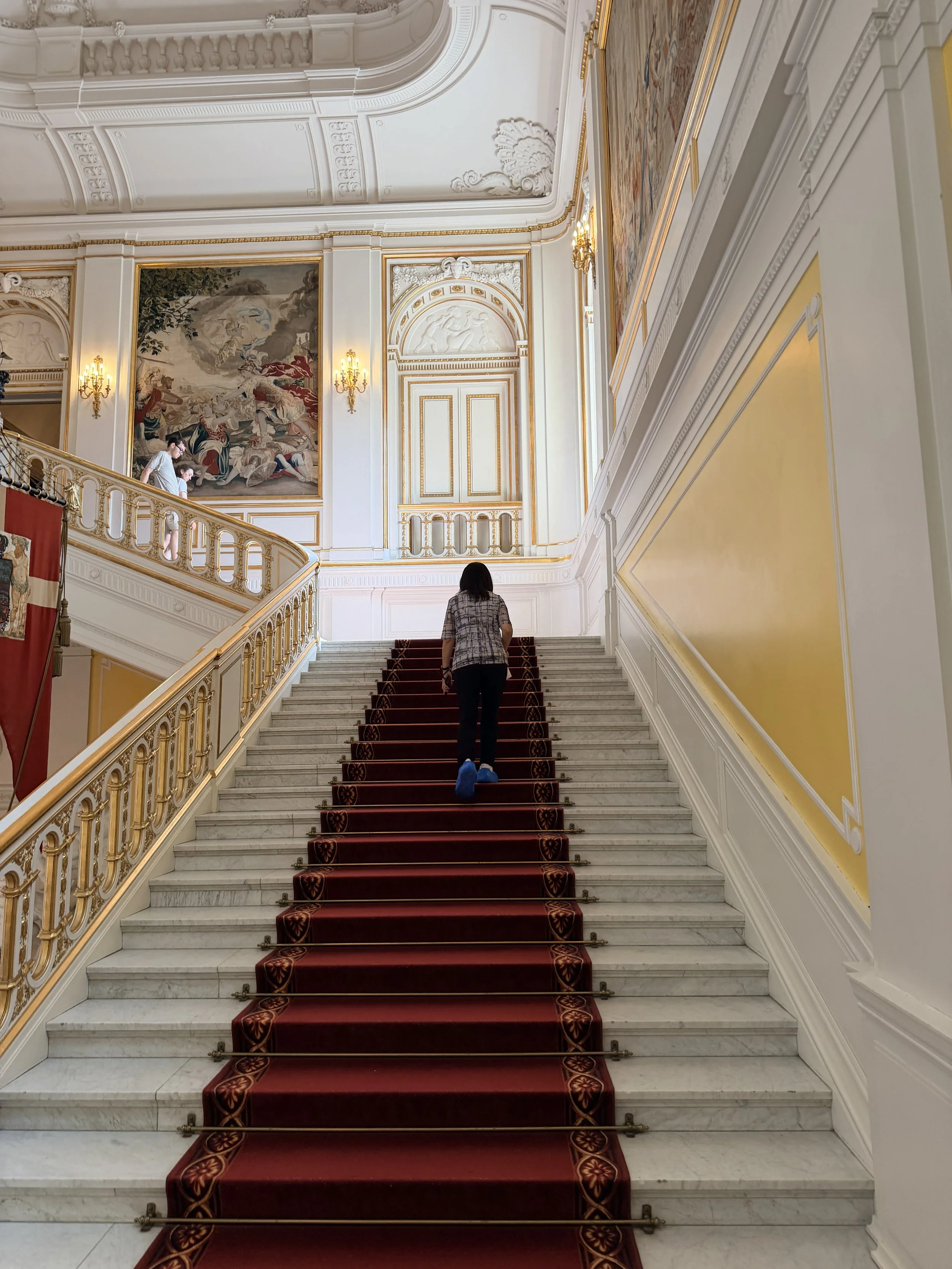
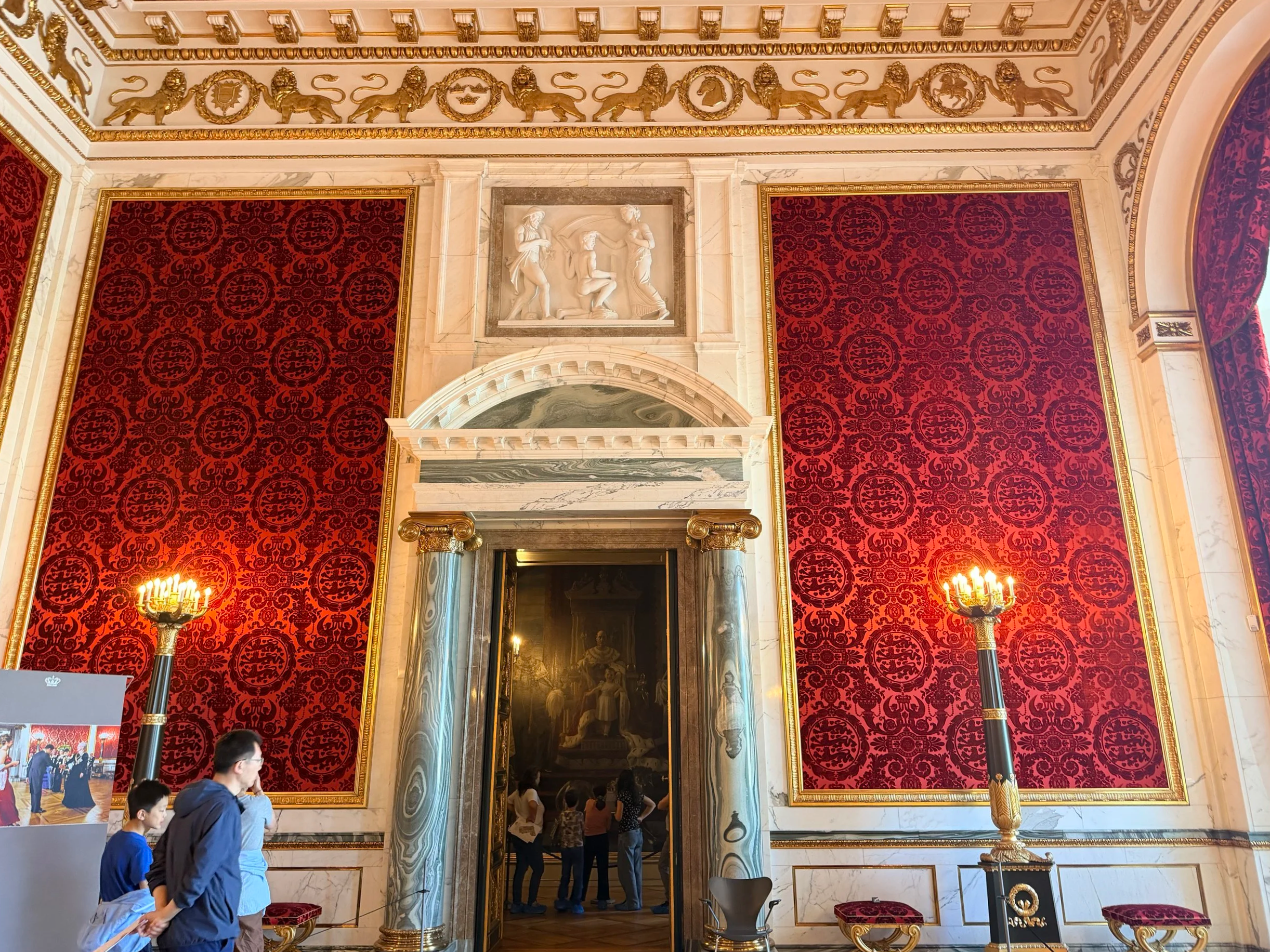
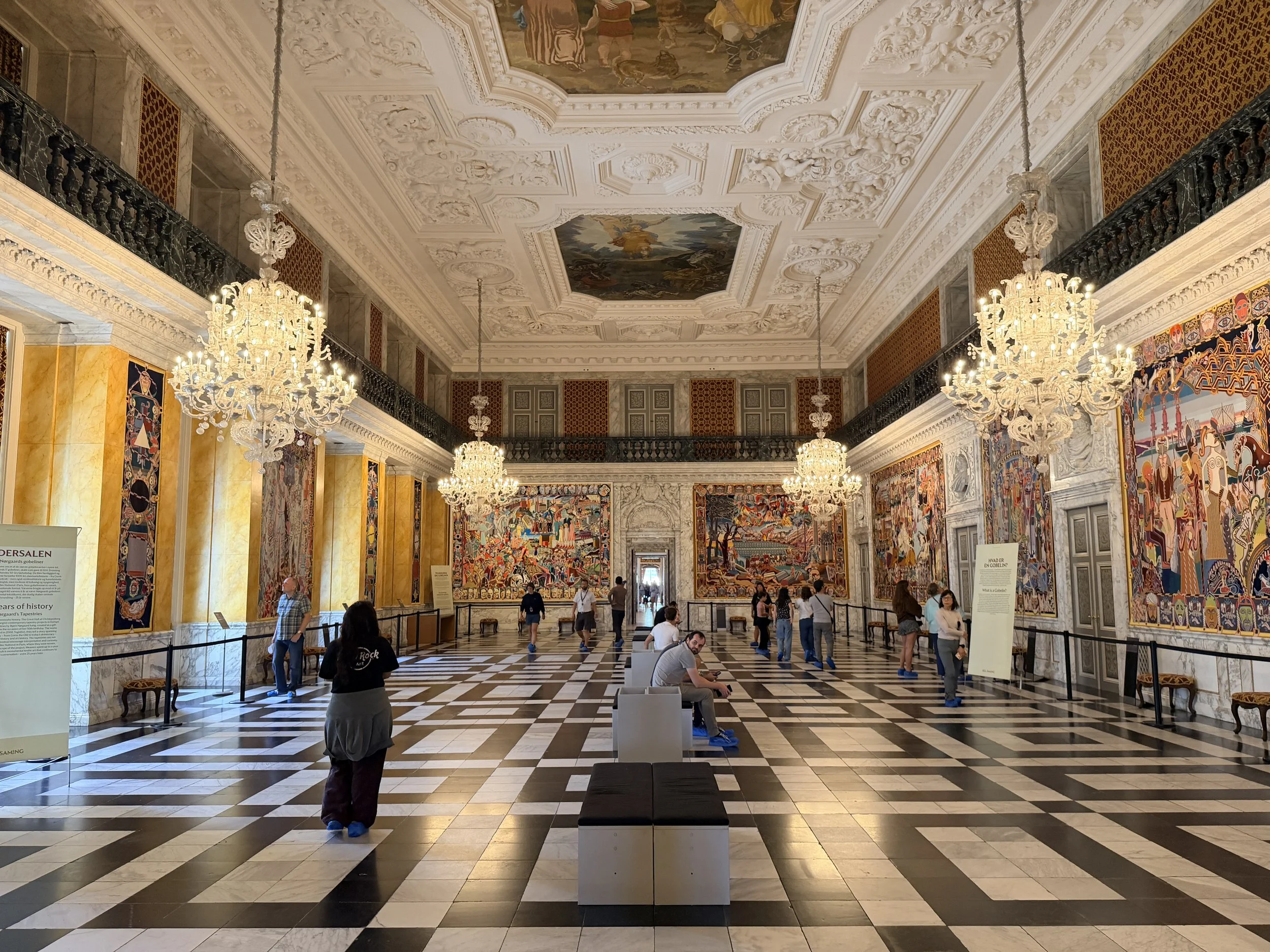
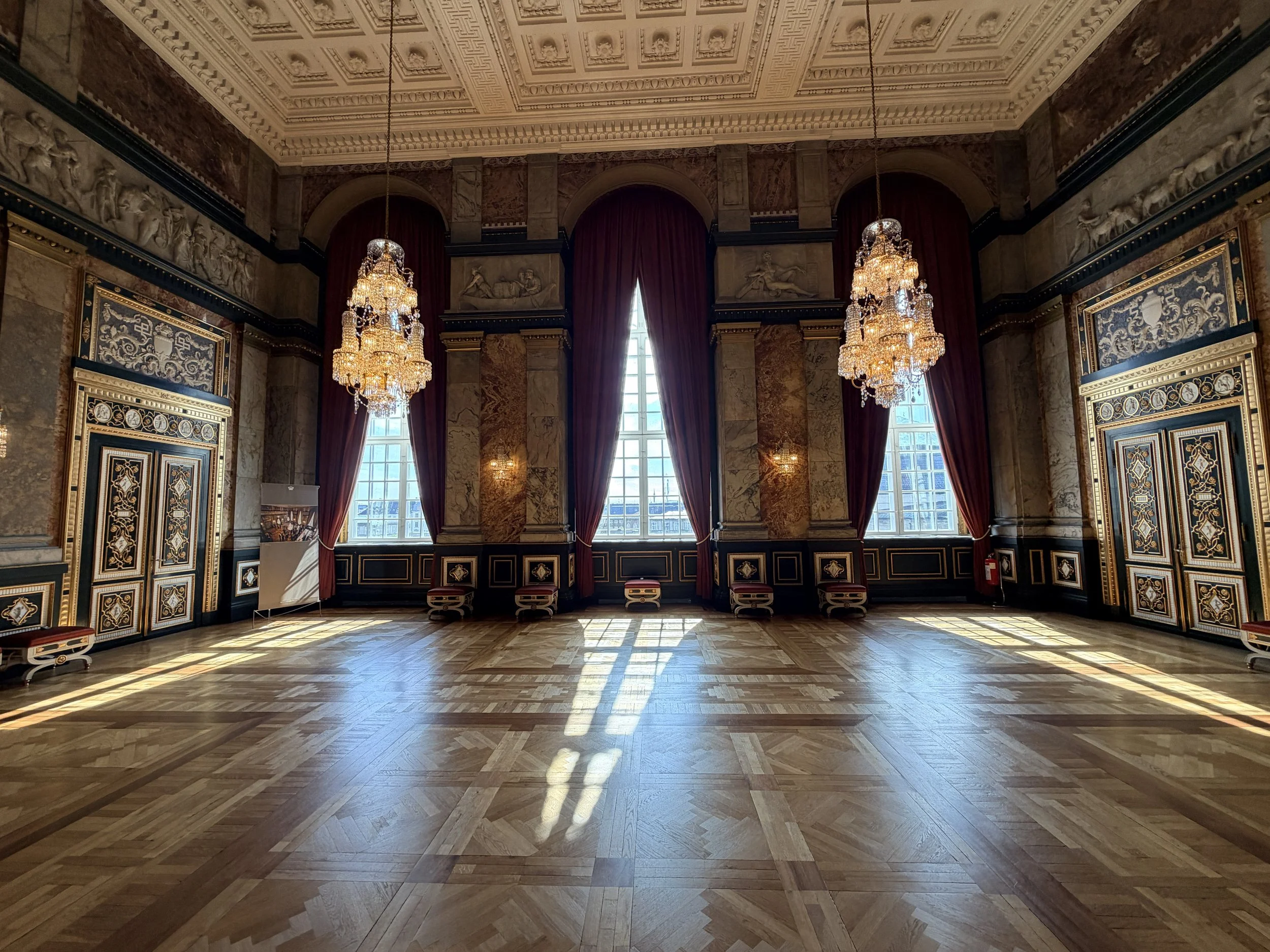
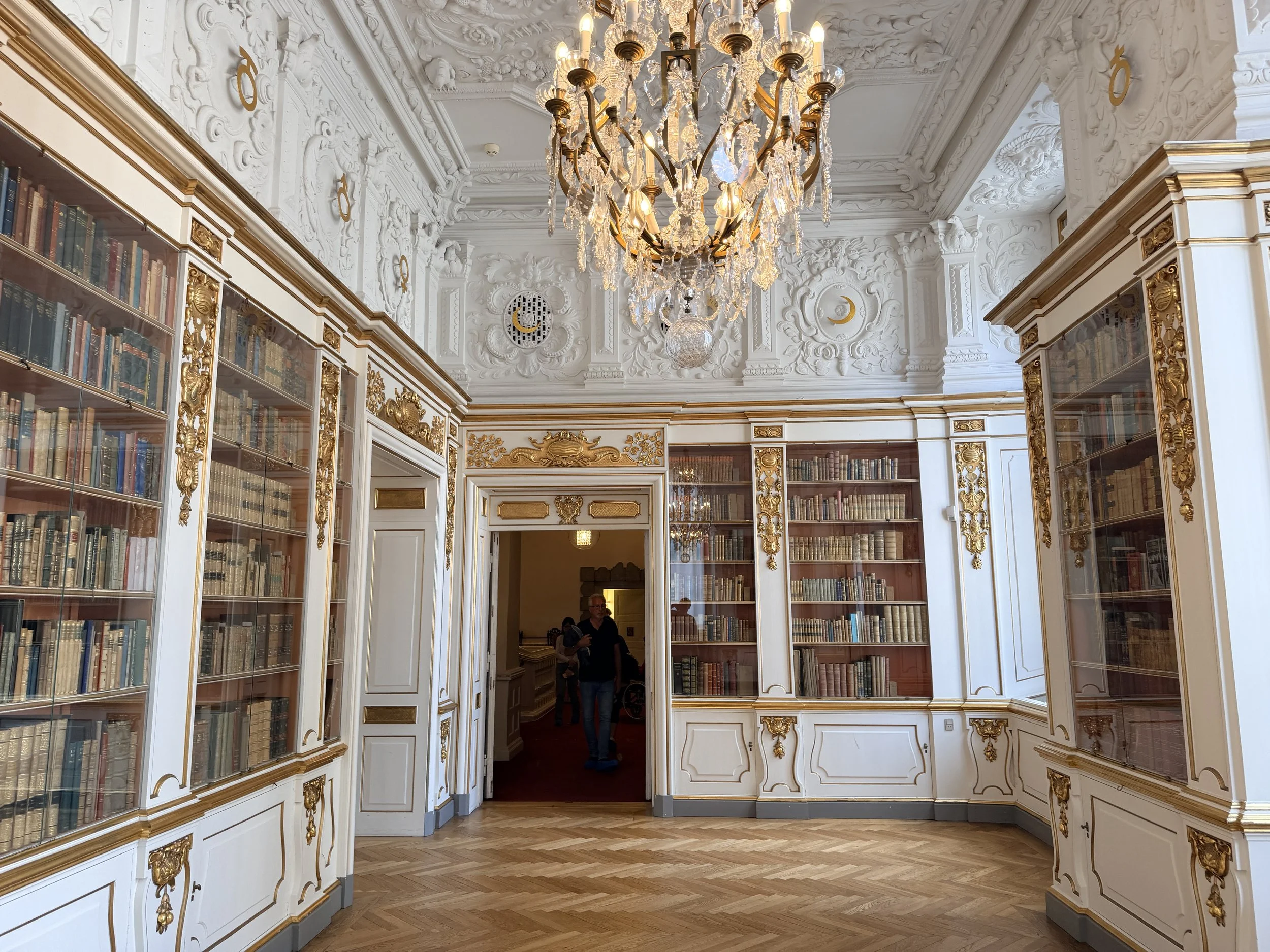
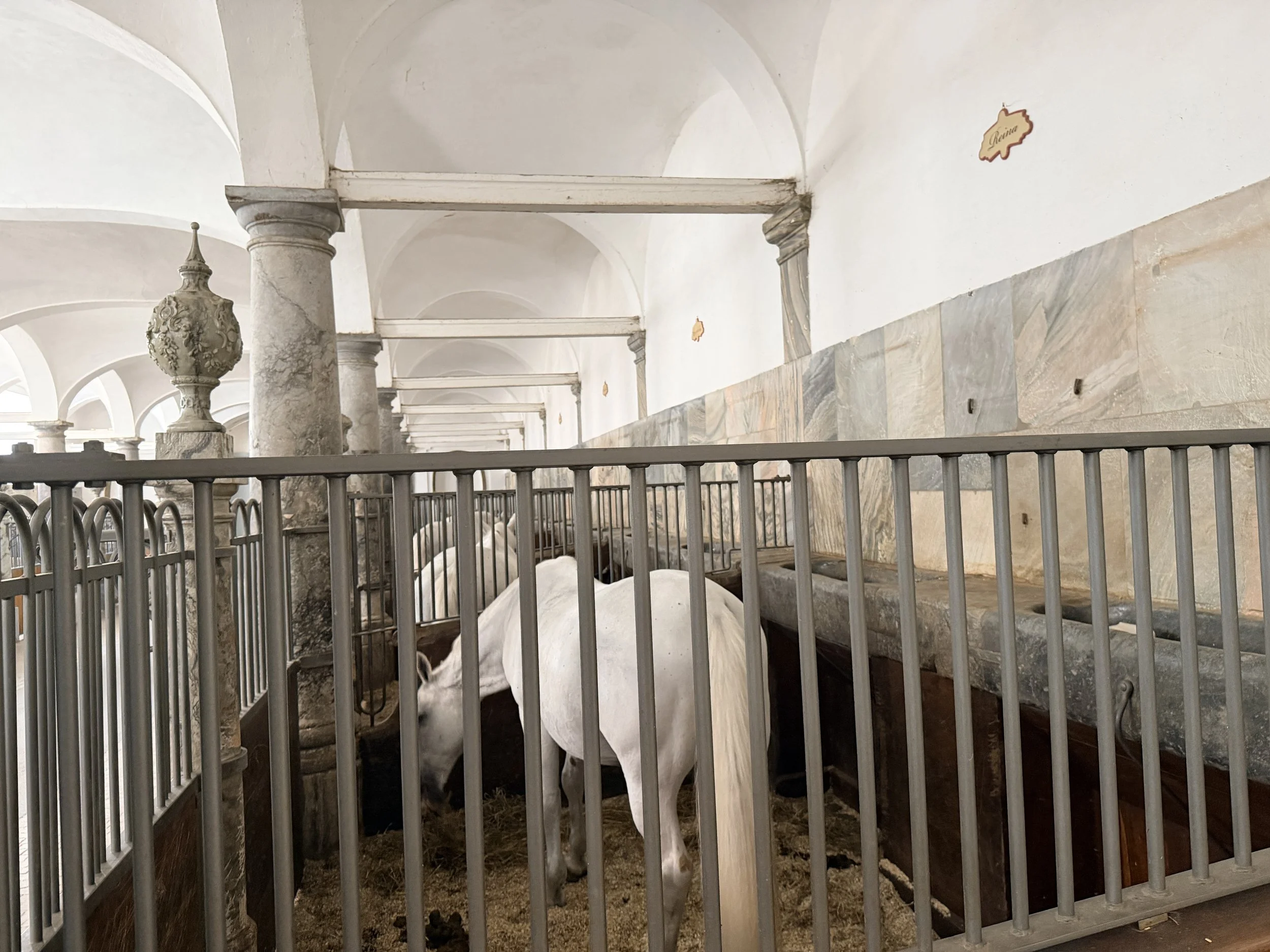
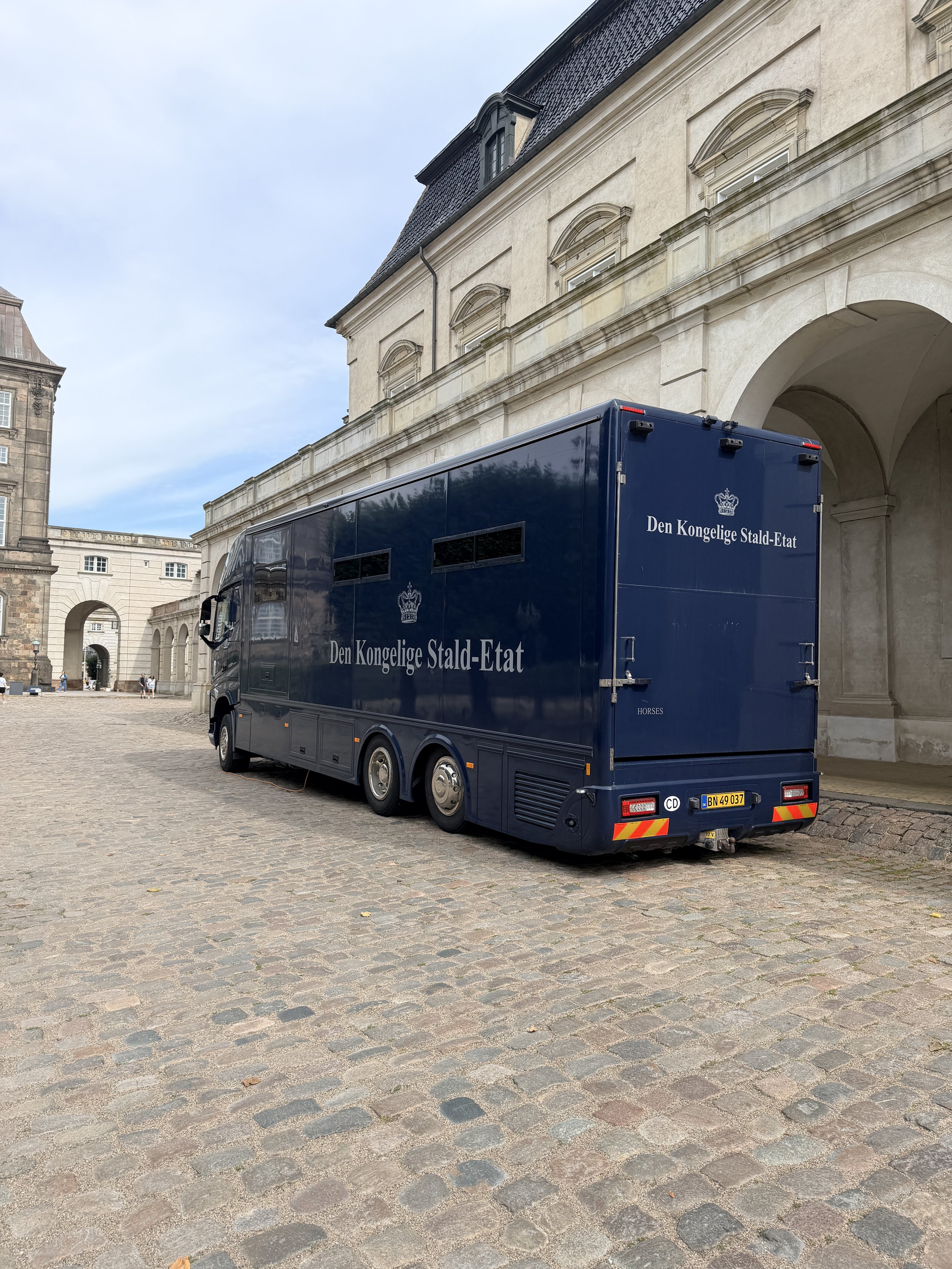
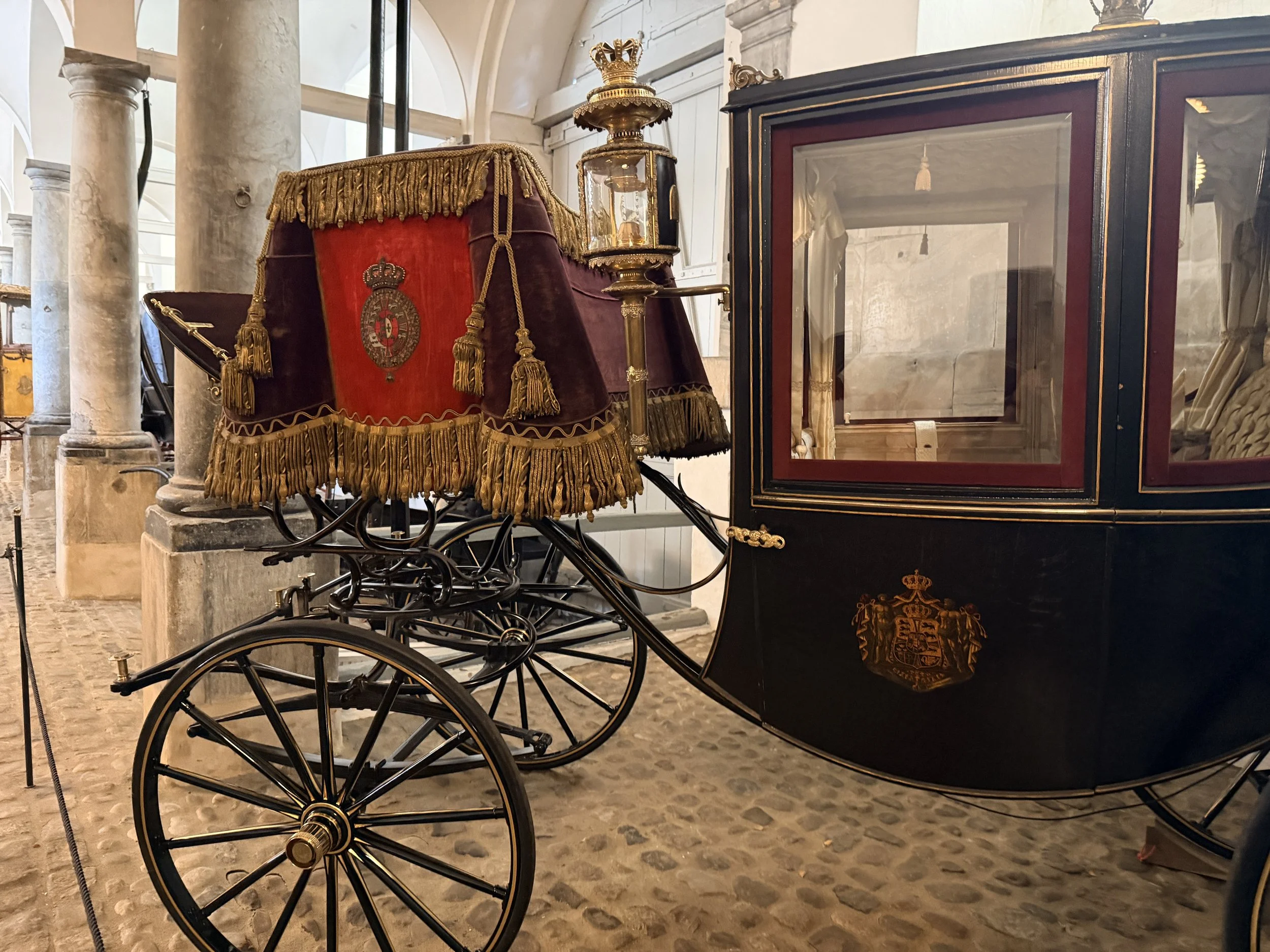
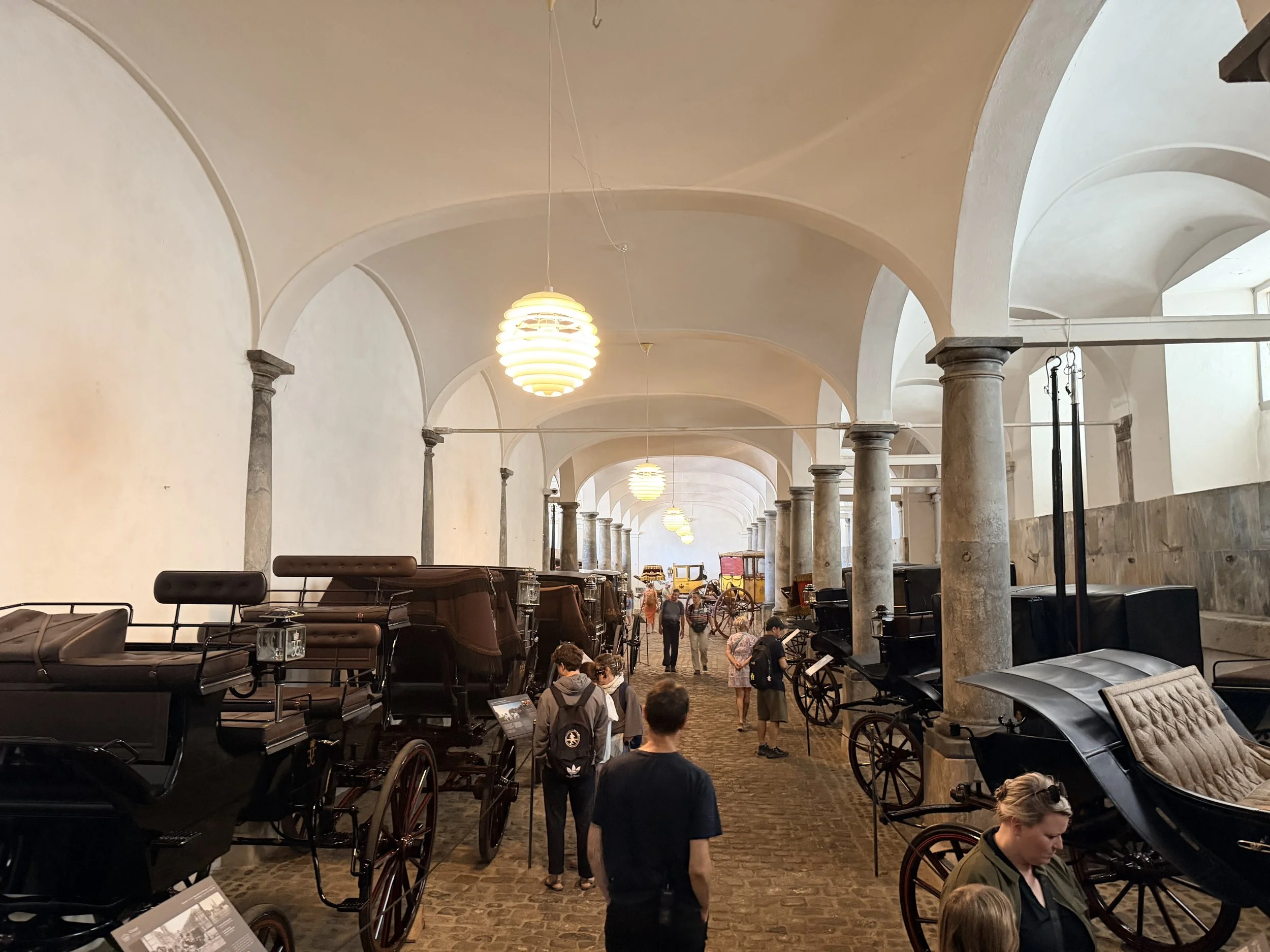
Christiansborg offers five attractions open to visitors. We had already visited the tower on a previous day, so our first stop was the Royal Stables, where we saw both the current royal horses and historic state carriages. We then toured the elegant Royal Reception Rooms, which were similar to many other royal apartments we have seen throughout Europe.
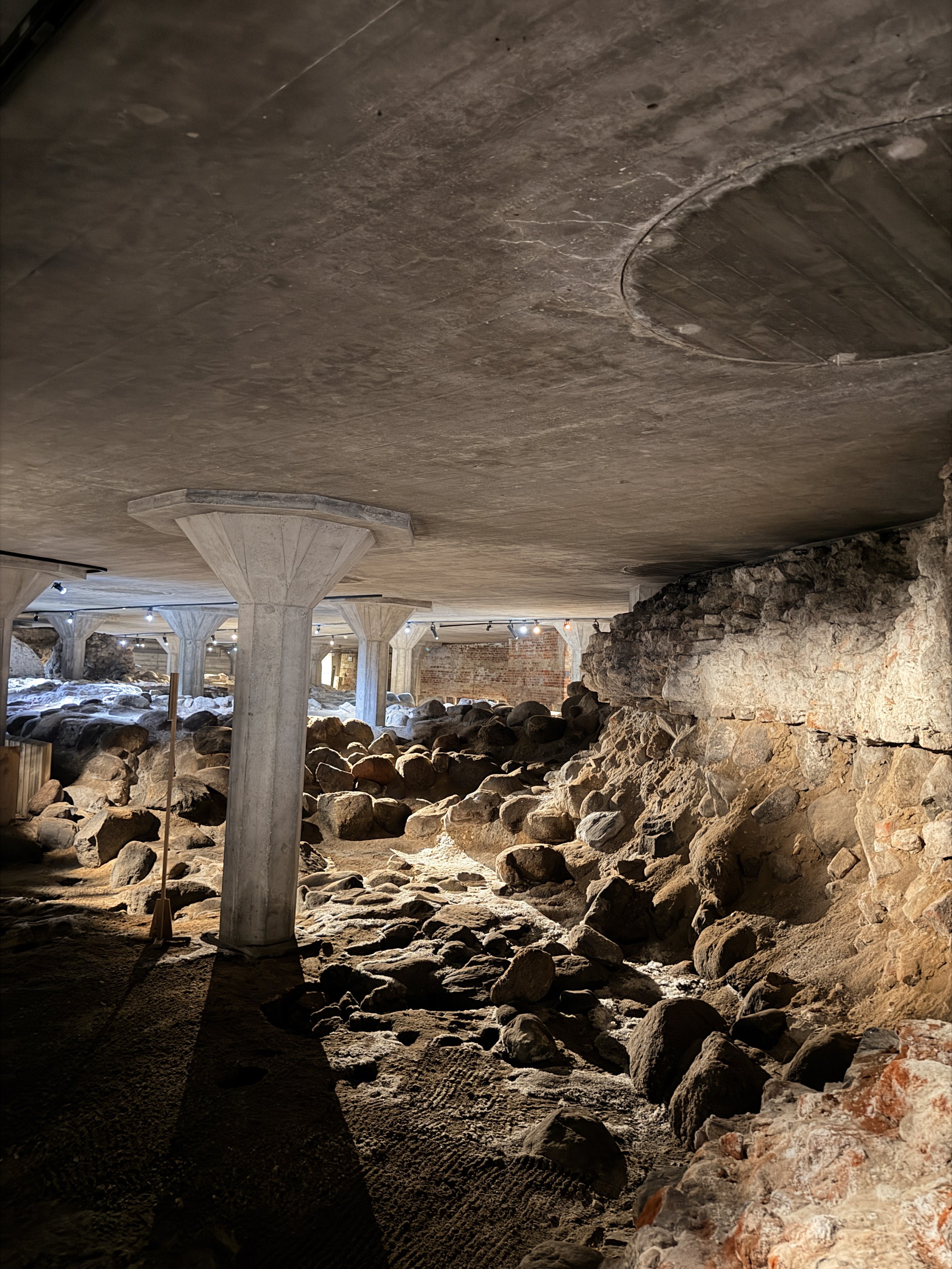
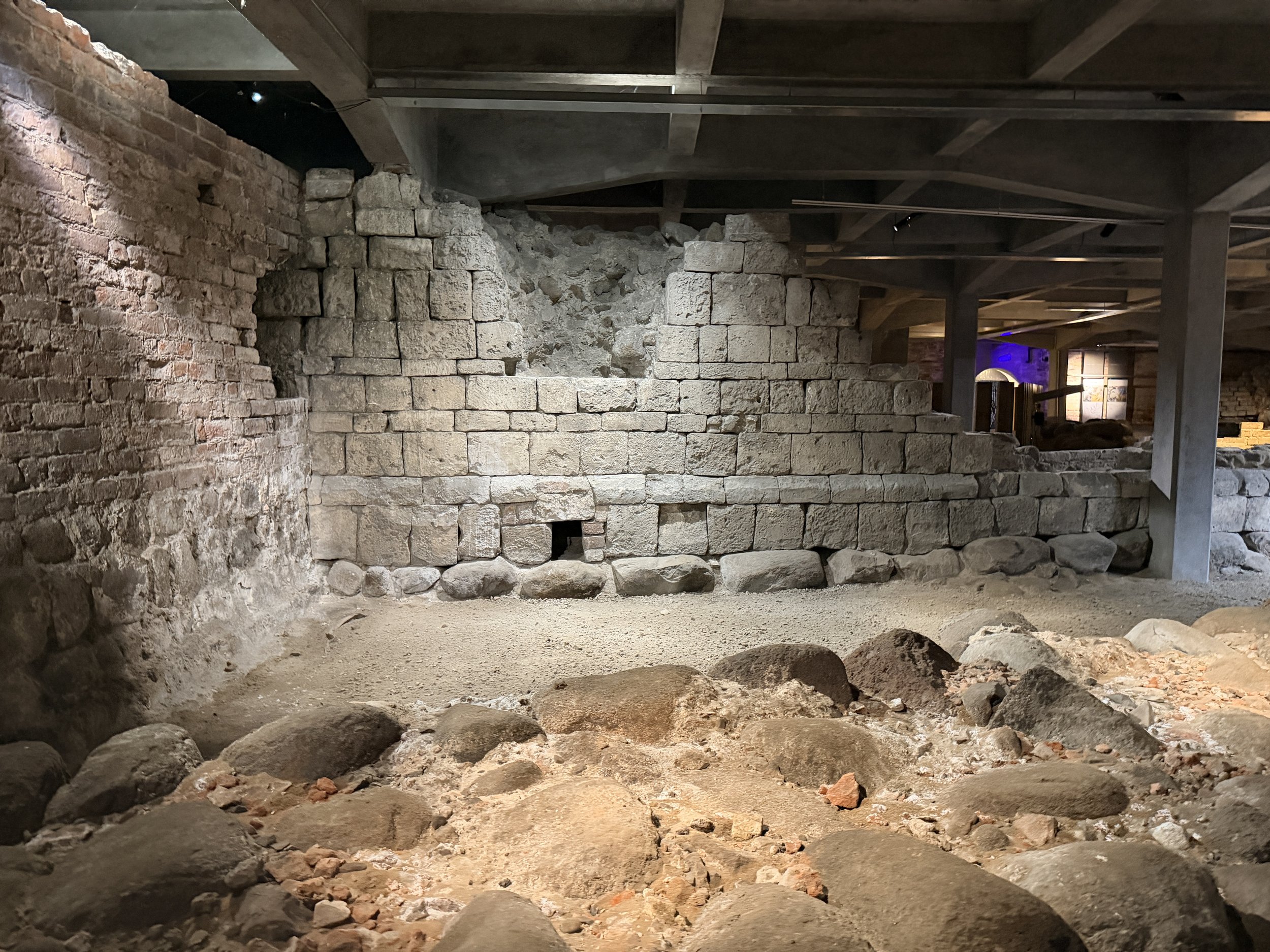
The highlight for us was the Ruins beneath the palace. Christiansborg stands on the site of Copenhagen's original medieval castle, and an underground archaeological exhibition preserves the remains of two earlier castles. Walking among their ancient foundations offered a fascinating glimpse into more than 800 years of Danish history. Unfortunately, we ran out of time and had to skip the final attraction, the Royal Kitchen.
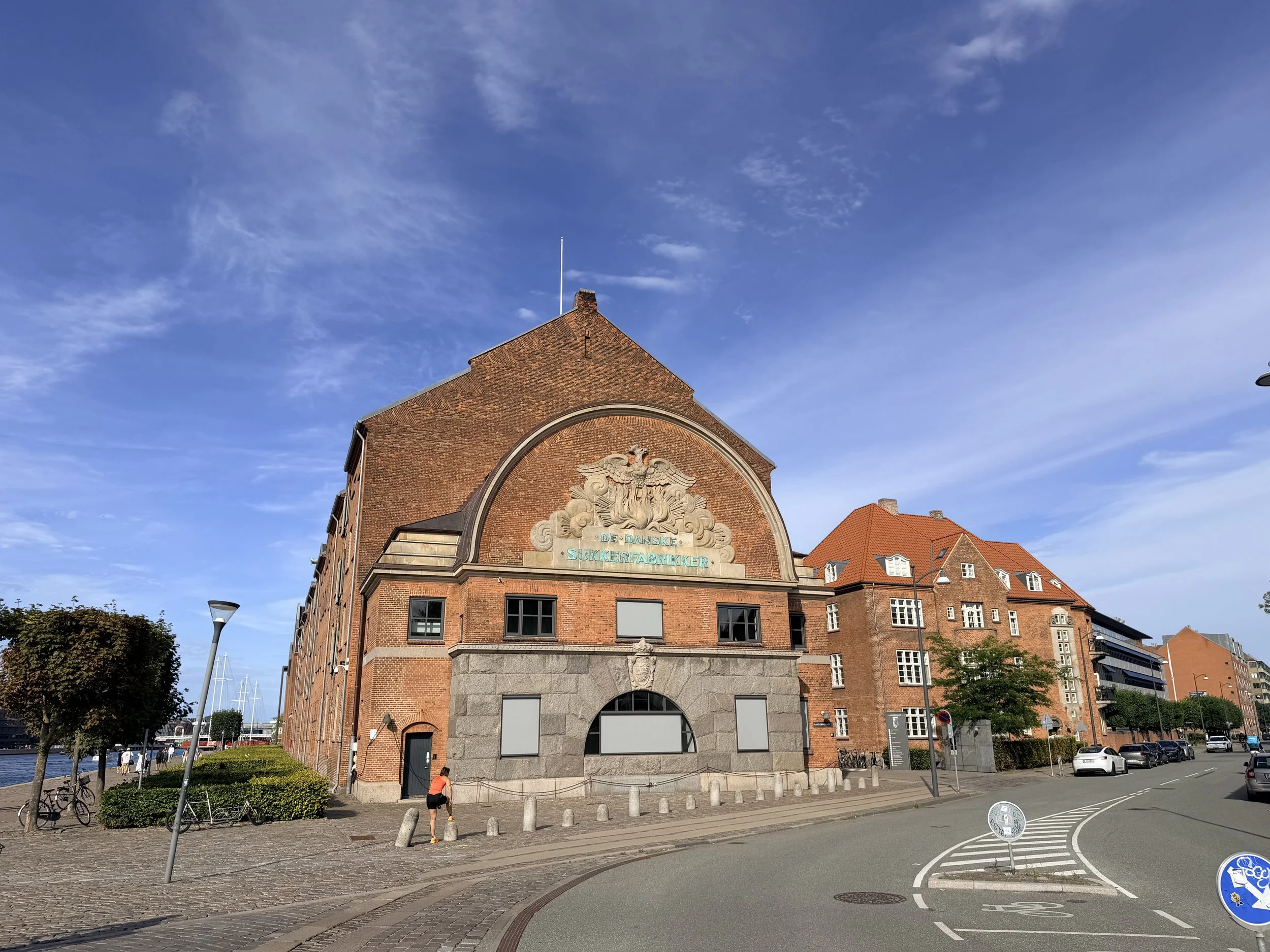
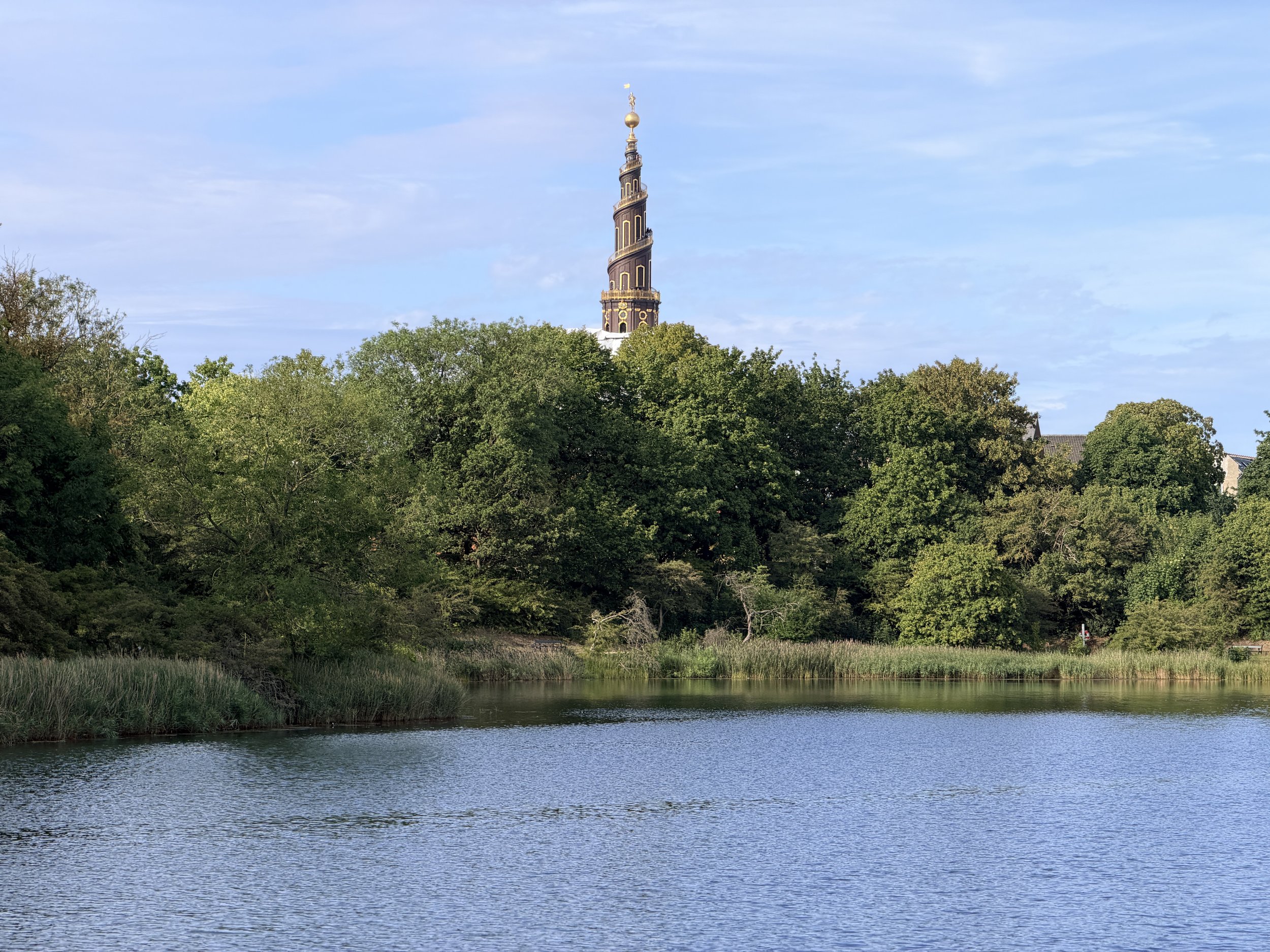
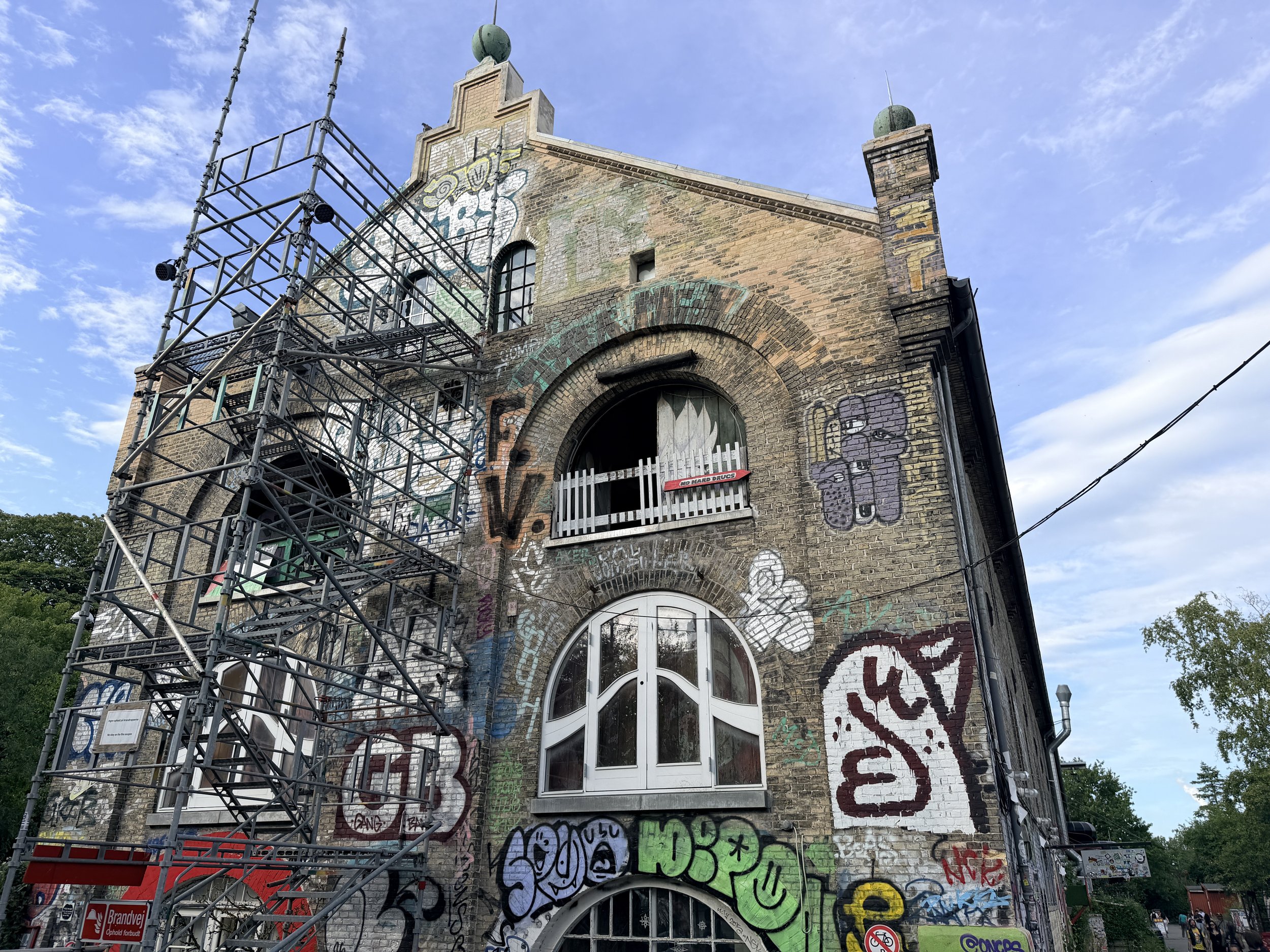
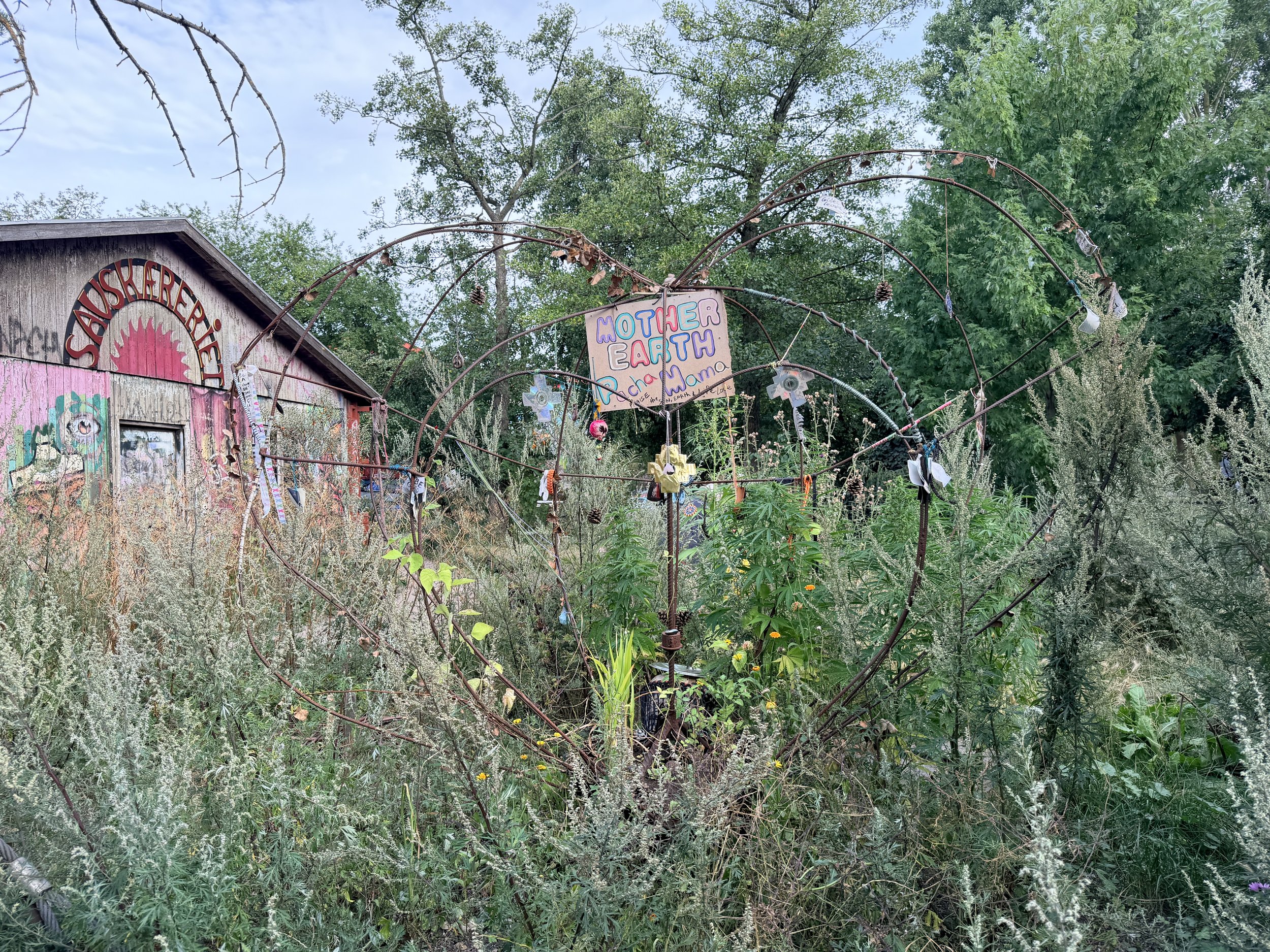
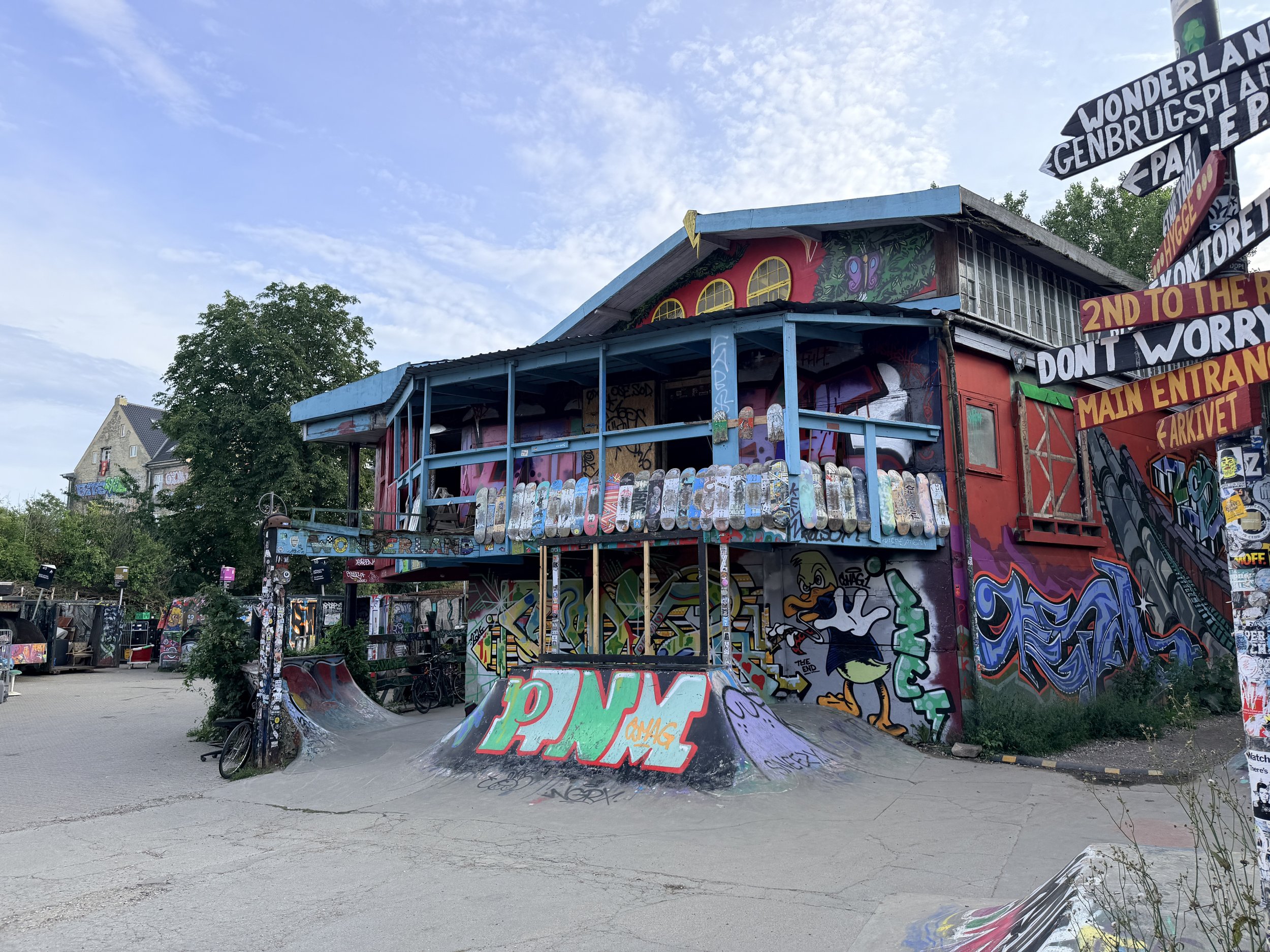
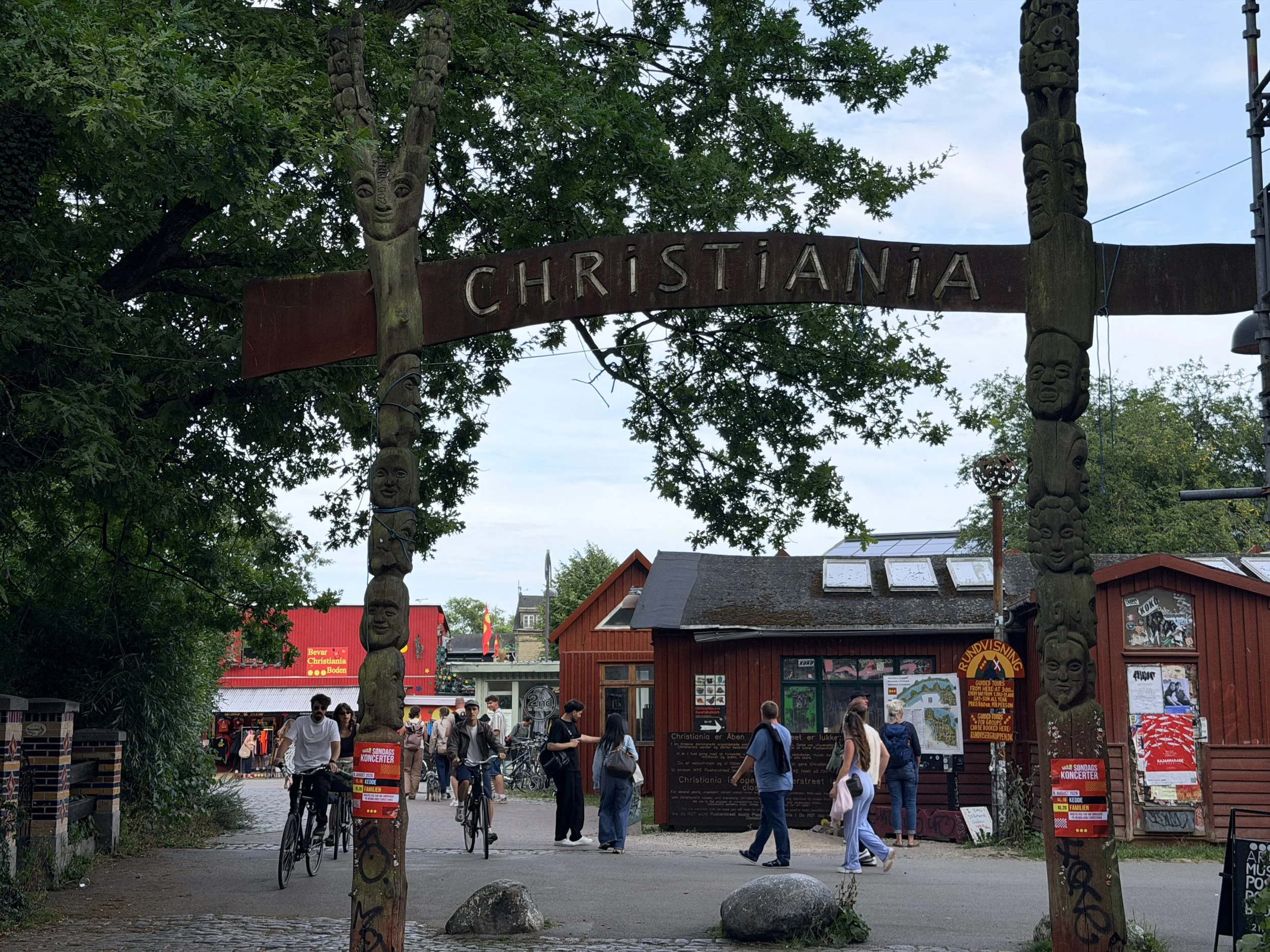
We then crossed the canal into Christianshavn to visit Freetown Christiania. If the royal castles represent elegance, wealth, and the structured authority of the Danish monarchy, Christiania offers a striking contrast—a community built on creativity, freedom, and self-governance. Colorful graffiti and weathered, makeshift buildings were everywhere, creating a distinctly bohemian atmosphere. At the same time, live music, food stalls, and a relaxed pace of life gave the neighborhood its unique charm. Whether one sees it as an inspiring social experiment or simply an unconventional way of living, Christiania is unlike anywhere else in Copenhagen.
2026年7月31日
今天一早,我们首先来到罗森堡宫(Rosenborg Castle)。这座城堡是丹麦国王克里斯蒂安四世时期的王室居所,如今已成为博物馆,珍藏着皇冠,珠宝、权杖、御用礼器,以及其它大量珍贵的收藏,堪称丹麦王室的宝库。
中午简单吃了一顿泰国菜后,我们回到酒店休息,为身体充点电。
下午精神饱满地前往克里斯蒂安堡宫(Christiansborg Palace)。这里曾是丹麦王室的主要居所,直到1794年一场大火将宫殿烧毁,王室才迁往今天的阿美琳堡宫。如今,克里斯蒂安堡宫是世界上少数同时容纳国家三大政府机构的宫殿——国会、最高法院和首相办公室都设于此,而国王仍会在这里举行国宴、接见外宾及其他重要国事活动。
克里斯蒂安堡宫共有五个参观景点。由于昨天我们已经登过宫殿塔楼,这次首先参观的是皇家马厩,欣赏现役皇家御马以及历代保存下来的华丽皇家马车。随后参观了皇家接待厅,金碧辉煌、装饰典雅,与我们在欧洲其他王宫见过的皇家居室风格相近。
最令我们印象深刻的是宫殿地下的「遗址展区」(The Ruins)。克里斯蒂安堡宫建在哥本哈根最早的中世纪城堡遗址之上,考古学家将地下发掘出的两座早期城堡遗迹完整保留下来,供游客近距离参观。漫步在古老的石墙与地基之间,仿佛穿越回八百多年前的丹麦王国,亲身感受这座城市悠久的历史。可惜时间不够,我们没能参观最后一个展区——皇家厨房。
随后,我们穿过运河来到克里斯蒂安港(Christianshavn),造访著名的自由城克里斯蒂安尼亚(Freetown Christiania)。如果说几座皇家宫殿象征着丹麦王室的优雅、富裕与井然有序的权威,那么克里斯蒂安尼亚则呈现出另一种截然不同的面貌——一个崇尚创意、自由与自治的社区。
这里随处可见色彩鲜艳的涂鸦、极为破旧的自建房屋,散发着浓厚的波西米亚艺术气息。街头不时传来现场音乐,路边摆着简朴的餐车和小摊,人们悠闲地享受着简单自在的生活。无论把它视为一场大胆的社会实验,还是一种另类的生活方式,克里斯蒂安尼亚都称得上是哥本哈根最独特、最令人难忘的地方之一。
从罗森堡宫收藏的皇家珍宝和克里斯蒂安堡宫承载的国家权力,到克里斯蒂安尼亚追求自由与自治的生活方式,我们在短短一天之内,看见了哥本哈根二种截然不同的面貌。它们彼此对比,却又共同构成了这座城市丰富而多元的文化与历史,也让这一天成为我们此次哥本哈根之旅最具层次感的一天。