A Day of Hamlet and Modern Art 《哈姆雷特》与现代艺术的一天
August 1, 2026
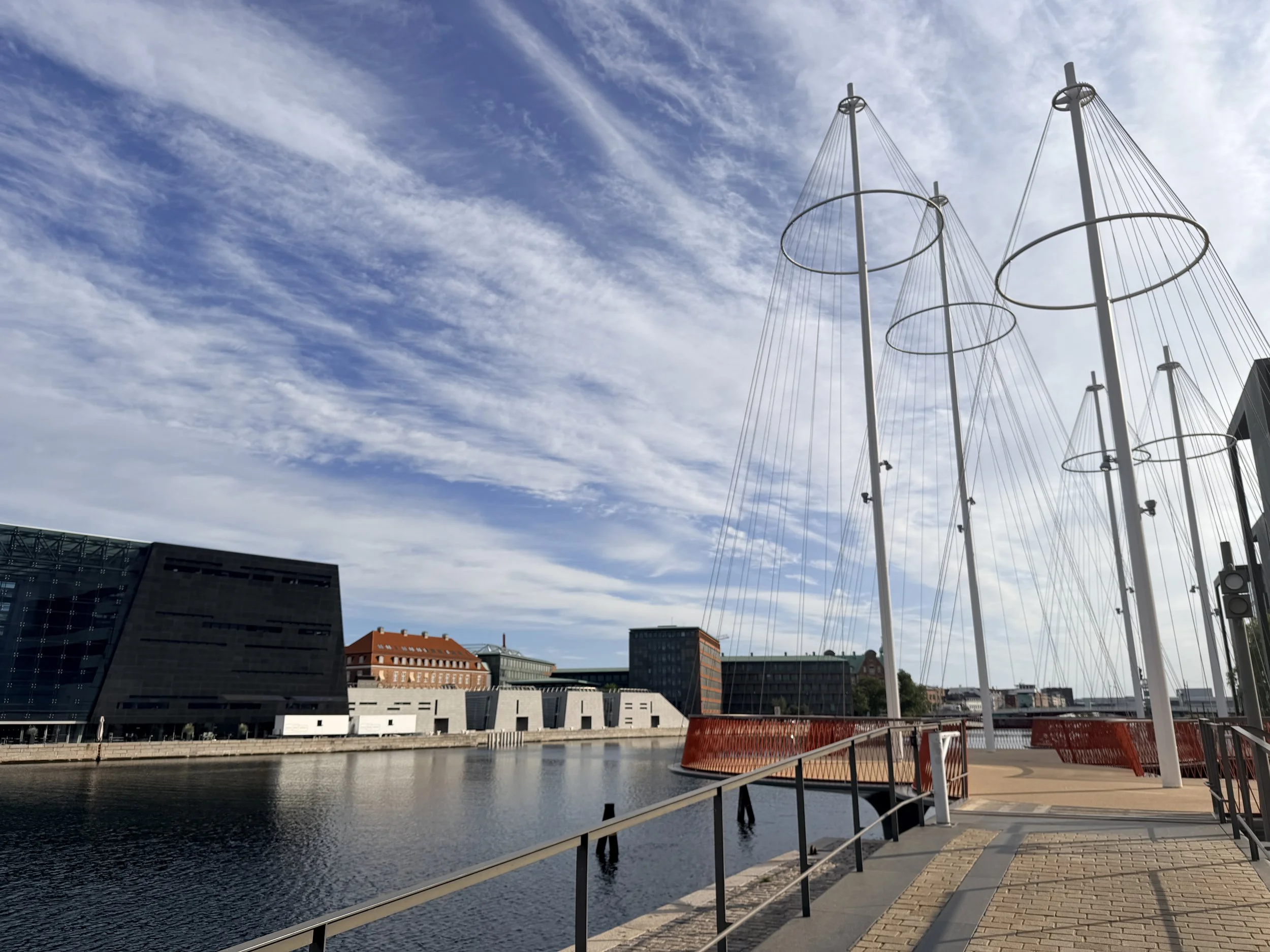
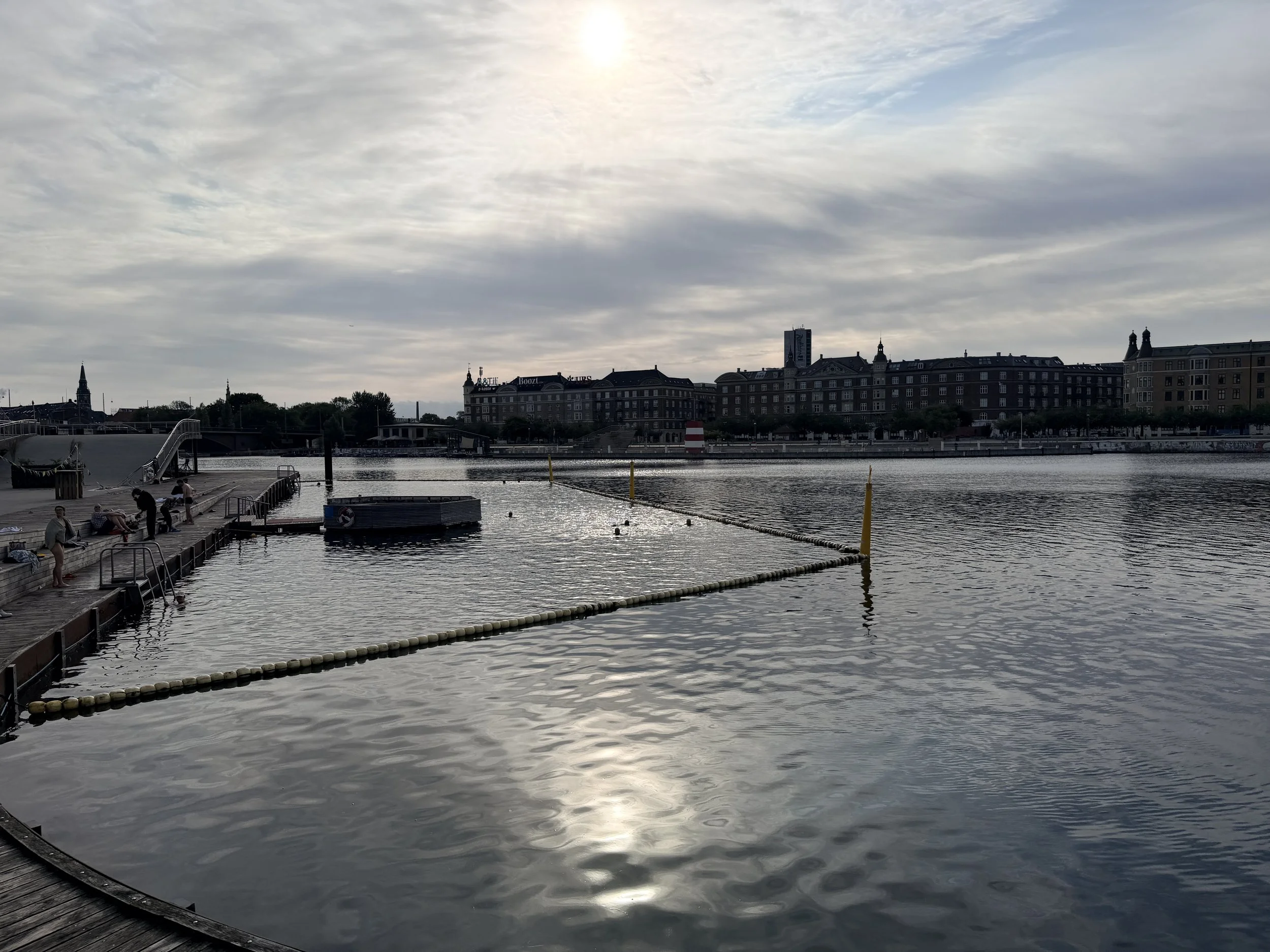
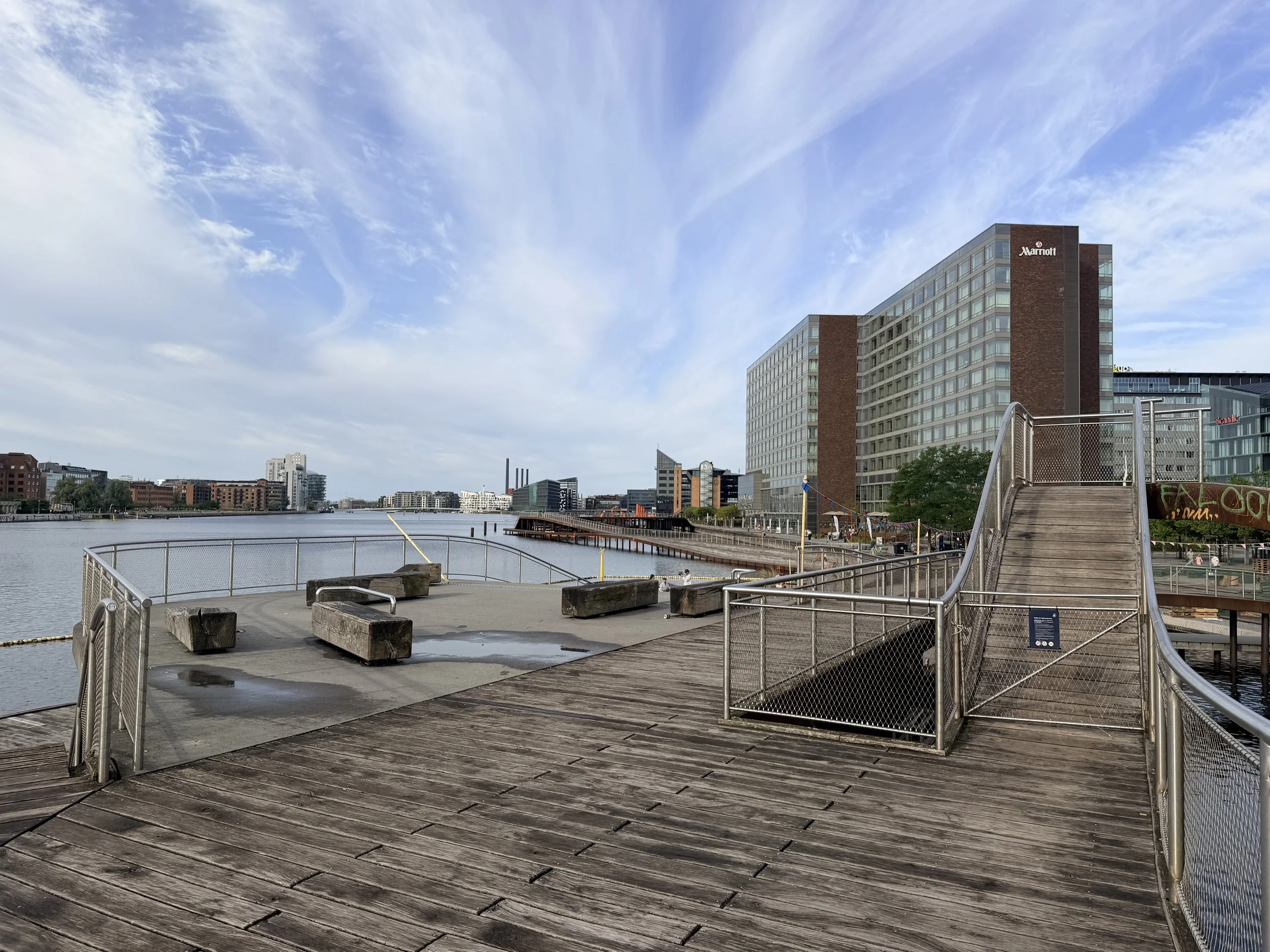
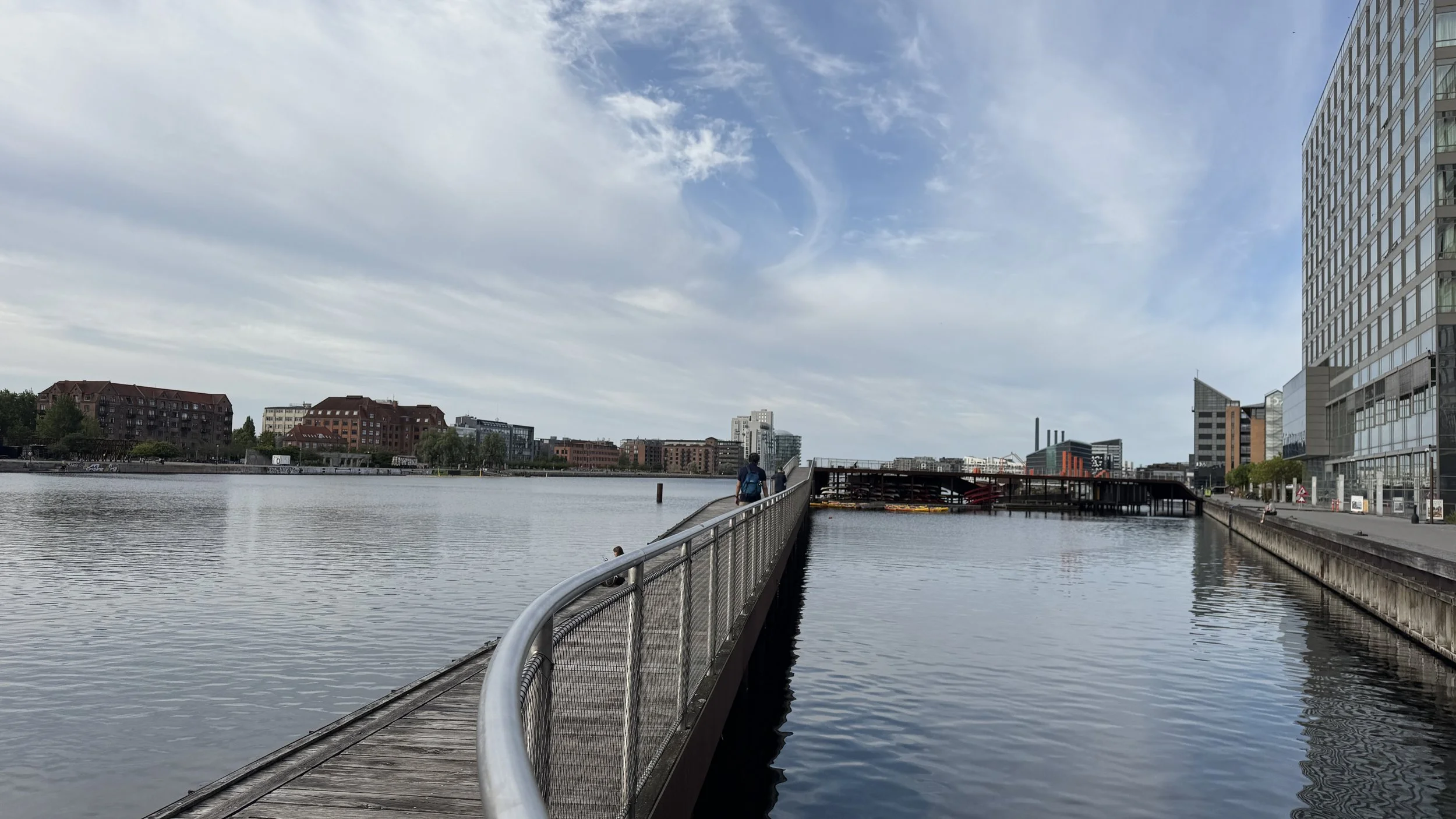
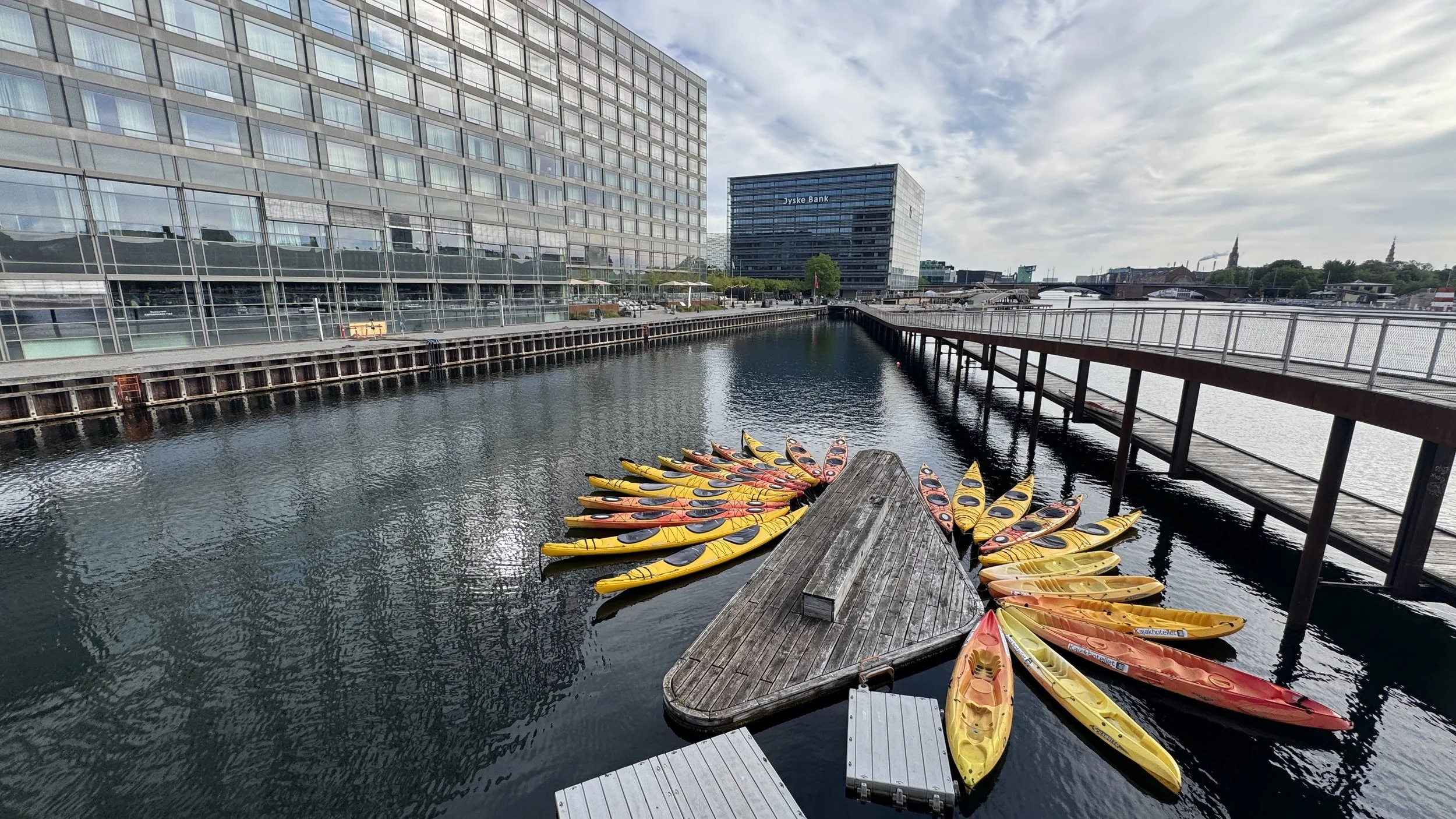
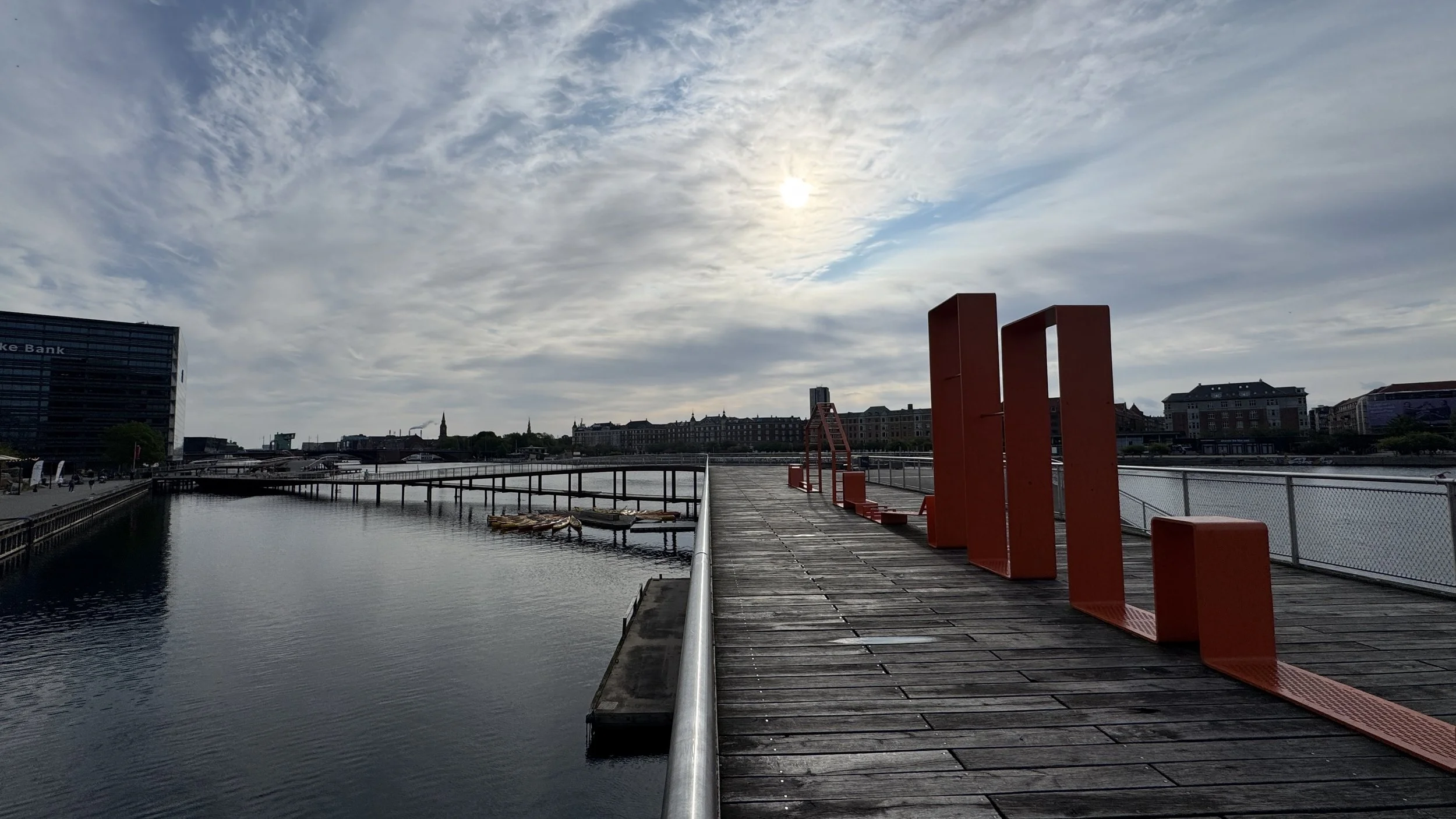
We were planning a day trip outside the city. After breakfast, we had plenty of time before our train, so we decided to walk to the main train station along the river. This stretch of the waterfront was lined with swimming areas and broad promenades for walking and cycling. There were noticeably fewer tourists here, giving us a chance to experience another side of Copenhagen and get a glimpse of everyday local life.
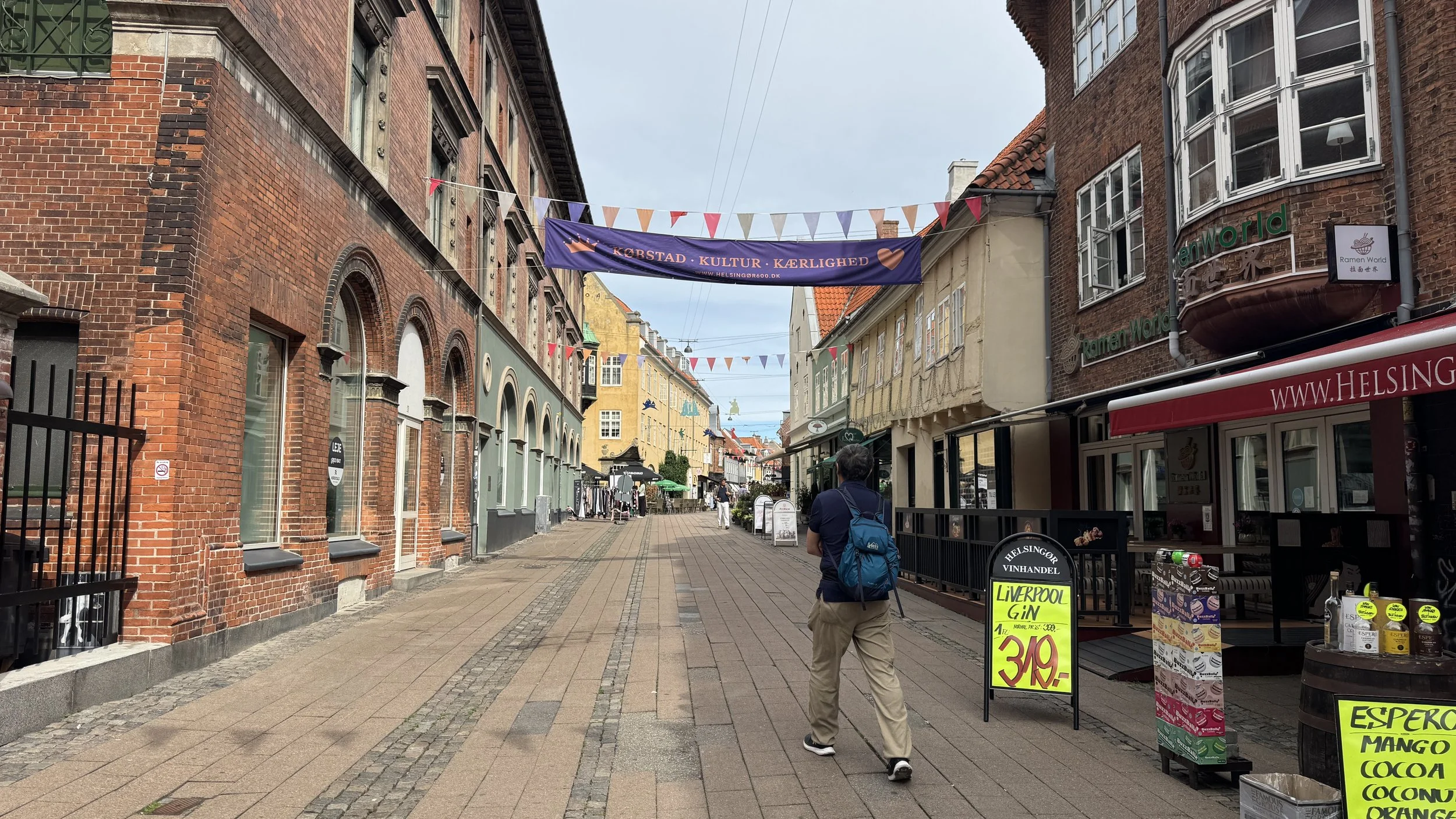
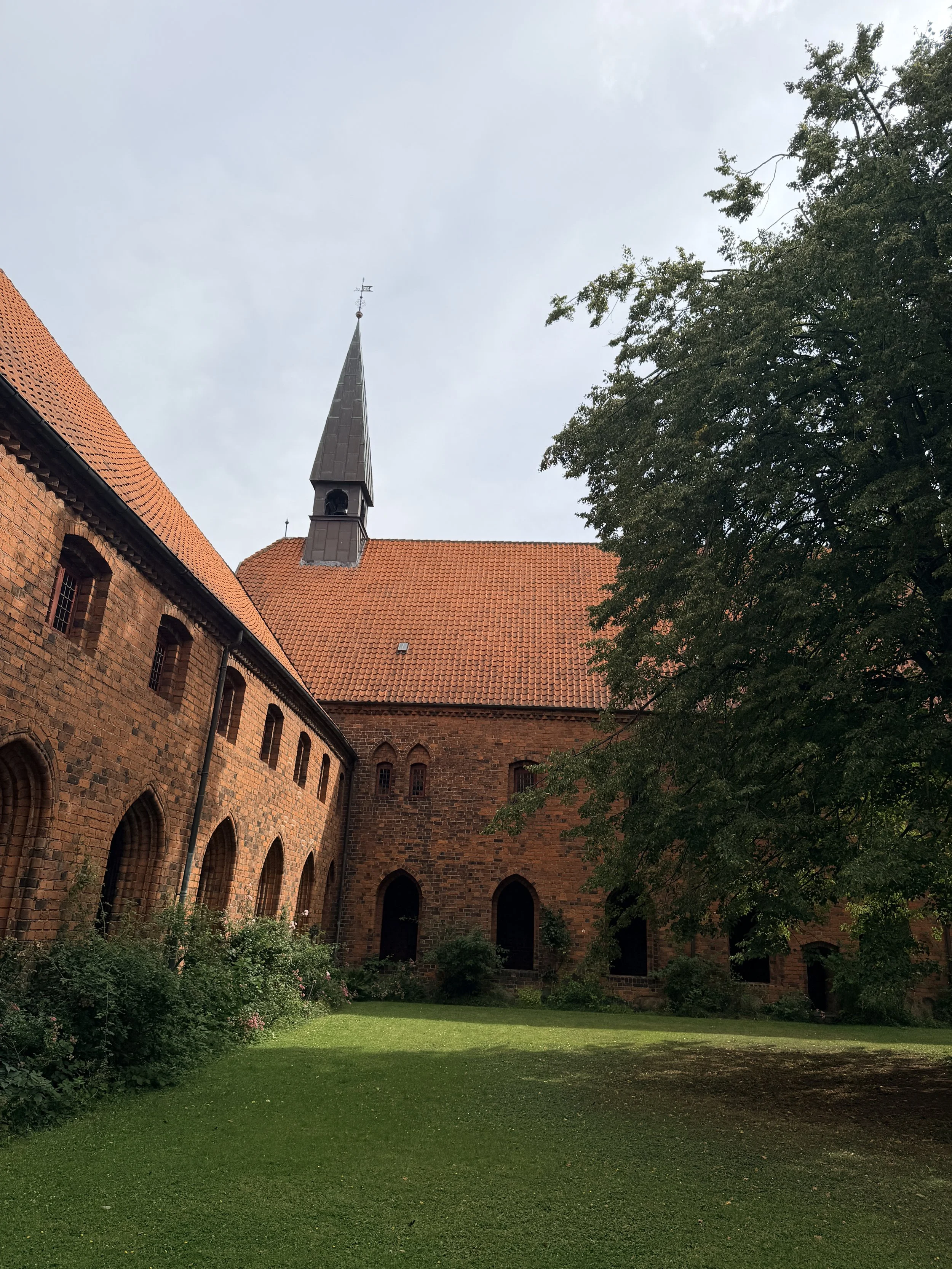
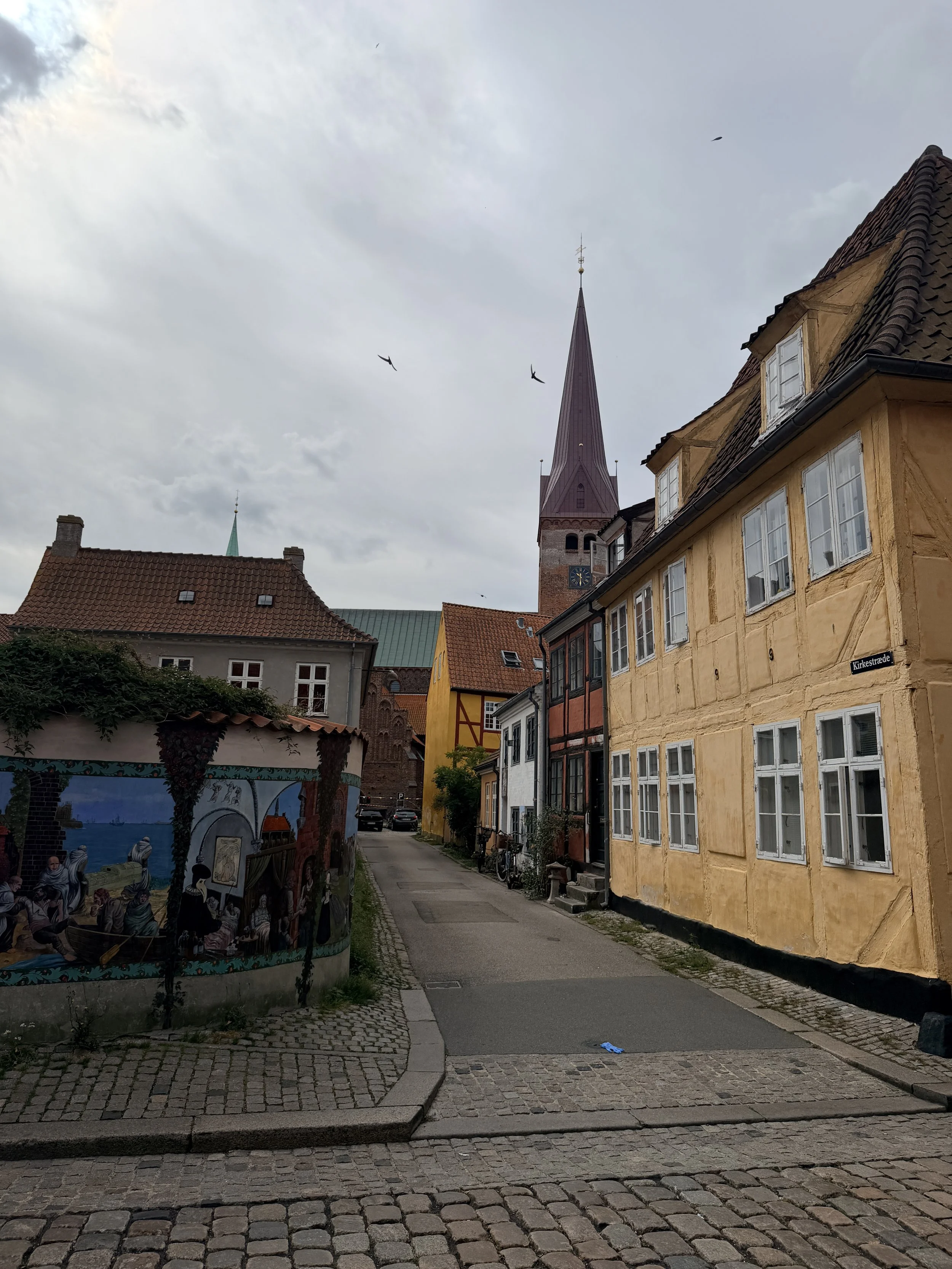
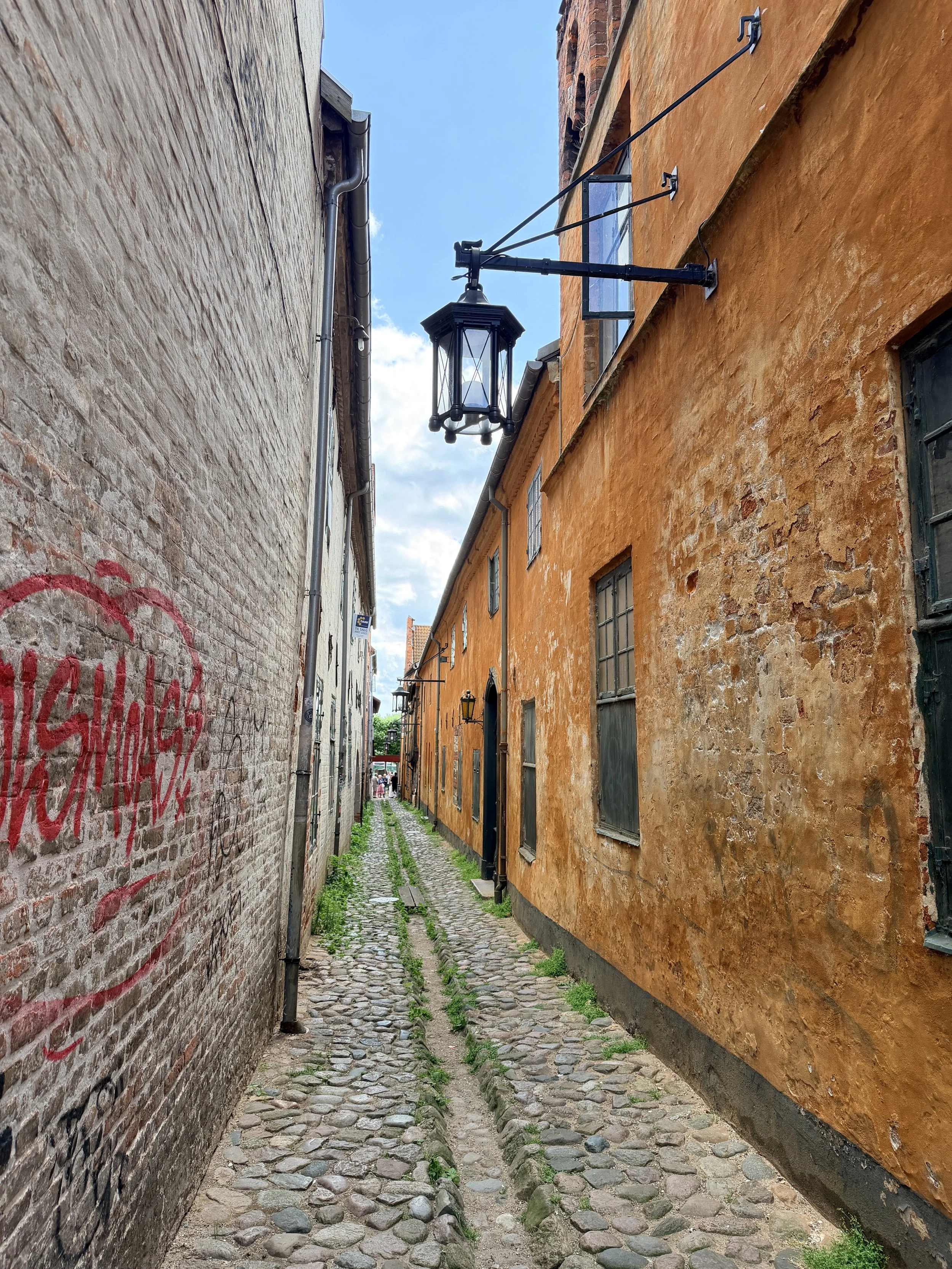
We took a train out of Copenhagen to visit Kronborg Castle. After about an hour, we arrived in the seaside town of Helsingør. The town was especially peaceful in the morning, with hardly anyone on the streets. On our way to the castle, we happened upon St. Mary’s Church (Sct. Mariæ Kirke). Originally built in the 15th century as part of a Carmelite monastery, the church and its adjoining monastery are considered one of the best-preserved medieval monastic complexes in Northern Europe.
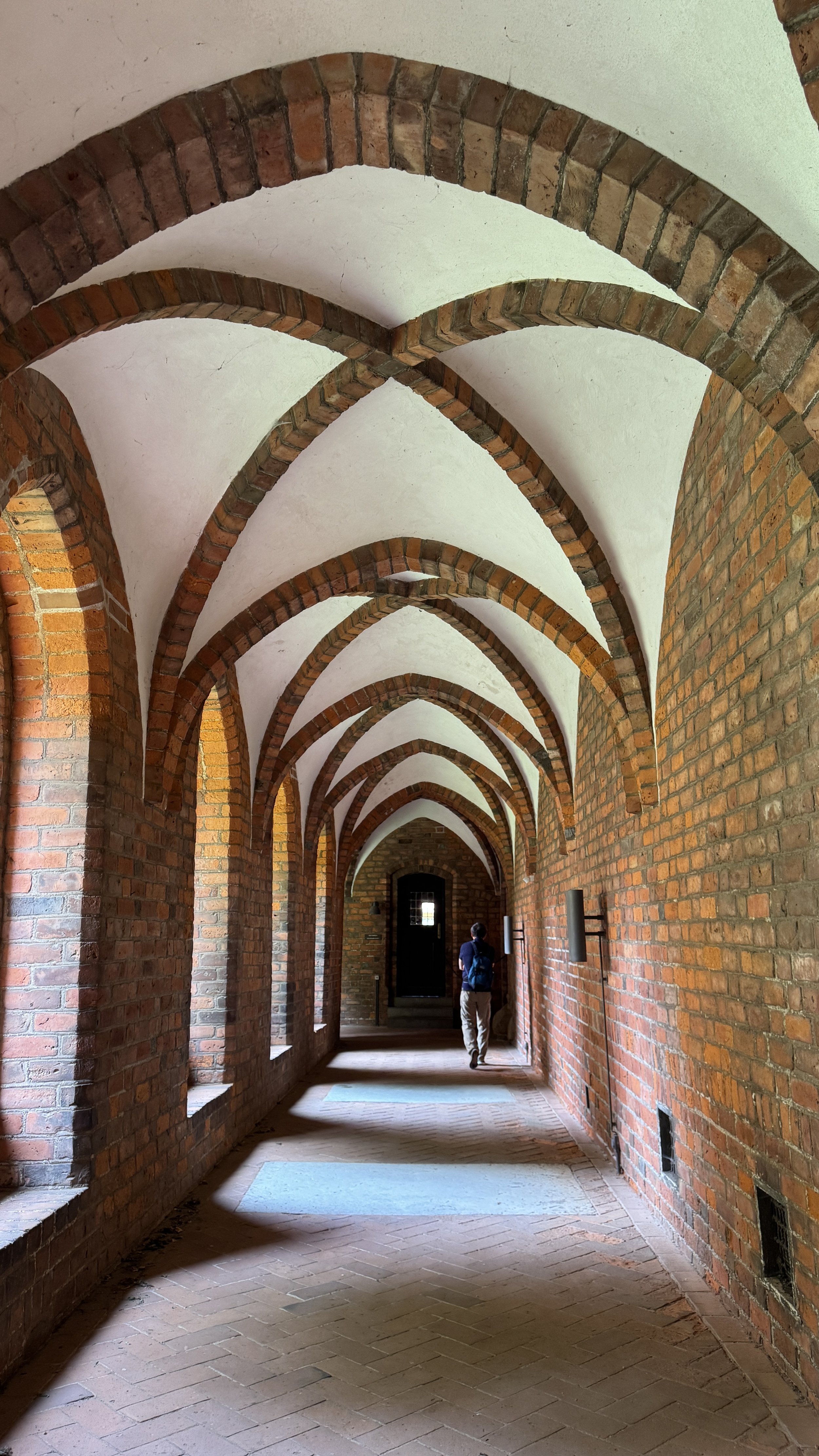
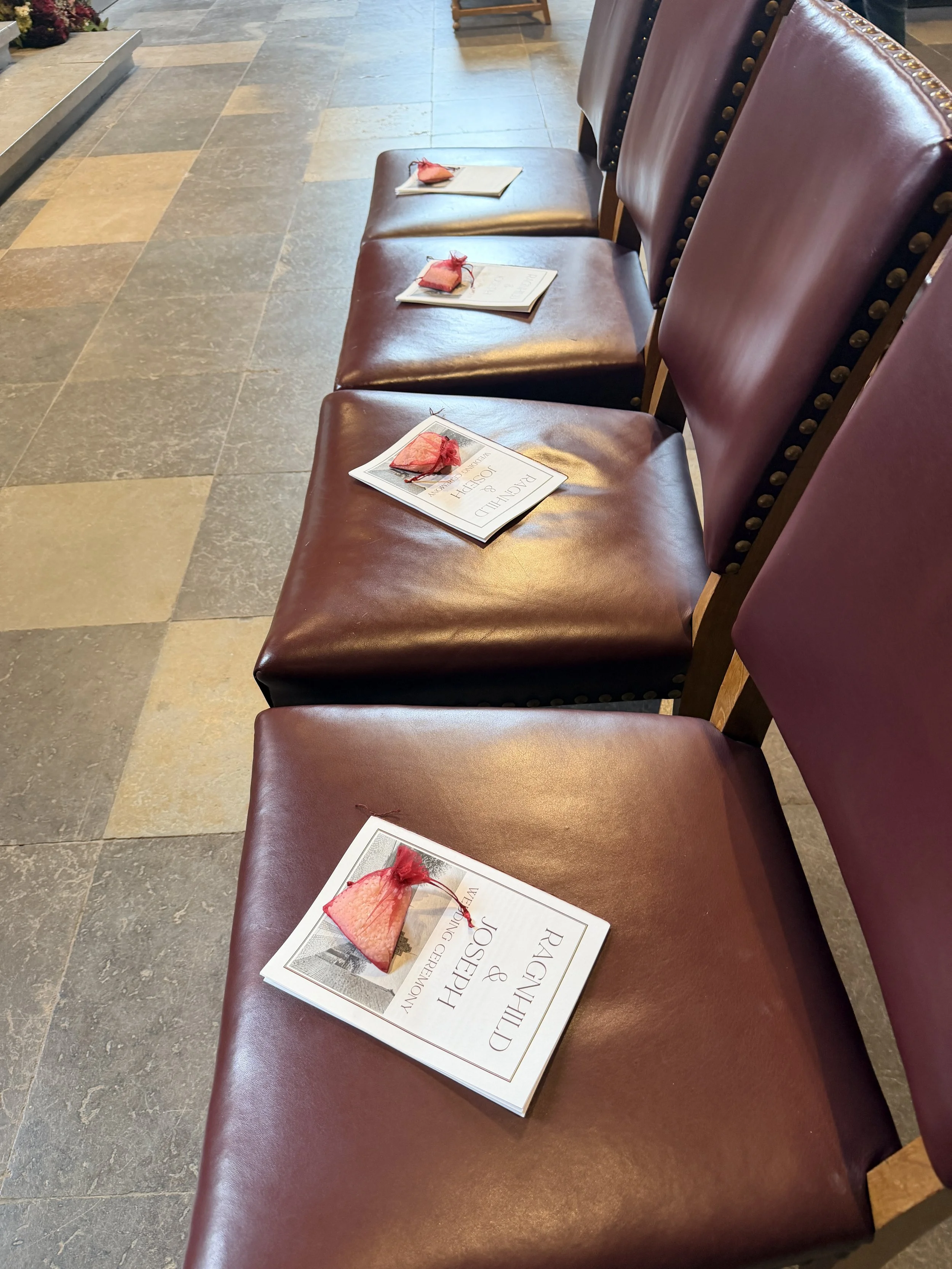
The interior of the church was both solemn and elegant, with painted vaulted ceilings, centuries-old wood carvings, and an ornate altar that reflected its long history. The deep, resonant sound of the pipe organ echoed through the church. We soon realized that the staff were making final preparations for a wedding to be held there at noon.
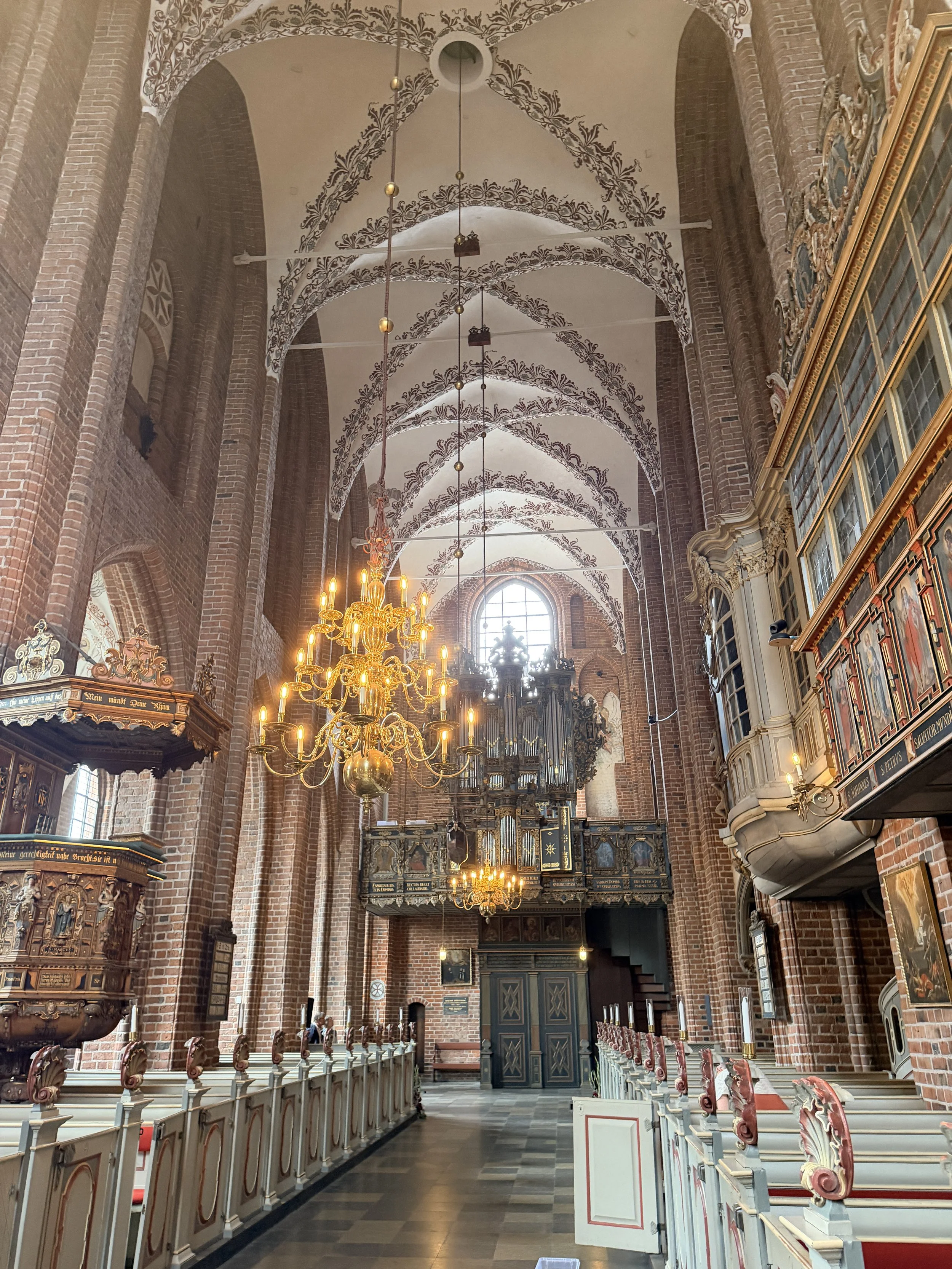
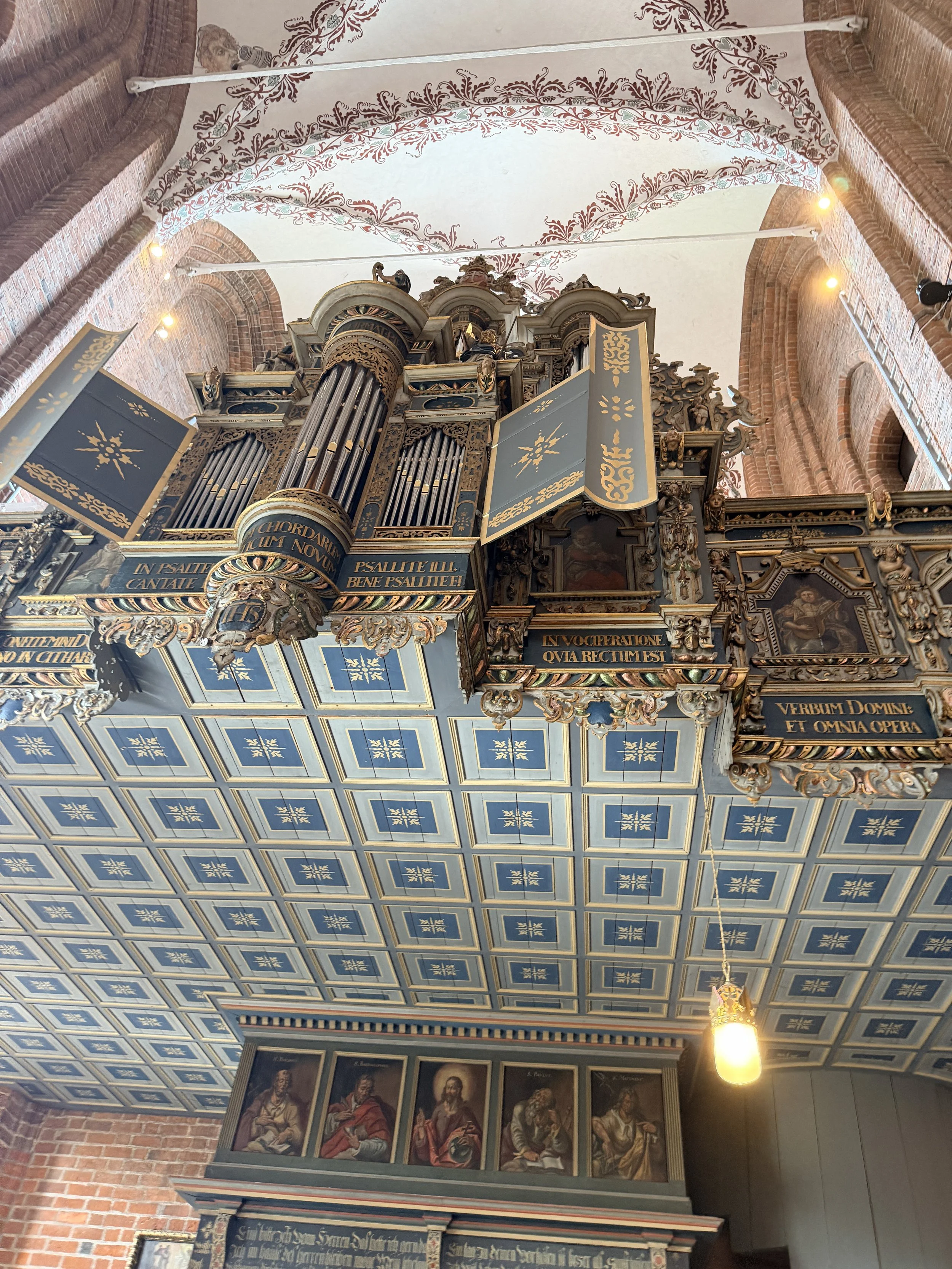
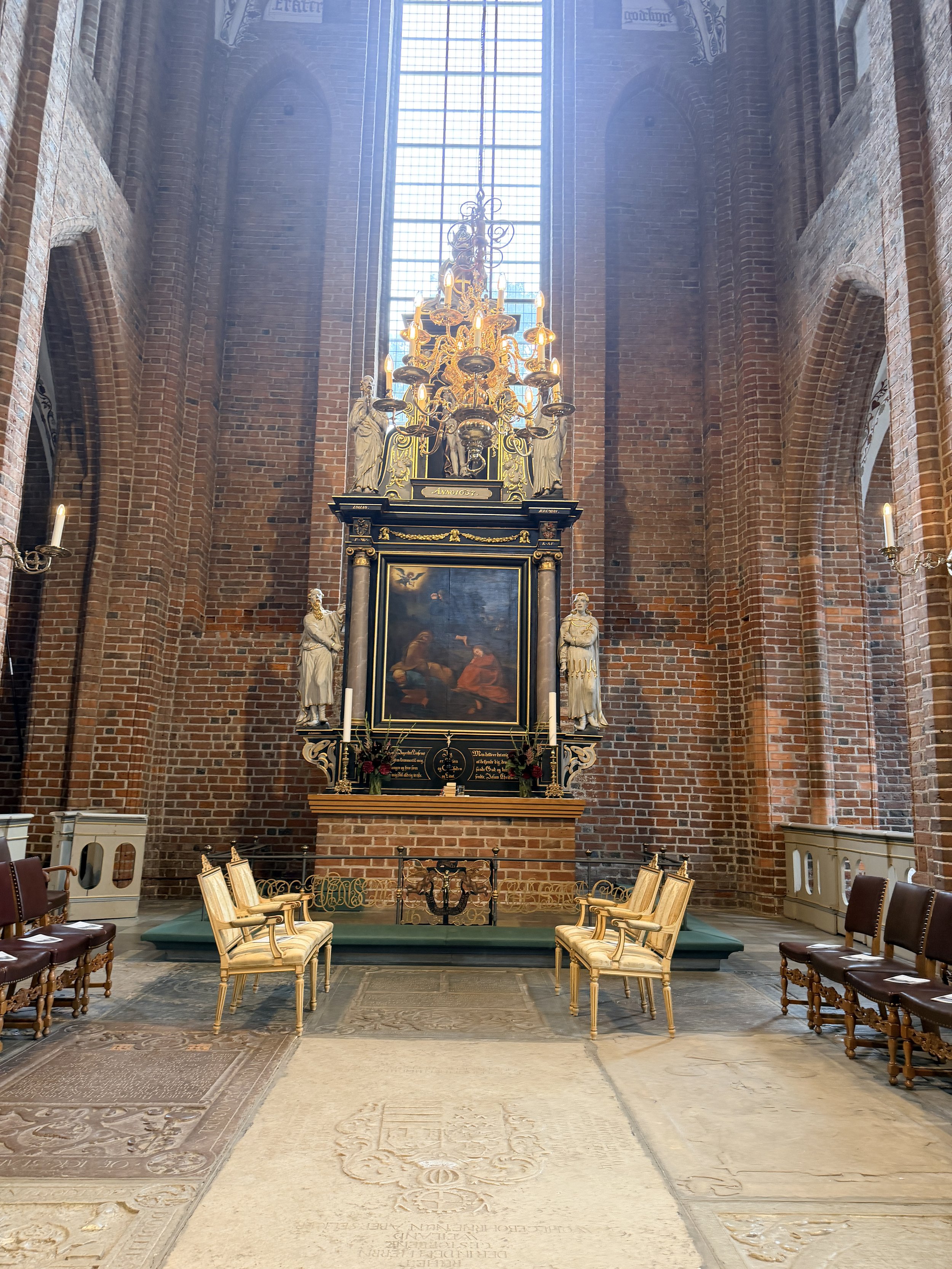
The church also has a fascinating connection to music history. The renowned 17th-century organist and composer Dieterich Buxtehude once served as organist here. He later moved to Lübeck, Germany, where his extraordinary playing and compositions greatly impressed the young Johann Sebastian Bach. In 1705, at just 20 years old, Bach famously traveled more than 400 kilometers on foot to Lübeck to hear Buxtehude perform and to learn from him. The experience had a lasting influence on Bach’s own musical development. Standing inside this historic church and listening to the deep, majestic tones of the organ, it was easy to imagine that remarkable musical connection spanning more than three centuries.
From the town of Helsingør, it was only a 10- to 15-minute walk to Kronborg Castle. A UNESCO World Heritage Site, Kronborg is renowned for its magnificent Renaissance architecture and its important role in Northern European history. Yet for many visitors today, the castle is just as famous for its connection to Shakespeare’s Hamlet, one of the best-known plays in the world.
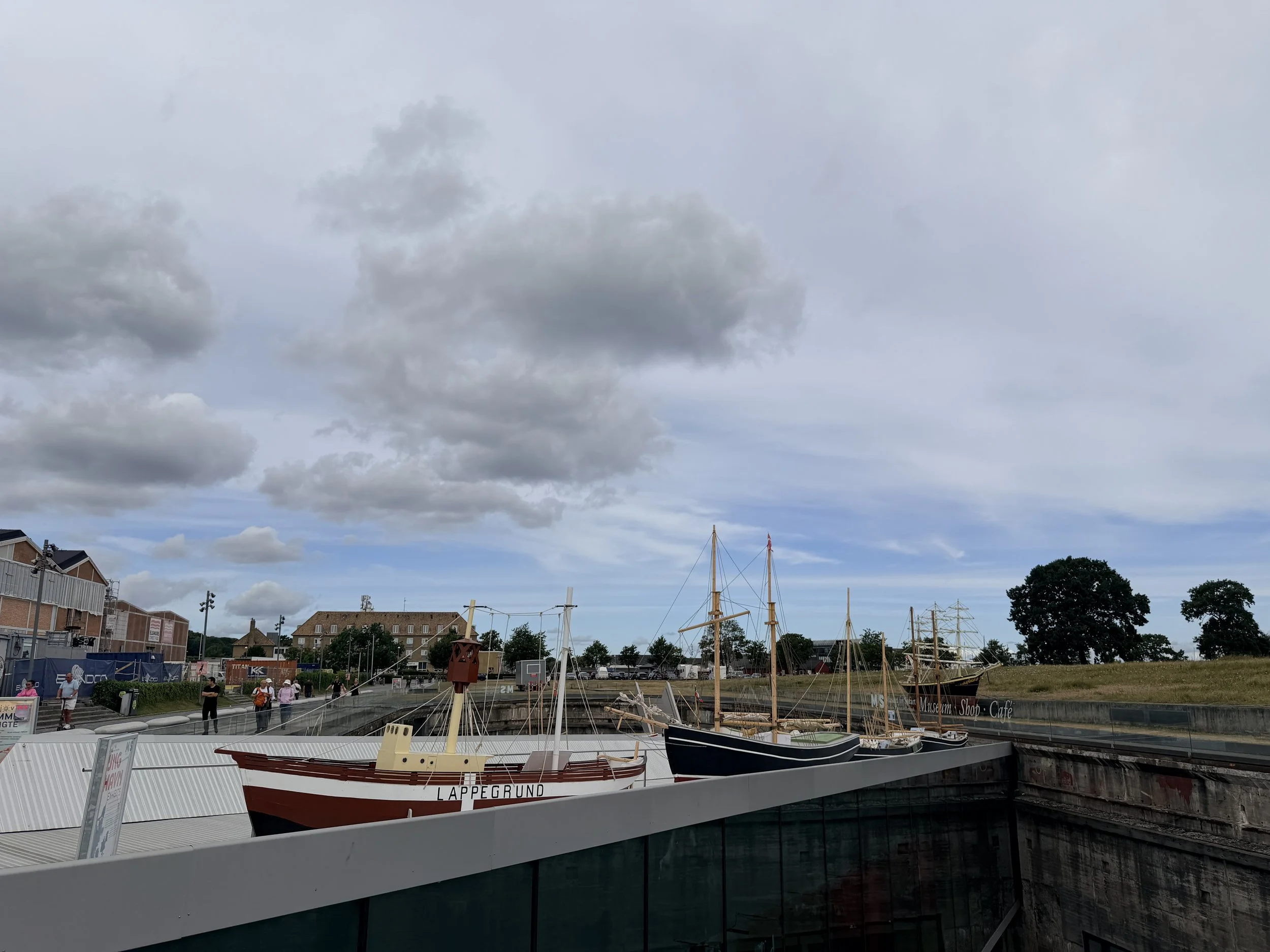
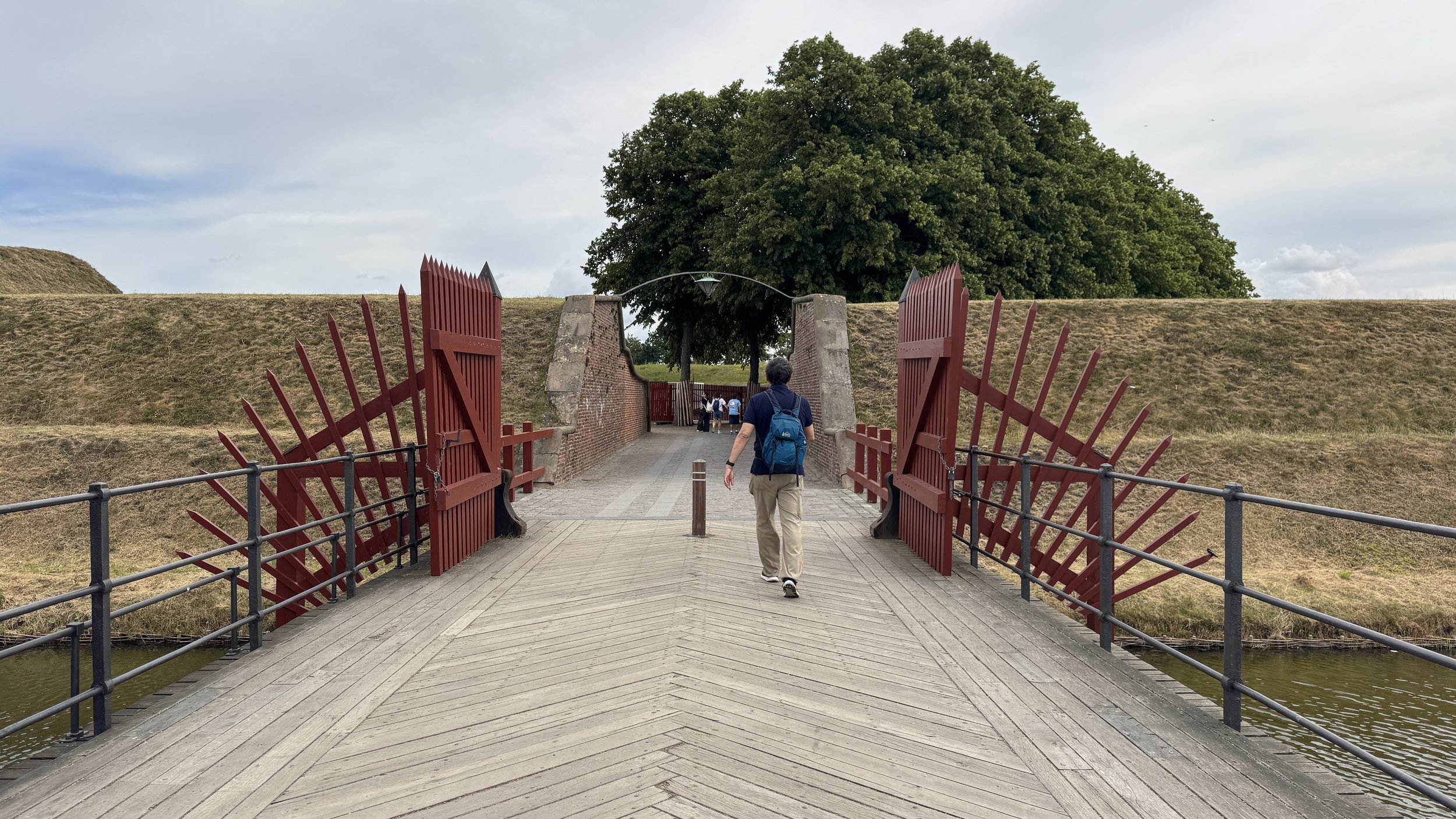
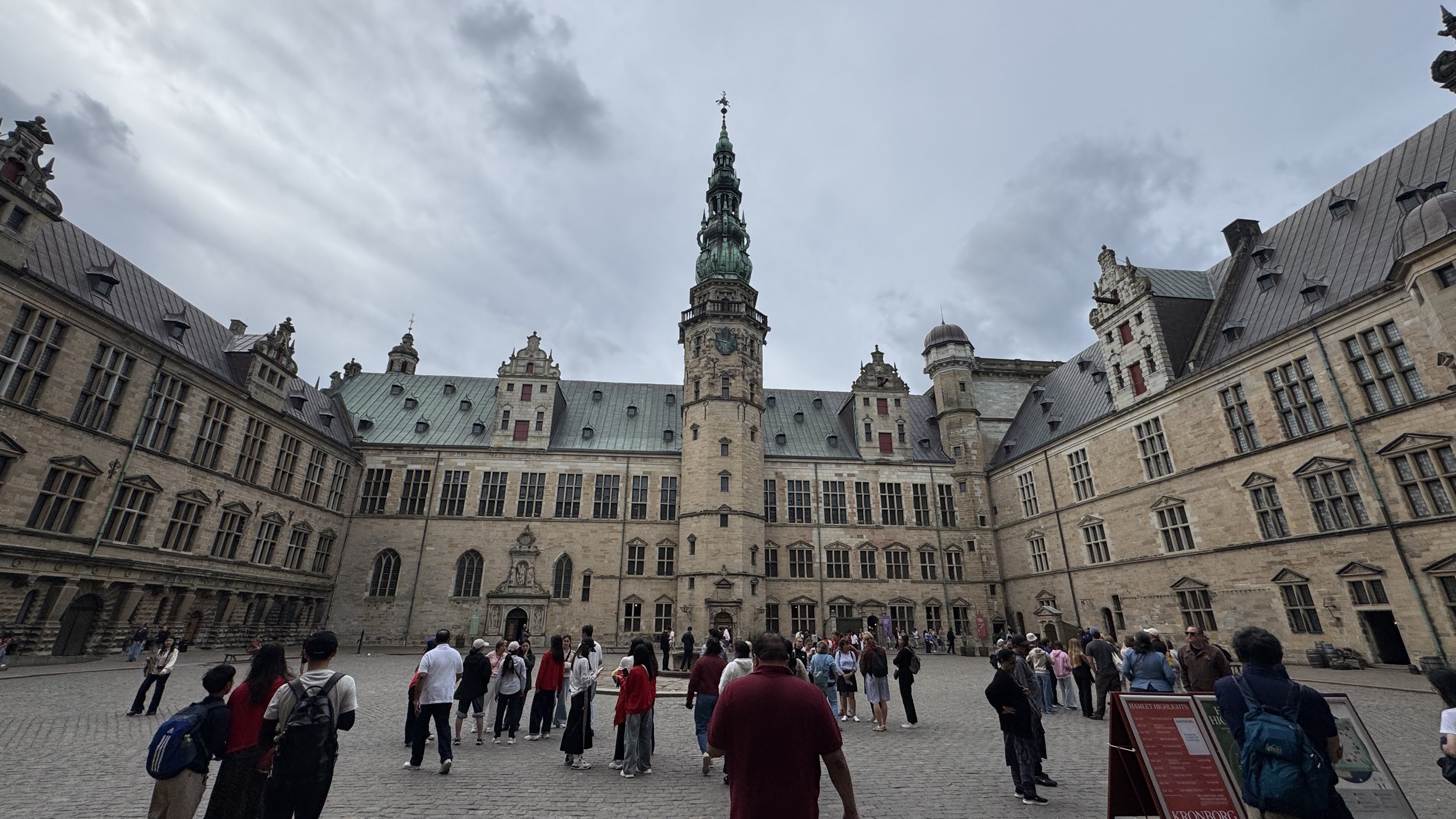
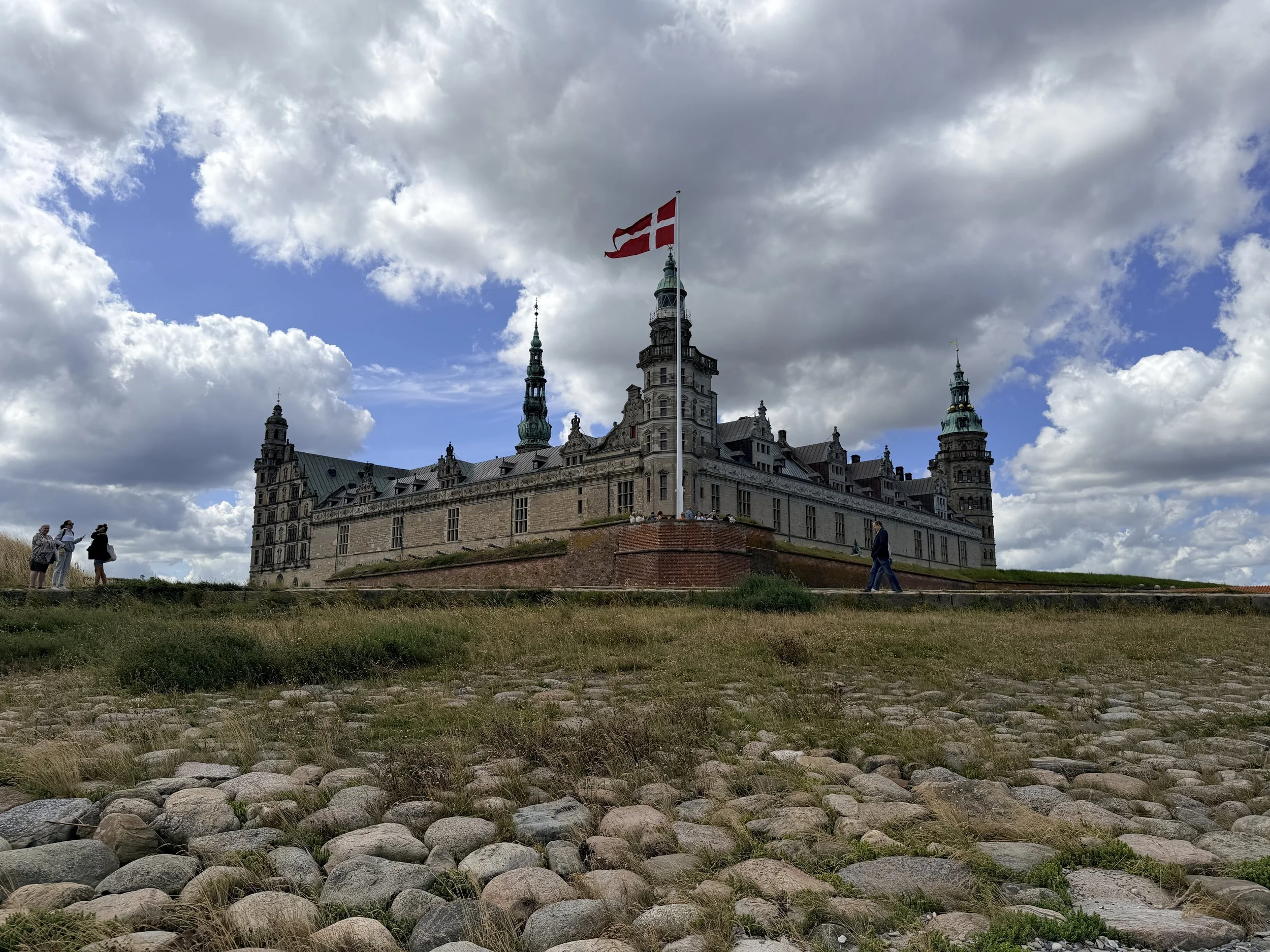
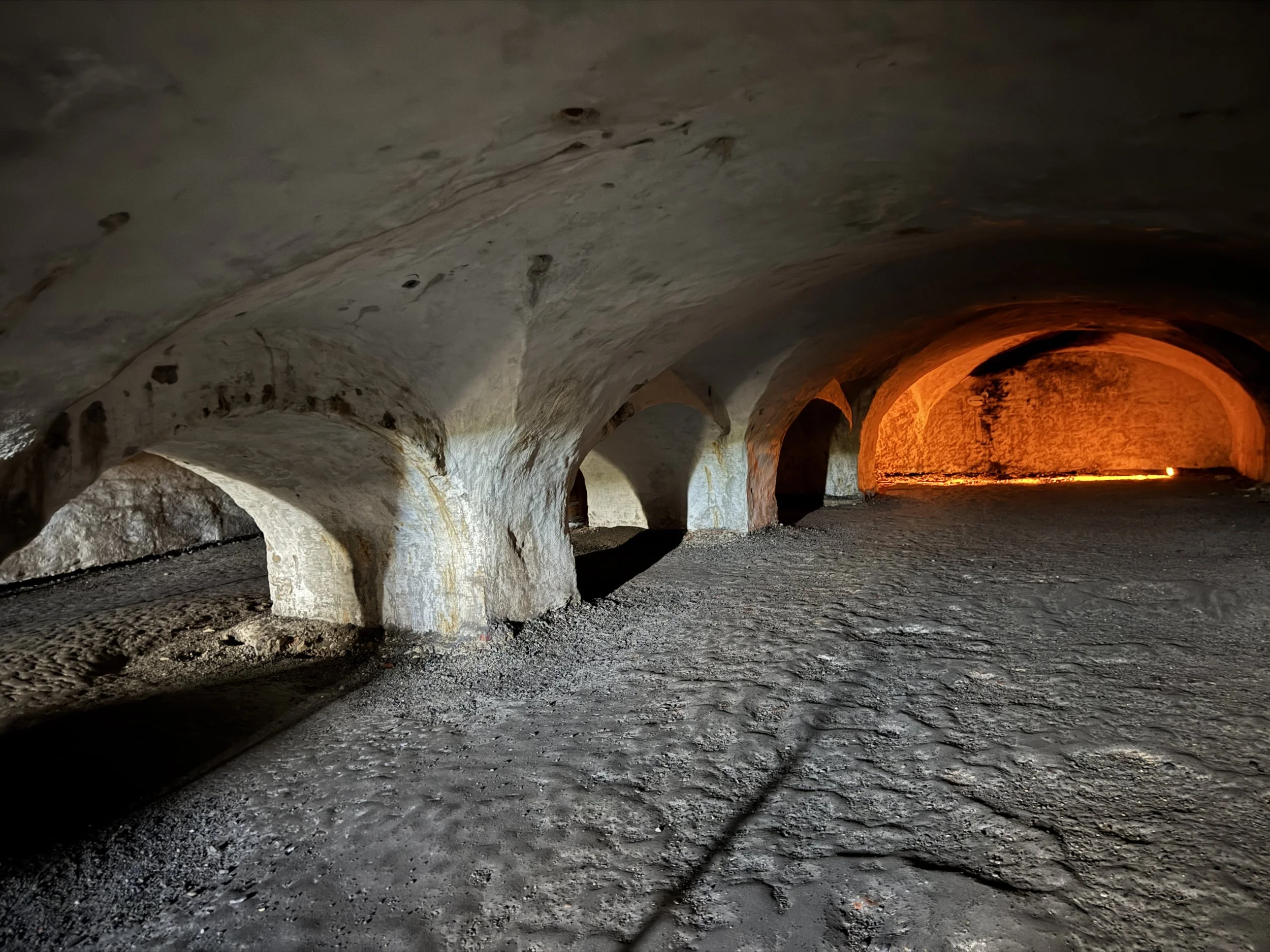
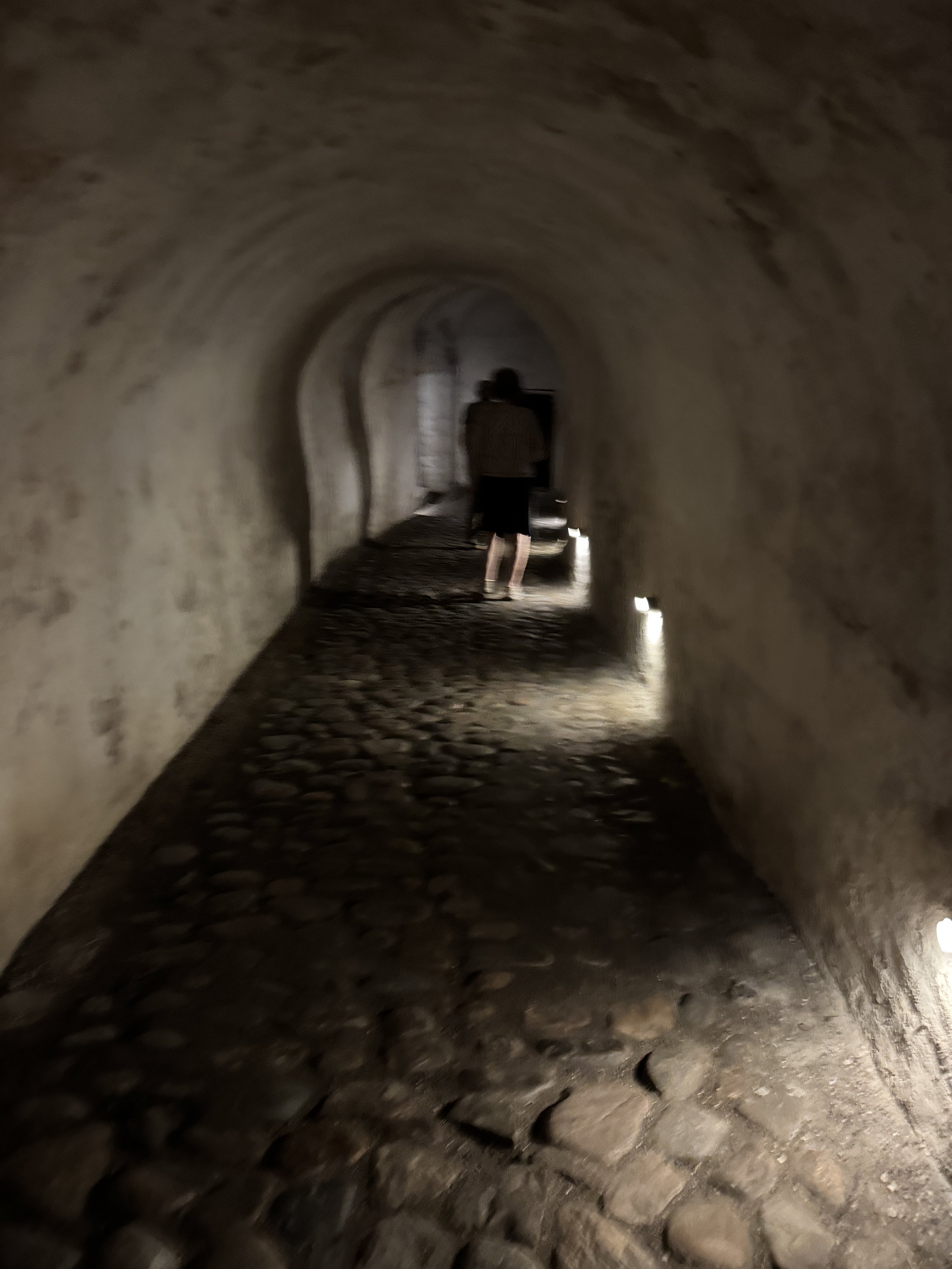
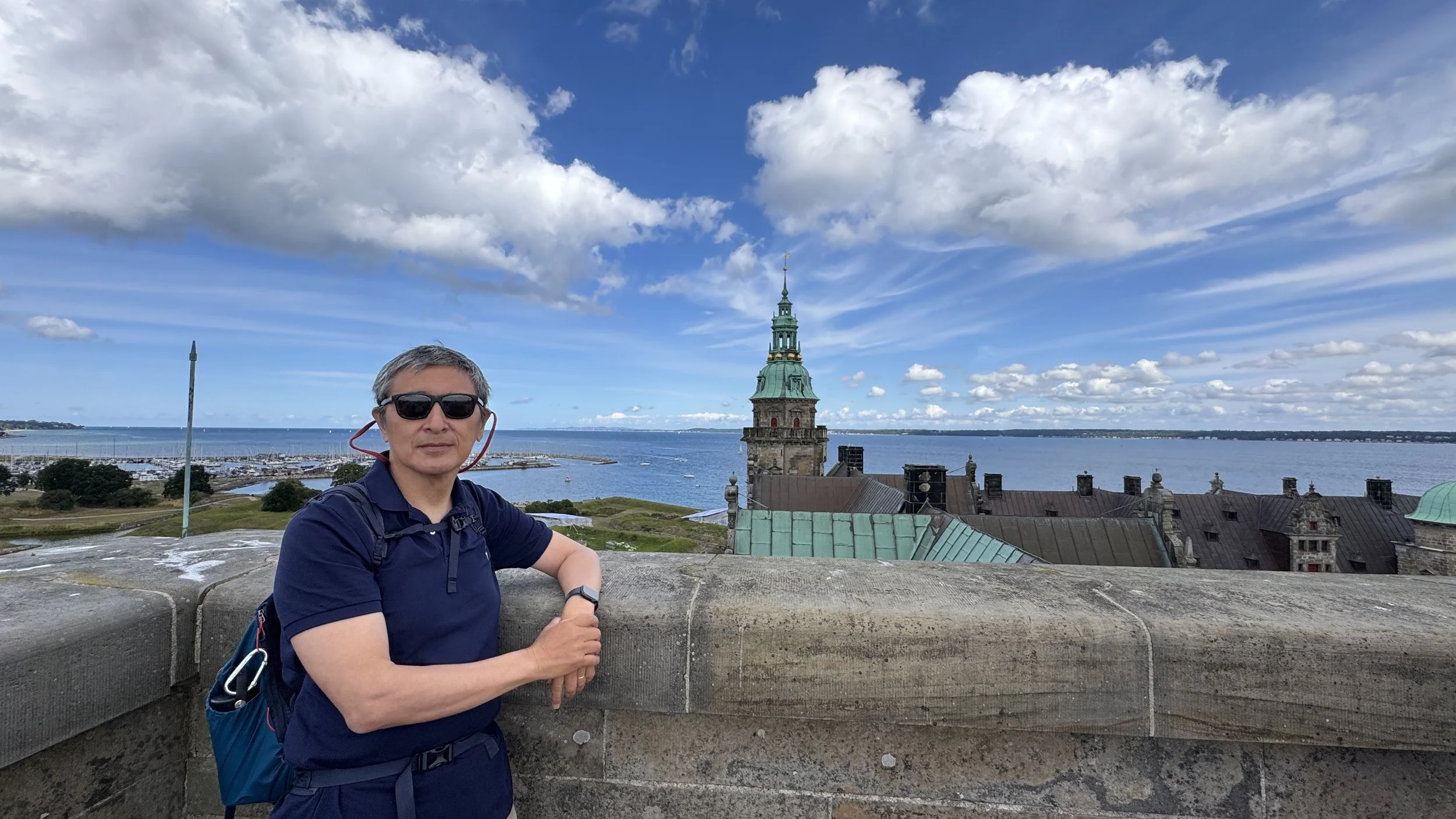
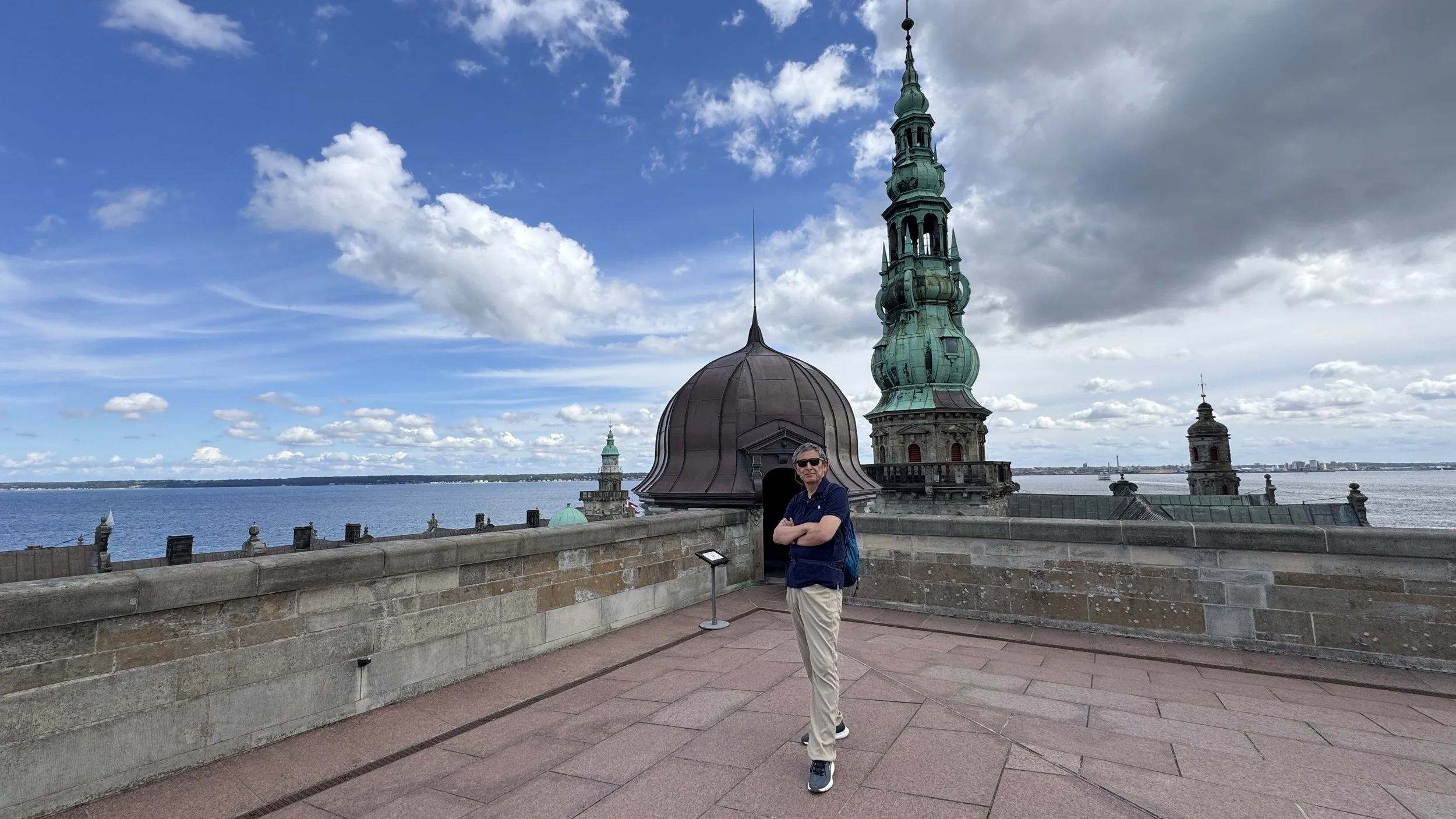
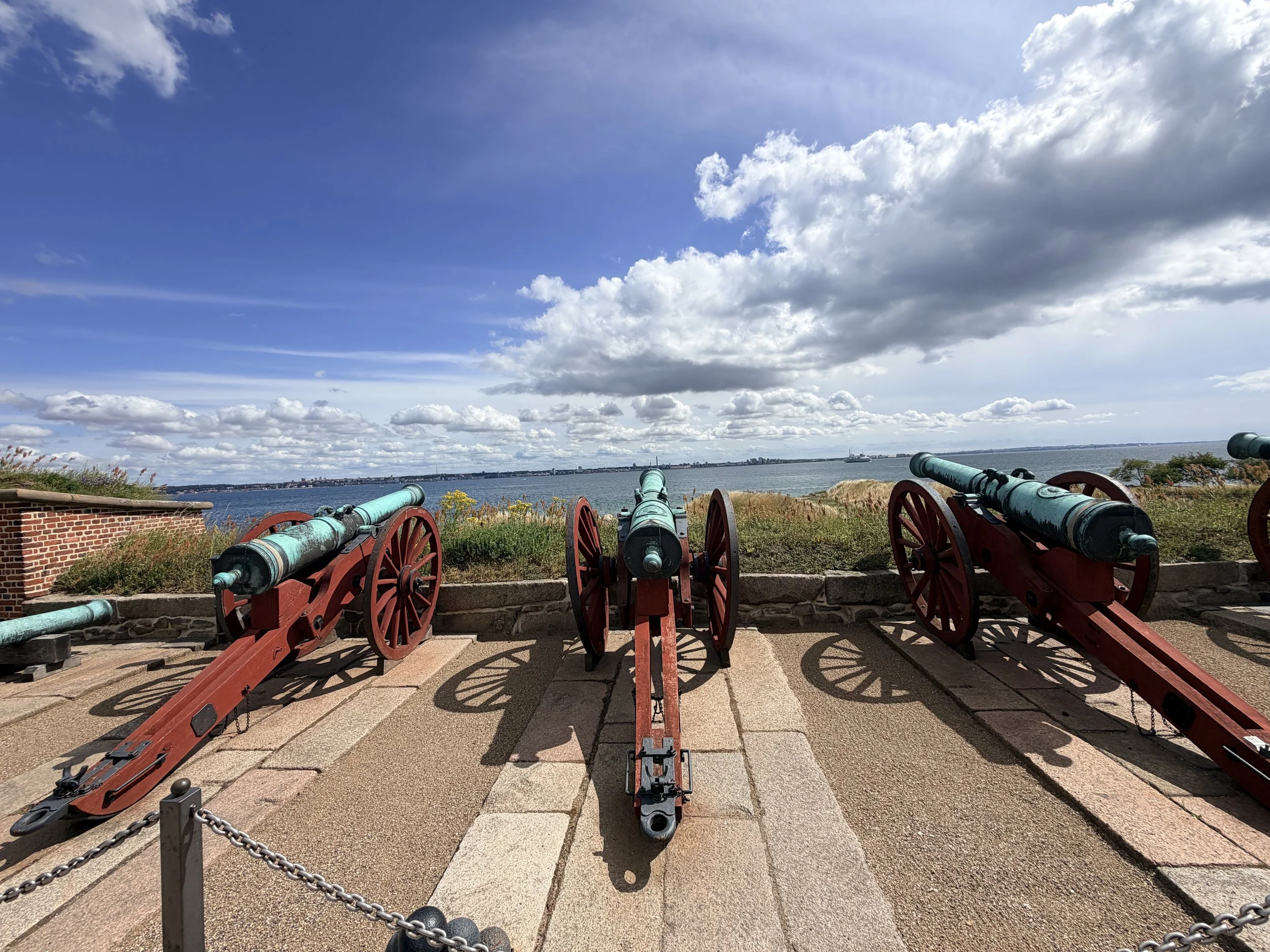
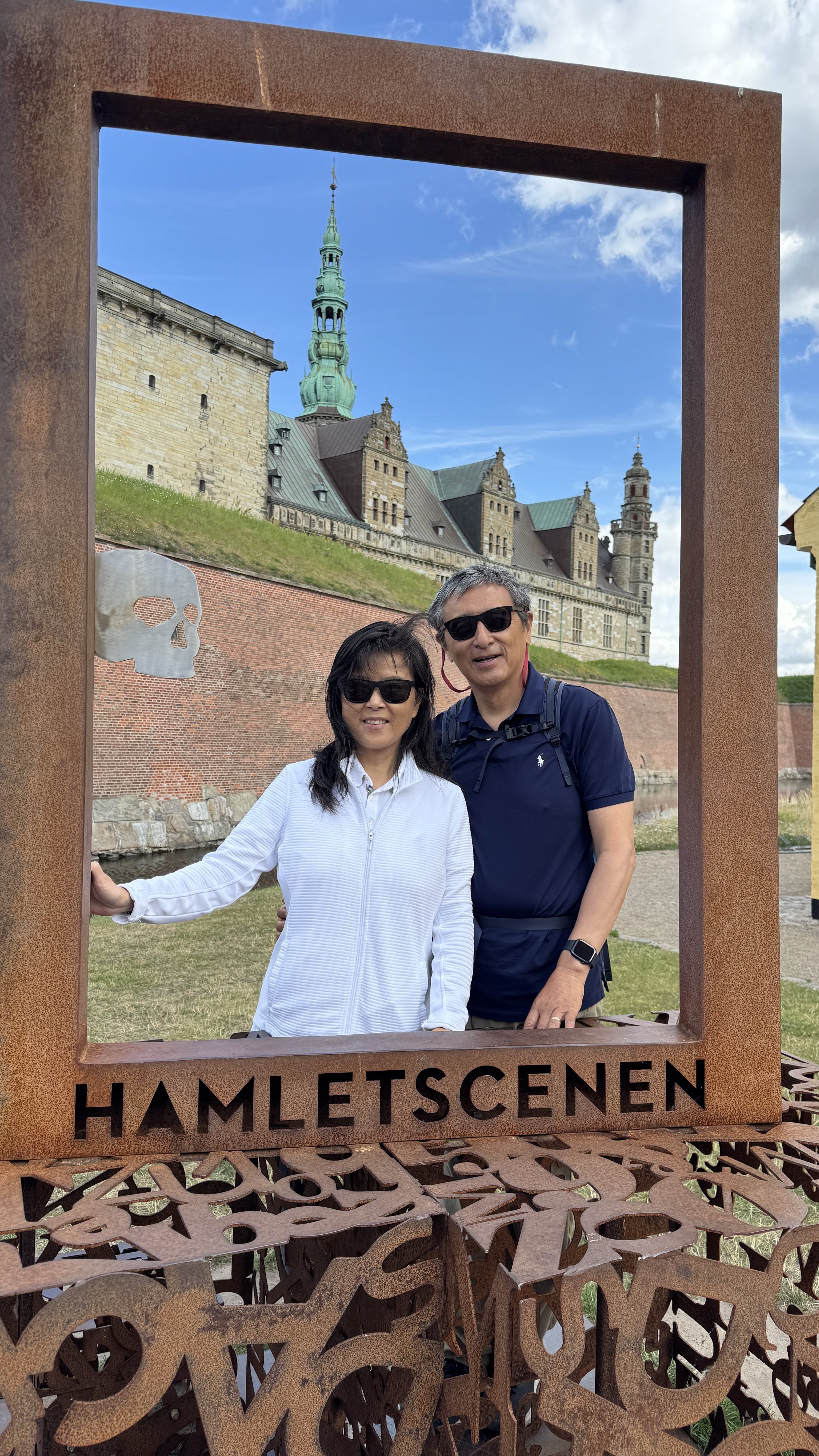
The story of Hamlet was inspired by the legendary Danish figure Amleth, and Shakespeare set his tragedy at Kronborg Castle. We joined a short English-language guided tour that introduced us to the castle’s history and its literary connection. We also learned an interesting bit of trivia: the name “Hamlet” looks almost like “Amleth” with the letter H moved from the end to the beginning.
Shakespeare himself never visited Denmark, let alone Kronborg Castle, but his play forever linked this Danish fortress with one of the greatest tragedies in world literature. That connection remains very much alive today. Throughout the day, actors staged short scenes from Hamlet in the castle courtyard, bringing Shakespeare’s timeless tragedy to life within the very walls where he imagined the story taking place.
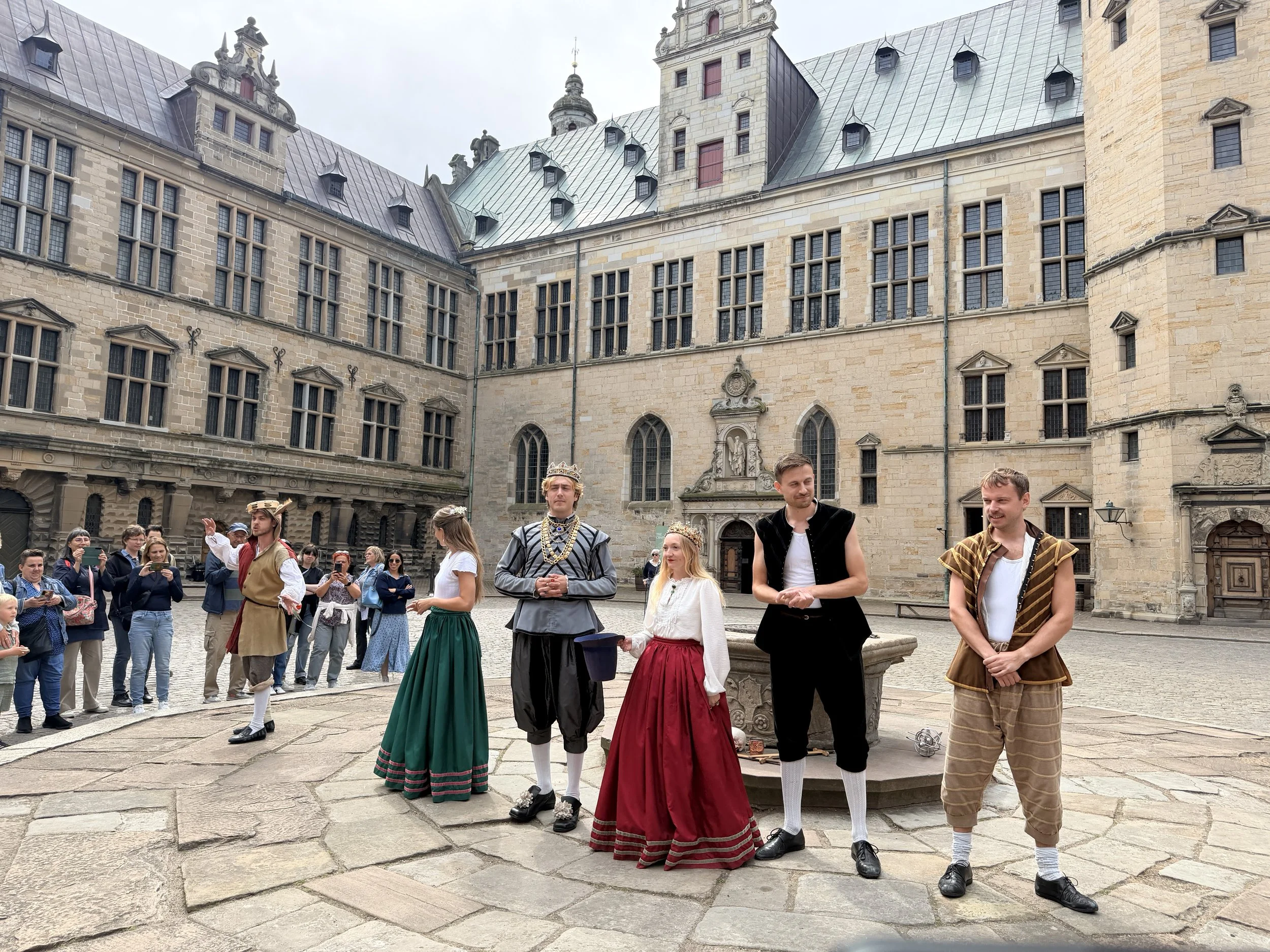
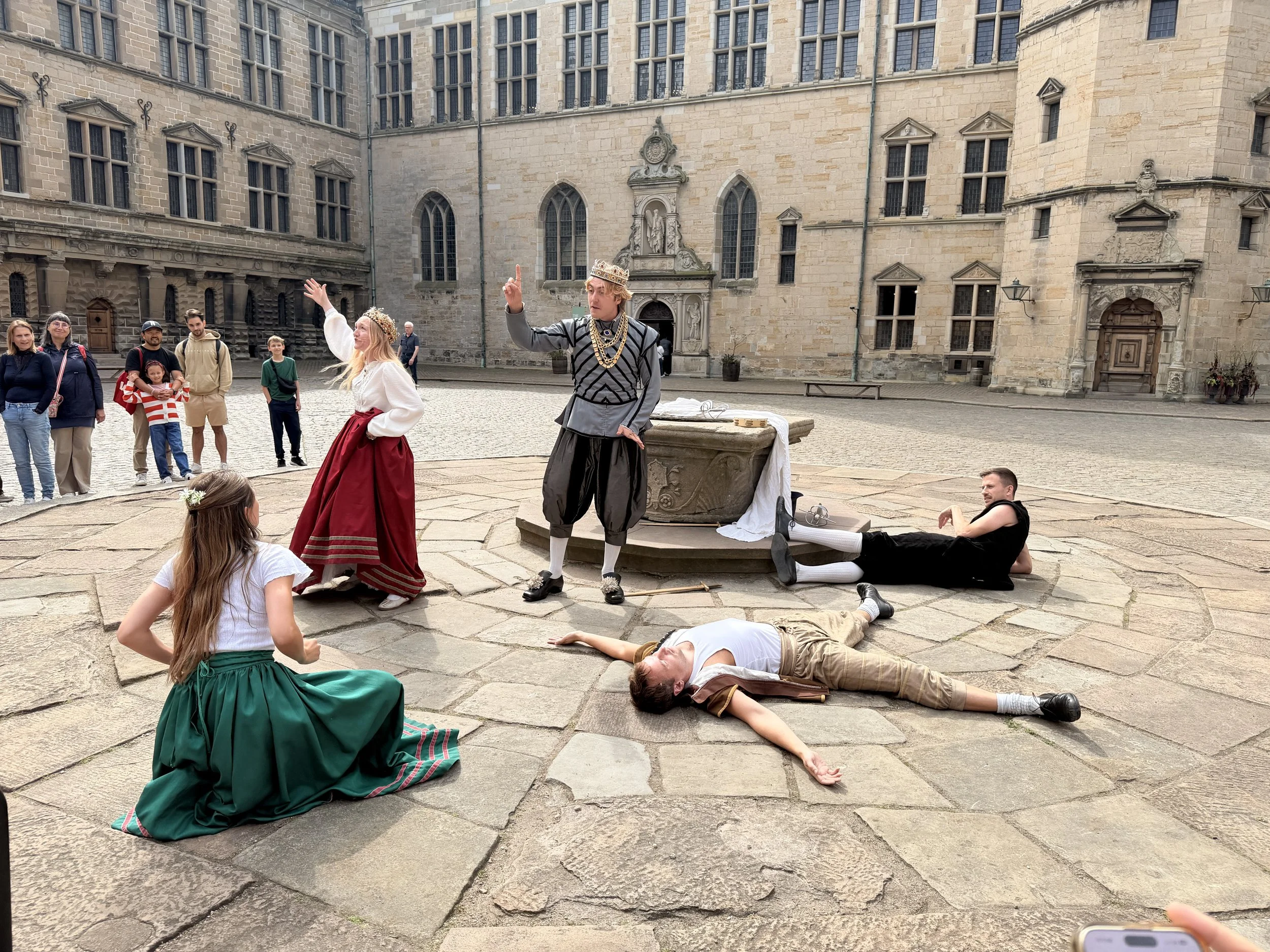
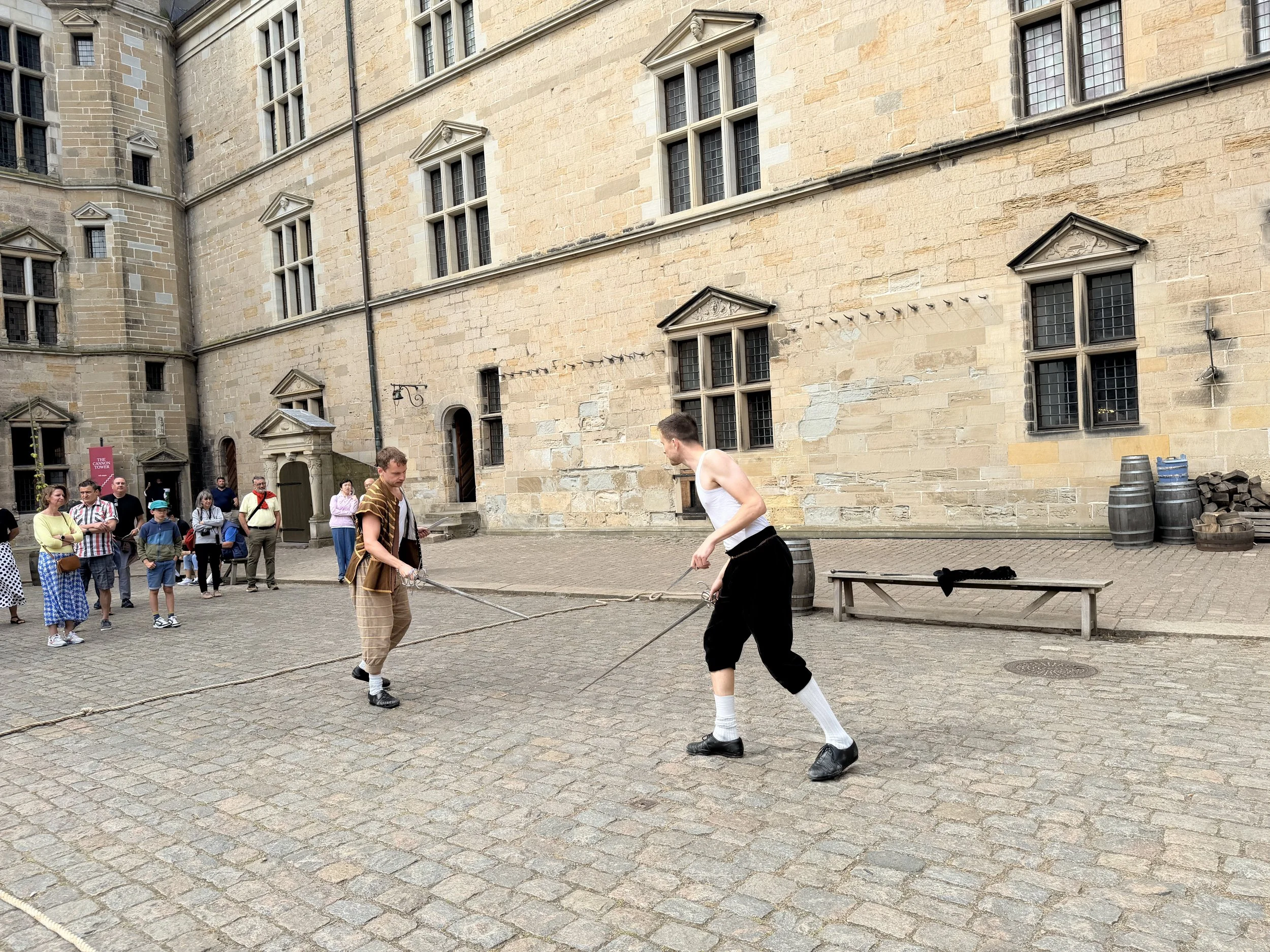
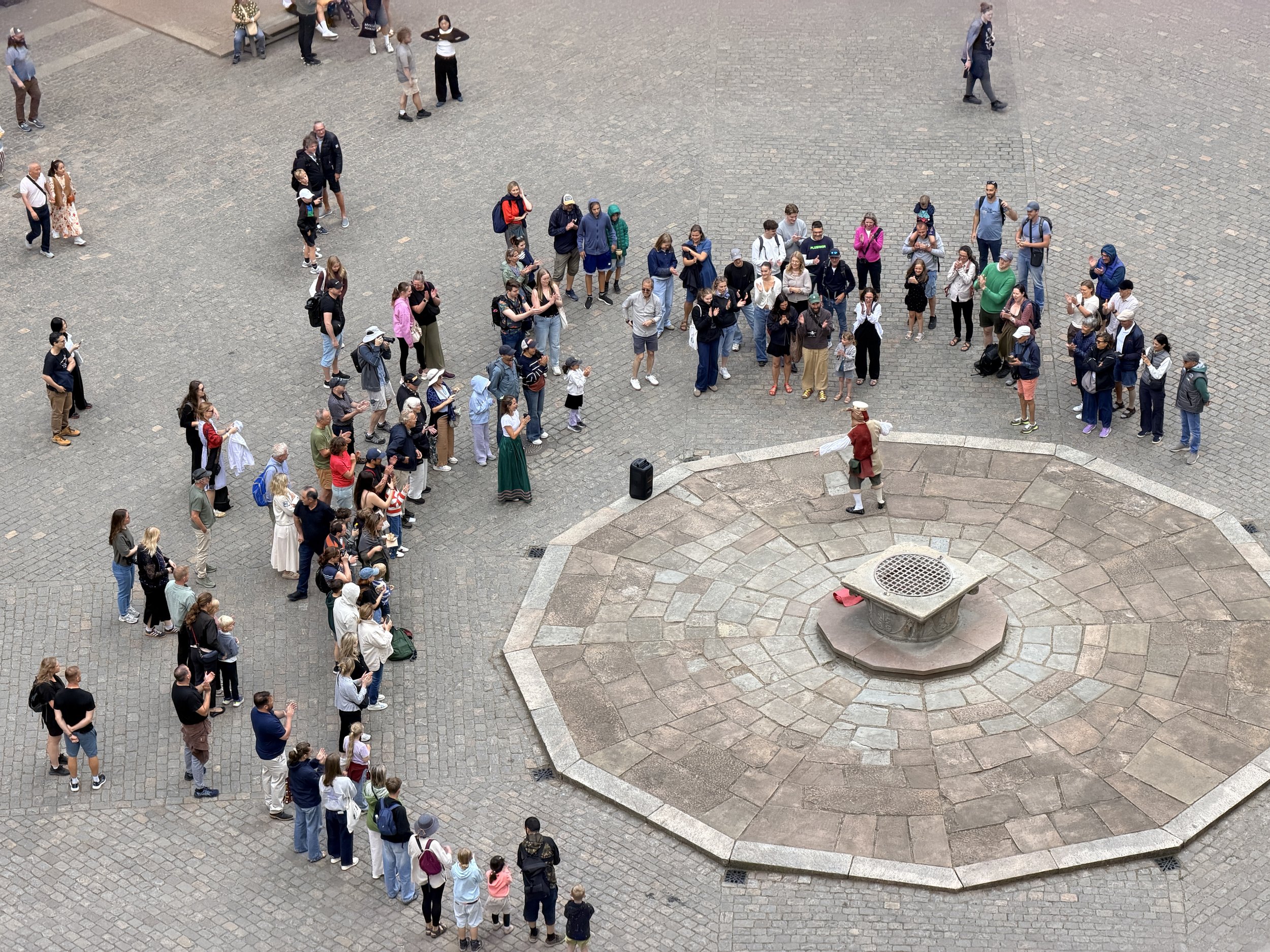
The performances added a unique dimension to our visit, allowing us to appreciate not only Kronborg’s remarkable history and architecture but also its enduring place in the world of literature.
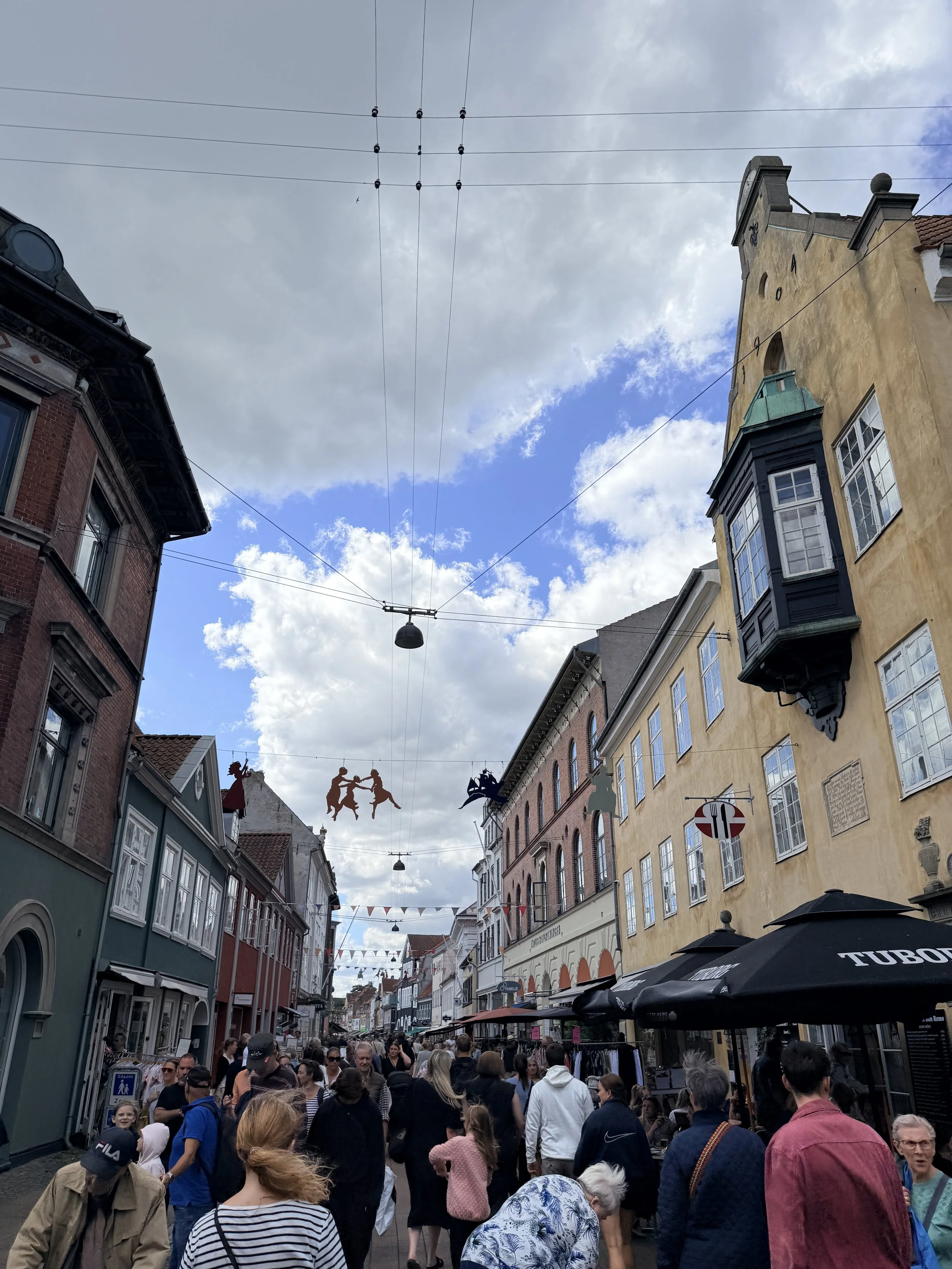
Back in the town of Helsingør, we found the streets much livelier, crowded with both locals and tourists. We came across a ramen restaurant and stopped there for a delicious and satisfying lunch.


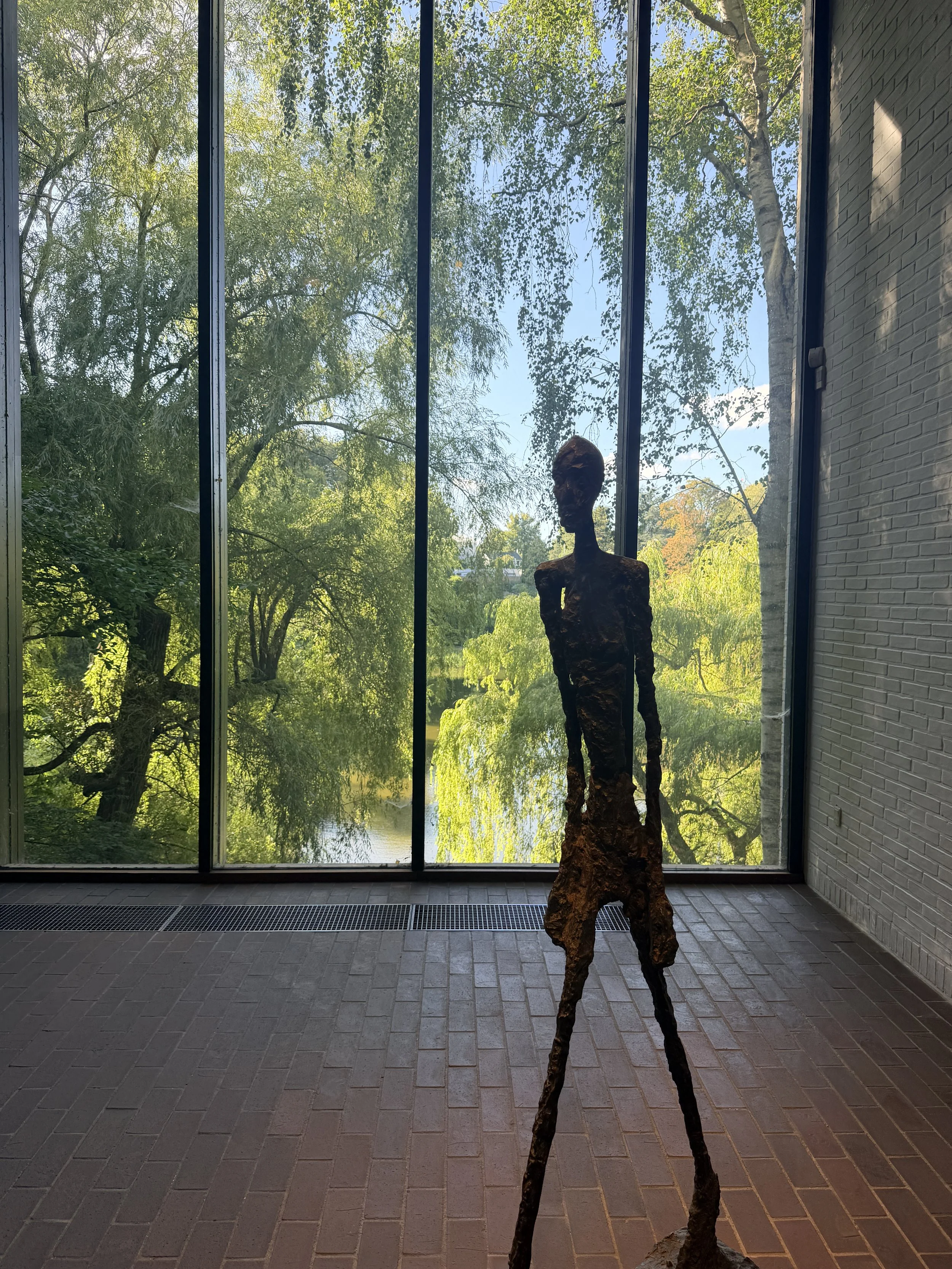
From the world of Shakespeare and a Renaissance fortress, we traveled just ten minutes by train to the Louisiana Museum of Modern Art. The contrast could not have been greater. Louisiana seamlessly blends exceptional architecture, world-class modern art, sculpture gardens, and breathtaking views of the Øresund, creating one of the most beautiful museum settings we have ever experienced.
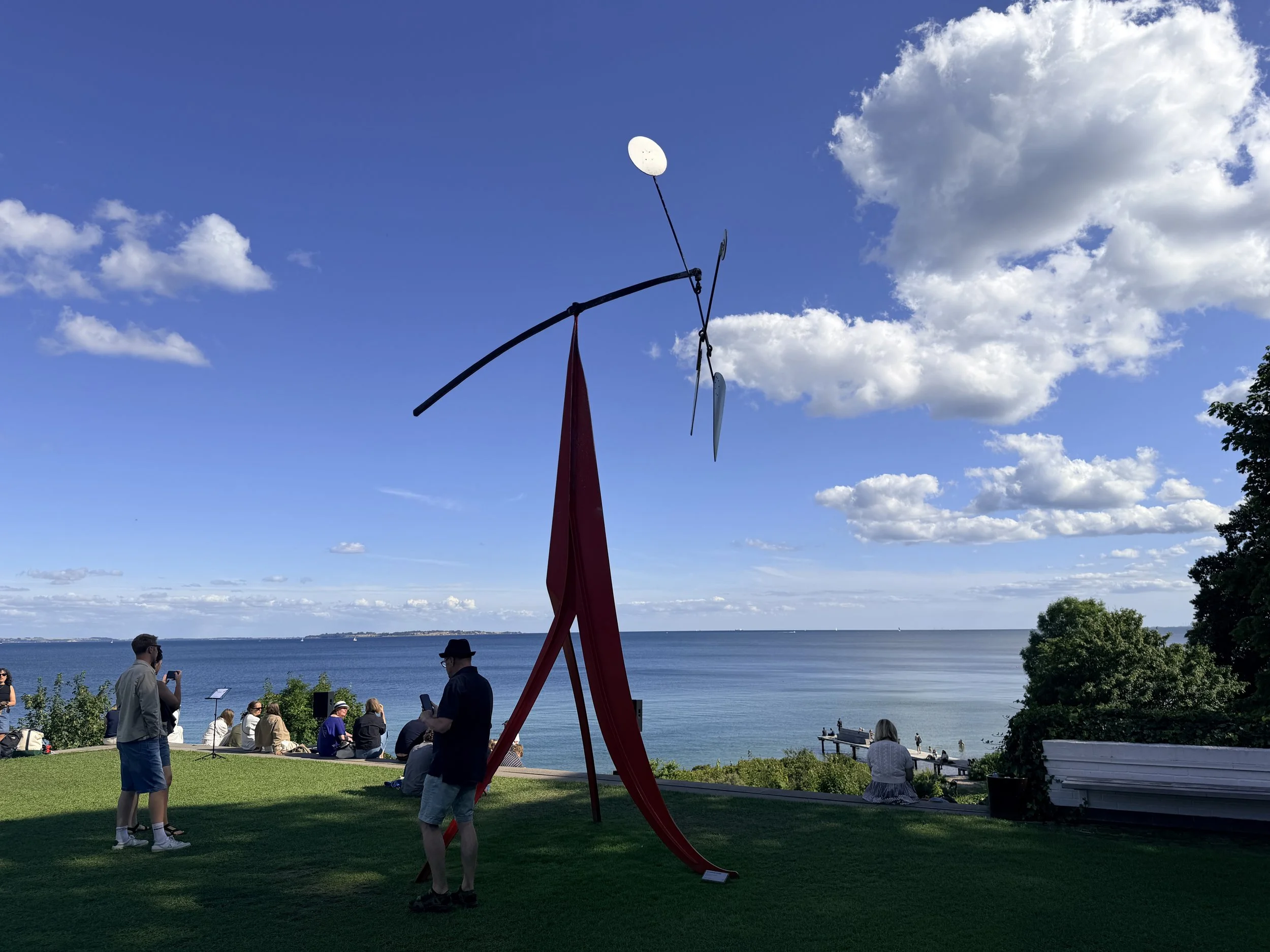
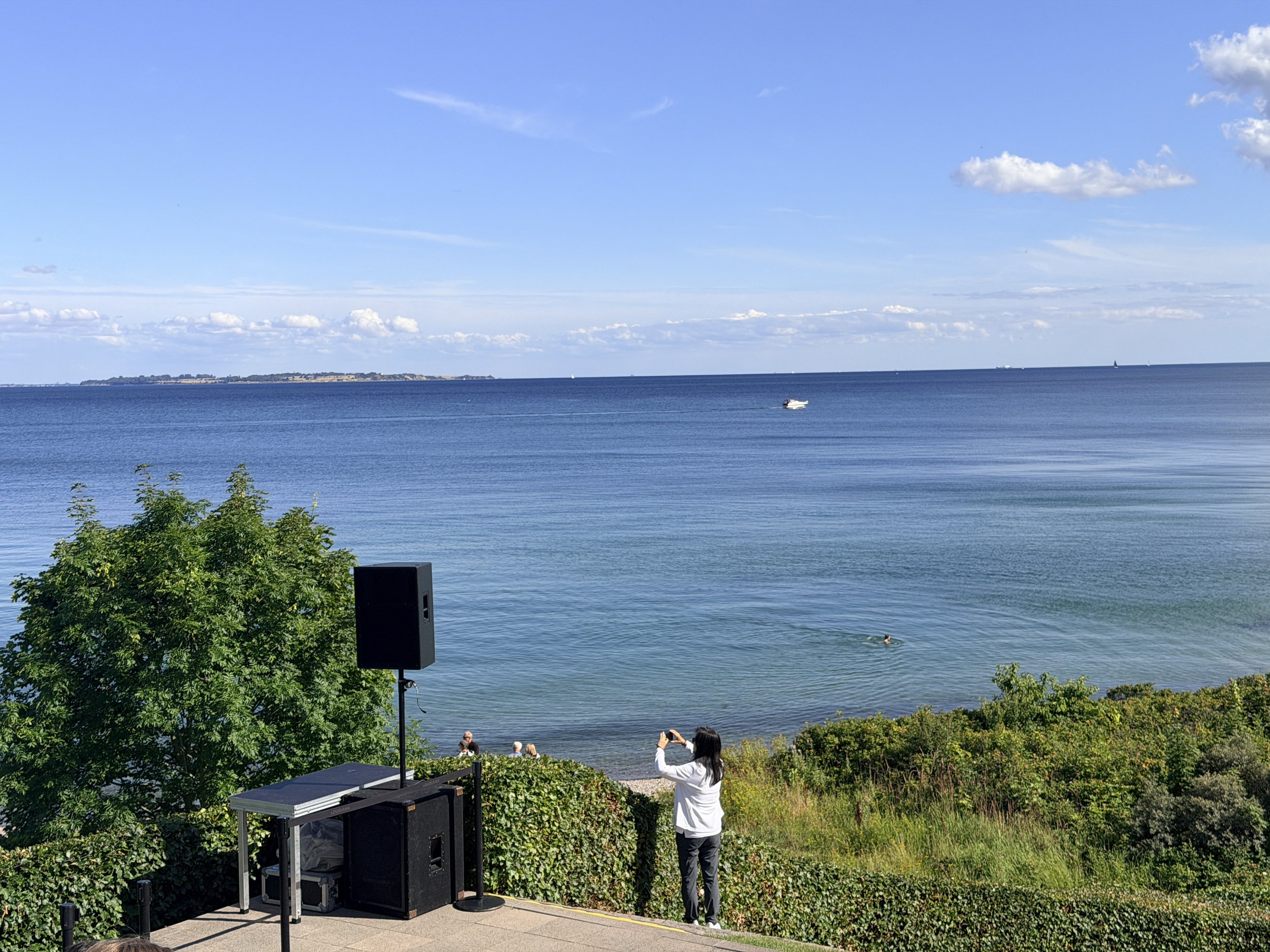
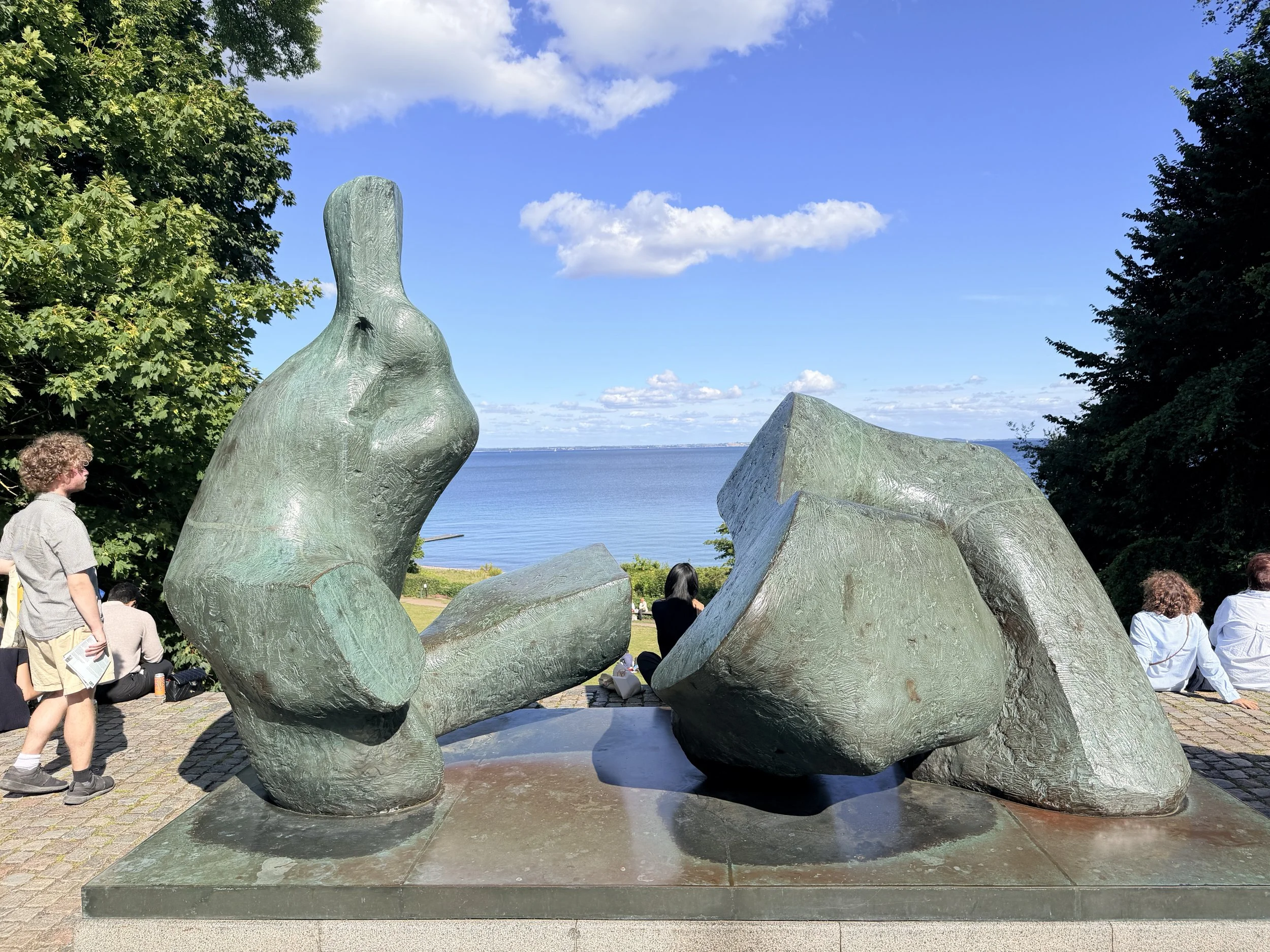
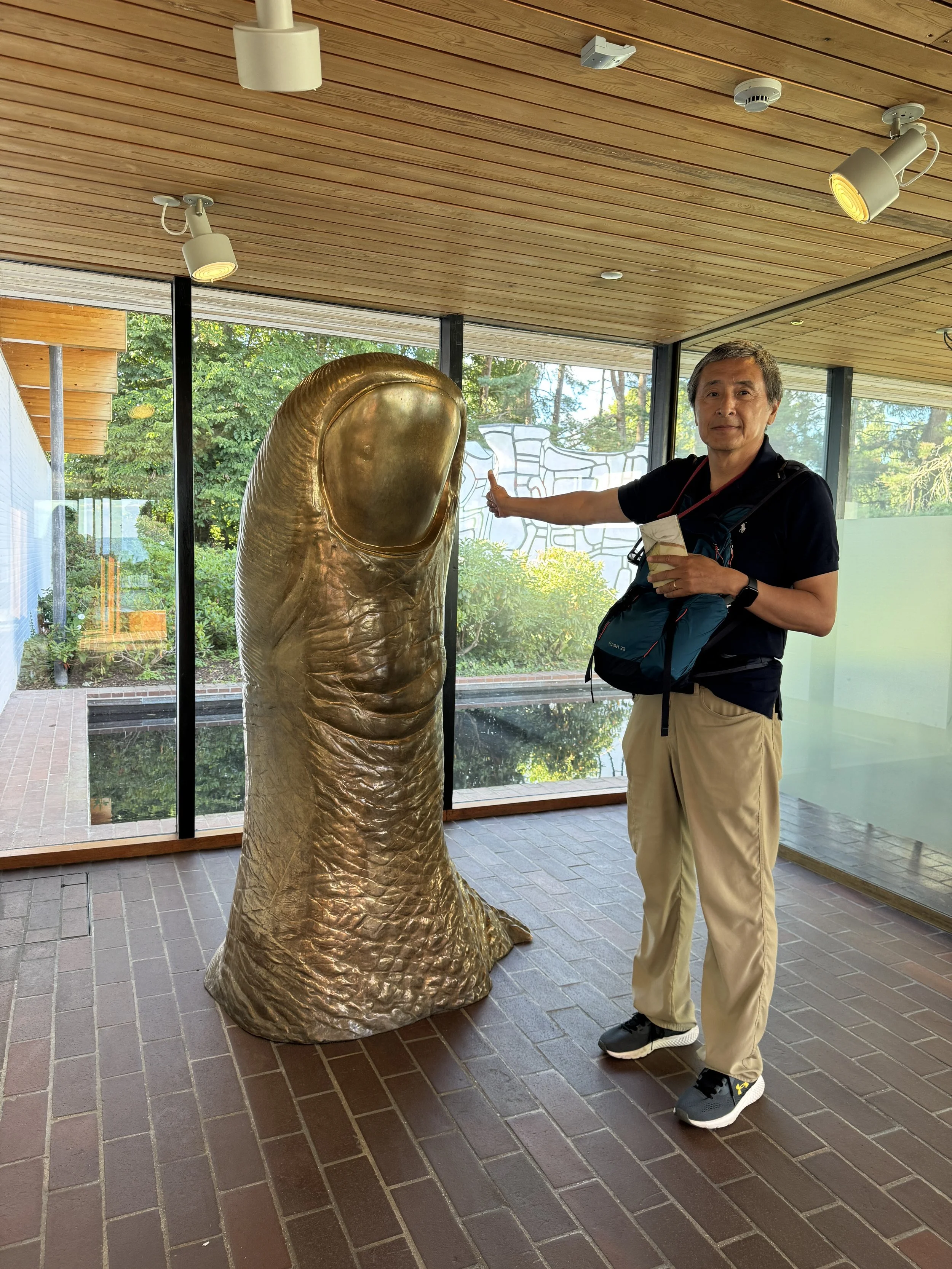
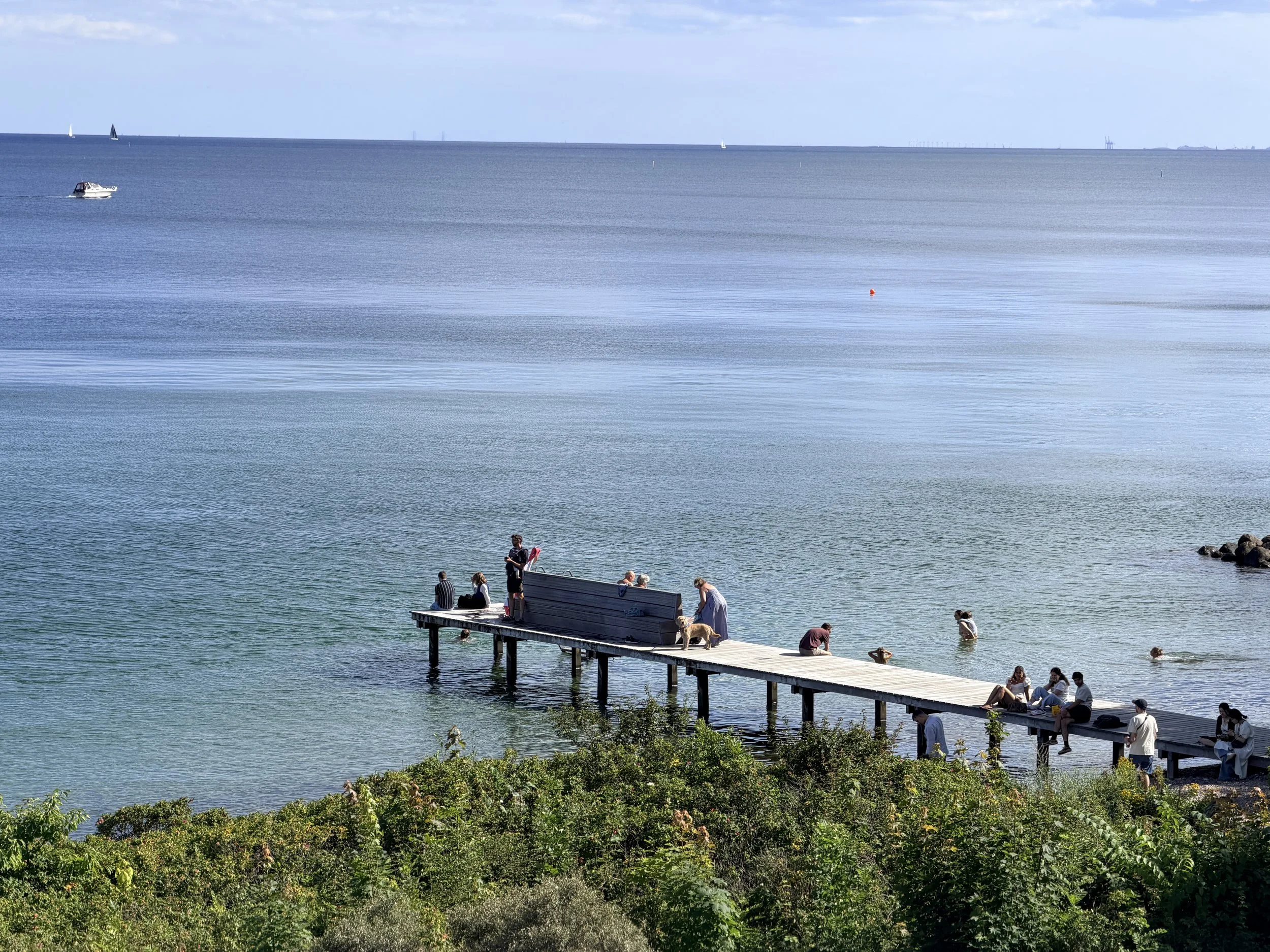
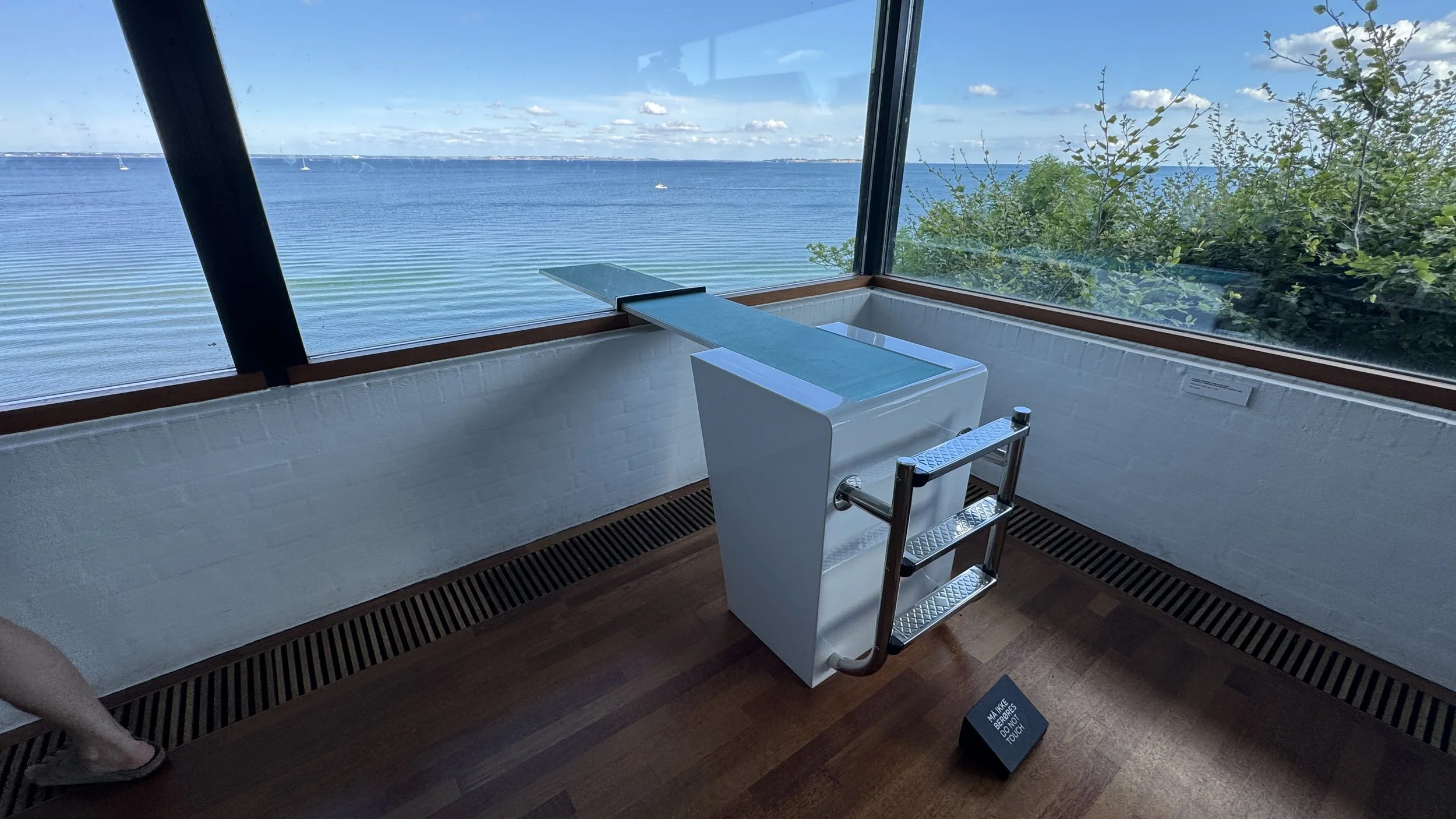
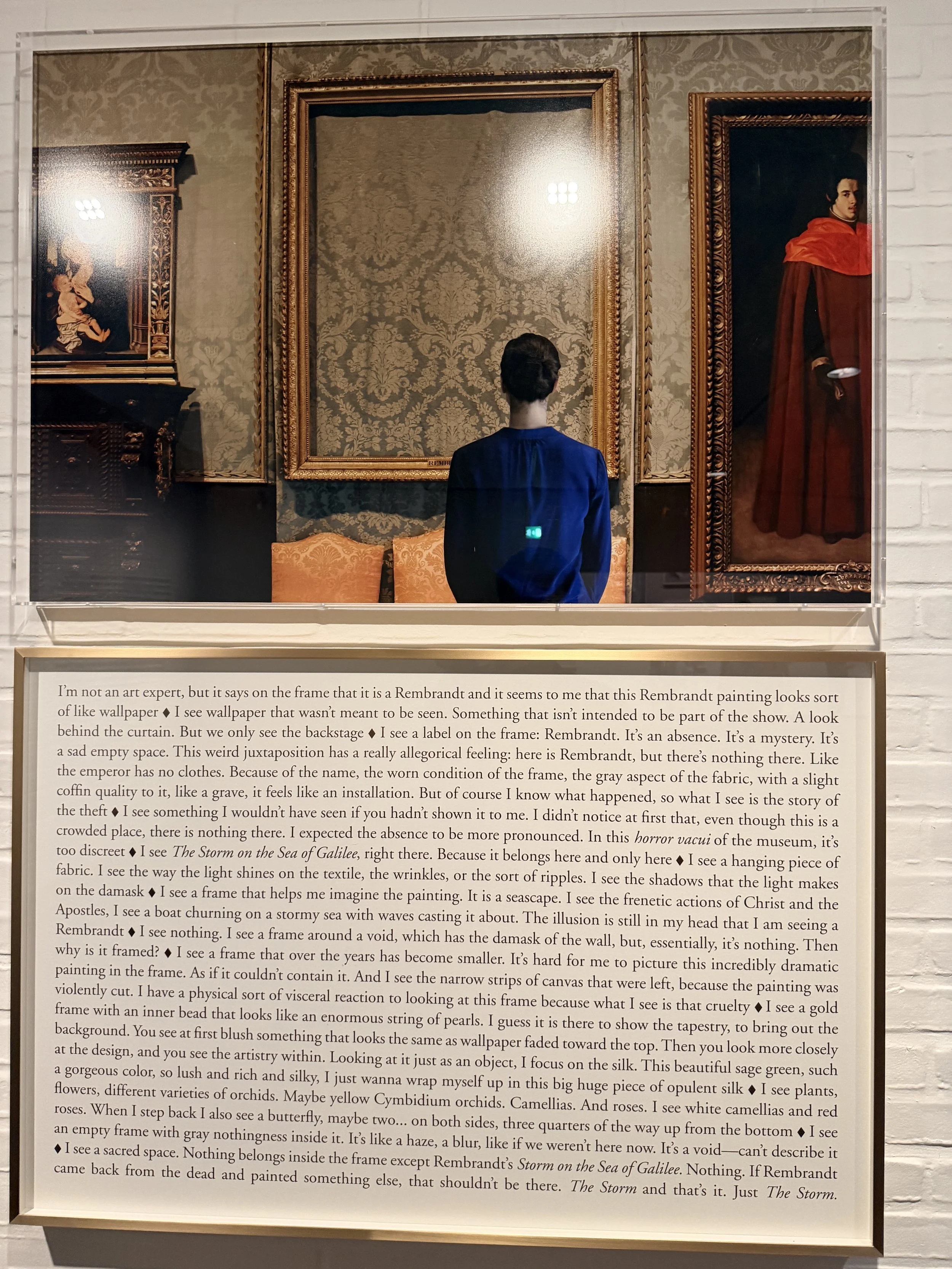
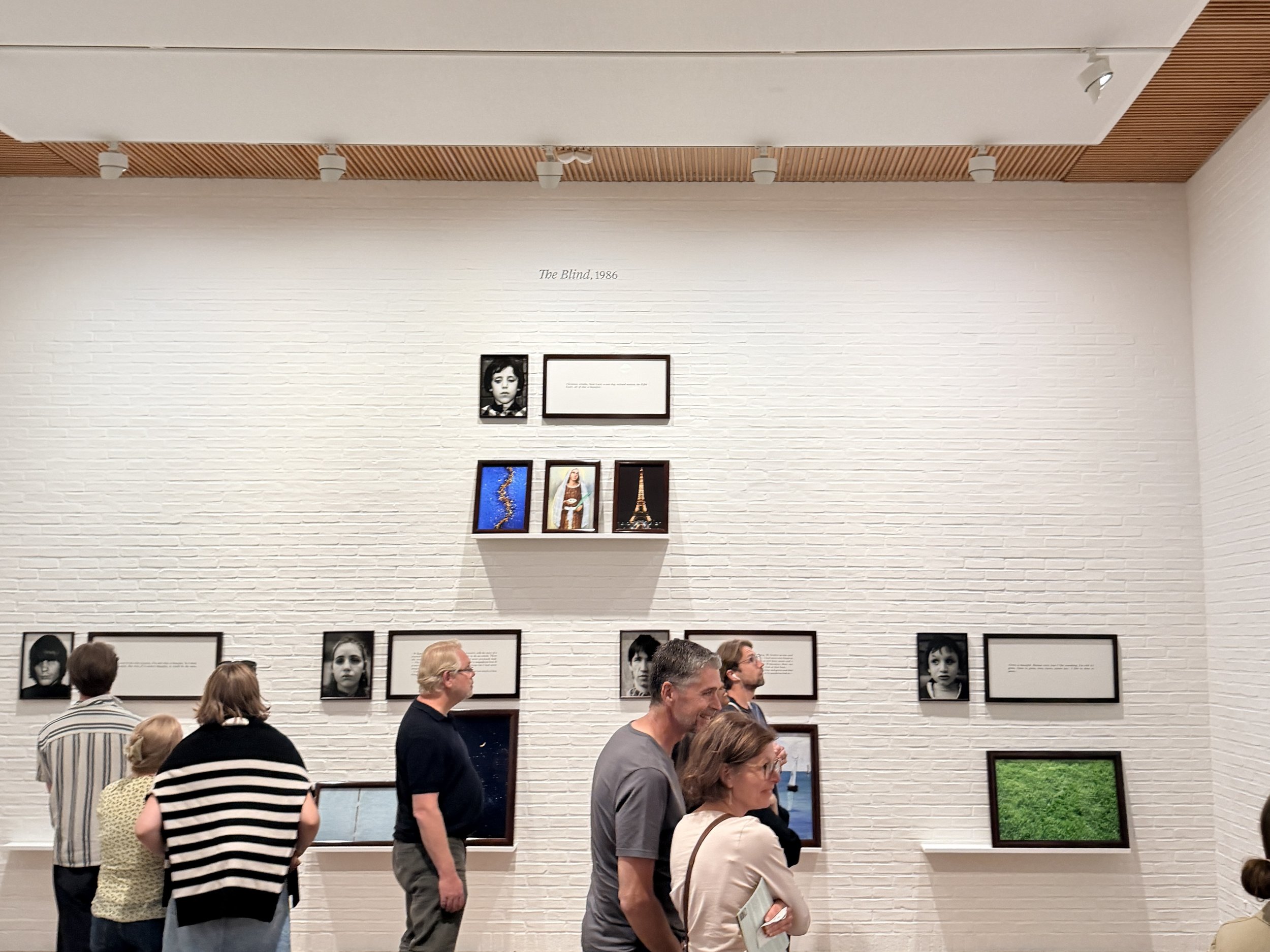
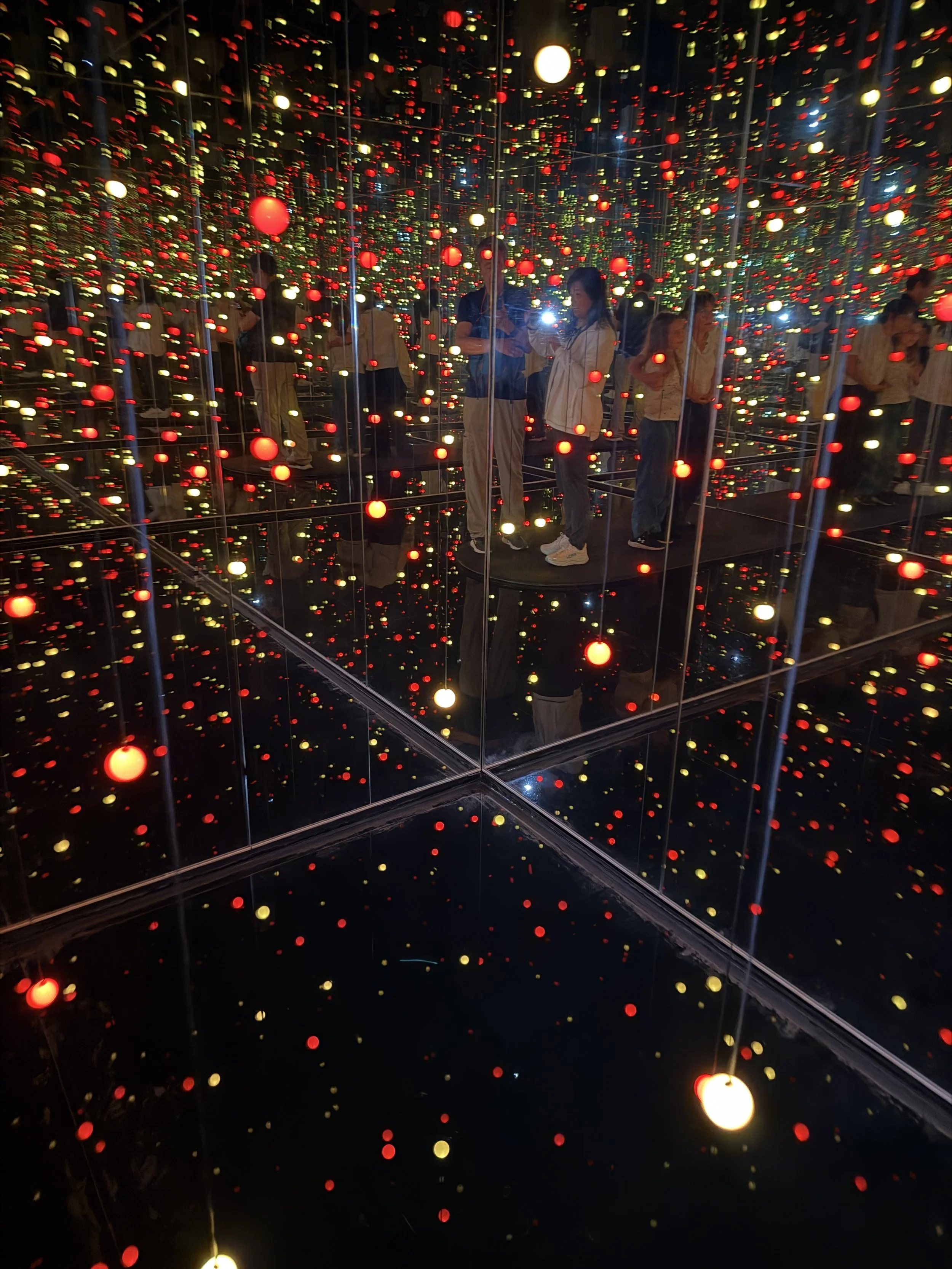
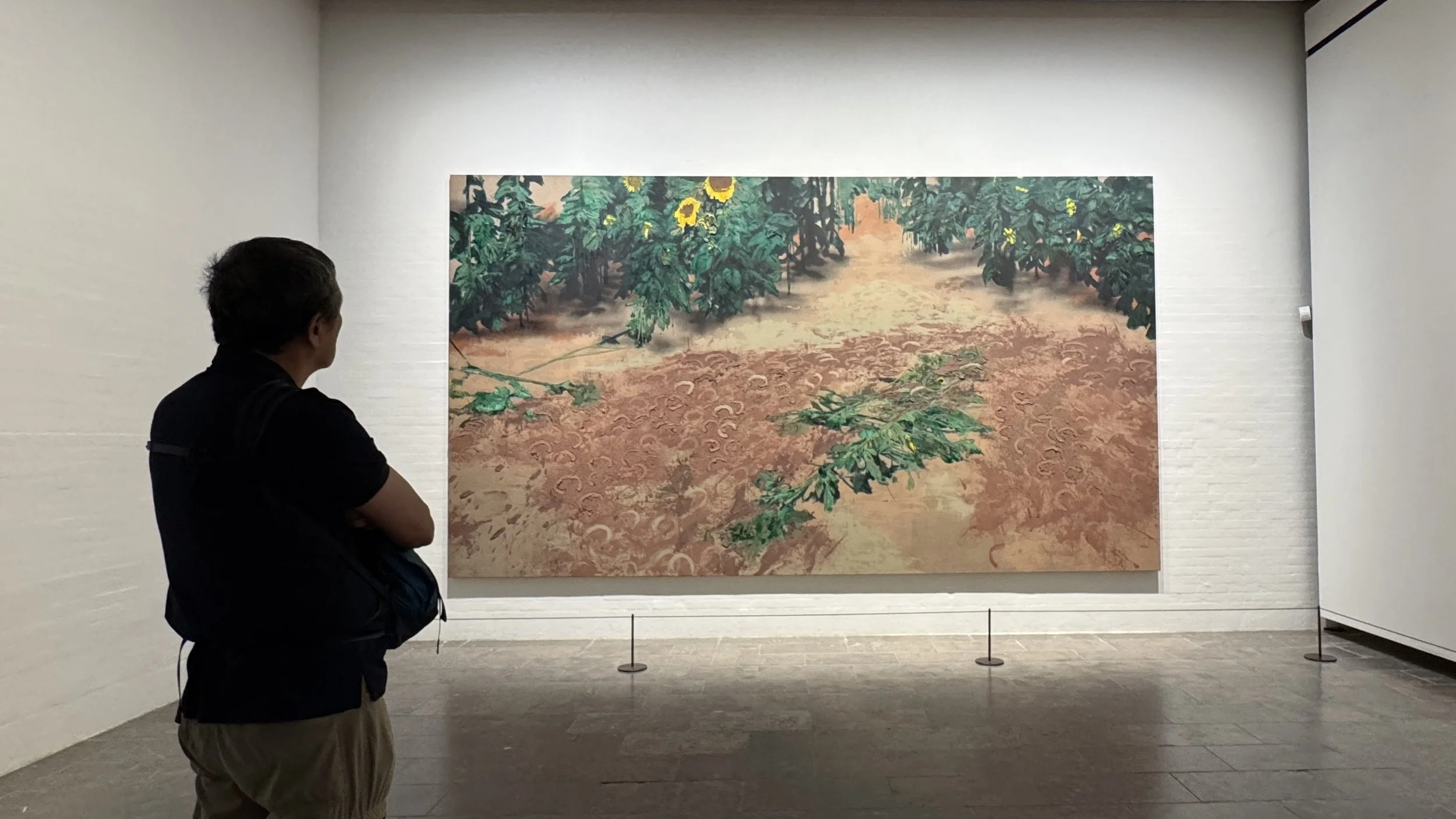
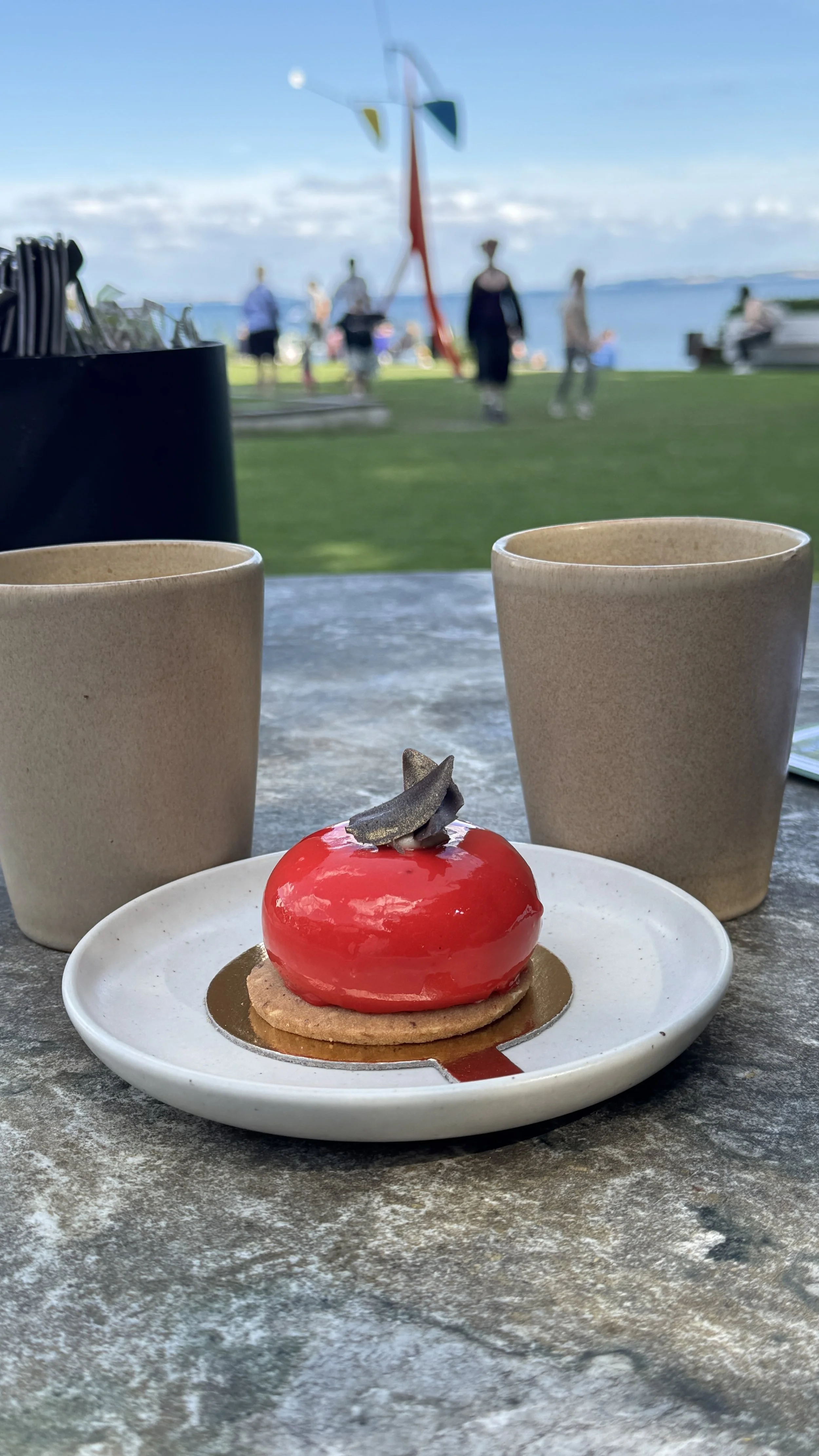
Unlike some modern art museums where we struggle to connect with the exhibits, many works at Louisiana invited us to pause, reflect, and think. Sophie Calle's installation Something Missing? was especially thought-provoking. We also stepped into Yayoi Kusama's immersive Gleaming Lights of the Souls, where countless reflections of light created the illusion of an infinite universe. A relaxing coffee break at the museum's seaside café completed the experience.
It was a day of striking contrasts—Renaissance and modern, literature and visual art, history and contemporary creativity, fantasy and reality. Yet somehow, both places celebrated the enduring power of human imagination.
On our way back to Copenhagen, we made a small detour in search of a traditional Danish hot dog. Unfortunately, we arrived just after the stand had closed, and none of the nearby restaurants appealed to us. We returned to our hotel and ended the day on a much more satisfying note.
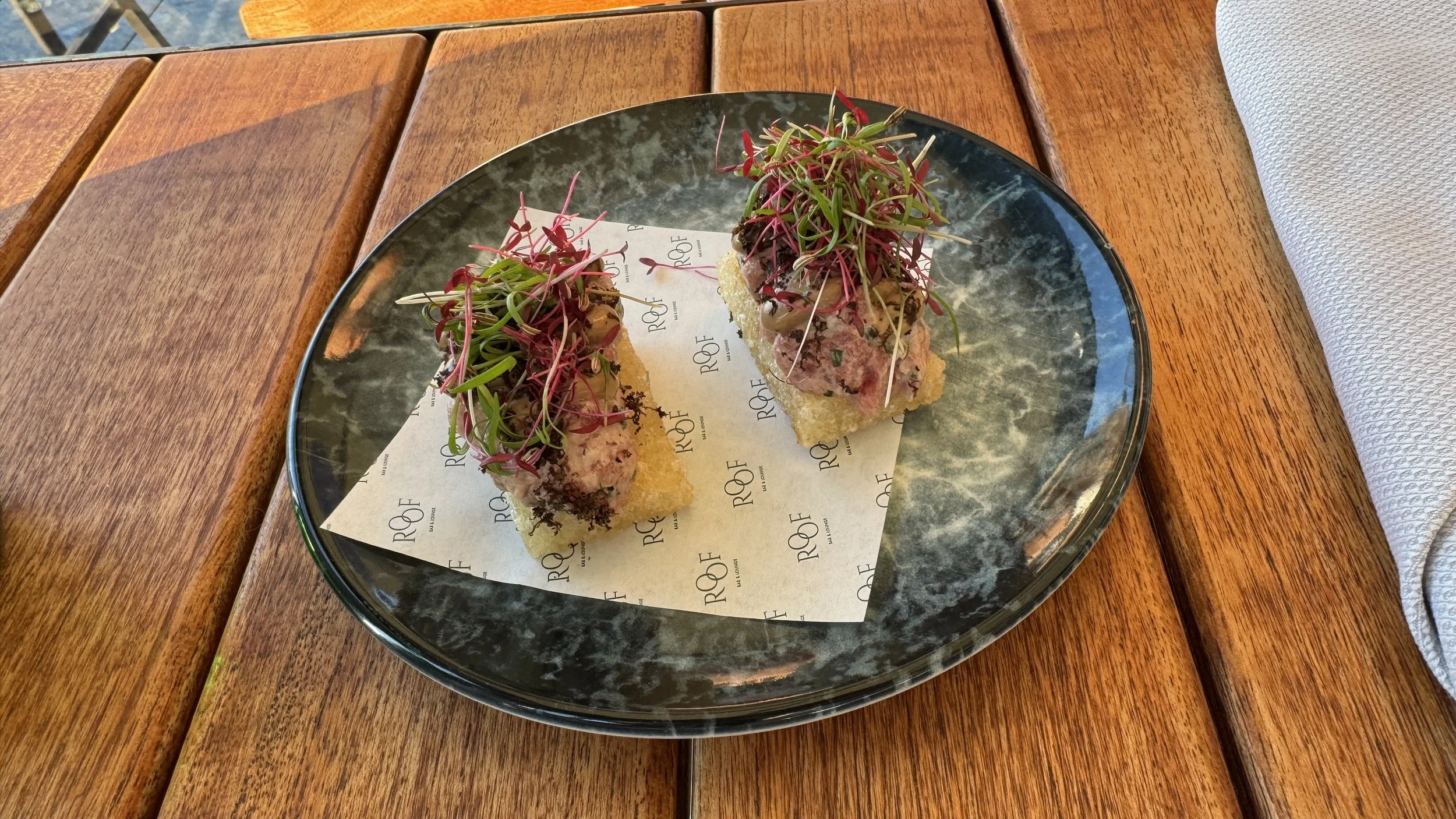
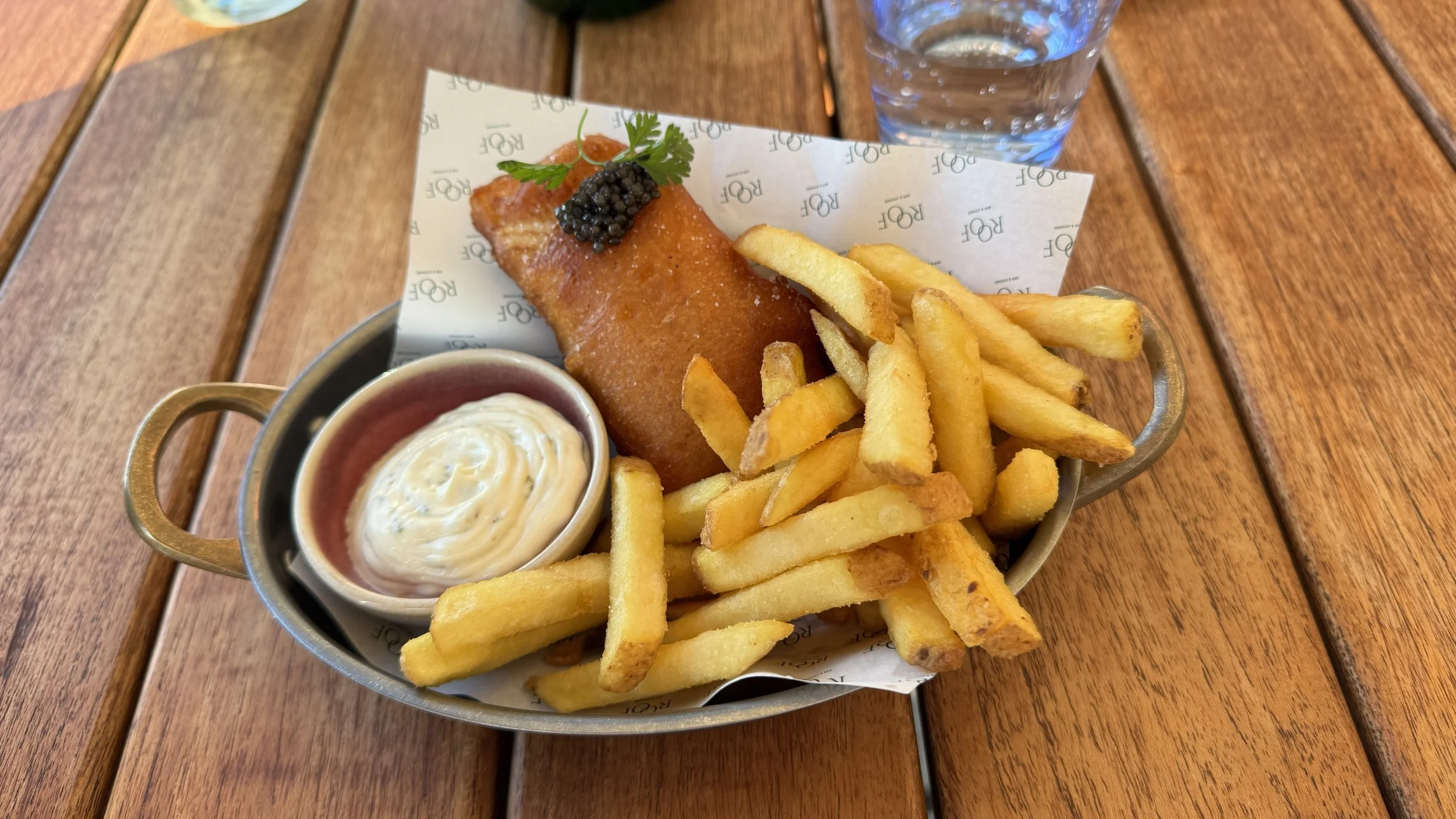
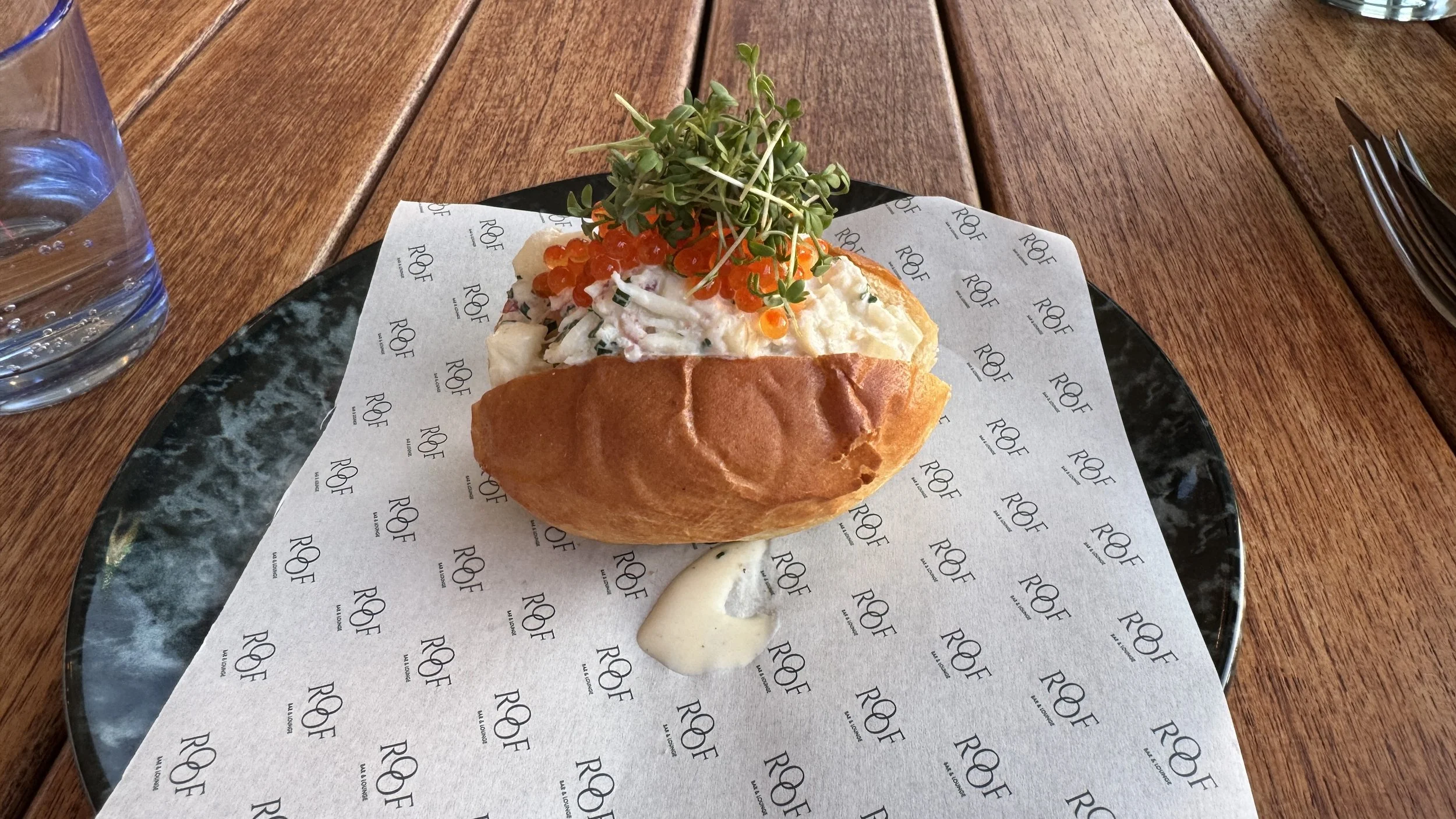
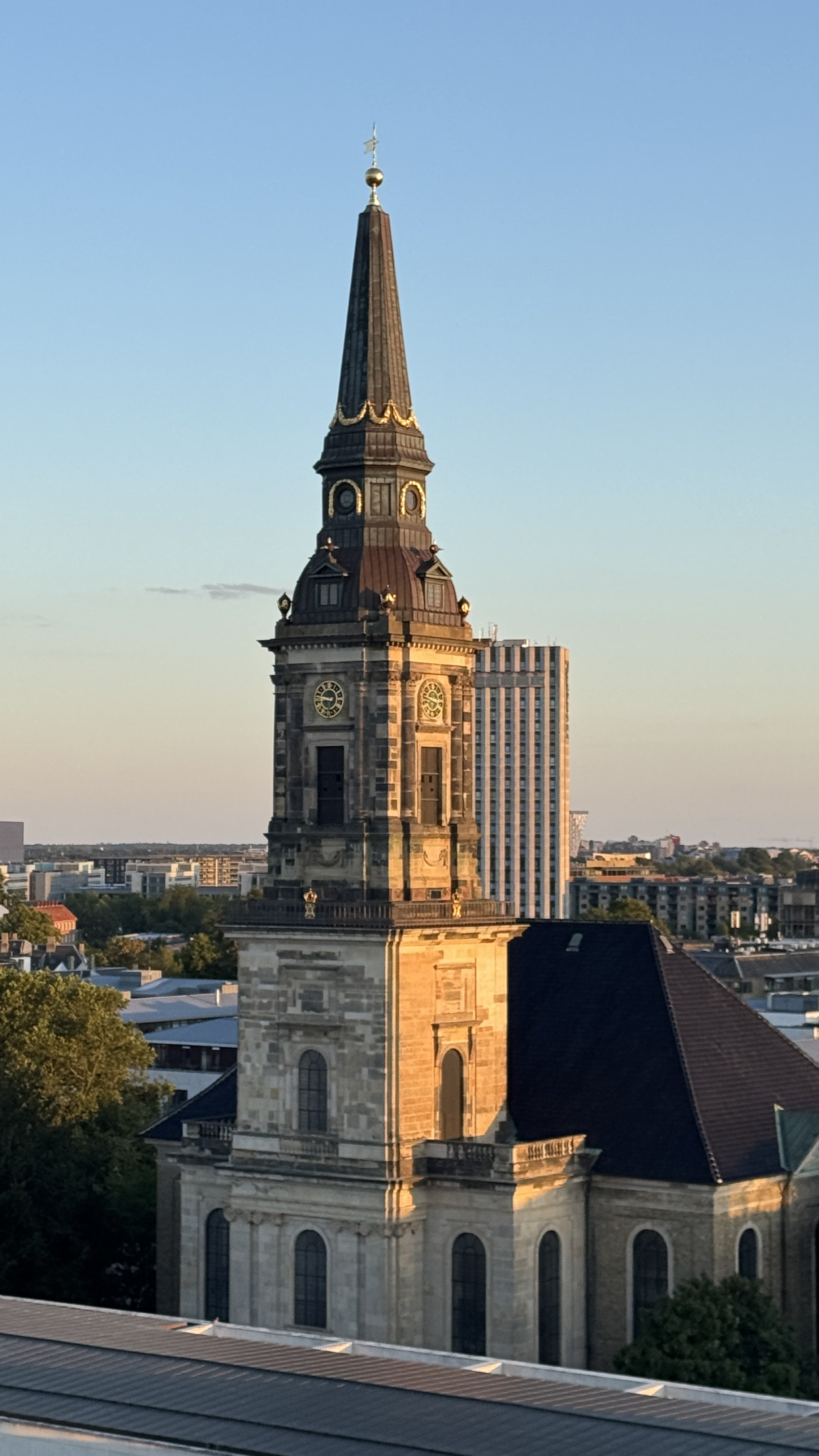
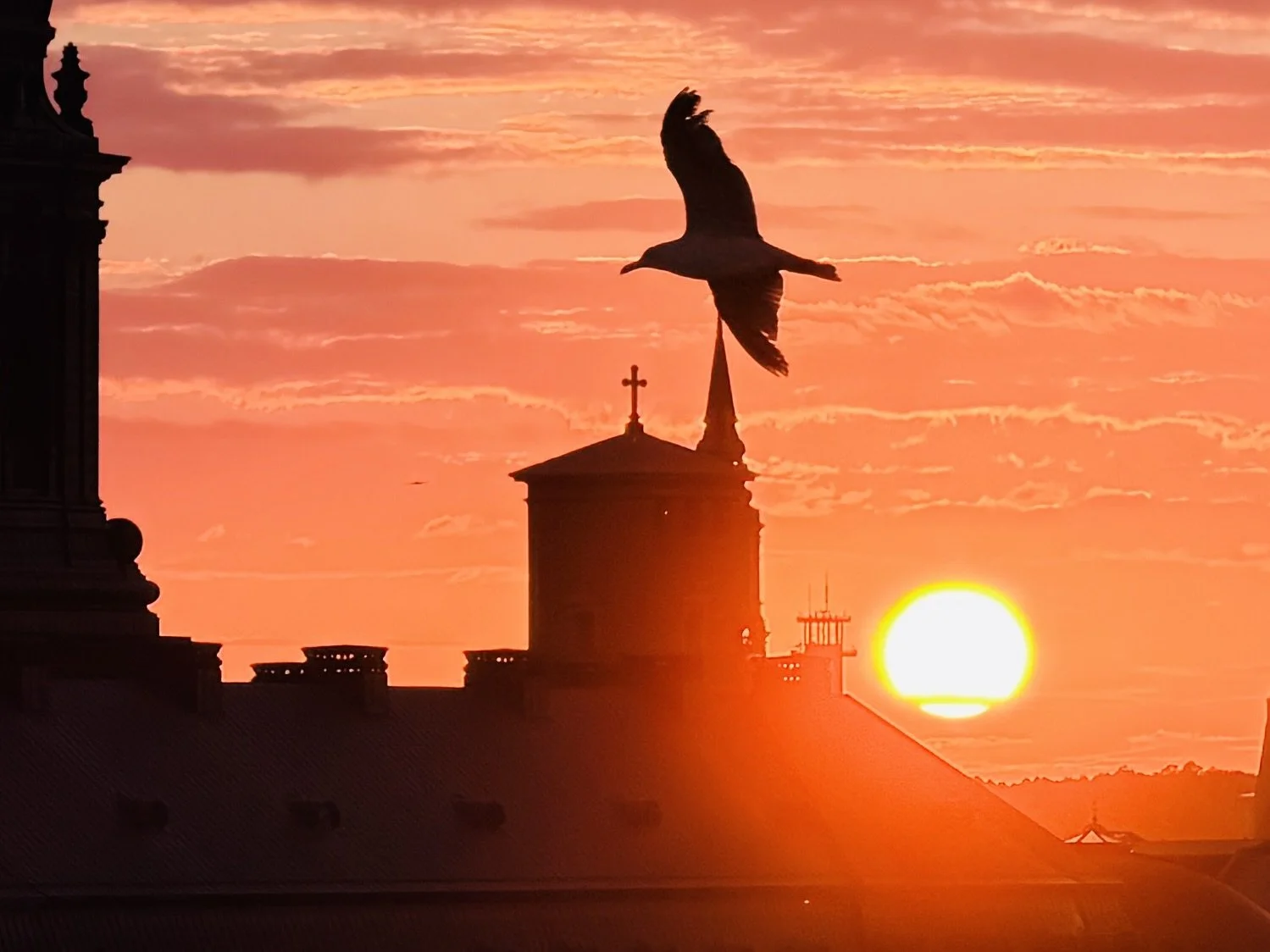
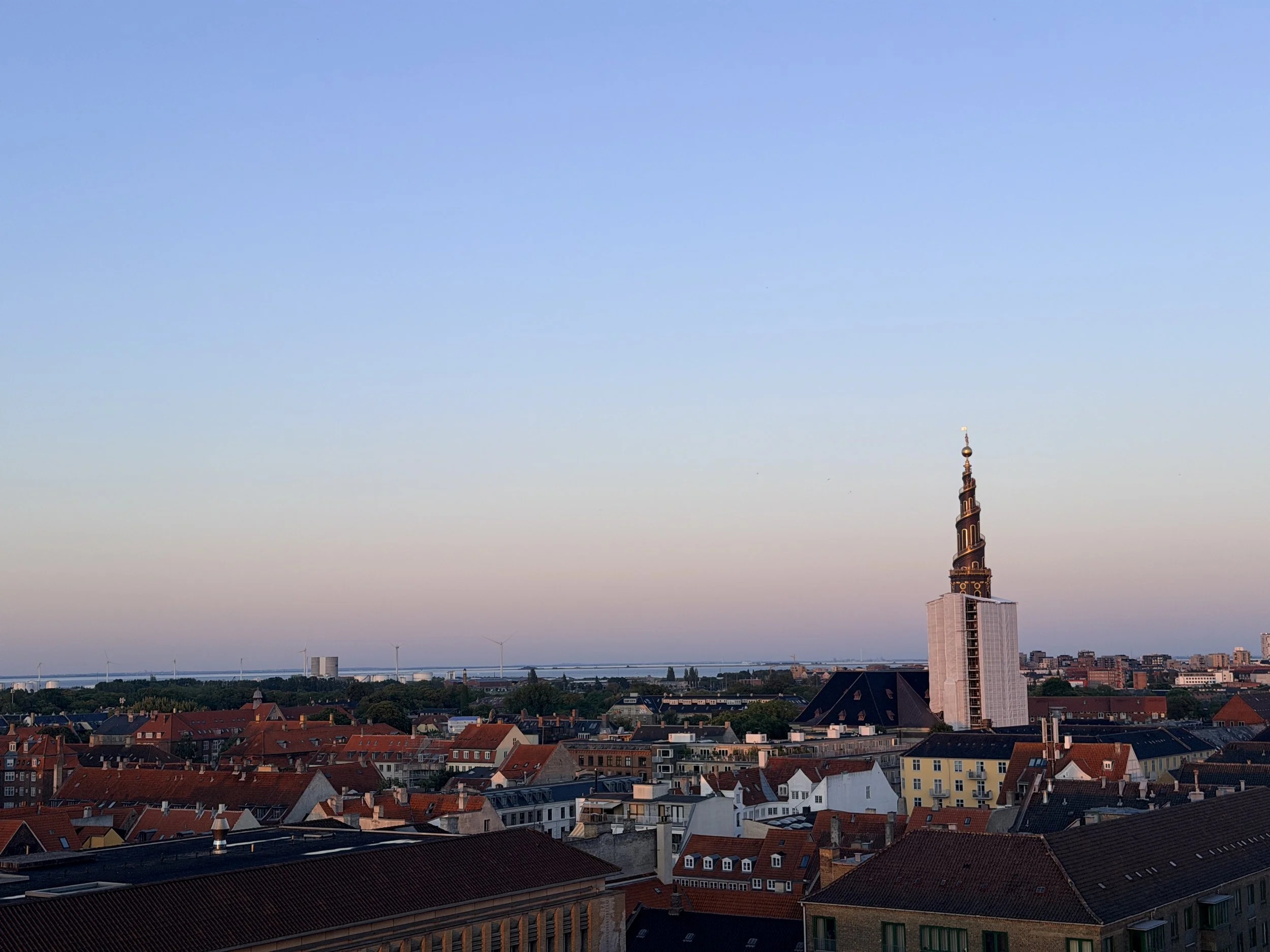
At the rooftop café, we shared several small but beautifully prepared dishes—a tuna tartare, a lobster roll, and fish and chips—while watching the sun set over Copenhagen. It was a simple yet memorable ending to another wonderful day.
2026年8月1日
今天,我们乘火车前往城外的克伦堡城堡(Kronborg Castle)。约一个小时后,便抵达了海边小镇赫尔辛格(Helsingør)。清晨的小镇格外宁静,街道上几乎看不到行人。
在前往城堡的路上,我们无意间走进了圣玛利亚教堂(Sct. Mariæ Kirke)。这里原是建于十五世纪的加尔默罗会修道院教堂,与相邻的修道院一起,被认为是北欧保存最完整的中世纪修道院建筑群之一。
教堂内部庄严而典雅,彩绘穹顶、古老木雕和祭坛散发着浓厚的历史气息。浑厚而悠扬的管风琴声在大厅中回荡,原来工作人员正在为中午举行的婚礼做最后准备。
这座教堂还有一段与音乐史相关的故事。十七世纪著名的管风琴家兼作曲家布克斯特胡德(Dieterich Buxtehude)曾在这里担任管风琴师。后来,他前往德国吕贝克任职,其卓越的演奏与创作深深吸引了年轻的约翰·塞巴斯蒂安·巴赫(Johann Sebastian Bach)。1705年,年仅二十岁的巴赫不惜徒步四百多公里前往吕贝克,只为聆听布克斯特胡德演奏,并向他学习。这段经历对巴赫日后的音乐创作产生了深远影响。站在这座教堂里,听着管风琴低沉而庄严的音色,不禁让人联想到三百多年前那段薪火相传的音乐传奇。
从Helsingør小镇走十几分钟就到克伦堡城堡。莎士比亚的《哈姆雷特》这部世界名剧大家早已耳熟能详。《哈姆雷特》的故事灵感源自丹麦维京传奇人物阿姆雷斯(Amleth), 并把故事背景设在我们今天参观的克伦堡城堡。我们参加了一个简短的英语导览,主要介绍了一些关于城堡的历史,也学到一个有趣的小知识:Hamlet 看起来就像是把 Amleth 的字母 H 从最后移到了最前面。 莎士比亚本人也从未到访过丹麦,更没有来过克伦堡城堡,但他的作品却让这座城堡与世界文学史上最伟大的悲剧之一永远联系在一起。
克伦堡城堡因其宏伟的文艺复兴建筑和在北欧历史上的重要地位,被联合国教科文组织列为世界文化遗产。城堡对面就是瑞典,近的都能游过去,渡轮才几分钟就能到达。如今《哈姆雷特》似乎已经和城堡本身一样引人注目。当天,城堡庭院里不断上演《哈姆雷特》的精彩片段,让莎士比亚笔下的不朽悲剧仿佛在真实的城堡中重现。这样的安排为参观增添了独特的体验,也让我们同时领略了城堡的历史价值和它深厚的文学意义。
离开莎士比亚的文学世界和这座文艺复兴时期的古堡,我们搭乘火车,仅十分钟便来到路易斯安那现代艺术博物馆(Louisiana Museum of Modern Art)。博物馆将建筑、世界级现代艺术、户外雕塑花园以及厄勒海峡(Øresund)的迷人海景完美融合,营造出我们在其它美术馆从未体验过的独特氛围。
与一些让人难以理解的现代艺术馆不同,路易斯安那的许多作品都值得驻足思考。Sophie Calle 的作品展《Something Missing?》尤其发人深省。我们还走进日本艺术家草间弥生(Yayoi Kusama)的沉浸式作品《Gleaming Lights of the Souls》,无数灯光倒映在镜面之中,仿佛置身于无边无际的宇宙。之后,我们在临海餐厅小憩,一边品尝咖啡和点心,一边欣赏宁静的海景。
这是充满鲜明对比的一天——文艺复兴与现代、文学与视觉艺术、历史与当代创作、幻想与现实。然而,两处截然不同的景点,却都展现了人类丰富而永恒的想象力。
返回哥本哈根途中,我们特意绕了一点路,希望品尝一份传统的丹麦热狗。可惜抵达时热狗摊已经打烊,附近也没有找到让我们满意的餐馆,只好返回酒店。
最后,我们来到酒店的屋顶酒吧,一边欣赏哥本哈根的落日,一边分享几道精致的小食:金枪鱼塔塔、龙虾卷和炸鱼薯条。虽然分量不大,却道道美味,又是充实而美好的一天。