David and Bell Tower 大卫和钟楼
April 9, 2026
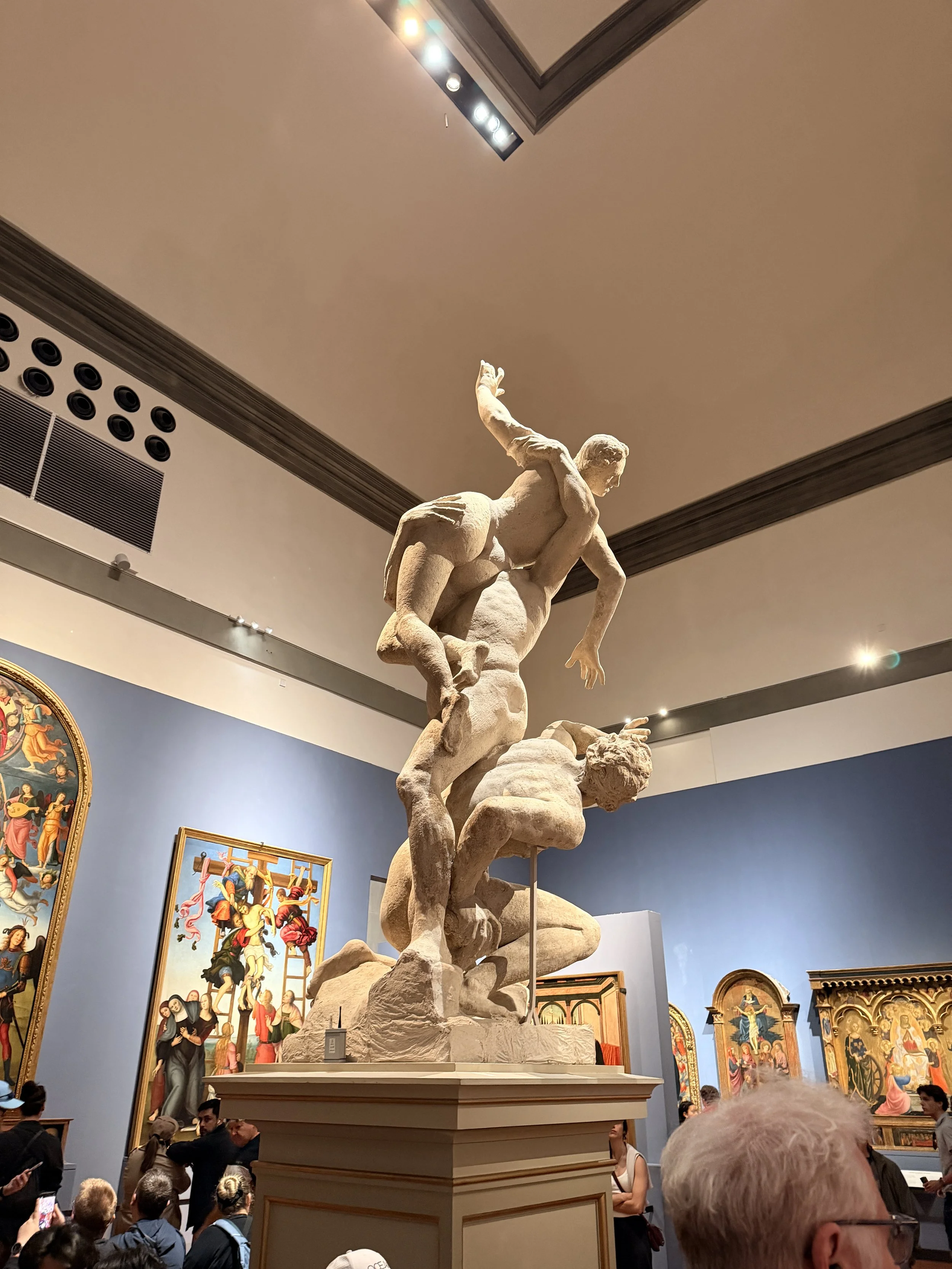
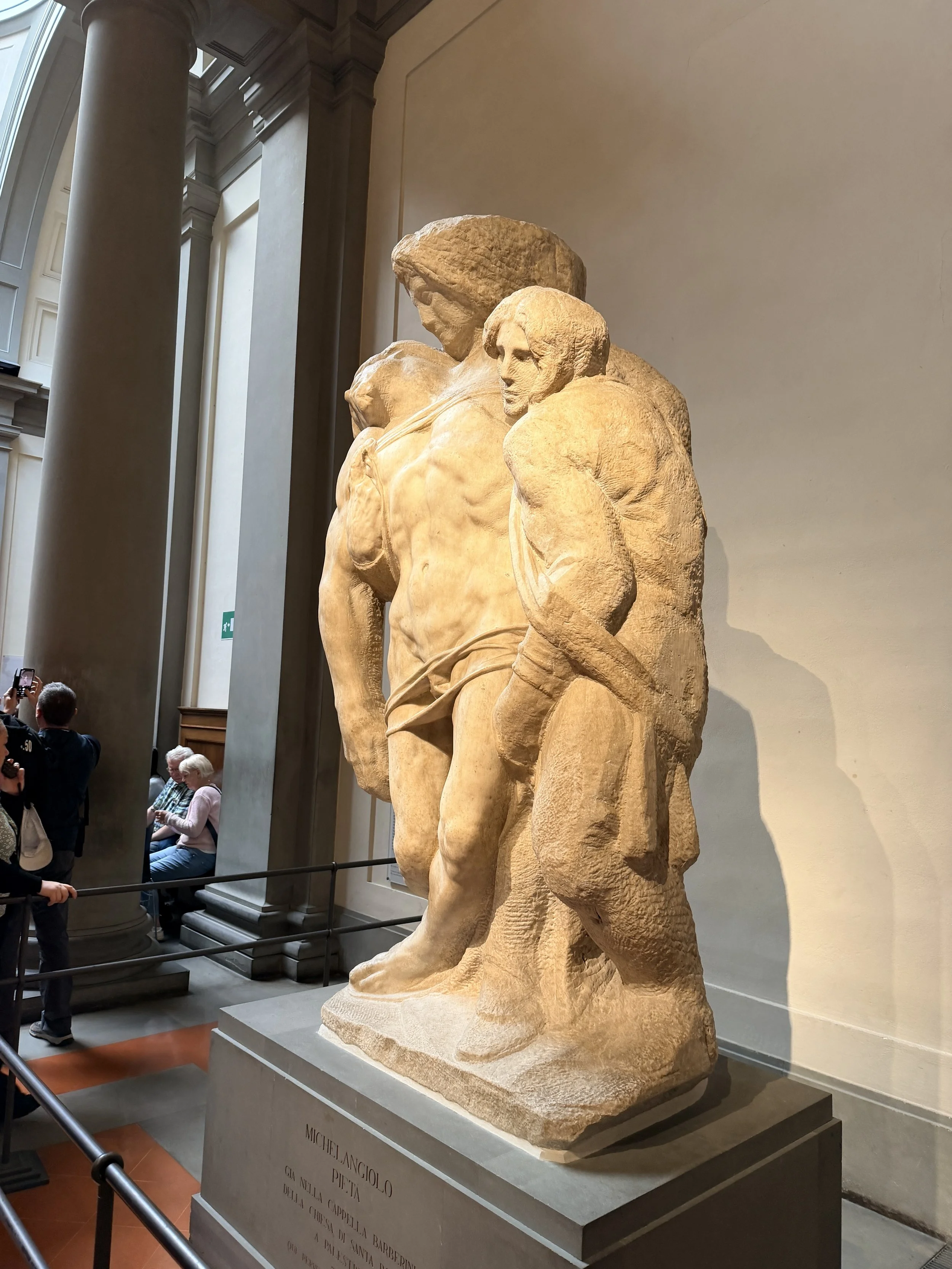
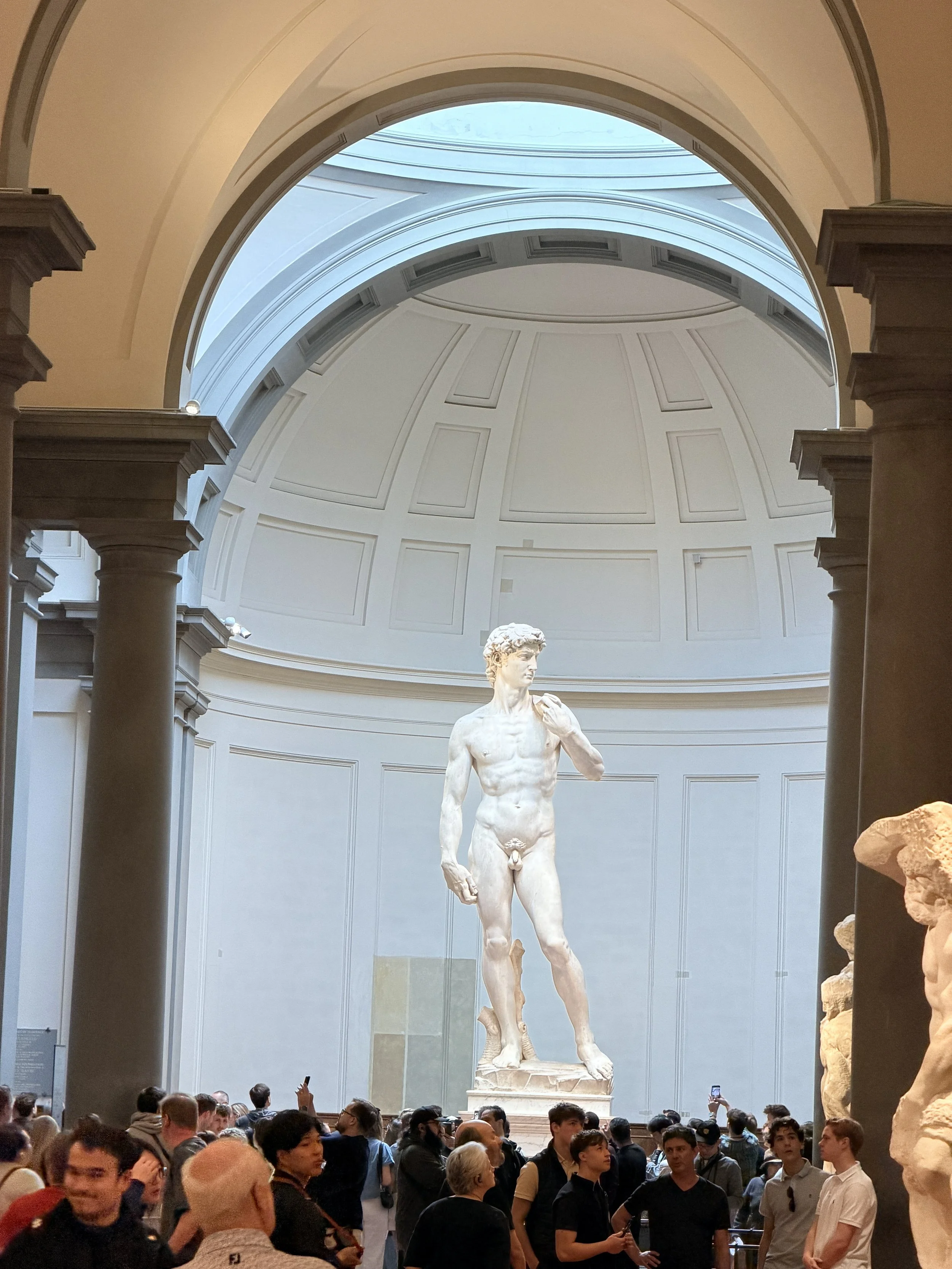
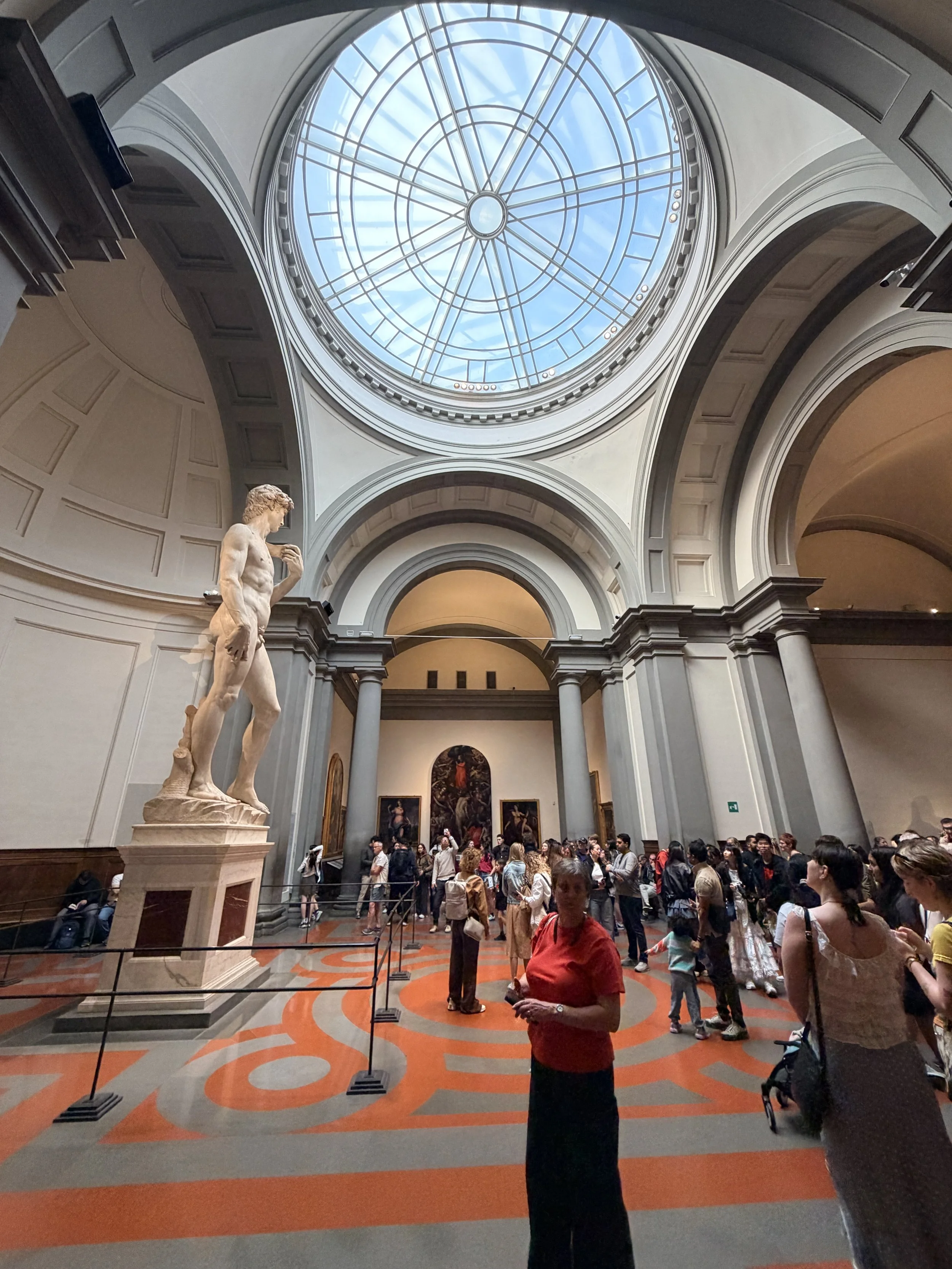
We dedicated today to museum hopping, immersing ourselves in Florence’s extraordinary artistic legacy. Our first stop was the Galleria dell’Accademia, where we finally stood before David, Michelangelo’s masterpiece that we had long admired in books and movies. Seeing it in person was a completely different experience—the sheer scale, the lifelike tension, and the exquisite details made the sculpture feel almost alive. Surrounding it were unfinished works by Michelangelo, offering a rare glimpse into his creative process.
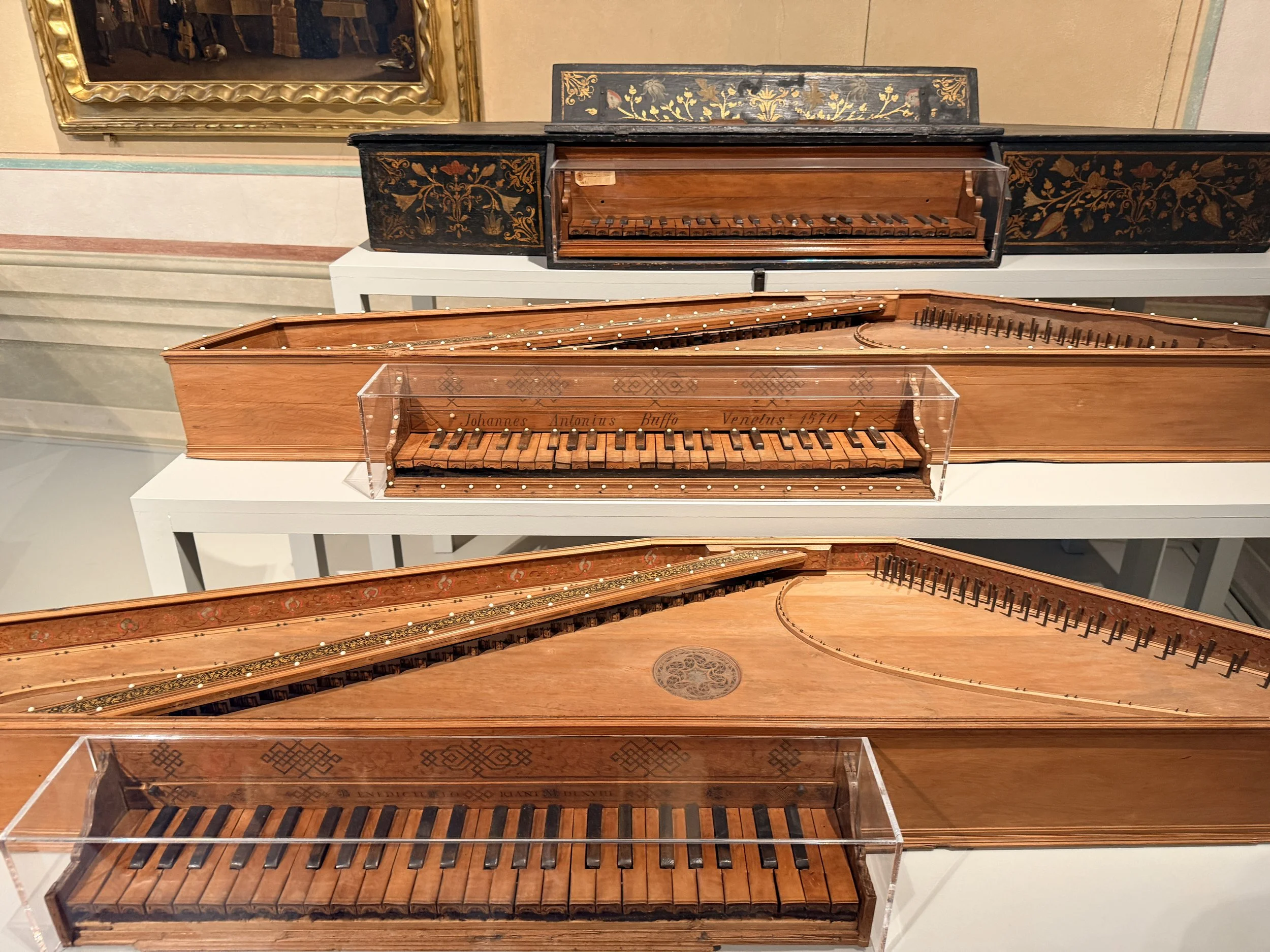
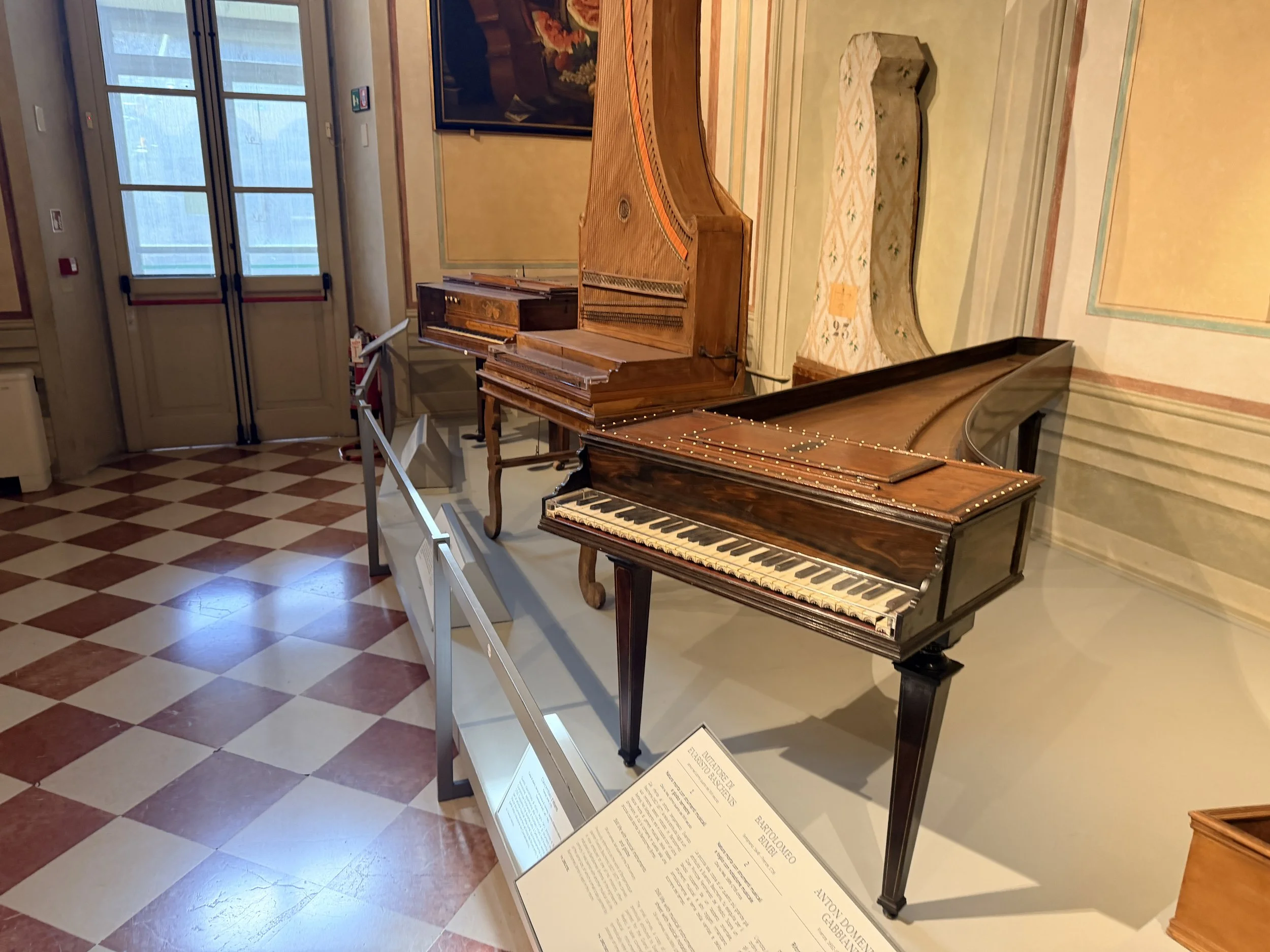
What surprised us most was a small but fascinating collection of historical musical instruments, including early keyboard instruments linked to the invention of the piano by Bartolomeo Cristofori. It was a reminder that Florence’s influence extended far beyond visual art.
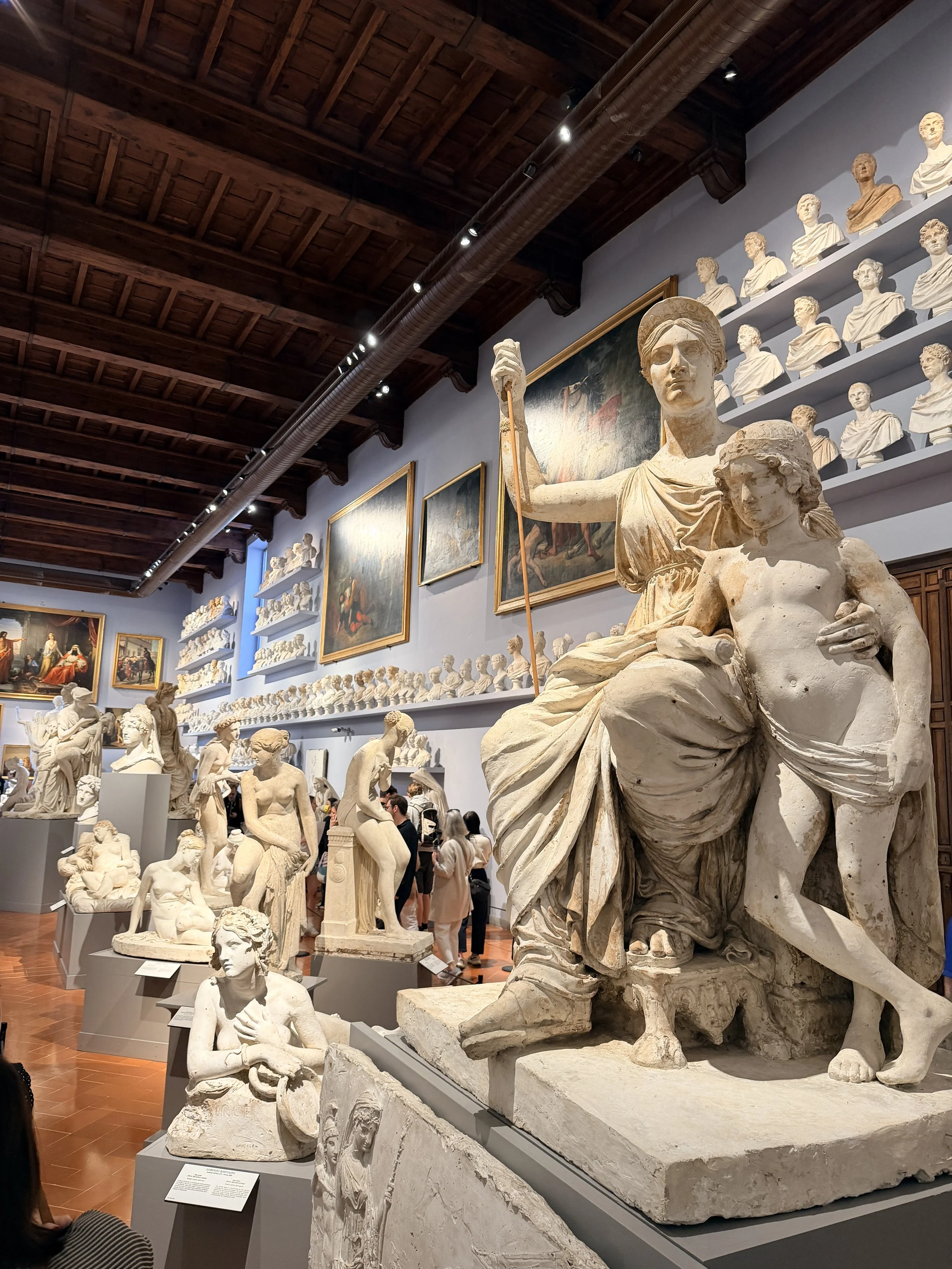
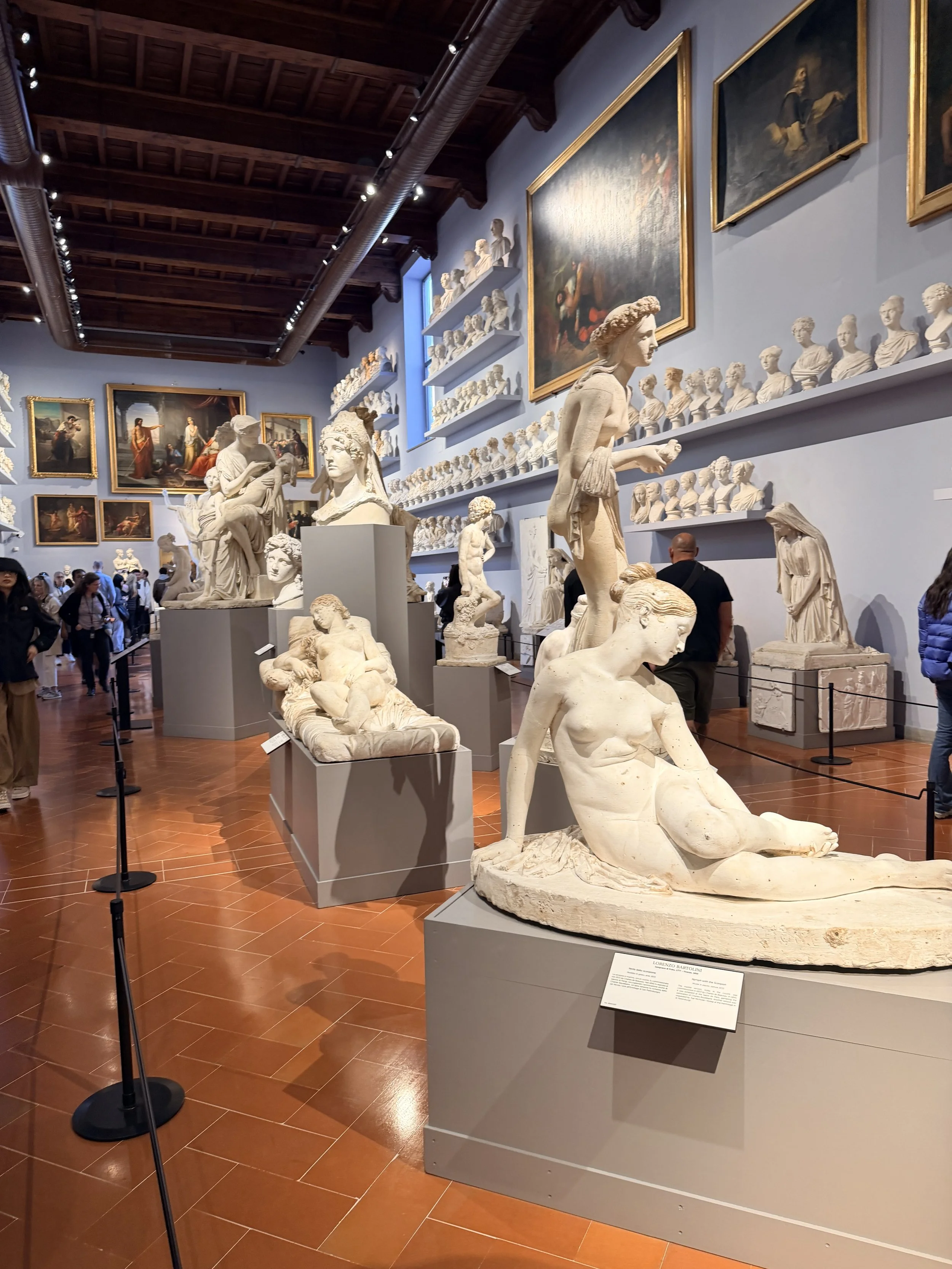
We then walked to the Bargello Museum, a quieter yet equally rich destination. Inside the former fortress, we explored an impressive collection of Renaissance sculptures, including smaller interpretations and variations inspired by David, as well as works by other masters. The setting itself added a layer of historical depth to the experience.
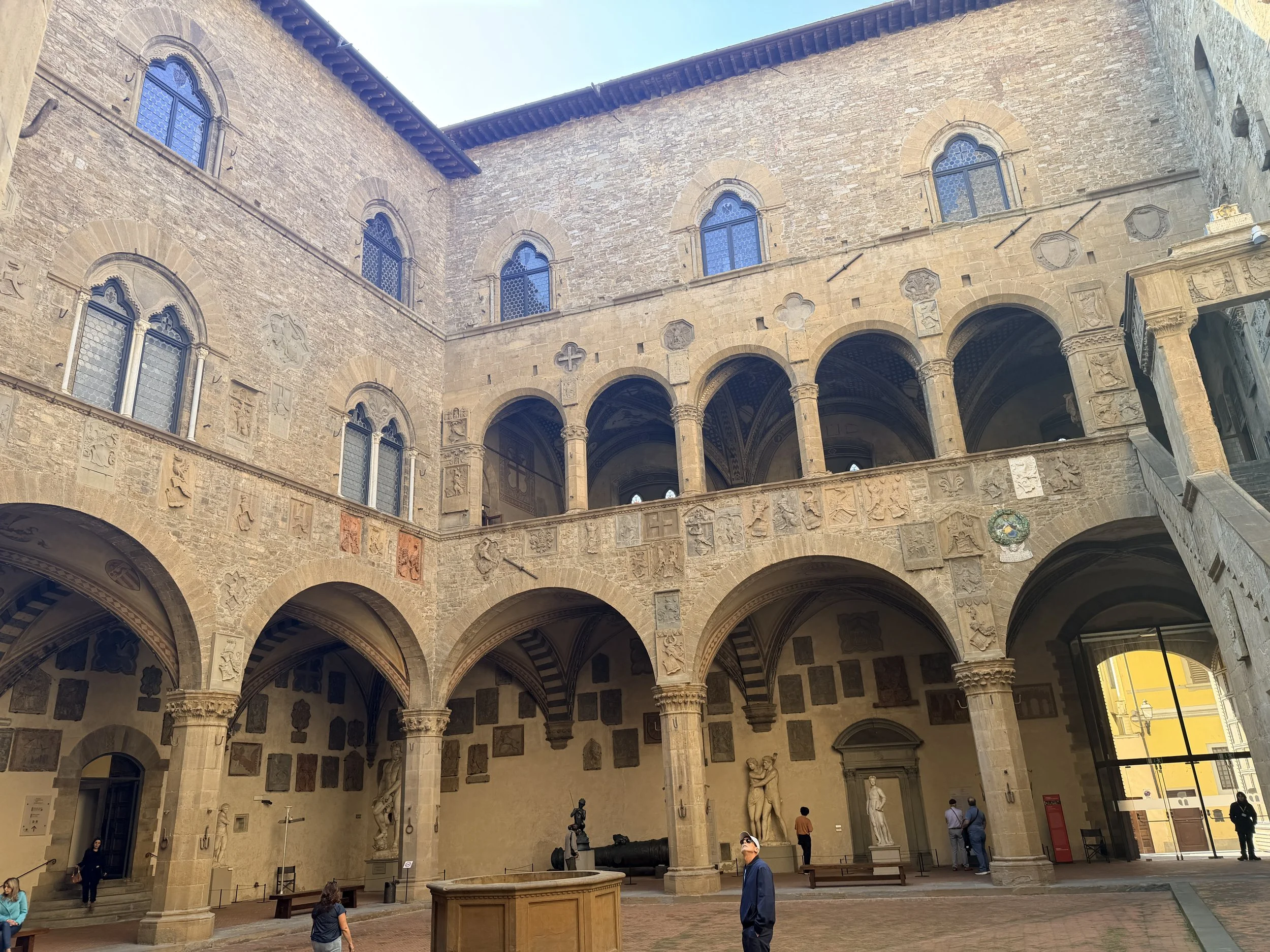
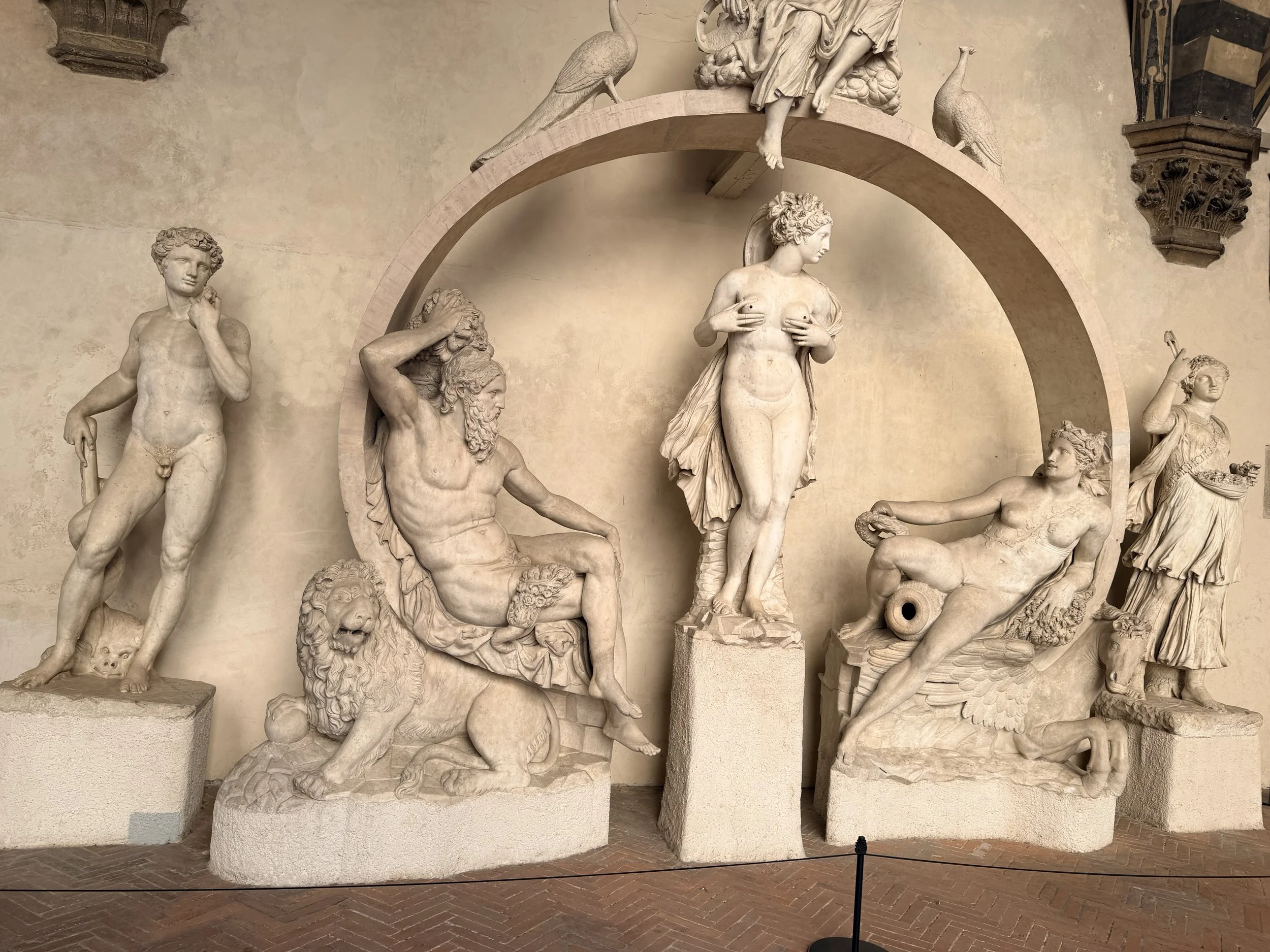
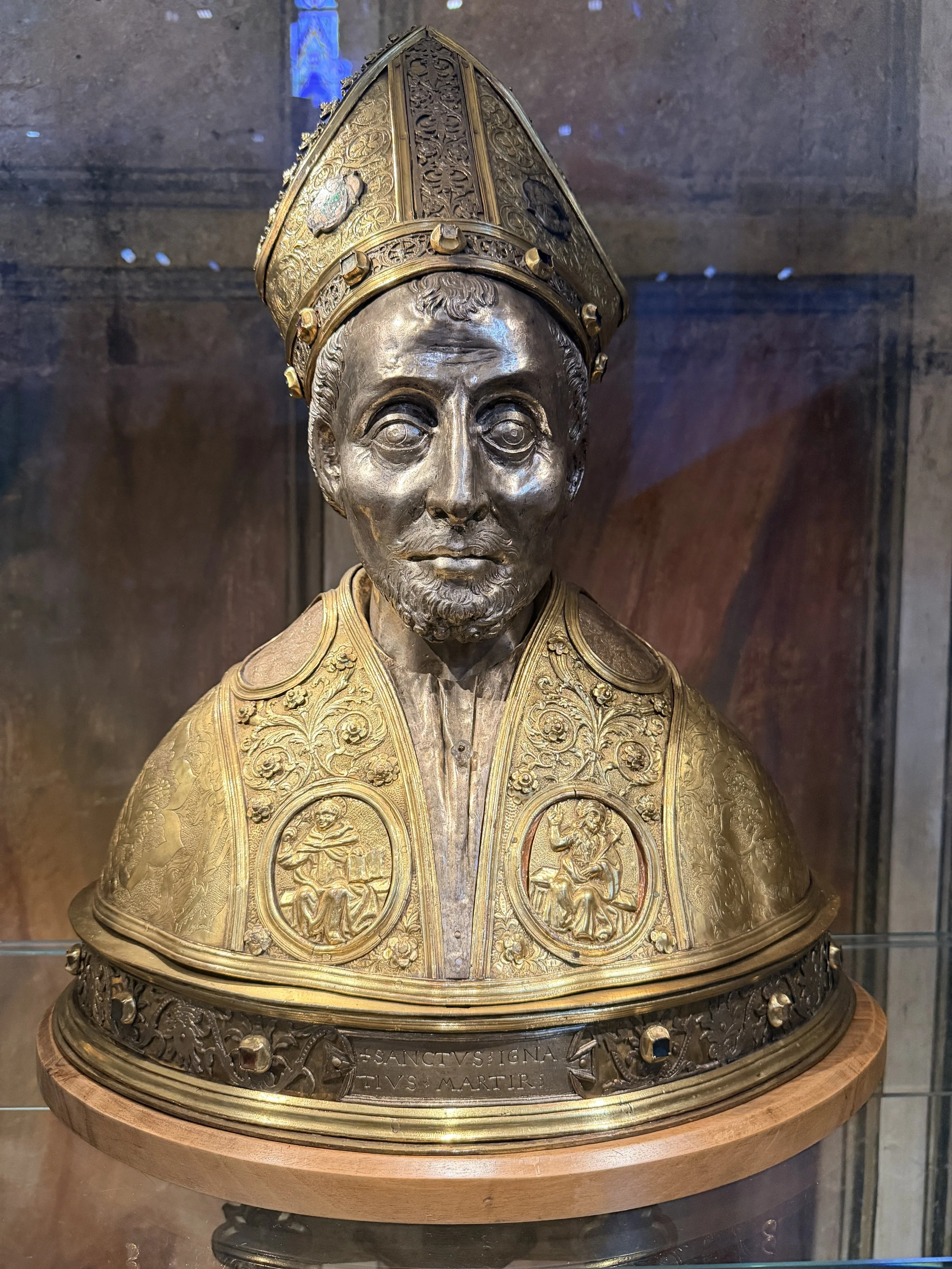
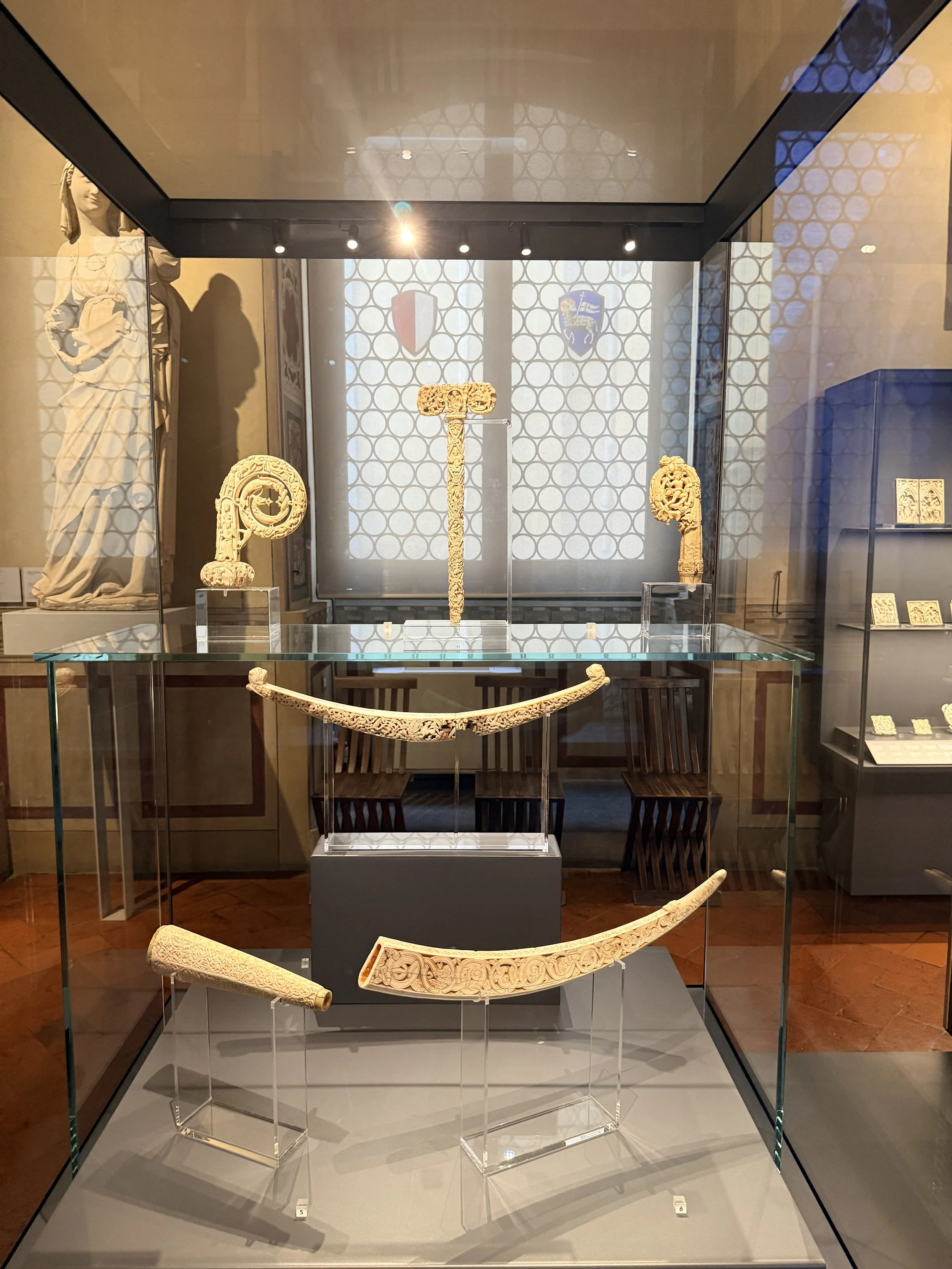
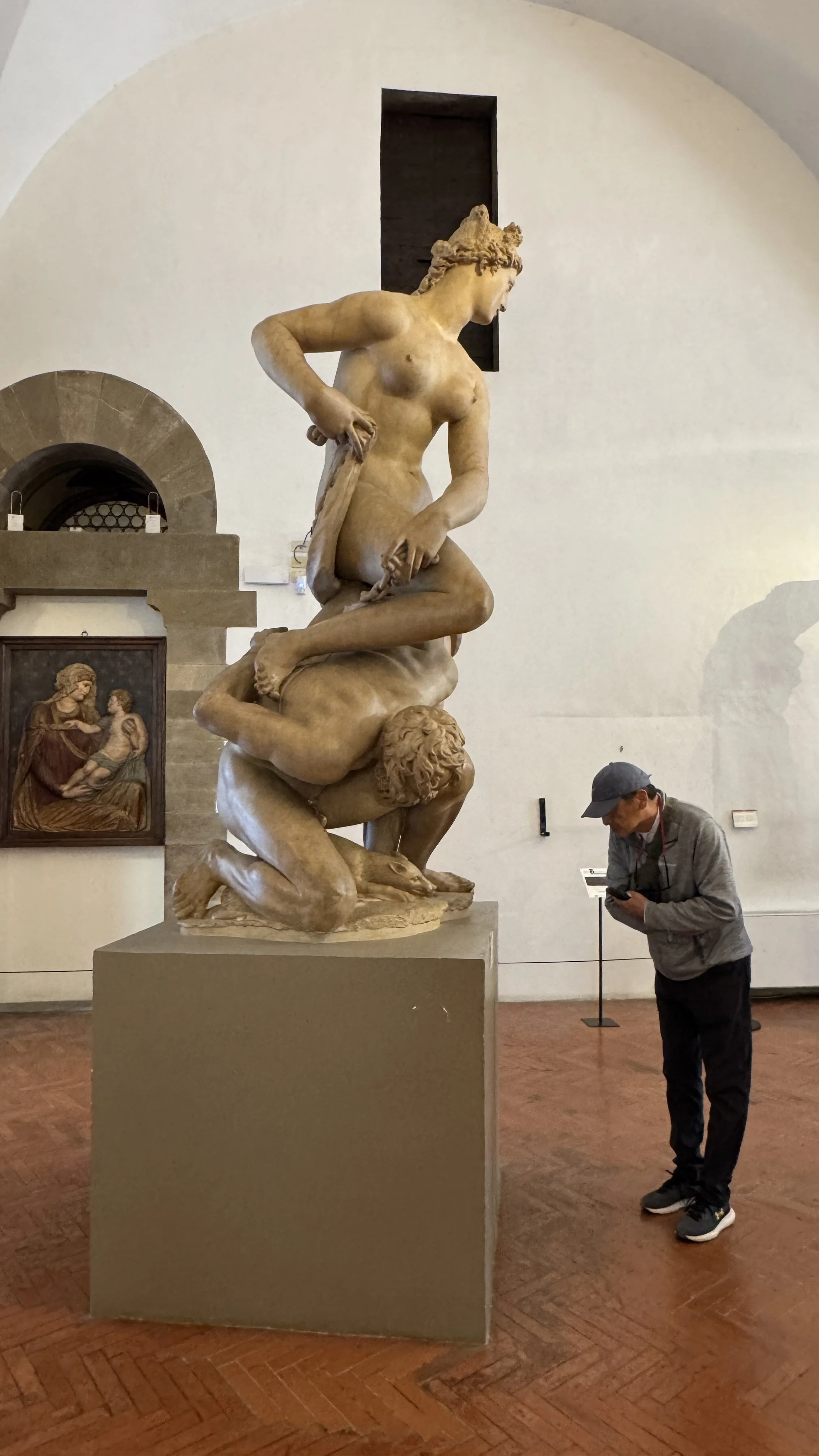
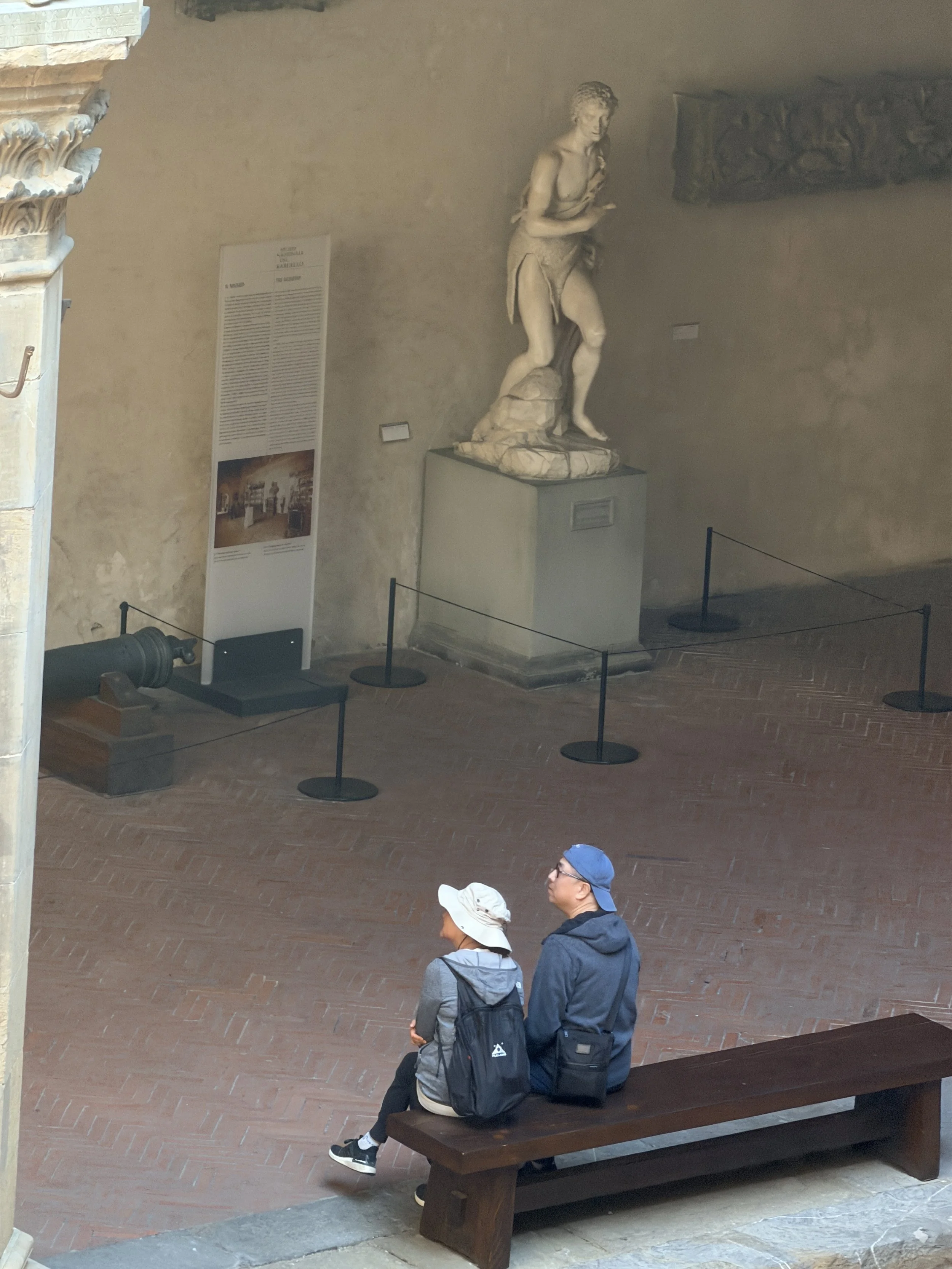
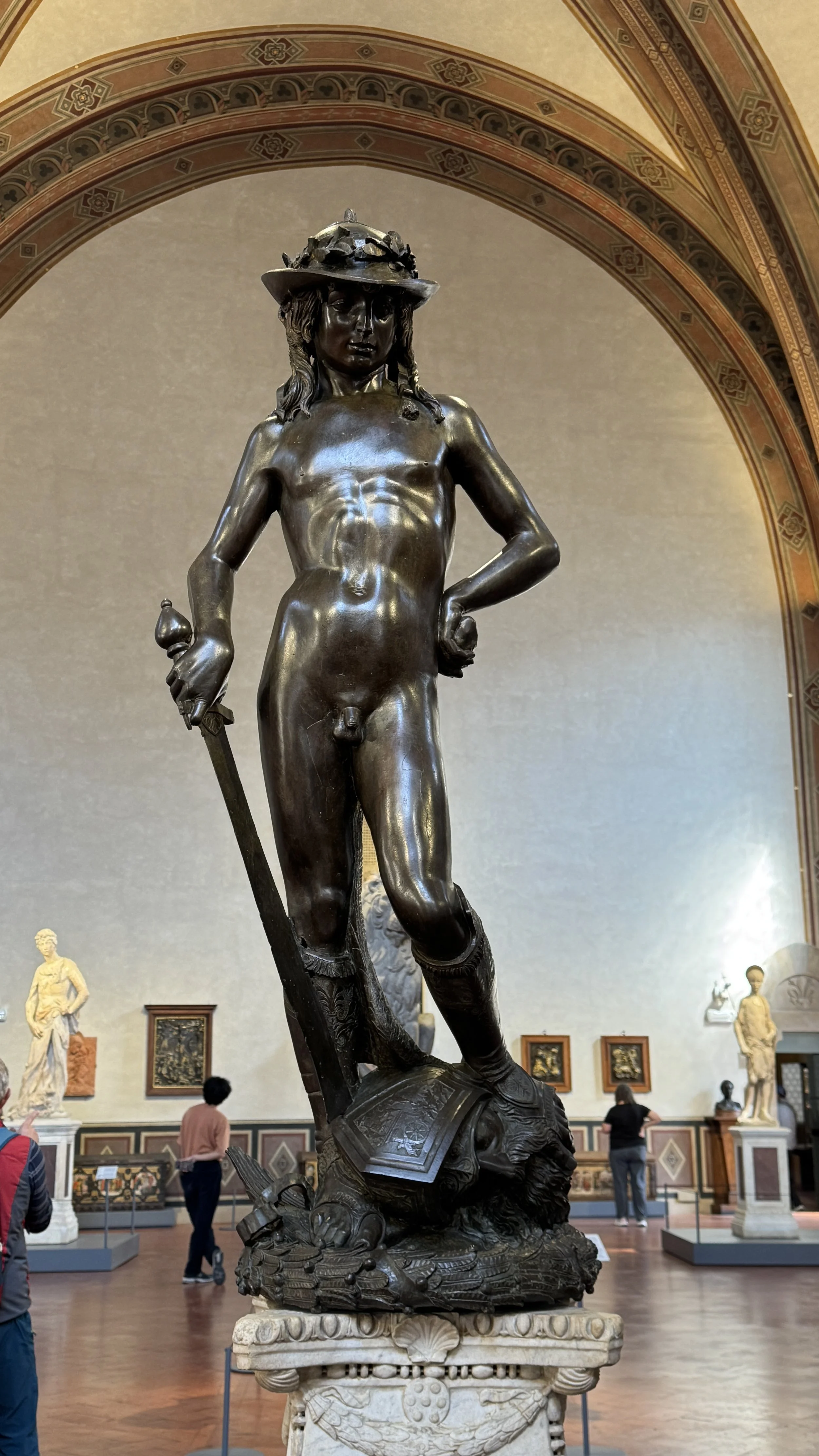
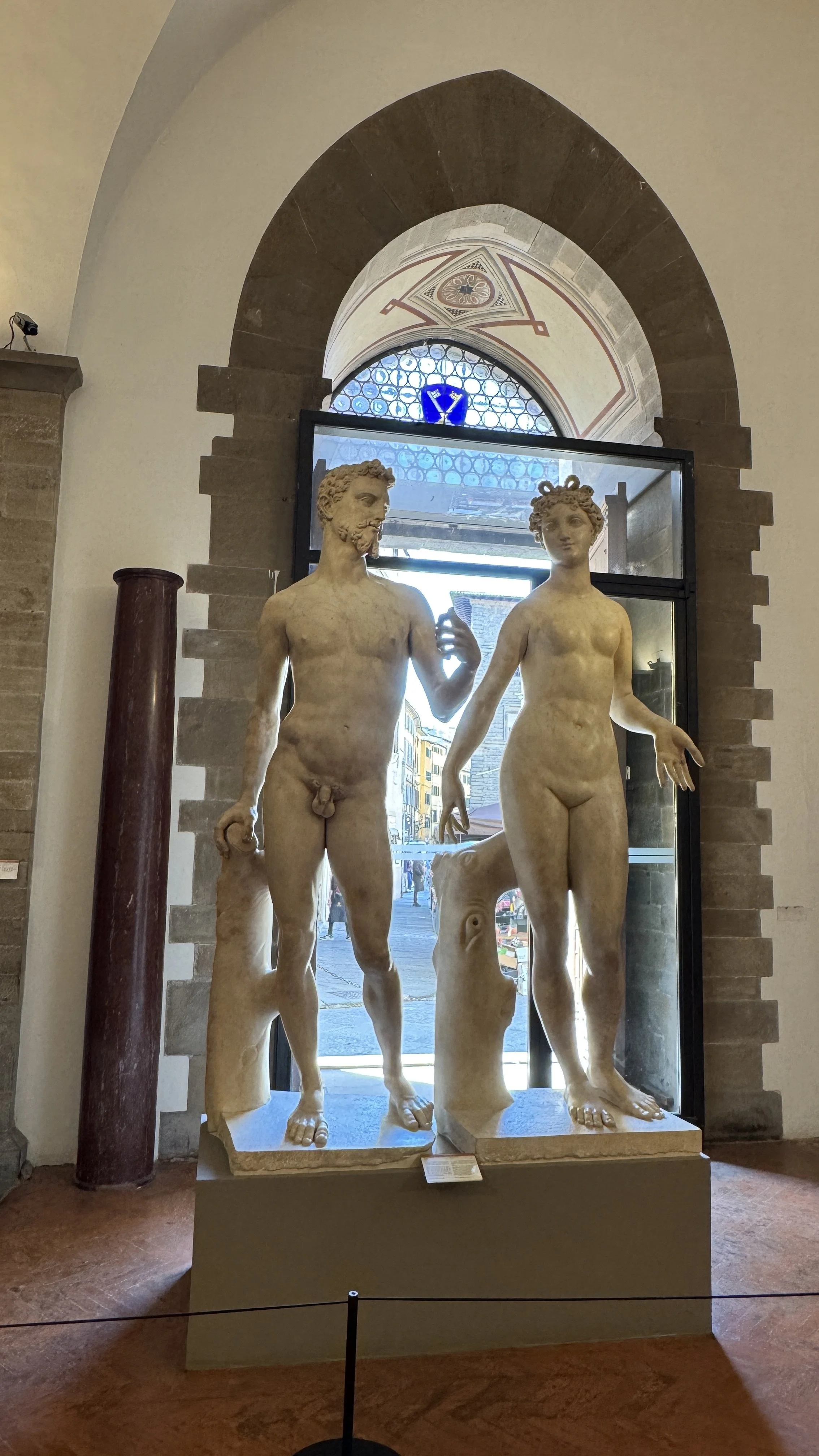
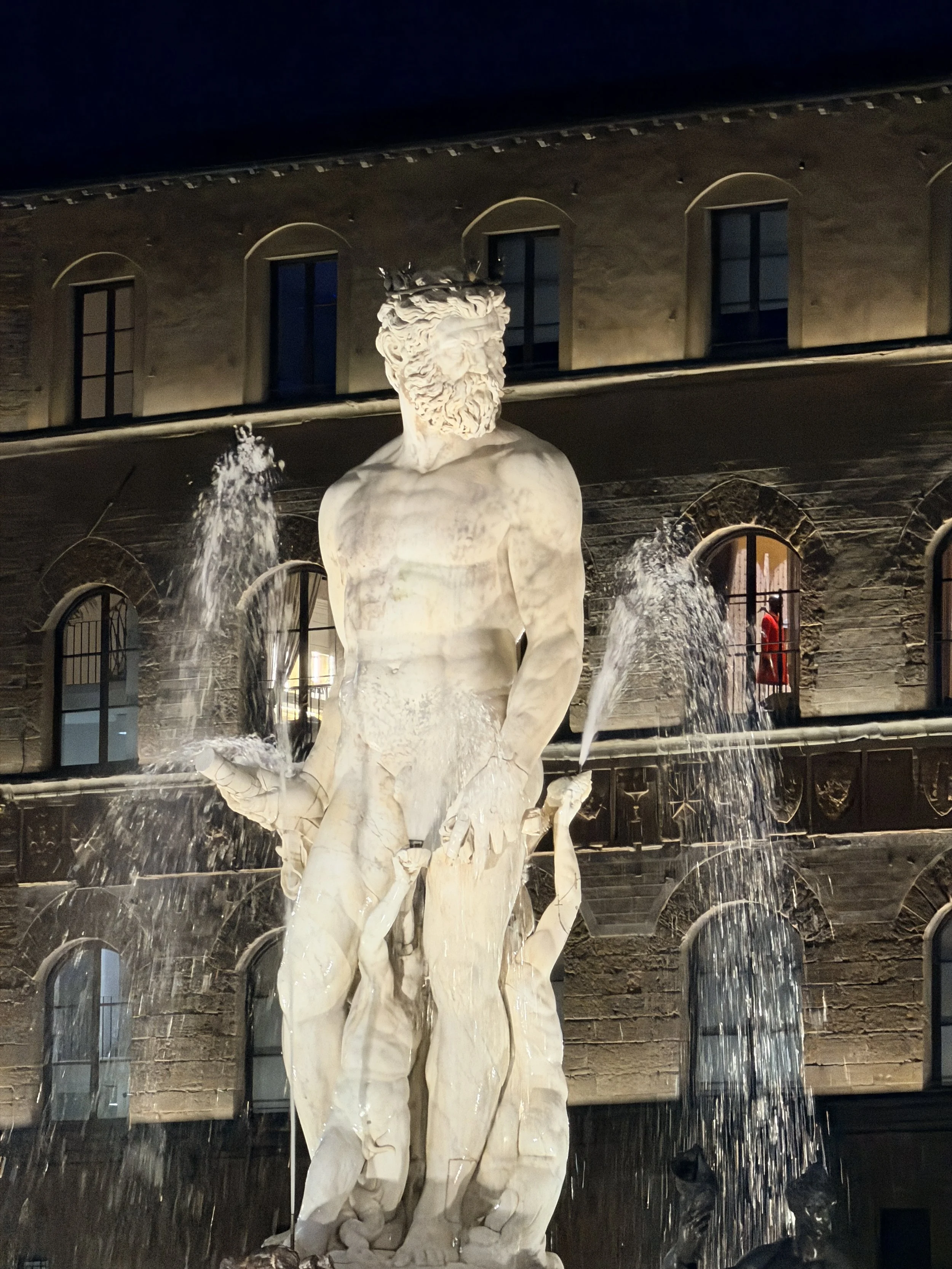
On the way to the Florence Cathedral, we stopped at Piazza della Signoria, the historic political and artistic heart of Florence, where world-famous statues stand throughout the square like a free open-air museum.
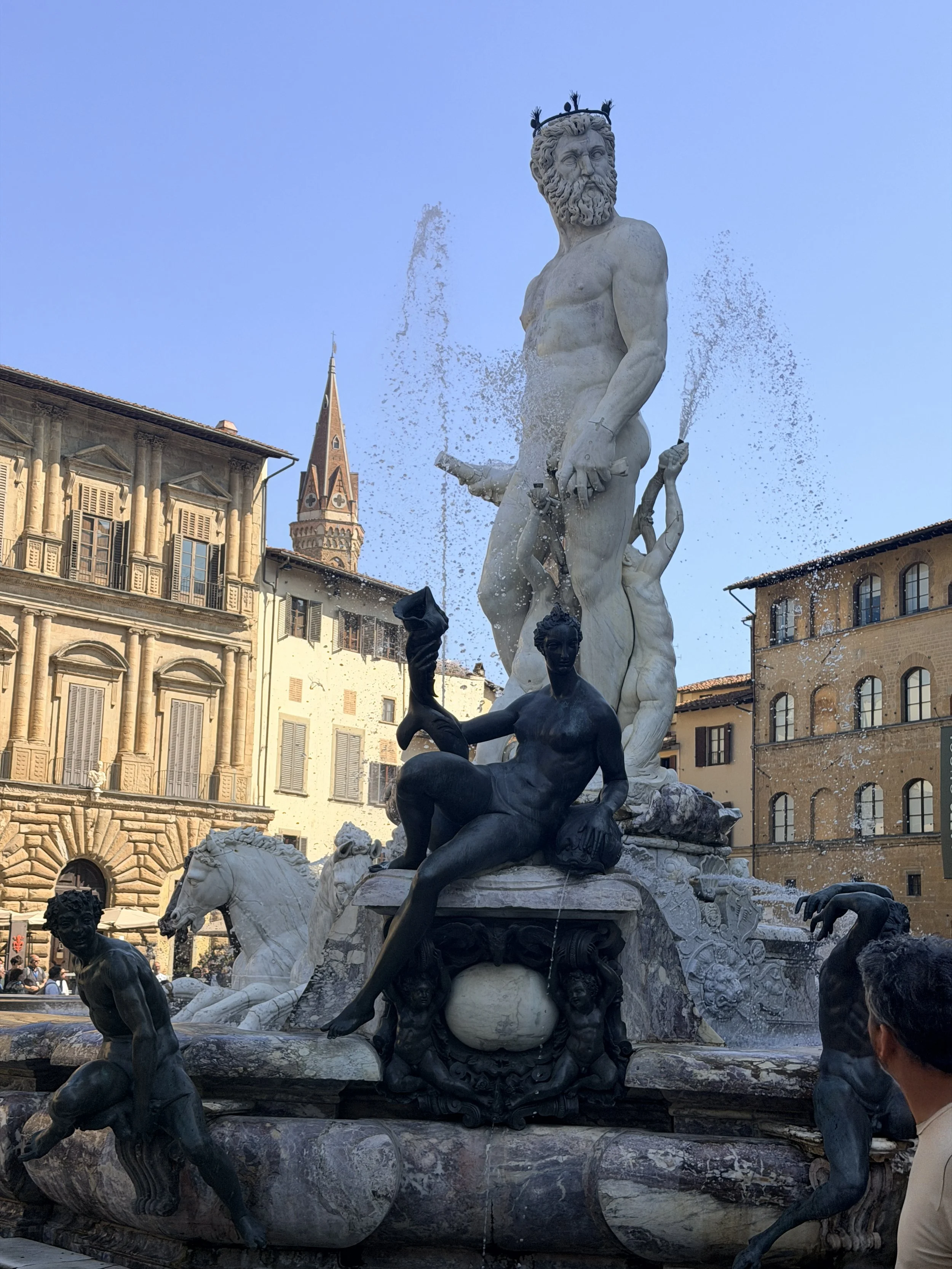
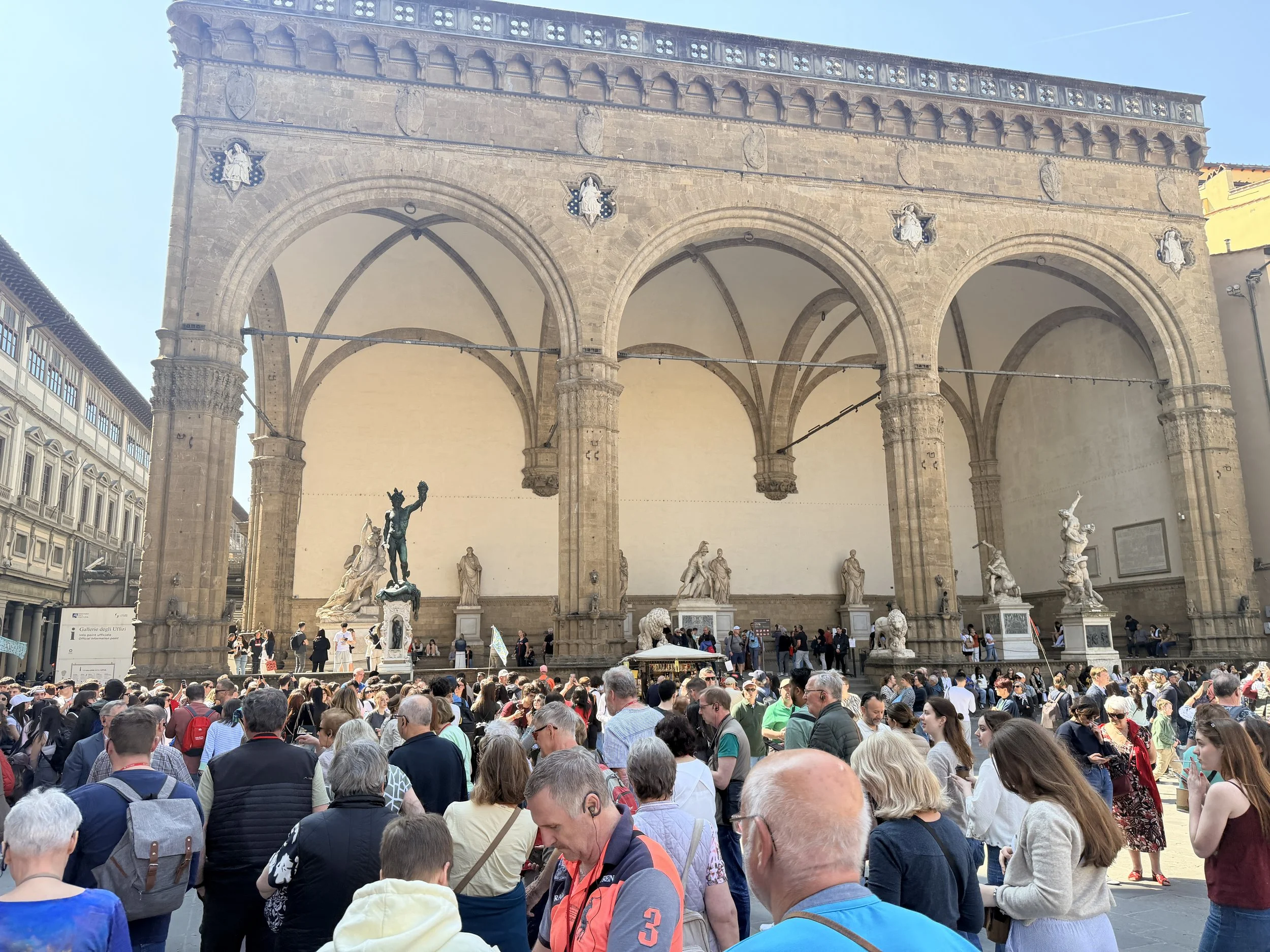
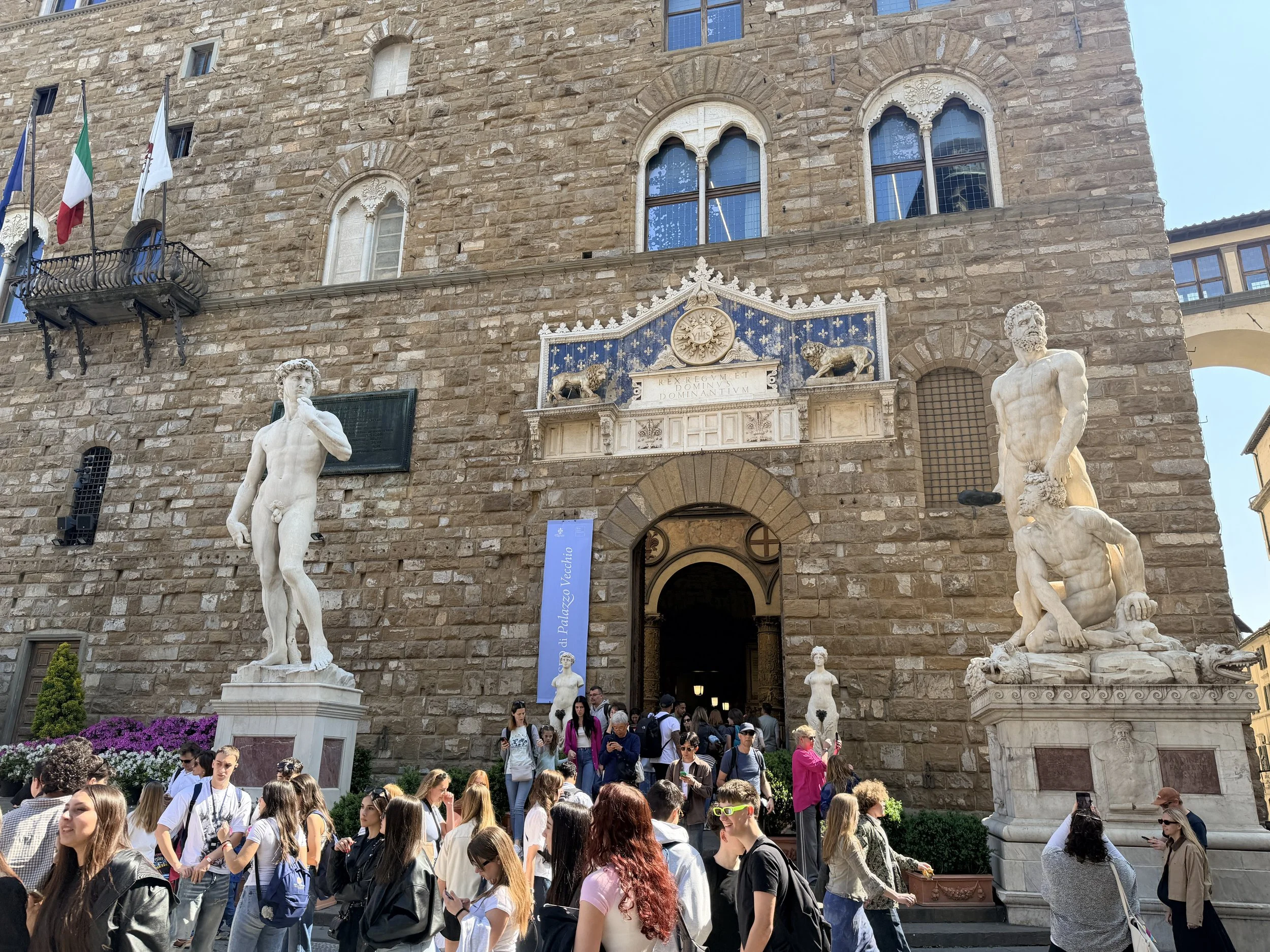
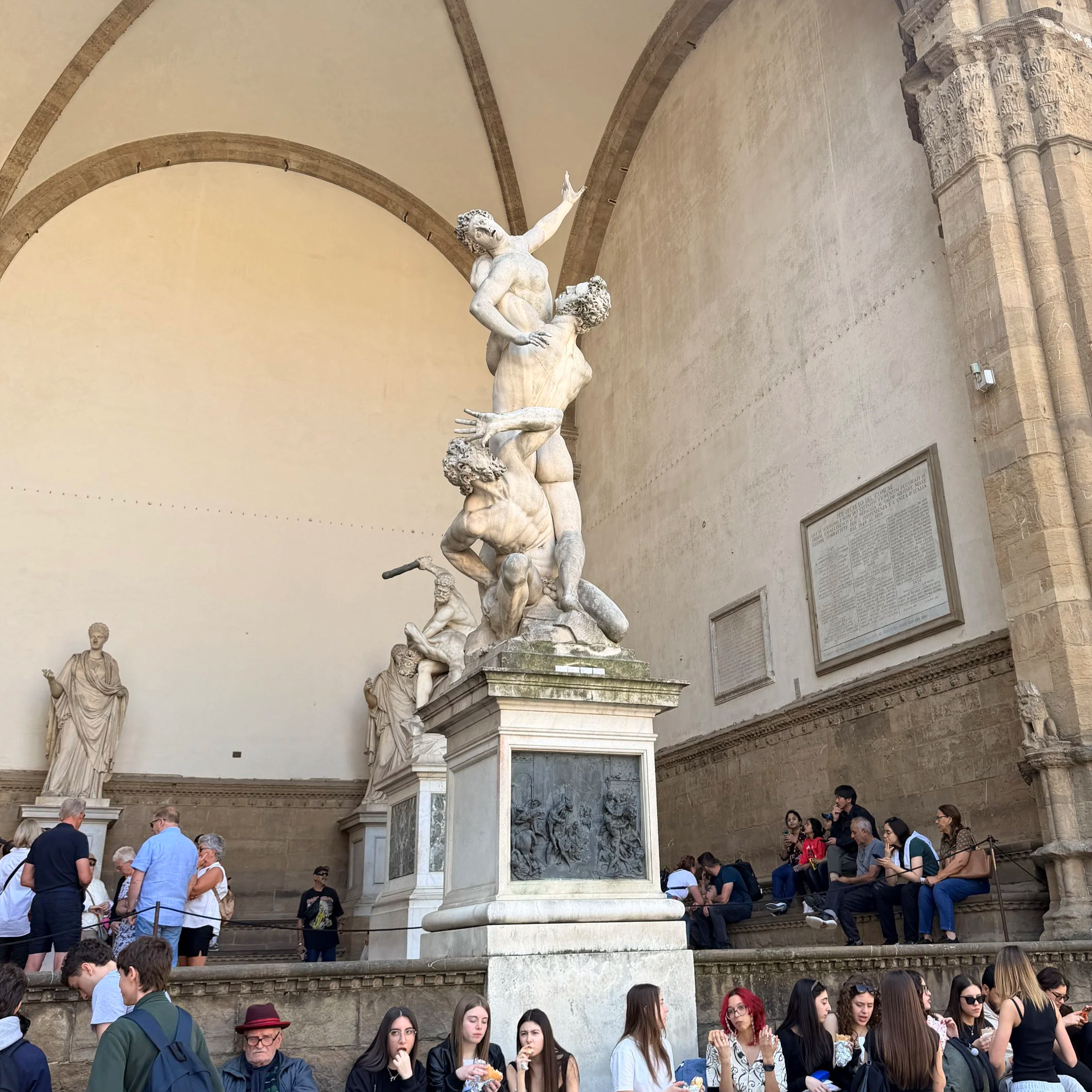
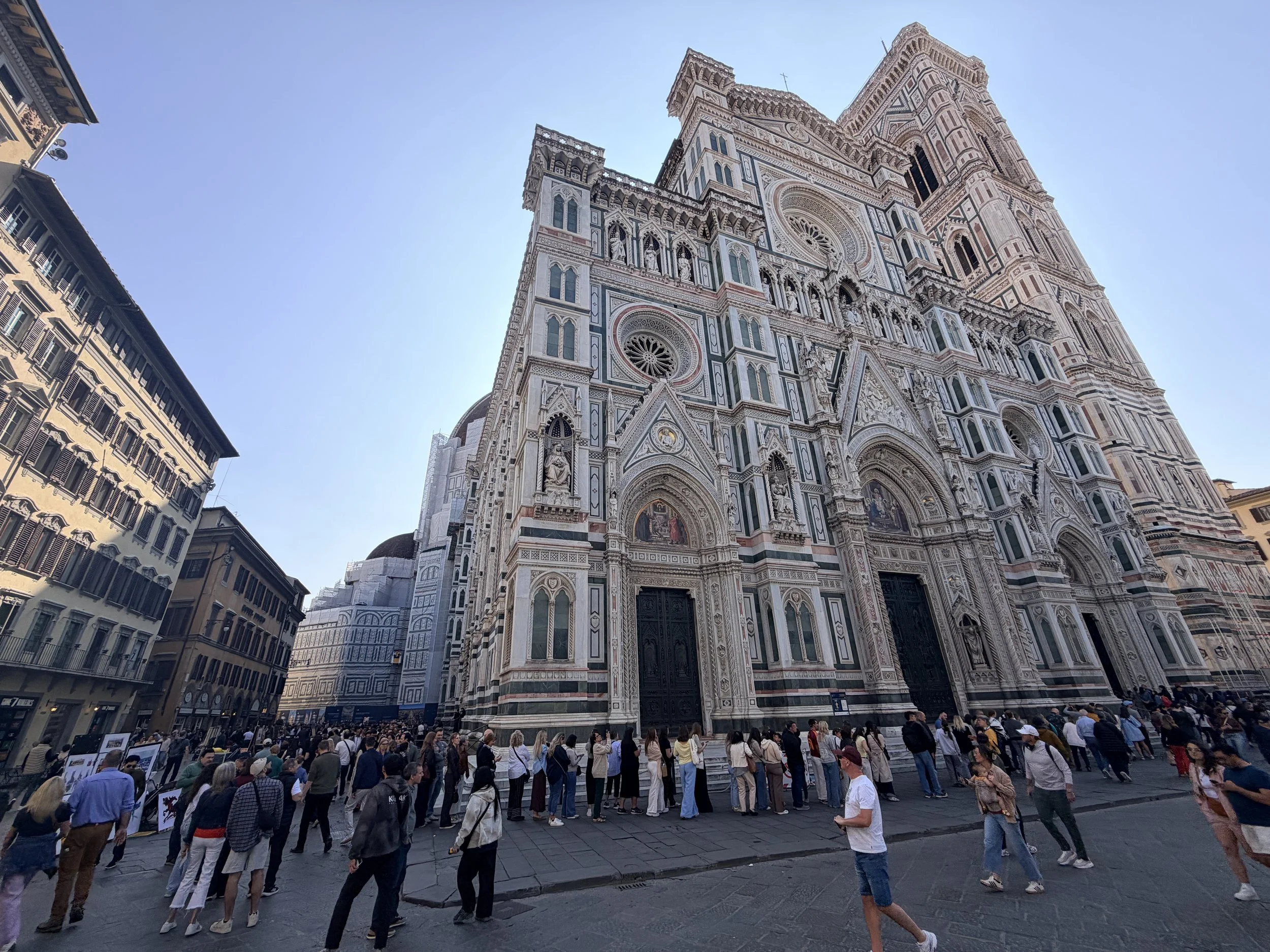
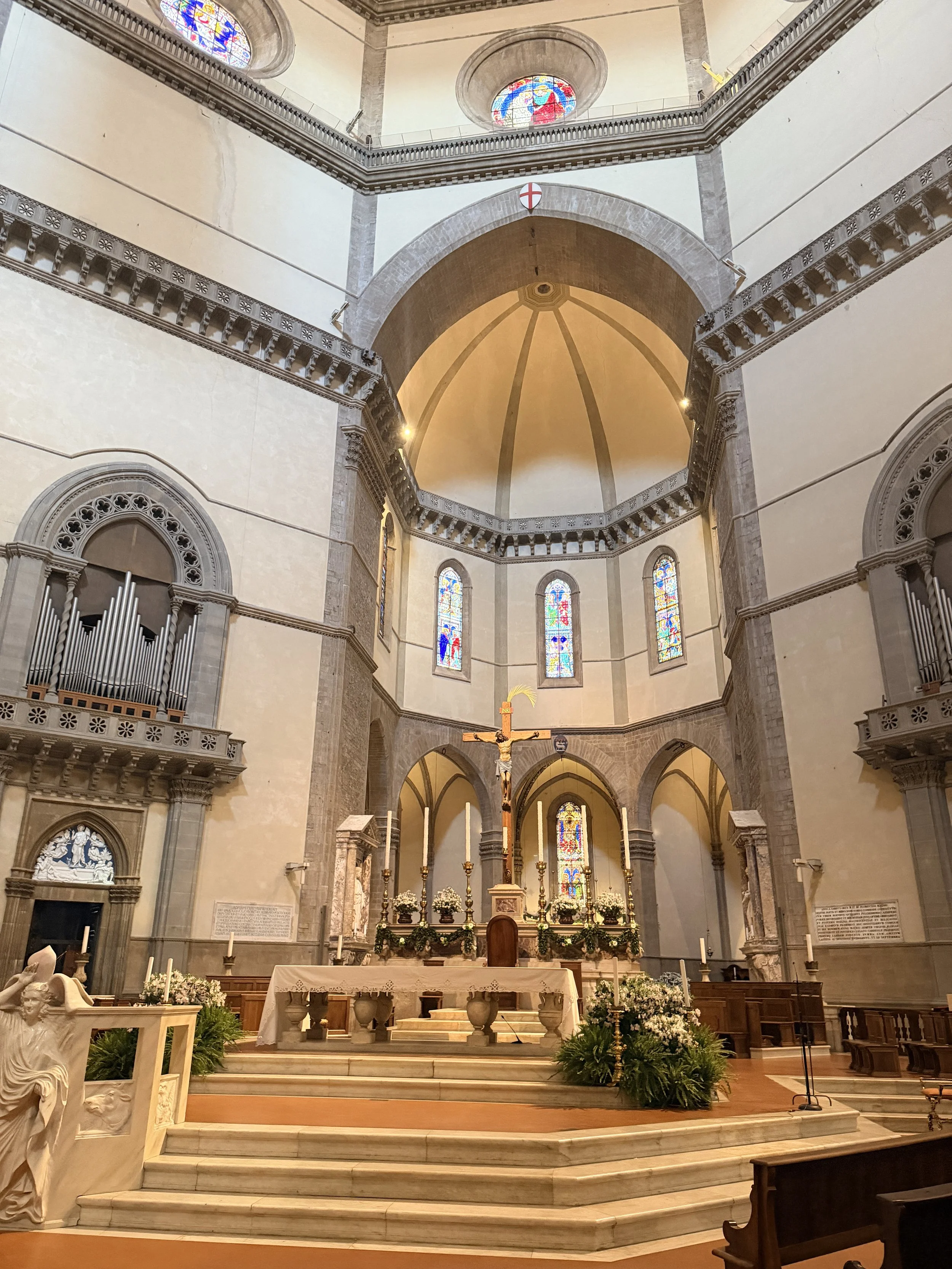
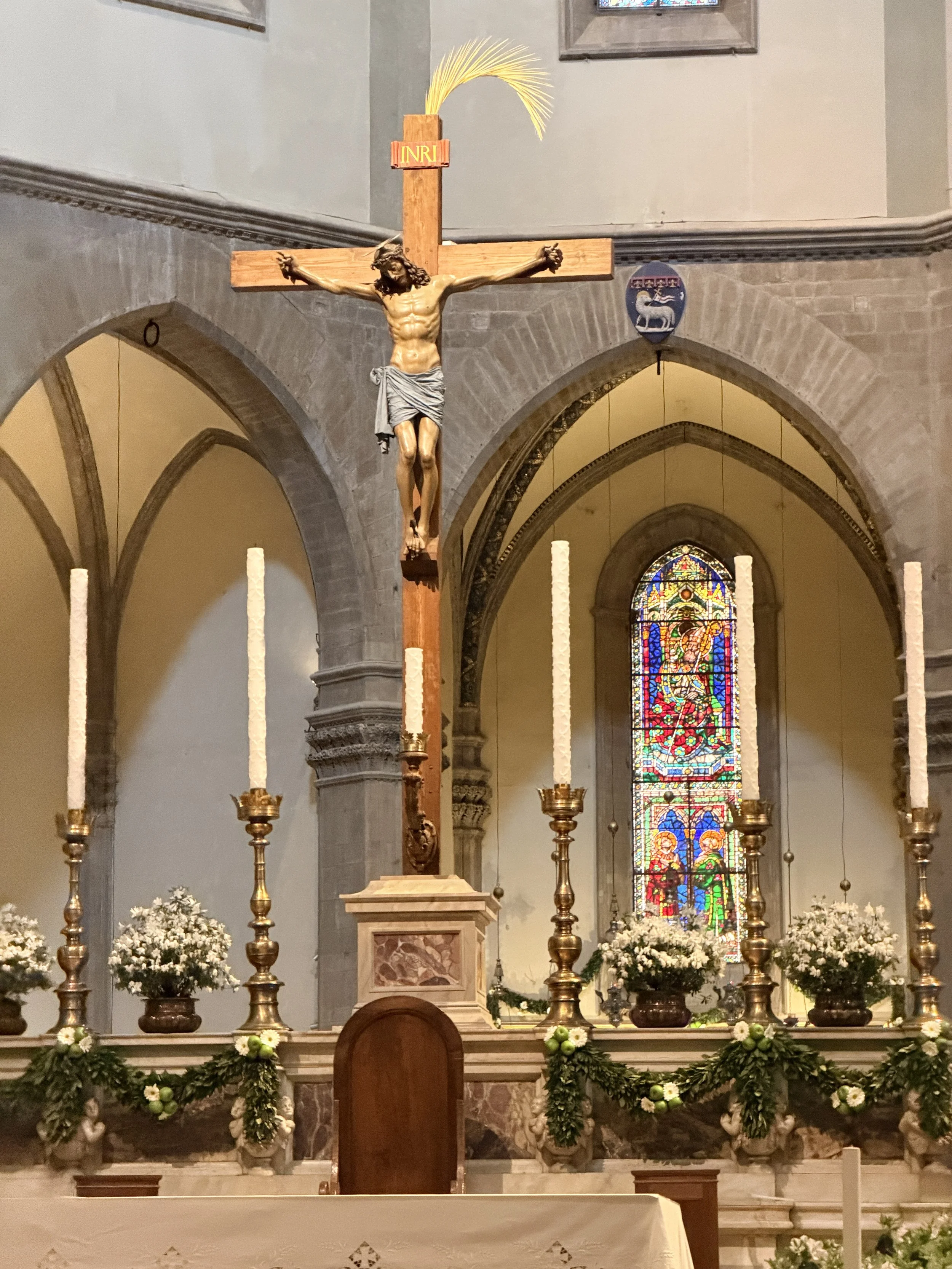
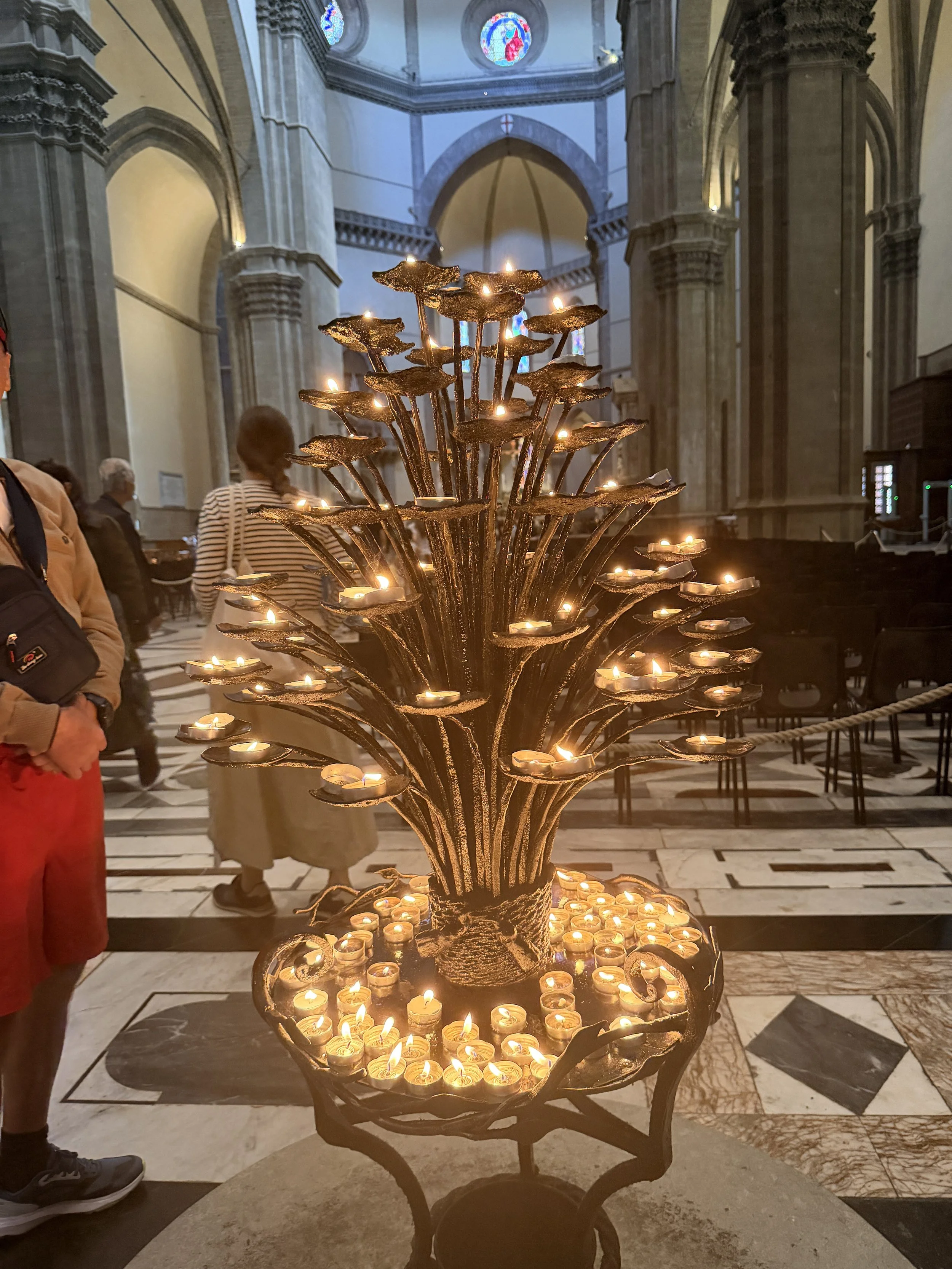
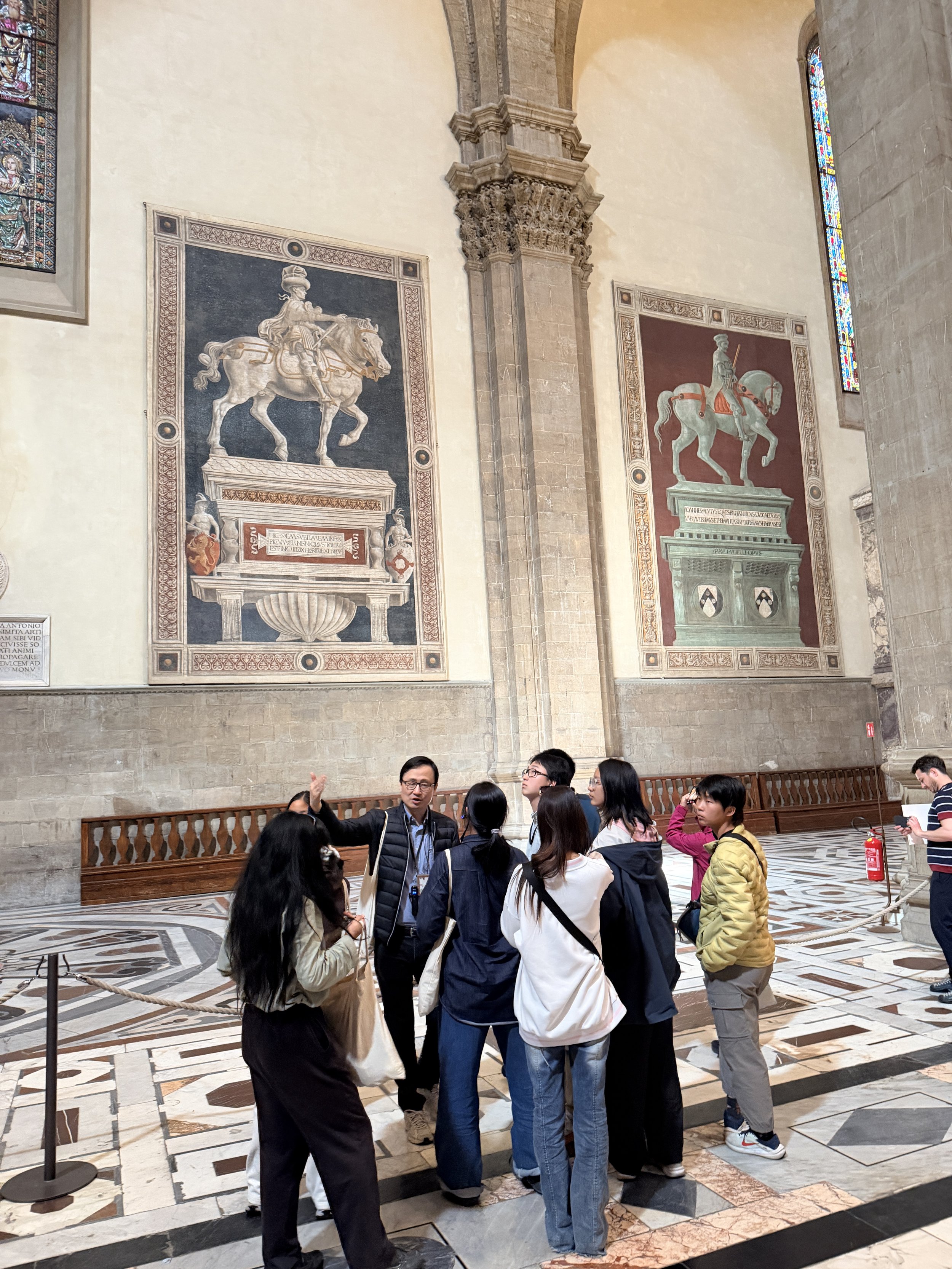
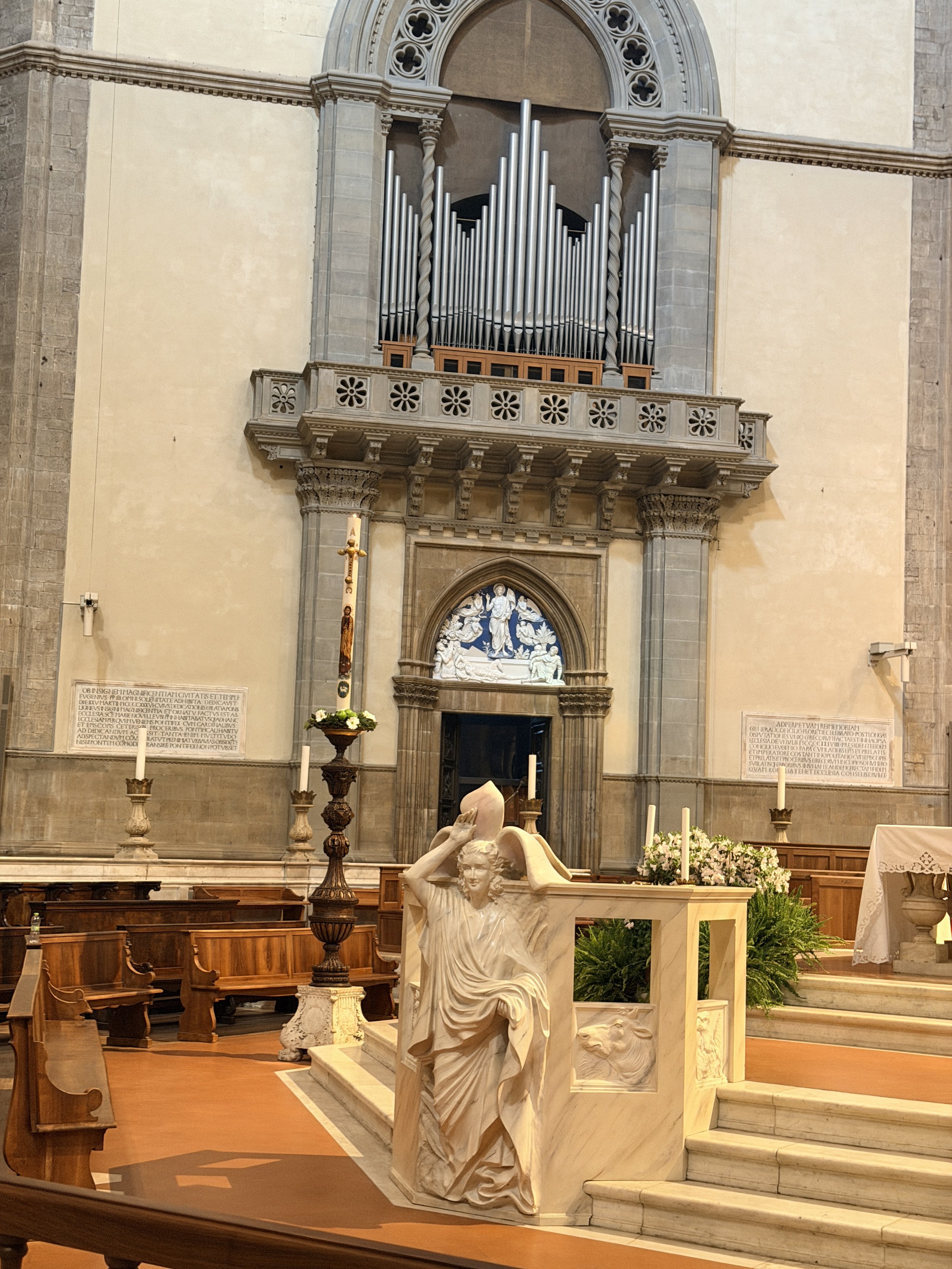
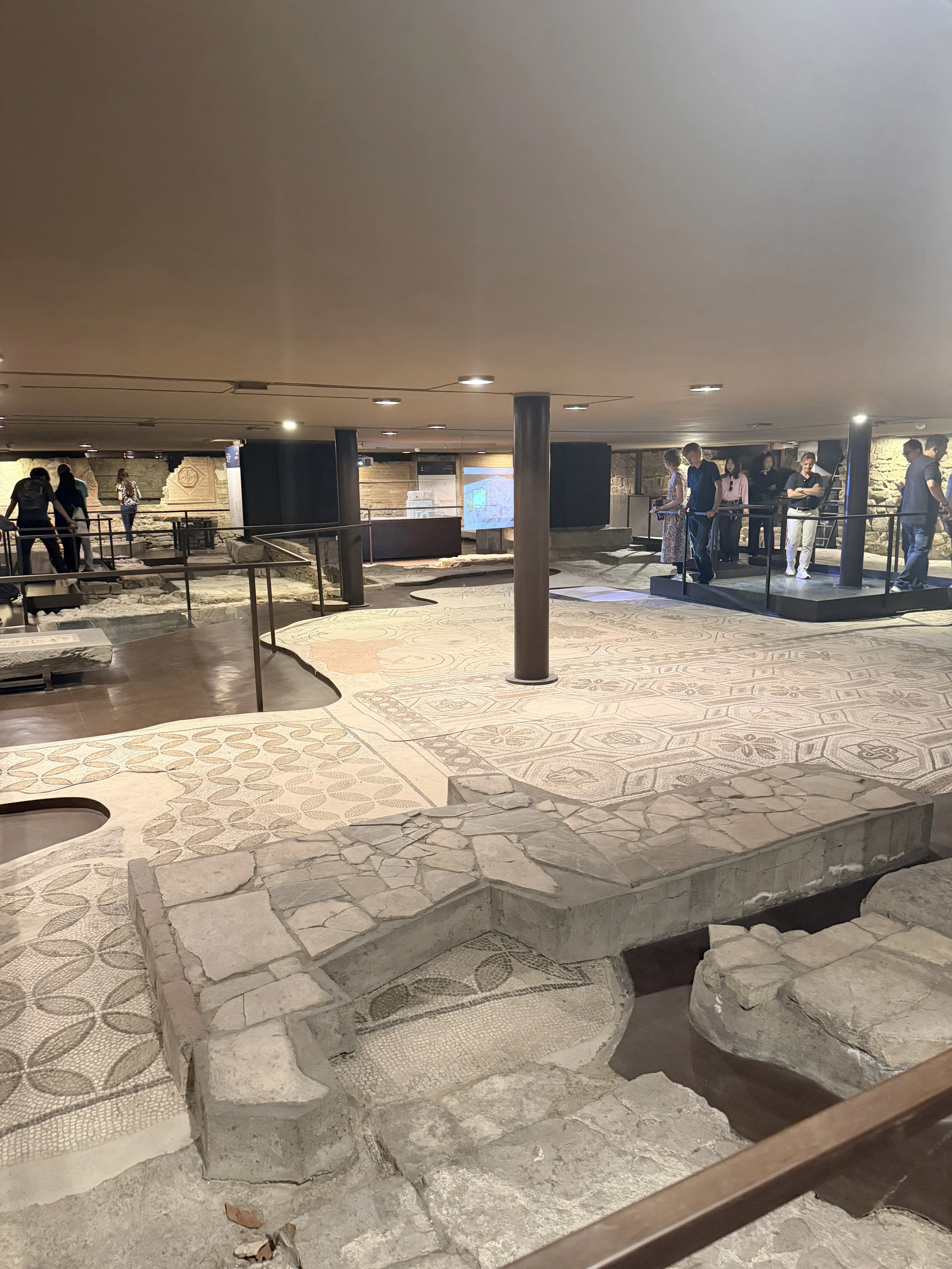
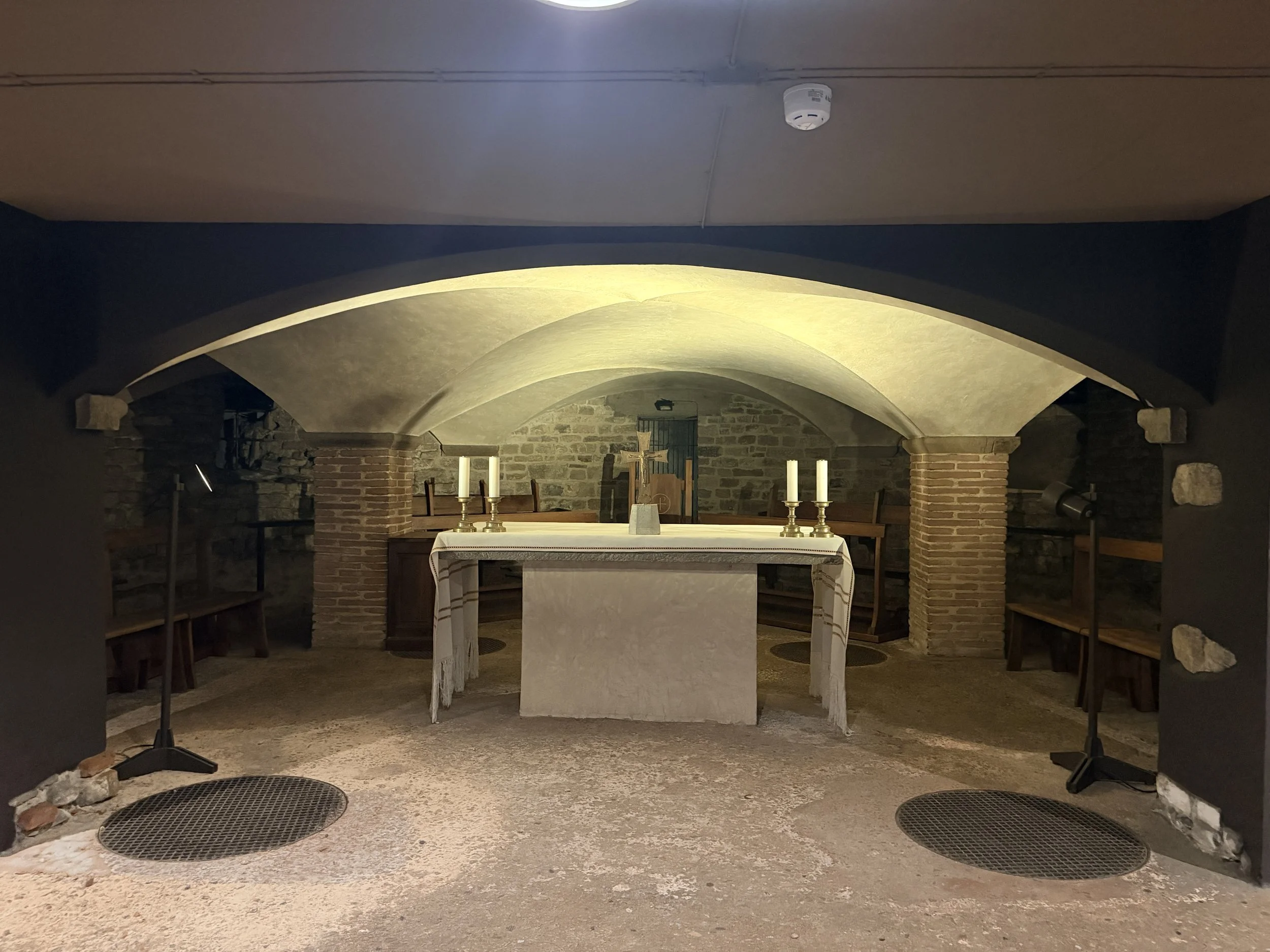
When we first arrived at the cathedral, the line looked daunting, stretching across the square with what seemed like more than an hour’s wait. Not eager to spend so much time queuing, we decided to return to the hotel for a short rest. When we came back later, we were pleasantly surprised to find the line much shorter, with only about a 15-minute wait. Soon afterward, however, we realized that our Giotto Pass — which included access to the archaeological site inside the cathedral — allowed us to bypass the line entirely and enter directly without waiting. Once inside, the grandeur of the Duomo once again left a lasting impression on us.
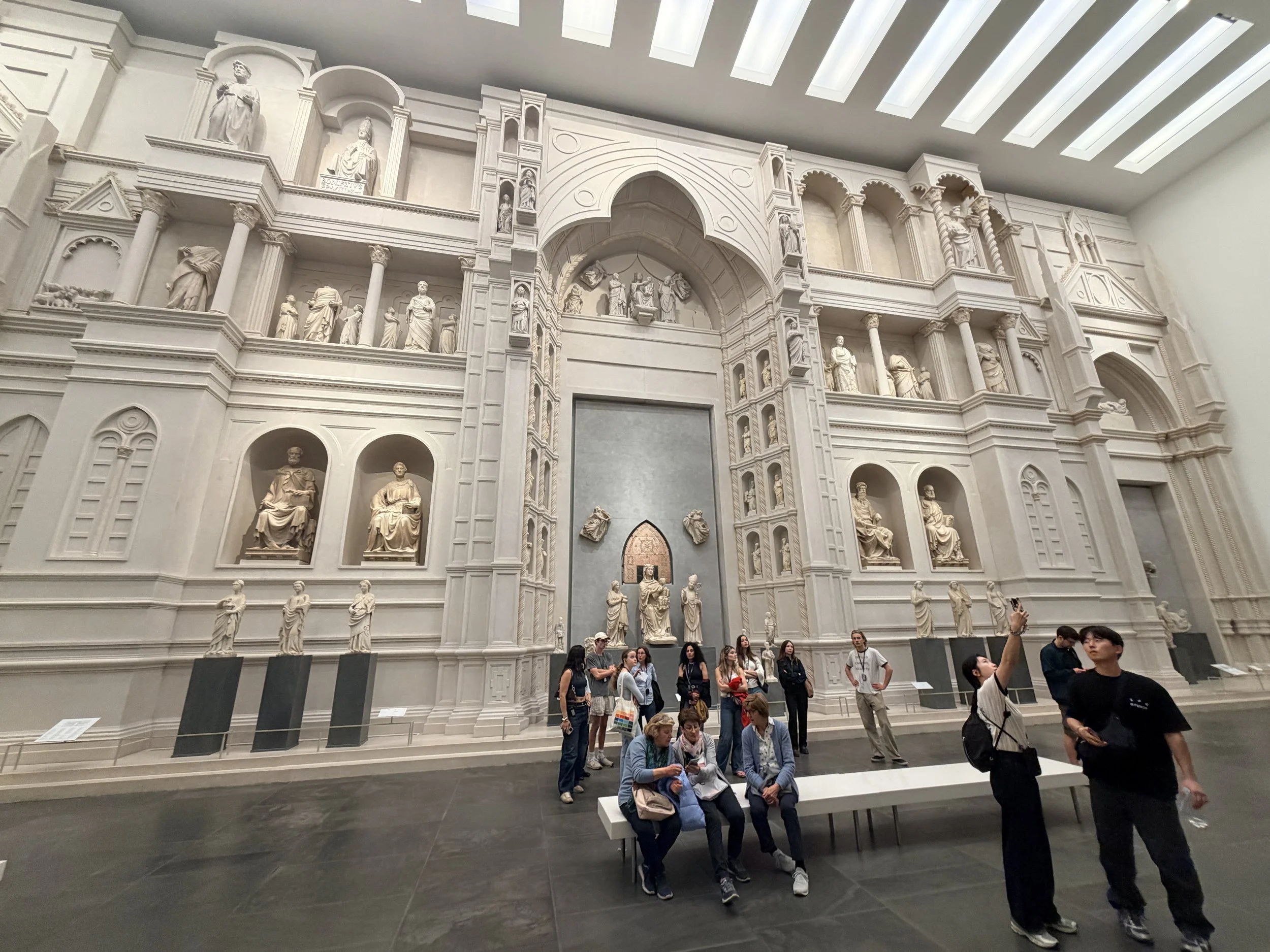
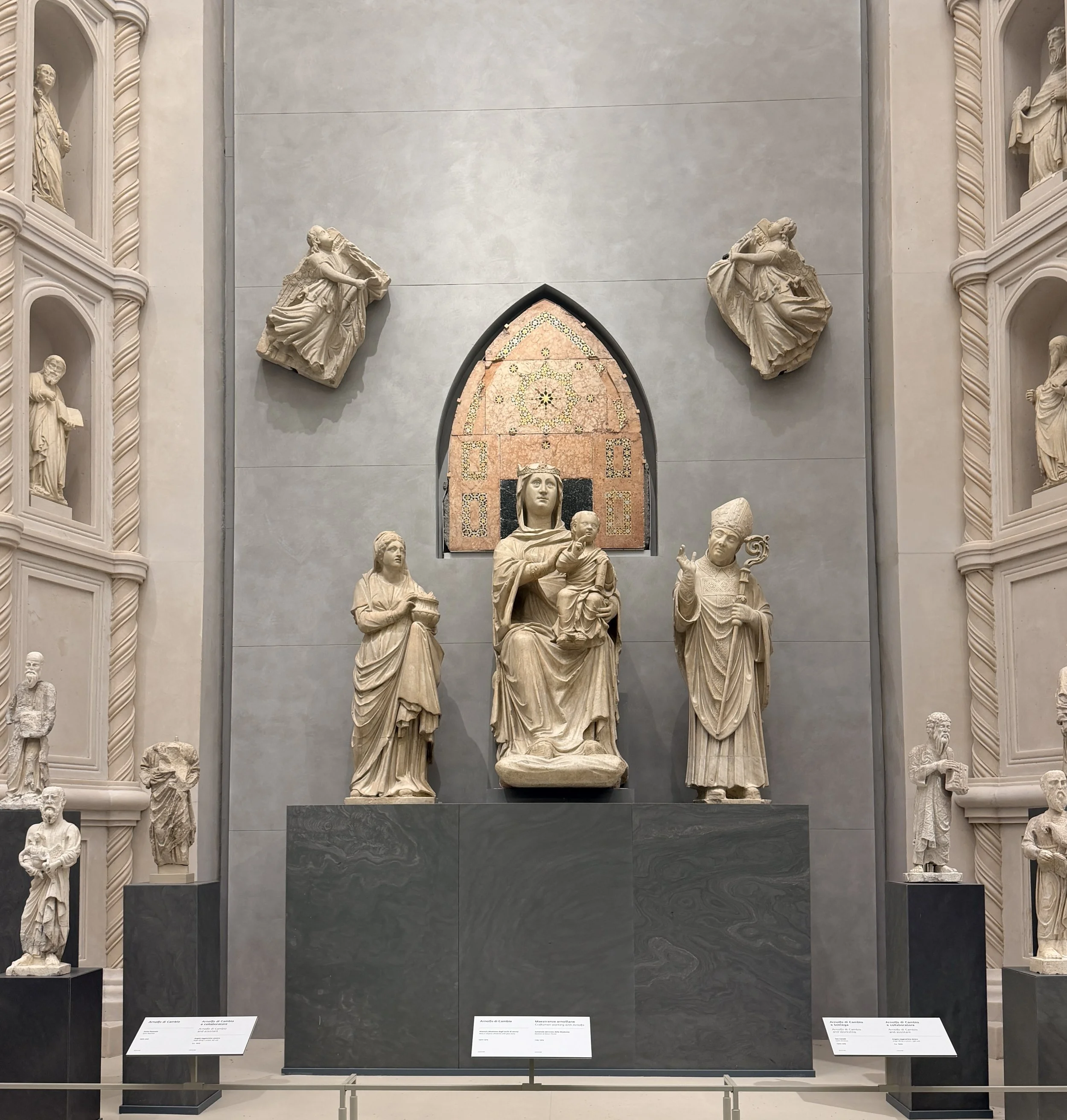
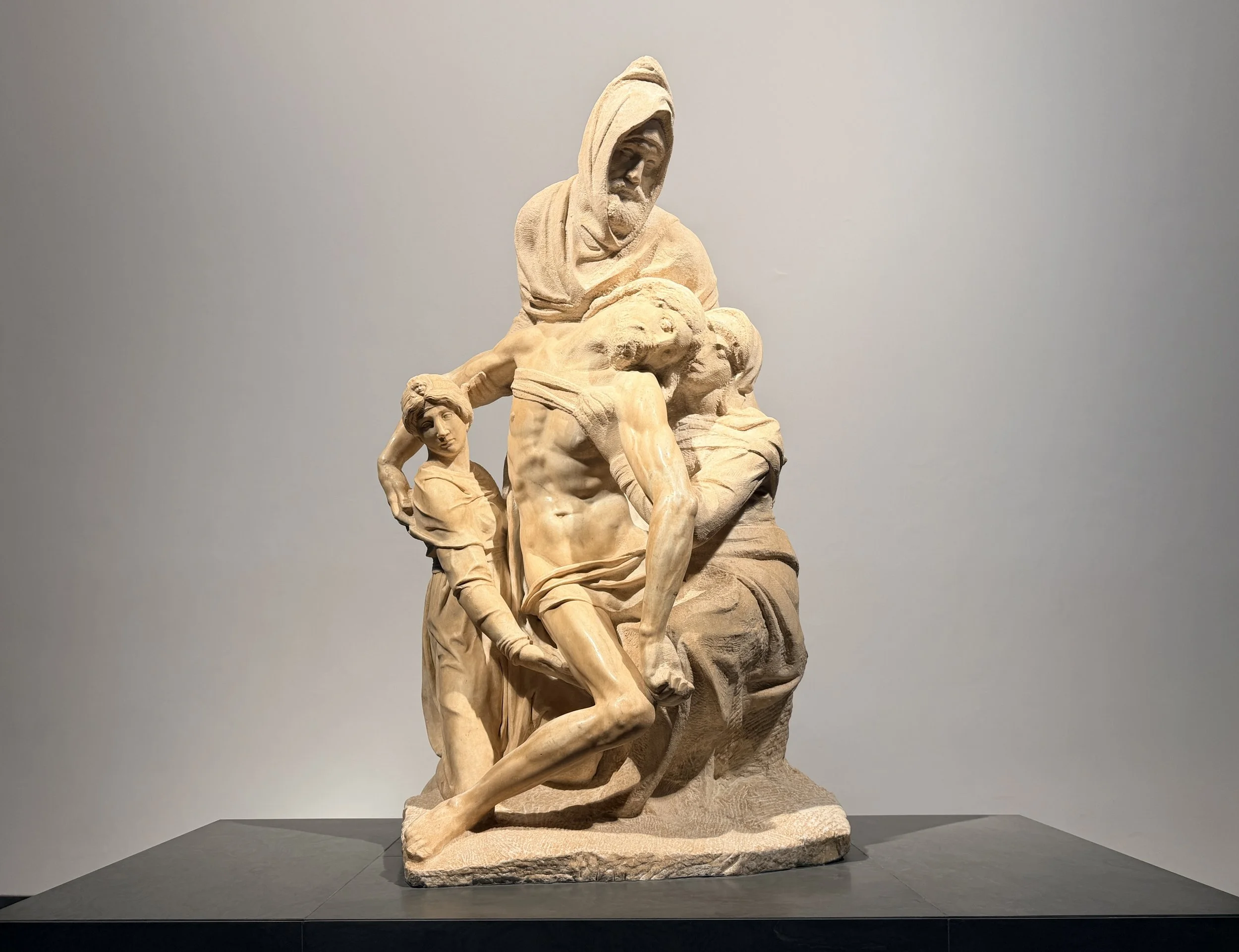
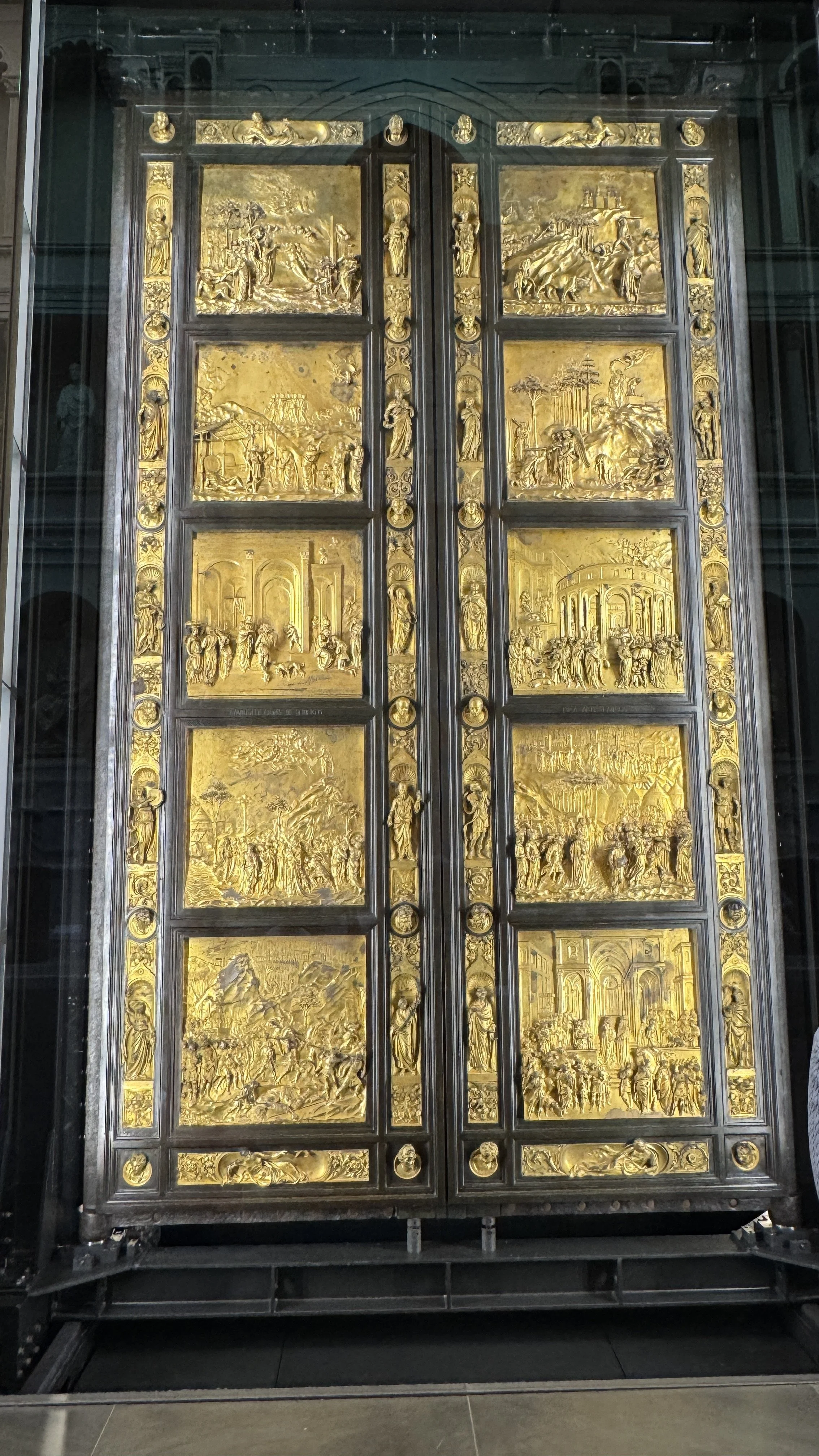
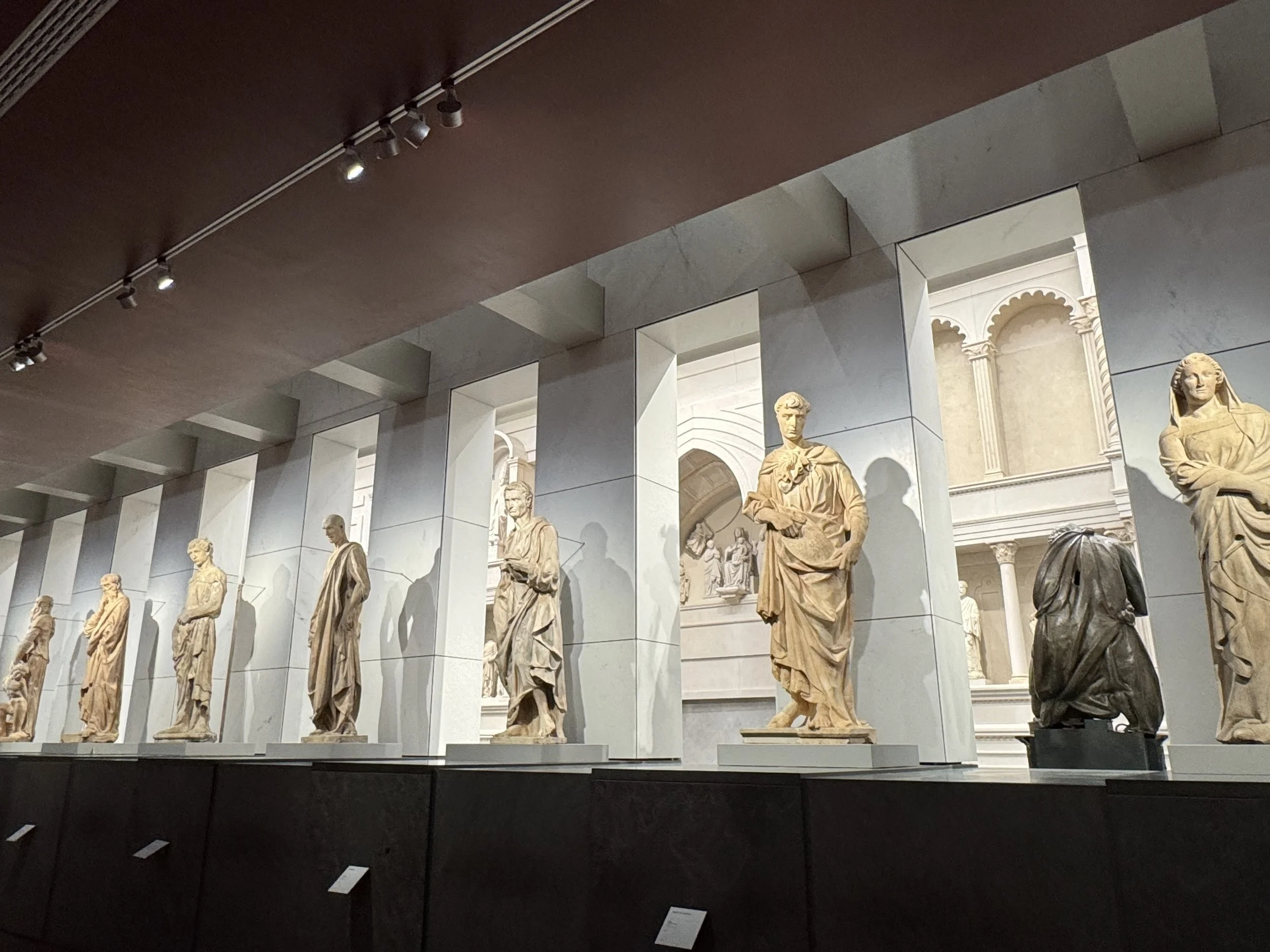
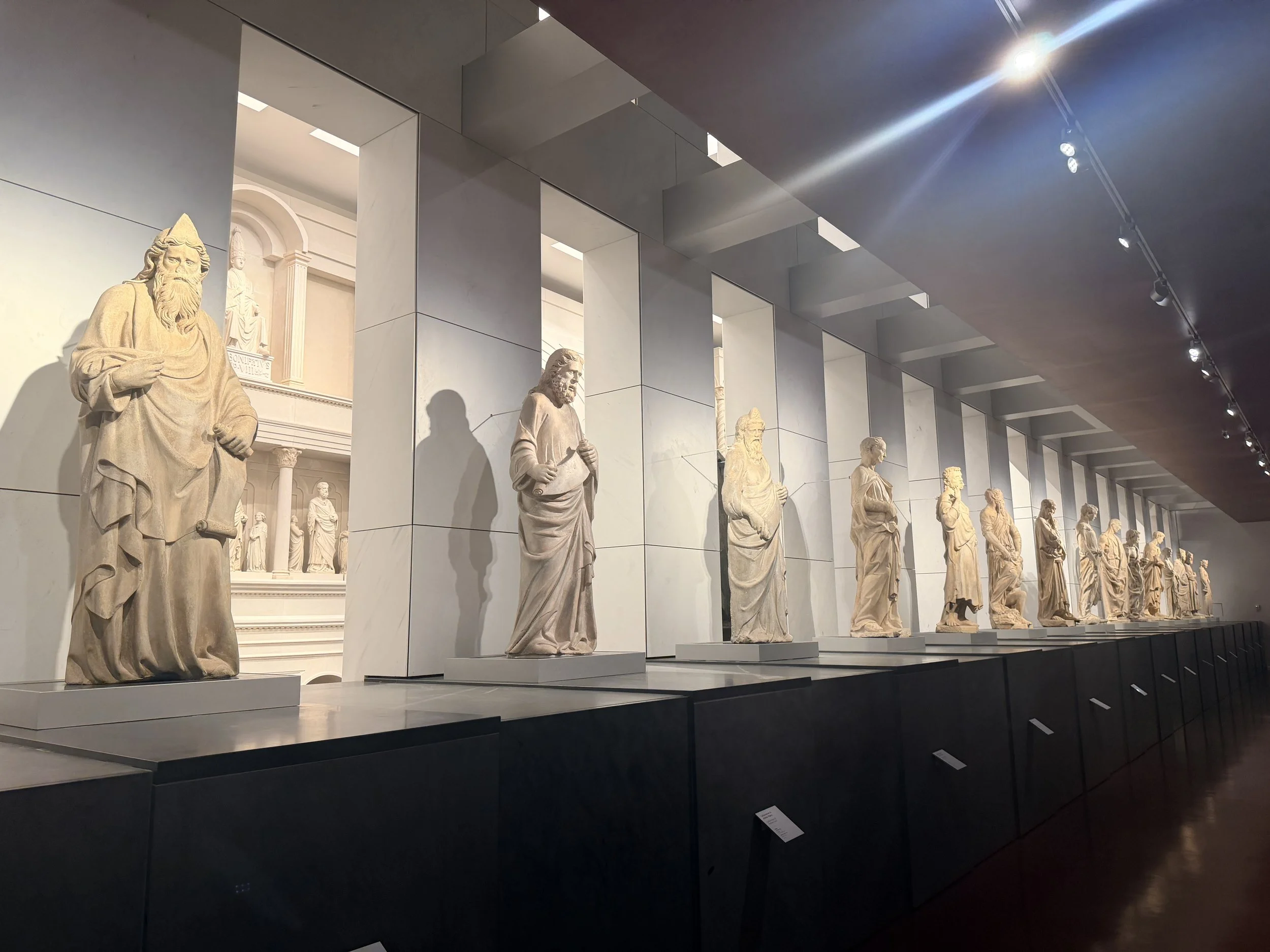
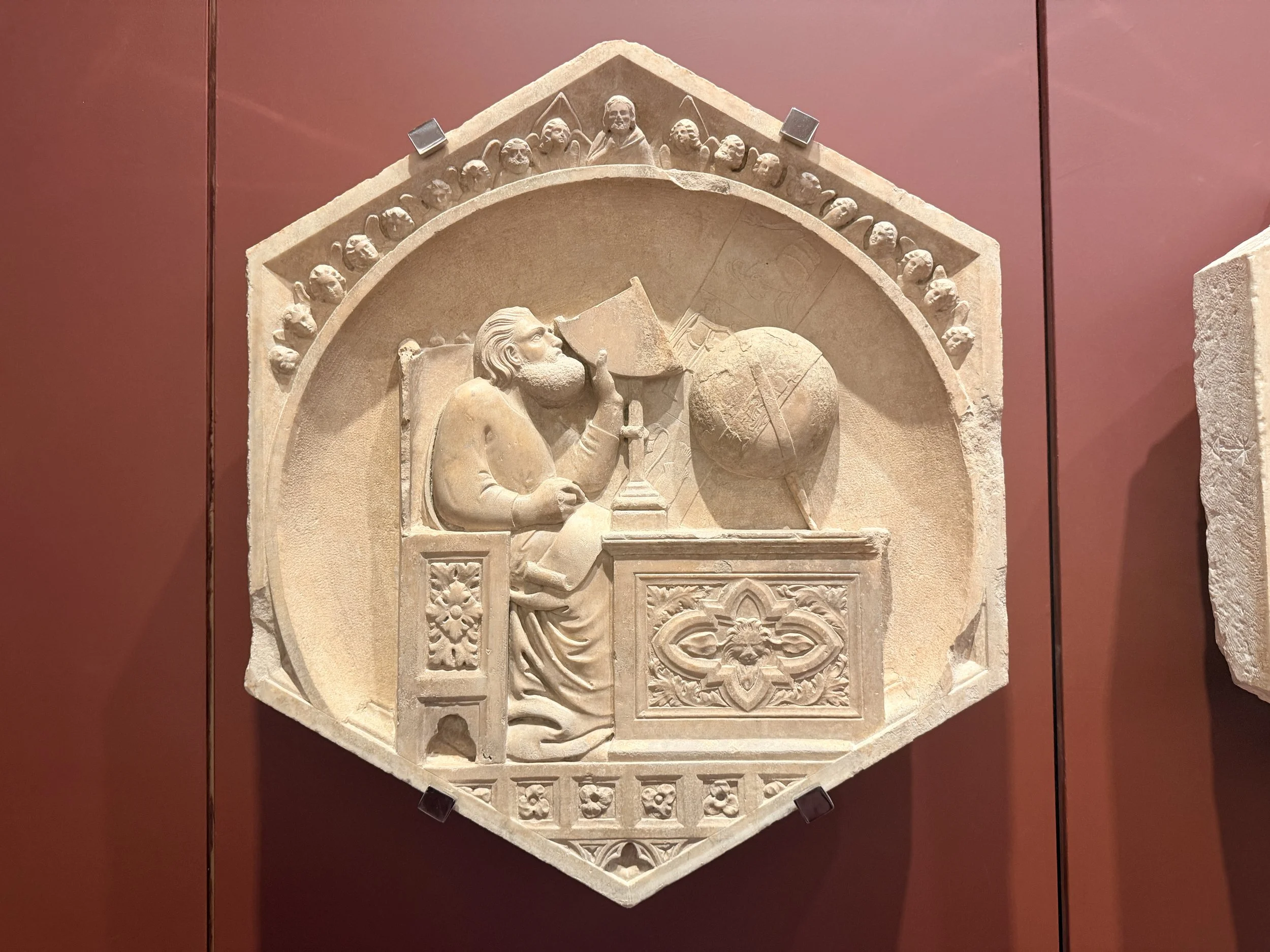
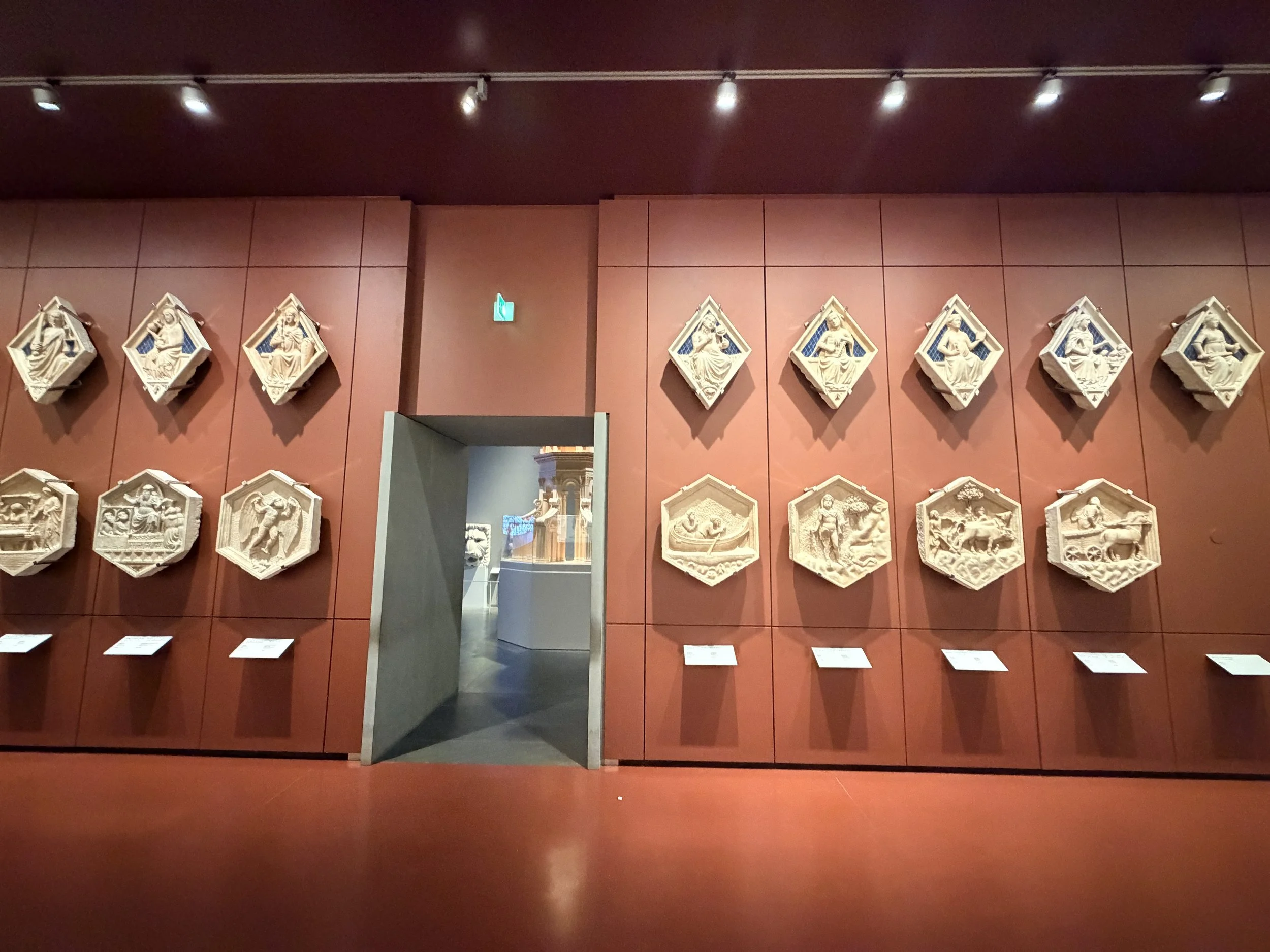
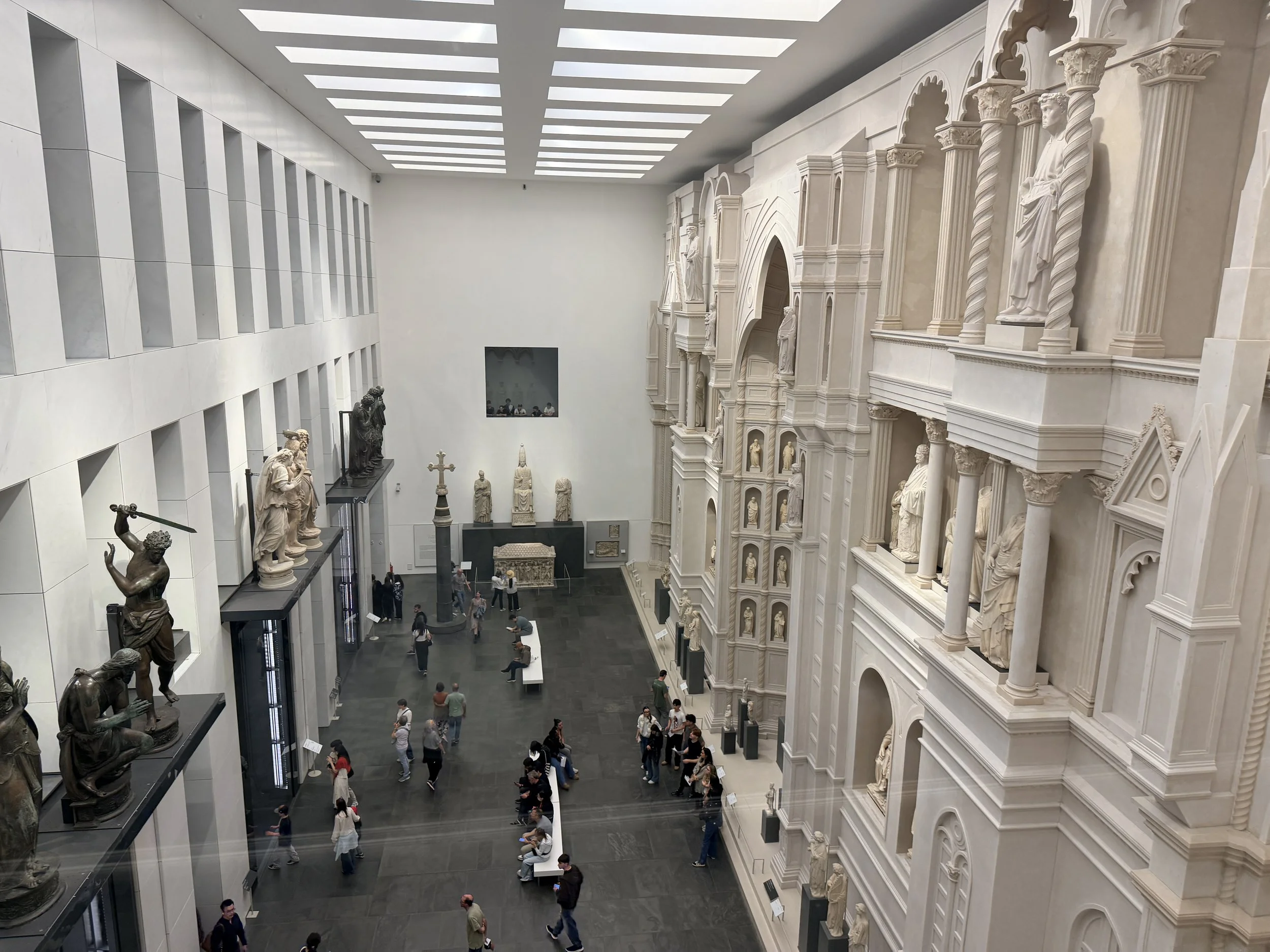
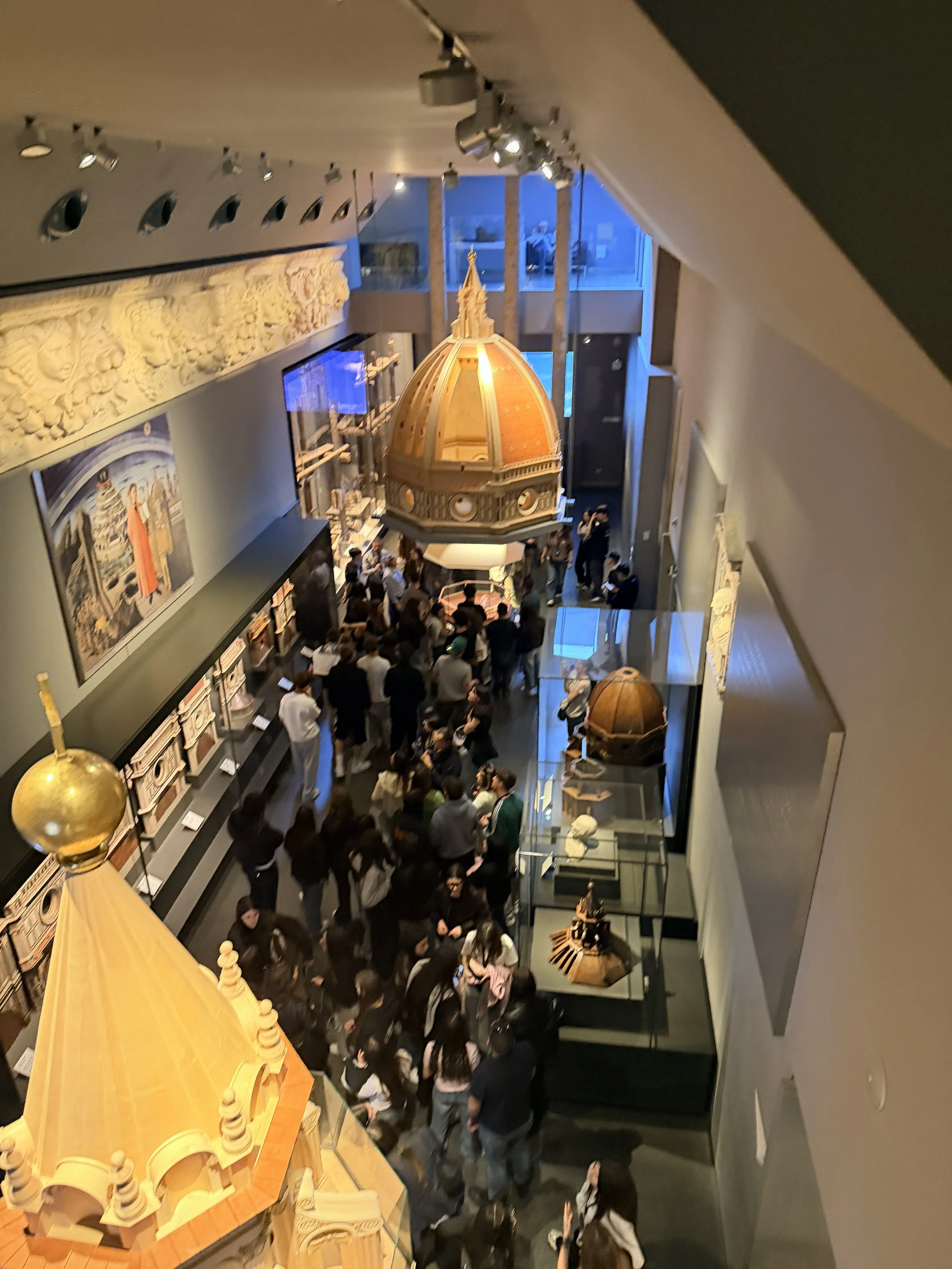
Just outside the cathedral stands the Museo dell’Opera del Duomo, which offers one of the richest journeys through Florentine art and the history of the Duomo. The museum preserves many of the original masterpieces created for the cathedral complex, giving the collection tremendous historical significance. A recent expansion of the museum creates the remarkable feeling of walking through a church inside the museum itself — something we had never experienced before.
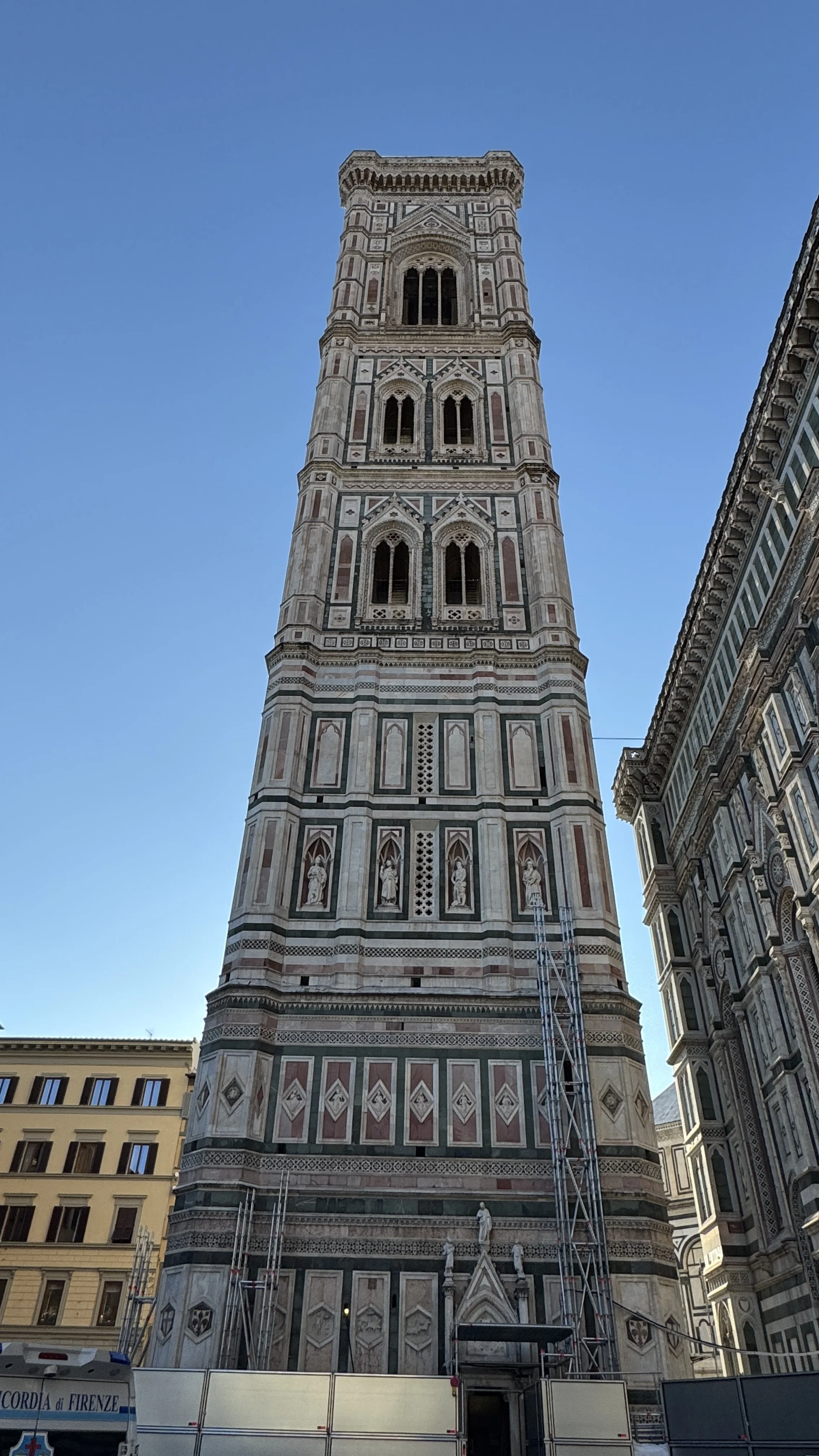
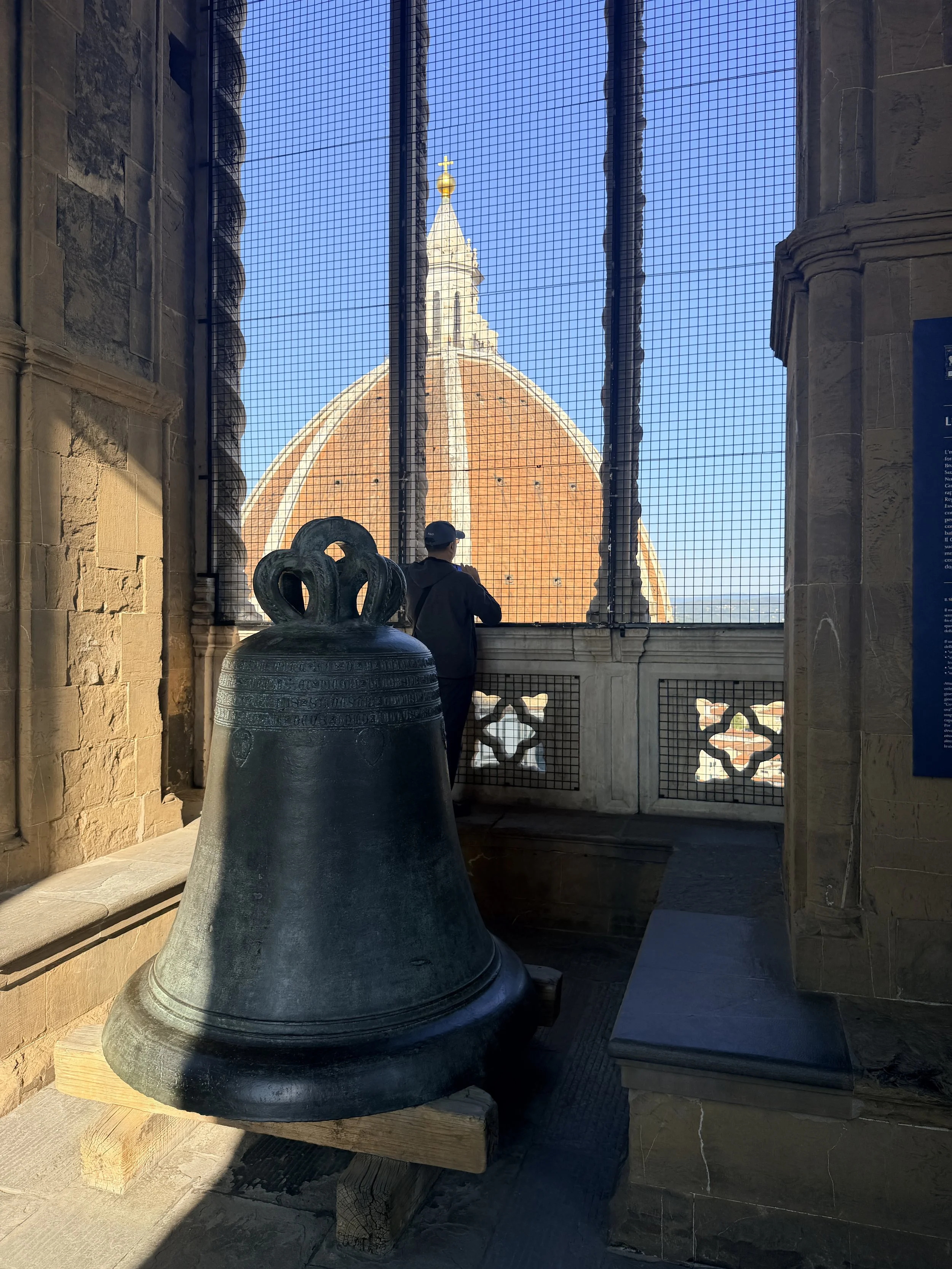
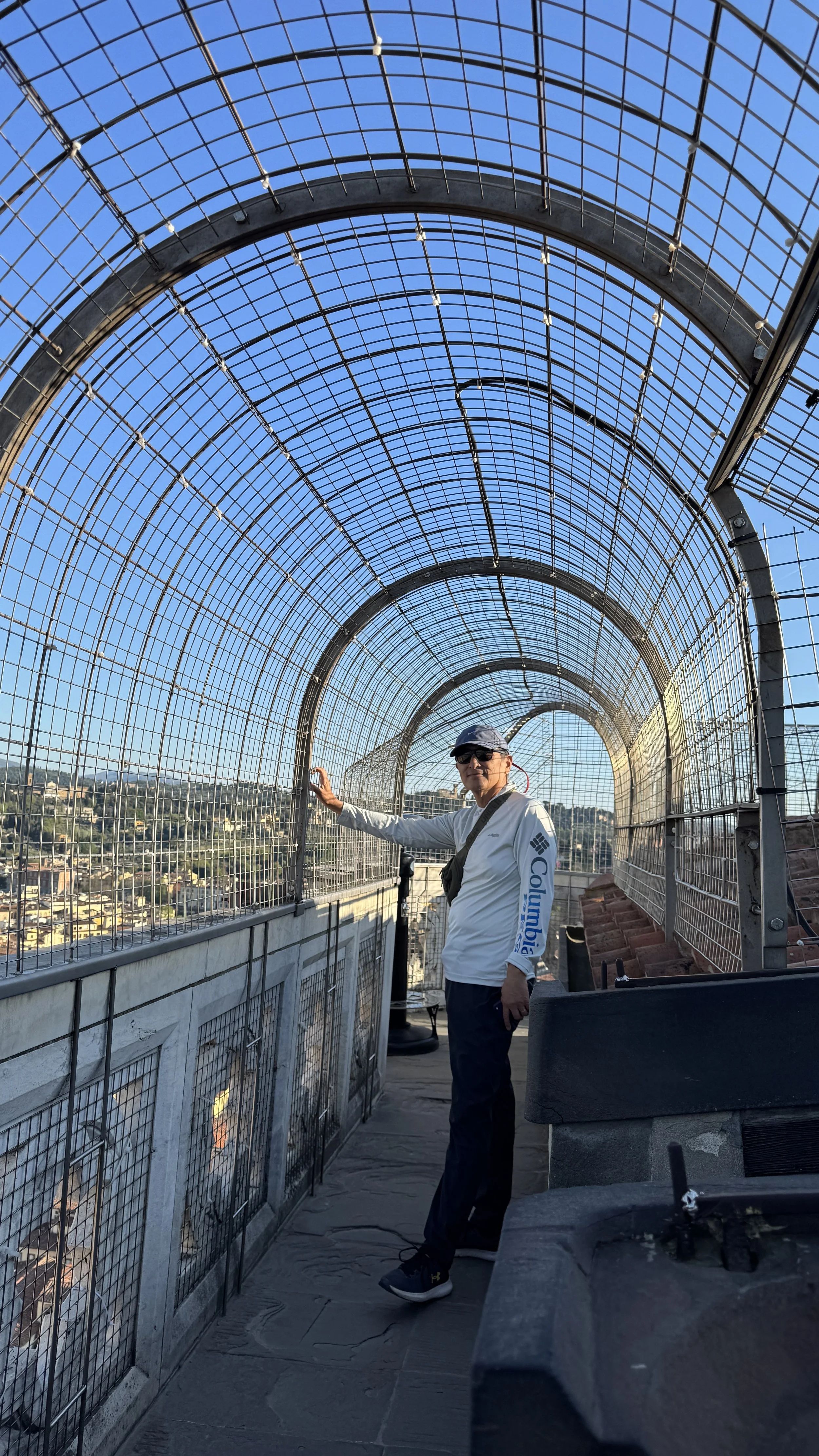
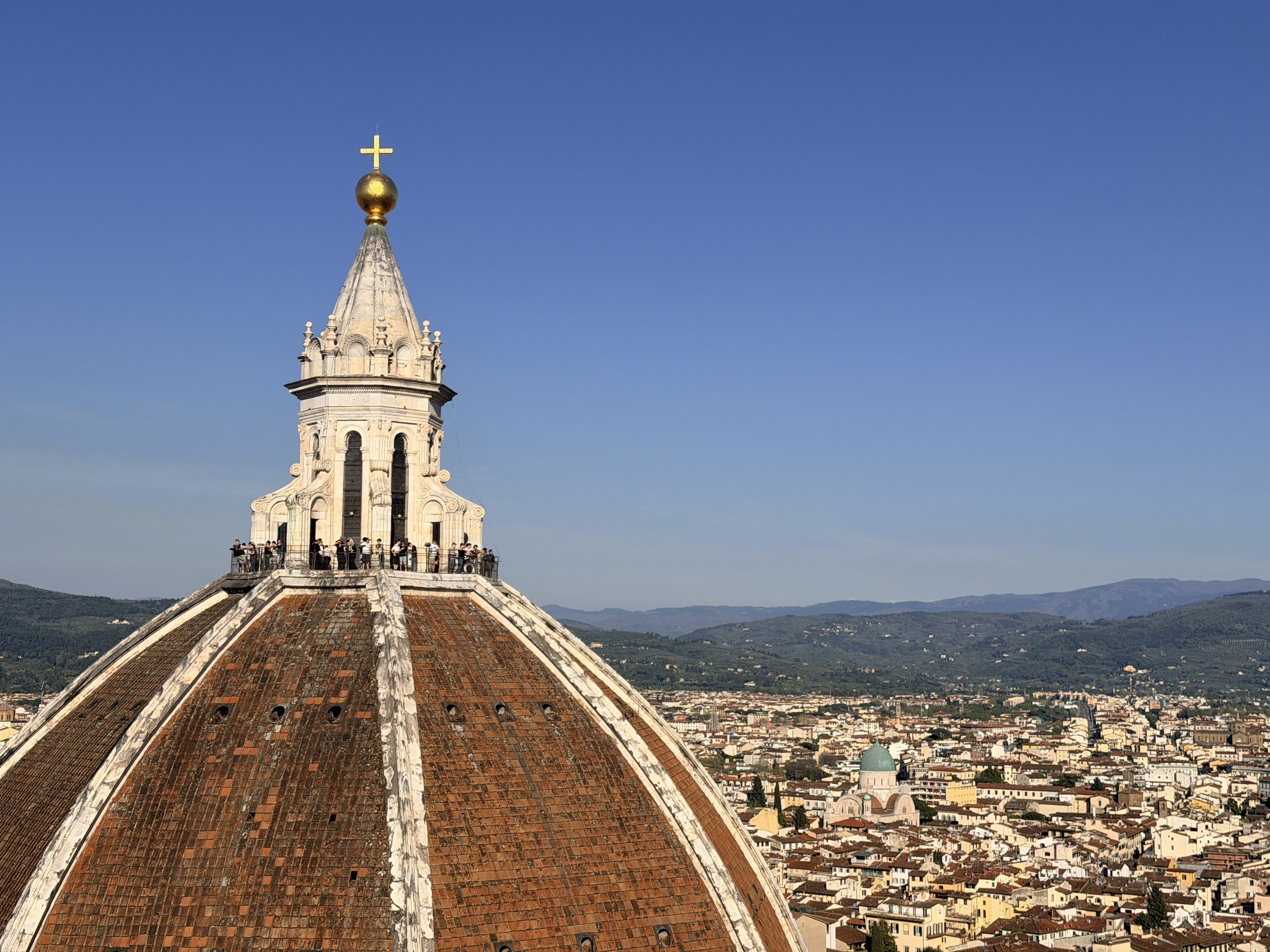
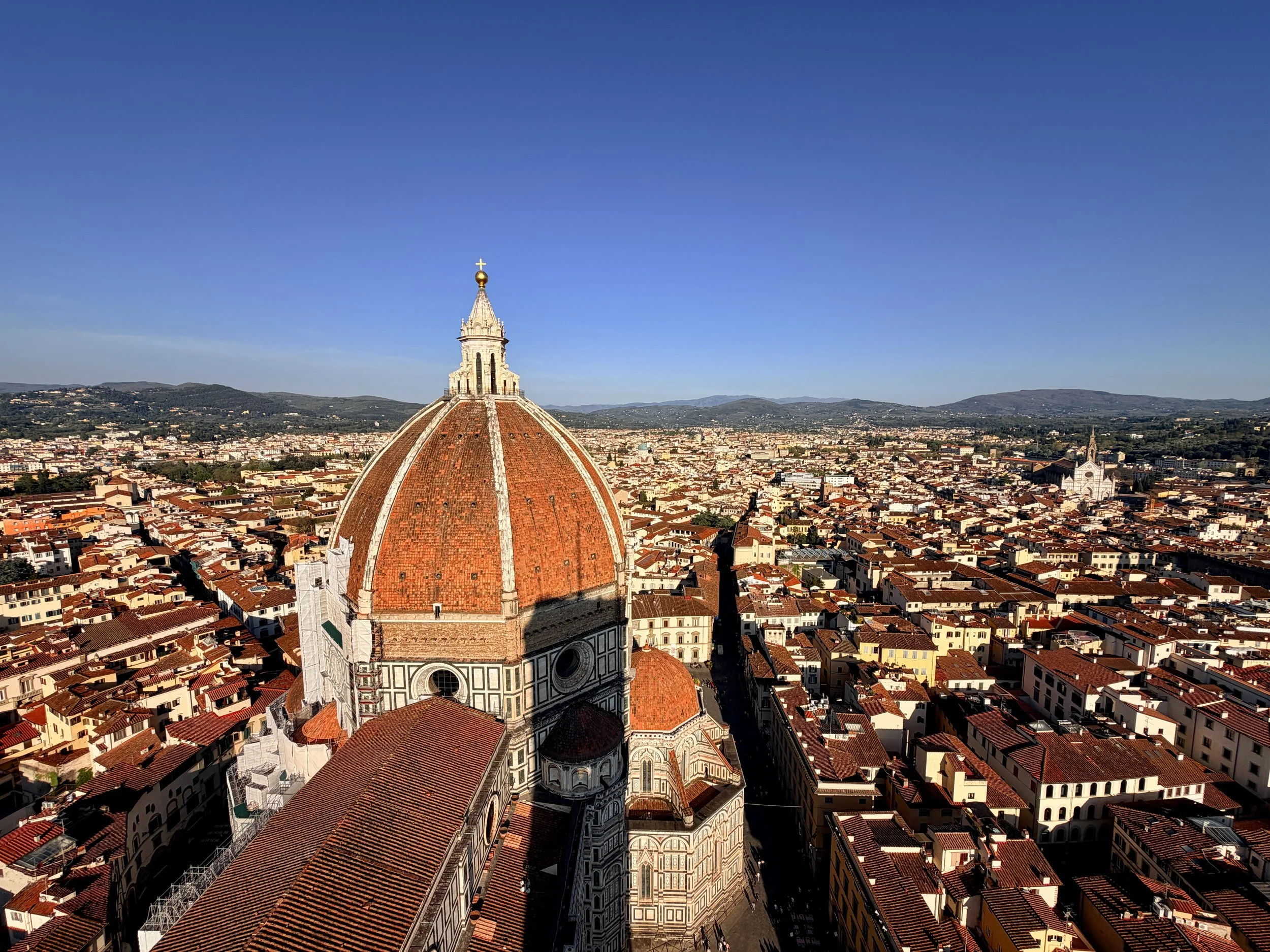
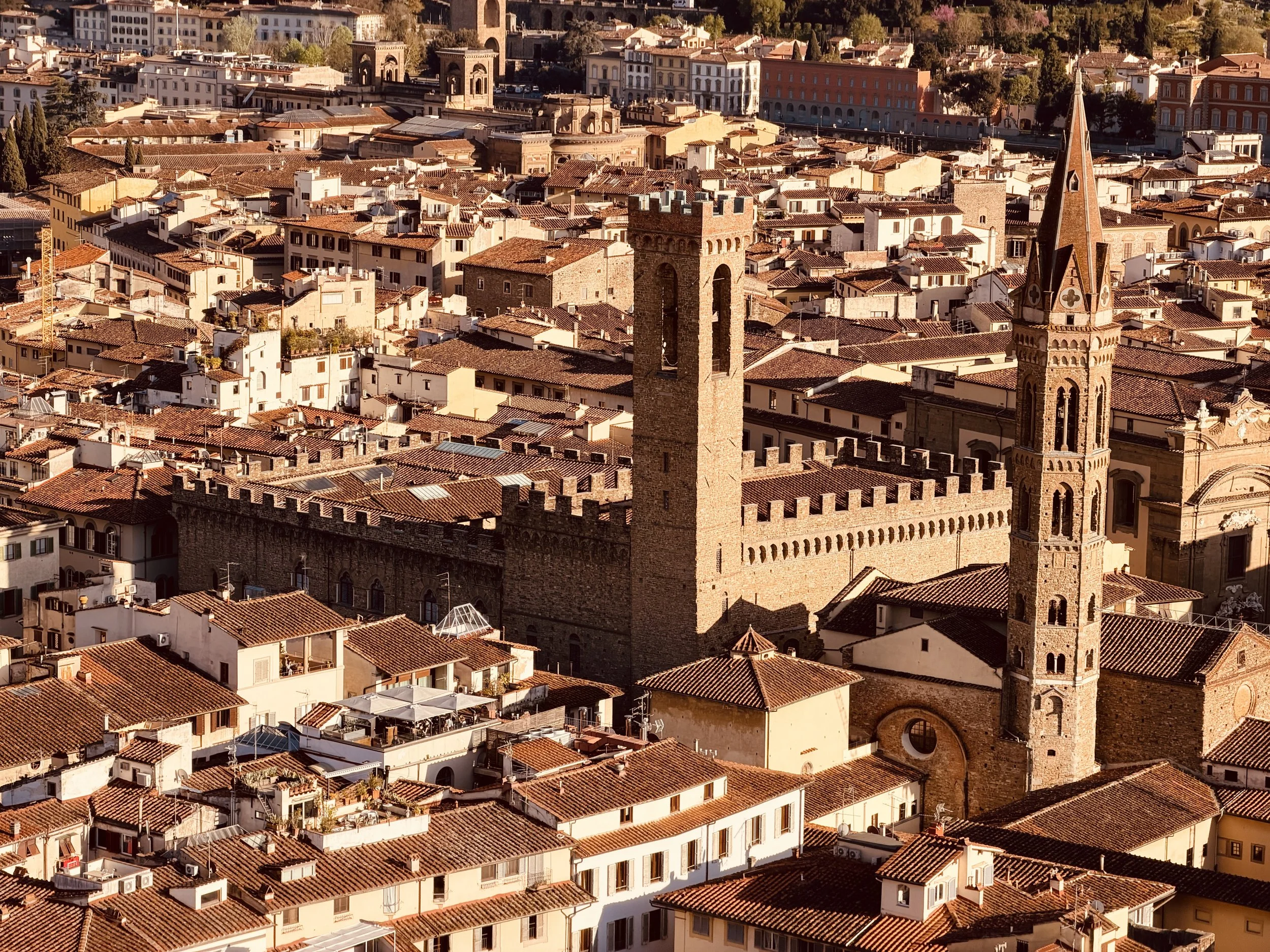
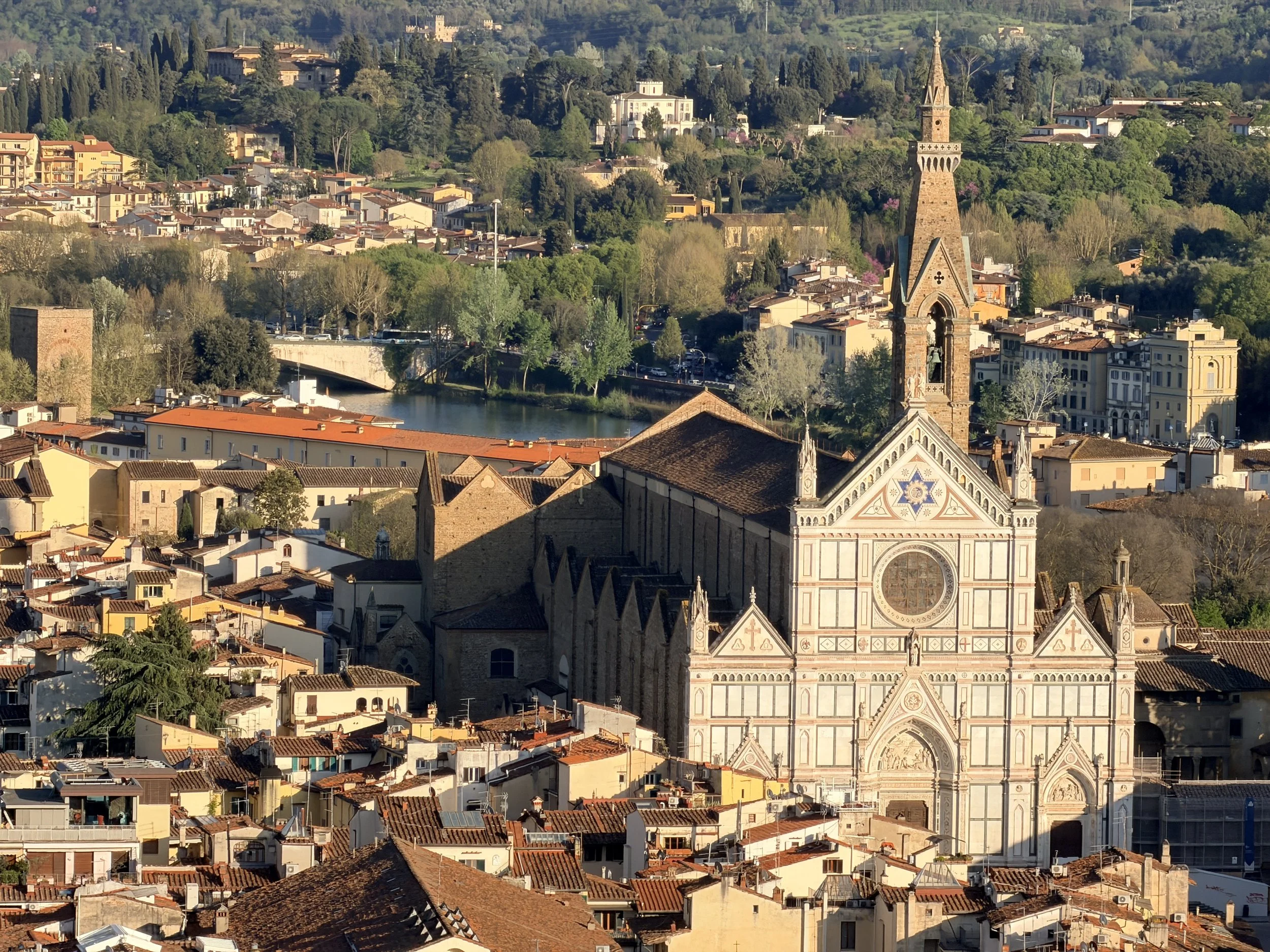
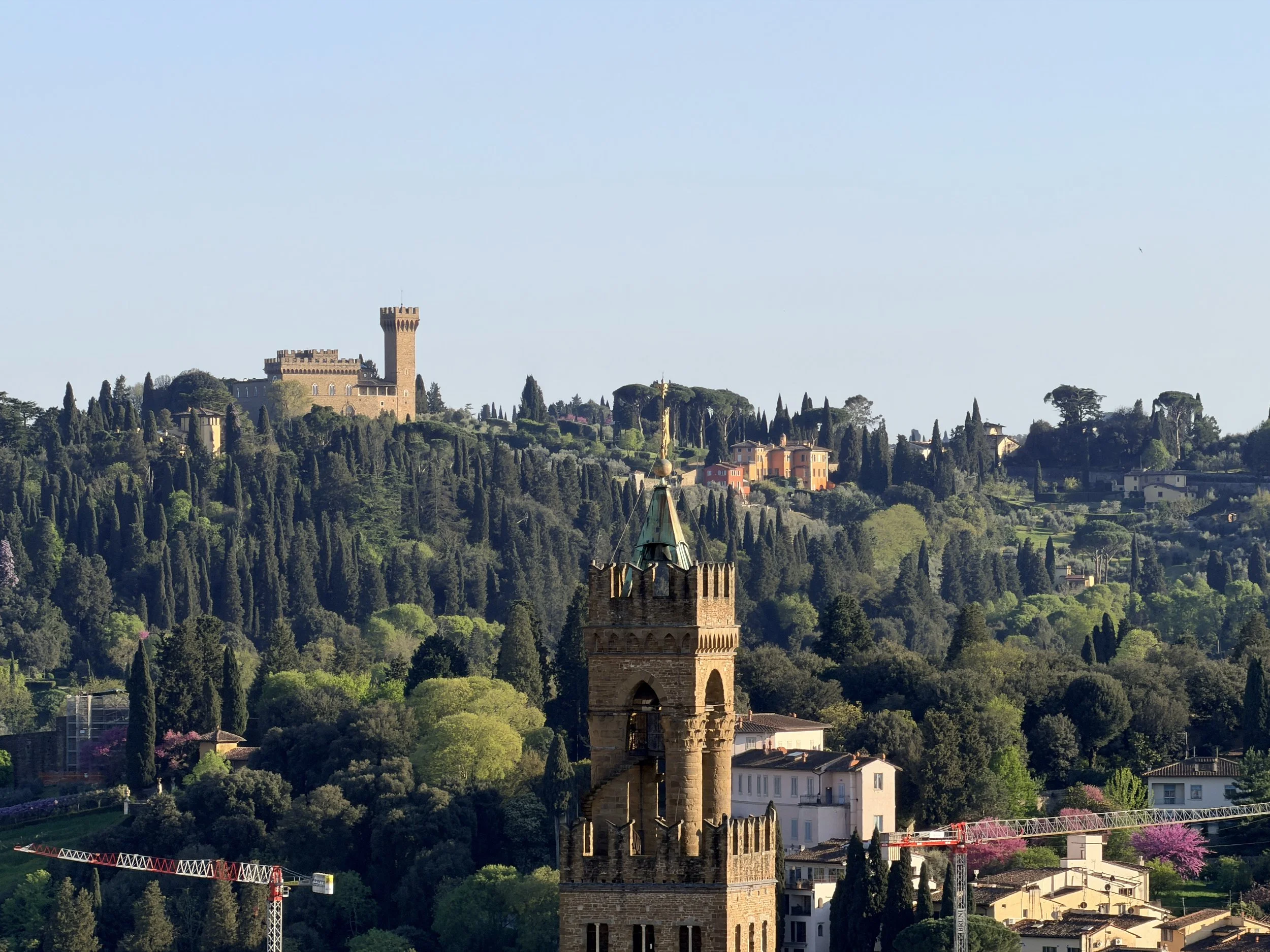
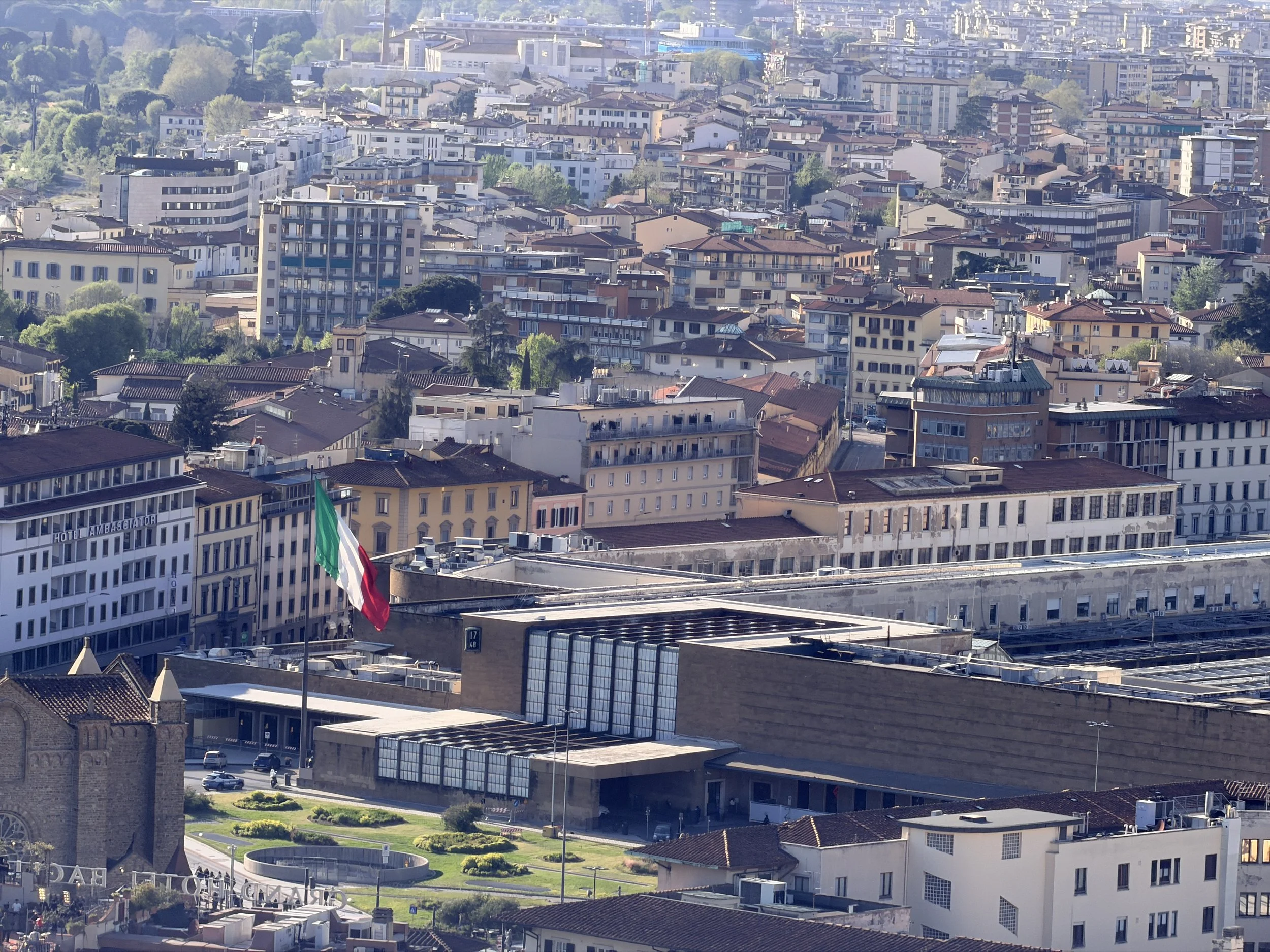
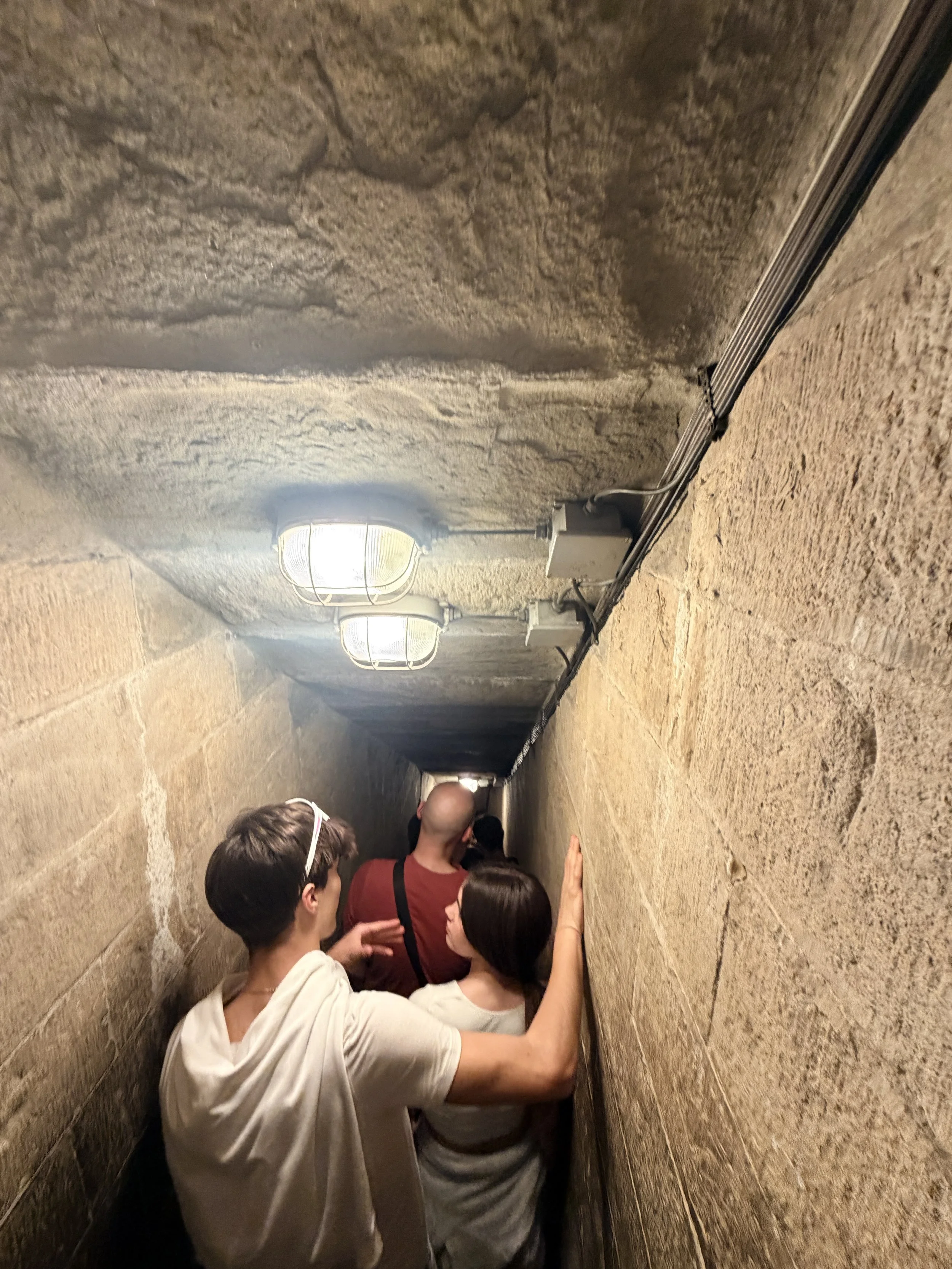
As the day drew to a close, we climbed the Giotto’s Campanile. Step by step, we ascended the narrow stairways until we emerged high above the city. From the top, Florence unfolded beneath us in warm golden light. The rooftops glowed, the dome stood majestic beside us, and the distant hills softened into evening haze as the sun slowly dipped below the horizon. It was a breathtaking and fitting finale to our time in this remarkable city.
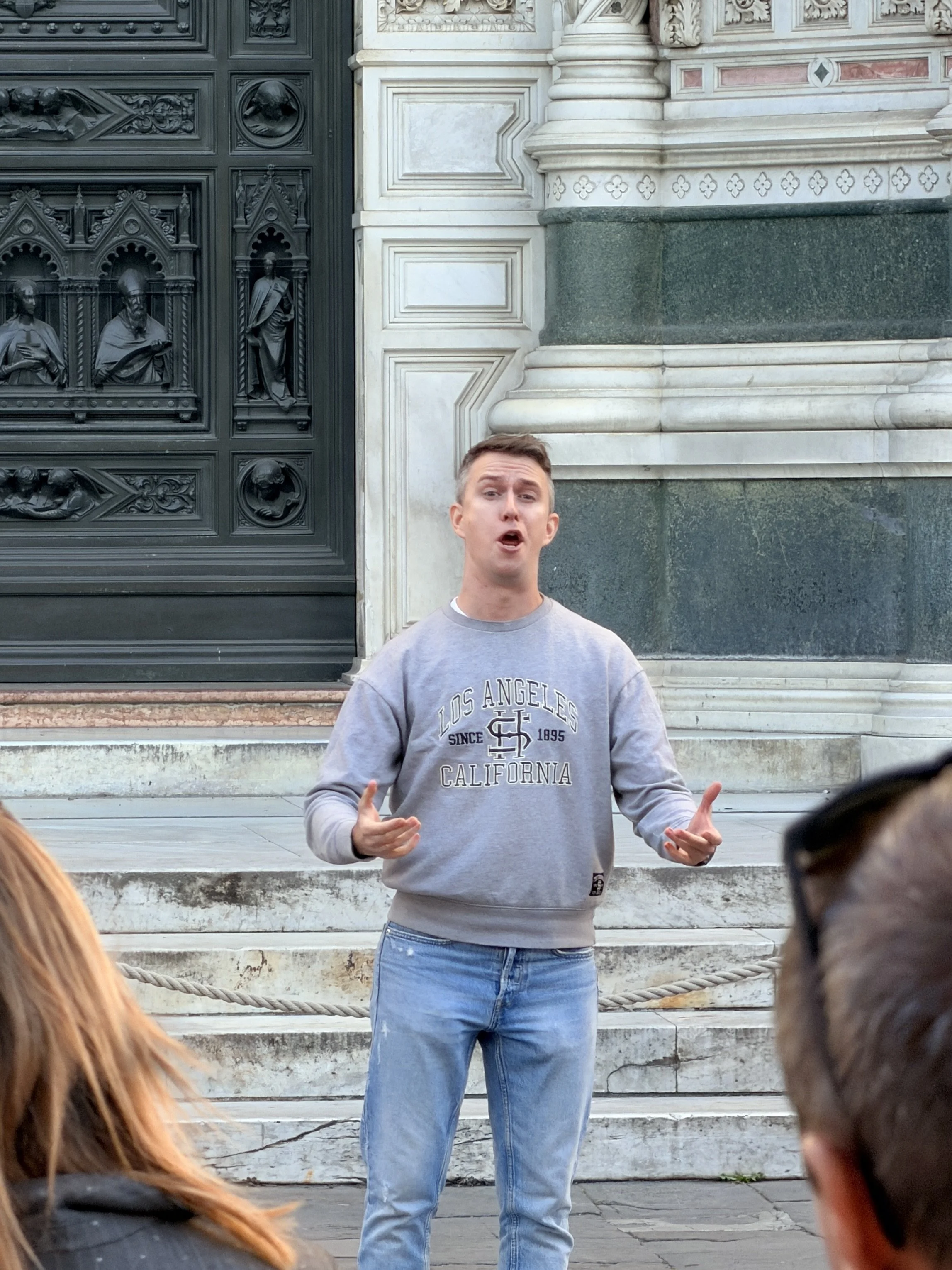
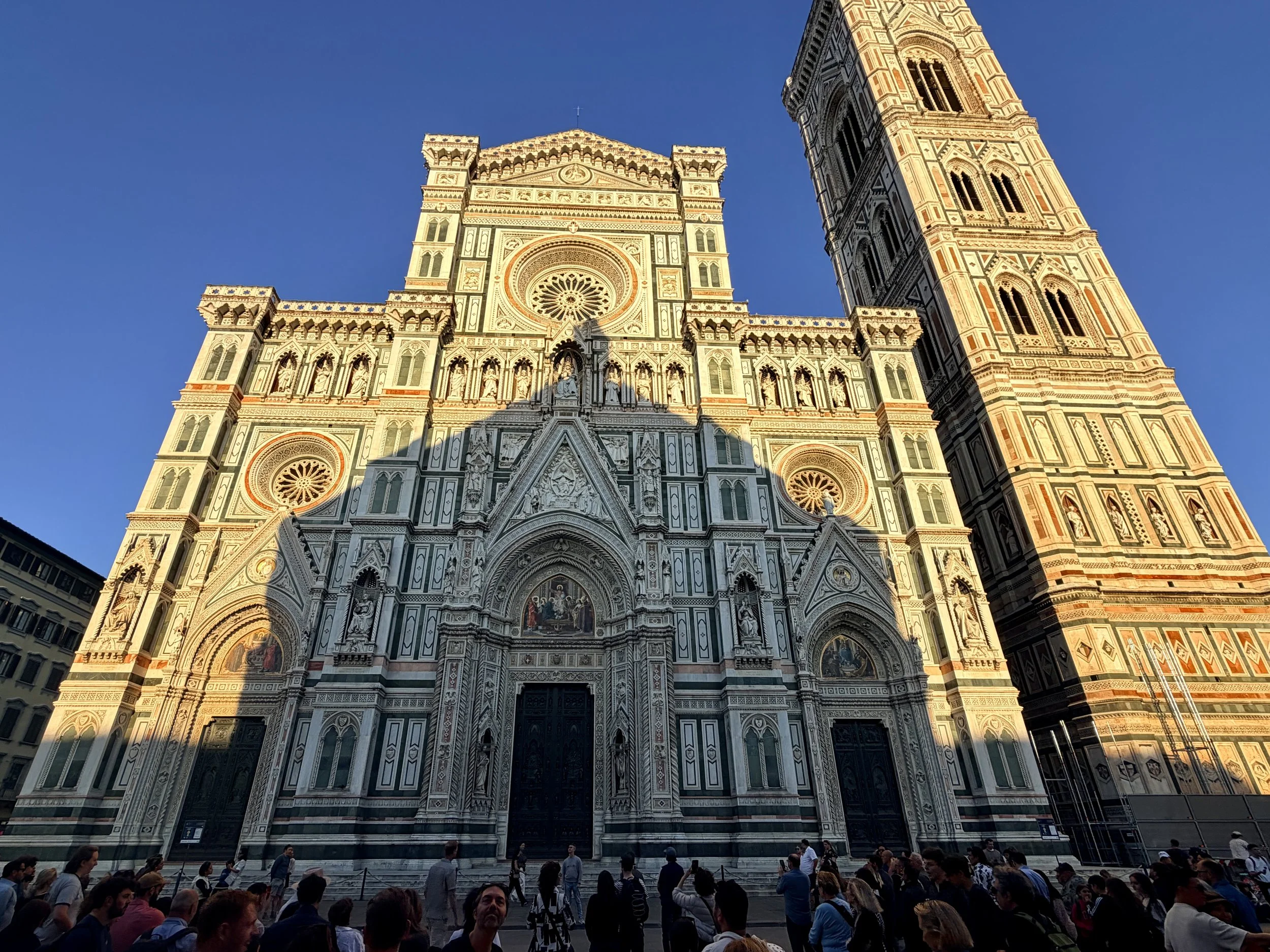
As we walked past the Florence Cathedral, we paused, drawn by the enchanting sound of an opera singer whose beautiful voice filled the square. The music drifted through the evening air, wrapping the moment in a quiet kind of magic. Before us, the Duomo stood in timeless grandeur, and in a striking play of light, the shadow of the Florence Baptistery was projected onto its marble façade—an almost surreal scene where one historic monument seemed to imprint itself upon another.
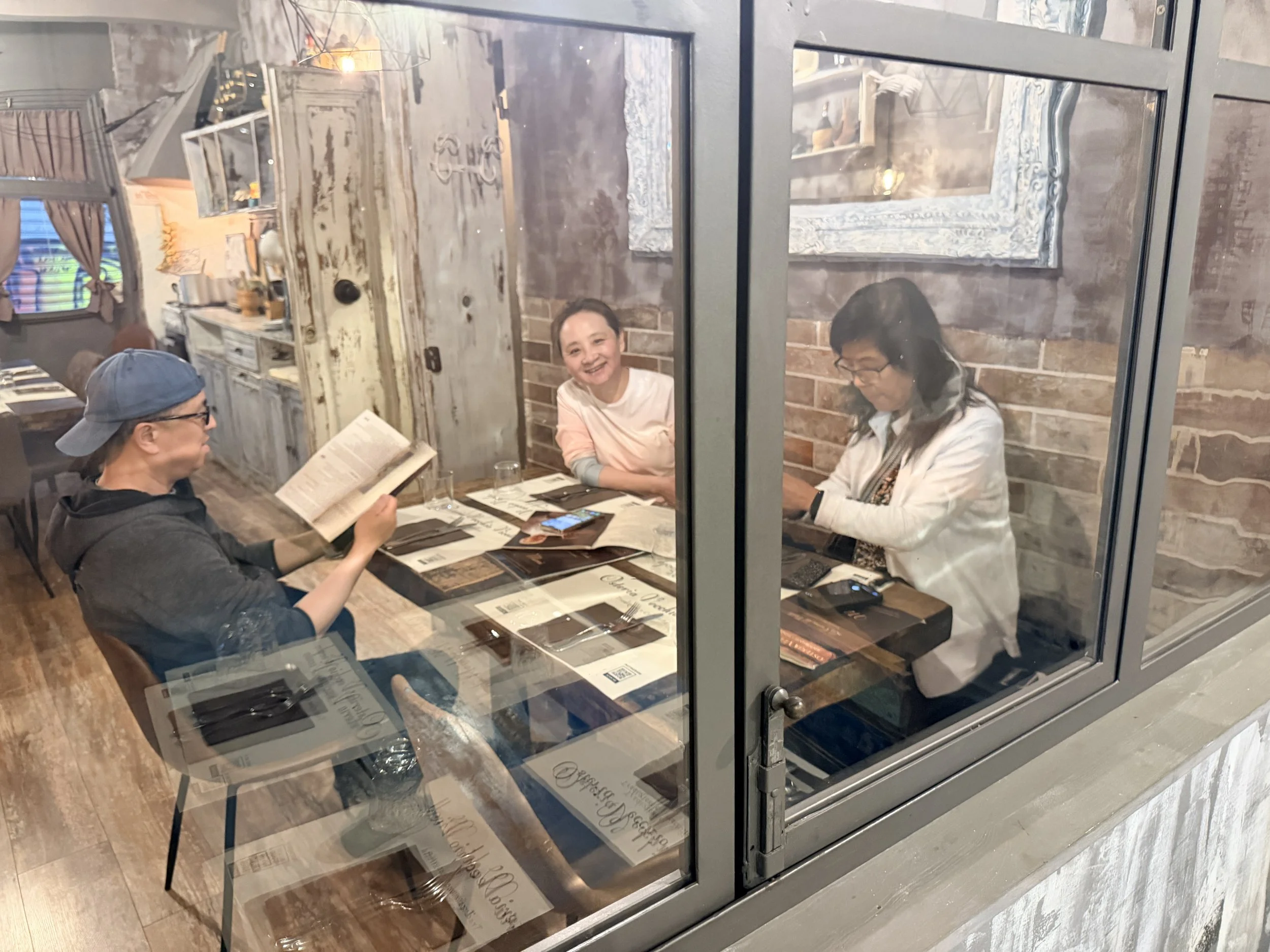
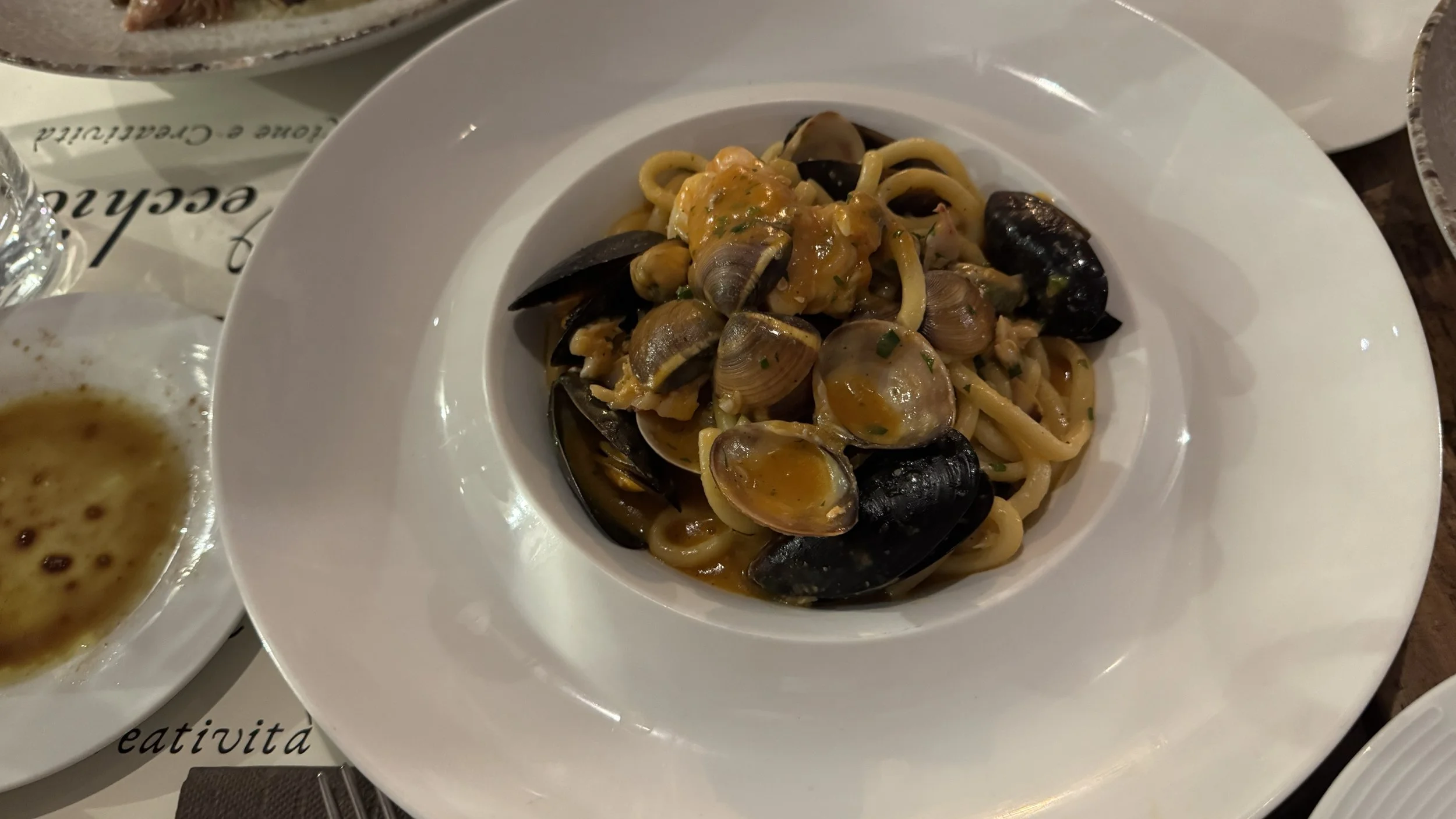
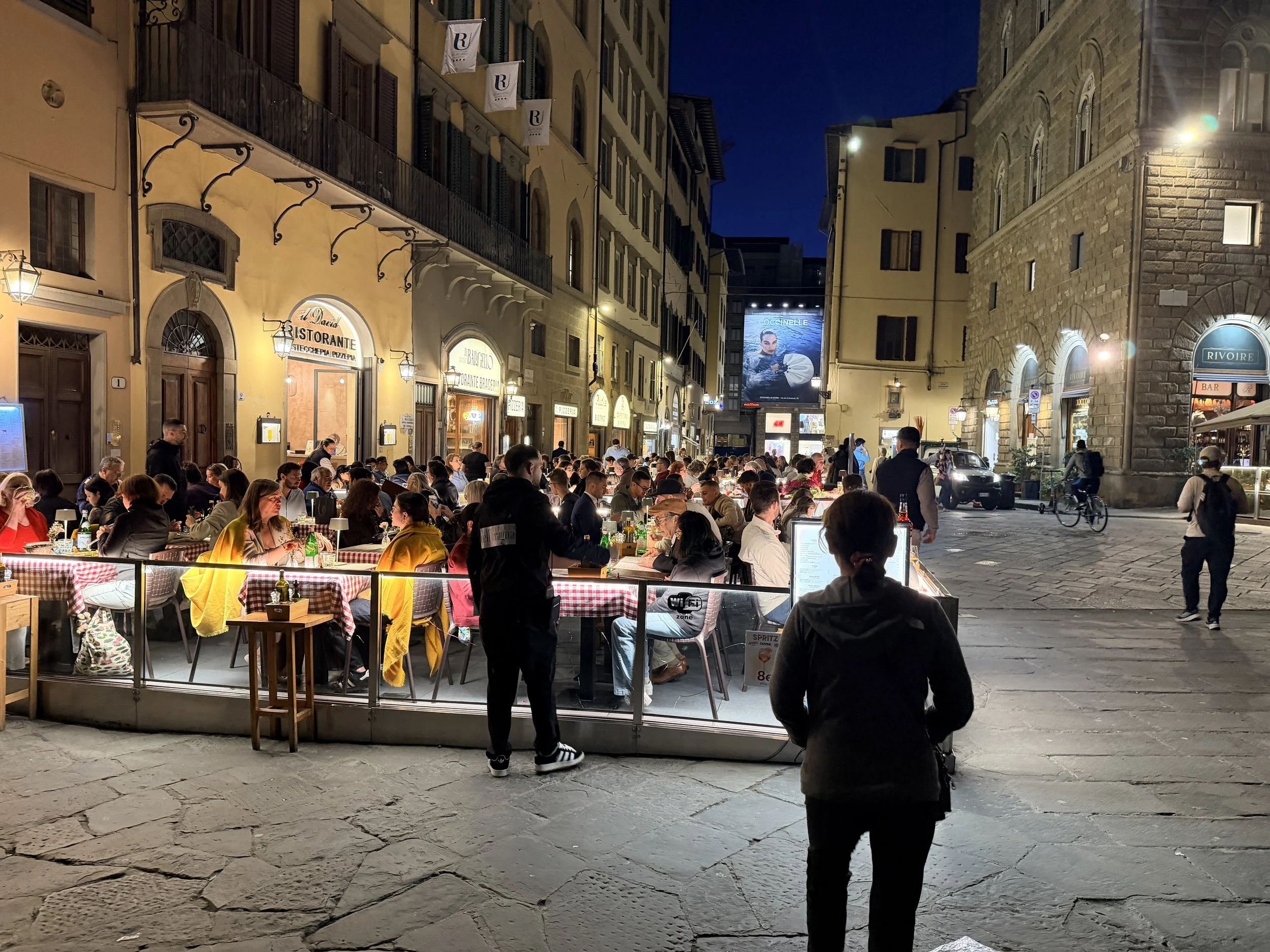
After a delightful dinner at Osteria Vecchio Vicolo, we wandered leisurely through Florence’s softly lit streets, letting the rhythm of the city slow our steps. The night carried a gentle charm—warm lights glowing from old buildings, quiet conversations echoing in narrow alleys, and the lingering presence of centuries past. When we reached Piazza della Signoria, near the Palazzo Vecchio, we paused once more, taking in the final moments of a city that had offered us so much beauty and inspiration.
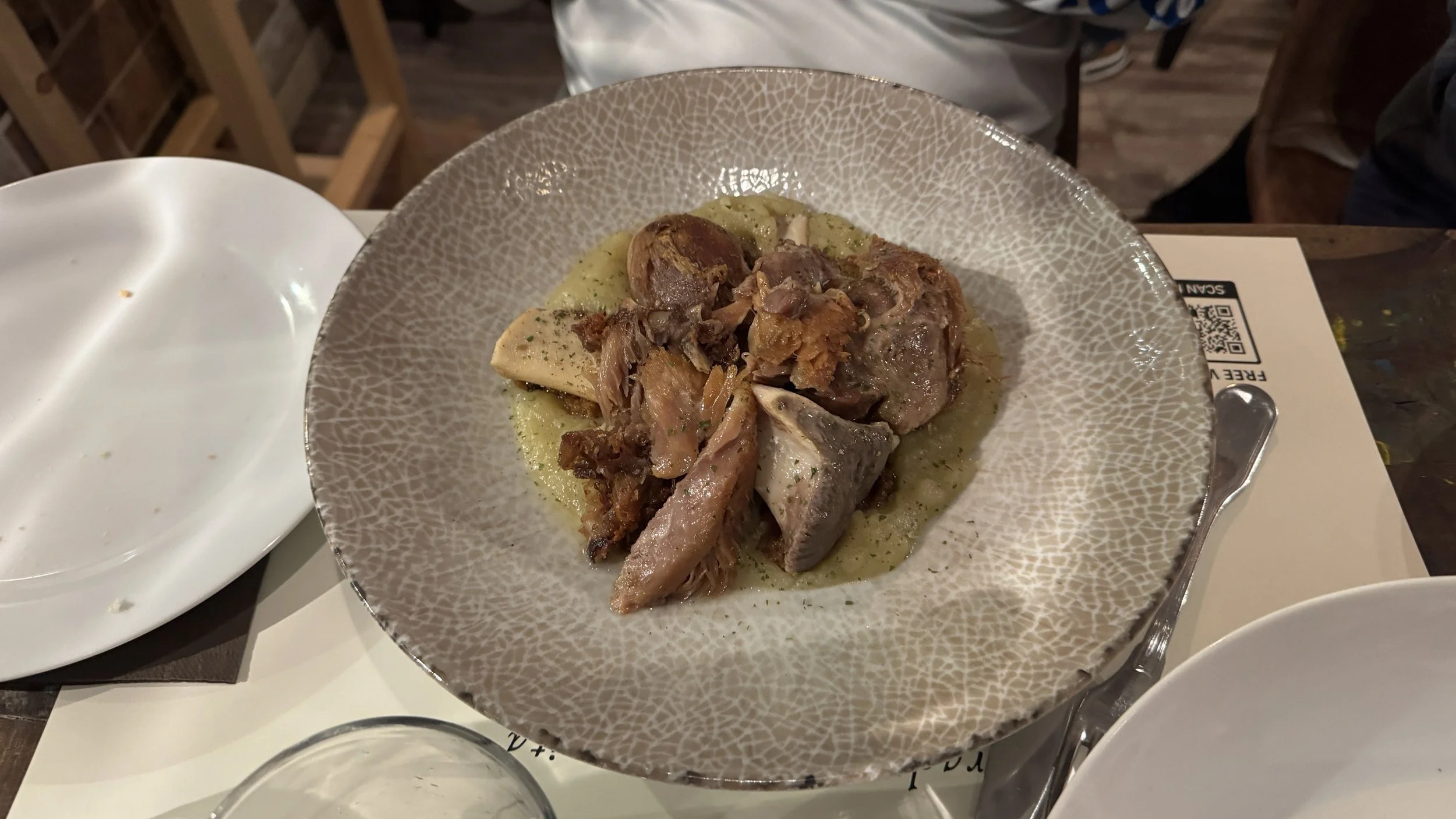
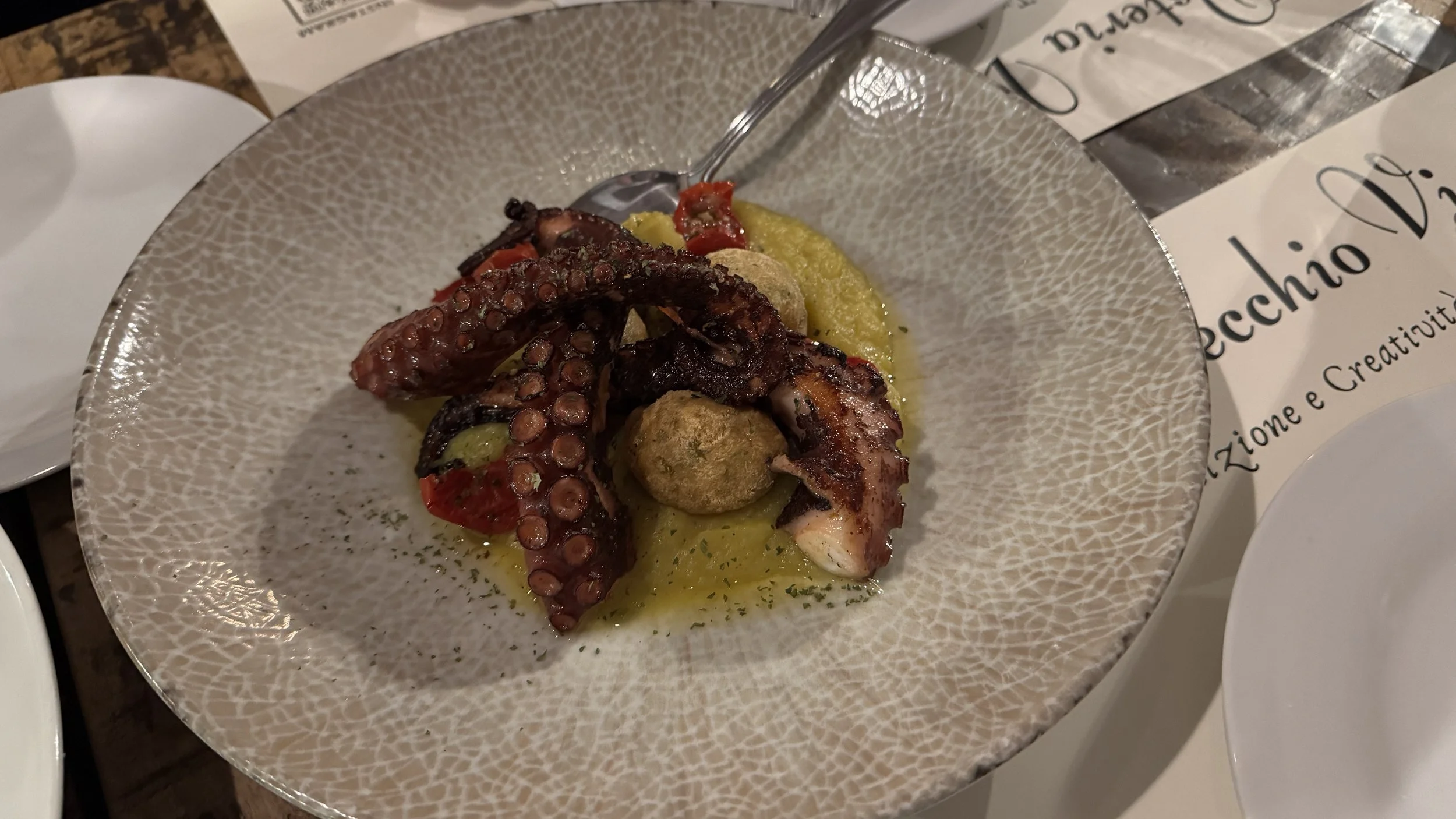
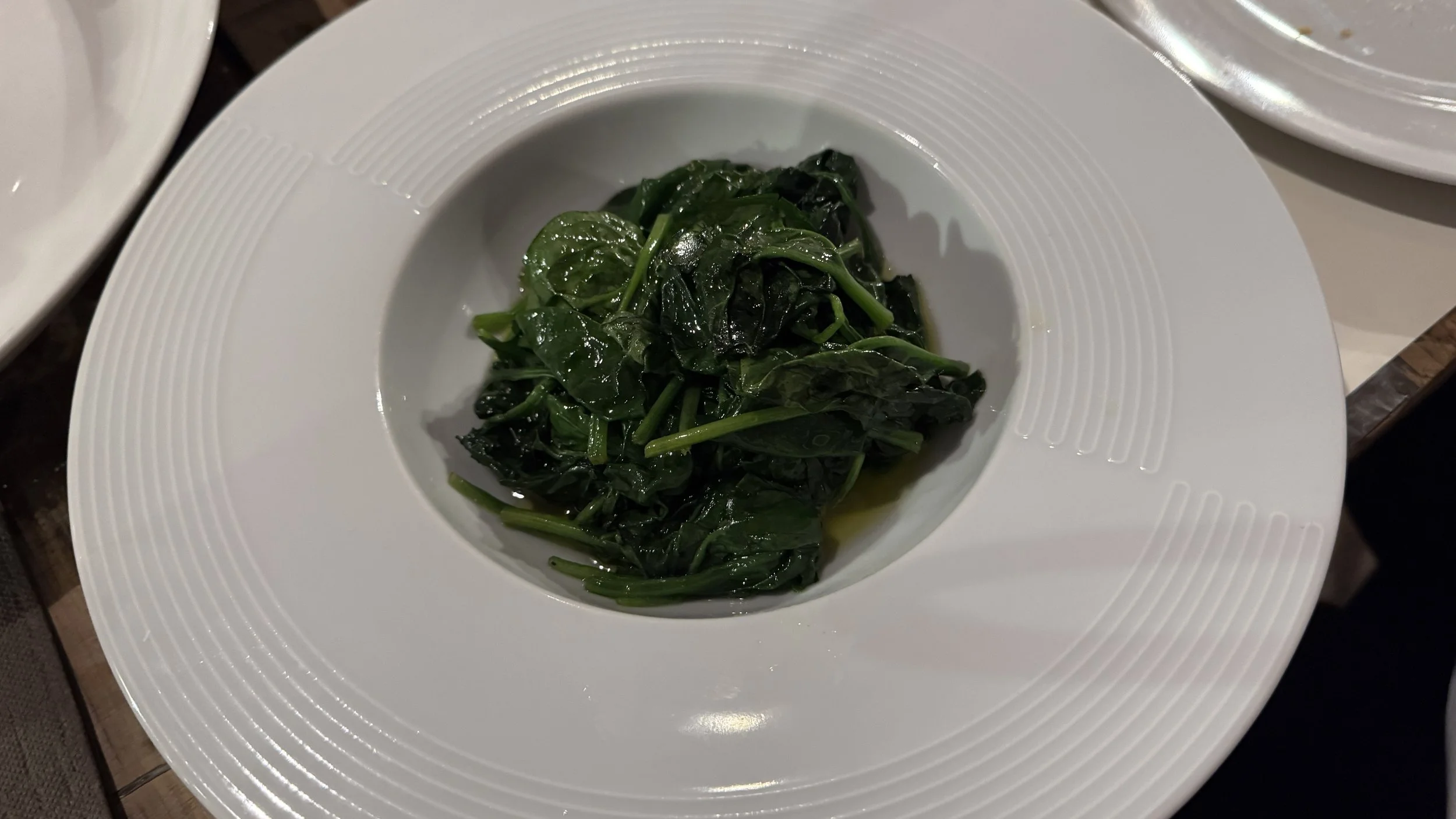
Our Florence journey quietly came to an end. Tomorrow, we would board the train to Venice, ready to begin the next chapter of our adventure.
2026年4月9日
今天我们继续在佛罗伦萨的博物馆及教堂之间穿梭,第一站是学院美术馆(Galleria dell’Accademia),在那里我们终于亲眼见到了久负盛名的《大卫》(David)。这座由米开朗基罗(Michelangelo)创作的雕像,长期以来在书本,电影电视中出现,但真正站在面前时却带来完全不同的震撼——体量之巨大、肌肉的张力以及细节的刻画,都让人感觉仿佛有生命一般。周围陈列的未完成作品,则让我们得以一窥大师创作过程中的思考与轨迹。
让人意外的是,馆内还收藏了一小部分历史乐器,其中包括与钢琴诞生相关的早期键盘乐器,与巴托洛梅奥·克里斯托福里(Bartolomeo Cristofori)的发明密切相关。这一发现让我们意识到,佛罗伦萨不仅是视觉艺术的中心,同样也是音乐创新的重要发源地。
随后我们步行前往巴杰罗博物馆(Bargello Museum)。这里相对安静,却同样内容丰富。博物馆本身是一座中世纪城堡,厚重的历史氛围与馆内的雕塑作品相得益彰。我们看到了许多文艺复兴时期的雕塑,其中包括一些以《大卫》为灵感的缩小版本以及后人模仿的作品,也欣赏了其他大师的创作。
接下来我们前往圣母百花大教堂(Florence Cathedral),这是这些天来难得的一个免费景点。初到时,被眼前长长的队伍吓了一跳,队伍几乎横跨整个广场,预计等待时间超过一小时。于是我们决定先回酒店稍作休息。再回来时,队伍已经明显缩短,只需等待大约15分钟。不过很快我们发现,凭借手中购买的一张登钟楼的联票Giotto Pass( 包含Giotto's Bell Tower, Baptistery和教堂内考古区域的参观),其实可以直接进入教堂,无需排队。再次走进大教堂,依旧被其宏伟与庄严深深震撼。
傍晚时分,我们登上了乔托钟楼(Giotto’s Campanile)。当初买票时我们特地选了看夕阳的时间段。在排队等待上钟楼时还以为有电梯,结果却是必须沿着狭窄的楼梯一步步向上攀登。还好钟楼分段设置观景平台,可以边休息边欣赏佛罗伦萨的城市风景。当最终来到钟楼顶部时,整个佛罗伦萨在眼前缓缓展开。夕阳的金色光辉洒在城市的红瓦屋顶上,圣母百花大教堂 的布鲁内莱斯基穹顶(Brunelleschi’s Dome)近在咫尺,远处的山丘在暮色中渐渐柔和,这时候觉得登楼的一切努力都非常值得。我们没有买到登大教堂穹顶的票,至少最近距离看到了穹顶。
当我们再次经过 圣母百花大教堂 时,被一阵动人的歌声吸引住了脚步。一位歌剧卖艺者正投入地演唱,悠扬的旋律在广场上空回荡,为傍晚的氛围增添了一丝色彩。眼前的大教堂静静矗立,在光影交错之间,佛罗伦萨洗礼堂的影子投射在大教堂的大理石外立面上,仿佛一座历史建筑在另一座之上留下印记,形成了一幅极具诗意的画面。
在 Osteria Vecchio Vicolo 享用了一顿精致而愉快的晚餐后,我们漫步在佛罗伦萨的街道上。夜色中的城市显得格外温柔,暖黄色的灯光洒在古老的建筑上,我们的佛罗伦萨之行,就在这样的氛围中悄然画上句号。明天,我们将登上前往威尼斯的火车,开启旅程的下一段篇章。