Blue & Green Caves 蓝洞与绿洞
April 19, 2026
We got up early and had breakfast at the hotel. By 7:30 a.m., we were already on our way to the meeting point for a 10-hour cave tour.
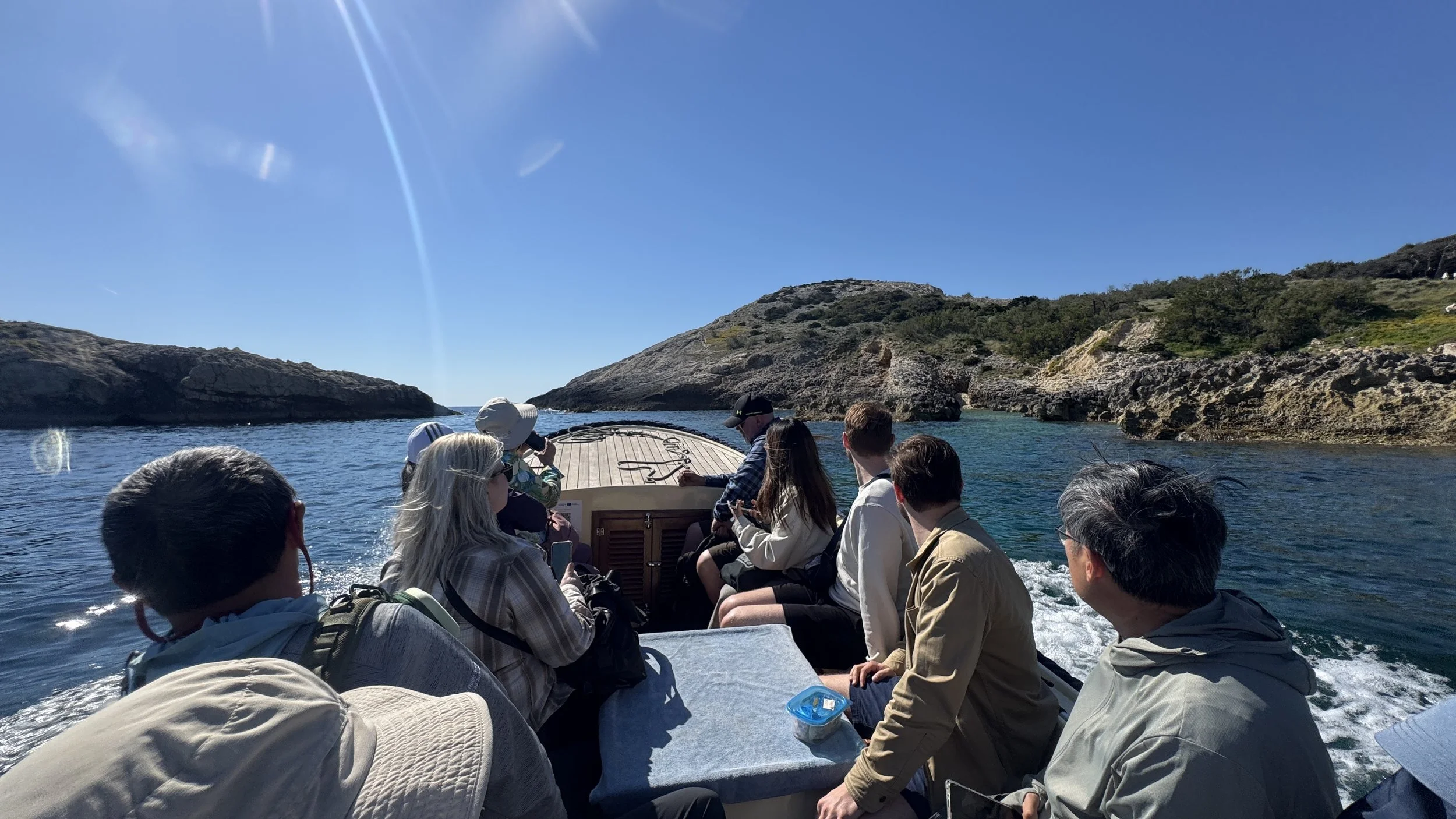
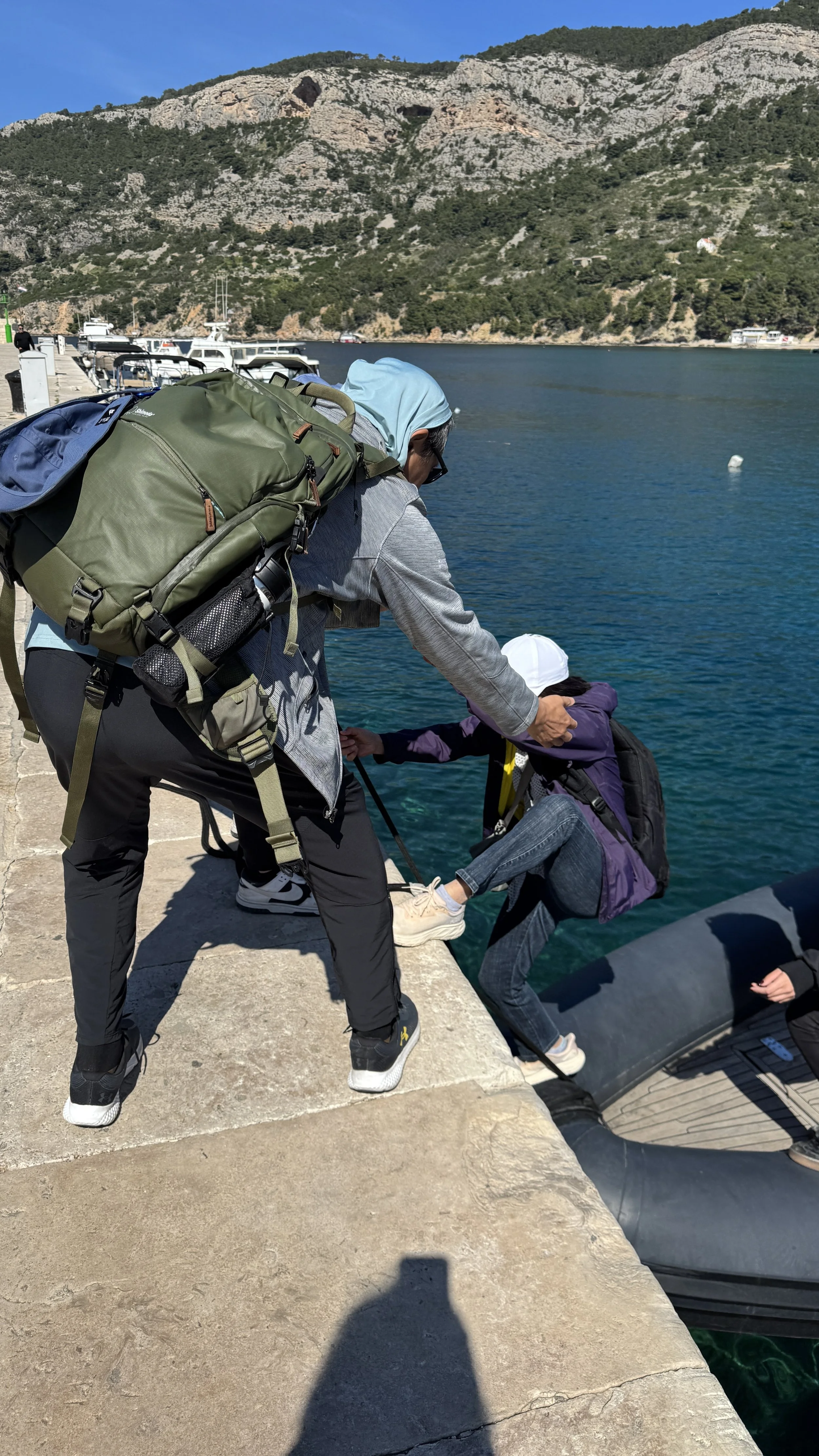
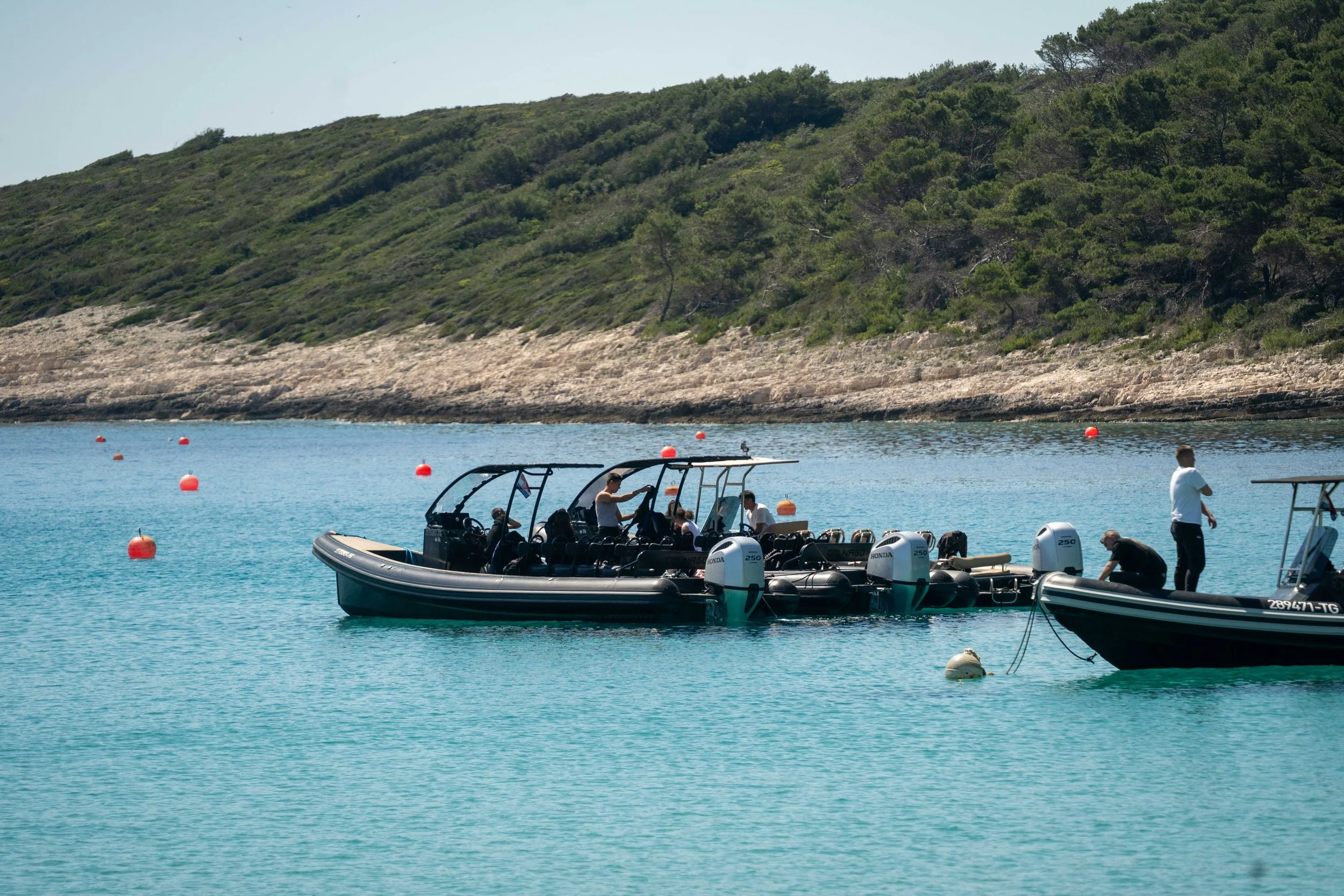
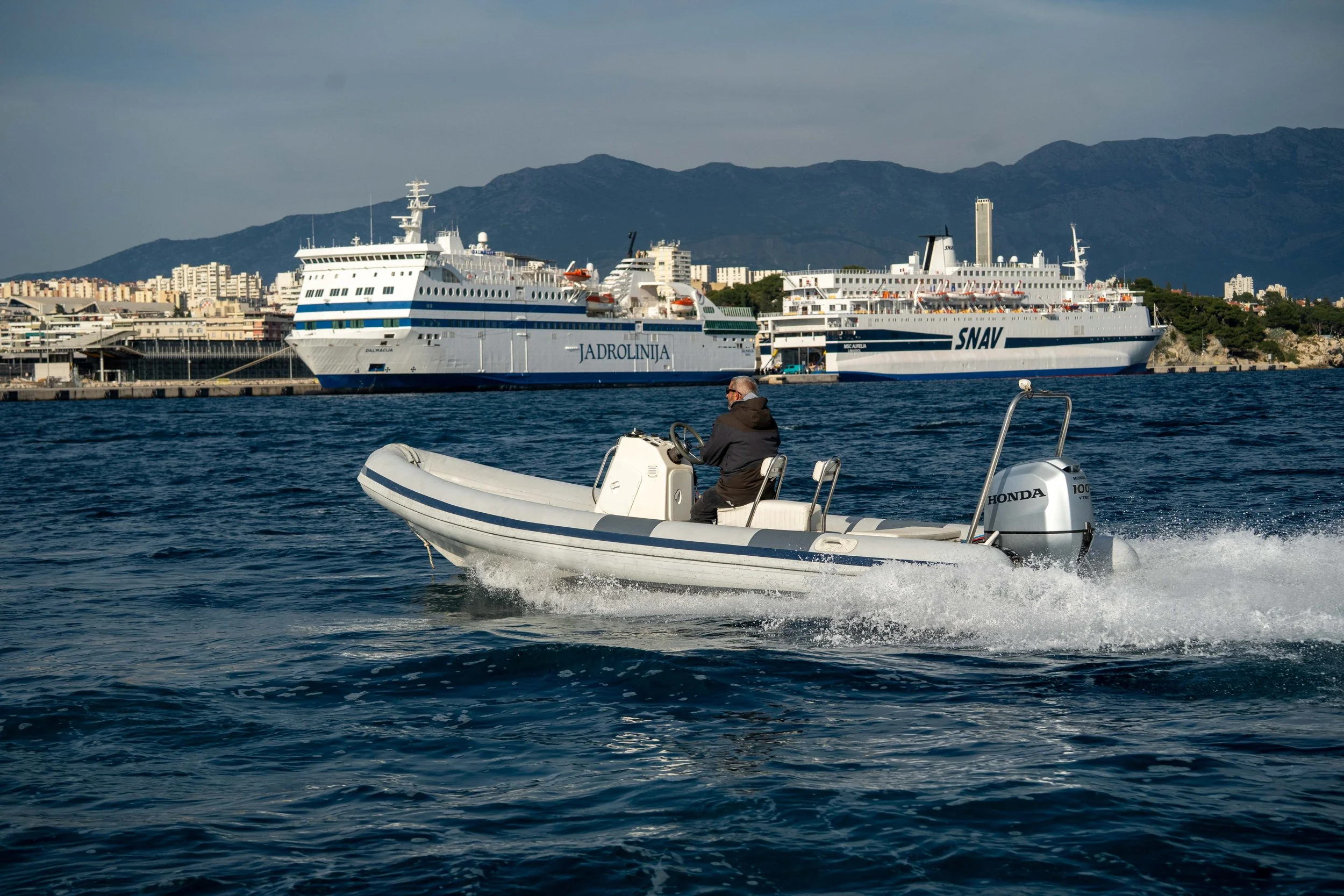
Around 8 a.m., the operator began boarding passengers onto black rubber speedboats, about 12 people per boat. We were initially among the first to arrive, but since some of us had taken a taxi and were delayed, we ended up boarding the last boat.
While waiting at the dock, I noticed a Chinese man walking toward us. Something about him felt strangely familiar. That’s impossible, I told myself. It must just be someone who looks like him. Could it really be him—a classmate I had seen just last year? I tried to make eye contact, but he didn’t respond. Since both of us were late, we ended up boarding the same boat.
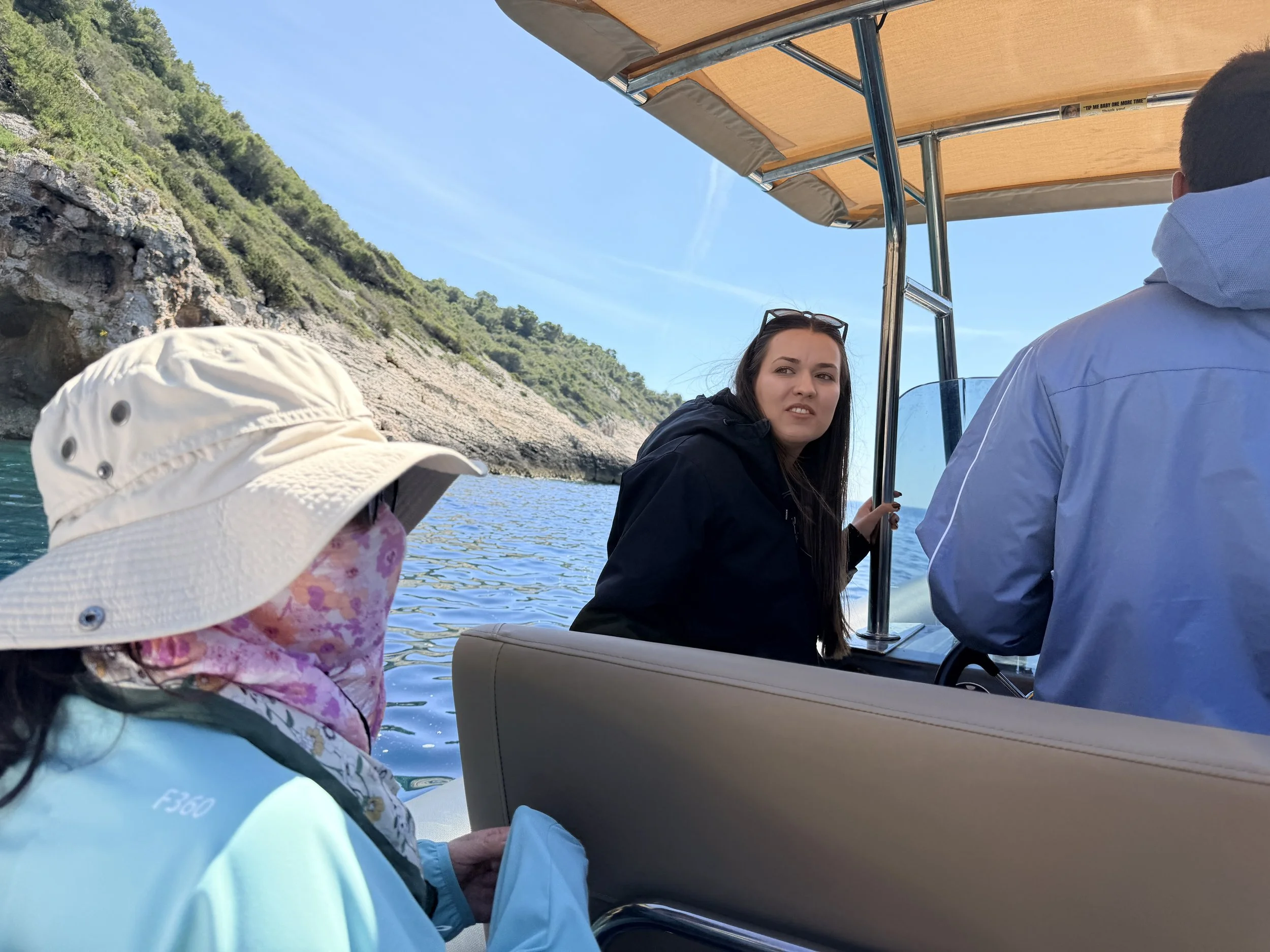
The speedboat had saddle-style seats, which looked odd at first but proved to be more comfortable and practical than traditional seating. Soon we were speeding across the Adriatic at around 24 knots, bouncing over the waves for about 90 minutes toward our first stop: the Blue Cave. During the ride, I kept thinking about that familiar face. Could it really be him? The odds seemed impossibly low—meeting a classmate in another country, on a 12-person boat.
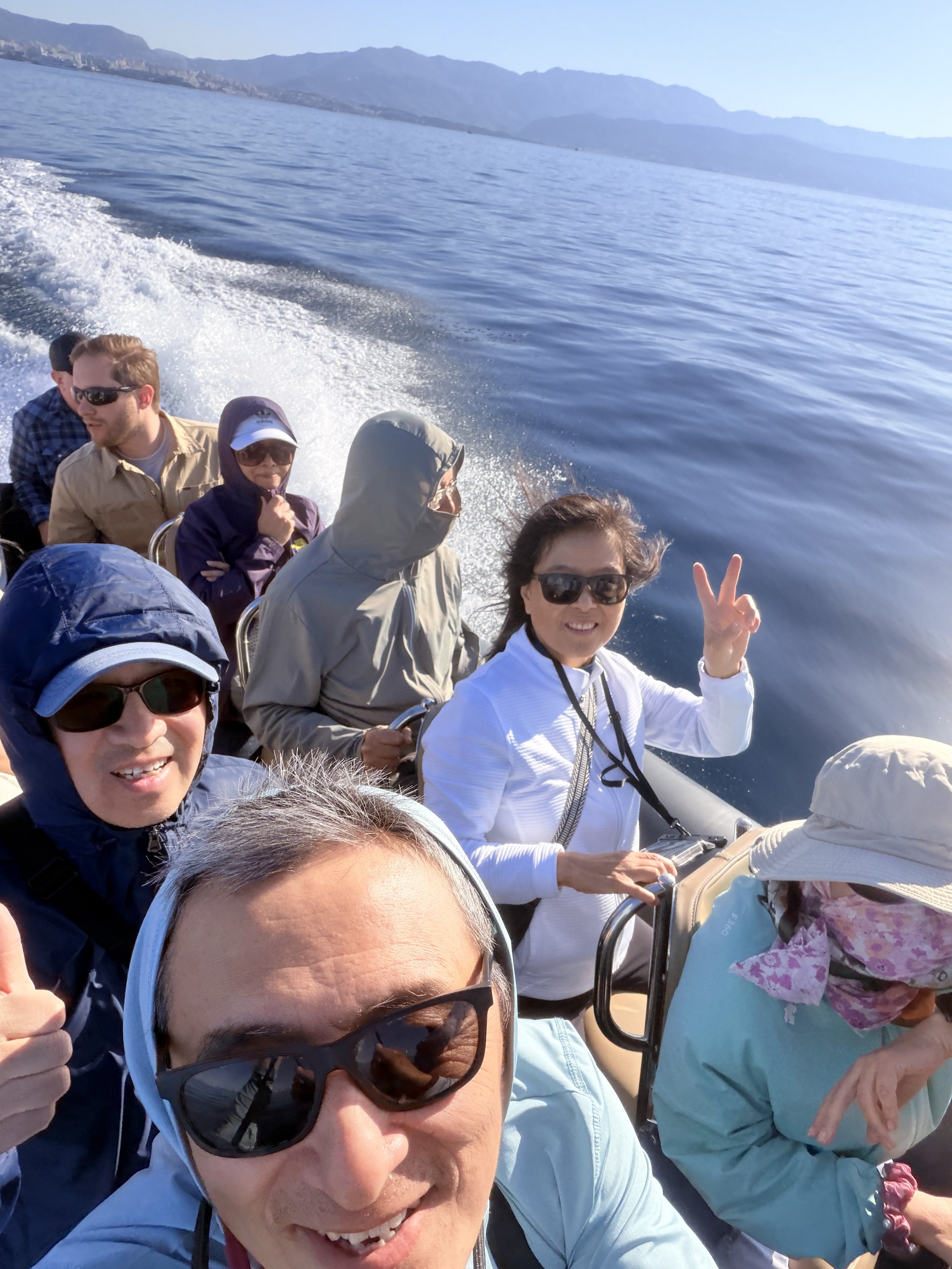
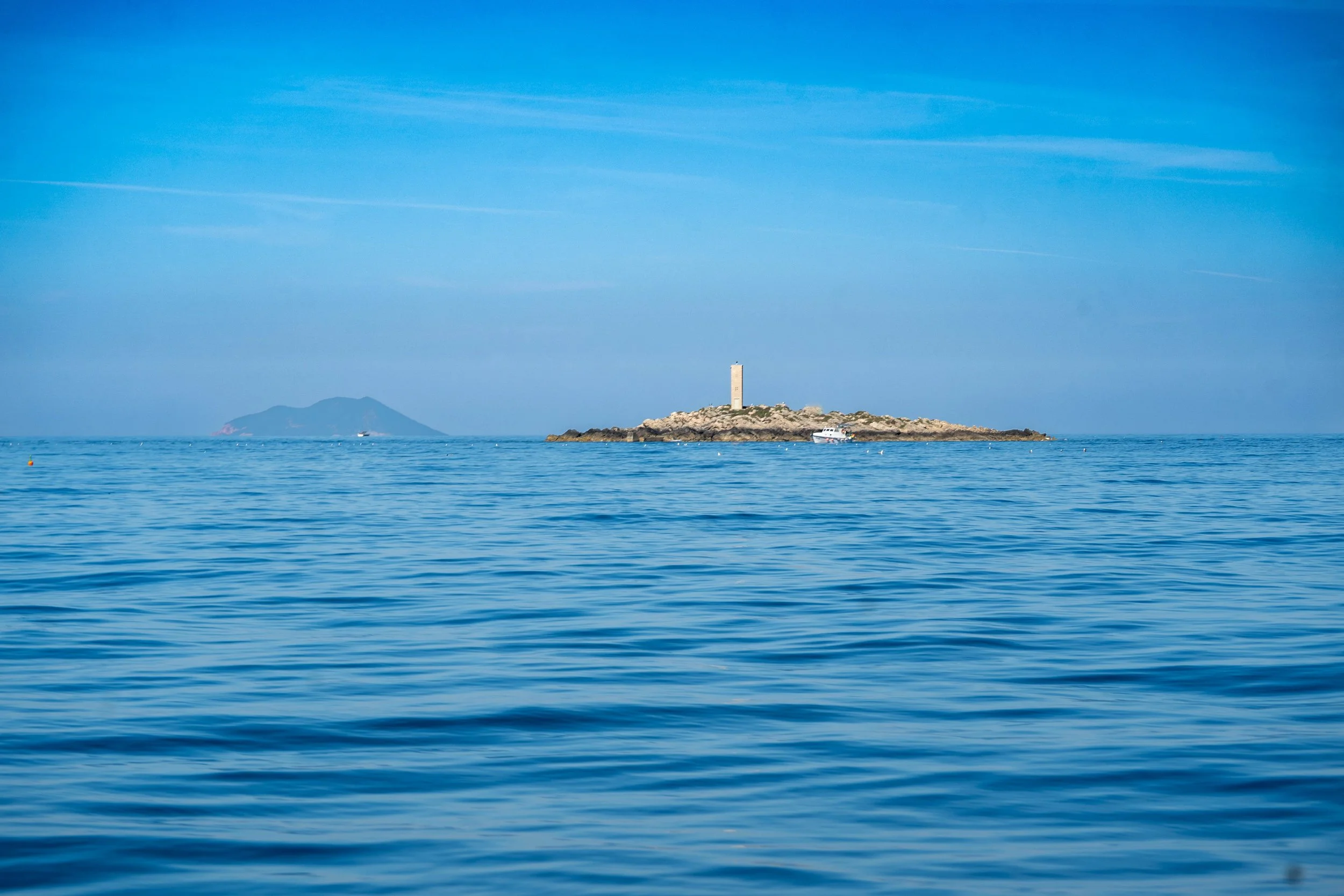
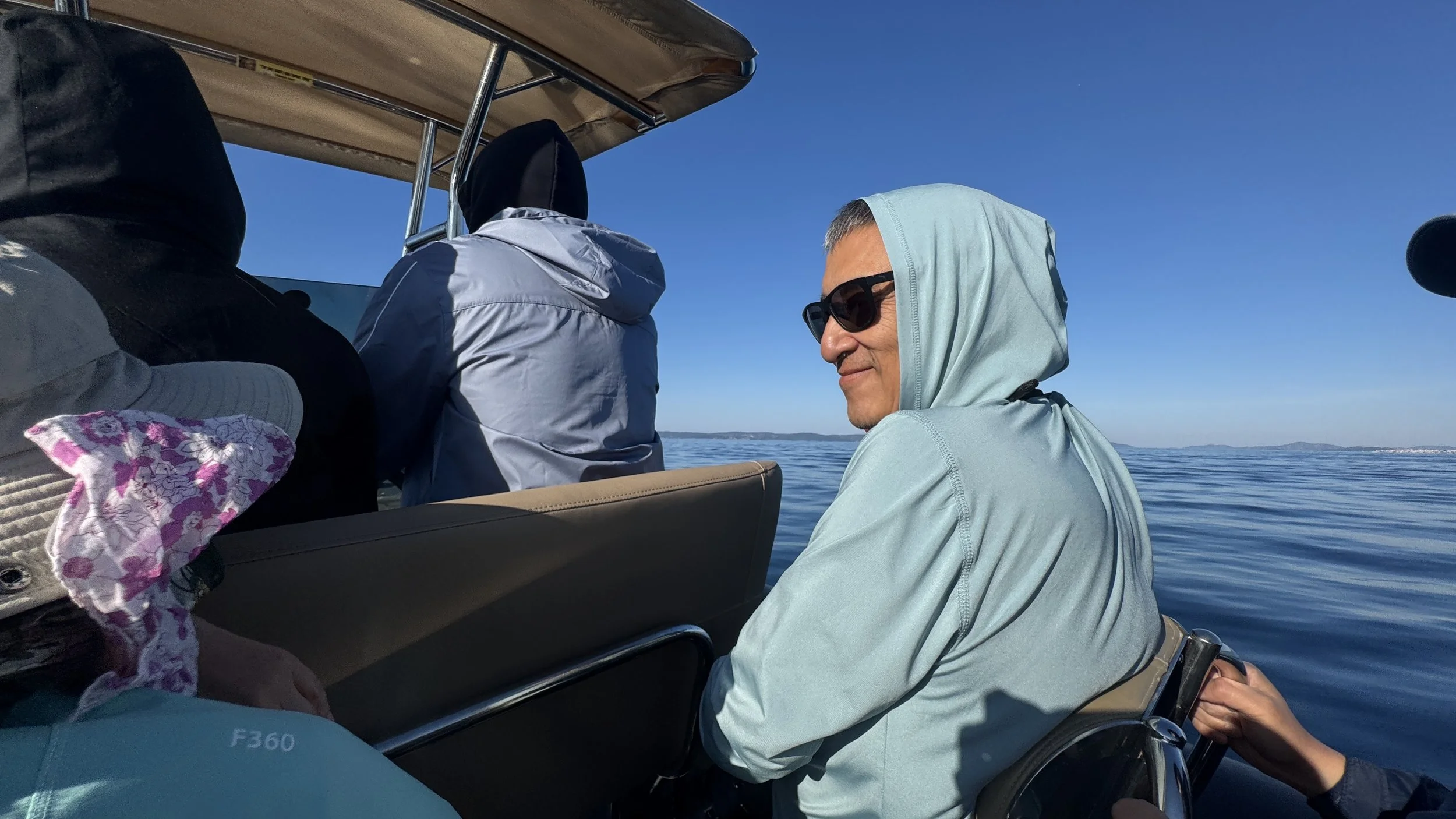
At the first stop, I finally had encouragement to ask him.
“Yes,” he said. It was him.
What a small world. Travel has a way of creating the most unexpected and delightful encounters.
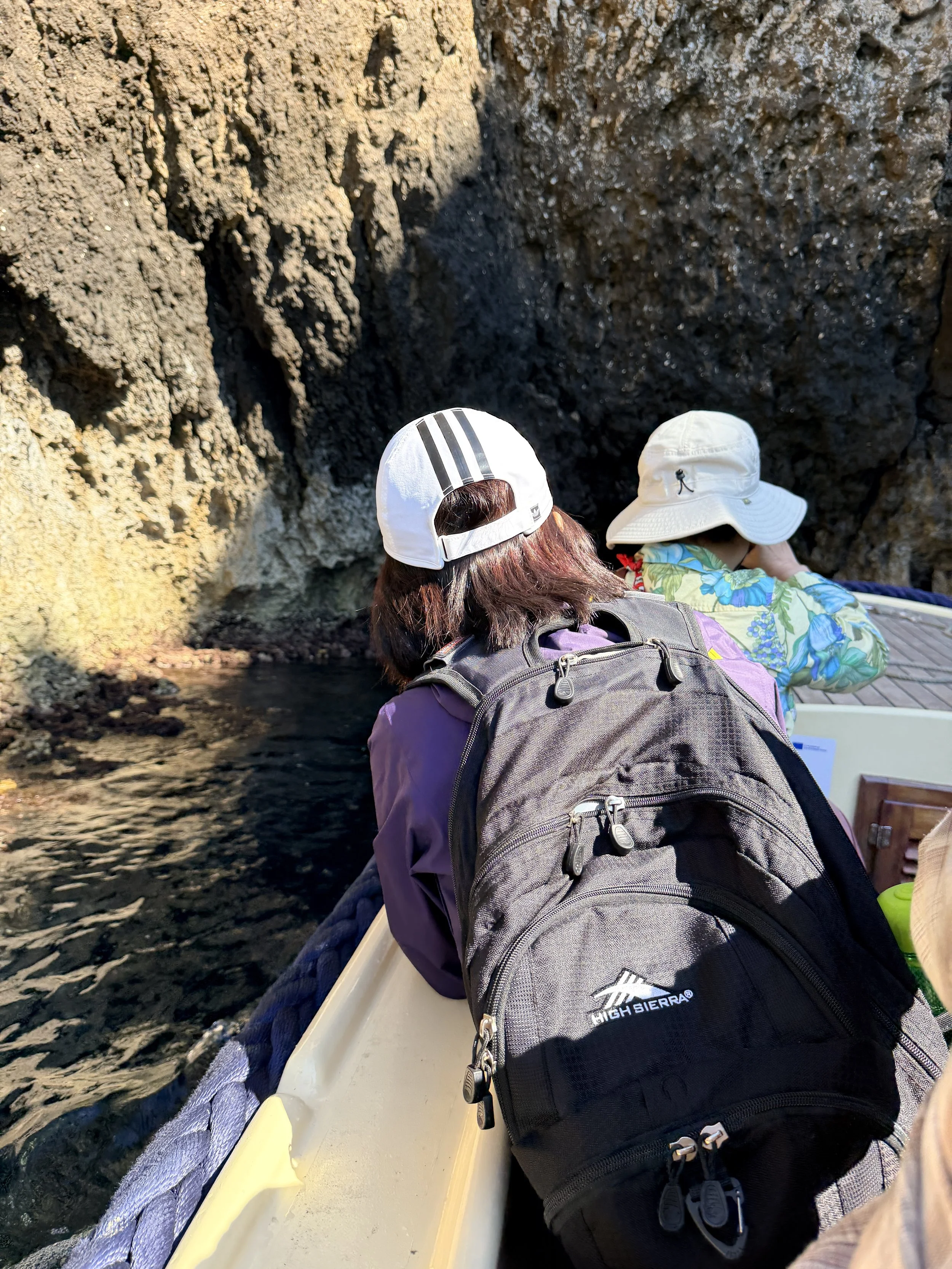
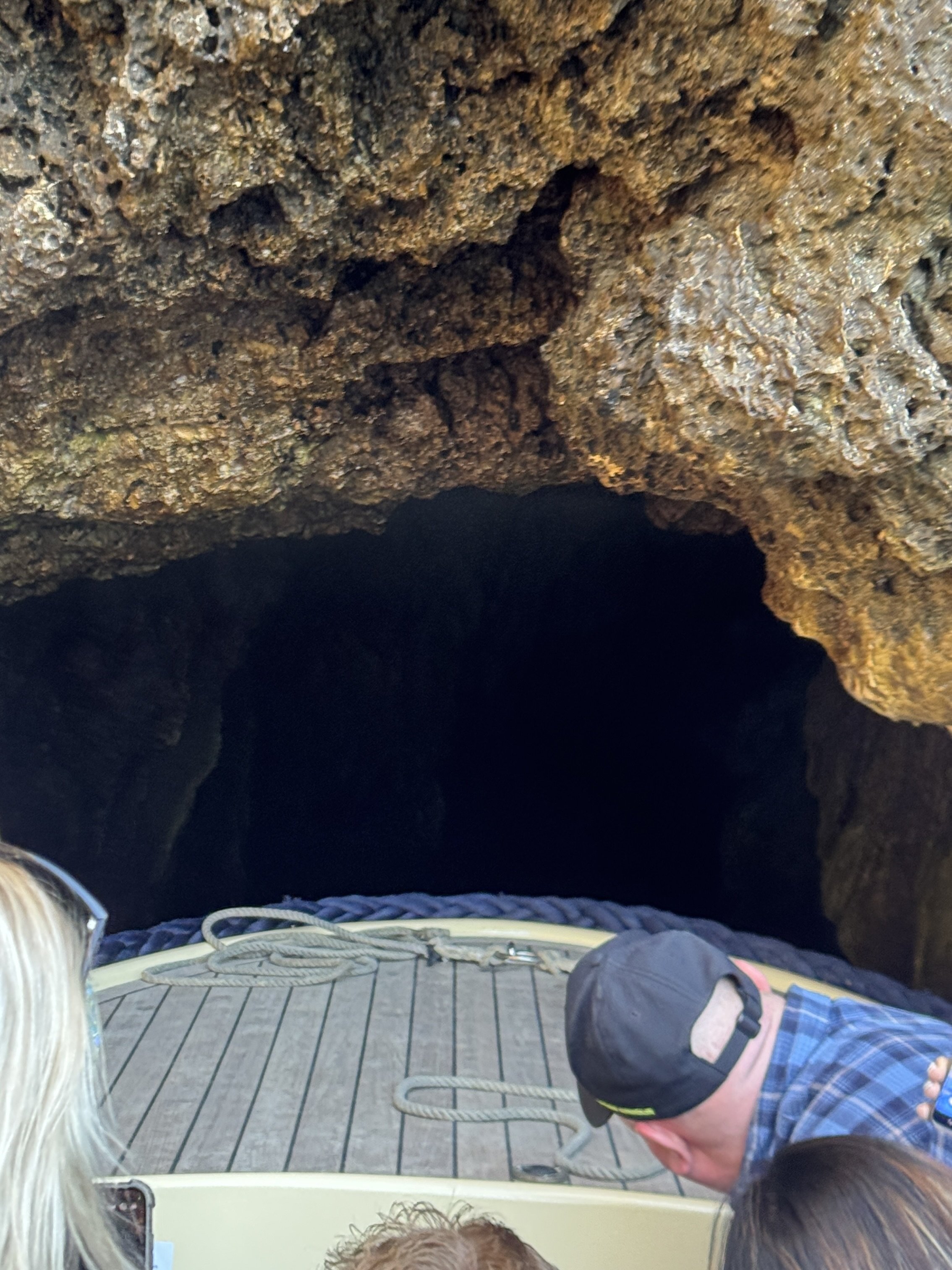
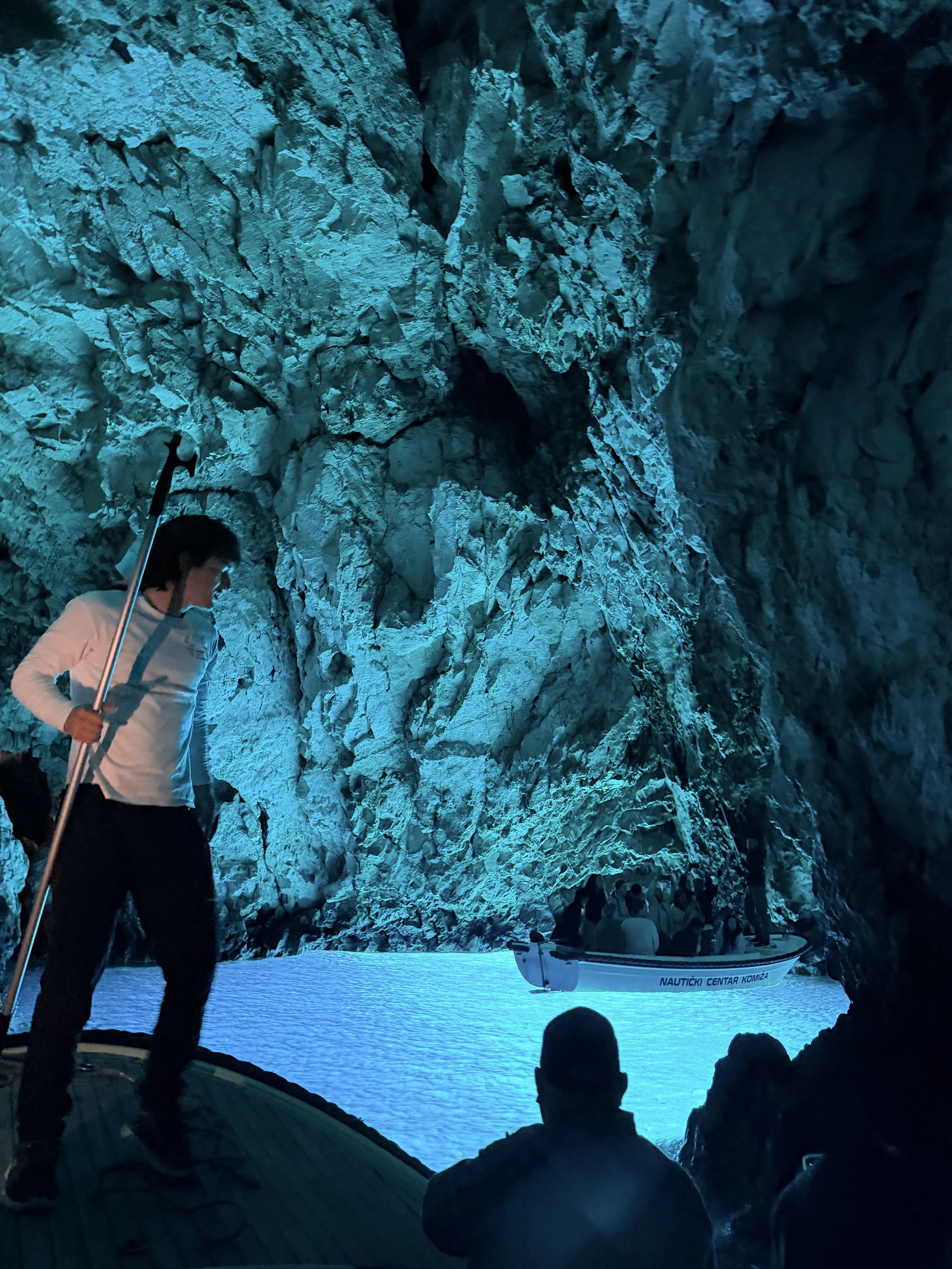
To enter the Blue Cave, we had to transfer to a small boat operated by local guides and pay an additional €18 per person. The cave entrance had been widened in the past to allow small boats inside, but entry still depends on sea conditions—if the waves are too high, boats cannot enter.
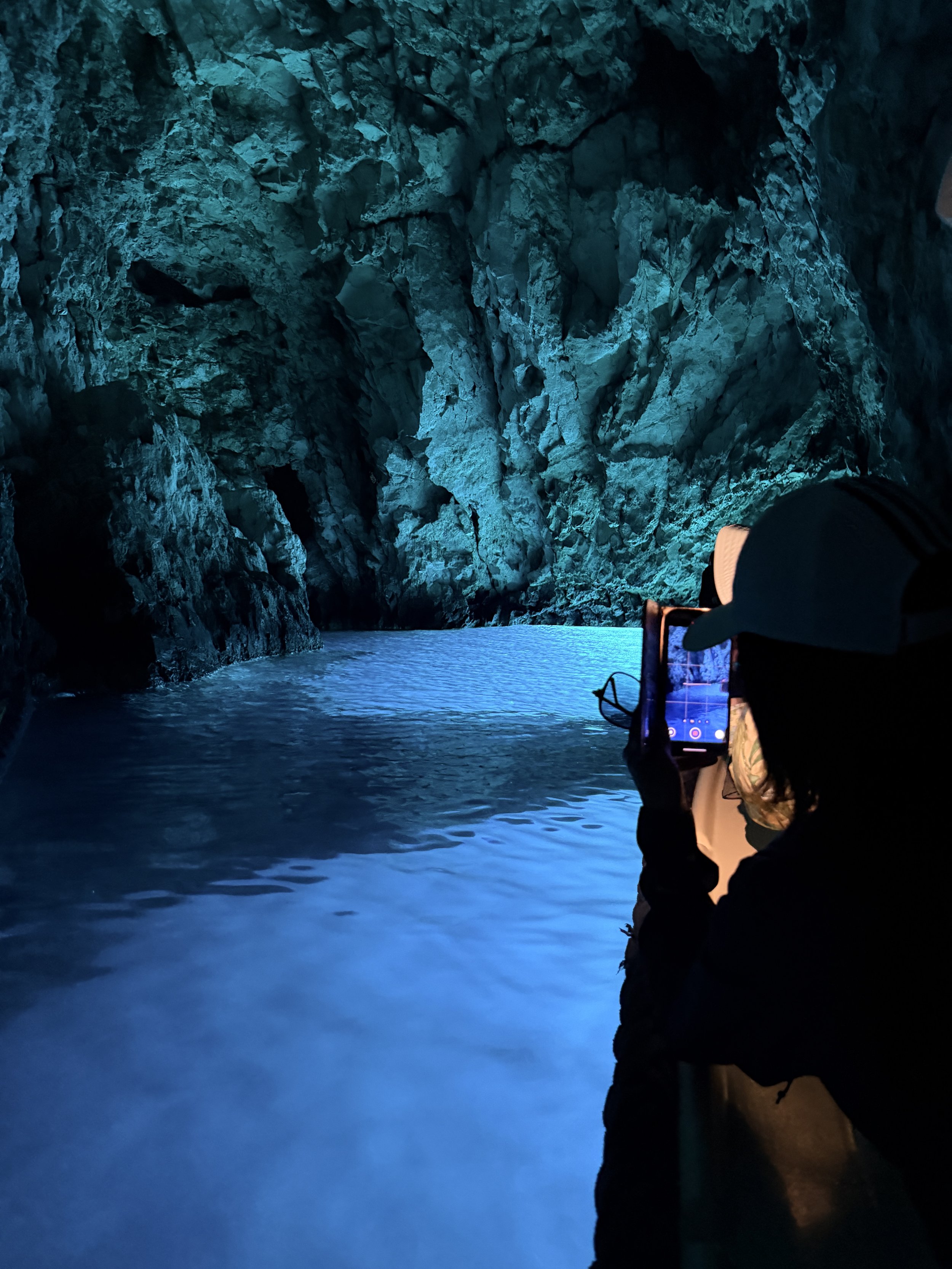
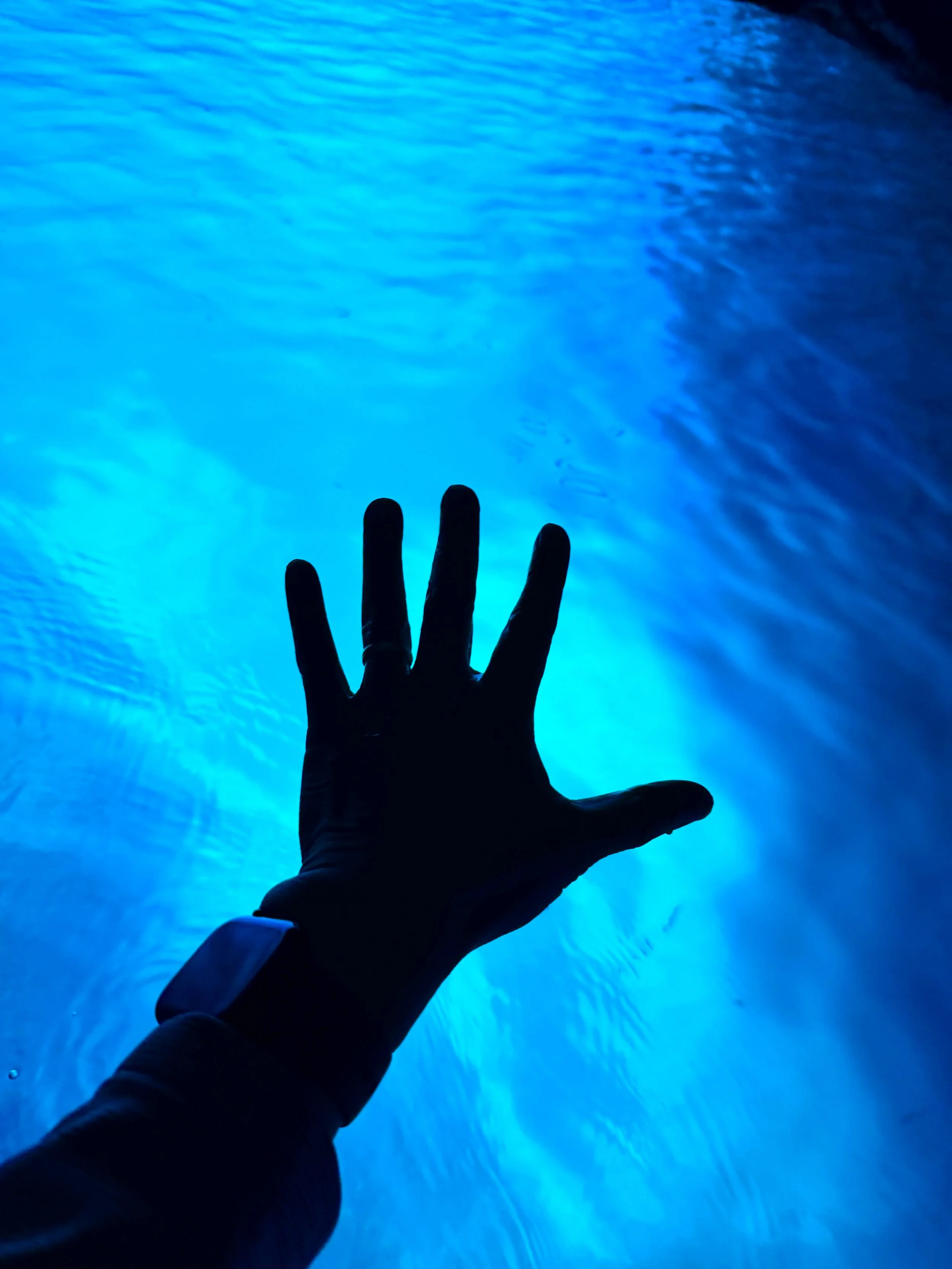
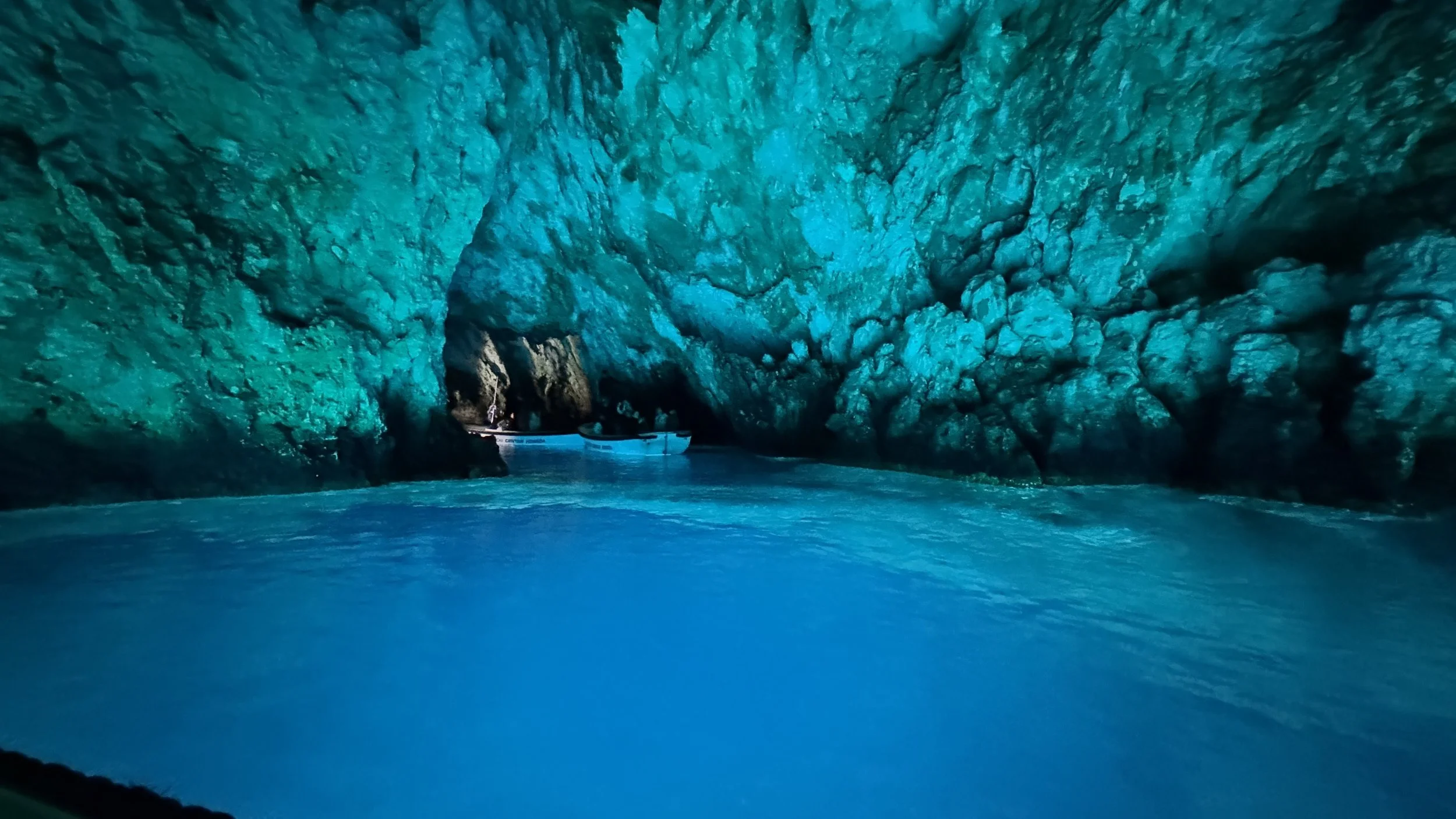
From the outside, the cave looks like a narrow opening in the rocky coast. But once inside, the scene transforms completely. The cave glows with an almost unreal blue light. Sunlight enters through an underwater opening and reflects off the white limestone seabed, turning the water into a bright, luminous blue.
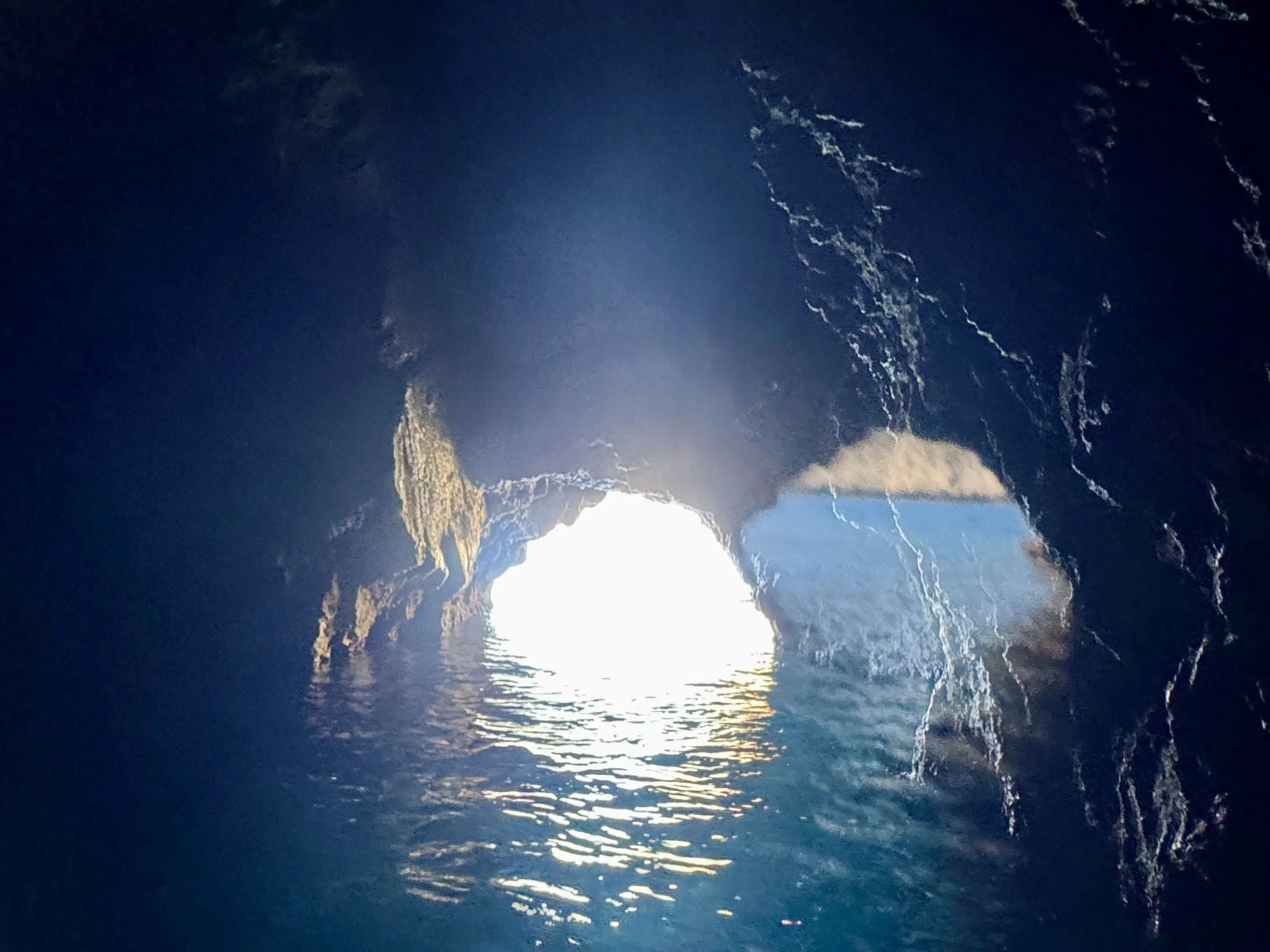
We stayed inside for only about five minutes, but the memory will last far longer.
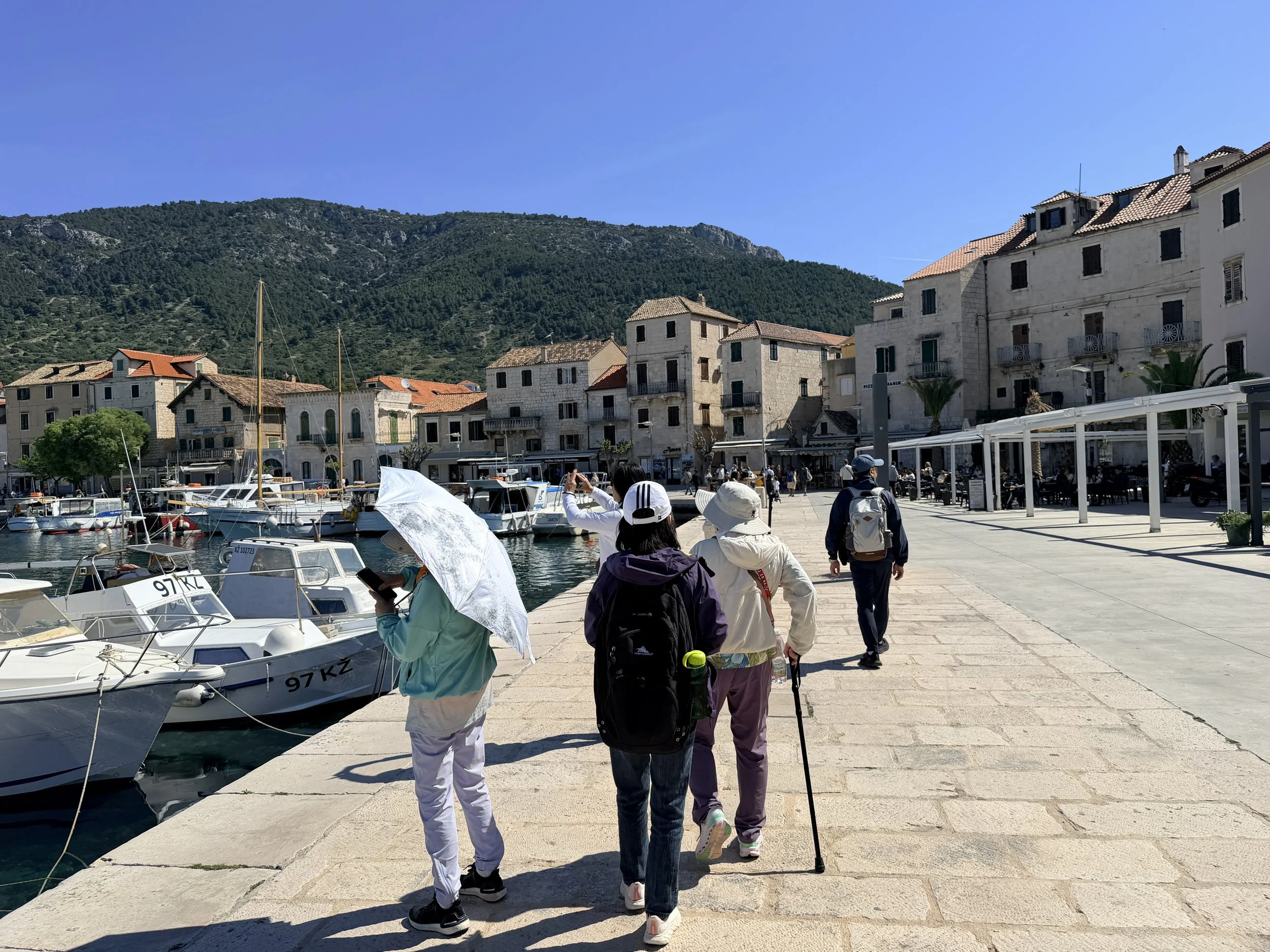
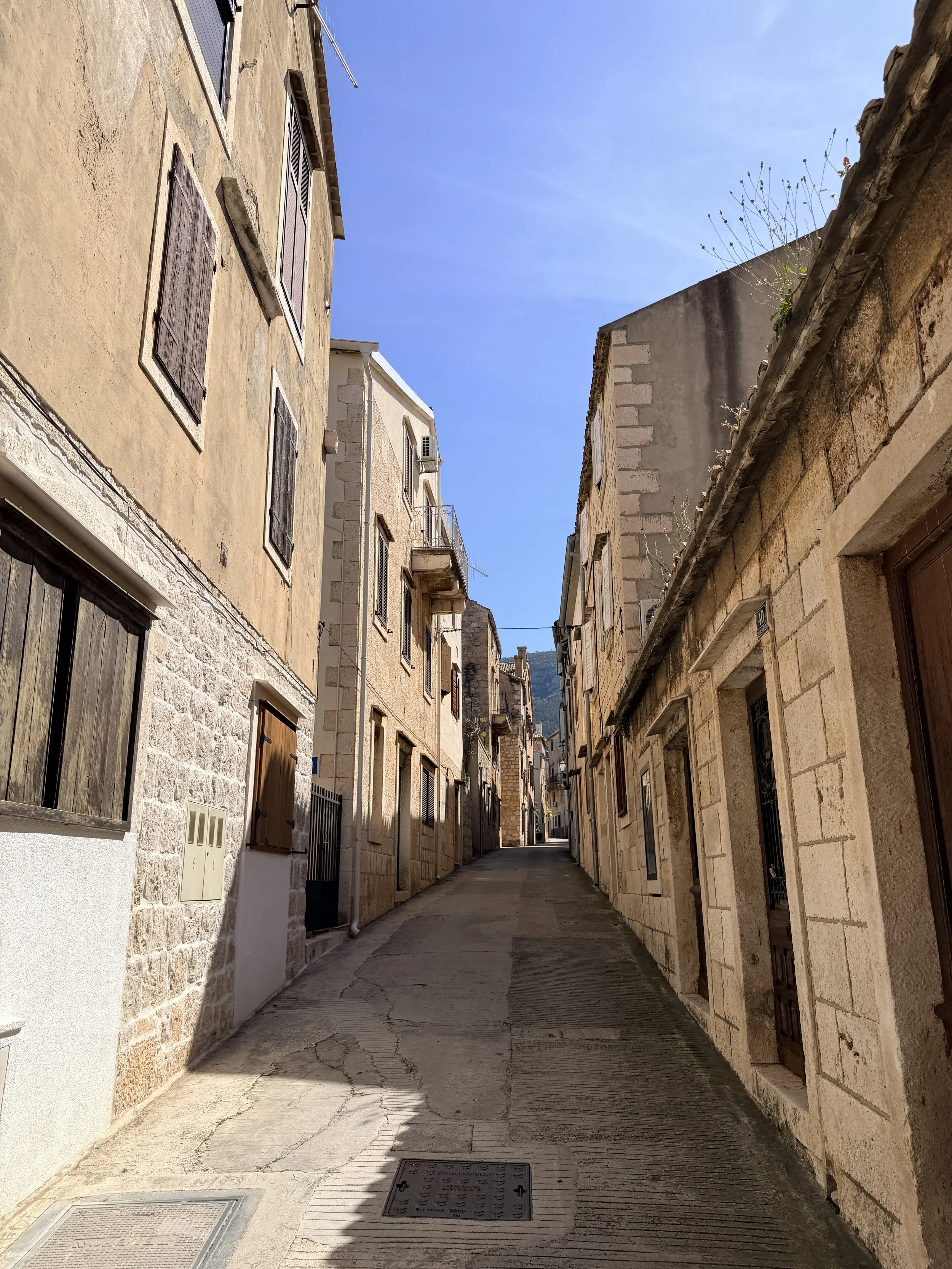
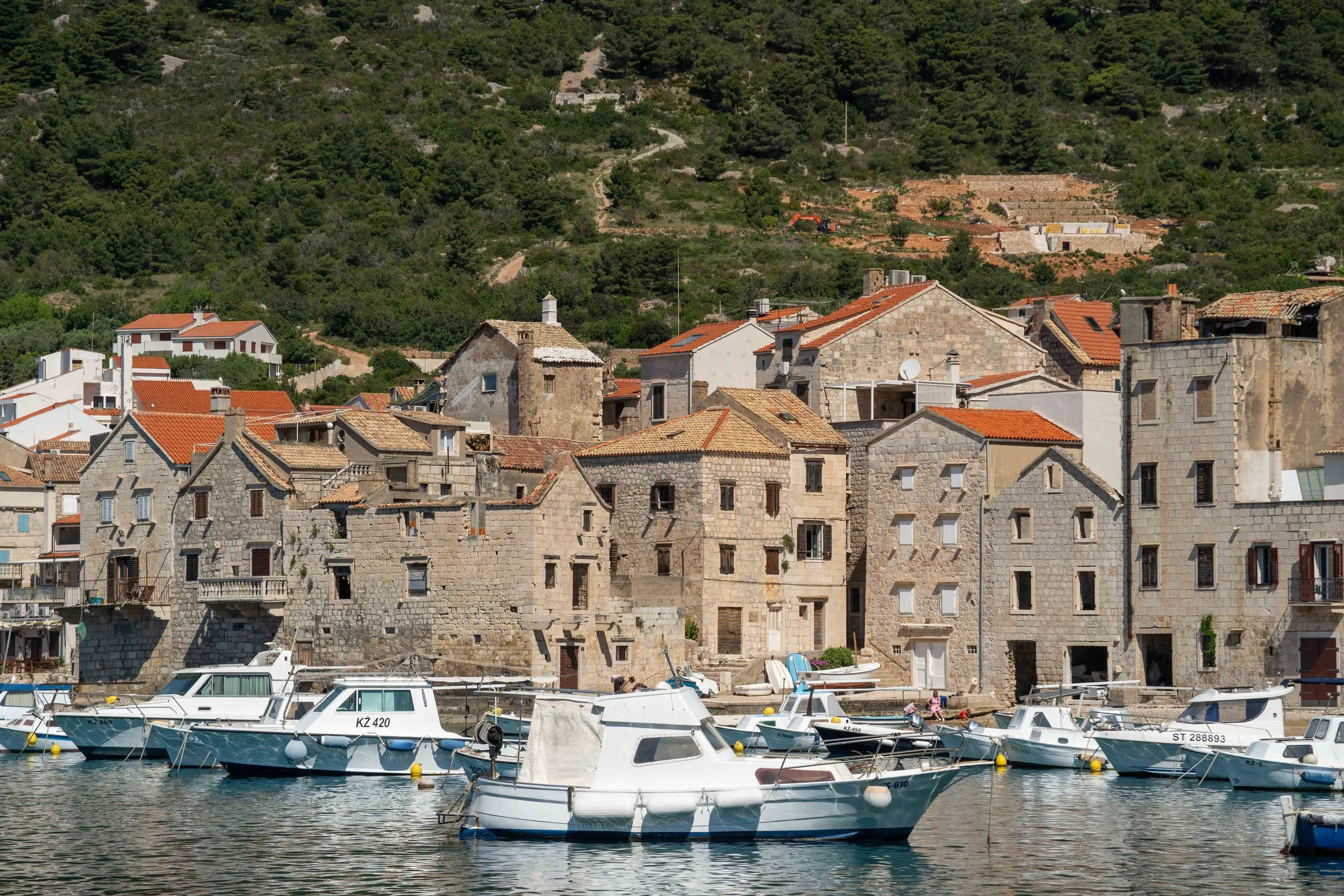
We then stopped at Komiža, a charming seaside village known as a filming location for Mamma Mia! Here We Go Again.
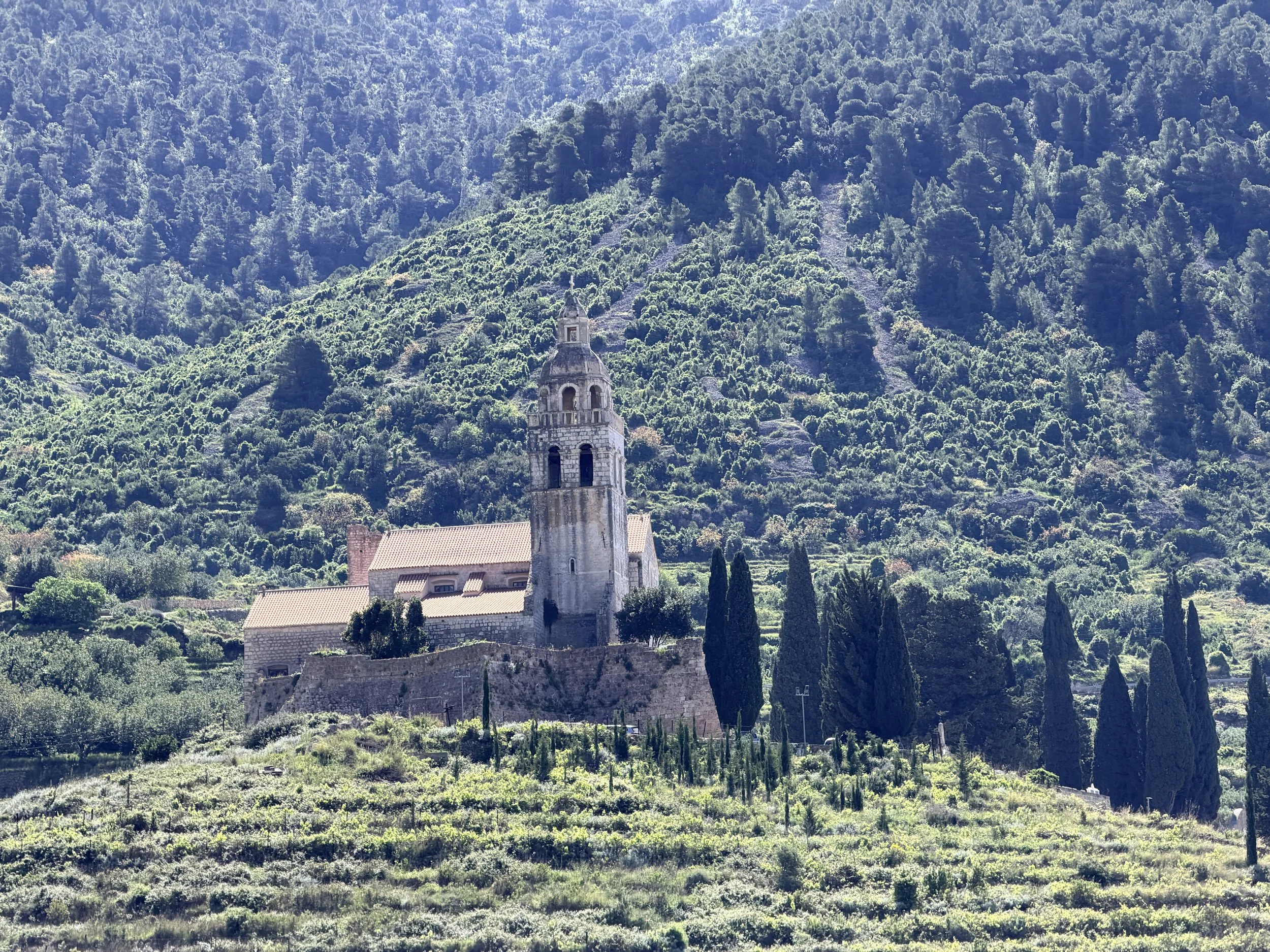
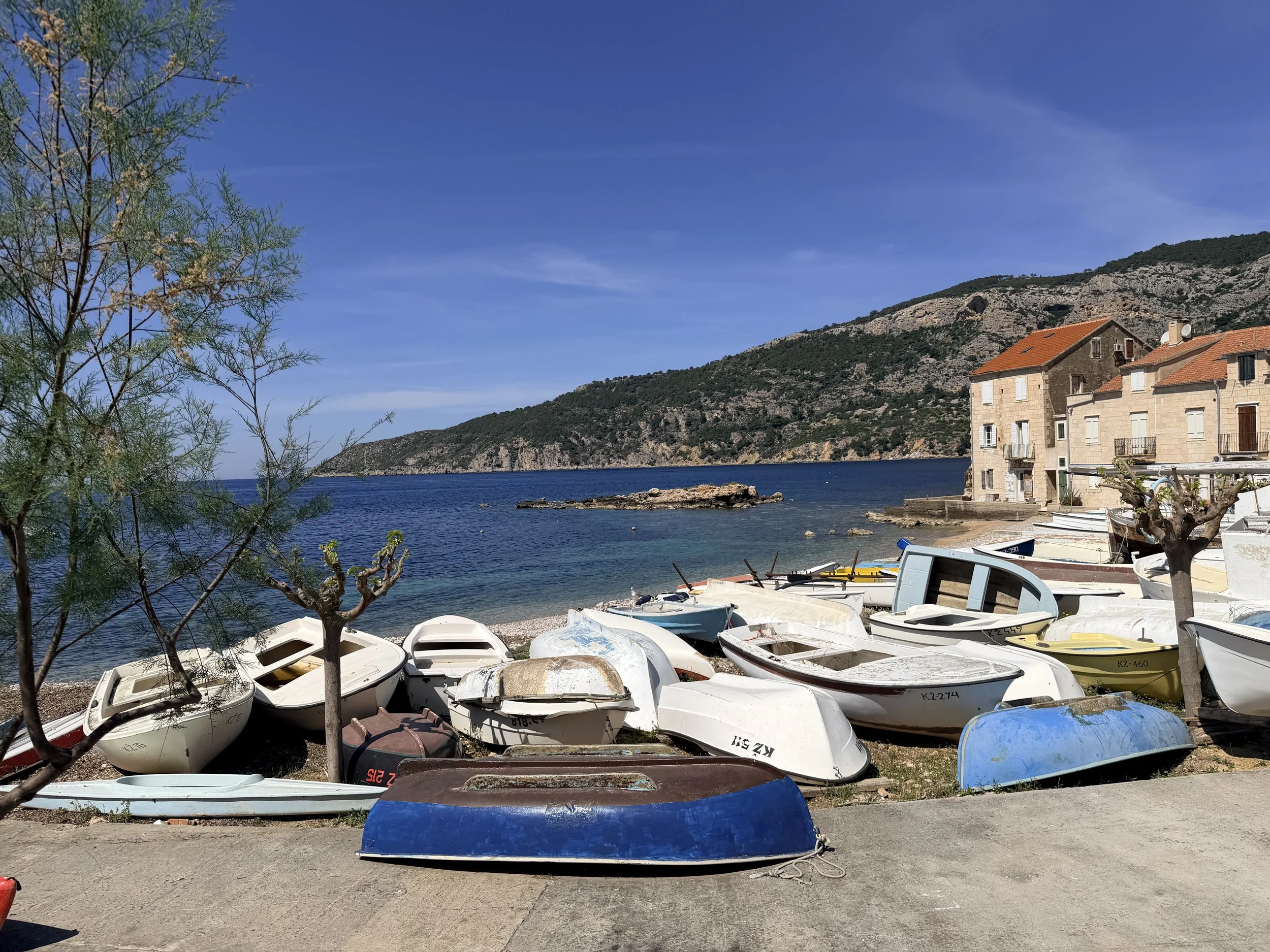
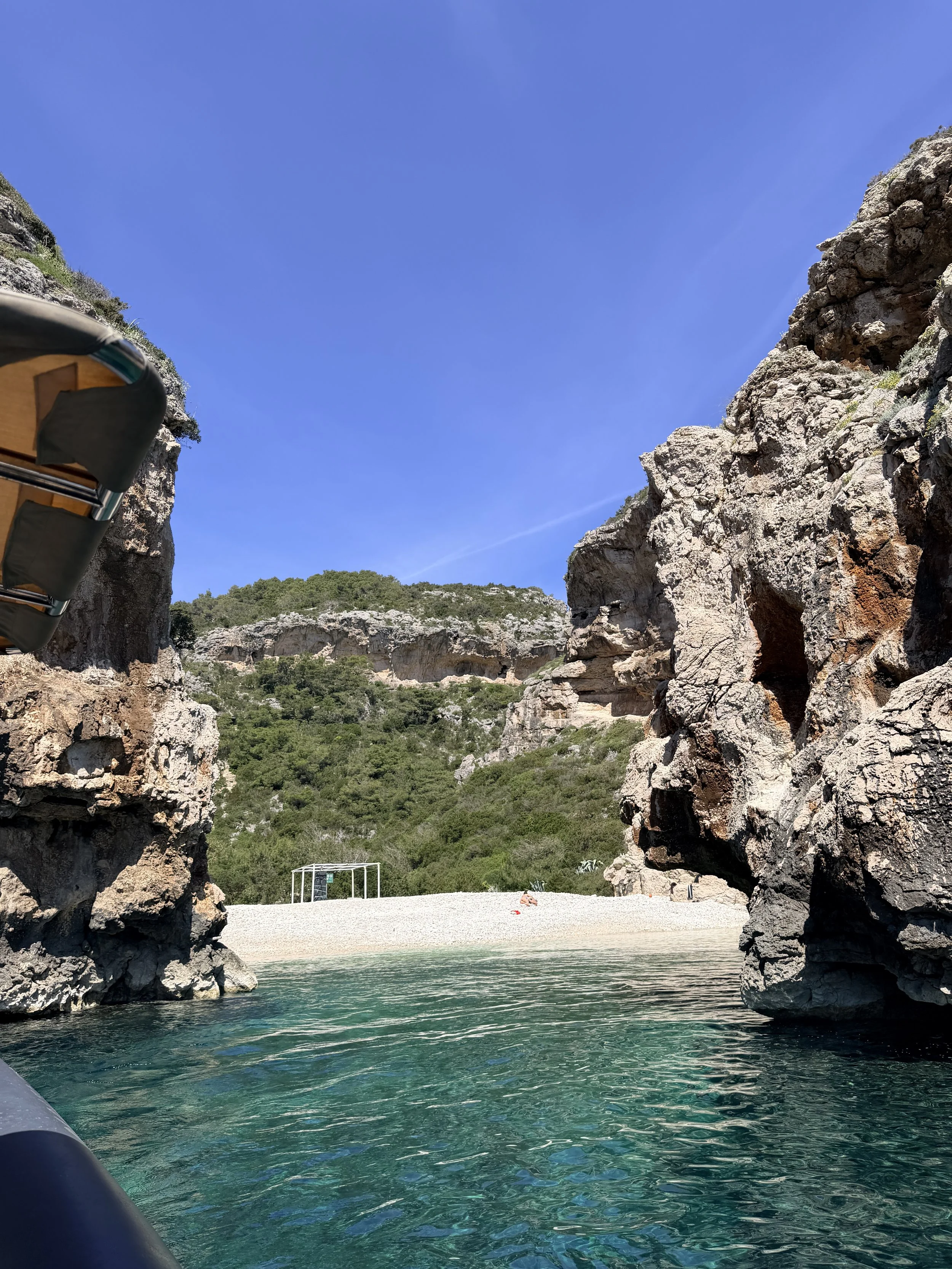
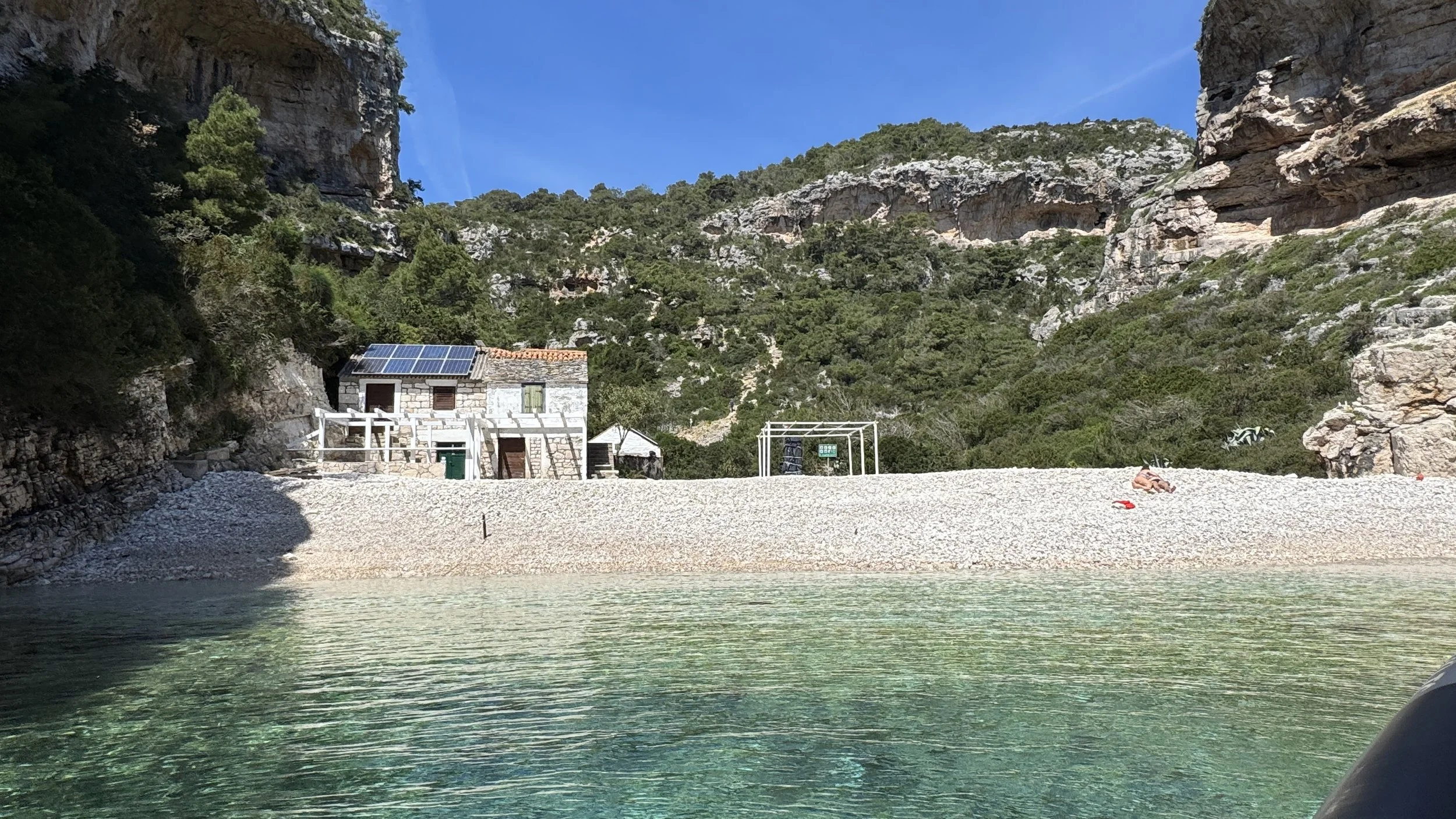
Next came Stiniva Beach, formed by the collapse of a cave roof. Surrounded by steep cliffs, it’s one of the most dramatic beaches in Croatia, though access is restricted during peak season.
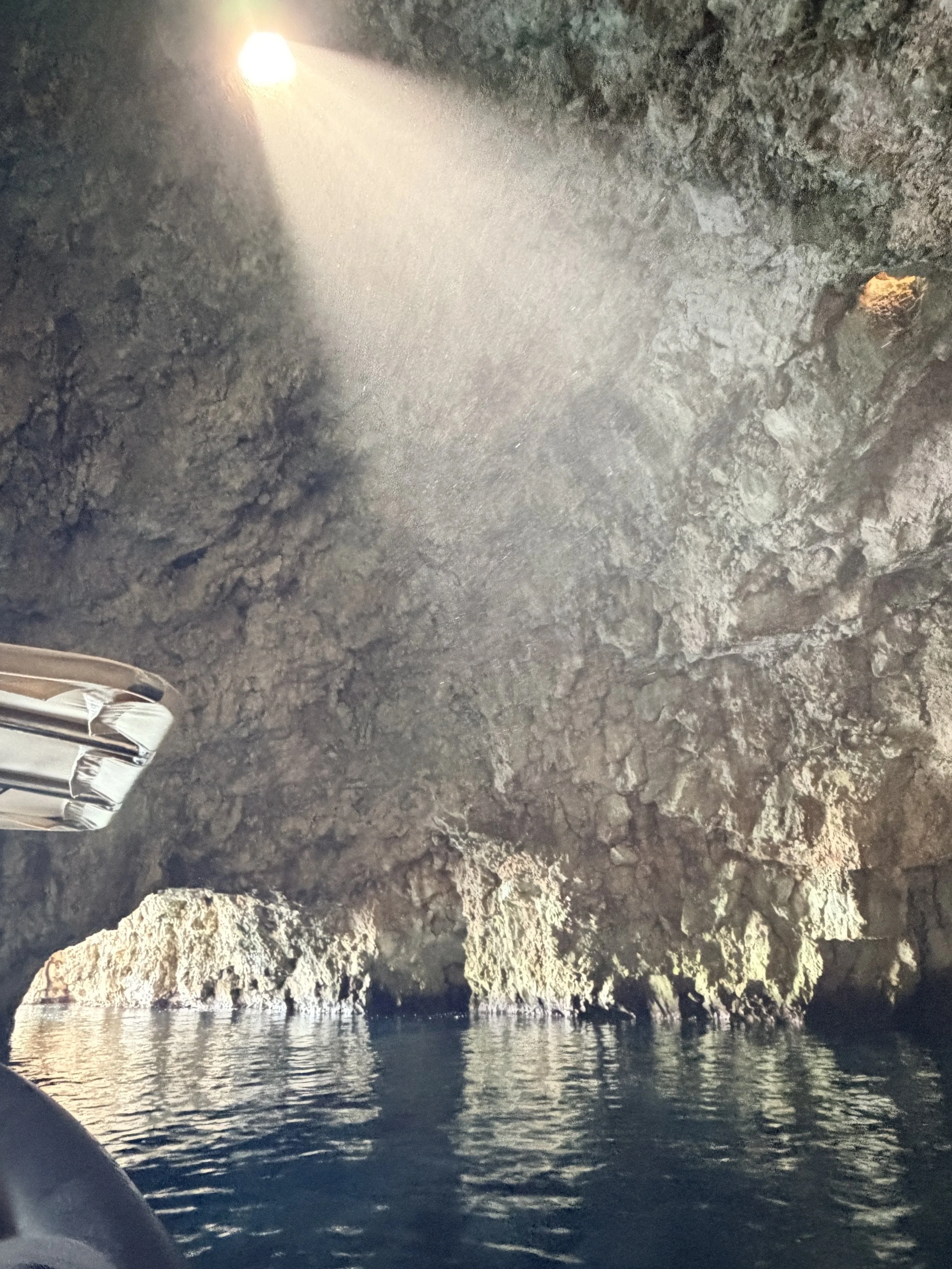
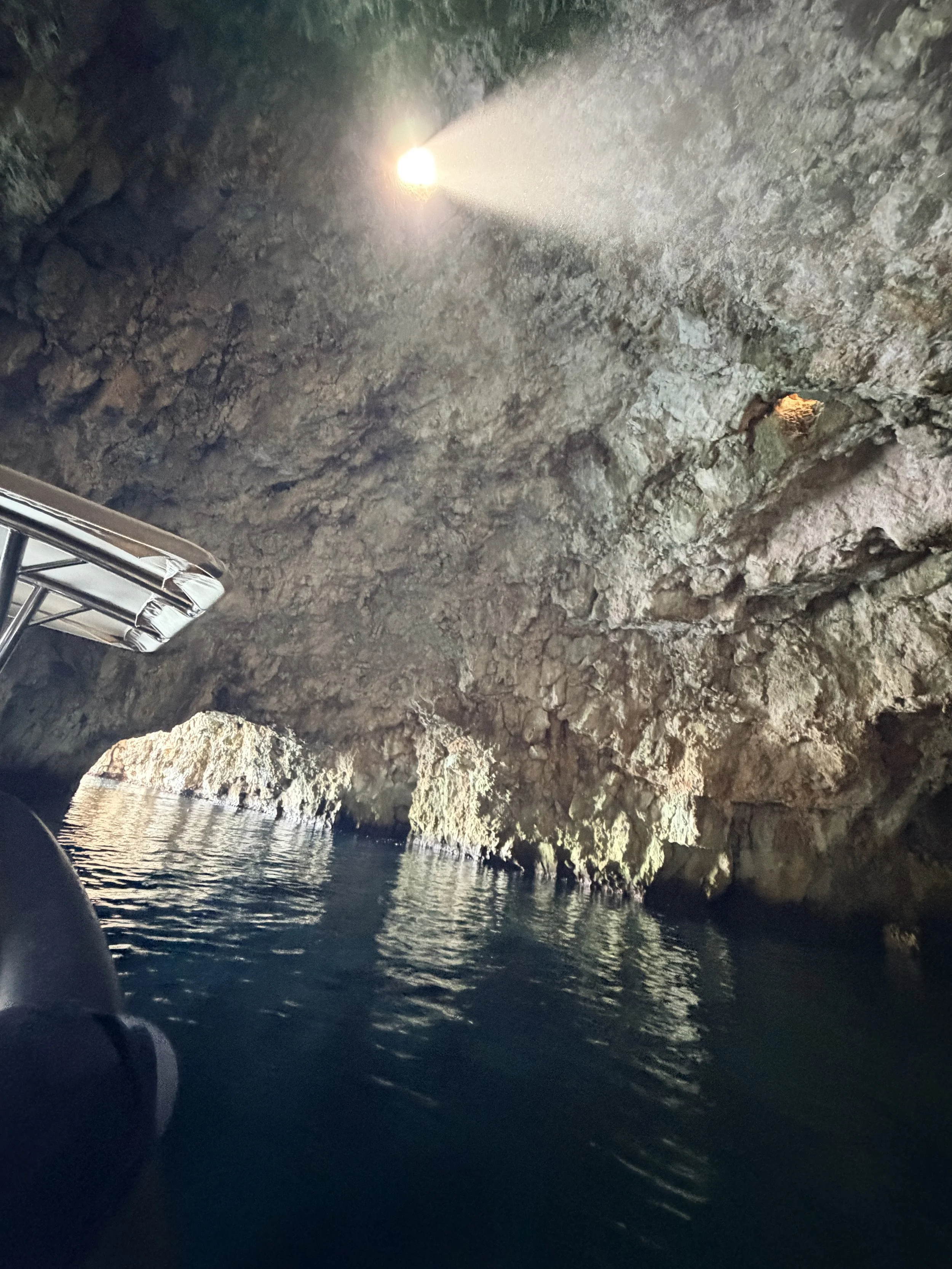
Our visit to the Green Cave offered a completely different but equally memorable experience. Located on Ravnik Island, the cave is larger and more open than the Blue Cave. A natural opening in the ceiling allows sunlight to stream inside, creating a dramatic beam of light that penetrates the crystal-clear water below. The sunlight reflects off the algae-covered rocks and the seabed, filling the cave with a soft emerald-green glow. We were fascinated by the interplay of light and color and managed to capture a photograph of the opening in the ceiling, along with a shimmering green reflection on the water below. It was a beautiful and unique natural phenomenon that left a lasting impression on us.
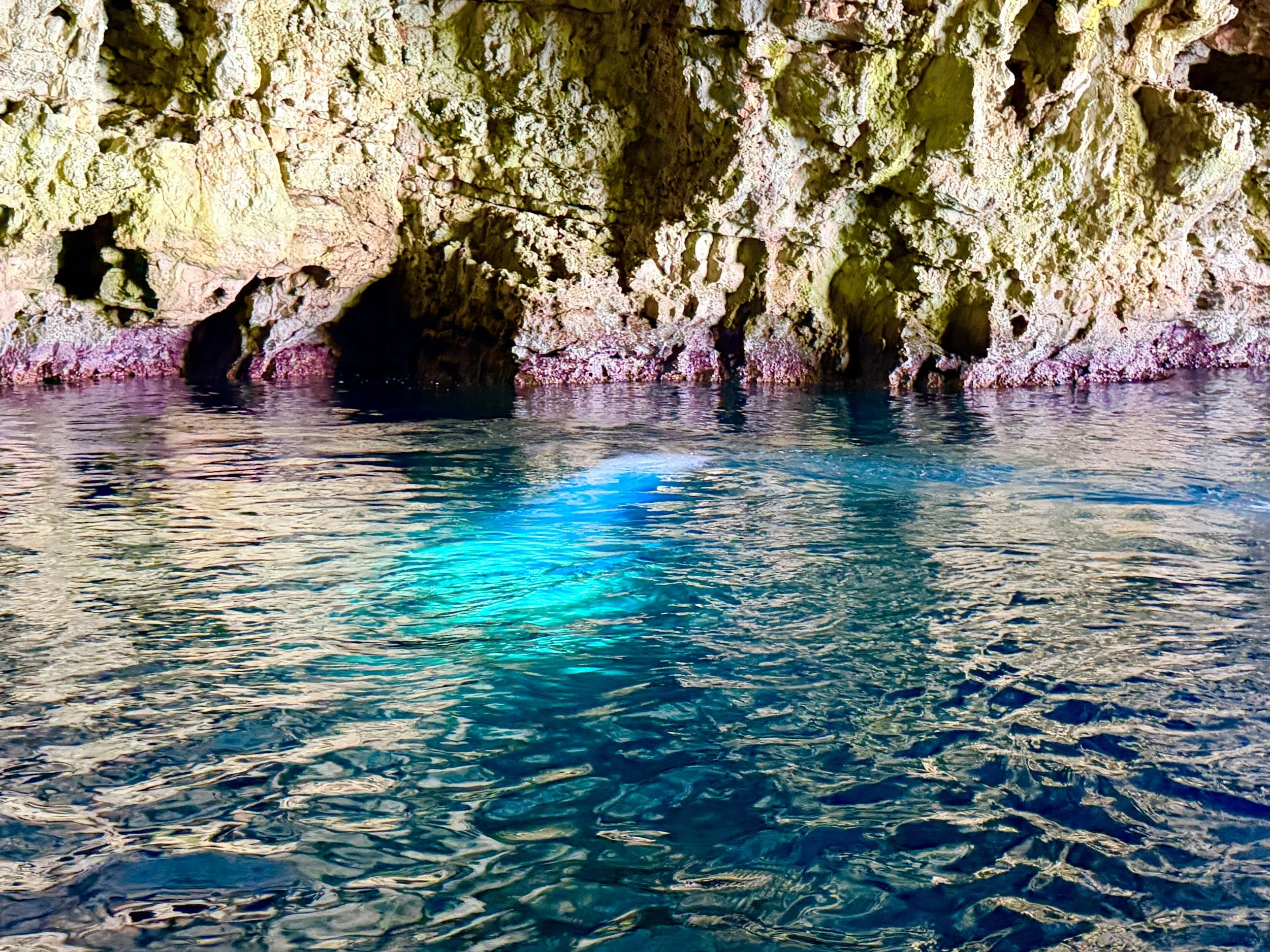
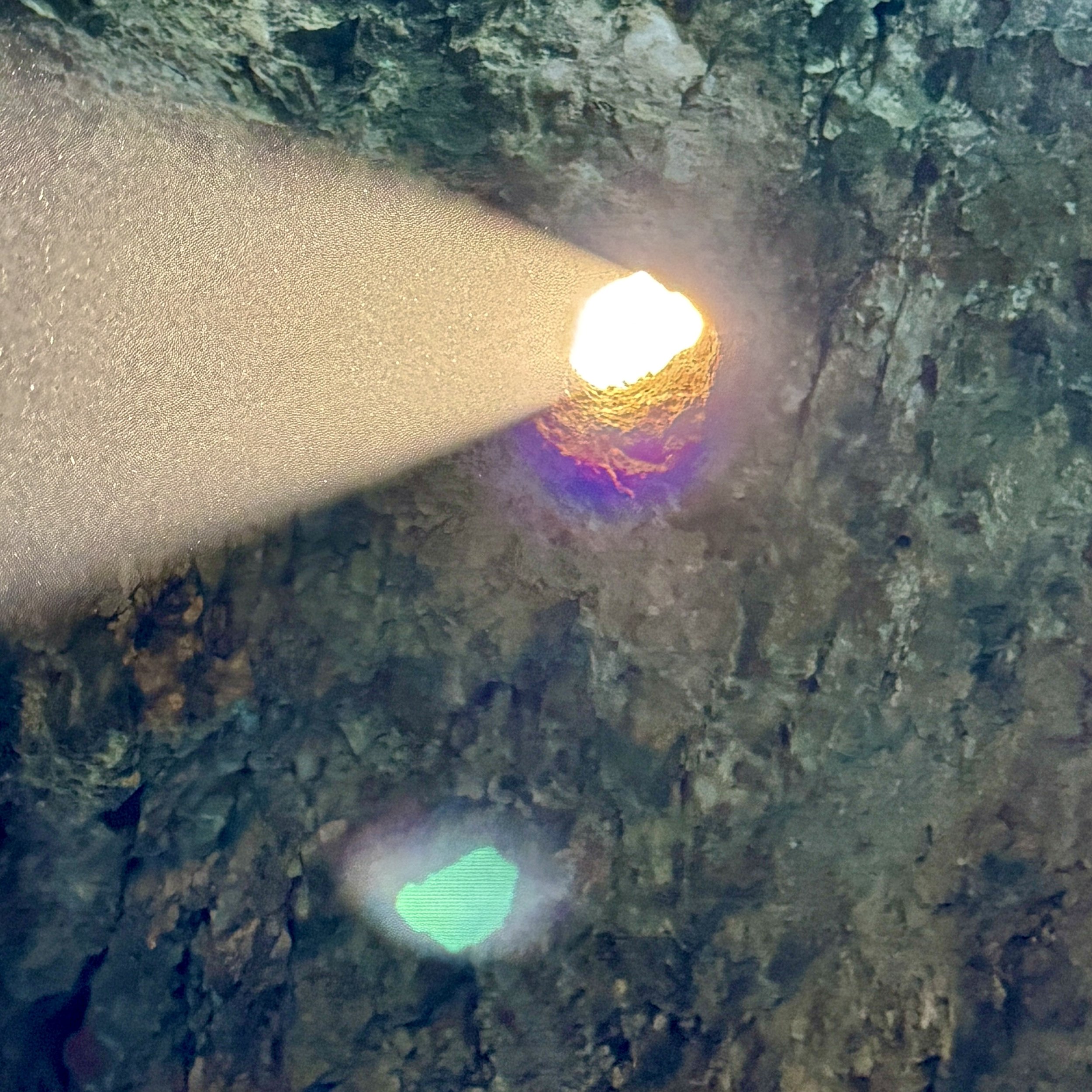
What fascinated us most was how the light beam slowly shifted across the cave as the boat drifted , giving the entire space a dynamic, almost mystical quality.
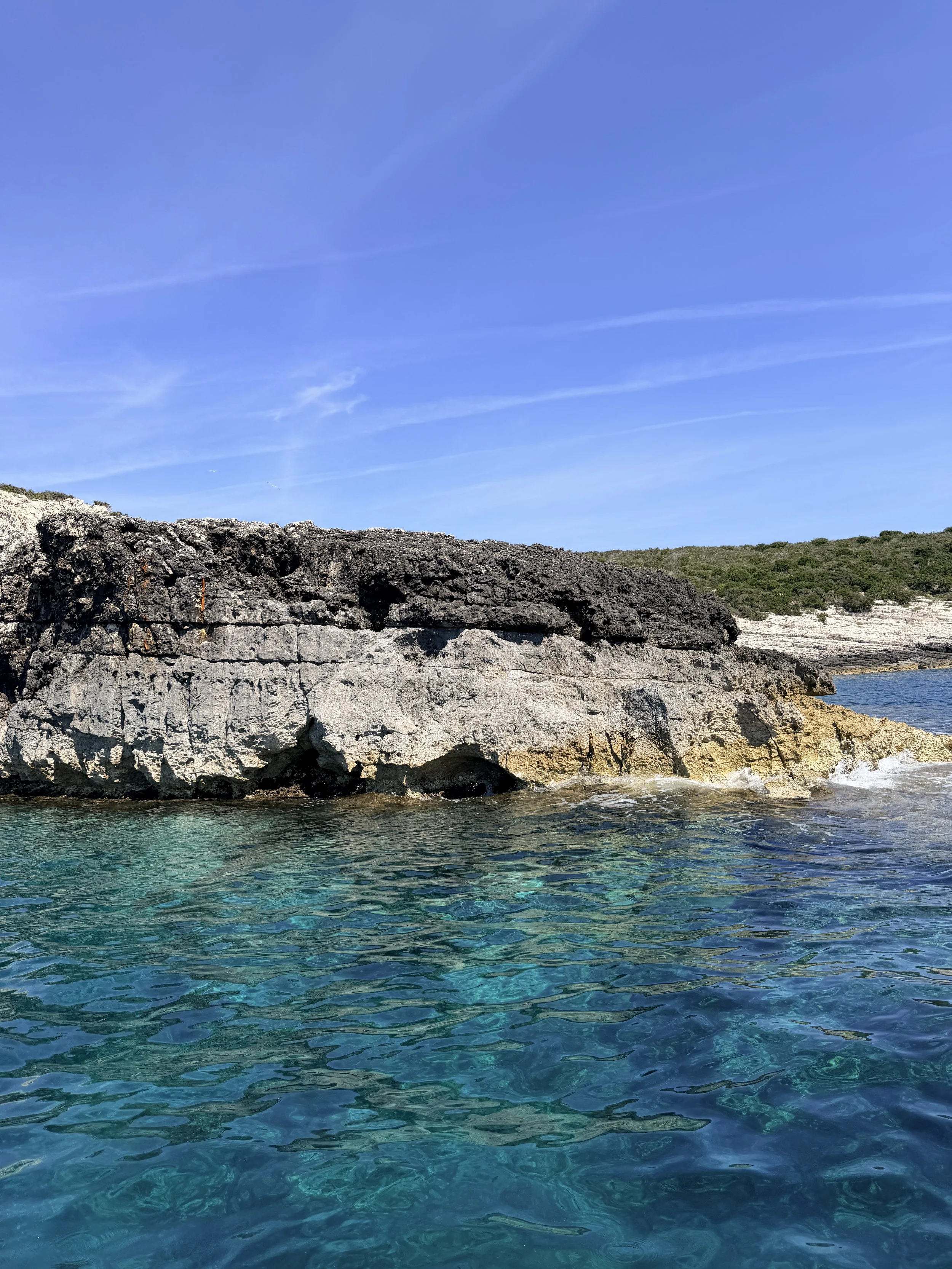
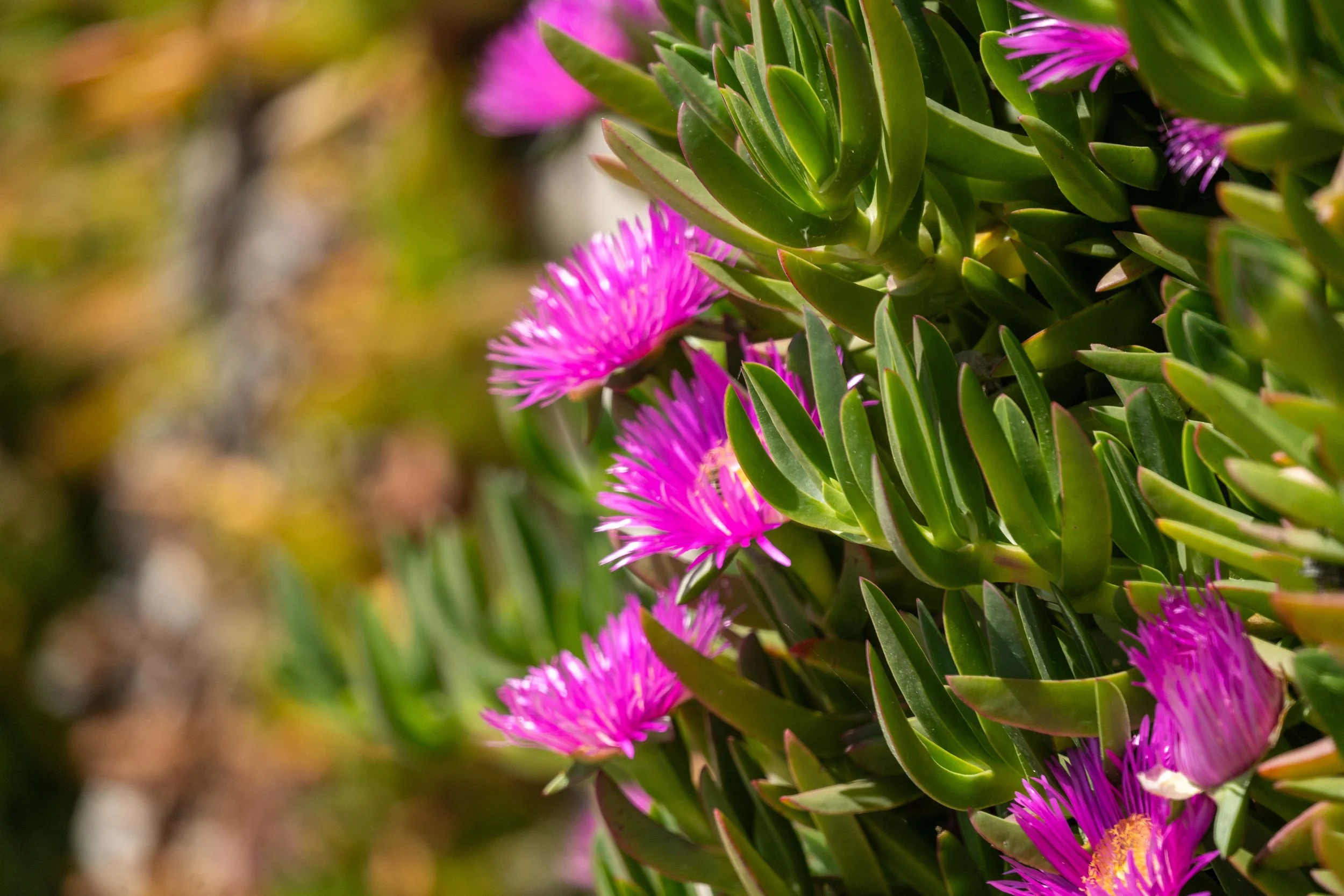
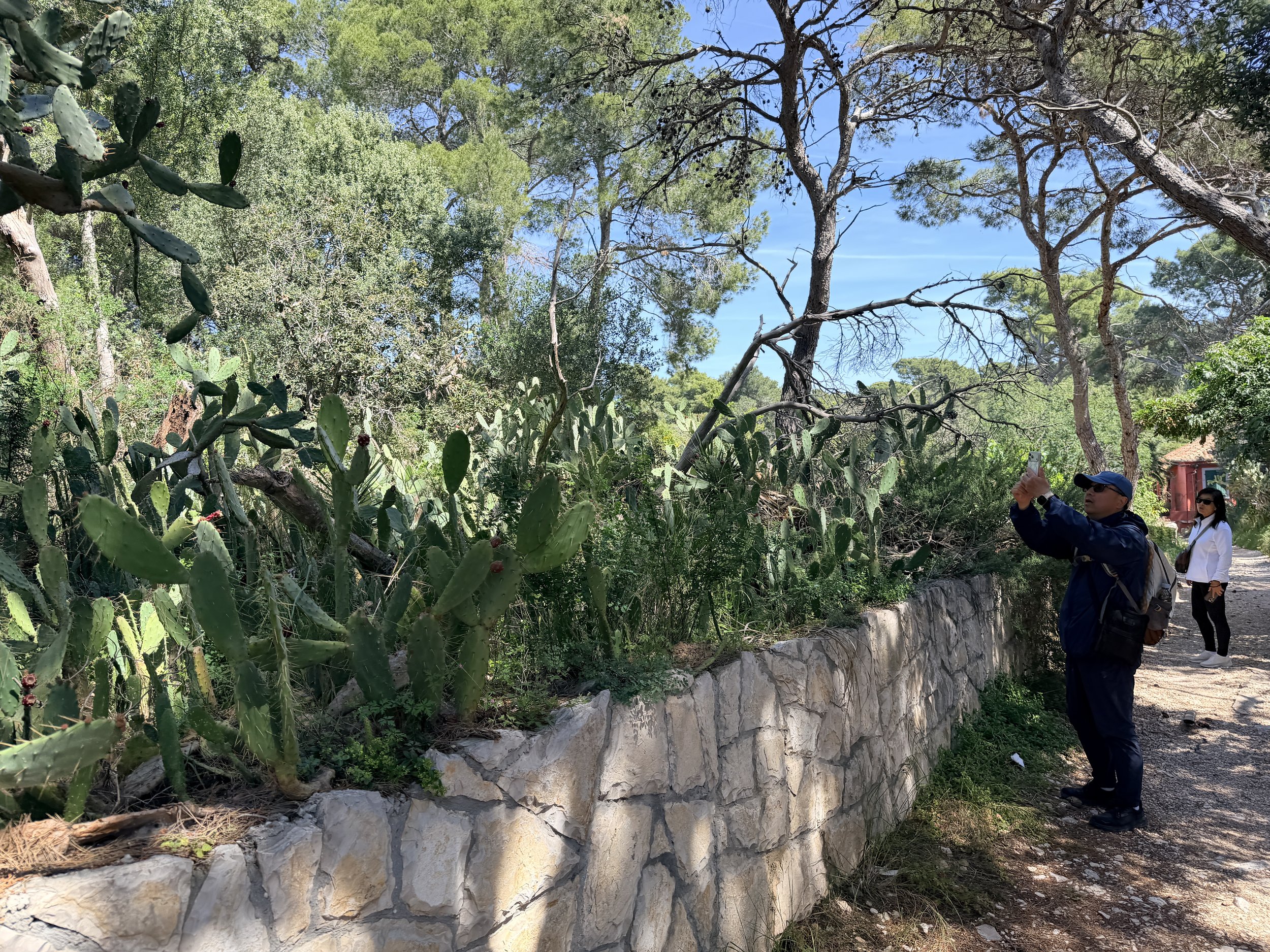
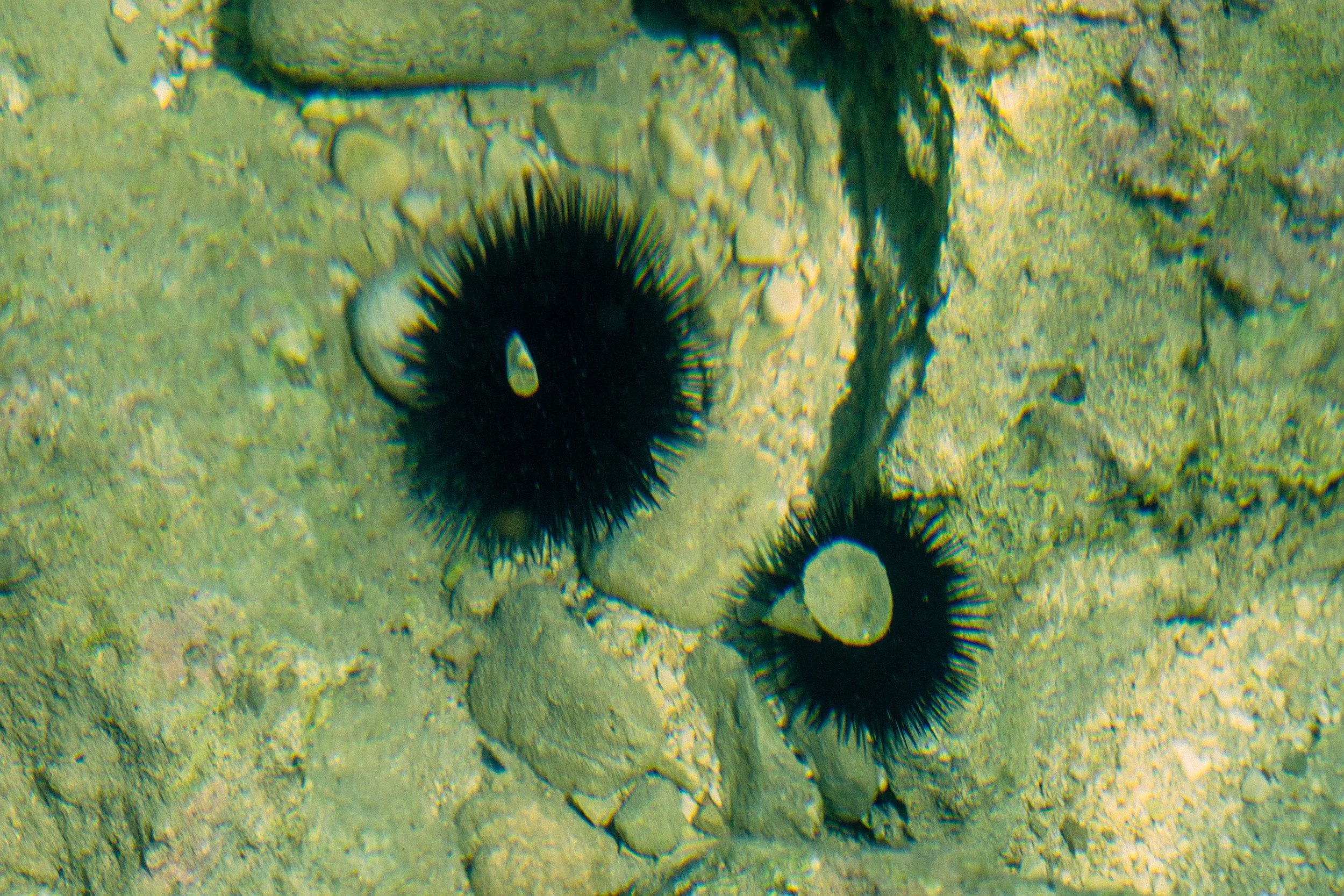
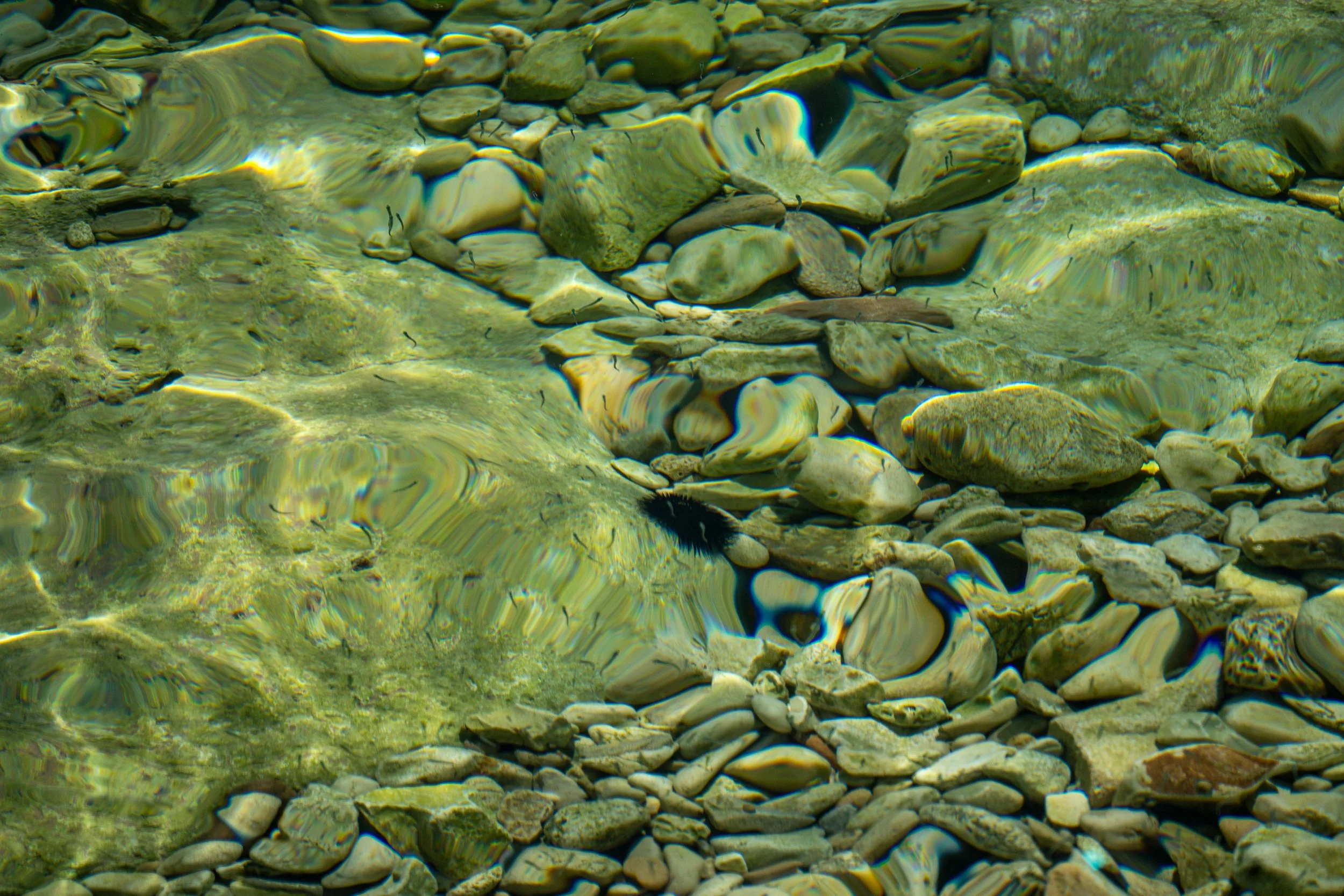
We continued on to the Pakleni Islands, once used as private gardens for wealthy residents who cultivated rare plants. What caught our attention more, however, were the sea urchins scattered along the rocky shoreline.
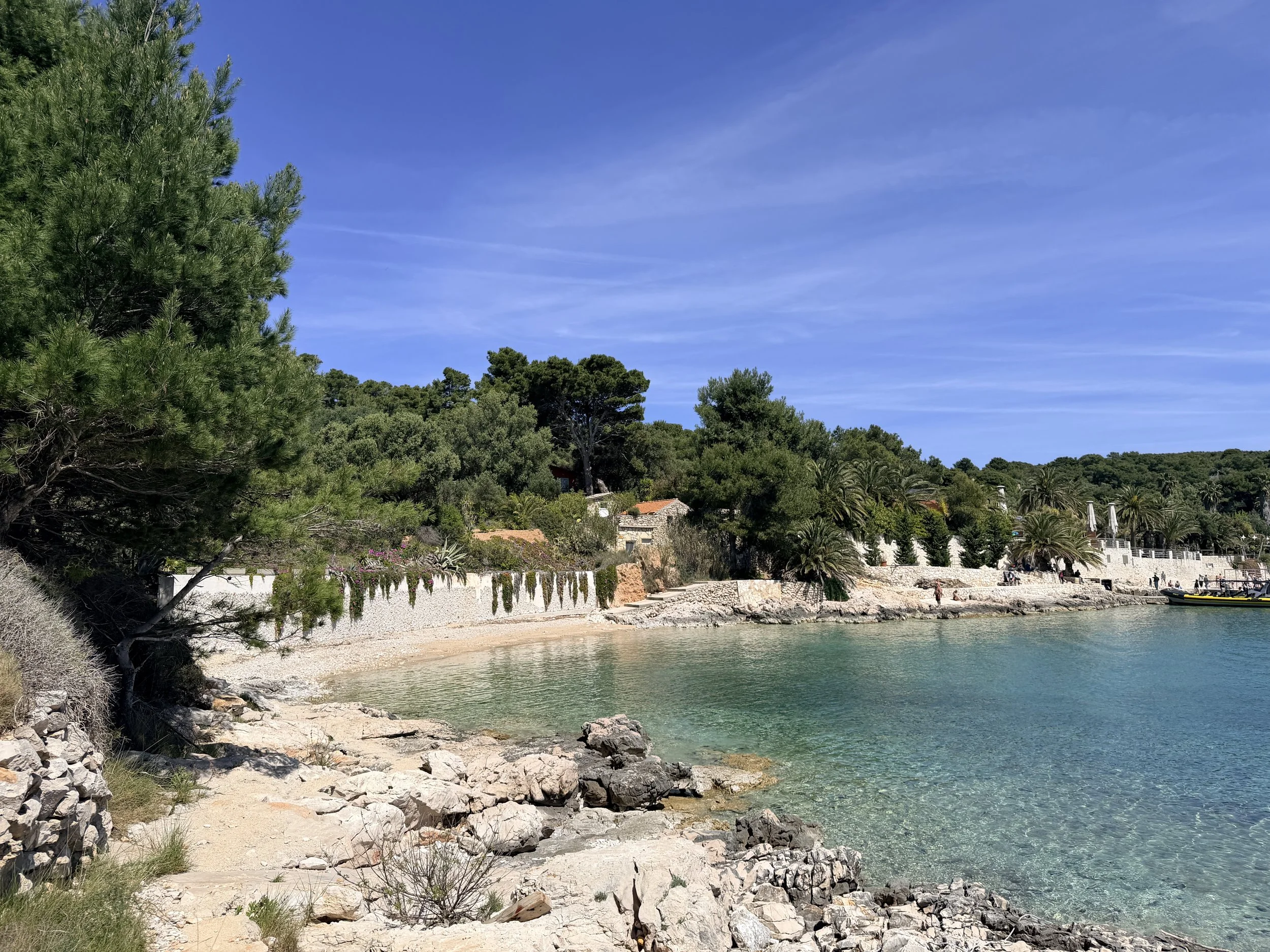
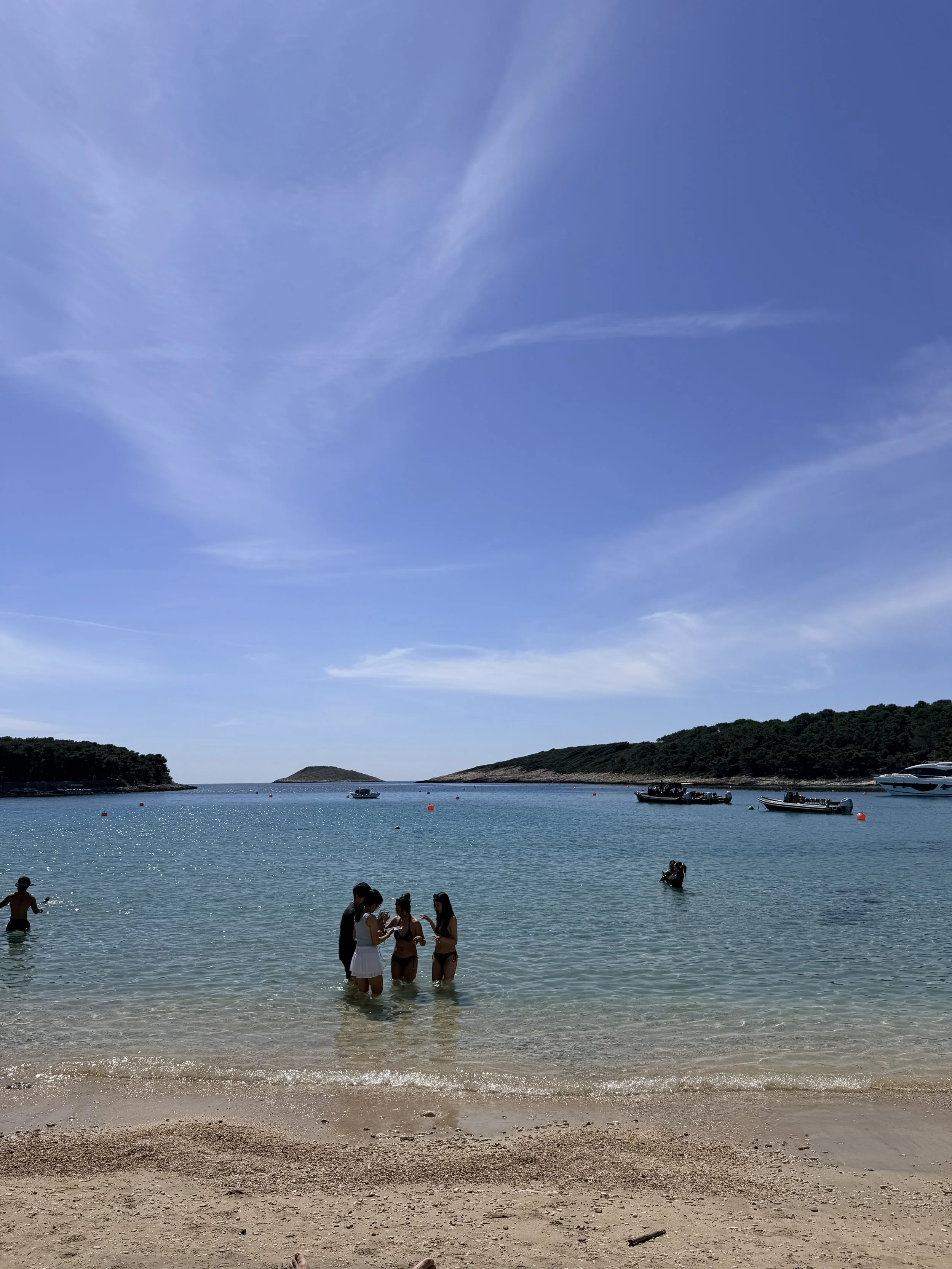
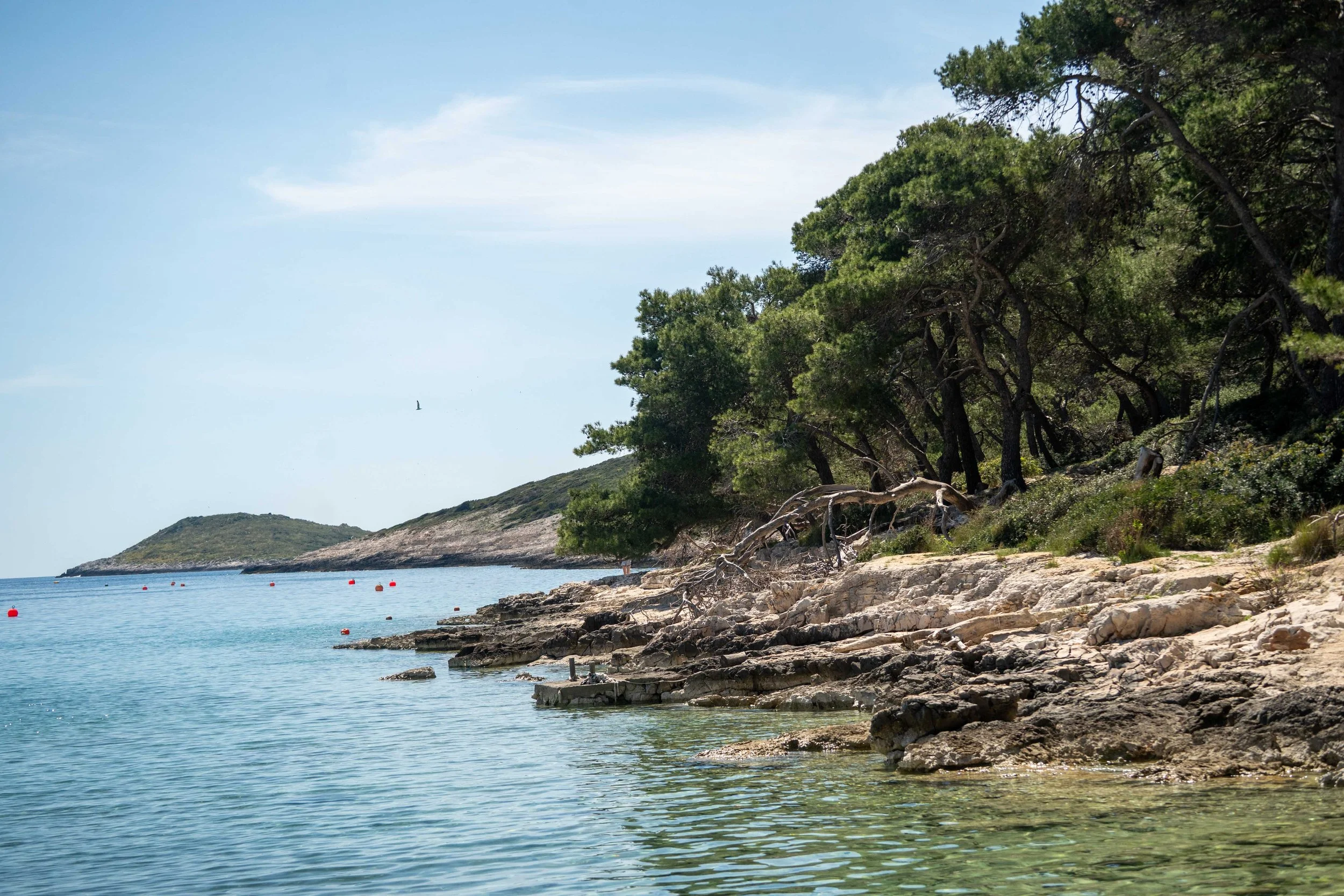
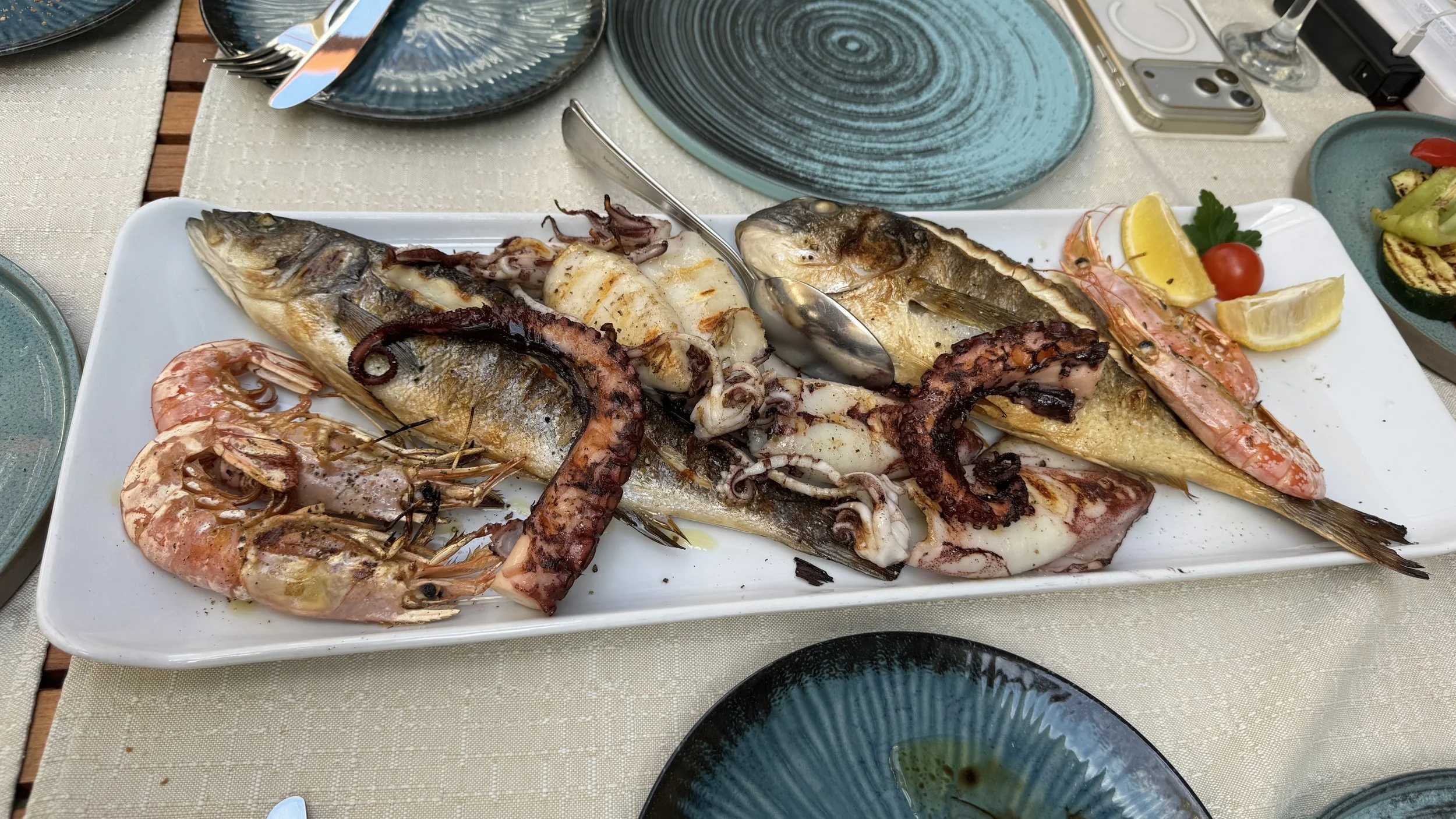
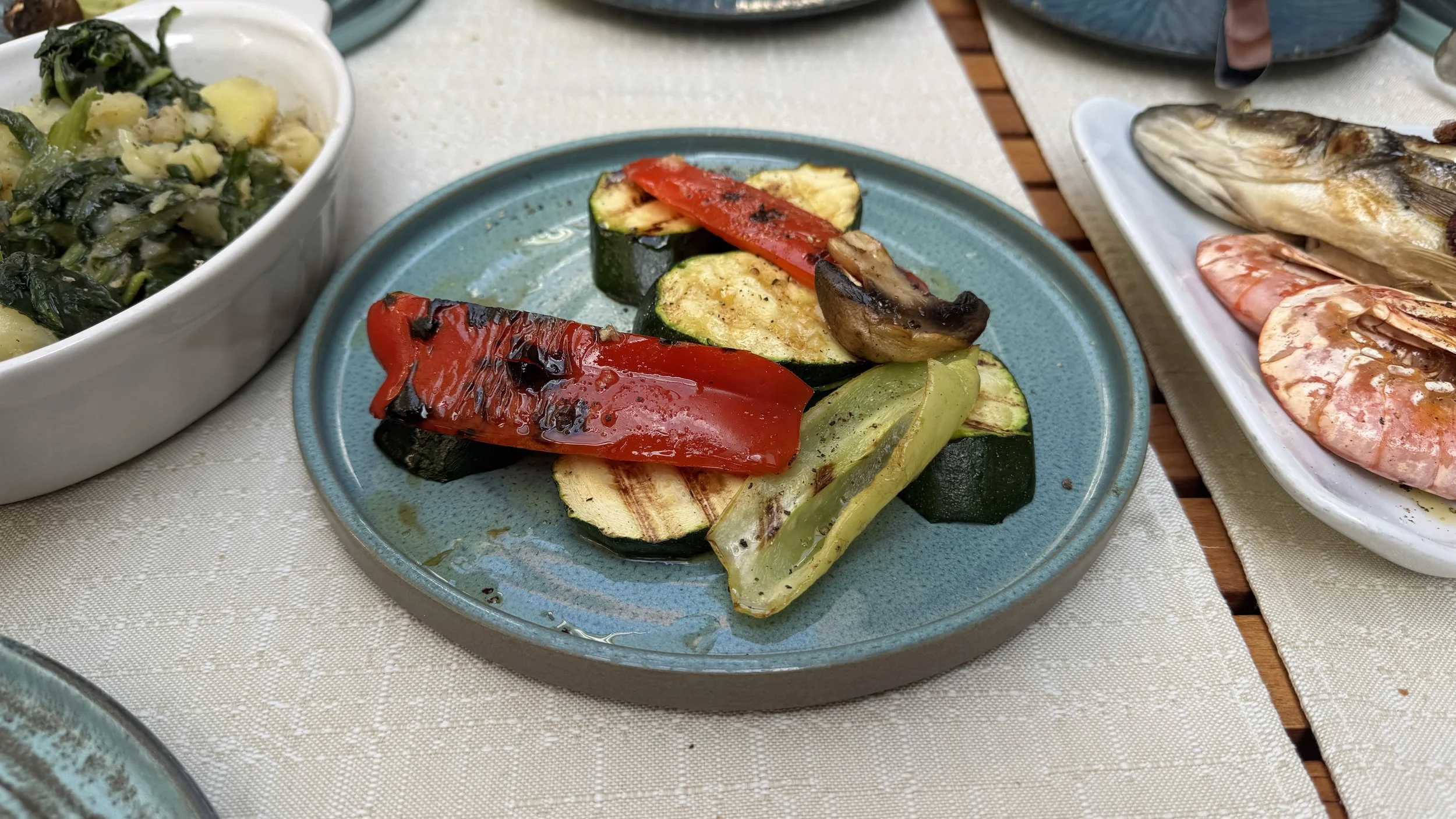
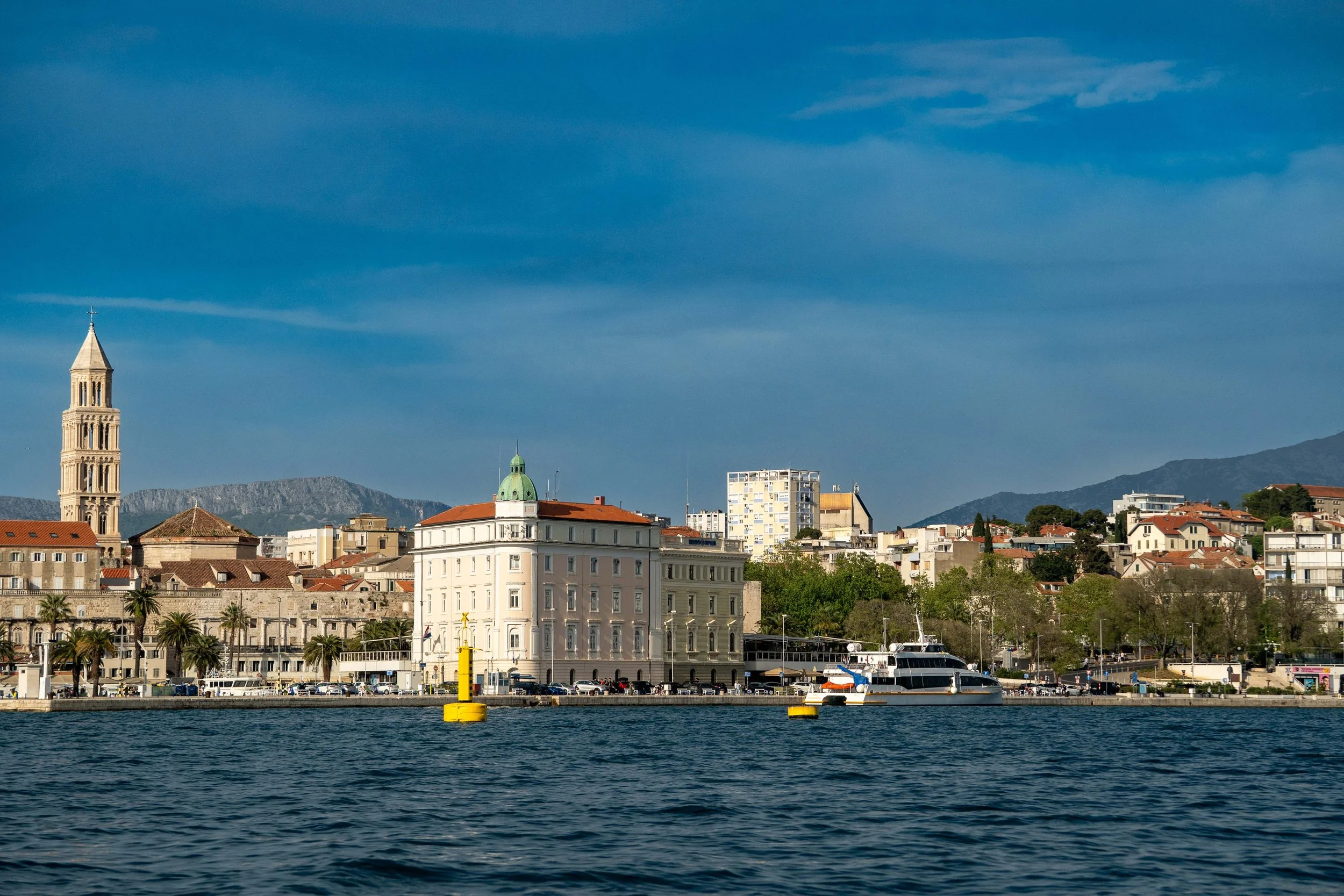
Our final stop was Hvar for 2.5 hours, where we enjoyed a relaxing lunch featuring a fresh fish platter and a short hike to Fortica Fortress. Afterward, we boarded the boat again for the roughly one-hour ride back to Split.
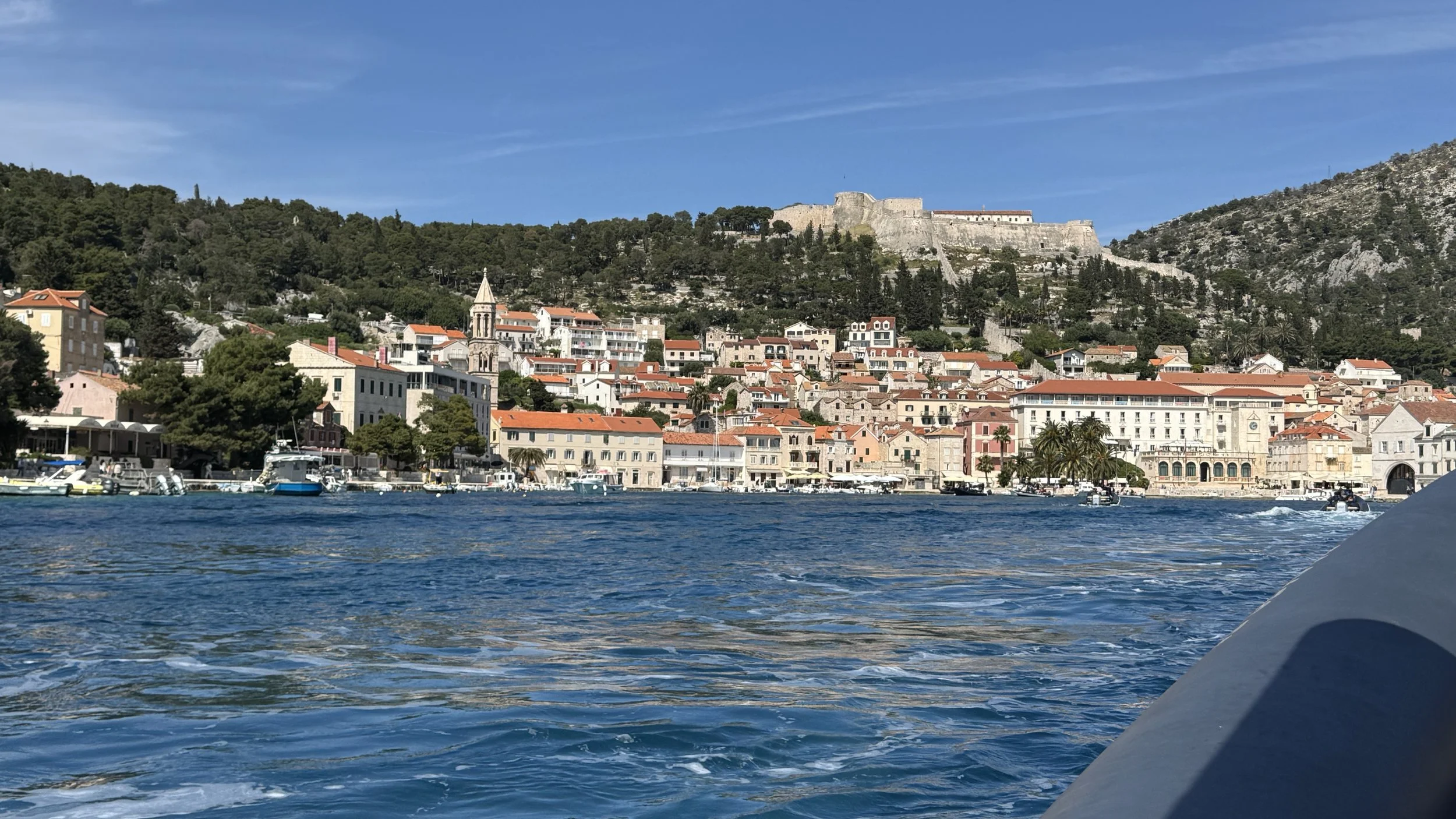
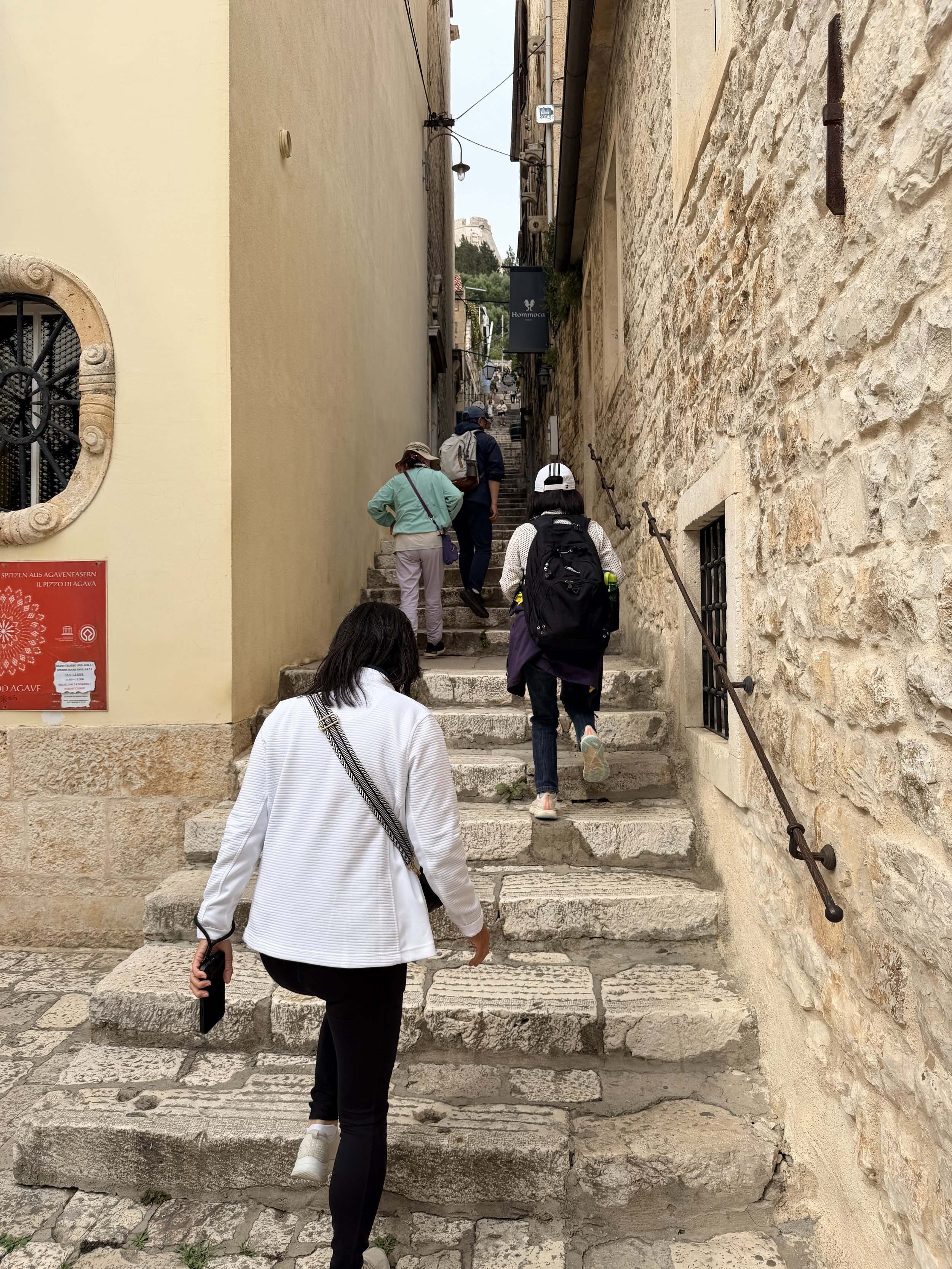
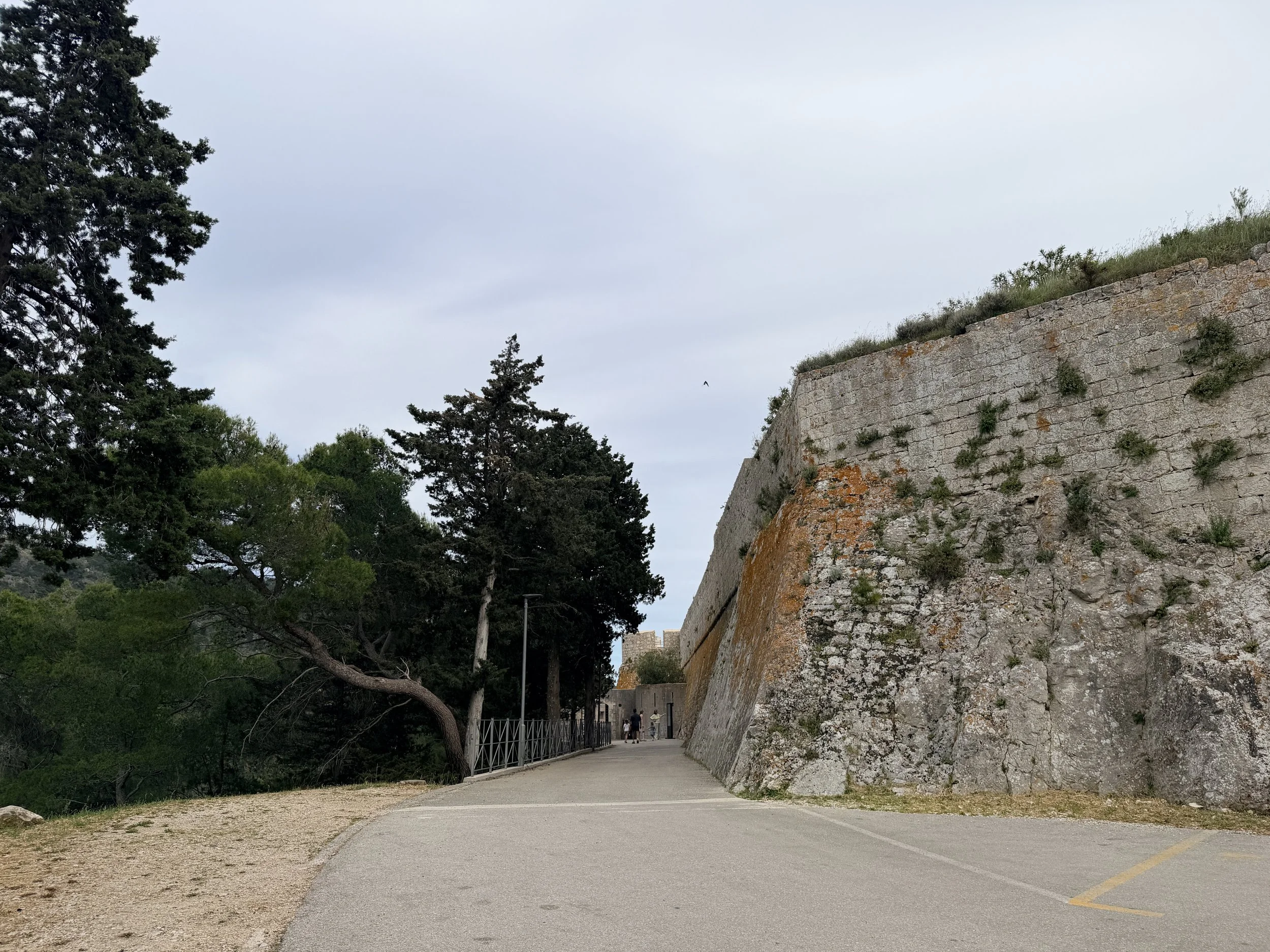
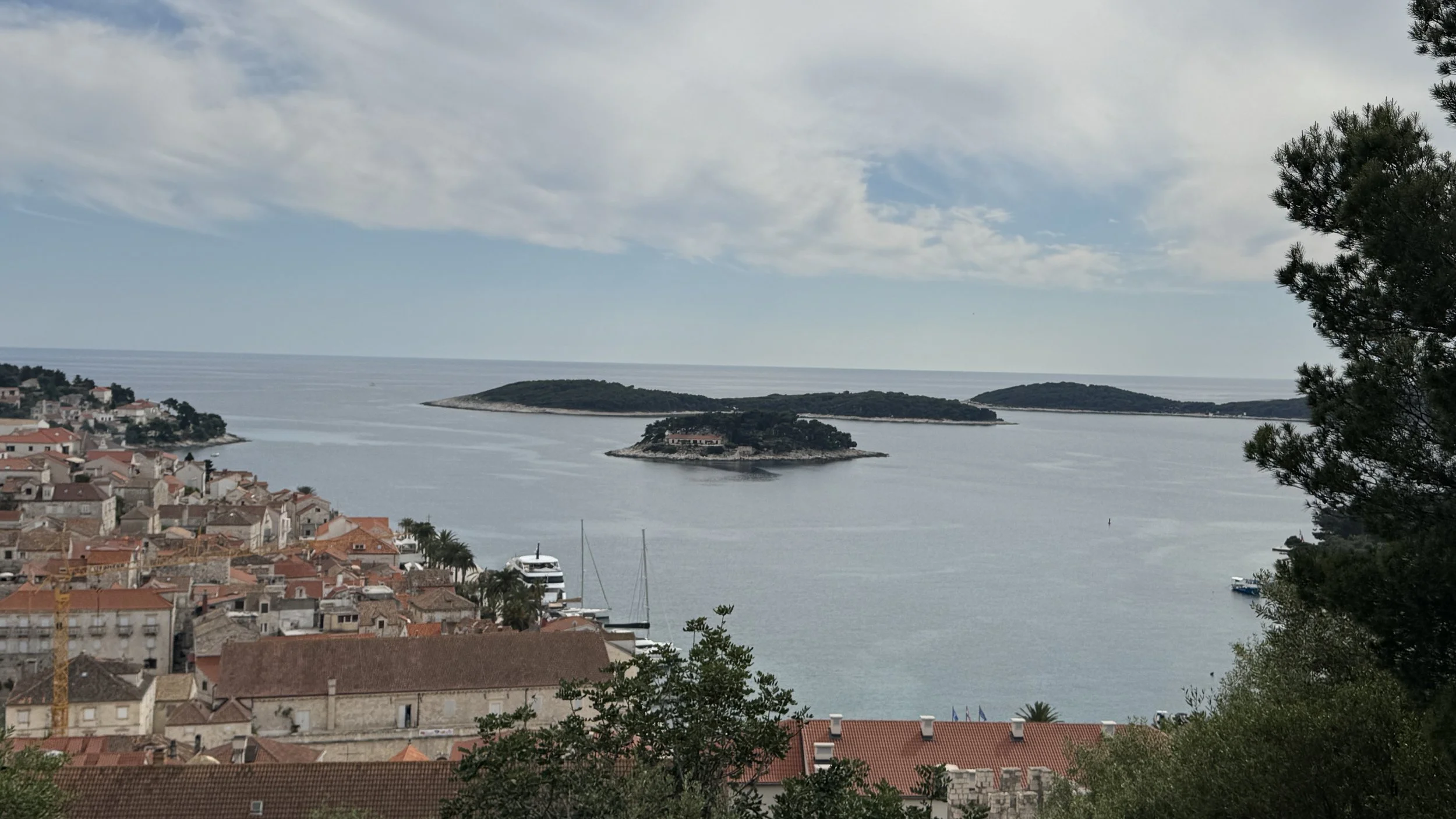
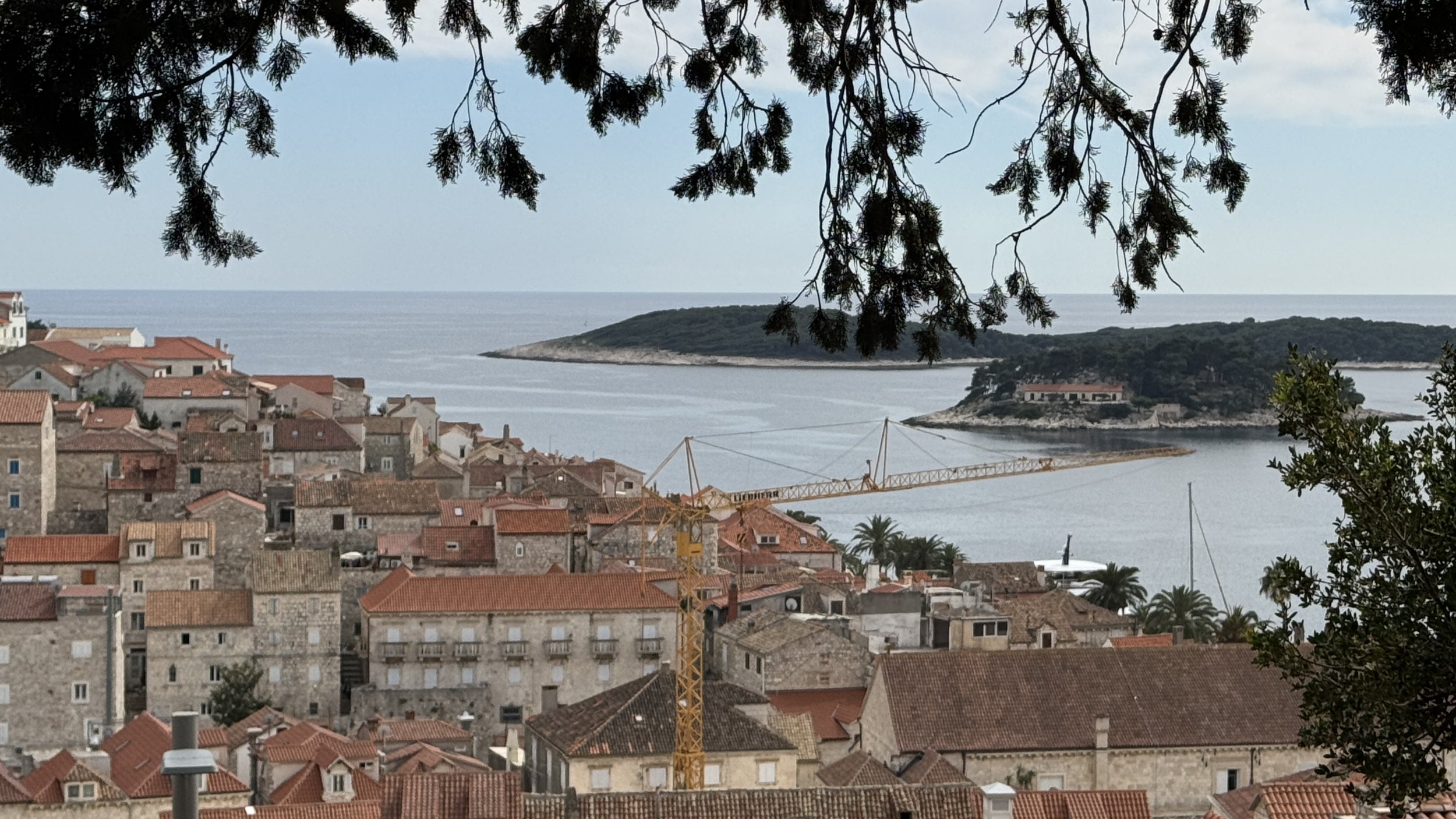
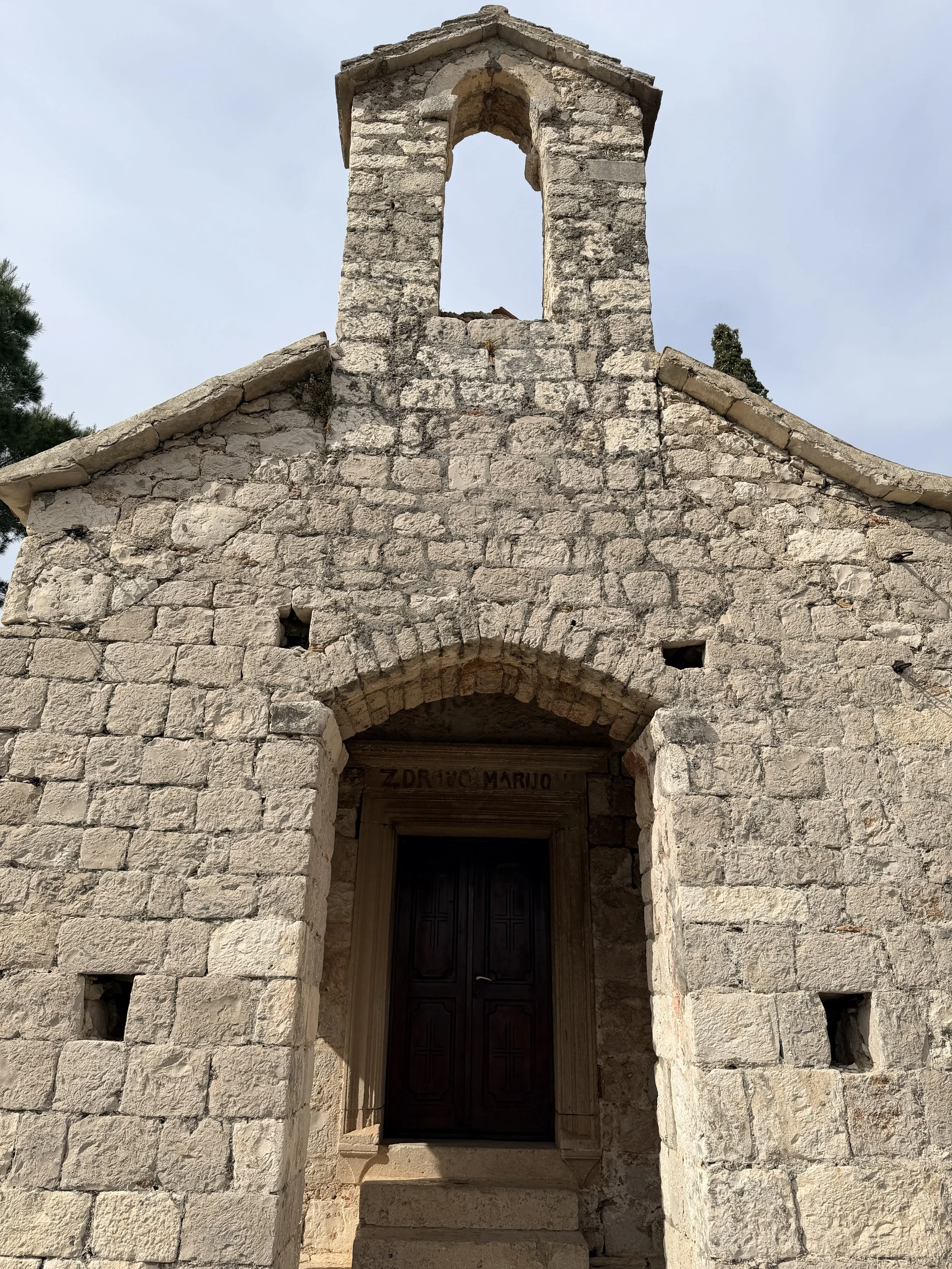
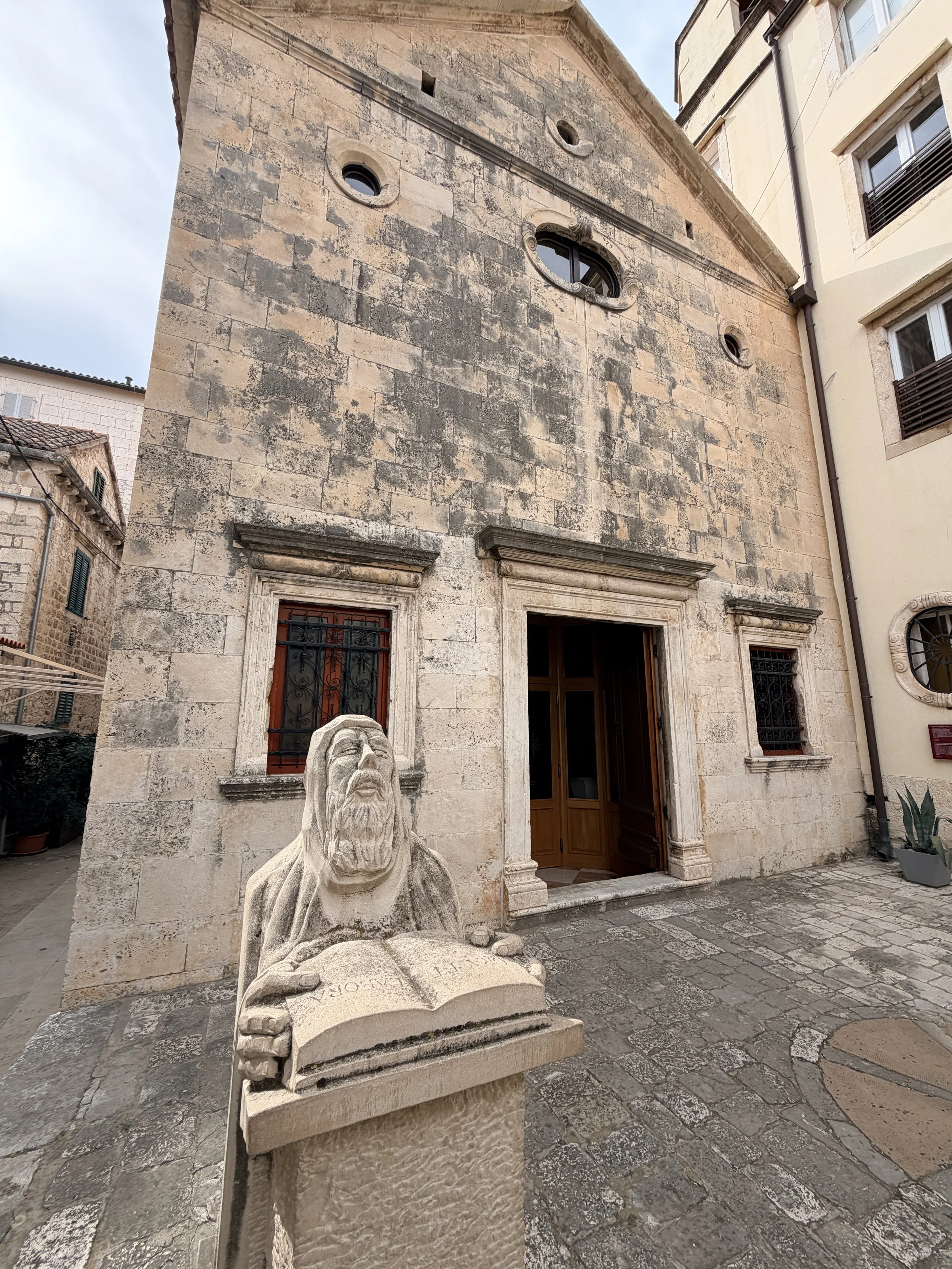
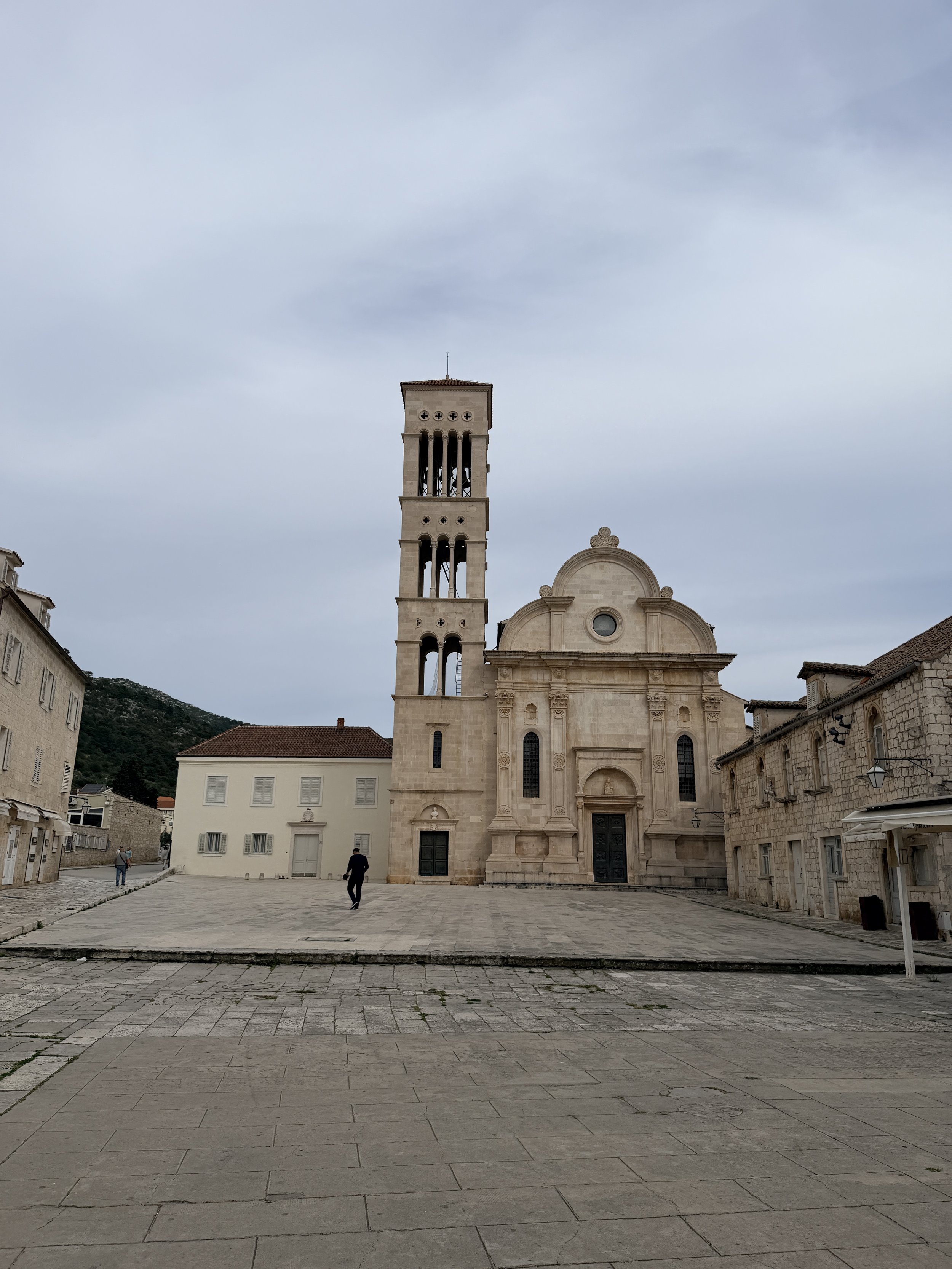
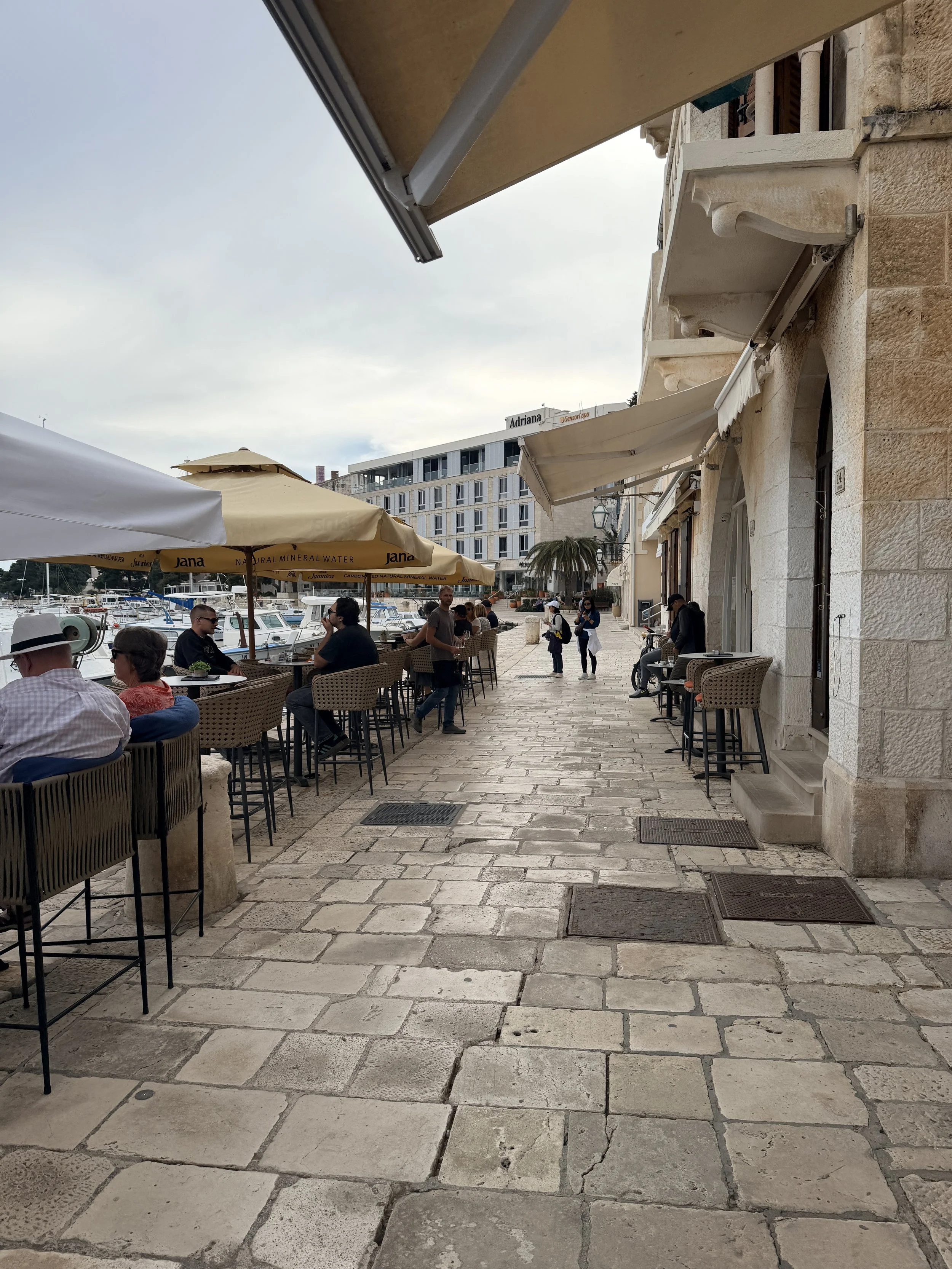
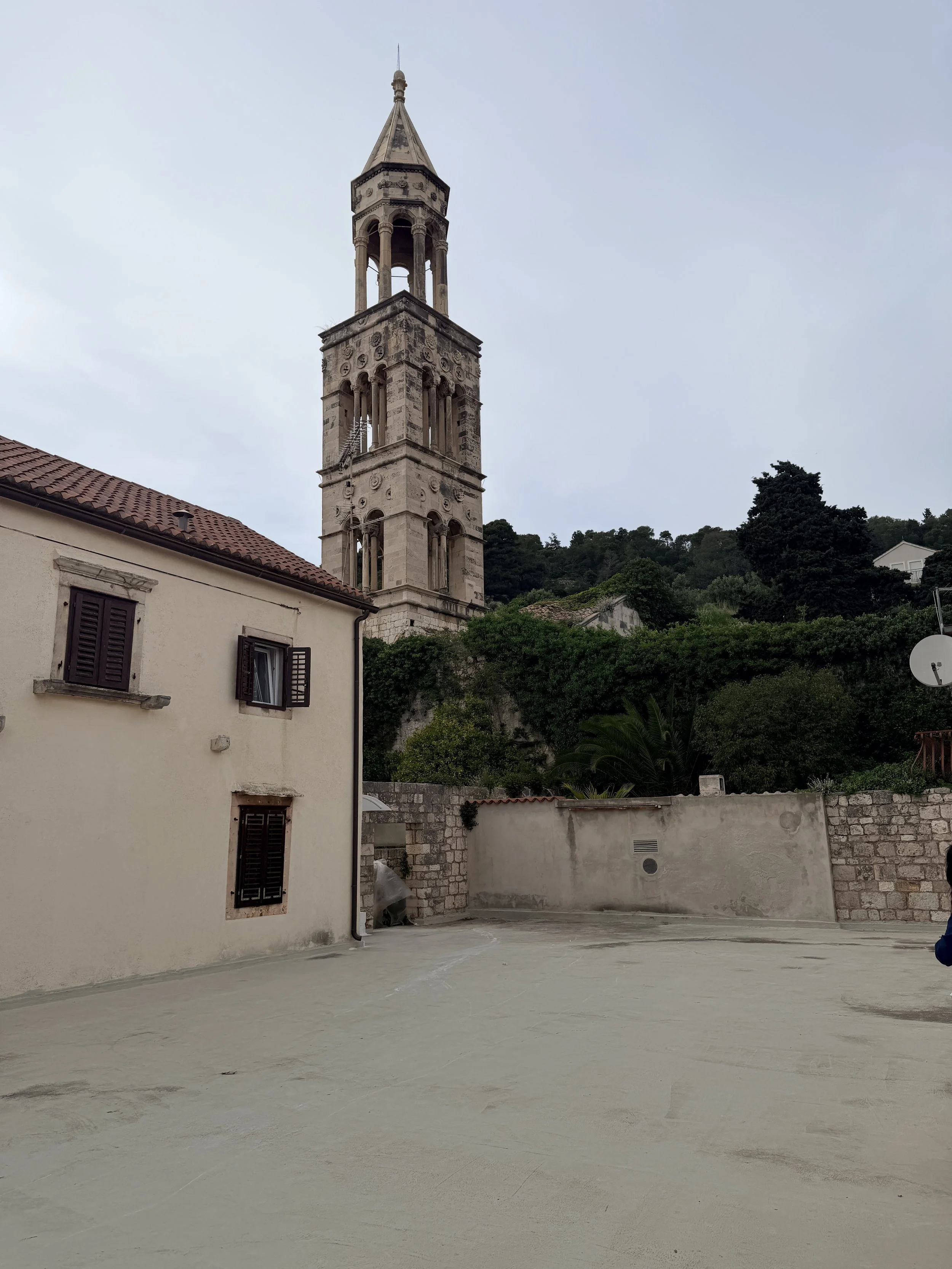
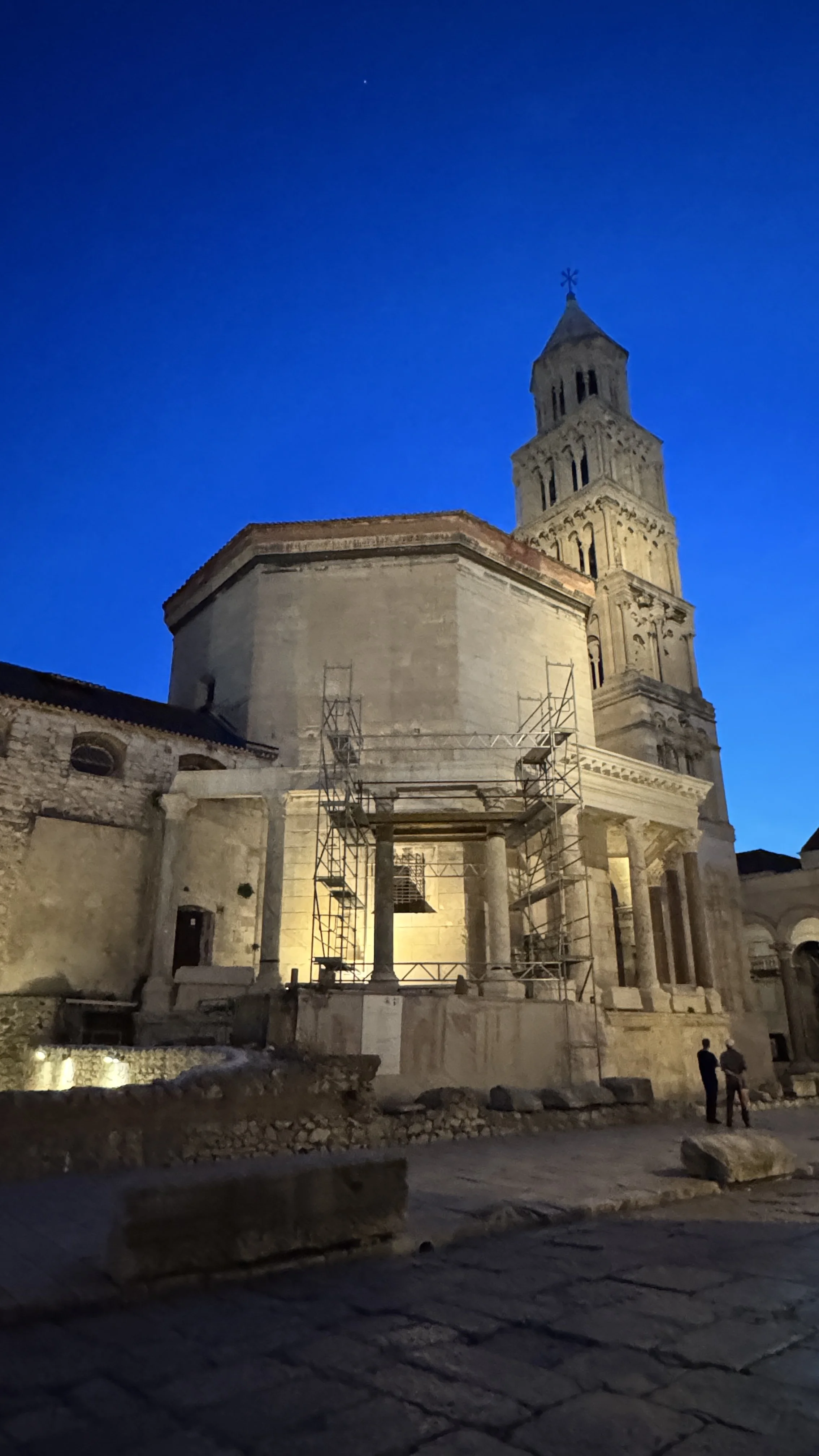
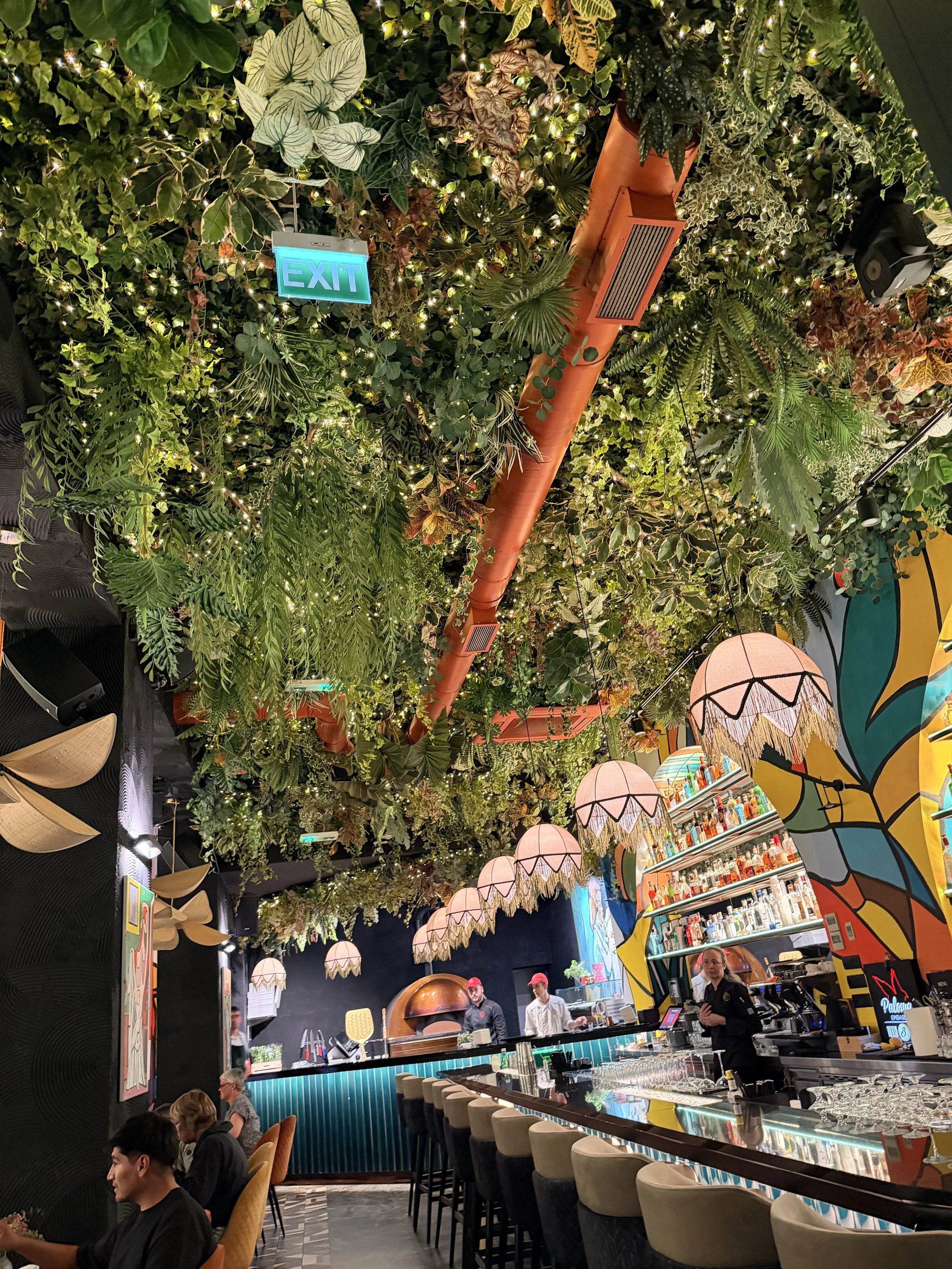
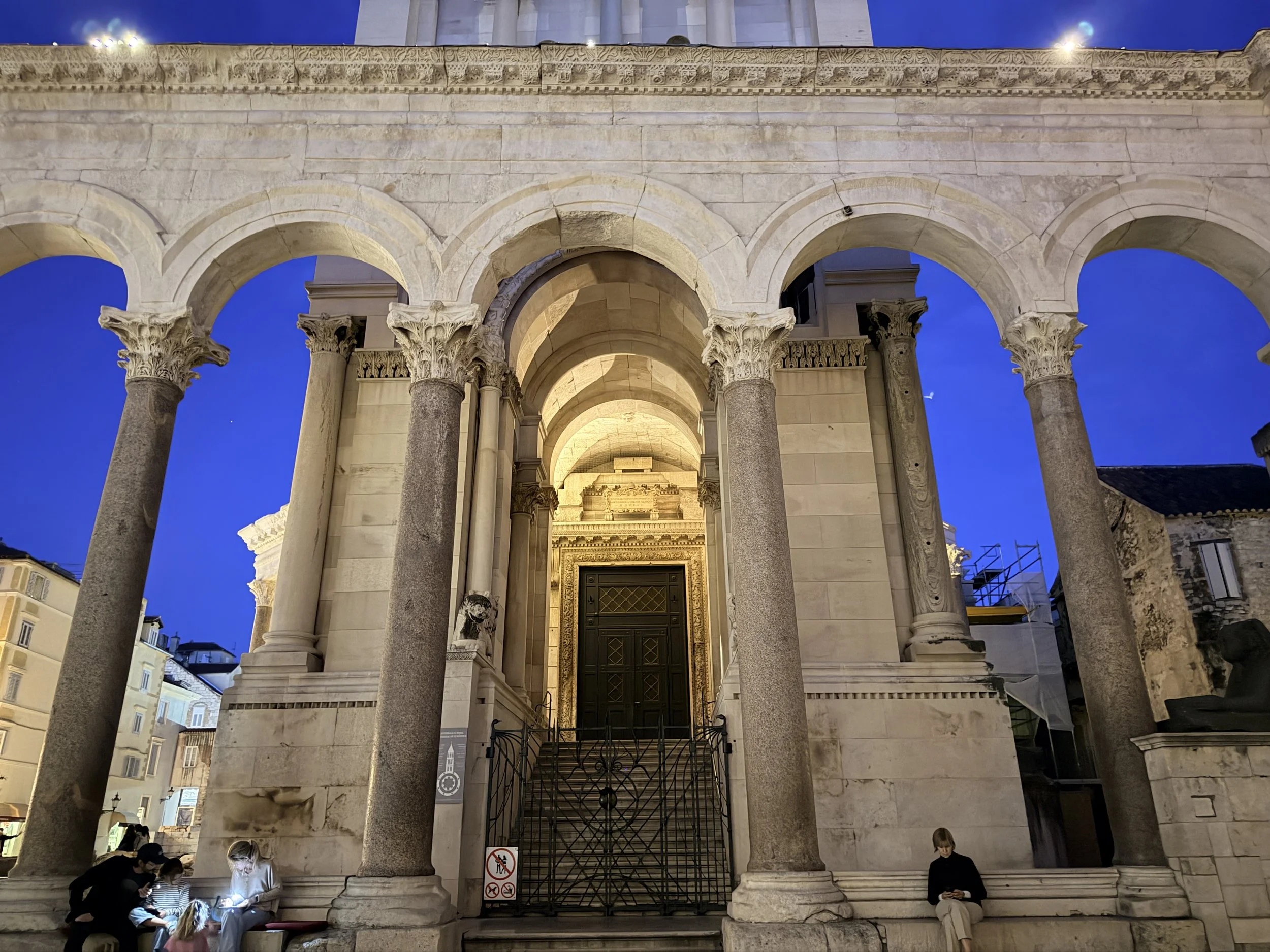
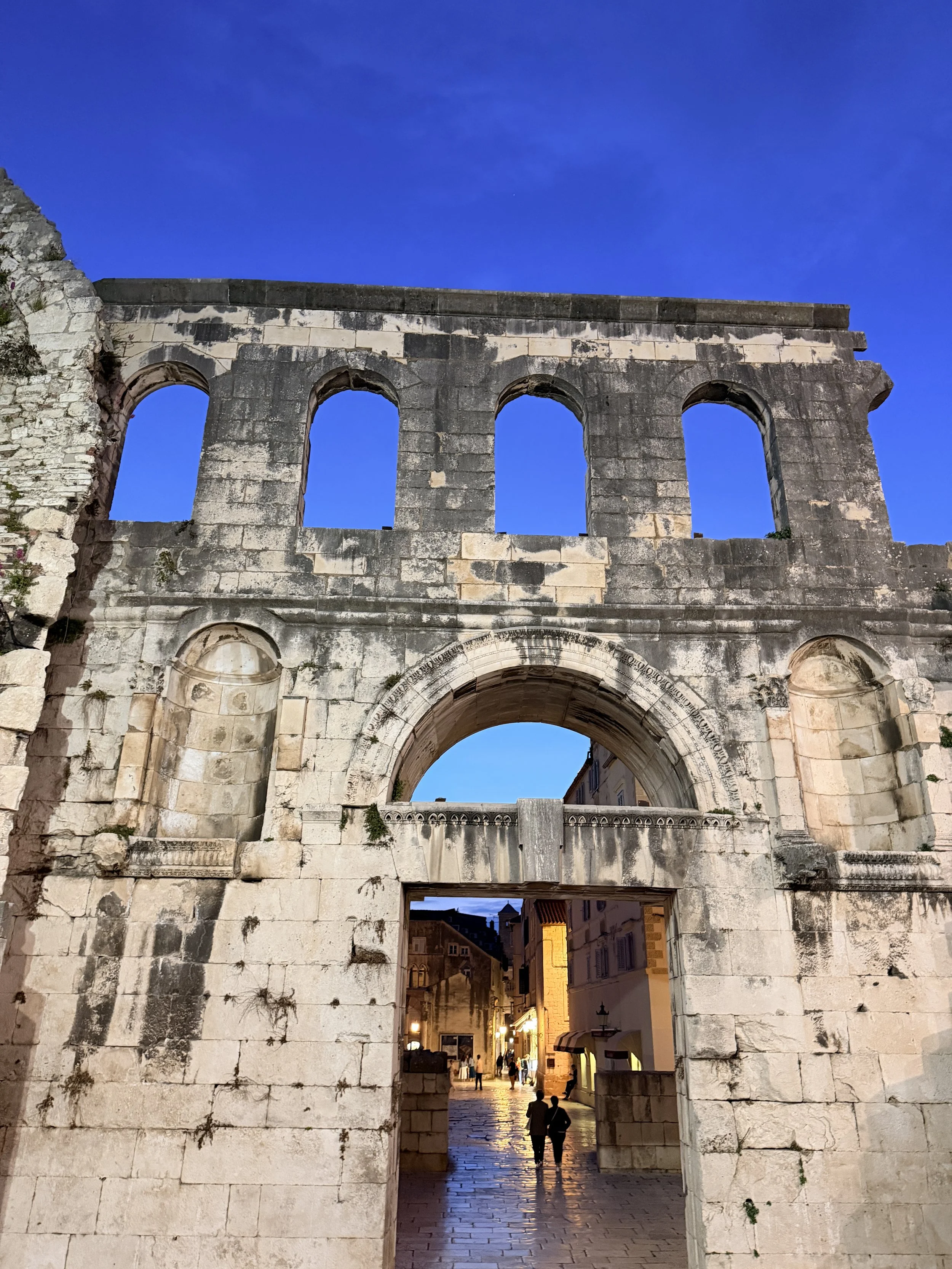
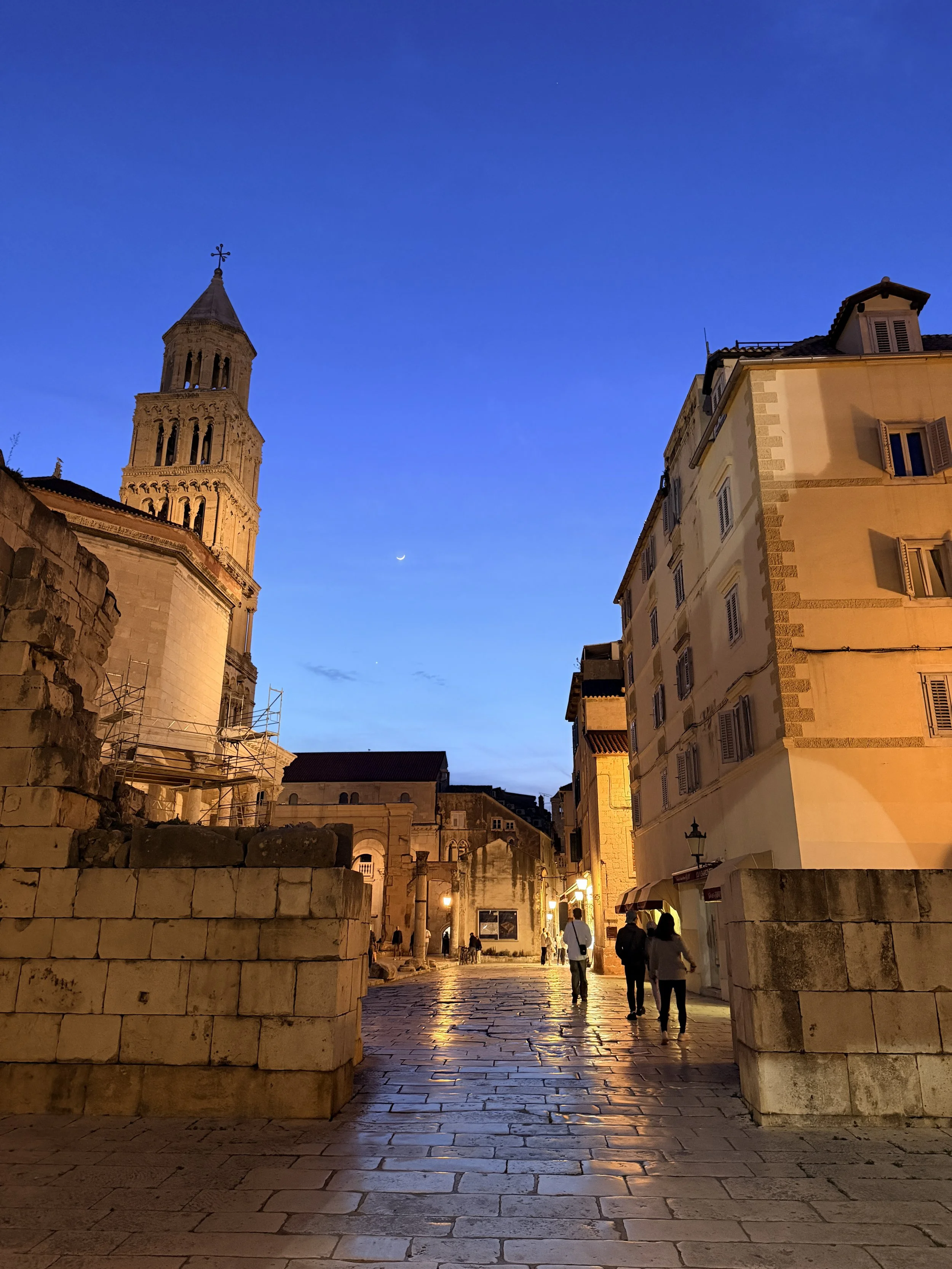
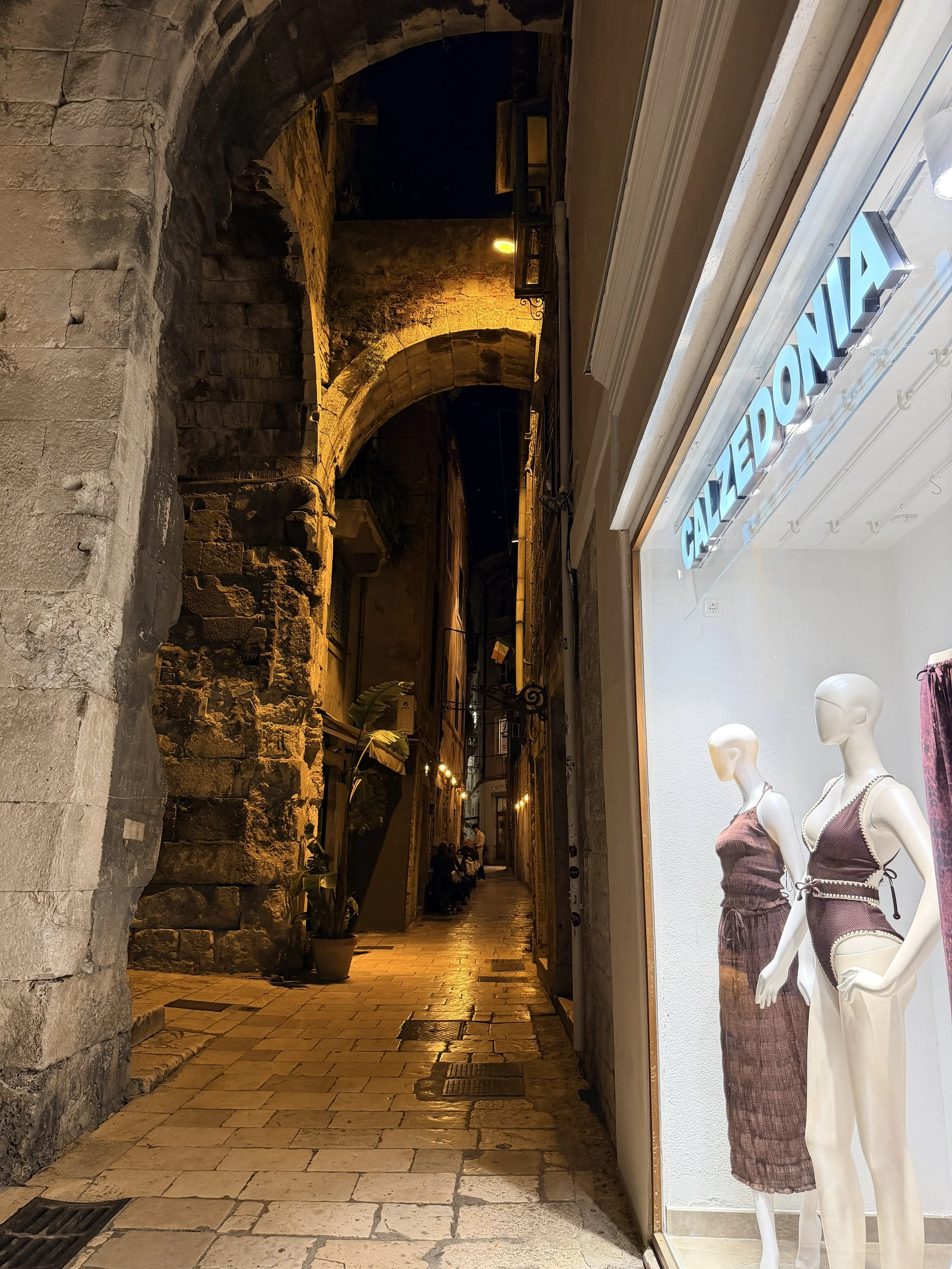
After returning to town and having Thai food for dinner, the night still felt young. We wandered through the old town, enjoying the lively atmosphere under the soft glow of evening lights and deep blue sky.
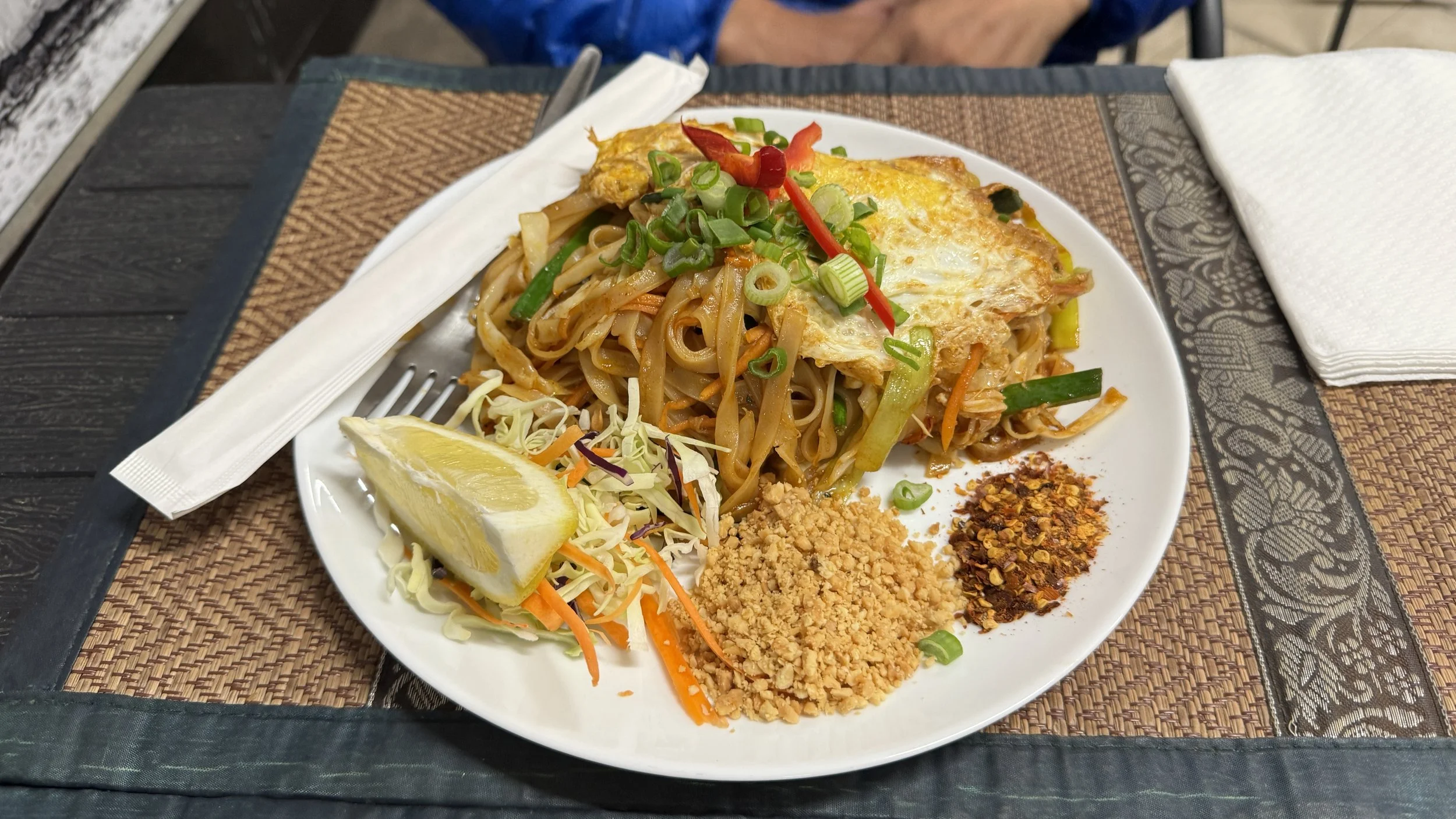
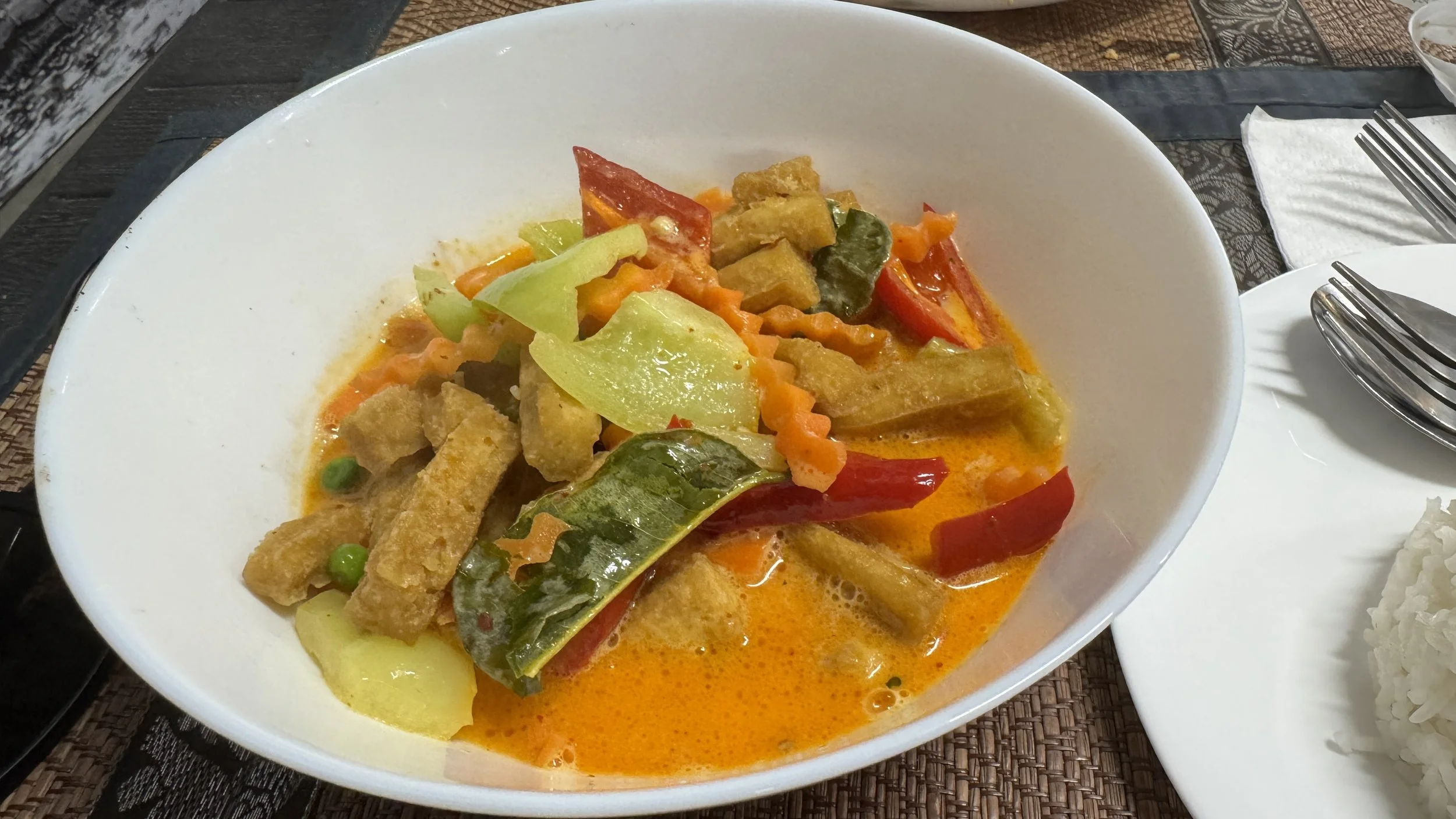
Although this was one of the best boat tours we’ve taken—filled with stunning natural sights like the Blue and Green Caves—what I appreciated most was something completely unexpected: meeting a classmate, thousands of miles away from where we live, in a place neither of us had planned to be, at exactly the same time.
Travel doesn’t just take you to new places—it creates moments you could never plan, only experience.
2026年4月19日
我们一大早起床,在酒店吃了早餐。7:30我们就已经出发走去集合点,准备参加一个10小时的洞穴跳岛游。
大约8点,运营方开始安排乘客登上黑色橡皮快艇,每艘船大约12人。我们原本是最早上船的一批,但因为同伴膝盖受伤,打车过来晚了一会儿,结果我们反而成了最后一批上船的乘客。
在码头等待时,我注意到有一位中国男士朝我们走来。他看起来非常眼熟。我心想,这不可能,一定只是长得像而已。可真的会是他吗——一个去年我才在上海刚见过的大学同学?我试着和他对视,但他没有回应。接着我们便上了同一艘船。
这艘快艇的座位是类似马鞍式的设计,乍一看有点奇怪,但实际坐起来比传统座位更舒适也更实用。很快我们以大约24节的速度在亚得里亚海上飞驰,颠簸前行了约90分钟,前往第一个目的地——蓝洞。在船上,我一直在想着那张熟悉的脸。会真的是他吗?
到了第一个停靠点,我终于鼓起勇气问他。“是的。”他说。真的是他。一个人从上海来欧洲,几乎是以背包式的方式快速的在不同国家,不同城市之间穿梭。他昨晚上刚到,一早走到码头,看到有船,问一下是否还有空位。而我们因为等朋友也等到最后上船。就这样阴差阳错的遇上了。在一个小国家、一个小城市,在一艘只有12个人的小船上遇见同学,这种概率实在太低了。世界真小。旅行总是会带来一些意想不到的惊喜。
参观蓝洞需要换乘由当地人驾驶的小船,并额外支付每人18欧元。洞口曾经经过扩展,以便小船可以驶入,但是否能够进入仍取决于海况——如果海浪太大或涨潮,小船就无法进入
从外面看,蓝洞只是岩石海岸上的一个狭小入口。但一旦进入内部,景象完全不同。洞内被一种几乎不真实的蓝色光芒所充满。阳光通过水下的开口射入,反射在白色石灰岩海底,将整个洞穴映照成通透的蓝色。
我们在洞内只停留了大约五分钟,但这段记忆却会留存很久。
随后我们前往科米扎(Komiža),这是一个迷人的海边小镇,也是电影《妈妈咪呀2》(Mamma Mia! Here We Go Again)的取景地之一。我们在这里喝了咖啡,然后去小镇里转悠了一下。
接着来到斯蒂尼瓦海滩(Stiniva Beach),这里是由洞穴坍塌形成的海湾,被高耸的悬崖包围,是克罗地亚最具戏剧性的海滩之一,据说旺季时会限制进入。
之后的绿洞之行则带来了完全不同、同样难忘的体验。绿洞位于拉夫尼克岛(Ravnik Island),空间更大也更开阔。洞顶有一个天然开口,阳光从上方直射进来,在水中形成一道明显的光柱。水中的藻类和海底反射出柔和的翠绿色光芒。最让人着迷的是,随着船只缓缓漂移,光束在洞内不断移动、扫过不同角度,让整个空间显得流动而神秘。
随后我们前往帕克莱尼群岛(Pakleni Islands),这里曾是富人种植珍稀植物的花园。而更吸引我们注意的,是海岸岩石间随处可见的海胆。
最后一站是赫瓦尔岛(Hvar)。当初计划这次欧洲游时曾有想过在岛上住二晚。我们在这里享用了丰盛的午餐,一份新鲜的鱼类拼盘令人非常满足。之后,我们再次登船,经过约一个小时的航程返回斯普利特(Split)。
回到城里吃完晚饭后,我们在老城中随意漫步,在柔和的灯光下感受热闹的夜晚氛围。
虽然这是我们第一次体验蓝洞和绿洞,也是一次非常精彩的跳岛海上之旅,但让我印象最深的,却是一个完全意料之外的瞬间:在距离我们生活地数千英里的异国他乡,在一个毫无关联的地方,我和我的同学不约而同地相遇了,真是奇迹。
旅行不仅带你去新的地方,也会带来那些你无法计划、只能亲身经历的瞬间。